Strategic Plan
Partners for Environmental Stewardship (PES) was founded on a simple but powerful idea: that when people and nature thrive together, our communities become stronger, healthier, and more resilient. With this first strategic plan, we mark an important milestone in bringing that vision to life.
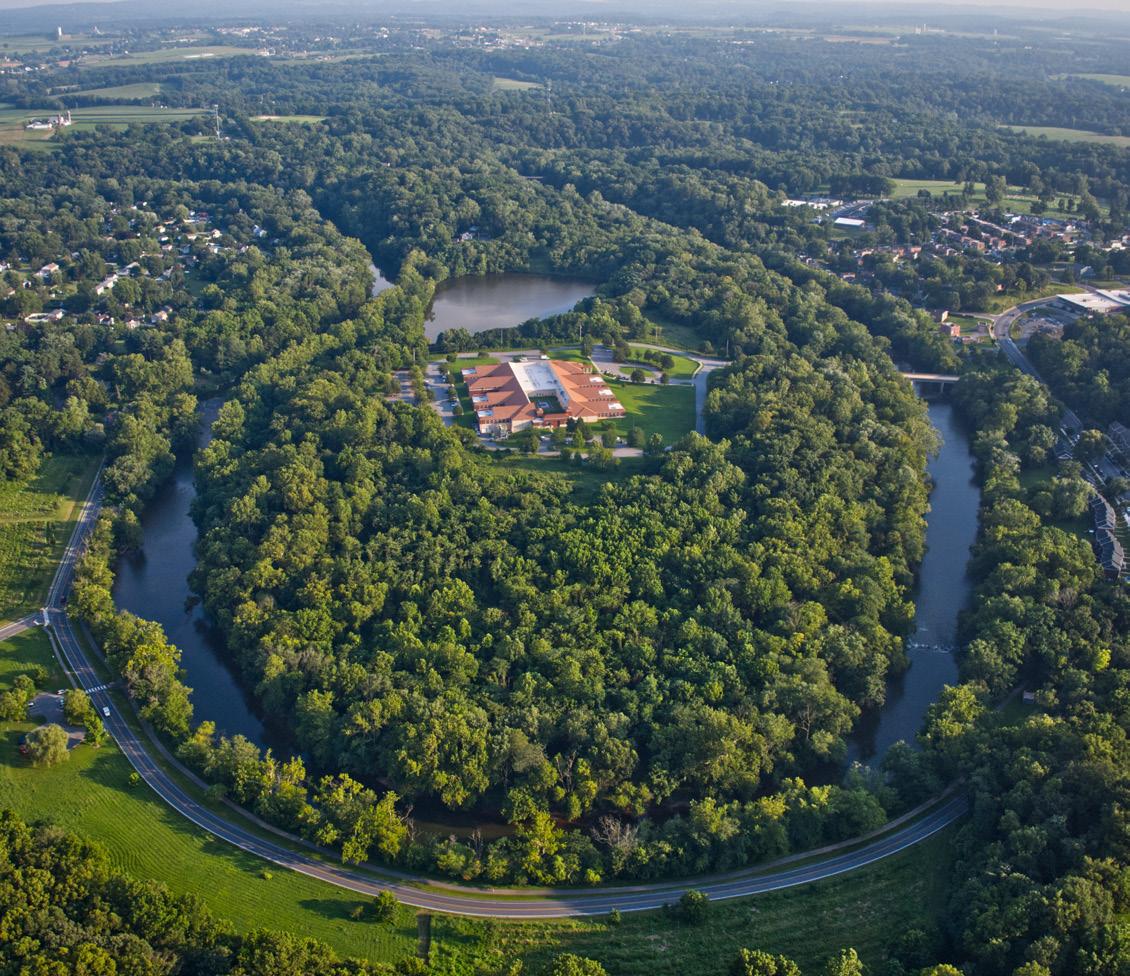
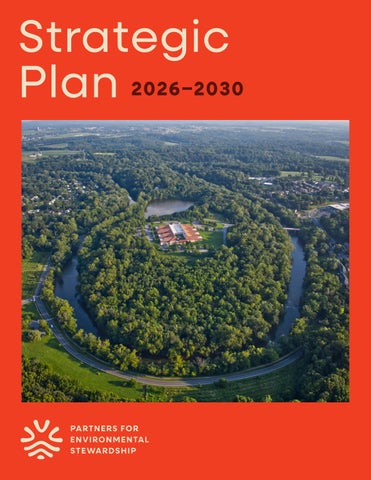
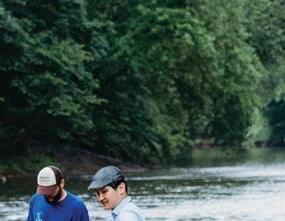
Over the next five years, PES will work with partners across Lancaster City and beyond to design and establish a new Environmental Center and 70-acre nature preserve on the Sunnyside Peninsula. This project represents more than a new place—it is the start of a movement. Together, we are building a home for environmental learning, stewardship, and collaboration. A place where students can explore science in a living laboratory, where residents can reconnect with the Conestoga River, and where partners can advance clean water, conservation, and workforce opportunities that shape a sustainable future.
While our immediate focus is on creating this center and nature preserve, we know we are laying the foundation for something much larger—a hub that will foster environmental innovation, expand access to the outdoors, and drive economic and educational opportunity throughout the region and the Chesapeake Bay watershed. Our work in Lancaster will create ripples that reach far beyond its borders.
As a young organization, these next five years will be a period of growth and foundation-building. We will strengthen our operations, deepen partnerships, and earn the trust of the communities we serve. PES is here to stay, and that means investing in relationships that last—rooted in collaboration, transparency, and shared purpose.
This strategic plan reflects the collective vision and insights of our Board, anchor organizations, and community partners. It sets our course for both immediate impact and long-term resilience. It also represents a proud moment for all who believe in the power of connection—to each other, to place, and to the natural world.
We invite you to join us in this work—to help build a community where people and nature flourish, together.

With joy,
DIANA MARTIN Executive Director Partners for Environmental Stewardship
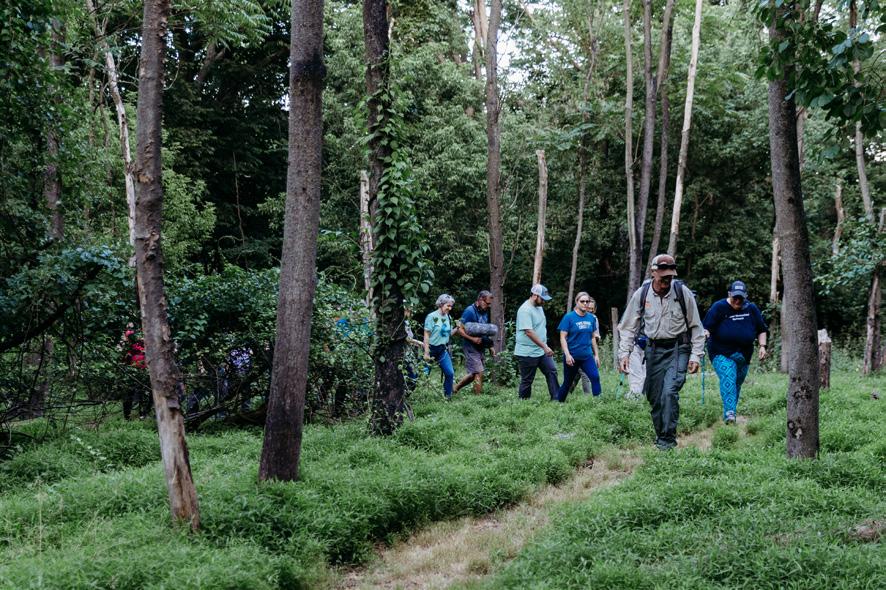
Partners for Environmental Stewardship (PES) is a newly established 501(c)(3) nonprofit committed to advancing environmental resilience and access to the outdoors through education, stewardship, and collaborative action in Lancaster City and the broader region. Anchored at Sunnyside Peninsula, a newly designated 70-acre urban nature preserve, PES is leading the development of a new environmental center in partnership with several anchor organizations. These are long-standing local and regional partners that will serve as core collaborators and tenants supporting environmental education, conservation, and community engagement. With strong early philanthropic investment and a major capital campaign underway, PES is positioned to become both a trusted local hub and a regional leader in environmental action.
In 2025, PES launched a comprehensive, Board and stakeholder-driven planning process facilitated by coLAB Impact. The process included interviews, focus groups, surveys, and culminated in a Board retreat on September 8, 2025, which surfaced shared priorities, organizational needs, and long-term opportunities. This strategic plan reflects those results, establishing initial priorities while offering a five-year roadmap that emphasizes near-term action while laying the groundwork for durable long-term impact.
The plan identifies a set of strategic initiatives that address PES’s foundational needs as a new organization while advancing bold aspirations for communitywide impact.


VISION






MISSION
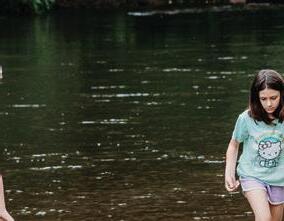
PES connects people to expand access to nature, inspire environmental action, and restore natural resources for future generations.
Collaboration
We build strong partnerships to achieve more together.
Sustainability
We create lasting impact through measurable results.
Innovation
We embrace new ideas to solve environmental challenges.
Respect
We act with inclusion, transparency, fairness, and accountability.
Joy
We celebrate nature and community with energy and optimism.
STRATEGIC INITIATIVE
Goal #1: Define PES’s role and value within the environmental ecosystem.
Goal #2: Strengthen PES’s brand and communications identity.
STRATEGIC INITIATIVE
Goal #1: Build financial resilience through diverse and sustainable revenue streams.
Goal #2: Build the governance, business, and staffing infrastructure to sustain PES.
STRATEGIC INITIATIVE
Goal #1: Build authentic, long-term community trust through inclusive engagement.
Goal #2: Ensure design, access, and outcomes invite a sense of community belonging.
STRATEGIC INITIATIVE
Goal #1: Position PES as a regional hub for environmental education.
STRATEGIC INITIATIVE
Goal #2: Strengthen connections between education and workforce opportunities.
Goal #1: Demonstrate early progress and build community trust through visible action.
Goal #2: Build long-term resilience through stewardship, storytelling, and data.
STRATEGIC INITIATIVE
PES must clearly define its role in the environmental ecosystem and build the governance structures that sustain it. Role clarity, accountability, and communication structures are essential to building trust and credibility across partners and ensuring PES complements, rather than duplicates, the work of partner organizations.
GOAL #1:
Define PES’s role and value within the environmental ecosystem.
Objective 1.1: Clarify PES’s role for creating solutions within the community and environmental ecosystem (leader, convener, collaborator, supporter) and communicate this consistently.
Objective 1.2: Determine PES’s unique value-add to complement, not duplicate, existing organizations.
GOAL #2:
Strengthen PES’s brand and communications identity.
Objective 2.1: Develop a clear brand and complementary messaging strategy that differentiates PES from other environmental organizations.
Objective 2.2: Build communications channels (website, social media, newsletters, partner updates) that consistently reinforce PES’s role and impact.
Objective 2.3: Create shared language and talking points with anchor organizations to ensure clarity and alignment in how PES is described externally.

STRATEGIC INITIATIVE
PES’s long-term success depends on building resilient operations and sustainable revenue streams. As a new organization, PES must balance the urgency of launching programs with the discipline of strengthening its financial, staffing, and operational infrastructure.
GOAL #1:
Build financial resilience through diverse and sustainable revenue streams.
Objective 1.1: Complete the capital campaign and establish operating reserves.
Objective 1.2: Ensure PES has a clear and integrated business, operations, and development framework that guides sustainability and accountability.
Objective 1.3: Adopt multi-year financial planning as a core practice.
GOAL #2:
Build the governance, business, and staffing infrastructure to sustain PES.
Objective 2.1: Establish governance agreements with the City, anchor organizations, and partners that support PES’s long-term vision and mission.
Objective 2.2: Establish sustainable staffing and leadership frameworks that ensure alignment between PES’s strategy, operations, and partnerships.
Objective 2.3: Build financial, HR, and program systems that reflect nonprofit best practices.
Objective 2.4: Strengthen staffing and leadership capacity, including succession and professional development pathways.
Objective 2.5: Create a culture that reflects and sustains PES’s core values.
Objective 2.6: Develop fair and transparent guidelines for selecting partners and collaborative efforts while encouraging an entrepreneurial spirit.
STRATEGIC INITIATIVE
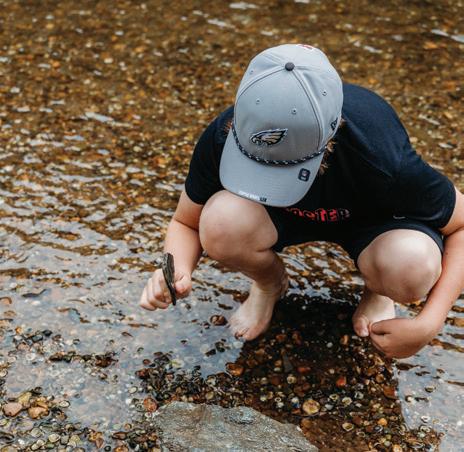
PES must build genuine connections with community members. Engagement must be consistent, transparent, and inclusive, reflecting the perspectives of Lancaster City while also welcoming voices from across the region. Long-term credibility depends on processes and design choices that foster a sense of access, ownership, and belonging for all.

GOAL #1:
Build authentic, long-term community trust through inclusive engagement.
Objective 1.1: Launch both short-term and long-term community engagement strategies.
Objective 1.2: Ensure community governance structures reflect diverse representation and voice.
Objective 1.3: Embed transparent decision-making processes that reflect community input.
Objective 1.4: Incorporate accountability metrics for community engagement into reporting processes.
Objective 1.5: Position PES as a bridge between local voices and regional environmental priorities.
GOAL #2:
Ensure Environmental Center design, access, and outcomes invite a sense of community belonging.
Objective 2.1: Embed opportunity for community engagement in site design, programming, and access models (pricing, ADA, language).
Objective 2.2: Develop interpretation, signage, and education plans that reflect community voices and perspectives.
Objective 2.3: Test and refine access strategies with underserved groups, including Southeast residents, youth, people with disabilities, and seniors.
STRATEGIC INITIATIVE
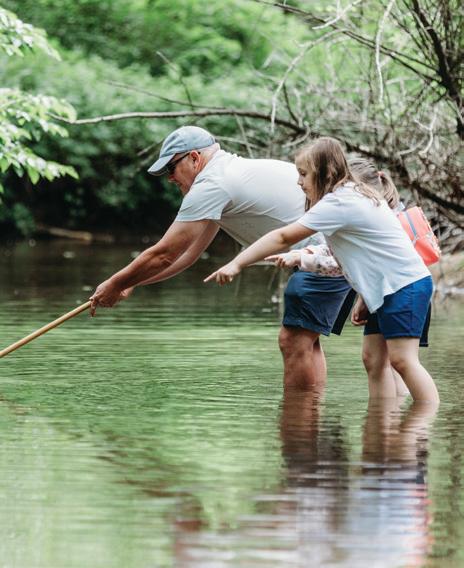
PES has the opportunity to serve as a hub for environmental learning and green economy workforce development across ages and pathways, from youth exploration to adult training that builds a pipeline of local talent for the region’s sustainable future. By positioning the Sunnyside Peninsula as a “living laboratory,” PES can demonstrate the value of hands-on learning while connecting schools, higher education institutions, and workforce partners to real-world opportunities in the green economy.
GOAL #1:
Position PES as a regional hub for environmental education.
Objective 1.1: Design environmental center and governance agreements to facilitate environmental education partnerships.
Objective 1.2: Leverage partnerships with K–12 schools, higher education, and community organizations to expand environmental learning opportunities
Objective 1.3: Develop age-appropriate programs across the learning continuum, from K–12 to adult learners.
Objective 1.4: Use Sunnyside as a living laboratory to pilot innovative environmental education models.
GOAL #2:
Strengthen connections between education and workforce opportunities.
Objective 2.1: Identify where PES can play a unique role in education and workforce systems.
Objective 2.2: Promote and provide environmental workforce pathways, including conservation, green building, and renewable energy trades.
Objective 2.3: Partner with workforce development boards, businesses, and higher education to align environmental skills with employer demand.
Objective 2.4: Expand experiential learning pathways that connect education to workforce opportunities.

STRATEGIC INITIATIVE
PES must balance the need to demonstrate visible progress early with the responsibility to build long-term resilience. Stakeholders emphasized the importance of “early wins” to build trust, visibility, and credibility, even before the environmental center opens. At the same time, PES must track data, launch demonstration projects, and embed resilience strategies that show lasting impact over time.
GOAL #1:
Demonstrate early progress and build community trust through visible action.
Objective 1.1: Engage the community in visible ways throughout the development process.
Objective 1.2: Build PES’s visibility and credibility through branded community engagement.
GOAL #2:
Build long-term resilience through stewardship, storytelling, and data.
Objective 2.1: Establish demonstration projects that highlight environmental stewardship and resilience.
Objective 2.2: Launch storytelling and communications strategies that emphasize community ownership.
Objective 2.3: Collect baseline data and track progress to demonstrate long-term community and environmental impact around Sunnyside Peninsula.
BOARD CHAIR
John Cox
TREASURER
Stephen Nieli
SECRETARY
Joyce Thornton
EX-OFFICIO
S. Dale High
EX-OFFICIO
Carl Strikwerda
DIRECTORS
Allyson Gibson
Anthony Seitz
Michael Brubaker
Fritz Schroeder
Pedro Rivera
HONORARY DIRECTOR
Ann Swanson