LGBT+ group Lunchtime Lab 1 Y7 and Y8 English Homework Help
1 to 1.30 Rm8 or Rm10
Choir
1 to 1.30 Music Room Y8 Art and Craft club Lunchtime Room 1a
Girls Football
Thursday Starkholmes Band
Lunchtime 1.10-1.40 Music Room
Y7 Homework Club
Drama Club WEEK B only
Rugby Week A only
Lunchtime 1 to 1.30 Room 7
Lunchtime 1 to 1.30 Parts Mob
school 3.30 – 4.30 Week A
3.30 – 4.30 Parts Mob Friday Keyboard Clinic
Y8 Film club
Street Dance Club
Lunchtime 1.10-1.40 Music Room
Lunchtime (bring your lunch)
Lunchtime 1 to 1.30 Parts Mob
Highfields PE Enrichment Clubs - Starkholmes
Monday - After School 3.20 –
4.30
Y7/Y8 Girls Football – Mr Shirtcliffe –
Field (Boots, Shin pads)
Highfields PE Enrichment Clubs - Starkholmes
Wednesday – After School 3.20
– 4.30
Y7 / Y8 Boys Football – Mr Waller Field (Boots, Shin pads)
Y7 Girls Netball – Miss Geraghty Courts
Y8 Girls Netball – Mrs Allen Courts
Lunch Clubs Starkholmes – 1 - 1.30
• Monday – Handball – Mr Shirtcliffe – Gym
• Tuesday – Basketball – Gym- Mr Harris
• Wednesday - Highfields Leadership – Mrs Allen – Gym
Day Club Time
Monday Drama Club
Lunchtime in P1
Y11 English support (MWE)
Lunchtime 1 to 1.30 in E3
Senior Choir (staff welcome) After school 3.20-4.30 in MU1
Tuesday Dance Club
Y11 English support (CO)
Sportsleaders
Y9 Minecraft
Lunchtime in P1
Lunchtime 1 to 1.30 in E2
Lunchtime 1 to 1.30
Lunchtime in IT1 E x t r a C u r r i c u l a r
Day Club Time
Thursday LGBT+ group
Y11 English support (JFG)
Lunchtime in S5
Lunchtime 1 to 1.30 in E4
Lumsdale Band after school 3.20 MU1
Basketball
Friday
Y9-Y13 Rugby Week B
Y11 Boys Football
Y12/Y13 Football
Y9- Y11 Netball SportsLeaders
Musical Theatre
Badminton Club
Lunchtime 1 to 1.30
C
After school 3.20-4.30
Lunchtime 1-1.30 P1
Lunchtime 1 to 1.30
Highfields PE Enrichment Clubs - Lumsdale
Wednesday - After School
3.20 – 4.30
Y10 Football (Boys) – Mr Shirtcliffe
Astro
Girls Y9,10,11 6th form – Mr Shirtcliffe
Astro
Y9 Football (Boys) – Mr Searson
Astro
Highfields PE Enrichment Clubs - Lumsdale
Thursday - After School 3.20 –
4.30
Rugby All years Week B – Mr Shirtcliffe
Field
Y11 Boys Football – Mr Searson
Astro
6th Form Football – Mr Waller
Astro
Y9, 10, 11 6th form Netball - Miss Geraghty
Sportshall/Court
Leaders – 6th form – Mrs Allen
Sportshall/Court
Lunch Clubs Lumsdale – 1 - 1.30
• Tuesday – Highfields Sports Leadership – Mrs Allen
Sportshall
• Thursday – Basketball – Mr Briddon
Sportshall
• Friday – Badminton Smash up – Mr Shirtcliffe
Sportshall
Highfields Community Award
Reminders
All Y7s will start here
• Club Participation – Students must regularly attend at least one extracurricular club (music lessons and revision sessions included).
• Classroom success – Attendance 94% or above overall. Positive rewards score. ATL 2.4 or better.
• School Leadership – Students should be a school ambassador or participate in an event/competition organised by the ambassadors.
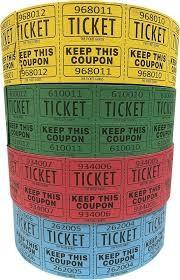
Raffle Ticket Prize Draws
New this year!
Raffle Tickets
After each data capture, during the profile review process, you will receive different raffle tickets depending on your performance.
You will write your name on the tickets and post one half into the correct coloured box in your year office. You will stick the other half into your form time exercise book so that you can track your progress. There will then be prize draws depending on the colour of your ticket.
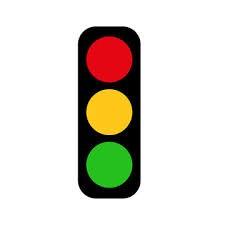
Red = Most challenging Amber = More challenging Green = Challenging
Classroom
1 ticket for 94%+ attendance per data capture (DC)
1 ticket per DC for ATL 2.4-2.01
1 ticket for positive reward/consequence score DC
Wider curricular
1 ticket per attendance at a club
1 ticket for taking part in an interform fixture/ambassador-led competition Community
SLT and HOYs to award for consistent excellence – e.g. perfect uniform, politeness, an act of kindness etc.
Classroom
1 ticket per DC for ATL 2.1 or better
1 ticket for 96%+ attendance per DC
1 ticket for 50+ reward/behaviour score per DC
1 ticket for improvement of 0.2 of ATL on previous DC
Wider curricular
1 ticket for 3-week streak attendance at a club
1 ticket for attendance at revision session
Community
1 ticket for taking part in an event/fixture to represent HFS
1 ticket for being a student ambassador
1 ticket for student of the week
Classroom
1 ticket per DC for ATL 1.5+
1 ticket for 100% attendance per DC
1 ticket for 0 consequences per DC
1 ticket for 100+ reward/behaviour score per DC
Wider curricular
1 ticket for leading an event (as an ambassador or not)
1 ticket for 6+ week streak attendance at a club
Community
1 ticket for representing HFS at an open evening
1 ticket for student of the term
WOTW: Hypothesise
TPS: Why do we do Word of the Week?
Having a large vocabulary is not just a skill in reading, writing, listening and speaking, but also in a general knowledge of science, history and the arts.
It makes you a more interesting human!
WOTW: Hypothesise
Using your MWBs: What do you think this word means?
3…2…1… Show me.
1. To put forward an idea or concept – that can be tested and proven.
Using your MWBs: What type of word is it?
Noun/verb/adjective/adverbetc.
3…2…1… Show me.
2. Verb
WOTW: Hypothesise
TPS: Synonyms and antonyms (what are these?):
Synonyms – words with a similar meaning
Antonyms – words with the opposite meaning
Using your MWBs: What synonyms can you think of?
3…2…1… Show me.
Speculate, propose, suppose, theorise
Using your MWBs: What antonyms can you think of?
3…2…1… Show me.
Doubt, deny, discredit
Dogs may wag their tails so much due to rhythm-loving humans, scientists say: Experts hypothesise that attractiveness of behaviour was selected for during domestication process
It is thought humans domesticated dogs sometime between 15,000 and 50,000 years ago – a process that has led to a fervent bond between the two species, with about a third of households in the UK having a dog. Now experts have outlined a number of theories in an attempt to encourage researchers to dig into the issue.
“Tail wagging is a very apparent and interesting behaviour to start with.”
Writing in the journal Biology Letters, Hersh and colleagues describe a number of studies that have previously looked at tail wagging.
tWhat are three hings you learn froma reading this rticle?
Among them, experts found hand-reared dog pups wag their tails far more often than hand-reared wolf pups, and that dogs wag to their right in response to positive experiences – such as seeing their owners – and to their left when they wish to withdraw, for example in aggressive situations.
However, questions remain, including why dogs wag their tails more often and in more contexts than other canines.
One possible trigger, the team say, is the domestication process, with research previously suggesting other traits in dogs arose because they have a genetic link to behaviours humans selected for – such as tameness or docility. Hersh and colleagues say something similar could be at play for tail wagging.
But, they suggest, there could be another explanation.
“We put forth a new hypothesis that humans consciously or unconsciously selected for tail wagging during the domestication process because we are very attracted to rhythmic stimuli,” said Silvia Leonetti, first author of the article.
WOTW: Hypothesise
In your form time exercise book, write two sentences with the word hypothesise in them:
Examples: There’s no point hypothesising how the accident happened, since we’ll never really know.
The discovery led experts to hypothesise a different path of evolution for early man.
WOTW: Hypothesise
TPS 1: Why is increasing our vocabulary important?
Speaking frame: Increasing our vocabulary is important because…
TPS 2: Where might we see the word hypothesise in life?
Speaking frame: We might see the word hypothesise…
Secondary 15 Minute Lesson
Your latest results: “Should UK Parliament move around the UK?”
“If Parliament was more mobile people would feel more able to share their views because they wouldn't need to travel as far to speak to people in government.”
Churchill Academy & 6th Form
“It's not about where Parliament is, it's about who it is running it.”
Unsted Park School Secondary
“We should focus more on policies than moving around, people want to see the change not politicians.”
Trinity Academy St Edwards
“Who is going to pay for this? It’s not going to make a difference, MPs just need to listen to people.”
Fort Pitt Grammar School
59,223 young people voted this week! Were you one of them?
Your latest results: “Should UK Parliament move around the country?”
1:33
Click to hear from Nikita Atwal, Education & Engagement Campaigns Assistant at UK Parliament, about her thoughts on your latest VoteTopic results.
Your latest results: “Should UK Parliament move around the country?”
The result of this vote is really interesting. It’s great to see that young people would like to learn more and have strong views on whether the UK Parliament should move around the country, and it’s fantastic that these topics are being discussed in your classrooms! At Our Generation. Our Vote. we believe that young people’s views should be heard by politicians. That’s why we ran an education programme in the lead up to the 2024 General Election, with VotesforSchools and lots of other organisations. Please keep voting!
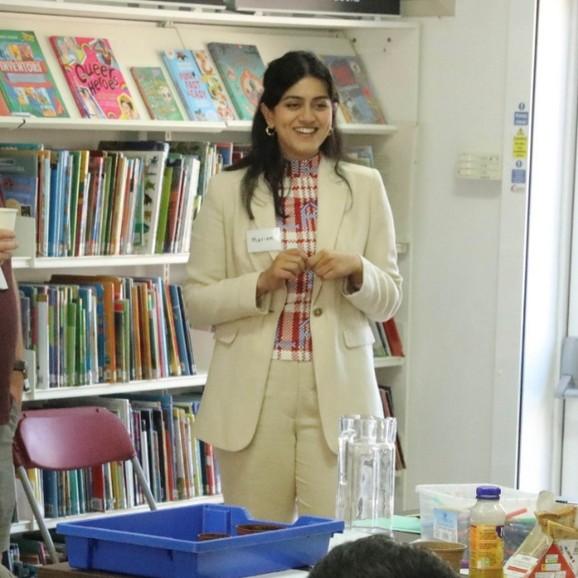
Mariam Dawood, Team Member at Our Generation. Our Vote.
Want to share your views with us? Share your votes and comments by logging into your VotesforSchools account. You can also get in touch at secondary@votesforschools.com Your views on “Should UK Parliament move around the UK?” were also heard by:
Today’s VoteTopic:
Do assumptions do more harm than good?
UNCRC Article 23: Children with disabilities
UN SDG 9: Industry, innovation & infrastructure
VfS Key Theme 5: Science & technology
1 Why are we talking about this?
The International Day of People with Disabilities (IDPWD) is on 3rd December each year. The theme for this year is: “Amplifying the leadership of persons with disabilities for an inclusive and sustainable future. ”
Leadership skills, along with many positive characteristics, are shown through people’s experiences, qualifications and actions. These real signs of ability can be mistaken if people are making their own assumptions about someone.
1
Why are we talking about this?
As we consider IDPWD, let’s reflect on some assumptions that people with disabilities may encounter. At the end of this lesson, you will be voting Yes or No on: “Do assumptions do more harm than good?”
Assumption: Something that you accept as true without question or proof.
2 Challenging assumptions
Pair discussion (6-8 mins) Let’s consider some scenarios. Can you identify whether an assumption is being made? Discuss your ideas with your partner.
2 Challenging assumptions
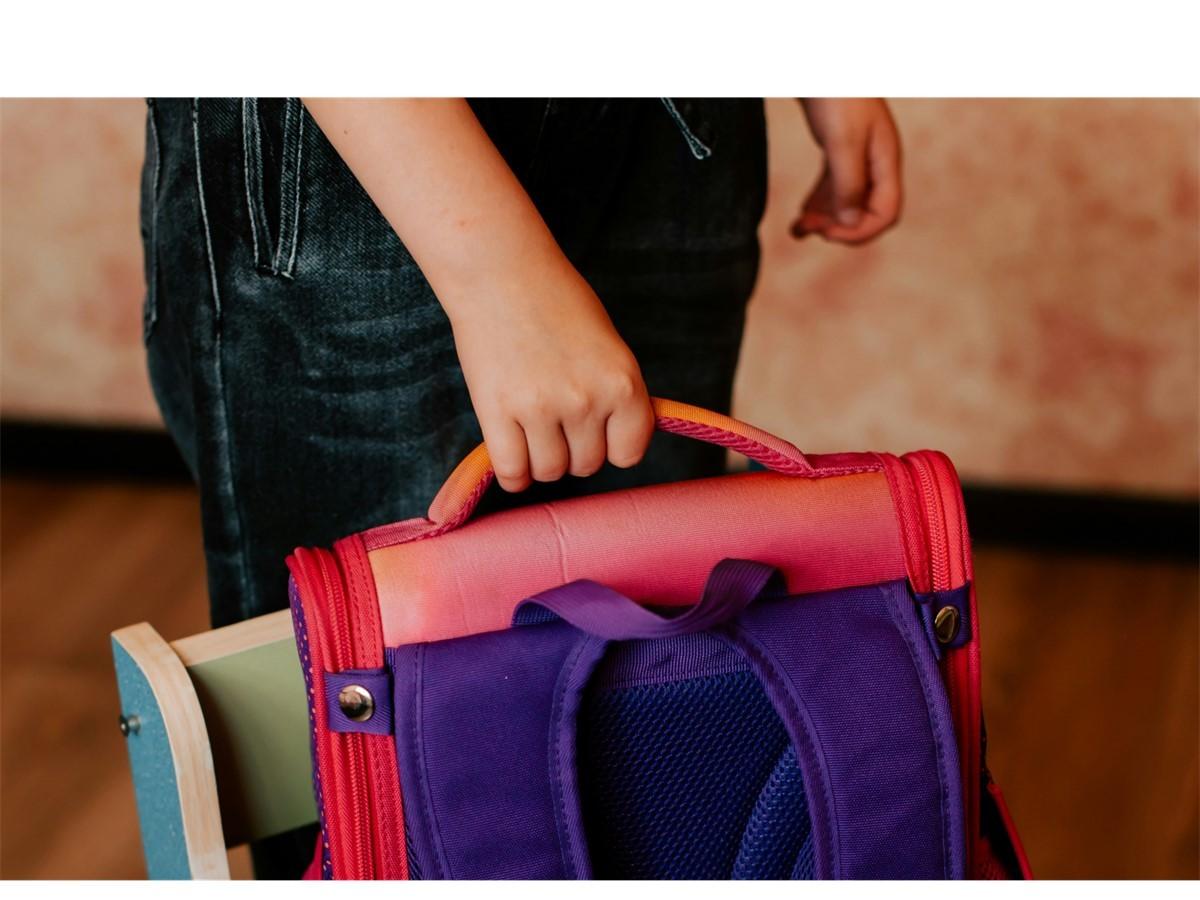
Would you like me to carry your bag for you?
2 Challenging assumptions
It seems like they have been struggling a bit today don’t you think? Still, they’ve got it under control.
2 Challenging assumptions
People don’t always understand why I need to take breaks or why I can’t stand up for a really long time doing a lab in science class.
2 Challenging assumptions
Excuse me, you do know that bathroom is for people with disabilities?
2 Challenging assumptions
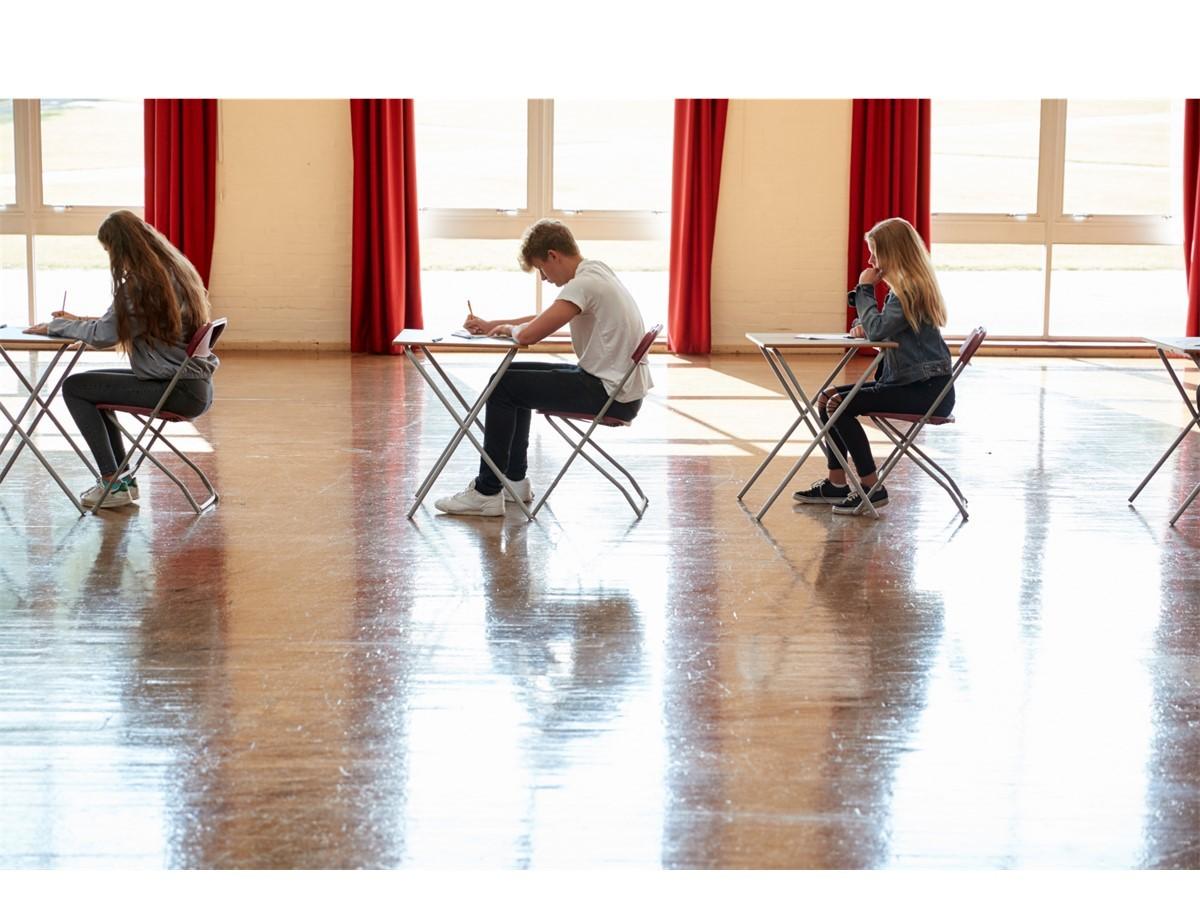
Things would be easier if I got extra time in exams too.
2 Challenging assumptions
Is your car modified in some way to help with driving?
3 Under the assumption
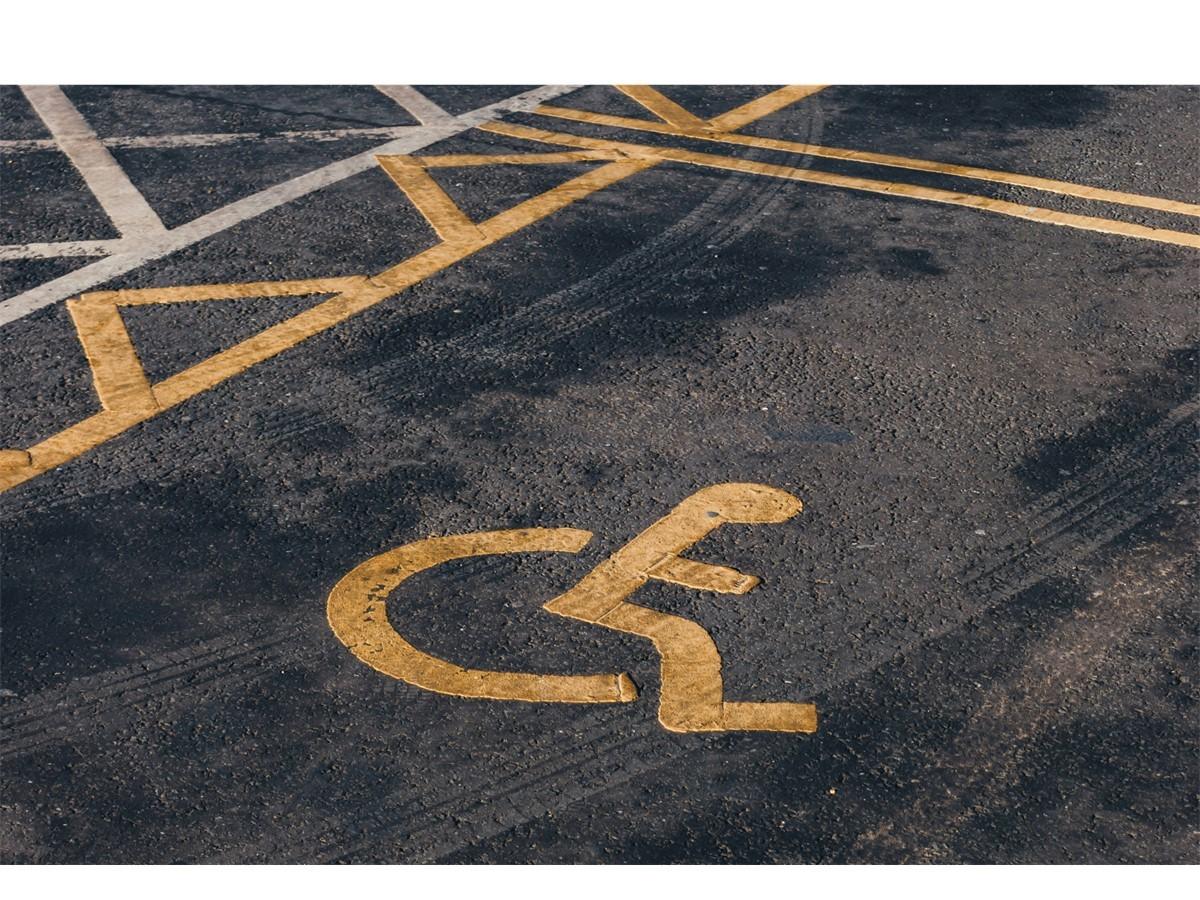
The last activity ended thinking about a parking space.
The conversation about it could go in lots of different ways…
Is your car modified in some way to help with driving?
Sometimes assumptions are made about people with disabilities. Sometimes people may ask questions to try and understand someone’s disability better. Of course, it’s not always appropriate to ask questions, and no one should feel like they need to answer.
I wonder if there are any differences with their car? I bet it is an automatic and has some different buttons.
has certain adaptations. For
That’s cool, I had no idea.
3 Under the assumption
We can all struggle if we do not take enough time to think through situations. Making assumptions is something we all do, but they are not always right… We all make mistakes at some point from something called unconscious bias.
Whole class activity (2-3 mins) Click the icon below to hear a little more about unconscious bias.
2:46
3 Under the assumption
Making incorrect assumptions about people can be a problem. In September 2023, the previous Government launched a campaign called Ask, Don’t Assume. The campaign’s ambition was to highlight the need to check if someone may want assistance, and not to make assumptions about the capabilities of someone with a disability.
3 Under the assumption
The Ask, Don’t Assume campaign is no longer active. The Government made posters for the campaign and said its plan “was developed in partnership with, and informed by, disabled people and their representative organisations from across the country”.
The campaign drew some criticism on social media. A point made was that it could open up people with disabilities to insensitive and intrusive questions.
3 Under the assumption
TV presenter Sophie Morgan criticised the Ask, Don’t Assume campaign, posting:
My thoughts on the new #AskDontAssume Campaign. Please, don't #ask. We will let you know if we need you for anything. Otherwise you can #assume we are just fine. Thanks.
Activist Dr Amy Kavanagh has been running a similar campaign for the past five years called Just Ask, Don't Grab. She posted about the Government’s campaign:
The campaign expects disabled people to be educators in the face of discrimination.
3 Under the assumption
You are about to vote Yes or No on today’s VoteTopic question: “Do assumptions do more harm than good?”
Individual reflection (1 min)
There is a balance between making assumptions, asking questions when appropriate, and doing research. Reflect on how you will vote today, what will you decide? Yes or No?
Now’s your chance to vote on: “Do assumptions do more harm than good?”
Yes
People make their own decisions about what they think people with disabilities can do.
When you make assumptions, you may well leave people with disabilities out of the conversation.
You may not get the right level of support if people are making assumptions about what you need.
Most assumptions that people make are sensible assumptions. So long as they come from a good place, they can be helpful.
People with disabilities should not have to field questions. Making assumptions can avoid unintended harm.
I think we can assume that life is harder for people with disabilities than it should be. This assumption can help us to change things.
No
We will be sharing your thoughts on this topic with Scope, Mencap, Disability Rights UK, Sense and RNIB.
Log in to your VotesforSchools account to submit your vote and leave a comment.