
BY LANDON MAYER



















































































Pinky
Others
Dingley
Tibor
Others
Autographed
Abercrombie
19th
Other


Jack Tallon & Frank Martin
Landon Mayer
EDITORIAL
Frank Martin, Managing Editor frank@hcamagazine.com
Landon Mayer, Editorial Consultant Ruthie Martin, Editor
Brian La Rue, Sales & Marketing brian@hcamagazine.com Direct: ( 720) 202-9600
Mark Shulman, Ad Sales Cell: (303) 668-2591 mark@hcamagazine.com
David Martin, Creative Director & Graphic Designer
Frank Martin, Landon Mayer, Brian LaRue, Angus Drummond
Frank Martin, Landon Mayer, Brian LaRue, Joel Evans, David Nickum, John Nickum, Peter Stitcher
Copyright 2017, High Country Angler, a division of High Country Publications, LLC. All rights reserved. Reprinting of any content or photos without expressed written consent of publisher is prohibited. Published four (4) times per year.
To add your shop or business to our distribution list, contact Frank Martin at frank@hcamagazine.com.
Distributed by High Country Publications, LLC 730 Popes Valley Drive Colorado Springs, Colorado 80919 FAX 719-593-0040
Published in cooperation with Colorado Trout Unlimited 1536 Wynkoop Street, Suite 320 Denver, CO 80202 www.coloradotu.org
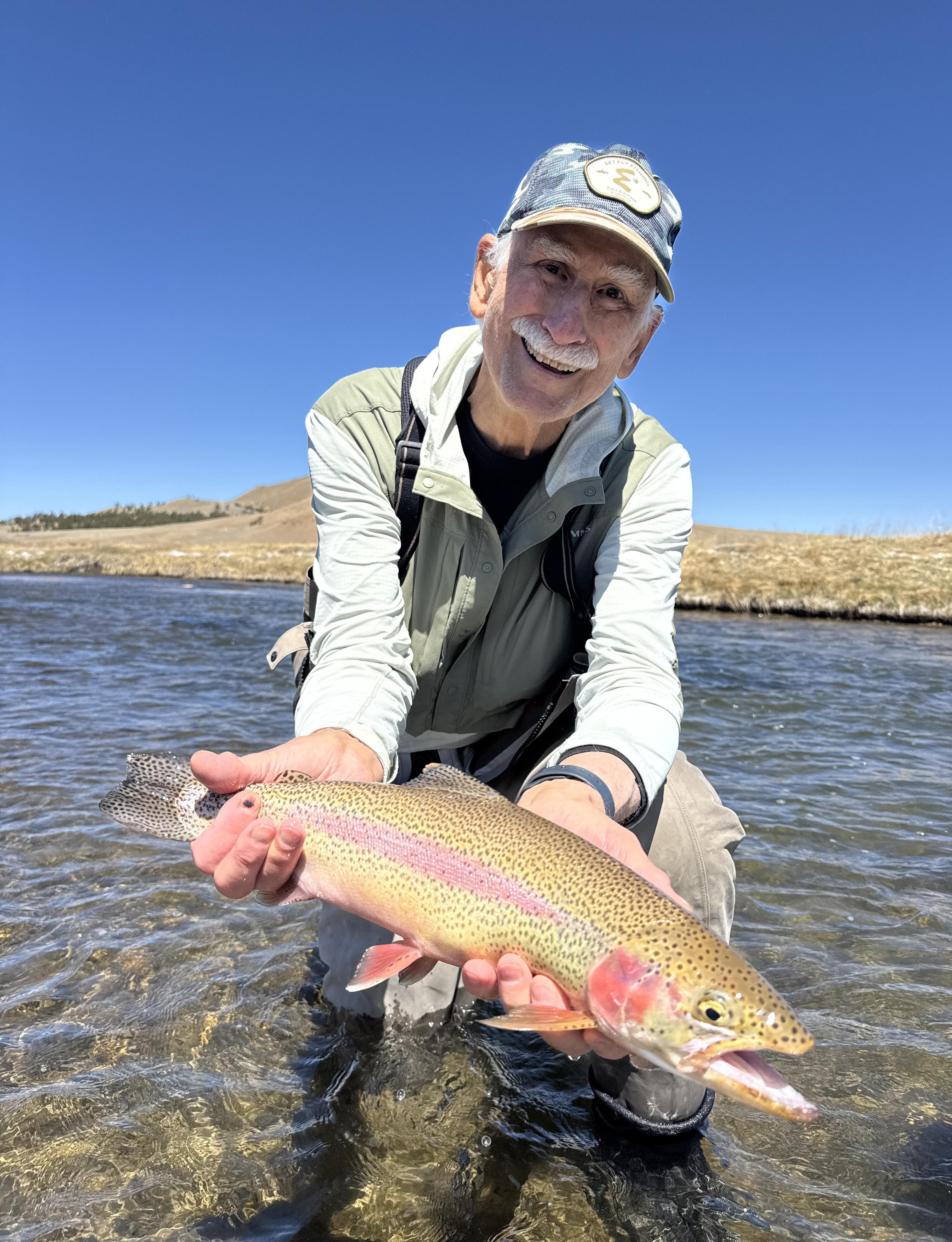
ON THE COVER

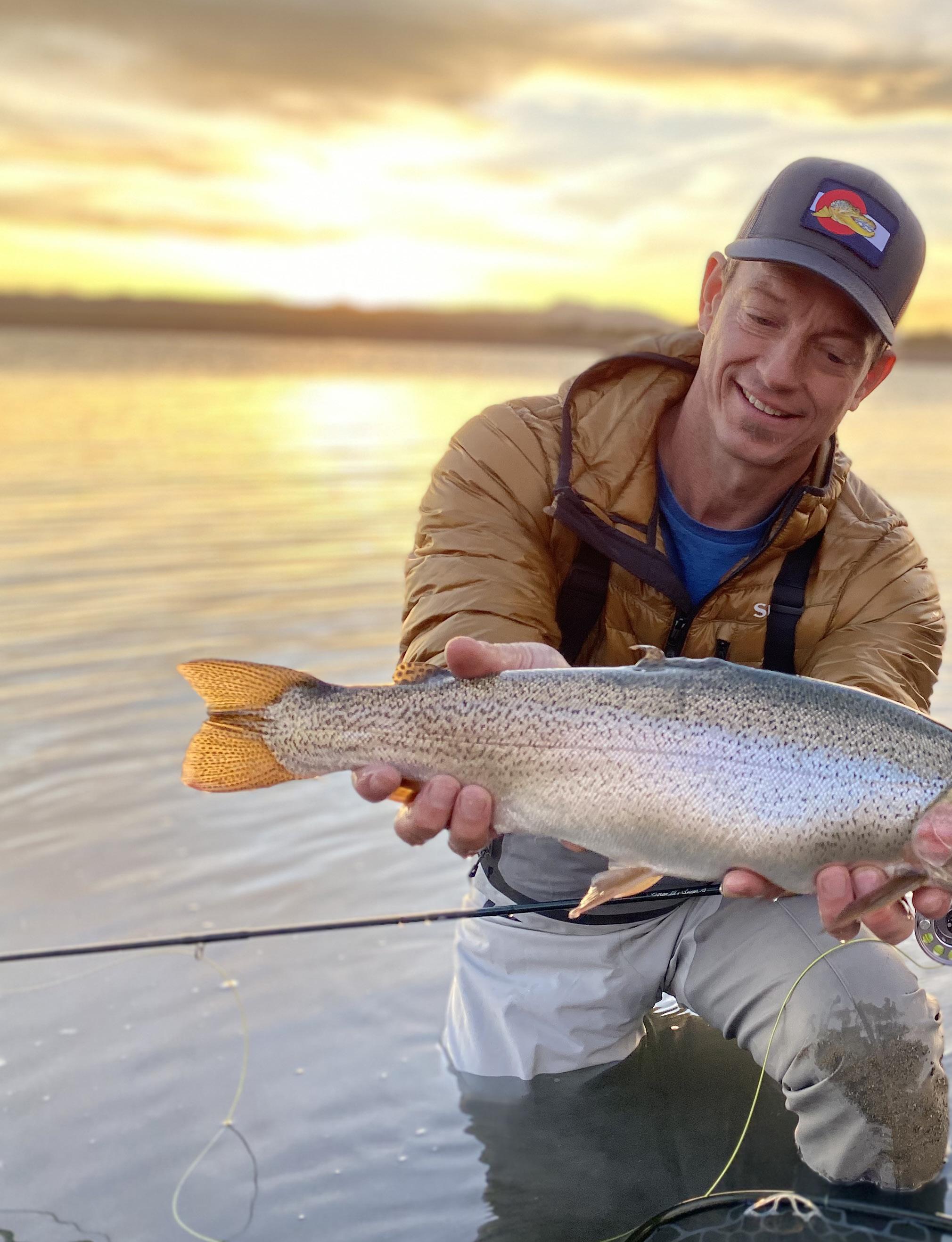
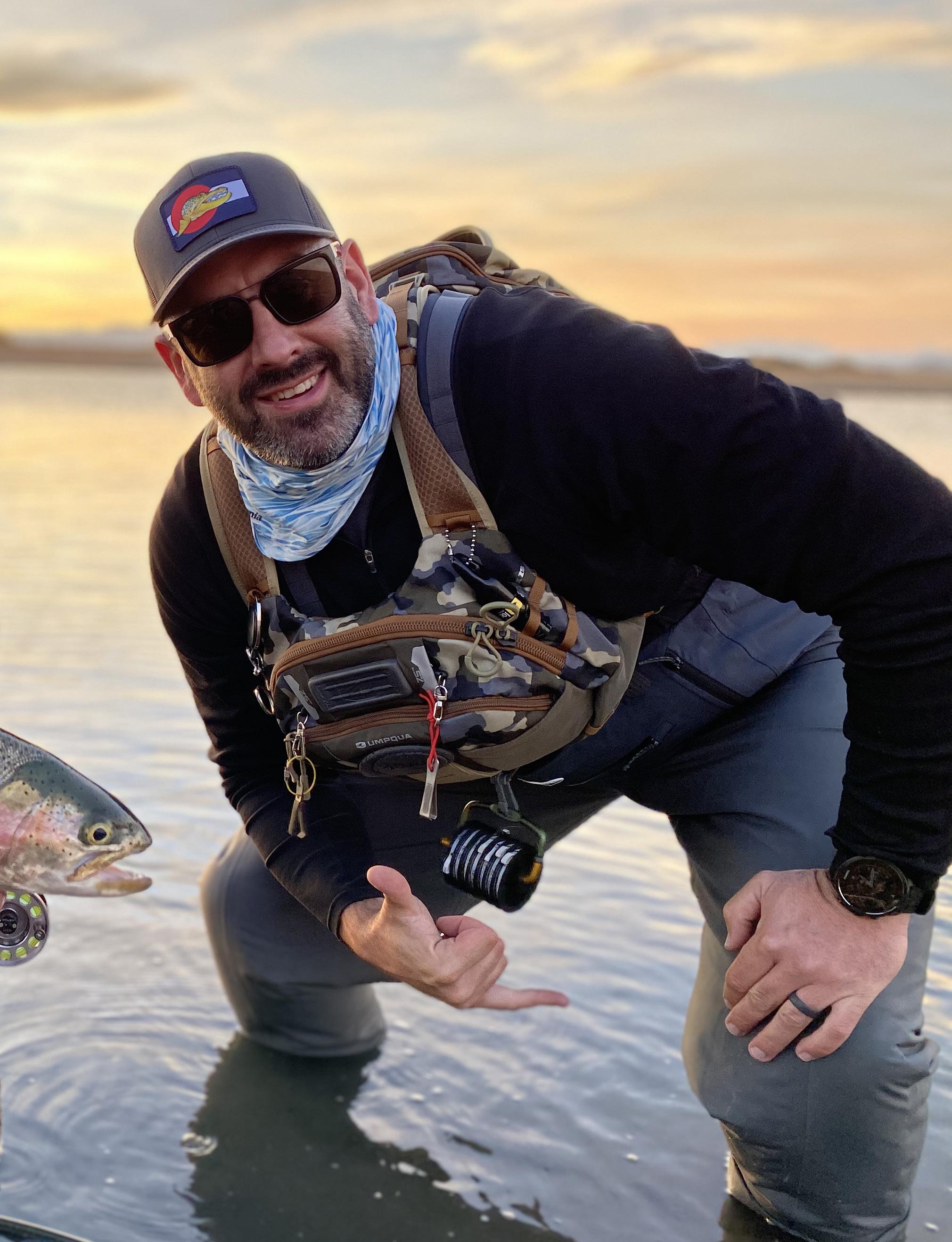
For fly anglers, fishing season begins when the ice starts to melt around the edge of the reservoir, or opening day when the ice has disappeared completely. Spring is one of the best times throughout the year to pursue large trout. You have warm water and a healthy supply of food, triggering fish into pre spawn mode. This window of edge fishing opportunities can vary depending on the weather. Sometimes it only lasts a few weeks. Other times it can be longer, if the season remains cold.
After the ice off, the water will continue to warm, causing vegetation growth and insect activity as the season draws closer to June and the sun starts to penetrate the water. This is the most productive month to pursue trout on all three of Colorado’s western reservoirs. The hatches are complex, and in huge numbers, causing a feeding frenzy. This activity will usually last late into the month of August, when the insect activity begins to slow down.
While you can still be effective pursuing fish, the number of hook ups can vary. Once the water tem-
"June...is the most productive month to pursue trout on all three of Colorado’s western reservoirs."
peratures reach a cooler temperature in late September, the browns start becoming active in their eagerness to migrate. This can produce exceptional results from these nocturnal predators in overcast or low light conditions.
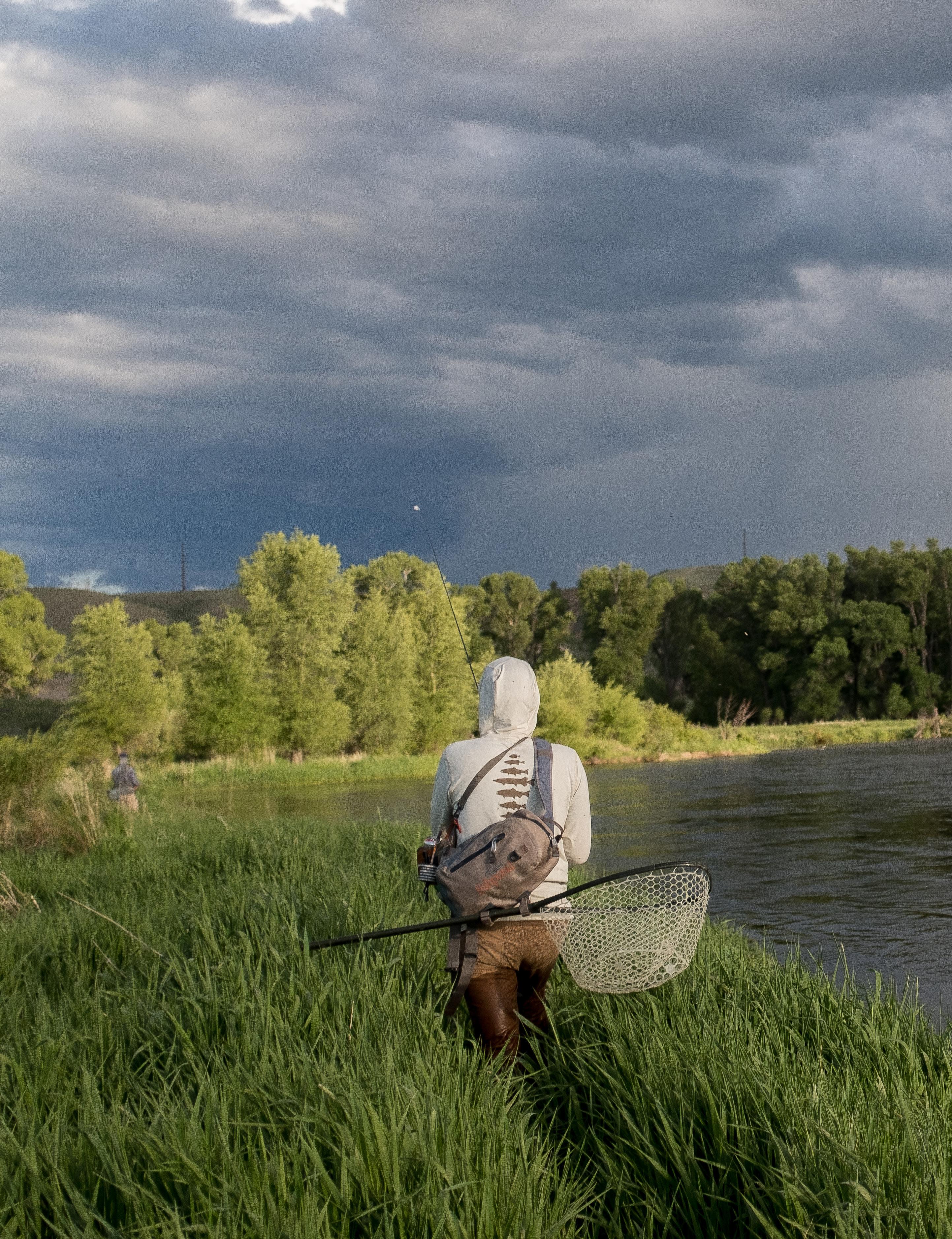
During the spring and fall seasons, the ideal time to be on the water is early morning or late evening. In addition to cloud filled, stormy days, this gives the trout cover while hunting the shallows for food and territory. These shallow environments also heat
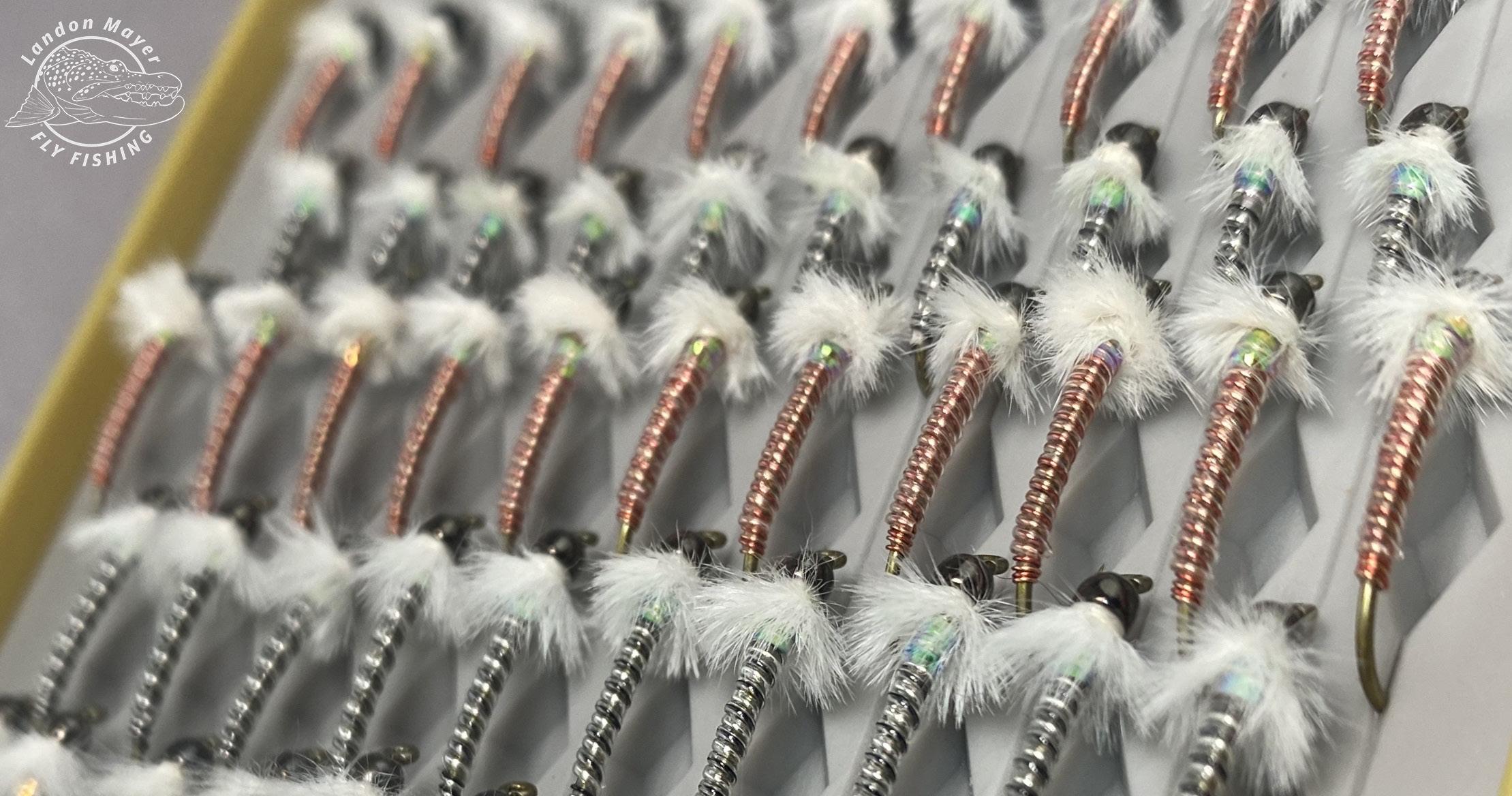
Thousands of anglers, guides, lodges, and shops served since 1999.



Colorado Family and Veteran owned and operated.
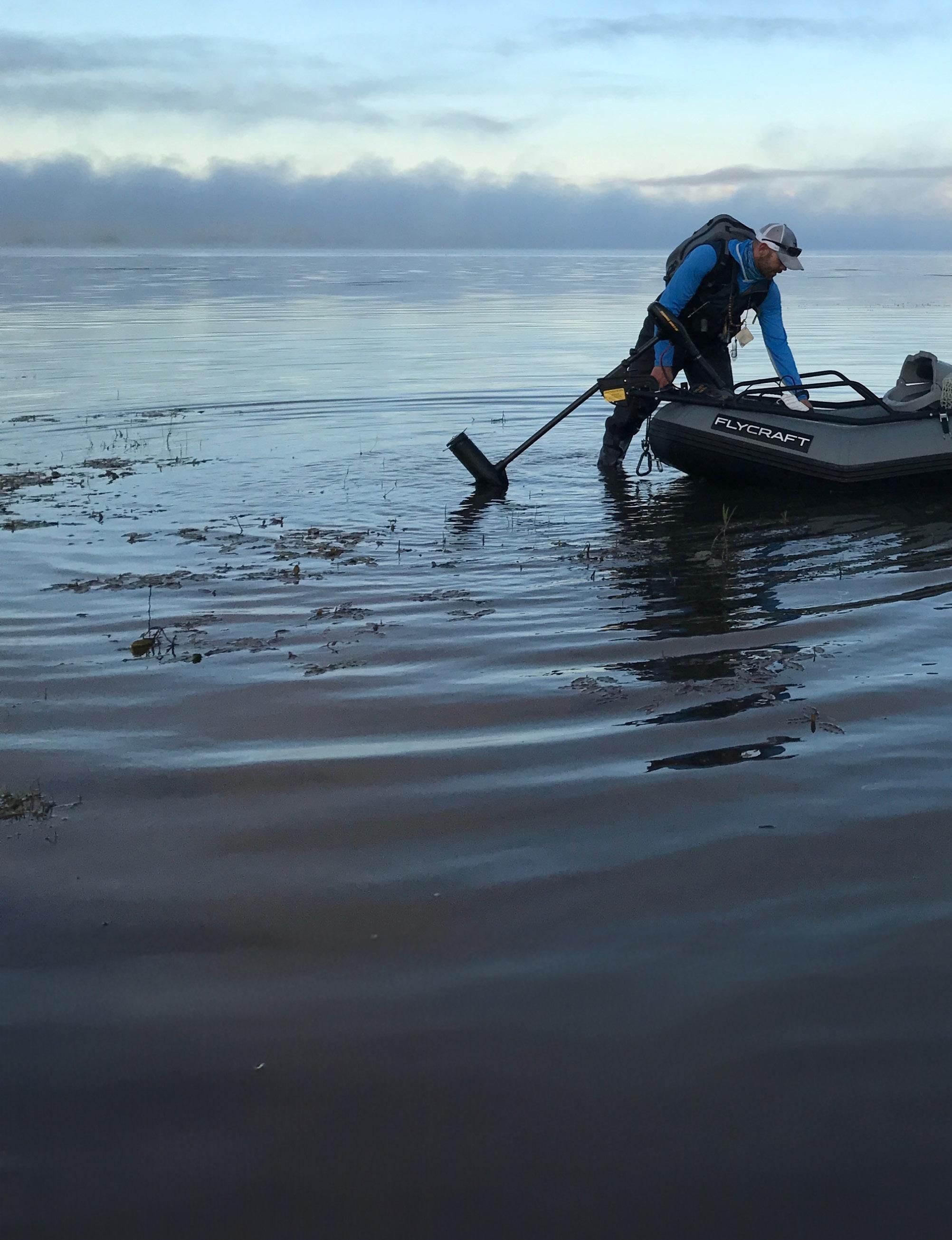
the water temperatures rapidly. During the spring, winds tend to pick up late in the afternoon hours, blowing white caps into the bays surrounding the reservoirs and dams.
These are must-fish situations, because the blowing winds and warm water stir up huge amounts of bugs and food supply from the bottom of the reservoirs. You can hook quality trout casting just 10 feet into the choppy water standing on the edge of the wind-filled shoreline. What a rush this can be! And the crowds are minimal!
After the brisk days of spring have dissipated, the fish will begin to disperse throughout the reservoir in search of food and cover. In some cases, this is caused by the arrival of predators—like pike—into the shallows. This is when you can set your watch to bankers' hours, with hatches starting around 8:00 a.m. and lasting until late into the afternoon—depending, of course, on lighting or weather systems. This is when the fish really start to bite, and can fight like a whale, due to the depth of the waters.

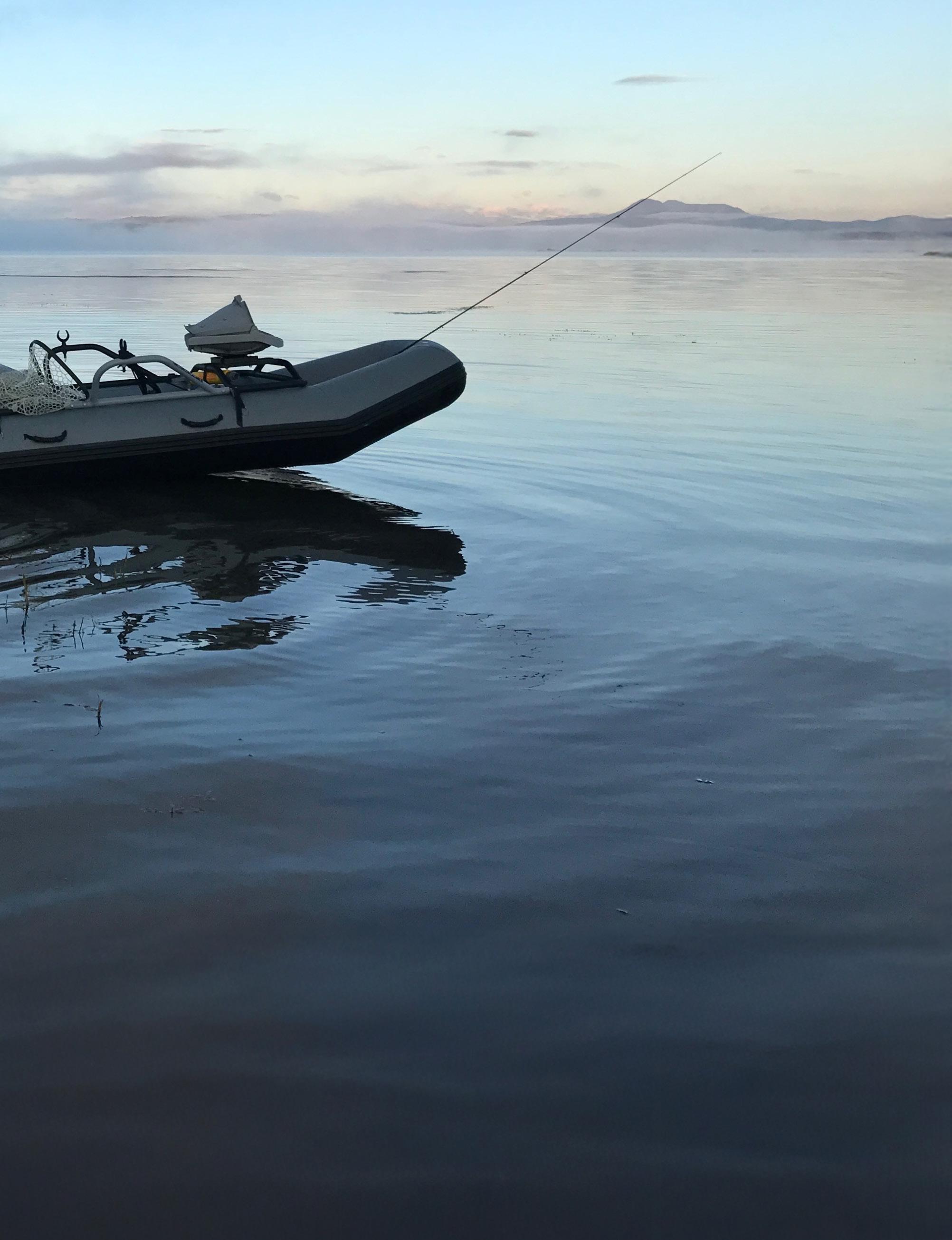

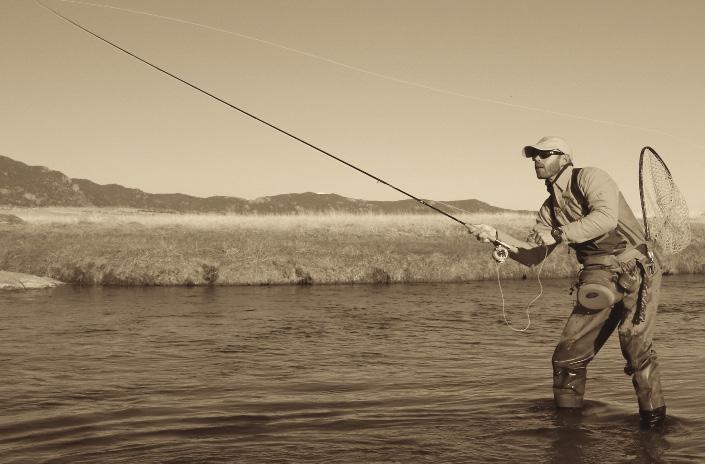
In the spring, reservoirs start out with minimal vegetation, but as the months progress towards winter, the vegetation grows taller. This changes the cruising depths of trout. It’s important to adjust the depths of your rigs accordingly, regardless of the fly you are using—dries, nymphs or streamers.
Following are my suggestions on three different presentations to give you a better chance of landing fish during this time.
1) THE FIRST and most common way to present flies in still waters is to suspend the fly below an indicator—one that is capable of suspending heavy rigs. Try using a 9 to 12 foot, 3x to 2x fluorocarbon leader attached to two pieces of 18-24 inch tippet material of the same strength connecting the two flies. This allows you to adjust to different depths throughout the day by moving your indicator. One trick I like to use is weighted flies over split shot. This gives you a slow rise and fall of your flies, keeping them more visible to cruising trout. And then strip in a few feet of line periodically, pausing periodically. This resembles the movement made by emerging insects.
2) A SECOND effective way to present flies—primarily in shallow water areas—is to rig a 15 foot, 3x to 2x fluorocarbon leader. In deep water situations, use a shorter leader, maybe 6 or 7 feet, attached to a sink tip line. This allows the flies to get deep, and remain there during the retrieval. Try using a hand-over-hand re-
trieval method, allowing the damsel, streamer or crayfish imitation to look more natural. The advantage of these types of rigs is that you can
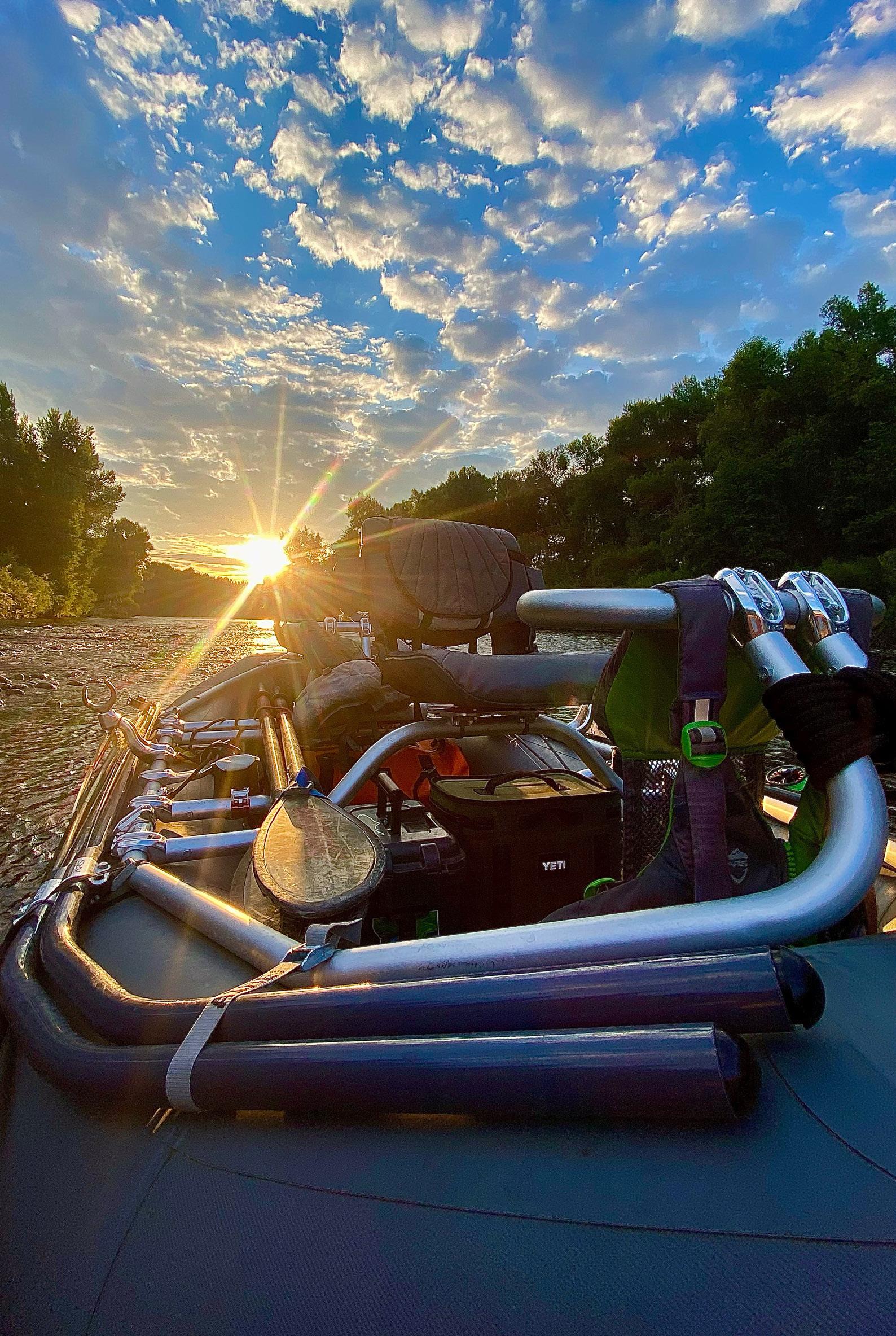
change the retrieval speed, and use multiple pauses during your presentation. The more chances you have to manipulate your imitations during the retrieve, the better chance you’ll have of attracting fish.
reservoir fishing happens when you see trout rising in still water. This can be a challenge, but also an incredibly rewarding experience! In these situations, try using a long monofilament leader with an 18-24 inch connection of fluorocarbon tippet. This keeps the trout from seeing the fly line, and keeps the leader afloat. Unlike their river-dwelling companions, fish that rise in still waters are on the move and you cannot present in the same place with every cast. Instead, the key is to watch the direction of the trout’s head, so you can tell where it is searching for food. Once you determine this, lead the fish by two to three feet, giving it a chance to locate its next meal. This will result in more sips, followed by a rewarding acrobatic leap into mid-air.
Try these three methods the next time you’re fishing for spring trout in deep waters! Hopefully you will find success, and learn how to hook into some of the strongest trout in the water! Have fun and enjoy another spring of rod-bending madness!
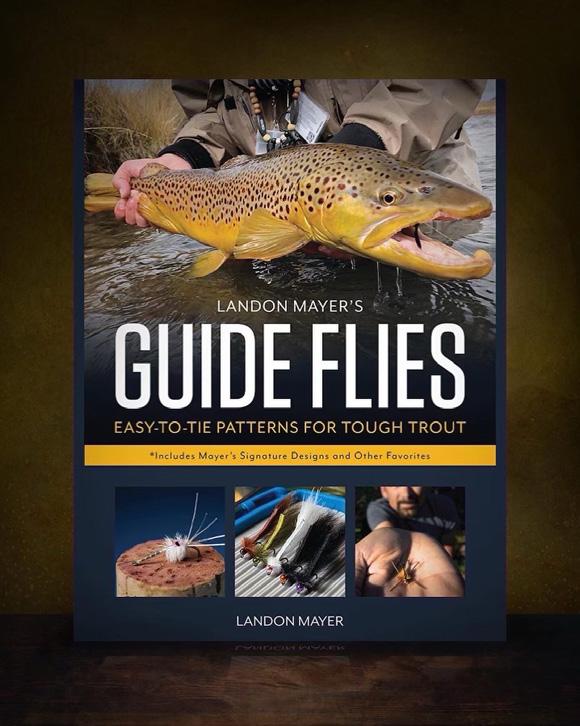
Landon Mayer is a veteran Colorado guide and author of several books. His newest book, Guide Flies: Easyto-Tie Patterns for Tough Trout , can be purchased on his website at www.landonmayerflyfishing.com. You can follow Landon on Instagram at @landonmayerflyfishing.

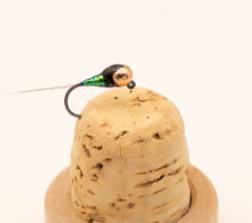
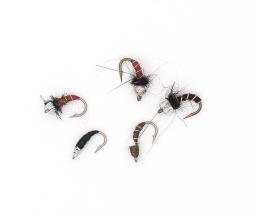
Experience the art of fly fishing with Paradies Fly Co.
Our Denver-based team hand-ties each fly with precision and care, delivering unmatched quality for Rocky Mountain waters.
Brenden Paradies, Owner @paradiesflyco paradiesflyco@gmail.com www.paradiesflyco.etsy.com
10% off $20 order with code HRC10
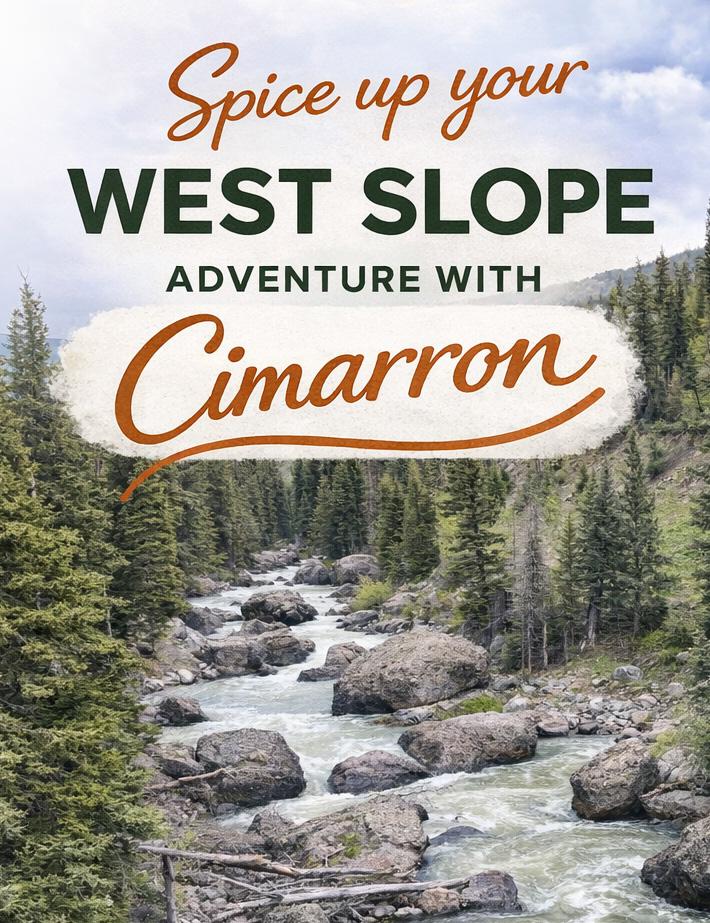
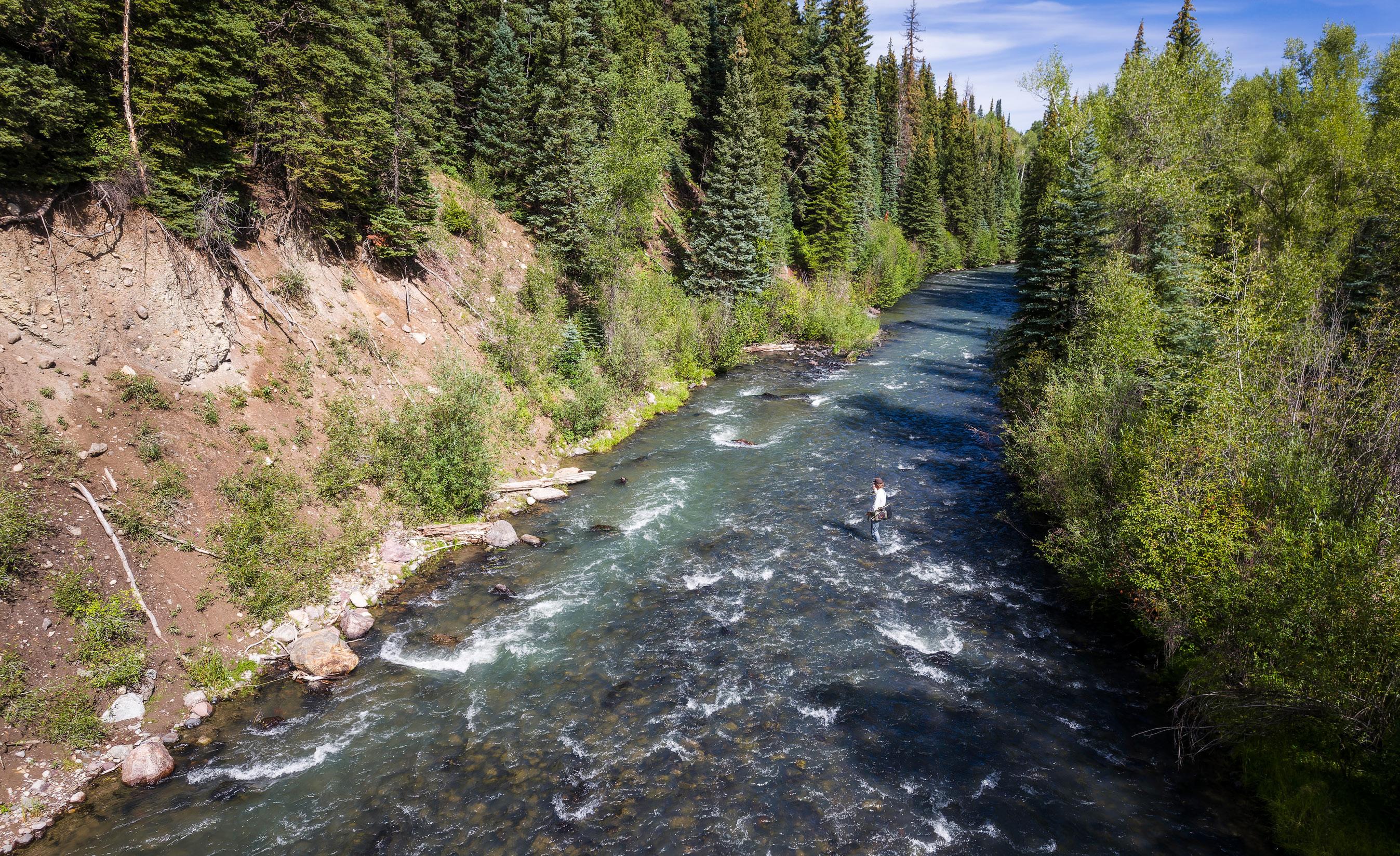
Montrose always puts a smile on my face. Whether I’m fishing the Western Slope for the Gunnison, Uncompahgre or for this story—the Cimarron River and its many forks—the beautiful region has never let me down. So, buckle up and get ready for another high-country adventure. Variety is the spice of life, right?
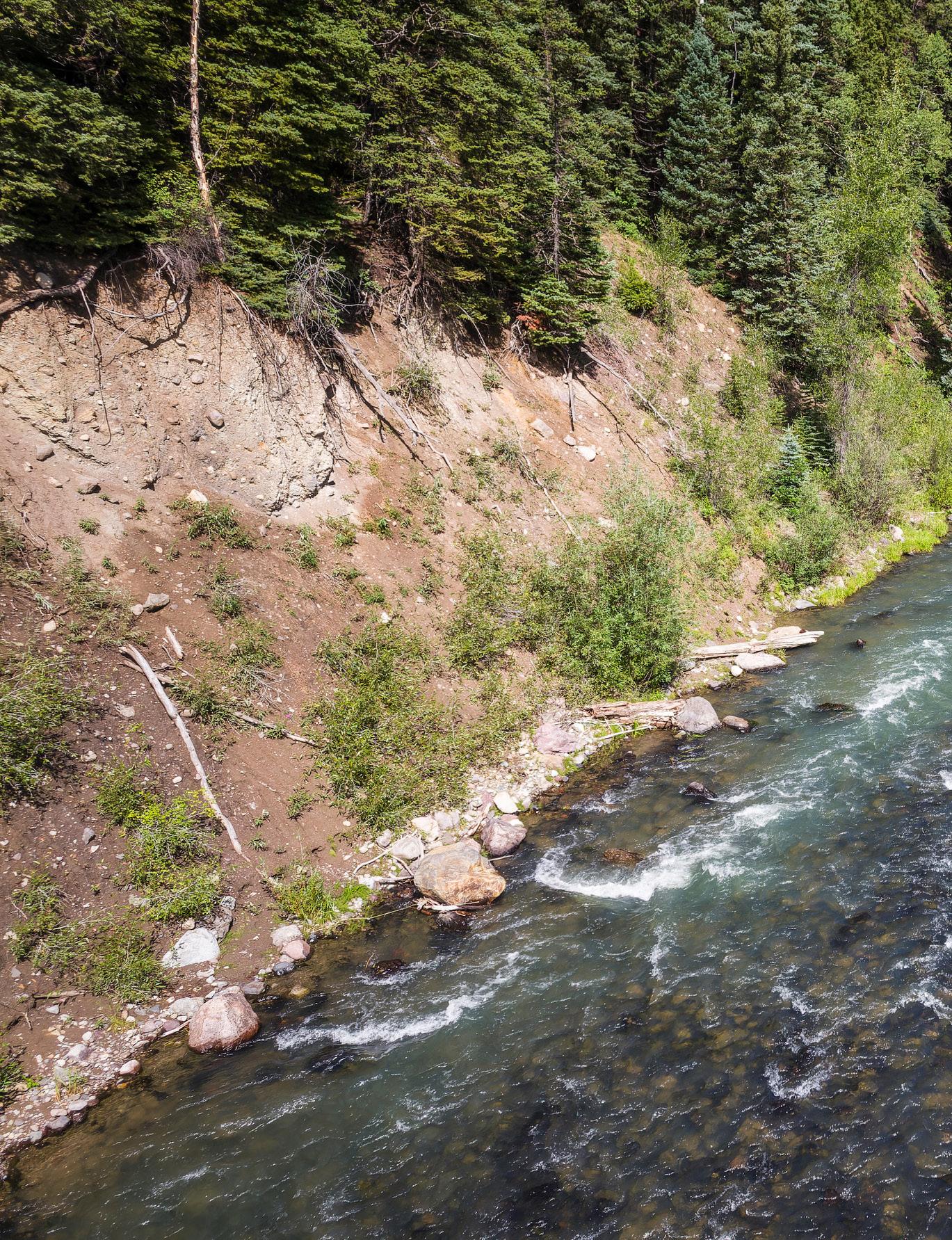
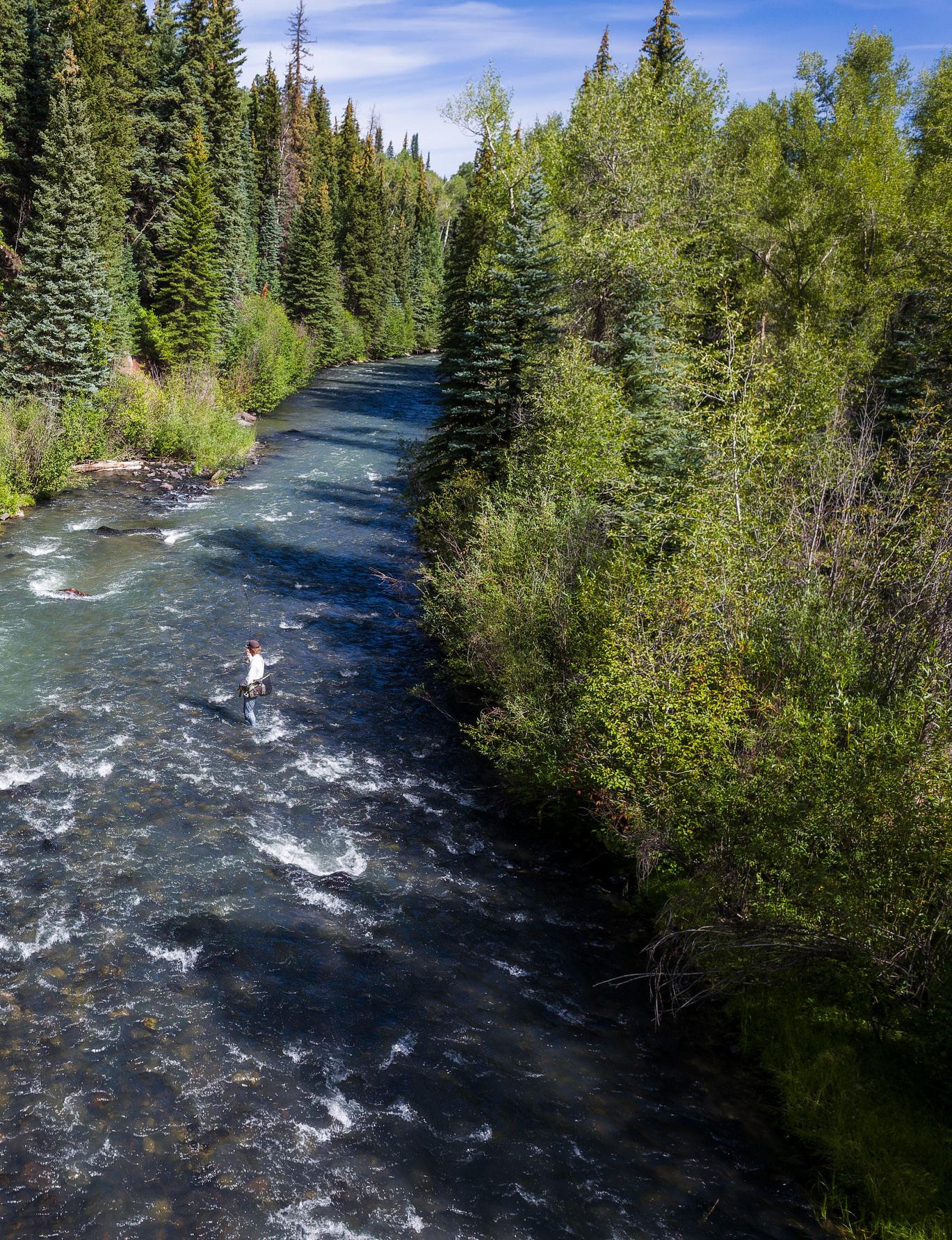
With roughly 22 miles of water to fish on the Cimarron, you can take your pick! You can choose from a productive tailwater that offers a slightly longer fishing window or you can wait until mid-July and tackle the freestone fisheries in the higher ele vations. Both waters can yield great catch rates so it really comes down to when you can take time off and how adventurous you are. And to be clear-- you might have to be more adventurous on the tailwater!
The other big factor is the trout themselves. If you want to try the summer season in an alpine, small-stream setting, well then you can expect to catch rainbows, cutthroat and brookies and maybe an occasional brown. If you pick the tailwater below Silver Jack Reservoir, you are most likely going to see a few browns and cutbows added to the mix.
Let’s talk about the tailwater first and work upriver. Located off Highway 50, it’s only a short hike to this spot which makes for easy access. But before heading out, hit Ed’s Fly Shop and Montrose Anglers to get the latest fly information. Keep in mind, though this is a tailwater, the roads and icy canyon still make this a May proposition at best, depending on the snowpack.
When you can get in, midges of all kinds will work, but it’s not your normal Colorado tailwater, so be ready with baetis and jigged flies like a Perdigon under a bigger dry. Caddis and yellow Sallies
would also be a smart choice, according to Caleb Egbert at Montrose Anglers. As the season warms up, smaller terrestrials like ants and hoppers will work wonders. Think #10-#16 – yes smaller Amy ants, less-bulky hoppers and patterns like stimulators.
“The tailwater is unique as it flows by two great campgrounds and offers about 10 miles of good fishing before running into private land before joining the Gunnison system,” said Brandon Van Nooten, shop manager and Cimarron regular over at Ed’s Fly Shop. “There are great access points, but I will

“You can look in every direction and see mountains and opportunities for fishing.”

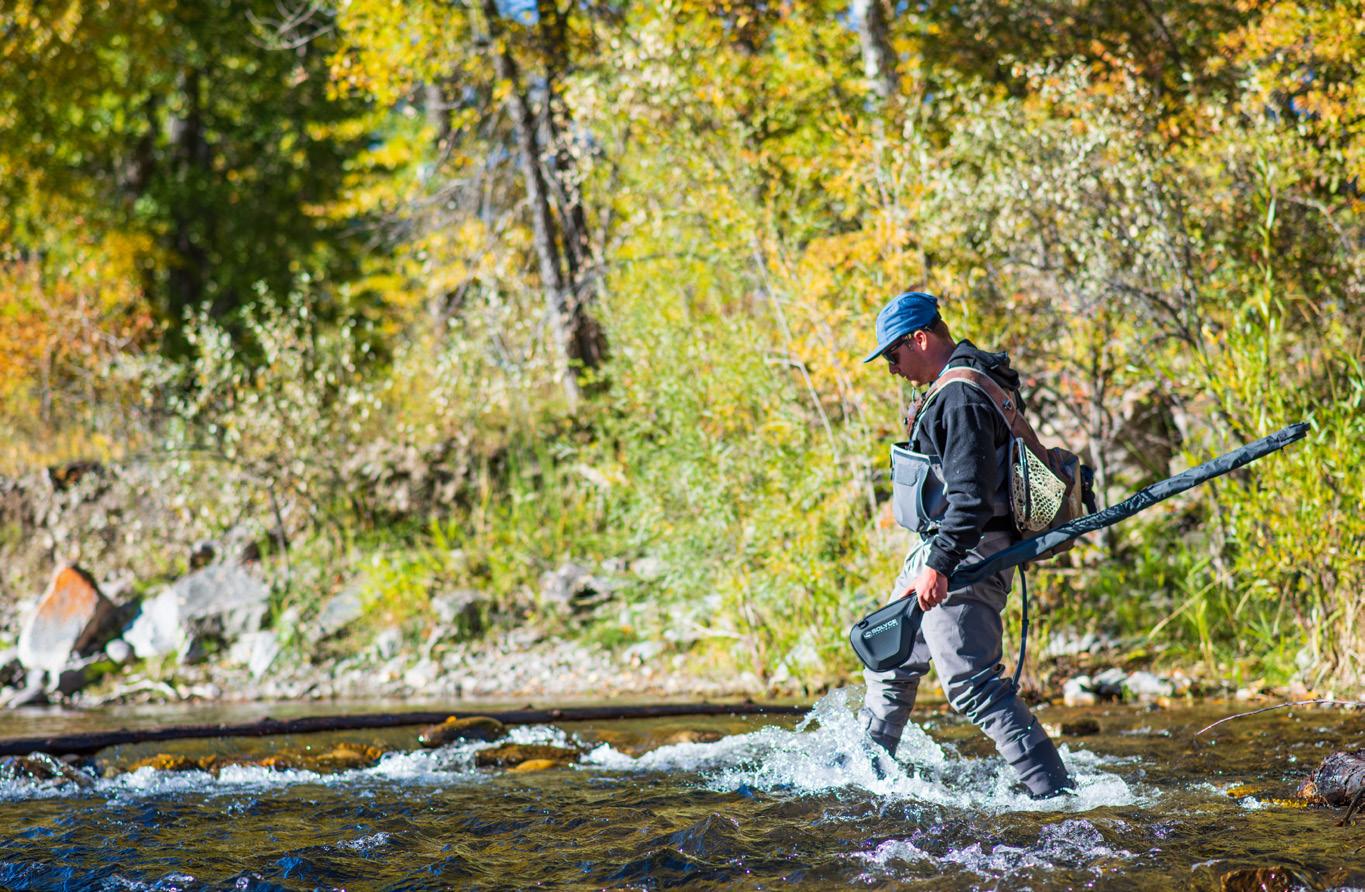
beyond the campsites to get into less-fished water, and some of those stretches require some rock hopping, maybe even climbing, so they are not for the faint of heart.”
“Agreed, the tailwater is very unique and offers some very remote fishing for adventurous anglers willing to hike and climb to fish less-pressured areas,” added Egbert. “Sure-footed might be a key term to hike and cover a lot of water here.”
Of course, with a tailwater, flows are more easily researched and trips planned. The run here offers deeper pools and boulders. So, the idea of throwing a streamer might cross your mind as well. Brandon says a leech typically works very well in the often, slightly-stained water. Cutbows will probably make up the majority of your catch here.
“Fishing on the tailwater is typically possible by late May as roads clear up and the steeper shaded canyon sees ice and snow melt,” added Van Nooten. “The upper reaches are best fished from mid-July through early October, depending on when cold temperatures take over.”
On the freestone system above the reservoir, fishing can be tough due to snow and ice and runoff at this higher elevation until flows subside. But as you might imagine, as runoff slows that means two things to us fly fisherman. One, it’s time to fish these amazing waters and Two, (unfortunately) mosquito season! Just wader up, wear long sleeves and use whatever you prefer to keep those pesky buggers at bay. It will be worth it, particularly in August and September when you can’t keep fish off your fly and mosquito-friendly puddles dry up. A September or October outing here can be wild with the color changes.
“The upper forks can be amazing, and since they all located in the National Forest, access is easy,” added Van Nooten. “All the Cimarron forks eventually flow into Silver Jack, so that makes for a great place to walk up one of the waters.”
In my opinion, inlets are always a great place to start any outing. Stoneflies, attractors and large terrestrials will work best here as flows recede. I’d try larger bugs, but only particularly if you are going
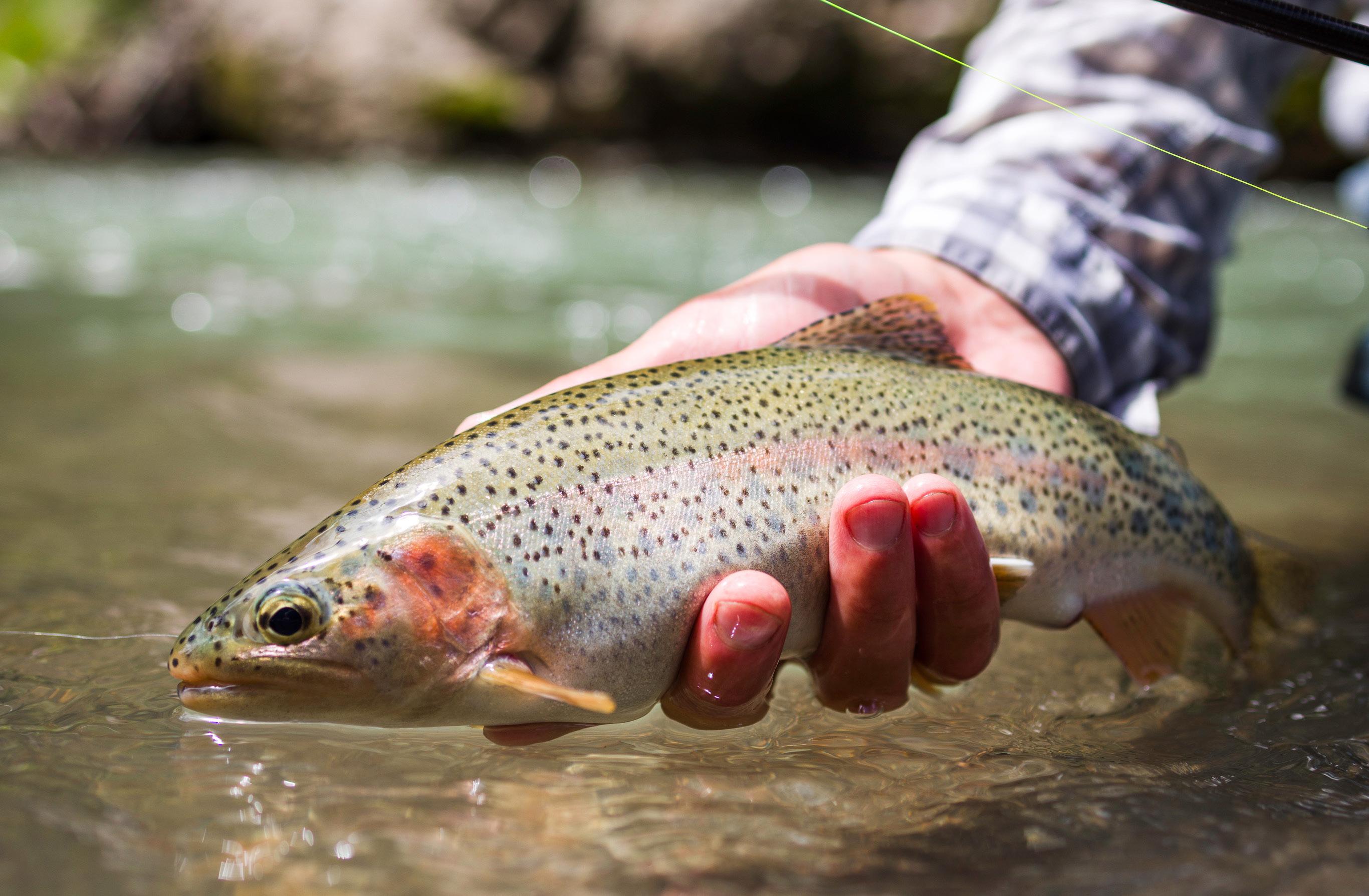
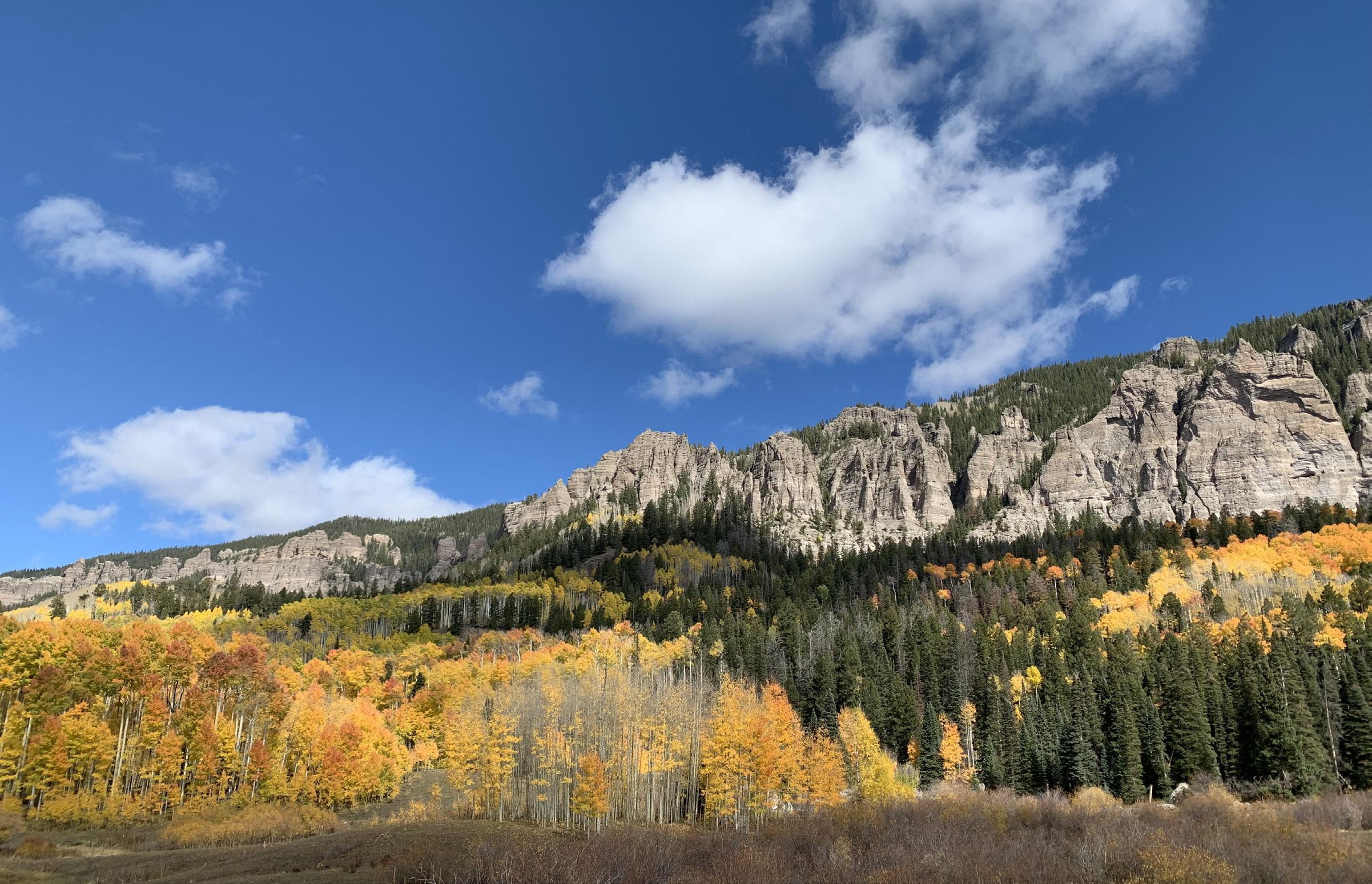
"Be ready to explore beyond the campsites… some stretches require rock hopping—even climbing."
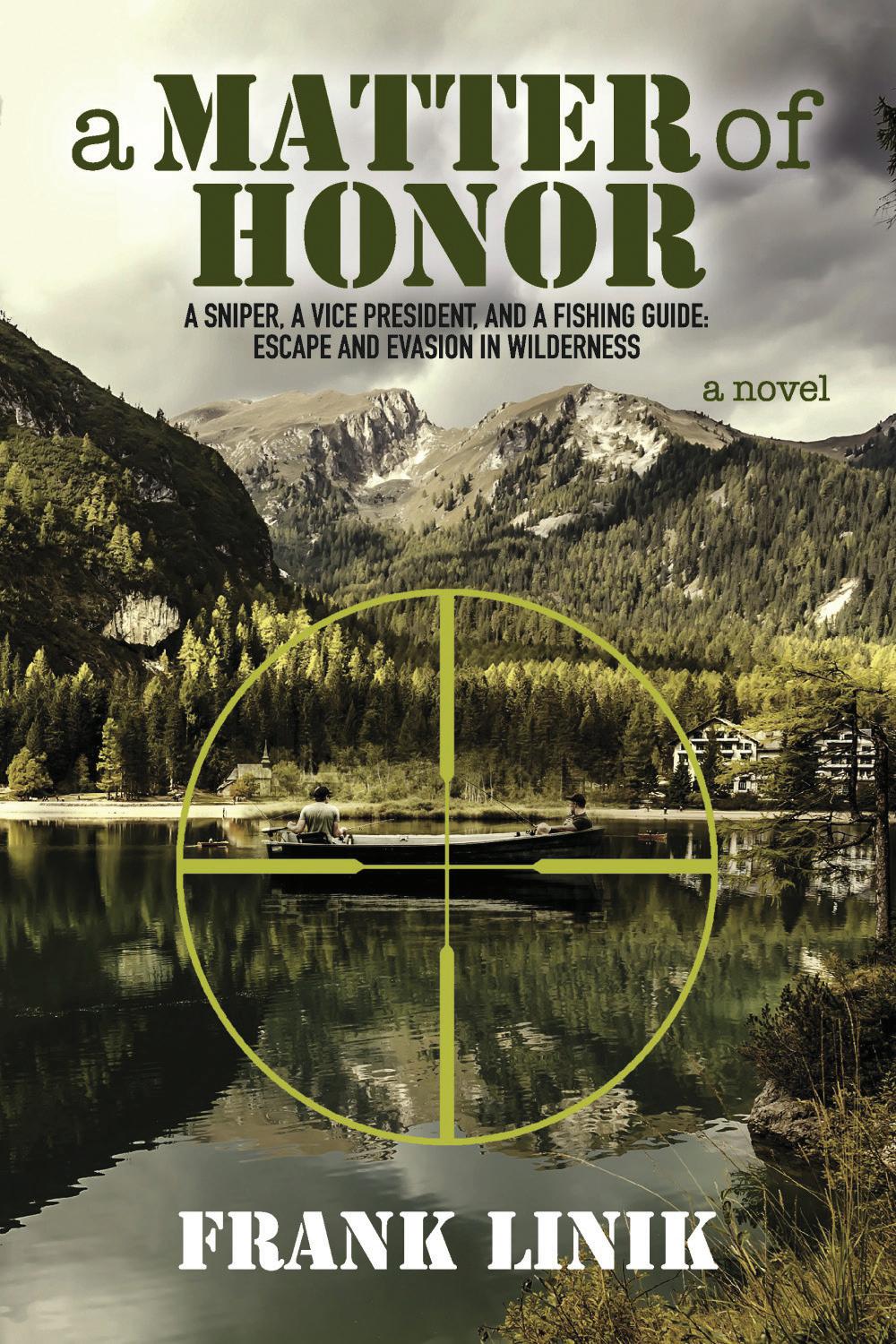
“A Matter of Honor is an exciting and gripping conspiracy story that hooks readers early on and takes them on a roller coaster of both high adventure and quietly idyllic moments spent fishing.” - Reader Review
This action adventure begins as the Vice President takes a fishing trip in the wilderness. The story turns into a political thriller when an anti-government conspiracy hires a sniper to assassinate him. The dream vacation quickly becomes a deadly game of escape and evasion. Survival depends on the fishing guide’s combat skills, honed in the Vietnam War. The sniper faces an unexpected challenge: he’s locked in a tactical duel with a worthy adversary that must end in victory for one and defeat for the other.
The story begins at an upscale hunting and fishing lodge in the Pacific Northwest. The conspirators plan a secession, intending to form a sovereign state west of the Rocky Mountains. They need to eliminate political opposition and install leaders supportive of their goal.
This fast-paced, action-packed read ripped from today’s headlines will keep you turning pages!
About the Author
Frank Linik, a former Army Airborne Ranger and author of the military novel of the Vietnam War, A Matter of Semantics, A Young Officers Decision: Duty or Loyalty in the Vietnam War, served as a rifle platoon leader in the Central Highlands in 1968-1969. His combat decorations include the Bronze Star with Oak Leaf Cluster, Air Medal, Army Commendation Medal and Combat Infantryman Badge.
Frank also worked as a fly-fishing guide in the Sierra Nevada Mountains of California. His writing has appeared in Innsifree, Viet Now, and California Flyfisher.
Frank is a retired educator and resides in Oregon with his wife where he divides his time between writing, fly fishing, photography, and cooking, not necessarily in that order.
to utilize a dropper rig off your dry. Maybe something like a size 6-10. Otherwise, stick with smaller size 10-16 stimulators, ants, beetles, chubbies, caddis, Royal Wulffs and humpies, because they all will bring trout to the surface for a strike. Incorporate some yellow, red and orange into the mix for quick action.
“In the upper reaches of the Cimarron, yes, smaller attractors like hippy stompers, stimulators. and foam caddis patterns with orange and natural tan colors are great options,” said Egbert back at Montrose Anglers. “There’s also an interesting spruce moth hatch up there to consider. We also offer guided trips on the Cimarron.”
If you haven’t guessed it yet, you will be surrounded by beauty and can easily have one of those days where you might earn 50 or more strikes. Size may not be a factor here, but if you like dry fly fishing, you will have a blast. As with any dry fly application, be patient with that hookset. Wait until that fly goes under, down react to the splash.
Don’t expect any monsters. In fact, you might even hook a few 6-inchers when you go to cast at some point, but a decent 12- to 15-inch would be solid. Van Nooten said the biggest trout he’s ever heard of was probably 18 inches.
“Montrose is outstanding,” concluded Van Nooten. “It’s great here, as you can look in every direction and see mountains and opportunities for fishing. There is so much good water around us, I still haven’t fished it all. Everything is super close and there are endless opportunities. The mountains are beautiful and we have Gunnison and Uncompahgre too. We are very fortunate to
have a low amount of pressure on the fisheries as well. I find it very “escapish.”
A multi-day trip is in order here. Out of Montrose, I’d hit the East Portal, the Uncompahgre and spend a couple days on the Cimarron. The area is home to some great local food and lodging options as well. Check out Scott Fly Rods and Mayfly Outdoors, two Colorado fly fishing companies keeping it real in Montrose. That town is getting cooler all the time. Let us know how you do!
High Country Angler contributor Brian La Rue enjoys giving fly fishers ideas of where to go for an adventure. Feel free to reach out to Brian at Brian@hcamagazine.com if you want your lodge or guide service featured in an upcoming promotional marketing plan.

on’t be in too much of a rush to start casting. Ten minutes sitting and watching is worth forty-five minutes of fishing.”
So said an angling mentor to me riverside one cold, blustery afternoon a long time ago. It’s a piece of advice I try to take to heart every time I hit the water. I take my time assembling my rod, pausing between each section to watch the water for a few moments, running my fingers along the leader to check for abrasions as I scan the air for any bugs in flight, washing the water again before deciding what fly to begin with. At times that ten minutes is the most rewarding, if not most productive, part of the day.
It was another cold, blustery afternoon that saw me descend a narrow trail toward a section of river upstream of town where a busy, turbulent run fanned wide and slowed to a choppy meander of eddy creases and bubble lines. Clouds hovered over mountains dusted in white, and a downstream breeze that nipped at the skin brought with it flur-
ries of snow that pattered softly on my clothing.
My arrival at the river was heralded by a pair of geese who immediately announced their displeasure at my presence, swimming to the far bank then shadowing my progress, honking to wake the dead, as I made my way downstream along the shoreline. Many things they may be, songbirds they aren’t. After several minutes of constant, one-sided conversation, I politely suggested they take their complaint elsewhere, a suggestion they mulled over for a few minutes more before agreeing and, taking to wing, flew back upstream again.
Precious silence. I found a rock to sit on then alternately proceeded to piece my rod together as I watched the iron grey water. Given the weather I hoped to see some rise forms in the slower water. Today was, according to the text book, prime conditions for a hatch of blue-winged olive mayflies, yet as I watched nothing disturbed the surface.
Just then a swallow appeared, working a beat to windward, low over the river, swooping occasionally to skim something off the water. Whether feeding or drinking I couldn’t tell. It continued on upstream to the base of the turbulent water then wheeled back downstream to opposite of where I sat, then turned again and worked back up-river. My prospects of catching a fish lifted. Swallows need to consume their body weight of prey per day to survive, hence are harbingers of a hatch to a hopeful angler. They don’t expend energy for fun.
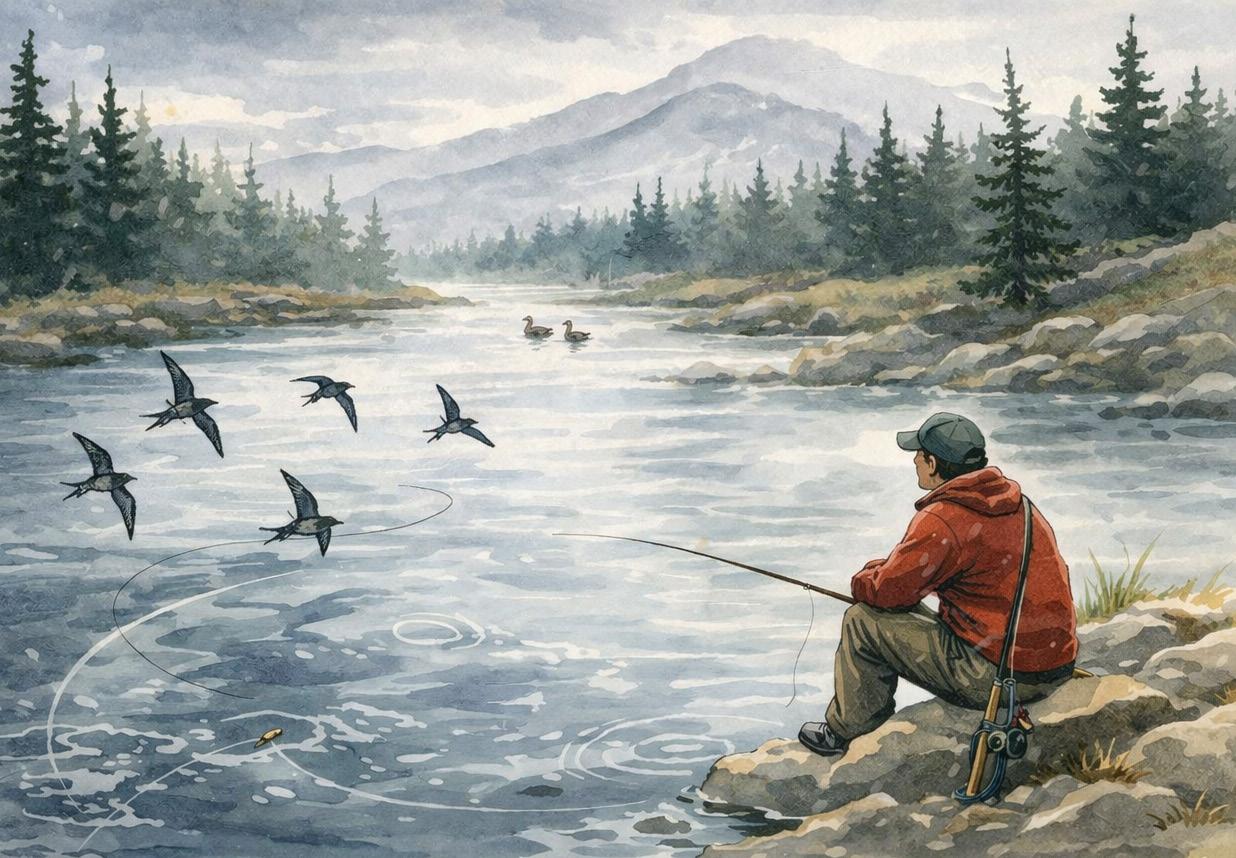
Soon several more arrived, working in unison upstream into the wind, then down and turning, skimming the surface. Still I watched, scanning the bubble lines for any sign of insects trapped in the foam, but I couldn’t see
whatever it was the swallows did. Encouraged nevertheless, I tied on a small dry and a smaller nymph to spread my offering deeper in the water column. I watched the swallows and the river for a few minutes more. No rise forms, but who knew what lurked beneath the surface?
I cast up into the run. Once and while a swallow would dip down to inspect my dry fly, thankfully rejecting it at the last second. From time to time I’d delay my cast a few seconds to avoid placing my line right in their flight path. I had once hooked a swallow on a backcast, it taking a nymph midair. Fortunately I was able to reel in and release it, but it was a traumatic experience for both of us.
Still no rise forms, still no takers on the nymph, and after a few more minutes the swallows departed. Snow flurries continued. An osprey arrived, perching high in a tree up the embankment away from the river, calling its high pitched, mournful call. I continued to fish, the osprey continued to call before itself moving on upstream. Upon reflection, it may well have been trying to save me the trouble. “Mate, it’s no use. I’ve looked. There’s no fish there.”
By now the cold was beginning to tell, toes numb, fingers pinched and clumsy, metabolism demanding sugar. I packed up and headed to a local food joint for a guilty pleasure. As she handed me
the strawberry shake, the bright-eyed, freckle-faced young lady smiled at me.
“Happy National Bird Watching Day” she said. I agreed. It had been a great day for watching the birds.
Hayden Mellsop is an expat New Zealander living in the mountain town of Salida, Colorado, on the banks of the Arkansas River. As well as being a semi-retired fly fishing guide, he juggles helping his wife raise two teenage daughters, along with a career in real estate.

Hayden Mellsop
Fly fishing guide. Real Estate guide.
Recreation, residential, retirement, investment.

by Colorado TU Staff
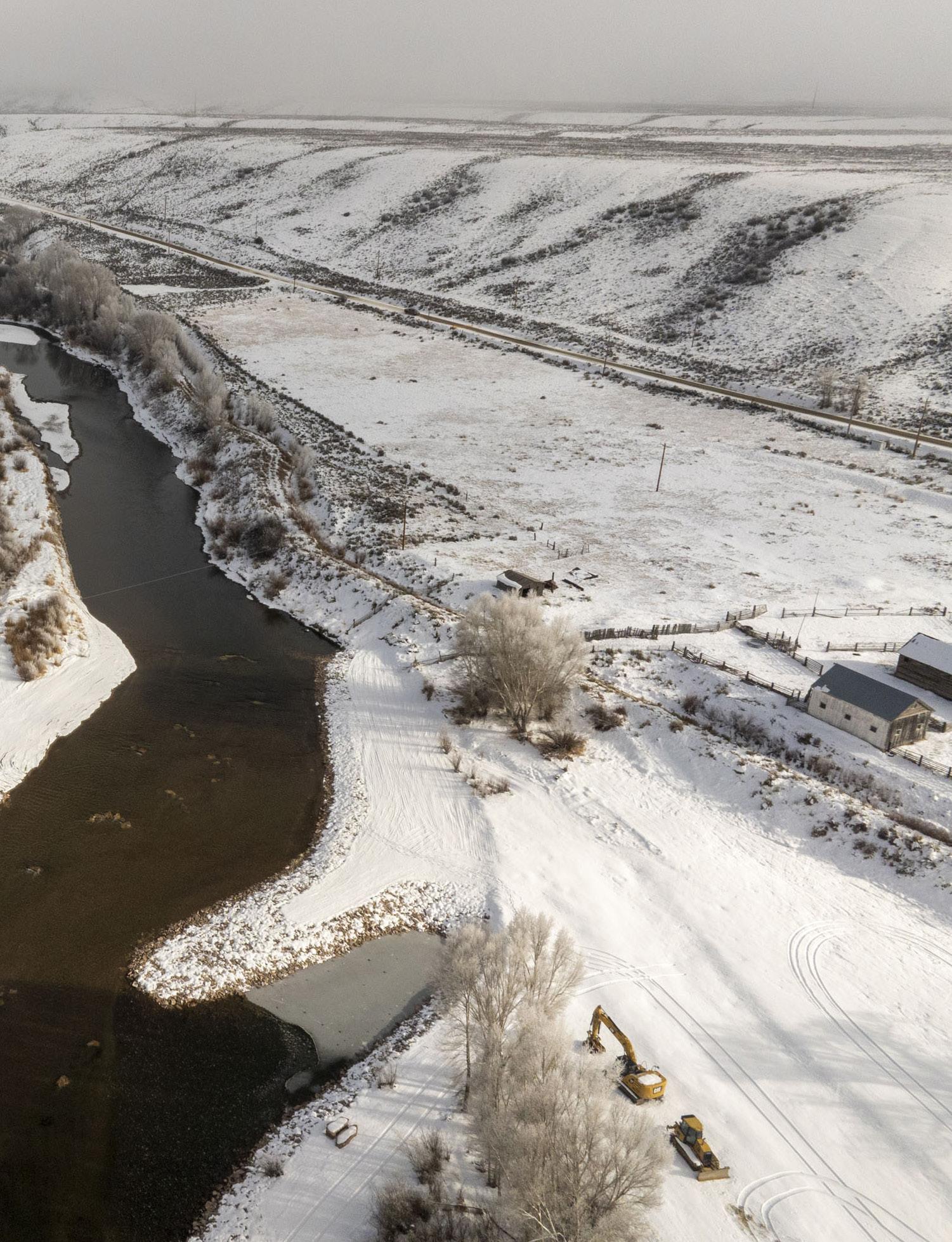
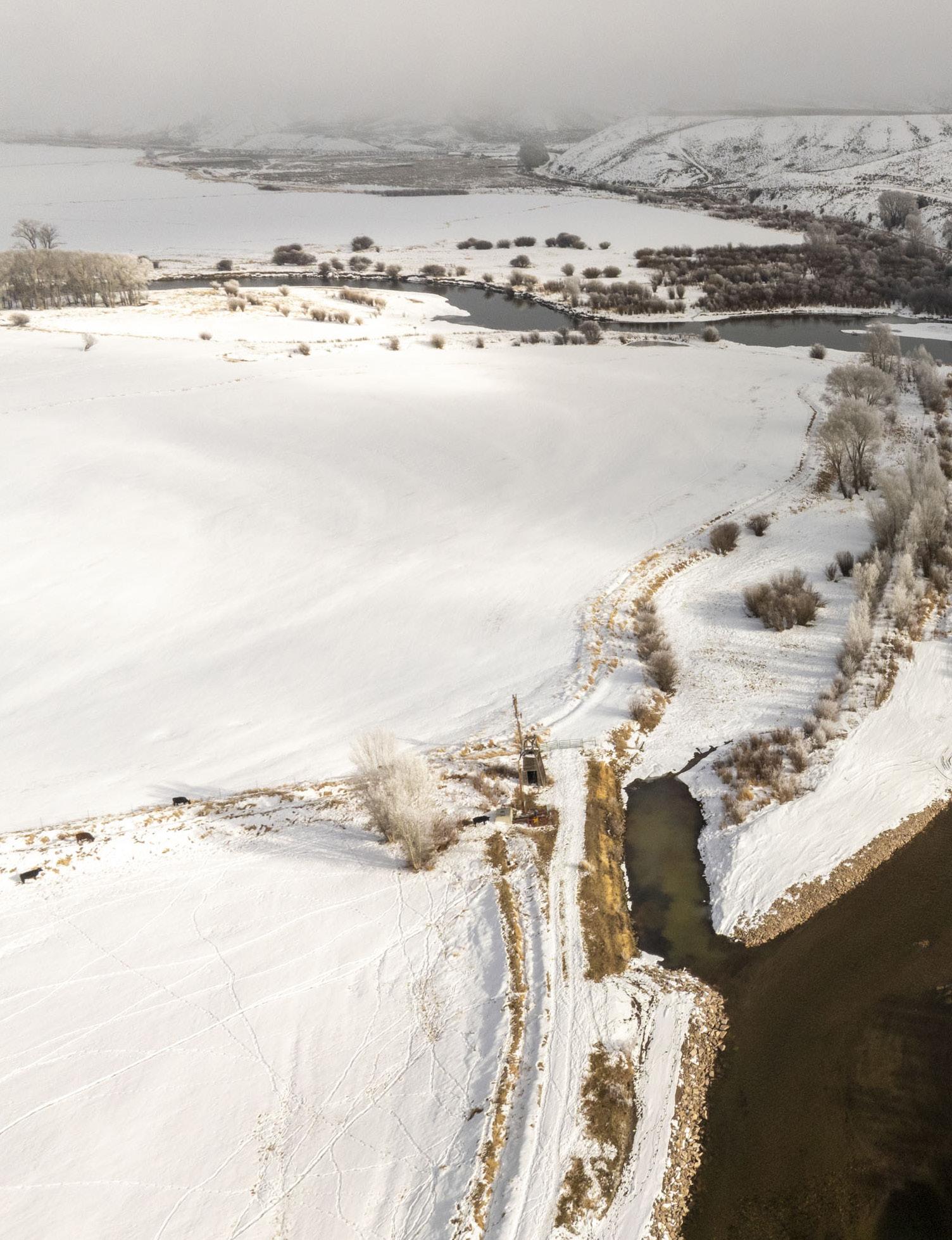
By spring, most people who spend time on rivers are starting to look ahead. Boaters are watching runoff, anglers are thinking about conditions on their home waters, and communities across Colorado are paying closer attention to what kind of water year is taking shape. But the story of a river season starts much earlier, in the mountains, with snowpack.
Snowpack is Colorado’s natural water storage system. Snow builds through the winter in high elevation basins and melts gradually as temperatures warm, feeding the headwaters that become the rivers and streams flowing across the state. That slow release supports drinking water, agriculture, wildlife habitat, and the recreation that depends on healthy rivers.
This year, Colorado is entering spring with a concerning snowpack picture. According to the Natural Resources Conservation Service, statewide snow water equivalent in mid-March is about 63 percent of the 1991–2020 median. Conditions vary by basin, but the statewide picture is clear: Colorado is well below normal heading into the part of the season when people begin looking to snowpack for signs of what is ahead.
Spring storms can still add to the snowpack, but at this point it would take a significant shift in weather to close the gap in a meaningful way. The more likely outcome is that Colorado heads into runoff season with less stored water than usual.
In Colorado, most rivers depend on melting snow. As snowpack melts in spring and early summer, it builds flows in mountain streams and


larger river systems across the state. When snowpack is near normal, that runoff helps sustain rivers later into the season.
When snowpack is well below average, there is less water stored in the mountains to feed rivers downstream. That can mean reduced runoff, lower flows later in the summer, and warmer water as the season progresses. These changes do not happen the same way on every river, and local weather, groundwater, reservoir operations, and watershed conditions all play a role. Still, snowpack remains one of the clearest early indicators of how the broader water year may develop.
For anglers and others who spend time on rivers, that matters. River conditions are shaped long before summer arrives.
Rivers are a product of the watersheds that feed them.
A watershed includes the mountains, forests, soils, tributaries, and wetlands that collect and move water through the landscape. Conditions across those systems influence how water enters a river, how long it stays cold, and how well habitat functions over time.
Scientists often look at aquatic insects known as macroinvertebrates to better understand river health. These insects live on the bottom of streams and respond quickly to changes in water flow, temperature, and water quality. Because of that, they are widely used as indicators of watershed health.
Healthy watersheds tend to support more resilient rivers. In dry years, that resilience matters even more.
For anglers, low snowpack is also a fish story, even if it starts with water.
Lower flows and warmer water can increase stress on trout and other coldwater species later in the season. As water temperatures rise, dissolved oxygen levels can drop, and fish have to work harder to recover from normal activity. That stress can be made worse by low flows, limited habitat, and added recreational pressure during the warmest parts of the year.
For fish that are caught and released, those conditions can also increase the risk of delayed mortality. That is one reason anglers often pay close attention to water temperature, time of day, and
overall river conditions during dry years. Healthy fisheries depend on healthy water, and in a low snow year, that connection becomes harder to ignore.
Even for an audience that knows rivers through fishing, the effects of snowpack reach much further.
Low snowpack can influence water planning for communities, irrigation for agriculture, watershed health, wildfire risk, and recreation across the state. Rivers connect all of these uses. What happens in the mountains during winter and spring does not stay in the mountains.
That is one reason Colorado Trout Unlimited continues to focus on watershed health as much as river health. Projects across the state, from habitat reconnection to post-fire restoration and stream improvement, are all part of building rivers that can better withstand stress when conditions become difficult.
Strong watersheds support wild and native trout, but they also support communities, wildlife, and the many people who rely on Colorado’s rivers in different ways.
Snowpack sets the stage, but it does not tell the whole story. Spring weather, runoff timing, and local conditions will continue to shape how rivers respond in the months ahead.
Still, the message going into this spring is straightforward. Colorado is entering the season with below-average snowpack, and that will likely influence river conditions later in the year.
For anglers, that does not mean guessing what every river will do months in advance. It does mean paying attention. Snowpack, flows, and water temperatures are all part of the same story, and understanding that story is one way to care for the rivers and fisheries we all value.
To learn more about this and other stories, visit coloradotu.org
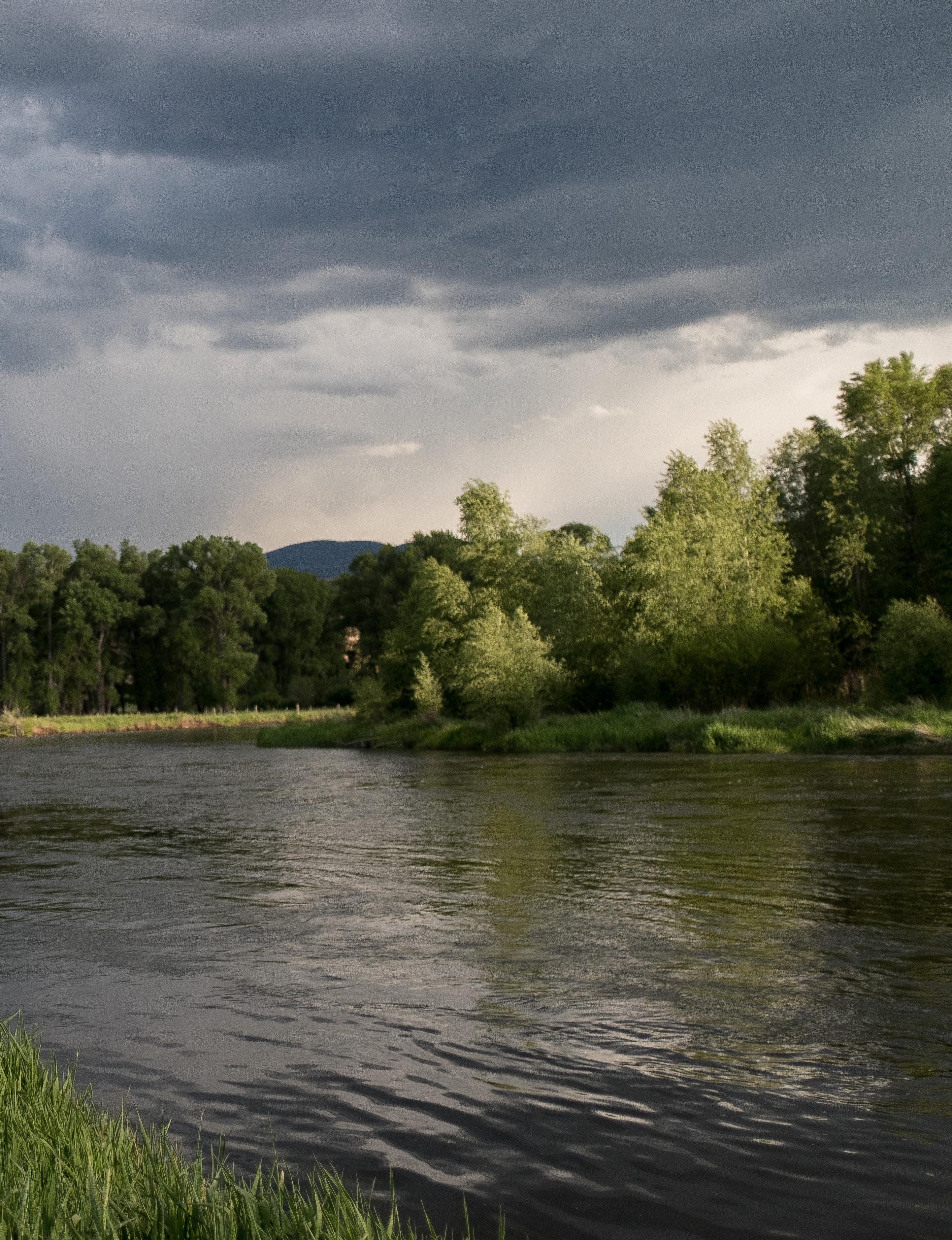
What? Sounds as if I am attempting to learn a new language. No, but I did have a Latin class in high school. It was a required class, and as dumb as it sounded at the time, I do believe as I graduated into adult life, having a rudimentary knowledge of Latin did benefit me in the working years. I’ll admit it – the educators of the day did know what was best for me!
Little did I know, nor did the teachers know, how Latin would benefit me in my fly-fishing maturity. Now, before you get all opinionated and technical on me, I do not pretend to know an extensive mental library of aquatic insects and their scientific names that are commonly based in Latin. But with over
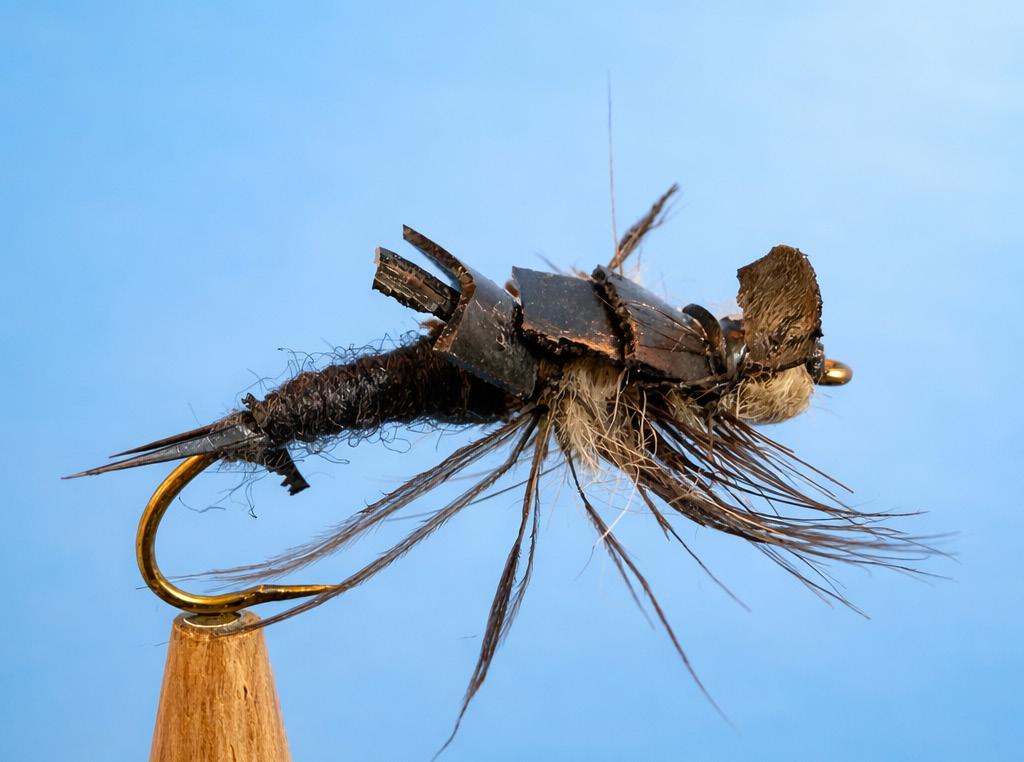
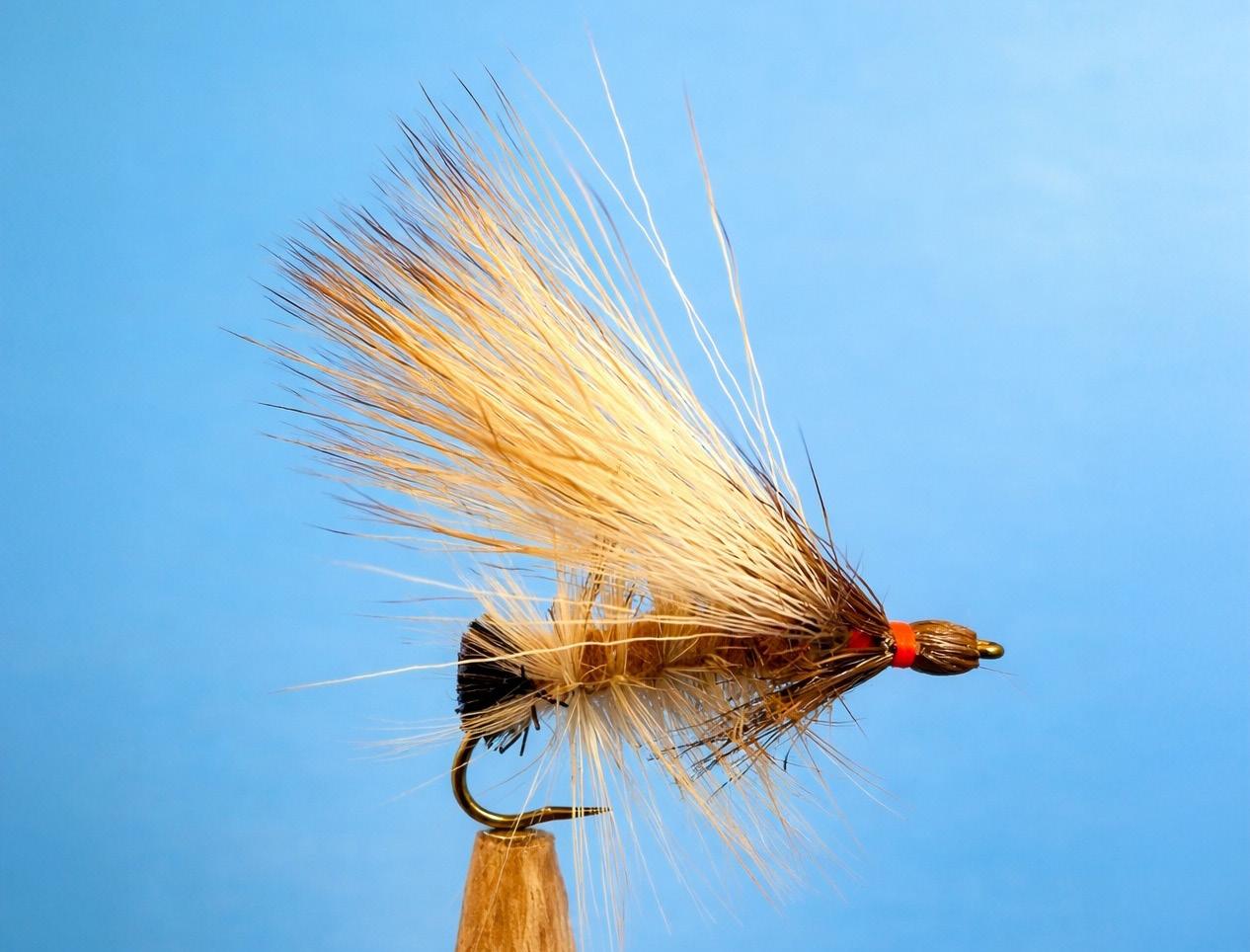
60 years of fly fishing and hanging around fly tying, yes, I have picked up a few, and yes, I think there is fly fishing value in understanding the hierarchy of order and genus that can make one an effective fisherman.
But most of the time, common names will do. So what is Pteronarcys californica? It’s an “Orange Stonefly.” At least that’s what I call it. Actually, a more commonly used name is a “Salmon Fly.” But I’ve never liked that name, as the fly has nothing to do with the salmon fish or traditional eastern salmon fly patterns. However, it is a stonefly, and it does have a unique orange
hue to its body and an orange band at its head, so somewhat like calling a golden stone, a golden stone, it makes more sense to me to call an orange stone, an orange stone.
What I do know for sure is that on my local Gunnison River in Colorado, these stones are prolific, of massive size, and large trout in the Black Canyon of the Gunnison feed voraciously for a few weeks in June.
What I also know is after decades of fishing multiple commercial patterns, famous patterns, local patterns, foam patterns, et al, the best pattern is that of Bob Jacklin, famed fisher and tyer of West Yellowstone, Montana. In years past, I had the privilege of taking a fly-tying class with Bob and of tying beside him at a fly-fishing show.
Typically with my High Country Angler fly tying column, because it is a digital magazine, I prefer to include a video of the featured fly, rather than a photo. However, in this case, although I do tie Jacklin’s stone, both the nymph and the dry, I have
used a photo in this issue for two reasons. One, there are internet videos available that you should watch of Bob himself tying, which is significant for accuracy and history. And two, I have in my possession flies tied by Bob himself that I used for the photos. Call it what you want, but tie it and fish it.
Joel Evans lives in Montrose in western Colorado. He combines decades of fly fishing, guiding, and fly tying with photography and outdoor writing. He is a pro team member with several companies, is active in Trout Unlimited and Fly Fishers International, including the FFI Fly Tying Group.





by Timothy R Gablehouse
It is my honor to be writing this column as the new chair of the Colorado TU Advocacy Committee. I am an at-large Board Member and life-long Colorado resident and jealously enjoy the Colorado outdoors. As a practicing environmental attorney, I have been involved with issues of importance to Colorado TU for my entire career.
I have two philosophies regarding the Advocacy Committee. First, I intend to routinely provide information to the Committee on issues with policy significance. While there might not be an immediate decision point, the possibility that a rapid discussion and recommendation to the Board might be needed suggests that Committee members need to keep informed.
Second, I do not believe that we need to “chase” every interesting sounding environmental issue. To be effective we need to have a clear vision of our core priorities and be prepared to either support or oppose with a commitment to the desired outcome. For example, we are closely tracking the developments on management of the Colorado River under the interstate compact, which has become even more critical because of the low snowpack. Our objective is to protect conservation programs in which Colorado TU chapters have invested huge amounts of time and energy.
The Committee reviews proposed rulemaking at the Federal level and petitions or rulemaking at the State level. We prepare comments on these items intending to influence the outcome. We prepared comments on the Federal effort to limit Clean Water Act 401 authority for State review of Federally permitted water discharges. We commented on the EPA/Corp of Engineers modified Waters of the United States (WOTUS) definition. We help develop alerts to empower TU members and other grassroots advocates to weigh in on these important issues, as well.
From the current legislative session, I can provide some examples:
- The Committee has recommended a “support” position for legislation and resolutions designed to protect public lands and continued access to those lands.
- We have recommended an “oppose” position on proposed legislation that would erode the science-based management of wildlife and fish in Colorado.
- We have also adopted a “support if amended” position on legislation that has laudable goals, but which is not implementable without harm to Colorado TU’s or our partners’ interests.
Of current high interest are the combined issues of the Center for Biological Diversity’s petition to ban commercial sale of fur which was recently granted by the Colorado Parks and Wildlife commission; and the proposed ban on beaver trapping under HB26-1323. Rulemaking is the next step on the fur ban petition, a proposed ban which includes fishing lures and fly tying materials. We will closely track and participate in the rulemaking, speaking out for science-based

management and the interests of our angling and flytying members.
HB 26-1323 would prohibit the taking of beavers on public land for a recreational purpose or commerce in beaver fur, parts, or products. The Committee has adopted an oppose position on the bill because the State has professionals that manage species on a scientific basis, and legislation is neither necessary nor appropriate. The General Assembly should allow the agencies it has created to do their jobs without substituting its political judgment for the management decisions of scientists. Colorado TU strongly supports beaver conservation – they are keystone species that help improve fish habitat and watershed health. Because of that, we support the efforts CPW has adopted to manage beavers under their new beaver management strategy.
If you have questions or would like to get involved with our Advocacy Committee, please contact me at tgablehouse@gcgllc.com. Every river needs a champion – join us in championing Colorado’s rivers as an advocate!
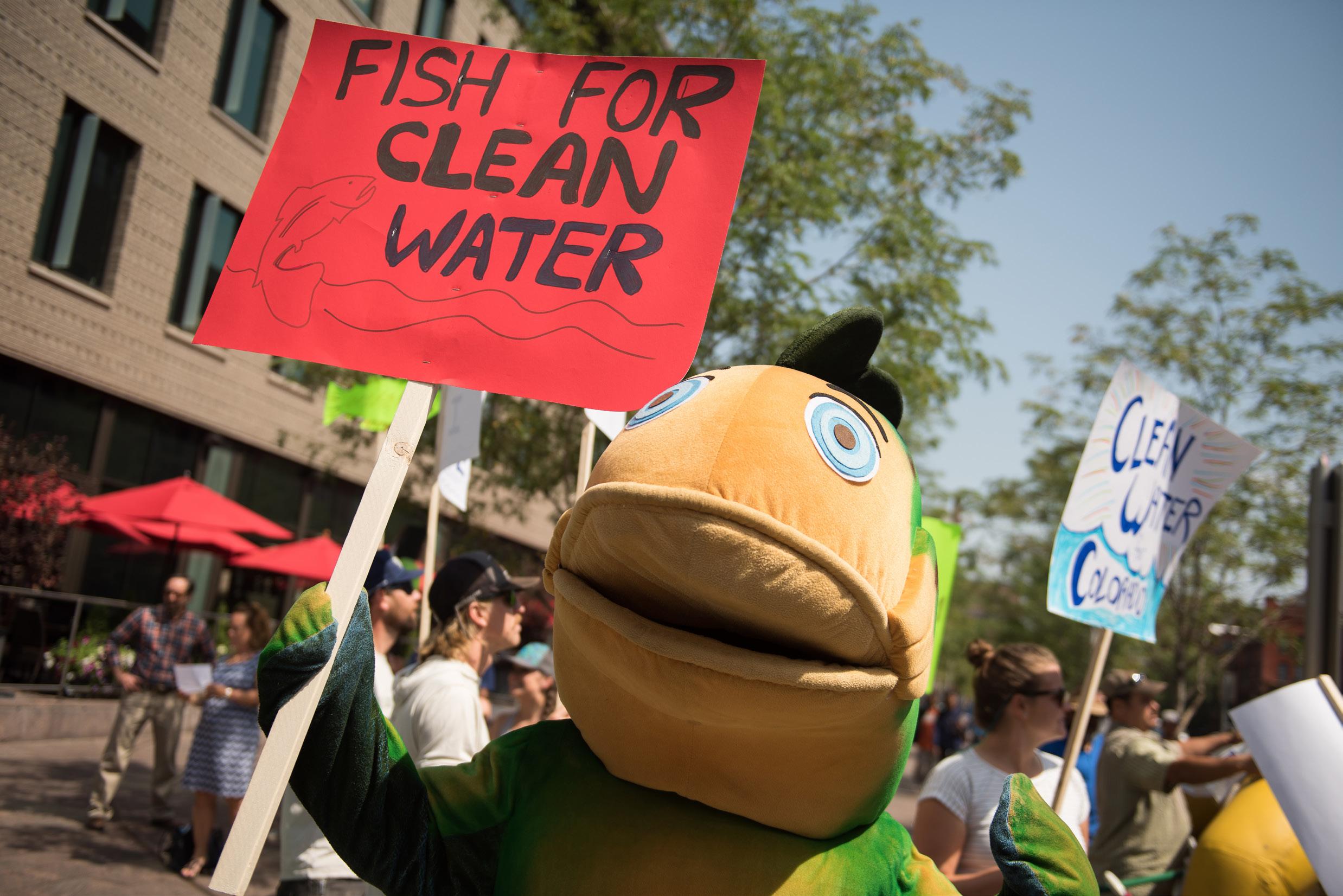

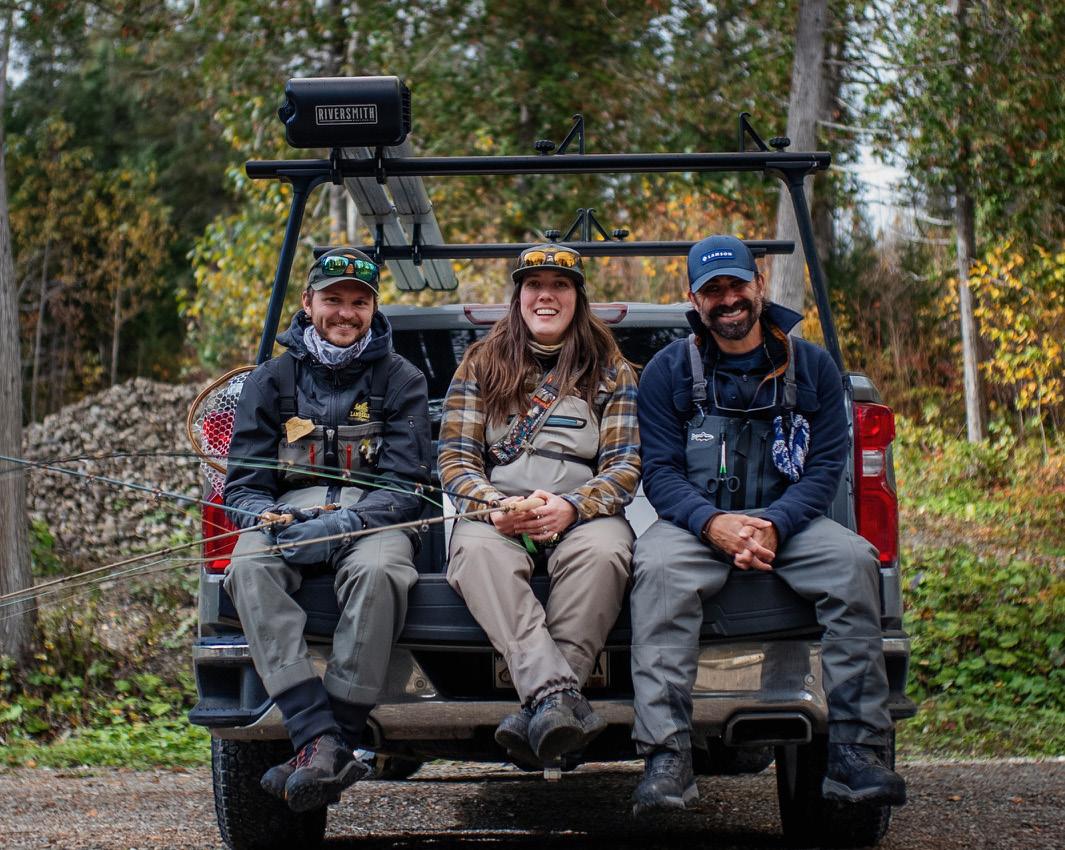
Fly fishing teaches patience, stewardship, and respect for the water. It connects anglers to wild places and reminds us that every cast is part of something larger. But hidden within this tradition is an uncomfortable truth: the very gear that allows us to step into rivers and streams is contributing to a growing environmental problem.
Each year, an estimated 1 to 3 million pairs of fly-fishing waders are discarded and sent to landfills across the United States. Constructed from durable synthetic materials like neoprene and breathable laminates such as Gore-Tex®, these waders are engineered to endure years of use in harsh conditions. But durability on the river translates to permanence in landfills. Both neoprene and Gore-Tex® can take hundreds of years to biodegrade, meaning every pair discarded today will likely outlast generations.
Repurposed Waders, a registered 501(c)(3) nonprofit organization, was founded to address this growing issue. The nonprofit was created by Jeff Davis, founder of Maine Fly Company,
after witnessing firsthand the steady cycle of worn-out waders being retired and thrown away within the fly-fishing community. Recognizing both the scale of the waste and the opportunity to make a difference, Davis launched Repurposed Waders with a simple but powerful mission: keep waders out of landfills and give them new life.
Based in Maine and inspired by the waters that define the region’s fishing heritage, Repurposed Waders collects retired, damaged, or nolonger-used waders from anglers nationwide. Instead of becoming waste, these materials are carefully cleaned, cut, and transformed into durable everyday goods such as tote bags, gear carriers, and accessories. The same rugged materials once trusted in rivers are given a second purpose, extending their useful life and reducing environmental impact.
Beyond repurposing materials, the organization aims to shift awareness within the broader fly-fishing community. Conservation has always been central to the sport, yet gear waste has re-
mained largely unaddressed. Repurposed Waders offers a tangible solution—one that aligns the values of anglers with the full lifecycle of their equipment.
The success of the mission depends on community involvement. Anglers can donate their retired waders, ensuring the materials are diverted from landfills. Financial contributions help expand collection programs, support sewing partners, and grow educational outreach efforts. Purchasing repurposed products also directly supports the nonprofit’s work, transforming discarded gear into functional items that continue to serve outdoor enthusiasts.
Fly fishing is built on a deep respect for nature and the waters that sustain it. Repurposed Waders extends that respect beyond the mo-
ment on the river. It ensures that the gear used to access these places does not become a permanent burden on the environment, but instead continues its story in a new and meaningful way. Because sometimes, the most important act of conservation isn’t just protecting the water—it’s taking responsibility for everything we bring into it.
To learn more about Repurposed Waders, go to repurposedwaders.org.
This is my final Last Cast column as Chair of Colorado Trout Unlimited’s Board of Directors. For the past 2 years I have served as the elected leader of Colorado’s Council of Trout Unlimited Chapters. My term of office soon comes to a close in April. I deeply appreciate the trust placed upon me, and I am privileged to have had the opportunity to be part of the collaboration among Colorado’s 22 Chapters and their leaders, Council staff, and National staff.
In my last column, I explored how Trout Unlimited is expanding its reach. Today, I want to focus on the foundation of that growth: leadership. I believe that attracting a diverse spectrum of motivated leaders is the only way to sustain and scale our grassroots mission.
Since 1959, Trout Unlimited has been defined by local volunteers caring for their home waters. While many peer organizations have moved toward a purely professional staff model, TU has taken a different path. Our volunteer-led efforts effectively double our impact, acting as a "2x multiplier" for our professional staff's work. The numbers speak for themselves: in Colorado alone, our members logged more than 50,500 volunteer hours in 2025.

We live in an increasingly complex and rapidly changing world. The assault on our environment continues to expand, and we are rapidly passing through tipping points. Eco-anxiety is expanding across generations and driving a deep desire to take action. In this world where people are feeling isolated by change and technology, I believe we are seeing the beginning of a movement of seeking connection with nature and people, purpose, and impact. As we acknowledge the healing and restorative value of our time on the water, its protection and sustenance becomes ever more important. For those seeking to connect and take action, community-based efforts offer an outlet to become part of something bigger than ourselves with tangible benefits.
TU grassroots leadership is an easy entry into community engagement and activism. You are not starting from scratch, the operating framework and support systems already exist. You can start small and play a supporting role. Your effort is scalable to local resources and people power. Communities like and support local efforts. Local governments, municipalities, and agencies are seeking voices that represent broad perspectives on water quality, use, and recreation.
TU is an organization in which the average age of its members has continued to rise. Despite this trend, this is not true about volunteerism or leadership, which is driving a change to expand TU’s membership model. It is a misconception that a person needs to be retired to have time to be a TU leader. I’m in my 19th year of leadership, I retired 6 years ago. I haven’t been alone in this either, my experience has leaned towards close to a 50-50 balance between working and retired leaders. It’s not time that makes leadership work, it’s collaboration and intentionality. Like a river where the active currents move the most weight, active people are most inclined to take on expanded responsibility in both their personal and professional lives.
To reverse the trend of an aging membership, we have a call to action to attract younger generations. I maintain that this starts with supporting and elevating young emerging leaders. We older folks say they are not joiners, isn’t it more important that they already have a more habitual commitment to social capital and volunteerism? They have been engaged in community service throughout their schooling years. In fact, the engagement of younger leaders is a growing trend in TU chapters where the local community demographics lean toward a younger demographic. This is creating powerful examples of 2 way multigenerational mentoring and broadening of perspectives.
After nearly 20 years of leadership
within our Chapters and the Colorado Council, this is the opportunity that keeps me motivated to serve. As I move into my own "next chapter," my focus shifts to the young people who will inherit the legacy of Trout Unlimited’s community-building and conservation successes.
Closing this column, I find myself reaching for my TU Camp Director hat. As I prepare for another summer season, I am reminded of a predecessor’s vision: “The ultimate goal of our program is that one day, a TU Camp alumnus will serve as Council Chair.” Perhaps those seeds have already been planted; perhaps they will take root this coming summer. Regardless of the timing, I can perform no task more impactful than to support and learn from the next generation of leadership.
Be Safe on the Water, Barbara
Barbara Luneau is Colorado Trout Unlimited’s President, a retired geologist, avid angler, and long-time TU volunteer at both local chapter and statewide levels. She has a deep commitment to youth programming, including serving as the volunteer director of the annual CTU River Conservation and Fly Fishing youth camp.