Rain Barrel and Rain Garden
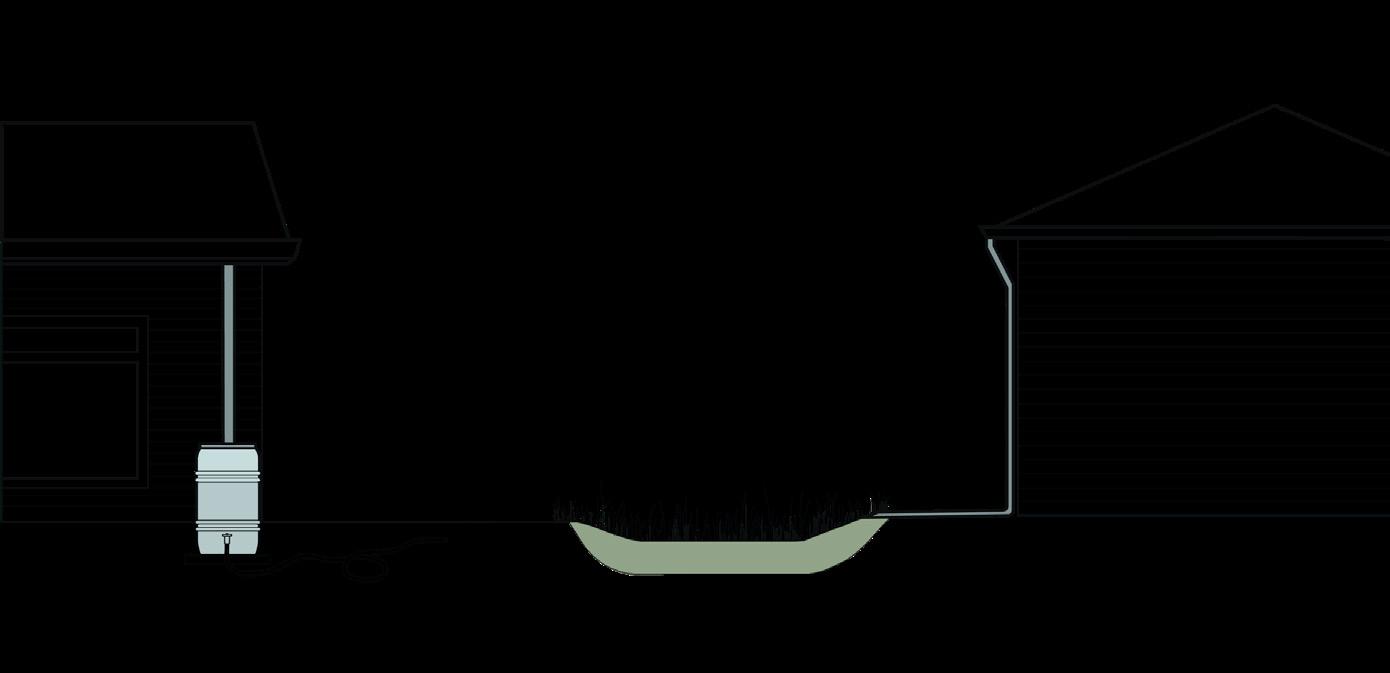
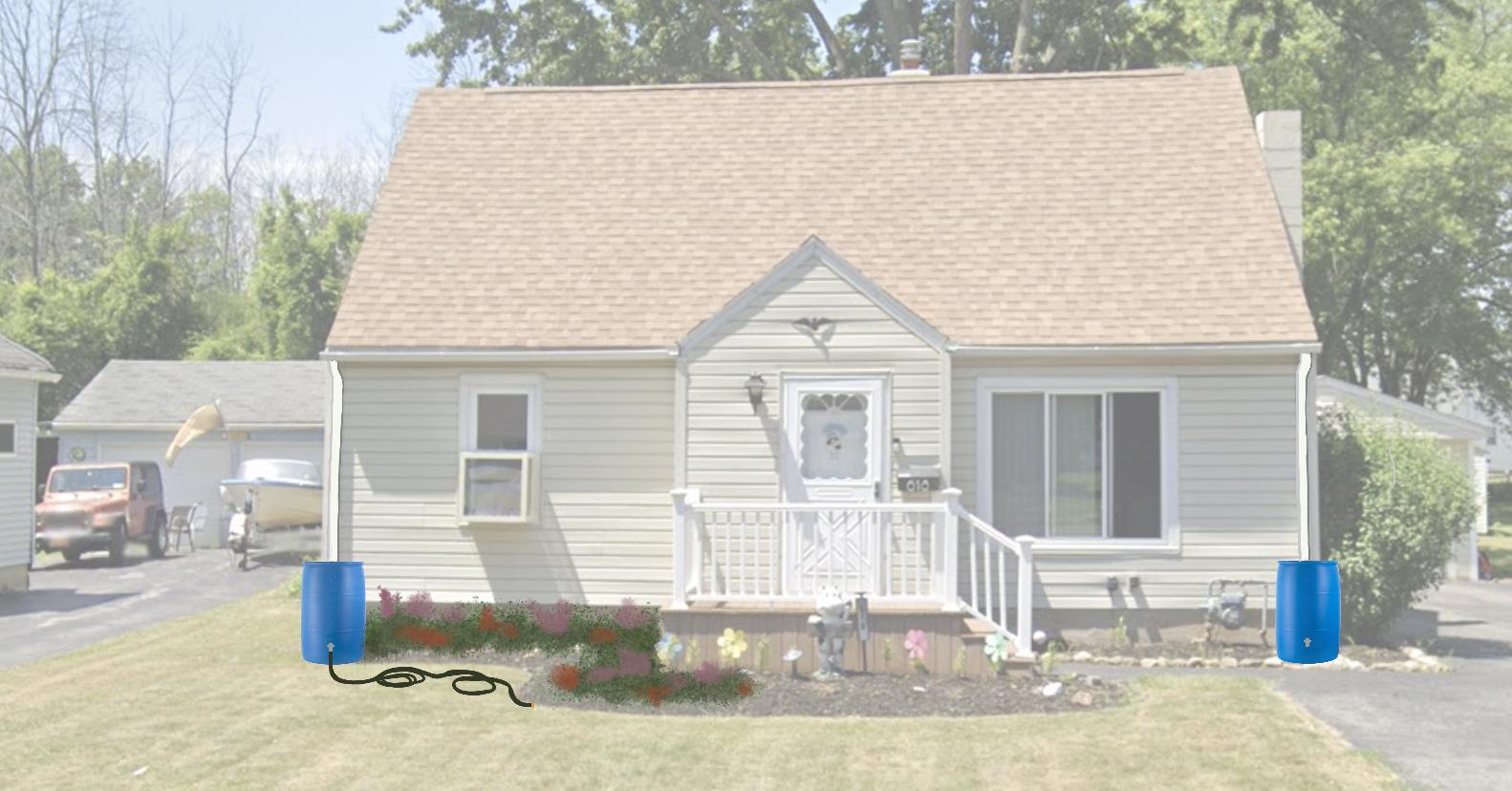
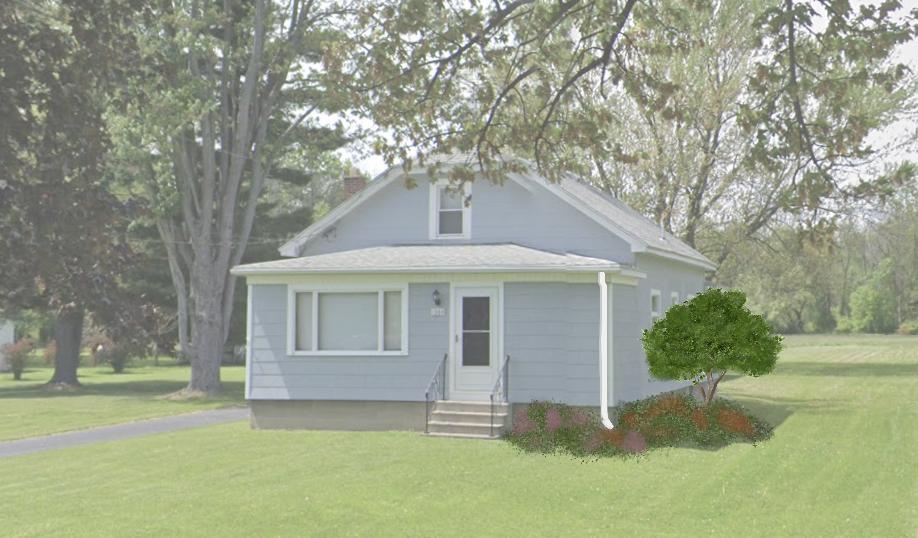
The water is directed into a barrel to collect stormwater which then has a variety of uses.
Through downspout disconnection, the water is directed into a vegetated bed that has plants that filter and absorb the water.
The water is directed into a barrel to collect stormwater which then has a variety of uses.
Through downspout disconnection, the water is directed into a vegetated bed that has plants that filter and absorb the water.
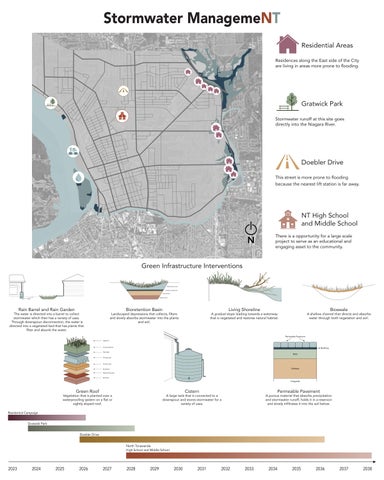
Residences along the East side of the City are living in areas more prone to flooding.
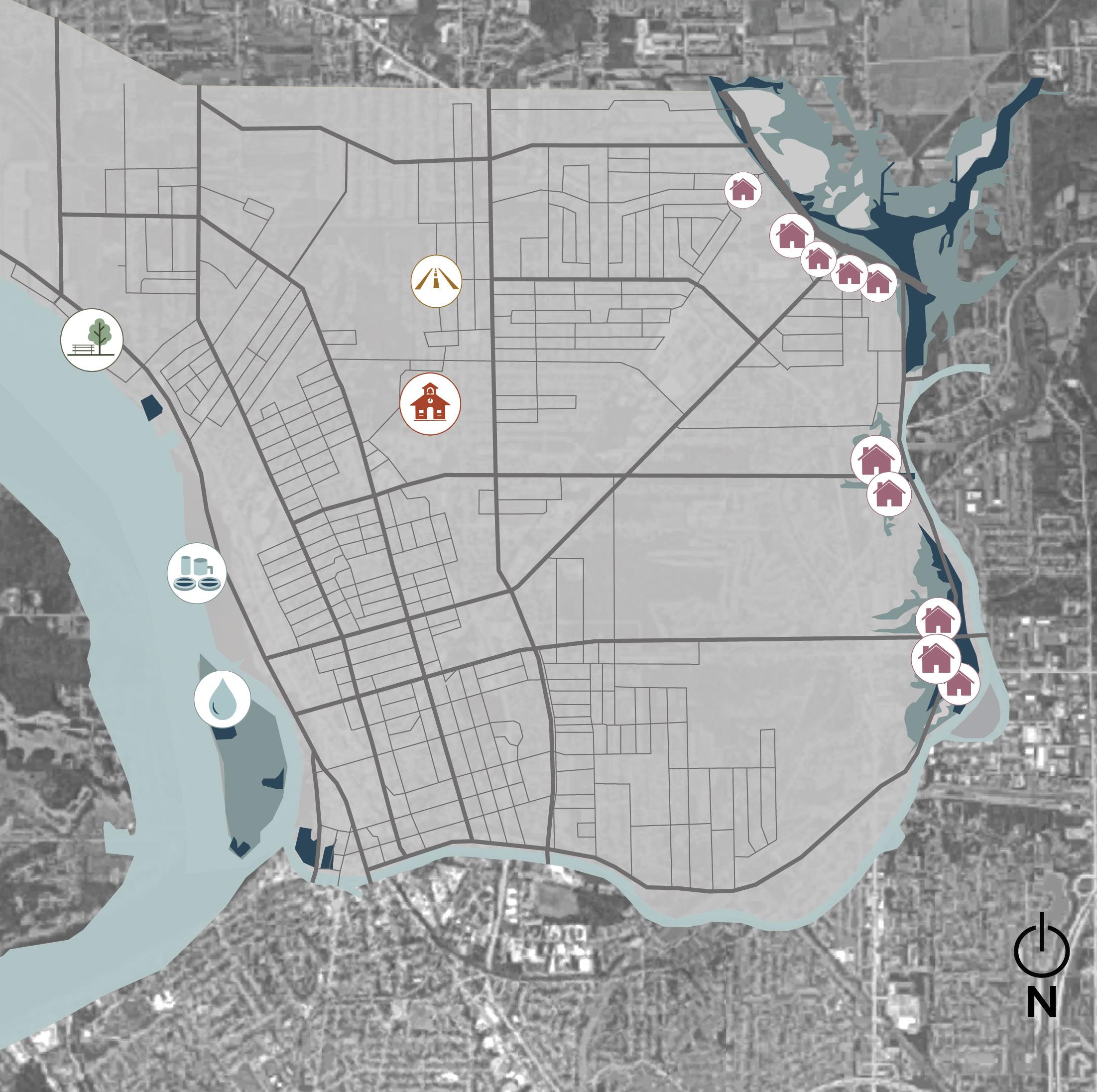
Stormwater runoff at this site goes directly into the Niagara River.
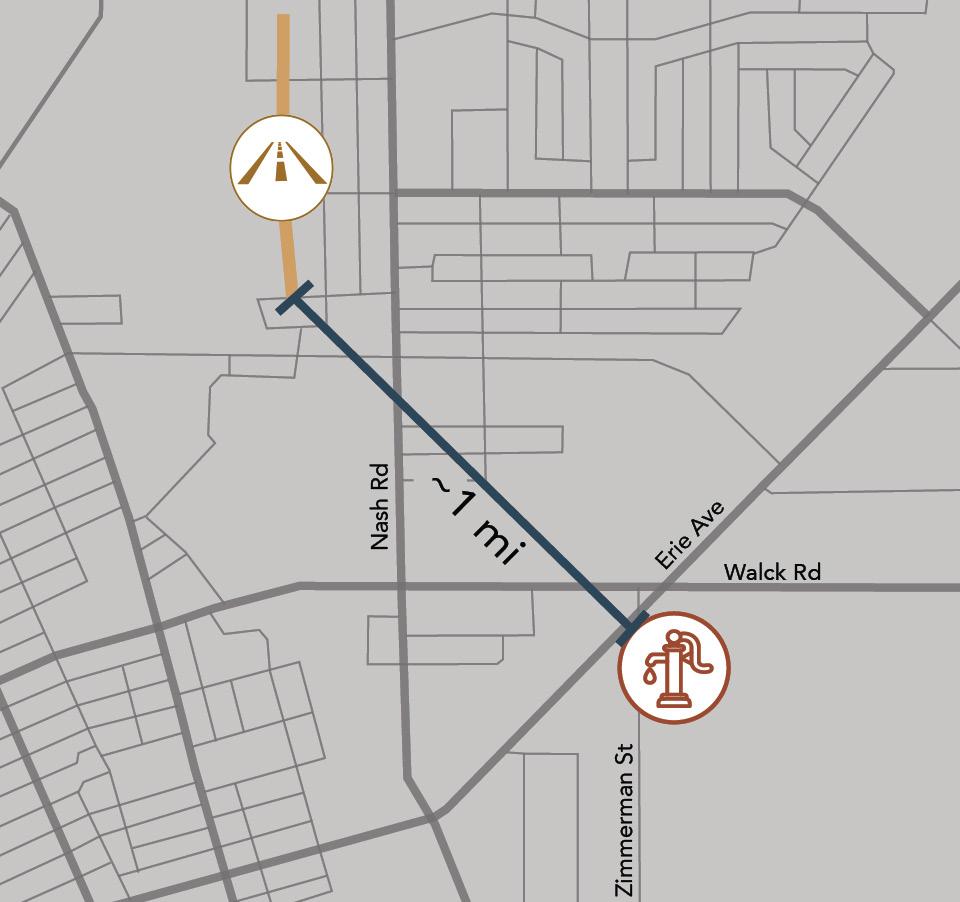
This street is more prone to flooding because the nearest lift station is far away.
There is a opportunity for a large scale project to serve as an educational and engaging asset to the community.

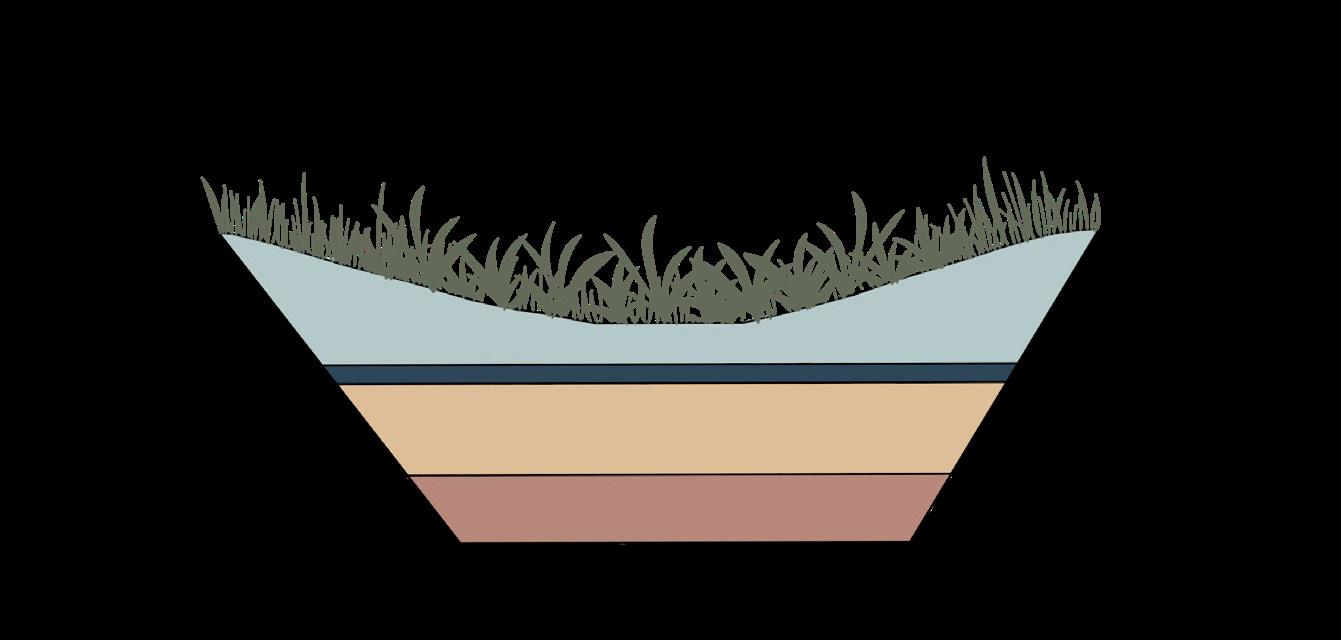
Landscaped depressions that collects, filters and slowly absorbs stormwater into the plants and soil.
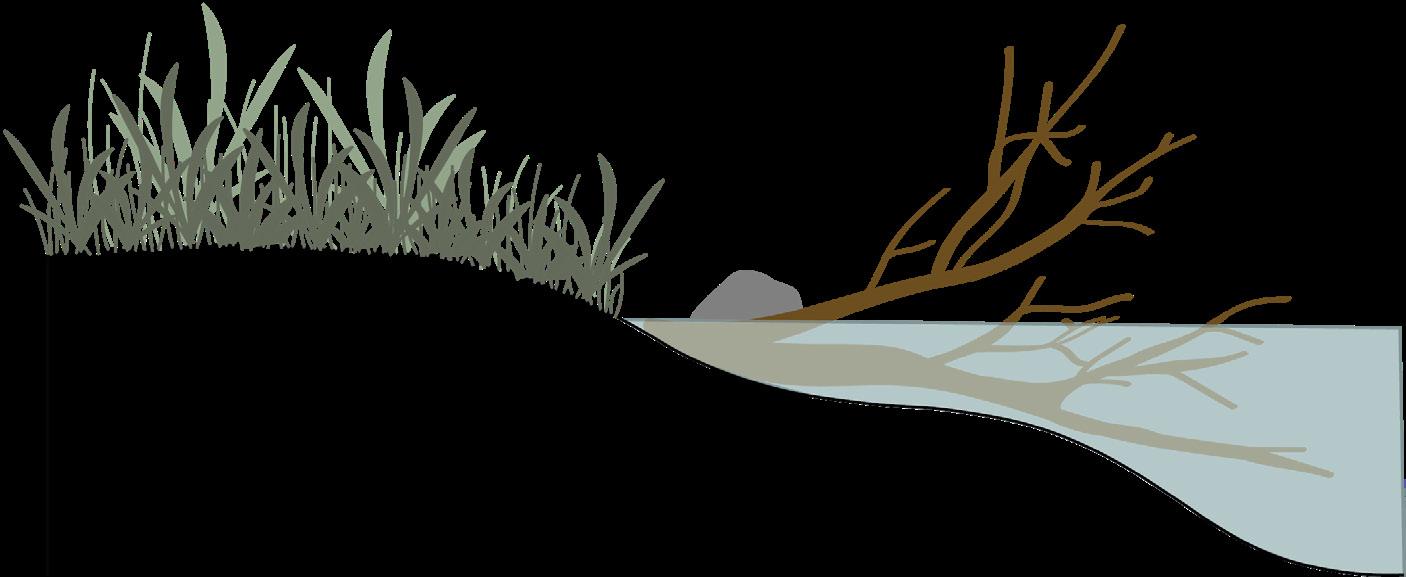
A gradual slope leading towards a waterway that is vegetated and restores natural habitat.
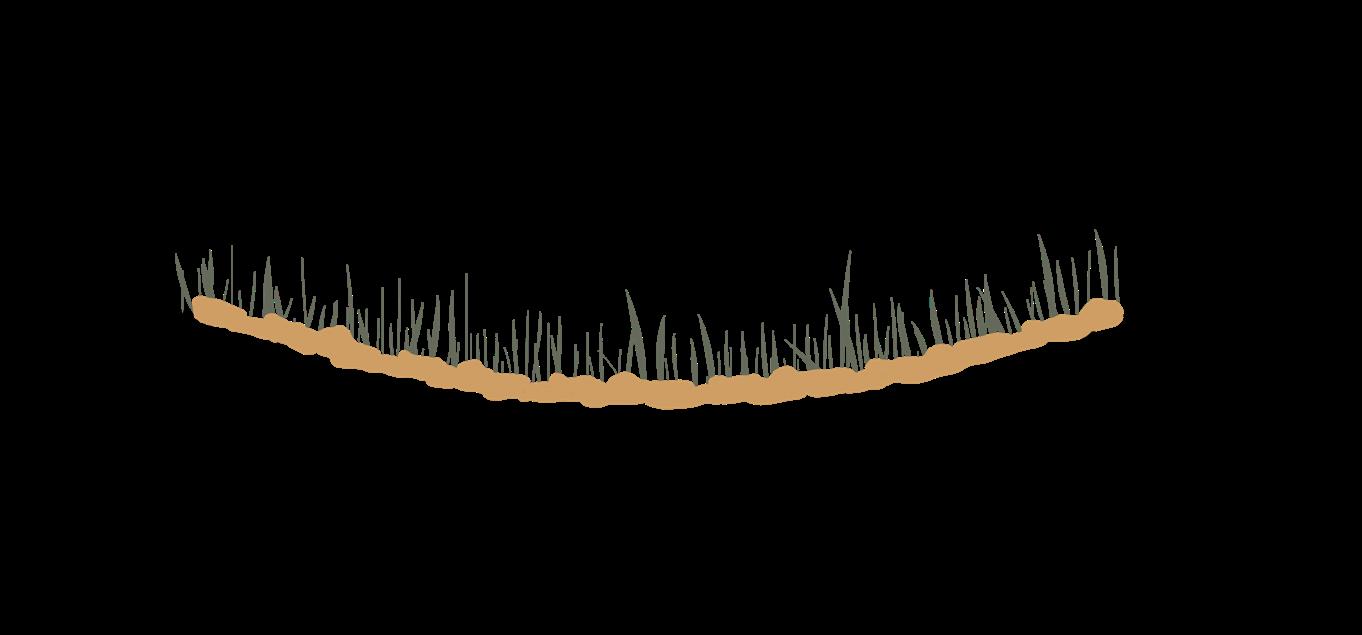
A shallow channel that directs and absorbs water through both vegetation and soil.
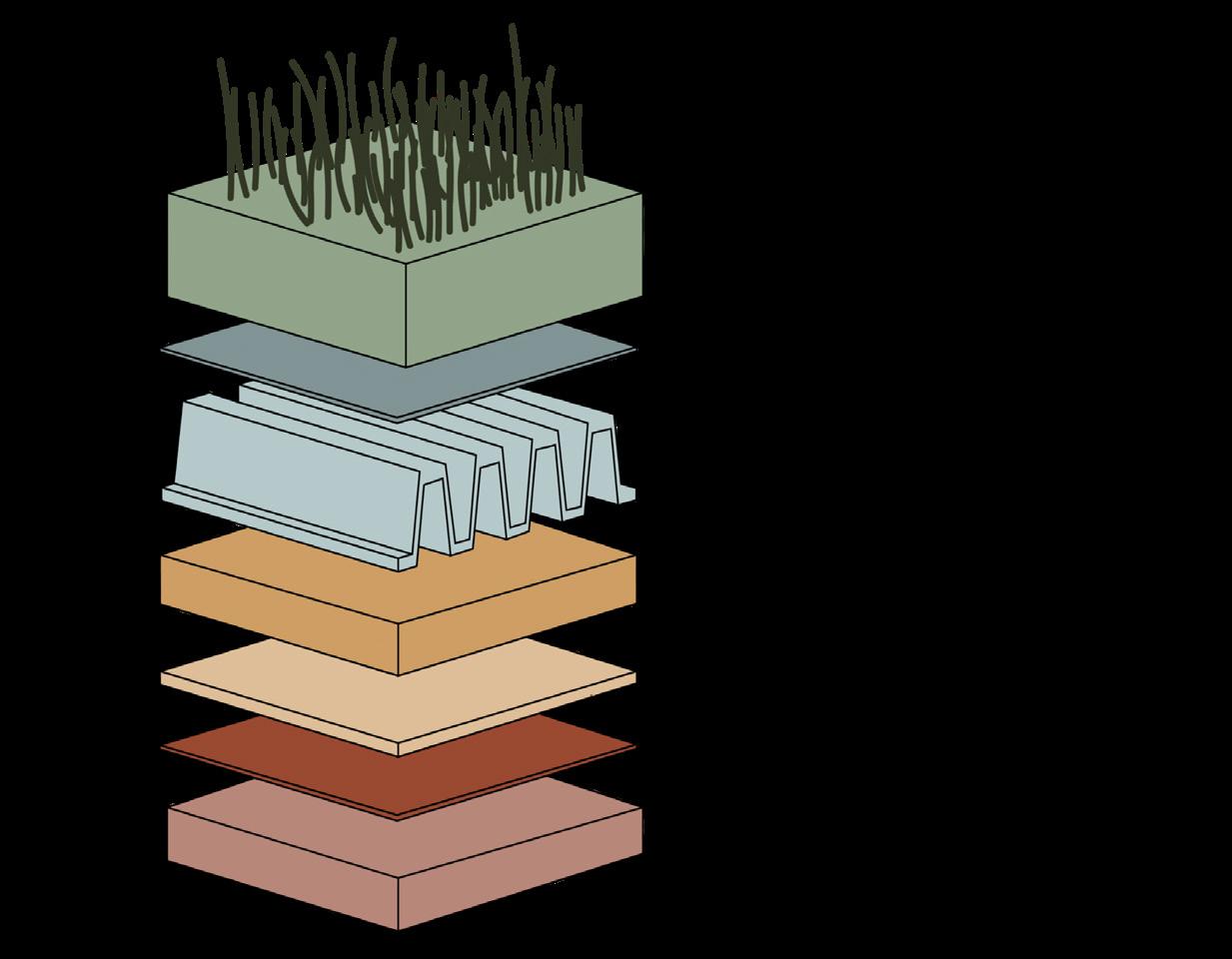
Vegetation that is planted over a waterproofing system on a flat or sightly sloped roof.
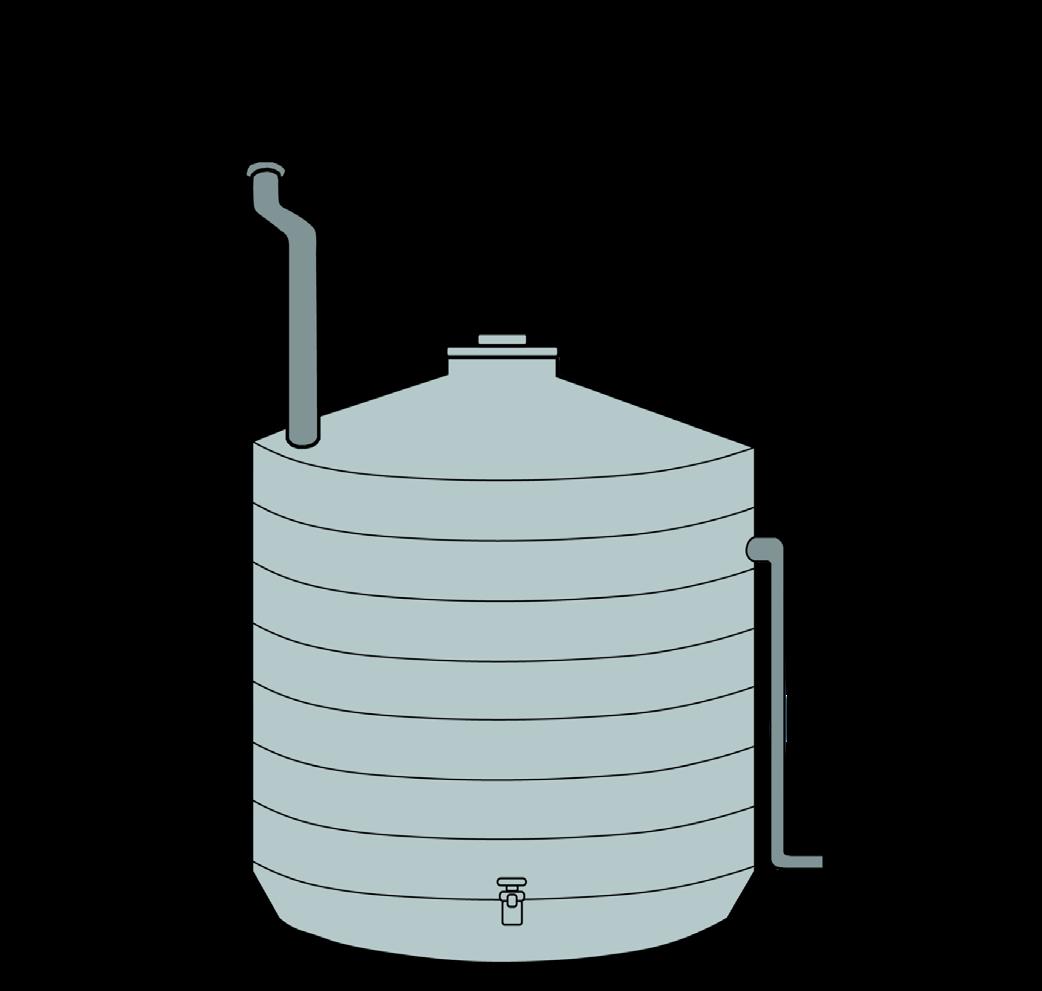
A large tank that is connected to a downspout and stores stormwater for a variety of uses.
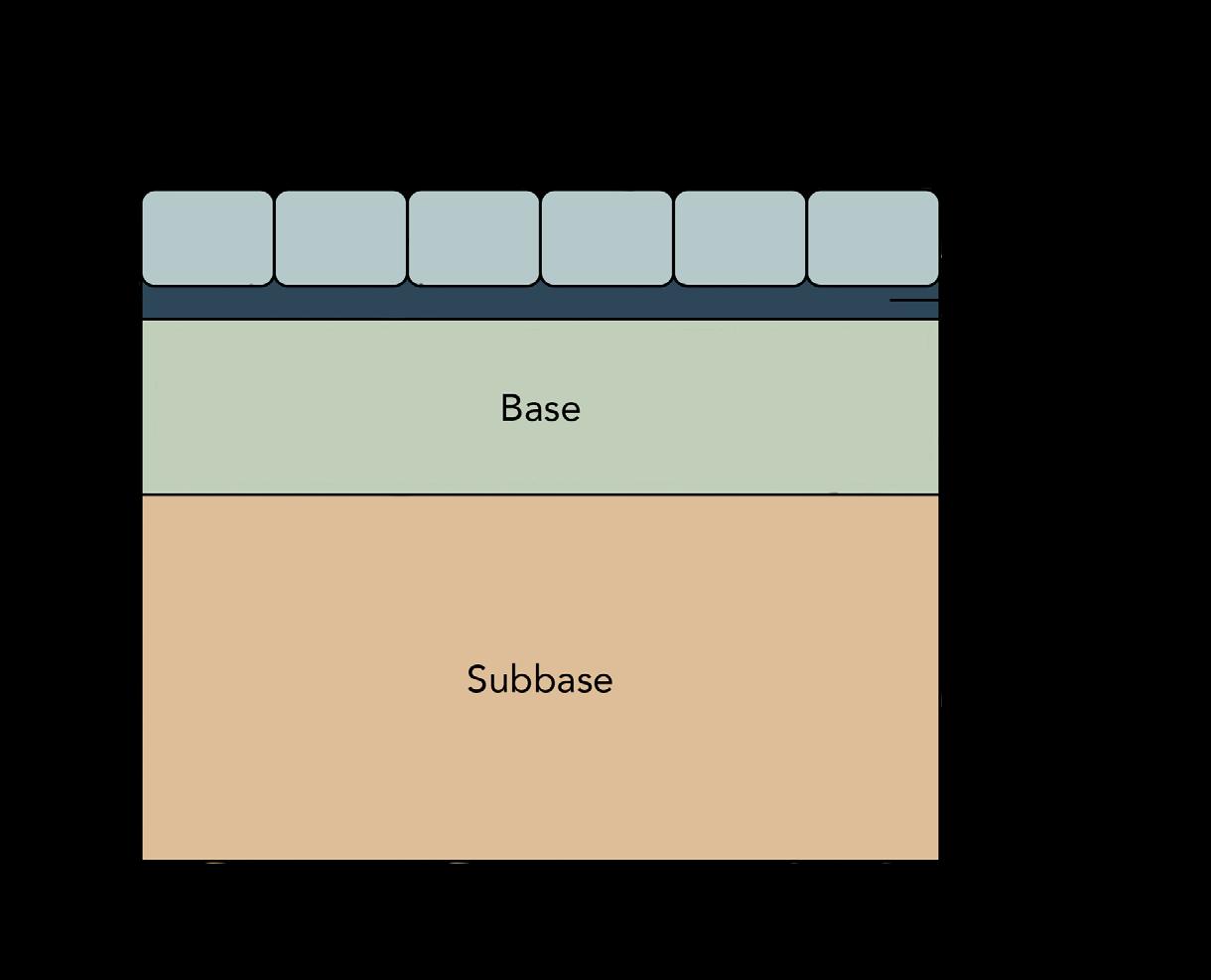
A porous material that absorbs precipitation and stormwater runoff, holds it in a reservoir and slowly infiltrates it into the soil below.
Phase One Residential Areas
1 - 5 years
Goal is to create a residential campaign that promotes residential stormwater management through the use of rain gardens and rain barrels.
Homeowners save on their water bill
Reduces amount of stormwater entering the system
Creates an identity for homeowners and the City

Rain Garden
Rain Barrel
City of North Tonawanda Residents on the East Side
Cost $
Green Infrastructure Grant Program Promotional materials paid for by the City Installment done by homeowners
Phase One Gratwick Park 1 - 5 years
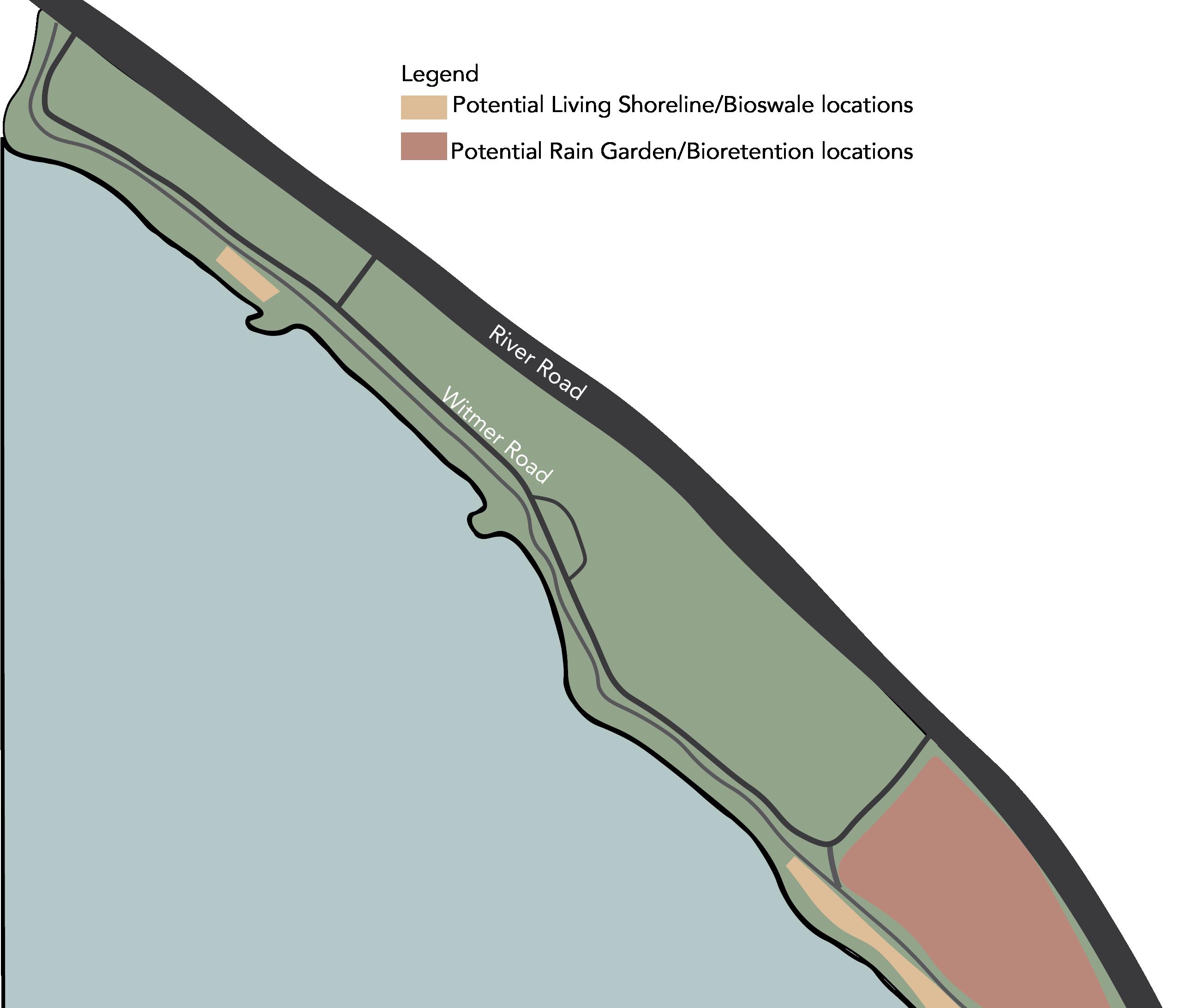
Goal is to absorb stormwater through rain gardens, bioretention basins, and bioswales to absorb, filter and mitigate stormwater runoff.
Prevents stormwater runoff into the Niagara River
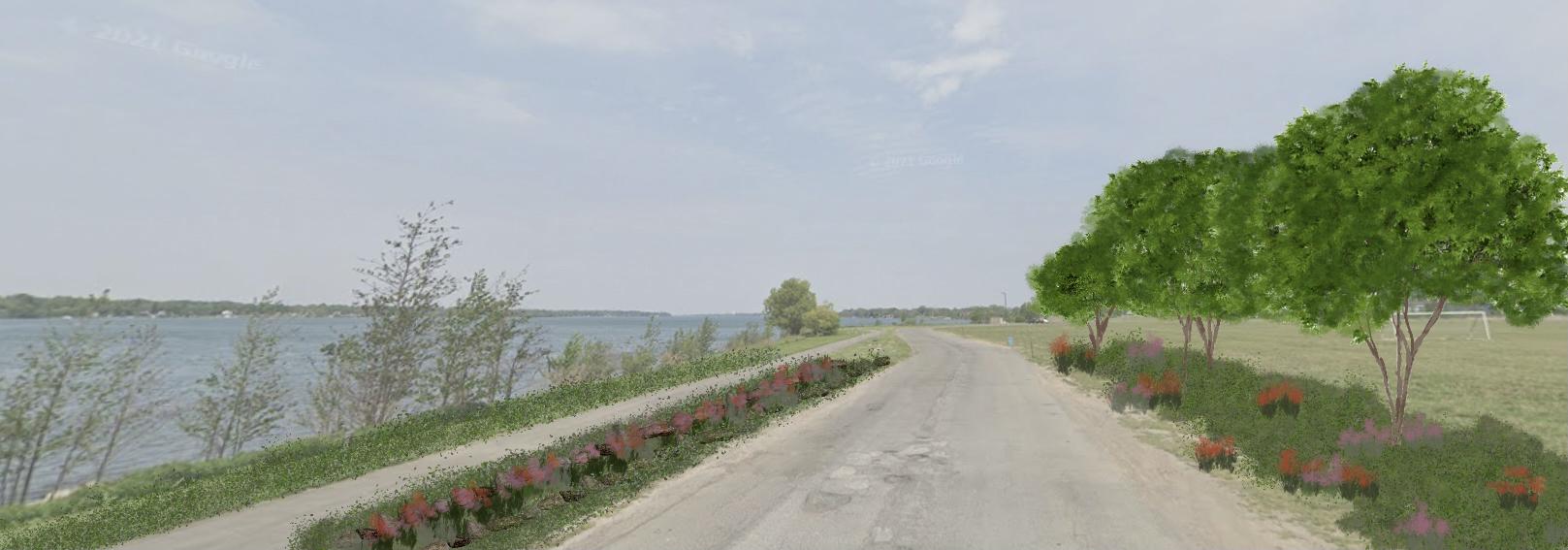
Restores wildlife habitats
Creates an identity
Living Shoreline
Bioswale Rain Garden Bioretention Basin
City of North Tonawanda Residents on the East Side
Cost $
Green Infrastructure Grant Program Paid for by the City
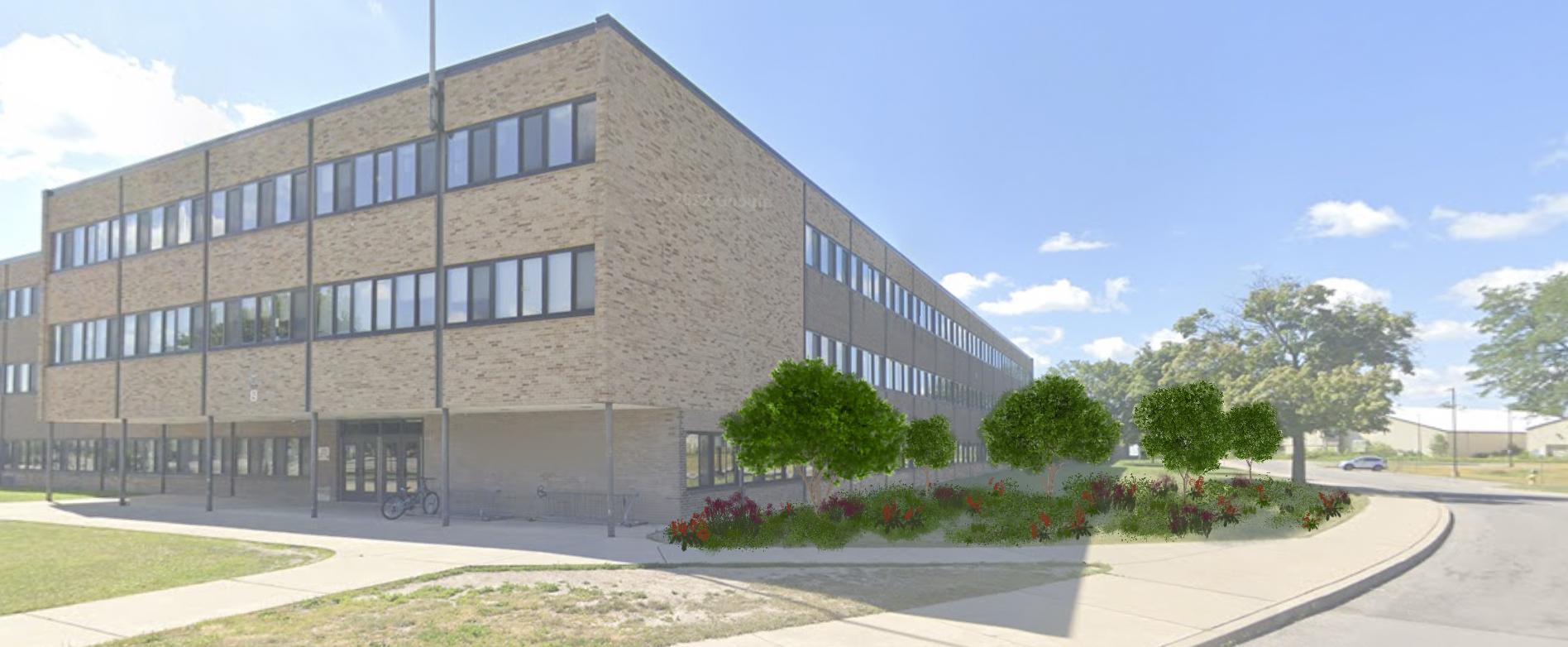
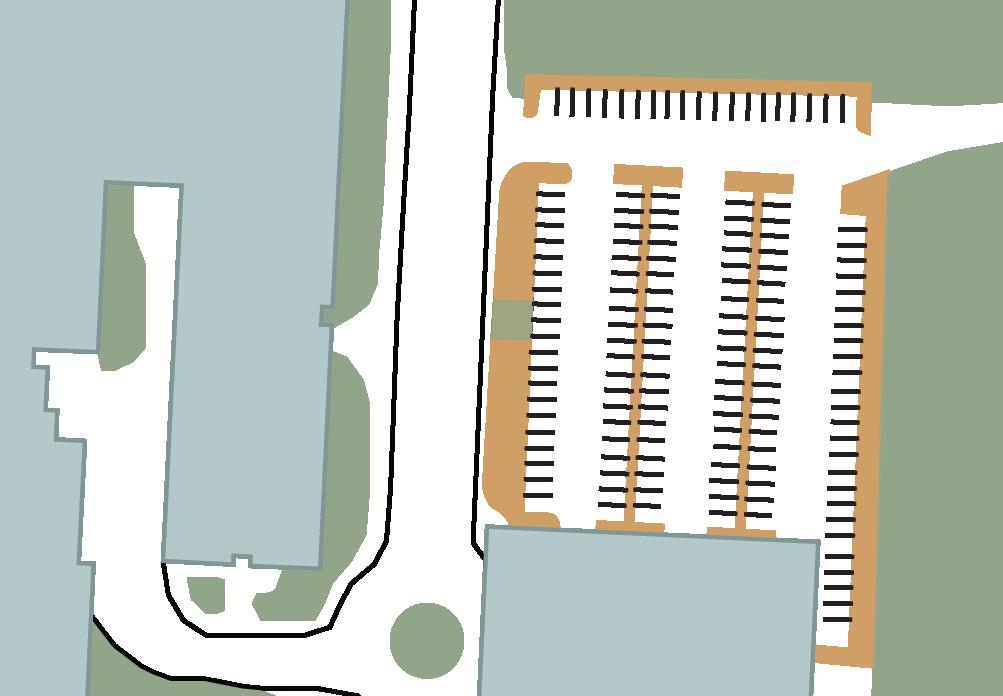
Rain GardenGoal is to implement green infrastructure to both serve as storm water management and as an educational and engaging element for the High School and Middle School.


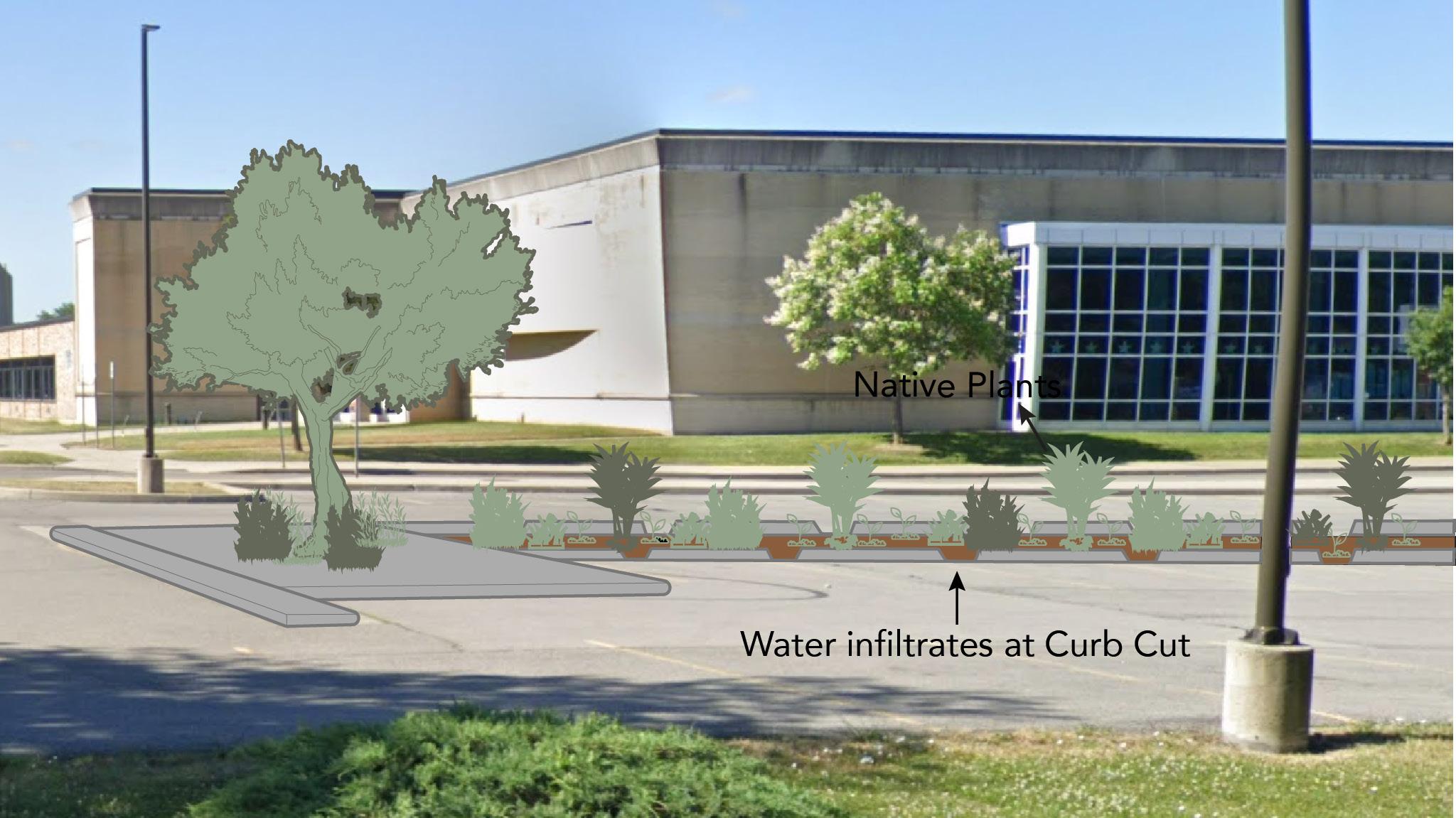
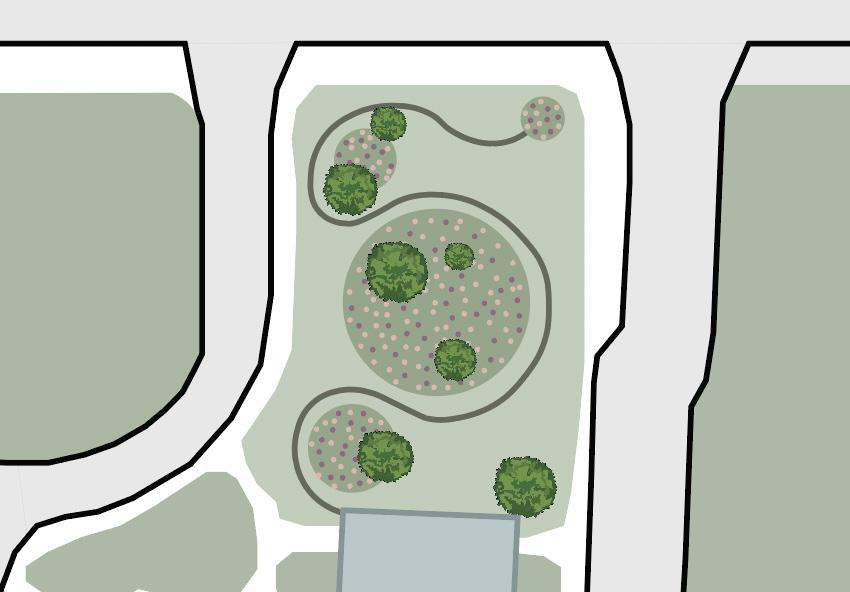
Mitigate some of the stormwater Serves as a hands on educational element Opportunities for community engagement
City of North Tonawanda North Tonawanda School District
Meadow Dr
Green Infrastructure Grant Program Capital Improvement Project

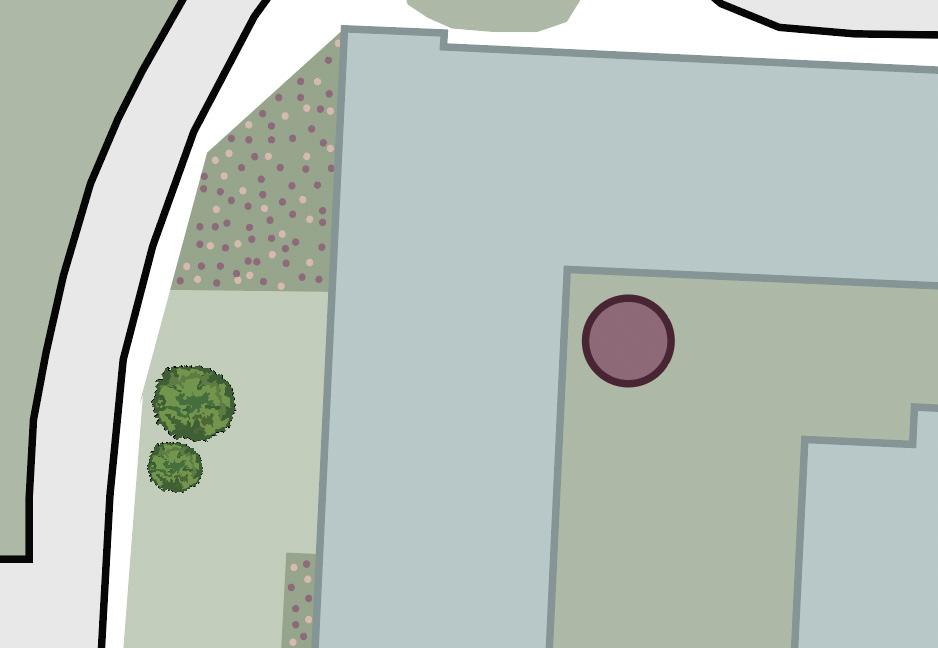
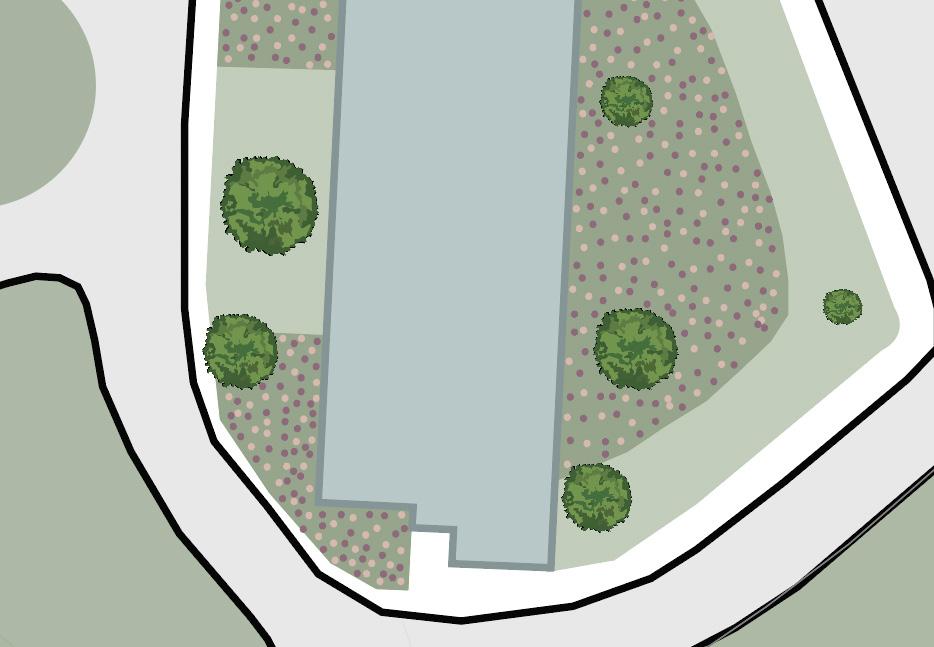


Goal is to mitigate some of the storm water from going into the lift station to prevent flooding along Doebler Drive during a high rain event.

Mitigates flooding during large rain event Prevents damage to housing from flooding Offsets the amount of water the lift station handles

City of North Tonawanda Residents on Doebler Drive Wastewater Treatment Plant
Green Infrastructure Grant Program Paid for by the City
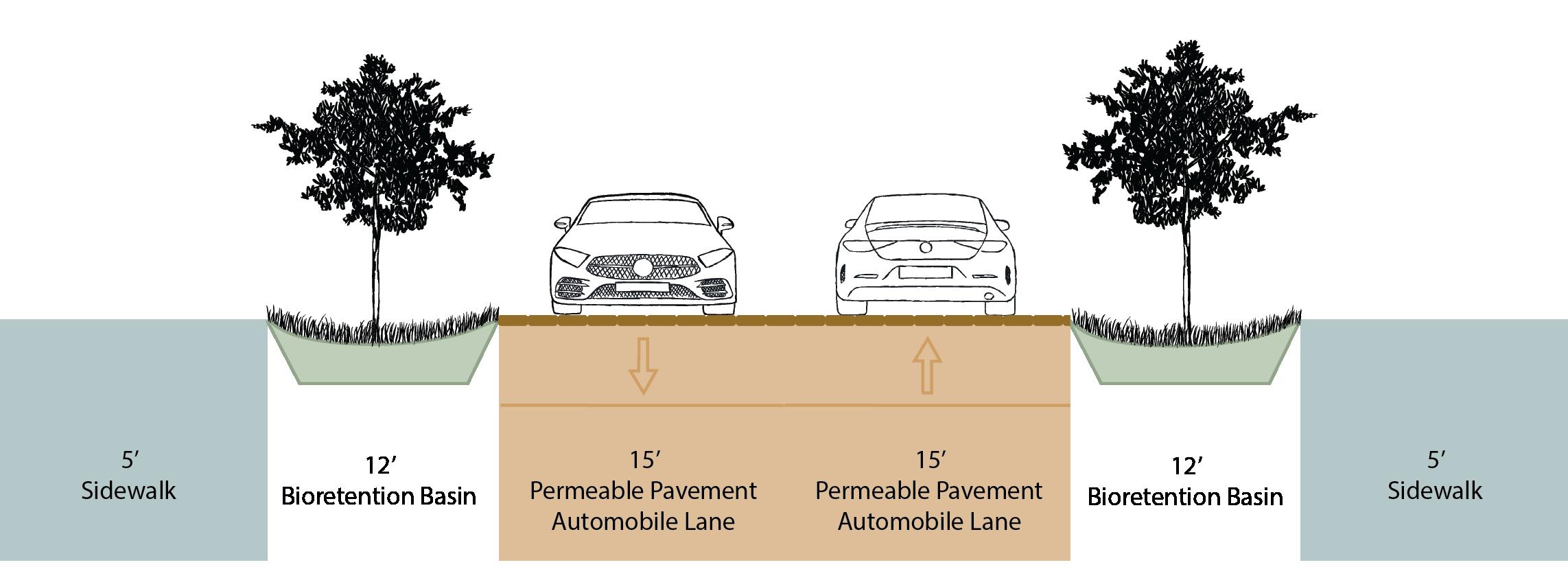
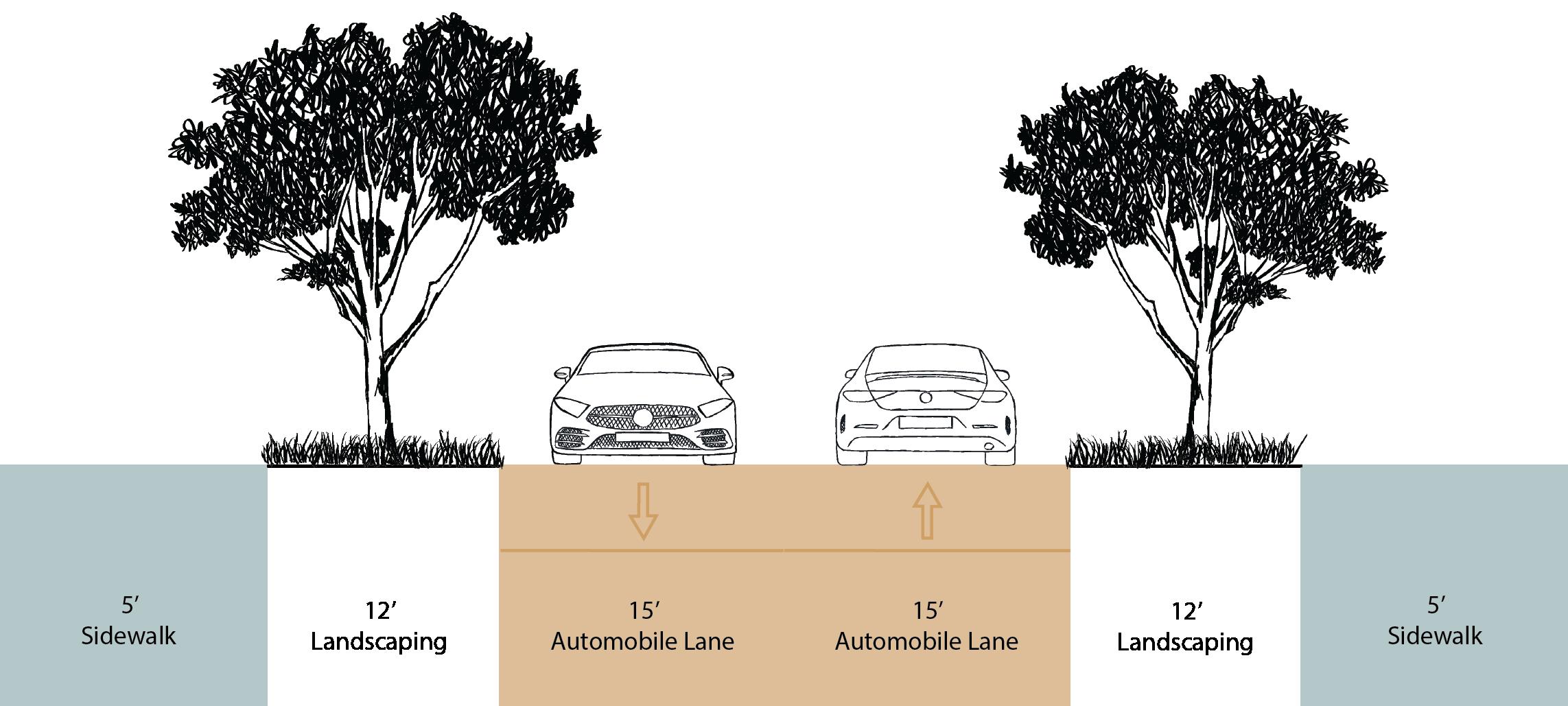
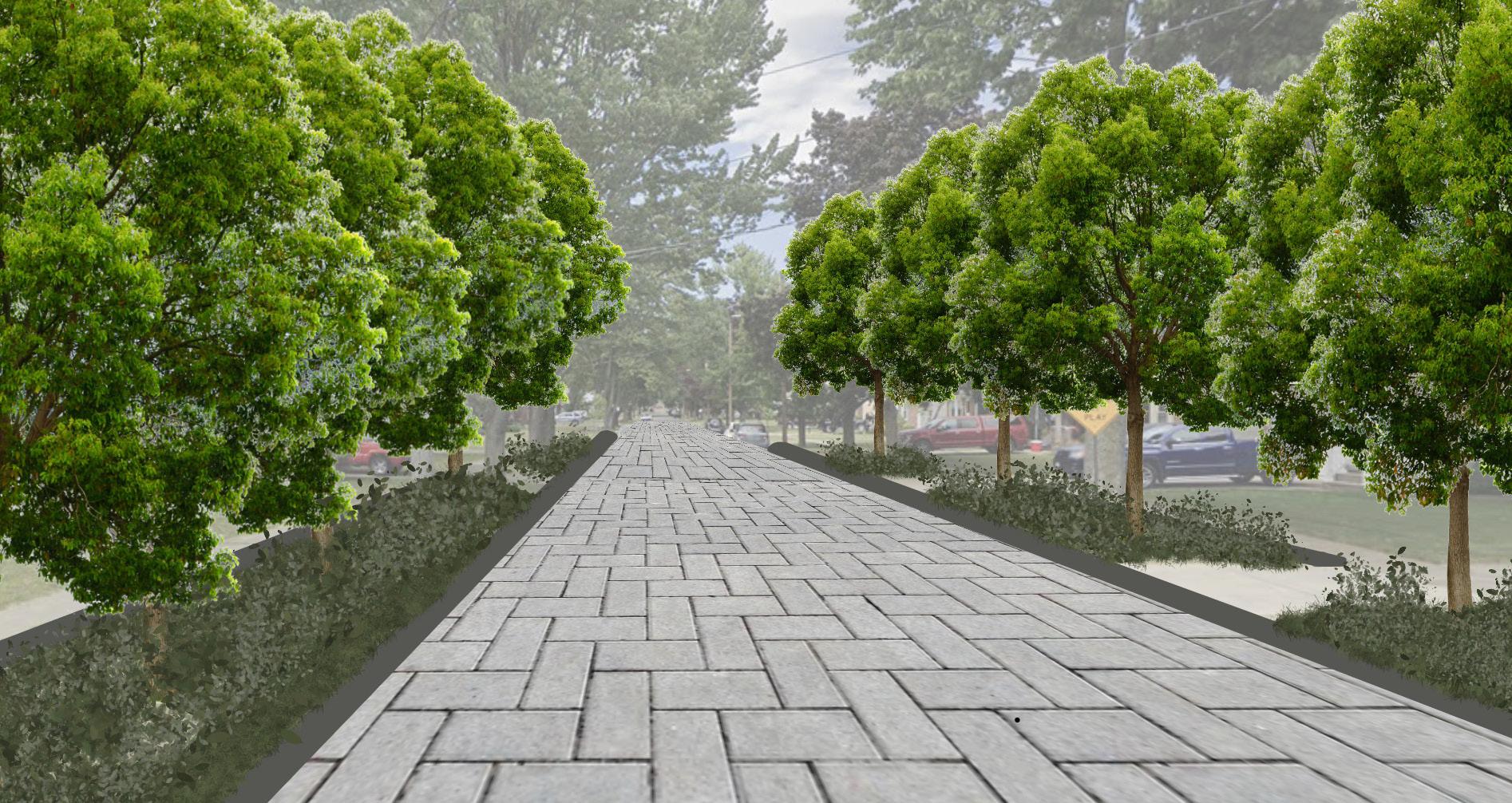
Heavy rain events overwhelm lift station. This area identified by wastewater treatment plant as an area prone to flooding because of its distance from lift station.