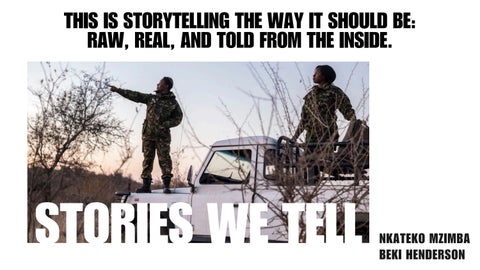
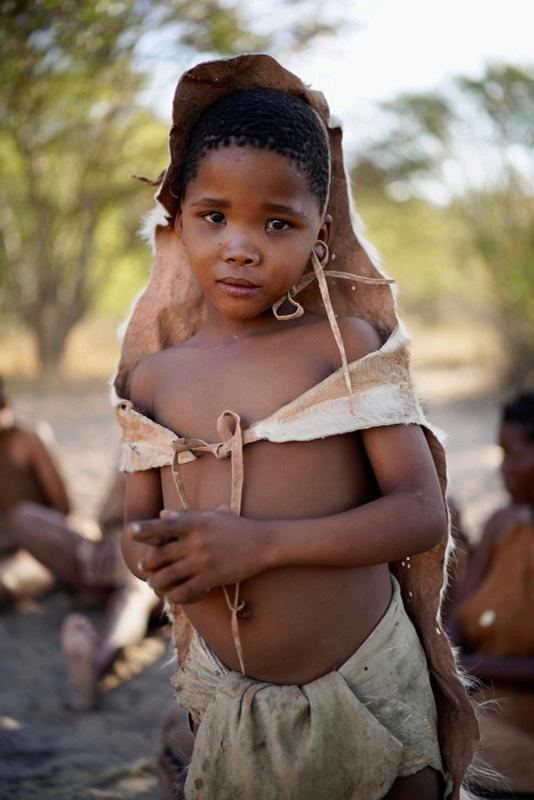
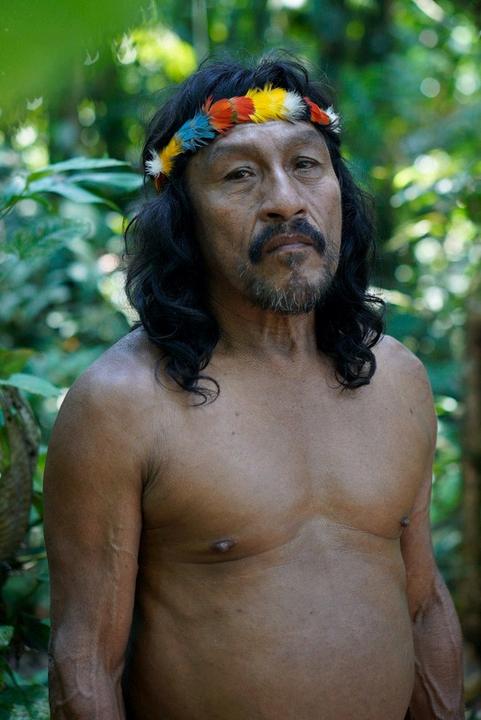
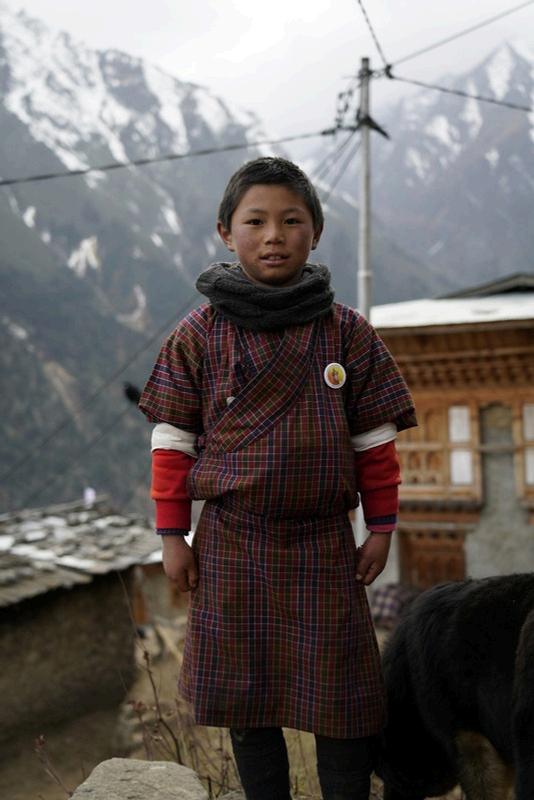
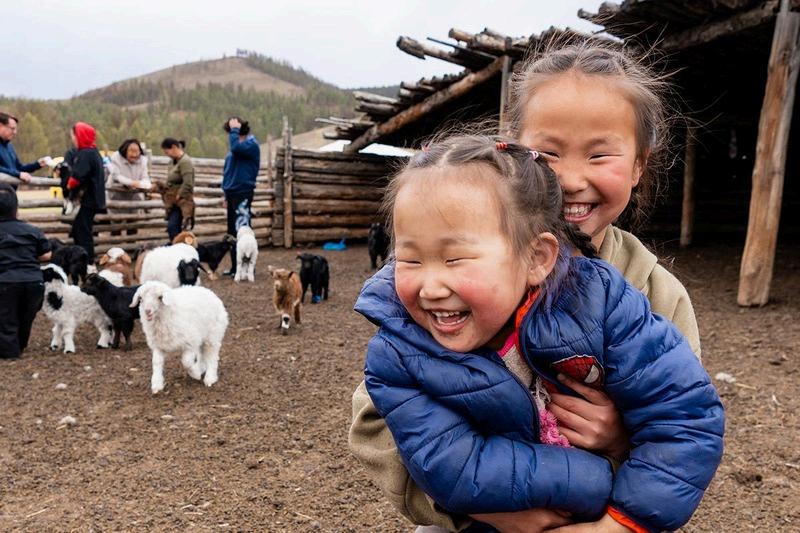
THIS IS STORYTELLING THE WAY IT SHOULD BE: RAW, REAL, AND TOLD FROM THE INSIDE.
WHAT IF THE MOST POWERFUL STORIES ARE THOSE COMMUNITIES TELL ABOUT THEMSELVES?
U M M A R Y
For decades, stories of remote communities across the world have been told through the eyes of outsiders. I’ve spent the last decade of my career as a TV Producer/Director, telling other people’s stories...but not every story gets heard - the real, raw, authentic ones often get buried under commercial agendas. I’ve battled with broadcasters and production companies who try to shape these stories into something they are not, all to fit what they think will appeal to an audience and sell the show.
But here’s the thing; As long as we are the ones telling these stories, they will always be seen through our eyes.
THE PROJECT
In a world saturated with curated content and outsider narratives, the Stories We Tell documentary series cuts through the noise with something rare - truth.
Audiences today crave real life, not polished narratives or parachuted perspectives, but something honest and immersive.
This isn’t about outsiders shaping someone elses story to fit their own lens. It’s about the protagonists telling their story from the inside out - sharing their perspective on the struggles, triumphs, and everyday realities that define their lives. The backdrop of each individual film may be conservation, community, or survival - its not my narrative to decide - but the heart, this project belongs to the protagonists: their voices, their choices, their lived experience.
THEIR STORIES, NOT OURS
For the first film in the Stories We Tell series, I’m proud to be collaborating with Nkateko Mzimba from South Africa.While Nkateko’s film will stand alone, it marks only the beginning - the first step in a global series amplifying powerful stories from underrepresented people and communities around the world.
NAME: Stories We Tell: Nkateko
LOCATION: Hluvukani, South Africa
DATES: March - September 2026
P
R O J E C T O V E R V I E W
STORIES WE TELL: NKATEKO
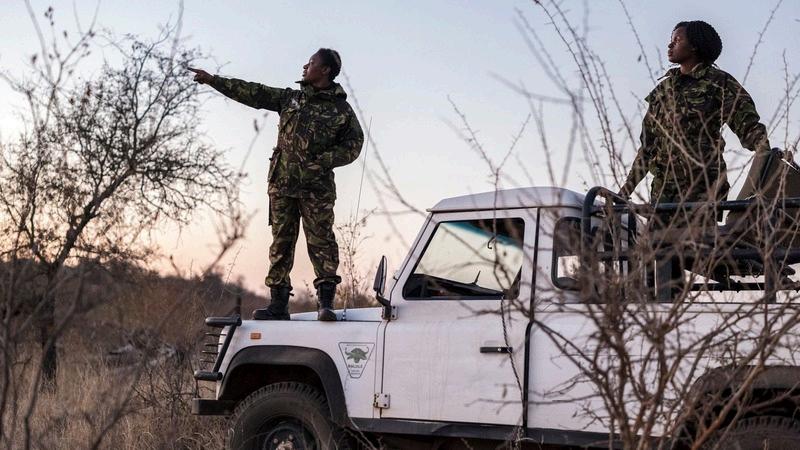
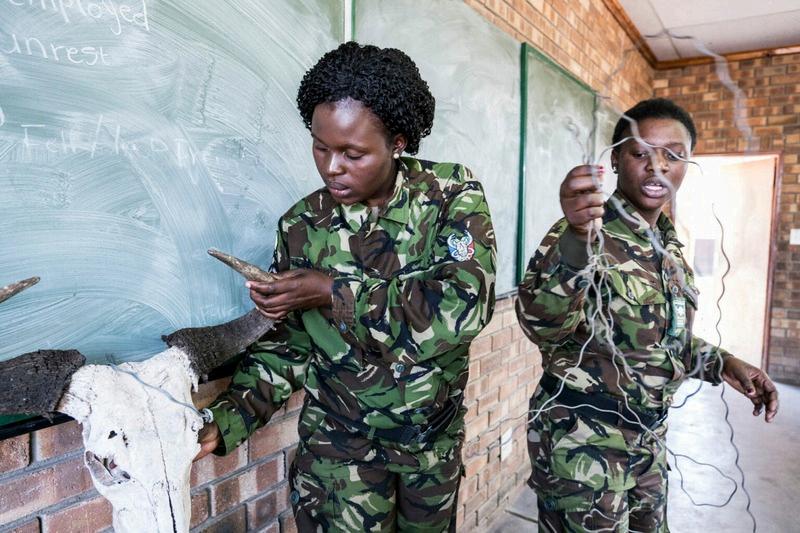
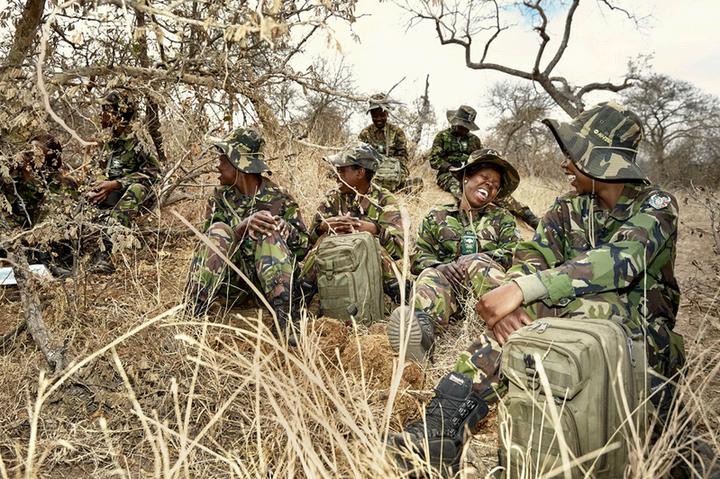
For the first film in the Stories We Tell series, Expedition Co-Leader Nkateko Mzimba (a storyteller and a member of the Black Mambas, Africa’s first all-female anti-poaching unit) teams up with Beki Henderson (a BAFTA nominated producer and director) on a filmmaking expedition designed to flip the script on how we tell stories.
This Project is Nkateko’s to own. It isn’t about giving Nkateko a voice - she already has one, and it’s powerful. Instead, it is about creating the space for her to use it, fully, freely, and entirely on her own terms.
The Stories We Tell series asks a simple but radical question: “What if the most powerful stories are those communities tell about themselves?”
Within her film, Nkateko will pose her own question. At this stage Nkateko is thinking this question would be: “What if the innate instinct to protect is stronger than any firearm or weapon in the fight for wildlife conservation and community?”
From the remote village of Hluvukani, Nkateko leads the narrative on how her community story is told to the world. Her story is urgent and layered.
NKATEKO LETTI MZIMBA
T H E T E A M
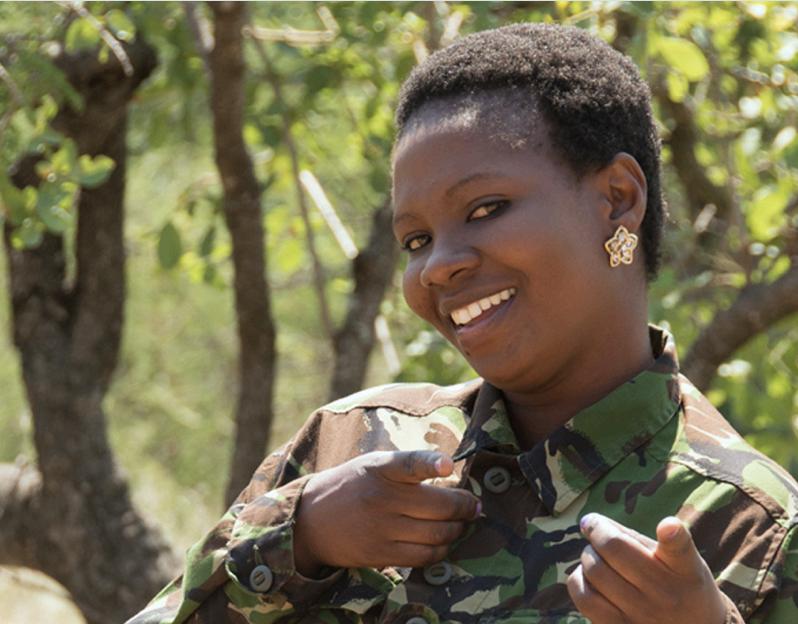
Nkateko Mzimba is a woman who walks two worlds at once - the wild frontlines of South Africa’s Greater Kruger and the heart of her village, Hluvukani. Life in Hluvukani moves to the rhythm of the bush, where people live with wildlife as both neighbour and threat.
Nkateko’s childhood was shaped by the absence of her father and the resilience of her single mother, surviving on a social grant - a stark reality for many in her community. Growing up, she saw how poverty and unemployment made people vulnerable to the lure of poaching, yet also how deeply they cared for the land that sustains them. Financial struggle drove many around her to poach, but Nkateko longed for a more meaningful path for herself and her family.
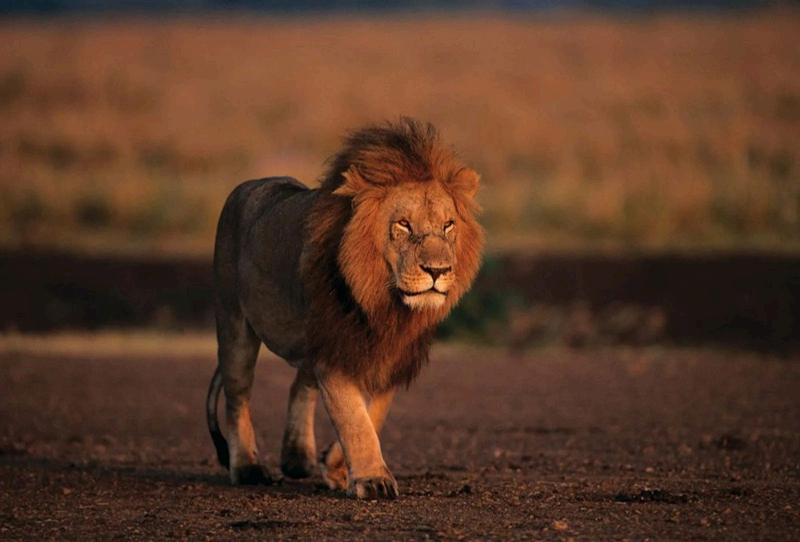
Some would be surprised to learn that, as a child, Nkateko had nightmares about encountering lions. She would lie awake at night listening to their roars, convinced that anyone who met one would be eaten alive. Wildlife was viewed as a threat to some and a commodity to others. But ten years ago, Nkateko made a life changing decision, she trained to become part of one of Africa’s first all-female anti-poaching units, the Black Mambas. Today, Nkateko is accustomed to encounters with all types of dangerous animals… and humans.
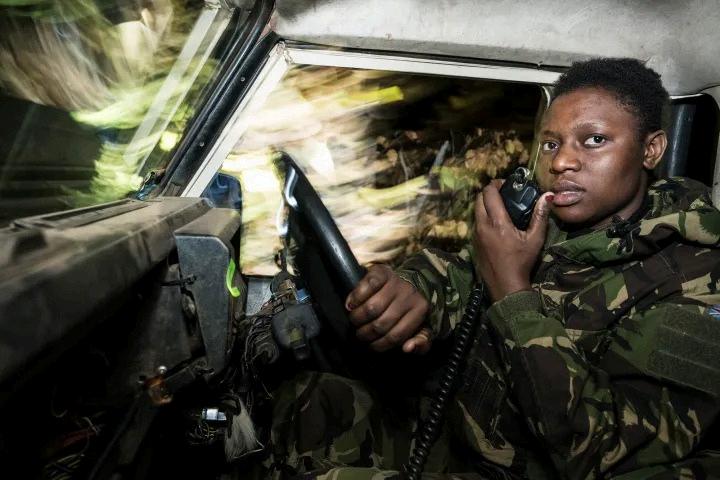
It’s this perspective that shapes her work. For Nkateko, protecting animals is not only about patrolling the reserve but also about changing futures back home. In recent years, she has grown into a natural communicator, as comfortable in front of a camera as she is behind the wheel of a 4x4, leading patrols through the reserve.
Nkateko’s story is not just one of courage but of vision. She stands on the frontlines of one of the world’s most contested conservation battles, risking her life unarmed not only to defend rhinos but to safeguard her community’s future. She is reshaping how the world views wildlife conservation and through her, we see the world of a woman who refuses to separate the fate of her community from the fate of the wild.
Nkateko has shared conservation stories through others - in interviews, reports, and headlines - but she’s never had the chance to tell it herself. This film is her first opportunity to turn the camera around and take control of her own narrative.
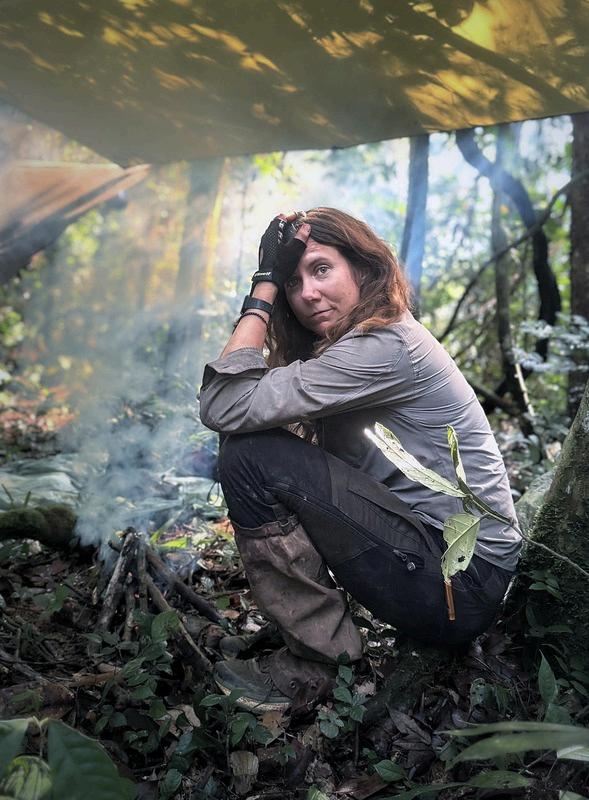
Beki is a freelance BAFTA-nominated TV Producer/Director with over a decade of experience capturing powerful human and natural stories in some of the world’s most remote and extreme environments. Her work has taken her from the icy wilderness of Antarctica to the depths of the Amazon jungle, always with a camera in hand and a story to tell.
She has played a pivotal role in crafting high-profile TV series for National Geographic, Disney+, BBC, and more - working at the heart of ambitious expeditions and adventure storytelling. Beki has been the driving force behind some of television’s most iconic adventurers, including Steve Backshall, Ben Fogle, Aldo Kane. She also works with A-list stars like Will Smith, Leonardo DiCaprio and Meryl Streep, helping translate their bold stories into compelling, globally broadcast narratives.
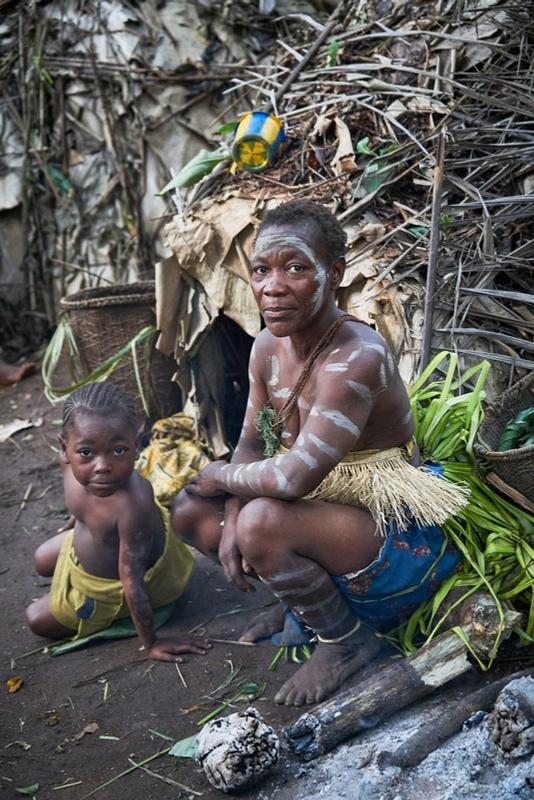
Beki’s career has seen her spend significant time immersed within remote communities - from months living alongside the hunter-gatherer Mbendjele deep in the Congo jungle to time with the Layap people in the high-altitude mountains of Bhutan. These experiences have shaped her storytelling approach with nuance, respect, and genuine connection.
Beyond the screen, Beki is a Fellow of the Royal Geographical Society and an Awarded Explorer with the Scientific Exploration Society, recognitions that reflect her own deeprooted passion for discovery, fieldwork, and global exploration. With a unique ability to operate in both the logistical and creative extremes of production, she brings grit, curiosity, and heart to everything she makes.
With a background in leading complex expeditions across remote environments and years of experience as a TV Producer, Beki brings an adaptable, and purpose-driven leadership style. Beki is confident managing teams in high-pressure settings where preparation, empathy, and clear communication are essential. Her strength lies in building trust quickly, holding space for others’ voices, and making thoughtful, responsive decisions. She is deeply committed to ethical storytelling and has the ambition to shift who holds the camera and the narrative.
POTENTIAL SUPPORT TEAM
Nkateko will form her team as she sees necessary however notably, the team will likely work with South African Camera Operator, Hardus Vermaak, who can provide regular support as well as supplement initial filming for BTS or as directed by Nkateko. Hardus also runs a small production company in Pretoria who we hope can support the edit and any technical support throughout the project.
HARDUS VERMAAK - CAMERA OPERATOR (SA)
T H E T E A M
Born in South Africa, Hardus Vermaak developed a deep connection with wildlife from an early age. Like Nkateko, he began his career as an anti-poaching ranger in the Greater Kruger, where his passion for conservation and storytelling first took root. Today, he is an accomplished camera operator specialising in wildlife cinematography. His work has featured in major productions including Parenthood (BBC), Underdogs (National Geographic), Supernatural (Disney+), and Hostile Planet (Nat Geo Wild) and more.
Hardus is based in Pretoria, a matter of hours drive from Hluvukani, and can provide regular support for Nkateko both on a techincal level but also should she have questions or require more filming support during phase two.
COLLET INNAH NGOBENI - FILMING TEAM (SA)
Collet Ngobeni is one of the founding members of the Black Mambas, South Africa’s pioneering all-female anti-poaching unit. After growing up near Kruger National Park, she dedicated her life to protecting wildlife and empowering women in conservation. Now the unit’s Public Relations Officer, Collet has worked closely with media and film crews, sharing the Mambas’ story but never made her own film. Her deep experience in the field and passion for storytelling make her a powerful voice for women and wildlife and amazing support for Nkateko.
+ THE BLACK MAMBA FAMILY!
“DEPLOYING UNARMED WOMEN TO PROTECT SOME OF THE WORLD’S MOST ENDANGERED WILDLIFE WAS ONCE SEEN AS A TEST - A TEST MANY BELIEVED WOULD FAIL… BUT THEY WERE WRONG.”
HLUVUKANI, SOUTH AFRICA
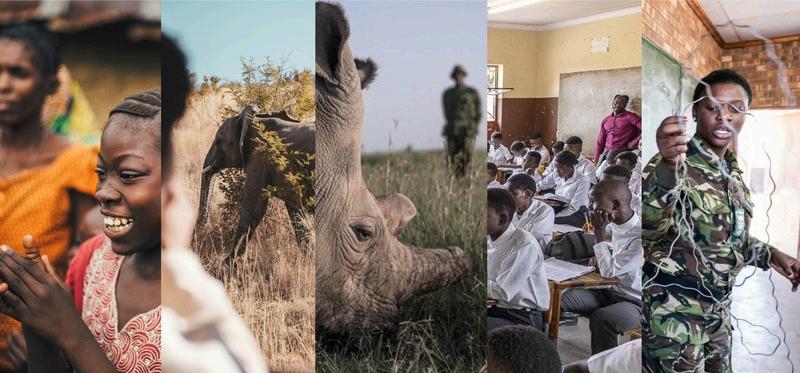
In the rural community of Hluvukani, on the edge of South Africa’s Greater Kruger, daily life unfolds in the shadow of one of the world’s most contested conservation frontiers.
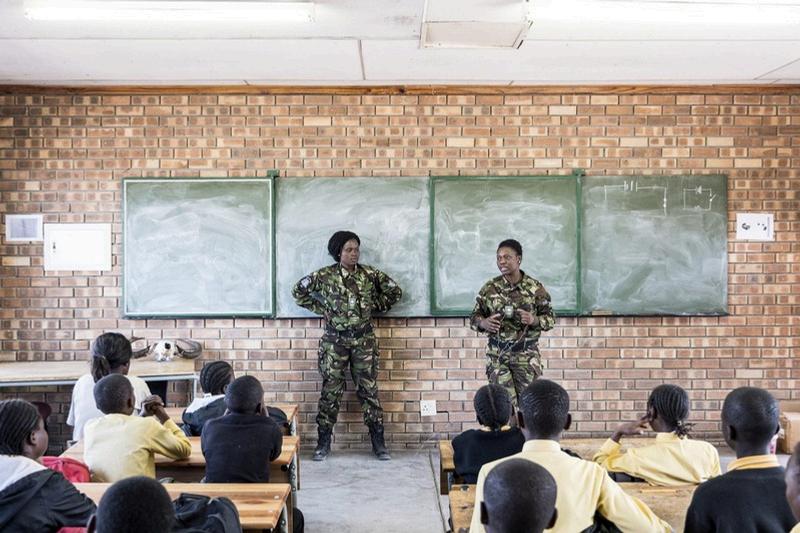
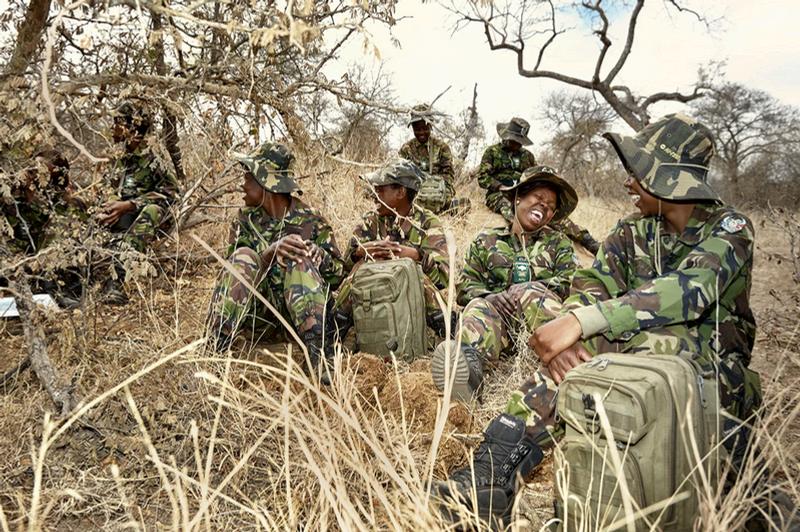
It’s from this village that Nkateko was born - and the Black Mamba AntiPoaching Unit emerged: an all-female ranger force that patrols unarmed to protect endangered species. They are mothers, daughters, wives all with an innate drive to protect at any cost. Not only are they fighting on the frontline, they’re changing attitudes from within their own communities, stopping would-be poachers before they even pick up a gun.
With less than 11% of the world’s wildlife ranger being women, an entire gender has been marginalised in conservation and climate action conversation. But Nkateko and her Black Mamba sisters want to change that.
But, Nkateko’s film isn’t about outsiders defining her heroism - it’s about her telling her own story, in her own way. Whether it's the dangers she faces in the long, punishing days in the bush or the moments at the village teaching the value of animals - this is Nkateko’s film to shape and create. It's as much about the community life as it is about the wildlife.
One things for sure, this film isn’t about giving Nkateko a voice - she already has one, and it’s powerful. Instead, it is about making space for her to use it, fully, freely, and entirely on her own terms.
The struggle against rhino poaching and wildlife conservation may form the backdrop of her story (that’s for Nkateko to decide) - but the heart of this project lies in her perspective: her courage, her contradictions, her deep belief that conservation begins not with weapons, but with communities.
TThe core idea of this project is that Nkateko will go through the filmmaking process to make her own film so we don’t yet know exactly the narrative - which is the most exciting part!
What we do know from our discussions are the topics which could feature in her film which we have outlined below.
Please note: these are not scenes or scripts, but glimpses into the world Nkateko wants to share
Life on the Frontline from ranger patrols to poachers camps.
Leadership in a male-dominated world
Living among the threat
Changing a community attitude from within
The cost of courage - emotional and physical
The future of conservation
POTENTIAL CONTENT/TOPICS
PHASE ONE
MARCH/APRIL: FULL TEAM IN HLUVUKANI FOR UP TO ONE MONTH
WORKSHOP TRAINING & STORY DEVELOPMENT
INITIAL FILMING PERIOD (NKATEKO & BEKI)
PHASE TWO
MAY - SEPT: NKATEKO TO CONTINUE FILMING
REMOTE TECHNICAL SUPPORT AVAILABLE
FOOTAGE TO BE SHARED BACK TO UK FOR SUPPORT
EDIT BEGINS REMOTELY IN UK & SOUTH AFRICA
PHASE THREE
SEPT: FULL TEAM IN HLUVUKANI
SUPPORT FINAL FILMING / INTERVIEWS
LOCAL SCREENING IN HLUVUKANI (FILMED FOR BTS)
NKATEKO & BEKI LOCK IN FINAL EDIT READY FOR PREMIERE
THE PLAN: IN-DEPTH
PHASE ONE
Beki will travel to Hluvukani to spend one month working directly with Nkateko and a small group of community members Nkateko selects. During this time, the team will undertake hands-on workshops covering camera operation, sound recording, shot composition, and story development.The aim is to support Nkateko in capturing the stories she feels are most important
- not to shape the narrative for her. Throughout the month, the team will work collaboratively with Nkateko to identify storylines, explore key characters, and begin capturing footage that reflects their lived experience. This initial filming period will also serve as a chance to build trust and technical confidence among the team. To enable continued storytelling throughout the year, relevant filming equipment will be sourced and left with Nkateko.
PHASE TWO
Nkateko will continue filming independently, with regular support through check-ins via Zoom. Any technical support that is not possible remotely can be provided in Pretoria/Johannesburg.
Footage will be reviewed together, allowing for guidance and troubleshooting as the story evolves. Sharing materials with Beki over the course of this period will also allow editing to begin.
The hope is that Nkateko will travel to Pretoria/Johannesburg, where she can take part in the editing of the film, working with professional software and equipment. If this isn’t possible, she will be able to take part in the process in Hluvukani.
PHASE THREE
Upon completion, Beki will return to Hluvukani for a second visit.This trip will focus on supporting the filming of any missing material before incorporating the additional footage into the final film. The process will conclude with a screening in the village, allowing Nkateko and her community to see and respond to the film first-hand - a moment that will also be documented as part of the story’s final chapter.
Throughout this project, the team will be recording film, photography, and audio for the deliverables.
DOCUMENTARY + FESTIVAL SCREENINGS
Together, Nkateko and Beki will form a creative partnership rooted in trust and respect, creating a short documentary rooted in collaboration. Instead of directing the film, Beki will support Nkateko in shaping a film that reflects Nkateko’s values, priorities, and voice. Nkateko brings the personal and lived experience, while Beki brings the craft and reach to help her story resonate beyond her immediate world - both essential, neither complete without the other. The finished film will be submitted to international festivals, with Nkateko globally recognised as lead creator.
PUBLISH SUPPORTING CONTENT
Develop a range of supporting content - including feature articles, behind-the-scenes materials, and a tailored social media strategy - that deepens the storytelling and foregrounds the process of collaboration. These materials will not only amplify Nkateko’s story, but also explore what it means to shift traditional filmmaking structures toward shared authorship and long-term impact.
PODCAST
Release a podcast episode focused on the behind-the-scenes journey - offering an honest reflection on what it means to hand over narrative control, build trust, and challenge the conventional roles of filmmaker and subject. The goal is to inspire broader conversation about community-led storytelling in the world of film, conservation, and exploration.
LOGISTICS
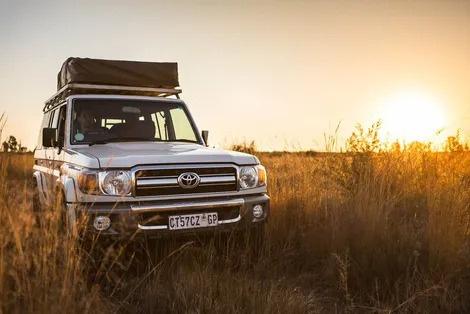
Filming will take place on location in Kruger National Park and the nearby community of Hluvukani, home to Nkateko. Access to the park is straightforward, but working closely with Nkateko and the Hluvukani community will be essential to ensure the process is respectful and collaborative.
Drawing on established relationships with Nkateko as well as the anti-poaching unit she is part of, we will coordinate permits, logistics for crew and equipment, and accommodations in a way that minimises disruption and honours local protocols. Our presence will be kept as light as possible, with small teams and portable equipment, allowing us to move fluidly between patrols in the reserve and everyday life in the village.
The filming schedule will remain flexible to follow the natural rhythms of Nkateko’s work and the life of Hluvukani. At every stage, trusted local collaborators will support logistics, and cultural context, ensuring that the story is shaped by those who live it. P L A N N I N G
PRISK MANAGEMENT
A deep commitment to risk management underpins all aspects of this production. Working with Nkateko inside Kruger National Park, involves unique challenges: working unarmed in wildlife territory, tracking potential poaching incursions, and operating in a wild environment that can shift quickly with both wildlife encounters and weather conditions. In Hluvukani village, the focus is on respectful community engagement, ensuring activities do not disrupt daily life.
For each project, we prepare a detailed Risk Assessment and Safety Plan, developed in consultation with professional safety advisors and in coordination with Nkateko’s own operational protocols. A comprehensive medical evacuation (medevac) strategy will be in place, with nearby clinics and hospitals identified, as well as air evacuation options in the event of an emergency. The wellbeing of all participants - crew, rangers, and community members - remains the top priority.
Reliable communication is central to this approach. We will use satellite communicators (Garmin InReach) alongside local networks to maintain consistent two-way contact within the team and with external support. Daily check-ins will be conducted, and we will have access to a 24/7 emergency support line through established partners.
Nkateko, herself, brings invaluable on-the-ground expertise: her extensive field knowledge, experience in identifying threats, and proven safety protocols from years of operating inside Kruger are integral to our planning. This collaboration ensures that risk management is not imposed from outside, but developed together, grounded in both professional production standards and local expertise.
COMMUNITY PARTNERS
THE COMMUNITY
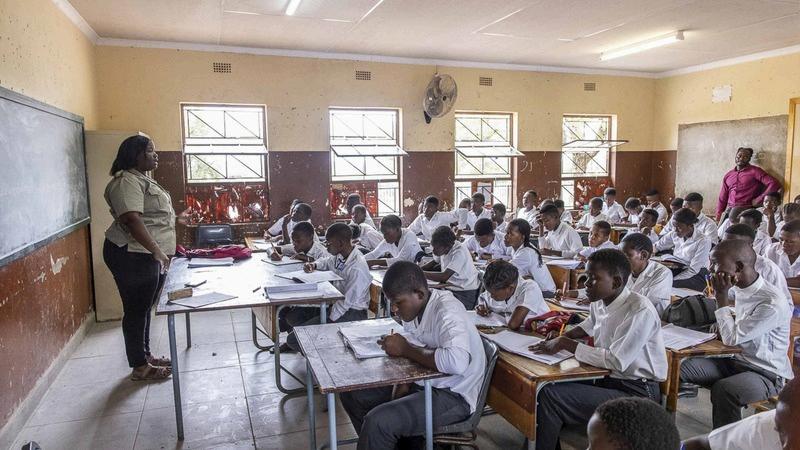
At the heart of the project, the community are not just participants but co-creators. Their knowledge, voices, and perspectives shape every stage of the storytelling process. Whether they are simply observers who learn more about their own community or active members of the project, everyone in the village will be part of something they can be proud of.
LOCAL GUIDES + LIAISONS
Trusted individuals from the region who will support translation, logistics, and cultural context - helping ensure respectful, meaningful engagement throughout the project.
BLACK MAMBA ANTI-POACHING UNIT
The unit brings not only their frontline experience as rangers, but also the cultural knowledge, local connections, and lived context essential to telling this story with respect and authenticity. Their presence ensures that the project is grounded in meaningful engagement - shaped by those who live the realities of conservation every day.
NKATEKO PROGRAM
Nkateko wants to establish Environmental Education program for the children of Mbuwetelo Cresh, which she attended herself when she was a kid. Sharing her story to the world, she hopes to inspire the future generations.
M M U N I T Y
MEASURING SUCCESS
COMMUNITY OWNERSHIP AND ENGAGEMENT
Success will be measured by Nkateko’s active involvement and leadership throughout the process - from shaping storylines to operating cameras to reviewing edits. A key indicator will be whether the community feels genuinely represented and empowered by the final film, and whether they view it as their story, not just someone else's portrayal of them
REACH / RECEPTION OF THE FILM & CONTENT
We'll track the impact of the film and its supporting materials through film festival selections, publication reach, audience feedback, and engagement across digital platforms. Success will also be reflected in where and how the story is seen - especially if it's used in conversations around conservation, Indigenous rights, or ethical storytelling.
LONGEVITY AND SKILL TRANSFER
A lasting measure of success will be the continuation of storytelling by the community after we leave. This includes whether Nkateko and her team continue filming, use the equipment, and feel confident in their creative abilities. Ongoing collaboration, follow-up projects, or new stories initiated by Nkateko would be a clear sign of lasting impact.
$6,000 Includes nternational f ights and local travel
POST-PROD & TRANSLATION
$3,000
Editing, color grading, audio m xing, and translation/subt tling w th input from the commun ty
Covers bas c accommodation, food, and subsistence costs for a month n the field for the team and community col aborators PERMITS & LEGAL
$2,000
& RISK $1,000 Comprehens ve insurance for equipment, trave , health, and emergency evacuat on
$2,000
OUTREACH + IMPACT
$1,500
Social med a campaign, community screening materia s, subm ssion fees for fi m fest vals, and development of supp ementary art cles/podcast episode TOTAL: $20,000
(All figures are estimated and can be refined based on funding and final logist cs )
E C T S
My application is to support the creation of a single, deeply human story - one that aligns with Hidden Compass’s mission to explore the frontiers of conservation, identity, and transformation. This first film centres on the Hluvukani community in rural South Africa. Their story is urgent, rich, and layered, with so much still untold.
While this film will stand on its own, it represents just the beginning.The vision is to build a larger, global series that uncovers powerful stories from underrepresented people and communities across the world.
This project is more than a film; it’s a step toward rewriting the rules of storytelling through the voices of those who live it.