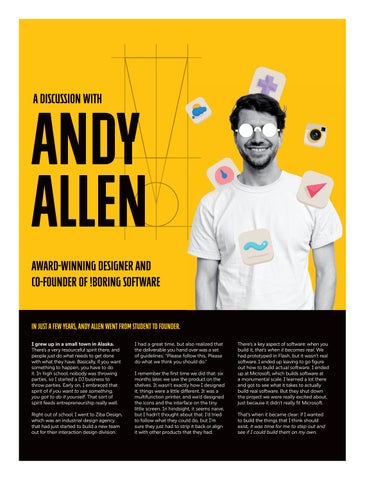
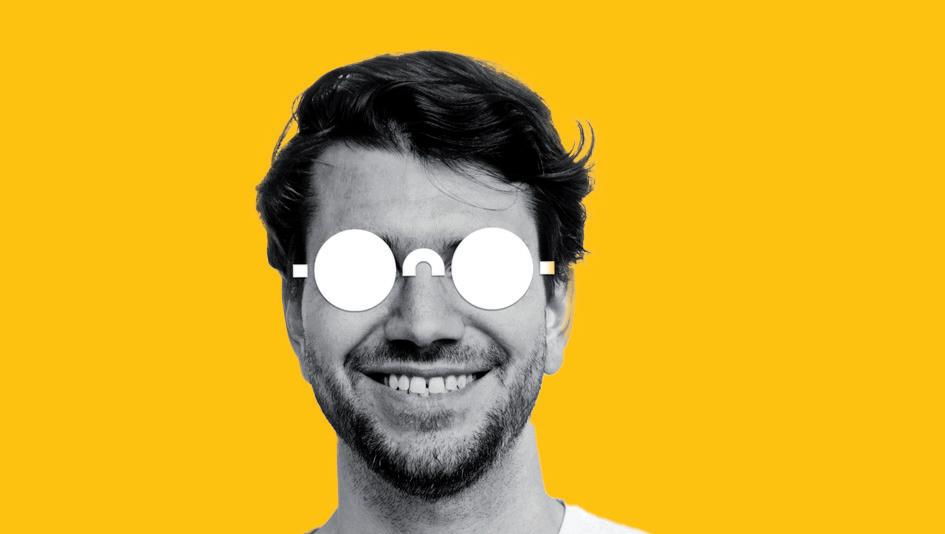
Andy Allen
Award-winning designer and co-founder of !Boring
Software











In just a few years, Andy Allen went from student to founder.
I grew up in a small town in Alaska. There’s a very resourceful spirit there, and people just do what needs to get done with what they have. Basically, if you want something to happen, you have to do it. In high school, nobody was throwing parties, so I started a DJ business to throw parties. Early on, I embraced that spirit of if you want to see something, you got to do it yourself. That sort of spirit feeds entrepreneurship really well.
Right out of school, I went to Ziba Design, which was an industrial design agency that had just started to build a new team out for their interaction design division.
I had a great time, but also realized that the deliverable you hand over was a set of guidelines: “Please follow this. Please do what we think you should do.”
I remember the first time we did that: six months later, we saw the product on the shelves. It wasn’t exactly how I designed it; things were a little different. It was a multifunction printer, and we’d designed the icons and the interface on the tiny little screen. In hindsight, it seems naive, but I hadn’t thought about that. I’d tried to follow what they could do, but I’m sure they just had to strip it back or align it with other products that they had.
There’s a key aspect of software: when you build it, that’s when it becomes real. We had prototyped in Flash, but it wasn’t real software. I ended up leaving to go figure out how to build actual software. I ended up at Microsoft, which builds software at a monumental scale. I learned a lot there and got to see what it takes to actually build real software. But they shut down the project we were really excited about, just because it didn’t really fit Microsoft.
That’s when it became clear: if I wanted to build the things that I think should exist, it was time for me to step out and see if I could build them on my own.
How have you learned to work best with your partners? How do you navigate creative differences?
It’s a journey for everyone. My creative foundation is in filmmaking. There, a director’s the one providing direction and some high-level guidance on where to take it, but they rely on the individual experts to interpret that in a way that they couldn’t even imagine. Some directors are very clear what they want and exactly how you should execute that, while some are much more collaborative: “I’ll let you take it to a place I couldn’t imagine.”
I had a bit of that mentality early on: I was pretty confident and would just barrel ahead and say “here’s how we could do it.” I happened to be pretty good at prototyping things in Flash, where I could bring them to life in the way that I saw it. That at least was a way for me to get my vision out there; the best way to convince people. It also gave everyone something to start talking about, because people often just sit around talking about sh*t for hours, and that would annoy me. I’d end up just prototyping it or building it so then we had something to look at and react to.
If you’ve got that proactivity, people love it. You’ve put out the first vision, and that becomes the first idea that everyone else has to measure up against. I found that was a good way to help me, at an early stage, get my vision and voice out there, even when I didn’t have the title for it. A lot of people make the mistake of waiting for someone to tell them what to make. And you can’t do that, because you give up your autonomy and that ability to express a vision.
That said, everyone has input, and then your job becomes how to listen to the right things and know how to shape it, all the way to a point where you become quite hands-off. At FiftyThree, I was managing 60–70 designers, and it gets to the point where what you’re doing is so complex, with so many pieces, that you just can’t do it all. So you become more like the film director, working with individual design directors, trying to coax them through the higher level vision. But you of course have to give them room, to let them explore and bring their own magic to it.
“A lot of people make the mistake of waiting for someone to tell them what to make.”

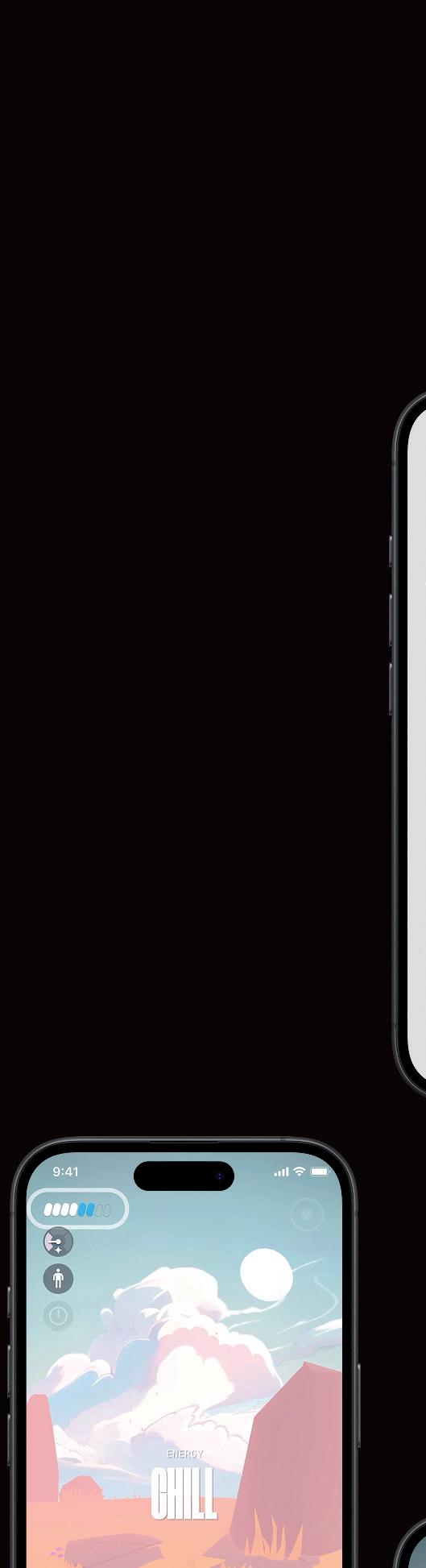
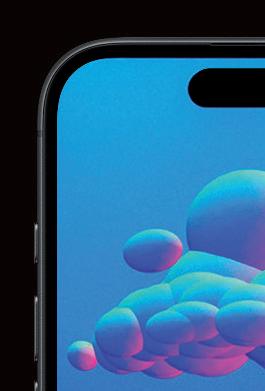
An app like no other, !Boring
creates unique soundscapes to match the moment.

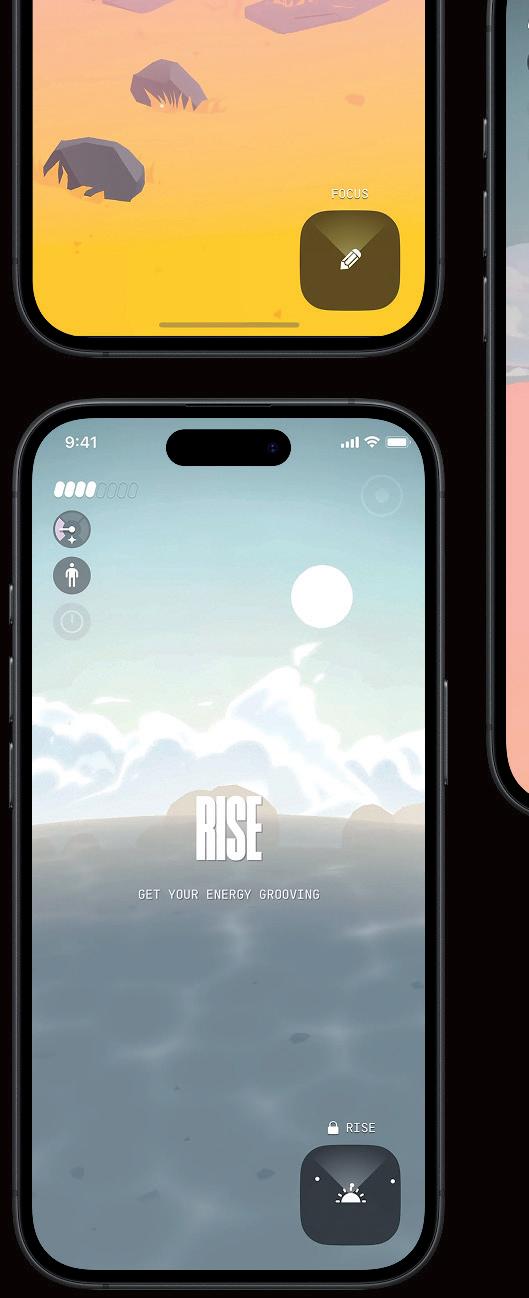


Vibes

I think many people are happy in that role, but I found that I actually like doing the work, like playing with the materials, playing with the designs and making stuff. I feel like people over-glamorize leadership a bit more than we should. I think we should glamorize people making the sh*t that we all use.
creatively fulfilled.” It means that we have to make a lot of calls, like deciding the exact color buttons should be, but I like that sort of thing.



Thankfully, my partner at Not Boring felt the same way, that our favorite time is when it’s just one or two founders with you, sitting around a kitchen table, making stuff. So we said, “Let’s just keep it that way. We could hire more people, but we don’t have to. Let’s create an environment where we’re happiest and the most


My partner’s the developer; I’m more the designer. But he still makes as many product decisions as I do. If he feels strongly, and I don’t, I go with what he feels strong about, or vice versa. It’s rare that we both feel strongly in opposite directions. If that happens, we just abandon it. It’s generally better to not waste your time. You can just not do it. There’s a thousand other problems that we can solve right now; let’s focus on something that we’re excited about instead.
“I found that I like doing the work: playing with the materials, playing with the designs and making stuff.”



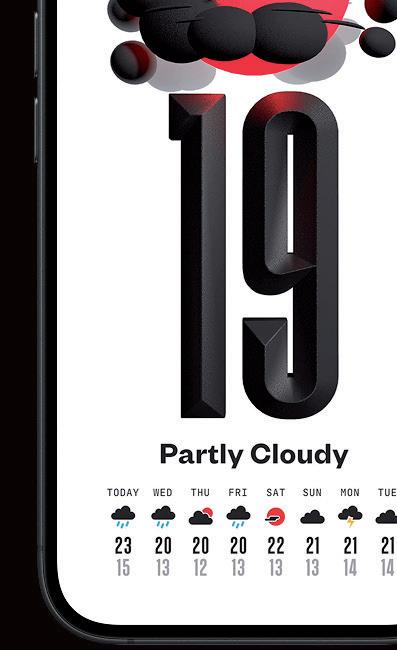
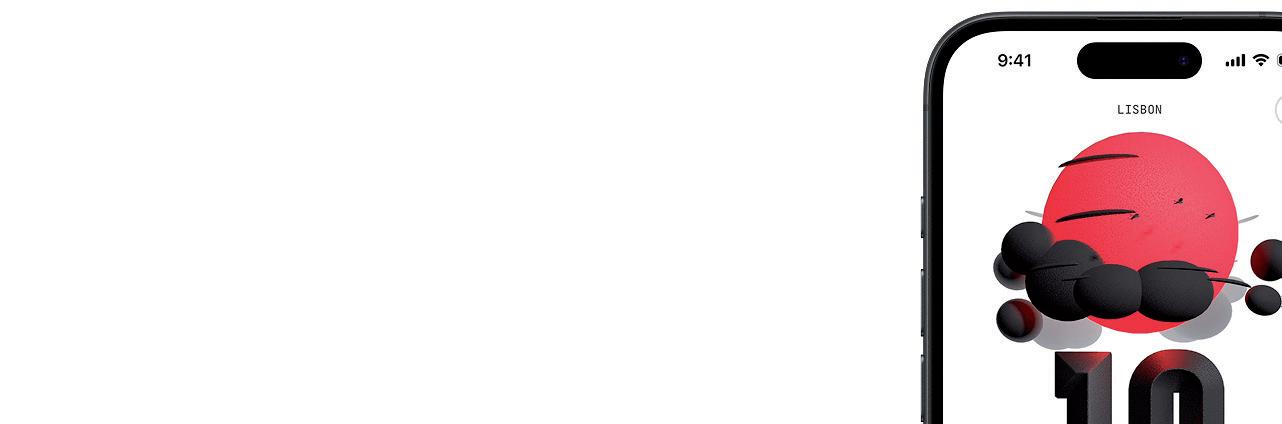
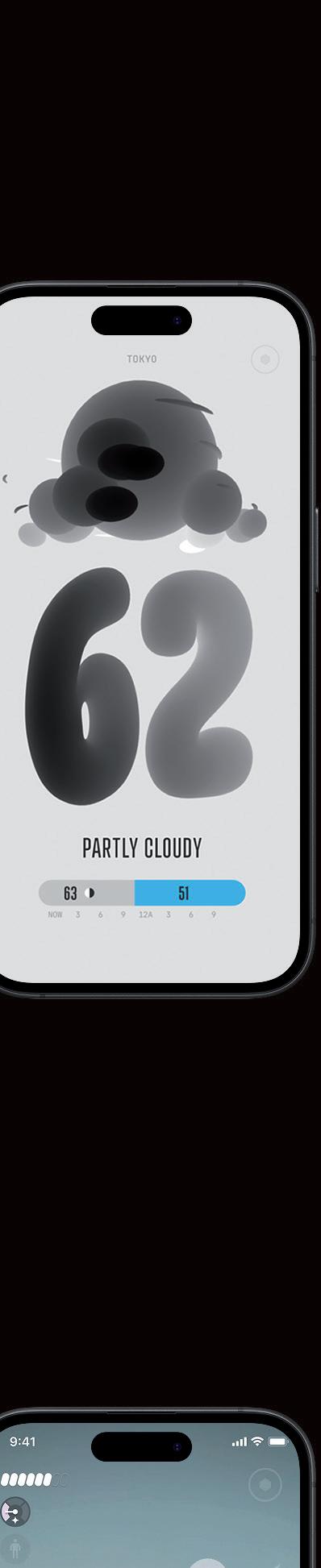
Routine checks become fun and playful with !Boring Weather’s bright, colorful visuals.
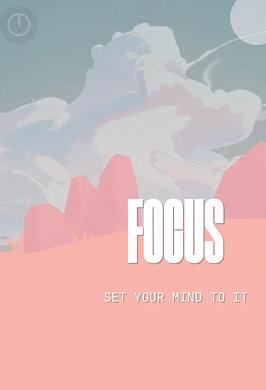
!Boring Habits layers effects, sound, and vibration to turn a single checkbox into an entire experience.

How did your time at UW shape you?
UW Design teaches you to think like a designer, to approach the world through the design lens, with the iteration and critiquing that comes with it.
Some of the best aspects of UW, and its most unique ones, are its foundational courses about understanding color theory, typography, type design, all that. That’ll stick with you for the rest of your career. I still think about it now; it’s so valuable.
A lot of great designers never went to design school, so it’s not required by any means, but it’s really great to have that foundation I can go back to: I understand these things, I know these principles, and I can apply them. If you really internalize the approach to design, that applies to so much you do. I took very few interaction design courses, but all of the foundations we learned there were easily applicable.

What stage of your career do you feel you’re in right now?
Let’s go ahead and call it about halfway. I graduated 20 years ago, in 2006, so I think I’ve got at least another 20 years.
It’s a nice moment. When you first start out, you’re kind of scared sh*tless. You aren’t too sure how things work or how things are made. You’ll develop a lot of confidence as you understand how things work: you’ve faced a lot more different situations, and you know how to navigate them. It brings a lot of confidence.
You still have some original thoughts and ideas, hopefully, but that’s the side that you fear slipping away from you, once you start to reach this phase. You see the next wave of designers coming in, and they have a very different approach and mentality. Like wait a minute — the stuff that I thought looked bad is now suddenly what the new generation of designers thinks looks good.
I have this theory that all the things you thought were lame, corny and cheesy when you were growing up will eventually be the hot sh*t; it cycles. You’ll have a guttural reaction to it as not cool, which is the reason why it is cool, and you have to figure out how to navigate that.
You have to figure out how to keep an open mind, but at the same time, though, I’ve reached a point where I’m not going to chase the consensus around what’s interesting. It’s a lot more interesting to just chase stuff that other people think is uninteresting or uncool. I’m trying to step outside those sort of “fashion cycles” of design, be a bit more honest to the things that interest me. That’s the stuff that tends to stand the test of time better. I idolize people like Hayao Miyazaki or Brian Eno, who are into their 70s but have managed to stay true to themselves.
Interview by Henry Pontzer, a Third-year design student and long-time !Boring Fan.
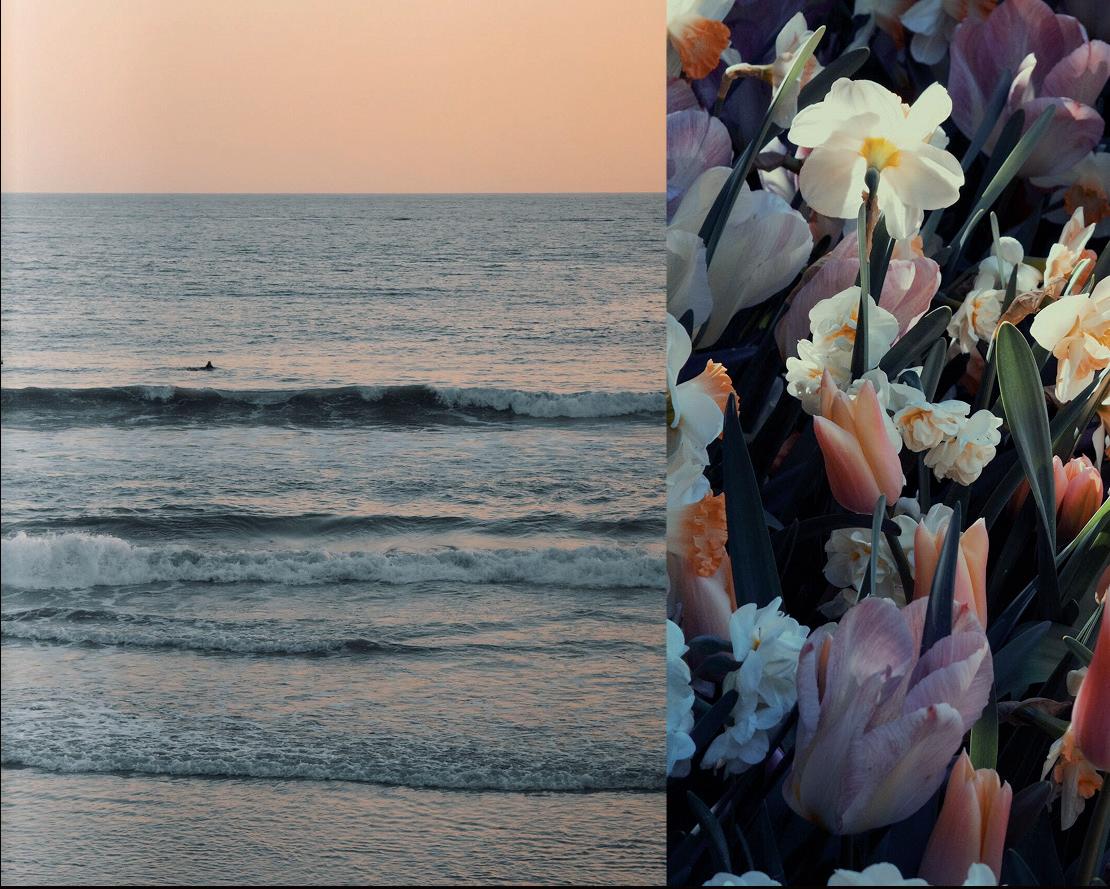
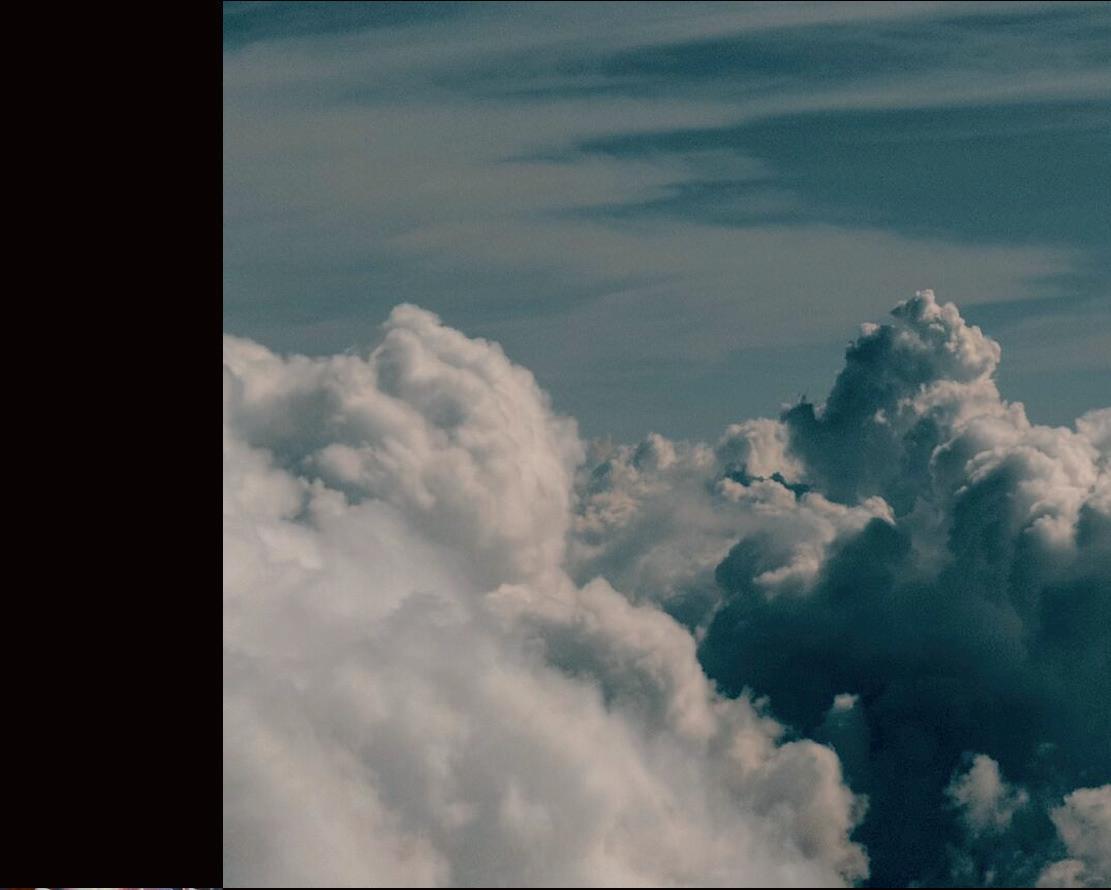
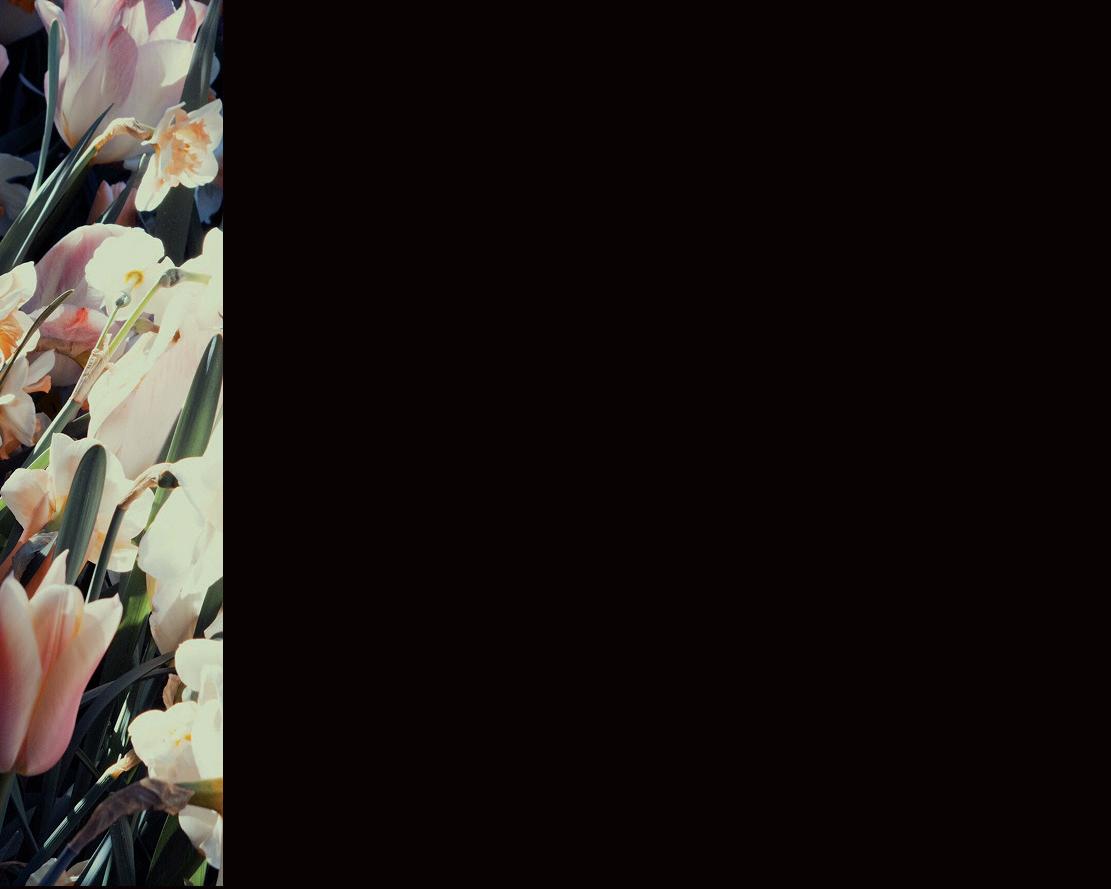
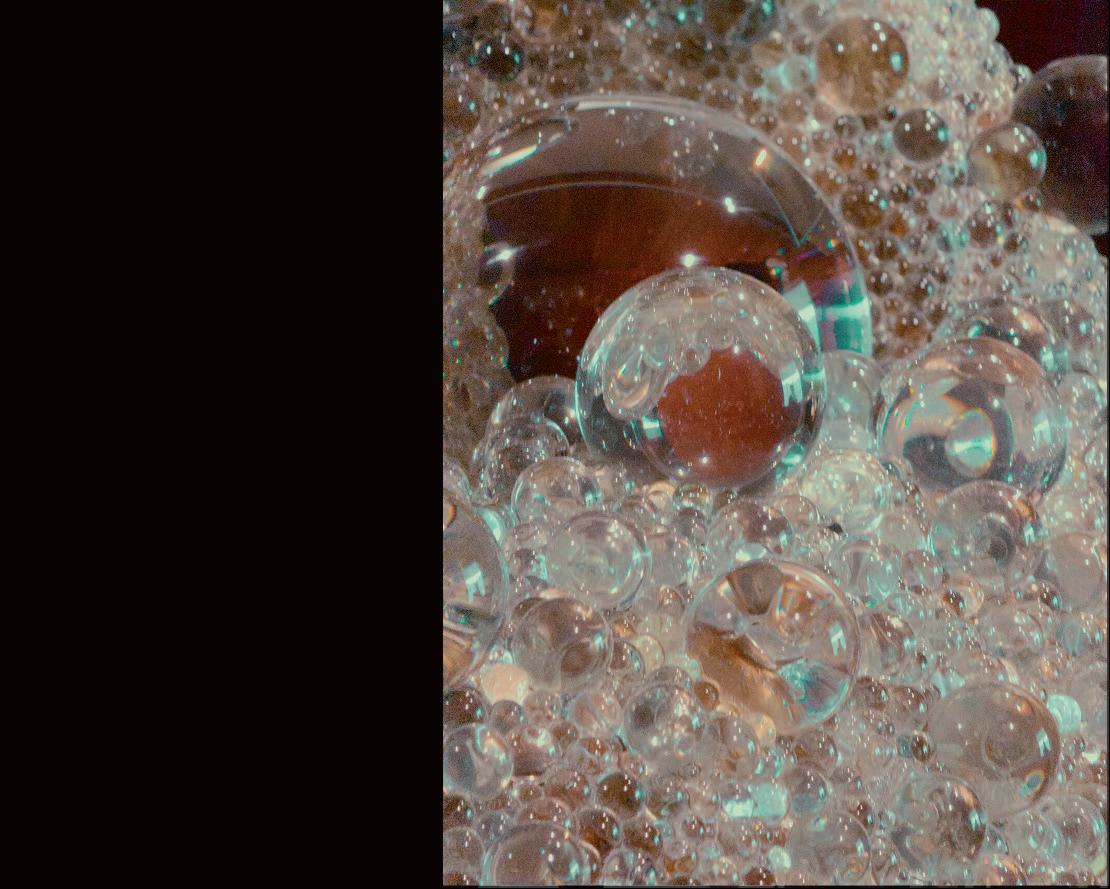
Samples of Andy’s photography, shot on !Boring Camera.