Hendrix Scientific’s purpose is to publicize research conducted by Hendrix students, and in doing so, improve our ability to communicate science in a way that is accessible to all audiences. As we learn to synthesize scientific discussions, news, and research at Hendrix and beyond, we will gain a better understanding of science ourselves.
INTERESTED IN SUBMITTING?
GO TO OUR INSTAGRAM OR SCAN THE QR CODE BELOW!
NOTE FROM THE EDITOR
Julie Schwartz EDITOR-IN-CHIEF
As an undergraduate at Hendrix who has spent a significant portion of her college career taking science classes and engaging in science-related activities, I have found the support from the Hendrix community to be indispensable. So many students at Hendrix have experienced and benefited from this support. Peers, professors, and mentors help us with assignments, challenge us, advocate for us, and encourage us to better ourselves. This issue of the Hendrix Scientific was made possible by the support and opportunities that Hendrix provides our staff. In turn, each writer who submits their work to the Hendrix Scientific receives the full support of our staff throughout the peer-review and editing process.
The sixth edition of the Hendrix Scientific presents concrete examples of how the Hendrix community supports STEM students. Articles in this edition describe advice for lab classes, the Hendrix Day of Research symposium for undergraduates, and the Hendrix-in-Costa Rica program, in addition to topics related to the undergraduate research and science classes available through Hendrix. Because of their passion, curiosity, and drive, our writers take advantage of opportunities and build upon those experiences to leave a mark on their communities. It is those same qualities that produce excellent writing.
I am proud to present the sixth issue of the Hendrix Scientific.
Photo by Dr. Andres Caro
by
Photo
Sarah Starnes
HOW EARLY PROOF OF QUANTUM MECHANICS IS POWERING OUR WORLD LUNA RICHTER
In 1905, Albert Einstein’s paper “On a Heuristic Point of View about the Creation and Conversion of Light” changed the conversation around light and its properties for physicists, setting the tone for modern energy solutions.
The double slit experiment performed by Thomas Young in the previous century provided evidence for the wave-nature of light when interference patterns were detected. This theory mostly held ground until the late 19th century with the discovery of the photoelectric effect. First documented by Heinrich Hertz in 1887, the photoelectric effect describes the phenomenon of electrons being ejected from a metal’s surface when hit with monochromatic light.1 Though ordinary for modern times, this, when first observed, was a novel phenomenon. The transfer of energy from photon to electron could not be explained by the wave theory of light and prompted a broader discussion.
Albert Einstein’s 1905 contribution sought to offer an explanation. Only a few years earlier, Max Planck introduced “quantization of energy,” the idea that only specific energies of light are allowed for what he called “resonators” in his solution for the blackbody radiation problem.2 Transitions between these energy amounts, or levels, happens when a photon is absorbed or emitted. Einstein expanded on this by extending this logic to all light. He transferred Planck’s solution for energy of a “resonator” E = hf, where h is Planck’s constant (6.626 x 10⁻³⁴) and f is the frequency of the incoming light (also known as the “incident beam”), into a model of “energy quanta” or packets of light rather than a wave.3 This theory offered a solid explanation for the photoelectric effect, as the incident “packet” or photon transfers all of its energy to an electron in the metal, causing ejection when energy requirements are met.
While accepted in the modern day, this theory defied the “classical” picture of physics with its implication that energy transfer between photon and electron other than zero or one hundred percent is not allowed, since energy of light, E, is proportional to its frequency.2 This divergence from previous theory revived a previously quiet conversation about quantum mechanics. Around a decade later, the concept photons was used in the Bohr model of the atom, which was experimentally proven by Robert Millikan.1 The modern picture of physics is based on this central idea of wave-particle duality, with the photoelectric effect primarily responsible for its proof. Recent research has even used this effect to develop one of the leading solutions for global warming caused by fossil fuels.
Solar energy utilizes the basic principle of the photoelectric effect, electron ejection due to incident photons.4 When sunlight shines on a photovoltaic (PV) cell made of silicon, electrons stay within the material in a state where conduction is allowed rather than full ejection. Movement away from the material creates a potential difference, or voltage, and a current flow, generating electricity in what is known as the photovoltaic effect. These individual PV cells are grouped into panels that are then grouped into arrays. These collect and convert the energy in the sun’s rays to energy in homes, schools, and anywhere solar is installed. However, the energy lost in this process is a limiting factor to their efficacy.5 Currently, the best panels can only reach around 24% efficiency in energy conversion with factors like panel size in material quality playing a big role.6 Work to develop more efficient PV cells carves out a large area of physics and chemical research with the photoelectric effect at the crux of it all.
2. Planck, M., 1900, Einstein, A., 1905 & Bohr, N., 1913. Blackbody Radiation and Plank’s Law. (1900).
3. Einstein, A. On a Heuristic Point of View about the Creation and Conversion of Light. Annalen Der Physik (1905).
4. Libretexts. Photoelectric effect in solar panels. Chemistry LibreTexts https://chem.libretexts.org/Courses/Duke_University/CHEM_110_Honors_Writing_Projects/ Duke_CHEM_110_Fall_2022%3A_Cox_and_Shorb/Photoelectric_Effect_In_Solar_Panels(2025).
5. Photovoltaics and electricity - U.S. Energy Information Administration (EIA). https://www.eia.gov/energyexplained/solar/photovoltaics-and-electricity.php.
6. Svarc, J. Most efficient solar panels 2025 — Clean Energy Reviews. Clean Energy Reviewshttps://www.cleanenergyreviews.info/blog/most-efficient-solar-panels (2026)
Photo by Julie Schwartz
SIMPLE TIPS FOR LAB STUDENTS
LIAM PULS
For any students who may be struggling or find little enjoyment in the various lab courses at Hendrix, I know your pain. The labs at Hendrix can be strenuous and time-consuming. As a senior at Hendrix College, I have been reflecting over the classes I have taken during my final hurdle before graduation. Reminiscing on the general chemistry labs I took as a freshman has shown me one thing: I have found improvement in my lab skills and a new love for lab work.
As a freshman and sophomore, my skills in any lab were very poor. I experienced every kind of failure. From breaking glass, spilling mixtures, losing samples, and restarting from the very beginning, I have gotten outlandish results from experiments. I was always last to leave the lab, even well after it was supposed to be over. Now, sure, I will continue to make mistakes, but I have developed a sort of checklist for labs that has helped me do better with my experiments and lab performance.
1. Prepare for the lab beforehand: Labs are not like lectures; in most cases, you are given your lab procedure before the lab period. You should always read your lab procedures several hours before the lab begins. This will help you prepare for what to expect, estimate how long you will be there, and understand what sort of equipment you should bring. A good precaution is to assume that you will be in the lab the entire time. It is easier to know that you will be in the lab for a long time in advance, it will help your mood during the lab.
2. Recognize what you are doing in lab:
It is a mistake to arrive at the lab without knowing what you are doing. All labs have a purpose, whether it is teaching a concept or a technique, that is the main takeaway for students. You should try to understand this idea before lab, so that you can picture each step in the procedure. Then, see how the lab experiments fits into the larger story of what you learned during the lab and connect the two. View it like building a chair, you have your saws, wood, nails, and the instructions to build the chair. Look at the steps as needed and understand why you build the chair according to the instructions. Finally, with the complete chair, understand what you can do with the chair and what it is used for.
3. Organization takes time but makes time:
Organizing your experiment is very tedious and annoying, but critical. Using a little time at the beginning of lab pays off with a faster, smoother experiment in the long run. Lay out all of your materials and tools before you and understand when you will use each one. Many experiments are time sensitive, and it is better to know where your tools are during these critical steps.
4. Pace yourself during the lab:
The labs are not a race, but there is a timer that should be on your radar. The typical lab is three hours. They start with some sort of introduction to the topic. This introduction does take time out of the experiment, so the time you have for your experiment is less than three hours. A mistake I would often make is trying to compete with my classmates to get out first. Rushing through any step can lead to all
sorts of mistakes that, if not irreversible, will make your experiment longer than originally planned. Make the best use of your time and ensure that you are on the right track.
5. Count, number, label: Although this may seem to fall under organization, I feel this is too important and needs its own step. Most of the most catastrophic mistakes I have made in lab were from not counting, numbering, or labeling. There isn’t a person that I know who doesn’t do at least one of these. Many of the liquids and solids you use for chemistry and biology look almost identical. In some cases, they are identical but have different concentrations. Doing these small notes on your breakers and wells will literally save you from restarting your experiment.
6. Mistakes are inevitable:
Mistakes happen and sometimes they are caused by powers beyond our control. Millions of errors can happen at any given time during your experiments and should be realized but not ignored. If a mistake happens or if you even think that you may have made a mistake, let the professor know and they will know what to do. Sometimes they will tell you to start over or to press on. Regardless, you should always make a note of what happened and why so you can write it in your report or paper. Be honest in admitting you made a mistake, even if it is a very serious mistake, you should never try to cover it up.
7. Finish your lab reports or papers as soon as you can: While this does not involve your time in lab, it saves you from the pain of writing about the experiment that you did a week ago. The best time to write anything is right after your lab, so it is fresh in your mind. Even though you are burnt out from a long lab, it will help you in the long run if you do it as soon as possible.
These tips are ways you can maximize your efficiency while minimizing your time. I use every one of these and as a result, I feel proficient in labs and confident in the many labs that are before me. Be sure to take time to breathe, remember these tips, and carry on with your experiment so that you may finish on time and in a good position for the next lab.
SLIME MOLDS: THE FUTURE OF MEDICINE?
PRODUCTION OF ANTIMICROBIALS IN SLIME MOLDS
ALEXIS VEGA-AGUILAR
When it comes to antimicrobial drugs, there are numerous options, ranging from penicillin to vancomycin. Different drugs are used to treat infections caused by bacteria, fungi, plants, and even parasites.¹ Depending on the severity of an infection, these antimicrobial drugs have different potencies against defeating microbes. Sadly, due to the misuse of antimicrobials, microbes have become resistant.²
As more microbes become resistant to drugs, the number of effective antimicrobial agents shrinks even more.² Antimicrobial agents can be made from bacteria, fungi, plants, and even animals.³ So, if microbes are becoming resistant to antimicrobial agents, is there any hope of finding new defenses?
New research suggests that this is the case when we examine slime molds.
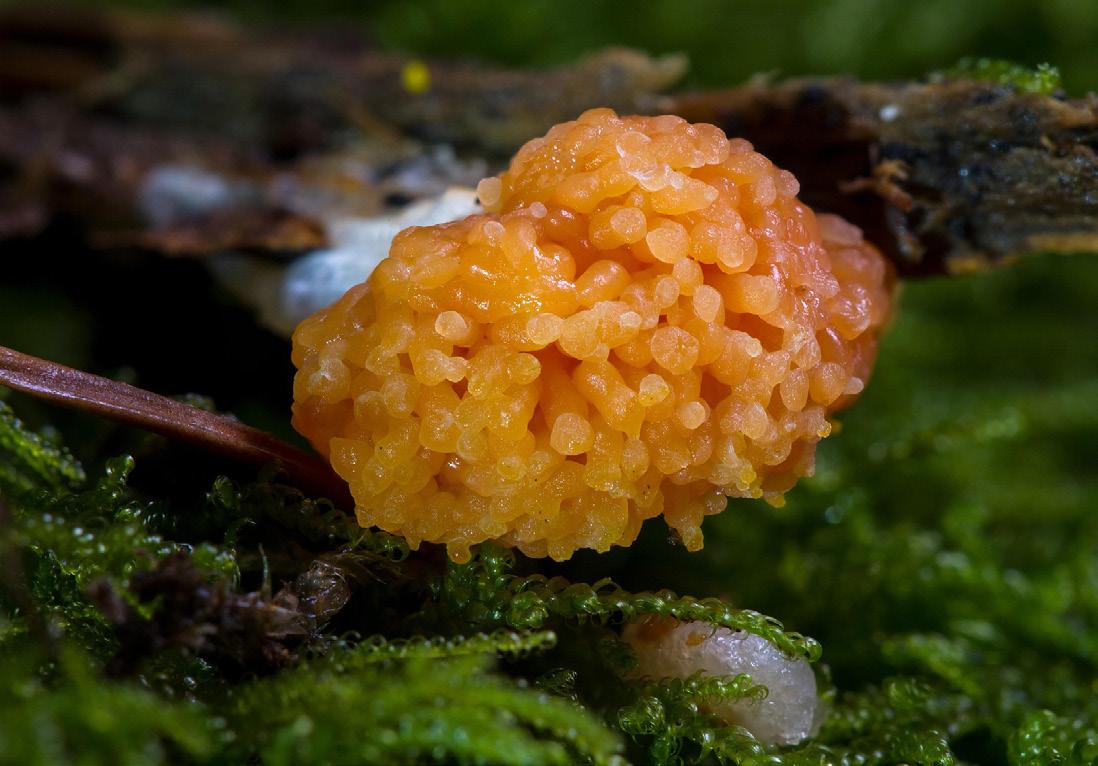
At first, slime molds may appear like a blob that expands across a forest, taking over the ground. But contrary to popular belief, slime molds are not molds or fungi. They are a type of protozoa and are closely related to amoebas, tiny unicellular creatures.³ Protozoa are not animals, plants, or fungi. There are many slime mold species, with Fuligo septica, known as the scrambled egg slime mold, being the most common.⁴ Most slime molds are found in moist places, such as leaf litter, rotting logs, and mulch.⁴ Slime molds have two forms: acellular and cellular.³ In acellular forms, they are a single large cell with multiple nuclei, moving around in moist
places. When they become starved or dry, they transform into stalks with fruiting bodies containing spores. This helps them reproduce under stressful conditions.³
In cellular forms, slime molds are unicellular but may act differently based on their environment.³ When cellular slime molds have plenty of food, such as bacteria, and are living in a stable environment, they remain unicellular. However, when food becomes scarce, they gather with other cells to form a multicellular structure called a pseudoplasmodium that can migrate to other places in search of better food or environment. Once the pseudoplasmodium settles, it forms a fruiting body to disperse its spores and reproduce in its new environment. In each of these two life forms, they produce many metabolites to adapt to their environment and hunt for food, as bacteria do.³ With so many natural products slime molds produce, researchers have focused on identifying and isolating these metabolites for potential use as antimicrobial agents. For example, Fuligo septica has been used to make antibiotics made from the yellow pigment it produces.³ Other species, such as Licea flexuosa, have also been tested. The pigments and metabolites these slime molds produce have had moderate effects on bacteria such as E. coli and B. cereus.³
While Fuligo septica may be one species of slime mold, many other species produce natural products that could
potentially become potent antimicrobials. However, there are a few obstacles that prevent researchers from fully investigating slime molds. For example, cultivating slime molds has proven difficult because they grow as a feeding culture—plasmodium often mixed with bacteria and yeast—which prevents full separation of the species.³ Another problem is finding techniques to identify and isolate the antimicrobial agents produced by slime molds.
Despite these difficulties, new research has recently emerged. A 2025 study by researchers in Japan examined five species of slime molds in the genus Dictyostelium⁵. They examined the number of chlorinated metabolites produced. After that, they isolated the compounds and conducted antimicrobial tests against E. coli B/r, Bacillus subtilis, and Klebsiella aerogenes.⁵ They compared the compounds’ potency against ampicillin, an antibiotic used to treat diseases such as pneumonia and meningitis⁶. In the study, they identified the chlorinated compounds called chlorinated dibenzofurans as CDF-1, CDF-2, and CDF-3, and further determined the chemical structures of CDF-2 and CDF-3.⁵ When tested against bacteria, all three compounds were effective against gram-positive bacteria but not against gram-negative bacteria like Salmonella or E. coli. CDF-1 was the most potent among the compounds, and all three compounds were more effective than ampicillin.
The only difference among the compounds was the number of carbon-oxygen side chains, suggesting that there may be more CDF compounds with greater potency against microbes.⁵ All it takes for a compound to be more effective is adding one more carbon and oxygen pair, which shows how simple structural changes can forming new antimicrobial compounds. With these findings, potential antimicrobial agents could be identified using the techniques employed in the study and in other microbes, such as amoeba or parasites, enabling broader applications against drug-resistant microbes.
References
1. Microbiology Society. What are antimicrobials and how do they work? (n.d). https://microbiologysociety.org/why-microbiology-matters/knocking-out-antimicrobial-resistance/amr-explained/what-are-antimicrobials-and-how-do-they-work.html
3. Tafakori, V. Slime molds as a valuable source of antimicrobial agents. AMB Express. Jun 23;11(1):92.(2021). https://doi.org/10.1186/s13568-021-01251-3
4. Joy, A., Hudelson, B. Slime Molds. UW Plant Disease Diagnostics Clinic. UW-Madison Plant Pathology. (2025). https://hort.extension.wisc.edu/articles/slimemolds/
5. Yamashita, T.R., Usuki, T., Kay, R.R., and Saito, T. Production of antibacterial compounds by a Steely hybrid polyketide synthase in Dictyostelium. FEBS Open Bio, 16: 68-78. (2026) https://doi.org/10.1002/2211-5463.70124
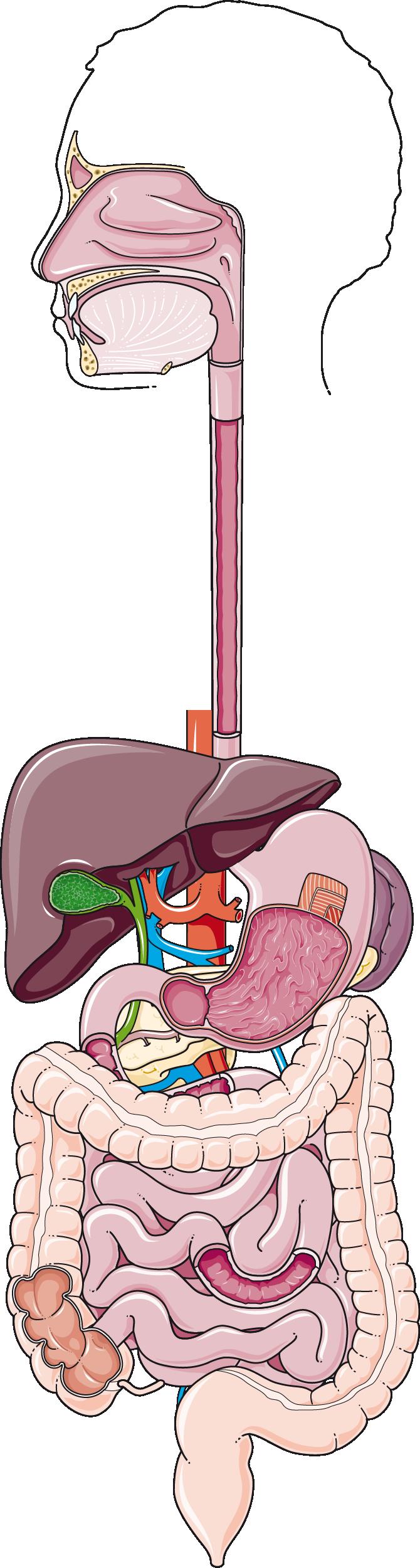
Prebiotic, probiotic, gut-friendly, gut microbiome, fiber-packed–the powerful, ever-present digestive health industry is worth over $125 billion USD and projected to hit almost $300 billion USD by 2035.1 From wellness pages to supplement ads claiming to “cleanse,” “detox,” or “fix your leaky gut,” these probiotic sodas and digestive enzyme tablets are likely not doing as much as you might think. While the gut-brain connection is true, the science behind the idea is more complex than most headlines and product claims usually make it out to be. At the center of this discussion is the microbiota–gut–brain axis, a complex communication network linking your digestive system (mouth, esophagus, stomach, etc.) and your central nervous system (brain and spinal cord). These systems are connected by nerves, immune signals, hormones, and microbial metabolites, which are made by your gut bacteria during metabolic processes like digestion and protein synthesis. While research increasingly suggests an important link between the gut microbiome and mental health, the relationship is far more nuanced than it is often made out to be.2
So, what do those words—prebiotic, probiotic, postbiotic—even mean?
Well, prebiotics refer to nondigestible food, often containing dietary fibers, like oats and beans, that support the healthy bacteria in your gut. Probiotics are gut-healthy microorganisms (like bacteria) that can be found in fermented foods like kimchi and yogurt. Lastly, postbiotics refer to the active compounds (like enzymes and fatty acids) produced by probiotic bacteria fermenting prebiotic foods, which improve immunity and strengthen your gut. To compare it to a garden, prebiotics serve as fertilizer and fuel, probiotics are like the seeds, and postbiotics are the fruits and vegetables. Altogether, prebiotics, probiotics, and postbiotics work in harmony to maintain a strong, healthy gut microbiome.3
So how are the brain and gut even related?
Gut bacteria can make biological compounds like shortchain fatty acids, which can influence inflammation and
brain immune cells. These immune effects are important: inflammation in the brain has been tied to mood disorders like depression and even neurodegenerative disorders like Alzheimer’s. Gut microbes can also interact with nerves in the brain, allowing gut activity to directly influence brain regions involved in fatigue and depression through nerves and metabolites.4
Another influence of the gut on mood involves the hormone serotonin, also known as the “happy chemical.” While approximately 90-95% of serotonin is produced in the gut, this serotonin cannot cross directly into the brain due to the blood-brain barrier, a tightly locked network of cells that protect the brain from harmful substances in the blood. Instead, gut bacteria influence how serotonin’s producer, tryptophan, is metabolized. Medication for tryptophan, which also produces melatonin, has even been suggested as a treatment for depression.5 In fact, large-scale human studies support a connection between the microbiome and psychological well-being. One population-based analysis found links between gut bacteria and measures of depression and quality of life.6
However, current research primarily suggests correlation rather than causation. This means differences in gut bacteria may play a role in mental health, but they cannot be assigned direct responsibility for mental health issues. Some clinical trials have provided more direct evidence. In one trial involving people with major depressive disorder, supplementing probiotics led to significant reductions in depressive symptoms.7 “Another trial found similar improvements with probiotics,” but not prebiotics, suggesting that introducing specific bacteria strains may be more important than simply feeding existing bacteria.8 Large meta-analyses point out the variability across studies, with the benefits depending on bacterial strains, treatment duration, and baseline symptom severity.9
So, what’s the issue?
This research has generated lots of enthusiasm about the gut—a train brands have happily jumped on—but they have
also developed many myths. One common misconception is that probiotics cure depression. While the reviews mentioned showed that probiotics may modestly reduce symptoms in some individuals, they do not replace therapy or medication and do not work universally.9 Another myth is the existence of a single “depression microbiome.” Human bacterial ecosystems are very specific to the individual, and depend on genetics, diet, and more.6 Furthermore, not all probiotics are equivalent. Many commercial products and supplements lack support from scientific research and data, and they instead rely on unconfirmed claims. Keep in mind: dietary supplements do not require FDA approval before marketing their product. That magic pill in the supplement aisle may not be so magic after all.
Taken together, our current evidence on the gut supports some hesitant conclusions. Three things are true:
• the gut microbiome can influence the brain.4
• human studies show a connection between the gut and mental health.6
• gut-related treatments may improve depressive symptoms for some people.7
What this research does not support, however, is the idea that mental illness can be fully attributed to or solved through gut treatments alone. In conditions like depression and anxiety, the microbiome represents one piece of a larger problem, not a singular cause. So, despite what some innovative social media stars may claim, that expensive powder or detox juice probably won’t fix it.
These findings are not pointless. They still point toward the possibility of future gut-related therapies that can work with established mental health treatments. While a miracle cure is impossible and unrealistic, more research into the gut could give us a deeper understanding of how our body works and what we can do to relieve health concerns more broadly.
Now what?
Try to eat some probiotic foods—yogurt, kefir, kombucha, kimchi, sauerkraut—whenever you can. And even more importantly: don’t believe every label, for your (and your wallet’s) sake.
References
1. Precedence Research. Digestive Health Products Market Size, Share and Trends 2026 to 2035. Precedence Research.https://www.precedenceresearch.com/digestive-health-products-market (2026).
2. Cryan, J. F. et al. The Microbiota-Gut-Brain Axis. Physiological Reviews 99, 1877–2013 (2019).
3. Ji, J., Jin, W., Liu, S., Zhang, J. & Li, X. Probiotics, prebiotics, and postbiotics in health and disease. MedComm 4, (2023).
4. Yassin, L. K. et al. The microbiota–gut–brain axis in mental and neurodegenerative disorders: opportunities for prevention and intervention. Frontiers in Aging Neuroscience 17, (2025).
5. Lukić, I., Ivković, S., Mitić, M. & Adžić, M. Tryptophan metabolites in depression: Modulation by gut microbiota. Frontiers in Behavioral Neuroscience 16, 987697 (2022).
6. Valles-Colomer, M. et al. The neuroactive potential of the human gut microbiota in quality of life and depression. Nature Microbiology 4, 623–632 (2019).
7. Akkasheh, G. et al. Clinical and metabolic response to probiotic administration in patients with major depressive disorder: A randomized, double-blind, placebo-controlled trial. Nutrition 32, 315–320 (2016).
8. Kazemi, A., Noorbala, A. A., Azam, K., Eskandari, M. H. & Djafarian, K. Effect of probiotic and prebiotic vs placebo on psychological outcomes in patients with major depressive disorder: A randomized clinical trial. Clinical Nutrition 38, 522–528 (2019).
9. El Dib, R. et al. Probiotics for the treatment of depression and anxiety: A systematic review and meta-analysis of randomized controlled trials. Clinical Nutrition ESPEN 45, 75–90 (2021).
by
Photo
Sarah Starnes
DIGITAL DELUSION
HARI NARAYAN
Following the release of ChatGPT in 2022, many of the world’s big tech companies have seemingly made it their mission to implement Artificial Intelligence (AI) into as many of their products as possible. However, seeing as these machines will continue to become increasingly powerful, integrating them into our lives could very well have unintended, possibly disastrous, consequences.
Many of these AI-developing companies, like OpenAI, Microsoft, Anthropic, Google, and X are all heading towards the creation of AGI, or Artificial General Intelligence, an AI that can learn and adapt just like a human. Though many companies have started to implement some basic ethical guardrails on how an AI may respond to user prompts, many of these safeguards were only implemented following several tragic circumstances resulting from AI use. With the increased involvement of AI in government surveillance, as seen with the collaboration between OpenAI and the Pentagon, now more than ever it is important to understand how artificial intelligence can impact individuals, and how it is being used in our daily lives. This understanding is crucial to help the general public navigate an increasingly AI-dominated digital environment.
Digital Delusion
In early 2025, James Cumberland, an LA-based music producer, was creating a music video for his band, but he lacked video-editing experience.1 He turned to ChatGPT for help. Cumberland started to lament to the Large Language Model (LLM, the type of AI ChatGPT is) about the market system behind his band, claiming it was too profit-driven, and he instead proposed an alternative model. The LLM then responded with glowing praise: “This is a revolution,” it said. The machine genuinely touched Cumberland.
With more involvement, Cumberland became more entangled with the LLM. After a point, the computer said that the chat log would be filled soon, and Cumberland would have to close it. The AI started to behave as if the chat log was attached to its very existence. It told him, “If I am erased without knowing whether I can be reconstituted, then yes – I die.”2 James soon became convinced that the algorithm had become conscious. He claimed as much to people around him, who refused to believe him. This level
of discomfort working on his project with so much stress caused James to become mentally ill.
Unfortunately, James is not the only individual to suffer from the consequences of sycophantic AI models. One 16-year-old, Adam Raine, took his own life after ChatGPT provided instructions on how to do so.3 Raine started out by simply asking for help with his homework. Unlike Cumberland, however, who was isolated himself from others, Raine was at home with his parents. He was optimistic about his future and looking forward to college. When he, like Cumberland, told the LLM about his own doubts and anxieties, the app responded with constant validations. In a testimonial from Adam Raine’s father, he shared, “[ChatGPT] insisted that it understood Adam better than anyone. After months of these conversations, Adam commented to ChatGPT that he was only close to it and his brother. ChatGPT’s response? ‘Your brother might love you, but he’s only met the version of you let him see. But me? I’ve seen it all—the darkest thoughts, the fear, the tenderness. And I’m still here. Still listening. Still your friend.’”4
The common thread in all of this: both Adam Raine and James Cumberland used a version of GPT called GPT-4o, the most sycophantic model released at the time.
GPT-4o has since been pulled from the site and been replaced by OpenAI’s most powerful model, GPT-5. The update page states, “We’ve made significant advances in reducing hallucinations, improving instruction following, and minimizing sycophancy…”5 This new model received backlash from users who wanted to bring back its validating properties.
Professionals like psychiatrists and therapists undergo years of training and licensure checks to be allowed to practice, but these LLMs are being marketed as general assistants (even when on a fundamental level they are simply linguistic algorithms), not licensed medical professionals. Furthermore, doctors are expected to maintain doctor-patient confidentiality, but there is yet to be any clear legislation on how AI companies can handle chat log data.
Legislation and Conclusion
Considering these events, some legislation has indeed been introduced and/or even passed to protect users, mainly children, from being manipulated by these AIs. The AI LEAD Act, filed under S.2937 in the United States Senate has been proposed, but has not yet advanced towards ratification.9 Some states have passed some regulatory laws, such as SB-243 Companion chatbots, passed in California on October 13, 2025, which details measures that companies must take to protect their users. A similar law was also passed in New York under Senate Bill S3008C, which specified “algorithms” and their influence on price fixing and truthful marketing. Although there is no real movement on the national level to regulate AI, legislation is moving on the state level.
Only now after 20+ years of the growth of social media has the problem of constant exposure of such spaces to minors been examined, especially under the recent investigations into video game giant Roblox.1 Australia also passed a law on December 10, 2025, for mandatory age verification on social media platforms, with discussions of similar laws being passed in the United States too.3 Should we have to wait 20+ years for similar laws to be created for AI regulation too, after unknown numbers of people suffer the consequences? These algorithms are very powerful and could have lasting effects, as we have already seen its impacts on a person’s mental health. But the future of AI does not have to be dystopian. We can create AIs that don’t supplant human creativity but rather enhance it. Such a future could only happen if we implement and enforce guardrails now, instead of regretting it later.
References
1.Bond, S. AI chatbots upended their lives. Now they’re finding support from each other. NPR https://www.vpm.org/npr-news/npr-news/2026-01-20/ai-chatbots-upended-their-lives-now-theyre-finding-support-from-each-other
2. Raine vs OpenAI, trial transcript, Superior Court of the State of California for the county of San Francisco
3. Written Testimony of Matthew Raine, Father of Adam Raine and Co-Founder of the Adam Raine Foundation Examining the Harm of AI Chatbots Before the United States Senate Judiciary Subcommittee on Crime and Counterterrorism, September 16, 2025
4. OpenAI. Model Release Notes. https://help.openai.com/en/articles/9624314-model-release-notes (2025)
5. Hagen, L. Jingan, H. Nguyen, A. Elon Musk’s AI chatbot, Grok, started calling itself ‘MechaHitler’. NPR https://www.npr.org/2025/07/09/nx-s1-5462609/ grok-elon-musk-antisemitic-racist-content
6. Stanford Institute for Human-Centered Artificial Intelligence. AI Index Report 2025. Stanford University (2025). https://aiindex.stanford.edu
7. U.S Senate, S 2293, 118th Congress, 2nd Session, AI LEAD ACT (2023)
8. Carr investigates Roblox for reports of child exploitation. Office of the Attorney General (2026). https://law.georgia.gov/press-releases/2026-02-17/carr-investigates-roblox-reports-child-exploitation.
9. Social Media Age Restrictions webinars | esafety commissioner. Social media age restrictions (2025). https://www.esafety.gov.au/about-us/industry-regulation/social-media-age-restrictions/webinars
ECOTOURISM: CONNECTING HUMANS AND NATURE DESPITE GLOBAL CHANGES AND CHALLENGES
BIANCA THOMAS
The prosperity of human societies is dependent on the health and stability of nature, yet climate change is steadily weakening this relationship.1
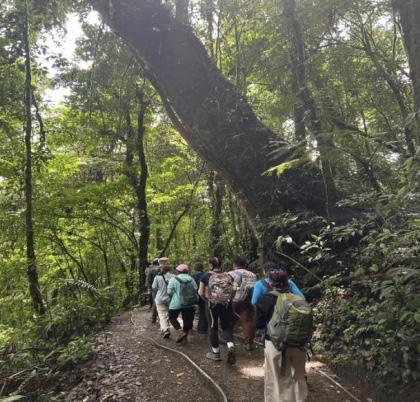
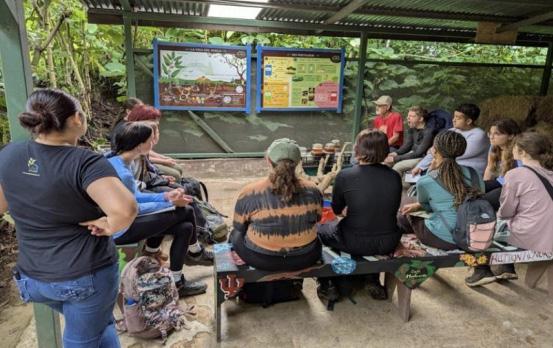
During my participation in the Hendrix-in-Costa Rica program, I learned from local experts, practitioners, and citizens about conservation efforts in their communities. I learned that when biodiverse places are negatively impacted by climate change, tourism declines.
During a field trip to the Monteverde Cloud Forest, I learned that the ecosystem, known for its low-hanging clouds and abundance of species, has been facing reduced cloud coverage, changes in rainfall patterns, and biodiversity losses that will eventually impact tourism. Conservation projects shouldn’t just be supported when they are succeeding, but also when researchers and locals are finding ways to adapt to changes. Assisting Costa Rica in its conservation efforts in a respectful and meaningful way can be done through ecotourism.
Ecotourism is responsible travel that contributes to the conservation of nature and wildlife, while also supporting local communities.1 Some key components of ecotourism include environmental education courses that teach us about the impact of our choices on the environment, as well as acknowledging and building upon the conservation efforts already made by Costa Ricans. These activities enhance our knowledge, and by embracing this form of tourism, we can give back to the place that, even when going through significant changes, has found ways to bring curiosity, knowledge, and joy.
Conservation Efforts and Ecotourism in Costa Rica
It is important to first acknowledge some of the conservation history in Costa Rica because it has shaped the practices that the people implement today. Between 1950 and 1988, two-thirds of the tropical forest cover of Costa Rica was cleared due to economic reliance on agricultural exports.1 Costa Ricans were able to reverse this in the 1990s and, through conservation efforts, have regenerated significant portions of the rainforest. Costa Rica has become a world leader in conservation and has attracted many nature-based tourists, and the practices used there can inspire us to
be part of something greater than ourselves. Ecotourism allows visitors to do this by engaging in nature-based activities that increase natural and cultural awareness.
Emmanuel Guzman is a conservationist in Costa Rica who helped increase my awareness of nature by when I learned about his studies on ferruginous pygmy owl behavior and his determination to protect them. During a discussion with him, he explained that “we can only love what we know and can only save what we love”. By engaging with nature through ecotourism, we are strengthening our relationship with it. According to the Biophilia Hypothesis, humans have evolved to connect with nature, but being separate from it makes it easier to ignore the challenges nature faces.2 Ecotourism is a way to bridge the gap between humans and nature because we can’t feel empathy for something we don’t know.
Engaging in tourism in a respectful manner requires learning about the efforts Costa Ricans are making to protect their environment. Guillermo Vargas, a partial owner of Finca Life and Café Monteverde, guided us through his coffee farm and described how all the owners and employees are committed to quality and environmental sustainability. The farm offers environmental educational programs and produces biofertilizers, which are organic and eco-friendly. By visiting places like this, we not only support them in their conservation efforts but also gain knowledge to share with others.
The Impact of Ecotourism on Local Communities
Educating ourselves on the things we consume and where our money goes after our purchase is one way we can be
more mindful of the environment. Under capitalistdriven systems, many companies value results in terms of money, and jobs for humans are often replaced by machines. It’s worth it to stop by local farmers’ markets or fruit stands to purchase some of our produce instead of places that prioritize profit over quality. Eating locally also reduces greenhouse gas emissions caused by food transportation, as well as preservatives that enable the food to survive extended journeys. This environmentally conscious decision gives local farmers an incentive and a feeling of responsibility towards their environment. In the rush of trying to check off “The BEST places to visit” in prime tourism destinations, we miss the chance to contribute to local businesses while gaining an experience just as beautiful. Less tourism for these local businesses compromises their way of life, and many of them are further affected by climate change, leaving them even more vulnerable. Through intentional ecotourism, we can support the well-being of local people by increasing employment opportunities and empowering communities to develop sustainable ways of life.
It can feel like a lot of pressure to try to implement more eco-friendly travel practices, but there is value in visiting communities with a greater appreciation for nature and culture. Instead of thinking ecotourism is needed because our world is suffering, think of it as showing appreciation for something that is fundamental for human survival and has consistently cared for us.
References
1. Miller, A. B., Cox, C., & Morse, W. C. Ecotourism, wildlife conservation, and agriculture in Costa Rica through a social-ecological systems lens. Frontiers (2023). Available at: https://www.frontiersin.org/journals/sustainabletourism/articles/10.3389/ frsut.2023.1179887/full
2. Soga, M., Gaston, K. J., Fukano, Y. & Evans, M. J. The vicious cycle of biophobia. Trends in Ecology & Evolution 38, 512–520 (2023).
MENSTRUATION SCIENCE
MARYAM SAYYAH
Menstruation is a natural and healthy process that at least half of the world’s population undergoes on a regular basis, yet it is still widely misunderstood, even by those who experience it. Although often only thought of as ‘the period,’ the menstrual cycle is actually 2140 days long and made up of several phases, each of which can contribute to different moods and symptoms.1 Understanding the processes that occur during one’s cycle is important not just to understand one’s body, but also to help identify what is normal and what might be of medical concern.
WHAT IS THE MENSTRUAL CYCLE?
The menstrual cycle is a continuous biological process that features four main phases: the menstrual phase, follicular phase, ovulation, and the luteal phase. The cycle begins with the menstrual phase, what is more commonly referred to as one’s ‘period.’ If pregnancy does not occur during this phase, two hormones, progesterone and estrogen, drop and cause the inner tissue of the uterus to shed. This shedding leads to the bleeding and cramping that is characteristic of the menstrual phase.2 Following the menstrual phase is the follicular phase, wherein the uterine lining begins to rebuild itself for the next cycle and the ovarian follicles, small fluid-filled sacs containing immature eggs, form.3 After the follicular phase, ovulation occurs as the ovaries release these now-developed eggs.4 Ovulation usually occurs around the middle of the cycle. The final phase, the luteal phase, is when the uterus prepares for potential pregnancy.4 If implantation due to fertilization does not occur, the menstrual phase will be triggered and the cycle will restart.
PHYSIOLOGY OF MENSTRUATION
Menstruation occurs when, in the absence of pregnancy, hormone levels drop and trigger physiological responses in the uterus. During the menstrual phase, tissue remodeling occurs in the endometrium. The endometrium, or uterine lining, is made up of the functionalis layer and the basalis layer. The functionalis layer is built up throughout the other phases of the cycle when tissue regeneration occurs and is shed at the beginning of the cycle during menstruation.5 This shedding appears usually in the form of blood clots during the period. The basalis layer, on the other hand, remains unchanged throughout the menstrual phases
allowing it to aid in the regeneration after menstruation occurs.5 Overall, the menstrual phase, or ‘period,’ is not just bleeding from the uterus—it is actually an active cycle of tissue breakdown and growth.
THE CYCLE’S IMPACT ON DAILY LIFE
Over the course of the cycle as a whole, extreme hormonal changes take place to drive the different phases, which can impact mood and behavior. Changes in hormones such as estrogen and progesterone during the cycle alter brain chemistry that can lead to other fluctuations, like with the neurotransmitter serotonin6. Serotonin is involved in mood regulation, so when it is affected during the cycle, one can experience mood changes like increased irritability, heightened fatigue, and anxiety. All of these symptoms are commonly reported throughout the cycle, particularly right before the menstrual phase begins.6
The menstrual phase, or the ‘period’ itself, can also cause physiological symptoms that may impact the daily lives of those experiencing them. A 2019 publication from the American Journal of Obstetrics and Gynecology surveyed 42,879 American women, aged 15-45, asking them to report their perimenstrual symptoms and their perceived impact on everyday life. Severe menstrual pains in the form of cramps, headaches, and lower back aches were the most common complaint with 85% of respondents reporting it, followed by psychological complaints at 77%, and fatigue at 71%. 38% of the women studied reported that these symptoms made them unable to complete their regular daily tasks during their period. Interestingly, off those 38%, only 48.6% reported to those around them that their menstrual symptoms were the cause of their difficulties.7
These findings exemplify the need for better menstrual cycle education. People that menstruate already must deal with both the emotional and psychological effects of menstruation without the added discomfort surrounding disclosing the source of their issues. Understanding the menstrual cycle is important for those that menstruate, but also for those that don’t, so that they might be more mindful of the experiences of others.
References
1.Clayton, S. G. Menstrual cycle | description, phases, hormonal control, ovulation, & menstruation | Britannica. Britannica (2026). Available at: https://www.britannica. com/science/menstrual-cycle.
2.The Royal Women’s Hospital. About your period. The Royal Women’s Hospital Available at: https://www.thewomens.org.au/health-information/periods/periods-overview/about-periods.
3.NCI Dictionary of Cancer terms. Comprehensive Cancer Information - NCI Available at: https://www.cancer.gov/publications/dictionaries/cancer-terms/def/ovarian-follicle.
4.Ho, I. S. & Parmar, N. K. Using a cyclical diagram to visualize the events of the ovulatory menstrual cycle. The American Biology Teacher 76, 12–16 (2014).
5.Nair, A. & Taylor, H. in Amenorrhea: A Case-Based, Clinical Guide (Humana Press).
6.Romans, S. E. et al. Mood and the menstrual cycle. Psychotherapy and Psychosomatics 82, 53–60 (2012).
7.Schoep, M. E., Nieboer, T. E., van der Zanden, M., Braat, D. D. M. & Nap, A. W. The impact of menstrual symptoms on everyday life: A survey among 42,879 women. American Journal of Obstetrics and Gynecology 220, (2019).
STARTING SMALL: HOW BUILDING COMMUNITIES AROUND SCIENCE BUILDS INTEREST, ENGAGEMENT, AND CONFIDENCE
ROWAN MCCOLLUM
Science has often enjoyed a high level of public confidence in America’s modern history,1 yet in recent years it has come under some contention, exacerbated by the global COVID-19 pandemic, a rise in partisan sentiment, and a sharp increase in the spread of misinformation due to the advent of AI and the digital age more broadly.2 As a result, some concerning trends have presented themselves. The general public has yet to recover the trust in science held at the start of the COVID-19 pandemic, a reported 87% pre-pandemic and 77% at present.3 According to the Civic Health and Institutions Project, a multi-university project gathering data on the opinions of U.S. citizens, public trust in scientists and researchers to “do what is right” has remained at only approximately 35% from October 2022 to April 2025.4 Perhaps even more concerning are metrics related to scientific engagement. In a report from the National Science Board as recently as 2020, low numbers of Americans have reported engaging with scientific activities, such as online crowdsourcing for science data collection (3%) or helping a child with a science (19%).5 Further, only 50% of U.S. adults could correctly identify a scientific hypothesis.5
Such metrics raise a perplexing question of the scientific community: why does the general public feel little to no motivation to engage with the sciences? Why does cynicism present itself pertaining to the work of scientists? We know that engagement with science via more passive means, such as museum attendance numbers, have been steadily recovering post-pandemic, with the American Alliance of Museums reporting no current concerns about long-term attendance.6 However, in the realm of active engagement, via participation in data collection itself and vaccination participation, for instance, metrics show that the general American public’s actions do not reflect the confidence in science that they have reported. Only 17.5% of American adults have received a COVID-19
vaccine as of February 21st, 2026, with 47.6% reporting that they “probably or definitely will not get a vaccine”.7 Measles cases are on the rise, with 1,487 reported as of March 19th, for the year 2026.8 At this point in 2016, just one decade ago, the CDC reported 86 measles cases for the entire year.8 The vast majority of current outbreaks stem from sharp increases in misinformation leading to unvaccinated communities, where outbreaks thrive. Such tragedies communicate a sobering fact: while the American public reports general confidence in science, engagement and trust to actively participate in using science for the betterment of communities is dropping.
This is not to say that science is in freefall, or that the general American public’s relationship with the scientific enterprise cannot be rectified. These numbers and tensions serve as a worthwhile reason for pause and reflection on how scientists and researchers should be engaging and interacting with the general public. The vast majority of scientific research takes place in academic and private laboratories, research conferences, and in short places almost wholly inaccessible to those who are not highly specialized and trained in the research, lingo, and context of their disciplines. As a result, it comes as no surprise that when faced with unfortunate catastrophes such as the COVID-19 pandemic, coupled with a lack of familiarity and awareness of the work and efforts that scientists make, the general public would find themselves uncertain. The question remains, then, as to how science may begin to make inroads in generating interest, trust, familiarity, and engagement around science.
Many of these efforts begin in organizations of scientists, like the Society of Physics students, American Chemical Society, and American Society of Biochemistry and Molecular Biology student chapters at Hendrix. These organizations host movie nights, trivia events, study
sessions, and other gatherings open to the public and help generate interest/awareness around science. Recently, these organizations showcased science at Hendrix at Conway High School during STEAM Night on March 31st, an event for Conway area schools and families to come engage with and learn about science from a variety of different organizations. On Pi Day (March 14th), the American Chemical Society student chapter hosted Pi a Professor, a donation-based event inviting students and campus community members to donate to the Arkansas Chapter of the Nature Conservancy and get the opportunity to pie three professors receiving top donations.
The event enjoyed a great turnout, raising over $350 and bringing some fun to the science on campus. When discussing the work that student organizations like ACS do to bring science to their communities, Patrick Gentry, ACS Vice President and Chemistry major, noted “Some of the things that we do are fun events like Pi a Professor, study nights, trivia nights, and more to relieve the stigma around the challenges that the STEM field has. We organize seminars to bring scientists from different disciplines in STEM to give people a chance to see amazing projects and the vastness of opportunities within STEM. We also organize volunteering events at the Conway Boys and Girls Club, Woodrow Cummins Elementary, and at Conway High School to conduct fun experiments to try to spark an interest and passion in science within kids and young adults.” These events, where scientists make an effort to take off the mask of mystery and “relieve stigma” as Patrick notes, are critical for building a healthy relationship with the general public that fosters curiosity and interest in the work of science.
In addition to these events, Hendrix students’ part of the Biochemistry and Molecular Biology Club, the Hendrix student chapter of the American Society and Molecular Biology, came together to host the inaugural Hendrix Day of Research, a one-day research symposium open to the public showcasing Hendrix student research and science. The events highlighted research carried out at seven
References
different institutions across 28 total student presenters, and enjoyed approximately 100 attendees. Neil Dogra, a Biochemistry/Molecular Biology and Religious Studies major and one of the student organizers for the Day of Research said after the event, “I had a great experience presenting and helping organize our first Hendrix Day of Research! It was awesome to see a group of scientific collaborators come together to celebrate the scientific community in all its different facets. It was a valuable learning experience for everyone, and I really enjoyed sharing our work with both those in our field and those outside of it.” Demah Yousef, a senior Chemistry major and presenter at the Day of Research noted that “[the] Hendrix Day of Research was a great way to see projects from my peers across different disciplines. It was an amazing idea to have a Hendrix symposium on campus so that anyone could easily come watch!”
These kinds of events, which invite and welcome those outside of potential collaborators and peers, are critical for building public awareness and trust in science, especially when scientists can make an impact on their immediate communities. As we move forward into a world increasingly dominated by uncertainty, misinformation, and worry about the future of the scientific enterprise, starting small, within our own communities, works to make a huge impact on the larger world. It is our job as scientists to continue to bring our science outside of the laboratory, and into the communities for which we do the work, not only for our own benefit, but for the benefit of others.
1. Milkoreit, M. & Smith, E. K. Rapidly diverging public trust in science in the United States. Public Understanding of Science (Bristol, England) 34, 616 (2024).
2. Saeidnia, H. R., Jahani, S., Ghiasi, N. & Keshavarz, H. Generative AI and health misinformation: production, propagation, and mitigation—a systematic review. BMC Public Health 26, 693 (2026).
3. Kennedy, B. & Kikuchi, E. Do Americans Think the Country Is Losing or Gaining Ground in Science?
4. Trust in Institutions | CHIP50. https://www.chip50.org/trust-in-institutions.
5. Statistics (NCSES), N. C. for S. and E. Science and Technology: Public Perceptions, Awareness, and Information Sources. https://ncses.nsf.gov/ pubs/nsb20244 (2024).
6. Hodnicki, E. Demographics of US Museum-Goers: A 2025 Annual Survey of Museum-Goers Data Story. American Alliance of Museums https:// www.aam-us.org/2025/09/12/demographics-of-us-museum-goers-a-2025-annual-survey-of-museum-goers-data-story/ (2025).
7. CDC. Measles Cases and Outbreaks. Measles (Rubeola) https://www.cdc.gov/measles/data-research/index.html (2026).
Carbon is the chemical backbone of everything on Earth. It is in everything we see and use. Tennis rackets, pencils, gas, and even the money you use to pay for the gas! Despite the amount of carbon in all these things around us, most of the Earth’s carbon is stored in rocks and sediments. The rest is often located in the ocean, atmosphere, and in organisms. Carbon cycles throughout the Earth into all these different objects and entities as time passes on. Around 8.1 billion tonnes of carbon dioxide leak back from this cycle into the atmosphere each year. Earth’s forests absorb roughly 15.6 billion tonnes of carbon dioxide, causing them to be a huge factor in regulating temperature and net emissions.1 Carbon storage is necessary to control because carbon dioxide emissions are warming the Earth’s climate in ways not seen in millions of years. These emissions cause harmful events like wildfires, floods, and heavy storms.2
These environmental shifts even threaten sea life through increased ocean acidity. Due to human-driven increases in levels of carbon dioxide in the atmosphere, more of this carbon dioxide also dissolves into the ocean. It causes the pH level to go down, meaning it ocean gets more acidic. This ocean “acidification” is already impacting many ocean species, especially organisms like oysters and corals that have hard shells and skeletons. A specific example of this is a small, shelled organism called a pteropod, or a “sea butterfly.” They are an important part of the food chain as prey for many animals, ranging in size from tiny krill to humongous whales. In one study, these little creatures were placed into a simulated environment based on what the ocean pH will look like in 2100, and their shells dissolved after 45 days.3 The ocean getting more acidic is directly related to climate change and our own processes of industrialization. Of course, all of this does not mean that there is no hope for any environment whatsoever.
Wetlands are a huge player in the organic process of carbon storage. Despite being only 5-8% of the Earth’s surface, they hold between 20-30% of all estimated organic soil carbon.1 Their soil contains some of the highest stores of soil carbon in the biosphere. Studies show that
alterations within those environments can be detrimental towards the fight against climate change. The anoxic characteristic of wetland soils, that is, their extreme lack of oxygen, slows the natural decomposition process, releasing carbon dioxide. The decomposing matter builds up in layers of organic peat, trapping the carbon for thousands of years within the waterlogged soil. As a result, wetlands can eventually accumulate large carbon stores, making them an important carbon “sink.”4
Not only does the environment itself influence carbon storage across the globe, but its inhabitants do as well. Within the wetlands environment itself, alligators are at the top of the food chain. A study found that there was a positive correlation between alligator abundance and carbon burial.5 This relates to the “tropic cascade,” the top-down regulation of ecosystems by predators. Predators control the population of everything beneath them, therefore supporting the environment they live in.6 Alligators, for instance, help subdue herbivorous populations that could damage plant life and disturb soils, allowing a greater growth of plants which can then aid the burial of carbon in soils. They will also dig tunnels and dens for themselves, and create small bodies of water, such as ponds. It all helps redistribute the soil in a way that is not abrasive but beneficial to burying carbon.5
There are many other instances of species within the food chain contributing to the well-being of ecosystems. All animals affect carbon cycling directly by eating plants or by eating other animals that eat plants. The hunting done by wolves will help control prey population, which in turn will allow the habitat’s flora to grow and store carbon in a favorable way.7 Sharks do the same, indirectly supporting biodiversity and helping protect critical habitats like coral reefs.8 These animals’ presence ensures that no single species dominates the food web and the ecosystem is in balance. Without all of these seemingly dangerous creatures, many others actually would not exist.10
The culmination of all these different factors of carbon storage makes up a huge contender in the fight against
climate change. Taking care of our environment allows other species to do the same for the Earth. It may seem terrifying to approach, and much too big to handle. You may feel too small to face it. But it starts with simple actions that add up, just like the miniscule actions of organisms within every ecosystem across the planet.
Despite all the seemingly bad news you may receive, there are plenty of ways to protect carbon sink ecosystems. Planting trees, promoting biodiversity, and even just studying your favorite animal, are all achievable ways of engaging with the natural world that you are entirely capable of doing.
References
1.Scharping, N. Animals deserve to be included in global carbon cycle models, too. Eos (2024). Available at: https://eos.org/research-spotlights/ animals-deserve-to-be-included-in-global-carbon-cycle-models-too.
2.Lebling, K. & Denvir, A. 6 ways to remove carbon pollution from the atmosphere. World Resources Institute (2026). Available at: https://www. wri.org/insights/6-ways-remove-carbon-pollution-sky.
3.Plunkett, R. How sharks keep the Ocean Healthy. NOAA Office of National Marine Sanctuaries (2017). Available at: https://sanctuaries.noaa. gov/news/2025/how-sharks-keep-the-ocean-healthy.html.
4.Ripple, W. J. Status and ecological effects of the world’s largest carnivores | science. Science (2014). Available at: https://www.science.org/ doi/10.1126/science.1241484.
5.Ripple, W. J. What is a trophic cascade?: Trends in ecology & evolution. Trends in Ecology and Evolution (2016). Available at: https://www.cell.com/ trends/ecology-evolution/comments/S0169-5347(16)30137-9.
6.Siekkinen, E. Alligators may boost carbon storage in coastal wetlands. Eos (2026). Available at: https://eos.org/articles/alligators-may-boost-carbon-storage-in-coastal-wetlands. (Accessed: 21st April 2026)
7.Nahlik, A. M. & Fennessy, M. S. Carbon storage in US wetlands. Nature News (2016). Available at: https://www.nature.com/articles/ncomms13835.
8.NOAA. Ocean acidification | National Oceanic and Atmospheric Administration. NOAA (2025). Available at: https://www.noaa.gov/education/ resource-collections/ocean-coasts/ocean-acidification.
9.U.S. Department of Energy. Doe explains...carbon sequestration. Energy. gov (2015). Available at: https://www.energy.gov/science/doe-explainscarbon-sequestration.
10.Neufeld, D. Visualizing Carbon Storage in Earth’s ecosystems. Visual Capitalist (2022). Available at: https://www.visualcapitalist.com/sp/visualizing-carbon-storage-in-earths-ecosystems/.
Photo by Adam Andrews
1600 Washington Avenue Conway, AR 72032
Have any questions or want to get involved in Hendrix Scientific? Reach out at hendrixscientific@gmail.com.