Teamwork is more than what we accomplish when we work together for a common goal; it’s also the trust we build, the connections we make and the fulfilment that comes with being part of something bigger than ourselves. You will find examples of this spirit of teamwork throughout this issue.
In Jamestown, the Belalie Lodge Auxiliary team shows how compassion and commitment can ripple through a community, improving daily life for older people in countless ways and over many years. Sometimes, teamwork is two people who make a connection – Josie answered a volunteering advertisement and met Ella, who lives at Carinya Residential Care Home. Together, they make a wonderful team, sharing friendship, laughter, and learning new things.
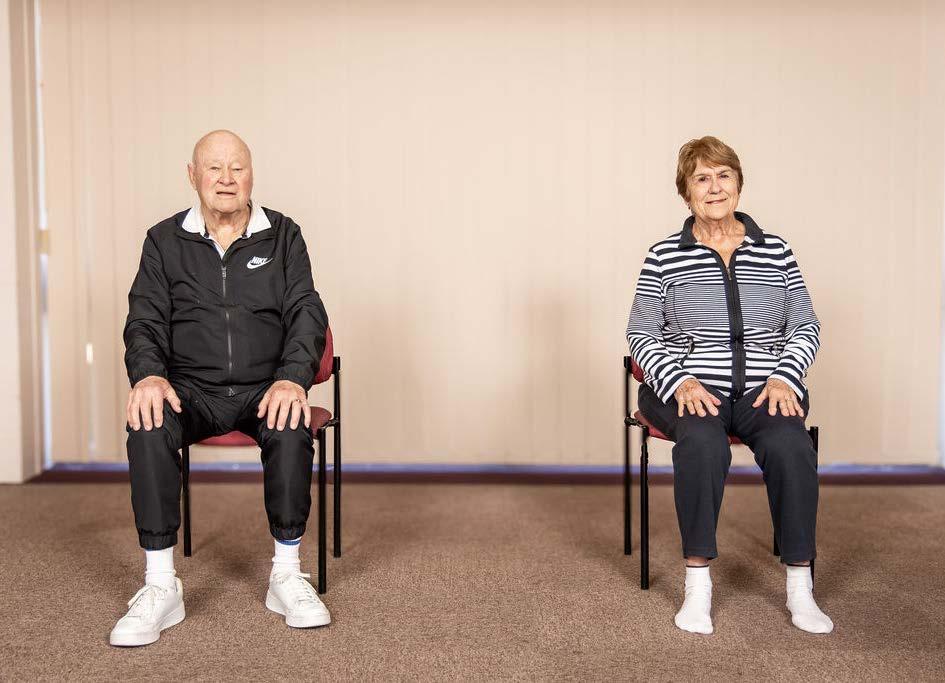
Helping Hand’s Social Connections groups also bring people together. After a lifetime of sporting activity, Home Care client John joined a walking group and now enjoys a calendar filled with fun, fitness, and social connections. Chris and Graham, who live in one of our retirement communities, recently showed their team spirit by stepping in for our Chair Yoga photoshoot, a gesture that meant so much to the Allied Health team. Big or small, teamwork always makes a difference. Thank you to everyone for sharing their stories with us.
I hope you enjoy this issue of At Home magazine.
As always, if you have a story to share, please get in touch. We would love to hear from you.
Home town heroes
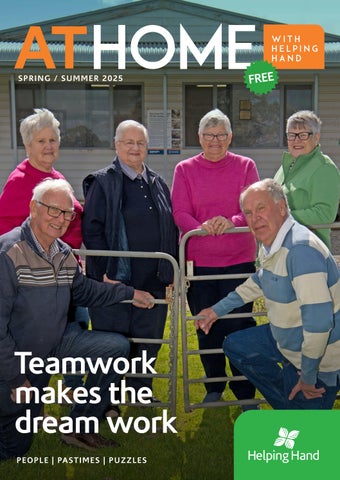
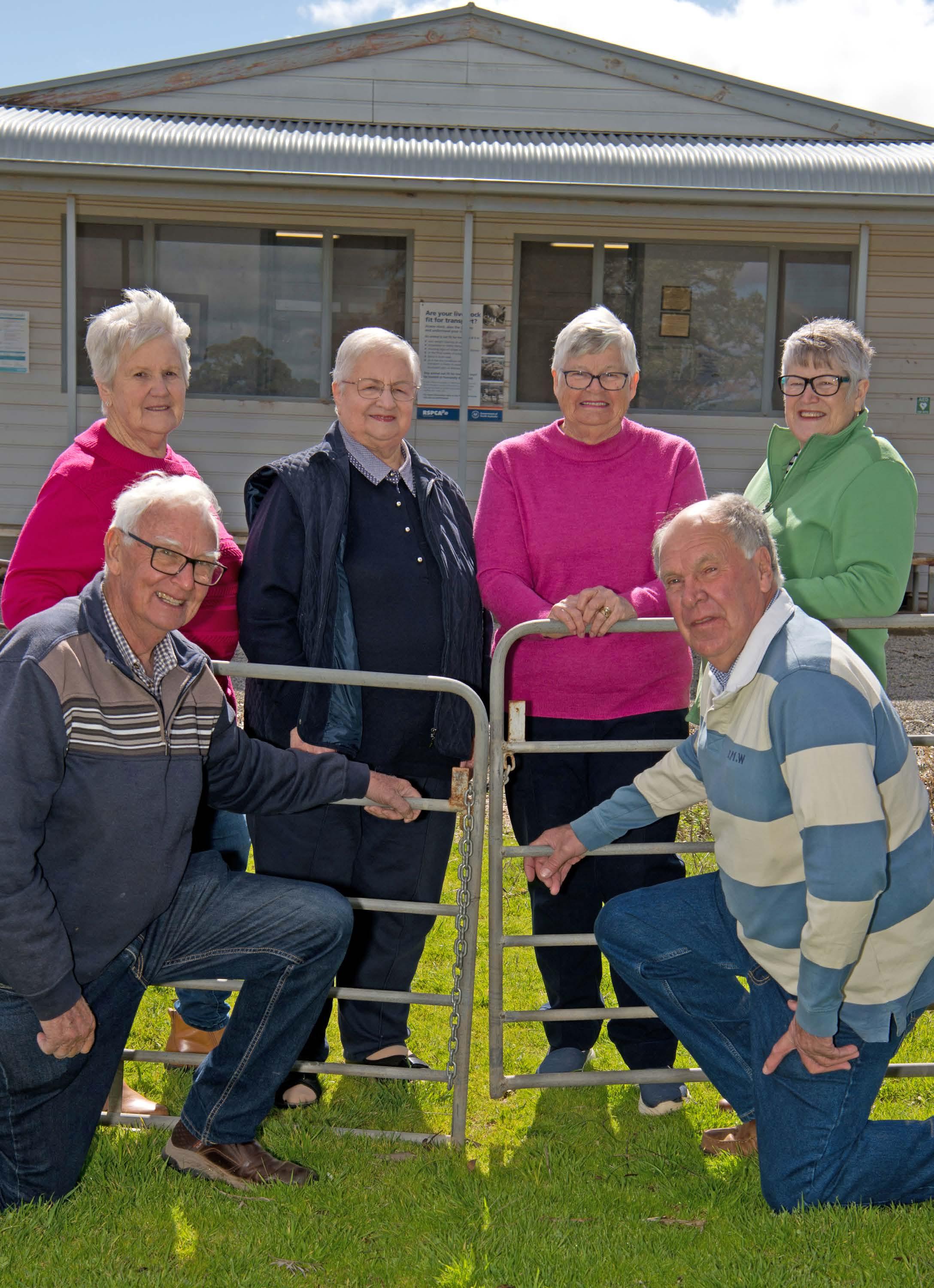
Thank you to the Belalie Lodge Auxiliary! It was wonderful to meet the members, hear their stories, and learn how their commitment to supporting older people in their home town is as strong as ever.
Thanks also to local photographer Clive Palmer for capturing these special moments for the cover and pages 7 and 8.
Sonia De Nicola
Welcome
Helping Hand provides services across many lands traditionally owned by the Kaurna, Narungga, Peramangk, Ngadjuri, Nukunu and Barngarla people.
Helping Hand acknowledges the traditional owners of the land on which we work and provide services. We pay respect to their culture and heritage, and to Elders past, present and emerging.
From the Chief Executive Officer
As the cover of this issue of At Home reminds us, teamwork is the engine that drives the important work we do. But teamwork doesn’t just happen on its own; it takes commitment and investment.
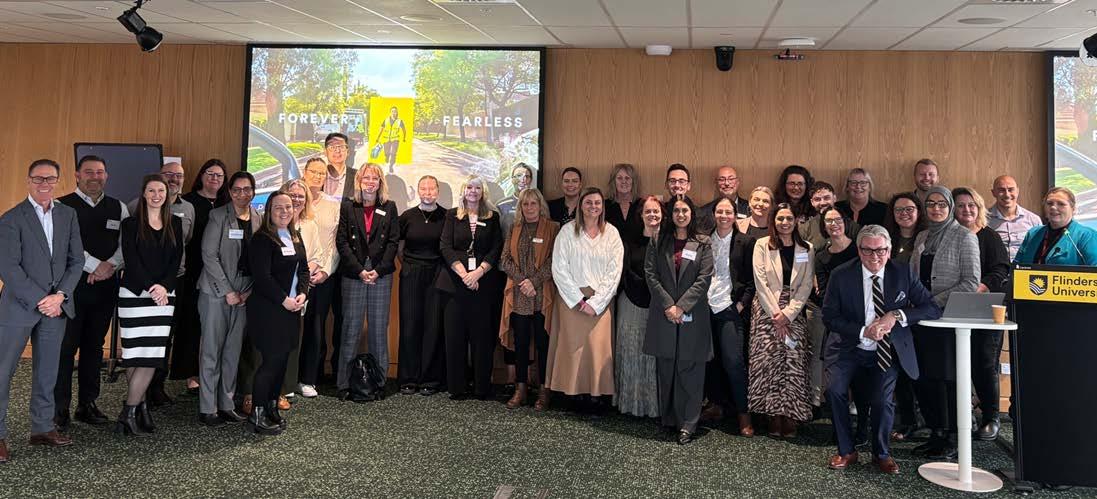
One way we invest in teamwork is through the LEAD (Leading Excellence in Aged Care Delivery) Program, a 12-month learning opportunity presented in partnership with Flinders University. The ‘class photo’ above was taken at a LEAD session in August 2025.
Our ‘One Team’ culture is built on shared values, collaboration, diversity, and communication.
What I saw in the LEAD session reflects what I see every day across Helping Hand.
Our teams are made up of talented, committed individuals from all walks of life and in fact, from around the world. Together, they bring our mission to life: creating communities and experiences that enable older people to live their best lives. Much of this work happens quietly, but its impact is profound.
Our teams are made up of talented, committed individuals from all walks of life and in fact, from around the world.
Just as our workforce is continually improving and learning, our technology systems also need to evolve. This is where digital transformation comes in. We all accept that older buildings reach their use by date and need to be reimagined to meet future needs.
The same principle applies to technology.
Chris Stewart (left) with the teams at LEAD
Digital upgrades won’t replace human connection; instead, they free our teams to focus on what matters most: delivering safe, responsive, personcentred care. Whether it’s providing Home Care clients and families the flexibility of accessing schedules on their mobile devices, or residential care staff updating client records in real time; upgraded digital tools will make care more seamless and connected. I’m excited about how far we can go on this digital journey together. You can read more about this on page 19. While technology is helping us build new ways of working, we’re also investing in the physical environments that shape people’s daily lives.
In North Adelaide, Stage Two of the multi-million-dollar refurbishment of Rotary House Residential Care Home is complete, and the residents are thrilled with what has been created. Rotary House is part of our broader vision for an integrated aged care precinct in North Adelaide: a vibrant, welcoming community that reflects the latest in aged care design and is shaped by meaningful engagement with older people. At its heart, it’s about creating a place of dignity, comfort and a true sense of belonging.
At its heart, it’s about creating a place of dignity, comfort and a true sense of belonging.
Regionally, we are moving forward with the redevelopment of Yeltana and Copperhouse Court in Whyalla.
Supported by funding from the Albanese Government, this project has been warmly welcomed by the community. As the only provider of residential care in Whyalla, Helping Hand plays a vital role in supporting older people to stay in the community they love. This investment will create private resident rooms with ensuites and enhance indoor and outdoor shared spaces, to create more opportunities for social connection. I am so proud of the team at Whyalla and what we have been able to achieve there in recent years. I look forward to sharing updates and photos in the next issue of At Home. These redevelopments are one way we’re shaping aged care for the future. Another is ensuring we are ready for the New Aged Care Act and Strengthened Standards, which come into effect on 1 November 2025. Helping Hand has been preparing for these changes for some time, and we’ve shared regular updates in At Home. Across every division of Helping Hand, teams have been reviewing policies and procedures, undertaking additional training and ensuring we are ready on 1 November.
Rotary House, North Adelaide
The New Aged Care Act puts the rights of older people front and centre, a vision we fully share and support at Helping Hand. New digital platforms will play a key role in this transition, and you can read more about our care management systems for Home Care and Residential Care on page 19. Against the backdrop of national reforms, we’ve also been looking at our own 2025 – 2030 Strategic Plan, which I am pleased to share with you on page 6. Our values remain front and centre, guiding everything we do. The next five years are about challenging ourselves to shift from compliance to excellence, setting new standards in aged
care, and combining our local knowledge with compassionate service. We will continue to deliver person-centred care that adapts to changing needs, with a focus on dementia and palliative services. It’s all about being one team, working in partnership with the families and communities we serve.
Everything we are doing, comes back to our strategic mission of being the most trusted and exceptional partner in aged care and wellbeing services.
Thank you for trusting us as your partner in aged care.
Chris Stewart Chief Executive Officer
Artist’s impression of the Copperhouse Court redevelopment
Artist’s impression of the Yeltana redevelopment
Legacy of compassion
Teamwork makes the dream work
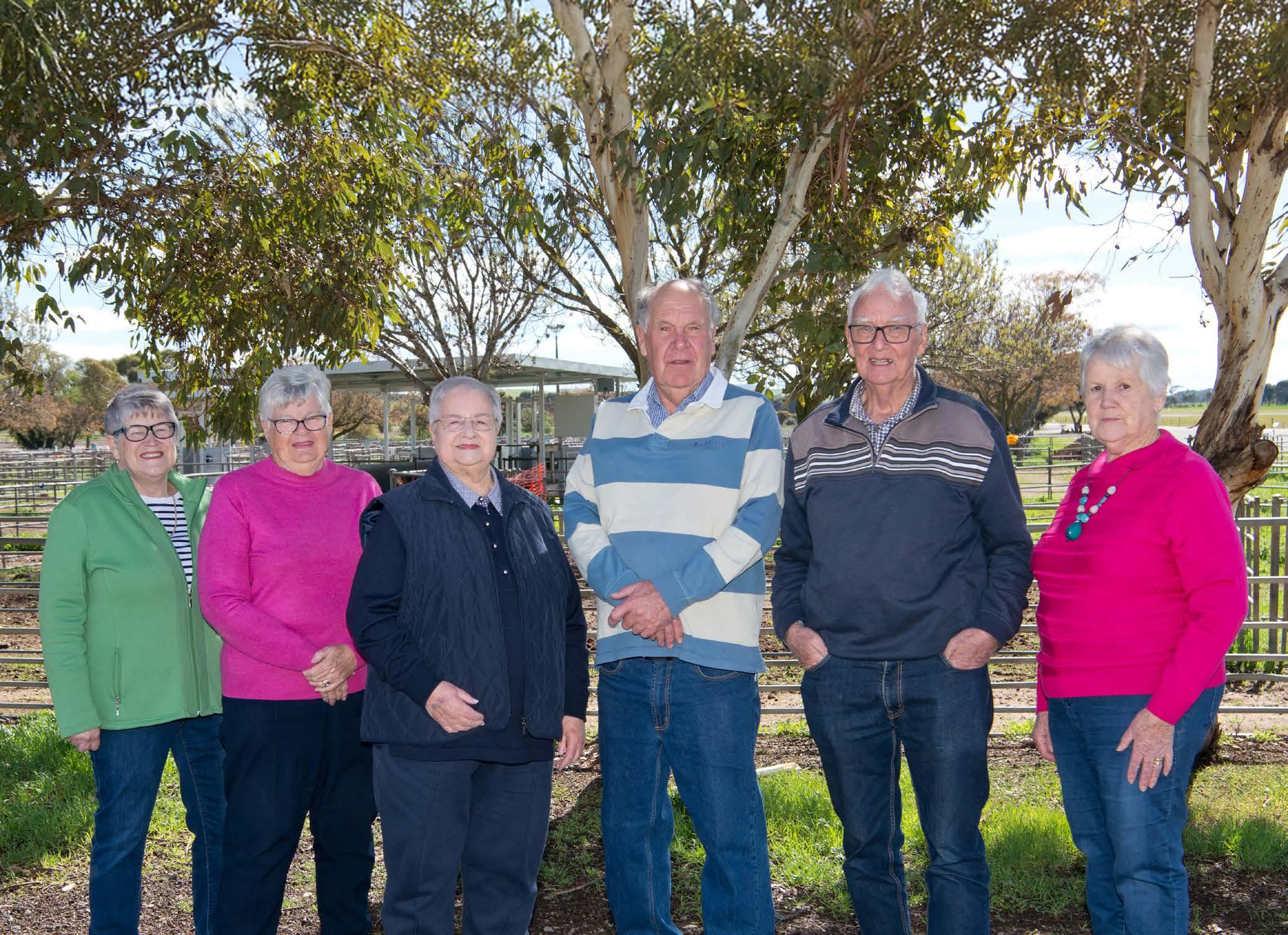
If there is one word that defines the Belalie Lodge Auxiliary, it’s teamwork. This small but dedicated group raises funds to make life better for people living at Belalie Lodge Residential Care Home in Jamestown.
The Auxiliary has a proud history. Formed in 1977, it carried on its work when Helping Hand took on the management of the home in 2004. At its peak, there were almost 50 volunteers. Today there are seven members, which makes their fundraising efforts all the more impressive. With the shared aim of making Belalie Lodge more comfortable and enjoyable, the Auxiliary has supported many projects.
Over the past twenty years, they’ve raised and donated around $273,000. Their contribution can be seen throughout the home: new televisions in residents’ rooms, a Tovertafel games console for the Memory Support Unit, medical equipment, furniture, and upgrades to courtyards and gardens. A walk through the home shows their impact at nearly every turn. The Auxiliary is well known in the wider community too.
For forty years, they’ve been a fixture at the Jamestown Show, and their catering is enjoyed at events such as the Jamestown Races, Bundaleer Forest Weekends, local farm clearing sales, and family gatherings.
Over the past twenty years, the Auxiliary have raised around $273,000 for Belalie Lodge.
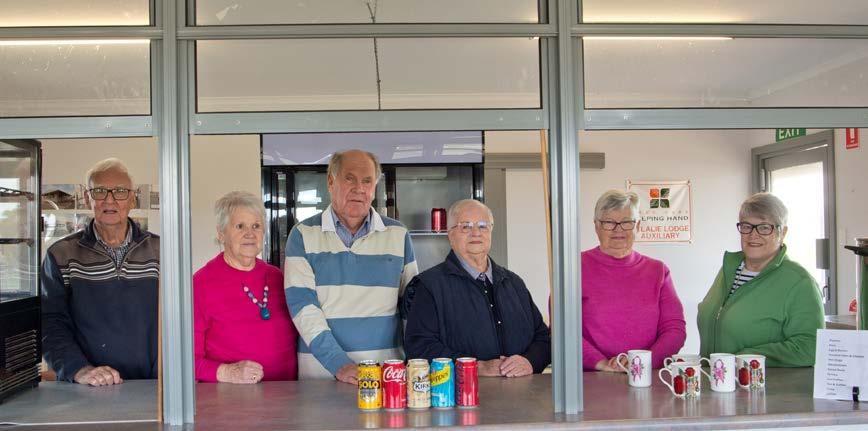
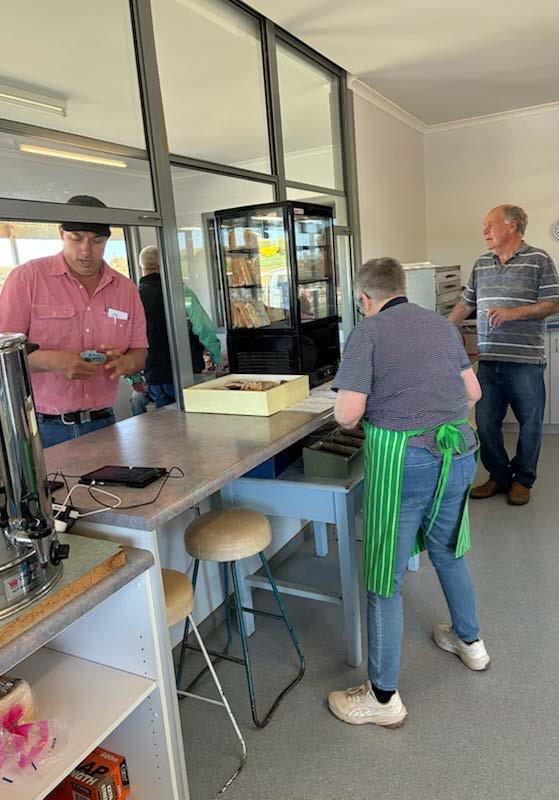
A highlight of their calendar is running the canteen at the Jamestown Saleyards, the only livestock market in the north of South Australia.
L-R: Mary, Lynette, Maureen, Bill, Rob and Kathy
Much like the Auxiliary itself, the canteen is kept in good order, runs smoothly, and has stood the test of time.
Times may have changed, but their passion and purpose remain strong.
For 45 years, members have served buyers and visitors cups of tea and coffee, light meals, sweet treats, and refreshments.
Known for their friendly efficiency, they reckon they can turn out a bacon and egg roll in just three minutes!
“The sheep markets are a long day. We all work together so well and we stay till the very end, because every sale we make is another dollar for the residents of Belalie Lodge,” says Rob, who has been President of the Auxiliary since 2006.
Times may have changed, but their passion and purpose remain strong. Year after year, the Belalie Lodge Auxiliary continues to live out Helping Hand’s values of community and compassion, making a real difference for residents and their families.
PS: For those with a sweet tooth, the Auxiliary has kindly shared two of their favourite recipes on pages 30 and 31.
Photo above courtesy Clive Palmer Photography
Running the canteen at Jamestown Saleyards in September
Wellness & Lifestyle
Giving it a go!
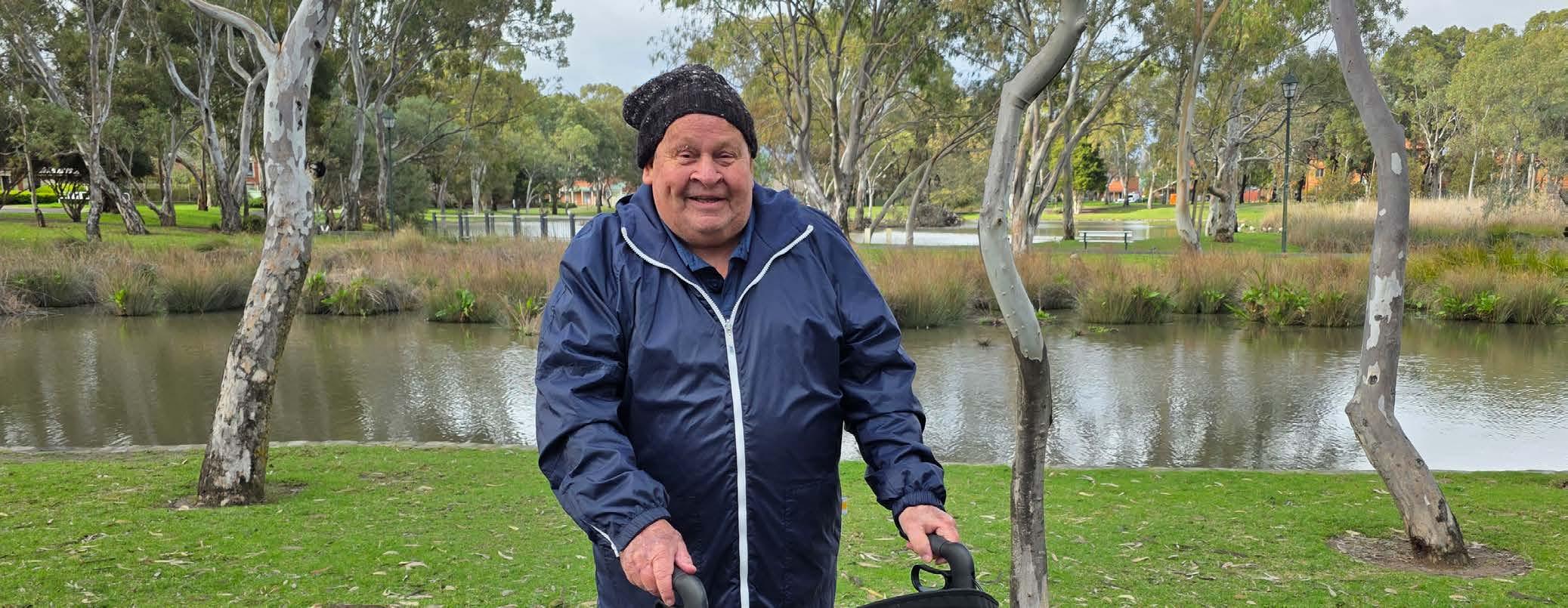
Staying active has been a constant in John’s life. Whether playing footy and cricket, umpiring matches, or stepping into a coaching role, he was always in the thick of the action, both on, and off, the field.
He has also danced his way through life; ballroom dancing with his wife Lynette for six years and then line dancing for 14. Over the years, the field and dancefloor have gradually made way for the trail as John embraced walking as his way of staying active – even taking on the City to Bay four years in a row from 2013 to 2016.
“I really enjoyed it, and it didn’t feel like 12kms because I was walking it with friends,” he says. However, due to more recent health issues, such as a triple bypass in 2020, John needed time to recover and slowly rebuild his confidence in staying active again.
Earlier this year, John felt he was ready to step back into a more active life. “My Personal Care Worker suggested the Walking Group and because I’d
always been active, I thought let’s go for it,” he says.
Getting out and about has had a ripple effect. These days his week is full of catchups and activities through Helping Hand’s social groups. He is part of the Men’s Zone group and also attends outings and lunches. “The men’s group is very friendly, and the staff are so good, they treat us with respect.”
John’s cheerful outlook and willingness to just give it a go is inspiring.
Rain or shine, he sets off with his walking frame and a member of the Social Connections team. “We’re usually lucky with the weather but if it were to rain, we’d go walking in a shopping centre instead.” He even has his sights set on the 3km walk in the City to Bay in 2026.
“Being part of these groups means so much to me; they get me out of the house so I’m not sitting and watching TV all day. The exercise helps me with my balance and keeps my mind active so it’s important. If you don’t use it, you lose it!”
His advice for anyone thinking of joining a group? “Go for it! Everyone is so friendly and I’ve learnt so many things,” he says.
Getting out and about has had a ripple effect.
John’s wife, Lynette, has seen a change in her husband since getting back into activities. “We’ve always done everything together, so I thought it would be good for us to do things separately,” she says. “I’ve seen a difference in him, he really enjoys it all – he’ll tell me about what he’s learnt or what he’s eaten, and he’s a lot more positive in his attitude.”
John’s out and about
Respite Care
Now I know...
The moment you step into Dimitra’s home of more than forty years, her independent spirit, love of family, and eye for detail shine through. A sense of calm and order reflects her thoughtful, organised approach to life. Every corner tells a story— family photos, cherished treasures, and everything in its rightful place.
Almost a year ago, an unexpected health crisis turned Dimitra’s ordered world upside down and pushed her independence to the limit.
With her recovery uncertain and her family deeply concerned, a short-term respite stay at Lightsview Residential Care Home was arranged.
Having volunteered in aged care and visited friends in residential care homes, Dimitra assumed she would feel at ease in this environment.
However, in those first days, the experience wasn’t what she expected.
“My daughter and niece had looked at a few places and were very impressed with Lightsview,” she recalls.
“As far as I was concerned, I also thought it was the best. But that didn’t make it easy.
I had mixed feelings. I spent the first two days in tears. I was homesick and just wanted to go home.”
“What surprised me most was how lovely all the residents were and how well we all got along.”
As her health improved and her strength returned, Dimitra began to consider her options.
Dimitra decided to give herself time to settle in, and soon things began to change.
With gentle encouragement from her sister, Dimitra decided to give herself time to settle in and soon things began to change.
“The staff were so kind, everything was so wellorganised, they had good processes in place and I really enjoyed the activities.
With mind and body rested, she felt confident she could go back home. “I wanted to come home, and I know I’ve made the right decision,” she says. “I also know that if my situation changes, I’ve seen what it’s like at Lightsview and I know it’s a really good place. That gives me peace of mind.”
Dimitra’s story shows the true value of respite care, as a bridge to recovery and support during a difficult time.
“My advice to anyone is to give respite a chance. Don’t give up after the first day or two, just do what I did and give yourself time to adjust. At least you’ll know what it’s really like.”
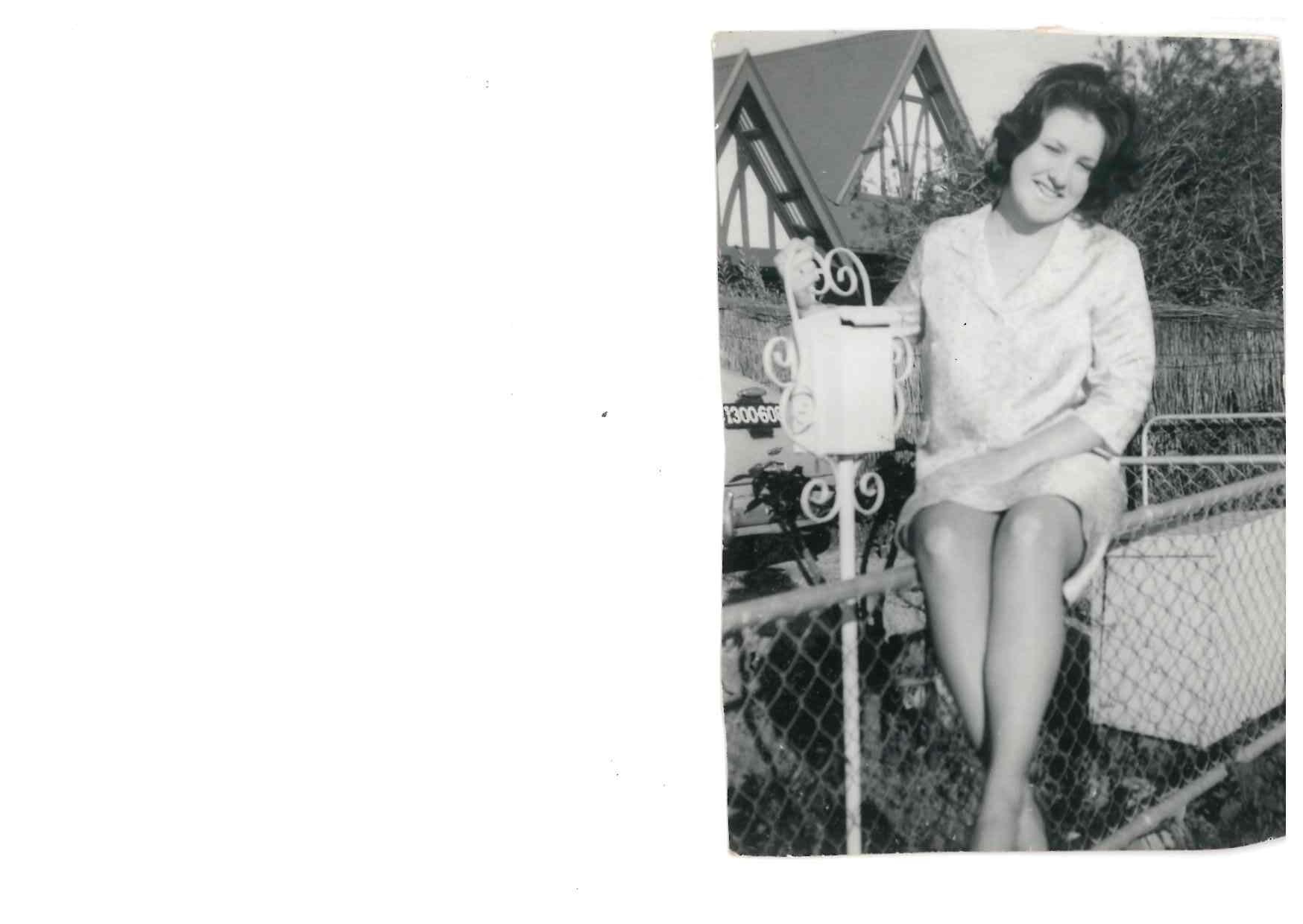
Long before texts or emails, love often began with the simplest of gestures –a handwritten letter.
screens. Janet was living in Adelaide with her family, in a home that also included her grandfather, who was very much part of her daily life. Having served in France during World War One and contributed to the war effort in Australia during the Second World War, her grandfather had instilled in Janet an understanding and respect for the military.
Lyall was a world away, serving as a soldier in the 7th Royal Australian Regiment in Vietnam.
One evening, the nightly news featured a story on TV personality Lorrae Desmond performing for Australian troops.
Janet waits for her letter from Lyall
who was originally from Whyalla. “We would write most days,” recalls Janet. “Back then it cost five cents to send a letter to Vietnam. We would write about everything, I would write about what was going on here and he wrote about what he was going through in Vietnam.”
The couple also exchanged photos. Lyall carried a blackand-white picture of Janet in his wallet throughout his deployment. And in a gesture that will make every romantic swoon, he keeps that photo in his wallet to this day.
The nightly news featured a story on TV personality Lorrae Desmond performing for Australian troops.
night there was nothing to do and you had a curfew, so you need something because your morale drops a bit. One day, the mail came in and the sergeant had about 30 letters, so I picked up three and Janet’s stood out to me; she was a really good letter writer. Those letters really kept me going. You get a bit down when you’re in a war zone, it’s not fun.”
With each exchange, their bond deepened. That Christmas, Janet met Lyall’s parents, who brought her a special gift from him.
used that and made a dress that I wore to meet him for the first time,” Janet says.
They met in person in 1968 at Adelaide Airport, a moment etched in both their memories.
“She gave me a big kiss in front of 200 people!” Lyall recalls.
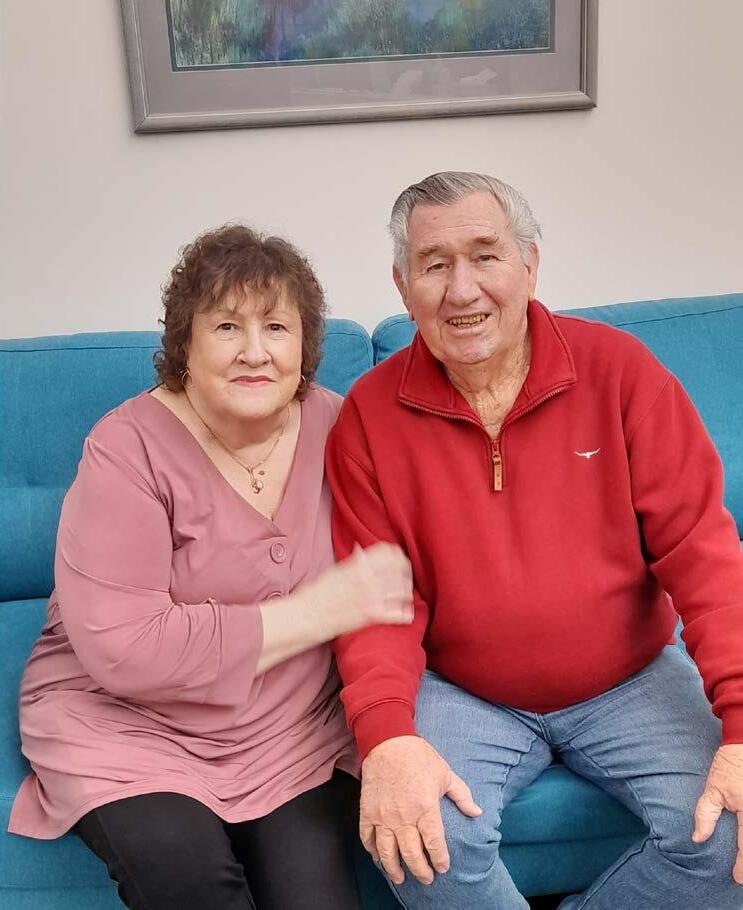
Just two months later, their romance leapt from pen-pals to life partners when they got engaged. By December of that same year, they were married. They’ve been inseparable ever since.
Together they built a home, raised a son and a daughter, and later welcomed grandchildren and great-grandchildren. Their partnership extended into their work, running a signwriting and retail business side by side.
“Marriage is a team effort, you give and take, but we’ve been happy ever since.” Lyall
They met in person in 1968 at Adelaide Airport, a moment etched in both their memories.
taken care of. Their home also has a garden, something that is especially appealing to Lyall, a keen gardener.
“There have been many highlights over the years –you have good and bad days,” Lyall says.
Whether you grew up in a city or in the country, in Australia or overseas, we’d love to hear your recollections for ‘As time goes by’, please email home@helpinghand.org.au
The happy couple, 58 years and counting
Being her best self There to care
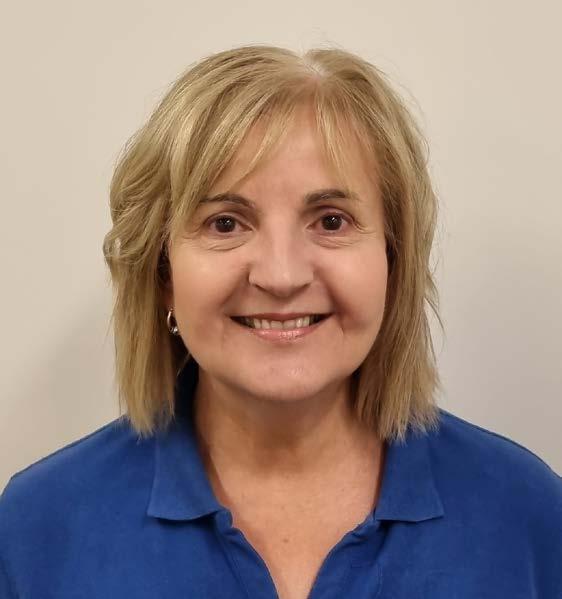
It’s been eight years since Francie joined the Home Care team. Her days are busy and varied and at the end of her working day she says she still drives home smiling, knowing she’s been true to herself and made a real difference.
Whatever her day brings, the feeling of making a difference keeps her inspired. It might be taking someone to the shops, enjoying a cup of tea with a client, or supporting a newcomer to the team.
Prior to working in aged care, Francie worked in a travel agency.
“Back then, I thought now is the time to really think about what I want to do next, so I decided to give aged care a go,” she says.
Since changing careers, she says she has never looked back.
“I started as a Care Worker on a casual basis and completed what was then called a Certificate III in Aged Care. After my first or second week, I found my groove and knew I had found something I loved.”
“Speaking for myself, I feel by the time I started in aged care, I already had a different perspective about older people, thinking ‘oh that’s someone’s mum’ or ‘that’s someone’s dad,’ and you question ‘how would I want someone to treat my mum or dad’.”
In her current role as a Senior Care Worker, Francie experiences the best of both worlds – spending one-onone time with clients, while also mentoring new staff and supporting her team.
“Providing care and support for clients is a trusted role. It’s vital that we listen to the client and give them choices but also report back when the client is struggling so they can get the help they need to be comfortable,” she says.
After my first or second week, I found my groove and knew I had found something I loved.”
“We also make amazing relationships with the family. I have built many... I supported a client for three years and the family trusted me to look after their mum.”
Every day, Francie works to uphold the values of Helping Hand, engaging with clients and leading her colleagues by example.
Her dedication has not gone unnoticed.
Helping Hand’s Domestic Services Manager Matthew Fleming describes Francie as a natural leader, role model, nurturer, and true champion of person-centred care.
“Clients consistently feel valued, heard, and safe in Francie’s care. Families know they can trust her, and team members, especially new starters, regularly describe Francie as a pillar of support, knowledge, and encouragement,” Matthew says.
“Her altruistic nature shines in every interaction with clients, families, and colleagues alike. Whether it’s offering a kind word, if a client is feeling down, or staying back in the office to support a new team member, Francie approaches every task with a genuine heart and unwavering commitment to others.”
Francie sums it up simply: “As a Senior Care Worker I’m dedicated to bringing my best self to every client, every day. It’s about being professional, respectful and compassionate, as well as just genuinely being myself.”
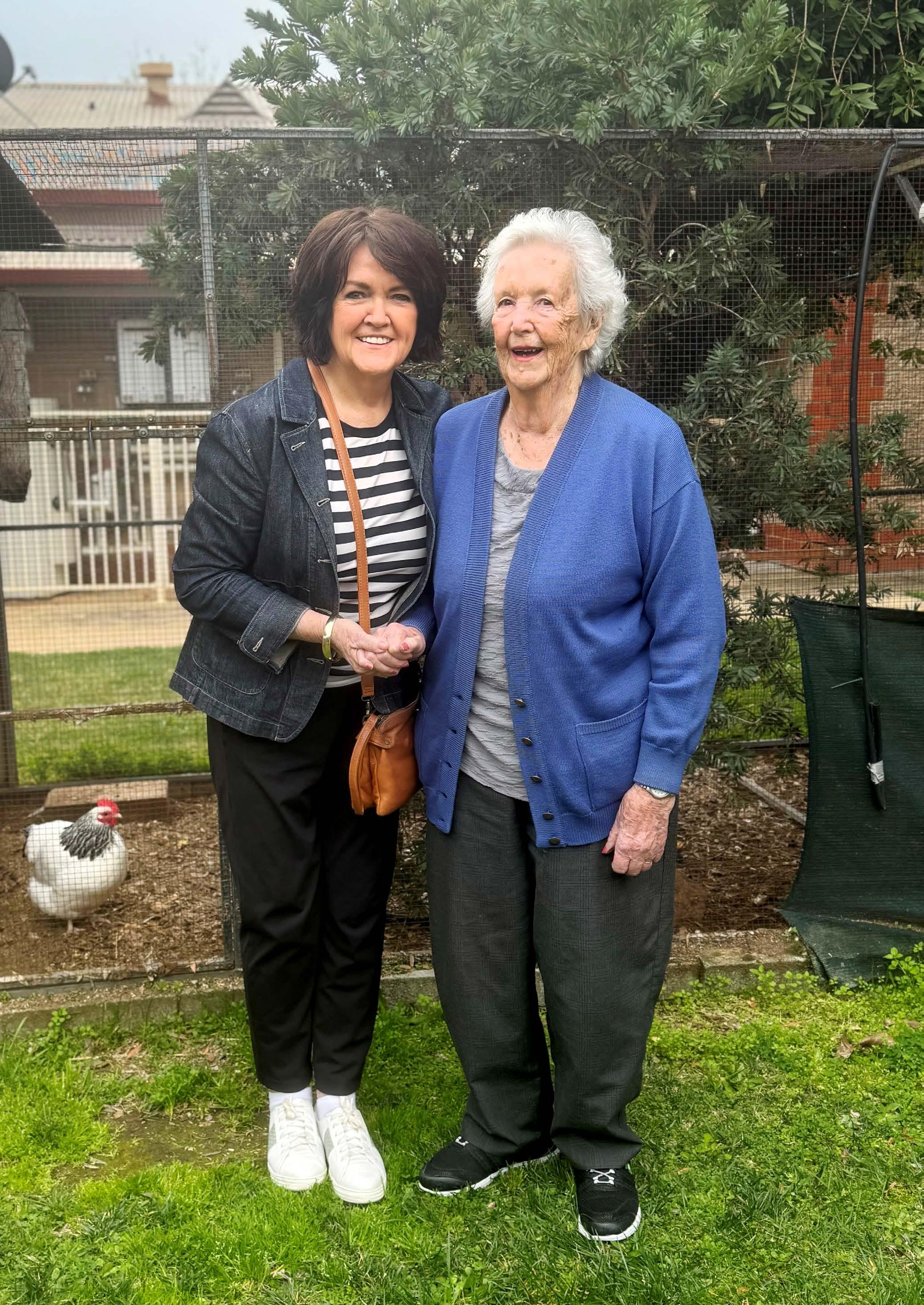
Josie and Ella
A particular friendship
At Helping Hand, we deeply value the time, care, and compassion volunteers bring to our communities. Their generosity enriches the lives of residents, creating moments of joy and lasting friendships. We are proud to partner with the Aged Care Volunteer Visitors Scheme, which offers people the chance to build authentic connections.
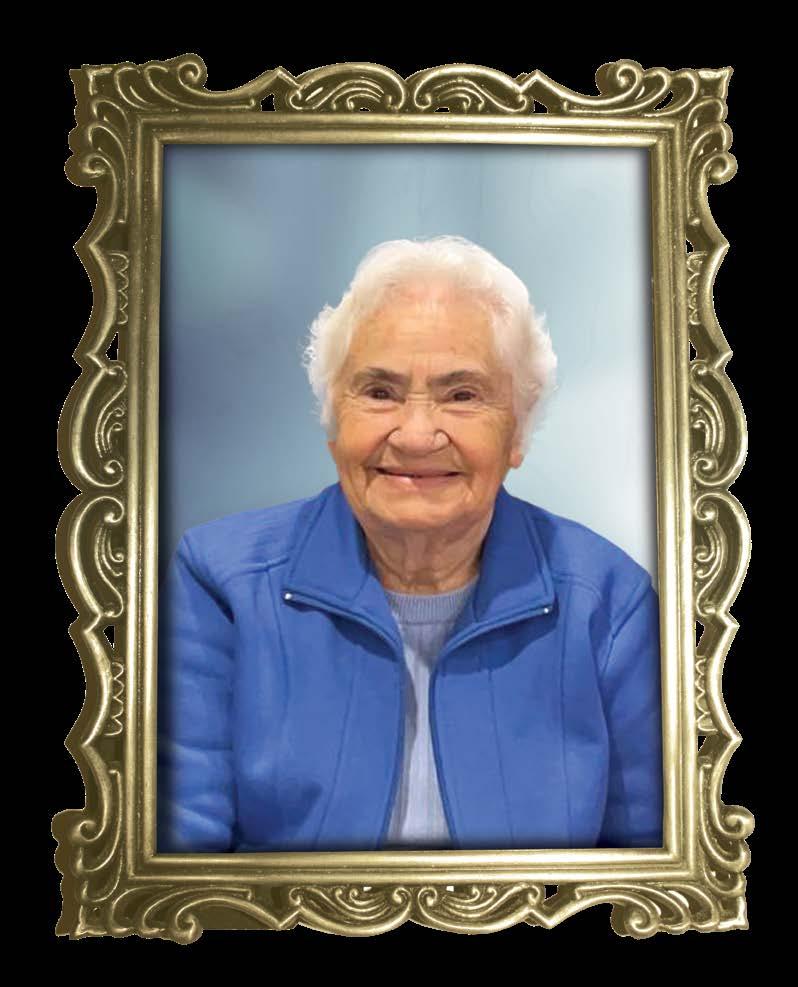
The well-known quote, “We rise by lifting others,” perfectly describes the friendship, mutual respect and affection that has developed between volunteer Josie, and Ella, who lives at Carinya Residential Care Home in Clare.
Josie worked as a Rate Administrator in Local Government for almost three decades. After retiring in October 2024, she knew volunteering was the perfect way to give back to her community. When she came across an advertisement for the Aged Care Volunteer Visitors Scheme, she decided to sign up.
That’s how Josie met Ella. At 97, Ella is curious, engaged, and living life to the fullest. With laughter and companionship, volunteering has uplifted them both. That’s the beauty of volunteering, the benefits go both ways.
“I remember the first time I met Ella, I thought she was striking; her intelligence is what struck me, she’s great on general knowledge, politics, and she loves game shows,” Josie says.
“I knew she loved general knowledge, so I thought that was a good conversation starter.
These days, we always find something to talk about.”
The beauty of volunteering is the benefits go both ways.
Before meeting Josie, Ella (a former teacher in Clare) enjoyed the activities at Carinya, including bingo. However, due to issues with her vision, she had begun to withdraw from these social activities. Since being paired with Josie, she has found a renewed lease on life. Together, they share lunch dates, shopping trips, games of solitaire on the iPad, and short drives, including one where Ella showed Josie the house she and her husband of 71 years built. Josie visits Ella once or twice a week and both of them clearly treasure their time together.
Just recently, Josie researched Ella’s life story, discovering along
the way that their ancestors, Ella’s great-grandfather and Josie’s great-great-grandfather may have known each other in Quorn in the late 1800s!
“Her memory for detail is incredible, she remembers when her parents were married, her sibling’s birthdays and when they passed,“ Josie says.
“It gives me a real kick and it’s really rewarding. I always loved listening to my parents’ stories of when they grew up, so Ella connects me back to that.”
Ella also treasures the friendship she has formed with Josie. “I have a new friend; it’s nice to know somebody cares; I really appreciate her visiting,” Ella says.“Josie has kept me busy. She has introduced me to new technology, she takes me on local drives for lunch or shopping. She is just wonderful and I always look forward to seeing her.”
For more information about the Aged Care Volunteers Scheme (ACVVS) contact Helping Hand’s ACVVS Coordinator Nat McCarthy on 1300 653 600 or email: volunteer@helpinghand.org.au
Residential Care
Role model
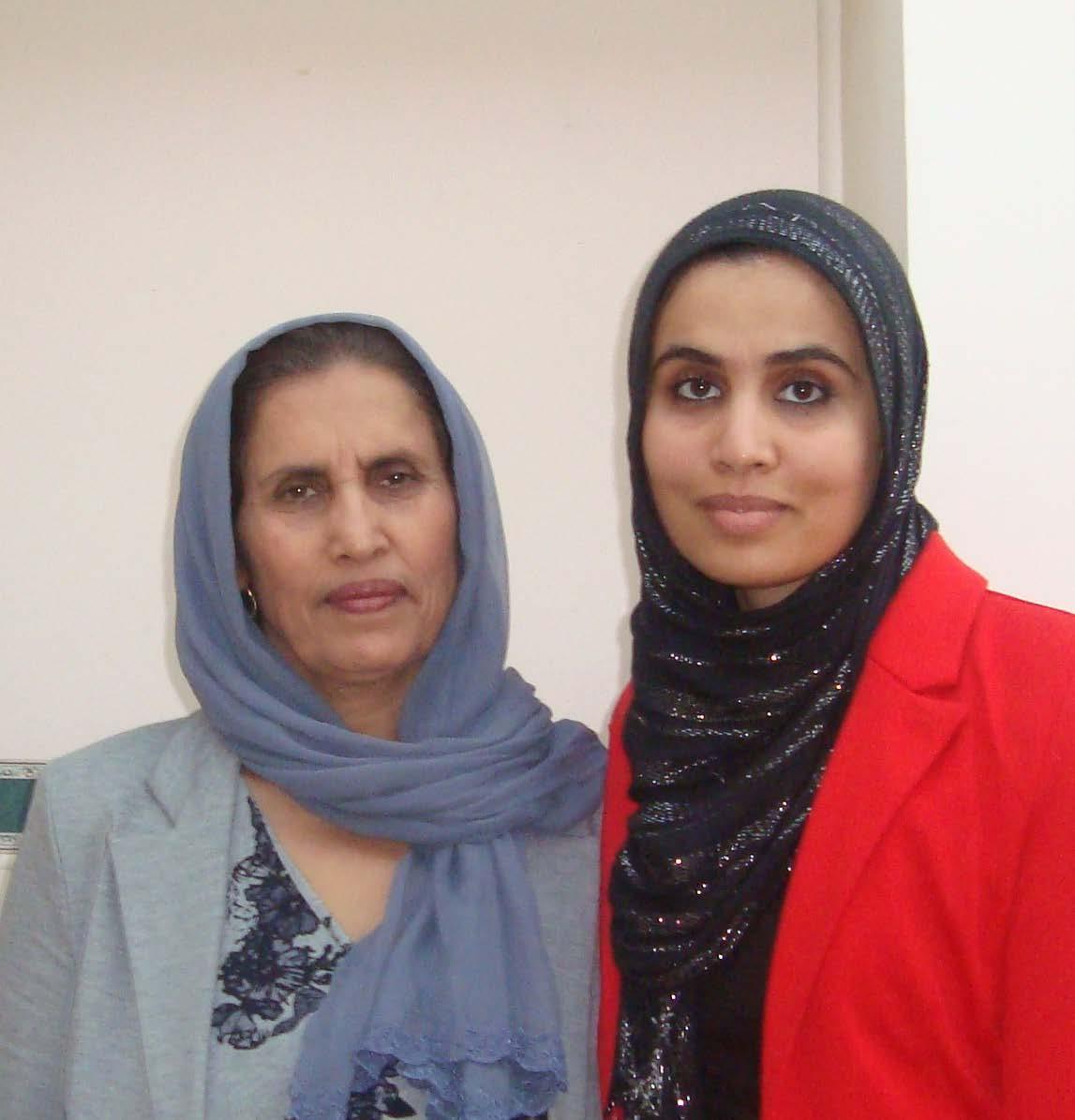
Some people find a role model at school, on the sports field or onscreen, inspired by teachers, athletes or performers. For Lima, her most enduring role model has always been her mother, the person who shaped her values and guided her career path.
Growing up in Afghanistan, Lima’s mother Hafiza, forged a career in Nursing and Midwifery. That example was closely followed by all three of her daughters. Today, Lima is a Nurse Practitioner, one of her sisters pursued a career in Mental Health Nursing, and the other became a Midwife. Even when Taliban rule forced the family to move to Pakistan, Lima’s mother continued working and engaging with humanitarian causes and organisations, including UNICEF and MSF (Doctors Without Borders). The family lived in Pakistan for six years before reuniting with their father in Adelaide.
The move to Australia brought new challenges, including the need for Lima’s mother to requalify in Nursing. Yet her drive to help others remained undiminished. When Lima enrolled in Nursing, Hafiza joined her, and they became classmates. “We graduated from Nursing (TAFE) together and did our placements together,” says Lima, who admits that her mother was often the better student.
After more than a decade as a Registered Nurse at Helping Hand, Lima stepped into her current role as a Nurse Practitioner, a role not familiar to many.
Nurse Practitioners are an incredible asset to Residential Care.
Lima explains, “A Nurse Practitioner is an experienced and qualified Registered Nurse with a Master’s degree and specialised advanced training who has been approved by the Australian Nursing and Midwifery Board to offer advanced, autonomous clinical care. Nurse Practitioners are skilled in advanced health evaluations, ordering and interpreting diagnostic tests, prescribing medications, and diagnosing and treating both common and complex medical diseases.”
Nurse Practitioners are an incredible asset to Residential Care” adds Melinda Richardson, Executive Manager, Residential Services. “They bring advanced clinical skills and the ability to make timely decisions that improve outcomes for residents and families. Their expertise strengthens our capacity to deliver truly person-centred care, with dignity and compassion.”
Specialising in Palliative care, Lima engages directly with clients and families, guiding them through critical health decisions. “Palliative care isn’t just about someone’s final days. It’s about the journey that leads there, supporting people to live with comfort, dignity, and respect every step of the way.”
“I am there to enable people to be part of the decisionmaking process when it comes to their care and to place them at the centre of these decisions. I really want to connect with people, to make a positive difference and to improve their quality of life.”
To maintain balance amidst the demands of her role, Lima draws on faith and prayer.
“Prayer helps me with the emotional aspects of my role.”
She also finds inspiration in the words of Ann Richardson, who has written about hospice care: “We cannot change the outcome, but we can affect the journey.”
“I am there to enable people to be part of the decision-making process when it comes to their care and to place them at the centre of these decisions.” Lima
How can palliative care help in residential care? Palliative care plays a pivotal role in enhancing the quality of life for people with chronic illnesses or terminal conditions.
At its core, palliative care focuses on alleviating pain and discomfort while addressing the emotional, spiritual, and psychological needs of people facing serious illness, or nearing the end of life
In a residential care setting, this holistic approach ensures that residents receive personalised attention and care that respects their dignity and autonomy, promoting comfort and wellbeing.
Lima (right) and her mother, Hafiza
Consulting with Piumi, Clinical Nurse RAD
From the Executive Manager, Home Care & Retirement Living
With the Support at Home program starting on 1 November 2025, I’d like to revisit some of the changes ahead and highlight new initiatives designed to give you more choice, connection, and confidence in accessing Helping Hand services.
One of the most significant changes is our Care Partner Model. Instead of having one Care Coordinator, you will be supported by a team of Care Partners, each with specialist skills in areas such as nursing, allied health, social activities and home services. This gives you the benefit of having a team of experts working together, sharing knowledge, and providing care that is personalised and aligned with your needs, preferences and circumstances.
If a local staff member isn’t immediately available, it will be redirected to our Adelaide metro team, who are ready to help.
The response to this initiative has been fantastic, and we hope to expand into more locations, including regional areas, in the future.
Through Support at Home, the Government is also introducing Registered Supporters. This is someone you choose to help you make, and communicate, decisions about your care. It could be a family member, a trusted friend, or an advisor: their role is to support your decisions, not make them for you.
Our regional clients have told us that speaking to someone local matters. That’s why we’re transitioning regional calls back to our regional sites. If you call from regional South Australia, your call will go to a local team member whenever possible.
We opened the first Wellbeing Centre in Golden Grove earlier this year and have recently opened another in Parafield Gardens. These welcoming centres bring Allied Health services, exercise and fitness programs, and social activities all together under one roof, helping you stay active, connected, and supported. The response to this initiative has been fantastic, and we hope to expand into more locations, including regional areas, in the future.
Another area of growth is our Social Connections programs, which feature inclusive activities designed to enhance quality of life and wellbeing. They create opportunities to socialise, meet new people, stay active, and learn new skills – benefits that everyone can enjoy.
Whether you’re looking to try something new or simply share good company, there’s a place for you in Social Connections. Behind the scenes, we are also updating our software systems and developing a new Client Portal, designed to make it easier to see your services online. You can read more about our digital transformation journey on the following page.
In Home Care, our goal remains the same: keeping you at the heart of every decision, ensuring your voice is heard, and supporting your independence and wellbeing every step of the way. Thank you for your continued support.
James Bardsley Executive Manager, Home Care & Retirement Living
Transforming how we stay connected
At Helping Hand, we know that feeling supported at home isn’t just about the care you receive; it’s also about how easy it is for you to access the information you need, and the peace of mind that comes from knowing your personal information is safe and confidential.
As we continue our Digital Transformation, we will be introducing a suite of digital tools designed to make life simpler for you and your family, as well as updating our internal software so everything is seamlessly integrated. This is more than just a reboot or reset; it’s a new way for us to stay connected, giving you more independence and control. We are still in the process of developing and testing these new platforms and will keep you updated as things move forward.
In the meantime, here’s a snapshot of what’s coming:
New Client App for Home Care Clients
The app is a secure online space where you, a family member or a representative, can log in to see information about your care plan, check schedules, view statements, receive updates, provide feedback and even enjoy puzzles. It’s like having a personal window into your services available anytime from a mobile phone or tablet.
The Client App will be introduced step by step. At first, you’ll see a few basic features to help you get started. Over time, we’ll add more interactive functions so you will have the ability to respond and make changes.
e-Case in Residential Care Homes
It’s a new way for us to stay connected, giving you more independence and control.
Of course, for those who prefer a friendly voice at the end of the phone, our Client Contact Centre will always be there for you as well.
The Client App will also be developed for Residential Care.
e-Case at home
Our current internal systems for Home Care are functional, but not as flexible or user-friendly as we’d like them to be. That’s why we’re moving to a new platform called e-Case. This will streamline staff processes and workflows. Staff will be able to access records on their devices while they are providing services in your home. This new system will start being used from 1 November 2025.
In time, we’ll also introduce these digital tools across our residential care homes. This will be done in stages, starting with pilot programs at Ingle Farm and Port Pirie in November 2025, so we can review and refine how the system performs. With e-Case, staff will be able to access your care information on a Helping Hand device while they are with you. Instead of paper records, your latest information will be securely available on a mobile device. This ensures a “single source of truth”: so staff always see the same up-to-date information regarding your care and help to maintain continuity of care across shifts.
These changes will be introduced gradually across our organisation. Please be patient as they are introduced. Together, they will bring more transparency, convenience and greater confidence in your care.
There to care
Change is part of life
Whether it’s moving into a new home, coming to terms with changing health needs, or saying goodbye, change can feel overwhelming. Helping Hand’s Coordinating Chaplain, Paul Hodgson, says acknowledging the grief that often accompanies change can open up opportunities for growth and renewed purpose.
“When I meet someone who has just moved into residential care, the first thing I do is to acknowledge the significant change they have been through,” Paul says.
“No matter the circumstances, or reasons, downsizing and moving from their own home into a shared community with new routines... that’s a big change! Even when it’s the right decision it’s important to support people to recognise the grief that comes with saying goodbye and letting go of what came before,” he says.
“Talking it out is very therapeutic and beneficial. It’s ok to have a time of transition, expressing grief and frustration, and it’s important, too, that others hear and acknowledge that. In fact, it’s not until we recognise what has changed, and the door opens that we start to see things differently and embrace new opportunities.
It’s also helpful to understand that transition is not always a straight line, one day may feel great, the next day, may feel like a backwards step.”
While change is a constant in life, Paul says we all have a bank of resilience to draw on as we face its challenges. “As people go through change, I invite them to reflect on their own strength and courage in successfully facing change in their past. Drawing on those experiences can encourage and equip them to handle whatever they are now facing.”
Paul also observed that, for many people, tapping into their spirituality, that is, connecting with what gives them meaning and purpose, is a source of strength and resilience. “Seeing the big picture of our life gives us hope and perspective as we meet what’s right in front of us,” he says.
While change is a constant in life, we all have a bank of resilience to draw on as we face its challenges.
“Sometimes people try to avoid change. When that happens, we can end up stuck in a sort of limbo which sucks our enthusiasm and motivation. Through our Chaplaincy Services we offer an encouraging, supportive, safe space for people to face change and grief, even when it is difficult. Generally, when we get to the other side of what we have been avoiding, we will be in a better place than staying in this state of limbo.
“Change may be inevitable, and getting through it may be a challenge, but the transition is a pathway to acceptance, peace, and embracing positive new things into our lives,” Paul concludes.
Practical steps to navigate change
Acknowledge what has changed
Recognising what you’ve lost helps you make sense of the feelings you are going through.
Give yourself permission to feel
It’s OK to feel sad, frustrated, or unsettled. Experiencing, rather than avoiding, your emotions is a part of your healing.
Talk about it
Sharing your story with someone you trust can ease the burden and bring perspective.
Take one day at a time
Every day, and everyone’s experience, will be different. Be kind to yourself.
Draw on your strengths
You’ve overcome challenges and changes before. Remind yourself of your resilience, and what’s important to you, to carry you through this present challenge.
Stay connected
Keep in touch with others, you don’t have to go through change alone. And it’s ok to ask for help when you need it!
Chaplaincy services, spiritual wellbeing and pastoral care support is available to everyone living in Helping Hand residential care homes. To find out more about these services – or becoming a Pastoral volunteer with Helping Hand –contact Jules Citti, Chaplaincy Administrator on 8224 7842 or chaplaincy@helpinghand.org.au
Our Coordinating Chaplin, Paul Hodgson
Allied Health and Wellbeing
Strike a pose with Chair Yoga
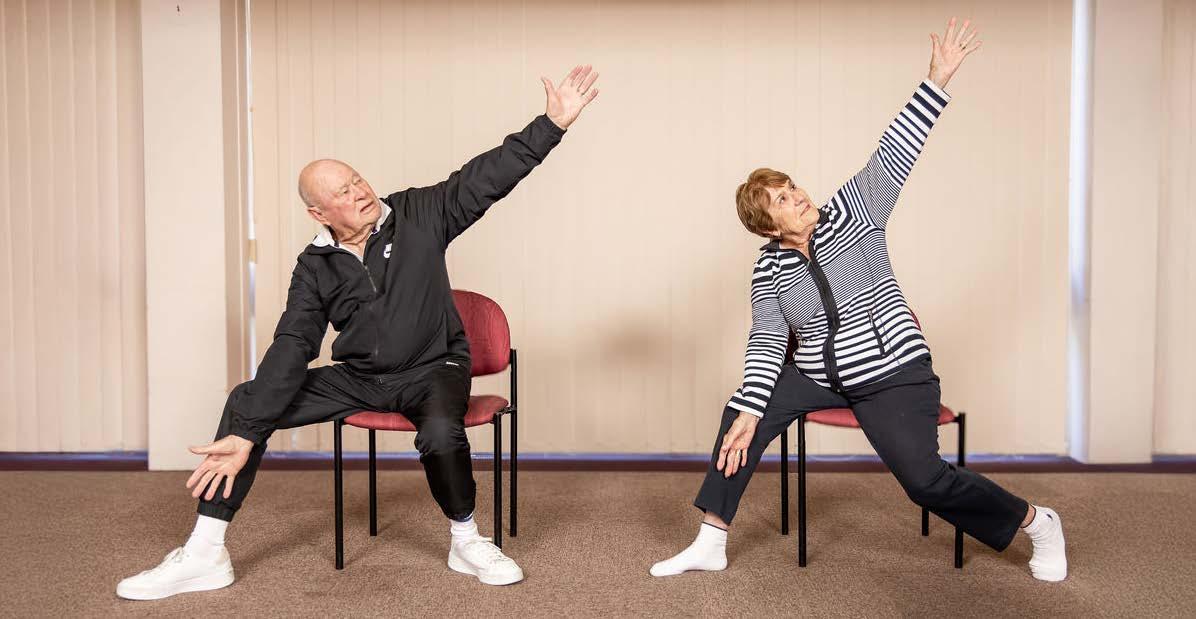
Chris and Graham started Chair Yoga about a year ago and have felt the benefits ever since.
“It’s easy to become sedentary,” says Graham, “The classes get us moving, and there’s the social side as well.”
Even the breathing exercises have made a difference. “I’ve noticed that when I go walking, I’m more conscious of my breathing,” Chris adds. “So what you learn in class carries over into everyday life.” Both also enjoy the meditation at the end of each session, and neither has ever dozed off!
As the name suggests, Chair Yoga is done sitting, or using a chair for support, making stretching, breathing, and relaxation accessible and safe. Home Care’s Occupational Therapy Manager Amanda, who runs the classes, reminds participants that even small movements can improve balance, coordination, and a sense of calm.
“Chair Yoga is about listening to your body and finding your own stretch,” Amanda says. “There’s no wrong way to do it, just work with what your body needs.”
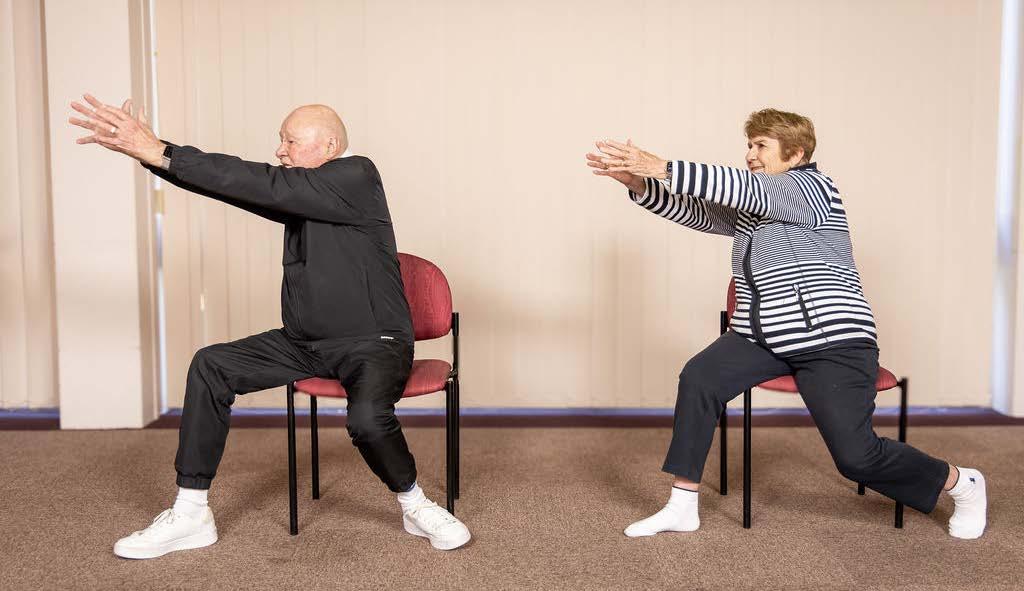
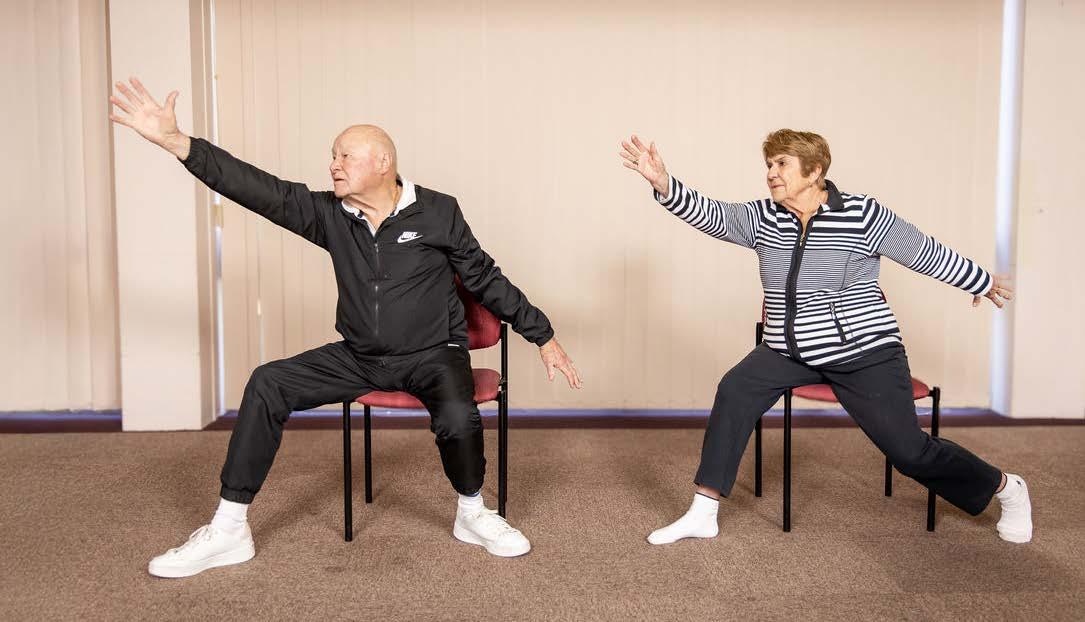
Under Amanda’s guidance, Graham and Chris demonstrate some classic Warrior poses. And while the photo session may have sparked more chuckles than chakras, it shows what really matters when it comes to Chair Yoga; gentle movement, mindfulness and meditation.
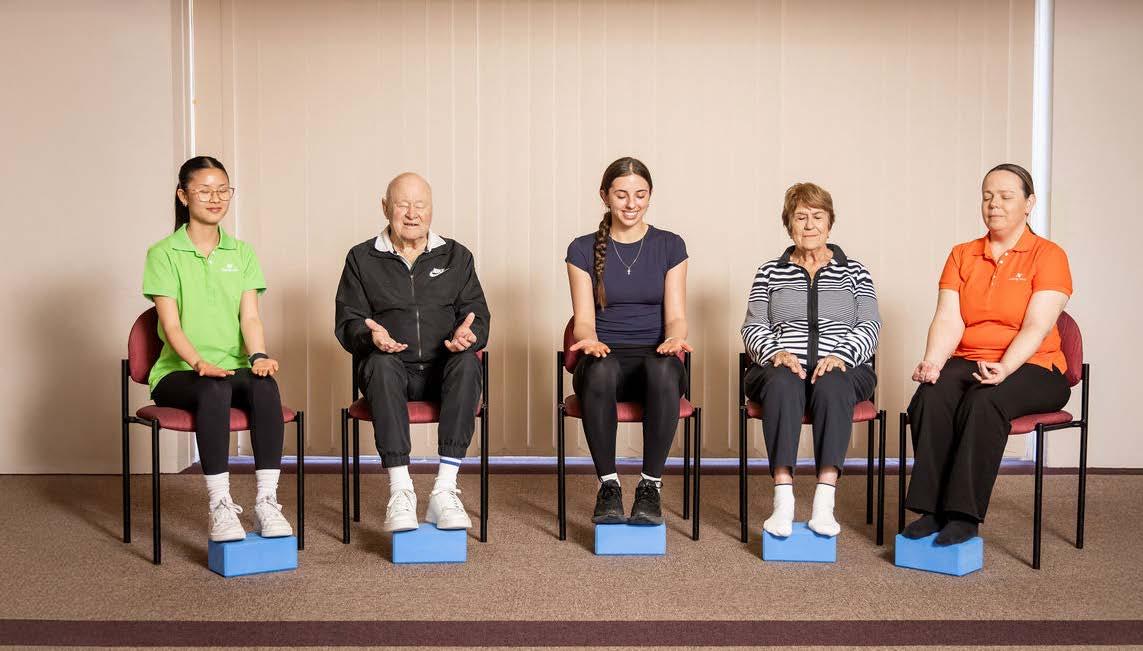
Seated Mountain position:
• sit upright and toward the front of the chair
• feet flat on the floor, hip-width apart
• legs are at a right angle
• chin parallel to the floor
• roll shoulders back and down
• place hands on knees
• close your eyes and imagine magnets pulling the crown of your head towards the heavens and soles of the feet being pulled into the earth.
Warrior 3:
• one hand lowers to knee, shin or ankle or floor
• reach other arm toward ceiling, opening chest
• slowly stretch arm on leg and place against inside leg
• turn and extend other arm up toward the ceiling, opening your chest
• hold two or three breaths, then lower raised arm and return to centre.
Repeat on the other side.
• sit sideways on the chair, one knee bent in front with the foot flat on the floor, and other leg extended behind you
• on the out breath, turn hips and chest toward the side
• breathe in and slowly extend arms forward, towards shoulder-height, with palms facing each other
• keep shoulders soft and chest open
• hold for two or three slow breaths
• breathe out, release arms and gently turn back to centre.
Repeat on the other side.
In Chair Yoga, meditation calms the mind and relaxes the body. Using yoga blocks for support helps you settle comfortably, focus on your breath, and enjoy a gentle, restorative practice.
Affirmation for the day: “I am strong, I am steady, I am supported. With each movement, I celebrate my body’s wisdom and my spirit’s courage. I carry this strength with me, throughout the day.”
• sit sideways on the chair, turning body so one knee bends forward and the other leg stretches back
• place front foot flat under your knee and press back foot into the floor
• breathe in, sit tall, and as you breathe out, turn your hips and chest toward your front knee
• inhale, and slowly reach your arms forward, lifting them to shoulder height
• relax shoulders down
• hold for two or three gentle breaths
• breathe out, slowly release arms.
Repeat on the other side.
Chair Yoga classes run for one hour and are held at:
• Parafield Gardens
Wellbeing Centre 422 Salisbury Highway, Parafield Gardens
• Harrison Court
54 Buxton Street, North Adelaide
• Golden Grove
Wellbeing Centre
1000 The Golden Way (the Clock Tower Building), Golden Grove.
To find out more contact 1300 444 663 or homecare@helpinghand.org.au
Residential Care
All part of the service
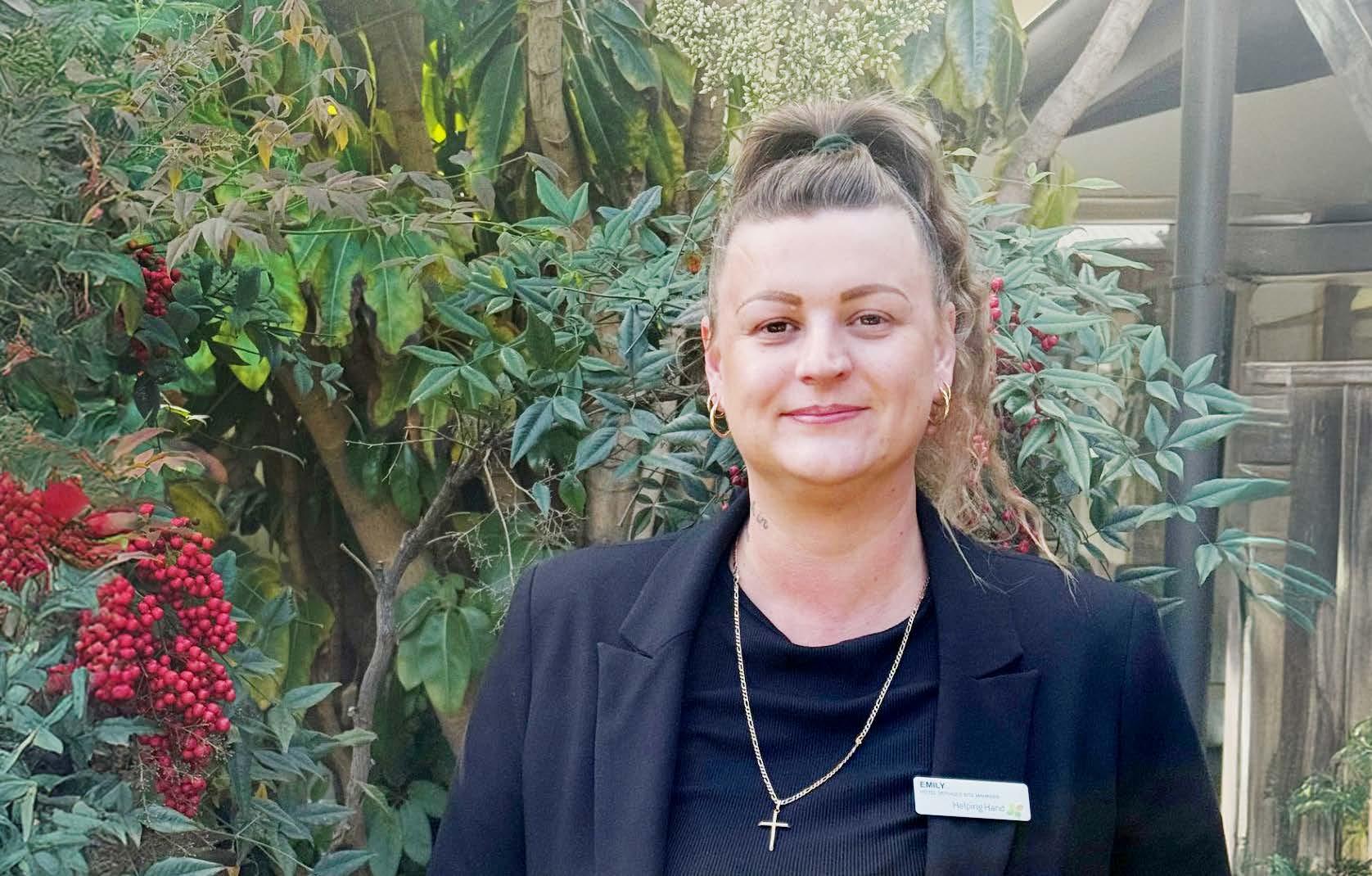
Meet Emily, the Hotel Services Site Manager at Lealholme Residential Care Home in Port Pirie. With more than two decades of hospitality experience, she brings a fresh perspective and exciting ideas.
In residential care, the kitchen, laundry, cleaning, and maintenance teams all work together under Hotel Services and, just like in a hotel, they keep daily life running smoothly behind the scenes. Emily leads a team of 42 staff who make sure meals are prepared, rooms are fresh, clothes are washed, and the environment is safe and comfortable.
“I’ve hit the ground running and I’ve been very fortunate that my team works so well together,” she says.
“Everyone has been so welcoming, including the beautiful residents who have been wonderful. it feels like I’ve been working here for 10 years already. I feel so at home here.”
Before moving to Port Pirie last year, Emily and her family lived in Adelaide.
Everyone has been so welcoming, the residents have been wonderful.
“My husband worked in the smelters in Pirie, so he was commuting back and forth, that’s when we thought why not relocate for that country escape,” she says.
“And we absolutely love it here, the ease of lifestyle and the community engagement.”
Emily says hospitality has been her “jam” since becoming an apprentice at the age of 16. She has worked on the Great Southern Rail, in boarding schools, hotels, function centres and even childcare centres.
“Now, in this role, I get work-life balance as well as bringing my experience and culinary skills into residential care.” Emily
Wellness & Lifestyle
Opening another door to your wellbeing
Helping Hand now has not one, but two new Wellbeing Centres ready to welcome you! The first opened at Golden Grove earlier this year, and more recently we opened another at Parafield Gardens.
These centres bring together our Allied Health professionals under one roof, offering: personalised individual appointments fun and engaging group exercise classes for all abilities inspiring health and lifestyle workshops social connection programs that spark new friendships.
The Parafield Gardens Wellbeing Centre hosts our Social Connections programs, which offer a range of opportunities to build new friendships. Earlier this year, for example, clients enjoyed a rip-roaring Great Gatsby style lunch! Activities are run by our welcoming staff and volunteers, creating a warm and inclusive environment for all.
Great Gatsby Gala!
Awareness and recognition dates
These upcoming dates shine a light on the cultures, identities, and experiences that reflect the diversity of the Helping Hand community.
If you’d like to know more about these particular awareness and recognition days, the easiest way is to search online for the specific day or week. Most have an official website or information page run by the group or organisation behind it.
Please note that this is not intended to be a complete list and does not include public holidays.
NOVEMBER
Sat 8 Intersex Solidarity Day
Tues 11 Remembrance Day
Thurs 13 Transgender to Wed 19 Awareness Week
Sun 16 Anniversary of the National apology to Forgotten Australians and former child migrants
Sun 16 International Day for Tolerance
Mon 17 Inclusion at Work Week to Fri 21
Thurs 20 Transgender Day of Remembrance
Sat 22 Social Inclusion Week to Sat 29
Tues 25 International Day for the Elimination of Violence against Women (16 Days of Activism against Gender-Based Violence Campaign)
DECEMBER
Wed 3 International Day of Persons with Disabilities
Wed 10 Human Rights Day
Thurs 18 International Migrants Day
Automated External Defibrillators
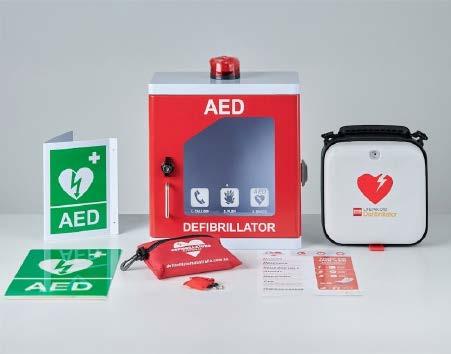
In October 2024, Helping Hand installed seventeen Automated External Defibrillators (AEDs) in our metropolitan and regional locations.
These locations included all residential homes, two retirement villages, (North Adelaide and Clare), the administration building on Newton Street, Whyalla and the Helping Hand Wellbeing Centres in Parafield Gardens and Golden Grove.
The Automated External Defibrillators (Public Access) Act 2022, requires AEDs to be available in public buildings, including residential aged care homes and retirement villages that have shared spaces, such as a community hall, before 1 January 2026.
Allied Health
Grief and loss
Grief touches all of us in different ways. To help, Helping Hand’s Social Work team is offering Grief and Loss Groups, safe and supportive spaces where people can share, learn, and find comfort together.
Groups run for six fortnightly sessions with a maximum of six participants, allowing for meaningful discussion and support. They’re designed to help people understand their grief, explore ways to cope, and connect with others who truly understand what they’re going through.
Sessions are held at our locations in Parafield Gardens, Golden Grove, and North Adelaide.
Payment options: Commonwealth Home Support Programme clients pay $10 per session; Home Care Package clients can use their HCP funds to cover group fees.
Age well fitness
Age Well Fitness is a supervised group class designed to maintain and improve physical health, social connection, and overall wellbeing.
Each one-hour class is delivered in a supportive group setting, with an individually tailored exercise plan for every participant. The program focuses on boosting energy, strength, flexibility, and balance. Classes are held at Golden Grove, Parafield and North Adelaide and are supervised by qualified Exercise Physiologists.
Fee for service option: 10 group sessions for $160
Government aged care funds can be used for an initial health assessment and class fees. Private health insurance rebates may also be available.
Find out more: Call: 1300 444 663
Email: homecare@helpinghand.org.au
For a full list of our Wellness and Lifestyle programs visit: helpinghand.org.au/help-at-home
Wellbeing Centre: 1000 The Golden Way (Clock Tower Building) Golden Grove
Memory changes: knowing the signs
As we grow older, our brains naturally undergo changes, and we may notice some differences in our memory or thinking. Everyone’s experience is unique, and many factors can influence how our memory works. There are also practical strategies and treatments that can help. The table below outlines the difference between typical, age-related memory changes and signs that may suggest something more, such as dementia-related conditions.
Area For an older person For a person with Dementia
Events
Words or names
Written and verbal directions
Stories (TV, movies, books)
Stored knowledge
Everyday skills (e.g. cooking, dressing)
Memory may sometimes be vague
May sometimes forget; words or names are ‘on the tip of the tongue’
Able to follow
Able to follow
Recall may be slower, but information is essentially retained
Retains ability unless physically impaired
This information is provided as general guidance only and should not be taken as medical advice or a diagnosis. Dementiarelated conditions can only be diagnosed by a doctor, and there is no single test that provides certainty. If you have concerns about your memory, or the memory of someone you care for, the best step is to speak with your doctor.
May forget part, or all of an event
Progressively forgets words or names
Increasingly unable to follow
Progressively loses ability to follow
Progressively loses known information
Progressively loses capacity to perform tasks
Get the most from your appointment. Book a longer appointment.
Take a friend or family member with you. Ask questions and let your doctor know if you do not understand something. Make notes during the visit.
For further support and reliable resources, visit Dementia Australia, which offers a free online public library dementia.org.au
Step into our Podiatry clinics
Visiting one of Helping Hand’s Podiatry clinics comes with plenty of added benefits. With shorter wait times and more flexible appointment options, it’s easy to find a time that fits your routine.
While home visits are convenient, coming to a clinic offers a professional, clinical setting and access to additional resources, including information about other services we provide. Many people also enjoy the outing itself, using it as an opportunity to
catch up with friends, have a coffee, or do a little shopping along the way. Clinic visits are also more cost-effective than home appointments, and by choosing this option, you help us prioritise home visits for those who are housebound.
Podiatry clinics are located at the Golden Grove and Parafield Gardens Wellbeing Centres and at Harrison Court in North Adelaide.
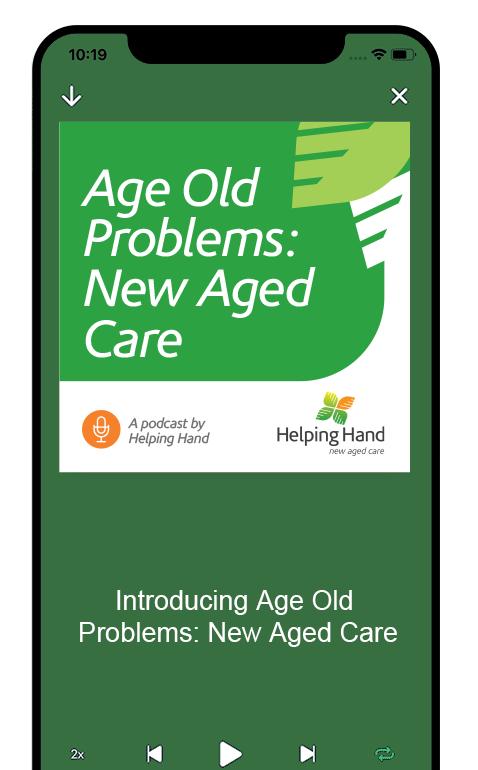
Age Old Problems, the podcast
Helping Hand’s podcast series Age Old Problems: New Aged Care features real conversations about aged care, from those who know it best. The latest episode is about recognising the early signs of dementia.
Did you know that it’s estimated that more than 400,000 Australians are living with dementia? While everyone’s experience is unique, there are some early signs to watch for. In this episode, Helping Hand’s Tanya McIver shares what dementia is, how to recognise early changes, how to start the conversation with loved ones, and where to find support. It could just be the most important podcast you listen to this year.
Scan the QR code to go to the latest episodes.
Thank you to Lynette and Maureen from the Belalie Auxiliary in Jamestown for sharing two of their fundraising favourites.
For years they’ve whipped, stirred, mixed, iced and sprinkled their way through countless batches. From livestock markets to country shows, and every community event in between, these sweet creations have raised both funds and smiles. For more on the Auxiliary go to pages 7 and 8.
Lynette’s Boiled chocolate cake Recipes
Ingredients
• 3 cups sugar
• 3 cups self raising flour
• 1 teaspoon bicarbonate of soda
• 4 heaped tablespoons cocoa
• 250g margarine
• 2 cups water
• 4 eggs, beaten
Method
1. Place the water, sugar, bicarbonate of soda, cocoa and margarine into a saucepan.
2. Slowly bring to the boil, then simmer gently for 5 minutes.
3. Remove from stove and allow the mixture to cool slightly, then beat in the eggs and flour until smooth.
4. Pour into a prepared cake tin and bake in a moderate oven for about 45 minutes, or until cooked through.
Topping
Combine icing sugar, cocoa, 40g butter, and a little water to make icing.
Sprinkle with 100s and 1000s to finish.
Important note: It’s not “officially” Lynette’s boiled chocolate cake without the 100s and 1000s!
Serving suggestion only
Lynette
Maureen’s Apricot slice
Ingredients
• 200g dried apricots
• 2 cups boiling water
• 2 cups self raising flour
• 1 cup sugar
• 1 cup desiccated coconut
• 175g butter, melted
• Flaked almonds or vanilla icing (for topping)
Method
1. Chop apricots into small pieces and place in a bowl. Pour over boiling water and leave to soak until completely cool. (Hint: This step can be done the day before.)
2. Grease and line a 23cm x 33cm x 4.5cm baking tin, leaving the baking paper overhanging on two sides for easy removal.
3. In a large bowl, combine the flour, sugar and coconut. Make a well in the centre.
4. Add the soaked apricots and water and melted butter. Stir until well combined.
5. Spread the mixture evenly into the prepared tin. Bake in a preheated oven at 160°C (fan-forced) for about 45 minutes, or until golden and firm to the touch.
6. Cool completely in the tin before lifting out and slicing.
Topping
Option 1: Sprinkle with flaked almonds before baking.
Option 2: Once cooled, top with vanilla icing and a sprinkle of coconut.
Serving suggestion only
Maureen
Puzzles and Brainteasers
Crossword
Melbourne Cup Crossword
Melbourne Cup crossword
Across
3. The horse that won the first Melbourne Cup in 1861 (6)
7. International horses are placed into enforced isolation, also known as ... (10)
9. A young horse (4)
10. As well as prize money, the winner receives a ... (6)
12. Month in which the Melbourne Cup is held (8)
14. A bet in which the first three finishers in a race are forecast in the correct order (8)
16. A lottery in which the stakes of the participants constitute the prize (10)
5. An adult male horse that has not been gelded (8)
6. Part of a horse’s harness (6)
8. Trousers worn for horse riding (8)
11. What type of horse race is the Melbourne Cup? (8)
13. On what day of the week is the Melbourne Cup held? (7)
15. What fashion accessory is the Melbourne Cup famous for? (4)
Riddle rousers!
Older and wiser
Why are older people the best storytellers? What’s the positive side of older bones that sometimes creak?
3. What do wrinkles and maps have in common?
4. Why is being slower not such a bad thing?
5. What do older people and a bottle of Barossa Shiraz have in common?
6. What is invisible to the young, but obvious to the old?
7. What stops when you are young and starts again when you’re older? What goes up and never comes down? What can bring joy in youth, and sometimes sadness as you get older? What is something that might change over time, but you strive to keep sharp?
Puzzles and Brainteasers
Answers
Riddle rousers
1. Because their “once upon a time” actually happened.
2. So everyone knows you’re about to make an grand entrance.
3. They both show you’ve been places worth remembering.
4. Because you notice the things younger people rush past.
A Chorus Line
Brigadoon
Cabaret
Calamity
Camelot
Carmen Carousel
Chicago
Evita
Fame
Fantasia
Funny
Funny
Gigi
Godspell
Grease
Gypsy
Hair
Hello Dolly High Society
Holiday Inn
Jailhouse Rock La Traviata
Mary Poppins
Moulin Rouge My Fair Lady
Newsies
Oklahoma
Melbourne Cup crossword Across
Flemington
Saddle
Jockey
Stallion
Bridle
Jodhpurs
Handicap
Hats
Spot the difference
1. Hair Colour
2. Flowers
3. Cups are different colours 4. Different colour on sleeves and collar 5. Number of green leaves in pot
Friendship through volunteering
Through the Aged Care Visitors Scheme (ACVVS), we thoughtfully match volunteers with people living in residential care. When two like-minded people spend time together, something magical happens: the conversation flows and shared experiences and connections are discovered.
This personalised style of volunteering is all about building genuine, one-on-one friendships that are lifeenhancing for residents and volunteers alike.
For more information about ACVVS and to join the program, please contact our ACVVS Coordinator Nat McCarthy via phone 1300 653 600 or email: volunteer@helpinghand.org.au
Nat is looking for volunteers to spend time with residents in our residential communities at Port Pirie, Whyalla, Golden Grove, Ingle Farm, Lightsview, Mawson Lakes, North Adelaide, and Parafield Gardens.
We hope you enjoyed this issue of At Home, please share it with family, friends and neighbours.