Kindergarten success starts with you and grows with us.
A parent’s role is crucial to preparing children for school. Emotional intelligence and maturity, intellectual readiness, and physical development are all important factors to consider when assessing a child’s readiness for Kindergarten. A child who is ready for kindergarten will typically separate from parents without tears, appear happy and eager to be at school, play with other children (not just alongside them), and demonstrate curiosity as they talk about what they learn.
Four things you can do to prepare your child for success in kindergarten and beyond:
1. Expose your child to a range of books and nurture language development. Read aloud to your child and talk with them
about setting, characters, and events in the story. Look for opportunities to build vocabulary. High quality digital programming can support language development, but does not take the place of child-centered discussion and conversation with parents. This language development will enable them to express themselves, describe their needs, and understand others in kindergarten. These skills are crucial to their success and confidence in the new setting. Moreover, these language skills promote the foundations of reading and writing.
2. Cultivate your child’s natural curiosity and inherent desire to learn. Encourage them to ask questions and explore. Ask open-ended questions using words like who, what, when, where, why and how. “Wonder” out loud modeling curiosity and ask your child what they think before sharing your own thoughts. Curiosity, inquiry and exploration is the foundation of all learning, and leads to great developments in all areas of science. Supporting your child’s natural curiosity helps them develop into eager and active learners and empowers them to solve the future challenges of the world.
3. Partner with your child’s teachers to understand how best to support learning at home.
Learning in a kindergarten classroom is different from any other learning environment your child has been in. Your teachers will help guide you in understanding and supporting readiness and growth. Choose a school that you trust, where teachers are available to guide and engage with you in the educational process. Your child’s success will depend on you and the teacher as partners in learning.
4. Visit a kindergarten classroom, in the school you are
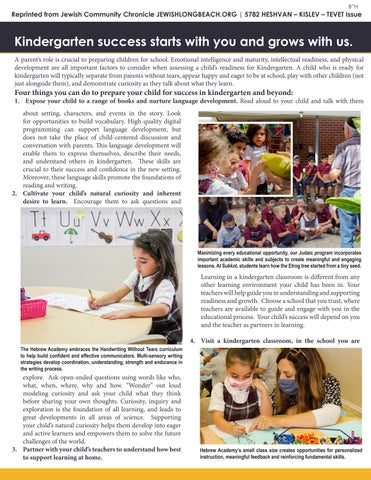
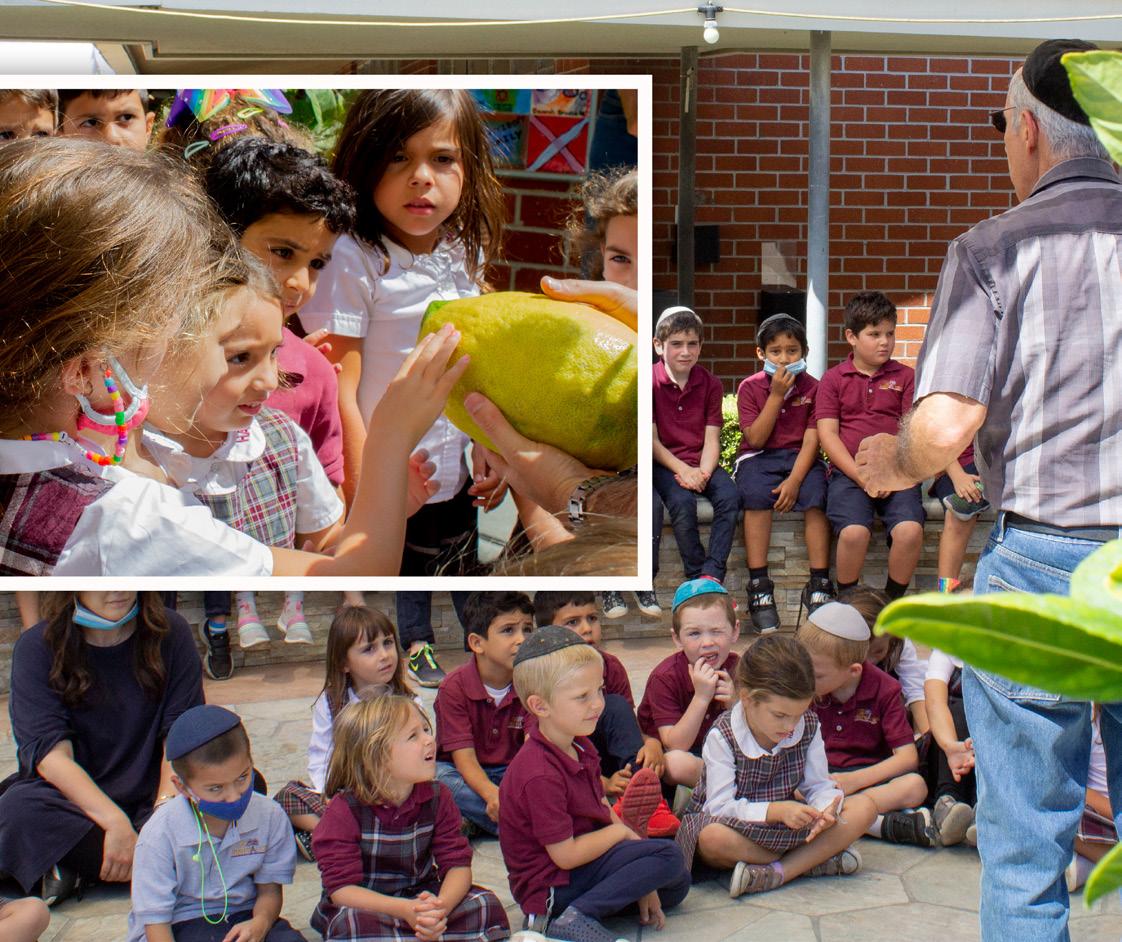
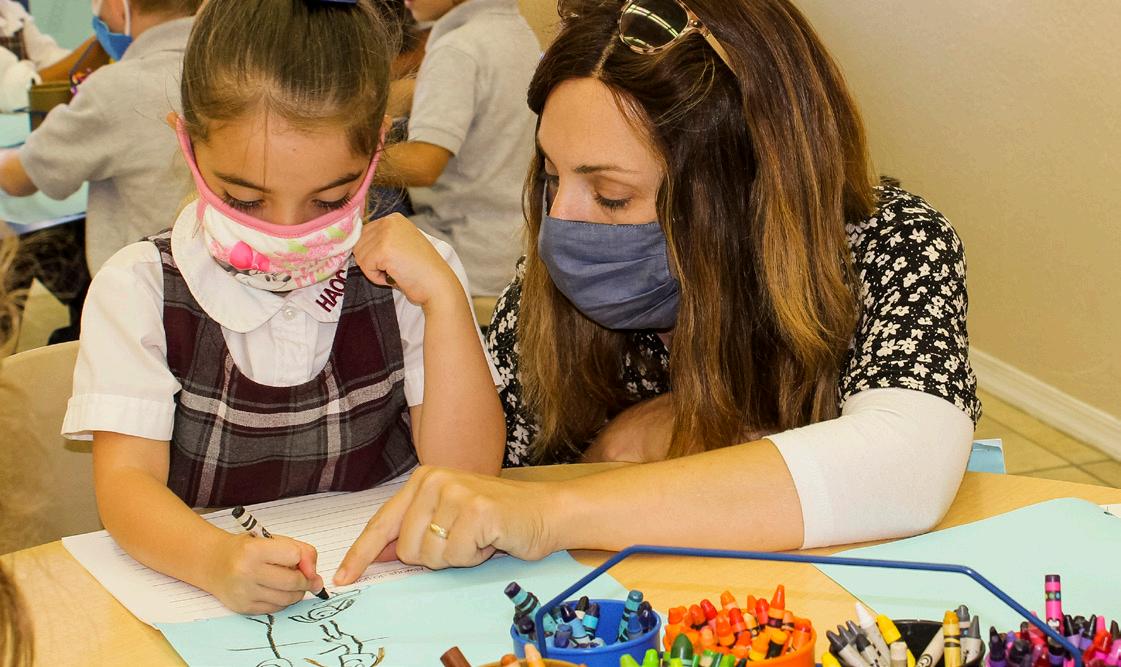
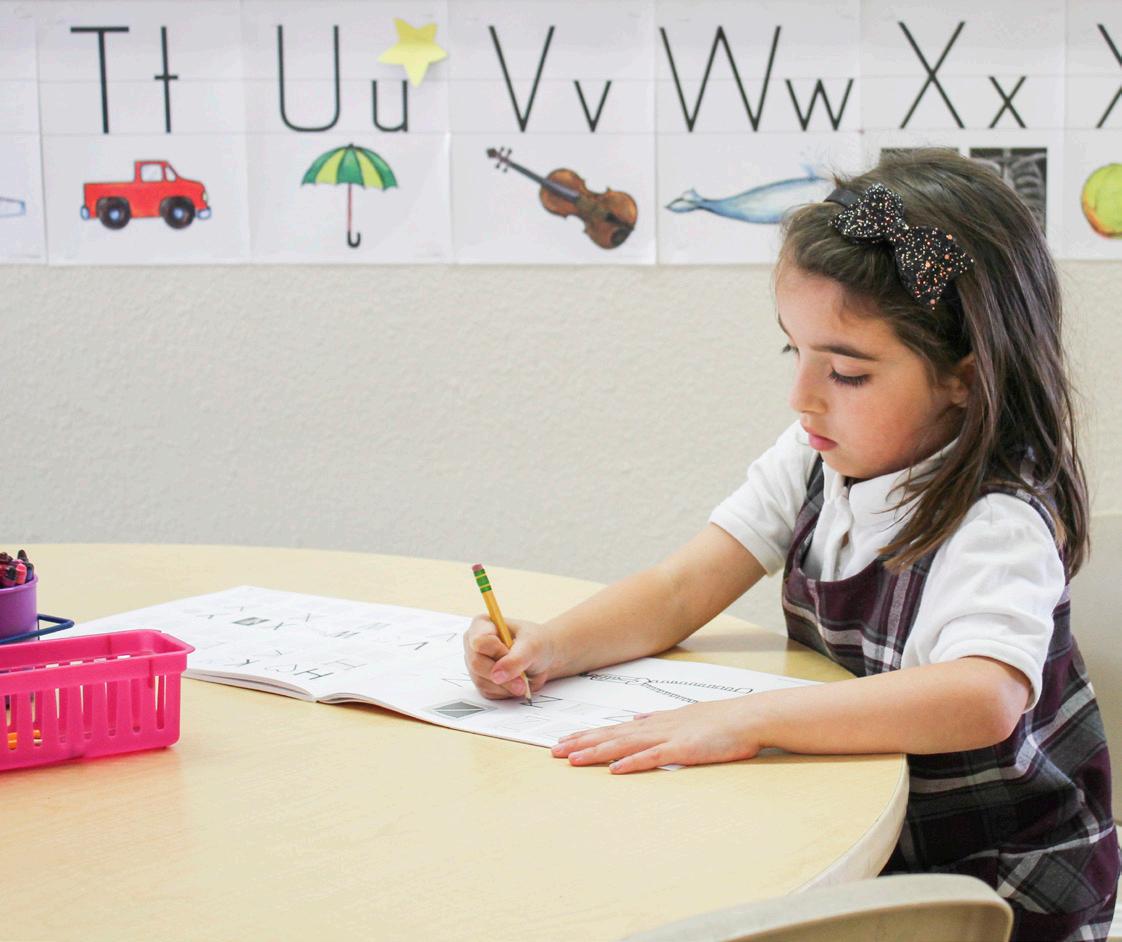
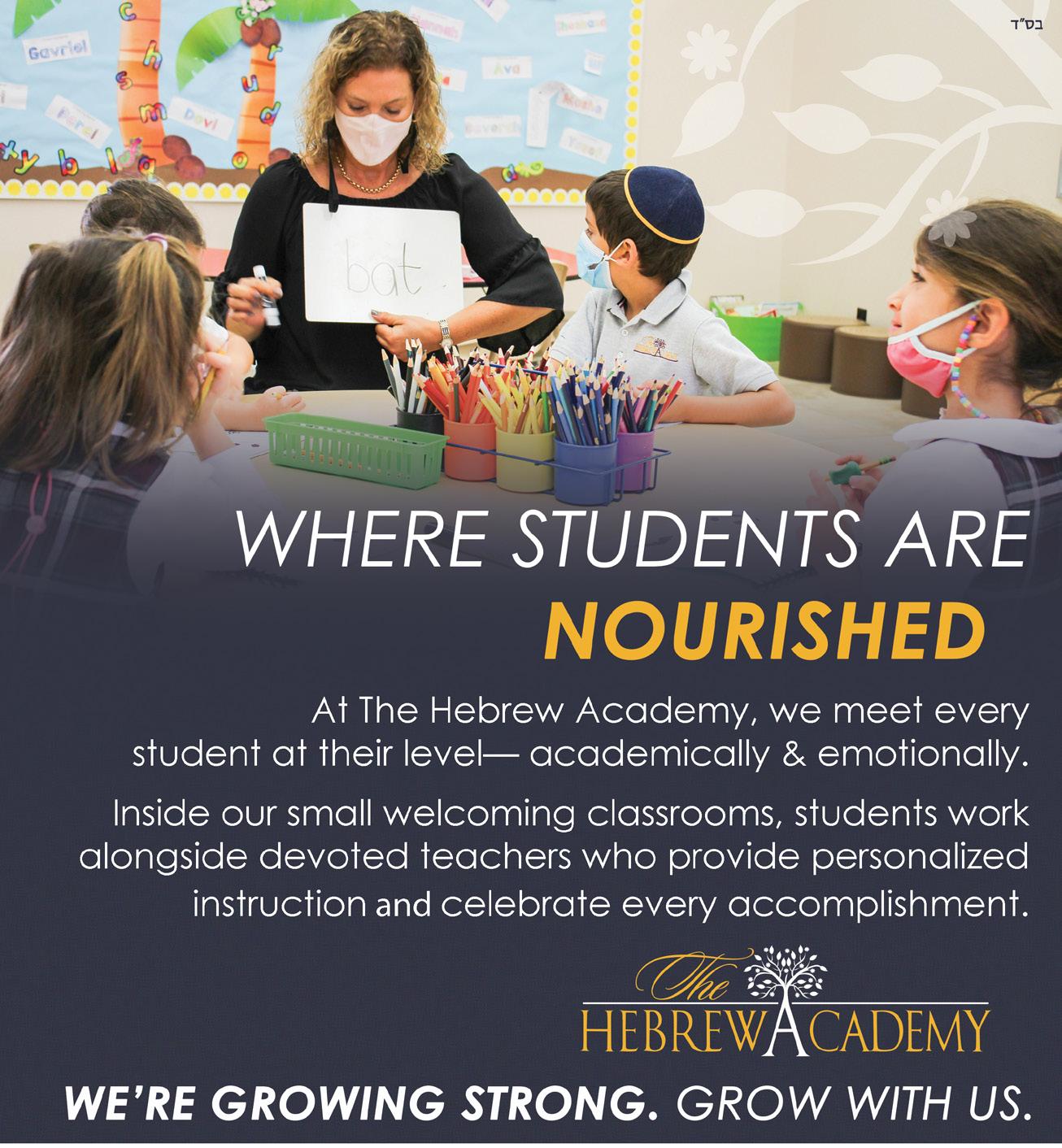
The Hebrew Academy embraces the Handwriting Without Tears curriculum to help build confident and effective communicators. Multi-sensory writing strategies develop coordination, understanding, strength and endurance in the writing process. Maximizing every educational opportunity, our Judaic program incorporates important academic skills and subjects to create meaningful and engaging lessons. At Sukkot, students learn how the Etrog tree started from a tiny seed.considering.
This is likely to build your confidence in choosing a school that will suit you and your child. Inquire about the daily schedule, the learning expectations and goals that the teachers have for students, and the resources that the school has to support a variety of learning styles, including those who are advanced, or may need any kind of special support. Make time to observe in the classroom. Stand in the back of the room, focus your attention on how the children are behaving, what they are doing, how they interact with each other, and what kinds of skills they are working on. Notice their level of independence and self sufficiency. Can you picture your child sitting in one of those centers?
Kindergarten Readiness Checklist
Language skills
9 Speak in complete sentences and be understood
9 Use words to express needs and wants
9 Make comparisons & describe relationships between objects like big/little, under/over, and first/last
Reading readiness skills
9 Enjoy listening to stories and can follow in a book
9 Recite the alphabet and identify most of the letters
9 Recognize and try to write their own name
9 Recognize when two words rhyme (like cat and bat)
9 Draw a picture to help express an idea
Math skills
9 Count from 1 to 10 without skipping numbers
9 Recognize and name basic shapes and colors
9 Understand more than and less than, smaller and bigger
Social and emotional skills
9 Separate from a parent or caregiver with ease
9 Interact effectively with peers
9 Pay attention and follow directions
Fine motor skills
9 Use a pencil with some coordination & control
9 Use scissors
9 Put together a simple puzzle
Gross motor skills
9 Run and skip
9 Jump with feet together
9 Hop on one foot
9 Climb stairs
9 Bounce a ball and try to catch it