



























































Make a meaningful impact in your community by becoming the owner of a Natural Awakenings magazine. Empower others with current, valuable insights and resources to enhance their physical, mental, emotional and spiritual well-being.
As a franchise owner, you’ll inspire positive change, provide readers with tools for healthier living and connect local businesses with an audience eager for transformation.
Why Own a Natural Awakenings Magazine?
n Create a Healthier Community: Be the go-to resource for wellness and personal growth in your area.
n Boost Your Income: Take control of your financial future with a proven business model.
n Enjoy a Flexible Lifestyle: Work from home while pursuing a fulfilling, dynamic career.
What We Offer:
n A proven business model with low startup costs.
n Comprehensive training and friendly, ongoing support.
n Flexible work schedule with many work-from-home opportunities.
n Access to a network of like-minded franchise owners.
n Financing Options Available.
Join a thriving network of passionate franchise owners reshaping the future of holistic health and wellness.
Call 239-206-2000 for a FREE evaluation of your community’s potential. Learn more or apply today at: Corp.NaturalAwakenings.com
Add Your Community to Where Natural Awakenings Is Now Publishing:
• Atlanta, GA
• Boston, MA
• Broward County, FL
• Bucks/Montgomery Counties, PA
• Central Florida/Greater Orlando, FL
• Central New Jersey
• Charlotte, NC
• Chicago, IL
• Columbia, SC
• Dallas, TX
• Daytona/Volusia/Flagler Counties, FL
• Detroit/Wayne County, MI
• Fairfield & Southern Litchfield Counties, CT
• Grand Traverse Region/Northern Michigan
• Greater Ann Arbor, MI
• Greater Lansing, MI
• Greater Oakland, Macomb, Livingston, Genesee, MI
• Gulf Coast, Alabama/Mississippi
• Houston, TX
• Jacksonville/St. Augustine, FL
• Lehigh Valley, PA
• Long Island, NY
• Milwaukee, WI
• Monmouth/Ocean Counties, NJ
• Naples/Fort Myers, FL
• New York City, NY
• North Central New Jersey
• North New Jersey
• Northwest Florida
• Palm Beach, FL
• Philadelphia, PA
• Phoenix, AZ
• Rhode Island
• Richmond, VA
• Sarasota, Manatee, Charlotte and DeSoto Counties, FL
• South Central Pennsylvania
• South Jersey, NJ
• Southeast North Carolina
• Space & Treasure Coast, FL
• Tampa, FL
• Tucson, AZ
• Twin Cities, MN
• Westchester/Putnam/Dutchess, NY
• Western Michigan Call for a free evaluation of your community's potential at 239-206-2000. To apply or learn more, visit Corp.NaturalAwakenings.com.
• Lancaster/Berks, PA

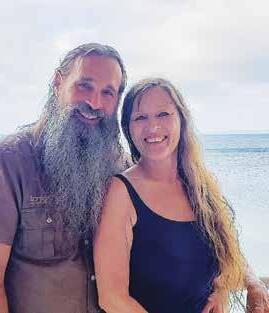
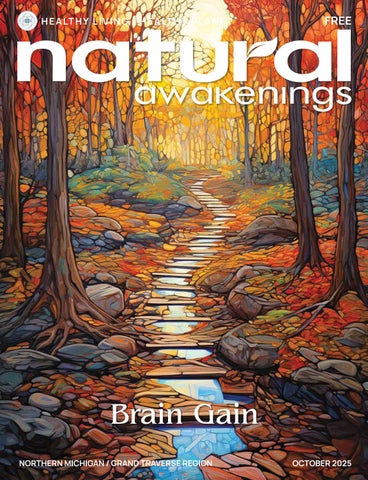
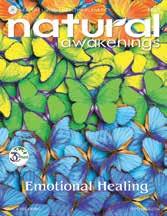
This month we’re turning our attention to one of the most exciting frontiers of health: the brain. For so long, many of us believed that the brain was static—set in its ways after a certain age. But modern science has revealed a much brighter truth: our brains are adaptable, flexible and capable of growth throughout our lives. This gift of neuroplasticity is what makes true Brain Gain possible.
Neuroplasticity means that every new experience—whether learning a skill, practicing mindfulness or even shifting our self-talk—creates fresh neural pathways. Old patterns that no longer serve us can weaken, while healthier habits and perspectives grow stronger. In essence, we each carry a reset button inside us, ready to be pressed whenever we choose to begin again.
I’ve noticed this in my own life. Recently, I caught myself falling into an old pattern of worry. In that moment, I chose to pause, breathe and gently redirect my thoughts. It felt a little like stepping off a familiar trail in the woods to forge a new path. The first steps were awkward,
but with repetition, the new trail became easier to follow. That’s neuroplasticity at work—the brain reshaping itself one choice at a time.
The best part is that these small resets add up. Practicing gratitude, learning something new, moving our bodies or simply focusing on the present moment all fuel brain health. Each act strengthens the mind’s ability to adapt, opening doors to resilience, creativity and joy.
This issue is devoted to exploring these possibilities. We invite you to discover fresh ways to nurture your brain, embrace your own capacity for renewal and experience the empowering truth that it’s never too late for growth.
As always, we are so grateful to you—our readers, advertisers and community partners—for being part of this journey. Month after month, your support allows us to share knowledge and inspiration that help us all live healthier, more connected lives.
Here’s to your Brain Gain—may you press reset often and discover the bright pathways waiting within.
HEALTHY LIVING HEALTHY PLANET
LOCAL CONTACT
734-757-7929
Publisher@HealthyLivingMichigan.com HealthyLivingMichigan.com
P.O. Box 2717, Ann Arbor, MI 48106
Subscriptions are available for $120 (for 12 issues) by emailing the above address.

Natural Awakenings is printed on partially recycled and fully
Publishers John & Trina Voell III
Design & Production John & Trina Voell III
Ad Design Josh Halay
Editors John & Trina Voell III
Proofreader Randy Kambic
Calendar Theresa Archer
Sales & Marketing John & Trina Voell III Rachel Cara
Distribution Rachel Cara
Website Design Locable
Website & Social Media Carolyn Coogan SherTech
CEO Kimberly B. Whittle
COO Michael Bevilacqua
CMO Vee Banionis
Sr. VP Operations Brian Stenzler, DC
National Editor Sandra Yeyati
Editor Brooke Goode
Copy Editor Melanie Rankin
Print Production Specialist Kevin Rankin
Design Director Agnes Mazeikaite
Production Flip180
Customer Service Dani Bucad
National Contact 350 Main St, Ste 9B Bedminster, NJ 07921 239-206-2000
Northern Michigan / Grand Traverse Region HealthyLivingMichigan.com © 2025 by Natural Awakenings. All rights reserved. Although some parts of this publication may be reproduced and reprinted, we require that prior permission be obtained in writing. Natural Awakenings is a free publication distributed locally and is supported by our advertisers. Please call to find a location near you or if you would like copies placed at your business. We do not necessarily endorse the views expressed in the articles and advertisements, nor are we responsible for the products and services advertised. Check with a healthcare professional regarding the appropriate use of any treatment.


Farm Club, in Traverse City, brings together a restaurant, brewery, bakery, farm and market—all under one roof—to offer a fresh take on seasonal dining rooted in sustainability and community connection. Nearly 90 percent of the vegetables and herbs featured on the menu are grown onsite, including throughout the winter months.
The menu highlights the diversity and depth of farm-based cuisine, from house-made pasta milled from regional grains to pozole crafted with nixtamalized corn grown just steps away. Guests can enjoy seasonal favorites such as roasted shishito peppers with chile lime mayo, a chicken panzanella tossed with charred onion vinaigrette or green chile stew with freshly baked cornbread. Many items reflect the team’s dedication to multi-step preparation methods like fermenting, pickling and drying, using harvests preserved from earlier in the year.
With a kid-friendly menu, small-batch beer brewed onsite and fresh baked goods from its own kitchen, Farm Club offers something for everyone in a relaxed, scenic setting. The space serves as a local gathering place that celebrates quality food, thoughtful farming and the beauty of Northern Michigan.
In addition to growing their own produce, Farm Club sources meat, dairy, fish and specialty ingredients from trusted local and regional farms. Every dish reflects a commitment to transparency, sustainability and care—from seed to plate.
Location: 10051 Lake Leelanau Dr., Traverse City. For more information, call 231-252-3079 or visit FarmClubTC.com.
Michigan Health & Wellness Center, in Traverse City, is helping patients take control of their long-term well-be ing through func tional medicine—a personalized, sci ence-based ap proach that focuses on identifying and addressing the root causes of chronic conditions. Rather than treating symptoms in isolation, the practice offers comprehensive care plans that support the whole person.
Functional medicine examines how genetics, environment and lifestyle factors influence health. At Michigan Health & Wellness Center, providers collaborate with each patient to create customized strategies for sustainable wellness. This includes support with nutrition, targeted supplementation, sleep hygiene, exercise, detoxification and stress management.
The center emphasizes education and patient empowerment. By offering guidance on practical lifestyle changes, its care team helps reduce the risk of chronic disease and improve overall quality of life. The result is a proactive, integrative model of care designed to achieve long-term results.
Patients interested in learning more are encouraged to schedule a free consultation. Whether seeking answers to ongoing symptoms or looking to optimize health, individuals receive expert, compassionate guidance grounded in the principles of functional medicine.
Location: 3337 W. South Airport Rd., Ste. 2, Traverse City. For more information or to make an appointment, call 231-421-5213 or visit MichiganHealthAndWellness.com.
True Wind Therapy, in Traverse City, of fers a deeper, more embodied approach to mental health care for individuals that feel stuck despite previous therapy experiences. Com bining talk therapy with somatic prac tices and client-centered techniques, the practice supports individuals ready to move beyond insight and into lasting change.
sessions in Traverse City and virtual therapy across Michigan. Clients are invited to explore patterns of shame, self-criticism and emotional disconnection through methods that engage both the mind and body. This integrative approach allows for deeper processing and helps individuals break free from long-standing internal narratives.
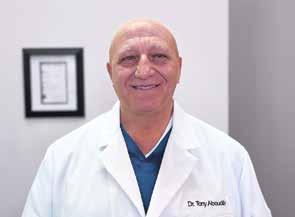
tional routes—books, online resources and past therapy—but still feel held back by unresolved emotional patterns. The goal is not only self-awareness, but transformation. Through compassionate guidance, the practice helps clients reconnect with themselves, build emotional resilience and create new ways of engaging with life.

about starting therapy. Whether navigating life transitions, relationship challenges or simply seeking to understand oneself more fully, True Wind Therapy offers a space for meaningful growth.
Location: 830 E. Front St., Ste. 325, Traverse City. For more information or to make an appointment, call 248-266-5719 or visit TrueWindTherapy.com.
Live Well Acupunc ture, in Traverse City, offers a per sonalized and inte grative approach to healing, with ser vices designed to support long-term wellness and a painfree life. Led by Sarah Searles, L.Ac., MSOM, a licensed and board-certified acupuncturist, the practice blends time-tested acu puncture techniques with a modern understanding of holistic health.

Clients turn to Live Well Acupuncture for support with chronic pain, stress, fatigue, women’s health and a range of other concerns. Each treatment plan is tailored to the individual, targeting underlying imbalances while encouraging the body’s natural ability to heal. The result is a comprehensive, whole-person approach that goes beyond symptom relief.
The practice focuses on helping clients restore energy, reduce pain and enhance emotional well-being. Through acupuncture and related therapies, the care team works to promote circulation, regulate the nervous system and support long-term health goals. Whether clients are managing a chronic condition or simply seeking greater balance, they receive thoughtful, evidence-informed care.
Live Well Acupuncture’s mission is to help each person live fully and well—by addressing not only physical discomfort, but also the deeper factors that affect health and quality of life.
Location: 126 Boardman Ave., Traverse City. For more information or to make an appointment, call 231-492-7600 or visit LiveWellTC.com.
psychological aspects of distress, but also the body’s nervous system responses. This approach supports clients that may feel stuck in survival mode or disconnected from their sense of self.
True North Integrative Counseling specializes in working with those recovering from trauma or managing chronic anxiety. Its therapists guide individuals toward their true north—a place of authenticity, empowerment and inner strength. By combining therapeutic dialogue with somatic tools and nervous system education, the practice helps clients move beyond symptom management and toward meaningful transformation.
Virtual sessions are available to individuals throughout Michigan, offering flexibility and accessibility for those seeking high-quality care from the comfort of home. Whether beginning therapy for the first time or returning after a break, clients are met with understanding and a customized plan for healing.
Virtual sessions only. Office based in Michigan. For more info or to make an appointment, call 989-459-1616 or visit TNIntegrativeLLC.com.
My Oasis Center, in Petoskey, offers a welcoming space where people of all ages and faith backgrounds can explore spiritual connection, personal growth and holistic well-being. Through community gatherings, reflective practices and discussion-based programs, the center supports those seeking insight, healing and a deeper understanding of their lives.

True North Integrative Counseling offers virtual mental health services designed to support individuals navigating trauma, anxiety and life’s everyday challenges. Grounded in a holistic approach, the practice combines traditional therapy with mind-body techniques to foster resilience, clarity and lasting emotional wellness.
Through one-on-one telehealth sessions, clients work with licensed professionals in a safe and compassionate environment. The practice focuses on integrative care, addressing not only the
The center’s mission is to provide inclusive, non-dogmatic experiences that meet individuals wherever they are on their spiritual path. Designed to be accessible and respectful, programs at My Oasis Center invite participants to explore meaningful questions and cultivate practices aligned with their values.
Workshops focus on topics such as mindfulness, emotional resilience, inner wisdom and whole-person wellness. Participants may join facilitated sessions or use the space for quiet contemplation. All offerings encourage connection—within oneself and with others—through shared inquiry and compassionate dialogue.
My Oasis Center also presents events that explore the intersections of creativity, spirituality and healing. As part of its ongoing commitment to cultivating a loving and engaged community, the center welcomes those with traditional beliefs, nontraditional paths or no faith affiliation at all.
Location: 1020 E. Mitchell St., Petoskey. For more information or to make an appointment, call 231-333-8046 or visit MyOasisCenter.org.
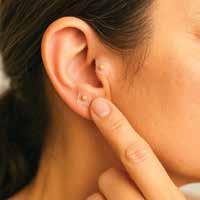
Auricular acupressure uses vaccaria seeds on specific ear points taped in place and periodically rubbed in a circular motion to stim ulate them. A study in the European Journal of Integra tive Medicine investigated whether this type of acupres sure could help improve sex ual function in postmenopausal women.
When the ovaries stop producing hormones like estrogen, mood, sleep and sexual desire may suffer. Low libido, vaginal dryness or pain during sex affects nearly half of postmenopausal women.
Breast milk also contains secretory immunoglobulin A (SIgA), an antibody that blocks harmful bacteria and viruses from attaching to the gut lining, and reduces inflammation in infants. Higher SIgA intake in infancy leads to healthier immune patterns and may provide better protection against allergies and infections. Breast milk also includes living bacteria and other bioactive molecules that contribute to the early seeding of the gut, helping to set the stage for the infant’s future microbiome.

In a controlled, randomized, triple-blind trial with 90 Iranian women, half received ear acupressure and the other half received a placebo treatment for 10 sessions over five weeks. Researchers applied the seeds to ear acupoints linked to sexual function.
Participants completed questionnaires about their sexual function, desire and satisfaction before and after the treatments. The acupressure group reported significantly improved sexual functioning and less distress compared to those in the placebo group, with benefits lasting up to two months after treatment.
A study in The Journal of Allergy and Clinical Immunology highlights the powerful role breastfeeding plays in building a healthy gut microbiome in infants. Although infants cannot digest human milk oligosaccharides, these components nourish beneficial bacteria like Bifidobacterium infantis, a species that reduces inflammation and supports immune development.
Bringing back passenger rail to Traverse City and Petoskey from Ann Arbor and Detroit is good for Michigan. TAKE ACTION at GroundworkCenter.org/ a2tc-rail-project/

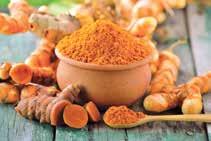
Cataracts, a leading cause of blindness, occur when the eye’s clear lens becomes cloudy due to free radical damage. Curcumin, the main compound in turmeric, is a natural antioxidant that can neutralize free radicals and reduce their harm. A systematic review published in the European Journal of Integrative Medicine evaluated whether curcumin could prevent or treat cataracts.
The researchers analyzed 17 animal and/or lab-grown cell studies, demonstrating that curcumin prevented or slowed cataract formation by reducing damage to fats in cells and boosting antioxidant enzymes that protect the eye.
Despite these findings, the researchers noted that human clinical trials are needed to confirm these benefits before curcumin can be recommended as a treatment. Additionally, improving curcumin’s absorption, or bioavailability, is crucial to make it effective as medicine.
The rise of functional medicine, integrative medicine and other forms of holistic health care has increased the demand for specialized laboratory testing. According to the National Institutes of Health, 37 percent of American adults use at least one complementary or integrative health approach.


To meet this demand, Labcorp has launched a new specialized testing panel to help providers identify underlying imbalances and support preventive care strategies. This panel includes an advanced cardiometabolic biomarker panel; a comprehensive nutrient panel; a longevity and vitality panel analyzing 71 biomarkers related to aging, inflammation and organ function; men’s and women’s comprehensive hormone panels focused on reproductive and endocrine health; and men’s and women’s whole-body wellness panels with more than 75 biomarkers related to various bodily systems.
The new service enables testing of more than 1,000 biomarkers, providing insights into a patient’s health, from heart function and hormonal balance to micronutrient levels and overall wellness. In addition, Labcorp Whole Health Solutions offers healthcare providers consultation services, digital test ordering, tools to interpret results, and analytics to identify high-risk patients and improve healthcare delivery.

Joint, limb, back, abdominal and bowel pain are the most common types of chronic pain. A study published in The Journal of Pain analyzed treatment data from more than 4.8 million chronic-pain patients with commercial or Medicaid insurance. The researchers found that while the types and frequencies of pain were similar across insurance groups, treatments differed significantly.
Commercially insured patients were more likely to receive restorative and complementary treatments than those with Medicaid. For example, physical therapy was provided to 9 percent of Medicaid-insured patients, compared to 31.1 percent of commercially insured patients. Chiropractic care was accessed by 19.2 percent of Medicaid-insured patients and 38.6 percent of commercially insured patients.
Commercially insured patients also received care more quickly, with wait times from diagnosis to treatment being 50 days shorter for restorative therapy. Medicaid patients were more likely to rely on prescription pain medications, with 81.6 percent having at least one prescription, versus 65.6 percent of commercially insured patients. Commercially insured patients accessed outpatient specialist care more frequently and used multiple non-medication treatments.




Dressing up for Halloween is a fun way for kids and adults to express themselves, try on new personalities or celebrate their favorite movie characters, but the merriment may come with a hefty environmental price tag. Too many of us buy ready-made, fast-fashion costumes, wear them once and throw them away. Store-bought costumes tend to be made with unsustainable materials such as plastic and polyester, which can take hundreds of years to decompose in landfills, causing harmful microplastics to enter our waterways.
The eco-friendly alternative is to create a costume from items we already have or will use again. That means ditching the plastic, glitter and chemical-laden makeup. It is an opportunity to dial up our creativity and doit-yourself spirit.
• Check the closet, thrift stores and online marketplaces. Outgrown clothes can be


repurposed for a unique boho or witchy look. Layer items in unexpected combinations to make everyday garments take on new personalities. Mix colors. Add a vest. Tie a scarf around the head. Wear multiple hats and mismatched belts.
• Go natural for makeup or effects. Choose eco-friendly paints or natural dyes, including black tea, coffee, turmeric and paprika to color fabrics or decorate handmade, creative costumes. For witchy green skin, slather on a face mask. For rosy cheeks and lips, use a slice of beet to stain the skin. Blend vibrant, shimmery mineral powders for eyes, face or lips. Use eco-friendly face paint kits, such as those available at NaturalEarthPaint.com
• Use household items. Cardboard boxes embellished with foil scraps and reused lids make great robots, astronauts or knights in armor. A white sheet with
cut-out eyes is the quintessential ghost. Blankets and shower curtains can be fashioned into superhero capes.
• Swap or borrow. Get together with family and friends and choose from a pile of costumes from years gone by. Have fun tweaking them and making them new again.
• Handcraft a mask. Gather leaves, flowers, pinecones, feathers, acorns and other natural specimens, as well as paper bags, recycled paper, felt fabric and cardboard. Make a sturdy shape for the base of the mask and cut out an oval for the eyes, then glue the decorative elements. This is a great craft project for kids.
• Garden or Forest Fairy: Wear practice clothing from dance class and layer it with colorful scarves, fake plants, leaves and flowers. Cut wings out of poster board.
• Mother Nature: Wear something green and make a crown from pinecones, sticks or leaves.
• Bat or Owl: Make wings from an old umbrella and use fabric scraps for feathers.


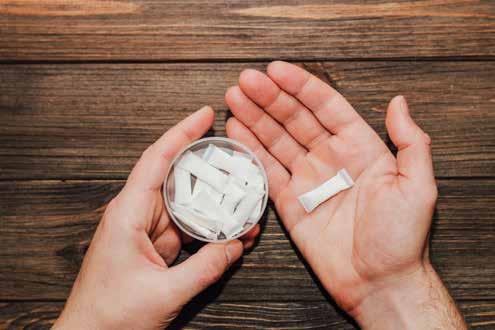
Nicotine is experiencing a reputational renaissance. Once synonymous with addiction and smoking-related disease, the compound is now gaining attention for its potential health benefits when used in its purest low-dose form. Unlike the toxic tar-producing chemicals found in conventional cigarettes, clean nicotine—free from combustion and additives—shows promise as a natural nootropic and performance enhancer.
Natural health advocate and biohacking pioneer Dave Asprey is among those leading this conversation. He emphasizes that while excess nicotine is toxic, precise microdoses can offer benefits such as improved motor skills, sharper handwriting and enhanced finger-tapping speed without loss of accuracy. “It’s not about smoking,” he explains. “It’s about optimizing brain and body function with the right amount in the right form.”
Asprey also points to nicotine’s role in appetite regulation. For individuals aiming to lose weight or curb cravings, small doses of nicotine especially when paired with caffeine may offer support. One randomized double-blind study supports this, showing enhanced
healing nutrient intentionally buried by the FDA and Big Pharma.” According to Ardis, nicotine functions not only as a nootropic, but also as an anti-inflammatory and detoxifier. “It can potentially prevent or reverse the devastating effects of countless chronic illnesses,” he says, citing a 2016 Harvard study that reviewed millions of pages of FDA data. The analysis found that nicotine alone is not the primary addictive agent in tobacco products—chemicals like pyrazines added for flavor and sensation play a more significant role.
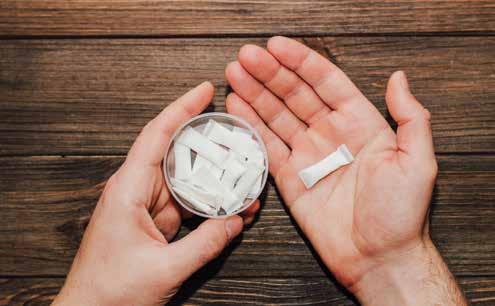
As awareness grows, alternatives to tobacco-based nicotine delivery are becoming more mainstream. Pouches often misunderstood as chew offer a discreet and smoke-free option. Whitetail Smokeless, a Wisconsin-based company, creates tobacco-free pouches using organic mint leaves and natural sweeteners. These stand in contrast to better-known brands that use synthetic ingredients or artificial additives such as aspartame.
Nature’s Trading Post, located in Northern Michigan, offers a curated selection of these
Nicotine functions not only as a nootropic, but also as an anti-inflammatory and detoxifier.
appetite suppression when using low-dose nicotine gum with caffeine. Nicotine patches and pouches have emerged as viable delivery alternatives providing controlled intake without the toxic byproducts of smoking.
Dr. Bryan Ardis, a chiropractic physician and health freedom advocate, takes the case further. He describes nicotine as “a universally powerful

nicotine pouches in a range of flavors. As consumer interest in clean nicotine continues to rise, businesses like Nature’s Trading Post are helping to reframe the conversation— offering products that support well-being without the baggage of traditional tobacco.
For more information or to place an order, call 989-275-9976. See ad page 21.
by Hannah Tytus
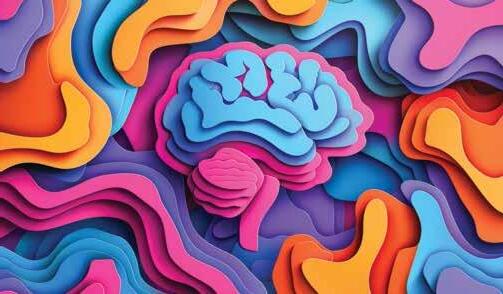
The brain has an amazing ability to rewire itself by strengthening, rerouting or growing new connections in response to learning, experience or injury. This continuous reshaping is known as neuroplasticity. The changes can be positive, such as regaining movement or speech after a stroke or learning a new skill. Sometimes they are neutral, and other times they can be harmful when maladaptive patterns reinforce chronic pain or anxiety. Fortunately, the brain can grow and adapt at any age, and there are many ways to help it thrive. Nourishing foods, mindful movement, meditation, social connection, clean air and restful sleep are everyday choices that can nurture the brain in powerful ways.
Across the Lifespan
It has long been believed that children’s brains
are more malleable as they grow, and that once they reach adulthood, the brain stops evolving. But new research suggests that this may not be the full story. While the brains of developing children are certainly very adaptable, the adult brain is far from fixed.
A variety of influences, including stress, hormones, neurotransmitters, growth factors, medications, environmental stimulation, learning and aging, can reshape how brain cells are built and function. These factors may trigger changes in the size or structure of brain regions, shift the brain’s chemical makeup, alter the shape of individual neurons and even rewire networks of connections, sparking the growth of new neurons in a process called neurogenesis.
Scientists have long known that injuries, chronic stress and the natural process of
aging can take a toll on the brain. Yet, new discoveries in neuroscience and integrative medicine point to the remarkable potential for repair and renewal at every phase of life.
“Nutrition is the foundation of everything in health. You can’t build anything in the body without good food,” says Dr. Kat Toups, a functional medicine psychiatrist, researcher and author of Dementia Demystified: The Definitive Guide to Resurrecting Your Brain, Reversing Cognitive Decline and Regaining Your Memory. Contrary to decades of marketing campaigns for low-fat and fat-free diets, Toups explains, healthy fats are essential for brain health. The spongy white and grey matter of the brain, where all the thinking and messaging happens, is made primarily of fat.
Found in fatty fish such as salmon, sardines and mackerel, as well as in walnuts and fish oil supplements, omega-3 fatty acids are some of the healthiest fats, increasing blood flow in the brain and nourishing its physical structures to help improve learning, memory and cognitive well-being.
“The most validated ways to support neuroplasticity are exercise and meditation— and both are free,” says Toups. Exercise is well-known to protect the brain and boost thinking skills. One way it may do this is by supporting the growth of new neurons and strengthening connections within the hippocampus, an area in the brain involved in the formation of fresh memories and the recall of past experiences. A 2017 study published in Experimental Gerontology found that regular exercise significantly increased hippocampus volume, while nonactive participants showed a shrinking hippocampus.
In addition to strength and cardio training, exercise that incorporates mindful and creative components may enrich the benefits. Engaging the body and mind at the same time can strengthen neural networks
and support long-term cognitive function. Long walks, yoga classes or playful sessions with the kids or grandchildren are excellent ways to support the link between body and brain. Studies show that tai chi, a mindful movement practice, may be even more effective than regular exercise in protecting cognitive function because it increases brain activation in regions associated with motor function and focus, and is accessible to those with mobility limitations.
A regular mindfulness practice supports neuroplasticity, making it easier to regulate emotions and handle stress. A 2024 review found that regular meditation can physically reshape the brain, strengthening areas tied to focus, emotional control and self-awareness. One reason for this is meditation’s effect on a protein called brain-derived neurotrophic factor (BDNF). This molecule acts like fertilizer for brain cells, helping them grow, form new connections and remain healthy. Meditation increases BDNF, and higher levels of BDNF are linked not only to sharper learning and memory, but also to longer lasting brain health.
Additional research has demonstrated that even a short daily meditation session can increase gray matter density in regions tied to learning, memory and emotional regulation. Over time, these changes help reduce stress reactivity and support long-term resilience. Even if formal seated meditation is not
feasible, simple mindful presence can help. “I try to tell people to find small moments to come into their body, come into the moment and be present,” Toups advises. “You can do that by washing the dishes. You don’t need to sit in lotus position and chant for an hour.”
“Every time you learn something new or do a novel task, you are promoting neuroplasticity,” explains Toups. Learning new skills, from juggling to speaking a new language, produces measurable changes in brain structure, particularly in brain matter volume. These changes can occur in both early-learning phases and long-term practice, underscoring the brain’s capacity for adaptation throughout life.
Making music and dancing can strengthen connections in the brain; even the act of listening to music has been shown to enhance neural plasticity and cognitive flexibility. Toups recommends rocking out to a favorite song in the kitchen and choreographing a few dance moves.
Rapid eye movement (REM), a stage of sleep marked by increased brain activity and vivid dreaming, plays an important role in neuroplasticity. During REM, the brain actively prunes unhelpful neural connections and reinforces others, supporting brain development, the learning of new skills and memory improvement.



To support consistent REM sleep, aim for seven to nine hours of shuteye and try to maintain a consistent bedtime and wake time. A good night’s rest after learning a new skill or information can help that lesson integrate into the brain, supporting behavioral change.
Keeping the air in the home clean is important for overall brain health. Research suggests that mold toxicity may be a risk factor for developing Alzheimer’s disease, after researchers discovered traces of fungi inside the central nervous system of many Alzheimer’s patients—an infection that was absent in healthy individuals. Mold toxicity in the home can elicit an immune response and harm the brain. For example, a 2020 study found that black mold inhalation can cause inflammation in the hippocampus and reduce neurogenesis, the growth of new brain cells.
Practicing clean air habits can help assuage the risks of mold exposure at home. These include investing in an air purifier, ventilating regularly by opening windows, using exhaust fans and maintaining household ducts. Mold concerns can be investigated with a simple at-home testing kit, followed by professional testing and remediation, if needed.
“Photobiomodulation is a powerful way to create neuroplasticity, both quickly and over the long term,” says Dr. Lew Lim, founder of


the Vielight photobiomodulation (PBM) device, which has been studied in collaboration with universities and medical institutions, including the University of Toronto, Harvard Medical School and Mount Sinai Hospital.
PBM, also called light therapy, uses gentle red or near-infrared light to stimulate brain cells, boost the energy-producing parts of cells known as mitochondria, improve blood flow and calm inflammation. “When we activate the mitochondria with PBM, the mitochondria actually release growth factors, which support growth of new cells in the brain,” Lim explains.
According to Lim, PBM may help the brain protect and repair its neurons, encourage the growth of new connections and support the clearing of harmful waste proteins linked to cognitive decline. He asserts that certain light pulse frequencies, such as 40 hertz, may also help tune brainwave patterns that are important for memory and learning. While most research so far has been in small human studies or animal models, the results suggest that regular PBM could strengthen the brain’s natural ability to adapt and rewire itself. Some people use PBM as part of a daily routine to keep their minds sharp, while others use it to heal from more serious brain injuries.
Research shows that staying connected to others offers powerful protection for the brain. Older adults that feel lonely or spend long stretches without social contact face about a 50 percent higher risk of developing dementia, including Alzheimer’s disease, even when other health factors are taken into account. One long-term study found that memory and thinking skills declined 20 percent faster in those that reported feeling lonely.
Being socially active can help guard the brain against decline. For 25 years, the Northwestern University SuperAging Program has studied people in their 80s and beyond with nimble minds that work as well as people decades younger. Brain scans show that these study participants called SuperAgers do not exhibit the usual thinning of the brain’s outer layer normally seen with age, and one key area involved in attention and decision-making is thicker than even in middle-aged adults.
Under the microscope, SuperAger brain cells are larger, better connected and show fewer signs of Alzheimer’s damage or inflammation. These resilient individuals tend to be very social, valuing close relationships and staying engaged with others—habits

that may work hand-in-hand with their unusually healthy brain structures to help protect thinking skills late in life.
Even a weekly coffee with a friend or joining a class can be powerful brain fuel. People with rich social lives, including those that regularly share time with friends, family and communities, tend to keep their minds sharper for longer.
The brain is never truly fixed. It is a living, adapting system that can grow stronger, sharper and more resilient at any age, and we can guide those changes. Whether through movement, nutrition, light therapy, meditation or meaningful connection, every choice we make can help shape and rewire the mind for the better. The science is clear: it is never too late to nurture the brain’s potential. Embrace neuroplasticity as a lifelong journey and let each new day be an opportunity to learn, adapt and thrive.
Hannah Tytus is an integrative health coach, researcher and former writer at the National Institutes of Health. She also hosts “Root Shock”, a podcast exploring how cultural and systemic forces shape our understanding of health.

by Marlaina Donato
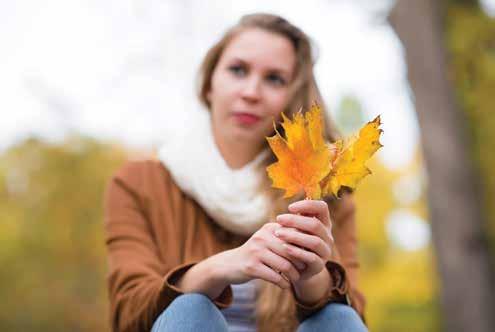
Wdelightful blush of an apple lies an undeniable wistfulness. And although summer must surrender to autumn, each falling leaf signals an opportunity to let go of a burden we’ve outgrown—a home, a relationship, a dream or a particular version of ourselves.
No matter which side of a goodbye we happen to be on, leaving can be painful. Just as the green meadow goes to seed, so does what we hold precious, but a spark of life remains in each fading blade of grass. Endings can also be blessings, even if it takes months or years before their gifts become known.
Each chapter of the year offers its own delights and wisdom, but it is our human tendency to clutch each hour for as long as possible. We can miss a harvest of joys when we only wish to taste the fruits of another season. For the ancient Celtic people, the holy time of Samhain marked the end of the harvest and the start of a new year. It was deemed a mystical time when the veil between the dead and the living grew thin, as
Perhaps this year we can grieve the bright transience of summer while gathering our spiritual stores. Perhaps we can relish autumn’s sweetness despite the dance of decay, inviting a new chapter, a new mindset, as nature takes back its own.
Some rites of passage for inspiration:
• Gather a small handful of sunflower or pumpkin seeds. Take each seed in hand and name something that has been lost or relinquished. Place them beneath a tree or bury them underground, inviting a new year of blessings.
• Taking inspiration from the Celts, host a Samhain celebration on Halloween night commemorating the end of summer and the beginning of winter while setting a plate and chair in honor of a loved one that has passed.
Marlaina Donato is an author, painter and composer. Connect at WildflowersAndWoodSmoke.com.
by Sandra Yeyati
Dr. Frederick (Ted) Carrick is recognized as the founder of functional neurology, with nearly five decades of research and clinical practice. He established the Carrick Institute for Graduate Studies, offering more than 100 courses and a master’s degree in clinical neuroscience, with a global presence in 13 countries.
With about 100 peer-reviewed, published studies to his credit, Carrick is a senior research fellow at the Centre for Mental Health Research in association with the University of Cambridge, in the UK. He is a full professor of neurology at the University of Central Florida College of Medicine and an adjunct professor at the MGH Institute of Health Professions, in Boston.
His work has been featured in print and television, including PBS and ABC News Nightline documentaries. Carrick holds a doctor of chiropractic degree from Canadian Memorial Chiropractic College, a Ph.D. in education from Walden University and a master of science in health professions education from both the Harvard Macy Institute and MGH Institute of Health Professions. He remains dedicated to patient care, offering in-person and virtual consultations worldwide.
What is functional neurology?
It is an evidence-based, multi-disciplinary approach that enhances human function through the nervous system, regardless of diseases or disorders. My rehabilitation protocols focus on movement of the head, neck, trunk, extremities and eyes to activate different areas of the nervous system and restore function. These protocols are applied only after a comprehensive neurological examination and testing.
Intentionally moving your right arm is a consequence of the interaction of your brain, spinal cord, peripheral nerves, muscles and joints. When you move your arm, muscle and joint receptors provide feedback to the brain, while the brain sends motor commands in a feedforward mechanism. The brain also sends out what we call efferent copies of that motor command to other areas of the body,
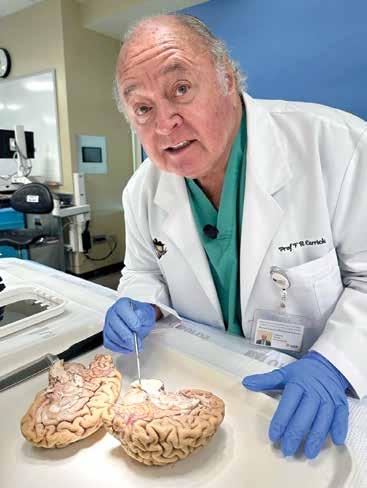
such as the core muscles or the back, to steady yourself so that the lever forces of the arm don’t hurt your back.
Functional neurologists work to increase muscle activity when there is weakness and to reduce muscle activation when it is excessive, as in seizures, epilepsy, dystonia and movement disorders. They also treat neurodegenerative syndromes, memory problems, concussions and neurological issues related to digestion.
The Carrick Institute is renowned for therapies that enhance the performance of professional athletes and Olympians, not just in injury recovery, but also in functional improvement. For elite runners, we boost race speed with tailored eye exercises developed over four decades, including fast and slow eye movements in different directions, focusing on individual nervous system needs. Using this technology, we can increase the speed of swimmers, improve the agility of skiers, increase the number of baskets a person can make and the list goes on.
Beyond athletes, our methods can help the average person walk better and safer by addressing falls, a leading cause of accidental death. We’ve developed movement strategies to enhance balance
and stance using advanced tools to measure various factors. For instance, in Parkinson’s patients, we address postural misalignment by improving visual feedback. Our expertise in balance, gait and running parameters is well-established, with extensive published research.
What other treatments do you employ besides eye exercises?
Eye and head movements are central to what we do, but they are usually not done in isolation of other things. For a balance exercise, we might use a pole like a tightrope walker’s. We adjust arm swing ratios, foot placement and hip rotation. Additionally, we employ electrical stimulation and physical therapy, which are beneficial for stroke survivors.
Rehabilitation protocols focus on movement of the head, neck, trunk, extremities and eyes to activate different areas of the nervous system and restore function.
Are positive results long-lasting?
Our goal is to make patients autonomous so they don’t have to come back to see us. We give patients lifestyle changes, exercises and regimens that they can do on their own. Those who adhere to these strategies generally do well long-term. However, many people stop exercising and start getting symptoms again, so they have to come back in.
Who should consult with a specialist in functional neurology?
Conditions that have symptoms typically bring a patient to the functional neurologist. If severe migraines disrupt your daily tasks, if you struggle with basic activities like using a knife and fork to cut your food, or if your head injury affects your vision or memory, consult a functional neurologist. However, many neurological conditions do not have recognizable symptoms but still need to be addressed. I think everyone should visit a functional neurologist annually to ensure optimal functioning. Many discover imbalances, such as uneven hand movement or poor memory.
We treat all ages. Many younger patients are suffering from accidents like motorcycle falls or sports injuries, while older patients face neurodegenerative issues. We also assist kids with learning and developmental challenges.
Sandra Yeyati is the national editor of Natural Awakenings.
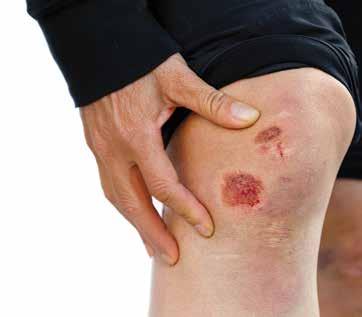
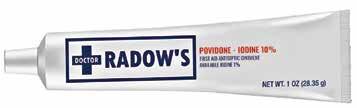
When it comes to cuts, scrapes, burns, or surgical wounds, you need a solution that’s both effective and gentle. Doctor Radow’s Povidone-Iodine Ointment is the clear choice over triple antibiotic ointment (TAO):
FEATURE Anti-Fungal
Effective Against MRSA
Post-Surgery Application
Recommended for Diabetics
Long-Term Use (Sustainability)
Emergency Use (Hospitals) Contains Antibiotics



by Maya Whitman

The U.S. Centers for Disease Control and Prevention reports that about one in 10 adults aged 45 and older experience worsening memory loss or cognitive decline, a precursor to dementia. A 2022 study in JAMA Neurology indicates that 22 percent of adults over age 65 experience mild cognitive impairment. Our dietary choices significantly impact brain longevity, and what we avoid is equally important.
The late pioneering researcher Dr. Martha Clare Morris developed the MIND Diet, which merges the Mediterranean and DASH (dietary approaches to stop hypertension) diets to enhance cognitive function with plenty of delicious versatility. A 2015 study published in Alzheimer’s & Dementia found that strict adherence to the
MIND Diet can reduce Alzheimer’s risk by 53 percent, while moderate adherence can lower it by 35 percent.
The MIND Diet is a stress-free, lifelong plan with bountiful menu options, including fish, lean poultry, vegetables, nuts, berries, whole grains, legumes and high-quality olive oil. It accommodates gluten-free and plant-based preferences. With satiating breakfast options like Greek yogurt or scrambled eggs, spicy chili for lunch and fun dinner burrito bowls, this diet is flexible and beginner-friendly, allowing for moderate consumption of pasta, potatoes and bread, with a focus on whole-grain, complex carbohydrates over refined ones. It also recommends oven roasting instead of high-heat frying.
“You can never be too young to embrace brain-healthy dietary strategies in support of longevity. Early adoption of brainhealthy eating habits may also enhance cognitive reserve, strengthening the brain’s resilience to neuropathological damage over time,” says neuroscientist Kristen Willeumier, founder and CEO of the Willeumier Center for Advanced Research in Neurotrauma & Brain Rehabilitation, in California.
Embracing variety is important. “I like to have people think of brain-healthy food groups, not superfoods,” states Annie Fenn, M.D., founder of the Brain Health Kitchen and author of The Brain Health Kitchen: Preventing Alzheimer’s Through Food. Fenn
notes that women are more likely to develop Alzheimer’s than men “for reasons that have nothing to do with living longer. Alzheimer’s can start in the brain up to 30 years before the first symptoms. It’s never too early or too late. Data shows that switching to a brain-healthy diet can have benefits even in one’s 70s.”
The Link Neuroscience Institute, in California, recommends eating more colorful berries, fatty fish such as sardines, dark leafy greens, nuts and seeds, and a moderate amount of high-quality dark chocolate to protect the brain from oxidative stress, which can lead to conditions like Alzheimer’s and Parkinson’s diseases, as well as mood disorders, including long-term depression. They also advise against consuming processed and fried foods, sugar, alcohol and sodium.
According to Willeumier, even a modest reduction in the intake of processed foods, including packaged products, sweetened cereals, deli meats and sugary beverages, can have a positive impact on brain health. She recommends the complete elimination of alcoholic beverages. “Neuroimaging studies, including the Whitehall II Study, which followed 550 participants over a 30year period tracking alcohol intake and cognitive performance, suggest that there is no protective effect of alcohol on the brain, even from light drinking. Eliminate alcohol for the preservation of your long-term brain health.”
Certain foods accelerate brain aging, and Fenn recommends limiting or eliminating fast and fried foods, sugar, artificially sweetened drinks, ultra-processed products and
foods that are excessively high in saturated fat like butter and some cheeses. Certain cooking techniques are also problematic. “Frying, searing and grilling directly over high heat creates inflammatory particles called advanced glycation end products, or AGEs,” explains Fenn. “Think low-and-slow when you cook—low heat, slow cooking, braising, poaching, steaming and indirect grilling.”
Willeumier notes that these healthy eating habits can have an immediate effect on brain function by influencing neurotransmitter production, stabilizing blood sugar levels, reducing inflammation and improving cerebral blood flow, all of which can also help us to live longer, maintain our focus and thinking skills, and feel happier.
Maya Whitman is a frequent writer for Natural Awakenings.
Chocolate chips blended with smoked sea salt for a dark and rich salted chocolate flavor. Think of these as your favorite chocolate chip
30 cookies* 1/2 Cup Unsalted Butter, at room temperature
Cup White Sugar
Cup Granulated Brown Sugar
Large Egg
Teaspoon Premium Vanilla Extract, Madagascar
1/4 Cups All-Purpose Flour
Teaspoon Baking Soda
Teaspoon Kosher Sea Salt Flakes



YIELD: 3 SERVINGS
1 cup old-fashioned, rolled oats
1 medium ripe banana
2 large eggs
½ cup cottage cheese (nonfat or whole), plus more for serving, optional
¼ cup water
½ cup almond, buckwheat, hazelnut or quinoa flour
¼ cup protein powder, optional
¼ cup hemp seeds, plus more for sprinkling
1 tsp baking powder
½ tsp ground cinnamon
¼ tsp kosher salt
¾ cup frozen wild blueberries (about 1 Tbsp per pancake)
Yogurt to taste, optional
Fresh berries or mashed frozen berries for toppings, optional
Pure maple syrup, warmed, optional
Extra virgin olive oil, drizzled
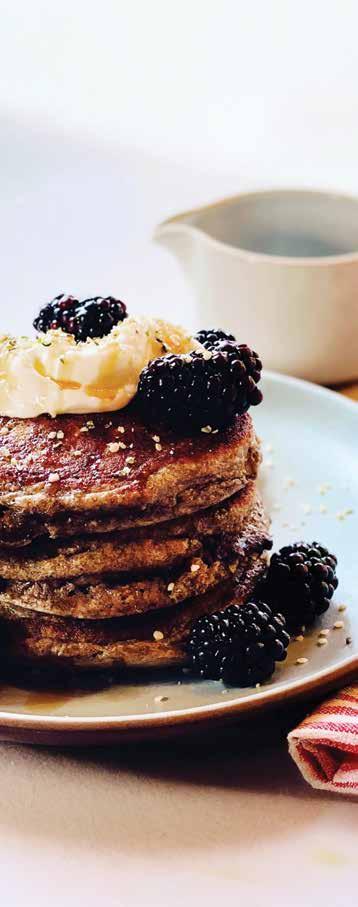
Place the oats in a blender until ground into a coarse flour with a texture like almond meal. Add the banana, eggs, cottage cheese and ¼ cup water and blend on high until smooth and no pieces of banana remain. Add the flour, protein powder, hemp seeds, baking powder, cinnamon and salt, in that order. Blend just until combined. Set aside while toppings are prepared.
Check the batter. If it is too thick to pour, add water 1 teaspoon at a time until it has a pourable consistency but not too thin—these should be thick, hearty pancakes.
Warm a large, nonstick skillet over medium-high heat with a drizzle of olive oil, swirling to distribute evenly. Measure ¼ cup of batter for each pancake, about three per large skillet. Scatter 1 heaping tablespoon of blueberries over each pancake, pressing slightly so they adhere. Cook until the underside is crispy and brown and the center is set, about 3 to 4 minutes. Using a rigid spatula, carefully flip the pancake and cook until golden brown on the other side and the center is dry, another 3 to 4 minutes.
Serve right away or transfer to a plate and place in the oven to keep warm. Repeat, using the remaining batter and berries. Serve hot, dollop with yogurt, a sprinkle of hemp seeds and more berries on top. Drizzle with maple syrup.
Store leftover pancake batter in an airtight container in the refrigerator for up to four days. The batter will thicken as it sits, so thin with 1 teaspoon of water at a time.
Courtesy Annie Fenn
Recipe courtesy of Annie Fenn.

YIELD: 2 SERVINGS
2 wild-caught salmon fillets
1 lb fresh asparagus, washed
2 Roma tomatoes
1 avocado, sliced
1 head butter lettuce, divided in half
½ lemon, sliced in two
Preheat the oven to 400° F.
1 to 2 cloves of fresh garlic, finely chopped
1 Tbsp fresh or dried thyme leaves
Sprinkle of oregano
Himalayan salt, to taste
Black pepper, to taste
Extra virgin olive oil, drizzled

Place salmon in a baking dish and squeeze an even amount of lemon juice on each fillet. Season filets evenly with chopped garlic and thyme leaves. Add Himalayan salt and black pepper to taste. Drizzle with olive oil.
Bake salmon in the oven for 25 minutes.
Place asparagus on a baking sheet and drizzle about a tablespoon of olive oil on top. Add Himalayan sea salt and black pepper to taste. Roast the asparagus in the oven for 15 minutes.
Serve salmon on a bed of butter lettuce with chopped Roma tomatoes, avocado and roasted asparagus on the side.
Recipe courtesy of Dr. Kristen Willeumier.




by Megy Karydes
In living rooms, coffee shops and community centers across the country, a quiet revolution is unfolding. The arts and crafts of previous generations—from quilting, basketweaving and jewelry-making to painting, pottery and bookbinding—are experiencing an unprecedented renaissance that extends beyond nostalgia.
“This trend is a natural reaction to how much of people’s lives are spent on screens,” remarks Ivana Labuckas, clinical director at Build Bright Care Group, in Granada Hills, California. “People are constantly dealing with abstract tasks like emails or social media that never give them that satisfying feeling of being truly done. Crafting brings them back to something real.”
Recent research published in Frontiers in Public Health found that engaging in arts and crafts activities increased people’s sense that life was worthwhile. Of the nearly 7,200 adult participants, those that engaged in creative activities self-reported higher levels of happiness, life satisfaction and overall well-being, even after accounting for employment status and socioeconomic conditions.
Making things with our hands may be just the digital detox we need. Crafting provides what Labuckas calls “a process people can control and a finished product they can actually hold in their hands, which provides a powerful sense of accomplishment and calm in a world that often feels out of their control.”
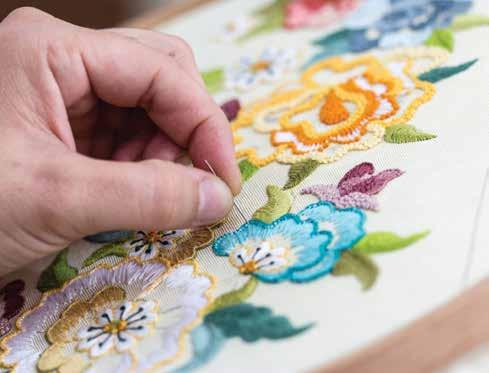
The mental health benefits of hands-on crafting are also profound. “Craft-based activities tend to activate various regions of the brain linked with memory, attention and motor coordination,” explains Jessica Plonchak, clinical director at ChoicePoint, a mental health and addiction treatment center in Fairlawn, New Jersey. “Being engaged in slow-paced handwork works as a meditation for many people, as it keeps their minds in good coordination with rhythm and repetition.”
According to Plonchak, the rhythmic nature of crafting “ultimately increases dopamine levels, while reducing stress and anxiety levels.” Unlike the short-lived boosts from social media notifications, craft-induced dopamine provides sustained satisfaction and genuine mood elevation.
The focused attention required for counting stitches or following intricate patterns creates what psychologists call flow states—periods of deep engagement where stress and time seem to fade away. “Making something by hand is one of the best forms of practical mindfulness people can do,” says Labuckas. “The focused, rhythmic nature of these activities gives busy minds one thing to focus on, quieting the part of the brain that tends to replay worries.”
Kim Rippy, a licensed counselor and owner of Keystone Therapy Group, in Burke, Virginia, is also an avid crocheter. “Crafting slows down the brain to shift into a more mindful state of focusing on the present,” she says. “One can’t count crochet stitches correctly if they’re worried about something else from the past or future.”
For Rippy, who manages patients with attention-deficit/hyperactivity disorder, crafting serves as a powerful regulation tool. “Something in one’s hands that is productive helps the brain stop from drifting or becoming overwhelmed with anxious or intrusive thoughts,” she notes. This tactile engagement pulls attention away from worry and grounds it in present-moment awareness, a principle that underlies many therapeutic interventions.
The crafting renaissance also allows us to reuse and repurpose materials destined for the landfill. This shift from consumption to creation represents a reorientation of values. “Instead of just buying and discarding things, people realize the utmost importance of creating something of their own and preserving it,” Plonchak says. “It allows
This tactile engagement pulls attention away from worry and grounds it in present-moment awareness.
people to believe that, apart from being consumers, they are also the creators of something inventive and useful. This acknowledgment boosts self-esteem, improves emotional regulation and keeps the negative forces at bay.”
Consider upcycling fabric scraps into patchwork blankets, turning old CDs into mosaic art, transforming glass jars into lanterns or vases and wine corks into a trivet. To ensure the sustainability of a crafting project, use minimally toxic materials, avoiding new plastics, and be mindful to reduce waste at every step.
In her clinical work, Plonchak has witnessed firsthand that “crafting serves as a bridge to better mental health by offering moments of stillness and creativity.” It is a sophisticated form of therapy that engages multiple brain systems while providing sustainable, meaningful alternatives to digital entertainment.
As society navigates an increasingly complex and accelerated world, the wisdom needed is not found in the latest technology, but in time-tested practices. In every stitch and woven strand, we are not just creating treasured objects. We are choosing to craft calm, build community and rediscover what it means to be truly present in our own lives.
Megy Karydes is a Chicago-based writer and author of 50 Ways to More Calm, Less Stress.



Cool the hot flashes while also boosting sex drive.
In addition to helping customers understand how to use cannabis and pairing them with the best blend to suit their needs, Kelly also offers the following services:


by Marlaina Donato
White-knuckling our way through life can be exhausting, but more than that, chronic strain can negatively impact brain function and even alter its physical structure. Continually recurring stressors can lead to impaired memory, emotional dysregulation, anxiety disorders and depression. When the nervous system gets stuck on overdrive, the body delays a variety of critical functions, including immune response and tissue repair, in order to deal with perceived emergencies.
Over time, the amygdala, an area within our brain that is responsible for processing fear and alerting us to danger, can become enlarged and hyperreactive, hardwiring us to be in a constant fight-or-flight mode. Prolonged stress of this nature can lead to excessive accumulation of cortisol in the brain, setting the stage for conditions like inflammatory bowel disease.
Gently reprogramming an overstimulated nervous system can initiate and improve cellular repair, nutrient absorption, sounder sleep and more tranquil moods. Restoration of the body’s natural capacity for calm is possible through noninvasive, painless approaches such as sound healing, craniosacral therapy and certain forms of acupressure.
“When we are under stress all the time, the autonomic nervous system gets out of balance, and the body cannot heal itself as it is intended to do,” explains Gail Lynn, the author of Unlocking the Ancient Secrets to Healing and inventor of the Harmonic Egg, which uses light, color and sound to provide an immersive relaxation experience.
In 2007, she faced a cardiovascular health crisis at age 37, which she attributes to three successive challenging careers and a stressful personal life over the span of many years. Lynn explored a number of alternative solutions, and with full-body sound-and-light sessions experienced a profound shift in her health and well-being. She attests
that resetting her nervous system enabled her body to heal itself, making her life “100 percent better”.
Modern sound therapy has ancient roots in cultures worldwide. The use of tuning forks, therapeutic gongs, singing bowls, mantras, percussive hand instruments and binaural beats has been shown to synchronize brainwaves in a process called brainwave entrainment, resulting in a lowered stress response. Harvard Health notes
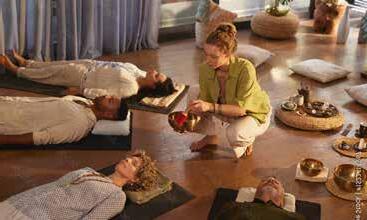
that soothing tones can lower elevated blood pressure and promote healthier heart and respiratory rates, alleviating burden on the autonomic nervous system.
Another way to switch off a state of perpetual survival mode is to restore balance to the vagus nerve, which connects the brain to the heart, lungs, kidneys, liver and most of the digestive tract. “Seventy percent of the traffic on the vagus nerve goes from the organs to the brain. Only 30 percent of the traffic goes from the brain to the organs, so it is much more a situation of the gut controlling the brain,” explains Tim Hutton, a craniosacral therapist and Upledger Institute instructor in Bellingham, Washington. Hutton underscores that the body can recuperate once it is able to shift out of fight-flight-orfreeze mode and into the ventral vagal state of rest-and-digest.
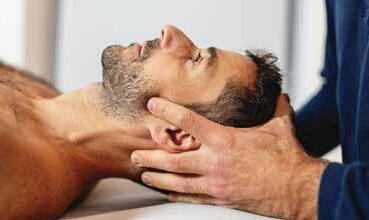
Developed by John E. Upledger in the 1970s, craniosacral therapy (CST) is a gentle bodywork modality that seeks to restore the natural functioning of the membranes and fluids surrounding the spinal cord and brain. “There is a subtle, rhythmic motion of the tissue that we call the craniosacral rhythm that is easily disrupted. Any tension or compromise in the body’s ability to function will adversely affect the craniosacral rhythm,” says Hutton. “As a therapist, I support the client’s healing process and let their body lead.” CST releases tension in the craniosacral system, shifting the body to the rest-and-digest mode and enhancing vagus nerve function.
A 2020 study published in Complementary Therapies in Medicine of patients with complex traumas, including post-traumatic stress disorder, reported improvements in quality of life after receiving a combination of CST and psychotherapy. A 2023 randomized clinical trial published in Behavioral Sciences involving 57 healthy firefighting cadets showed a reduction of the stress hormone cortisol in participants that received CST sessions for five consecutive weeks.
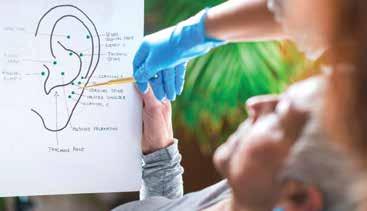
Stress and anxiety contribute to insomnia, which can cause even more stress. With roots in Traditional Chinese Medicine, auricular therapy involves the stimulation of 120 acupoints in the ear that correspond to the nervous system and certain other parts of the body. The therapy is believed to positively influence neurotransmitter activity, which facilitates the communication between brain cells, while also enhancing neuroplasticity, the brain’s ability to reorganize and adapt by forming new neural pathways.
A 2023 systematic meta-analysis published in Frontiers in Sleep reported that auricular acupressure can be beneficial for insomnia. Ear seeds, a type of ear acupressure without needles, have also shown promise for anxiety and insomnia.
By applying any one or a combination of these therapies, it is possible to experience more balance and calm. If a particular modality does not bring about the desired stress relief, persist with another. “There is always hope,” says Hutton. “Most often, miracles are incremental.”
“A lot of people are wary about hypnosis, they think it’s kooky or witchcrafty, but really it is a very comfortable relaxation...and it onlyhelps you do what youwant to do.” says onesatisfied client.
With a 95% Success rate, Ariana Joy Arlen guarantees smoke cessation in just ONE visit – and unlike edications, there are no unwanted side-effects!
Make any positive change you’ve been wanting to make! Ariana Joy Arlen is a certified hypnotherapist, & creator of ‘Free at Last!
Journey’
what are you waiting for? It’s never too late to begin a ‘Joyful Journey.’
Marlaina Donato is an author, painter and composer. Connect at WildflowersAndWoodSmoke.com.





to support

by Christina Connors
Temper tantrums, bedtime battles and outsized feelings may occasionally overwhelm a toddler. Although such outbursts are a normal part of growing up, they represent a child’s attempt to work through and com municate their emotions. Whether these episodes happen at home or in the shopping mall, it can certain ly feel uncomfortable for the child, the parents and nearby witnesses.
Mindfulness practices designed for toddlers can help little ones navigate unsettling feelings and sit uational challenges while supporting their developing brains. Rambunctious youngsters may not be able to sit still and meditate yet, but they will likely engage in games and activities that strategically teach emotional regulation skills.
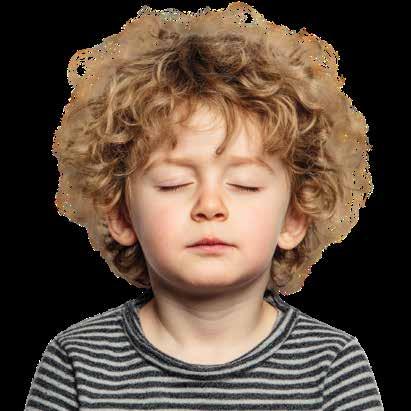
The Science Behind Little Minds. A 024 randomized study published in Cerebral Cortex reveals just how powerful mindfulness can be for developing brains. After analyzing brain imaging from 68 participating children, the researchers discovered that the kids that engaged in mindfulness activities exhibited measurable positive impacts in completing executive-function tasks and were better behaved than the control group.
“This research matters because during the toddler years, the brain is rapidly forming connections, especially in areas related to emotional regulation, attention and empathy,” says Dr. Yasmine Saad, a psychologist and founder of Madison Park Psychological Services, in New York City. “Mindfulness strengthens these neural pathways. When toddlers pause to notice their breath or sensations, they’re practicing self-awareness and impulse control, skills that form the foundation for emotional intelligence later in life.”
Mindfulness for Toddlers. Forget about sitting cross-legged in silence. Mindfulness for toddlers is about creating moments of awareness through their natural language of play. Moments of presence can be sprinkled into a child’s day by prompting them to notice their breath during a fun game, guiding them to recognize emotions through storytelling and building body awareness with movement.
“When it comes to teaching mindfulness and presence with young children, it is about connection, not perfection,” says Lee Sowles, founder and CEO of Kind Mind, a company that provides social-emotional learning curriculums for early childhood and elementary-aged children (ages 0 to 12 years). “We encourage a model-to-teach approach, so practicing yourself—in moments of chaos, triggers and calm—is the best way to teach and guide your children to develop healthy regulation strategies.” Sowles shares these simple techniques:
• Listening Games: Have toddlers close their eyes and identify different sounds around them, both inside and outside the room. Surprise them by asking if they can hear sounds inside their own bodies.
• Texture Exploration: To develop mindful touching, ask kids to close their eyes and then place various items in their hands, prompting them to identify what those trinkets and textures are. Another fun game is to have kids rub their hands together really fast, then stop. Ask them to describe
what they feel, offering suggestions such as heat, tingling or coolness.

Visual Tools
• Calm Down Jars: Fill a clear jar about three-quarters full with warm water; stir in two tablespoons of clear glue and one to two teaspoons of eco-friendly glitter. Top off with warm water, leaving a little space at the top, and close with a water-tight lid. Toddlers can shake the jar and watch the glitter settle. This is a wonderful way to visually illustrate the process of calming down.
• Breathing Buddies: To help young children feel their breath moving, place a stuffed animal on their belly while they are in a reclined position. Invite them to take deep breaths and ask them to describe what is happening to their beloved toy as they breathe in and out.
• Slow-Motion Walking: Practice walking as slowly and deliberately as possible, and have the toddlers notice every movement. Do they feel the floor under their bare feet? Can they hear their knees?
• Body Awareness: Guide children to tighten and relax different parts of their bodies, head to toe. For example, ask them to scrunch their faces tightly for three seconds, then relax, feeling the muscles melting.
The Ripple Effect on Families. When toddlers learn these early mindfulness skills, the benefits extend to the entire family. Parents report feeling more confident when handling challenging behaviors, and siblings often naturally imitate the techniques.
Mindfulness can be woven into daily activities or mundane chores. “Turn waiting in line into a what-do-you-see-and-hear game,” Saad suggests. “Make toothbrushing a chance to notice tastes and sensations. Even a one-minute pause before meals to take a breath and say something you’re grateful for can help a child’s brain and body learn to reset. Small, consistent moments are what create lasting habits.”
Getting Started. Begin with 30- to 60-second activities and gradually increase the duration as toddlers develop their attention span. All of the mindfulness activities should feel playful—like games, rather than formal meditation. Remember to model the behavior. Toddlers learn best through imitation. Be consistent. Regular practice, even if it involves brief moments, is more effective than longer, infrequent sessions. Follow the child’s lead. If a toddler is not responding to one technique, try another. Every child is unique and will connect with their preferred activities. Test them out and have fun with them.
Christina Connors is a writer, keynote singer and head of music and social-emotional learning integration for the Kind Mind Education Program. Learn more at ChristinaConnors.com.


Join as a KnoWEwell Regenerative Whole Health member
AND WELL-BEING
VETTED PRACTITIONERS
Find your best-matched vetted holistic and whole health providers
WEBCASTS
700+ and Growing ive and On-Demand Expert Webcasts
EDUCATIONAL SHOWS
Curate your own library of 160+ and Growing Whole Health Expert hows
COMMUNITIES
Make meaningful connections in 200+ and growing Whole Health & Expert Communities
DISCOUNTS
Get discounts on expert healing programs and courses
Natural Awakenings
readers receive a 30% discount on KnoWEwell memberships.
Join at: nowewell.com/ communi /join-individuals




True North: A Three-Day Somatic Healing Retreat – This immersive, small-group retreat explores somatic-based therapy and guided nervous system healing in a serene, nature-based setting near Bellaire. Space limited to 12 participants. Date, time, cost and location details shared upon registration. True Wind Therapy, near Bellaire. 248-266-5719. Kat@TrueWindTherapy.com (preferred). TrueWindTherapy.com.
THURSDAY, OCTOBER 2
International Psychic Medium Sherry Lord – 9am-4pm. She is one of the most sought-after Psychic Mediums. Sherry Lord can help you in all areas of your life including Business, Spiritual Paths, loved ones who have passed, including animals. $125/30 mins; $175/45 mins; $225/1 hr. Urban Oasis Salt Spa, 13709 S W Bay Shore, Traverse City. 231-938-6020. UrbanOasisSaltspa.com.
Herbs for Digestion – 6:30-8pm. Discover easy ways to improve your digestive health using herbs with local herbalist, Sierra LaRose of Bear Earth Herbals. Learn ways to incorporate herbs and remedies into daily routines that are simple and effective. Oryana West, 3587 Marketplace Cir, Traverse City. Register: Oryana.coop.
FRIDAY, OCTOBER 3
International Psychic Medium Sherry Lord – Oct 3-4. 9am-4pm, Fri; 5-7pm, Sat. $55: Enlighten Freedom Program Class. Experience this channelled new system. Clears old, repeated patterns and behavior patterns. Enjoy a group healing. $65/15 mins; $125/30 mins; $175/45 mins; $225/1 hr. Higher Self Bookstore, 313 E Front St, Traverse City. 231-941-5805. HigherSelfBookstore.com.
SUNDAY, OCTOBER 5
International Psychic Medium Sherry Lord – 10am-5pm. She is one of the most sought-after Psychic Mediums. $125/30 mins; $175/45 mins; $225/1 hr. Evolve Books & Gifts, 5919 Manitou Trl, Glen Arbor. 231334-4200. EvolveBooksAndGifts.com.
WEDNESDAY, OCTOBER 8
Make Your Own Mozzarella Workshop –6:30-8pm. With Nik Basford of Leelanau Cheese. Learn how to craft this satisfyingly simple cheese from local milk and a handful of basic ingredients. Oryana West, 3587 Marketplace Cir, Traverse City. Register: Oryana.coop.
THURSDAY, OCTOBER 9
Raptors in the Fall Sky – 6-7pm. Have
an up-close experience with live raptors from North Sky Raptor Sanctuary. Boardman River Nature Center, 1450 Cass Rd, Traverse City. Registration required: NatureIsCalling.org.
FRIDAY, OCTOBER 10
Owl Prowl – 7-8:30pm. Learn about our local owls and their conservation with an introductory presentation and then head out for a night hike in search of these amazing birds. $10. Grass River Education Center, 6500 Alden Hwy, Bellaire. Registration required: GrassRiver.org.
SATURDAY, OCTOBER 11
Annual Apple Day – 12-4pm. Celebrate the fall harvest with over 20 apple varieties to taste, hot and hard ciders, apple hand pies, fritters and freshly milled buckwheat donuts. A family-friendly afternoon on the farm with seasonal flavors and scenic views. Free admission. Farm Club, 10051 Lake Leelanau Dr, Traverse City. 231-2523079. FarmClubTC.com.
Introduction to Koji – 1-3pm. With Miseang Suh of Iroiro Creations. Learn about the power of Koji, which is used in various Japanese fermented products like miso, soy sauce, sake and more. Oryana West, 3587 Marketplace Cir, Traverse City. Register: Oryana.coop.
MONDAY, OCTOBER 13
Earth Science Week & National Fossil Day Celebration – 5:30-7pm. This immersive experience will showcase the incredible ways Earth science is conducted by a diverse range of people and professions. Free. Boardman River Nature Center, 1450 Cass Rd, Traverse City. Registration required: NatureIsCalling.org.
THURSDAY, OCTOBER 16
Garlic Mustard Papermaking – 5-6:30pm. Learn about this detrimental invasive, get their hands dirty while making paper from scratch, and take home some deco-
rative craft paper. Registration required: HabitatMatters.org.
FRIDAY, OCTOBER 17
25th Annual Wise Traditions Conference – Oct 17-19. Sponsored by the Weston A. Price Foundation. Includes 40 speakers and 70 exhibits plus farmto-table meals. Reasonable rates. which include conference meals and special 1-, 2- or 3-day passes, plus reduced rates for 20 and younger. Salt Lake City, Utah. Info & register: WiseTraditions.org.
THURSDAY, OCTOBER 23
Groceries for Good: Women’s Resource Center – 8am-9pm. Oryana will give 2% of profits from both stores and encourage shoppers to round up their purchases. Both Oryana stores. Oryana.coop.
SATURDAY, OCTOBER 25
Fall Native Seedling & Plant Sale – 10am2pm. Featuring native Michigan conifers: balsam fir, red cedar, red pine, white pine and white spruce. Will also offer native perennial plants, including garden kits. Free admission. Boardman River Nature Center, 1450 Cass Rd, Traverse City. NatureIsCalling.org.
THURSDAY, OCTOBER 30
Halloween Lantern-Lit Hike – 6-8pm. Description: Come dressed in your costume and celebrate Halloween with a self-guided lantern-lit hike featuring North Sky Raptor Sanctuary. $5/person. Boardman River Nature Center, 1450 Cass Rd, Traverse City. Registration required: NatureIsCalling.org.
Free Online Programs – Practical Buddhism, Healing and Compassion Meditation, Group Practice, White Tara Guided Healing Meditation, Sunday Talks. Jewel Heart Tibetan Buddhist Learning Center: JewelHeart.org.
Infinite Path Martial Arts Customized Virtual Learning – For self-defense and fitness with Christopher Scafone. More info: 248-284-3242, IPMAContact@yahoo. com or InfinitePath.net.
Sacred Lights Collective Events – A digital platform and virtual community for seekers and facilitators to walk the spiritual path together offering daily classes, groups and workshops. With Aria Mae Everts. Virtual. 774-578-2762. Sacred LightsCollective.com.
Naturally Purifying and Supercharg-
ing Your Body Podcast – 7-7:45pm. Matthew Hazen is the owner of Human Consciousness Support, a company that produces a unique nutraceutical product called MasterPeace. Free. BuzzSprout. com/1206776/14236700.
Mindful and Musical – Classes available for children from newborns through age. An intergenerational class, We’re Better Together, meets within assisted living communities, fostering interaction between young children and elders. Pop-up classes on Sat mornings offer additional opportunities for families. 414 E Eighth St, Traverse City. 231-360-2898. MindfulAndMusical.com.
Second Spring Farm – Find their offerings at the Wed and Sat markets, Traverse City and Tues, Glen Arbor; Sat market, Suttons Bay, Thurs market, Leland, Fri market, Northport, Sun market, Interlochen. Also at the Mercato in Building 50 on Sat during the winter months. Farm visits available by appt. 7155 E Hoxie Rd, Cedar. 231-944-8946. SecondSpringFarm.net.
Soul-Stirring Yoga Sundays – 10am. In-person and live online with Crystal Turner. Each class is a multi-level class, allowing for exploration and expansion to flourish from the inside-out. $20. Karasi Fitness and Healing Arts, 104 S Union St, Ste 204, Traverse City. 231-492-9206. Karasi FitnessAndHealingArts.com.
Kundalini Yoga – 10-11am. A dynamic, powerful tool that is designed to give you an experience of your energetic body. All levels. Sliding scale $10-$20. New Moon Yoga, 10781 E Cherry Bend Rd, Traverse City. 231-392-5813. NewMoonYogaStudio.com.
White Tara Guided Healing Meditation – 10:30-11:30am. In-person & Zoom. Free. Jewel Heart Tibetan Buddhist Learning Center, 1129 Oak Valley Dr, Ann Arbor. 734994-3387. JewelHeart.org.
Sunday Talk with Demo Rinpoche –11am-12pm. In-person & Zoom. Jewel Heart Tibetan Buddhist Learning Center, 1129 Oak Valley Dr, Ann Arbor. 734-9943387. JewelHeart.org.
MONDAYS
Cancer Care Support Discovery Call – 6-6:30pm. For those looking to incorporate a holistic, functional element of care into their cancer treatment plan by working in conjunction with your oncologists, surgeons, primary care physician and physical medicine practitioners. More info: MIHolisticMed.com.
MONDAYS
Charlevoix Senior Center Veteran Social
& Lunch – 9am-1pm. 1st Tues. Honoring our veterans. Social beginning at 9am and Free Lunch for Veterans at 11:30am. Charlevoix Senior Center, 06906 Norwood Rd, Charlevoix. Charlevoix.org.
“Sew”cial Day – 10am-6pm. 1st Tues. Grab some interruption-free sewing time with help and support to get you through your projects. A great chance to meet up in a safe space and enjoy some sewing time. Juneberry Cottage, 220 N Main St, Evart. RSVP: JuneberryCottage.com.
Empowerment Circle – 10:30-11:30am. With Heather Zigler. By bringing new light to an ancient and traditional tool used by indigenous people around the globe. Circles are a place to transform ME to WE as a space where the principle of sharing power with each other exists instead of having power over one another. 1st class free. Pure Essence Wellness Center, 1240 E 8th St, Traverse City. 231499-8595. HeatherZigler.com.
Spiritual Guidance and Readings – 11am7pm. With Julie Chai. Receive various forms of spiritual consultations such as clairvoyant readings, aura healings, oracle card interpretations and past life readings. $1/min. Higher Self Bookstore, 313 E Front St, Traverse City. For appt: 231-941-5805. HigherSelfBookstore.com.
Hand Work – 12-4pm. 2nd Tues. Work on a project of your choice. Think of it as the non-electrical side of sewing, piecing and quilting. Juneberry Cottage, 220 N Main St, Evart. RSVP: JuneberryCottage.com.
Traverse City Women’s Circle – 6pm. 2nd Tues. With Be Here Now Baby. Offering women a safe space to connect, share and empower each other. Donation. Dharamsala TC, 869 Robinwood Ct, Traverse City. 231-421-3808. DharamsalaTC.com.
The Gathering – 7-8pm. 2nd & 4th. With Ryan Donahoe. Inter-spiritual space: for our stories to be shared, our beliefs to be explored and community to be nurtured. Free. Carnegie Building, 451 E Mitchell St, Petoskey. My Oasis Center: 231-333-8046 or MyOasisCenter.org.
Neverending Lam of Liberation –7-8:30pm. With Demo Rinpoche. In-person & Zoom. Jewel Heart Tibetan Buddhist Learning Center, 1129 Oak Valley Dr, Ann Arbor. 734-994-3387. JewelHeart.org.
WEDNESDAYS
Morning Flow Vinyasa Yoga – 7:308:15am. Beginner/Level 1; Intermediate/ Level 2. Get up and get your body moving through a series of fluid postures flowing through sequences of sun salutations, standing and seated postures in this energizing class. $14/class. Livestream. Tinyurl. com/3jp9vsbn.
Empowerment Circle – 5:30-6:30pm. See Tues listing. Pure Essence Wellness Center, 1240 E 8th St, Traverse City. 231499-8595. HeatherZigler.com. Community Slow Roll TC – 6-8pm. With
Norte Youth. A weekly ride from Oryana to The Little Fleet. The route is 3-5 miles and the pace is accommodating for all abilities. 260 E Tenth St, Traverse City. 231883-2404. NorteYouthCycling.org.
THURSDAYS
Weekly Facebook Live with Dr. McSwain – 5:30-6pm. More info: MIHolisticMed.com. The Goddess Workout Beginner Hula Dance Class – 6:30-7:30pm. For absolute beginners of all ages, sizes and shapes. Learn basic hula moves and combinations. $80/8-wk session, $15/drop-in. First Congregational Church, 8066 W State St, Central Lake. AmiraHamzarRaks.com.
FRIDAYS
Meditation: Chanting for Peace – 3-4pm. 1st & 3rd Fri. Explore the healing resonance of their own voices through sacred sound. Guided by Aideen Ni Riada. All levels. $20. Vesica Healing Center, 1030 Hastings St, Ste 110, Traverse City. Register (call/text): 231-499-3649. ConfidenceInSinging.com.
SATURDAYS
Mindful Morning Flow – 8-9am. In-person and online. Gently energize your body and focus your mind, drawing attention to each movement and breath to each posture in this Vinyasa-style practice. $25 in studio, $15 virtually (bundle 6 classes for $120). True Balance Fitness, Nutrition and Wellness, 1128 S Garfield Ave, Traverse City. 231-519-0808. TrueBalanceLife.com.
Eco/EMF shielded home near Grayling available for short to long term stay. Minimal rent/ help caring for dogs & chickens on property. Call 231-714-0477 for details.
HEALTHY HERDERS - Full grown male Aussiedoodle, 18lbs, blue merle, holistically raised since taken in as an older pup. Roscommon. NutritionalRC@gmail.com. 989-275-9976.
PERFECT FOR HOSTING A BURNING MAN-STYLE FESTIVAL – without the mud and storm chaos of this year’s event! Just 90 miles from Las Vegas off Route 93, this 68-acre off-grid desert retreat features 6 domes, sustainable infrastructure, RV site permits, fruit orchards, and unlimited festival permitting. Level land. No flood zone. No drama. Bruce Perlowin. 323-420-6990.
NATURE’S TRADING POST
Covering all of Northern MI NaturesTradingPost.com Offering Northern Michigan the Most Natural

Offering natural smokeless tobacco options. Delivered free within Northern MI. See ad page 21.
MY CBD
GOOD WAVES EMF INVESTIGATOR
Serving Central to Northern MI 231-714-0477
EMFInvestigator.com

HEALTHY HERDERS
Roscommon, MI
NutritionalRC@gmail.com 989-275-9976
Kelly Young MyTCBD.com
Contact Us For


All-natural CBD products. We source from only organic, environmentally socially responsible companies that believe in cruelty-free testing. Life is too short to feel anything less than your personal best. Ask about our distributor options where you can be your own boss. See ad page 23.
naturestradingpost.com (989) 275-9976

SPICE & TEA MERCHANTS
145 E Front St, Traverse City 231-947-7423
SpiceMerchants.biz/traverse-city-spice-store

Providing the world’s best herbs, spices and teas for your kitchen. We carry over 200 spices from everyday use to the most exotic as well as over 120 different teas. See ad page 19.
Many unexplained health issues are showing links to Cell Phones/Towers/Wi-Fi (with levels now stronger than bodies naturally adapt to). We detect EMF-related causes by determining sources of harmful radiation & offer solutions to mitigate them. See ad on back cover.
PROVIDENCE ORGANIC FARM, CAFÉ & NATURAL FOOD MARKET
5695 N Michigan 88, Central Lake 231-599-2020
ProvidenceOrganicFarm.com

Charming farm-market, cafe and natural foods store at their farm, featuring organic espresso and tea bar, kombucha on tap, organic produce and meats, local honey, maple syrup, eggs, cheese, gift items and much more.
WHOLE HEALTH TRAVERSE CITY
3639 Cass Rd, Traverse City 231-943-2100
WholeHealthTC.org

We help people suffering with chronic joint and muscle pain due to arthritis or injury to decrease their pain, increase their quality of life and maximize their competitive edge through advances in functional neurology and regenerative medicine. See ad page 13.

Full grown male Aussiedoodle, 18lbs, blue merle, holistically raised since taken in as an older pup. Roscommon. NutritionalRC@gmail. com. 989-275-9976..
EDSON FARMS
835 S Garfield Ave, Traverse City 231-941-5221
EdsonFarms.com

Good for mind, body and soul.
Open since 1979 Edson Farms Natural Foods is a Northern Michigan favorite. With impeccable customer service, we have an organic deli and juice bar, coffee bar, produce, groceries, supplements, herbs, bulk foods, allergen friendly foods, body care, coffees and tea, and local products. See ad page 9.The Box building in Traverse City. Trained in NMT, Trigger Point, and Sports Massage therapies. See ad page 9.
LIST YOUR BIZ IN THIS WELLNESS DIRECTORY! Text Now for Special Rates! 734-757-7929