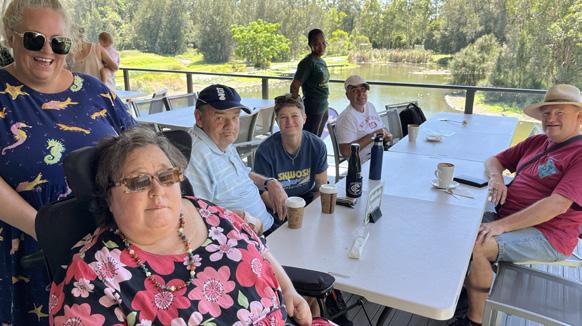
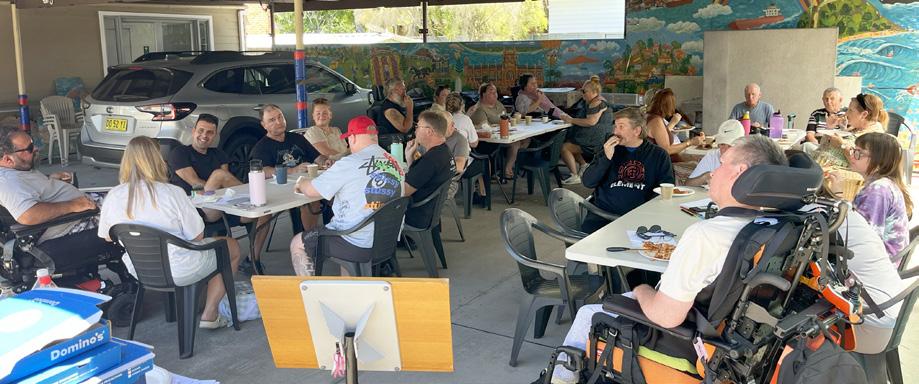
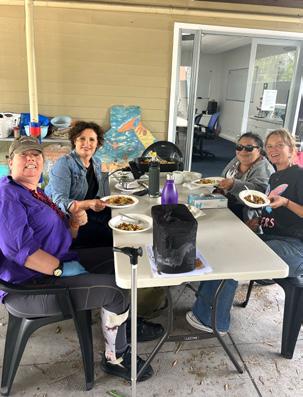
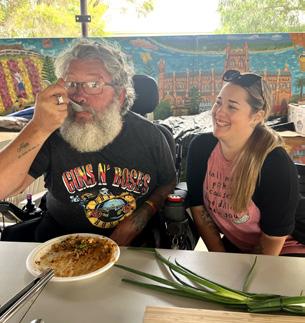
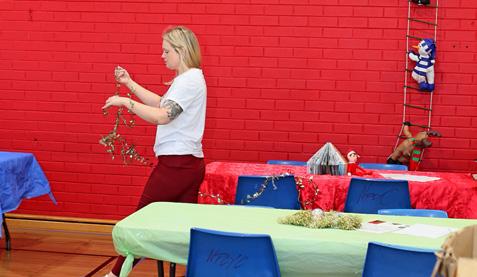
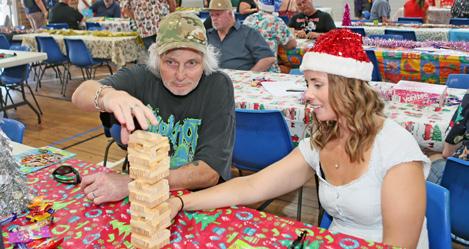
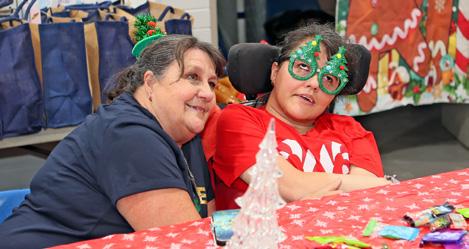
Headstart Acquired Brain Injury Services commenced in 1987 and is recognised as a premier provider of specialist services for people with an ABI in the Hunter and Central Coast region. Headstart provides individually tailored services across community access, in home support, life skills, social, leisure and recreational services, case coordination, and community information and education.
95 Turnbull Street, Hamilton NSW 2303
P 02 4965 4420
F 02 4965 4424
E info@headstart-abi.com.au
W www.headstart-abi.com.au
ABN 75057986026 I CFN 13046
Headstart ABI Services is a registered provider under the National Disability Insurance Scheme (NDIS). NDIS provider number 4050000082
Our Vision
For people living with brain injury to have opportunities that strengthen and enrich their lives.
Our Purpose
To make a difference in the lives of people touched by brain injury by providing opportunities and inspiring hope.
Leadership Team
Executive Director: Sue McHattie
Manager Service and Supports: Kesley Skippen
Services Team Lead: Lynette Aitken
Operations Manager: Alicia Richardson
Finance Manager: Douglas Walton
HR Lead: Katherine Fitzgerald
Quality Lead: Mitch Rixon
Learning & Development Lead: Sean Jordan
Now you can read NewsLink online with Issuu! If you aren’t on our email list then let us know. What kind of stories or information would you like to see in NewsLink? Do you have some great stories or photos? We’d love to hear from you! Email Andy, our Marketing & Communications Lead at our office: comms@headstart-abi.com.au
Notice & Nominate a staff member for outstanding achievement
We continue to recognise the work of our staff who have gone above and beyond in any capacity to support our consumers in their daily lives. Please help us thank and encourage our workers!
To make a nomination please contact us or email: info@headstart-abi.com.au
Check us out on Facebook and Instagram
For all the latest news, stories and rec activities search for headstart ABI Services
From the ED’s Desk
In this issue we feature a number of fundraising initiatives, both for Headstart and for cancer research and care. Unfortunately, so many lives are affected by cancer and every bit helps in making headway against this terrible disease.
On behalf of our Community Education Team, I want to especially thank Ray, a dedicated member of our CET, for his efforts running a bowls fundraiser for the second year running (pg 6). My heartfelt thanks to Raymond Terrace Bowling Club for their support and the volunteers who ran the raffle stand.
Have you noticed when people first meet each other the first question is more than likely “so what do you do?” The world tends to think about work as part of our identity. Work does offer a sense of purpose and often having a brain injury may mean that you can no longer continue with the same work as before. So as we work towards increasing skills and aiming to work again, we may decide that work is no longer our goal. In that case it’s a great idea to find your passions and pursue them. This could take the form of art activities, a musical instrument or even a sport tailored to your abilities.
In this edition we follow a couple of unique people and their stories of refinding passions and returning to work. Of course everyone is unique and will have different skills and also challenges. Perhaps there’s a hobby or passion you already have that could translate into a small work from home business. Having an activity that is purposeful and that you are passionate about can be very rewarding, so talk with your Care Coordinator if you have some ideas that you want to action or perhaps brainstorm some options that you could try out.
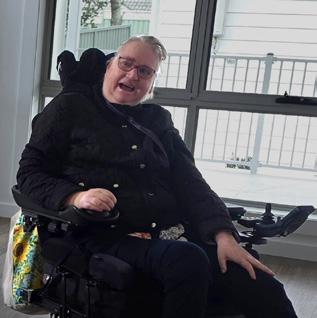
The past few months has been one of sadness with the passing of consumers Mark Laverick, Ben Parkinson, Shea O’Donoghue and Annette Harden. At the same time we celebrate each of their lives and remember all that they mean to us.
If this raises feelings of loss or grief for you, please call us at Headstart, connect with NALAG (National Assoc of Loss and Grief 6882 9222) or talk with Lifeline (13 11 14). There is always support available.
We look forward to sharing more of your stories in future NewsLinks – so if you’d like to contribute please give us a call.
Bye for now,
- Sue
Headstart Recreation Group: We want your thoughts!
One of the things that is special about Headstart’s Recreation Group is that everyone feels supported, welcomed, safe and has the opportunity to contribute.
This is because our Rec Group guidelines outline how we can all do this. Each year, together as a group, we review these guidelines. In April we will be meeting to review and update them, and ensure they create the best possible atmosphere for everyone. We would appreciate your thoughts, ideas or opinions on the current guidelines and welcome your feedback.
Some of the discussion points for review:
• The group chose not to consume alcohol on Rec in support of those who can’t due to medical restrictions.
• The group chose to set a $10 limit for any gambling in support of those who have limited budgets.
• The group chose to not borrow money/ cigarettes/ items from each other as it may place people in difficult situations.
• Treat each other with respect.
• Listen to each others ideas and thoughts, and recognise that it’s ok not to agree all the time.
We will be holding reviews at selected Rec Activity Days, if you are unable to attend these when the group review this, please call Aleisha on 4965 4420.
Please don’t hesitate, we want to hear all your views!
Support group for carers of people with an ABI: an invitation
An informal — but long-standing —support group that has been meeting locally for more than 37 years welcomes anyone connected with Headstart as well as new attendees. Whether you’re a carer, family member, or friend of a person with an acquired brain injury, you’ll find a friendly, open space to share experiences and support one another.
Where: Central Leagues Club (8 Bula Street, Charlestown)
When: First Tuesday of each month, 11:30am
Who: Anyone is welcome to come for a chat, buy refreshments or lunch, and stay as long as they wish.
Kim shares: “Carers need support and a time to share knowledge, which has really helped me in caring for my husband. Having someone in the same shoes as you is incredibly valuable. We want to see the group continue to support others.”
If you have any questions, please contact the Headstart office on 4965 4420 and we’ll connect you with one of the group leaders.
Come along and connect with people who understand the challenges and rewards of caring for someone with an acquired brain injury. Privacy is always respected—no one is ever expected to share more than they choose to. Don’t do it alone. Connect with others, share, learn and grow together.
Community Education Team news
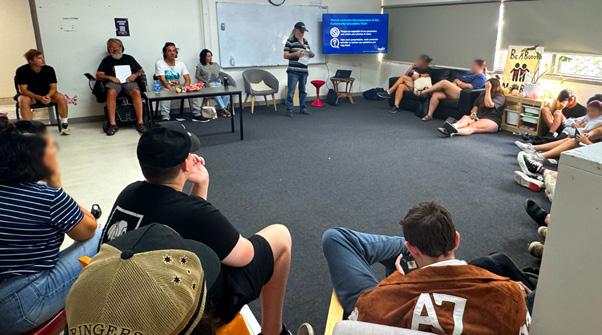
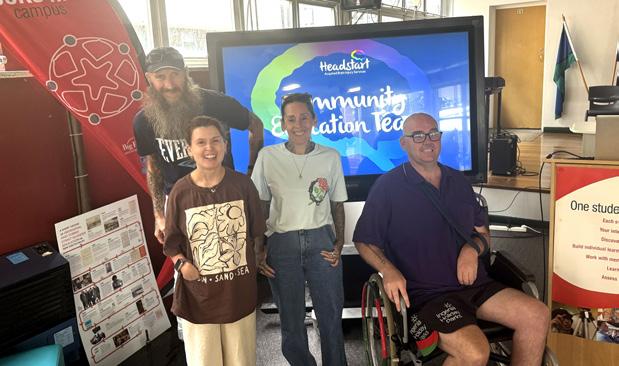
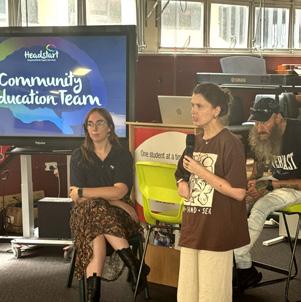
The CET has had a fairly quiet start to the year, with things ramping up in March. Currently we have over 40 presentations booked for 2026, with more presentations continuing to trickle through. We have had some interest in new members wanting to join the team, and as always if you are interested, feel free to reach out to myself or your
Care Coordinator and we can discuss the process further with you.
We have a lot of new venues booked in this year, with schools taking up the majority of our bookings. We do also have our regular venues rebooking as well, so it should be a great mix of new and existing for 2026!
- Heather Burrows, CET Coordinator
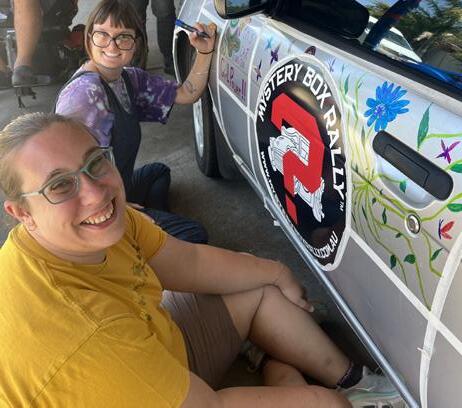
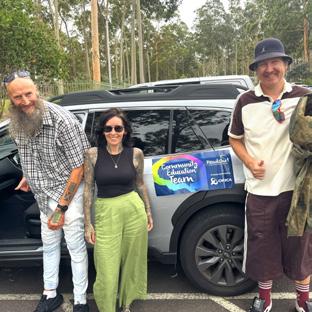
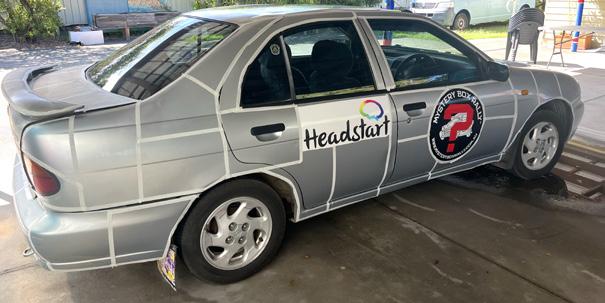
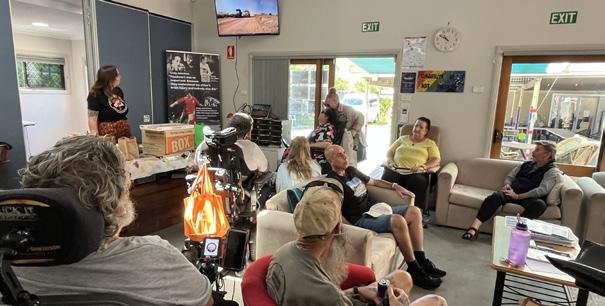
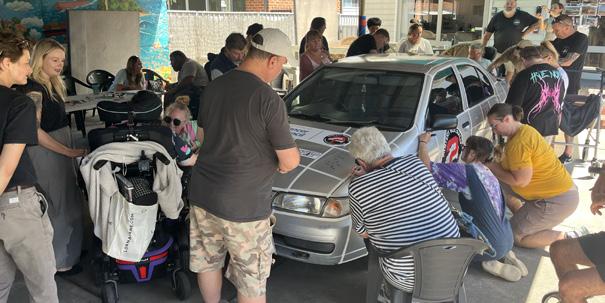
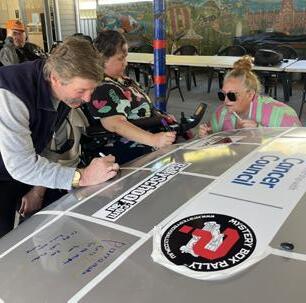
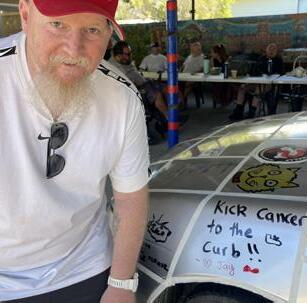
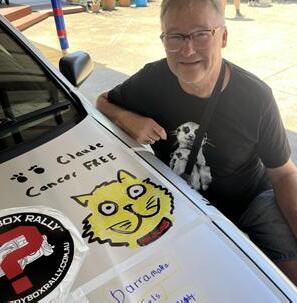
Heather: “We want to thank all the consumers and CSWs who came along in February to help decorate our Mystery Box rally car (see pg 5). It was so lovely to see everyone come together and brighten up the car! The heartfelt tributes that everyone shared truly show just how far a reach cancer has. Teri-Anne and I are setting off in October for this crazy adventure and we can’t wait! We are so grateful for everyone’s support and can’t wait to share some epic stories on return.”
“It was inspiring, thought provoking and motivating. It made me talk to my own children about being safer especially on bikes, I got so much out of it, I haven’t stopped talking about it.” – Teacher, Newcastle High School Cooks Hill Campus
“The presentation was really impactful. These amazing people are open and honest about their lives and willing to answer even the most difficult questions asked by our students. Having experienced major adversity in their lives, they show courage, positivity and hope for the future. I thank them so much for sharing their stories with us.”
– Alesco Campus, Abermain
Rallying together against cancer
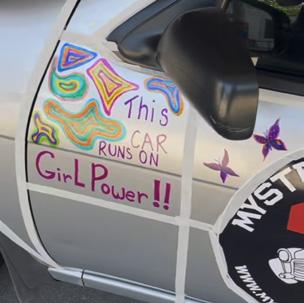
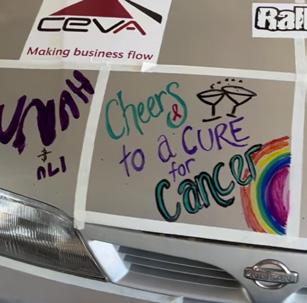
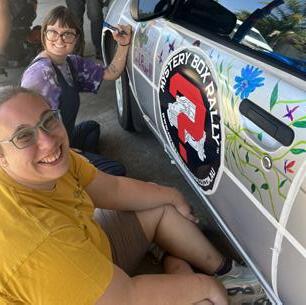
Our amazing Care Coordinators Heather and Teri-Anne are participating in the Mystery Box Rally challenge, raising funds for Cancer Council, so for Rec we got to decorate their car! Every $10 donation got a spot on the car to decorate how everyone says fit: from pretty pictures to motivating words or mentioning someone who has been lost to cancer.
Kimberly: “It is such a good idea, I liked donating and being able to draw something on the car.”
Fred:
“I enjoyed the day, it’s for a good cause.”
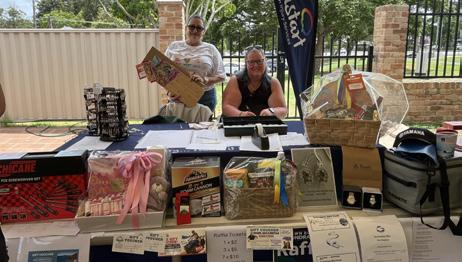
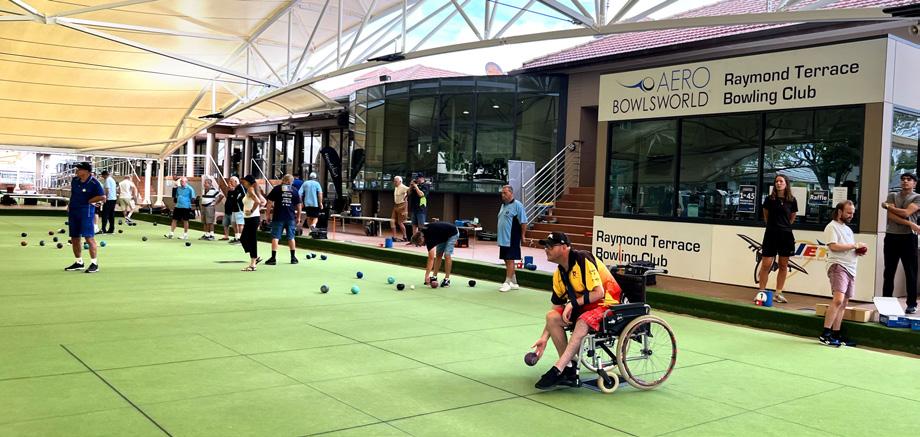
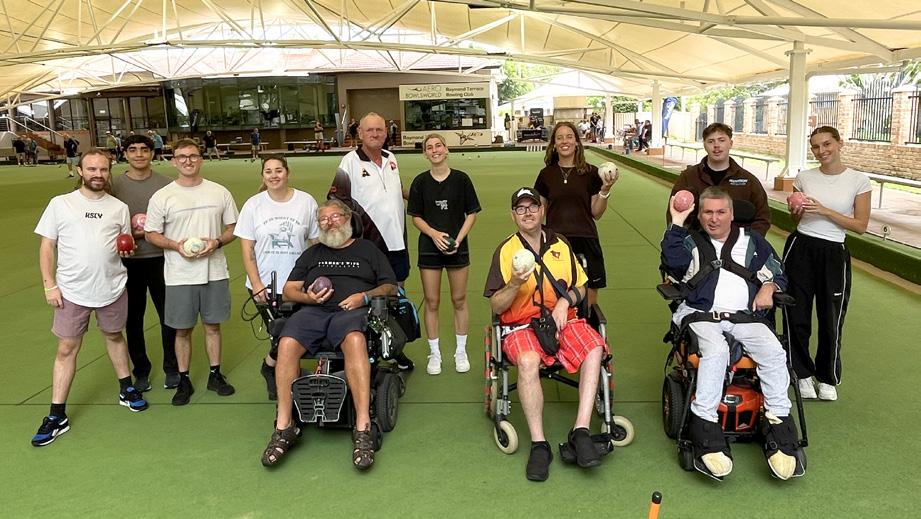
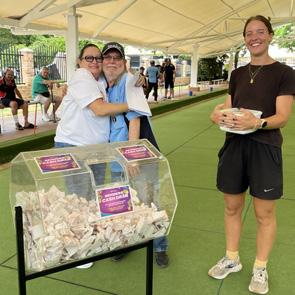
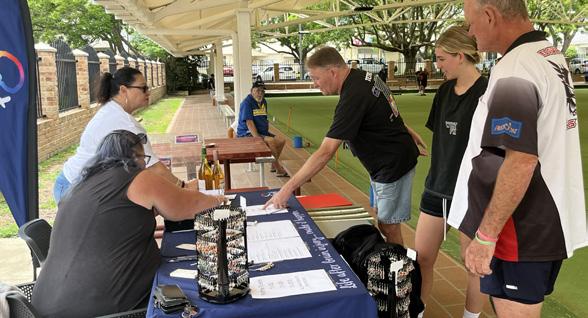
Headstart’s second Lawn Bowls Fundraiser at Raymond Terrace Bowling Club was another great success, raising almost $3,000 for our CET.
Bowled over!
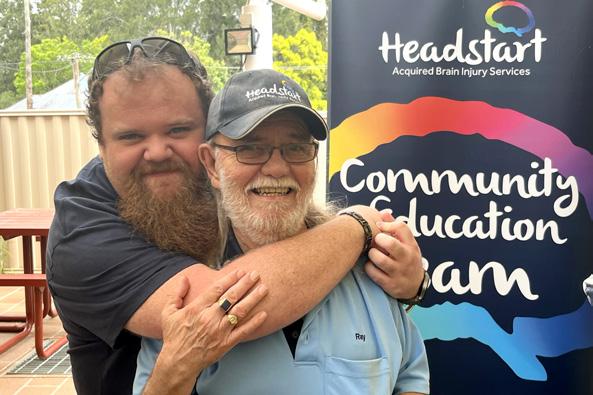
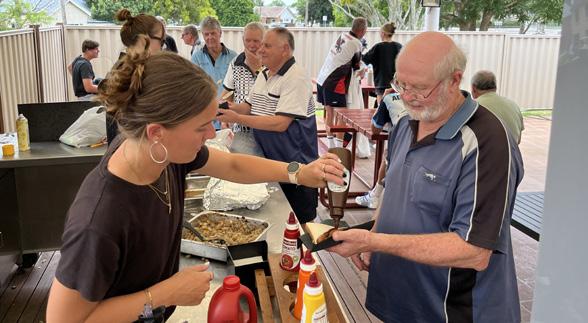
Huge thanks to consumer Ray who ran this event at his local club. ”I just wanted to make it known that people with an acquired brain injury can survive, with Headstart being a key part of that. That’s why I’ve organised this bowls day and hopefully it’ll be every year from now on.”
Got a fundraising idea?
Give us a call on 4965 4420.
Locals and bowlers from near and far came together on Monday 19th of January, joining Ray and the Headstart crew for a day filled with fun, friendship and plenty of action on the greens. A huge shout-out to Raymond Terrace Bowling Club member Liz for running an incredible raffle, and heartfelt thanks to the generous local businesses and donors who contributed such amazing prizes. Funds raised for Headstart’s Community Education Team (CET) will help build awareness of acquired brain injury. None of this would be possible without Ray’s passion for helping others.
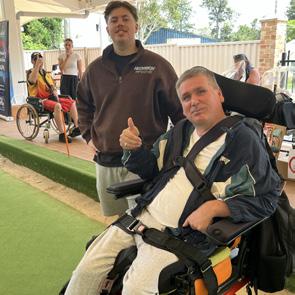
Ray is a regular presenter for Headstart’s Community Education Team, and shared, “Money raised will help with our CET talks, where we travel to different places such as schools and traffic offenders. We want to let people know that a brain injury can happen at any time and that there is help out there with Headstart.”
“Raymond Terrace Bowling Club has been good, helping us out with the barbecue and generous donation. So big thanks to them!” - Ray Community at its very best!
Need help?
Please call a crisis line if you need support this festive season. You are not alone.
1800RESPECT (1800 737 732)
A 24-hour national sexual assault, family and domestic violence counselling line for anyone who has experienced, or is at risk of these.
Mental Health Line: 1800 011 511
The Mental Health Line is staffed by mental health professionals who can provide advice and referrals to local mental health services.
Lifeline: 131 114
24 hour crisis support and suicide prevention services for people experiencing emotional distress. If life is in danger call 000.
Beyond Blue: 1300 22 4636
An mental health and wellbeing support organisation providing support programs to address issues related to depression, suicide, anxiety disorders and other mental illnesses.
Suicide Call Back Service: 1300 659 467
A counselling for anyone who is suicidal, caring for someone suicidal, or bereaved of suicide. For suicide prevention & mental health via telephone, online & video for anyone affected by suicidal thoughts, 24/7.
Mensline Australia: 1300 789 978
A free phone and online counselling service support for Australian men anywhere.
Kids Help Line: 1800 55 1800
Confidential 24/7 online and phone counselling service for young people (ages 5 to 25).Australia’s only free (incl. mobile).
Elder Abuse Helpline: 1300 651 192
Free information and support services for people who experience or witness the abuse of an older person. Operating hours vary.
Financial Counselling Australia: 1800 007 007
Access free resources and advice from a private financial counsellor. Call to speak to someone in your state.
National Association for Loss and Grief(NALAG): 6882 9222
A free, confidential, grief and loss support services across NSW with telephone support and, in some areas face-to-face counselling. 13 Yarn: 13 92 76
The first national crisis support line for Indigenous Australians who are feeling overwhelmed or having difficulty coping. They offer a confidential one-on-one yarning opportunity with a Lifeline-trained Aboriginal & Torres Strait Islander Crisis Supporter.
Ray and his proud son Cade
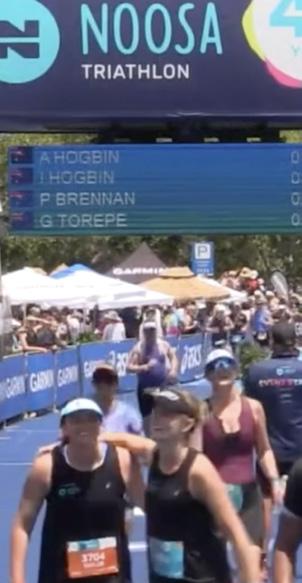
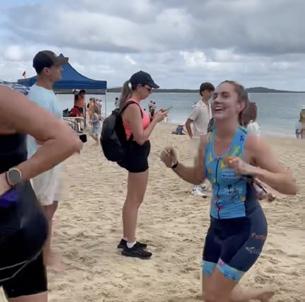
Team Ari heads to Noosa
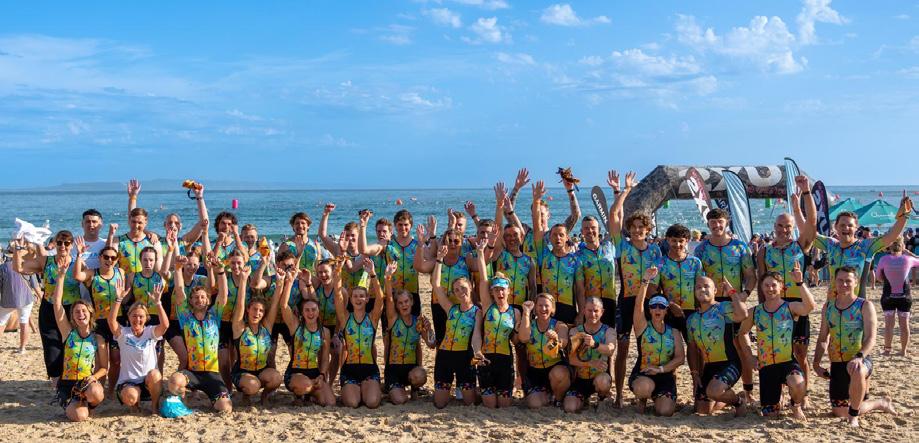
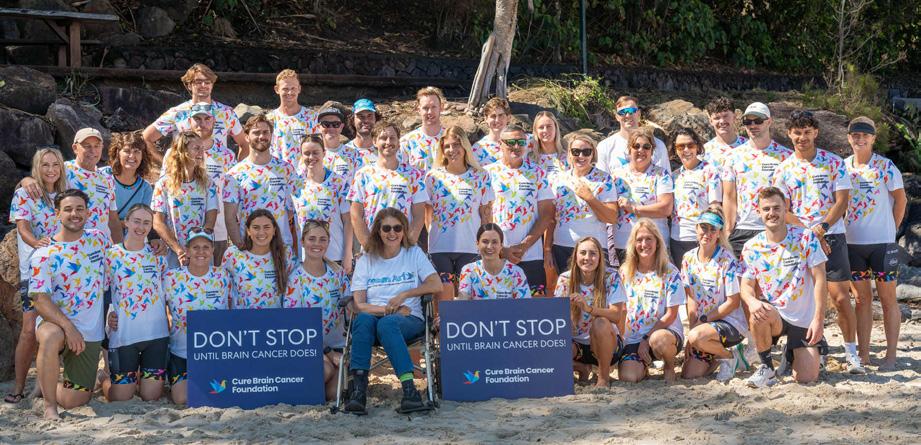
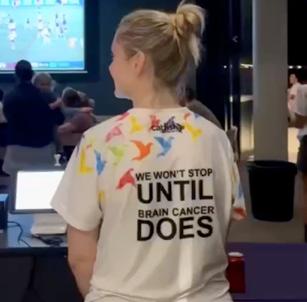
On Sunday 2 Nov 2025, Team Ari took over Noosa for the annual triathlon event, raising over $100,000 for brain cancer!
Ariane (Ari) came down with influenza A just a month before the Noosa Triathlon, and spent a few weeks in hospital. “I was very lucky to go,” she says.
Ari’s daughter Katelyn and some other family members pulled a few stings and the doctor finally agreed that Ari could go ahead on the day they were due to leave for Queensland.
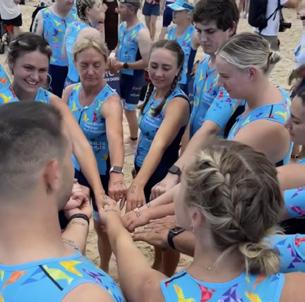
Because of her illness, the Team Ari members didn’t think she would get there. So when they all met for a big photo shoot on the morning of the race, everybody was just ecstatic when Katelyn turned up with her mum. Ari had made it!
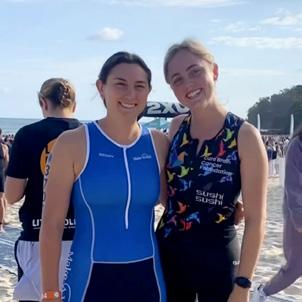
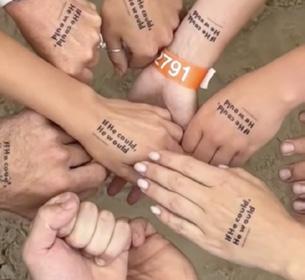
Katelyn completed the triathlon along with Team Ari captain Lilly, and is very grateful to her good friend for her efforts. Lilly’s late partner Brad survived cancer but sadly passed away through a motorcycle accident in 2023. Lilly is passionate about making a difference for those faced by brain cancer and so honouring Brad’s life. “We are only just getting started,” she says, as the team has reached 40 members.
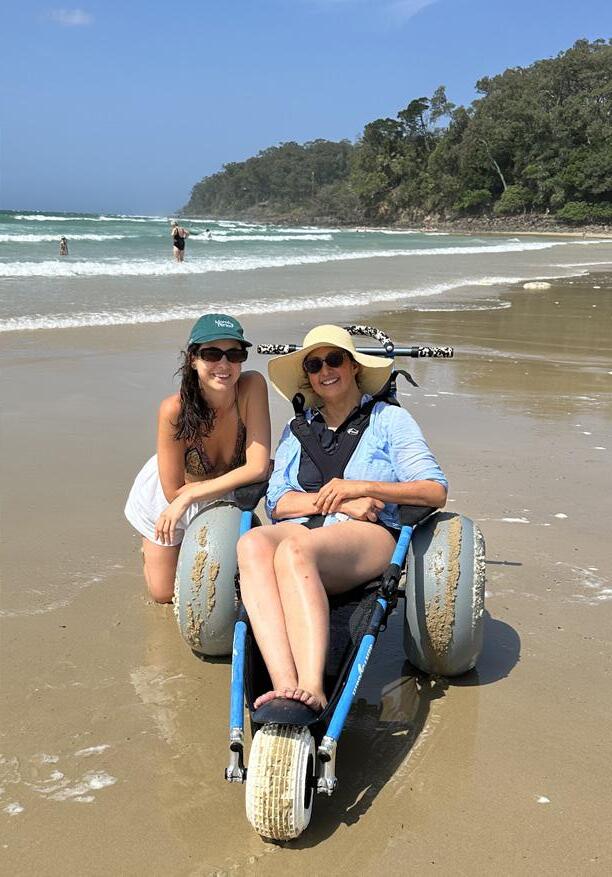
“It was a special time. I felt loved and appreciative. The team seems to be getting bigger each year!” says Ari. Ari enjoyed her visit to lovely Noosa and even had a swim with the help of a special beach wheelchair.
Ariane with her daughter Katelyn
Ari has an amazing story after she was given 6-8 weeks to live. Renowned surgeon Dr Charlie Teo removed her brain tumour and today nothing can keep Ari down. “My motto is ‘go for it!’ I encourage everyone to do the same. The song ‘I get knocked down, I get up again’ inspires me.”
Ari has herself been a fundraiser, having previously completed the Charlie Teo Bridge Walk in Sydney. Ari is passionate about helping children with brain cancer after she lost her own son Nicholas to a tumour at just 5 years old.
Team Ari will be back at it for this years 2026 Noosa Triathlon and will be aiming even higher.
Team Ari video: Turning grief into purpose, by team leader Lilly
Watch a short video by Lilly, captain of Team Ari. Scan the QR code with your smartphone or go to www. vimeo.com/1166210248/
Ari (centre) with the growing team!
after leaving school, contributing to major projects across Newcastle.
Working hard... and working out
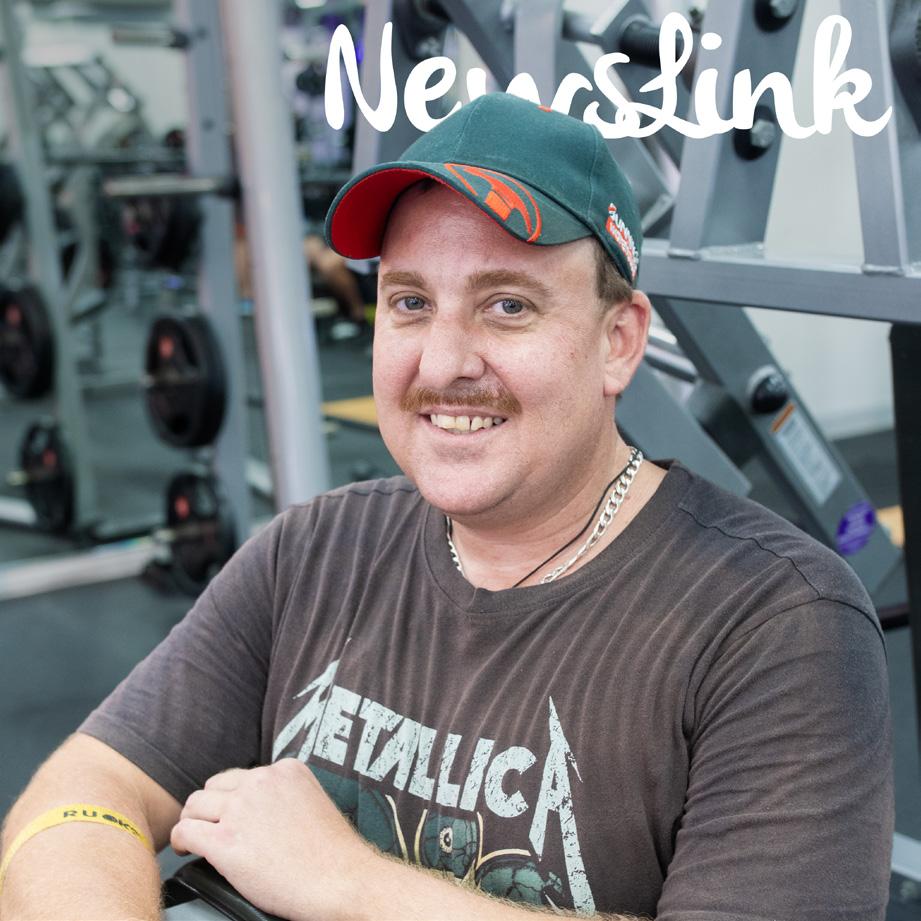
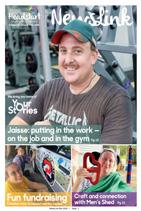
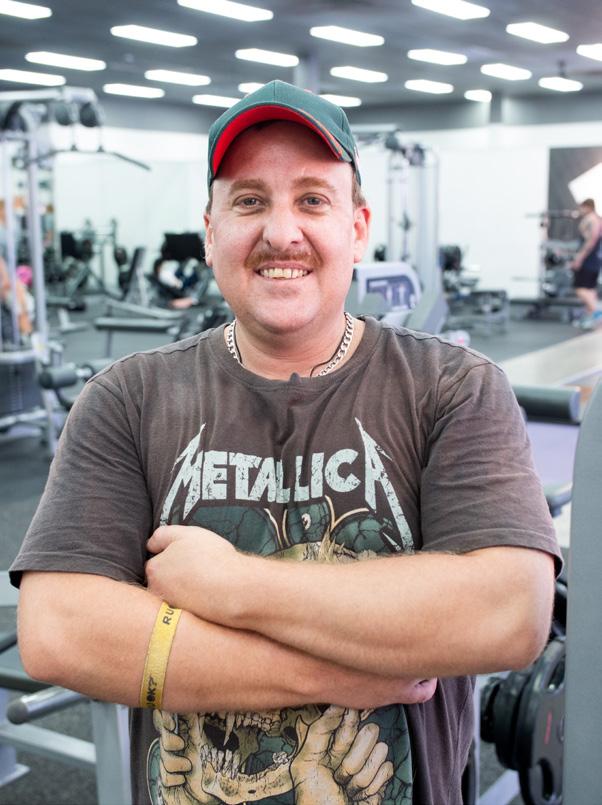
Jaisse describes himself as a “walking miracle” after a devastating crash that left him clinically dead six times and in a coma. The journey that followed would see him relearn basic skills, rebuild his life, and discover a deep appreciation for independence, healthand the people who supported him along the way.
“Iwas in a police chase when I was on heavy drugs. I crashed head-first into a parked car and I don’t remember anything,” Jaisse says. “But a guy driving past saw me lying there and stopped. He saved my life and now we’re good mates.”
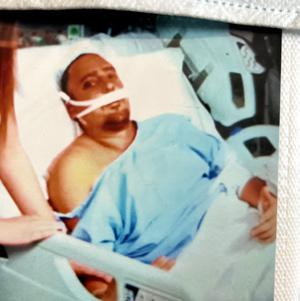
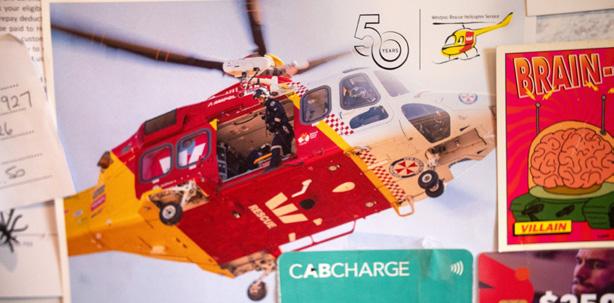
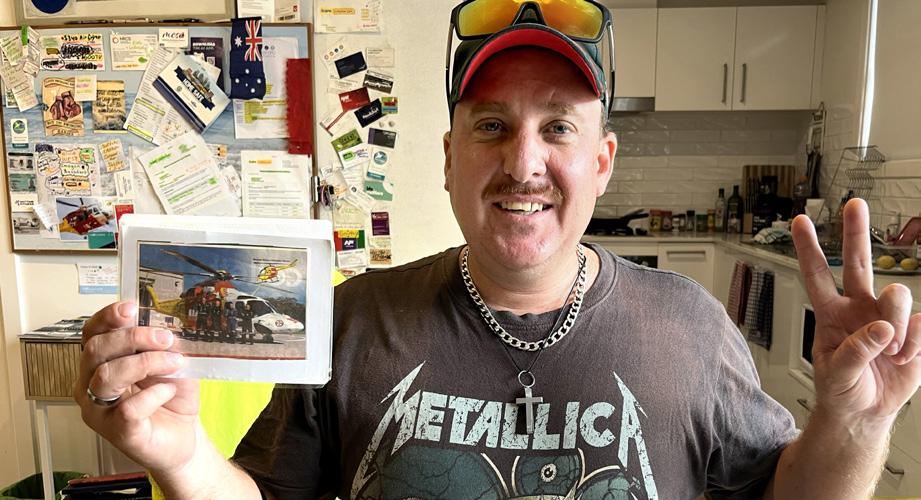
A reminder on Jaisse’s fridge and wall show photos of how thankful he is to have survived. “The rescue helicopter came and they brought me back to life six times. I died six times!”
Jaisse was placed in a coma, and his family were called to the hospital to say goodbye. But they refused to give up hope.
“They said, ‘Don’t turn off his life support. Give him one more day.’ And that’s when I woke up,” says Jaisse. “So really, I’m a walking miracle.”
Before the accident, Jaisse had worked in construction for more than a decade
“I helped build big apartment blocks at Newcastle Beach, worked at Westrac at Tomago near the airport, and I was involved in building McDonald Jones Stadium for over two years,” he says. “I was a steel fixer on long projects. Before that I did domestic house roofs.”
“Then when my crash happened it was just like a six month holiday - that I can’t remember. I was at John Hunter hospital and then Rankin Park but I don’t recall much about either. I do know that they did teach me to walk again at Rankin Park and that I watched TV,” Jaisse says.
“I went from there to HBIS (Hunter Brain Injury Service) on Darby Street, which I can remember,” recalls Jaisse. “I remember Dot, Bec, and Janece. They taught me how to cook again and look after myself as I learned to do life again. I’m extremely happy with what they did for me. Janece taught me this technique to remember people’s names, and so I’ll never forget things like ‘Janece likes jelly beans!’”
“If it wasn’t for Janece teaching me that, I’d forget people’s names. At work, I’d just called everyone ‘mate’ because I can’t remember names. But Janece taught me that If I met someone named Wendy, I could refer to her as Wendy’s ice cream. I’m thankul being taught that kind of stuff.”
After his time with Hunter Brain Injury Service, Jaisse returned to live with his dad before taking a big step—moving into his own place.
Now, five years on, he’s proudly living independently. With two teenage children aged 17 and 19, his home is not just his own space, but a welcoming one too. “If they ever need somewhere to stay, I’ve got room,” he says.
Jaisse has learned to appreciate life’s simplest moments. “I make an effort to enjoy the simple things—I’m happy with a drink of water and a sandwich each day,” he shares. His routine is grounded in gratitude, with a focus on staying active, working, and maintaining a positive outlook despite mental health struggles.
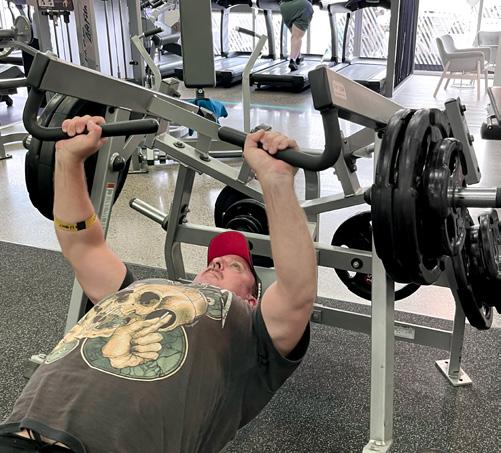
A major part of Jaisse’s life now is the gym. What began with the support of a personal trainer has evolved into a selfdriven commitment to fitness. “I’ve been Googling things, and they reckon ageing is not about your heart—it’s about your legs,” he says with a smile. “So I’ve been strengthening mine.”
I’m now doing 220 kilos leg press and 110 kilo chest, which I am proud of.
Exercise has become more than physical for Jaisse. After working with a neuropsychologist during a particularly difficult period, he now sees the gym as essential for his overall wellbeing. “It’s good for my mental health, my body, my brain—everything,” he explains. While he aims to train daily, work commitments sometimes have to take priority. Alongside this, Jaisse continues to see a psychologist every three weeks, helping to support his ongoing progress and resilience.
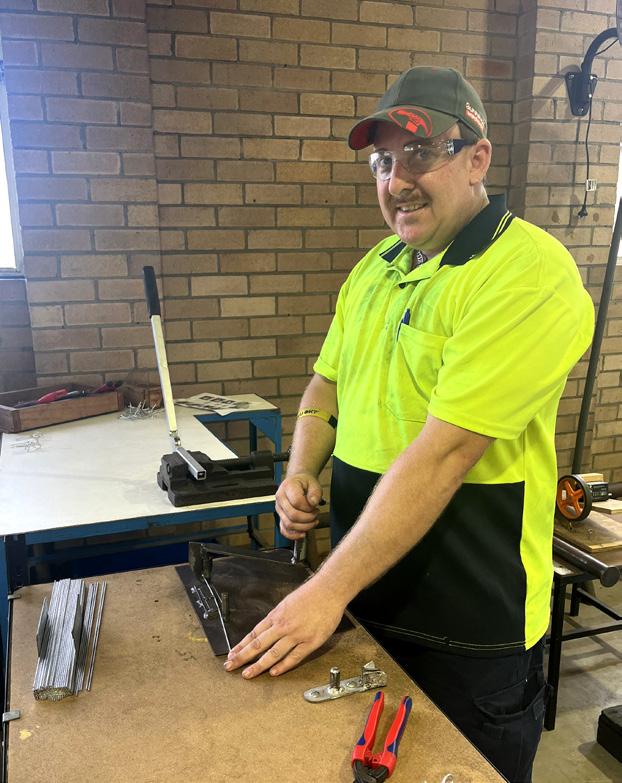
That same determination carries into his work. Jaisse is part of a manufacturing team producing a wide range of items— from breathing machines for ambulances and drug testing kits, to mining equipment and everyday fixtures like
door stoppers. Recently, he underwent an assessment as part of his goal to earn a pay rise. “I’ve been working hard, and I’d really like to see that recognised,” says Jaisse, who recently had an assessor review his performance as he now eagerly awaits a positive response.
Reflecting on his past, Jaisse is open about how far he has come. “I was heading down a bad path from all the partying and drugs,” he says candidly. “I was banging on hell’s door as loudly as I could, and the devil opened the door and he said, ‘Mate, you’re not coming in here. you’ll take over!’ My uncle actually told me that silly story, after he had his own motorbike accident, but it rings true for me too. But my life has turned around.”
With a renewed sense of faith and purpose, Jaisse now focuses on being a positive presence in the world. “Today I pray to God and I’m going to heaven.”
Jaisse remains thankful to the medical team
Jaisse’s progress has also been recognised by his therapy team, including speech therapist Janece at HBIS. “She told me, ‘You’re doing so well with work and the gym—if you need me, I’ll come back, but for now you’re good.’ That meant a lot,” he says.
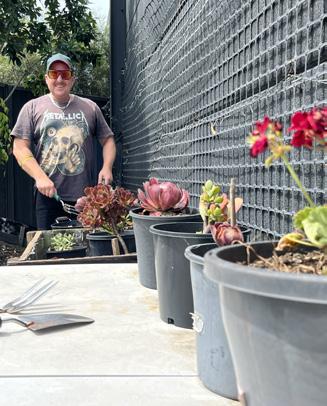
Outside of work and fitness, Jaisse finds peace in gardening. “It’s great for my mental health—it makes me feel better,” he says.
Jaisse takes pride in propagating his own plants, recently creating dozens of new succulents from cuttings. His garden also features a mango tree from his dad, along with mandarin and mulberry trees that he’s nurturing with patience. “They’ll take a couple more years, but it’ll be worth it,” he says.
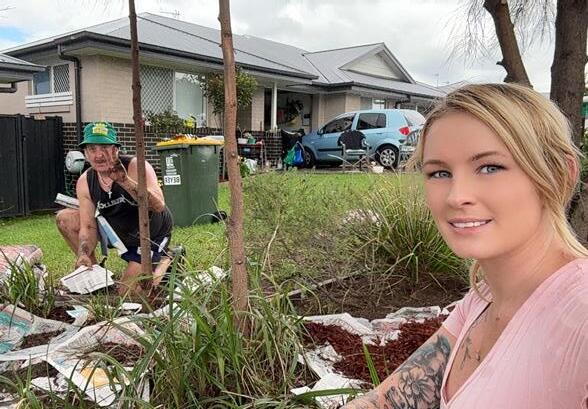
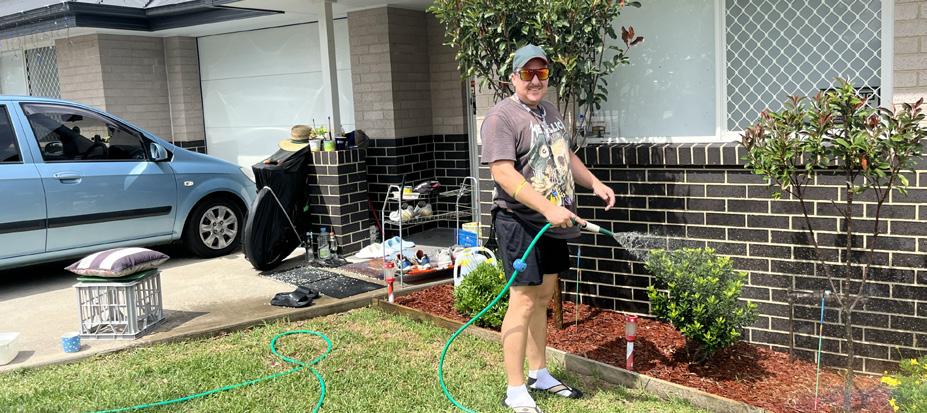
With the support of his support worker Alicia, Jaisse has set about transforming
his outdoor space—laying newspaper as a base, spreading woodchips, and planting trees that will one day create a private green retreat. “In a few years, I’ll be able to sit out there with a coffee and enjoy it.”
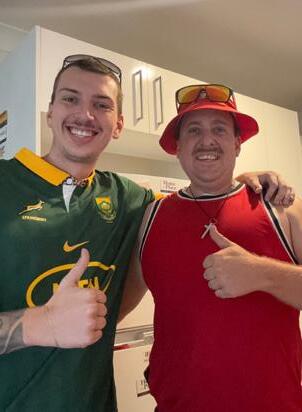
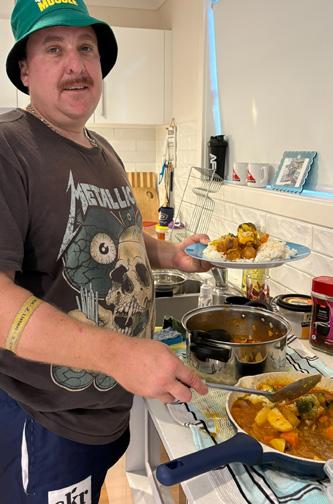
Support workers play a vital role in Jaisse’s independence. Alicia also helps with cooking and meal preparation, ensuring he has nutritious meals ready for busy workdays. “It’s worth a million dollars to me,” he says. On Fridays, Aidan assists with exercise, organisation, cleaning, and social outings. “They’re brilliant— honestly, I couldn’t do it without them.”
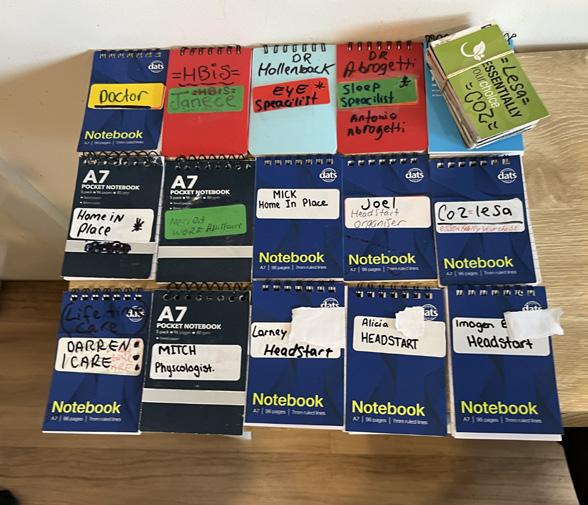
To stay on track, Jaisse relies on a system of notebooks and diaries.
“I write everything down—appointments, reminders, everything,” he explains. “I’ve got notebooks everywhere—in my office, bag, and car. They’re a big part of my life.”
Regaining his driver’s licence was another
Jaisse is doing so well at work and thoroughly enjoys each day. Jaisse is so respectful and willing to help out anyone that asks.
- Jaisse’s supervisor
milestone that required persistence. After multiple setbacks, he eventually succeeded with the help of a dedicated instructor. “It wasn’t easy—for either of us,” he laughs. “But we got there!”
Despite ongoing challenges like headaches, anxiety and insomnia, Jaisse has made a conscious decision about how he approaches life. “I’m sick of being upset with the world,” he says. “Now I just try to be happy, have a laugh, and get on with it.”
Looking ahead, Jaisse has clear goals: saving for a holiday, visiting his brother on the Gold Coast, and continuing to build strength—both physically and mentally. “I’ve turned my life around,” he says. “Now I just want to stay strong, keep improving, and be a good person in the world.”
Jaisse’s story is a powerful reminder that progress is built day by day—and that strength can be found in the simplest of things.
Jaisse at work bending weathertex wire
CSW Aidan and Jaisse
Jaisse has a great way to keep track of things!
Meal prep time!
Home and hosed
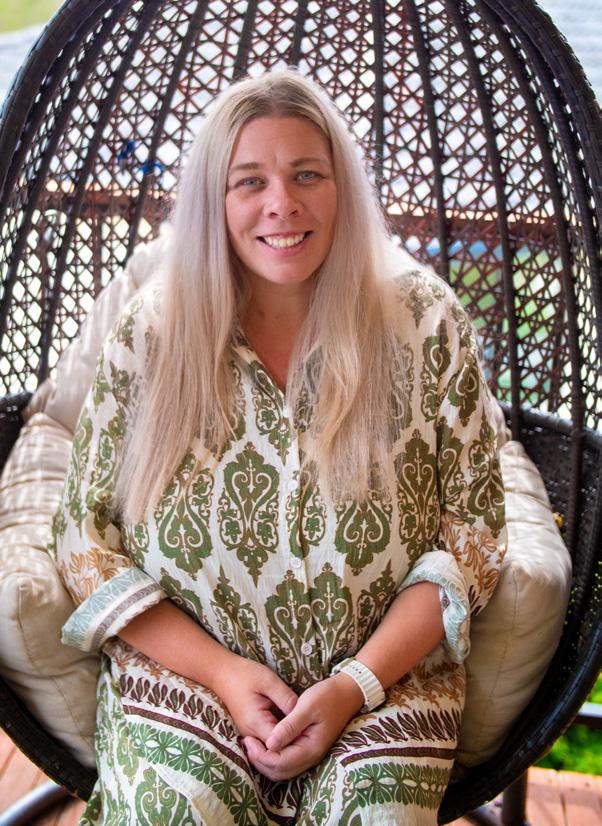
Brittney’s story: a calling to nurture
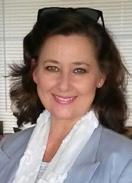
After surviving a serious accident as a teenager, Brittney has built a life centred on caring for others. Now balancing two nursing roles, raising twin daughters and preparing for the arrival of a baby boy, she continues to show remarkable determination and strength through life’s challenges.
Growing up on the Central Coast, life changed dramatically for Britt when she was just fourteen years old.
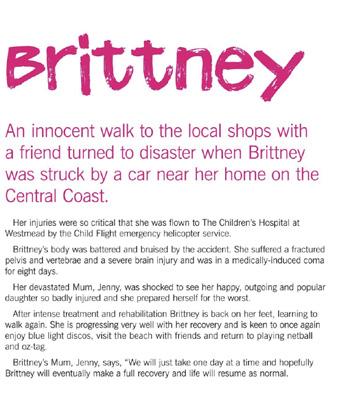
“I was walking with my friend and had just stepped onto the road when I was hit by a car, ” Britt recalls. “I don’t remember anything after that. I was flown to Westmead Children’s Hospital.”
She was placed in an induced coma for ten days and experienced post-traumatic amnesia for around 23 days. Altogether, she spent about six weeks in hospital recovering from a serious brain injury, a broken pelvis and a spinal fracture.
At the time she was in Year 9 and had been a strong student. Returning to school was a gradual process.
“I had quite a bit of time off school and then went back slowly – a couple of hours
a day or half days for a long time. My memory and focus were difficult, but I managed.”
Because of her strong academic record prior to the accident, the school supported her to continue with her year level rather than repeat. She went on to complete Years 10 to 12, including a VET nursing course through school.
“That course was really helpful because it meant I had a job when I left school.”
After graduating, she began working as an Assistant in Nursing before studying for her Diploma of Nursing to become an enrolled nurse.
Today Britt manages two nursing roles – one at a medical centre on the Central Coast, where she has worked for almost nine years, and another in community nursing in Newcastle, which she has been doing part-time for the past three years.
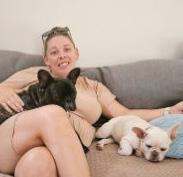
“My dogs are a great way to help manage my mental health too,” says Brittney.
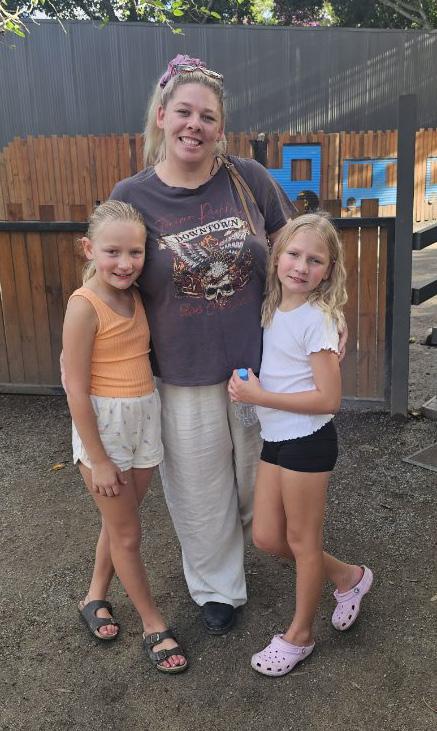
Proud Mum, with another one on the way!
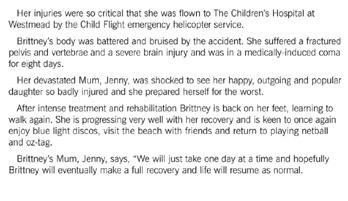
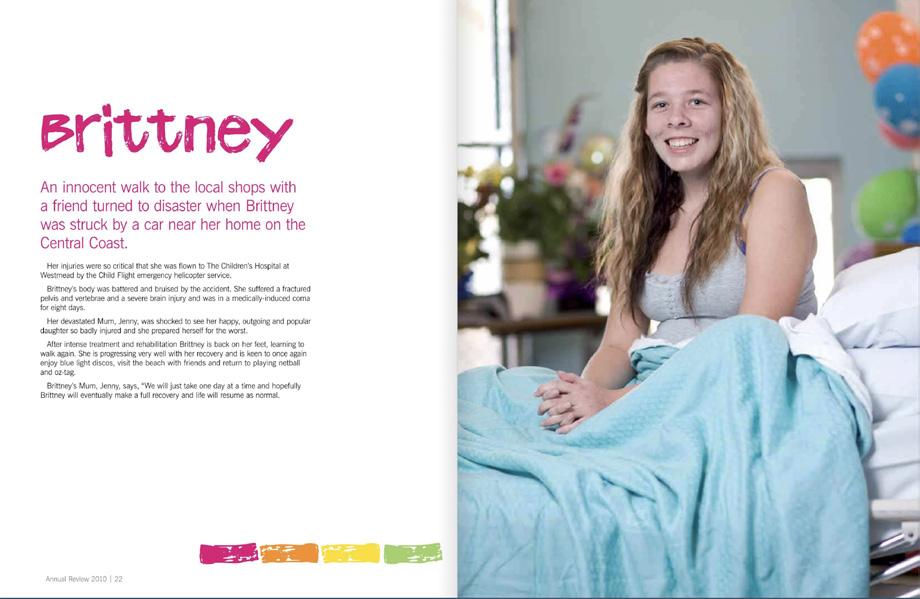
Britt is no stranger to having a story published after she featured in the Westmead Children’s Hospital Annual Review in 2010.
Britt’s passion for nursing was shaped by significant life experiences even before her accident.
“My dad was sick with cancer and passed away in 2008. Seeing him so unwell made me want to help people. The year after that my best friend passed away, and then the year after that was my accident. Everything seemed to come in threes.”
Despite the challenges, these difficult experiences strengthened Brittney’s sense of purpose.
“I realised this is my passion and that I really want to help people.”
Family remains at the centre of her life. She is the proud mum of twin girls who will turn ten this year, and the family is eagerly awaiting the arrival of a baby boy in the near future.
“I love being a mum and I want to be there for my kids. It can be hard with fatigue from the brain injury, but I just take everything as it comes.”
Fatigue is one of the biggest ongoing challenges, so she relies on practical strategies to stay organised.
“I use prompts all the time – a whiteboard at home and reminders when I’m on my phone.”
Support workers have also made a significant difference in Britt’s life.
“They come twice a week and work around my schedule. It halves the work –if there are four hours of cleaning to do, we can each do two hours and it’s done much quicker.”
Their support also creates valuable family time.
“When the kids come home from school, instead of me rushing to organise dinner, the support workers help with it and I can sit with the kids, play a game, help with homework or just spend time together.”
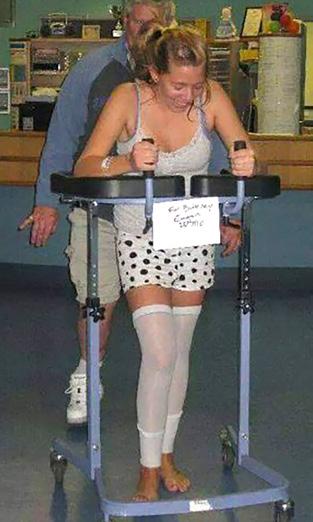
Flashback to Brittney’s rehab and recovery
Outside of work and family life, Britt enjoys swimming and reformer Pilates when time allows. She also loves getting out with her children for simple and fun adventures.
“My girls are always happy to be out of the house – whether it’s the beach, the park or a trip to the movies.”
Britt’s mum has remained a constant source of strength and support throughout her life, and currently lives with the family. Last year brought another challenge when her mother was diagnosed with cancer.
“It’s been a rough year, but there are still positives. I want to show my kids that we can get through anything.”
While she continues to manage anxiety and depression with medication and counselling, Britt speaks openly about the importance of seeking support.
“Sometimes we need a bit of extra help. It took me a long time to realise that.”
Through it all, she remains grateful for the people around her – including her regular
Britt’s message to others is simple.
“Try to look on the positive side and focus on the goals you want to achieve.”
support workers, Katrina and Kimberly.
“They’re almost like family. They’re always positive and I really appreciate all the help they give.”
Working in healthcare also continues to reinforce why she chose this path.
“Even small things can mean a lot to someone – helping them shower, doing wound care, or just being there.
It’s nice to feel appreciated and to know you’re helping.”
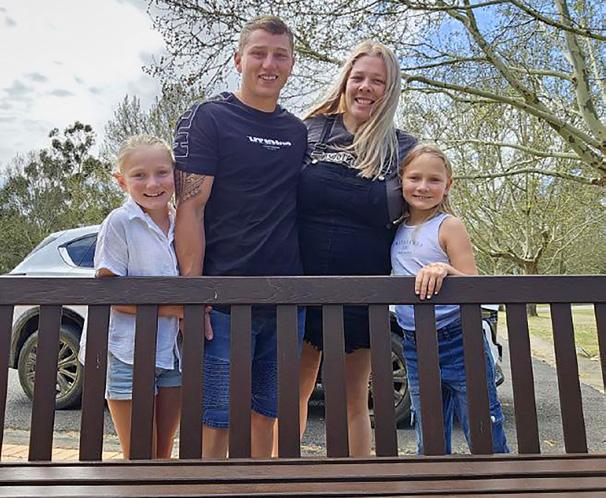
Britt, partner Dylan and daughters
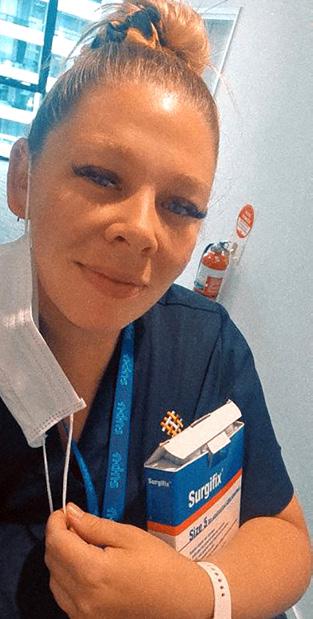
Brittney at work
Returning to work after ABI Up to the job
Many people with a brain injury see returning to work or study as an important milestone.
A brain injury can result in a combination of disabilities that require accommodations, but, going to school, university or other learning options can be rewarding, given the right support. One of the main hopes and expectations people have when leaving hospital is that they will return to the work or study they were involved in prior to the brain injury.
What to consider
For many people returning to preinjury employment is an important milestone towards regaining a sense of identity and purpose. However, it is very common after a brain injury to have unrealistic expectations about one’s readiness and ability to return to work. People often feel they are ready to go back against the advice of family and health professionals. Returning to work too early can result in fatigue and overwhelm, which can be disappointing, and feel like a step backwards.
Potential barriers
Some of the barriers in returning to work:
• an individual’s desire to work being greater than their actual readiness
• problems accessing support, e.g. being linked with the right employment support agency
• cognitive impairment
• poor emotional regulation
• fatigue and other physical problems, e.g. dizziness and headaches
• experiencing a loss of self-confidence after unsuccessful attempts
• reduced motivation.
Support
Employment support agencies and rehabilitation services might provide programs that focus on the person returning to their previous position when the time is right (not usually
possible straight away). Rehabilitation professionals can provide insight into a person’s capacity for employment in different areas. Sometimes a meeting can be organised for the person who was injured, family members, the employer and rehabilitation professionals to discuss a gradual return to work plan. A work trial is another option, to assess how well the person can cope with the demands of different tasks. On-the-job training provides the opportunity for people to relearn previously acquired skills or learn new skills.
Strategies for building capacity at work
Understanding the different forms of recovery and adjustment becomes particularly important when people return to work after their injury. It can be helpful to consider which areas might benefit from capacity building strategies.
Remediation involves relearning skills with practice until a certain level is achieved e.g. practising typing speed.
Substitution requires maximising previous skills or learning a new one to overcome a difficulty e.g. using selfinstruction to improve concentration.
Accommodation relates to the adjustment of goals and expectations in line with capabilities, e.g. aiming for a position with less responsibility and a reduced workload.
Assimilation involves modifying the environment and expectations of other people, e.g. introducing specialised equipment, supportive workplaces and educating employers and colleagues about the nature of support required. Some common recommendations for returning to work include having:
People who are assessed as being unready for work may wish to pursue volunteer work to improve their skills and experience, and to better understand their capabilities. However, for some people employment may not be a realistic option after brain injury. This can be very distressing for people who have often spent most of their lives building a career.
It is important that this loss and grief is acknowledge and accepted, and that, when ready, they are supported to pursue other avenues for achievement, satisfaction, and a meaningful use of time.
Legal issues
After rehabilitation some people manage to return to their jobs, only to lose them soon after. There may be grounds for objecting to this on the basis of discrimination. In Australia, the Disability Discrimination Act 1992 specifies that people with a disability have equal opportunity to gain employment and that their disability should only be taken into consideration when it is fair to do so.
The Act also states that employers should make reasonable adjustments to accommodate the needs of someone with a disability. This means the employer must examine the physical and organisational barriers that may prevent the employment, limit the performance or curtail the advancement of people with disability.
Australia has also been a party to the Convention on the Rights of Persons with Disabilities since 2008.
Are you wanting to work again? If so please talk to your Care Coordinator to explore your options.
Colin’s colourful fun-raiser
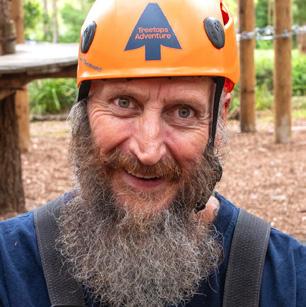
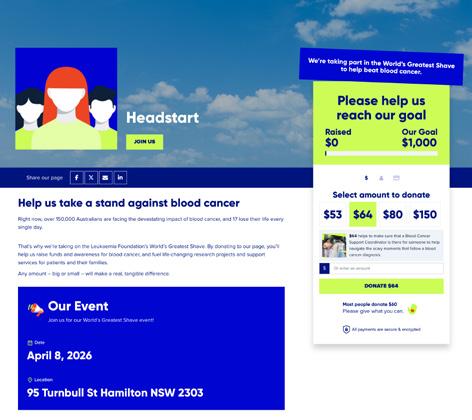
Colin is participating in the Worlds Greatest Shave fundraiser. He currently has a friend battling cancer and we have combined that with a Rec activity - great idea Col!
He will be dying his beard for the cause. Anyone wanting to participate on the day please get in touch with Aleisha on 4965 4420. All are welcome to attend and enjoy the fun! We will be asking for a $5 donation to the fundraiser plus $5 for a yummy BBQ lunch ($10 total) at the Headstart office in Hamilton on Wednesday 8th April 2026.
Scan QR code to donate to Colin’s fundraiser, with a goal of $1000!
Link to the event: www.worldsgreatestshave.com/fundraisers/headstart
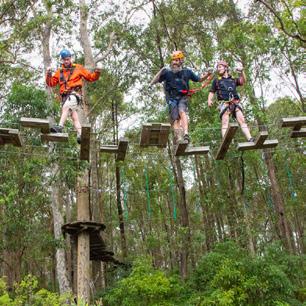
Watch Colin at Tree Tops
Flashback: One of Colin’s goals was to complete an adventure at Tree Tops, finishing with a zipline! Scan QR code to watch the 2 minute video:
“It’s
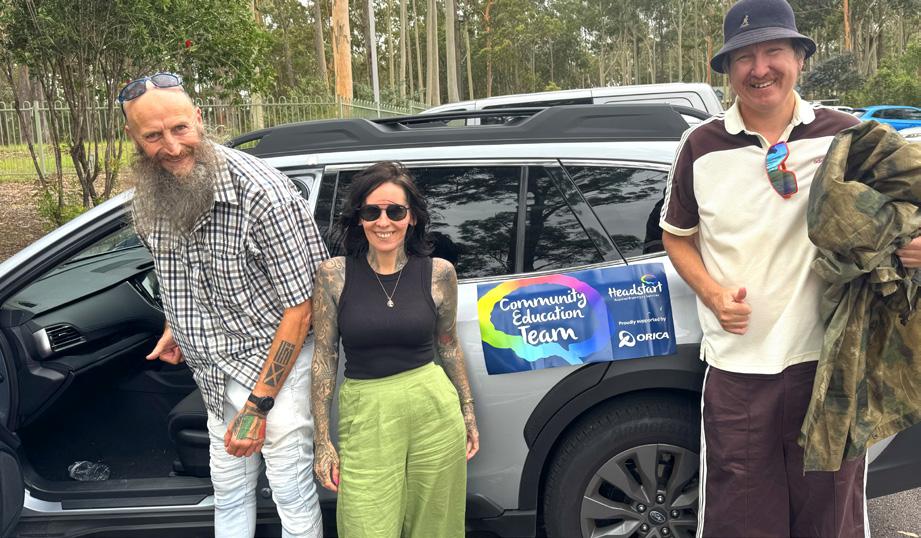
Colin (Left) with Ricki and Bil en route to a Community Education Team (CET) presentation
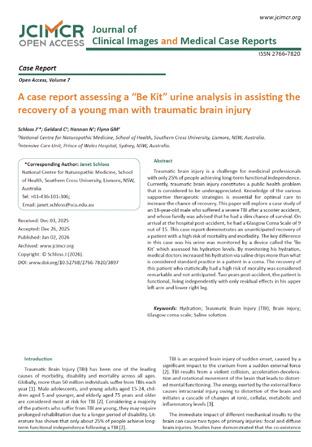
Lawson’s hydration case study gets published
Water is life when it comes to ABI recovery, by Phillip Rankin
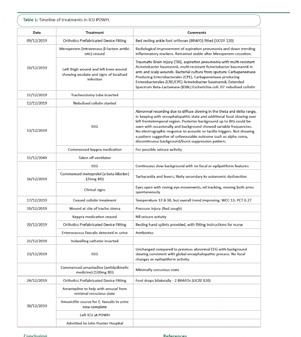
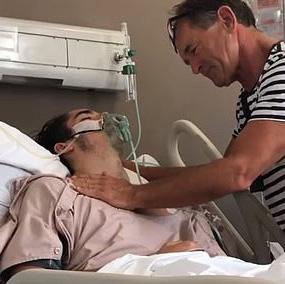
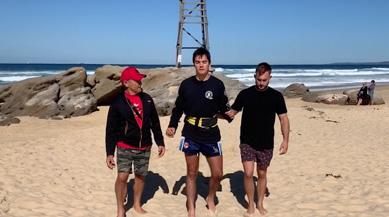
In 2019, after a traumatic brain injury and a medical evacuation from Bali, Lawson was laid up in a coma for 3 weeks at the Price of Wales Hospital in Sydney. During the previous 10 years it just so happened that I became self-trained in a urine and saliva analysis studying correct hydration and had, commenced working with elite athletes.
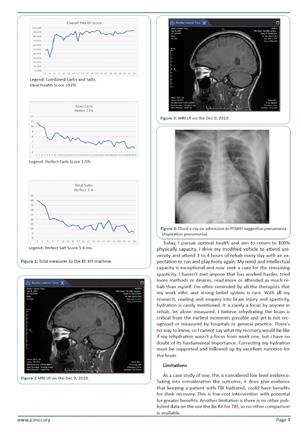
The focused then turned to Lawson. At 3am one morning I was able to share the findings of the analysis with Dr Gordon Flynn, head of ICU. Lawson couldn’t speak for himself, but the numbers from the urine analysis could - Lawson was chronically dehydrated.
It took 6 weeks of testing 2-3 times a day to reach the healing zone. The family is more than Grateful for Dr Flynn’s and the John Hunter in Newcastle for their awareness and immediate recognition of what the numbers were saying.
Lawson’s saline drip was increased and his “food substitute” peg feed was reduced until his numbers reached ideal state. Rehydrating Lawson in a coma and the ensuing weeks has been one of my greatest achievements in life.
With enormous dedication and strong mental attitude, over the past 6 years, Lawson has achieved an incredible recovery. His case study “of rehydrating in a coma” has been published in an American Journal with over 100,000 online viewers.
Lawson’s case study solidifies a direct correlation with genuine recovery and improving hydration. Lawson’s medical case study is now carved in stone with an undeniable truth that paves the way for further investigation.
The brain is the first to take the “dehydration hit” because of its high percentage of fluid than any other organ. A simple 2-minute urine analysis will indicate the level of dehydration. It’s not rocket science - if the body is 75% water, then we need to keep that in mind in our diet and intake.
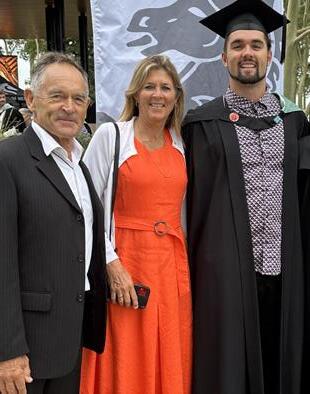
The good news is that the first part of the body to benefit from proper hydration is the brain. Improved hydration allowed easy nutrition transportation and proper elimination of wastes, contributing to recovery. It’s like throwing seeds on a dry creek bed and expecting fruits and flowers - nothing happens without water! Quick update on Lawson: last year he finished his commerce degree with an accounting major, and this year enrolled in the Duris Doctor of Law.
Phillip Rankin
Lawson’s Dad & Performance and Recovery Specialist - Precision Wellness & Balance Energy Australia www.balanceenergyaustralia.com
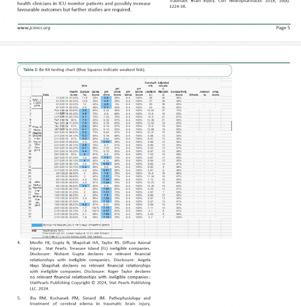
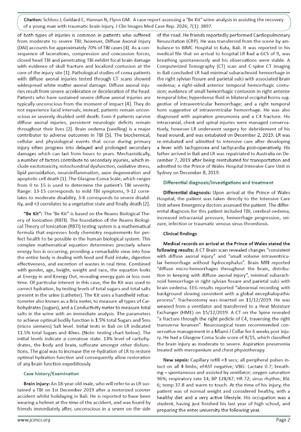
Below: the published journal paper: ‘A case report assessing a “Be Kit” urine analysis in assisting the recovery of a young man with traumatic brain injury.’
- Journal of Clinical Images and Medical Case Reports (JCIMCR), Jan 2026
Scan QR code to read the published report.
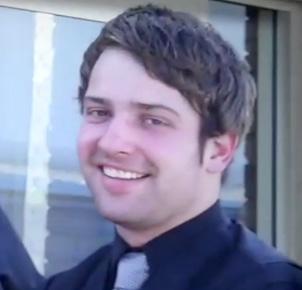
Watch Lawson’s story
Scan QR code to watch on a smartphone or search for “Lawson’s Story” on Youtube.
(26 min doco produced by Phillip Rankin)
In loving memory
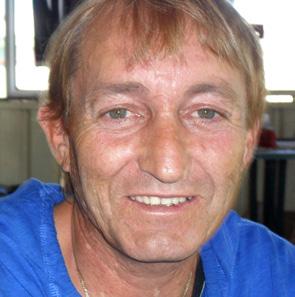
Mark Laverick
Mark was truly special— patient, kind, and full of cheeky humor that made every moment lighter. Time spent with him never felt like work; it was something to look forward to.
Mark taught me so much in how he approached life. No matter the task, he always gave it a go. And of course, he’ll always be remembered for his legendary backseat driving, which never failed to make me smile.
I will miss him.
- Dianna, CSW
Iwas lucky enough to work with Mark for nearly 7 years. During those years and the years prior, Mark faced many setbacks and challenges. Through everything he endured he always stayed so positive and cheerful.
Mark would not complain or show any frustration even in the toughest times.
He was a joy to support and I’m sure everyone on his team would say the same. Every time he had a physiotherapy session, speech therapy, or any medical appointments he would always show up with a big smile and a positive attitude.
Mark was a hopeless romantic who loved his wife Tracey, and always made sure
Ben ‘Parko’ Parkinson
We both had the pleasure of supporting Ben. Chris over the last 5 years and Ali over the last 3. What a combo the three of us made. Ali connecting with Ben’s creative side - photography, music and love of silly holiday traditions, and Chris being Ben’s tech and science guy.
she knew. He loved to watch rom-coms. I’d often catch him tearing up during a romantic scene!
I saw how much he loved his son and daughter, and how proud he was of them. He had his cheeky side and a great sense of humour. Towards the end fatigue made it harder for Mark but there were still glimpses of that sparkle every now and then.
To me he was a great example of a husband and father and I’ll always be grateful for that.
We’ll all miss those days with Mark.
- Guy, CSW
He thought there was an explanation for everything, if you looked hard enough.
Ben and Ali connected on their love of music, on a memorable drive from Warrabrook to Belmont, every song that Ben asked to be played just happened to be saved on Ali’s phone. At the end of the drive Ben said that it felt like the “Playlist of my entire life”
Many an afternoon was spent chasing the golden hour photos, trying to keep up with Ben zooming through the streets of Belmont.
Shopping with Ben was an adventure of its own. Ben would point out a picture on a packet and ask Ali to cook exactly that for him for dinner, it was a challenge that Ali was always happy to accept.
Ben was inquisitive. Whenever Chris and he discussed something interesting or technical, his catch cry was ‘science!’
Even after knowing Ben for such a long time, we would both still be stumped sometimes not knowing what he was saying. That wasn’t a communication problem, we just would forget he was speaking ‘Benglish’. He loved making up new words. He was happy for you to give it a go too, and even happier to ‘improve’ your suggestion for you.
Ben was a renaissance man. He was curious, willing to give anything a go and never limited by the status quo.
We’re all going to miss the joy he brought into the world.
- Chris and Alison, CSW’s
Annette Harden
Shea O’Donoghue
Shea lived with mates in Cardiff, near where he grew up. He lived life simply, honestly, and in his own unique way. He had a lifetime of crazy stories—especially from his days up in the Northern Territory. Shea’s stories made you laugh, shake your head, or just sit and listen, he certainly had an interesting life. His home was testament to this, an eclectic collection of belongings that gave his home character
Where do I even begin? It took time for Annette to trust people. She either liked you or she didn’t — and I will forever be grateful that she chose me to be a part of her life.
Annette was incredibly strong-willed. Whatever she set her mind to, she gave it 110%. If she had the desire to try something, she gave it her all. She had a wonderful sense of humour that could brighten any day. She was strong-minded and determined, yet at the same time deeply caring and kind-hearted.
Annette was unbelievably resilient. Every week she attended hydro, and every single time she amazed me with her grit and determination. No matter the challenge, she faced it head-on.
She loved to shop — we could spend hours wandering up and down the aisles of Big W, laughing and taking our time. Those simple moments are memories I will treasure forever.
And above all, Annette had her beautiful son, Jake. He was her world, her pride and joy, and the light of her life.
Annette, knowing you was a privilege I will carry with me always. Your strength, your humour, your determination, and
including a huge Balinese wooden sculpture of a surfer to greet you at the entrance to his back deck!
Shea had good mates around him, and he was the kind of bloke who looked after them. He was generous to a fault, always willing to lend out his bike or his car if someone needed a hand. No big speeches, no fuss, just helping where he could.
Shea loved his motorbike, a big shiny Harley that he kept safely on his back deck.
Shea also had two little dogs, who he loved and followed him everywhere, although they were constantly in trouble off him for barking!
Most days you’d find Shea with a smoke in his hand—something he kept up with even while dealing with his illness.
CSW Tracy Tucker added that… “Shea was a great guy with a heart of gold and would help anyone in need.”
- Kellie, Care Coordinator
your enormous heart have left a mark on my life that will never fade. Thank you for trusting me, for the laughter in the aisles, for the lessons in resilience, and for the memories I will forever hold close. You will always be remembered for the fierce, loving, and incredible woman you were. Rest peacefully — you will never be forgotten.
- Amanda, CSW
Annette was a kind and loving lady who was supported by Headstart due to her ABI from a brain tumour removal and subsequent strokes, leaving her with right side hemiplegia and aphasia as well as memory barriers.
Ever the cheeky soul, Annette would jokingly answer “Yes Mum” when supports would prompt her to do things. Annette was a devout Catholic and looked to her faith for strength. Her biggest joy and love was her son Jake, who was only 6months old when she was diagnosed with the Brain Tumour. Annette looked forward to seeing him whenever she could and was also very close with both her sisters Irene and Marianne who were very present in her life. Annette will be missed and remembered always.
- Kate, Care Coordinator
"Grief is not a sign of weakness. It is the price of love."
The National Association for Loss and Grief (NALAG) is there to help people find a voice for their grief, learn ways to cope, and find hope and healing after loss.
A free, confidential, grief and loss support service via phone, zoom and face to face.
Contact NALAG on 02 6882 9222 or 1300 047 433 www.nalag.org.au
Rec roundup
A shed load of fun!
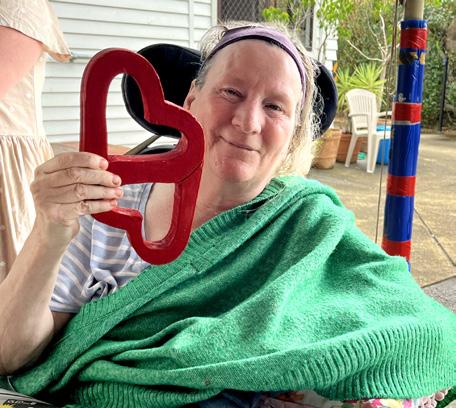
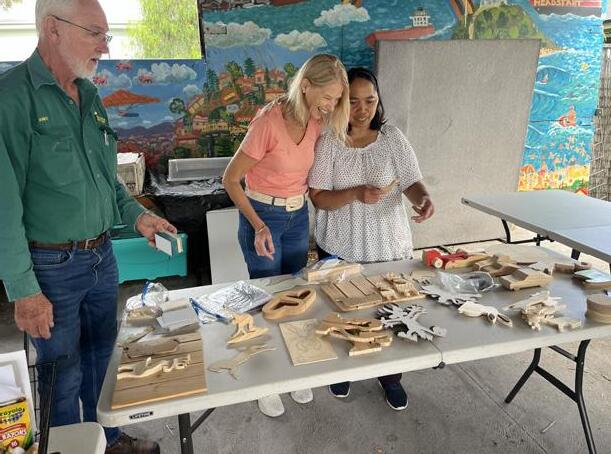
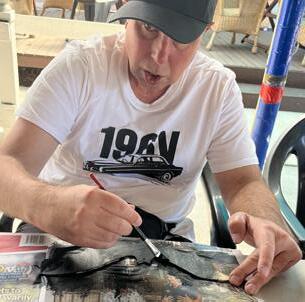
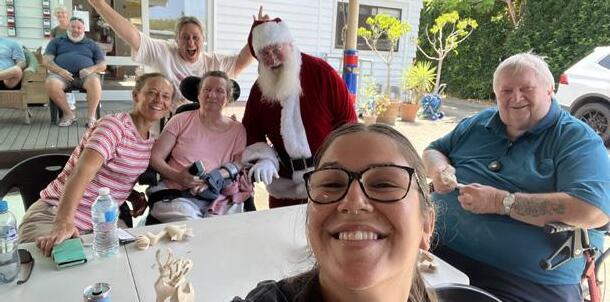
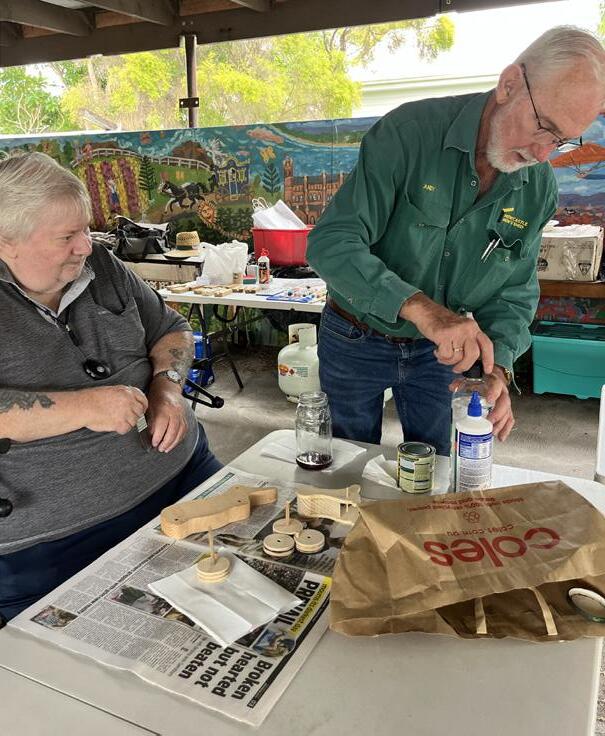
We’ve collaborated with Newcastle Men’s Shed who led at least half a dozen delightfully different Rec activity days.
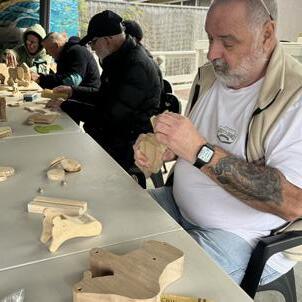
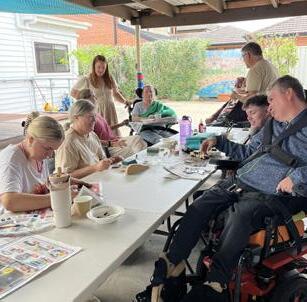
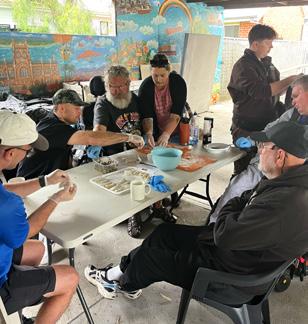
We have been so lucky to partner with Men’s Shed for a monthly Recreation activity (or men and women) that provides a relaxed and hands on environment to work toward creating a particular object, allowing consumers to work at their own pace and focus on their individual project.
I think art and creativity play such an important role in self-expression and Mick and Andy are incredibly flexible, supportive, and always open to ideas from the group, encouraging choice and creativity for new projects.
Their ability to adapt projects and help bring almost any idea to life makes each session engaging, meaningful, and enjoyable for everyone involved.
Thank you Men’s Shed!
- Aleisha, Recreation Coordinator
One of our aims of Rec is to find and try activities that you enjoy and want to participate in! For more info or any questions call the office on 4965 4420 or email: rec@headstart-abi.com.au
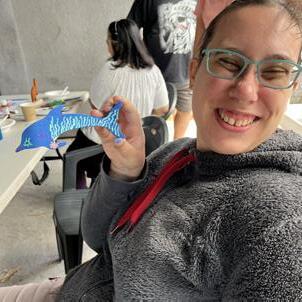
“I really enjoy crafts — I get into the zone when I paint.” - Olivia
Men’s Shed is more than meets the eye, with woodworking craft activities for all! We caught up with Andy for his perspective.
“Initially, Mick and Wayne from Newcastle Men’s Shed kicked it off, then I helped a couple of times, and carried on as a regular.
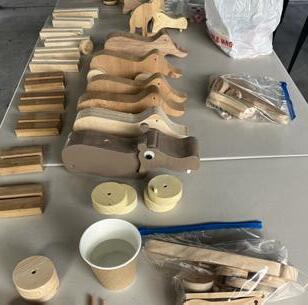
Rather than anything too tricky it’s mainly sanding, simple building and painting projects. We can’t go any further than that really for all to be able to participate.
It gives you a nice, warm feeling to see those people who have real struggles get something out of these activities.
We actually had the Men’s Shed band there for Christmas, and that was a whole new thing. Everyone sings along with the music. I some cases there may have been no noise coming out of their mouth, but they knew the songs!
One person that really impressed me was Wayne, who would normally be there for just a little while, and then he'd be off. But now, with the music, he stayed for the whole time, and really enjoyed it. And then last week, Wayne didn't want to leave at all! He stayed with us and done some sanding, and painting with his support worker.
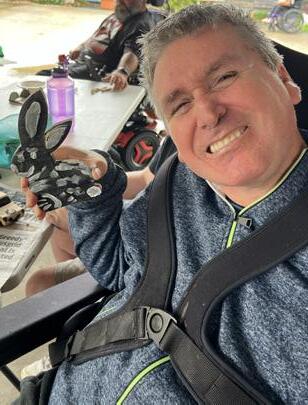
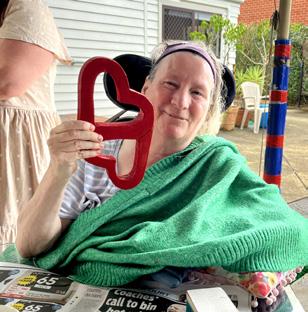
One lady likes painting dolphins and super job with that and another likes a wooden cars. They all like something a little bit different and I think the numbers are increasing because the word is getting out. It’s good to be able to help bring a little joy to people’s lives.
Mick is a genius at using the bandsaw and he custom makes a lot of the requested wooden items, such as dolphins, Easter bunnies or reindeers. Mick is much more skilled at than I am and he cuts all of them out himself - I’m really just the helper!”
- Andy, Men’s Shed
Where woodwork meets wellbeing
Andy from Men’s Shed leads the group
Rec group adventures
Each quarter we provide a mixed bag of activities - hopefully something for everyone to enjoy! Call our office on 4965 4420 to find out more about Recreation.
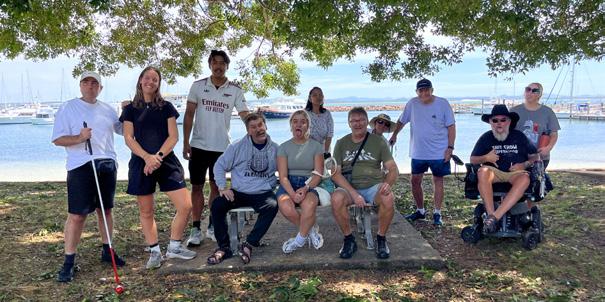
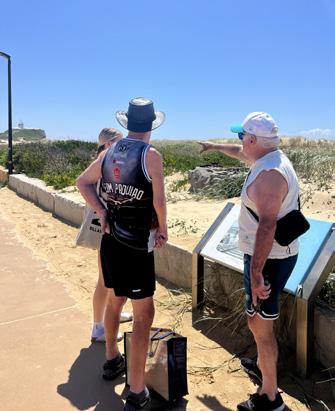
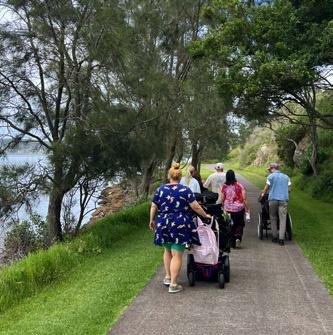
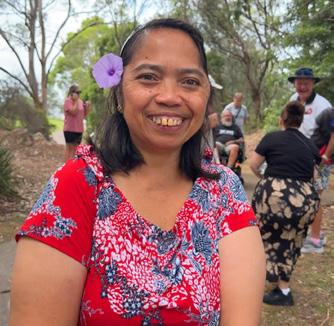
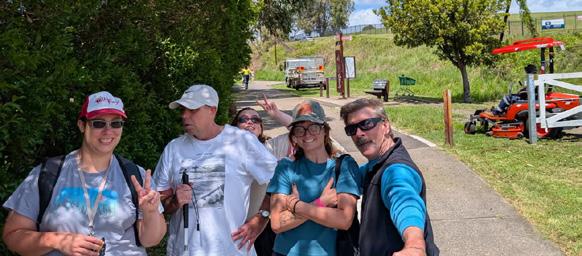
Headstart’s Amazing Race (and two pics below)
Imelda
Green Point
Phil
Rob
Nobbys
Shortland Wetlands
Congrats Kynan!
Each year, we bring together everyone who attends Rec Group - along with their CSWs - to brainstorm, share ideas and dream big for the year ahead. From activities they’d love to see at Rec to personal goals they want to work towards, it was all about collaboration and having a voice.
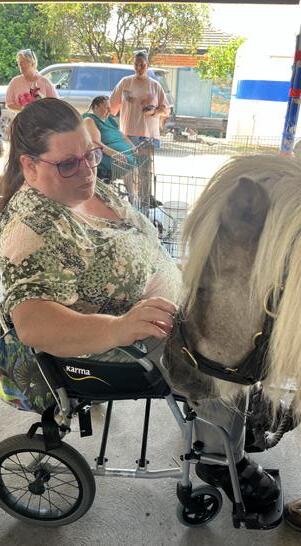
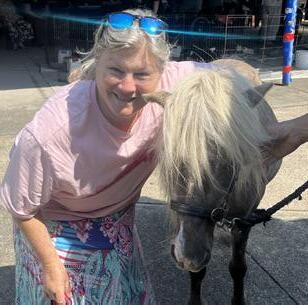
Lyn and Lucy the Shetland
Surfest
Brenden and CSW Sam
Darryl
Michelle
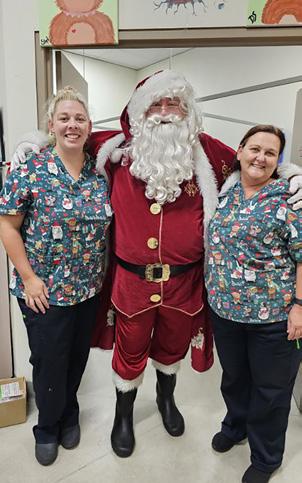
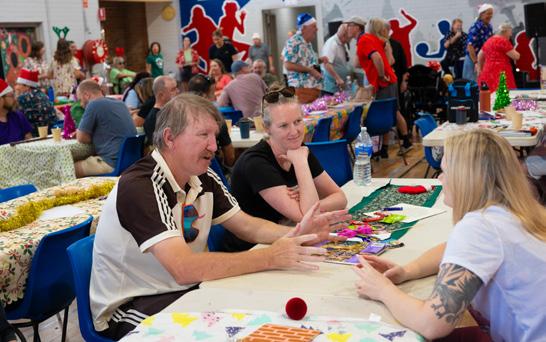
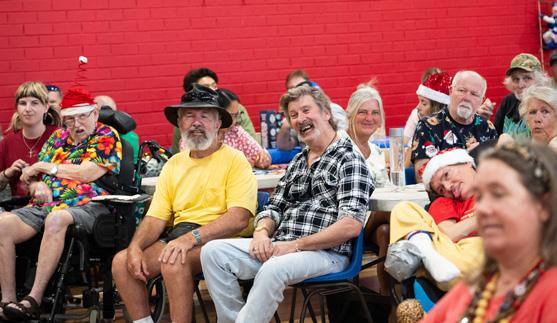
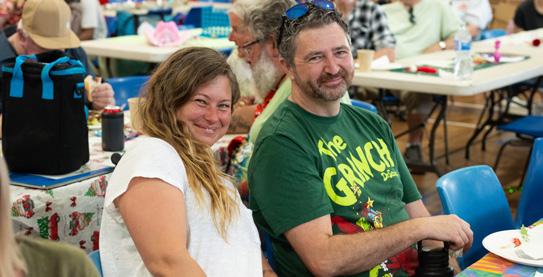
Christmas Flashback
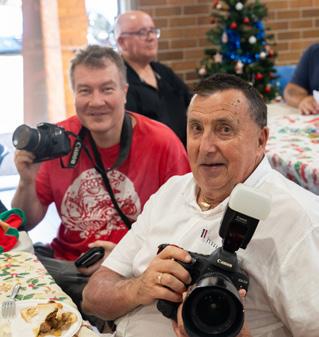
Christmas may seem like a long time ago now, but we want to acknowledge and highlight the contribution of consumers Gary (photos pg 26) and Callan (pg 27). Thanks for some great photos that weren’t received in time to feature in our Dec NewsLink.
Roster Coordinator Tiffany
Care Coordinator Josephine and CSW Brendan
Care Coordinator Kellie Callan (Cal’s photos on opposite page)
Carol and daughter Kate
Michael with CSW Steph
Care Coordinator Teri-Anne helps set up
CSW Patrick and Wayne
CSW Andrea and James
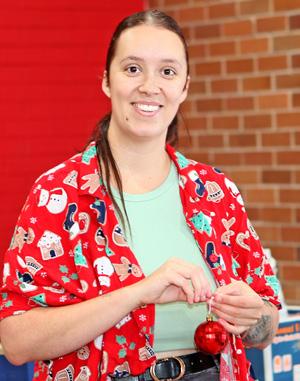
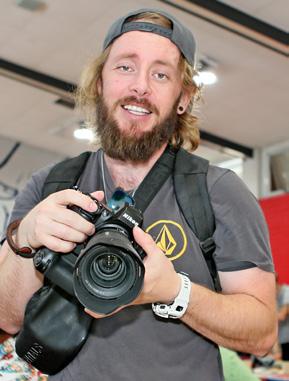
Andy (Marketing & Comms)
Dave and Jason in centre
Marika having a ball!
CSW Brendan and Gary (Gary’s photos page 26)
Recognising staff “Values in Action”
Nominate a staff member for outstanding achievement!
We continue to recognise the work of those who have gone above and beyond in any capacity to support our consumers in their daily lives. Please help us thank and encourage our workers!
To make a nomination please contact us or email: info@ headstart-abi.com.au
Our core values and beliefs
People-first Adaptable Sensitive to need Bold and innovative Ethics above all Fair and open
Making a Complaint
A legend and an Ambassador
Local soccer star Craig Johnston played for Liverpool FC in their heyday of the 80’s. Craig was getting ready to go to the club Christmas party when he received a phone call from his Mum Dorothy. The words “Your sister’s had a dreadful accident” became the catalyst for Craig’s premature retirement form international football.
Faye lives in Lake Macquarie and is still supported by Headstart 38 years later.
Watch Craig’s video as he shares about sister Faye’s brain injury
Use our online feedback and complaints form Scan QR code with your phone camera or visit https://forms.office.com/r/Kqd2L1MBhJ
You have the right to complain under the Community Services (Complaints, review and monitoring) Act 1993. If you have a complaint there are steps to take. At each step, every effort will be made to resolve your complaint before going to the next step.
Step 1. Talk with the person concerned
Step 2: Talk with Co-worker/staff member
Step 3: Talk with Director
Step 4: Talk with Chairperson
Step 5: Talk with Committee
Step 6: Talk with an outside service
Traditional Owners
If you would like to continue receiving NewsLink, become a member by contacting us on 4965 4420 for a membership application.
Our membership year starts from 1 July. Your contributions to the newsletter are welcomed, and we will keep you up to date on all the issues, activities and developments in our services.
To sign up for a free digital version of NewsLink go to our website: www.headstart-abi.com.au
At each step you have the right to have someone else present if you wish. This person is called an advocate and may be your friend, family member, staff member, paid advocate or someone else. If you wish Headstart can help you locate an independent advocate.
We recognise, respect and embrace the Aboriginal elders and people of this region as the traditional custodians and cultural knowledge holders if this land. We further acknowledge the cultural contributions of Aboriginal and Torres Strait Islanders with disability and reaffirm our vision of a world where every person is welcomed.
NewsLink is produced by many people at Headstart ABI Services. It’s a team effort! We welcome contributions from everyone: an article, letter, photograph, poetry, or art. We also welcome suggestions as to articles that we could write about for future issues - so please get on touch! We appreciate feedback on anything: the kind of stories, size of our typeface, layout and general appearance of our newsletter.
HAVE YOUR SAY on these, or any other issues by writing to us at:
Headstart ABI Services
95 Turnbull Street
HAMILTON NSW 2303 or email: comms@headstart-abi.com.au