WORKBOOK SPONSOR






PENRITH PANTHERS EVENT CENTRE 19TH – 22ND OCTOBER 2025


WORKBOOK SPONSOR
PENRITH PANTHERS EVENT CENTRE 19TH – 22ND OCTOBER 2025


Anna-Carin




On behalf of the Conference Committee and our conference chair James Walker, it is our pleasure to welcome you to the 8th ASCP Concrete Pavements Conference at Panthers Penrith Event Centre.
Since the inaugural event held in 2011, the Australian Society for Concrete Pavements’ biennial Concrete Pavements Conference has played a key role in fulfilling the mission of the Society, to facilitate the advancement of knowledge and technology related to concrete pavements through education, technology transfer and research in Australia.
The 2025 conference program will see 10 international speakers, and 30 national technical presentations covering a wealth of knowledge and project insights from leading industry practitioners, suppliers and international experts on the latest advancements in design, construction, materials, and equipment technologies from around the globe.
In addition to this year’s technical program, we are excited to bring a supplier stream for the first time since the inaugural conference, where our industry’s suppliers will bring you their knowledge and innovations to the stage after lunch on Tuesday.
Outside of the technical program, the Conference Committee are eager to celebrate the industry contributions and subsequent winner of the 2025 ASCP Awards as well as the Ed Haber, Best Conference Paper Award with our delegates, presented at our Gala Dinner on Monday Evening.
The conference has attracted over 150 delegates, suppliers and twenty sponsors and exhibitors showcasing services of the concrete pavement sector to our delegates. The conference committee, encourages all attendees to actively participate in technical and supplier discussions to deepen the industry’s knowledge and understanding of concrete pavements, in particular, contributing to the solutions for the next generation in line with our conference theme for 2025.
We look forward to bringing this conference to you and hope you enjoy the event we have put together for our delegates who have travelled from near and far.
TIM BUCKINGHAM-JONES

JAMES WALKER
President Conference Chair
Australian Society for Concrete Pavements

Australian Society for Concrete Pavements

Diamond
Extruded
Civil
Road Profiling
Footpath Construction

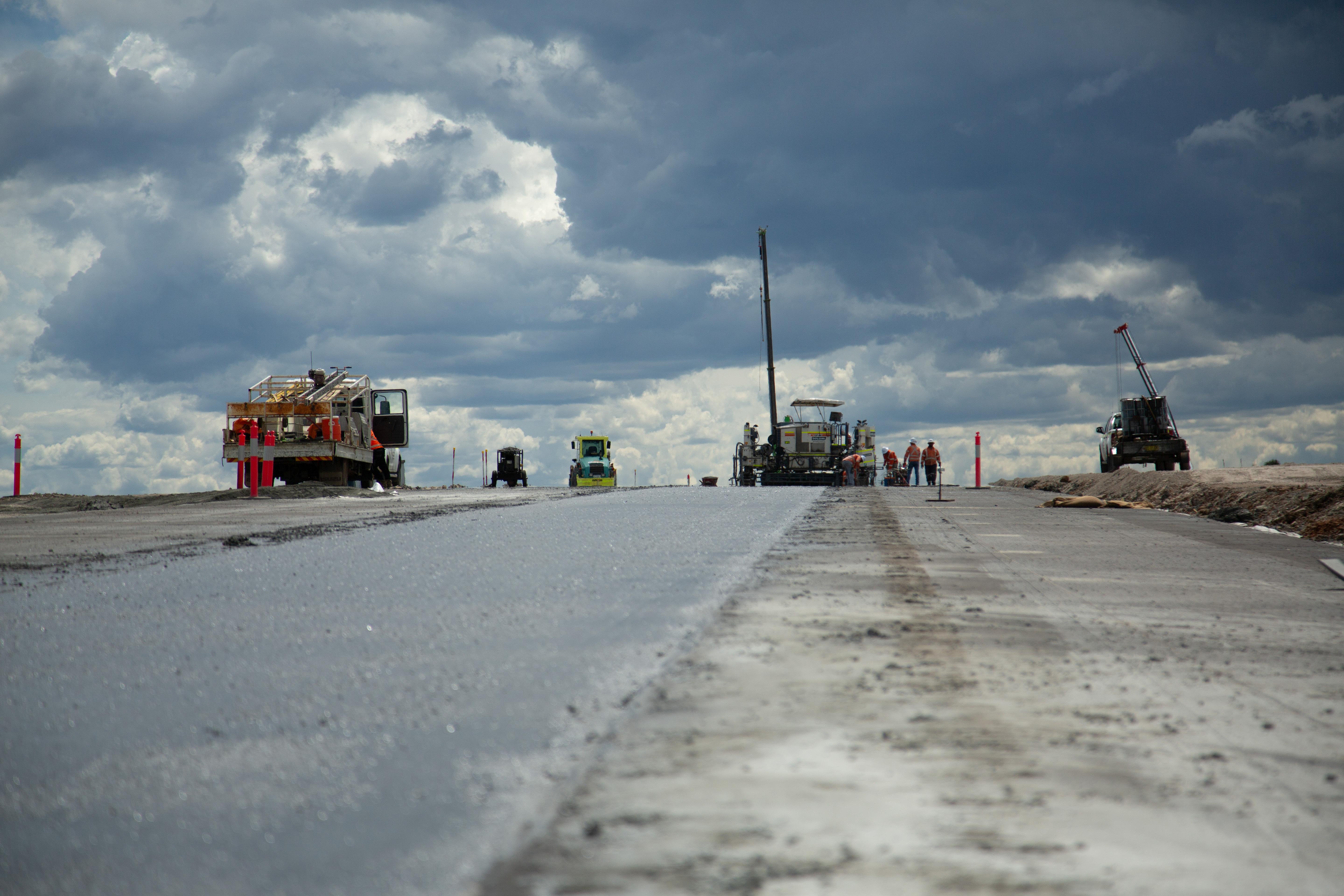

This years, 2025 ASCP Conference includes the showcase of 14 exhibitiors. A short blurb on each of our exhibitors is inside your exhibition passport. Below lists our exhibitiors and their location inside our conference exhibition area.
EXHIBITION 1














Inside your delegate satchel, you will find sponsor additions, as well as an exhibition passport.
Fill out your details on the inside page and visit each of the exhibitors over the course of the conference and have their exhibitor page stamped in your passport. Once you have completed the passport, submit it into the entry box at the conference registration desk for your chance to win our passport prize.
The passport prize will be drawn at the Industry Awards + Gala Dinner on Tuesday night. The winner must be in attendance to be eligible to win, otherwise the prize will be redrawn.



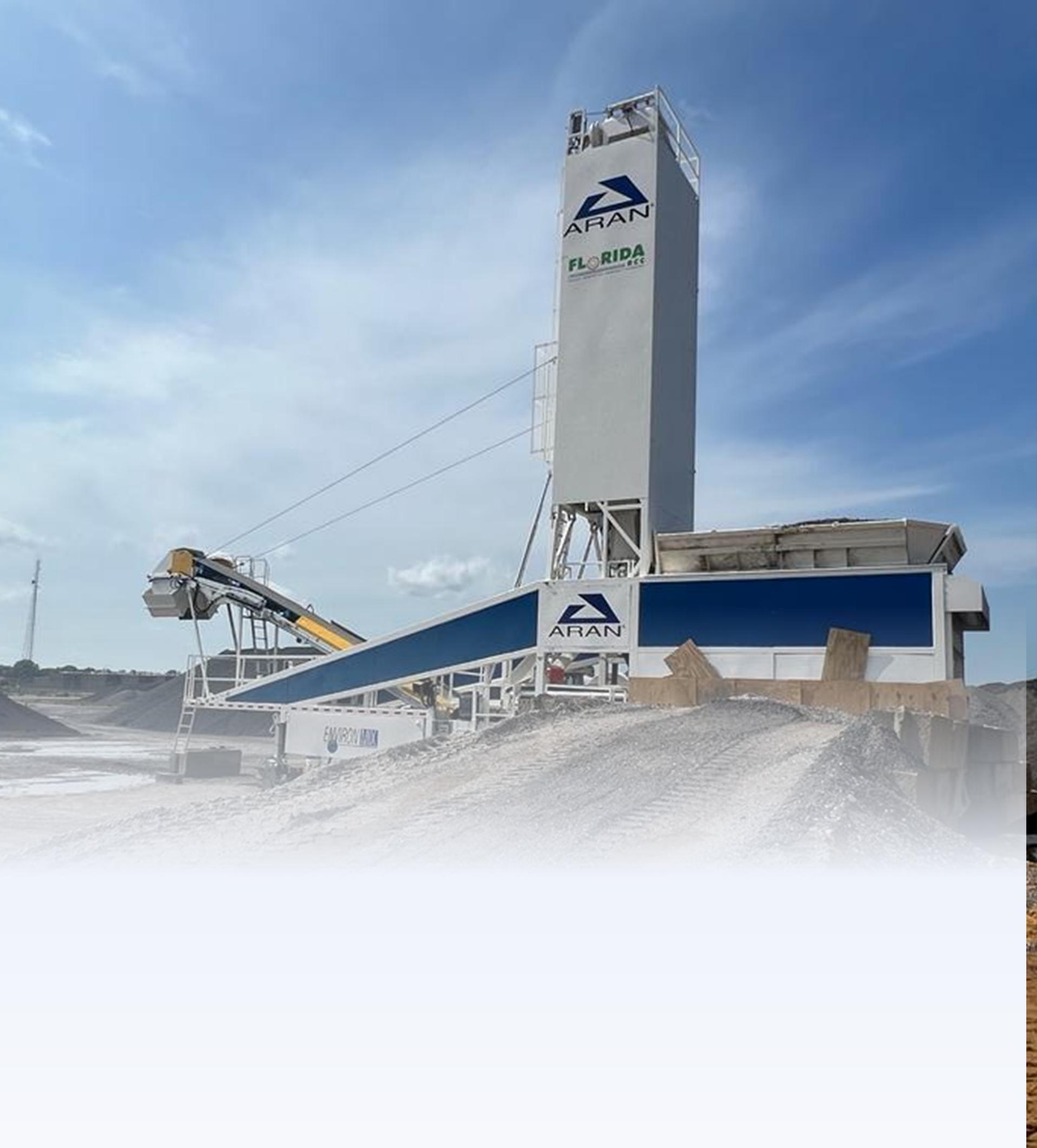
• ARAN High production mixing of:
o Low Slump Concrete, RCC, CTB and Soil Cement
o Soil, Slurry, Paste
• Power Curber - Power Pavers: 2, 3 & 4 Track Slipform Pavers
• E-Z Drill Concrete Drills
• Rhino SlipRite SF-200 Paving Concrete Additive
o Compaction enhancer, water reducer, all in one.








7:30AM 8:15AM 8:30AM 9:00AM 9:30AM 10:00AM 10:25AM 10:50AM 11:15AM 11:40AM 12:00PM 1:00PM 1:25PM 1:50PM 2:15PM 2:40PM 3:00PM 3:30PM 4:00PM 4:30PM 4:50PM 6:00PM

REGISTRATIONS + EXHIBITION OPEN
JIM MACK
IMPROVING PAVEMENT RESILIENCY TO FLOODING: A CASE FOR CONCRETE PAVEMENTS
DR DR. CAITLIN TIBBETTS NOVEL METHODS FOR MINIMISING CLINKER CONTENT IN CONCRETE PAVEMENTS

STREAM A1 - MAINTENANCE & REHABILITATION
SESSION CHAIR: JOHN FIGUEROA
DR. MEHDI PARVINI
EXPEDITED PAVEMENT CONSTRUCTION IN CALIFORNIA USING PRECAST CONCRETE AND RAPID STRENGTH
MARK HOSKINS
INNOVATIVE TECHNOLOGY OF SELF-HEALING AND REPAIR MICRO AND MACROCRACKS IN CONCRETE ROAD PAVEMENT
DR. DAN KING
EVOLUTION OF CONCRETE OVERLAY DESIGN AND CONSTRUCTION
PETER CARSON HOLBROOK OVERLAY
DISCUSSION

STREAM A2 - SUSTAINABLE MATERIALS
SESSION CHAIR: PETER BRYANT
MEHRAN SHIRANI BIDABADI

STREAM B1 - DESIGN SESSION CHAIR: TIM BUCKINGHAM-JONES
SUSHOBHAN SEN “WEATHER” ART THY CLIMATE? CLIMATE REPRESENTATIVENESS IN RIGID PAVEMENT DESIGN
DR. ANNA-CARIN BRINK
COMPARISON OF AGGREGATE INTERLOCK EFFICIENCY AT CONCRETE PAVEMENT JOINTS, USING AGGREGATES
ANTON HARTMAN
INVESTIGATING CRCP PAVEMENT ANCHOR BEAM DESIGN PARAMETERS
JOHN HODGKINSON
ROAD PAVEMENT DESIGN RELIABILITY AND THE AUSTROADS DESIGN GUIDE - WHAT IS IT, IS IT NECESSARY
DISCUSSION
SUSTAINABLE PAVEMENT SOLUTIONS: GEOPOLYMER CONCRETE FROM LABORATORY DESIGN TO FULL-SCALE TRIAL
DR. JERRY PARIS
CHALLENGES IN QUALIFYING ALTERNATIVE SUPPLEMENTARY CEMENTITIOUS MATERIAL
TRAN HUYEN VU SUSTAINABLE CONCRETE PAVEMENT
PATRICK STAEHLI
THE ROLE OF RAPID-HARDENING CONCRETE IN BATCH PLANT PRODUCTION
DISCUSSION


STREAM A2 - CONSTRUCTION
SESSION CHAIR: JAMES WALKER
TIM BUCKINGHAM-JONES
PARRAMATTA LIGHT RAIL - INNOVATIVE TRACK SLAB SOLUTIONS
PETER CARSON WARRINGAH FREEWAY UPGRADE 2025
JUN SO & PRIYAM THAKKAR
CHALLENGES AND LESSONS LEARNED FROM DESIGN AND CONSTRUCTION OF SFCP FOR COFFS HARBOUR BYPASS PROJECT
JENNIFER KEMP LESSONS LEARNT FROM CONSTRUCTION PHASE SUPPORT IN CONCRETE PAVEMENT PROJECTS
DISCUSSION
AFTERNOON TEA
PETER BRYANT & WAYNE ROBERTS CONCRETE PAVEMENT FIELD TRIAL WITH TYPE GL CEMENT
ZOE SCHMIDT
THE USE OF EVOCEM TYPE GL CEMENT IN A CONCRETE PAVEMENT FIELD TRIAL
COMBINED DISCUSSION
CLOSE DAY 2
SOCIAL EVENT - BEER & BBQ + AQUA GOLF
and presenting

MONDAY 20 OCT TH 6:00PM - 8:00PM THE BACKYARD

NETWORK WITH YOUR INDUSTRY MEMBERS OVER A BURGER, BEER AND A BUCKET OF BALLS AT AQUA GOLF

REGISTRATIONS + EXHIBITION OPEN
WELCOME
LIANNA MILLER
INCLUDING ENVIRONMENTAL IMPACTS IN PROCUREMENT DECISIONS: LESSONS LEARNED FROM AN AMERICAN TRANSPORTATION SYSTEM ROLLOUT OF EPDS
JEB TINGLE
A NOTIONAL CRADLE-TO-GRAVE FRAMEWORK FOR LIFE CYCLE ASSESSMENT OF CONCRETE PAVEMENTS
STREAM C1 - PERFORMANCE & DURABILITY
MORNING TEA
1:00PM 1:25PM 1:50PM 2:15PM 2:40PM 3:00PM 3:30PM 4:00PM 4:30PM 4:50PM 6:00PM
SESSION CHAIR: JUN SO
BAHAREH MEHDIZADEH
CORRELATION BETWEEN ACCELERATED AND NATURAL CARBONATION IN SCM-BASED CONCRETE PAVEMENT MIXES
MATÍAS FERNÁNDEZ
PERFORMANCE OF CONCRETE PAVEMENTS WITH OPTIMIZED GEOMETRY PANELS IN CHILE
SHAMIM ANWAR
PERFORMANCE OF CONTINUOUSLY REINFORCED CONCRETE PAVEMENT (CRCP) AT WESTLINK M7 OVER LAST 20 YEARS
JAMES WALKER
NSW CONCRETE HIGHWAY NETWORK - RIDE QUALITY ANALYSIS
DISCUSSION
STREAM C2 - SUSTAINABLE MATERIALS
SESSION CHAIR: PETER CARSON
AZIZ MAHMOOD
ALKALI-SILICA REACTION POTENTIAL OF GLASS SAND IN BELITIC CALCIUM SULFOALUMINATE
JASON CHANDLER
ENGINEERING SAND FOR IMPROVED AND LOWER CARBON CONCRETE PAVEMENTS
LIANNA MILLER WHAT MAKES CONCRETE SUSTAINABLE?
PARTIAL- AND WHOLE LIFE-CYCLE IMPACTS
JAMES WALKER CARBON NEGATIVE PAVEMENTS - ARE THEY RIGHT IN FRONT OF OUR EYES?
DISCUSSION
STREAM D1 - AIRFIELDS
SESSION CHAIR: RIAAN BRIEDENHANN
JEB TINGLE
MECHANISTIC ANALYSES OF CONCRETE PAVEMENTS USING C-SLAB RESPONSE MODELS AND EMERGING DISTRESS MODELS
SEAN JAMIESON
ASSESSMENT OF EXISTING AND INNOVATIVE JOINTING SYSTEMS IN PLAIN CONCRETE RIGID AIRCRAFT
LORRETA NEWTON-HOARE
IMMEDIATE AND LONGER TERM OPPORTUNITIES FOR FINANCIAL COST AND EMBODIED CARBON REDUCTION IN RIGID AIRPORT PAVEMENTS
DR. ALI ASHTIANI
A DEEP-LEARNING MODEL TO ESTIMATE RIGID PAVEMENT STRESSES FOR TOP-DOWN CRACKING AIRFIELD PAVEMENT DESIGN
DISCUSSION
STREAM - SUPPLIERS
SESSION CHAIR: CRAIG HEIDRICH
KIPP RITCHER DANLEY ITW APAC
TASHA EAGLE & HAMID KHAN FOSROC & EDENCRETE
DR IAN VAN WIJK GROUND ALLIANCE / FSG GETECHNICS AND FOUNDATIONS
STREAM D2 - ROLLER COMPACTED CONCRETE
SESSION CHAIR: SHANE DUNSTAN
WILLEM DE BOD THE USE OF ROLLER COMPACTED CONCRETE FOR PUBLIC ROADS
COREY ZOLLINGER RECENT ADVANCES AND USES OF RCC IN THE USACASE STUDIES
FARES ABDO LATEST ADVANCEMENTS IN RCC PAVEMENTS’ MIXTURE AND STRUCTURAL DESIGNS
JOHN BUCKLEY BENEFITS OF MULTI-AXIAL GEOGRIDS FOR CONCRETE PAVEMENTS FARES ABDO CONSIDERATIONS TO MAXIMIZE THE BENEFITS OF RCC
DISCUSSION
AFTERNOON TEA
TIM BUCKINGHAM-JONES & JAMES WALKER 100 YEARS OF NSW MAIN ROADS CONCRETE PAVEMENTS
JIM MACK
DISCUSSION
HOW INCREASING INDUSTRY COMPETITION BENEFITS THE PAVEMENT MARKET: AND HOW AGENCIES CAN USE IT TO LOWER THEIR PAVEMENT EXPENDITURES
COMBINED DISCUSSION
CLOSE DAY 2

GALA DINNER & INDUSTRY AWARDS IN THE EVAN THEATRE

(Presenters and presenting schedule is subject to change as a result of speaker availability)











At Adbri, we have been building the foundations of Australia for over 140 years, supplying locally manufactured cement, concrete, aggregates and masonry products that support the homes, roads, infrastructure and industries shaping our nation.
We are proud to be the name behind materials that stand the test of time, trusted by generations of engineers, builders and project owners across the country.
As construction standards evolve and decarbonisation becomes more critical, so do our solutions. Leveraging decades of technical expertise, verified Environmental Product Declarations (EPDs), and a strong focus on innovation, Adbri is developing mix designs and material technologies that deliver both performance and lower embodied carbon.
Our Future Ready range includes:
EvoCem® – Australia’s first Type GL cement, enabling more efficient and lower carbon mix designs without compromising strength or durability
Futurecrete® – A lower carbon concrete solution using reduced carbon cement and supplementary cementitious materials (SCMs)
EvoFusion™ – A next generation binder technology engineered to improve consistency and reduce embodied carbon in concrete
The next generation of construction demands smarter solutions and stronger foundations built with Adbri.
Visit the Adbri stand to learn more.

This years, 2025 ASCP Conference presenters abstracts are available to download below, as well as being printed in the remaining pages of this delegate workbook. Please scan the QR code below to download to your device.
*Some presenters have not given permission for their papers to be made public, or were not required to make a paper submission and therefore may not be printed in this workbook or be available for download.

This years, 2025 ASCP Conference presenters full papers* are available to download as a full package below. Please scan the QR code below to download to your device.
*Some presenters have not given permission for their papers to be made public, or were not required to make a paper submission and therefore may not be available for download.

SHAMIM ANWAR PAVEMENT TECHNOLOGIST, SPECIALIST PAVEMENT ENGINEER, TRANSPORT FOR NSW (TFNSW)
Westlink M7 is a 40-kilometre motorway connecting Sydney’s north and west which was open to traffic in December 2005. It was privately funded through a deed contract for design, construction, operation and maintenance. The carriageways cross 68 bridges over the length of the motorway. It has a long shared-path network. It was the longest free flowing tollway in the world at the time of opening
The road pavement of the motorway consists of continuously reinforced concrete pavement (CRCP) on lean- mix concrete (LMC) subbase with asphalt surfacing. CRCP is a low maintenance concrete pavement as there is no transverse contraction joint in CRCP compared to the jointed concrete pavements. Due to low maintenance, this type of pavement has less disruption to traffic in operation, hence it reduces safety risks during maintenance. Westlink M7 pavement construction technique was unique as the CRCP pavement was constructed seamless with the bridge decks. This allowed to minimise the overall number of joints in the CRCP pavement and eliminated the need for anchors behind the abutments.
As it is now 20 years since opening, performance of the pavement including achieving minimal slab replacement will be presented in this paper based on the maintenance history along with the background information of the design, construction and operation.
NATIONAL PAVEMENTS LEAD, BENG, MENG, PHD, BG&E
The aim of this paper is to present a comparison between the aggregate interlock efficiencies achieved at concrete pavement joints, using American, Australian and South African aggregates. It presents an investigation into modelling aggregate interlock shear transfer in jointed concrete pavements to initially develop a model suitable to South African conditions. The data obtained from laboratory studies, using South African aggregates, was compared with results obtained from a similar study on typical aggregates used in the United States of America. One of the conclusions reached from the study on South African aggregates was that there was no significant deterioration of the crack face during dynamic loading, which indicated that fatigue of the aggregates at the joint face did not play a role. This could be attributed to the high quality crushed stone used in South Africa. Furthermore, it was shown that jointed concrete pavements constructed with South African aggregates, relying only on aggregate interlock for load transfer, performed better than some of the pavements constructed with less angular crushed glacial gravel, used in America. The parallel can be drawn to similar aggregates in Australia, on either end of the scale.
¹ ENGINEERING MANAGER (PAVEMENT DESIGN), BENG, MTECH, GRADCERTBUS, MIEAUST, RPEQ, QUEENSLAND DEPARTMENT OF TRANSPORT AND MAIN ROADS
² ENGINEERING MANAGER (INFRASTRUCTURE DECARBONISATION), BENG, PHD, FIEAUST, CPENG, RPEQ (CIVIL AND STRUCTURAL), QUEENSLAND DEPARTMENT OF TRANSPORT AND MAIN ROADS
³ DIRECTOR (STRATEGIC TECHNICAL INITIATIVES), BENG, MENG, GRADCERTBUS, BA, BSOCWK, CPENG, RPEQ, QUEENSLAND DEPARTMENT OF TRANSPORT AND MAIN ROADS
⁴ SENIOR PROFESSIONAL ENGINEER, PHD (STRUCTURAL), BENG, MIEAUST, CPENG, RPEQ (STRUCTURAL), NATIONAL TRANSPORT RESEARCH ORGANISATION
⁵ PRINCIPAL PROFESSIONAL ENGINEER (SUSTAINABILITY AND MATERIALS PERFORMANCE), BENG, MIEAUST, NER, RPEQ (CIVIL), RPEV, NATIONAL TRANSPORT RESEARCH ORGANISATION
Cement and concrete products are amongst the largest contributors to total carbon emissions in road agency infrastructure delivery activities. Type GL (General Purpose Limestone) cement has the potential to significantly reduce carbon emissions of concrete compared to the widely used Type GP (General Purpose) cement.
While Type GL cement has been included in AS 3972 since 2010, its use has not been established in Queensland due to limitations in cement production and storage, and previous research that indicated potential reductions in strength and durability performance compared with Type GP cement. More recently, Type GL cements with similar strength performance to Type GP cements have become commercially available in Australia.
This paper reports on recent concrete field trials in Queensland using a Type GL cement with apparent performance equivalent to a Type GP cement. The trials aimed to evaluate the potential of using Type GL cement in typical Special (S) Class road authority concrete mixes.
Trials included a fixed-form concrete pavement using 40 MPa S Class mix, with half the pavement constructed using a Type GL cement concrete and the other half using an otherwise identical mix with Type GP cement. Both concrete mixes used 25% fly ash. A similar comparative trial was also undertaken using 50 MPa S Class concrete in precast panels for structural applications.
The field trials were accompanied by extensive laboratory and field testing. Evaluations included typical plastic and hardened concrete properties, relevant concrete durability tests, pavement surface properties and in service monitoring.
¹TECHNICAL DIRECTOR, PAVEMENTS, BENG DIPENGPRAC CPENG, AURECON
²SENIOR ENGINEER, PAVEMENTS, BENG, AURECON
Light rail track slab is a unique beast, with what is often perceived as a simple concrete track structure being integrated with a vast array of complex communication, electrical, drainage and urban realm elements.
For the Parramatta Light Rail project a review of track slab construction practices across Australia was undertaken as part of the tender phase. This review was a collaborative effort between design and construction personnel, identifying the strengths and weaknesses of various track slab construction methods used on recent light rail projects. The outcome was the development of an efficient concrete track slab solution using a combination of macro-synthetic fibre and conventional steel reinforcing.
In addition to the structural solution the integration with surrounding infrastructure and urban realm paving requirements required development of numerous construction details. Examples include track drainage, combined service route integration, stone sett paving integration into the track structure, and the longest stretch of grass track structure in Australia.
PRESENTED BY JOHN BUCKLEY. AUTHORED BY GARRETT FOUNTAIN, PE, GE GEOTECHNICAL ENGINEER, PE, GE, TENSAR INTERNATIONAL
Incorporating geogrids into pavement foundations significantly enhances support for flexible pavements, providing immediate and measurable benefits. These benefits can be observed through standard engineering procedures, such as stress distribution analysis and accelerated pavement testing. For rigid concrete pavements, geogrids offer long-term advantages by creating uniform support, which reduces differential surface movements that can lead to faulting and corner breaks. These benefits are more challenging to quantify because the concrete absorbs about 90% of the load, leaving the foundation to experience nominal stress requiring innovative methods to validate the benefits geogrids provide for concrete pavements.
Over the past decade, Tensar has implemented multiaxial geogrids in over 300 kilometres of rigid pavement. This paper presents case studies demonstrating the improved joint transfer efficiency of concrete pavements underlain by aggregate bases stabilized with multiaxial geogrid, measured using falling weight deflectometer tests. Additionally, it highlights the enhanced uniformity of stabilized aggregate bases compared to non- stabilized aggregates, assessed through e-compaction measurements. Finally, the paper evaluates the International Roughness Index (IRI) results for existing concrete pavements that have been in service for more than 10 years, comparing them with standard highway IRI measurements to demonstrate the long-term benefits of geogrid stabilization.
By incorporating these detailed observations and measurements, the paper provides a comprehensive understanding of the benefits of geogrids in pavement foundations, supported by empirical evidence from multiple case studies.
¹BE(CIVL), BSURV, MASTER PT, CONSTRUCTABILITY & PAVEMENTS TECHNICAL DIRECTOR, ARCADIS ²BENG , PROJECT MANAGER, CPB CONTRACTORS
³BENG, CPENG, MIE AUST, APEC ENGINEER INTPE(AUS), DELIVERY LEAD WARRINGAH FREEWAY UPGRADE, TFNSW
The Warringah Freeway connecting the Sydney Harbour Bridge to Naremburn was originally constructed and opened to traffic in 1968. It is the busiest road corridor in Australia carrying 250,000 vehicles per day and is approaching completion of an upgrade to incorporate the Western Harbour Tunnel, future traffic from the Northern Beaches and improve road safety and efficiency. The durability and low maintenance of this Mesh- Reinforced-Concrete-Pavement (MRCP) has been excellent and the upgrade widenings imitate the original design. The project incorporates 57.6 lane kms of upgrade within a 3.5km zone of works as well as active transport links for cyclists and pedestrians.
In a corridor crowded with traffic, utilities, ITS and stormwater drainage, constructability was dependent on advanced planning. No sensible amount of geotechnical investigations could fully inform the design and thus close relationships between Constructor, Designer and Asset owner were required to address regularly unanticipated field conditions.
This paper presents a brief history of the Warringah Freeway from Sydney Harbour Bridge to Naremburn, as well as a case study of the investigation, design and construction of the Warringah Freeway Upgrade.
PETER CARSON
BE(CIVL), BSURV, MASTER PT, DIRECTOR, CARSON GROUP
In the 1980s and 1990s, flexible pavements were considered to have a 20-year design life and, on the Hume Highway, NSW RTA southern region was not achieving that. With budgets tight and annual maintenance costs rising nearly as fast as heavy vehicle volumes, concrete overlays were introduced over spent asphalt pavements. Following two initial overlays in 1989 and 1990, the Holbrook overlay of 4km was constructed in 1990/91 over an asphalt subbase. This innovation is now 34 years old.
This paper reports on the design, construction and maintenance carried out over the life of this pavement. Comments and lessons learnt are made on CRCP Base over an asphalt subbase, the over-width 4.6m slow lane, pavement damage mechanisms and cost efficiency. It provides considerations on if and how a concrete overlay should be considered today.
JASON CHANDLER DIRECTOR, B.ENG. (CHEMICAL), MIQ, CONCRETE INSIGHTS
In Australia and New Zealand, the use of manufactured sands and crusher dust is commonplace in concrete manufacturing. However, historically these materials have been supplied as waste quarry products and their use in concrete paving limited by unsuitable and inconsistent particle size distribution as well as poor shape when compared to, at the time, abundant natural sand sources. With sources of natural sand being depleted and a heightened focus on the environmental impact of sand extraction, the concrete paving industry’s reliance on natural sand sources into the future will be challenged. Utilising processing technology developed in Japan in the 1990’s and refined since that time, the engineering of crusher dust into a sand of consistent, targeted grading for use in concrete pavements is possible. A study has been carried out on sands engineered from crusher dust in Australia to assess engineered sand’s impact on concrete workability and cement demand. The results indicate that, in addition to reduced demand on natural resources and improved plastic characteristics, potential exists for cement and embodied carbon reductions up to 15% in concrete mix designs due to the improved aggregate matrix leading to strength development when using engineered sand as a single fine aggregate component in paving concrete.
WILLEM DE BOD MANAGING DIRECTOR, BENG CIVIL ENGINEERING, ROLCO
Roller Compacted Concrete (RCC) has emerged as a cost-effective and durable alternative to traditional asphalt pavements for public road construction. This presentation explores the key advantages of RCC, including its high strength, speed of construction, low maintenance requirements, and enhanced durability. Emphasis will be placed on the material composition, construction methods, and compaction techniques that make RCC particularly suited for heavy traffic and industrial applications. Case studies from recent public road projects will be presented to illustrate performance outcomes, lifecycle costs, and environmental benefits. The session aims to inform engineers, contractors, and municipal planners about the practical considerations and long-term value of implementing RCC in public infrastructure..
¹CIVIL ENGINEER, MANAGING DIRECTOR AT TCPAVEMENTS FORTA
²CIVIL ENGINEER, REGIONAL MANAGER AT TCPAVEMENTS FORTA
³CIVIL ENGINEER MSC, PAVEMENT ENGINEER AT TCPAVEMENTS FORTA
In 2005, a new concrete pavement design concept was introduced, focused on dimensioning panels so that only one truck wheel or set of wheels loads each panel at a time. This reduction in panel size decreases the stresses caused by curling and load interaction, allowing the pavement thickness to be reduced without compromising its service life or increasing its durability without adding thickness. Additionally, this approach contributes to reducing the environmental impact by optimizing the use of materials.
The article presents an analysis of the current state of this paving methodology in public projects developed by Chile's Ministry of Public Works, after more than 15 years of implementation. It aims to evaluate the pavement's performance over time, considering the varying conditions of each project.
To achieve this, various projects built using this methodology were monitored, and the results were compared with design, construction, and acceptance records. The findings demonstrate that the measured outcomes are favourable both in comparison to the original design expectations and to traditional paving solutions commonly used in Chile.
A M HARTMAN¹ ,T SWANEPOEL²
¹TECHNICAL DIRECTOR, PHD ENGINEERING, ZUTARI
²DESIGN ENGINEER, M ENG, ZUTARI
Continuously Reinforced Concrete Pavements (CRCP) undergo longitudinal movement at the end of the pavement due to mainly temperature and moisture fluctuations. These movements need to be restricted in order to prevent damage to adjacent pavements or structures. This paper considers the principal design considerations of CRCP anchor beams including thermal expansion, shrinkage deformation, creep, moisture variation, relevant resistance forces and frictional effects. In South Africa and Australia, a standard number of three beams is typically used with fixed dimensions from a standard typical detail drawing. Various published design approaches were investigated to determine the number and dimensions of the anchor beams required for different pavement characteristics and under different site conditions, and these were compared to the standard typical detail. Conclusions are drawn and site constraints highlighted where the standard anchor beam detail would not be able to restrain the expected pavement movements.
JOHN HODKINGSON
INDEPENDENT PAVEMENT
CONSULTANT, AM BE GRAD DIP (HIGHWAYS) HONORARY MEMBER ASCP
As an element of pavement design, principally thickness design, the concept and application of design reliability was first included in the National Austroads Pavement Design Guide in the 2000s. It followed an earlier report by Australian Road Research Board (ARRB) setting out the case for inclusion of design reliability. It was extracted from the US AASHTO design guide and possibly the US National Co-operative Highway Research Program (NCHRP) Mechanistic Imperial Pavement Design Guide (MEPDG). The current Austroads procedure has been used since 1992. That procedure has never followed Association of American Highway and Transportation Officials (AASHTO) or NCHRP. The inclusion of reliability as set out in Austroads adds to the complexity of the overall design procedure. The application of reliability is only related to thickness design, and within that only the traffic estimation design factor. This paper summarises the method of inclusion of reliability in the US documents and also by Austroads. If the objective of this reliability element is safe, conservative engineering design, then the necessity for required and continued use of this part of the Austroads Guide is discussed. There is sufficient conservatism within the procedure without it. The paper concludes that it is not necessary and recommends that Australian Society for Concrete Pavements (ASCP) makes suitable professional and technical representations to Austroads to review it and have it removed at the earliest opportunity.
¹PAVEMENT MANAGER, CPB CONTRACTORS
²TECHNICAL MANAGER, AD-TEK CONSTRUCTION CHEMICAL SPECIALISTS
³GENERAL MANGER, EVENRANGE CONCRETE SOLUTIONS
⁴DIRECTOR, VULK CONCRETE
⁵BUSINESS MANAGER, EVENRANGE CONCRETE SOLUTIONS
Today, conventional concrete road pavements, have inevitable microcracks as a direct result of the hydration and shrinkage process which are the cause, under the inadvertent conditions, of the development of macrocracks and the potential inability to achieve design life.
This with potential many elements are removed and the valuations placed upon the pavement cost when the initial analysis of works is undertaken ignored. A innovative new repair option exists and has been proven to be successful in the maintenance of the specified objectives of the pavement.
In the process of undertaking repairs with this model cracks are divided into three ranges by width - from very small to large.
For each range of cracks, specific procedures for processing these cracks are used.
For self-healing of microcracks with a width to 0.3 mm, a liquid activator of secondary hydration of concrete promoting the growth of new cementitious formations. As a result, the micro cracks are healed.
Self-healing of macro cracks 0.3 – 2.5 mm wide involves the use of the same secondary hydration activator. However, it requires the effective growth and compaction of the new formations within a confined space. For this, the open top of the macro crack is bridged with a special cementitious composition in the form of powder or slurry.
Macrocracks of 2.5-25.0 mm width are repaired by application of activator and injection of special cementitious compositions with high adhesion to the walls of the cracks, essentially forming a single whole with concrete.
This innovative technology allows for new and old concrete road pavements to be repaired to avoid unnecessary replacement that currently exists.
The capacity to fill a space with the same product or grow and not stick on a repair has proven to be an innovation that is beyond the understanding of the overwhelming number of experts responsible for seeing such developments enter into and support the industry.
¹RESEARCH COORDINATOR, AIRPORT PAVEMENT RESEARCH PROGRAM, MSC (CIVIL ENG), BENG, CPENG, UNIVERSITY OF THE SUNSHINE COAST
²DIRECTOR, AIRPORT PAVEMENT RESEARCH PROGRAM, PHD, MTECH, MENG, ME(CIVIL), BENG, CPENG, UNIVERSITY OF THE SUNSHINE COAST
The construction joints between paver runs are important to the design and construction of rigid aircraft pavements. These joints are required to account for paver width and are generally dowelled to ensure load transfer to adjacent slabs through vertical shear. Load transfer is the ability for a joint in a concrete pavement to transfer load from one slab to the next when trafficked, reducing edge stress and therefore the pavement thickness required. Historically, round dowelled construction joints are used for aircraft pavements with dowel specifications based on providing a sufficient spacing and diameter to mitigate bearing stresses whilst maximising load transfer. However, there are alternate construction joints that are used by the wider paving industry, which have reported benefits over round dowelled construction joints. These include diamond-shape plate dowelled construction joints and sinusoidal keyed construction joints. However, these construction joints have generally been omitted from rigid aircraft pavement practice. To be included in aircraft pavement practice, these alternate jointing solutions must be validated against aircraft loads to ensure they provide appropriate load transfer. This research used finite element methods to assess round dowelled, diamond- shaped plate dowelled, and sinusoidal keyed construction joints for aircraft pavement load transfer. A comparative analysis was performed to determine the most optimal construction joint against a variety of aircraft loading conditions, sub-layer support conditions, and where applicable, dowel details. Findings from this research can be used to innovate construction joint design for rigid aircraft pavements.
JENNIFER KEMP
PRINCIPAL PAVEMENT ENGINEER, NSW/ACT PAVEMENTS LEAD, ARUP
This paper shares key lessons learnt from providing Construction Phase Support (CPS) across a variety of civil infrastructure projects involving concrete pavements — ranging from public domain spaces through to industrial hardstands. These experiences have reinforced the value of maintaining close collaboration between designers, contractors, and clients once the design transitions into delivery.
A major lesson has been the importance of design simplification, ensuring that pavement designs are not only technically robust but also practical to construct under real site conditions. In several cases, simplifying reinforcement layouts, jointing patterns, and sequencing led to more efficient construction and fewer non- conformances. The role of CPS in guiding this transition from paper to pavement proved critical.
Equally important was the opportunity to support contractors on site, offering technical advice, clarifying design intent, and coaching best practices in areas such as forming, joint detailing, curing, and surface finish. This collaborative approach contributed to better workmanship, improved quality outcomes, and strengthened delivery confidence — particularly for crews less experienced with concrete pavements.
Through selected case studies, this paper will illustrate how targeted CPS input added value during construction and fostered a shared understanding of quality between all parties. It concludes with practical reflections and guidance for future projects to embed these lessons and improve delivery of concrete pavements across the industry.
¹RESEARCH ENGINEER, PHD, PE, NATIONAL CONCRETE PAVEMENT TECHNOLOGY CENTRE, IOWA STATE UNIVERSITY, USA
²DIRECTOR, PHD, PE, NATIONAL CONCRETE PAVEMENT TECHNOLOGY CENTRE, IOWA STATE UNIVERSITY, USA
A concrete overlay is a pavement rehabilitation treatment consisting of the construction of a new concrete surface over an existing concrete- or asphalt-surfaced pavement. Concrete overlays have become a substantial part of the roadway and airfield pavement network in the United States, growing from about 2.0% to 12.4% of annual US concrete paving volumes between 2000 and 2020. Transportation agencies have found that concrete overlays are a highly versatile solution, able to address a wide range of existing pavement conditions, traffic volumes, and design life objectives.
With the successful implementation and growth of concrete overlays, practitioners have continued to iterate and improve on existing best practices for concrete overlay design and construction. This paper surveys the evolution of concrete overlays, including the implementation of design principles such as bonded overlays of asphalt and short joint spacing designs, new technologies such as fibre-reinforced concrete and geosynthetics, and innovative strategies to accelerate the construction process. Studies of concrete overlay service life are also highlighted to understand the importance and sensitivity of key design choices to long- term overlay behaviour and performance.
This paper concludes with a look to the future of concrete overlay design and construction. As transportation agencies increasingly prioritize resilience and reducing carbon emissions in the construction and maintenance of pavement infrastructure, a number of strategies are available to adapt concrete overlay designs to meet these emerging needs and to continue to remain a viable solution for agencies and the traveling public.
¹LECTURER, PHD, UNIVERSITY OF TECHNOLOGY SYDNEY
²GRADUATE STUDENT, MSC, UNIVERSITY OF TECHNOLOGY SYDNEY
³GRADUATE STUDENT, MSC, UNIVERSITY OF TECHNOLOGY SYDNEY
⁴HEAD OF TECHNICAL, BSC, ANTOUN
With a discrepancy between the demand and supply of fly ash for cement and concrete manufacture, from the shift away from coal-based power generation, alternative cementitious materials need to be explored as alkali-silica reaction (ASR) mitigators. In this study, a low carbon belitic calcium sulfoaluminate (BCSA) cement has been investigated as a potential ASR mitigator to amorphous waste glass sand. Six binder compositions, 100% GP cement, 75% GP cement + 25% fly ash, 50% GP cement + 50% slag, 100% BCSA cement, 75% BCSA cement + 25% fly ash, and 50% BCSA cement + 50% slag were studied to conduct accelerated mortar bar test as per AS 1012.60.1, and ASR expansions have been monitored. The expansion data reveals the efficacy of BCSA cement is superior to the other composites. The BCSA standalone system recorded a six times lower expansion than GP cement while keeping the expansion to a less than 0.10% limit. A similar trend is observed for all binary blends with BCSA binary blends outperforming GP cement binary blends with lower expansion between comparable blends. The expansion results are supported by the volume of permeable voids (VPV), water absorption, and pH measurements. The ASR gels and microcracks were observed in a scanning electron microscope. The BCSA cement offers a safe use of reactive aggregates, such as glass sand, with limited expansion.
¹PHD, SCHOOL OF CIVIL AND ENVIRONMENTAL ENGINEERING, UNIVERSITY OF TECHNOLOGY SYDNEY,
²A/PROF, HEAD OF DISCIPLINE, STRUCTURAL AND MATERIALS ENGINEERING, SCHOOL OF CIVIL AND ENVIRONMENTAL ENGINEERING, UNIVERSITY OF TECHNOLOGY SYDNEY
³SENIOR MANAGER PAVEMENTS
⁴PAVEMENT MANAGER (RIGID PAVEMENT)
⁵RIGID PAVEMENT ENGINEER
⁶PROFESSOR, FACULTY OF ENGINEERING AND INFORMATION TECHNOLOGY, SCHOOL OF CIVIL AND ENVIRONMENTAL ENGINEERING, UNIVERSITY OF TECHNOLOGY SYDNEY
⁷SENIOR LECTURER, FACULTY OF ENGINEERING AND INFORMATION TECHNOLOGY, SCHOOL OF CIVIL AND ENVIRONMENTAL ENGINEERING, UNIVERSITY OF TECHNOLOGY SYDNEY
With a discrepancy between the demand and supply of fly ash for cement and concrete manufacture, from the shift away from coal-based power generation, alternative cementitious materials need to be explored as alkali-silica reaction (ASR) mitigators. In this study, a low carbon belitic calcium sulfoaluminate (BCSA) cement has been investigated as a potential ASR mitigator to amorphous waste glass sand. Six binder compositions, 100% GP cement, 75% GP cement + 25% fly ash, 50% GP cement + 50% slag, 100% BCSA cement, 75% BCSA cement + 25% fly ash, and 50% BCSA cement + 50% slag were studied to conduct accelerated mortar bar test as per AS 1012.60.1, and ASR expansions have been monitored. The expansion data reveals the efficacy of BCSA cement is superior to the other composites. The BCSA standalone system recorded a six times lower expansion than GP cement while keeping the expansion to a less than 0.10% limit. A similar trend is observed for all binary blends with BCSA binary blends outperforming GP cement binary blends with lower expansion between comparable blends. The expansion results are supported by the volume of permeable voids (VPV), water absorption, and pH measurements. The ASR gels and microcracks were observed in a scanning electron microscope. The BCSA cement offers a safe use of reactive aggregates, such as glass sand, with limited expansion.
¹DIRECTOR, AIRPORT PAVEMENT RESEARCH PROGRAM, PHD, MTECH, MENG, ME(CIVIL), BENG, CPENG, UNIVERSITY OF THE SUNSHINE COAST
²GRADUATE RESEARCH STUDENT, AIRPORT PAVEMENT RESEARCH PROGRAM, BENG, UNIVERSITY OF THE SUNSHINE COAST
Although they represent only 2% if the total aircraft pavement industry in Australia, rigid airport pavements provide important benefits over flexible pavement structures in some applications. The main inhibitor to rigid pavement structures being more broadly adopted by airports is the relatively high construction cost, even when the whole of life comparison is favourable. Consequently, one strategy for increasing the use of rigid pavements at Australian airports is to reduce the construction cost, by removing unreasonable and unnecessary conservatism in their design. Furthermore, as the embodied carbon associated with different pavement options becomes more important in the development of new airport infrastructure, reducing the environmental cost of rigid aircraft pavements, relative to structurally equivalent flexible pavements, is also expected to be beneficial. To that end, the aim of this research was to identify and quantify the potential immediate and longer term opportunities to reduce the financial cost, and the embodied carbon, associated with the design and construction of rigid airport pavements in Australia. Issues considered include the thickness design of rigid airport pavements, concrete mixture design and strength characterisation, and the joint location and type efficiency. In the longer term, recycling and reuse of waste materials and industrial byproducts in rigid airport pavement construction are also considered. The outcomes are intended to support the definition of best- practice in rigid airport pavement design and construction in Australia, for better airport infrastructure.
JERRY M PARIS
RESEARCH CIVIL ENGINEER, UNITED STATES ARMY CORPS OF ENGINEERS, CEMENT AND CONCRETE TESTING
U.S. federal policy has mandated two primary sustainability goals related to concrete construction: achieve 50% reductions in greenhouse gas emissions by 2032 and net zero emissions by 2050. To achieve these goals will require different approaches. The first approach being utilization of more common techniques such as increasing the usage of under-utilized supplementary cemenititous materials, performing aggregate optimization for clinker reduction, and more efficient structural design with limited over-design. The secondary approach will likely require novel cement chemistries to be developed and implemented. To achieve confident acceptance of these new materials and mixture designs require robust evaluation methods to acquire the requisite knowledge to inform engineers and contractors to meet the emission goals. However, our current evaluation methods may not be applicable to under- utilized materials, lower cement/clinker content mixes, or novel cement chemistries; to this end a dynamic framework needs to be developed to identify prudent characteristics that can inform material and mixture quality.
R&D MANAGER, BA CIVIL, DANLEY/ITW APAC
The increasing global focus on sustainability and carbon neutrality has placed significant pressure on governments and commercial entities to adopt net-zero solutions in infrastructure projects. One of the most effective yet low-risk strategies to meet these sustainability targets is the development of a supplier partnership structure to deliver net-zero concrete footpath and cycleway active transport links (ATL’s). These infrastructures provide essential active transport networks with minimal structural risk while enabling substantial carbon reduction through material selection and design optimization. Note: this paper will explore both decarbonizing active transport links towards a pathway to net-zero and/or offsetting the residual emissions to make them carbon neutral.
This paper explores the three key material/structural components in delivering a sustainable concrete footpath and cycleway active transport link: concrete, reinforcing, and jointing systems. Of these, concrete has the most significant impact on carbon emissions due to the large volumes required. However, light-duty pavements present a low-risk opportunity to experiment with innovative, sustainable concrete mixes without compromising structural integrity. This makes them an ideal testing ground for newly developed low-carbon concrete solutions from major providers, high-SCM (supplementary cementitious materials) mix designs, and other experimental materials. By strategically trialling and refining these mixes, projects can achieve substantial carbon reductions with minimal downside risk — a big impact with low risk.
The second key component, concrete reinforcement, presents an opportunity for further carbon reduction. Two commonly used reinforcement methods include steel mesh and macro synthetic fibre (MSF) reinforcement. For this paper, 100% recycled macro-synthetic fibre reinforcement is considered due to its dual benefits: enhancing concrete strength and durability while being produced from sustainably sourced, recycled materials. The use of recycled MSF reinforcement offers a significant reduction in embodied carbon, aligning with sustainability objectives.
The third component, jointing systems, plays a critical role in infrastructure longevity and maintenance requirements. The implementation of smart jointing systems and best-practice design principles extends the life-cycle of concrete footpaths and cycleways, minimizing maintenance needs and reducing social and liability risks. Poorly designed jointing systems can lead to premature failure, increased repair costs, and safety hazards, making intelligent design choices essential for long-term sustainability.
Continued on next page....
KIPP RICHTER R&D MANAGER, BA CIVIL, DANLEY/ITW APAC
While each component has an Environmental Product Declaration (EPD) and its Global Warming Potential (GWP) CO2 values are well-documented, achieving net-zero emissions requires additional efforts. To support the decarbonization of these infrastructure projects, the material and construction process impacts must clearly be analysed through effective and sustainable carbon reduction strategies. This approach ensures that the Active Transport Link Infrastructure not only minimizes environmental impact but actively contributes to sustainability targets without compromising structural integrity or performance.
In conclusion, net-zero concrete footpath and cycleway active transport links represent a low risk, high-impact solution for sustainable infrastructure development. By leveraging low carbon concrete, 100% recycled macro-synthetic fibre reinforcement, and optimized jointing systems, these networks can significantly contribute to net-zero goals. Facilitating a supplier partnership and the integration of carbon offset strategies further ensures that these projects achieve true carbon neutrality, making them an ideal choice for governments and commercial developers committed to sustainable growth.
¹NATIONAL PRODUCT SUSTAINABILITY LEAD, ADBRI LIMITED
²GROUP MANAGER QUALITY AND INNOVATION, ADBRI LIMITED
In response to the growing call for carbon reductions in the construction sector, Adbri has introduced a lower carbon emissions cement - Evocem, by reducing clinker content while still maintaining performance. Evocem is an AS3972 compliant General Purpose Limestone Cement (Type GL). It incorporates up to 15% limestone mineral addition, as compared to the maximum of 7.5% specified for Types GP and SL cements. By extending the limestone component and optimising production processes, this innovation significantly lowers carbon emissions compared to traditional cement production. Evocem has already been widely adopted across Australia, with over 1,500,000 m3 of concrete placed in a wide range of applications, covering a very broad cross section of concrete grades.
Given the stringent performance requirements set by Transport for New South Wales (TfNSW) for infrastructure projects, Adbri, in collaboration with CPB Contractors and Georgiou Joint Venture, conducted side-by-side trials in a TfNSW pavement on the M12 West in Sydney to demonstrate the efficacy of Evocem (Type GL) as a low carbon and equivalent performing substitute for Type SL cement. These trials were essential in demonstrating that a higher limestone alternative could meet the same high-performance standards required for major infrastructure projects. The field trial evaluated the performance of the two different cement types in the pavement to determine whether they exhibit identical strength and durability characteristics when subjected to field conditions. SL and GL cement were tested in parallel in R83 concrete across multiple concrete batches, with identical mix designs, curing conditions, and environmental exposures. Fresh and hardened tests were performed on field samples with additional laboratory testing to assess properties in a controlled envirPAREonment. Results showed no statistically significant differences in strength development or durability performance between the two cements.
The results confirm that Evocem (Type GL) cement compares well with Type SL cement in a pavement application and, with equal performance, realises carbon savings of 17% per cubic metre of R83 concrete produced. Additionally, the outcomes of this trial demonstrate its suitability for widespread use in construction without compromising structural and durability integrity, offering a significant step toward reducing the carbon footprint of infrastructure projects and supporting industry-wide sustainability goals.
¹GRADUATE STUDENT, INDIAN INSTITUTE OF TECHNOLOGY GANDHINAGAR, INDIA
²ASSISTANT PROFESSOR, INDIAN INSTITUTE OF TECHNOLOGY GANDHINAGAR, INDIA
Climatic conditions significantly influence the performance of Jointed Plain Concrete Pavements (JPCPs). Variations in temperature, wind speed, solar radiation and other factors generate non-linear temperature distributions, influencing the long-term performance. These distributions result in curling stresses and eigenstresses that increase the fatigue damage and thus reduce the expected service life of the section. JPCP design relies on historical weather data of several years to generate temperature profiles for performance prediction. However, determining the optimal duration of historical data needed for reliable predictions remains an open problem. Limited datasets may overlook long-term trends and variability, while an overly extensive dataset may increase computational time without significantly improving accuracy.
This study aims to investigate the climatological representativeness of various weather data sources for assessing JPCP performance. Weather data spanning 30 years, which is the accepted definition of climate representativeness, will be examined in comparison with 15 years of data and a statistical, synthetic dataset called a Typical Meteorological Year. These will be used to numerically evaluate the temperature profiles through various JPCP sections, and the performance of those sections will be assessed based on curling and eigenstresses developed. Moreover, the thickness and the solar reflectance (albedo) of the JPCP sections will also be varied to understand the extent to which climate representativeness depends on JPCP properties. Thus, this work will determine how much weather data is sufficient to represent climate conditions in JPCP design, hence optimizing the effort required to design JPCP sections accurately.
¹RESEARCHER, PHD
CANDIDATE, UNIVERSITY OF TECHNOLOGY SYDNEY (UTS)
²ASSOCIATE PROFESSOR, PHD, UTS
³LECTURER, PHD, UTS
⁴MANAGING DIRECTOR, PHD IN POLYMER CHEMISTRY, CANENVIRO INNOVATIONS PTY LTD
⁵COMMERCIAL MANAGER, BACHELOR OF CONSTRUCTION, CANENVIRO INNOVATIONS PTY LTD
⁶DIRECTOR, BACHELOR OF CHEMICAL ENGINEERING, CONCRETE INSIGHTS
ABSTRACT
This study evaluates the performance of geopolymer concrete (GPC) in pavement applications, focusing on the outcomes from a laboratory and full-scale trial. A fly ash (FA)-ground granulated blast furnace slag (GGBFS) GPC was designed to meet pavement requirements. Laboratory tests assessed its fresh and hardened properties, including compressive and flexural strength, and shrinkage. The laboratory results show that the developed GPC mix has an adequate retention time and meets the R53 and R83 specification requirements for strength development and shrinkage. The trial demonstrated that GPC could be effectively placed and finished using conventional paving equipment. Laboratory and field performance data indicate that the material successfully transitions from lab-scale to large-scale applications, meeting the critical benchmarks for pavement performance. By successfully translating lab-scale outcomes into large-scale applications, this study offers a solid foundation for the adoption of GPC in pavement construction. The findings offer valuable insights into scalability and effectiveness of GPC, guiding engineers toward sustainable, high-performance pavement alternatives.
¹ASSOCIATE TECHNICAL DIRECTOR, B.ENG (CIVIL) M.TECH (PAVEMENTS), ARCADIS ²SITE ENGINEER, B.ENG (CIVIL) M.ENG (MANAGEMENT), FERROVIAL-GAMUDA JV
Coffs Harbour Bypass (CHB) is the final stage of the Pacific Highway upgrade and will mark the end of the 30 year Pacific Highway upgrade project when it is completed in 2026/2027. CHB is a 14 kilometre upgrade of the Pacific Highway and includes three tunnels and three interchanges at Englands Road, Coramba Road and Korora Hill. A joint venture between Ferrovial and Gamuda Australia (FGJV) is delivering the work for Transport for NSW (TfNSW). FGJV is supported by a design joint venture between Arcadis and Sener. Independent Certification is provided by Aurecon.
The interchanges at Englands Road and Coramba Road include 4 roundabouts which comprise SFCP. This case study provides an overview of CHB design and construction, including challenges and lessons learned.
Design topics include:
• Pavement thickness design
• Steel reinforcement design (including number of tiebars per slab)
• Jointing layout design (including complex geometry, specifying sealant width due to variable relief edge distance)
• Terminal anchor design (deviation from the TfNSW Standard Drawings)
Construction topics include:
• Concrete mix designs (including steel fibre dose, fly ash and admixtures)
• Formwork (including fixing formwork, curved formwork, re-use of formwork)
• Steel reinforcement (cover, mesh placement and tiebar placement)
• Drainage pit coordination (construction program and interfaces)
• Concrete placement (pour plans, sequence and maintaining access)
• Compaction (including systematic vibration, vibrating screed and dealing with crowns)
• Within-core variability (challenges on site although cores show good compaction)
• Concrete repairs and replacement (repair methods including spall repairs)
DR PATRICK STAEHLI
¹CEO, DIPL. CIVIL ENGINEER, CONCRETUM CONSTRUCTION SCIENCE AG
²EIKE BRUECKNER, DIPL. CIVIL ENGINEER, CONCRETUM CONSTRUCTION SCIENCE AG
The innovative 3rd-generation rapid-hardening concrete represents a significant advancement in sustainable construction practices, particularly in the realm of concrete pavement. Engineered for rapid strength development, rapid-hardening concrete achieves a compressive strength of 20 N/mm2 within just two hours of placement, making it ideal for time-sensitive infrastructure projects. This rapid hardening capability not only minimises downtime but also enhances the durability and longevity of concrete pavements, reducing the need for frequent repairs and their corresponding environmental impacts.
Sustainability is at the core of third-generation rapid-hardening concrete. The concrete's low heat of hydration and high early strength contribute to optimised energy consumption during production and placement. Additionally, rapid-hardening concrete is recyclable, aligning with the principles of circular economy and minimising waste. 3rd-generation rapid-hardening concrete can be produced using locally sourced aggregates.
The successful demonstration of batch plant production of 3rd-generation rapid-hardening concrete showcases its compatibility with traditional concrete production methods without requiring significant additional investment. Trials in Australia using a dry-batch plant have confirmed that it's possible to produce and use 3rd-generation rapid-hardening concrete, showing that it can work well in different production settings. This flexibility ensures that large-scale concrete pavement projects can be executed efficiently and sustainably.
In conclusion, 3rd-generation rapid-hardening concrete offers a sustainable solution for concrete pavement construction, combining rapid strength development, environmental benefits, and compatibility with existing batch plant production methods. Its application promises to revolutionise the industry by enhancing the efficiency and sustainability of concrete infrastructure projects.
¹RESEARCH CIVIL ENGINEER, UNITED STATES ARMY CORPS OF ENGINEERS - AIRFIELDS AND PAVEMENTS BRANCH
²RESEARCH CIVIL ENGINEER, UNITED STATES ARMY CORPS OF ENGINEERS - CONCRETE AND MATERIALS BRANCH
³RESEARCH CIVIL ENGINEER, UNITED STATES ARMY CORPS OF ENGINEERS - CONCRETE AND MATERIALS BRANCH
Over the last decade, the concrete industry has begun to focus more on sustainable concrete mixtures that reduce greenhouse gas emissions. Since the primary source of emissions in traditional concrete is portland cement clinker, which produces approximately 0.9 kg of CO2 per kg of clinker, minimizing the clinker content will provide significant reductions to concrete emissions. For U.S. federal airfield pavement designs, current construction specifications require a minimum cement content. This research investigated airfield pavement designs that incrementally lowered the clinker content below the minimum allowable to assess placement and structural performance. Multiple aggregate optimization methods were examined to decrease the volume of voids, thereby reducing the paste content needed. The mixture designs varied the coarse aggregate type (limestone and granite), aggregate gradations blends (up to maximum size of 75 mm (3 in.)), and supplementary cementitious materials (Class F fly ash and slag cement). Fresh properties measured included air content, unit weight, and slump. Cylinder and beam specimens were made to measure compressive and flexural strength, respectively. The results demonstrated that the workability and strength requirements could be met for airfield pavement mixtures with approximately 60 kg/m3 (100 lbs/yd3) less total cementitious material than the currently mandated minimum.
JAMES WALKER
PROJECT DEVELOPMENT MANAGER, BACHELOR CIVIL ENGINEER (HON 1), TRANSPORT FOR NSW
Australian road agencies continue to pursue opportunities to reduce their environmental footprint as the Australian Government works towards it’s Net Zero commitment. While significant research and investment is ongoing in fields like alternative cements and carbon capture, storage and utilisation, is it possible that there is a simpler answer right in front of our eyes?
Recent Austroads webinar (Transport Agency Decarbonisation) reconfirmed global consensus that the vast majority of carbon emissions from the Transportation Industry are not from embodied emissions during construction, but are enabled emissions during the operational phase of the asset. For highways, a key factor in reducing enabled emissions is the ride quality (or roughness) of the pavement.
By way of worked example, a number of ride quality interventions have been explored, with a review of enabled emissions across the whole asset design life juxtaposed against the pavement embodied emissions. Could readily implementable policy/specifications changes, combined with existing maintenance techniques entirely offset the embodied emissions of concrete highway pavements?
JAMES WALKER
PROJECT DEVELOPMENT MANAGER, BACHELOR CIVIL ENGINEER (HON 1), TRANSPORT FOR NSW
NSW maintains the largest network of concrete highway pavements in Australia, with over 5,000km under management. The network consists of rigid pavements with wide ranging designs and ages, from 100 year old jointed reinforced concrete pavements (JRCP) to modern plain concrete and continuously reinforced concrete pavements (PCP and CRCP).
Pavement ride quality (roughness) is a critical measure across our road network that not only gives an indication of driver comfort, but can also help identify areas with safety hazards and/or increased deterioration and maintenance need.
An analysis of NSW ride quality data has been undertaken, and will be presented, offering insights into:
- Extent/scale of NSW concrete pavement network
- Typical ride quality levels for JRCP at various ages
- Typical ride quality levels for PCP at various ages
- Typical ride quality levels for CRCP at various ages
- Rates of ride quality deterioration across the typical pavement types
- Areas of opportunity
¹POSTDOCTORAL RESEARCH ASSOCIATE, BE (CIVIL ENGINEERING MATERIALS)& PHD (CONCRETE TECH), UTS
²HD CANDIDATE, RESEARCH ASSISTANT, BE (CIVIL)& MASTER (CIVIL), UTS
³SENIOR LECTURER, UTS
⁴PROFESSOR OF CONCRETE ENGINEERING, BE (CIVIL)& PHD (CONCRETE TECH), UTS
The sustainability of the use of concrete pavement as a vital infrastructure requires a constant review on its performance namely mechanical and volume stability properties, durability with respect to service life, and embodied carbon (EC). Transport for New South Wales has collaborated with CCAA, UTS and SmartCrete CRC in examining the sustainability of concrete pavement complying with its R82 and R83 specifications. The research reveals that while the state-of-the-art R82 concrete is meeting its performance requirements at very low EC, R83 concrete can be developed to meet all performance requirements at a significantly lower EC than the level achieved currently. The design life with respect to carbonation-induced corrosion was evaluated based on carbonation study of the concrete exposed to accelerate carbonation, indoor and outdoor exposure for a period of 12 months. This paper provides the details of the experimental program and results of the research justifying the use of low carbon R83 concrete which meet all performance requirements.
02 6862 5554
admin@concretesolutions.com.au www.concretesolutions.com.au
Unit 6, 60 Fairford Road, Padstow NSW 2211
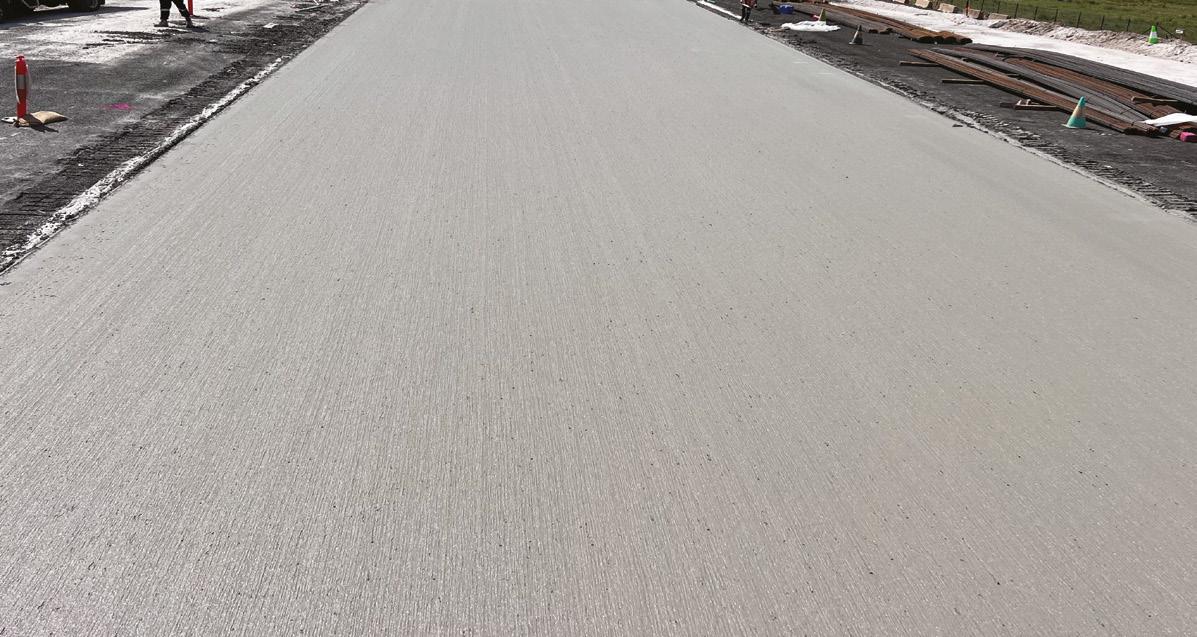
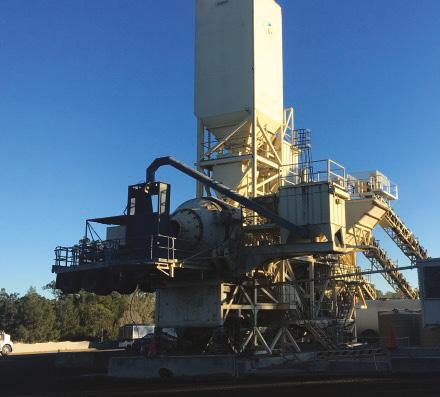
Concrete & Civil Solutions is a leading provider of integrated concrete production and civil construction services, delivering high-quality infrastructure solutions across Australia. Our expertise spans concrete batching, civil construction, material processing, and geotechnical testing, ensuring efficient, cost-effective, and sustainable project delivery.
Backed by a team of experienced engineers and industry specialists, CBS leverages state-of-the-art technology, precision engineering, and an unwavering commitment to quality to support projects in transport, aviation, resources, and public infrastructure.
Our Services
• Concrete Batch Plant (wet batch) – Dry Hire
CBS offers flexible dry hire solutions for wet batch plants, providing clients with the necessary infrastructure while allowing them to manage their operations.
• Concrete Batch Plant – Wet Hire (with Operators & Batchers)
For a seamless, end-to-end solution, we provide fully operational wet hire services, including experienced operators and batchers to ensure efficient, high-quality production.
Concrete Mix Design & Optimization
• Our experts develop tailored concrete mix designs to meet specific project requirements, optimizing performance, durability, and cost-efficiency.
Quarry
• We source local quarry materials through a stringent quality control process, ensuring that every component meets industry standards and project specifications.
Concrete Truck Wet Hire
• CBS provides well-maintained concrete trucks for wet hire, delivering efficient and reliable transportation of concrete to job sites.
• Comprehensive lab and in situ testing of concrete, aggregates, and soils are available through our sister company, K&H Geotechnical Services. This partnership ensures precise data and high-quality assurance throughout project execution.
• Expert operation of pugmills for mixing and stabilizing materials such as heavily bound, road base, lime, or cement-treated materials to deliver consistent and high-quality outputs.
Civil Works
• Our expertise spans earthworks, road construction, foundation preparation, drainage systems, and large-scale concrete structures.
Concrete Slipform Paving
• We specialize in concrete slipform paving, including high-quality barriers, kerbs, and gutters, ensuring precision, durability, and efficiency in every project.
To be the leading provider of integrated concrete and civil solutions, setting new benchmarks in quality, sustainability, and innovation across the infrastructure sector.
Our mission at CBS is to deliver high-quality concrete and civil solutions with precision, efficiency, and sustainability. We strive to provide innovative, cost-effective, and environmentally responsible infrastructure solutions, leveraging our expertise in batching, paving, material processing, and civil construction to exceed client expectations. By integrating technology, engineering excellence, and a commitment to quality, we build the foundations for a better tomorrow.
End-to-End Solutions - We integrate concrete production with civil construction for seamless project execution.
Industry Expertise - Our team has decades of experience delivering infrastructure solutions across major sectors.
Innovative & Sustainable Practices - We implement advanced materials, recycling methods, and eco-friendly solutions.
Commitment to Quality & Compliance - We adhere to Australian standards and rigorous quality control processes.
Scalability & Reliability - Our mobile and fixed operations support projects of all sizes, from regional works to mega-projects.
Wet batch plant
Dry batch plant
Front End Loaders
Concrete Agitators
Dieci Mixer Trucks F7000
Excavators
Graders
Slipform Paver
Truck & Dog
10 Wheeler Trucks
Tippers & Trailers
Crane Truck
Pugmill and silos
Dozers
Skid Steers
Let CBS be the foundation of your next project – delivering quality, reliability, and innovation at every stage


Founded in October 2007, the Australian Society for Concrete Pavements (ASCP) is an Australian not-for-profit organisation which aims to facilitate improvements in the design, construction and quality of concrete pavements in Australia through education, technolgy transfer and research.
WORKBOOK SPONSOR
MAJOR SPONSORS