
This year marked a period of extraordinary movement across Australia’s steel, slag, and construction materials sectors, with major commercial shifts, global research collaborations, and industry-wide innovation driving a new wave of momentum. From transformative acquisitions to advancements in circular economy practices and international knowledge exchange, the landscape continued to evolve rapidly—laying the foundation for a stronger, more resilient and more sustainable future.
Industry dynamics continued to reshape the national landscape, highlighted by Cement Australia’s completion of its acquisition of BGC’s cementitious division. The 1 October transition strengthens Holcim and Heidelberg Materials’ footprint in Western Australia, enhances supply security, and expands access to sustainable, high-value construction solutions across the region. The inclusion of new RMX facilities—along with the skilled teams operating them—marks a significant shift in national capability and reinforces long-term confidence in supply resilience.
Collaboration and consolidation also accelerated across engineering and infrastructure. SYSTRA’s acquisition of BG&E marks a transformative step in expanding multidisciplinary expertise across Australia, New Zealand, and key global markets. With more than 1,000 staff across the combined network and over 700 specialists dedicated to complex buildings, this new alliance strengthens regional capability while supporting major infrastructure transformation.
On the research and innovation front, global knowledge exchange reached new heights. Euroslag 2026 was announced for Luleå, Sweden, set to explore the evolving characteristics and sustainability potential of modern slags as the steel sector transitions to low-carbon production pathways.
Meanwhile, the 17th Global Slag Conference in Vienna brought together 140 delegates across 36 countries, showcasing cutting-edge research on slag reactivity, advanced granulation technologies, EAF/DRI process trends, carbon capture applications and award-winning innovations shaping the circular economy.Looking ahead, the 18th Global Slag Conference in Istanbul will continue the momentum with a strong focus on maximising value, performance and profitability from both ferrous and non-ferrous slags—reinforcing the industry’s commitment to technical excellence and commercial innovation.
Australia’s domestic research capability also continued to strengthen. The ARC Research Hub for Australian Steel Innovation (Steel Research Hub) progressed its major five-year program, integrating universities and industry partners to advance manufacturing efficiency, new anti-corrosion technologies, higher-value steel products and improved by-product utilisation. These initiatives support a more resilient, competitive and circular steel value chain—an area closely aligned with ASA member priorities.
Local collaboration remained equally strong, with Concrete 2025 bringing together hundreds of leaders, researchers and practitioners to explore sustainable concrete solutions, durability, materials performance and future design approaches. The ASA’s presence at the event provided an important platform to share the benefits of steel and iron slags in supporting the transition to low-carbon construction.
Finally, insights from the latest Membership Survey delivered a clear view of the sector’s priorities, expectations, and opportunities for enhanced support throughout the year ahead. These findings ensure our programs, events and technical resources continue to align with member needs and the evolving requirements of the industry.
Collectively, these updates reflect an industry that is not simply adapting to change but accelerating through it—fuelled by shared purpose, technical excellence, and a renewed sense of momentum as we head into 2026. It has truly been a privilege to serve as the Marketing Manager for the Australasian (Iron and Steel) Slag Association during such an exciting and transformative time for our industry.
A heartfelt thank you to everyone who has contributed, collaborated, and supported our work throughout the year—your commitment continues to drive this industry forward.
Patane
Sam Patane Editor
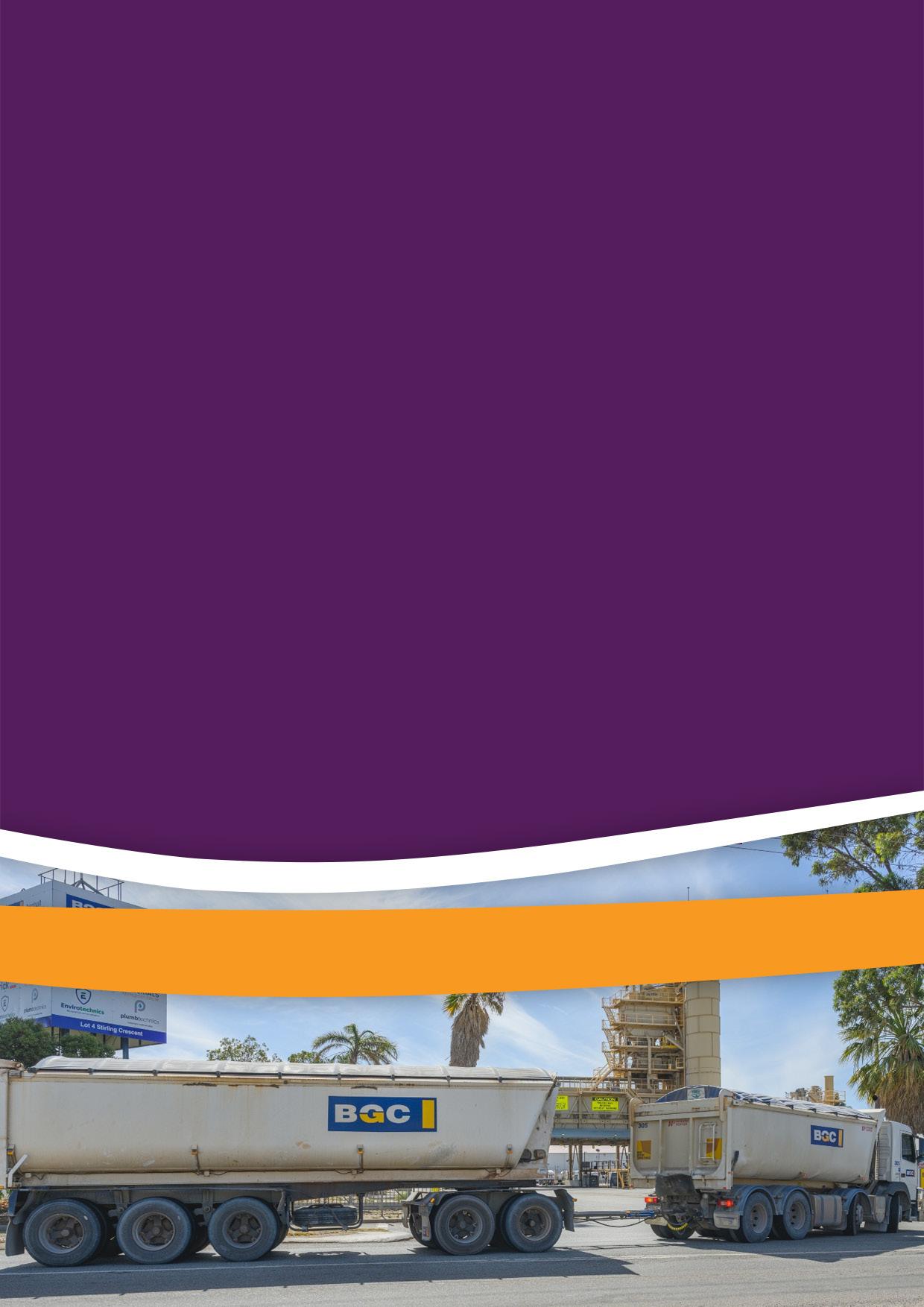
ADAA Member, Cement Australia (CA), which is a joint venture between Holcim Australia and Heidelberg Materials Australia, has announced the completion of its acquisition of the cementitious division of the Buckeridge Group of Companies (BGC), effective 1 October 2025.
The transaction includes BGC Cement, related transport operations, and the cement-related assets of BGC’s Materials Technology Centre. As part of the agreement, CA has also acquired BGC Concrete’s RMX site at Kwinana, which will be leased to Holcim. Holcim will additionally take over BGC Concrete’s RMX operations at Canning Vale, while Heidelberg Materials Australia will assume operations at Bassendean.
Holcim also confirmed that the acquisition expands its footprint across Western Australia, aligning with its NextGen Growth 2030 strategy to remain the leading partner for sustainable construction. Holcim will operate the newly added ready-mix concrete sites in Canning Vale and Naval Base, complementing its existing network of more than 20 plants servicing the region.
With the backing of Holcim’s global innovation capabilities and Heidelberg Materials’ industry leadership, the transition strengthens supply security for customers and enhances the delivery of high-value, sustainable building solutions across Western Australia.
Rob Davies, CEO of Cement Australia, expressed enthusiasm for the milestone.
“The addition of these facilities - and the talented people who operate them - strengthens our position in the West Australia market and ensures greater security of supply for our customers. This complements our existing footprint in WA and will help streamline logistics, further enhance our service capability, and expand our sustainable, innovative and high-value building solutions in the West.”
Holcim Australia and New Zealand CEO George Agriogiannis also welcomed the expansion.
“The addition of these facilities—and the talented people who operate them—strengthens our position in the Western Australian market and ensures greater security of supply for our customers,” he said. “This complements our existing footprint and will streamline logistics, enhance our service capability, and expand our sustainable and innovative building solutions in the region.”
Cement Australia emphasised that it is committed to operating a safe, healthy, and sustainable business while ensuring continuity for employees, customers, and suppliers throughout the transition.
The company warmly welcomes the BGC team into the Cement Australia family, marking a significant step forward in strengthening the nation’s cement and concrete supply chain and advancing sustainable construction across Western Australia.
SYSTRA joins forces with BG&E to strengthen presence in Australia and develop a global offering for complex buildings.
ADAA Member BG&E, is a multi-disciplinary engineering company founded in Australia, with expertise in transport infrastructure and complex buildings. The company employs more than 800 people and has offices in Australia, New Zealand, Asia, the Middle East, and the United Kingdom. SYSTRA, the global engineering and consultancy in public transport and mobility solutions, acquired BG&E in October 2025. This strategic transaction marks a significant step in the development of SYSTRA in Australia and New Zealand and launches a new international offering dedicated to complex buildings.
Together, SYSTRA and BG&E will have more than 1,000 employees in Australia and New Zealand, further strengthening their position in one of the world’s most dynamic infrastructure markets. With a comprehensive portfolio of multi-disciplinary engineering services covering the entire project lifecycle, SYSTRA and BG&E will be able to deliver high-quality, sustainable technical solutions to their clients, who will benefit from the best international practice and the continued backing of a global engineering leader. Furthermore, BG&E’s presence in the United Kingdom, Singapore, and the United Arab Emirates will enable SYSTRA Group to strengthen and expand its offering in these countries.
Beyond its geographical footprint, this transaction gives SYSTRA the opportunity to build a global offering in the field of complex buildings. Initially recognised for its design work on transport-related structures (stations, depots, maintenance centres), SYSTRA, thanks to the integration of BG&E’s expertise, now expands its scope to all types of complex buildings. This newly combined network will bring together more than 700 specialists, able to operate anywhere in the world.
Together, we have a unique lever to support the transformation of infrastructure in Australia, New Zealand, and beyond. “ “
Jean-Charles Vollery, CEO of SYSTRA
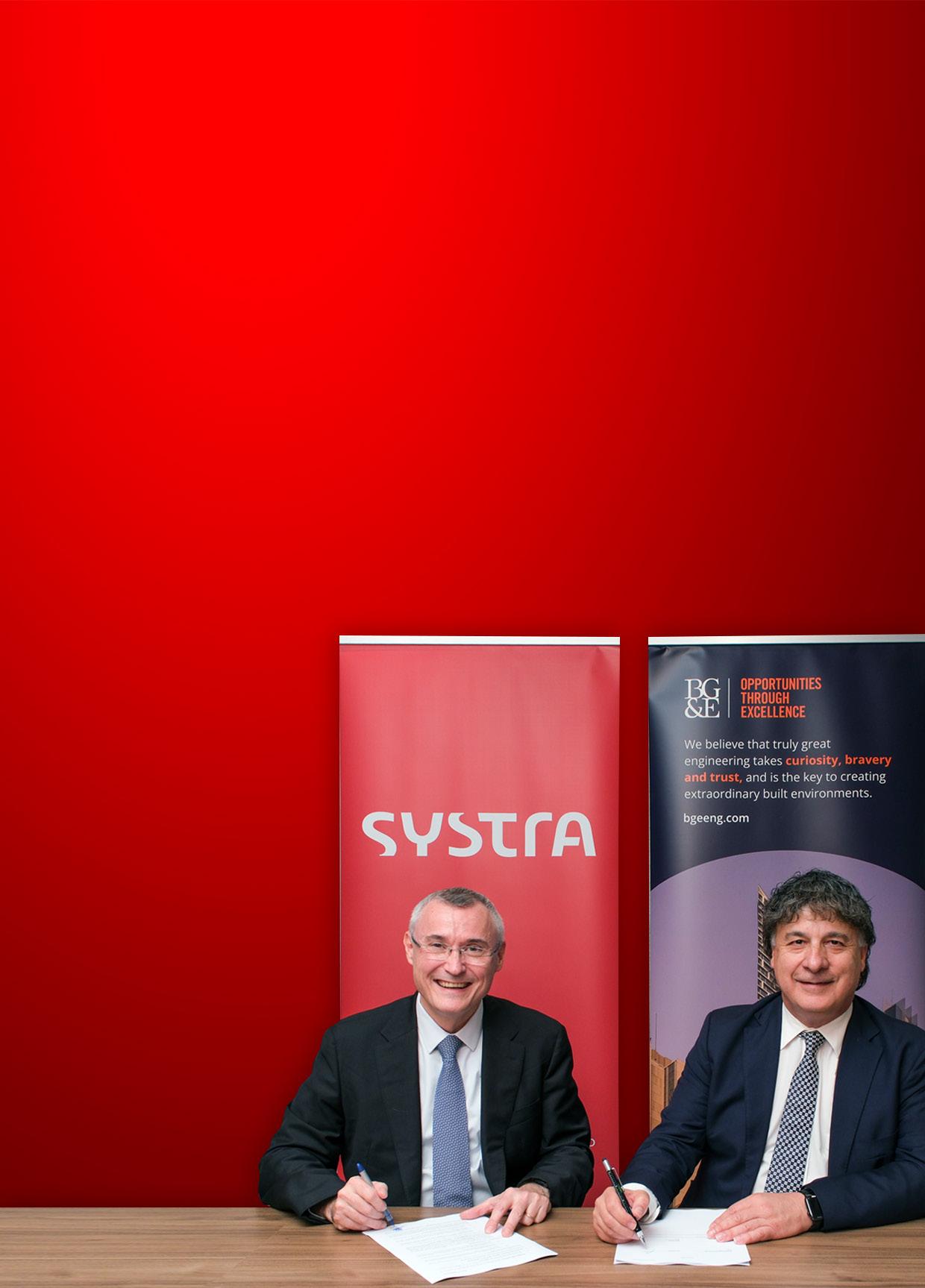
Jean-Charles Vollery, CEO of SYSTRA, said: “We are delighted to welcome the talented BG&E teams to SYSTRA. Together, we have a unique lever to support the transformation of infrastructure in Australia, New Zealand, and beyond. This partnership reflects our growth ambitions and our aim to be the signature team for engineering in the transport and complex buildings sectors worldwide.”
Frank Cerra, Managing Director of BG&E, commented: “Over the past 55 years of our operations, we have been involved in some of the largest infrastructure and buildings projects in Australia and overseas. Therefore, it made perfect sense to team up with a bold, innovative and technically excellent engineering firm like SYSTRA. Joining SYSTRA is the right cultural and strategic fit for BG&E, enabling us to embark on the next stage of our growth journey.”
The acquisition comes at a pivotal moment of growth and transformation in the infrastructure sector and underlines SYSTRA and BG&E’s commitment to meeting the evolving needs of their clients and communities.
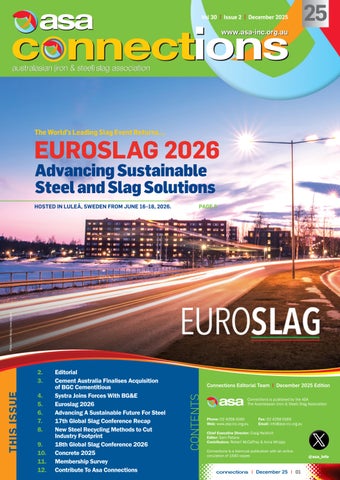
The global slag industry will come together next year for Euroslag 2026, hosted in Luleå, Sweden from June 16–18, 2026. The event is jointly organised by Jernkontoret (the Swedish Iron and Steel Producers’ Association), Swerim (the metals research institute), Luleå University of Technology, and the European association EUROSLAG.
This prestigious conference serves as a leading platform for collaboration between steel producers, slag processors, equipment providers, government bodies, researchers, and end-users of slag.
As the steel and metallurgical industries undergo major transitions to reduce CO2 emissions, the characteristics and potential applications of slags are also evolving. Euroslag 2026 will explore how these newgeneration slags can be repurposed for sustainable applications, contributing to a circular economy and lower-carbon construction solutions.
Attendees can expect in-depth presentations and discussions on:
• Innovations in slag utilisation and processing technologies
• The role of slags in decarbonising the steel industry
• Legislative and environmental frameworks shaping the future of by-product management
• Real-world case studies and industrial applications driving sustainability outcomes
With a focus on research, regulation, and real-world application, Euroslag 2026 aims to bridge the gap between innovation and industry adoption.
KEY DATES:
• January 2026 – Registration opens
• March 16, 2026 – Early bird registration deadline
• June 16–18, 2026 – XIII European Slag Conference
Detailed information regarding the program, timetable, and abstract submissions will be released progressively, with a preliminary program available in late 2025. The organisers warmly invite industry professionals and researchers worldwide to attend this important event and contribute to shaping the future of sustainable steelmaking and slag utilisation.
The ARC Research Hub for Australian Steel Innovation (Steel Research Hub) represents a major collaborative effort to secure the future of Australia’s steel manufacturing industry.
This five-year, $28 million research program (2021–2025) has focused on enabling a transition to a more sustainable, competitive, and resilient steel sector through the development of advanced manufacturing processes and higher-value steel products.
A globally competitive domestic steel industry is not only central to Australia’s economic growth and employment but also to achieving national sustainability and circular economy goals - areas that strongly align with the interests of the Australasian (Iron & Steel) Slag Association (ASA) and its members.
Led by the University of Wollongong, the Steel Research Hub brings together nine leading Australian universities - RMIT, ANU, Swinburne University of Technology, University of Newcastle, Deakin University, University of Sydney, UNSW, and Monash University - alongside ten core industry partners: BlueScope, Infrabuild (Manufacturing and Wire), Liberty Primary Steel, ArcelorMittal, Australian Steel Institute, Bisalloy, Weld Australia, Australian Industry Group and the National Association of Steel-Framed Housing & Australian Steel Mill Services.
Together, this network of academic and industry expertise is driving innovative research designed to enable a technological transformation across the steel supply chain—one that embraces circular resource use, reduces emissions, and increases process efficiency.
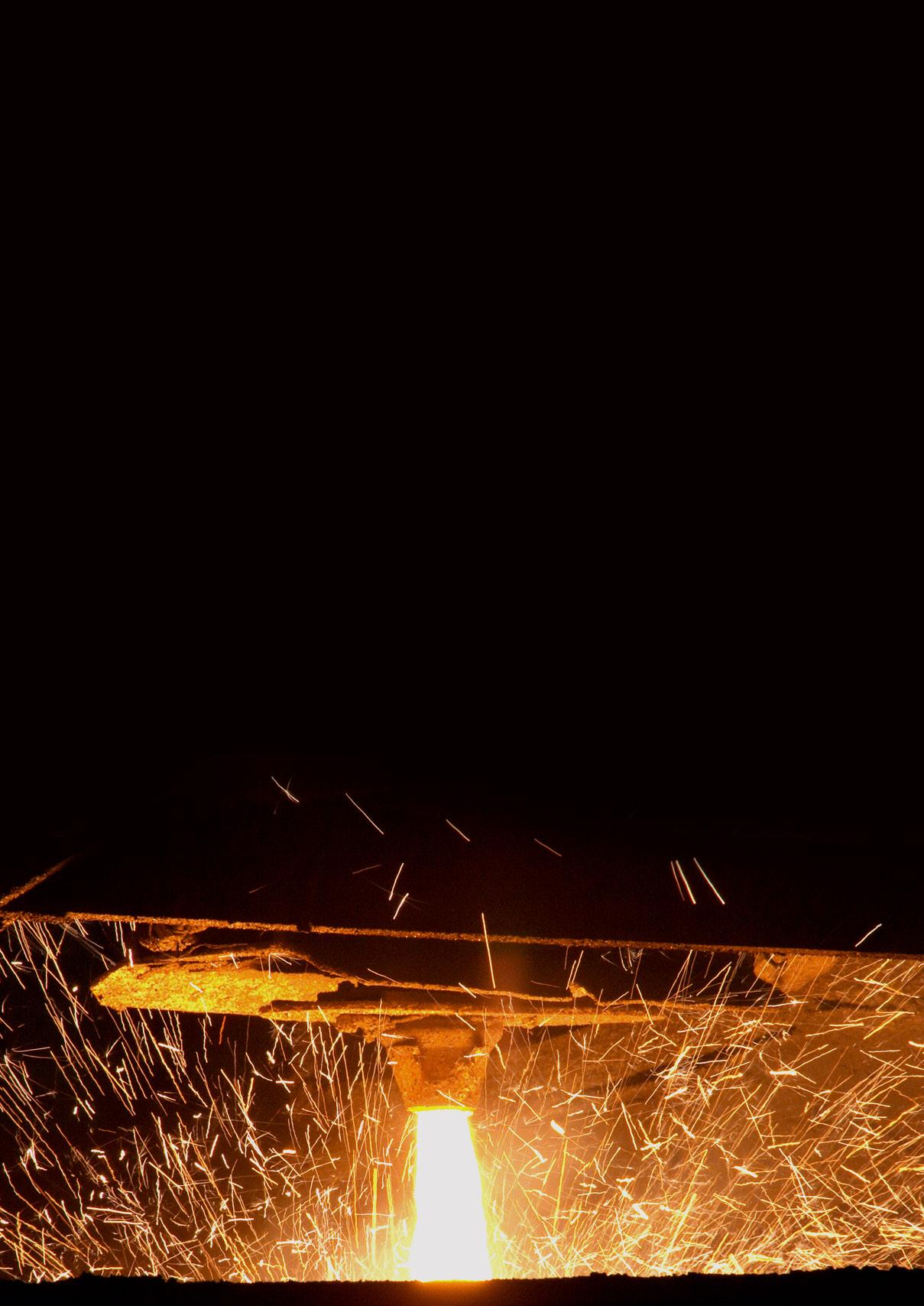
The Hub’s multidisciplinary team includes around 20 Postdoctoral Research Fellows and 30 PhD candidates, working across four integrated research programs.
These programs focus on:
• Integrating advanced enabling technologies in both large and small steel enterprises;
• Delivering breakthrough improvements in anti-corrosion treatments and coating processes;
• Creating more functional, durable, and resource-efficient steel products; and
• Enhancing sustainability through improved material utilisation and waste recovery.
For ASA members and stakeholders, the work of the Steel Research Hub demonstrates the growing intersection between steel innovation and by-product valorisation. As the industry seeks to maximise resource efficiency and explore new applications for by-products such as slag, research collaborations of this nature are vital in supporting a low-carbon, circular steel ecosystem.
Through these coordinated efforts, the ARC Steel Research Hub is not only strengthening Australia’s industrial and research capabilities but also laying the groundwork for a more sustainable, innovative and globally competitive steel future.
The 17th Global Slag Conference was held in Vienna on 25–26 June 2025, drawing 140 delegates from 36 countries to review new research and technologies in iron and steel slags.
Across 20 technical presentations, two days of networking, and eight Global Slag Awards, the event underscored the growing role of slag in sustainable construction, resource efficiency, and industrial innovation. The next conference—the 18th Global Slag Conference— will take place in Istanbul, Türkiye, on 15–16 April 2026.
The conference opened with a comprehensive overview of the European slag landscape, highlighting the region’s transition toward greener steelmaking. As the European steel industry advances its decarbonisation strategies, the production of granulated blast furnace slag (GBFS) is expected to decline, while output from electric arc furnace (EAF) and direct reduced iron (DRI) processes will increase— creating both challenges and opportunities for slag management and utilisation.
Research presentations explored methods to enhance slag reactivity and performance, including innovations in water granulation, quartz treatments, and pilot-scale projects such as Sabine and WAGEOS2SHS (which transforms water-granulated EAF slag into black GBS). Early results indicate promising latent hydraulic properties, though further investigation is needed to assess long-term durability in concrete applications. Panel discussions addressed the need for a global mindset shift—viewing slag not as waste, but as a valuable product or co-product within the circular economy.
A number of industry case studies were shared, including insights from Hyundai Steel, which presented long-term trials using GBFS, BOF, and EAF slags in concrete and aggregates. These studies showed improved durability, chloride resistance, and corrosion protection, while also addressing volume stability issues in BOF slag through fine grinding techniques. Additional research highlighted the use of slag as a filler in polymer and rubber composites, demonstrating enhanced mechanical performance and reduced environmental impact.

The technical sessions showcased advancements in grinding, activation, and granulation technologies, as well as carbon dioxide removal using steel slags. Presentations also examined large-scale slag processing, recovery of valuable metals such as zinc, and the conversion of EAF slag into GBFS-type materials for cementitious use—further expanding slag’s potential applications in sustainable materials.
The Global Slag Awards recognised excellence across the sector, with Swecem named Company of the Year, Ecocem’s Dunkerque Plant awarded Slag Plant of the Year, Karbonetiq receiving Technical Innovation of the Year, and Titan honoured as Slag User of the Year. These awards reflected the breadth of innovation and collaboration shaping the global slag industry.
Delegates commended the event’s international scope, professional organisation, and strong networking opportunities. A postconference tour of the Voestalpine Leoben steelworks provided a live demonstration of steel tapping and slag granulation, bringing to life many of the technologies discussed throughout the conference.
Overall, the 17th Global Slag Conference reinforced the vital role of slag in sustainable construction, industrial efficiency, and environmental stewardship. With ongoing research and collaboration across the global steel value chain, slag continues to prove its importance as a cornerstone material in the transition to a low-carbon, circular economy.
Full conference proceedings are available here
University of Toronto engineering researchers have developed a new way to recycle steel that has the potential to decarbonise a range of manufacturing industries and promote a circular steel economy.
The method is outlined in a new paper published in Resources, Conservation & Recycling and co-authored by Jaesuk (Jay) Paeng, William Judge and Professor Gisele Azimi. It introduces an innovative oxysulfide electrolyte for electrorefining, an alternative way of removing copper and carbon impurities from molten steel. The process also generates liquid iron and sulphur as by-products.Currently, only 25% of steel produced comes from recycled material. But the global demand for a greener steel is projected to grow over the next two decades as governments around the world endeavour to achieve netzero emission goals.
STEEL CREATION
Steel is created by reacting iron ore with coke — a prepared form of coal — as the source of carbon and blowing oxygen through the metal produced. Current standard processes generate nearly two tonnes of carbon dioxide per tonne of steel produced, making steel production one of the highest contributors to carbon emissions in the manufacturing sector.
Traditional steel recycling methods use an electric arc furnace to melt down scrap metal. Since it is difficult to physically separate copper material from scrap before melting, the element is also present in the recycled steel products.
THE PROBLEM WITH SECONDARY STEEL PRODUCTION
"The main problem with secondary steel production is that the scrap being recycled may be contaminated with other elements, including copper," says Azimi.
"The concentration of copper adds up as you add more scrap metals to be recycled, and when it goes above 0.1 weight percentage (wt%) in the final steel product, it will be detrimental to the properties of steel."
Copper cannot be removed from molten steel scrap using the traditional electric arc furnace steelmaking practice, so this limits the secondary steel market to producing lower-quality steel products, such as reinforcing bars used in the construction industry.

THEIR METHOD
"Our method can expand the secondary steel market into different industries. “It has the potential to be used to create higher-grade products such as galvanized cold rolled coil used in the automotive sector, or steel sheets for deep drawing, used in the transport sector," says Paeng. To remove copper from iron to below 0.1 wt%, the team had to first design an electrochemical cell that could withstand temperatures up to 1600 degrees Celsius.
Inside the cell, electricity flows between the negative electrode (cathode) and the positive electrode (anode) through a novel oxysulfide electrolyte designed from slag — a waste derived from steelmaking that often ends up in cement or landfills.
"We put our contaminated iron that has the copper impurity as the anode of the electrochemical cell. We then apply an electromotive force, which is the voltage, with a power supply and we force the copper to react with the electrolyte." says Azimi.
"The electrolyte targets the removal of copper from the iron when we apply electricity to the cell," adds Paeng.
"When we apply electricity on the one side of the cell, we force the copper to react with the electrolyte and come out from iron. At the other end of the cell, we simultaneously produce new iron."
Azimi's lab collaborated with Tenova Goodfellow Inc., a global supplier of advanced technologies, products and services for metal and mining industries. Looking forward, the team wants to enable the electro-refining process to remove other contaminants from steel, including tin.
"Iron and steel are the most widely used metals in the industry, and I think the production rate is as high as 1.9 billion tonnes per year, Our method has great potential to offer the steelmaking industry a practical and easily implementable way to recycle steel to produce more of the demand for high-grade steel globally." says Azimi.
The world’s leading slag event returns in 2026 — the 18th Global Slag Conference, taking place 15–16 April 2026 at the Crowne Plaza Florya Hotel in Istanbul, Türkiye.
Under the theme “Maximising Profits from Slag,” the conference will bring together industry leaders, producers, users, and innovators to explore how to extract greater value from both ferrous and non-ferrous slags. The Global Slag Conference remains the largest annual international forum for slag producers and users worldwide, offering cutting-edge insights, practical strategies, and unmatched networking opportunities.
Key conference themes include:
• Global slag and slag cement market trends
• Non-ferrous slag innovations and emerging applications
• Advances in slag beneficiation and product development
• Slag cement production, utilisation, and performance
• Case studies highlighting commercial success stories
• New and sustainable applications for slag-based materials

Built for everyone in the slag value chain, the event welcomes:
• Slag producers and processors
• Cement producers and users
• Equipment vendors, traders, and shippers
• Academics, researchers, and industry consultants
With a focus on maximising profitability, improving sustainability and fostering innovation, this year’s conference promises to deliver actionable knowledge and meaningful connections for every attendee. Discover more here.
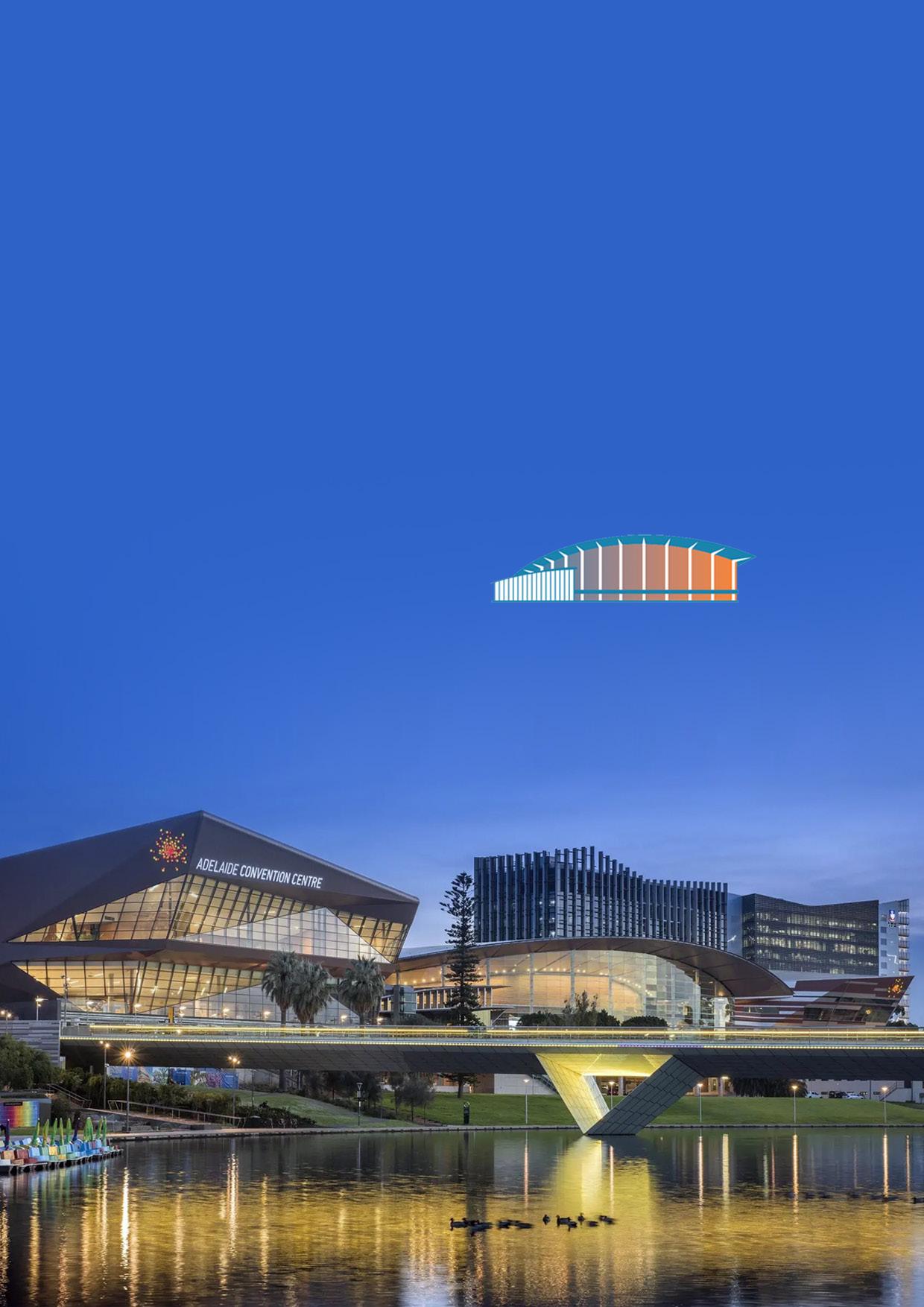
The 32nd Biennial National Conference, Concrete 2025, hosted by the Concrete Institute of Australia (CIA) from 7–10 September 2025 at the Adelaide Convention Centre, was a landmark event for the concrete and construction industries.
With the theme “Concrete Solutions for a Sustainable Future,” the conference brought together CIA members, industry leaders, and international experts to tackle the challenges facing the sector. Over three days, delegates explored everything from materials and design to construction, repair, and maintenance — all through the lens of sustainability and innovation.
Co-chaired by Tom Benn and Yan Zhuge, Concrete 2025 featured over 200 papers and presentations across four streams, covering more than 20 concrete-related topics. Delegates also participated in workshops focused on sustainability and emerging industry trends, while keynote and invited speakers offered valuable insights on the future of concrete. The program was further enhanced by the NEXGen Forum and Women in Concrete Forum, celebrating leadership and inclusion in the industry.
The Ash Development Association of Australia was proud to be an exhibitor at the conference. The exhibition hall and sponsorship showcase provided an excellent platform to connect with peers, share innovations and highlight the role of coal combustion products in advancing sustainable construction practices.
Beyond the technical program, the event offered a lively social program, including the Concrete 2025 Gala Dinner, where the prestigious Awards for Excellence in Concrete were presented.
Concrete 2025 was more than a conference — it was a hub for collaboration, idea-sharing, and practical solutions that will drive the industry toward a more sustainable future. ADAA looks forward to continuing its engagement with the concrete community and supporting innovation across Australia and beyond.

For the calendar period January to December 2023, 3.569 million tonnes (Mt) of iron and steel slag (ISS) were generated within Australian and New Zealand steel operations and/or imported from overseas sources for Australian consumption. During this same period, 3.243 million tonnes or 90% of ISS was beneficially used within various value added applications of the construction materials sector, resulting in the conservation of energy, finite natural resources, and the reduction of carbon emissions from these co-products.
Annually, the Australasian (iron & steel) Slag Association (ASA) surveys its members1 and non-members to capture data on ISS generation, recovery, importation, and sale into value added applications for the calendar year. This report, compiled during 2025, reports on the aggregated volumes of (1) production, (2) importation and (3) sales for 2023.
The survey results include data from all iron and steel slags generators (iron & steel plants), marketers (processing and marketing companies) and captured users for the total production and sales by each reported end use. Data in the report is supplemented with secondary sources importation data2 and other secondary data sources for accuracy purposes. Information provided is reviewed, compared, collated before being aggregated into this national report by slag type; BFS; GBFS; SFS; EAFS; KOBM; Others3 and by end uses for all slag products.
During the period, the volume of ISS generated/imported increased slightly to 3.569 Mt from 3.374 Mt in the previous period. Production of domestic ISS was reasonably stable, except for domestic production and imports of GBFS which increased by ~ 200,000 tonnes, meaning almost 2 million tonnes of GBFS total. Overall demand for GGBFS use in the cement and concrete products continues to strengthen which is consistent with the longer term industry trends to reduce the carbon footprint for 1M3 of concrete. Utilisation across other categories correlates well with historical demand within the construction and infrastructure sectors, underpinned by major investments by State Governments within infrastructure. The trend and growth in iron and steel slags use in higher value-added applications continues.
Demand for fine and coarse aggregate use in structural/civil applications is closely tied to consumption or growth in the future development of infrastructure in both urban and regional Australia –estimated to be in excess of 200 million tonnes annually4. Extractive resources are generally widespread and remain in adequate supply nationally, however, shortages in important large-scale markets (Sydney, Melbourne and Brisbane) continue to emerge, requiring additional logistics and associated handling costs not historically incurred.
These are mainly attributed to unsuitable geology, conflicting or incompatible land uses and environmental problems caused by high rates of urban expansion. Natural sand and gravel resources are also being depleted leading to opportunities for substitution by manufactured sands from crushing operations.
Demand for granulated blast furnace slag (GBFS) within the cement and concrete sectors grew over the period. GBFS imports were 1.354 Mt. Overall from the combined 3.569 Mt generated and imported iron and steel slags, 3.243 Mt or 90% was effectively utilised within various value-added civil and construction material applications throughout Australasia.
The key results for the calendar period 2023 survey were:
• Approximately 3.569 Mt (million tonnes) of iron and steel slag was available for use within Australasia (Australia and New Zealand)
• From the ISS available, 2.243 Mt or 90 was effectively utilised [sold or reused for some beneficial use]
• On a per capita basis, this equates to approximately. ~100 kgs per person
• 1.99 Mt was used in cementitious applications - “high value add” [HVA]5 Note: approx. 1.354 Mt of GBFS was imported.
• 0.875 Mt was used in non-cementitious or road construction applications - medium value add [MVA]6
• 0.368 Mt was in general civil or fill applications – low value add [LVA]7
In summary, the longer-term trend of ISS materials end-use applications continues its movement from LVA to MVA and HVA applications. To these ends, the active use of these co-products continues to provide significant positive environmental impacts, including resource conservation and in this case, the reduction of greenhouse gas emissions from the processing of virgin resources.
1. http://www.asa-inc.org.au/membership/members-and-affiliates
2. ABS [Austats] based on import tariff code data for Granulated Blast Furnace Slag (GBFS).
3. http://www.asa-inc.org.au/products
4. Quarrying Overview." Retrieved Sept, 2021, 2021, from https://www.ccaa.com.au/CCAA/ Industry/Quarry/Overview/CCAA/Public_Content/INDUSTRY/Quarry/Quarry_Overview. aspx?hkey=03c6b3a0-5148-4ae4-b751-83dec0318519
5. HVA – High Value Add – means where ISS materials are sold for > (more than) $100/tonne
6. MVA – Medium Value Add – means where ISS materials are sold for between $10-$100/tonne
7. LVA – Low Value Add – means where ISS materials are sold for < (less than) $10/tonne
Connections is produced twice a year for the benefit of ASA members and before each publication is drafted, an email is sent to all members urging them to contribute their stories.
The types of content we are looking for include:

We also have a Member Profile section, which is open to all member companies for contributions on behalf of the business in general, or a specific employee. So if you have an idea or content that you think might make an interesting article, get in contact with the Association today: publications@asa-inc.org.au