


























With special thanks to Myles Yarney, Luke Theochari, Rikki James, Dan Du Cros, Barbara Faux, Neil Mabbley, Giles Marchant, all the guys at HR Autoworks, Hubert Tilley, James Peene, Ben & Jen Robertson, ThreeFiftySix, Kenneth Anno, Matt Balls, Neil @ Toad Transport, Raphael Meyer, Devo Chiedere Al, Pete Marshall, Jonny Abbott, Nick Chivers, Indra Hernandi, Kustomfest & Rais Maulana, Robert “Rorky” O’Rourke, Chris Wilburn, Jole Coupland, Micheal Gross, Andrea Camilleri, all in RSVP, Collin Miles, Craig Pearson, Joshua Smith, Steve Parsons, Marrion Taggart, Paul Medhurst, Bob BBT, Terrence Jonny Marriage, Eric Deen, Tania & Russ, Chris Pruden, Stuart Baker, Billie Stevenson, Michelle Samat, Iain Wickes, Etty & Amelie, Cazz Foster, Teresa & Georgina Iwasiuk, Trint Eastwood, Mark Hutchison, Rob Amos, Alex & Lou Leiserach, Jo & Paul Archer, Mark Thurston & Wendy Clegg, Sam Lindsay, Dan Morrissey, Jen, Stevo, Brian Galpin, Bryan Moody, Lew Savage, Mim, Ben Laughton, Nick Gatt, Craig Petty, Frederic Peeters, Toby Lee, Heiko & Liv, Lloyd Jackson, Tish & Jack, Joni Makepeace, Bob B.B.T, Bart and Alejendra @ Kombi Brazil Rob Mullner, Brett Elesmore, PJ Gibbons, Ian and Sophie at Es Autos, Jess & Si Medlicott, Steve Walker, Orb and Izzie, Lee Skelton, Steve Gosling, Mark Reynolds, Josh Reynolds, Trevor Sharp, Cheryl Dilley, Caroline Soons, Sally & Toby Walker, Helen & James Waller, Jasper Tattersall, Gilbert, Drummer Matt, Julietta Arden-Taylor, Danny Lord, Seaside Neil & Lyn, Jo Pro, Honor Auld, Bill Pollard, Chez Williams, Markus Hoffman, Alan Scott, Gary Kennedy, The Carter Bros, Techno Hippy, Ben Foot, Mark & Odette Watts, Rich Whitlock, Jeffrey Van Duin, Angie Simmons, Grum & Leanne, Steve Parsons, Claude Schaub, 10 Foot Doug, Randy & Vanessa Carlson, & Ewan McGregor.
And to everyone who has submitted, contributed and supported us, none of this could have been done without you. Thank you.



Butty’s Bits
SJ Bowles
Mad Matz
Paruzzi
FiftySixDelux
Es Autos
Aircooled Auto Elec
Oil Can Stickers
Wonky Donkey
Emporium
MCJ
VW Aircooled Works
Evil Bens
German Junkies
Aircooled
Accessories
Growl & Grandeur
Rarebreed
Photography
Beetlelink
Border Restorations
OB1 Clothing
Geek Shack
Johnson Autoworks
Rusty Lee’s
The VW Engine Company
Alive & VDubbin
Europl8
Autowares
Delilah’s
Garage 87
SGS Aircooled
CohPro
Joe Blow
N2 Engineering
Kinky Mick
BusOK
Empi US
VW Trends
JF Bodyworks
VDub Radio
R3 Garage
Robertson Restos
CJ Motors
Alive & VDubbin
Rustys Garage
Akciddento

Europl8
Rack Shack
Bug Jam
Sebright Creative
Modified Aircooled
Classics At The Clubhouse
Classics Volks Laden
Trim Classics
EBI
Flame & Thunder




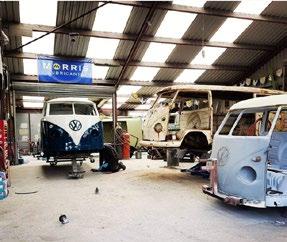
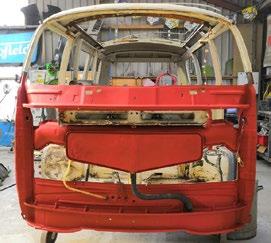
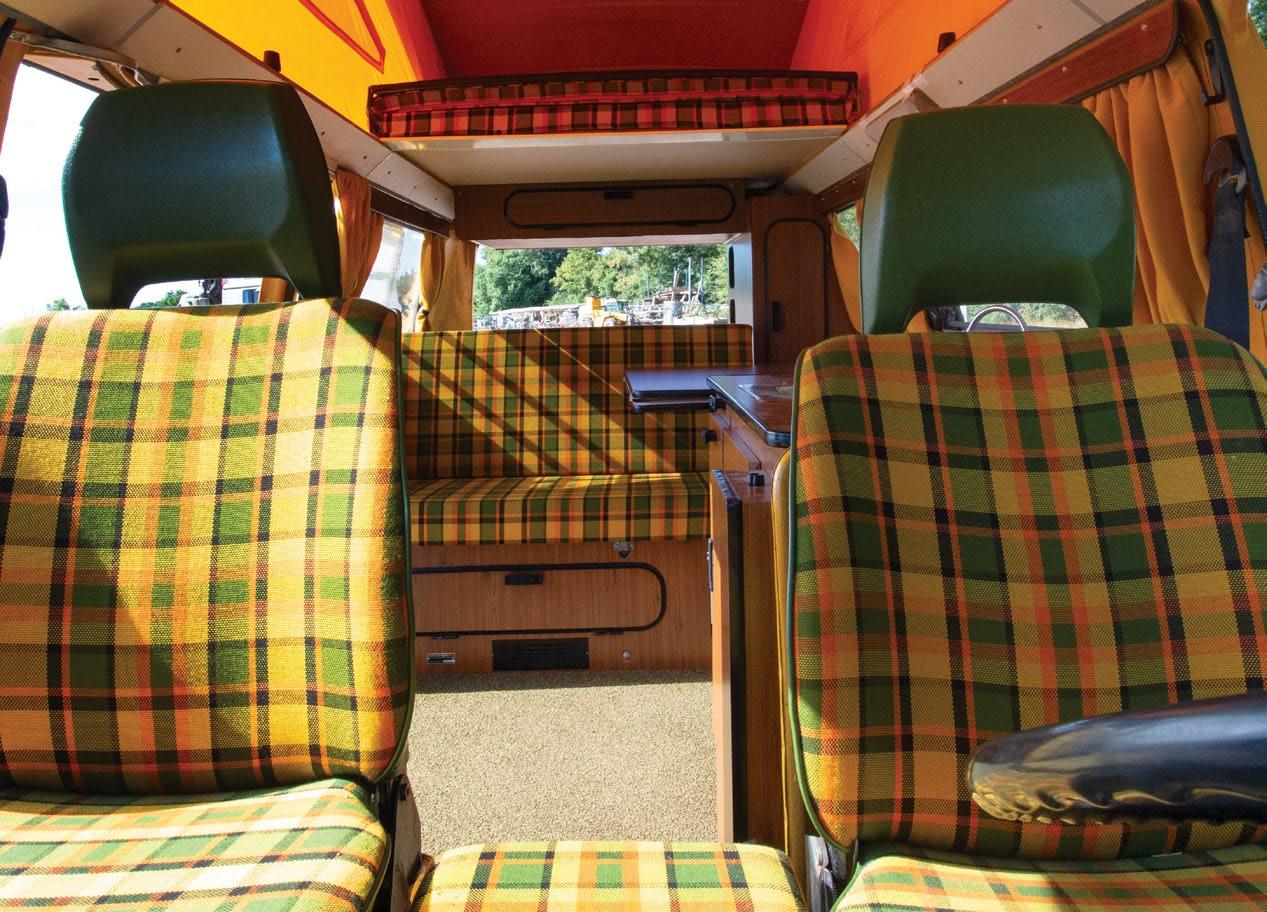
Fabulous Westfalia fabrics for your curtains, seat covers & cushions etc. in Splits, Bays & T25’s


44

It’s funny listening to people discussing the mural. Some think it’s Bob Marley and some of the younger generation haven’t a clue. Even more surprising, some people think it’s just recently been painted on there!
120
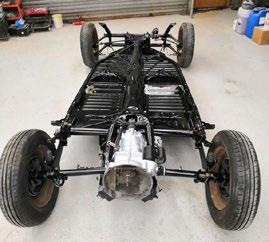
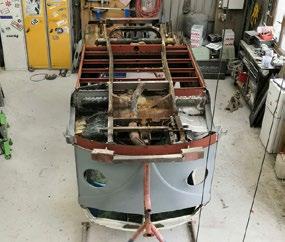
The result? One of the most complex and best executed “Bug pan” builds that we’ve ever seen here at Hayburner.
During WWII, despite Reuters’ partial Jewish ancestry, which could well have jeopardised his career under the Third Reich, instead of fleeing he continued working in Germany, reportedly due to pressure from automotive executives.

191
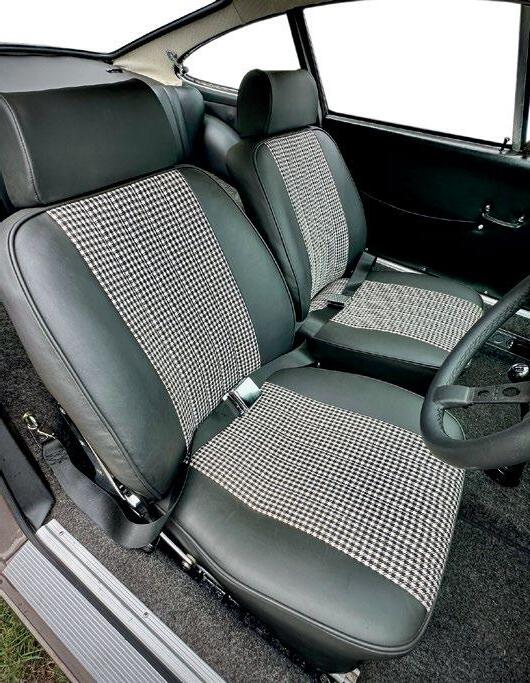
Once I had everything together, I went on the hunt for material to trim the seats. I’m not 100% sure what the car was trimmed in as there was nothing left.
148
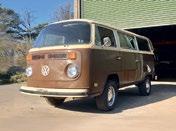
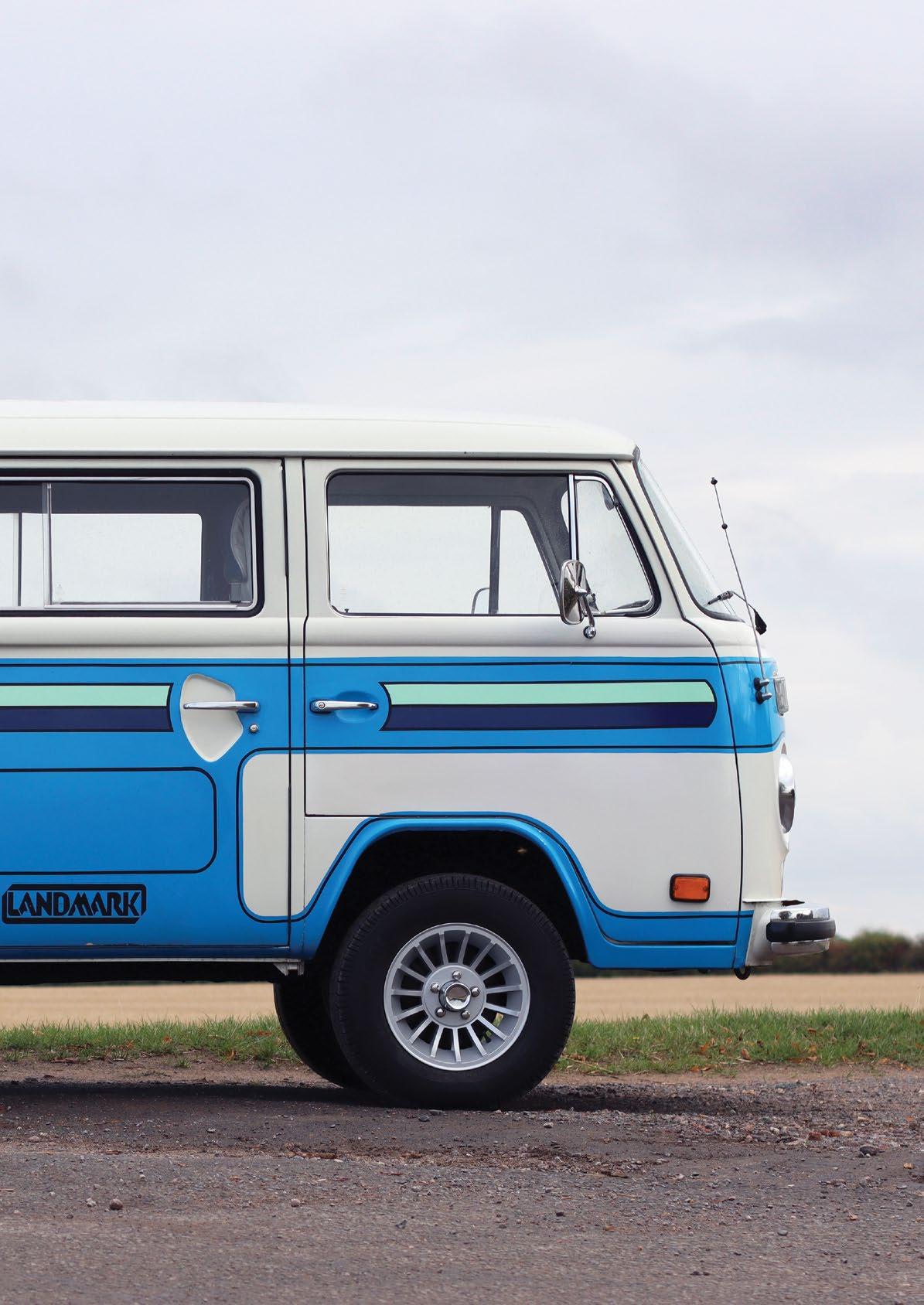
What you see here is a 1978 Landmark Bay Window. It’s the love child of a team up between Volkswagen of America and a Californian company called National Coach Corporation.
78
Melvin has been kind enough to give us the full lowdown on his latest creation, sharing the story from first inspiration to the finished show-winning car.
176
Take some time to have a good look round it, you will be amazed in the level of workmanship and details that have been planned out over years.
Copyright © 2025 by Hayburner Limited. All rights reserved. This magazine or any portion thereof may not be reproduced or used in any manner whatsoever without the express written permission of the editor, except for the use of brief quotations. Operations Manager - Vic Faux
This is the fantastic story of the Krüger bus and how the original owners were able to meet with the current owner and swap stories about 70 years of history regarding this vehicle.

It is not a race – a fact that eluded my tiny mind last time, and also that of a few other newcomers this time, notably the PR Services team of Paul Smith and Phil Jarvis, who emulated our feat of the previous event.
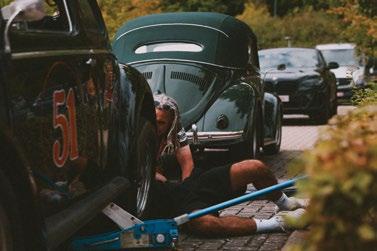
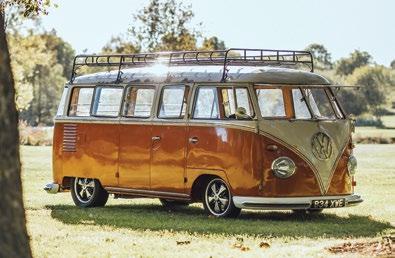
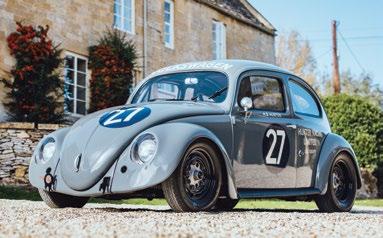
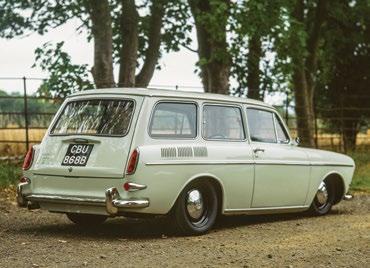
Buying a fully restored Type3 might not be the cheapest starting point, but when it’s built to this standard and just needs personalising to taste, it’s where the smart money really seems to be.
The 912E came about in 1976, delivered only for the American market, with a 4-cylinder Type4 engine. The idea was that the water-cooled Porsche 924 would directly substitute for the 914.
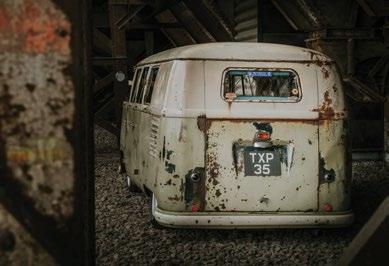


I really can’t praise this bus enough. He’s absolutely nailed it! You’d never believe that it wasn’t a time-warp survivor that had been used and dry stored for most of its life.
This is how JLC do things, and they do very cool things indeed. The whole build from start to finish was a team effort.



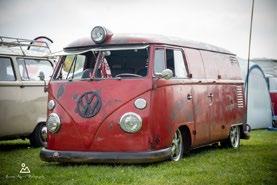




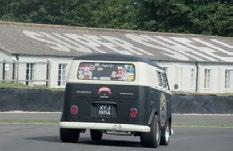
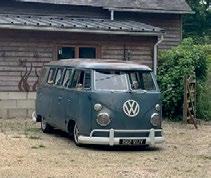
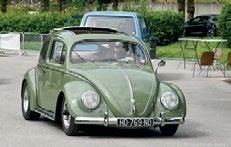
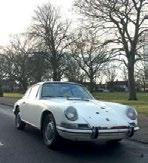
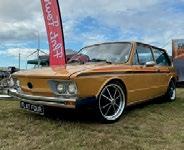
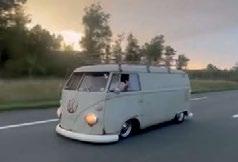
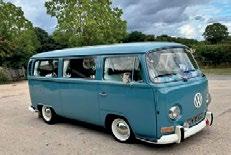
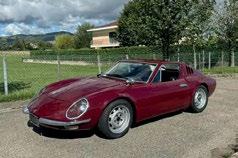
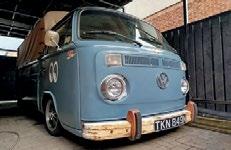
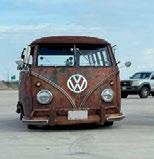
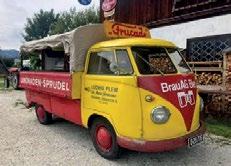
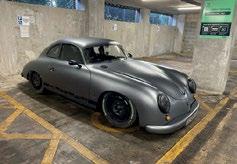
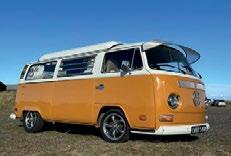
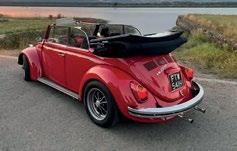
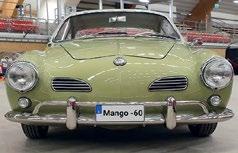

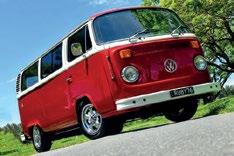
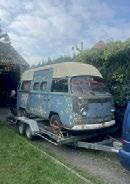
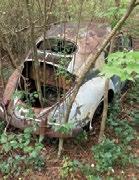
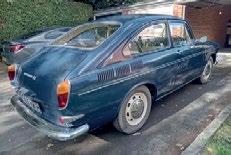
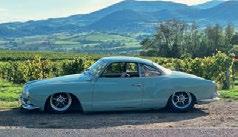
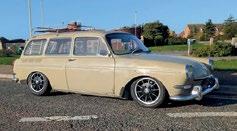
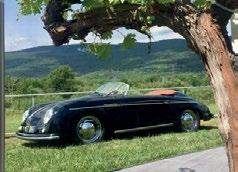
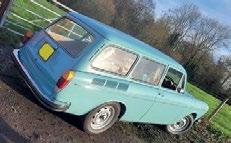
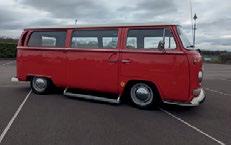
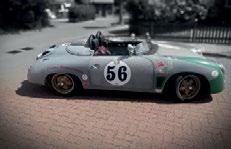

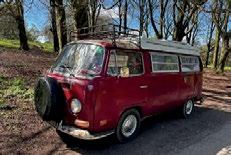
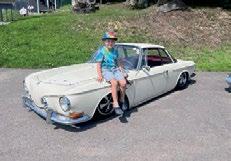
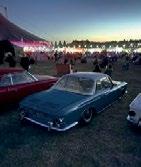
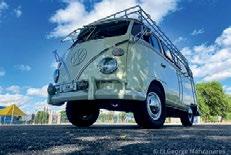
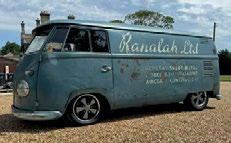
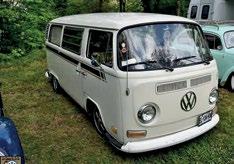
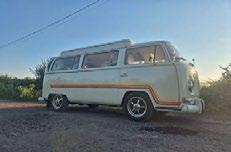
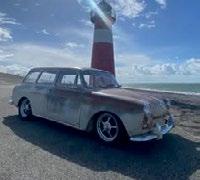

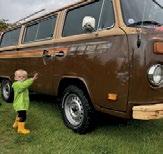
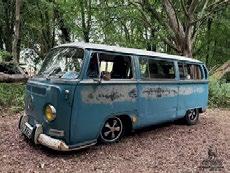
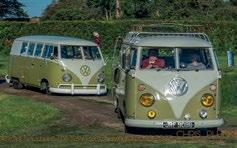
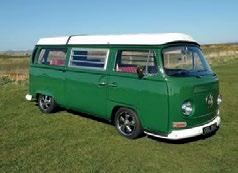
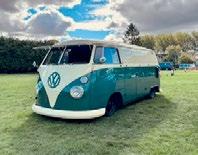
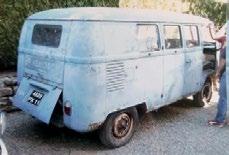
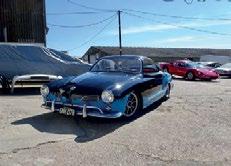
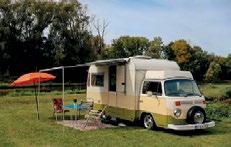
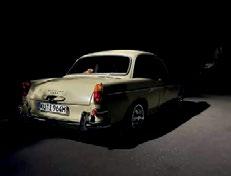
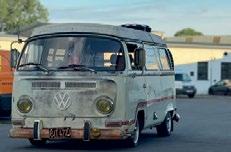
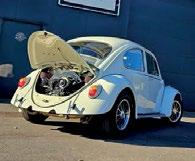
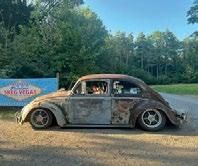
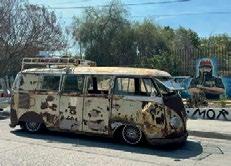
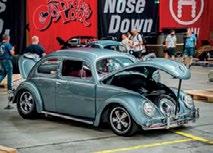
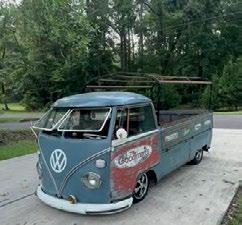
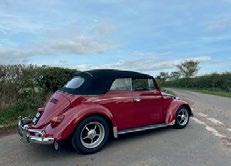
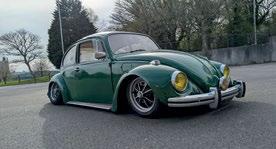
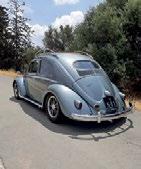
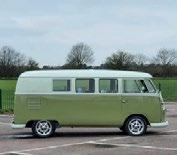
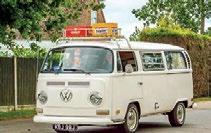
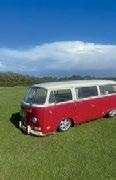


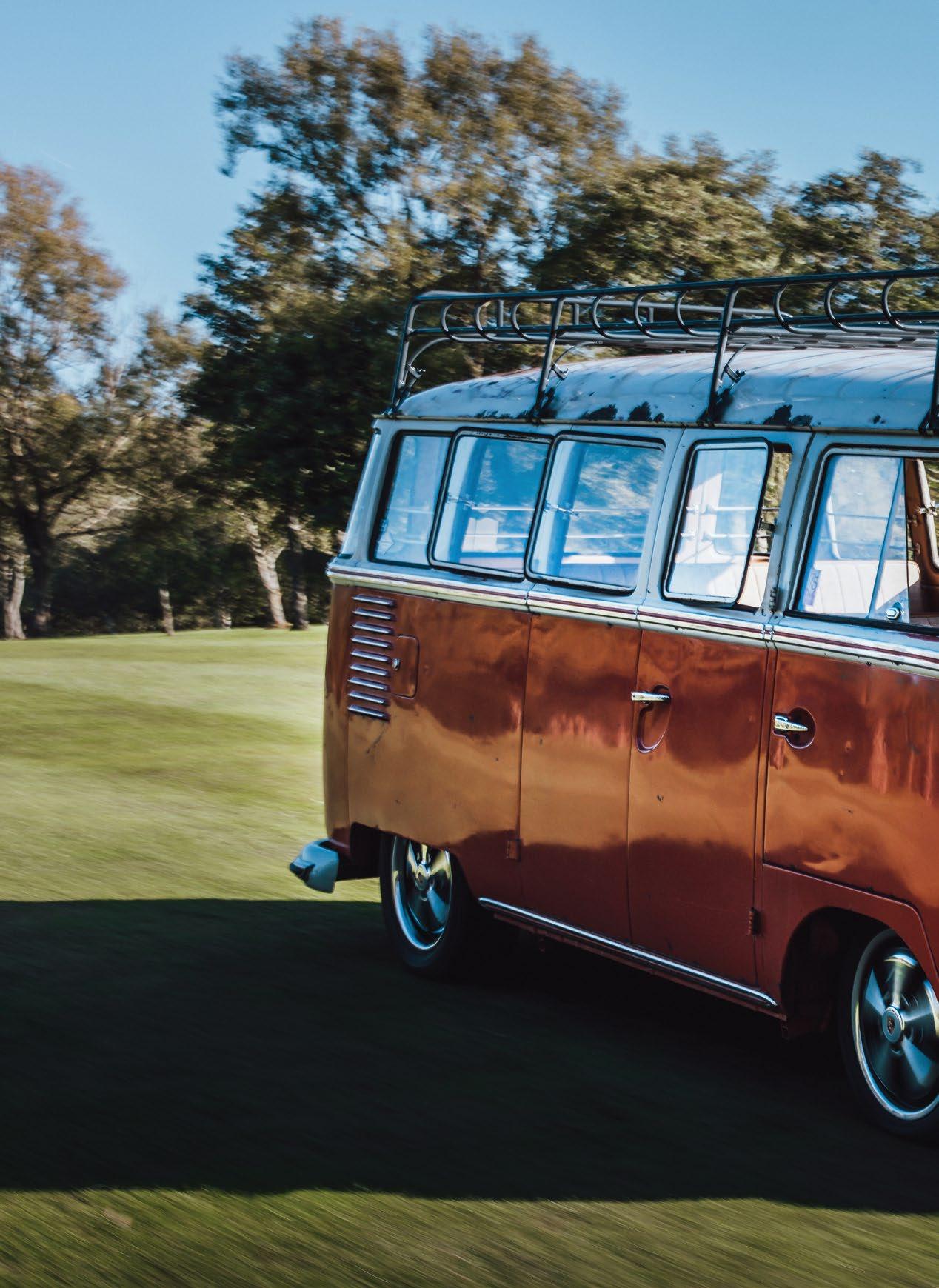
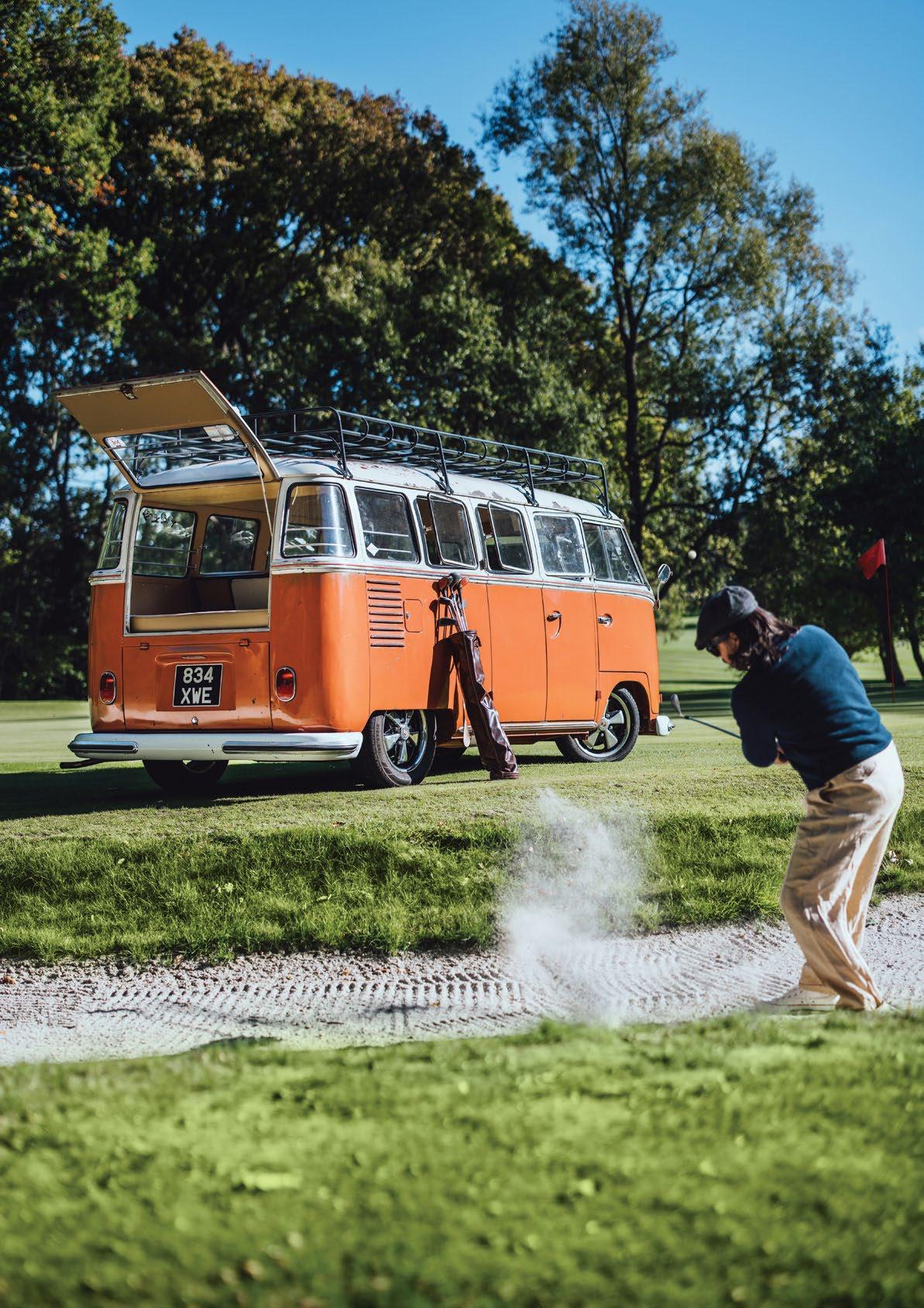
I’ve just got off the phone with P.J. Gibbons. I have five A4 double-sided pages of scrawled notes that now require deciphering, but it’s Saturday afternoon in the office, my phone is turned off, I have coffee, I’m playing music nobody else wants to hear, and I’m ready to tell you all about this wonderful bus.
I’ve actually been looking forward to writing this one. I’m a huge fan of this vehicle. I love everything about it and I also like to think that PJ and I have become good friends over the past
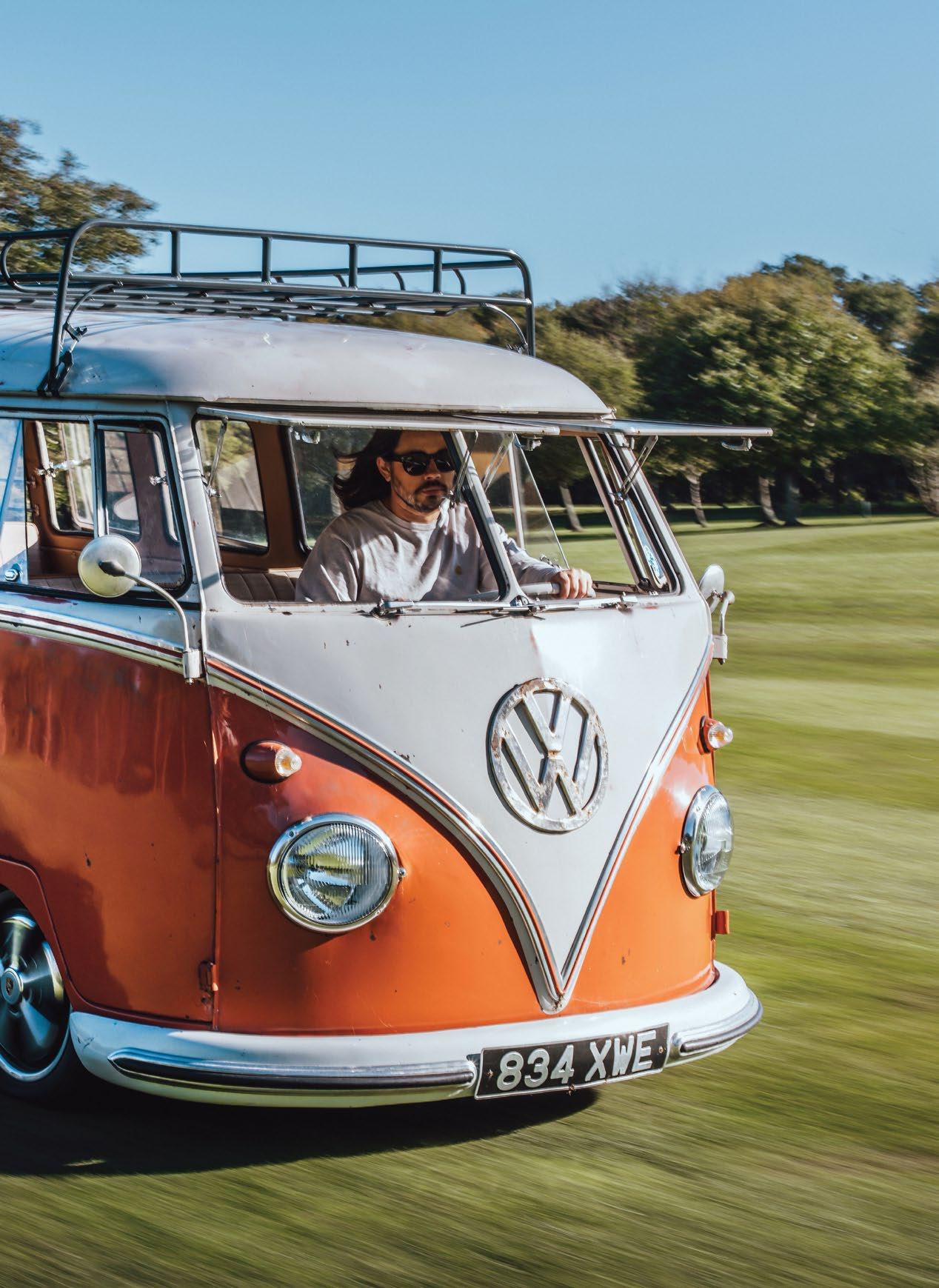
decade, which I feel adds a personal touch to an article rather than writing about someone I’ve just met.
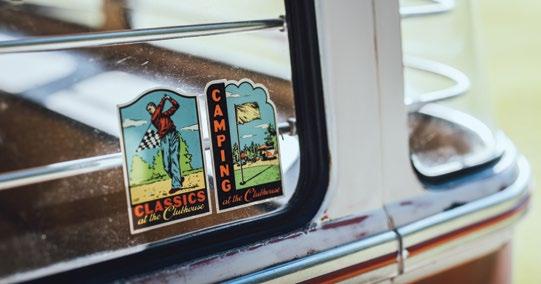
For many, PJ will need little to no introduction, especially to Hayburner readers. Not only is he a very talented photographer who has had numerous shoots published in this magazine, but he also runs Classics At The Clubhouse – a single day air-cooled VW & Porsche event held yearly at Sandford Springs Golf Club in Kingsclere. The event (which
we are very proud to sponsor) has grown from strength to strength over the past few years, making it one of the highlights of the show season. As well as these two points, he has had various vehicles featured in Hayburner over the years, with an extensive car history we will take a look at in a moment.
For those of you who know nothing of PJ, he is 37 years old but not for long as he turns 38 this month. He lives in Pangbourne, a place famous for the author of Wind In The Willows and something or other to do with Led Zeppelin, with his lovely wife and two young girls (8 and 10 years old). PJ discovered his interest in classic vehicles while attending events as a child. Believe
it or not, PJ’s father founded AutoTrader and PJ’s job was to hand out flyers from a double-decker bus at car shows during the paper’s heyday. PJ doesn’t only credit his dad for his fascination with cars but rather his mother. He describes his dad as a businessman rather than an enthusiast, but his mum always had cool cars – Mercedes, Porsche, etc. He told me that his mum had a fantastic sense of style when it came to fashion and art and that he learned through her attitude that cars could be more than just a tool to get you from A to B but could reflect your identity and who you are.
I think that to understand PJ’s journey and how it’s progressed to this particular bus, I need to list his previous
VW/Porsches. I hope you’re sitting comfortably:
1963 Beryl Green ’63 (painted – still own)
1957 Dove Blue Panel (project)
1959 Seagull Grey Single Cab (patina)
1958 Panel Van (patina)
1977 Mk 1 GolfL (clean low miles survivor)
Mk 1 Caddy (workhorse)
1965 Pearl White Westfalia (patina/ survivor)
1957 Black Oval Ragtop (patina)
1965 Cherry Red Karmann Ghia (patina/ survivor)
Porsche 944 S2 (clean)
1950 Split Window Bug (very original patina)
1959 Seagull Grey Single Cab (owned twice …)
1966 Slate Grey 912 (patina/survivor)
1957 Porsche 356A (patina/survivor – still own)
1967 Velvet Green Walkthru Kombi (blended patina)
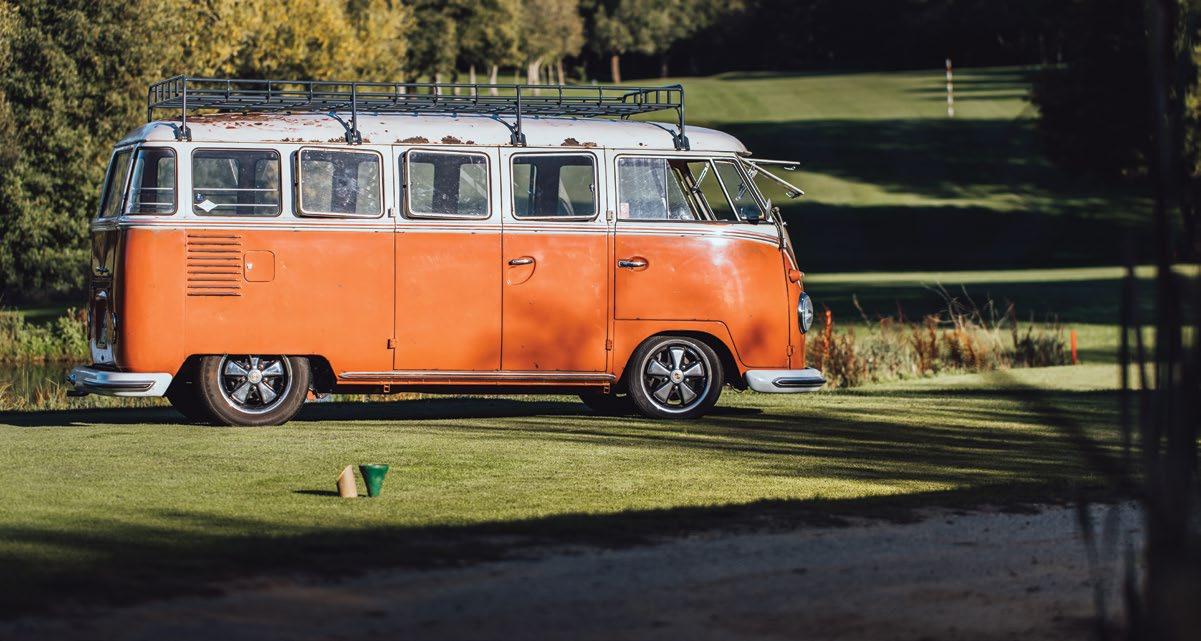
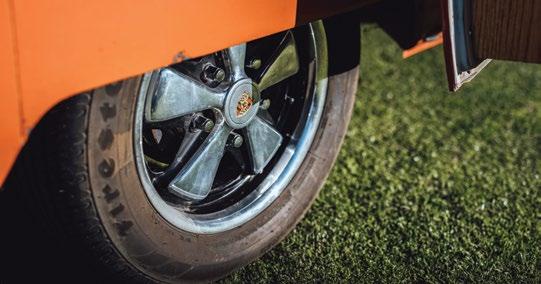
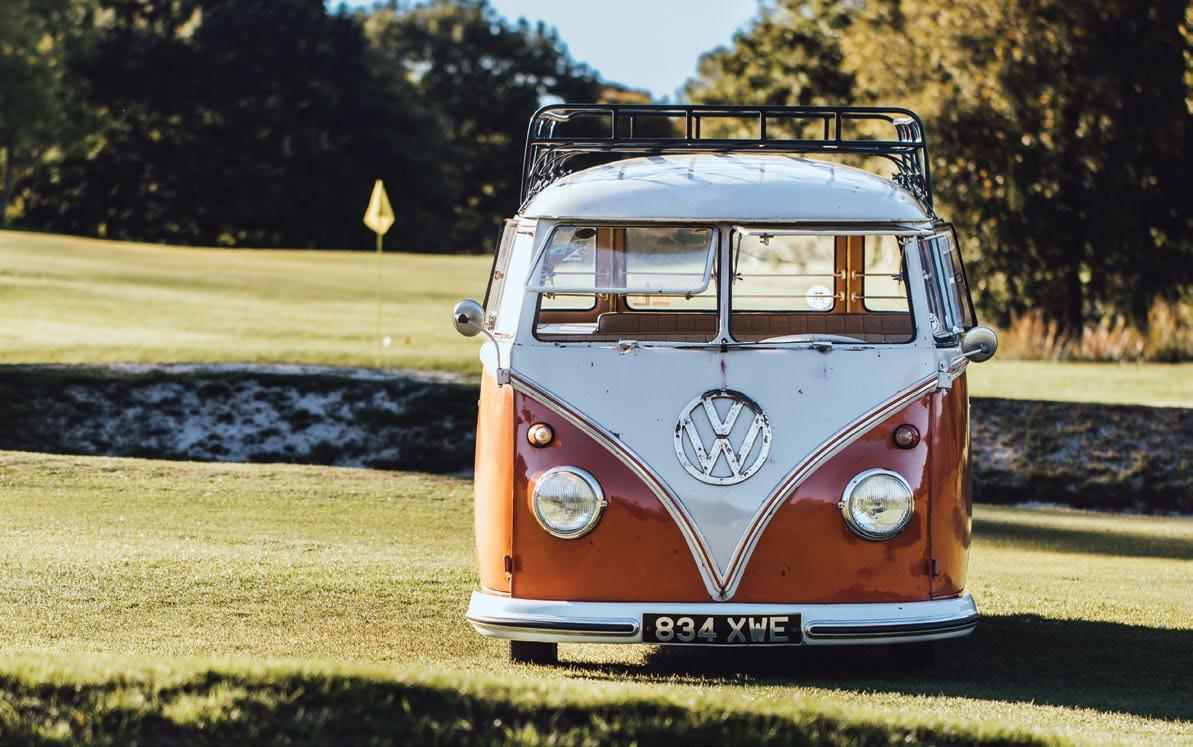
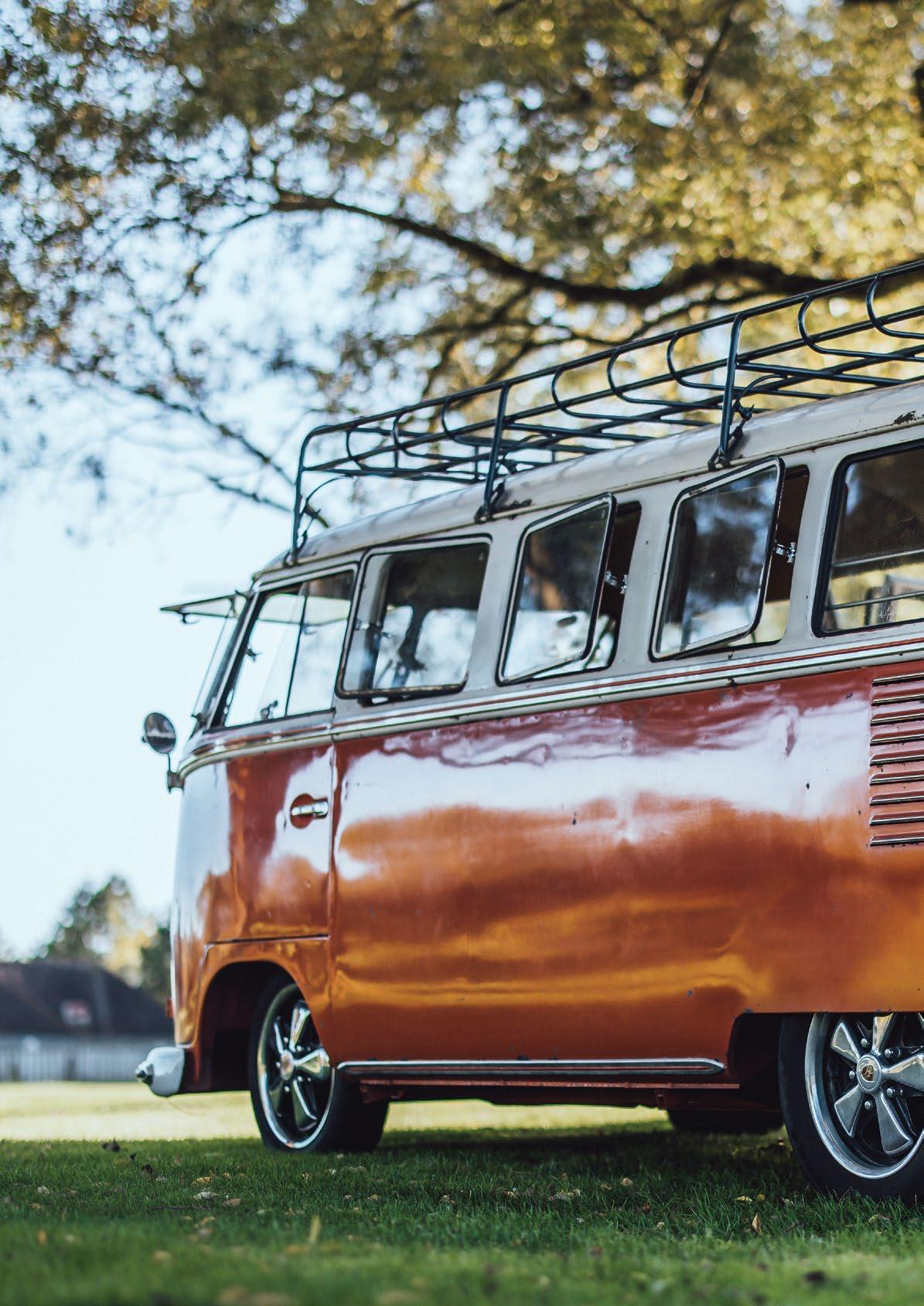
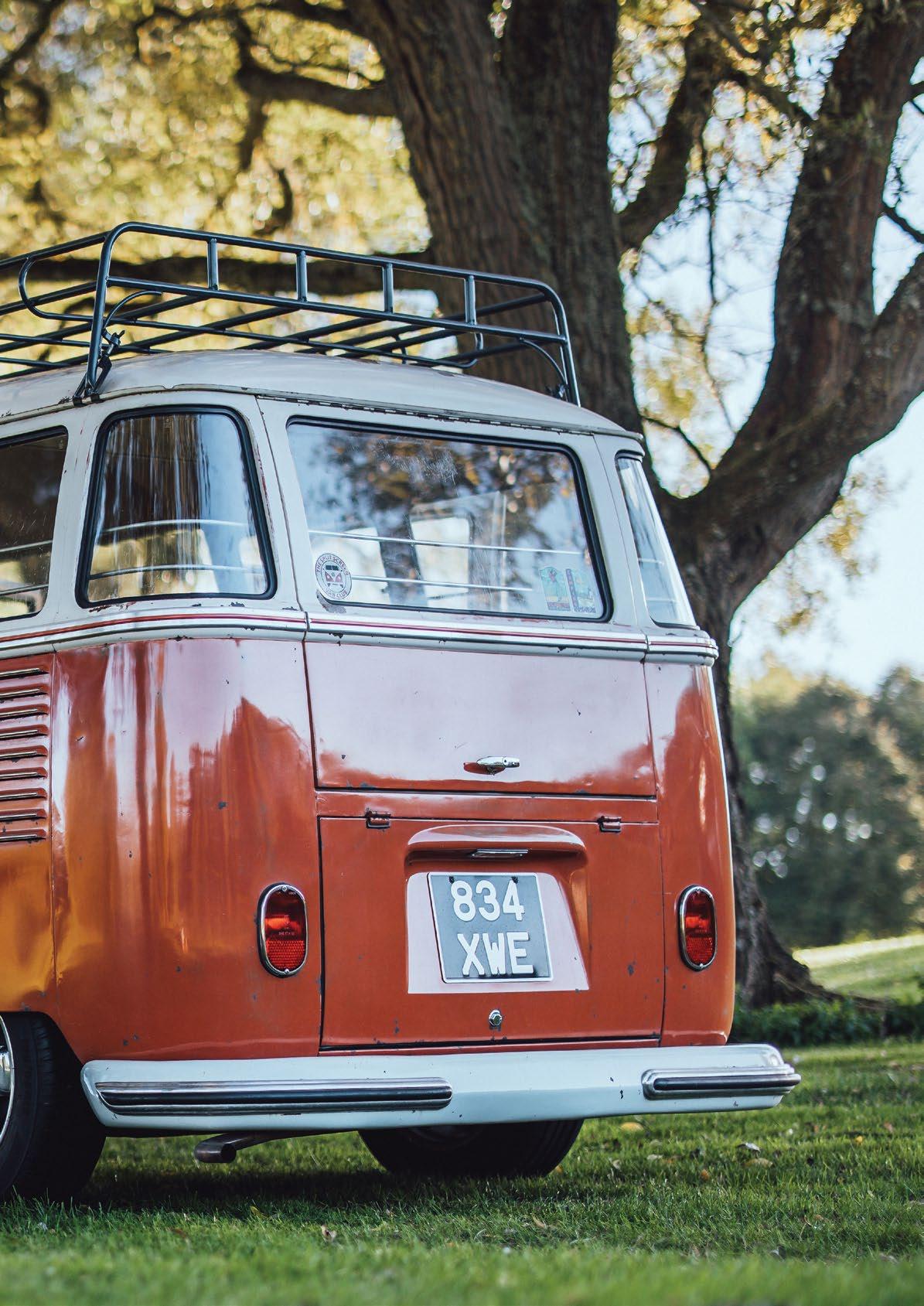
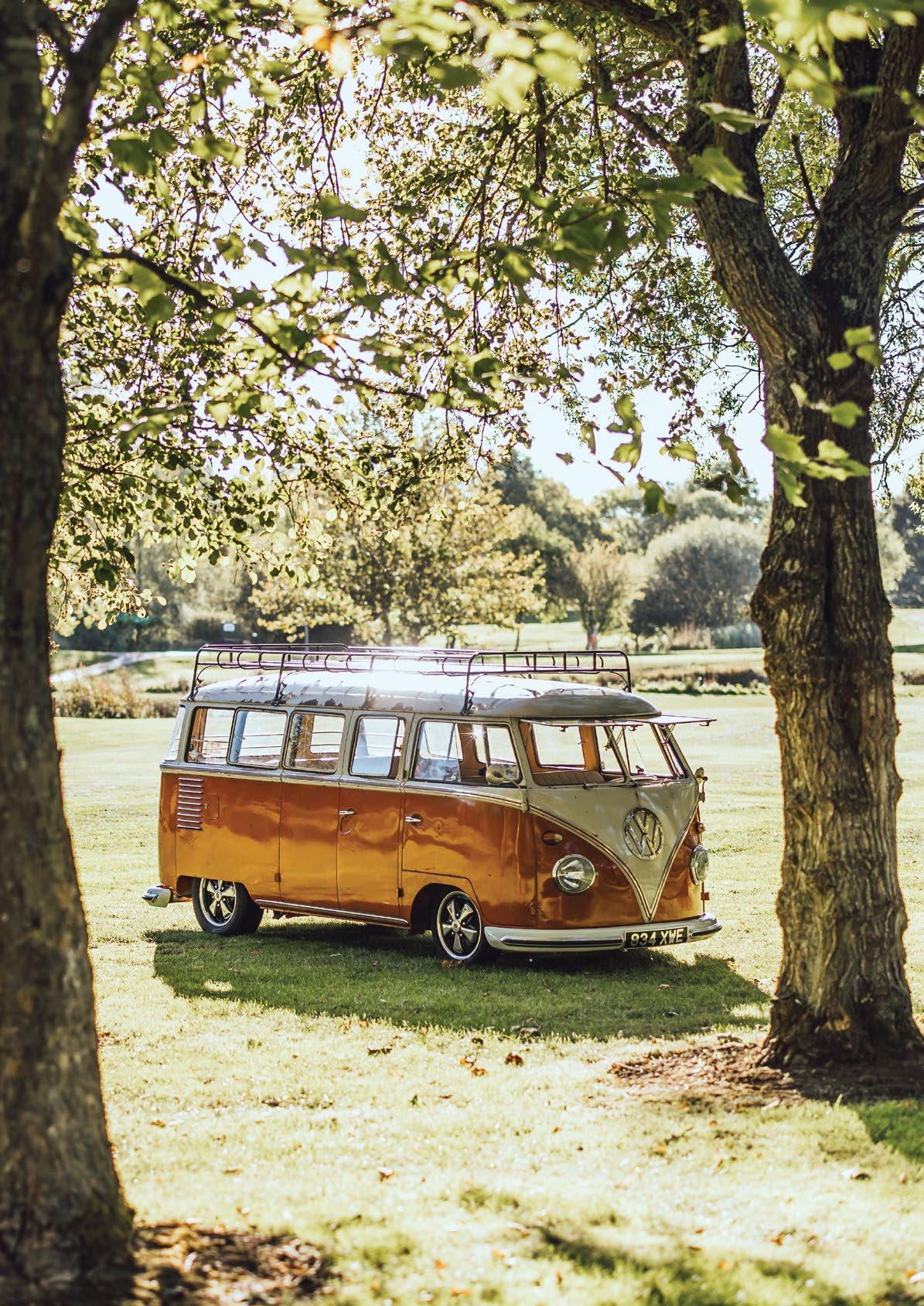
1962 15-Window Deluxe Bolivian (blended patina – this vehicle)
1956 Dove Blue Single Cab (patina/survivor – still own)
I think that’s about all of them – quite an impressive list, I’m sure you’ll agree! What I really admire about this inventory is that to meet PJ you’d never know. He’s maybe the most humble serial air-cooled owner I know, and over the years I’ve seen that
blowing his own trumpet just isn’t something that enters his mind. I also know that this comment would make him blush and recoil instantly so for this I apologise in advance.
So how did this January 1962 15-Window come about? Well, we have to go back to the beginning of the first COVID-19 lockdown. I’m sorry to bring up the C-word; I know it’s a time many of us would happily forget. From what PJ told me, it was a combination of curiosity scrolling on theSamba.com and an enquiry as to whether his Velvet Green ’67 bus might be for sale. An offer is a funny thing. I myself have had “keeper” cars that have ended up being sold only because someone made
the right phone call on the right day with the right offer. We all know half the struggle in selling a vehicle is finding the right person, so when the right person comes knocking it’s difficult not to be tempted.
With the sale of the Velvet Green bus happening, PJ already had his eye on the 15-Window that was up for sale by Matt Smith from Smiths of Cornwall. There were a couple of reasons why a 15 was ticking his boxes. Firstly, it’s a 15!
PJ and I see eye to eye when it comes to the 15-Window Deluxe, sharing the somewhat unpopular opinion “that they’re much cooler than a 21- or 23-window Samba”, and I’ll explain our thinking. First, why do they even exist? I mean this bus actually has a M130 M-code which reads “without sliding roof and roof windows” on the birth certificate. That means someone opted out of the 23-window full length sunroof and skylights, a strange choice and a longer wait for delivery, but it explains why
they were relatively rare compared to their ultra-Deluxe brothers. Also they’re a little more understated than a 23 – all that style and trim but simplified and fewer leaks to worry about. I imagine there are people reading this article thinking: what a load of bullshit – 23s are the holy grail! But honestly, hand on heart, PJ and I both agree that we’d take a 15 over a 23 all day long. The other reason for this particular bus, and a strange reason at
that, is that PJ had a hankering for something red. He’d never even considered a red car until his good friend Si Medlicott bought a red Porsche 912 which seemed to spark something in PJ and gave him a new-found fascination with the colour.
There was the added bonus that this 15-Window was the most reasonably priced example out there and the work to
make it solid had already been carried out by Smiths. This was a name PJ knows and trusts, plus the final decision was almost forced because he found out there was another interested party and that they had plans to cut the roof off and convert it into a 23!
This is probably a good time to mention that the rest of his
family, especially his two girls, absolutely loved the Velvet Green ’67 which wanted for nothing and was fully ready for camping, so when his new project arrived the girls were far from impressed. PJ himself had a “what have you done?” moment when his girls let him know they wished he’d kept the ’67 and that what he had in front of him was nothing other than a safety risk for the kids with springs sticking out of
seats and rusty jagged edges.
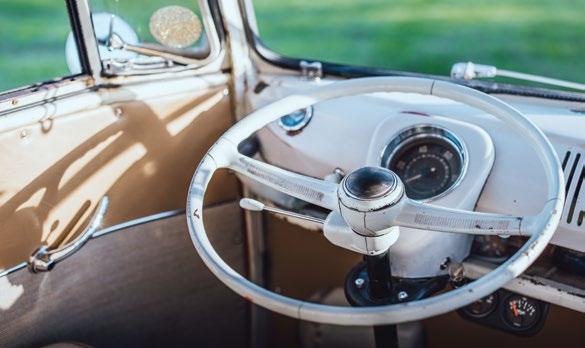
The bus had originally been imported from Bolivia. It was supplied in L53 Sealing Wax Red and L472 Beige Grey. It came fully loaded from the factory with M-codes M092 –Lower gear ratios, M106 – Heavy duty shocks, M114 – Six pop-outs, M113 – Safari windows, M155 Cyclone air filter and
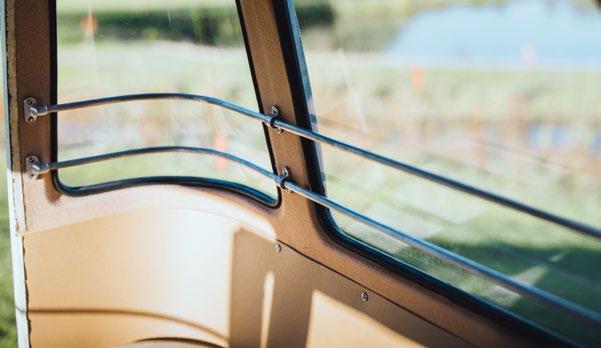
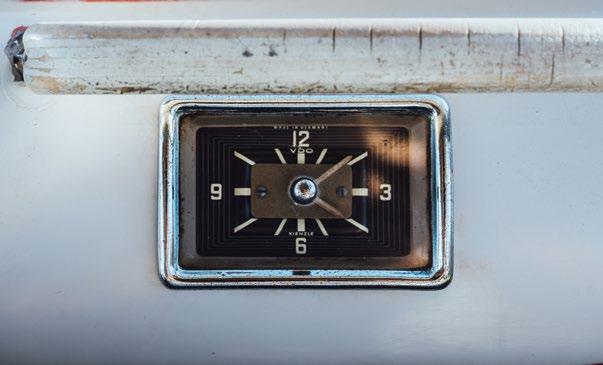
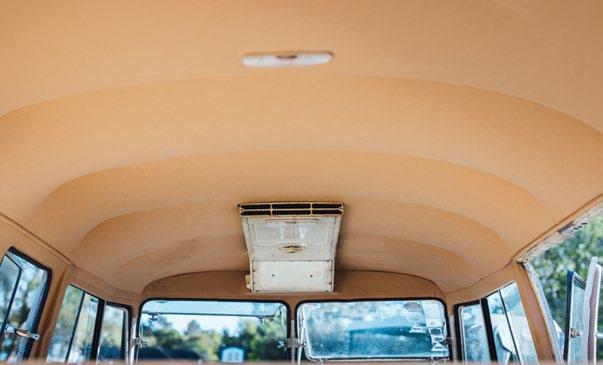
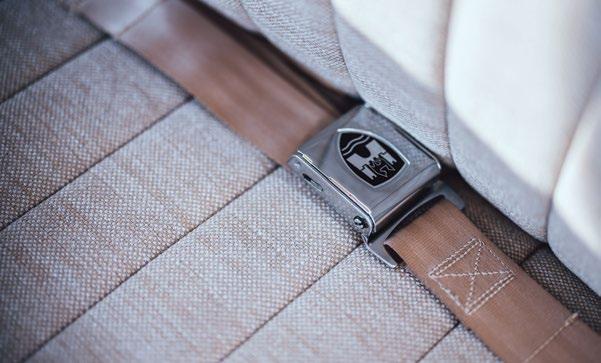
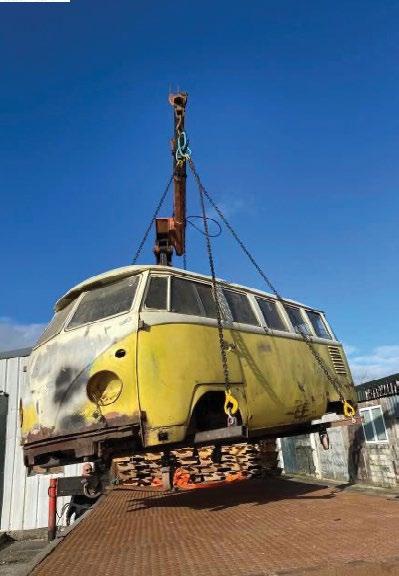
M175 – Overriders. The bus had been used as a taxi for most of its life and was in a pretty sorry state. Although Smiths had made it solid, it still needed complete assembly and mechanical overhaul. PJ described it as buying a beaten-up rolling shell, so he set about sourcing every part to start putting it back together. He spent hours stripping paint and tidying the shell which he actually enjoyed, especially as it gave him something
to concentrate on throughout those strange “lockdown” days.
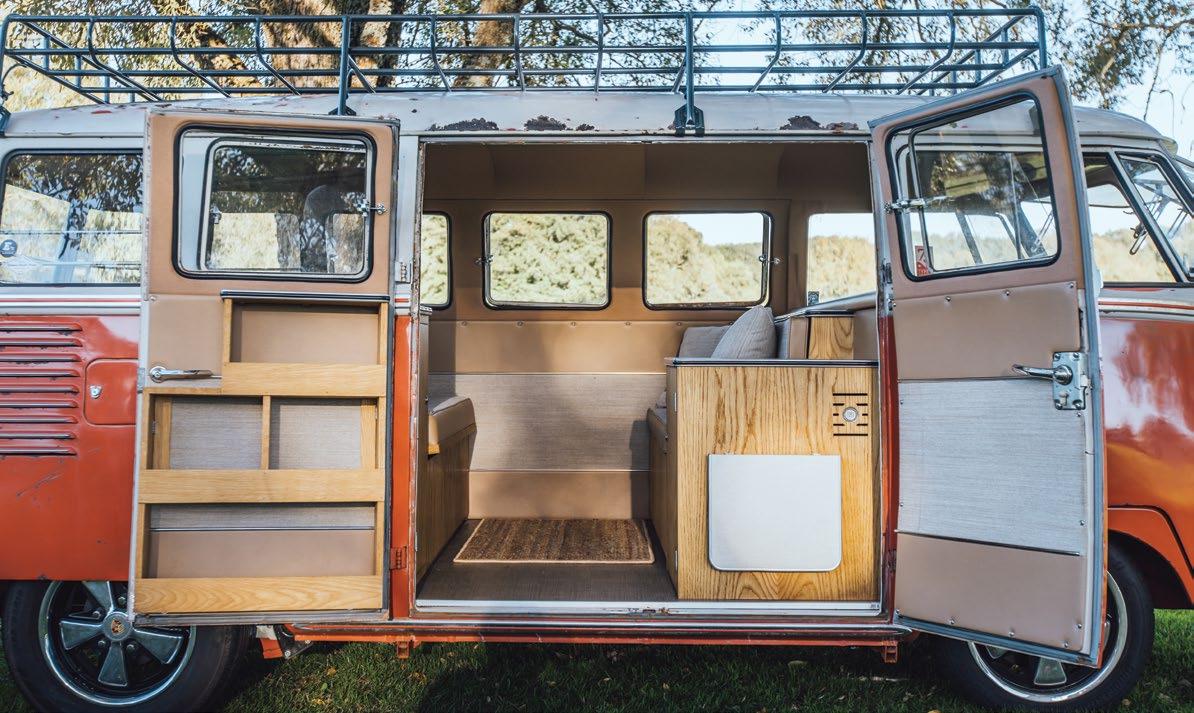
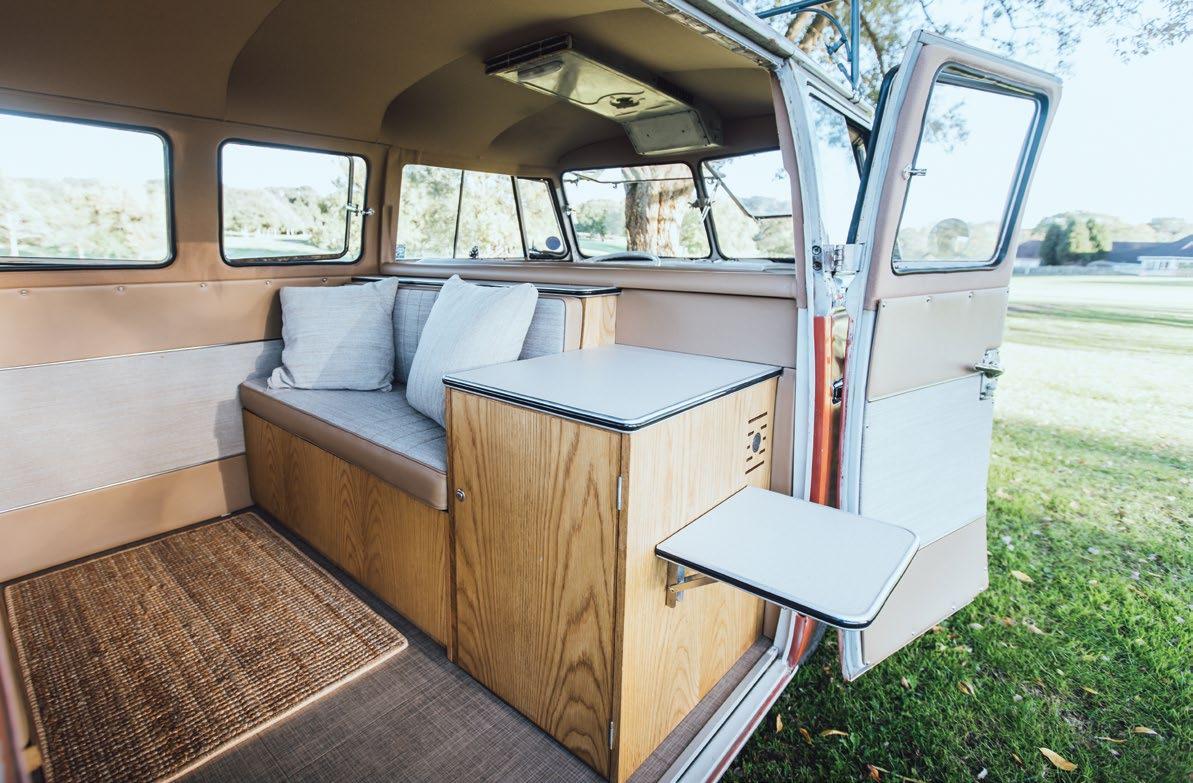
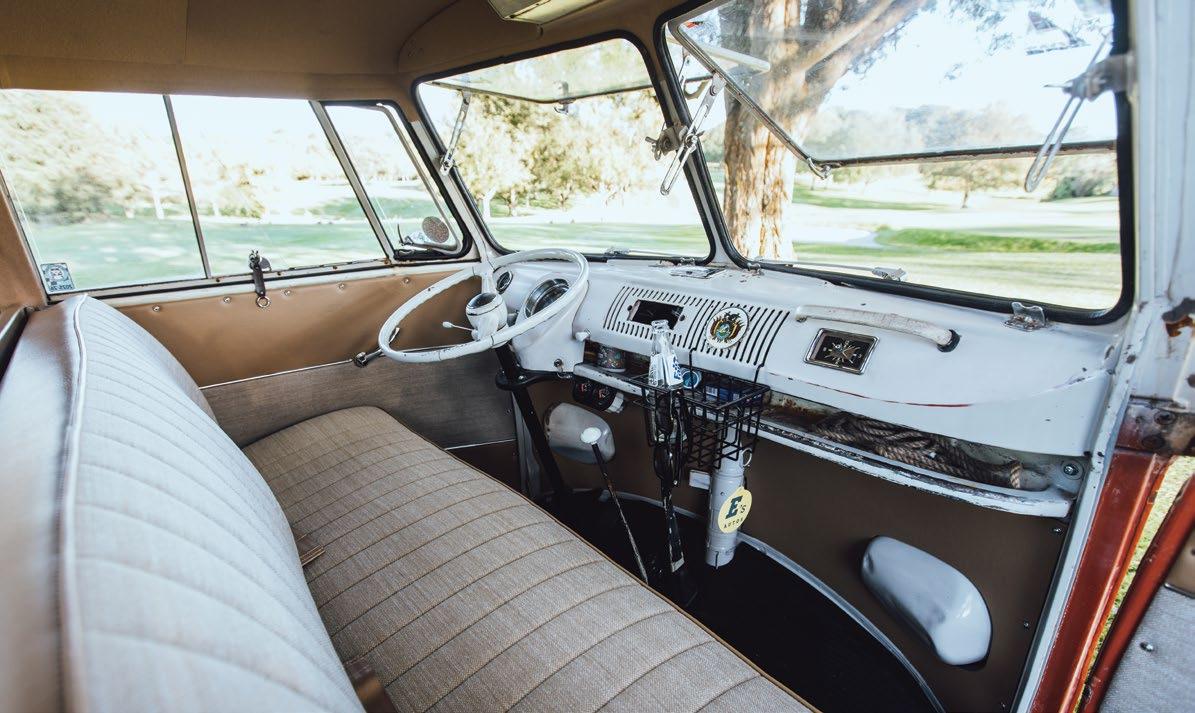
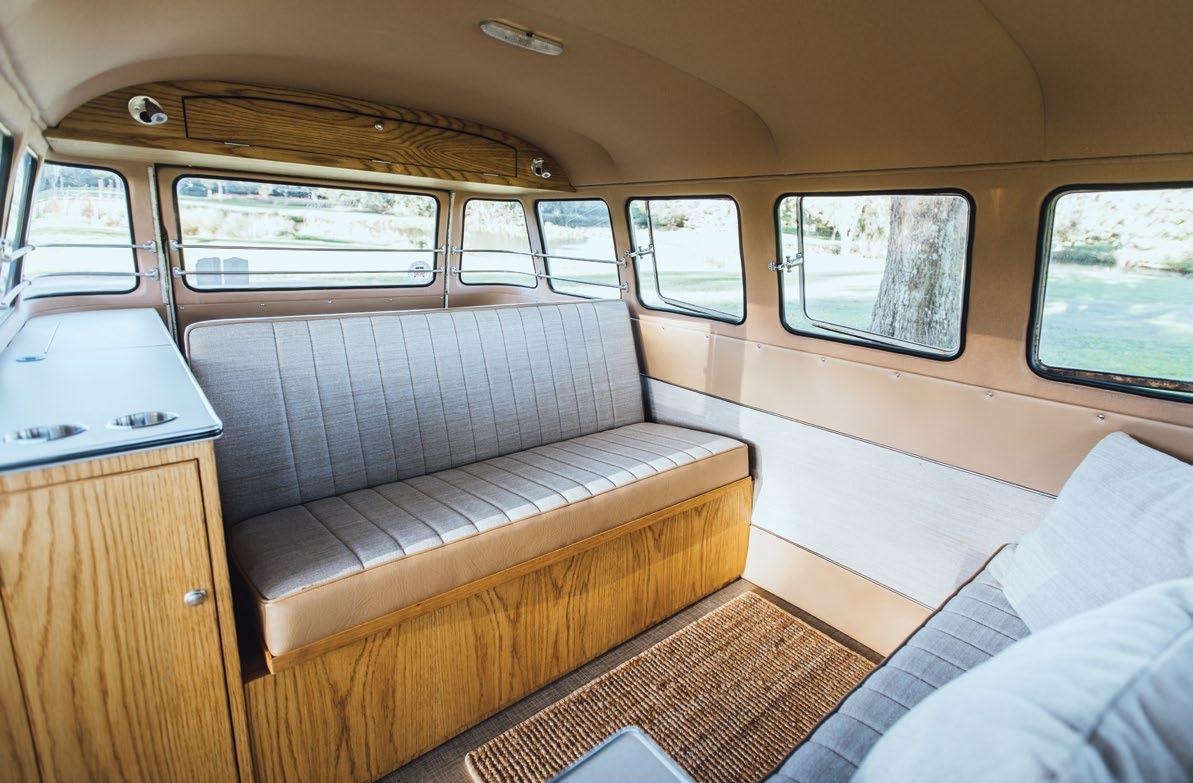
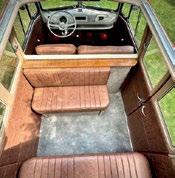
Once it was looking something like he wanted, the bus was sent back to Smiths for a little more welding, a steering box raise and some reassembly. With the work done and carried out to a very high standard, PJ then set his sights on the interior. He was very insistent on what he wanted and it wasn’t something that could be bought “off the rack”. His idea was to have the practicality of a later Westfalia interior but the vintage look and feel of an early Devon conversion. This was all thought out with the whole family in mind. It had to incorporate all the comforts of their old ’67 such as a fridge and good storage, as it was to be used as their main vehicle for real travelling as the children grew up. PJ put his ideas to Richard Booth Design after
being impressed with the work he’d been doing. The upholstery and headliner job was given to Sam Trigg from Aircooled Upholstery. Between them, PJ has ended up with everything he wanted: a classy looking solid interior that should certainly stand the test of time.
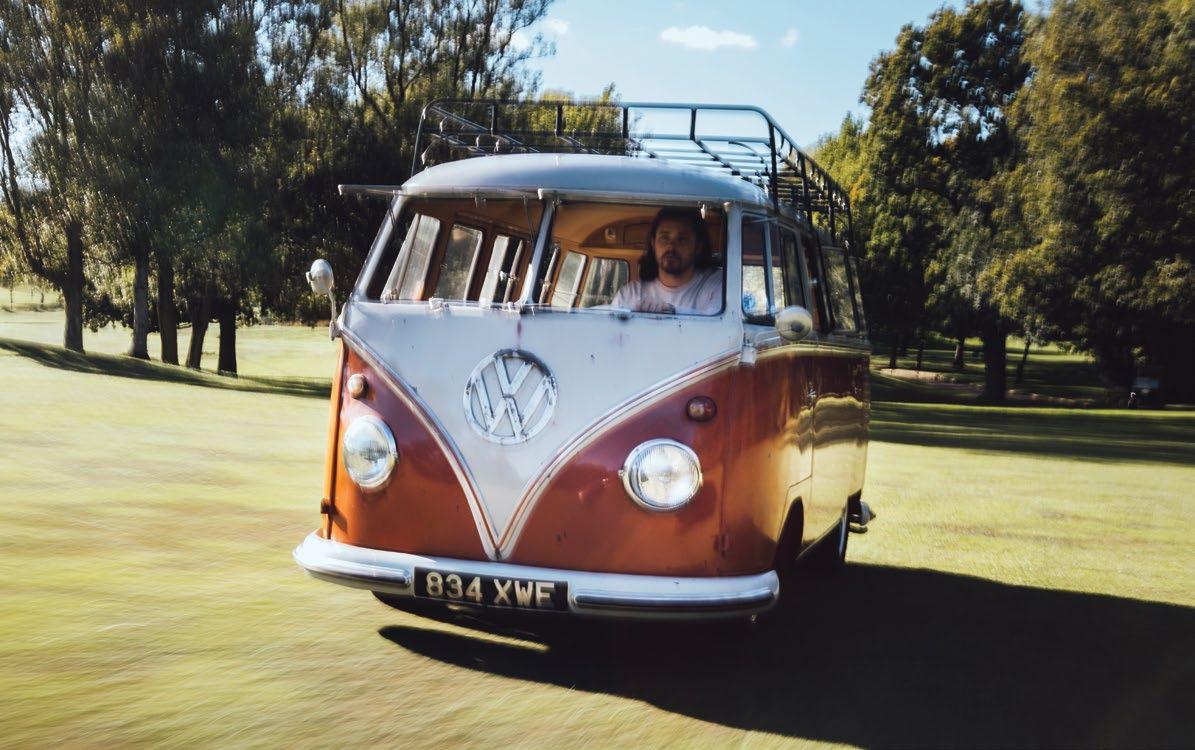
As for the running gear, he struggled with the decision about lowered or stock to the point that he still has the stock running gear he bought sitting in his garage just in case he ever changes his mind. Instead, he went with the tried and tested setup of a 4” narrowed beam, dropped spindles, straight axle conversion, adjustable spring plates, Bilstein shocks and 944 disks all round with safety in mind. This was all supplied and built up by Type Two Detectives. For wheel choice, PJ again went with a tried and tested formula of OG Fuchs 4.5 and deep 6” that had
been restored by Spikes Vintage Restorations back in 2010.
To build the bus back up, it was brought to Ian Kent from E’s Autos. There it was meticulously assembled, making sure that every fine detail was finished and everything worked as it should. Once back on its wheels, Steve Parsons the Patina Blender was brought in to blend the new paint into the old and apply the finishing touches. I have to say credit where credit’s due – I’ve personally had a good close look at the finish on this bus and you genuinely can’t tell what’s new and what’s old when
it comes to the paint’s finish.
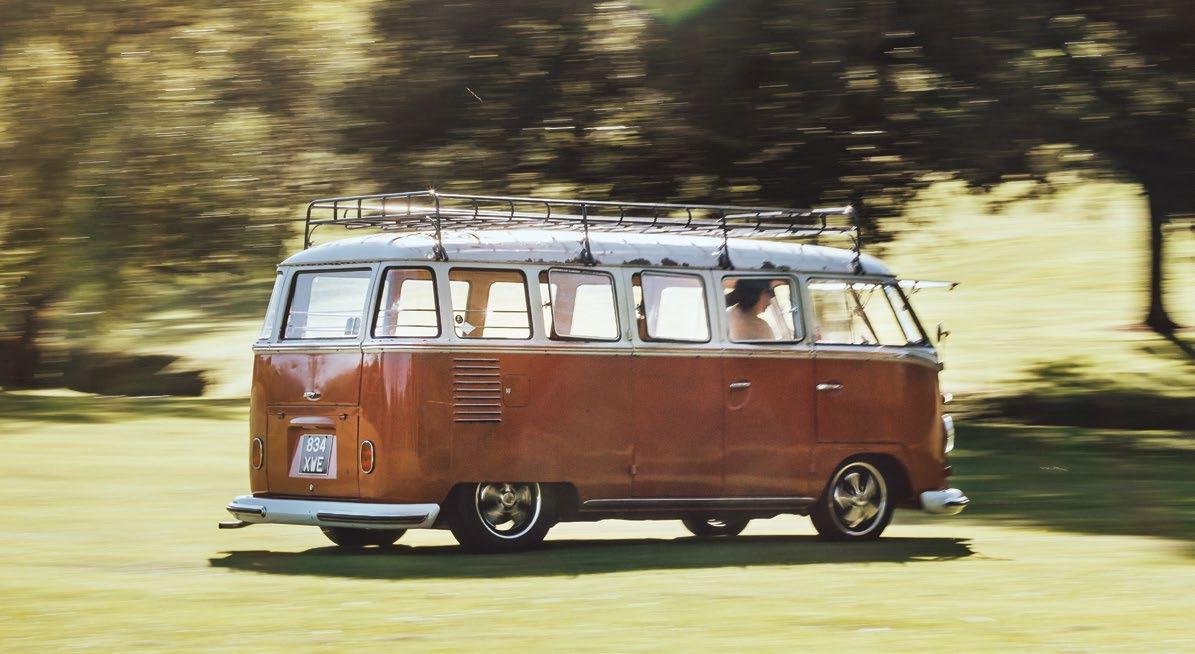
I really can’t praise this bus enough. He’s absolutely nailed it! You’d never believe that it wasn’t a time-warp survivor that had been used and dry stored for most of its life. It’s cool but still practical; it’s classy but has a real edge; you could go anywhere in this vehicle and it would be presentable enough to welcome and turn heads but still very usable. I also have it first hand from one of his girls that she now loves it! So PJ can rest easy that he made the right decision.

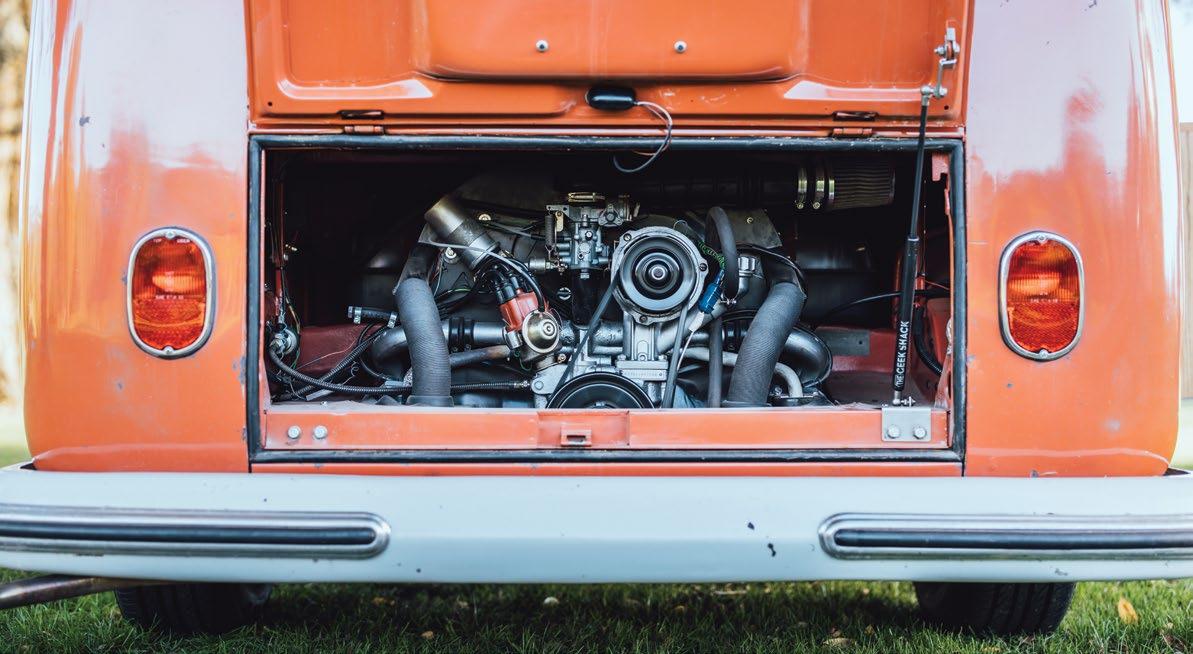
As for the future, all that needs to be done is an engine build The bus is currently running a motor on loan very kindly from Iain at E’s just so he didn’t miss the show season. PJ isn’t quite sure what is happening with the motor yet as he has a 356 lump and has also had discussions with Ian about building something fresh. I guess time will tell and in the meantime it’s there to be enjoyed.
PJ would like to offer some special thanks: “Matt Smith and the boys at Smith’s who worked on the bus to get it from a
sorry state to a rolling shell. To Sam Trigg for his skills on the trim. To Richard Booth for his incredible work on the interior.
To Jack Nash and Jack Dudman for all their help. To Ian Kent of E’s Autos for mechanically finishing the bus off to such a high standard and getting it fully roadworthy. To Steve Parsons who blended the patina so well I sometimes forget he was ever there.
To my wife June and our two girls Indy and River, this build is for you.”



WANTTOADVERTISEHERE?PLEASEEMAILadvertising@hayburner.co.ukFORDETAILS

WORDS BY STEVE WALKER PHOTOGRAPHY BY CHRIS DE LA MARSCHE & NED FAUX
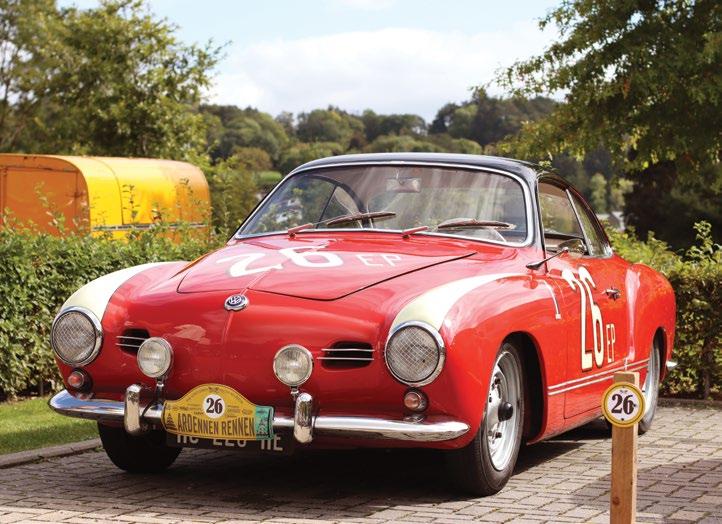
Two years ago, Ned and I let ourselves, our friends and the country down by posting a poor showing at the Ardennen Rennen. In our defence, we suffered mechanical mishaps which attributed to the dismal final position and it had nothing to do with hangovers, sleep deprivation, going way too fast and missing vital turns, or spending time looking for the exhaust parts that fell off.
Two years on, during the last weekend of September, we were
back. And this time we had a master plan. We would try harder. Drive slower. And I wouldn’t get drunk, or snore, or forget to fix the car.
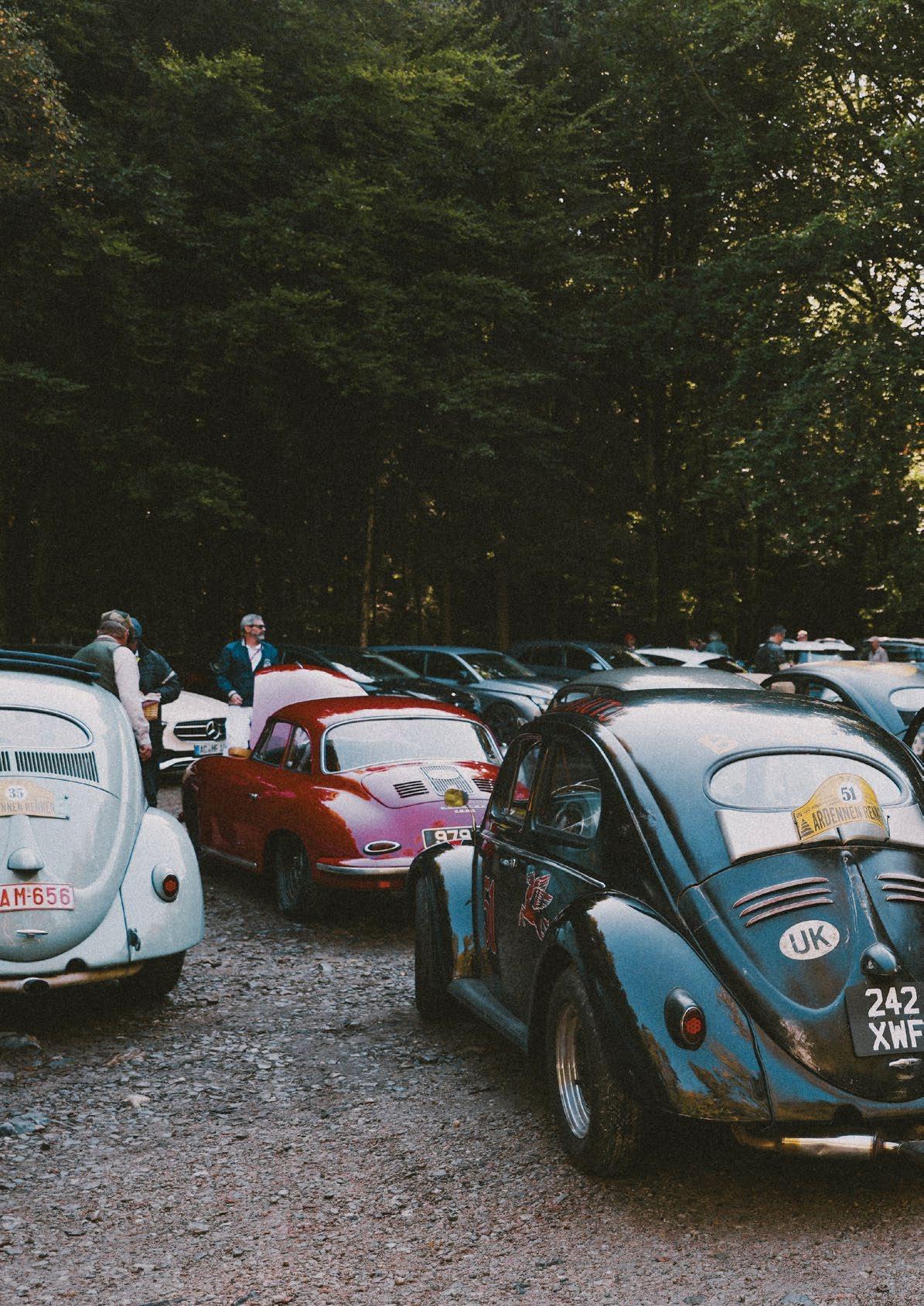
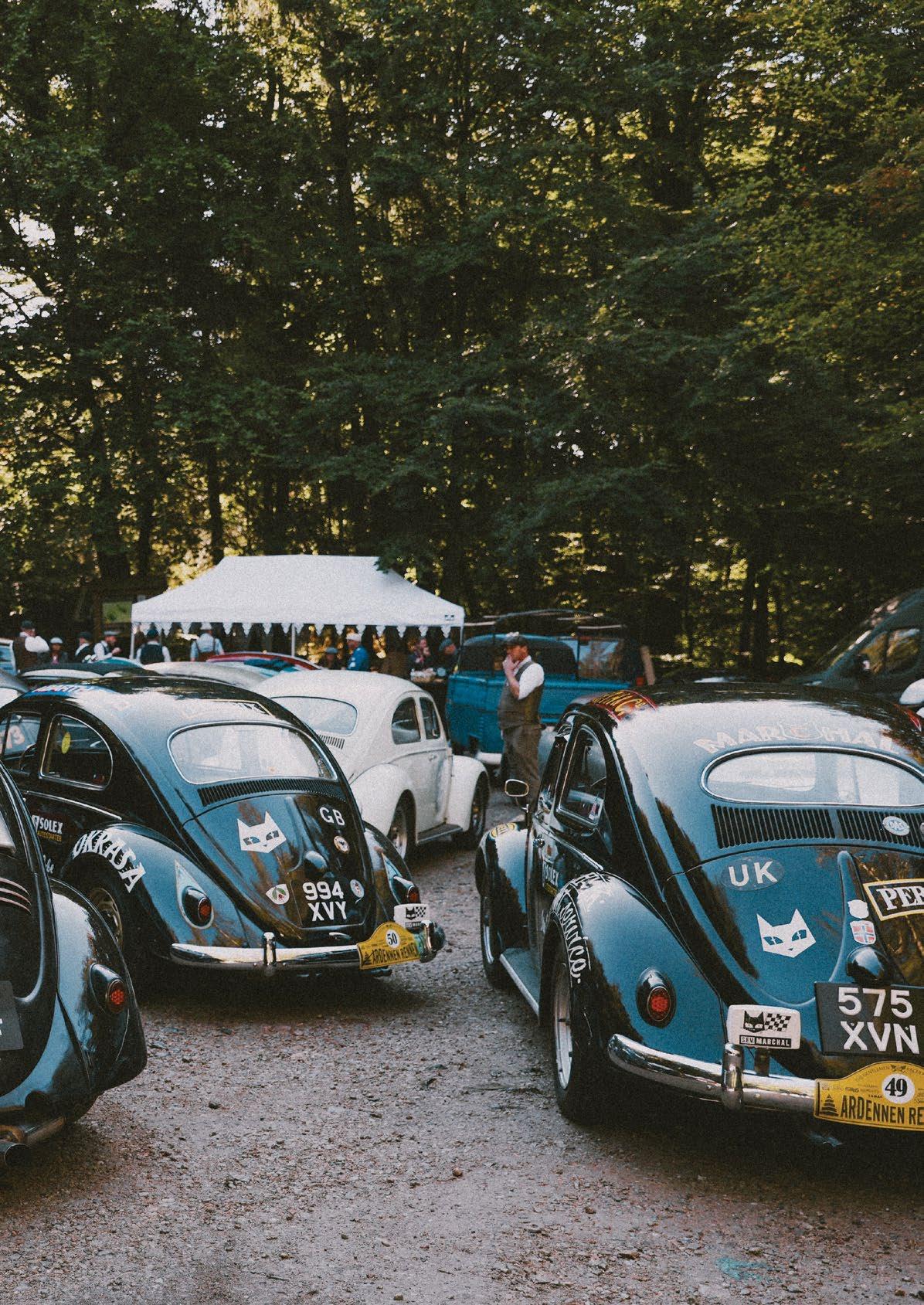
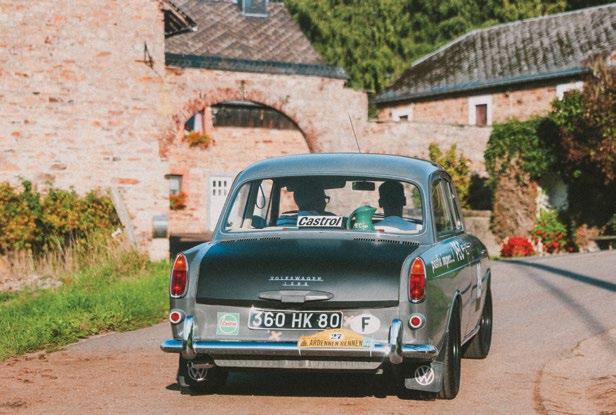
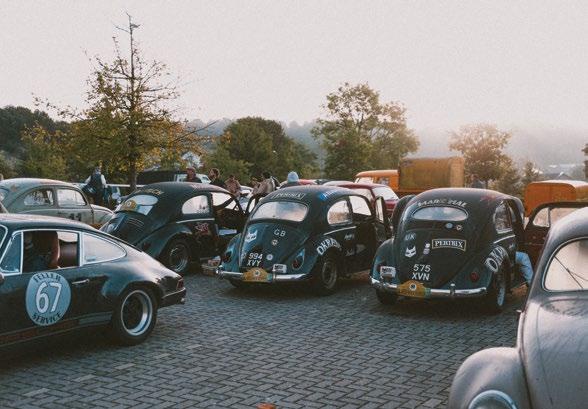
Once again we were in car 50, Myles Yarney’s black 1958 Okrasa-powered Vintage Speed inspired racer – which graced the last issue of Hayburner. Once again we joined Myles and Darren Claggett in the Okrasa-powered Oval, car 49 from the front cover trio. The more recent addition
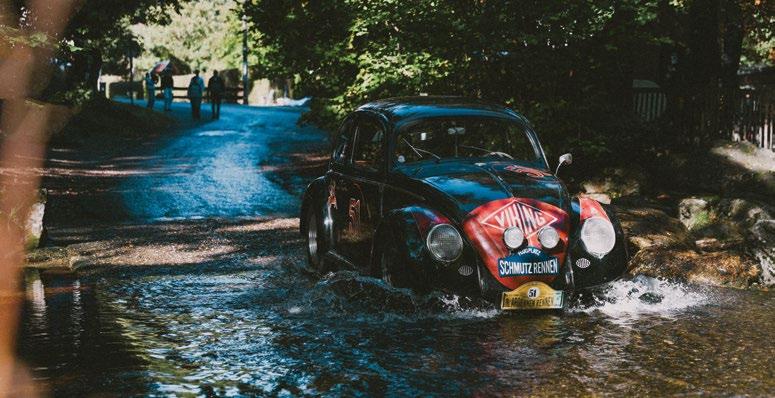
“Viking” Oval was given a new driver/codriver team (well, compared to us oldies they are new). HR Autoworks’ Jake and his partner Kirby were thrown in at the deep end, and the three-car team was ready.
I am confident that neither Jake nor Kirby had any idea of what lay ahead. After all, it’s not like any other VW event I can think of. And when they showed up at an early morning Eurotunnel start in what looked like ski gear, we did wonder if the vintage dress code memo had landed. They were just cold, and a bit deaf due to the Sebring-style exhaust and distinct lack of sound deadening. They were also partially overcome with petrol fumes! The filler cap had failed, and in doing so had filled Kirby’s case, melted part of her boots, and soaked the vintage dress code gear the pair had packed. We really felt for
them, so kept the “can you smell petrol?” jibes to a minimum. Actually we were pretty merciless, but team car 51 would get their revenge. In other news, the Viking car also decided to start when it felt like it, so seeing Kirby pushing it became the norm. Before anyone starts thinking we were a bit off for not shoving the thing, the issue was intermittent, and by the time any of us realised, Kirby was usually out and had the car started within a meter or so. The pair had bump starting mastered, but I guess living with Jake it’s part of the territory.
Ned took the first stint behind the wheel, and the 200-mile drive from Calais to Aywaille was fun but generally uneventful. Apart from the petrol-soaked clothes, that is, and Ned grabbing a service station salad bowl pick-n-mix style lunch. In his haste to cram in as much as possible, and not noticing the price was calculated by weight, he created the world’s most
expensive salad. I think it was 19 euros or something, but I was laughing way too much to be sure.
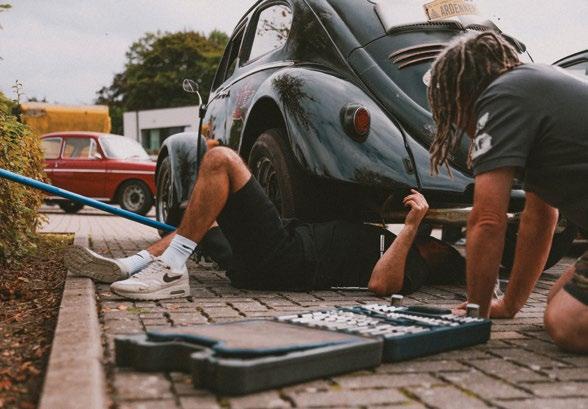
Upon arrival, priority one was a scoot into town to locate a launderette. While Jake and Kirby sorted their clothes out (three washes and 50 euros later), I started to sort the ’58 out. While it was ok on the motorway, it was as flat as a pancake elsewhere and struggled a bit. We were a day early, with an empty car park, a lot of time and plenty of tools. But no timing light. This isn’t really the schoolboy error it may seem, as the 30hp-based Okrasa is a simple beast as far as timing goes. But for some reason the ancient Vintage Speeder’s 010 distributor of choice needed a helping hand. I advanced (guessed) it to the point where it ran well without detonation, and that was that. It felt like a different car, not a fast car by
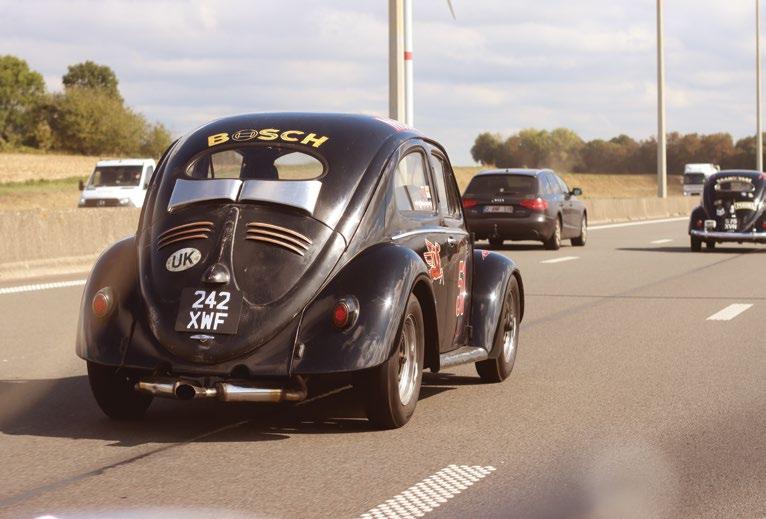
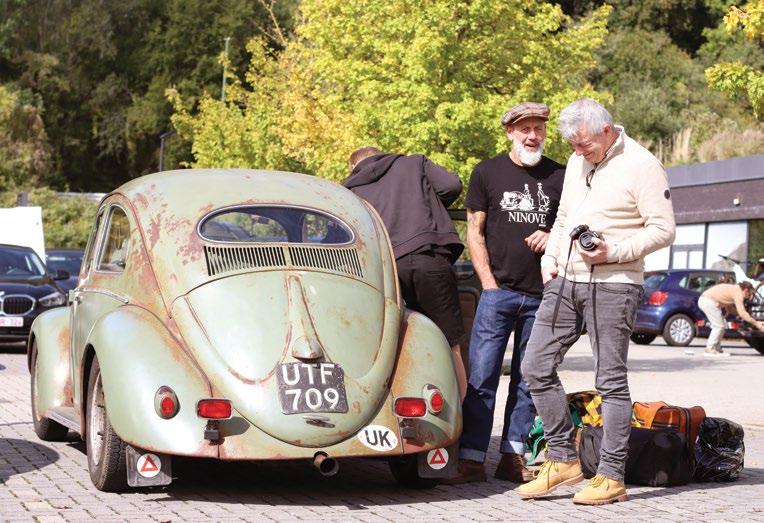
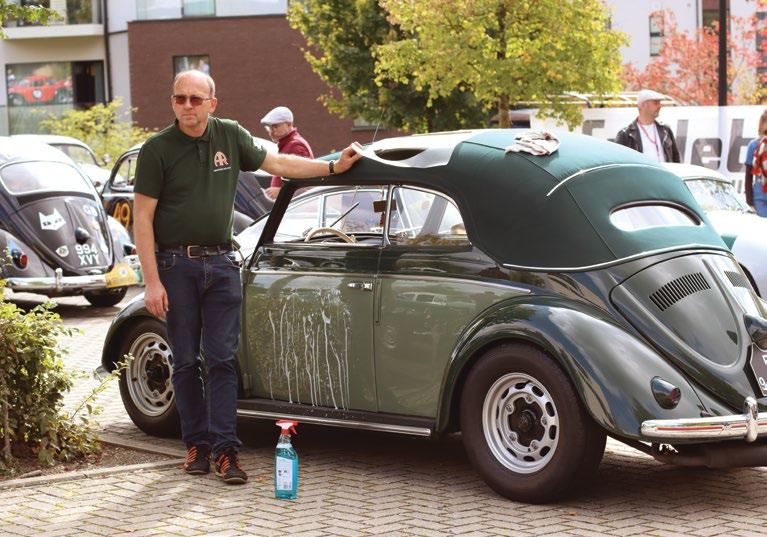
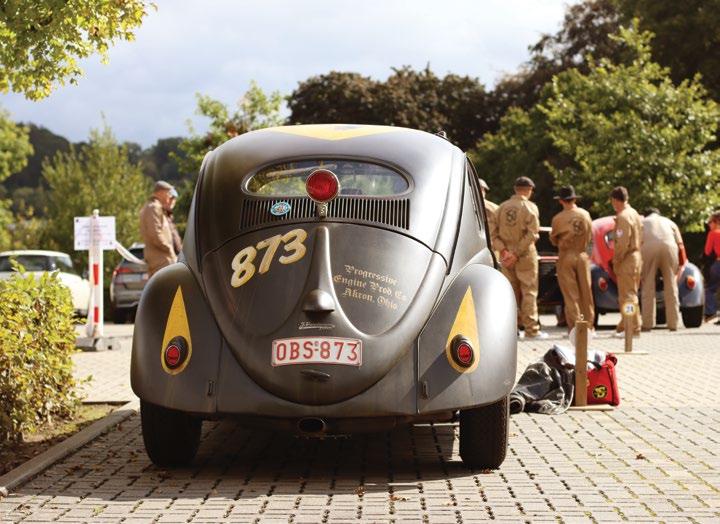
modern or even late VW standards, but that’s not the point. VS cars are born of an era when most people coveted a small motorbike or old pre-war wreck. Cars were fragile and slow, and the power hikes we take for granted merely pipe dreams. Any reliable extra hp, however negligible by todays standards, was celebrated, and we know how. Amateur racers paved the way, leaving behind the historic sporting legacies and courses we were about to honour.
As the other entrants and teams began to settle into the hotel and car park, the whole experience started to kick in: 32 teams, some familiar faces from the previous event, some first timers, all sharing a themed jump back into a simpler time. Some amazing cars – most of which, and let’s be honest here – we wanted to trounce.
Reliability wise, Jake had a minor gear oil leak, but other than the aforementioned timing tweak, a tighten of the fan belts and a splash of oil, all three cars required nothing more than petrol and determination all weekend. That’s over 1000km, with a big chunk of those taking place on the challenging Ardennes back roads.
It is not a race – a fact that eluded my tiny mind last time, and also that of a few other newcomers this time, notably the PR Services team of Paul Smith and Phil Jarvis, who emulated our feat of the previous event. If the objective was to make up as many places as possible, they would be world champions. But it isn’t, and as such they were a stone cold, but very happy, last. It’s impossible not to have fun, despite being lost, or last, or anything in between, on the Ardennen Rennen.
The actual objective is to complete a set course devised by real experts in this kind of navigation rally. Each team is presented with a road book, containing basic icons and distances set in numbered blocks for each turn, direction and landmark of note. Each car sets off at a different time interval. This forms the basis, and the planned predetermined course laid out in the book has a total set time allocated to it. The idea is to arrive back at the start/finish line as close to your total time as possible. It is compiled with speed limits in mind, and we are encouraged not to go stupid when trying to make up time after going wrong. And going wrong is an inevitability. No ifs, no buts, you will mess up. Of course car 50 had a renewed determination and resolve to succeed. We didn’t go mad. Ned was on point with the road book directions and the car was running well. However, when another Rennen car catches up or comes into view it requires a level of self-restraint
not to put your foot down. Unfortunately I do not possess self-restraint.
Saturday is the shorter course, of around 104km, devised to ease competitors into the world of vintage navigation through the historic towns and villages that have echoed to the sounds of racing for decades. If you have been to Le Bug show at Spa, you know the basic area and terrain we are dealing with, but while the book does utilise some sections of the old circuit, our directions are far from straightforward.
Points mean prizes, or might it be the other way around? So some time regularity sections are added to the mix, one on the Saturday (with a bonus available for answering a question specific to a point on the road book) and two time sections on Sunday. The idea is to drive for a set distance at a predetermined speed, 41kmh or 47kmh, etc. Some teams have specialist Haldex-style trip meters and computer aids. We had Ned’s phone, and I drew a line on the speedo with a red sharpie. Sticking to 41kmh for 6km may sound simple, until you factor in hairpin turns and downhill gradients, etc. Jake and Kirby even encountered a load of horses crossing during their regularity test, but still manged to do ok. I think the penalties were a point for every second over the allocated time at the allocated speed, and 2 points for every second under the allocated time for each section. I wasn’t really listening when it was explained in the drivers’ meeting – after all, I’m only the driver. I don’t think Ned listened either, and I don’t think arriving 3 minutes early at the trial section was a good look! It would explain a thing or two about our overall points score if we were penalised for the early arrival, but the reality is probably down to a pen line on a speedo that reads low anyway (something we realised on our way home when comparing with GPS).
During the last event in 2023 we missed the bonus question completely. This time (being prepared) it was noted that a series of facades down a street in Stavelot had a specific name. The large heads with prominent noses were on several buildings and the road soon filled with Oldspeed cars of all varieties while the teams scrambled to work out the name of the bizarre decorations. It became apparent that asking strangers who can’t speak English wasn’t a good strategy. Instead we asked Jake and Kirby.
They had asked AI, and after a little persuasion shared the name “Gilles” as the answer. Now AI may be your business tool of choice, but it’s a load of crap when it comes to weird local caricatures. When it came to the results, just like Eurovision, AI
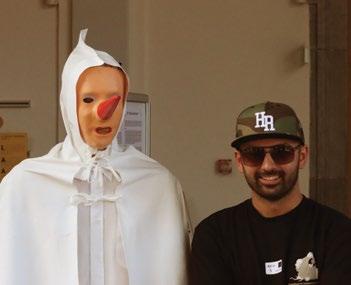
scored nil points. The correct name was something Belgian and weird. I don’t know if anyone not Belgian got it right, but I know Myles and Darren put Pinocchio as the answer. Plainly wrong! I mean, how can a wooden boy who lies and gets eaten by a whale be anything to do with a medieval Stavelot caricature? Well, somehow they got half of the points available for Pinocchio, as it looked a bit like Pinocchio. By that rationale we could have written Stalk, Heron or fucking snowman’s head, but I’m not bitter.
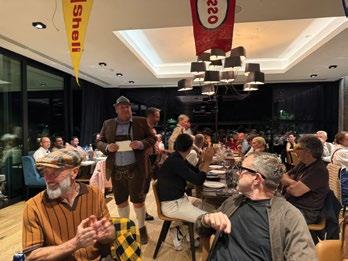
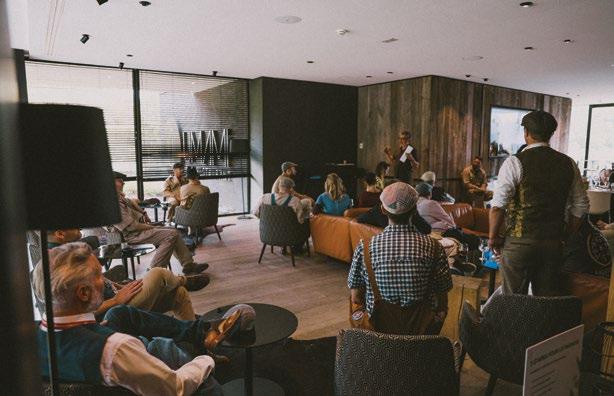
After a first day’s activities, we settled down with the other competitors for a nice evening meal together, still adorned in period costume, in a dining area decorated with vintage race-inspired artefacts, posters and an ambiance befitting a bygone age. With the 2025 Ardennen Rennen came an influx of UK-based teams. No longer were we the sole representatives of these Isles. So we did what Brits have done for millennia, and flocked together on one table. We swapped race stories, laughed hysterically and took the piss, especially as Jake continually doctored pictures of us on his phone with some fat face app. The food was fantastic, served in a buffet format with the opportunity to be greedy if needy. Even Myles found something to satisfy his elitist palette (that’s picky to you and me). It should be noted, I didn’t get drunk.
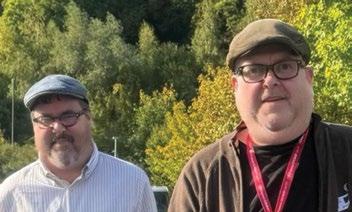
The day takes it out of you. Driver fatigue used to be a thing in the UK TV public information warnings of the 70s and 80s, and despite the jovialities it’s fair to say its prevalence on our table was palpable. Therefore it wasn’t long before we all retired, ready for an early start and the main day of action to begin. It should be noted I didn’t snore.
The day was to comprise a morning session, a break for lunch, and then a visit to a motorsport and town museum in Stavelot, before the last stint, a drive of the old Spa track and eventually back to the finishing point. After breakfast and a brief drivers’ meeting to note some revisions to the road book, we all grabbed a well-stocked lunch hamper and assembled at the start/finish area, waiting to be flagged off for the day at 2 minute intervals.
Having established that as the driver I don’t pay much attention, our start time was quite high up in the field of 32 cars. I believed this was based on us doing very well on the Saturday but belief is subjective. Jake and Kirby were immediately behind us, so that meant the novices were either storming it, or equally as bad. 175 kilometres and hours later we would find out.
The weather gods were once again benevolent, and we were buzzing along quite nicely, doing our thing through the stunning Ardennes landscape. You would be excused for thinking it’s a doddle, this book-deciphering lark; however, there is a degree of devilment in the road book creation, and some sections cause immense confusion. It’s easy to second guess your decisions, easy to get caught up following other competitors you believe are going the right way, and easy to overshoot turnings completely. In each case you are screwed. You can be screwed for miles, whole towns or just massive chunks of time. It can be as frustrating as it is funny, going around and around, seeing the same competitors again and again, also plainly dumbfounded. This happens regularly, catching out even the most seasoned teams. To compound the above you can just misread a distance notification while bouncing around on some of the unmade roads. This is something we did a couple of times, second guessing a direction because we hadn’t seen a radar trap sign which was 3km further than we thought. One mistake fries your brain; two can melt it completely. The only answer is to retrace your steps back to a point where it makes sense, follow the distance prompts and try again. At this point I will apologise to the errant farmer who had cars from the past turning around in his yard, and one car actually carry on through his farm until there was nowhere else to go. Well done, Ned, it was worth a try.
Occasionally you are travelling in a group of other Renneners; at other times you are on your own. It’s strange. We are all on the same course, but when you see someone going in the opposite direction it can be a bit demoralising. I feel we generally did well on the sections before lunch, even if the time regularity trials are still some dark art thing we just can’t work out. *See previous slow speedo reference as a good excuse for mediocracy.
It should be noted, at the last event we were so far behind, all the cars had left when we finally limped into the lunch area. This time we were on it!
At the lunch break all the competitors settled down and enjoyed the well-stocked hampers, containing cheeses, various cold meats and preserves, a choice of artisan breads, some fruit, cakes and various beverages. Food of high quality, well presented and in keeping with the bygone age theme. There was also a nice salad included, not as extensive as Ned’s
greedy bowl from Friday, but it was hard to tell as we managed to spread most of it over the back seat long before the lunch stop. Apparently we weren’t the only ones. I’m reliably informed that Myles was still finding errant salad detritus in his car a week after the event.
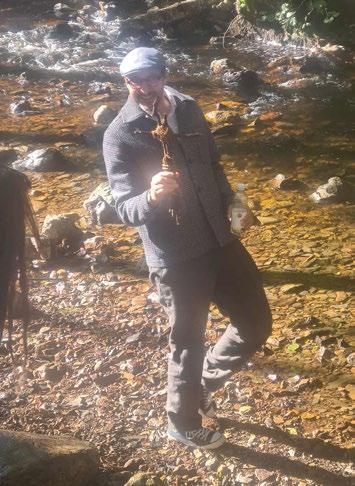
I genuinely believed we would do well after lunch, but Ned – being Ned – picked up some Blair Witch-esque horror marker someone had placed at the edge of the river we were lunching by. It was a bit spooky, and anyone who has ever seen any horror film knows you don’t touch that shit. I made him put it back where he found it and hoped for the best.
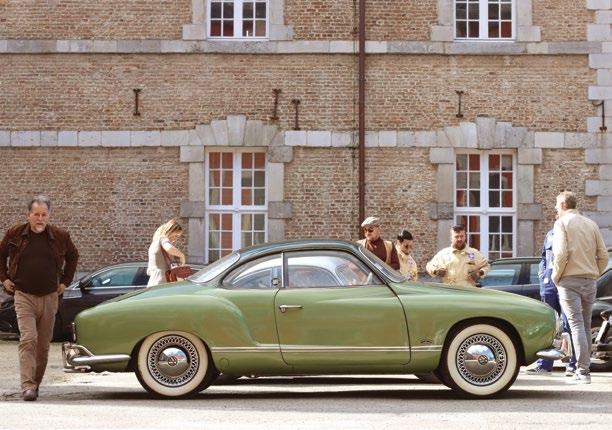
Approximately 10 minutes later it was our time to leave (lunch being 40 mins calculated after your initial morning start time and distance/time to the lunch stop). We were behind an early 60s Ghia piloted by the all-female team, one of many cars entered by the Feller Services folks from France. Whether it was irony or Ned’s Witch hex is open to debate, but as we sat patiently behind them waiting to be flagged away, they reversed into us! They didn’t acknowledge it either, so for various reasons I decided to dispatch them asap. We soon zipped past, went too fast and made a wrong turn. Karma.
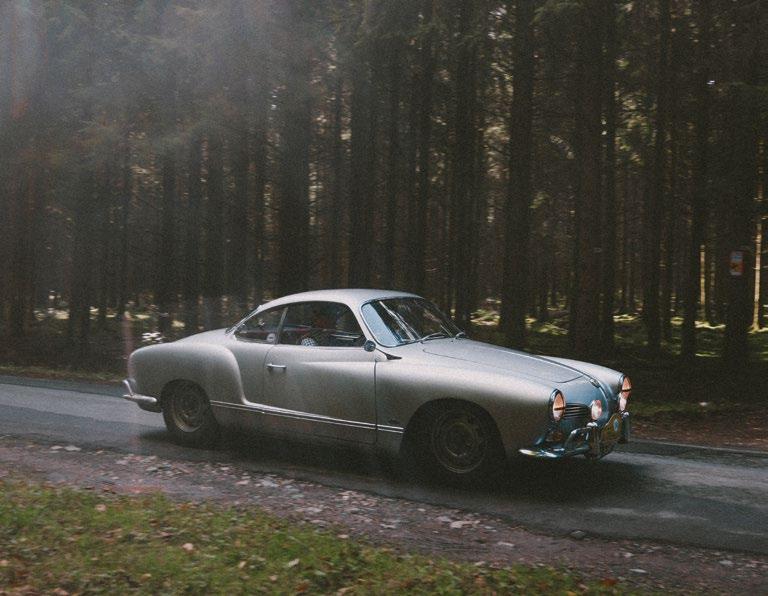
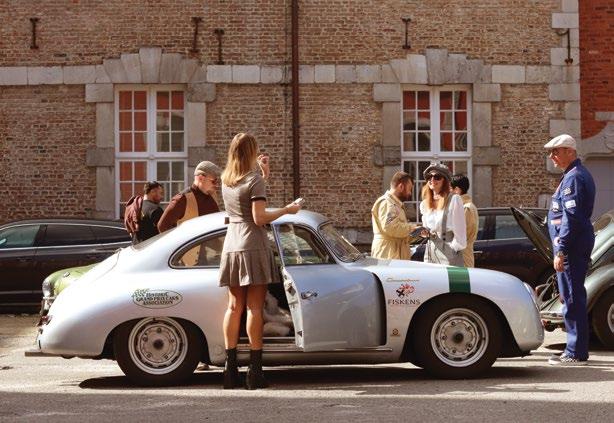
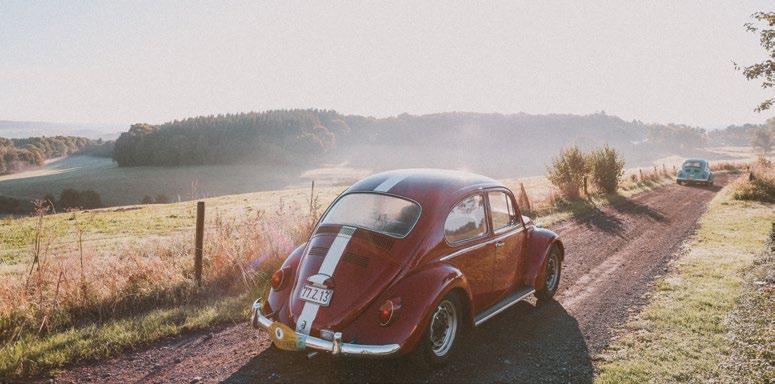
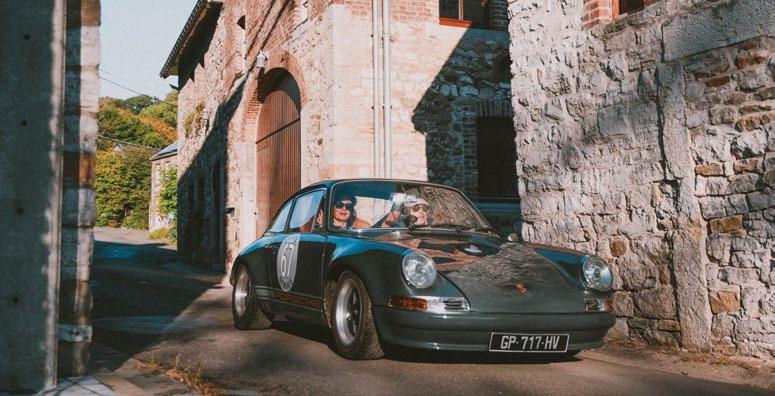
The next stop came after an hour and a half. Yet another speed regulation to try and scrape through, then a nice stop at the Museum in Stavelot. The picturesque setting adjacent to the old abbey’s 90 meter high arch in a large medieval courtyard soon filled up with the Rennen cars. Mostly pre-’67, the field consisted of predominately Vintage Speed-inspired Beetles, Porsche 356s, a couple of 911s, a brace of Ghias including Lowlights, a nice Notchback and a wicked ’52 split
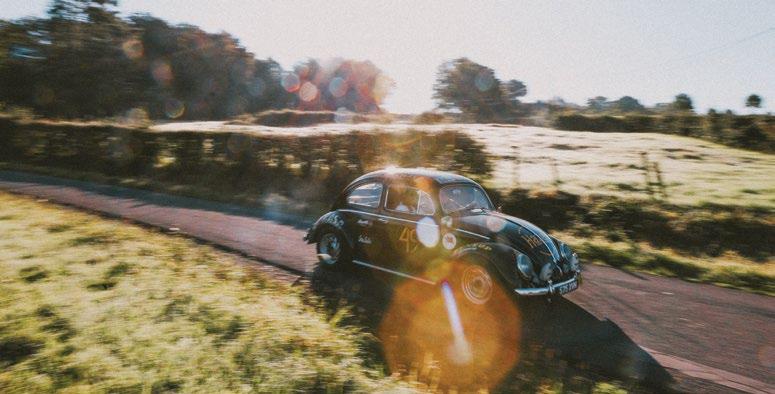
dash crotch cooler Cabrio, rarer than a Hebmüller, in beautiful condition and scooting around the Ardennes with determination.
The final stint saw the greatest road book confusion event of the whole rally. Everyone, it seemed, struggled with one particular short set of directives. The resulting carnage saw cars here there and everywhere, as nobody seemed able to work out the correct route. We took every option to no avail. Went back to a point we knew, and still messed up. Again, and again, and again. We drove up and down, and round and round. We followed Jake and Kirby. Jake and Kirby followed us. Then as if by magic we fluked it and were finally on the right track.
After all this nonsense our times were surely diabolical, but it was a great surprise to learn that we could make it back to the finish point very close to our target driving time of just over four hours. In fact we ended up driving round the roundabout close to the hotel around 10 times before heading through the finish line bang on time. It should be noted that we didn’t handbrake the car through the line
backwards this time.
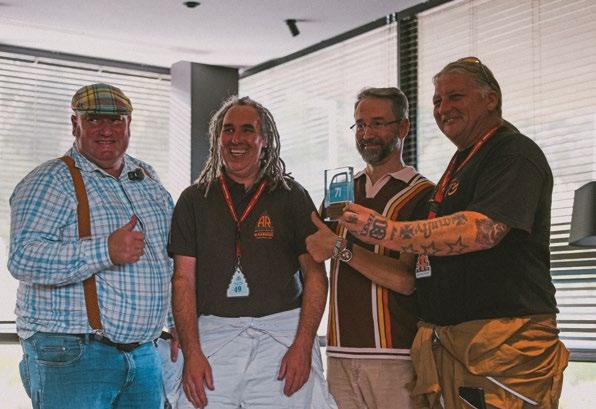
All that remained was to park up, have a complimentary beer and welcome the other teams home. Pretty soon we congregated in the hotel bar. Points and positions having been calculated, the results and prize giving were underway.
The big news for us was that we had improved massively from the flat-out shambles of 2023, but not enough to top Myles and Darren who scooped first in the Vintage Speed class and second overall. We didn’t even top the novices in car 51 who stopped to take selfies and TikTok videos. Or another novice Toby Hoath in his barely completed Oval, navigated by son Harry who was celebrating his 18th birthday. Of course we could have won if Ned hadn’t touched that Witch hex thing, or AI wasn’t stupid, or if the car had a steering wheel that wasn’t half way into the back seat. But in truth, the cliché is that the real win is just taking part.
Spending a long weekend with like-minded souls, in a virtual time warp with these fantastic old cars competing around and along the historic race routes of the past
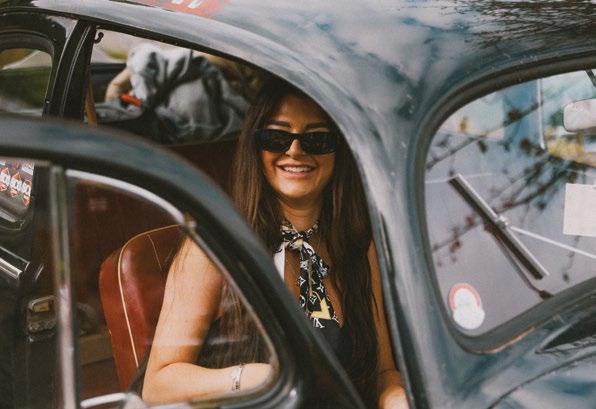
is an unbelievable privilege. It is impeccably well thought out and, as Ned says, perhaps the most fun you can have in a Vintage Volkswagen? I’m saying nothing, other than that once again we must thank Myles for not only entering a three-car team, but for organising every aspect and, most importantly, allowing us miscreants access to his precious cars and to be part of something uniquely special.
Obviously as team GB it’s a fair old jaunt home, and the three black Vintage Speed cars didn’t miss a beat. We all even managed to be together on the Eurotunnel return. We shared jokes and anecdotes as we had done four days earlier, and this time the talk was of timed sections, wrong turns, other racers, and how we would do better in two years’ time.
All that is left is to thank Freddy, Mike, the Boss, and everyone behind the scenes who make this biannual event so magical and memorable. And, of course, all the entrants from all over Europe and their fantastic and diverse interpretations of the Vintage Speed ethic.

























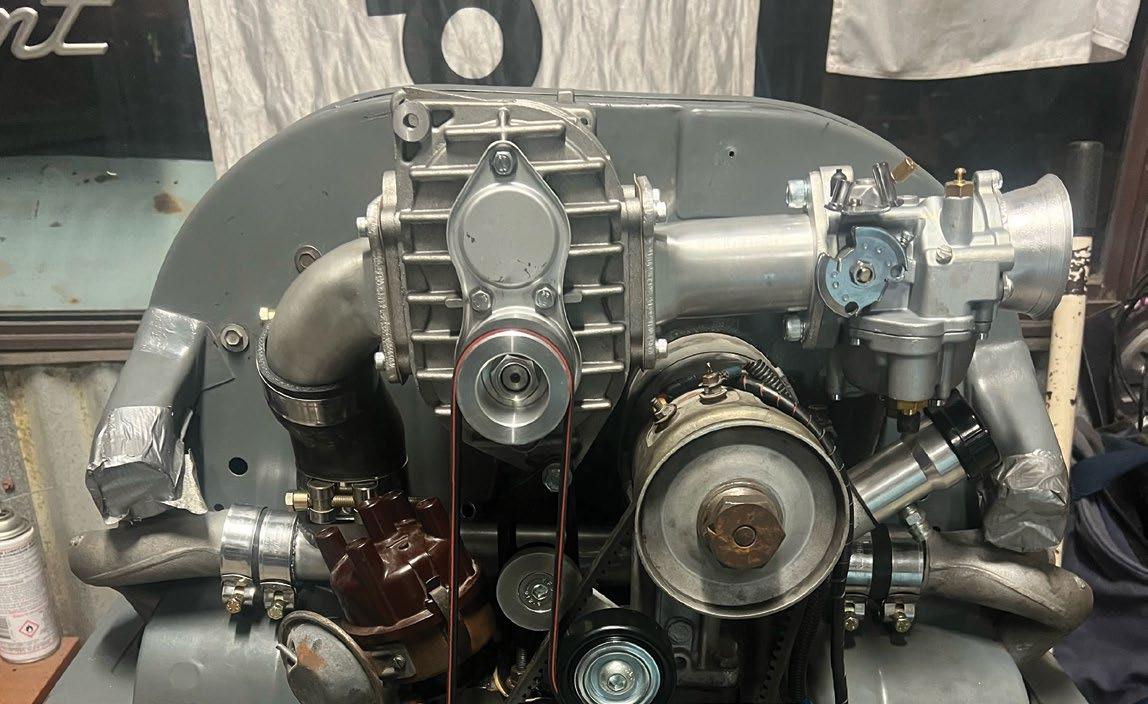
n Superchargers
n Superchargers
n Camshafts
n Camshafts
n Ignition systems
n Ignition systems
n EFI systems
n EFI systems
n Twin-spark kits
n Twin-spark kits
http://joeblow.me
http://joeblow.me
blowjobs@joeblow.me
blowjobs@joeblow.me
WANTTOADVERTISEHERE?PLEASEEMAILadvertising@hayburner.co.ukFORDETAILS

“OH SHIT, WHAT HAVE WE DONE?”
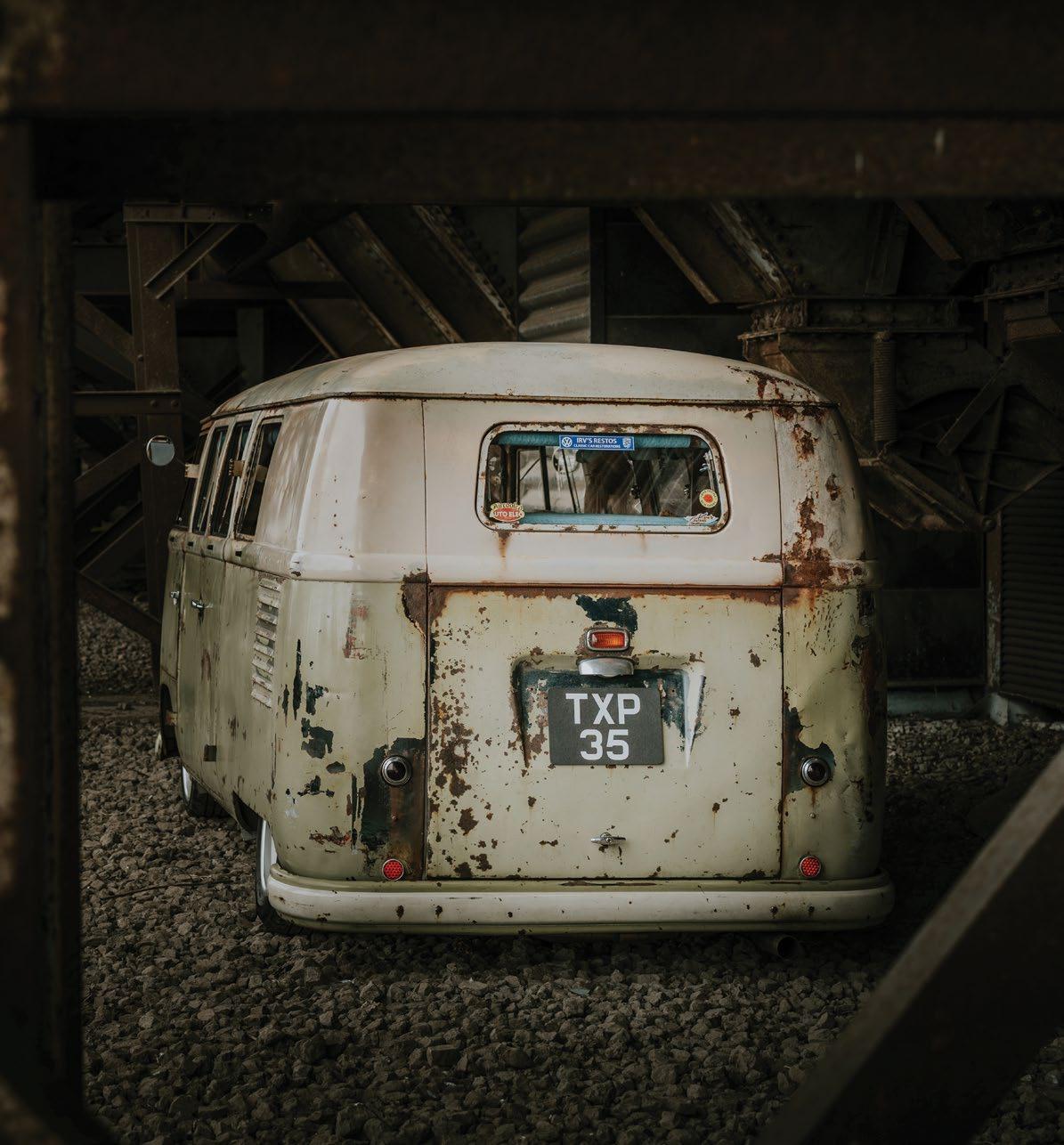
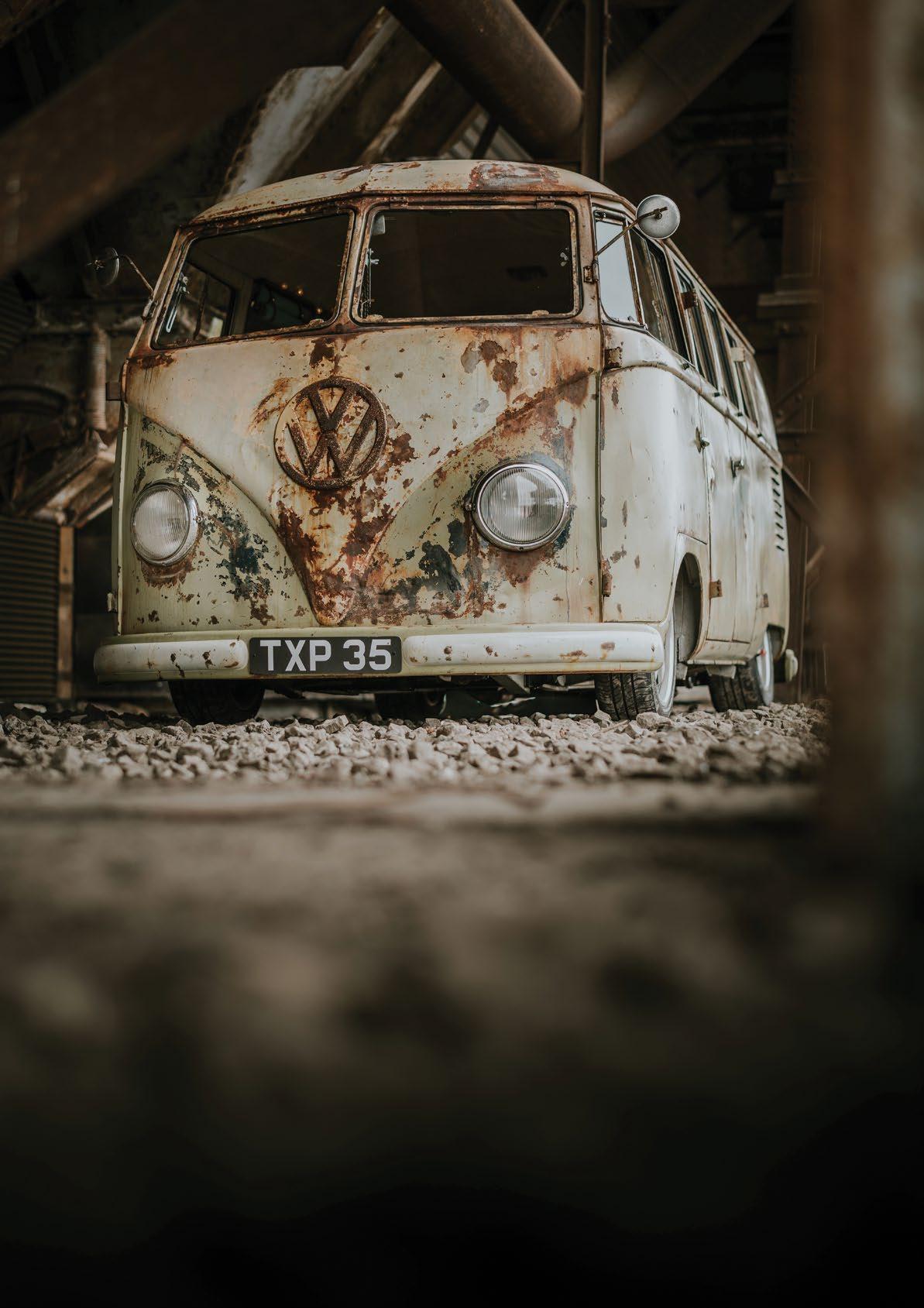
When I was asked to do a write-up for this issue of the magazine, my hand was the first to go up for the bus you see over the next few pages. I knew it would involve a chat with the guys “up north”. If you have ever spoken to the people behind JLC Autos you will most certainly have come away with a smile on your face. Jade and Lee (AKA Biddy) are a very funny couple and are two of the biggest VW enthusiasts I have ever met.
At the centre of it all is Jade, who set up the company nearly 14 years ago. Back then it was just a ramp in the corner of a motorbike workshop. Fast forward to today and JLC Autos has grown into a busy workshop with four ramps, a lorry pit and a full skilled
team. Jade jokes about being “just the spanner monkey”, but she’s way more than that. She has built a business that’s anything but ordinary. Alongside her is Biddy. Officially, his role is … well, let’s just say he gets paid “as much as possible for doing as little as possible” … his words, not mine. In truth, he’s an integral part of JLC – part mechanic, part joker, part motivator, and very much part of keeping everything ticking by. Also from Rotherham, Biddy’s been into VWs since his childhood, stemming from holidays in Woolacombe where surfers parked up in VW vans; this is where his obsession started. Fast forward to today, and anything “slammed and early” is his tipple of choice.
Jade’s path into Volkswagens was a little different. She actually grew up around motorbikes, thanks to her genuine Hells Angels dad, whose passion for two wheels often landed him in bike magazines back in the day. It’s no surprise that his obsession was passed
down to her, sparking Jade’s own love of engines. Later came a degree in psychology and law (which she hated) and which I am not totally surprised by; I do not know Jade too well but her passion for cars is evident. After an opportunity came about for
an apprenticeship at a local garage called GTA (which she jokingly thought stood for Grand Theft Auto), from there she went into MOT testing … and then she decided to take the huge leap to go it alone and JLC Autos was born. “I just couldn’t imagine working for someone else forever,” she says, and it now shows.
Biddy’s first proper project was a shiny ’65 Kombi, restored from home to such a high standard that it was featured in Volksworld in 2015 and took a Top 20 award in the same year. This project was a full-on restoration and taught him a lot about VWs. It was a big eyeopener and it’s clear how much he loved that bus as we talked about it a lot in the interview. Later they bought a ’69 Variant, which kept its original patina’d paint but everything else got an overhaul too; this taste shift he credits to Jade. “I went rusty. Original. And that’s Jade’s fault,” he laughs.
Jade, meanwhile, had originally been into faster stuff, mainly Mk1 Caddies running silly power, bikes, Audis … before air-cooled VWs properly hooked her. But engineobsessed as she is, and with Biddy’s love for German metal, to me it is clear that JLC has become the place where their shared taste has come to life.
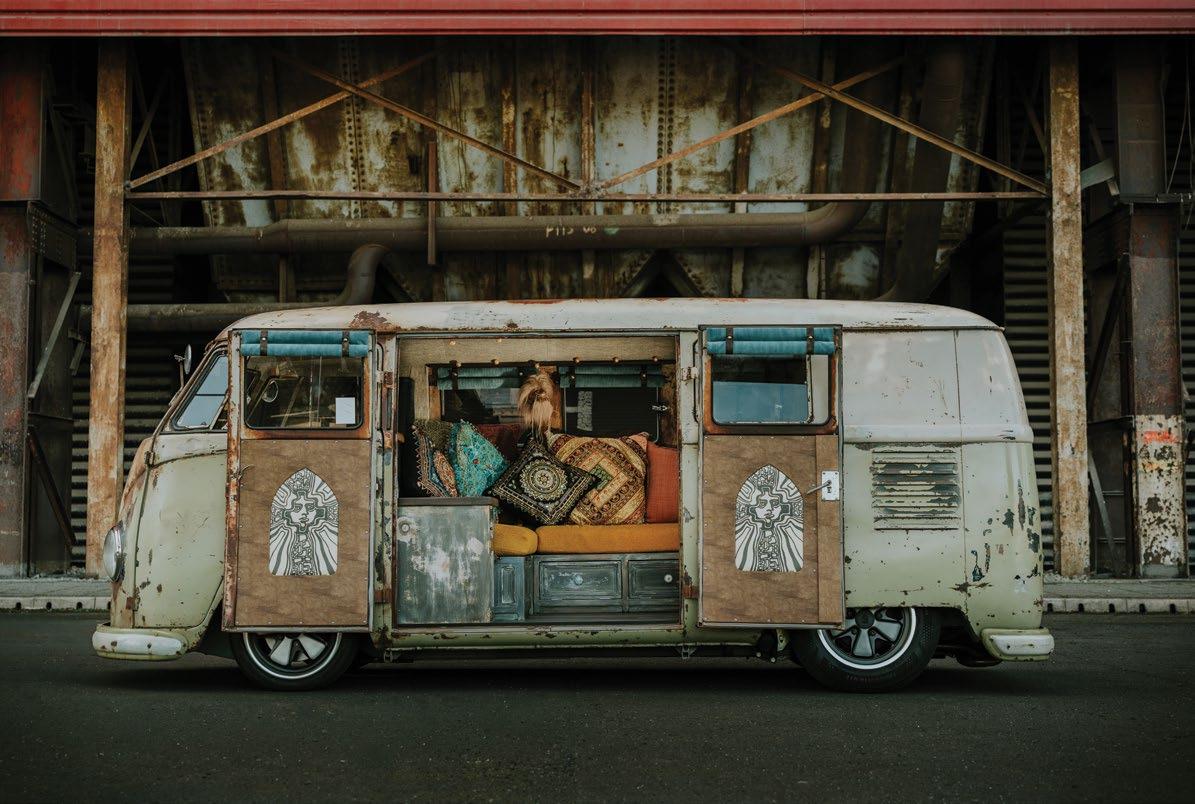
Which brings us to their current pride and joy: this stunning 1954 Type2 Barndoor. It started, as these things often do, with a bit of peer pressure. A trip to Le Bug Show in Spa a few years back with friends opened their eyes to the incredible European VW show scene that we are so lucky to have pretty much on our doorstep. Paul Irving from Irv’s Restos was one of the aforementioned good friends on the Euro trip and probably the biggest instigator of Jade and Biddy’s love
affair with older VWs. As soon as they were back he whispered those dangerous words: “You need a Barndoor, Biddy.” Before long, pictures of a bizarre Swedish left-hand-drive, left-hand-loadingdoor bus were being exchanged and the pair started looking seriously into it. Rare, odd, and definitely not for the faint-hearted, they knew this was the project they had been looking for. After a few sales and dealings, the JLC guys had enough cash and were finally able to get their hands on this ’54; it was love at first sight. Originally abandoned in a Swedish forest, it had passed through a handful of owners in Belgium before ending up with Irv, who then passed it on to Jade and Biddy. “I looked at it for the first time in the flesh and thought, oh sh!t, what have we done?”, admits Biddy.
There were a lot of people involved in this build and it was a total team effort. Irv’s Restos took on the mammoth task of tackling the bus’s extensive metalwork and paintwork blending. Their team fitted a new chassis, replaced much of the lower six inches, fabricated tubs for the front inner arches, and handled all the paint blending before the underside Raptor coating for extra durability. The goal was clear: the bus had to be solid. Jade and Biddy didn’t want a showpiece van; they wanted something they could actually use and camp in comfortably. From their home in Yorkshire, their dream was to have a Barndoor they could simply jump into and drive, even if they fancied going all the way down to Cornwall. Attending VW shows around the UK, like the F&L Show or Skeg Vegas, and plenty of wild camping
trips along the East Coast, would all be part of the fun. “It’s such a nice drive,” says Biddy. “I’d happily jump in it and go anywhere.” Having a live-in mechanic certainly helps, but thankfully, they’ve rarely been stranded.
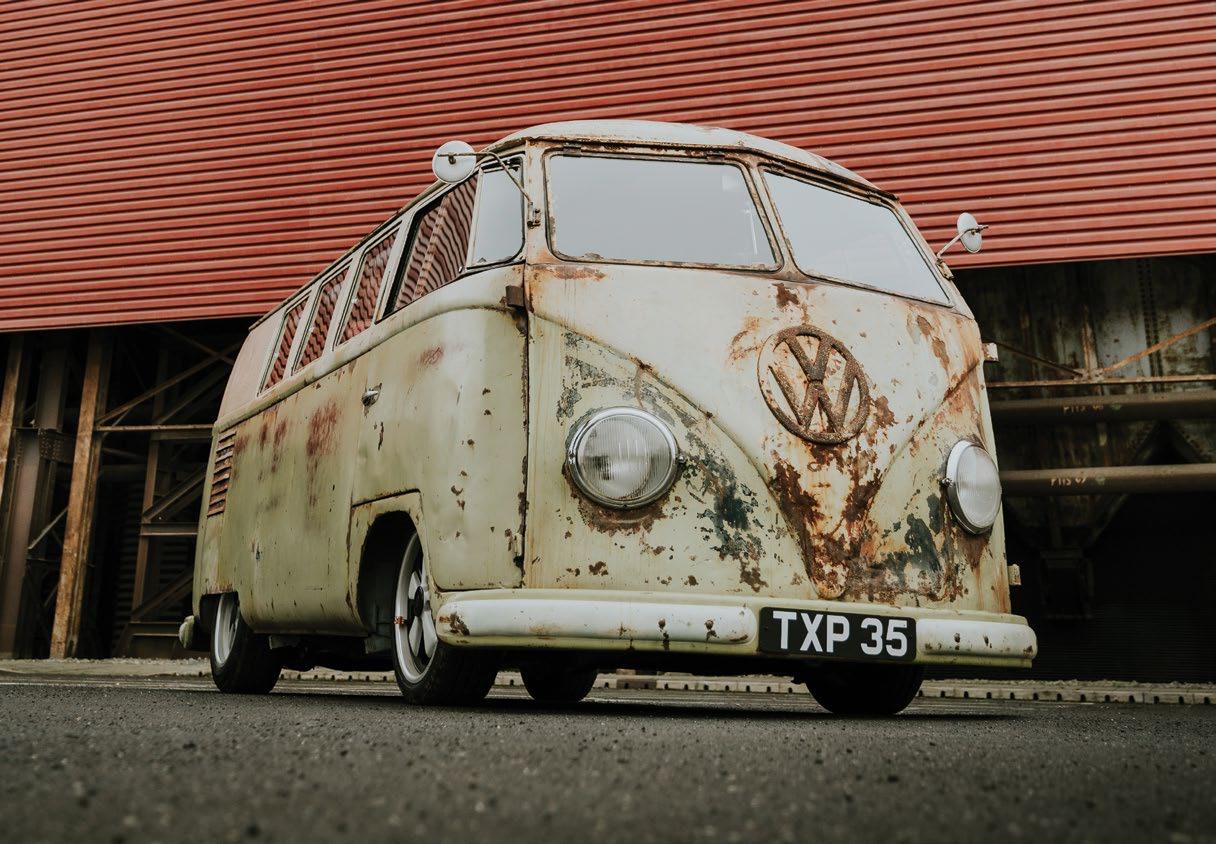
Biddy was very keen to keep the exterior bus styling quite authentic so he made sure the wheels went off to Early 911 for detailing in RSR finish (replicating the original
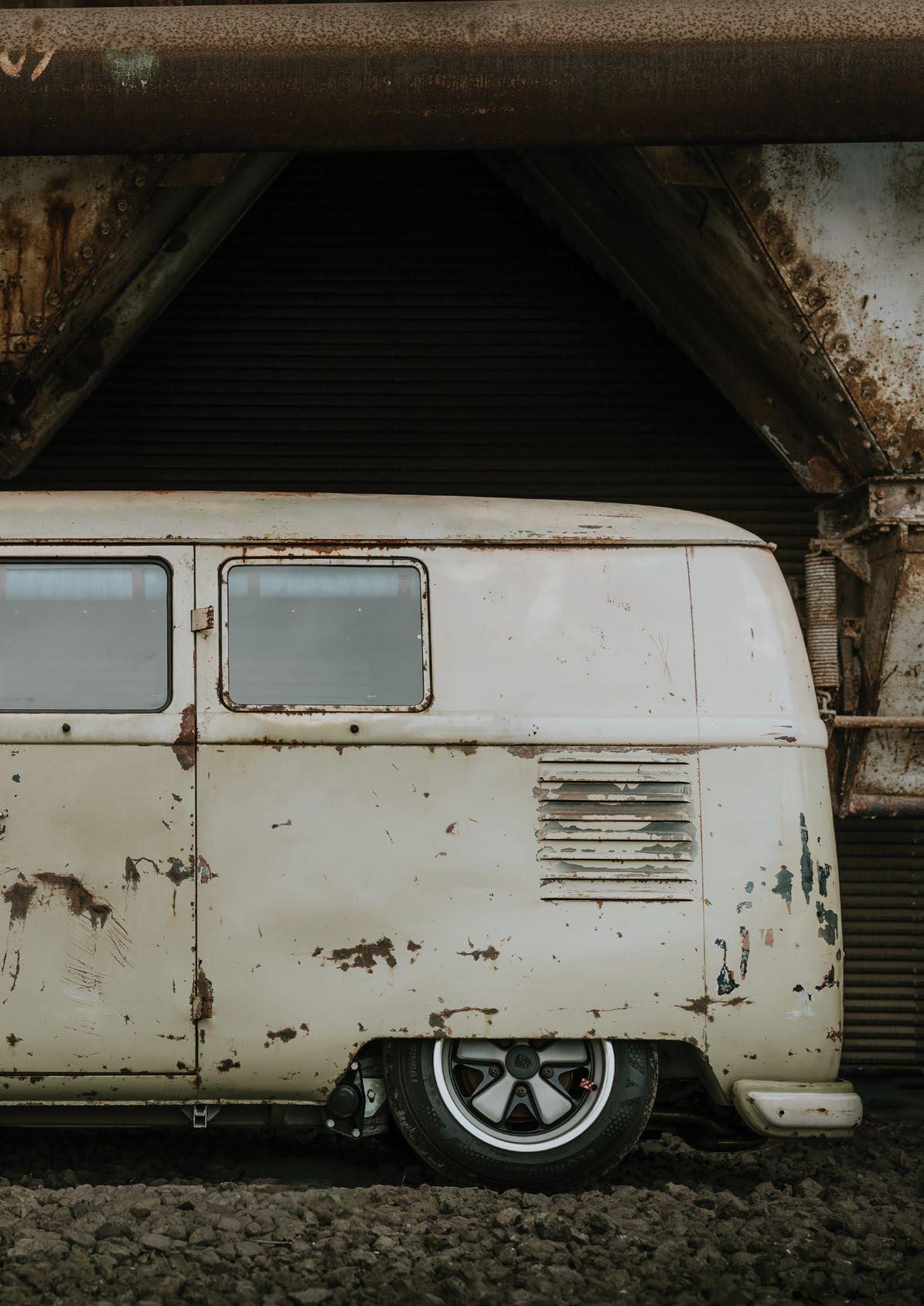
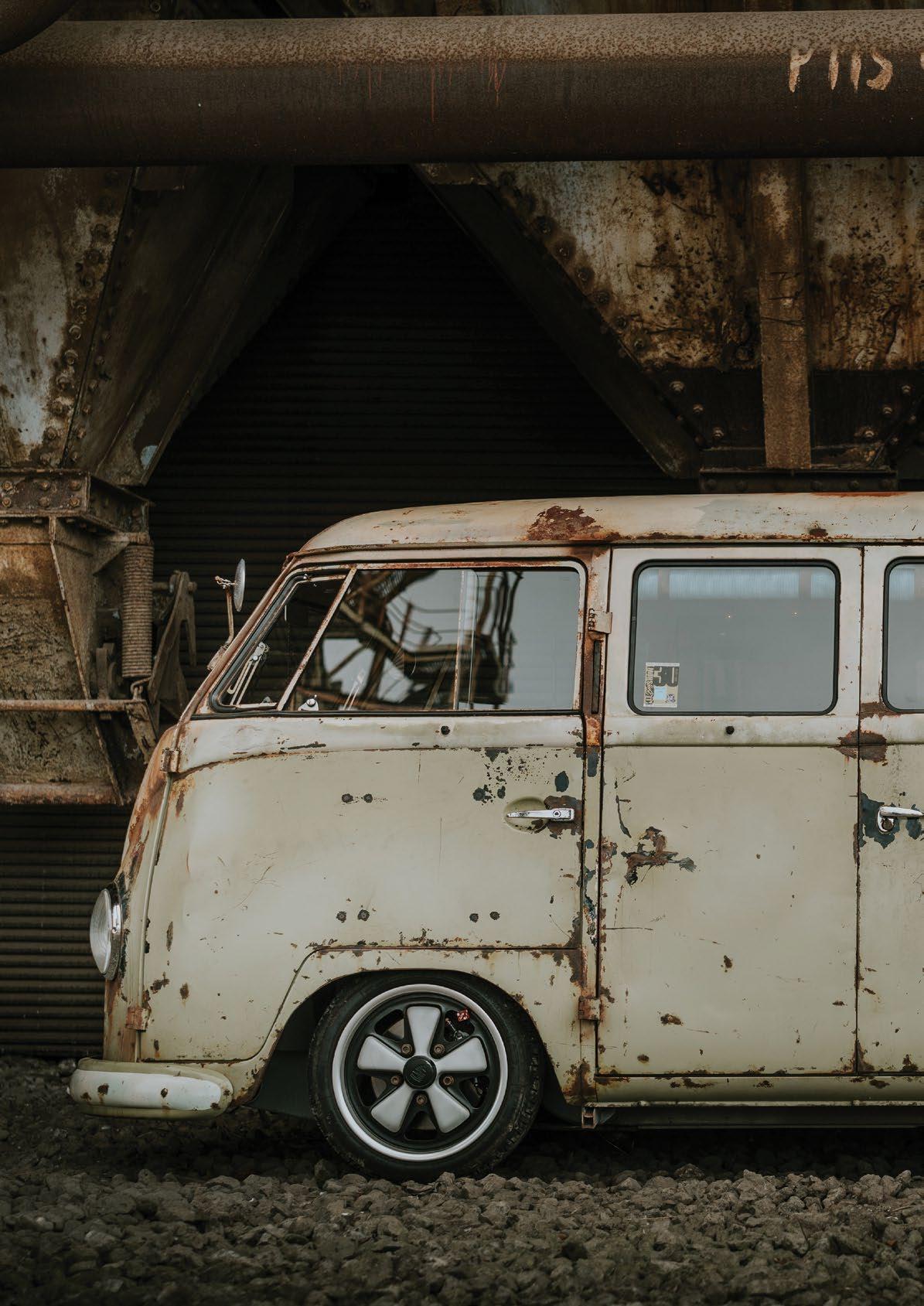
raw style finish). The distinctive patina on the bus was expertly detailed by Steve Parsons (AKA The Patina Blender). Originally leaving the factory in bare stock primer, the bus was later resprayed in Volkswagen’s “Mango Green”, a colour not introduced until August 1958. The reason behind the repaint and what the bus went on to become is still a bit of a mystery, adding another layer of intrigue to its story (please let the guys know
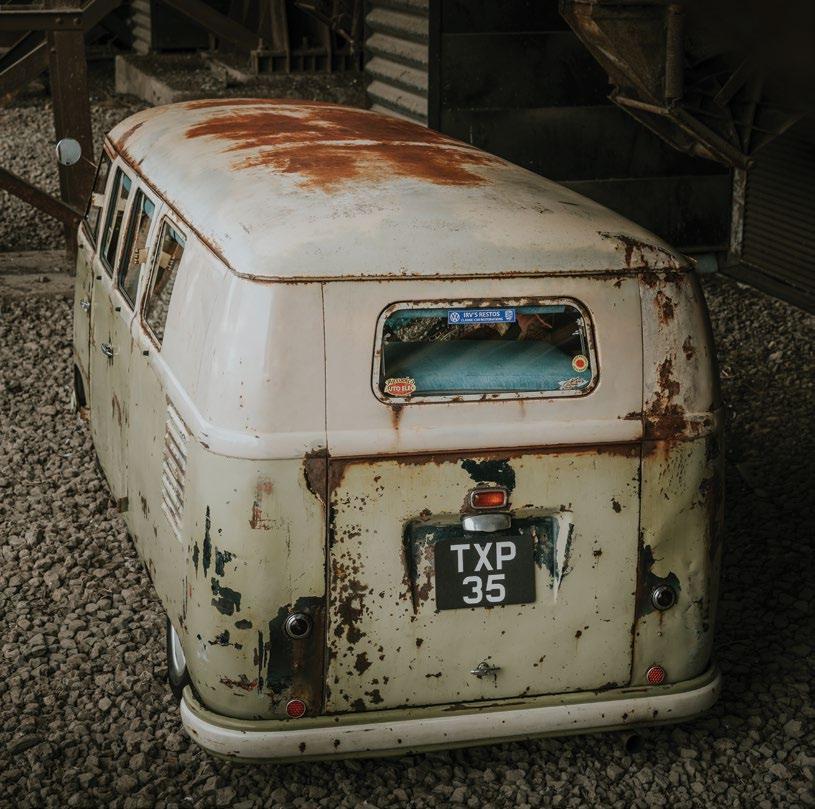
if you have any info). Steve was kept busy doing his thing and it just looks incredible; combining the paintwork already complete at Irv’s as well as everything else it has been sympathetically restored and the bus really looks as good as it does over these pages.
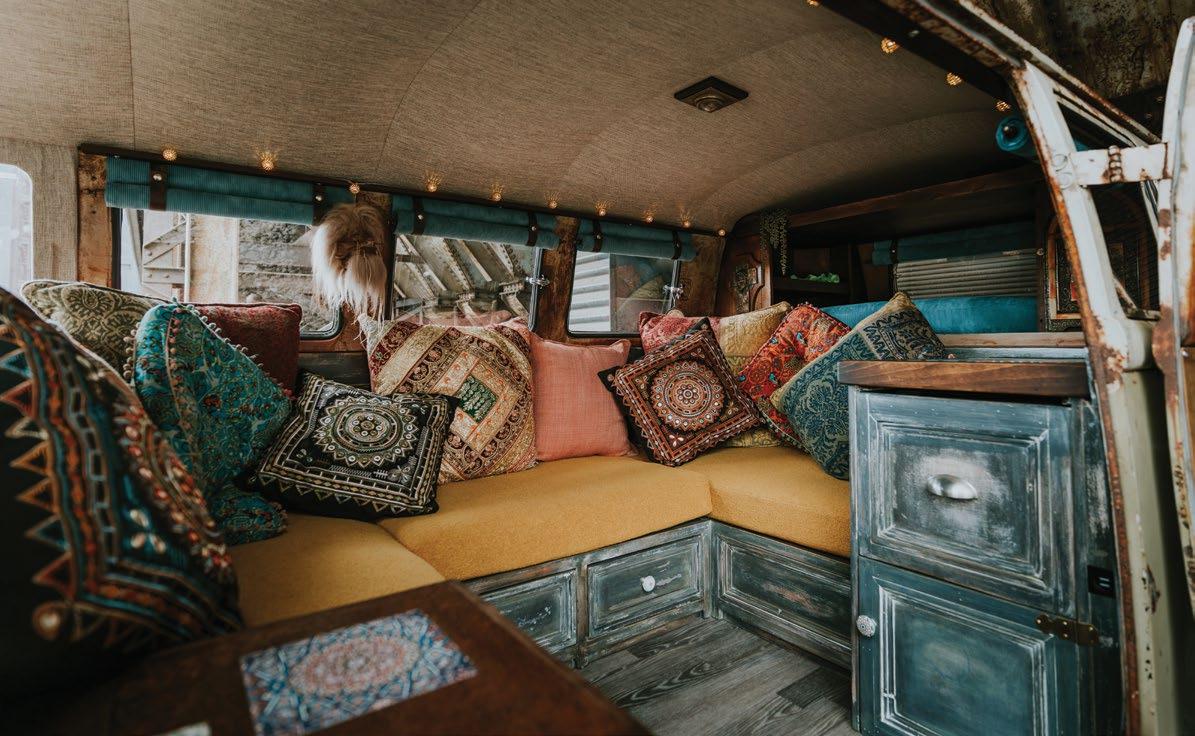
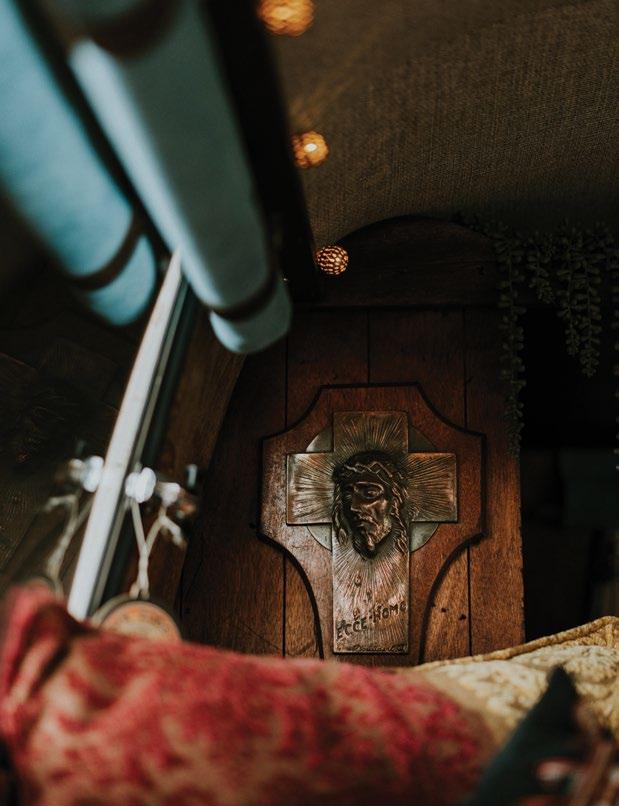
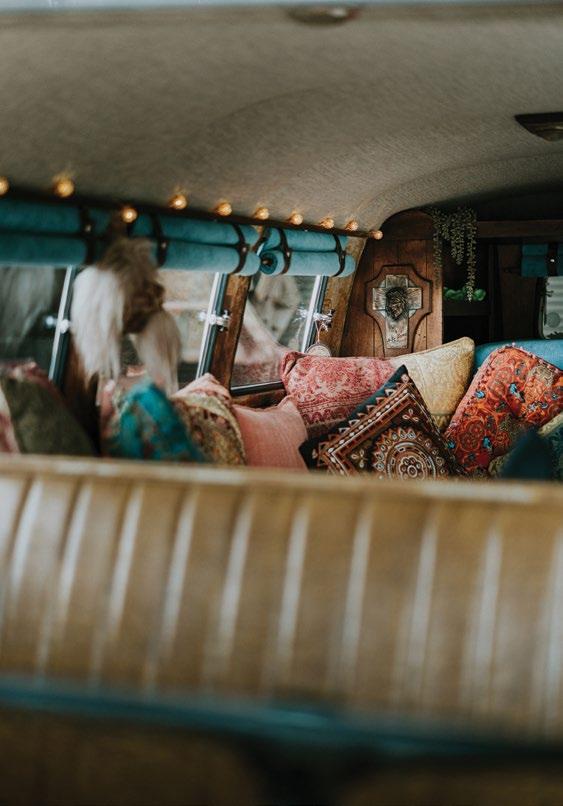
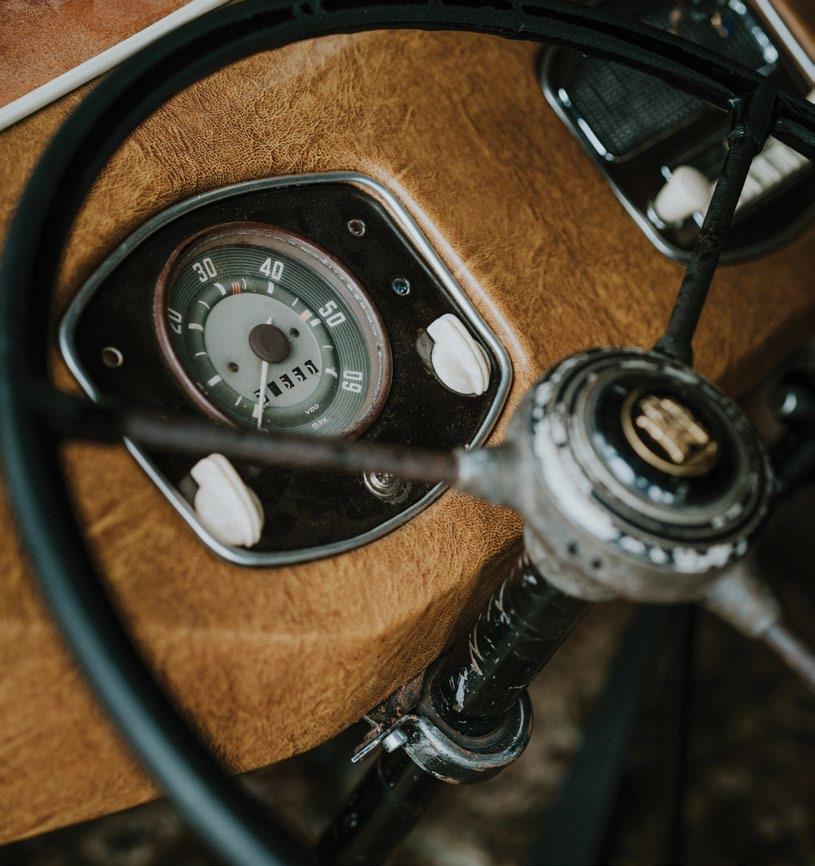
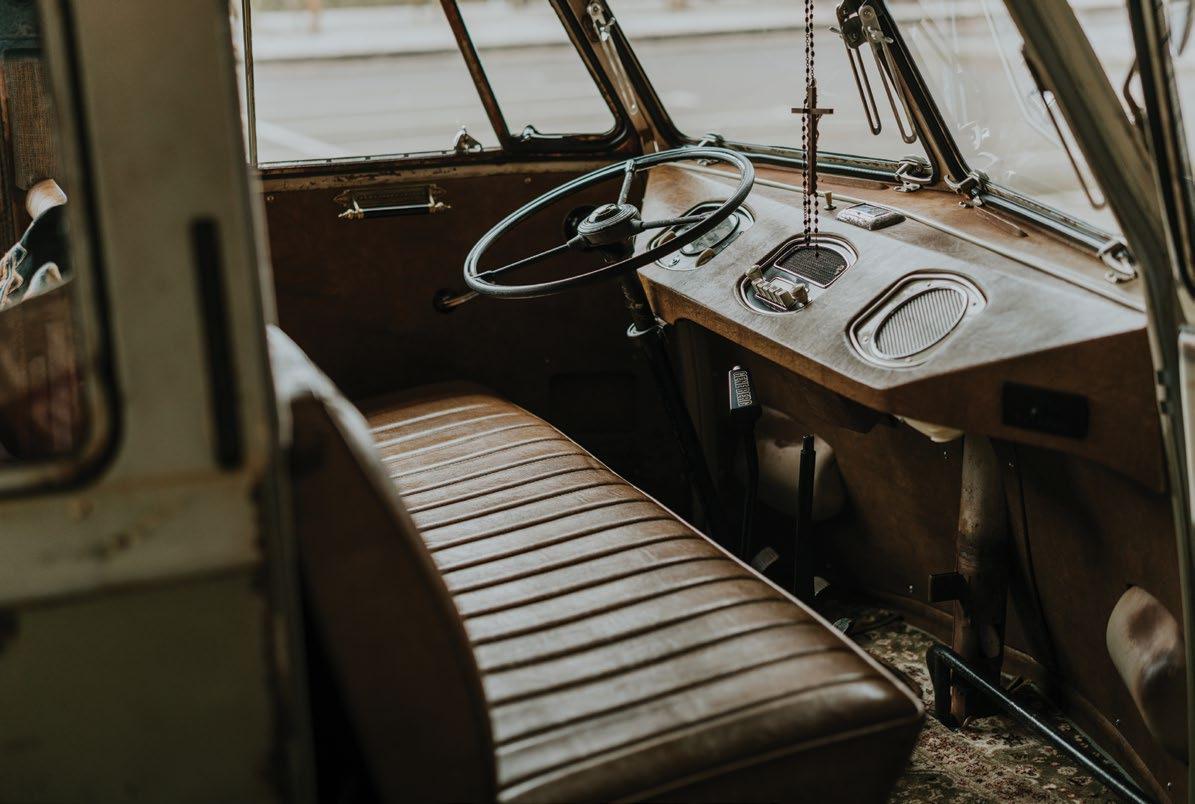
Keith and his team at Ken’s Custom and Richard Booth handled the interior. This was one of the biggest “wowfactors” for me; the attention to detail is just immense. The whole concept was to give it a well-travelled and Mediterranean vibe while keeping that “well-used” look. Putting a new interior in this bus would not work aesthetically and they both wanted to put in their own personal requirements. I think they’ve nailed it, and it’s clear that Jade and Biddy love it, although the creature comfort Jade would not negotiate was the fridge which has now caused nightly arguments about space in the back! Another big (and non-negotiable) tick was the Deluxe dash, which meant tracking down expensive extras. But they both made it clear that it’s part of the story of this Barndoor.
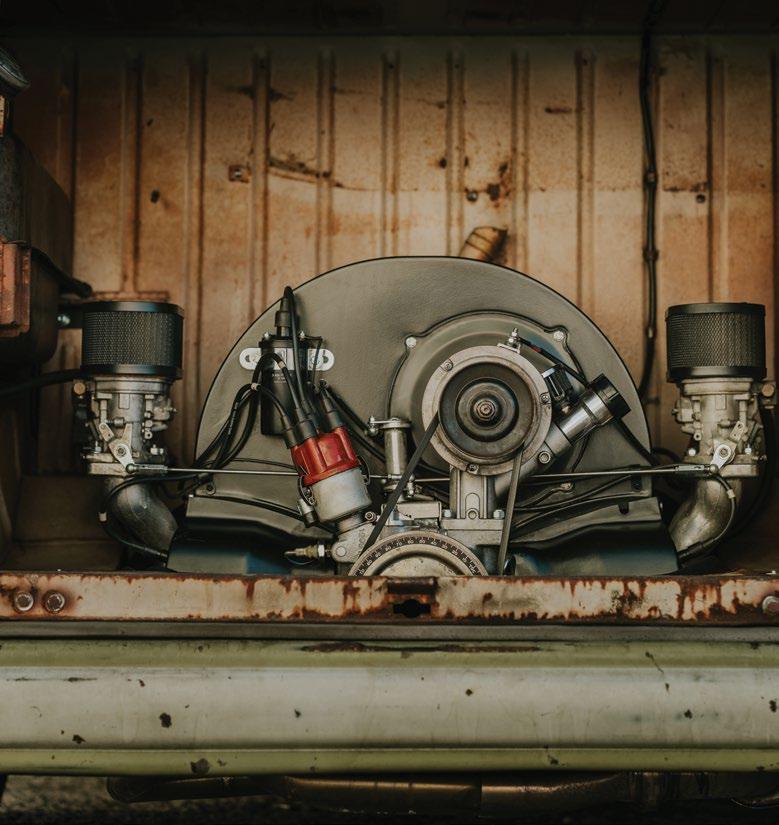
John Gurney built the 2276 engine with 44idf Webers, Scat crank and Scat cam, something that Biddy really wanted. More thanks go to Iain Burns for the wiring. Michael Hausman built the custom exhaust and John Walklett built the gearbox. Leon at Creative Engineering also helped out with front and rear safari windows and made the pop-out frames.
The bus then came back home to JLC Autos HQ where Jade and Biddy pieced it all together. There were late nights, stubbornness and plenty of laughs involved in turning a rolling shell into a complete bus, but they turned everything around in less than a year. That is one hell of a build. From being a forest find to the ’54’s debut at Le Bug Show 2025, the bus was rolling up and down the
Belgian hills with barely 60 miles on the clock. This is how JLC do things, and they do very cool things indeed. The whole build from start to finish was a team effort. Jade and Biddy found a unique way of offering jobfor-job services to get things done quicker, cheaper and easier. Like a “bus-in-kind”, so to speak. I think this is brilliant!
So what’s next for the team at JLC? There’s “always another project”, apparently. A ’58 Swedish Beetle with welding is nearly finished. Jade has an amazing Single Cab which I’ll be really excited to see around the shows next year (you’ve GOT to do it now, Jade!). She explained that it is very shiny, immaculate, and waiting for its debut. The debate is where, though? I am looking forward to it a lot. Meanwhile, they’ve got a Chevy C10 truck for American days at some local shows in Yorkshire and a steady stream of customers’ work keeping the ramps busy.
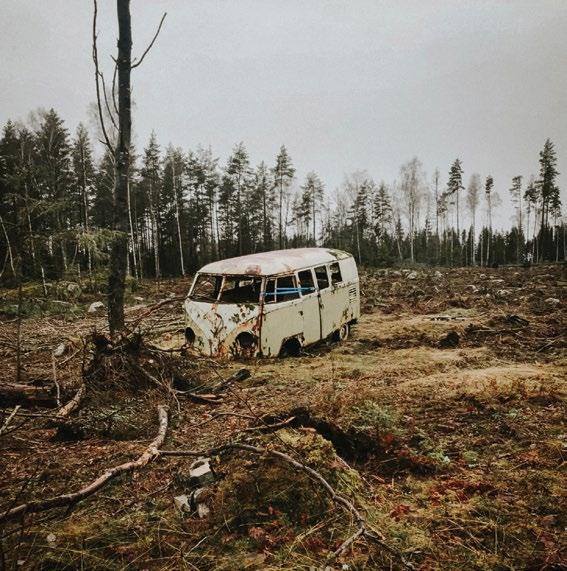
But for now, the Barndoor is the one. A rare survivor with the right amount of patina, a great aesthetic and which has now has received the JLC touch.
As Biddy sums up: “It’s the memories. That’s what I’m looking forward to most with this one. Making memories.” And knowing Jade and Biddy, there’ll be plenty
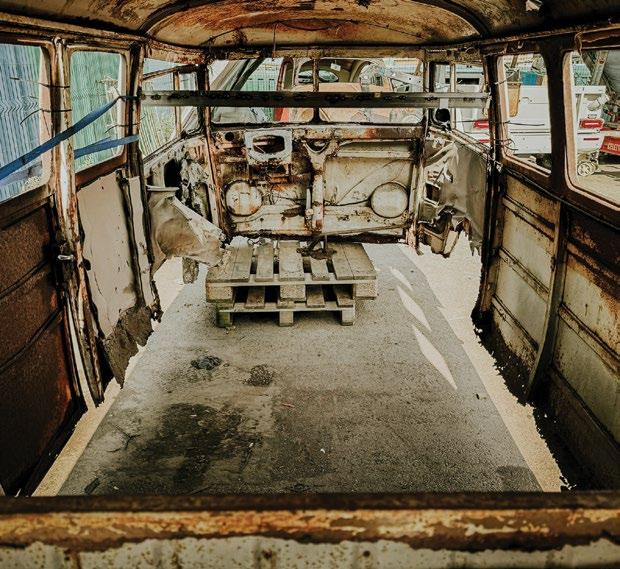
more of those to come. They also want to shout out to the young enthusiasts out there: Carry on through the blood, sweat and tears. It will be worth it when you drive your air-cooled and see the smiles on the faces of passers-by; it really is worth it.
Jade and Biddy would like to thank Michael Shepherd and each
and every person involved in this build. Most of them have been mentioned in this article. A special thanks to Irv for the introduction to the bus.
And we at Hayburner thank you guys for building such a great bus and for letting us feature it.



WANTTOADVERTISEHERE?PLEASEEMAILadvertising@hayburner.co.ukFORDETAILS
Restoring aircooled VWs since 2001
Servicing, inspections and MOT’s
Lowering and mechanical upgrades
Modification and fabrication
Auto electrics, split charge systems and 240 volt hook-ups
For all air-cooled VW’s and transporter generations
Vehicle valuations
Call for FREE friendly advice WANTTOADVERTISEHERE?PLEASEEMAILadvertising@hayburner.co.ukFORDETAILS

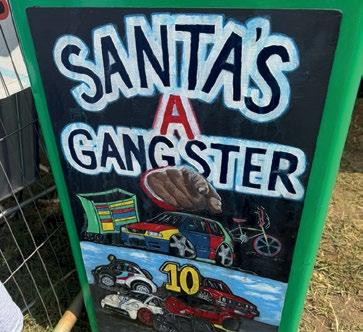
The team at Volksmagic needs little introduction; a name firmly established in the aircooled VW scene. The Birminghambased workshop is also behind one of the community’s most inspiring charity appeals; Santa’s A Gangster.
It all began when Lee Southerton and his wife Katrina donated a couple of gifts each Christmas. When Katrina’s workplace organised a collection for FAST (Family Adolescents Support Team), Lee mentioned it around, and soon presents started arriving at Volksmagic. Within weeks, vans were being filled, and “Santa’s A Gangster” was born and an annual appeal helping families and children in need at Christmas. For Lee, it was also a way of giving back to social services for the support they’d once shown him.
Over the years, SAG has grown massively, with over 100,000 new gifts donated that Lee and the team are truly proud of, and so they should be. A turning point came when Lee’s nephew Dale suggested raffling off his own Mk1 Golf Cabriolet, giving someone who could never normally afford such a car the chance to win, while raising funds to bring Christmas cheer to kids that really needed it. The car raffles have become a cornerstone of the appeal ever since.
This year marks a triple milestone: 10 years of Santa’s A Gangster, 30 years of the Polo Harlequin, and 50 years of the Polo. To celebrate, Volksmagic has built a Harlequin 6N Polo for the raffle.
Finding the right car wasn’t easy, but a 1995 5-door was eventually sourced near Heathrow. The seller loved the cause, even offering a discount. The car had been in the same family since new, originally owned by the seller’s mother, who would have turned 100 this year. Restored with support from trade partners, the car has been named “Nessy” in her honour.

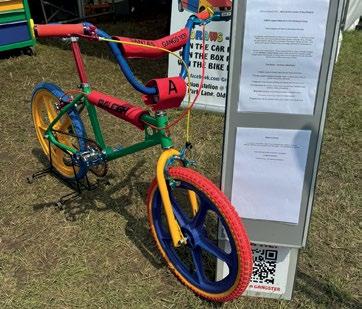
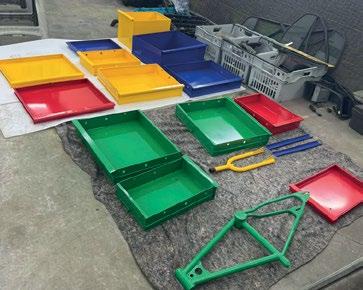
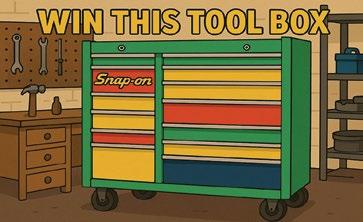

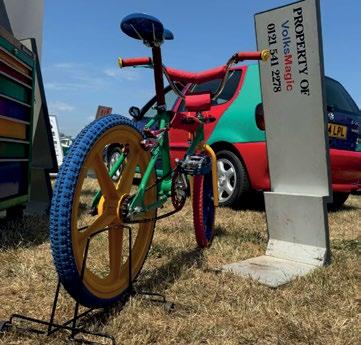
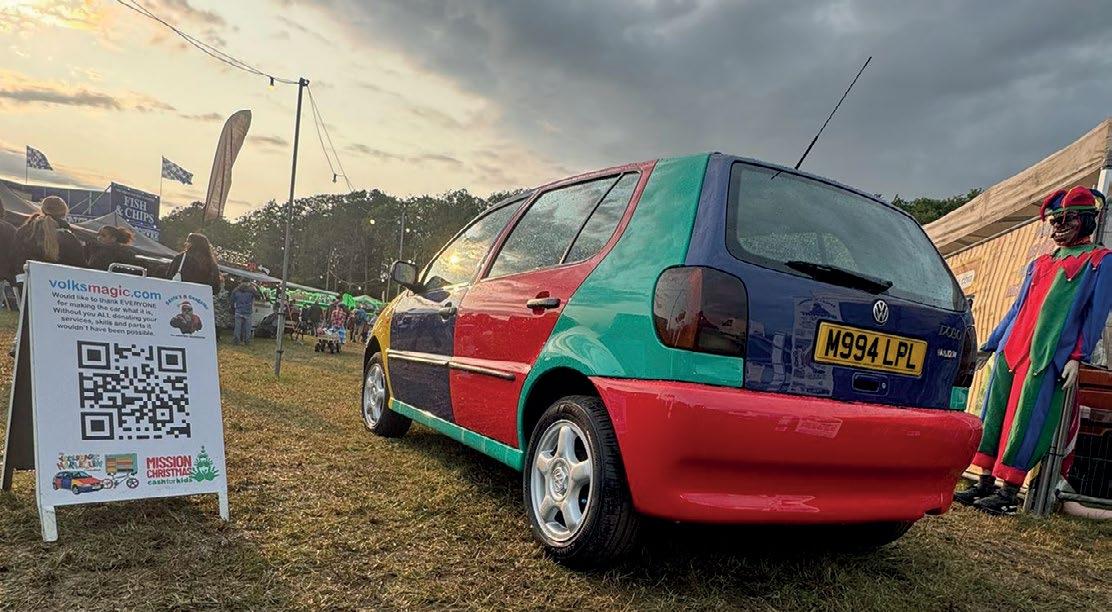
The Volksmagic Harlequin Collection!
This year’s raffle features a full Harlequinthemed line-up:
* Snap-on Tool Box Set – with cantilever lamp and vintage machinist’s stool (£3 a ticket).
* Raleigh Night Burner BMX – donated by Matt Pinker, fully restored as the “Harlequin Burner” (£2 a ticket).
* Volksmagic Polo Harlequin (“Nessy”) –headline prize (£5 a ticket).
The grand draw takes place in December (date TBC) with a live auction and ticket pull. The collection launched at Bristol Volksfest and will appear at shows throughout the year.

Tickets are also available online at volksmagic. com and santasagangster.co.uk, with toy drop-off points listed on the SAG website. At VDubs in the Valley, two huge live auctions will also be hosted from the main stage by Garry from Buzbeats/Beer Buz and VDITV, with Lee himself on the mic.
Now in its 10th year, Santa’s A Gangster continues to prove just how much the VW community can achieve; turning passion for cars into something that makes Christmas brighter for thousands of children. Well done guys, we wish you all the luck and we will be getting our own tickets very soon!


WANTTOADVERTISEHERE?PLEASEEMAILadvertising@hayburner.co.ukFORDETAILS



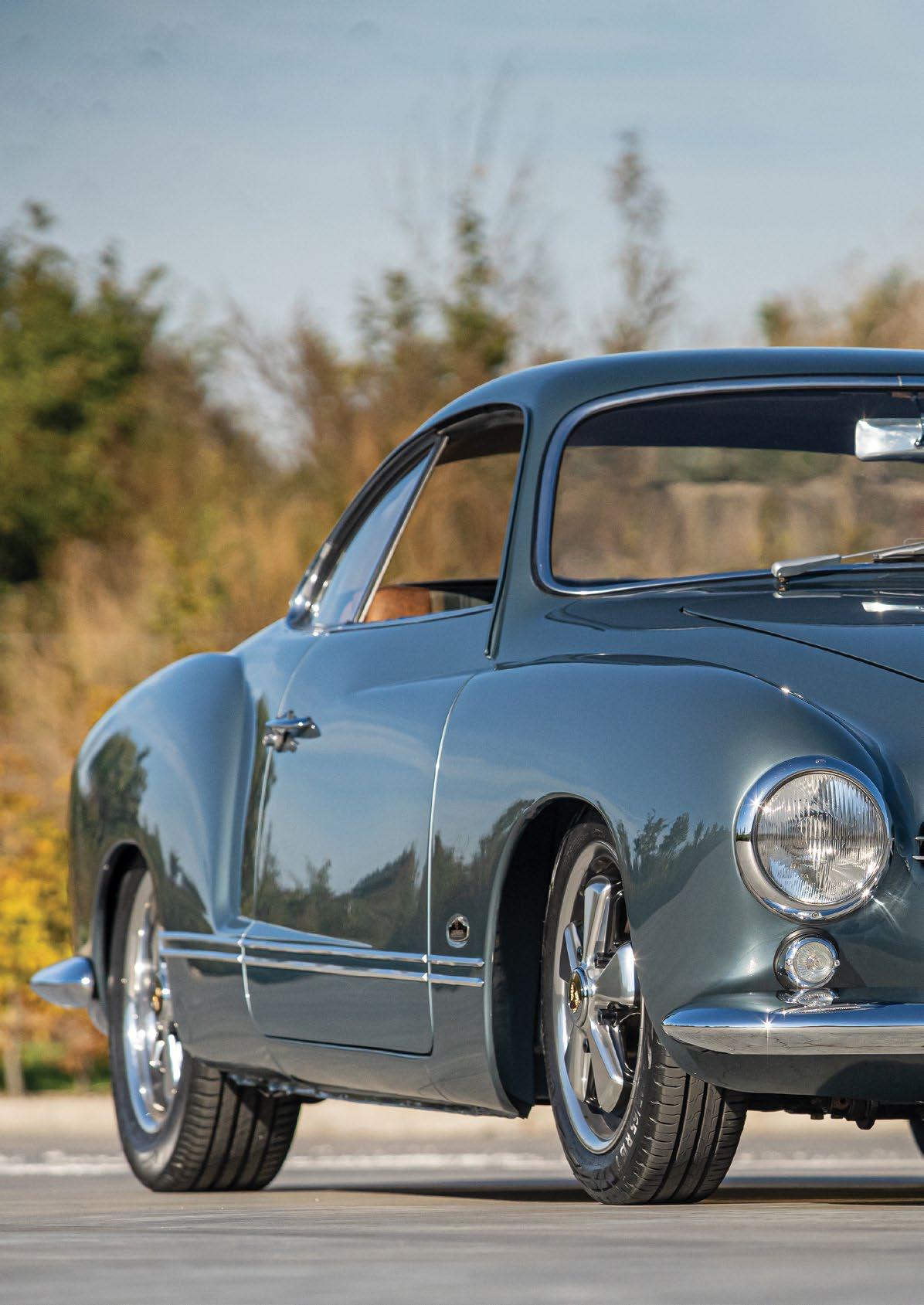
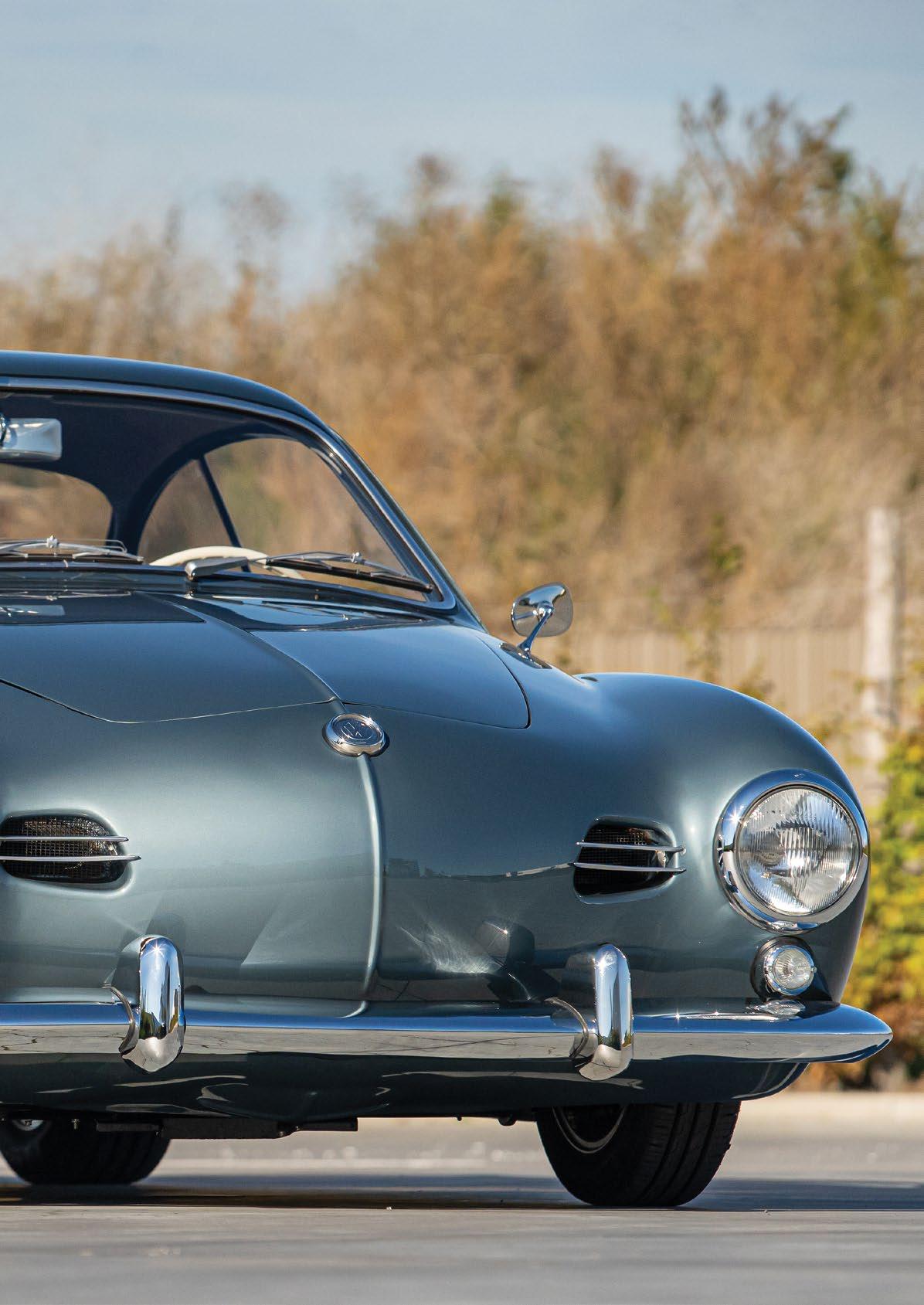
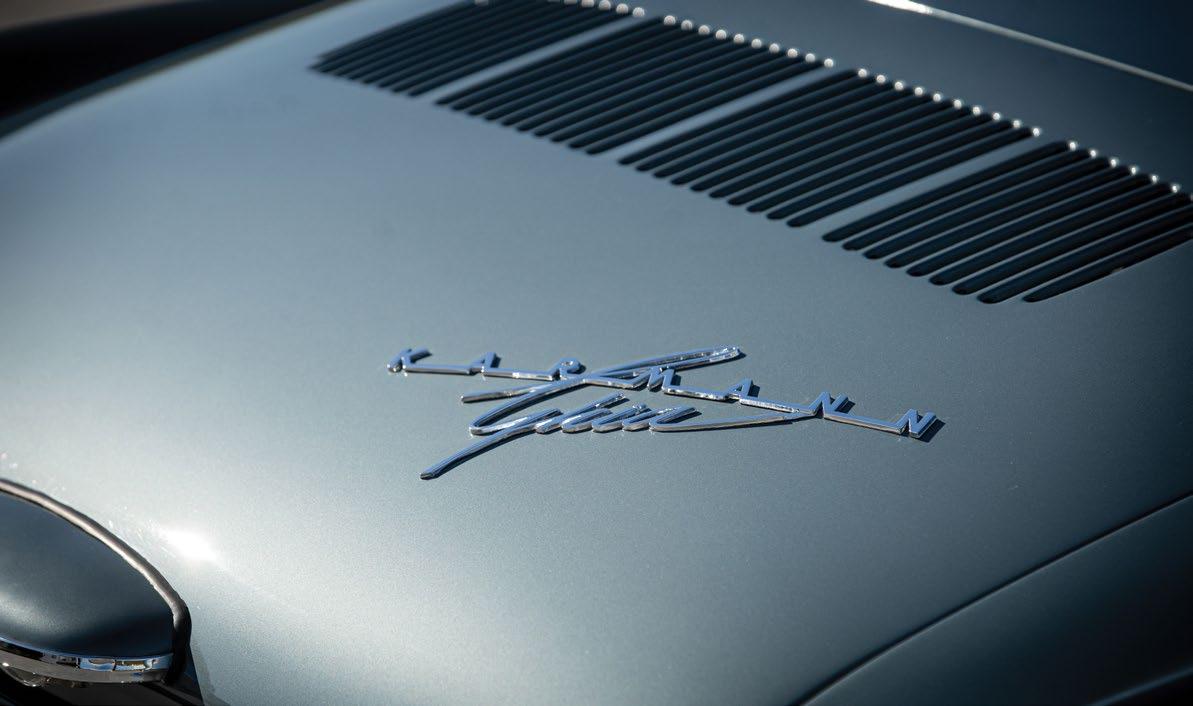
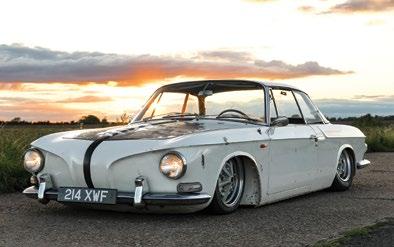
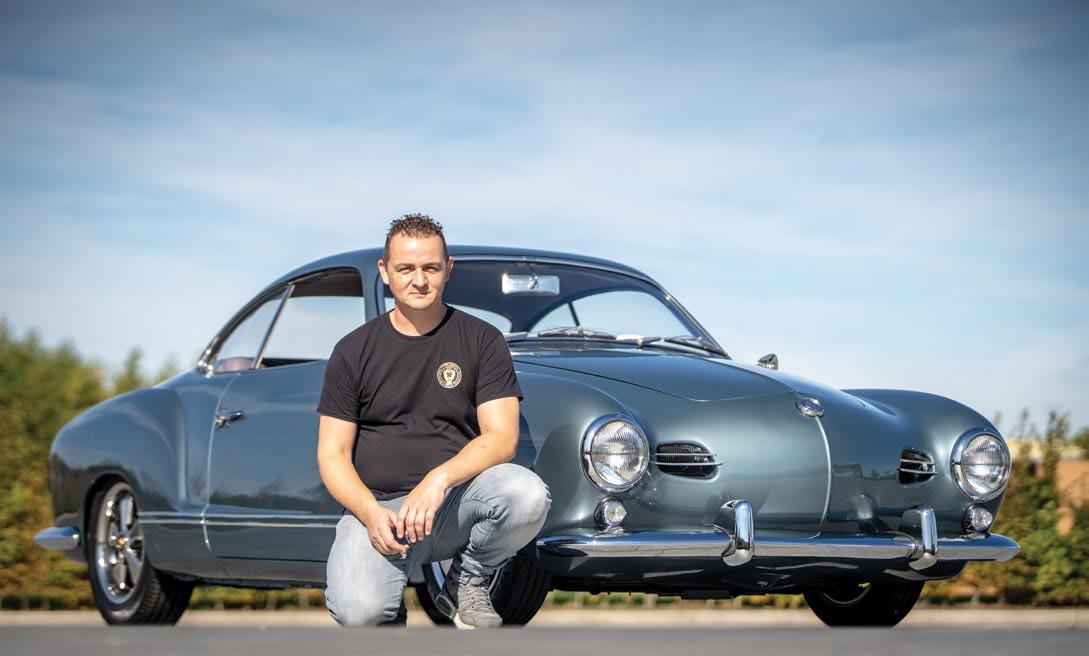
Many Hayburner readers will already know how it all began with Melvin and Kenneth Anno and their 1950 Split Beetle, and how their journey in the European VW community evolved – building some truly exciting cars and even venturing into drag racing. Over
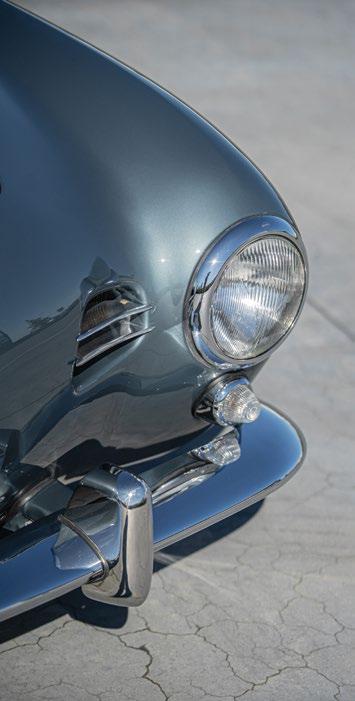
the years, they have become synonymous with innovation and dedication in the VW scene. Melvin has been kind enough to give us the full lowdown on his latest creation, sharing the story from first inspiration to the finished show-winning car.
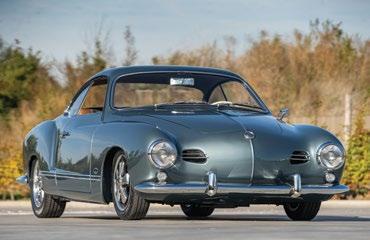
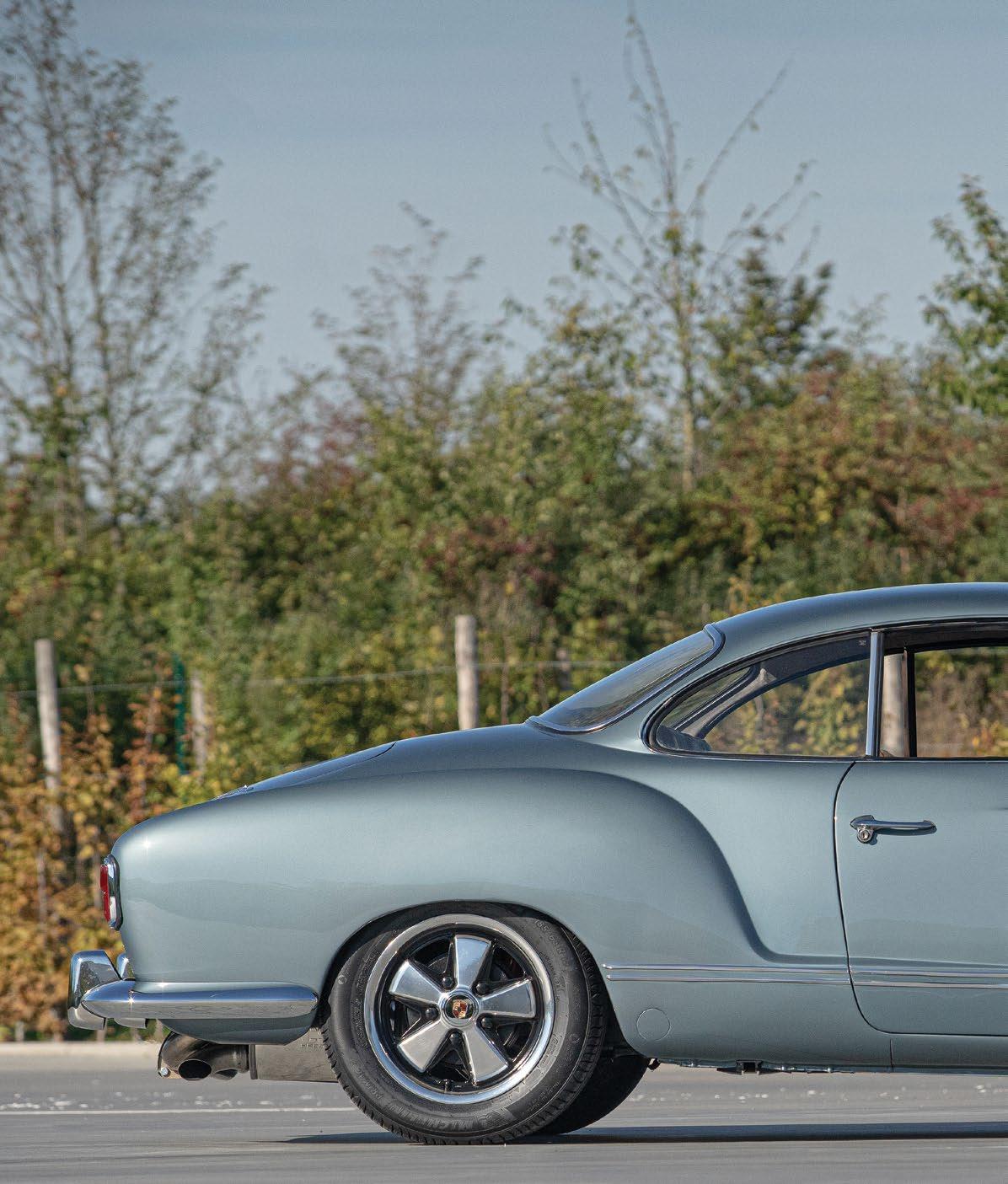
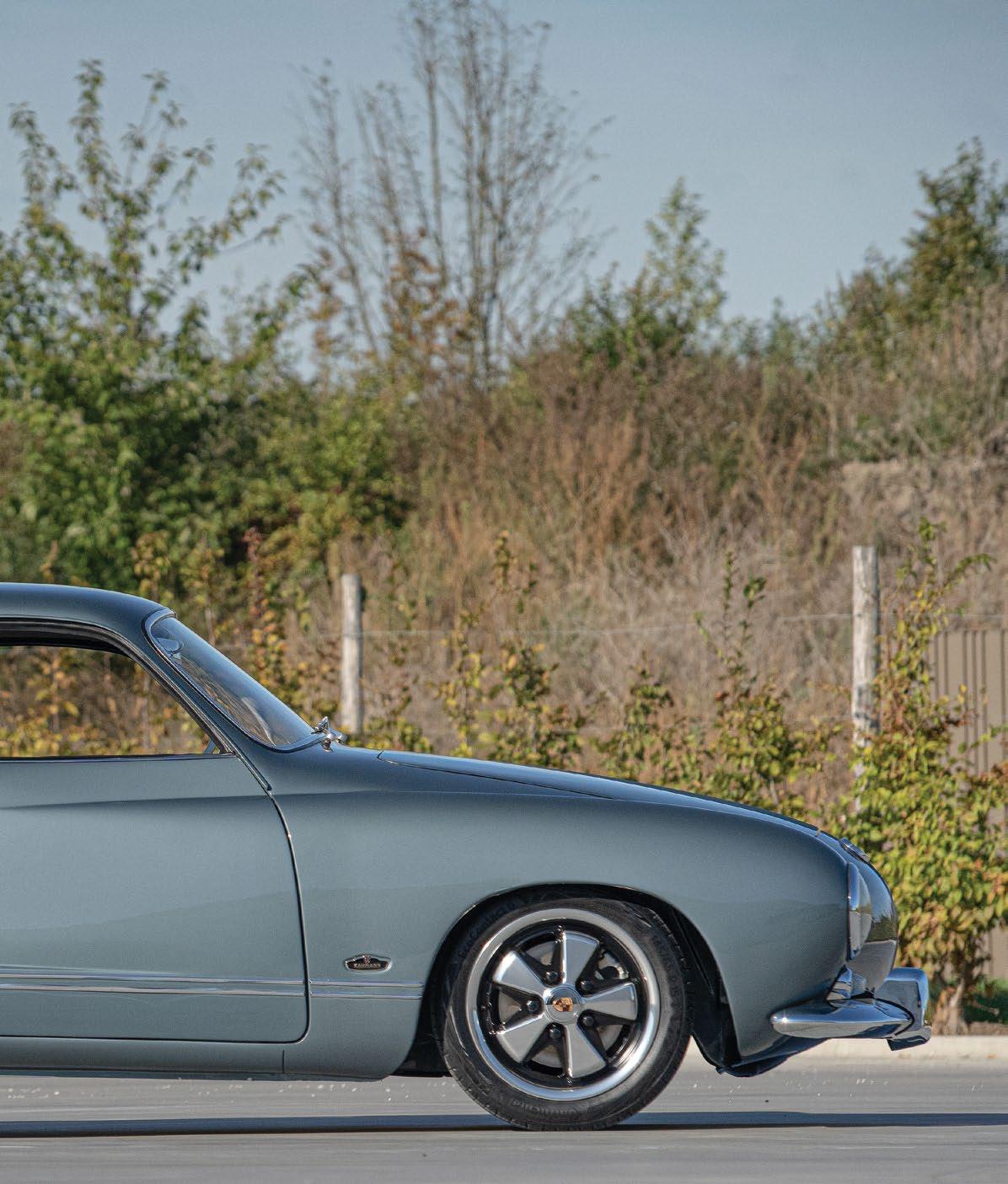
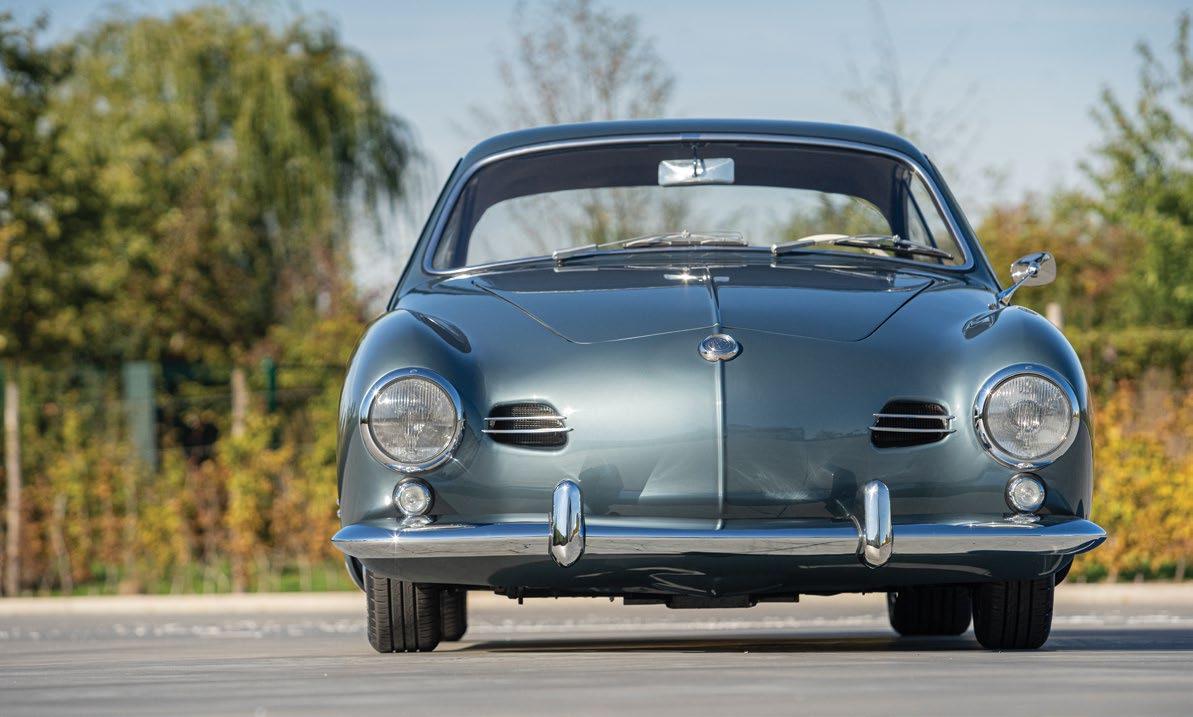
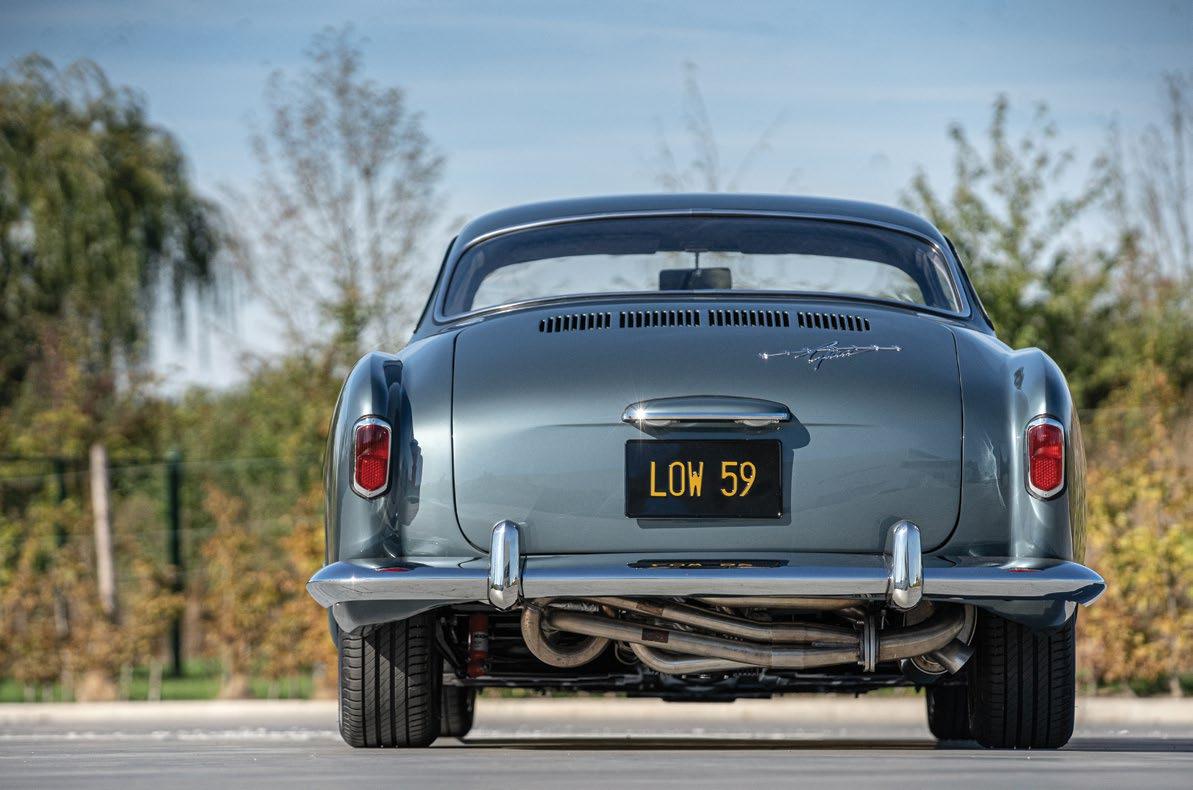
“I had been thinking for some time about adding something new to the VW collection”, Melvin explains. “A Karmann Ghia Lowlight had always been a dream of mine. Around that time, we decided to sell Limejuice, the drag race Beetle that Kenneth and I had

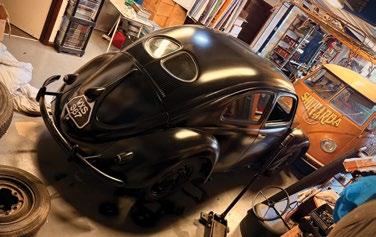
built together. Not long after, we received a trade offer from someone in Italy: our Beetle in exchange for a 1956 Belgian Oval Beetle which, according to its history, had spent its first years on the road in our very own region of Belgium.”
The swap was arranged without engines, so the motor was removed, and Kenneth drove to Italy to complete the deal. Once home, the Oval was customised to their tastes: the interior was refreshed, a new set of wheels was fitted, and the 1915cc drag motor
was rebuilt for versatile street and strip use, giving the car both performance and personality.
Meanwhile, Melvin had also picked up a 1957 Lowlight project. With too many cars and limited storage space, the decision was made
to sell the Oval. Soon after, they were contacted by Californian Classics (UK) with an intriguing offer – a swap, plus cash, for what would become their Dolphin Blue Lowlight. The trade was agreed, the Oval was driven to England, and the Karmann Ghia returned home to its new family.
There was a brief moment of indecision: should they keep the 1957 Lowlight project or focus on the 1959
Lowlight? “A first-world problem, I know,” Melvin laughs, “but in the end, we sold the ’57, and I carried on with the ’59.”
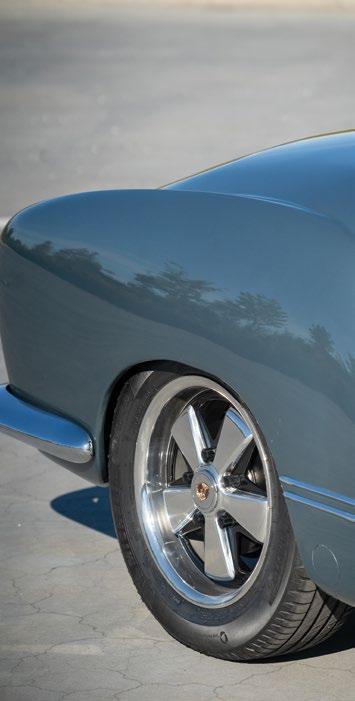
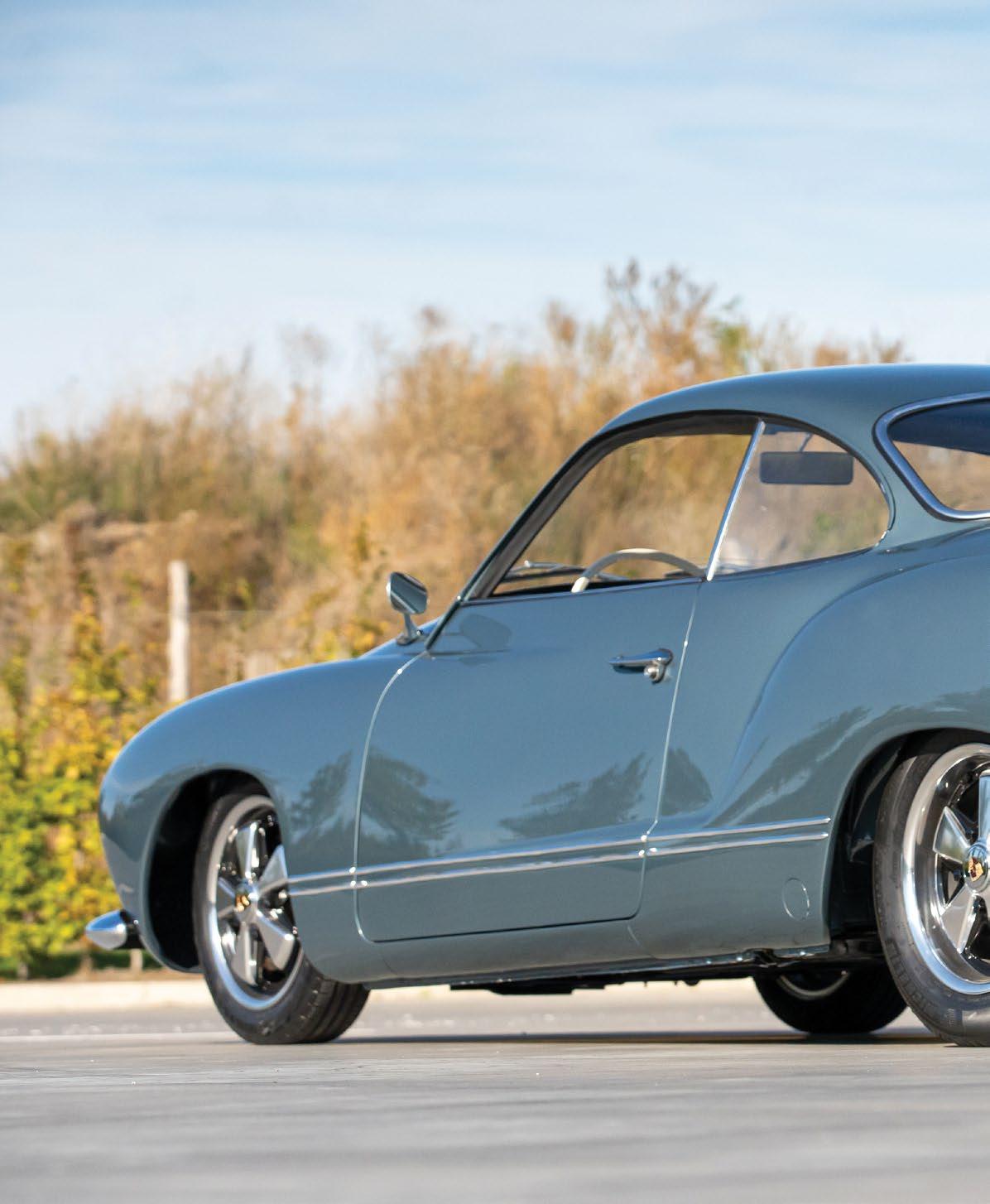
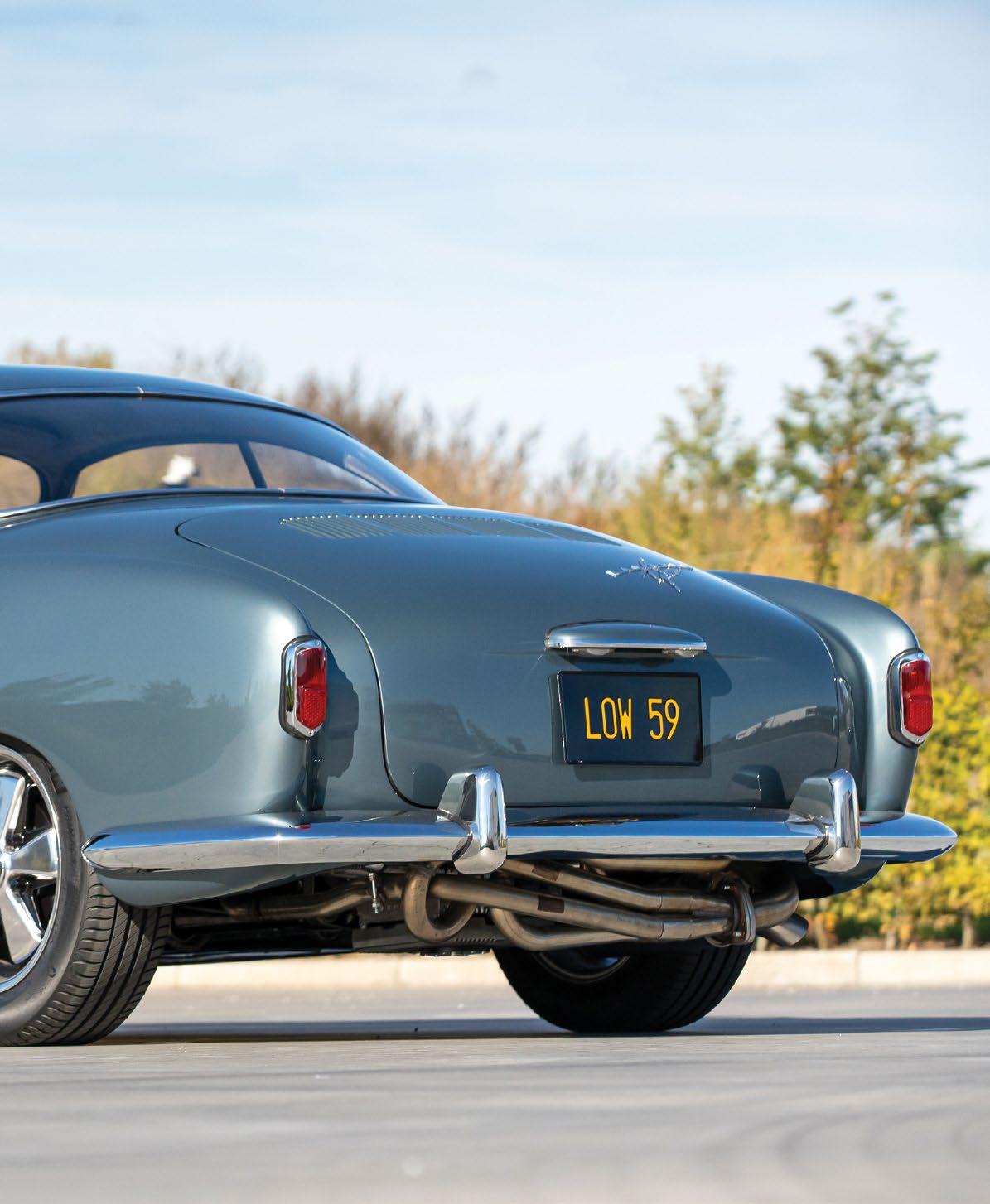
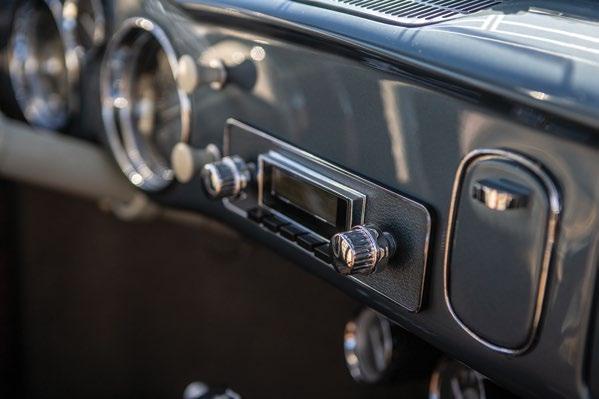
The car was already restored, but Melvin had bigger plans. It was lowered using a narrowed front beam and fitted with 4.5” and Deep 6 Fuchs wheels, giving it a sleek, aggressive stance. The engine that came with the car was adequate, but not quite powerful enough
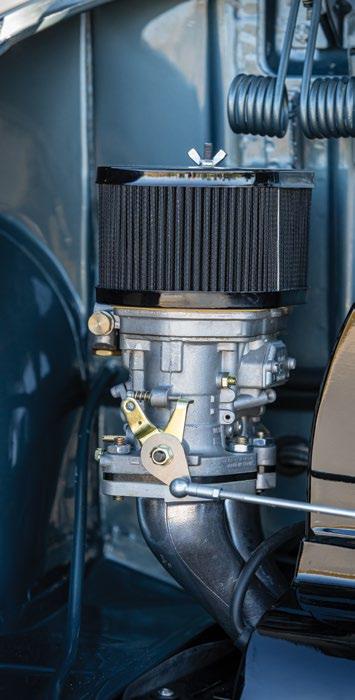
for his taste. During a search for a new power-plant, he came across BJ Speedshop (UK) on social media. They had just completed a new 2180cc engine with 44 IDFs, built to the following specification:
· 2176cc, AS41 case bored and decked for 94mm cylinders
· CB 78.4mm forged crank
· CB H-beam conrods 5.4”
· Engle FK8 cam with Thorsten Pieper tool steel cam followers
· CB straight-cut cam gears
· AA Performance 94mm pistons and cylinders
· CB Panchito cylinder heads
· AA 1.4:1 ratio rockers
· 44 IDF carburetors
The deal was struck, and once again Melvin drove to England to collect it, ensuring the engine met his vision for both reliability and performance.
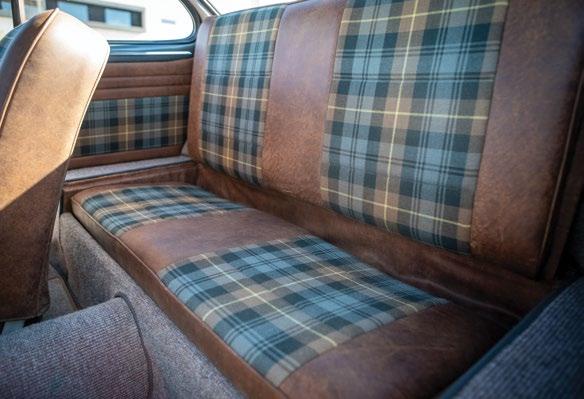
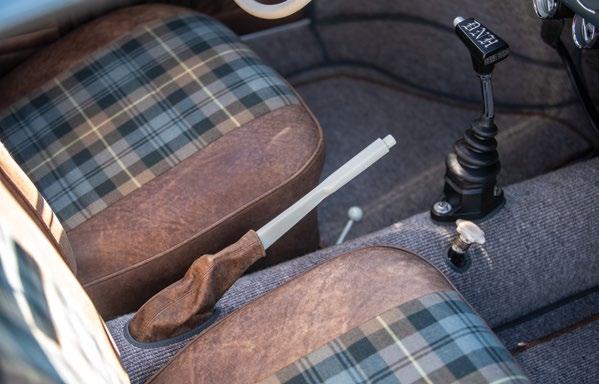
The interior was next on the list. Melvin enlisted the expertise of Top Stitch Garage, specialists in custom upholstery. His vision was to combine fabric and leather, and a unique fabric sourced from a German Porsche company was selected. Together with Top Stitch, they carefully chose the perfect brown tone, stitching, carpets, headliner and sun visors. The result was a bespoke interior, elegant
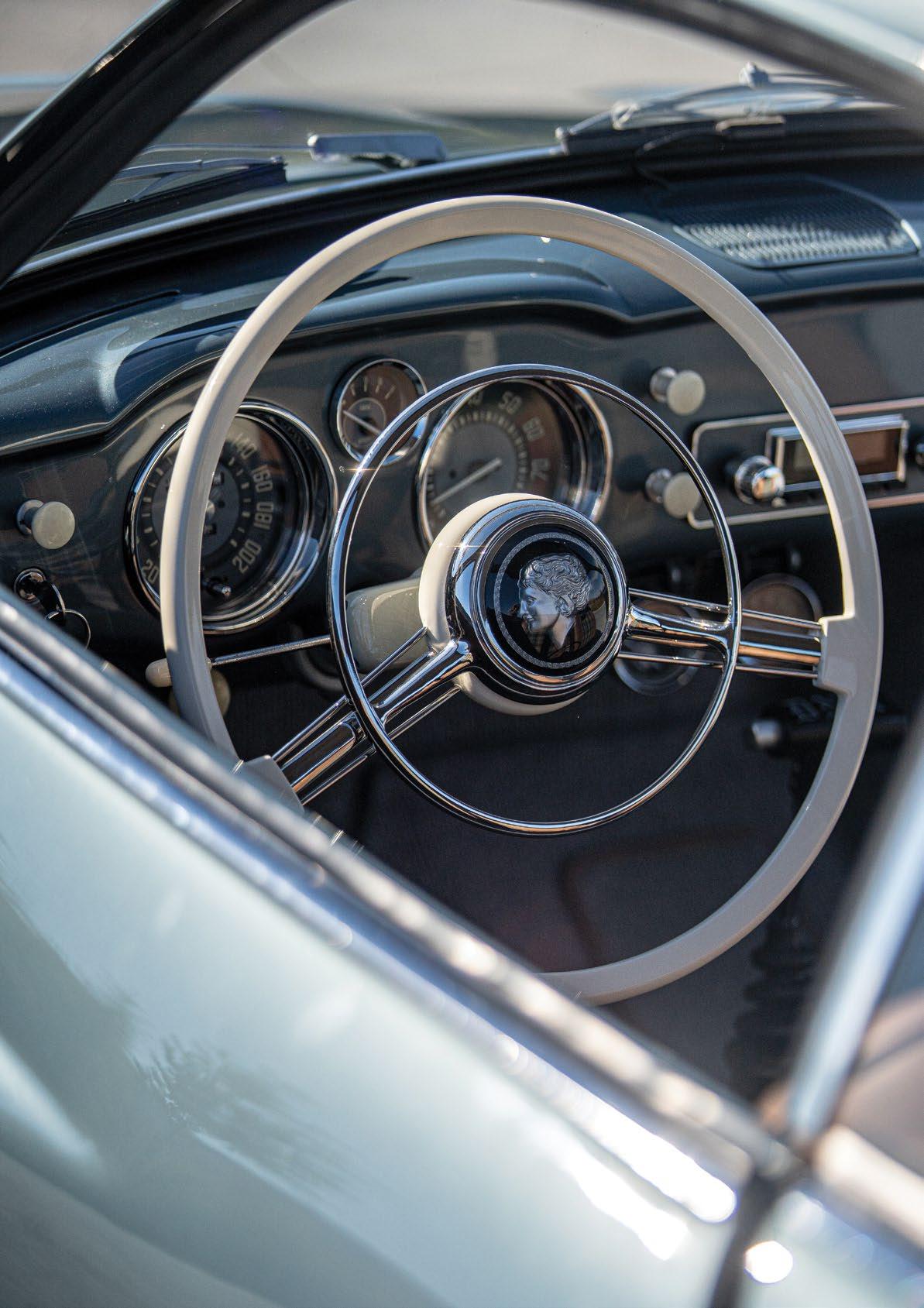
yet understated, complementing the car’s exterior and performance upgrades perfectly.
With the Le Bug Show deadline looming and his schedule as a self-employed plasterer, Melvin enlisted Sidney from Sid’s Bugs Barn to properly install the engine, while Filip Delrue handled the inspection to
ensure everything was perfect and ready for the show circuit.
The finishing touch was a full professional makeover. Melvin called on his friend Tim from Cardetailcorner, who meticulously brought the car to “better than new” condition just days before
the Le Bug Show. Every detail was attended to: the underside, body and wheel arches were polished in five stages; the front trunk and rear engine bay were given the same meticulous treatment. All surfaces – including glass, interior, wheels, nuts and exhaust – were coated with special protective treatments, resulting in a flawless, show-ready finish.
The transformation was complete. The car emerged completely transformed – better than new – and perfectly timed for the Le Bug Show. It didn’t take long for the car to make its mark: showcased at Le Bug Show Spa and the AirMighty Show in the Netherlands, it proudly earned two Top 20 awards, cementing its status as a true crowd-pleaser.
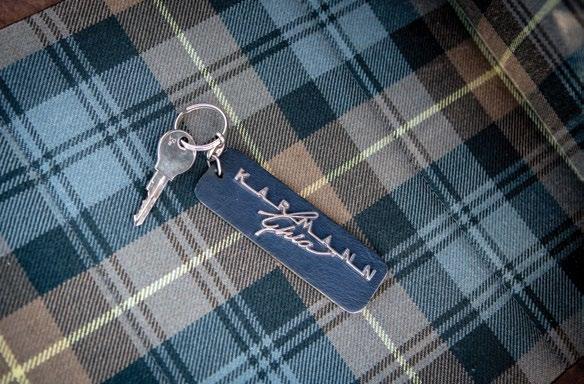
Melvin concludes by acknowledging those who helped make the project possible: “Special thanks to my girlfriend Charline and daughter Lyana for their patience and support, my brother Kenneth for his hands-on help and guidance, Top Stitch Garage for the incredible interior, Sidney from Sid’s Bugs Barn, Filip Delrue and Vito Versluys for their help on the car, and
Tim from Cardetailcorner for the meticulous polish and detailing. Each of them played a vital role in bringing this car from vision to reality.”



After the massive, sell-out success of the previous Midland’s Air-Cooled Swap Meets, we’re excited to do all over again and as it’s our 4th event, we thought, hey, let’s go a quarter size bigger!
The date for the next Swap Meet is Sunday 1st February 2026 and will once again be hosted at the excellent British Motor Museum in Gaydon, Warwickshire and we have agreed to hire more internal space so we can get even more traders in for you lucky folk.
The cash price for entry will remain at £6 per person, with 50p from each cash
purchase from the day going to the amazing Marie Curie charity.
As ever, our main focus for indoors will be on quality new and used air-cooled Volkswagen and Porsche related items. So whether it’s NOS/genuine used parts you’re after, or quality new items, we want you to come away with everything you need for your beloved vehicle.
The British Motor Museum is located in the heart of the Midlands, just a few minutes off junction 12 of the M40, so it’s within easy reach for all. This superb venue is set up for events like this and has its own dedicated
entrance and extensive parking for your air-cooled vehicles. We will still have the dedicated ‘air-cooled only’ parking section and also a cars for sale area.
Why not make a full day of it by coming along to the swap meet and then having a look around the BMM’s amazing collection of classic British made vehicles? (Separate charges apply).
We look forward to seeing you all on Sunday 1st February 2026.






WORDS BY DAN MORRISSEY PHOTOGRAPHY BY NED FAUX
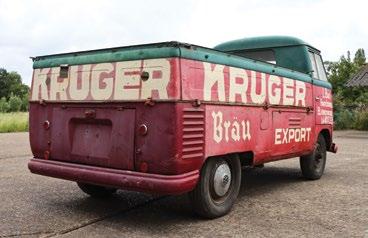
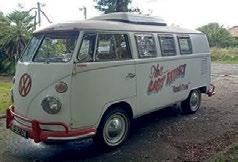
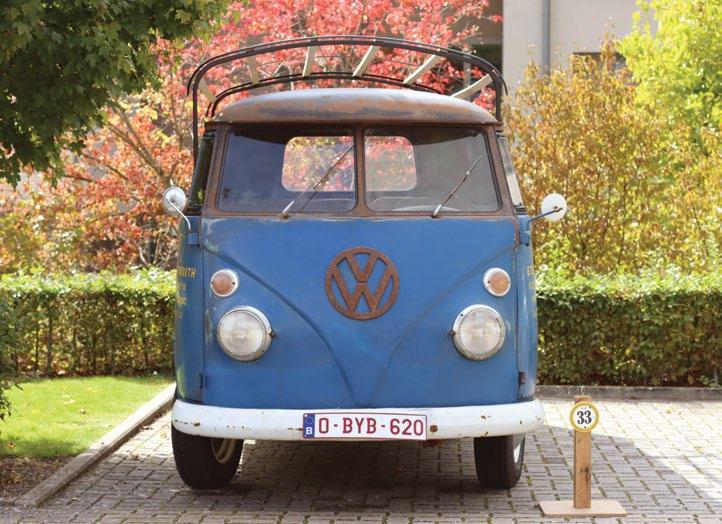
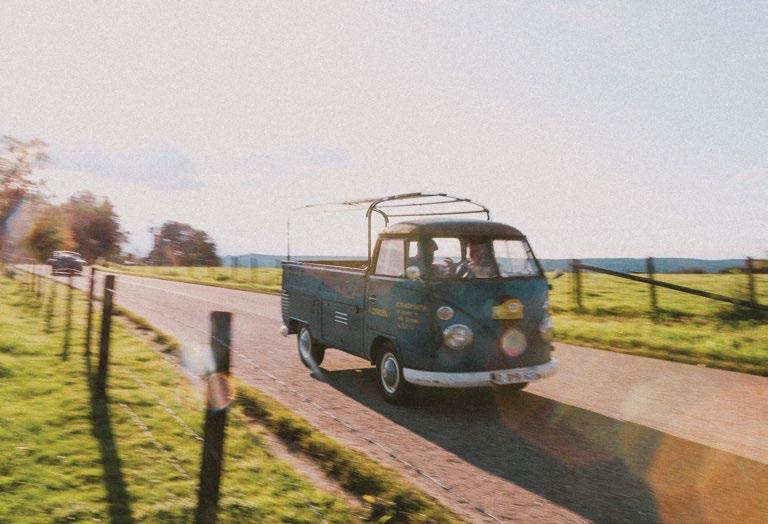
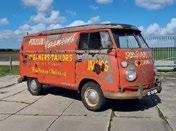
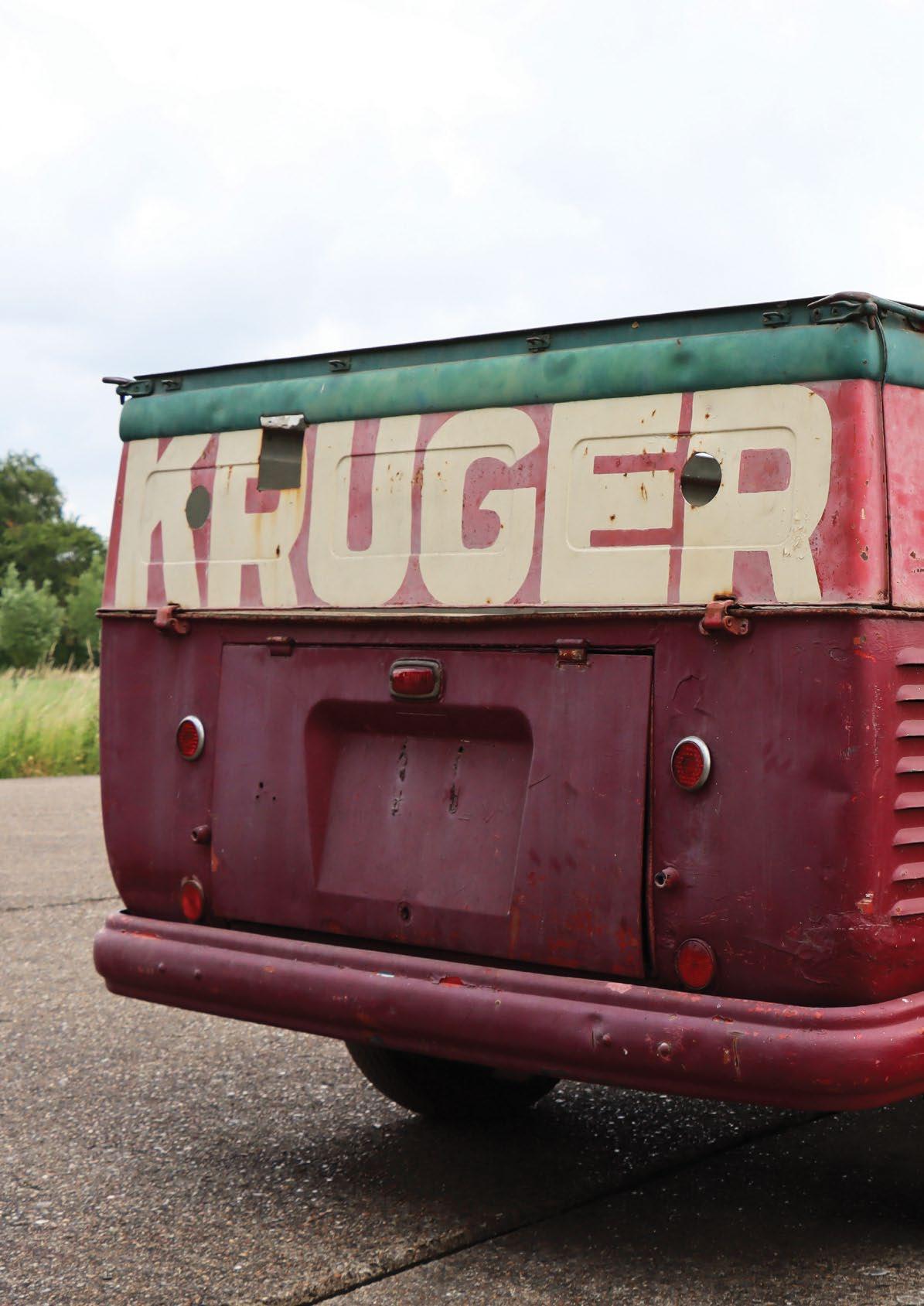
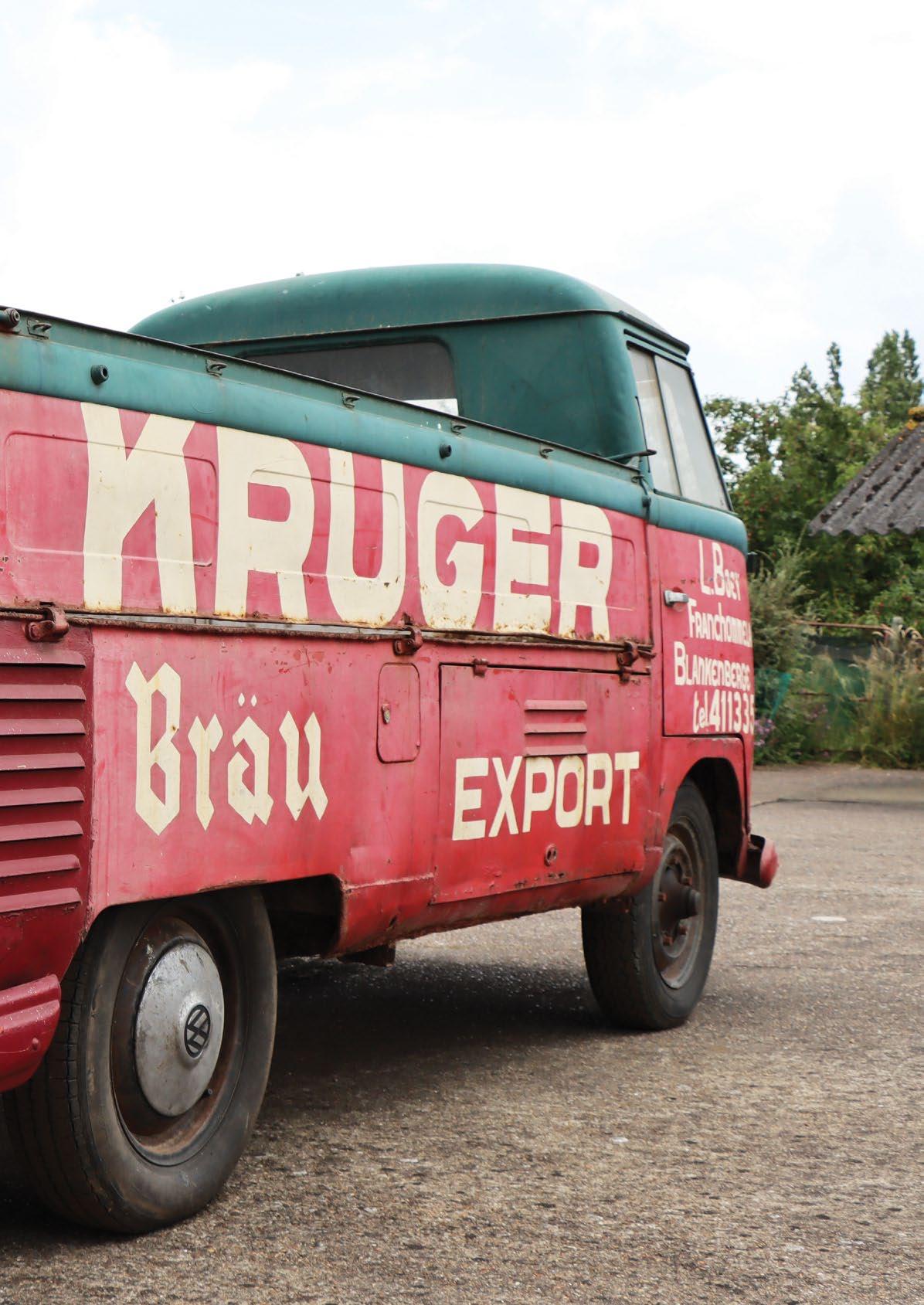
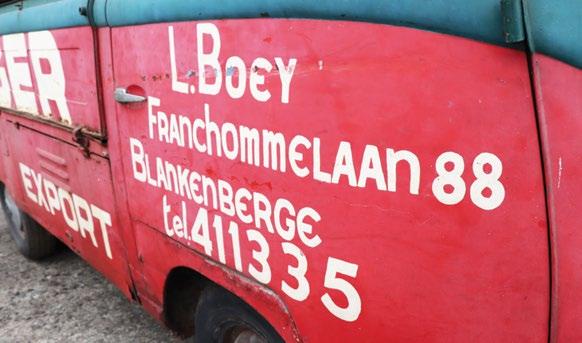
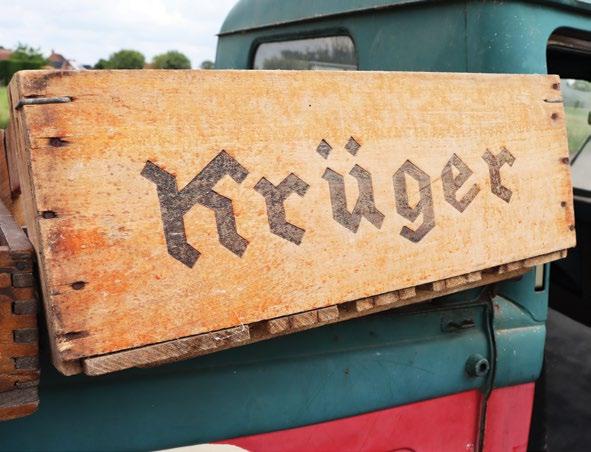
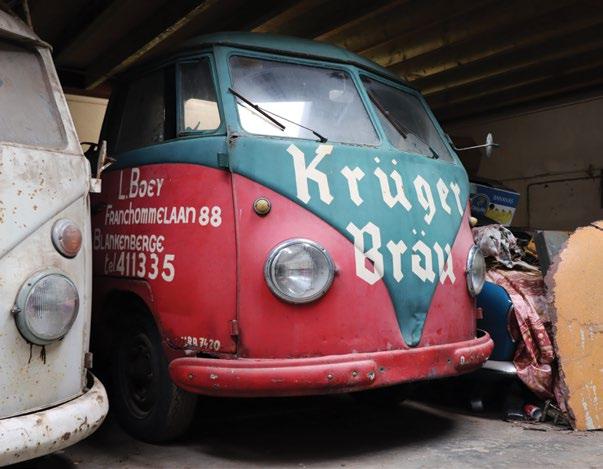
This bus is a very special, very rare, very original 1954 Barndoor Single Cab still wearing its original sign writing. Very cool, right? But it gets so much more interesting than just that. More often than not, sign writing is great to look at and adds something extra to these vehicles. However, unless they are big name logos, we might not necessarily get to learn a lot about the companies or the vehicle’s history, but with the Krüger bus we do. In fact we are getting
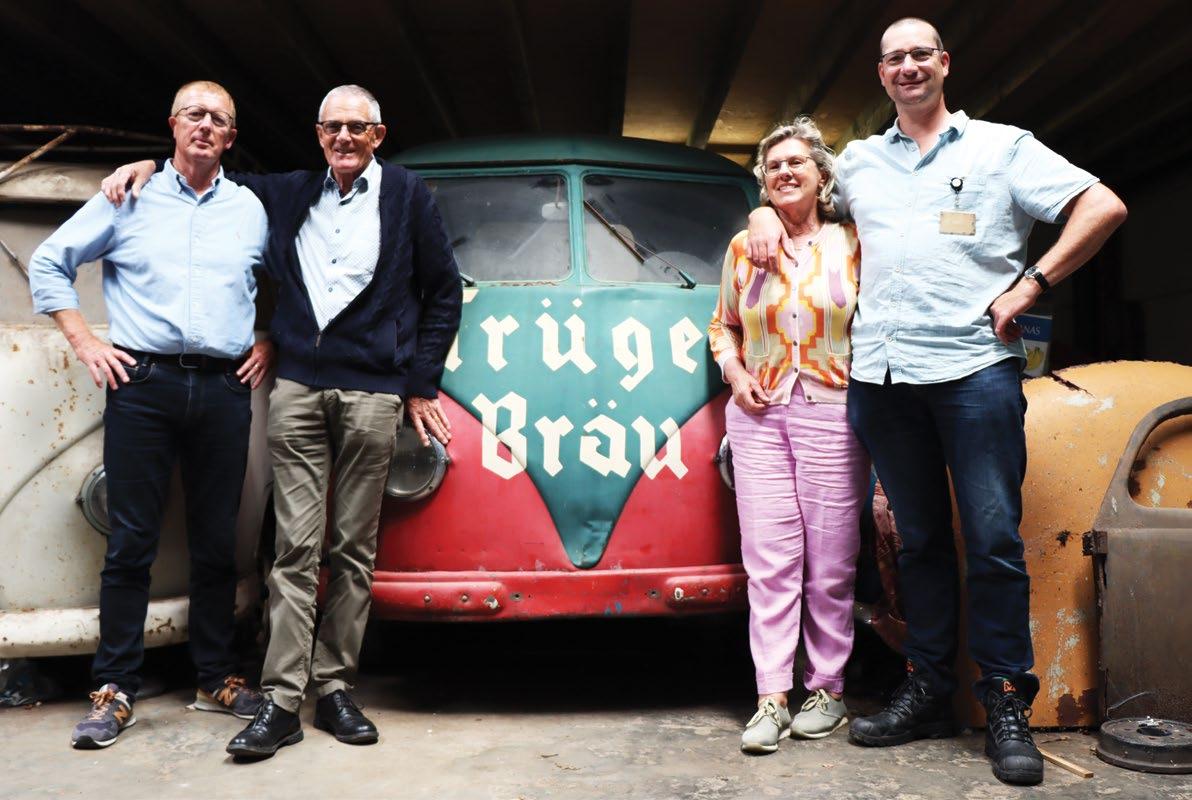
information first hand from the original owners. This is the fantastic story of the Krüger bus and how the original owners were able to meet with the current owner and swap stories about 70 years of history regarding this vehicle. Ned and Vic Faux were lucky enough to be invited to that very meeting.
Let’s begin with the origin story of the Krüger bus. You’re looking at a 1954 Type2 Single Cab, originally
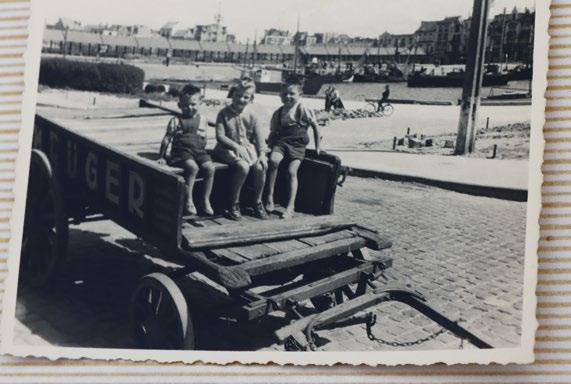
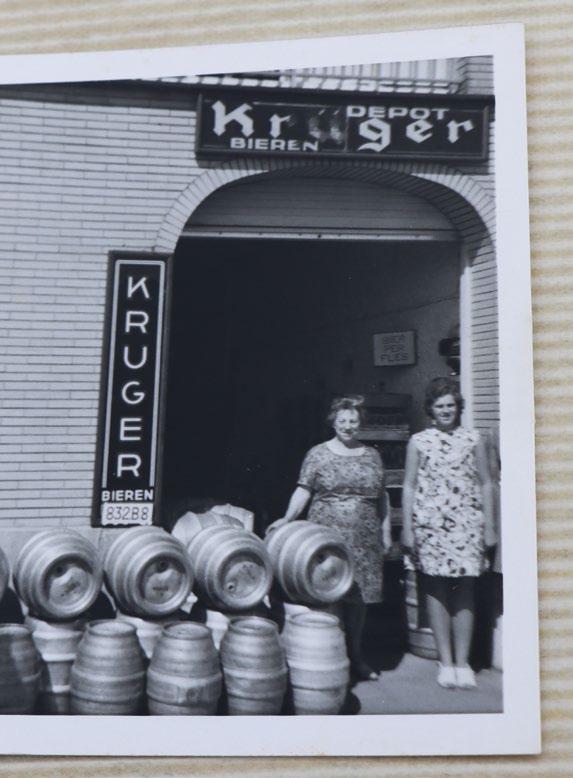
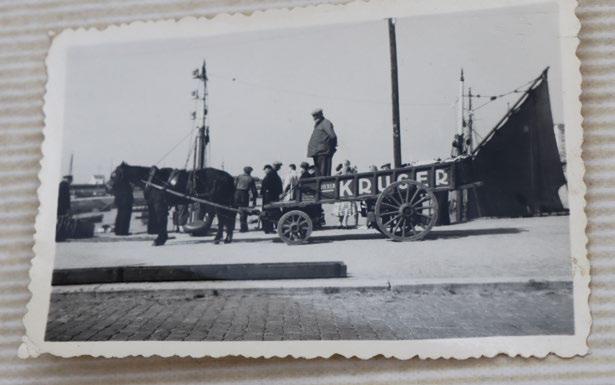
delivered from the factory in Dove Blue. When I said “original owners” earlier in this article, they weren’t actually the first people to own the bus but were in fact the second. The first few years of the vehicle’s history are unfortunately unknown, but what we do know is that in 1961 it found its way into the hands of Linda De Mey’s father. He was a mechanic in Blankenburg, Belgium and for a while he’d been looking for a van or pickup truck for his in-laws’ beer delivery business. His in-laws were what you would call “old school”, really old school. They had been in business since before WWII and his father-in-law had quite literally been born in the previous century. But Linda’s father wanted to help them modernise – it was 1960, after all! Their delivery vehicle at the time was still a horse and cart. So when Linda’s father happened upon a six-year-old, low mileage, wellmaintained VW pickup truck, he knew it would be a solid choice for his in-laws and bought it for them. He also promised that he would maintain the vehicle so that they had nothing to worry about. The next step was the livery that you see today – the green and red paint scheme with the Krüger Beer sign writing. Now Krüger wasn’t actually the name of the family company; it was in fact a totally different company altogether. Krüger was a brewery in Eeklo, Belgium that the family purchased wholesale beer from to sell on. Incidentally, any British VW fan who has ventured to a show in Belgium will know what that company is called now, Jupiler! Anyway, I digress. Krüger was one of several beers that the family offered, the
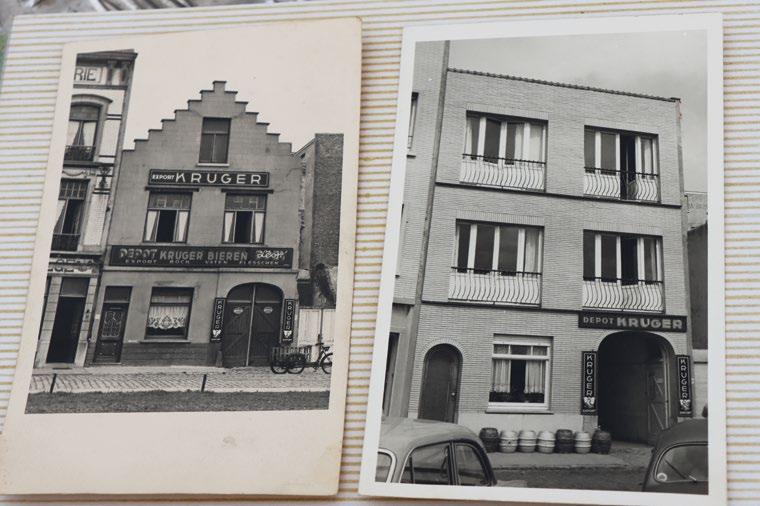
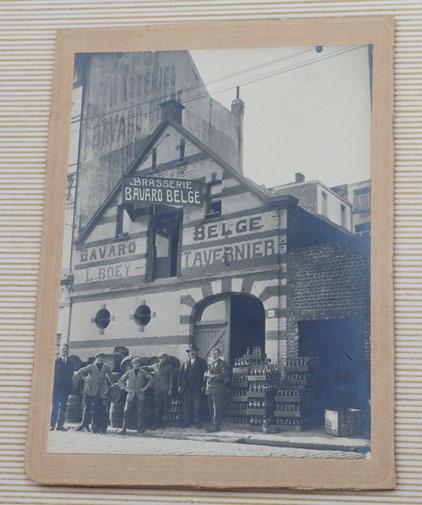
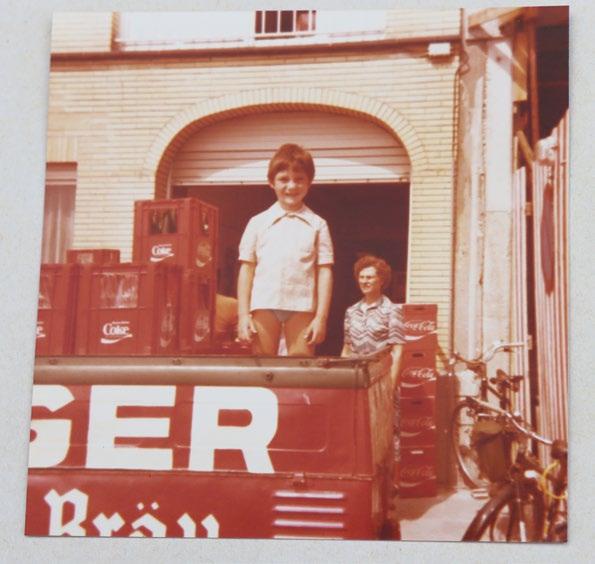
main ones being Krüger and Funck, a Luxemburg beer. The idea was that by painting the bus in Krüger colours they could sell more Krüger beer.
With the bus looking the part, it was time to put it to work. Grandfather was dubious about the change at first but quickly got on board with the bus. With the new distances the bus was able to cover, he expanded the business to sell Coca Cola and other soft drinks too, driving the bus out to the Coke factory in Bruges (around 20km away) and driving
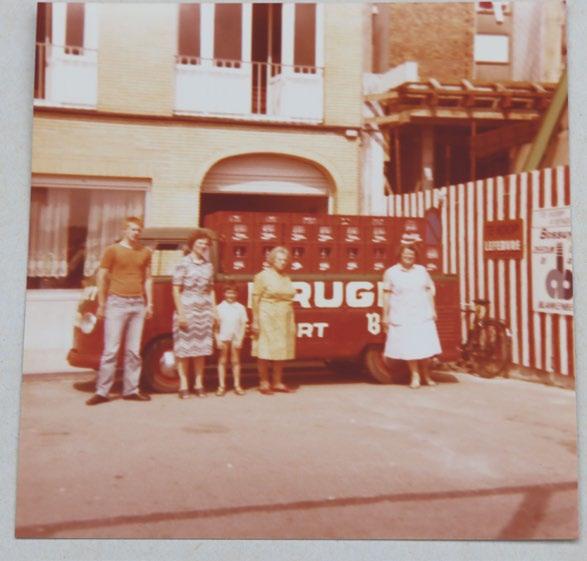
it back fully loaded with Coke products. The bus faithfully delivered soft drinks and beer to various different restaurants and cafes in the area as well as a door delivery for the public too – like a milkman, just with beer!
Sadly, the family business hit a bump in the road in 1967 when Linda’s grandfather passed away. The family business was how the family made a living and Linda’s grandmother didn’t have much of a choice other than to carry it on by herself. The whole family
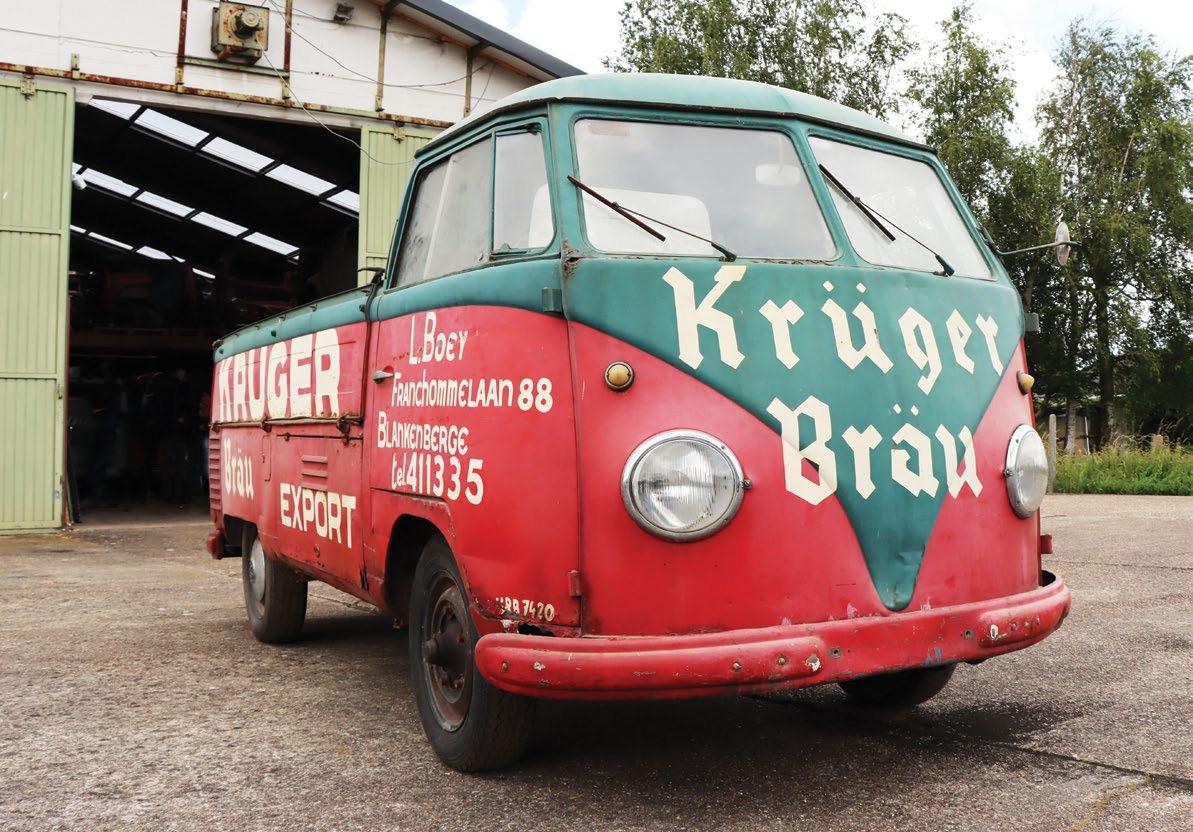
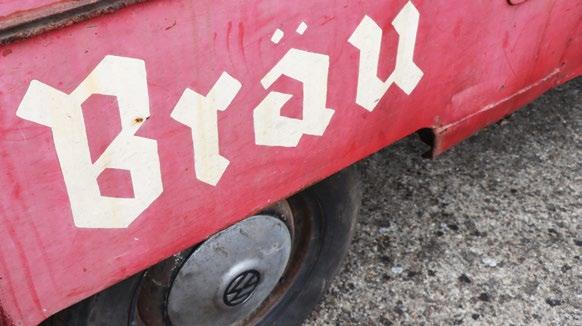
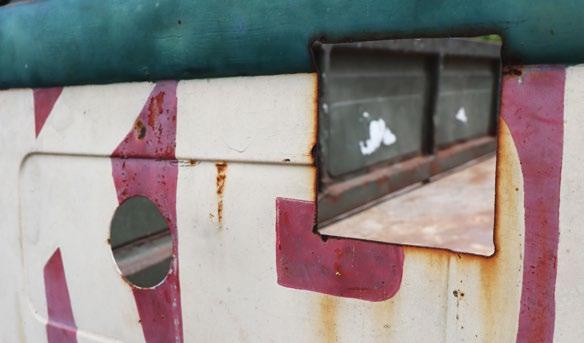
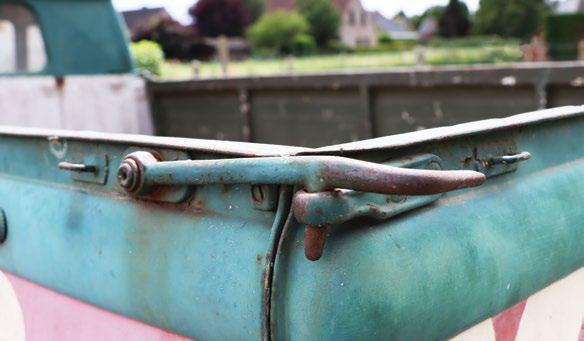
helped in their spare time, carrying out deliveries and doing heavy lifting that she couldn’t do. Most of the driving was done by Linda’s father and two uncles.
That is how the company operated until 1985, when Linda’s grandmother passed away. The trusty Single Cab had been the sole delivery vehicle for the family business for over 25 years. It had done thousands and thousands of deliveries and seen hundreds of thousands of litres of Krüger beer delivered to
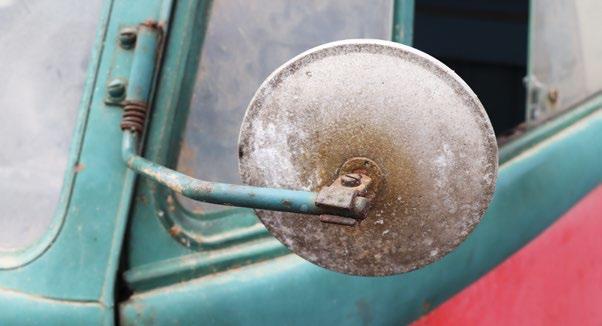
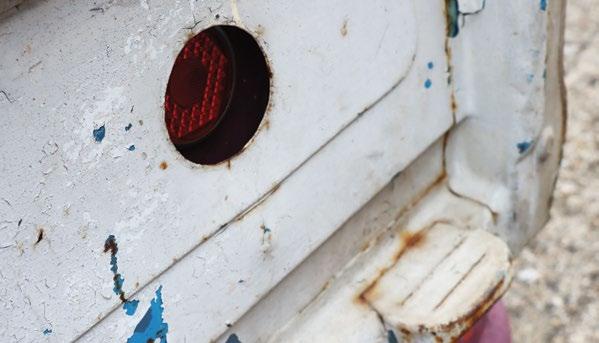
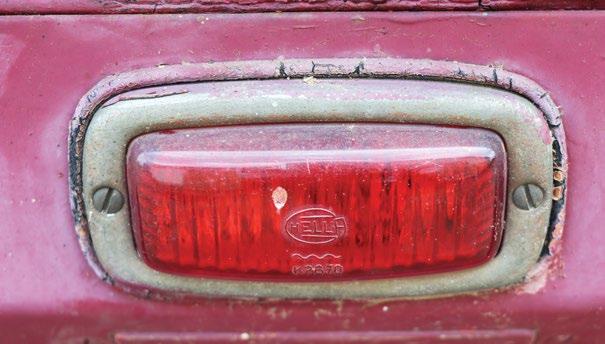
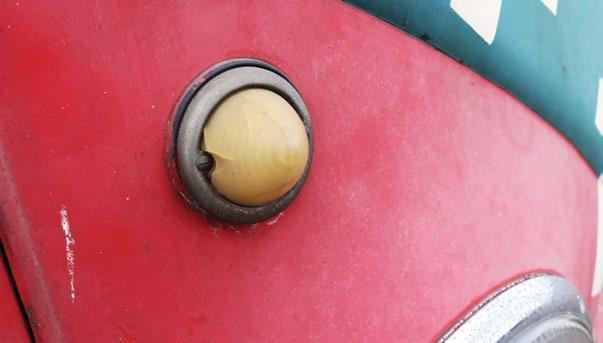
happy customers. But alas, it was time to close the business. Linda’s father kept the Single Cab at his garage for a couple of years after it was retired but eventually realised that with no use for it, it was time for it to go. He sold it to a scrapyard just outside their home town in Blankenburg, where they assumed that it would be broken up for spares and then crushed. And that would be the end of that chapter … or so they thought.
Although the family thought that was the end of the Krüger bus, it was actually just the beginning of things for Filip Garsbeke and European VW enthusiasts. As you have probably guessed by the fact that we are talking about it in this magazine, the Krüger bus did not get parted out and squashed. Instead, the owners of the breakers yard contacted someone they knew in Zendelgem (about 20 miles down the road in Belgium) who liked to buy classic VWs. He bought it and then sold it on to the owner of a VW dealership in Ingelmunster called Garage Haas. It stayed at the garage for a number
of years before it was parked up by them in a barn where it sat in long-term storage for another 10 years, before it was found by Filip in 2001. Filip knew he had to have it for his collection and came to a deal.
Then, out of the blue, a man from France who had somehow found out about his purchase contacted Filip and asked to buy the Krüger bus, or more specifically to trade it. Filip reflected that back then he had two Barndoor Single Cabs that had both originated from the west of Flanders and admitted that he was curious about what the other
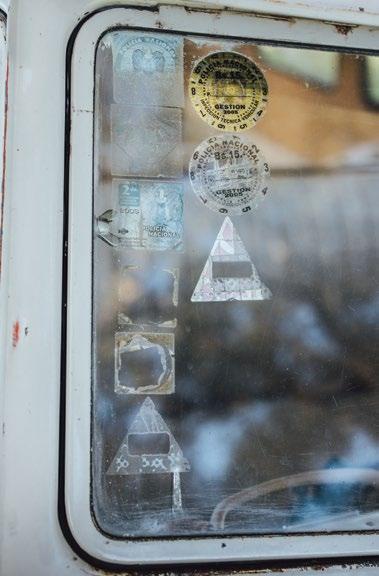
guy had to offer. The Frenchman offered Filip a Barndoor Ambulance in trade for the Krüger bus, and whilst Filip had two Single Cabs he had no Ambulances, so he agreed to the trade. However, there was a condition to the trade: if ever the Krüger bus was to come up for sale again, Filip would be given first refusal. With that agreed, the deal was done and the Krüger bus started its next chapter miles away from where it had spent its whole life. We don’t know too much about the time that the Krüger bus spent in France, but we have some pictures of the bus being worked on and a few
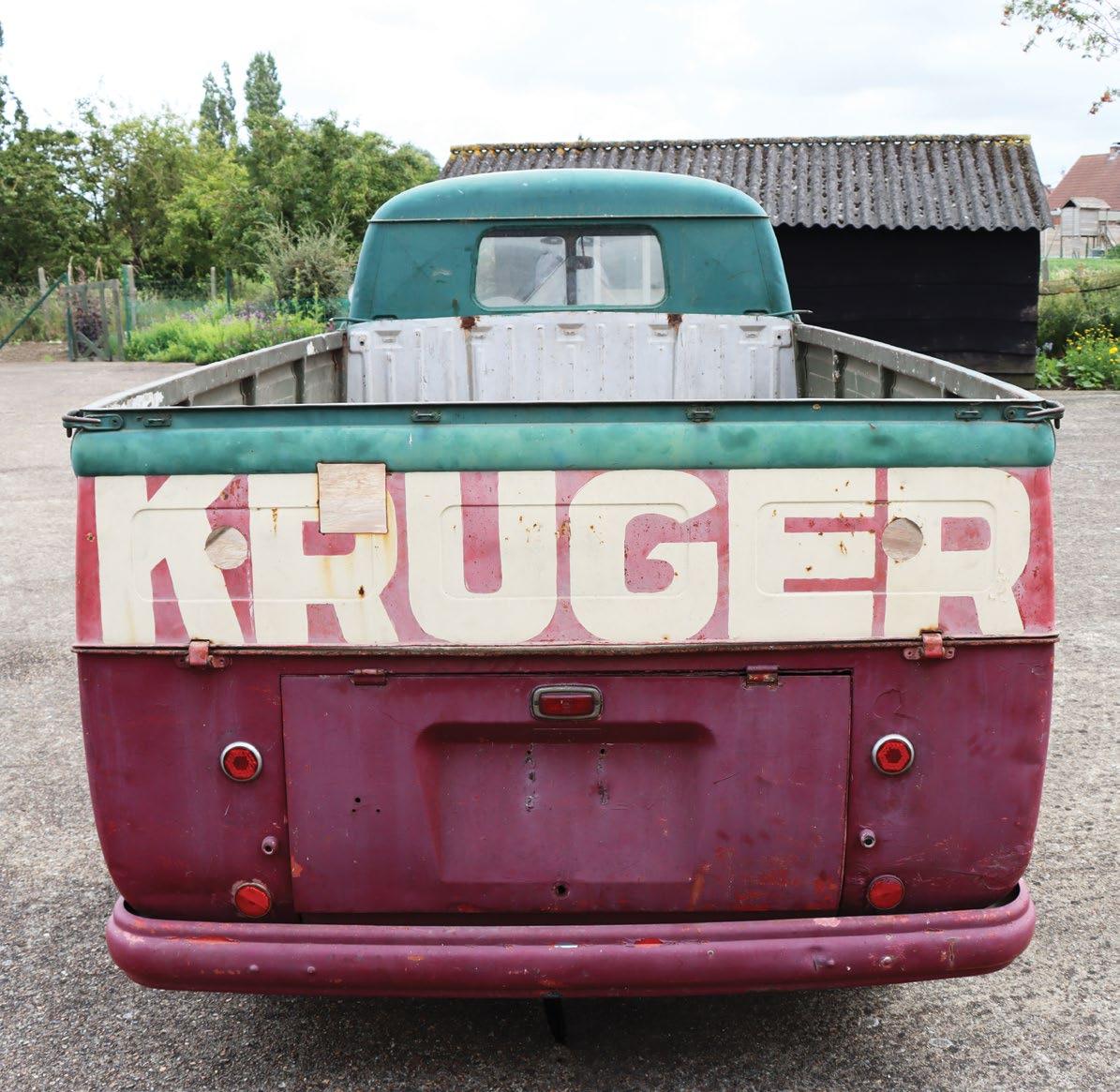
show stickers in the windows from its time in France. A few years went by and Filip accepted that the bus was gone and moved on with his life. Except, it wasn’t gone.
Filip recalled getting a phone call from his good friend Angelo the Koenig one day, who told him, “Hey, your old bus is up for sale at BBT”. “Which bus?” “The Krüger Bus!” Filip couldn’t believe it, as he was supposed to get first refusal to buy it back but
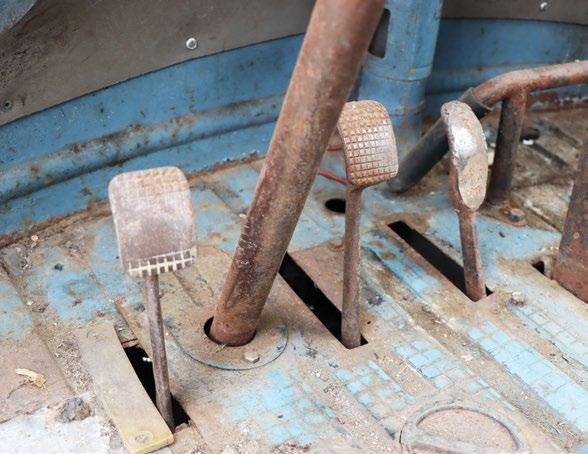
obviously didn’t. Now that it had resurfaced and was back in Belgium too, he had to have it back. Filip got straight on the phone to Bob Van Heyst, the owner of BBT, and explained the situation to him. Bob, being the good guy that he is, told Filip that he could have the Krüger bus back for what he paid for it, and with the deal done the bus was on its way home. But Filip wasn’t the only one about to be reunited with the Krüger bus …

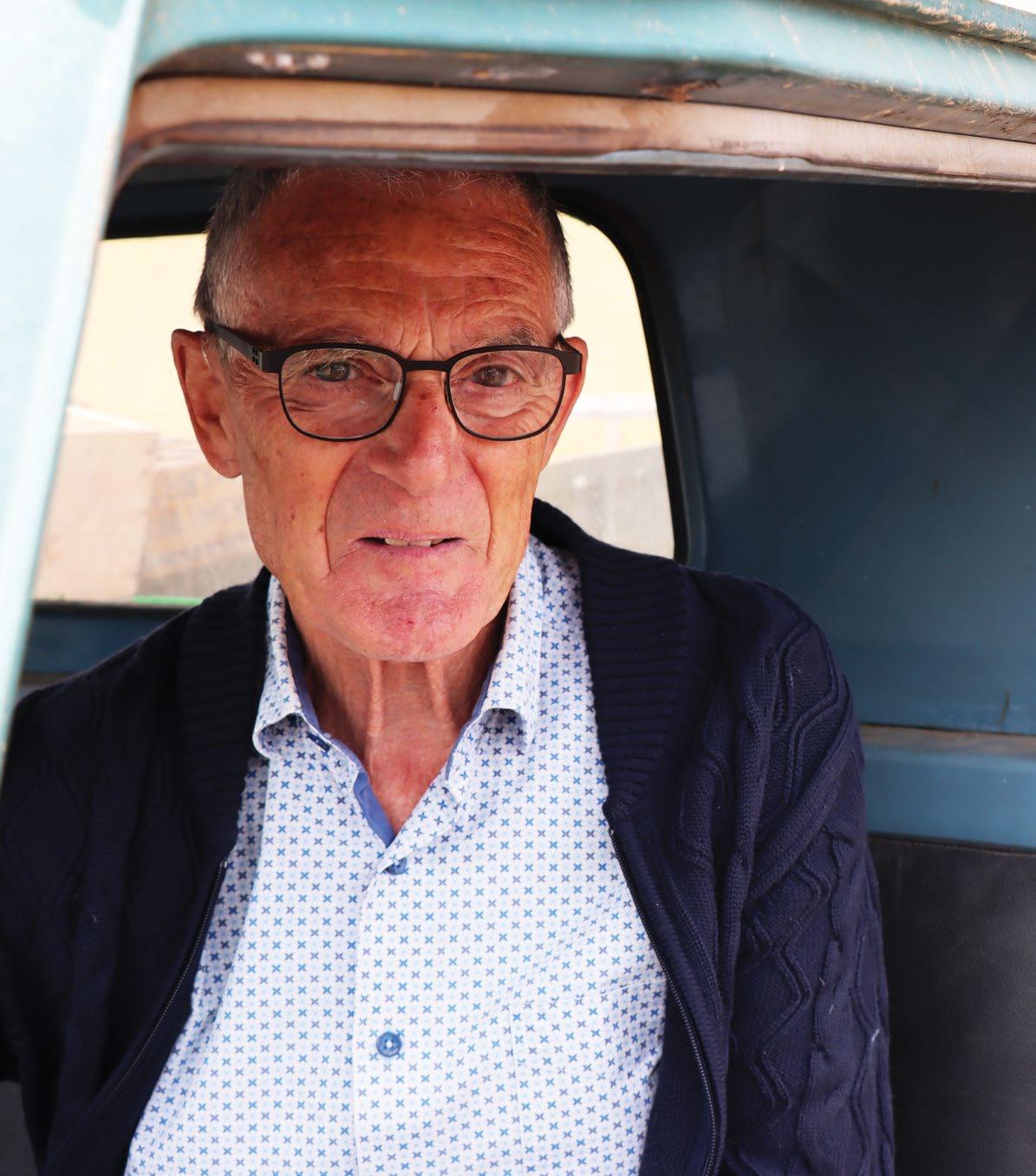
So, do you recall a couple of paragraphs back when I said that Linda and her family assumed that the family delivery truck had been crushed? Well that’s true. That’s exactly what they thought. In fact they thought that for nearly 40 years. Then one day while scrolling on Facebook, Linda came across a picture on their local Blankenburg community page. Linda saw a picture of their old bus! Elated, she showed a few members of her family who confirmed that it was indeed the same bus from their family business. So Linda posted on the picture to find out if it was
a historical picture or a more modern one, if the poster knew the whereabouts and if the truck was still in existence. The person on the other end of the picture was a man named Robin who messaged Linda to say that it was still around and that he knew where and who now owned the bus and also that he could put the family in touch. Sadly Linda didn’t notice the message back from Robin for months! Both Linda and Robin often excitedly checked to see the outcome of their messages, whilst Linda had no idea that the answer lay in her inbox!
Eventually Robin and Linda began to have a conversation though, and Linda said that they would love to meet the owner and show him the stacks of family history on the bus that they had and to see the truck again. Robin reached out to Filip who was excited about getting the family and the bus back together again too. They were all able to set a date for a show in Belgium called Flandersfields. Filip had inadvertently set himself quite the task to get the old Krüger bus presentable again and had every intention of being able to drive it to Flandersfields. Unfortunately time was not on Filip’s side and driving it to the show was not going to happen. However, not wanting to let the family down, he
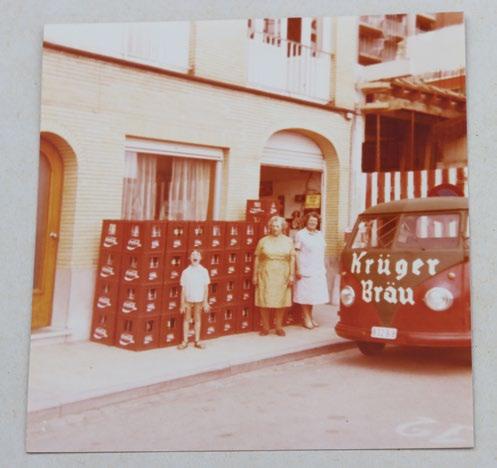
decided to get it there in style, hitching a ride on the back of Filip’s Kemperink!
Filip even managed to get the original seat that had been in the bus and had it refitted so that after nearly 40 years, Linda’s uncle could once again sit at the wheel of the Krüger bus.
The pictures you see in this article are from that day when Linda and her family met up with Filip. We’d like to thank Filip for kindly inviting Ned and Vic out to see the Krüger bus and to meet with Linda and her family afterwards. And of course a big thank you to Linda and her family too for sharing their stories and pictures with us.















WANTTOADVERTISEHERE?PLEASEEMAILadvertising@hayburner.co.ukFORDETAILS

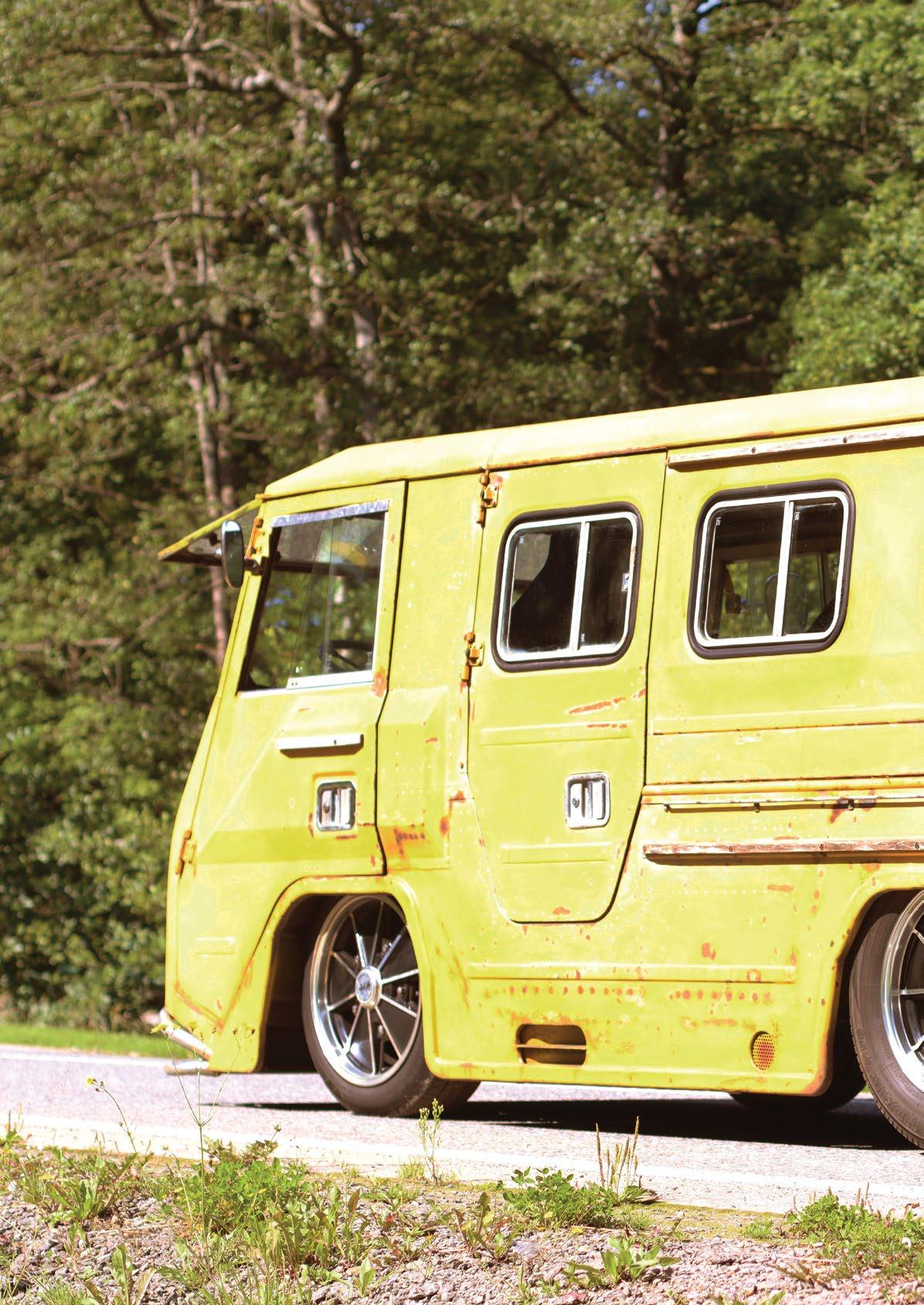
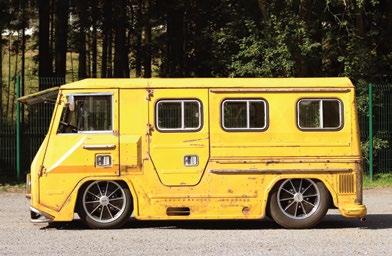
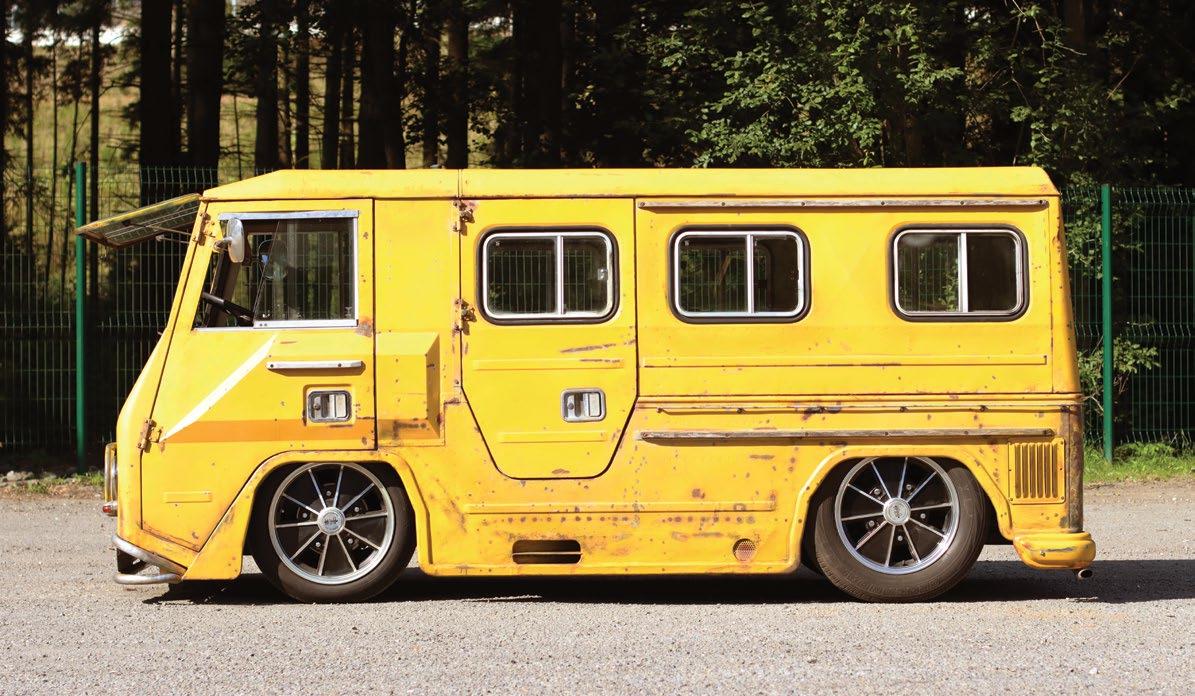
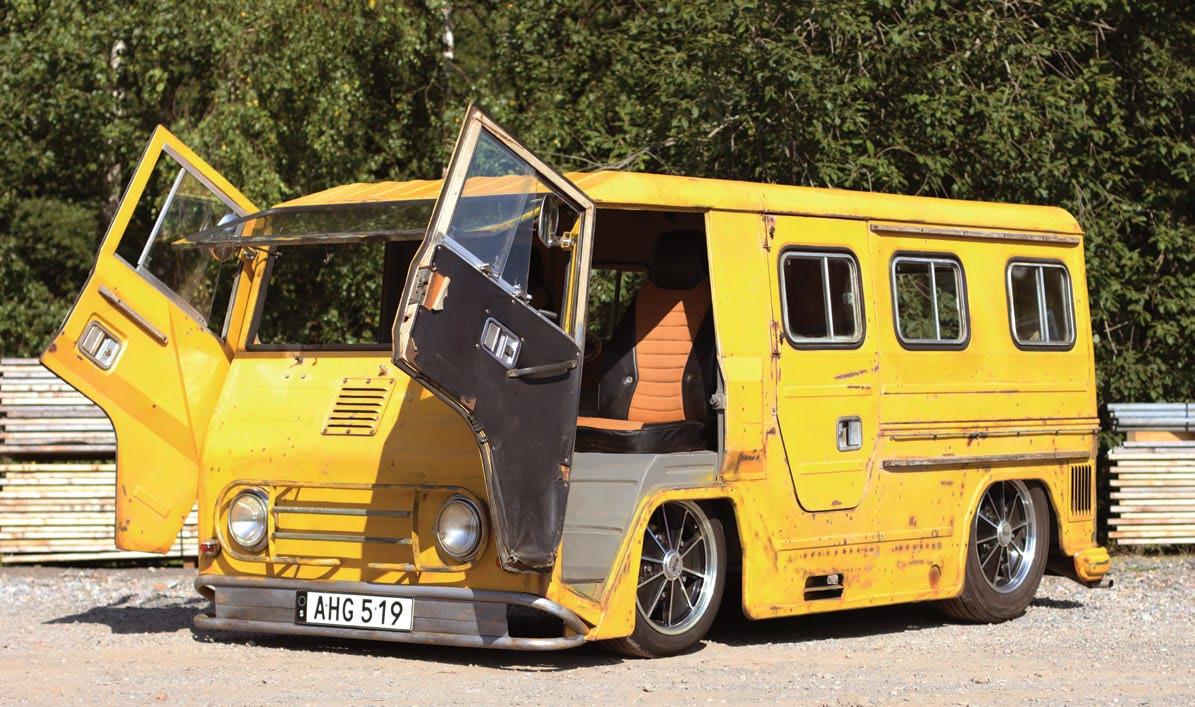
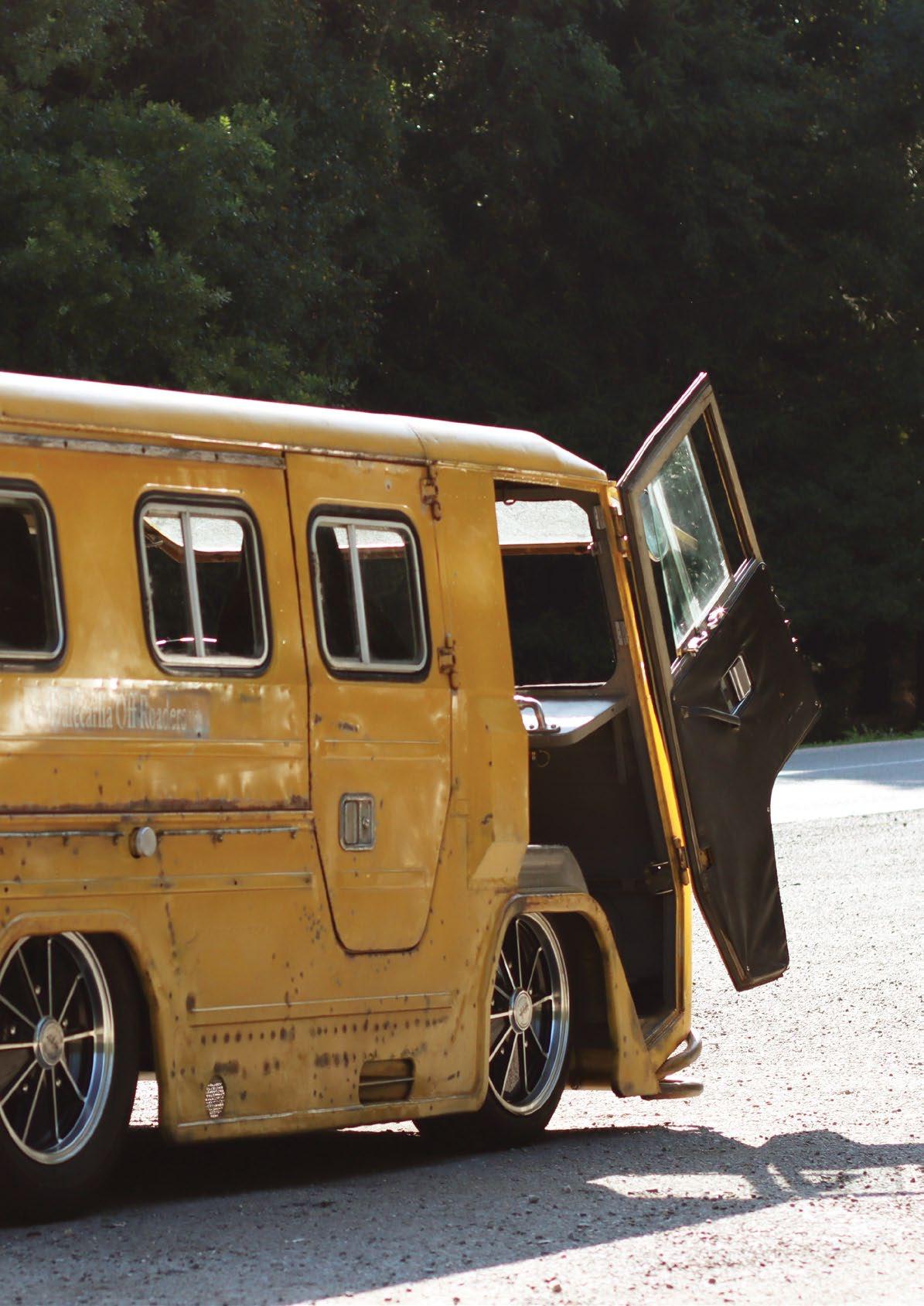
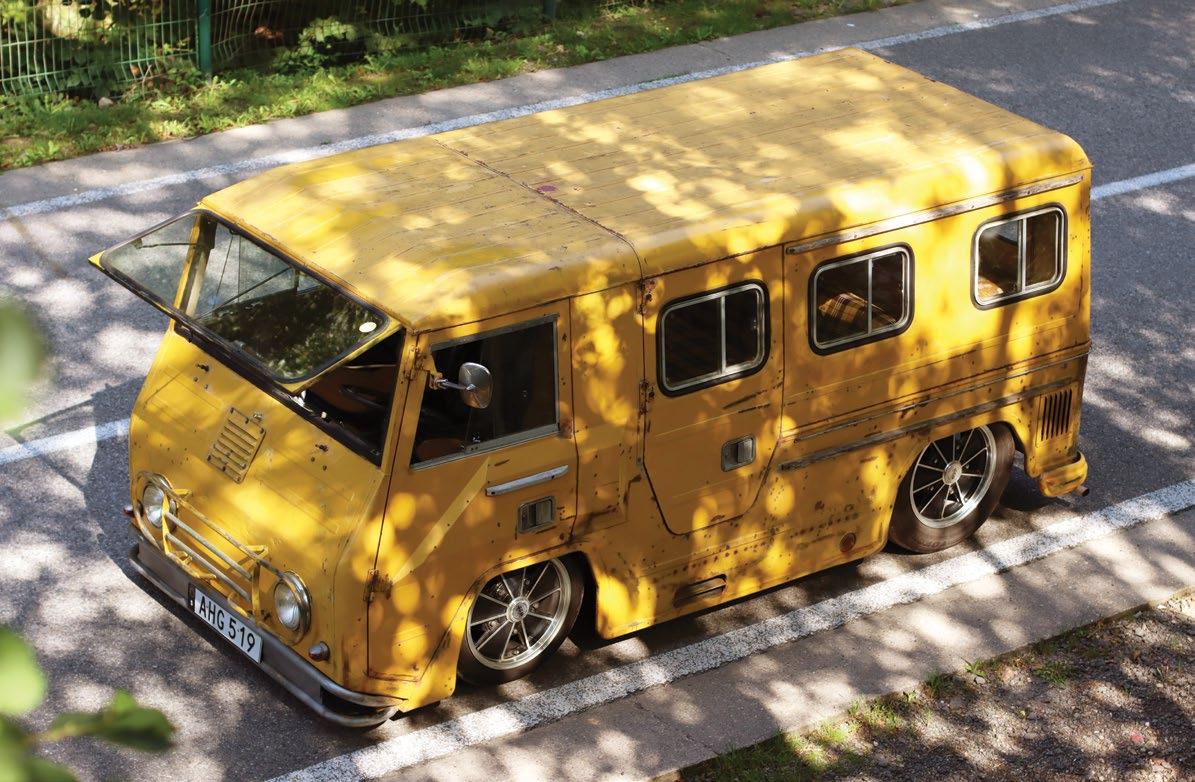
Traffic jams. The scourge of modern motoring or a rare moment of quiet contemplation away from the distractions of life? Well, in the case of my good friend Demian Sjöberg, the influence for his next project came during a five-hour commute home from work, while stuck in a traffic jam behind a Volvo Valp. The result? One of the most complex and best executed “Bug pan” builds that we’ve ever seen here at Hayburner.
For those who aren’t familiar with Volvo’s early off-road offering, the Valp (also known as the Laplander) came about
when the Swedish military placed an order with them for a new all-terrain vehicle during the 1950s. By 1959 Volvo were producing various prototypes, and by 1962 when the Volvo L3314 finally went into production, it had already earned the nickname “Valp”, which translates as “Puppy”, due to its short stance and stocky body. Roughly 1000 military and civilian Valps were built before production stopped in 1970, although demand then led to over 3000 further “facelifted” versions being produced from 1977 until 1981. The particular vehicle that Demian was stuck
behind on that fateful journey brought back old memories of a local plumber using a Valp in Demian’s village when he was young. He’d often thought about buying a Valp in his younger years, but the yearning had passed as he got deeper in to the air-cooled scene. In this traffic jam, though, his thoughts turned back to the Valp and the possibility of fitting one to a Bug pan. From where he was sat it looked like it might just work, and nobody had done one before so it would definitely be a little different. By the time
he got home he had his plan made. Source a cheap Valp, find a cheap Beetle pan, buy some beer, get some mates round, smash a budget Bug pan build out over a couple of weeks, and trailer it to a show. When he mentioned this plan to his friend Johan, he rustled up a quick Photoshop of a slammed Valp which only served to whet Demian’s appetite further and to lead him deeper down the rabbit hole of Volvo’s 1960s utilitarian offering. When
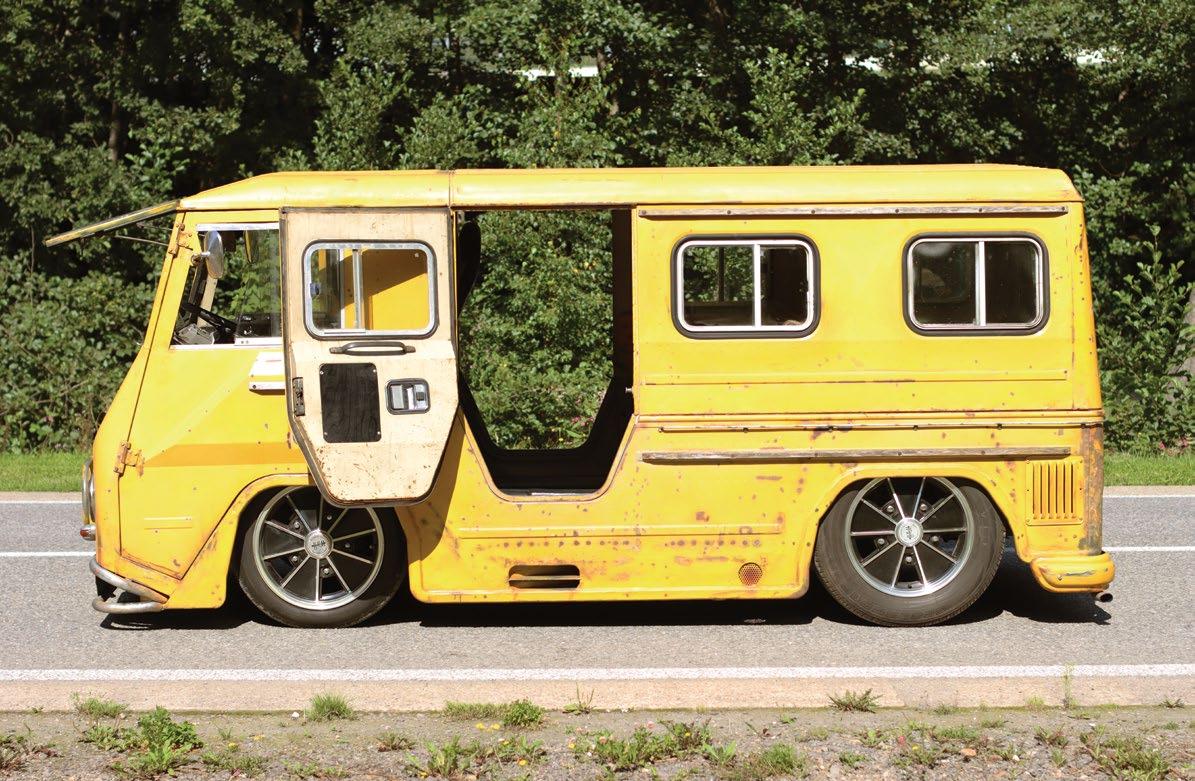
he mentioned it to his friend Lorry, it turned out that a contact had a 1962 body for sale for just £150. A phone call later and the plan had become reality, although nothing ever turns out to be quite that simple.
A rusty ’67 Bug pan was sourced from Demian’s mate Arthur, which turned out to be about 300mm longer than was required for the Valp body so this needed shortening. Demian then built his own
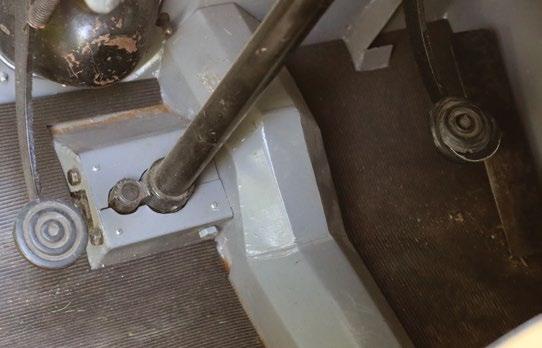
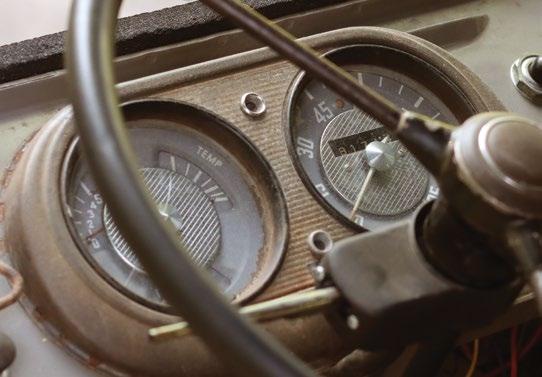
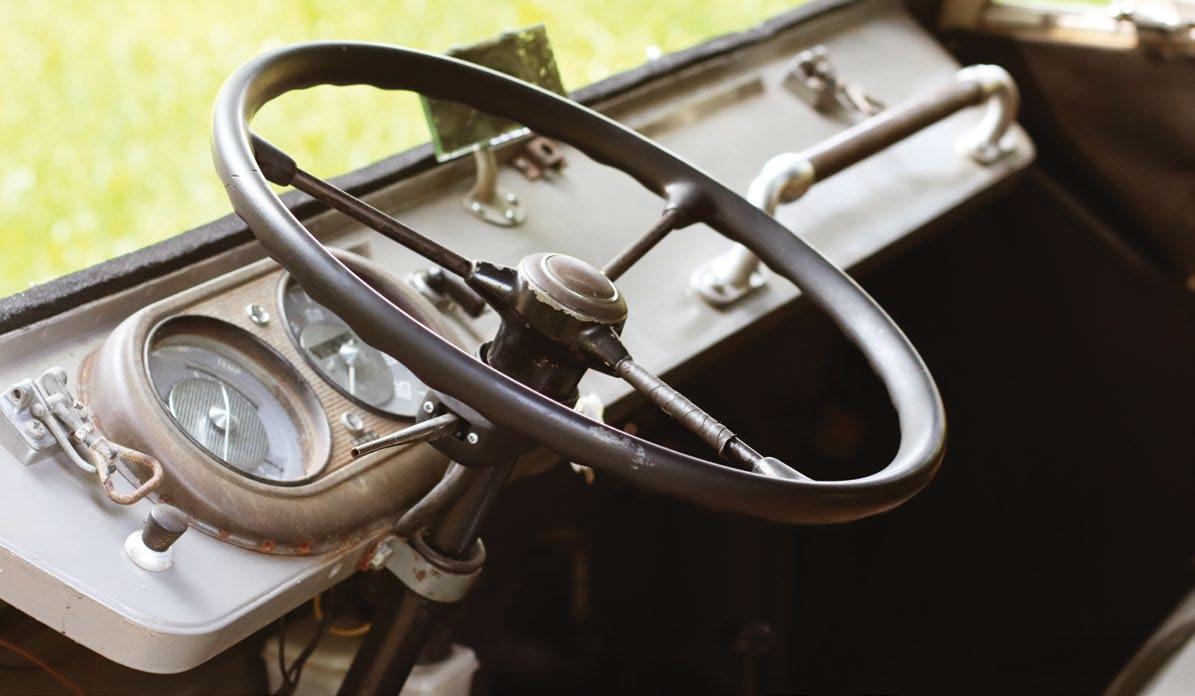
Karmann Ghia-style floor pans to combine a dose of Volkswagen heritage with the right styling to suit the Volvo. He then decided that the sensible way to get the desired zero-camber rear wheels was to drop the body over the pan and run the Beetle chassis at stock height, which would take considerably more work than just slamming the pan. A lot of well-thought-out trimming and spaceframing was involved in getting the Volvo body safely and securely where he wanted it to sit. The steering needed figuring out so that
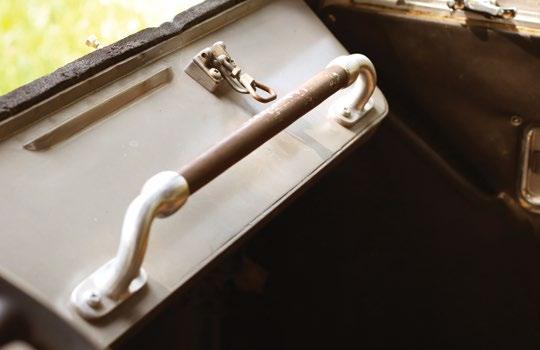
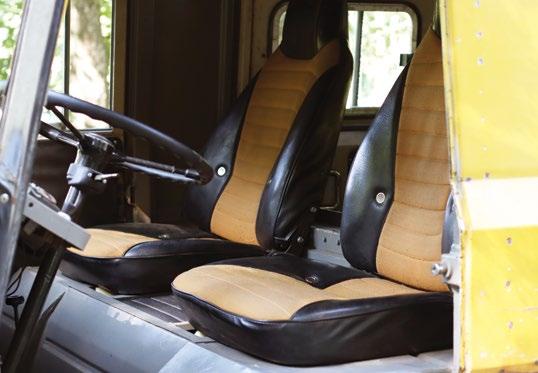
the steering wheel could remain in its original Volvo position, ahead of the front axle. This task alone took him and his friend Franke over 100 hours to figure out using an ingenious mix of Beetle and Bay parts. A new custom front floor was fabricated, as were a new custom gas pedal, handbrake and gear stick. In fact, only the original Volvo brake pedal and hydraulic clutch
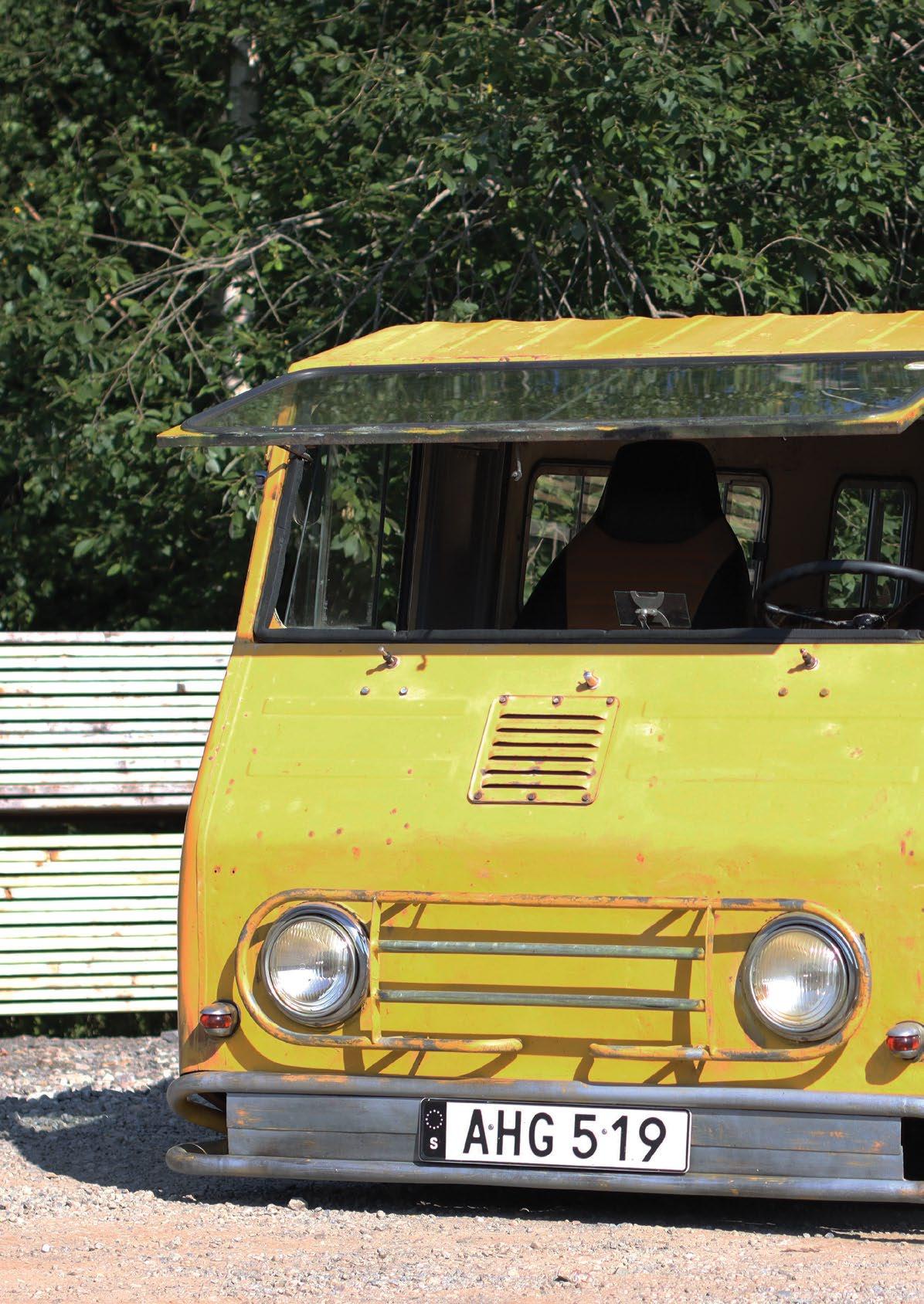
were retained from the original vehicle. Any thoughts of a two-week build were a distant memory as the Valp ate up precious time supposedly allocated to his many other projects.
Two years in, and with a crazy amount of time and energy
invested in the bespoke chassis, Demian came to the realisation that the tired old body was no longer going to cut the mustard on this build. The body had started life with a removable hard top which had been badly welded in place by a previous owner, the rear doors were homemade, and the thing was rusty and dented and not at all what this project
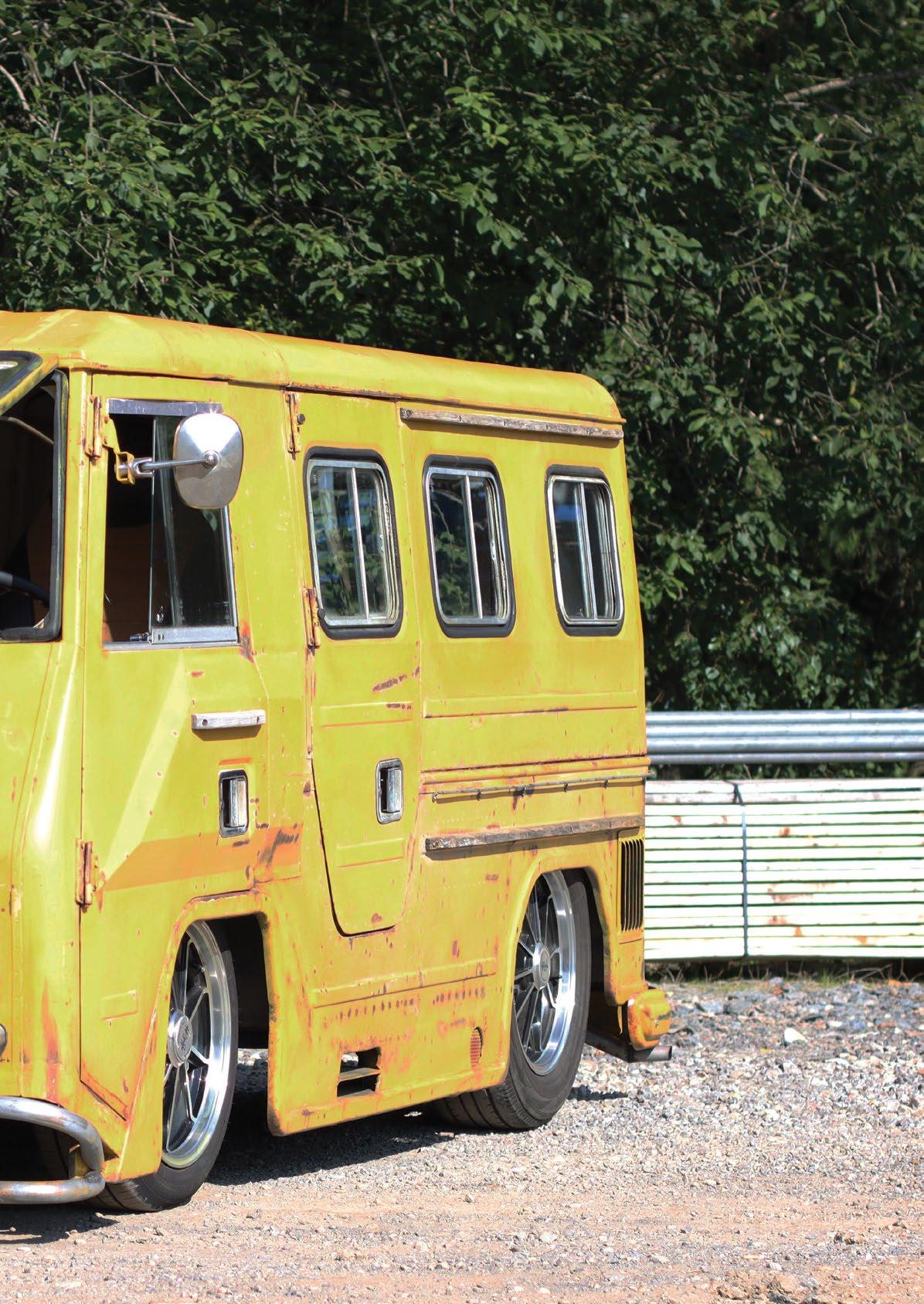
now demanded. Timing is everything and, after fruitlessly searching for Valp parts since this project started, an entire body happened to pop up for sale just 45 minutes from his house. It was in far better condition, but was the later facelift version that Demian hadn’t wanted and so he ended up backdating the front panel and the entire dash before
he was happy with the shell.
Further body mods followed in spades. Spare Valp front louvre plates were sourced and used to the rear of the side panels to allow airflow to the engine bay. The steps under the cargo doors, superfluous now with the lowered ride height, became air intakes
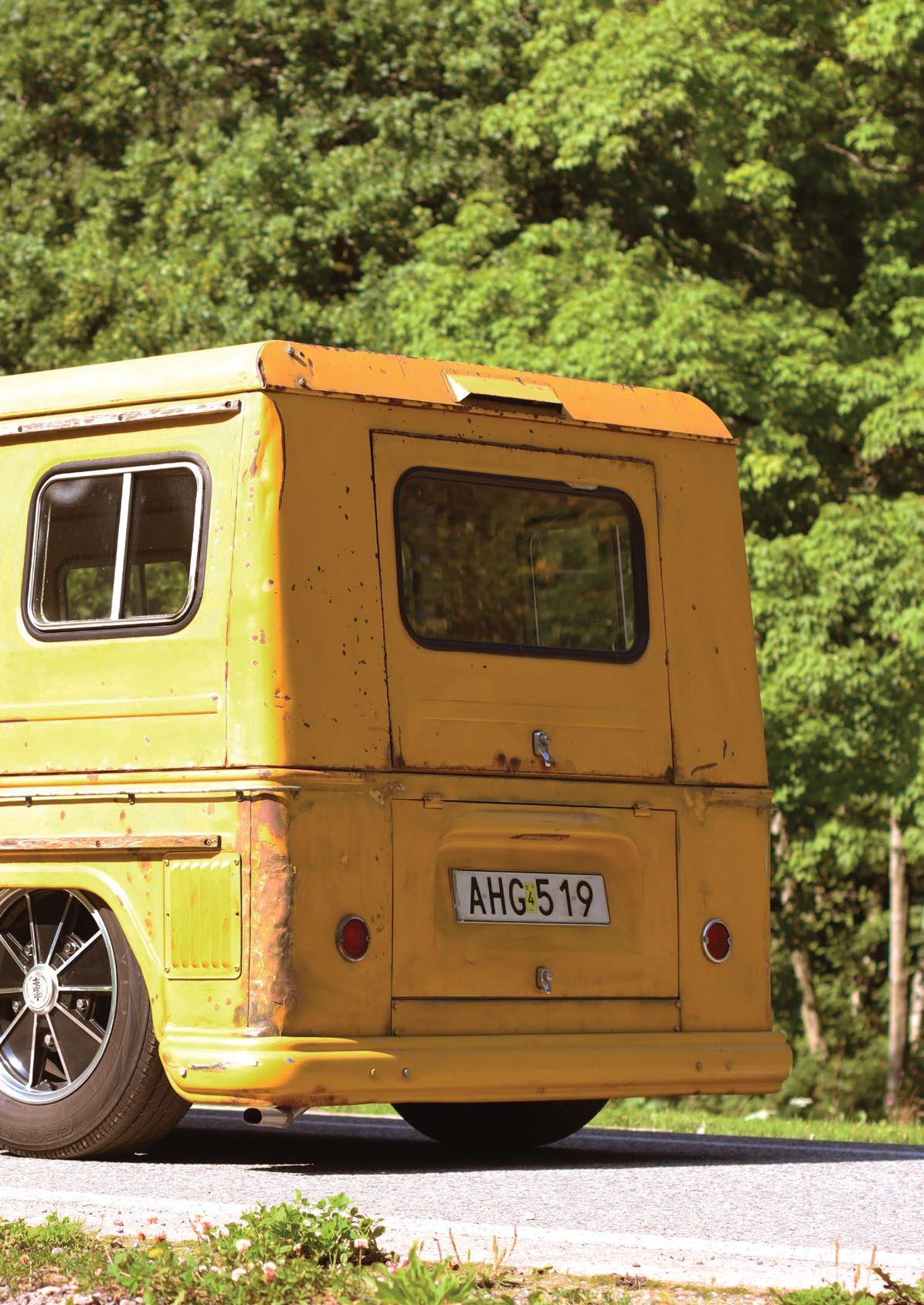
for the oil cooler and engine. The rear tailgate was modified to reposition the side-mounted hinges to the top to look a little more VW, and to shorten the panel itself considerably to allow an early Bay engine lid to be grafted into the resulting space. Then ’58–’61 rear bus lights were added to continue the Volkswagen theme. The list goes on and on. Less obvious modifications
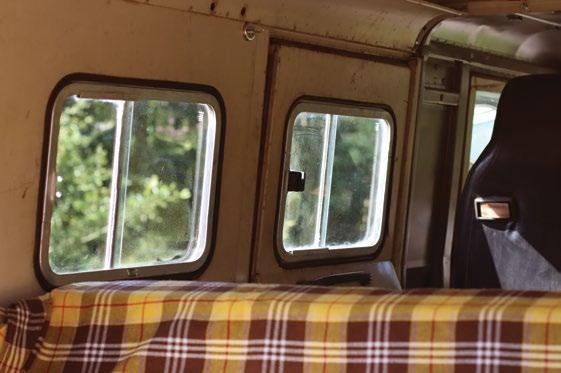
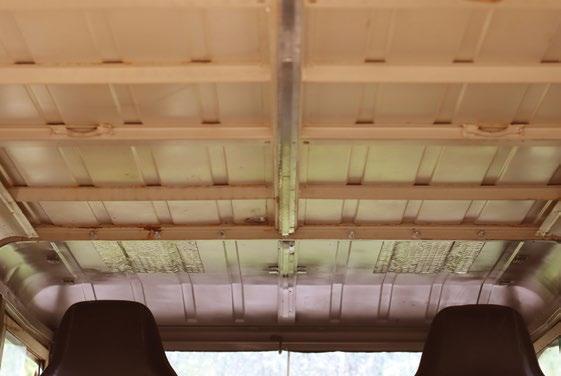
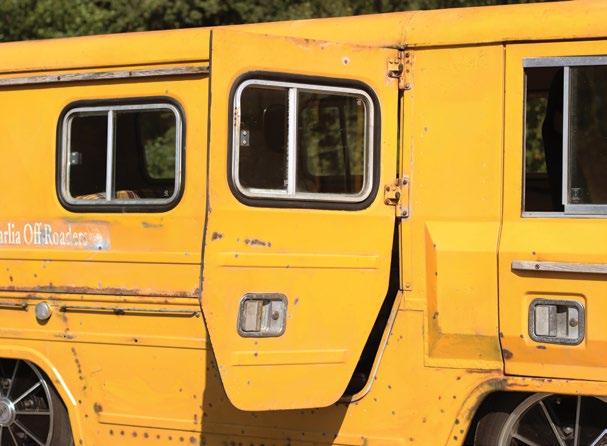
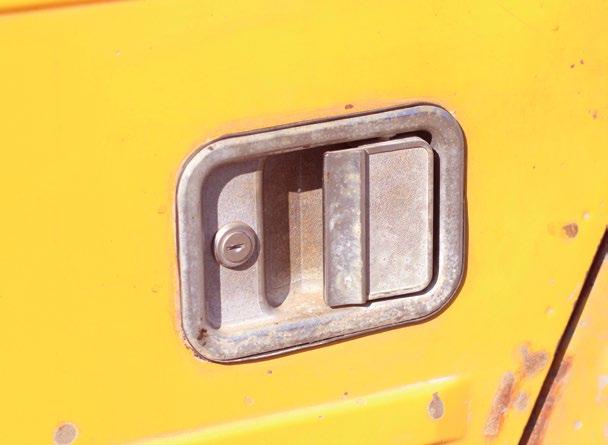
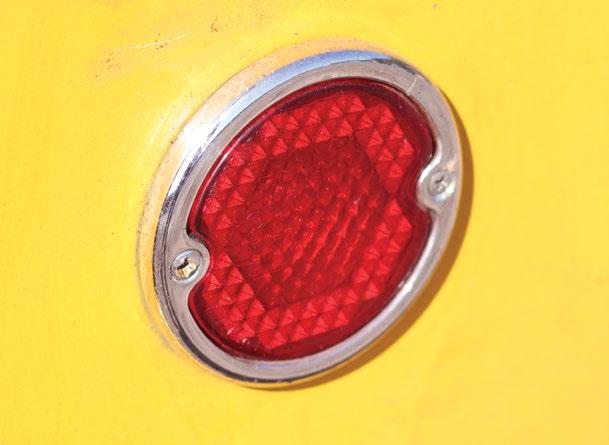
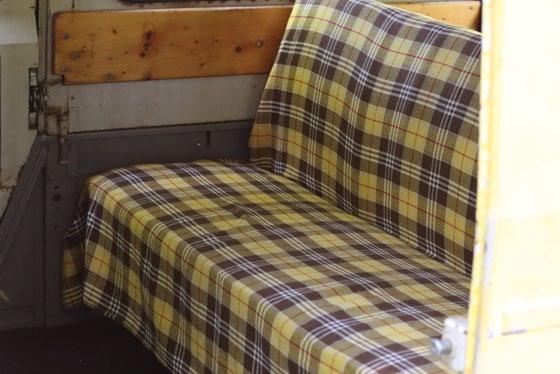
include Mk1 Golf rear coilovers mounted up front, and American snowmobile gas coilovers out back, to allow for the considerable extra weight of the Volvo body. The gas tank is from a Type3, and the seats are Datsun 240Z up front and Type25 Double Cab in the rear. The engine caused considerable headaches when the 2.5L Type4 motor with Porsche fan used as a guide for the bodywork
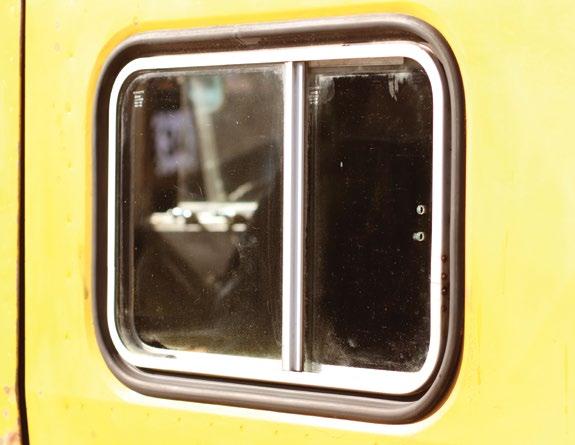
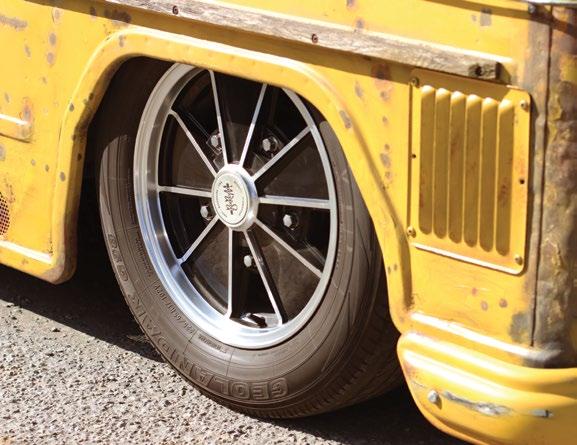
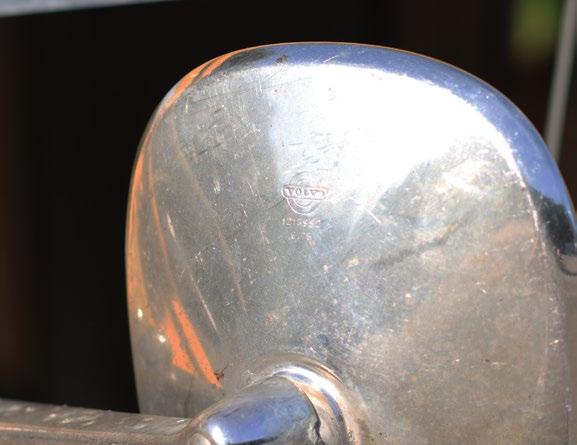
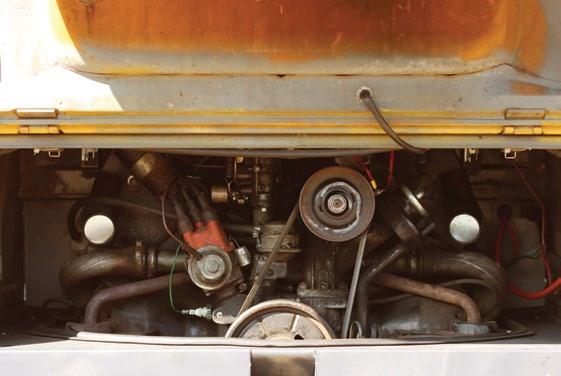
build turned out to be more compact than the Type1 motor actually intended for the Volvo. The Type1 fan shroud was too tall, the carb too high, and the new engine bay too narrow for twin carbs, and so for the purposes of the three inspections required to MOT and register the vehicle in Sweden, a tired and leaky Type1 motor was employed with a single carb and no air filter.
Finally, eight years after that fateful commute, the Valp was road legal, but Demian was still unhappy with it. The engine needed changing out, and he wasn’t happy with the wheels or the bumpers. All this effort to build a car that he now didn’t actually like, and so out came the welder and grinder again. The wheels are currently 17” BRMs with 175/65/17 and 225/65/17 meats because 15s didn’t
come close to filling the enormous Valp wheel arches, and even the original 17” tyres purchased were eventually deemed too small. To solve the eternal “arch gap” problem, Demian ended up fabbing up smaller arches in the style of the originals. A pressed rear Splitscreen pickup bumper was mounted to the rear of the van. The front bumper was fabricated to include a spring-loaded lower section that can move up and down if and when it hits the road, although this in turn led to a modification
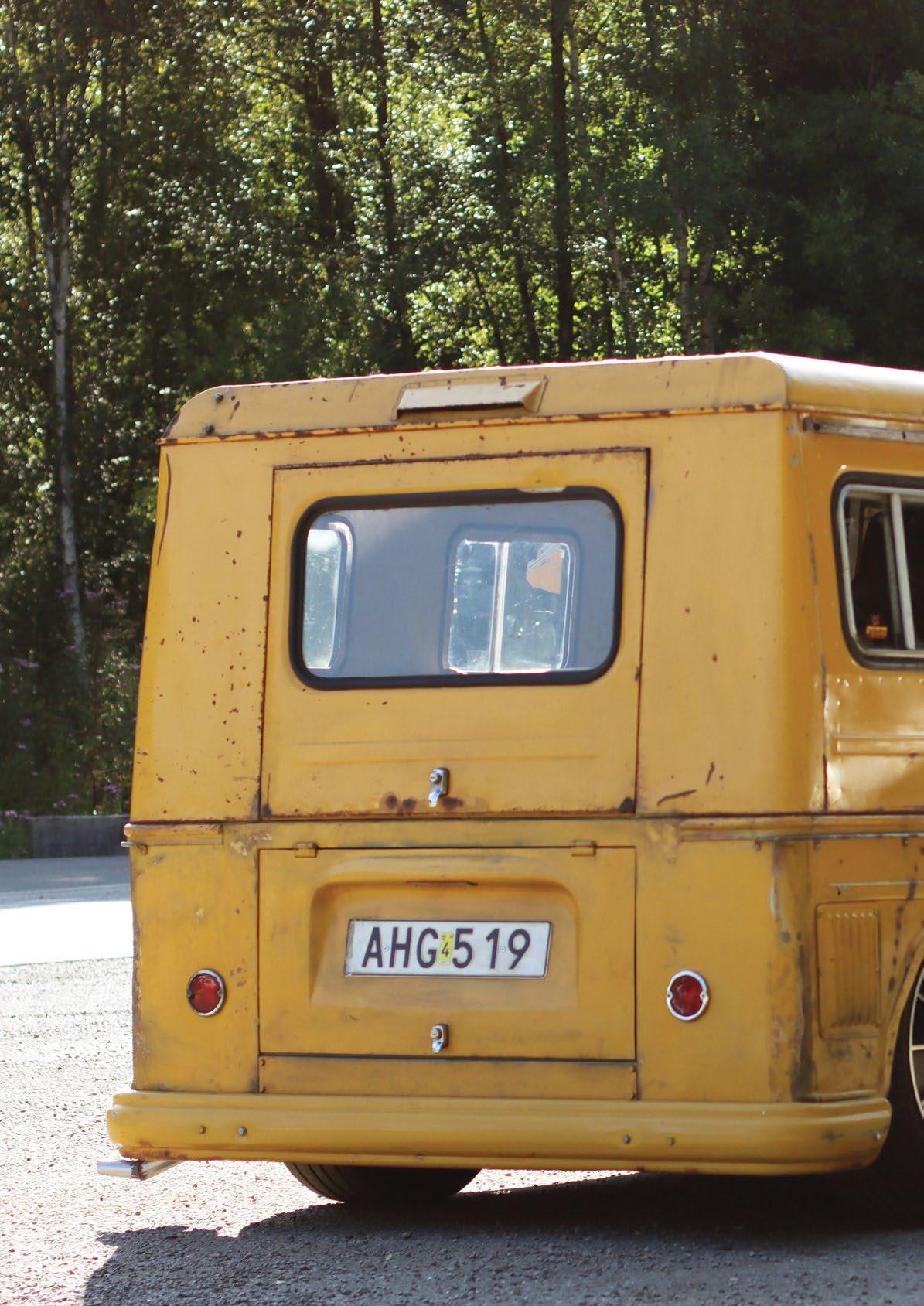
to extend the front panel down and add a front spoiler just to get things aesthetically correct to meet Demian’s exacting standards.
It had for some time been the aim to drive the Valp the 1700 miles to LeBug Show 2025 at the Circuit of SpaFrancorchamps in Belgium, but by the summer and with one week left to finish all the final details it really felt like Demian
might fall at the final hurdle. Oh, and he was working 11-hour days so the one remaining week was really just some short and tiring evenings to complete a car that didn’t even have a decent motor. This became the first job, and a reliable little 1600 was pinched from Demian’s Barndoor and fitted to the Valp along with further modification of the engine bay and fabrication and installation of all the custom cooling tins, which left no time for the final paint blending. Thankfully his
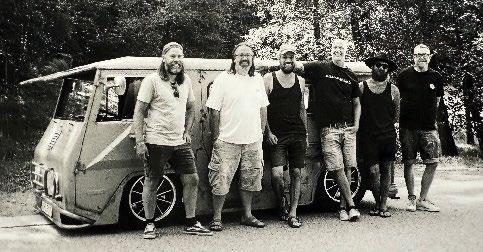
friends Goran and Leif, who were planning to accompany Demian on his mammoth test drive to Belgium, stepped in with two days to go and knocked the paint out of the park. Demian refers to Leif as the “Swedish Patina Blender” and says that he knew the bus was in great hands with those guys on board.
And so, by Sunday afternoon, with the three friends all
exhausted, the Volvo was finally ready! Ready as in home-built, heavily modified and untested. With a custom chassis, homefabricated mechanics and a scratch-built engine bay and cooling setup – what could possibly go wrong? Well, it turns out nothing did. After nine years and over 2000 hours of work, the Valp made its way safely and uneventfully all the way to Spa where it received a rapturous welcome. Demian says that as they travelled on the small, winding roads along the Mosel River in Germany on Day 3 of the four-day drive, he even managed to start relaxing and enjoying the journey despite his and Leif’s
Not his first rodeo by any means but definitely his biggest, the number of heads that were turned by the Valp during that show weekend are testament to the fact that Demian should be super proud of this build. I for one was so happy to see my three friends at Spa and know that, against all the odds, despite all of their worries, and after a superhuman effort on Demian’s part, they’d made it. What a journey, what an adventure, and what a project. Fair play that man. And to think, it all started with a traffic jam …








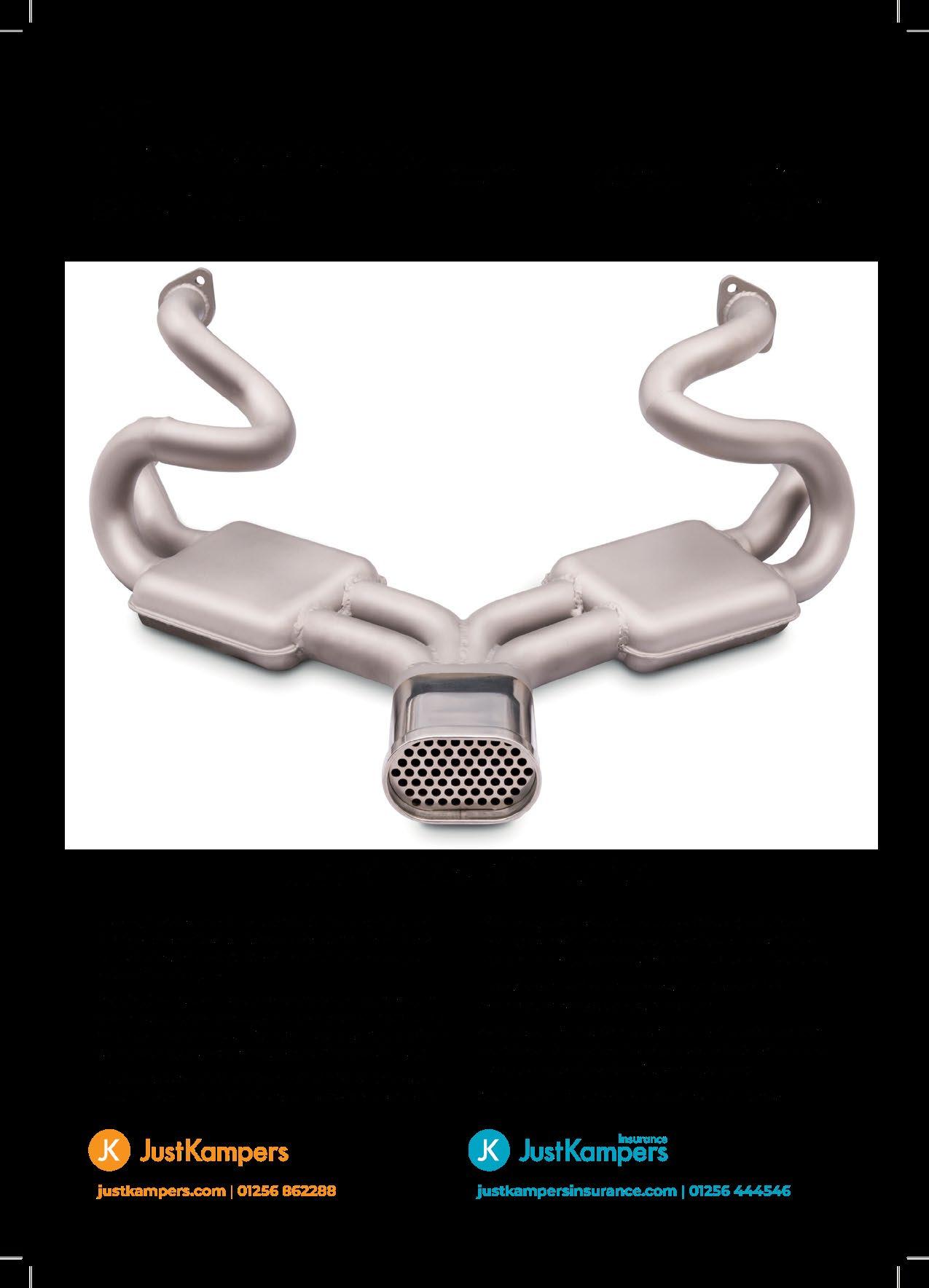
• All AISI304 finest stainless steel exhaust for extended lifetime
• Ø42mm oversize flanges / pipes on all 4 cylinders for maximum flow and performance note: pre-heat function disabled
• Kits with performance heat exchangers for enhanced performance
• O2 sensor port built-in for optimized adjustment and emissions
• Adjustable tailpipes for perfect installation and look
• Chrome oversize tailpipes with inside baffling for optimized sound
Exhaust set, Performance, with two polished stainless steel tail pipes and heat exchangers
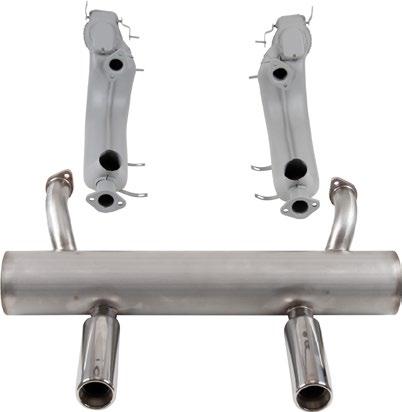
Jopex no. VW-35171SSPORTKIT // JP no. 8120001610
Fits: VW Type 1, 1.3-1.6 (25-37 kW), ‘63-’87
Exhaust set, Performance, with two polished stainless steel tail pipes and heat exchangers
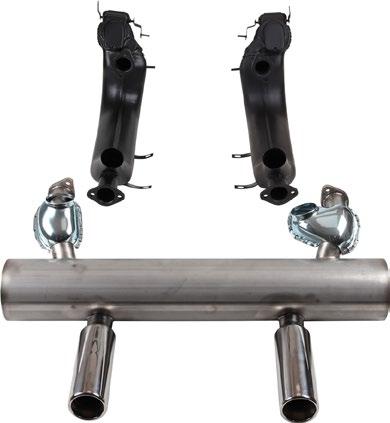
Jopex no. VW-35171SOESPORTKIT // JP no. 8120001510
Fits: VW Type 1, 1.3-1.6 (25-37 kW), ‘63-’87
More parts available - www.jpgroup.dk - order at your local shop! 7.500 SPARE
If you would like us to promote your Volkswagen event, please enter for free on www.bUGbUs.nEt’s show calendar. Also on bUGbUs.nEt you will find the latest show entries from around Europe.


13TH – 25TH | FUSCA PANTANAL
Brasilien | bluebugtours.com
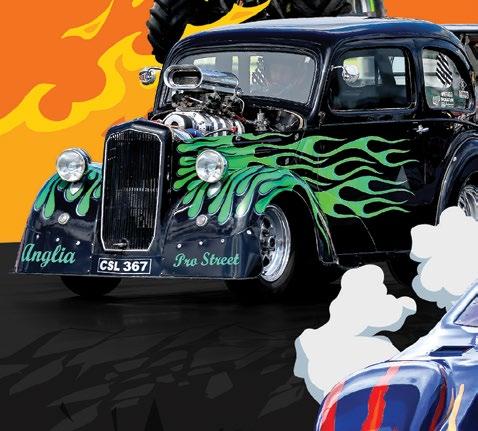
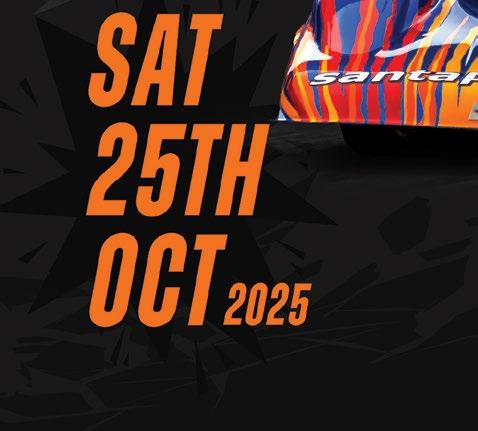
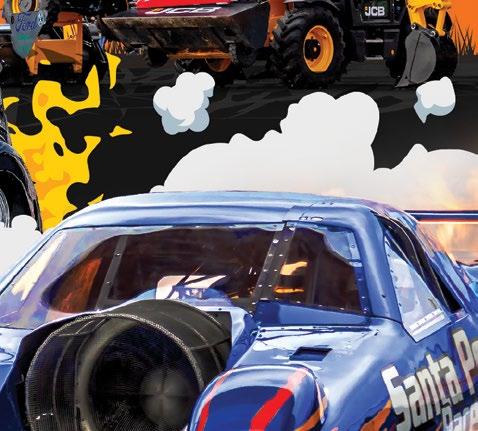
25TH | FLAME AND THUNDER
Santa Pod | santapod.co.uk/flame-and-thunder


1ST | OLDTIMER MEET & GREET
Laakdal | See bUGbUs.nEt
2ND | SWAP MEET BINOCLE CLUB
Nivelles | See bUGbUs.nEt
23RD | OLDTIMER-TREFFEN
Derendingen | enter.ch/de/events/oldtimer-treffen-1995/
29TH – 30TH | DKW SHOW
Mexiko | See bUGbUs.nEt ON BUGBUS. NET ENTER YOUR SHOW


JANUARY 2026
3RD – 4TH | KEVER WINTER FESTIJN
Rosmalen | keverwinterfestijn.nl/
10TH – 11TH | VW KAEFER WINTERTREFFEN
Herford | vw-kaefer-wintertreffen.de
FEBRUARY 2026
1ST | MIDLANDS AIR-COOLED SWAPMEET
Warwickshire | midlandsaircooledswapmeet.com
14TH – 15TH | VALENCE AIRCOOLED SHOW
Valence | See bUGbUs.nEt
MARCH 2026

7TH – 21ST | LEGENDARY DAKAR
Malaga | https://www.bluebugtours.com/
MARCH 2026
8TH | SUFFOLK BUGRS MARCH AUTOJUMBLE
Suffolk | suffolkbugrs.co.uk/vw-autojumbles/
21ST – 22ND| TECHNORAMA KASSEL
Kassel | technorama.de/kassel
2026
21ST – 26TH | BAJA ALPINA 2026
Westalpen | bluebugtours.com/baja-alpina-2026
25TH – 28TH | VINTAGE VW SHOW
Hessisch Oldendorf | ho26.de
17TH – 19TH | ALIVE & KICKIN
Suffolk | www.aliveandvdubbin.co.uk/alive-and-kickin
APRIL 2026 MAY 2026
1ST | MAIKAEFER-TREFFEN
Hannover | maikaefertreffen.de
2ND – 3RD | TECHNORAMA ULM
Technorama Ulm | technorama.de/ulm
3RD | STANFORD HALL
Lutterworth | stanfordhall.co.uk/visit-us/vw-show-2026
30TH – 31ST | TECHNORAMA HILDESHEIM
Hildesheim | technorama.de/hildesheim
31ST | STONOR VW SHOW
Stonor Park | stonor.com
JUNE 2026
4TH – 6TH | ALIVE & V-DUBBIN
Suffolk | aliveandvdubbin.co.uk
12TH – 14TH | BRISTOL VOLKSFEST
Bristol | bristolvolksfest.co.uk

JULY 2026
3RD – 5TH | EUROPEAN BUG IN
Chimay | europeanbugin.com
3RD – 5TH | KÄFER & CO TREFFEN
Grossenkneten | See bUGbUs.nEt
AUGUST 2026
14TH – 16TH | 50 JAHRE KÄFER TEAM GÖPPINGEN
Lenglingen | vw-kaefer-team.de
21ST – 23RD | IONIAN VOLKSFEST KEFALONIA
Sami | vw-vintage.ch
22ND – 23RD | MURTEN VINTAGE VW MEETING
Murten | vw-vintage.ch
28TH – 30TH | AU CHÂTEAU DE ROLLE
Rolle | See bUGbUs.nEt
SCAN FOR ALL SHOWS AT A GLANCE ON BUGBUS.NET
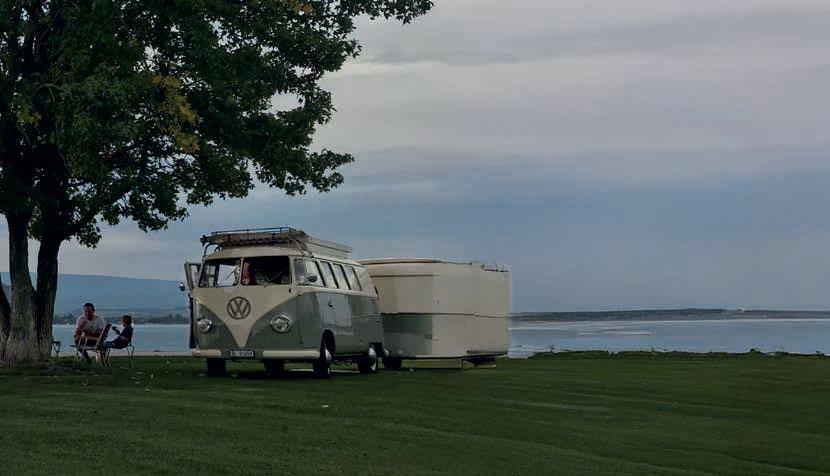
If you would like us to promote your Volkswagen event, please enter for free on www.bUGbUs.nEt’s show calendar.

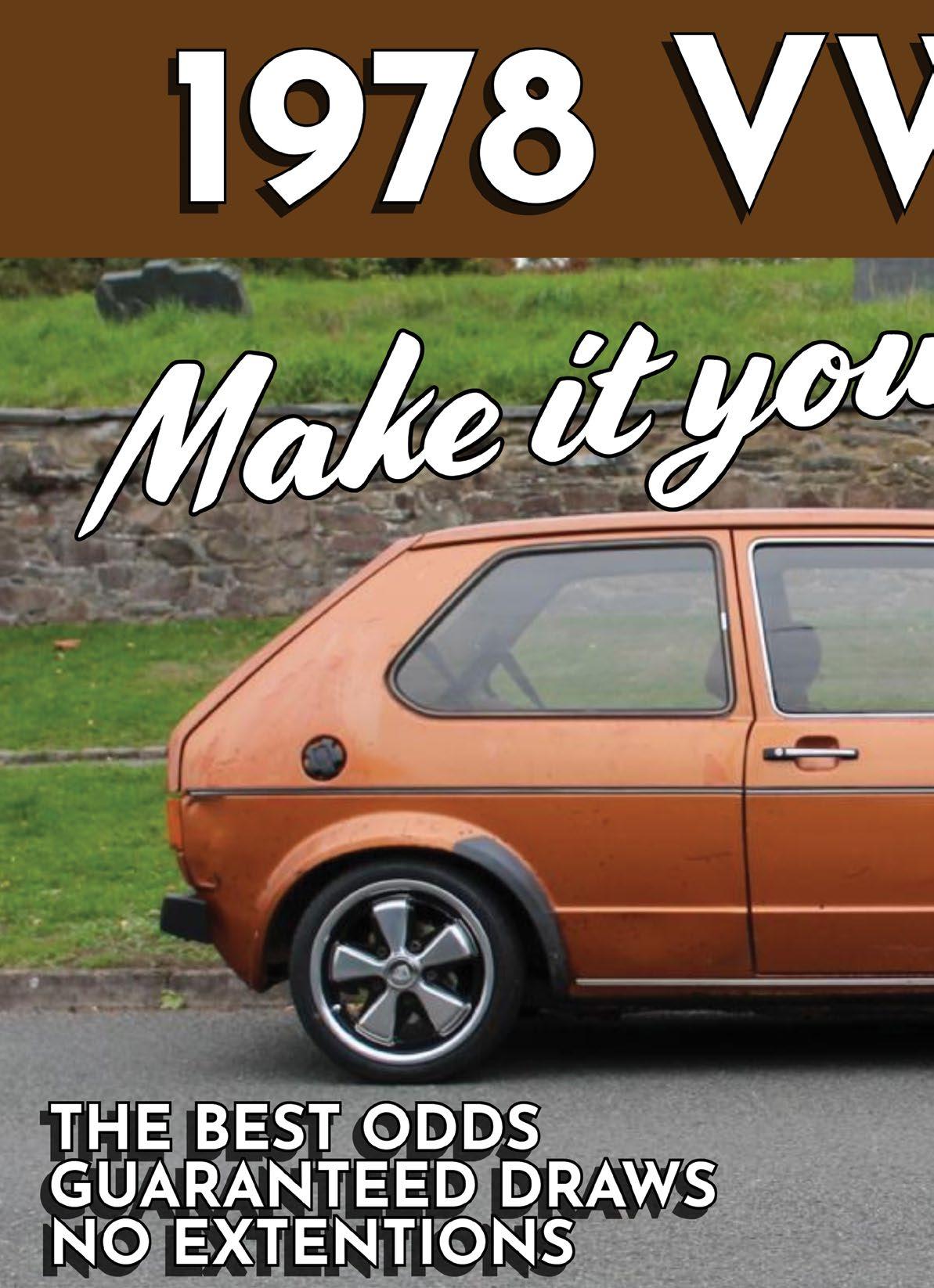
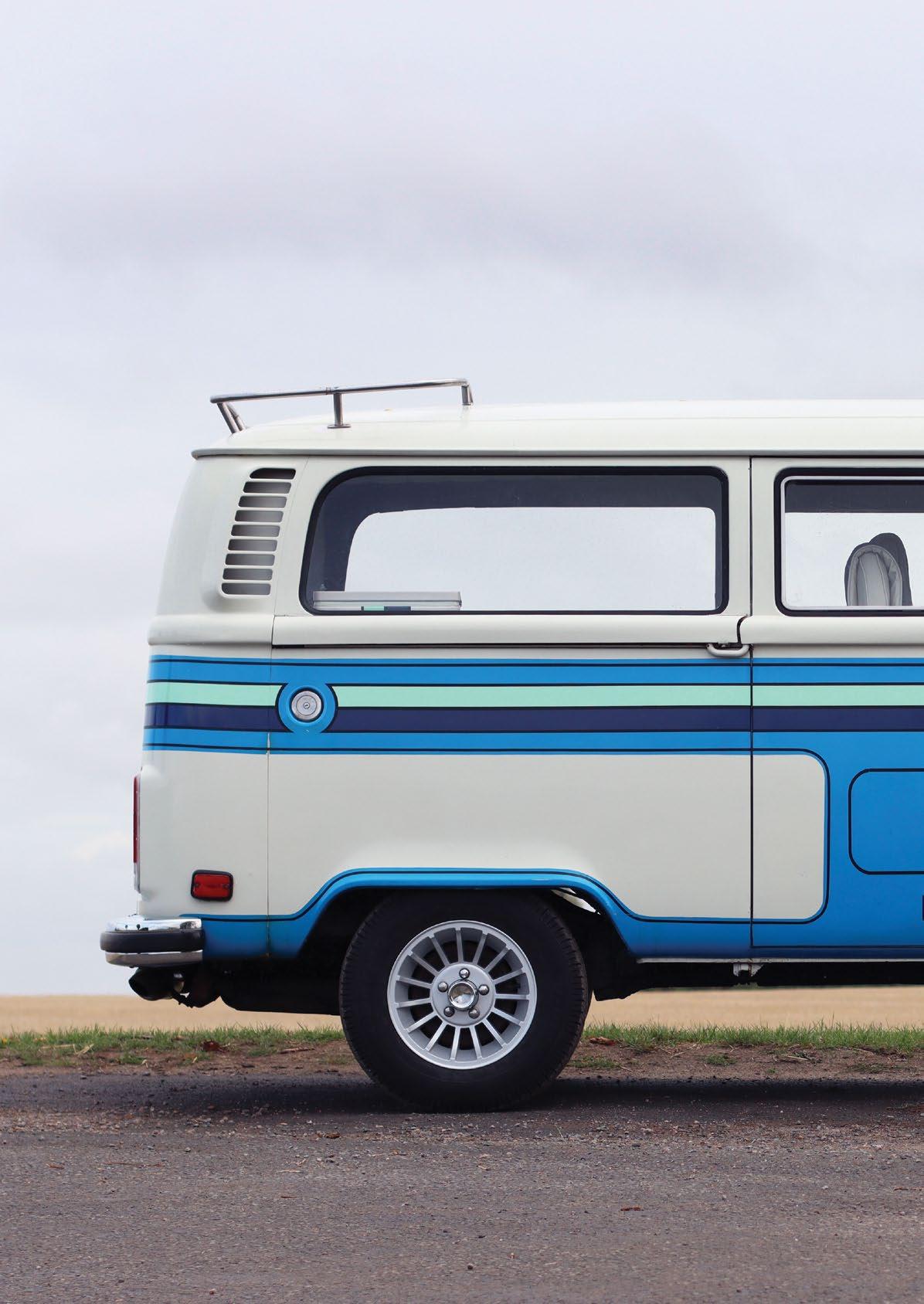
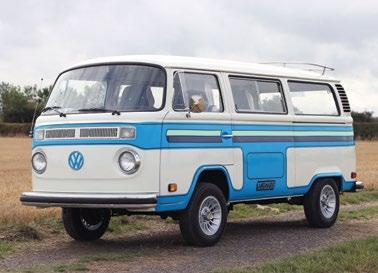
Well, here’s something you don’t see every day! When you think of rare in the VW world your brain will likely naturally go to rarer models like Barndoors, Split Window Bugs, Kübelwagens and the like. I bet it doesn’t go straight to a later Type2 Bay Window. But here is one that you may not know about and let me tell you, it’s rare as hens’ teeth, and boy oh boy do I dig it.
What you see here is a 1978 Landmark Bay
Window. It’s the love child of a team up between Volkswagen of America and a Californian company called National Coach Corporation. Both companies could see a gap in the market, a void the other company would be able to help them fill. The 1970s saw a boom in what you could call the “Boogie Van” in the USA. These were vans that had a day van or camping interior, but were also about luxury, big seats and velour, standout paint schemes, and customisations like wheels and extra chrome.
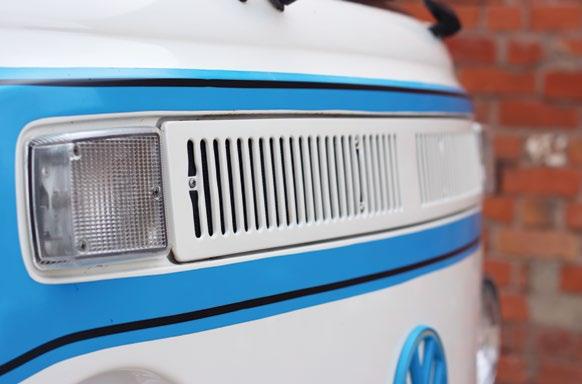
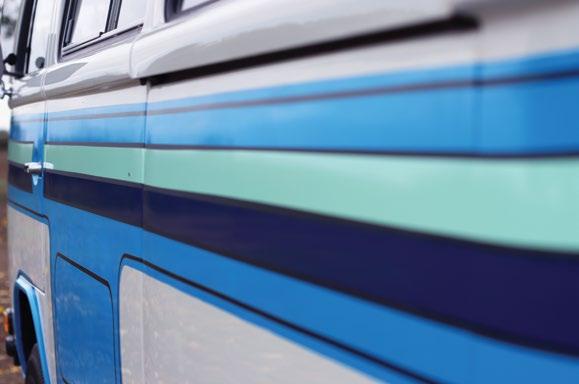
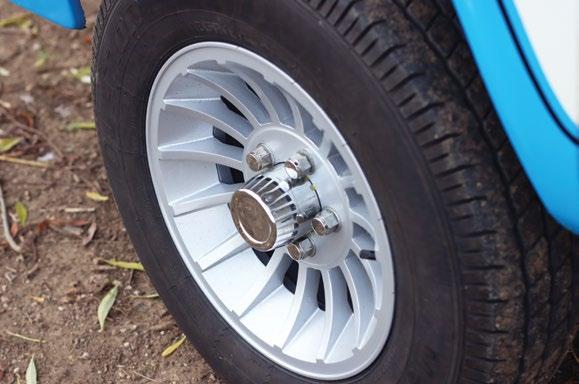
Rock stock vans had seen a leap from commercial vehicles to camping and recreational use. VW and many other US domestic manufacturers had been making window vans and working with other companies to make campers for years. In the VW world, for example, we have Westfalia and Devon; in the US they had, among others, National Coach Corporation. Seeing this rise in the popularity of the uniquely American style of the boogie van, VW of America wanted something with that distinctly American flare just for their American market. So they approached a company that had experience in building those kinds of vans – National Coach.
Now why would National Coach be interested, I hear you ask? Something else that was going on in the States at that time was rising fuel prices and a looming fuel crisis. American consumers
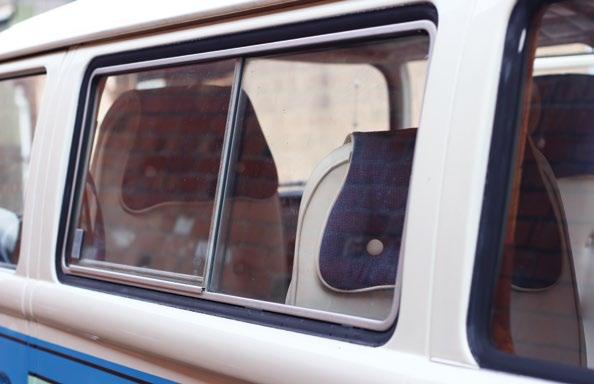
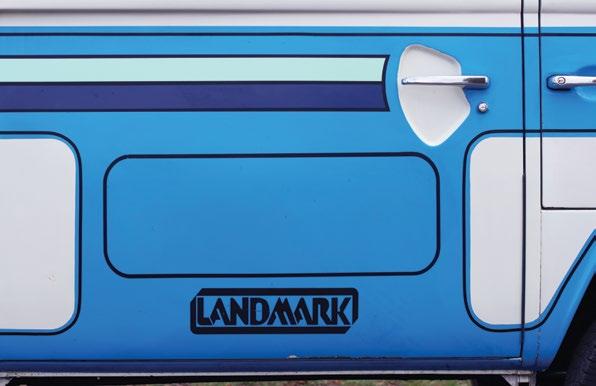

were becoming more conscious of petrol prices and fuel efficiency, which hadn’t really been much of a concern before. National Coach could see that this might become a problem and VW were always boasting about how efficient their cars were. Maybe if they could make a van that did 20mpg, they could navigate this impeding fuel crisis. With benefits on both sides, the two companies came to a deal that would see National Coach make a van in the same style as the domestic vans that they were building. Volkswagen would then roll them out to the dealer networks in California. If it was a successful venture they would roll them out nationally. VW stipulated that they wanted the van to be just like the domestic vans that National Coach were building and agreed to a run of 300.
To keep to the “just like the domestic vans” thing,
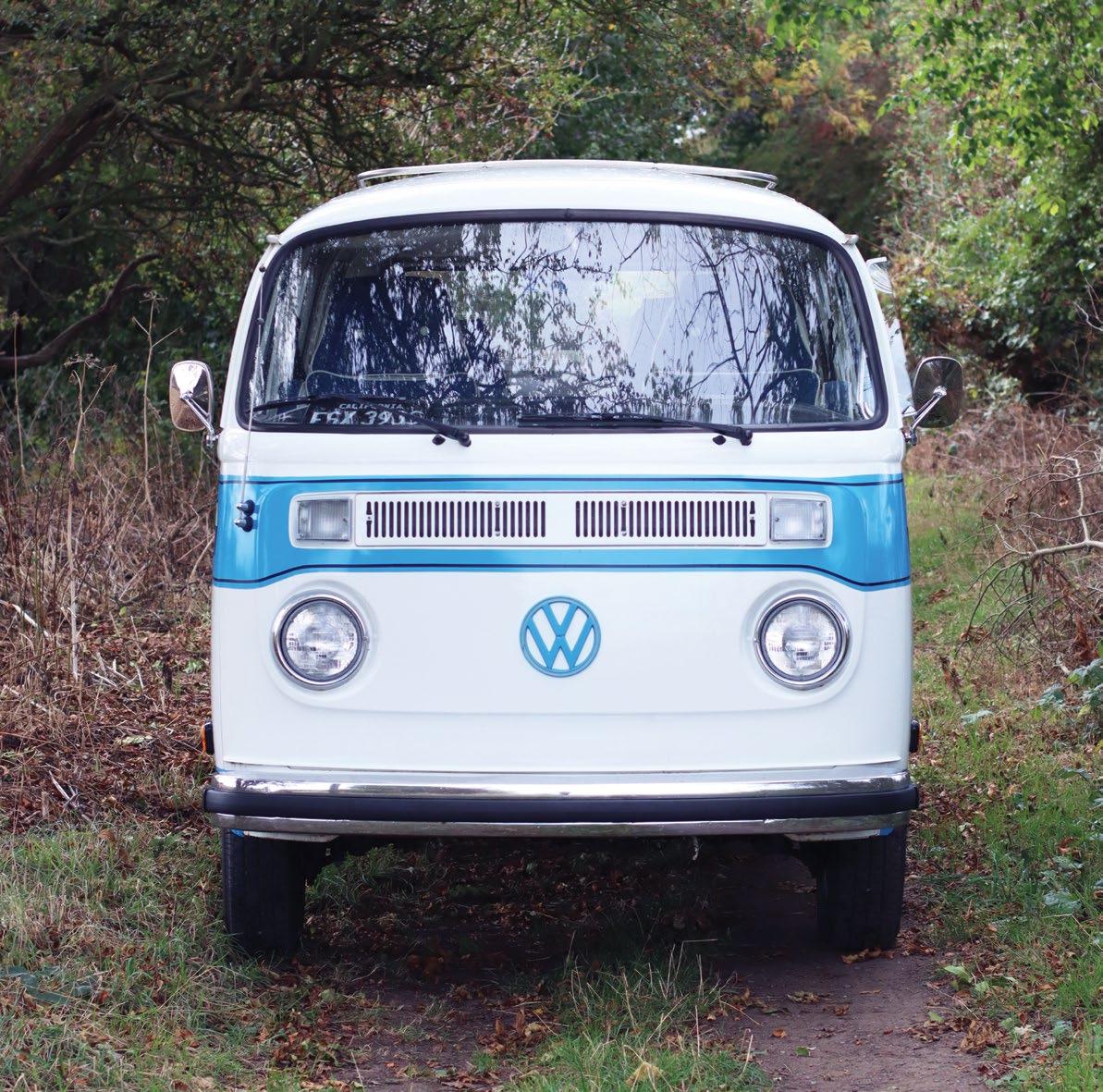
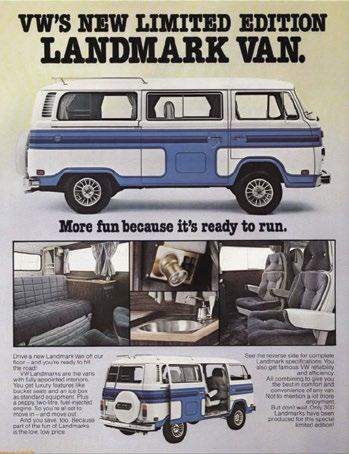
National Coach took a design, features, equipment and layout from a line of vans that they were already building in Chevy and Ford versions and applied it to the VW. They even kept the name, the Landmark series.
The Landmark Bay Window would feature four plush swivel chairs and a full-width rock and roll bed, a sink with an ice box, wall to wall plush carpets with 1 inch of padding underneath, together with a padded full length “asylum” headliner. Wood panelled walls and padded door cards, a drinks centre and a magazine rack with
custom interior lighting too. On the outside we have a custom paint job with vinyl stripes, chrome bumpers, a chrome roof rack complete with chrome ladder. Topped off with a rear-mounted spare wheel and a Landmark spare wheel cover and custom Western Turbine wheels. In my opinion, National nailed it. It does look like a boogie van! It has all the 70s flair, the over-the-top-ness, the plush. I love it. Sadly, though, the late 70s market didn’t agree.
From my online sleuthing I can’t find any official sales numbers, but from the US enthusiast forums
and the general consensus over there it would seem that the sales figure of 300 test models didn’t sell anywhere close to that. In an old magazine article from the 70s that I’ve found there are a couple of hints as to why that could be. First is the price. Back in 1978 a stock VW Bay Window Transporter would have cost you $6000. A Landmark was $10k – not far off double! And perhaps an even bigger reason
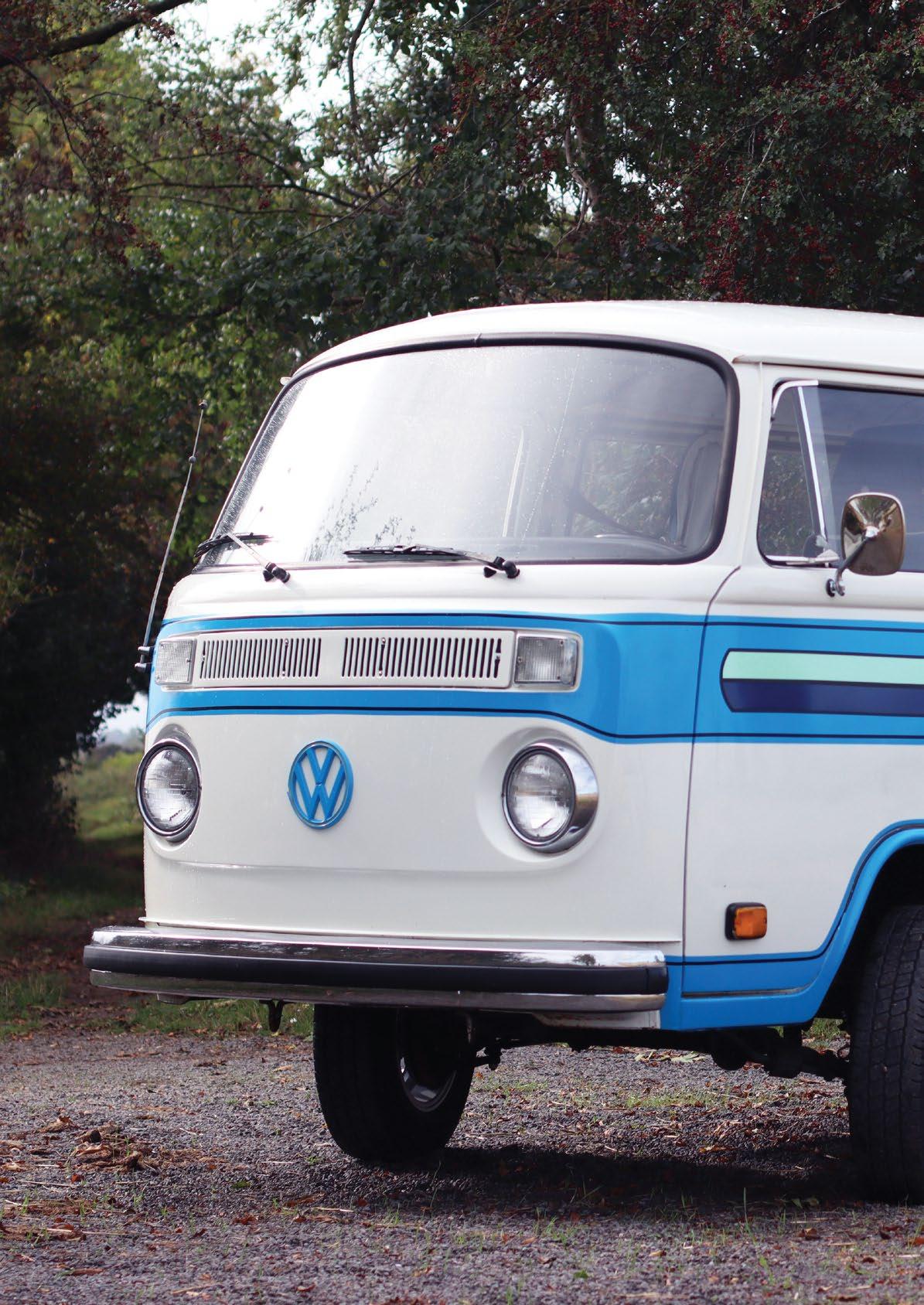
than that was the fuel. As I mentioned earlier, VW used their 20mpg fuel consumption as a big selling point in the US. It was a major part of the marketing and a significant reason why the Landmark came to exist in the first place. But $4000 wasn’t the only thing added to the Bay; over 200 pounds in weight was also added. This extra weight would seriously affect the real-world
fuel consumption of the Landmark Bay; apparently it was around 15mpg, about the same as the small block V8s of the far bigger American vans.
The low sales and lack of demand led to the Landmark bus not being given the green light and the project was shelved. However, low sales then means a good thing for rarity now! According to

the various forums that I’ve read, American enthusiasts guesstimate that surviving numbers worldwide could conservatively be around 20! I’d certainly never seen one until I saw this one in the flesh at Viva Skeg Vegas this year, and I’ve got a thing for the weird and wonderful. So it begs the question: how did a very low production car
from one single state in America end up thousands of miles away and in such good condition? Is it legit? How was it found? Me, myself and I would love to know, so let’s ask its owner, Tim Goodwin, the national buyer finding cars for 140+ dealerships, buying anything from Land Rover and Jaguar to Ferrari, Lamborghini and Porsche. Tim is no stranger
to driving special, interesting and often extremely expensive cars, but he’s always tried to keep a number of more “ordinary” cars in his personal garage. Over the
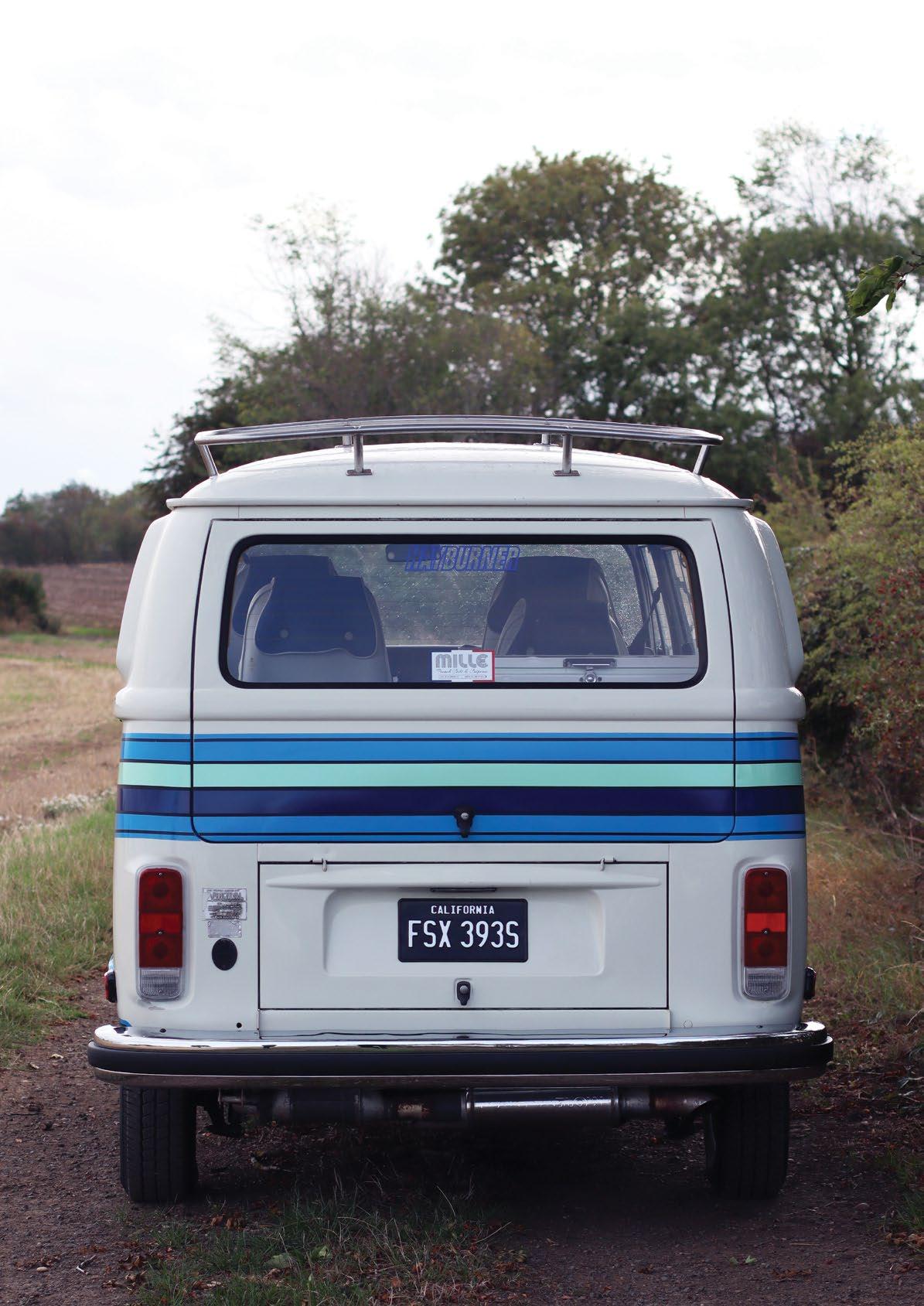
years he’s owned pretty much all the water-cooled VWs, ranging from Corrado G60 and VR6, to MK3 R32, lots of MK2 Golf GTIs
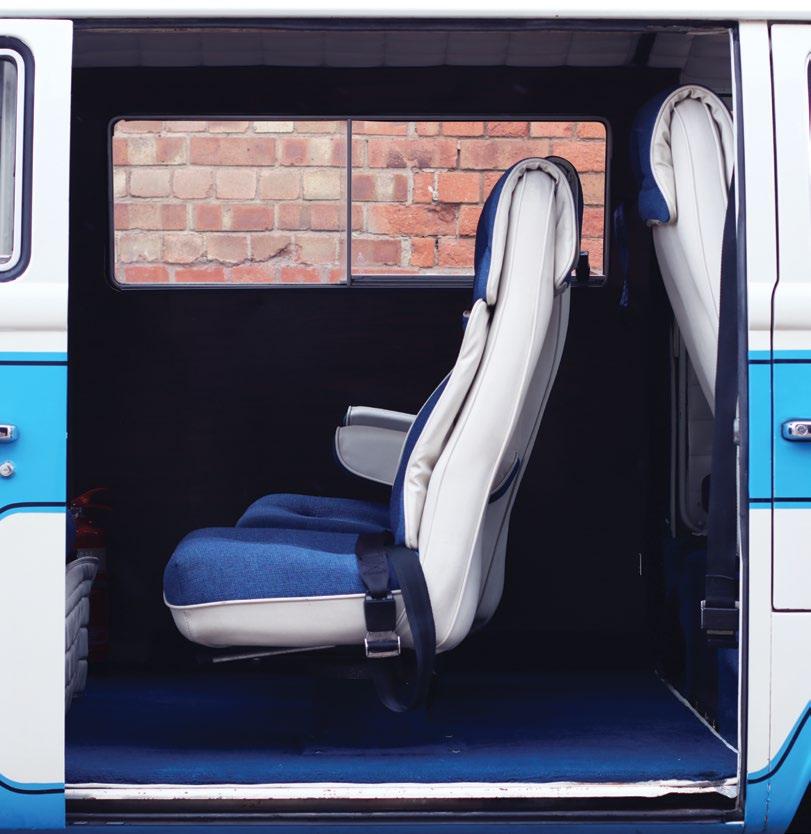
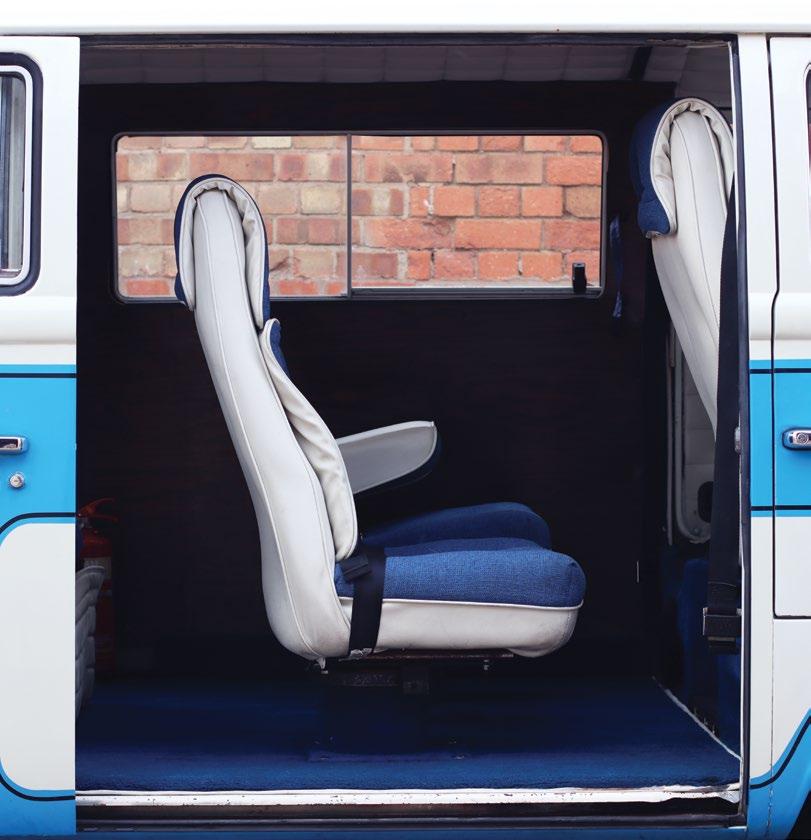
including a G60, and also a few Porsches including a 1985 Wide Bodied 911 Targa, Beetles, a one-owner Bay Window with FSH, and a multiple concours-winning MK1 Golf Cabriolet.
“Hi Dan. The Landmark was bought by a friend, Dave Roberts, in Wales who is an avid collector of VWs and weird and wonderful cars and trucks, having brought in loads from the USA and Europe – normally the weirder the better. I first met him when I bought a very early Porsche 924 from him which had a cool look, and later found out that it was older than the car at the Porsche Museum. We kept in touch, sharing details of other purchases and also when we knew of other good cars for sale. I first heard about the Landmark at Viva Skeg Vegas 2024. Dave originally wasn’t going to tell anyone until it arrived, but he had a couple of beers and got excited and let it slip. Other cars were shared backwards and forwards as normal until March of this year when I got a message saying the Landmark had landed in the UK after being stuck in Customs for a long time. Then came a message I wasn’t expecting. He said that he wasn’t sure if he was going to build it and was thinking of selling it.
“It wasn’t cheap, but it was so cool and looked straight and complete. We knew it was a real Landmark too. I did my research and could see that 300 were built with two colour schemes: White and Blue and White and Brown. From what I could find out, there are around 13 left in various different states from good to rotten. Most have lost many of their special features over the years as they were seen as a little exotic, even in the 70s. Therefore, interiors were ripped out and replaced with other camping interiors, stripes lost and the asylum headlining was seen as OTT. Thankfully this car had it
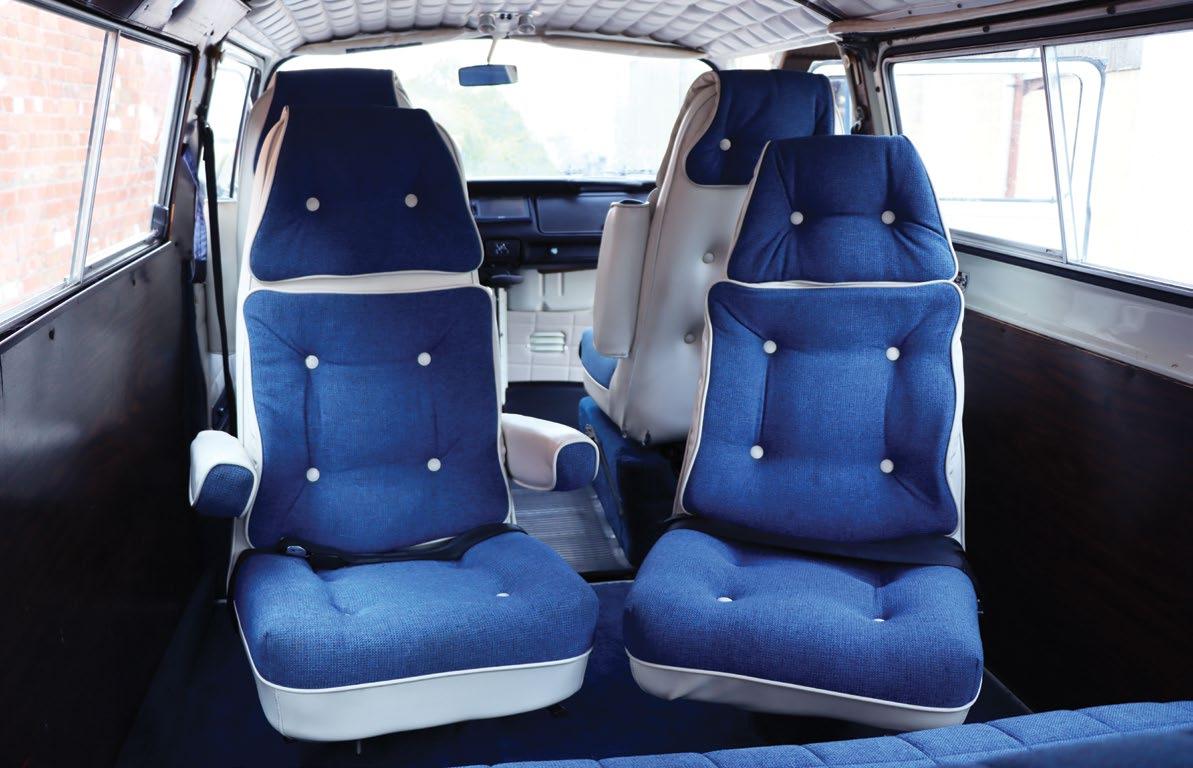
all. All the seats were immaculate with no fading or cigarette burns. The shagpile carpet was like new and the headlining and door cards, etc. were beautiful. It had the correct roof lights, the correct toggle switch to turn them on. The USA badge on either side of the dash was still present. Decals and serial number were still on the rear quarter, and the correct Western wheels (although at the time painted red, making it
look like a hot wheels car). The car had never been welded and was straight as a die, with no corrosion whatsoever. The only items missing were the rear ladder and rear cupboard/sink unit. Frustratingly, it had been there but was stolen out of it between the time of Dave buying it and it arriving in the UK.
“The bad bit was that it didn’t run or drive. And it
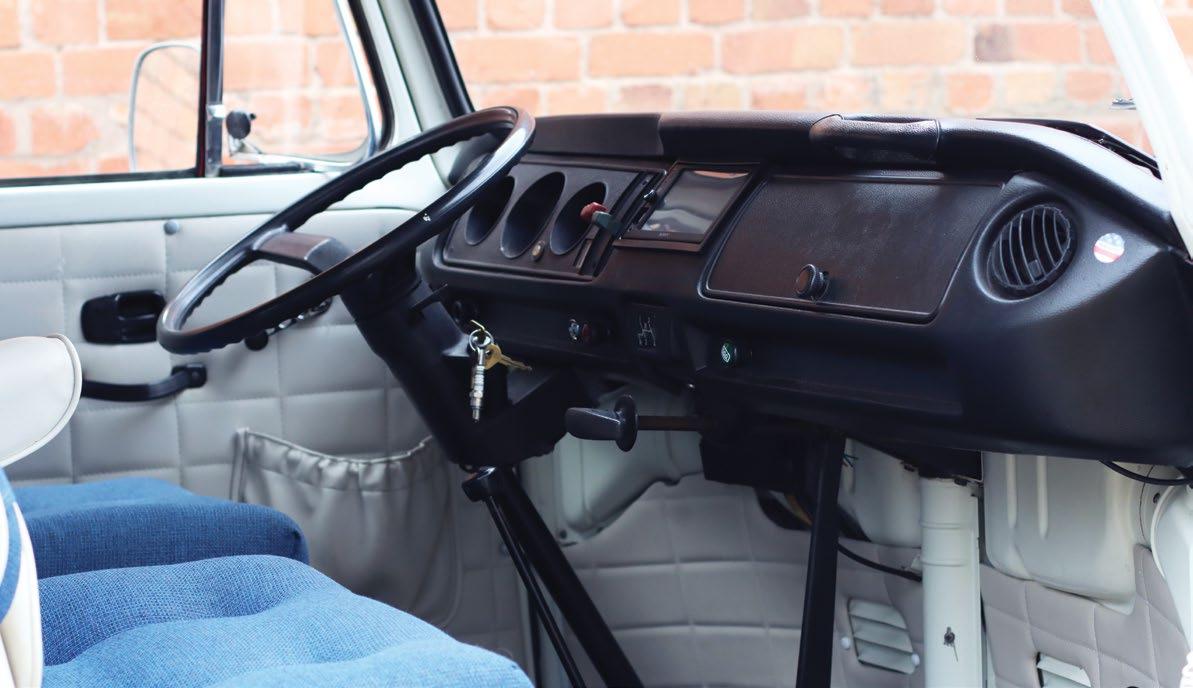
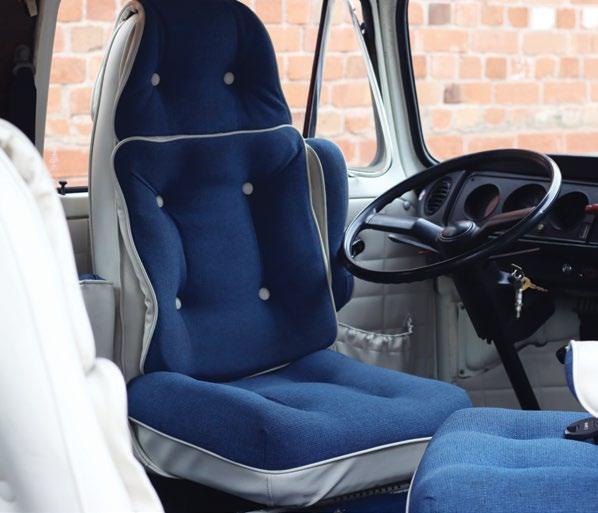
wasn’t registered in the UK. There was a video of it driving a couple of years earlier, so in theory the motor should have been good. But looking it over before I bought it, there were definitely bits missing from the engine bay, and the steering was nonexistent. I took a leap of faith as I knew how honest it was, and also how rare.
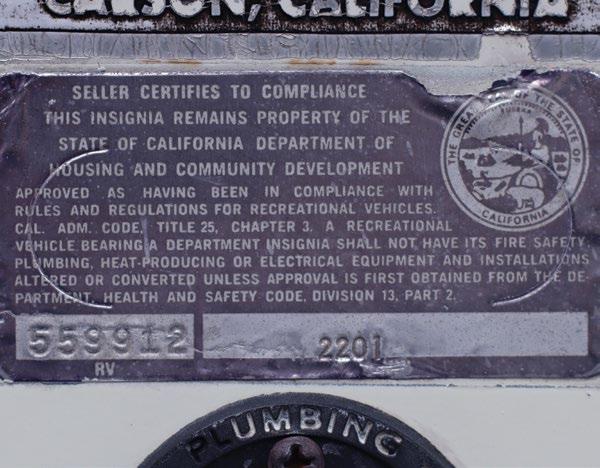
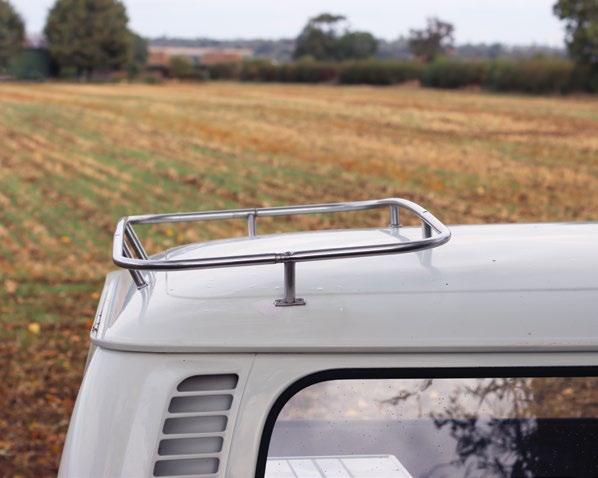
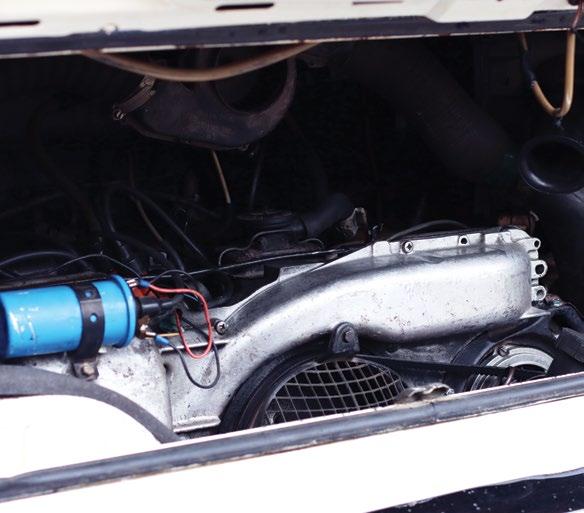
“I sent it to Steve Johnson at Johnsons Autoworks near Loughborough. They have always looked after my air-cooled cars. They worked wonders, although they had to do a lot more than I budgeted for. I asked them to do everything so that it would be 100% safe and reliable. All the steering, brakes and suspension have been replaced along with various bits of tinware, and they recommissioned and serviced the
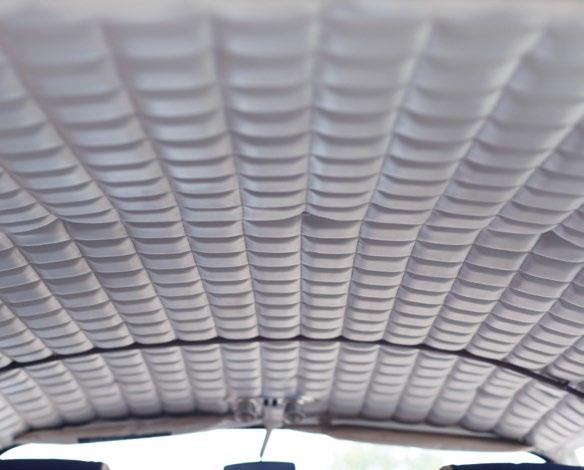
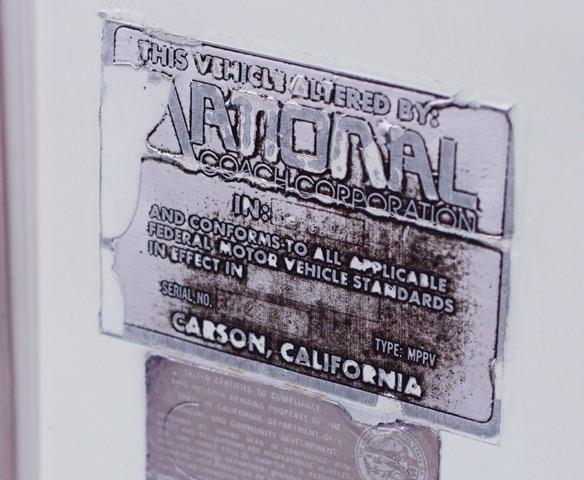
engine and did a bit of wiring. Thankfully it started, and other than fuel hoses needing replacement and sorting a couple of blocked injectors, there were no hidden catastrophes. Now it does everything I asked them to do. It drives amazingly, with a really strong 2.0 fuel injection engine. I seriously can’t thank the team there enough. They always do an amazing job at a really fair price, and give very good advice. Yes, I have spent more than I thought, and more than I wanted to, but it was everything that it needed. The first run out was to Viva Skeg Vegas 2025. A 180mile round trip with no issues whatsoever.
“As for the future, I think I’m going to let it go. I’ve been offered a couple of other cars that I have been waiting to become available for a long time and can’t keep any more cars. It’s now time for someone to take over and enjoy it.”
So there you have it: to my knowledge the only Landmark Bay that I know of in the UK. Which is how a ’76 Bay Window can be just as rare as a Kübelwagen!
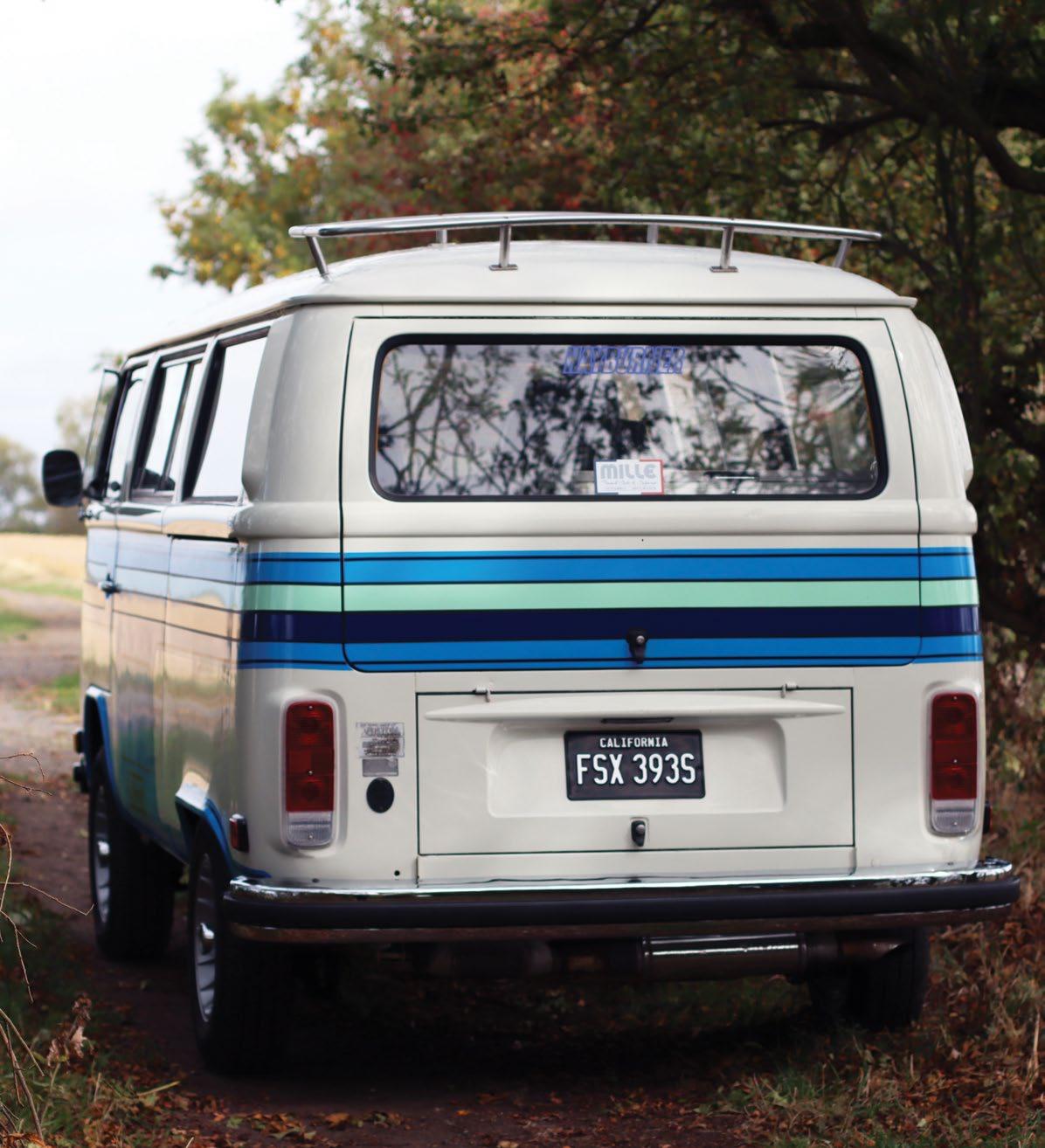
This complete Turn-Key Engine was constructed using topquality components from our extensive EMPI product lineup. Every Turn-Key Engine is dressed out, tested and tuned on the EMPI dyno ensuring that your new engine is ready to install and get your VW back on the road!
This 100% new and ready-to-install engine features AutoLinea cylinder heads upgraded with OSVAT OE style valves and a proprietary 3-angle valve job by Anthony Chicca at EMPI Anaheim.
The EMPI HEI ignition kit means you won’t ever have to worry about setting or replacing points for trouble-free operation. Just select the right exhaust and clutch for your application.
Plus every EMPI Turn-Key Engine is covered by a 12month/unlimited mileage warranty
Available Configurations:
• 1600cc
• 1776cc
• 1914cc
Every EMPI Turn-Key Engine Includes:
• New 55 Amp Alternator
• New Electronic Ignition Kit with High Output Coil
• Upgraded Dual Port Cylinder Heads with OSVAT valves CNC Machined in Anaheim CA
• 12 Volt 200mm Flywheel
• New Sheet Metal
• PennGrade 1 Oil Included
Fits most Type 1, Type 2, Ghia, Dune Buggy, Sand Rail and Kit Car applications using 12V Flywheel

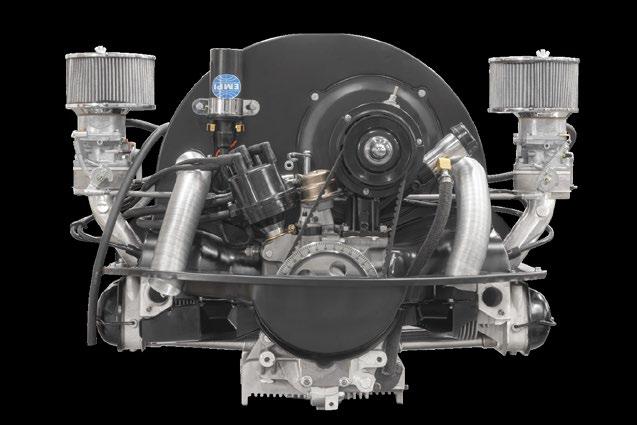
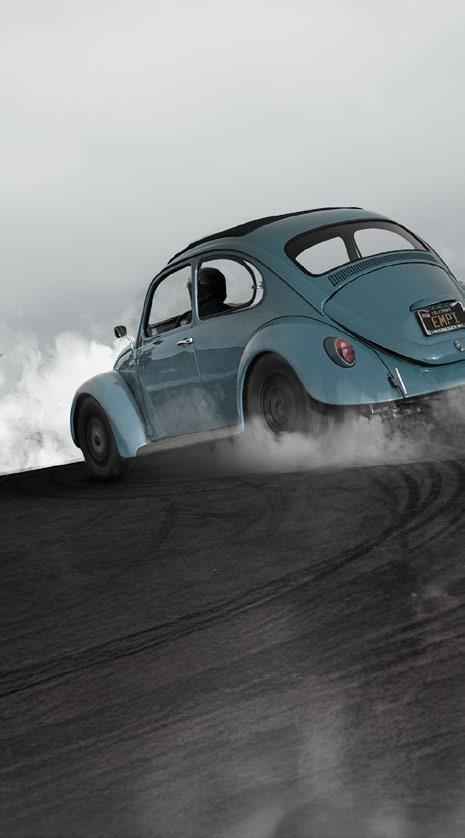
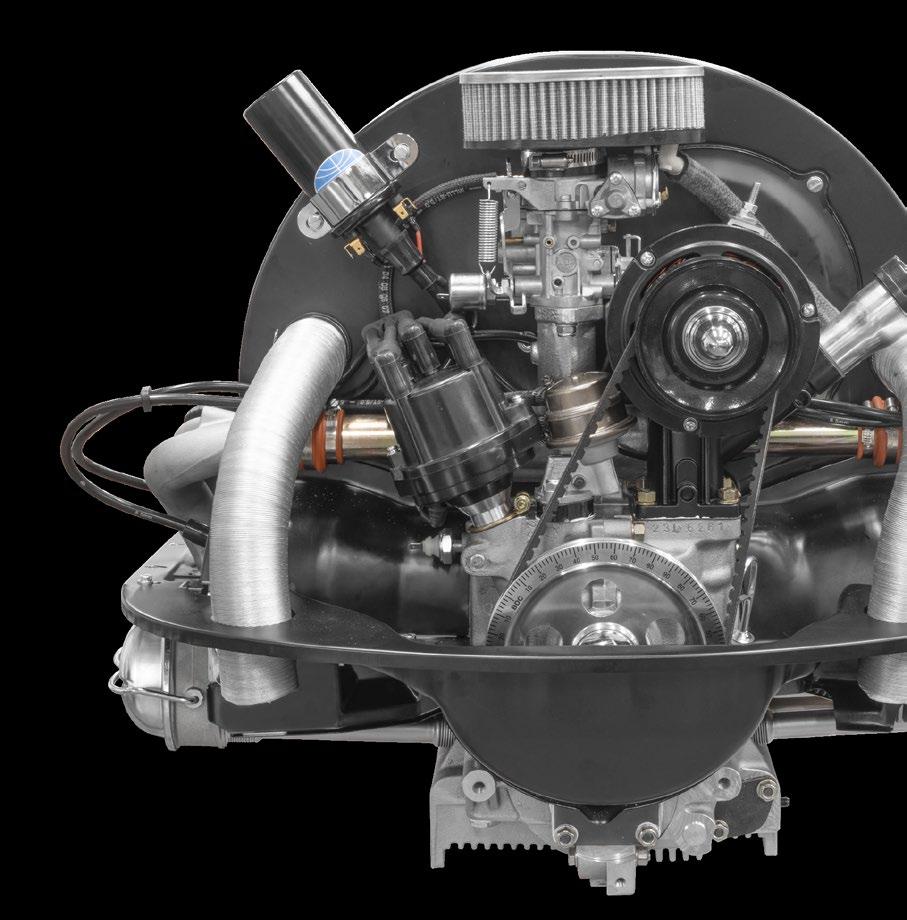









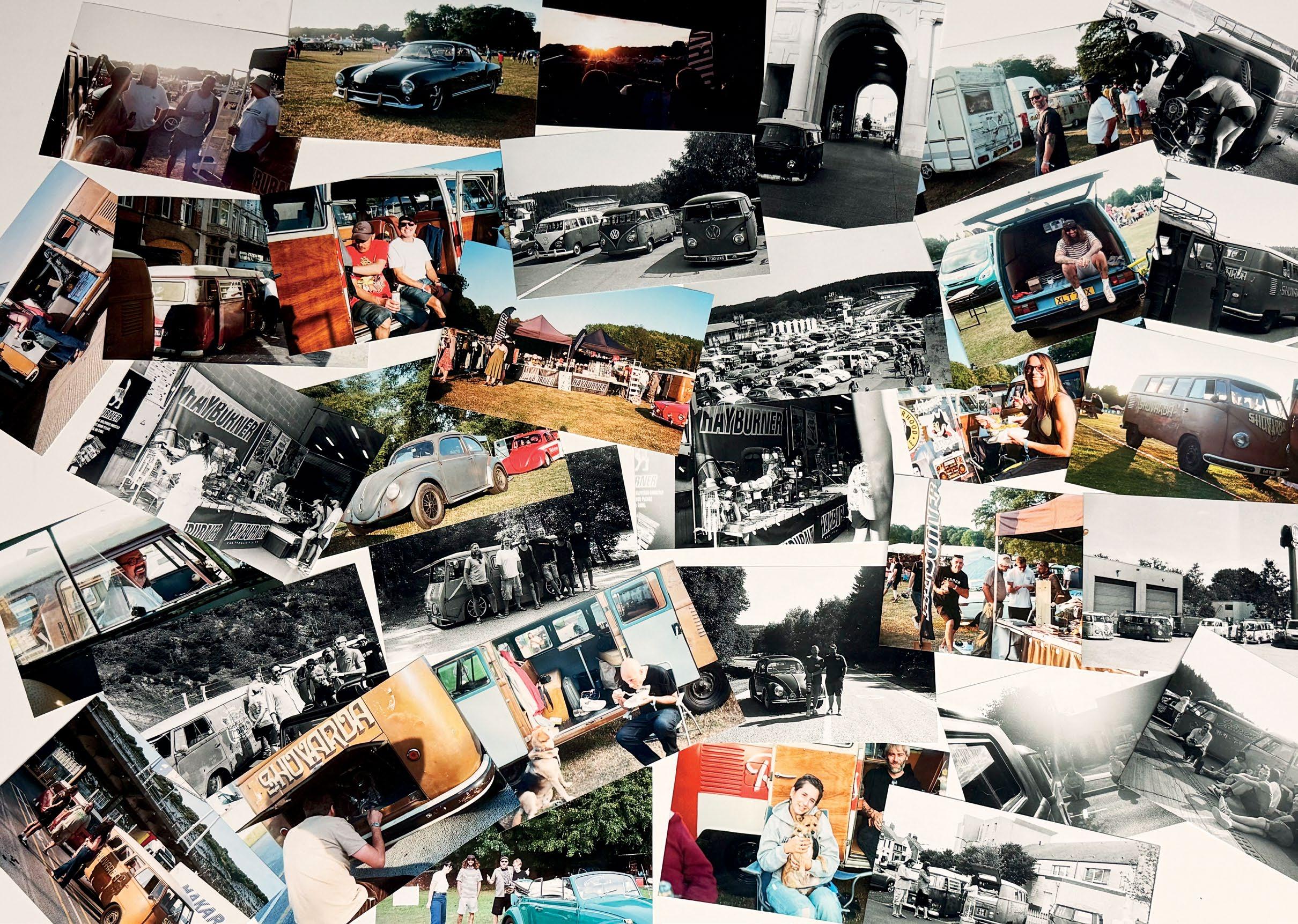
For service parts, accessories and general care for your classic aircooled. We offer Worldwide shipping and FREE UK postage on all orders over £45! www.hayburner.co.uk

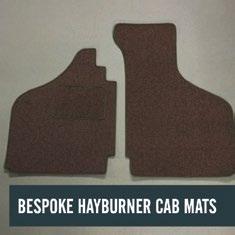

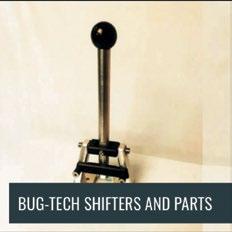
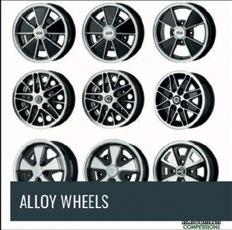
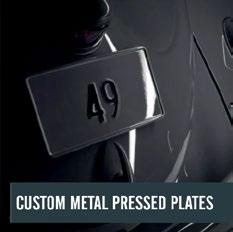
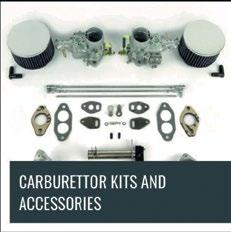
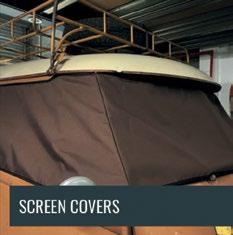
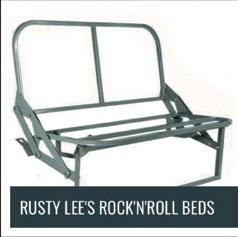



Supplying quality upgrades for your Beetle, Bus and Ghia plus much more.
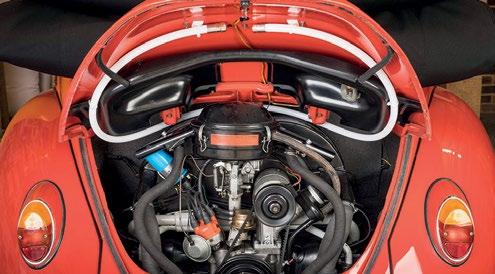
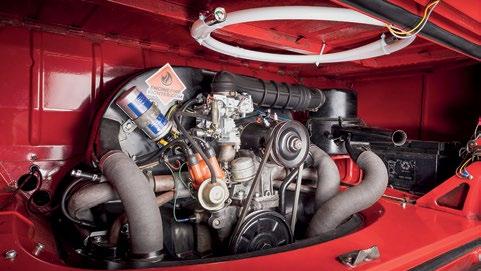
ENGINE BAY FIRE FIGHTERS 3 & 2 metre fire suppression systems for your beetle & bus, click here >

*NEW, IMPROVED & EASY TO FIT*
Bay Window fuel sender access hatch for Late Bays. A simple solution for buses that have had (or are going to have) a hole cut in the rear parcel shelf to access the fuel sender. Laser cut to the correct profile with a raw finish.
Official Hayburner ‘GET YOU OUT OF THE SH!T KIT ^

< BAY WINDOW FUEL ACCESS HATCH
< CUSTOM METAL PRESSED PLATES
Premium quality pressed plates in a range of styles and colours. Show plates and legal plates. Available in: US Style, Yellow / Black, Black / Silver,Glitter, Sparkle, Chrome and much more!


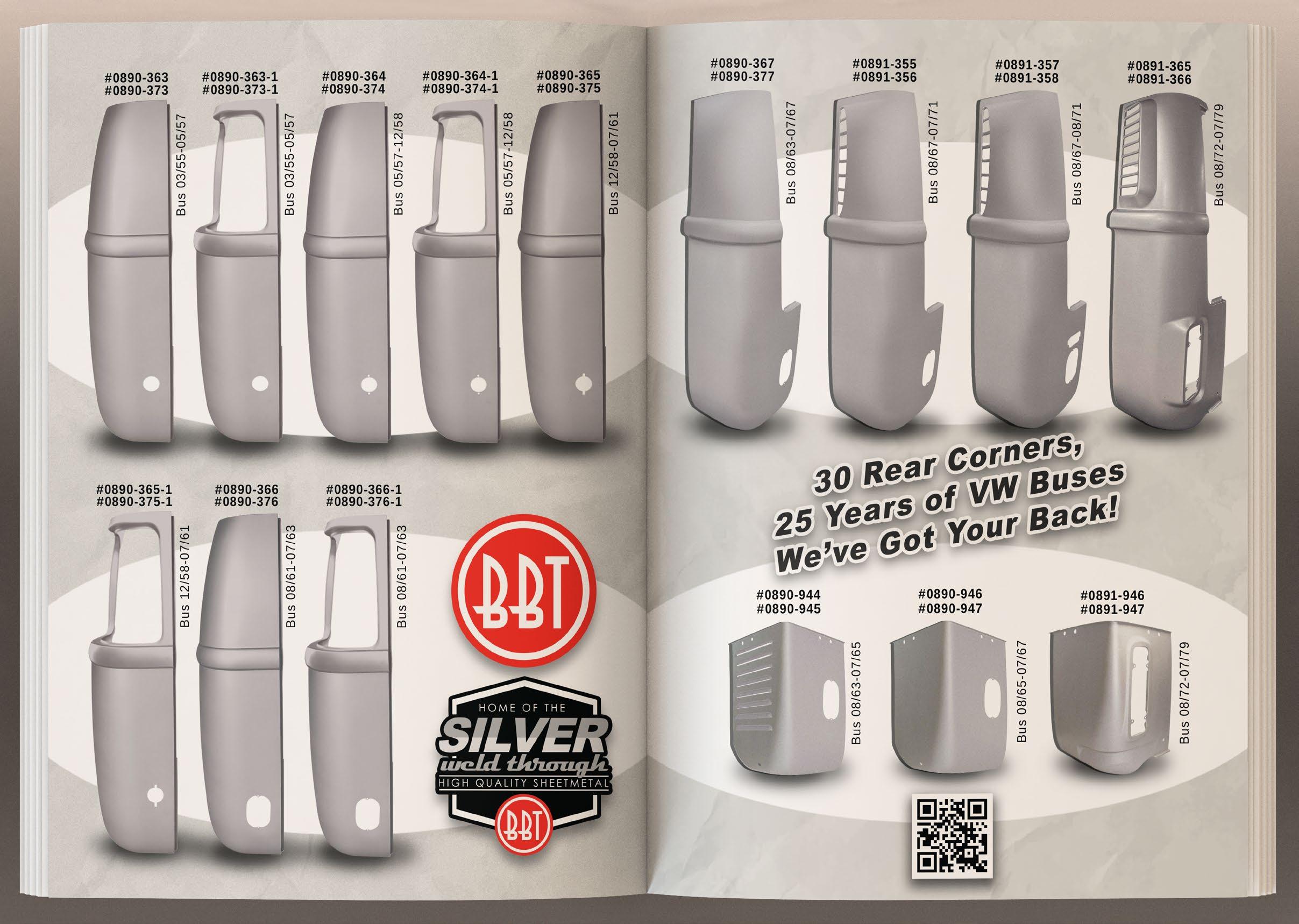
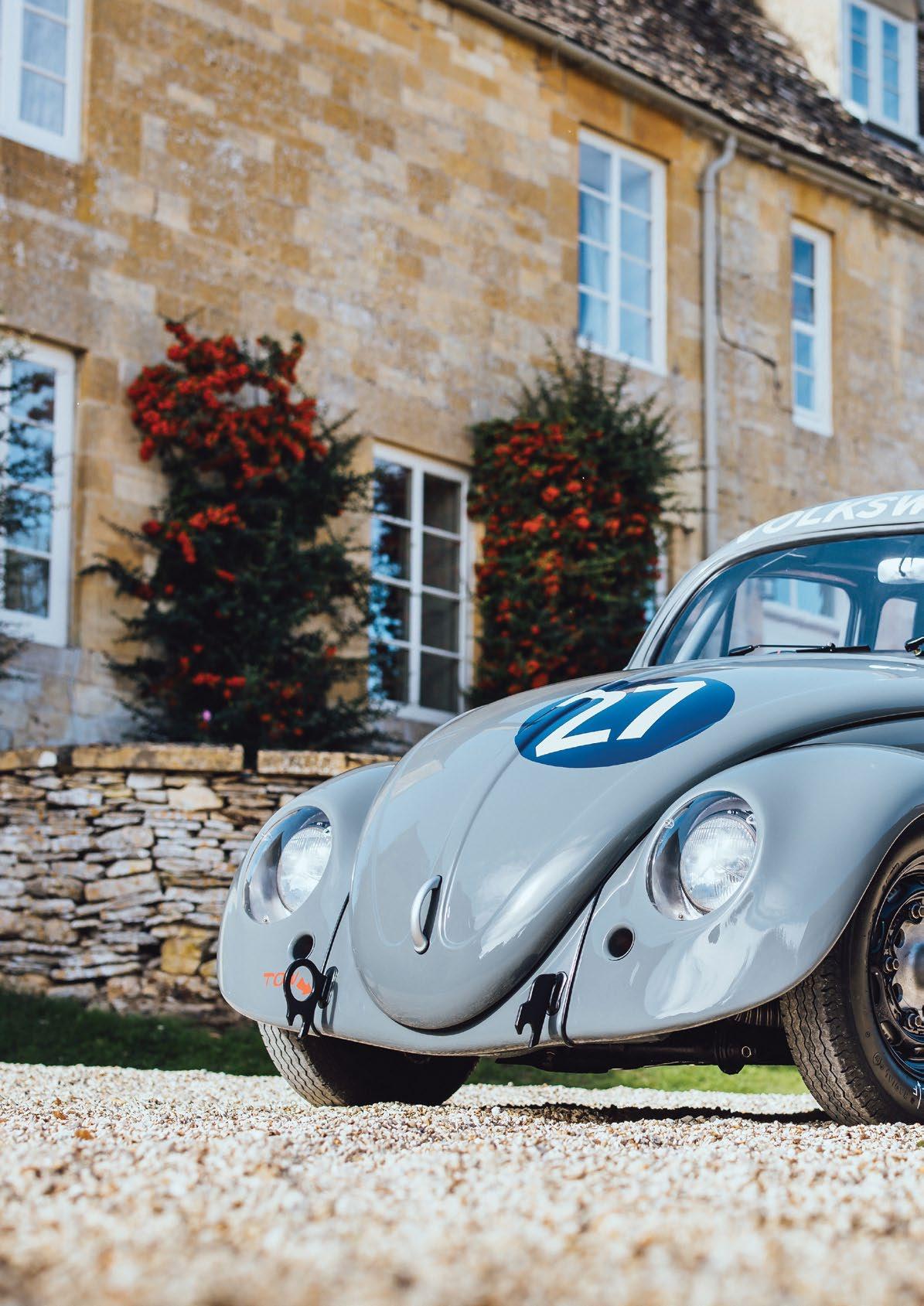
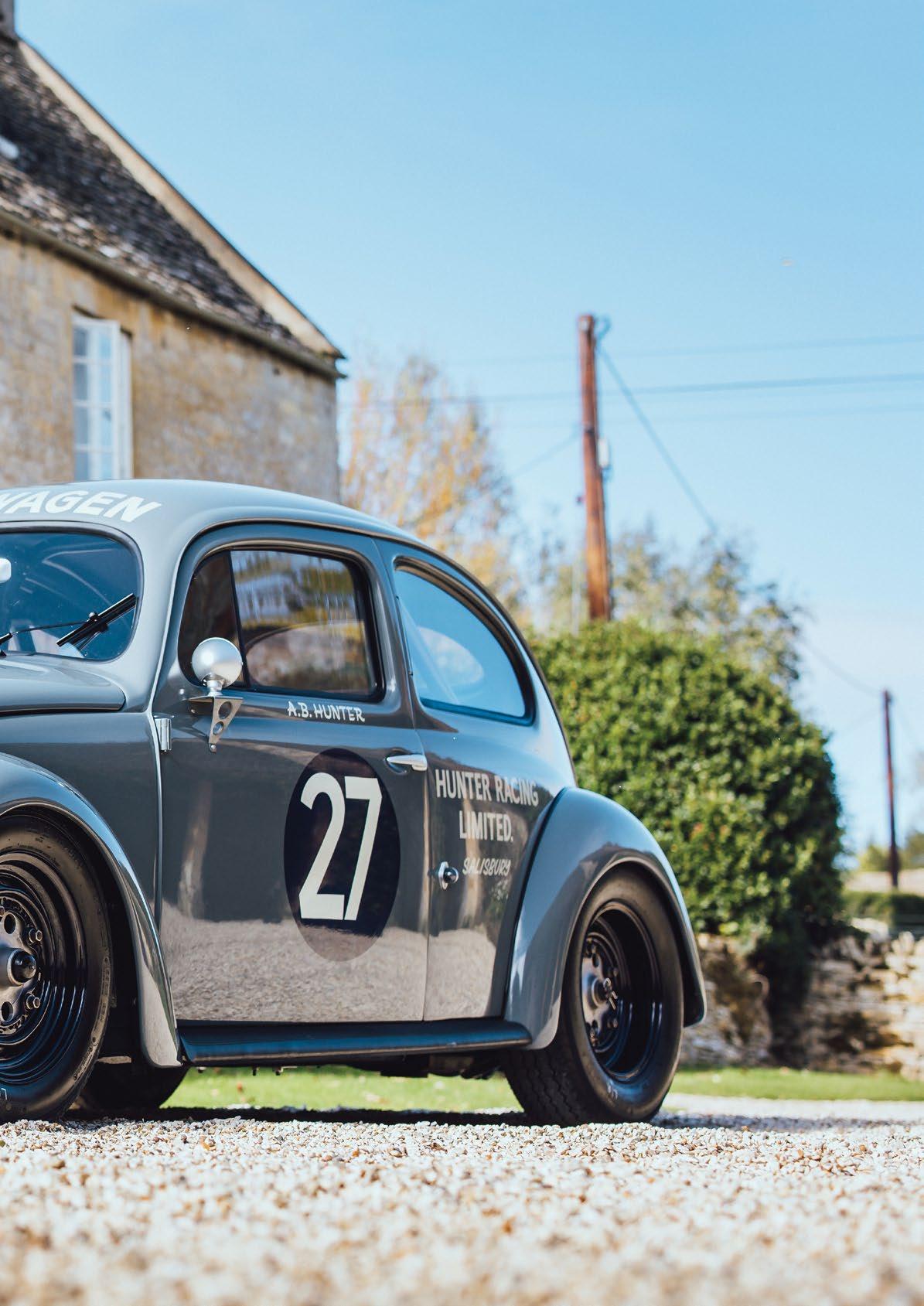
I honestly don’t know where to start with this car. I’ve never felt pressure like this before, the kind that comes from wanting to do a vehicle, and the pure passion, energy and focus of its owner, the justice they deserve. It feels like an impossible task, to fit everything on these pages, but I will try my hardest.
I saw some snippets about this Oval prior to its debut at the Volksworld show in 2024, and knew it was going to be something special. Then I actually saw it in the flesh and picked up on the subtle in-period mods and the carefully considered nods to British racing heritage. Every walk-past revealed something new, which really made it for me. Then I read that most features on this car were re-made over and over again in the search for perfection. That’s the magic of this obsessive little hobby we all share. So cool.
Adam bought his first Beetle when he was 16 and set about getting it ready for when he passed his test. This included a lowering job, getting everything mechanical working as it should, all new repro chrome, and of course 6 x 9s in the parcel shelf and a minidisc head unit – wow, remember those? He’s owned several air-cooled VWs since then.
He bought this Oval on his graduation day in 2008. Adam and his family went to the uni with trailer in tow, and while Adam was out on the lash with his mates celebrating their graduation, mum and dad went off with the trailer to collect an RHD Standard 1955 Beetle. When Adam got home hungover two days later,
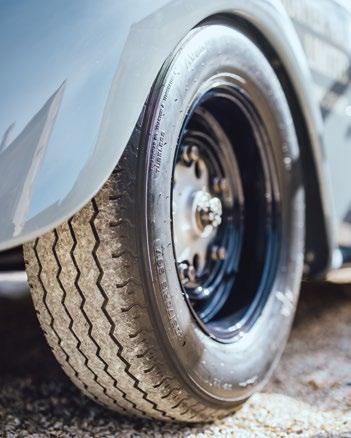
there was the car on the driveway.
Back then, the car was in Standard spec, including cable brakes. Adam and his wife Helen drove the car to Cannes in the South of France and back in Standard spec. At that time the car was used
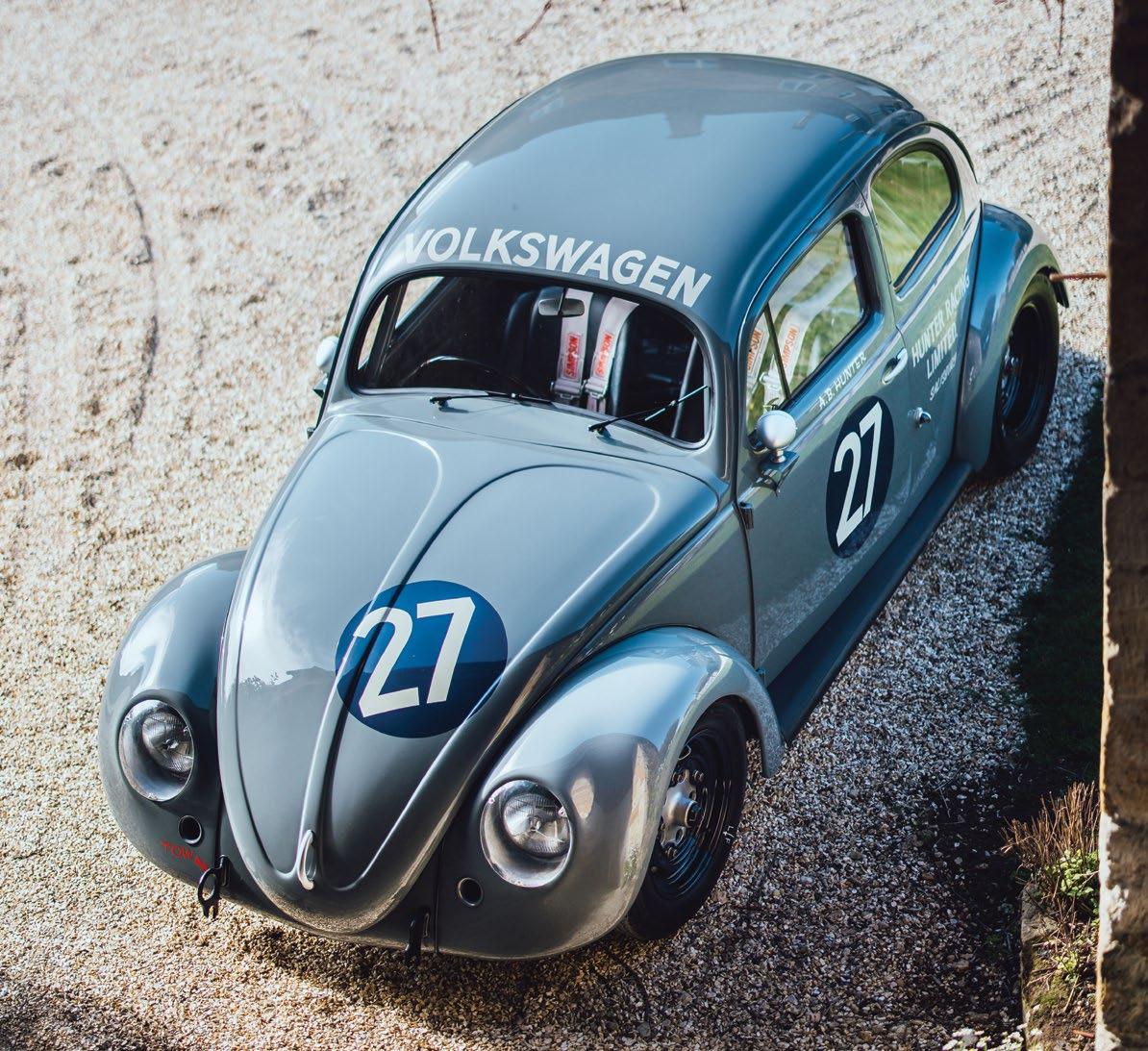
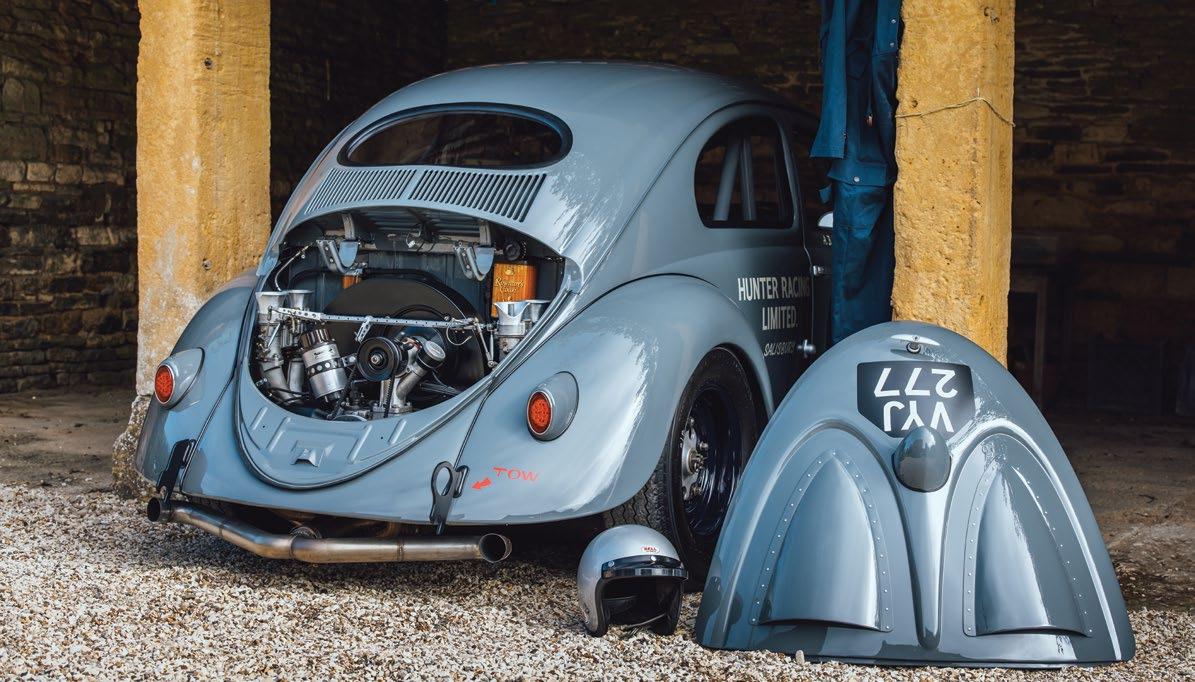
as a daily work hack, driving from Derby to Coventry, putting more than 16K on the freshly rebuilt 30hp engine in less than a year. “I remember adjusting king and link pins on the slip road of the M42 by Ashbyde-la-Zouch, taking a spare battery with me when the dynamo was failing, fixing brake lights at 11pm … good times.”
Having used the car in stock, slammed and old speed forms, Adam had a yearning
for speed, and longer term to actually go racing in the Oval. He investigated engine options with Ian Clark at Wolfsburg Performance Services and Richie Webb of RJ Volks Performance, who both helped discuss engine spec.
“The trouble is that Appendix K regulations of the FIA state that your car must be as it would have been in period, and only allow an increase in cubic capacity of 25%,
so that would put max capacity at about 1440cc. Fine, except the minis are doing at least 120mph down the back straight nowadays, so you need a motor with small capacity but huge amounts of power and gearing for top speed. Around 150hp, 8k revs and virtually unusable on the road would be the result after an eye-watering bill.”
This prompted Adam to build a period
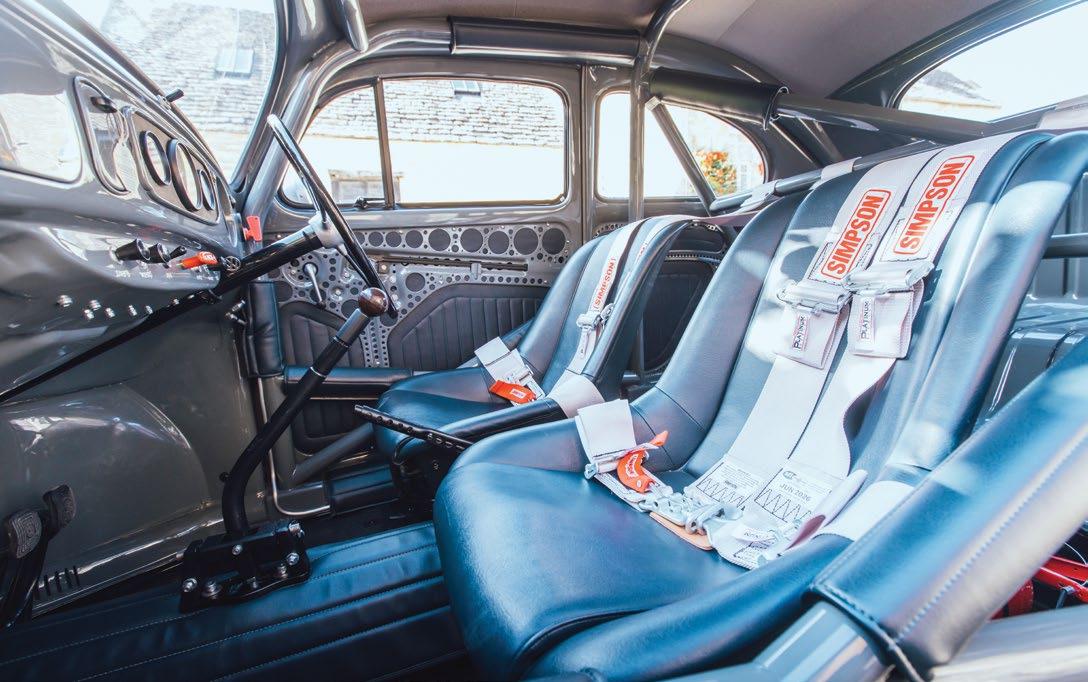
correct car that would punch above its weight as many other privateers and race shops did in period, creating GTs, sports prototypes or “Specials” that didn’t need production run homologation. That way it would be a handful on the track yet enjoyable on the road. The plan was to build a much bigger engine. After running 30hp and later a 1200cc, Adam was keen to build his first high performance motor. After years of canvasing magazines, he collated a spec that he thought he wanted. While searching for the SCAT internals, Adam found a whole car for sale that had almost the exact long block and gearbox spec that he planned to build.
The Cal Look ’56 Oval Ragtop wasn’t his style at all, but it had the right ingredients. “Deal done, I drove the car all the way back to Evesham. … But I’d made a mistake. I did notice that it had a later fuel tank but was distracted by the overall opportunity the car presented and didn’t notice that from the dash forward was from a 60s car. I’d bought a wrongun. Once I knew this, I felt less concerned about removing the parts I wanted for the ’55. On the driveway I had two Ovals on dollies and did a full drivetrain swap. It was like a scene from Face/Off.”
Adam now had a 200hp Standard Oval on M&H slicks with no
seat belts and stock seats. It all felt a little sketchy, but having always wanting to go racing, he decided to contact Cotsweld and book it in for a full FIA 6-point racing cage.
“I can’t weld a cage to this car”, was the call Adam received from Jim, who had bare-metalled the bottom of the pillars and found lead and plenty of it, and under that steel plates, and under that newspaper from the 1980s. The body was welded to the floorpan, so in 2015 Adam separated the two and sent the remains of the pan to Mark Dryden of Flatlands Engineering, who replaced the pan halves, Napoleon’s hat and several other repairs. “We found that
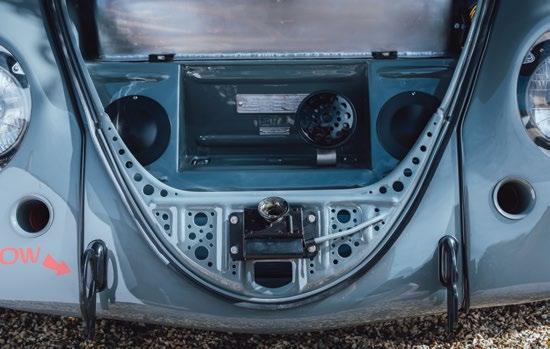
the Standard pan with cable brakes and rib layout matches a Split Beetle pan far more than a late Oval, so Mark fitted the new pans and then grafted in relevant features from my pan halves so it was as it left the factory. The pan was then finished in gloss black. I bare-metalled and POR-15 treated all other items before reassembling with high quality parts. I converted the car to hydraulic brakes at that point, installing the Porsche 356 brakes.”
While all this was happening, the body went to Irv’s for media blasting, but they did a huge amount on this car. “I remember Paul ringing me up and saying, ‘Alright, Ad. Well, the roof is
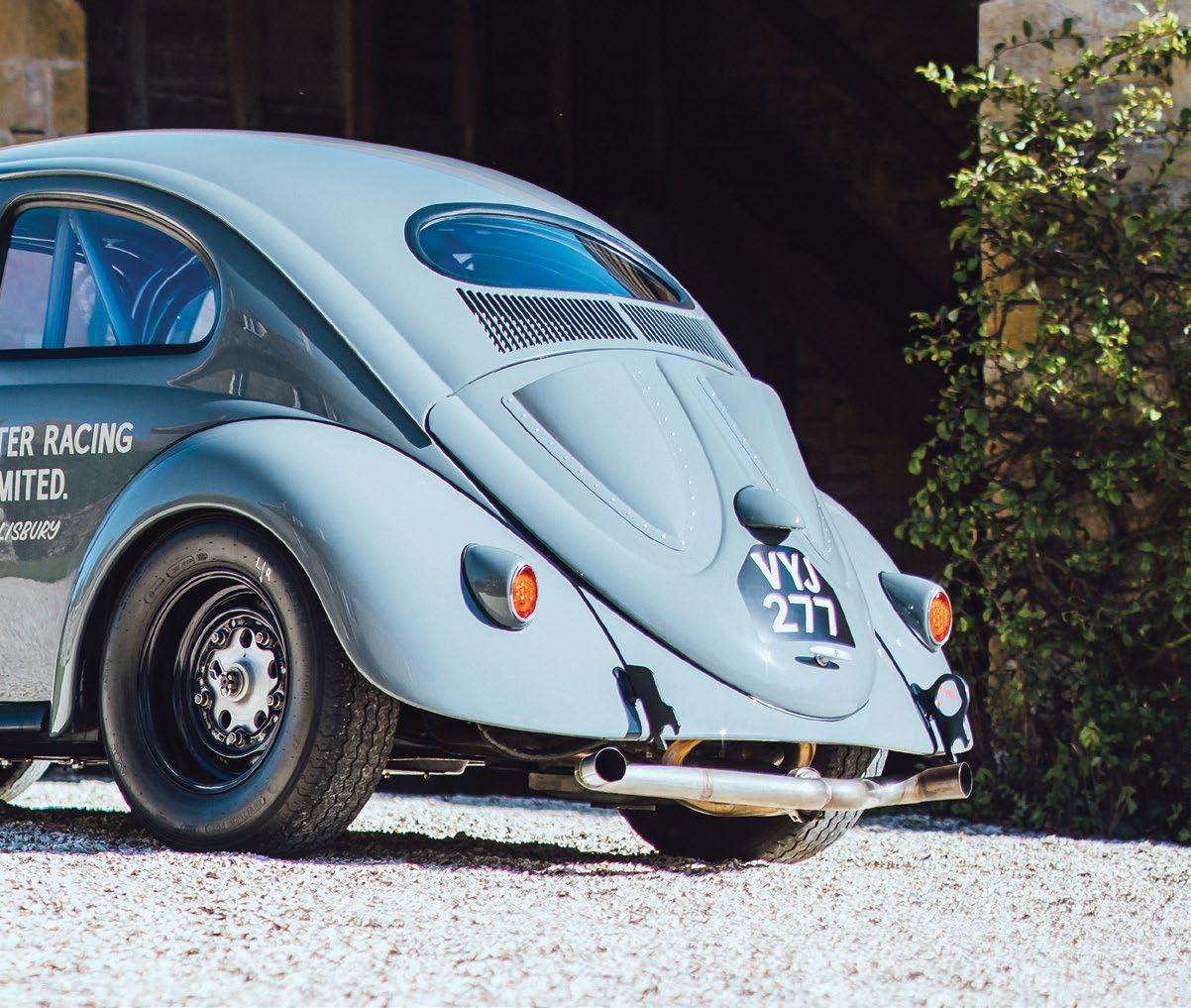
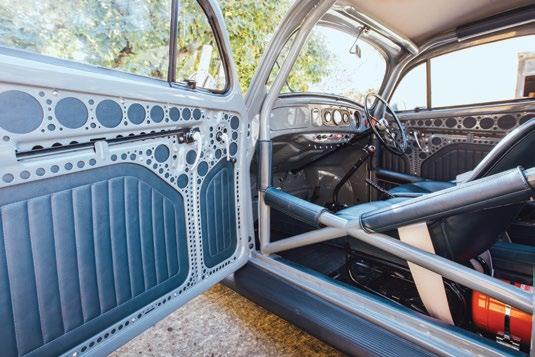
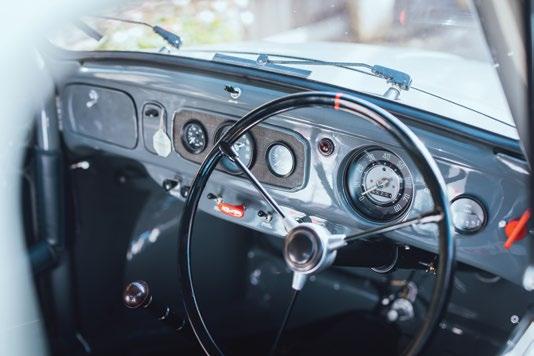
good, that’s definitely usable’.” The lower 8 inches of the car were repaired using as much of the original metal as possible, new heater channels, rear bumper hangers, etc. OG wings replaced the repro ones; also a new set of mint Oval doors were sourced. The car was made solid and returned to Adam in epoxy for the custom work, lightening and roll cage install to begin. When Adam came to fit the tinware he noticed everything was sitting an inch higher than it should. Long story short, the frame horns were bent due to a historic rear end accident. Team Irv’s cut the frame horns, bent them down to match another Standard Oval they had in, and welded them back up.
Jim Smith at Cotsweld Racecars did an amazing job with the tagged historic 6-point roll cage. Adam was really fussy about the cage being parallel to the pillars and windscreen angle, plus keeping it as tight to the shell as possible to maximise the space inside the car. Jim was the right person for the job. It fits the car so well. He was able to stitch weld the tubes to the shell along the pillars and dash, which makes it super stiff.
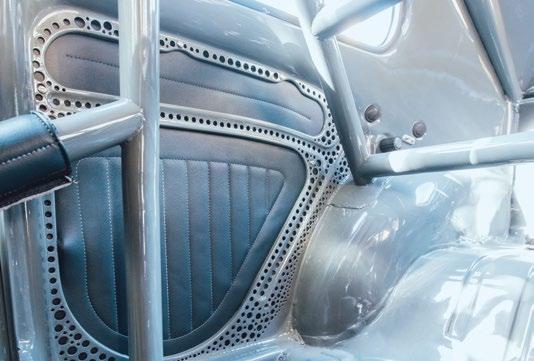
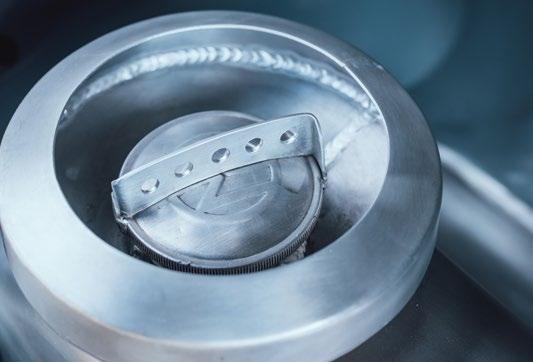
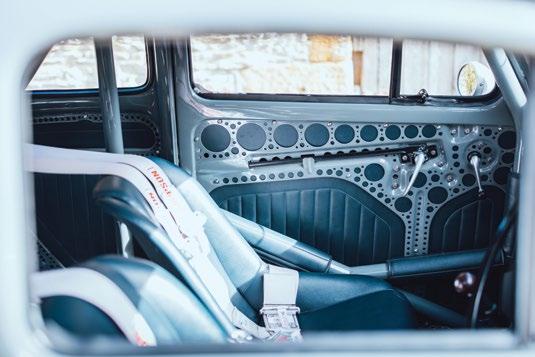
role in bringing a lot of the cool custom touches to life. P-6 The handmade aluminium deck lid scoops are attached using traditional rivets; the ali tank looks exactly like the original Oval tank, but is fully baffled with a filler bowl and a breather like a period GT car Wayne also core drilled the drums and mounted intakes on the backing plates to receive the ducting from the wing intakes, which are fed through the horn grilles. As you may have gathered by now, Adam knows exactly what he wants and will spend as long as it takes to achieve it. He went to a local spinner with a drawing of the scoops he wanted. The original idea was to have them flat like Maserati, Lotus, etc. of the time, but nothing looked right. In the end a set of P-7 Aston Martin DB4 Venturis were used. In another one of those great little touches, he made the straight through exhaust and cut the merged header to tuck it under the car as it should be for racing. “I mentioned to Wayne that the seat bases were angled the wrong way for my driving position. When I picked up the car he’d back-to-fronted them for me, which was a total surprise. I then narrowed, strengthened, drilled and braced to suit the seat rails. It would have been easier to start from scratch.”
Wanting the car to look like it had been built in the 1950s in the
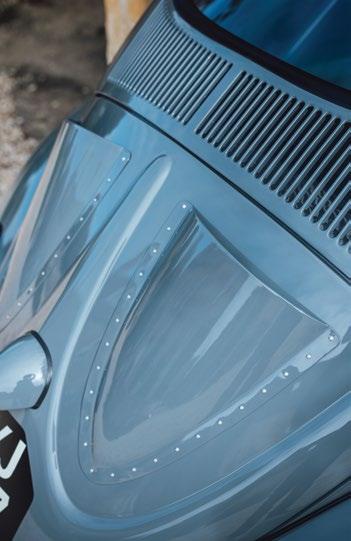
UK, Adam wanted to use parts that would be more readily available at that time, mounting original Lucas headlights with brackets in the wings. Then Wayne made the ali headlight surround and modified the Lucas light bowls. Adam wanted to recreate the kind of headlights featured on period racing prototypes, so it had to be a Lexan cover with ali tabs. P-4 Adam contacted BGM, a custom motorcycle shop: “There was a lot of trial and error. The covers on the car are the 12th and 14th attempts, but boy what a great look this has created. The mocking up and
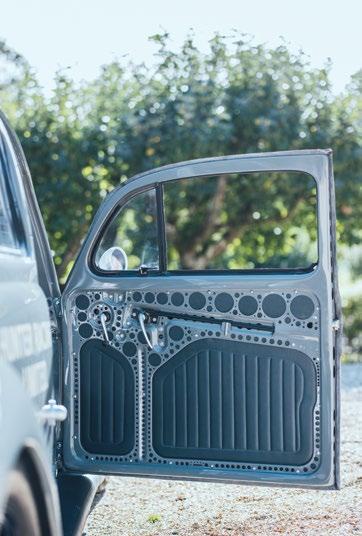
hassle behind these lenses would suggest why no-one has attempted anything like this on a Beetle as yet.”
The car then returned to Irv for prep and paint before Volksworld 2024. “The team did a mega job to such a tight deadline. I think I dropped the car off just before Christmas with loads of work to do. I’m one of those customers that asks a lot and with lots of features on the car they couldn’t picture or that made their job much more difficult, like all the holes.” Ah yeah, the holes, synonymous with classic race cars.
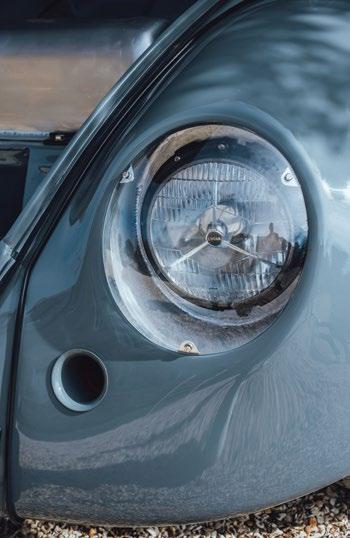
P-7 P-4
“Credit to the team at Irv’s that they could handle all the headaches I threw at them!
“Neil Melliard spent a whole day on my car and helped me achieve the period feel I was hoping to achieve. The Volkswagen script across the roof wasn’t even in the original plan. I just stumbled across a picture from a rally in Australia in 1956. I showed Neil and he started marking it out without hesitation. I was planning to have “55” as the racing number. Neil told me it deserved better. All of a sudden Wayne and Neil were going back and forth
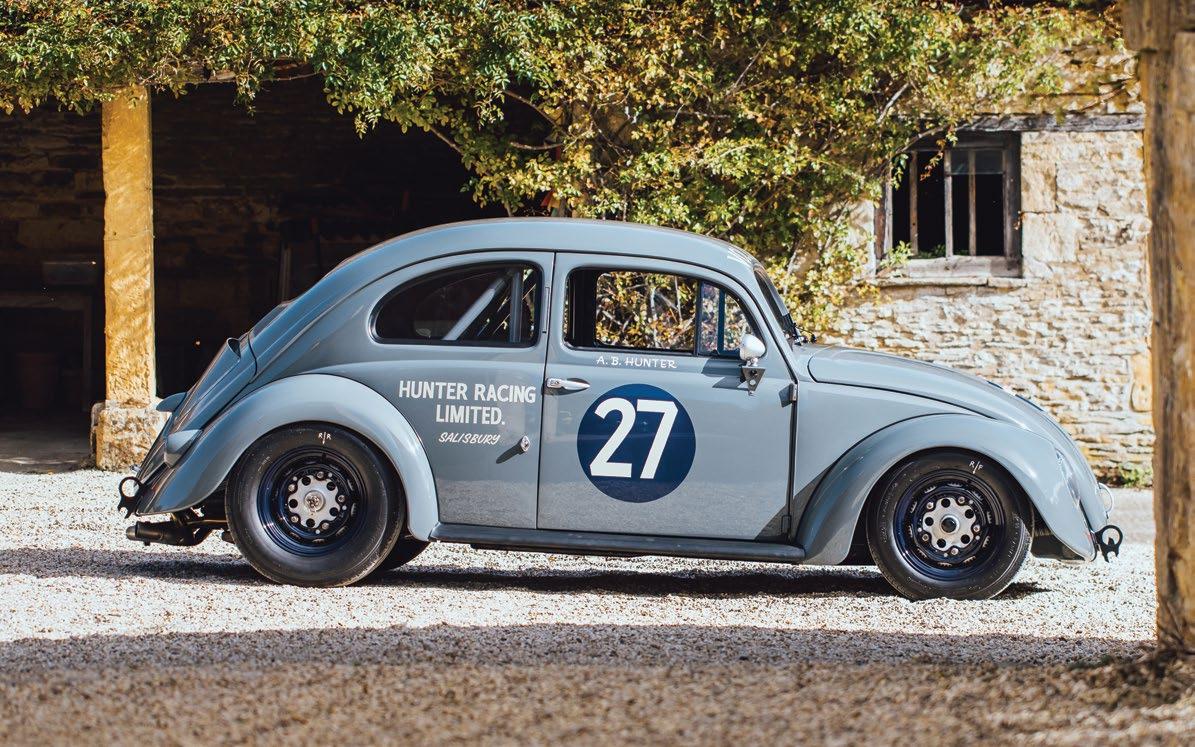
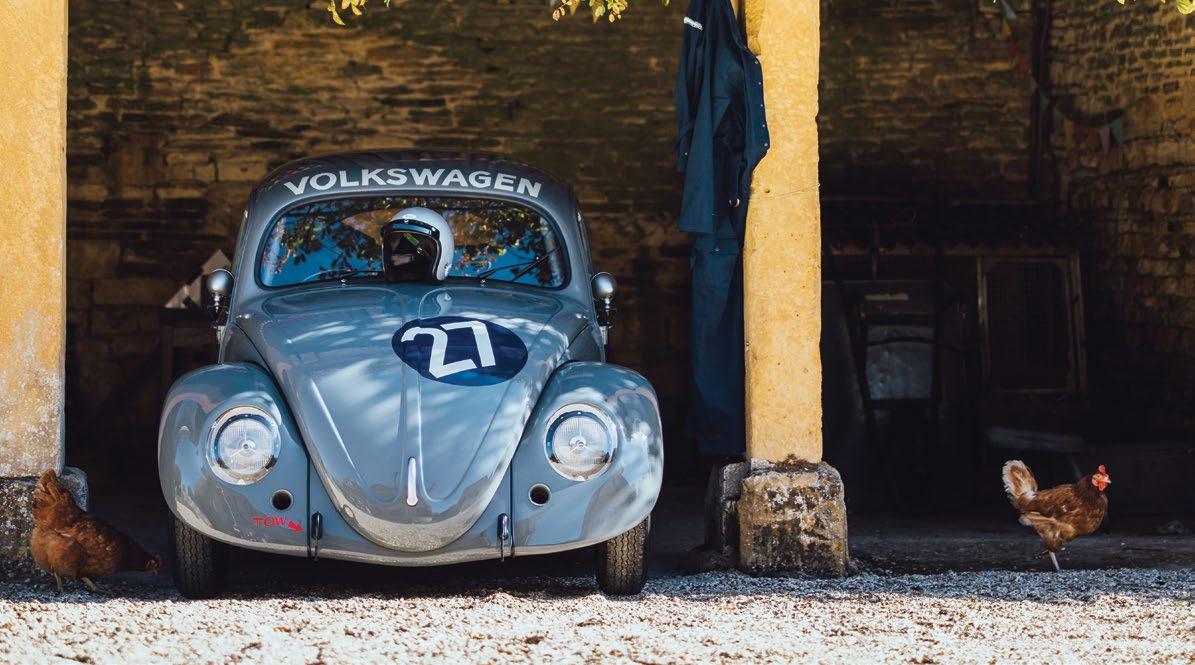
about what the number should be – two legends of the scene arguing with a cup of tea about the right number. Eventually I’d had enough. I said I’d lift the bonnet and whatever the last two digits of the chassis number were, that would be my number. That was it, 27. P-3 While we’re on the subject of the numbers, I remember on first seeing the car I thought it had side markers, but if you look closer the lens only faces one way. These are number lights for night racing, another cool period touch.
Turning to the interior, P-1Adam cut the centre of the dash and speaker housing out and welded it flush, to house the Jaeger 8K rev counter, Smiths oil pressure and NOS Smiths fuel gauge, again using parts that would be readily available in the UK at the time
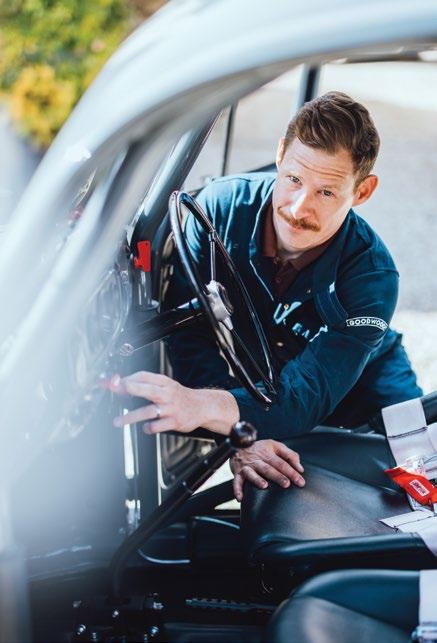
– no motometer or VDO here. “I wanted it to look factory.” The radio was also welded up to create room for a line of switches, again harking back to race cars of the day.
P-2 An easy mistake to make would be to assume the seats are 356 Carrera seats. However, these are actually 550 Spyder seats, coming in an inch narrower than the 356. Adam sent over a swatch from the old original seats and Fibersteel in California trimmed the 550 units. The blue leatherette continues throughout thanks to VHS Trimming, including roll cage pads, sill covers, trans tunnel cover and P-5 the standout interior trick for me – the door cards, fitted behind the inner skin, to show off all those lightening holes. Back in the day, the holes would have
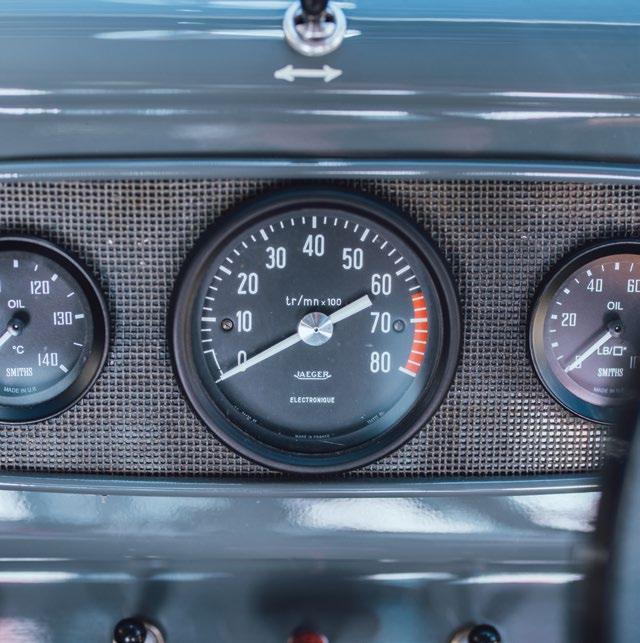
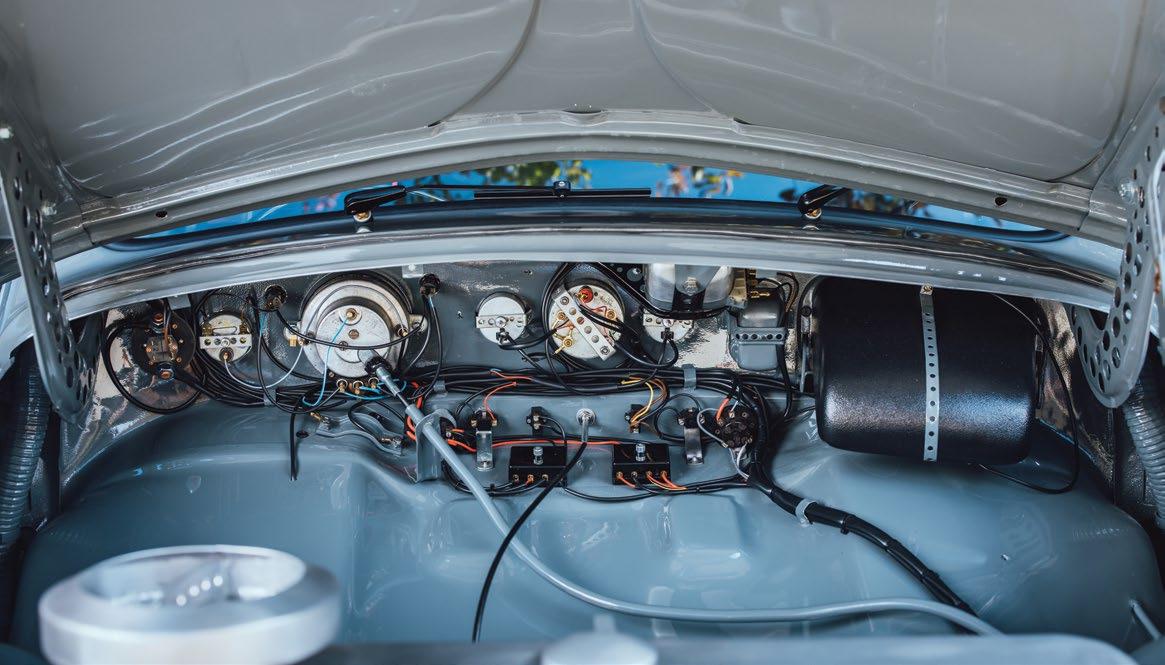
been covered with door cards as scrutineers didn’t allow significant light-weighting/customising as it strayed away from homologation spec. VHS also fitted the grey wool headliner. Adam removed the indicator stalk so as not to catch when racing and replaced it with a Barndoor indicator switch located on the centre-top of the dash like a bus. There’s a drilled handbrake lever and even the pivot pin was bored on the lathe. The steering wheel is a refurbed Standard by Irv and the BugTech shifter was made to Adam’s dimensions, then turned down to the same diameter as the handbrake. The mats are the original ones from the car with factory stamping. There are Lexan windows all round. All window trim was fully dismantled, powder coated black and rubber re-riveted on so it sits right; lightened wiper assembly, handbrake, steering column clamp,
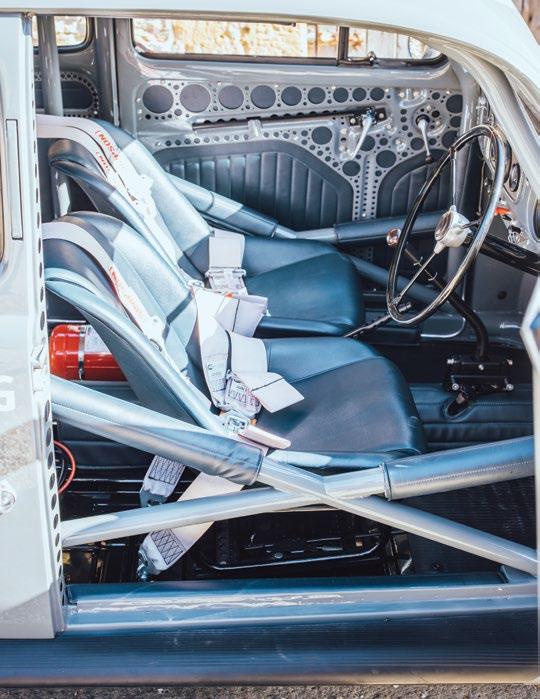
Iain Burns from Aircooled Auto Elec rewired the whole car with a scratch-built loom, more custom than it first appears. It has magneto ignition, FIA battery cutoff, additional switches, heated seats, heated windscreen, magneto tach converter, hidden hazard light switch, flashing rear lights and semaphores, VDO sender to Smiths fuel gauge and with all relays hidden under the seats. “I wanted the wiring neat but I didn’t want it to look like it had all been thought out to win a show. It needed to look logical like it had evolved over time and to be easy to fault find in the future. Iain probably hated the way I wanted to do it, but he understood the brief and installed it to such a high standard.”
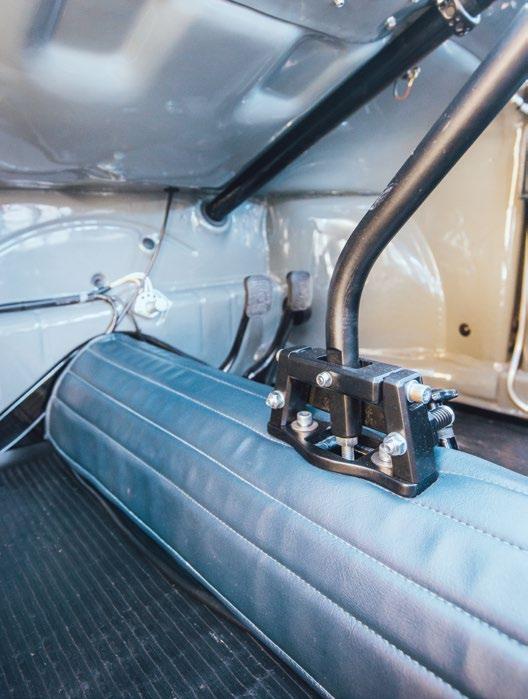
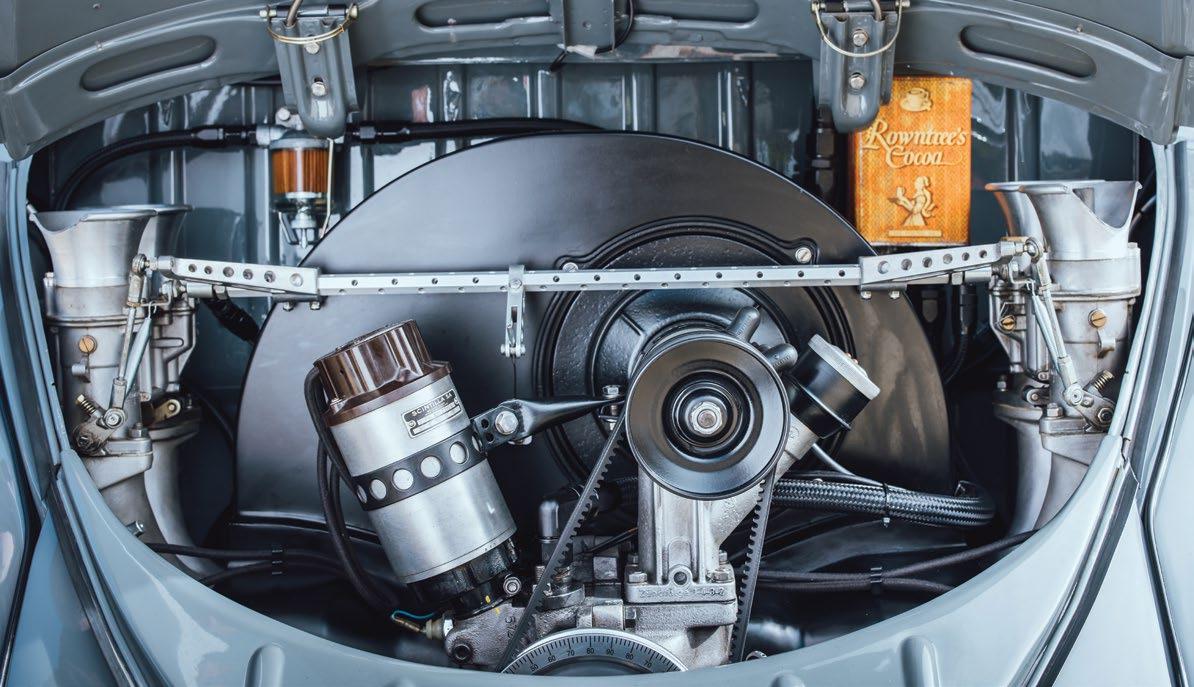
Last but no means least is the important bit – the 2276cc IDA Motor ~200hp. SCAT internals: AA 94mm barrels & hypereutectic pistons; Webcam 86C cam, aluminium straight cut gears; CB Performance lightweight racing lifters; 1:4 ratio rockers; 44x37.5mm heads with 52cc chambers – ported and polished; EMPI 48 IDAs on tall EMPI polished manifolds; NOS Swiss Vertex Magneto ignition with Joe Hunt weights and coil; Gene Berg deep
sump; Porsche 356B/C 12V Bosch 90mm dynamo.
It took a lot of time to get the tinware to fit properly and without the spacers required when you stroke the motor to retain the factory look. “I cut the oil filler drain tube off and welded flush so I didn’t have a hole in the tinware. Oil breather is an old cocoa tin that I had in the garage, foam filled and drilled for AN10 lines.”
VW Speedshop CNC stainless 1-3/4” merged header with flange removed and cut back ~170mm to get join under body; V-band connection welded on by Wayne Allman who also custom made the straight through dual exhaust pipe.
The transmission is a Type1 Super Street Plus built by Bears Motorsport with a super diff, heavy duty side cover, welded 3rd and 4th gears, steel forks and 4.12
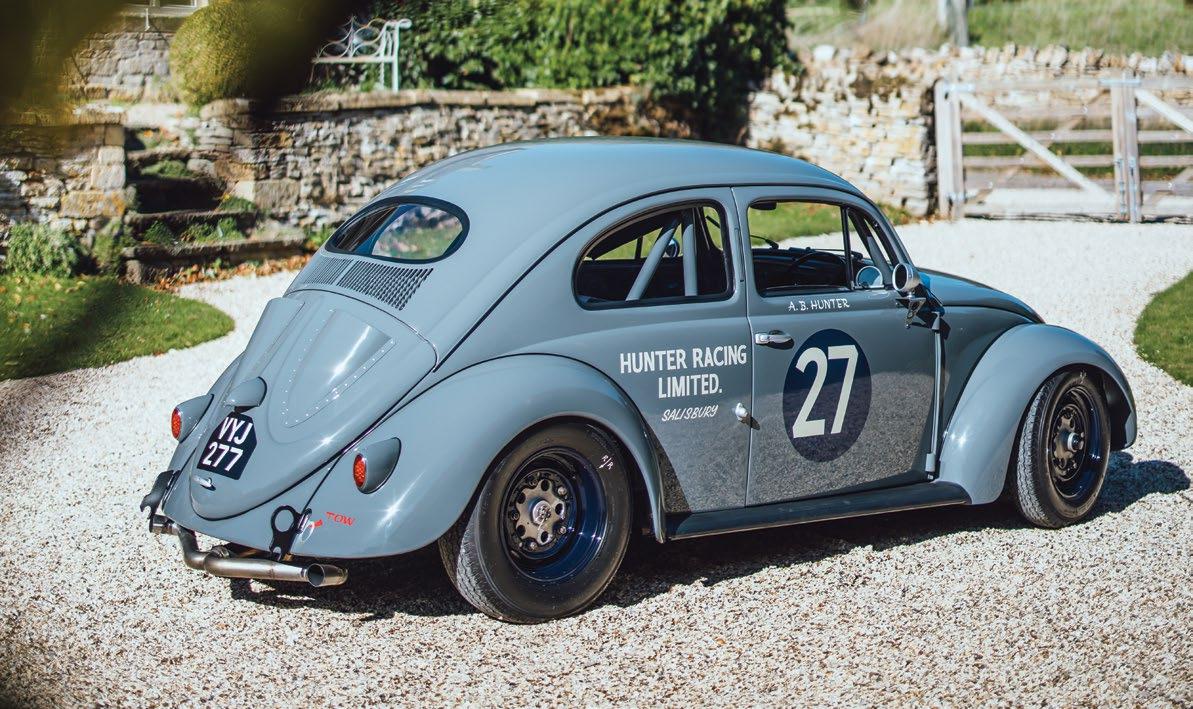
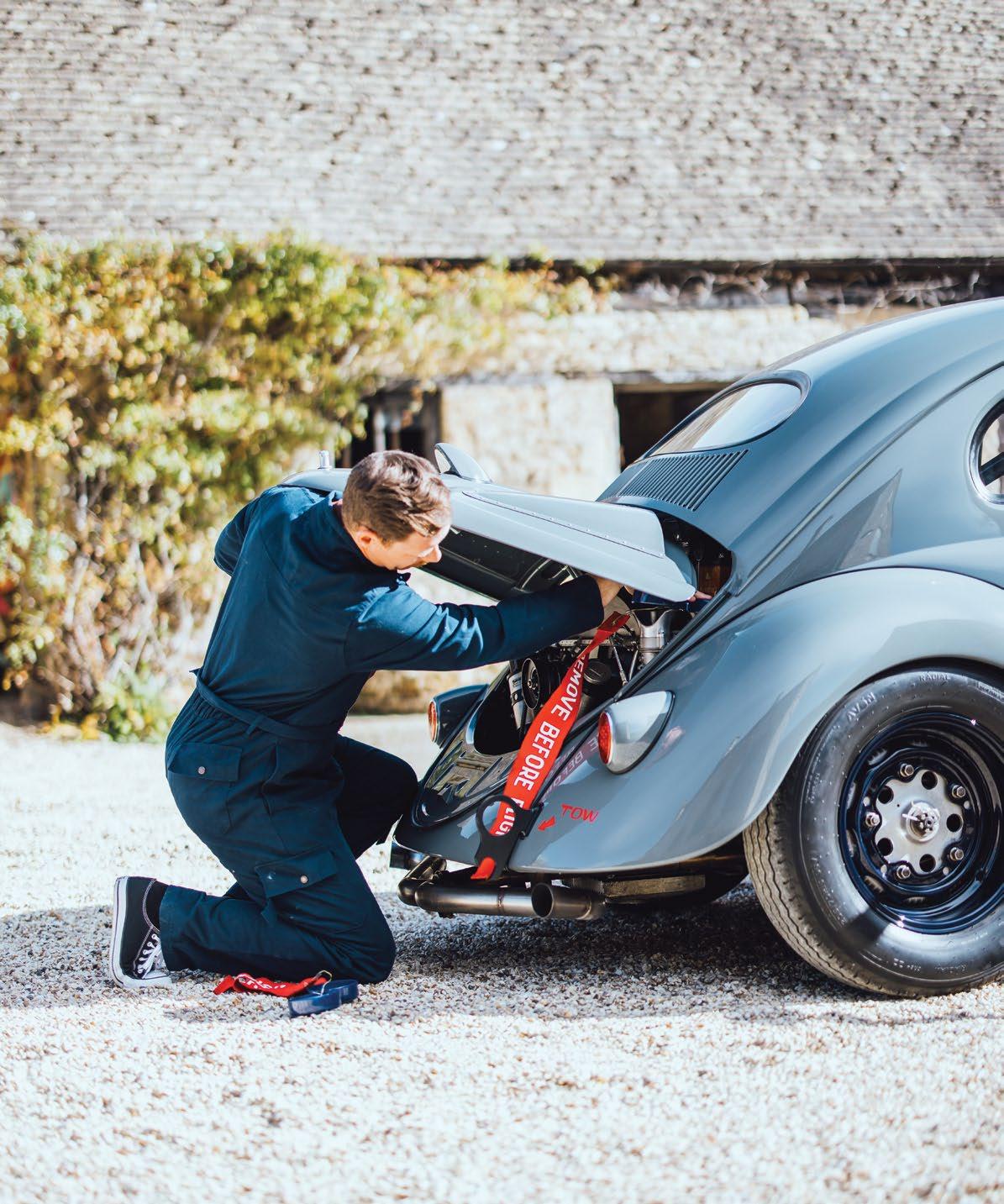
Klingelnberg ring & pinion, Super Beetle 1st gear and Chromoly pinion retainer. Sway Away race axles; Kennedy Stage 2 clutch plate with Daiken disc.
Wheels and tyres are original Porsche 356 steels, 15 x 4.5” fronts, rears banded
to 15 x 6.5”, finished in Ferrari Pozzi Blue with Avon Motorsport CR6ZZ, 155R15 & 205/70R15. Porsche 356B brakes all round. Lightened all internals. Air intake tubes welded to front backing plates with gauze. Drums lightened/ventilated.
This car really is testament to Adam’s quest for perfection. I urge you the next time you get the chance to see this car, take some time to have a good look round it. You will be amazed at the level of workmanship and details that have been planned out over years.

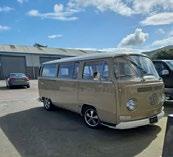
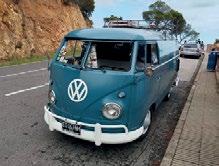
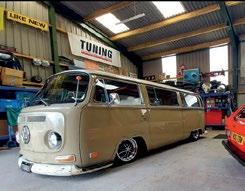
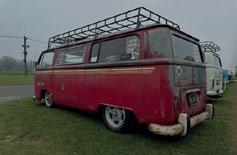

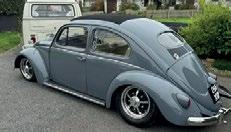
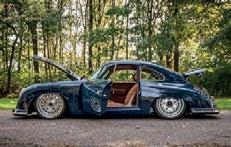
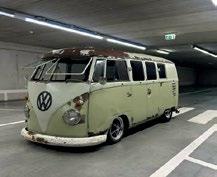
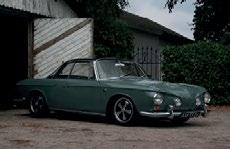
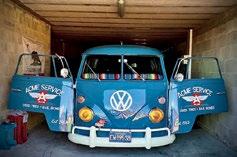
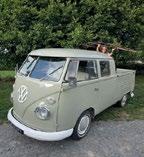
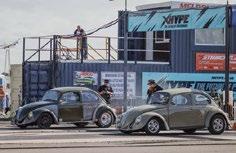
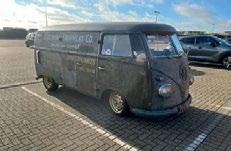
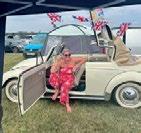
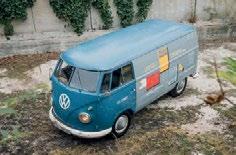
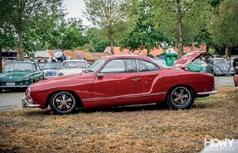
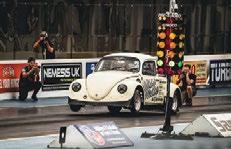
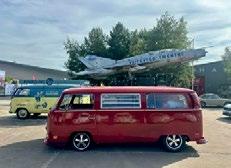
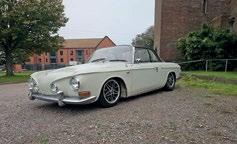
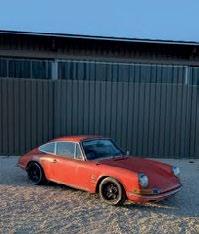

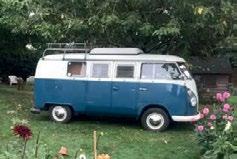
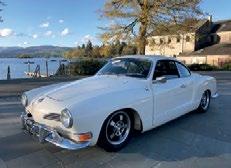
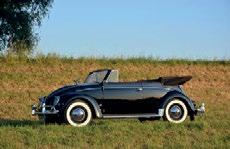
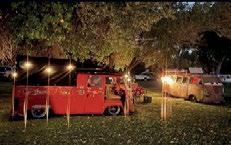
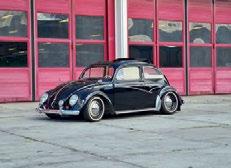
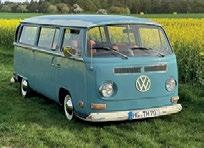
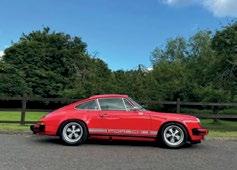
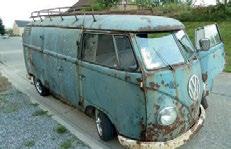
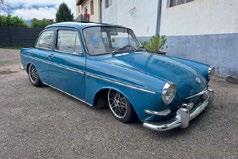
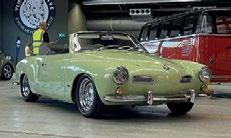
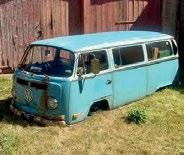
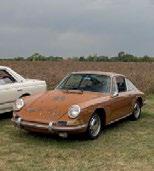
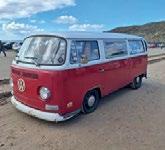
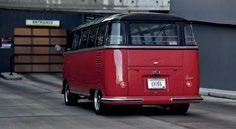
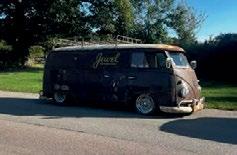
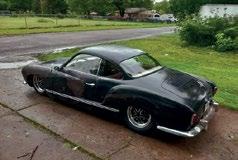
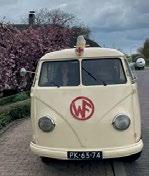
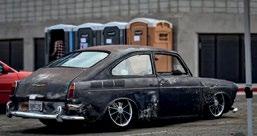
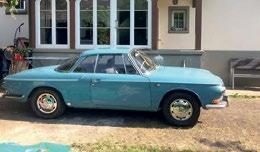
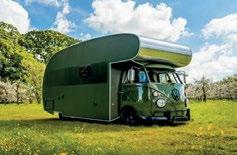
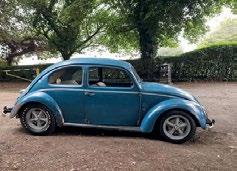
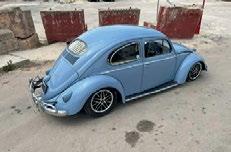
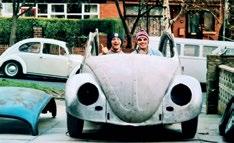
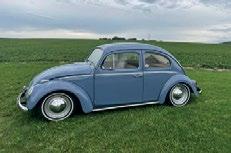
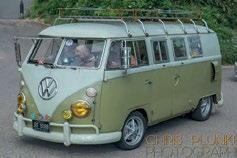
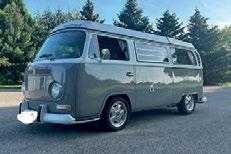
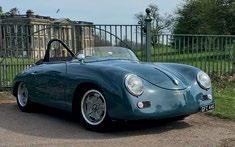
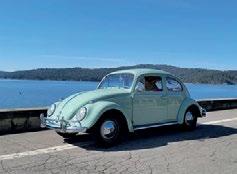
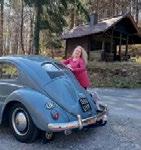
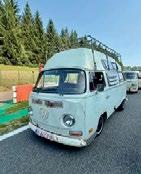
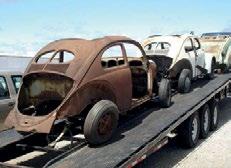
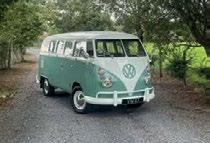
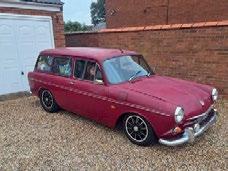
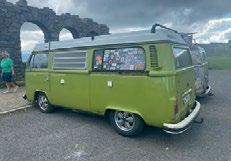
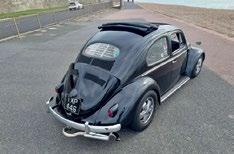
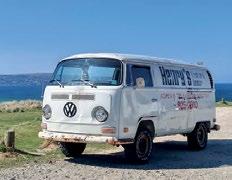
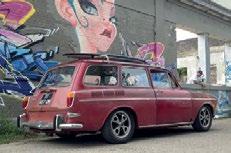
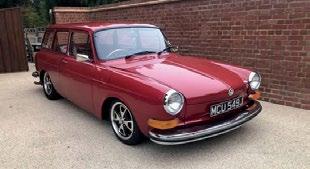
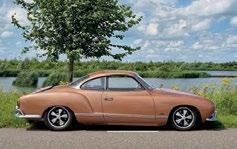
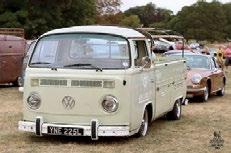
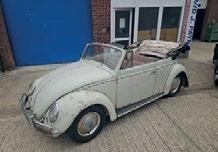
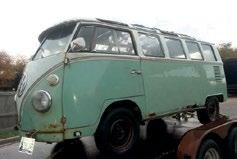
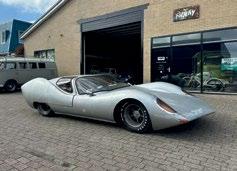
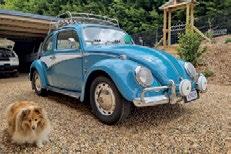
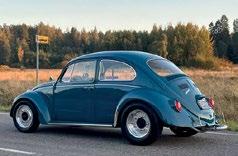
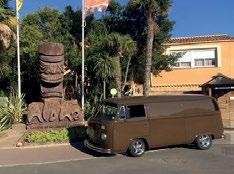
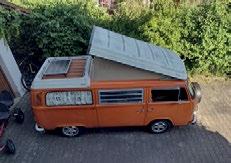
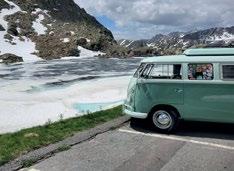
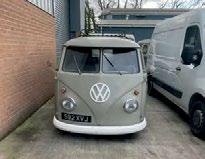
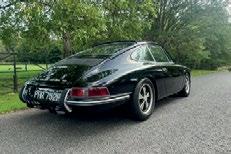
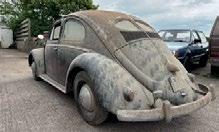
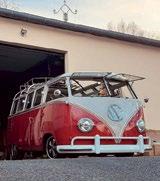
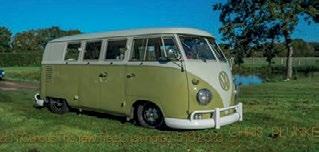
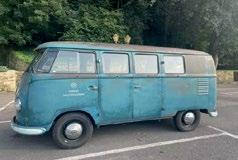
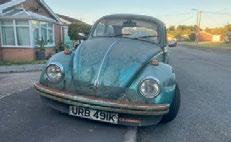
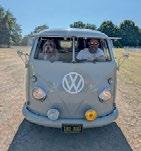
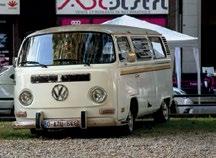
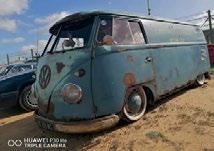
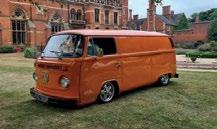
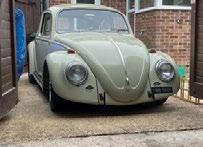
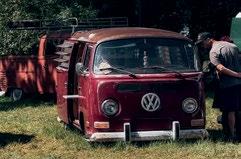
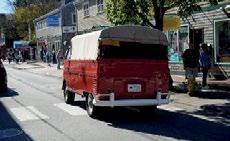
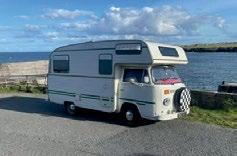

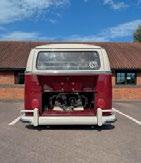
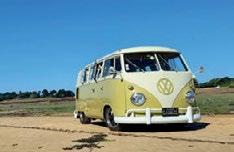
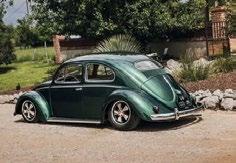
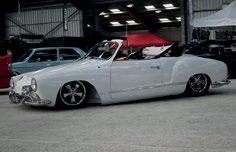
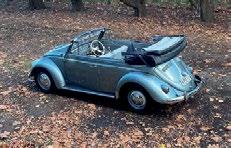
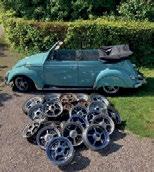
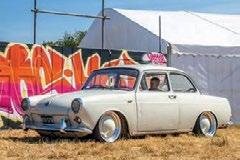
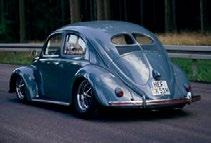
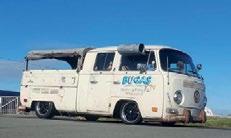
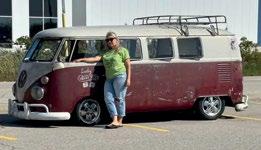
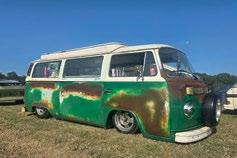
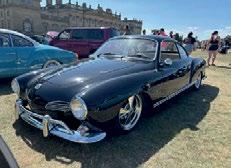
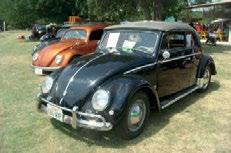
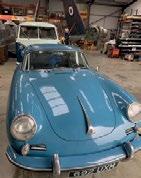
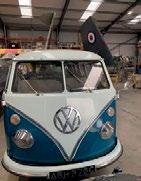
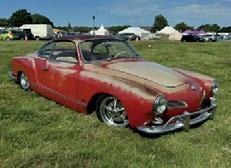
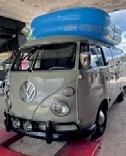
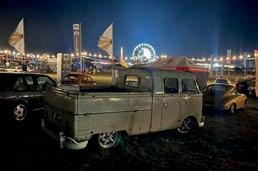
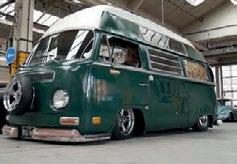
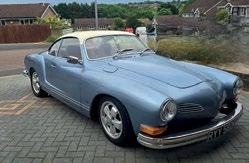
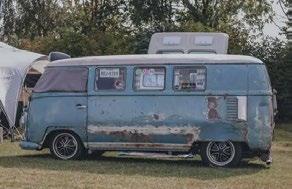
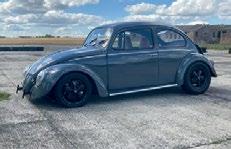
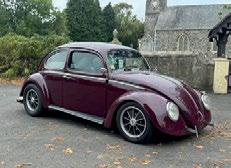
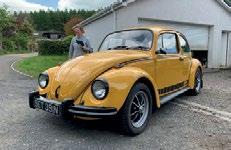
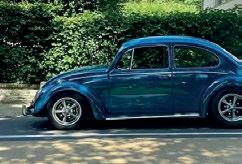
Once again I owe you all my sincere apologies for this issue being a little late. Like the last issue, my tardiness seems to have had a knock-on effect and I’m still playing catch-up. I’m dauntingly aware that I have to get Issue 56 done and dusted before 1st January and I have called in some favours to make sure that happens. Hopefully next year should bring less chaos and you have my word that the magazine will be far more punctual. I won’t
bore you with the complications of my life at the moment, but in short for those who might be curious, we are still living in an AirB&B. They’ve not begun rebuilding the wreckage of our home due to the long wait for heritage building consent, but we are comfortable and in good health so for that we are fortunate. I do, however, thank you all for your patience and for supporting the magazine though all this. With home life being so
challenging it’s a real comfort that Hayburner has had such a great year.
Anyway, enough of that. I’m supposed to be here to talk about the ’49. I think in my last instalment I mentioned that the ’49 project had to be shelved for the foreseeable future. Well, after getting clarity from my insurance company and the good news that I wasn’t going to lose everything, I decided to start gathering some
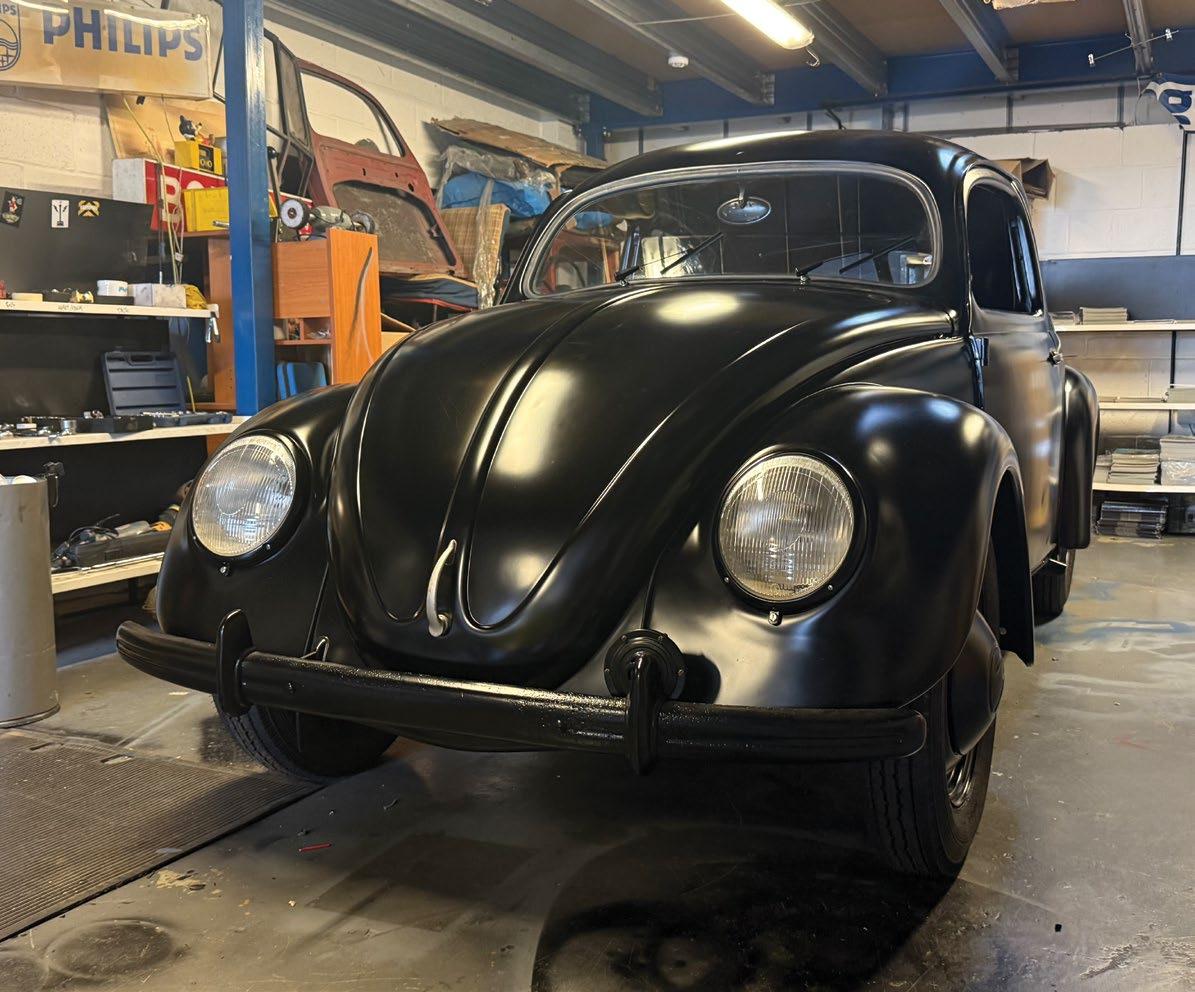
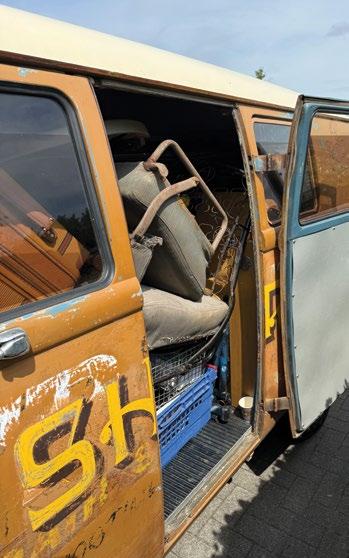
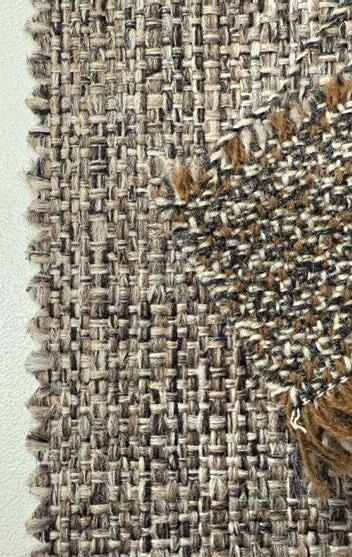
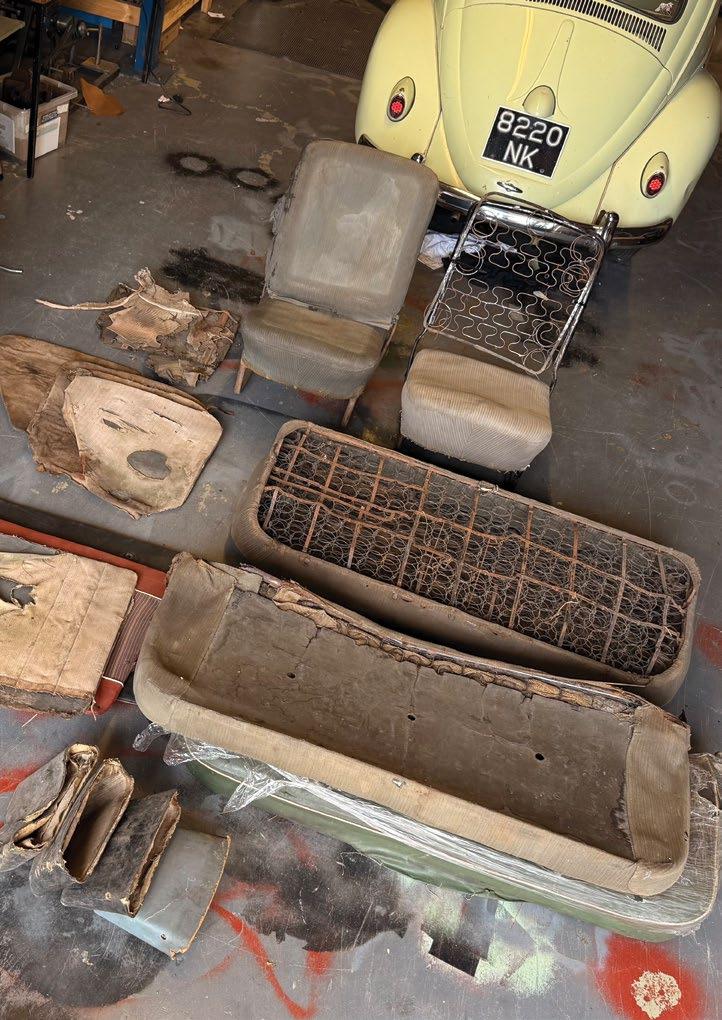
parts I’d been missing and make a start back on the project. I’m at the stage now where there are lots of very awkward or expensive jobs to see to – engine building, upholstery, things like that. My good friend Iain Burns from Air-Cooled Auto Elec brought me a much-needed injection of enthusiasm. He completely finished off the wiring and has every knob, dial and light working on the car. It was also a fun day. You should have seen the smile on my face when I saw the 76-yearold semaphore flip up when Iain moved the switch.
After that visit I once again had a buzz for the project, but we entered show season and I have to say I can’t remember a busier summer in years. We seemed to have an event to attend every weekend in the UK or Europe, plus being behind with the magazine and also having to get the engine in Shuvarda. It didn’t leave me much tinkering time for this project. I did manage to get my entire interior together, though. All in all it has come from four different countries and I picked up the final pieces which had been dropped off to BBT in Belgium on my way to Le Bug Show, Spa. Bob at BBT also managed to hunt out a couple of rare missing pieces from his own personal stash that I’d been struggling to find and I’m very grateful for that.
Once I had everything together, I went on the hunt for material to trim the seats. I’m not 100% sure what the car was trimmed in as there was nothing left. Pre-July ’49 European Type1 models were still a salt and pepper cloth, but Export Standard cars I believe were pin striped. Although this car was exported to Sweden, it has been built to a Euro spec with painted bumpers (mainly because I couldn’t afford or find original chrome), so I asked for a swatch of the salt and pepper cloth which was kindly given to me by Dylan Cheasley. I passed this on to my upholsterer and she came back with a very good match. It was also very affordable and fire rated to use in a vehicle so I’m booked in to have the interior trimmed in January.
This leaves me with the shitty job of building up and felting all the window runners. If I’m completely
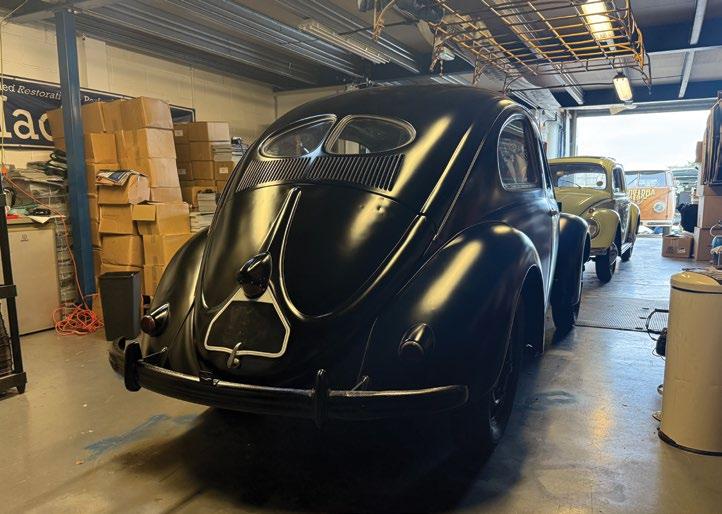
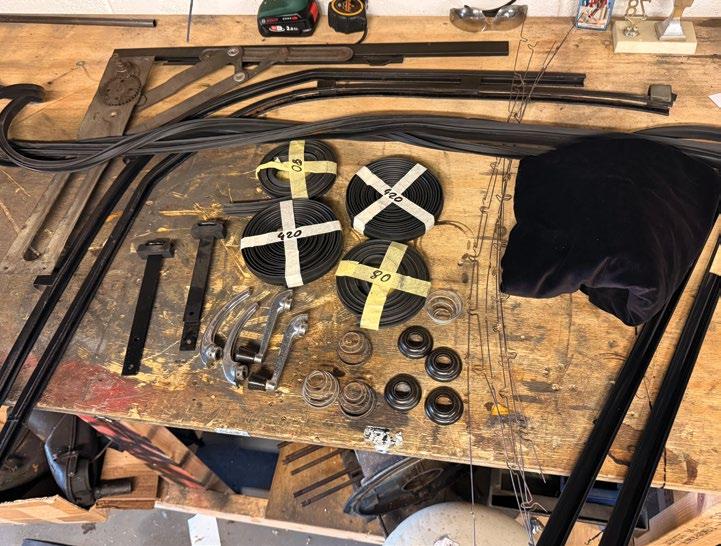
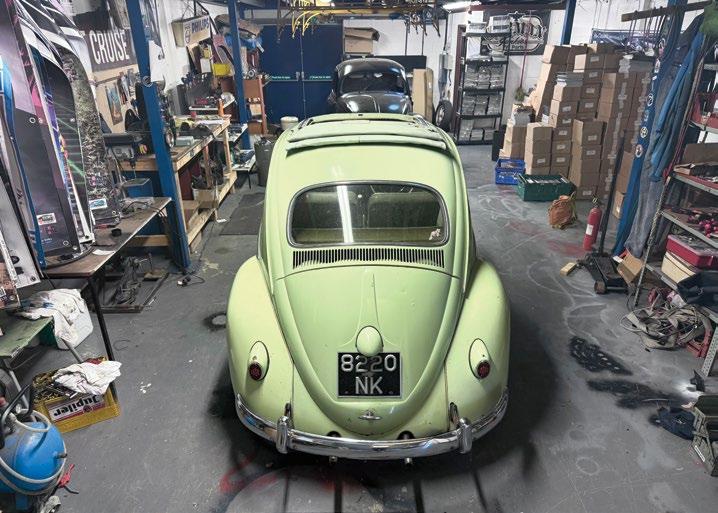
honest, I’m finding it almost impossible just to get the rubbers to sit in the channels properly without gathering up, so if there’s anyone with first-hand experience in this task I’d be happy to pay for your time doing it. Just email me at nedfaux@hayburner.co.uk if you’d like the job. I’m not too proud to admit when I’ve bitten off more than I can chew and I just want them to be right.
Apart from that, all I need to do is to fit the steering column, fuel tank, rear shocks, talk to Mark about the headliner, a few other bits and bobs, and then I’m ready to throw the motor in. I have purchased a running 30hp motor for now, as building up the correct 25hp motor is going to be labour intensive and expensive. I figured that with the 30hp motor I can get the car up and running, see if my gear box build worked, and try and iron out all the teething problems that come with such an intensive build. If I want to drive it all the way to Germany for Hessisch, then I’m going to want to get a decent amount of road miles on it first. I’d like its maiden voyage to be Stanford Hall next year. That sounds like a long way away, but believe me, it soon creeps up.
The other vehicle I touched on in the last issue was the Beryl Green Ragtop that had dropped into my lap. Well, Vic decided the car wasn’t for her, and she prefers her ’67. The Ragtop was just too “vintage” for a daily driver so it’s already found a new home. I can’t help but find her choice interesting as most would choose a ’61 RHD Rag over a ’67 1500 nine times out of ten, but she is testament to the fact that it’s not all about rarity and desirability. Sometimes a car just gets under your skin.
I’ll add that I recently made a rash decision and put Shuvarda up for sale the day I came home from Spa. Why? Well, I think I fancy a change. I’ve had the bus for six years and done a lot of road miles but I feel change is on the horizon. I’ve had my eye on a very special bus for a while and for a moment I thought I was going to end up with it. Sadly, whatever I do I just can’t seem to reach the asking price and even the offer I put in for it was a stretch. I do love the bus, but with everything the next couple of years are going to throw at me in terms
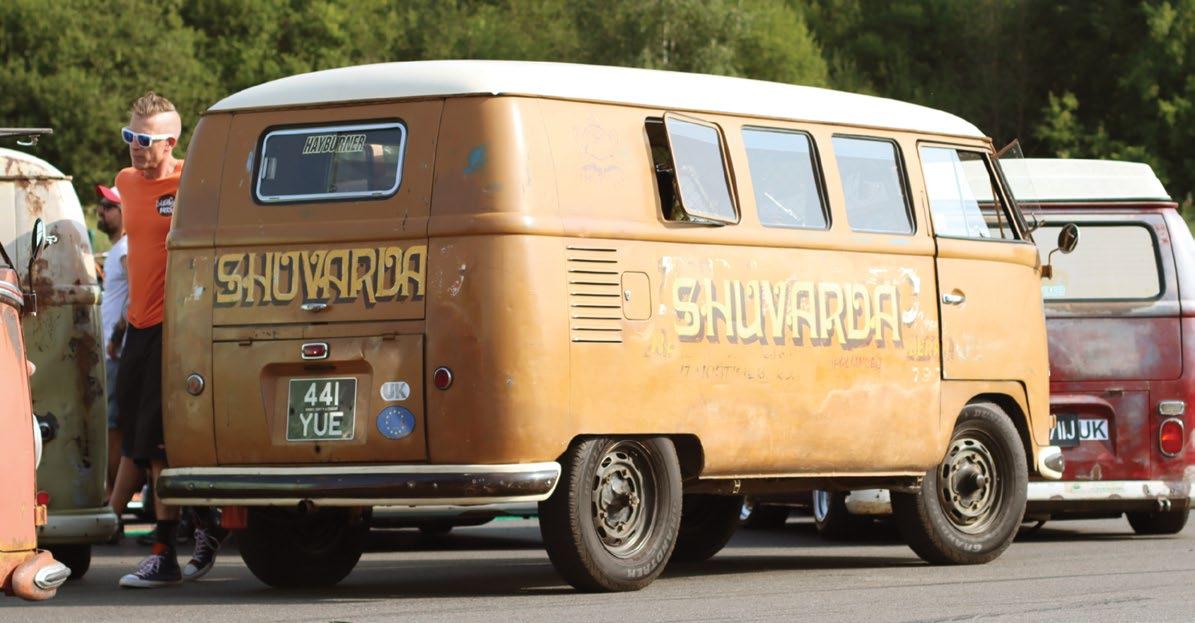
of rebuilding a house, a hefty bank loan probably isn’t the way to go. I guess some things aren’t meant to be. This does mean that I’m not only homeless but I’m also busless, as I didn’t expect the bus to sell in just a few days. There’s a lot on the market currently, but I seem to have become very choosy when it comes to a Shuvarda replacement. It’s a strange market for these vehicles and I guess only fools rush in. I think I’m going to try my best to not be that fool, bide my time, and wait for the right bus for me.
Before I leave you, I just want to say thank you to everyone. I find it astonishing that after 55 issues the magazine is still growing, and I owe it all to you guys. As always, I want to say a huge thank you to everyone who has ever subscribed, advertised, supported, contributed, put a sticker on their car or represented us with a T-shirt. Much love to you all.

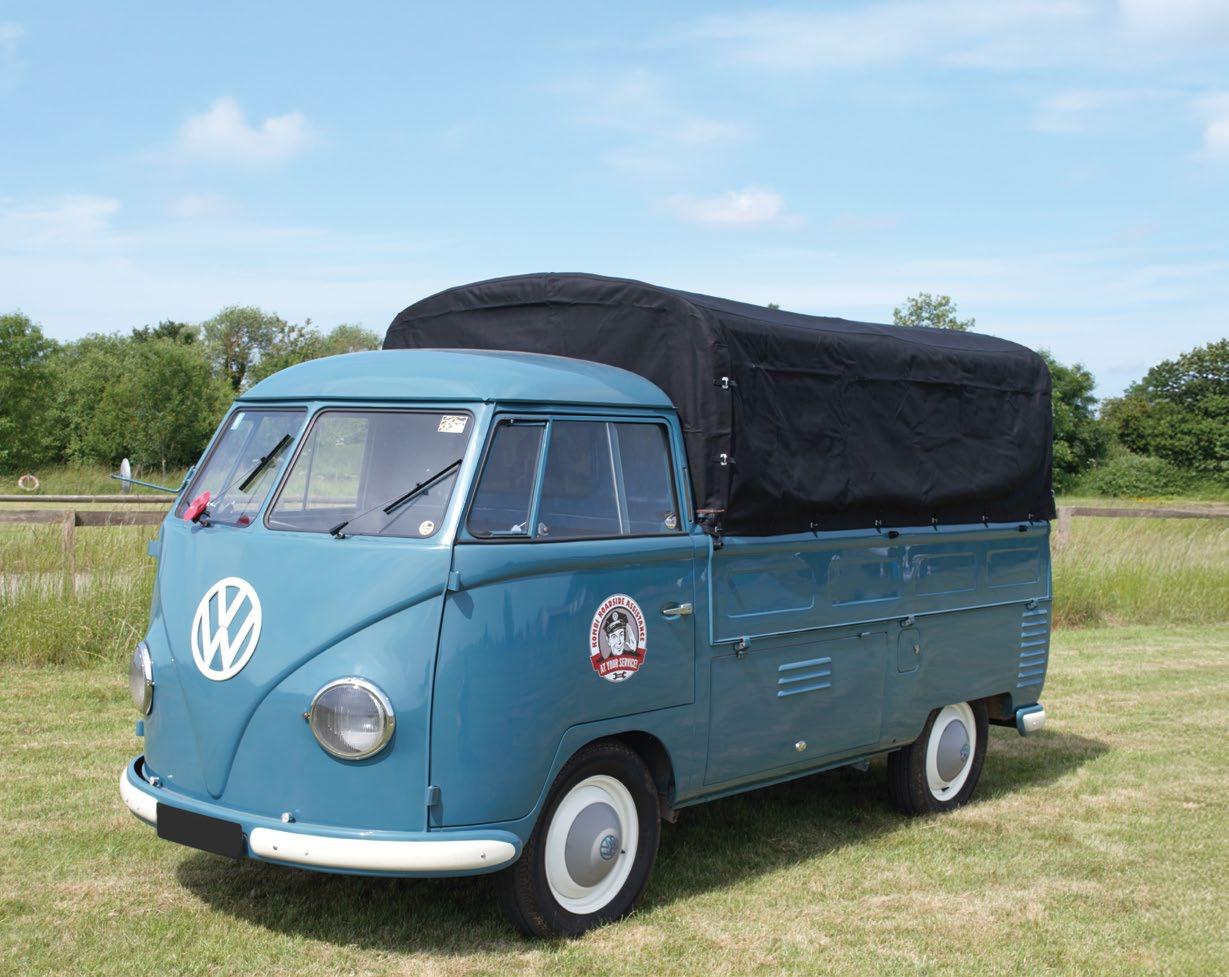
C9653 Waterproof Cotton Pick Up Canvas Cover
See online for our full range of canvas covers
C81783Y VW T2 Early Bay Roof Canvas, 3
Windows, Yellow
Also comes in Tan (C81783B), Grey (C81783G), and Orange (C81783O) and 1 Window versions
C9656B Flush Height Pickup Canvas for Split Single Cab
See online for our full range of new black pickup canvases
C9127 German Quality Cab Child Bunk for VW T4
Also availble for T5/6 (C9129), T2 Split (C9039), T2 Bay (C9040) & T25 (C9041)