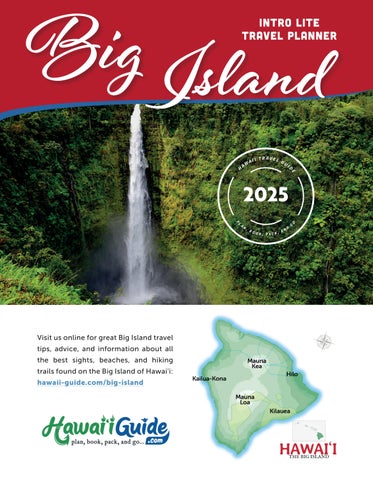
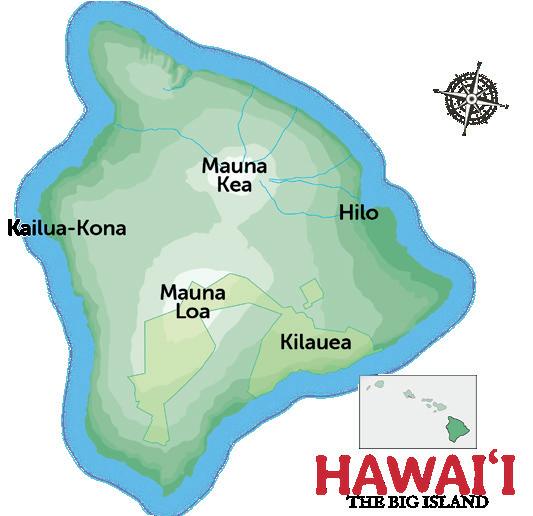
Visit us online for great Big Island travel tips, advice, and information about all the best sights, beaches, and hiking trails found on the Big Island of Hawai'i: hawaii-guide.com/big-island
Hawaii-Guide.com offers personalized Hawai'i travel advice and vacation tips on the top attractions and things to see and do within the Hawaiian islands.
This packet, along with our website, features all of the best attractions on the Big Island of Hawai'i — plus you can explore our hand-picked Hawai'i tours, activities, and accommodations - each vetted by our team of Hawai'i experts.
Since 2002, our Hawai'i website, guidebooks, and digital travel guides have assisted millions of visitors in the process of planning and booking the Hawaiian vacation of their dreams.
Our organization is dedicated to being the one-stop resource for all things Hawai'i.
HAWAI'I TRAVEL GUIDE - 2025 VISITOR PLANNER
Big Island Lite Intro Edition
Copyright - 2005-2025 GuideofUS, LLC. All rights reserved.
Guide of US, LLC
1792 South Lake Drive
Ste 90 - 311 Lexington, SC 29073
https://guideofus.com
Published 2025
eBook - Updated for 2025
Produced & Printed in the United States
Guide of US, LLC
200 N Vineyard Blvd Suite A325 - 430 Honolulu, HI 96817
https://hawaiiguide.com
Trademarks and brands are the property of their respective owners.
Imagery used throughout this packet is licensed for use through Shutterstock, Inc. Additional select photographs taken by John Derrick and Victoria Derrick.
Cartography, map imagery and artwork by John C. Derrick.
Reproduction of this document in whole or part, in any language, without the express permission of Guide of US, LLC is prohibited.
Language Note: Hawai‘i’s two ofcial languages are Hawaiian and English. It is the only state in the U.S. with two ofcial languages. In this guide we used both the English and Hawaiian names of places when possible. There are only 13 letters in the Hawaiian alphabet: A, E, H, I K, L, M, N, O, P, U, W and the ‘okina (‘). The okina is a glottal stop like the sound between the ohs in “oh-oh” and is considered a consonant. In order to clarify pronunciation, you will often see the glottal stop ( ‘ ) or ‘okina used on words in this guide such as Hawai‘i. Due to printing restrictions, we will not use the macron, which is found above stressed vowels in the Hawaiian language.
Afliate Disclosure: This visitor guide may include afliate links, and we may earn a small commission, at no cost to you, when you use our hawaii.guide branded booking links. Mahalo for your support!
We have made our best efforts to ensure that the material found within this visitor guide is both useful and accurate. However, please be aware that we cannot completely guarantee the accuracy or description of any location, business establishment, accommodation, or activity found within this guide, and Guide of US, LLC makes no guarantees concerning the accuracy of the information found here or in the use to which it may be put. Guide of US, LLC does not assume and hereby disclaims any liability to any party for any loss or damage caused by errors or omissions, whether such errors or omissions result from negligence, accident or any other cause.
In no event shall Guide of US, LLC be liable for any direct, indirect, punitive, incidental, special, consequential or any other type of damages arising out of or in any way related to the use of this visitor guide.
The Aloha Spirit Big Island of Hawai'i
Aloha from the Big Island of Hawai'i! With its vibrant landscapes and captivating culture, the Big Island is an enchanting place to explore. From the majestic snow-capped Mauna Kea to the lush rainforests of the Hamakua & Puna Coastline, the Big Island ofers an array of natural wonders to discover.
There are also a variety of activities for adventurers, from scuba diving and snorkeling to exploring the active volcanoes, and plenty of opportunities to relax and soak up the sun. Whether you're looking for a romantic getaway or a family vacation, the Big Island of Hawai'i is the perfect destination.
The Big Island of Hawai'i, of course, is the largest landmass in the Hawaiian island chainwhich consists of eight major islands and 124 islets. The archipelago is made up of numerous volcanic islands in the central Pacific Ocean stretching in a 1,500-mile crescent from Kure Island in the northwest to the Big Island of Hawai'i in the east, encompassing an area of 6,459 square miles. The eight major islands at the eastern end of the chain are, from west to east, Niihau, Kaua'i, O'ahu, Molokai, Lanai, Kahoolawe, Maui, and the Big Island of Hawai'i.
We say the Big Island is 'big'- and we mean it! It is an island of such proportions that all of the other islands in the main Hawaiian chain could fit inside it nearly twice!
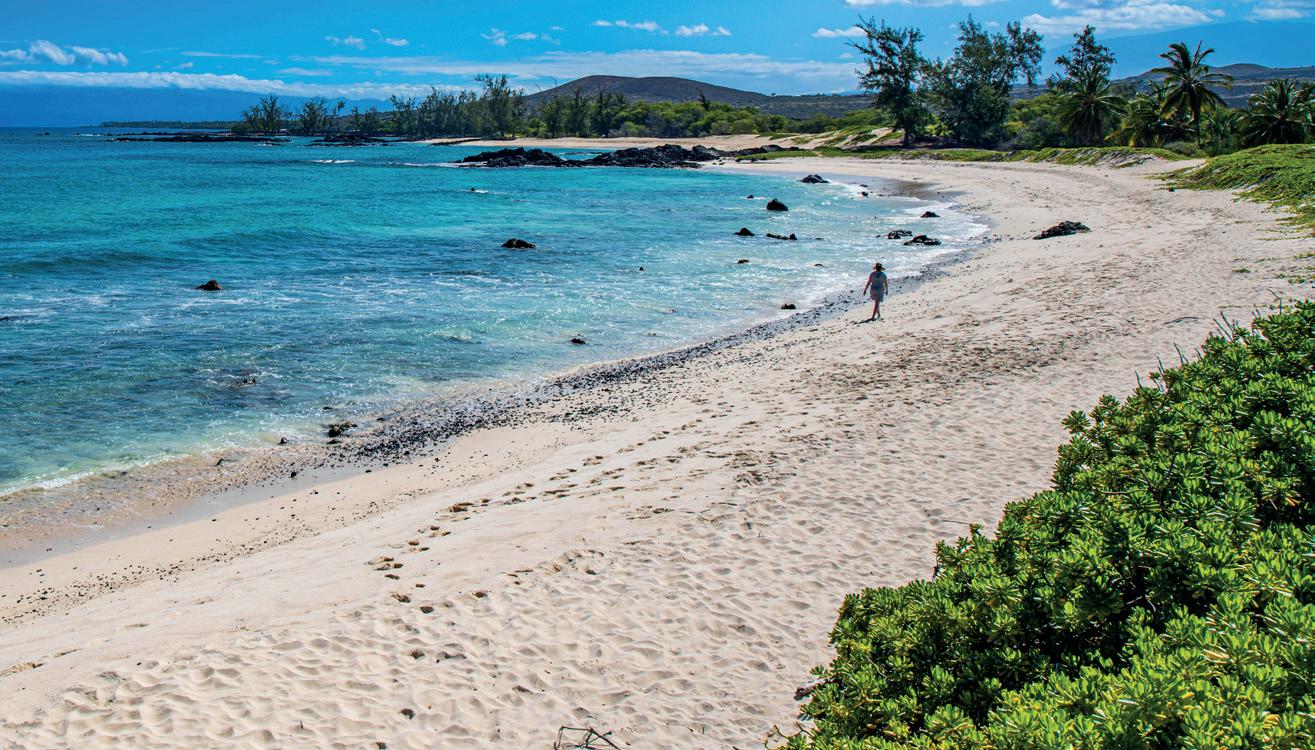
Makalawena Beach - Kona Coast
OUR RECOMMENDATIONS:
Explore Hawai'i Volcanoes NP
A visit to the Big Island isn't complete without a visit to HVNP. Famous for Kilauea volcano, visitors can learn everything about how the Hawaiian Islands formed and are still being created to this day.
Hike to a Green Sand Beach
You can find a lot of di erent color beaches on this island, but green olivine sand - now that's truly unique.
Drive the Hamakua Coast
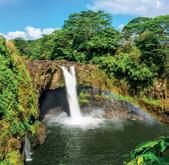
The road here winds in and out of several scenic valleys, some of which o er great chances to explore. Akaka Falls State Park is a real gem to stop at.
Discover Historic Hawai'i Places
Discover the sacred places of Hawai'i's past and present by visiting Pu'uhonua o Honaunau (place of refuge).
Find the perfect Kona beach
Several white sandy beaches are scattered along the Kona shoreline; one's undoubtedly just right for you.
BIG ISLAND
The Big Island of Hawai'i is the third most popular Hawaiian island among visitors, hosting over 1.5 to 1.7 million travelers annually.
Often called the "Big Island" to help distinguish it from the 1,500-mile long archipelago with which it shares its name, Hawai'i, the Big Island has certainly earned its nickname. Sitting in the middle of the Pacific Ocean, the landmass of the Big Island is approximately the same size as the state of Connecticut, about 4,050 sq. miles and often still growing daily thanks to Kilauea Volcano.
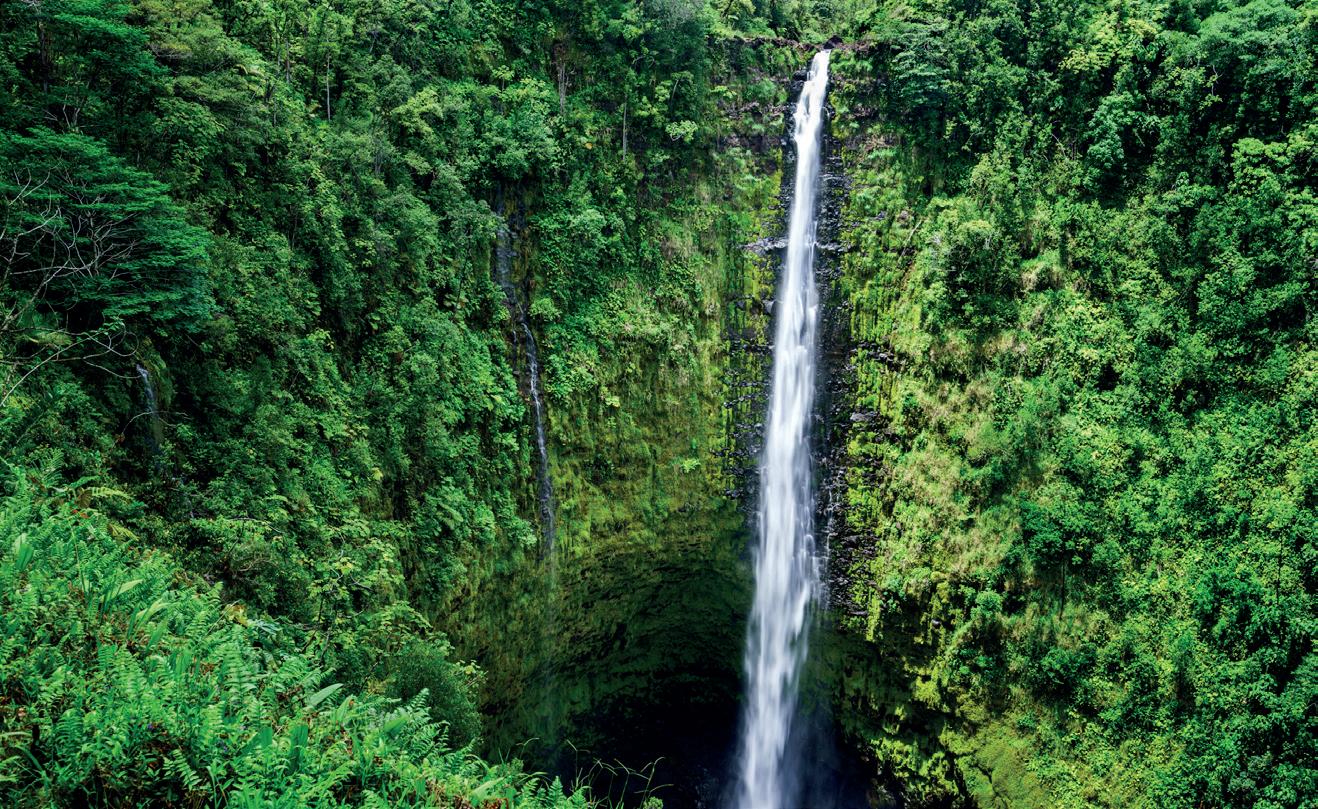
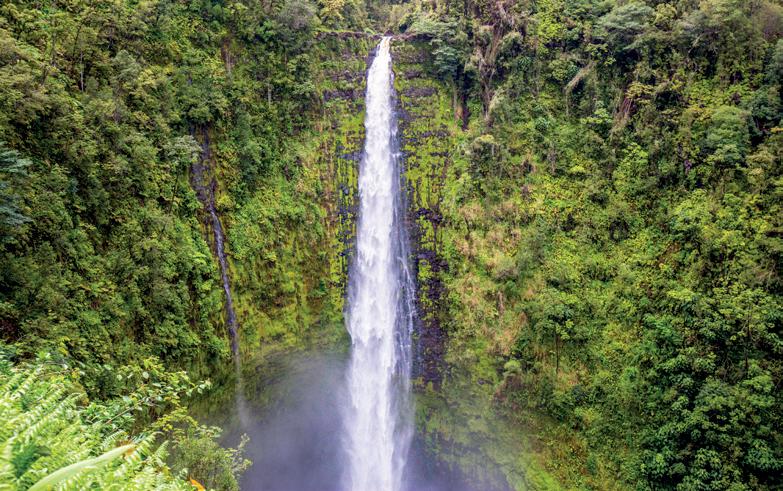
Akaka Falls - Hamakua (North) Coast
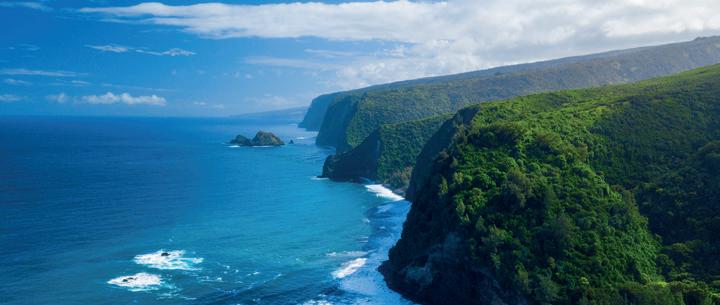
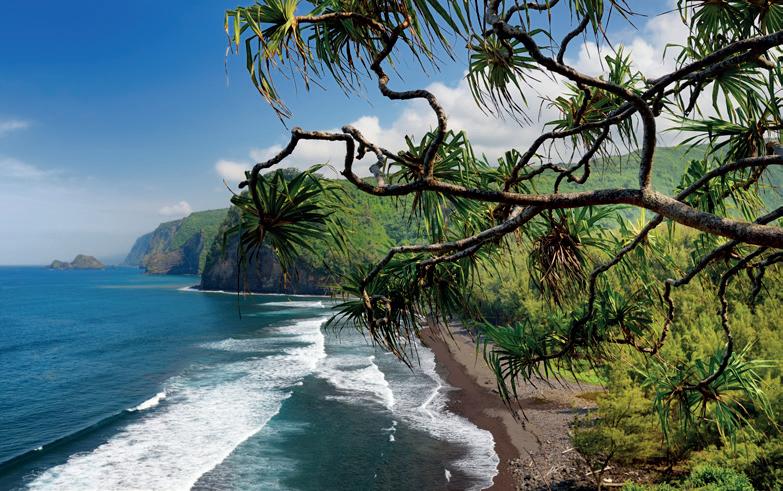
Pololu Valley Overlook - Kohala
The Big Island of Hawai'i seems determined to break the stereotype of the average tropical island. Here you'll find the ongoing battle between green forests, black lava fields, the ocean, and the rain almost incomprehensible; the diversity is simply stunning. You may find yourself wondering, is this an ancient landscape or a future one?
On the Big Island, it's always best to expect the unexpected. Even the beaches don't follow the rules. It's almost easier to find a black sand beach than a white one, and if you're adventurous enough, you can even sink your toes into one of the world's few green sand beaches.
The Big Island of Hawai'i actually contains most of the worlds incredibly diverse climate zones, all on an island that's just a tad over 4,000 square miles (and growing). The Big Island of Hawai'i- composed of five major volcanoes- makes up an incredible 60+% of the state's total landmass! Considered the most ecologically diverse of all the major islands, the Big Island of Hawai'i contains an incredibly vast range of natural environments just waiting to be explored.
While it may be a balmy 78 °F (25 °C ) on the coast during the winter, you can often find snow on the slopes of Mauna Kea and Mauna Loa, making the Big Island one of the only places in the world you can surf and snowboard in the same day.
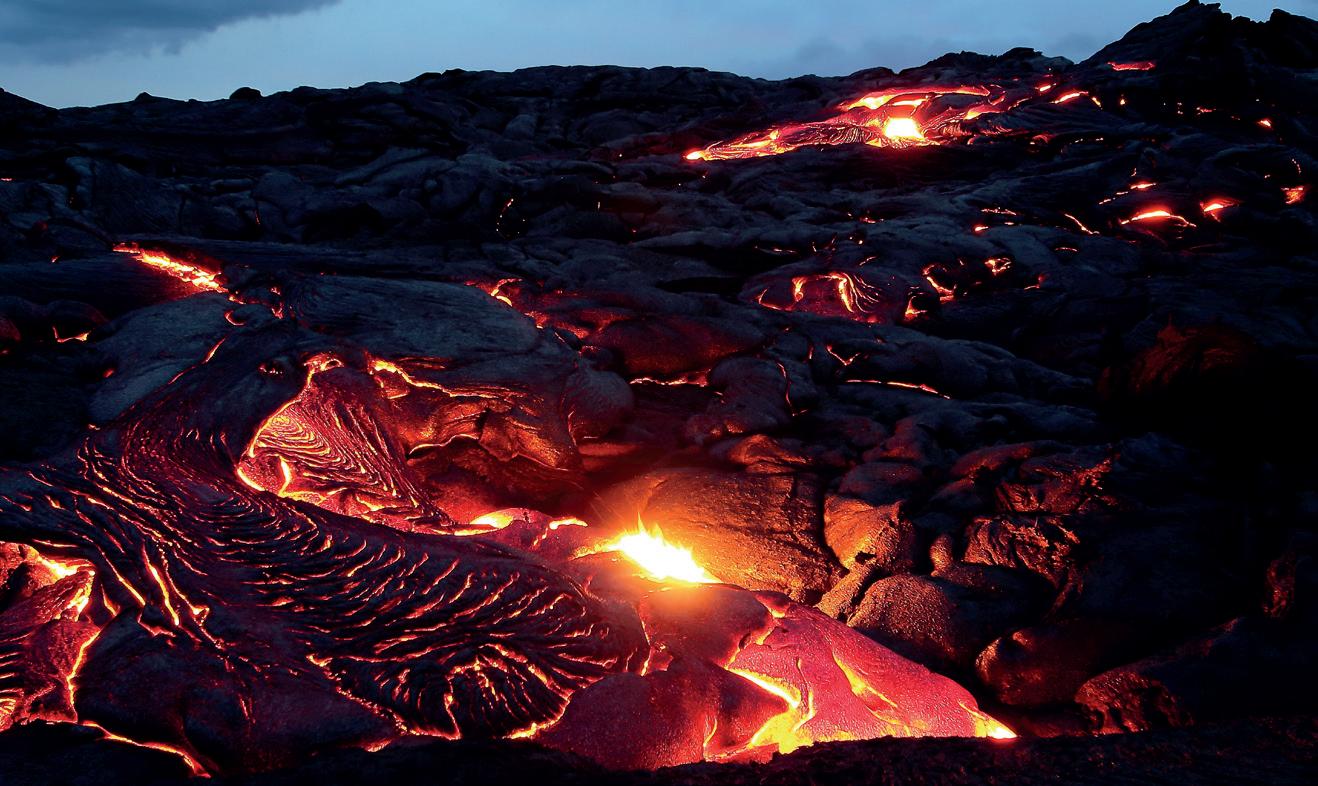
The Big Island of Hawai'i is an island of incredible diversity and is twice the size of all the other islands in the Hawaiian chain. The Big Island really is just that... BIG! The beauty of the island and its eclectic nature are only surpassed by the fact that this island is actually still growing by the day, adding some 570+ new acres to its landmass since 1983. Kilauea, on the southeastern coast, remains one of the most active volcanoes in the world, erupting almost continuously since 1984.
Big Island Places To Know
Kailua-Kona – Nestled at the bottom of the Hualalai Volcano is the western city of Kailua-Kona, the largest town on the west side of the island and one of the premier attractions within the famous Kailua-Kona Region. This charming town mixes numerous historical sites with modern tourist attractions.
Hilo Town – Hilo is an especially lush city with several gorgeous orchid gardens, interesting parks (the most prominent being Liliu'okalani Garden), museums, and other various attractions. Hilo borders a beautiful bay and is often cooled by sea breezes and tradewind showers.
Waimea (Kamuela) Town – It won't take you long to fgure out that Waimea is not your average Hawaiian town. These are the lands where west and far west meet and create the paniolo, the Hawaiian cowboy.
South Point – The traditional Hawaiian name for South Point is Ka Lae meaning "the point."
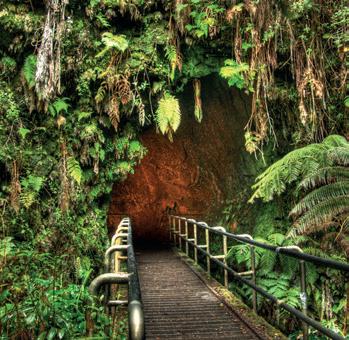
Thurston Lava Tube - HVNP
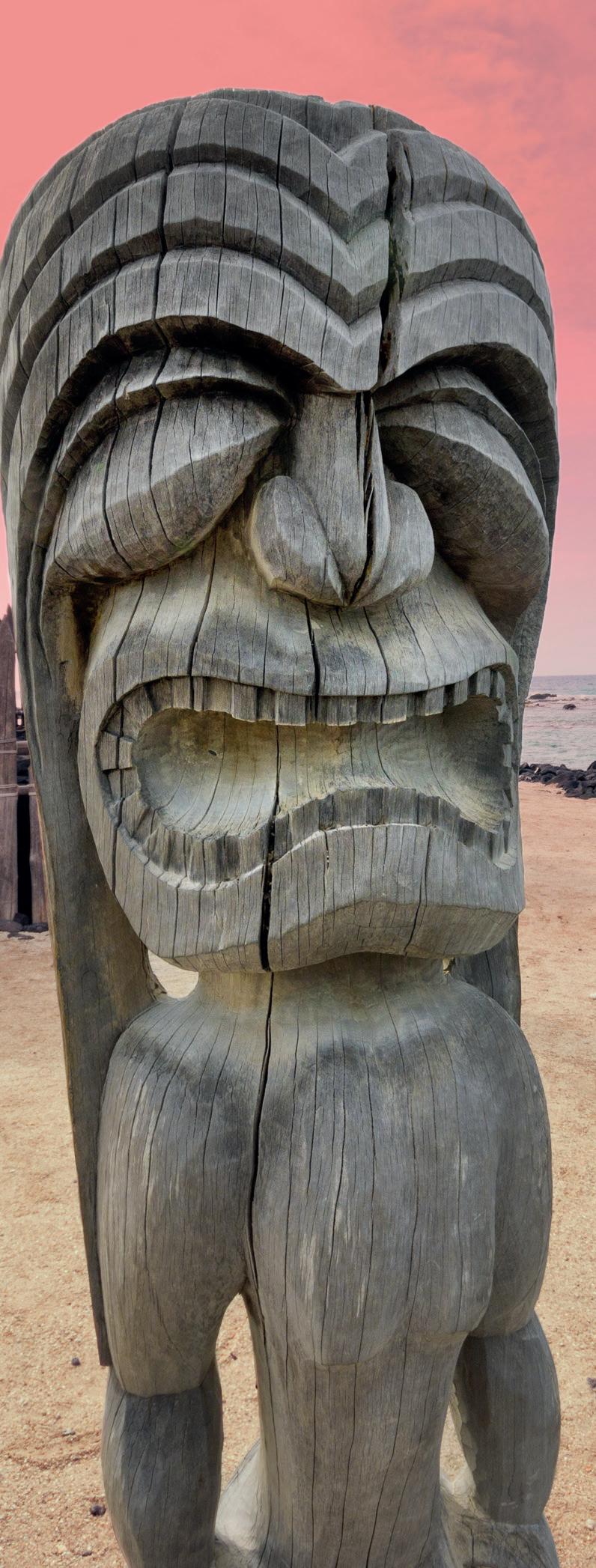
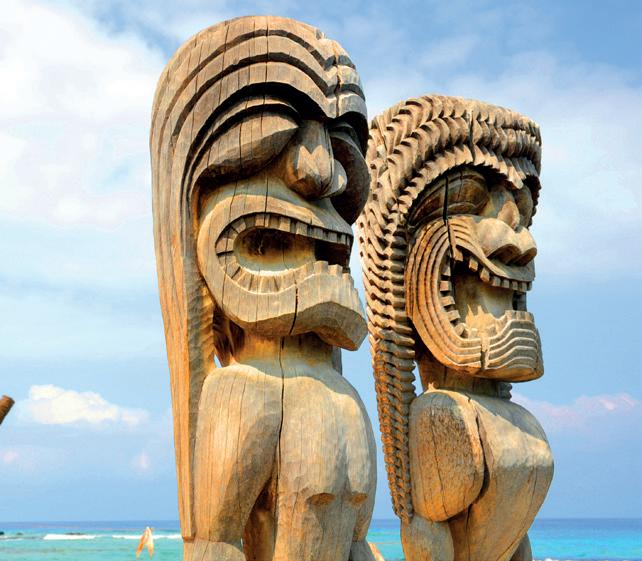
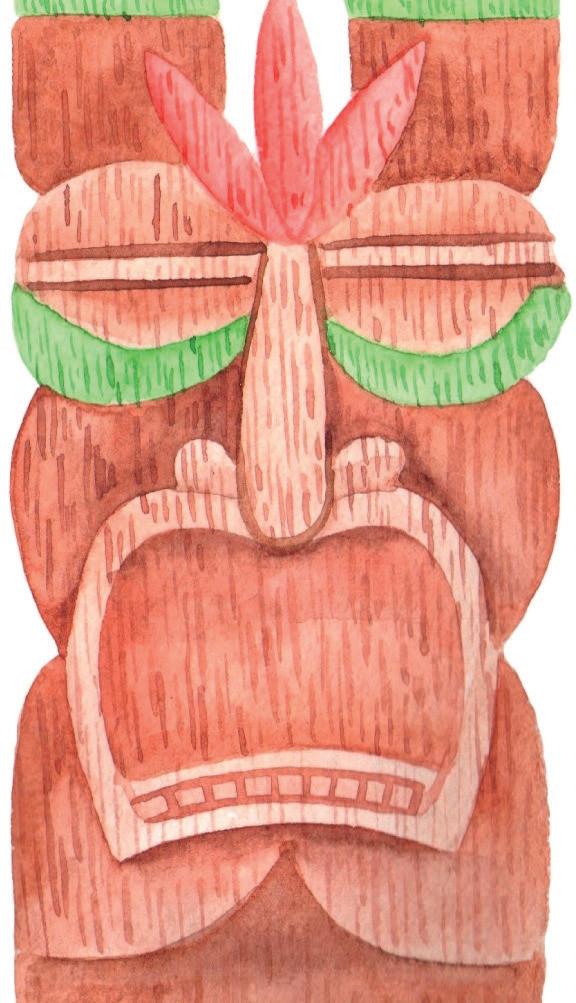
Tiki's on guard at Pu'uhonua o Honaunau - Kona
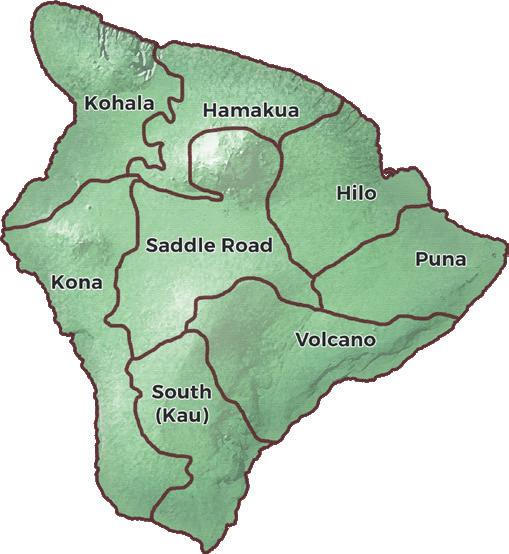
BIG ISLAND REGIONS
Kohala
Pololu, Hawi Town, Hapuna Beach
Hamakua (North)
Waipio Valley, Akaka Falls
Hilo
Rainbow Falls, Banyan Drive
Puna
Lava Tree State Park, Kaimu
Volcano
Hawai'i Volcanoes National Park
South (Kau)
South Point (Ka Lae), Punalu'u
Kona
Kailua-Kona Town, Kealakekua Bay
Saddle Road
Mauna Kea and Mauna Loa
Hawai'i, also the youngest island in the Hawaiian chain, began over a million years ago as five separate volcanoes on the ocean floor. First, the Kohala Mountains formed as they sat over the 'hot spot' in the earth's tectonic plates below. As the plate shifted, so did the location of the rising magma, moving to Mauna Kea, Hualalai, Mauna Loa, and eventually Kilauea. Currently, only the volcanic remnants of Kohala are completely extinct, never to erupt again. The rest of the volcanoes on the Big Island aren't quite done yet. Consider this an island that's still evolving.
Kohala
On the far northwest tip of the Big Island is Kohala, one of the most diverse areas on the island. This part of the Big Island started forming around 460,000 years ago and today includes the Kohala Mountains and the Kohala Ridge Road which straddles the mountain as it makes its way northwestward.
Hamakua (North)
On the North Coast of the Big Island lies the Hamakua coast, one of the most beautiful stretches on the entire island. Rainwater from the northern flanks of Mauna Kea along with snow from the summit of the great mountain flows down in countless streams along this part of the Big Island. The result is a mecca of stunning waterfalls and valleys.
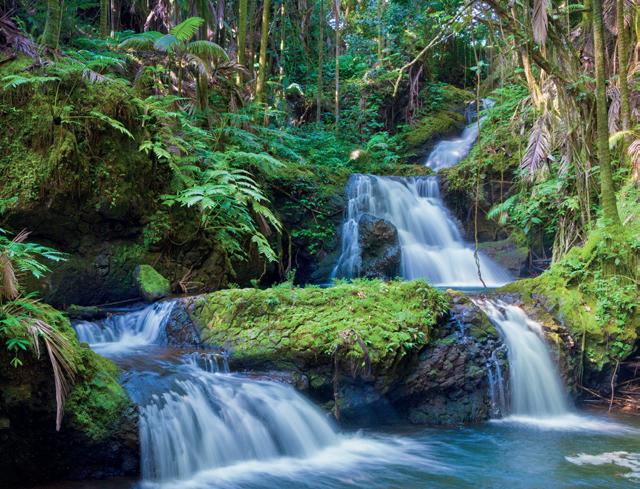
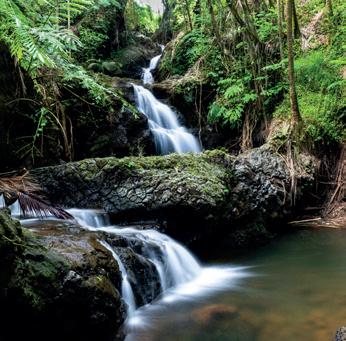
Onomea Falls - Hamakua (North)
BIG ISLAND - The Orchid Isle
Hilo
The most notable location on the East side of the Big Island of Hawai'i is undoubtedly Hilo town. Hilo is the island's largest city (second largest in the state - population wise) and also takes the title for the wettest city in the United States (70+ inches yearly). Hilo is an especially lush city with several gorgeous orchid gardens, interesting parks (the most prominent being Liliu'okalani Garden), museums, and other various attractions. Hilo borders a beautiful bay and is often cooled by sea breezes and tradewind showers.
Puna Region
East and south of Hilo is the Puna district and the funky little town of Pahoa (often called Hawai'i's outlaw town). This is an diverse area of rain forests, lava fields, and rugged coastline. One of the major attractions in Puna is the Lava Tree State Park. In 1790 a lava flow passed through a forest of ohia trees, and today the molds of these trees are all that remain; it's a unique attraction to visit.
Volcano
If there's one single hot-spot on the island (no pun intended) for visitors then it's definitely the Volcano area. The area, is of course, most famous for Hawai'i Volcanoes National Park (HVNP).
South (Kau)
South Hawai'i is one of the quietest areas of the Big Island. Here you'll find no large hotels or resorts, no major golf courses, and no real push for tourism. It's wild country out here.
Kona
If you're heading to the Big Island there's certainly one area you cannot miss... the Kona (West) Coast. This warm and sunny leeward area has become the resort area of the island. In total the Kona Coast stretches some 40 miles along the rugged west coast of the Big Island. Many historical sites, beautiful beaches (some well hidden), pristine bays, and lava fields (with prominent petroglyphs) criss-cross and line the coast of this area.
Saddle Road
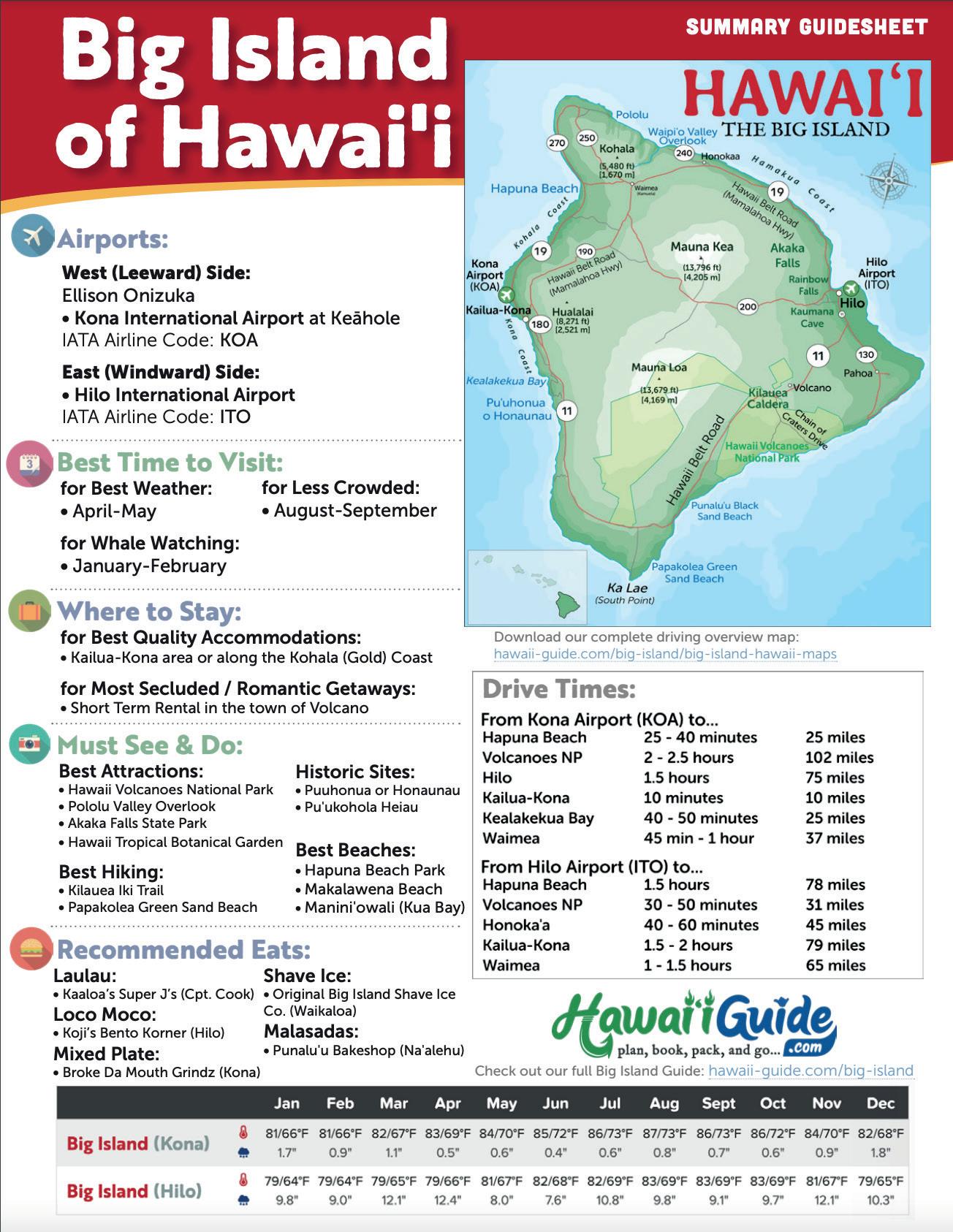
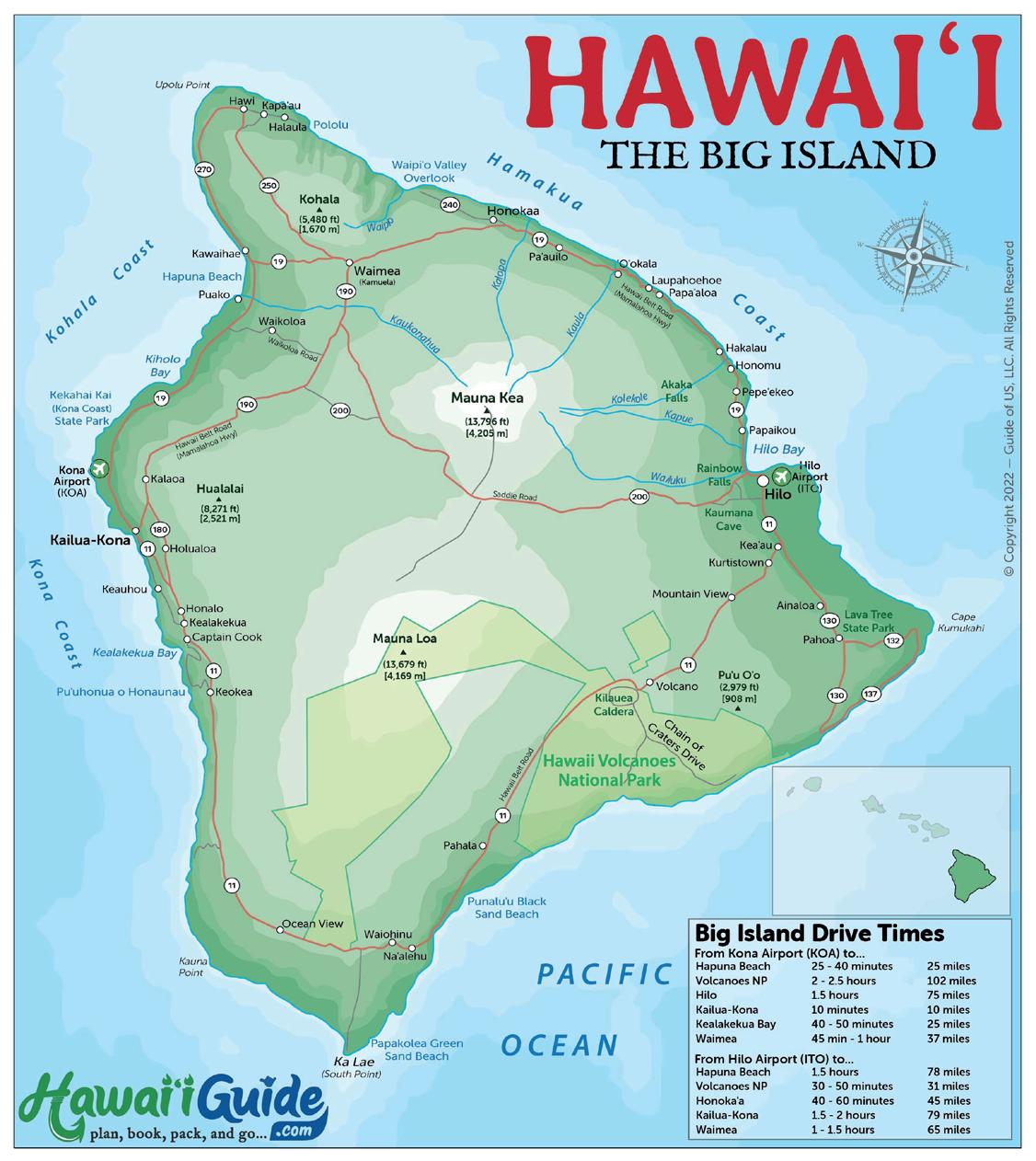
Saddle Road connects the east and west sides of the island passing between the island's two largest mountains, Mauna Loa (13,679 ft or 4,169m) and Mauna Kea (13,796 ft or 4,205m).
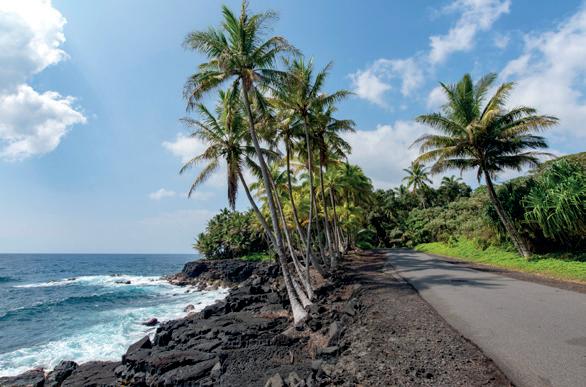
Puna Coastline - Hwy 137
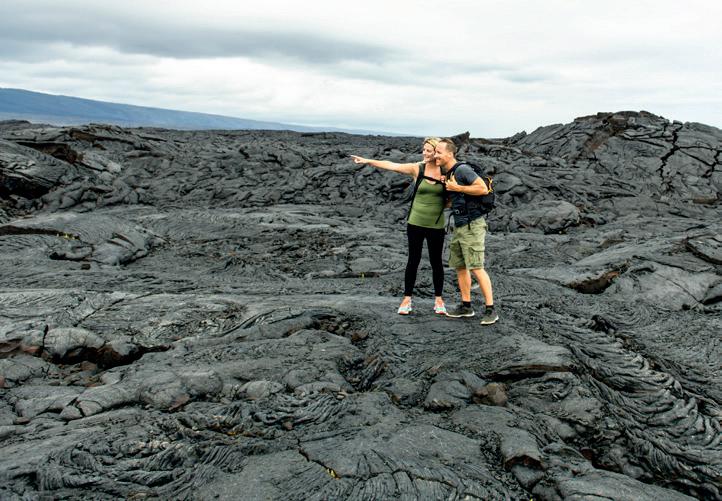
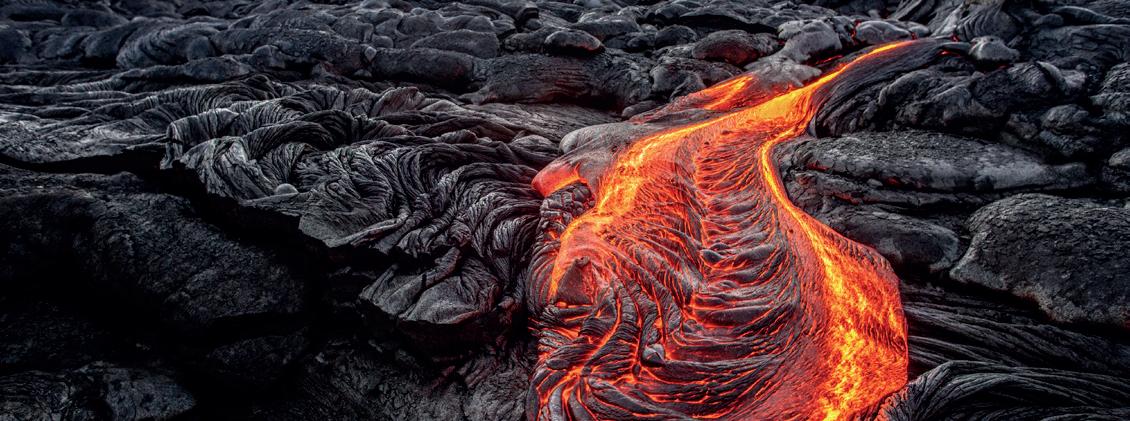
Pahoehoe Lava Flow - HVNP
HAWAI'I WEATHER
Weather on the Big Island of Hawai'i changes as rapidly as the terrain around it. No other island has the same diversity as the Big Island; not even by a long shot!
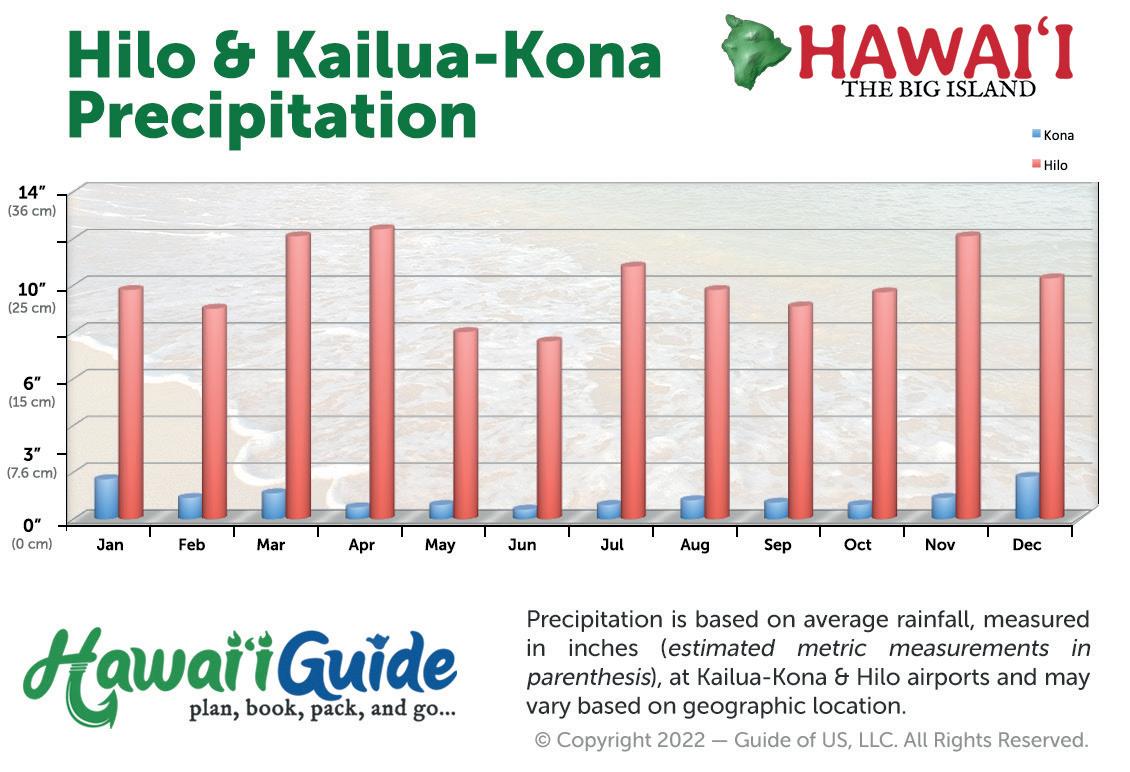
In some areas, rainfall can be absolutely zero; not a drop falls all year long and the terrain reflects this- it's dry and barren. In other areas, it can be rainy every day of the year (as in Hilo or Puna), creating a lush paradise for visitors who enjoy that type of environment.
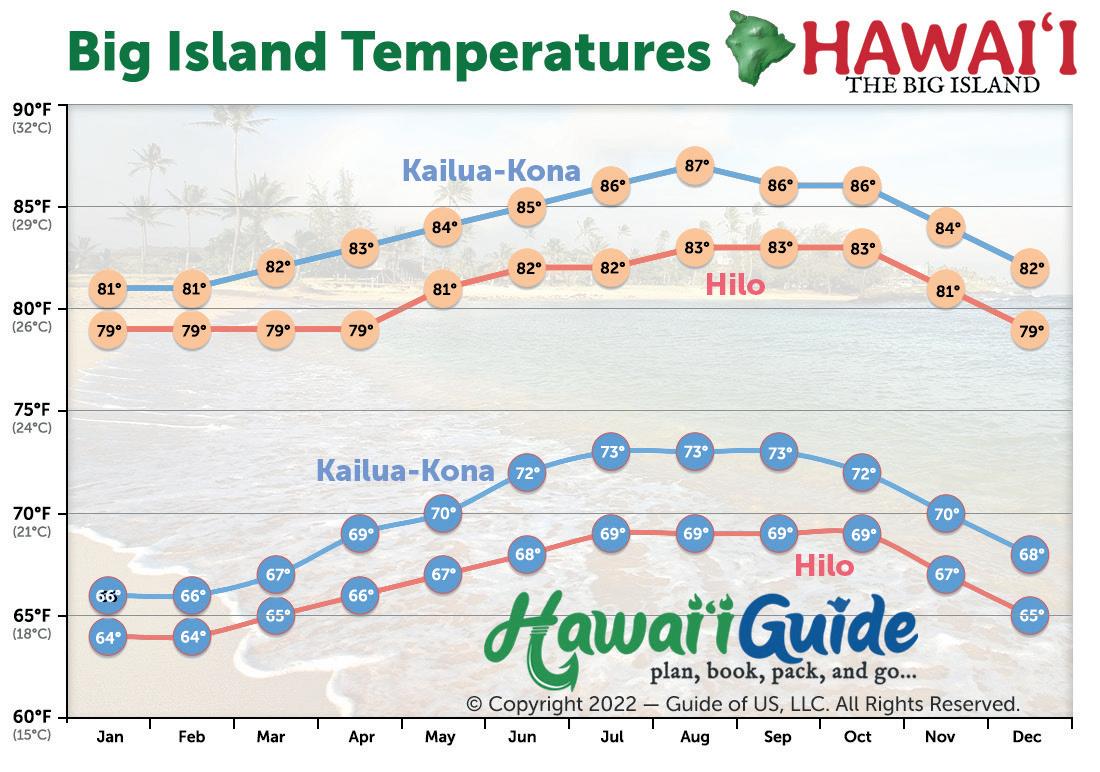
For the most part, the Big Island is warm and tropical year-round. Average temperatures near the major resort areas (coastline) range from 75-85°F (23°C-29°C) in winter and summer, respectively. At the higher elevations like Volcano and Waimea, temperatures are often much cooler, especially during the night. Hilo can also have lower temperatures depending on how far mauka (inland) you travel. And, of course, the summit of Mauna Kea and flanks of Mauna Loa or Hualalai can be quite chilly, if not downright frigid.
As far as temperature goes, plan accordingly for the island you're visiting. At sea level, it's usually about 76-85°F (24-29°C) all year-round. Temperatures at night are typically 12-18°F (78°C) cooler, but this can change dramatically depending on your altitude. Volcano, on the Big Island, can get quite chilly at night for example. If you're planning to go up to higher elevations be sure to bring a small coat and long convertible pants, trust us- it gets cold!
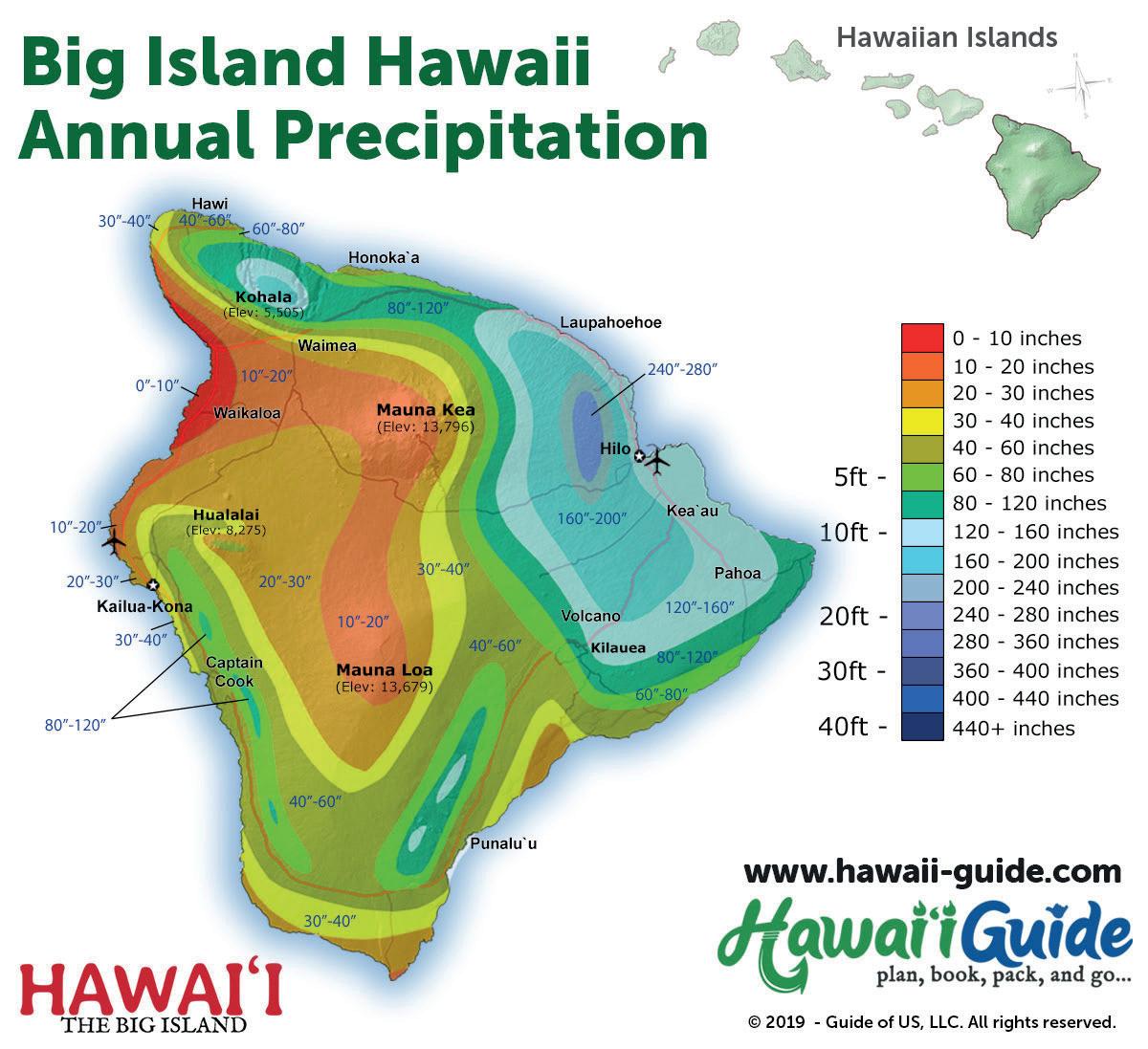
If you're looking to avoid rain altogether on your Hawaiian vacation, then the Big Island is a good choice. A large majority of the accommodations are located in areas that receive very little rainfall. We've created a list of the driest to wettest locations on the island. The map on the previous page may also help you visualize which areas are the rainiest and sunniest. Most of the rain that falls on the Big Island do so in the winter months when the tradewinds bring more moisture to the islands. This occurs primarily from late November through early March.
The Kohala (Gold) Coast is almost always sunny year-round and ofers the best chance for dry weather, averaging just 0"-10" (0-25 cm) annually. Most of the accommodations here are higher-end resorts.
The accommodations in and around the Waikaloa area ofer the next best selection for sunny and dry weather at 10"-20" (25-50 cm) a year. Accommodations here are similar to that of the Kohala Coast.
The accommodations in Kailua-Kona ofer fairly consistent and dry weather at 20"-40" (50-102 cm) annually. More rain is likely if you move mauka (inland) and up the flanks of Hualalai. There are an abundance of diverse accommodations here.
Hawi and Honokaa, on the North Kohala coastline, are wetter at 60"-80" (150-200 cm) a year. Accommodations are also more limited.
The small inns and B&Bs in Volcano average between 60"-120" (150-300 cm) per year depending on the exact location. Rain is frequent here at night.
The northern Hamakua Coast is a fairly wet region, averaging 80"-160" (200-400 cm) annually. Accommodations in this area are somewhat limited.
Hilo is the wettest major city in the United States at 120"-160" (300-400 cm) annually, so you can expect lush surroundings and lots of rain, especially at night. Accommodations here are also surprisingly limited, though some small hotels and inns do exist.
A quick note about Hurricane Season:
Hurricane and tropical storms are historically rare events on the Big Island, but it’s still important to be prepared for storms if you visit during hurricane season - June through November. The changes in global climate have lead to increased activity around the islands, so it’s essential to monitor weather conditions when planning and taking your trip to the Big Island.
Here are a few things to keep in mind, summarized, about Hawai'i's weather:
Check sources of reliable forecasts, like the University of Hawai'i Weather, before you visit and during your stay, as they have the best and most accurate forecast in the islands.
Don't listen to the Weather Channel or watch the NOAA forecast graphs, of course, they'll predict rain - it technically rains almost every day in Hawai'i... for about 10 minutes at a time. The only time it's really wet in Hawai'i for a prolonged time is during the winter months, usually from November until March.
As far as temperature goes, plan accordingly for the island you're visiting. At sea level, it's usually about 76-85°F (24-29°C) all year-round. Temperatures at night are typically 12-18°F (7-8°C) cooler, but this can change dramatically depending on your altitude. Volcano, on the Big Island, can get quite chilly at night for example. If you're planning to go up to higher elevations be sure to bring a small coat and long convertible pants, trust us- it gets cold!
WHEN TO VISIT
There honestly isn't a 'bad time' to go to Hawai'i. Visiting Hawai'i is a dream come true for many visitors, and who can blame them? It's a remarkable, unique, & beautiful paradise.
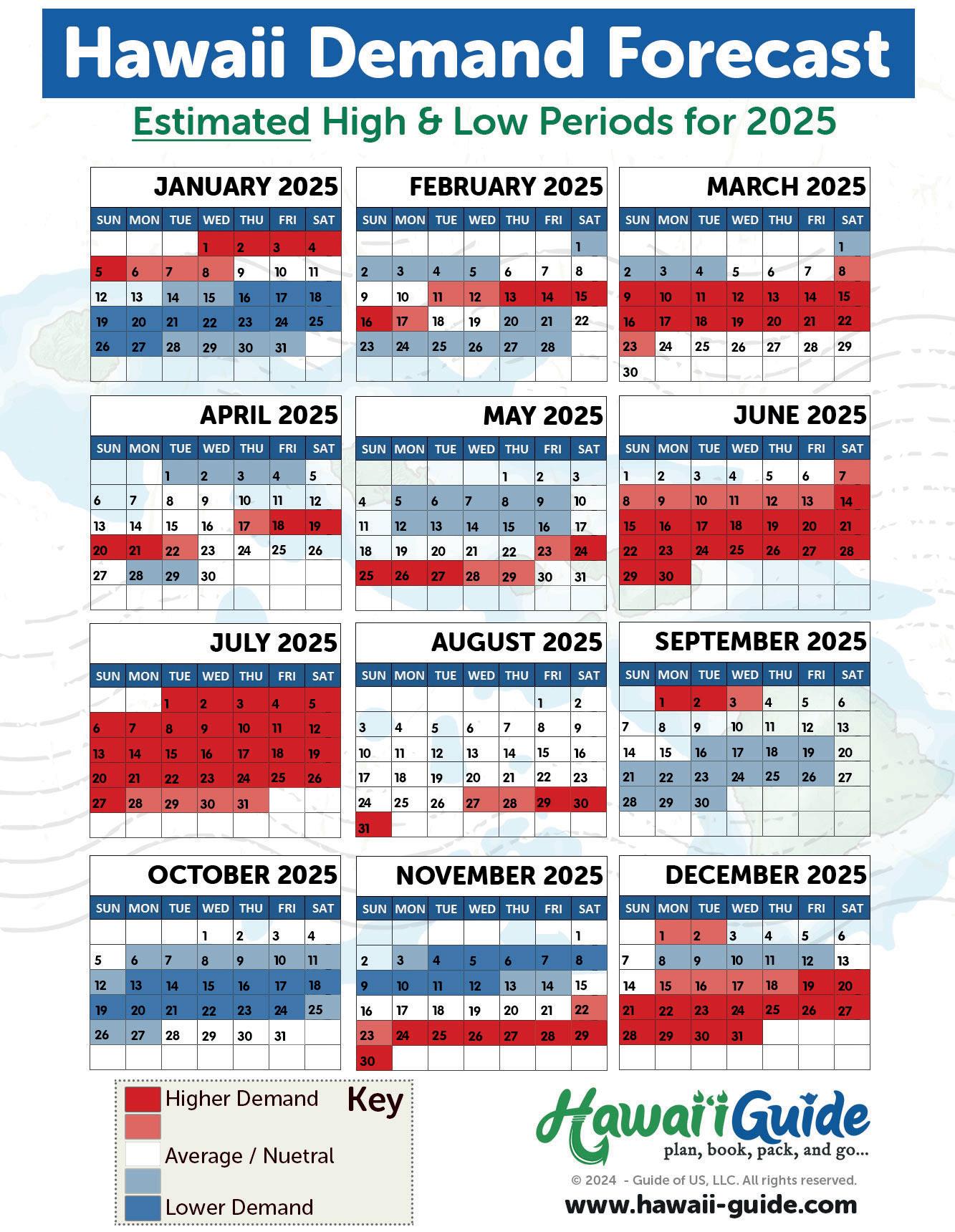
In general, the best months to visit Hawai'i are in April (avoid holidays, when applicable), May, September, or October for the best overall weather, lowest statewide rates, and fewest visitors on-island.
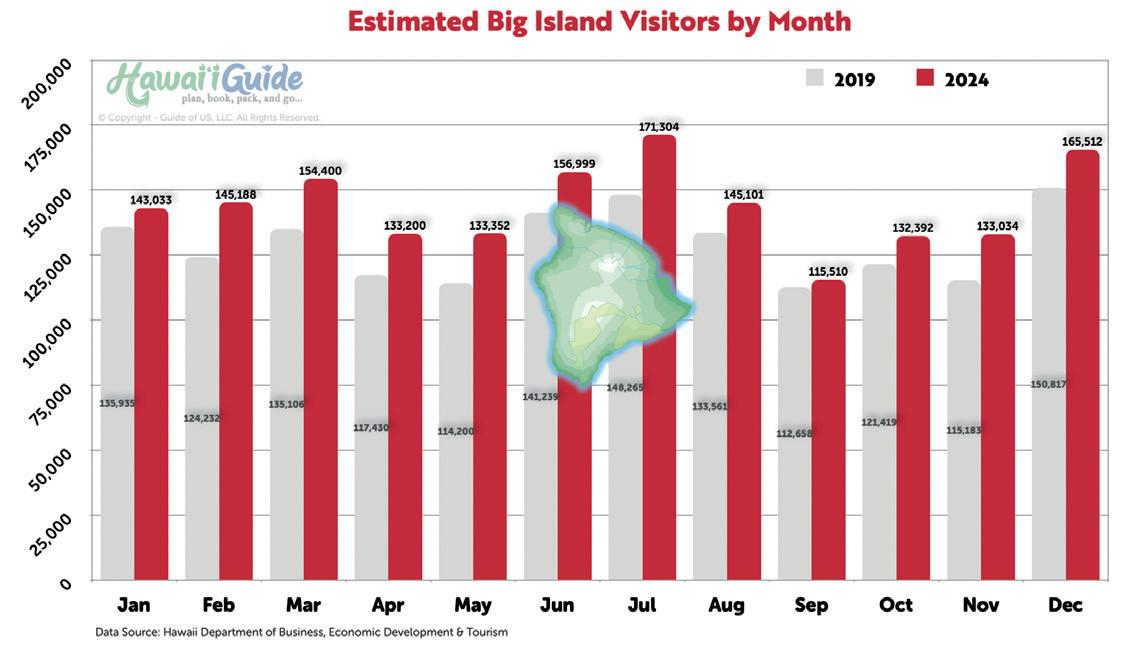
Let's go over a few additional topics that'll make deciding when to visit easier. First here's an overview of visitor arrivals on the islands by month. As you can see, there's an increase at three times of the year - Spring Break in March, Summer, and Christmas/New Year's.
Pololu Valley - North Kohala
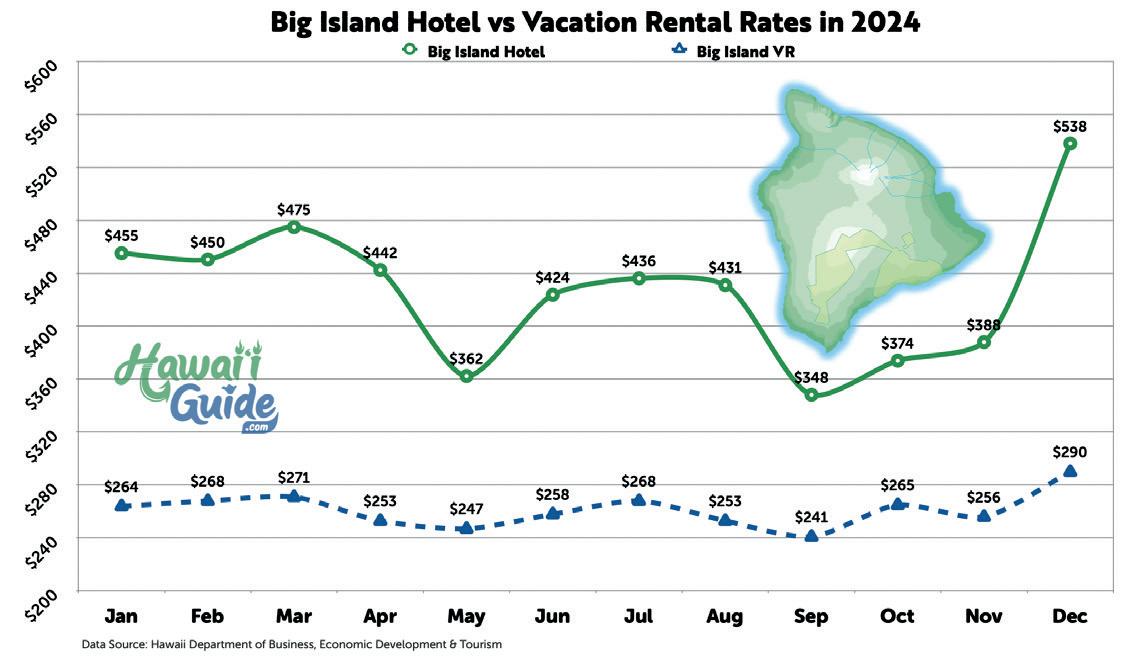
Big Island Hotel Rates Average Accommodation Prices
As is to be expected, when more people are 'on-island' visiting the Hawaiian Islandsaccommodation, rental, and flight costs will increase as well.
To avoid the crowds and keep rates lower, you can always try visiting during non-peak visitation periods (i.e.; spring and fall are both much quieter).
When preparing for your trip, the graphic above should help provide a general idea of the average rates during diferent times of the year.
The rates can and will fluctuate by island and by year, but these figures still allow you to prepare accordingly.
South Kohala Coastline
CAR RENTALS
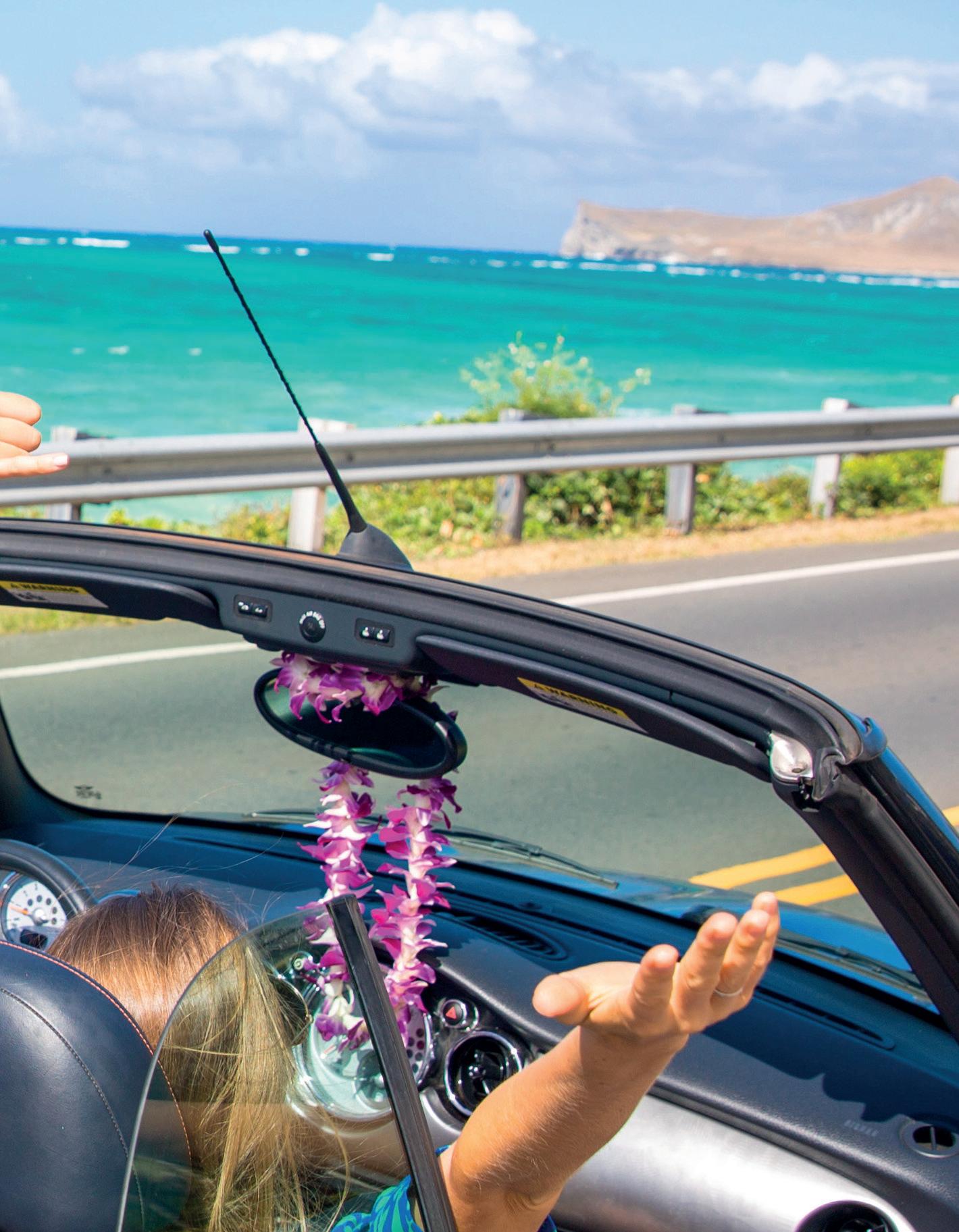
Renting a car on the Big Island is the best way to explore the island’s vast and diverse landscapes, from the volcanic terrain of Hawaii Volcanoes National Park to the white sand beaches of the Kohala Coast. With your vehicle, you can visit iconic spots like Mauna Kea and Akaka Falls at your own pace.
Types of Car Rentals
• Economy Cars:
Ideal for solo travelers or couples looking to explore the towns and highways without spending a fortune.
• SUVs and Jeeps
Perfect for families or groups needing more space or visiting rugged locations like Mauna Kea or of -the-beaten-path beaches.
• Luxury Cars
Ideal for special occasions or a more comfortable and stylish ride.
• Vans
Excellent for large groups or families with extra luggage. They make it easier to travel together while exploring the island's vast distances.
Recommended Car Rental Company
Discount Hawaii Car Rentals
(https://hawaii.guide/car-rentals)
This company ofers discounted rates from well-known car rental providers such as Alamo, Avis, Budget, and Dollar. They provide various vehicles to suit diferent travel needs and budgets. Booking through Discount
Hawaii Car Rentals can help you save money and enjoy perks like free additional drivers and reduced young driver fees.
Tips and Tricks for a Memorable Car Rental Experience
1. Book Early
Car rentals on the Big Island can sell out, especially during busy travel seasons. Booking early ensures the best selection and prices.
2. Check for Discounts
Look for special deals and discounts, mainly through companies like Discount Hawaii Car Rentals.
3. Understand Local Driving Etiquette
Embrace local driving etiquette by being courteous and patient and avoiding excessive horn use. The Big Island’s roads can be winding, so take your time.
4. Plan Your Route
Make the most of your trip by researching scenic drives, such as the Saddle Road between Mauna Kea and Mauna Loa or the Hamakua Coast.
5. Pack Essentials
If you're exploring more remote areas, pack water, snacks, and other necessities for the road.
6. Respect Parking Rules
Consider parking regulations and fees in popular areas like Kailua-Kona or Hilo to avoid fines or towing.
TOP ATTRACTIONS ON BIG ISLAND
Discover the hottest spot on the island and tour Hawai'i Volcanoes National Park. Next, head to some of the best waterfalls... or the beach, there's plenty to choose from. Whether you like to hike, walk, kayak, swim, or snorkel - the Big Island has an adventure for you.
The Big Island is home to some of Hawai'i’s most beautiful sights, outdoor adventures, and magnificent beaches. Whether you’re admiring one of the island’s many waterfalls, hiking a scenic trail, or simply relaxing, we know you'll find your perfect experience.
There are so many things to see and great places to visit on the Big Island that choosing which ones are right for you and your travel party can seem a bit overwhelming. In this section, you'll find helpful information about some of the best and most popular Big Island of Hawai'i attractions to help you plan your perfect Hawaiian vacation.
Hawai'i Volcanoes National Park Volcano Region
Home to Kilauea Volcano
Schedule Enough Time
• The park encompasses 333,000 acres of natural wonders and is situated at 4,000 ft (1,219m) above sea level. With its wealth of trails, drives, and activities you may need at least two days to fully experience all the park has to ofer.
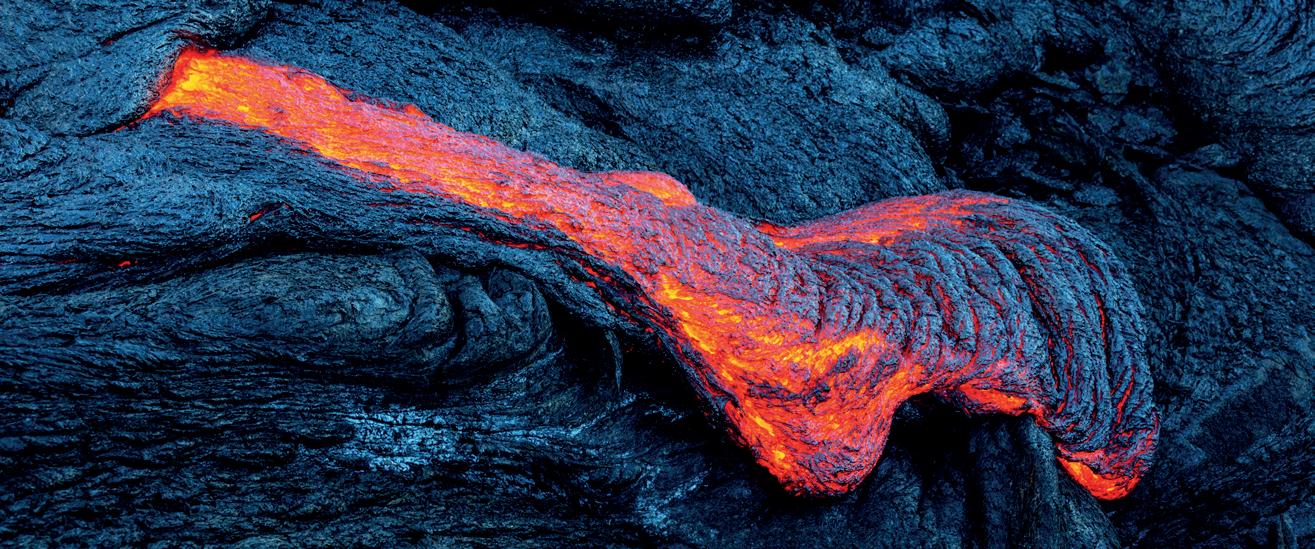
Originally founded in 1916, Hawai'i Volcanoes National Park (HVNP) is a living, breathing testament to the awesome power of Mother Nature. HVNP is located 30 miles southwest of Hilo and 96 miles southeast of Kona. It's open year-round, 24 hours a day. HVNP is home to Kilauea Volcano, one of the most continuously active volcanoes in the world, and the park ofers the unique experience of walking on land that is younger than you are. Visitors are also witness to the world's largest volcano Mauna Loa at 13,679 ft (4,169m). Mauna Loa, meaning 'long mountain,' encompasses a huge chunk of the Big Island. After 38 years of inactivity, Mauna Loa last erupted in late 2022.
Akaka Falls State Park
A Lush Tropical Paradise
Hamakua (North) Region
Photography Tip
• The best time to photograph the falls is early in the morning on a slightly cloudy day; the filtered sunlight allows the greenery to accentuate Akaka's misty waters.
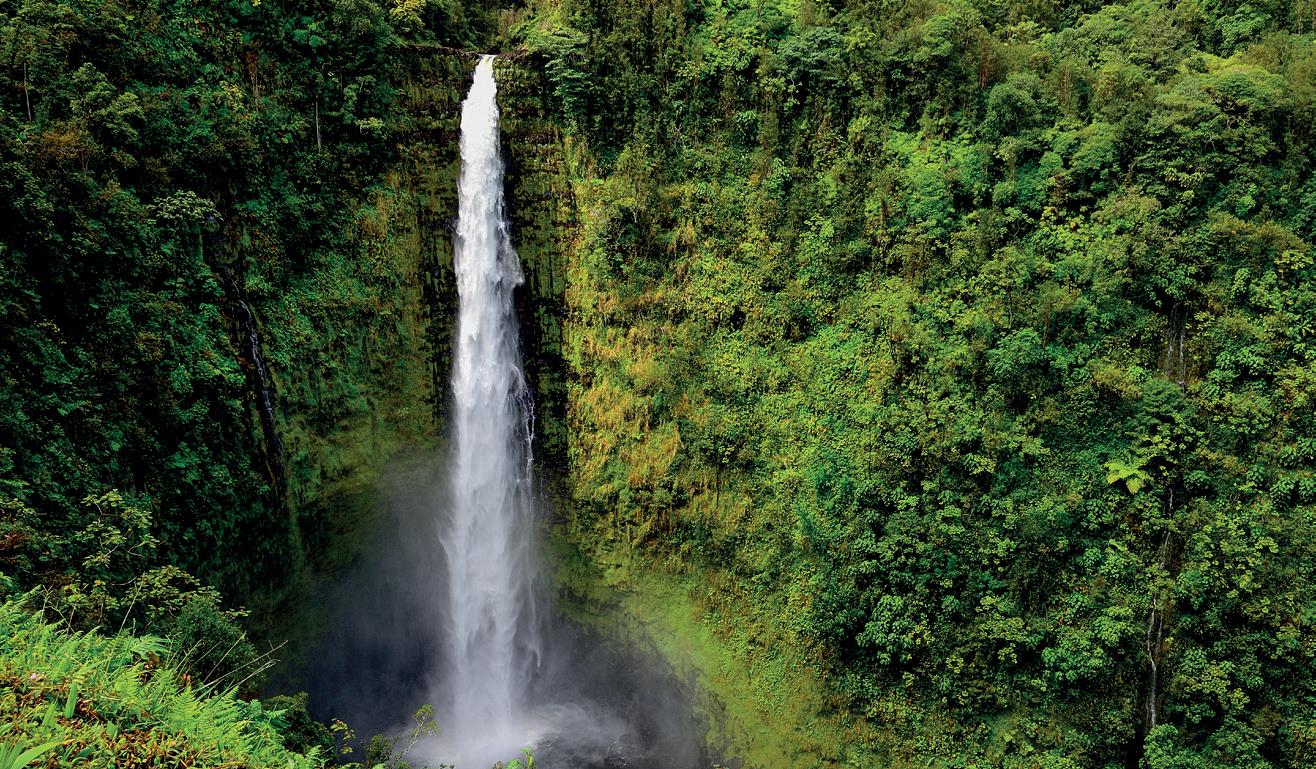
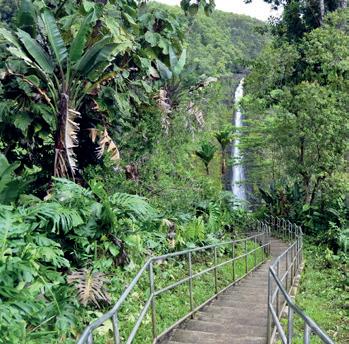
Akaka Falls State Park, along with the northeastern Hamakua Coast, is home to two gorgeous waterfalls and an abundance of lush tropical greenery to delight visitors. The stroll to reach Akaka Falls is almost as beautiful as the falls itself. After taking a short set of stairs, turn left and follow the paved pathway through amazing greenery and small waterfalls flowing into babbling streams. Just as you round a corner, you'll catch a glimpse of Akaka Falls free falling 442 ft (228m) through a green-lined gorge. As of this writing, the non-resident fees to visit Akaka Falls include a $10/per vehicle parking fee and $5.00/per person fee. Children under three (3) are free.
Hawai'i Tropical Botanical Garden
Garden, Scenic Overlooks, & Waterfalls
Hamakua (North) Region
HTBG Directions
• About 1.5 miles down Onomea Scenic Drive, the parking lot for the gardens will be on the mauka (toward the mountain) side of the road. There is an admission price.
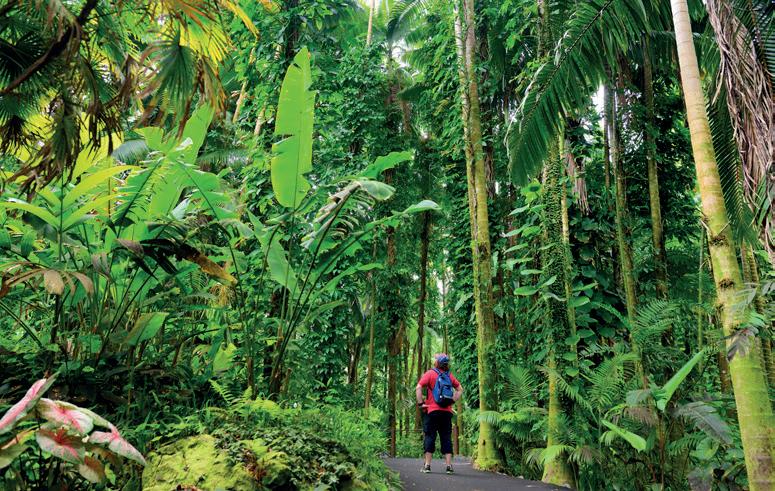
This stunning rainforest preserve, Hawai'i Tropical Botanical Garden (HTBG), is touted as one of the most beautiful locations in Hawai'i; a distinction it well deserves. This garden was a gift to the people of the world from Dan J. Lutkenhouse, a businessman from San Francisco. Currently, over 2,000 species of plants, including a large variety of orchids, heliconia, gingers, bromeliads, and palms are spread throughout the garden. You'll find them accompanied by several natural waterfalls- including Onomea Falls- and a lovely view of Onomea Bay. This garden does require paid admission, but it's well worth the price.
Pololu Valley Overlook
End of the Road in Kohala
Seven Valley's
• Pololu is the end of a string of seven major valleys carved into the northern Kohala Coast of the Big Island which ends with Waipio Valley. The Awini Trail lets you explore both Pololu, and the next ridgewith amazing views of the coastline.
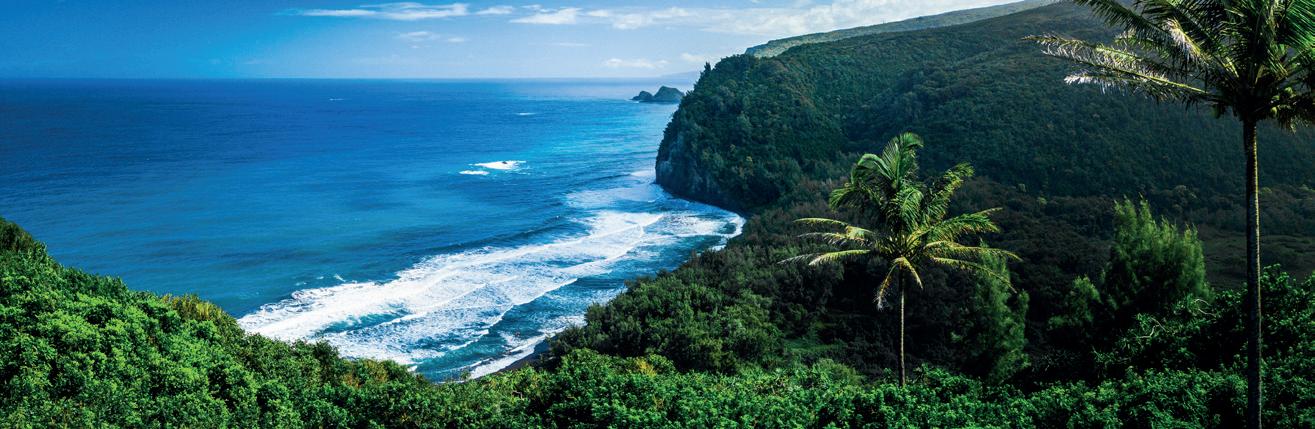
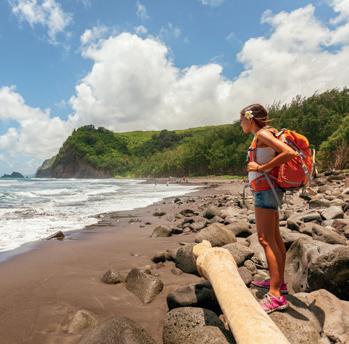
As you pass the 28 mile marker on Highway 270 past Hawi, the coast will open up and you will suddenly be treated to a breathtaking view of the lovely Pololu Valley. On a sunny day, you will see the vibrant blue and green ocean crashing into the rugged sea clifs and the deep green carpet of vegetation lining the sides of the valley. A short walk to the lookout reveals the many folds and creases of the inner part of the valley which drop into a rich, green floor. Lines of ironwood trees divide the lush valley from the grainy black sand beach that meets the ocean. Early morning is the best time to visit, when you'll have a chance of snagging a parking space in the small lot.
Puuhonua o Honaunau
Historical Park - Place of Refuge
Kona Region
Sacred Space
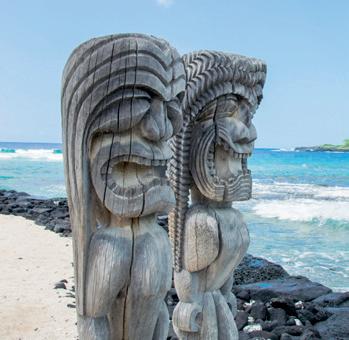
• At the tip of the point, encircled by imposing carved statues with fearsome expressions, ki'i, is the Hale o Keawe where the kahuna prayed and guarded the bones of 23 ali'i (Hawaiian Royalty).
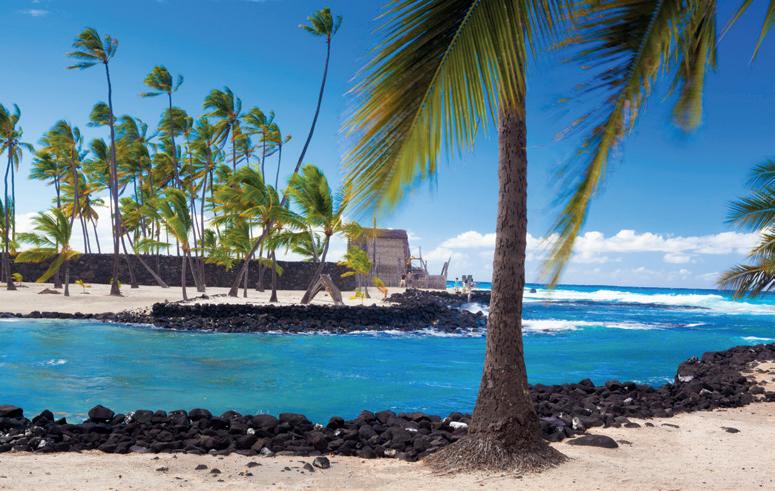
Pu'uhonua o Honaunau (poo-oo-ho-noo-ah o hoe-now-now), formerly known as Place of Refuge at Honaunau, is an incredibly beautiful and educational experience that no trip to the Big Island should be without. After you pay your vehicle fee and walk past the educational displays, you round a corner and are transplanted into the world of the ancient Hawaiians. On this scorched land of sand and lava rock, the ali'i (ruling class) of Hawai'i made their home. You can explore how they worked and played underneath the shade of Honaunau's stately palms.
Explore our handselected Hawaii tours and activities from the best local providers.
HAWAI'I SAFETY
The islands of Hawai'i could each easily be described as paradise. But even paradise has its hazards and we'd be foolish not to educate you on at least a few of them. The truth is simple, Hawai'i isn't Disneyland; it is often wild, rough, and natural law prevails. The more you know, the better prepared you are to avoid the hazards of the beautiful Hawaiian Islands. We've put together some tips online, and we highly recommend reviewing them before your trip.
Regardless of how much you've traveled in the past and where you've been, there is one good rule to follow when coming to Hawai'i, leave as much as you can at home!
Seriously, bring only what you'll need during your stay and nothing more. Chances are a pair of shorts, and a nice Aloha shirt is all you'll need for even some fine dining. Leave the formal wear back home. And please don't bring your passport if you're a U.S. citizen (you'd be surprised how many folks do).
A light jacket and a long pair of pants might also be helpful for those visits to higher elevations around the islands. You'd be surprised at how many "chilly" people there are in Hawai'i each day. Sure it's tropical, but not every thing's at sea level either. On the other hand, don't overdo it and bring your winter coat to Hawai'i unless you feel you need it for visiting the summit of Mauna Kea on the Big Island at sunrise or sunset.
With the motto, 'less is more' in mind, here are a few other items to bring:
Sunblock (the UV on Hawai'i is typically 14+ in the spring, summer, and fall), a backpack (for any hikes) and a water bottle, slippers (flip flops, shower shoes, zoris), snorkel mask and fins (or rent locally instead), two bathing suits (one to wear while the other dries) and a cover-
up, camera or phone, lightweight raincoat or poncho (it's tropical here), bug spray with DEET (for any forest hikes), flashlight (for just in case), hiking boots / hiking rods (even if you're not a hardcore hiker, it's not a bad idea to bring proper footwear for some trails), and most importantly a list of all your troubles to leave behind
For more tips and suggestions, we suggest reading through our What to Pack page online: www.hawaii-guide.com/what-to-pack