THE STORIES AND CELEBRATION OF FOOD AND DRINK
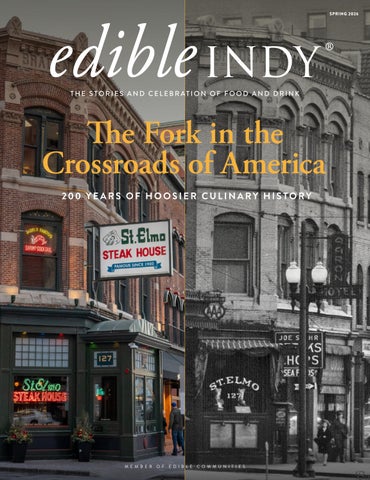
THE STORIES AND CELEBRATION OF FOOD AND DRINK
200 YEARS OF HOOSIER CULINARY HISTORY





PUBLISHER Adam Grubb
EDITORIAL
MANAGING EDITOR Stephanie Decker
SENIOR EDITOR Bailey Shelton
ART | PRODUCTION
DIRECTOR OF BRANDS Erik Anderson
DESIGN Molly Tippner
CHIEF OPERATING OFFICER
Jennifer Cisternino
CHIEF CREATIVE OFFICER Camila Schaefer
Advertising queries: sales@adamgrubbmedia.com
CONTRIBUTORS
WRITERS
Stephanie Decker, Julia Hockman, Chelsea Kopelman, Samantha Kupiainen, Carie McMichael, Amanda Sadowski, Kylee Scales, Carly Schafer, Mikahla Seymour, Bailey Shelton, Madison Sterba, Reba Toloday, Claire Trost
PHOTOGRAPHERS
Adam Grubb Media, Ashley Hairston, Carie McMichael, Dave Pluimer, Reba Toloday
COVER PHOTO
Tess Lawyer-Smith, Courtesy of Huse Culinary

Dear Reader,
This year marks the 250th anniversary of the founding of the United States. Indiana’s statehood is following closely behind at 210 years. We’re defined by that history, but we’ve also come a long way since the early 1800s. Indiana has always been an agricultural state, but we’ve also been central to canning methods, a transportation hub, and a Midwestern cultural center. Although we’ve only recently gained culinary cheerleaders, we’ve also always been big on food and drink.
This issue of Edible Indy® delves into our food history, the highs and lows, both recent and centuries old. Our modern diets have a lot to do with the many paths that have crossed Indiana over the past 200 years. Recipe writer Reba Toloday dove into her family history and re-created the recipes from her grandmothers’ cookbooks. For our Four Top, we’re rounding up four decades of Indiana dining. In examining historic restaurant menus for our Forklore segment, we see the impact that the now-gone L.S. Ayres Tea Room and Claypool Hotel had on our Hoosier diet.
Following the theme of Indianapolis institutions, we sent writer Claire Trost to sit down with Martha Hoover. The Patachou founder’s next chapter builds on the knowledge she gained over decades of building her business. Hoover’s Second Rodeo is aspirational, a reminder that we’re always learning and growing. It’s never too late to try something new, or try something again as if it were the first time.
We hope you enjoy this stroll through Indiana’s Food History.
Best,
Bailey Shelton, Senior Editor, Edible Indy ®
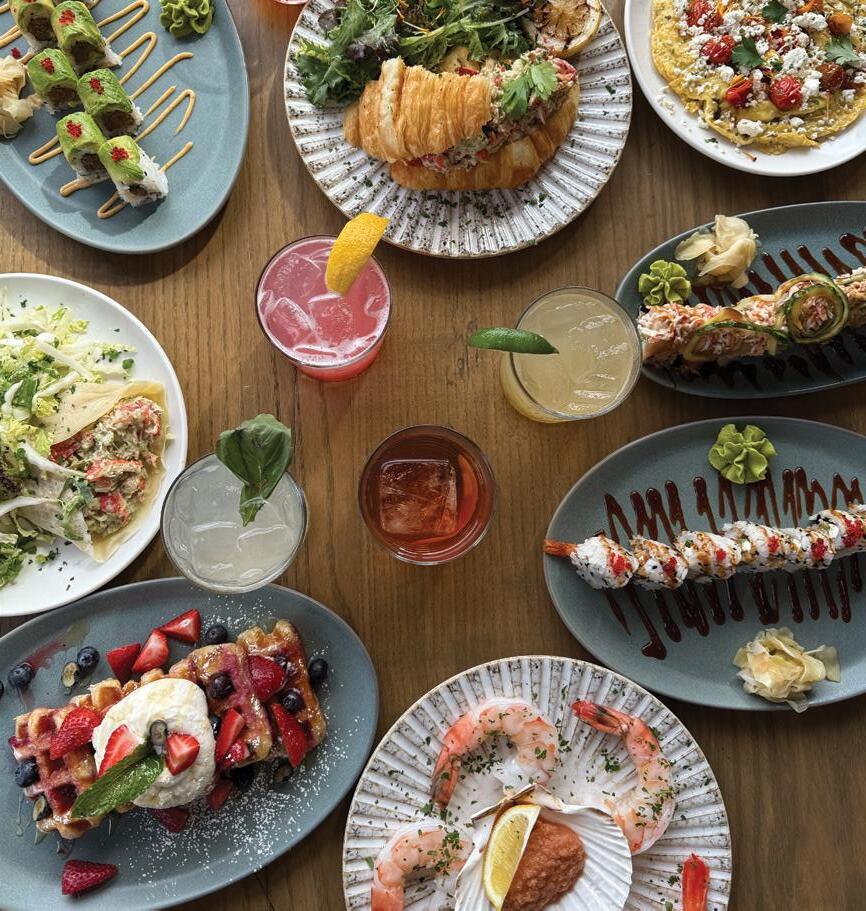
FROM DOCK TO TABLE – INDY’S CLOSEST TASTE OF THE COAST
Discover our rotating Off the Dock specials, now available in both Geist and Carmel. Each dish is chef-curated and inspired by seasonal ingredients and the freshest selections from Supreme Lobster, the same seafood supplier trusted by Michelin-star restaurants nationwide.
Enjoy a different off-menu, coastal-inspired creation every time you dine with us.

HENDRICKS COUNTY
Hendricks County Flavor Fest
February 17–March 17
A new culinary event highlighting all the wonderful food and flavors west of Indy. visithendrickscounty.com
MONROE COUNTY
AfterHours Chocolate: The Art of Mixology (Bloomington)
Saturday, February 21
An adult-only event at the WonderLab Science Museum exploring cocktails, mocktails, wine, and kombucha. wonderlab.org
HAMILTON COUNTY
Cheftacular (Carmel)
Monday, February 23
A tasting event where professional chefs and culinary students collaborate to create 16+ dishes, with proceeds supporting culinary arts programs and a local food bank. carmelculinaryboosters.com
Carmel Winter Farmers Market
Saturdays through March 28 carmelfarmersmarket.com
Westfield Winter Market
Saturdays through March 28 westfieldin.gov
MARION COUNTY
Broad Ripple Winter Farmers Market
Saturdays through April 25 broadrippleindy.org
Indy Winter Farmers Market
Saturdays through April 25 indywinterfarmersmarket.org
Frigid Digits Winter Beer Fest (Indianapolis)
Saturday, February 14
Outdoor beer festival featuring unlimited samples from 40+ Indiana craft breweries and distilleries! This year’s theme is “Cold Hands, Warm Heart” in honor of Valentine’s Day. indianaontap.com
Rombauer Wine Dinner (Indianapolis)
Thursday, February 26
A five-course dinner event with wine pairings from Rombauer at McCormick & Schmick’s Seafood & Steaks. mccormickandschmicks.com
PARKE COUNTY
Parke County Maple Fair
February 21–22 and February 28–March 1
Local maple syrup, a pancake breakfast, shopping, and more! coveredbridges.com
WASHINGTON COUNTY
Maple Syrup Festival (Salem)
February 28–March 1 and March 7–8
The annual festival at LM Sugarbush offers food, wine, spirits, artisan vendors, and maple syrup tours. lmsugarbush.com
HENRY COUNTY
New Castle On Tap (New Castle)
Saturday, March 14
A craft beer, wine, and spirits festival at Arts Park Pavilion.
NewCastleOnTap.com
LA PORTE COUNTY
Spring Fling Market (La Porte)
Saturday, April 4
A market featuring over 100 vendors, including food and craft items, at the Dunes Event Center. explorenorthernindiana.com
ALLEN COUNTY
Summit City Farmers Market (Fort Wayne)
Saturday, April 11
This weekly market begins its spring run at the Dynamo Alley in Union Street Market.
visitfortwayne.com
MONROE COUNTY
Spring Fest (Bloomington)
Saturday, April 11
The 12th annual fundraiser for the Indiana Brewers Guild featuring over 100 beers, ciders, and craft cocktails. drinkin.beer
JOHNSON COUNTY
Death & Taxes Day (Franklin)
Saturday, April 18
A beer release and tasting festival featuring over 45 Indiana breweries, local food trucks, and live music. taxmanbrewing.com
Edible Indy® staff share the food and drinks that they are loving this spring. Check out their picks and try them for yourself.

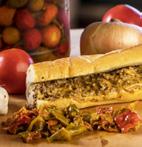
HOAGIES AND HOPS
4155 Boulevard Pl, Indianapolis hoagiesandhops.com
The taste of Philadelphia is here in Hoagies and Hops, a sandwich shop serving up East Coast authenticity with Naptown generosity. Every sandwich is a hit, all served between pillowy South Jersey roll. From the generously decked Hog Island to their signature sizzling cheesesteaks, this is a hidden gem built on identity and flavor.

REBA TOLODAY CONTRIBUTOR
GLAZED CAKE DONUT
SWEET SHOP
1309 W Main St, Greenfield Opened in 1971, the Sweet Shop in Greenfield Indiana has been quietly serving up some of the finest donuts in the Indy metro for over 50 years. For my money there’s nothing better than the glazed cake donut: a deeply satisfying bite, tender and lightly flavored by the addition of some applesauce in the dough. The donut itself is perfectly fried, showcasing decades of donut making expertise, and the thinnest crackle of a glaze puts it over the top. This donut is worth a road-trip.


CHELSEA KOPELMAN
DIGITAL CREATOR @ keepingupincarmel
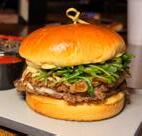
ALLEYS IN PINHEADS
18 Whittington Dr, Brownsburg bowlatpinheads.com
Talk about something you wouldn’t expect to see on the menu at a bowling alley! I am constantly impressed by the gourmet dishes the scratch kitchen at Alleys in Pinheads Brownsburg. This is the bone marrow chimichurri burger. Two smashed patties with sautéed onions, garlic aioli, smoked provolone, arugula tossed in chimichurri, and finished in bone marrow butter.


DIGITAL CREATOR @keepingupindowntownindy
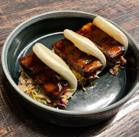
850 Massachusetts Ave, Ste 110, Indianapolis modita.com
What to order at Modita? No matter the mood, I always recommend the Bao Buns. This standout dish layers irresistible textures and flavors: pillowy-soft bao, rich sweet-and-savory pork belly, and a bright, acidic slaw that ties it all together. It works perfectly as a shareable appetizer or as the star of your meal. Whether enjoyed with friends or savored solo, it’s one of those dishes that consistently delivers and always hits the spot.
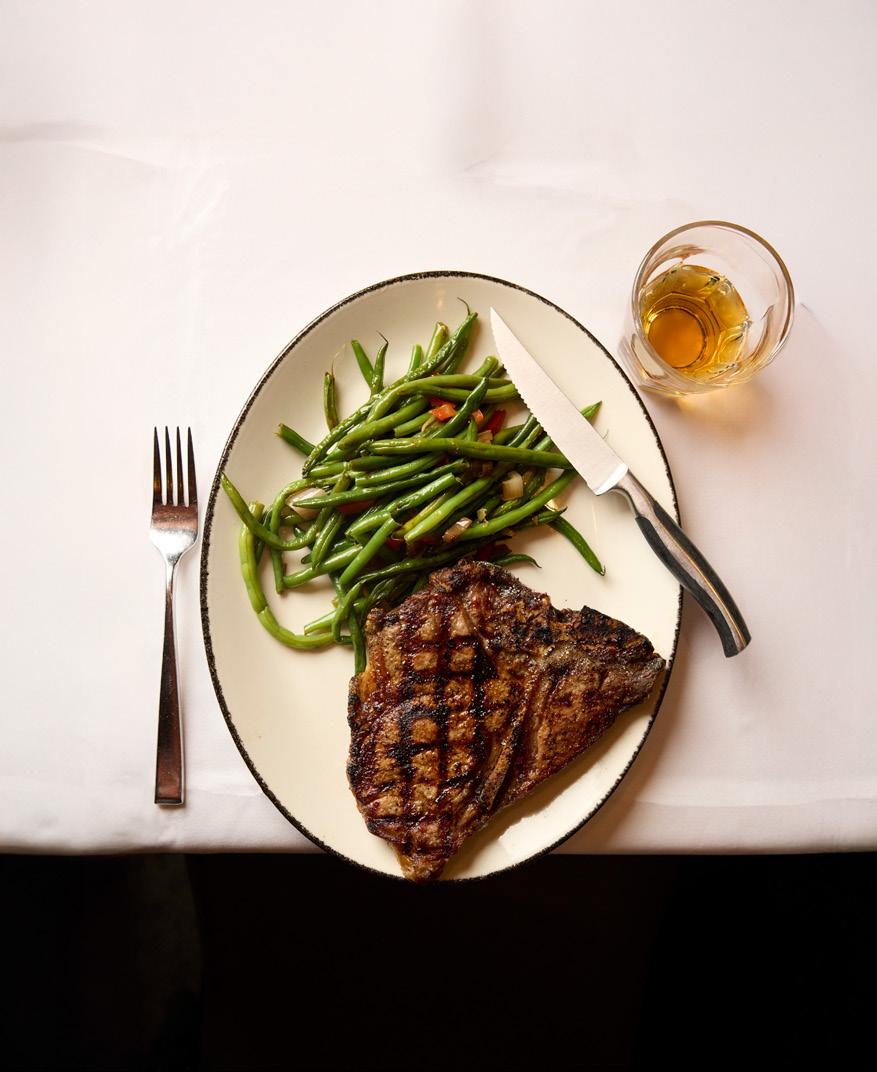
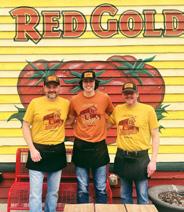
PART OF THE HUSE CULINARY FAMILY OF BRANDS:
PEOPLE COME FROM ALL OVER TO DINE HERE, AND SOMETIMES THEY ONLY MAKE IT AS FAR AS THE PARKING LOT.
Written by Samantha Kupiainen
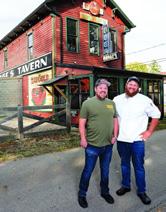
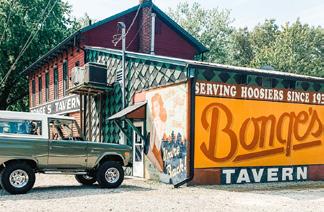
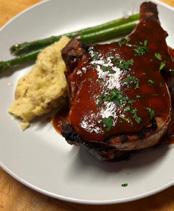
If it weren’t for the crowd of cars in the lot, you might miss the only restaurant in Perkinsville, a town of fewer than 130 residents. On the menu at Bonge’s Tavern is a New York strip, pork chops, lamb chops, and a play on the Hoosier pork tenderloin called the Perkinsville Pork. What’s not noted anywhere on its menu is its long-standing tradition of tailgating before being seated for dinner.
Before 2020, Bonge’s Tavern did not accept reservations; they sat patrons on a first-come, first-served basis. The 12-table restaurant could only accommodate 68–72 people at a time, and the rest would have to wait outside.
Patrons would come from all over to dine at Bonge’s, with wait times stretching for hours. With no nearby attractions on the quiet stretch of gravel road, patrons began tailgating in the parking lot to pass the time.
“It’s very small, kind of in the middle of nowhere, surrounded by cornfields,” says Spencer Wood Foster, director of operations at Burgess Restaurant Group. “It’s a destination. People would come and tailgate in hopes of getting in and getting a table. They would wait for hours to get in, and then COVID happened, and they went from no reservations to only reservations.”
When the COVID pandemic hit, the tavern had to shift and start accepting reservations to comply with state guidelines.
Still, the tailgating tradition lived on.
“Reservations allowed them to manage things a little bit better, know how many people they were going to have, and control it a little bit more efficiently,” says Foster. “The tailgating continued because it’s become such a tradition. Rather than people having to wait and not even knowing when they would get to come in for dinner, it made it more of a fun activity for them to do as part of the whole experience.”
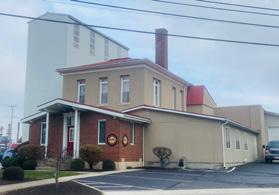
Bonge’s Tavern was founded in 1934, but the building itself was constructed between 1835 and 1847, serving as a general store, roadhouse, and gambling parlor before Charles “Chuck” Bonge took over. The tavern has only switched ownership twice since Bonge, and was most recently acquired by Jake Burgess, owner of Burgess Restaurant Group.
When Burgess took ownership of the restaurant in 2023, he also implemented a three-way liquor license, allowing patrons to grab a cocktail while they wait for a reservation.
Tailgaters have brought everything from charcuterie boards to cornhole to coolers of drinks. Fire pits are prohibited as one of few caveats; for insurance reasons, there can’t be open flame in the lot.
Written by Kylee Scales
There’s something deeply nostalgic about reading an old restaurant menu. Each course feels like a time capsule—handwritten specials, proud proclamations of “filet mignon with bordelaise,” and prix fixe dinners that sound both retro and grand.
When we look back at Indiana’s dining past, we see more than what people ate—we see what felt special, what signaled sophistication, and what gathered Hoosiers around the table.
Through archives from the Indiana Historical Society, we can trace how dining developed across decades—from the white-tablecloth glamour of downtown Indianapolis to the familiar comfort of department-store
elegance, and finally to the rise of the neighborhood bistro.
Three restaurants tell that story best: The Claypool Hotel, the L.S. Ayres Tea Room, and Chez Jean.
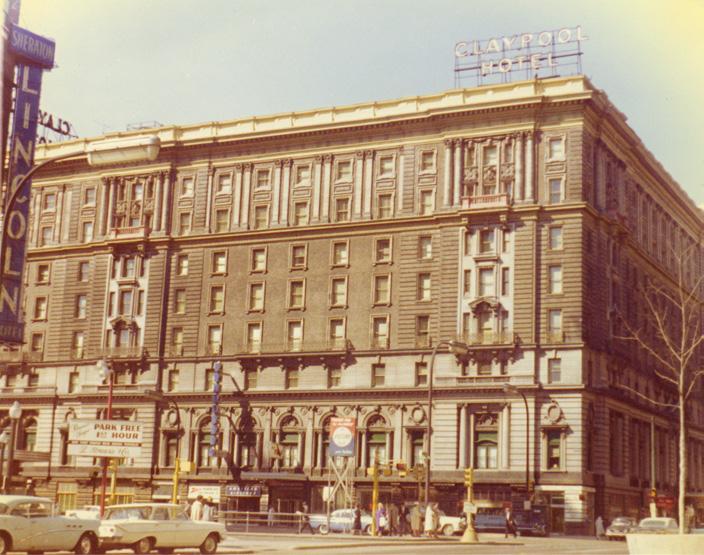
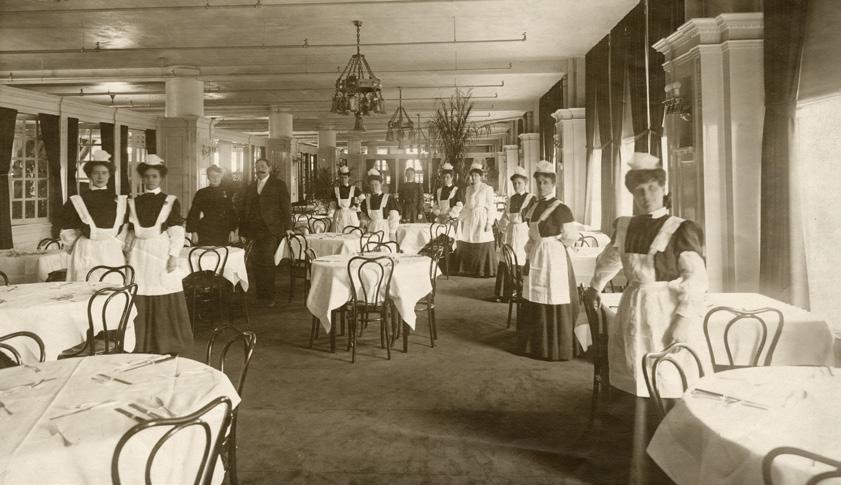
The Claypool Hotel quickly became the crown jewel of Indianapolis after it opened in 1903. Politicians, movie stars, and newlyweds celebrated under its chandeliers.
Historic Indianapolis founder Tiffany Benedict Browne obtained menus from the hotel, which read like performance programs: oysters on the half shell, rich venison stew, and stuffed capon (rooster) served in savory jelly, among other delicacies.
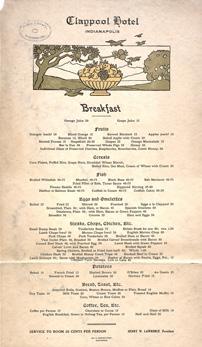
What’s remarkable is how much of it feels modern again. Smoked jowl? A great modern ingredient to flavor Brussels sprouts and other greens. Anchovy canapés are back in vogue, prized for their versatility and sustainable sourcing.
The Claypool’s dining room might have been formal, but its culinary foundation was simple: high-quality ingredients prepared with care and a sense of occasion. Today, that ethos feels familiar. We’ve traded servers in tuxedos for open kitchens, but the intention remains the same: to make a meal feel like something worth slowing down for.
Just a few blocks away, inside the grand L.S. Ayres department store, the Tea Room offered a more accessible luxury. It was the original “ladies who lunch” spot where generations remember a meal that was as much ritual as sustenance.
The Tea Room’s menu featured comforting classics like creamy chicken velvet soup, mayonnaise-heavy chicken salad, and chicken pot pie with an all-margarine crust. These dishes weren’t flashy but they made a lasting impression on those who dined there.
Decades after it closed, home cooks across Indiana still re-create their favorite Tea Room dishes. The Indiana Historical Society even sells an L.S. Ayres Tea Room cookbook, ensuring the recipes live on in today’s kitchens, even if some cooks choose to adapt them to better fit modern tastes.
For example, some cooks may opt to add more complexity to the chicken velvet soup by starting with mirepoix, incorporating an acid like white wine or lemon juice, adding seasonings such as paprika and Herbs de Provence, and even garnishing with fresh parsley. The chicken pot pie might also get an update, with home cooks opting for an allbutter crust or one made with shortening.
Regardless, the Tea Room reminds us that elegance doesn’t always mean extravagance. Sometimes it’s found in the familiar—foods that make us pause and remember where we first tasted them.
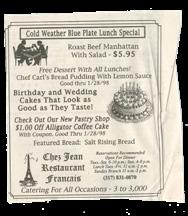
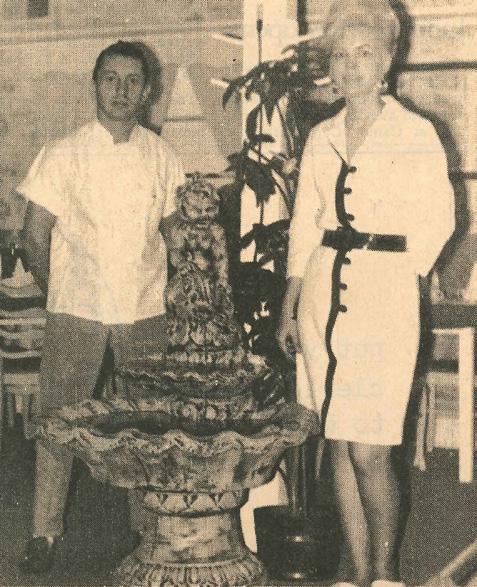
Fine dining appeared in the suburbs in the second half of the 20th century. As seen in the Mooresville Public Library’s records, Chez Jean in Camby represented that shift beautifully. It was French, but not fussy. The menu featured coq au vin, beef bourguignon, and crème brûlée—dishes that felt exotic to some Hoosiers at first, but soon became synonymous with cozy sophistication.
Dining at Chez Jean marked a new chapter: Hoosiers were traveling more, watching Julia Child on TV, and curious about global flavors. What had once seemed foreign now felt familiar.
Today, coq au vin is a Sunday dinner recipe for many home cooks—a slow simmer of chicken, wine, and aromatics that perfumes the entire kitchen. Crème brûlée, once the pinnacle of French decadence, is now a dinner party classic, made with a few pantry staples.
The allure of Chez Jean wasn’t just in its food—it was in the feeling that Indiana’s culinary world was expanding, that fine dining could be both worldly and welcoming.
Looking across these three restaurants, it’s clear that Indiana’s food story isn’t about reinvention as much as preservation through evolution. Canapés like those served at the Claypool are seen in today’s charcuterie boards. The Tea Room’s chicken velvet soup feels timeless, not dated. Chez Jean’s French classics have become comfort food.
What’s changed most is context. Today, many of those dishes have left the white tablecloth behind, finding their way into home kitchens with new life. The menus that once defined an evening out now inspire weeknight dinners and Sunday suppers. The flavors linger, not as relics but as reminders that good food always finds its way back to the table.
Written by Bailey Shelton
Just south of Bloomington, MKONO Farm is bringing highquality cuts of pork and lamb to market through regenerative practices and a devotion to every step of the process.
“Regenerative farming is very important to us. The land, the animals, and the people all have to work together. And so the grass and the legumes that are growing are just as important as the animals that we’re growing and the people that are buying our product,” says owner Amanda Hand.
MKONO began on the East Coast, in Maryland and just southwest of Washington D.C. before moving back to Amanda’s home state of Indiana. Their plot of land just outside of Bloomington allowed them to stretch out, connect with family, and continue their production of small-batch farm goods.
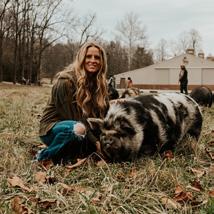
grass. Kunekune pork is a deep red, marbled cut that can be processed into bacon, sausage, ham, larger cuts, or cured into their charcuterie. MKONO also stewards Navajo Churro Sheep, a heritage breed of livestock currently on the livestock conservancy critical list. Amanda chose them for their rarity in the northeastern United States, the flavor of the meat, and the symbiotic eating habits with their grazing pigs: Whatever the Kunekune don’t eat, the sheep will.
Amanda Hand, Owner of MKONO Farms
Although the farm produces cuts of pasture-raised pork and lamb, their salamis are the shining star of their farm shop and market offerings. Amanda draws inspiration from the six years when they lived in Europe, first in Naples, Italy, then on the southern coast of Spain. Their salami selection draws from the flavors and methods of the Mediterranean, but every step of that curing process happens with MKONO, from the raising of the livestock, through the close management of the seasoning, processing, and package branding. Amanda even collects pairing options on her blog.
“A tip for creating a charcuterie board is to pair cheeses with salamis that are in the same region. So for instance, our lamb za’atar salami has thyme and sumac in it. I pair it with a Middle Eastern style sheep cheese.”
MKONO raises two particular breeds of livestock that they chose to suit the regenerative farm and final cut of meat. Amanda raises Kunekune pigs, a one-time critical breed of livestock from the conservation list. They’re a type of grazing pig with short snouts that don’t tear up pasture
“They’re known for having very sweet, mild, and tender meat. So people that are looking for a milder lamb love our churro meat,” says Amanda. “They’re a heritage breed, so we grow them out for a year. They are grass-fed only, so in the fall, we start giving them alfalfa and clover hay.”
Still, Amanda is close with each of the animals she raises. Each month, when they take the livestock to be processed, or “harvested” in Amanda’s words, she becomes quiet and meditative for the day.
“We actually harvest this Thursday and nobody bothers me on Thursday, because I’ve grown these animals out for a year. I know each of them. And so it’s a day where I kind of mourn a little bit the loss of animals that I’ve raised. And it’s a day of thanks-giving for me, but it’s hard,” says Amanda.
“I’ve always told people the day that I stop caring on harvest day is the day I need to give up farming. Because I think it’s very important to respect the process and the animal at the end of the day and what they provide for us.”
MKONO directly serves their neighboring community through the Bethel Lane Bloomington Farm Stop, Broad Ripple Farmer’s Market, and Bloomington Farmers’ Market, but they also offer two day delivery throughout the state.
KITCHEN SCIENCE
If you stand in downtown Indianapolis on a warm July evening, you’ll see craft breweries on every other block and cocktail bars glowing like small urban lanterns. But Indiana has always had a complicated relationship with the bottle.
Written by Stephanie Decker
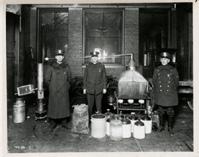
Nationwide, bootlegging is usually remembered in dramatic images: men in hats crouched beside steaming copper stills or souped-up jalopies bouncing down rural lanes with suspiciously heavy trunks. Indiana’s history is much blurrier.
As early as 1816, state leaders forbade Sunday sales of alcohol, an early sign that Hoosiers had deeply conflicting feelings about spirits. By the 1850s, the Temperance movement was sweeping the state, and lawmakers passed a prohibition law that banned nearly all alcohol production and sales.
Although the earliest form of prohibition legislature only lasted for three years, Hoosiers passed a statewide alcohol ban again in 1918. Meanwhile, bootleggers were improving their skills at evasion. By the late 19 th century, the tug-ofwar between alcohol-friendly cities and dry towns created an early bootlegging pipeline.
Bootlegging in Indianapolis took many forms: A 1920 Buck Creek farm shed raid uncovered enough moonshine for half of Marion County; ordinary neighborhood homes became late-night drinking spots known as “beer flats.” Homes on Emerson, Southeastern, Arlington, and St. Clair all made headlines for storing, brewing, or selling. George Remus, the flamboyant “King of the Bootleggers,” extended his
Cincinnati empire deep into Indiana, frequenting the Claypool Hotel as he built enormous influence in the region’s illegal liquor trade.
The Slippery Noodle Inn, still the oldest operating bar in Indiana, was said to brew beer in its basement during the federal Prohibition era. Legend has it that John Dillinger’s gang used the basement for target practice, leaving bullet holes in the walls.
Federal Prohibition officially ended in 1933, but Indiana didn’t jump right back in. It eased back into legality slowly. The state allowed beer and certain medicinal spirits, but enforcement remained strong, and bootlegging continued long after federal Prohibition was repealed.
Indiana clung to its Sunday alcohol ban until 2018, a reminder that the temperance movement of the 19 th century cast a very long shadow.
Bootlegging in Indianapolis is not only a Prohibition tale; it’s a story of grit, stubbornness, resourcefulness, and the unmistakable Hoosier tendency to stretch the rules until they fit just right.
Bootlegging was messy, dangerous, and often foolish. But it changed how Hoosiers drank, shaped neighborhoods, inspired legends, and it left behind a flavor that still lingers whenever someone clinks a glass in Indianapolis, unaware that a century ago that simple act was an invitation to trouble.
You can walk into the Slippery Noodle today and feel it. The floorboards creak, smelling faintly of beer and old wood. The past is right there, almost close enough to taste.



FEAST YOUR EYES
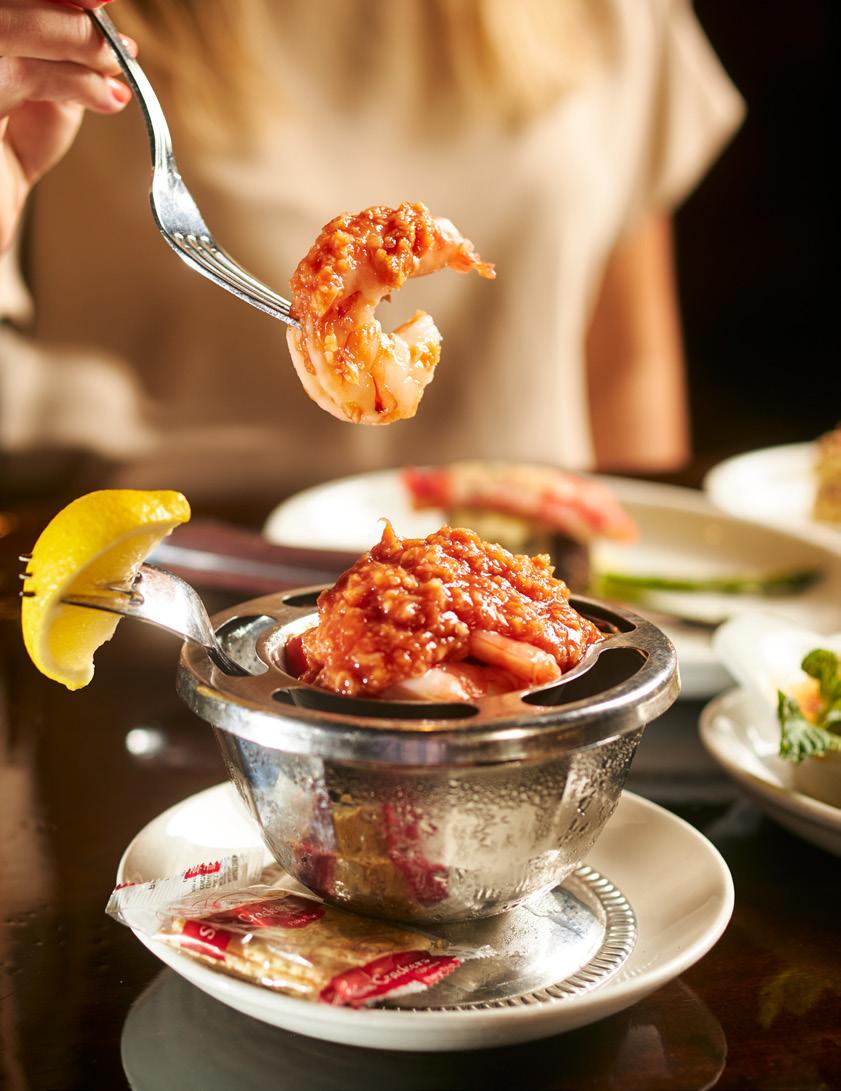
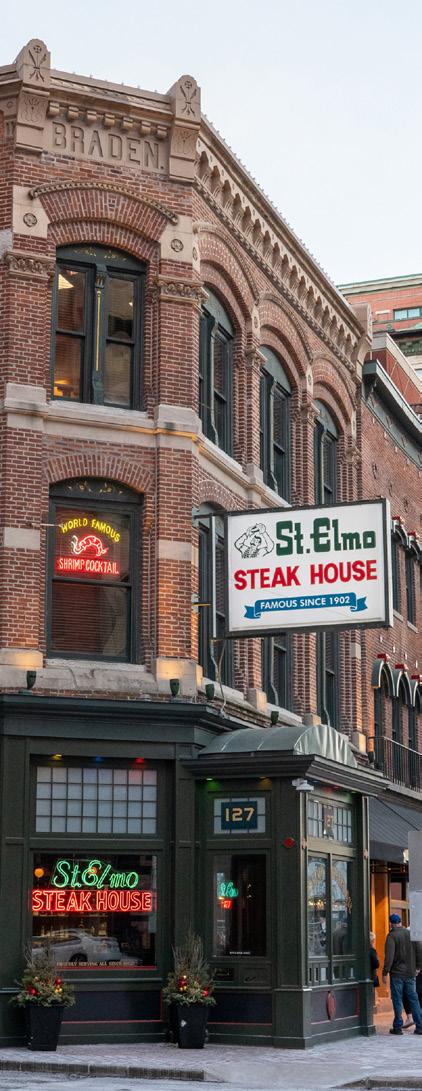
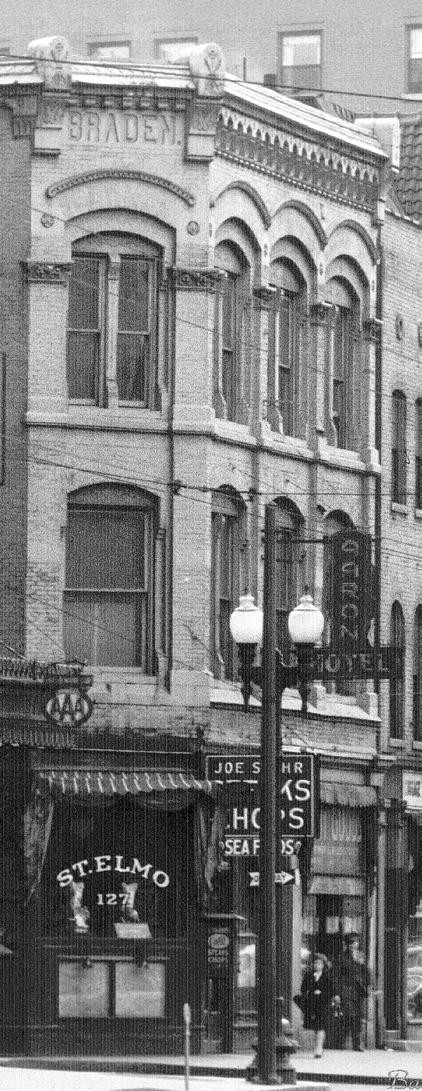
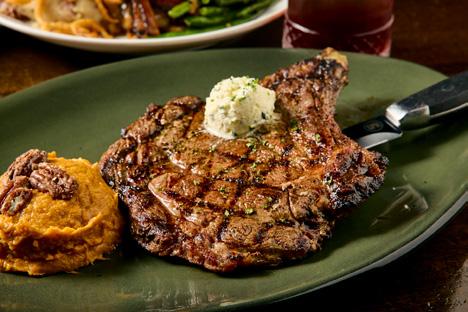
A meal at St. Elmo Steak House is famously kicked off with their iconic Shrimp Cocktail. A tradition since 1902, it features four jumbo shrimp served with their bold, spicy signature cocktail sauce.
ST. ELMO STEAK HOUSE
127 S Illinois St, Indianapolis @stelmosteakhouse stelmos.com
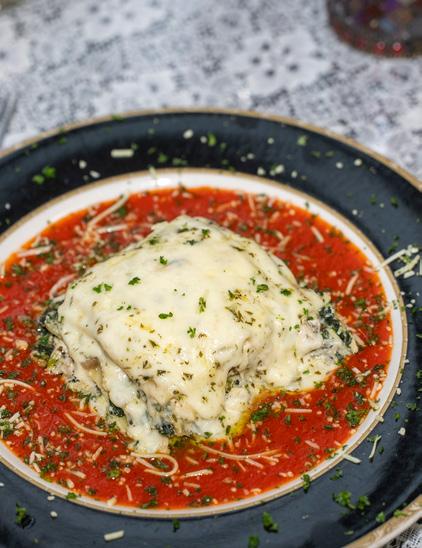
One of Mama’s specialties! Roasted chicken layered with a mixture of wild mushrooms, spinach, ricotta cheese, fresh mozzarella, and spice, surrounded with a tomato butter sauce.
MAMA CAROLLA’S
1031 E 54th St, Indianapolis @mamacarollasindy mamacarollas.com
FEAST YOUR EYES
REUBEN
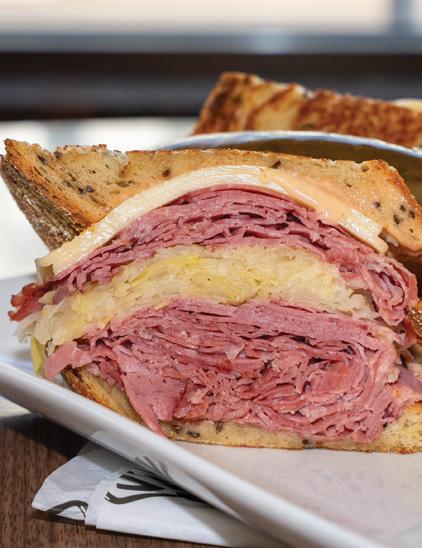
House-made corned beef piled high with two slices of German-Swiss cheese, a thick splat of Russian dressing, and sauerkraut in the middle of the meat, grilled to a golden brown.
SHAPIRO’S
808 S Meridian St, Indianapolis @shapirosdeli shapiros.com
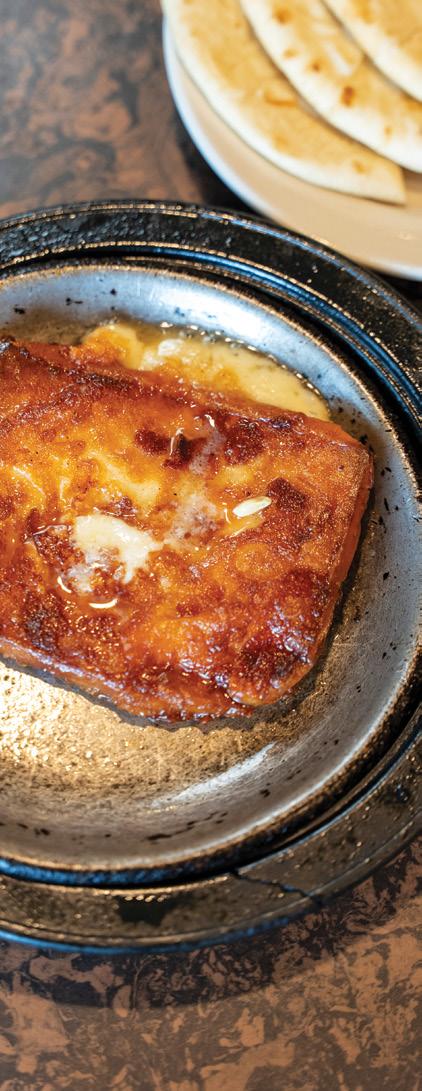
SAGANAKI
The cheese is on fire! Soft, tangy, and crispy flaming cheese served with warm pita.
THE GREEK ISLANDS RESTAURANT
906 S Meridian St, Indianapolis @greekislandsrestaurant greekislandsrestaurant.com
Interview by Claire Trost
Note: This interview has been edited for space and clarity.
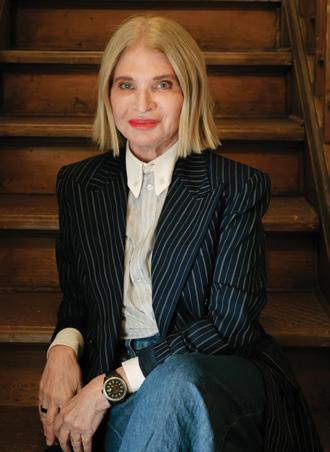
Martha Hoover is one of the original trailblazers of Indianapolis dining. When her first Cafe Patachou at 49 th and Penn opened its doors back in 1989, it was a different world entirely—especially for restaurants, for women in business, and for food.
In the decades since, Hoover has racked up national acclaim, from James Beard Award nominations to nods in Food & Wine and InStyle. In 2024, Hoover stepped away from the
day-to-day of Cafe Patachou, marking the end of one chapter and the beginning of a new frontier.
Hoover isn’t riding off into the sunset—she’s gearing up for what’s next. We caught up with her to look back at the road she’s traveled and to explore what this next horizon holds.
EDIBLE INDY: Can you take us back to 1989, when you first opened Patachou?
MARTHA HOOVER: I had no experience in food. I had no experience in restaurants. I had no experience in running a for-profit business. And when I decided to do the restaurant, I was unknowingly pregnant with my third child. I have often said, “If ever there was a recipe for disaster, that was it.”
EI: Without the term or even the culture, what did you see in 1989 to convince you there was a desire for a “third place”? How did you know this was the right track?
MH: Well, I didn’t, but through travels to other parts of the world I did understand cafe culture. Think about the cafes in Paris, for instance. They have been around for hundreds of years and those places were meeting places. They were hubs of neighborhoods and communities. I understood innately that restaurants had that ability. I didn’t understand it enough to articulate it properly, but I understood in terms of the emotionality I felt towards creating a neighborhood restaurant.
EI: Another thing that wasn’t around in 1989, but somehow you must have had a crystal ball, was farm-to-table. It didn’t become a phrase until what feels like 20 years later. What was procurement like in 1989?
MH: You know how two different things can be true? It was remarkably simple, the idea. I thought, “This is how I eat at home. This is how I feed my family. This is how I feed my guests.”
The procurement was complex because food distributors in the city had not yet understood the value of quality purchasing and quality supplying. In the early days, I had to go directly to providers. For instance, we served field greens right from day one. No produce house in the city sold field greens. So I had to go to the airport almost daily to pick up field greens, which meant that they were really expensive and really considered luxe. These are things that you can now find on any salad bar or in any grocery store. But in 1989, people weren’t used to even eating field greens. Piazza Produce once told me that I introduced Indiana to arugula and I took that with such pride.
EI: Thank goodness for that! The arugula salad is such a perfect, bright side to my personal favorite at Patachou— the chicken salad. It was around 2015 that you spoke at a conference alongside Ina Garten. When did it click for you that the things that you were doing were not just unique to Indianapolis, but truly notable on a national scale?
MH: You know, one of my big business regrets is that I did not understand how distinguished my business was—not just for the city and not just regionally, but nationally. We really were ahead of almost all trends. We were ahead of menu trends. We were ahead of procurement trends. And we were ahead of business ethics and values trends. Had I understood how we were doing things that really set us apart, I think I would have been more aggressive about talking about what we were doing in Indiana. We have, until very recently, been kind of skipped over as a culinary community and that’s just ridiculous.
EI: Now your days look different. You partnered and sold ownership of your many restaurants, not just Patachou, to private equity in 2024 and have a new series of projects. What prompted the change and what are you up to?
MH: To be completely honest, I gave Patachou everything I had for 36 years and I really wanted to do something else. I didn’t realize how badly I wanted to do something else. I sold the majority of the company and I am not involved in operations day-to-day.
The transition happened and my identity was derailed. And I thought, “You know, this idea that you have one chance
at one identity in life is so wrong.” So, I created an umbrella company called The MSH Collective and there are a couple of projects underneath The Collective that I’m working on. One is a podcast called “The Aftermath of an Exit.” Originally, it was about me understanding the change in my identity from going from being “The Queen of Patachou,” so to speak, to not being identified as having anything to do with the company. That change in identity was really jarring. But I have never thought that I was such a unique person that I was the only one who was going through things. I wanted to know how other founders navigated those exit experiences. But now, of course, I realize it’s no different than navigating any exit experience, not just those of a founder. And, then you know that statement, “This isn’t my first rodeo”?
EI: Yes. Of course. And I saw the clever branding on The MSH Collective website. Tell me, what is Second Rodeo about?
MH: Well, this is literally my second rodeo. I went deep into this Second Rodeo idea and I am creating a directto-consumer food brand that will launch sometime in the second quarter of 2026. We are waiting on packaging, nutritional information, all that stuff, and we’ll have a directto-consumer channel for people to buy some things that are really important to me. Did you see the logo?
EI: The woman on the horse? I did! I loved it.
MH: I really loved that image. I loved that woman on a bucking bronco because so much of my life has felt like I’m balancing so many things while riding a bucking bronco. Also, it harkens back to my youth. There were a couple of women who were truly outsiders. One was Annie Oakley, who was a remarkable character. Talk about someone who literally carved a million different identities for herself, went against culture, went against the grain, and accomplished so much in her life. I’m in my 70s and I’m proud of that. I am stirring up what people think about when they think about somebody in their 70s. I want to be proof that you don’t have to become irrelevant and invisible as you age, especially as a woman.
Head over to Edible Indy ®’s website for the extended interview in which Martha opens up about her continued passionate work with A Longer Table (formerly The Patachou Foundation) and dives into a conversation about her signature mix of ambition and care shaped her restaurants, her family, and ultimately Indy diners.
Written by Carie McMichael
Between the lines of Indiana state history lie scenes of fellowship and wholesome, gratifying meals. Hoosier food is about comfort and community—potlucks, church picnics, brewpubs, fish fries, county fairs—all with their own signature dishes. For the past 200 years, Hoosier cuisine has passed from generation to generation, each sowing their own seed in a field of tradition that yields the true taste of the heartland.
As the “Crossroads of America,” Indiana has played as both thoroughfare to cross-country travelers, and as a catalyst for growth and distribution of some of the nation’s most beloved foods. Damon Lowe, the senior curator of science and technology at the Indiana State Museum, is intimately familiar with how Indiana’s geography has contributed to its culinary evolution.
“Indiana’s rich soils, favorable temperatures, and balance of precipitation allow crops like corn and soybeans to thrive,” says Lowe. “Livestock have always had access to high-quality food, from the acorns in the original forests to the feed corn so often seen in Hoosier fields. All this abundance has led to a high-calorie, protein-rich diet that is so commonly found on Hoosier tables.”
“Indiana has always been a farming state from the first Indigenous farmers,” says Michelle Evans, Conner Prairie’s domestic trades manager. Conner Prairie is not just reenactment, but an educational touchpoint for exploring the role of both indigenous and pioneer populations in our agricultural roots.
When Indiana was admitted to the Union in 1816, the Miami, Shawnee, and Potawatomi tribes had for generations been cultivating crops of squash, pumpkins, beans, and of course, corn or maize. “But as the state was settled,” Evans says, “we see the fields and orchards of settlers taking over the fields and food forests of the Native tribes who had farmed the state for thousands of years. Indiana has always been a state of farmers, whether it was fields we might recognize as such in pre-contact periods to the clearing of millions of trees that once covered the state to modern farming today.”
Following the War of 1812, immigrant influence from Europe turned the heartland into a culinary cornucopia. German and English settlers brought sausages, schnitzels,
and pies. The Irish brought potatoes and soda bread ideal for stews. Italians brought closely-guarded, generational recipes and deli traditions. And following the Great Migration in North America, African Americans enriched regional cuisine with soul foods of the South like fried chicken, greens, and barbecue.
“Not only have immigrants brought their families, but they also brought their religions, art, foods, hobbies, and skills,” says Lowe. “When settling in, each group has become woven into the fabric of Indiana, participating in daily life, working in our factories, opening restaurants, and becoming leaders in our communities.”
Each year, fields of corn streak the Hoosier countryside with green and gold. Indiana consistently ranks in the top five producers of field corn in the United States, culminating in the seasonal tradition of corn mazes on local farms. In every American state, moviegoers crunch through buckets of popcorn likely grown in Indiana—the top selling producer of the buttery snack. Indiana corn is also the base ingredient of a sweeter, regional variation on its savory southern cousin, cornbread. This point of agricultural pride has inspired innovations both in the field and in secondary education programs built around agronomy, agribusiness, and food packing.
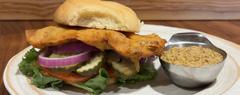
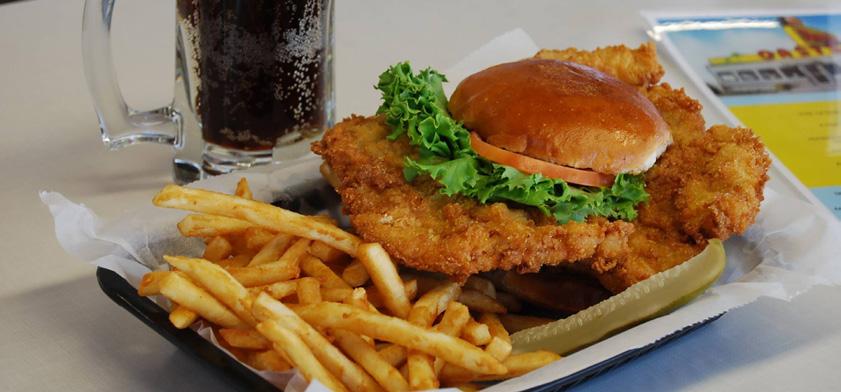
Of course, Indiana is also known for pork cutlets as big as car tires battered and deep fried to perfection, which upstage sides and eclipse the plate with more bun overhang than a beach umbrella. Toppings vary based on personal preference, but most menus start with lettuce, onion, tomato, pickle, and mayo.
Hoosiers everywhere ritualistically enjoy the staple at diners, bars, and annually at the Indiana State Fair, but this iconic sandwich can be traced all the way back to 1908 from the ranges of Nick’s Kitchen in Huntington, Indiana. Original owner Nick Freienstein is rumored to have conceived the breaded pork tenderloin when he improvised on the classic Austrian wiener schnitzel. Thin, tenderized cuts of veal are traditionally breaded and deep fried, but Freienstein swapped veal for the more accessible pork cutlet. Diners can still enjoy the OG breaded tenderloin today in its cradle of creation alongside another popular menu item—the Marvin Harrison to its Peyton Manning— sugar cream pie.
“Most regions have their traditional dessert, and Indiana has chosen the sugar cream pie.”
MIKE WICKERSHAM, president of Wick’s Pies Inc.
The recipe for sugar cream pie originally traveled to the Midwest in the hands of North Carolina Quakers in 1810, colloquially known as “desperation pie” because it could be made yearround without the need for fresh fruit or meat. The pastry relies on everyday kitchen and pantry ingredients like flour, milk or cream, and of course, sugar. The result is a rich, confectionary cloud that melts in the mouth.
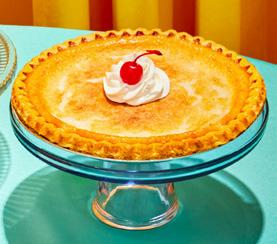
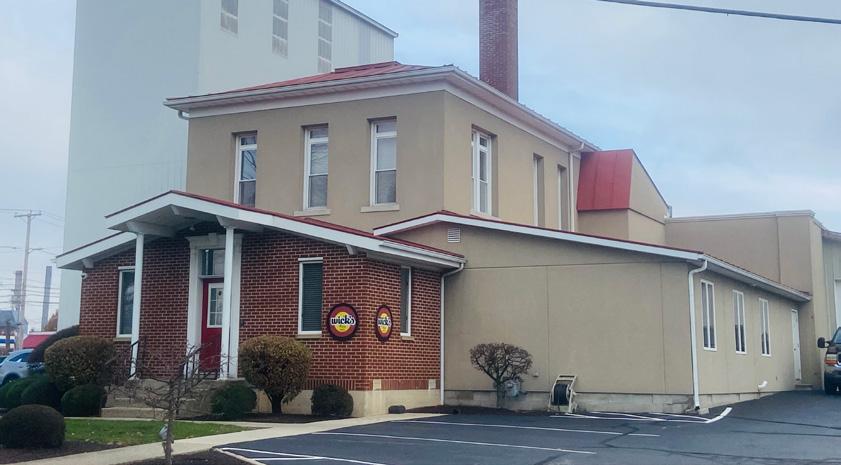
The sugar cream pie was catapulted into the national spotlight in large part thanks to Duane “Wick” Wickersham. In 1945, armed with business acumen and his grandmother’s recipes, Wickersham opened The Rainbow Restaurant in downtown Winchester, Indiana, where the sugar cream pie took center stage as a local favorite. By 1961, Wickersham
purchased property east of Winchester that he transformed into a production line that today produces more than 10,000 pies in just one single 8-hour shift.
Wick’s current president and Duane Wickersham’s son, Mike Wickersham, credits the pie’s enduring legacy to the salt-ofthe-earth nature of Indiana’s agricultural history.
“Most regions have their traditional dessert, and Indiana has chosen the sugar cream pie, “Wickersham says. “Even as agriculture has evolved, the sugar cream pie has remained a staple, and I like to think that Wick’s is one of the reasons it has remained so. We still make it simple and with quality ingredients with people who care.”
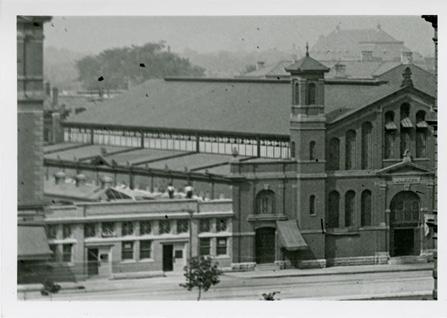
Indiana’s culinary history was forged in a farm-to-table mentality, rooted in those Native American and pioneer traditions. The comfort and community that sprouted from those traditions took many forms, but none so industrious as the first farmers’ markets which allowed entrepreneurial growers to get their goods in front of the public.
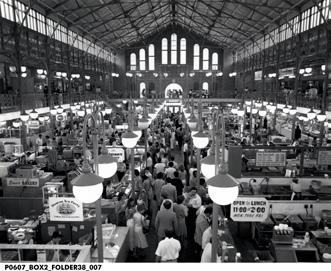
One of the largest of these markets first appeared right in the heart of downtown Indianapolis in 1886. The City Market worked side-by-side with vendors and independent farmers. Its success prompted expansions in the form of east and west wings, the latter of which connected the market to Tomlinson Hall. By 1974, the City Market was entered into the National Register of Historic Places, serving primarily lunchtime customers looking to partake in local fare.
Following the demolition of both wings in 1975, the archway was left intact on the corner of Market and Delaware in the former west plaza, and remains an iconic piece of daily commutes. The market finally closed to the public in March of 2024 as part of a measure by the Department of Metropolitan Development to revitalize it with a new life as a mixed-use space.
On the other side of downtown Indianapolis, the stretch of land from Victory Field to the Indianapolis Zoo was once home to the largest porkhouse in the world. Founded in 1862 by Irish brothers Thomas and Samuel Kingan, Kingan and Company expanded on pork preservation methods to increase their business. In 1868, when porkpacking
was restricted to the winter months to prevent spoilage, employee George Stockman invented an ice curing process that allowed Kingan to remain open year round. This innovation also benefited hog farmers whose annual yield increased, reducing chance of disease or overpopulation.
The canning industry in Indiana exploded in 1879, growing from six canneries to 166 by 1919, one of the most famous being the Van Camp Packing Company. Van Camp operations date back roughly to the 1860s, specializing in canning pumpkin, hominy, tomato pulp, and baked beans. One of the first commercial canners in the state, Gilbert Van Camp and his son, Frank, drew attention to Indiana when they added tomato sauce to the canned favorite known previously as “Boston baked beans.”
Canning has always been part of Hoosier-born brand recognition, most enduringly Red Gold. In 1942, Grover C. Hutchinson bought a central Indiana cannery as a measure to support the war effort, feeding the U.S. army throughout WWII, and blossoming into a family business that grew with each new generation of Hutchinson’s progeny.
By 1970, the business had purchased the label, “Red Gold,” from a Trafalgar cannery, and shaped it into the hallmark red, yellow, and green emblem we recognize on grocery store shelves. Manufacturing facilities located in Geneva, Orestes, and Elwood produce classic pantry staples like diced tomatoes, marinara sauce, and a burger’s favorite condiment, ketchup.
“Now Indiana has many vibrant, thriving communities across the state where you can encounter people of all backgrounds, cultures, religions, and beliefs. It truly is a crossroads.”
DAMON LOWE, senior curator of science and technology at the Indiana State Museum
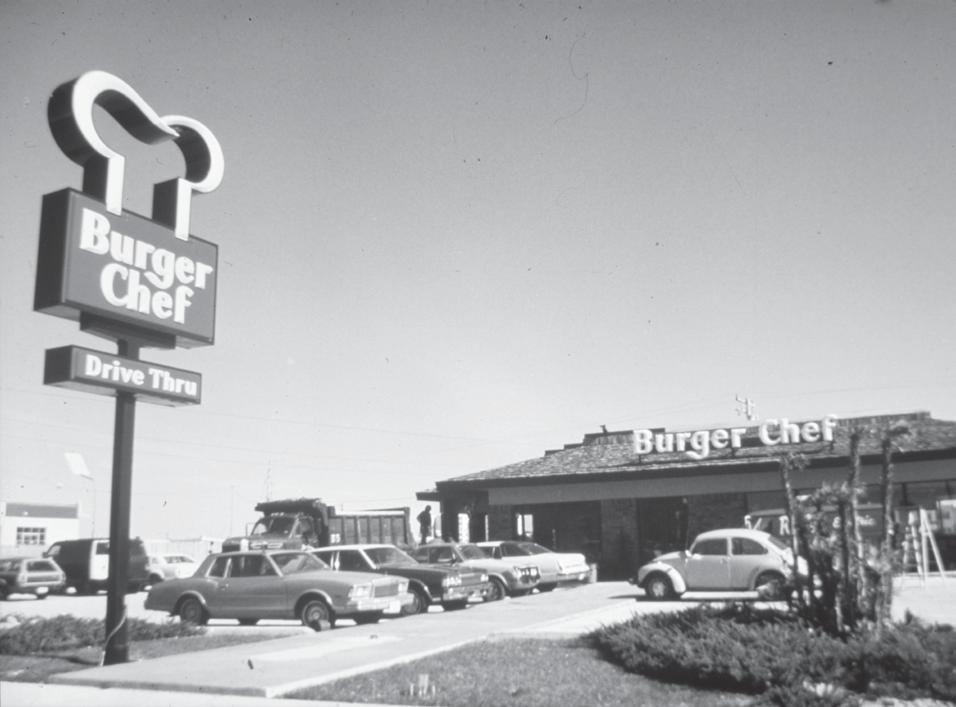
Burgers themselves are woven into Indiana’s tapestry of food culture. Indianapolis was home to the flagship location of Burger Chef, a top national food chain until it was sold to Hardee’s in the 1980s. A bit of a dark horse in the fast food industry, Burger Chef innovated techniques that purportedly separate today’s most popular chains from the competition. The Thomas brothers designed the machine that popularized the “flame-broiled” style of burger still sizzling in Burger King’s contemporary campaigns. Their iconic “Big Shelf” sandwich was a precursor to the McDonalds’ Big Mac, featuring two patties, cheese, lettuce, and sauce all bisected by a third bun. They even beat McDonalds to the kids’ “Fun Meal” in 1973, a full six years before the debut of the “Happy Meal.”
Modern Hoosier cuisine still emphasizes a farm-to-table mentality with a focus on fresh, local ingredients, heritage recipes, and now global imagination. The Indiana food scene is rapidly growing, especially in Indianapolis, with the
addition of new fusion restaurants, rustic food carts, and ephemeral pop-up events. Across the state, food festivals and fairs remain perfect opportunities for mom-and-pop restaurants and homestyle cooks to share their craft with the community. There are over 20 food and beverage trails Hoosier foodies can traverse in order to sample the best Indiana has to offer, including the Tenderloin Lovers’ Trail, the Hoosier Pie Trail, and the Hoosier BBQ Trail.
“Now Indiana has many vibrant, thriving communities across the state where you can encounter people of all backgrounds, cultures, religions and beliefs,” says Lowe. “It truly is a crossroads.”
Throughout Indiana’s history, food has always been the bridge between generations. No matter the occasion, there is bonding over favorite dishes and rousing debate on their variations. From the field to the holiday buffet, the traditions of those early farmers still imbue our contemporary approach to agribusiness and cuisine.
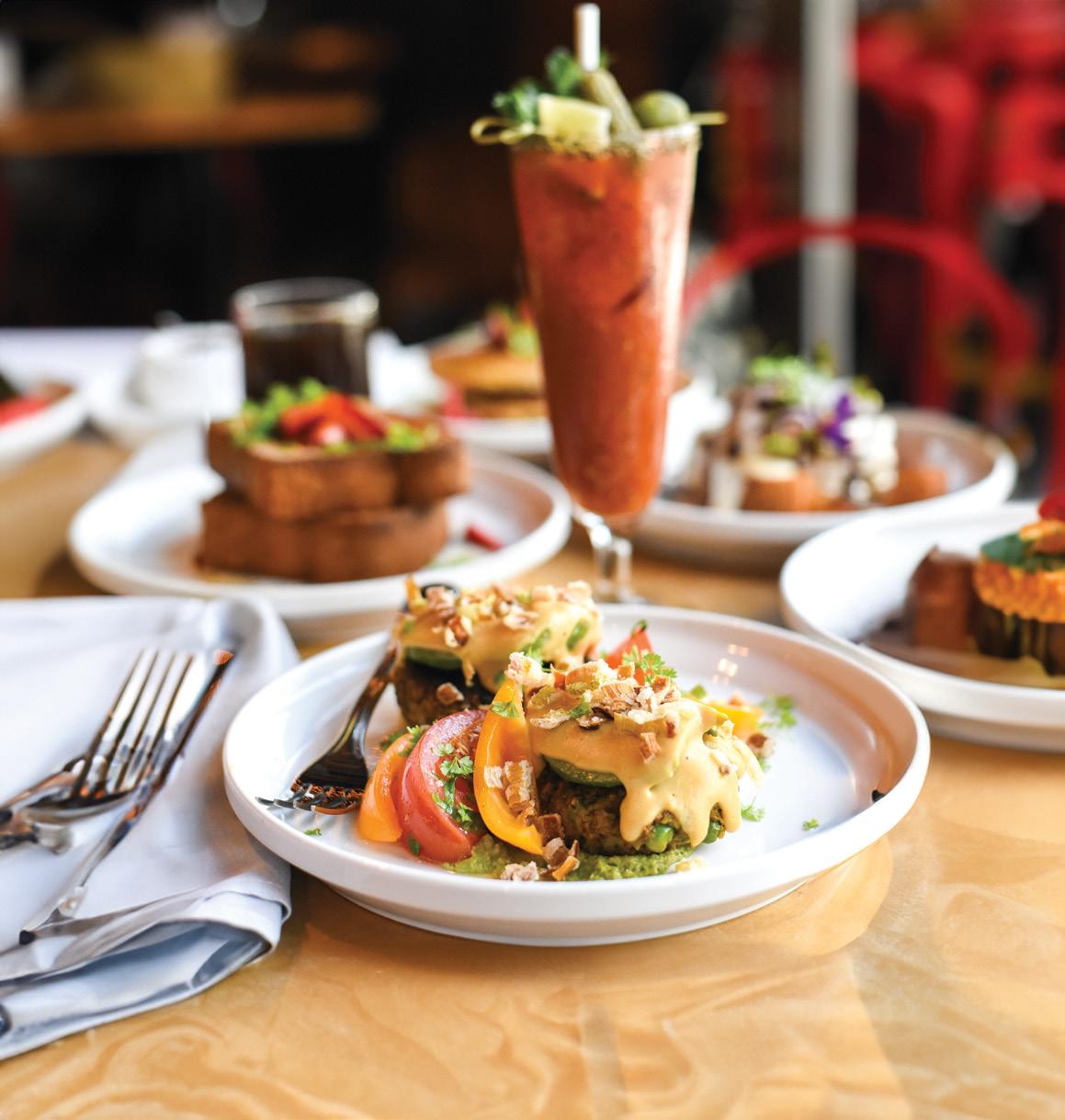



EVERY ISSUE, THE FOUR TOP SHOWCASES FOUR TOP-NOTCH CULINARY FINDS RANGING FROM RECIPES TO RESTAURANTS TO COCKTAILS… AND MUCH MORE.
Written by Julia Hockman
Some restaurants are time capsules. They preserve recipes, architecture, dining concepts, and eras of Hoosier history. These four restaurants represent the best of Indy dining then and now. Each comes from a different decade, spanning almost a century of culinary excellence.
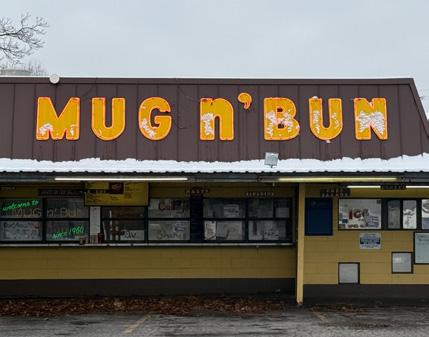
5211 W 10th St, Speedway
mug-n-bun.com
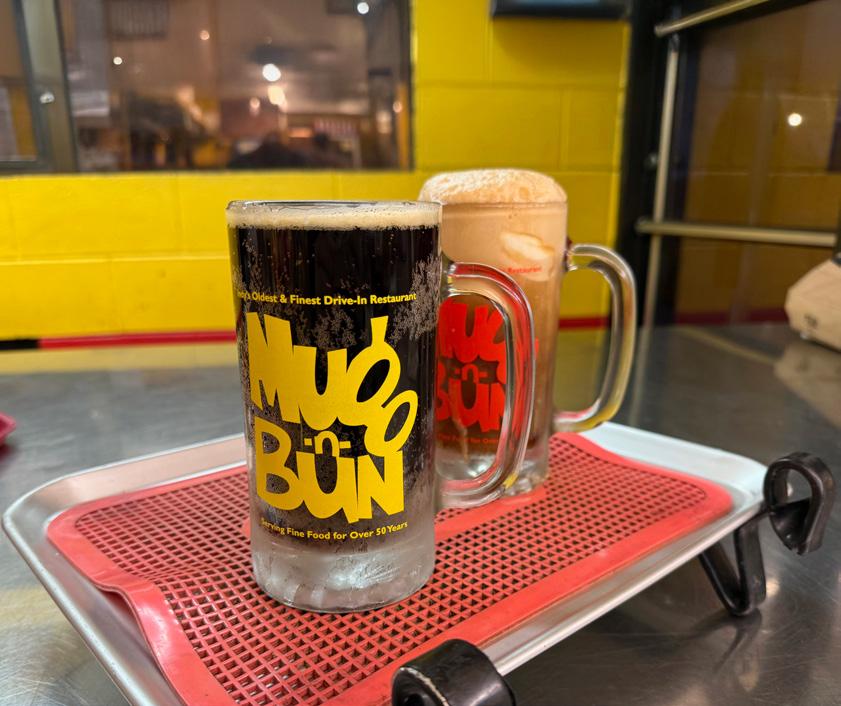
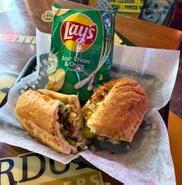
There’s something deeply American about a drive-in restaurant, and Mug-n-Bun captures that mid-century magic perfectly. Mug-n-Bun opened in 1960 near the Indianapolis Motor Speedway, and stands today as one of the oldest operating drive-ins in Marion County.
Pull into one of the parking spots, flash your headlights, and wait for the carhop to arrive. The menu reads like the greatest hits of Indiana comfort food: hand-breaded pork tenderloin sandwiches, hand-dipped onion rings, secret Coney sauce, and handmade root beer.
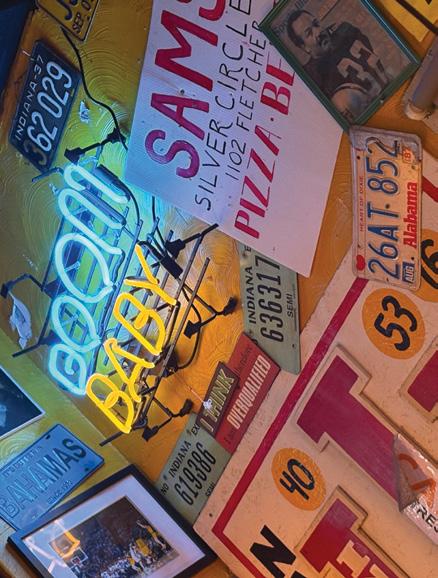
1102 Fletcher Ave, Indianapolis samssilvercircle.com
Step into Sam’s Silver Circle on a Friday night and you’ll find yourself in the same building that opened way back in 1938. Sam’s Silver Circle has a long history of serving the Fountain Square community with an unpretentious combination of cold beer, hot pizza, and dart boards.
Known as “The Original Dart Bar,” Sam’s has watched Fountain Square transform into the vibrant cultural district it is today. Through it all, Sam’s colorful neon lights and memorabilia-lined walls keep a seat warm for regulars who’ve been claiming the same stools for decades. Last year, USA Today named it one of the Bars of the Year. But the locals have always known what makes Sam’s special: a place where the neighborhood comes together and an evening out doesn’t require a reservation.
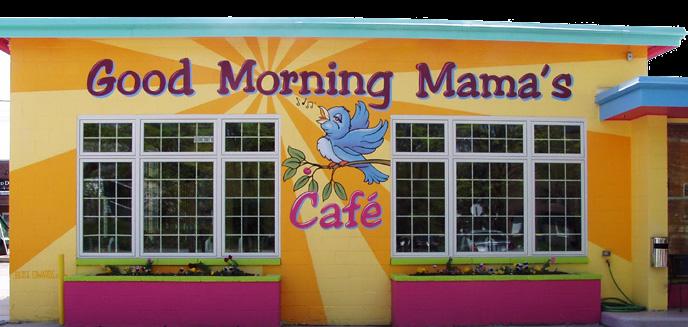
1001 E 54th St, Indianapolis goodmorningmamas.com
What is now Good Morning Mama’s in Broad Ripple began as a humble filling station way back when. Over the years, the building has had many identities before becoming the brunch destination we know and love today.
After Mama and Papa Carolla arrived in the early ’70s, Broad Ripple gained Good Morning Mama’s. A couple of decades later, Mama Carolla’s followed, forming a beloved brunch and dinner combo just steps apart. A vibrant, cheery space, Good Morning Mama’s is reminiscent of a 1950s diner with matching details down to the juke box. Serving classic breakfast dishes, mimosas, and lunch, Good Morning Mama’s offers a comforting, historic setting to start your day.
906 Carrollton Ave, Indianapolis garageindy.com
The Garage Food Hall not only introduced a new culinary concept to the heart of Bottleworks District in downtown Indianapolis, it also serves as a living piece of history— inhabiting what was once the largest Coca-Cola bottling plant in the world. This stunning piece of art deco architecture sat empty for years. The Garage opened in 2021 in the very spot where the old Coca-Cola trucks once parked.
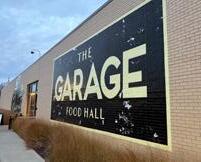
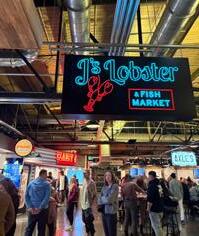
With over 35,000 square feet of space, this sprawling food court hosts over 20 unique, local-focused vendors serving cuisine from all over the world. A classic burger and fries from Clancy’s is on offer just steps away from an arepa from Azucar Morena. There’s also an assortment of beverage-focused concepts, including Hard Truth Distilling, Axle’s Garage Tap, and Great Legs Wine & Spirits.
Whether you’re dining your way down Memory Lane or looking to add historic charm and character to your next meal, these establishments have stood the test of time for a reason.

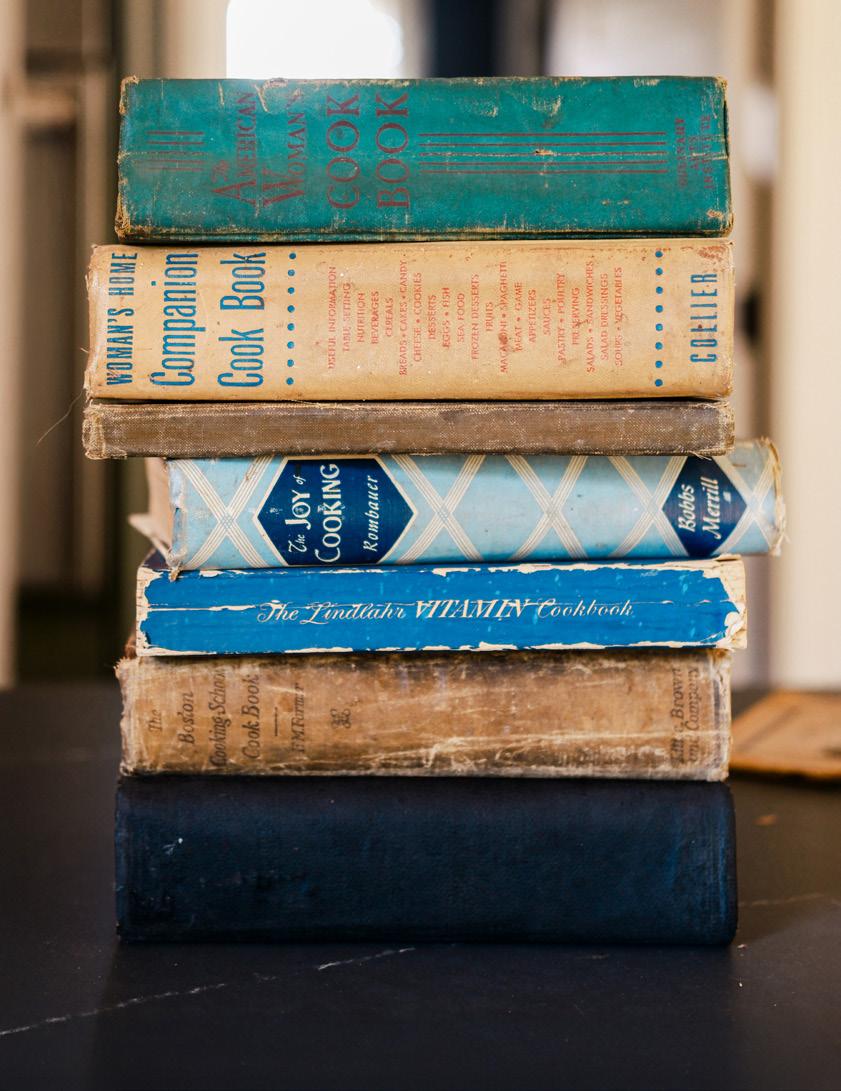
A PEEK INTO THE PAST:
Explore four eras of American cooking through vintage family cookbooks—from an 1887 classic to handwritten recipes—and what they reveal about food history.
I’m a big cookbook collector—over a hundred of them are stacked on the shelves in my office. I really use them, too; they’re full of Post-Its and notes scrawled in the margins. They act like a time capsule, showing the era of cooking from when they were written, when I bought them, and all the hours I’ve spent with them.
One section of my shelves is of particular interest, an inheritance of sorts: a number of antique cookbooks, passed down to me by my family. From a Victorian tome full of over 530 pages of text-heavy recipes to the ubiquitous The Joy of Cooking, these books are a peek into the past, a snapshot of how people ate and lived in their time. I decided to dive into these cookbooks, testing recipes (as written, for better or worse) to get a literal taste of the way my family, and millions of others, have cooked over the last century and beyond. What I discovered was simple: the ingredients and instructions may change with time but the impulse behind them does not. Feeding the people we care about remains a steady thread running through every decade and every kitchen.
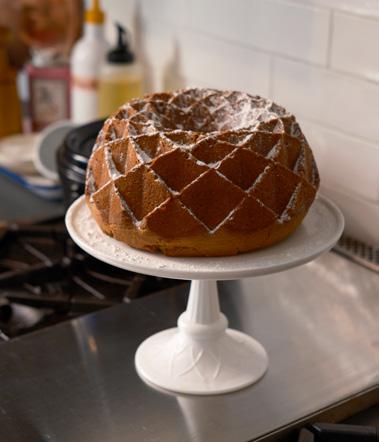
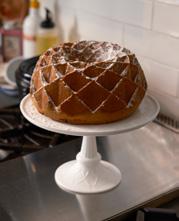
This recipe, taken from the book Three Meals a Day, was published in 1887 by Miss M.C. Cooke. Cooking in the late 1800s relied on a lot of the cook’s existing skill set, and a focus on spice was prevalent throughout the book, with many recipes featuring molasses, brown sugar, and various ground spices. This cake is a great representation of a recipe of the time: practical, frugal, spice-forward, and intuitive. It has been slightly modified to fit a modern kitchen. The resulting cake bakes beautifully in a Bundt pan, and is lightly sweetened and spiced.
1 cup butter, softened
2 cups light or dark brown sugar
5 cups flour
1 teaspoon kosher salt
3 teaspoons baking powder
1 teaspoon each of cinnamon, allspice, nutmeg
1 teaspoon finely ground coffee or instant espresso
½ teaspoon of ground cloves
1 tablespoon vanilla extract
1 cup whole milk
5 eggs
Powdered sugar for dusting
Adjust oven rack to middle position and heat oven to 350°F. Prepare a 12-cup Bundt or tube pan by spraying with nonstick spray or brushing with melted butter. Set aside.
In stand mixer fitted with the paddle attachment, combine brown sugar and butter and beat until creamy and light, about 5 minutes. While butter and sugar
are mixing, combine flour, baking powder, and salt in medium bowl.
In 4-cup measuring cup or medium bowl, combine vanilla, whole milk, and eggs, beating with a fork to combine.
When butter and sugar are light and fluffy, reduce speed to medium-low and alternate adding the wet and dry ingredients to the stand mixer, ending with dry. Pause and scrape the bowl as needed to ensure all ingredients are incorporated.
Add batter to prepared Bundt pan and use an offset spatula or back of a spoon to spread evenly. Bake on middle rack for 45 to 55 minutes, until a wooden skewer inserted comes out clean or with just a few crumbs attached.
Let cake sit in pan for 10 minutes, then turn out onto wire rack. Allow to cool completely, then dust with powdered sugar if desired.
By: Mrs. N R Spencer
“Favorite Recipes: Compiled by the Ladies of the Cosmos Society of the Bradley Methodist Episcopal Church” (Greenfield, Indiana) 1920s
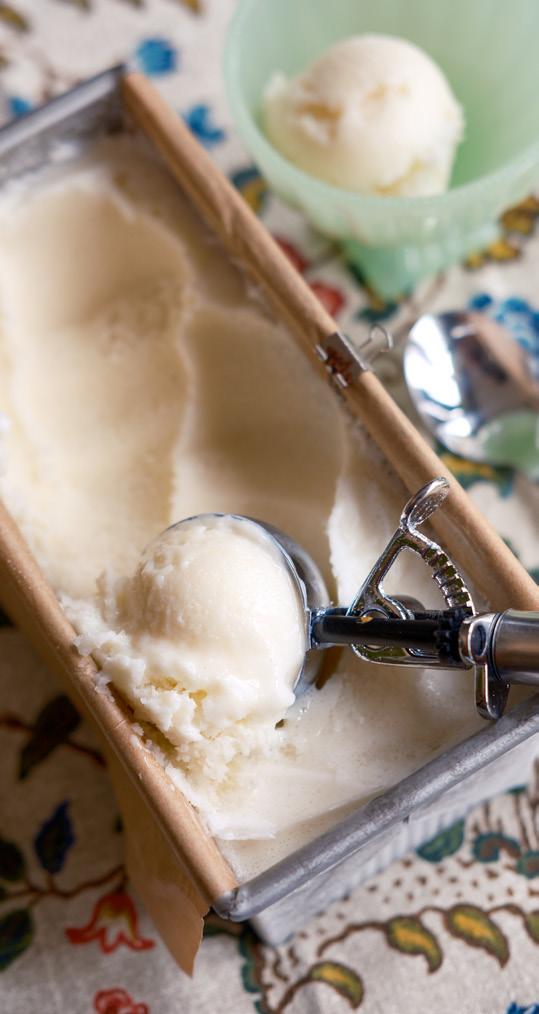
This extremely refreshing frozen treat in a variety of flavors was featured no less than six times by the Ladies of the Cosmos Society with various flavors in the Favorite Recipes book, which drew me to it. I had to see what all the fuss was about. The result is a sort of no-churn sherbet, with refreshing lemon flavor and a creamy cool texture. This recipe is very customizable. If you like, substitute the total amount of juice with any other fruit juice to make a variation.
3 lemons, juiced (approximately 1 cup)
2 oranges, juiced (approximately ½ cup)
1¾ cups sugar
1 quart whole milk or half and half
2 eggs, white only
Dissolve the sugar in the juice of the fruit, then let this stand at least 2 hours and this will form a thick syrup. Mix the milk and syrup together in freezer-proof container and freeze for at least 2 hours. After freezer mixture is partially frozen, beat 2 egg whites to stiff peaks. Remove container from freezer and, using a whisk, fold beaten egg whites into juice mixture. Place back in freezer and allow to freeze completely.
By: Dorothy Kirk, Food Editor, “Woman’s Home Companion” 1945
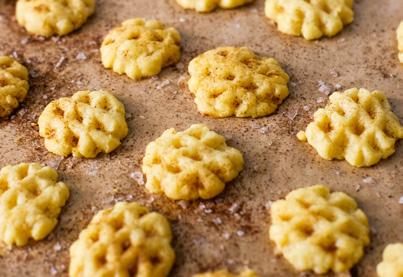
This recipe is one of dozens of canapés and appetizers featured in the midcentury cookbooks of the time. These cheese delights lived up to their name, with almost no modifications needed from the original recipe. You can find Kraft Old English Cheese Spread in most grocery stores.
4 ounces Kraft Old English Cheese Spread, at room temperature
4 tablespoons butter, softened
½ cup all-purpose flour
½ teaspoon kosher salt
Smoked paprika
Flaky sea salt
METHOD
Using a hand mixer or a small whisk, cream together the cheese and butter until fully combined. Room-temperature cheese and butter will help these blend together. Blend in flour and salt until a dough forms. If needed, use hands to knead into a soft dough. Once the dough comes together, pinch off small
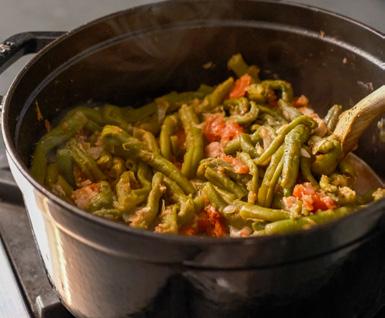
This family recipe is a favorite of mine and one I turn to often. Excellent in the summer with fresh tomatoes and green beans off the vine, but just as great with a can of tomatoes and grocery store green beans. You want the beans to be fall-apart-soft here, so cook low and slow.
2 pounds fresh green beans, ends snapped off and snapped in half if longer than 3 inches
4 pieces thick-cut bacon, cut crosswise into ¼-inch pieces
1 large shallot, diced
1 teaspoon salt
½ teaspoon freshly ground black pepper
1 (14-ounce) can diced tomatoes with liquid (or sub 2 large fresh tomatoes, if in season)
METHOD
chunks and form into small balls the size of marbles. Chill for 5–10 minutes in the refrigerator.
After the balls are chilled, place them on a parchment-lined baking sheet and flatten down with the tines of a fork to make a waffle design; sprinkle lightly with paprika and flaky salt; chill for at least 1 hour in the refrigerator. Prepared cheese delights can stay ready to bake in the fridge for up to 24 hours.
When ready to bake, preheat oven to 450°F. Bake for 8–10 minutes, or until slightly puffed and browned. Serve warm or at room temperature.
Add bacon to a large heavy-bottomed saucepan or Dutch oven and set over medium heat on the stove. Cook until bacon is almost fully rendered and starting to crisp up. Add shallot, salt and pepper and stir until shallot is softened and starting to brown. Add green beans and tomatoes and reduce heat to medium-low. Cover and keep over medium-low heat, stirring occasionally, until beans have softened and are tender, up to 1 hour, checking for doneness at 20 minutes. Serve.
Beans can be made ahead of time (up to 1 day) and gently reheated on the stovetop before serving.
COMMENTARY FROM THE TEAM AT KEEPING UP LOCAL
There’s no easier way to get a taste of the culture of Indianapolis than from a favorite neighborhood spot, especially one with a story. From renovated libraries to a restaurant changing hands while never losing regulars, the Keeping Up Local team has assembled their historic favorites, as well as some honorable mentions.

NORTH INDY Written by Chelsea Kopelman | @keepingupincarmel
Indianapolis’s northern suburbs have cultivated a dining culture where history and hospitality intersect.
RESTAURANTS ON INDY’S NORTH SIDE
The dining scene has been foundational to the growth of the northern suburbs of Indianapolis. Woody’s Library Restaurant in Carmel is one great example. The building was originally built as a Carnegie Library in 1913. Woody’s Library Restaurant opened in 1998 and has continued to serve the community ever since. They’re locally owned, serving lunch and dinner in the unique bi-level building with dining upstairs and a neighborhood pub + outdoor seating downstairs. The environment is family friendly and the balsamic chicken florentine, deconstructed pot pie, and handheld burgers and wraps make dining out all the more delicious.
A few other historic eateries on the north side include Juniper on Main in Carmel, a locally owned restaurant dedicated to serving up southern comfort food in a restored bungalow built in 1907. Matteo’s Ristorante Italiano has been a staple authentic Italian restaurant in the historic Noblesville square since 2003. You will find the best homemade authentic pasta dishes here and when you visit, be sure to ask for the housemade bread and dipping oil! Cobblestone Zionsville celebrated 25 years on Main Street in Zionsville and serves lunch and dinner daily
with brunch on Saturday and Sunday. Last but not least, another long-running neighborhood staple, Roselli’s Pizza in Carmel, recently celebrated 30 years of serving up the best Chicago-style pizza in the area! If you are looking for a meal out with some historic value, these spots north of Indianapolis would be a great pick.


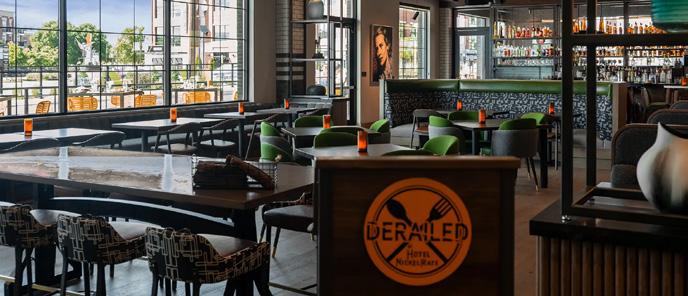

Set along one of Fishers’ most historic corridors, Derailed at Hotel Nickel Plate is where modern dining meets hometown heritage. From craft cocktails and elevated comfort food to a setting rooted in the story of the Nickel Plate Railroad, this downtown favorite captures the spirit of Fishers past and present.
Derailed at Hotel Nickel Plate in Fishers offers more than just a restaurant, it’s a connection to the Fishers’ rich past. Located inside the newly built Hotel Nickel Plate, which opened in 2024, the restaurant brings contemporary American cuisine and craft cocktails to the heart of the Nickel Plate District. Though modern in design, the hotel and restaurant honor the legacy of the community and the people who shaped it.
The name “Nickel Plate” comes from the Nickel Plate Railroad, established in the late 1800s, which played a major role in the development of Fishers and surrounding communities. The rail line brought business, travelers, and growth, and its corridor now forms the Nickel Plate Trail, a popular path for walking and biking that preserves the historic footprint of the railroad. Derailed and the hotel sit along this historic path, blending the story of Fishers’ growth with today’s dining and hospitality experiences.
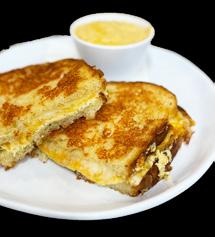
Some favorite dishes are the apple grilled cheese, with apple butter and gouda on grilled sourdough, and the Tuscan pasta, with penne, mushroom, sundried tomato, spinach,
and parmesan cream topped with chicken. The outdoor area and bar opens to the heart of downtown Fishers, where it’s easy to enjoy the atmosphere along the trail and the vibrant energy of the community.
It’s a place where history, great food, and the spirit of Fishers come together making it one of my personal favorite spots in town. Some other honorable mentions in the Fishers area include 1933 Lounge, a cozy spot inspired by local history offering craft cocktails and a nod to classic 1930s speakeasies; Wolfies on Geist , neighborhood favorite for hearty American classics, featuring The Broken Barrel, an upstairs speakeasy-style lounge serving craft cocktails in a warm, exclusive atmosphere; and Ale Emporium, a Fishers mainstay for craft beers and pub fare. Ale Emporium celebrates the town’s sports culture, with walls adorned with memorabilia honoring local teams.



1031 E 54th St, Indianapolis
Written by Amanda Sadowski | @keepingupindowntownindy
Some restaurants occupy space. Others inhabit it—transforming dining into something closer to tradition.
Food has a way of feeling timeless—carrying stories, families, and traditions across generations. Mama Carolla’s is a perfect example of that continuity. While its charming Meridian-Kessler location opened in 1997, the family behind it had already spent 20 years prior serving Indianapolis in a previous space. And the restaurant’s namesake, Mama Carolla herself, began gathering inspiration for recipes and approach to hospitality more than 50 years before that.
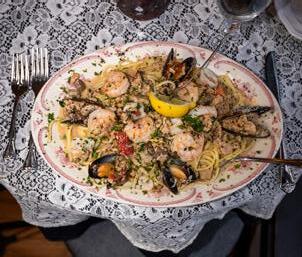
Today, Mama Carolla’s remains one of Indianapolis’ most beloved dining experiences. Housed in a cozy, Italian villa–style home, the restaurant blends a warm, intimate atmosphere with the feeling of being welcomed into someone’s family kitchen. It’s no surprise that reservations are often a must. Their menu highlights classic dishes executed with consistency and heart— Italian favorites like chicken piccata and shrimp scampi are some of the best dishes on their menu.



Written by Carly Schafer | @keepingupinbrownsburg
west side of Indy is full of hidden gems, and these spots prove you don’t have to go far for great food and drinks. From cult-favorite wings and roadside barbecue to tacos and cookie skillets, here are some west side favorites worth checking out.
MAYBERRY CAFE: A HENDRICKS COUNTY CLASSIC
78 W Main St, Danville
A meal at Mayberry Cafe feels like stepping back in time, in the best possible way. Sitting right on the historic square in Danville, this small, family-run cafe has been a staple in Hendricks County since 1992, drawing locals and visitors in with its charm, comfort food, and attention to detail.
You’ll know you’ve arrived when you spot the old police car parked out front. Andy Griffith plays across the TVs inside, and the menu is packed with classic comfort food favorites. Mayberry Cafe is especially known for Aunt Bee’s Fried Chicken and Andy’s Tenderloin sandwich, true Indiana staples done right. The Huckleberry Lemonade is so refreshing and packed with flavor, along with the fried biscuits served with apple butter, fried chicken with mashed potatoes, gravy, and green beans, a full meal of comfort classics awaits. Simple, nostalgic, and absolutely delicious.
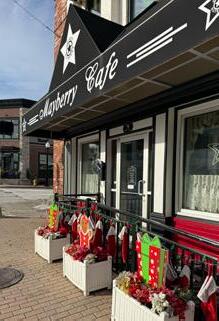
Kids’ meals include a token that can be redeemed for an ice cream sundae or a small toy at the front desk. It’s those little details that make Mayberry Cafe more than just a restaurant…it’s an experience.
Other honorable mentions in the area include Danville’s Bread Basket Café and Bakery. Established in 2005, this family-run café has grown through three generations with a mission rooted in thoughtful food, kind service, and responsible stewardship. Over in Plainfield, the Oasis Diner uses a beautifully restored 1954 dining car as backdrop to updated Midwest flavors and handmade sodas. Perillo’s Pizzeria in North Salem is another storied favorite. Opened in 2011 by Sicilian immigrant Damiano Perillo, this beloved familyowned restaurant serves authentic Sicilian pizza and scratch-made Italian dishes.



Written by Madison Sterba @keepingupingreenwood
Looking for your next great meal south of Indy? These local favorites serve everything from scratch-made comfort food to elegant date-night dinners— making them true standouts in the community.
When you want a meal that feels comforting, familiar, and full of history, Ann’s Restaurant in Franklin is always high on the list. Since 1952, Ann’s has been a staple in the Franklin community. What started as a tiny 13-seat diner—once open 24 hours a day—quickly became a gathering place for locals, Franklin College students, factory workers, and Camp Atterbury servicemen. Originally known as Alta’s Place, the restaurant later became Ann’s Restaurant, named after owner Ann Daugherty.
Over the decades, Ann’s has grown alongside Franklin while still holding onto that small-town charm. Even after a devastating fire in 1987, the restaurant was rebuilt and reopened the same year, proving just how much it means to this community.
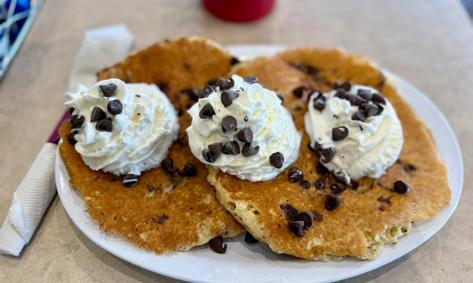
Today, Ann’s continues to serve the kind of classic comfort food families love. My go-to order is the breakfast scrambler, and my kids never leave without asking for the French toast. The menu is full of familiar favorites that make it easy for everyone at the table to find something they love!
Ann’s is an amazing familyfriendly restaurant—a place where generations gather, traditions begin, and Franklin’s story continues, one meal at a time.


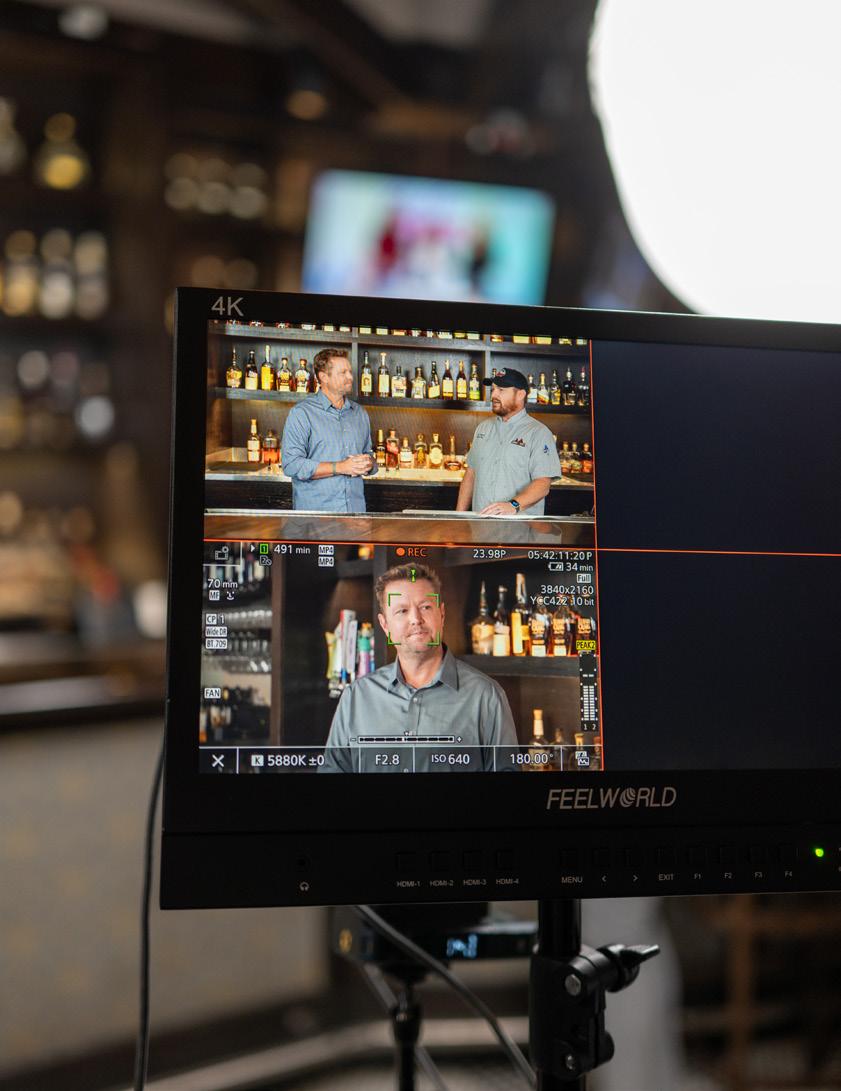
BEHIND THE BAR: This series spotlights bars and restaurants around Indianapolis. The interview-style show involves host Adam Grubb interviewing members of the team to tell the stories of their space.
Full episode available now to watch on our YouTube page with the QR code.
BACK OF HOUSE: This segment features exclusive behind-the-scenes content spotlighting top chefs in Indy. Viewers can follow along as the chefs share their stories, struggles, secret recipes, and top food trends.
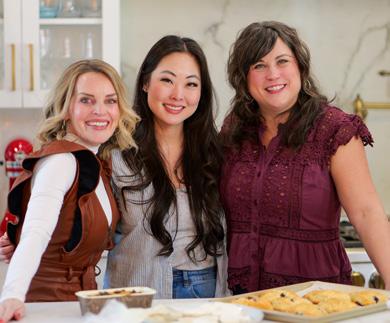
THE CITY MOMS take to the kitchen with a hands-on baking episode featuring Laura Lachowecki, owner of Filigree Bakery. Hosted by The City Moms founders Jeanine and Sarah, the episode showcases baking from scratch—banana bread and scones—plus a step-by-step demonstration on filling delicate macarons. A warm, approachable look at technique, talent, and the joy of home baking.
Our team hosts these unique events four times a year to sample selections from some of the best chefs around the city. Get on the invite list by becoming a print subscriber!
Contributing writer Reba Toloday continues to host this series for 2026. Sample recipes from the chosen cookbook each season. Our next event will be held on March 1st.

By Adam Grubb, Publisher
We just spent an entire issue looking back at centuries of Indiana food history. Real menus. Real servers. Real eye contact. So let’s swing the other direction: Let’s talk about where we are going, because it feels like we are one software update away from not being allowed to order fries without agreeing to new terms of service.
The truth is simple: The future of dining will require battery life.
Everything runs through a phone now. QR menus. Digital waitlists. Apps to check in. Apps to order. Apps to pay. At this point, I half expect an app that tells me how hungry I am. And look, at the risk of sounding like my parents, I am not anti-tech. I am as tech-savvy as they come. I love convenience. I love efficiency. I love anything that makes life easier. But it actually has to work. And it cannot replace the personal part that makes the whole thing worth going out.
I want to banter with my server. I want to annoy my family by doing it. I want to ask a simple question without launching a troubleshooting session that includes scanning three QR codes and refreshing my browser.
I want to see the look of pure annoyance when I send my burger back because, for the hundredth time, it arrived wearing a full sheet of lettuce.
This is the joy of restaurants. The tiny human moments. The laughs. The side-eye. The chaos when the kitchen is slammed. The warmth of a place that remembers how you take your drink.
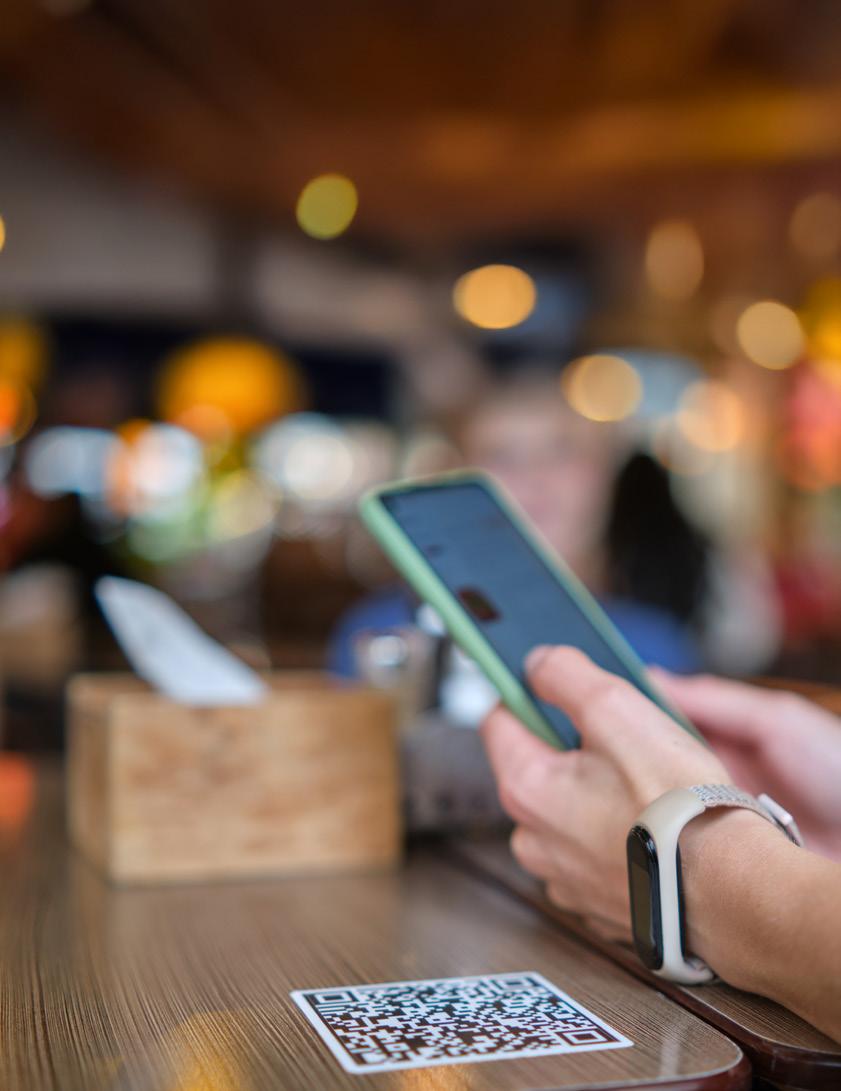
If everything becomes automated, we lose the part that makes going out feel alive.
Fast forward to 2035. You walk into a restaurant and your phone is more important than your appetite. The host scans your reservation. Your phone scans the QR. The QR scans your mood. And you will not sit down until your device and your server both decide you are emotionally stable enough to order.
By then, dinner might be delivered by a robot that refuses to set down your plate until you confirm via text that you accept responsibility for the doneness of your entrée.
Maybe that is efficient. Maybe that is progress. But it is not fun.
So yes, tech will keep creeping into our dining rooms. Fine. Bring on the convenience. But we can’t automate away the humans. Do not take away the personalities. The next hundred years of food in Indy will be great if we let humans keep doing the human things.
Just keep your phone charged.

In a world that often prioritizes speed over substance, there remains proof that good things, and excellent taste, take time. D.O. Cava and Jamón ConsorcioSerrano are two such treasures, each representing a unique blend of Spanish tradition and authenticity, guaranteed by seals that signify uncompromising quality.
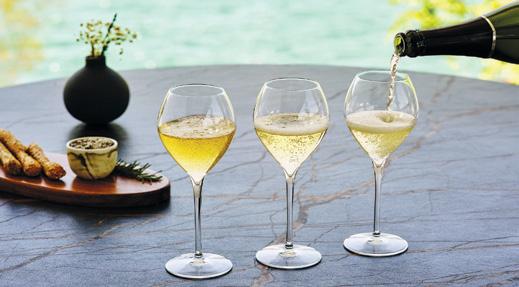
D.O. Cava is a prestigious Designation of Origin from Europe renowned for its exceptional quality and versatility, crafted using the traditional method, which involves a second fermentation in the bottle. To receive the green, silver or gold quality label, or “marchamo”, a Cava wine must be wine certified by the Cava Regulatory Council. The regulatory body ensures that strict standards are met to maintain the excellence and authenticity of Cava, allowing it to consistently rank among the best sparkling wines internationally. As of 2025, all Cava under the D.O. Cava designation is 100% organic, making it the first major sparkling wine appellation in the world to achieve this milestone.
Similarly, the ConsorcioSerrano seal on Jamón Serrano is your assurance of exceptional quality. For 35 years, the Consorcio del Jamón Serrano Español has been dedicated to preserving the authenticity and excellence of this emblematic product. While European standards already require an impressive 30 weeks of curing, the Consorcio demands a minimum of 52 weeks— more than a year of patient perfection.
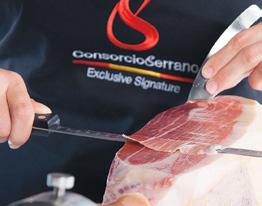
Each piece of Jamón ConsorcioSerrano comes from 100% Spanish pigs and is produced using traditional methods. But what truly sets it apart is the rigorous manual selection process: master ham experts personally examine every single piece, checking its texture, aroma, and flavor by hand to ensure it meets the highest standards. This dedication to craftsmanship has resulted in over 20 million pieces certified to date, representing 30-35% of all high-quality Serrano ham from Europe exported worldwide.
Both Cava and Jamón ConsorcioSerrano are perfect examples of how time-honored craftsmanship, underpinned by the European Union’s commitment to quality and tradition, creates products that are unmatched in their category.
Their seals are more than marks on a label— they are promises of authenticity, excellence, and the patient dedication that only time can deliver. Whether enjoyed on a special occasion or as part of your daily life, Cava and Jamón ConsorcioSerrano bring the best of Europe to your table.


The D.O. Cava and Jamón ConsorcioSerrano seals are your guarantee of true Spanish excellence. Two seals, one promise: the finest taste of Spain.
For Mel Coleman Jr., a fifth-generation Colorado rancher, protecting farmland isn’t just about preserving open spaces—it’s about safeguarding the foundation of our food system.
“Throughout my life, I’ve met good, hard working people all trying to do the right thing with the land and animals they care for,” Mel says. “American Farmland Trust (AFT) helps them do just that.”
As a long-time member and former board member, Mel has seen firsthand how AFT connects farmers and ranchers across the country with the tools, policy support, and resources they need to thrive. From championing farmland protection in Washington, D.C. to helping family farms remain economically viable, AFT ensures that good stewardship—of land, water, and community—endures for generations.
“AFT isn’t just an organization,” Mel adds. “It’s a family that believes in the power of small farms and the people behind them. There’s no better way to make a real difference than to be part of that.”
Join Mel—and thousands of other members—who are protecting America’s farmland and the people who farm it.


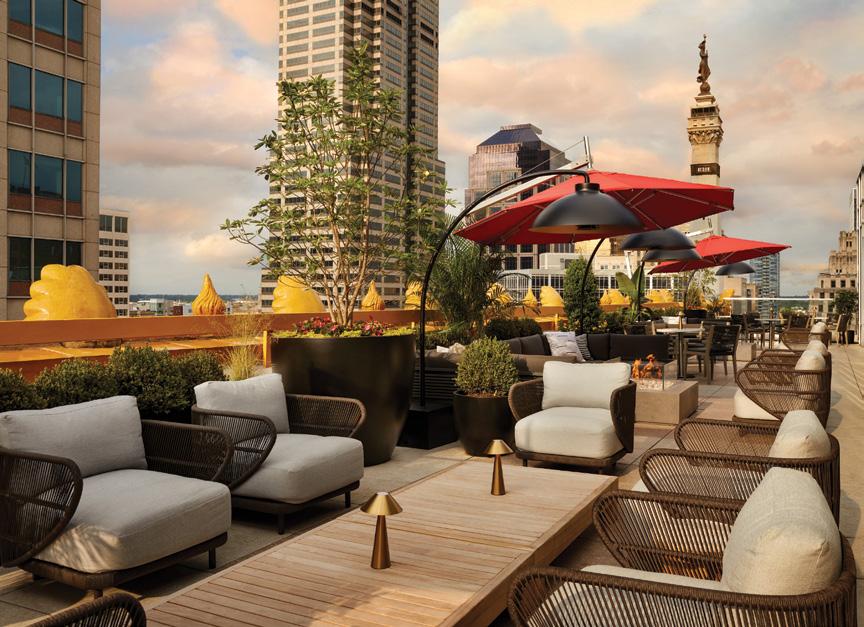
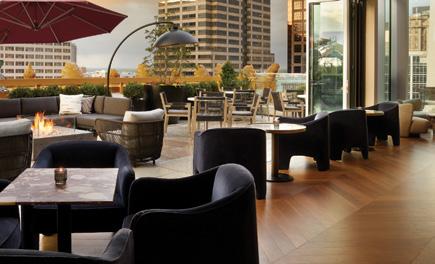
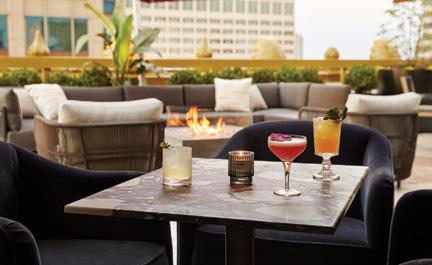
And in Indy, that starts at astrea.