ARCHITECTURE PORTFOLIO
2020-2024
HATIM A
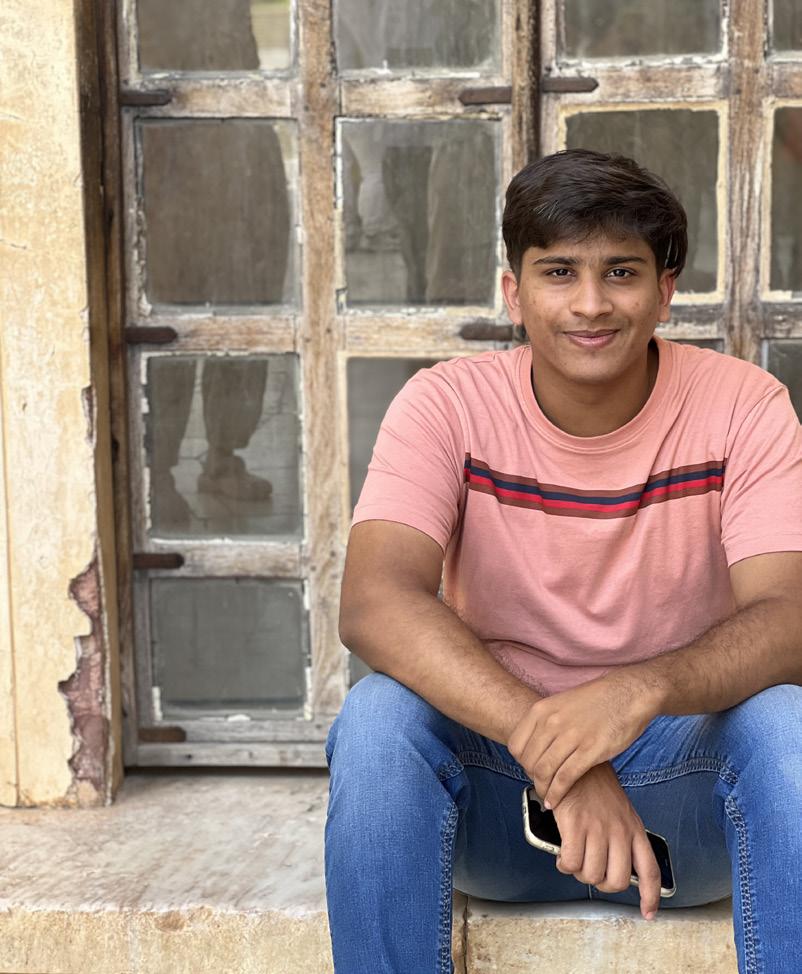
HATIM A
DOB: 24-06-2001
Hello, my name is Hatim. I’m an architecture student from MEASI Academy of Architecture in my fourth year eager to learn more about the real world practical side of Architecture. I am always ready to expand my knowledge in this field and would like to understand the design process much better.
EDUCATION
SCHOOLING, ASAN MEMORIAL SENIOR SECONDARY SCHOOL, EGMORE, CHENNAI (2019)
ONGOING B ARCH, MEASI ACADEMY OF ARCHITECTURE,CHENNAI (2020-2025)




LANGUAGES ENGLISH
SOFTWARE



AUTOCAD
SKETCHUP
ENSCAPE



ADOBE PHOTOSHOP
ADOBE INDESIGN RHINO
INTERESTS TRAVEL MUSIC MOVIES
CONTACT
PHONE: 8754583452
MAIL : hatimnalawala24@gmail.com
LOCATION : Chennai, Tamilnadu
HINDI
TAMIL
GUJARATI
MAJOR MINOR
CONTENT 01 JOVIAL MONTESSORI SCHOOL 02 NATIONAL INSTITUTE OF DESIGN - CAMPUS 03 MIXED HIGH RISE BUILDING - MALL & OFFICES 04 AMAN HOUSE - WEEKEND GETAWAY HOME 05 DISSERTATION - EVOLUTION OF B V DOSHI WORKS : INSTITUTION
CONCEPT



PLANNING - Buildings arranged around the courtyard which also becomes a space for childrens for playing and interaction. Each classroom opens into a balcony space.
CLIMATE RESPONSIVECourtyard gets shaded by building and can be used in daytime and in hot summers. The extended roof slab shades the building.
MATERIALS
-
- Rcc frame strcuture - brick walls
- jaali blocks
USAGE OF LIGHT AND SHADOW - The cutouts in walls make interesting patterns on corridor when one passes through it. The patterns changes when sun moves.

GROUND FLOOR PLAN WITH SITE
SCALE- 1:600
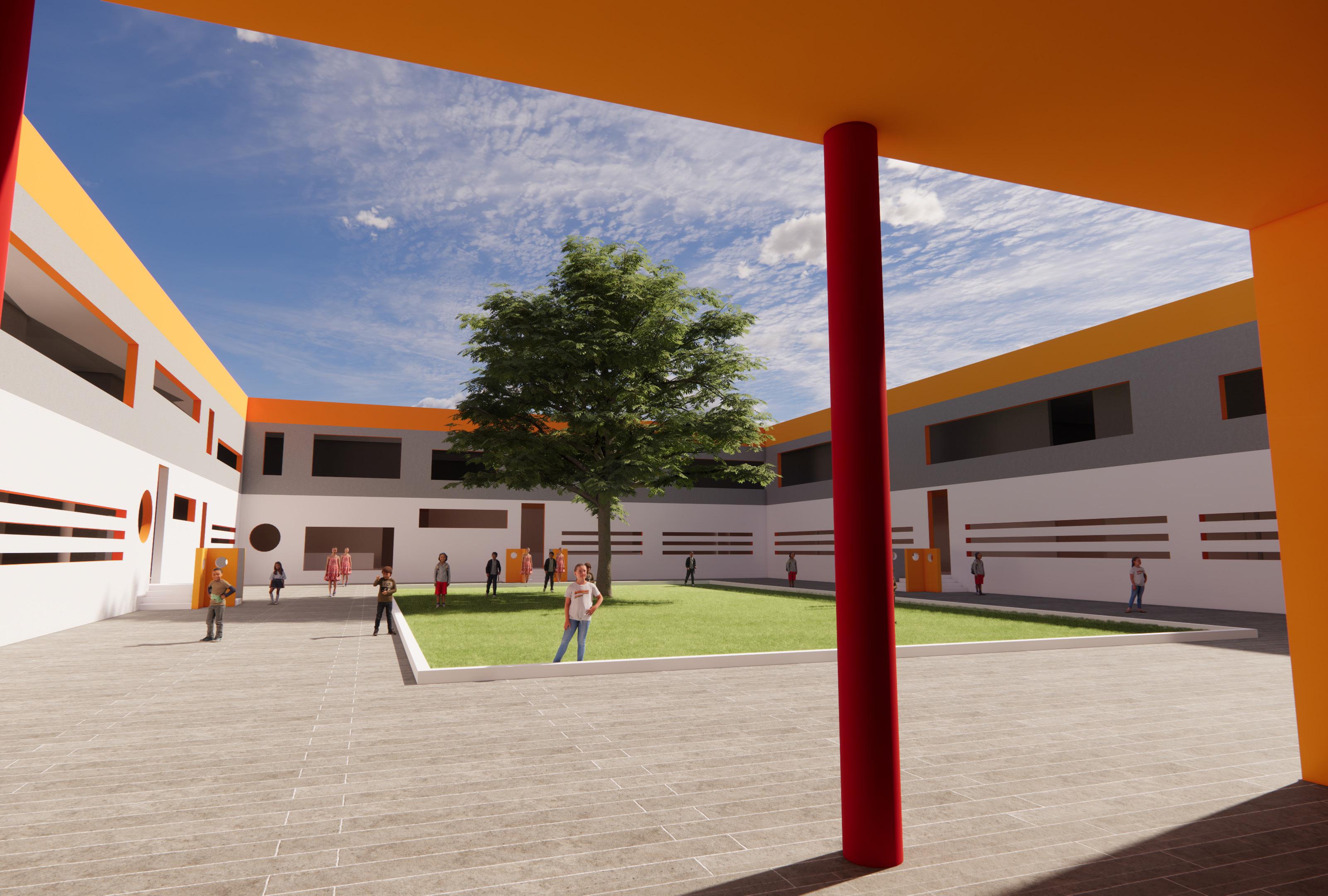 Above picture: View while entering school
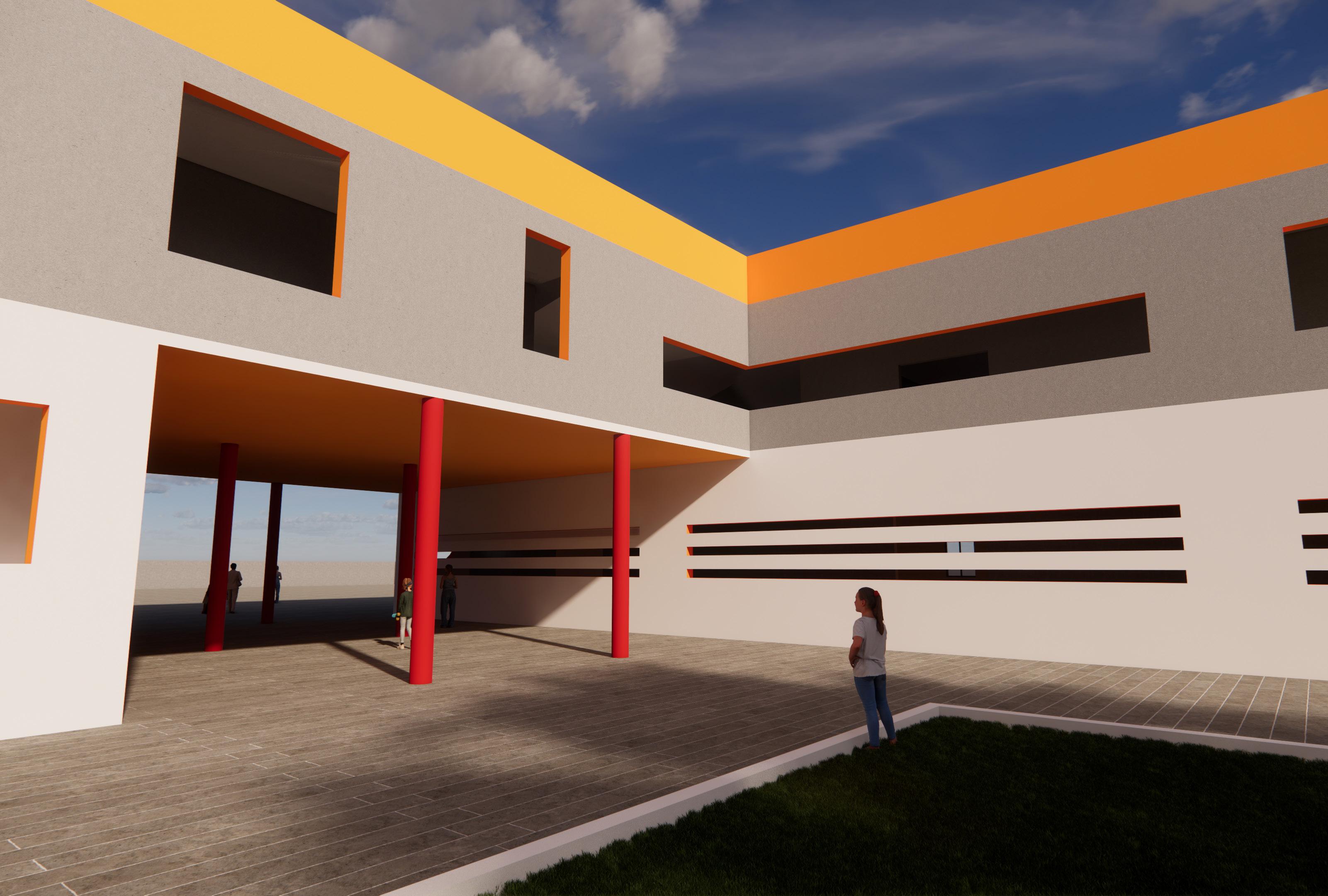
Above picture: Cutouts in walls to bring in light and break the monotony of blank wall
02 NATIONAL INSTITUTE OF DESIGN - CAMPUS
The site is loacted in Agarmathen, Chennai with a climate of hot and humid. NID demands continous innovations, so display and breakout spaces were designed. And unexpected and coincidental meeting spaces were designed for a exchange of word between students and faculty.
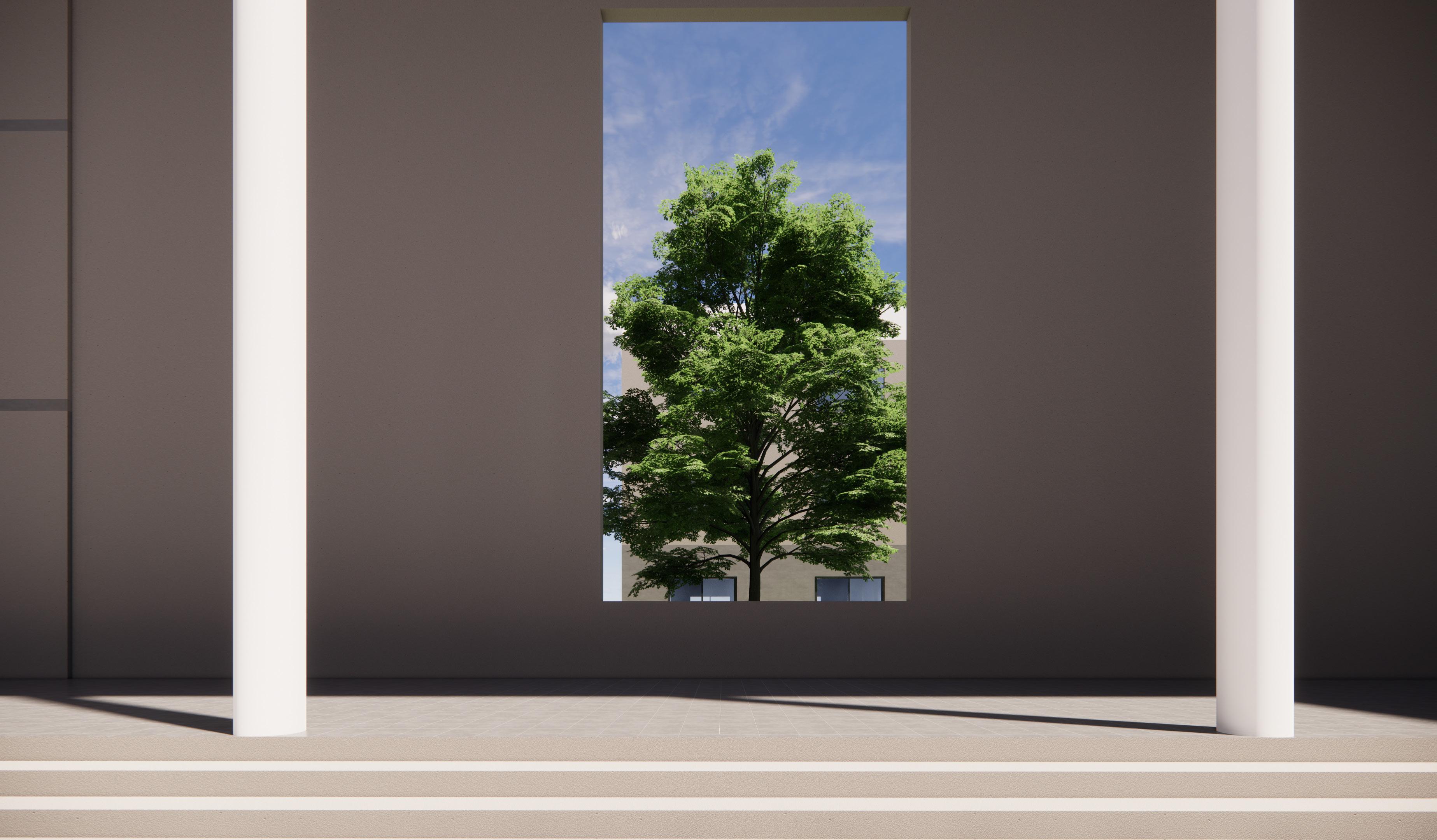 Above picture: Cutouts acts as a frame while walking through the corridor
PLOT AREA - 11.5 ACRES
Above picture: Cutouts acts as a frame while walking through the corridor
PLOT AREA - 11.5 ACRES
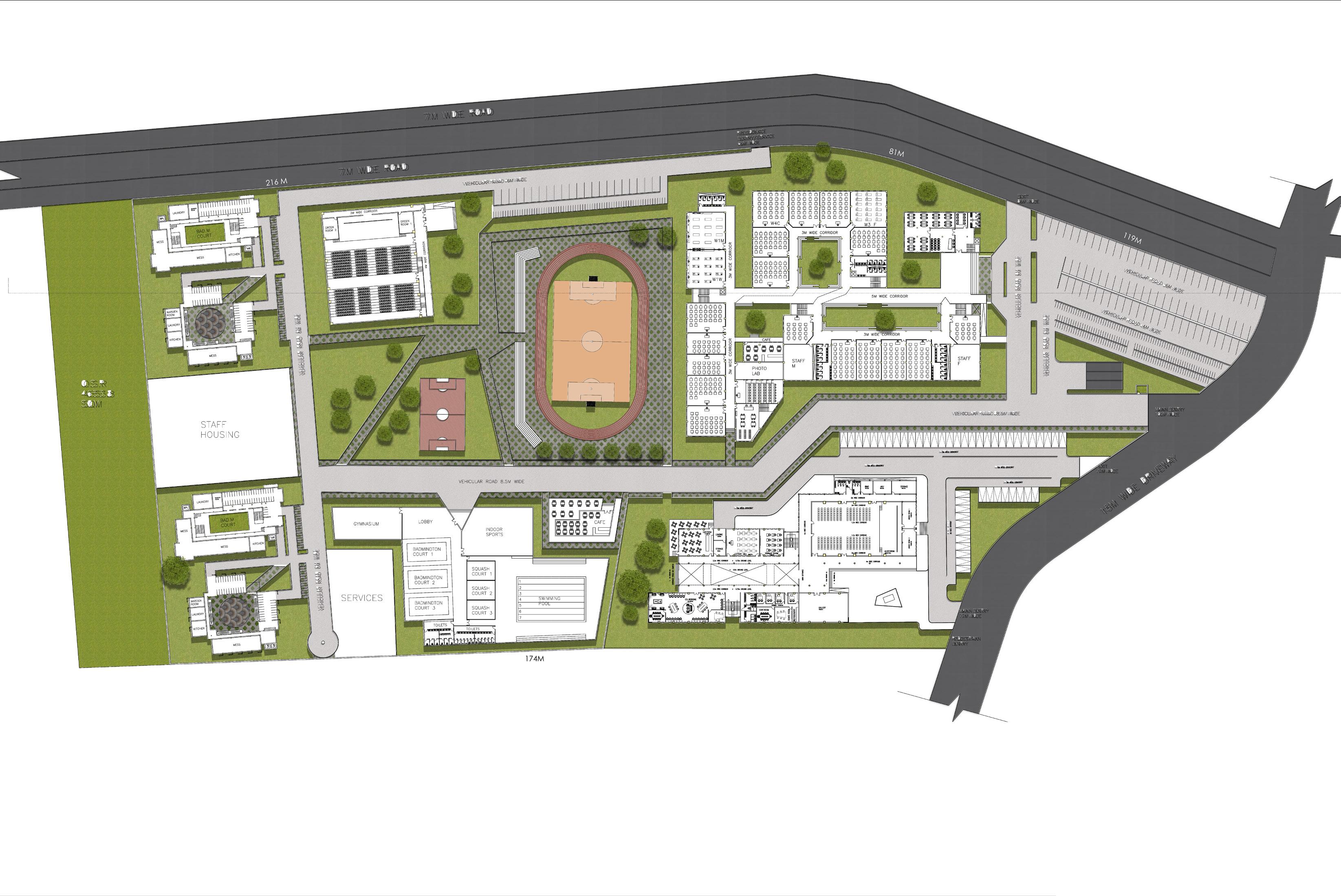

MASTER PLAN
SCALE - 1:500
1. ENTRY
2. PARKING
3. ACADEMIC BLOCK
4. DESIGN INNOVATION CENTRE
5. SPORTS COMPLEX
6. FOOTBALL GROUND
7. BOYS HOSTEL
8. FACULTY HOUSING
1 2 3 4 5 6 7 9 8 10
9. GIRLS HOSTEL 10. AUDITORIUM
PLANNING
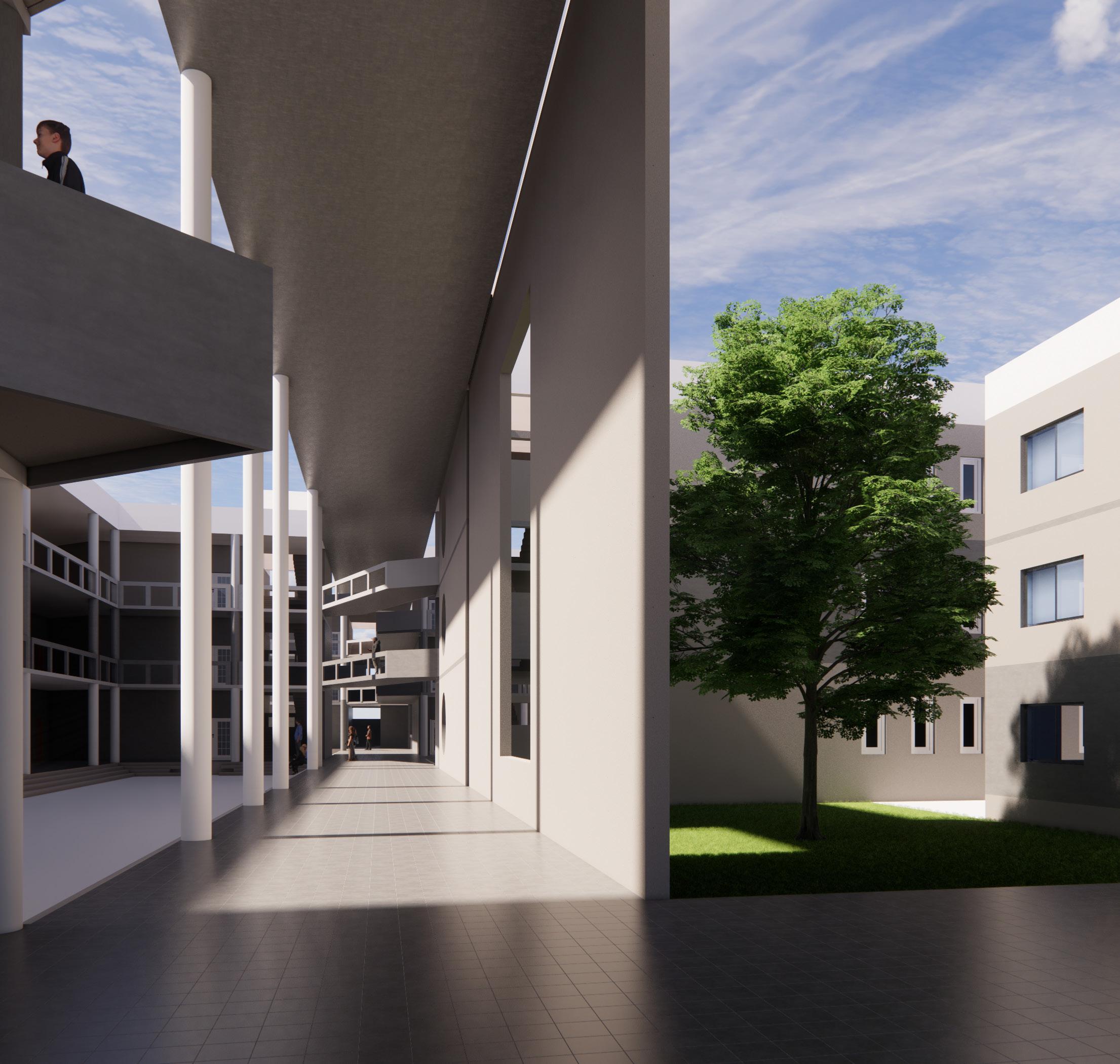
- The series of courtyards were placed in academic block which becomes a breakout space for interaction. One main straight corridor acts as a central spine/axis, which connects the secondary corridors. Buildings were divided into seperate blocks instead of a big block and connected through courtyards and corridors.
CLIMATE RESPONSIVE
- Building is oriented north-south axis for good daylighting and breeze. Courtyards brings in diffuse light and ventilation to blocks. Corridors were arranged around courtyard.
MATERIALS
-
- Rcc frame strcuture
- Exposed concrete (grain)
- Horizontal and vertical shading precast member
USAGE OF LIGHT AND SHAD-
OW - Exposed concrete goes well with the sky and vegetation in surrounding. The cutouts in walls make patterns on floor.
Above picture: Entrance with central corridor & courtyard, bridges connect the seperate blocks.
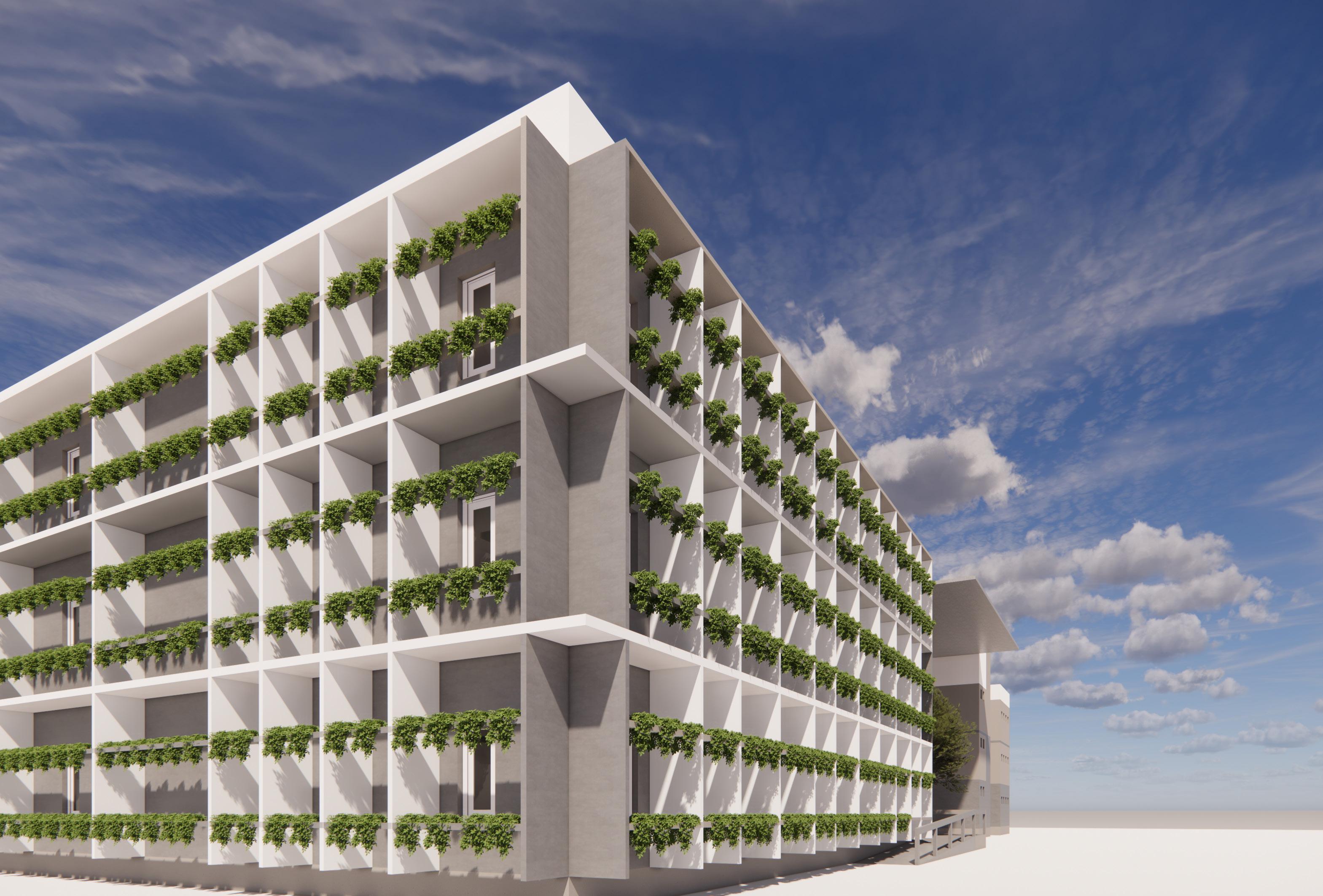 Above picture: Isometry shows vertical and horizontal shading device for sun protection
CONCEPT
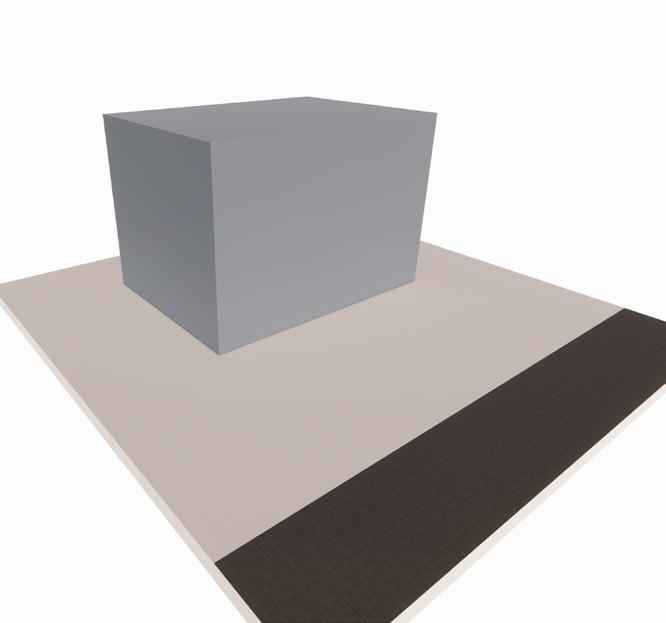
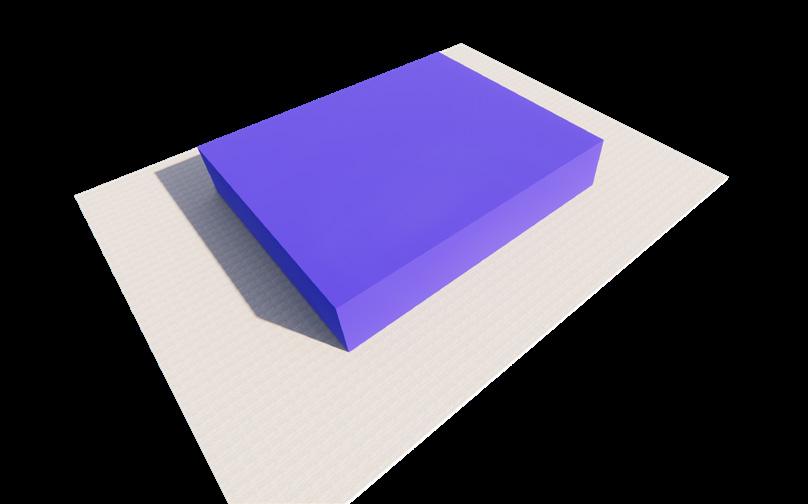
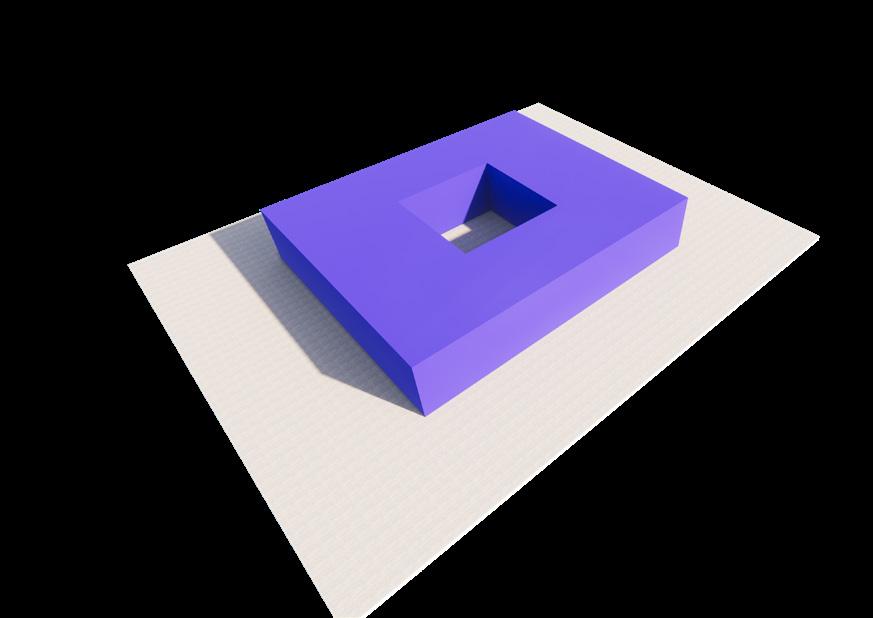
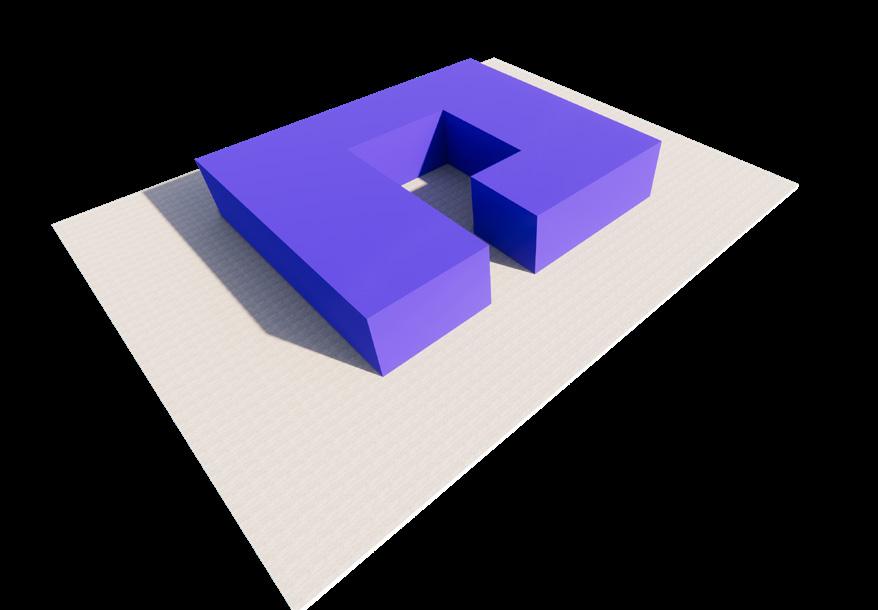
PLANNING - Located on a 60m wide road. The mall comprises of kiosk to anchor shops along with food court and basement parking. The central void has a structure of post tension beams, becomes a focal point for this deisgn.
OVER THE ROAD THE MASS IS BLOCKING AND DENSE
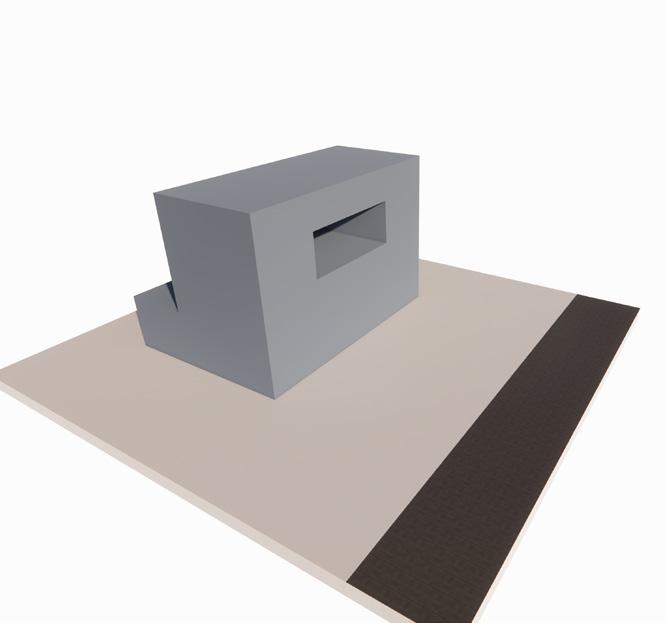
A BIG PUNCTURE IS MADE TO CREATE BREATHING INTERACTIVE SPACE FOR USER AND TO CREATE A PLAY IN ARCHITECTURE
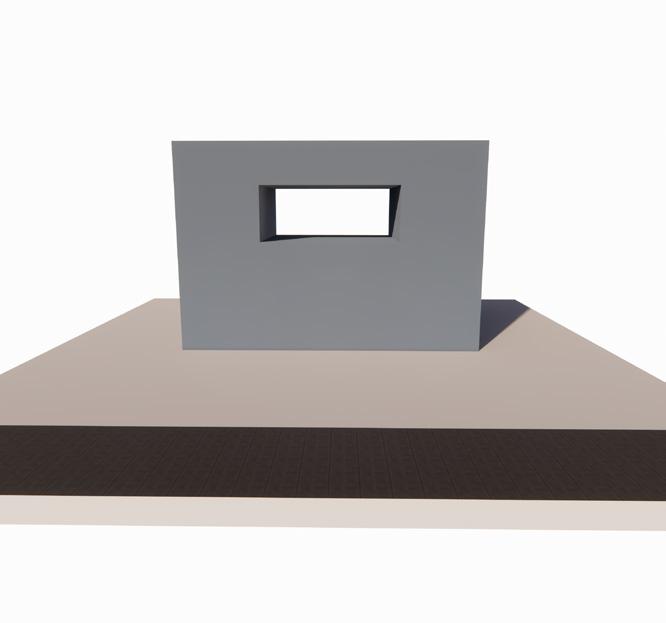
A VIEW IS GIVEN FROM THE PUNCTURE FOR THE PASSERBY ON THE ROAD
CLIMATE RESPONSIVE -
Hot and humid climate. Offices were oriented towards north for making the building energy efficient and balance heating.
MATERIALS -
- Glass panels (stick)
- Rcc frame structure
ROOF PLAN WITH SITE SCALE - 1:500
USAGE OF LIGHT AND SHAD-
OW - The white facade with glass panels blends with the sky. The void in centre forms shadow in deck.
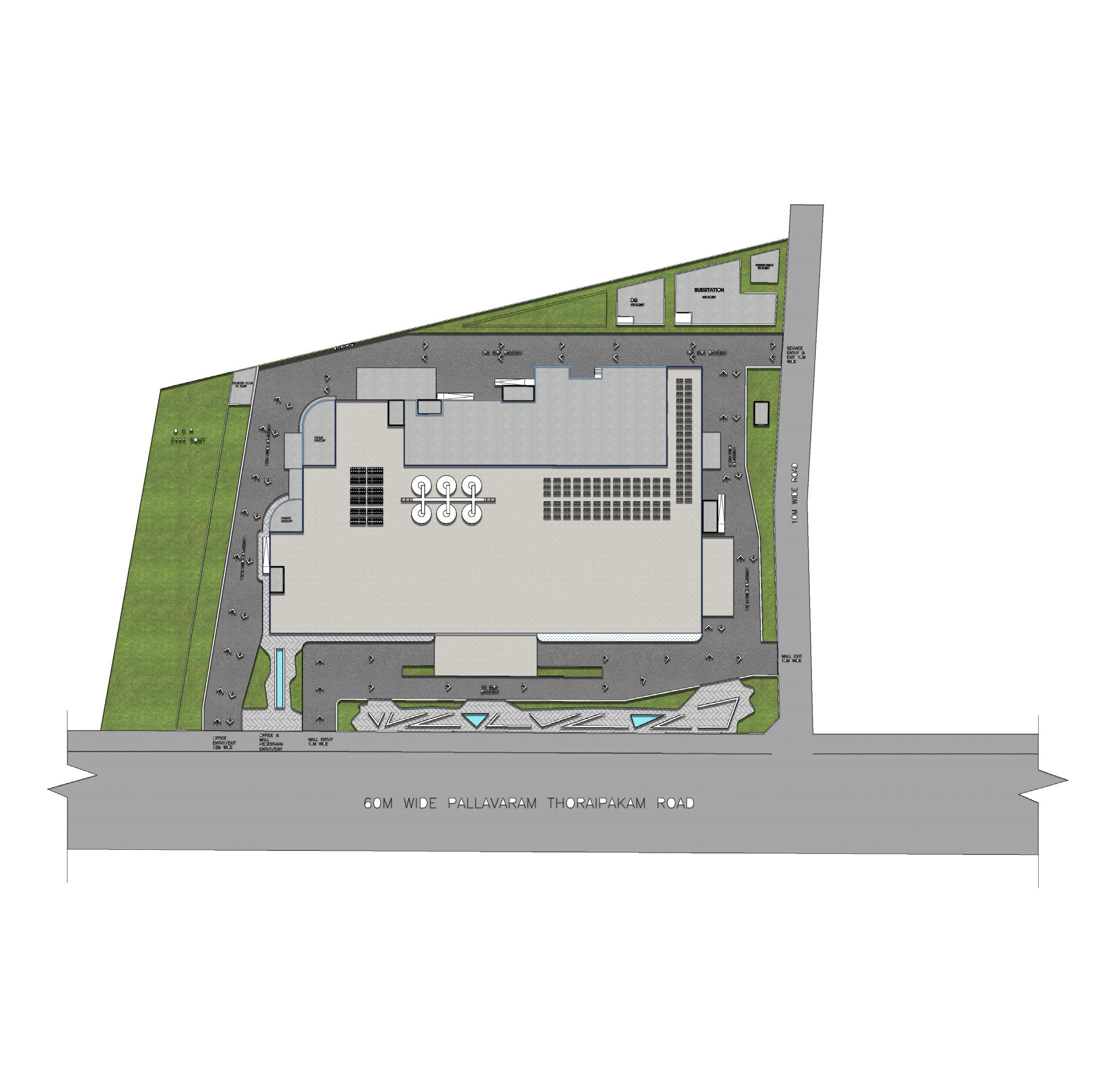
PLAN FIRST
PLAN
FLOOR PLAN THIRD FLOOR PLAN SCALE - 1:500
GROUND FLOOR
FLOOR
SECOND
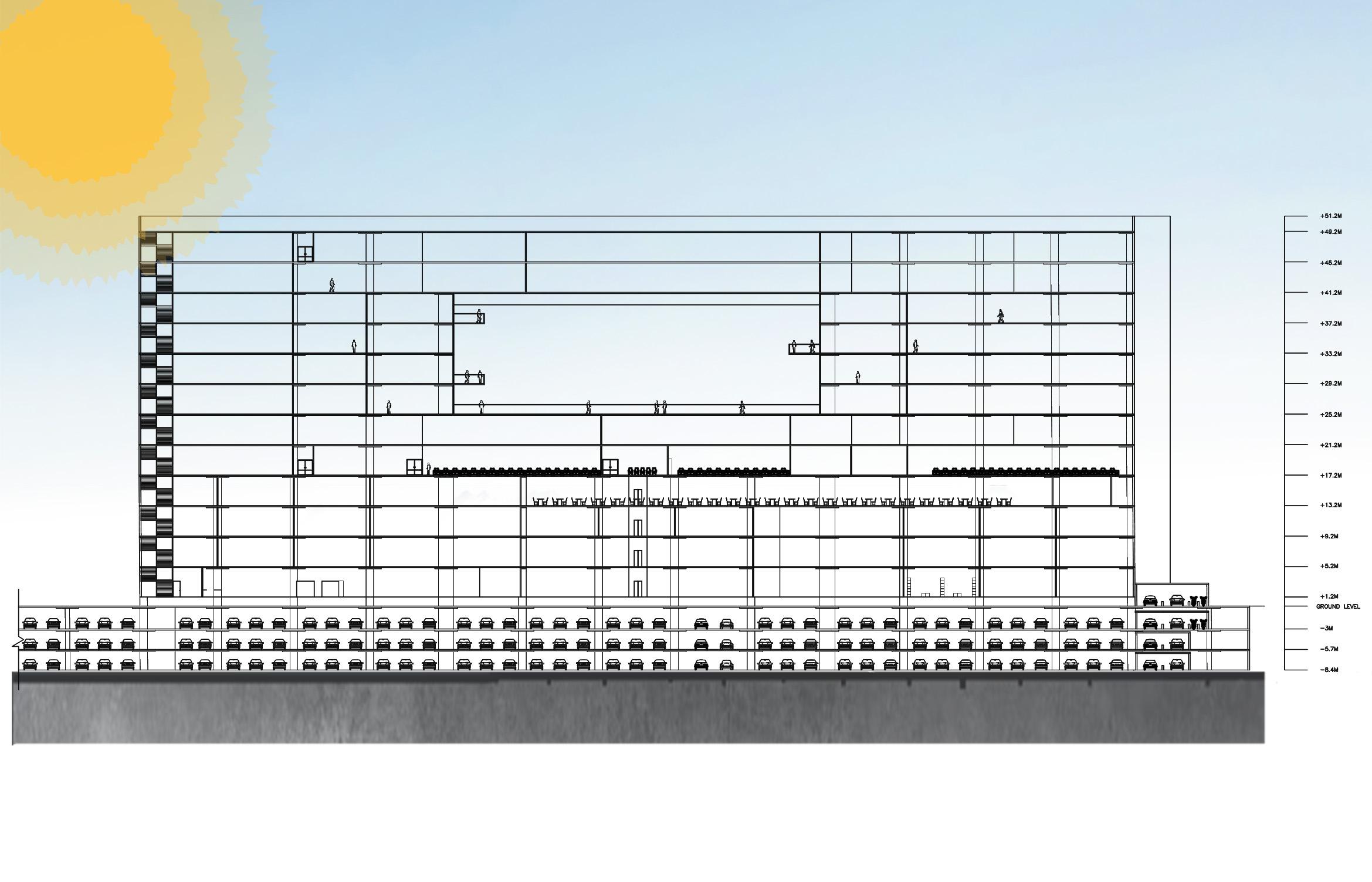

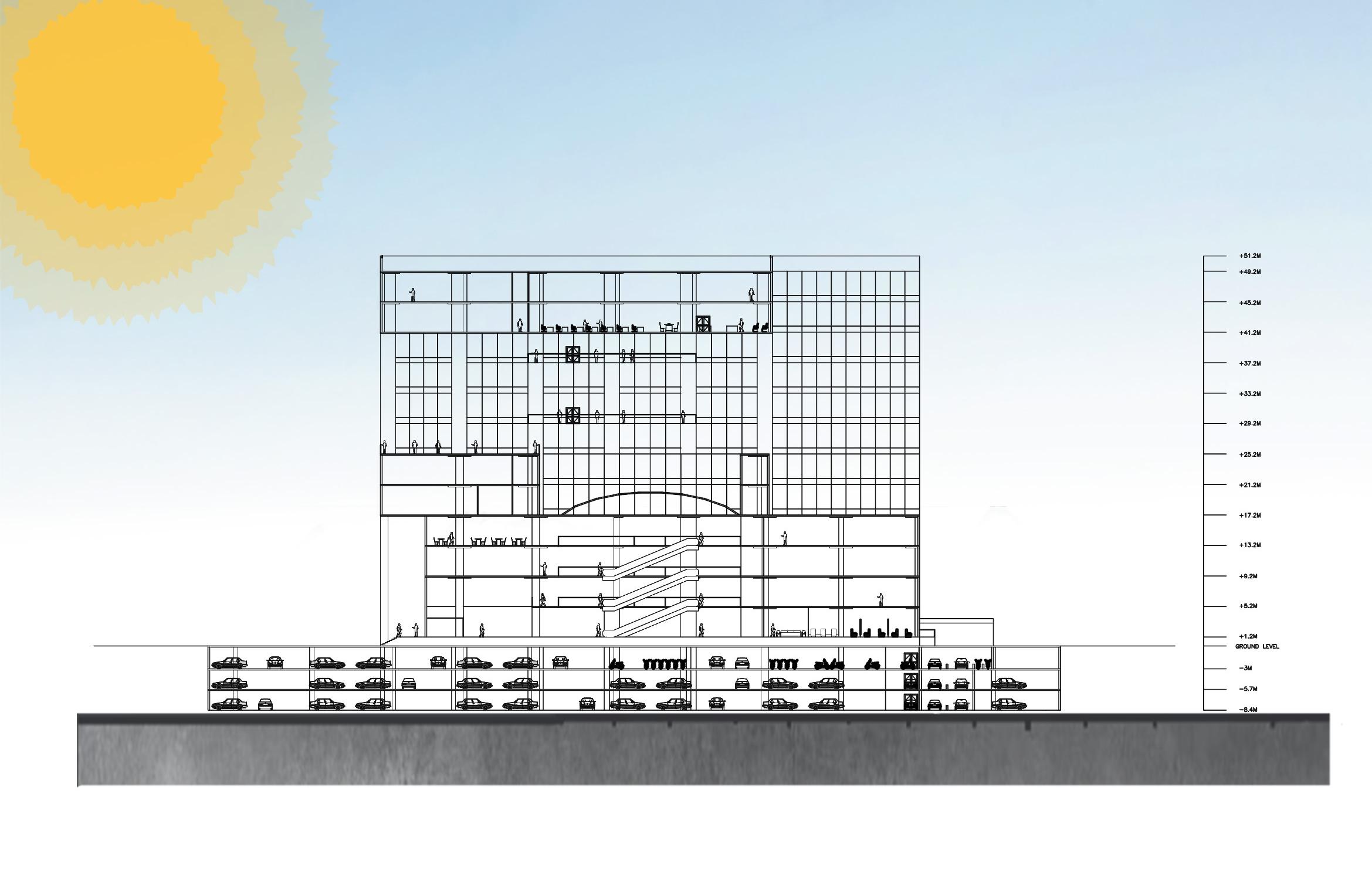
SECTION
AA
SECTION BB
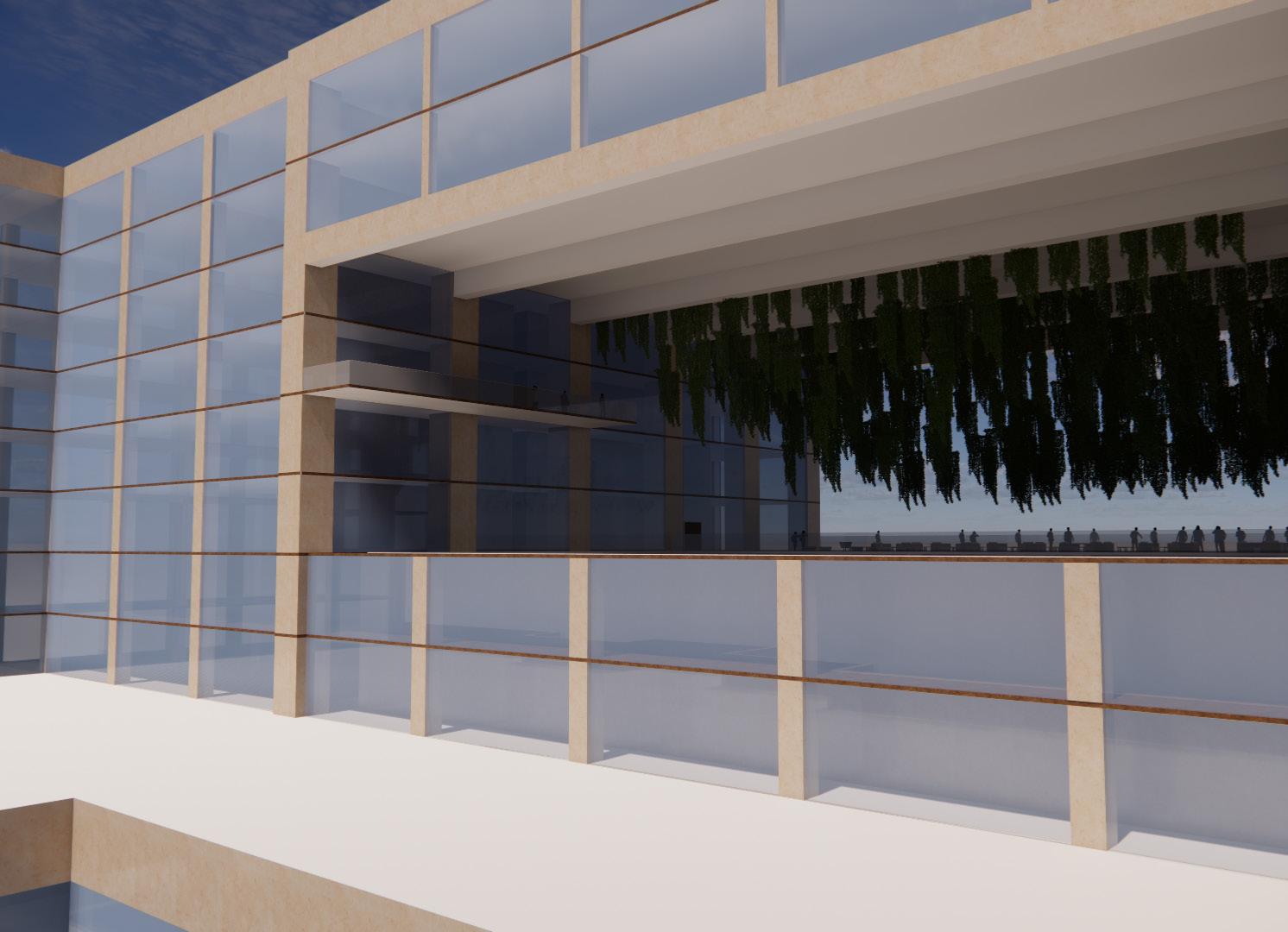
Above picture: Rear view of the building showing void
Above picture: Rear view of the building during late afternoon
04 AMAN HOUSE - WEEKEND GETAWAY HOME
PLOT AREA - 0.1 ACRES (450 sq.m)
The site is loacted in thiruvanmiyur, 200m away form the beach. The house is designed for 3 people, they come here for weekend from thier stressfull week. The couple loves painting so art room was provided.
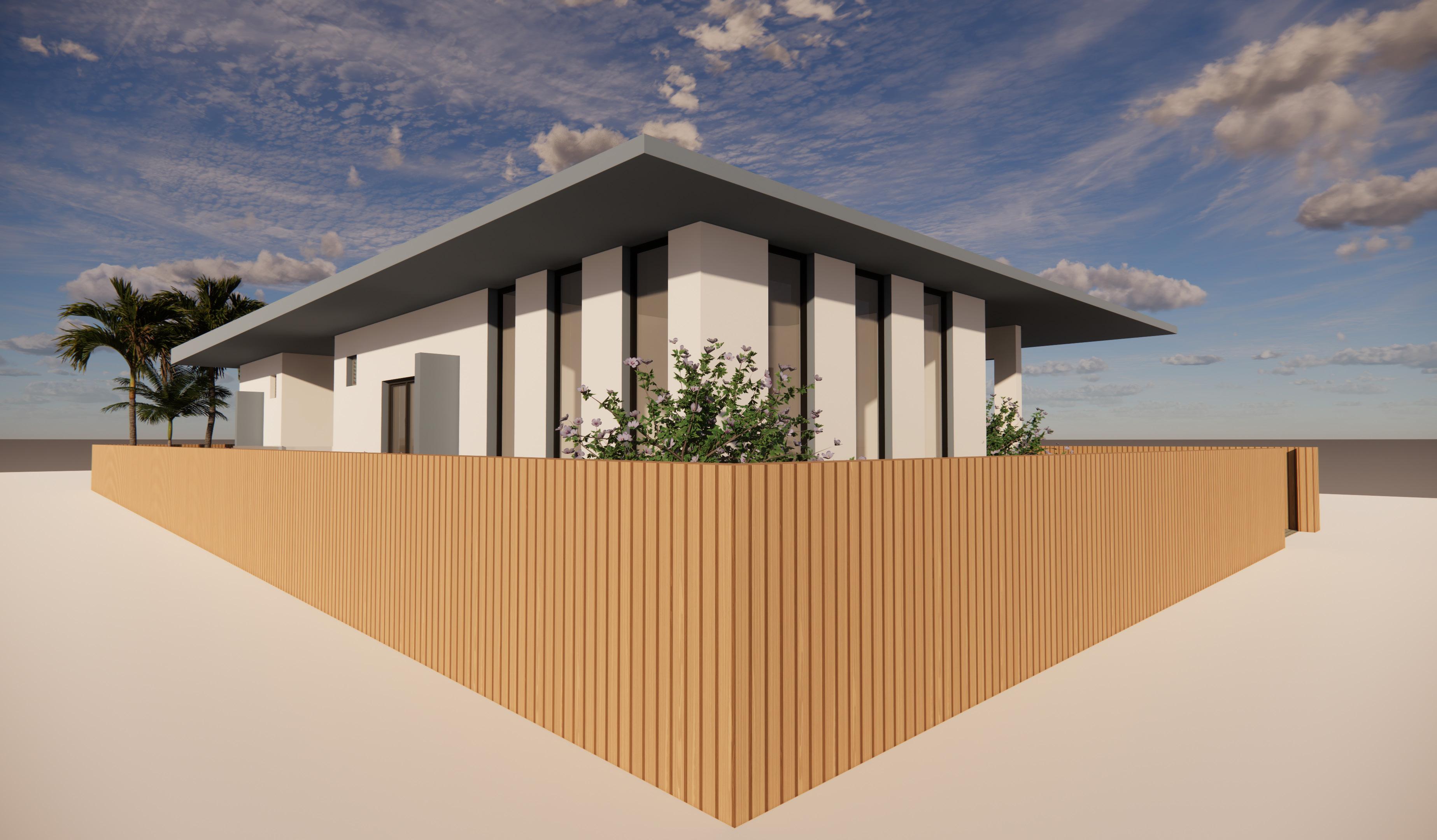
Above picture: Isometry view showing full length window for daylighting in art room
PLANNING - All spaces were oriented towards beach (east). Has a open kitchen with dining. viewing deck is open to sky with beach view. Art room is quite larger than other spaces in house.
CLIMATE
RESPONSIVE - Located in hot and humid climate where humidity is very high due to beach (east). Roof slab was extended for shading car park and windows.
USAGE OF LIGHT AND SHAD-
OW - The contrast of white painted walls with light slate grey painted roof blends well with the sky.
MATERIALS
- Brick walls - Rcc frame structure

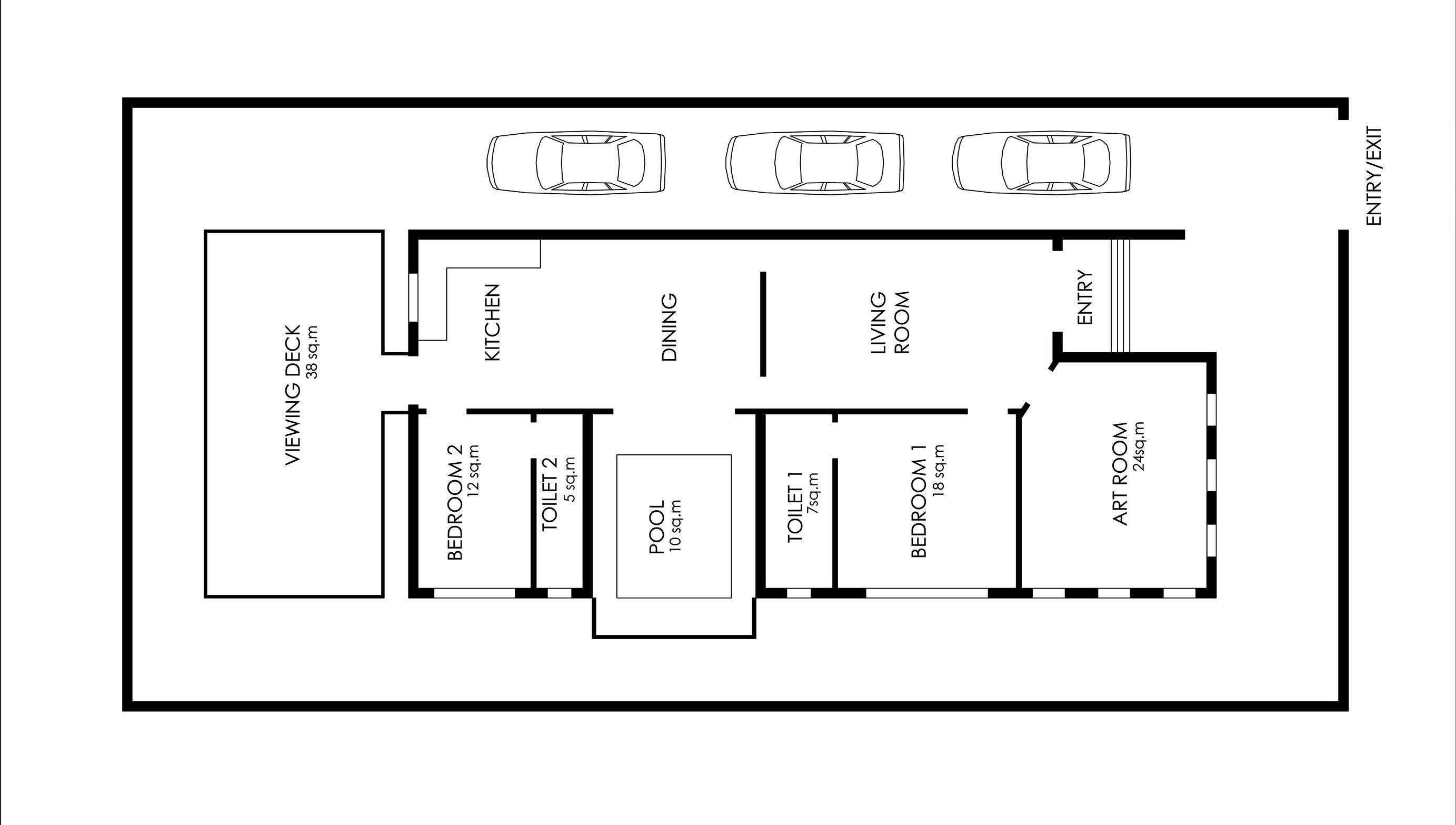
GROUND FLOOR PLAN WITH SITE
SCALE - 1:100
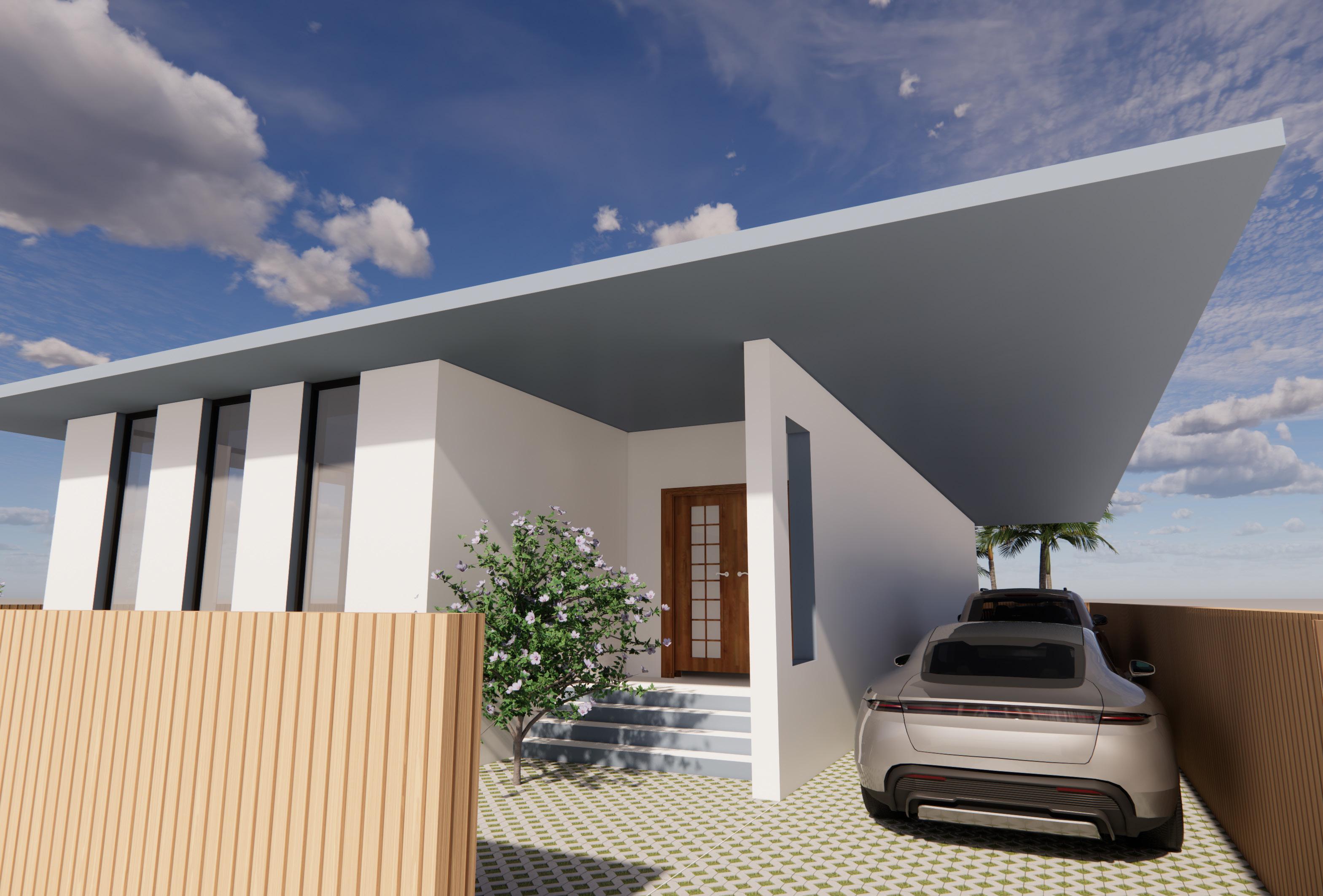 Above picture: Entry gate to house
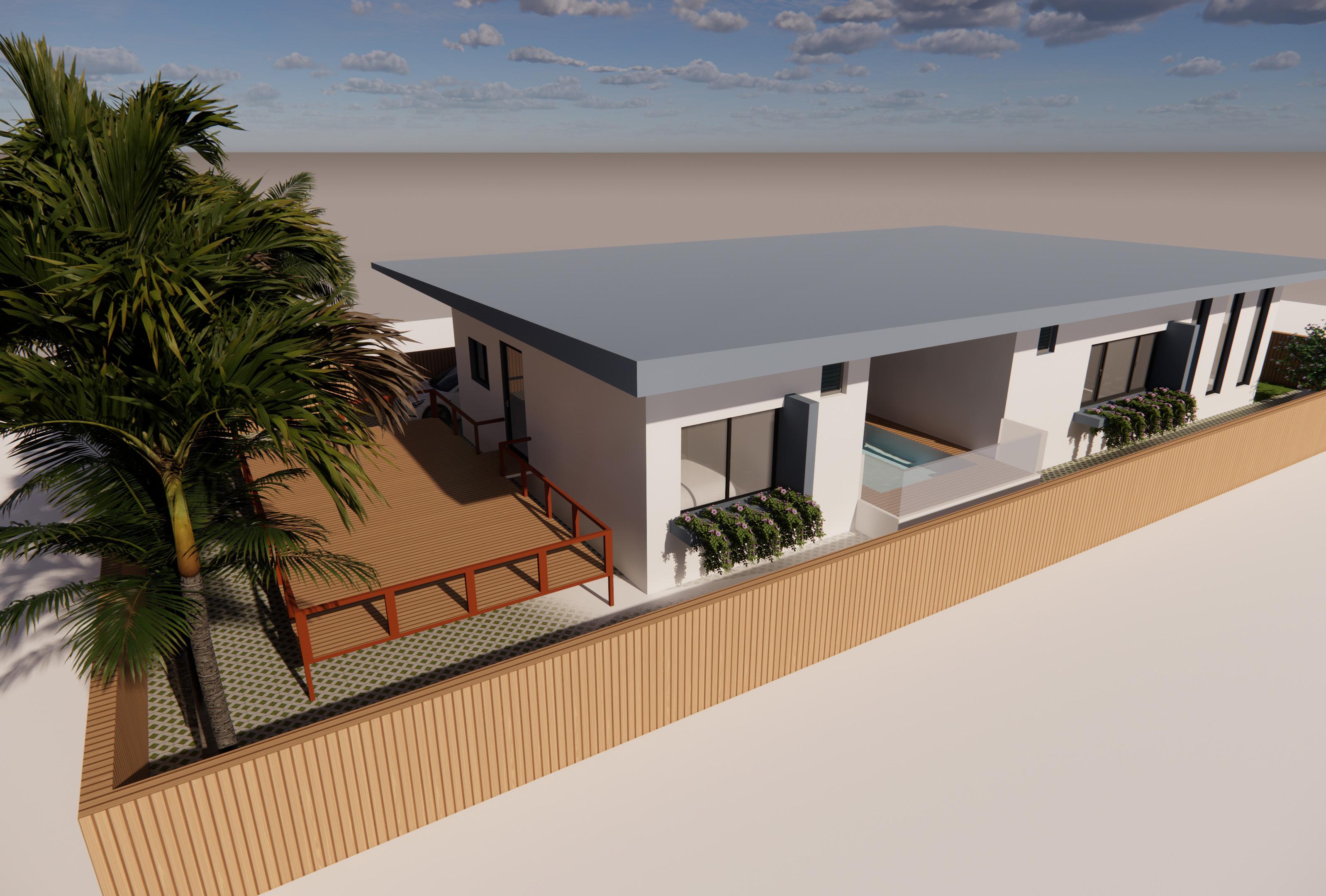 Above picture: Isometry view
ABSTRACT
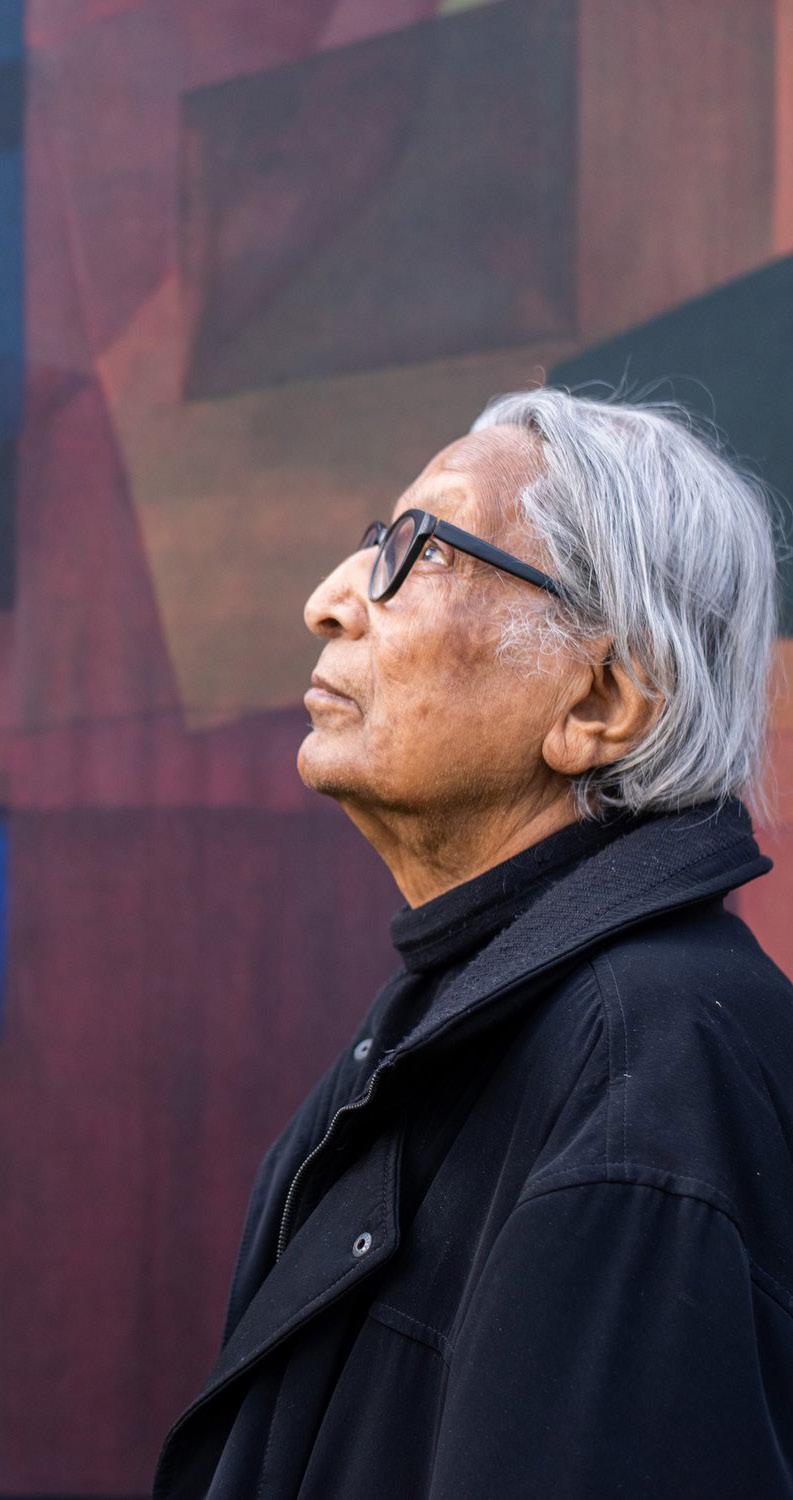
Doshi was born in Pune, India, in 1927. In order to continue his studies at RIBA, London, he dropped out of his fourth year of a B.Arch. Later, he went to work for Le Corbuiser in Paris, where he spent about seven years before opening his own practice in Ahmedabad in 1957. Two other significant figures in his life were the cotton mill owner Lalbhai Kasturbhai and the physicist Vikram Sarabhai. In addition to the Pritzker Prize, he received the Aga Khan Award, the Royal Gold Medal, the Padma Bhusan, the Padma Vibhusan, and the Padma Shri. In Ahmedabad, B V Doshi passed away in January 2023. His projects bear his personal imprints.
This research talks about the evolution of B V Doshi’s works through the medium of institution from 1957-1997. This research also seeks to examine Doshi’s Philosophy, Design Principles, Innovative approaches in his institutional works.
This research is based on comparing the parameters of 5 case studies of institution typology.
The objective of this study is to learn how Doshi’s ideology changed from his 5 projects namely Institute of Indology, CEPT, Ghandhi labour institute, IIM Bangalore, NIFT Delhi.
05 DISSERTATION
INSTITUTION
- EVOLUTION OF B V DOSHI WORKS :
CONCLUSION
B V Doshi have got his early learning from Le Corbuiser and when he started his own practice he had principles of modernism in mind and we can also see that in his initial works like institute of Indology and kantilal banker house. After few years he started ‘experiencing’ and ‘observing’ the building he did was ‘out of milieu’ it looks like foreign building said by people, he started fusing tradition, culture, custom, economic realities, social and philosophy of people. He used old ancient examples for his concepts and also personally learnt it (Adalaj Ni vav(stepwell), Fatehpur Sikri, Mohallas, Upashrayas, Madurai temple).
The evolution of B V Doshi’s institutions, initially he used concrete/rcc in his recent project but then after a time he started using locally available materials. As the time passed the scale of projects also increased from institute of Indology to IIM, Bangalore. Using ancient principles with modernism in mind. We can notice the style of B V Doshi which he maintained in his institution designs like - in between spaces, unexpected/coincidental meeting spaces, shaded corridors, play of light and shadow, courtyards, using limited materials & many more. The land on which B V Doshi designs that land itself forms zoning for planning buildings. Till IIM, Bangalore B V Doshi’s designs had a freedom in it.
‘Im not an architect, for me it is a search. The search for the unknown which I have not known, neither I know how it will manifest’ B V Doshi is trying to tell that he always takes a project which he have not done before and tries to do it in a different way. Always tried to resemble his buildings form with the concept he used and pours life in it. Passive cooling techniques were applied in his all projects and specially in Ahmedabad where the climate is hot and arid. B V Doshi tried to use different structures in his projects, from his influence of modernism. The symphony of colours and materials on facade blends well with the sky and vegetation. B V Doshi creates a soft light which makes people face’s glow, the light entering from skylights falls on intentionally made inclined ceiling so bounced off light enters the space. Landscape was used as a climatic barrier.
But while designing NIFT, New Delhi he had lot of requirements and had to design according to the context and the function of the college. B V Doshi had to compensate a lot on ventilation for aesthetic purpose. So the charm of B V Doshi’s design was missing according to me in NIFT project. As the time changed B V Doshi’s design changed according to the changing style of India. It is difficult to give these statements unless and until B V Doshi himself tell about these statements. Lastly, no one can replace Ar. Balkrishna Vithaldas Doshi !
HATIM A 8754583452 hatimnalawala24@gmail.com
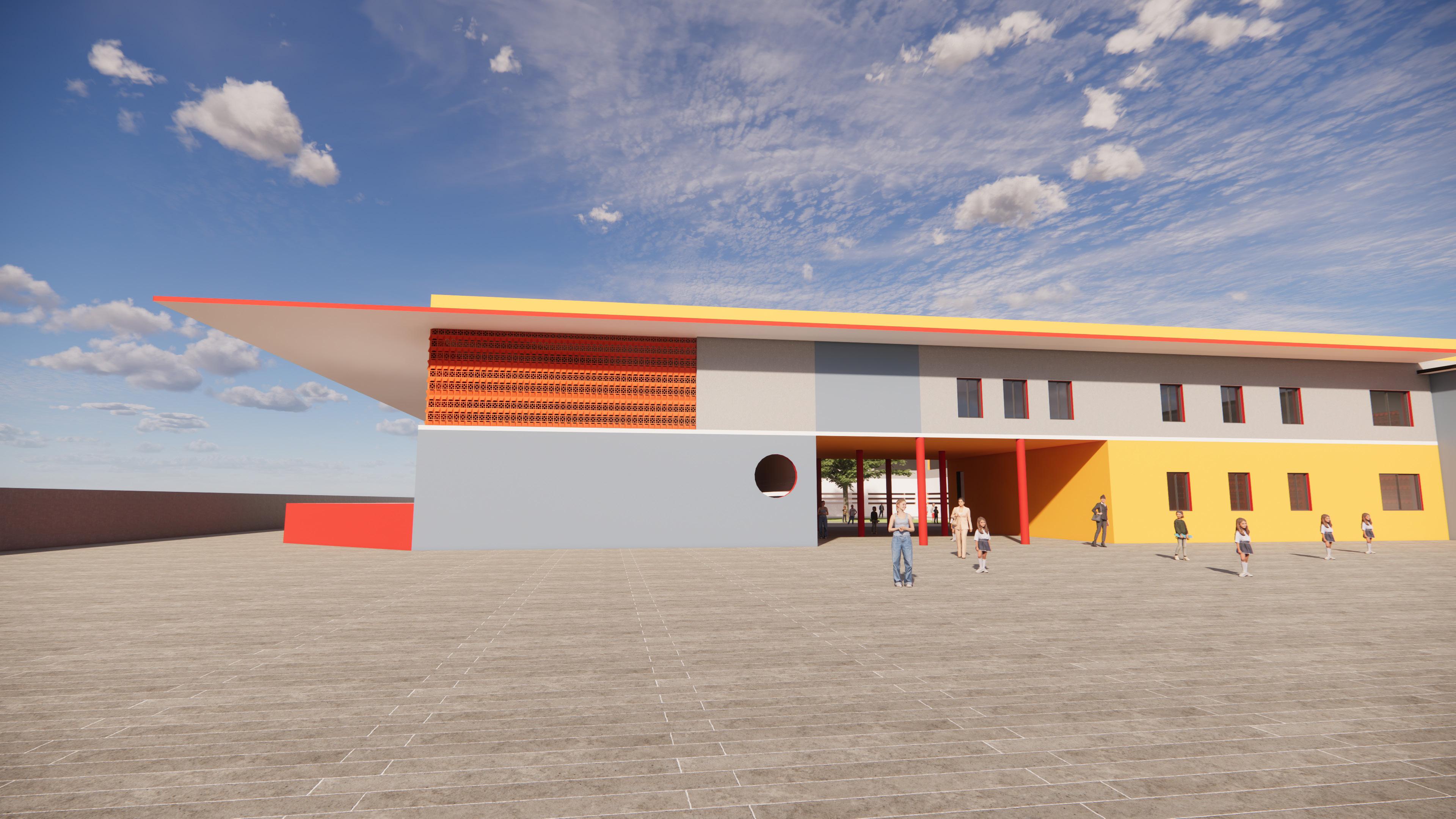 Above picture: Front elevation is seen along with extended roof slab for shading
PLOT AREA - 2.7 ACRES
Above picture: Front elevation is seen along with extended roof slab for shading
PLOT AREA - 2.7 ACRES
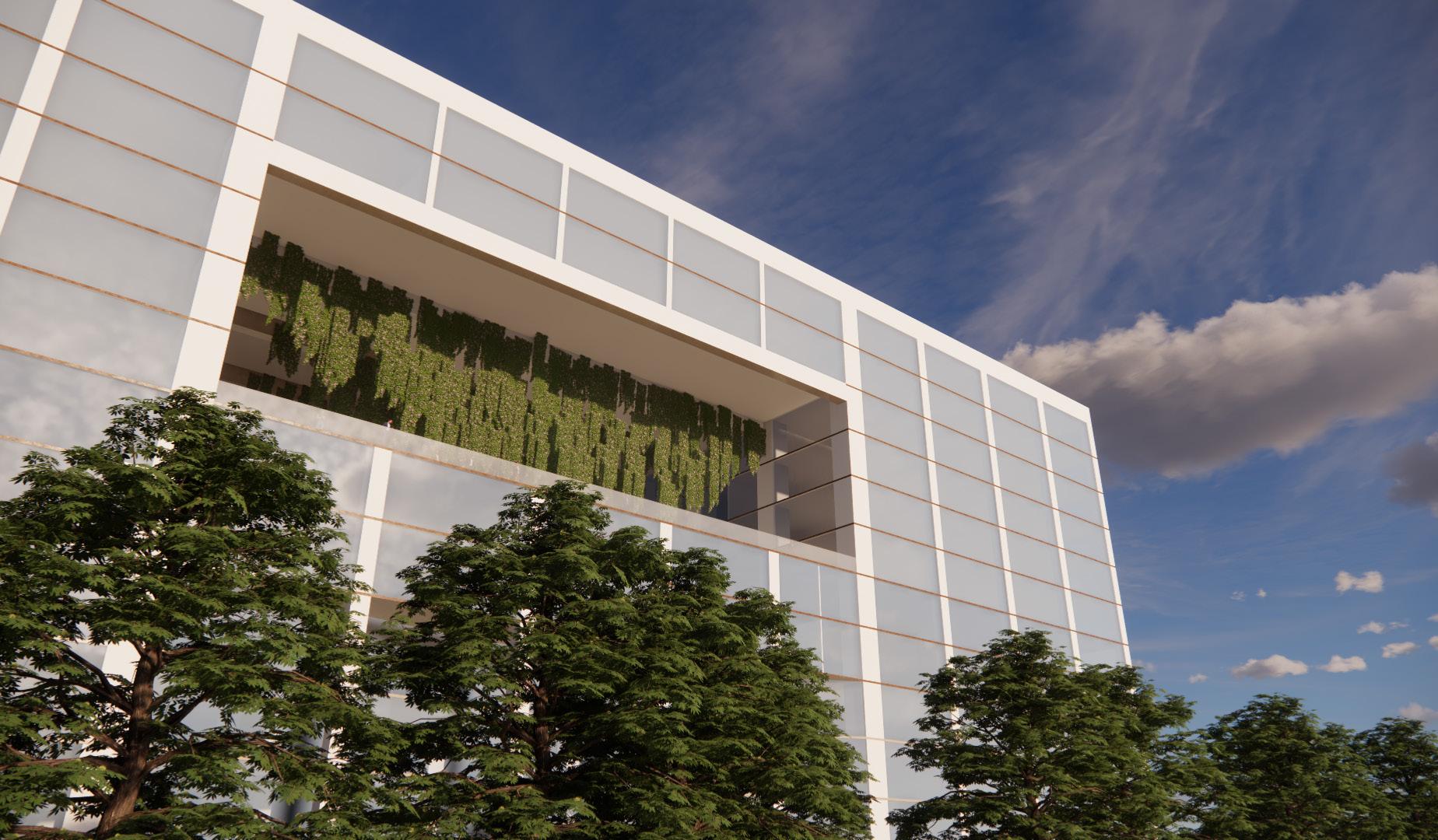 Above picture: Showing the void in centre of the building