POST
THE UPPER SCHOOL STUDENT NEWSPAPER OF THE HARKER SCHOOL

“We made history today”
Over
100
students walk out against immigration crackdown
staying on campus to avoid disciplinary consequences.
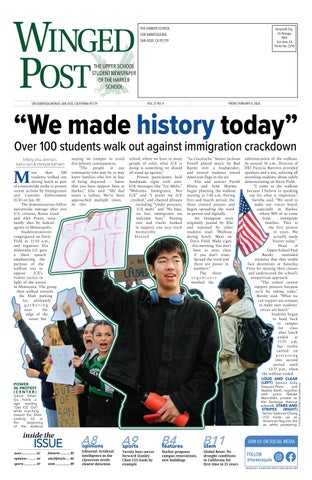
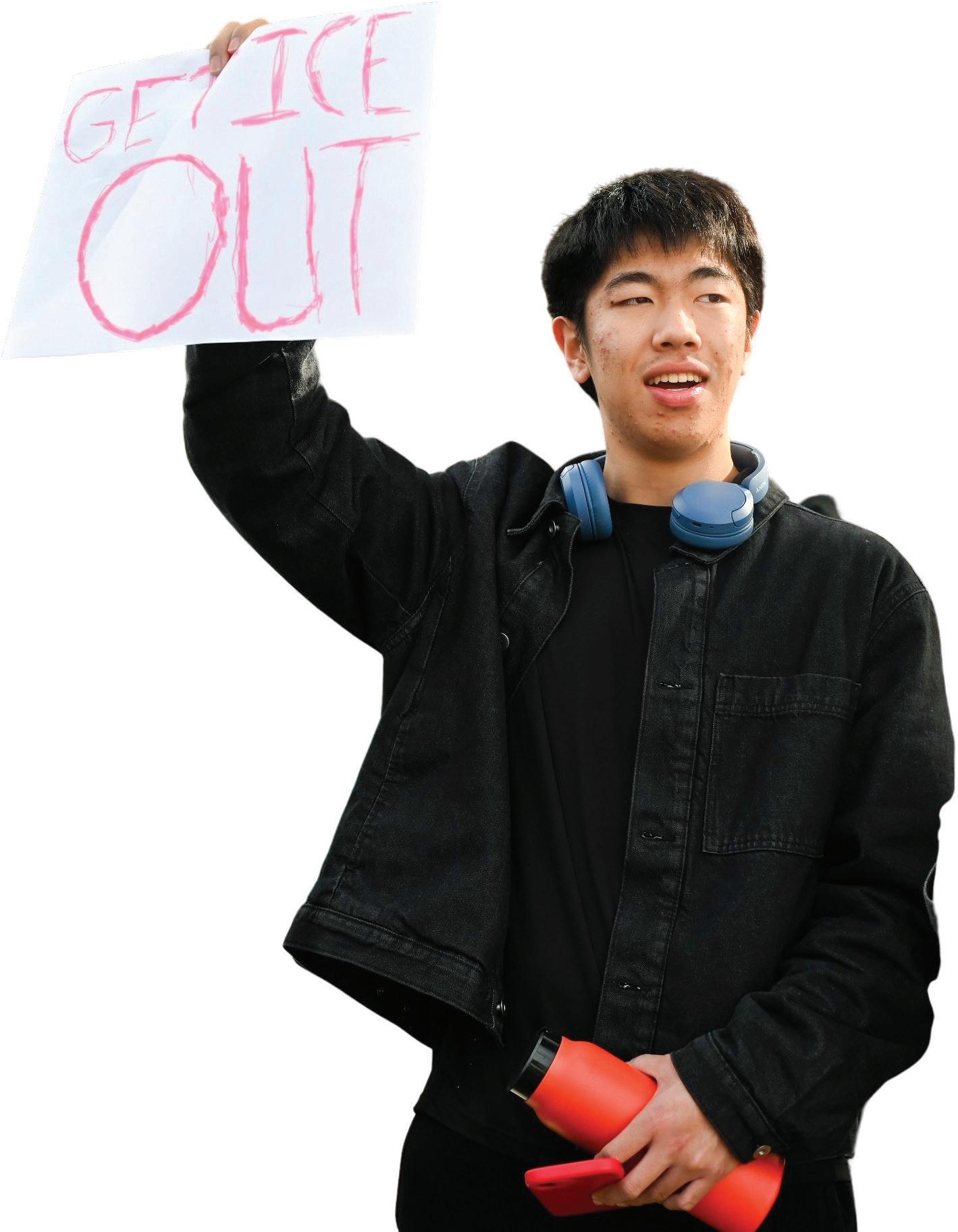
More than 100 students walked out during lunch as part of a nationwide strike to protest recent actions by Immigration and Customs Enforcement (ICE) on Jan. 30. The demonstrations follow nationwide outrage after two U.S. citizens, Renee Good and Alex Pretti, were fatally shot by federal agents in Minneapolis.
Student protestors congregated on Davis Field at 11:10 a.m., and organizer Elie Ahluwalia (12) gave a short speech emphasizing the purpose of the
“The people in our community who may be or may know families who live in fear of being deported — know that you have support here at Harker,” Elie said. “My dad wears a turban. We’ve been approached multiple times. At this
school, where we have so many people of color, what ICE is doing is something we should all stand up against.”
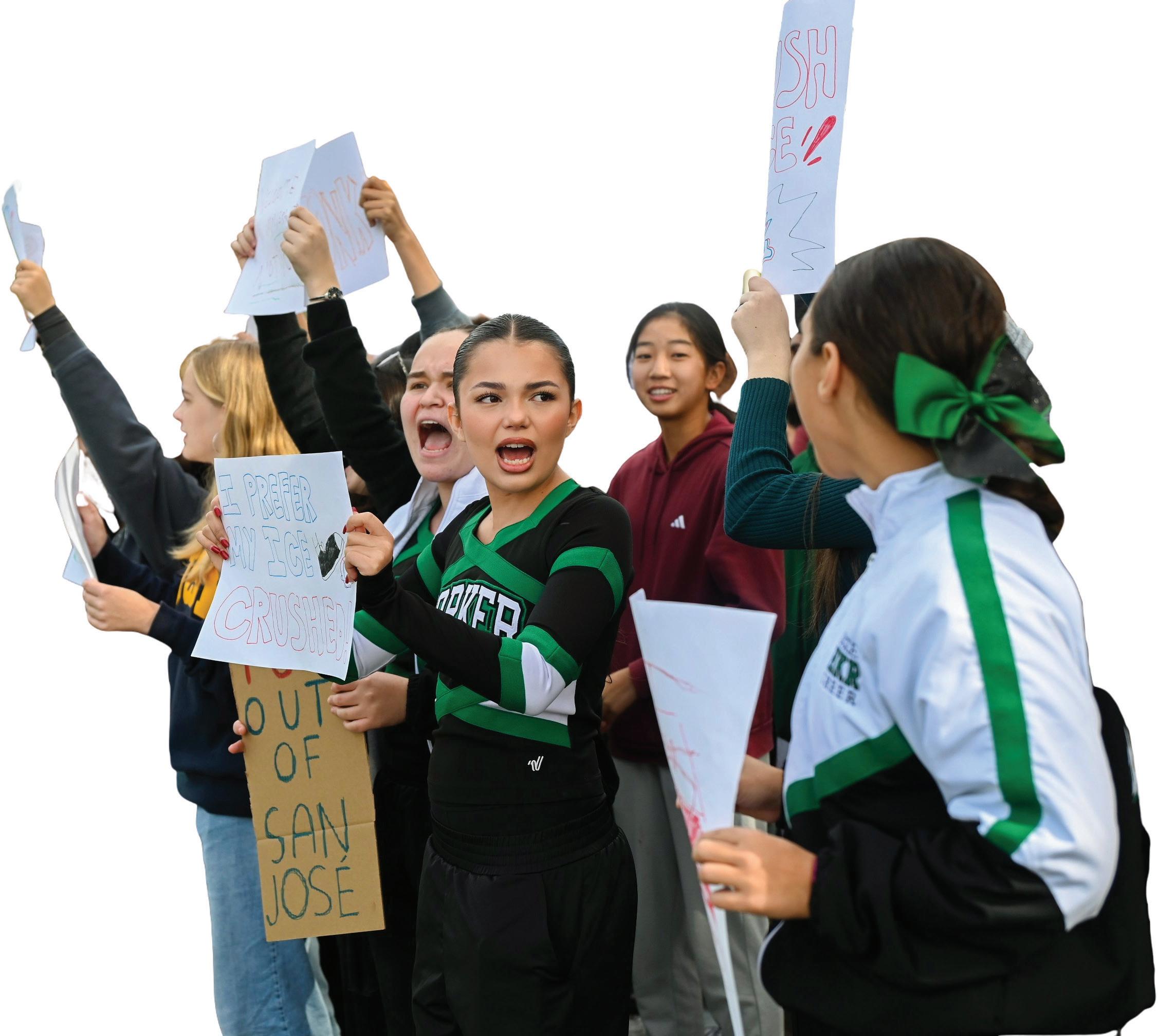
Protest participants held handmade signs with antiICE messages like “Ice Melts,” “Welcome Immigrants, Not ICE” and “I prefer my ICE crushed,” and chanted phrases including “Under pressure, ICE melts” and “No hate,
“La Cucaracha.” Senior Jackson Powell played music by Bad Bunny over a loudspeaker, and several students waved American flags in the air.
Elie and seniors Pavith Khara and Syna Sharma began planning the walkout

administration of the walkout. At around 10 a.m., Director of DEI Patricia Burrows provided speakers and a mic, advising all attending students about safely demonstrating on Davis Field. “I came to the walkout because I believe in speaking out for what is important,” Savitha said. “We need to make our voices heard, especially in Harker, where 90% of us come from immigrant families. This is the first protest in years. We actually made history today.” Head of Upper School Paul Barsky reminded students that they would face detentions or Saturday Fives for missing their classes and underscored the school’s nonpartisan approach.
“The school cannot support protests because we’d be taking sides,” Barsky said. “What we can support are avenues to make sure students’ voices are heard.” Students began to head back to campus for class after lunch ended at 11:55 a.m, but twelve carried on protesting into second period until 12:17 p.m., when the walkout ended.


tiffany zhu, emma li, kairui sun & shreyas karnam
LOUD AND CLEAR Seniors Sofia Vasquez-Perez and Natalie Barth, together with junior Natalie Warmdahl, protest on the Saratoga Avenue
sidewalk. STARS AND STRIPES (RIGHT)
Senior Spencer Chang (12) holds up an American flag into the air while protesting.

Alex Pretti killed by 2 federal officers
A Border Patrol and Customs and Border Protection Officer fatally shot Alex Pretti, a 37-year-old intensive care unit nurse and U.S. citizen, in Minneapolis during an immigration enforcement operation on Jan. 24. Agents disarmed him after discovering he was carrying a handgun before opening fire. The incident remains under investigation.
Nigeria faces ‘Catastrophic’ Hunger Crisis
The World Food Program warned that more than one million people in northeastern Nigeria could lose emergency food aid within weeks as funding was fully exhausted on Jan. 22, 2026. The agency said it will cut assistance from 1.3 million people last year to just 72,000 in February. Renewed violence, mass displacement and recent cuts to international aid push Nigeria toward what the U.N. calls a catastrophic hunger crisis affecting up to 35 million people in 2026.
Tiananmen vigil organizers on trial
Authorities in Hong Kong confirmed that Chow Hangtung and Lee Cheuk-yan, two former leaders of the Hong Kong Alliance, will stand trial this week on charges of incitement to subversion under a national security law imposed by China on Jan. 20. The case concerns the group’s longrunning organization of annual vigils commemorating the 1989 Tiananmen Square protests and incidents, with charges originally filed in Sept. 2021.
India wins T20 series opener
India defeated New Zealand by 48 runs in the first match of their five-game cricket Twenty20 series in Nagpur, India on Jan. 21. Abhishek Sharma led the way with 84 runs off 35 balls to help his team post a total of 238 runs for the loss of 7 wickets. New Zealand managed 190 runs for 7 wickets, with Glenn Phillips contributing 78. Both teams prepare for the T20 World Cup starting Feb. 7 in India and Sri Lanka.
Death toll in Karachi Plaza Fire rises to 79
Officials in Karachi, Pakistan announced that the death toll from a fire at a shopping plaza climbed to 79 after rescuers recovered more remains from the damaged building on Jan. 22. Search efforts are still ongoing as authorities investigate the cause, which police say may have been triggered by a short circuit and fueled by the goods in stores.
Community serves ‘a day on’
Over 200 Harker students, parents and staff volunteered at the annual Day of Service, assembling care packages and sorting food at the upper school campus and Second Harvest Food Bank on Jan. 19.
Hosted annually by the Diversity, Equity and Inclusion and Community Service Offices, the Day of Service honored Martin Luther King Jr.’s legacy by encouraging volunteering and reflection across the Harker community on a day off from classes.
“This isn’t a day off, but a day on,” English teacher Susanne Salhab said. “It’s about how we can continue Dr. King’s legacy and the ways we can think of our community as not just an academic one. We can work together to hopefully make the lives of everybody better — people close to us and far away from us.”
Volunteers on the upper school campus worked at seven stations: writing letters for veterans and seniors, decorating lunch bags and grocery bags, creating pet toys for animal shelters and

assembling hygiene kits, community care kits and personal protective equipment kits. Volunteer Charles Smith (11) particularly enjoyed decorating grocery bags for the unhoused and reflected on his motivation for helping with the day’s activities.
“The event helps build a lot of community, especially because it’s open to all campuses and all age groups,” Charles said. “This also helps a lot of people and organizations — ones that are close to Harker and the ones that are really efficient. I volunteered here last year, and I thought it was a really good experience, so I decided to come back again this year.”
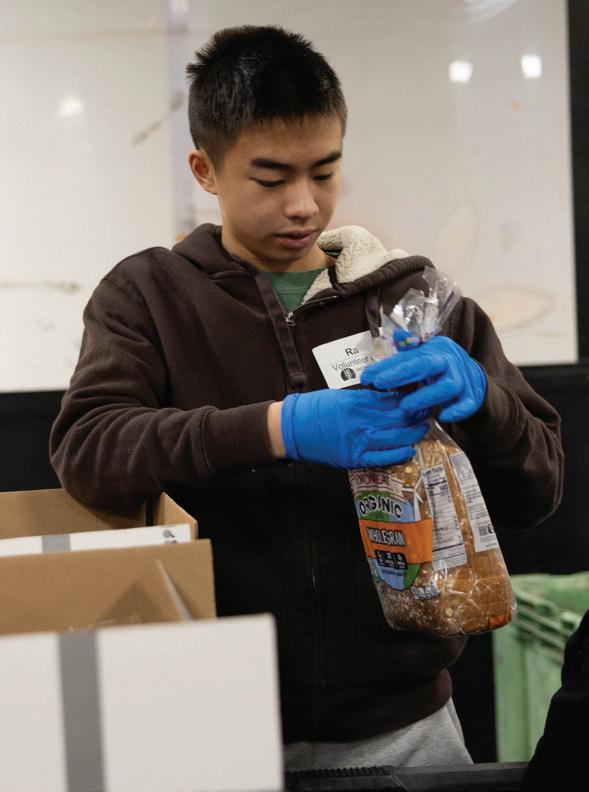
Off campus, 20 Harker students and parents volunteered at Second Harvest in morning and afternoon shifts, packaging bread and oranges into hundreds of boxes that will be distributed to families in need. A local food bank, Second Harvest
collects and distributes surplus unused food to fight hunger in the Bay Area.
Before the COVID-19 pandemic, Second Harvest distributed food to around 250,000 clients in Santa Clara and San Mateo County.
However, that number has doubled to half a million in recent years, reflecting the Bay Area’s growing insecurity around food.
Frosh Bartu Milci , who volunteered at Second Harvest Food Bank noted that participating in service projects helps students think beyond their own experiences.
“It’s really wholesome to give back to the community, especially to people who don’t have food or access to resources,” Bartu said. “We all live in the Harker bubble, so it’s nice to see that we can
provide aid for some people who don’t actually have the same privilege that we’ve had growing up.”
Harker’s recognition of MLK’s legacy continued during the MLK Evening Celebration, which featured keynote speaker and historian Walter Greason and musical guest Kev Choice.

MLK Evening Celebration promotes activism
shreyas karnam & kanav gupta
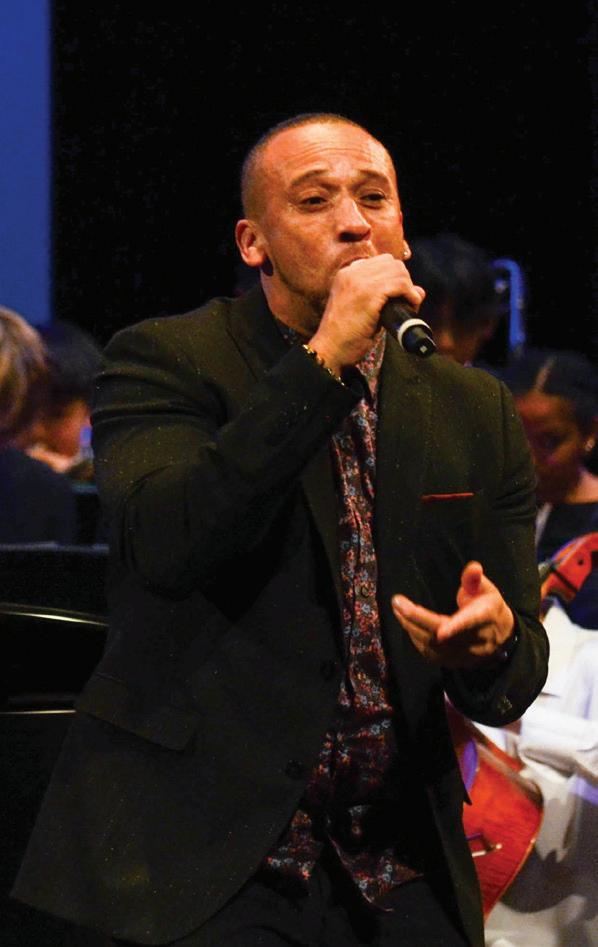
Composer Kev Choice led Harker’s instrumental groups and historian Walter Greason delivered a keynote address at the Martin Luther King Jr. Evening Celebration on Jan. 23 in the Patil Theater.
Choice, an Oaklandbased pianist, composer, producer and emcee, joined the Orchestra and Jazz Band to showcase two of his original works. He performed one piece as the featured pianist and another as a hiphop vocalist, with both works accompanied by the full Harker ensemble.
Dr. Greason, a history professor at Macalester College and scholar of hip-hop, civil rights and Afrofuturism, opened his address by connecting the work of Dr. King to the Minnesota communities’ support against the recent killing of Renee Good in Minneapolis.
He lauded Dr. King for always looking to help others even when his life was in danger.
Go over the extra mile for yourself, for each

“The night before he was shot, Dr. King said, ‘I’ve been to the promised land, I’ve seen it, I may not get there with you,’” Dr. Greason said. “There is a level of prophecy and determination to stand up after already facing multiple attempts on your life, and to say, ‘I will still walk this path, no matter what happens.’ How many of us can have that moment where we see our death and say, ‘I’m not going to change anything?’”
Dr. Greason also reflected on the 1950 sit-in at the segregated Mary’s Cafe, one of the first known times Dr. King used nonviolent tactics to show civil disobedience. He used the story to remind attendees to stand up and fight when they’re unsatisfied with the status quo.

“Go the extra mile — this is what Dr. King did at Mary’s Cafe,” Dr. Greason said. “He said, ‘I’m coming back again.’ His success in doing that built the movement that led to the Civil Rights Act and the Voting Rights Act. It made it possible for all of us to be here in this room tonight.”
VALUING VETERANS Attendee Isabel Yang (10) writes cards to veterans. Volunteers used stamps, colorful pens and vibrant paper to thoughtfully show their gratitude and appreciation.
YOUR CHOICES Composer Kev Choice performs a spoken verse.
liana barooah, charlene li, shreyas karnam & johanna byun
dyuthi vallamsetty & liana barooah
“I HAVE A DREAM” Activist Martin Luther King Jr. gives his speech.
BREAD FOR ALL Attendee Rafa deGomas (9) packs bread loaves.
LIANA BAROOAH COURTESY OF WIKIMEDIA
GREASON REASON Historian Walter Greason gives a speech.
Trump upends U.S. foreign policy

Under President Donald Trump’s administration, the U.S. adopted a markedly confrontational foreign policy, expanding military operations in Venezuela and issuing unprecedented threats toward allied territory like Greenland throughout January.
These moves signal a break from long-established diplomatic norms and a shift toward a more unilateral, force-driven approach on the world stage.
Since August 2025, the U.S. has increased its military presence in the southern Caribbean, deploying warships, military personnel and support aircraft to regional bases. Beginning in September, the military also began striking alleged drug-trafficking vessels in the Caribbean as part of an anti-narcoterrorism operation.
These actions sparked bipartisan concern regarding the legality of killing civilians of foreign nations without due process.
Trump has long linked Venezuelan President Nicolás
Sophomores explore path to college in LIFE road trip
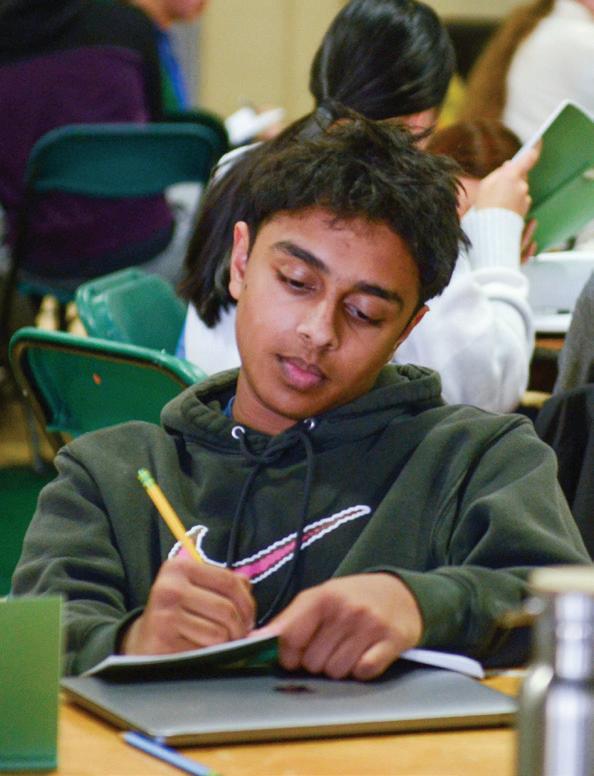
talk offered him valuable insight about finding the college that best caters to his interests.
“The LIFE session addressed my concerns about the college admissions process,” Avi said. “I also learned a lot about how to choose the right college for myself, and that college is going to be a fun experience.”
Horan framed the college admissions journey as a road trip, emphasizing that students should take ownership of the process. She highlighted two main keys to the journey: knowing yourself and organizing yourself.
Sophomores attended their second and last LIFE session of the school year, titled “Your College Counseling Road Trip,” led by Assistant Upper School Division Head Kelly Horan on Jan. 29 in the Auxiliary Gym.
The meeting introduced students to the college counseling process while encouraging reflection, self-awareness and intentional planning before applications begin. Attendee Avi Gupta (10) explained how the
Rather than focusing on the nominal value of a college, Horan encouraged students to think about what they value in their learning environment and how those values should guide future decisions. Attendee Anusha Saha (10) noted how Horan’s advice will help her shape her own path to college.
“The college application process can be very hard to figure out,” Anusha said. “The session gave me instructions on what I should start thinking about when I’m going to college and what I should look for besides just what I need to do to get into this specific college.”
military bases and air-defense systems. Simultaneously, in what was presented as a lawenforcement operation to bring the couple before U.S. courts, the U.S. Army’s Delta Force special operations unit captured Maduro and Flores at their compound in the capital, Caracas.
“The Maduro ‘snatch and grab’ seems like an opportunity that Trump seized for an easy win,” Honors Modern International Affairs teacher Matt McCorkle said. “There is some precedent in the PanamaNoriega case, where we have prosecuted foreign nationals for violations of U.S. law. Support for Maduro, mostly among our political rivals who viewed him as a legitimate leader, is much stronger than in that case. However, we’ve seen significantly more international pushback, perhaps due to Trump’s willingness to speak positively about American territorial expansion.”
Maduro and his wife, First Lady Cilia Flores, to drug trafficking into the U.S. During Trump’s first term, the Justice Department indicted Maduro on charges of conspiring with Colombian guerrilla groups to import cocaine.
In July 2025, the Trump administration designated the Cartel of the Suns, a Venezuelan drug syndicate alleged to be led by Maduro, as a Foreign Terrorist Organization.
In the early hours of Jan. 3, more than 150 U.S. aircrafts launched airstrikes against infrastructure targets like
“The Maduro ‘snatch and grab’ seems like an opportunity that Trump seized for an easy win.

MATT MCCORKLE HISTORY AND SOCIAL SCIENCE TEACHER
Compared to previous administrations, Trump primarily focused on restoring democratic processes in
Venezuela rather than putting an end to the decades-long repression in the country.
This is despite the disputed 2024 presidential election, in which Maduro was officially declared the winner of another six-year term. The results were widely viewed as manipulated, and verified vote counts showed that the opposition candidate, Edmundo González, had won instead.
“A very important thing to consider is that the U.S.’s intervention in Venezuela is not unprecedented at all,” junior Dhanya Ramanan said. “America has a long history of engaging in this kind of behavior, especially in South America. The bigger concern is the state of U.S. foreign relations in general. At the moment, the country is operating like a bull in a china shop. That is not how foreign policy should be conducted.”
Instead, Trump has pivoted toward engaging with Maduro’s successor, Delcy Rodríguez, and the broader socialist leadership, seeking to extract economic value from Venezuela’s vast but dormant oil infrastructure.
“If you’re one of those American oil companies investing heavily in infrastructure in Venezuela, and years later, the Trump administration is gone, the Venezuelan government might once again renationalize it,” McCorkle said. “If I were a shareholder in an oil company announcing major capital expenditures in Venezuela, I would be very concerned about the longevity of those investments.”
Upperclassmen reunite with Eagle Buddies
Seniors and juniors reconnected with their Eagle Buddies on Jan. 29. Seniors watched the fifth grade musical “Dig It!” at the lower school, and juniors participated in circus activities at the upper school.
“Dig It!” transported the audience through ancient civilizations, including Greece and Mesopotamia. For many seniors, like Tanvi Sivakumar (12), the show held significance because they had performed the same musical seven years ago.
“I was really excited to watch the fifth grade show because I have so many memories of performing it back in fifth grade and even performing it for my older Eagle Buddies back then,” Tanvi said. “It’s crazy to now be the senior eagle buddies, but watching the show was just so nostalgic, and I loved cheering on my buddies and getting to talk to them and congratulate them after.”
After the performance, the fifth graders joined their senior buddies in the gym to celebrate completing their first show.
Juniors and their fourth grade Eagle Buddies participated in circus activities with guidance
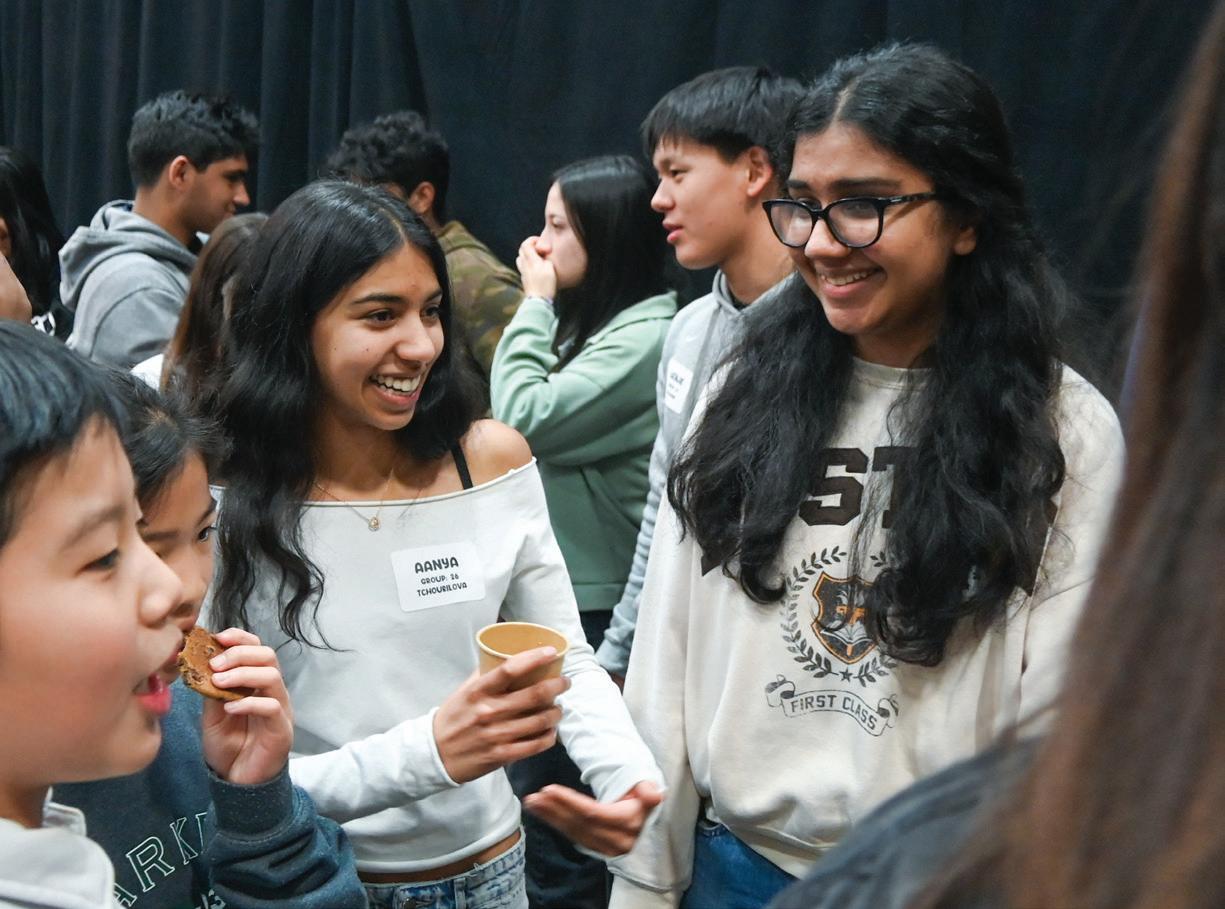
from professional members of the People’s Circus Theatre in the Zhang Gymnasium. Students rotated between scarf juggling, feather balancing and face painting.
“One of my Eagle Buddies was really looking forward to doing the feather balancing,” junior Aanya Sharma said. “He could balance it on his nose for 10 seconds, which was really impressive. We also all bonded over the fact that we couldn’t toss the scarves more than three times. It’s always fun meeting with my Eagle Buddies because
I get to learn about what they’re doing in elementary school and take our minds off of academics.”
Before trying the activities, juniors and fourth graders watched a circus performance with a contortionist, juggler, clown and chair-balancing act.
“This Eeagle Buddies event was good overall,” junior Nathaniel Idicula said. “During some of the previous Eagle Buddies, you could tell that the kids were a little bored sometimes, but they seemd to have a lot of fun with the activities the whole time.”
DARTS AT DEMOCRACY From Venezuela to Greenland, U.S. foreign policy under Trump has signaled aggressive maneuvers. These actions mark a break from long-standing diplomatic norms.
FUTURE FOCUS Sophomore Avi Gupta writes in his journal, reflecting on his plans for college.
SHARED SMILES Seniors Aanya Shah and Amishi Gupta laugh with their Eagle Buddies after watching the fifth grade show, “Dig It!”
aileen jang & saria lum
jonathan szeto & ashley mo
tiffany zhu & nathan yee
Notify anyway Social media builds community
kendra zhao
In middle school, a classmate repeatedly urged me to follow and message her friend on Instagram, insisting we would get along. To stop her incessant nagging, I finally obliged. What began as a casual follow quickly evolved into regular conversations and shared jokes, eventually forming a genuine friendship.
My experience reflects a larger shift in how we build community. The rise of platforms like Instagram, TikTok and Snapchat has redefined modern interaction, serving as a powerful force for improving human connection.
“Social media is incredibly useful for those who struggle with traditional faceto-face interactions.
”Most crucially, social media expands our social boundaries by introducing us to others with similar hobbies. Platforms like Discord and Reddit have forums where users bond over niche topics while keeping their private lives separate from their online interests. This ability to form communities around shared passions connects people who might otherwise never meet.
Social media serves as the essential glue for long-distance relationships, allowing people to maintain bonds when physical meetings are impossible. While simple texting is functional, social media platforms like Instagram and Facebook
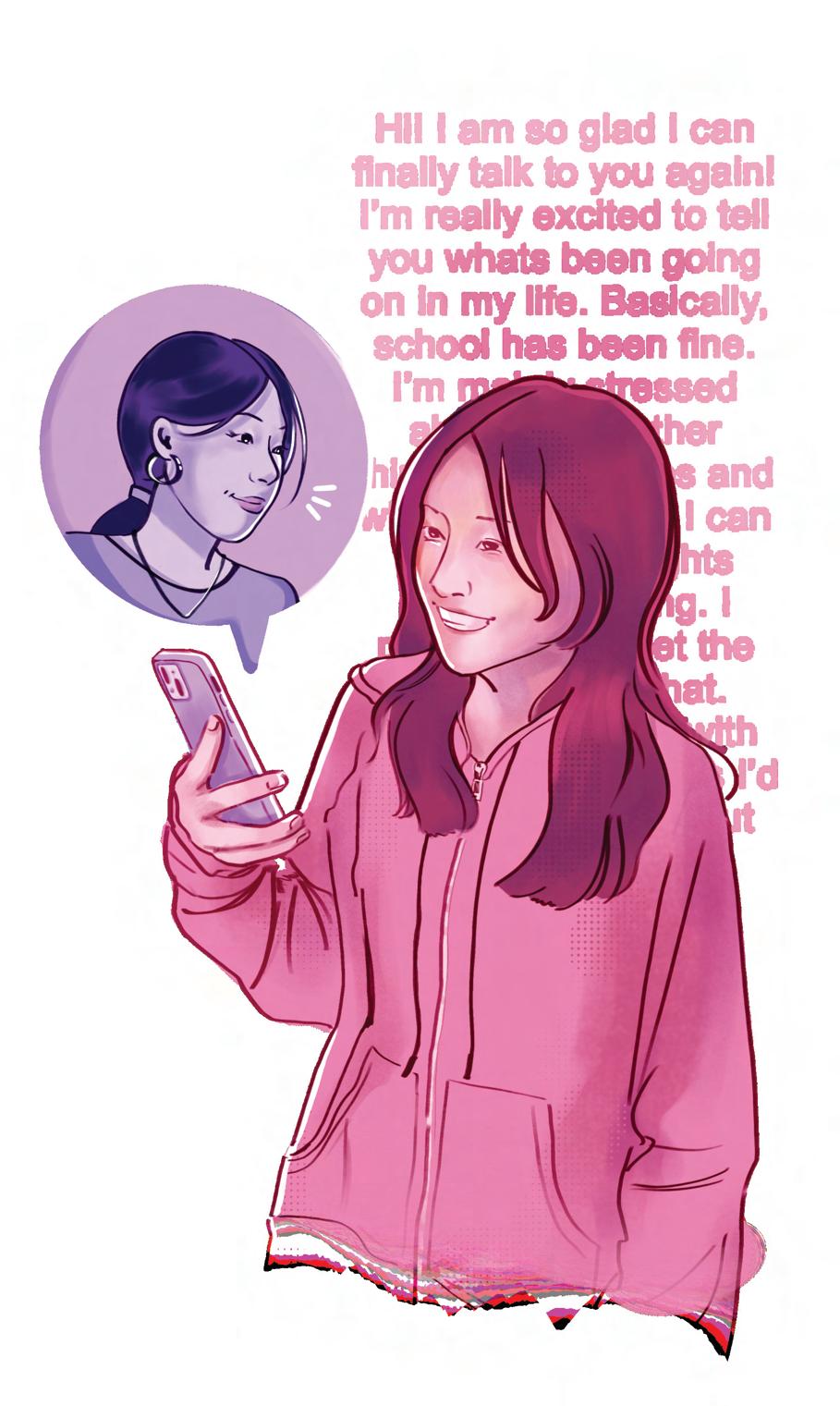
instant replies and helping build essential social confidence. The positive feedback from successful online conversations can help transition to less anxietyinducing in-person meetings, bridging the gap between digital and physical connection.
As our world becomes increasingly digital, social media serves as an important platform for social networks. By removing barriers of geographic distance, easing the pressure of face-toface interaction, and bridging the gap between niche interests and community, it reduces the feeling of isolation, and ensures that the opportunity for meaningful human connection remains constant and accessible.
Do not disturb
Social media can damage friendships
Habby cheng
ave you ever opened social media feeling fine, only to close the app feeling lonely or misunderstood? I have, and that is why I believe that relying on social media as the main way to communicate with current friends can actually do more harm than good.
Social media is often seen as the easiest way to stay in touch with friends, but when it replaces spending time together in person, it can weaken friendships. Apps like Instagram and iMessages make it easy to communicate, but the conversations on those platforms are often short and surface-level. Many people send mostly memes, reels or quick replies instead of having real conversations.
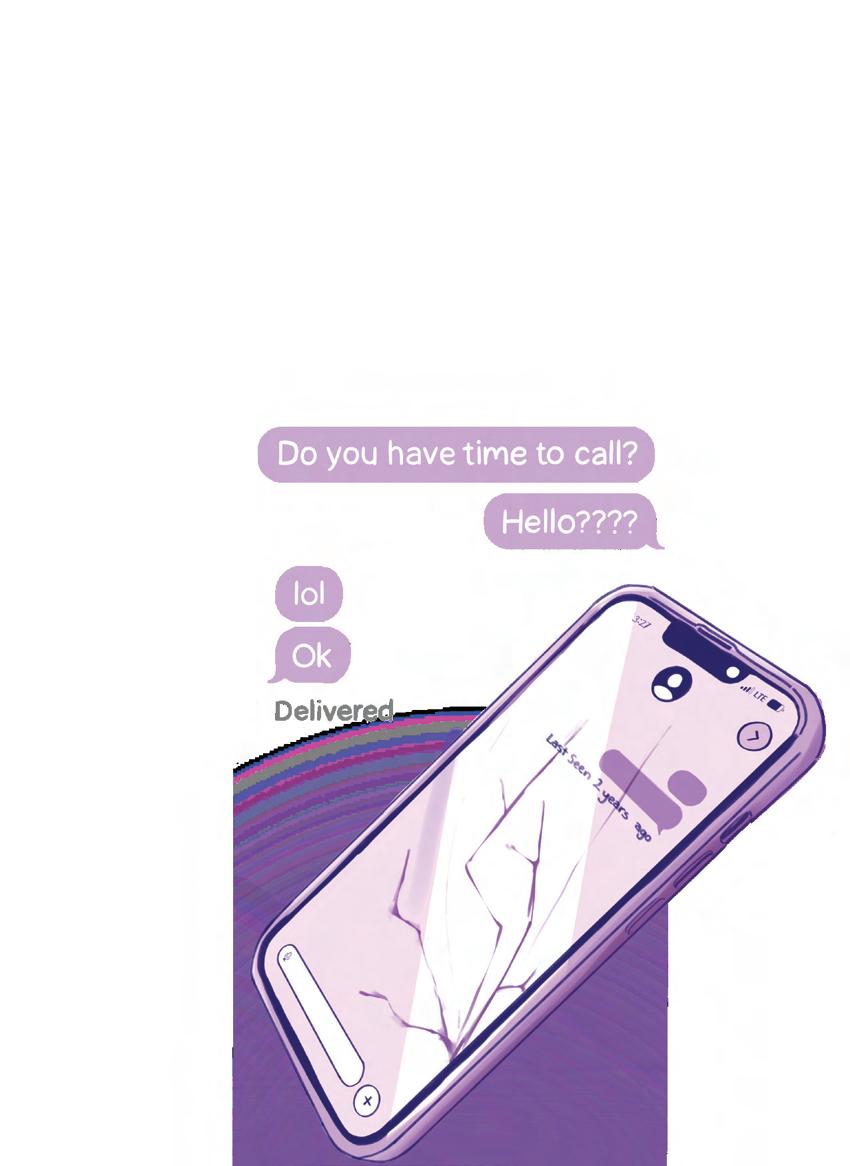
I have experienced this myself in a friendship that was mostly online. At first, we talked every day, but we rarely spent time together in person. Our conversations became repetitive and did not go very deep. For example, instead of having real conversations, we would just send reels or quick reactions like “lol” or “same.” Without shared experiences, the friendship
Another problem with relying on online communication is that it can hurt real-life social skills. When people talk faceto-face, they can see facial expressions and body language and hear the tone of voice. These things help people understand each other better. When friendships exist primarily online, people don’t practice these skills. As a result, they may struggle with inperson communication.
Miscommunication is also common through texting and social media because it is hard to convey tone through words alone, so jokes or sarcasm can easily be misinterpreted. While direct interactions rely on tone and body language to convey intent, digital messages are stripped of these cues, making a short text seem rude or hostile when it was not meant that way. In person, people can quickly explain what they mean, but online, small misunderstandings can grow into bigger problems as friends withdraw instead of asking for clarification. This can create unnecessary tension between friends who normally get along well.
In addition, social media can make conversations feel less real. Many people are careful about what they say online because posts and messages can be saved or shared. Even when talking to friends, people may stick to safe responses instead of being honest. This can make friendships feel distant and less trusting.
“Many people send mostly memes, reels or quick replies instead of having real conversations.
”
My closest friendships are with people I spend time with in person, such as friends I talk to at school or hang out with outside of class.
These moments help build trust and understanding between friends in a way that online communication can never fully replace.
Friday Five: Top tasty, convenient brands of instant ramen
Instant ramen is my go-to mainly because it is less memorable than the others. The packaging looks dated with muted colors, a simple design and minimal imagery. The broth leans sweet, but lacks a rich flavor, making other ramen more satisfying to eat. Compared to other brands, the noodles feel thin, lacking the bouncy texture that makes great ramen. After a bite, its taste fades.

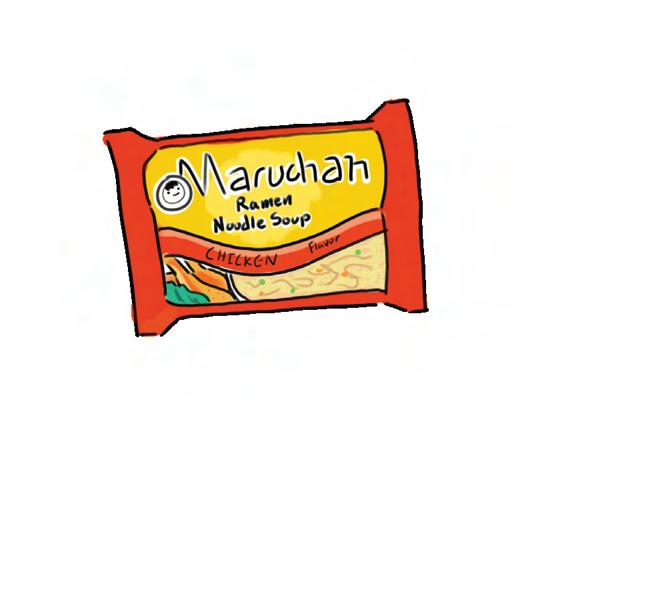
barely changed over the years. The soup is salty and straightforward, which can feel comforting but also a little one-note. The noodles are soft and thin, cooking very fast but sometimes getting mushy if you are not careful. While all instant ramen is convenient, Maruchan stands out for being especially cheap and easy to prepare, even compared to other brands, which explains why it remains such a staple.

Nongshim Tonkotsu Ramen
Premium Noodle Soup stands out for its almost restaurantquality feel. Sleek, minimal packaging immediately signals a step up from typical instant ramen. The broth is creamy with a rich porky depth, layered with flavor but never heavy. Unlike the other brands, this ramen doesn’t include a spicy sauce packet, making it approachable even for those who don’t like spice. The noodles are smooth and slightly thinner than other brands, giving the ramen a more authentic ramen-shop vibe. Overall, it delivers a more sophisticated instant ramen experience right to your home.

strong at number two, especially for people who love intense spice. The packaging is fun, edgy and eye-catching, which matches its bold reputation. The sauce is extremely spicy, but it is also savory and slightly sweet, so it feels more balanced than just a heat challenge. The noodles are thick and bouncy, making them perfect for holding onto the sauce. However, the spice level can be overwhelming and limits how often or how easily it can be enjoyed. Because it is less versatile, Buldak is not for everyone, earning it second place, even though it is exciting and addictive.

Shin Ramen takes the top spot and consistently delivers the flavor I expect from a great instant ramen. Bold, recognizable packaging signals a spicy, satisfying bowl even before I open it. The soup hits the perfect balance of heat and umami, rich and deep without ever tasting artificial, which keeps me coming back again and again for more. Thick, chewy noodles hold up well to the broth, never turning mushy no matter how long I let them sit. I know I can always count on Shin for a bowl that’s flavorful, comforting and exactly what I’m craving. No matter the time or place, the first brand I always look for is Shin.
3. Nongshim Tonkotsu Ramen Premium Noodle Soup
1. Shin Ramen
ashley zhou
ELIZABETHZHANG
Breaks now feel like falling behind

Over winter break, my calendar was completely empty. It was the first time in months that my days felt free. But, when I came back to school, after talking to my friends and classmates, I realized that everyone else was being productive. Was I falling behind by actually relaxing?
I spent my winter break travelling, eating and most often,
sleeping. I took a real break from school. Thoughts of assignments and tests didn’t even cross my mind, and I was repulsed just by seeing Schoology in my bookmarks bar as I navigated to Netflix on my laptop. When school started again, I realized how different my break was from many of my friends. While my teachers assigned little work and encouraged us to relax, many of my friends never really stopped working at all,
instead tackling work for the second semester.
The problem with this mindset is that needed rest is treated as weakness. We students are often expected to operate at full capacity year-round, juggling rigorous academics, extracurriculars and social lives. Breaks exist because this is unsustainable, but we’ve convinced ourselves that slowing down means losing ground. The result is guilt attached to rest,
Athletes’ fame isn’t just for show

SPEAKING OUT Athletes’ visibility enables them to bring awareness to issues that might otherwise be ignored or minimized.
abby cheng
In the era of social media, athletes have more influence than ever. A single post from a contender can reach millions of people in seconds. Because of this, I believe they should use their platforms to speak out on important social issues. From racial justice to healthcare inequality, their voices can bring attention to problems that are often ignored.
Although some fans argue that competitors should keep their opinions to themselves, I believe that silence will allow these issues to continue.
When someone has a massive platform, remaining silent can feel like looking away. Athletes do not live separate lives from everyone else. They too face discrimination, health
issues and unequal systems. Their visibility enables them to bring awareness to issues that might otherwise be ignored or minimized by the public.
Consider Natasha Cloud of the WNBA. During the protests that followed the murder of George Floyd, Cloud used her platform to speak openly about racial justice. She didn’t just post once and move on. She marched in protests, wrote publicly, and encouraged people to face the reality of racial violence and the harm caused by silence. Her actions mattered because they pushed people to think more deeply instead of staying silent. Cloud openly spoke about issues such as police brutality, racial inequality, and the lack of accountability in cases like the killings of Floyd and Breonna Taylor.
even when no one is asking us to be productive in the first place. We’ve internalized the idea that free time is wasted time, and every moment not spent advancing is a moment our competition is using to surpass us. At Harker, this self-imposed productivity has turned winter break into a way for people to get a head start. When someone spends their break finishing work early, they are admired, not questioned. Meanwhile, rest is treated like laziness, leading to a culture where doing nothing feels like slacking off.
Engaging in leisure activities, especially those that are enjoyable and freely chosen, is linked to improved mental health and positive emotions, according to a study conducted by Yuta Takiguchi and others. When people participate in these activities, they feel better mentally and build better stress management habits.
During time off, we learn to disconnect from constant pressure and practice being present in the moment, which is a valuable skill during stressful periods. This is why downtime is such a great investment in our long-term well-being.
Time affluence, or the feeling that you have enough time, describes what many of us are missing. Nonstop productivity is neither healthy nor sustainable.
During Thanksgiving break, I spent most of my time stressing about finals and deadlines. When I returned to school, I was so exhausted, it didn’t feel like I took a break at all. But after winter break, when I actually rested, I felt energized and excited to learn again. I was mentally ready to tackle the new semester.
“
During time off, we learn to disconnect from constant pressure and practice being present in the moment.
”
I tried to remember the last time I did nothing productive without guilt. Maybe middle school? Elementary school? At some point, we collectively decided that rest was wasteful. We’ve forgotten why breaks exist in the first place. We need time to recharge and be bored. Until we learn to value rest as much as we value rigor, break will remain an opportunity to build on more self-imposed stress. Breaks are designed for rest, yet students often feel compelled to remain productive even when no work is required. This mindset can undermine the purpose of time off and leave students returning to school exhausted rather than recharged.
This I Believe: Be mindful about the weight of now
This moment stood out to me because she spoke with honesty and purpose, not for attention. She used her voice because she recognized that members of her community were being mistreated, and remaining silent would have meant ignoring their suffering. Her example showed me how public figures can use their voices to stand up for others and make important conversations harder to ignore.
Although critics argue that public figures speak out to gain attention, the actions of athletes like Serena Williams and Cloud show another impact.
Williams has repeatedly shared her own life-threatening childbirth experiences to push for improvements in maternal healthcare, while Cloud went beyond social media statements by sitting out a professional season to focus on social justice advocacy and speaking directly about police violence and racial inequality.
Their activism stands out because it is shaped by personal experiences and direct attention to specific problems, making their advocacy about creating awareness and change.
Influence is power. The question is not whether athletes should have that power — they already do. The real question is what they choose to do with it. If they decide to use it to make the world more just or more humane, that is something worth recognizing, not dismissing.
Visit harkeraquila.com for more.
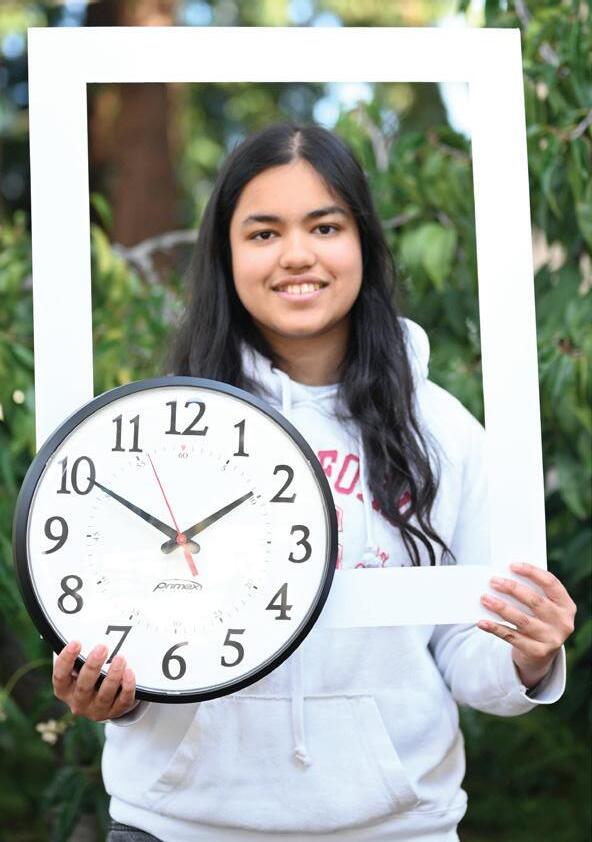
LET TIME UNFOLD Moments feel fuller when they are lived and not measured
The concept of time entered my life not as a fact, but as a threat. I was always told that time slips away and that I must capture it, chase it and make the most of it. What if time was never as short-lived as I was led to believe? What if the moments I experience never really left, lingering in ways I could never track?
With a sister seven years older than me, I always felt like I had no time with her before she left for college, as if the moments we shared were borrowed from some invisible clock I couldn’t see.
I remember one evening during her winter break when we decided to take a walk around our neighborhood under the
streetlights, bundled in our warm jackets. I tried to plan every detail of our conversation, thinking of questions to ask and stories to share, worried that I might waste a single second with her.
She, on the other hand, kept pointing out little things, and at one point, she burst out laughing at how my jacket made me look like a large marshmallow. I tried to steer the conversation back to something “important,” but soon after I was laughing too. After that, I noticed a pattern. On the occasions that she came home from college, I spent so much time trying to make each visit so perfect that I forgot to enjoy it. Our laughter, conversations and even walks around the neighborhood passed by in a blur, clouded by my obsession with planning memories.
Now, my sister is occupied with work in New York, and I only see her a few times every year. A few years ago, that would have sent me into panic, worrying over how to maximize every moment I spent with her.
However, watching her thrive as an adult, I realized that if I maintained that obsessive mindset of researching every detail about potential activities or pre-planning every hangout in hopes of enhancing our experience, I would have never cherished her presence.
Time is not fleeting; it is our fear of time that steals the richness from our lives, and I choose not to be afraid.
PRESSURE TO STAY BUSY Breaks are for recovery, yet many students feel compelled to stay productive even when no work is assigned. That mindset leaves students returning to school drained.
liana barooah
dyuthi vallamsetty

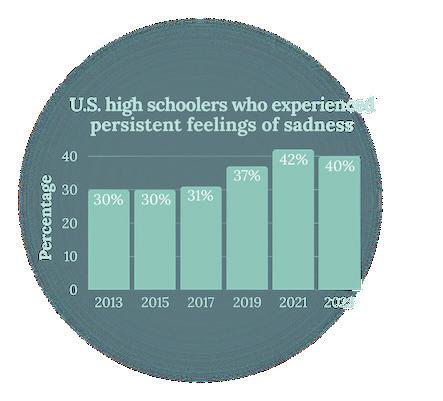
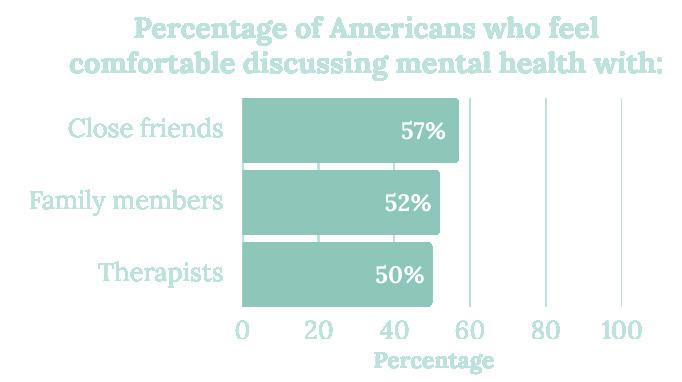

THERE’S MENTAL HEALTH STIGMA


tiffany zhu, lily shi & eva cheng
KELLY LEAHY MCKEOWN COUNSELOR
HEALTH STIGMA Let’s talk about it

come
There’s a perception that students don’t have time for their issues because there’s academics and GPA and productivity and moving forward, and taking care yourself isn’t part of their formula a lot of the time.”
unsustainable cycle where students push themselves to a breaking point before taking the time to seek support.
wound that some students are barely functioning and just waiting for the next break,” McKeown said. “And then a big thing happens — they get sick, have something going on their family — and then all a sudden it goes crumbling down. You can’t sustain an unsustainable situation.”
treated as routine, students may feel that reaching out for help is excessive and even embarrassing.
The anonymous student noted how academic stressors can feel like just another part of the high school experience rather than something worth addressing.
lot of academic pressure and negative thoughts on themselves a certain extent,” they said.
“But because it’s so normalized, nobody really has the idea to find outside help because I don’t think we realize the actual effect that it has on us. A lot of people Harker dismiss their feelings, and they push it off.”
National Alliance on Mental Illness (NAMI) work to provide mental health support and education across the nation.
When delivering presentations to Bay Area students on combating



there are a lot of kids who come from immigrant families, they really relate to that aspect.”
For the anonymous student struggling with depression and anxiety, they eventually sought support through her school counselor and later through outside therapy.
“When it got to a point where I was like, ‘I cannot live like this,’ I realized I needed to ask for help,” the student said. “At therapy, I learned a little bit more about my biology. Hearing the tendencies and recognizing patterns in yourself that also happen to other people opens your eyes more to feel like you’re not alone. It also helped me stop feeling like it was always my fault. These professionals can really help you come up with strategies to cope.”
The student emphasized how accessible support was at Harker. She found that the teachers and administrators she reached out to treated her with sincere compassion.
“The adults at Harker truly care,” they said. “The teachers and counselors are here to help you, and they care about you more as a person than a student. I had a meeting with Mr. Barsky about my mental health, and the second I walked into his meeting, he said, ‘How can we help you?’ That is so powerful because I truly realized that this is not a journey I was going through alone — people were here for me. That’s one of the most special things about the school.”
Breaking down the stigma around mental health will require a cultural change in how we view achievement and self-care.
students can prioritize their wellbeing without guilt. That begins with education: learning about mental health so you can recognize signs in yourself and others.
It can also be as simple as taking the time to schedule a first meeting with your school counselor or making the choice to be compassion over jokes about mental health.
“I’d encourage practicing being more mindful of what you say and remind yourself of the similarities between your physical health and mental health,” Cucchiara said. “For instance, if you have a friend who’s been in a funk and isn’t hanging out with you, you might think, ‘What’s wrong with you?’ But would you say that to someone who had cancer? It’s important to remember that people often don’t view mental health the same way, even though mental illness is just as out of our control as physical illness.”

Editors-in-Chief
Tiffany Zhu Ashley Mo
Managing Editors
Jonathan Szeto Emma Li
Samuel Tong Nathan Yee
Assistant News Editors
Liana Barooah Aileen Jang
Opinions Editors
Elizabeth Zhang Risa Chokhawala
Assistant Opinions Editors
Grace Wu Aahana Sharma
Features Editors
Leah Krupnik Sam Li
Assistant Features Editors Dyuthi Vallamsetty
A&E/Lifestyle Editors
Cynthia Xie Chelsea Xie
Assistant A&E/Lifestyle Editors
Shreyas Karnam
Assistant STEM Editors
Saria Lum Kanav Gupta
Sports Editors
Wenjie Zou Lily Peng
Assistant Sports Editors
Charlene Li
Copy
Cynthia Xie Lily Peng
Assistant Photo Editor Aahana Sharma
Multimedia Editor Lindsay Li
Assistant Multimedia Editor Liana Barooah
Photo Editor Adviser
Whitney Huang, CJE
Aquila Editors-in-Chief
Lily Shi
Eva Cheng
Aquila
Suhani Gupta
Mihir Kotbagi
Janam Chahal Charlie Wang Kairui Sun
Humans of Harker Editors-in-Chief
Ella Guo
Disha Gupta
Humans of Harker Managing Editors Mendy Mao Vivek Moorjani
Victoria Li Heather Wang
Reporters Sarah Wang Emma Lee
Abby Cheng Johanna Byun Kendra Zhao Christina Ruan
Ashley Zhou
The Winged Post is the official student newspaper of Harker’s upper school and is distributed free of cost to students every four to six weeks except vacations by the Journalism: Newspaper and Advanced Journalism: Newspaper courses at The Harker School, 500 Saratoga Ave., San Jose, California 95129.
We aim to publish balanced stories with professional standards while serving as a public forum for Harker students. All content decisions are made by student editors. Opinions and letters represent the viewpoints of the writers and do not necessarily reflect the opinions of The Winged Post, Harker board, administration, faculty or journalism advisers. Editorials represent the official opinions of The Winged Post editorial board. Letters to the Editor may be submitted to Manzanita 70 or emailed to harkeraq@ gmail.com and must be signed and legible. The staff reserves the right to edit letters to conform to Winged Post style, and letters will be published at the discretion of editorial staff. Baseless accusations or libelous statements will not be considered for publication.
NSPA Pacemaker Winner: 2024-25, 2019-20, 2017-18
NSPA Pacemaker Finalist: 2023-24, 2020-21, 2018-19, 2016-17
CSPA Gold Crowns: 2025, 2024, 2023 2019, 2018, 2016


Class AI use calls for clearer direction
EDITORIAL: THE OFFICIAL OPINION OFTHE WINGED POST

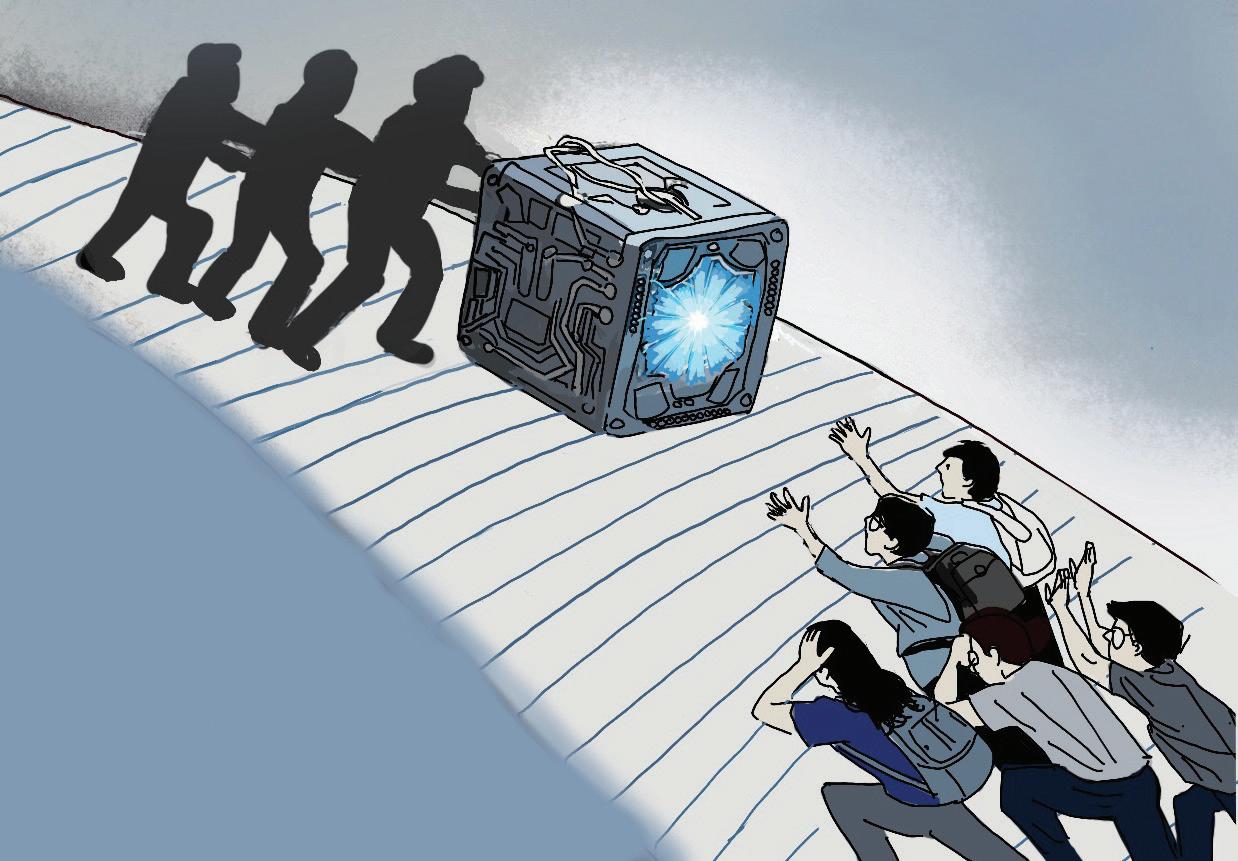
INNOVATION WITHOUT INTENTION AI has the potential to support learning, but its rapid integration into the curriculum has raised questions about purpose, preparation and how both teachers and students are expected to use these tools responsibly.
Artificial intelligence came into the classroom without knocking, emboldened with big promises. It could personalize learning. It could boost student engagement and augment efficiency, and, when used well, it could serve as a complement to students’ learning. But have AI educational tools truly fulfilled that purpose?
Teacher and student sessions using Flint, Harker’s recommended AI-ed tool, have increased by 682% at Harker over the past school year, according to Learning, Innovation and Design Director Lisa Diffenderfer. Many teachers have good intentions when bringing AI into assignments, but sometimes the learning gets
lost. In some research projects, teachers encourage students to generate AI images or ask AI for sourcing suggestions without clearly connecting to the historical thinking skills they’re supposed to develop.
When assignments become more about learning to prompt an AI tool than mastering material, we must ask if they truly help students learn. AI could be beneficial for students who want to review concepts and spot where they have gaps in their understanding, but that purpose needs to stay in students’ minds.
Many are experimenting with AI tools in real time, and that trial-and-error is natural with new technology. Yet we must also hold the opposite truth simultaneously: that AI has an unfortunate, frequent tendency to be completely

Creativity has always been an integral part of my life, and I thought I knew exactly what it meant to me. Even as I progressed from crayons to acrylic paintings, I believed that being creative was just about expressing an idea through a polished final product.
But now, as the Winged Post team convenes to send out a newspaper each month, I’ve come to see that there’s more to the creative process than the result it produces.
During my first year with the Winged Post, I was initially most excited to see my illustrations published on paper. But as I spent long hours with my fellow editors scouring Pinterest for references or creating vision boards in the Manz 70 classroom, I realized that my illustrations were just a piece of the puzzle.
Today, I feel the most impact creating when working with others, because fostering artistry means keeping an open
wrong. It hallucinates. It makes up answer keys and solves problems using unusual methods, characteristics that aren’t conducive to productive learning. For many students, to whom AI is frequently billed as unreliable, it’s difficult to trust assignments that use AI tools.
“
Students have no formal way to share their experiences with AI as an educational tool.
As for teachers’ own usages, there have been allegations of cases where teachers used AI to generate test questions and answer keys, only later discovering that their exam

mind and taking inspiration by others’ visions. In journalism, we inspire creativity simply by being there for our fellow editors, bouncing ideas off of each other and helping one another see our visions through. Ironically, one of my favorite parts of the Winged Post creative process is when we’re forced to problem-solve when things don’t go exactly to plan, and they often don’t. I’ve come to realize how deviating
from an original vision can often result in an even more beautiful, unique solution.
My reframing of the word “creativity” and what it now represents to me extends beyond my work in Manz 70, following me through all walks of life. What I’ve learned from working on issues of our newspaper now enables me to push the boundaries with my own creative ventures and more easily think outside of the box.
materials contained errors. Others have used AI tools to mark essays, providing feedback that may look individualized, but in reality, it is generic.
A more coordinated approach in each department would help ensure that AI aids learning fairly. Harker students and teachers have shown a willingness to utilize AI, but we need clearer expectations about how AI can be used in classes, assignments and evaluations. Creating shared guidelines with student input would allow AI to support learning, not just be adopted because it’s an available fad.
AI harnesses the potential to transform education. However, we should think about how we use it. We need to pause and assess what’s working and where we can create more structure around AI-related pedagogy.
CORRECTIONS TO ISSUE 3
FRONT PAGE 1: Siddartha Daswani should be Siddhartha daswani
CORRECTIONS POLICY:
Our staff strives to represent our community fairly and conduct accurate, truthful storytelling. We list all errors of an issue, along with the page number of that error in the next issue’s corrections box. Feel free to provide feedback via the QR code to the right.

Though the final result of a project is always gratifying to see, I love creating the most when it’s a process that’s shared with others, because the journey is always more rewarding through collaboration.
Through my time as a managing editor of the Winged Post, I’ve learned to rethink my definition of creativity. In these past four years, I’ve been able to recognize how creativity extends beyond my own life, enriching our communities and bringing us together.
Forward senior Stanley Chen leads by example on the soccer field A PEX
Keep going forward
mihir kotbagi & aahana sharma

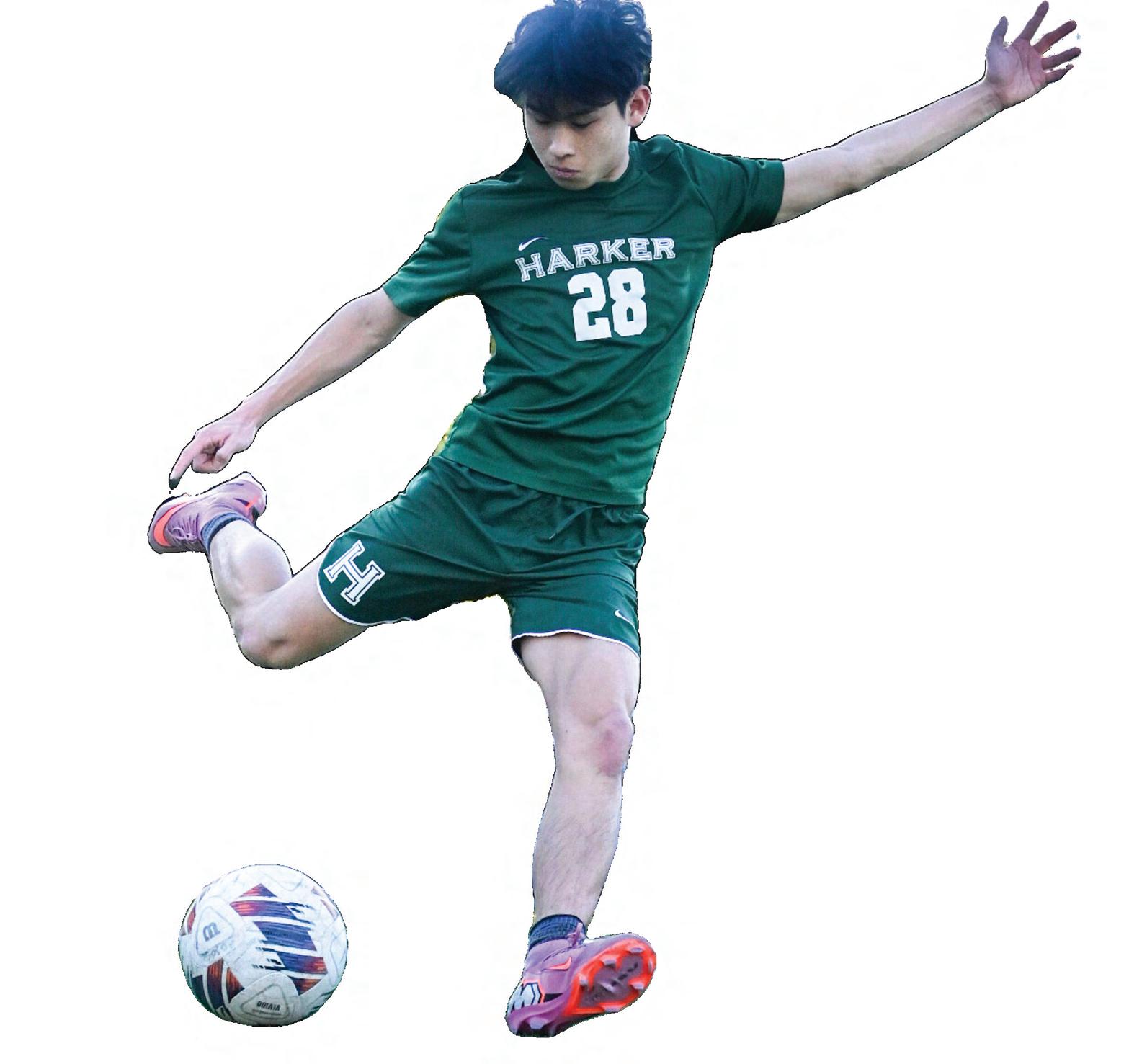
EYES ON THE BALL Senior Stanley Chen gears up to take a shot. “When people think of soccer, they think of flashy skill moves,” Stanley said. “But a big part of the sport is endurance.”
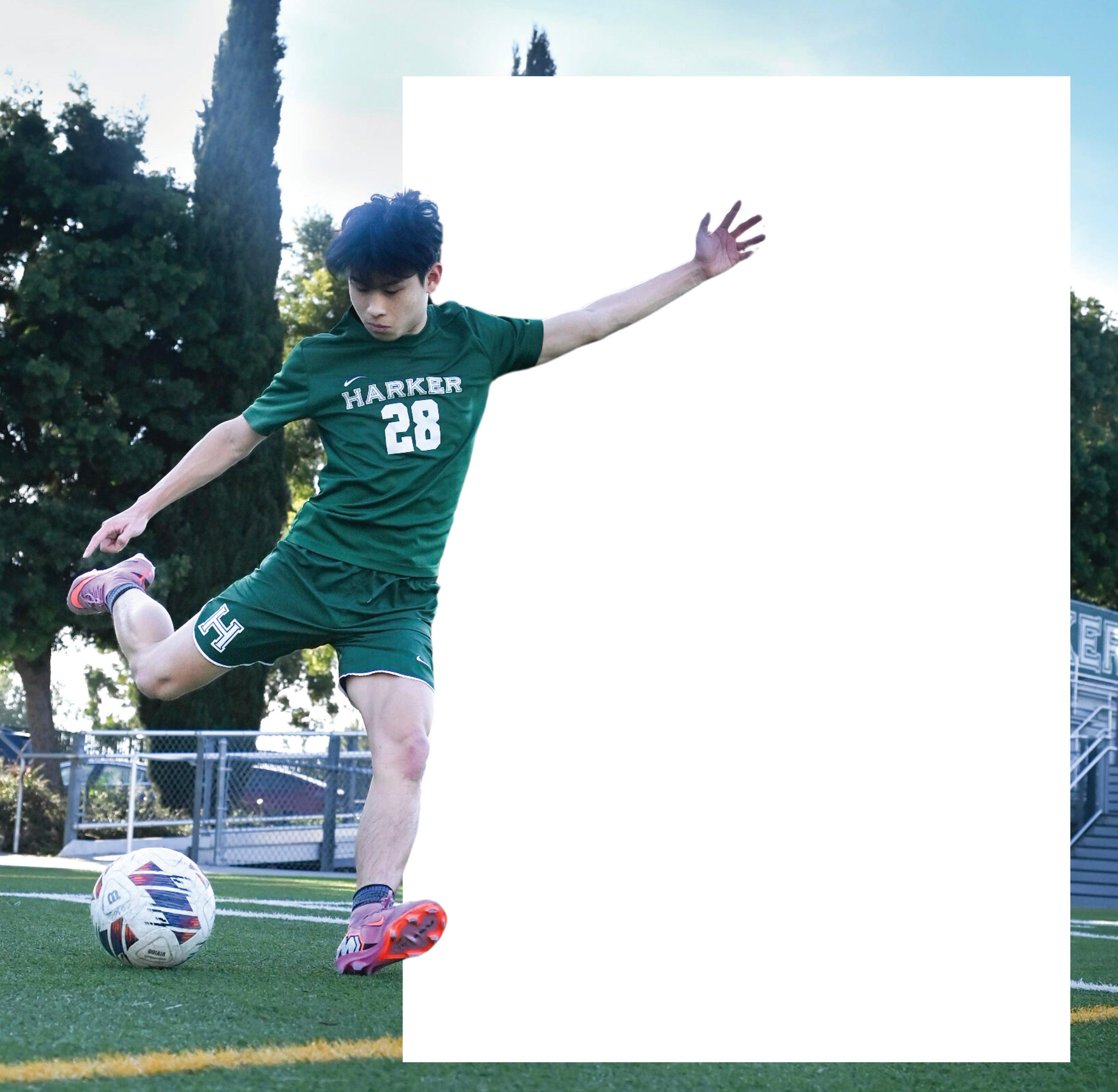
soccer in the country.
Stanley began playing competitive youth soccer at 10, rising through various club teams that tested his skills and offered him a new community
“Every single team was like a new family,” Stanley said. “I spend one and a half hours with these people every single day. I don’t remember much about the soccer part, but in terms of community, each time I switched teams was like a brand
As Stanley progressed to more competitive clubs, he often found himself on the bench. Rather than losing hope, he started training on his own outside of team practices, building endurance and skill through consistent effort that gradually improved his game.
“It may sound cliché, but discipline is a big part of soccer,” Stanley said. “When people think of soccer, they think of flashy skill moves. But a big part of the sport is endurance — running laps around the field and doing other endurance exercises. Even though it’s monotonous and boring, it’s something you have
Over time, his persistence paid off. Stanley currently plays for Silicon Valley Soccer Academy (SVSA) at the MLS NEXT level, the highest tier of youth club soccer in North America. With SVSA, he went
to the MLS NEXT Playoffs, which features 32 elite youth soccer teams from around the continent. In the playoffs, he finished in 16th place once and 32nd twice.
He attributes a substantial amount of this success to his new environment fostering a close-knit sense of community.
“The skill difference between my current and old teams wasn’t that big,” Stanley said. “I think what really changed is the camaraderie, and I feel like my new team is much more community-based instead of individualized.”
This emphasis now defines his approach on Harker’s varsity team, where he combines his technical skill with a collaborative mindset. Although he has played competitively for many years, Stanley joined the varsity boys soccer team only this season, balancing his other commitments with his busy club schedule.
Varsity boys soccer coach Seena Sajadieh coached Stanley this season and noted that his leadership often emerges during moments of adversity.
“Something that doesn’t come naturally to players is what they do when the score is against them, or there’s a certain adversity,” Sajadieh said. “Every time that’s happened for us this year, Stanley’s been very vocal. He’s not only leading by example but also trying to rally the rest of the team. It’s great that we have that on the team.”
Visit harkeraquila.com for more.
Athletes adapt to higher expectations in high school
An athlete steps onto the high school campus for the first time expecting the familiar — three practices a week and a season that fits easily around homework. Instead, the easygoing rhythm of middle school sports fades, replaced by the intensity that defines upper school athletics.
That shift is one of many students feel immediately. While sports felt like a casual activity in middle school, they quickly become a defining commitment in the upper school. However, they can also reap high rewards in athletic success and lasting team connections.
Varsity boys basketball player Stephen Gao (9) experienced this transition firsthand when he joined the team this season. Stephen noted that practice has increased by seven hours per week from middle school to high school.
“The biggest thing is that it’s a much larger commitment
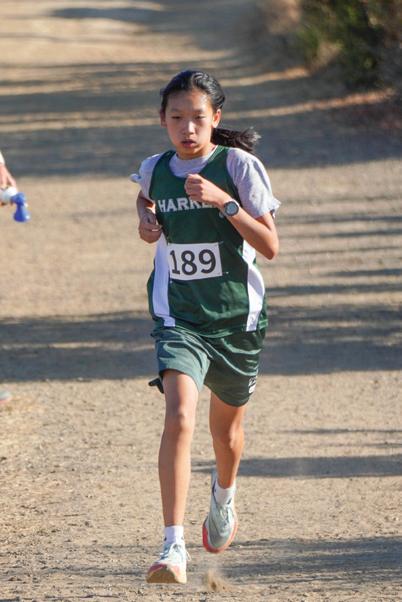

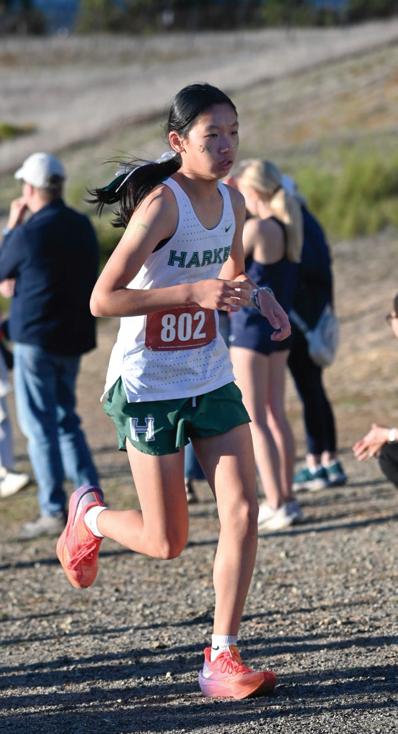
school students have a variety of other stressors besides sports, including pressure from academics.
“There aren’t as many clubs that go into after school sports in the middle school,” Cvitanich said. “They are mostly one day a week every now and then. Whereas with high school, a lot of my students are in the Robotics club or DECA, which takes up a lot more time. I want to support them in doing that, but it’s also difficult to try and schedule practices and games around those.”
Beyond time commitment, athletes also notice a shift in coaching style and attention. Varsity cross country runner Sophie Shen (9) felt that coaches in the upper school are more focused on athletes.
“All of the middle school coaches were either part-time, or coached five sports,” Sophie said. “We didn’t really have their full attention, but in high school, [cross country coach Jorge Chen] puts a lot of effort into the workouts and making us better. It really helps because if coaches speak to everyone generally, it’s not as effective as discussions we have one-on-one.”
Coaches also recognize that middle and high school athletes require different approaches in training.
While middle school athletics often prioritize participation and enjoyment, upper school sports require more direct feedback and higher expectations due to the high stakes and competition in the new leagues.
“With the upper school students, you can be more direct and open with your coaching,” Cvitanich said. “Whereas with middle school, you’re still trying to make sure everybody’s having fun and still sprinkle in coaching moments here and there. Either way, you’re still teaching and it’s all about making sure everybody’s having fun and keeps coming out every day to practice.”
As expectations rise and coaching becomes more individualized, athletes also encounter a higher level of competition and more experienced opponents in high school sports.
Visit harkeraquila.com for more.
aahana sharma
RUNNING TO THE FUTURE
Varsity girls cross country runner Sophie Shen (9) runs as both a middle schooler and a varsity high school runner.

Behind the skis, sleighs and sights
The 2026 Winter Olympics will be held in Milan and Cortina d’Ampezzo, Italy, from Feb. 6-22. In this guide, we’ll dive into some events featured at this year’s games to help you keep up with bobsleigh, ski jumping and everything in between.
1. Ski mountaineering

Also known as skimo, this sport will debut this year, challenging athletes to ascend and descend sections of Mount Vallecetta. The sport originated in the late 19th century and has since grown to become a truly global sport: its governing body, the International Ski Mountaineering Federation, has national members in North America, Europe, Asia and Oceania. The Men’s and Women’s Sprints will feature one ascent and one descent section each, while the Mixed Relay will involve teams of two each tackling the skimo course.
2. Ski jumping
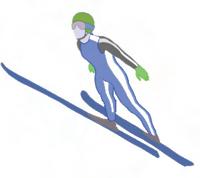
The Winter Olympics’ highest-flying sport, will take place 50 miles east at the Predazzo Ski Jumping Stadium in the Val di Fiemme region. Large hill competitors will ski down slopes 115 meters long at speeds up to 60 mph before taking off and attempting to fly as far as possible. The inrun length of the normal hill is 20 meters shorter, resulting in slightly lower launch speeds.

3. Bobsleigh Bobsledders race around icy tracks at speeds over 75 mph. The monobob event will feature single woman sleds, while the 2-man, 2-woman, and 4-man events will involve multiple athletes controlling larger sleds. Pilots are aided by brakemen and pushers in these team events; the pilots pack tightly into their sleds to reduce aerodynamic drag.

4. Biathlon Biathlon is a unique winter sport: laps of crosscountry skiing are followed by rounds of target shooting. Each shooting block tests athletes’ abilities to hit marks 50 meters away while standing and while prone. Those who miss are penalized with additional ski loops in team competitions or added time in individual competitions. Sprints and relays involve just two shooting rounds for each athlete, while longer individual races have four.
Clash Royale competitors vie for Crown
wenjie zou & charlene li
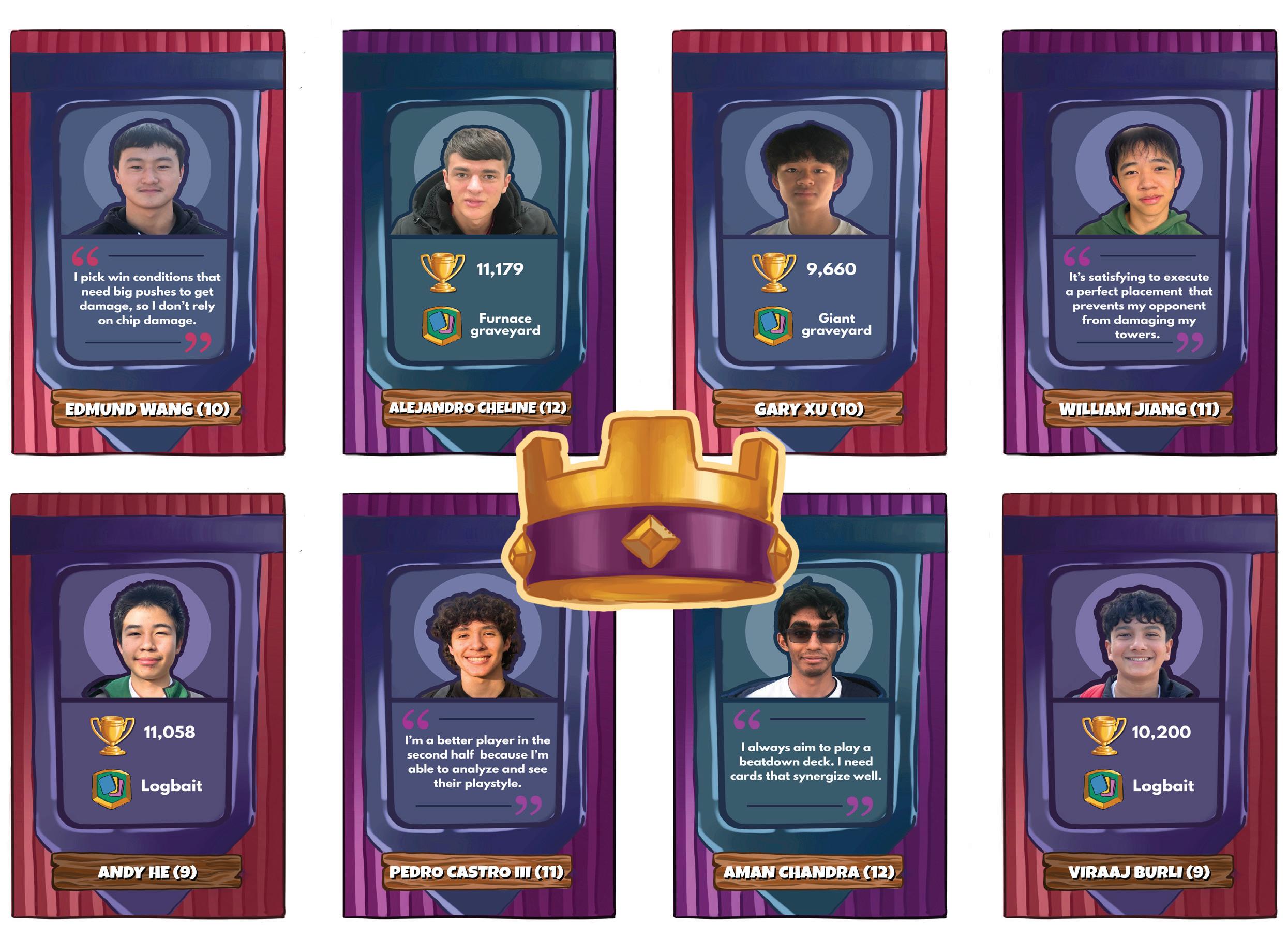
In Harker’s first Clash Royale Tournament, William Jiang (11) and Yash Greene (12), stepping in for Aman Chandra (12), emerged as finalists on Monday. They will battle in the livestreamed finals during school meeting on Feb. 26.
The tournament, organized by ASB Campus Life Committee, kicked off with 12 rounds during long lunch on Jan. 14 and Jan. 16. Committee members Samaara Patil (11) and Dyuthi Vallamsetty (10) oversaw the proceedings of each match.
Clash Royale is a mobile player-versus-player tower defense game where two
competitors build an eightcard deck to take down each other’s defense towers in three minutes. If no tower falls, then the match continues for another two minutes and automatically ends when a tower is taken. Twenty participants signed up to compete for a Clash Royalethemed crown and t-shirt.
“I signed up for the tournament because I wanted to support Student Council’s efforts in the Clash Royale tournament,” participant Ameya Choudhary (10) said. “I love the intensity of Clash Royale, so I just wanted to play a fun game against fun people.”
After the first twelve rounds, Aman, Alejandro Cheline (12), Pedro Castro III (11), William,
Xu (10), Edmund Wang and Andy He
advanced to the quarterfinal round.
“The enthusiasm with which the audience reacted to the games was really refreshing.
SAMAARA PATIL (11)
ASB CAMPUS LIFE COMMITTEE MEMBER ”
“Having spectators is nerve-wracking, so it may have affected some of their picks,”
Edmund said. “But having spectators is also a net positive because more people can watch the games, and it can really help players lock in.”
The Campus Life Committee tapped into the popularity of Clash Royale and came up with the idea for the tournament to engage students without using food.
“The enthusiasm with which the audience reacted to the games being played was really refreshing,” Samaara said. “I haven’t seen grades come together in a long time for something they care about, but also not taking it too seriously. There were a lot of ‘oohs’ and ‘ahs’ and people were very engaged.”
Winter sports teams prepare for Senior Nights
Silly pictures, flower bouquets, pun-filled posters. These are the trademarks of senior night. However, behind the shiny exterior of blinding gym lights and radiant smiles of seniors is the hard work of the coaches and other team members, earnest and grateful as they spend hours painting bubble letters and cut up decorations.
For varsity girls soccer, the team began planning for senior night in the middle of December, suggesting gift ideas and brainstorming slogans for individualized senior posters.
Varsity girls soccer player Kaitlyn Nelson (11) helped lead the process, designating every long lunch for the team to meet and work on painting the posters.
“Poster making is one of my favorite team bonding experiences because we’re doing something for the seniors, so we all have this purpose,” Kaitlyn said. “When the seniors see their
posters for the first time it’s always such a gratifying feeling for us, seeing them appreciate our hard work. In turn, all the time we spend together is making us closer together.”
In addition to customized gifts and posters, the basketball teams plan to decorate the Zhang
Gymnasium the morning before senior night with streamers and pictures of their seniors.
Varsity boys basketball player Lucas Huang (10) values the guidance the seniors provide and hopes that the seniors will feel cherished through the team’s efforts.
“Senior night is when we show appreciation for the seniors’ contributions,” Lucas said. “It’s a sign of respect. On the court, they’re the most mature ones. Off the court, all the seniors are very considerate. They always set the example for us younger players.”
lily peng
mihir kotbagi
PLAYER PROFILES Eight students qualified for the quarterfinals of the Clash Royale Tournament. After the semifinal rounds, Yash Greene (12), who replaced Aman Chandra (12), and William Jiang (11) emerged as the two finalists.
Gary
(9)
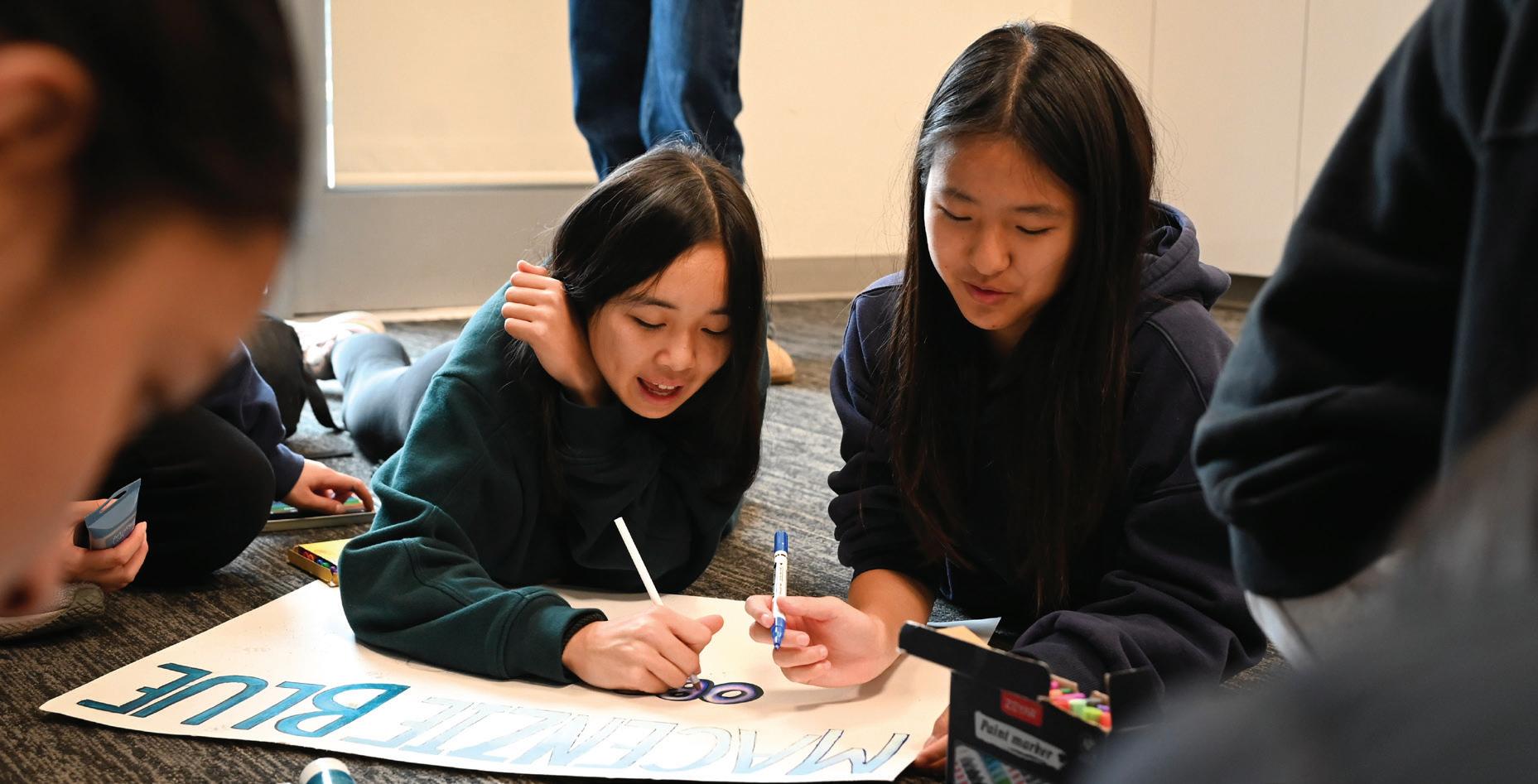
POSTER PREP Varsity girls soccer players Emma Wang (10) and Mia Ji (9) make a poster for their teammate Macenzie Blue (12). Senior night traditions include gifting posters and baskets and delivering speeches.
Recovery rites
Take a look inside athletic trainer Wes Howard’s room and office
lily peng & charlene li
As the jingle of the school bell signals the end of the day, a throng of students rushes into an unassuming room on the side of the Athletic Center: the training room. From ankle sprains to sore muscles, athletic trainer Wes Howard is ready for whoever walks — or limps — through his door.
Equipped with technology and tools like muscle stimulators, interferential therapy devices, hot and cold tubs and splints, his training room serves as a space athletes can count on to maintain their health during long seasons with
stiff competition, where a single misstep can land someone in crutches for weeks. Howard’s work extends far beyond just taping ankles or handing out medicine. He supports athletes from their initial injury through recovery and return to gameplay.
“Depending on what I need to do, [my equipment] are all important, but they have different purposes,” Howard said.
“You use all the tools in the acute phase, and then you use fewer and more manual therapy, and then devices like the Bosu ball and the plank board to work on strengthening and build up towards them playing again.”

inferential
at a
administrative tasks
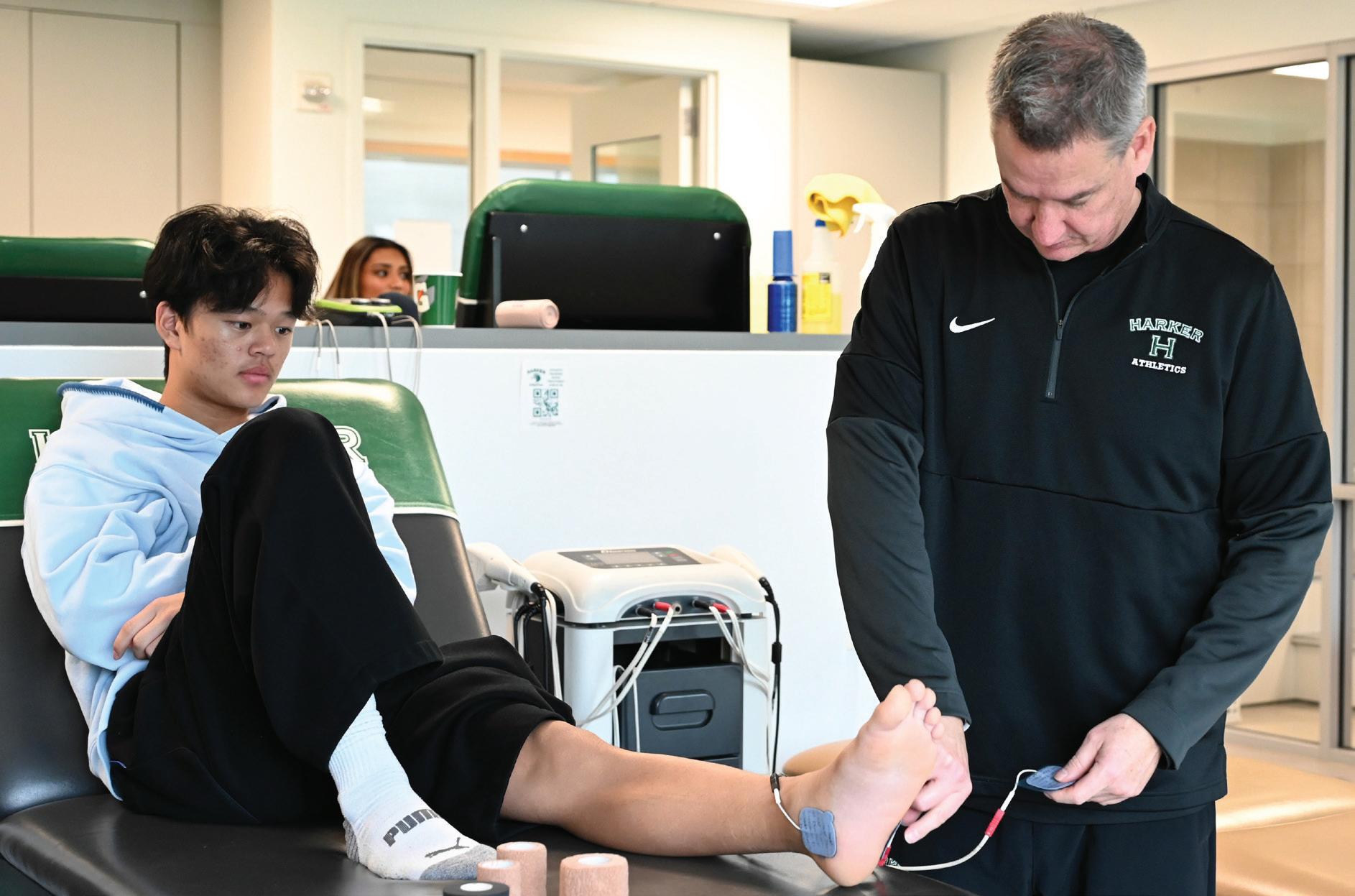
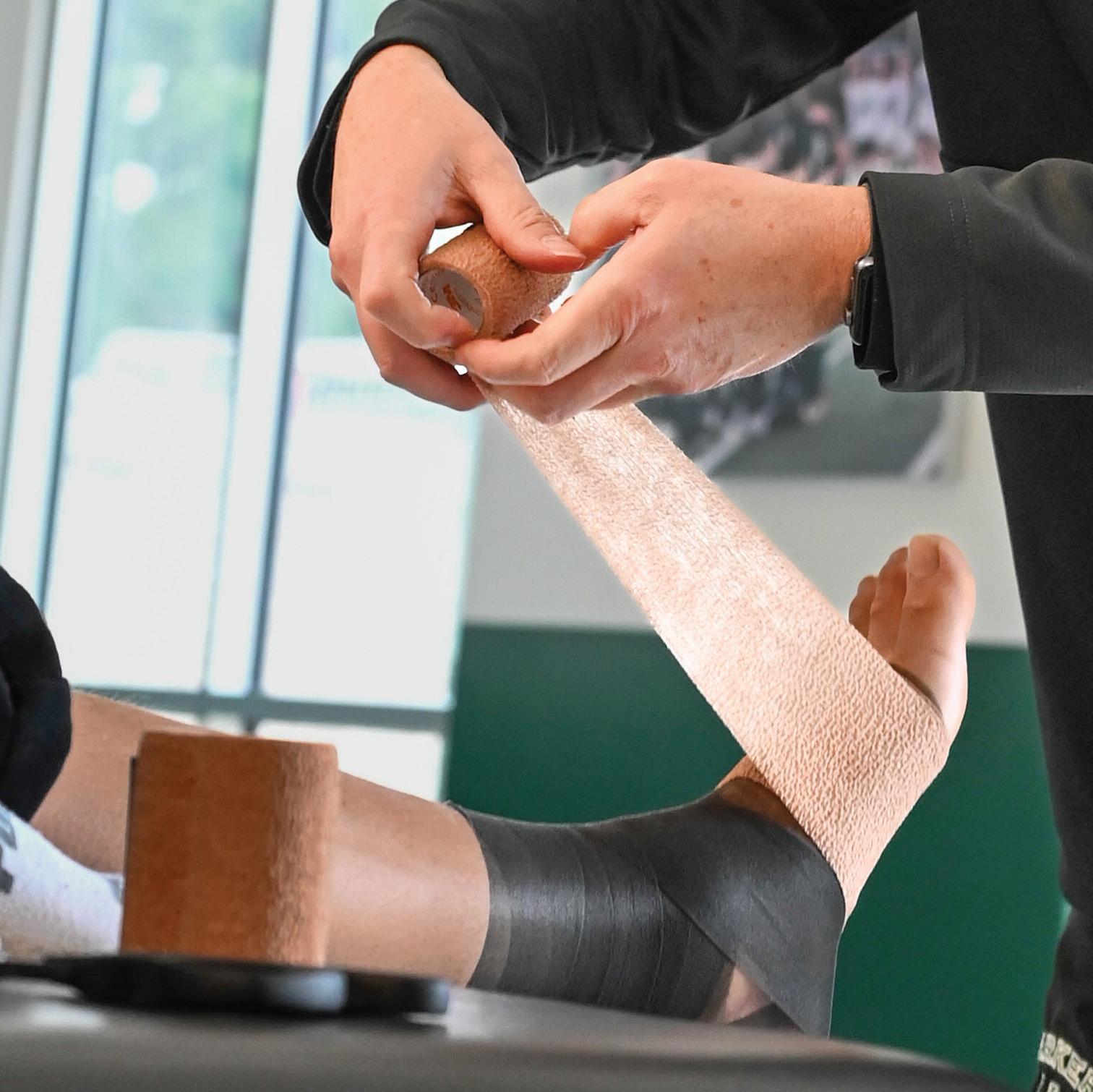
PATCHING UP (TOP LEFT) Athletic trainer Wes Howard places electrode patches on varsity boys basketball player Gary Xu (10)’s foot for pain management. FOOT FIX (TOP RIGHT) Howard wraps a foot using bandages for an ankle in injury to reduce swelling and relieve pressure for an athlete.
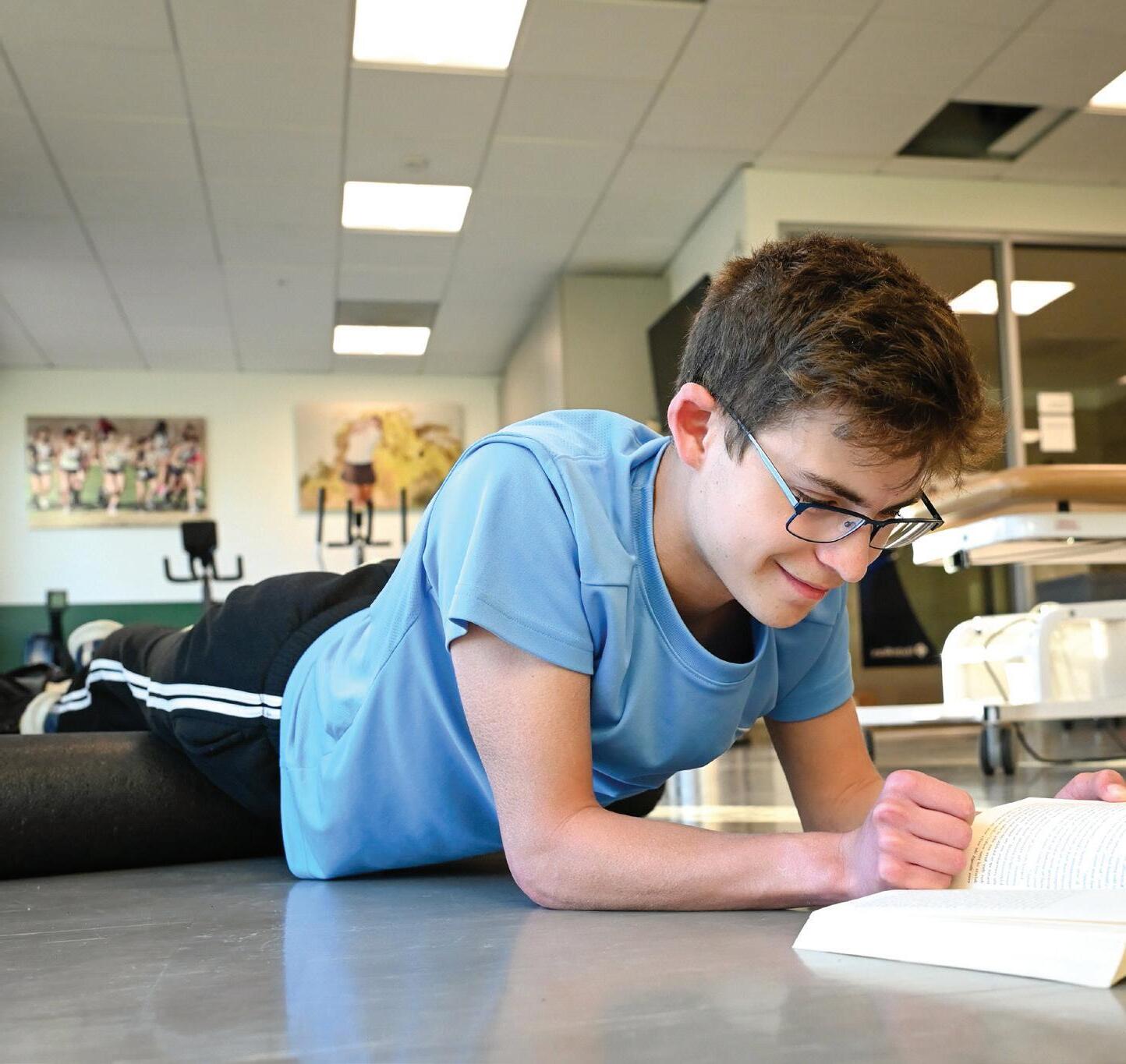
PROGRESS CHECK (MIDDLE) Howard assesses varsity girls basketball player Claire Yu (12)’s knee. STRETCH TIME (ABOVE) Varsity cross country runner Axel Szolusha (11) reads a book while stretching in the training room.
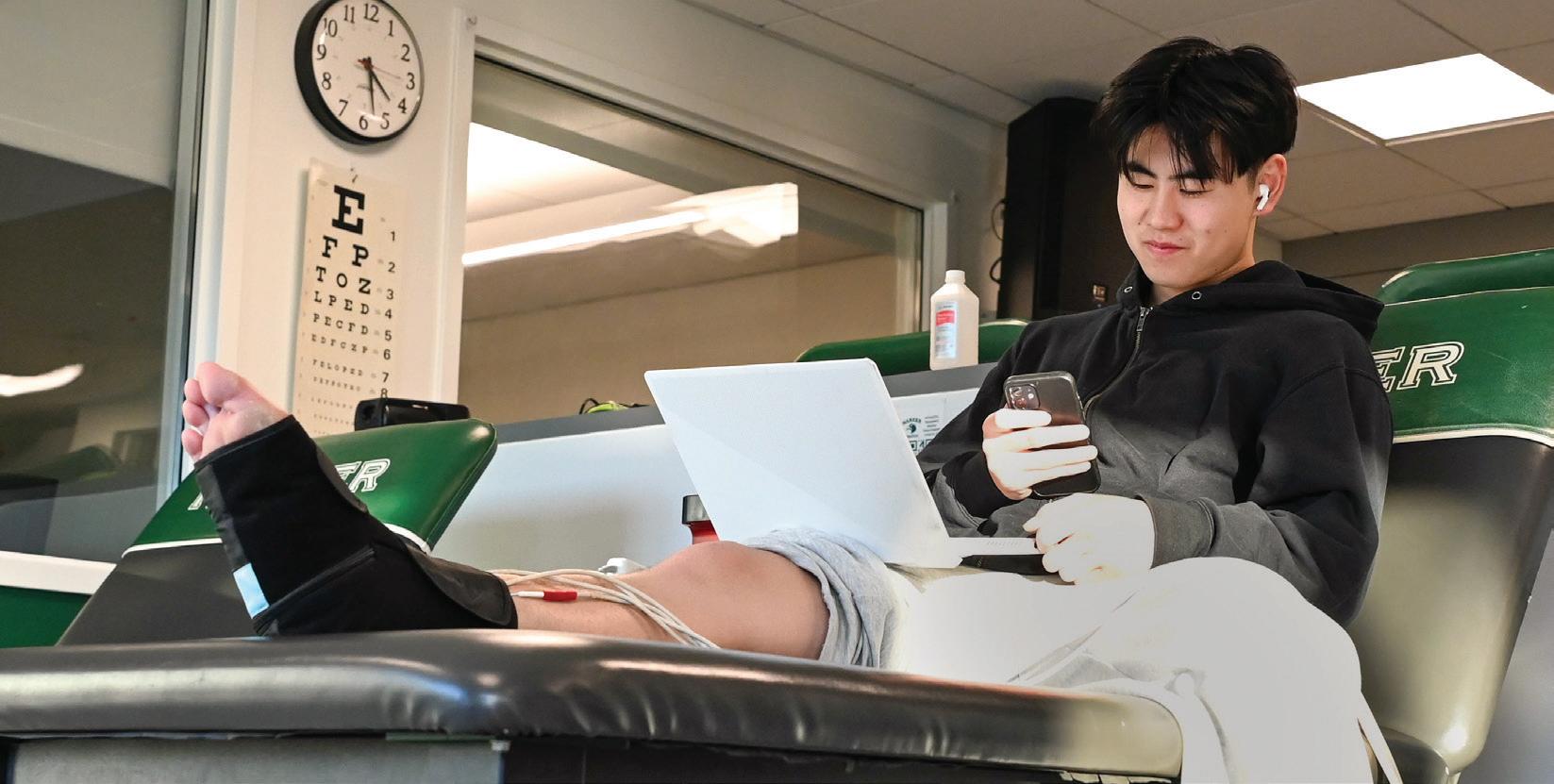
RECOVERY MODE (ABOVE RIGHT) Varsity boys basketball player Alan Gao (12) studies while he receives
therapy
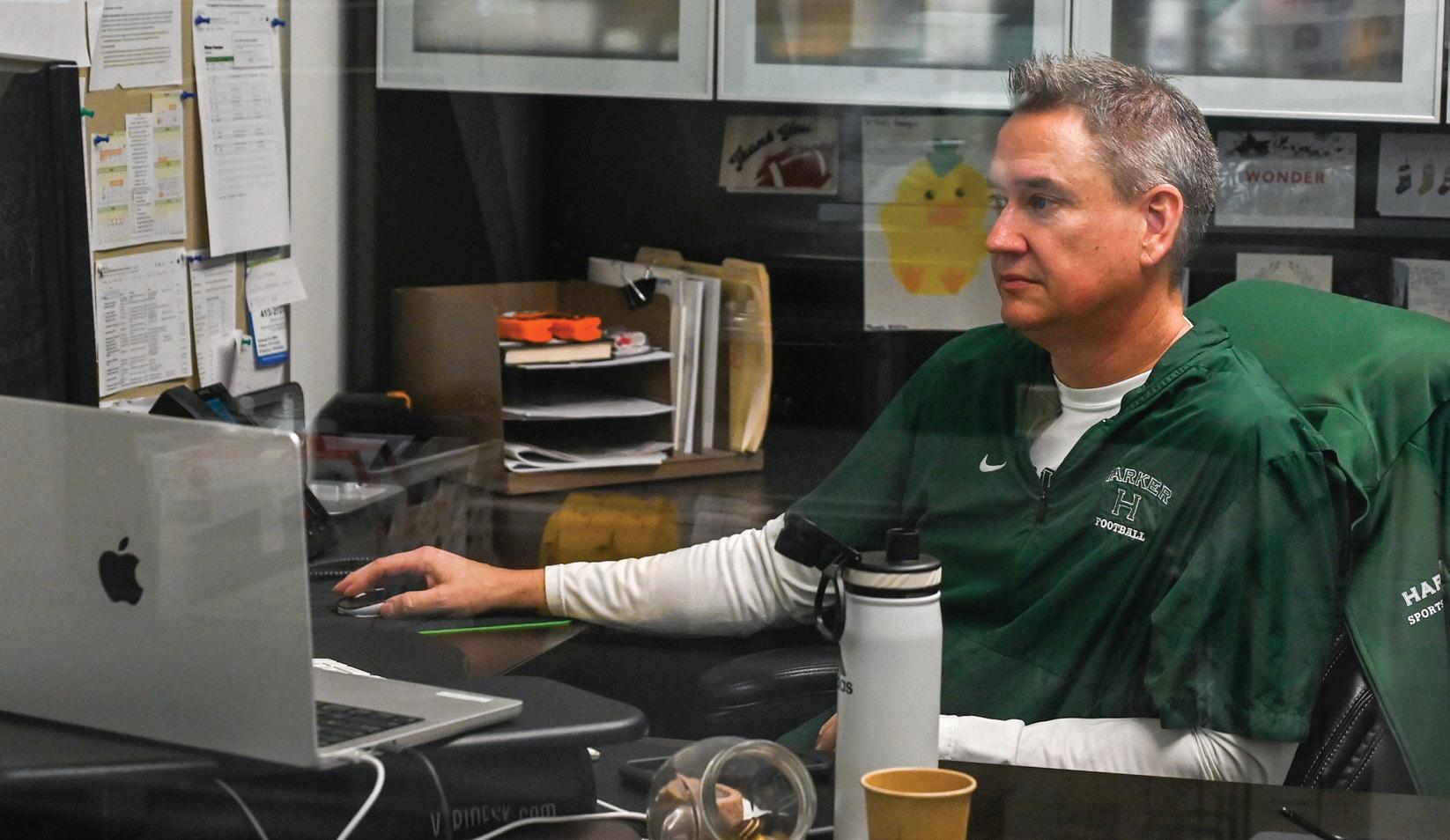
taping station. LOCKED IN (RIGHT) Howard works on
in his office.
SUPER BOWL COMES TO BAY

lily peng, wenjie zou & kanav gupta
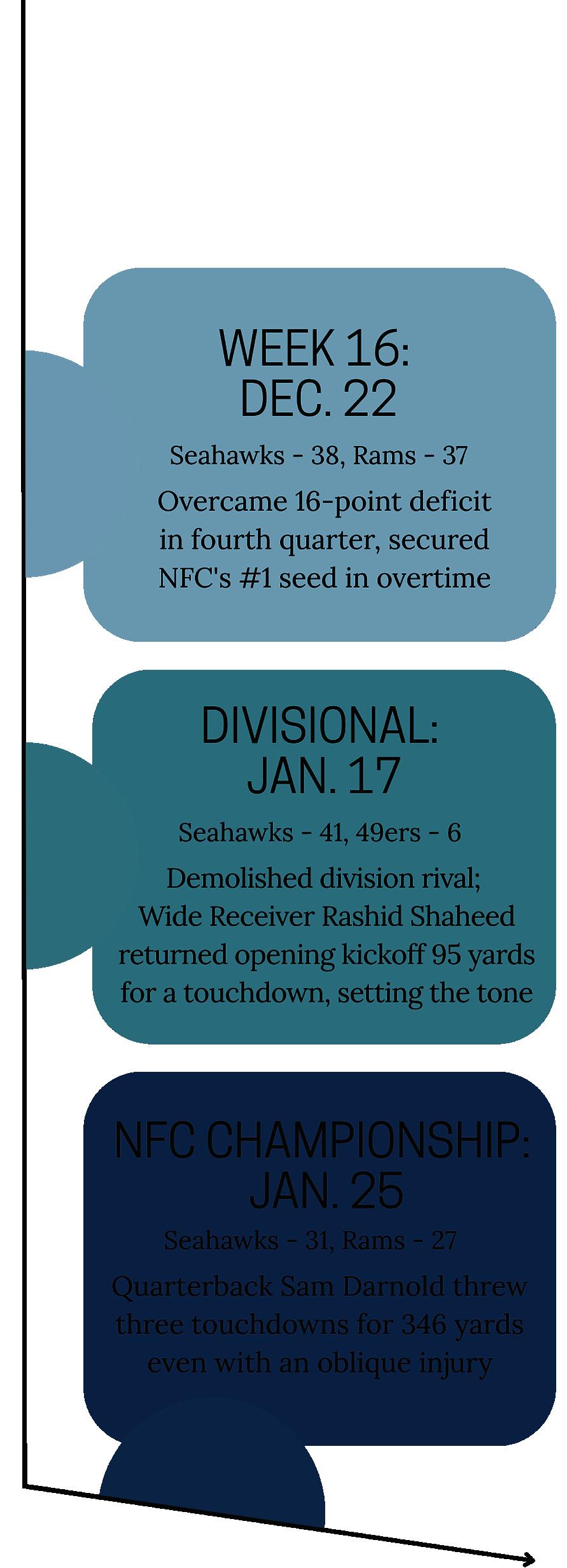

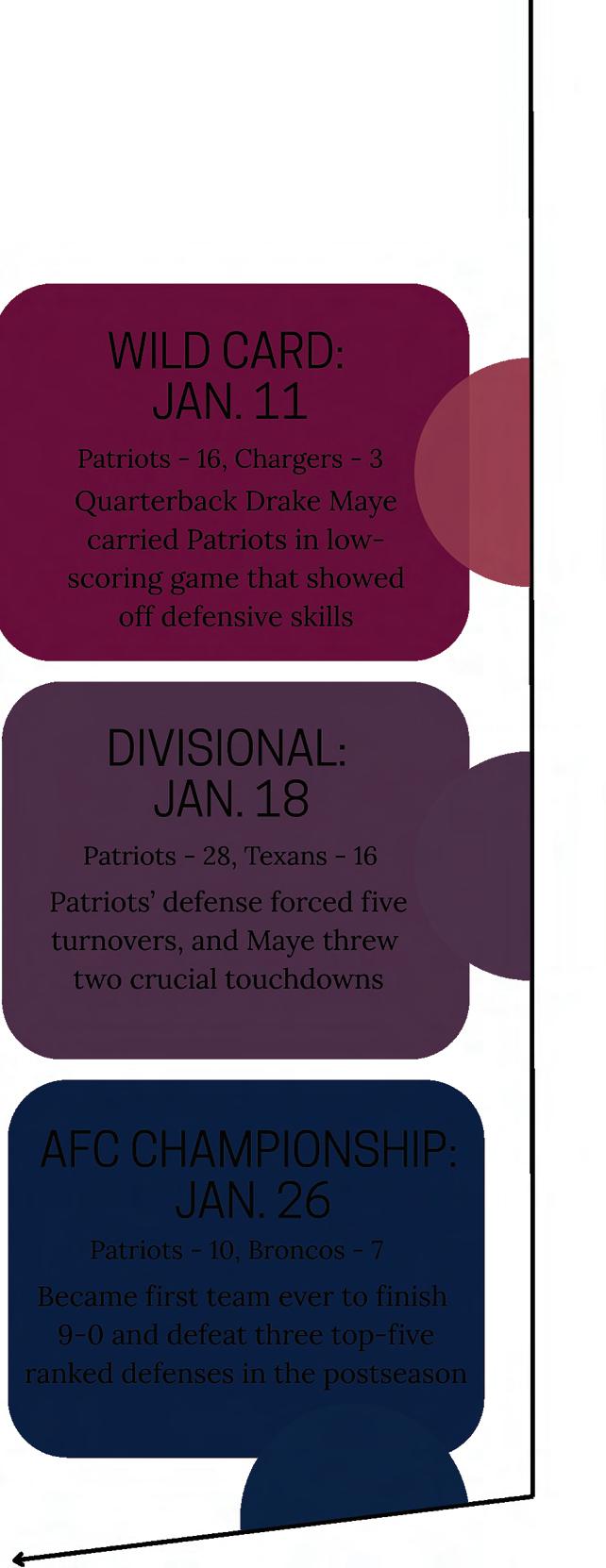
uper Bowl LX will take place at Levi’s Stadium on Sunday. The Seattle Seahawks and New England Patriots emerged on top of the National Football Conference (NFC) and American Football Conference (AFC) championship games respectively after 21 total weeks of regular season and playoffs. The two teams lead the league with 14-3 records.
This matchup serves as a repeat from 11 years before, where the two teams faced off in the 2015 Super Bowl, with the Patriots emerging victorious 2824. The Seahawks have a chance
“
I remember the 2015 Super Bowl, where I rooted for the Seahawks, and they lost. I hope we can flip it.”

DHANYA RAMANAN (11)
SEAHAWKS FAN
“Maye can’t compete against the Seattle defense. I think the Seattle Seahawks are going to comfortably win this game.”

CHRISTIAN MEHTA (10)
SEAHAWKS FAN
rounded team, placing second overall in points scored and fourth in points allowed.
This year also marks the first time the Patriots have made the Super Bowl since star quarterback Tom Brady led the team to victory against the Los Angeles Rams in the 2018 season.
Students and faculty shared their thoughts on this game.
“As one of the only Patriots fans on campus, I’m super excited, but the team needs to execute perfectly to have a chance.”

CHRIS DAVIES
50-YEAR PATRIOTS FAN AND MATHEMATICS TEACHER
“The Super Bowl is always a fun time with friends for a few hours, even if we’re not rooting for a specific team.

BRENNA REN (12) FOOTBALL FAN


PATH TO

Levi’s Stadium hosts Super Bowl
tiffany zhu
Just a fifteen minute drive away from the upper school campus, the Santa Clara venue will host Super Bowl LX, marking the second time in a decade that the stadium hosts football’s biggest game.
An estimated 90,000 visitors are expected to visit the Bay Area during Super Bowl Week, and Santa Clara as well as the larger San Francisco region will likely experiencing a significant economic boost.
At Levi’s Stadium, staff are putting up new signage and

structures for Super Bowl LX. Security measures have increased, and roads near the stadium have started closing. On game day, Bay Area native Green Day will perform in the opening ceremony.
“Being there in person was really incredible because of the energy,” senior Tanvi Sivakumar, who attended a regular season game at the stadium, said. “It’s so cool that the Super Bowl is happening so close to us, and I know there are a lot of my friends who really want to go, but they’ve said it’s really difficult to get ahold of reasonable resale tickets now.”
LOCAL
LIFE & CULTURE
back into 2026? Should we bring
Rose-tinted nostalgia lessens urgency of today




2016 stems from people seeking ease in a tense social climate.

“This trend reflects discomfort with the present rather than nostalgia about the past,” Aarya said. “Back then, life felt lighter because everybody was having a good time and nothing seemed super serious.
Right now, being stressed is normalized and cancel culture is everywhere, especially on social media.
Reviving 2016 culture does not fix everything, but it’s this carefree vibe that more people desire and need to embrace in 2026.”
Longing for a joyful past is understandable, but idealizing 2016 overlook its complexities.
Despite its current representation online, 2016 was far from perfect. President Donald Trump’s victory in his first U.S. presidential election deepened political divides by igniting widespread protests, while the ongoing Syrian Civil War and opioid epidemic highlighted both domestic and global challenges of the time. These events are absent from the picture-perfect descriptions circulating online, but according to psychology teacher Julie Turchin, selective memory comes naturally.
“Our brains are wired to protect us,” Dr. Turchin said.
While the longing for a joyful past is understandable, idealizing 2016 overlooks its complexities. By both
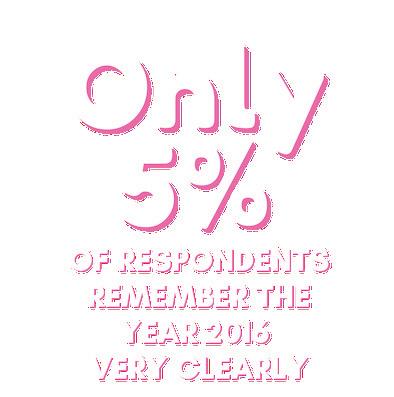
“We don’t remember everything, so the thing about the past is that it’s easy to forget the emotions community effect,” Dr. Turchin not have been true.”

TIKTOK USER

Finding perspective through experience
Kevin Williamson leaves behind legacy of community, vision and empathy
sam li & nathan yee
When Dean of Students Kevin Williamson began his tenure in the late 1990s, only 90 students and a single grade level occupied the upper school campus.
Over the last 26 years, Williamson has held the same title while the school transformed into a community of over 800 students. He originally interviewed for a middle school administration role, but the administration at the time saw a different path for him.
“The visionaries at the school at the time, Mr. and Mrs. Nichols decided, they wanted to add a high school to a very successful K through 8 program,” Williamson said. “They said, ‘We really like the thought of you coming on board as dean of students for our high school.’ I said, ‘Sure, I’d love to do that.’”
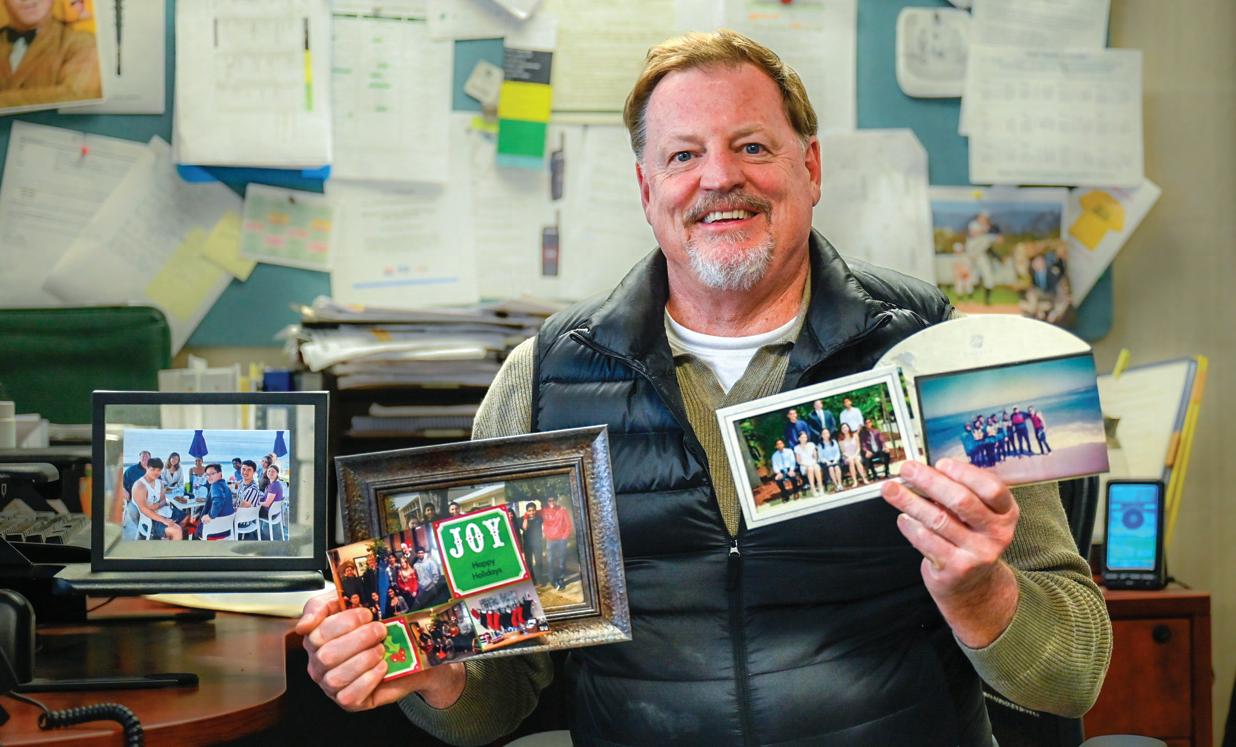
While students often view the dean’s office primarily as a hub for discipline, Williamson sees his role as the caretaker of the non-academic side of student life. Over nearly three decades, he oversaw the development of the advisory program, the honor council, clubs and class trips.
“
While my title hasn’t changed, my role has. There’s a lot more than most students realize.

KEVIN WILLIAMSON DEAN OF
STUDENTS
“While my title hasn’t changed, the role has changed greatly,” Williamson said. “Being
able to parse out different parts of the job and be more of a manager of the different departments, whether it’s class deans or the advisory program, that’s how I view it. I think students see the dean of students as the disciplinarian, which is a big part of the job, but I think there’s a lot more than most students realize.”
Williamson’s approach to leadership and independence has its roots in his own teenage years. Attending a boarding school in eastern Pennsylvania, he found that a strong advisory program and a culture of independence shaped his trajectory.
“I really learned to think for myself,” Williamson said. “That helped me being away from home, and to a certain extent, the same thing applies here, even though we’re a day school. You learn how to be more independent and operate independently when you leave for college.”
He cites the introduction of the advisory program at Harker as one of his proudest contributions.
Originally functioning more like a homeroom, the program has evolved to mirror the supportive, close-knit environment that he experienced as a student.
“I was 14 away from home, I missed my friends and I didn’t know anybody,” Williamson said.
“But I had a really great advisor who was there and would have his group over for dinner. It felt like I was home again. So, I’m really proud to bring the advisory program to Harker.”
Beyond his administrative duties, Williamson is an avid outdoorsman. Whether hiking, biking, skiing or climbing mountains, he finds a sense of perspective in nature that he hopes to impart to the community.
This passion for the outdoors influenced many early school traditions, including class trips that involved sailing and kayaking.
“It’s just such a beauty in the world when you go out and look at waterfalls or climb a mountain and look down in the valley
below,” Williamson said. “It can be overwhelming at times to look out and see how vast the world is and what a small part you really are in it. I find a lot of peace in that.”
As he looks toward retirement, Williamson’s advice to students shift towards the preservation of their own intellect and character in an increasingly digital world.
“What I impart is that the grades aren’t everything,” Williamson said regarding academic integrity. “Don’t do something that’s going to impact your relationship with your teachers and the trust. Do things with integrity and character, because that’s going to take you a lot further than an A versus a B-plus. At the end of the day, the grade isn’t as important as who you are as a person.”
Williamson’s influence is embedded in the upper school’s history. Beyond his contributions to Harker’s legacy, he reflects upon a quarter-century of service defined by seeing generations of students become parents, and colleagues become family.
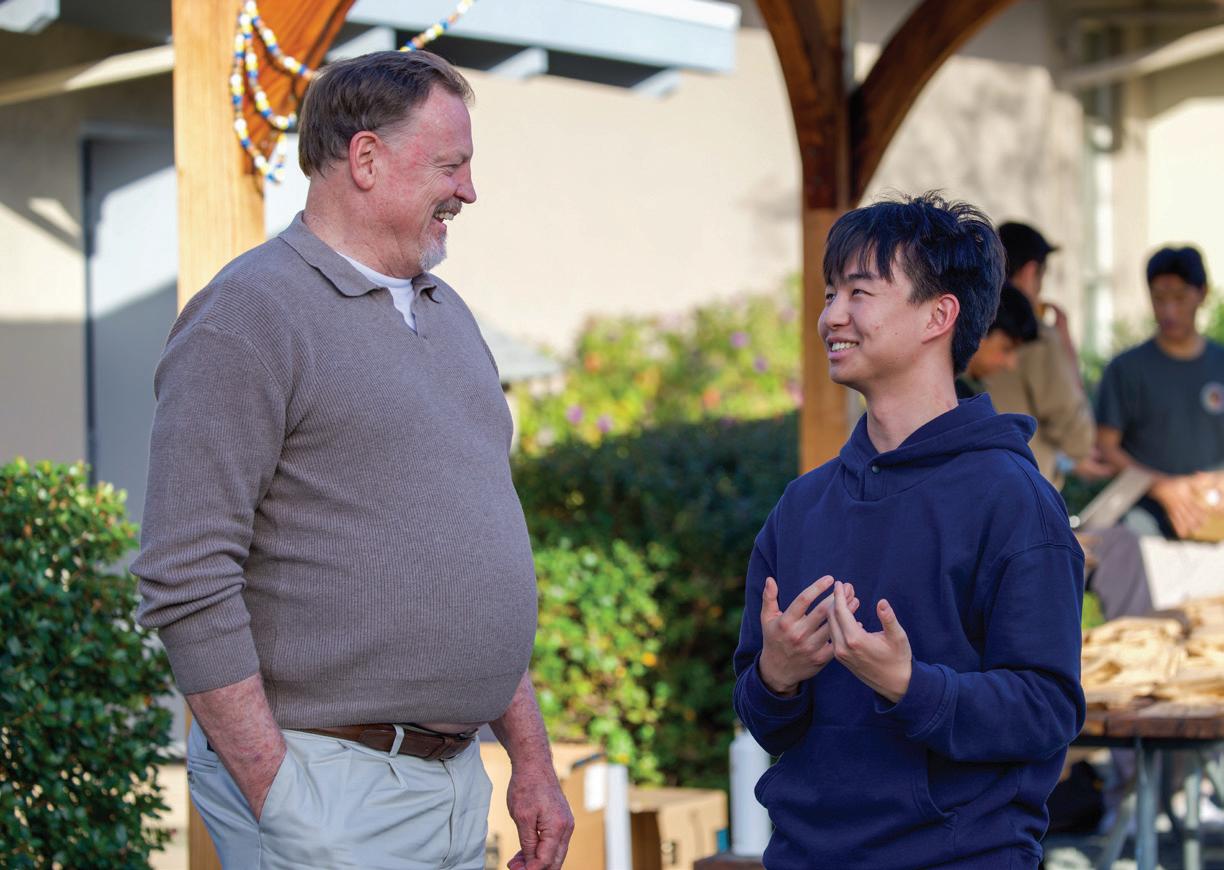
jonathan szeto & janam chahal
Students will be able to choose two new courses to take in the 2026-27 school year: AP African American Studies and Honors Cancer Biology.
In the science department, biology teacher Eric Johnson will teach Honors Cancer Biology, a new advanced elective available to students who have earned an A or higher in one semester of Biology or a B or higher in one semester of Honors or AP Biology.
Honors Cancer Biology
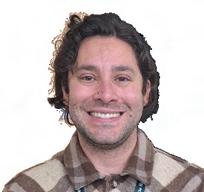
ERIC JOHNSON BIOLOGY TEACHER
“It’s an incredibly diverse class: we study history, clinical case studies, public health, bioinformatics and even public speaking.”


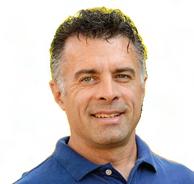
The course examines the development of cancer from cellular mutation to tumor growth, organ failure and metastasis, as well as topics such as drug design and public health considerations. Johnson plans to incorporate case studies in which students analyze clinical data to solve real cancer problems. MARK JANDA
HISTORY AND SOCIAL SCIENCES TEACHER
“The content is inspiring. African American history is a story of persistence, pride and determination, and that is an essential part of teaching it.”
AP African American Studies
History department chair Mark Janda will teach AP African American Studies, an AP course first piloted by the College Board in August 2024 open to juniors and seniors. The course will cover topics including the movement of Africans out of Africa, the history of slavery in the United States, the Harlem Renaissance, the Civil Rights Movement and hip hop, spanning from the ninth century to the present. The curriculum is organized into four units: Origins of the African Diaspora; Freedom, Enslavement and Resistance; The Practice of Freedom; and Movements and Debates. Previously, Janda taught African American history at another high school. He also helped develop Harker’s former Social Justice and Ethnic Studies courses, now supplanted by AP African American Studies.
TIGHT-KNIT BONDING Williamson shares photos of his five advisory groups across his 26 years at Harker. Williamson drew upon his experiences in boarding school to come up with the advisory program.
ISABELLA WONG
CONNECTING STUDENTS Williamson discusses activities with ASB President Luke Wu (12). Williamson works with student groups like Student Council and Honor Council alongside his role as disciplinarian.
What does Harker lo k for in a ninth grade application?
tiffany zhu & leah krupnik
Around 50 to 55 students receive acceptance into Harker’s frosh class each year. Beyond grades and test scores, what is the Harker admissions team really looking for in their applicants?
Upper school Admissions
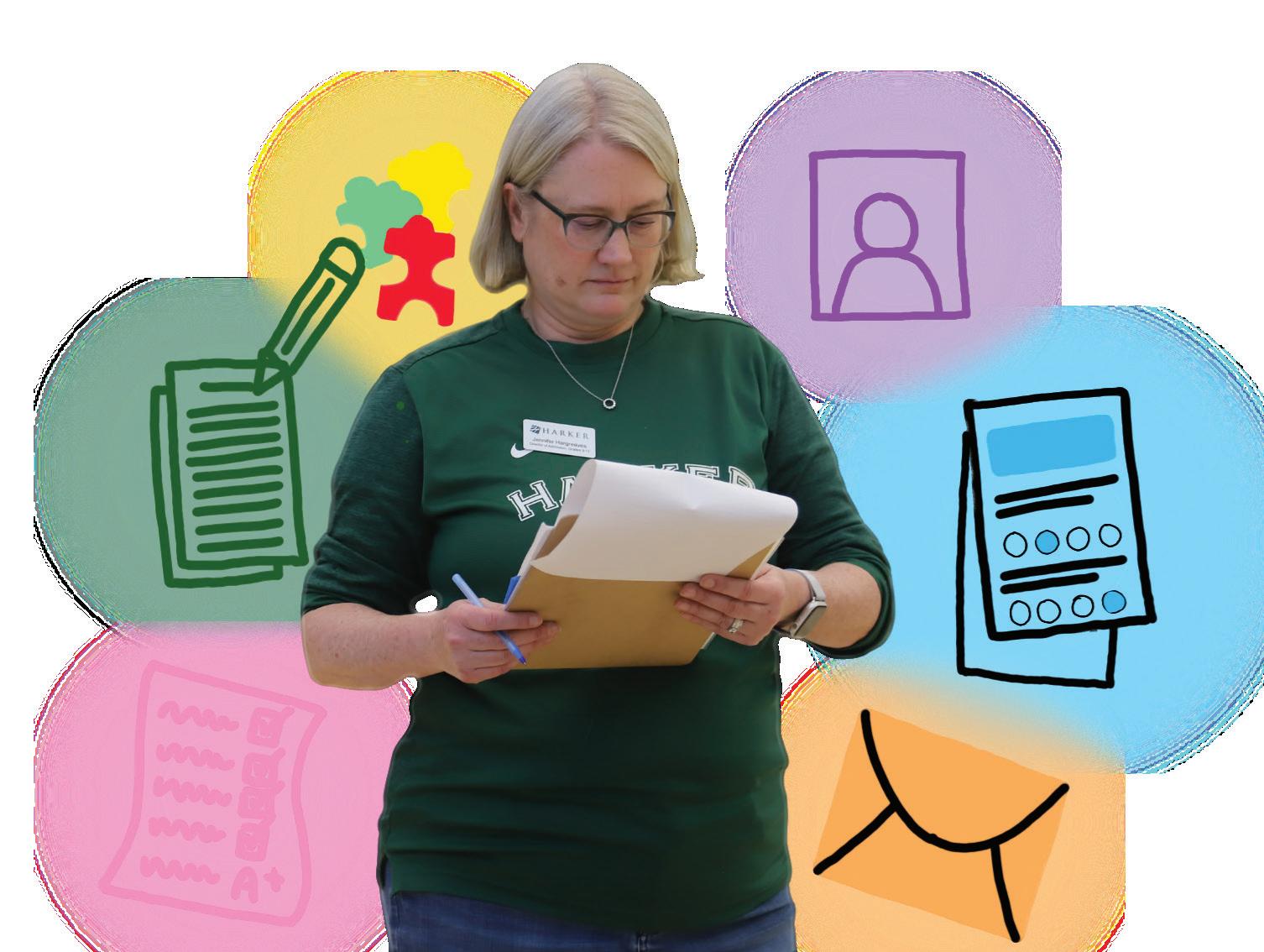
Director Jennifer Hargreaves oversees an application process that includes components like student essays, teacher recommendations, transcripts, an interview with an upper school faculty member, an inperson activity session and more. Only after reviewing all these parts does the admissions committee examine SSAT or ISEE scores.
“We read every single application to really get a holistic evaluation of a candidate, and we look at the test scores at the end because we don’t want to be artificially biased by a quantitative number,”
Hargreaves said. “We accept a range of scores and we don’t want to just make one test score define the kid.”
The admissions team gathers perspectives from multiple sources: two of the applicant’s current teachers, a counselor or principal, parents and reviews from Harker upper school faculty.
History teacher Chuck Witschorik, who works with prospective students during activity sessions and conducts interviews, enjoys getting to know prospective students and introducing them to Harker.
“It’s a way that I can help to serve the school and support our mission by helping that next generation of Harker students to get to know Harker and be able to learn about what we do

here and why we love our school,” Dr. Witschorik said.
“We are looking for the students to embody Harker values from their own experiences at their current schools or things that they do in their personal time.”
Beyond individual qualifications, Harker looks to fill specific gaps each year. While many strong STEM students apply each year, the admissions team actively seeks students with diverse interests and activities. They review current rosters for programs like performing arts and sports teams, identifying spots left open by graduating seniors.
For sophomore Bhadra Pramod who moved from Washington state, the application process looked different. Bhadra could not attend the in-person activity session or open house and saw Harker for the first time during frosh
Yet a
significant challenge Harker admissions continues to face is demographic representation. While Latinx families comprise about 30% of Santa Clara County’s population, they are underrepresented at Harker.
“We read every single application to really get a holistic evaluation of a candidate.
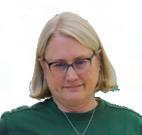
JENNIFER HARGREAVES
UPPER SCHOOL ADMISSIONS DIRECTOR
Hargreaves noted the preconceived notions about Harker that some families harbor. Despite the initial uncertainty, students like Bhadra found the community welcoming, echoing Hargreaves’ comment on the supportive environment within the Harker community.
“I came in unprepared,” she said. “Most of my friends are new students. It was nice getting to navigate school with them.”
According to Hargreaves, Harker seeks to admit a diverse pool of students who will contribute to and thrive within the school community.
Campus Compass: Library

vivek moorjani & dyuthi vallamsetty
Throughout the day, Harker’s upper school library transforms to meet the moment. Constructed in 2010, the library serves as a cornerstone of student life. Sophomore Jessie Valdivia spends nearly three hours a day at the library, studying, chatting with the librarians and checking out book recommendations. Built in 2010, the library has served as a cornerstone of student life throughout the day.
“I like the tables [since] they’re like a good height for me,” Jessie said. “When I go to do my work, I can focus easily.” The library’s flexible layout caters to different study styles.
But the library serves as more than just a place to catch up on work. Behind the scenes, librarians track what students read, teach classes on how to identify credible sources, do impactful research and plan reading competitions that get the whole school talking.Last year, the library and the Harker Book Blog launched Bookopoly.
“ADMISSIONS CHECKLIST Upper school Admissions Director Jennifer Hargreaves holds a clipboard. Hargreaves and the admissions team evaluate applicants on their essays, transcripts, interviews and more.
“The core thing that everyone tends to share is a love of learning — curious and wanting to be engaged in the classroom,” Hargreaves said. “We look for them to be involved in their community outside of just going to class in middle school. We look for kindness and being accepting and open. Those are the key characteristics that make a good fit here.”
Wealth stereotypes ignore socioeconomic diversity
For many outside the Harker community, the school’s reputation is often reduced to a number: its tuition. These stereotypes portray the Harker community as uniformly wealthy, obscuring the socioeconomic diversity within the student body and misrepresenting actual student experiences.
“I volunteer at a hospital that is 10 minutes away from Harker, and there’s definitely been reactions when I’ve said I’m from Harker,” junior Lana Tariq said. “There are people like, ‘Oh wow, you must be super wealthy.’ Due to the way the campus looks, some of it is rooted in reality, but there definitely is an idea of what a kid who goes there is economically. They assume everyone who goes there is insanely rich.”
This assumption about Harker’s socioeconomic uniformity persists despite the fact that Harker operates under
a need-blind admissions policy, which does not consider an applicant’s financial situation during the application process, and awards millions of dollars in financial aid each year. For the 2024-25 school year, Harker offered a total of $9.8 million in aid across all campuses.
According to Head of School Brian Yager, around 10% of TK-12 Harker students receive some form of needbased financial aid, with awards averaging 50% of tuition. An additional 7%, the children of faculty or staff, receive tuition remission, which amounts to a substantial discount that is typically more than 50%.
One anonymous student who identifies as low-income and receives aid believed that the stereotype of wealth does not reflect their Harker experience.
“Even when I was in public school, people thought [Harker] was really expensive, that it’s not affordable and it’s only for the elite, but I just don’t think that’s true,” they said. “Harker

PULLING BACK THE CURTAIN Behind the perception of Harker as a wealthy school lays a much more diverse socioeconomic reality.
will make it affordable for you, especially if you’re willing to put in the effort to succeed. No matter what socioeconomic background you come from, you can still have a lot of good opportunities here, and that’s what’s most important.”
A key factor behind the stereotype is Harker’s tuition, amounting at $66,950 for the
2026-27 school year. Although high, it is comparable to other private schools in the Bay Area, including The Menlo School and Nueva Upper School, which charge $64,718 and $62,560 respectively. This year, Nueva allocated $8.6 million on aid, supporting 20% of its pre-K-12 student body of 975 students. Visit harkeraquila.com for more.
When I go to do my work, I can focus easily, and I can also connect with the people.

“The librarian’s job here is to help you guys with your critical thinking and finding reputable sources,” library assistant Sarah Smet said. “Media literacy is more important now than ever before. Our job here at the library is to help you guys put on your thinking caps. We’re teaching you guys the skills that you’re going to need for life so you can function in college and as adults.”
For many students like Jessie, these behind-the-scenes operations remain largely invisible. When they walk into the library each morning, they find a welcoming space.
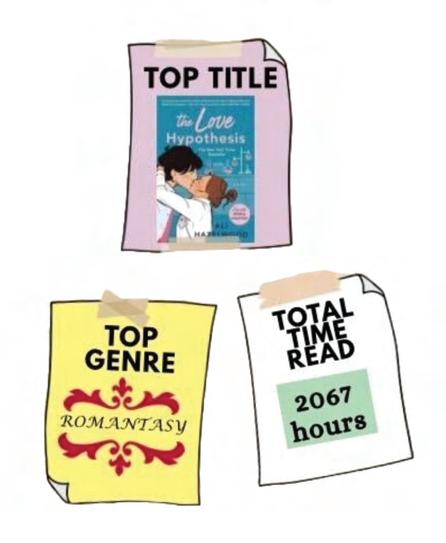
mendy mao, ashley mo & chelsea xie
JESSIE VALDIVIA (10) LIBRARY USER
SUHANI
Harker proposes campus renovations, new building
Administration has launched a long-term renovation of the upper school campus, with early plans proposing expanded, multi-story versions of Manzanita and Main Hall to better support student life and academics.
Construction is expected to begin in 2028 at the very earliest, but will depend on city approvals and funding.
Head of Upper School Paul Barsky hopes that these changes will address everyday issues faced by community members while maintaining coherence with other campus buildings.
“When I walk into the library and I see it’s very full, or when I see that it’s rainy and you all are trying to find a place to eat, that’s informal feedback for me,” Barsky said. “I sense that there’s a peaceful atmosphere around the campus, and I’d like to preserve that essence of space, both in physicality but also in time with the new renovations.”
The largest change planned in the renovation is a three-story structure that would replace the current Manzanita Hall. This new building may feature a dining hall that doubles as an event center and area for student life, as well as a wellness center housing counselors, the nurse and learning specialists.
The Journalism, Business and Entrepreneurship and Speech and Debate programs may also each receive specific centers and new rooms within the new building designed for instruction and collaboration. Underground parking spaces are under consideration.
Like Nichols Hall, which became the first academic building in Santa Clara
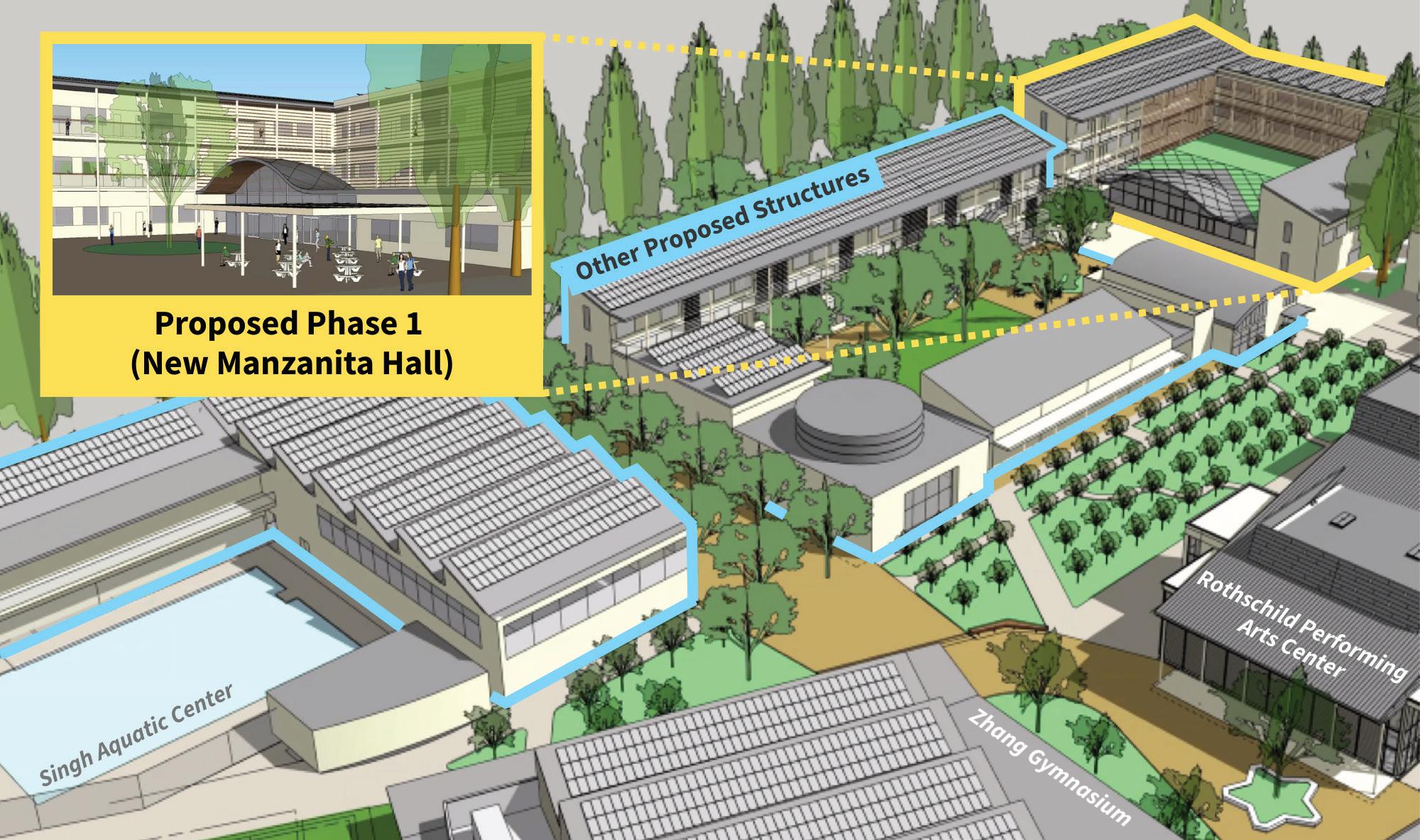
County to match LEED Gold certification standards set for green buildings by the U.S. Green Building Council in 2009, all new buildings are likely to feature efficient heating, ventilation and air conditioning systems as well as solar panels to maintain the school’s commitment to sustainability.
“One of the overarching goals would be environmental efficiency and making sure we preserve those places of nature on campus, like the Orchard or the Quad,” Barsky said. “I want more of that. We should also have places, little nooks and crannies where kids can hang out as well.”
Administration is currently finalizing building designs with
“We want the new buildings to functionally and aesthetically interact with the existing buildings.

BRIAN YAGER HEAD OF SCHOOL
”
Head of School Brian Yager noted Hart’s capability to design a cohesive campus environment.
“Part of the architect’s job is to design buildings in a way that works within the framework of what’s already here,” Yager said.
“We want the new buildings to functionally and aesthetically interact appropriately with the existing buildings. One of the reasons we hired Mr. Hart to be the matchman is because he’s already done these buildings, and he can design new ones that work with the existing ones.”
With plans in place, the next steps include securing city approvals through conducting traffic studies and meeting with local residents to minimize the impact on the neighborhood.



For Vova, this experience embodies the reality of automobile mechanics.
Junior Vova Shchegrov arrived at the auto repair garage at 7 a.m. expecting a routine repair. He planned to replace the radiator in his BMW E46 and leave by noon, but the job quickly spiraled into a day-long test of both mental and physical endurance. By 4 p.m., he was still working on his car.
What started as a simple maintenance task revealed a cascade of other issues.
“Once you start working on cars, you realize that a twohour job is always going to turn into something longer,” Vova said. “But I never want to stop working on my car until my job is finished.”
Some students see cars as engineering challenges and sources of adrenaline. For these enthusiasts, their interest in cars shape their free time, friendships and future careers.
“Most people just view cars as point A to point B,” sophomore Haoqi Xu said. “For regular people who don’t care about cars, modifying them and driving them hard doesn’t interest them. But for me, the fact that I like it means that when I do it, I feel better.”
For Vova, his interest began in fifth grade, when his father gifted him a notebook detailing the designs of a new BMW release. His initial spark led him to consume YouTube videos on mechanics before
“We’re always trying to figure out what’s the coolest thing we can possibly build for students,” Rosenthal said. “We could build a nine-story building that has the best things in the whole world, but we wouldn’t be able to raise that kind of money.”
While tuition fees cover operating costs of day-today school life, from faculty compensation to classroom materials, funding for campus buildings depends on donations from parents and alumni.
“We’re very lucky that we have a very generous community, and they respond very well to the needs of our students,” Rosenthal said.
Executive Director of Strategic Initiatives Joe Rosenthal explained how budget also plays a role in determining expansion potential.
Students explore engineering passion through car culture
eventually landing a summer job at Autohaus Klaus Nagel, a Mercedes-Benz specialized workshop in Redwood City.
Over the summer, he spent most of his days at the workshop, waking up at 6 a.m. to be there early. His mornings consisted of cleaning oil stains and preparing the workspace before transitioning to more complex tasks. He advanced from simple oil changes to significant projects, like swapping the body and wheels between two vintage Chevrolet K5 Blazers to create one functioning vehicle.
The work was taxing, and Vova recalls dealing with broken parts and the force needed to dismantle old components.
“That really takes mental fortitude because you will get really frustrated,” Vova said.
“I got frustrated many, many times. It is also very physically demanding. A lot of these cars have rust that makes it really hard to work on. You have to use your strength to sometimes just take things apart and put them back together.”
Despite the exhaustion, the job offered Vova a unique sense of community and thrill. He built
close friendships with the other mechanics, many of whom were much older than him. These bonds were formed over shared interests and the collective satisfaction of diagnosing complex mechanical issues. He also enjoyed being able to experience driving a variety of different cars from clients.
The engineering aspect of cars also serves as a gateway to academic and career pursuits. Vova credits his work with cars as his source of passion for engineering, which he plans to pursue in college.
Similarly, senior Justin Yang traces his interest in engineering back to automotive design. While he grew up watching cars from the passenger seat on road trips, he now appreciates the control of driving a manual transmission and the complex systems that make the vehicle move.
“I’m interested in engineering, and that is what I am going to be studying once I go to university,” Justin said. “Cars really inspired that because there is a lot of engineering and design work that goes into them.”
Kevin Hart Architecture, the same firm which helped develop the Rothschild Performing Arts Center and Athletic Center.
FIVE YEAR PLAN Early designs for Upper School building renovations include a rebuilt Manzanita Hall, potentially with an underground parking structure, as the first phase. Construction could begin within the next five years, with a new Main Hall to be built in the future.
tiffany zhu, jonathan szeto, eva cheng & charlie wang
SAM LI
sam li & william jiang
UNDER THE HOOD Vova Shchegrov (11) inspects his car engine before driving. Through his work as a mechanic, Vova gained hands-on engineering skills and a deeper understanding of how cars function.




Talk Stranger Things season five with Aquila
Surrounded by toe pads, spacers and skirts, professional dancer Naomi Le stretches on the marley floor of her ballet studio. With expert precision, she loops the ribbon of her pointe shoes around her ankles: once around, then across, then over the foot, preparing for another long day of rehearsals. For Le, now a Company Artist at the New Ballet Company, a premier ballet company located in San Jose, the ritual marks years of persistence towards her career.
Le’s introduction to ballet began as a medical recommendation rather than an artistic pursuit. As a child, doctors noticed her difficulties with crawling and warned her
mother of possible long-term mobility issues.
“My doctor told my mom that I had motor issues,” Le said. “I started walking a little funny. But a ballet teacher from a studio nearby was like, ‘It’s ok, we can fix it. We can do it,’ and I ended up starting ballet.”
With the guidance of teachers at New Ballet, Le’s ability developed through repeated practice and correction. Gradually, what began as physical therapy grew into a serious commitment.
“When I was younger, my expectation was very much that this was just a hobby,” Le said. “Me at 18 versus me now — you would not have thought that’s the same dancer. That’s my favorite part of it. It’s an art that you can grow in and mature in.”
After 12 years of dancing, Naomi’s high school graduation neared. Le faced a dilemma familiar to many young dancers: whether to keep training or
“Schools and institutions will always be there, but your body will only be like this for a few more years.

NAOMI LE NEW BALLET COMPANY ARTIST
pursue higher education. Instead of limiting herself to one option, Le chose to take neurobiology classes at a community college while continuing her intensive
ballet training at the same time. Though her schedule quickly filled with academic courses and rehearsals, Le managed her workload by maintaining a grounded mindset.
“Ballet is very demanding, so when you’re at school, you just don’t think about it,” Le
said. “When you’re at ballet, you don’t think about school. It’s overloading, like you’re blending two different worlds and two different demands that are incredibly difficult to handle alone. Having that separation is important so that it doesn’t layer on top of that pressure of choosing ballet or school.”
After Le completed her associate’s degree in neurobiology, she faced another difficult choice between continuing ballet professionally

Originally used to teach geography in the mid-1700s, jigsaw puzzles today represent a relaxing way to put together a piece of art. From forest landscapes to animal portraits to colorful city scenes, each puzzle allows the creator to slow down as they form something whole out of a jumble of pieces.
Proven to help with cognitive enrichment, jigsaw
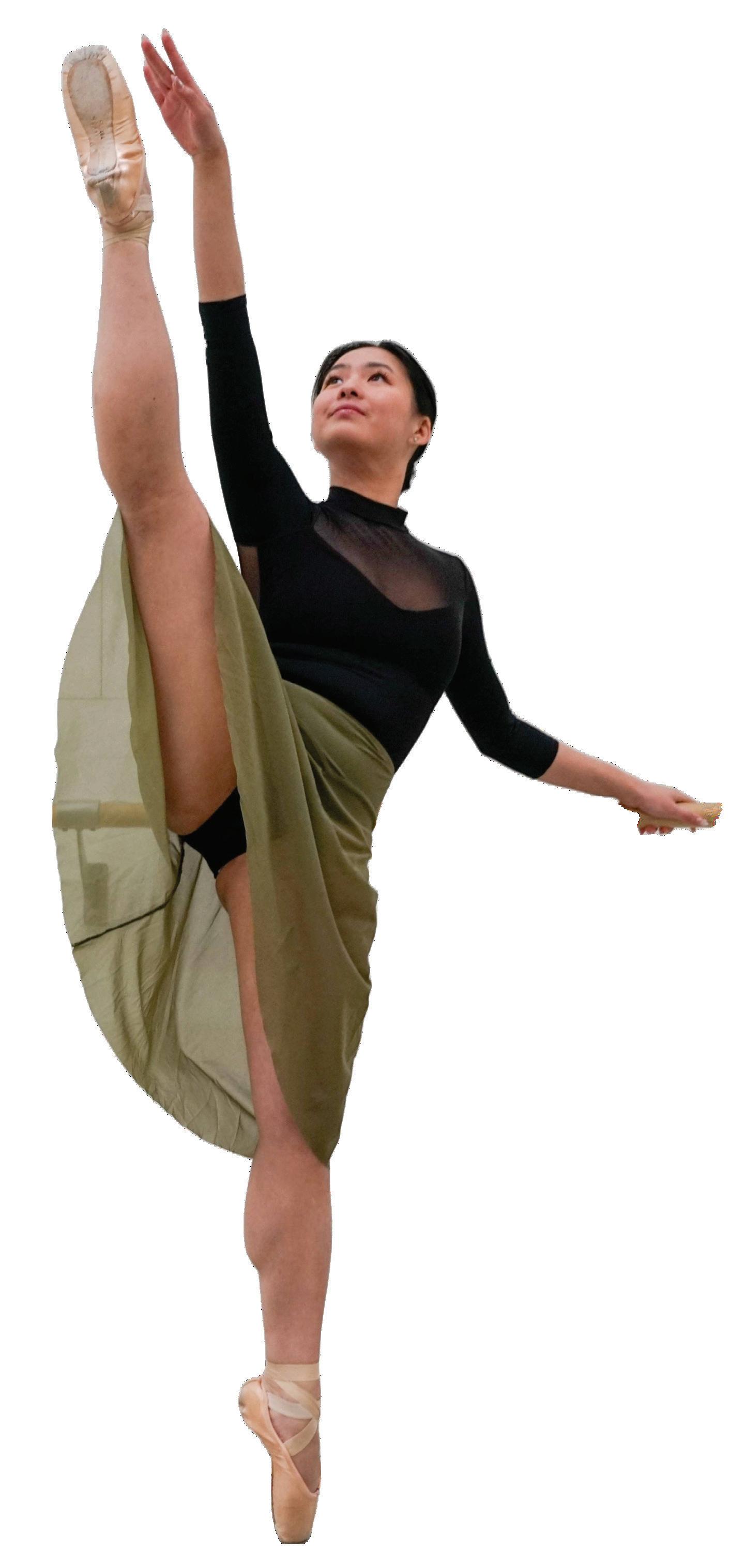
make a jigsaw puzzle in four steps


simple steps to improve your puzzling skills while making the experience less frustrating and more rewarding!
1. Choose your workspace Pick a quiet, comfy spot where you can focus, and make sure you have a flat surface that’s large enough to spread everything out. Good lighting and a clear surface will
not only make puzzles easier, but also more fun!
2. Sort the pieces
Once you have taken everything out of the box, flip all the pieces face up and start sorting. Pull out the edge pieces first, then group the rest by noticeable colors, patterns or textures. Sorting helps reduce the chaos of all the pieces and makes it easier to focus on one section at a time.
3. Build the frame
Using the edge pieces you put aside earlier, start building the border of the puzzle. This figuring out where the internal pieces go less confusing. Even if it takes a while, finishing the border makes the rest of the puzzle feel more manageable.


4. Fill in the inside
Now comes the fun part! It’s time to fill in the center. Start with the easiest sections, like areas with bold colors or recognizable objects. Work in small chunks instead of trying to solve everything at once. As sections connect, the puzzle will come together naturally.
emma
li & leah krupnik

The final episode of Stranger Things Season 5, the final season of the show, aired on Netflix on Dec. 31, 2025. The ambiguous ending and packed finale prompted mixed reactions from viewers. Filled with action, character development, plot twists and full-circle references to prior seasons, did the season ultimately offer the satisfying ending to the saga that it promised? Join Harker Aquila reporters Emma Li and Leah Krupnik in discussing their thoughts on this season.
LEAH: I really liked this season. I thought it had some really good character building, but I did think that, overall, the writers tried to cram a lot into this final season, so some of the storylines ended up feeling incomplete by the last episode.
EMMA: I definitely agree with Leah. As someone who’s watched all the seasons preceding Season 5, I do feel like it was definitely one of the weaker seasons, if not the
“I thought it had some really good character building, but I did think that, overall, the writers tried to cram a lot into this final season.
weakest season. In Season 5, the cast was a bit bloated in my opinion. There got to be quite a few characters, and I feel like some existing characters could have been better utilized instead of just adding all these new characters in.
LEAH: I actually did really like the way that the ending was framed and how the storyline wasn’t black and white. I thought that was one thing that the show did fairly well — it really emphasized a lot of the nuance. But I think with so many different nuances in the different character relationships, it struggled to keep a lot of things straight.
EMMA: The show is a little bit inconsistent with the worldbuilding and the environment overall. The stakes didn’t feel real in the season at some points, especially with, you know, how the military just disappeared out of nowhere. I just feel like the danger didn’t feel quite real.
Thank you for tuning in on Emma and Leah’s thoughts about the final season of Stranger Things!
Visit harkeraquila.com for more.
dyuthi vallamsetty

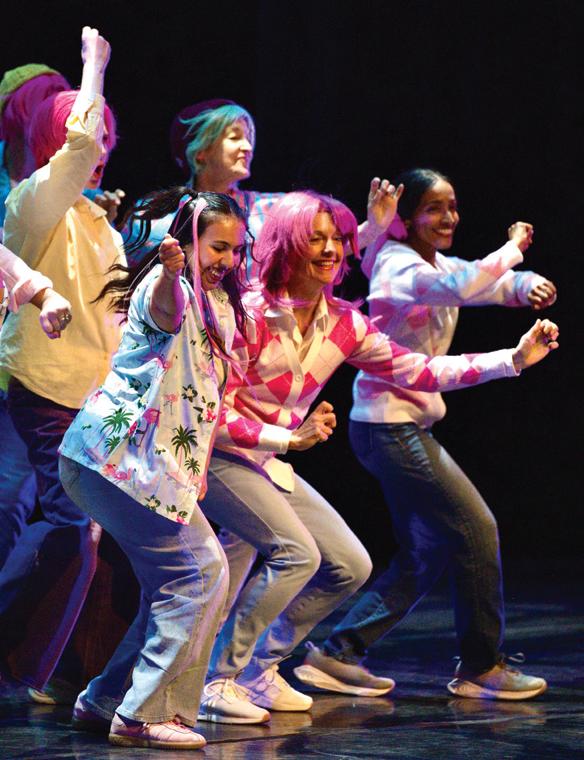


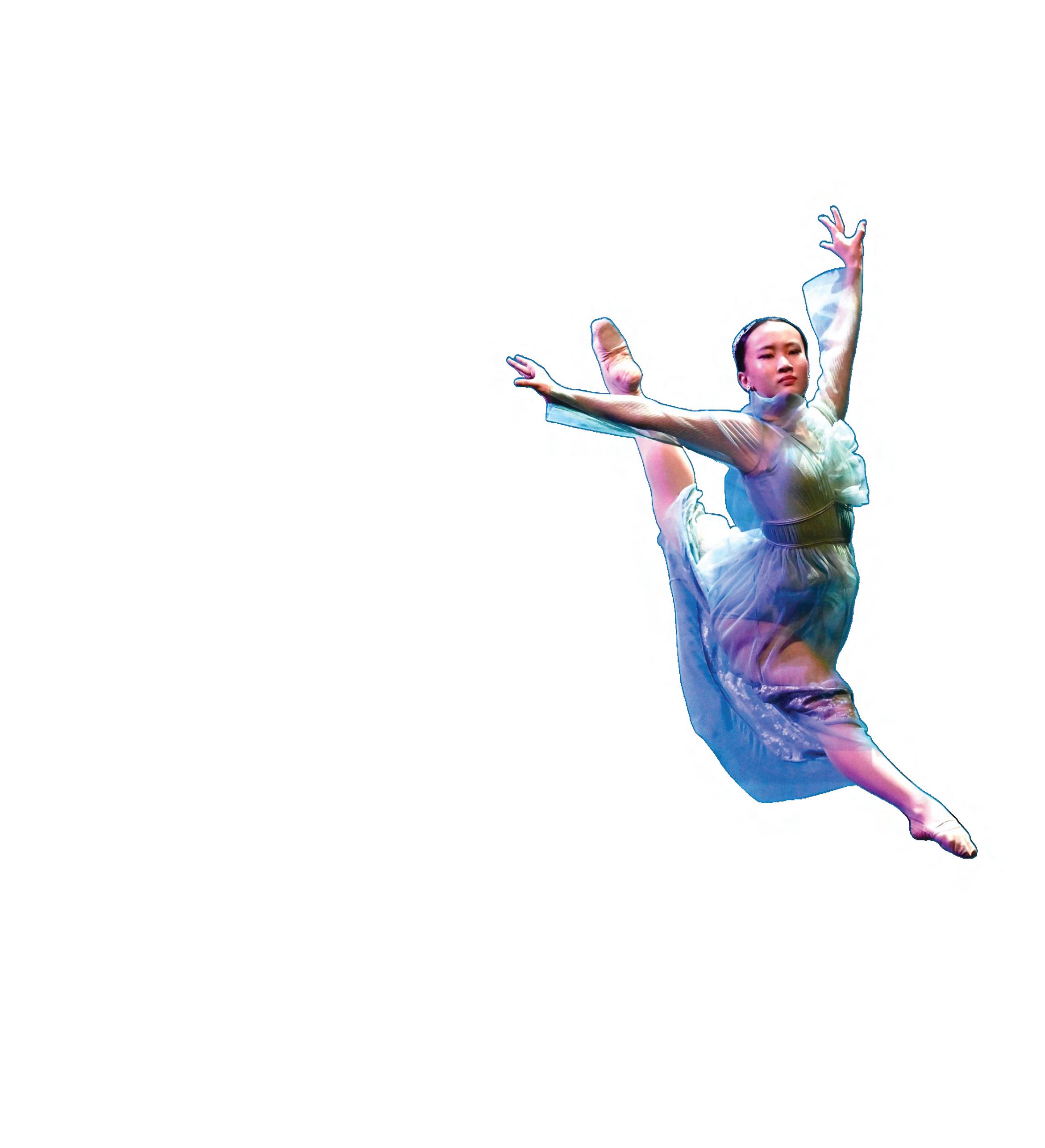








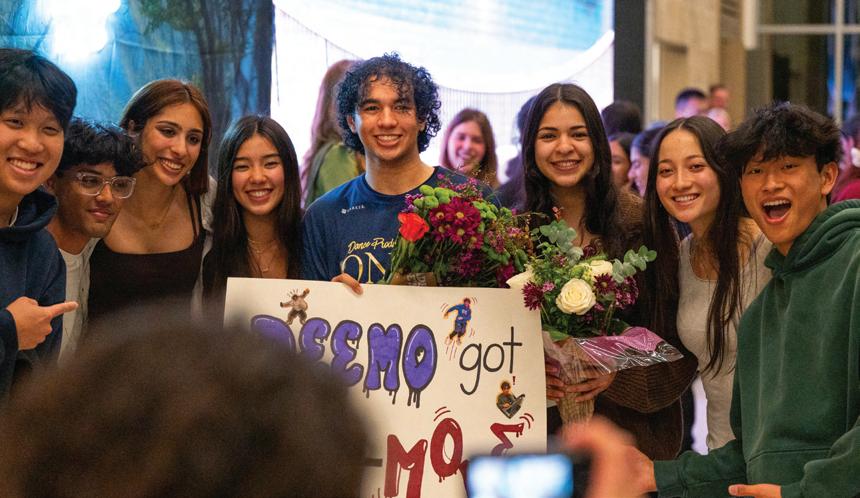

“ Seeing students’ vision come to fruition with music and costuming was my favorite part.

JILL YAGER
DANCE PRODUCTION ASSISTANT DIRECTOR





atop the Griffith Observatory, the sun sets on Los Angeles. Visitors received free admission to look through telescopes and visit exhibits about space.
ROYAL ROYCE (ABOVE) Royce Hall stands in the center of UCLA. One of the four original buildings of the campus, it has come to be a defining image for the school.

Streaks of orange and pink paint the sky at Griffith Observatory as the sun sets upon the Los Angeles hills, highlighting the iconic symbol of the bright white Hollywood sign. In a brilliant red wink, the sun finally sinks beneath the horizon. Slowly, the lights of the city below begin to illuminate the landscape, and twinkling constellations replace the twilight glow.
Despite the sunset disappearing, the observation decks seemed to become even more crowded as people clamored to view the stars and enter the observatory. In a mirror of the activity above, the city of Los Angeles was coming alive, miniature figures dotting the streets and the sounds of cars honking faintly drifting up. For many, the night had just begun.
Although this was not my first time in the so-called “City of Stars,” it was the first time I truly considered what it meant
The first morning, my family and I headed to the University of Southern California. While strolling around the campus, we encountered pleasant surprises ranging from dozens of middle schoolers there for a national science olympiad to a mini photography museum hidden in the university’s cinematic arts building. As I listened to nearby university students gossiping during lunch and stressing over
“I envisioned mornings like these, free of the stresses I had imagined in my future and filled instead with calming self-reflection.
coursework, the environment almost began to feel familiar to me. Suddenly, even though the future seemed closer, it wasn’t nearly as frightening. Later in the day, we visited
In contrast to the bustling atmospheres of USC and UCLA, the University of California, San Diego’s campus seemed almost drowsy. There were hammocks everywhere, and soft music echoed from hidden speakers, accompanied by the sound of flowing water. Swinging chairs and wind chimes hung enticingly on the side of each walkway, giving me a chance to sit down and breathe in the cool morning air. With each peaceful moment that passed, I envisioned mornings like these, free of the stress I had so often imagined in my future and filled instead with calming self-reflection.
Although not the primary reason for our trip, the Griffith Observatory was undoubtedly my favorite destination. Seeing the sun set upon the LA skyline, the observatory brought back my memories of childhood whimsy. I found myself gleefully darting between stations about planets and meteorites, reveling in the long-lost feeling of learning new information for learning’s sake.

SCRIPT AND SWORD (RIGHT) A statue of actor Douglas Fairbanks stands before the USC School of Cinematic Arts. GAZING UPON GEISEL (MIDDLE RIGHT) The Geisel Library is the main library building for UCSD. It was named after Audrey and Theodor Seuss Geisel, more commonly known as Dr. Seuss. PURPLE PETAL (FAR RIGHT) Flowers populate the bushes of UCSD’s campus, bringing in pops of color among the academic buildings.

10 minutes, 10 pages: Students dive into playwriting workshop
Conservatory students attended a workshop on writing short plays led by playwright Grace Hoffman on Jan. 23.
Hoffman began by reviewing two conventional doctrines of theater: Freytag’s pyramid and Aristotle’s unities of drama. The former outlines plot structure, including exposition, inciting incident, rising action, climax, falling action and resolution, while the latter states that plays should follow one plot, happen within one day and occur in one setting.
Theater teacher Brandi Griffith noted that although many attending students had learned these rules in prior courses, the workshop allowed them to expand their knowledge of theater beyond production and acting aspects.
“What makes this workshop different is that in Study of Theater, we are coming from the
lens of history and the lens of the actor,” Griffith said. “Here, [these student actors] put on their writer’s hats and combine it with the energy they know it takes to make a good scene.”
Hoffman then introduced the challenge of imagination within limits: creating a world filled with dramatic tension in a play just 10 minutes long. She shared her experience writing short plays, advising students to focus on at most three characters and to keep the setting constant.
“You want every single character to be undeniable,” Hoffman said. “That’s the goal because 10 minutes is so compact that you want to use every single line. People will notice if you have characters that aren’t used. If you have a wild twist at the climax but don’t have any foreshadowing that leads up, that will feel very unsatisfying to the viewers.”
To offer students a chance to see those playwriting techniques in action, Hoffman
introduced them to “Mister the Bear,” a 10-minute play by Bridgette Dutta Portman that follows a young man as he comes to terms with the grief of losing his family.
The students first performed a cold read-through before examining the script more thoroughly, analyzing what each line revealed and how the writing used dialogue to advance the plot.
Junior Duncan Marquardt attended the workshop to develop his skills in understanding a script from the birds-eye view of a writer.
“It was helpful to take a piece of work and then dive
in and see the science behind the writing,” Duncan said. “It was good to see how another author uses the techniques [Hoffman taught] in their own work. It
helped me connect the dialogue itself to stage presence, and [I saw] how even the smallest bit of dialogue in this short condensed form became super important.”
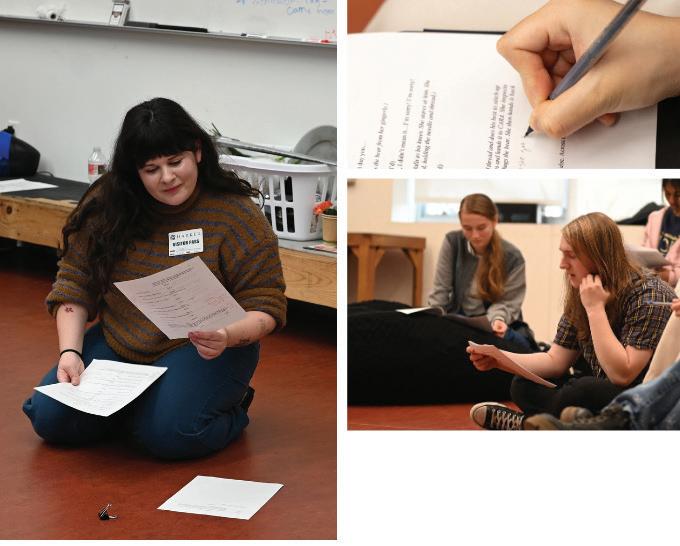
kairui sun & chelsea xie
cynthia xie
TEN MINUTES Grace Hoffman walks attendees through a short play. TEN PAGES Emma Zhou (10) takes notes on her copy of the play. TEN ATTENDEES Duncan Marquardt (11) cold reads the play “Mister the Bear.“

Blooming from the STEM: Startups and security
Frank Wang (’08) directs
heather wang, claire tian & elizabeth zhang
Cybersecurity for Frank Wang (’08), Ph.D., has meant staying one step ahead of how technology and people behave. As the security lead at Surge AI, Dr. Wang plays a key role in protecting the infrastructure behind artificial intelligence systems as the field rapidly evolves.
However, Dr. Wang’s interest in security lay much later in his career. During his undergraduate years, he looked for a field that integrated mathematical thinking and realworld systems.
“I had that all going to college but not really a good idea of what exactly I would do,” Dr. Wang said. “I took a
“I wanted to do a mixture of math and a systems application: not building web apps, but not just math on paper.

FRANK WANG
SURGE AI SECURITY ENGINEER
”bunch of classes my freshman year, in various areas — I took a sociology class, math class and a couple of computer science classes, and I decided I was most
cybersecurity at data annotation startup Surge AI
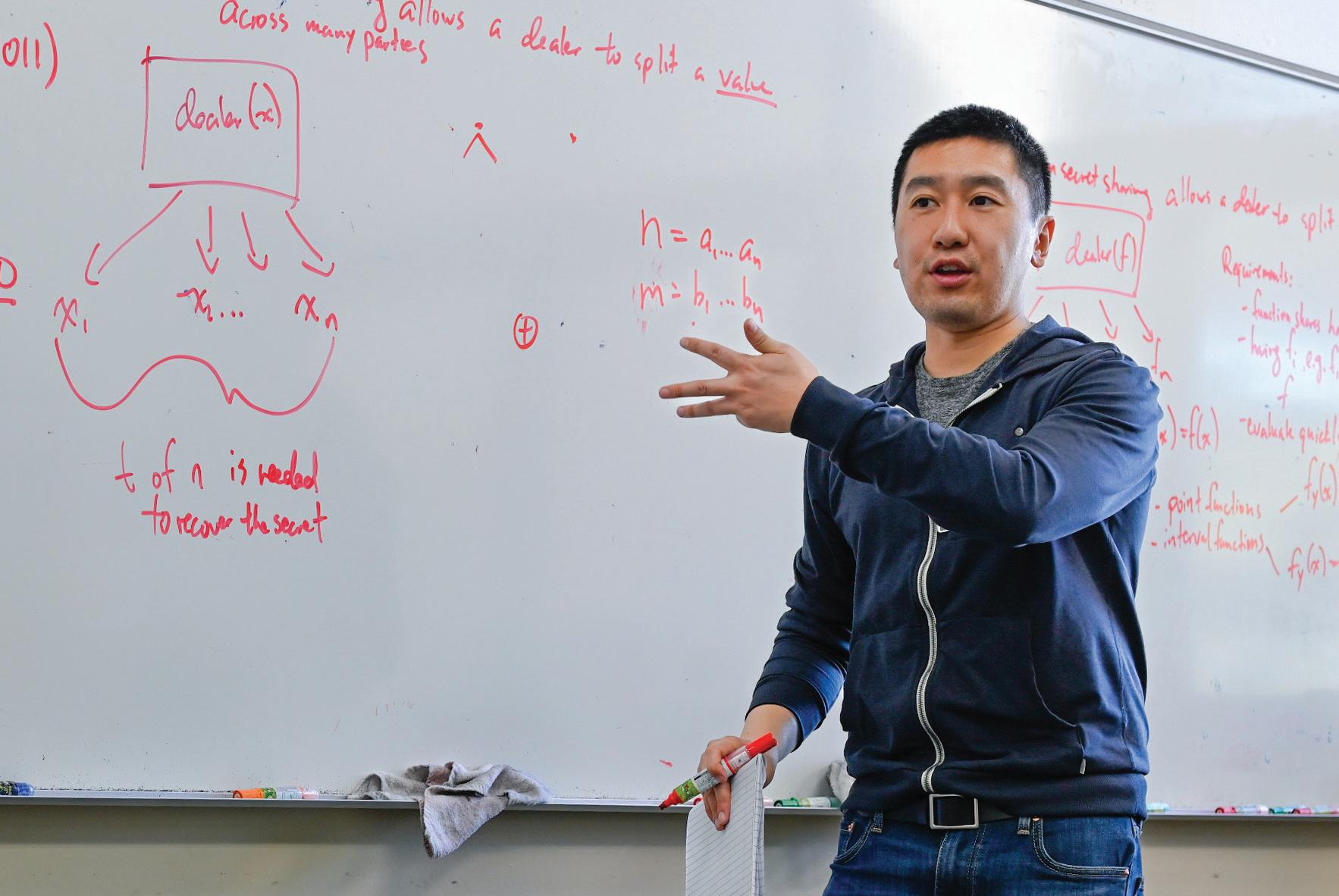
Dr. Wang began exploring cybersecurity research during his junior year of college, working with an advisor who specialized in the field. Wang’s early research focused on privacy, an issue that often went overlooked. One project explored how cryptography could allow users to share location-based information without revealing exact locations. Another examined how sensitive healthcare data could be encrypted in ways that complied with existing laws.

Dr. Wang’s curiosity ultimately led him from Stanford to MIT to pursue research. He
saw a doctorate as an opportunity to master proving the value of a research concept before the rest of the world caught on.
“There’s something about writing a thesis and [being] forced to justify yourself on new research that’s quite interesting,” Dr. Wang said. “In the beginning, you don’t know what you’re doing and then later you know what you’re doing and then apparently the metric is just when you think you know what you’re doing, you’re supposed to leave. People who don’t have a Ph.D. don’t believe Ph.D.s are worth it, but if you ask everyone who has a Ph.D. if
they would do it again, and a lot of people would say yes.”
His Ph.D. in computer science at MIT focused on preventing data leaks in largescale web services, examining everything from browsers to JavaScript compilers. While coursework and exams provided a framework for his Ph.D. process, Dr. Wang found that deciding what research was too much or not enough depended on subjective standards set by the academic community. Learning to defend his own ideas was one of the most lasting lessons of his academic career. Visit harkeraquila.com for more.
Stochastic class surveys applied math
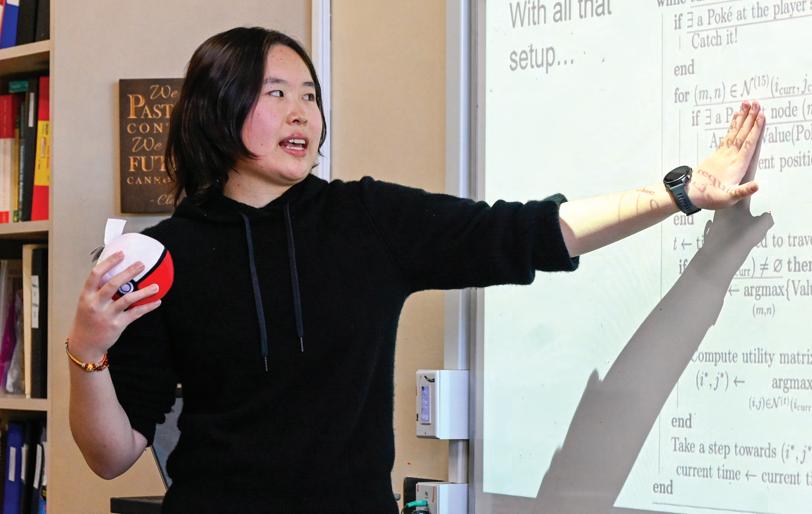
PRESENTING PROBABILITIES Jessica Hu (12) presents a final project on the game Pokémon Go in Probability and Stochastic Processes.
prediction, regime changes and infectious disease transition.
Students in the Probability and Stochastic Processes course gave presentations on applications of stochastic processes on Jan. 13 and 15, marking the conclusion of the semester-long class.
Working in groups of two or three, they had 20 minutes to give their prepared presentation, followed by five minutes for a question-and-answer session with their classmates. Groups presented on topics like weather
The course, open to all students who had taken one year of math after AP Calculus, was offered for the first time during the 2025-26 school year. It provided students with a foundation in probability, covering topics like random variables and random vectors.
Students also explored Markov chains and stochastic processes, models of systems that change randomly over time.
“The variety of applications of stochastic processes is
fascinating, and the students can certainly speak to that,” Mathematics teacher Anu Aiyer said. “The classic examples are Google’s PageRank algorithm, large language models and finance. But the students also saw other applications, either in class or through the group presentations, from card shuffling and Pokémon Go to more classic examples like martingales and random walks.”
Dr. Aiyer was inspired to introduce the class to expand her own knowledge. After students in last year’s mathematics courses offered input on topics of interest through a form, she chose to teach stochastic processes. The topic has a wide range of modern applications, including quantitative finance, search engines and AI.
“I enjoyed how difficult the class was,” said senior Jaden Fu, who presented on card shuffling with seniors Caden Ruan and Ritik Raman. “I had to take a lot of time to understand the concepts, and it was a different way of thinking about probability than I had experienced before.”
AI agents take off globally after 2025

“Agentic” was the trendiest AI term of the year. It is plastered in eye-catching colors all over online ads and billboards, but what it truly means in practice can be fuzzy.
Most modern AI “agents” are built on top of large language models (LLMs). An LLM reads a text prompt and predicts what words should come next based on linguistic patterns learned from massive amounts of training data. An agent, on the other hand, is like an LLM with eyes, arms, and legs, using that LLM to act: it can make decisions, execute practical tasks, and achieve a goal.
For example, Decagon built an autonomous customer service agent that has been adopted by many companies,
“Although LLMs are reliable enough to create functional agents, they still carry risks of hallucination and error.
”Dr. Aiyer planned the presentations because the time constraints of the semesterlong class limited how much time could be spent exploring the many stochastic process applications. She hoped students would learn how the theoretical concepts covered in the course could be used in real life.
“I hope students take away that with the time-series data that we now have access to, stochastic processes and the way to model that data are going to be more and more prevalent,” Dr.
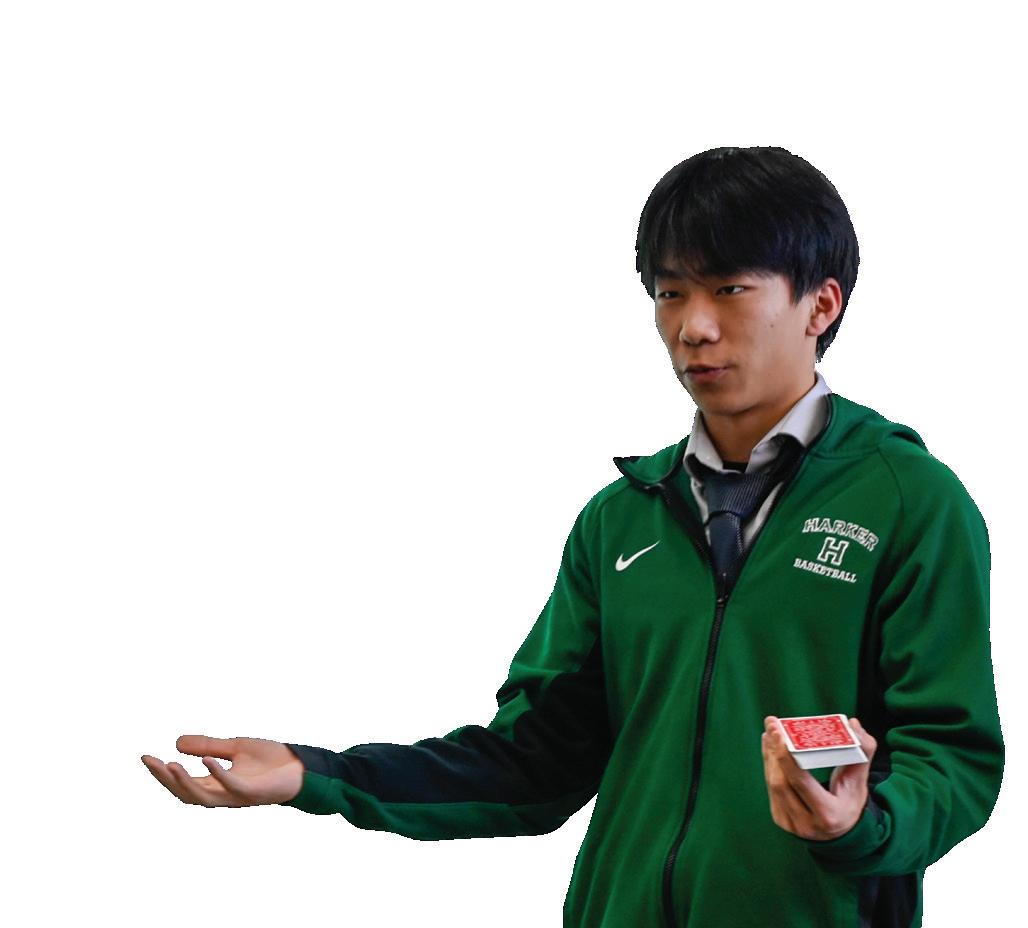
from Notion to Duolingo. With its “eyes,” the service agent can access user inputs and knowledge bases — accessing much of the same data as a human employee can. The underlying LLM takes in this information and decides which actions to take. With its “arms and legs,” the agent can carry out that decision by responding to customers, creating customer support tickets, redirecting calls and so on.
Why are agents taking off right now? The biggest reason is that LLMs have improved enough to be trusted with autonomy. A few years ago, LLMs were more like stumbling toddlers, sometimes answering questions right, but often failing to follow instructions or making absurd mistakes. That lack of reliability meant that giving an LLM arms and legs would be ineffective.
Since then, better training methods and massive investments in computing power have made LLMs far more reliable and capable, to the point that further improvements are becoming more incremental. So, the next natural step is to use these powerful LLMs to do tangible work as AI agents. LLM automation could become more accessible to the general public.
harkeraquila.com for more.
CLAIRE TIAN
SECURING SECRETS Lead cybersecurity engineer Frank Wang, Ph.D., delivers a math club lecture on cryptography, in particular the foundational security techinque of secret sharing.
jonathan szeto & caden ruan
claire tian
ALL IN THE CARDS Caden Ruan (12) demonstrates his group’s final project on card shuffling.
What’s the science behind procrastination?
Why is it easier to scroll, chat or even plan a study schedule than simply start an assignment you know you need to finish?
Procrastination might seem like nothing more than bad time management, but beneath the surface, it is driven by a series of neurological processes that lead people to put off work for long periods of time, like hours or even days.
Neuroscience Club president and neurodegenerative disease researcher Danielle Steinbach (12) has learned through her research that deeply interconnected neurological pathways can cause even small decisions to cascade into harmful habits.
“The long-term executive function part of the brain that is responsible for overriding the urge to procrastinate gets more
85% of college students PROCRASTINATE
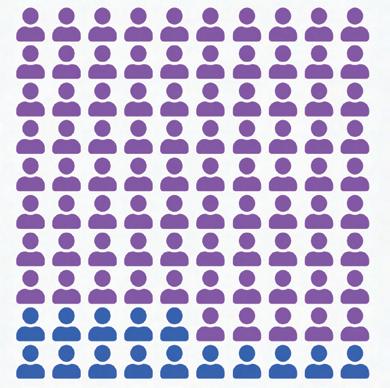
SOURCE: NCBI.ORG
developed as you grow older, which is why procrastination tends to be a bigger issue among adolescents,” Danielle said. “The limbic system, which drives procrastination, is the emotional center of the brain, and is deeply connected with the reward system.”
“
You lose your clarity of thought and you don’t know exactly what you should be doing anymore.

AMEYA CHOUDHARY NEUROSCIENCE CLUB
Procrastination typically occurs when someone’s desire for short-term rewards leads to decisions that trigger the release of high levels of dopamine, often at the cost of long-term benefits. Inside the brain, the limbic system can override executive control centers like the prefrontal cortex, which serves as “responsible” decision-making hub that urges individuals to complete work on time. Sophomore Ameya Choudhary often struggles with falling into the cycle of procrastination and stress despite knowing that reaping short-term pleasures can cause an accumulation of harm in the future.
“When you are procrastinating, you lose your clarity of thought and don’t know exactly what you should be doing anymore,” Ameya said. “It’s a mix of losing track of your immediate focus and goals, and at the same time being frustrated, anxious and worried about how the rest of the day is going to go after you just wasted so much time.”
Ameya notes that unscheduled free time can lead to procrastination because the lack of concrete goals leaves room for distractions.
“When I’m able to make a calendar or some sort of plan of what I need to do, I’m procrastinating the least,” Ameya said. “But in those random intervals of time when I can actually be very productive, I don’t have deadlines set for myself, and that’s when I procrastinate most.”
Especially in competitive academic environments Harker, students may procrastinate as a response to pressure or stress. Students often choose simpler tasks over writing an essay because they feel more manageable and less daunting.
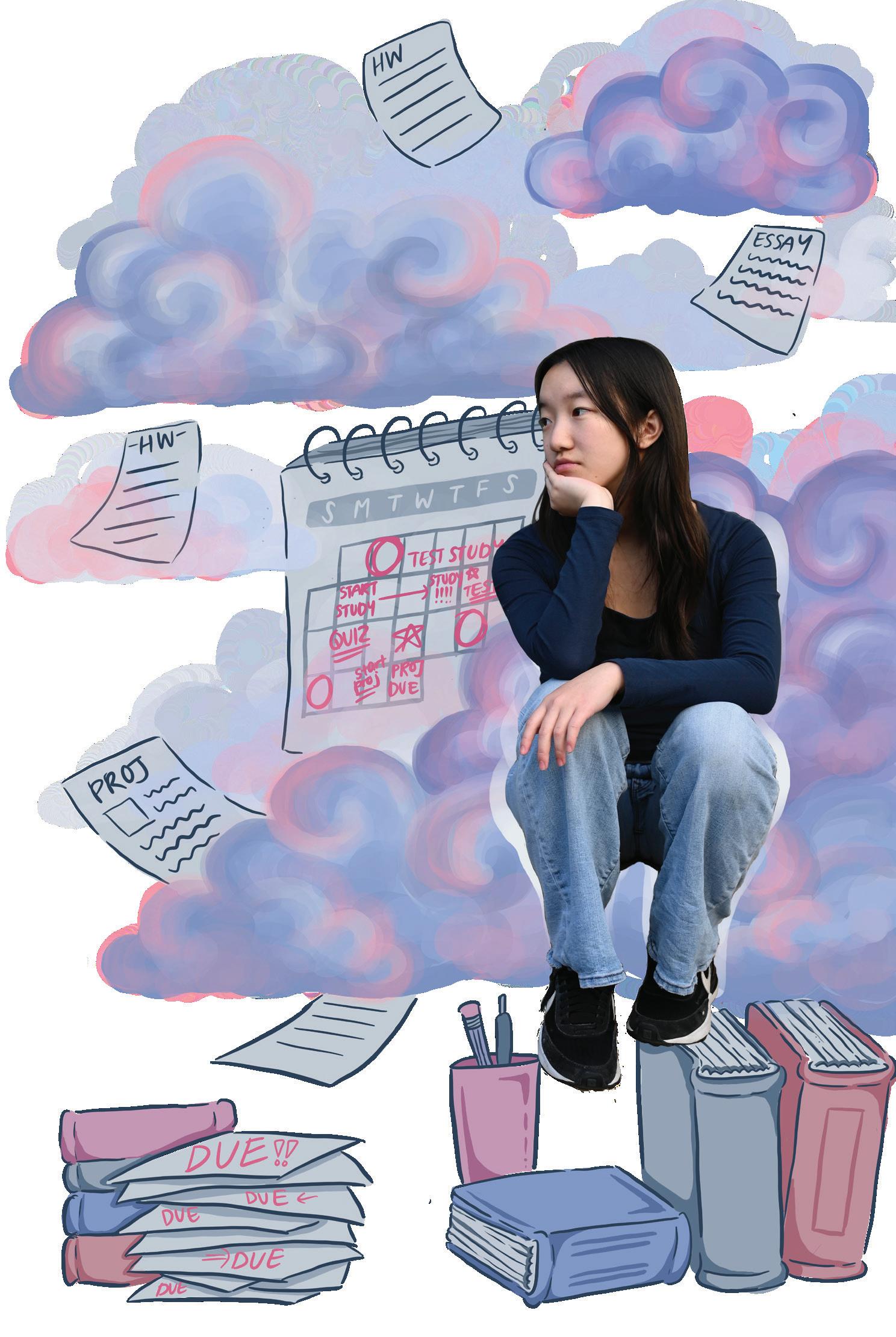
LOST IN PROCRASTINATION Junior Elizabeth Zhang stares into a sea of unfinished tasks, essays and homework, knowing procrastination looms ahead.
Medical Club powers third annual life-saving blood drive
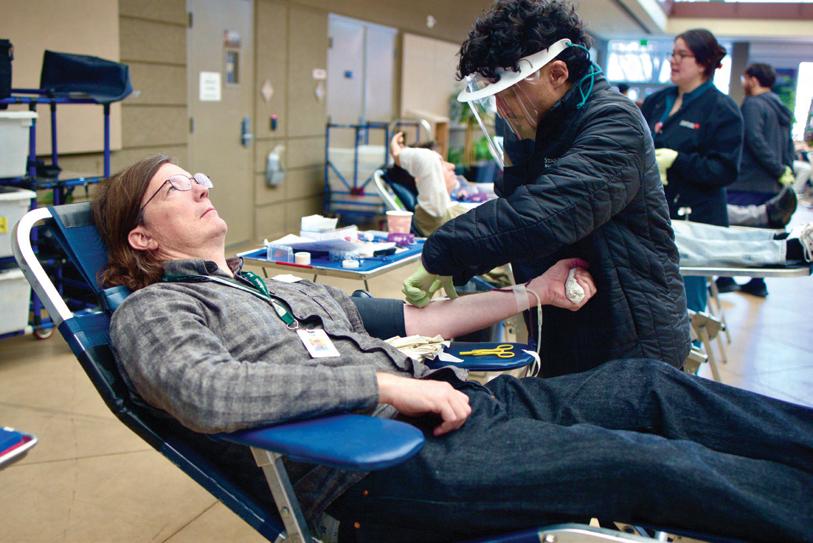
Twenty-five student and faculty members collectively donated 12 liters of blood in the third annual drive hosted by Medical Club in collaboration with the Stanford Blood Center on Jan. 21 in the Nichols Atrium.
Students over the age of 17 and all faculty members were eligible to participate. Throughout the day, donors signed up for different time slots, completed short health screenings and donated around one pint of blood each under the supervision of Stanford medical staff.
“There’s no such thing as synthetic blood, so the only way that hospitals get blood is if people donate,” Stanford Blood Center volunteer Bill Guida said. “It’s a very unselfish way of helping a lot of people, and it’s pretty easy to do.” The blood collected, which is estimated to impact around 78 potential patients, will be used for a variety of medical purposes, including surgeries and trauma care. Because blood has a limited shelf life, regular donations from blood drives are necessary to maintain an adequate supply in hospitals. According to the Red Cross, there is a shortage of
type O, A and B negative blood. To encourage participation, Medical Club offered donors a $20 E-Gift Card and a special edition Warriors sweatshirt. Senior Spencer Chang’s primary motivation was his sense of responsibility to help others.
“My blood type’s O positive, so I feel obligated to give a bit,” Spencer said. “I would be lying if I said I wasn’t nervous going into it, but it’s not that scary. I’m happy to help out.”
Students who did not meet the requirements to donate blood were encouraged to volunteer for the event in other ways, like organizing paperwork and directing donors.
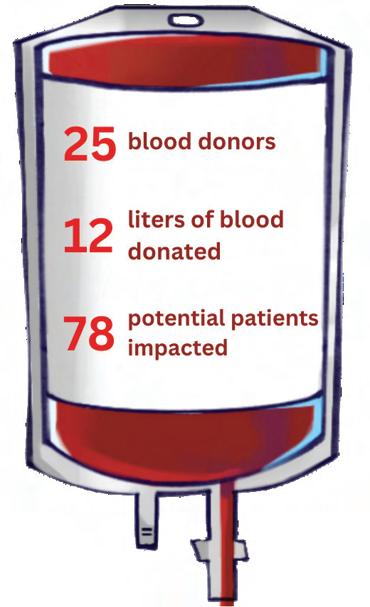
STEM Simplified: Demystifying flu vaccines
caden ruan, lily peng & william jiang
What are flu vaccines trying to solve?
Every year, the flu infects millions of people worldwide. According to the CDC, there were over 3,000 deaths due to the flu in 2025. As the flu virus constantly mutates, it’s difficult to stop the virus with a single permanent solution. Flu vaccines attempt to mitigate this risk.



Why do we need a new vaccine every year?
Flu viruses are constantly change through mutations called antigenic drift, especially in the surface proteins our immune systems recognize. Because of this, the strains circulating in people each year are often different from the ones included in last year’s vaccine.
Why can you still get the flu after receiving the shot?
Unfortunately, getting a flu shot doesn’t guarantee you won’t get sick. It takes about two weeks for your immune system to build protection toward the virus, so exposure can happen before immunity fully develops. Additionally, the flu virus can differ from the strain predicted months earlier.

chelsea xie & lily peng
SARIA LUM
BLOOD DRAW Physics teacher Mark Brada donates blood to the blood drive on Jan. 21. In total, students and faculty donated 12 liters of blood. suhani gupta, nathan yee & saria lum
SARIA LUM,
CADEN RUAN, SOURCE: MEDICAL CLUB

California declared drought-free
Historic
first in 25 years marks shift in water conditions

Earlier this month, the U.S. Drought Monitor reported that California is experiencing zero levels of abnormal dryness, marking the first time in 25 years that the Golden State has been entirely drought-free. Furthermore, wildfire risk has reached a historic low and above 14 of the 17 major reservoirs in the state were at 70% capacity or higher in January.
In recent years, drought patterns have changed dramatically as California has experienced a series of intense storms known as atmospheric rivers. These are long, narrow bands of moisture that carry large amounts of water from the Pacific Ocean towards land. When they reach California, they can release days’ worth of rain and snow in a short period of time. These storms have

helped refill reservoirs and build up snowpack, pushing the state out of drought conditions. California’s climate has always made water scarcity a
If we use water without regard for sustainability, we’re going right back to where we were.

JEFF SUTTON AP ENVIRONMENTAL SCIENCE TEACHER
significant challenge. The state receives little rainfall relative to its large land area, and much of its water supply depends on seasonal snowfall rather than consistent rainfall. When dry years last longer, water stored underground and in reservoirs can deplete quickly.
AP Environmental Science teacher Jeff Sutton explained that California’s location along the Pacific Ocean plays a major role in shaping these conditions.
The state is bordered by a cold ocean current, which cools the air above it, limits the amount of moisture in the atmosphere and reduces the overall precipitation. California often relies on a few wet months each year to supply enough water for the state.

Five students enter Regeneron Top 300
tiffany zhu, claire tian & kanav gupta
Five Harker students counted among the top 300 scholars selected in the 2026 Regeneron Science Talent Search, the nation’s premier research competition for high school seniors. Harker’s Regeneron scholars are Cyrus Ghane, Danika Gupta, Lily Shi, Aditya Shivakumar and Evan Zhang.
I definitely didn’t expect to get top 300, and it’s a huge honor. These are very serious research projects being submitted.
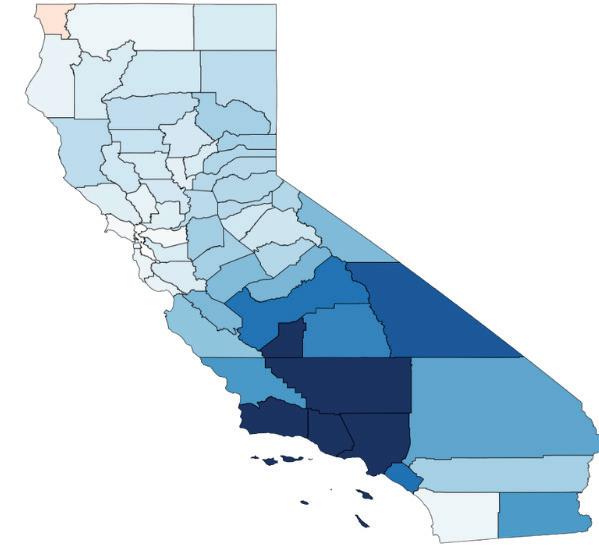
Although California is currently free from drought conditions, the impacts of past dry years still linger. Sutton noted that extended water shortages can reshape landscapes and disrupt ecosystems.
“Long-term drought would mean more fires, probably bigger fires — more frequent and more intense wildfires,” Sutton said. “That affects plants, bacteria, fungi and all the organisms in that ecosystem, and in the short term it can be catastrophic for the environment.”
ALAS RAINFALL! The choropleth shows that nearly all of California has had above average rainfall the past six months, reflecting widespread relief from drought.
DANIKA GUPTA (12) REGENERON SCHOLAR
”

Danika Gupta Using AI for mycoremediation data extraction, modeling
Cyrus Ghane
Modeling the macaque cortex across multiple scales
Even with recent rainfall, some problems caused by long-term drought take longer to reverse. Water stored underground had to be heavily used during drought years and takes longer to refill than rivers and reservoirs. Overusing this supply can cause longterm challenges, and Sutton emphasized that improved conditions do not mean water should be taken for granted.
“Water is precious,” Sutton said. “If we use water without regard for sustainability, we’re going right back where we were.”


Lily Shi Enhancing explainability for age-related macular degeneration diagnosis
Aditya Shivakumar

Ultra low-cost arsenic detection and hotspot mapping
Evan Zhang Self-sensing electrostatic artificial muscles for cardiac assist
You have to break each problem down, find what it takes to meet this goal and decide how to continue from there.
EVAN ZHANG (12) REGENERON SCHOLAR
aahana sharma & mihir kotbagi
NO MORE DROUGHT This infographic displays the percentage of California’s land area in each U.S. Drought Monitor category since 2000, with darker colors indicating severe drought, which the the state faced in the past 25 years. The blue band marks the current drought-free period.

Generative AI floods social platforms and enters mainstream media
lily shi & claire tian
Scroll through Instagram or TikTok and the pattern is impossible to miss: art depicting glass pancakes, surreal clips of cats performing TikTok dances, fantastical “which bed will you sleep in the hardest” montages. These strange videos flooding our feeds have one thing in common: AI, not humans, create them.
“The type of content that AI creates usually tries to go toward the extremes of human emotion,” Abby Wang (11) said. “It could be things like rage bait, those really cute, heartwarming videos or even brain rot type memes. Our brains get a hit out of seeing something

that shouldn’t be possible, and these videos receive so much engagement because people are easily entertained by things appealing to their imagination.”
“
The content we consume is going to have less nuance and subtlety.

JULIE
SHI (’24) COMPUTER SCIENCE & ART STUDENT
AI is ubiquitous on social media, but its influence has also extended into nearly every form of media we consume. In movies, TV shows and commercials, AI has been used to generate entire scenes, enhance accents and even recreate voices and
likenesses of deceased actors.
“It’s been force-fed to us on every platform in every facet of our lives, so I don’t think there’s ever a world in which AI goes away,” illustrator and screenwriter Nina Gee (’20) said. “We in creative industries have to adapt around it in some ways. Obviously, it’d be amazing if people saw it for what it was and not as a replacement for creatives, but unfortunately, that is kind of the way it’s been marketed and been pushed onto lots of companies.”
Columbia University computer science and art student Julie Shi (’24) explains that as AI becomes more embedded in media production, the
creative media that audiences consume may become more uniform.
“The content we consume is going to have less nuance and subtlety,” Julie said. “AI is just generating content based off of past data. It’s a feedback loop because the more AI content that’s generated, the more homogeneous data that is being fed in.”
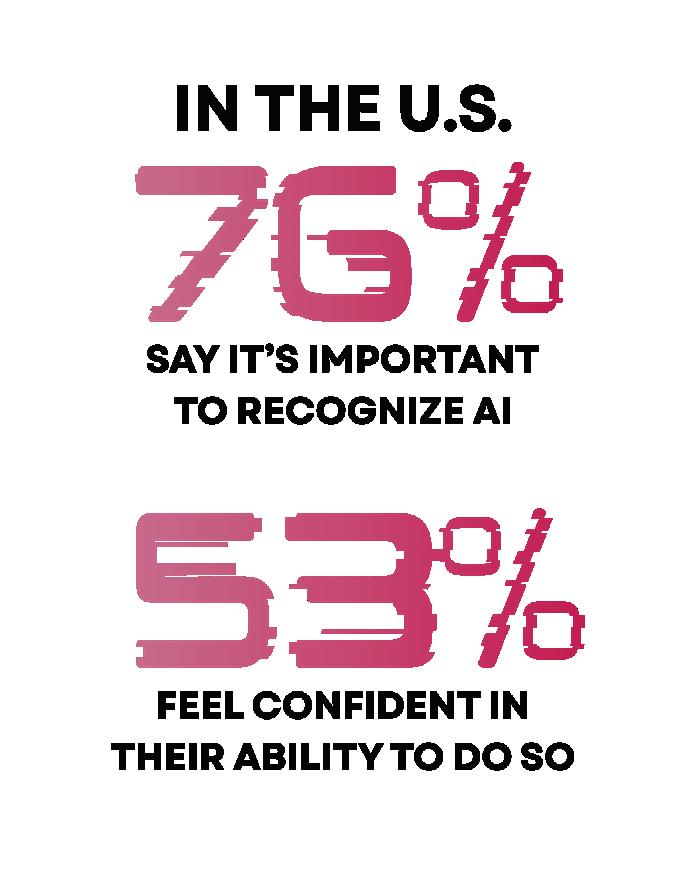
AI media creation devalues authentic human creativity and art
chelsea xie & shreyas karnam
As AI-generated art, videos and facts flood media platforms, public attitudes toward social media content have shifted towards greater distrust. While 76% of Americans say that it’s important to distinguish between AI-generated and human creations, only 53% feel confident in their ability to do so.
This skepticism goes beyond social media alone. Abby noted that her trust in digital sources at large has eroded as AI becomes tougher to distinguish.
“I’ve stopped trusting anything I see online, not only in AI videos, but also the news or even what you find on the web,” Abby said. “It seems that everything has been infiltrated by AI — search engines have their own AI assistants now. The prevalence of AI on Instagram has also made me aware of how pervasive these artificial intelligence tools have become.”
As AI-generated images and artwork saturate the content creation world, questions emerge about what should even be considered authentic art. Abby stressed the importance of media literacy and fact-checking when viewing online content.
“The most effective way to curb [the influence
of AI] would be to teach our generation not believe everything that we see on our phones and really take a step back,” Abby said. “It’ll be very important for us, as a younger generation, to be able to distinguish between AI content and the actual truth.”
In the end, navigating media online requires individuals to draw the line between AI and human creations, understanding that art extends beyond just its aesthetics.
Art is a manifestation of the soul and reality, synthesizing all your influences into something that is wholly you.
NINA GEE (’20) ILLUSTRATOR AND SCREENWRITER
“Art is a manifestation of the soul and reality, and part of that comes with synthesizing all your influences into something that is wholly you,” Nina said. “Ultimately, it’s something you created. That’s your writing, your art, your music — it’s your singular experience. That’s something that AI cannot replicate.”
Visit harkeraquila.com for more.