Sophia Chen, Dustin Koff, Brian Langford, Chris Lend
PUBLISHERS
Director of Editorial Operations
Elena Rodriguez
Executive Editor
Lucas Thompson
Creative Development
Sophia Chen, Michael Hayes, Emily Johnson, David Martinez, Alexander Greene, Olivia Carter, Benjamin Kim
DESIGN DIRECTORS
Head of Creative Department
Natalie Adams
Senior Creative Director
Liam Johnson
Junior Art Director
Ava Benjamin Taylor, Mia Wilson, Alexander Brown
PHOTOGRAPHY
Head Photo Team
Kaitlyn Storm, Evan Right, Liam Rich, Lewis Gearn, Kyle Lingoff, Richard Forth
dan Barr, Kelin C Bias
CONTENT INTEGRITY
Senior Counsel
Terence Keegan
Production Director
J. Jamerson
Research Director
David Gendelman
RESEARCH
Chief of Research
Terence Keegan Senior
Research Editor
J. Jamerson
PRODUCTION
Production Manager
Terence Keegan
Assistant Director
J. Jamerson
Print Specialist
Simon Brennan Research
Manager Assistants
Brendan Barr, Kelin C Bias
WRITERS
Amanda Johnson
Tyler Martinez
Lauren Thompson
Brandon Lee
Rachel Davis
Kevin Rodriguez
Jessica Anderson
Ryan Nguyen
Sarah Wilson
Max Daniels
CUSTOMER SERVICE
To change your address, cancel or renew your subscription, or pey your bill, visit www. trackedmagazine.com or write to Tracked Customer Service Service, PO Box 26799, Lemygn Vatey. AA 18002-6299, 800)666-2805. Include a recent matching label
READER PREFERENCE SERVICE
We occaslonally make our subscriber names available to companies whose products or services should be of interest to you. If you do not wish to recieve this call 877,652-5295 or visit tracked.com/privacy-policy
ATTENTION RETAILERS
Sell Tracked in your store, risk fres Call 800 845-8050 for details.
(Please, no subscriber calls to this number.)
A PIT STOP FROM VANCE CARLO
As we rev up the engines of another thrilling issue, I’m excited to delve into the electrifying world of motorsport racing and the business engines that drive it forward. Motorsport racing isn’t just about the roar of engines and the smell of burning rubber, it’s a high-stakes industry where every decision made off the track impacts performance on it.
Behind the glamour of victory lanes lie intricate business strategies, technological innovations, and substantial investments that propel teams and sponsors towards the podium. In this issue, we uncover the economic horsepower fueling motorsport racing.
Strategy and analysis is what propels the racing game.
Offering opportunities for aspiring drivers and entrepreneurs.
We examine the burgeoning market around esports racing, where virtual tracks attract real-world sponsorships and audiences. In the heart of every city that boasts a racetrack, a powerful economic engine is constantly at work. Business to me is efficiency and strategy but in racing it’s more. Follow our thrilling journey of insider details and economic structure within motorsport.
Vance Carlo, Editor In Chief
Source:
Photograph from
Adobe Stock
(Photo Edited by Orissa Pandya
THIS IS WHAT WE ARE TRACKING.
ENGINEERING AND INNOVATION
Focusing on business strategies under the hood: What tactics are necessary
10 Under the Hood Tackling strategies with mechanics
13
06 FORMULA 1 A MONEY MAKING MARKET.
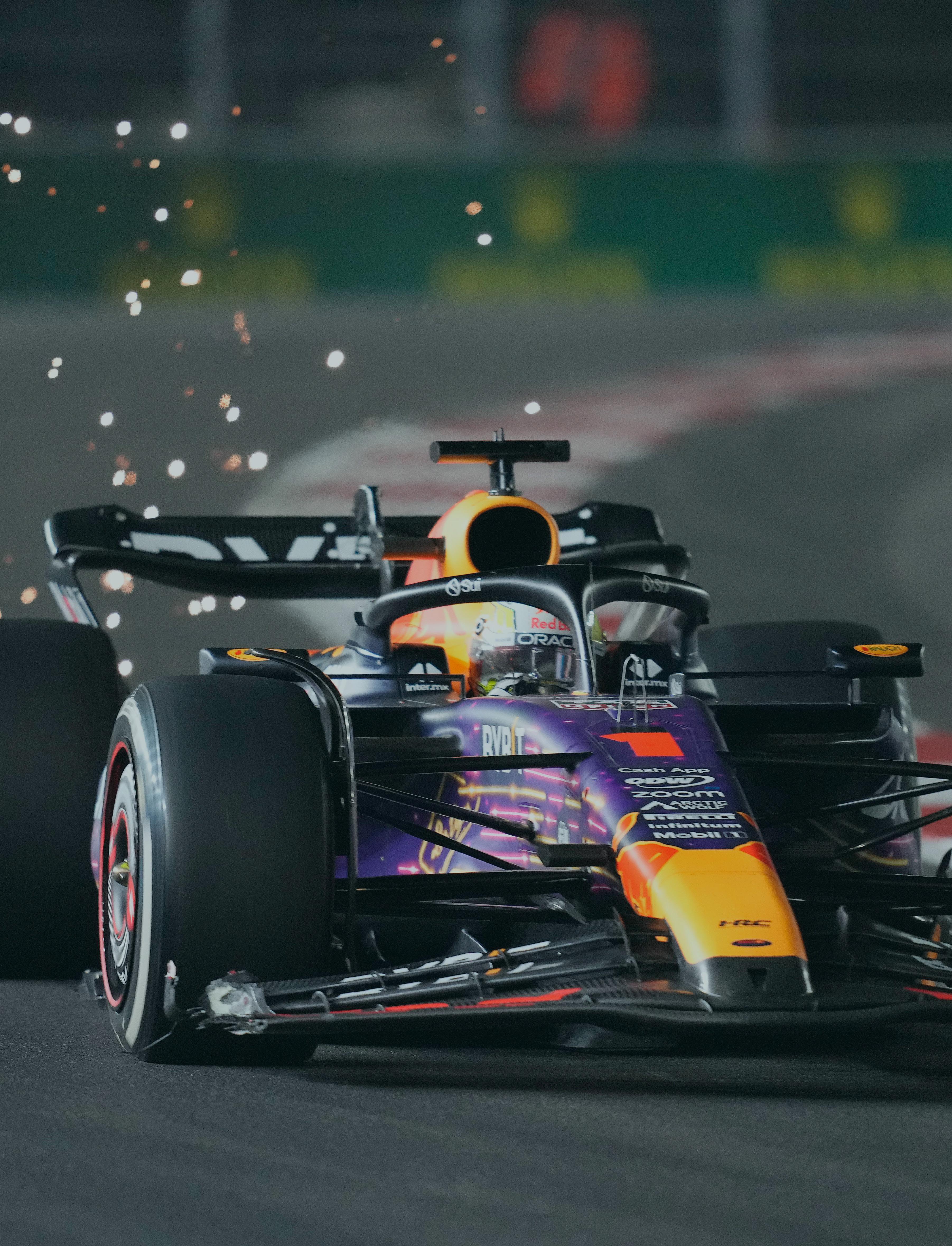
Source: Photograph of Max Verstappen after his victory in Belgium in 2022; Photo by Crane Summers
XFINITY SERIES
14 The Second Tier Circuit
Capturing the rise of the Xfinity Series and their booming business in NASCAR.
2
15 RACING THE ELECTRIC CIRCUIT
NASCAR GOES GREEN
An electrifying article on NASCAR’s push for sustainability; However are they going to take it to the track?
New fuel implications and strategies; are these hurting or helping race
27 Tired Out
New shock systems implemented in tires
29 Sustainable Solutions
The heated debate on the game going green
32 Company Turmoil
Teams within companies are turning their backs on one another for fuel solutions
36 Winging It
Companies are facing issues within the field of wing parts due to fuel loss
40 Gassed, Geared and Feared
Big oil such as Exxon are coming in hot with new marketing
Media captures and endorsement deals are on the rise; see why here
43 Lights, Camera, Accelerate
Showing racing from the camera’s point
46 Endorse Him
The push and pull between companies over driver, Carlos Sainz
50 Who is Big
Diving into driver’s brands; Charles Leclerc, Lando Norris, Nico Hulkenberg
52 Media Coverage
What is being seen and covered during each race.
Titans in the Industry; Who is dominating as a driver and a business mogul
55 Ricciardo’s Race Ahead
Highlighting Daniel Ricciardo’s career and race expertise on and off the track
59 Ferrari in the Fast Lane
The team with the biggest financial safety net; How did they get here
63 Kyle Busch
NASCAR’s Xfinity Series racer, Kyle Busch and his statistics/track records
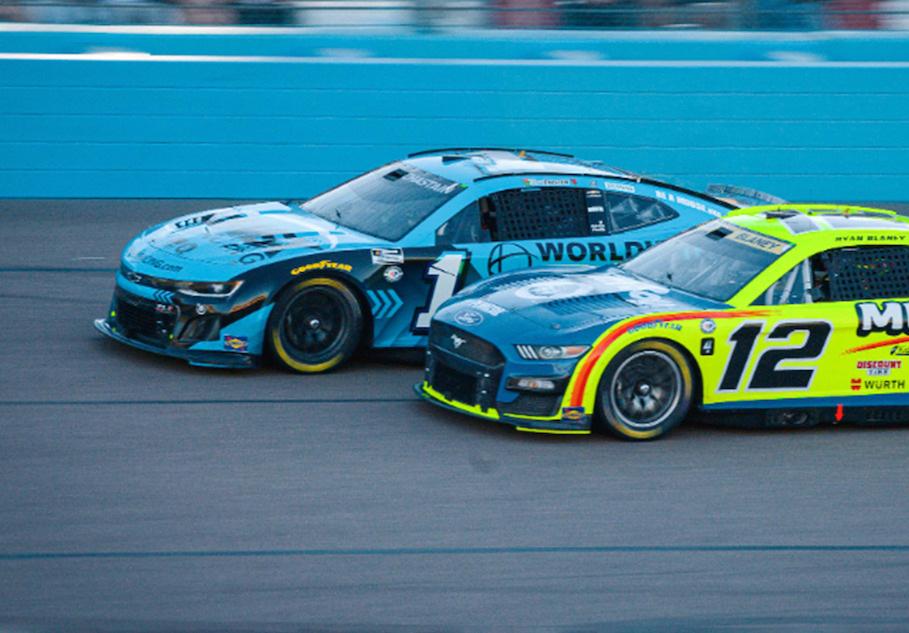
Source: Photograph by NASCAR’s media team during the Xfinity Series in 2021
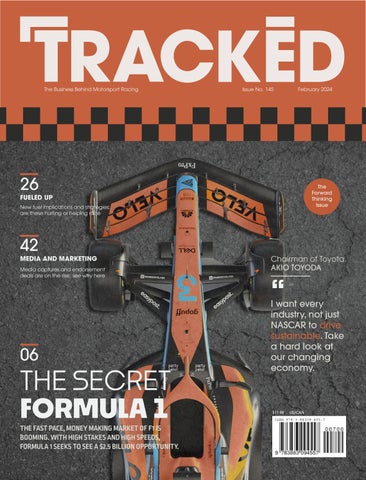
THE SECRET FORMULA 1
Analyzing the business tactics and wealth structure behind Formula 1 racing.
Source: Photograph from Race Track Ready, taken by Grayson Co
Behind The Wheel
Speed and Spectacle
Formula 1 racing, with its roaring engines and high-speed thrills, captivates audiences around the globe. Yet, behind the scenes of this glamorous sport lies a stark truth: the exorbitant financial requirements that stand as a formidable barrier to entry for aspiring drivers. Unlike many other sports where talent alone can pave the path to success, Formula 1 demands a significant investment of capital, making it an exclusive domain accessible primarily to those with substantial wealth.
Corporate Funds
At the forefront of the financial challenge is the cost of securing a seat within a competitive team. Teams often prioritize drivers who bring substantial financial backing or sponsorships, as these funds contribute to the team’s operational expenses and technological advancements. Aspiring drivers without personal wealth or corporate support face an uphill battle in securing a coveted spot on the grid, regardless of their talent and skill behind the wheel.
Pricing on the Podium
Moreover, the unpredictability of Formula 1 adds another layer of financial strain. Injuries, technical failures, and unpredictable race outcomes can all impact a driver’s career trajectory and financial stability. Unlike other professions where steady income can be assured, Formula 1 drivers often face precarious financial circumstances, dependent on their performance and ability to Wattract sponsors.
The financial challenges in Formula 1 extend beyond individual drivers to the broader ecosystem of teams, suppliers, and sponsors. With escalating costs, smaller teams often struggle to remain competitive, perpetuating a cycle where success begets success, and financial resources become increasingly concentrated among a select few. Until significant reforms are enacted to address the economic barriers to entry, the dream of becoming a Formula 1 driver will remain out of reach for many talented individuals, highlighting the need for greater accessibility in the world of motorsport.
Millions to Billions of Dollars
Is What it Takes to Enter A Formula 1 Racing Team
Entering Formula 1 requires a substantial financial investment, with costs running into hundreds of millions of dollars. The exact amount needed varies depending on various factors such as team ownership, operational expenses, driver salaries, research and development, marketing, and travel costs.
For individuals or companies seeking to establish a new Formula 1 team, the initial investment can be particularly significant. Costs include purchasing or building cars, hiring staff, securing facilities, and covering operating expenses. Additionally, teams must budget for ongoing expenses such as race entry fees, transportation, testing, and ongoing development of the car and technology.
Sponsorship and partnerships play a crucial role in offsetting these costs, with teams relying on financial support from sponsors, investors, and manufacturers to fund their operations. Ultimately, the financial requirements to enter Formula 1 are substantial, making it a challenging endeavor that requires significant resources and commitment.
“
Teams prioritize drivers who bring substantial financial backing or sponsorships.
Whose On The Grid
Securing a seat on a Formula 1 team requires a blend of talent, experience, and financial backing. Drivers typically rise through the ranks of junior racing series, showcasing their skills and potential along the way. Success in lower categories, such as Formula 2 or Formula 3, often catches the attention of Formula 1 team principals and talent scouts.
However, talent alone may not be enough to secure a spot on the grid. Financial considerations play a significant role, with drivers often bringing sponsorship or financial backing to the table. Sponsors are attracted to drivers who offer marketability and exposure, which can help offset the high costs associated with Formula 1 participation.
Ultimately, the decision to sign a driver is a strategic one for Formula 1 teams, balancing performance, potential, and financial considerations. They are more likely to secure coveted seats in the competitive world of Formula 1racing.
Magnussen
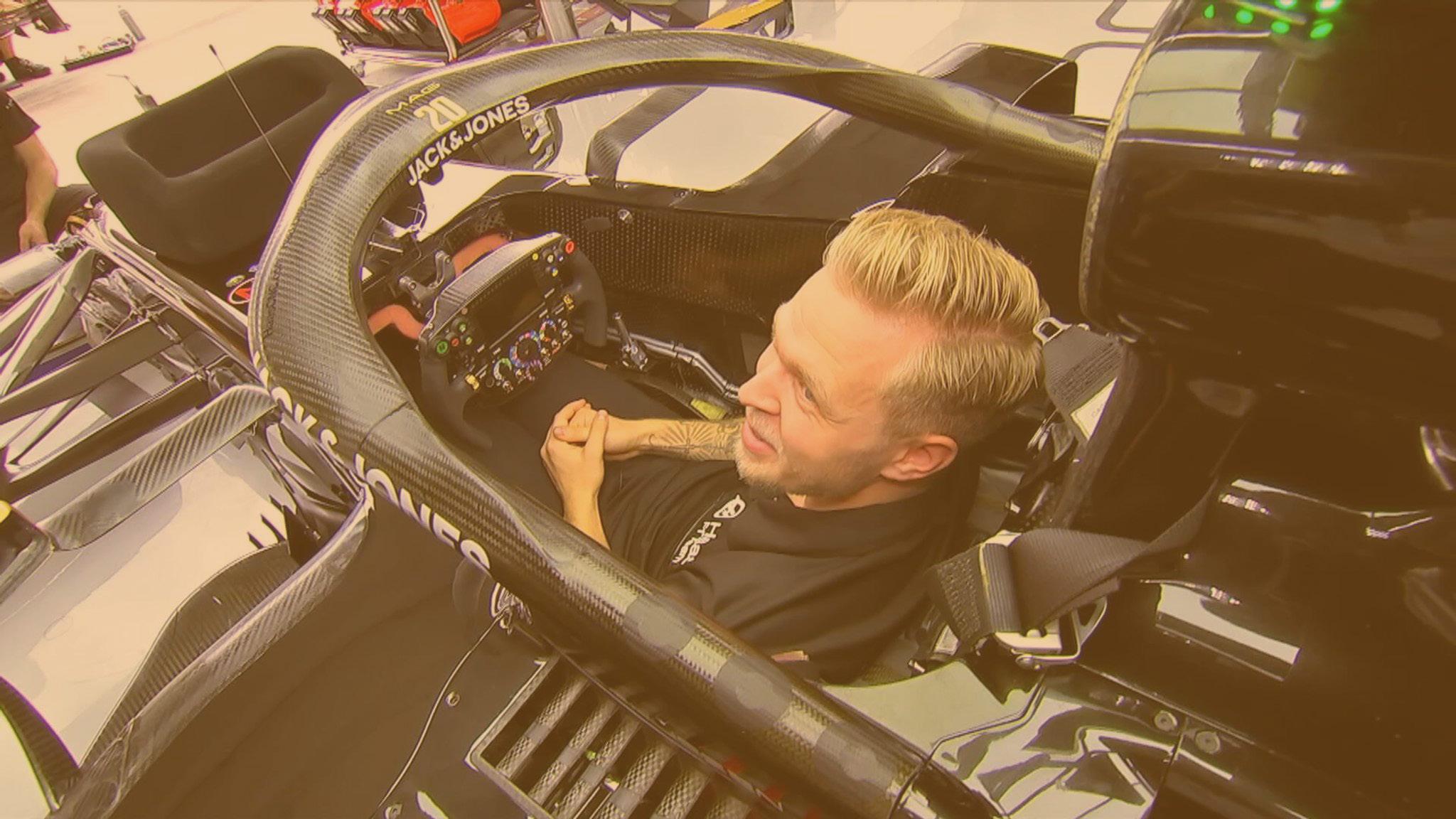
Kevin Magnussen’s Sponsors
Kevin Magnussen, a Danish racing driver, has garnered support from a variety of sponsors throughout his Formula 1 career, contributing to his success on and off the track. One of Magnussen’s prominent sponsors has been Haas Automation, a leading manufacturer of CNC machine tools and equipment. As the title sponsor of the Haas F1 Team, Haas Automation has played a significant role in supporting Magnussen’s endeavors in Formula 1, providing financial backing and technical expertise to the team.
In addition to Haas Automation, Magnussen has also secured sponsorship from a range of other companies and brands. Notably, Jack & Jones, a Danish clothing company, has been a longstanding sponsor of Magnussen, featuring prominently on his race suit and team apparel. The partnership with Jack & Jones not only provides financial support but also helps to raise Magnussen’s profile among fans and consumers.
Furthermore, Magnussen has enjoyed sponsorship from various automotive and technology companies, including Sparco, a manufacturer of racing equipment, and Rich Energy, an energy drink brand. These partnerships have not only provided financial support but also enhanced Magnussen's visibility and credibility within the automotive and motorsport industries.
Beyond corporate sponsors, Magnussen has also benefited from personal endorsements and partnerships with brands that align with his interests and values. For example, Magnussen has been an advocate for fitness and wellness, partnering with companies such as NOCCO, a Swedish fitness drink brand, and Human Performance Lab, a sports science company.
Overall, Kevin Magnussen’s sponsorship portfolio in Formula 1 reflects a diverse range of companies and brands that have recognized his talent, marketability, and potential as a racing driver. Through strategic partnerships and endorsements, Magnussen has been able to secure the financial support and resources needed to compete at the highest level of motorsport while also building his personal brand and reputation in the industry.
More on Driver Careers
Follow to Page 15 on more of this years driver lineup and their astonishing 2023 careers and learn more about their comparing statistics and rankings.
Only 20
A Driver With a Deep Catalog
Drivers typically begin their journey in karting, honing their skills and gaining experience in grassroots racing series before progressing to more advanced categories such as Formula 4, Formula 3, and Formula 2. Along the way, they must demonstrate exceptional talent, consistency, and adaptability while attracting the attention of team principals and talent scouts.
Despite the talent pool being deep, only a small percentage of drivers ultimately make it to Formula 1. Factors such as financial backing, sponsorship support, and connections within the industry often play a crucial role in determining which drivers secure coveted seats on the grid. Additionally, teams tend to favor drivers who bring a combination of skill, marketability, and potential for development.
Ultimately, the pathway to Formula 1 is fraught with challenges and uncertainties, and success requires not only raw talent but also determinationand perserverance.
Source:
Photograph by Formula 1 Insiders, taken by Fred Dill
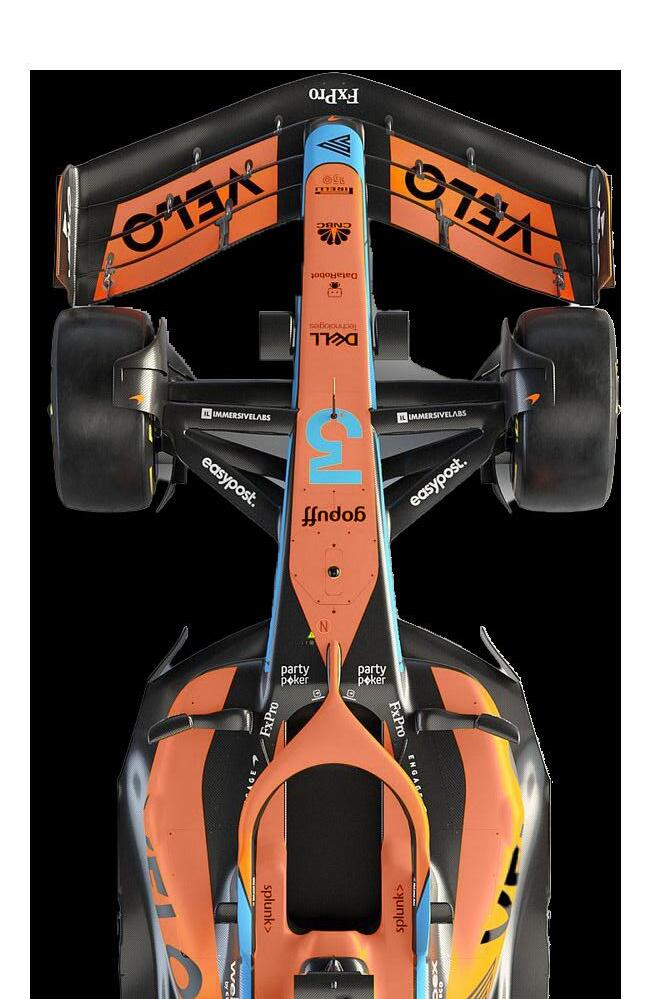
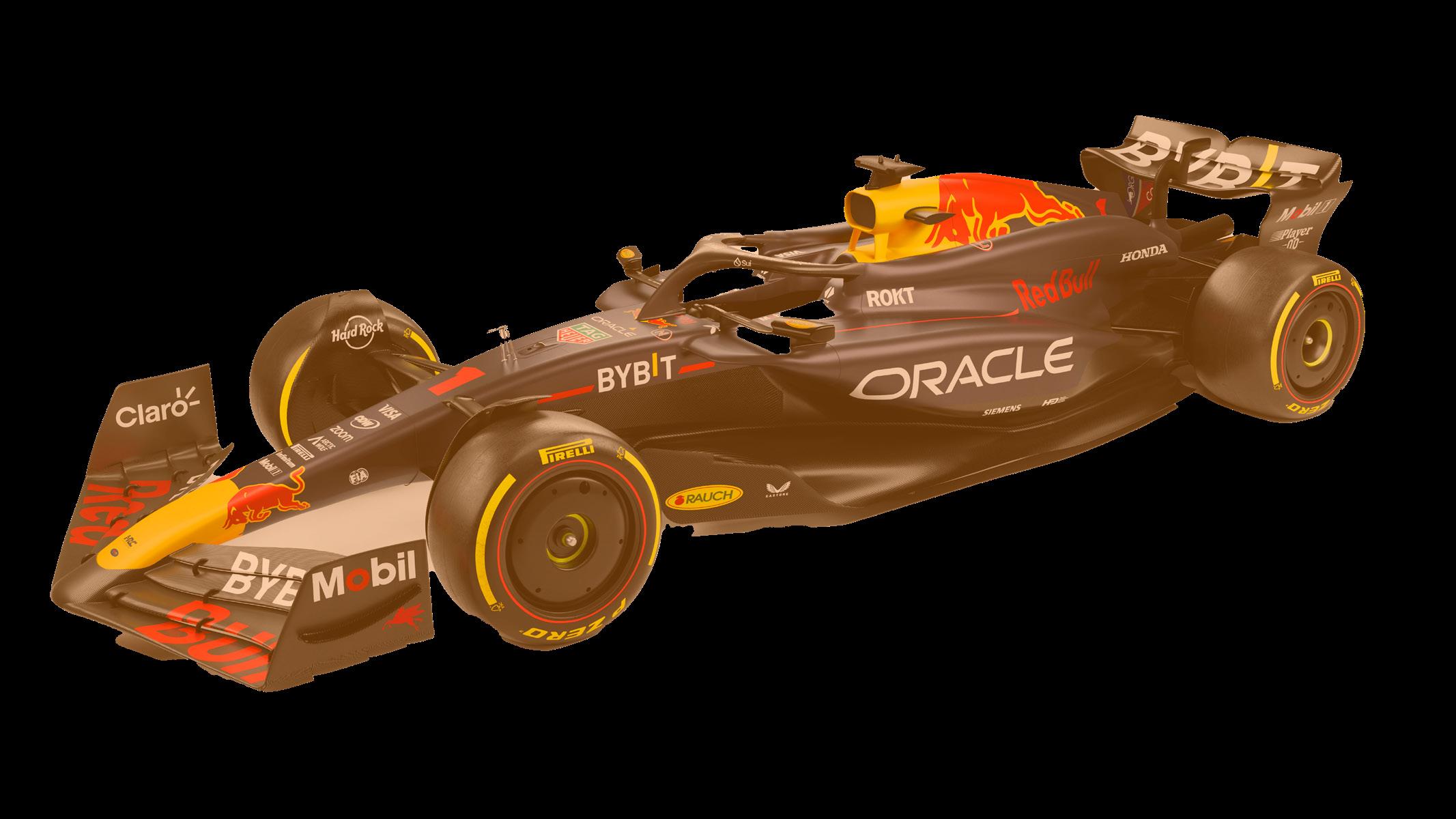
Formula 1 cars are engineering marvels, meticulously designed and crafted to push the boundaries of speed, performance, and technology. Every component of a Formula 1 car is finely tuned and optimized to maximize aerodynamic efficiency, mechanical grip, and power delivery.
Formula 1 parts are not just components; they’re precisionengineered marvels that come with an eye-watering price tag. From the intricate aerodynamic elements to the high-performance engines, every part is meticulously designed and crafted to extract maximum performance on the track. The cost of these parts can soar into the millions, with teams investing heavily in research, development, and manufacturing to gain a competitive edge.
Carbon fiber chassis, specialized tires, and cutting-edge electronics are just a few examples of the exorbitantly priced components that make up a Formula 1 car.
Carbon fiber chassis alone can cost upwards of $1 million, while specialized brake systems and transmission components add to the staggering price tag. Cutting-edge electronics and data systems further inflate costs, with teams investing millions in research and development to gain a competitive edge. In the high-stakes world of Formula 1, where milliseconds can make the difference between victory and defeat, no expense is spared in pursuit of performance.
Each Formula 1 part bears a hefty price tag, reflecting the unparalleled precision and innovation that goes into its creation. The cost of a single part can vary widely, ranging from tens of thousands to millions of dollars. For example, a carbon fiber chassis may cost around $1 million, while a high-performance engine can exceed $10 million.
Overall, Formula 1 car parts represent the pinnacle of automotive engineering, combining cutting-edge technology, advanced materials, and precision craftsmanship to create fast racing machines.
$17.9 Million
Total Cost of Race car Parts
Formula 1, the pinnacle of motorsport, is renowned for its cutting-edge technology and lightning-fast cars. However, behind the spectacle of roaring engines and blistering laps lies a world of staggering expenses. In this article, we peel back the curtain to reveal the eye-watering costs associated with the intricate components that comprise a Formula 1 car. At the heart of every Formula 1 car are meticulously engineered parts designed to deliver unparalleled performance on the track. From the chassis and aerodynamic components to the power unit and transmission, each element undergoes rigorous development and testing to extract maximum speed and efficiency. However, this pursuit of perfection comes at a steep price.
Aerospace
Grade Materials Running $1M
Consider the carbon fiber monocoque, the structural backbone of a Formula 1 car. Crafted with aerospace-grade materials and advanced manufacturing techniques, a single monocoque can cost upwards of $1 million. This lightweight yet incredibly strong component not only protects the driver but also forms the basis for aerodynamic efficiency.
Aerodynamics, the fine art of manipulating airflow to enhance performance, represent another significant investment in Formula 1. Front and rear wings, bargeboards, and diffusers undergo continuous refinement to optimize downforce and minimize drag. The cost of research, development, and production for these components can easily surpass several hundred thousand dollars.
Power Packed Unit
The beating heart of a Formula 1 car, the power unit comprises the internal combustion engine, hybrid systems, and energy recovery systems. With the shift towards hybrid technology in recent years, the complexity and cost of these power units have skyrocketed. Estimates suggest that a single power unit can exceed $10 million, making it one of the most expensive components on the car.
Transmitting over 1,000 horsepower to the wheels requires a gearbox and suspension system capable of handling immense forces with precision. Formula 1 gearboxes are marvels of engineering, featuring seamless-shift technology and ultra-lightweight construction. However, such sophistication comes at a premium, with gearbox costs ranging from $500,000 to $1 million.
Cutting The Edge
Beyond the tangible components, the cost of Formula 1 also encompasses the human talent behind the scenes. From aerodynamicists and engineers to mechanics and data analysts, teams invest heavily in skilled personnel to gain a competitive edge. The salaries and operational expenses associated with running a Formula 1 team further contribute to the sport’s costs.
Formula 1’s relentless pursuit of speed and innovation comes with a hefty price tag. The cost of car parts alone can run into tens of millions of dollars, reflecting the immense resources required to compete at the highest level. However, for teams and manufacturers, the investment is justified by the pursuit of victory and the global exposure that Formula 1 provides. In the end, the price of speed is not just a financial consideration but a testament to the relentless quest for excellence in motorsport racing.
“
In the end, the price of speed is not just a financial consideration but a testament to the relentless quest for excellence in motorsport.
The Push For Profit
At the heart of Formula 1’s push for excellence lies a complex ecosystem of teams, sponsors, and stakeholders, all interconnected by the flow of money. Teams invest staggering sums into research and development, pushing the boundaries of what’s technologically possible in pursuit of that elusive competitive edge. From aerodynamics to engine performance, every aspect of a Formula 1 car is honed to perfection through relentless testing and refinement, all of which require substantial financial backing.
Money not only drives technological innovation but also dictates the caliber of talent that graces the paddock. In Formula 1, securing the services of top-tier drivers and engineering talent comes with a hefty price tag. Teams with deeper pockets can afford to recruit the best minds in the industry, giving them a distinct advantage over their rivals. Furthermore, financial resources enable teams to attract and retain key personnel, fostering a culture of excellence and continuity that is vital for long-term success.
Beyond the teams themselves, money influences every facet of the Formula 1 experience, from the opulent hospitality suites to the state-of-the-art facilities that dot the global calendar. Sponsorship deals, broadcast rights, and ticket sales generate revenue streams that underpin the sport’s infrastructure, ensuring its continued growth and global appeal.
However, the pursuit of excellence in Formula 1 is not without its controversies when it comes to money. The sport’s financial disparity between top-tier teams and smaller outfits has led to calls for greater financial equality to level the playing field. Additionally, concerns over escalating costs and sustainability have prompted discussions around cost caps and budget restrictions to ensure the sport remains viable in the long term.
In essence, money is the lifeblood of Formula 1’s relentless pursuit of excellence, driving innovation, attracting talent, and shaping the very fabric of the sport. While financial resources can open doors to success, it is ultimately the passion, dedication, and ingenuity of those within the Formula 1 community that define its enduring legacy.
Formula 1 Has Quickly Acc Accelerated the E Economy
The Hubs
Host Cities and High Costs
Formula 1 isn’t just a highspeed sport; it’s an economic powerhouse. Hosting a Grand Prix injects millions into local economies through increased tourism, hotel bookings, and restaurant patronage. The construction and maintenance of state-of-the-art circuits create jobs and drive infrastructure development. Beyond race weekends, the sport’s technological innovation filters into the automotive industry, shaping safer, more efficient road vehicles. F1 teams are hubs of engineering excellence, attracting talent and investment. Sponsorships, broadcast rights, and merchandise sales generate significant revenue, fueling a global network of businesses. Moreover, F1 serves as a marketing platform for host cities, showcasing their culture and tourism potential to a worldwide audience, fostering long-term economic growth and international recognition.
Moreover, the unpredictability of Formula 1 adds another layer of financial strain. Injuries, technical failures, and unpredictable race outcomes can all impact a driver’s career trajectory and financial stability. Unlike other professions where steady income can be assured, Formula 1 drivers often face precarious financial circumstances, dependent on their performance and ability to attract the best sponsors.
The financial challenges in Formula 1 extend beyond individual drivers to the broader ecosystem of teams, suppliers, and sponsors. With escalating costs, smaller teams often struggle to remain competitive, perpetuating a cycle where success begets success, and financial resources become increasingly concentrated among a select few. Until significant reforms are enacted to address the economic barriers to entry.
“ No one draws a bigger crowd and profit than Max Verstappen in Belgium
Tourism Spikes
Wild Tourism and Crowd Numbers
One of the most immediate economic benefits of hosting a Formula 1 Grand Prix is the influx of tourists. These events attract not only avid motorsport fans but also curious travelers from around the world. The allure of watching world-class drivers compete on iconic circuits can drive substantial numbers of international visitors to the host city. This influx of tourists translates to increased hotel bookings, restaurant visits, and other spending on local attractions, boosting the local hospitality and entertainment sectors.
The global appeal of Formula 1 ensures that the host city gains extensive brand exposure on an international stage.
opportunity. This exposure can attract future tourists, investors, and businesses, solidifying the city’s position as a global destination.
Hosting a Formula 1 Grand Prix often requires significant investment in infrastructure. To accommodate the event and its attendees, cities must upgrade transportation systems, roads, and other key facilities. While these investments can be substantial, they can also lead to long-term benefits for the host city. Improved transportation networks and modernized facilities can enhance the overall quality of life for residents and create a lasting legacy that extends far beyond the race weekend.
Las Vegas F1 Statistics
PATTERN INCREASE BETWEEN NUMBER OF FANS AND REVENUE GAINED PER EACH RACE DURING THE F1 LAS VEGAS RACES IN THE PAST 15 YEARS.
CROWD NUMBERR EVENUE PER RACE
Source:
Formula 1 is not only a global sporting phenomenon but also a major driver of tourism in host cities and countries around the world. Each Grand Prix event attracts thousands of fans from across the globe, generating significant economic benefits for local businesses, hotels, restaurants, and attractions.
One of the primary ways Formula 1 boosts tourism is through the influx of visitors to host cities during race weekends. Fans travel from far and wide to attend races, bringing with them a surge in hotel bookings, restaurant reservations, and spending on souvenirs and merchandise. The increased foot traffic and spending inject vital revenue into the local economy, supporting jobs and businesses in the hospitality and tourism sectors.
Media
Looking at Media Coverage
Moreover, Formula 1 events serve as powerful marketing platforms for host cities, showcasing their culture, landmarks, and attractions to a global audience. Television broadcasts and media coverage of races provide valuable exposure for host cities, driving interest and curiosity among viewers and potential tourists. As a result, Formula 1 events can lead to long-term benefits for host cities, attracting new visitors and boosting tourism beyond the duration of the race weekend.
In addition to the economic benefits, Formula 1 also enhances the profile and reputation of host cities on the global stage. Hosting a Grand Prix event elevates a city’s status as a premier destination for international sporting events, positioning it as a vibrant and dynamic hub for tourism and entertainment. The prestige associated with Formula 1 can attract investment, business opportunities, and cultural exchange, further enriching the local community and economy.
National Association of Sport Data Marketing; analysis by QuickJump.
The Finish Line
It Doesn’t End There
Sponsorship: Formula 1 teams rely heavily on sponsorship deals with brands and companies from a wide range of industries. These sponsors pay significant sums to have their logos prominently displayed on cars, driver suits, team uniforms, and other merchandise.
Broadcasting Rights: Television broadcasting rights represent a major source of revenue for Formula 1. Networks and streaming platforms pay substantial fees to secure exclusive rights to broadcast races and related content in various regions around the world.
Licensing and Merchandising: Formula 1 teams and the sport’s governing body, the Fédération Internationale de l’Automobile (FIA), generate revenue through licensing agreements that allow thirdparty companies to produce and sell Formula 1-branded merchandise, including clothing, accessories, and memorabilia.
Hospitality and VIP Experiences: Formula 1 events offer a range of hospitality packages and VIP experiences for fans and corporate clients. These packages often include premium seating, access to exclusive areas,
Advertising and Marketing: Formula 1 events provide valuable opportunities for advertising and marketing partnerships, with brands leveraging the global reach and audience engagement of the sport to promote their products and services. This includes on-site advertising at racetracks, as well as digital and social media marketing campaigns associated with Formula 1 events.
Event Hosting Fees: Host cities and countries pay significant fees to Formula 1 to host races at their venues. These fees cover expenses such as track rental, infrastructure upgrades, security, and promotional activities, providing a significant source of revenue for the sport.
Overall, Formula 1 is a multifaceted industry with diverse revenue streams derived from sponsorship, broadcasting, merchandising, hospitality, advertising, and event hosting. Together, these elements contribute to the financial success and global appeal of the sport
Wins
Costly Successes
Prize Money: Formula 1 allocates a portion of its revenue to a prize fund, which is distributed among teams based on their performance in each race and throughout the season. Drivers who win races contribute significantly to their team’s standings in the Constructors’ Championship, which in turn increases their share of the prize money. Additionally, drivers may receive performance bonuses from their teams for achieving race victories and other milestones.
Endorsements and Sponsorships: Success on the track enhances a driver’s marketability and appeal to sponsors, leading to lucrative endorsement deals and sponsorship agreements. Winning multiple races demonstrates a driver’s skill, consistency, and star power, making them attractive partners for brands seeking to associate themselves with Formula 1’s glamour and excitement. These endorsement deals can be highly lucrative, providing drivers with additional income streams beyond their racing salaries.
Salary Negotiations: Drivers who consistently win races often have greater leverage in contract negotiations with their teams. Teams are willing to pay top dollar for proven winners who can deliver results on the track and attract sponsors and fans. As a result, successful drivers may negotiate higher salaries, performance bonuses, and other financial incentives as part of their contracts.
Personal Branding: Winning multiple races elevates a driver’s profile and enhances their personal brand, opening up opportunities for additional income through appearances, speaking engagements, and other commercial ventures. Successful drivers become household names and role models, commanding attention and admiration from fans around the world.
$165M Max Verstappen’s Net Worth After Being One of the Top Driver’s in the Sport.
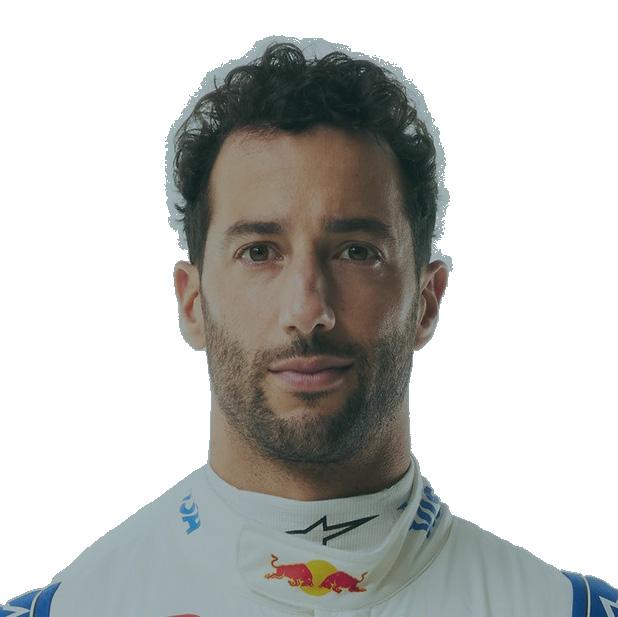
$96M Daniel Ricciardo’s Net Worth After Being One of
RACING THE ELECTRIC CIRCUIT
NASCAR’s Electrifying Shift Towards the Future of Racing.
Engines Are Looking For a Cleaner Start
Understanding
the buzz behind all electric in NASCAR Racing
In recent years, NASCAR has embarked on a trans formative journey, exploring the integration of electric cars into its iconic racing series. This shift represents a significant departure from the sport’s traditional reliance on combustion engines, signaling a bold step towards sustainability and environmental responsibility.
The move towards electric cars in NASCAR is driven by a recognition of the urgent need to mitigate the environmental impact of motor racing. Combustion engines, while synonymous with the sport’s history and heritage, are major contributors to air pollution and carbon emissions. By embracing electric propulsion, NASCAR aims to reduce its carbon footprint and promote cleaner, more sustainable racing.
One of the primary benefits of transitioning to electric cars in NASCAR is the reduction of greenhouse gas emissions. Unlike traditional combustion engines, which rely on fossil fuels, electric cars are powered by electricity, which can be generated from renewable sources such as solar, wind, and hydroelectric power. By shifting to electric propulsion, NASCAR can significantly decrease its reliance on fossil fuels and decrease its carbon emissions, helping to combat climate change.
Additionally, electric drive trains are simpler and more reliable than traditional combustion engines, reducing maintenance costs and downtime for teams.
The adoption of electric cars in NASCAR also presents an opportunity to showcase and accelerate the development of electric vehicle (EV) technology. As one of the premier motorsport series in the world, NASCAR has a unique platform to drive innovation and inspire advancements in EV technology. Manufacturers and automotive engineers can leverage the competitive environment of NASCAR racing to develop and refine electric drive trains, battery technology, and energy management systems, ultimately leading to more efficient and affordable electric vehicles for consumers.
Square Sustainable Systems
Furthermore, the shift to electric cars in NASCAR aligns with broader trends in the automotive industry towards electrification and sustainability. As governments around the world implement stricter emissions regulations and consumers demand cleaner transportation options, automakers are investing heavily in electric vehicle development. By embracing electric racing, NASCAR can position itself at the forefront of this industry shift, attracting new fans, sponsors, and manufacturers who are aligned with its commitment to proper sustainability and safety.
From a marketing perspective, the transition to electric cars in NASCAR presents a unique opportunity to engage with environmentallyconscious consumers and corporate partners. Companies that prioritize sustainability and environmental stewardship may be more inclined to invest in NASCAR sponsorship and advertising opportunities if the sport aligns with their values and objectives. Additionally, the adoption of electric cars in NASCAR can broaden the appeal of the sport to younger, eco-conscious audiences who are increasingly interested in sustainability and clean technology.
“ Companies that prioritize sustainability and environmental stewardship may be more inclined to invest in NASCAR sponsorship.
Green Machine
NASCAR’s shift towards electric cars represents a bold and forwardthinking approach to motorsport that prioritizes sustainability, innovation, and environmental responsibility. By embracing electric propulsion, NASCAR can reduce its carbon footprint, promote cleaner racing, and accelerate the development of electric vehicle technology. With the potential to attract new fans, sponsors, and manufacturers, the transition to electric cars in NASCAR offers both environmental and economic benefits that can shape the future of the sport for generations to come.
From a marketing perspective, the transition to electric cars in NASCAR presents a unique opportunity to engage with environmentallyconscious consumers and corporate partners. Eco-conscious audiences who are increasingly interested in sustainability and clean technology.
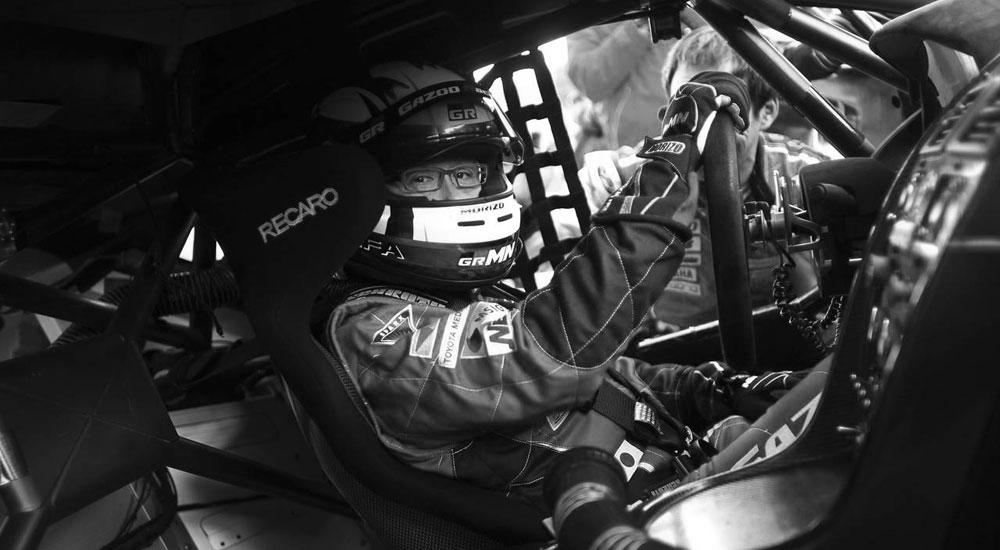
Akio Toyoda is Here
Akio Toyoda has long advocated against auto manufacturers going all in on all electric vehicles. This week he said that he feels fully electric vehicles will never account for more than 30% of the total of global auto sales. See more about controversies on Page 19.
The Power of Eco
The Need For Speed
Hybrid or Electric
The debate surrounding whether NASCAR should transition to hybrid or fully electric vehicles is complex, encompassing considerations of performance, sustainability, and fan engagement. Each option presents unique benefits and challenges, making it essential to weigh the pros and cons before making a decision.
Hybrid technology offers a middle ground between traditional combustion engines and fully electric propulsion.
internal combustion engines, hybrid vehicles can achieve improved fuel efficiency and reduced emissions without sacrificing performance. For NASCAR, adopting hybrid technology could provide an opportunity to modernize the sport while maintaining the visceral roar and power associated with traditional racing.
One advantage of hybrid technology is its familiarity to both fans and manufacturers.
a significant departure from NASCAR’s historical roots, hybrid vehicles retain elements of the sport’s traditional identity while embracing sustainability and innovation. Additionally, hybrid technology is more mature and readily available in the automotive industry, making it easier for teams and manufacturers to transition.
However, hybrid technology also has limitations, particularly regarding its environmental impact and long-term viability.
While hybrid vehicles offer improvements in fuel efficiency and emissions compared to traditional combustion engines, they still rely on fossil fuels and produce greenhouse gas emissions during operation. Moreover, the complexity of hybrid drive trains can increase costs and maintenance requirements for teams, potentially limiting accessibility and competitiveness within the sport.
NASCAR has to evaluate all possibilities of the car’s body which is already well suited for a gas engine and stock car parts. They are working to determine all the minor details of the car’s body before making any major decisions.
NASCAR VS. ECOCAR
The Heated Debate
NASCAR’s foray into electric cars marks a significant shift in the landscape of motorsport, reflecting a growing trend towards sustainability and innovation. While the organization has developed a trial electric car, it currently has no plans to incorporate it into its racing series. The decision is rooted in the understanding that NASCAR’s traditional fan base may not readily embrace electric racing due to its departure from the heritage of enginepowered vehicles.
Consumer sentiment plays a crucial role in NASCAR’s decision-making process, and introducing electric cars to the racing series could potentially alienate loyal fans who have long been accustomed to the sights and sounds of roaring engines. Moreover, NASCAR recognizes that electric racing is still in its nascent stages and may not yet offer the same level of excitement as traditional racing.
Instead, NASCAR’s trial electric car serves as a platform for experimentation and exploration, allowing the organization to assess the feasibility and viability of electric racing while engaging with new technologies and ideas. By taking a cautious approach, NASCAR aims to strike a balance between embracing innovation and preserving the core values and traditions that have made the sport a beloved institution for generations of fans.
While NASCAR may not be ready to fully embrace electric racing at this time, the organization remains committed to exploring sustainable alternatives and staying at the forefront of automotive technology. As electric vehicles continue to gain popularity and acceptance among consumers, NASCAR may reconsider its stance on electric racing in the future, paving the way for a new era of motorsport that is environmentally conscious.
“ NASCAR aims to strike a balance between embracing innovation and preserving the core values and traditions
a significant departure from NASCAR’s historical roots, hybrid vehicles retain elements of the sport’s traditional identity while embracing sustainability and innovation. Additionally, hybrid technology is more mature and readily available in the automotive industry, making it easier for teams to transition better.
However, hybrid technology also has limitations, particularly regarding its environmental impact and long-term viability. While hybrid vehicles offer improvements in fuel efficiency and emissions compared to traditional combustion engines, they still rely on fossil fuels and produce greenhouse gas emissions during operation. Moreover, the complexity of hybrid drivetrains can increase costs and maintenance requirements for teams, potentially limiting accessibility and competitiveness.
Staying True To the Red White and Blue
While acknowledging the importance of sustainability and environmental responsibility, NASCAR maintains that carbon emissions are not solely attributable to internal combustion engines and that other factors, such as manufacturing processes and infrastructure, also contribute to carbon emissions.
Furthermore, NASCAR views internal combustion engines as a proven and effective means of delivering the thrilling and visceral racing experience that fans have come to expect from the sport. The roar of the engines, the smell of burning fuel, and the raw power of combustionpowered vehicles are integral to NASCAR’s identity and appeal, providing a unique and immersive sensory experience that sets the sport apart from others.
Additionally, NASCAR recognizes that its fan base has a deep affinity for the sights and sounds of traditional racing, and introducing electric cars could potentially alienate loyal fans who have grown accustomed to the excitement of combustionpowered racing. By staying true to its roots, NASCAR aims to preserve the essence of the sport while exploring sustainable alternatives and innovations that align with its values and objectives.
Is NASCAR’s Point of View On Engine Types
NASCAR’s steadfast commitment to its traditional technology of internal combustion engines reflects not only its respect for the sport’s heritage but also its belief in the enduring performance and reliability of engine and combustionpowered vehicles.
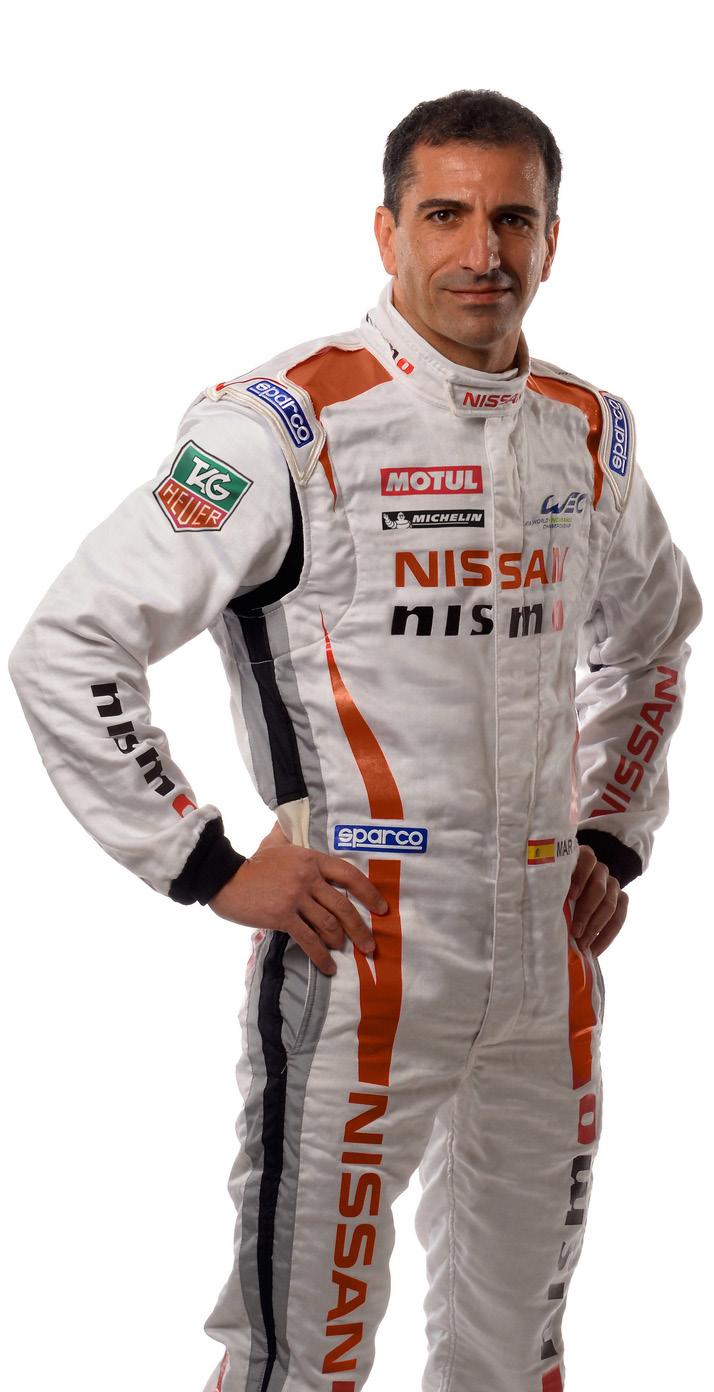
Akio Toyota Chairman of Toyota
While NASCAR values the importance of environmental stewardship, it believes that addressing carbon emissions requires a holistic approach that goes beyond simply transitioning to electric cars. The organization is committed to exploring sustainable practices and technologies across all aspects of its operations, including track operations, to minimize its environmental impact and promote a more sustainable future for motorsport.
Motor
Akio Toyoda
Toyota CEO: Feels Fully Electric
Understanding Where Akio Toyoda Stands on Going Green
Akio Toyoda, the President and CEO of Toyota Motor Corporation, holds a nuanced perspective on the transition to all-electric vehicles. While acknowledging the importance of embracing electric mobility to address climate change and reduce carbon emissions, Toyoda remains cautious about fully committing to an all-electric future.
As a passionate advocate for the automotive industry and the art of driving, Toyoda emphasizes the need to balance environmental concerns with the preservation of driving pleasure and automotive heritage.
He believes that the transition to electric vehicles should be driven by consumer choice and market demand rather than regulatory mandates or industry pressure.
Bringing Hybrid Back
At the same time, Toyoda recognizes the potential of electric vehicles to revolutionize the automotive industry and accelerate innovation. Under his leadership, Toyota has invested heavily in electric vehicle technology, developing hybrid, plug-in hybrid, and hydrogen fuel cell vehicles as its electrification strategy.
He advocates for a more balanced approach to electrification that includes a mix of electrified powertrains, including hybrids, plug-in hybrids, and fuel cell vehicles, to meet the diverse needs and preferences of consumers worldwide.
Ultimately, Toyoda’s stance on going all-electric reflects his commitment to preserving the essence of the automobile while embracing innovation and sustainability. He believes that the future of mobility lies in finding the right balance between tradition and innovation, environmental responsibility, and driving pleasure, ensuring that cars remain an integral part of our lives for generations.
Source: NASCAR Network and Association; Image of Akio Toyoda, Chairman of Toyota Company, Afetr 24 Hours of Nürburgring.