Hanson.li009@gmail.com Hanson Li 9221 3755 June 2024 P T L O
F I R O O
02 Sponge Structures
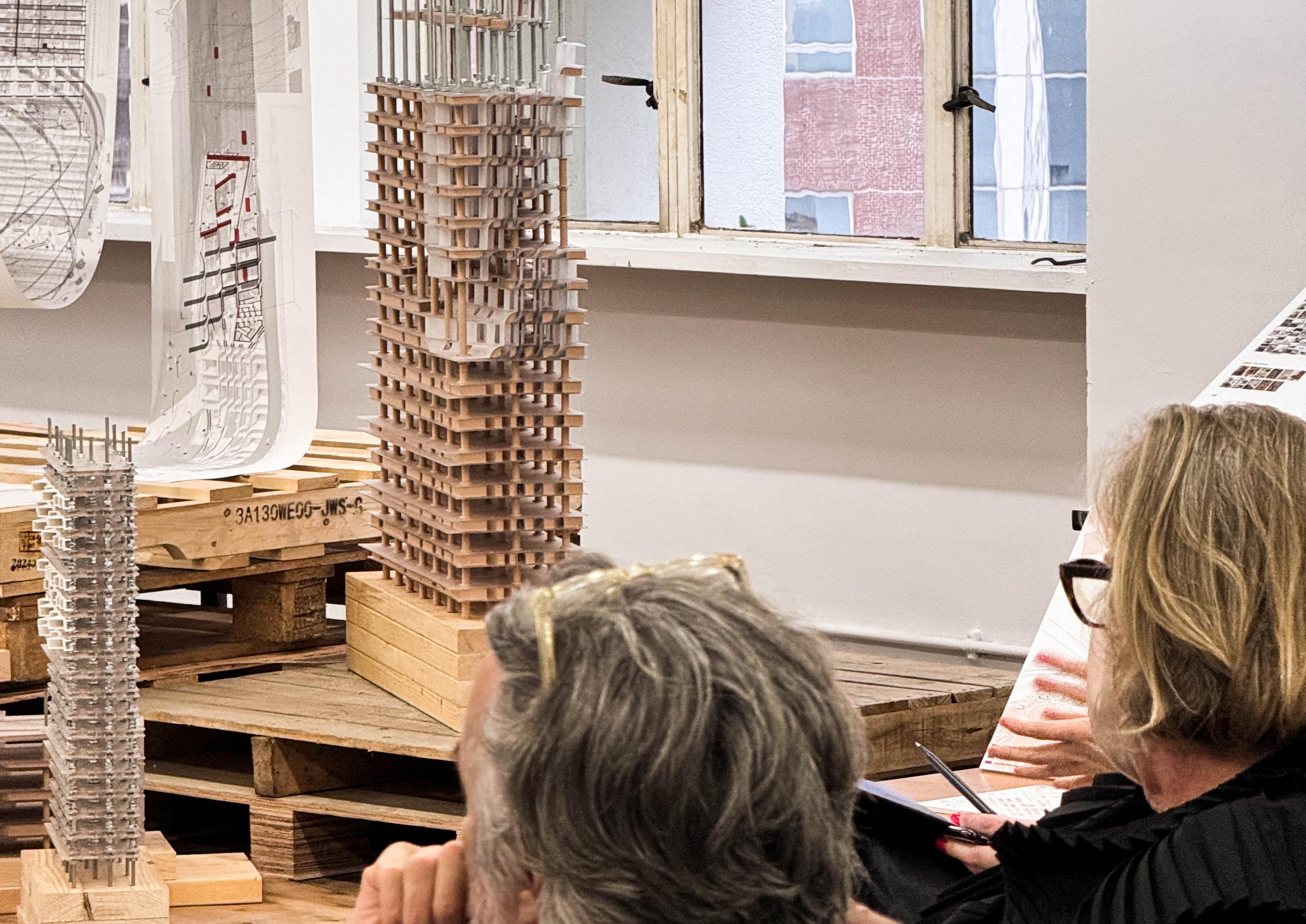
Tower Village
Elephant Market -Porosity as Super Links for Passive Ventilation Systems -Non-human centered -Where did the original building materials go?
Wind Tower + Social Tower
Climate-Responsive Design for Heat Mitigation
Contents
22
Integrating
11
30
What can
we
do about Ventilation in Hong Kong?
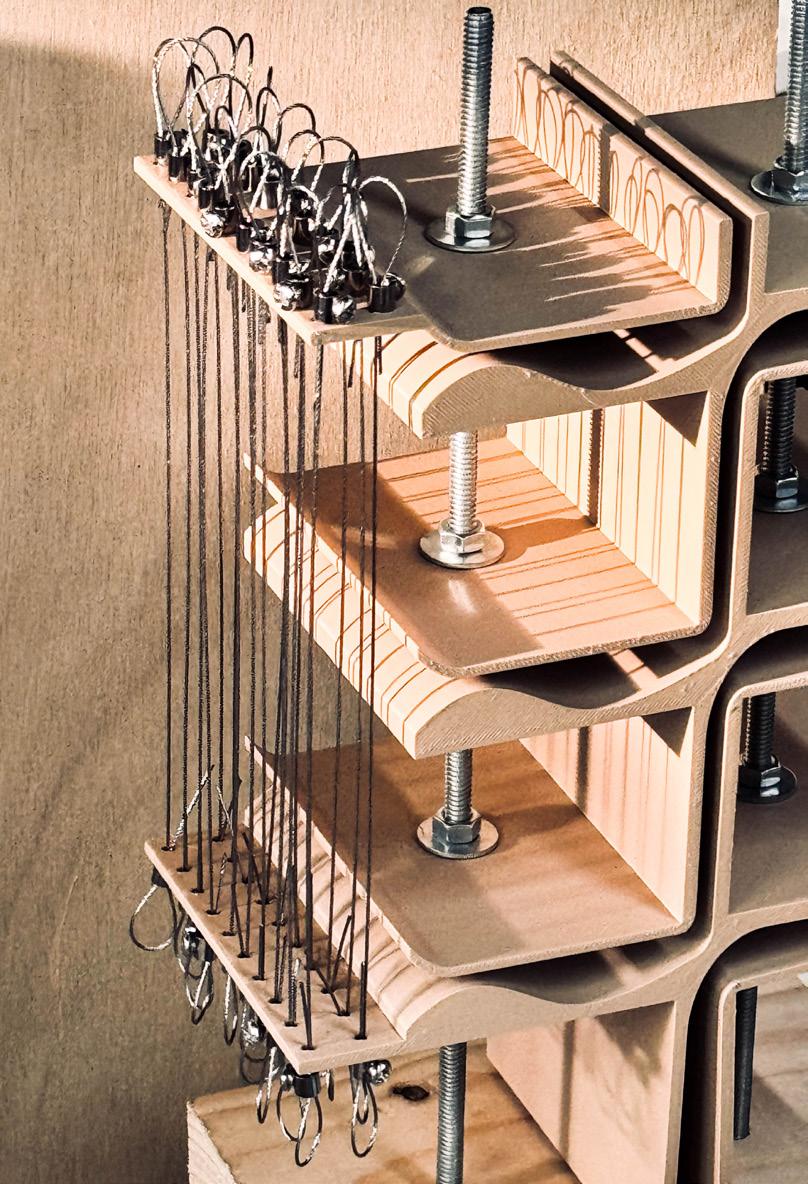
Keywords: Sponge structure,Passive cooling, Porous building,Passive building component,Climate change,Urban fabric,Thermal comfort,,Energy import,Heat intensity,ResilienceAdaptibility,Changeable.
Integrating Sponge Constructive Elements for Porous Building
Position Statement
Dense grid of towering structures in HK acts as a formidable barrier to natural ventilation, resulting in a degraded wind environment at the district level, diminishing the habitability of urban spaces and rising energy consumption for mechanical equipment.
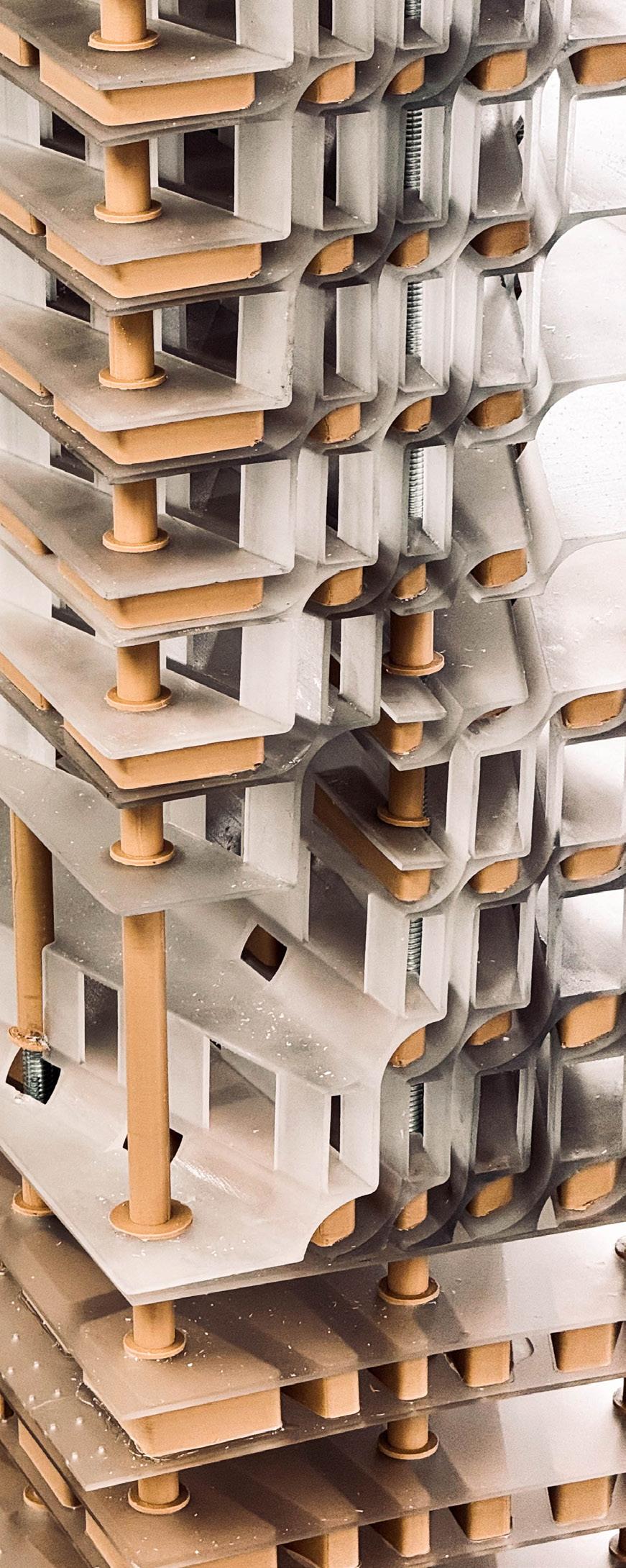
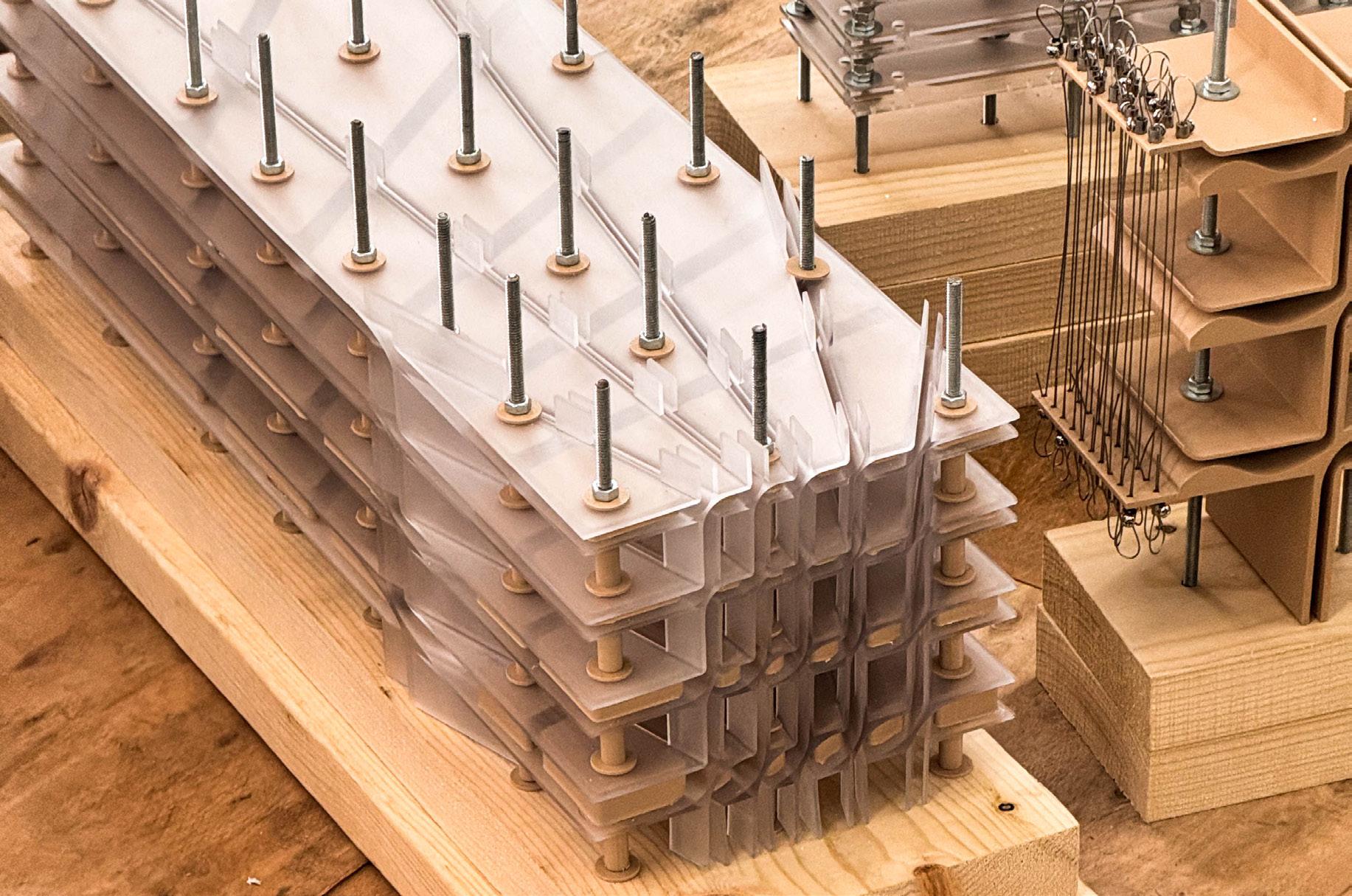
The adoption of sponge structure can play a crucial role in facilitating natural ventilation, forging a vital connection between the prevailing winds and indoor thermal comfort. Concurrently, the study of sponge structural elements, ventilated columns, ventilated beams, ventilated walls, and ventilated core slabs, becomes part of porous building which act as super links within wind patterns and the internal environment.
Site + Site Condition
The scarcity of developable land in Hong Kong, coupled with soaring land values, has necessitated the upward expansion of buildings to house a growing population and support various functions. This vertical growth contributes to urban progress but also introduces environmental complications. The tightly packed nature of the city’s architecture leads to elevated energy demands and heightened pollution levels.
The urban fabric of Hong Kong is notably dense, relying heavily on imported energy and mechanical implies to maintain thermal comfort. Such urban sprawl not only deviates from the ideal of harmonious coexistence between humans and nature but also gives rise to complex zones of intensified heat within the confines of towering structures.
In such a densely populated metropolis, the proximity of buildings seeking for vertical space significantly impedes airflow, exacerbating the urban heat island effect. This not only increases temperatures but also potentially traps harmful microorganisms in public spaces, posing a risk to public health.
Health encompasses both physical well-being and mental wellness. The thermal comfort of one’s environment is a key factor that can directly influence an individual’s mood and emotional state. As such, adequate ventilation is fundamentally connected to the overall health and well-being of city residents.
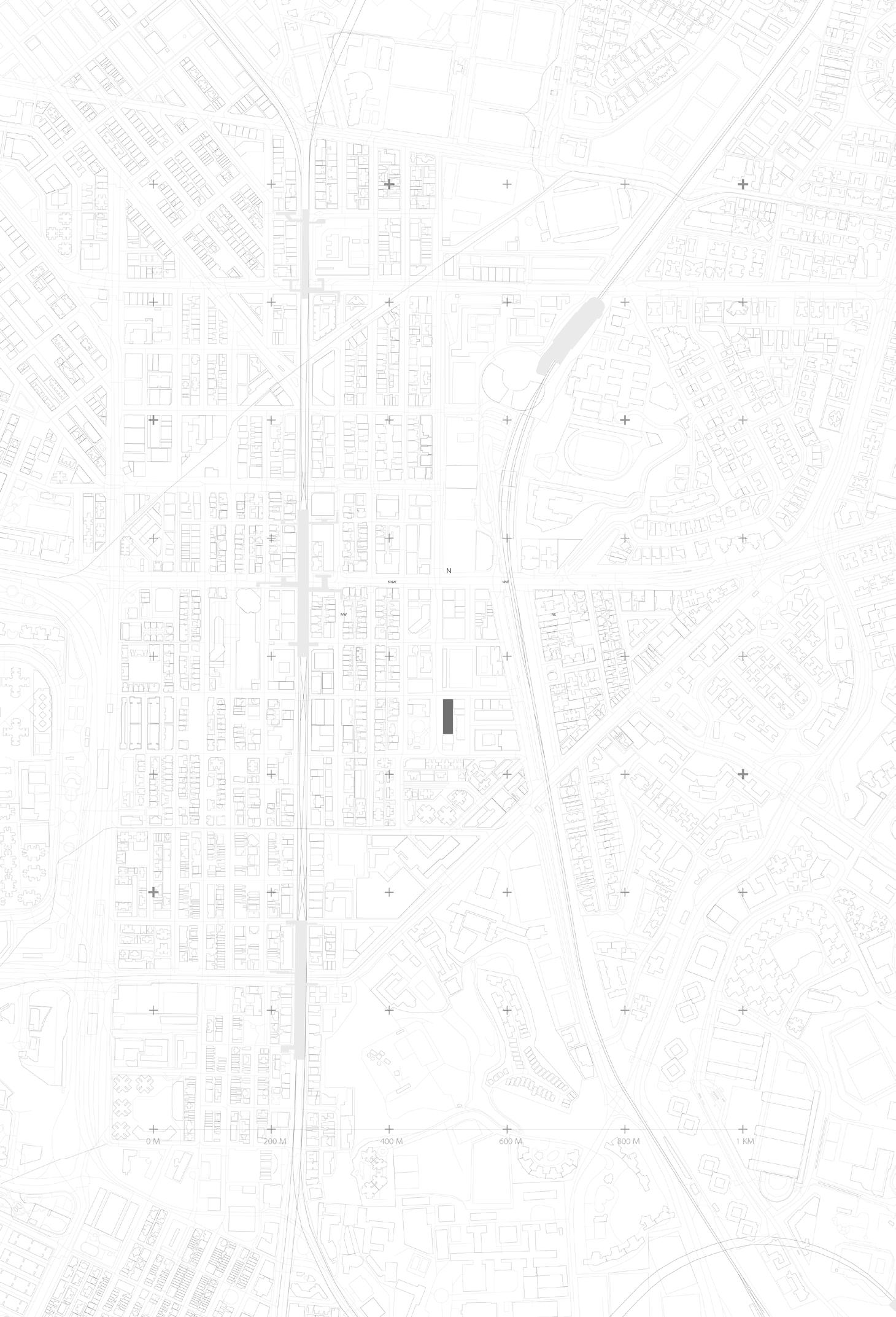
Therefore, my site was chosen in the densest area in Hong Kong, Mong Kok. The population density of Mong Kok is extremely high, with an average density of 130,000 people per square kilometer. Its current area ratio is about 4 times, making it the most densely populated place in the world. Compared with high-rise buildings, the overall urban environment is too dense, which affects air circulation. When the wind hits a high-rise building, the wind will fly up and down around the edge of the building. The wind that falls to the ground is called downdraft. However, if the ground is too dense, the downdraft will not actually fall to the ground and cannot float on the ground. Spread to other smaller streets. So, I wanted to use porous building to solve this dilemma, so I chose Mong Kok as the site.


Wind speed
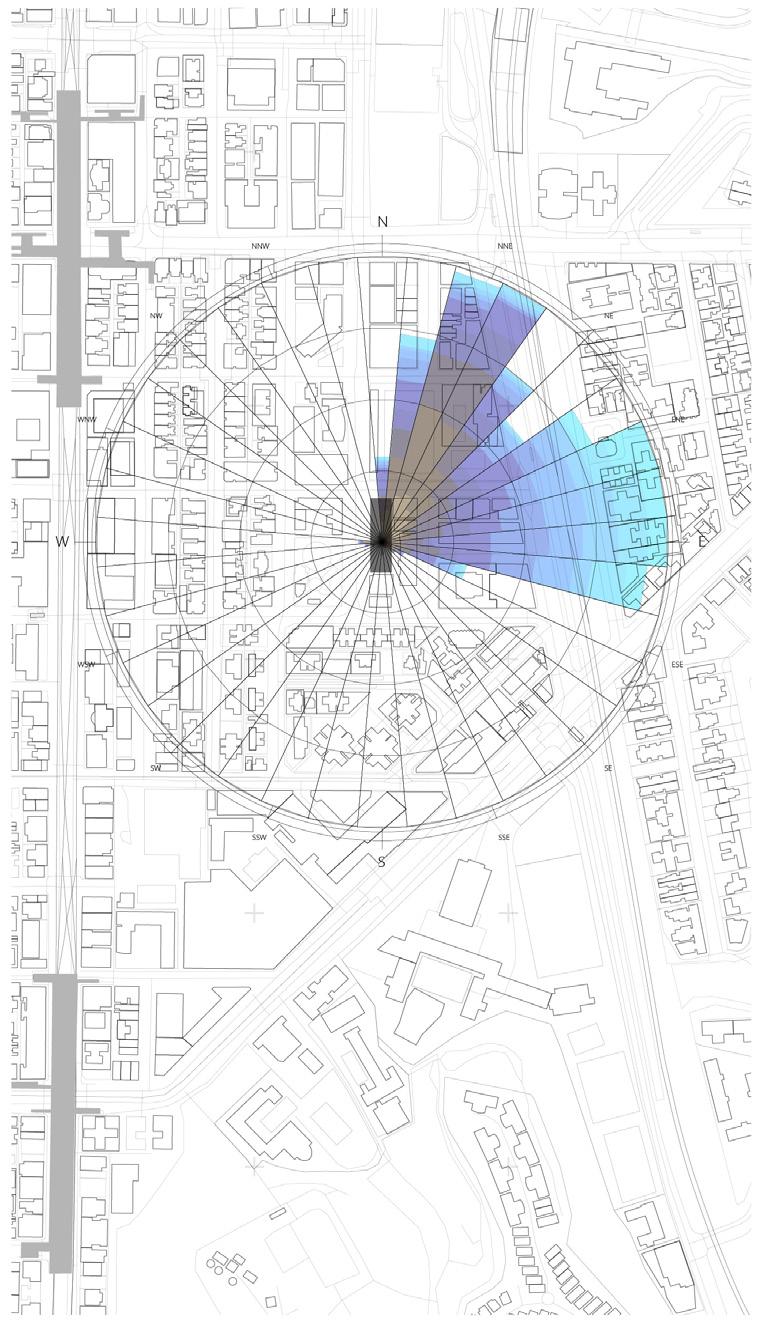
The direction of Wind (Spring,Summer,Autumn,Wind)
Spring(3/1 to 5/31)

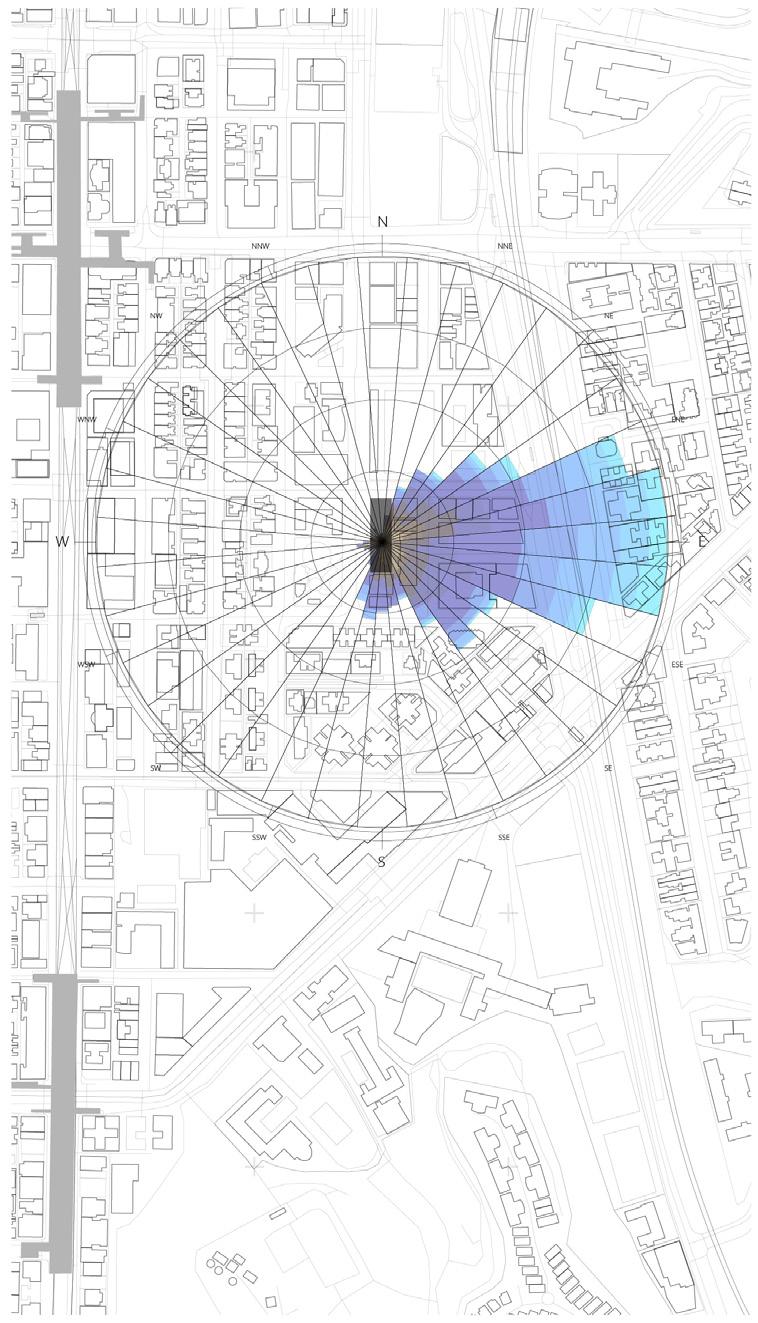
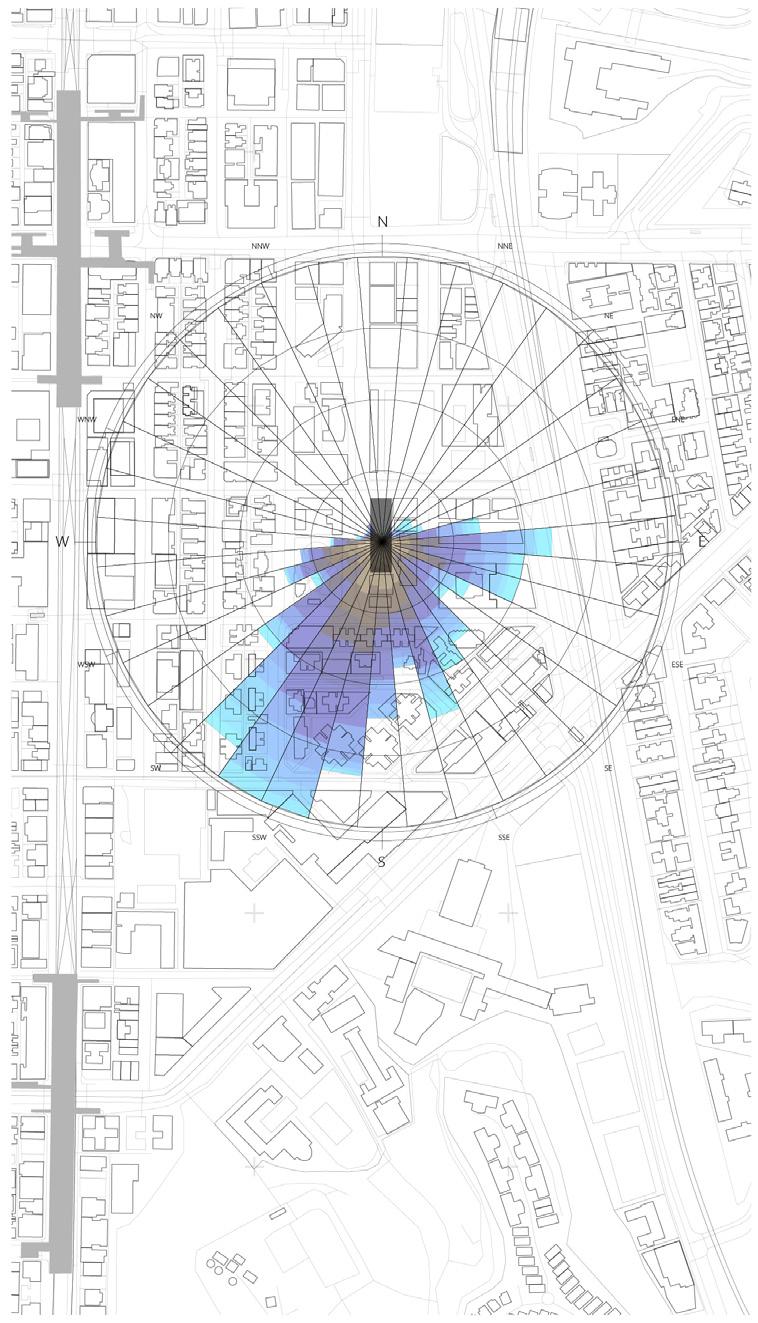
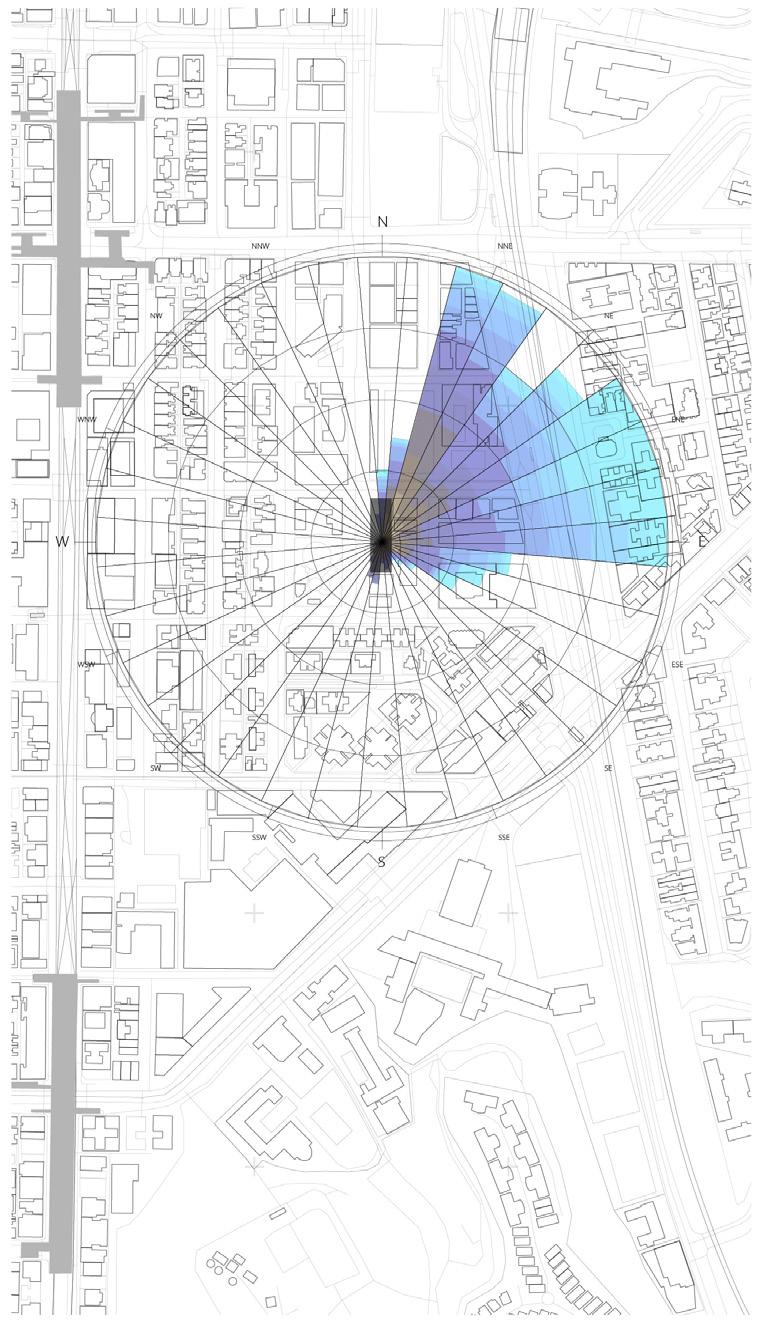
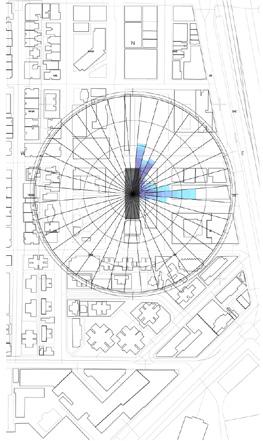
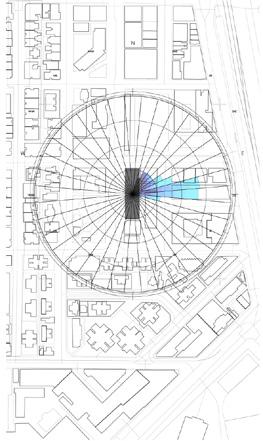
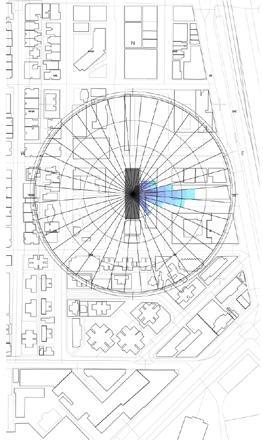
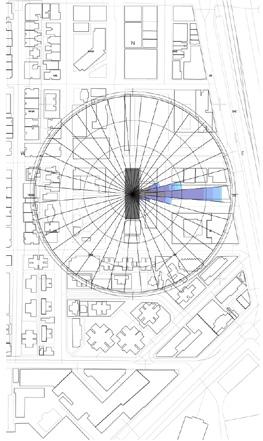
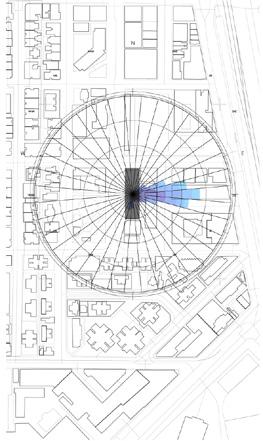
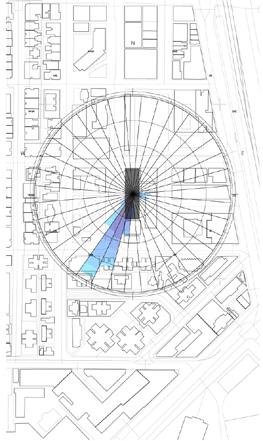
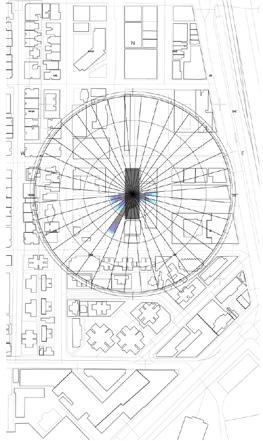
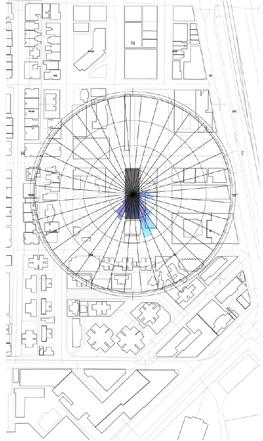
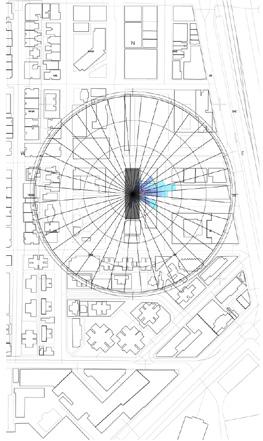
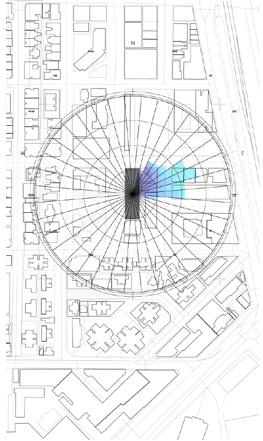
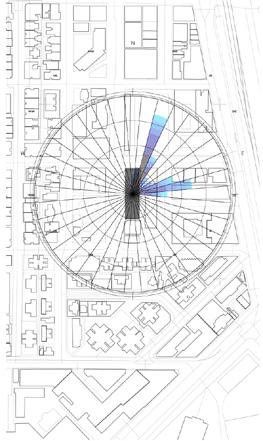
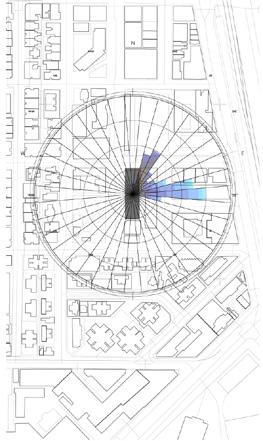
Next, the site analysis also provides information of wind direction sorted by month and season. This is a valuable resource for us because understanding wind patterns at different times can help us predict and plan.
For example, we may find that the prevailing wind direction is different in winter than in summer, which means our design needs to considaer changes in wind direction throughout the year to maximize ventilation.
Summer(6/1 to 8/31)
Autumn(9/1 to 11/31)
Winter(12/1 to 2/28)
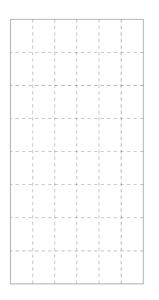
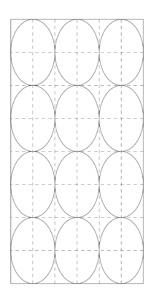
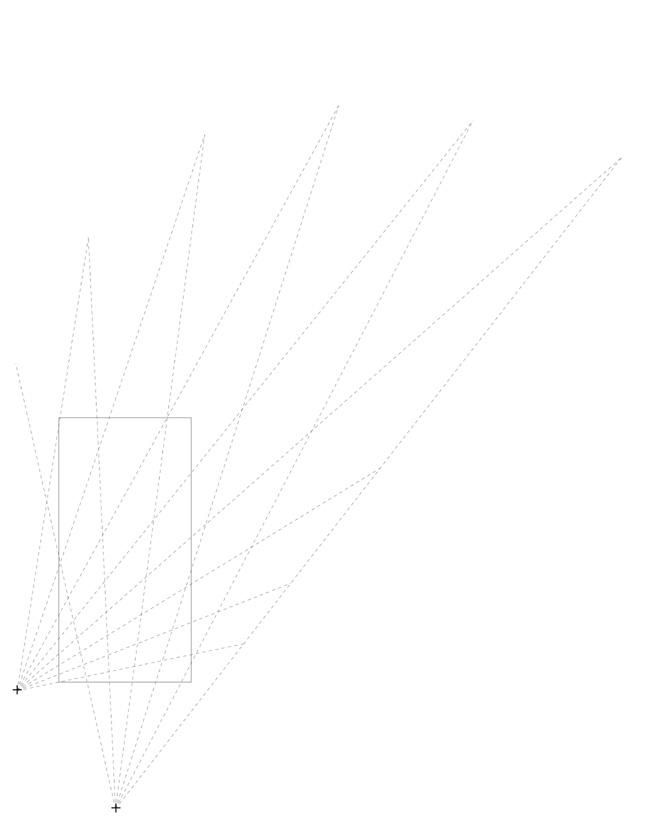
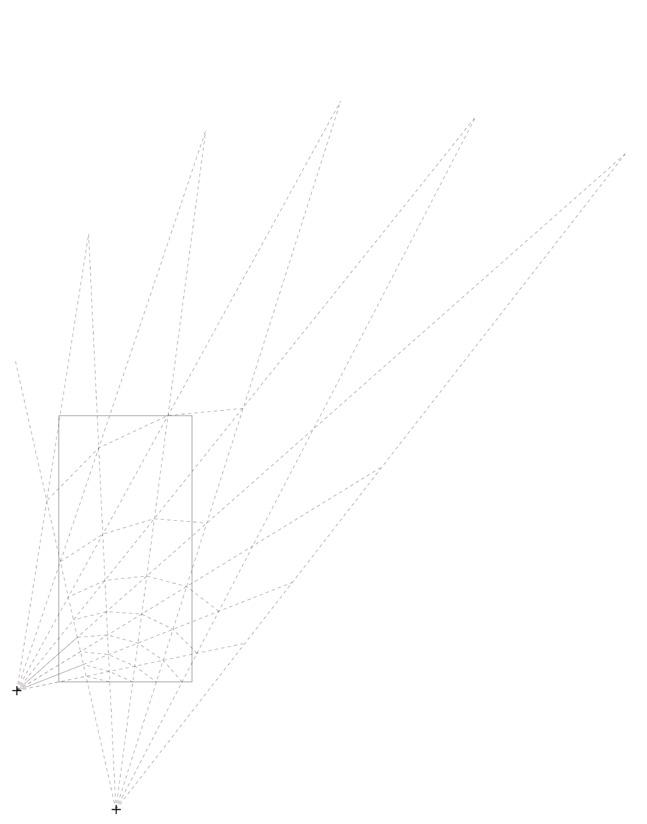
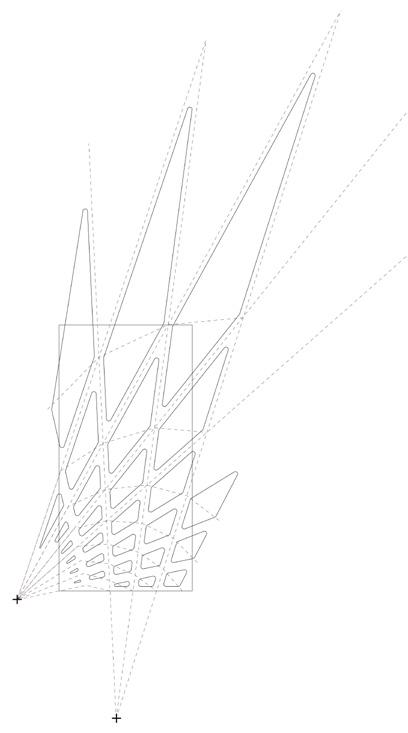
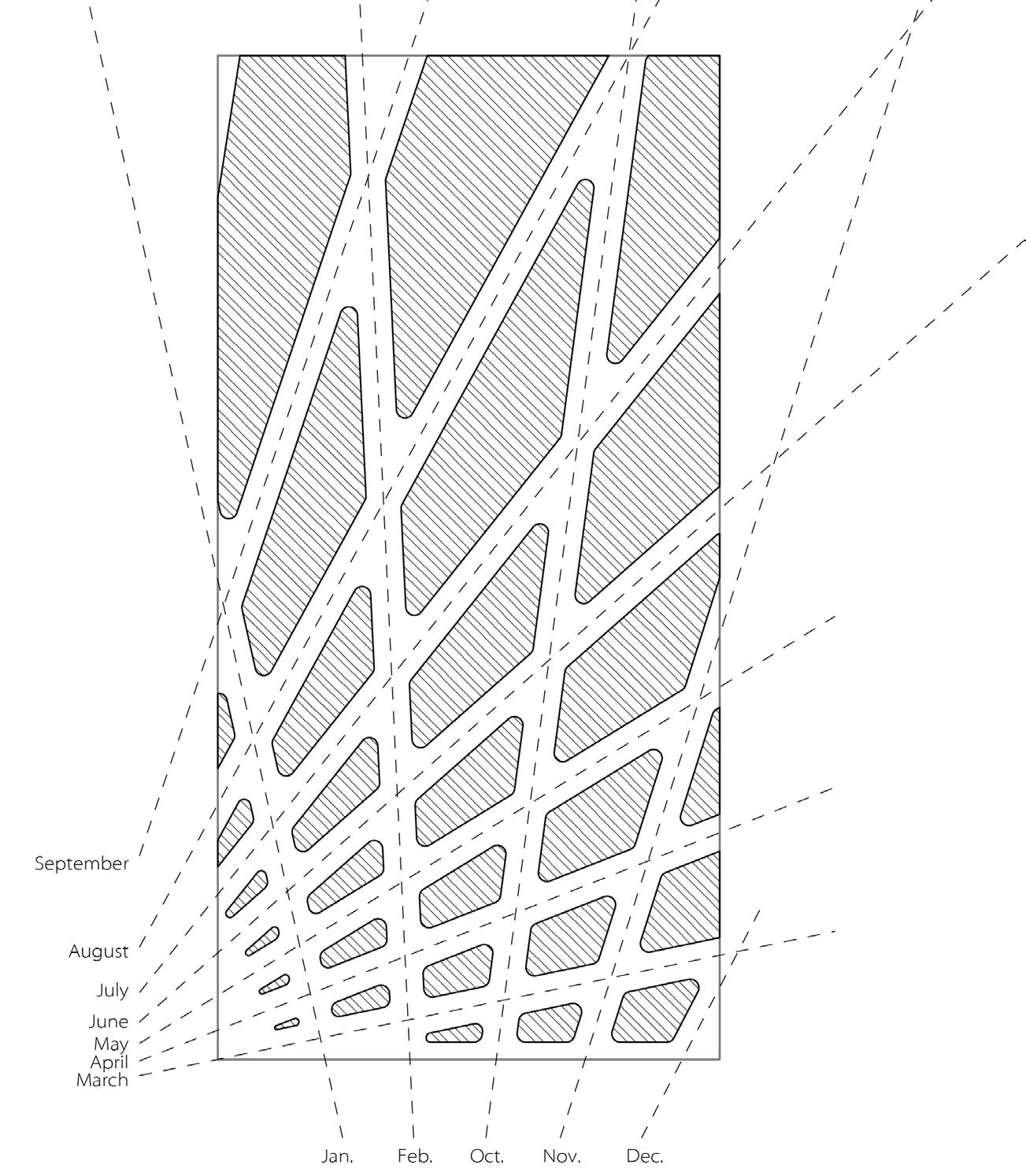
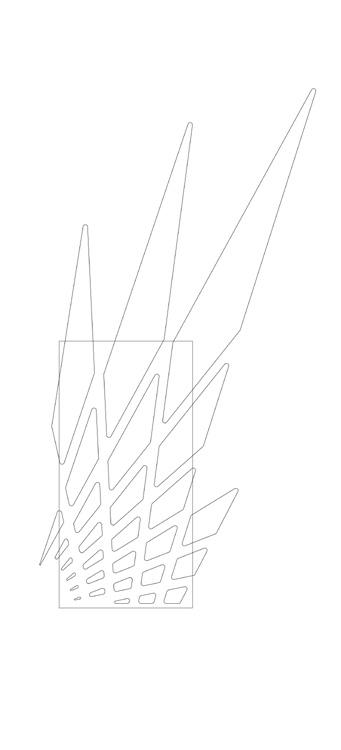
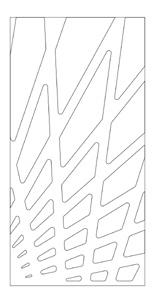
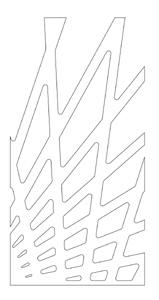
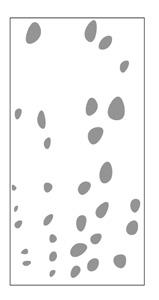
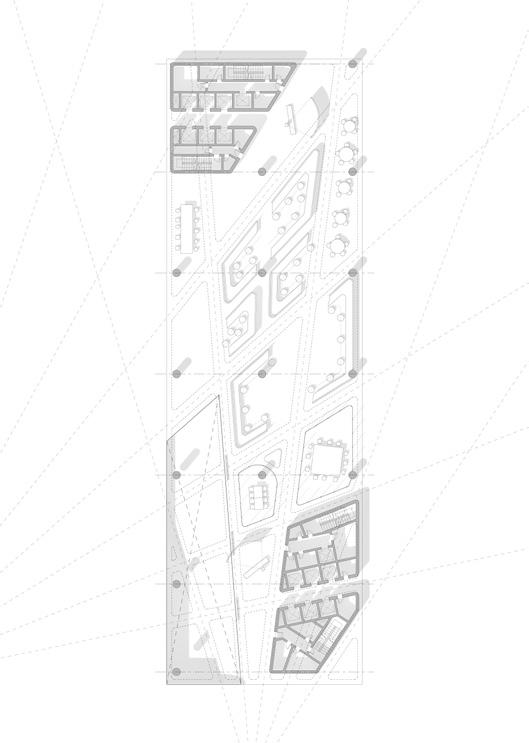
01_Grid 03_Grid + Wind (Optimized grid) 05_Inbetween (Service space) 05_Inbetween (Service space) 05_Inbetween (Service space) 02_Cellular Organization 04_Cellular gradient 07_View portals 06_Circulation + Ventilation January February March April May June July August September October November December
patterns on site are generally seasonal, with prevailing winds from the southwest in summer and northerly winds in winter.
Wind
25m 50m 10m
Mid
High Zone
Zone
Low Zone
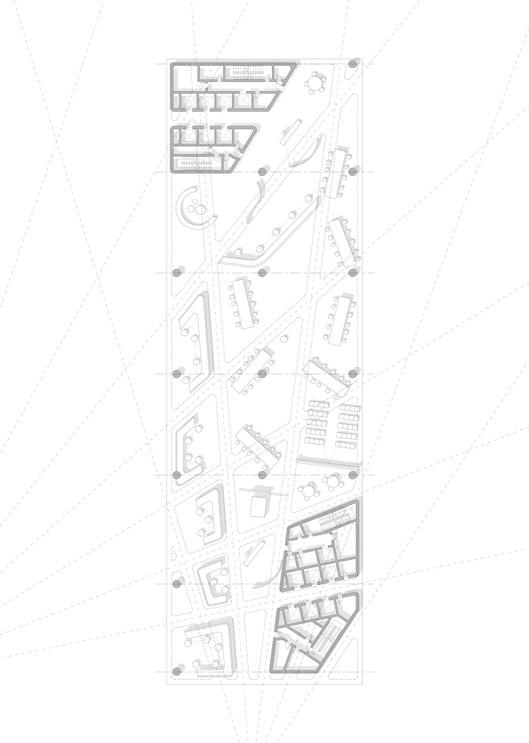
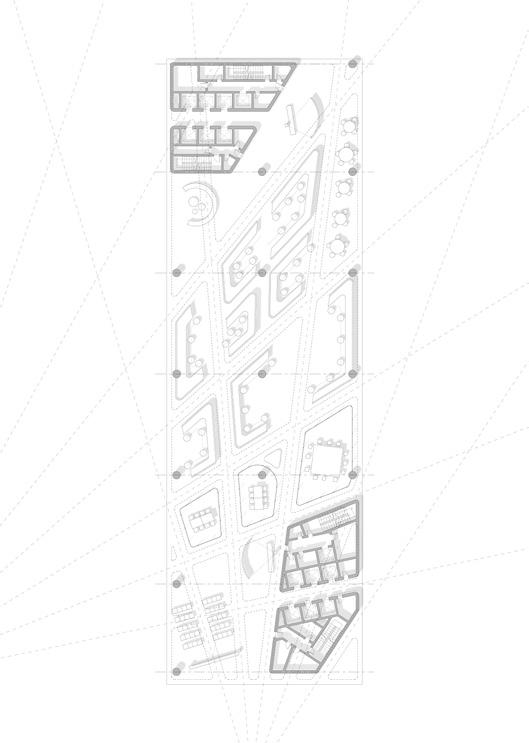
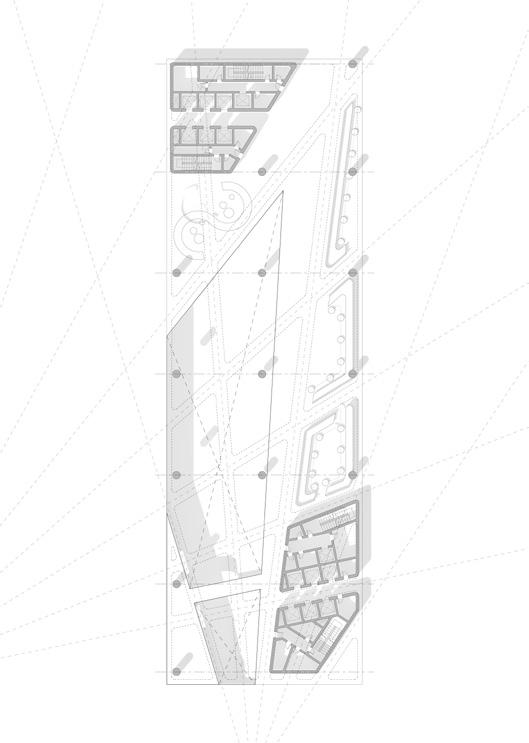
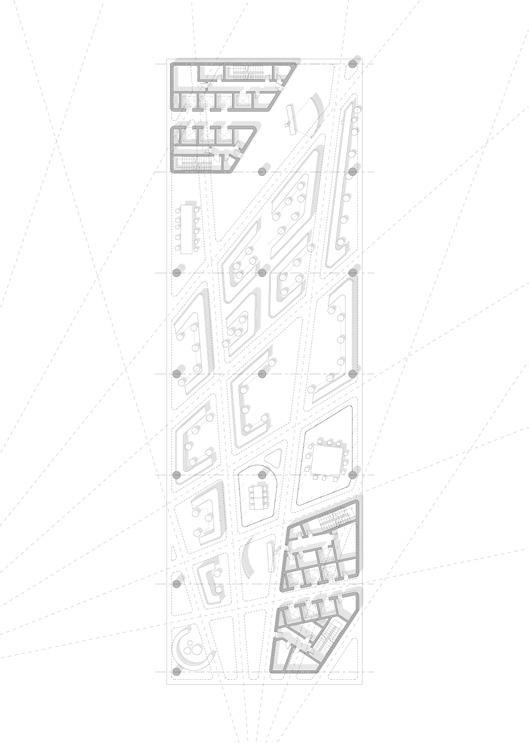
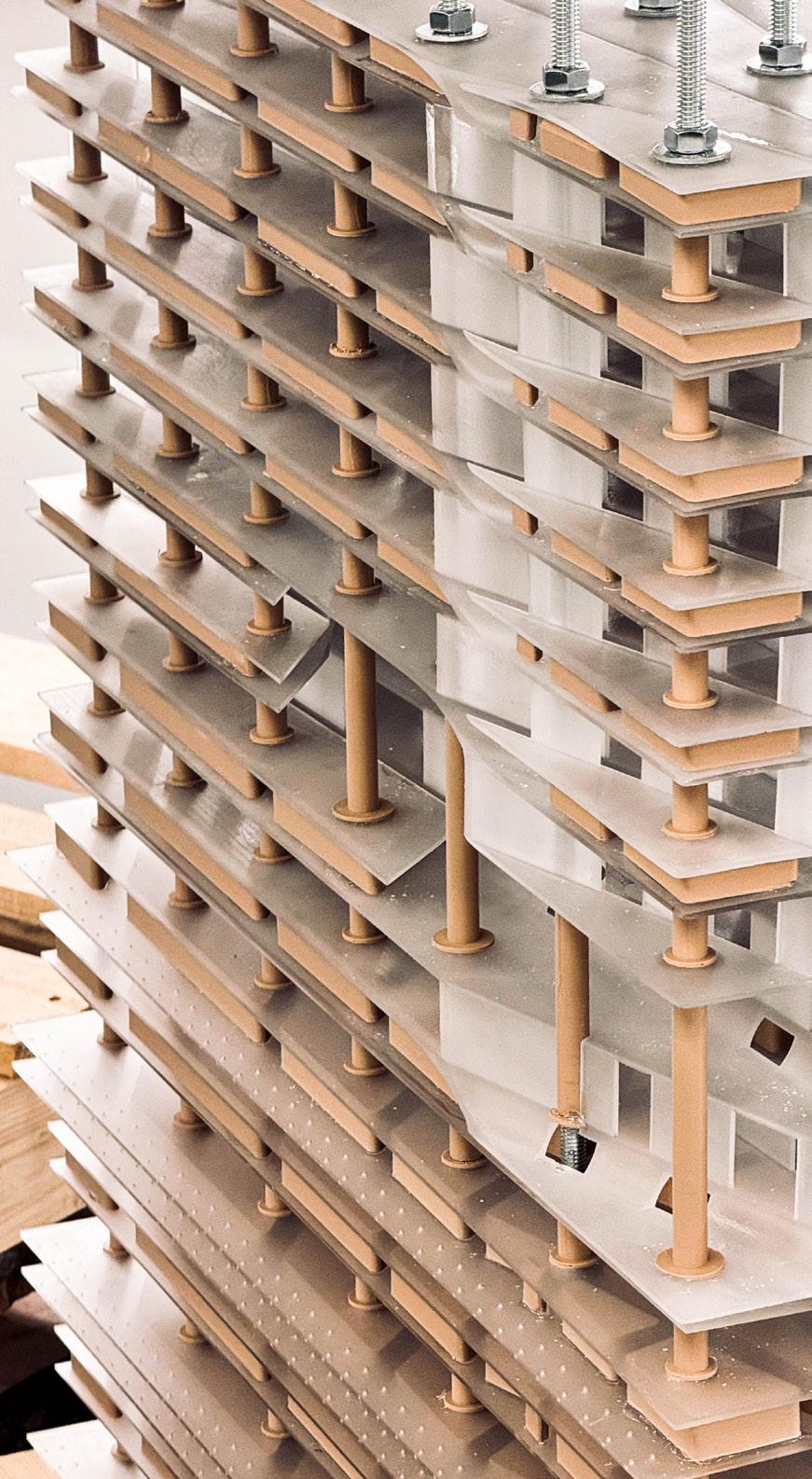
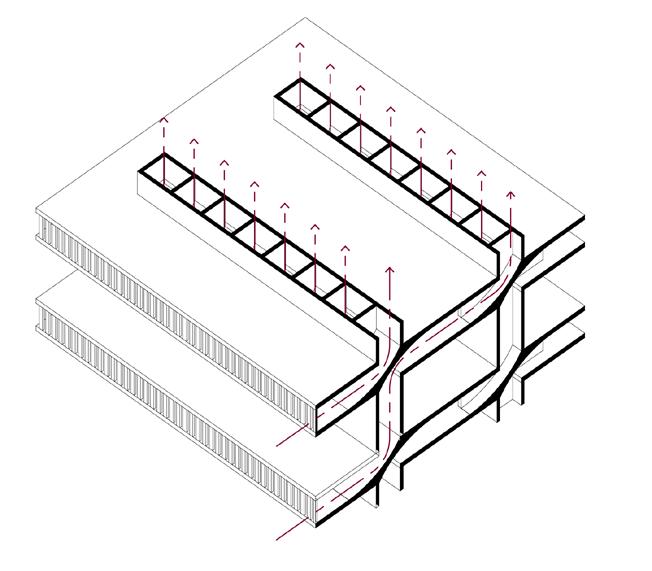
Grid Line Adjustment: By aligning the grid lines with the prevailing winds, buildings can significantly improve airflow rather than block them.
Airflow Channeling: Air from the floor plates to the walls is combining to the structure itself into the ventilation strategy.
a
 Slab Cooling: The flowing air also cools the building slabs, providing
cooling effect that cool each space within the structure.
Slab Cooling: The flowing air also cools the building slabs, providing
cooling effect that cool each space within the structure.
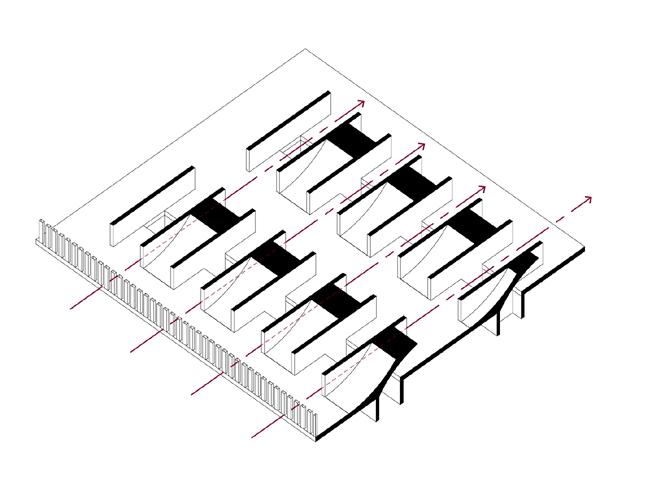
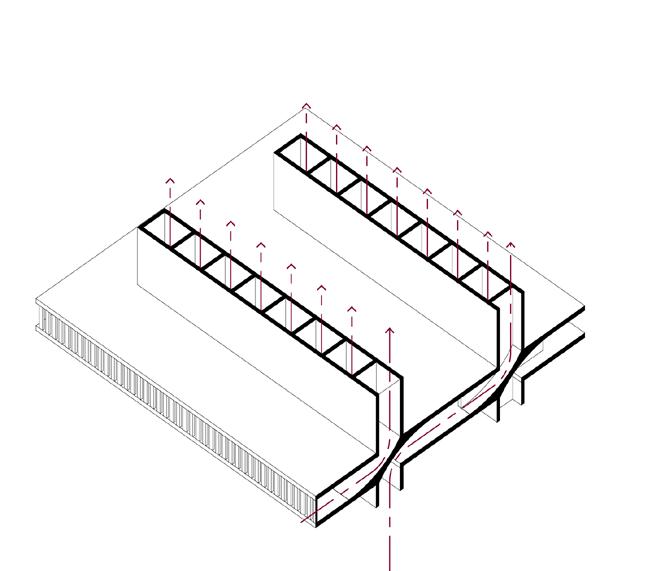
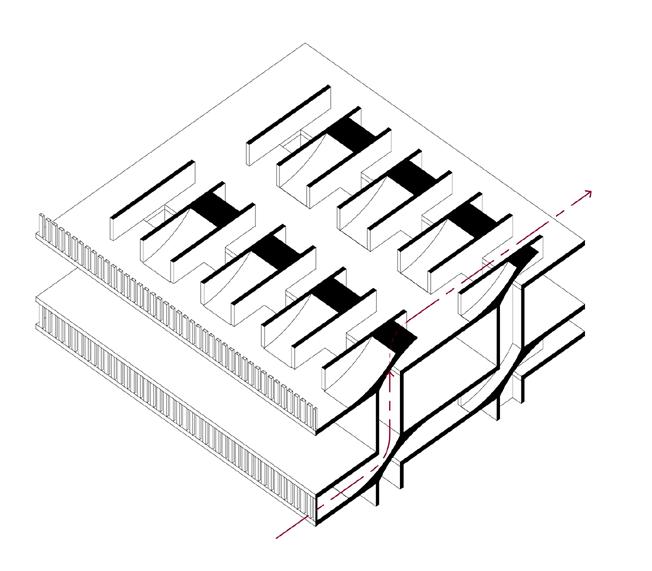
 02.Air is channeled from floor plates to walls
03.Warm air is flushed out opposite side.
04.The system is contained to individual unit.
01.Cooler air drawn in through dampers in floor.
02.Air is channeled from floor plates to walls
03.Warm air is flushed out opposite side.
04.The system is contained to individual unit.
01.Cooler air drawn in through dampers in floor.
WHAT THE CODE?
URGENCY: ENVIRONMENT & SUSTAINABILITY
RESEARCH TOPIC: RECYCLED MATERIAL
KEYWORDS: Building Code Hong Kong, Singapore, Shenzhen Collaboration with Professional Practice Tower Village
Location:No. 269 Queen’s Road East, Wan Chai, HK
Site area: 1,227 sqm
PR: 8.8
GFA: 10,797 sqm
Type: Composite Building

 100 Architect 100 Towers
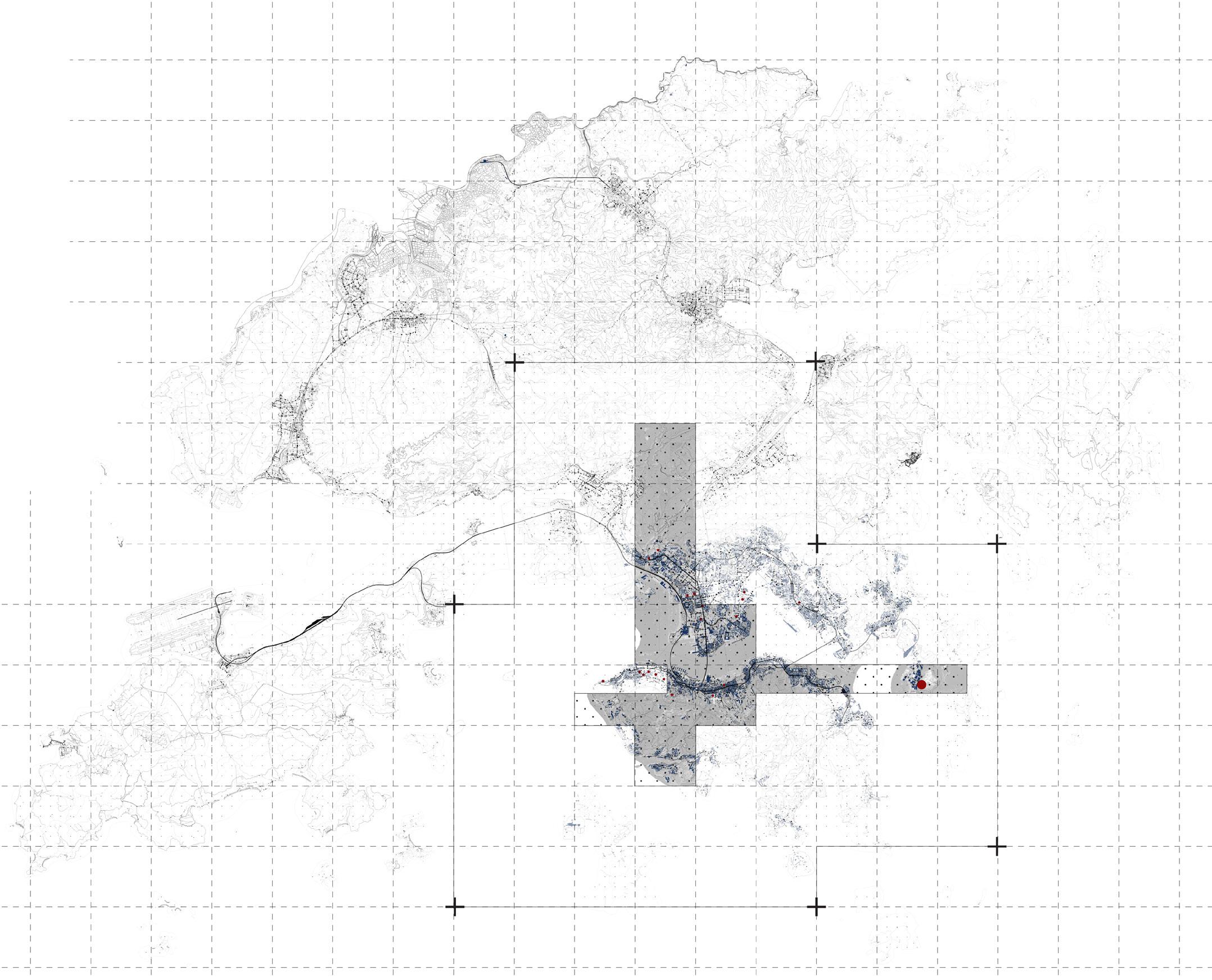
Although the amount of municipal solid waste recovered for local recycling continues to increase, the amount of municipal solid waste shipped out for recycling has decreased from about 1.44 million tonnes in 2019 to about 1.31 million tonnes last year, reflecting the continuing sluggishness of the peripheral recyclable materials market The economic climate and the impact of tightening import controls in Hong Kong’s surrounding areas are still intensifying.
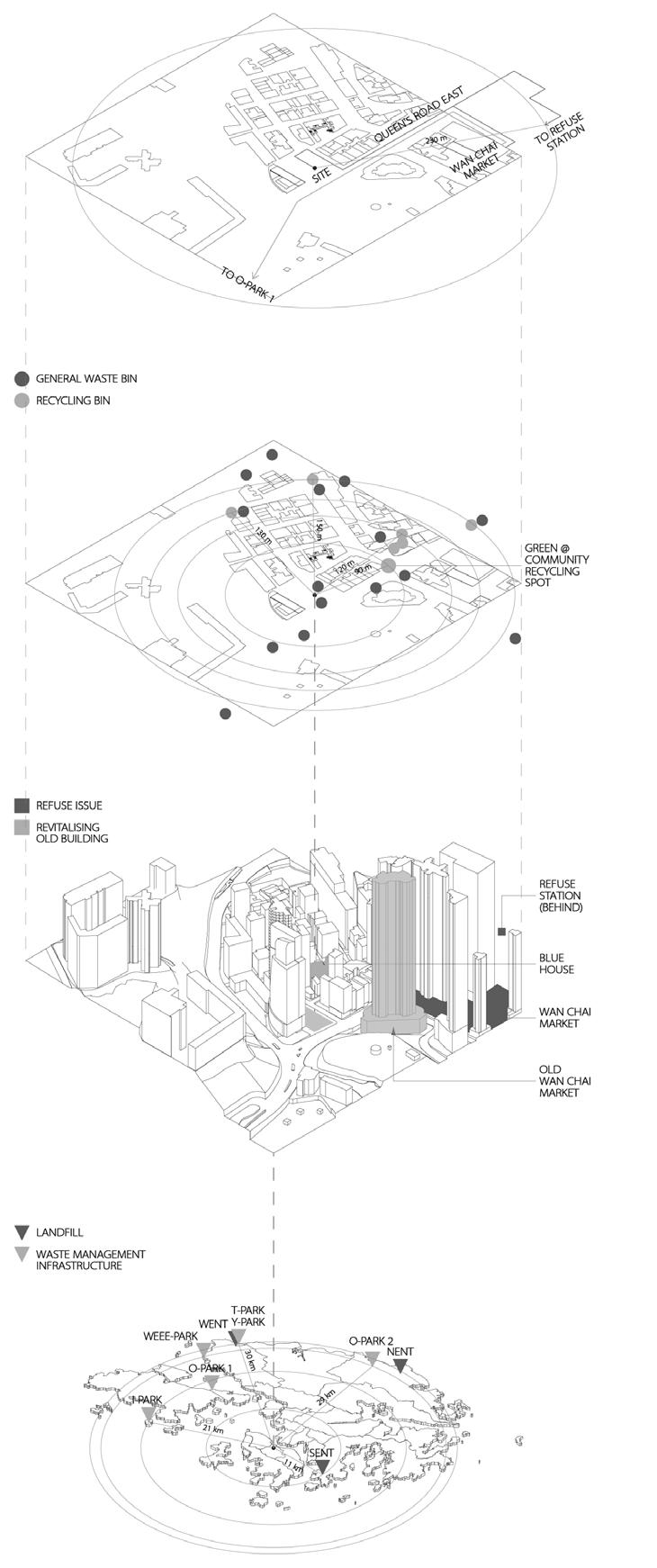
MOVEMENT OF WASTE
WASTE COLLECTION
FOOD
Recycle station
Where did the original building materials go?
My answers are : being part of new building
So I Engage in
1. Making Form
2. Making Space
3. Relating to Context
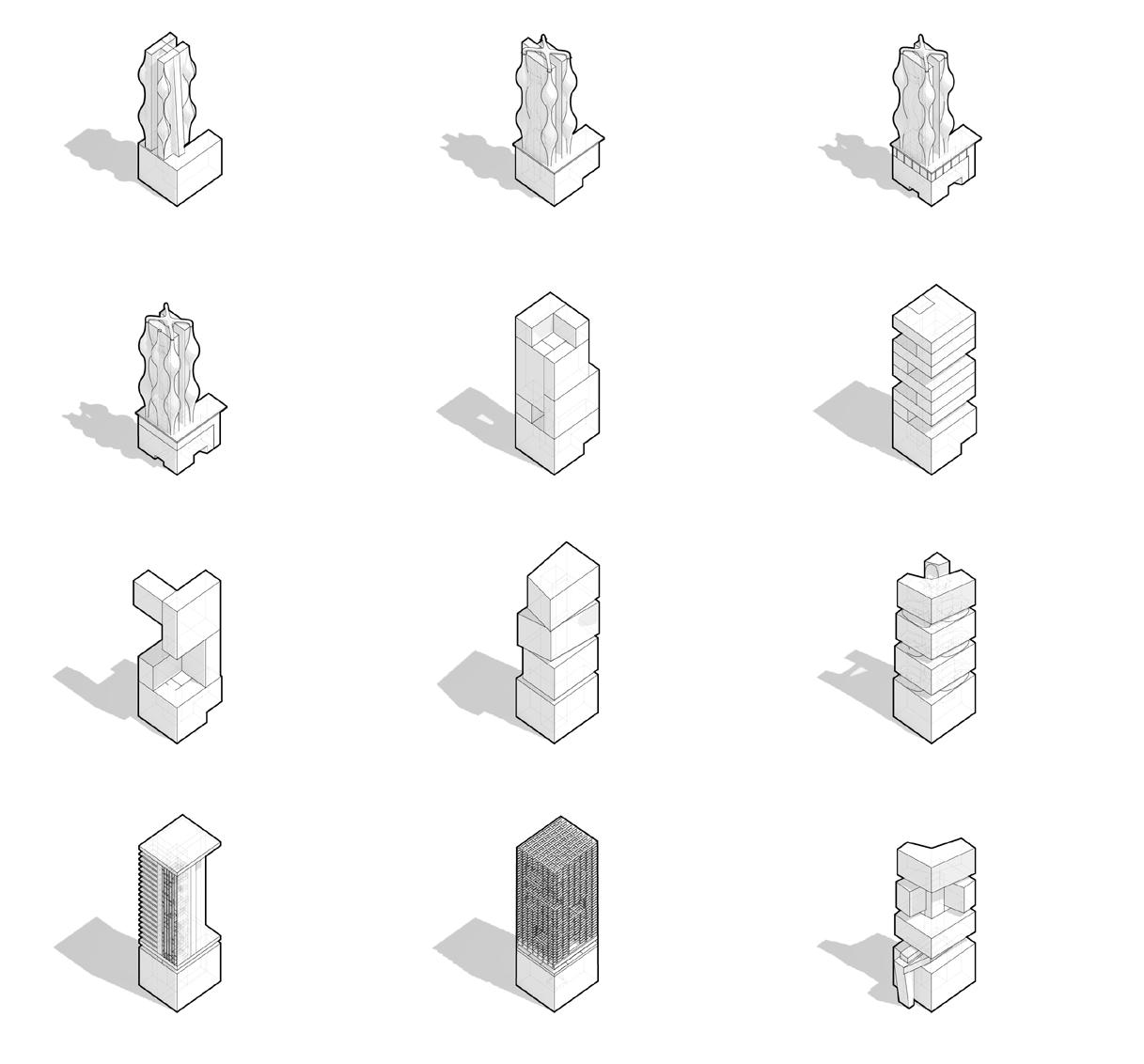
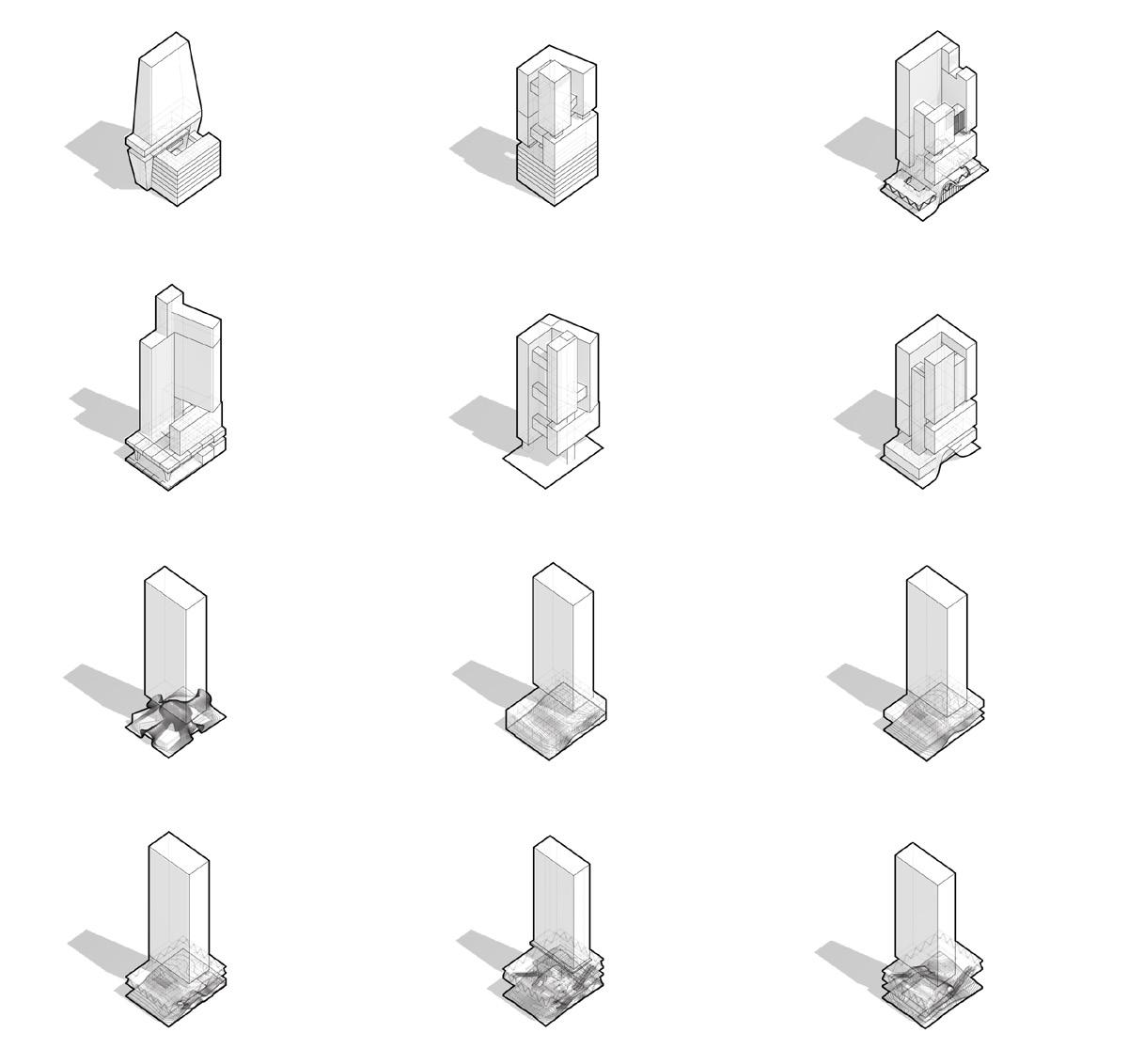
Form is not Shape
Form is the combination of shape, space, texture, materiality, and tectonics
Form Reflects Programmatic Composition
Form Tells a Story
HK is facing a challenge to handle a significant amount of Construction and Demolition (C&D) materials to be generated per year from local construction activities. A good proportion of these C&D materials are broken concrete and rock pieces which can be recycled into recycled aggregates and granular materials for use in construction works. It is the architects’ determination to promote recycling and the use of recycled products as far as possible for sustainable development in HK and to help preserve the precious land fill and public fill capacities.
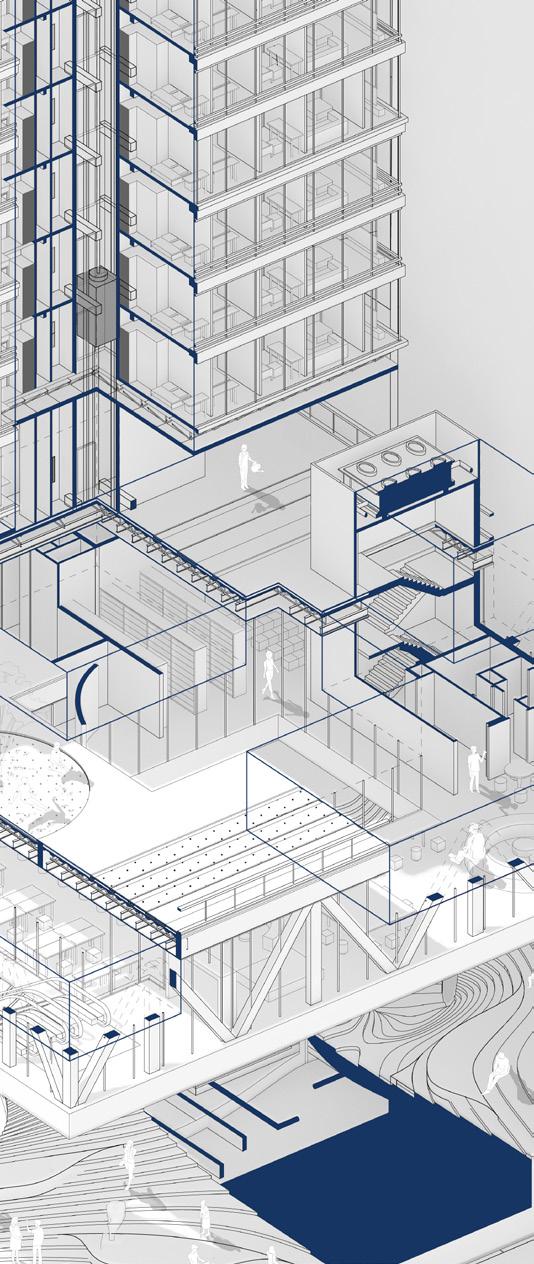
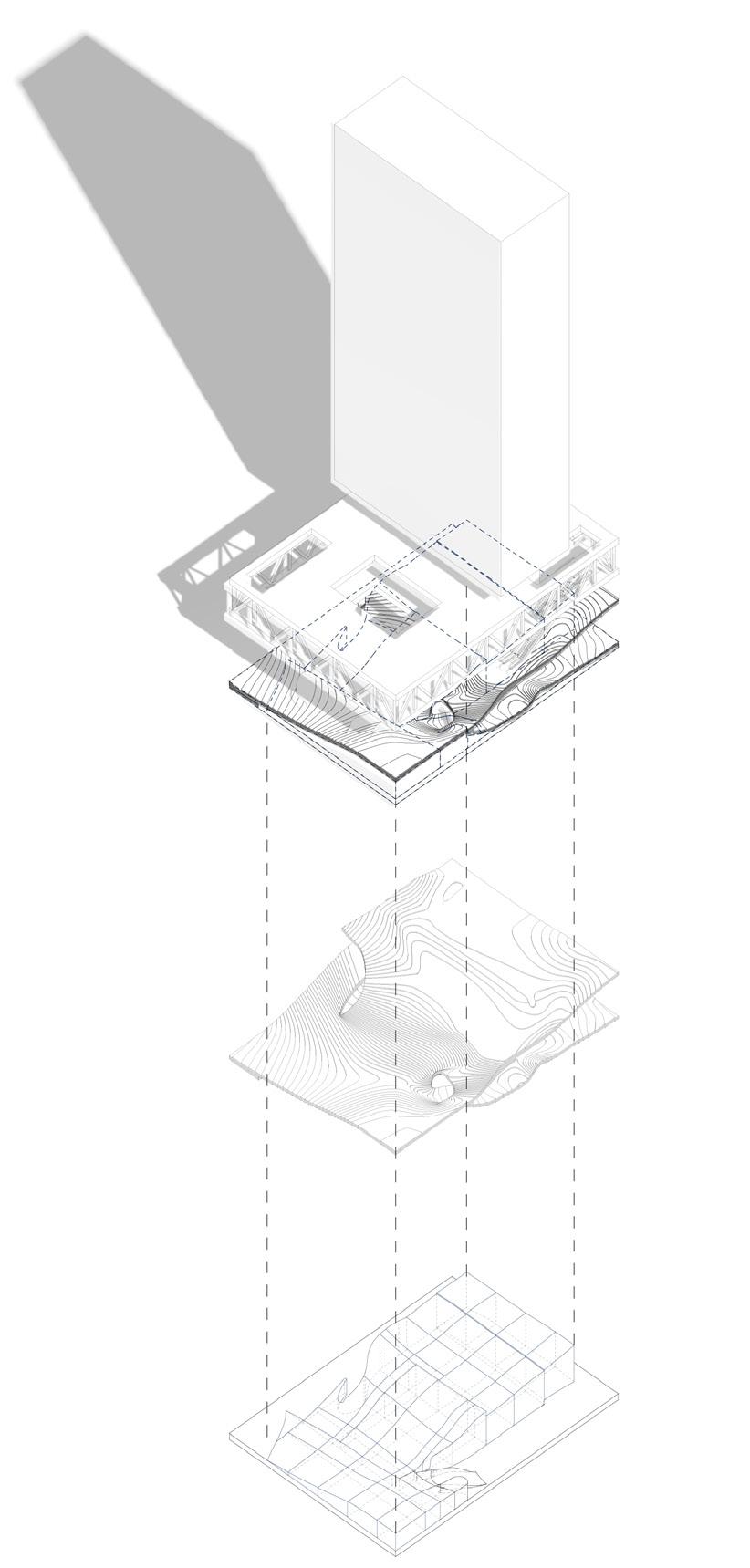
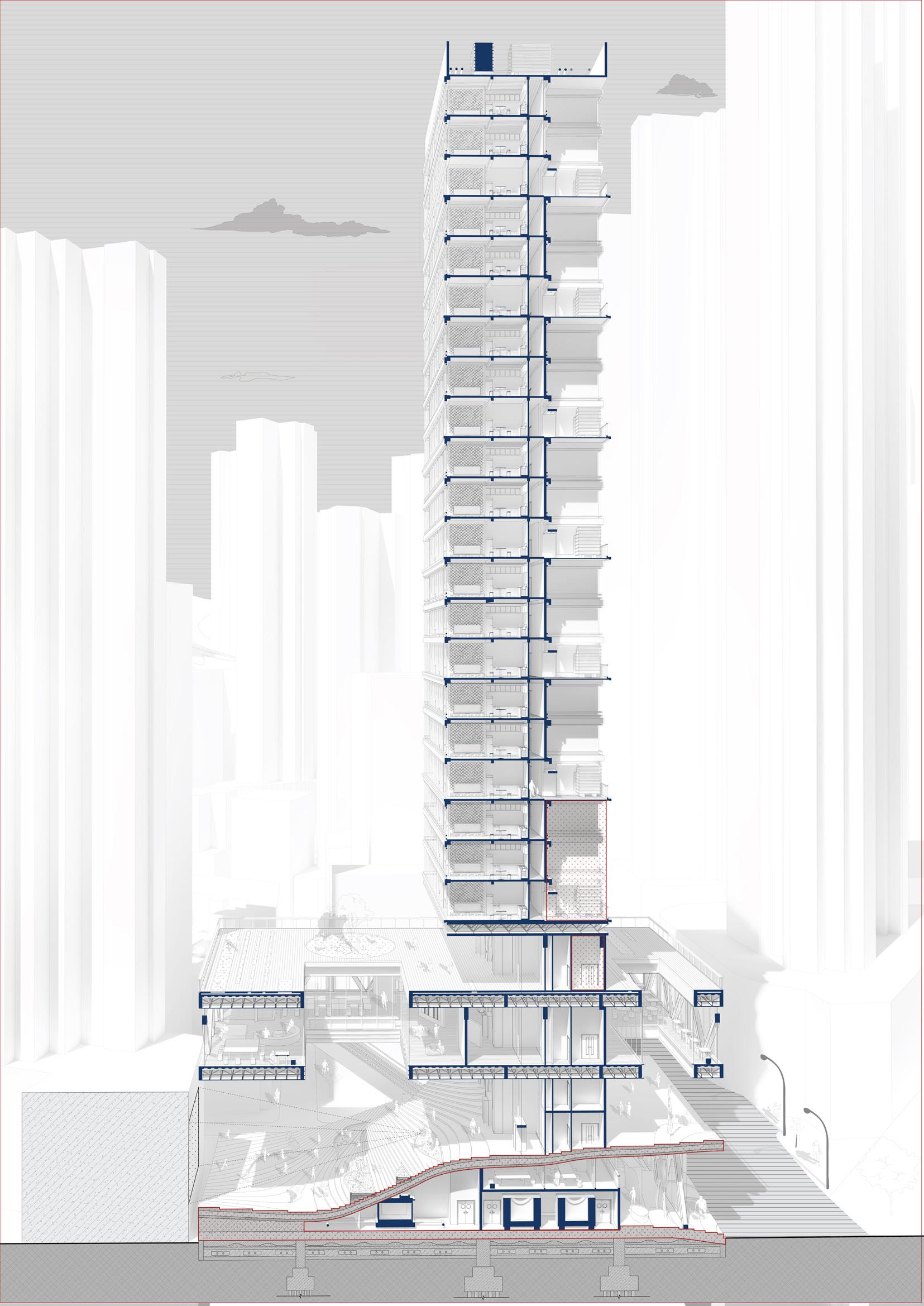
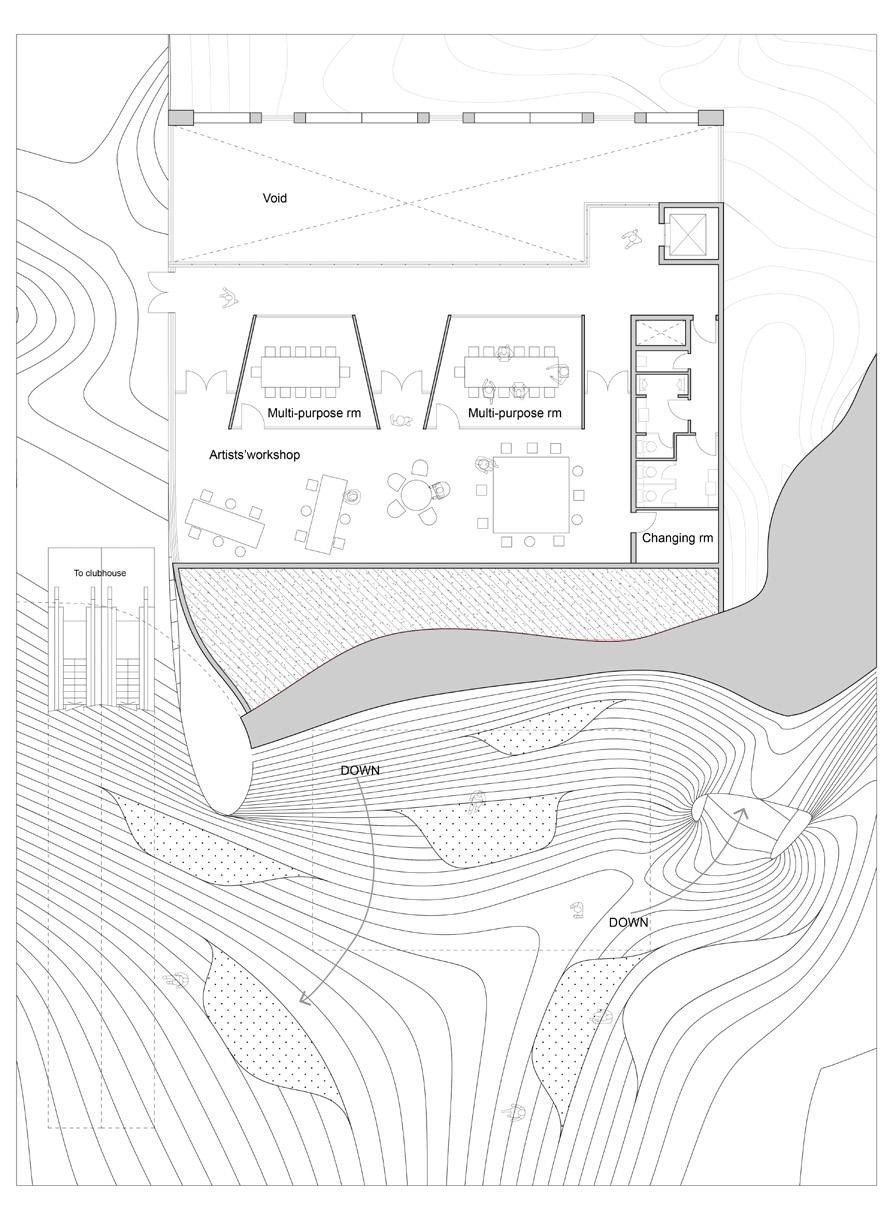
Demolish the existing buildings and use construction waste, such as concrete waste, to form a podium landscape, and then the recycling center and artist studios are mainly located below the slope.
Developer thinks that there is no benefit in building this community center, neither making money nor receiving corresponding benefits.
If the podium building is a recycling center that can exempt the building area or break through the original building height, surely many developers are willing to spend money and time to turn part of the podium building into a recycling center. In this way, when there are more recycling centers in the community so that residents can also change their behavior, such as garbage sorting, this is how buildings change behavior.
Ether Construction waste or domestic waste is used to backfill the land or incinerated. Crucial reason is that there is no recycling facility in Hong Kong
Trash Hub +
Share Community (4/F)
Share Community
CHALLENGE THE CODE
1. Item reuse : Extra bonus credits where the space used for exchanging items (electronic product,education book,clothes,funiture,other materials)
2. Non-accountable Gross Floor Area: GFA for essential rooms such as refuse storage chamber should be exempted completely.
3. Recycled Materials Extra bonus credits where at least (80%) of all materials used for site exterior surface works(stair landscape), structures (concrete base) and features with recycled content.
For exemplary performance, additional bonus credit for structural components,landscaping gravel,raw material for new concrete,building facade.
4. Non-accountable Gross Floor Area :Bonus GFA and/or GFA exemptions relating to dedication for recycle center/community for public users.
5. Enhanced Waste Handling Facilities: Extra bonus credits for the facilities for collection, sorting, storage.
For exemplary performance, 2 credit for additional facilities for collection, sorting, storage and disposal.
1 2 3 4 5 6
Construction waste is generated during demolition. There are formulas that can be roughly estimated and calculated. When a building is demolished, one ton of construction waste is generated per square meter of construction area. That is to say, one square meter of construction area produces 0.4 cubic meters. Exisiting building GFA is 4200 sqm. so the demolition of this building will generate a volume of 1680 cubic meters of waste.
2.
3.
4.
5.
6.
7.
8.
9.
14. Highly mixed public fill(both recyclable and non-recyclable) delivered to public filling facilities.
15. Highly mixed public fill(both recyclable and non-recyclable) delivered to public filling facilities.
16Mixed C&D material (both public fill and non-inert waste) wrongly delivered to public filling facilities.
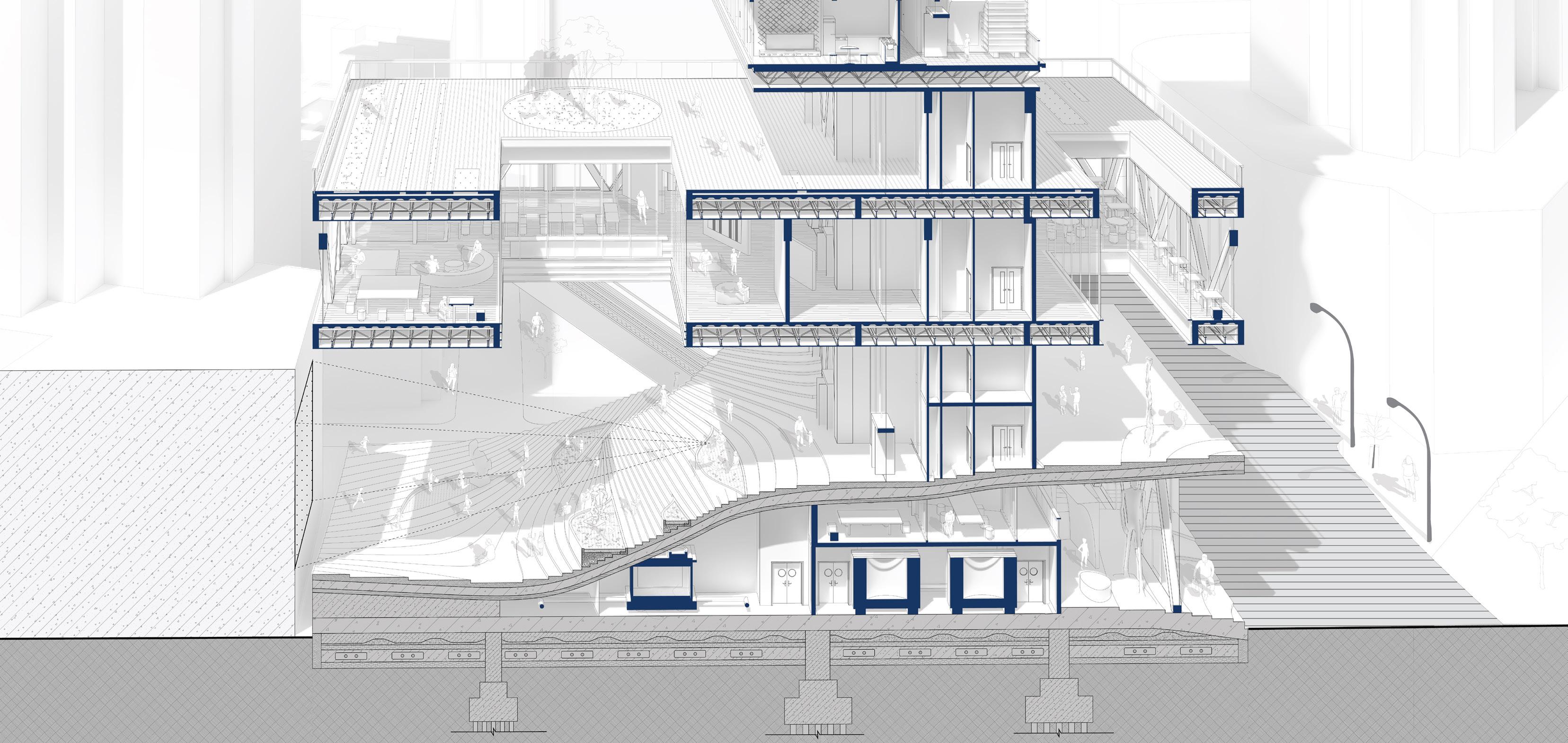
Recycling center not only serves the residence above, but also serves the artist studio on the second floor and the surrounding residential area.
Illustration
process:
1.Structure demolished selectively
Sorted broken concrete stockpiled separately
Sorted broken concrete stockpiled separately
Sorted non-recyclable public fill stockpiled separately
Sorted steel stockpiled separately
Sorted non-inert waste stockpiled separately
Mixed demolished material results in recycling uneconomically and inefficiently
Mixed demolished material results in recycling uneconomically and inefficiently
Mixed demolished material results in recycling uneconomically and inefficiently 10.Sorted broken concrete delivered to recycling facilities 11.Sorted broken concrete delivered to recycling facilities
12. Sorted non-recyclable C&D materials delivered to public filling facilities for use as public fill for reclamation
13. Sorted non-recyclable C&D materials delivered to public filling facilities for use as public fill for reclamation.
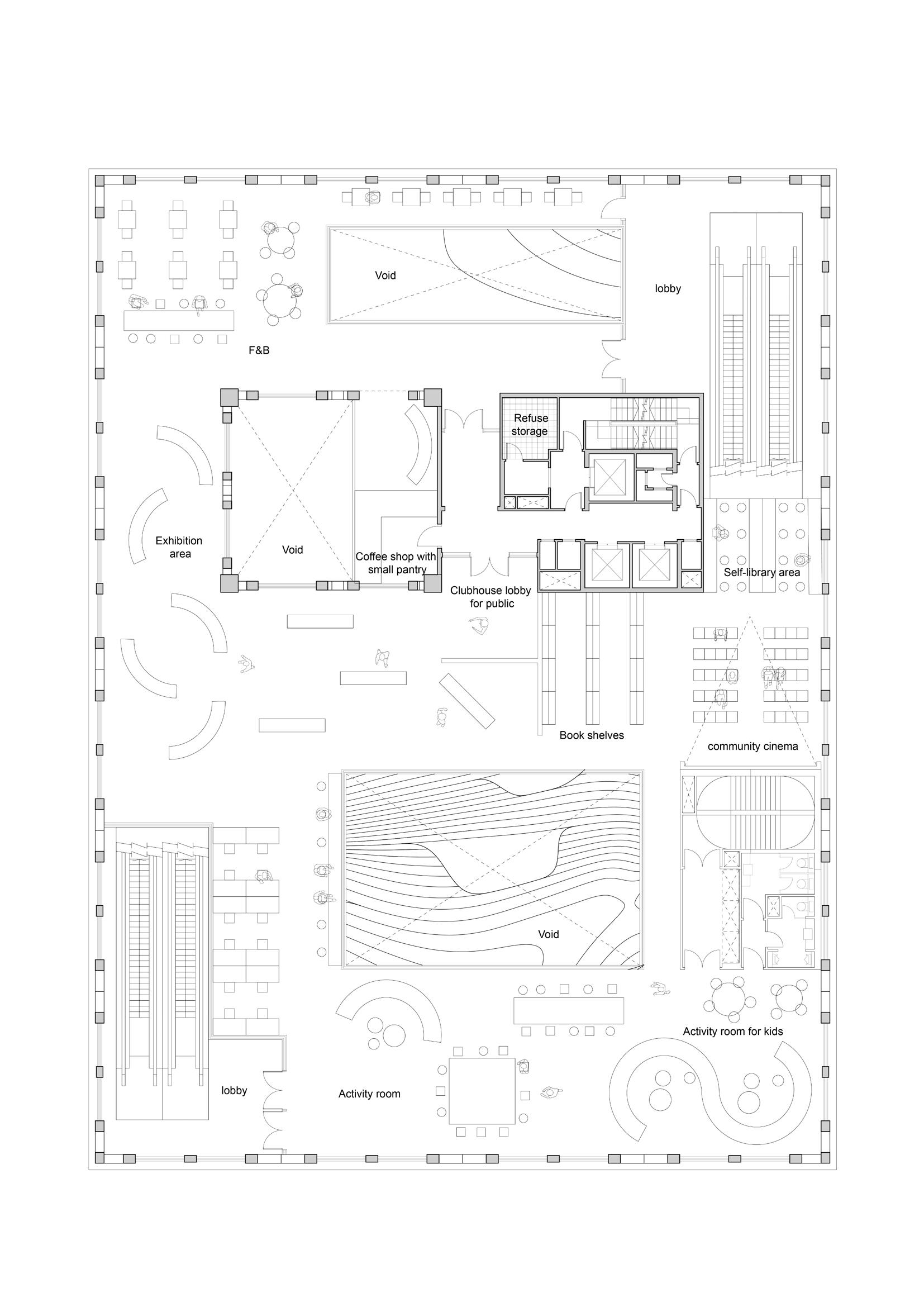
The Community Recycling Centre facilitate the practice of waste collection and recycling, green living, artistic recreation and education purposes. Apart from serving the neighborhood, some of the areas will be open to the public. Convenient access to the adjacent public park should also be provided.
The Centre comprises of the Recycling Station, Workshops &Exhibition/Education Centre and Community Gardening Centre. The overall design of the Centre will be welcoming and encouraging the promotion of waste recovery through artistic creations and other educational functions. As such, public entry to the Recycling Station will be through the main entrance/lobby of the building. The conventional image of“refusecollection”for this Centre should be avoided, and it should also form a pleasant and coherent identity with the public park.
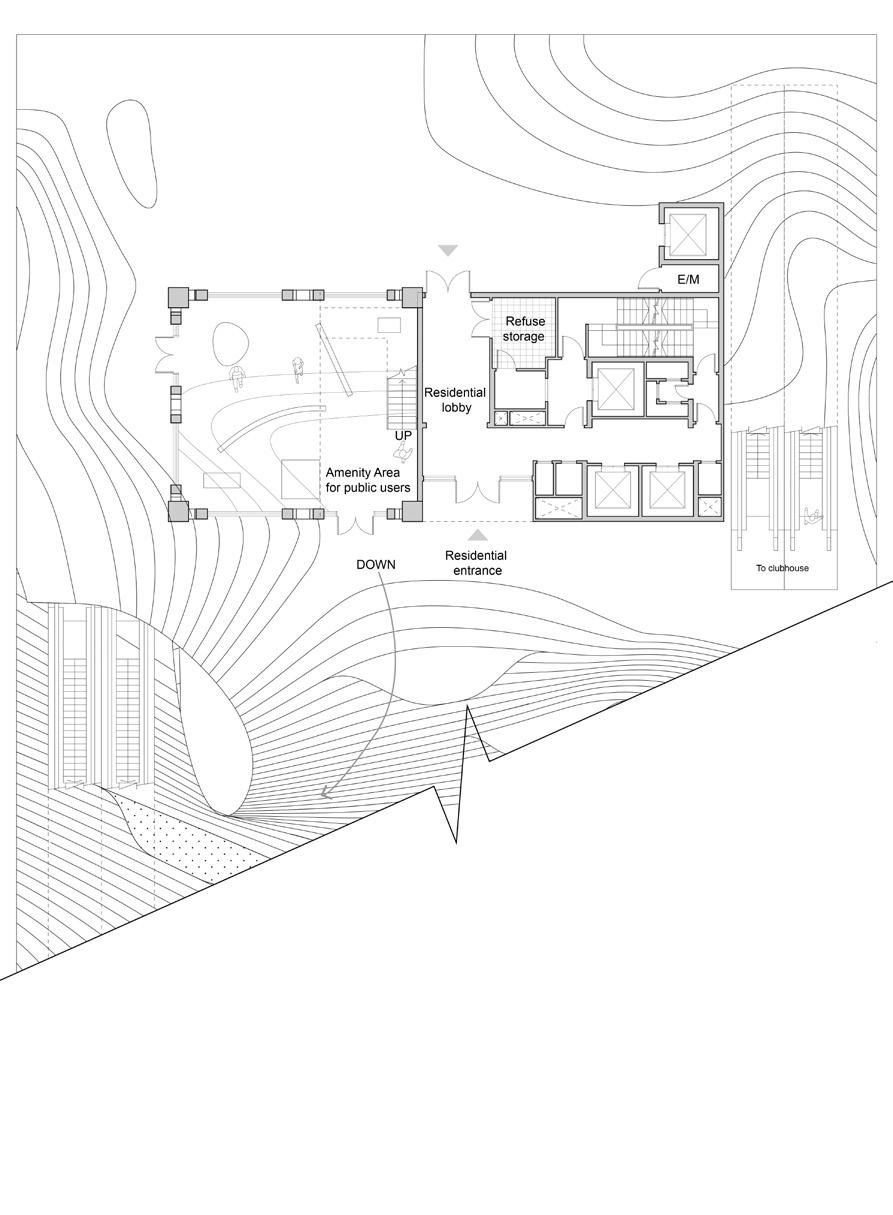
Recycling Station as part of the waste collection and recovery network to serve the residential housing in the neighborhood, the location of the Recycling Station is easily accessible to both pedestrians and those arriving by cars. Recyclables collected in the Covered Collection Point is sorted in the adjacent Sorting Room on the same level. Recoverable materials, which can be further processed by artists’ re-creations, will be transported to the Workshops of this Centre. Others will be taken off-site to appropriate locations by refuse collection vehicles.
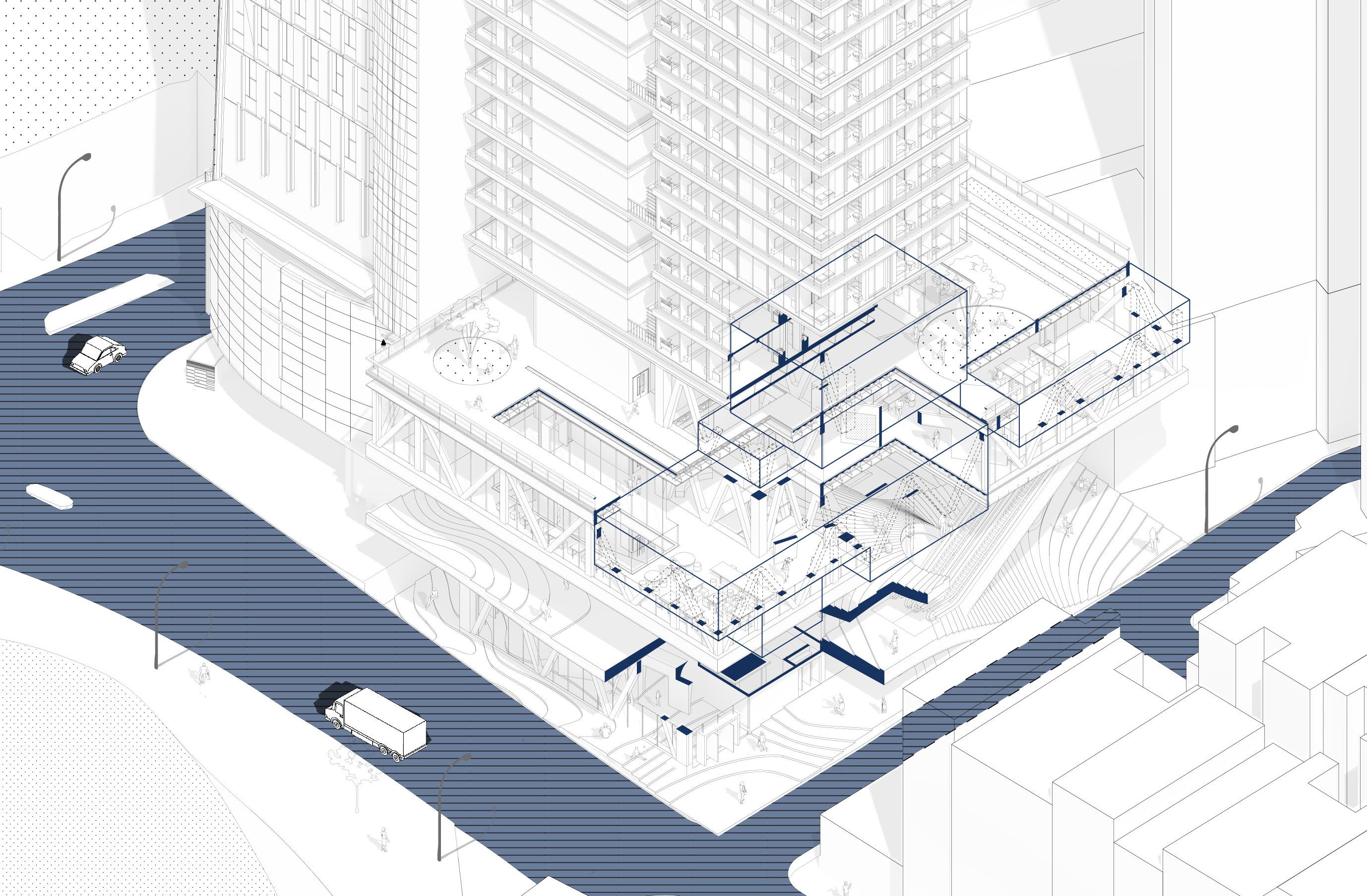
There are three scenarios in this recycling center.
1.Trucks come in from that road to deliver materials here, and then the materials are sorted and a series of operations.
2.Or the garbage generated by the residents above will be sent to the recycling center on the ground through the core tube.
3.The last situation is that when the residents come here to rest and play, they take the garbage or useful items that they can’t use to the hall below the podium by the way.
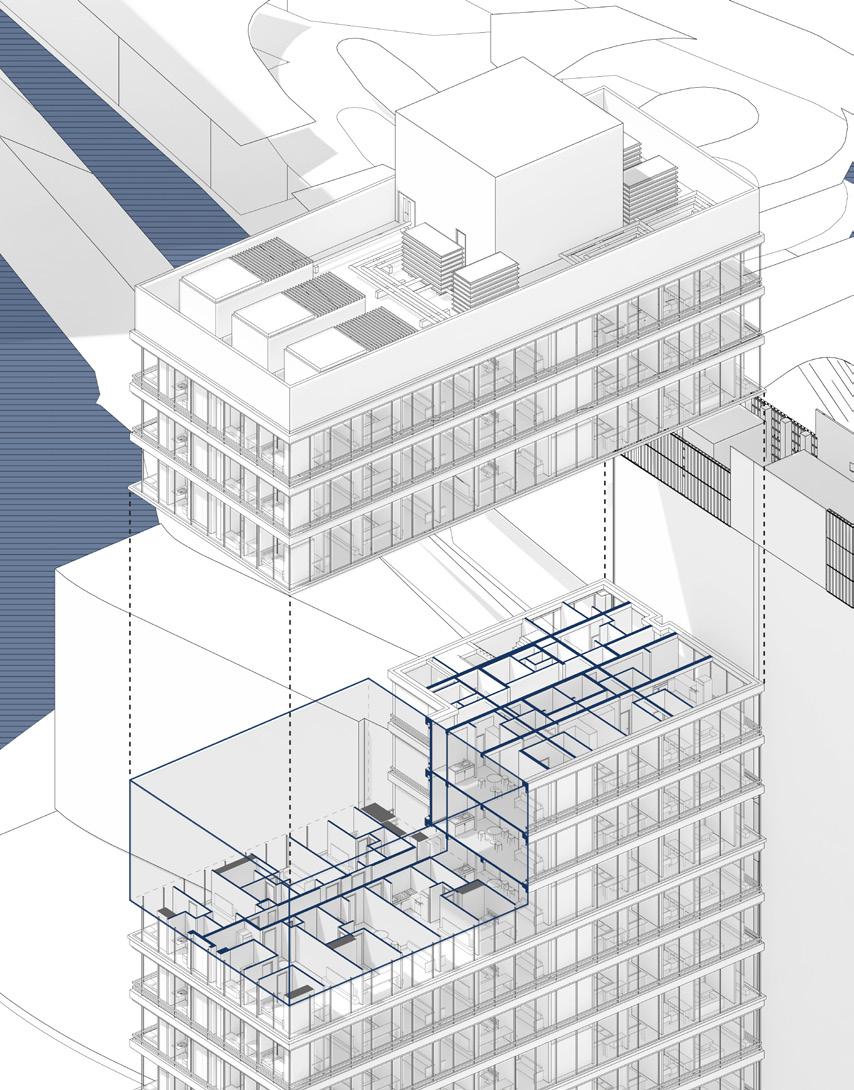
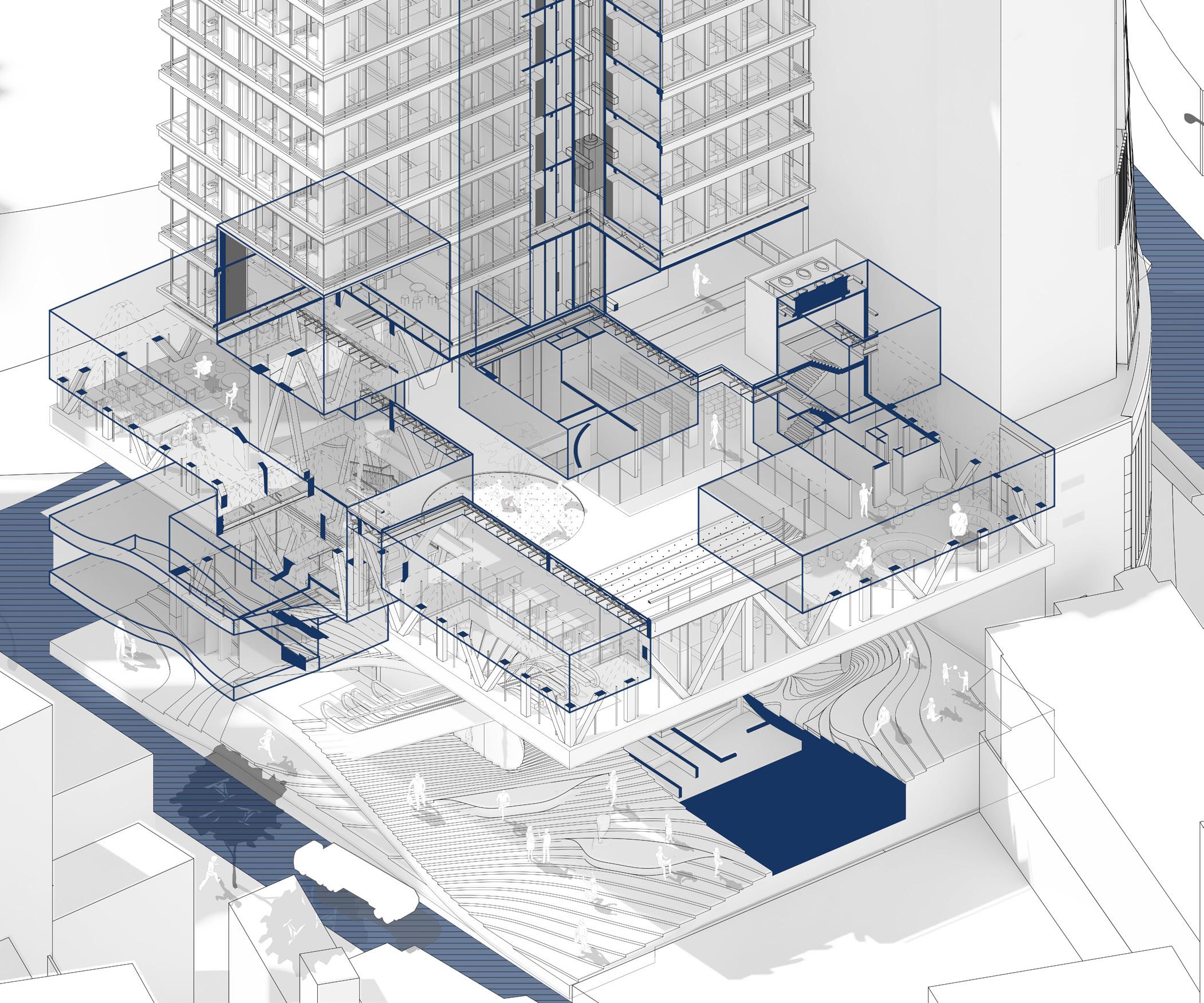
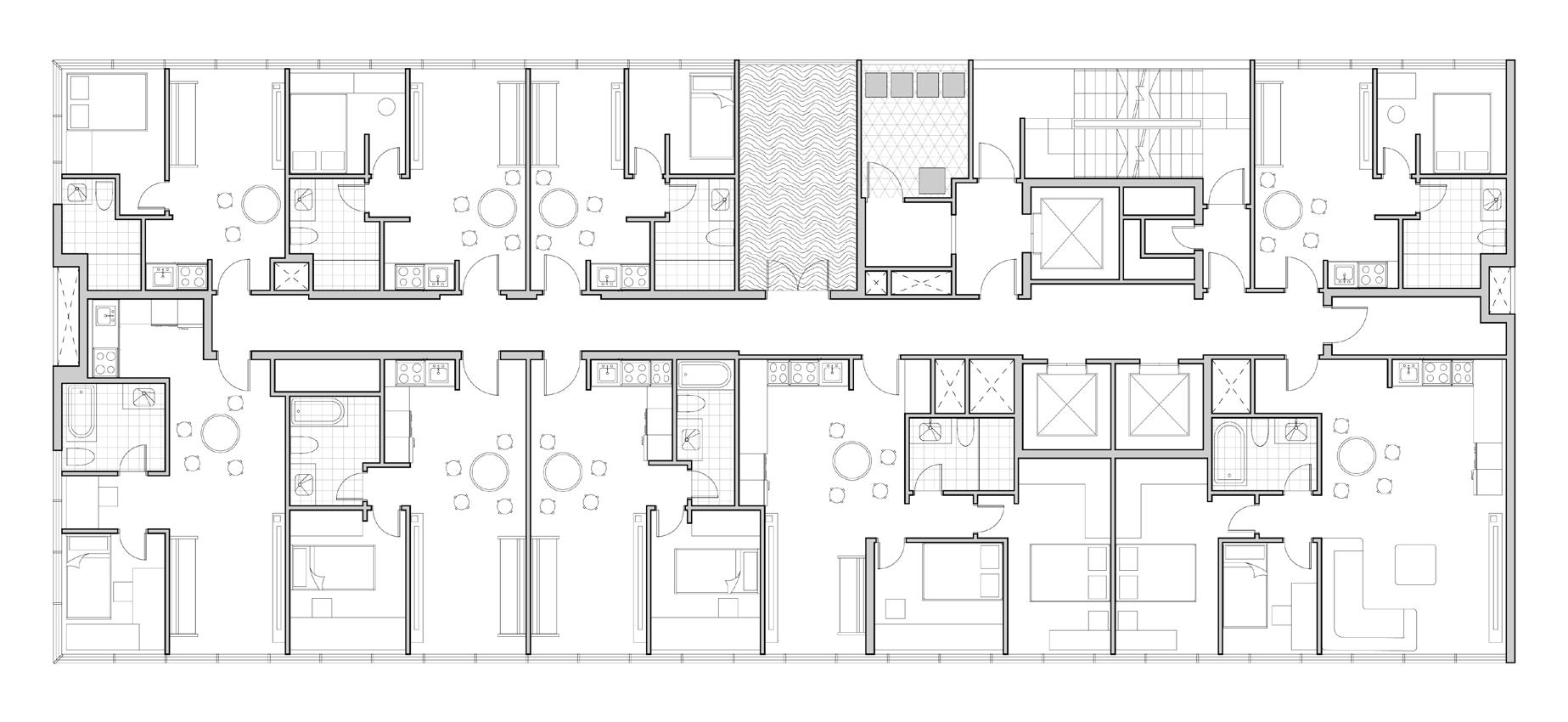
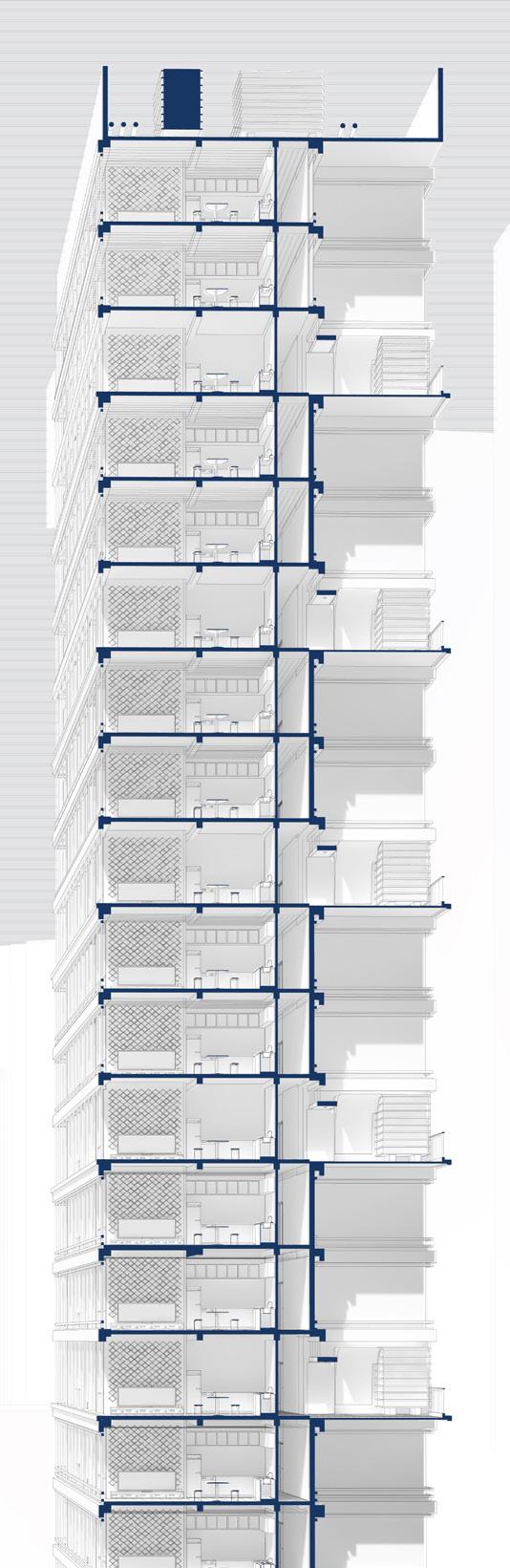
The Community Recycling Centre facilitate the practice of waste collection and recycling, green living, artistic recreation and education purposes. Apart from serving the neighborhood, some of the areas will be open to the public. Convenient access to the adjacent public park should also be provided.
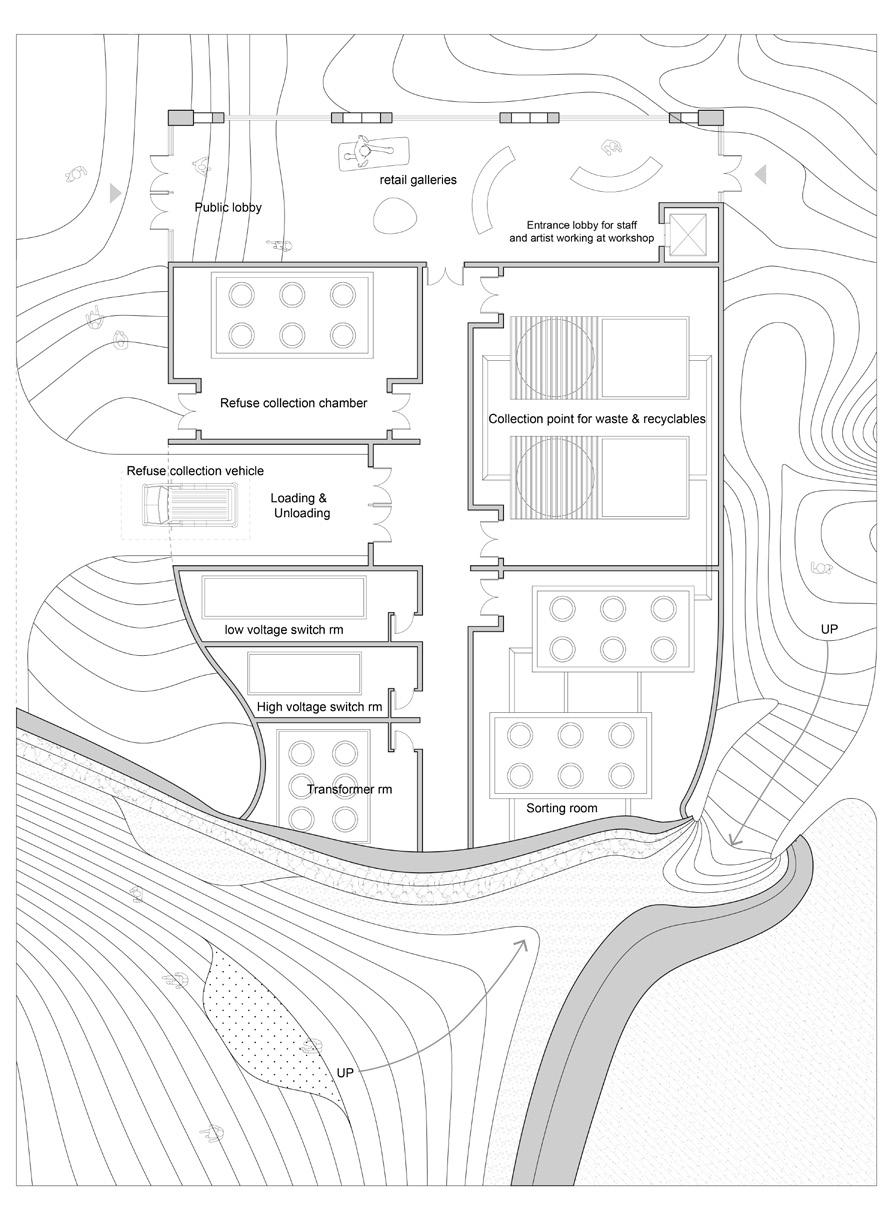
 Recycling center G/F
Artists’ workshops cum reatil galleries 1/F
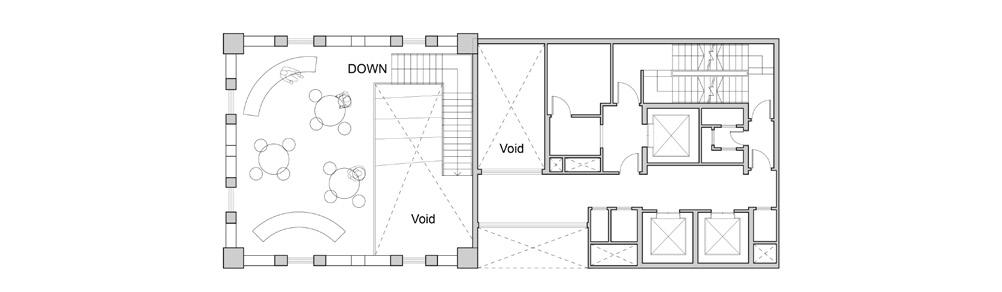
Grand residential lobby 2/F
Recycling center G/F
Artists’ workshops cum reatil galleries 1/F
Grand residential lobby 2/F
WHAT THE “E“?
Urgency: Starvation, Electronic, Economy, Education, Future Development
NON-HUMAN CENTERED
Location
Surin Province, Thailand
KEYWORDS:
Live stream,Survival, See shelter in everywhere, How to be animal?, Repeat, Poor people material & technique, Decentralization, Elephant User friendly
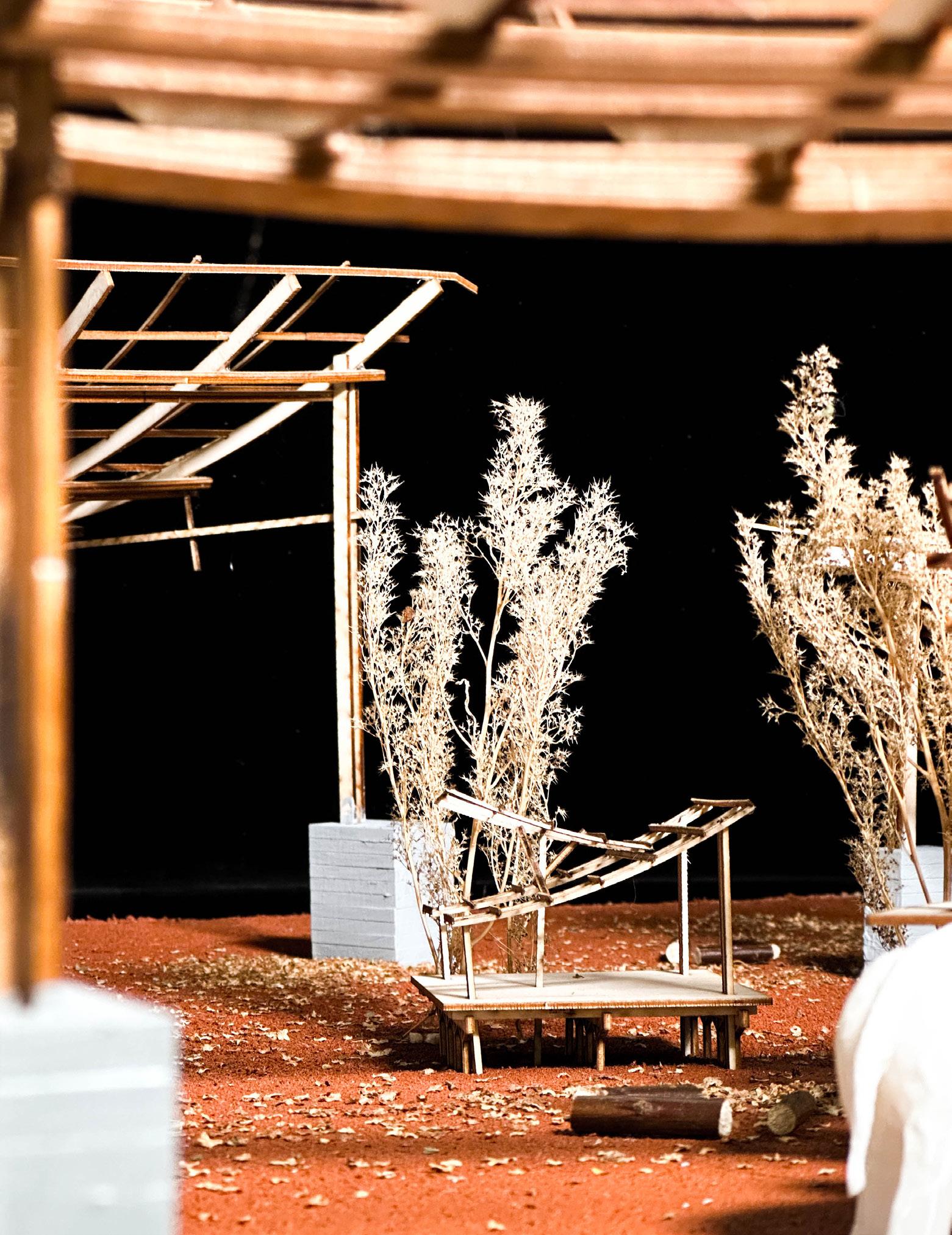
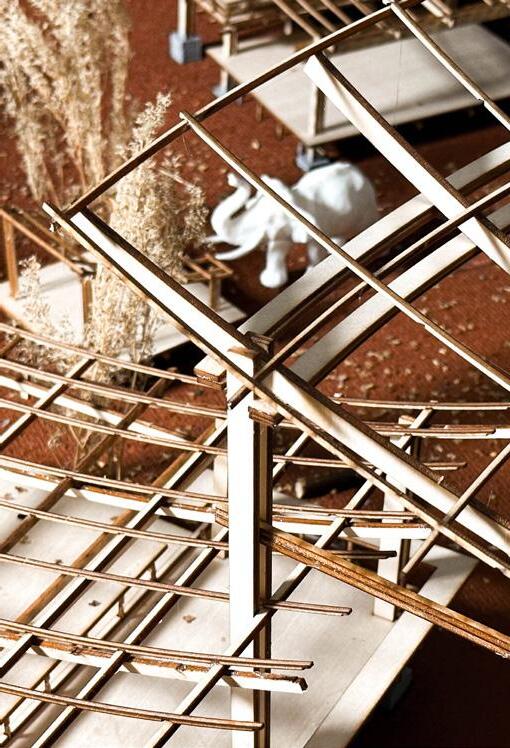
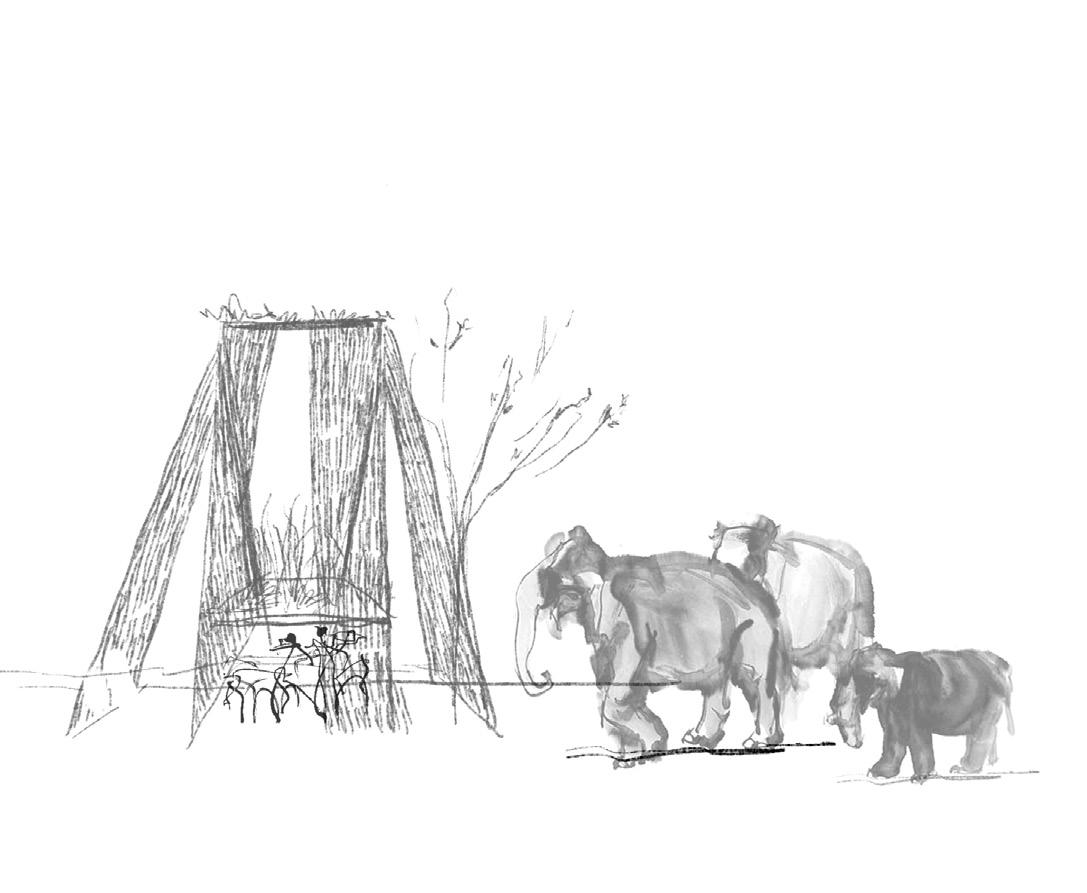
The Elephant Market is a unique initiative that aims to address several challenges facing the elephant community in Ta Klang village.
Starvation | To provide fruit shop for visitors and cyber citizen to buy food and feed elephants.
Economy To promote elephant dung coffee and provide jobs and opportunities for communities to generate incomes which can improve the living condition of elephants.
Education To provide Market spaces as a ‘live stream’ for elephants to present their talents and nature behaviors which can not only offer elephant jobs to earn their food but also create chances to educate people to understand the nature of elephants, how human and elephants can survive together and most importantly to have empathy on them.
Future Development To use simple prototypes and construction techniques for future expansion easily.
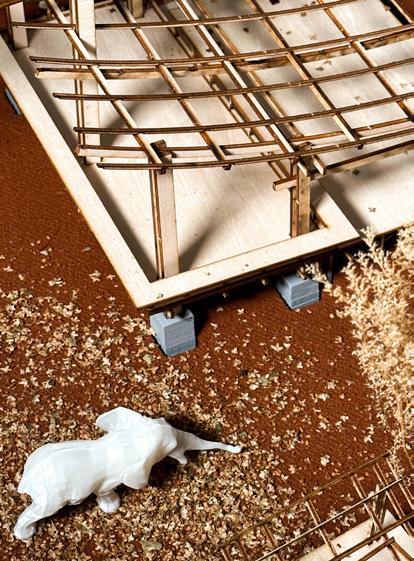
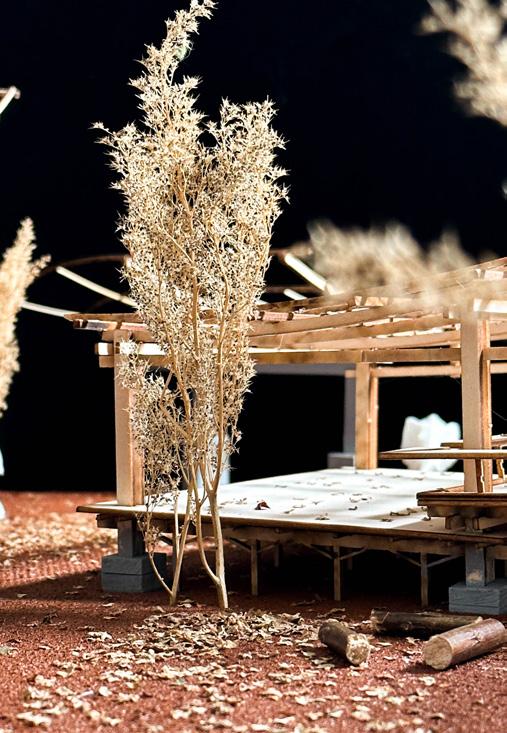
Market of Vision Elephant market intention
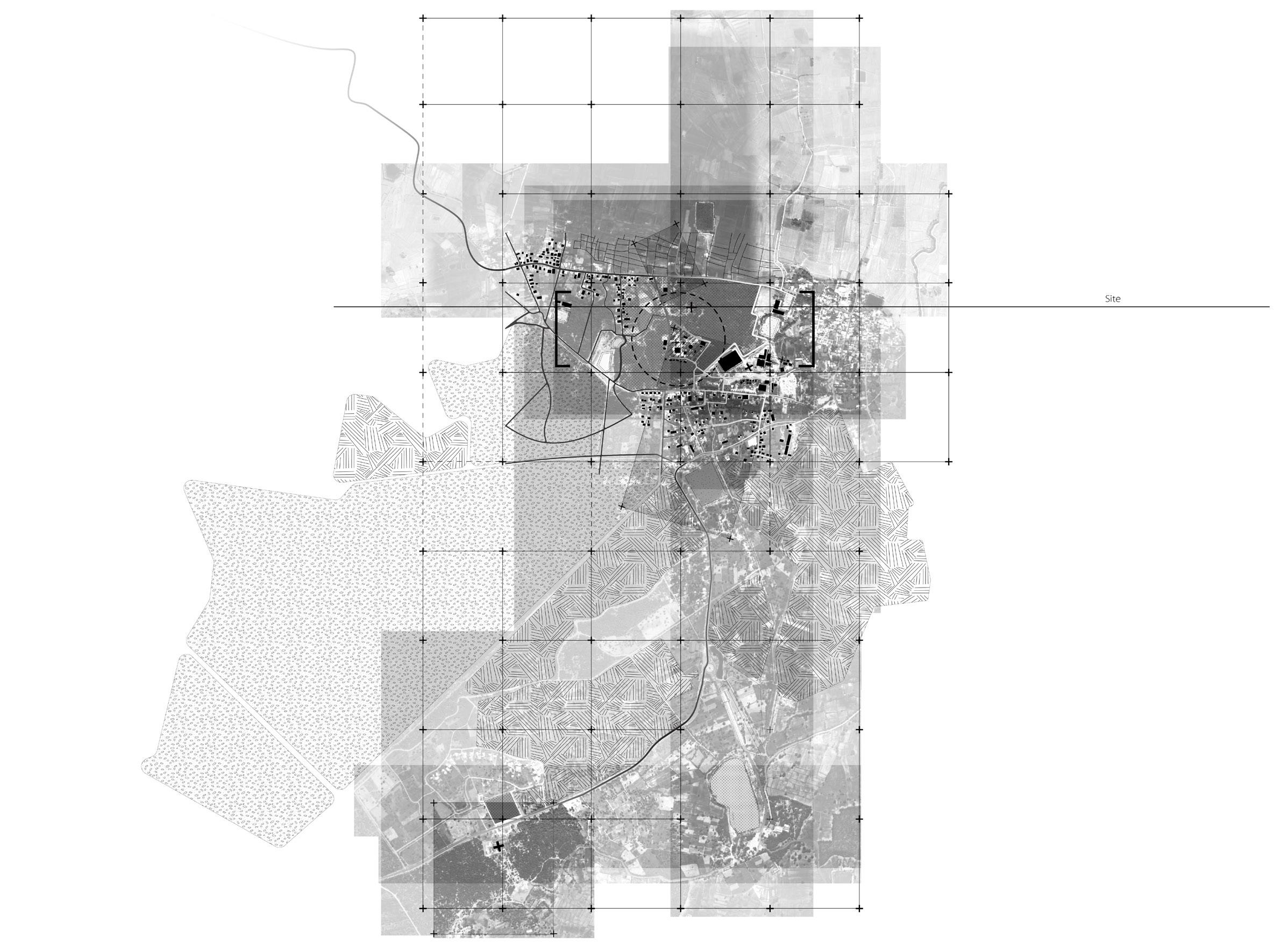
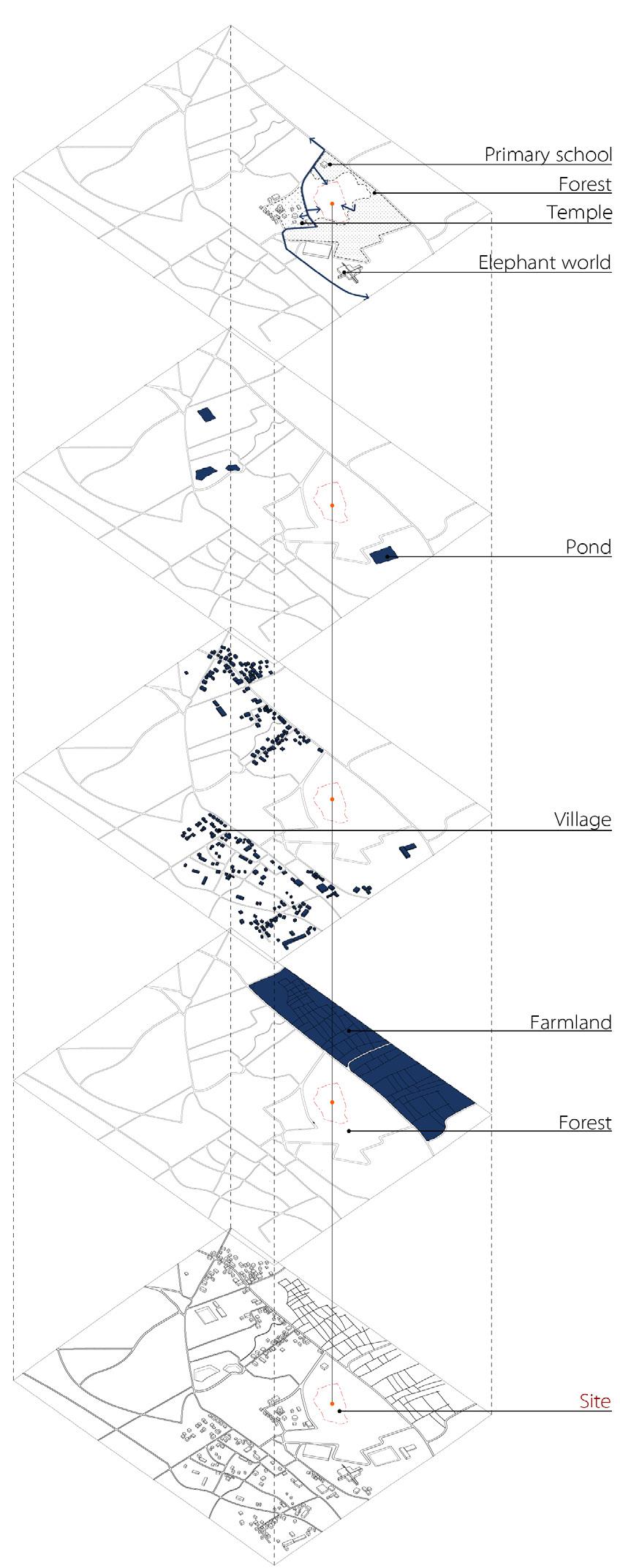
Ta Klang village is located in the northeastern region of Thailand, in the province of Surin. The village is situated near the Cambodian border and is known for its lush green forests, fertile lands, and rich cultural heritage.
Historically, the village was primarily focused on elephant husbandry, with many families raising and training elephants for various purposes, including logging, transportation, and cultural events. However, as the economy of Thailand has grown in recent years, many farmers in the area have turned to agriculture to make a living.
 Site
Site
The
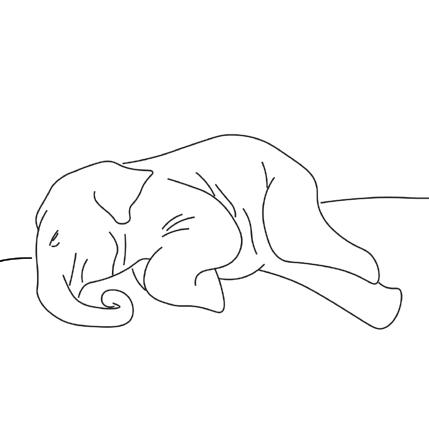
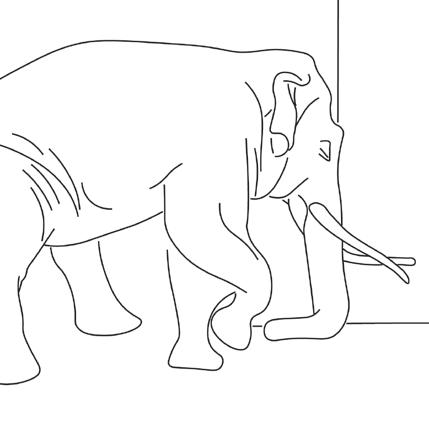
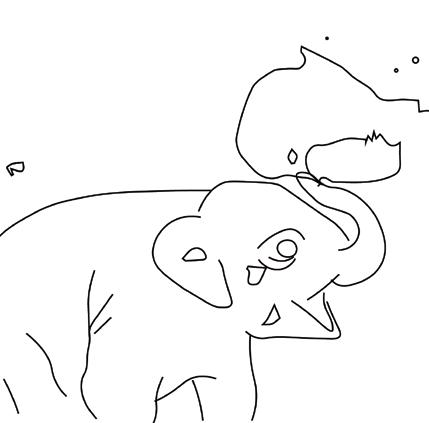
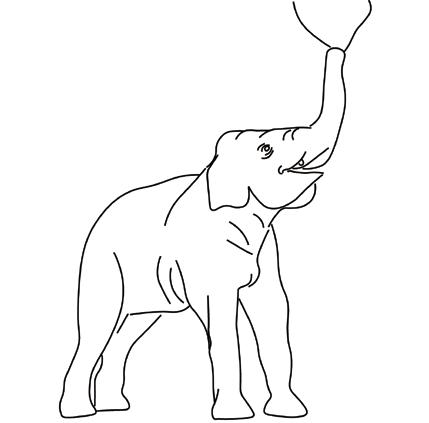
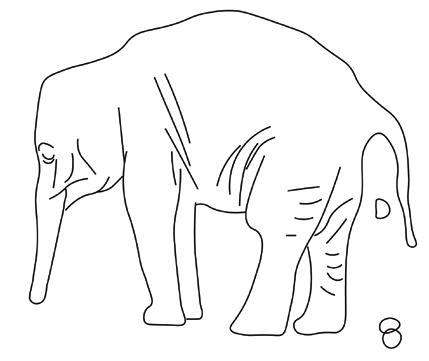
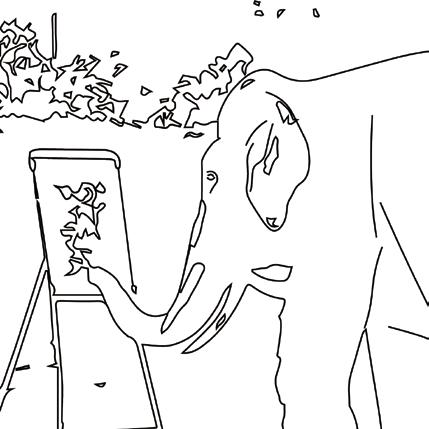
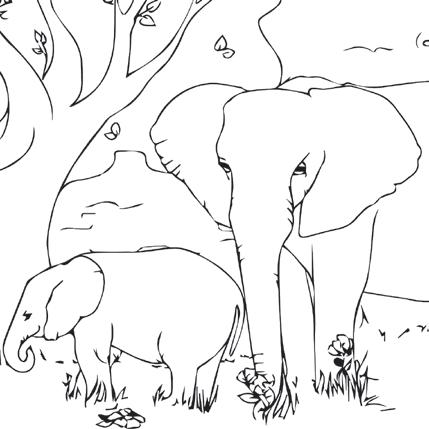
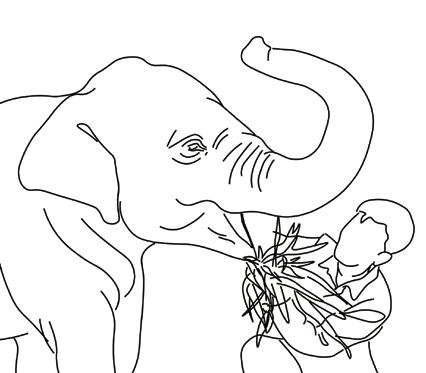
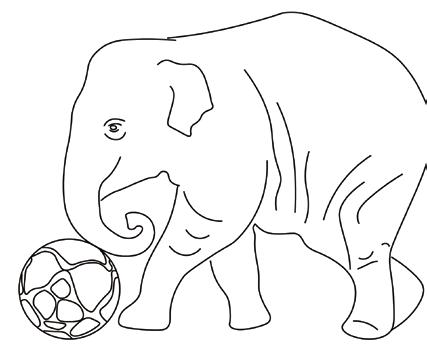
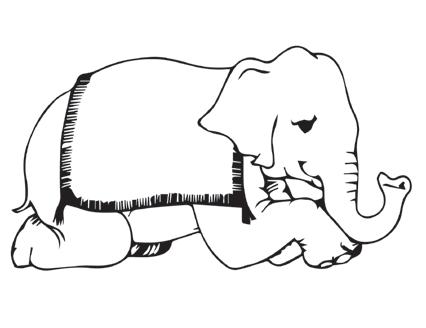
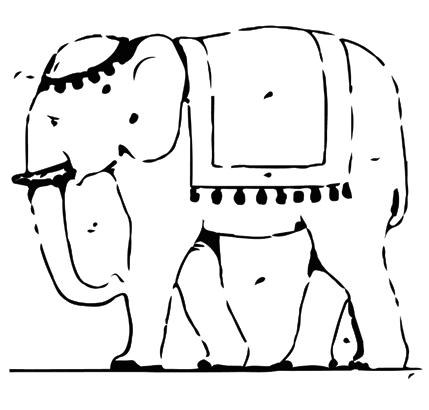




 Lying down and sleeping at night Drawing Sleeping standing up during the day Walking Pooping Interaction
Taking mud baths Playing ball Picking Fruit Performing Being fed by mahouts Standing in parades and ceremonies
elephant’s natural instincts and learned skills
Natural instincts Learned skills
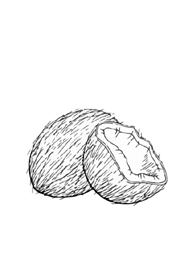
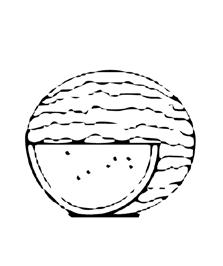
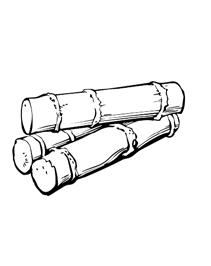
coconut apple watermelon banana pineapple napier grass sugar cane
Lying down and sleeping at night Drawing Sleeping standing up during the day Walking Pooping Interaction
Taking mud baths Playing ball Picking Fruit Performing Being fed by mahouts Standing in parades and ceremonies
elephant’s natural instincts and learned skills
Natural instincts Learned skills
coconut apple watermelon banana pineapple napier grass sugar cane
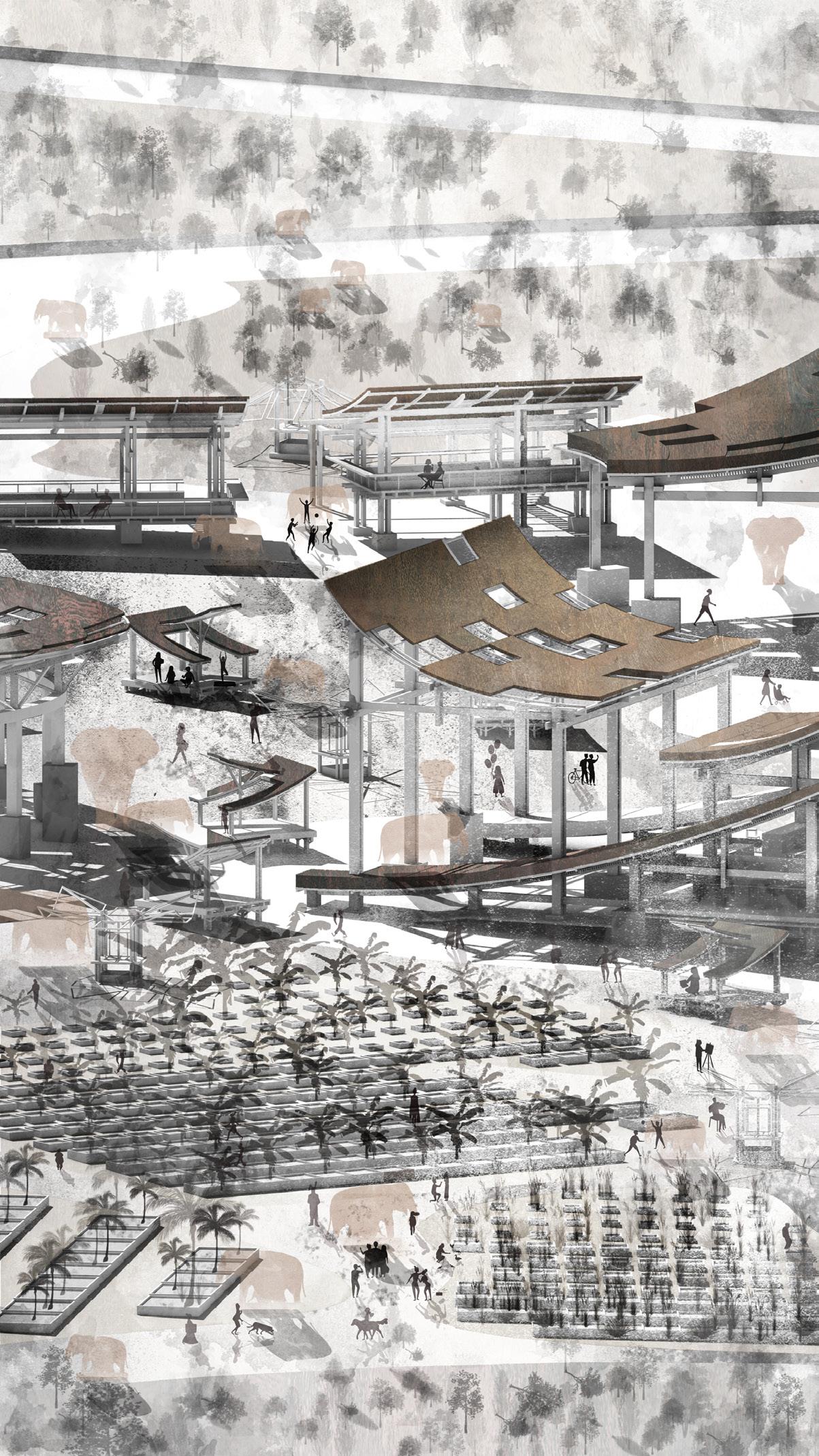
The Elephant Market is a comprehensive initiative that aims to address several challenges facing the elephant community in Ta Klang village. The market is designed to be a sustainable and supportive environment that not only provides economic opportunities for the local community but also promotes the health and well-being of the elephants.
One of the key components of the market is the collection point for elephant dung, which is then delivered to the workshop for cleaning, roasting, and cooling. The resulting coffee beans are then sent to the coffee shop for visitors to enjoy.
In addition to the workshop and coffee shop, the market also features a small pavilion where visitors can interact and play with the elephants. This provides a unique opportunity for people to learn about the elephants’ behaviors, personalities, and needs. It also promotes empathy and understanding towards these magnificent creatures, which is an essential aspect of conservation efforts.
To further support the elephants in the area, the market also includes a fruit shop where visitors can buy food(including coconut, apple, watermelon, banana, pineapple, napier grass, sugar cane) to feed the elephants directly. Each shop is interlocked with an elephant shelter, which ensures that the elephants have access to a healthy and varied diet. This is especially important as elephants require a diverse diet to maintain their health and well-being.
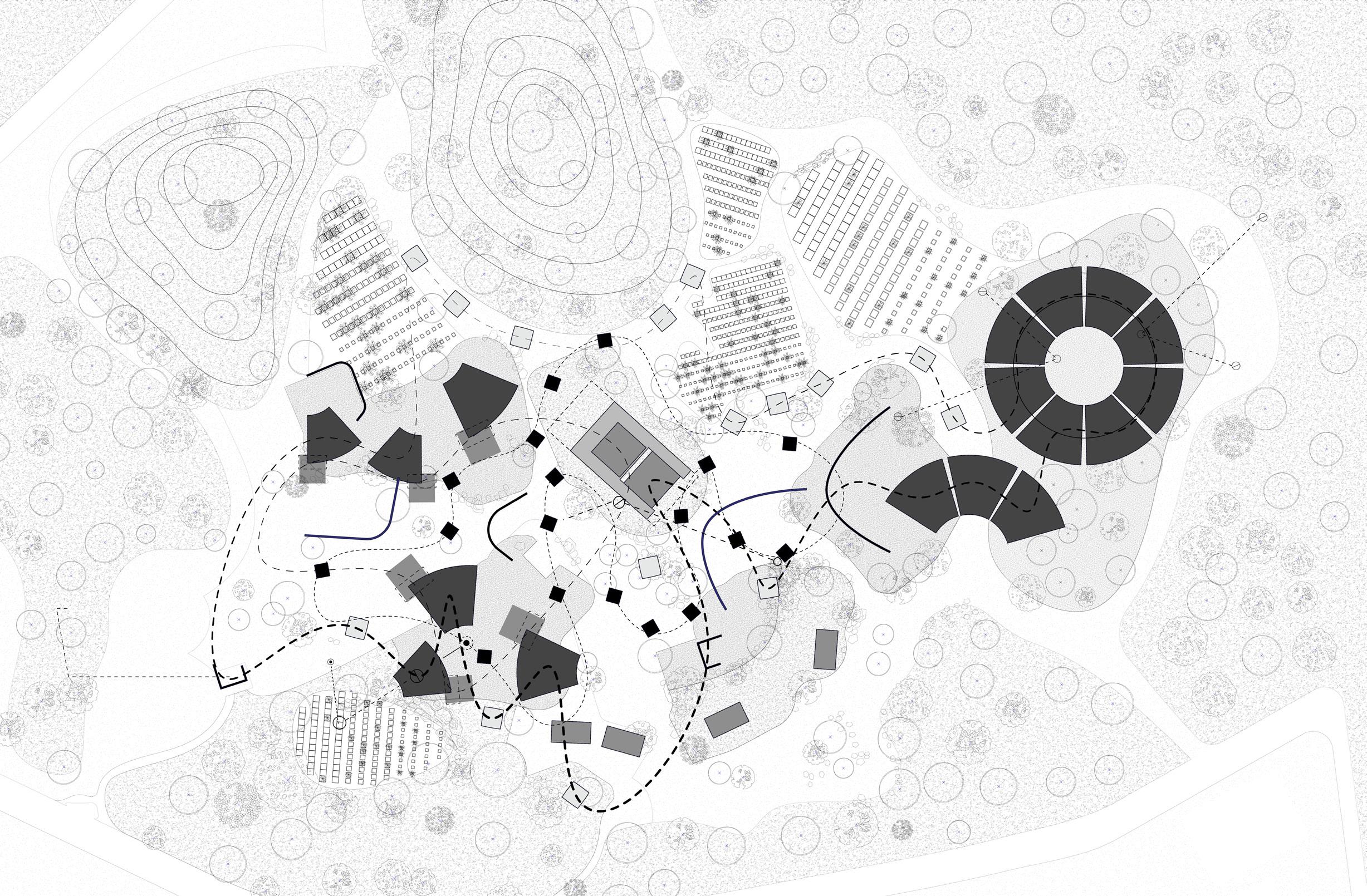
1 1 1 1 1 1 1 1 1 1 3 3 3 13 13 13 13 13 3 3 3 3 2 2 2 2 2 5 5 5 5 5 5 5 5 6 7 7 9 10 12 11 8 2 4 4 4 4 4 4 4 4 01_Elephants shelter 02_Elephants Fruit shop 03_Elephants bridge 04_Water collection 05_Pavilion 06_Elephant dung coffee workshop 07_Storage 08_Sun-dry & Sorting Area 09_Roasting Rm 10_Cooling Rm 11_Cleaning Area 12_Deposit point
Structure and Construction
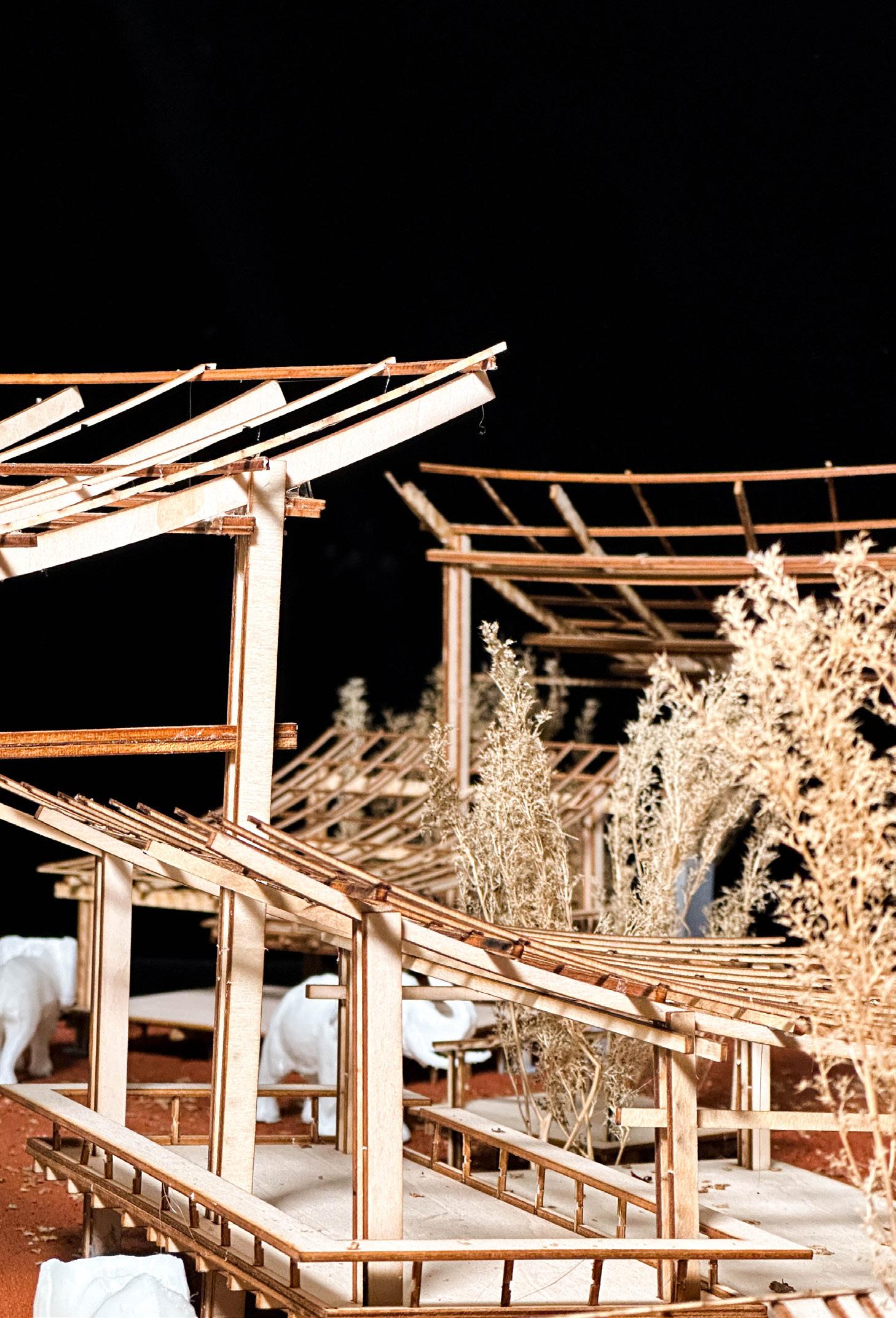
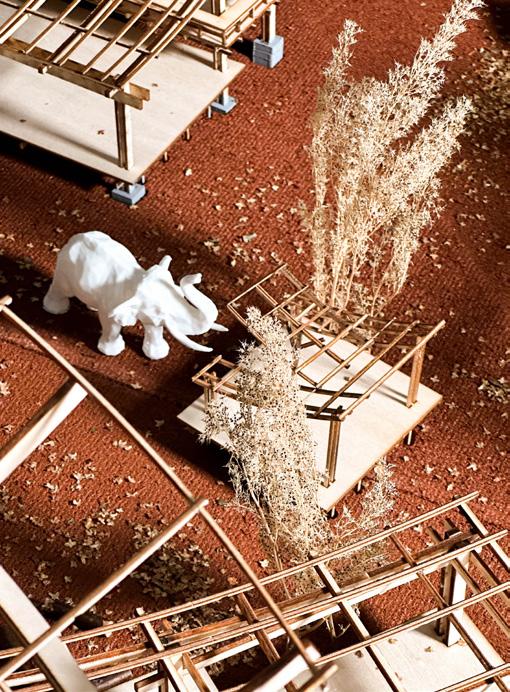
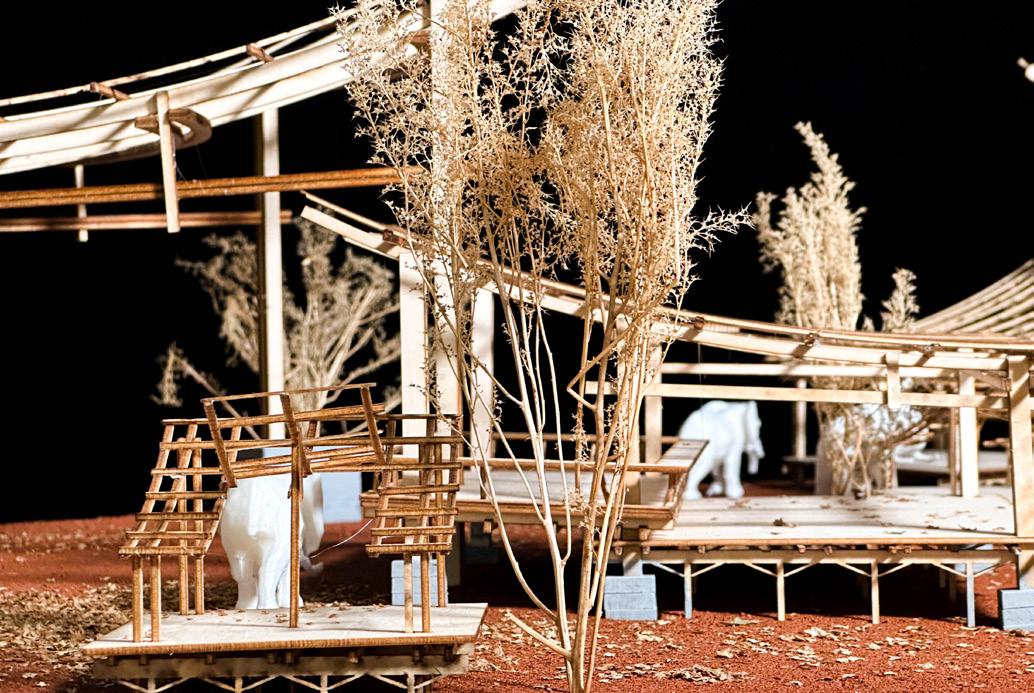
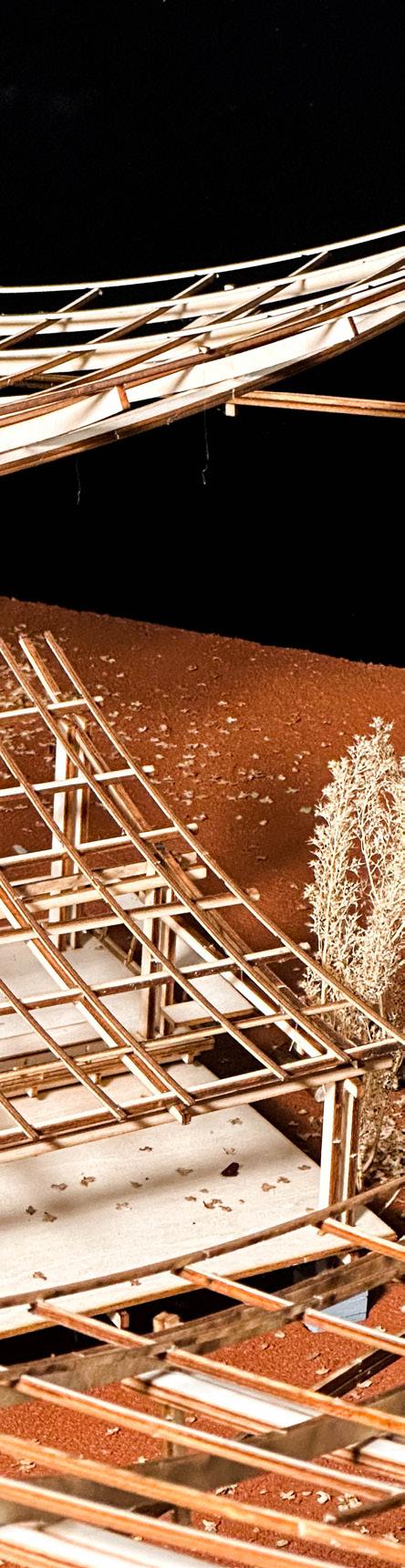
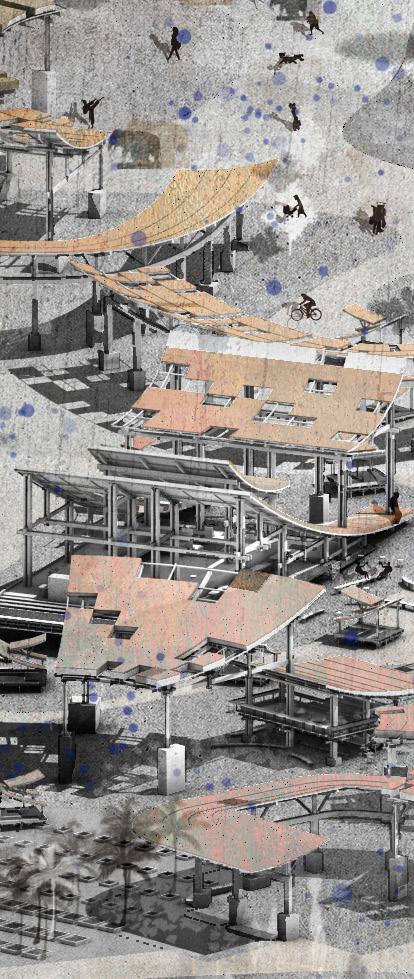
The Elephant Market’s architectural structure is primarily made of wood, using materials and structures that are familiar to the local elephants to ensure their comfort and well-being. The double-wood interlocking structure reduces the use of metal fittings, making it more environmentally friendly and in line with local traditions.
The curved roof of the market is made using kerf bending technology, which involves cutting a series of saw kerfs on the inside face of the wood to create a relief space that allows the wood to bend. This technique is a popular and easy way to add curves to a project without requiring any special equipment or complicated jigs.
The roof is covered with a layer of napier grass (70%) and fabric (30%), providing the elephants with adequate sunlight and shade. Additionally, a concrete foundation footing was used to reinforce the structure and support the tall roof, which also serves as an area for the elephants to scratch and rub against.
Techniques For Bending Wood 1. Steam Bending 2. Water Bending 3. Kerf Bending
One structure +
Two spaces
The coffee shop within the Elephant Market is more than just a place to grab a cup of coffee. It is a unique and immersive experience that fosters a deeper connection between humans and elephants.
The space is carefully designed to be accessible and comfortable for both humans and elephants. The rear terrace is at a height that is reachable for the elephants, and the gentle slope at the front allows them to easily enter the space. This design ensures that both humans and elephants can enjoy the coffee shop in a safe and comfortable manner.
The circular experience area in the center of the coffee shop is a particular highlight. It provides a space for people to relax, enjoy their coffee, and interact with the elephants. This allows visitors to observe the elephants’ behavior, personalities, and needs up close, promoting empathy and understanding towards these magnificent creatures.
The coffee served at the shop is made using elephant dung, which is collected from the elephant shelter and processed in the nearby workshop. This unique and sustainable approach to coffee production has garnered attention from around the world, and the coffee shop has become a popular destination for tourists and coffee enthusiasts alike.
Overall, the coffee shop within the Elephant Market is a prime example of the innovative and sustainable initiatives being developed in Ta Klang village. It is a testament to the community’s commitment to promoting coexistence between humans and elephants and serves as a model for responsible and ethical tourism initiatives.
The coffee shop’s location within the market also makes it easy for visitors to access other functional spaces, including the shelter where the elephants reside and the fruit shop where visitors can buy food to feed the elephants. This creates a seamless and immersive experience for visitors and promotes interaction and understanding between humans and elephants.
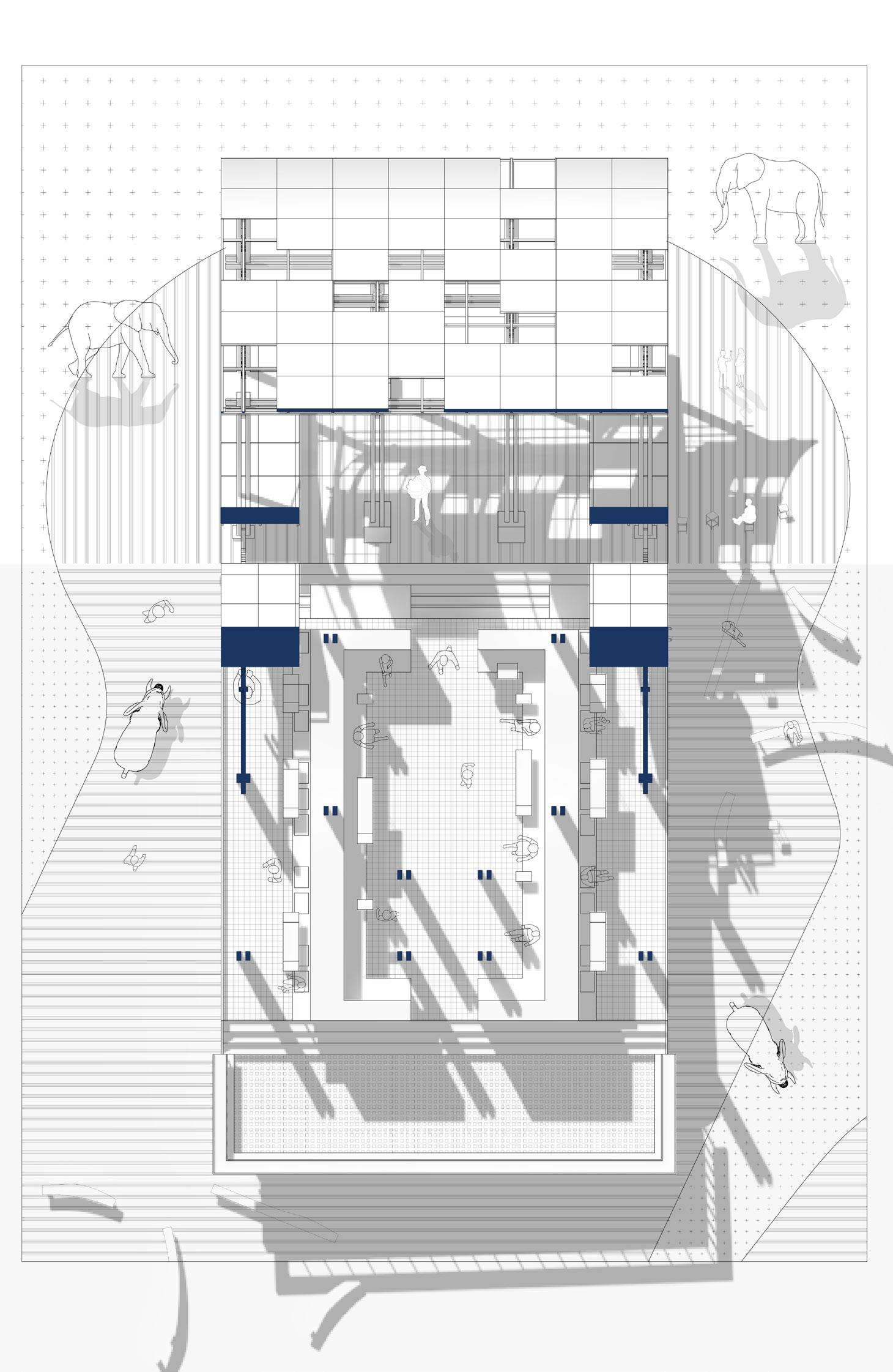 Elephant dung cafe workshop
Plan
Sectional perspective
Elephant dung cafe workshop
Plan
Sectional perspective
What can we do about heat in Hong Kong?
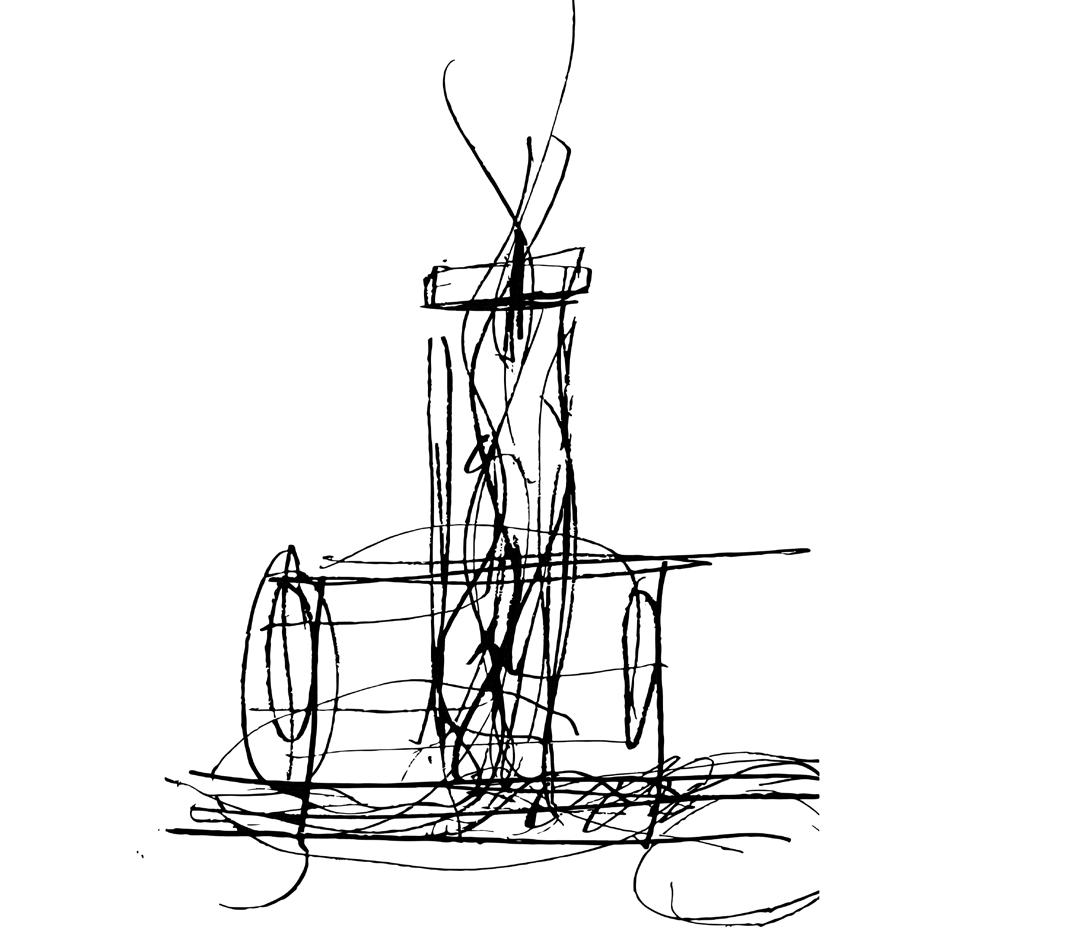
Integrating Climate-Responsive Design for Heat Mitigation
Location
Municipal Services Building ,Kennedy Town, Hong Kong
Keywords: Climate change,Urban fabric,Thermal comfort,Super-heated microclimates,Energy import,Heat intensity,Humidity,Passive cooling,ResilienceAdaptibility,Changeable.
The integration of climate-responsive design principles is essential to address the heat-related challenges faced by Hong Kong. The Heat Studio aims to explore urban microclimates and leverage the thermal environment as a design tool for architecture in subtropical climates. Our research seeks to identify the causes of urban heat stress, understand the parameters influencing the thermal environment, and develop strategies to create a symbiotic relationship between people, buildings, and the surrounding thermal environment.
Smithfield
Strolling + Observing + Collecting
To begin, we will immerse ourselves in the sites, taking the time to truly experience and perceive the urban blocks. Through careful observation, we will identify potential hotspots and examine their characteristics in relation to the surrounding environment, buildings, and infrastructure.
To gather quantitative data, we will utilize various instruments to measure air and surface temperatures, humidity, wind speed, and illuminance. These spot measurements and data logger readings will be collected at different orientations and elevations, including ground level and mid-level.
Based on our findings, we will synthesize the data and develop analytical mappings that outline a site-specific heat stress research agenda for the duration of the study. These mappings will visually represent the relationships between environmental parameters, building support systems, and occupant behavior. To enhance the visualization of insolation and airflow simulations, we will construct 3-dimensional physical section models for each site, embedding the analytic recordings within them.
Through our on-site empirical studies, data analysis, and mapping exercises, we anticipate gaining a comprehensive understanding of the urban heat stress within the selected urban blocks. This knowledge will enable us to formulate relevant research questions and test different environmental parameters related to heat stress. Ultimately, the insights gained from this phase will inform future design research and generative processes, supporting the creation of sustainable and comfortable urban environments that effectively address the challenges of urban heat stress.
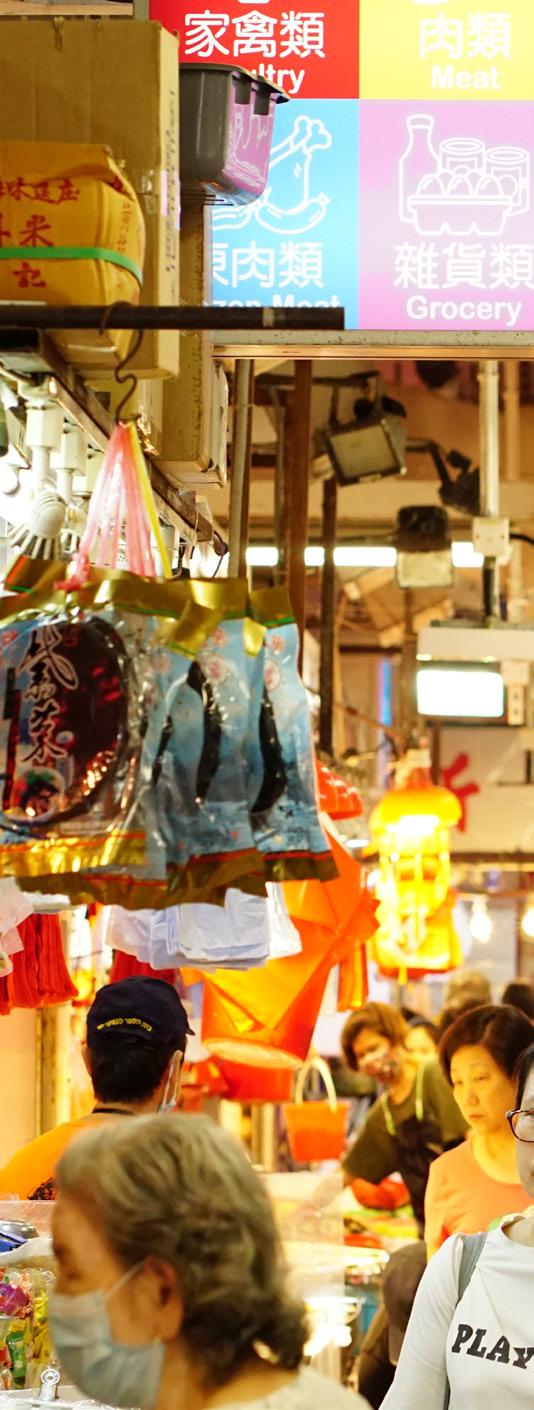
Phase 1 involve conducting on-site fieldwork, data collection, and analysis to understand the urban heat stress in specific urban blocks in Kennedy
Urban Heat Stress Analysis and Mapping
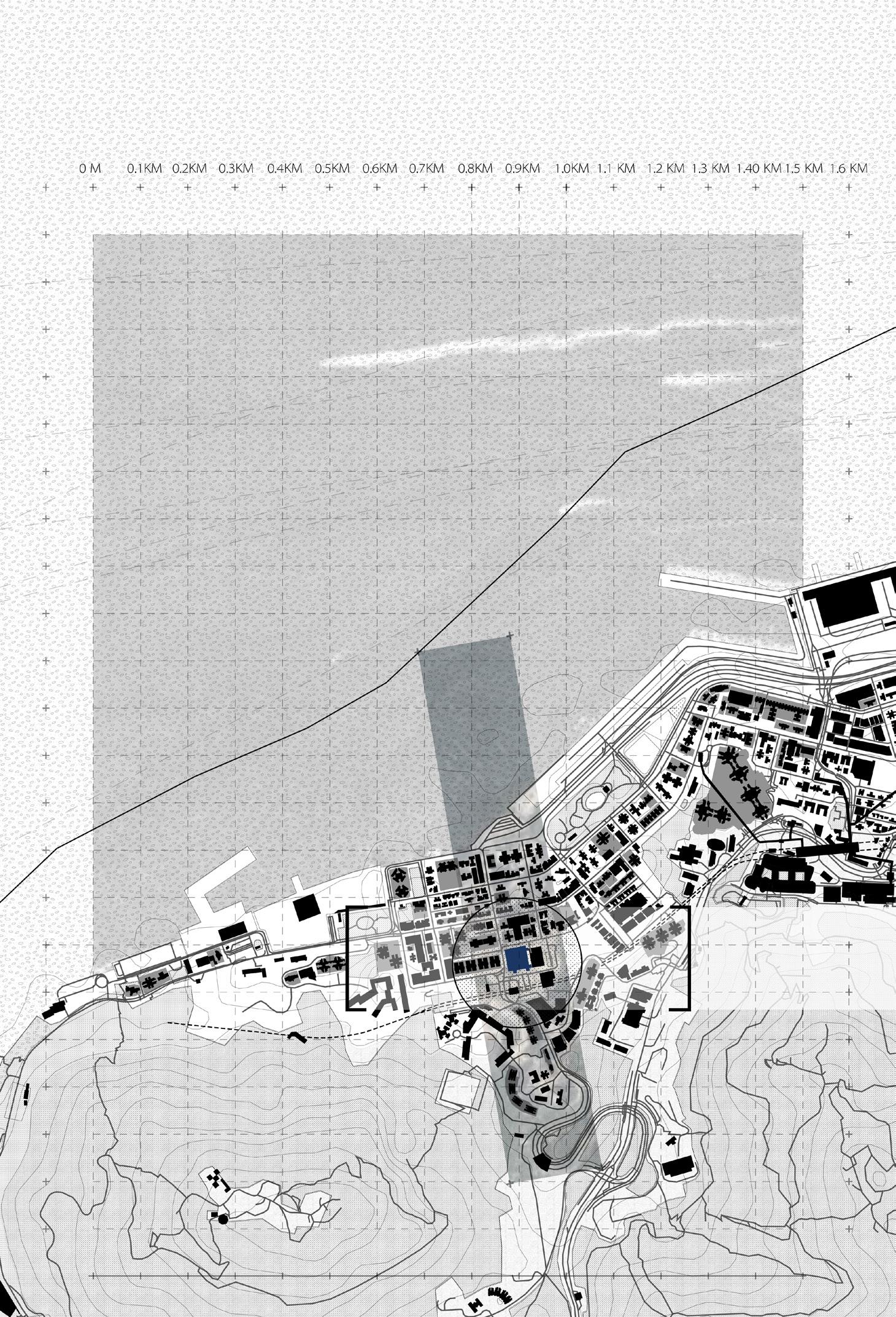 Town.
Town.
Removing Partitions: The internal partitions within the market are removed to eliminate barriers that obstruct air flow, allowing natural breezes to enter the market space.
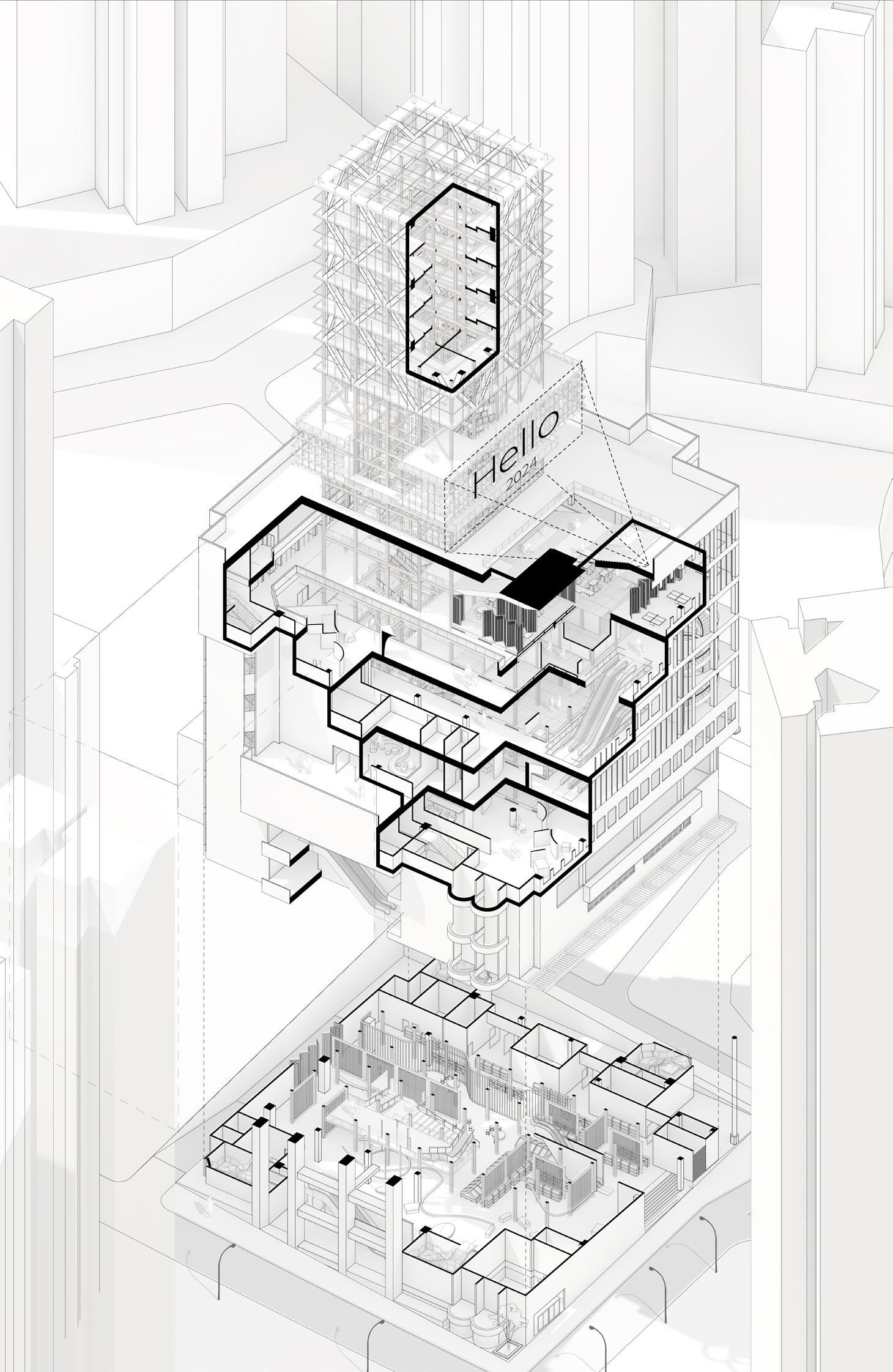
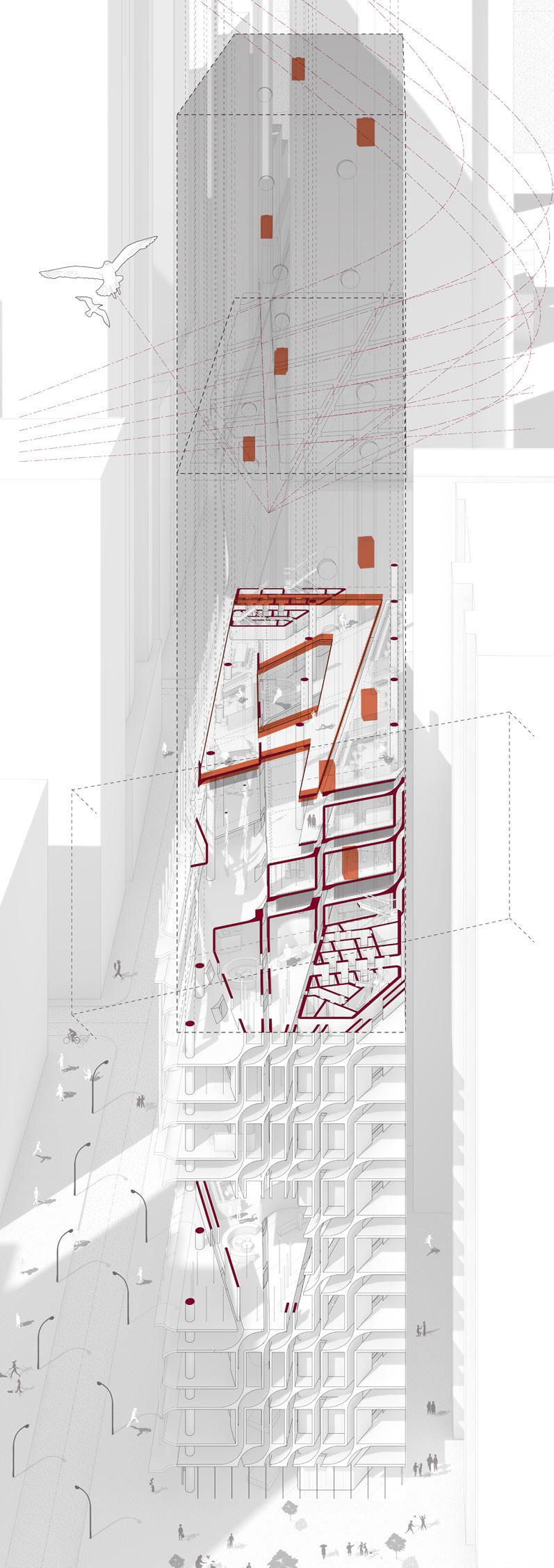
Wind Tower Design: A wind tower is inserted into the center of the building, leveraging the principle that hot air rises and cool air descends to guide the movement of air. The wind tower design could be multi-leveled, possibly with openings, allowing cool air to descend into the building while helping the hot air at the bottom to rise.
Natural Ventilation: The cool air descending through the wind tower can spread throughout the market, displacing the hot and humid air generated by the dense population and food displays, thereby reducing the temperature and humidity inside the market.
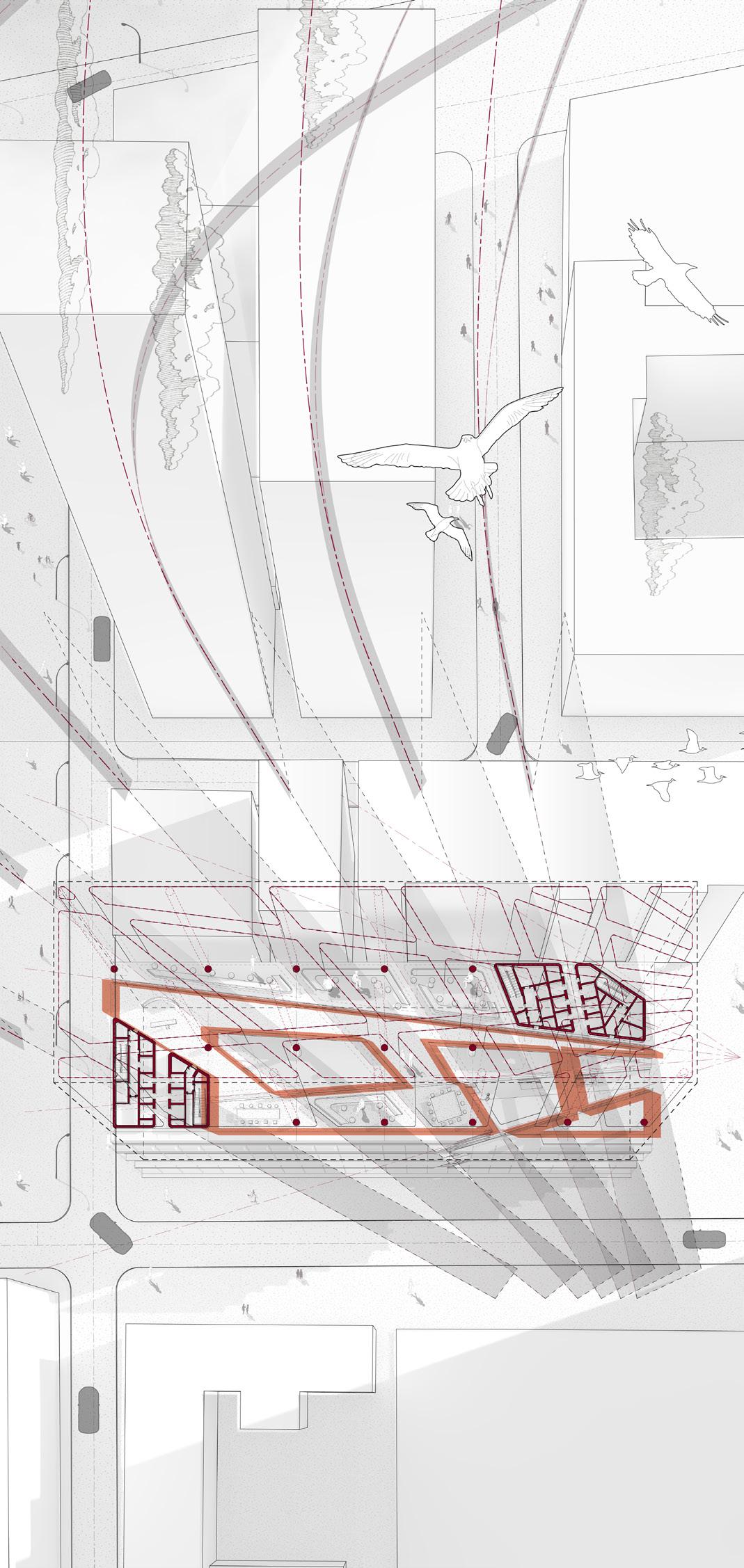
Airflow Pathways: The design ensures that hot air flowing from residential areas and bus stations can be directed toward the market and then cooled down through the wind tower. This not only cools the air but also helps to promote circulation.
Thermal Load Management: The wind tower also serves to reduce the thermal load inside the market, as it can minimize the need for energy-intensive air conditioning systems by promoting air movement.
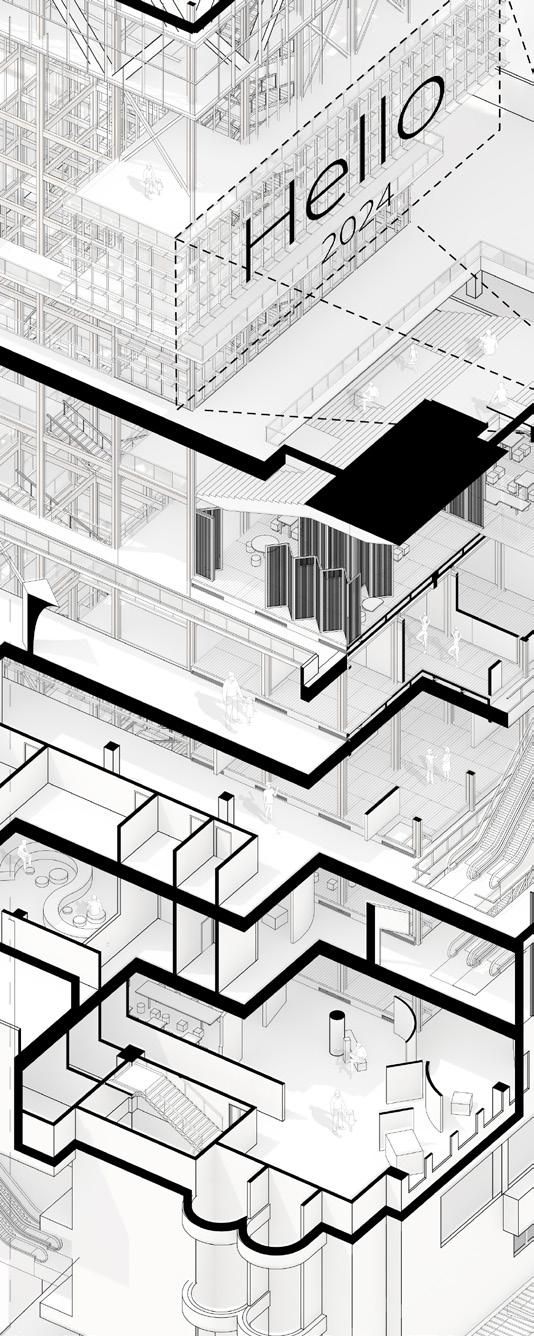
A transformation of a previously enclosed market through the introduction of a wind tower to promote air circulation and cooling.
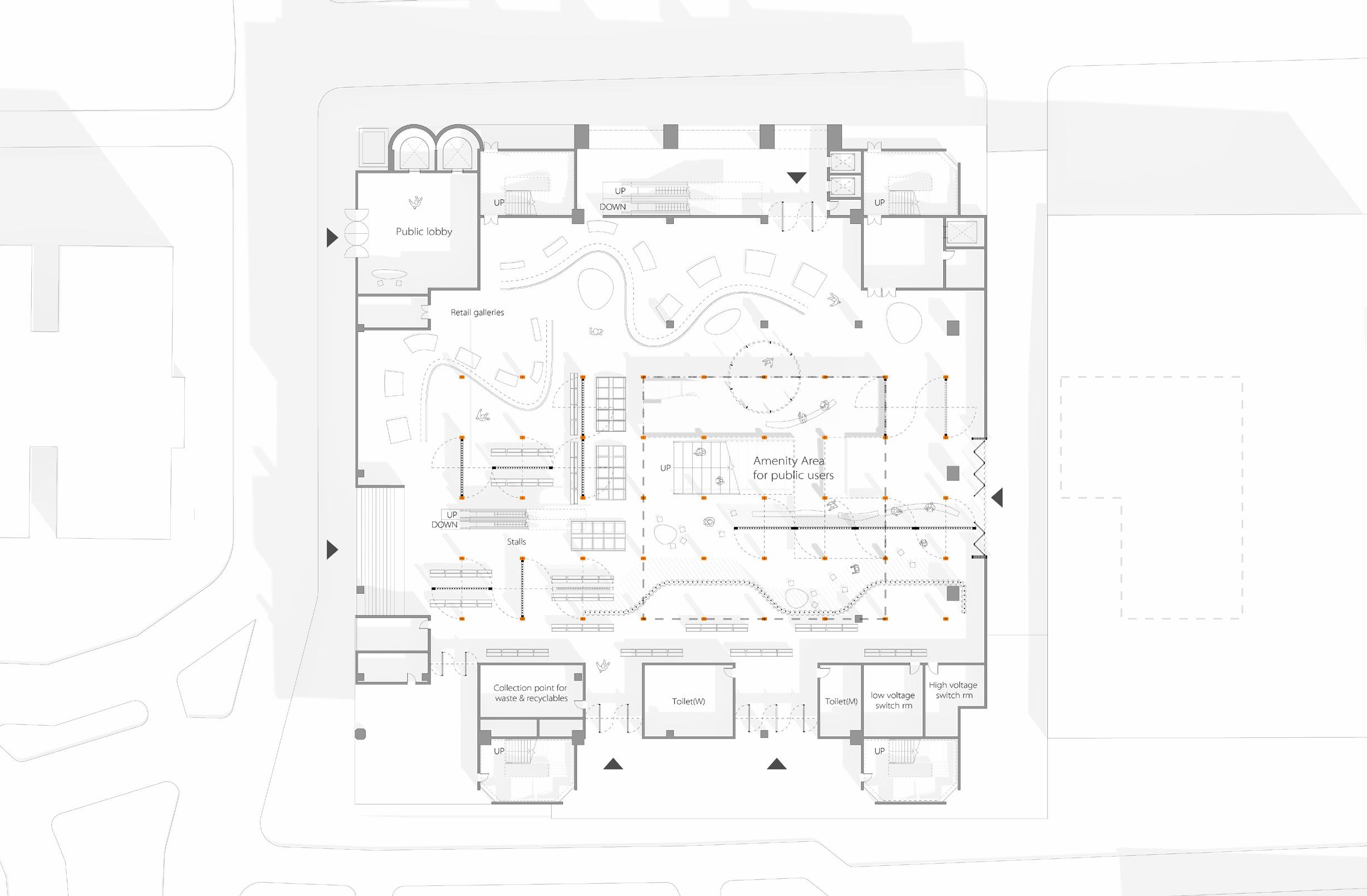
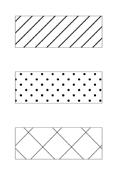
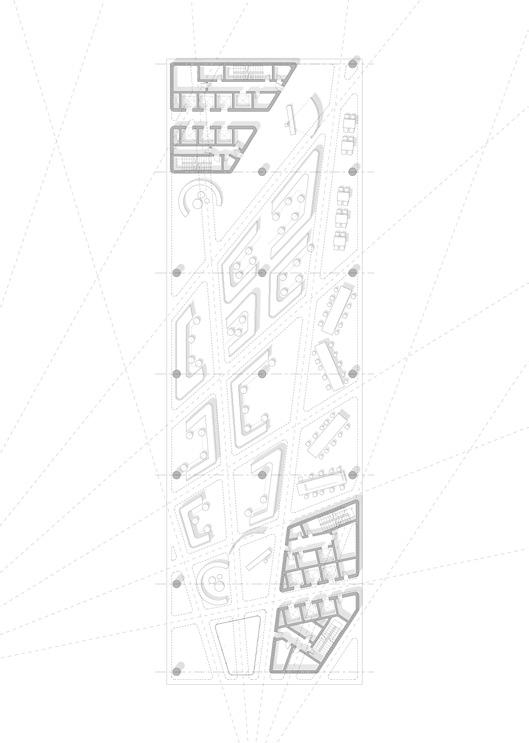
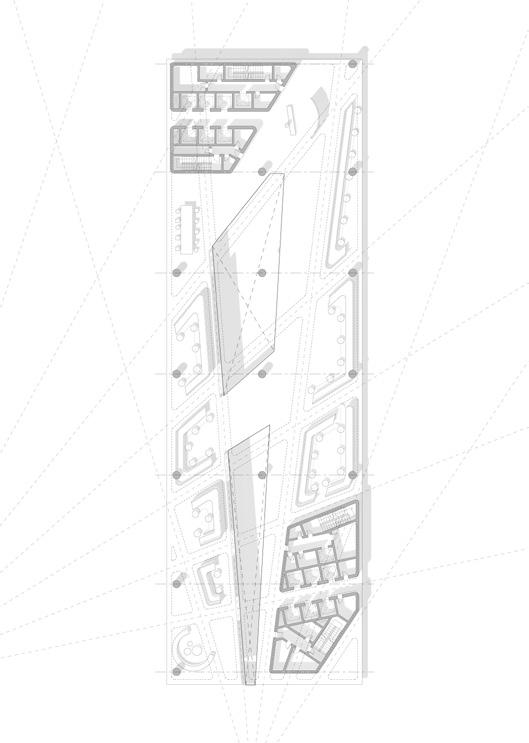
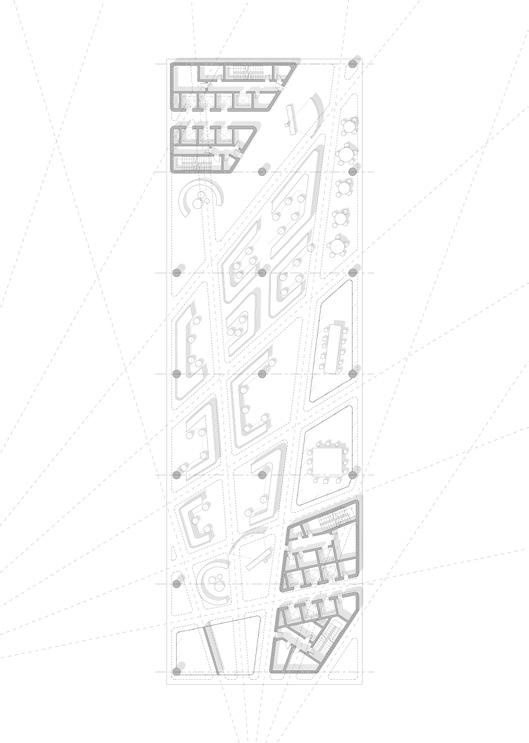
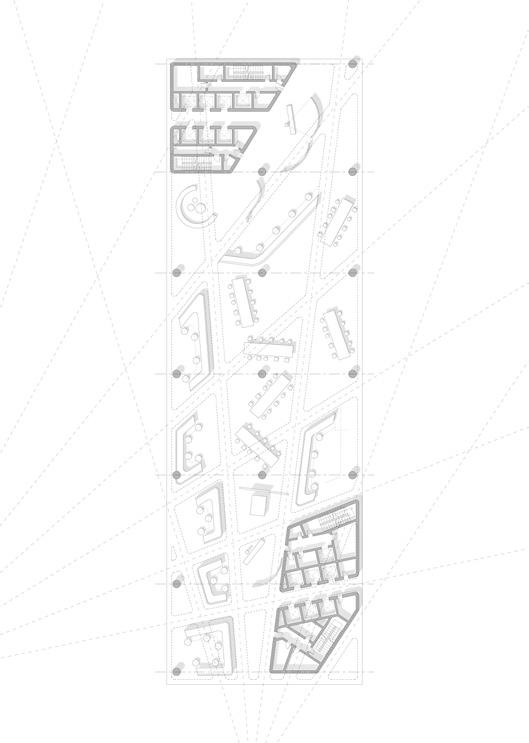
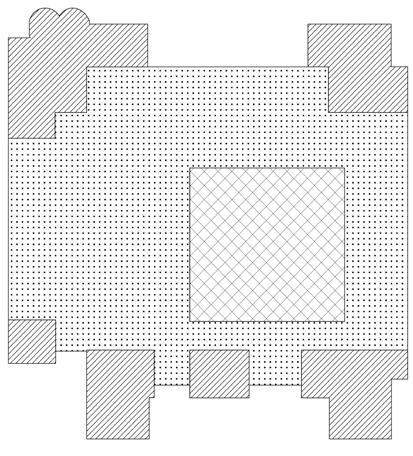
Active Zone G/F Plan Hybrid Zone Passive Zone
Passive Zone:
The Passive Zone is the heart of the natural environmental control system within the building. Located in and around the wind tower, this area is designed to harness natural forces such as wind for ventilation and daylight for illumination. It relies entirely on passive design strategies, including thermal mass, orientation, insulation, and shading, to maintain thermal comfort and air quality without the use of mechanical equipment. This zone exemplifies sustainable design by reducing energy consumption and operational costs.
Active Zone:
The Active Zone is where the indoor climate is managed using mechanical and electrical systems. This includes areas that require consistent temperature and humidity levels that cannot be achieved by passive means alone, such as server rooms, library, or specific commercial spaces. The Active Zone is equipped with HVAC (heating, ventilation, and air conditioning) systems, lighting, and other technologies to maintain precise control over environmental conditions, ensuring comfort and functionality regardless of external weather conditions.
Hybrid Zone:
The Hybrid Zone is a flexible space that can alternate between passive and active modes of environmental control. It is equipped with movable partitions that allow for the modulation of openness or closure to the external environment. This zone can be opened up to take advantage of mild weather conditions for natural ventilation and lighting or closed and switched to mechanical systems during extreme weather. The adaptability of the Hybrid Zone makes it ideal for areas such as multipurpose halls, atriums, or spaces that host events with varying occupancy and usage patterns.
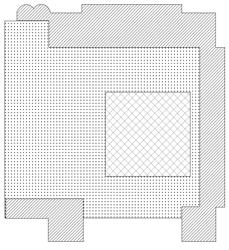
The division of a building’s spatial structure into Passive, Active, and Hybrid Zones is a thoughtful approach to achieving a comfortable indoor environment through both natural and mechanical means.
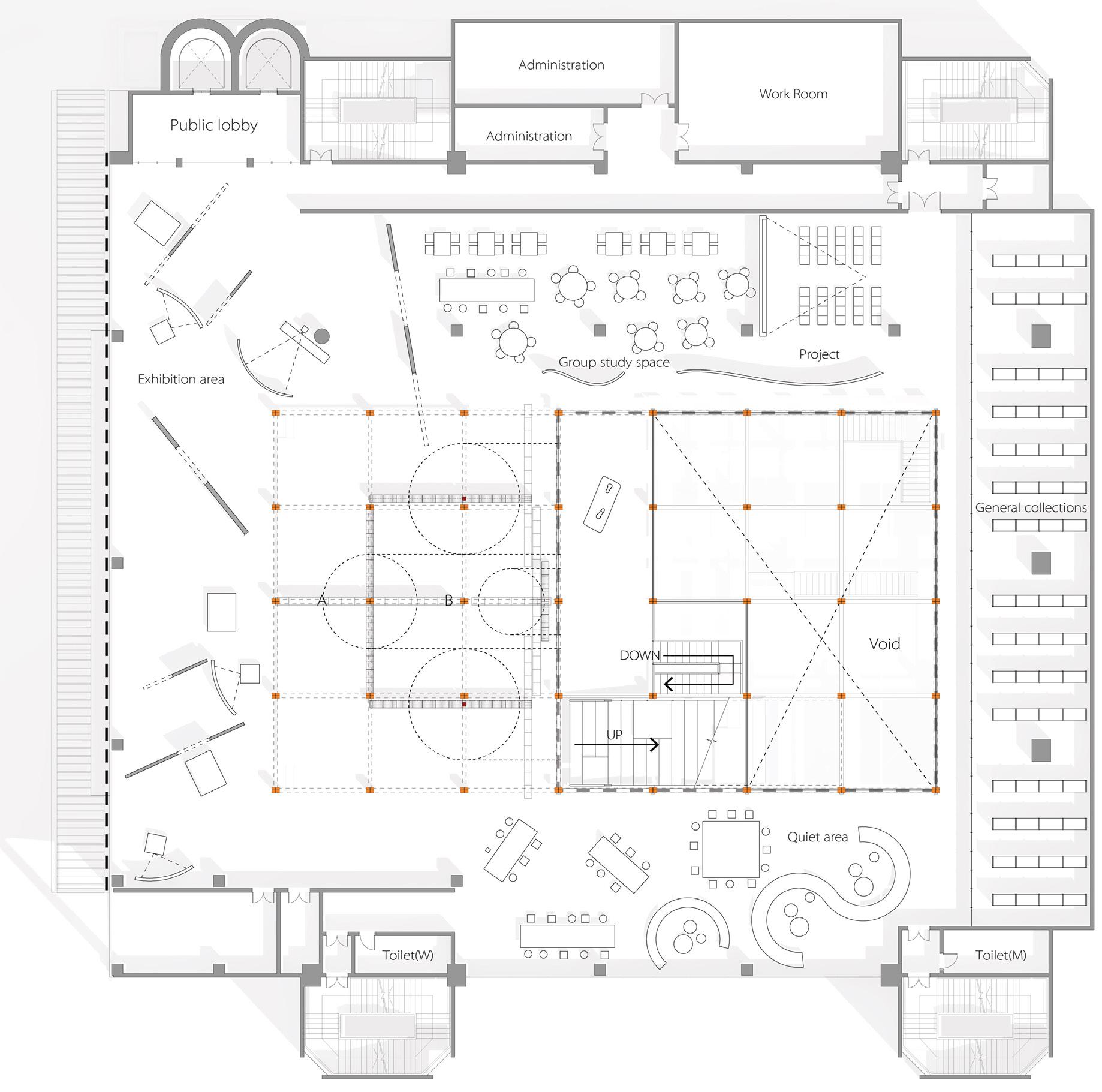
Active Zone Hybrid Zone Passive Zone
3/F Plan
‘‘Crystal Crown’’
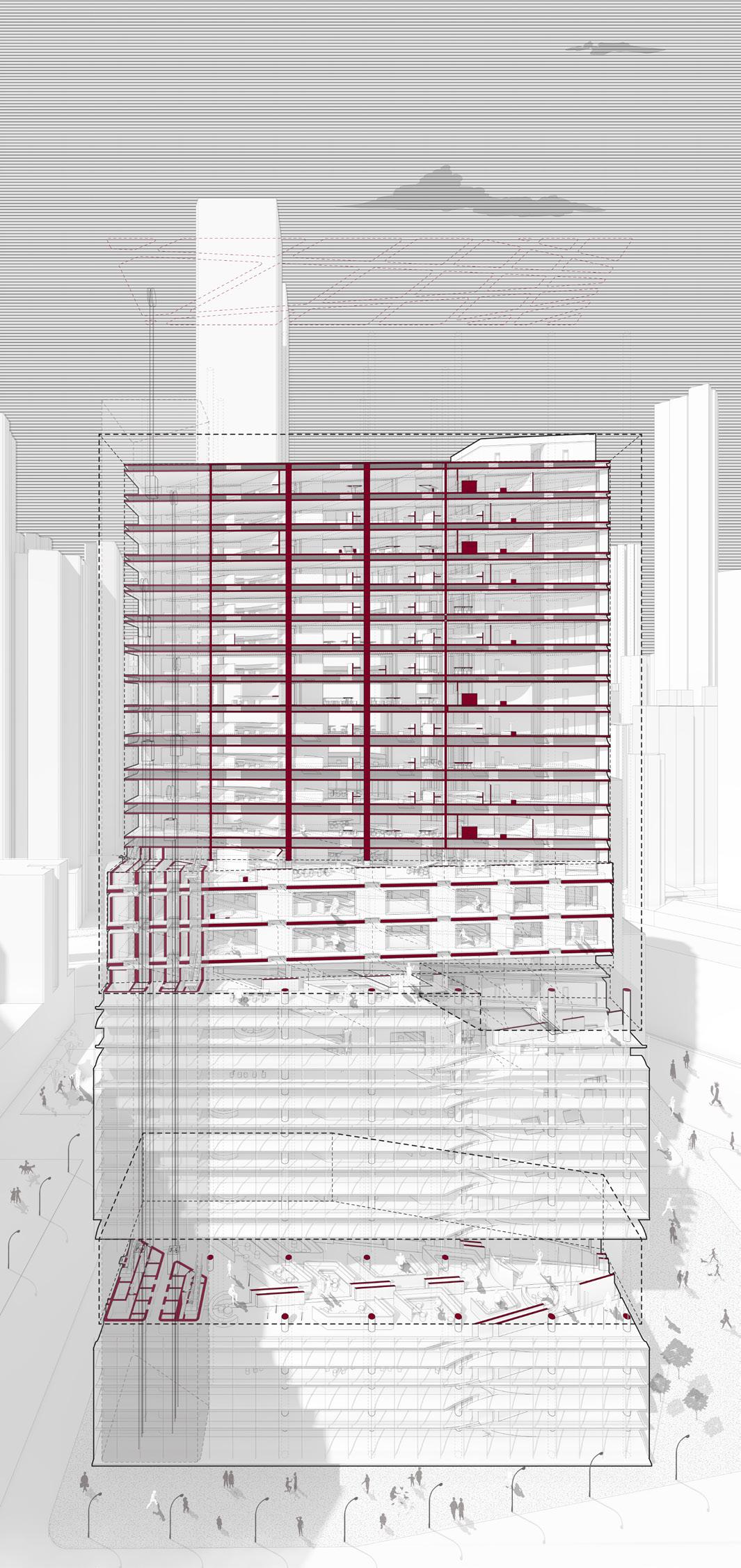
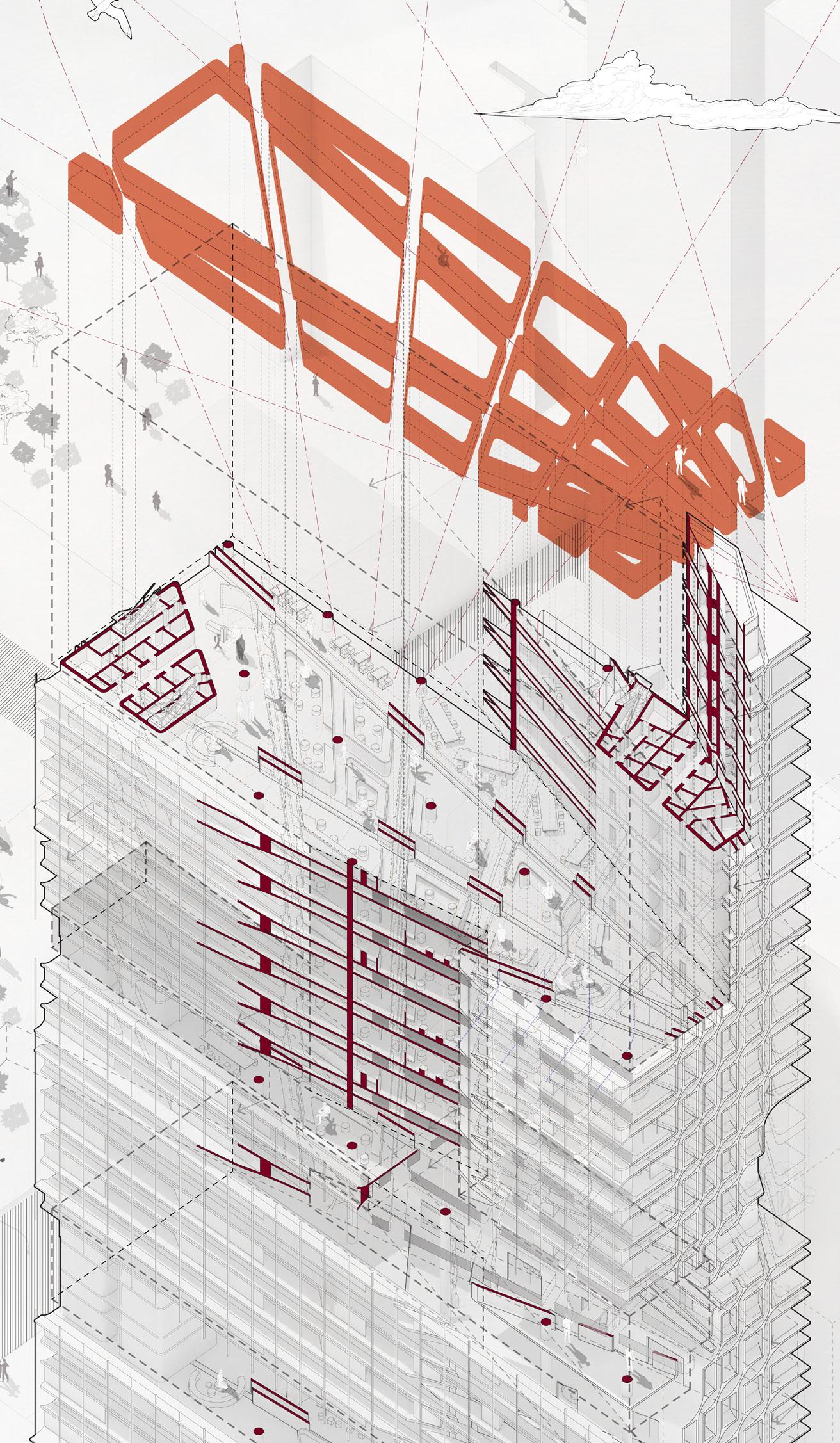
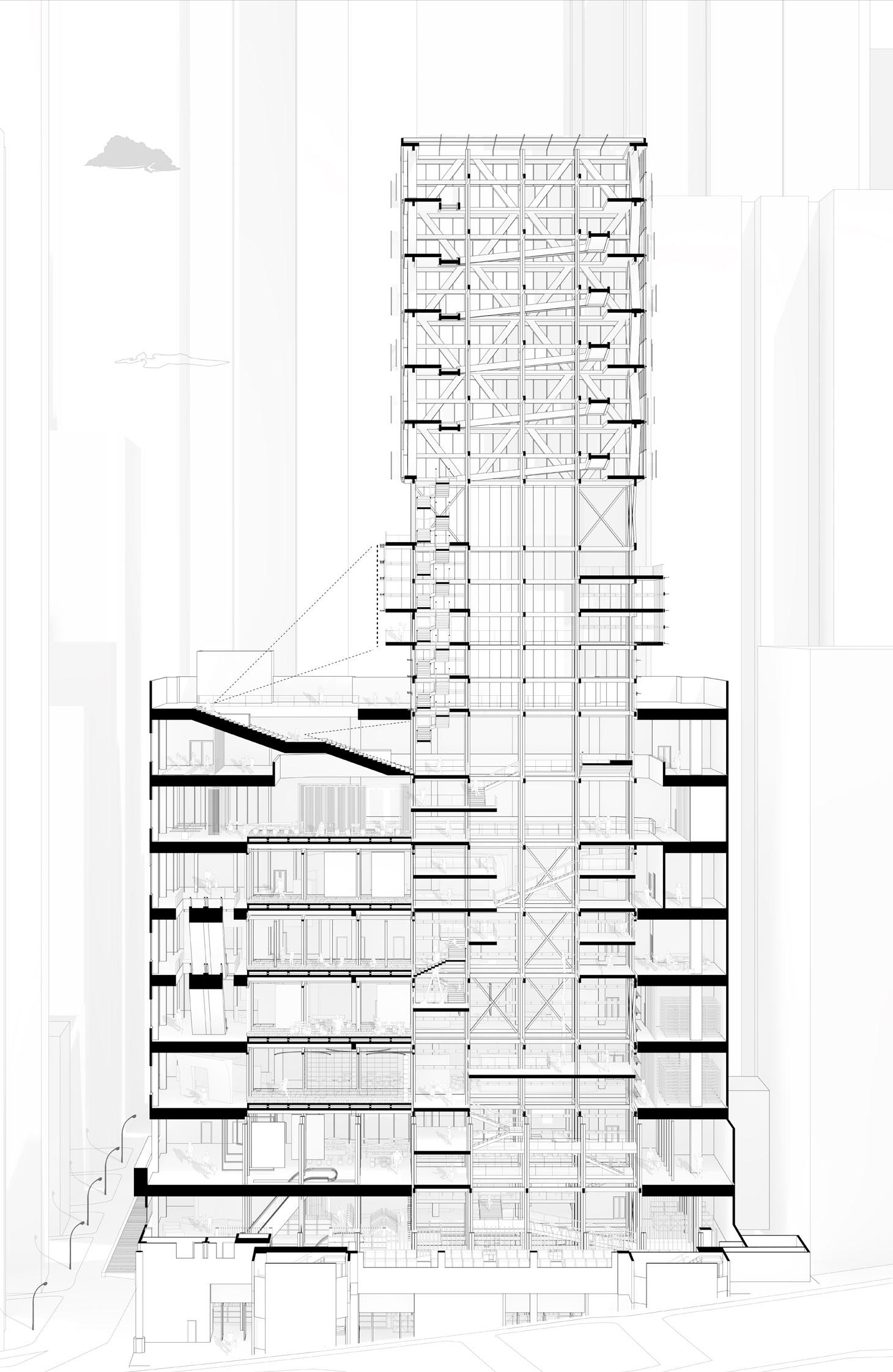
The glass box atop a wind tower serves dual functions: it acts as a medium for daylight to enter the building and plays a crucial role in enhancing the building’s natural ventilation through the “solar chimney” effect. Here’s how this mechanism contributes to the building’s thermal environment:
Daylight Penetration:
The glass box allows for maximum daylight to permeate the building, reducing the need for artificial lighting during daytime hours. Natural light has numerous benefits, including increased occupant productivity and well-being, as well as energy savings.
Solar Chimney Effect:
The solar chimney effect is a passive solar ventilation strategy. As sunlight passes through the transparent glass box, it heats the air inside. This heated air, being less dense, rises and creates an upward draft. The temperature difference between the warmer air inside the tower and the cooler external air is the driving force behind this effect.
As the warm air exits through the openings at the top of the glass box, a negative pressure zone is created at the base of the wind tower. This causes cooler air from the building’s lower levels or from outside to be drawn into the sub floor voids and up through the building to replace the rising warm air.
The continuous movement of air from bottom to top not only helps in expelling hot air but also in drawing in cooler air, creating a natural cooling loop. This circulation pattern can be particularly effective in climates where there is a significant temperature difference between day and night.
Energy Efficiency:
The solar chimney effect significantly augments the building’s passive cooling, potentially reducing the need for mechanical cooling systems. This can lead to substantial energy savings and a reduction in the building’s carbon footprint. It’s a sustainable feature that aligns with green building practices and contributes to the overall energy efficiency of the structure.
Wind Tower +
Social Tower
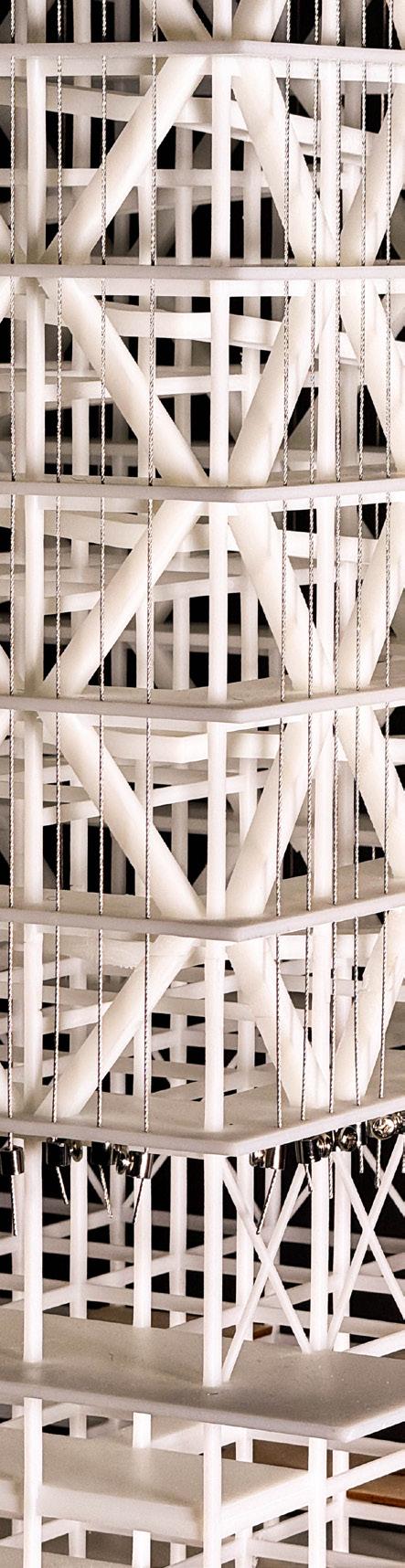
The wind tower is not merely a structural feature; it is a catalyst for urban living, dynamically impacting every space within the building—north, south, east, and west. Its influence is omnidirectional and pervasive, contributing to a variety of life scenarios that unfold within its reach.
As a generator of urban life, the wind tower facilitates a multitude of activities. Its adaptive structure allows the complex to be flexible and versatile. The spaces within the wind tower can be reconfigured to support different events and functions, from community gatherings to cultural events, or even quiet contemplation spaces.
The concept of the wind tower as a ‘social tower’ emphasizes its role in fostering interaction and engagement. It becomes a place where people meet, exchange ideas, and build relationships. The design encourages the use of communal spaces, blending the boundaries between private and public, indoor and outdoor, work and leisure.
Through its adaptive architecture, the wind tower adjusts to the changing needs of its occupants, responding to different social contexts and climatic conditions. This adaptability ensures that the tower is not just a static monument but a living, breathing part of the urban fabric that evolves with its community.
By reimagining the wind tower as a social entity, we create a venue that enriches urban life. It stands as a testament to the power of architecture to not only shape the skyline but also to influence the way we live, interact, and connect with our surroundings.
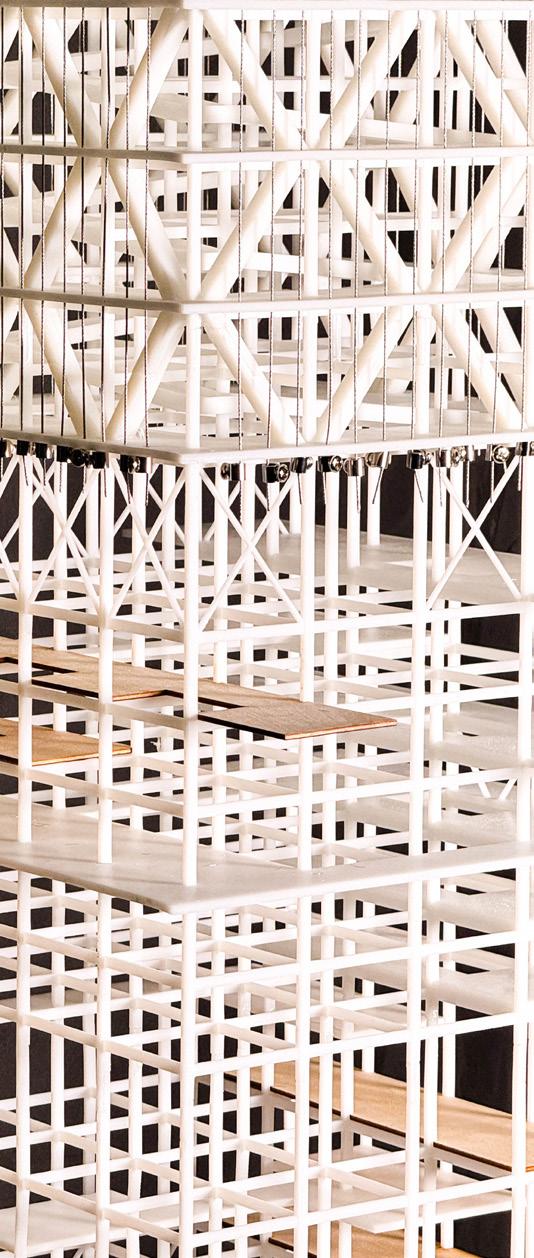
This vision of the wind tower as a central, living part of the urban landscape redefines it as a space that breathes life into the city, making it more than just a piece of infrastructure—it becomes a vital organ of the urban body, instrumental in creating a vibrant, sustainable, and sociable urban environment.