Cofounder, UI/UX design, front-end engineering and marketing P4-7
Hong Kong Cyberport Creative Mircro Fund (Project Flowsopic) 2019
Hong Kong Cyberport Incubation Program (Project Flowclass)
2021
SCG Bangkok Business Challenge 2021 (Project Flowclass)
Best Presentation, Best Business Plan, Sustainability Award Finalist
2021
HKFYG Inno Impact Project Winning Team (Project Flowclass)
Google Play Hong Kong Best Hidden Gens award (Project Flowclass) 2021
Appworks Acceleration Program (Project Flowclass2) 2023
Imperial College London MSc Innovation Design Engineering 2024-2026
Royal College of Art MA Innovation Design Engineering Project Hints selected as Huawei Most Creative Award 2024-2026
Rolio
ARCHITECTURE
2018-2023
The Chinese University of Hong Kong
BSSc Architecture
CommuniTEA Hub
P11-13
2022
University of Westminster Term time architecture exchange programme
BEAUX-ARTS
2015
Academy of Watercolor and Fine Arts of Sergey Andriaka Fine arts program
Being awared the seat after participating in a live painting competition
2023
Fontainebleu Schools of Music and Fine Arts
Beaux-arts / architecture summer program
Selected by HKIA as one of the two Hong Kong representatives
Château of Fontainbleau Collections
Flowsophic Limited Series
UIUX / Product Commercial
Co-founder, lead product designer working with engineering team 2019-2024
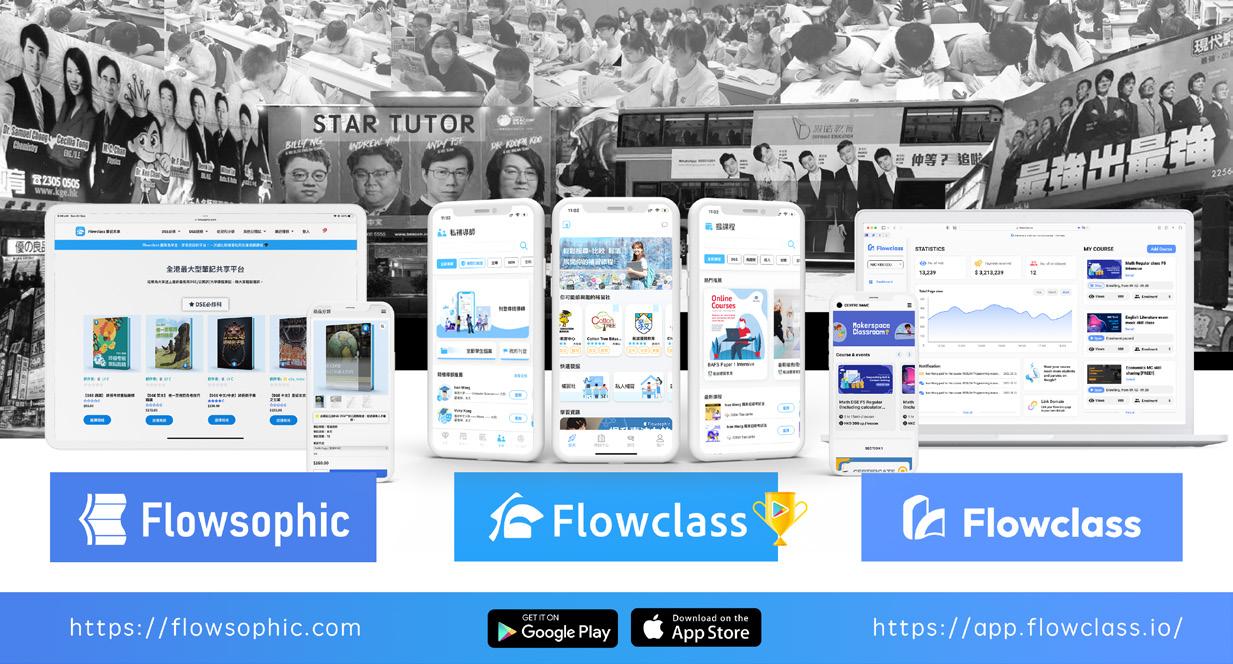
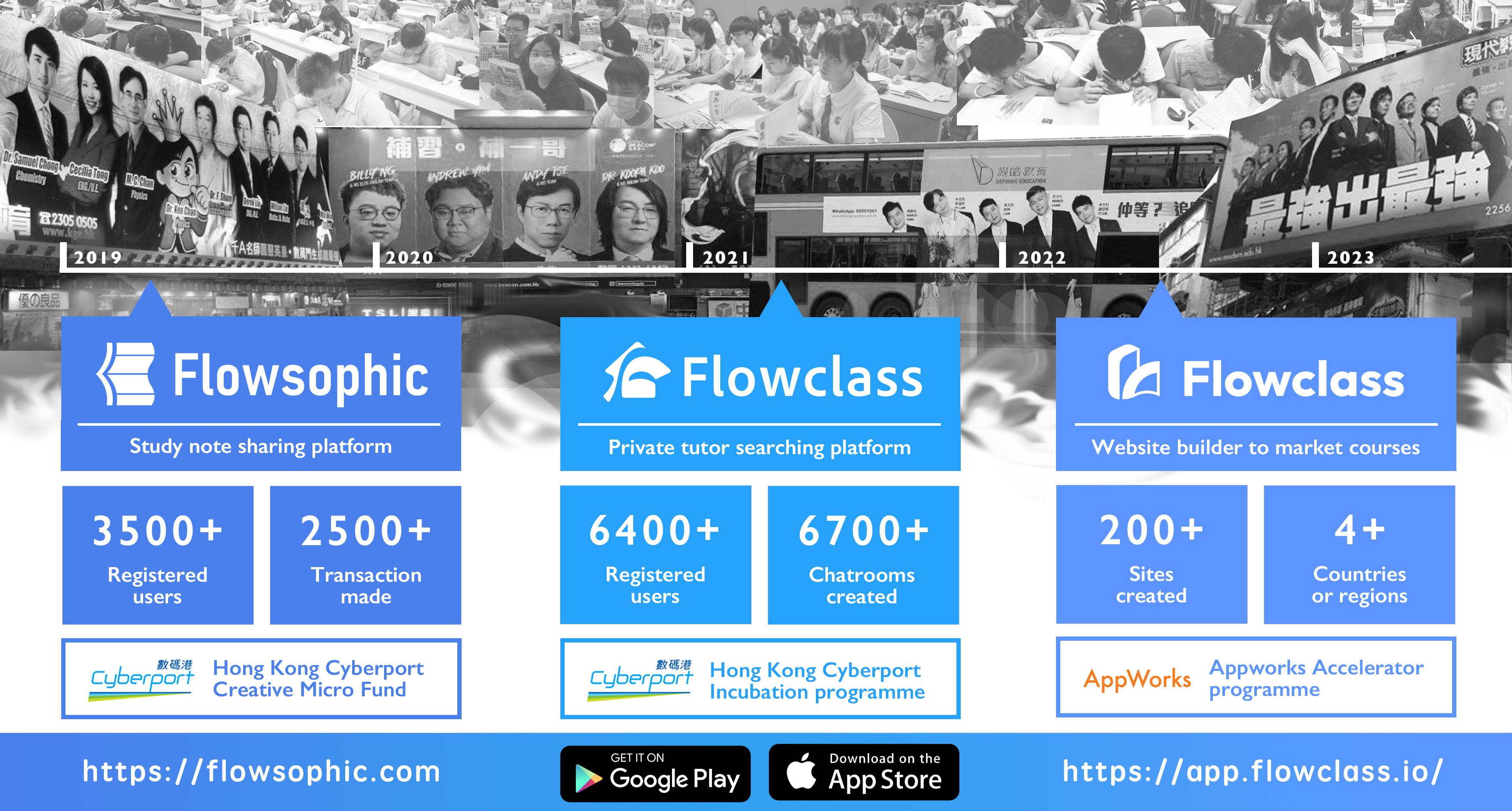
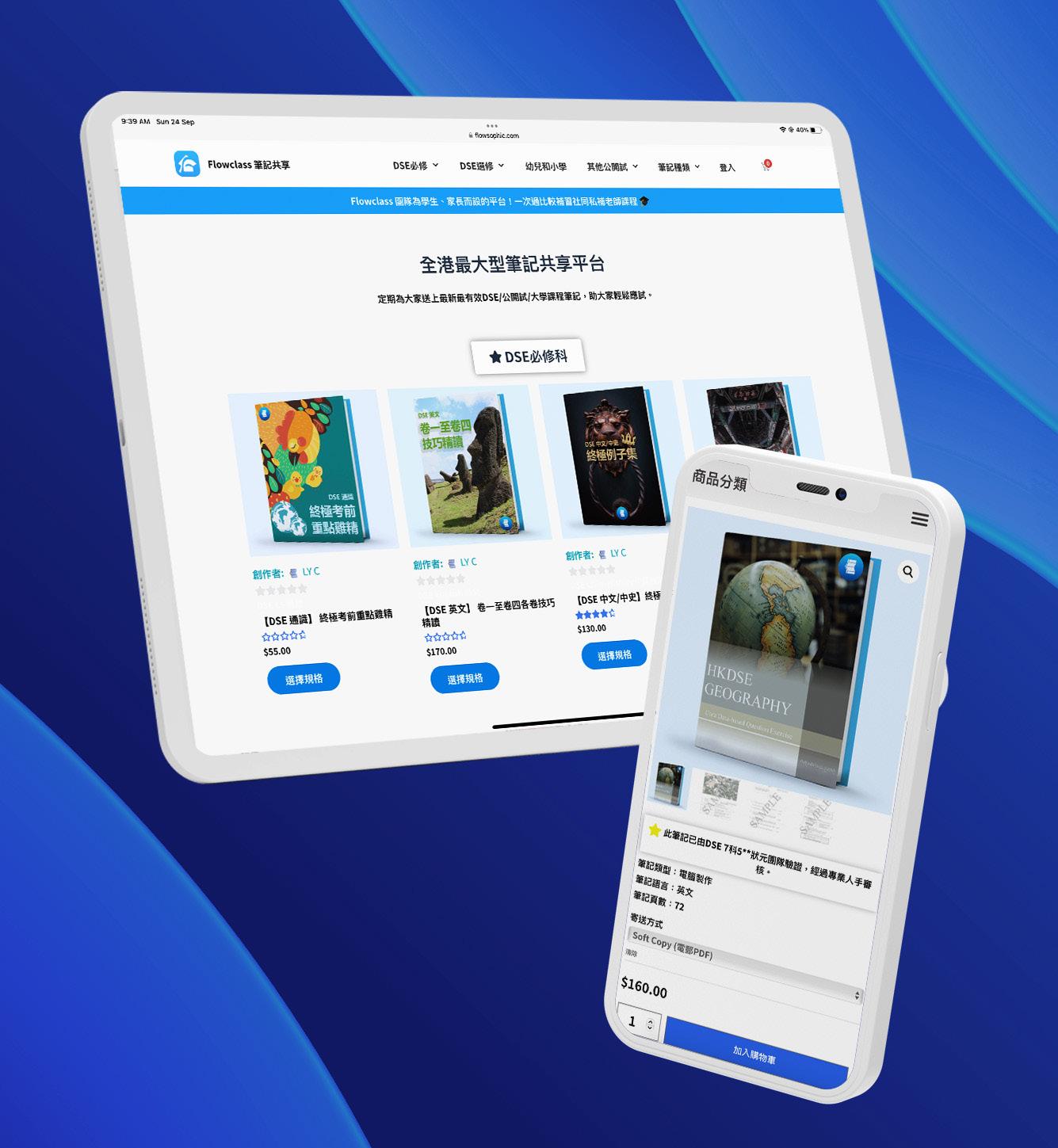
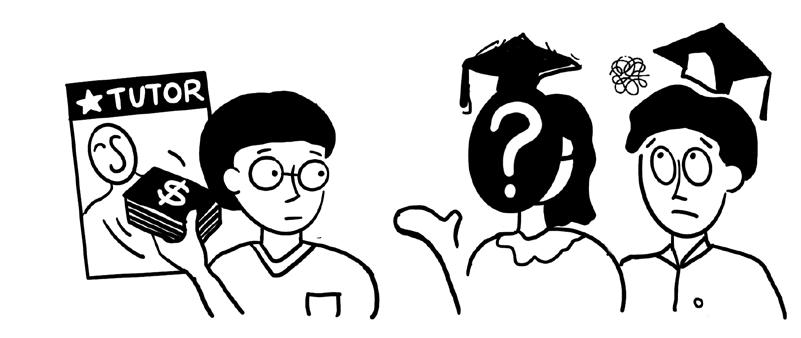
| Tutoring | Disrupt the flow of knowledge | Exam-focused education has fueled the prevalence of after-school tutoring in Asia. Listed tutorial centers with significant marketing resources draw in many students. Notably, in Hong Kong, there was a tutor followed by 15% of the exam candidates Monopoly in tutoring services is not favorable for learning.To address these challenges, my startup has introduced three products to promote learning alternatives
| Note sharing platform | Utilisation of resources |
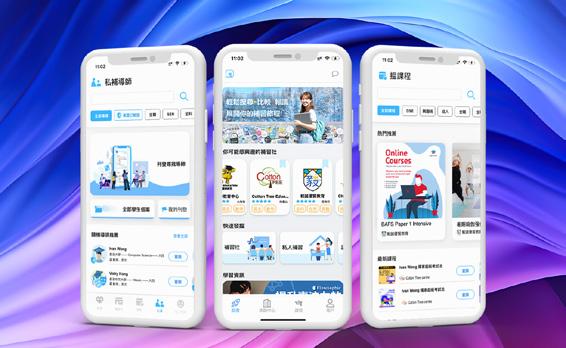
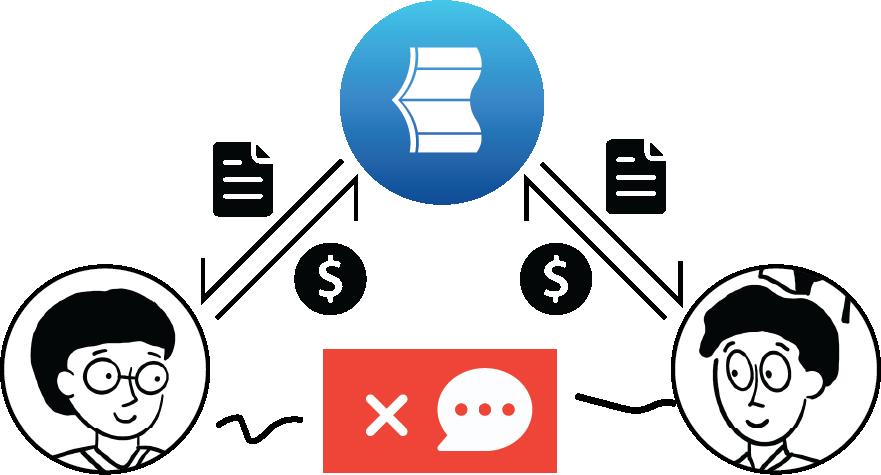
Flowsophic is a note-sharing platform designed for high achievers in public exams to offer their study notes to students who are currently preparing for those exams.This platform offers current students an affordable means to access valuable knowledge and make use of the resources of previous students. However, one pain point in the project is the inability for students to communicate with the note providers.
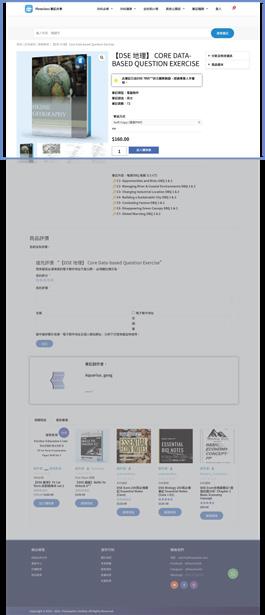
1a. Study note is not utilized after its owner graduate 1b. Design of service flow and store UI 1c. Flowsophic reutilizes study notes 1d. The problem of a lack of communication channel 1e. The importance of verfication and its position
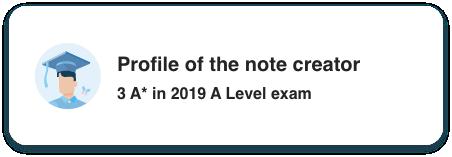
| Private tutor | Direct communication | Verfication |
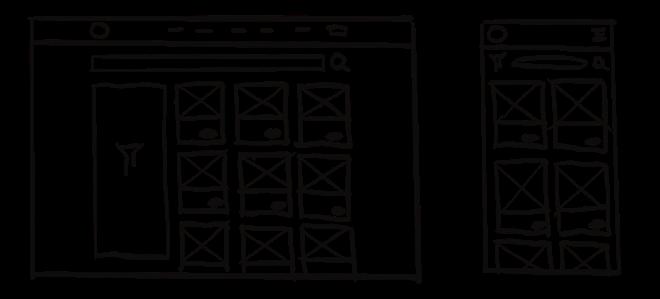
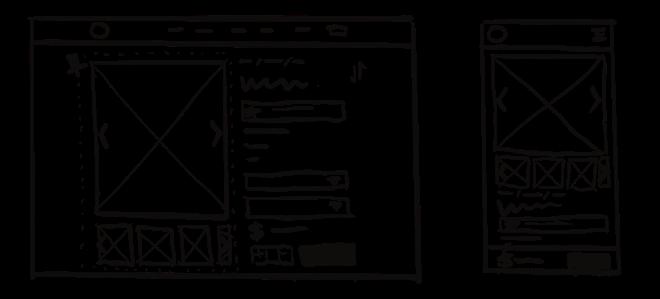
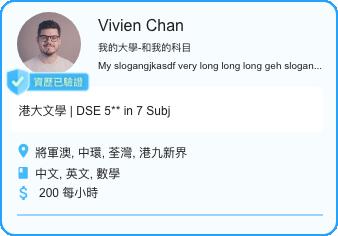
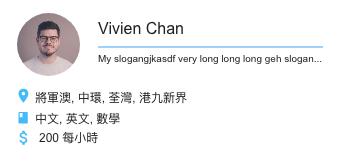
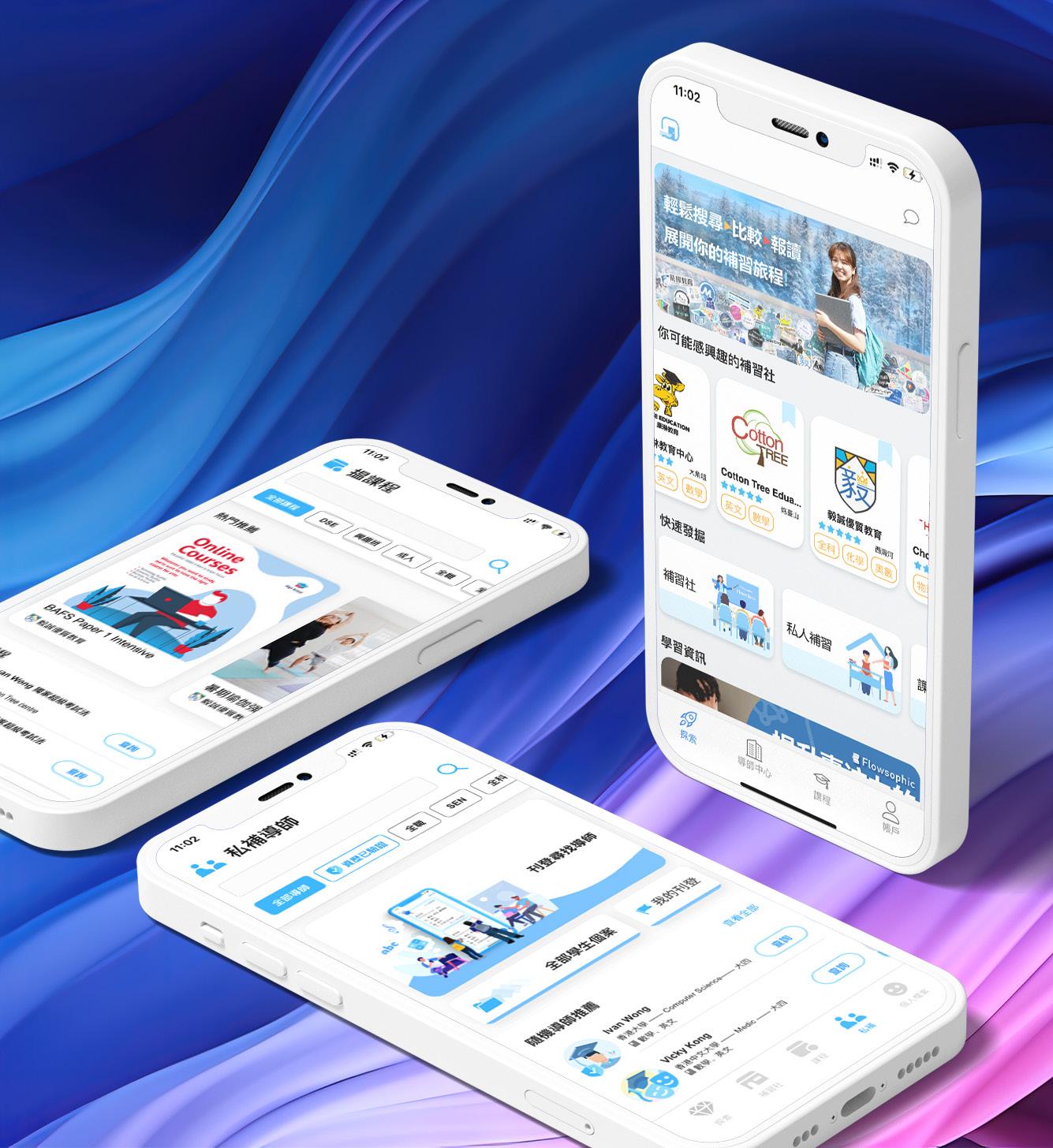
Flowclass (App) serves as a platform for students to discover private tutors and small-class lessons. Drawing from the user pain points identified in Flowsophic, we have prioritized direct communication between students and tutors. Our platform offers a robust filter function and employs a distinctive design to assist students in identifying tutors with verified certificates, enhancing the overall user experience.
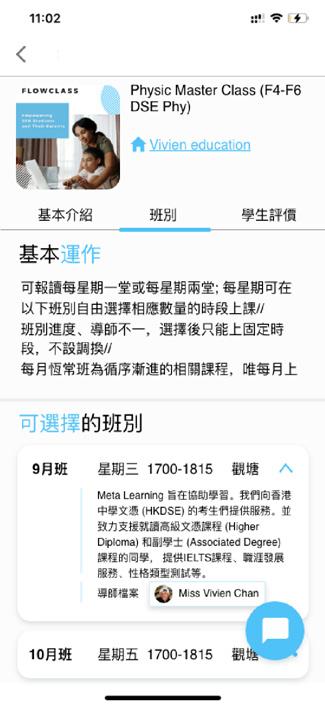
1f. False credentials of tutors 1g. The provision of communication channel and better verfication 1h. Flowclass offers better private tutors 1i. The course module is too simple to accomodate users’ need
| Website builder | Multiple lesson type support
|
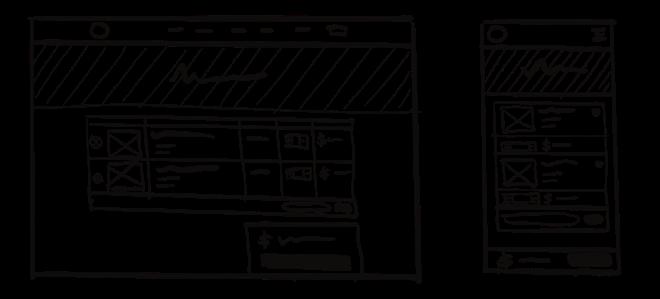
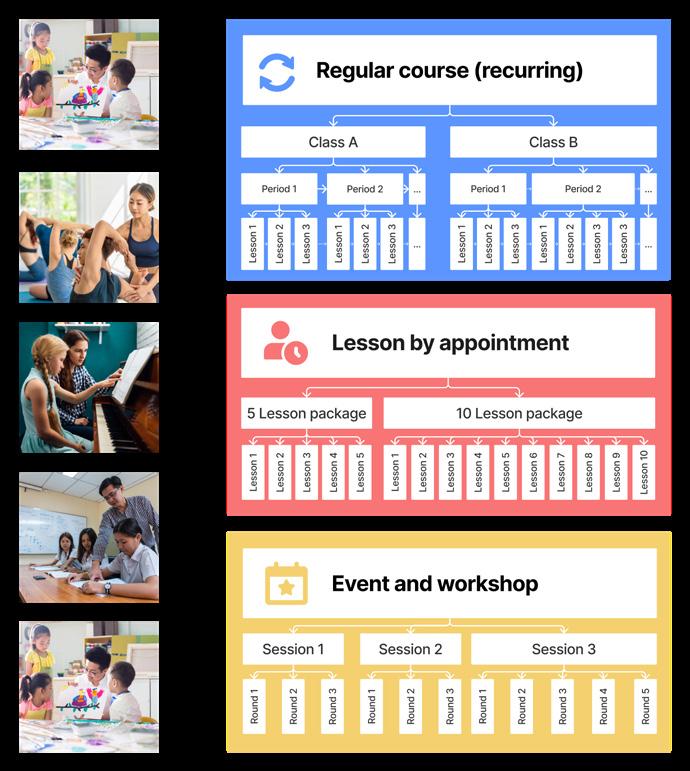
Flowclass (SaaS) is a comprehensive toolkit designed for educators, empowering them to create personalized websites for marketing their courses. Dominant website builders nowadays only cater to e-commerce or online course needs, our pioneering system is built to accommodate a wide array of lesson formats, including face-to-face lessons for private tutors and small to medium-sized tutorial centers.
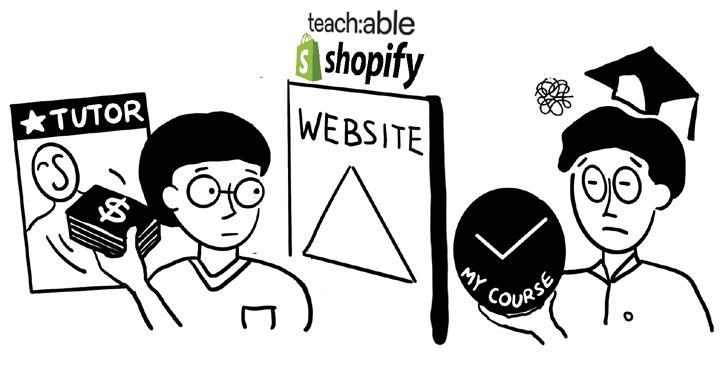
1j. Current website builders are hard to be used on face-to-face course
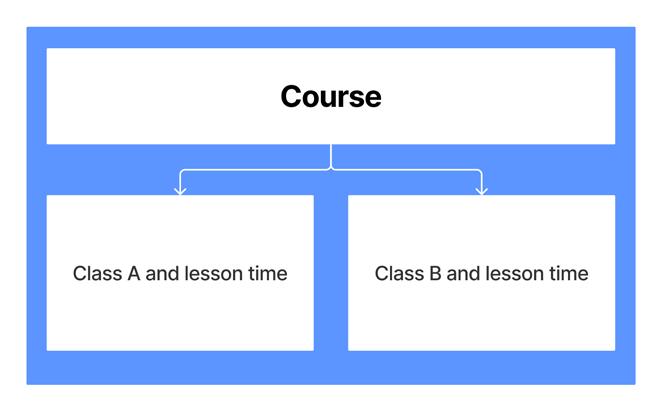
1k. Redesign course structure
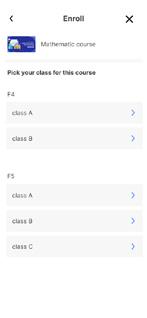
1l. Flowclass allows educators to build and market their course easily 1m. Over complicated enrolment
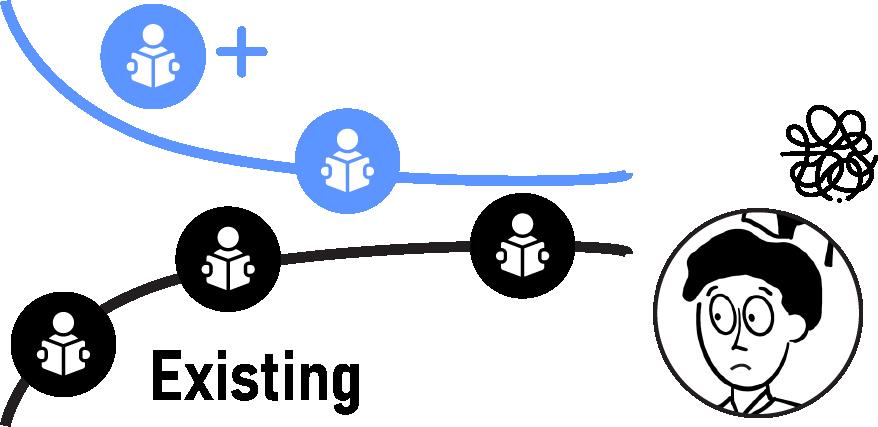
1n. Inability to merge newly recruited students and existing student
Rolio Industrial Design
Academic Group 2025 Autumn
| Gesture interaction | Integrated design
|
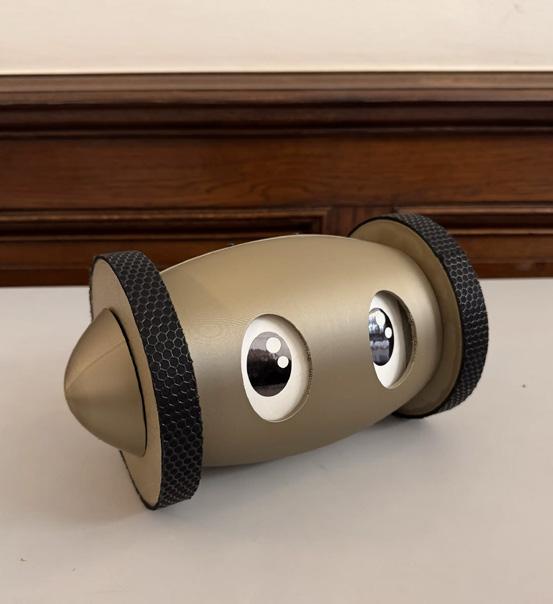
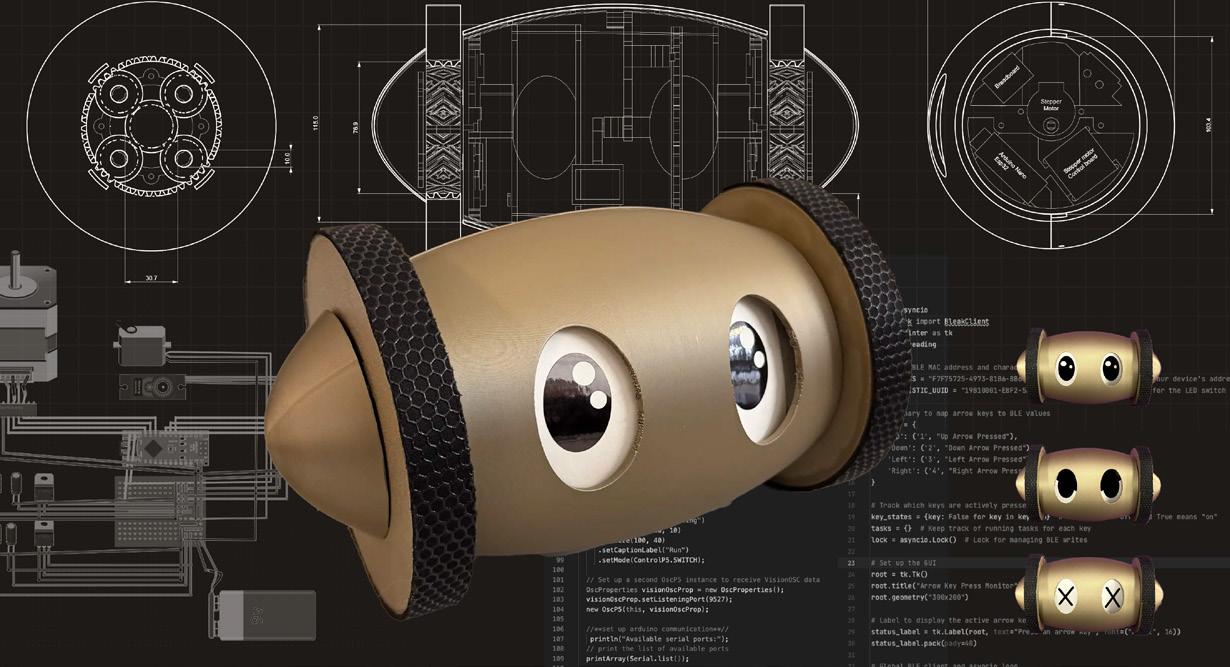
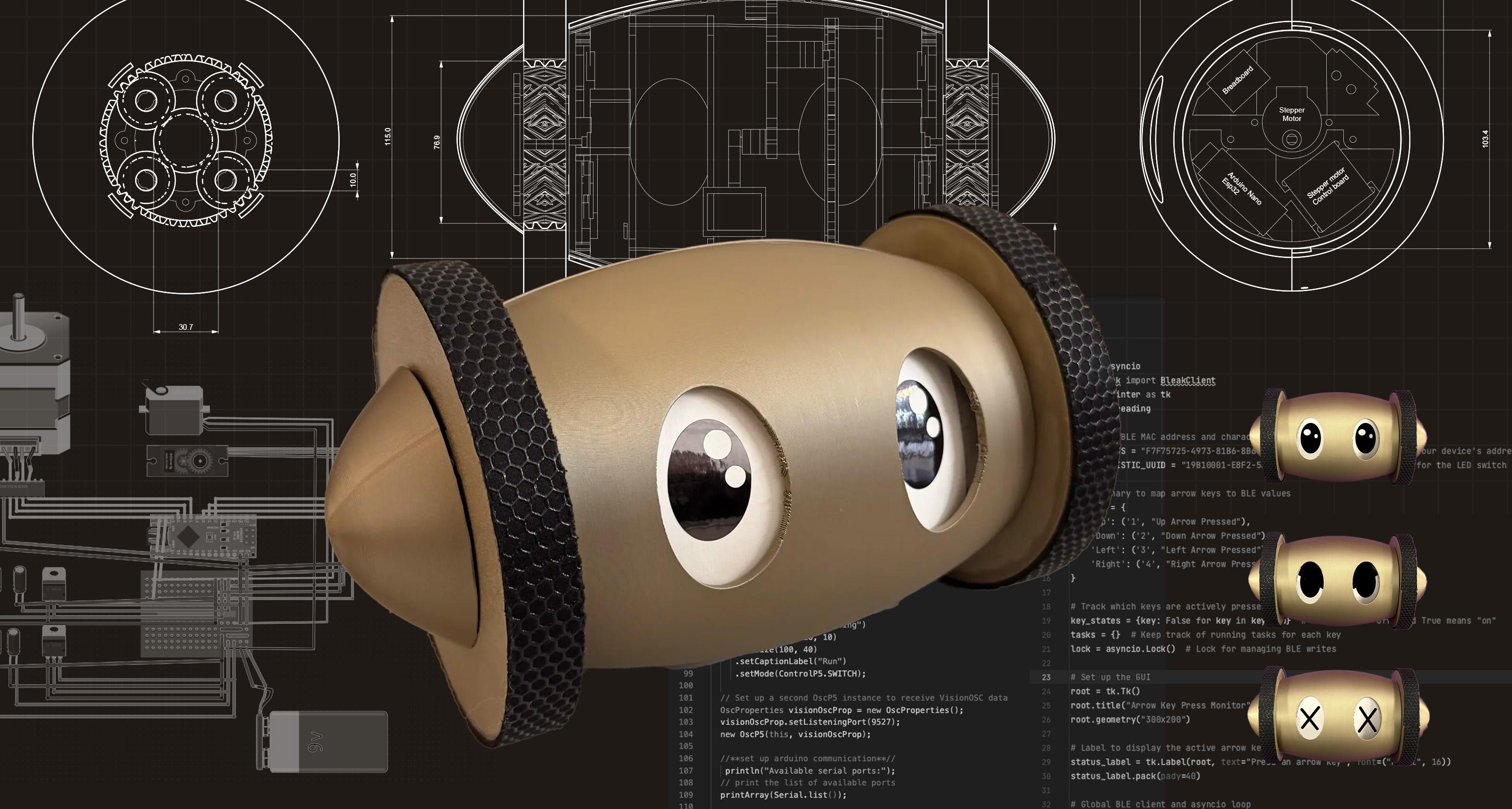
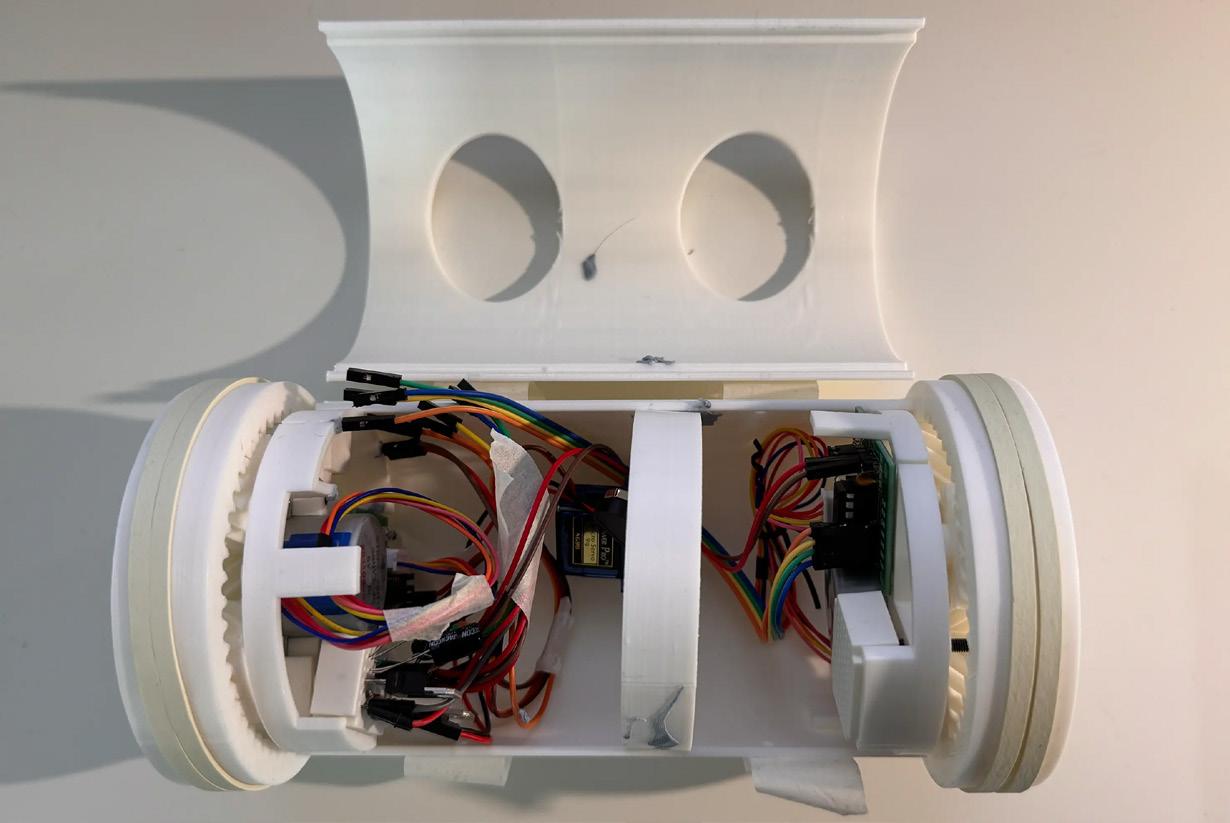
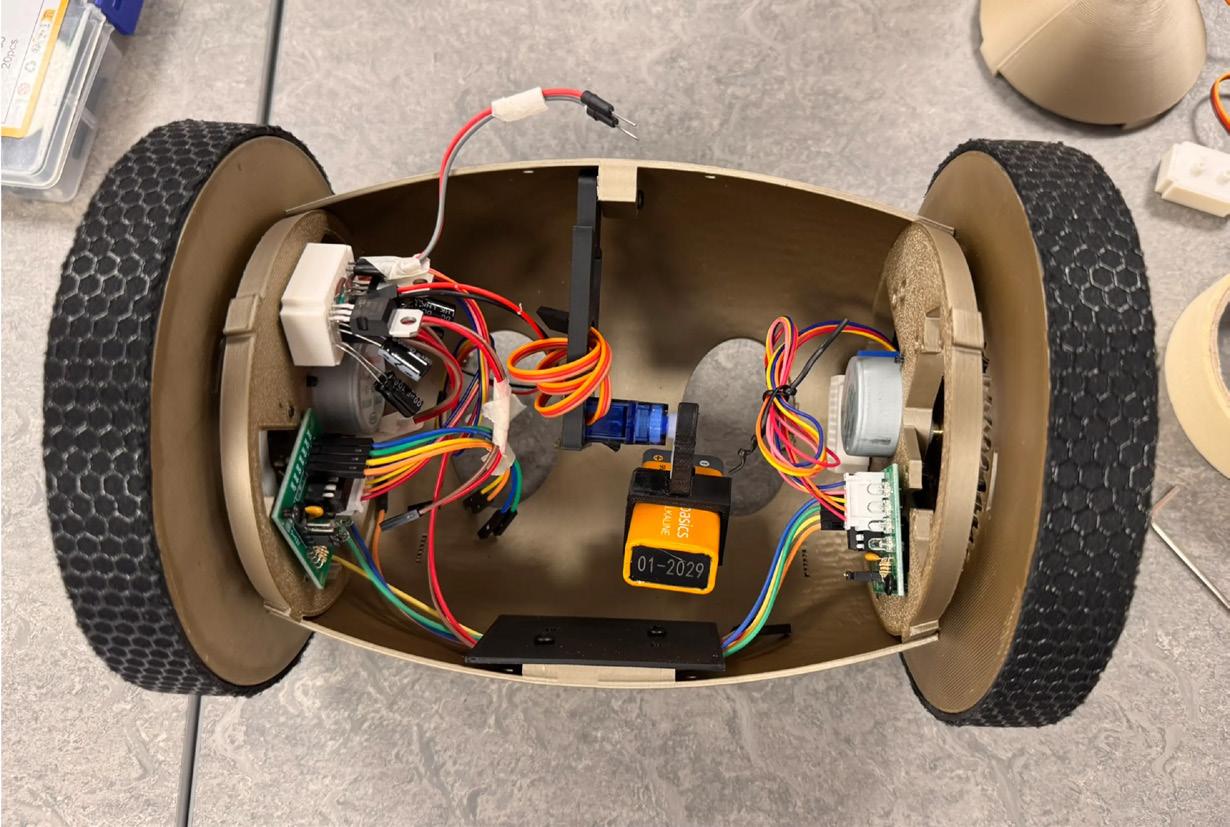
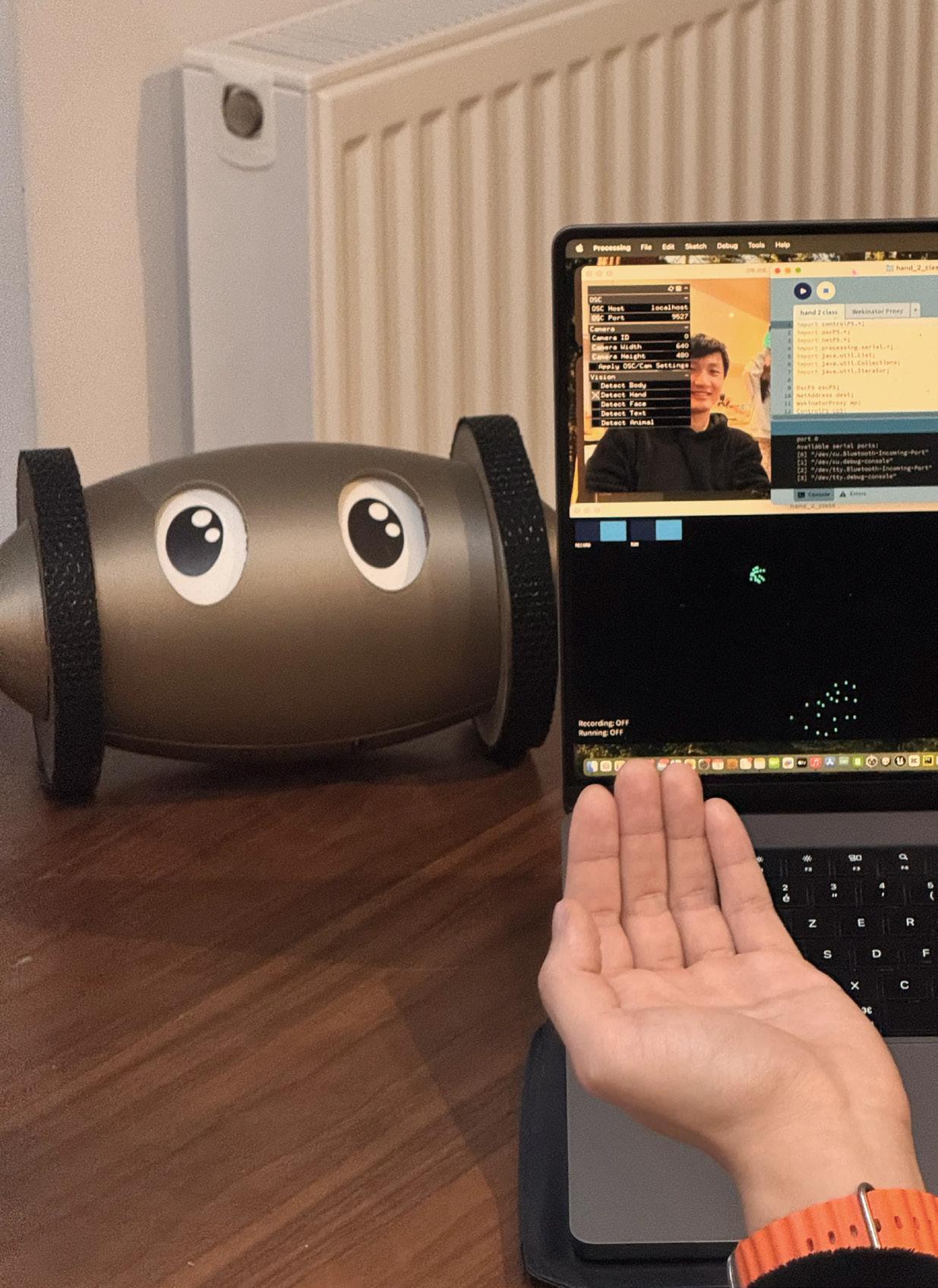
Rolio is a battery-powered interactive robot featuring AI gesture recognition and Bluetooth connectivity. It responds to gesture inputs with dynamic movements like rolling, rotating, and navigation in different directions.The overall design is highly integrated, with the wheel seamlessly incorporated into its form, enhancing functionality and aesthetics.
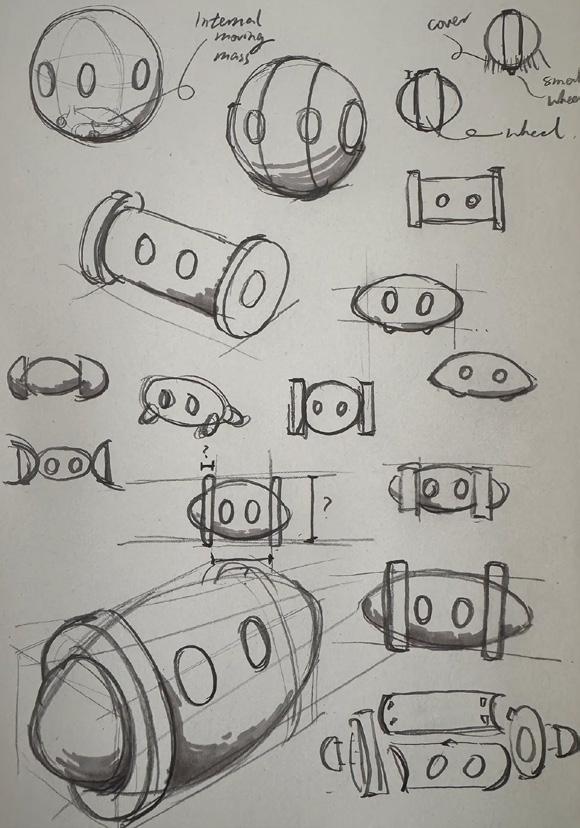
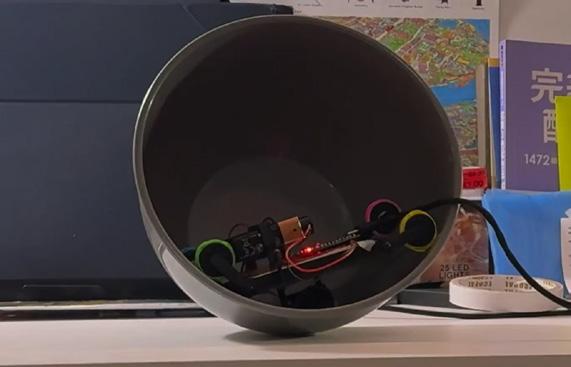
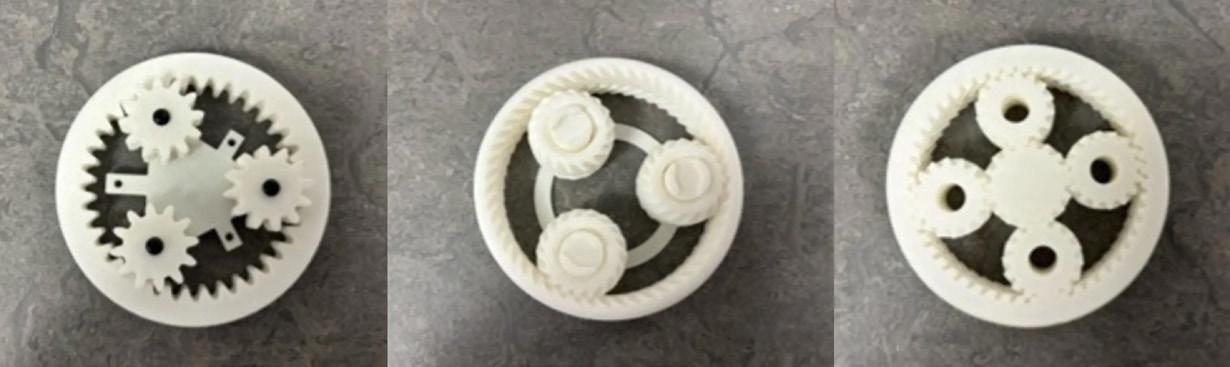
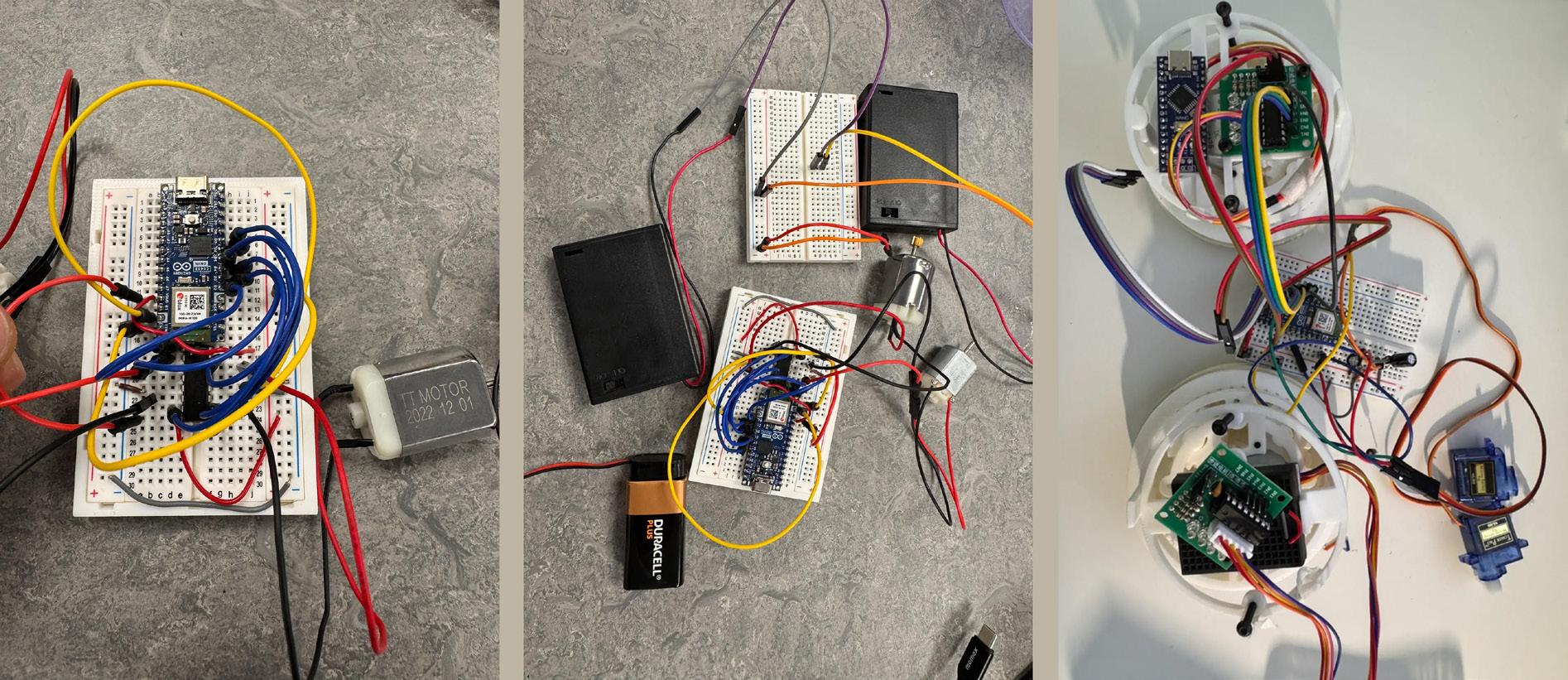
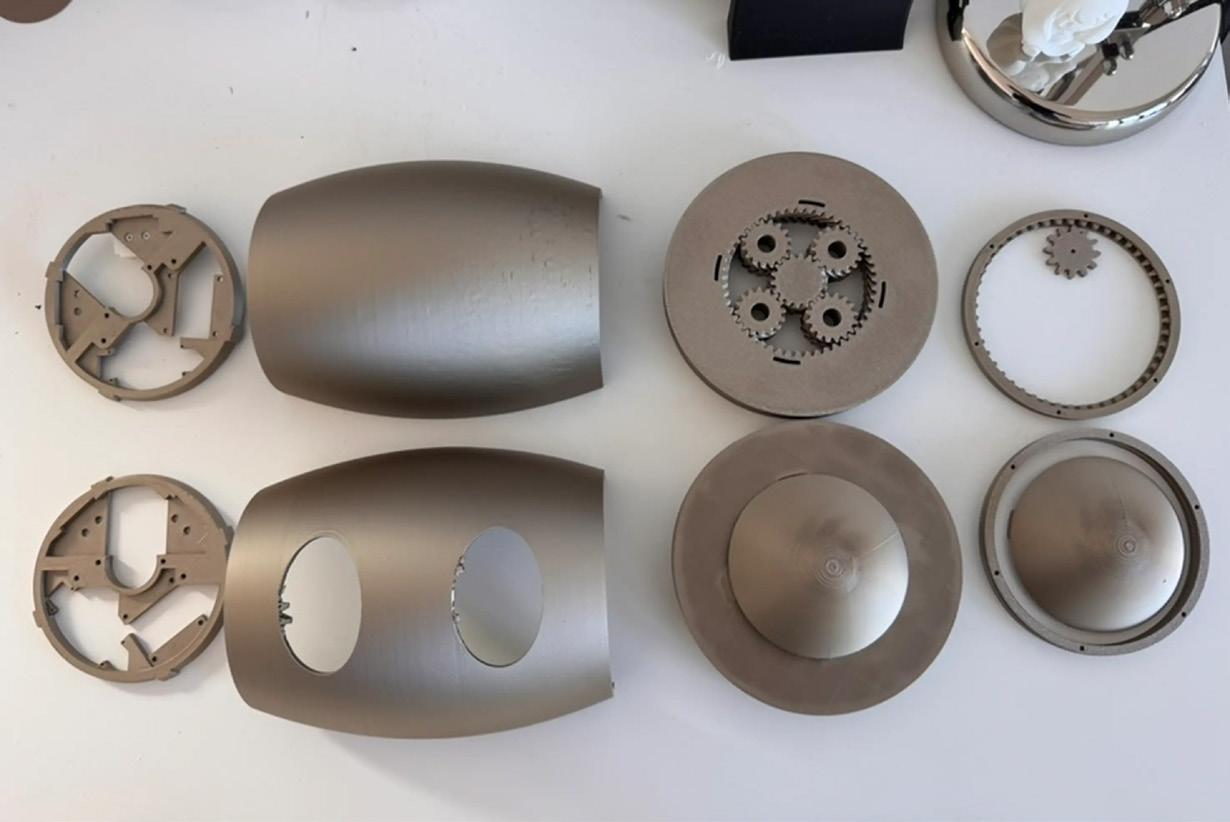
| Moving and rolling mechanism | The concept began with a rotating spherical object driven by an internal rotating mass. It evolved into a design featuring two large wheels at each end of a tube-like form. After testing various planetary gear systems and circuits, a stepper motor was chosen for higher torque.The battery, centrally mounted on a swing arm, shifts the center of gravity, enabling the robot to roll effectively.
2a. Initial sketch idea
2b. Test of internal moving mass
2c. Test of two wheels at the sides
2d. Iteration of planetary gear system
2e. Test of dc and stepper motor
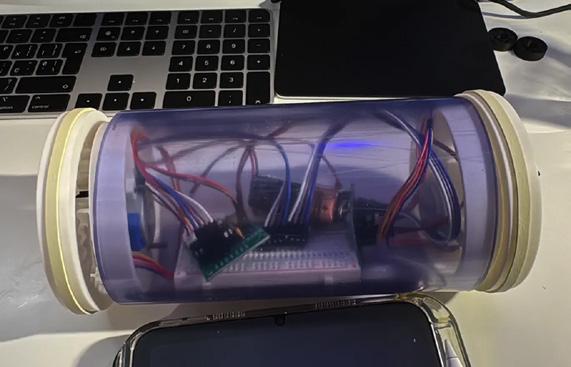
2f. Early prototype of the robot
2g. Prototype with improved wire management
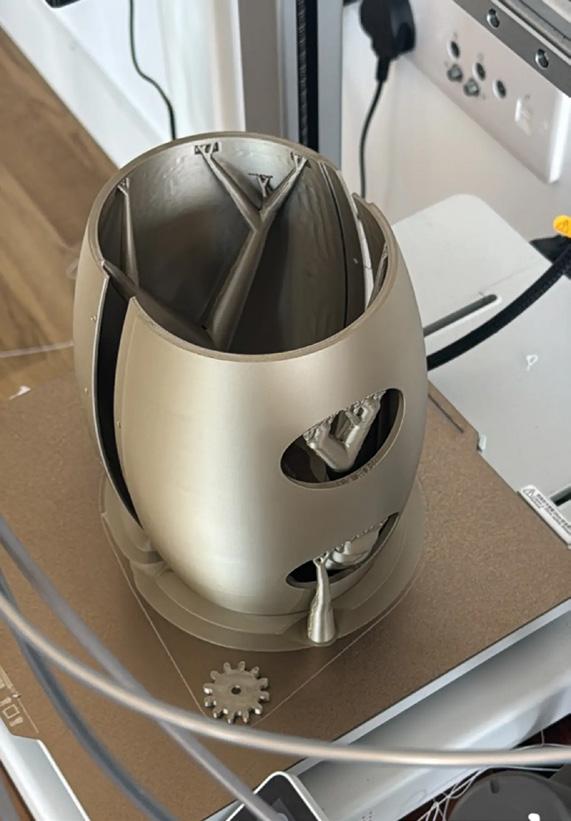
| AI classifier | BLE communication | The robot features 3D-printed components designed for easy assembly and balanced weight distribution. AI gesture recognition controls its movements, using Processing to input visionOSC data into Wekinator. Wekinator identifies gesture classes and sends this data to Python, which communicates with Arduino via BLE. Arduino then controls the servos or motors, executing the corresponding movements.
2h. 3D printing of the casing
2i. Crucial parts and enclosures
2j. Assembly of one single ring
2k. Assembly of the internal structure
2l. Control of the robot using AI gesture recognition and BLE communication
2h
2j 2k
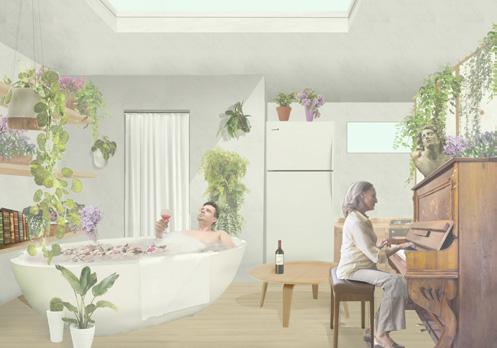
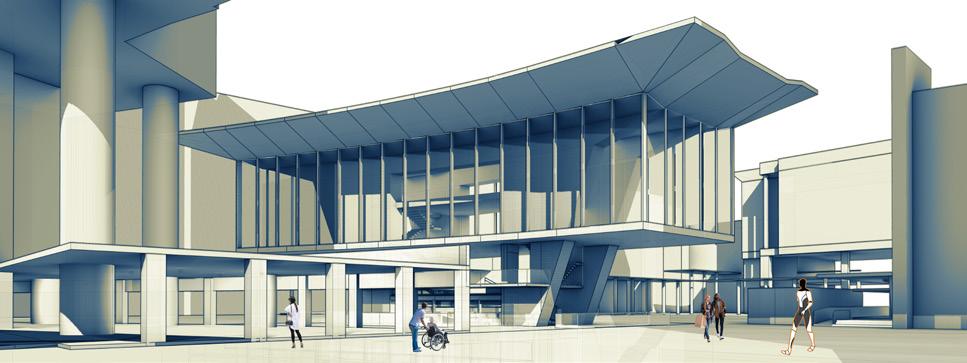
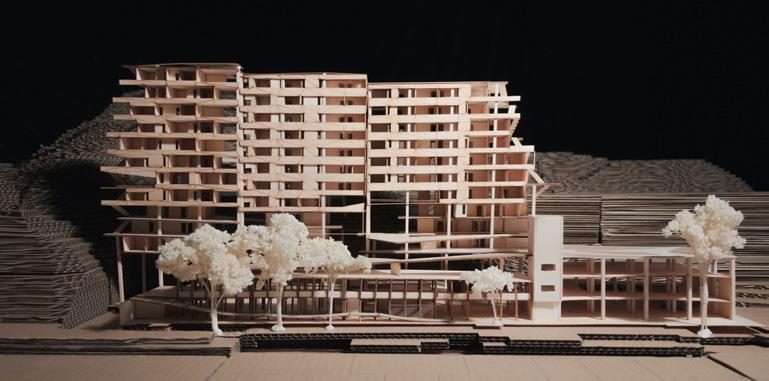
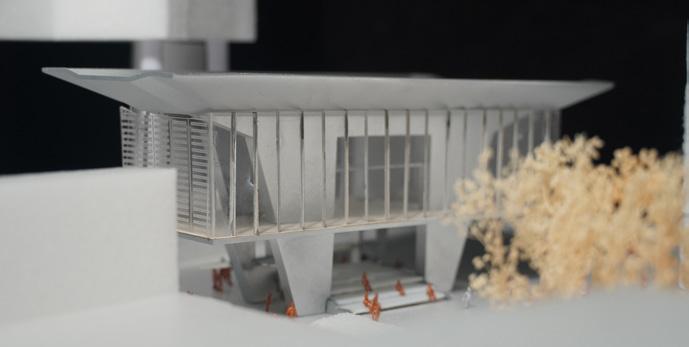
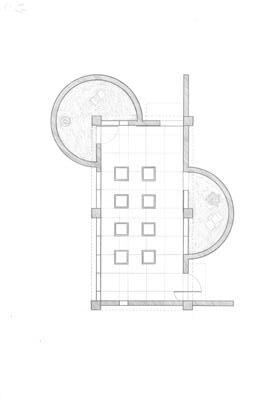
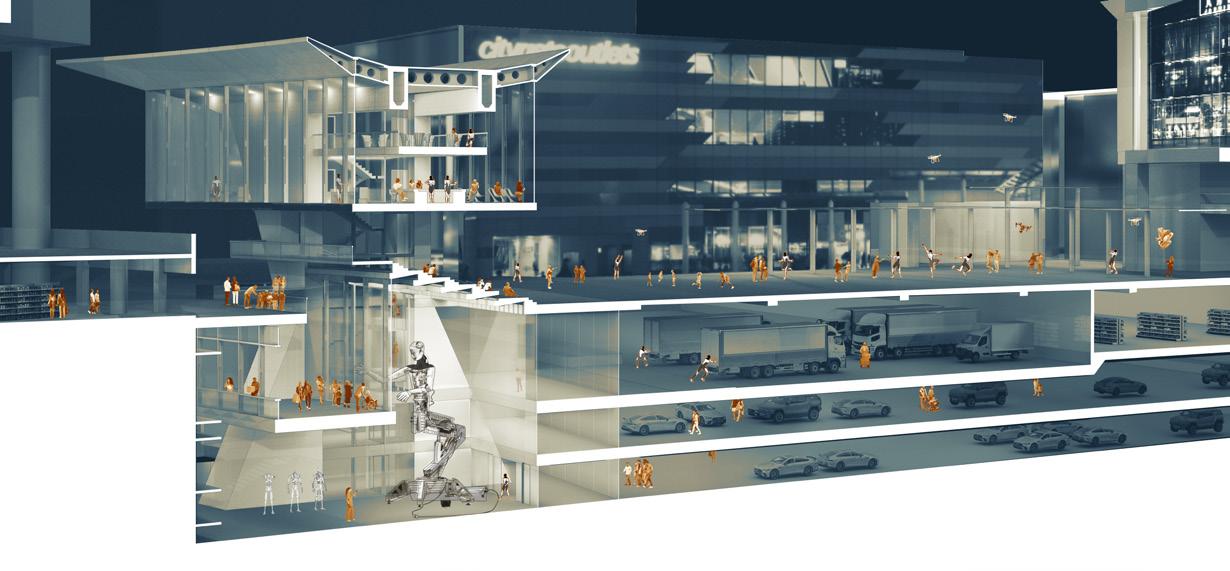
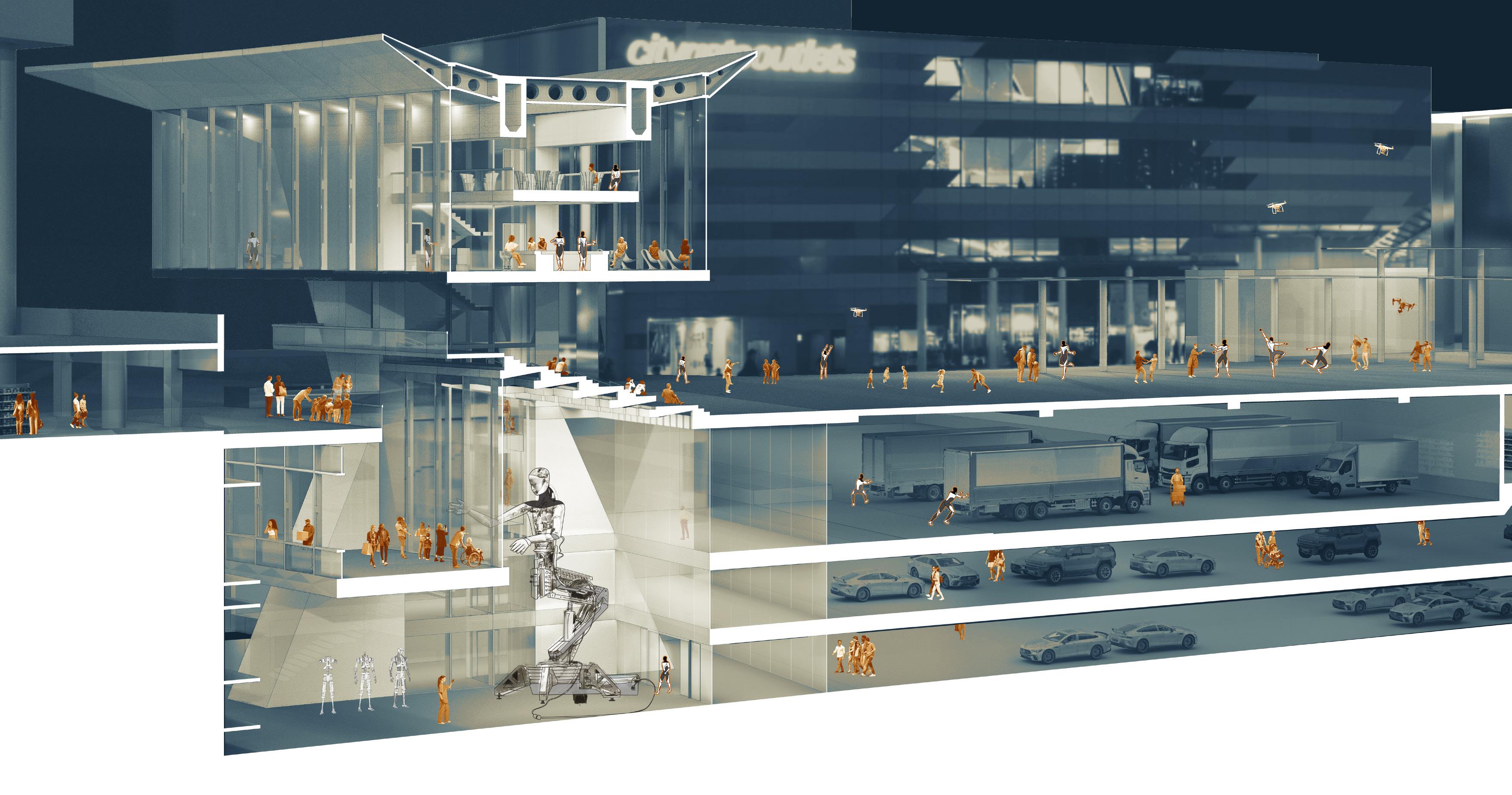
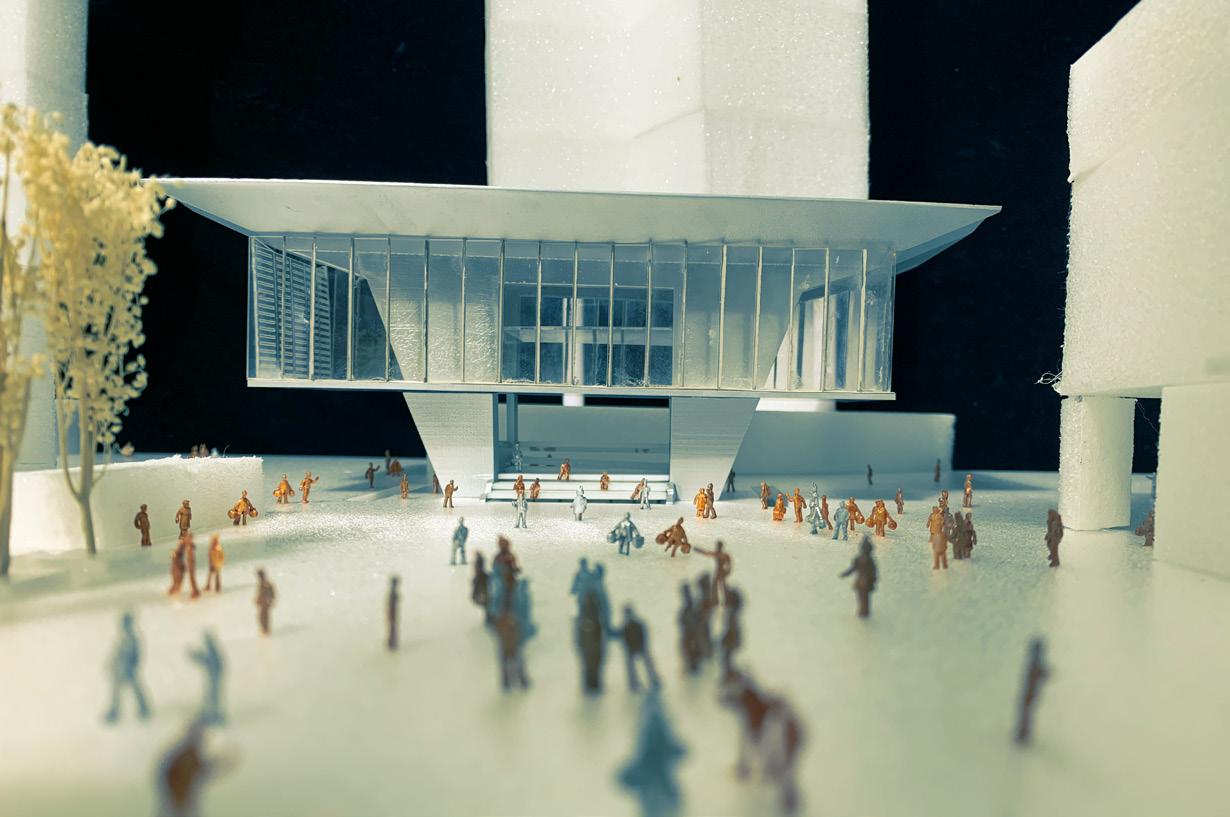
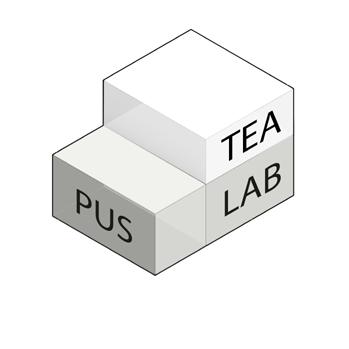
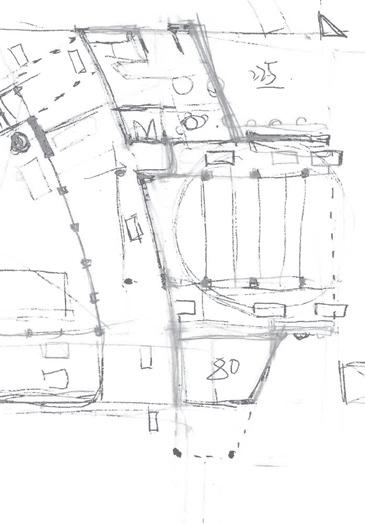
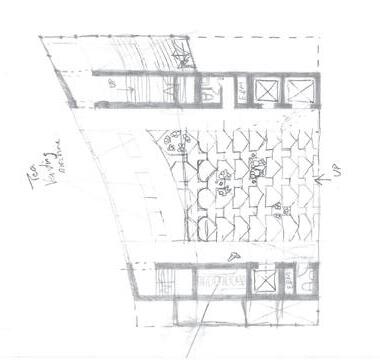
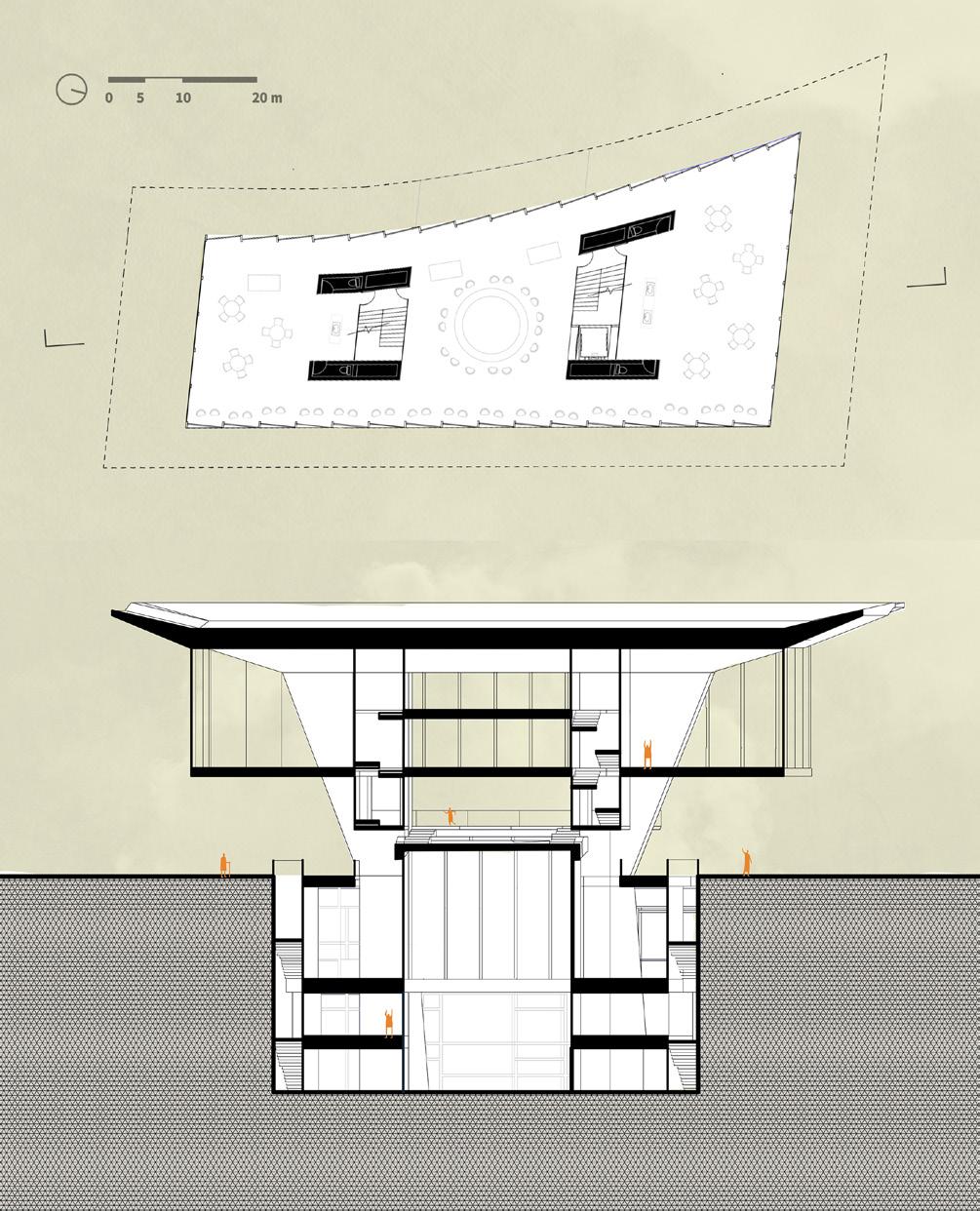
| Community hub | Human-humanoid interaction | Nestled in Tung Chung, a new urban hub in Hong Kong, CommuniTea Base is a vibrant gathering spot for both locals and Tung Chung’s visitors.This innovative space seamlessly combines a cutting-edge robotic laboratory with a cozy tea-drinking area, operated by robots. My vision is to introduce a novel way of living, fostering human-robot interaction while infusing a delightful element into plaza life.
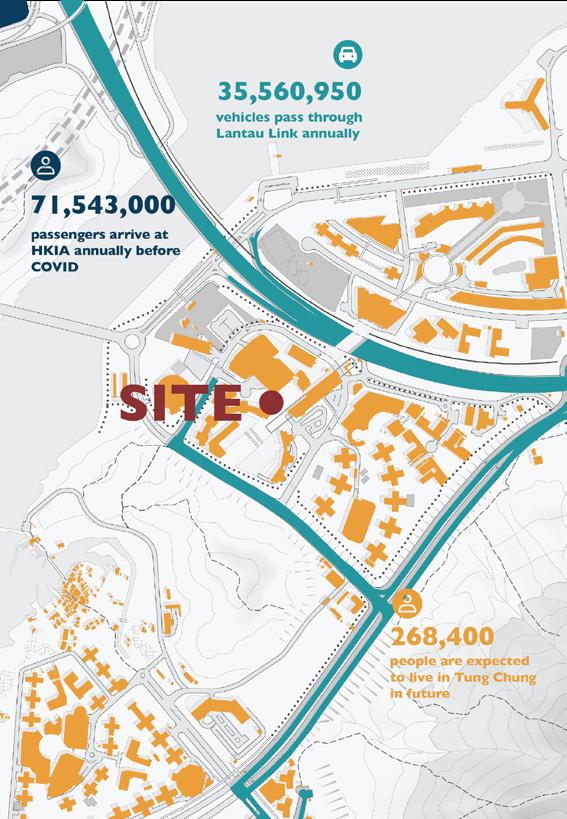
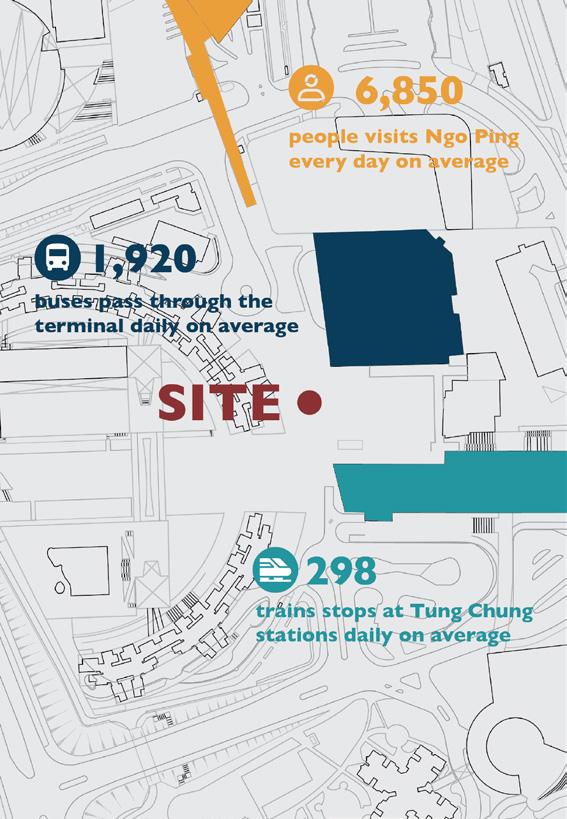
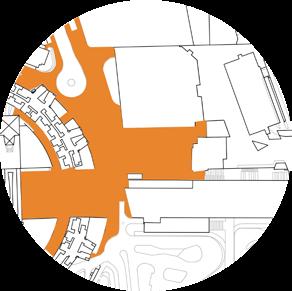
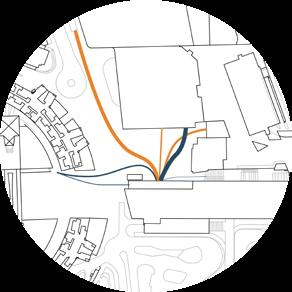
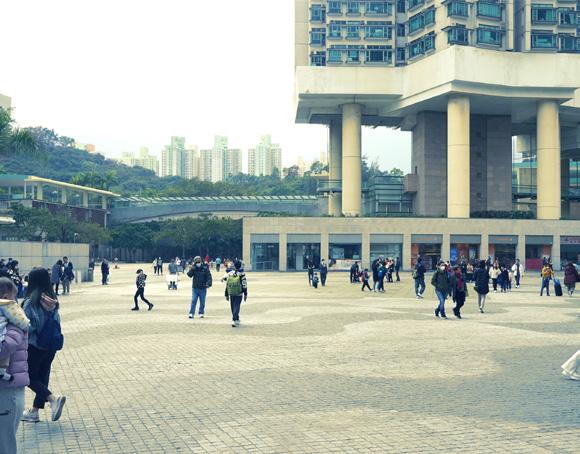
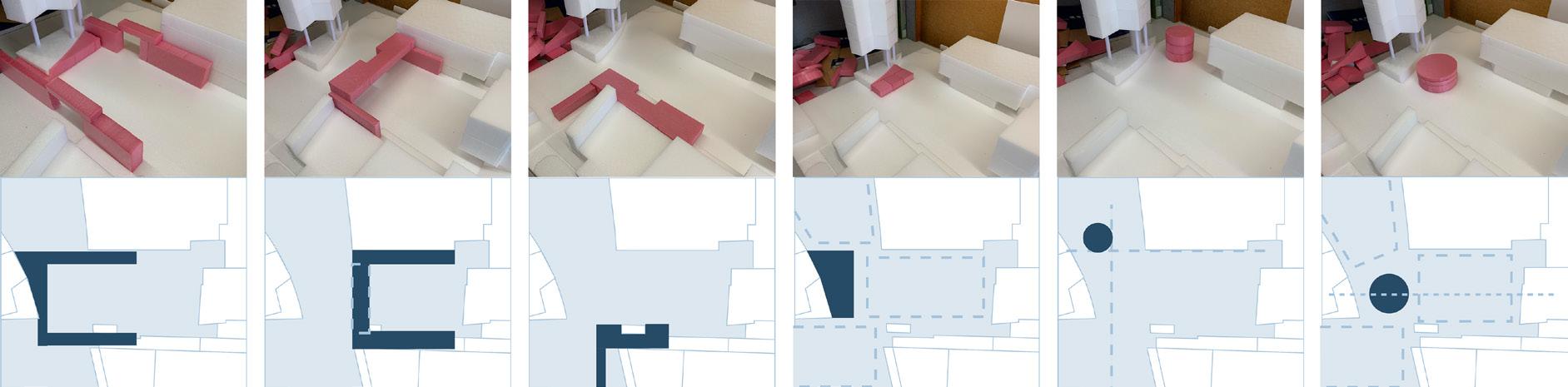
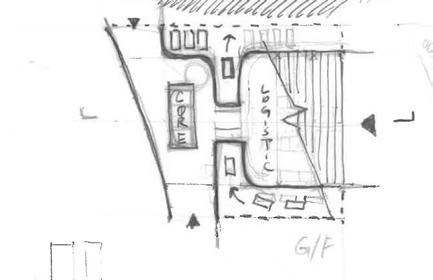
| Uninspiring plaza | Urban activation | Research conducted on the site revealed a significant influx of people. Regrettably, the existing space lacks a clear and engaging identity, resulting in many individuals being absorbed in their mobile devices or merely passing through. Following numerous massing experiments, the decision was to construct a central building, effectively dividing the area into three distinct plazas, each boasting the most expansive service zones.
3a. Bustling and dense Tung Chung,
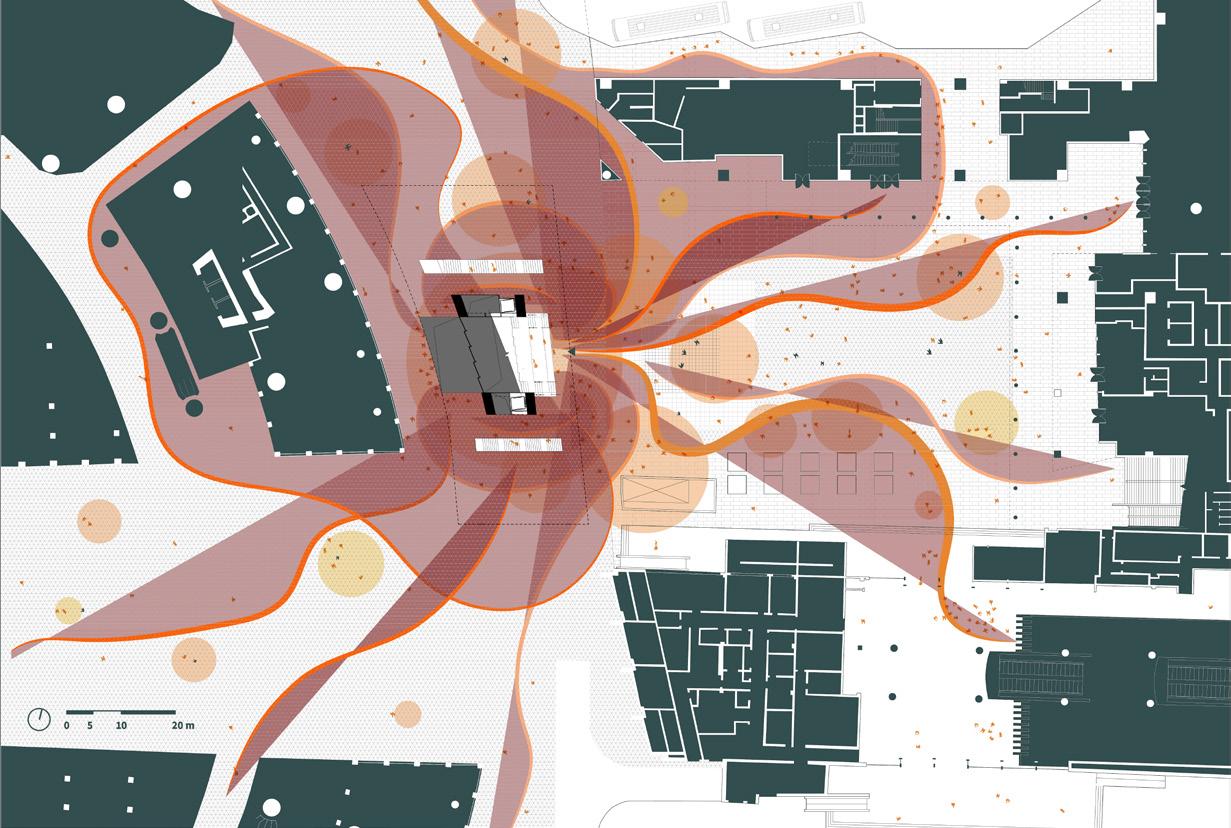
3b. Traffic of Tung Chung Plaza
3c Current site situation
3d. The design with vivid urban space
3e. Observation of people playing phones on the plaza
3f. Development of urban strategy
3g Architecture reactivates the plaza
3a
| Freeing the ground | Structure expression | Connect |
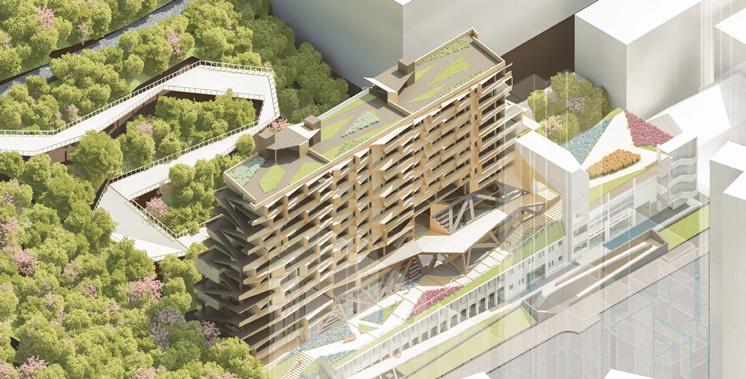
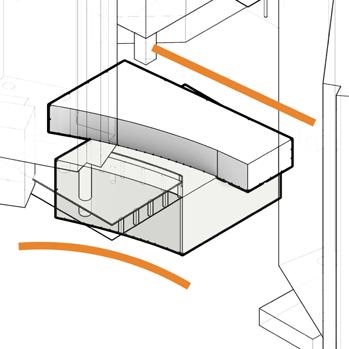
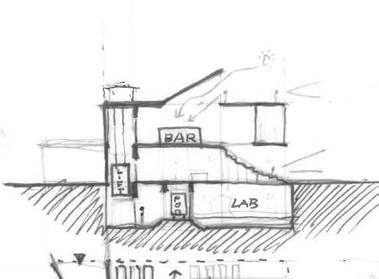
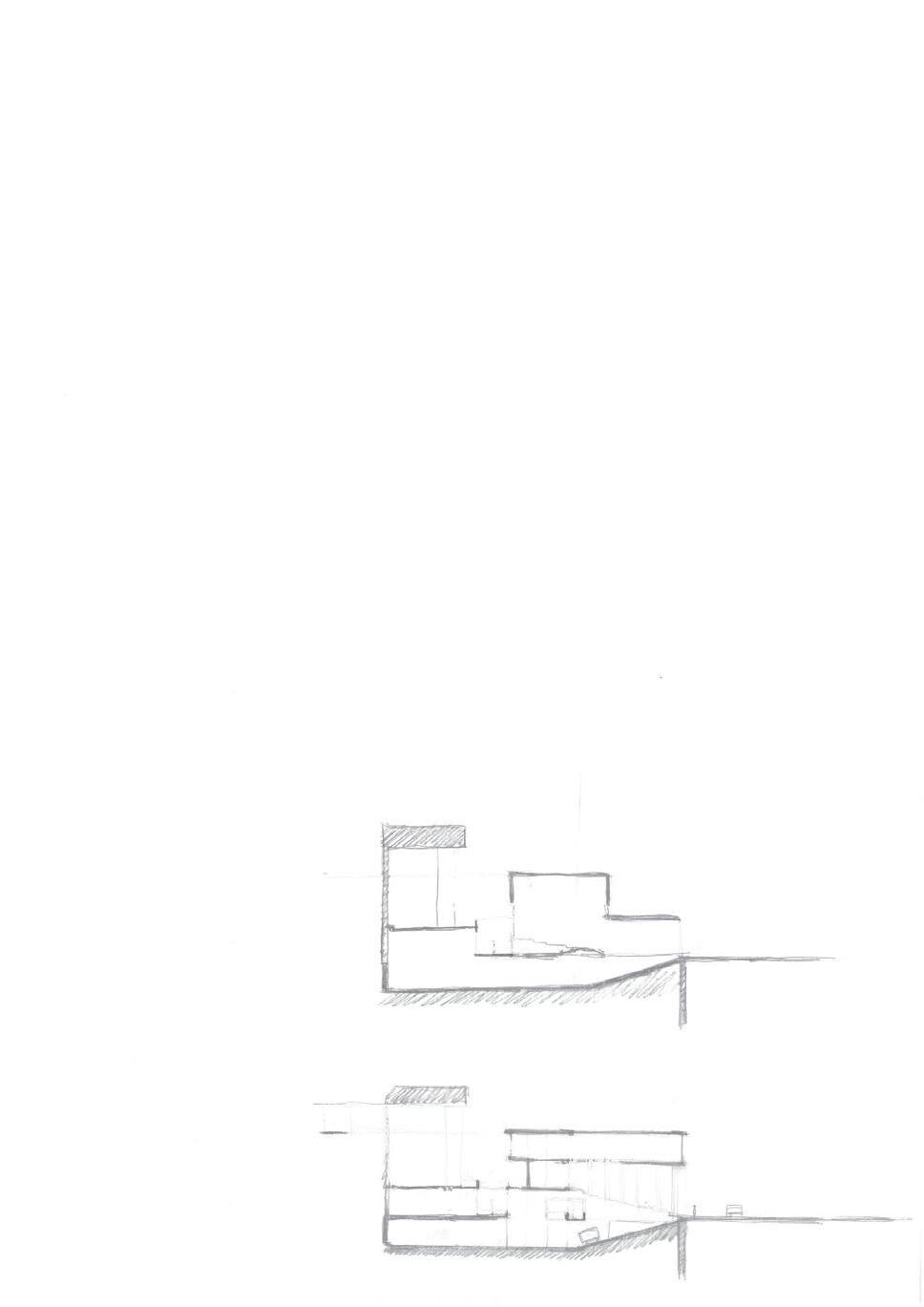
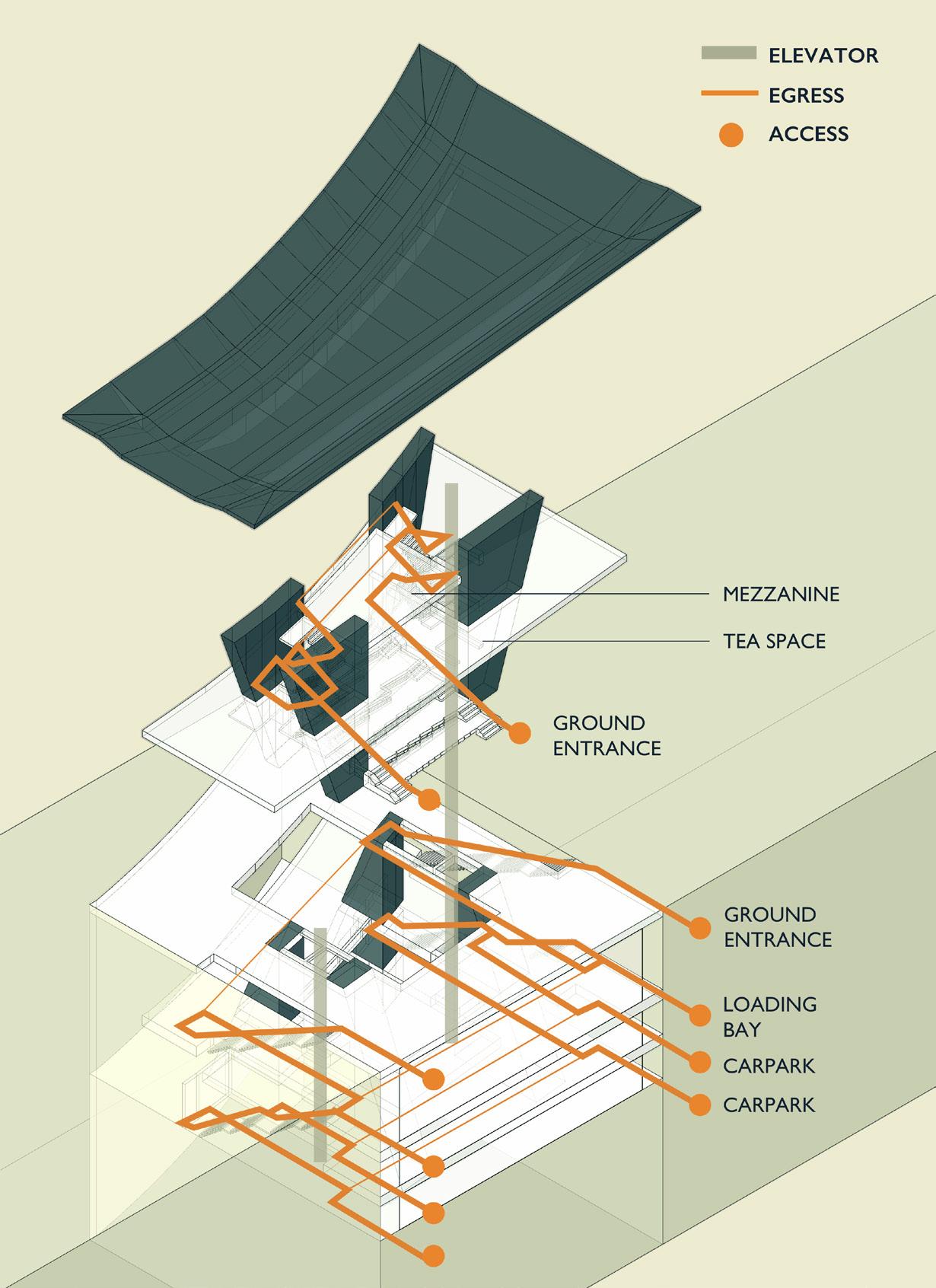
Considering the bustling nature of the plaza, the building is elevated to preserve unobstructed views and circulation.The design prioritizes structural integration, minimizing the footprint of the structure on the ground. Moreover, the building features numerous access points, connecting the plaza and the underground car park, actively encouraging people to engage in the urban life unfolding on the plaza.
3h. Struggle with limited ground space and structural concern
3i. Minimal structural footprint and multilevel connections
3j. Connections to the plaza and internal circulation
Forensic Architecture Club
Architecture
Academic
Individual
2022
Spring
Design
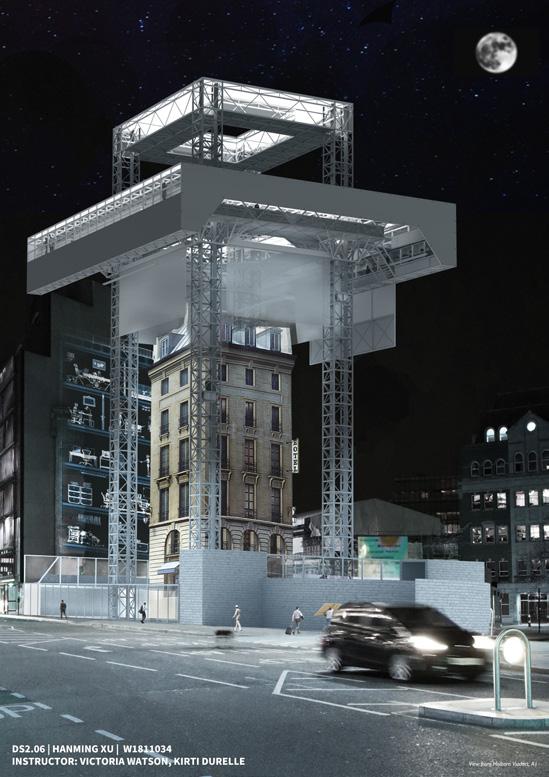
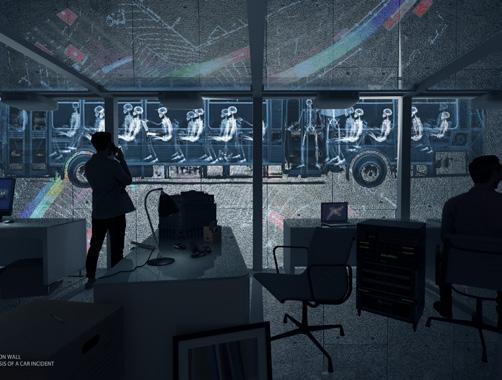
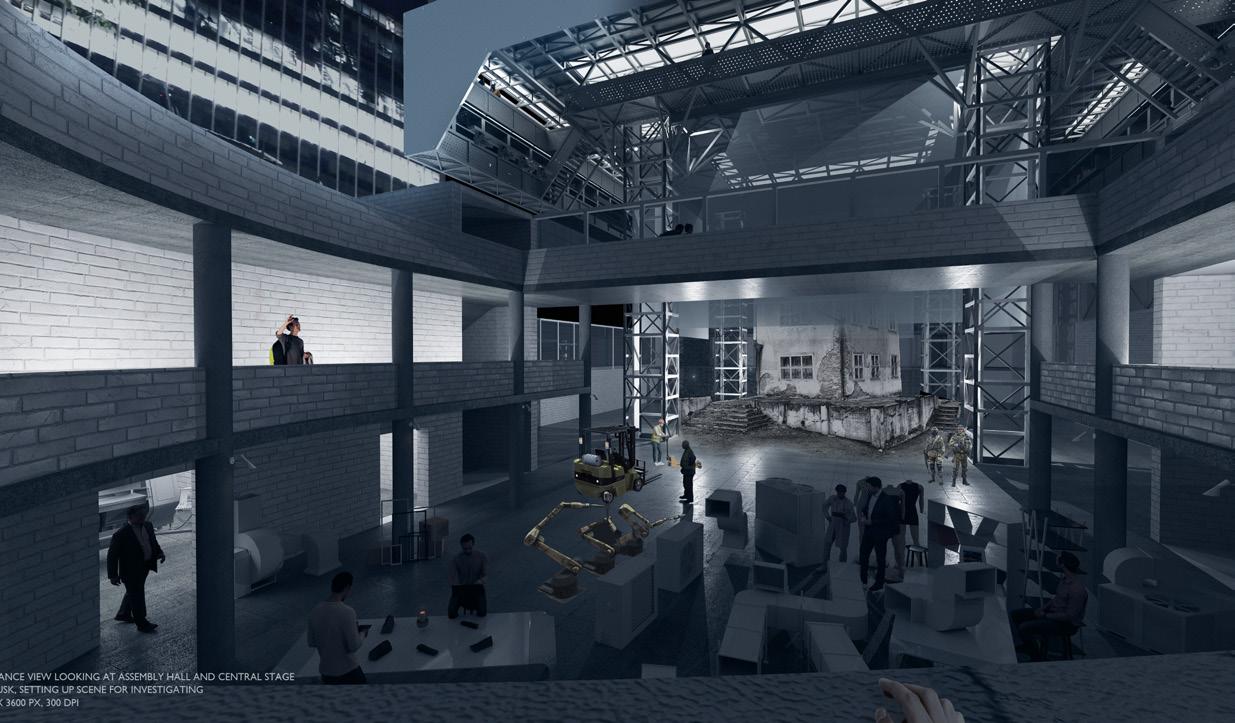
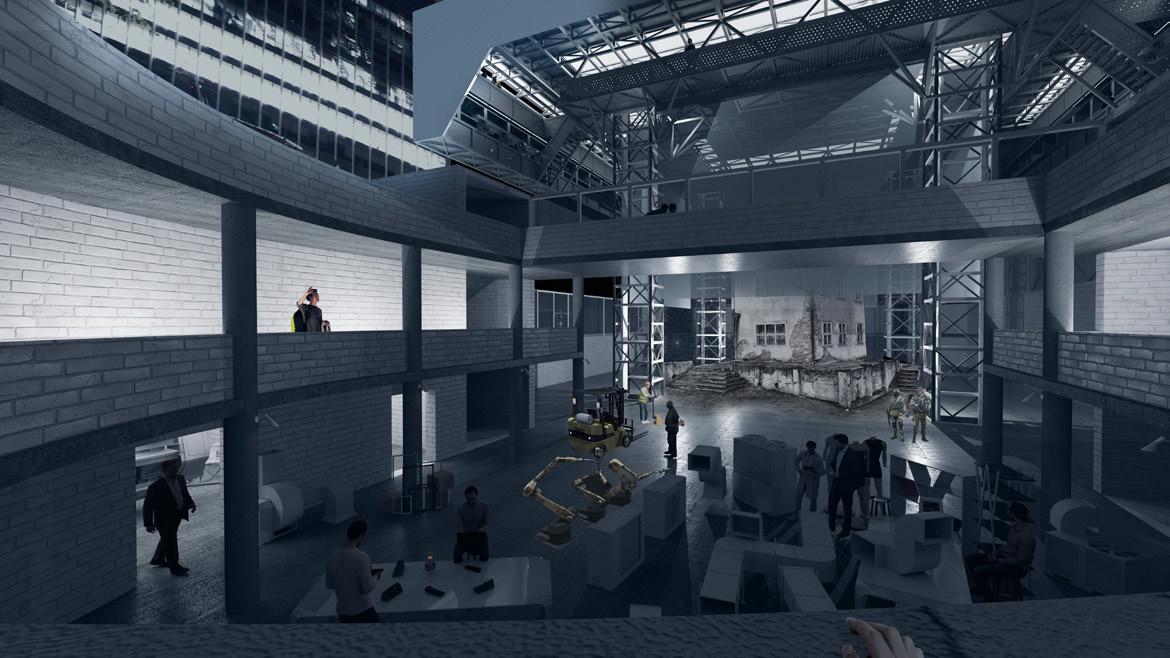
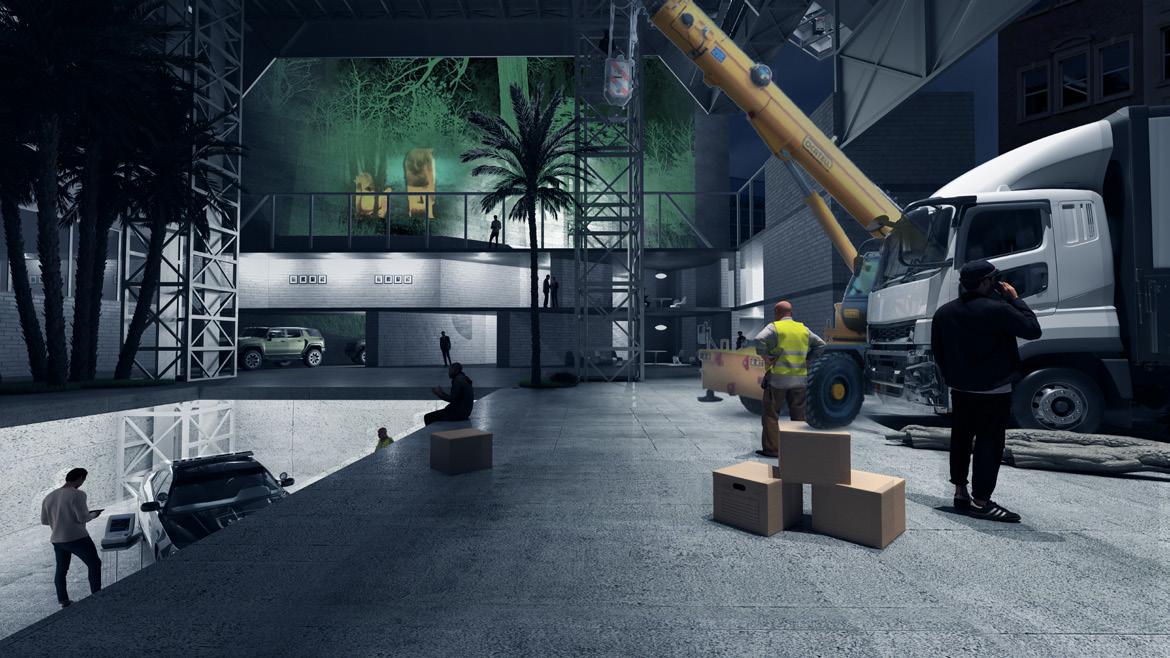
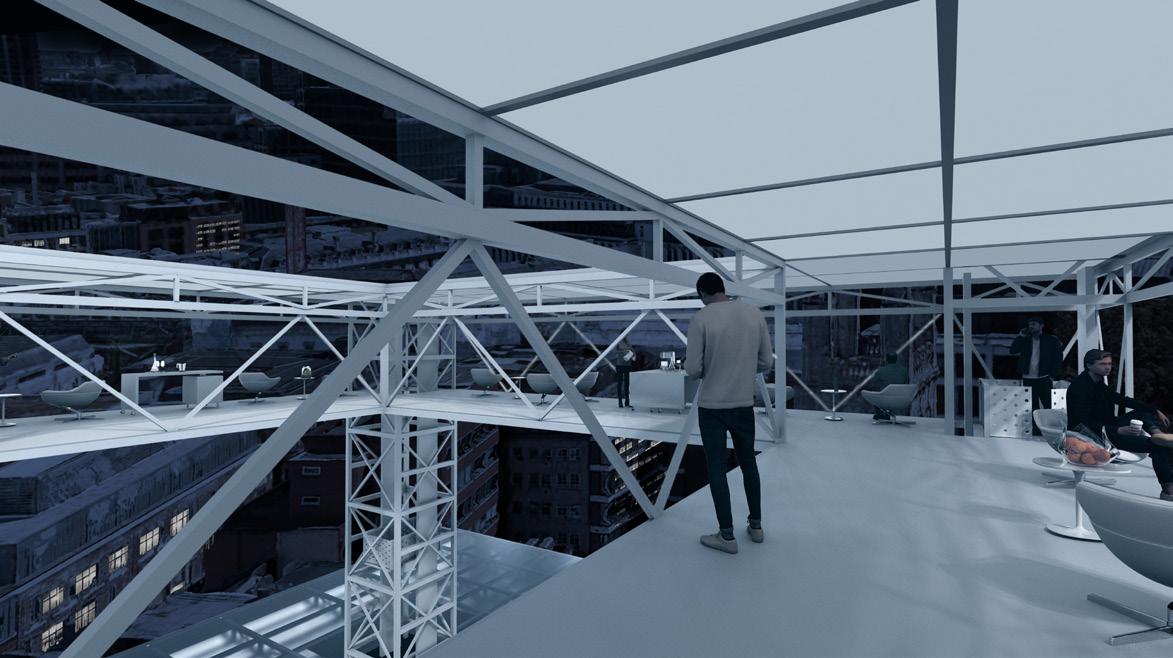
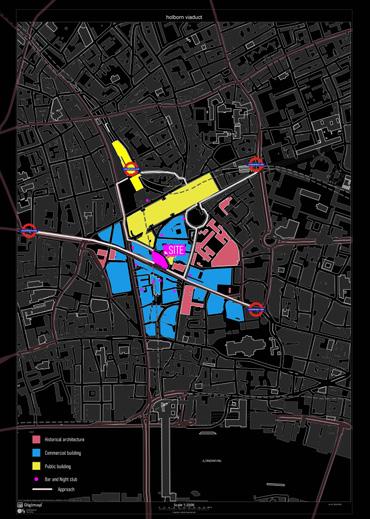
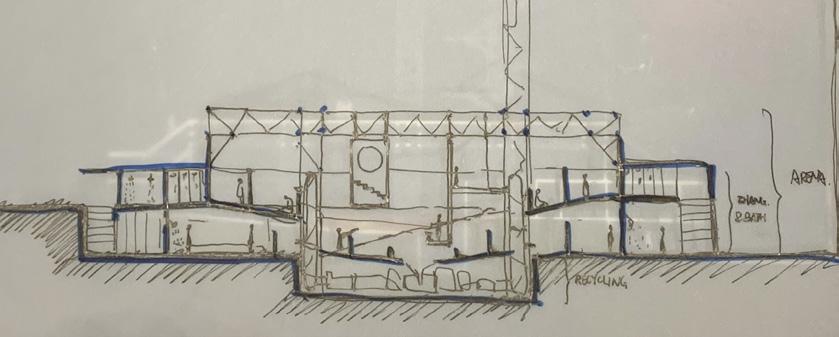
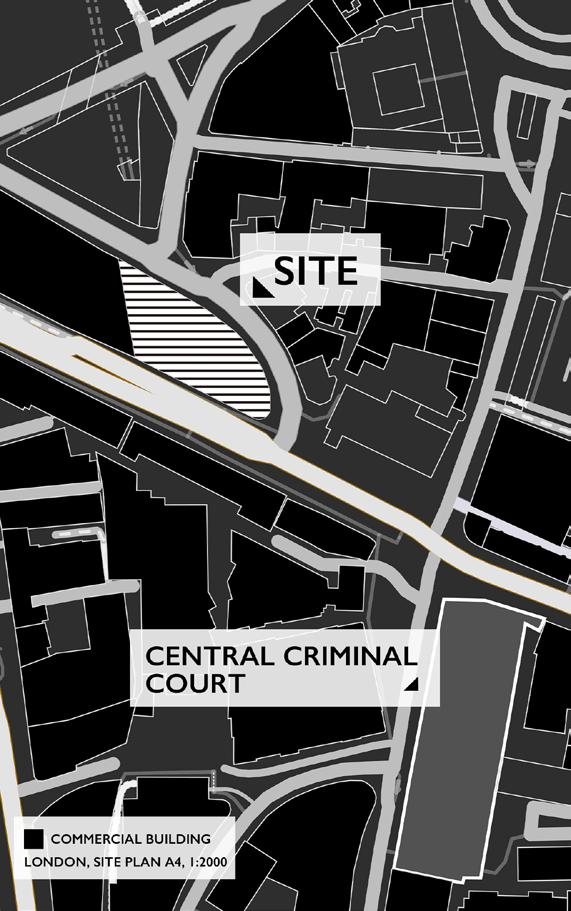
| Social justice | Crime solving | Nestled in London’s bustling Holborn Viaduct business district, the Forensic Architecture Club provides a unique haven for puzzle game enthusiasts. Here, individuals come together to prepare props, recreate crime scenes, verify testimonials, and unravel unsolved mysteries. In contrast to the neighboring corporate offices, this establishment is dedicated to the pursuit of social justice.
Assembly hall
Building up props for investigation
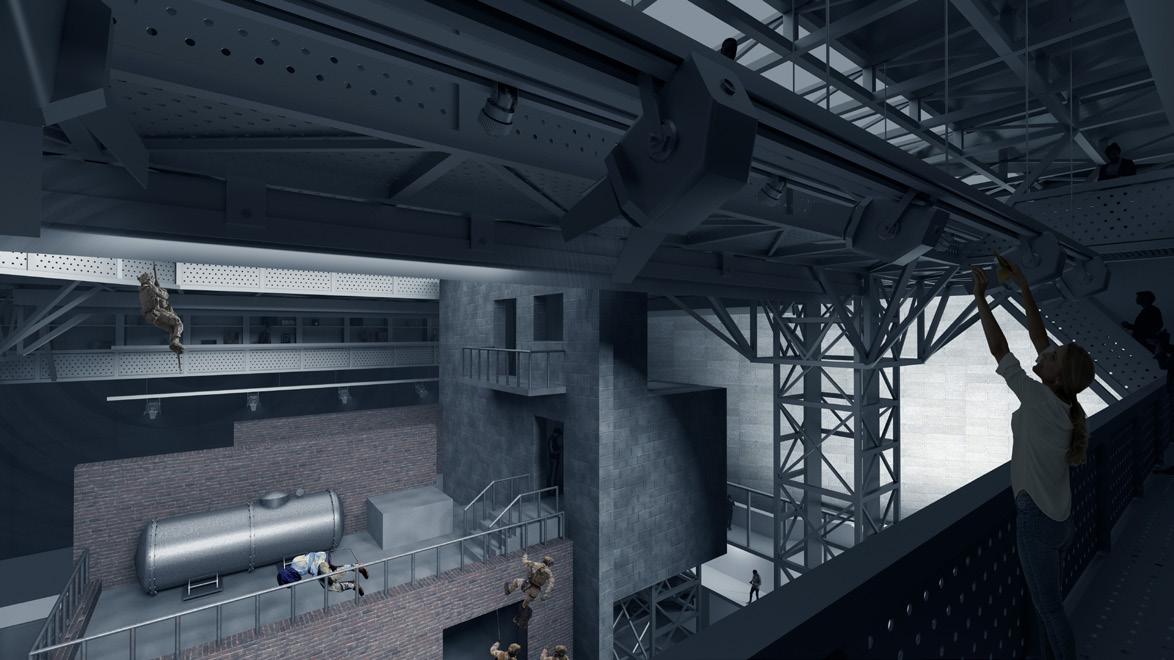
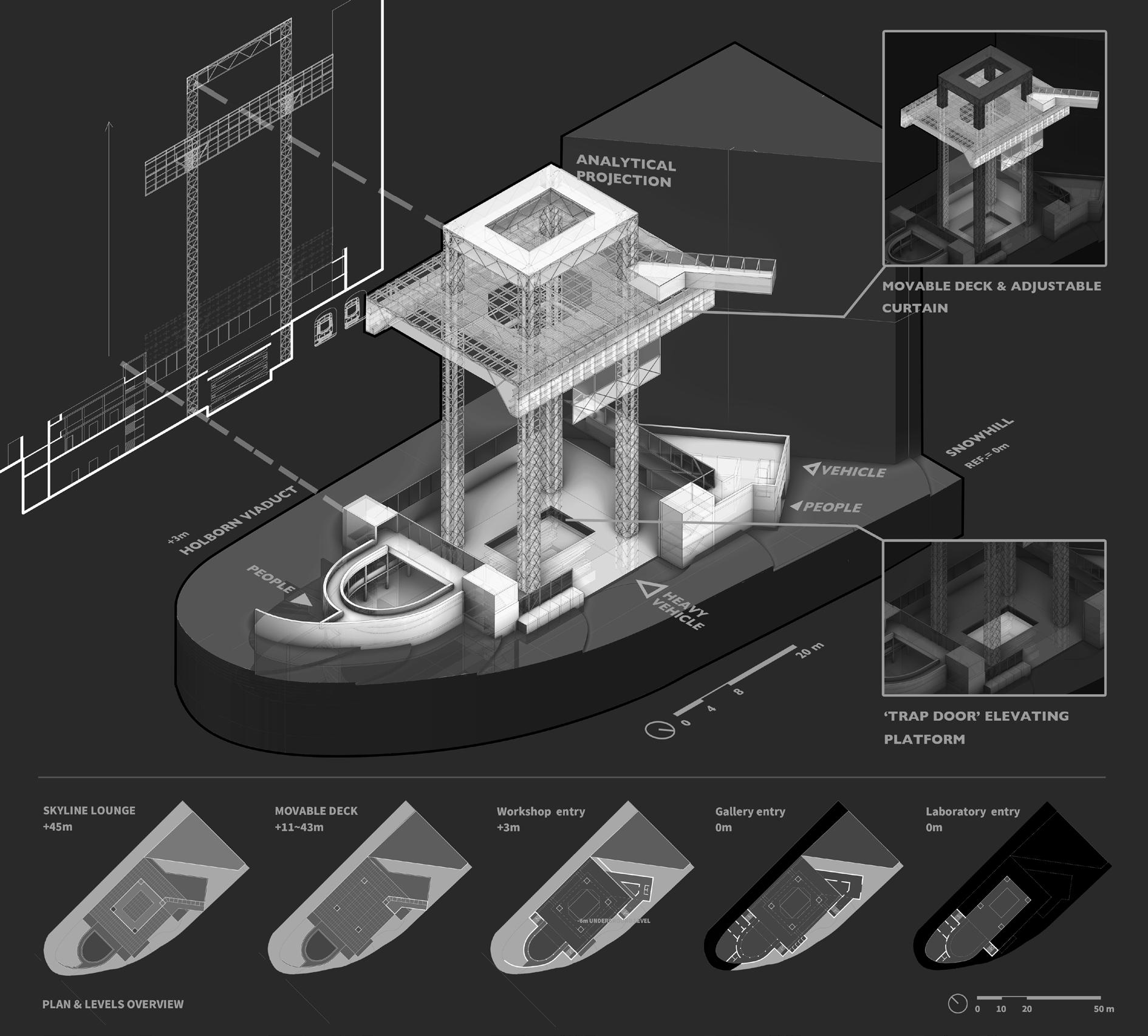
Movable deck
Rehearsal of a hostage rescue operation
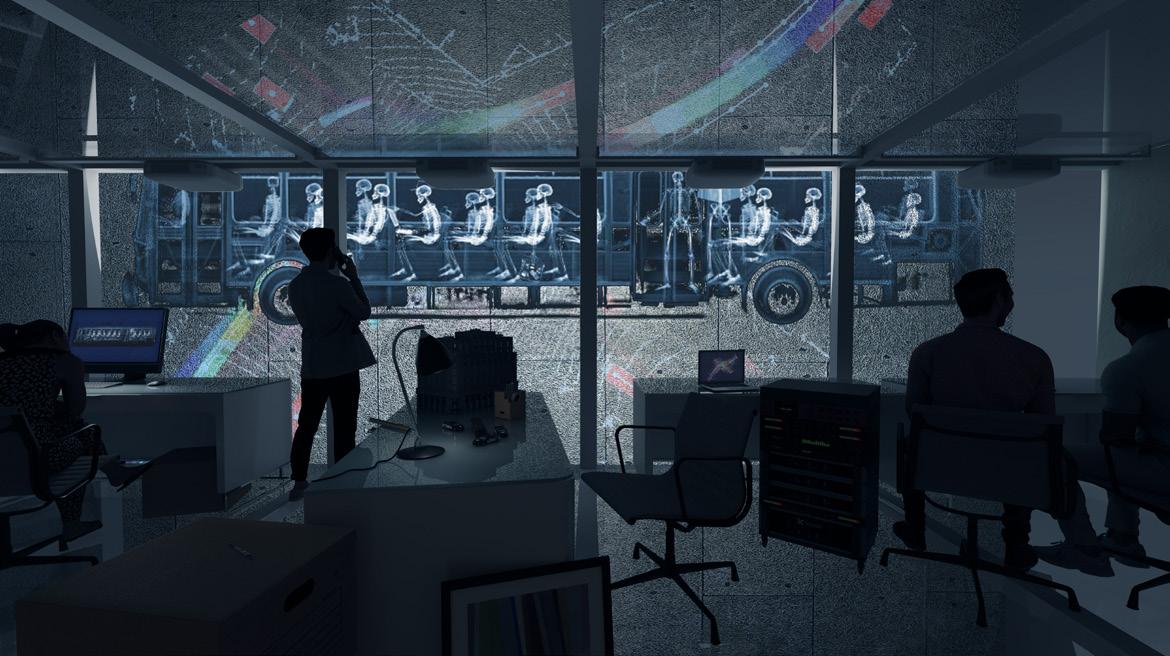
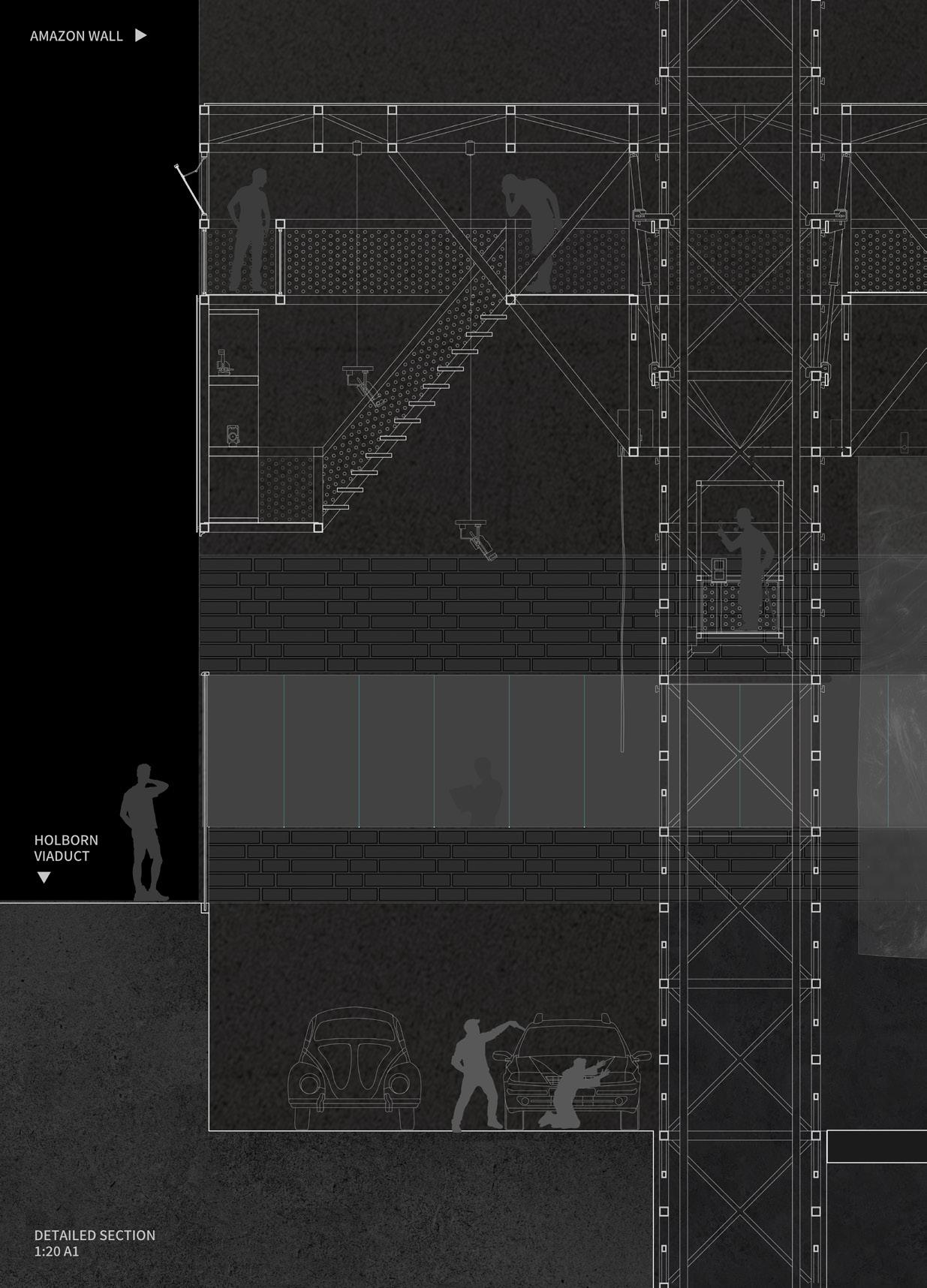
Projection room X-ray anaylsis of a bus accident on Amazon wall
Viewing deck
Withdrawing from the case and taking a break
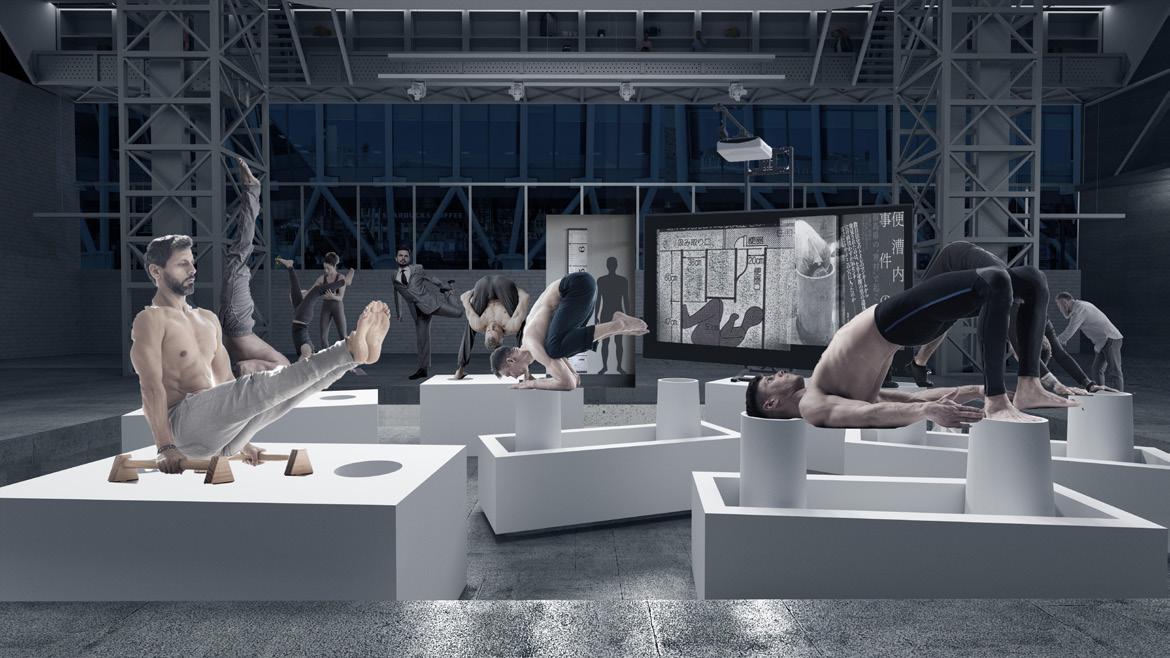
Central stage
Setting for investigating a murder in the forest
Central stage area
Unsolved case, dead body in toilet, Japan 1989
It started as a paintball club.
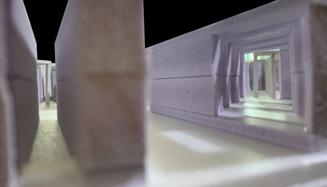
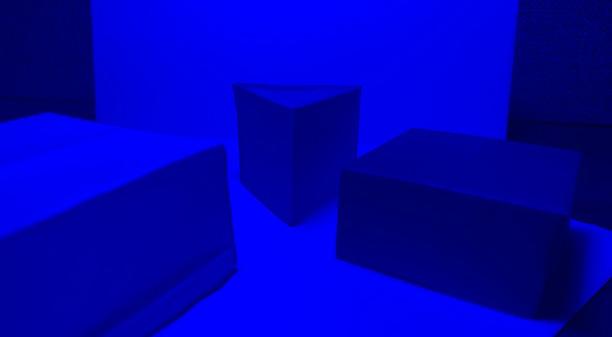
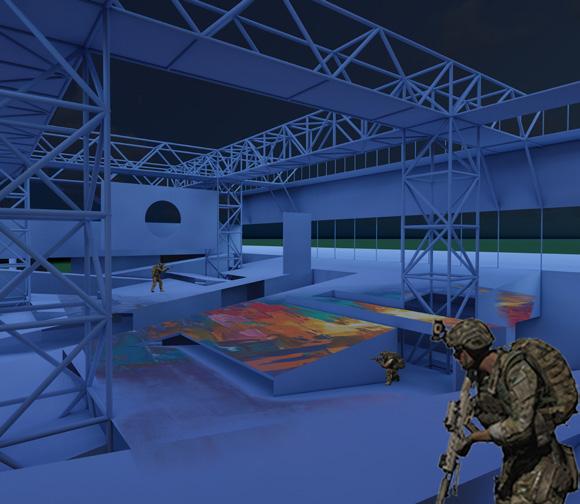
| Post rationalisation | The design initially centered on a paintball club exploring color’s impact on spatial perception. However, a crucial insight during rendering led to a shift.The concept evolved into a Forensic Architecture Club, serving a profound social purpose— verifying testimonies and solving crimes for the nearby central criminal court.This transformation underscores design’s adaptability and its potential to address societal needs.
What if the ‘soldier’ is renacting the crime scene...? It becomes the forensic architecture club.
4a. Building variations around the site
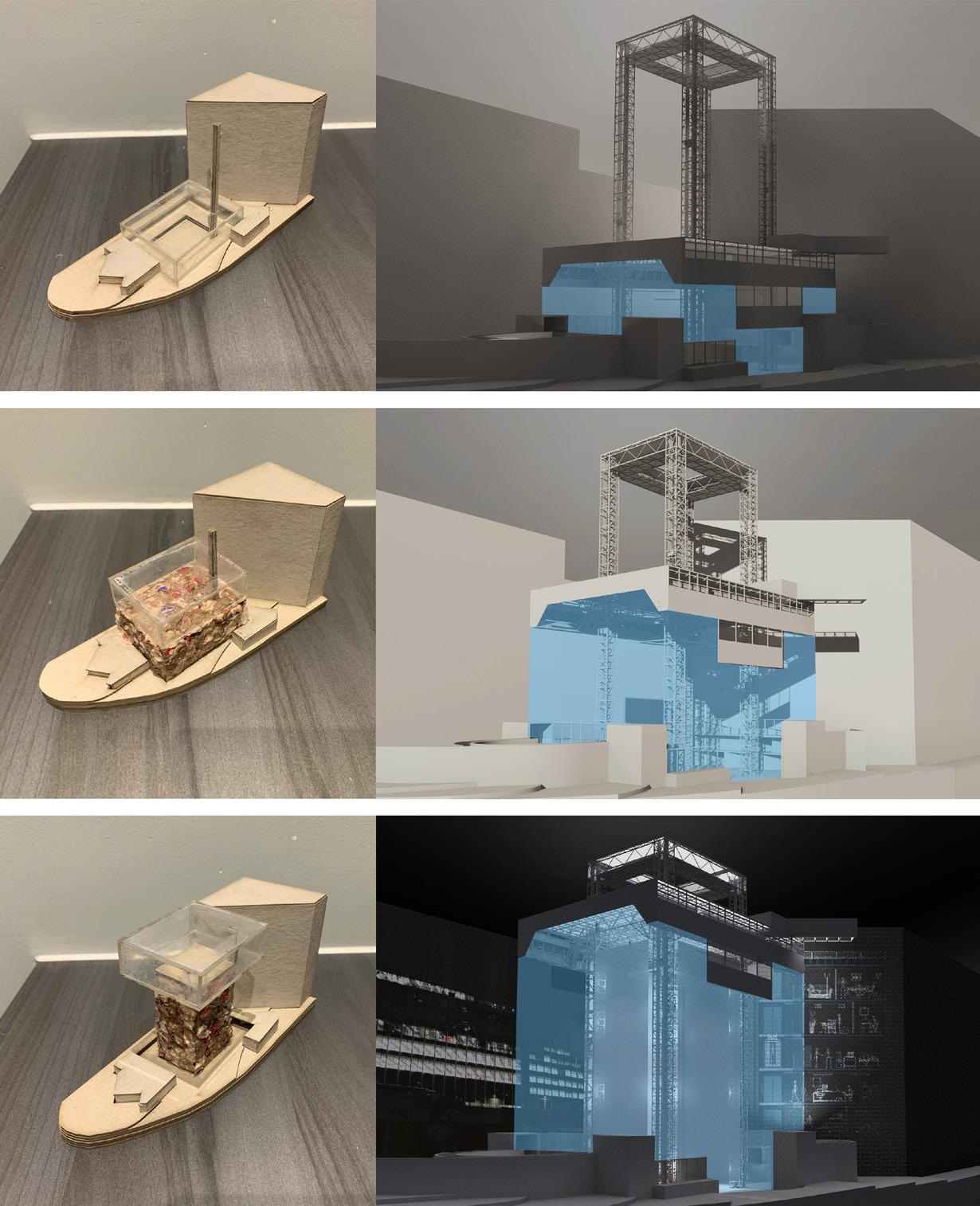
4b. Concept of having movable parts
4c. Experiment on space perception
4d. Truss structural system
4e. Rendering that triggers the change
4f. Site reinterpretation
4g. tudy of a changeable building volume
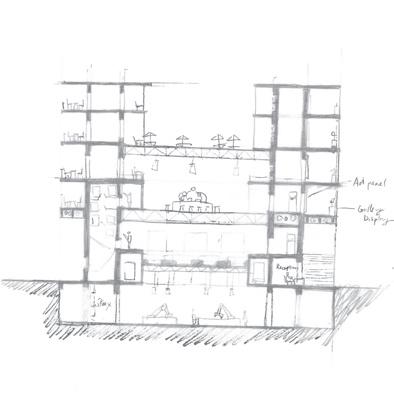
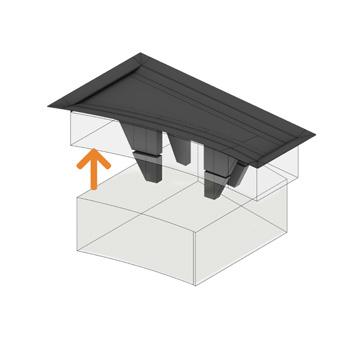
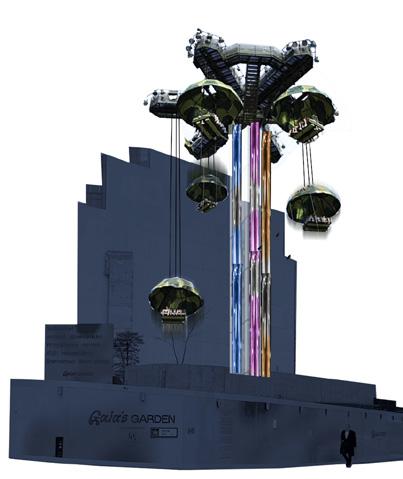
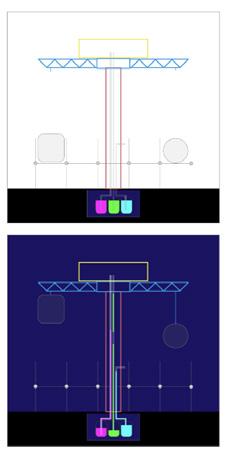
| Movable deck | Theatrical setup | To support investigations, a mobile observatory deck equipped with camera and sensor setups is designed. As the deck moves, the usable volume for carrying out crime investigation will change.Meanwhile, the projection room on the deck will be able to study the Amazon Wall with projected images at different levels. Moreover, the central stage features a trap door for easy transportation of setups from the underground laboratory.
4h. Movable deck using hydraulic jet, with reference to drilling station 4i. heatrical aspect of the design
Château of Fontainebleu collections
Beaux-arts / Architecture
Academic
Group
2023 Summer
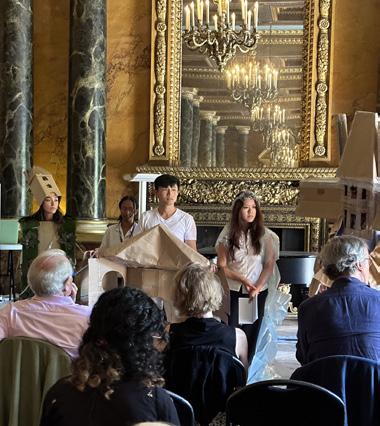
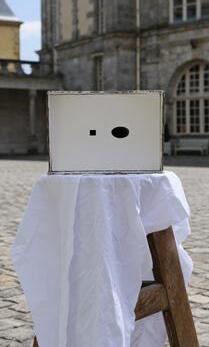
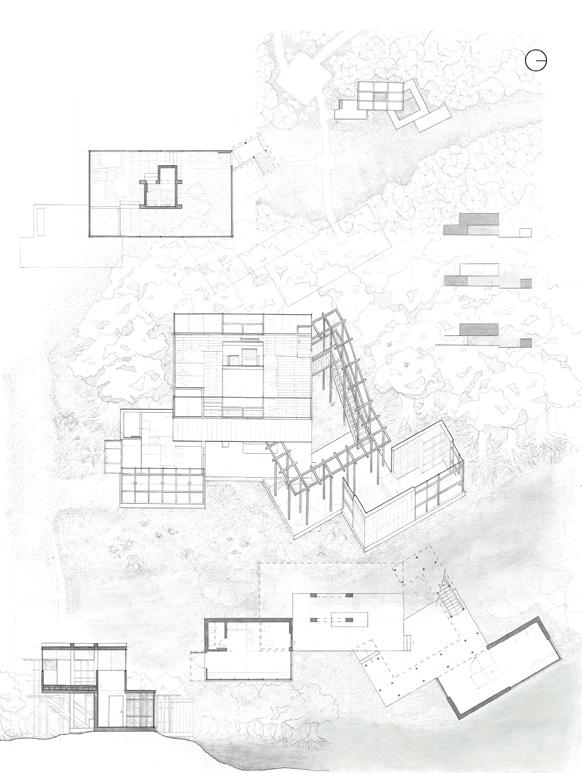
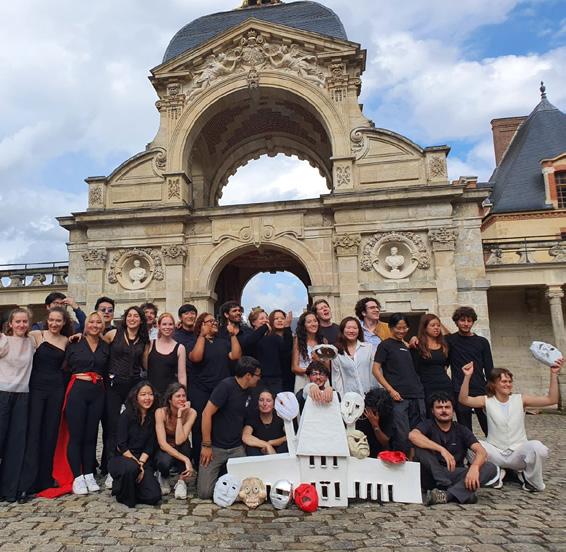
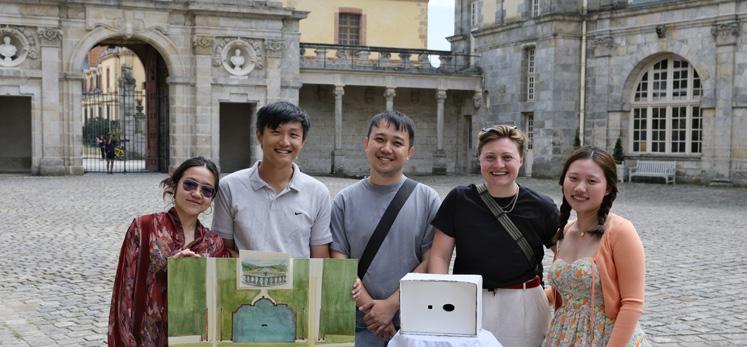
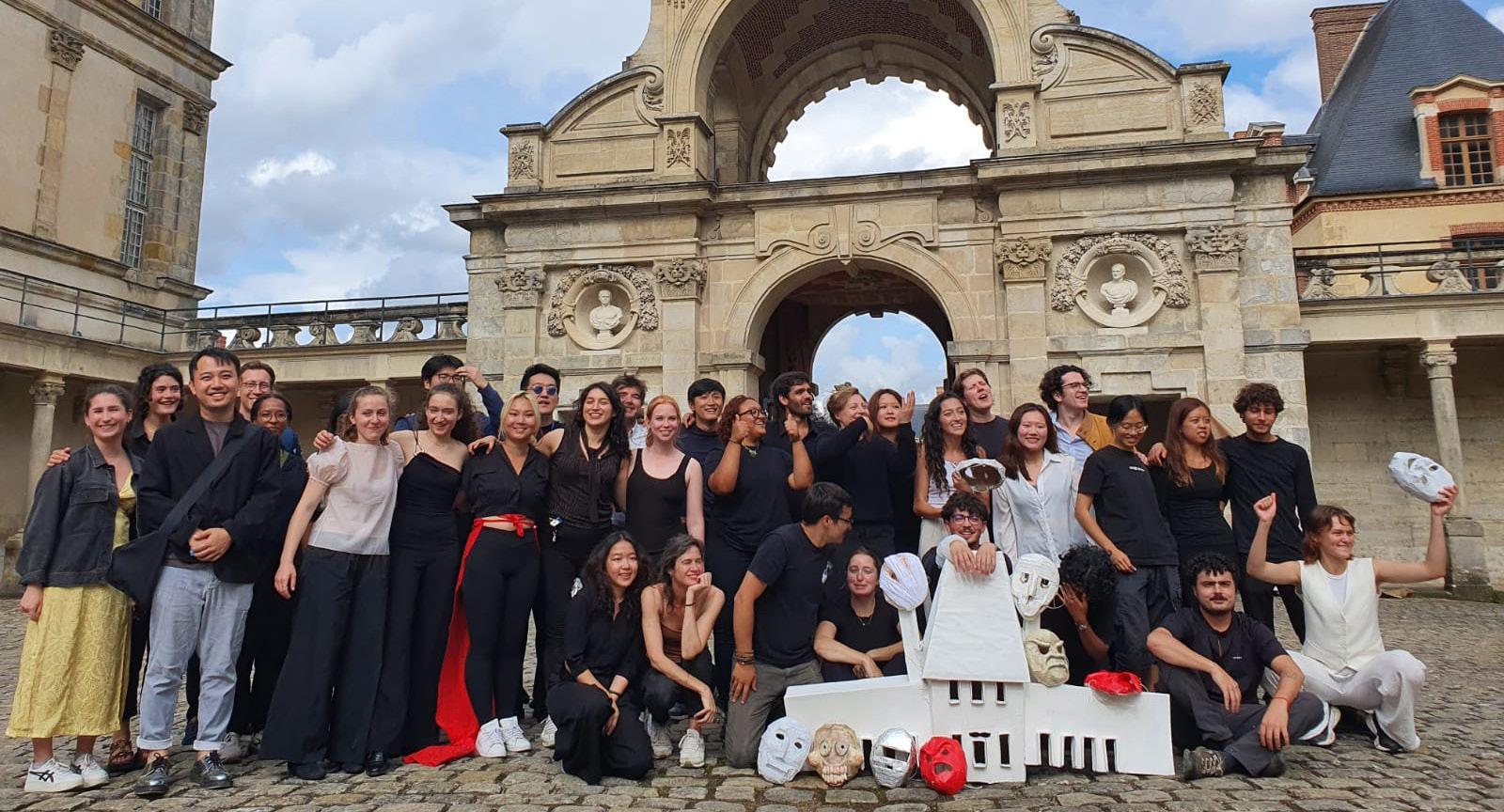
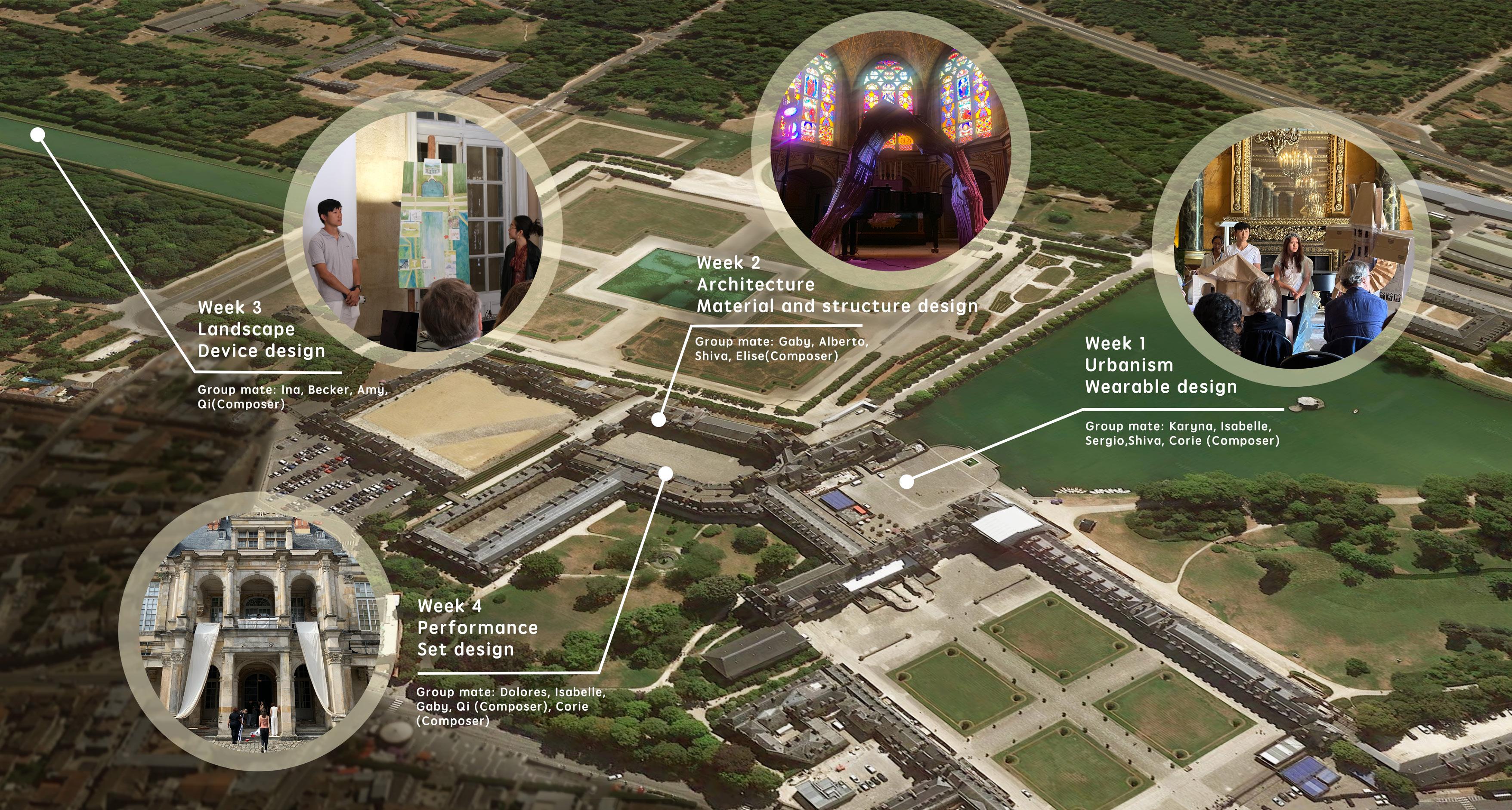
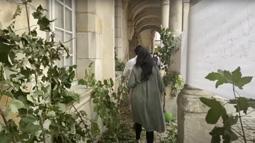
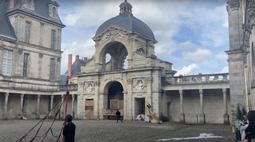
| Urban | Material | Landscape | Performance | During my one-month residency at the chateau, I collaborated with architects, musicians, and composers to create artworks centered around four distinct themes, utilizing various presentation methods.These artworks address the issues arising from the Palimpsest and Paradigm shift that the chateau has experienced since its original construction in the Middle Ages.constructionin middle age.
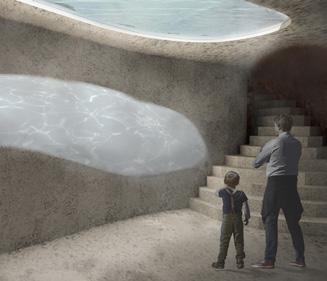
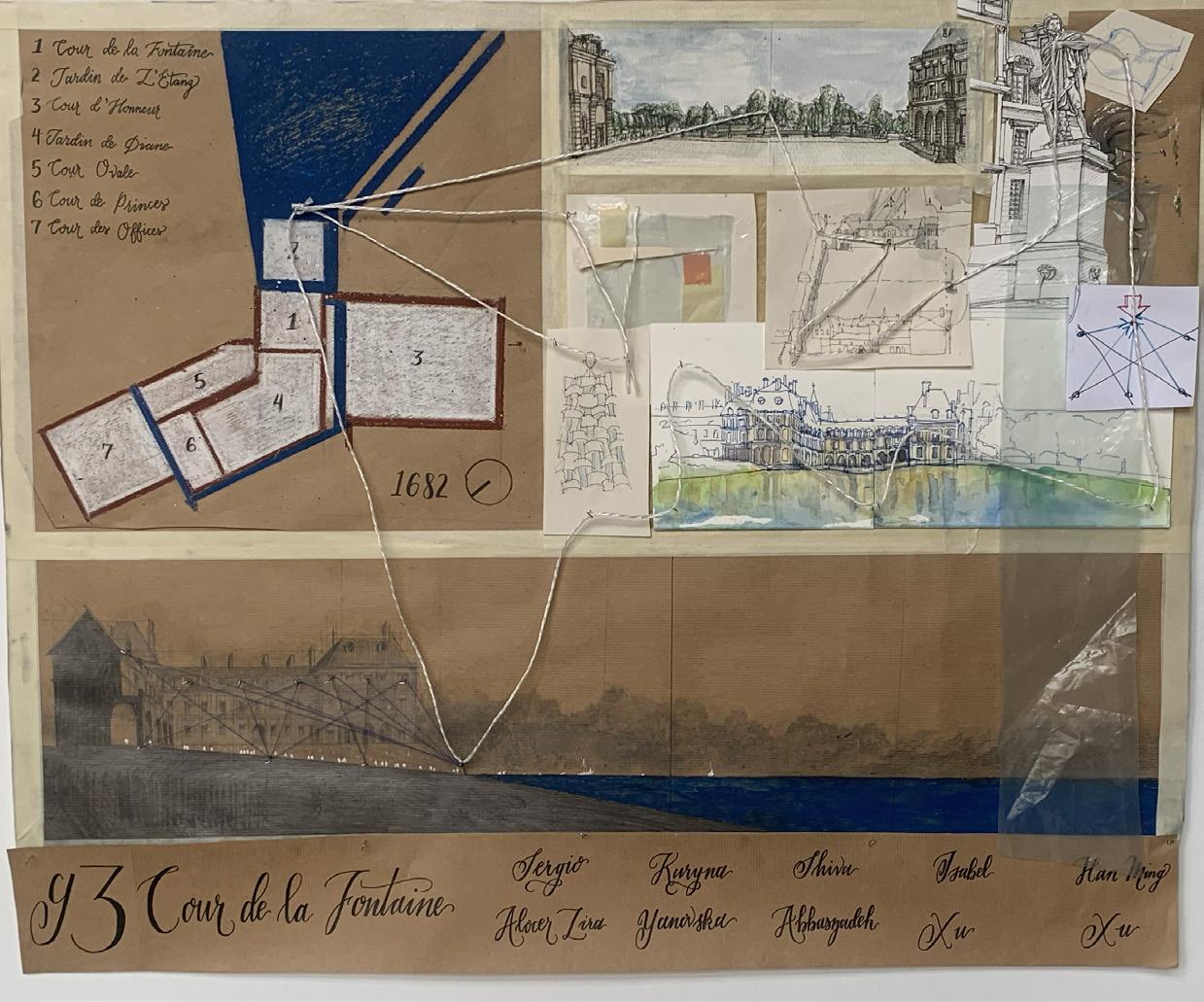
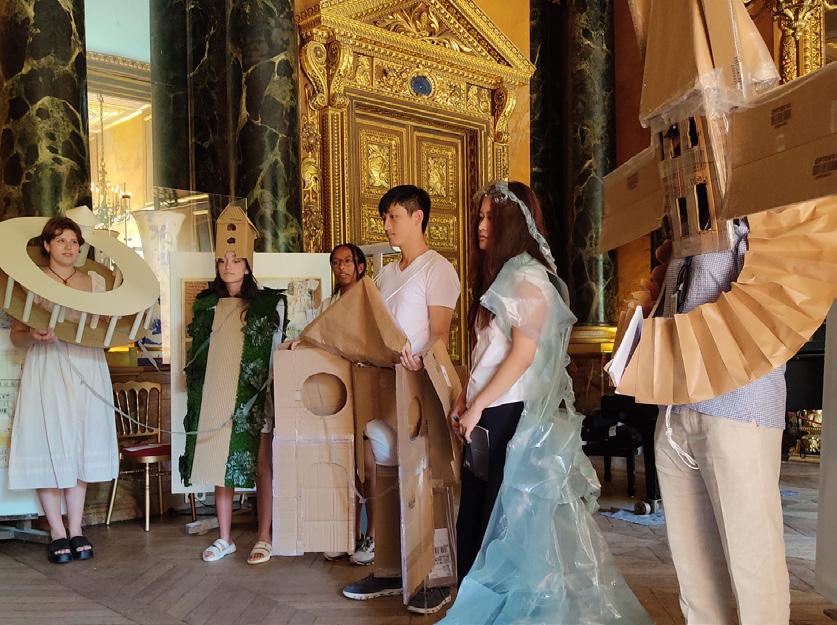
| Urban reimagination | Wearable design | Named Fontainebleau, the castle was once a fountain in its own right, boasting water systems that interconnected the building with the surrounding water. However, after centuries of reconstruction, many pipes and streams within the castle have been abandoned. My group’s proposal seeks to reintroduce water to the Coeur de la Fontaine, the heart of the castle.The concept was conveyed through wearable totems.
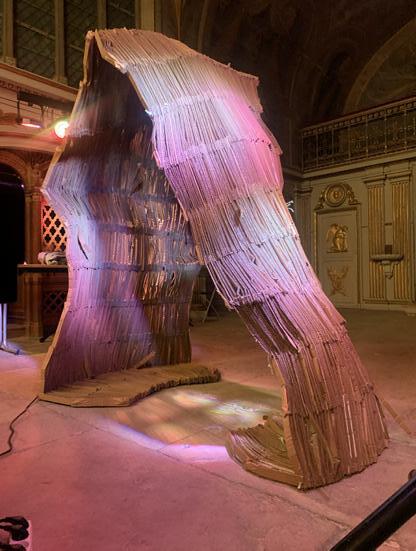
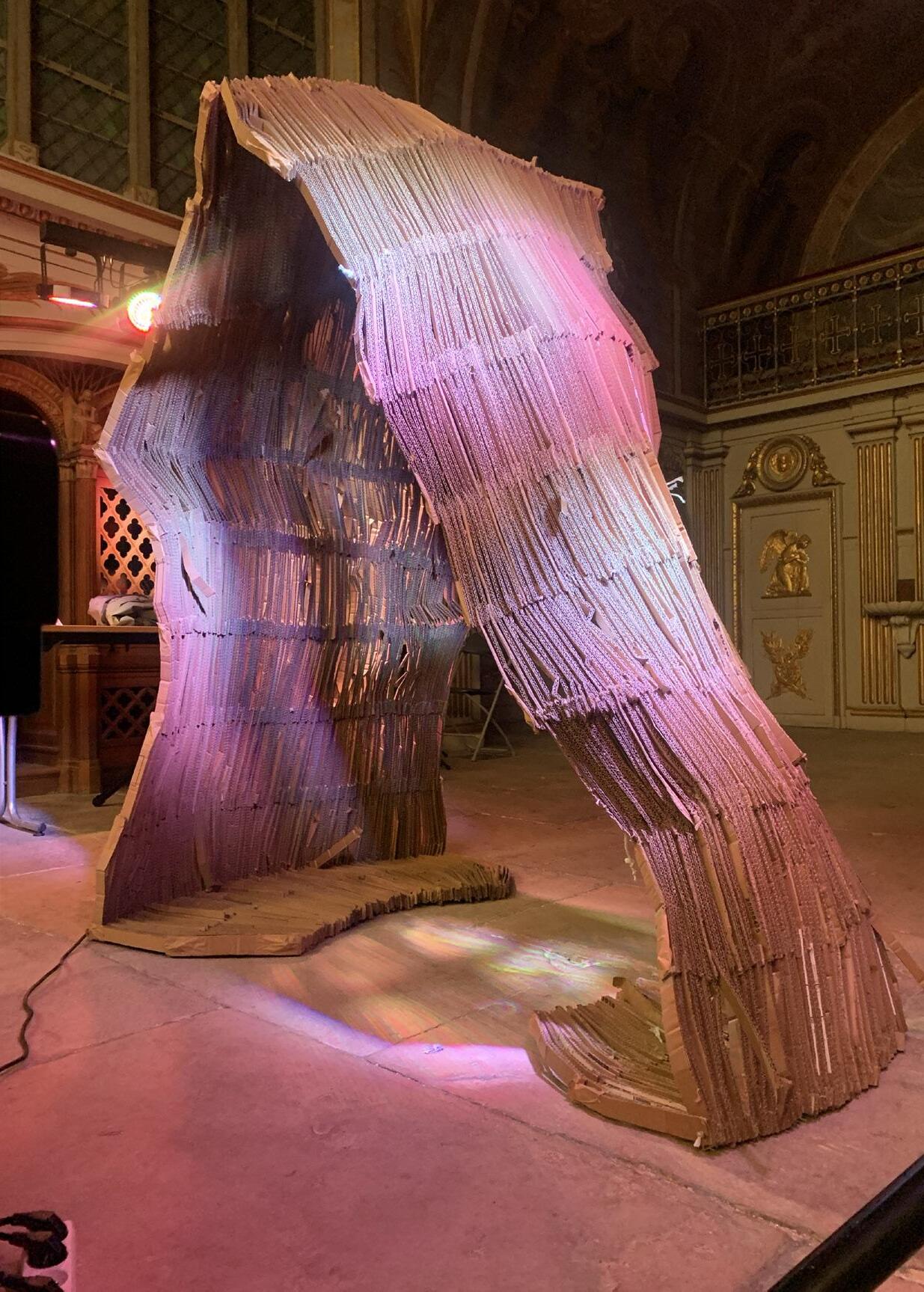
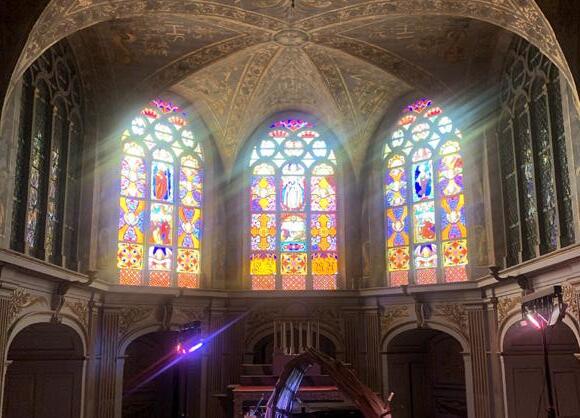
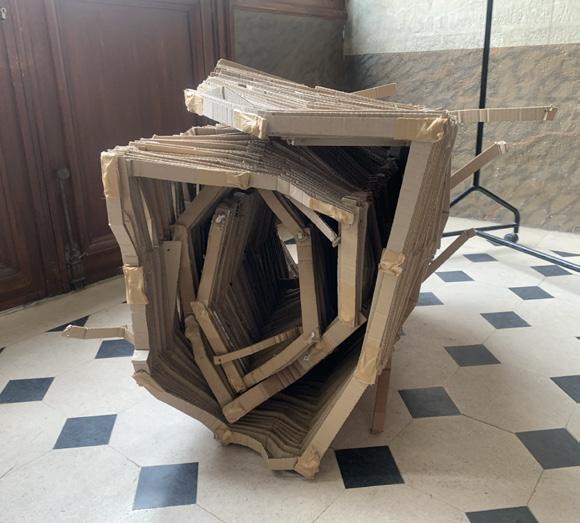
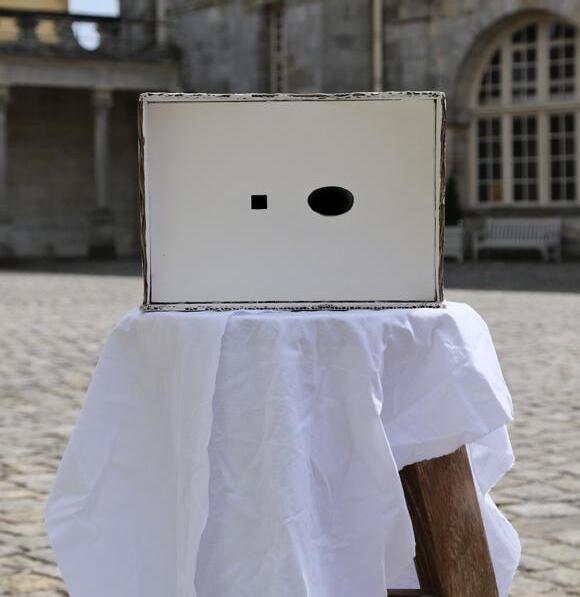
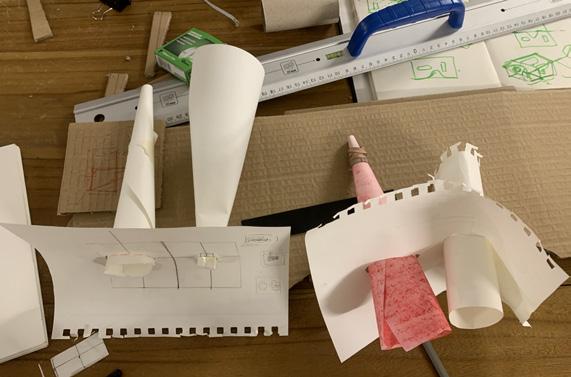
| Cardboard glass | Structure design | Inspired by the captivating stained glass in the castle’s chapel, my group embarked on the challenge of crafting a ‘glass’ structure with the most readily material, cardboard.The structure allows light to pass through, creating captivating patterns. Much like glass, which is an amorphous solid with atoms that move imperceptibly, our cardboard structure also possesses the capacity to deform gradually over time.
5a. Study process and final design of introducing water back to the castle
5b. Totems connecting different parts of castle with water
5d. Quality of stained glass at the castle’s chapel as an inspiration 5e. Structure before transformation
5a
5b
5c
5d
5e
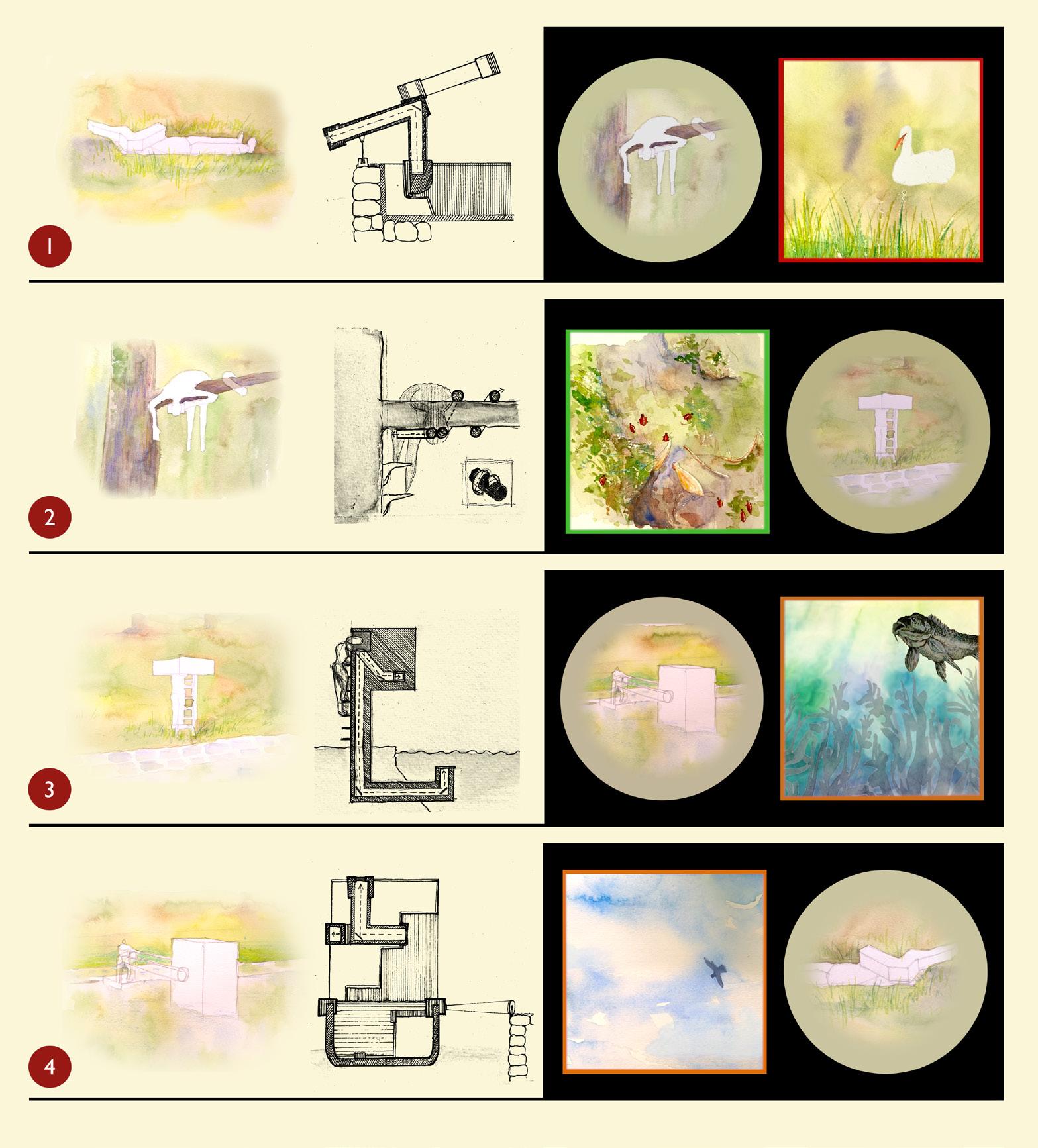
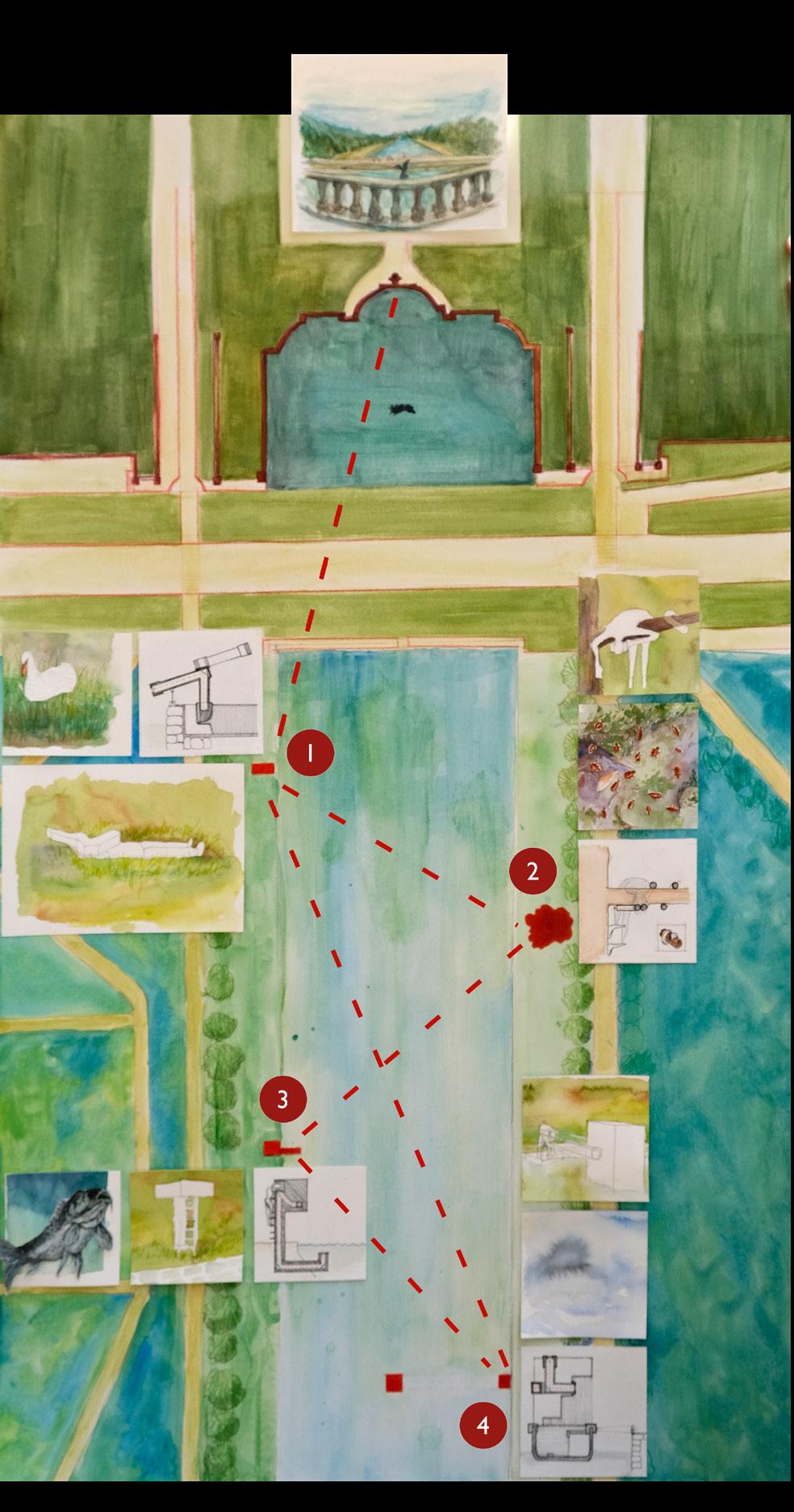
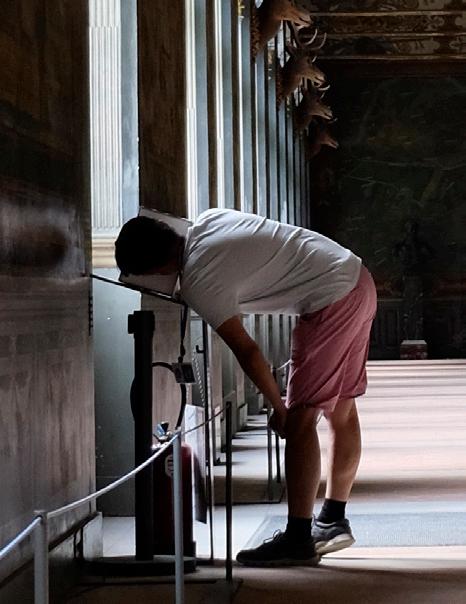
| Landscape | Periscope | Breaking uniformity | The grand canal was initially conceived as a testament to the emperor’s power and wealth, designed to offer a clear, single linear view. However, during our site visit, we noticed the canal’s rich biodiversity, often overshadowed by the human-made framed view that traditionally draws people’s attention. In response, we devised a series of periscopes along the canal to disrupt its linearity.These periscopes,
equipped with lenses, allow individuals to appreciate the details of nature and glimpse the next periscope in the sequence, encouraging a deeper connection with the canal’s true beauty.
5f. Periscopes with interconnected views that guide people to appreciate nature in detail
5g. A viewing prototype for expereincing two different views at a time
5h. Scopes that create illusion on the distance and importance of things being viewed
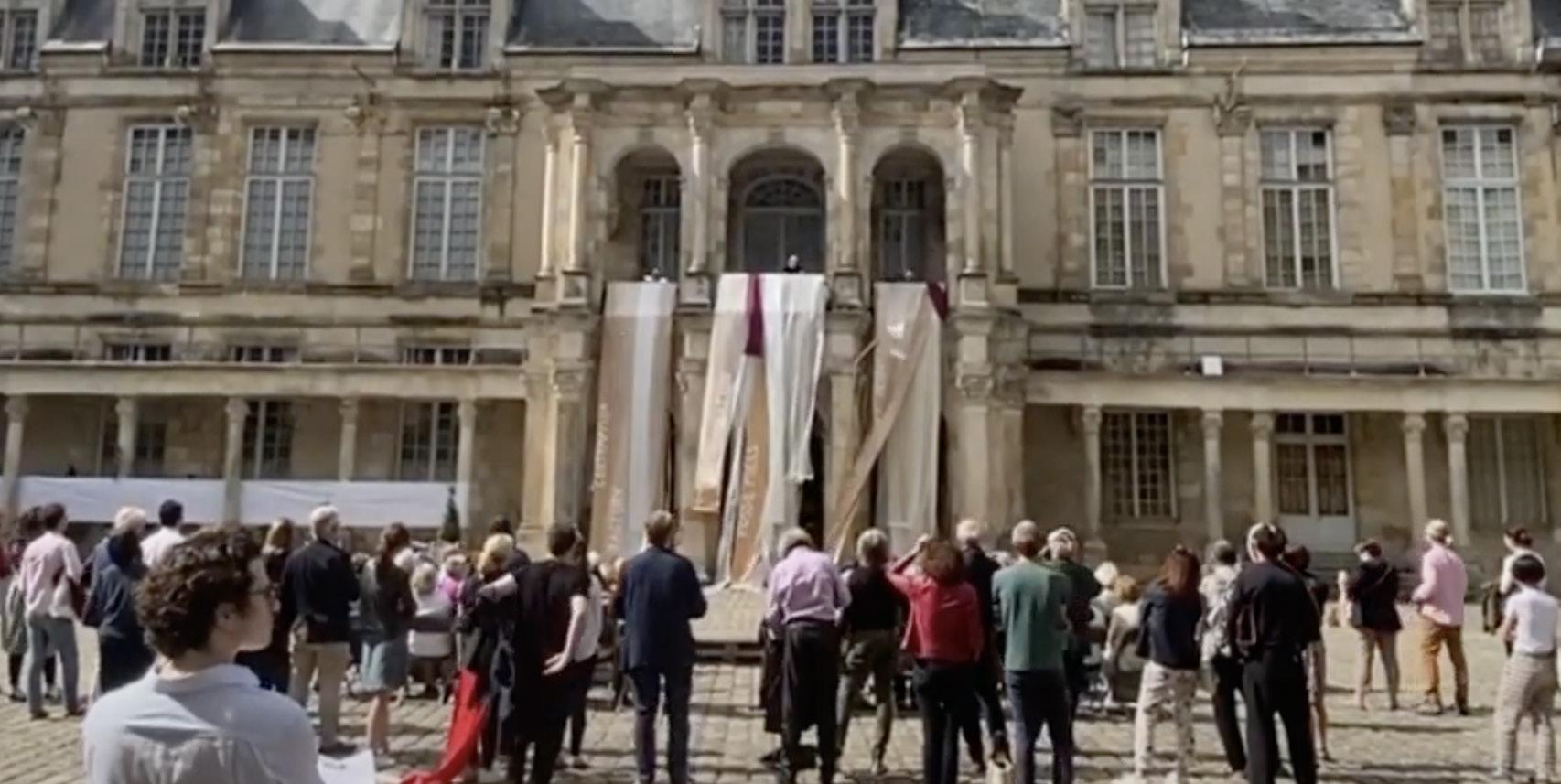
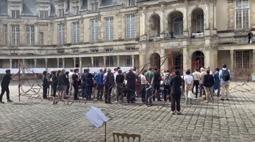
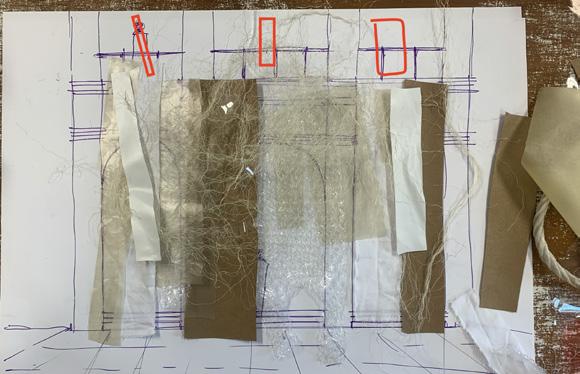
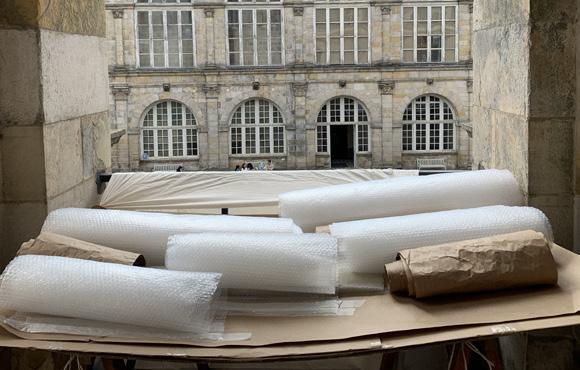
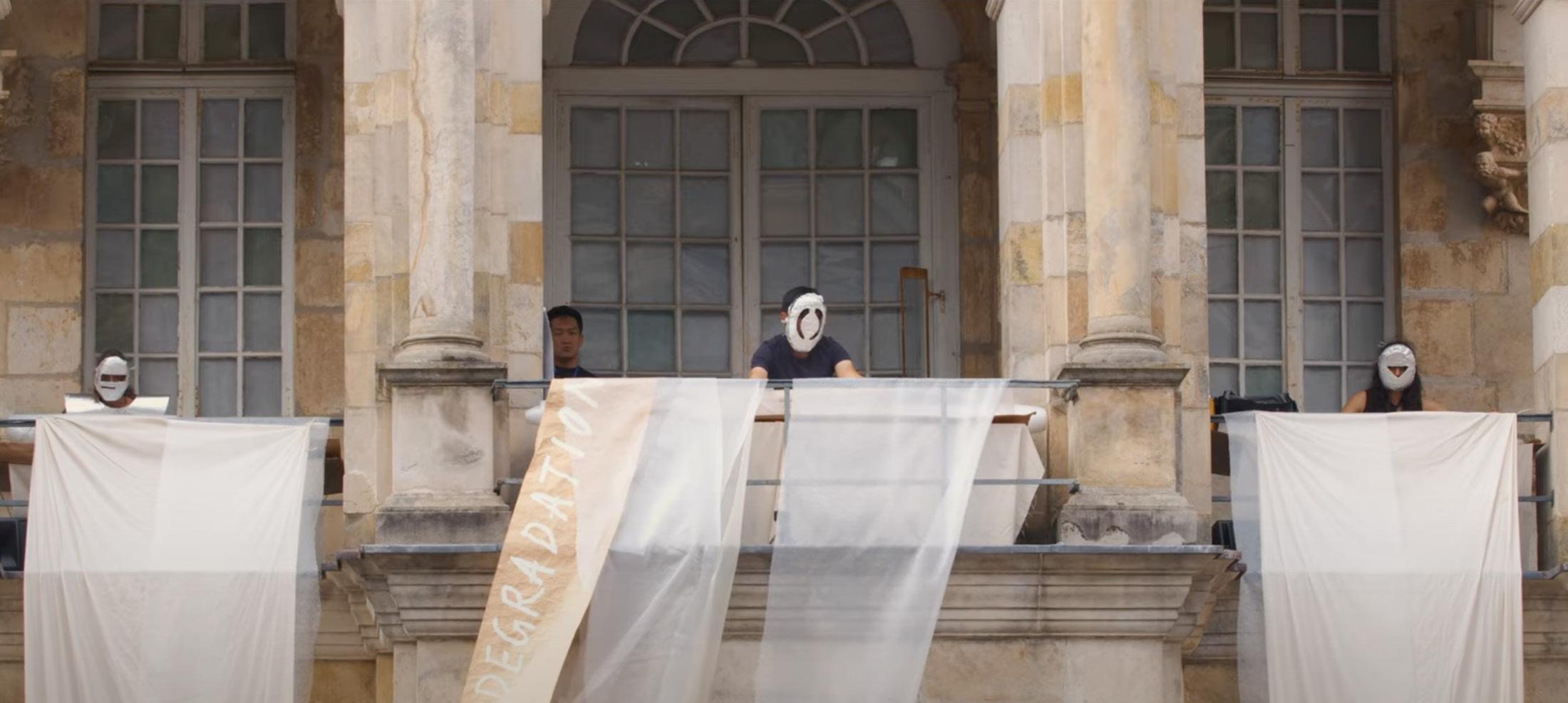
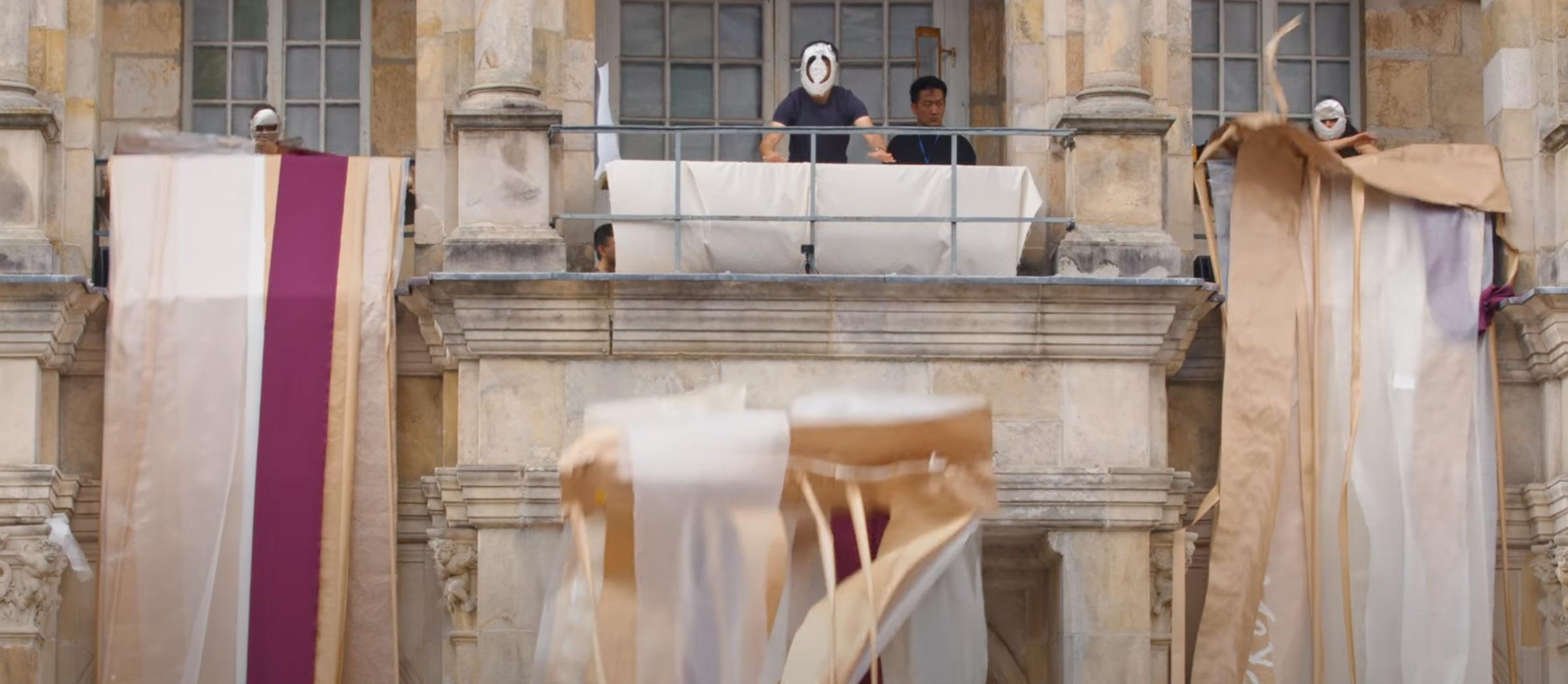
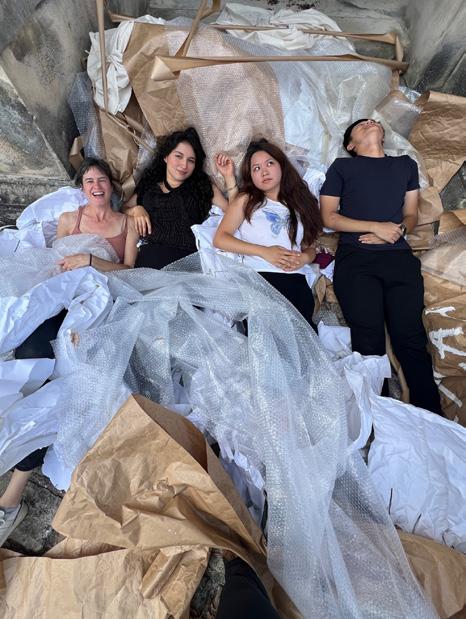
The overarching objective of our performance is to stimulate the audience’s reflection on climate-related concerns. Our group’s central theme is “realization.” Throughout the performance, we, portraying “machines,” symbolically consume materials such as fabric and plastic within an industrial setting.When our material consumption reaches a critical point, the curtains dramatically fall.This pivotal
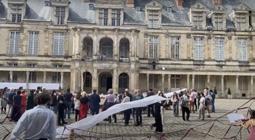
moment is intended to prompt the audience to realize the extent of human resource depletion on Earth. Moreover, our performance is meticulously designed for a seamless transition to the next act. In this subsequent segment, the group aims to immerse the audience in panic. Using a white fabric dropped from the balcony by our team, the next team encircles the audience, creating a high-intensity atmosphere.
5i. Testing of material combination
5j Set up that can hold and release the rolls at a moment
5k. Start of the industrialisation that consumes resources
5l. Realising that earth’s resources have been depleted by humanity
Act 1 destruction
Act 3 Panic
Act 2 Realisation (5 minutes)
Act
Sketches
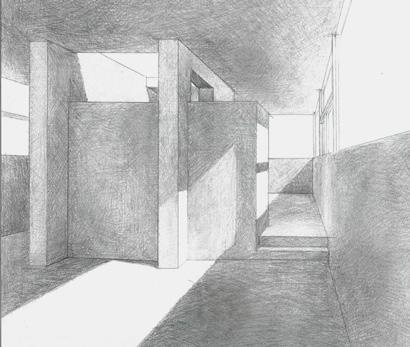
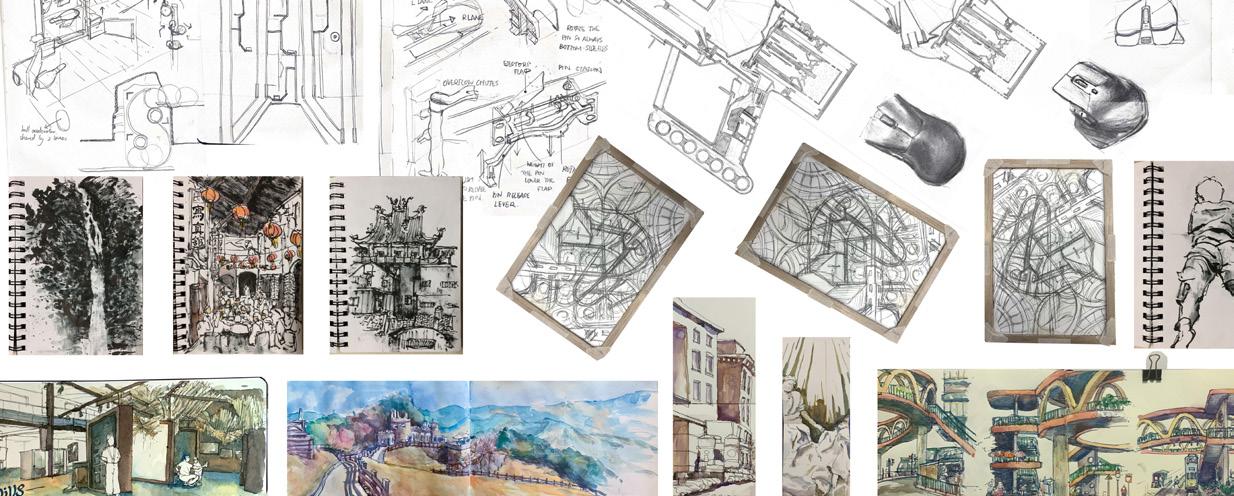
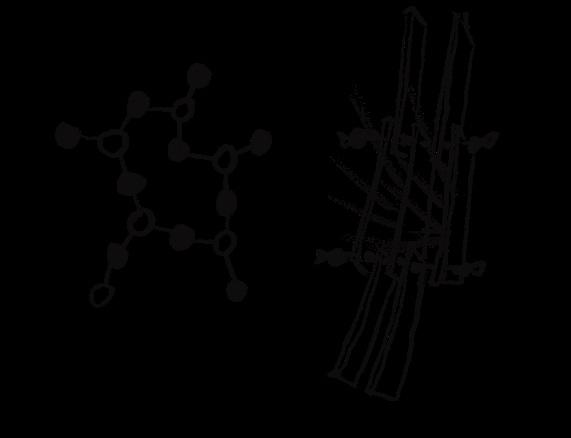
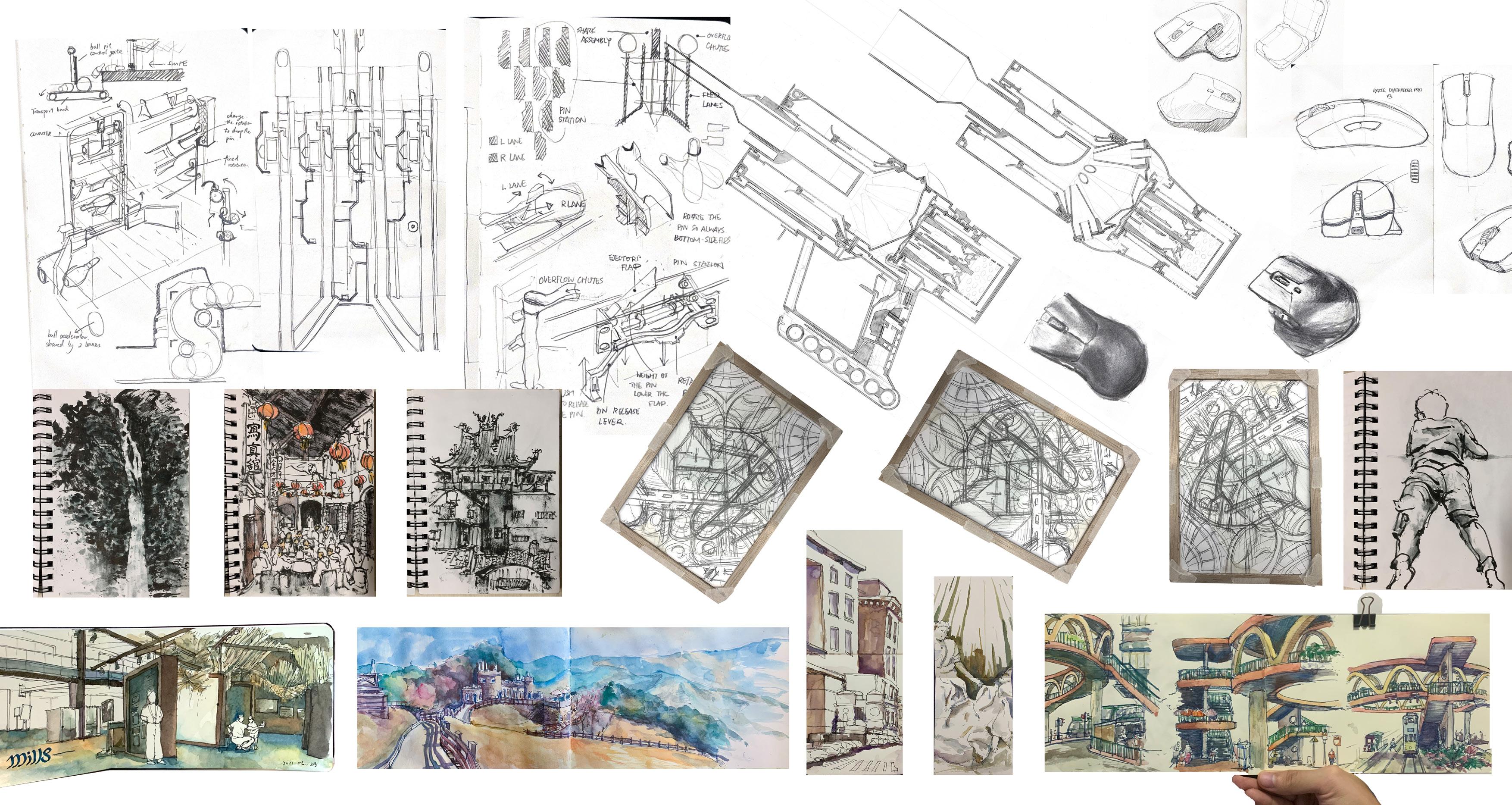
| Detail | Expression | Understanding | In my sketches, I explore a diverse range of mediums and subjects. I employ watercolor, Chinese ink, charcoal, and pencil to capture landscapes, people, and intricate details of physical products. Sketching physical products aids in comprehending their fundamental principles and the intricacies of connectors, while my landscape drawings serve as a means to emphasize specific qualities of a place.