

I want to take this opportunity to acknowledge what a remarkable year 2024 has been for Handsome Brook Farms and share my gratitude with all of you our farmers, team members, partners, and customers
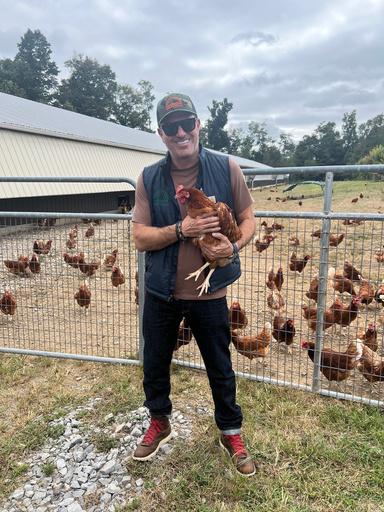
Nearly a decade ago, my family and I began our journey with Handsome Brook Farms While I never expected to become an “egg man,” I’m incredibly proud of the path we’ve taken together. Managing a multi-regional supply chain that produces exceptional eggs while upholding the highest standards of animal welfare and sustainability takes dedication, resilience, and care In the spirit of full disclosure, what we do is not easy! Why do we do it? Because it matters to our farmers, to our hens, to our customers,andtoeverymemberofourteam.
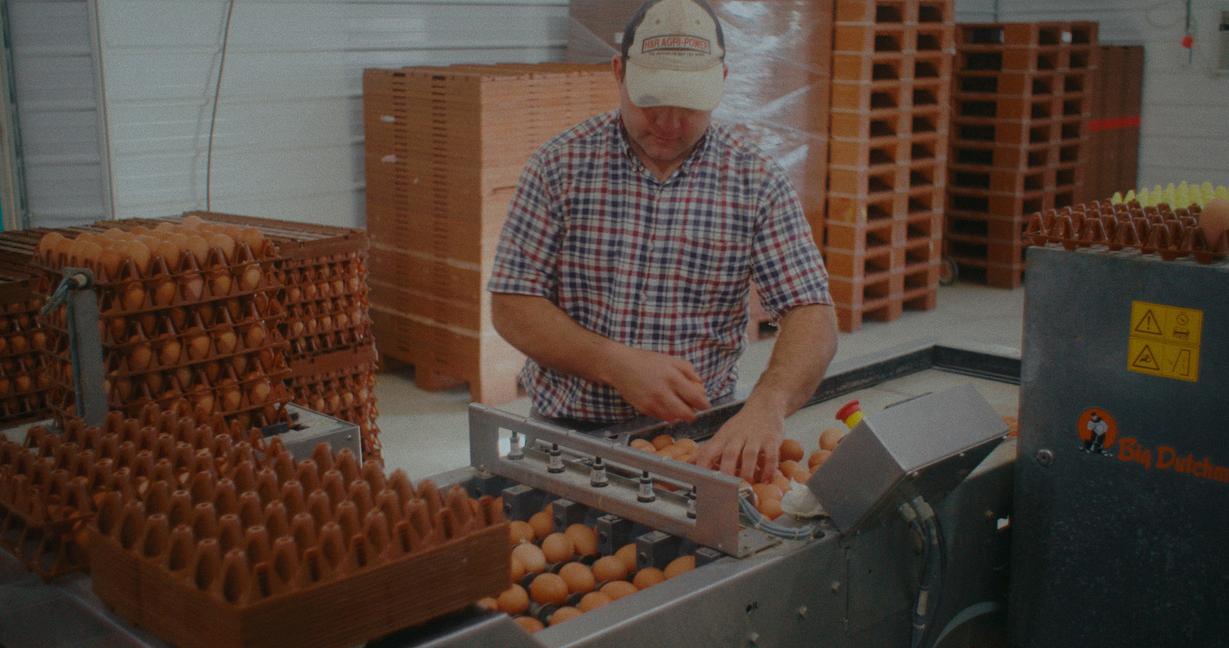
This year, we embraced exciting new opportunities to grow and enhance our operations. We continued to add new certified organic contract growers to both Handsome Brook’s Pasture Raised and The Farmer’s Hen’s Free-Range family farm networks. HBF Development, our state-of-the-art hardboiled egg facility in Tennessee, allows us to transform medium eggs into ready-to-eat hardboiled products. Taken together, these strategic expansions are helping us reduce food waste, increase product diversity, and supportevenmorefarmersinournetwork.
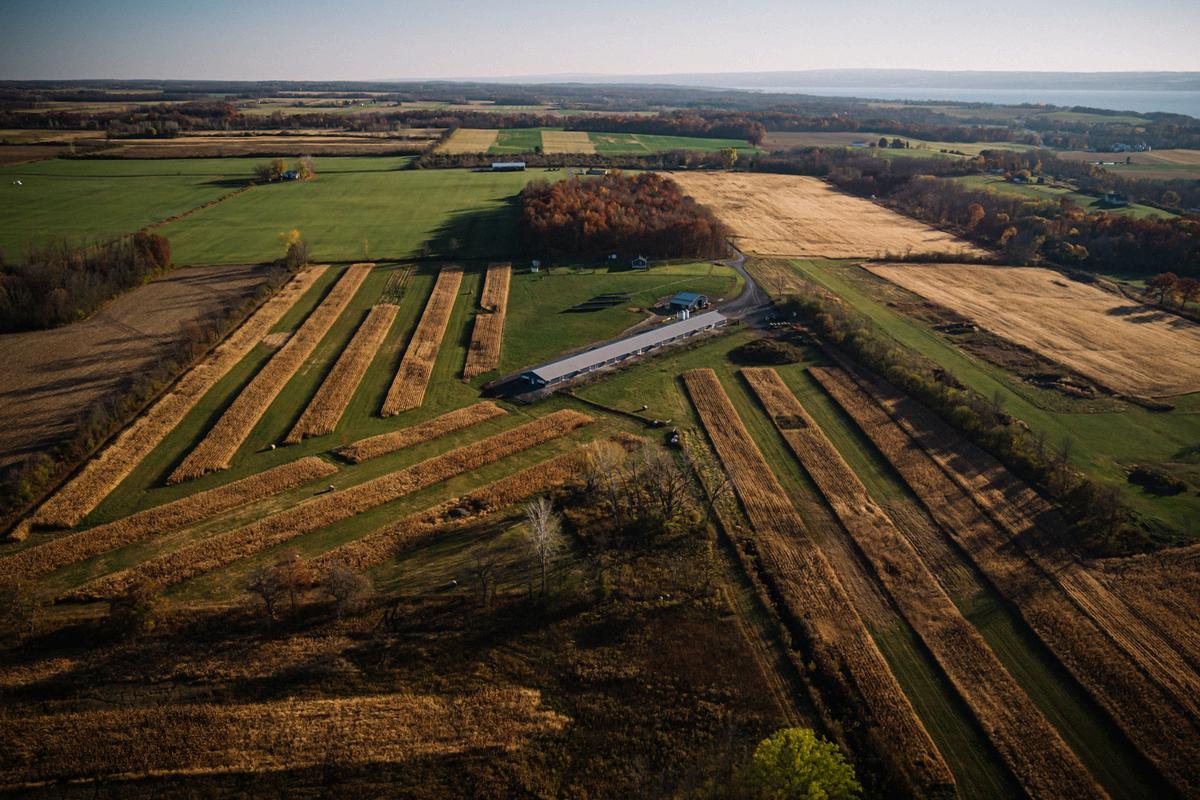
In 2024, we made the strategic decision to add Pasture Raised company-owned farms to our operations This allows us to deepen our connection to the land, transition certain acreage to organic, and ensure that every step of the process reflects our unwavering commitment to sustainability and animal welfare Handsome Brook remains committed to supporting and growing our small farm contract model, providing hands-on support to our partner farmers, maintaining the highest welfare standards, and ensuring resilience in the face of challenges like highly pathogenic avian influenza (HPAI) By maintaining a decentralized network of small farms that spans 10 states, we reduce disease risk and createamoresecure,adaptablenetworkforourfarmersandhens.
Our Live Operations program continues to outperform breed standards and industry peer benchmarks. Through breed selection, a robust vaccination schedule, premium Organic nutrition and the industry’s leading Live Operations management team, we’ve successfully extended the productive lives of our hens from 76 weeks in 2015 to 86 weeks in 2024. This allows our hens to produce an average of 4.5 dozen more eggs than we did a decade ago, while reducing our carbon footprint from pullets through fowl.That’sHandsome!
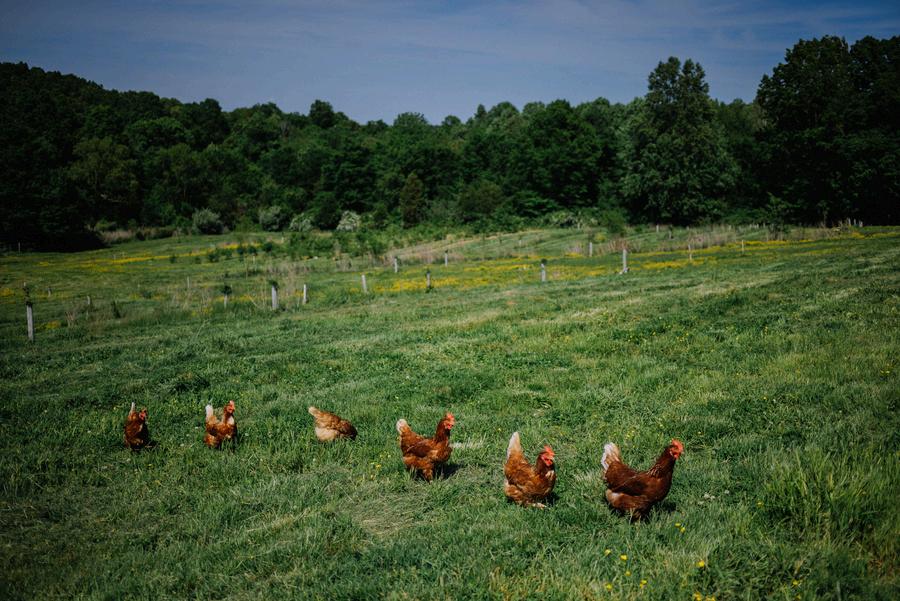
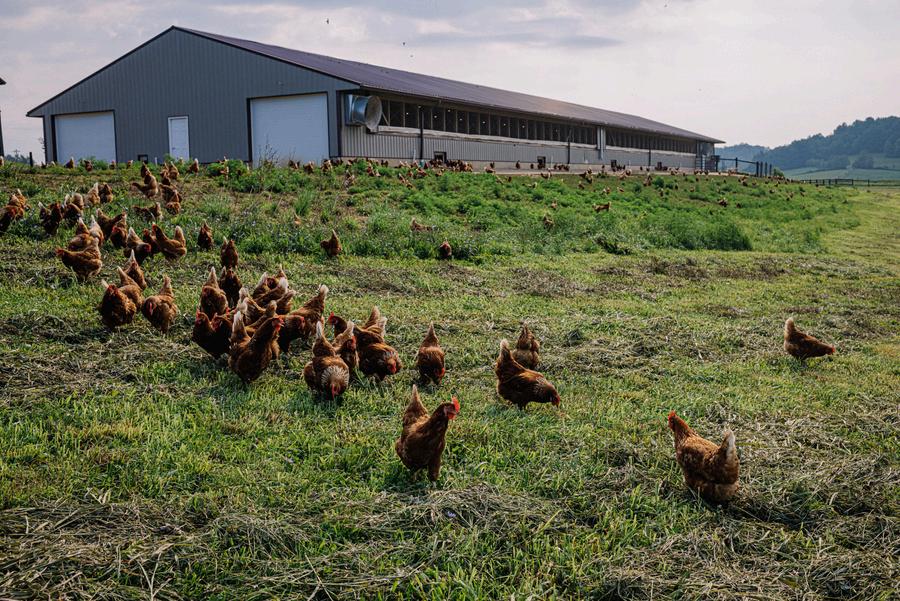
The USDA’s Strengthening Organic Enforcement (SOE) rule and the newly released Organic Livestock and Poultry Standards (OLPS) have set a new standard for organic farming, and we are proud to be ahead of the curve. From implementing USDA conservation practices on over 900 acres of pasture to benefiting more than 500,000 hens through improved grazing, shade, and water access, we are proving that thriving farms lead to thriving communities. Our use of organic seeds continue to strengthentheorganicsupplychain,ensuringtransparencyandresilienceforyearstocome
We also celebrated a significant milestone with our B Corp recertification, increasing our score by 17 points Thisachievementisproofofourongoingdedicationtopeople,animals,andtheplanet
Looking ahead to 2025, I’m inspired by the shared commitment that fuels this work every day. At Handsome Brook Farms, we believe farming handsomely means farming responsibly, compassionately, and sustainably.
Thank you for your trust, support, and partnership.

rdan Czeizler hief Executive
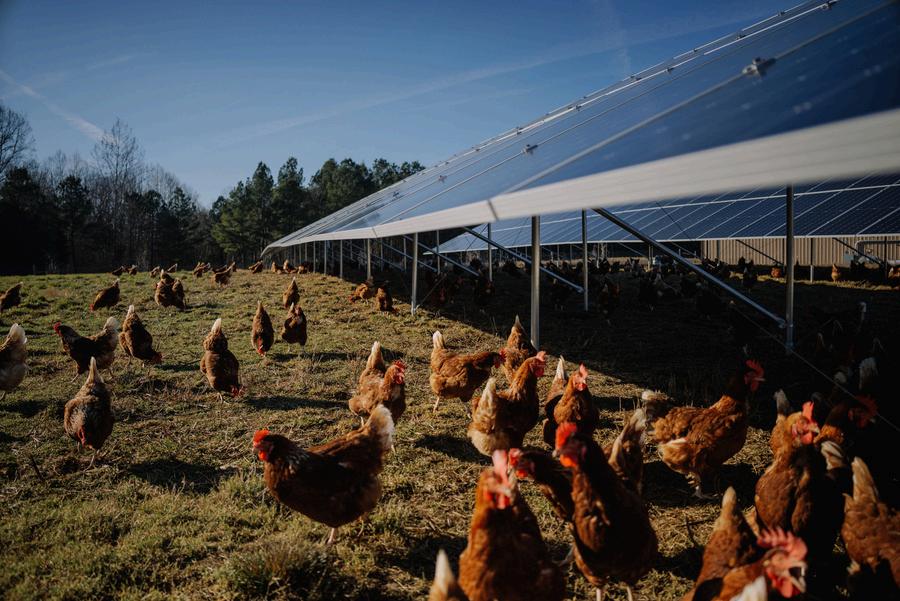
Advance farm practices that ensure the highest level of animal welfare and restore the earth’s water, soil, and biodiversity.

Support flourishing livelihoods among our farmers, suppliers, employees, and customers; Uphold a preference for local sourcing, and coop to carton transparency.
Adopt practices that reduce greenhouse gas emissions and protect natural resources from coop to carton including energy use, sourcing, and packaging.

I. Advance regenerative agriculture practices across 100% of the farms in our network
II. Improve the sustainability of our cartons
II. Reduce Scope 3 GHG emissions intensity by 10% across our supply chain by 2027



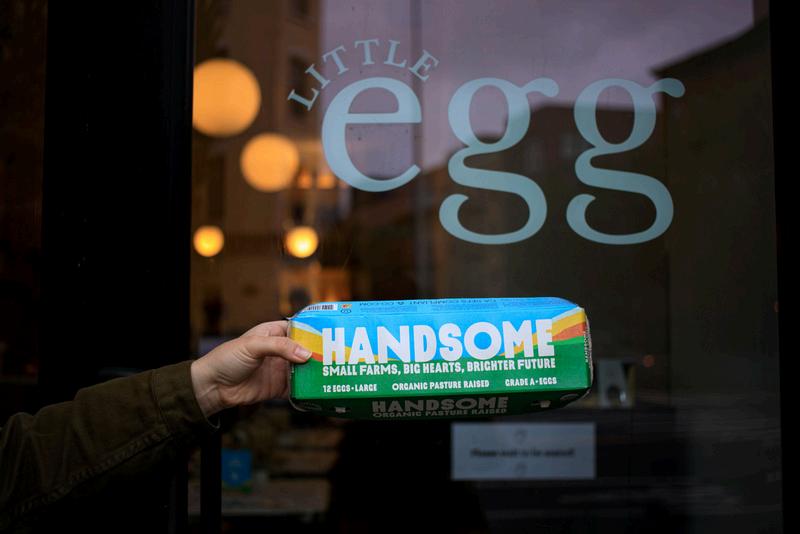
small farms, big hearts, brighter future
Handsome Brook Farms aligns its sustainability initiatives with the USDA Natural Resource Conservation Service Conservation Practice Standards (NRCS CPS) The company funds the Cost Share Program, which provides financial assistance to farmers implementing sustainable practices In addition, it leads two USDA grant-funded projects with a company match: the Regenerative Egg Farming Project, which pilots innovative methods to improve farm and environmental outcomes, and the Climate Smart Organic Egg Project, a transformative initiative aimed at reducing greenhouse gas emissions and marketing climate-smart commodities. Through these on-farm funding initiatives, Handsome Brook Farms reinforces its commitment to ecological health, farm productivity, and long-term resilience.
With $962,961 funded since its inception in 2021, the Cost Share program provides financial assistance to farmers who implement sustainable practices that improve soil, water, and pasture health. By lowering financial barriers, the Cost Share supports the adoption of conservation practices, especially amongst the Plain Community in our farming network, ensuring healthier ecosystems, thriving hens, and consistently high-quality organic eggs.
This $340k USDA Conservation Innovation Grant pilots regenerative farming practices on five farms in Kentucky over four years, comparing their impact on soil health, pasture biodiversity, and farm air quality to five control farms Through innovative practices like biochar application and energy-efficient infrastructure, REFP empowers farmers to explore and adopt solutions that enhance hen well-being, while supporting rural communities
Backed by a USDA Partnerships for Climate Smart Commodities Grant, this groundbreaking 5-year initiative leverages $3.6 million in federal funding and $2.8 million in matching funds from Handsome Brook Farms. Focused on reducing greenhouse gas emissions, and enhancing regenerative farming practices, the grant drives climate-smart solutions for organic egg production.
acres
1488
9
225
1,382 tons of gravel solar systems awarded acres in cover trees and shrubs
Over the past three years, Handsome Brook Farms has increased on-farm investment by 440% through its Cost Share Program and USDA grants. In 2024, the majority of this funding supported solar energy installations, helping farms reduce fossil fuel reliance and lower operating costs. Our company-funded Cost Share Program provides equitable support, offering an average baseline of $4,500 per project to farmers who may be hesitant to accept government funding. By scaling these investments, we are equipping farmers with the resources they need for long-term resilience.
Cost Share - 7%
Regenerative Egg Farming Project - 7%
Climate Smart Organic Egg Project - 70%

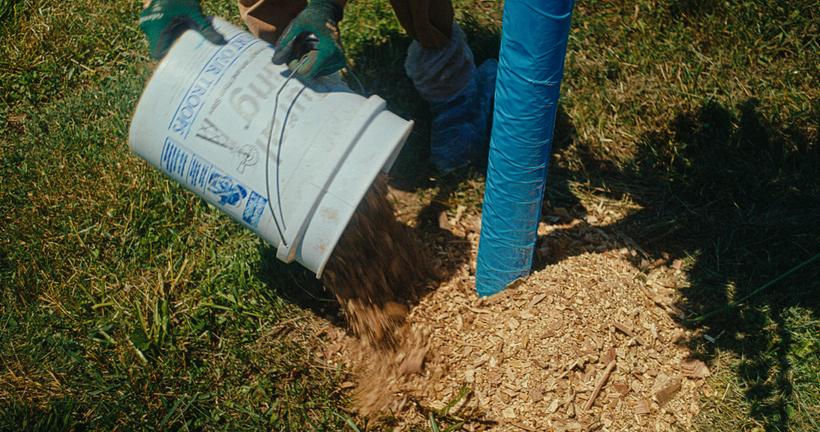
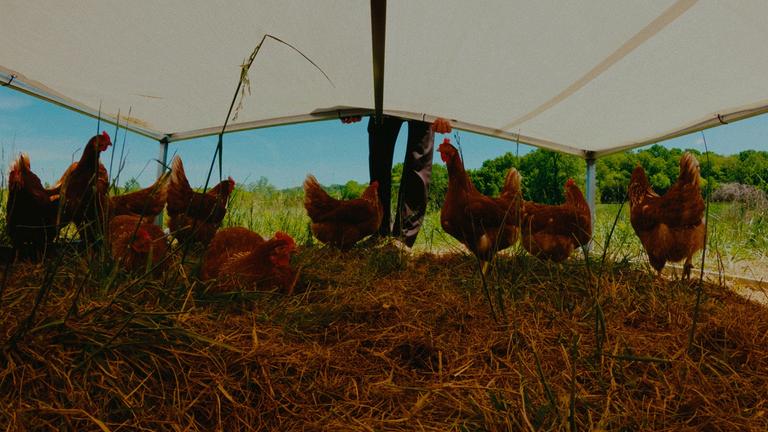
Cover crops enrich soil, prevent erosion, and provide diverse forage. Healthy pastures fuel better nutrition for hens and high quality eggs. 225 acres of cover crops were planted for soil health, biodiversity, and erosion control; 150 acres through Cost Share and 75 acres through the Regenerative Egg Farming Project.
Organic mulch retains soil moisture and keeps pastures hydrated. One Climate Smart Organic Egg Project used organic mulch to suppress weeds and conserve soil moisture around a pasture planting of Black Walnut trees.
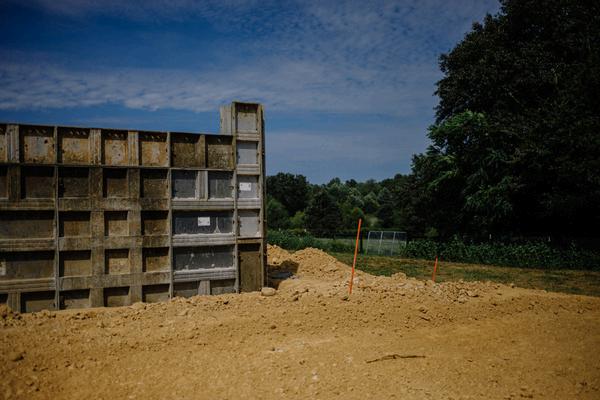
Recycling organic waste enriches soil and balances pasture health Nutrient-rich forage fuels healthier hens and eggs
Four waste sheds were built to manage organic waste and return nutrients to the soil; two funded via Cost Share, one via the Climate Smart Organic Egg Project, and one via the Regenerative Egg Farming Project
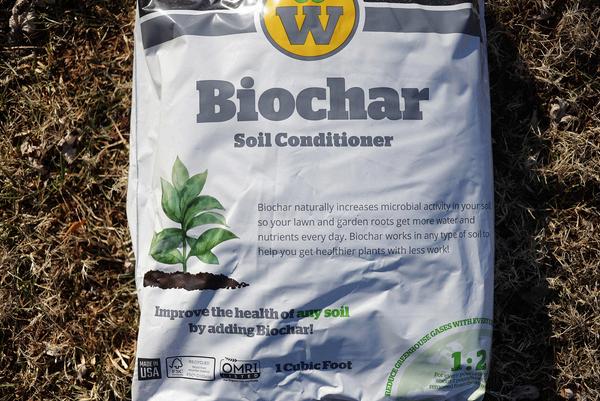
Improving soil carbon boosts forage quality, redirects emissions, and enhances farm sustainability One Regenerative Egg Farming Project aimed to improve soil carbon levels by enhancing organic matter and microbial diversity through biochar application
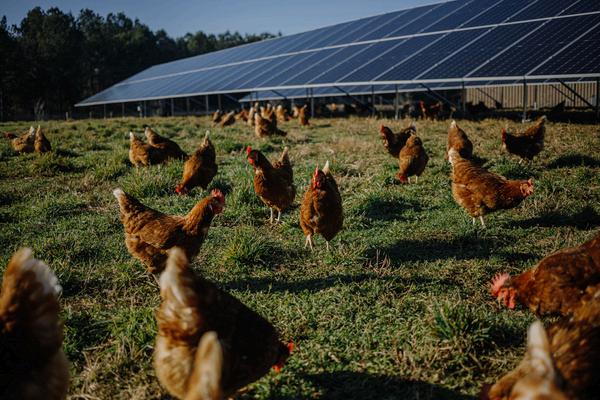
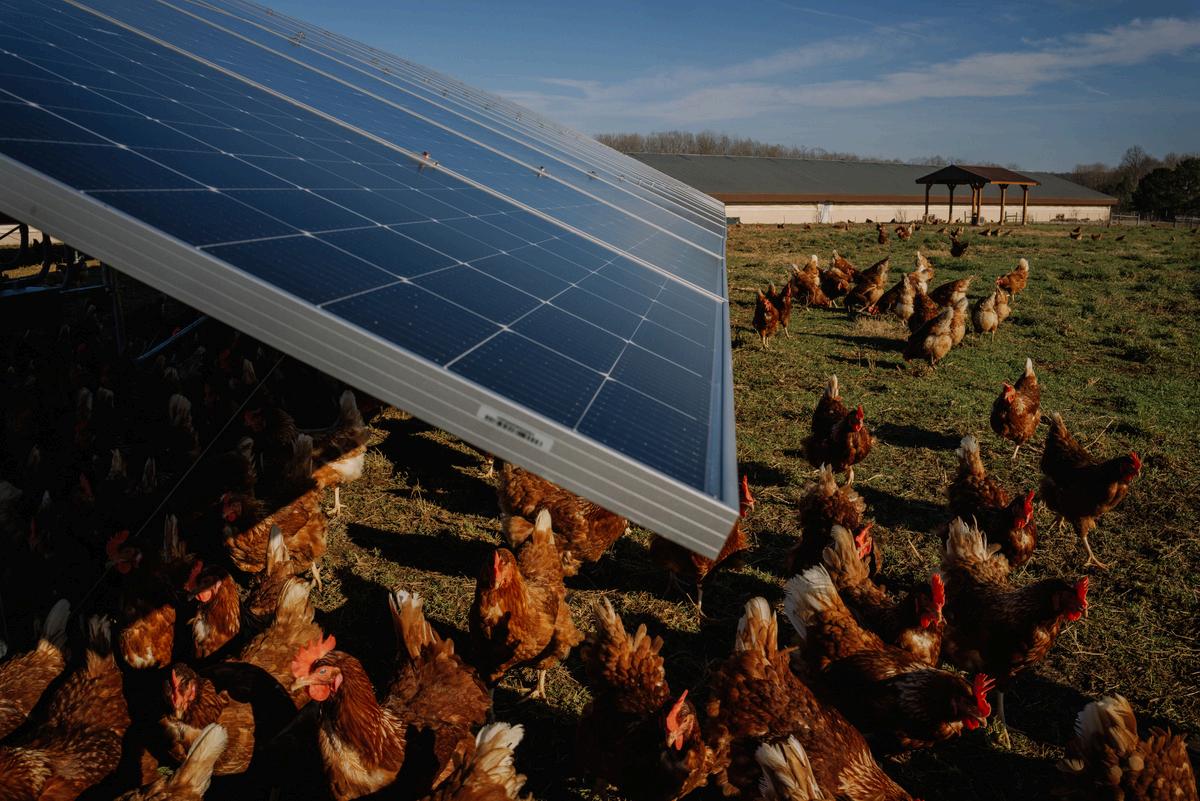
Solar-powered farms provide additional shade for hens while promoting renewable energy use Nine solar projects were awarded to Climate Smart Organic Egg Project farmers, enabling them to power 100% of their barns through renewable energy
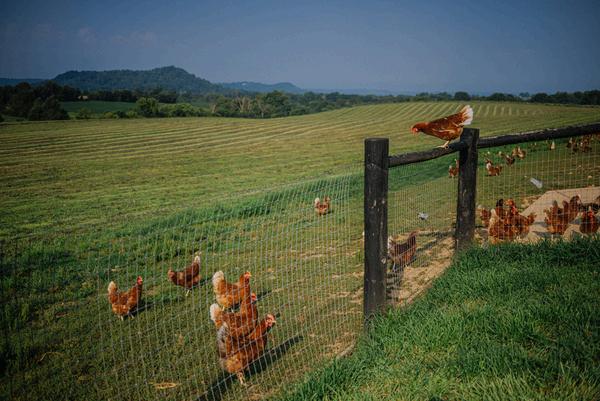
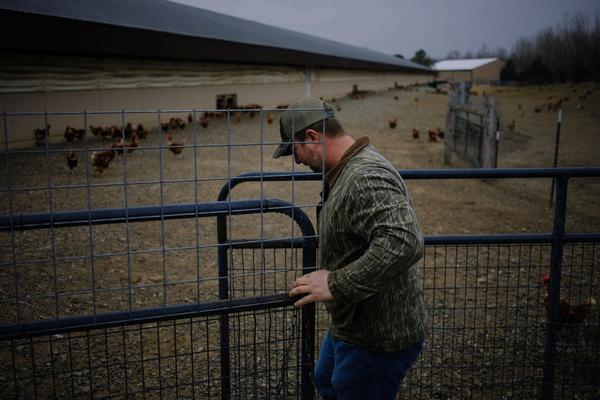
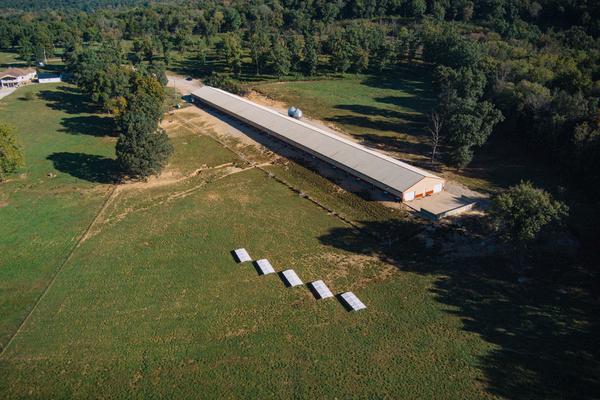
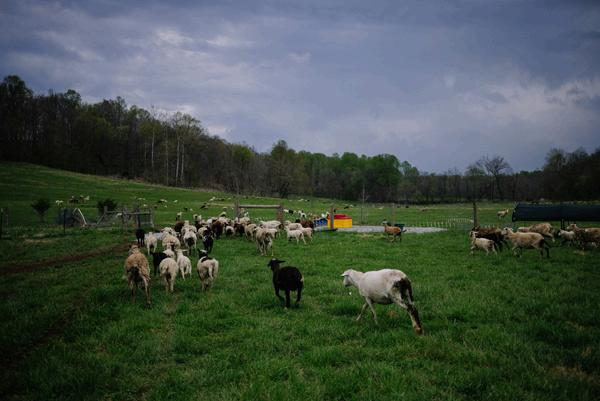
Cross fencing enables rotational grazing, giving hens access to fresh forage while protecting sensitive pasture areas. Seven farmers installed cross fencing to support rotational grazing and protect sensitive areas; four were funded via Cost Share, two via the Regenerative Egg Farming Project, and one via the Climate Smart Organic Egg Project.
Gravel stabilizes high-traffic areas, keeping hens clean and dry while preventing erosion. 1,488 tons of gravel stabilized heavy hen traffic areas to prevent soil erosion and improve drainage; 692 tons via Cost Share and 796 via the Regenerative Egg grant.
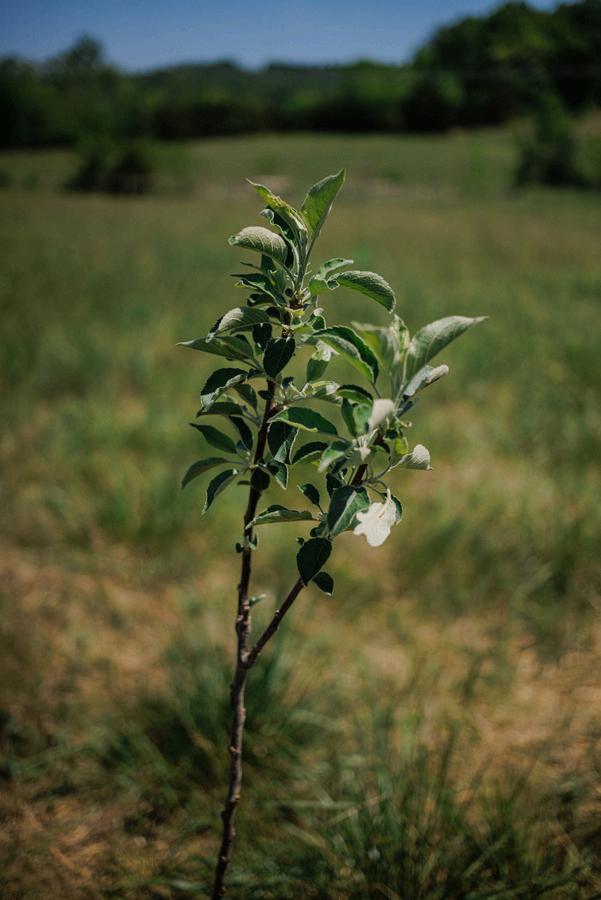
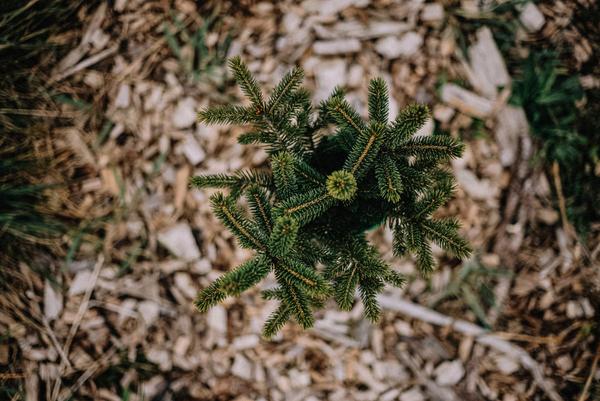
Shade trees and shrubs reduce heat stress for the hens, improve pasture biodiversity, and enrich forage 1,382 trees and shrubs were planted, including shade, fruit, berry, and nut varieties through the Cost Share
NRCS CPS 381: Silvopasture Establishment
Shaded pastures keep hens cool and boost forage growth, enhancing hen comfort and nutrition 45 shaders, integrated with rotational grazing systems, provide shade and comfort for hens while improving forage growth conditions; 25 funded via Cost Share and 20 via the Climate Smart Organic Egg Project
Abundant water access in the pasture keeps hens hydrated and healthy while they’re exploring Six water facilities improved livestock hydration access; four were funded via Cost Share and two funded via the Regenerative Egg Farming Project
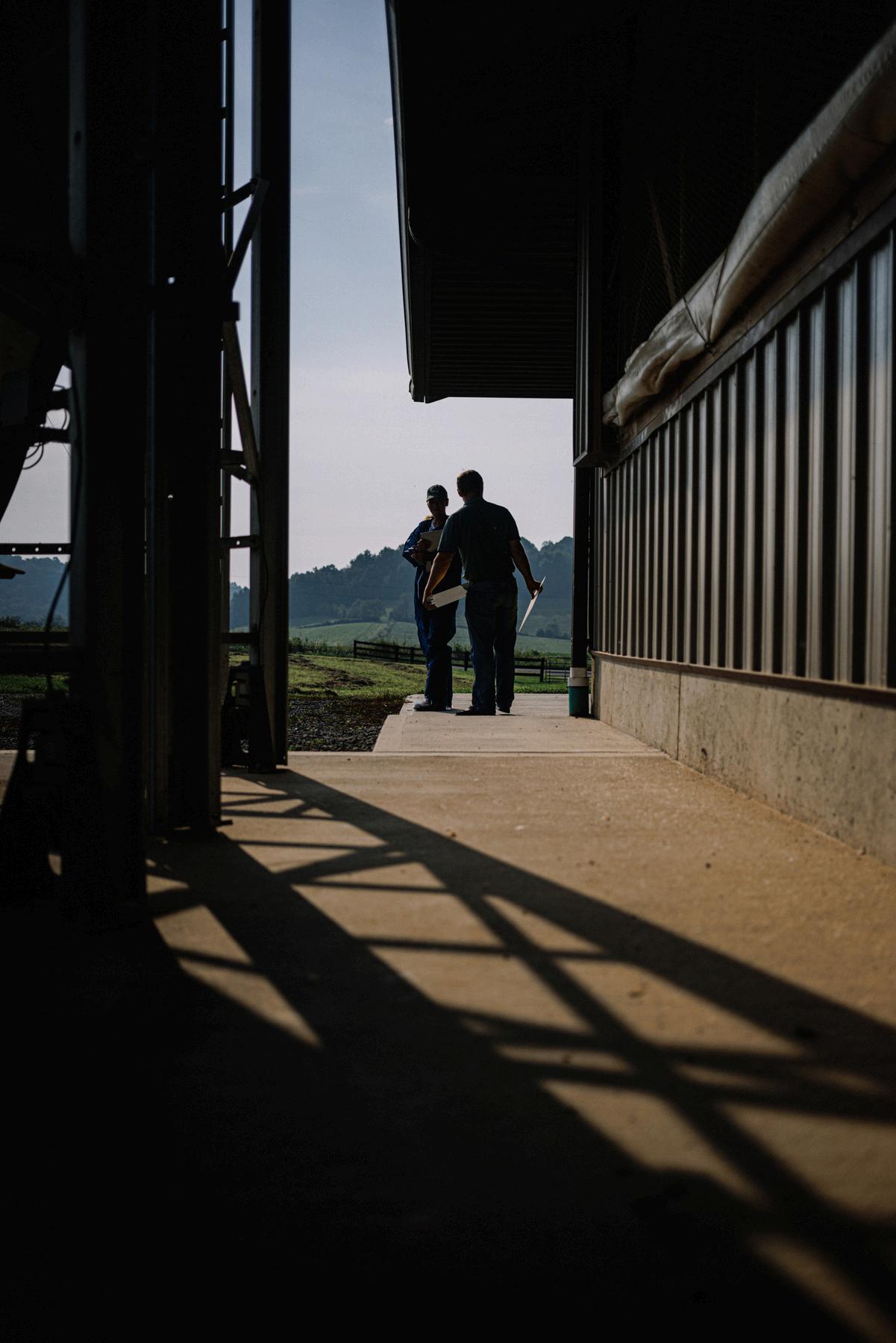
The Regenerative Egg Farming Project (REFP) our USDA Conservation Innovation Grant aims to understand how regenerative farming practices impact biodiversity, including the critical role of pollinators on the farms in our network.
As part of this research, HBF’s Climate-Smart Scientist and University of Kentucky (UKY) Researcher, Dr. Karina Garcia, is conducting a multi-year study on ten HBF research farms in Kentucky. By using various sampling methods, Karina and her team have been able to assess the abundance and diversity of pollinator species across these farms. Bees are a particular focus due to their essential role in pollination
Our findings suggest that while spring provides abundant pollination opportunities, fall could benefit from additional floral resources By planting more late-season flowering plants, we can better support pollinators year-round, ensuring they have access to nectar and pollen even as the seasons change
As Handsome Brook Farms continues to refine regenerative practices, we anticipate continued growth in pollinator abundance and diversity By fostering healthy ecosystems, we are not only enhancing the resilience of our farms but also contributing to the broader global mission of reversing pollinator decline
All bees collected for this research project are in the process of being donated and databased to the University of Kentucky Insect Collection, where they will contribute to a greater ongoing project to identify bee specimens across the state of Kentucky and will be available to other researchers.
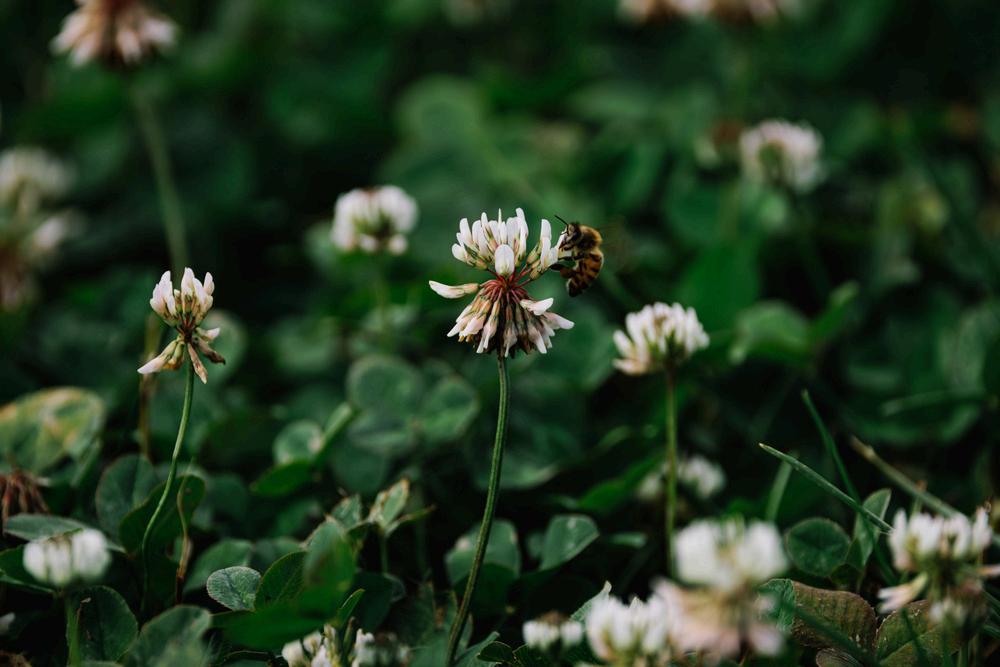
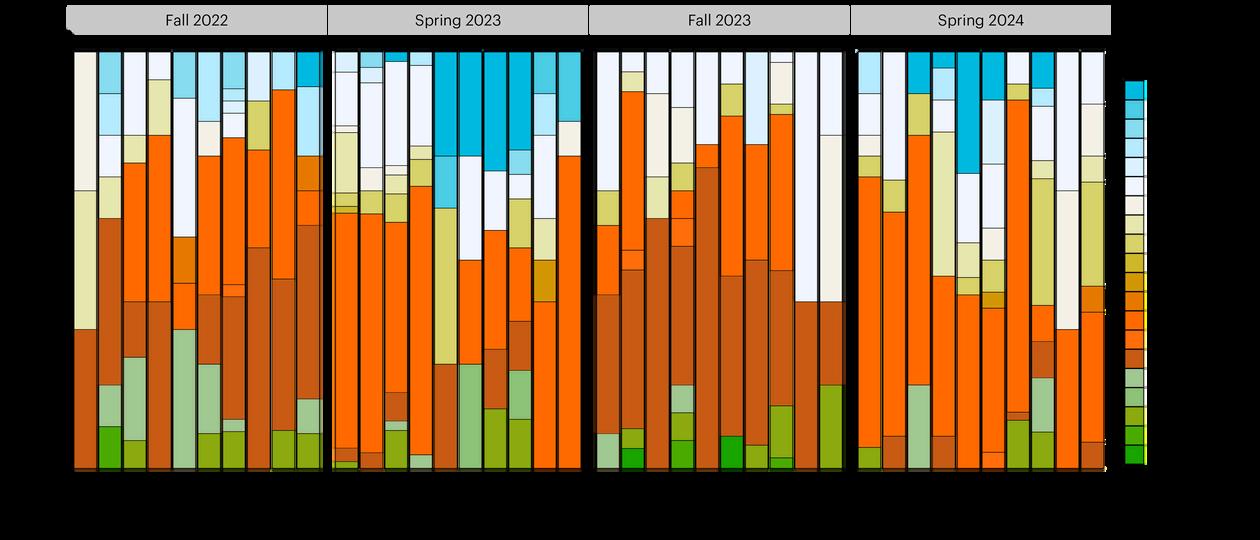
Research from 2022-2024 revealed encouraging trends in native bee populations:
Overall, we have identified 757 bees belonging to 20 unique genera and belonging to 5 bee families.
Lasioglossum, a tiny black bee species, was the most abundant pollinator observed. As generalist pollinators, these bees play a crucial role in pollinating both wildflowers and crops, enhancing farm resilience.
Melissodes, a long-horned bee, was found consistently across all sampling efforts but with greater abundances in Fall 2022 and 2023 To date, we have identified four Melissodes species, with Melissodes desponsus, commonly known as the eastern thistle longhorn bee, being the most abundant These bees are particularly effective pollinators due to their hairy bodies, which help them transfer large amounts of pollen between flowers
Bee diversity followed expected seasonal trends, with higher species variety in spring when floral blooms are more abundant.
Farms that grow vegetables alongside pasture-raised hens had higher bee activity, reinforcing the idea that diversified farms foster greater pollinator support. Notably, Peponapis, or squash bees, were identified on some farms. These bees specialize in pollinating squash and pumpkin crops. The variety of species observed is a positive indicator of strong biodiversity within our pasturebased system.
Bees play a crucial role in pastured poultry ecosystems by pollinating native plants that enrich pasture biodiversity. In turn, healthy, diverse pastures provide essential nectar and pollen for pollinators. This synergy supports soil health, plant diversity, and forage quality potentially enhancing the nutrition available to hens and, ultimately, their eggs
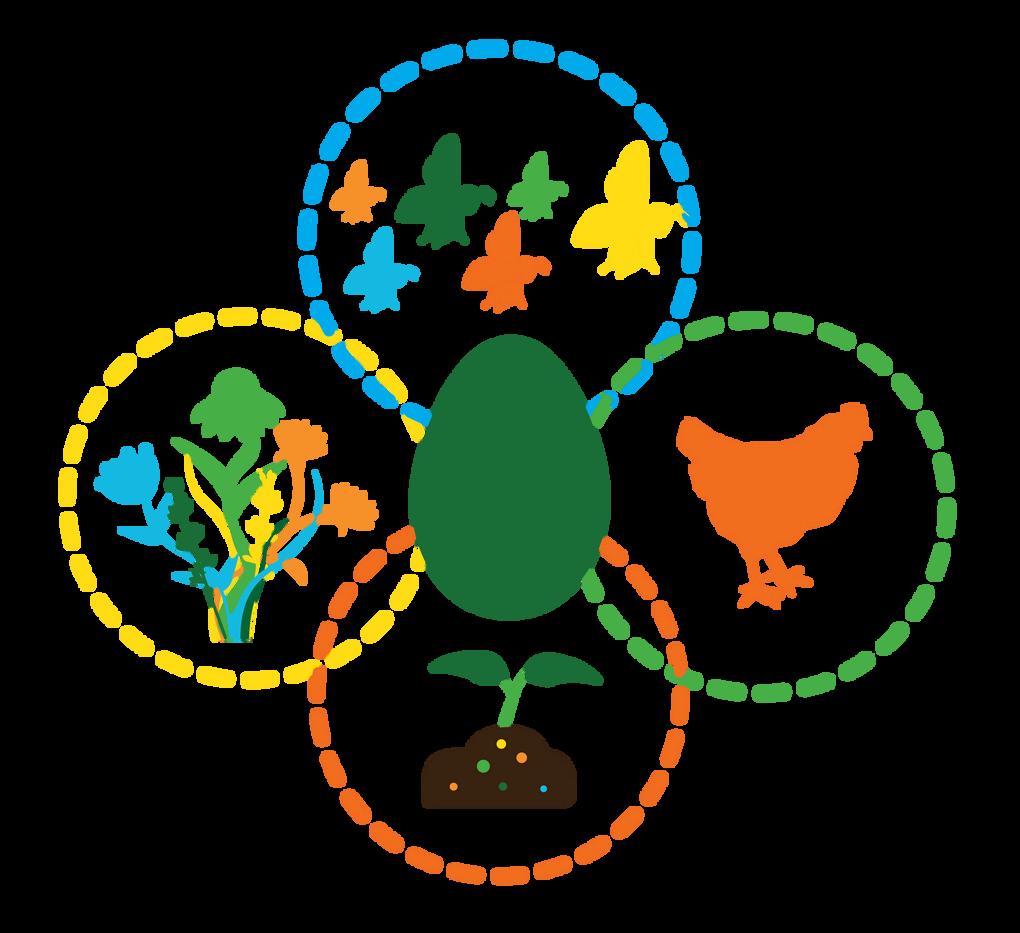
Diverse floral resources across the growing season will support a diverse community of pollinators
Bees provide critical pollination services, with native bees pollinating 80% of flowering plants around the world
Soil health directly impacts pollination, as plants have to invest soil-derived nutrients to floral cues such as flowering displays and scents, which are necessary to attract pollinators
Hens support pollinators by enriching soil health through their foraging and fertilization, which helps sustain healthy soil and diverse, nectar-rich plants for bees
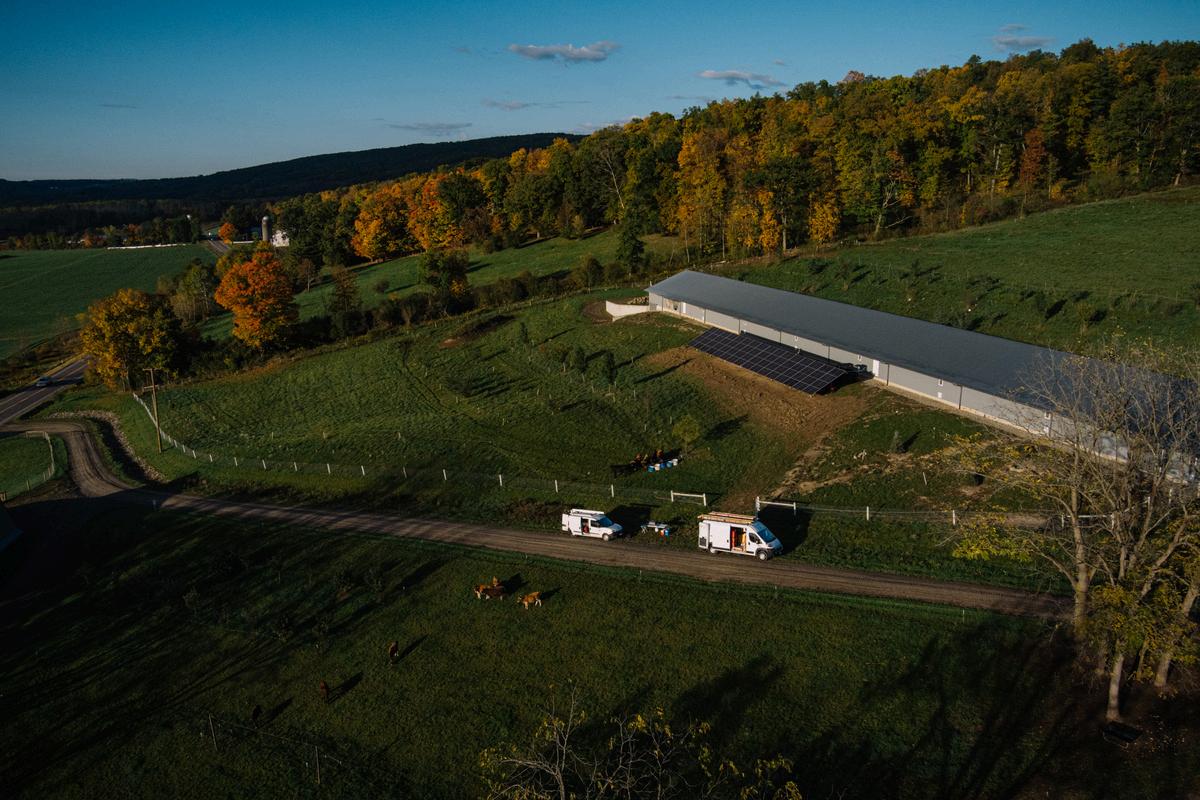
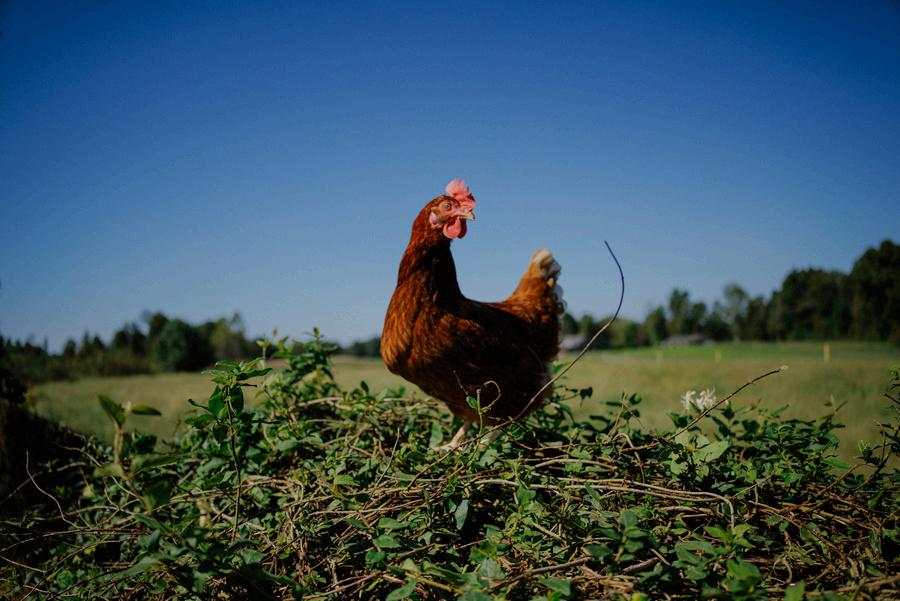
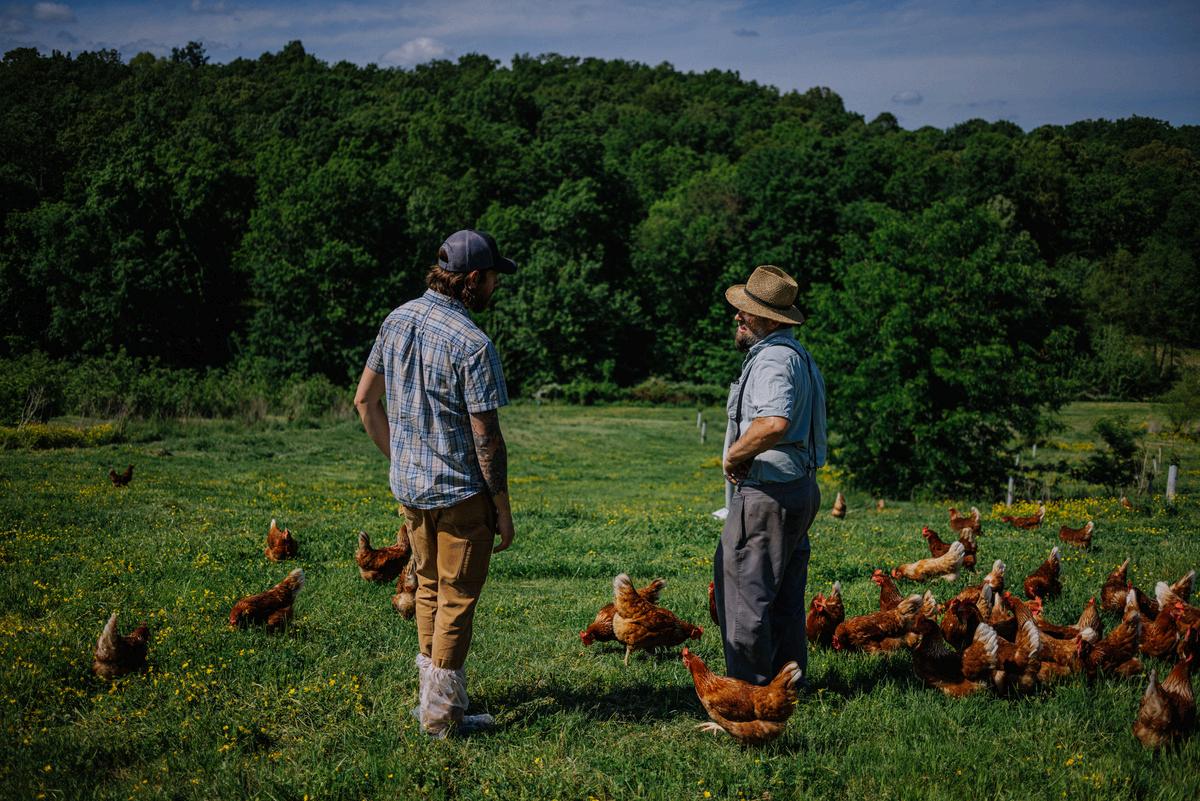


In 2024, the program saw remarkable growth, more than doubling enrollment, acreage, and hen numbers, while expanding into seven states.
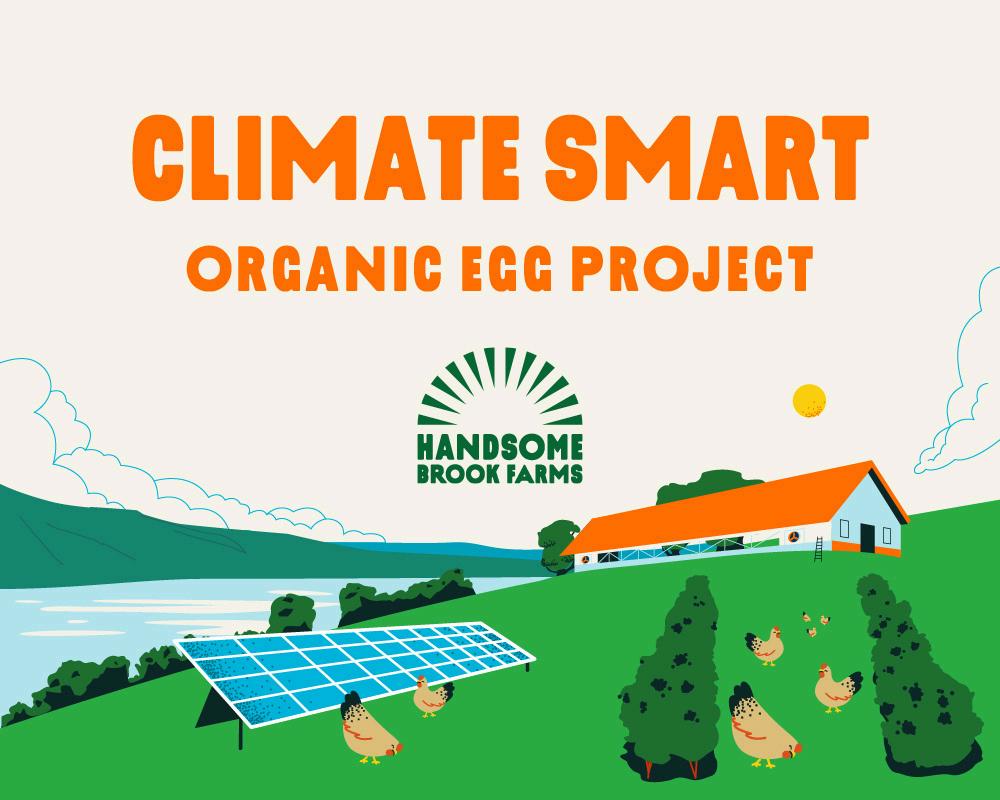
The Climate Smart Organic Egg Project is driving awareness and demand for climate-smart organic eggs through strategic marketing, including a partnership with Organic Voices, which has generated 2.9 million impressions and 2.1 million views reached across social media, newsletters, and blogs.
At the center of this effort is Brooke the Climate Smart Egg, a lively mascot that helps consumers understand the benefits of climate-smart agriculture. Through storytelling, giveaways, and collaborations, Brooke bridges the gap between consumers and the impact of on-farm projects. Meanwhile, the project supports producers by verifying greenhouse gas reductions and expanding markets for climate-smart commodities.
2.9M
Social,Newsletter& BlogImpressions
2.1M
Social,Newsletter& BlogReach

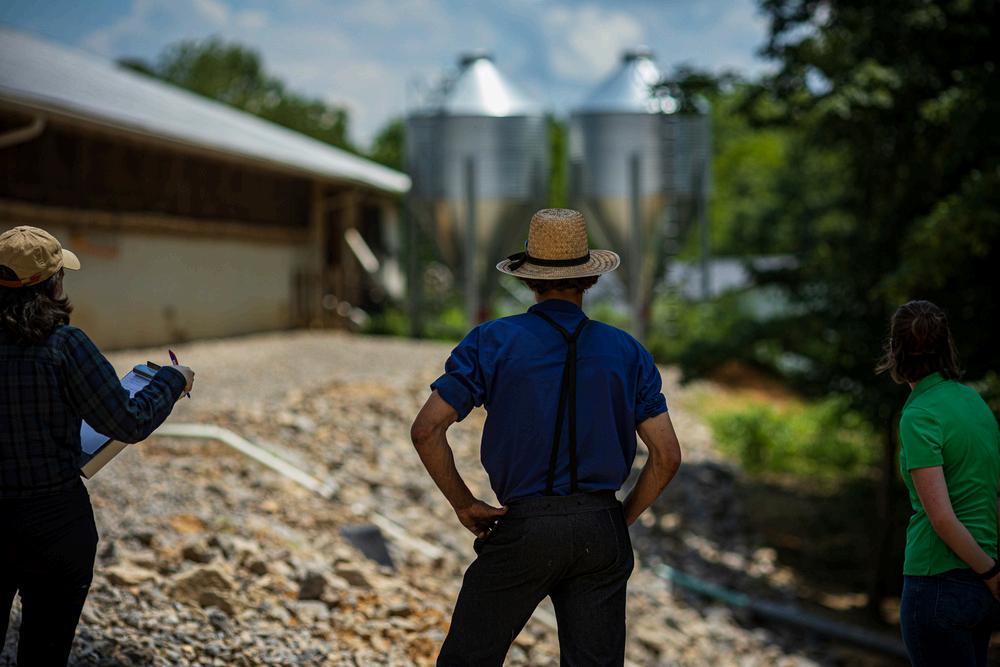
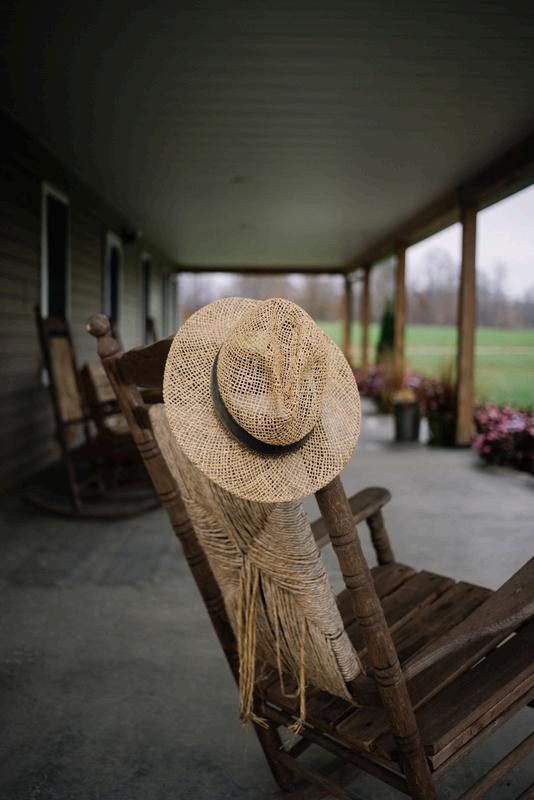
The Plain community in our farm network values modesty and privacy Capturing images of their hats serves as a respectful tribute to their traditions and deep connection to the land
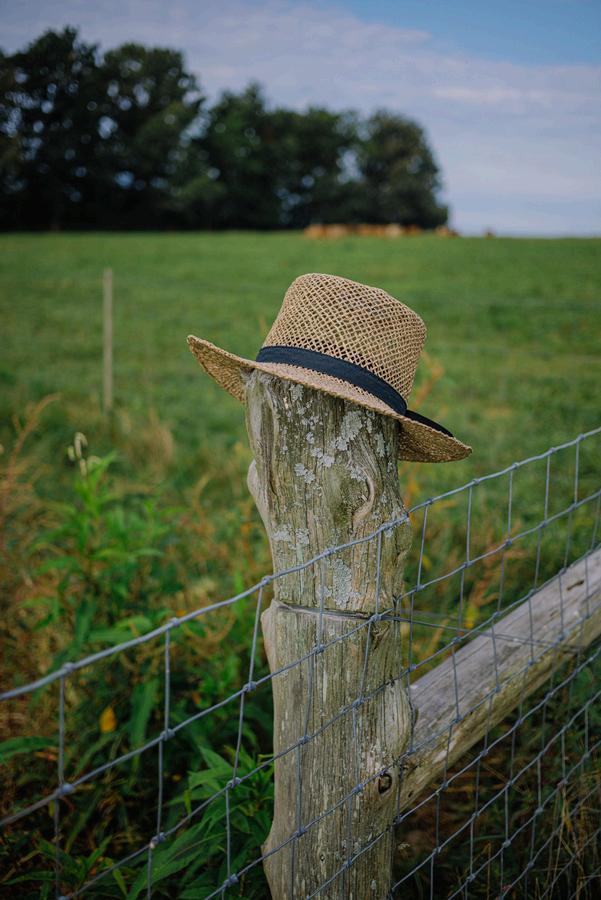
A fourth-generation organic farmer, Ramer’s farm is home to a diverse array of animals, including dairy cows, sheep, chickens, horses, and rabbits, all of which are raised on pasture using rotational grazing and silvopasture techniques. Irvin's approach prioritizes soil health, biodiversity, minimizing external inputs and maximizing productivity. Ramer has taken advantage of HBF’s Cost Share program strategically planting orchard trees in his pastures for his hens to utilize as shade sources.

In a small Amish community in Kentucky, Hochstetler and other 11 families have banded together to form a network of progressive farms. The network relies on sharing resources to promote sustainable farming practices, such as rotational grazing and planting trees and grain corn in their pastures to provide shade for their layer hens During their time farming for HBF, the community has transformed their land from depleted pastures into vibrant, biodiverse habitats that benefit both their animals and the environment
Field notes from recipients of the Cost-Share and Climate Smart Organic Egg Project.
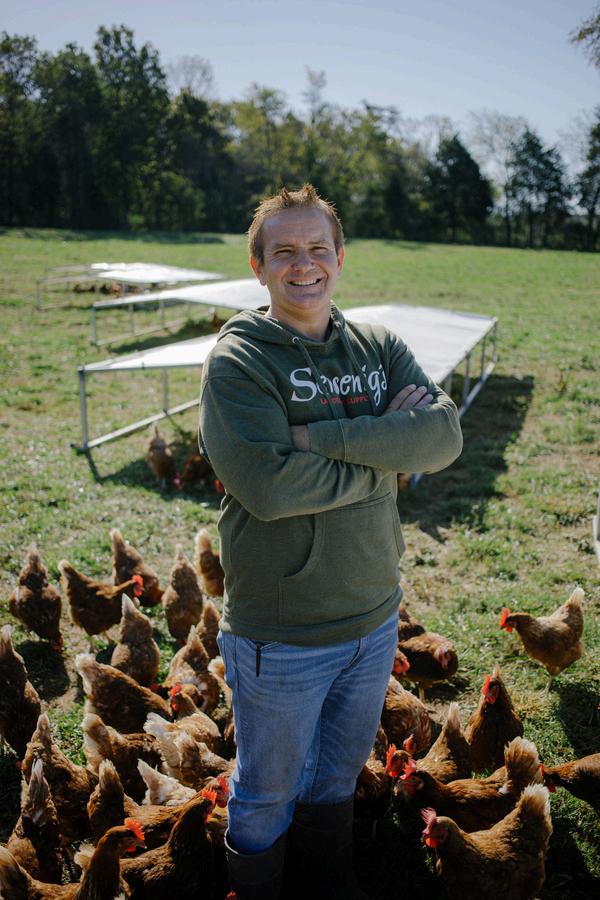
As a former landscape company owner, Sensenig was drawn to organic farming and is now enjoying daily farm chores and the connection with nature that comes with caring for dogs, horses, cattle, goats and his flock of layer hens on his farm. "Morning and evening, getting out here with the animals, doing chores, there’s something enjoyable about it that’s really hard to explain," he says of his new life on the farm. With a focus on regenerative practices, Sensenig is working towards creating a sustainable farm that benefits both his family and the environment.
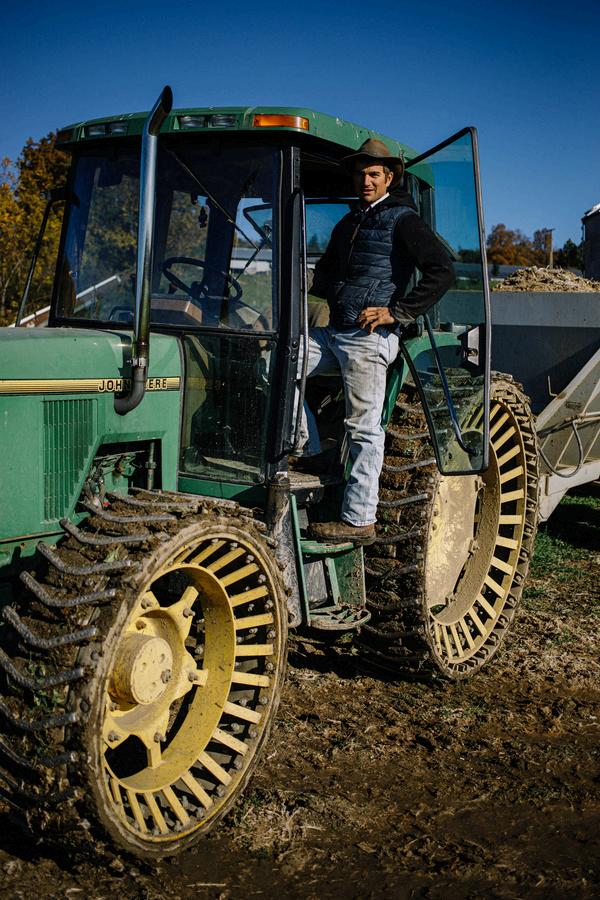
Martin has expanded his operation to include row crops, a garden, and rotational grazing. He faces unique challenges with expensive organic fertilizer costs and unpredictable weather conditions and has found success through innovative practices like using chicken litter as fertilizer and planting trees in the pasture to provide shade for his hens Through hard work and determination, Martin is building a thriving farm that showcases the potential of diversified farming practices in the region
small farms, big hearts, brighter future
We are proud to share that Handsome Brook Farms has been re-certified as a B Corp™, reaffirming our commitment to balancing purpose and profit. This milestone reflects our dedication to creating a positive impact across our supply chain and communities.
This achievement is made even more special as we celebrate it alongside our valued partners, The Farmer’s Hen and HBF Development, who have also joined the B Corp family. Together, we uphold the highest standards of social and environmental responsibility, striving to benefit all stakeholders from employees and customers to the communities we serve and the environment we strive to protect.
The B Corp certification process is rigorous, requiring a comprehensive evaluation of social and environmental performance, accountability, and transparency. Handsome Brook Farms is proud to meet and exceed these standards, driving change in our industry and beyond.
This year, our recertification journey was further strengthened by key initiatives such as the distribution of our JEDI (Justice, Equity, Diversity, and Inclusion) Handbook to all employees, enhancing our commitment to equity and inclusivity across the organization We also made strides in environmental stewardship through the establishment of an Environmental Management System and hosting Grower Gatherings to foster collaboration, enroll farmers to our funding programs, and share best practices throughout our farm network Our focus on environmental impact extends to our work with USDA grants and regenerative farming initiatives, positioning us as leaders in creating meaningful change in agriculture and sustainability.
This year, Handsome Brook Farms’ recertification score improved by an impressive 17 points a reflection of our ongoing efforts in regenerative agriculture, animal welfare, and sustainability. These advancements not only benefit our farms, hens, and the environment but also contribute to the larger B Corp movement’s mission of building an inclusive, equitable, and regenerative economy.
We are inspired to continue this journey, making strides toward a better world for people, animals, and the planet.

At Handsome Brook Farms, our people are the heart of our mission. We are committed to fostering an inclusive, diverse, and equitable workplace where all employees feel valued and empowered. In 2024, we made significant progress in our efforts to build a more representative and dynamic workforce
BIPOC representation across the company grew from 11% to 13%, reflecting our commitment to increasing diversity and equity
Women now make up 54% of our total headcount, furthering our dedication to gender equity in the workplace
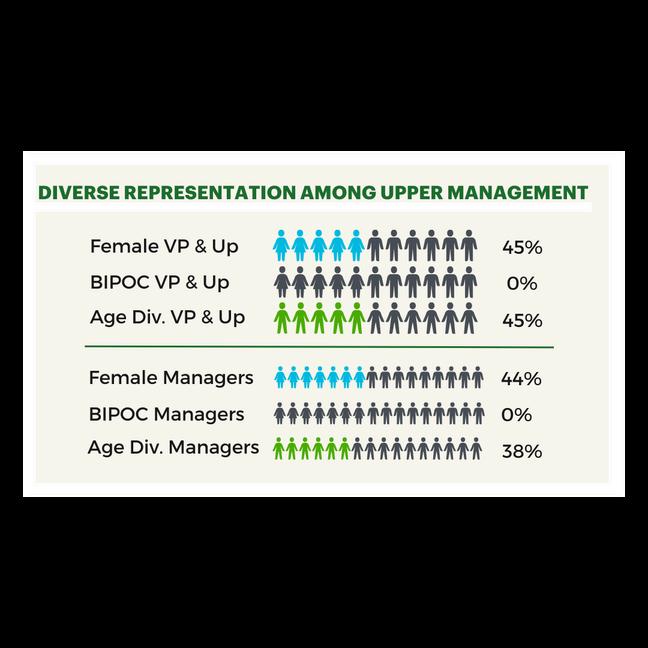
Another female Vice President joined our leadership team, bringing the percentage of women in VP roles to 45%
Age diversity also improved, with employees across a wider range of ages now comprising 33% of our workforce.
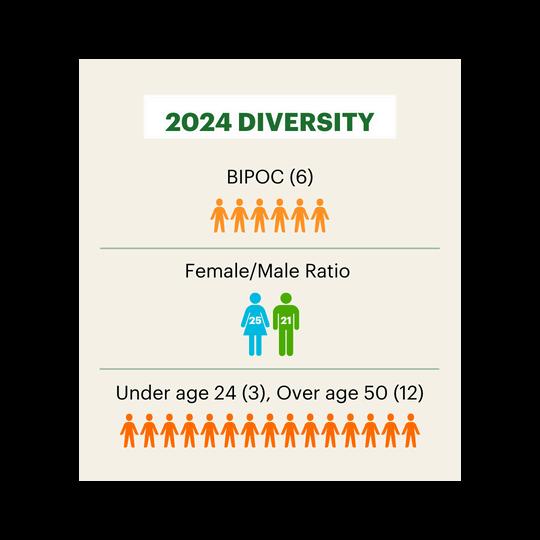
Beyond these milestones, we experienced continuous growth: 11 new hires joined our team, strengthening our ability to drive impact and innovation. We created six new roles, expanding opportunities within the company and reinforcing our investment in our people.
We are proud of these achievements and remain committed to cultivating a workplace that champions diversity, equity, and growth at every level.
Our quarterly donations of $2,500 each to Soul Fire Farm and Sharing Our Roots continue to support their critical work in building equitable, sustainable food systems and standing in solidarity with historically marginalized farming communities.
We awarded a $5,000 scholarship to a first-generation college student at the University of Kentucky. Raised on a dairy farm in Nicholasville, KY, she is a senior majoring in Animal Sciences with a Pre-Veterinary focus. An active member of 4-H, FFA, and the University of Kentucky Dairy Judging Team, she is applying her studies towards building an agriculture system that supports humane stewardship of animals and the land
Across multiple states, our egg donations have made a significant impact:
40,305 dozen eggs to Georgia Mountain Food Bank (GA)
1,425 dozen eggs to Grace Place (NY)
1,800 dozen eggs to Life Ministries (PA)
1,200 dozen eggs to Lincoln Senior Center (NY)
Since the beginning of our partnership with Rethink Food, we’ve donated over 30,000 pounds of eggs, providing more than 24,000 nutritious meals to New York City residents facing food insecurity.
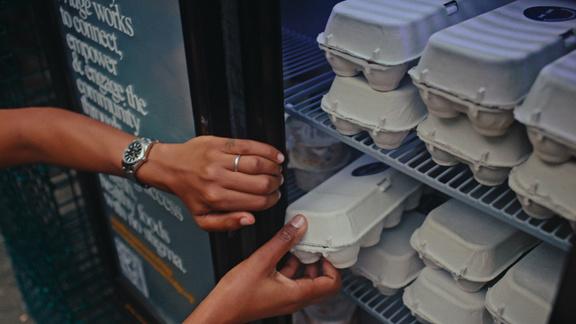
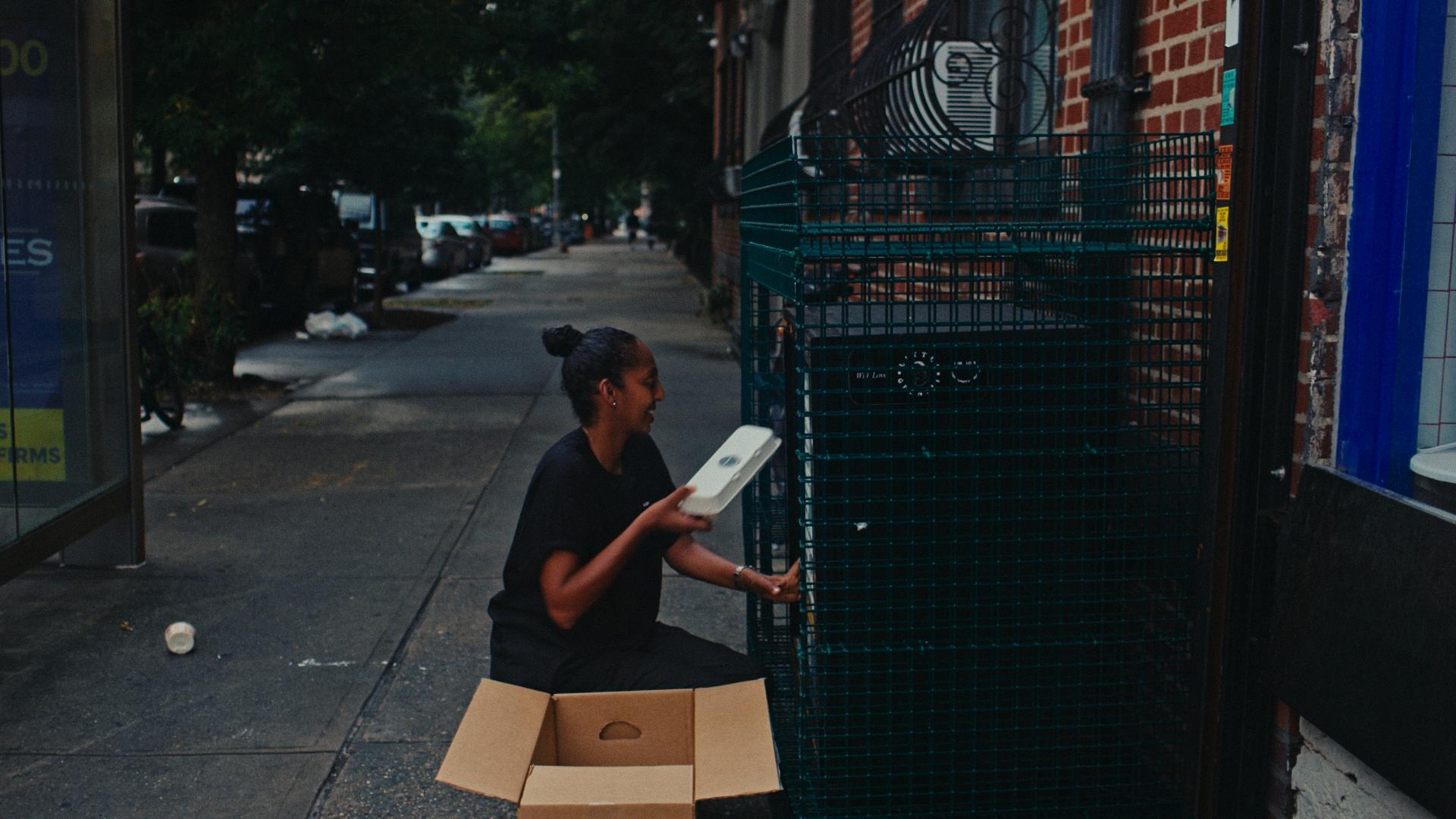
Our collaboration with One Love Community Fridge and Oko Farms brought innovation and heart to community fridges across NYC. With our contributions, Oko Farms prepared a variety of egg-based products to stock One Love Community fridges citywide.
In the wake of Hurricane Helene, we contributed $10,000 to Green America to support their innovative drone resource relief initiative This program ensured that essential supplies reached farmers directly, overcoming logistical challenges caused by the storm’s destruction



small farms, big hearts, brighter future
At Handsome Brook Farms, we believe that maintaining the highest standards of integrity in the organic supply chain is essential to building trust with consumers and driving progress in the organic industry This year, transformative updates to USDA regulations have bolstered the credibility and resilience of organic certification, and we are proud to share how these changes impact our work
The USDA’s Strengthening Organic Enforcement (SOE) rule has brought a new level of rigor to the organic certification process. This landmark regulation mandates that every entity in the organic supply chain must be certified. This ensures that organic products remain genuine and trustworthy, from farm to table.
For Handsome Brook Farms, this has further strengthened the reliability of our feed supply, with every broker involved in sourcing organic grains required to meet stringent certification standards.
These updates protect the integrity of the organic label, providing consumers with the confidence that every Handsome Brook Farms product meets the highest animal welfare and environmental standards.
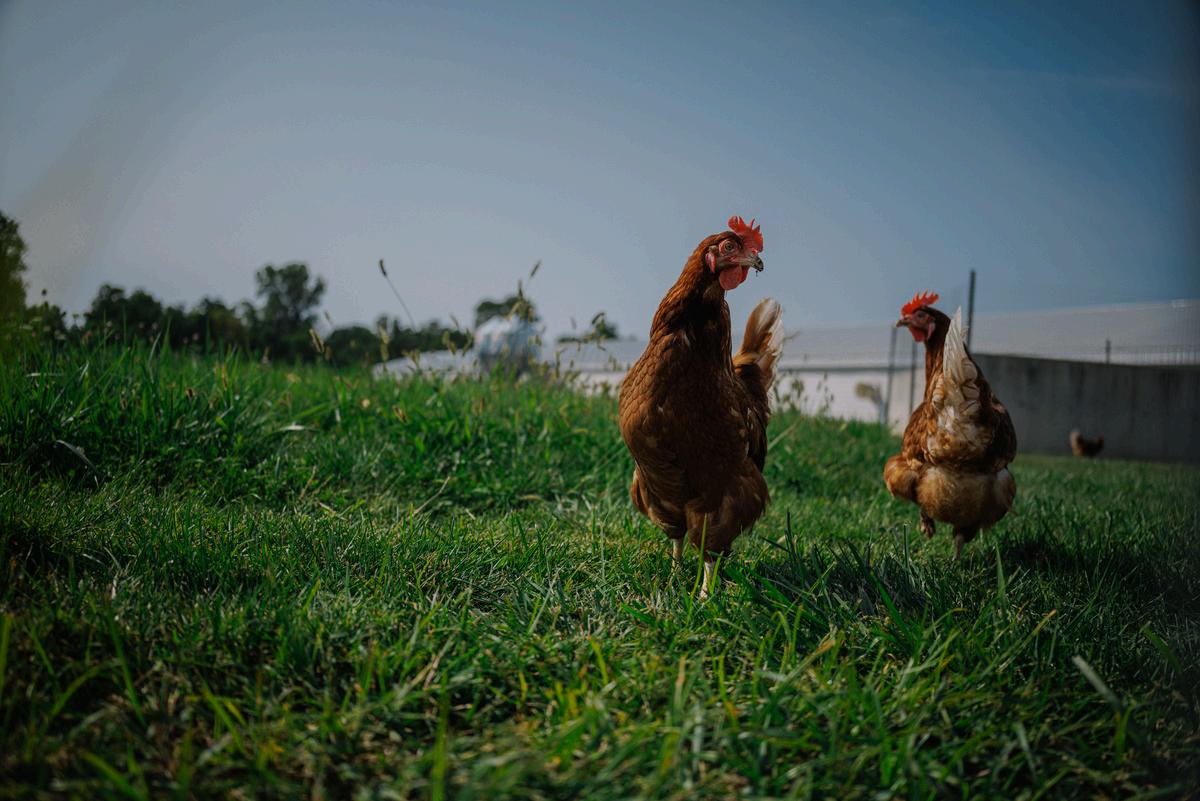
Beginning January 2025, the Organic Livestock and Poultry Standards will bring significant improvements to animal welfare, aligning with our values and practices. The new standards require increased perch space for hens to move and rest naturally, expanded space for pullets to support healthy growth, year-round outdoor access with soil and vegetation, and enhanced indoor environments to promote natural behaviors. They also prohibit certain physical alterations and mandate humane handling practices At Handsome Brook Farms, we have set the standard for these updates from the start, with our legacy network embodying these principles from day one driven by our uncompromising commitment to the highest animal welfare standards
We are committed to planting organic seeds and require a robust seed search to confirm if organic varieties are not available for our Cost Share and USDA Grant programs By buying organic seeds, we are making a deliberate investment in the long-term resilience of organic agriculture
By planting organic seeds, we’re: Supporting the organic seed industry to grow and thrive.
Strengthening the foundation of a supply chain rooted in transparency and sustainability. Contributing to biodiversity and the health of ecosystems.
As the National Organic Standards Board (NOSB) continues to evaluate seed search requirements, we remain vocal supporters of initiatives that advance organic practices at every level.
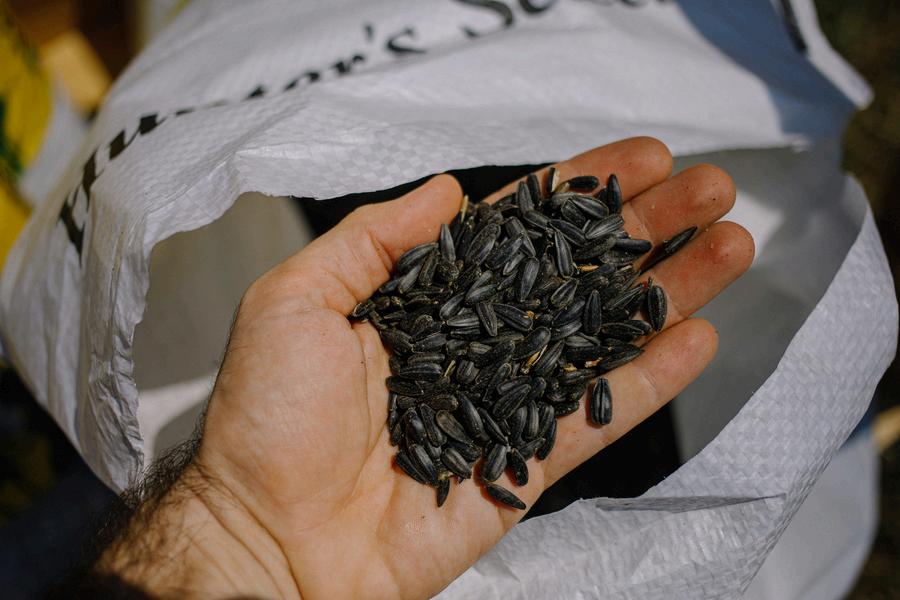
David Hoover, an egg farmer for HBF and a grain farmer in Kentucky, is committed to finding ways to make the land profitable while preserving its ecological health. Alongside his brother Mervin, who also farms for Handsome Brook Farms, David grows corn and soybeans for Kentucky Organic Farm and Feed, Inc. (KOFFI), one of our trusted mill suppliers. The Hoover family has embraced a diversified approach to farming producing eggs, grains, flowers, vegetables, and other value added products to create resilient operations with lower input costs. By transitioning from larger livestock to HBF Hens, they’ve added value to their land while strengthening both their family business and the resilience of their wider community.
As we close out 2024, we’re looking ahead with a clear focus on what’s next. This year brought meaningful progress across our operations expanding conservation initiatives, strengthening supply chains, deepening our partnerships, and advancing our commitment to regenerative, climate smart agriculture.
The milestones we’ve achieved, from measurable improvements in pasture health and renewable energy adoption to our contributions toward food security and education, are not endpoints they’re building blocks for the work ahead.
In 2025, we’ll continue investing in practices that drive resilience across our farms, reduce environmental impact, and deliver lasting value to our farmers, partners, and customers. The challenges facing agriculture are complex, but so are the solutions we’re building together solutions rooted in science, collaboration, and a commitment to long-term sustainability.
Thank you to everyone who played a role in shaping this year’s progress The road ahead is ambitious, but with clarity of purpose and a shared vision, we’re ready to move forward one pasture, one partnership, and one egg at a time

small farms, big hearts, brighter future