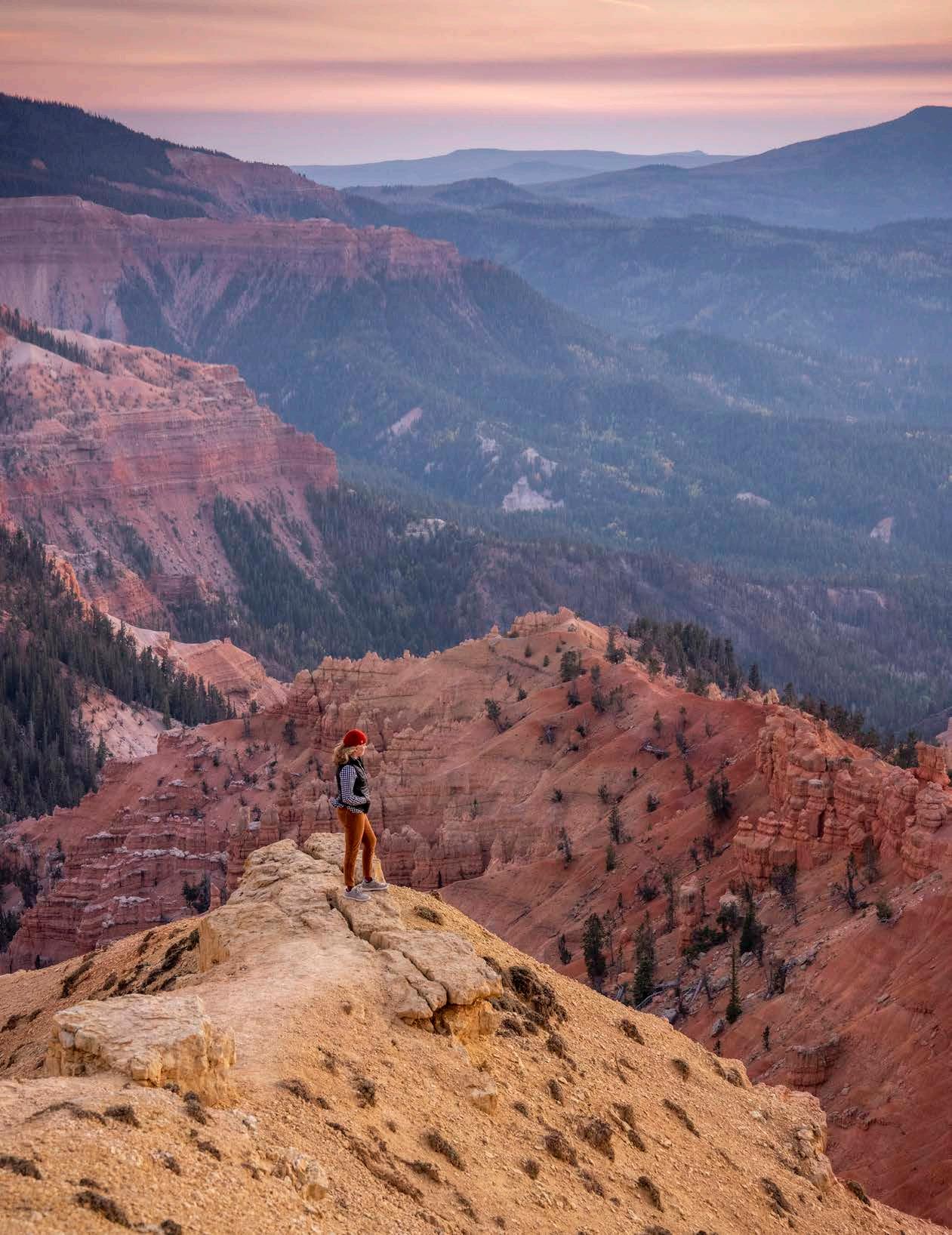
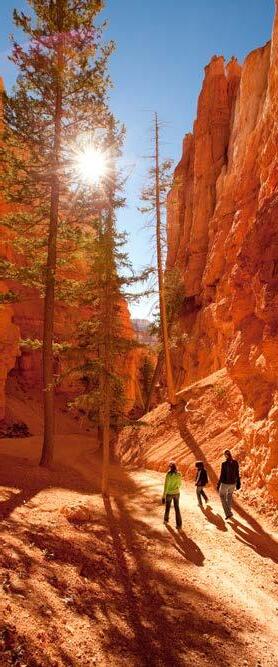
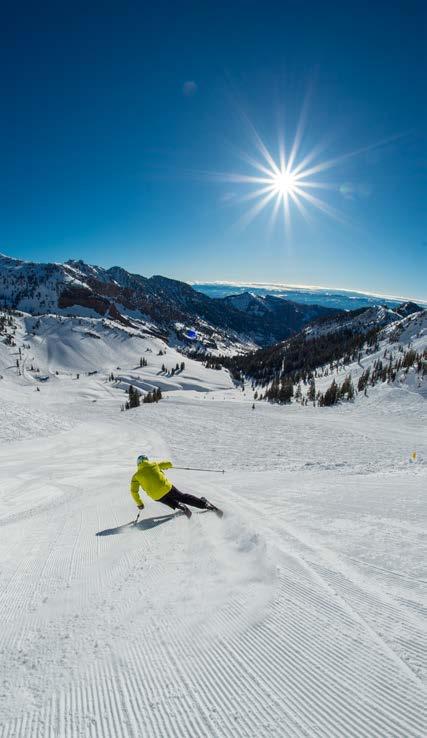
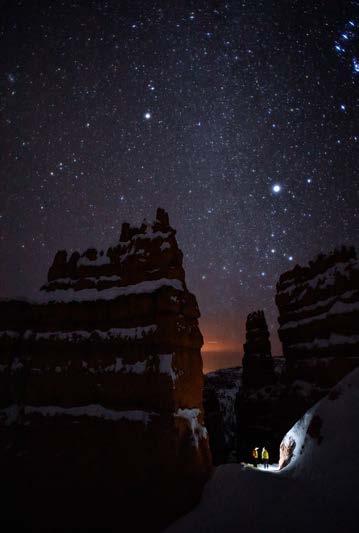
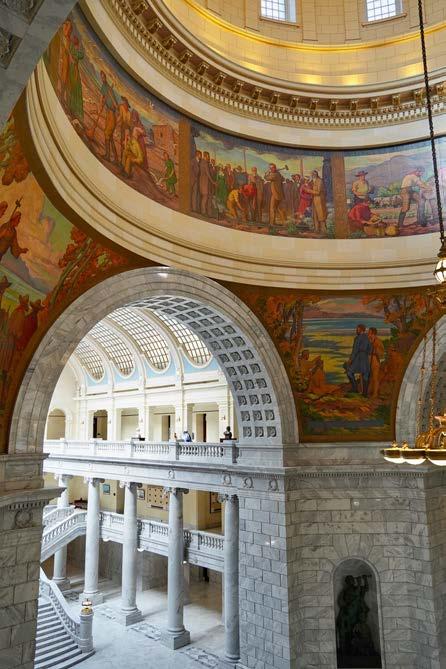
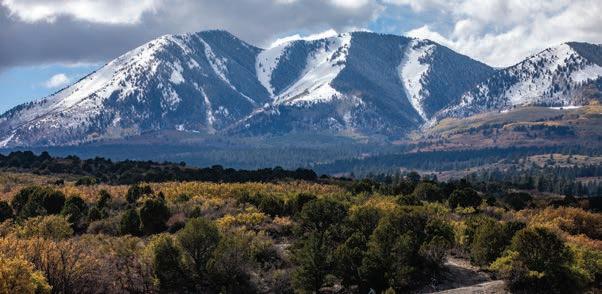
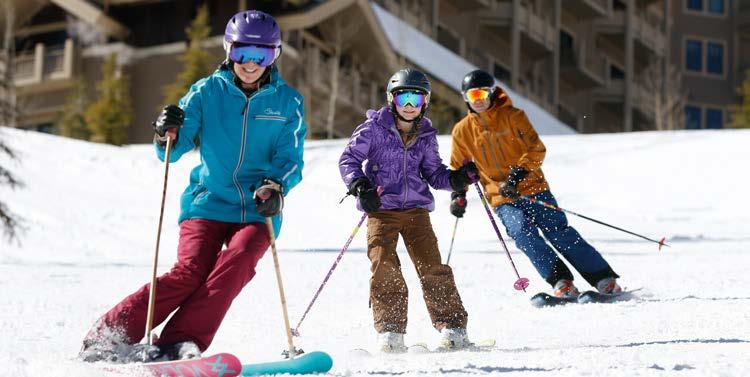
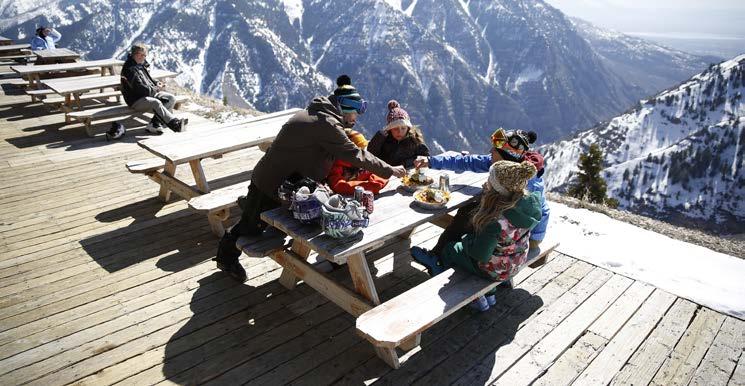
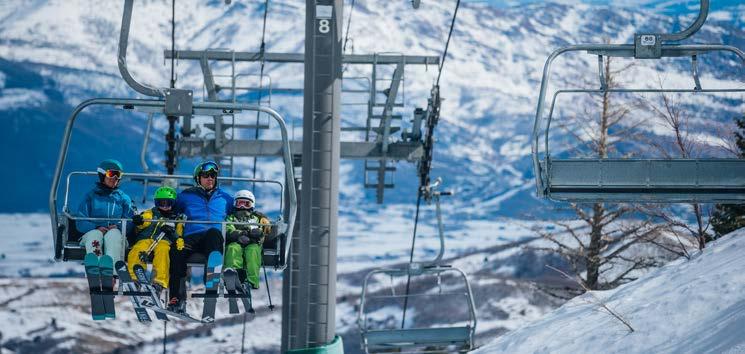
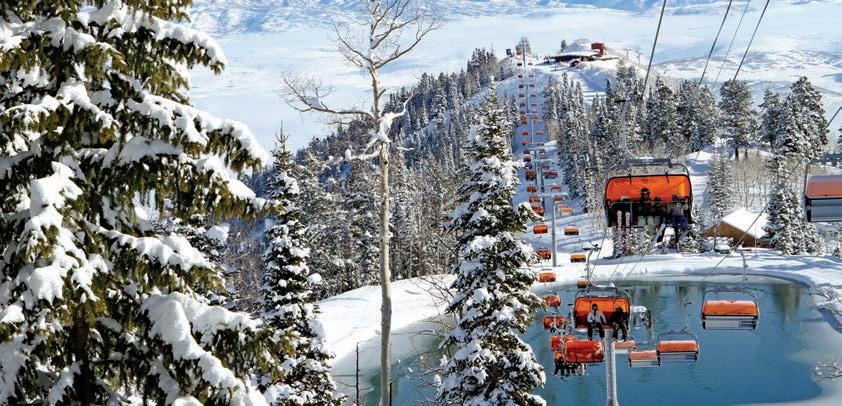
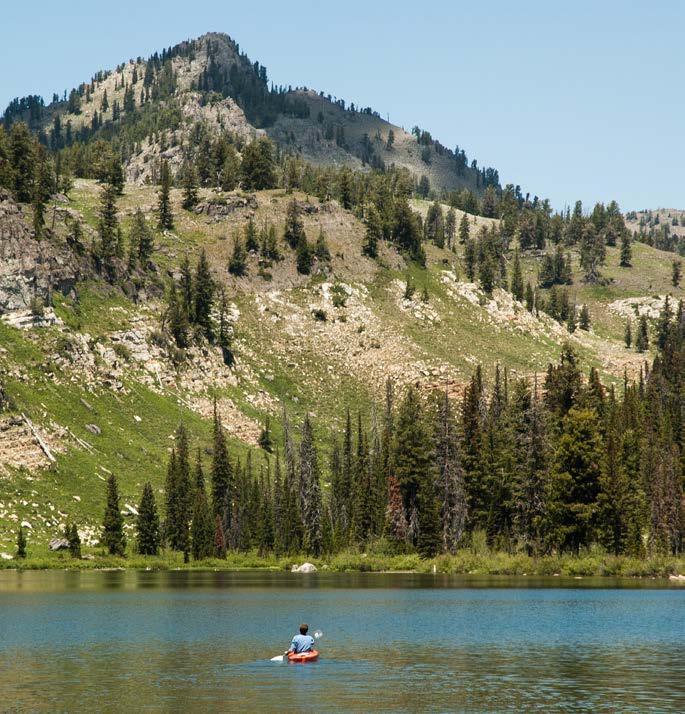
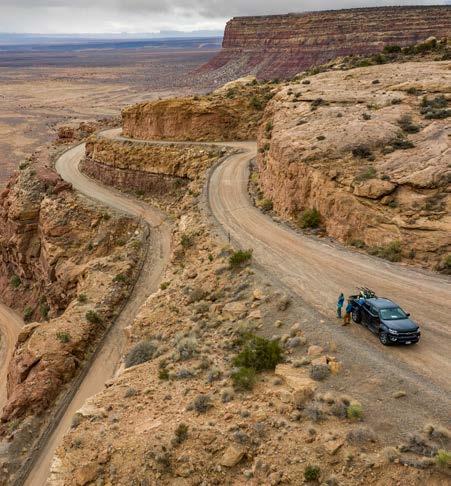
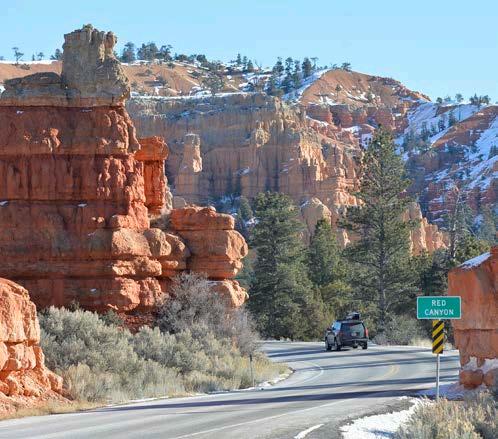
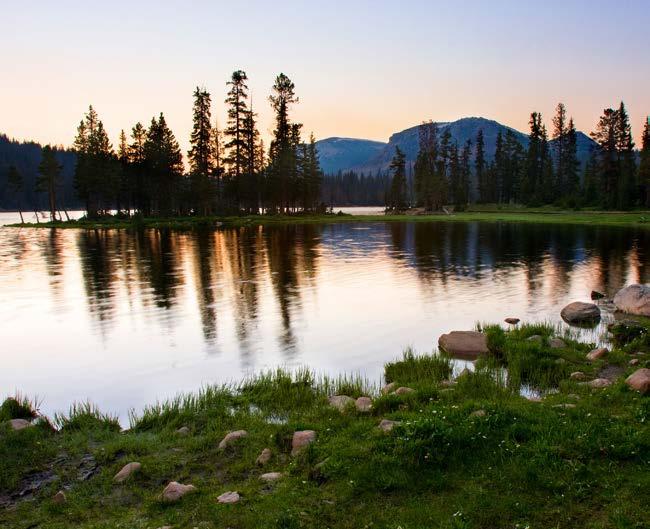
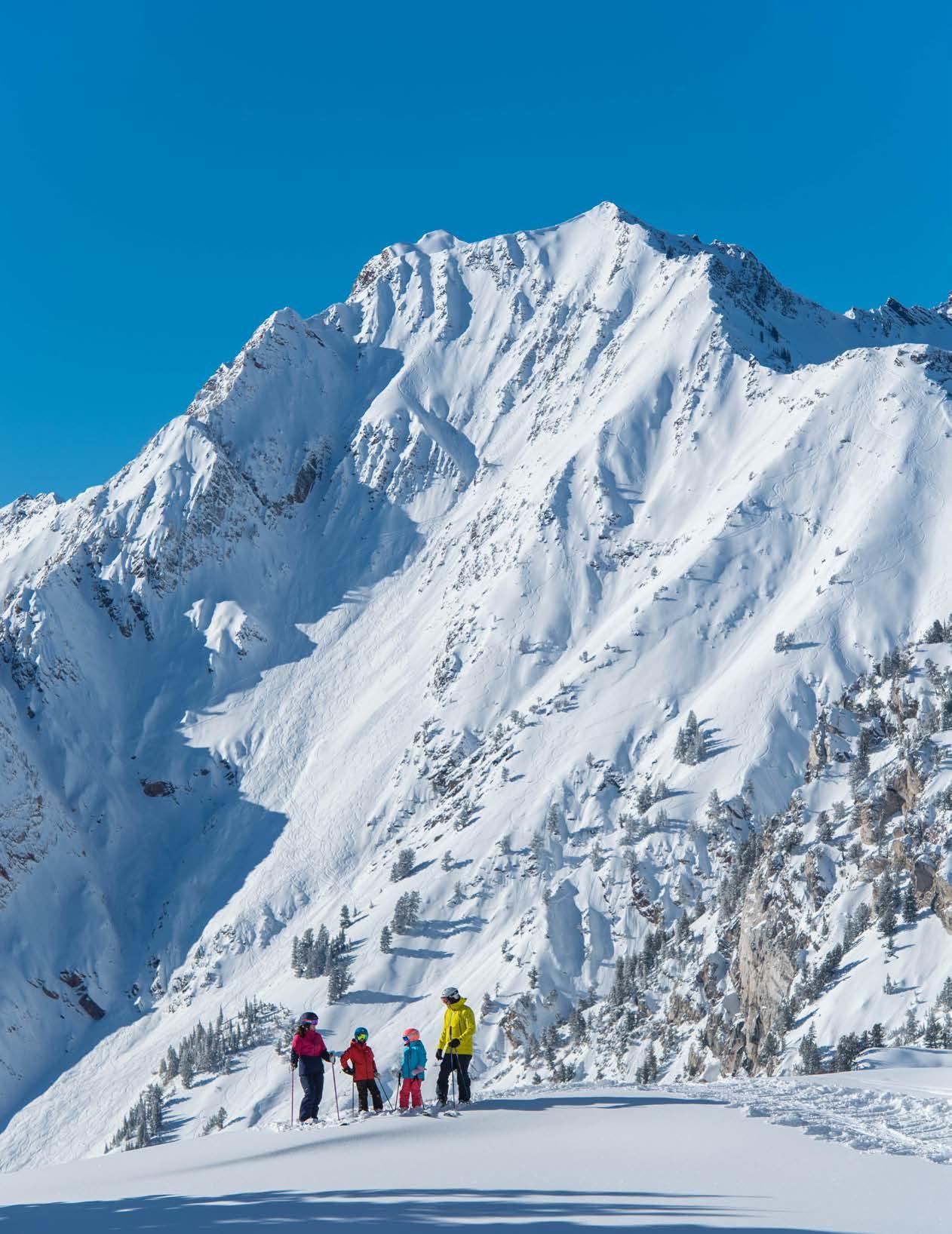
Utah’s location at the crossroads of the western United States means travelers enjoy easy access to The Greatest Snow on Earth®, The Mighty 5® national parks and everything in between. Utah’s landscape is varied, ranging from high-desert plateaus to alpine meadows and snow-covered peaks to bird-filled wetlands. Across all the varied terrain you’ll find different national parks and monuments, state parks and cultural and historic activities, not to mention non-stop outdoor recreation. Without a several week road trip it’s hard to experience it all, so pick a region and itinerary to start with, then come back again and again. visitutah.com/travel-info
Traveling to Utah is an adventure. It helps to come prepared, always with a little knowledge and often with gear and supplies. Here are a few tips to help you start planning and packing for Utah.
We’re capturing stories, videos and photos meant to guide and inspire you on your travels to Utah. Want to watch the Voices of Bears Ears series? Or get cycling route recommendations from a professional cyclist? Or maybe you’re looking for pro-tips on how to keep kids happy on the slopes or trail. We’re talking about all this and more. Explore our archives or sign up for our monthly newsletter at visitutah.com/articles
GETTING HERE & AROUND
TRAVELING TO UTAH
Utah is accessible to the world via Salt Lake City International Airport (SLC). Starting in Salt Lake City is the best place to begin your trip if you want to understand Utah’s culture, history and local flavors — and see the towering mountains overlooking the city. Travelers can also fly into Las Vegas’ Harry Reid International Airportfor slightly closer access to Southern Utah sites, including a 2.5-hour drive to Zion National Park, St. George and Kanab.
TRAVELING AROUND UTAH
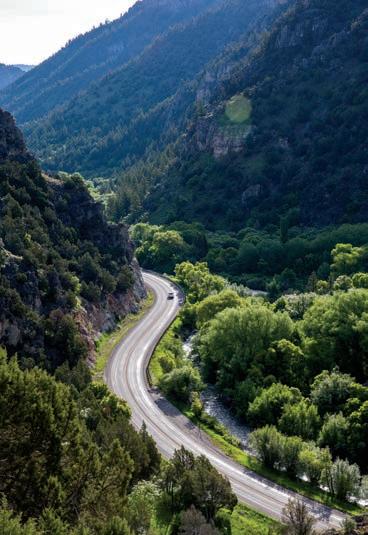
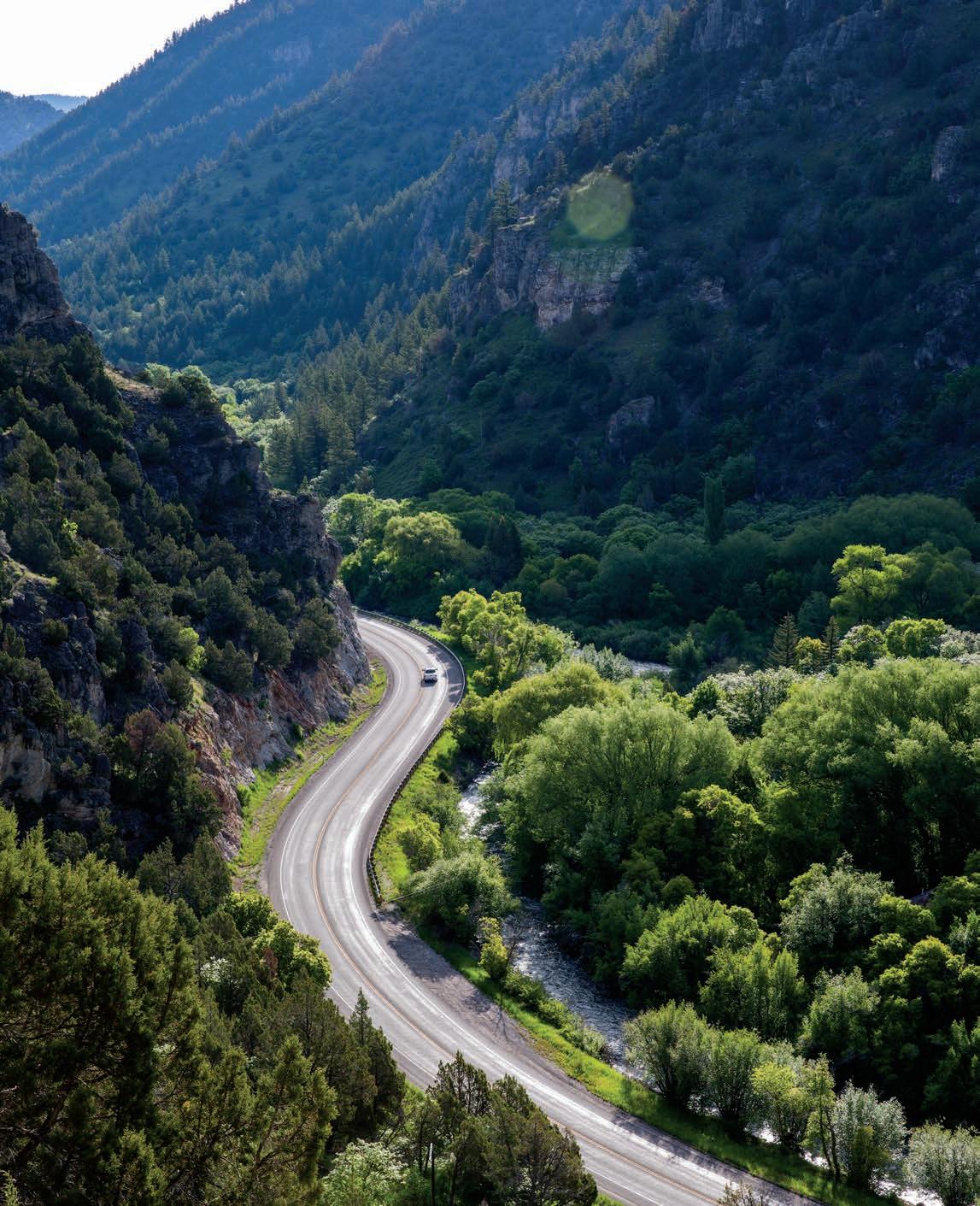
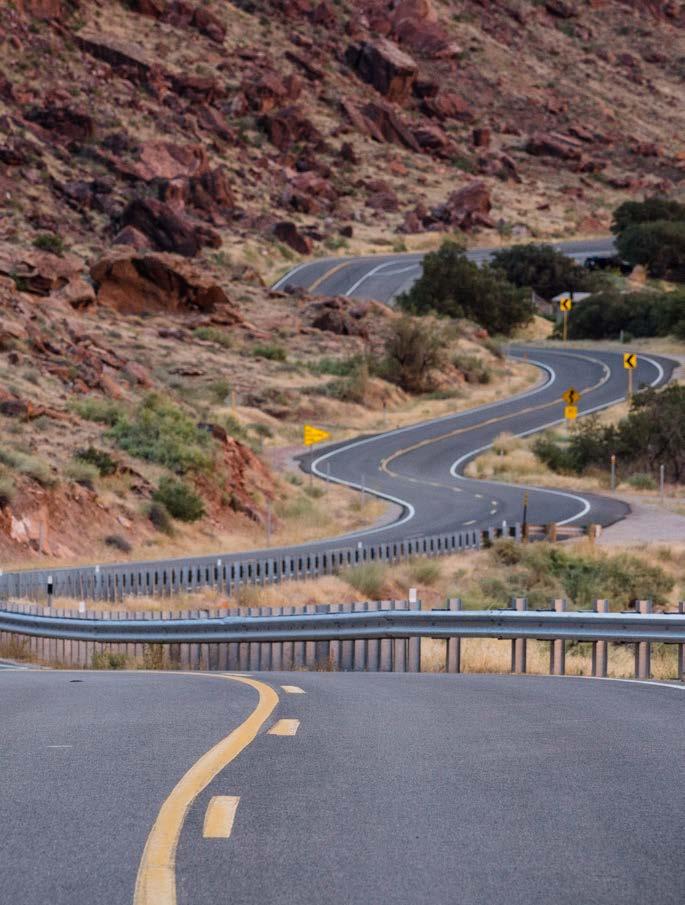
With 28 scenic byways and endless beauty, Utah is the premier road trip state. When possible, leave the interstate to slow down and explore these roads. While a rental car will give you the most control, there are also shuttles and group tours. Public transit is available in the Wasatch Front urban corridor of Northern Utah for travelers wanting to explore or traverse the city.
It takes time to travel between major locations. Taking advantage of the scenic byways offers local scenery, welcoming small towns and offthe-beaten-track attractions. See page 46 for some of Utah’s best scenic routes.
Salt Lake City to Moab (via I-15 and Hwy 6) — 4 hrs Salt Lake City to St. George (via I-15) — 4 hrs 15 min
Springdale to Torrey (via Hwy 89 and Hwy 12) — 4 hrs
Torrey to Moab (via Hwy 24 and I-70) — 2 hrs 30 min
Denver to Moab (via I-70) — 5 hrs 30 min
Las Vegas to St. George (via I-15) — 1 hr 45 min
Yellowstone to Salt Lake City (via Hwy 20 and I-15) — 5 hrs
Native Utahn Brett Prettyman grew up exploring the natural wonders of the state and shared them with the public as an outdoor writer and columnist for the state’s largest newspaper, The Salt Lake Tribune, for 25 years. Brett Prettyman is the former outdoor editor at The Salt Lake Tribune and author of “Fishing Utah,” “Best Easy Day Hikes in Capitol Reef National Park” and “Hiking Utah’s High Uintas". When not covering stories, and sometimes while doing it, he can be found discovering new Utah adventures with family and friends. He also has his own Utah Bucket List. @BrettPrettyman on Twitter (X).
Grand Staircase-Escalante National Monument | Andrew Burr
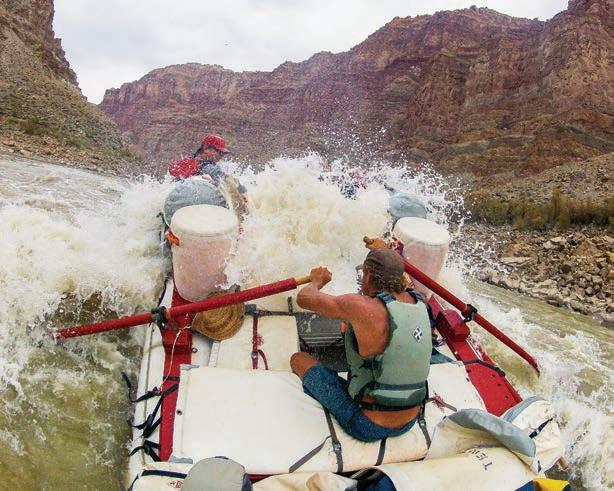
There is big white water and then there is the appropriately named Cataract Canyon stretch of the Colorado River in Canyonlands National Park. Many visitors have a river trip on Cataract on their life lists, but it takes a special kind of adventurer to experience the raging Colorado at its peak flow.
During high water years, people drop everything to float Cataract. “It’s the biggest white water you can find in the country,” said Steve Young, a river ranger at Canyonlands National Park. “It’s kind of a bucket list within a bucket list.” Don’t worry, floating the Colorado is a thrill even at its lowest flow. There are few places where you can truly escape everything about the outside world; Cataract Canyon is one of them.
UTAH POWDER DAY
WASATCH FRONT
local.sltrib.com/charts/bucketlist/blpowder.html
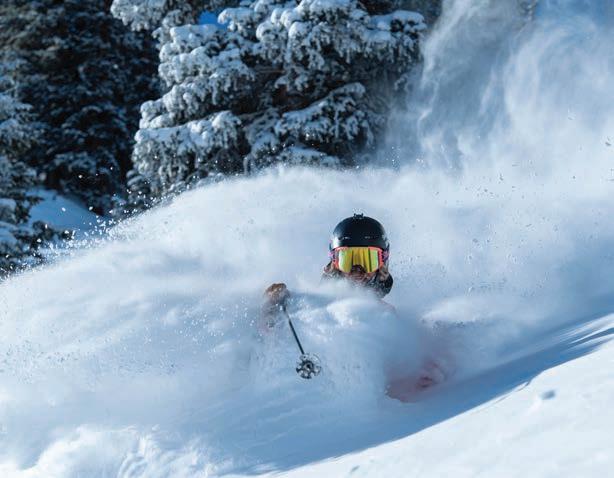
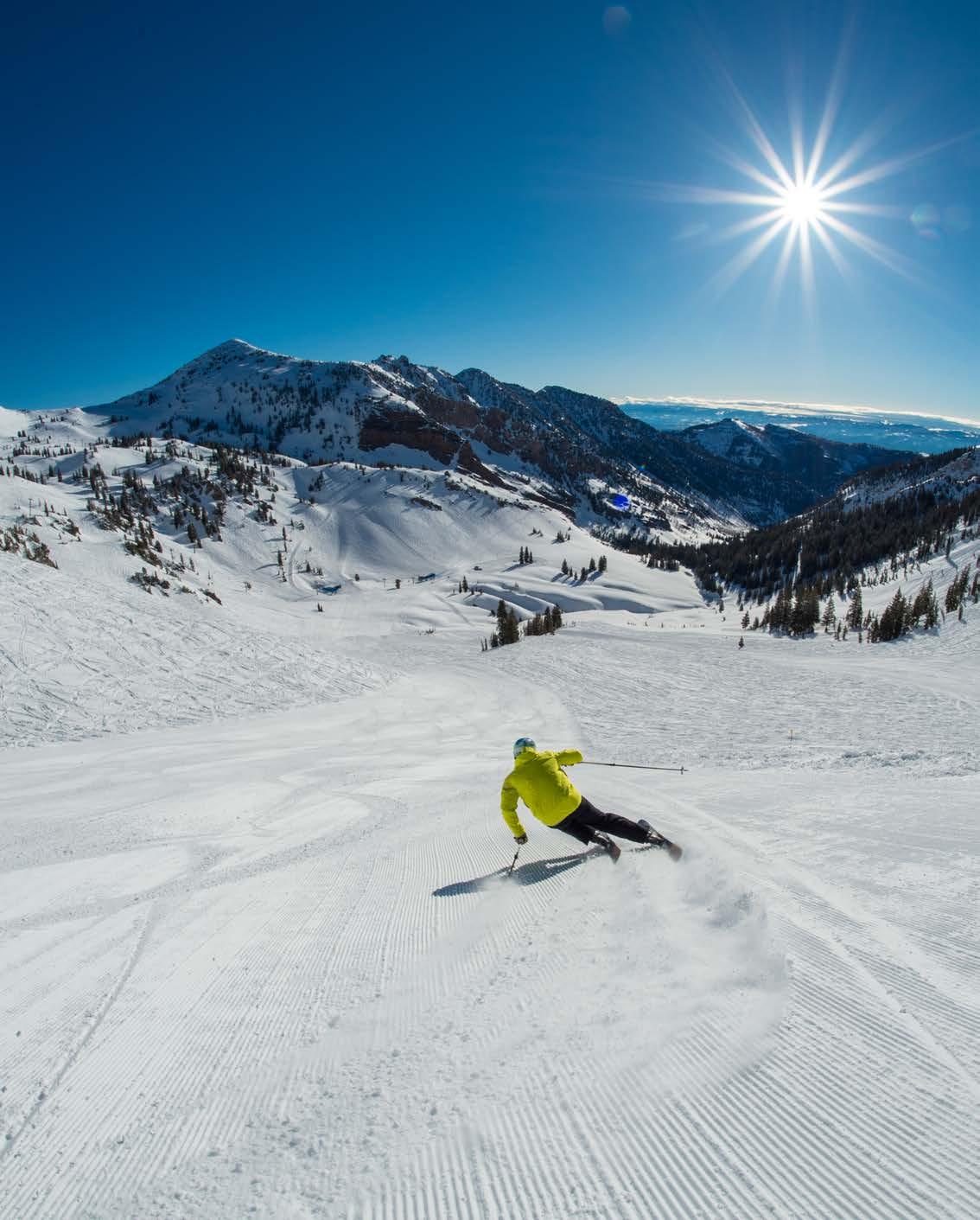
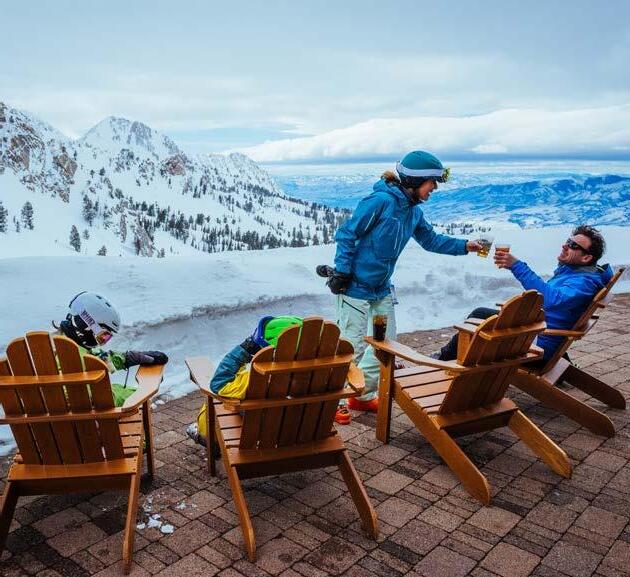
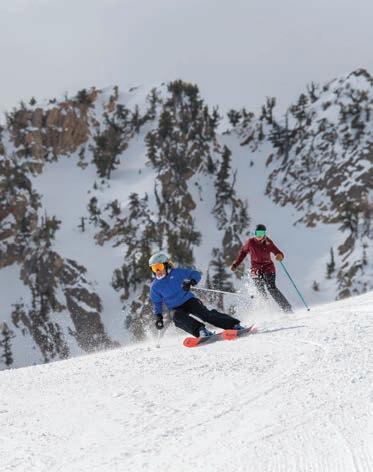
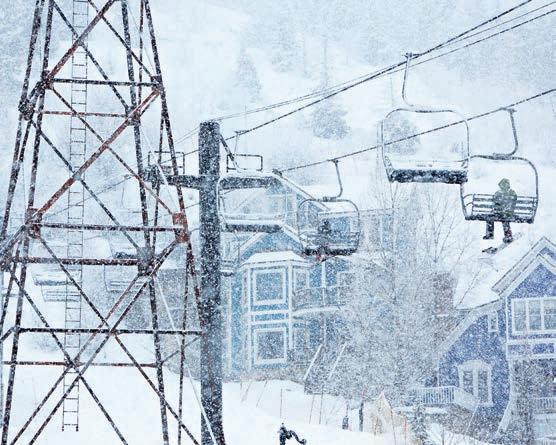
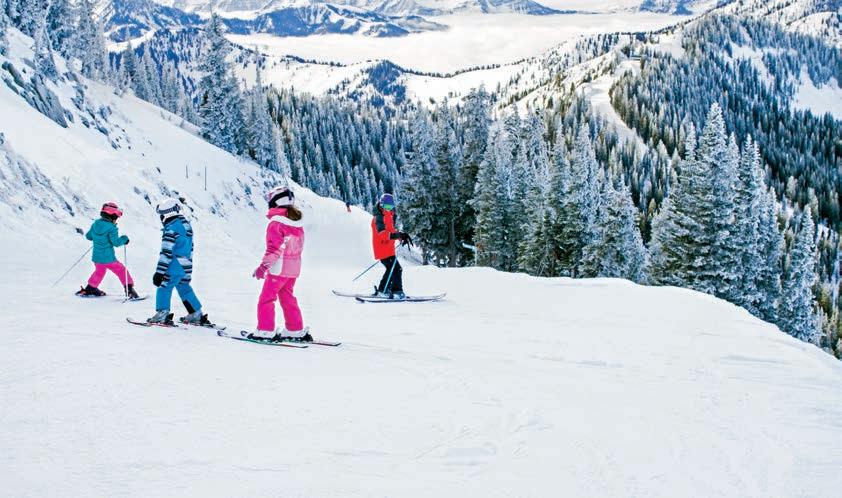
Utah’s snow is the best on the planet for skiing and snowboarding. If you don’t believe it, just ask state officials who trademarked the phrase “The Greatest Snow on Earth” — seriously, legally trademarked it. Mother Nature has been known to dump up to 4 feet of the fluffy stuff in one storm on resorts within 40 minutes of downtown Salt Lake City. On days like these, “epic” is an understatement for skiers and snowboarders.
NIGHT SKY ASTRONOMY FESTIVAL
BRYCE CANYON NATIONAL PARK
local.sltrib.com/charts/bucketlist/blbryce.html
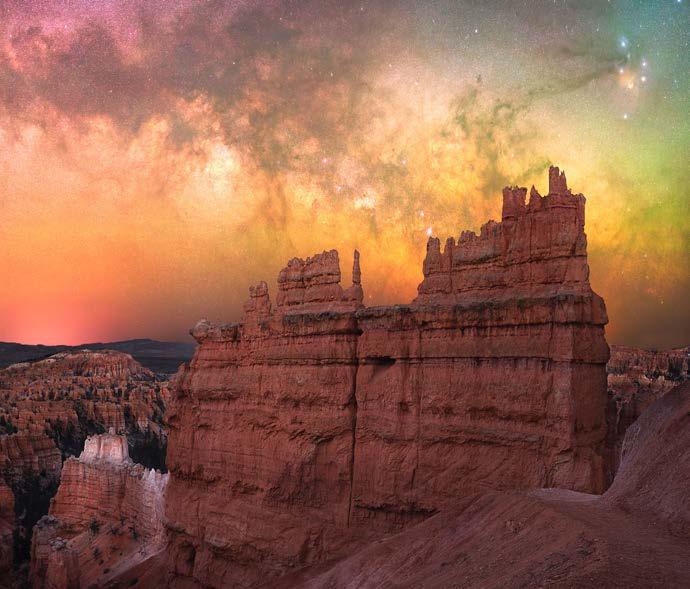
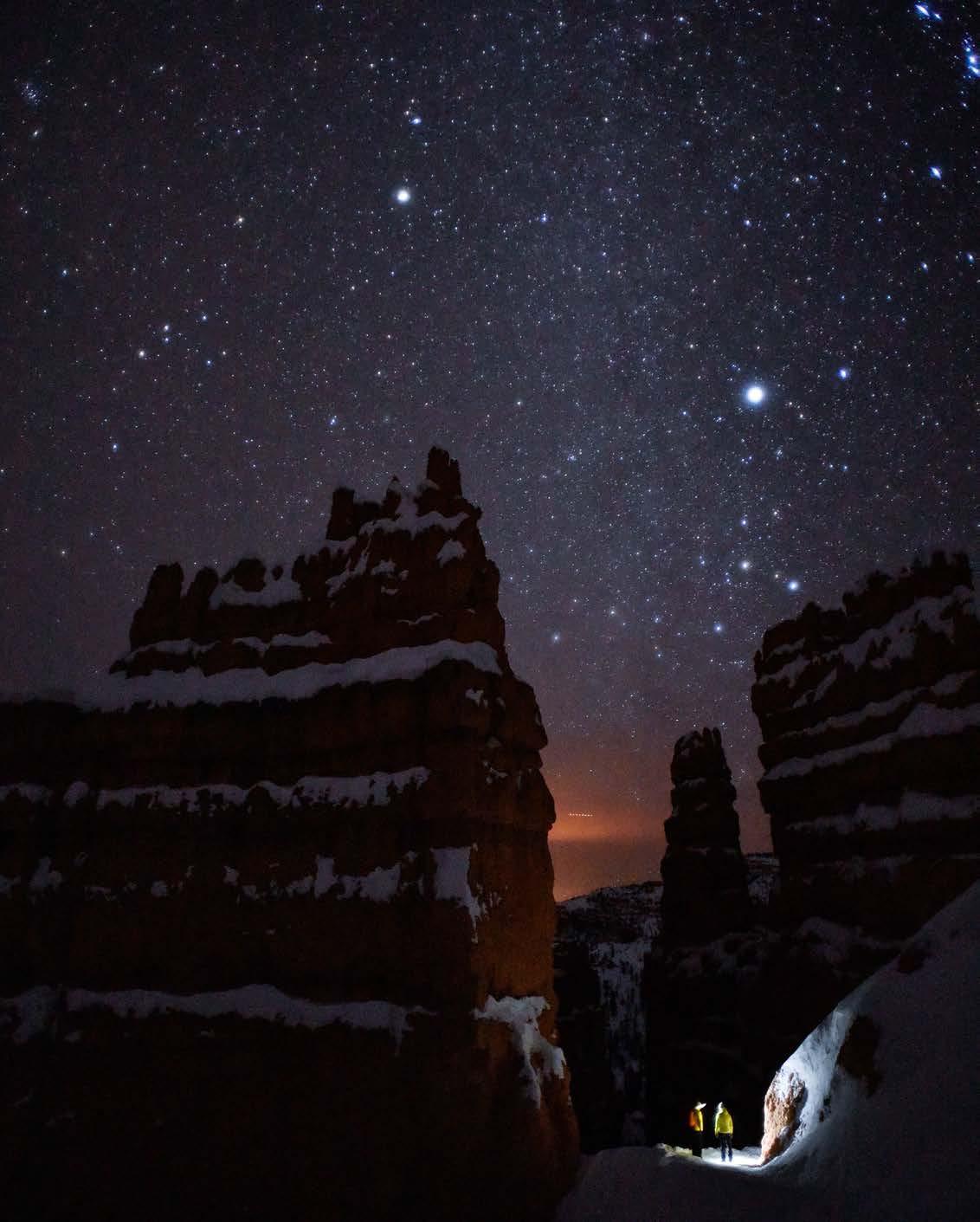
Embrace the dark side of Utah’s national parks by staying up at night. Bryce Canyon National Park will always be recognized for geologic wonders formed by erosion, but a growing number of visitors are sticking around the high-elevation park to play in the dark. The Dark Rangers of Bryce encourage such deviance.
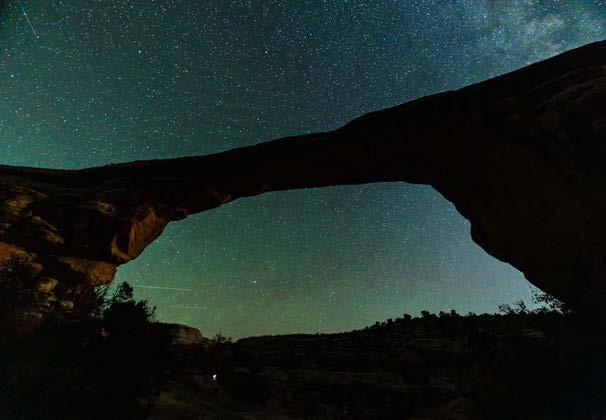
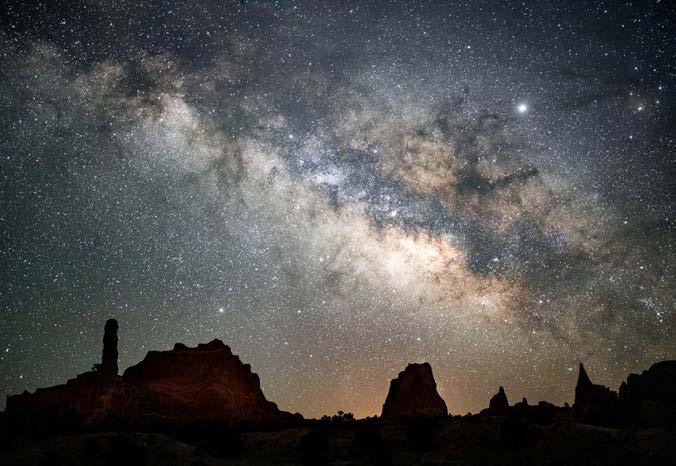
Bryce, it turns out, is one of the best places in the world to take in the night skies. Two other Utah National Park Service units, Capitol Reef National Park and Natural Bridges National Monument, are also among the top stargazing spots.
Bryce celebrates its low level of light pollution with an annual astronomy festival and night sky programs throughout the year.
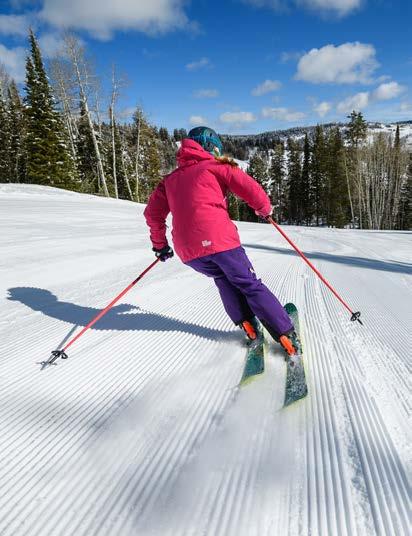
Whether you’re riding the lifts and cutting the slopes at one of the state’s 15 resorts, exploring the backcountry or venturing out for a Nordic ski adventure, Utah has the perfect winter holiday for hardcore skiers or families interested in strapping something on their feet to get down, or around, the mountain.
FLY-FISHING THE GREEN RIVER
GREEN RIVER
local.sltrib.com/charts/bucketlist/blgreen.html
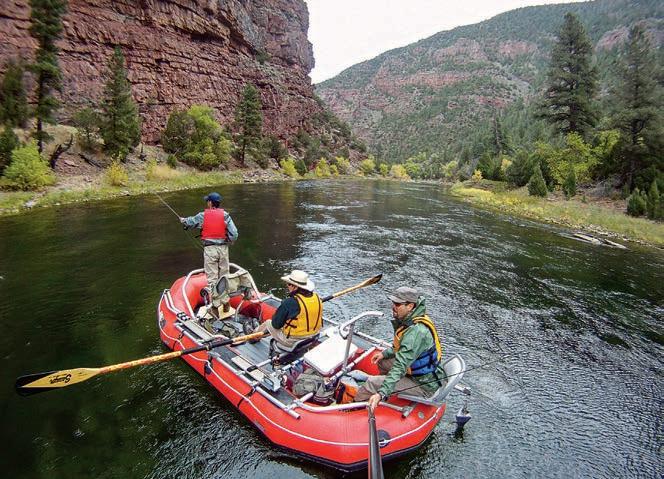
There are plenty of reasons why the Green River below Flaming Gorge Dam is on the bucket list of fly-fishers. 15,000, in fact, as in the average number of feisty trout per square mile on the river in northeastern Utah.
But anglers who don’t take time to look up every once in a while are missing out on some of the best scenery in the country. Explorer
John Wesley Powell documented this country in 1869 while floating down the Green and Colorado rivers. Aside from the reservoir, the scenery on a river trip below the dam looked a lot like it does in the 21st century.
The emerald green waters and red rock canyon create visually pleasing contrasts. The excellent opportunities for fishing and wildlife viewing are just a bonus when floating the river.
local.sltrib.com/charts/bucketlist/bluop.html
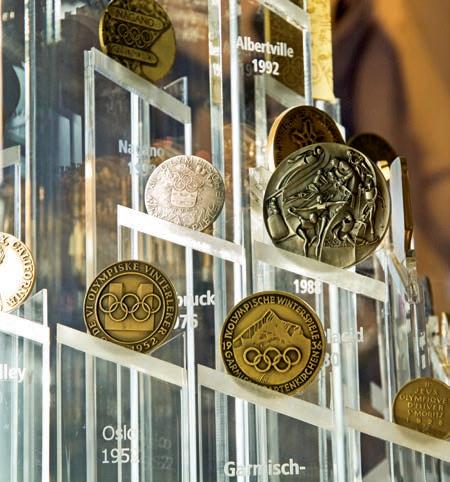
Most tourists visiting the state come to experience its many natural wonders. The 2002 Winter Olympics and the potential return of the Winter Games in 2034 are two additional reasons to come to Utah. Utah Olympic Park remains as a legacy to the 2002 Winter Games — not only for athletes training for future Olympics, but also for people interested in a taste of the sports.
Utah Olympic Park in Park City offers opportunities for people to ride down the same bobsled track used during the 2002 Games. Rides are available in the winter and the summer months. Fantasy bobsled and skeleton camps are also available in the winter. Another summer activity is taking a freestyle ski jumping lesson. Visitors can suit up and eventually jump into the 750,000-gallon pool used as a landing pad for skiers training for the Olympics.
ANTELOPE ISLAND STATE PARK
local.sltrib.com/charts/bucketlist/blbison.html
Many people believe the only place to see wild bison is at Yellowstone National Park. But visitors flying into Salt Lake City International Airport just have to look out the window while their plane makes its final descent.
Bison from Yellowstone were delivered to Antelope Island, the largest island on the Great Salt Lake, in 1893. Today, the state manages the island. The bison and other wildlife, including pronghorn antelope, mule deer, coyote, fox and numerous species of shorebirds, raptors and songbirds, make Antelope Island a great destination for tourists, families and photographers.
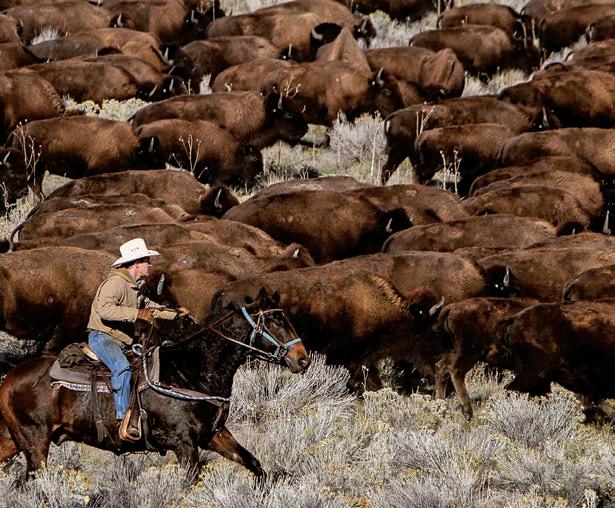
For a truly genuine Western experience, consider riding horseback during the annual Antelope Island Bison Roundup held late each autumn. Riders of all experience levels help encourage the bison into pens for health checkups and an auction.
OLYMPIC PARK
PARK CITY (WINTER AND SUMMER)
HORSEBACK BISON ROUNDUP
DEVILS GARDEN
ARCHES NATIONAL PARK
local.sltrib.com/charts/bucketlist/blarches.html
There are no lodges in Arches National Park, and that's not necessarily a bad thing. Most daily visitors leave the gates near or shortly after sunset. The only place for a head to hit a pillow is the 50-site Devils Garden Campground.
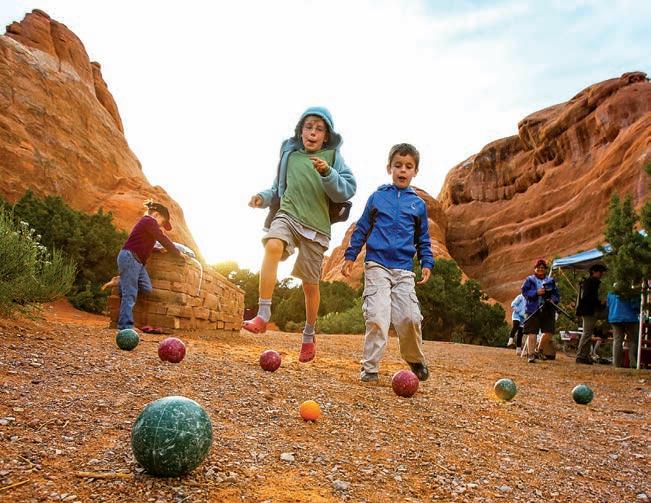
After a day of hiking to some of the greatest natural wonders of the world — the park has more than 2,000 documented arches — hanging out with the family around the campfire keeps the magic moments coming. As the fire dies and the night sky lights up, tired campers find a way to stay awake just a little longer.
Sunrise brings a new day of adventure and more exceptional hiking with options like Delicate Arch, Landscape Arch, Marching Men, Dark Angel and the Fiery Furnace.
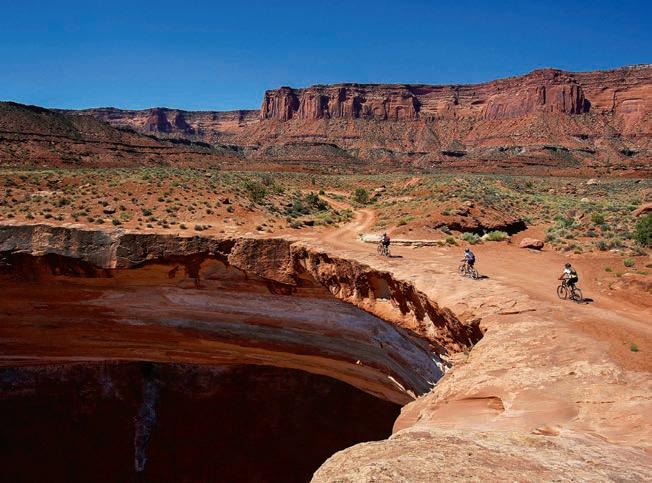
The slickrock country around Moab gets the majority of mountain biking attention in Utah, but those looking for a different pedal power experience have discovered the unique opportunity of the 100-mile White Rim Trail. Some do it all sunrise to sunset, but they could miss what the land-scape has to offer while in such a hurry to set bragging rights.
A more popular way to ride the White Rim is with a sag wagon support vehicle chasing bikers on a more casual three-or four-day camping trip. The more leisurely ride allows visitors to soak up the stunning views and share them with family and friends. Like hiking, there is something special about powering yourself through nature — especially nature like Mother Nature gave Southern Utah.
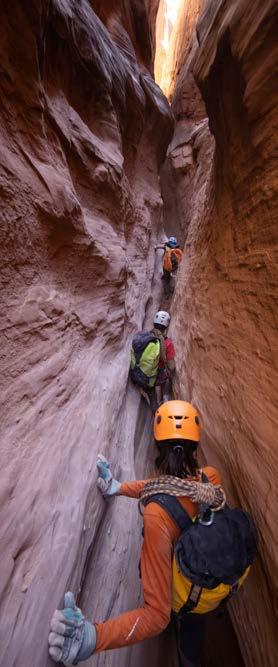
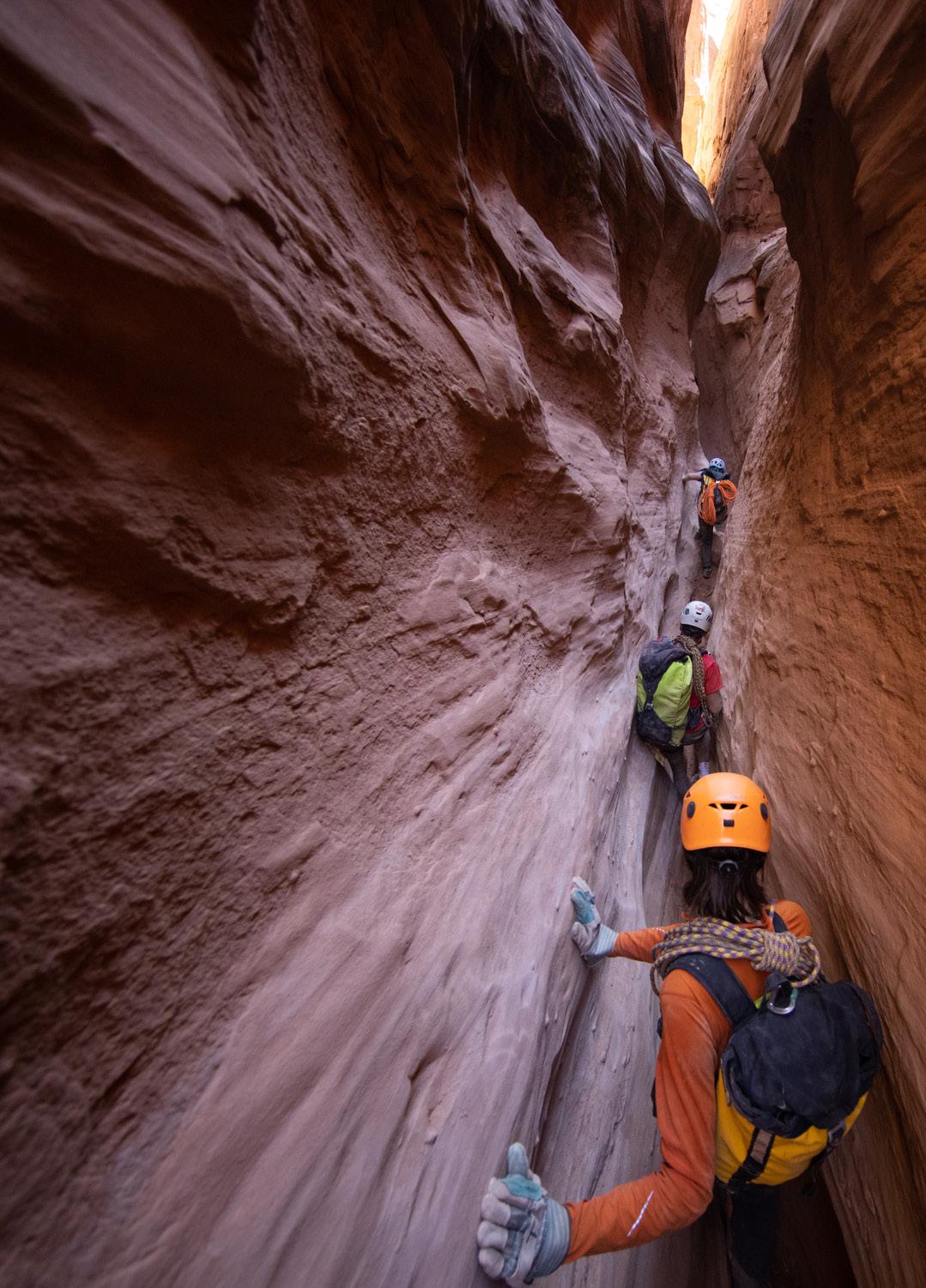
From the famous Subway and Narrows routes in Zion National Park to the countless side canyons running into Lake Powell and the surrounding countryside, Utah is zigzagged with slot canyons galore. Naturally, the state would become a destination for canyoneers from around the world when interest in the activity escalated in recent years.
Grand Staircase-Escalante is a perfect place to wander desert slot canyons. People new to the sport and even those with outdoor skills developed from other interests should make at least their first trip canyoneering with experienced friends or guides.
CAMPING
Salt Lake City & Beyond
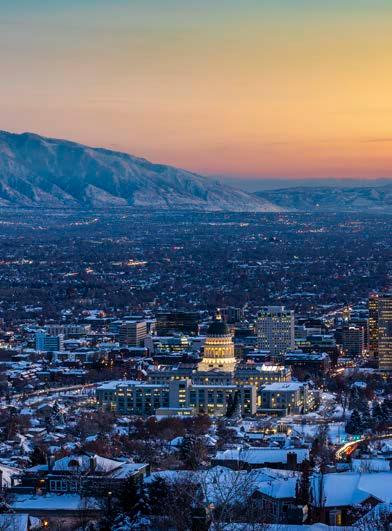
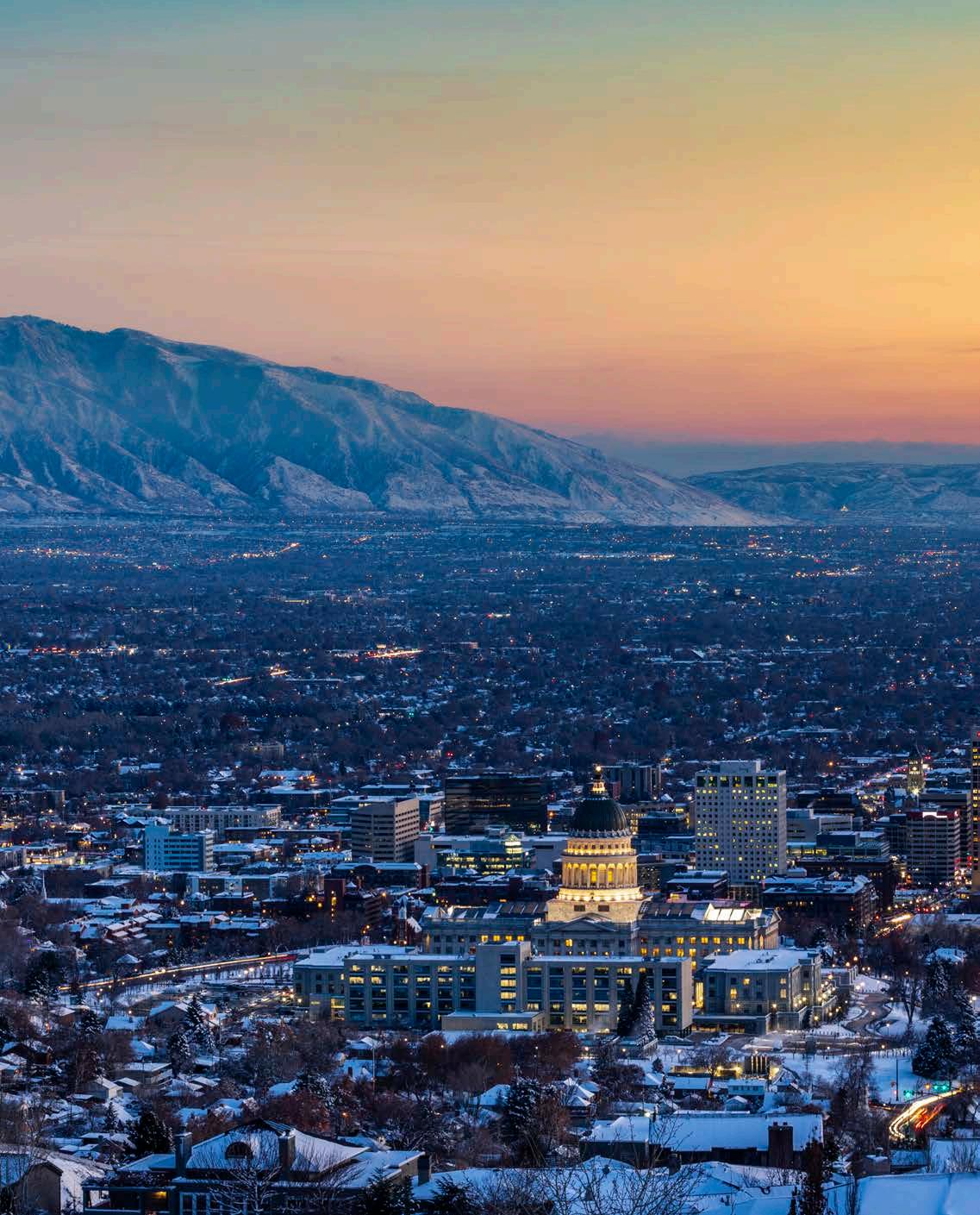
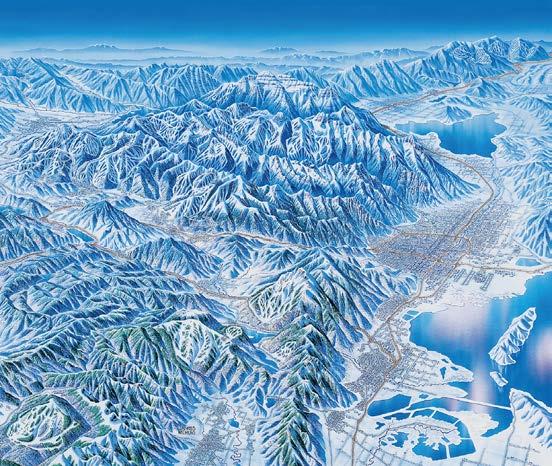
Salt Lake City is the urban heart of Northern Utah’s vibrant Wasatch Front. A city known equally for its thriving downtown and its backyard mountain range, Salt Lake City offers cosmopolitan amenities in an easy-to-navigate urban setting. The city is just a stone’s throw from hundreds of miles of trails for hiking, running and exploring and a dozen ski resorts, including four within 40 minutes. This unparalleled proximity has earned Salt Lake the distinction of being the only “Ski City.” Even Park City, the first IMBA Certified Gold-Level mountain biking city in the country and home to Deer Valley and Park City mountain resorts, is less than 45 minutes up the canyon. Utah’s five national parks are an average of four hours away by car. In short, by marrying the best of urban attractions and outdoor adventures, Salt Lake City is both a travel destination itself and the jumping-off point for many Utah vacations.
Downtown Salt Lake City | Jay Dash Photogrpahy
Historic Temple Square, located at Main Street and South Temple Street, is the point of origin for the four quadrants of the Salt Lake City street grid system. From Temple Square, major streets count up in increments of 100. State Street (100 East) is a primary artery running the full length of the valley beginning on Capitol Hill.
Locals frequently abbreviate street names, so you’ll hear 1300 South, 500 East spoken as “13th south, fifth east.” Popular neighborhoods just outside downtown include the Avenues, University, Liberty Wells, 9th and 9th, 15th and 15th and Sugar House. Each district has a unique character and features local shops, theatres, restaurants and bars worth seeking out.
HERITAGE & RELIGION
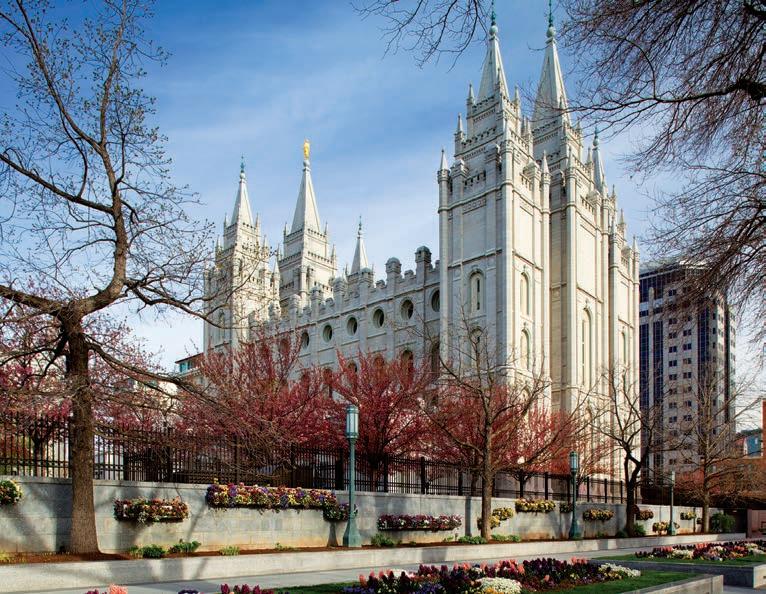
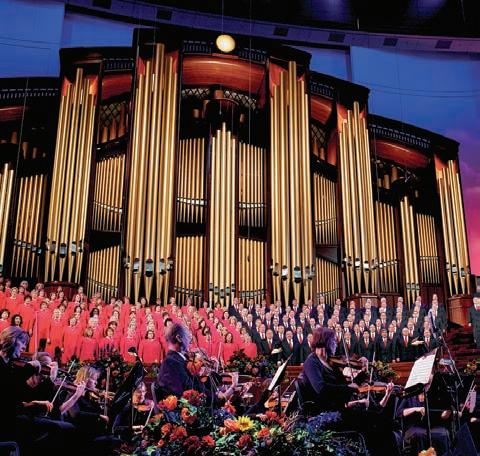
Settled in 1847, Salt Lake is a relatively young city, and its heritage remains strong. In fact, Salt Lake City’s most popular attraction is the 35-acre Temple Square, which is currently undergoing impressive renovations and is anticipated to reopen in spring of 2027. This beautiful downtown site is the spiritual center for The Church of Jesus Christ of Latter-day Saints and offers free walking tours in forty languages, extensive genealogy, great dining and frequent performances of The Tabernacle Choir at Temple Square. This Is the Place Heritage Park brings to life Utah’s Mormon and native history and marks the end of the 1,300mile Mormon trail.
NORTHERN UTAH
URBAN & MODERN
Great holidays go hand in hand with great food. Salt Lake has awardwinning micro breweries like Squatters, Uinta and Red Rock, distilleries like Sugar House and Beehive and skilled mixologists at hip downtown spaces like Eva, The Rest, Whiskey Street or actor Ty Burrell’s Bar-X and Beer Bar, to pair with your dinner. Tony Caputo’s Market and Liberty Heights Fresh offer the best in local, artisan food like Creminelli Fine Meats and Hatch Family Chocolates.
Evenings bring out the best cultural attractions at performing arts and music venues including Broadway at the Eccles Theatre. Award-winning productions by Ballet West, the Utah Symphony & Opera and Pioneer Theatre Company provide an international flair.
Catch national and local acts headlining downtown venues like the Urban Lounge, The Depot and The State Room and at multiple outdoor summer concert series.
UTAH COUNTY
Provo and Orem, at the southern end of the front, offer easy access to Sundance Mountain Resort as well as Provo Canyon’s fly fishing, hiking and skiing. Take a 1.5 mile hike up 1,000 feet to explore Timpanogos Cave National Monument, just south of Salt Lake City. With stalactites, stalagmites, “draperies” and countless other geological formations, Timpanogos offers a one-of-a-kind experience that’s worth the effort.
NORTH OF SALT LAKE
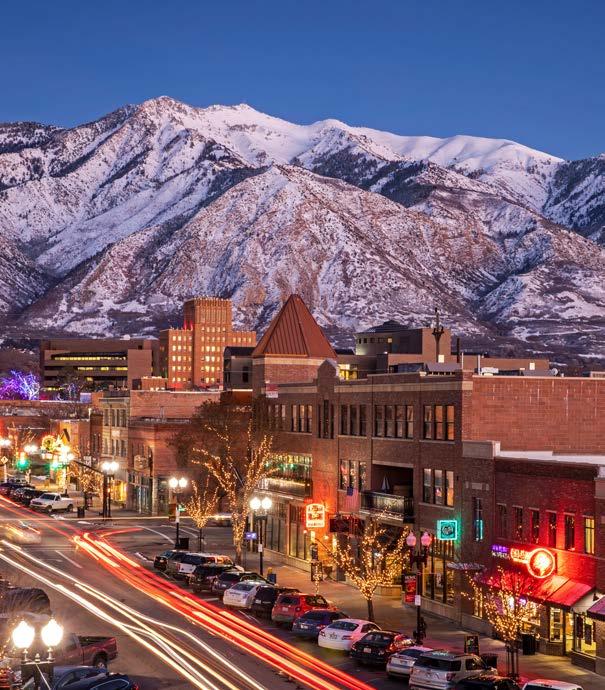
Historic Ogden offers visitors a burgeoning downtown nightlife. Settled by mountain men before the Mormons arrived in Salt Lake City, Ogden prides itself on feeling a little set apart from the rest of Utah. This is the place to find locally roasted coffee, craft breweries, farm-to-table cuisine and extensive recreation including Weber River tubing, a restored urban river waterfront and world-class ski resorts a short distance away.
Ogden in Winter | Jay Dash Photography
Utah Symphony | Jeremiah Watt; Temple of The Church of Jesus Christ of Latter-day Saints
48 Hours in Salt Lake City
BY CRAI BOWER
Like the western rattlers that stow beneath erratic boulders in the surrounding foothills, Salt Lake City has shed its skin several times in the past two decades. SLC’s glistening new look reveals a town teeming with arts, nightlife and attitude that left me hissing for just one extra play day — if not two. Though there are enough fun things to do in Salt Lake City to keep you occupied for a week, visitors with less time can read below for the best way to enjoy SLC on the quick.
SETTLE INTO DOWNTOWN
I’ve been a Salt Lake cruiser for years, zipping past downtown on my way to visit Park City or play in Little Cottonwood Canyon. So imagine my surprise when I finally checked into a boutique hotel here and took a look around. First impression? Everyone’s having a good time, whether they’re hanging out on the Beerhive Pub terrace, catching some live jazz or hitting one of multiple downtown breweries, queuing up for the Tumbleweeds Film Festival at the Rose Wagner PAC or tailgating before the nationally ranked Utah Utes football game. Must be that Wasatch Range elevation.
SHARE A BIKE AND BITES
Bike share programs have swept across North America, but they make the most sense here, given SLC’s relatively flat topography. With stations every few blocks, and an award-worthy app, grabbing one of GREENbike’s bright green cruisers becomes a no-brainer. I also appreciate the broad baskets and optional aluminum panniers, perfect for camera bags or farmers’ market finds. I cruise over to Current Fish & Oyster, an elegant and fun restaurant set behind an impressive historical brick façade. I follow a dozen of the day’s oyster selections with what I would call “pescado al fresco,” as in Mediterranean sea bass served to me on the vibrant, bustling terrace.
LIVING ROOM SUNSET
A living room sunset suggests couch slouching and a picture window. Not so in always active SLC, where hiking trails disappear into the foothills from seemingly every direction. We embark from the Natural History Museum of Utah parking lot upon an evening saunter up the Living Room Trail, a 2.7-mile route that leads to a photo-worthy plateau “furnished” with an assortment of chairs and settees assembled from loose sandstone rock. It turns out the Great Salt Lake provides an ideal canvas for the setting sun’s dazzling palette.
HIT THE PUBS
I’m not sure why, but trolley barns and breweries seem to go together like brick and mortar. The Desert Edge Brewery, started in ’72 as a college fueling station, pioneered the city’s micro scene, and has the gold ribbons to prove it. The ambience at trendy Trolley Square complements ale batches such as Citra in Red and the Helles Lager-style Desert Hell. Experience a different kind of ambiance across town in the up-andcoming Granary District. Just a block from the 900 South "Central Ninth" neighborhood are two powerhouse names in Utah brewing: the revived historic Utah brewing brand A. Fisher Brewing Company and the Templin Family's TF Brewing — with rotating food trucks, both facilities are a great place to spend an afternoon or evening.
Utah Museum of Contemporary Art | Austen Diamond Photography
Red Butte Garden | Austen Diamond Photography
TO MARKET, TO MARKET
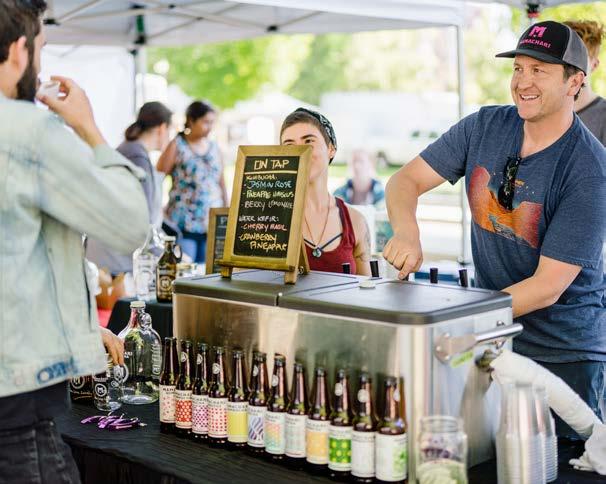
True, every American city offers a Saturday Farmers’ Market, but Salt Lake’s bazaar rocks out, encompassing all of Pioneer Park — a historic park that fills one of Salt Lake City’s large blocks. Makes sense, since the entire population appears to be here. At the Salt Lake City Pioneer Farmers Market cellist plies her bow beside flower blossoms, steel windmills spin tails, heirloom tomatoes bulge from their crates while a Dixieland band shuffles past to keep time.
GOOD MORNING GARDEN
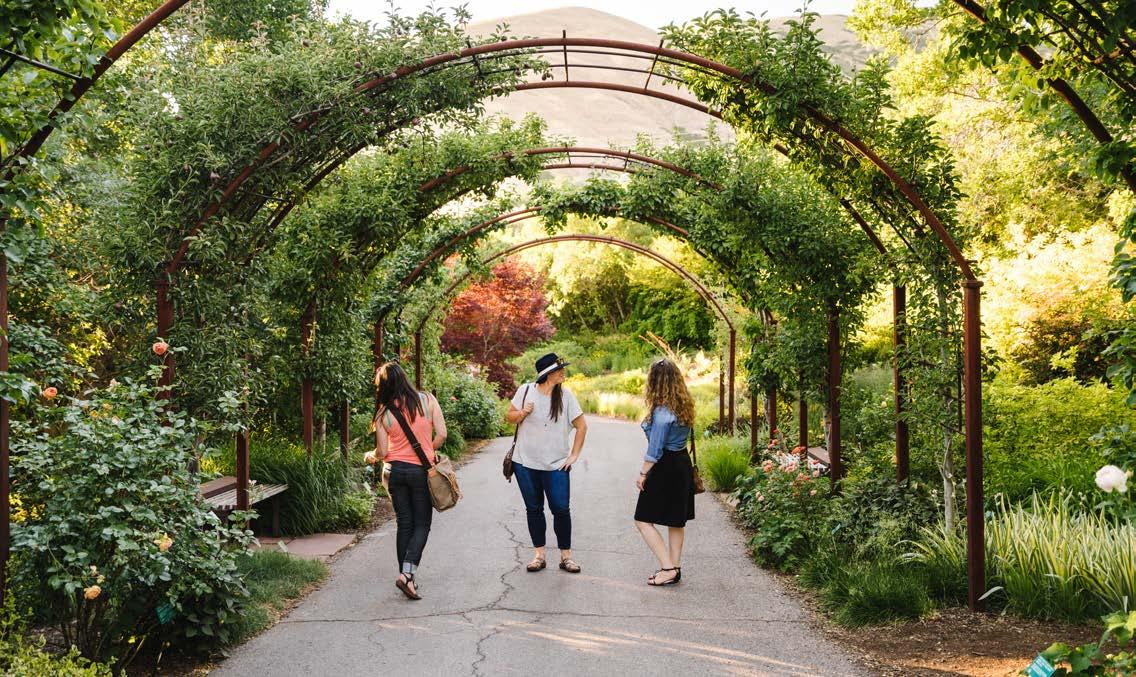
I find quiet time among the flora always adds a nice afterglow to a previous evening’s pub crawl, which is one of many reasons I wander into Red Butte Garden to start my day. Like a lot of non-desert dwellers, I admit to a certain bias against cacti and succulents. Imagine my surprise to find myself within this warren of broad blooms juxtaposed with outdoor sculptures and, my personal favorite, poetry hoisted in iron ore frames. (Home garden inspiration? Check.) My two hours would have stretched to four if I had young kids in tow, the Children’s Garden is that perfect. Add this to your list of locations to visit if you love checking out the local plant life.
FUTURE TO THE BACK
The Grand Staircase in Southern Utah is just plain cool — massive layers of sedimentary rock that have yielded thousands of dinosaur bones from paleontological rock stars such as Allosaurus and Stegosaurus. And just next door to the Red Butte Garden, the Natural History Museum of Utah in Salt Lake City (Read: "An Afternoon at the Natural History Museum") is also pretty sweet. Housed in a gorgeous building that settles perfectly against the city's foothills, it contains permanent exhibits exploring over 150 years of Utah's ancient past, as well as rotating shows of global significance.
ARTS AT LEISURE
I may not call SLC’s growing downtown cozy, but it is very walkable, especially when out for a museum crawl. The Leonardo provides an awesome children’s learning, I mean play space, filled with interactive activities as well as some thought-provoking installations, like a mixedmedia exhibition that profiles Salt Lake’s homeless population. I expect a family-centric hub like SLC to possess a top rate science museum and library, but I wasn’t prepared to discover the Utah Museum of Contemporary Art and its provocative exhibits. I round out my afternoon with an informative stroll through Temple Square.
ONE AFTER 9TH AND 9TH
Few indicators show off a city’s urbane evolution like its neighborhoods, so I make my way to 9th & 9th (900 East, 900 South), an up and comer that’s arrived. Restaurateur Scott Evans helped launch the area into its modern incarnation with his farm-to-table inspired Pago and nearby East Liberty Tap House. I loved the gelato at Dolcetti — every good ‘hood needs a solid gelato spot. Terraces rule this corner. The Stockist (men's and women's specialty clothing store) and Children’s Hour (bookstore) also hit their marks perfectly. One of the two 9s of 9th & 9th, namely 900 South, has taken on new life as Harvey Milk Boulevard with new restaurants and shops springing up all along the route to the Central Ninth neighborhood on 200 West. I pick out a $20 rose gold ring at The Land of Salt for my wife that she actually wears.
DOWNTOWN DINS & SINS
I make a rule of sitting at the bar when traveling alone, a fine way to capture the pulse of a town or, at the very least, gauge its friendliness. I’d say lively and amicable. Working my way through Bambara chef Nathan Powers’ “Snake River Farms Pork Shank,” my conversation with multiple locals yields a backcountry skiing invite, secret-fishing-hole intel and an enticement to Whiskey Street, a compelling urban saloon.
Great access to Utah’s parks and outdoors begins within 30 minutes of the Salt Lake City Airport in Northern Utah, which includes national forests and monuments that cross high-alpine adventure, tranquil lakes, mountain ranges and hidden caverns. Head south and soon find yourself on the astonishingly scenic drives that mark the way for visitors to The Mighty 5® national parks and all the unexpected national monuments, national forests, towns, state parks and scenic lands that fill the space in between. It’s here in Southern Utah that travelers visit red rock icons, then discover something equally wild around the next bend.
Keep in mind, visiting Utah is about so much more than recreation. It’s about soul-awakening adventures. Help preserve Utah for future generations by traveling responsibly. That means planning ahead, leaving no trace in the outdoors, supporting local and slowing down to fully appreciate all that is around you.
Navajo Loop Trail, Bryce Canyon National Park | Matt Morgan
WATER SPORTS
Though famous for its scenic desert vistas, Utah also ranks among the top 10 in the United States for surface area of boatable waters. The state’s rivers, lakes and reservoirs offer world-class water recreation. Rent a houseboat and cruise the Lake Powell oasis. Go fly fishing in the Green River. Swim, sail and waterski the turquoise waters of Bear Lake. Or take a heartpounding whitewater rafting trip down the Colorado River through Cataract Canyon.
CANYONEERING
It’s hard to imagine a place better suited for canyoneering than Utah. From the deep canyons of The Mighty 5® to the desert slots of the Grand Staircase–Escalante National Monument, the state is tailor-made for both serious canyoneers and guideaccompanied novices alike. Utah has the highest concentration of slot canyons in the world, which means explorers can never run out of incredible desert terrain. Canyoneering is a serious endeavour and often highly technical, but local guides and outfitters can lead you down a trail that’s perfect for your level of adventure.
RAFTING
Rafting a river can take you to some of the most remote places on Earth, filled with the darkest star-filled skies anywhere. Most of these river runs also include numerous opportunities for hikes to petroglyphs, pictographs and other reminders of Utah's ancient cultures. Some of the most famous runs include the wild whitewater of Westwater and Cataract Canyons (class IV-V) on the Colorado River, the Gates of Lodore and Desolation Canyon (class III-IV) on the Green River, and the Upper and Lower stretches (class III) of the San Juan River.
MOUNTAIN BIKING
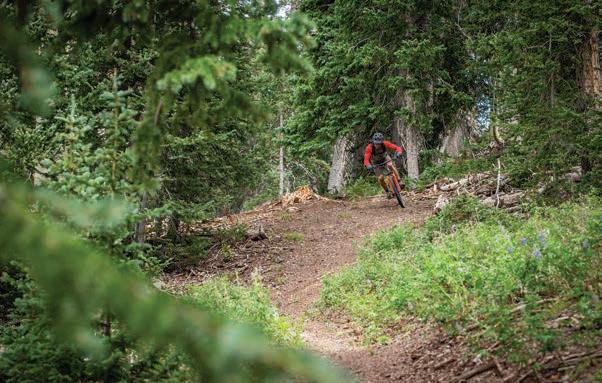
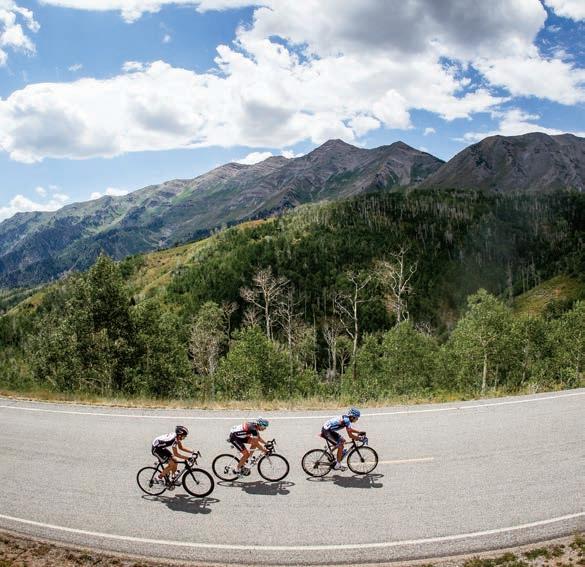
For mountain bikers, all trails lead to Utah. The challenging climbs and descents of the slickrock trails helped put Moab on the map. But Moab is just the beginning. Travelers to Bryce Canyon and Zion national parks should plan to visit nearby Thunder Mountain and Gooseberry Mesa. For a mountaintop biking adventure, head to Park City – America’s only International Mountain Bicycling Association-Certified Gold Level mountain biking city – or travel the singletrack Wasatch Crest Trail near Salt Lake City and the many sections of the Bonneville Shoreline Trail in Salt Lake City and Ogden.
HIKING
From family-friendly trails to more challenging climbs, Utah is made for hiking. The Mighty 5® national parks offer countless trails through the region’s iconic red rock landscape. Multiple national monuments, national recreation areas, national forests and state parks also blanket Southern Utah, providing ample hiking opportunities outside of The Mighty 5®. For diverse high-elevation views, hike through miles of lush wilderness with alpine meadows and lakes in the Uinta-Wasatch-Cache National Forest, or summit Mount Raymond to enjoy 360-degree views of Big Cottonwood Canyon, home to both Brighton Resort and Solitude Mountain Resort.
"NOBODY CAN DISCOVER THE WORLD FOR SOMEBODY ELSE. ONLY WHEN WE DISCOVER IT FOR OURSELVES DOES IT BECOME COMMON GROUND AND A COMMON BOND AND WE CEASE TO BE ALONE."
– WENDELL BERRY
BEFORE TRAVELING, WE ASK YOU TO PLEASE CONSIDER:
• Does this activity put me at risk for potential rescue, straining local resources?
• A m I doing what I can to avoid crowded locations?
• Have I prepared for limited services in remote areas, and taken into account the abilities of others in my group?
• A re there ways I can make a positive impact on the communities I plan to visit?
Read more at visitutah.com/prepare
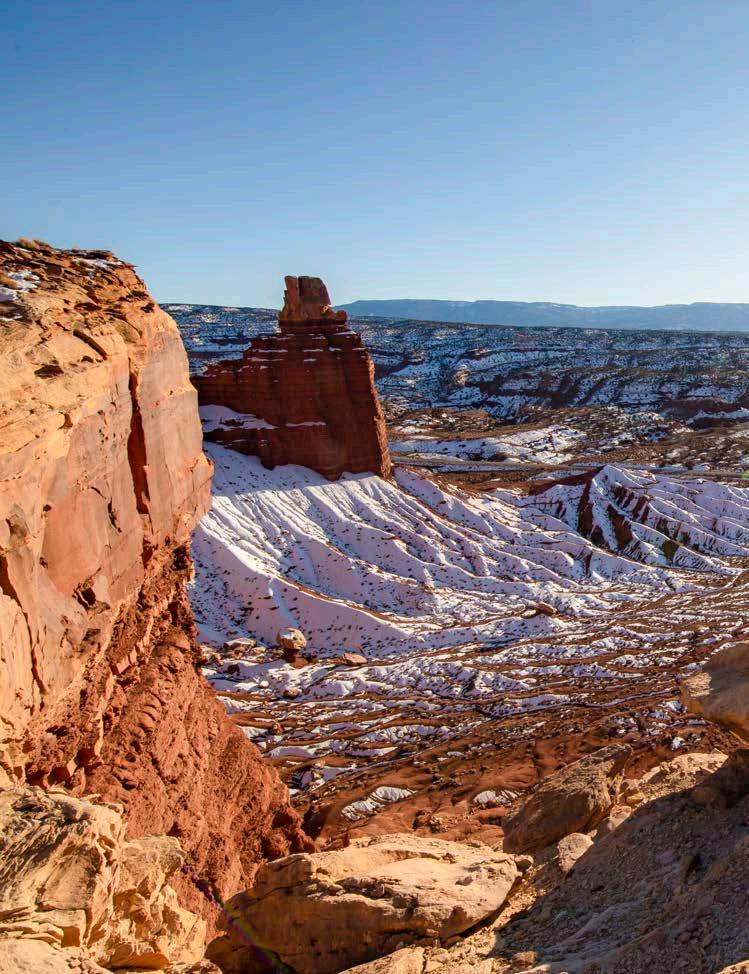
Chimney Rock from Chimney Rock Trail, Capitol Reef National Park | Andrew Burr
Capitol Reef
While Bryce and Zion are like encapsulated little fantasy lands of colored stone and soaring cliffs, the less-visited Capitol Reef is almost like a planet unto itself. Here you get a real feel for what the earth might have been like before life appeared, when nothing existed but earth and sky.
CAMPING - As one of Utah’s less crowded national parks, there is plenty of camping to choose from. Start your day nestled beside the Fremont River in the lovely Fruita Campground, or explore the two free primitive campgrounds further into the park.
CANYONEERING - Utah is known around the world for its spectacular slot canyons, many of which are found in Capitol Reef National Park. Explore the park’s most popular routes, learn about the required permits, and prepare for your trip here.
HIKING - For travelers who find serenity in seclusion, Capitol Reef’s sprawling red rock hiking may be tough to beat. There are plenty of hiking trails out of the Fruita area and along the scenic drive to spread out and experience the varied environments of Capitol Reef. Or spend the day winding through the park’s awe-inspiring slot canyons.
SCENIC DRIVE - In many parks the most beautiful destinations can’t be seen from the road. That’s not the case at Capitol Reef. Ramble down the 8-mile Capitol Reef Scenic Drive for breathtaking viewpoints and more likely than not, some great conversation. The Scenic Drive is a paved road, suitable to passenger vehicles. Beyond the paved road are two dirt spur roads, Grand Wash and Capitol Gorge. These dirt spur roads enter canyons and lead to trailheads, and are usually suitable for passenger cars and RVs up to 27 feet in length.
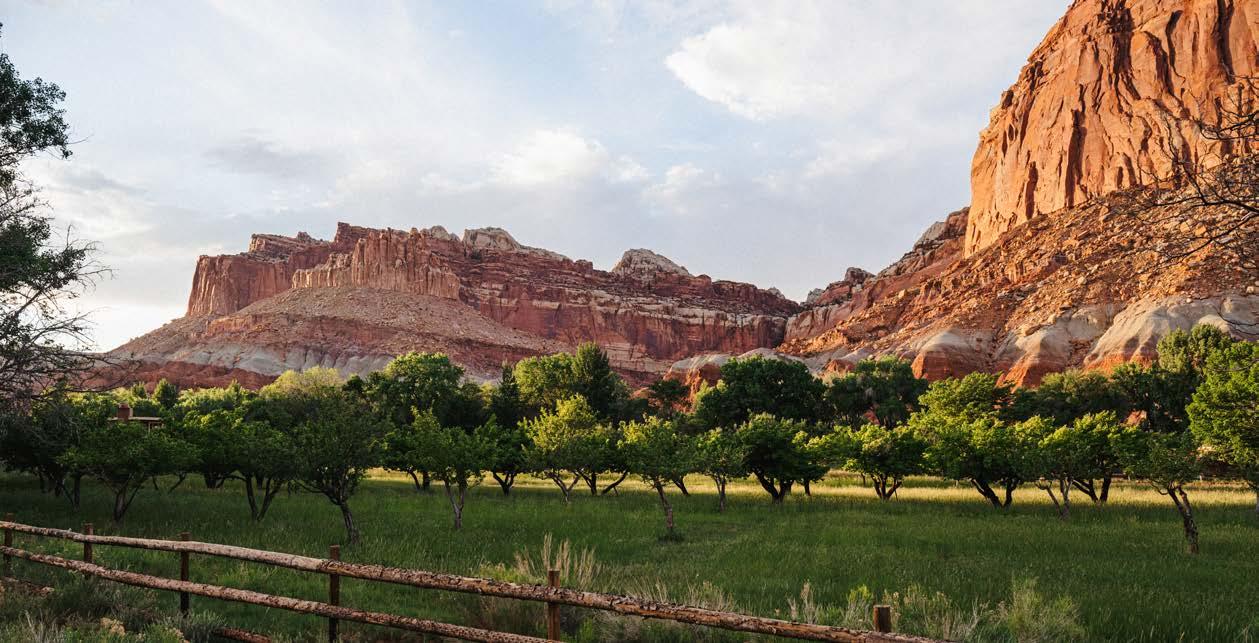
SLOW DOWN - Capitol Reef isn’t the type of place that calls for a packed itinerary. Slow down a bit while you’re here — visit the Pioneer Register site to see the names of historic miners and settlers, or visit the historic district of Fruita to pick fruit from its orchards.
WINTER ACTIVITIES - Towering red rocks dusted in snow, often set against bright blue skies, welcome winter visitors to Capitol Reef National Park. Skip the summer crowds and bundle up for an unforgettable winter adventure. Soak up incredible views along the park’s scenic drive or gear up and head out on a wintry hike. After the sun sets, watch dazzling stars shimmer against a brilliant and crisp night sky.
CLIMATE
You’ll experience a combination of mountain and desert climates. From May–October, expect dry, warm weather in the 70°– 80°F range and significant nighttime dips down to the 40°s. November–March is the coldest time, with daytime temperatures peaking under 50°F in November, 39°F in January and freezing overnight. Hardy travelers, however, will encounter stunning solitude amid snowcapped monoliths.
Capitol Reef National Park | Austen Diamond Photography
Start at visitutah.com/capitol-reef to learn more about these nearby destinations.
( 1 ) Cleveland-Lloyd Dinosaur Quarry & Jurassic National Monument | 2 hours 30 minutes from Capitol Reef
At Utah’s newest national monument, you’ll see the world’s densest concentration of dinosaur bones — more than 12,000 discovered so far. Typically open April–September, but check the hours before you go. The kids will love it, and they get in free.
( 2 ) Fishlake National Forest | 1 hour from Capitol Reef to Fish Lake
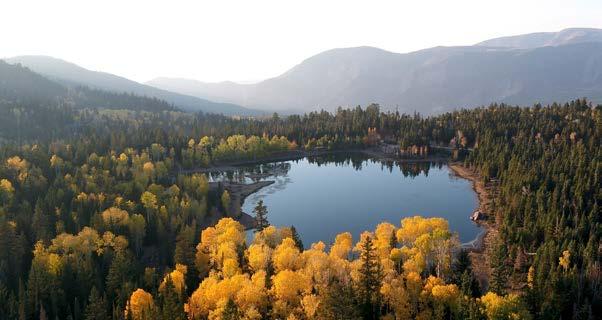
Enter an outdoor paradise known for its beautiful aspen forests with scenic drives leading to secluded camping, extensive ATV trails, elk hunting and fishing. Highlights include the Paiute ATV Trail and Lakeshore National Recreation Trail, home to the massive quaking aspen colony known as Pando.
( 3 ) Fremont Indian State Park and Museum | 1 hour 45 minutes from Capitol Reef
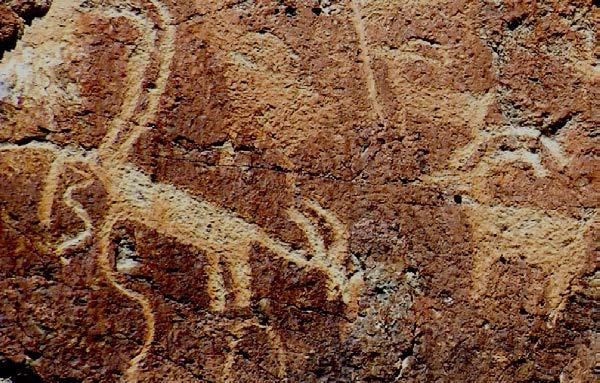
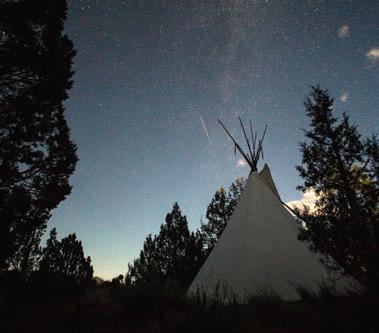
This museum marks the site of one of the largest-known Fremont culture villages. The museum showcases the incredible discovery of this village by a road construction crew, and nearby hiking trails explore the areas petroglyphs and pictographs. You can camp or rent a teepee for an evening beneath pristine dark skies.
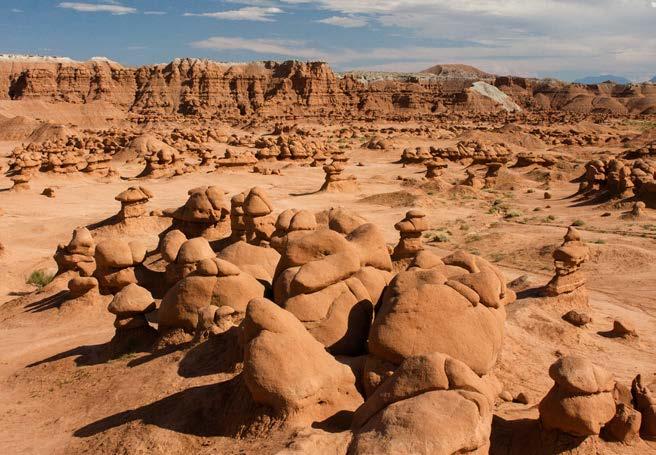
( 4 ) Goblin Valley State Park | 1 hour 30 minutes from Capitol Reef
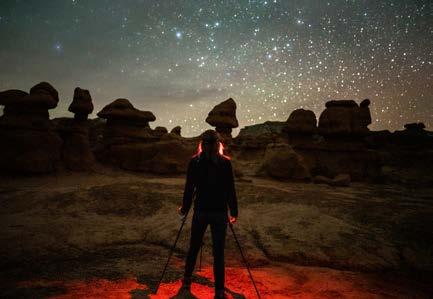
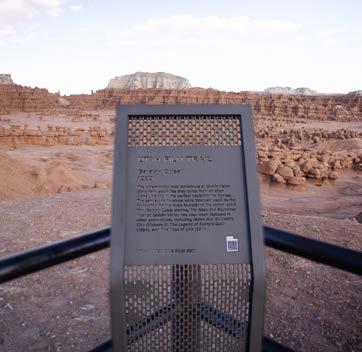
Unlike any other place in the world, this park’s whimsical sandstone landscape captures and stretches the imagination. Bring the family and experience this amazing place by hiking, camping, biking and exploring the surrounding canyons. It is also a certified International Dark Sky Park.
INSIDER TIPS
) Millsite State Park | 1 hour 45 minutes from Capitol Reef
This quiet reservoir is a great place to boat, fish and camp. There is also an eighteen-hole, public golf course adjacent to the park. Visitors who bring off-highway vehicles or mountain bikes can enjoy miles of trails in nearby Ferron Canyon.
) San Rafael Swell | 1 hour 45 minutes from Capitol Reef
Starting at the 1,000-foot Wedge Overlook introduces you to the expansiveness of this area. The view is a bird’s-eye perspective of the Little Grand Canyon, a 14 mile path cut by the San Rafael River. After the overlook, drive down into the Buckhorn Draw Backway to experience a wealth of petroglyphs, hiking, climbing and peaceful, primitive camping. The southern portion of the Swell is more rugged, but with a map and plenty of fuel you can enjoy remarkable slot canyons. Expect all roads in this area to be unpaved, including several requiring high-clearance and four-wheel drive.
1. In summer and early autumn, fruit can be picked and eaten in the Fruita orchards for free. You can take a bag of fruit to go for a nominal fee. Definitely stop at the Gifford Homestead for a fresh, local pie.
2. At high desert elevations, drink extra water and don’t forget the electrolytes. Start hikes early, protect your skin, and take breaks to enjoy the scenery.
3. Capitol Reef is a certified International Dark Sky Park. Fit some stargazing into your itinerary.
4. Connect your visit with Bryce Canyon National Park by driving on the All-American Road: Scenic Byway 12, one of the most beautiful roads in the United States. Plan several days to explore both parks adequately.
A 73,234-acre wonderland of eroded sandstone fins, towers, ribs, gargoyles, hoodoos, balanced rocks, and, of course, arches northwest of Moab. The park protects an amazing landscape that includes the largest proliferation of arches in the world. Over 2,000 arches have been cataloged in Arches National Park.
CAMPING - Start your day with the best access to the park’s hiking trails and viewpoints, then wind down as the sun sets behind arches and rock formations. Arches National Park has a single campground within the park, and plenty more camping options nearby.
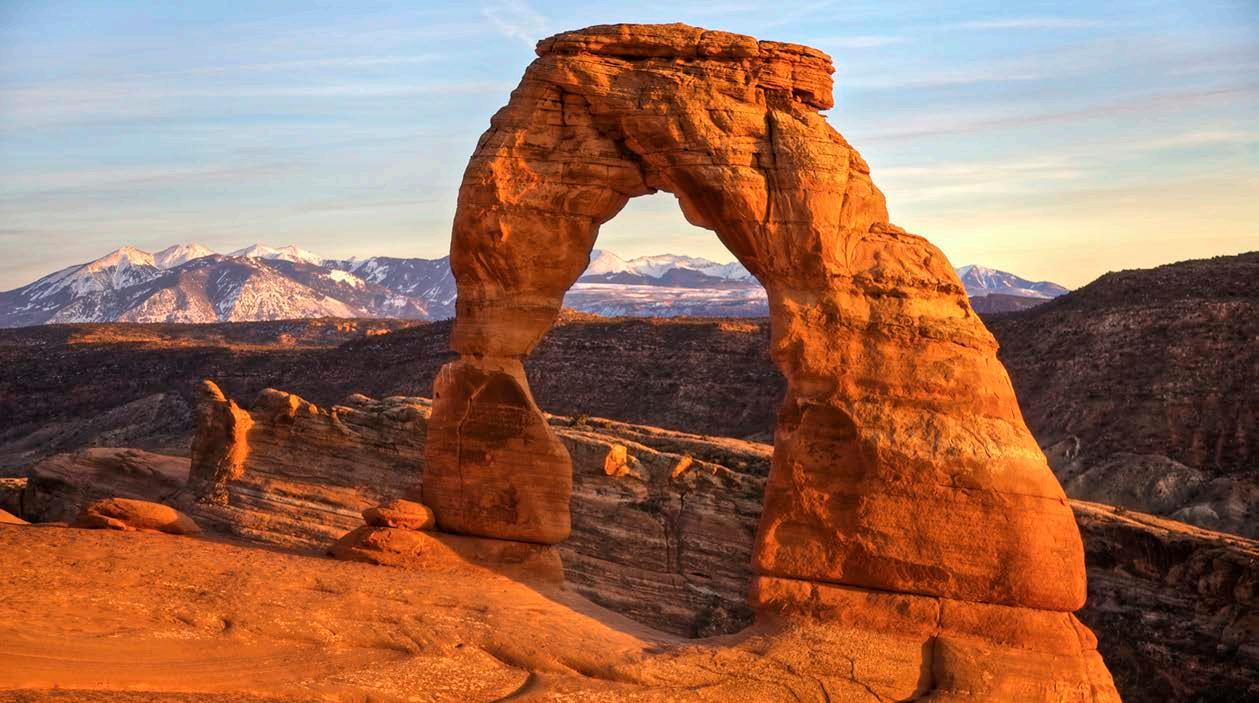
HIKING - Hike the world-famous Delicate Arch trail, see three separate arches on the Windows Primitive Loop, or simply soak in one of the many awe-inspiring viewpoints. No matter how you hike, Arches National Park has trails you just can’t miss.
PHOTOGRAPHY - As home to some of the most famous natural formations in the world, the park will have you reaching for your camera at every stop. Explore can’t-miss photo op’s, when conditions are best, and much more.
STARGAZING - After the sun sets and the sandstone has cooled you can see countless stars set against a pitch black night sky. See the night sky like you may never have before after dark in Arches National Park.
TOURS - It took millions of years for the park’s arches, hoodoos, towers and fins to take form. Explore the most popular destinations in the park and learn about how they were formed with a guided tour. Stop by the visitor center to learn more about ranger-led programs. Commercial tours within the park are also available from authorized, local outfitters: Adrift Adventures, NAVTEC Expeditions and Moab Scenic Adventures.
WINTER ACTIVITIES - Arches National Park is internationally known for its namesake arches and stunning red rock scenery. Winter is the park’s quietest season and a perfect time to see the fiery red arches with a soft dusting of white snow. Skip the crowded peak season and embrace a quiet winter hike or scenic drive.
CLIMATE
You’ll typically encounter 65°–85°F temperatures through the spring and fall, often deep into November, though nights can be as much as 30° cooler. These cooler seasons are highly recommended to avoid crowds. Southeastern Utah gets hot in the summer, and daytime temperatures can exceed 100°F. You can beat the heat by planning ahead and carrying sunscreen and extra water. During the summer, consider exploring in the morning and evening. In winter, enjoy iconic landmarks in solitude. You may need poles and shoe spikes to navigate icy or snowy trails.
Delicate Arch
INSIDER TIPS
Start at visitutah.com/arches to learn more about these nearby destinations.
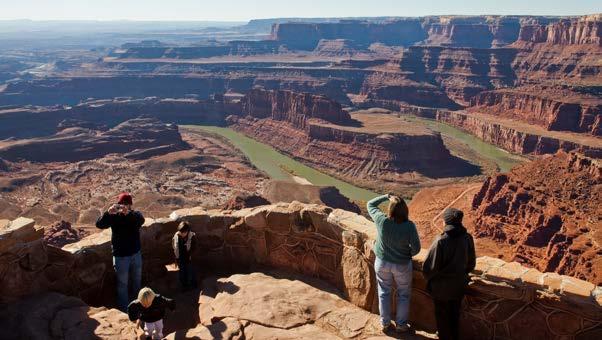
( 1 ) Dead Horse Point State Park | 40 minutes from Arches visitor center
Many visitors find the views at Dead Horse Point to be more captivating than the Grand Canyon. A visitor center and gallery provide a wonderful introduction to the park’s geology. There are also mountain biking trails, campsites and reservable yurts.
( 2 ) Green River | 45 minutes from Arches visitor center
Green River is the name of a welcoming small town, a lush state park and one of the West’s great rivers. Stay in the town of Green River as a base camp for Arches National Park or for a rafting trip on the Green River Daily or other world-class floats. With a rafting guide or permit, take on the Green River’s famous Desolation Canyon.
( 3 ) Manti-La Sal National Forest | 1 hour from Moab area
In southeastern Utah, the La Sal and Abajo mountain ranges provide excellent opportunities for remote camping, hiking, biking, fishing, hunting and mountain climbing. They also serve as scenic backdrops to state and national parks throughout the region.
( 4 ) Moab Mountain Biking | Most trails 10–20 minutes from Arches or Moab
The Slickrock Trail of Sand Flats is one of the most famous trails located within a stone’s throw of the biking/hiking/off-road mecca known as Moab. But there’s biking for days: Magnificent 7, Intrepid, Klondike Bluff and Bar M are just a few of the must-ride trail systems in the area.
( 5 ) Potash-Lower Colorado River Scenic Byway | Junction .6 miles south of Arches entrance
Take the 17-mile scenic byway down S.R. 279 to access soaring sandstone cliffs, rock climbing, cycling trails, petroglyphs, dinosaur tracks, arches and views of the Colorado River. Popular arches include Bowtie, Corona and Jug Handle.
( 6 ) Upper Colorado River Scenic Byway | Junction 5 minutes south of Arches entrance
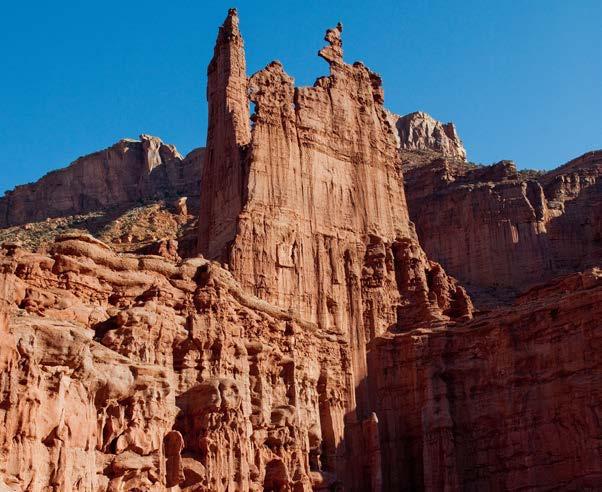
Part of the Dinosaur Diamond Prehistoric Highway, the 44 mile S.R. 128 accesses trailheads, rafting, wine tasting and renowned hiking and multipitch climbing at Fisher Towers and Castle Valley, also popular backdrops for film and TV, from John Wayne to ”Westworld.”
1. Arches is far less crowded at sunrise and sunset, and it may be the most striking time to visit. March–October is busy, especially on holidays, weekends and mid-morning.
2. Timed entry tickets are required in addition to your park pass OR entrance fee from 7 am to 4 pm daily April 1 through July 6 and August 28 through October 31, 2025. Visit recreation.gov to reserve your ticket.
3. Follow @archesnps on Twitter (X) and Facebook and visit nps.gov/arch for park alerts about current conditions and to view the entrance station webcam.
4. The short Dead Horse Point Mesa Scenic Byway (S.R. 313) connects Moab and Arches to the road’s namesake state park and the Island in the Sky district of Canyonlands.
LODGING discovermoab.com/hotelsand-motels UNDER CANVAS MOAB: GLAMPING visitutah.com/articles/moabunder-canvas-glamping
Dead Horse State Park | Matt Morgan
Manti-La Sal National Forest | Jay Dash Photography
Fisher Towers off S.R. 128 | Matt Morgan
Canyonlands
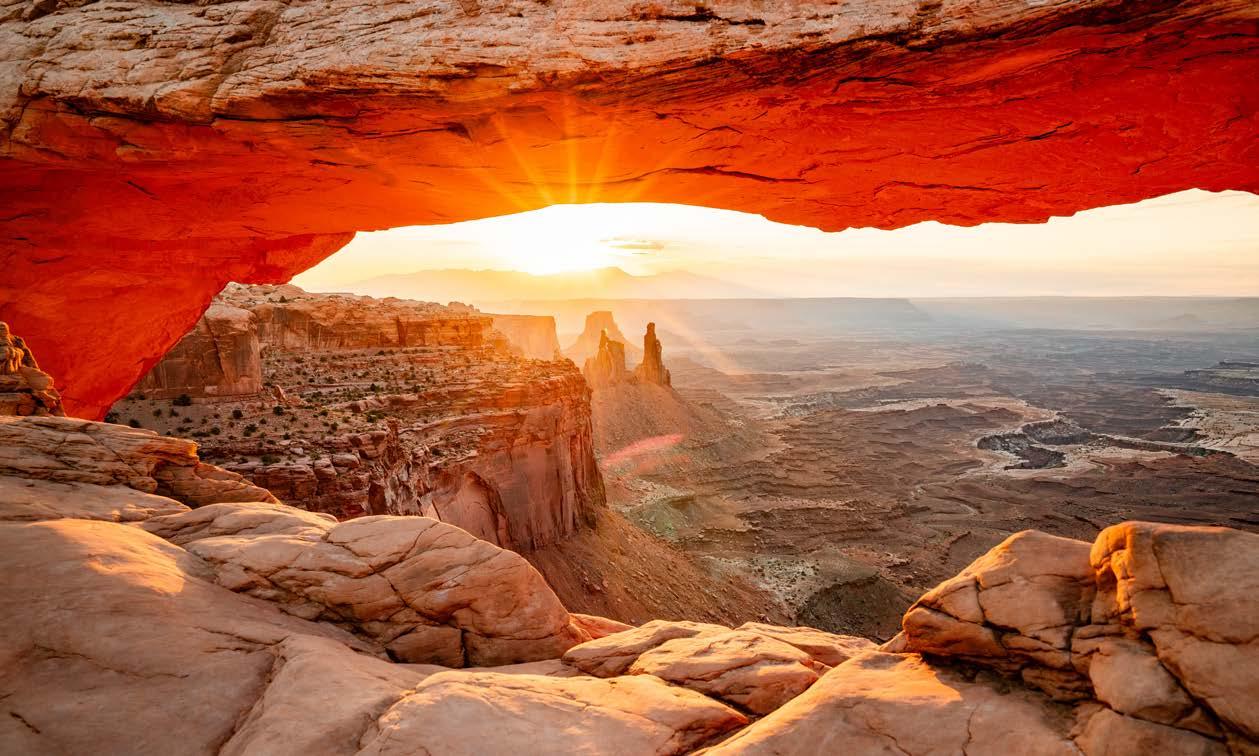
Endless deep canyons, towering mesas, pinnacles, cliffs and spires stretching across 527 square miles. Canyonlands National Park, formed by the currents and tributaries of Utah's Green and Colorado rivers, is home to many different types of travel experiences. From sublime solitude in the more remote stretches to moderate hikes through the Needles District to one of the West's most photographed landforms, Mesa Arch.
BACKPACKING - The park is divided into three regions: The Needles, Island in the Sky and The Maze. Each region offers secluded backpacking, incredible views and exciting hikes. Before your trip, be sure to learn more about permits and pack necessities.
CAMPING - Amidst the park’s canyons you’ll find countless places to set up camp. The park houses two established campgrounds, Needles Campground and Willow Flat Campground, as well as numerous backcountry campsites (permits required).
HIKING - Hiking at Canyonlands National Park is a dream come true for day hikers and thru-hikers alike. Head to The Needles district for access to over 70 miles of hiking, or bring the family to the awe inspiring Mesa Arch.
RAFTING - Spend a day or two floating the same rivers that ultimately formed Canyonlands. Venture down the adventurous Cataract Canyon with its Class V rapids, or relax as you float calm waters under impressive cliff sides.
TOURS - With over 500 square miles of park to explore, knowing what to prioritize can be daunting. Book a trip with a local guide to visit must-see destinations and learn about the park’s interesting past.
WINTER ACTIVITIES - As the largest national park in Utah, Canyonlands provides a variety of winter adventures. Fewer people visit the park in the winter, allowing each visitor to experience more solitude. Take advantage of hiking the quiet trails, photographing landscapes in the soft winter light and stargazing on the longest nights of the year.
CLIMATE
Spring and fall are ideal seasons to visit Canyonlands, with daytime temperatures of 60°–85°F. Like nearby Arches, Canyonlands warms up significantly in the summer months, reaching 100+°F. Beat the heat by planning ahead, carrying sunscreen and extra water and playing in the morning and evening during the peak of summer. Temperatures will dip to freezing at night by late November, but winter is an extraordinarily beautiful time in Canyonlands.
Start at visitutah.com/canyonlands to learn more about these nearby destinations.
( 1 ) Bears Ears National Monument | Less than 1 hour from Monticello or Bluff
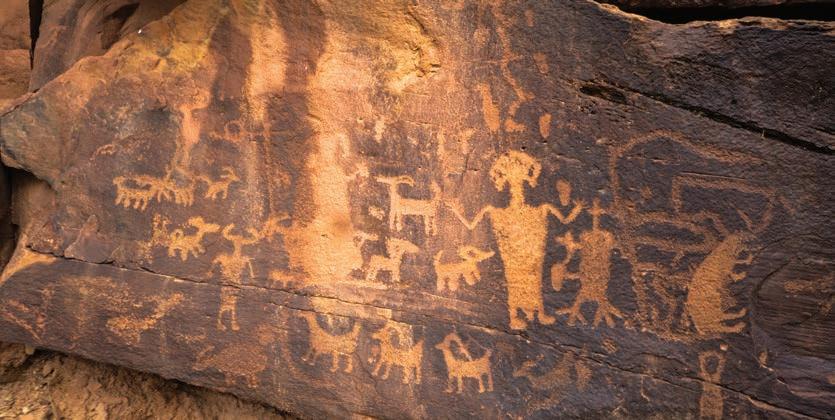
Shash Jaa and Indian Creek units cover a broad expanse of red rock, juniper forest, high plateau, cultural, historic and prehistoric legacy that includes an abundance of early human and Native American historical sites, including Newspaper Rock and House on Fire.
( 2 ) Edge of the Cedars State Park Museum | 1 hour 30 minutes from Needles visitor center
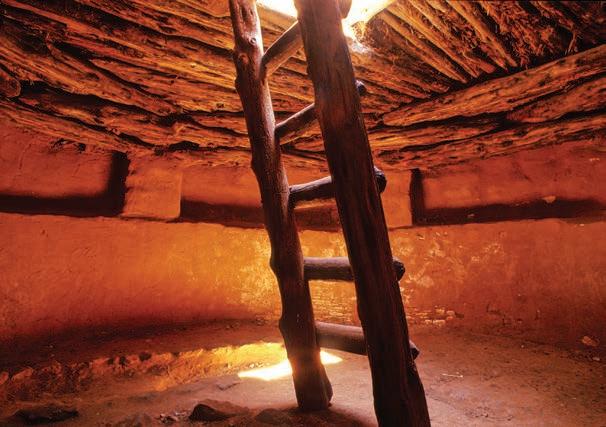
This museum is a beautiful repository for ancient artifacts in the Four Corners region. The exhibits and on-site kiva showcase Ancestral Puebloan culture along with contemporary Native American items and the largest display of artifacts in the area.
( 3 ) Goosenecks State Park | 30 minutes from Monument Valley
Look down upon the San Juan River 1,000 feet below you and see the results of 300 million years of erosion. It’s worth lingering for the sunset. From this primitive state park, you can see the famous goosenecks and also enjoy a picnic and a campsite with great views.
( 4 ) Hovenweep National Monument | 2 hours 15 minutes from Needles visitor center
In a stark and beautiful landscape of sage and juniper, explore the astonishing sites of Hovenweep’s six prehistoric villages. In the 13th century, Ancestral Puebloans built towers and other structures, some skilllfully balanced on canyon rims.
( 5 ) Monument Valley Navajo Tribal Park | 2 hours 30 minutes from Needles visitor center
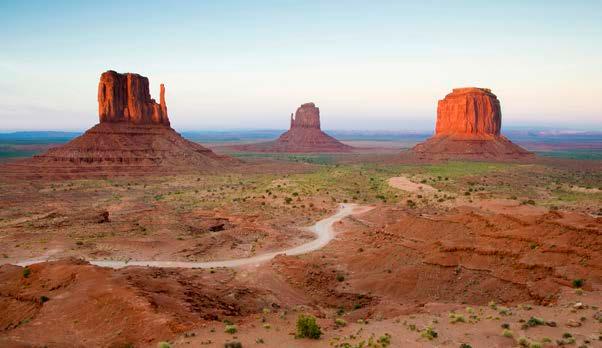
The iconic symbol of the American West and sacred heart of the Navajo Nation will feel hauntingly familiar and deeply spiritual to fans of Hollywood as your Navajo guide escorts you through the park — the best way to experience it. Please respect tribal customs.
( 6 ) Natural Bridges National Monument | 2 hours 15 minutes from Needles visitor center
Discover three majestic bridges carved by water and time including Sipapu (“place of emergence”), the world’s second-largest natural bridge. See the bridges from the scenic drive or hike down moderate to difficult trails. Stay late for a star show under some of the nation’s darkest skies.
( 7 ) Valley of the Gods and Cedar Mesa | 1 hour from Monument Valley
A number of tall, red, isolated mesas, buttes and cliffs tower above the valley floor and can be seen while driving along Valley of the Gods’ 17 mile gravel road. Nearby Cedar Mesa’s remote, rugged backcountry trails offer adventurers solitude, archaeology and geographic beauty.
INSIDER TIPS
1. Close to Moab, the Island in the Sky is the most visited district, but outside of overlooks and Mesa Arch (especially at sunrise), the scenic, though strenuous, trails are seldom crowded.
2. A permit is required to bike or drive the popular White Rim Trail and for all overnight camping trips in the backcountry.
3. Needles Campground in the Needles district is a great base camp for day hikes into the backcountry, but go prepared: carry extra water and be alert for black bears.
4. The remote Maze District easily occupies three days, plus hours to drive there. Solitude and endless splendor are the rewards for extremely well-prepared, self-sufficient wayfinders.
LODGING discovermoab.com/hotelsand-motels
BACKPACKING IN CANYONLANDS NATIONAL PARK visitutah.com/articles/ backpacking-canyonlands
Natural Bridges National Monument | More Than Just Parks
Edge of the Cedars State Park Museum
Monument Valley
Bryce Canyon
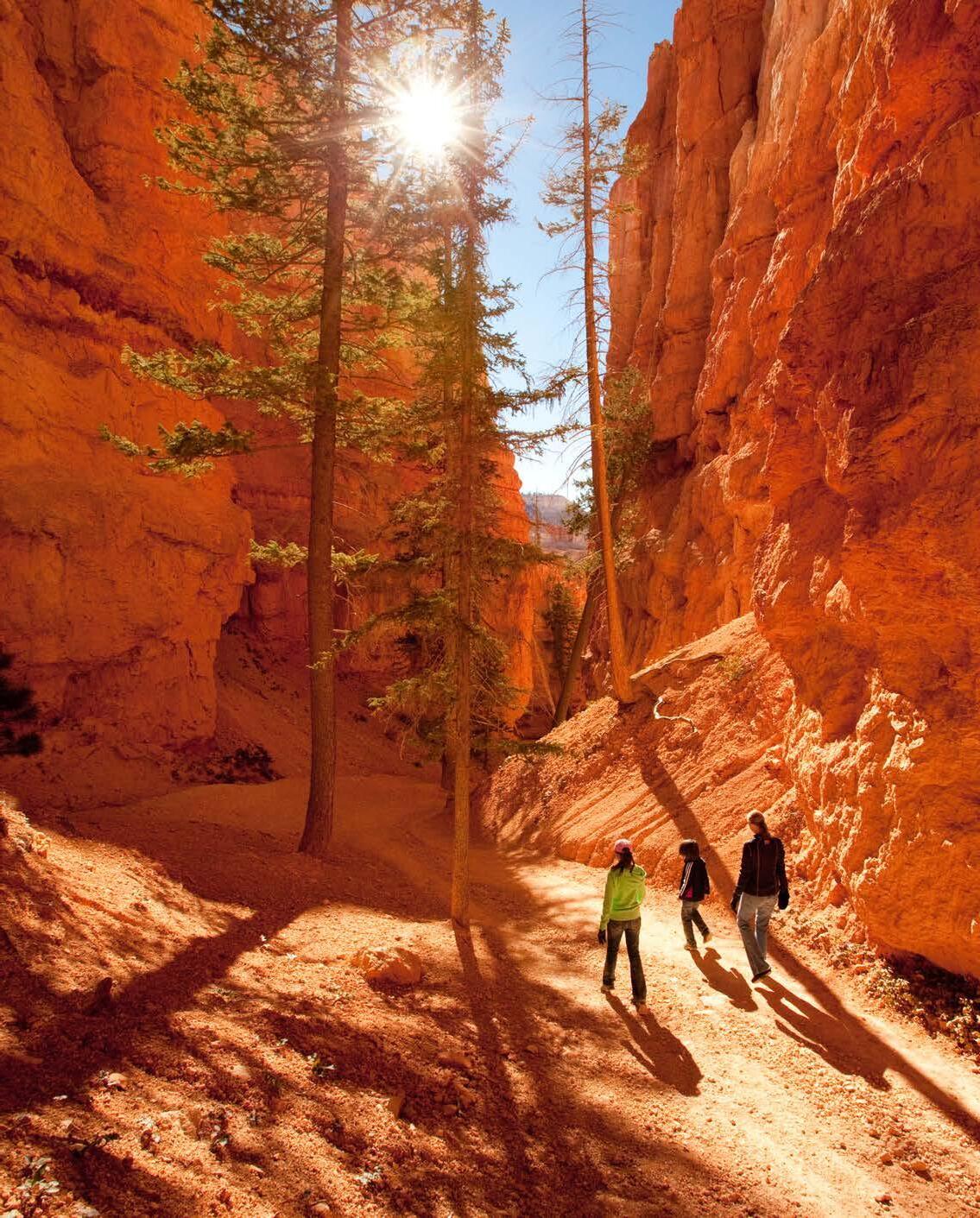
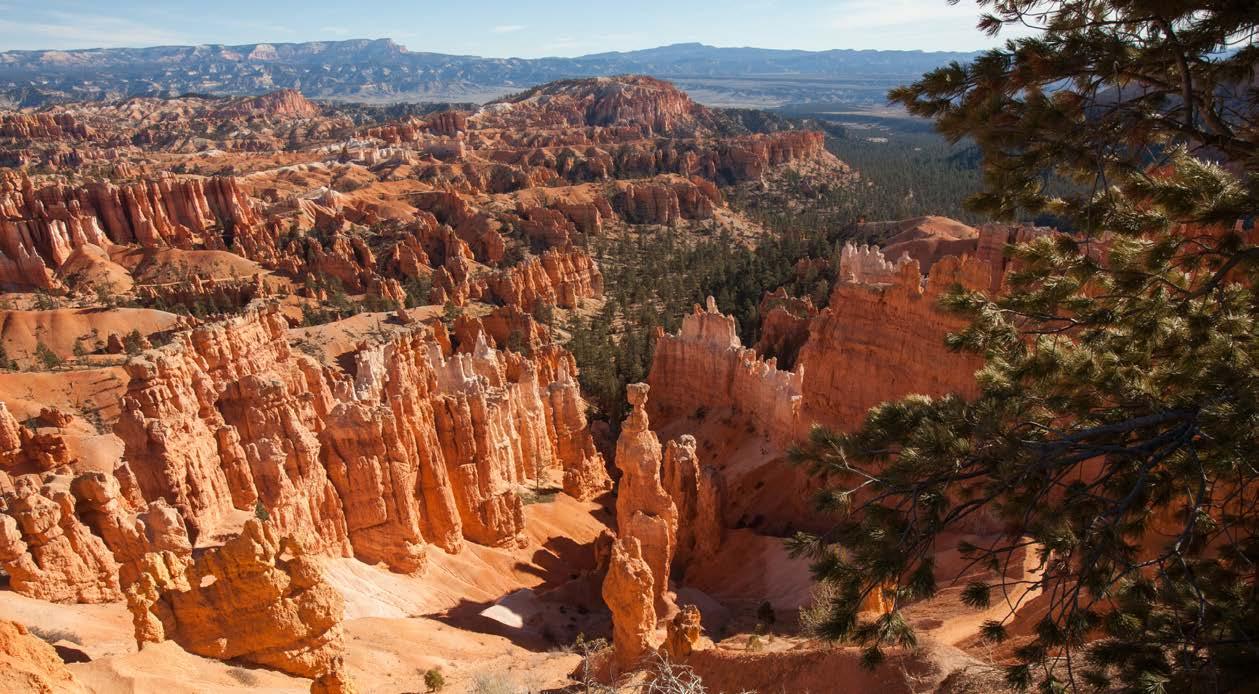
An alpine forest with as many red rock hoodoos as trees. Water and wind over millions of years of freezes and thaws have carved into the plateau endless fields of distinctive red rock pillars, called hoodoos, as well as into the park's series of natural amphitheaters. At an elevation of 8,000 to 9,000 feet, there are even opportunities for winter sports like snowshoeing and cross-country skiing.
CAMPING - The striking contrast between red rock and dark green forest scenery lays the foundation for a camping trip that will call you back time and time again. Explore the park’s two established campgrounds to start planning your trip.
HIKING - Explore a network of intertwined hiking trails that wind through high altitude forests and awe-inspiring canyon vistas. Check out The Rim Trail for an easy family hike, or gear up for a backpacking excursion on the Under The Rim Trail.
HORSEBACK RIDING - Something about riding through Bryce Canyon on horseback just feels perfectly right. Learn more about exploring the park with a guided tour, available to riders of any experience level.
WINTER ACTIVITIES
PHOTOGRAPHY - When you imagine Utah’s national parks, you may not imagine snow covered red rocks. Truth is, that may be when Bryce Canyon’s towering cliff walls are most stunning. Find inspiration with local tips about how to get that perfect snow-capped red rock shot.
SKIING - Thanks to an elevation between 8,000 and 9,000 feet, Bryce Canyon is one of few national parks where travelers can spend a day cross country skiing. Explore the Rim Trail, Bristlecone Loop and Paria Ski Loop to get started.
SNOWSHOEING - As the snow covers Bryce Canyon’s tall pine trees, a calmness envelopes the park. Gear up with some snowshoes (which are available for rental) and venture into the park’s trails for an unforgettable day hiking.
Travelers will experience the best of Southern Utah’s mountain and desert climates at Bryce Canyon. Summer visitation peaks during July’s “monsoon” season when travelers will encounter generally dry, warm weather around 80°F interspersed with dramatic afternoon lightning storms. Night dips into the 30–40°Fs. November–March are the coldest, with temperatures peaking in the 30–40°Fs and freezing at night.
Thor's Hammer | Matt Morgan
CLIMATE
INSIDER TIPS
Start at visitutah.com/bryce-canyon to learn more about these nearby destinations.
( 1 ) Anasazi State Park Museum | 1 hour 40 minutes from Bryce Canyon
At the base of the towering 11,000-foot Boulder Mountain, get an up close and personal look into life from almost 1,000 years ago. Explore what was once one of the largest Ancestral Puebloan communities west of the Colorado River.
( 2 ) Eagle Point Resort | 1 hour 45 minutes from Bryce Canyon
Eagle Point Resort is best known as a family-friendly ski area with fresh powder and varied runs, and great snowshoeing. In the summer, the area offers a respite from the heat among the high elevations of the Tushar Mountains, great for hiking and mountain biking. The Tushar’s ridgeline is about a 20-minute hike from the resort. The most dramatic vistas are along the Skyline Trail, a moderate hike from the Big Flat trailhead.
( 3 ) Escalante Petrified Forest State Park | 1 hour from Bryce Canyon
Discover the kaleidoscopic colors of fossilized, pre-historic wood alongside expansive vistas of the surrounding mountains and Grand Staircase-Escalante National Monument. Cool off in idyllic Wide Hollow Reservoir and enjoy great fishing and camping at this state park base camp.
( 4 ) Grand Staircase–Escalante National Monument | 30 minutes from Bryce Canyon to the Cannonville Visitor Center
This massive and remote area is packed with outdoor adventure and starfilled night skies. Slot canyons, slickrock and other geologic wonders fill your line of sight while hiking, mountain biking, off-roading and camping. Get help planning at the visitor centers in Big Water, Kanab, Escalante or Cannonville. Check out the 4 mile hike to Escalante Natural Bridge.
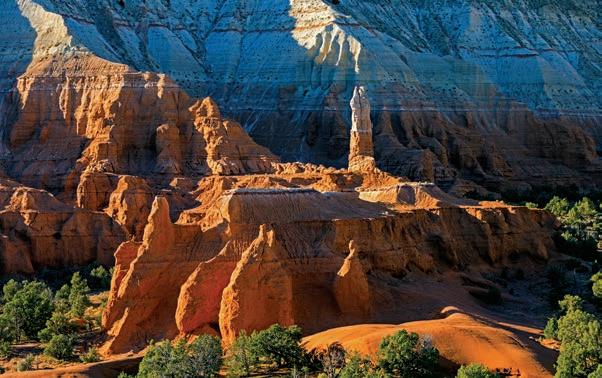
( 5 ) Kodachrome Basin State Park | 40 minutes from Bryce Canyon
This state park features 67 monolithic stone spires, part of a multicolored landscape so beautiful it earned the nickname “Kodachrome” after a popular Kodak film. Today, visitors enjoy camping and hiking across 5.5 square miles of photogenic, geologic wonder.
( 6 ) Red Canyon | 20 minutes from Bryce Canyon
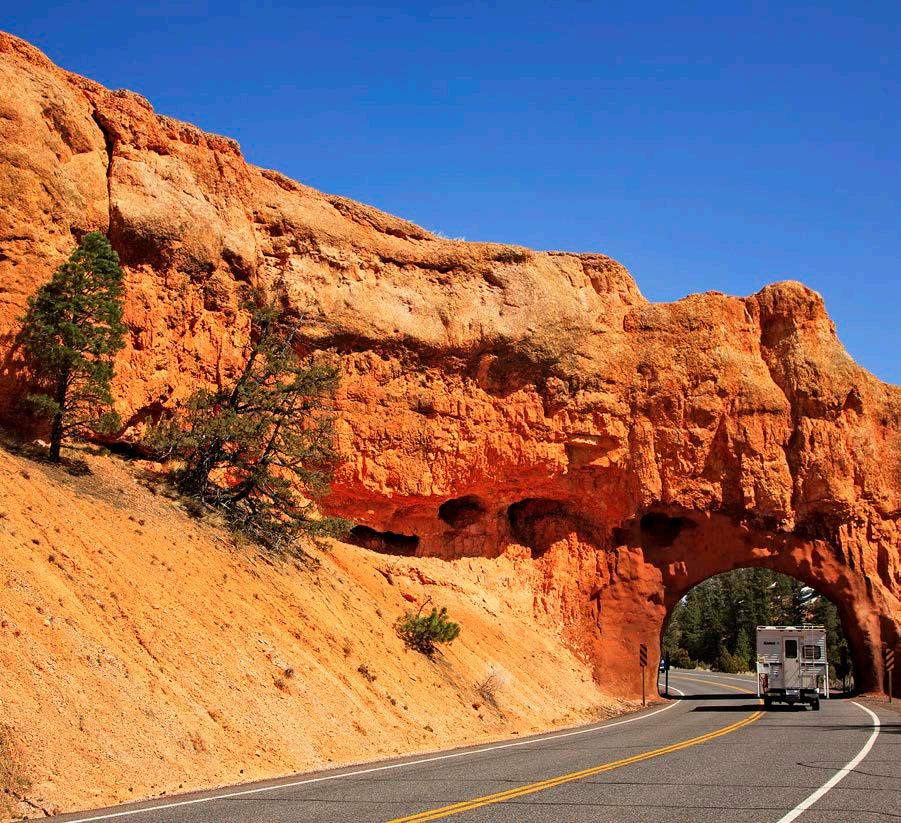
This area is one of the most distinctive stretches along the All-American Road: Scenic Byway 12. At one point, the road actually cuts through two tunnels in the red rock. Stop at the interpretive visitor center to learn about the surrounding Dixie National Forest and all the multi-use trails that wind through red rock hoodoos and vistas.
1. Navajo Trail to Queens Garden is one of the best 3-mile hikes anywhere and solace-seekers should consider the 8 mile Fairyland Loop.
2. Bryce Canyon’s pristine dark skies mean incredibly starry nights. Sign up early for astronomy programmes. Full moon hikes mean eerily well-lit hoodoos, but don’t forget your headlamp and jacket.
3. High altitude hiking means sunscreen, hats, long sleeves and extra water. The rim at Bryce varies from 8,000 to 9,000 feet.
4. Save Presidents Day weekend in February for the Bryce Canyon Winter Festival or bring your own mule for the May Mule Days.
LODGING brycecanyoncountry.com/ local-stops/stay
CHASING OLD WEST OUTLAWS ON THE CASSIDY TRAIL visitutah.com/articles/ chasing-old-west-outlawson-the-cassidy-trail
Eagle Point Resort | Jay Dash Photography
Grand Staircase-Escalante National Monument
Kodachrome Basin State Park
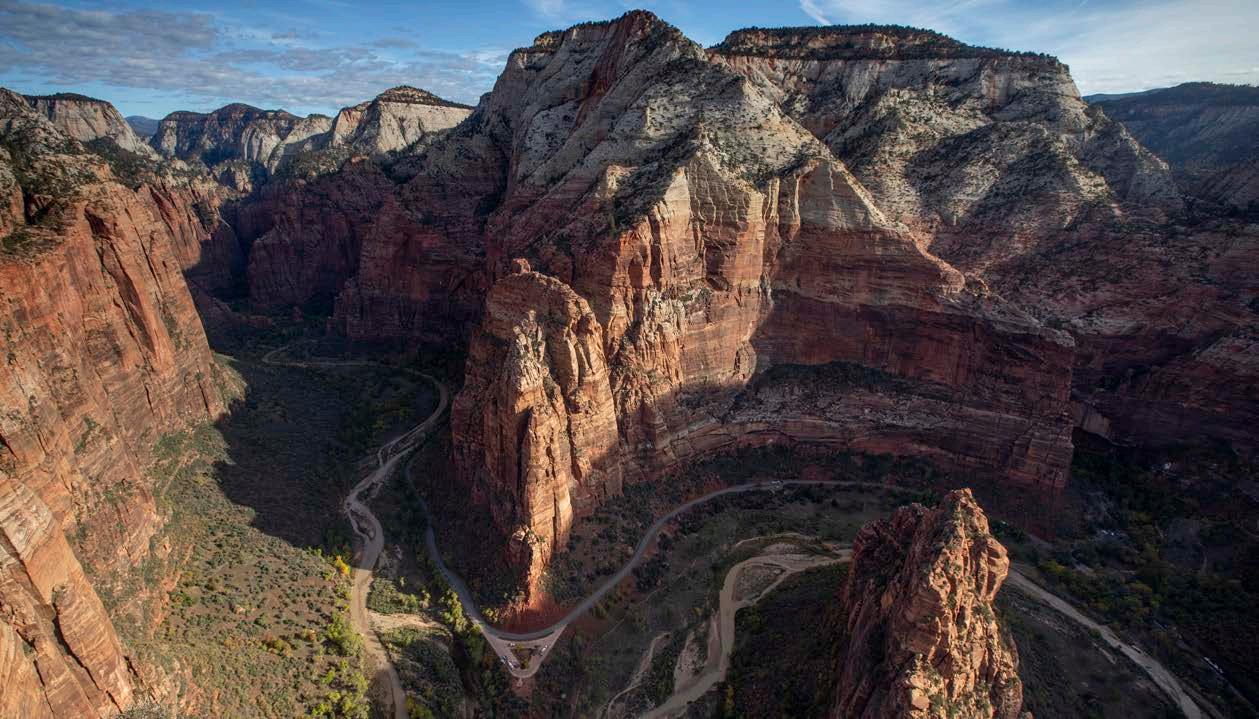
A thousand-foot deep red rock canyon, nested in dramatic surroundings. Whether you are trying to catch your breath while climbing the trail to Observation Point or watching the shadows constantly change the mood of the Court of the Patriarchs, Zion National Park is always ready to quench your appetite for outdoor wonder.
BACKPACKING - Find your way out of the crowds into the park’s tranquil backcountry. Explore Zion’s backpacking camp areas, miles of hiking trails, and preparation resources.
CAMPING - End your day under Zion’s internationally-certified dark skies at any of the campgrounds within or near the park. Dispersed, developed and RV campgrounds are all available, but make your reservation early; campgrounds fill quickly during peak travel months.
CANYONEERING - Looking to add some adrenaline to your vacation? Explore Zion’s most popular canyoneering routes. Be sure to get the details about permits and local guide services ahead of time.
HIKING - Zion is famous for its remarkable hiking trails. Take an adventurous scramble up to Angels Landing or a family hike on the Emerald Pools Trails, among others. Learn more about hiking in Zion.
HORSEBACK RIDING - Trot through pine forests and red rock views during a horseback riding tour through the park. Local guides offer rides for every experience level, and are available year-round in certain regions of the park.
WINTER ACTIVITIES - With more than 300 days of sunshine a year, Zion National Park is a great place to enjoy sunny skies, fresh air and get a little extra Vitamin D in the winter months. Plan a winter visit to soak up the sunshine while enjoying moderate temperatures and a stunning sandstone kaleidoscope of reds, oranges and pinks. Winter visitors will find plenty to do, including hiking, photography and gazing up at the wonders of the night sky.
CLIMATE
May–October visitors will encounter highs in Zion from 90–100+°F. Escape the heat by getting in the river or stopping in the visitor center or museum. Afternoon thunderstorms occasionally drench the canyon, which can lead to flash floods in the narrowest sections of the canyon. Expect somewhat cooler temperatures (sometimes up to a 30 degree difference) early in the morning and late in the evening, as well as in early spring and late fall.
Zion National Park | Jay Dash Photography
NATIONAL PARK
INSIDER TIPS
Start at visitutah.com/zion to learn more about these nearby destinations.
( 1 ) Brian Head Resort | 1 hour 30 minutes from Zion
In the winter, pair a trip to Zion National Park with a great ski day. In warmer temperatures, rent a mountain bike and ride around the resort area, or enjoy an evening concert at cooler high-elevation temperatures.
( 2 ) Cedar Breaks National Monument | 1 hour 45 minutes from Zion
Drive at 10,000 feet through the lush Dixie National Forest, where a fairyland amphitheatre of multicolored limestone strata plunges 2,000 feet deep into the plateau. Explore hiking trails or camp under the stars in summer and enjoy cross-country skiing in winter.
( 3 ) Coral Pink Sand Dunes State Park | 1 hour from Zion
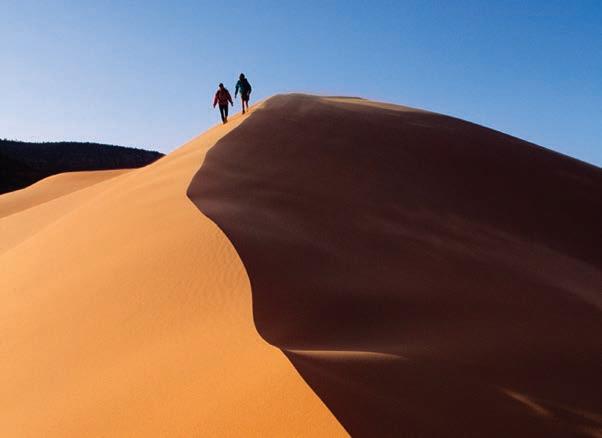
This park boasts 2,000 acres of sand open to OHVs (Off Highway Vehicles). It’s the only major sand dune field on the Colorado Plateau, and great for OHV enthusiasts, hikers, sand boarders and families in search of a unique site.
( 4 ) Dixie National Forest | 45 minutes from Zion to Red Cliffs
Hike in Pine Valley Recreation Area or Red Cliffs National Conservation Area, bike among the brilliant red spires of Red Canyon, fish at Navajo or Panguitch lakes, tour the east fork of the Sevier River or explore scenic Boulder Mountain. All areas have camping.
( 5 ) Glen Canyon and Lake Powell | 1 hour 45 minutes from Zion
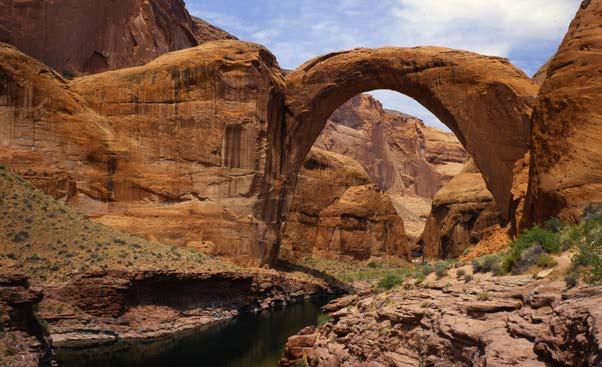
Accessed from Wahweap marina (or Bullfrog marina from the northeast), this is a 1.2 million-acre paradise for houseboaters, kayakers, anglers and photographers. For the most adventurous, Rainbow Bridge National Monument is accessible from Lake Powell (depending on lake level and trail condition), and is one of the world’s largest natural bridges. With a permit, serious trekkers can also backpack to the bridge.
( 6 ) Snow Canyon State Park | 1 hour from Zion
Cut by water, sculpted by wind and time, Snow Canyon’s Navajo sandstone cliffs share the same history and geology as Zion, and offer hiking, climbing, cycling and camping.
( 7 ) State Park Reservoirs | 45 minutes from Zion
Sand Hollow State Park brings together boating, fishing and off-roading all in one place, with 15,000 acres of perfectly sculpted dunes. Quail Creek State Park has some of the warmest waters in the state and lures boaters and anglers year-round. Both of these, as well as Gunlock State Park, offer great spots to camp in a red rock desert setting.
1. For the best experience, arrive early. Take the free town shuttle from near your Springdale hotel. Always hike respectfully and carry extra water and sun protection.
2. Personal vehicles are not permitted on the Zion Canyon Scenic Drive during part of the year, typically from March through November. Visit nps.gov/zion/planyourvisit for updated dates and information about the free shuttle system.
3. The distinctive red asphalt of the Zion–Mt. Carmel Highway leads through a narrow 1 mile tunnel to lesser-known hikes near the East Entrance. Fee for large RVs, with limits.
4. Follow @zionnps on Twitter (X) and Facebook and visit nps.gov/zion for park alerts.
ZION NATIONAL PARK HIKES visitutah.com/places-to-go/ parks-outdoors/zion/ outdoor-experiences
Brian Head Resort | Adam Clark
Coral Pink Sand Dunes State Park
Rainbow Bridge National Monument
Dine Out Utah
Utah's outstanding scenic diversity is matched perfectly by its variety of restaurants and dining opportunities. There's cowboy steaks smoked to perfection capturing the spirit of the American West down south, and a thriving farm-to-table scene lining the Wasatch Front.
UTAH FOOD TRAILS
Discover Utah's food trails — gastronomic adventures highlighting the best of Utah's home-grown culinary goodness. Food trails use a thematic approach to eating (think honey, burgers, chocolate and more) to offer foodies a streamlined guide to sampling the best options in the region. Food trails are a great way to tour the state and support local businesses.
URBAN FOOD TOURS
Did you know that you can enjoy some of Utah's local food and drink while also learning about the history and architecture of its urban centers? Check out a Salt Lake City or Park City food tour from local purveyors like Local Food Walking Tours, Whiskey & History, Salt Lake City Bike and Brew Tour or Gourmand Tours.
Laziz Kitchen | Austen Diamond
Photography
SALT LAKE CITY DINING
GREATER AVENUES
The bucolic Avenues neighborhood, with its hilly streets and superb eateries, is remarkably reminiscent of San Francisco. Try the cookbookstrewn Wildwood — a lovely local spot for outstanding food and drink. Or Cucina, where the extensive wine list is certainly a draw, but so is its inventive cuisine — pork belly pozole and terrific tandoori lamb chop, for example. Try Indian flavors with a modern flare is the mantra at beautiful Saffron Valley. Along with traditional dishes are modern menu items like the Bombay Sloppy Joe and Saffron Indimex Burrito. Craft beers brewed in-house and anything-but-routine pub fare is the calling at Avenues Proper Restaurant & Publick House, where their Hopspital IPA pairs perfectly with duck fat Pommes Frites or General Tso’s Pork Belly Sandwich.
3RD & 3RD (DOWNTOWN)
One of SLC’s iconic culinary corners is 300 West and 300 South, where for years Tony Caputo’s Market & Deli has been feeding the city’s foodies with imported cheeses, chocolates and gourmet foods, plus an unbeatable array of deli sandwiches, pastas and such. Just around the corner, Cucina Toscana has been a longtime go-to destination for Tuscanstyle Italian cuisine like scaloppine di vitello al limone. Traveling the other side of the globe, Laan Na Thai is a mom-and-pop eatery dishing up the vivid flavors of northeastern Thailand — nam tok, for example. And, for comfort food at its Belgian best, be sure to visit Bruges Waffles & Frites, where the name of this fun eatery pretty much tells the story. Try more local food vendors and farmers at the SLC Farmers Market at Pioneer Park on Saturdays throughout the summer.
HARVEY MILK BOULEVARD
SLC’s east-west corridor called Harvey Milk Boulevard (aka 900 South) is a smorgasbord of fresh, fantastic flavors. Just around the corner, aromas of fresh-baked pita, simmering legumes and fresh herbs welcome guests into Laziz Kitchen, the home of mouthwatering Middle Eastern cuisine. To satisfy your sweet tooth try a soft serve cone at Normal Ice Cream, known for unexpected flavors combination swirls and a rotating menu that makes every visit interesting and delicious. Modern, elevated Greek cuisine is on tap at Manoli’s, where you'll find creative Greek meze and mains like pan-seared branzino and delectable donuts called loukoumathes. Veneto Ristorante Italiano is an inviting local gem exquisitely showcasing the cuisine of Northern Italy.
15TH & 15TH
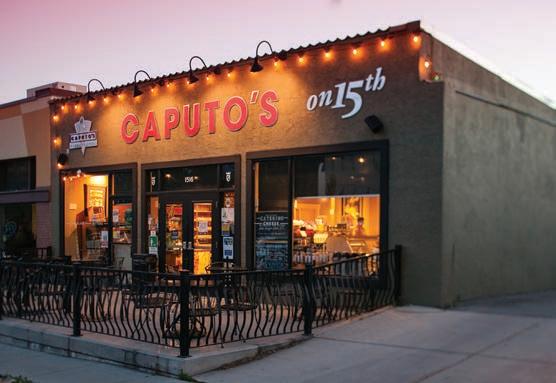
Stroll the tree-lined blocks around 1500 South and 1500 East and you’ll discover a veritable United Nations of foods and flavors. At Mazza Middle Eastern Cuisine, Lebanon, Morocco, Syria, Egypt and other countries are well-represented with dishes. Or, grab an authentic sandwich stacked high with local ingredients from Salt Lake's favorite Italian and Southern European deli, Caputo's. As a bonus, stop in one of the city’s fiercely independent bookstores: The King’s English. THE BEST RESTAURANTS IN
FOOD & NIGHTLIFE IN SALT LAKE CITY visitutah.com/things-to-do/food-nightlife
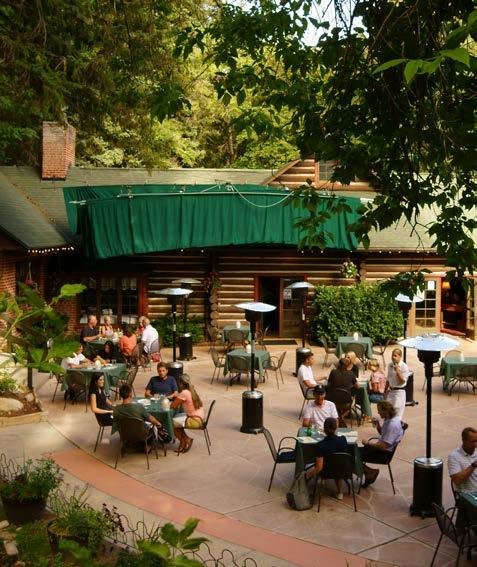
Log Haven is an iconic Utah dining destination, originally built as a log mansion before being purchased and made into a world-class restaurant by owner Margo Provost and her talented team. Nature, nurture and nourishment come together on the 40 private acres that Log Haven occupies in nearby Millcreek Canyon. Waterfalls, streams and stunning views complement chef Dave Jones’ inventive and eclectic cuisine, which incorporates Asian and Southwestern flavors in dishes like Korean fried cauliflower and roasted poblano chile mac and cheese. It’s no wonder that Log Haven is in high demand for weddings and other special occasions.
FELDMAN’S DELI
801-906-0369 | feldmansdeli.com
MATTEO
385-549-1992 | matteoslc.com
Experience generations of authentic and comforting family recipes at Matteo, recreated every night by Chef Damiano Carlotto. Try Nonna's tagliatelle bolognese and pair it with a fresh pour from the restaurant's extensive wine selection.
For an authentic, Jewish-style (not kosher) eating experience in Utah, look no further than Feldman’s Deli. Created by husband-and-wife team Michael and Janet Feldman, this is the real deal. The menu can transport you to the East Coast, where the Feldmans hail from, with temptations like boil-and-bake bagels, house-made kishka, potato and onion knish, matzo ball soup, gefilte fish and, of course, overstuffed deli sandwiches. And there’s entertainment to boot. Look for “Old Jews Telling Jokes” comedy nights as well as live music on weekends.
J. WONG’S THAI & CHINESE BISTRO
801-350-0888 | jwongs.com
EVA
801-359-8447 | evaslc.com
Eva owner/chef Charlie Perry looked to his great-grandmother, Eva Coombs, when naming his inviting eatery. He credits her for passing a love of quality ingredients and the “shared pleasures of eating” to him. The eclectic menu has a Mediterranean tinge to it — consider shrimp and grits with feta, for example. But the cuisine really spans the entire globe with dishes like togarashi fried chicken, lamb and pork cevapi and Neapolitan-style pizzas. Super-friendly service, a casualbut-classy atmosphere and a terrific selection of craft cocktails, beer and wine all add to Eva’s excellence.
The interesting blending of Chinese and Thai cuisines at J. Wong’s isn’t surprising once you know that the Wongs — originally from China — emigrated to Thailand before settling down here in Utah. Their restaurant has a contemporary, sleek look, with imported artwork and décor from China and Thailand. It’s an inviting, beautiful eatery. On the menu, flavors range from Thai curries and Chinese stir-fries to inventive dishes like honey-glazed walnut shrimp and equally delicious Hong Jue scallops. An excellent beer, wine, liquor and sake selection just adds to J. Wong’s appeal.
MANOLI'S
801-532-3760 | manolison9th.com
Bring your tastebuds on a trip to the Mediterranean with an authentic array of Greekinspired small and main plates. With meze options ranging from vegetarian to seafood and meat, everyone is sure to find something worth raving about for brunch or dinner.
URBAN HILL
383-295-4200 | urban-hill.com
Urban Hill is the newest dining endeavor from local owners of beloved restaurants Hearth and Hill and Hill's Kitchen in Park City. Driven by the goal to "make every dining experience a special occasion," Urban Hill features a full oyster bar and menu items like a pacifico striped bass and a pork chop milanese with seasonal peach chutney.
HSL
801-539-9999 | hslrestaurant.com
This is chef/owner Briar Handly’s Salt Lake sister restaurant to Handle, located in Park City. With locally sourced ingredients that are mostly organic, HSL offers nourishing meals with an ultra-inventive spin. Imagine smoked parsnip “bacon” with red beets, Granny Smith apples and pink peppercorn honey, for example. Ashroasted cabbage, anybody? The beef cheek burger with duck fat-fried spuds is one of the tastiest things on the planet, and who but the always-surprising Handly will glaze a pork shank with apple butter and Frank’s Red Hot Sauce?
PAGO
801-532-0777 | pagoslc.com
Locally-sourced and natural ingredients provide a base for Pago’s dishes. The payoff is in the exquisite flavors at this farm-to-table restaurant in Salt Lake’s 9th and 9th neighborhood. The Pago Group’s nearby East Liberty Tap House is a casual establishment that applies the same philosophy to classic bar food and elevated cocktails.
TAKASHI + POST OFFICE PLACE
801-519-9595 | takashisushi.com
Opened in 2004, Takashi is among Salt Lake City’s finest restaurants. An absolute favorite menu item at this top-notch Japanese restaurant is Ankimo: monkfish liver that is salt-rubbed, rinsed with sake and then rolled into a cylindrical shape and steamed. Takashi is talented, kind, generous and humble and his team of skilled sushi chefs draw a line of eager patrons nightly. Next door, the team’s inventive Post Office Place offers small plates and cocktails with Japanese and Peruvian influences you can enjoy without a reservation or while awaiting a table at Takashi.
STATEWIDE DINING
ANTICA FORMA
MOAB | VERNAL
435-355-0167 | 435-374-4138 | anticaforma.com
What would an adventure town be without a top-notch pizza place? Antica Forma’s wood-fired Neopolitan pizzas are legendary. They are more Italian than American in style, meaning they are big on flavor and less-focused on heavy amounts of dough (they are also available gluten-free). The Funghi and Capanna pies are among the best they offer. The calzones are heaven-sent after a big day of biking or climbing.
MIDWAY MERCANTILE
MIDWAY
435-222-8003 | midwaymercantile.come
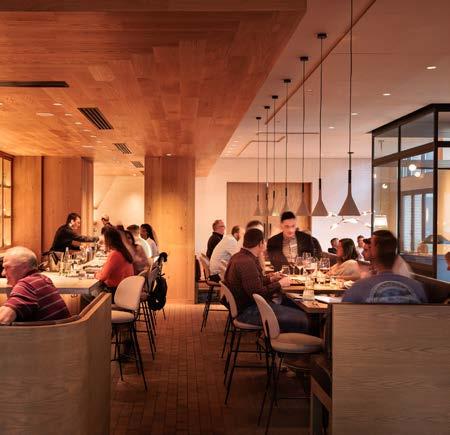
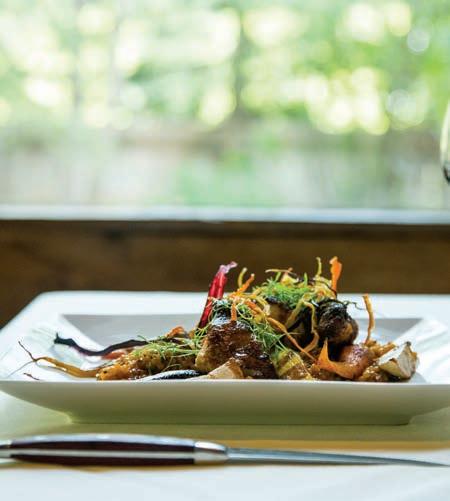
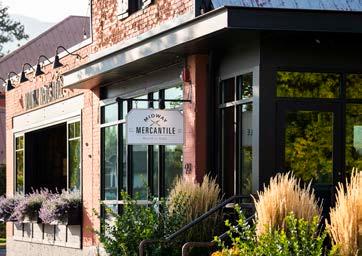
This hearth-to-table eatery's story began in 1874, when the structure was originally built. Now 140 years later, Midway Mercantile is serving up locally-sourced dishes based on four pillars: family, friends, food and fire. Their menu includes unique delights like orange chicken with sesame-lavender rice and Utah lamb shepherd's pie.
TUPELO
PARK CITY
435-292-0888 | tupeloparkcity.com
The creation of über-charming couple Matthew Harris and Maggie Alvarez, Tupelo is named for Harris’ roots, which are planted in Georgia. The couple travels far and wide to source artisan, small-scale producers such as Bear Lake Lamb, Desert Mountain Beef, Ritual Chocolate and such for their kitchen. In Harris’ hands, something as simple as buttermilk biscuits with Tupelo honey butter is divine, and a dish of proscuitto-wrapped pork chops with fermented honey is truly memorable. Be certain to order the exquisite sticky toffee pudding with Earl Grey bitters ice cream for dessert.
HEARTH ON 25TH OGDEN
801-399-0088 | hearth25.com
This Ogden fine-dining destination is nothing if not unique. Among the menu items at Hearth, you’ll find Himalayan yak, Ora King salmon (which makes up only 1/2 of 1 percent of the global salmon population) and Tunis lamb and veal sourced from Wyoming’s Cross Quarter Circle Ranch — a 100 percent women-owned and operated outfit. Add a speakeasy-style bar, the Title 32B Lounge, and you’ve got a truly one-of-a-kind dining and drinking establishment. And yes, yak meatballs and yak strip steaks are delish.
HELL’S BACKBONE GRILL
BOULDER
435-335-7464 | hellsbackbonegrill.com
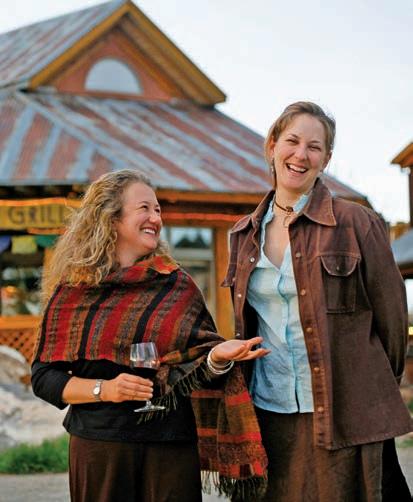
James Beard Award honoree Hell’s Backbone Grill isn’t just one of Utah’s best restaurants, it’s one of this country’s best restaurants. Tibetan prayer flags blowing in the breeze welcome customers old and new to this very distinctive eatery where — not to sound hokey — but love is in the air. Guests love the Grill and owners Blake Spalding and Jen Castle and their staff love them right back. And what’s not to love with meals sourced from the restaurant’s organic farm and Boulder-raised, grass-fed local lamb and beef. Whether you come for the award-winning Backbone house salad or crispy trout, be assured that an excursion to Hell’s Backbone Grill is one that can be life-changing. It’s that special.
HUNT & GATHER
TORREY
435-425-3070 | huntandgatherrestaurant.com
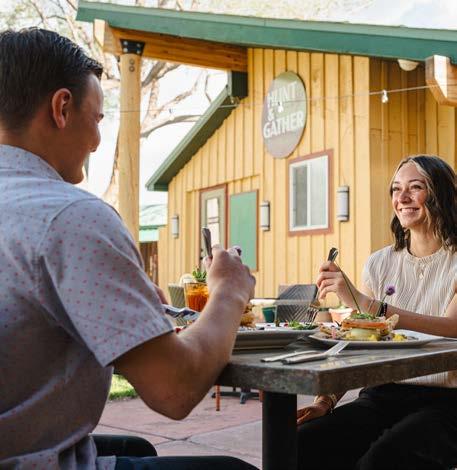
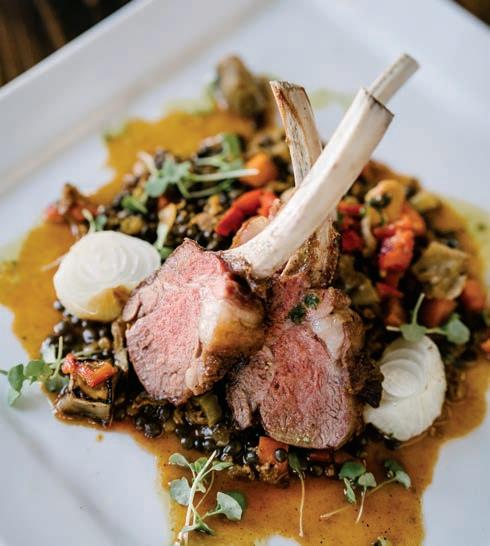
There are no boundaries when it comes to creatively expressed food presentation at Hunt & Gather, located just outside Capitol Reef National Park in Torrey. This farm-to-table spot offers slow food cuisine with a focus on local bison and wild game, as well as seasonal fruits and vegetables. Husband and wife Chet and Nancy Saign, along with their three kids, offer a hospitable environment inspired by the hunter-gatherer lifestyle of the area many years ago.
435-252-9900 | firewoodonmain.com
Firewood owner/chef John Murcko has always had a thing for fire. Not that he’s a pyromaniac or anything — he just loves cooking over wood flames. So, creating a restaurant where almost all of the cooking is performed using various types of wood was a dream come true. For diners, that means enjoying dishes such as Oxtail parppardelle, eggplant polenta and a smoked trout toast with maple bacon and more — all cooked naturally over open flame. If you’re over 21, visit the Nickel Bar downstairs at Firewood, named so because it’s literally covered in nickels.
There are plenty of great reasons to visit Robert Redford’s Sundance Resort — skiing, hiking, biking, relaxing and enjoying its natural beauty among them. But one favorite excuse for a Sundance excursion is the experience of dining at the Tree Room. Decorated with Redford’s personal collection of Western and Native American art and memorabilia, the restaurant is named for the tree that grows in the middle of it; Redford didn’t want to cut it down, so he essentially built the Tree Room around it. From butternut squash tagliatelle, to elk loin with seasonal mushrooms and blackberrypomegranate mostarda, dining here is just as memorable as the sensational setting.
LE NONNE LOGAN
435-752-9577 | lenonne.com
One might not expect to encounter Northern Italy in Northern Utah, but that’s exactly what you get at Le Nonne. Pier Antonio Micheli’s eatery isn’t just the best Italian restaurant in Logan, it’s one of the best in the West. Situated in a charming, foliage-covered house, Le Nonne is a lovely place to dine. And the food … well, Micheli’s homemade gnocchi Pomodoro is other-worldly, and see-through thin slices of beef carpaccio with arugula, lemon, EVOO and shaved Grana Padano is equally exceptional. Pollo ai funghi, delicate handmade ravioli, pasta e fagioli — all those dishes and more are simply superb.
OAKLEY DINER
OAKLEY
435-783-1439 | oakleydiner.com
This comfort food establishment opened over 80 years ago across the country at the 1939 New York World's Fair, but it wasn't moved to its current home until 2008. After a brief closure in 2021, the diner re-opened with a bang in September 2023 and reclaimed its title as the best place in Summit County for old-fashioned thick milkshakes, burgers and all of your favorite diner dishes.
PAINTED PONY
ST. GEORGE
435-634-1700 | painted-pony.com
“No corkage Mondays” brings wine lovers to St. George’s Painted Pony restaurant, but it’s the top-notch food and ambiance that keep ‘em coming back. Settle in on the sunny patio, at the bar or in the dining room for a helping of Southwestern class, and dig into dishes as varied as maple leaf duck breast atop a ricotta-rosemary bread pudding, cocoa-rubbed venison or a cozy pastry-wrapped brie and berry compote to start. Oh, and a side of “Truffled Ruffles” are a must, by George!
FIREWOOD PARK CITY
The Greatest Snow On Earth
There are a lot of reasons Utahns love winter. The ski and snow quality. The variety of winter experiences. Getting cozy inside after a day of play. For many, winter in Utah is all about skiing and riding the deep powder, Olympic downhill or precision-engineered terrain parks. Whether you have visions of endless slopes followed by luxurious après ski or a simpler image of quiet snowshoeing across serene snowy landscapes, your winter dreams exist in Utah.
Utah’s location at the Crossroads of the West means you have easy access to it all. A quick cup of coffee and a morning flight to Salt Lake City gets you on the mountains by the afternoon. Ten of Utah’s 15 ski resorts are less than an hour from the airport. Stay anywhere along the vibrant Wasatch Front (Salt Lake City, Park City, Provo or Ogden) and you’ll find a winter paradise in your own backyard.
Snowbird | Scott Markewitz
Utah's Snow Science
Utah’s combination of geography and the storms that drop their bounty along the eleven ski resorts in the Wasatch Mountains lead many to make the claim that Utah has the best deep-powder skiing and riding in the country. But don’t take our word for it. Just look at the accolades from the readers of SKI Magazine, Forbes and others, who annually rank Utah’s ski resorts at the top of the class. According to research of snow quality in the Cottonwood Canyons by University of Utah atmospheric scientist Jim Steenburgh, unique climate conditions produce a “just right” frequency and quantity of snow for ideal flotation when skiing and riding Utah’s powder. You may also hear the term “designer storms,” which is when more than a foot of snow drops at a time in the mountains while Ski City at the foot of the canyon receives light snow or a little rain, keeping the roads and sidewalks clear.
WELCOME TO WINTER IN UTAH visitutah.com/welcome-to-winter
UTAH SKI REGIONS
THE WASATCH
"THE SCIENCE BEHIND THE GREATEST SNOW ON EARTH ® CAN BE BOILED DOWN TO A SINGLE WORD: FLOTATION."
Home to the Greatest Snow on Earth®, you can’t go wrong visiting any of the Salt Lake area’s world-class resorts. Skiing at Alta, Brighton, Snowbird and other resorts along Utah’s metropolitan corridor will feature high elevations, evergreen forests, state-of-the-art resorts and lodges and a culture saturated with dedicated powderhounds.
NORTHERN UTAH
For skiers looking to avoid the crowds, find a more affordable lift ticket and enjoy small-town charm, the northern resorts are tough to beat. Visit Cherry Peak or Beaver Mountain for a family-friendly (and budget-friendly) ski vacation. You can extend the fun by staying in the nearby ski basecamp towns of Logan or Garden City.
SOUTHERN UTAH
Southern Utah’s ski resorts feature miles of fresh powder among unique red rock scenery. The small crowds and family-friendly slopes make Brian Head and Eagle Point excellent ski trip destinations. After skiing or riding, stay at the basecamp towns of Brian Head or Cedar City to enjoy more gorgeous red rock scenery.
7 SKIING TIPS FOR MORE FUN ON THE MOUNTAIN visitutah.com/articles/what-to-know-for-ski-school
From the European-style village at Solitude to the luxurious Cliff Spa at Snowbird, Utah’s four Cottonwood Canyon resorts (the popular Brighton Resort and skier’s-only Alta round out the list) are top winter holiday destinations. Look for extensive slope-side lodging options and an average of 42+ feet of Utah’s legendary snow in these canyons. The quality of the ski runs, on-mountain amenities and the proximity of the resorts to downtown define the Salt Lake ski experience. It’s easy to catch the first lift in the morning and take in the symphony in the evening. Add in a thriving culinary scene, world-class performing arts, plentiful shopping and off-the-slope activities for the whole family, and you can begin to see why the Salt Lake area has the reputation as the only true “Ski City” in the U.S.
ALTA SKI AREA
Nestled near the top of one of Utah's best canyons, Alta is a storied paradise for skiers. Even riders leave their boards at home for a chance at the 2,600+ acres of Alta's renowned slopes featuring 119 runs.
BRIGHTON SKI RESORT
Brighton has been delighting skiers longer than most resorts in Utah. In 1936, an alpine ski club pulled together their engineering expertise and built a rudimentary rope tow to get folks up the mountain. That basic mission remains the same today: Brighton is just looking to get folks up the mountain to enjoy great skiing and riding. The only difference now is that the full expanse of the resort’s well-balanced 1,000 plus acres is accessible from high-speed quads and Utah's fastest chairlift— a sixseater that opened in December 2023.
EASY ACCESS
Salt Lake-area resorts (Solitude, Brighton, Snowbird and Alta) and Park City-area resorts (Park City, Deer Valley and Woodward) are within 45 minutes of Salt Lake City International Airport. Ogdenarea resorts (Snowbasin, Powder Mountain and Nordic Valley) are an average of an hour from the airport, as is the scenic Sundance Mountain Resort in Provo Canyon.
The junctions of I-15, I-80 and I-84 in Northern Utah, combined with Salt Lake’s belt route, I-215, mean wide-open avenues right to Utah’s best canyons. This layout is also convenient for ski itineraries hitting multiple Utah resorts. TRAX light rail, UTA ski buses and taxi services work together to shuttle visitors without vehicles between downtown and the resorts.
If it’s all about the journey, set your sights on Utah’s four scenic destination resorts: Cherry Peak and Beaver Mountain in Northern Utah near Logan, or Eagle Point and Brian Head in Southern Utah. Many consider these undiscovered gems worth the drive for the untouched powder, mellow vibe and nonexistent lift lines. For visitors to the southern resorts, air travelers have the quickest access through Las Vegas.
Once you’re here, the only real challenge is deciding if you want to stay slope-side or stay in the city. Maybe you want access to the cultural amenities and nightlife of Salt Lake City, Ogden or Provo, or maybe you want to sleep in an extra 20–30 minutes in the morning by staying on the mountain.
SNOWBIRD SKI RESORT
Snowbird has the longest ski season in Utah. It frequently opens before Thanksgiving and stays open as long as the snowpack will allow (usually through Memorial Day), and it's not unheard of to ski or ride at Snowbird on the 4th of July. Snowbird's generous season means more time on its 3,240 top-to-bottom vertical feet and its 2,500 acres.
SOLITUDE MOUNTAIN RESORT
They say Solitude isn't just a name, it's a promise. Ask a Solitude season pass holder, they'll tell you the mountain resort is a relaxed environment, offers dozens of runs for all levels, has an abundance of hidden powder stashes and offers up plenty of opportunities for skiers and riders to challenge themselves. Up for the challenge? Solitude is an intermediate skier's delight. More than half of the 1,200 acres, 65 runs, 8 lifts and 2,000 vertical feet are labeled for those in the middle.
The Village at Solitude | Austen Diamond Photography
AREA RESORTS
PARK CITY
Though Historic Main Street has all the look and feel of a cozy mountain town, the Park City area is much larger than many realize. Park City Mountain and Deer Valley are two of the largest ski areas in North America, both boasting over 5,000 skiable acres once the Deer Valley East Village expansion will be completed. Park City has more than 100 lodging properties and countless additional home and condo rentals in town or on the slope. The serene landscape around Heber and Midway is home to Olympiccaliber cross-country skiing at Soldier Hollow and comfortable Alpine accommodations.
SUNDANCE
Twenty minutes southwest of Heber is the rustic and comfortable Sundance Mountain Resort, nestled beneath one of the most picturesque peaks of the Wasatch Mountain Range, Mount Timpanogos.
OGDEN
This historic and welcoming town has built a mighty reputation as an outdoor recreation mecca, with good reason. You’ll find some of the state’s best slopes in Ogden’s backyard. Powder Mountain is one of North America’s largest resorts and offers vast backcountry access. The legendary runs of Snowbasin include the men’s and women’s downhill from the 2002 Winter Olympics, stunning scenery, terrain parks and beautiful on-mountain facilities. Nordic Valley’s expansion is building on Ogden Valley’s legacy of incredible skiing and riding. Ogden’s walkable downtown is growing, with family amenities like the Treehouse Museum, a thriving restaurant and bar scene and classic buildings from Ogden’s history as a boomtown railroad outpost.
BEAVER MOUNTAINW
Beaver Mountain Resort sits in the northeast corner of Utah with 828 acres of prime mountain terrain that is blanketed annually with 400 inches of The Greatest Snow on Earth® Though modest in size compared to other Utah resorts, some runs at Beaver Mountain have a length of over two miles and are just the perfect length for getting into the perfect groove run after run. The northeast exposure makes for some beautiful morning sun as it drenches the neighboring rural valley. And the ski area offers several terrains parks and great night skiing.
Sundance Film Festival | Matt Morgan; Deer Valley Ski Resort | Marc Piscotty; Sundance Ski Resort | Marc Piscotty; Snowbasin | Jeremiah Watt
APRÈS & UNIQUELY UTAH
Skiers and snowboarders come to Utah for The Greatest Snow on Earth®, yet even those who opt not to take to the slopes can still find their “Greatest” at Utah’s resorts and surrounding communities. Here are nine experiences on and off the slopes favoured by travel writer Jill K. Robinson. Follow Jill @dangerjr and dangerjillrobinson.com To see the best of all 15 resorts, explore visitutah.com/ski-resorts.
LAP THE UTAH OLYMPIC LEGACY AT SNOWBASIN
Advanced skiers can get a taste of the 2002 Winter Olympics by following the 800 metres of vertical drop that made up the women’s Wildflower Downhill course. Take the John Paul Express Quad to the Allen Peak Tram, adjust your goggles and go! For less extreme terrain, take the Needles Express Gondola to enjoy a treasure trove of intermediate and easy terrain.
GET A LIFT FROM TOWN AT PARK CITY
There’s no need to drive to the resort when you can grab a seat on the Town Lift, which loads right on Park City’s Historic Main Street. At the end of the day, celebrate your successful turns at the High West Distillery & Saloon — with ski-in access. Don’t worry: ski gear is perfectly acceptable attire for a late afternoon whiskey tasting.
DRINK WHISKEY IN BUTCH CASSIDY’S FOOTSTEPS
Add some authentic Western influence to your ski day at the Owl Bar. Once frequented by Butch Cassidy’s Hole-in-theWall Gang, the 1890s Rosewood Bar was moved from its home in Thermopolis, Wyoming to Sundance and restored for your enjoyment. Belly on up, order a whiskey, exchange stories about the best run of the day and make plans for tomorrow.
RIDE AN ORANGE BUBBLE TO CLOUD DINE
Warm up and grab lunch atop Dream Peak at Cloud Dine at Park City Mountain. The orange bubble lift, a heated, covered chairlift warms you between runs as it zips you to the top of the peak in under ten minutes.
SKI AMONG BRIAN HEAD’S HOODOOS
Downhill skiing in Utah calls to mind craggy alpine peaks. At Brian Head, however, their high-speed quads zip you up the mountain overlooking the orange sandstone hoodoos (slender rock towers) of Cedar Breaks National Monument, just 3 miles away. Of course, the skiing is spectacular, too. Recent upgrades at the resort have many long-time regulars singing the resort’s praises even louder, making Brian Head a hidden gem among Utah’s resorts.
LEARN FROM 80 YEARS OF SKI TRAINING AT BRIGHTON
Brighton has been open since 1936, which means there has been a continuous focus on ski instruction for more than 80 years. Even the kids of past instructors are now teaching ski school basics. It’s hard to pass up the value of all those decades of experience helping turn novice skiers into seasoned masters.
Weekends and holidays are crowded. The Cottonwood Canyons experience heavy car congestion leading to the resorts. Can you go during a weekday? If you’re going on the weekend, have you reviewed canyon alerts and best practices, and are you prepared for a time-consuming journey up Big and Little Cottonwood Canyons? Are you able to take the UTA Ski Bus? Crowds typically thin out around 1 p.m. after lunch.
☐ Have you secured all your needed reservations for the right days? See parking information by resort. Different resorts require different types of reservations for lodging, parking and lift passes.
☐ Make sure you have the right vehicle. If you are planning to access Utah resorts when snow is in the forecast, is your vehicle four-wheel drive and/or is equipped with chains or snow tires?
☐ Help out our air quality. If you’re looking to ski during an inversion or when air quality is poor, can you carpool or take the UTA ski bus to reduce vehicle emissions?
☐ Demonstrate respect for the mountain. If you feel the urge to push your boundaries, consider adult ski school or hiring a backcountry guide. And if you find yourself in a crowded lodge, lift line or ski run, remember that anytime you are in a crowd, you are the crowd. Have patience and be considerate of those with whom you are sharing this outdoor space.
Experience Dark Skies
Eighty percent of Americans live in an area where they cannot see the Milky Way due to the light pollution of the cities. That is not an issue when stargazing in Utah. There's a certified International Dark Sky Park nearby to reconnect you with our ancestral knowledge and finely tuned instincts. Except this presents a welcome challenge: do we go to bed early to ensure ample energy for tomorrow's adventures, or stay up late for a chance to peer into light tens of thousands of years old, yet part of the same Universal sea of energy?
Utah has the highest concentration of Dark Sky International-certified locations, including communities, parks and protected areas. The great advantage to astrotourism is that it doesn’t depend on seasonality. You can see night or dark skies throughout the year. From our northern hemisphere viewpoint, the Milky Way core (or bulge) is always generally south on the horizon. However, the orientation of the galaxy differs throughout the year.
Of course, you’ll want to take note of the weather and avoid nights where cloud cover is prevalent or potential storms are on the horizon.
Bryce Canyon | Hage Photo
SUMMER
We see more of the Milky Way, its center, and the highest concentration of stars combining for the most luminous of views during the summer. Looking low on the southern horizon is the constellation of Sagittarius, and its brightest stars make a teapot shape, noted Bettymaya Foott (International Dark Sky Association), with the Milky Way rising as steam from the spout.
WINTER
In the winter months, we are looking toward the outside edge of the galaxy, with fewer stars that are less intense and more subtle. Winter is a wonderful time of year to experience stargazing in part because it’s kinder to the non-nightowls. There are more hours of darkness as the sun goes down earlier in the day and Utah’s typical dry winter air also allows for clearer viewing.
VIEWING THE GALACTIC CORE
The central part of the Milky Way — the galactic core — shines nightly from March to November.
March–May: The galactic core will first become visible a few hours before sunrise.
June–August: View the Milky Way as soon as the sun sets for most of the night.
September–November: The Milky Way will be best seen in the early evening.
November–February: The galaxy core will not be visible in the northern hemisphere.
TIME OF MONTH
Plan your stargazing during a new moon or within three days before or three days after. A new moon occurs when it is located between Earth and the sun. The moon is thus not visible from Earth, resulting in dark skies that are ideal to see the Milky Way and the faintest of celestial objects and phenomenon (details in dustlines of the galaxy, fainter light against a dark background, etc.) Any light from the moon will wash out the night sky.
TIME OF NIGHT
Foott said the Milky Way is most clearly seen during true night, after the sun is 18 degrees below the horizon — typically an hour to an hour-and-a-half after sunset. During the northern hemisphere’s summer months, that’s after 10 p.m. And the longer you stay up, the more intense the sky becomes with stars beaming as the night gets darker.
CAPITOL REEF NATIONAL PARK
From late June to October, Capitol Reef offers night sky tours, full moon walks and its Annual Heritage Starfest event, featuring telescope viewing and guest speakers.
NATIONAL MONUMENTS
Rangers offer occasional stargazing programs at Cedar Breaks National Monument, Dinosaur National Monument, Hovenweep National Monument, Natural Bridges National Monument, Rainbow Bridge National Monument and Timpanogos Cave National Monument. Check with the park's visitor center for upcoming programs.
UTAH STATE PARKS
Many Utah state parks have earned the International Dark Sky Park designation, including Dead Horse Point, Antelope Island, Kodachrome Basin and more. Visitors sticking around after dark can enjoy star parties, astronomy programs and ranger-led stargazing hikes.
ARCHES, CANYONLANDS AND DEAD HORSE POINT
During the spring and fall, rangers from Arches National Park, Canyonlands National Park's Island in the Sky district and Dead Horse Point State Park team up for ranger-led night sky events. Programs rotate among the three parks and usually occur around the new moon.
BRYCE CANYON NATIONAL PARK
Bryce Canyon offers year-round, ranger-led programs and an annual Astronomy Festival in June. Some popular programs (winter snowshoe hikes and full moon hikes) require advance sign-up or are subject to a lottery.
"FOR MY PART I KNOW NOTHING WITH ANY CERTAINTY, BUT THE SIGHT OF THE STARS MAKES ME DREAM."
– VINCENT VAN GOGH
RED ROCK & DARK SKIES: STARGAZING THE NATIONAL PARKS4 DAY ITINERARY
Utah has a variety of art and history museums, as well as a vibrant art, theater, film and music scene. Many of these artistic and cultural offerings culminate in signature annual festivals, like the Sundance Film Festival in Park City, the Utah Shakespeare Festival in Cedar City, the Living Traditions Festival in Salt Lake City and the Moab Music Festival. Film, arts and heritage are as much a part of Utah's landscape as our iconic maintains and arches.
Salt Lake City is home to a Broadway theater, a professional ballet, symphony and opera, alongside multiple theater companies, dance companies, “America’s choir” and a lively local music community. In the cities, mountains or red rock — we love our music. Many artists call our cities home, drawing on inspiration from the nearby mountains. Smaller, rural communities, such as Helper, Torrey and Spring City, also lure artists to landscapes perfect for plein air painting.
Utah State Capitol Rotunda | Sorell Grow
UTAH HERITAGE
Museums touch on a wide range of peoples, inhabitants and histories, including Native American, dinosaur, pioneer, mining, railroad and natural history offerings. While Utah is known for its proud pioneer heritage, the region’s human history dates back thousands of years earlier. Visitors can responsibly explore countless reminders of ancient peoples.
Today, evidence of this blend of indigenous culture and Mormon pioneer heritage abounds throughout Utah’s astonishing landscapes. This combined heritage is the foundation for a modern legacy of arts and culture that also includes a thriving Olympic spirit, inspiring earth art and fascinating drives on historic roads and trails.
350 NORTH STATE STREET | SALT LAKE CITY
For over a century, the State Capitol has been one of Utah’s most prominent landmarks. Designed by local architect Richard K. A. Kletting, the Capitol has been home to state government since its opening in 1916.
SPIRAL JETTY
ROZEL POINT, GREAT SALT LAKE
Sculptor Robert Smithson’s piece is one of the world’s most unique works of art using the natural environment. Located on the northeastern shore of the Great Salt Lake, the Spiral Jetty is a brief drive from the Golden Spike National Historic Park.
IS THE PLACE HERITAGE PARK SALT LAKE CITY
At the mouth of Emigration Canyon, This Is The Place Heritage Park is a living history museum that recreates a typical 19th-century Mormon community at a historic site for Utah’s Latterday Saints community. Visit the old homes, take a train ride and try some local treats. Open daily year-round.
The history of railroads comes alive at Golden Spike, the site where the first transcontinental railroad in the United States was completed. During the summer months, see the fully operational train replicas and a full reenactment on Saturdays. There are auto tours and a hiking trail, plus the famous Spiral Jetty is right down the road.
Take a trip back in time by visiting thousands of pictograph and petroglyph panels. The large visitor center and museum showcases many fascinating artifacts. Nearby access to hiking, Castle Rock Campground and the Kimberly Ghost Town.
GOLDEN SPIKE NATIONAL
HISTORIC PARK
CORINNE
FREMONT INDIAN STATE PARK AND MUSEUM
SEVIER
UTAH STATE CAPITOL
THIS
NINE MILE CANYON PRICE
Discover the “World’s Longest Art Gallery.” Several thousand years ago, ancient people carved and drew the world around them on the rock faces, many of which are accessible by road in this 46-mile-long gem. Combine with trips to Price and the San Rafael Swell.
Located within Utah Olympic Park, this museum covers Utah’s rich ski heritage over 150 years, from the 1800s through the 2002 Winter Olympic Games. Also visit the Park City History Museum and Kimball Art Center on historic Main Street.
DAUGHTERS OF THE UTAH PIONEERS MUSEUM
SALT LAKE CITY
The Pioneer Memorial Museum features the world’s largest collection of Utah pioneer artifacts and offers a great slice of historic Western living. Located next to the State Capitol and close to Memory Grove Park.
NATURAL HISTORY MUSEUM OF UTAH
This state-of-the-art museum showcases exhibits on prehistoric worlds, gems and minerals, first peoples, the Great Salt Lake (with a view of it!), Native voices, southern Utah geology and more. This museum is like an informational trailhead through Utah and will give context to your Utah travels.
SALT LAKE CITY
ALF ENGEN SKI MUSEUM
PARK CITY
FILMED IN UTAH
Utah's remarkable scenery has always inspired great storytelling. Stories are etched into the walls of the state's red canyons, in the journals of its early explorers and in the hearts of the locals and travelers as they road trip and recreate. Add a touch of film history to your Utah itinerary, or plan your trip around these iconic cinema locations. You'll soon discover why we say Utah. America's Film Set.®
SUNDANCE FILM FESTIVAL IN PARK CITY
Many adventure travelers flock to Park City come wintertime. The mountain town also flurries with cinematic energy during the Sundance Film Festival, one of the largest independent film festivals in the world. For more than 40 years, the January festival has showcased some of the most innovative storytelling in cinema from American and international filmmakers. In other words, Park City and Utah’s other festival venue cities combine each year’s most promising films with The Greatest Snow on Earth®. It’s worth planning extra days to visit.
Get a taste of what it would be like to be in a film by swinging by East High School, where "High School Musical" was born and the "High School Musical: The Musical: The Series" ("HSMTMTS") was filmed. The cast sang “Stick to the Status Quo” in the cafeteria and Troy led the Wildcats to victory in the gym. Sharpay’s locker(s) are even still painted pink to this day.
Looking for a different kind of outside adventure? One seemingly outside the realms of possibility? If you’re open to the possibility of experiencing paranormal activity in Utah, get your spook on at historic ghost towns and haunted spots across the northern part of the state.
visitutah.com/articles/get-your-spooky-on
PLOTTING A CINEMATIC DRIVE-THROUGH
Take a road trip that’s more than scenic—it’s cinematic. Explore the Utah Film Trail, a series of physical markers around the state that guides travelers off the beaten path to discover the real-world locations featured in some of your favorite films and television shows.
utahfilmtrail.com
When you picture the American West, chances are you are picturing Utah. From the alpine backwoods of “Jeremiah Johnson” to the sweeping vistas of “Westworld” and all the John Ford films in between, Utah is the place to travel for movie magic. Bring your favorite movie scenes to life when you make a pitstop in Castle Valley, Moab and other iconic film locations.
DISCOVER FILM IN UTAH visitutah.com/things-to-do/ film-tourism
EXPERIENCE THE UTAH FILM TRAIL visitutah.com/things-to-do/ film-tourism/utah-film-trail
ART & MUSEUMS
Utah has a variety of art and history museums, as well as a vibrant art, theater, film and music scene. Many of these artistic and cultural offerings culminate in signature annual festivals, like the Sundance Film Festival in Park City, the Utah Shakespeare Festival in Cedar City, the Living Traditions Festival in Salt Lake City and the Moab Music Festival.
Kayenta is St. George’s artist enclave, and its Coyote Gulch Art Village features galleries, studios, festivals, retail shops, gourmet food, a yoga studio and a spa. Galleries feature wind sculptures, outdoor landscape photography and ceramic works. Don’t forget to walk the community’s labyrinth and sculpture garden.
Helper is a historic mining town built by the railroad that has embraced its past while pushing toward a future where Helper is synonymous with world-class art, access to outdoor recreation, a tight-knit community and a welcoming small-town vibe. Every Friday, the town hosts a themed gallery stroll down Main Street where local artists showcase their work in multiple galleries and studios.
MUSEUM OF FINE ARTS
SALT LAKE CITY
The state’s art museum, the UMFA, is located on the University of Utah campus where it preserves a collection of art and 21,000 cultural objects that represent 5,000 years of human history, including the finest landscapes inspired by the West’s natural beauty. But the UMFA is anything but stodgy and offers a growing collection of contemporary art and features exhibitions of modern art from around the world.
Several Utah artists have set up their homes and studios in the small town of Torrey. Torrey is the gateway to Capitol Reef National Park, which features an artist-in-residence program each year. For a taste of the local art scene, duck into Gallery 24 and the Torrey Gallery for a fantastic offering of Utah art and Navajo rugs.
TORREY GALLERIES
TORREY
HELPER GALLERY STROLL
HELPER
COYOTE GULCH ART VILLAGE KAYENTA
MUSIC & THEATRE
Music is as much a part of Utah’s landscape as our iconic mountains and arches. Salt Lake City is home to a Broadway theater, a professional ballet, symphony and opera, alongside multiple theater companies, dance companies, “America’s choir” and a lively local music community. In the cities, mountains or red rock — we love our music.
UTAH FESTIVAL OPERA
The annual six-week run of the Utah Festival Opera in Logan, Utah adds a touch of highclass performing arts to trips to Northern Utah. In addition to five main shows in repertory each season with several operas and musicals, the festival offers expanded programming, including talks, tours and demonstrations. Come to a show with an open mind and leave with a new view of the arts and your world.
SUMMER OUTDOOR CONCERTS
WASATCH FRONT
Come summer, catch live music outdoors at downtown Salt Lake City’s Twilight Concert Series or Ogden’s Twilight, the music at Thanksgiving Point or Provo’s Rooftop Concerts, and the Lunch Bunch midday series at the Gallivan Center or Gateway Mall’s Brown Bag Concert Series. The stunning Red Butte Garden and Arboretum, however, is home to a concert series which is the highlight of Salt Lake City summers. Big acts like David Byrne (of the Talking Heads), Alabama Shakes and Willie Nelson take the stage here, playing to a wine-and-cheese audience seated on a grassy hillside in the foothills of the Wasatch Range. Get refreshments there or bring in your own.
DEER VALLEY CONCERT SERIES
PARK CITY
The Deer Valley Music Festival is the summer home of the Utah Symphony and Utah Opera. In the evenings, the weekly concerts blend world classics (Tchaikovsky, Mozart, Gershwin, Vivaldi) with modern classics, where the symphony accompanies tribute performances to the likes of Prince and Ella Fitzgerald.
UTAH SYMPHONY & OPERA
SALT LAKE CITY
The Utah Symphony plays more than 70 concerts a year in the acoustically beautiful Abravanel Hall with the towering Dale Chihuly glass sculpture in the lobby. One of the premier orchestras in the West, it also presents a summer pops program and accompanies the Utah Opera during its four yearly performances at the recently restored Capitol Theater. During the season, many local bars and restaurants create cocktails inspired by the opera libretti in a promotion called “Libretti & Libation.”
MOAB MUSIC FESTIVAL
MOAB
This festival pairs rich acoustic performances with stunning red rock venues. The venues are unconventional to say the least– one venue is in a secret rock grotto that guests are jet-boated to. For the most adventurous, the festival culminates in a multi-day musical rafting trip down Cataract Canyon.
SHAKESPEARE FESTIVAL
CEDAR CITY
Let it be known that the Eccles Theater brought Broadway to Utah. With the capacity and calendar to accommodate the big touring shows, the new theater anchors Salt Lake’s rich performing arts cityscape, which includes nearby Capitol Theater, Abravanel Hall, Rose Wagner and additional venues at the University of Utah. This state-of-the-art theater features the 2,500-seat Delta Performance Hall and an intimate black box theater and opens up onto a public plaza on Regent Street that is quickly becoming a new urban lifestyle hub in downtown.
TUACAHN CENTER FOR THE ARTS
ST. GEORGE
Set below 1,500-foot red rock cliffs, Tuacahn brings Broadway-caliber shows and other performances to a desert setting near Snow Canyon State Park. The word “Tuacahn” means “Canyon of the Gods,” and its stunning rugged backdrop enhances any production.
THE TABERNACLE CHOIR AT TEMPLE SQUARE
SALT LAKE CITY
Enjoy free weekly rehearsals by the choir who Ronald Reagan once dubbed “America’s Choir.” The rehearsals take place on Temple Square in the tabernacle building, which is an architectural wonder with renowned acoustics revered among the choral music community. The Tabernacle Choir at Temple Square was formerly known as the Mormon Tabernacle Choir. Check Temple Square’s website for a calendar of streaming events.
This is one of Utah’s more hidden gems — a renowned repertory theater (they won a Tony) featuring plays by the bard as well as classic and contemporary works in the heart of the state. It is staged on three theaters on the Southern Utah University campus: an outdoor replica of the Globe Theatre, an indoor theater and an auditorium theater.
BALLET WEST
SALT LAKE CITY
Thanks in part to the toe-tapping early Mormon settlers, who loved dance, Utah has a thriving dance scene, with several companies — from modern dance like RirieWoodbury to avant-garde Stephen Brown — performing full seasons. Queen of them all is Ballet West. Considered one of the country’s leading dance companies, Ballet West performs the full-length classics as well as contemporary and original works. And every holiday they present a new and hilarious spoof of the beloved Nutcracker in addition to the classic.
GEOR GE S. AND DOLORES DORÉ ECCLES THEATER
SALT LAKE CITY
Travel Scenic Byways
The geographic size of Utah might seem daunting, but time on the road passes quickly when new discoveries punctuate each mile traveled. With interstates and airplanes, the world can feel pretty small. On Utah’s designated scenic byways, the world feels grand; its horizons seem infinite.
In total, Utah’s distinct topography provides the surface for 28 scenic byways, which add up to hundreds of miles of vivid travel experiences wherein the road trip is as memorable as the destination. All of Utah’s scenic byways are explorative journeys filled with trailheads, scenic overlooks, museums, local flavors and vibrant communities where you can stop for the night or hook up your RV.
Scenic Byway 89, Logan Canyon | Jay Dash Photography
NEBO LOOP
THE DRIVE: 37 miles | 1.5 hours Spectacular overlooks, plentiful wildlife and national forest adventure capped with views of 11,928-foot Mount Nebo, the highest peak in the Wasatch.
GETTING THERE
Forest Service Road 015 is a winding drive between Payson and Nephi. Exit I-15 on S.R. 132 from Nephi then begin the climb to 9,345 feet. Closes in winter.
WHAT YOU’LL SEE
∙ Diverse wildlife and multiple national forest trailheads
∙ Eroded red sandstone against deep green foliage
∙ Fields of summer wildflowers and brilliant autumn colors
STOPPING POINTS
∙ Numerous interpretive sites and scenic overlooks
∙ Devil’s Kitchen Geologic Site and Grotto Falls hikes
∙ Camping, canoeing and fishing at Payson Lakes
THE DRIVE: 500 miles | 10 hours
Vast scenery of Utah and Colorado’s “Jurassic Park” allows the imagination to travel back to prehistoric times. Interpret multiple active dig areas, museums and other history sites.
GETTING THERE
Access the large diamond-shaped byway from U.S. 40 to Vernal, near Dinosaur National Monument and Flaming Gorge, or on U.S. 6 and I-70 as part of a trip to Arches or Canyonlands.
WHAT YOU’LL SEE
∙ Wall of Bones, dinosaur quarries and pristine night skies
∙ Relics of Utah’s early indigenous people
∙ Arches, towering mesas and fields of slickrock
∙ Green River and Upper Colorado River Scenic Byway
STOPPING POINTS
∙ Dinosaur National Monument and Utah Field House in Vernal
∙ Prehistoric Museum in Price, Cleveland-Lloyd Quarry within the new Jurassic National Monument
∙ Side trip: Little Grand Canyon of the San Rafael Swell
∙ Fisher Towers, Castle Creek Winery, Moab and Arches
DINOSAUR DIAMOND PREHISTORIC HIGHWAY
ALL-AMERICAN ROAD: SCENIC BYWAY 12
THE DRIVE: 124 miles | 4+ hours
Breathtaking engineering of the “Hogback” complements exciting sandstone hikes and diverse geography between 4,000 and 9,000 feet on one of America’s most beautiful drives.
GETTING THERE
Head east at the byway’s southwest junction with U.S. 89, toward Bryce Canyon, or south from the northeast junction with S.R. 24 between Torrey and Capitol Reef National Park.
WHAT YOU’LL SEE
∙ Slickrock canyons, towering plateaus and unique red rock
∙ Grand Staircase–Escalante National Monument
∙ Contrasting juniper, pine and aspen of Dixie National Forest
∙ Deep Ancestral Puebloan heritage and welcoming pioneer towns
STOPPING POINTS
∙ Red Canyon and Bryce Canyon National Park
∙ Kodachrome Basin and Escalante Petrified Forest state parks
∙ Calf Creek Falls hike, Kiva Koffeehouse and Escalante Outfitters
∙ Boulder Mountain, Hell’s Backbone Grill and Burr Trail
THE DRIVE: 41 miles | 1 hour
On the way to a 7,800-foot summit, craggy limestone cliffs line the Logan River and Uinta-Wasatch-Cache National Forest recreation that includes hiking, flyfishing and snowmobiling.
GETTING THERE
Travel historic U.S. 89 from the lush Cache Valley to the Utah border with Idaho, alongside Bear Lake. This is the scenic route to Grand Teton and Yellowstone national parks.
WHAT YOU’LL SEE
∙ 500 million years of geology and extensive national forests
∙ Abundant wildlife, trailheads and stunning autumn foliage
∙ Turquoise waters and diverse water sports at Bear Lake
STOPPING POINTS
∙ Logan’s local dining, coffee and culture
∙ Tony Grove Nature Trail, Beaver Mountain Resort
∙ Garden City diners and Bear Lake raspberry shakes
LOGAN CANYON
TRAIL OF THE ANCIENTS
THE DRIVE: 300-400+ miles | 8–10 hours
Packed with scenic vistas and cultural intrigue, the sunburst-shaped byway encounters numerous examples of Ancestral Puebloan history in the Four Corners and Bears Ears area.
GETTING THERE
U.S. 191, Blanding to Monument Valley Navajo Tribal Park or west to Natural Bridges; Bluff to Hovenweep with options east into Colorado and south into Arizona on U.S. 162 and 163.
WHAT YOU’LL SEE
∙ Impressive canyons, pioneer heritage and archaeology
∙ Edge of the Cedars State Park Museum and Bluff Fort
∙ Goulding’s Lodge, Monument Valley Navajo Tribal Park
∙ Cliff dwellings of Bears Ears and Hovenweep national monuments
∙ Goosenecks State Park and San Juan River expeditions
THE DRIVE: 55 miles | 1.5 hours (Utah section)
Head to the Uinta Mountains, an area known for vast wilderness across two national forests, hundreds of alpine lakes and Utah’s highest peaks.
GETTING THERE
Twenty minutes east of Park City, take S.R. 150 from Kamas to the Wyoming border. The drive accesses a 10,700-foot pass and abundant recreation. Fees for forest use. Winter closures.
WHAT YOU’LL SEE
∙ Pristine meadows, serene lakes and rugged peaks
∙ Deer, moose, wild turkeys, eagles, even bighorn sheep
∙ Continue 23 miles more to end in Evanston, Wyoming
STOPPING POINTS
∙ Samak for provisions, Upper Provo River Falls
∙ Bald Mountain, Christmas Meadows and other top trailheads
∙ Fishing, camping, picnicking and winter snowmobiling
PATCHWORK PARKWAY
THE DRIVE: 51 miles | 1.5 hours
Steeped in Mormon pioneer heritage, this high-elevation drive between 6,000 and 10,400 feet accesses Utah’s highest mountain resort and high-contrast scenery.
GETTING THERE
S.R. 143 is accessible from either I-15 at Parowan, north of Cedar City, or U.S. 89 from Panguitch, near Bryce Canyon.
WHAT YOU’LL SEE
∙ Vermillion Cliffs and Cedar Breaks National Monument
∙ Multiple interpretive points of a historic Mormon journey
∙ Colorful aspens and maples on the Dixie National Forest
STOPPING POINTS
∙ Year-round outdoor recreation, dining and spa at Brian Head
∙ Camping and fishing at Panguitch Lake
∙ Panguitch, on the National Register of Historic Places
MIRROR LAKE
1. Logan Canyon National Scenic Byway
2. Bear Lake Scenic Byway
3. Ogden River Scenic Byway
4. Great Salt Lake Legacy Parkway
5. Morgan-Parleys Scenic Byway
6. Mirror Lake Scenic Byway
7. Big Cottonwood Canyon Scenic Byway
8. Little Cottonwood Canyon Scenic Byway
9. Provo Canyon Scenic Byway
10. Nebo Loop National Scenic Byway
11. Energy Loop: Huntington & Eccles Canyon Ntl. Scenic Byway
20. Utah’s Patchwork Parkway National Scenic Byway
21. Cedar Breaks Scenic Byway
22. Markagunt High Plateau Scenic Byway 23. Mount Carmel Scenic Byway
Bicentennial Highway
25. Indian Creek Scenic Byway 26. Trail of the Ancients National Scenic Byway 27. Kolob Fingers Road Scenic Byway 28. Zion Park Scenic Byway
BEFORE YOU GO
Utah’s amenity-rich cities on the metropolitan Wasatch Front can gear you up for wherever your Utah travels take you, and there are towns and cities throughout the state with food, fuel, supplies and other resources to ensure you can travel safely between destinations. Still, the more you consider what you’ll need in advance, the less likely you’ll be surprised by the unexpected. Here are a few tips to consider before your trip.
Elevation: : Most adventures in Utah start at more than 4,000 feet above sea level, and some areas in and between national parks exceed 9,000 feet. In the mountains, elevations can reach up to 10,000–13,000 feet. To prevent altitude sickness, don’t do strenuous activities on your first couple of days so your body can adjust, know your limits and take it slow.
Hydration: Staying hydrated is key any time of year in the arid, high desert country of Utah and especially when outside recreating. Many parks have places to refill your water bottles, but on longer road trips or more remote areas, carry extra. A quick rule of thumb is that you should expect to consume one half litre of water or more per hour in hot weather.
Food: Nutrient-dense foods like jerky, trail mix, dried fruit, canned fish or tuna pouches, and nuts or nut butters are also lightweight — don’t worry, though, for all but the most serious backpackers, these are just to tide you over. Most great Utah outdoor adventures and destinations are near excellent base camps with several local options for a hot meal.
Clothing and shoes: One of the most important keys for clothing is layers. Some opt for a lightweight, long-sleeve base layer even when the summer sun is shining. When hiking, wear sturdy, closed-toe hiking boots that you’ve broken in to protect your feet and provide traction.
Gear: Backpacks exist for a reason, and that’s to carry necessary gear with you: trail snacks, extra water, sunscreen, jacket or layers to add or remove and to carry out your trash. If you’re traveling far from the road and trailhead, carry first-aid materials and rescue aids just in case — and let someone know where you’re going and when to expect you back.
Seasons: Utah is a four-season destination. The arid, high-elevation climate means long stretches of brilliant summer sun with sporadic bouts of rain. In November–March, temperatures are cooler. The hottest months are June–August. In Southern Utah, summer and early autumn are “monsoon season” and can bring threatening thunderstorms, pounding rains and flash floods. Snow is possible at all elevations in winter, but particularly at higher elevation passes and destinations. visitutah.com/weather
Driving: Thanks to a crossroads of interstates with great scenic byways, it’s easy to get around Utah. It can be several hours between destinations,
Visitor and Travel Bureaus visitutah.com/local-info
so keep an eye on fuel levels and plan your itinerary to avoid drowsy driving or driving in inclement weather, such as winter snowstorms. Some canyons require snow tires or chains in winter and some roads close for the winter. visitutah.com/roads
Backcountry: Venturing into Utah’s backcountry — meaning recreation areas further from common amenities, such as restrooms, marked trails and visitor centers — is a rewarding endeavor for experienced, well-prepared adventurers. These areas often require a permit. Stop at the nearest visitor centers or ranger stations, check weather and road conditions and follow all backcountry ethics.
Ski: In addition to ski jackets and pants, insulating layers and socks, snow gear includes boots, helmet, goggles, gloves, hat, sunglasses and a neck gaiter. Check fit on kids from previous years, pack sunscreen, lip balm, tissues and snacks. visitutah.com/welcome-to-winter
Go with a guide: Not sure where to start? Not only can guides get you there safely, they often take you and your family to places only accessible with a permit and the right gear. Guided hiking trips can vary from halfday hiking clinics to backpacking expeditions lasting a week or more. visitutah.com/guides
Adaptive travel: Utah has several organizations working together to advocate and offer specialized recreation plans through the use of adaptive equipment, trained staff and scholarships. Discover cycling, paddlesports, indoor/outdoor climbing, horseback riding, mountain biking, river-rafting, skiing, snowboarding, yurt camping and many more. Families and friends are encouraged to participate. visitutah.com/accessible
CLIMATE CHART
F79/51 F70/41 F93/55 F87/51 F78/48
F66/40 F58/32 F80/43 F73/39 F66/38 F November 46/24 F50/29 F44/22 F65/32 F57/28 F51/26 F December 34/15 F34/22 F34/15 F54/26 F44/20 F41/19 F