HAARD SHAH PORTFOLIO
CURRICULUM VITAE
PROFILE
HAARD SHAH
ARCHITECT





PERSONAL INFO
Gandhinagar, India
+91-951 032 6329
shahhaard387@gmail.com haard.shah@anu.edu.in
https://www.linkedin.com/in/ haard-shah-b23339189
EDUCATION
2024: Bachelor of Architecture (B.Arch) Anant National University, Ahmedabad
2019: Higher Secondary Certificate (HSC) Sahjanand School of Achiever, Gandhinagar
2017: Secondary School Certificate (SSC) R.S.S.S. Eng. Med. School, Gandhinagar
LANGUAGES








I, Haard Shah, a youthful architect, hold the conviction that architecture extends beyond mere building design; it encompasses the interaction between individuals and the spaces we craft. Architecture significantly influences our everyday experiences.
As Leonardo da Vinci once remarked, "learning never exhausts the mind," I am deeply committed to the pursuit of knowledge, analysis, and the observation of the world around me. As an enthusiastic & constant learner, I am eager to expand my understanding in this expansive domain of design and delve into the practical process of how drawings on paper evolve into tangible realities.
CO-CURRICULAR
CERTIFICATIONS
2024: ICCAUA-2024 Turkey Conference, Organizing Committee Member Appreciation Certificate
STUDY TOURS
2023: Mahabaleshwar, Maharashtra
2021: Almora, Uttarakhand
2020: Diu, DNHDD
WORKSHOPS
2023: Wall painting workshop
2021: Studying traditional water harvesting system with Naula Foundation, Uttarakhand
2020: Form & material exploration






PROFESSIONAL SKILLS
2020: Assemblage workshop Architectural photography
FIELD





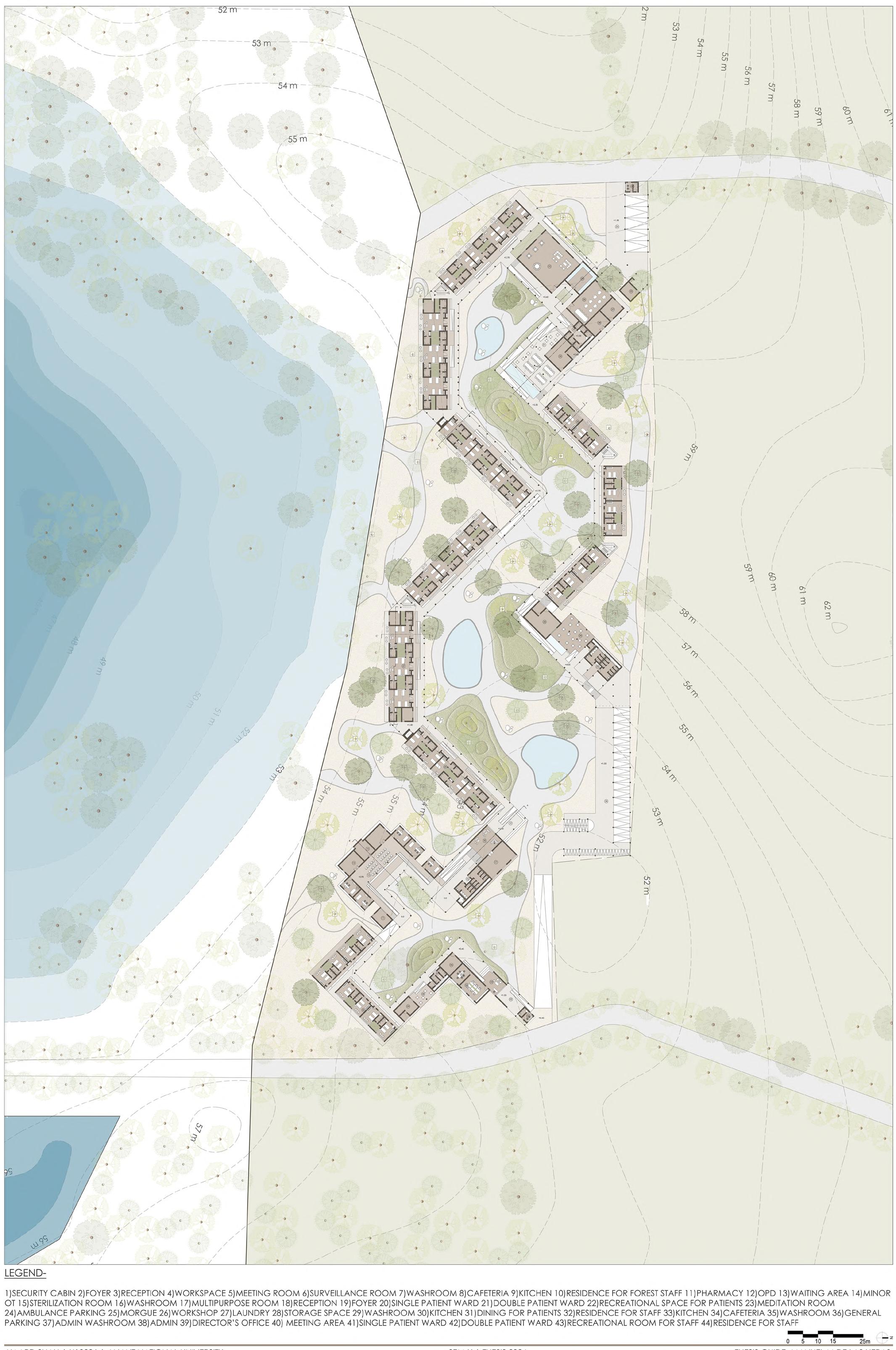
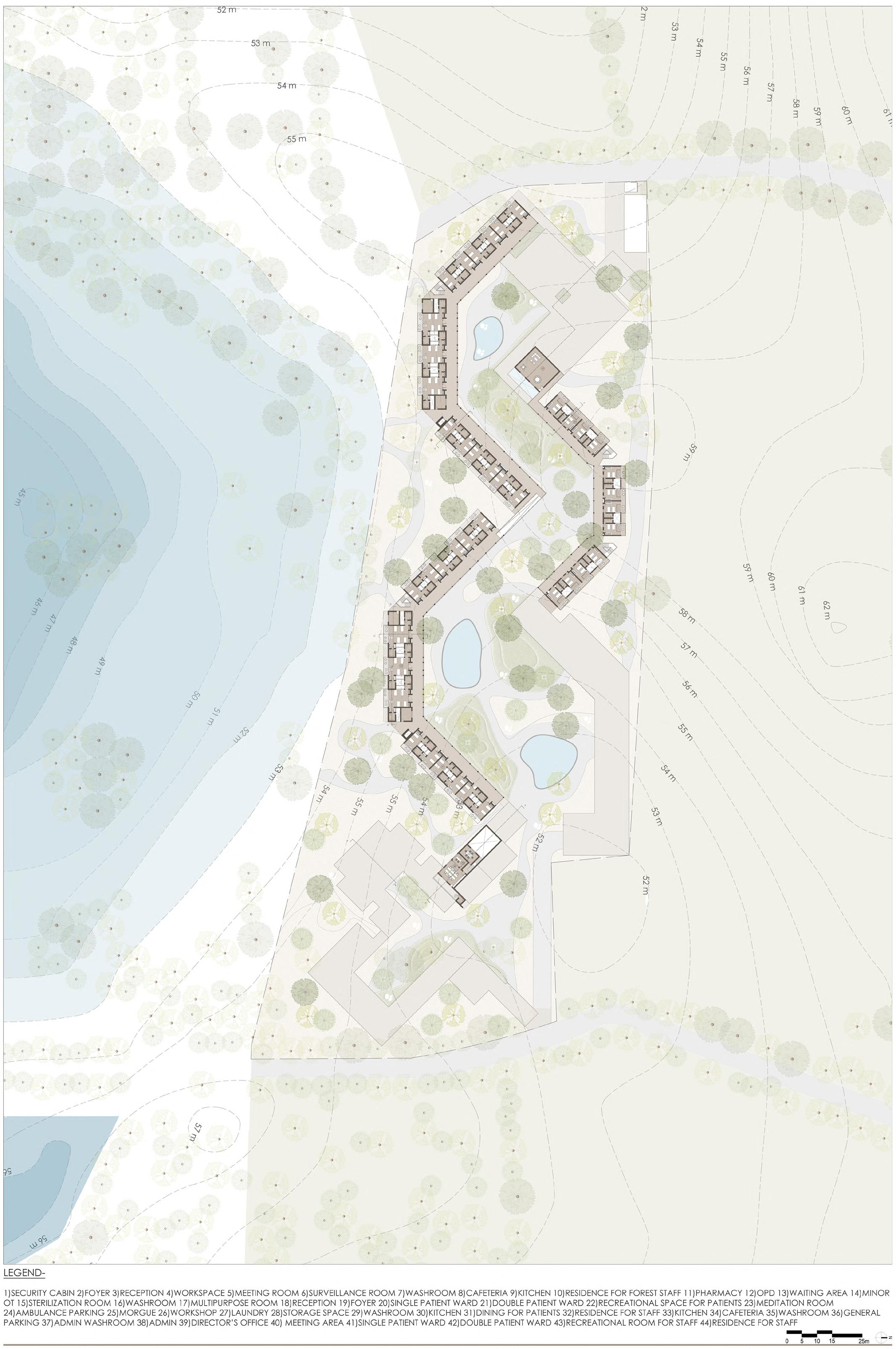
01 HOSPICE (INTEGRATED WITH FOREST OFFICE) ARCHITECTURAL
DESIGN THESIS
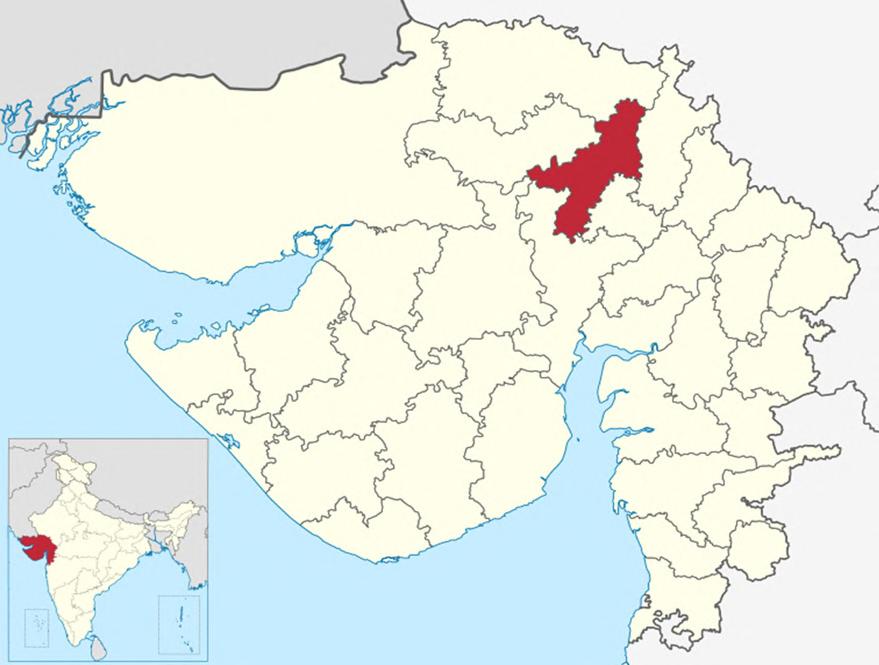
Site location- Mehsana, Gujarat
Site area- 26,690 sq m
Construction material- Brick, wood, mangalore tiles
Building type- Mixed use
Project category- Healthcare architecture
Cancer remains a significant public health challenge in India, where it is rapidly emerging as a major cause of morbidity and mortality. In India, around 1.4 million new cancer cases are detected each year currently and by 2040, the numbers will go up to 2 millions. The total number who need palliative care is likely to be 7-10 million people a year. Only 138 organizations are currently providing hospice and palliative care services amongst a huge population of 1.4 billion.
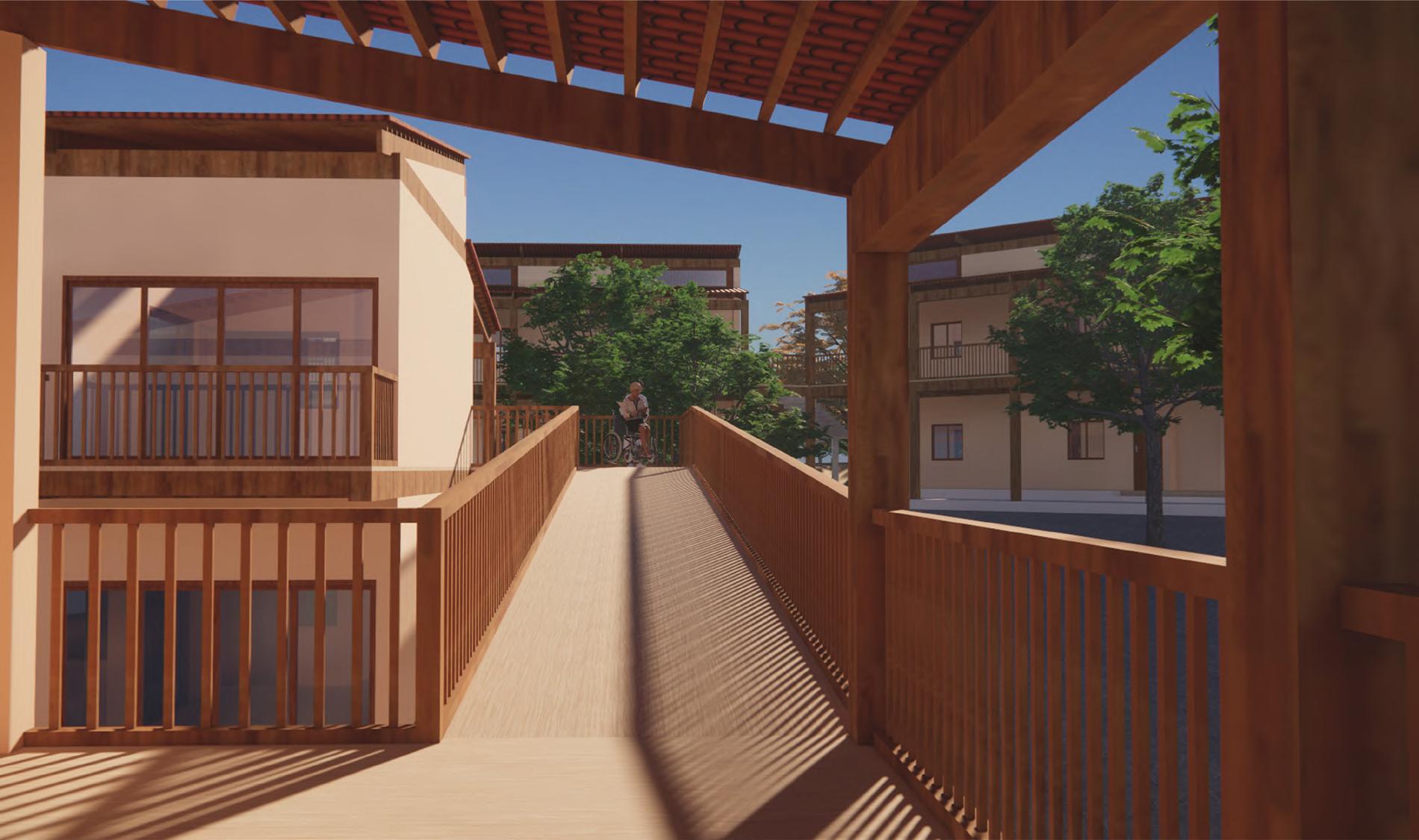
This thesis explores the design of a hospice that provides comprehensive palliative care for all age groups, integrated with a forest office to create a healing environment. By situating the hospice among the greens, the design leverages natural landscapes to enhance wellbeing. The objective is to create a hospice where architecture focuses on the comfort and homeliness of users by incorporating nature and enhancing connections in the spaces.
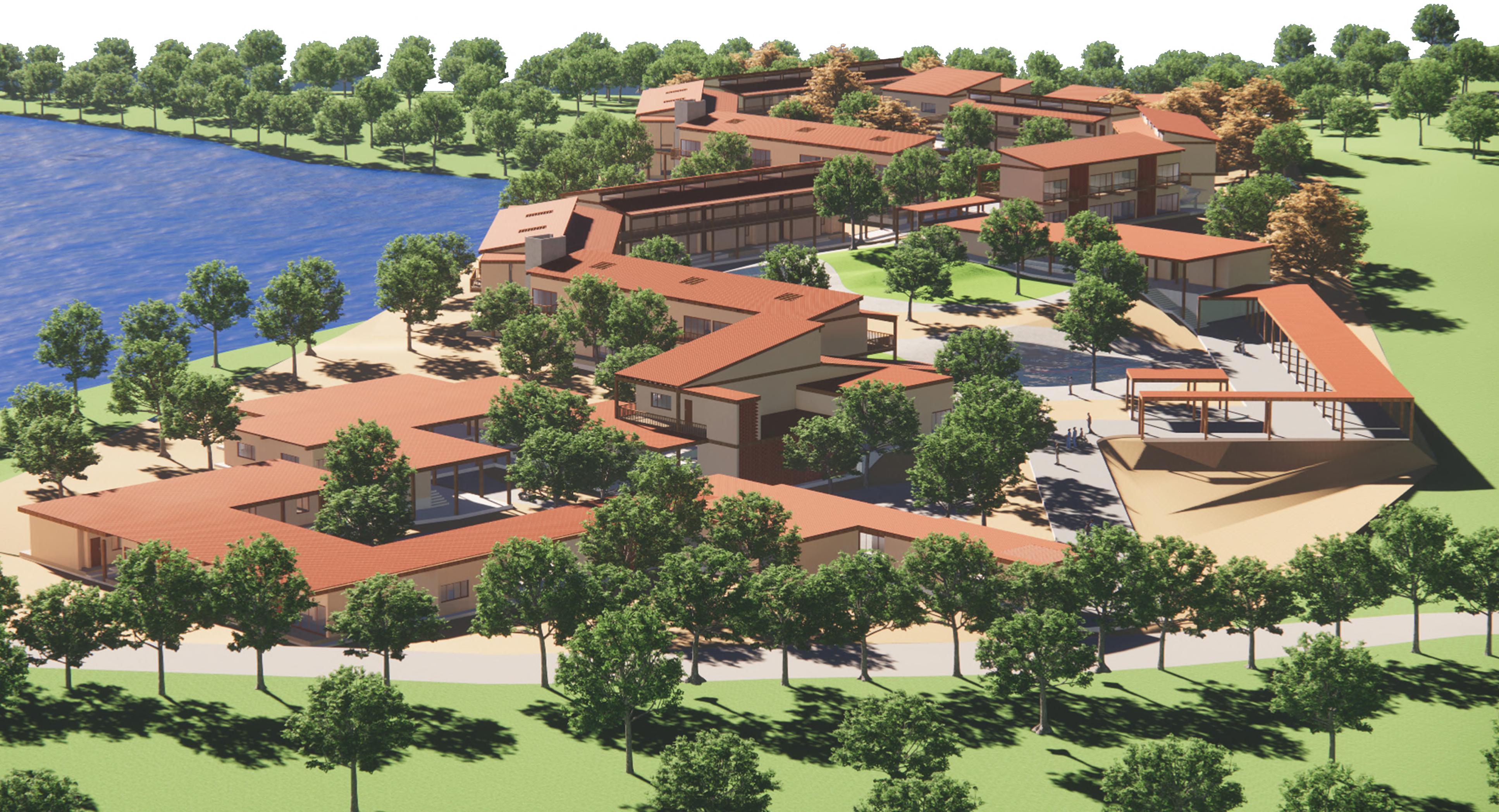
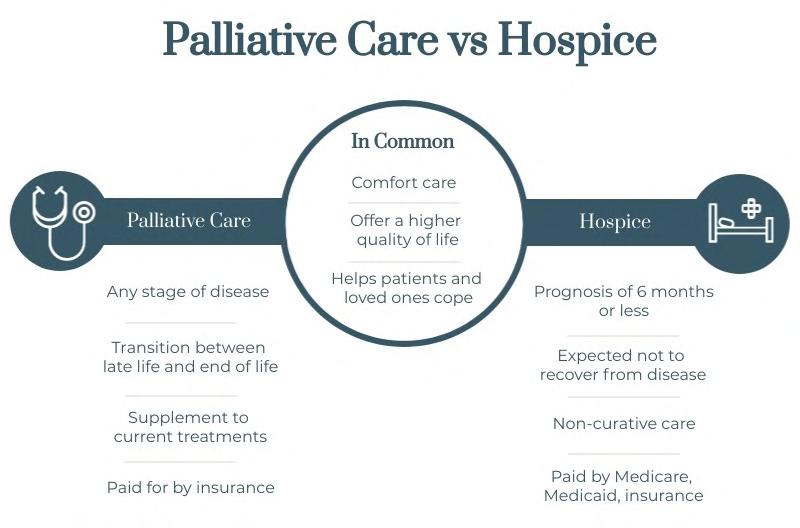
Hospice care is a type of health care that focuses on the palliation of a terminally ill patient’s pain and symptoms and attending to their emotional and spiritual needs at the end of life. It is for people who have a serious illness. Hospice care prioritizes comfort and quality of life by reducing pain and suffering.
Hospice care can assist in changing from a disease-focused approach to a patient-centered approach, where the needs of the patient and the patient/family goals are essential to planning care.
REASON
In India, there’s a need of palliative care as the number of terminally ill patients are increasing rapidly. I want to investigate that how architectural spaces can help patients in last stage of their lives by reducing their pain, how the spaces we design fosters positivity, peace and heal the individuals.
The patients suffering from terminal illness are already disturbed through spiritual, physical, psychological and social problems, so a space which is tranquil and serene would provide them comfort and they could heal through surroundings by developing correlation with mind and surrounding environment.
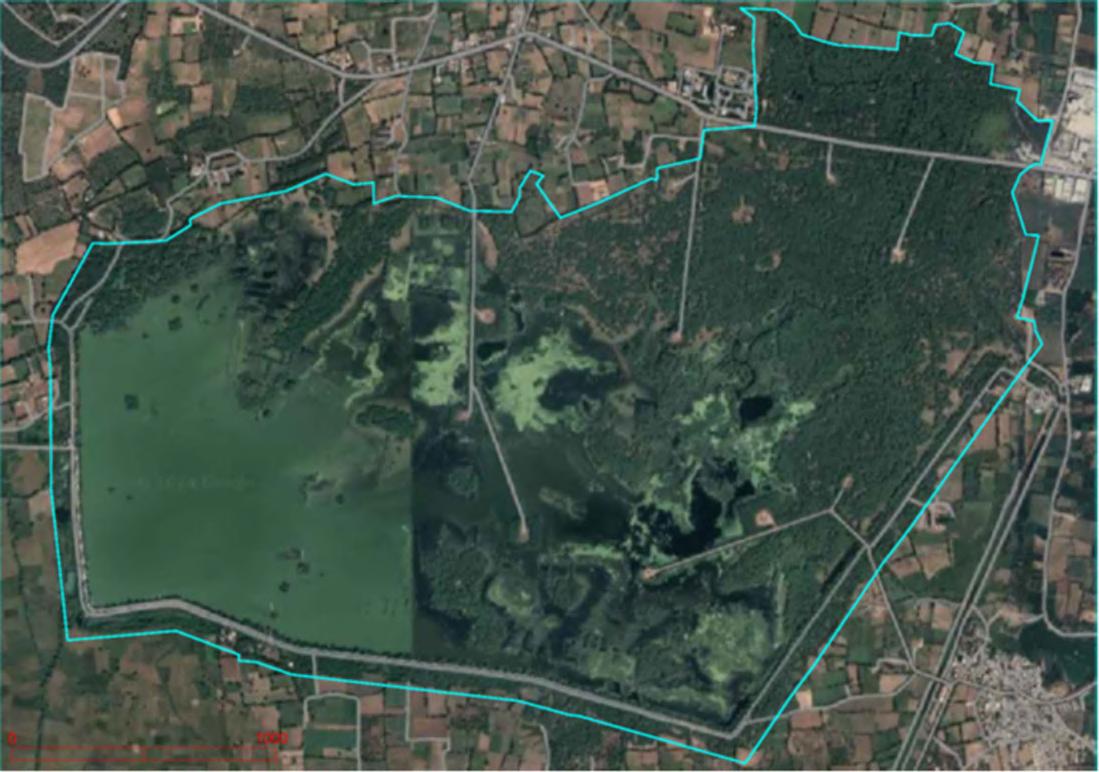
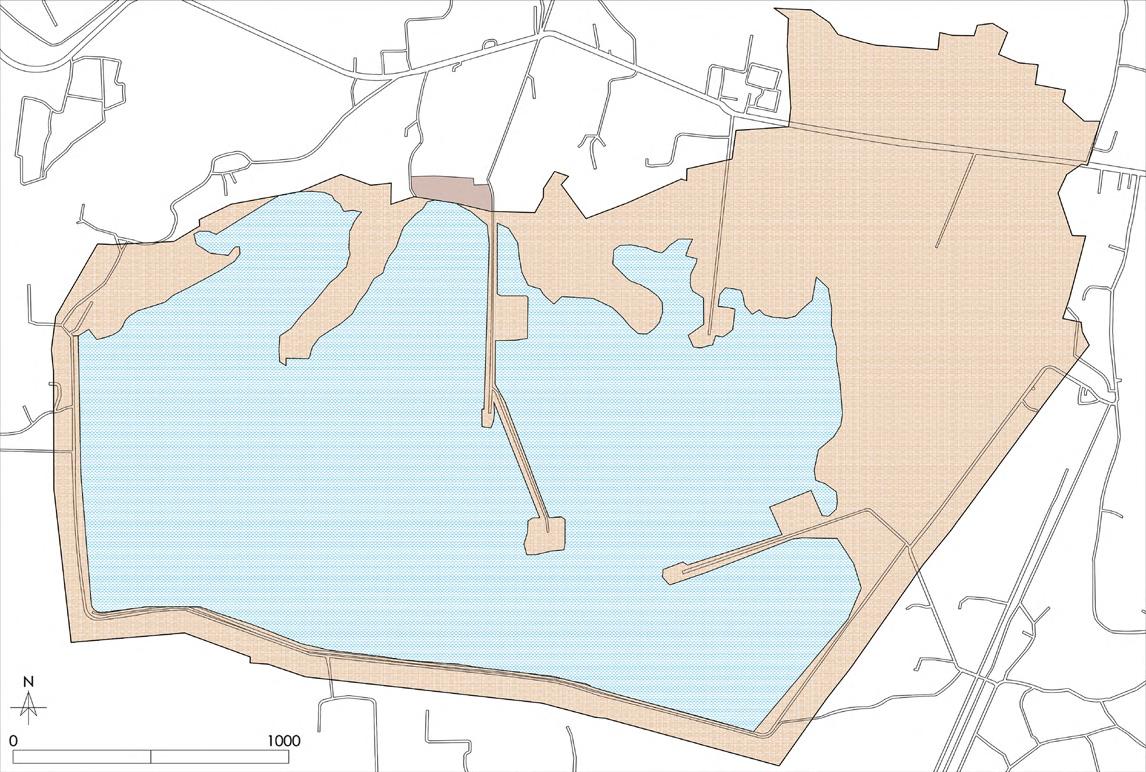
Thol lake is a place near the city where there is diverse ecosystem which includes water body, trees, grass, birds, dogs, monkeys and many more which makes it tranquil space.
Also there would be very less pollution compared to city as there are villages and farms around the sanctuary so users would have a better quality of living there.
To design spaces such that it should achieve the most homelike and serene environment possible by connecting nature and enhancing a patient’s sense of calm & control by facilitating care & coordination.
OBJECTIVE
Creating a hospice where architecture would focus on comfort and homeliness of users by incorporating nature and enhancing connections in the spaces. And to spread awareness among the common people about what is the purpose of hospice care.
RESEARCH QUESTION
How architectural spaces can help patients in last stage of their lives by reducing their pain?
How the spaces we design fosters positivity, peace and heal the individuals?
How the built space can improve the soul?
Can architecture bring hope?
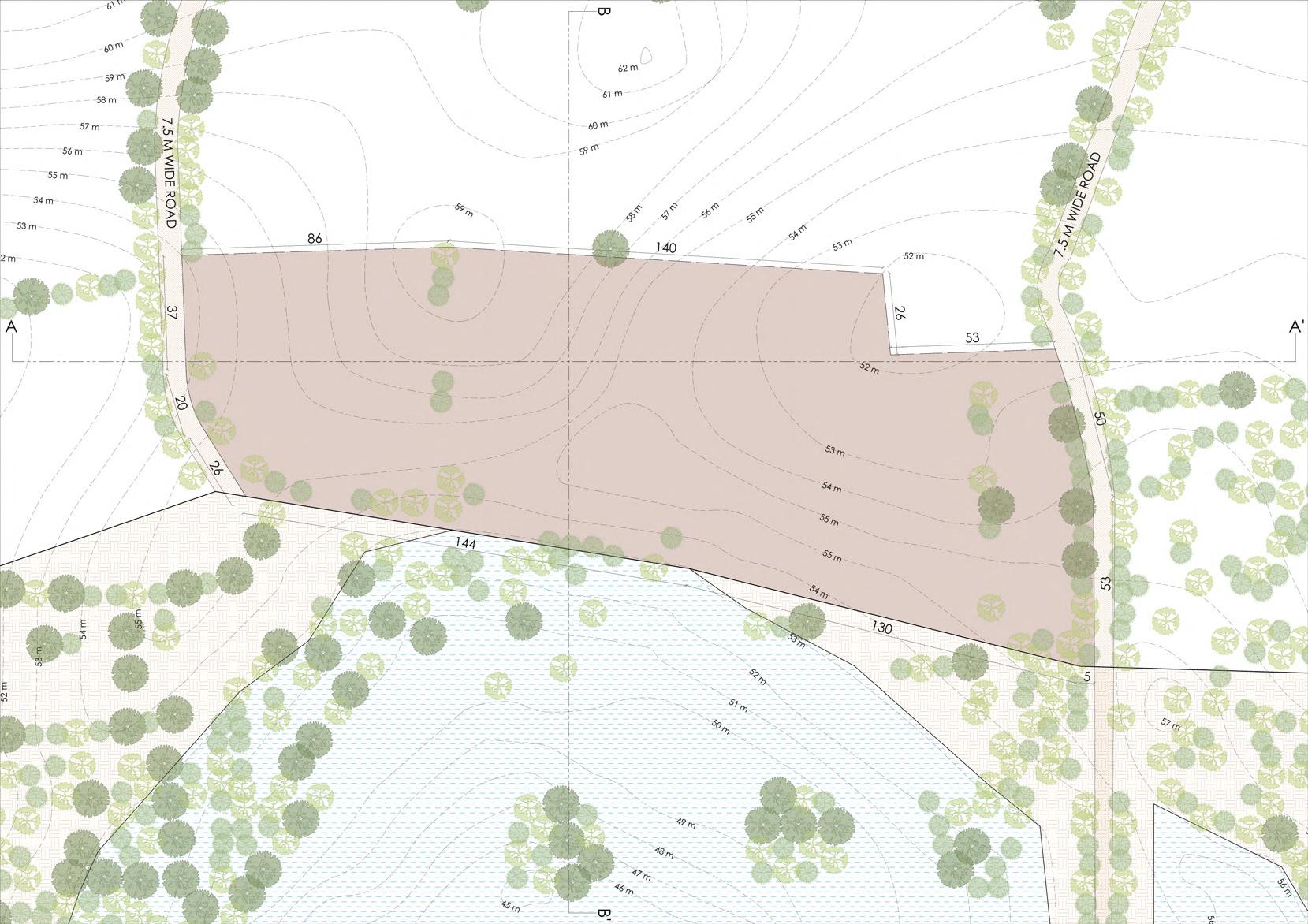
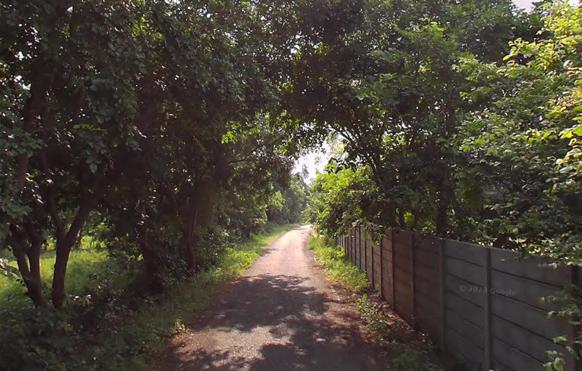
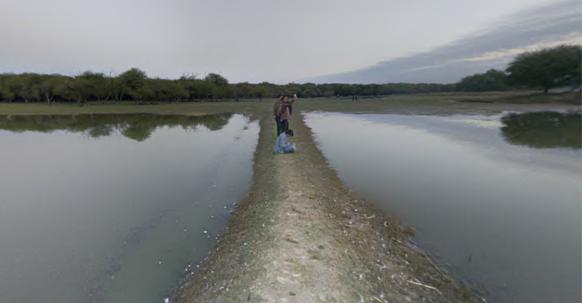
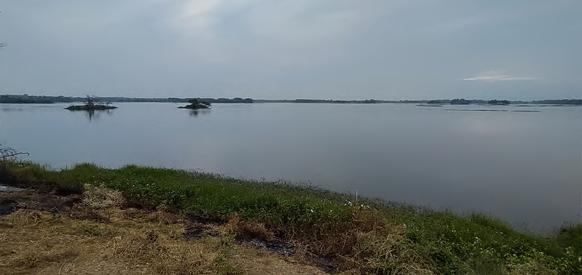
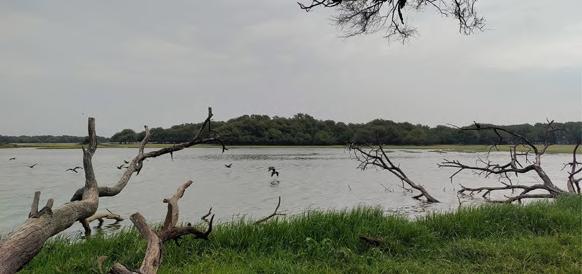
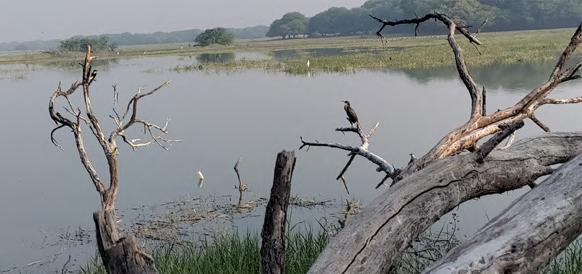
Map of thol bird sanctuary Location of site
Mehsana, Gujarat
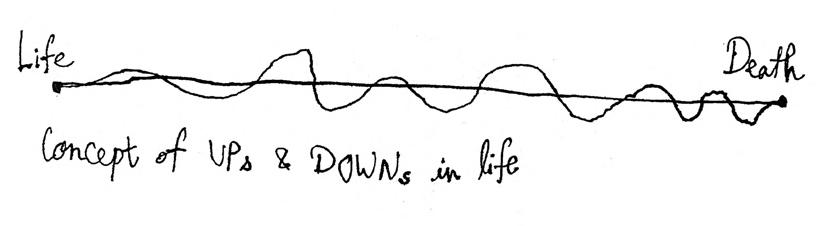
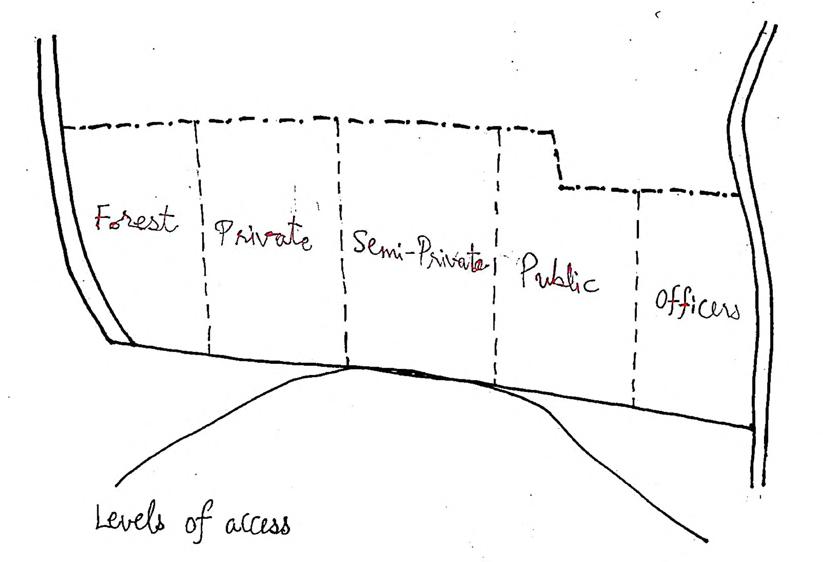
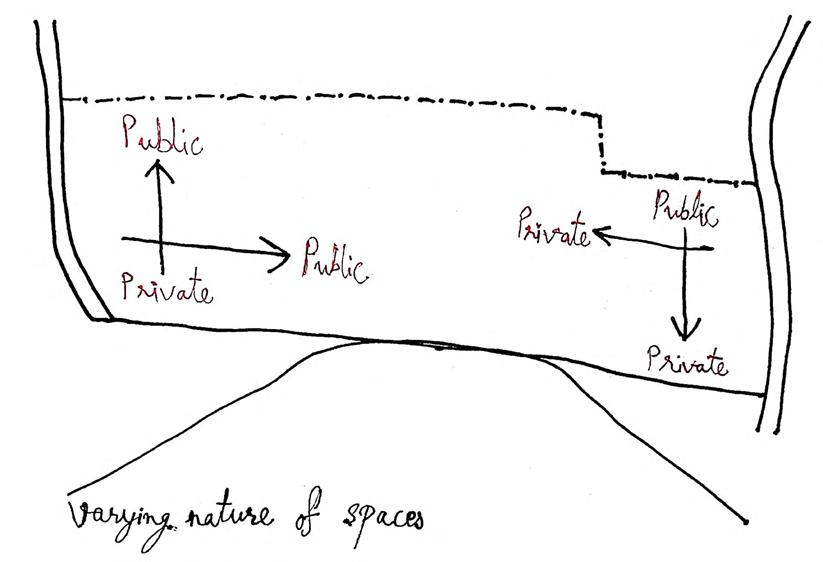
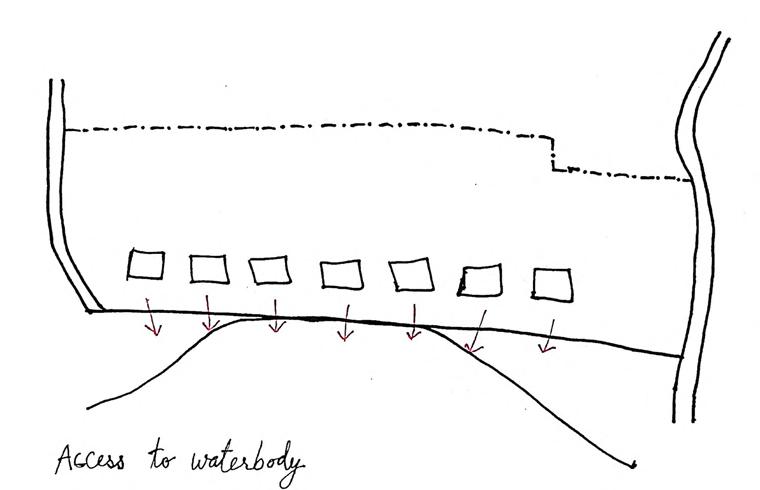
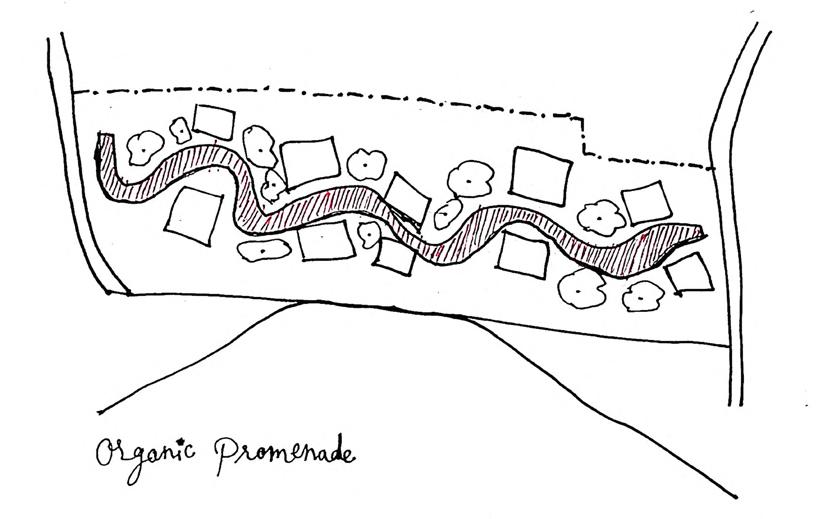
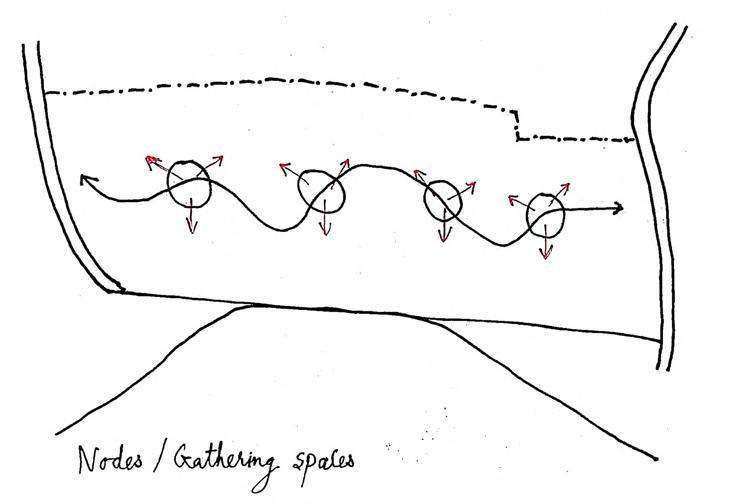
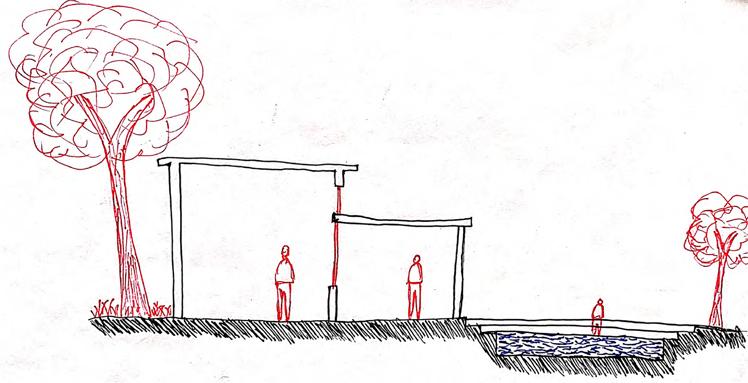
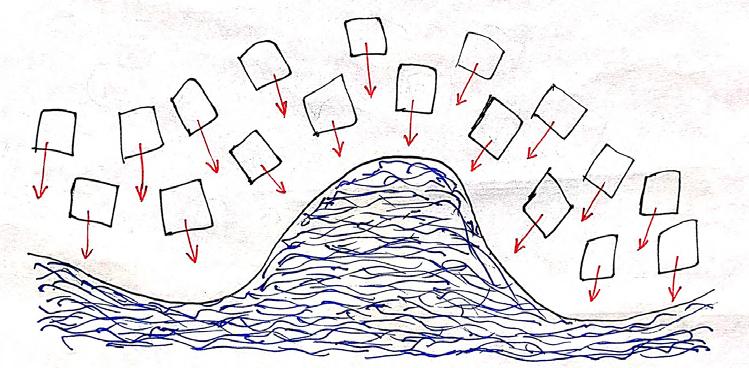
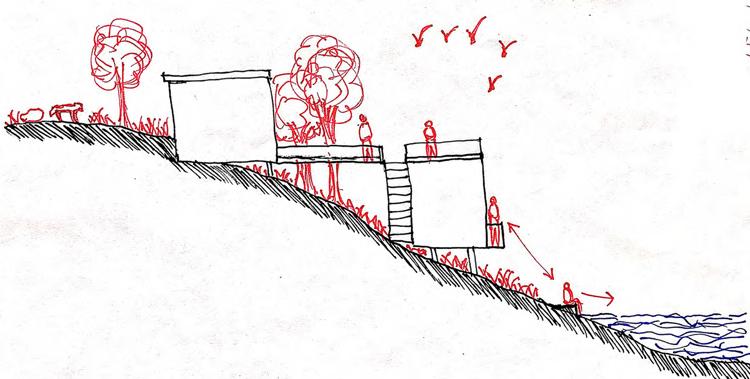
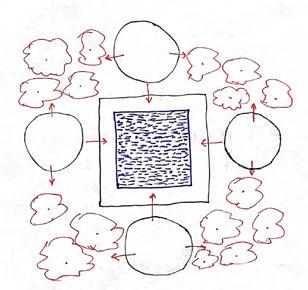
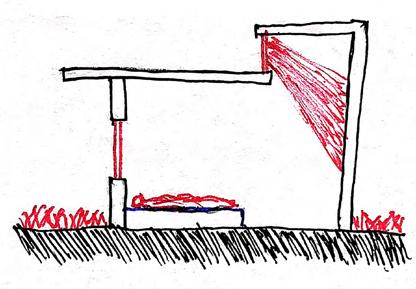
Design strategies
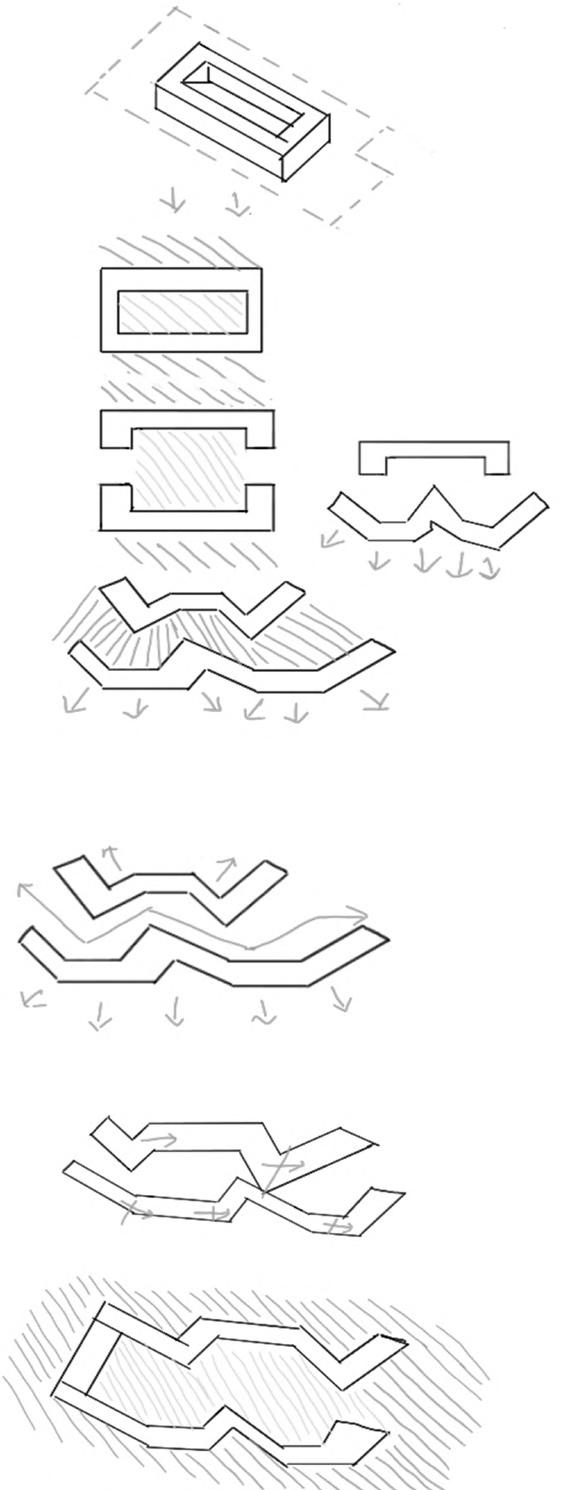
Form development
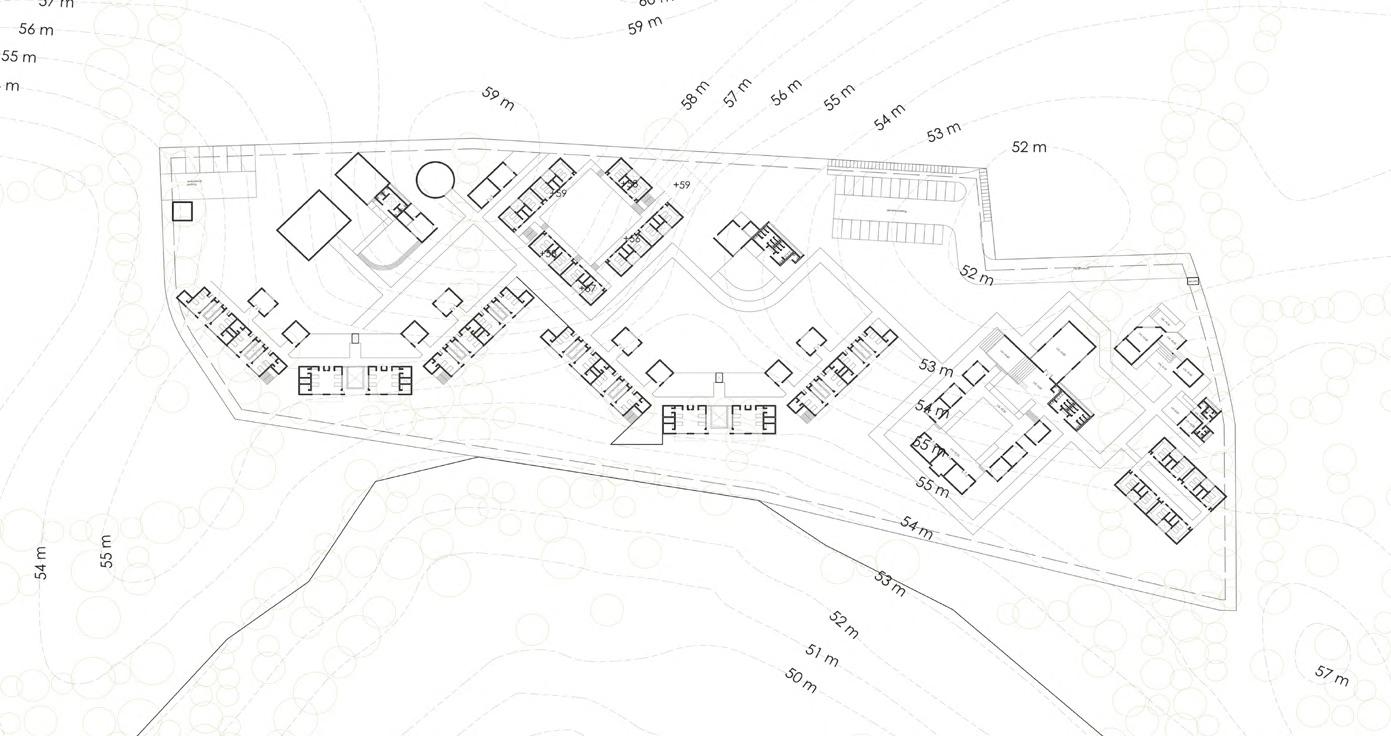
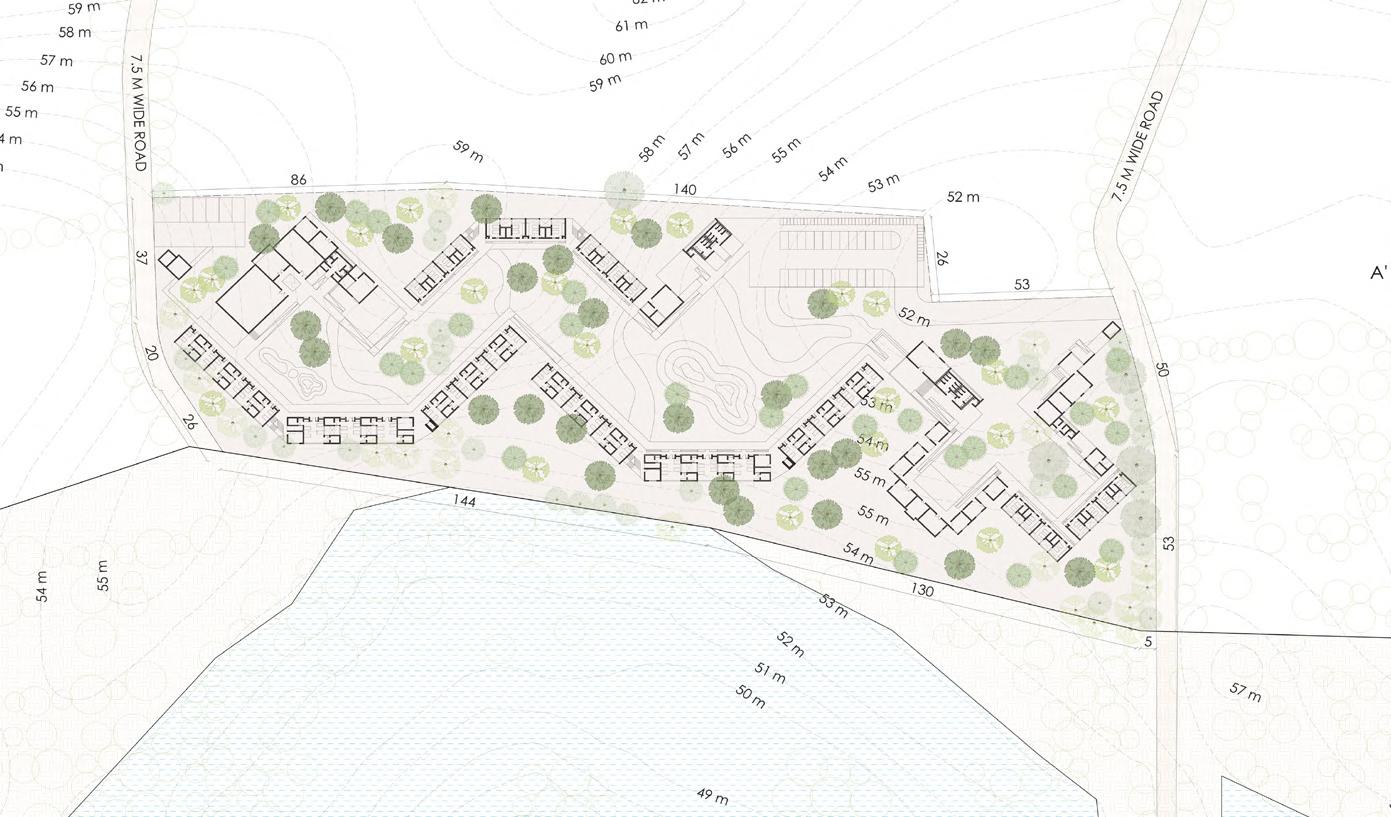
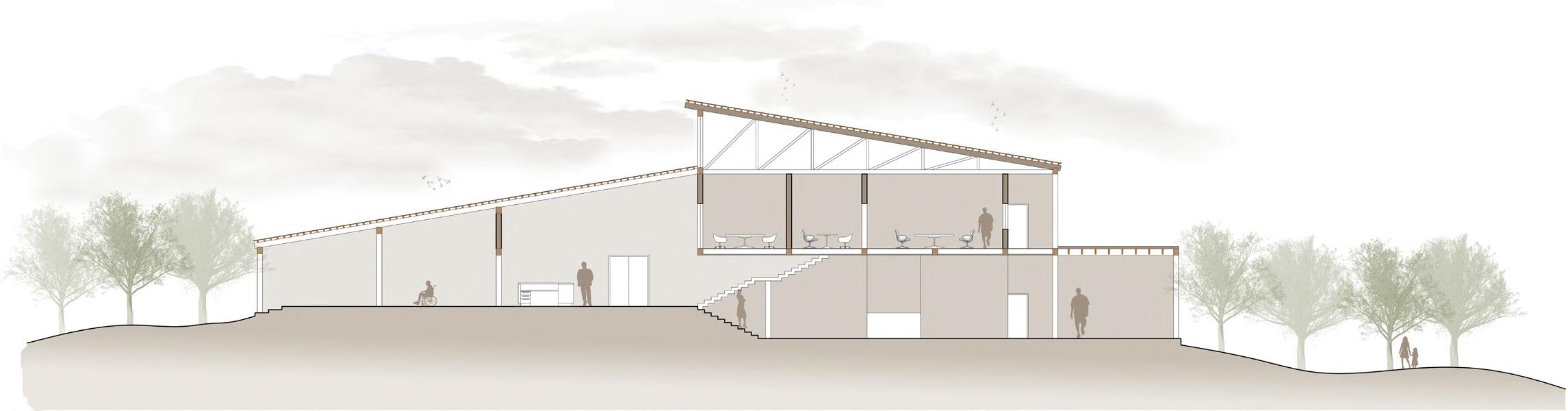
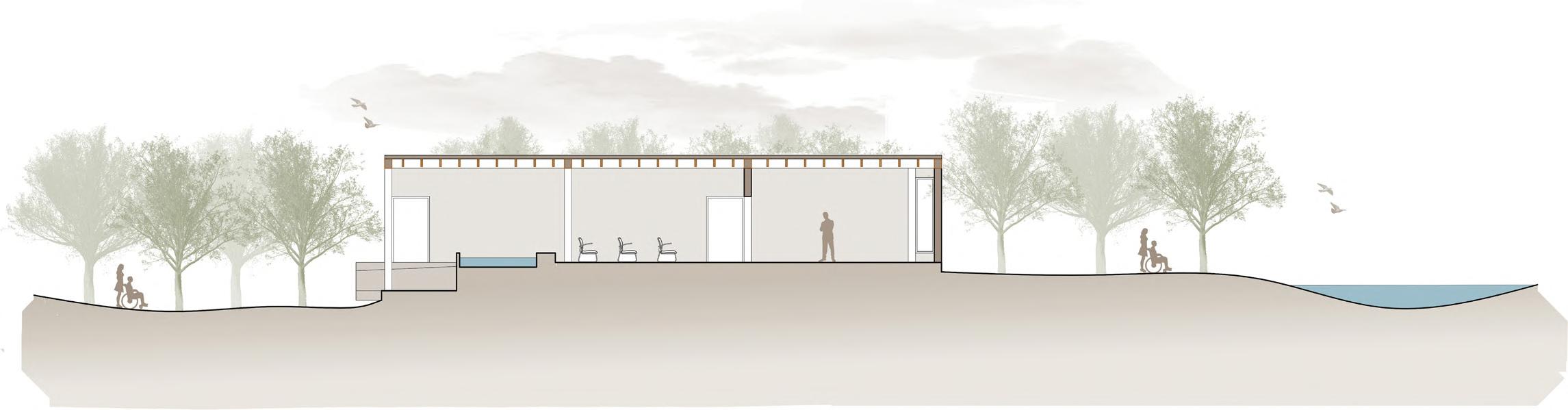
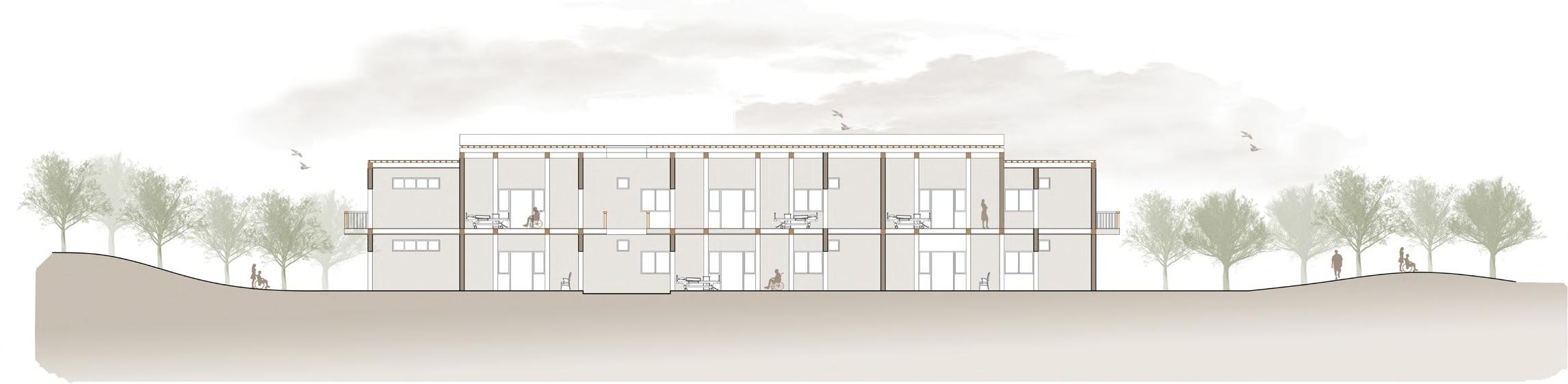
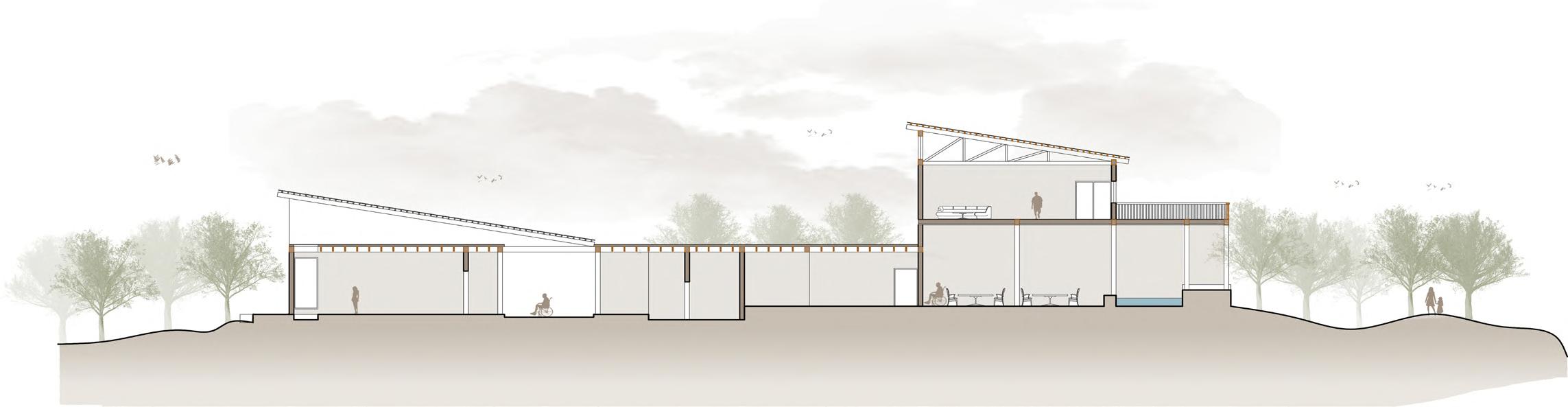
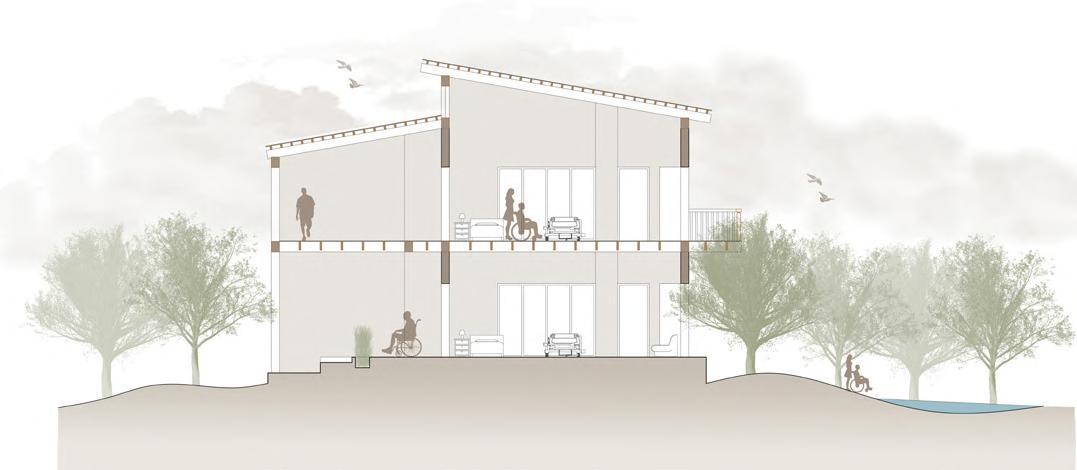
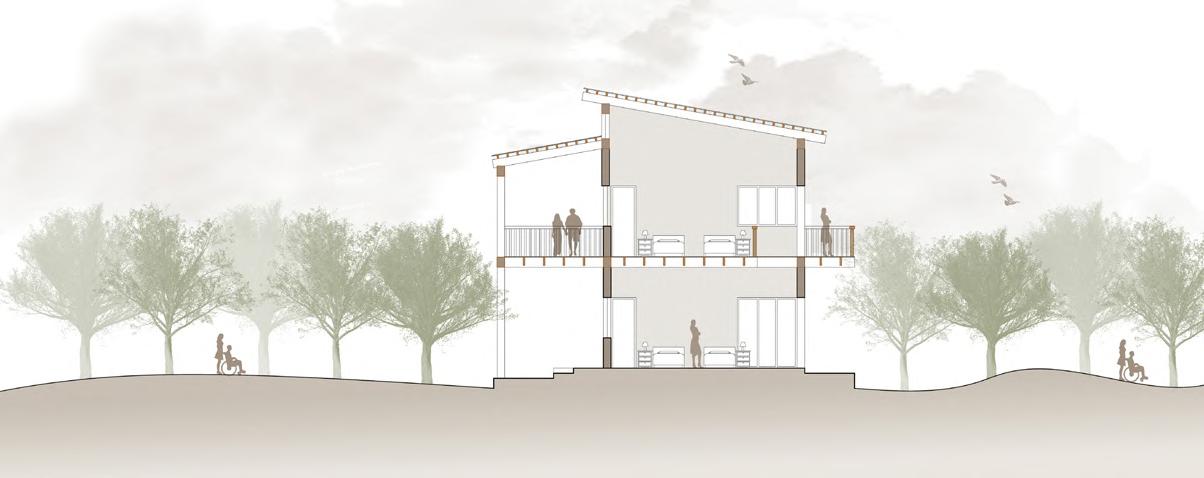
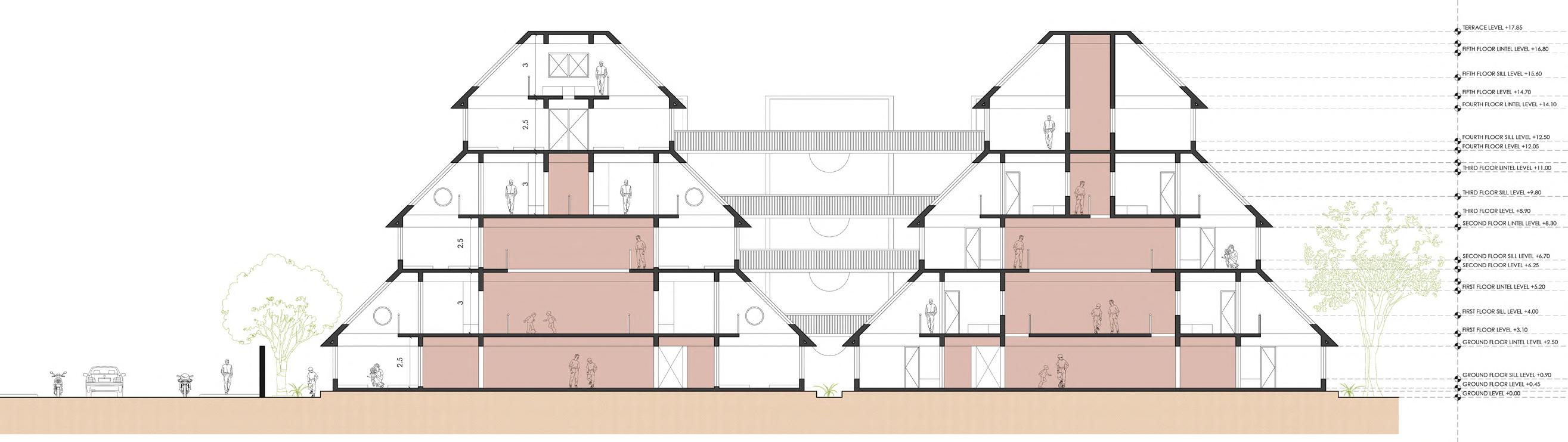
Section F-F'
Section C-C'
Section G-G'
Section D-D'
Section B-B'
Section A-A'
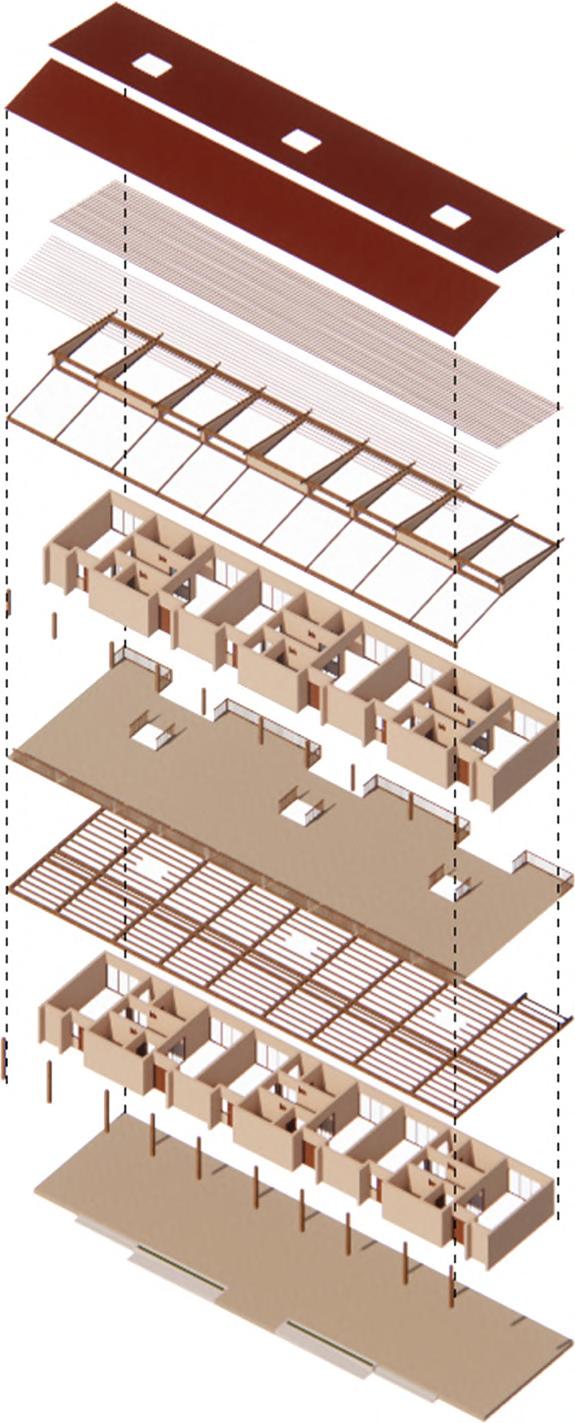
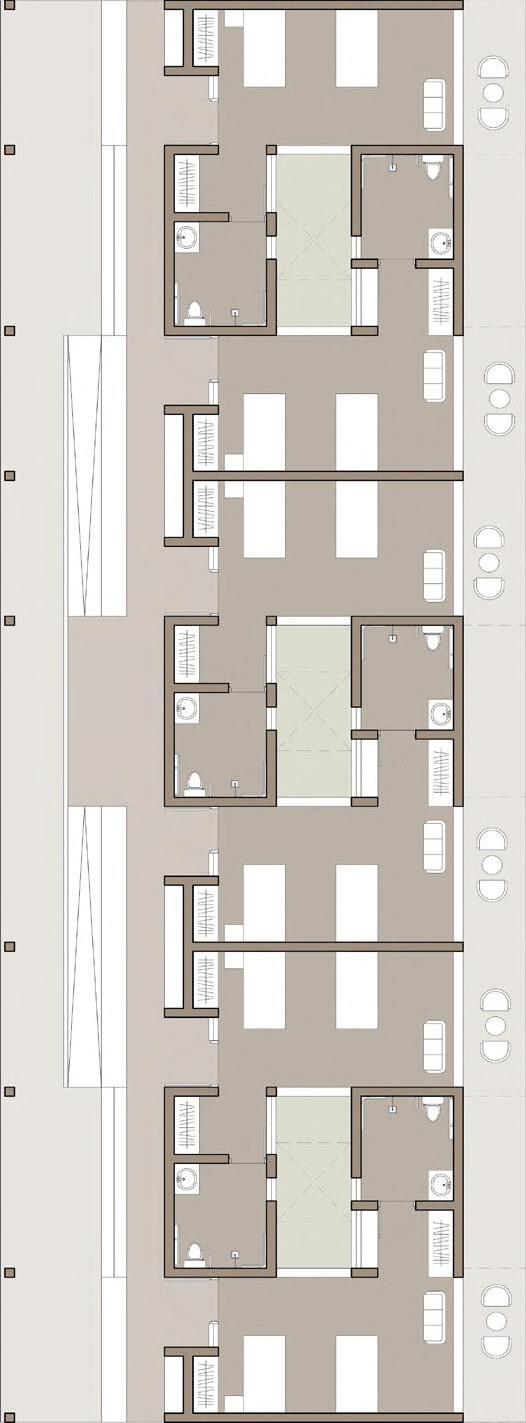
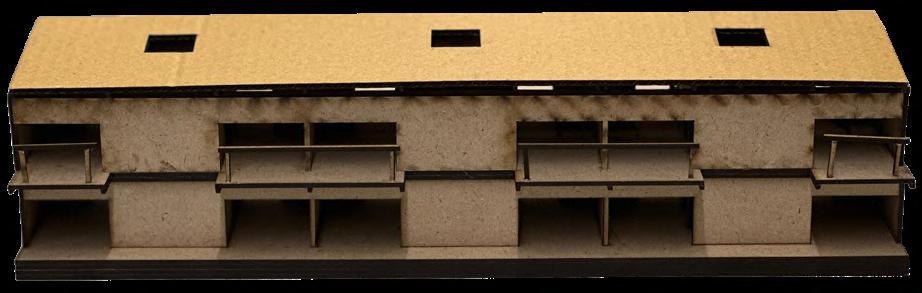
Single patient residenceExploded view & cluster plan
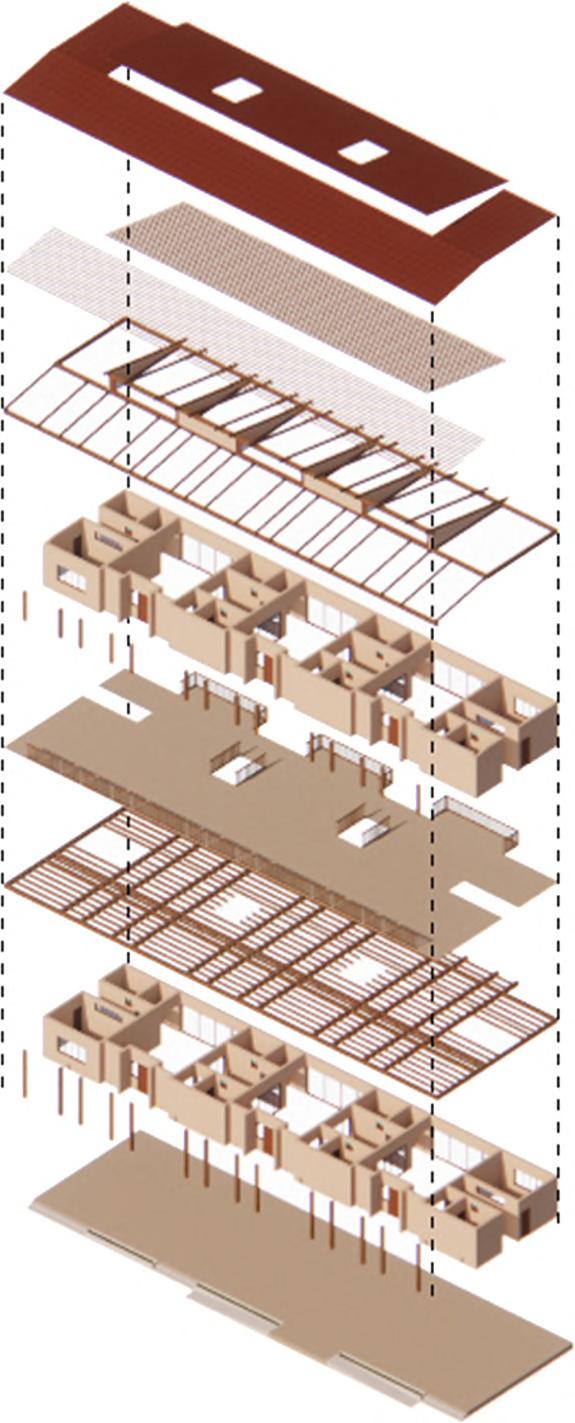
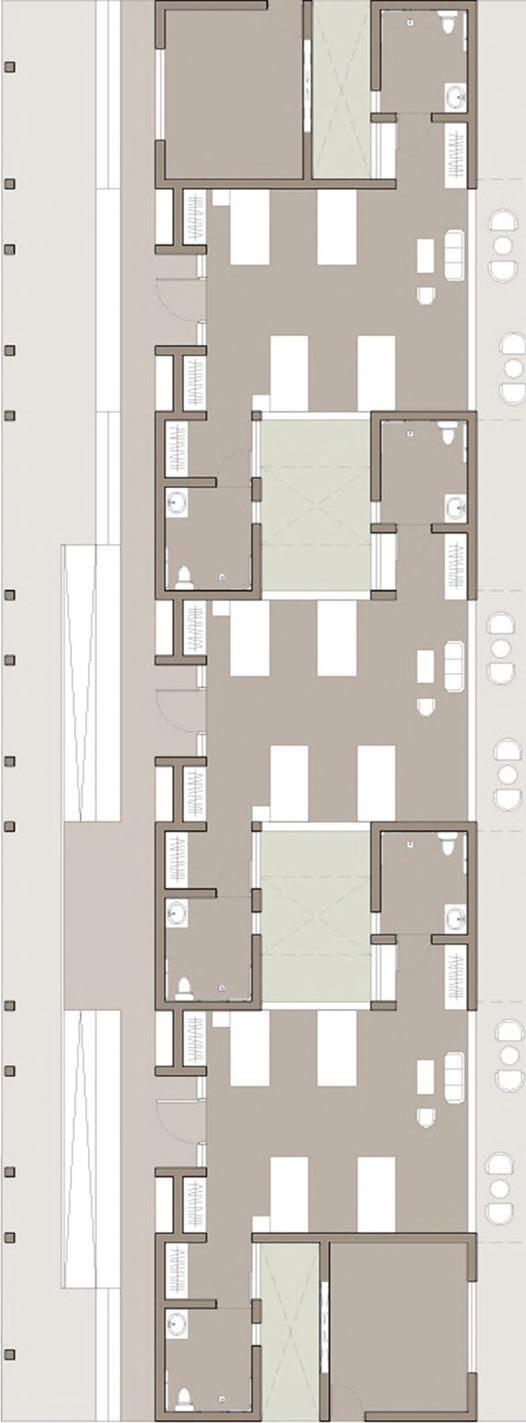
Double patient residenceExploded view & cluster plan
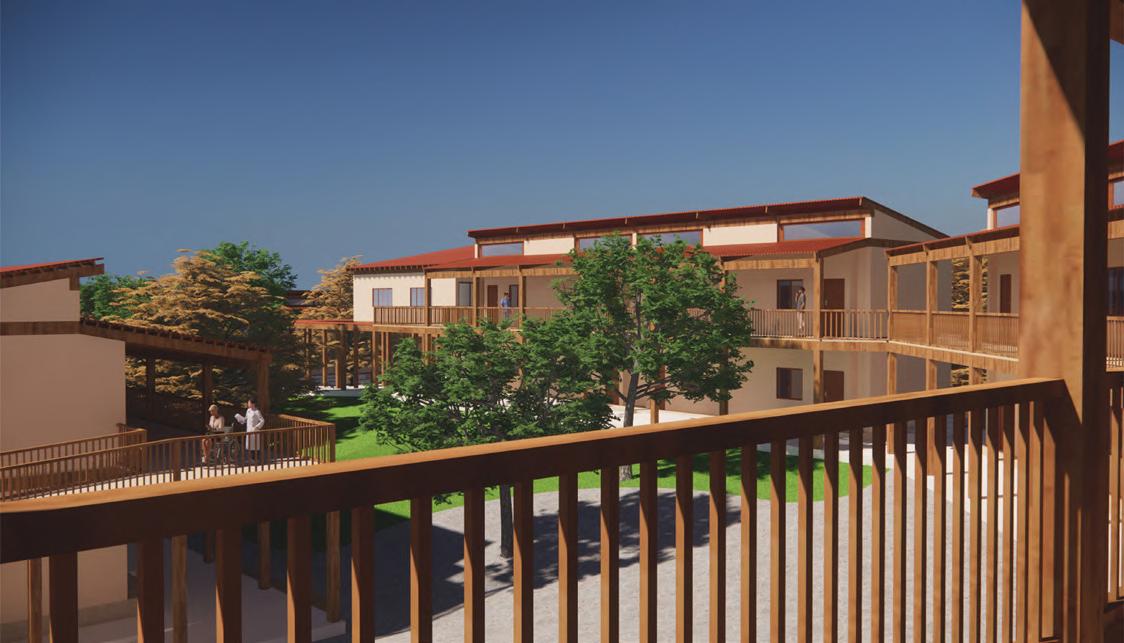
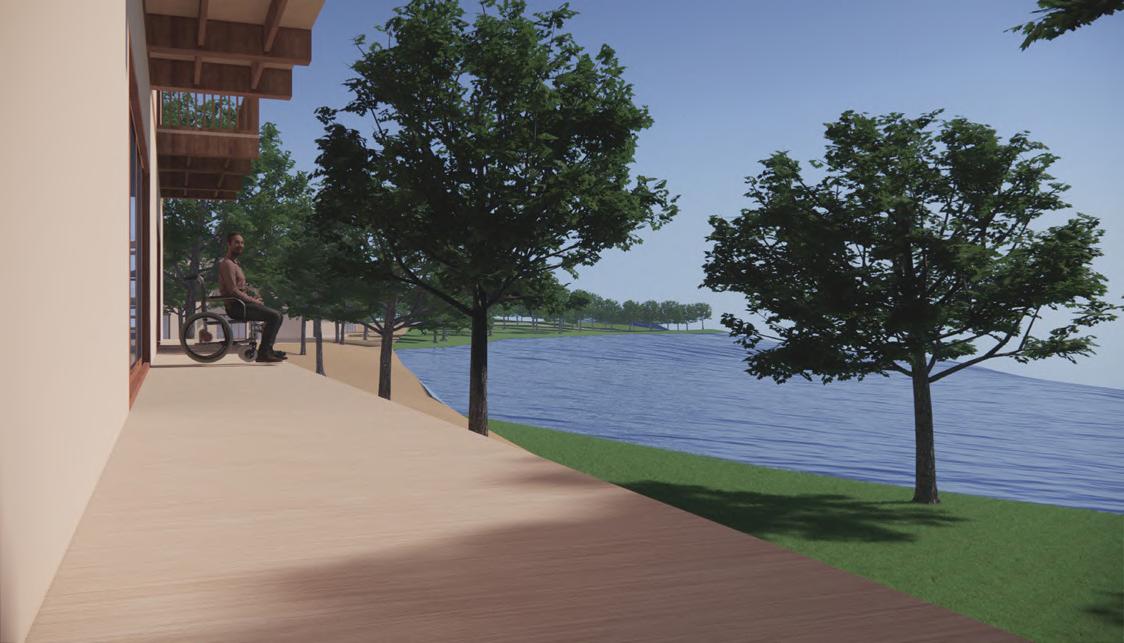
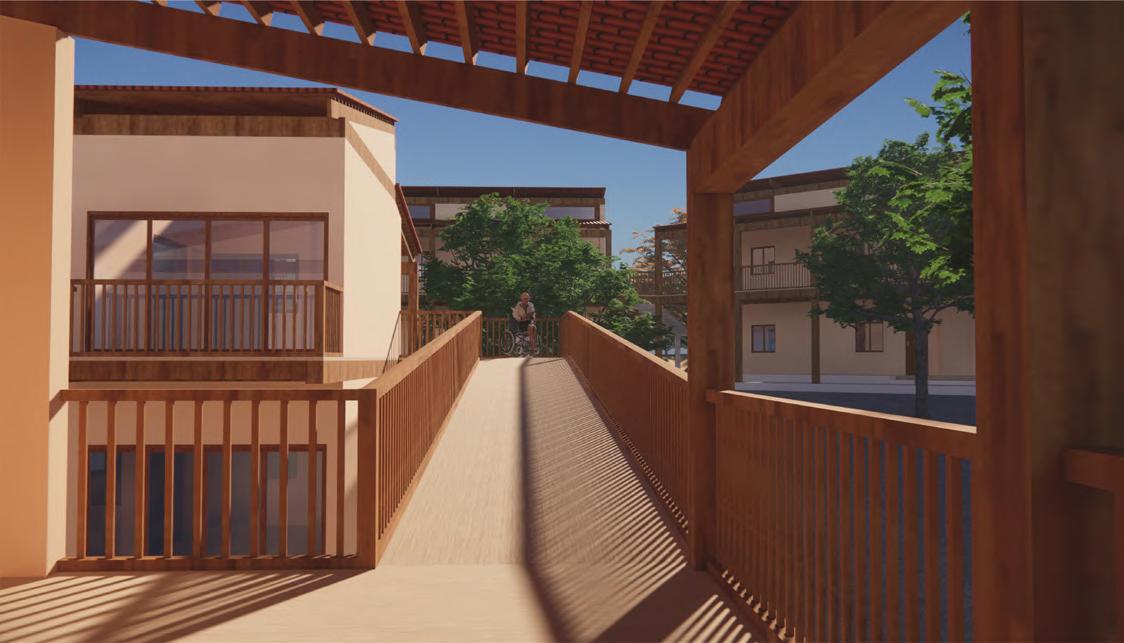
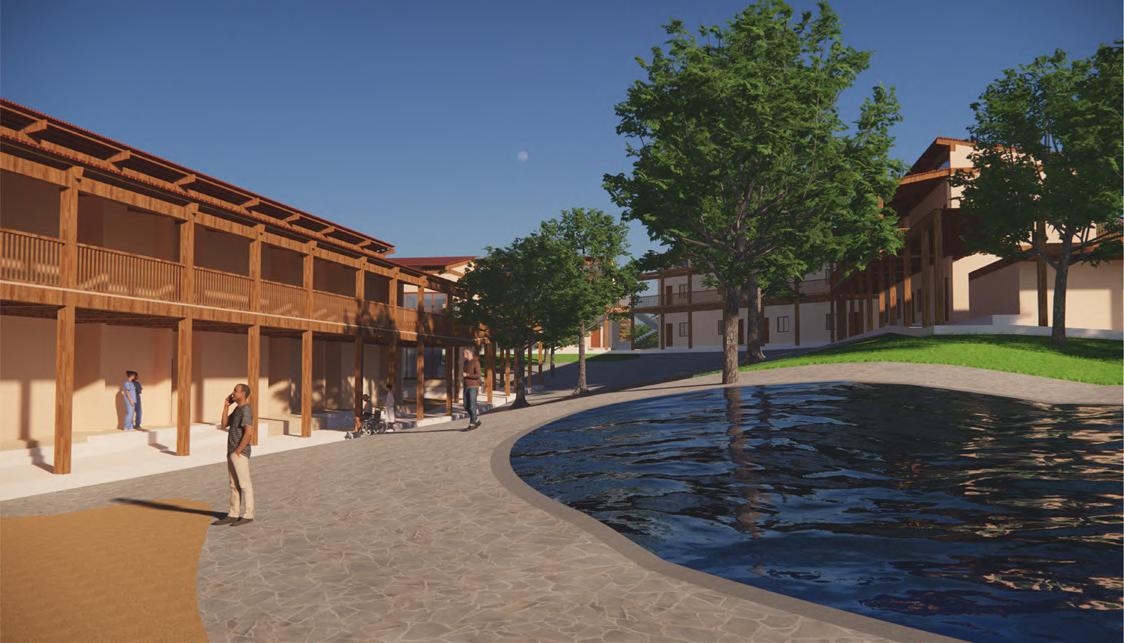
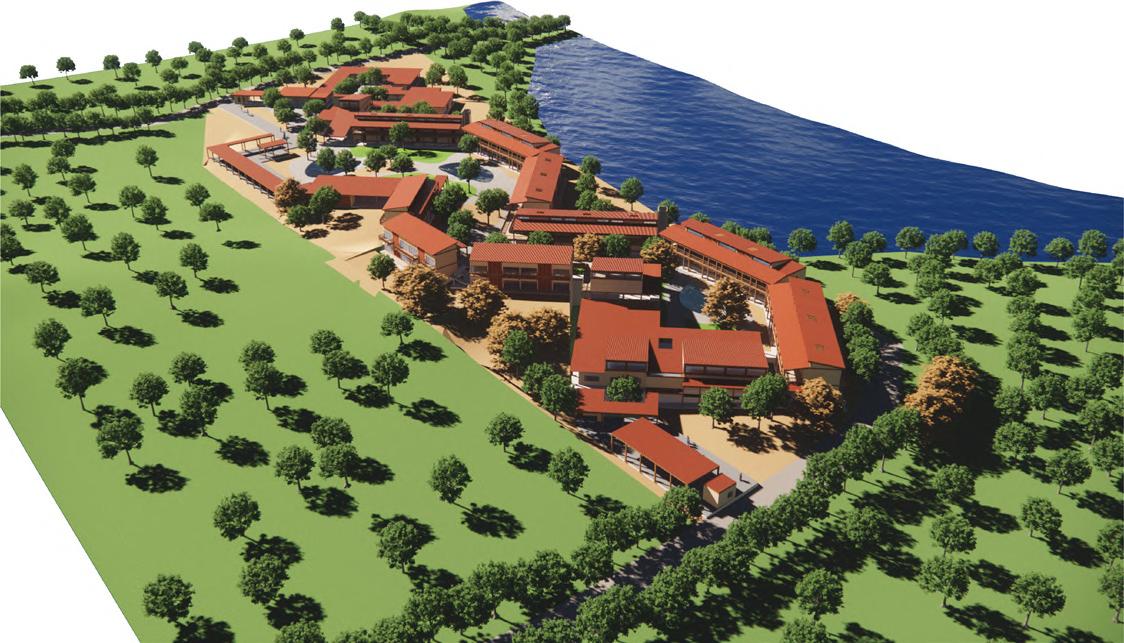
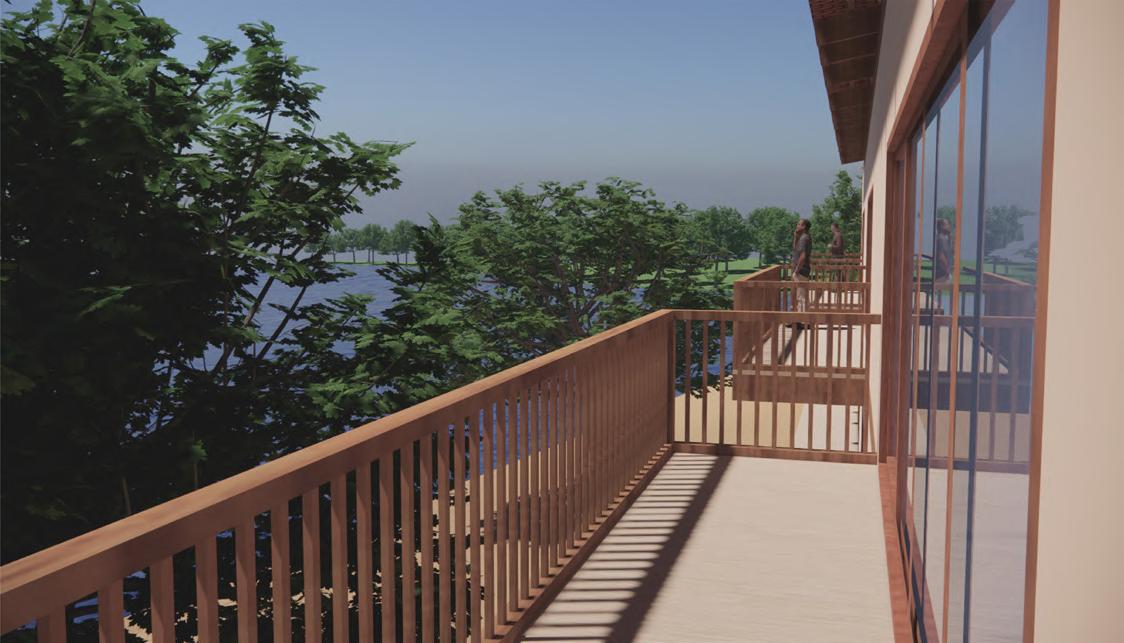
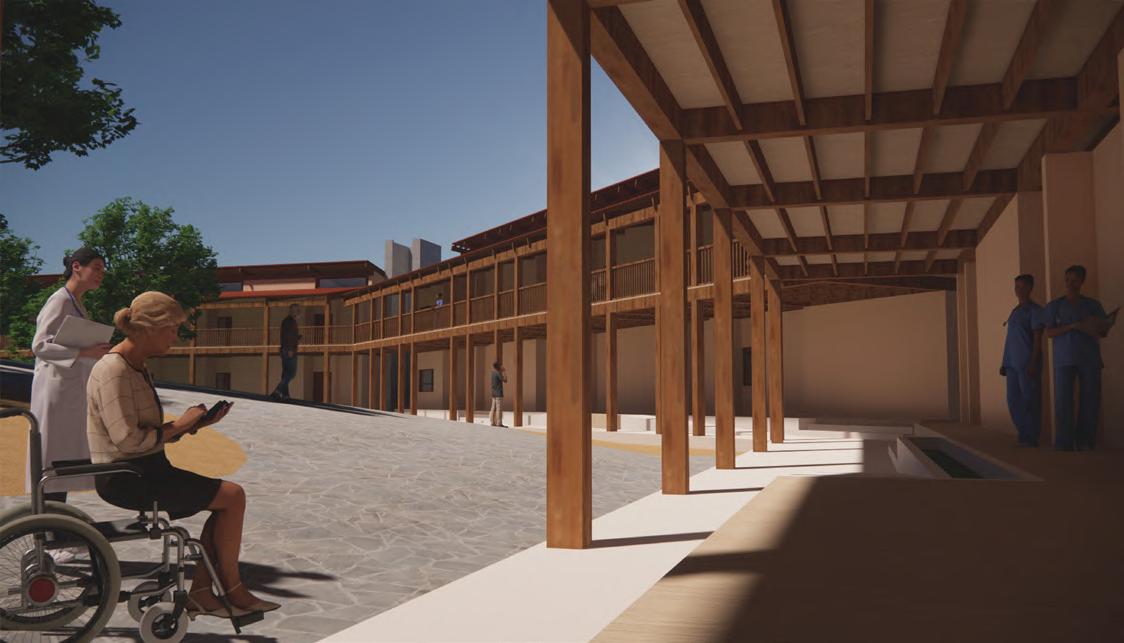
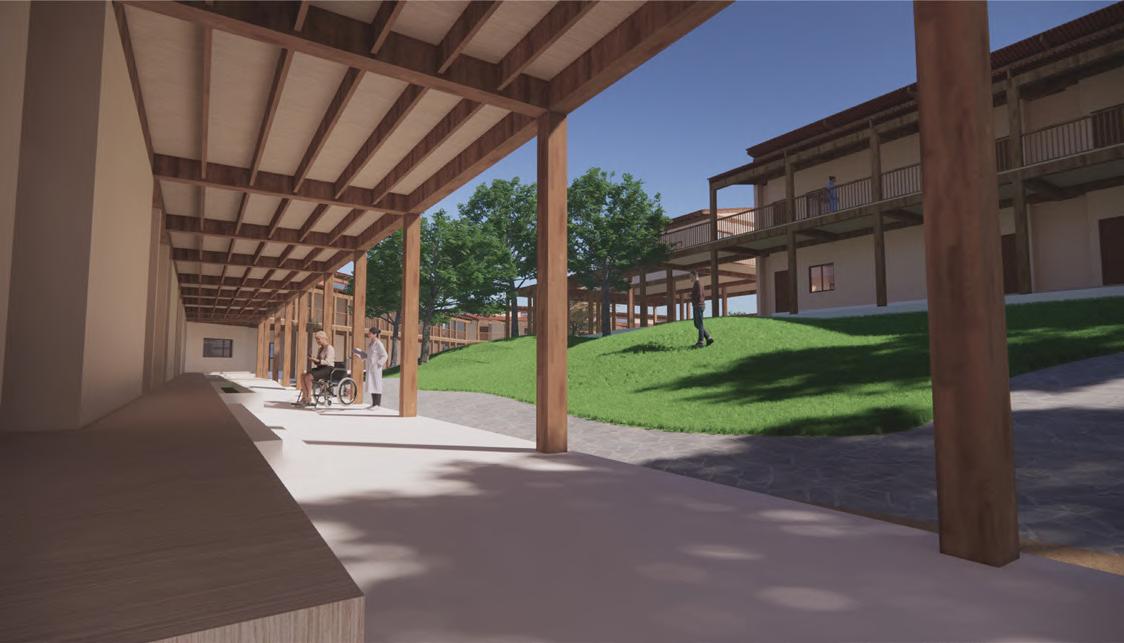
VIEWS
VIEWS
02 ORPHANAGE
URBAN INSERT STUDIO
Site location- Ahmedabad, Gujarat
Site area- 3137 sq m
Construction material- Exposed brick, Exposed RCC
Building type- Mixed use
Project category- Educational + Residential architecture
The studio focuses on design in urban contexts, from the neighborhood to the site level, where students are introduced to spatial configurations in urban environments that incorporate cultural, spatial, architectural, and ecological challenges. Students identify the issues they intend to address and select the appropriate program typology.
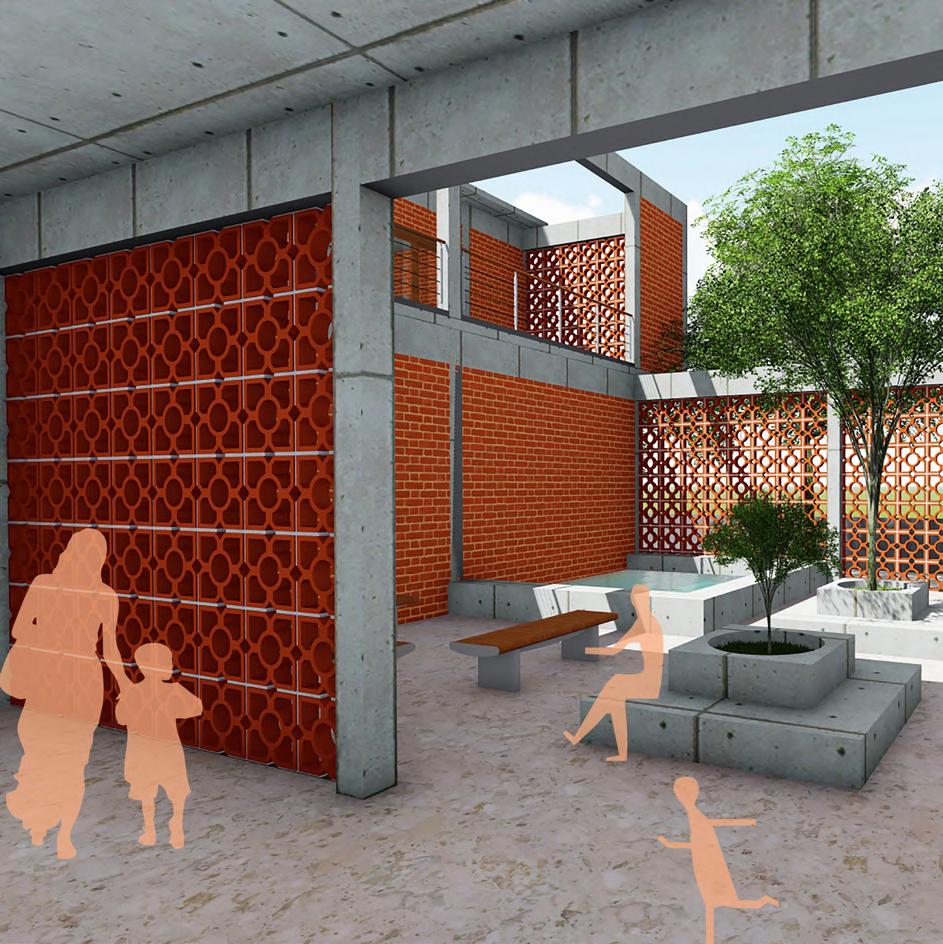
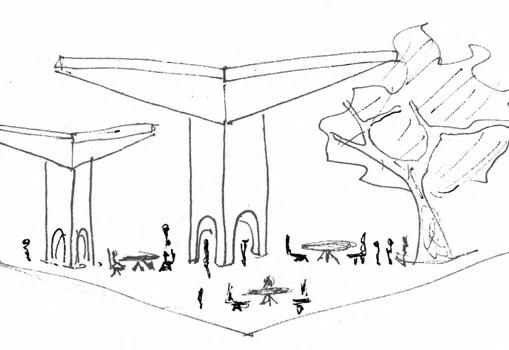
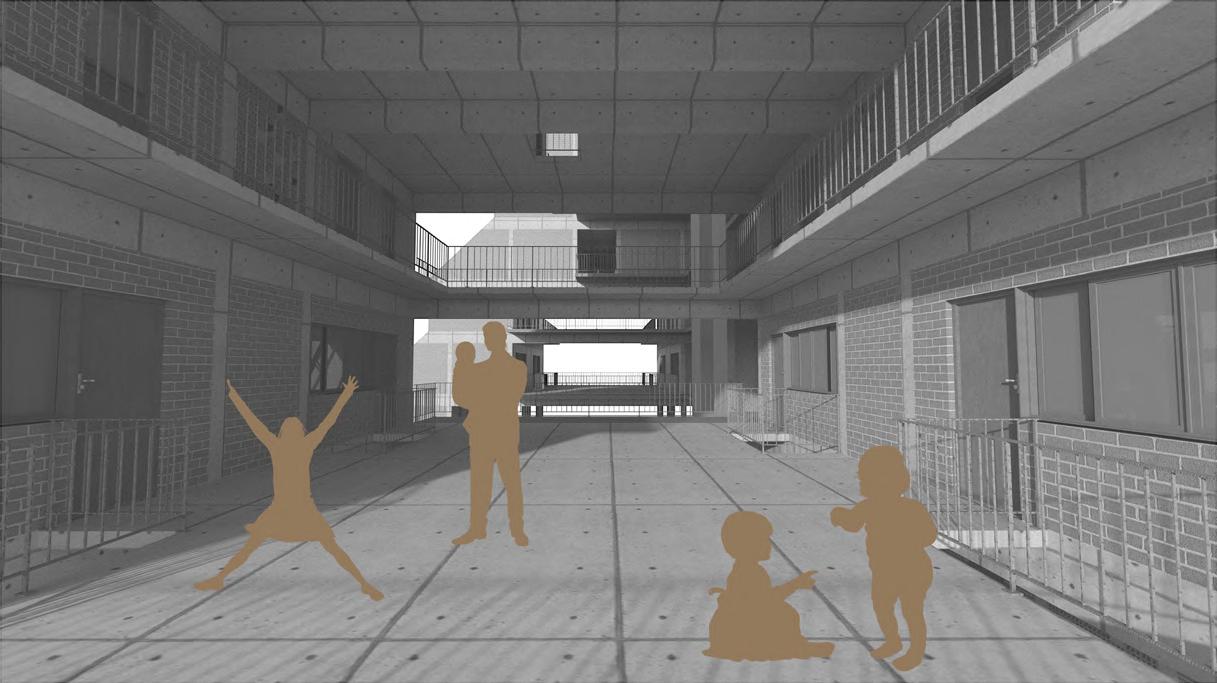
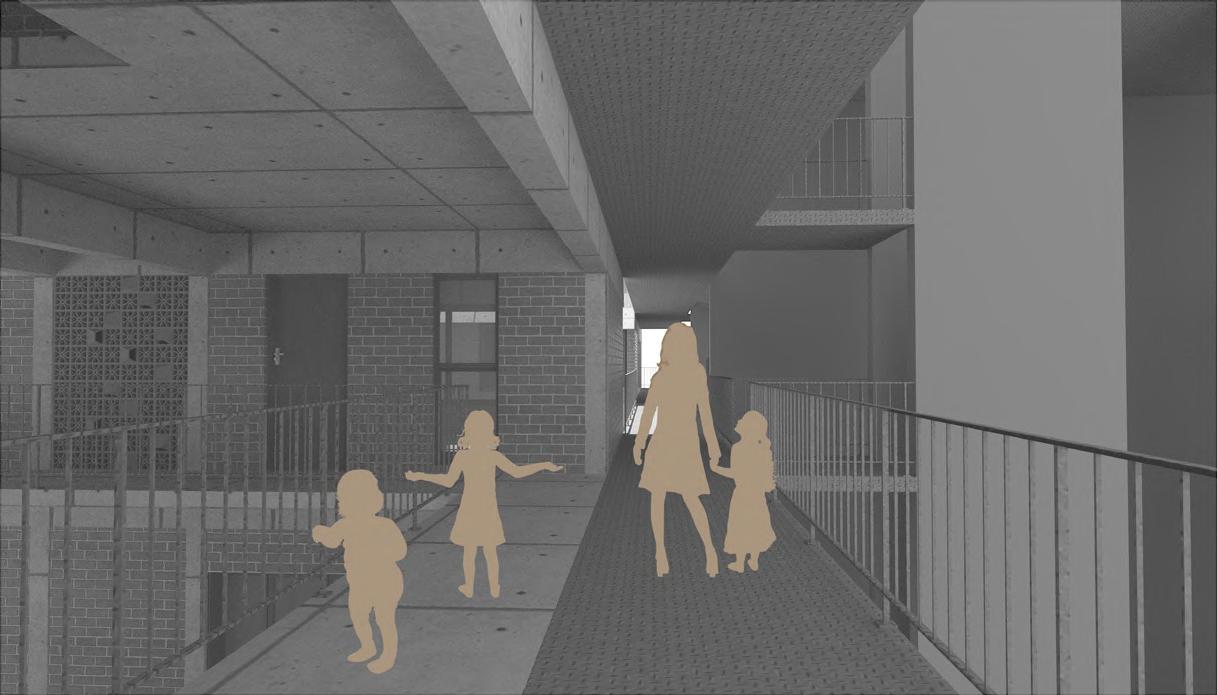
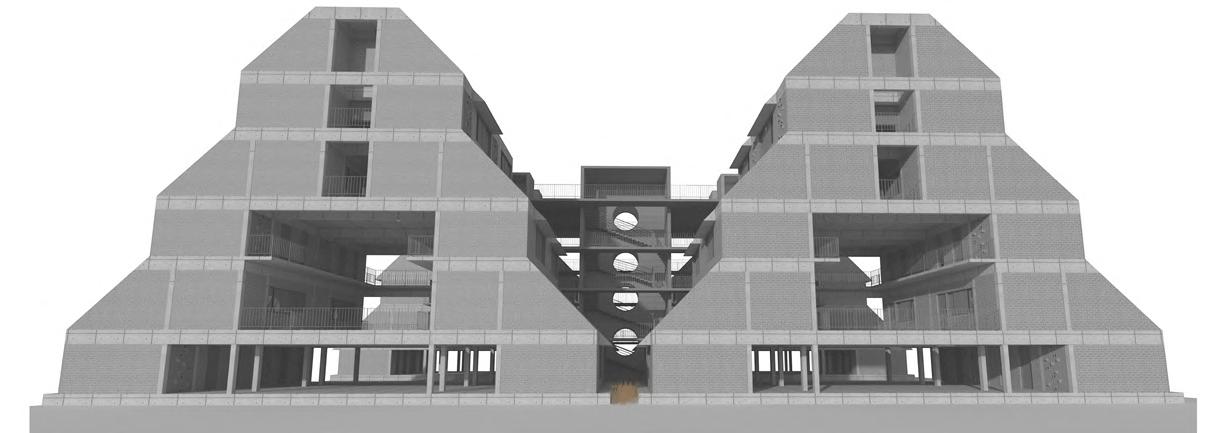
The programme is to design a Government Orphanage. The proposed orphanage not only provides habitable spaces but also meets the “social and communal needs” of urban fabric. The premise is no kids will be allowed in the streets. No matter the context, or the circumstances. If a child is found unattended in the streets, it will be immediately taken to the Childcare Department. The new institutiaon aims to set an example in reintegration methods and a massive creator of inclusive opportunities. The kids will stay till the time they become productive adults and can be allocated into society. Their formation will be oriented to serve society in a better way.
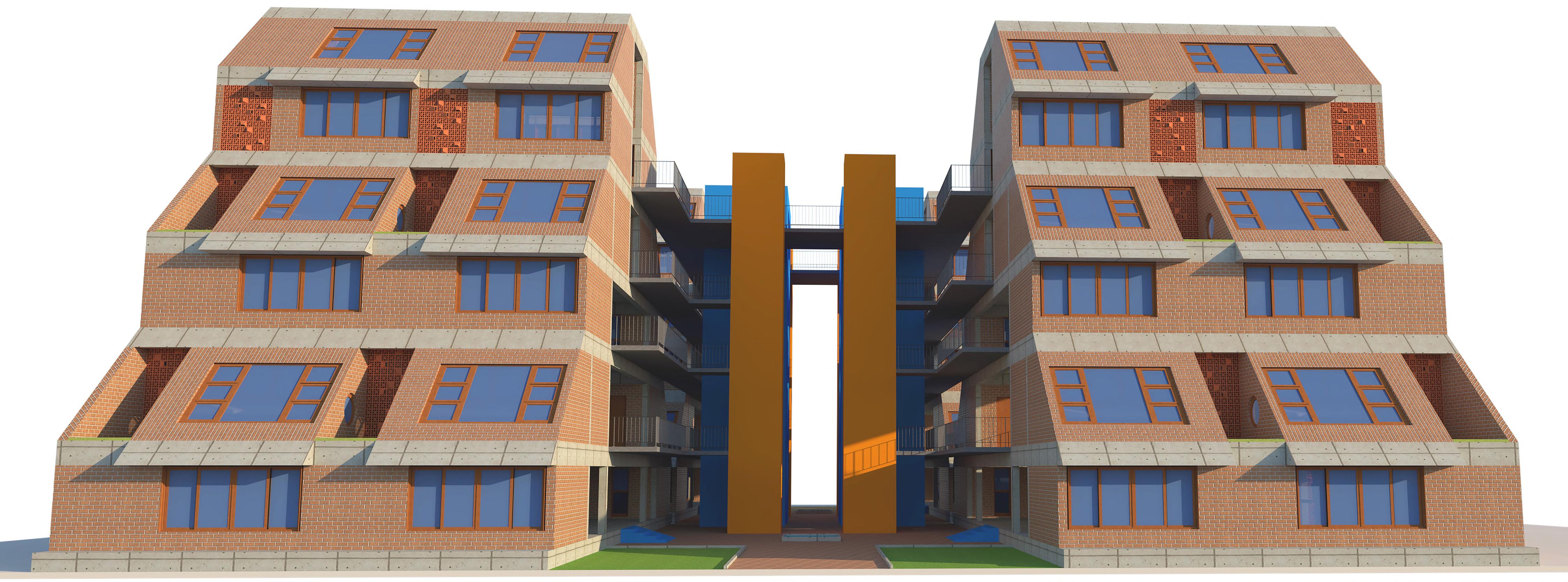
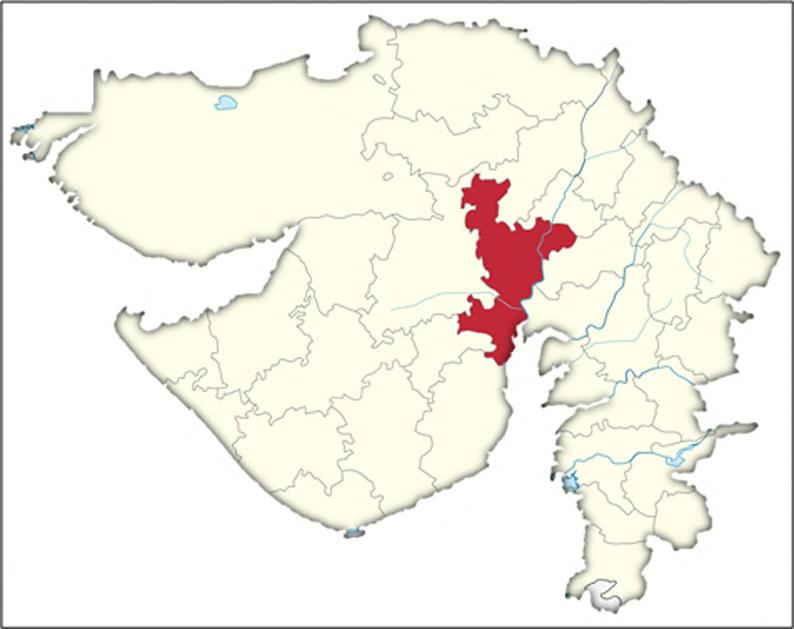
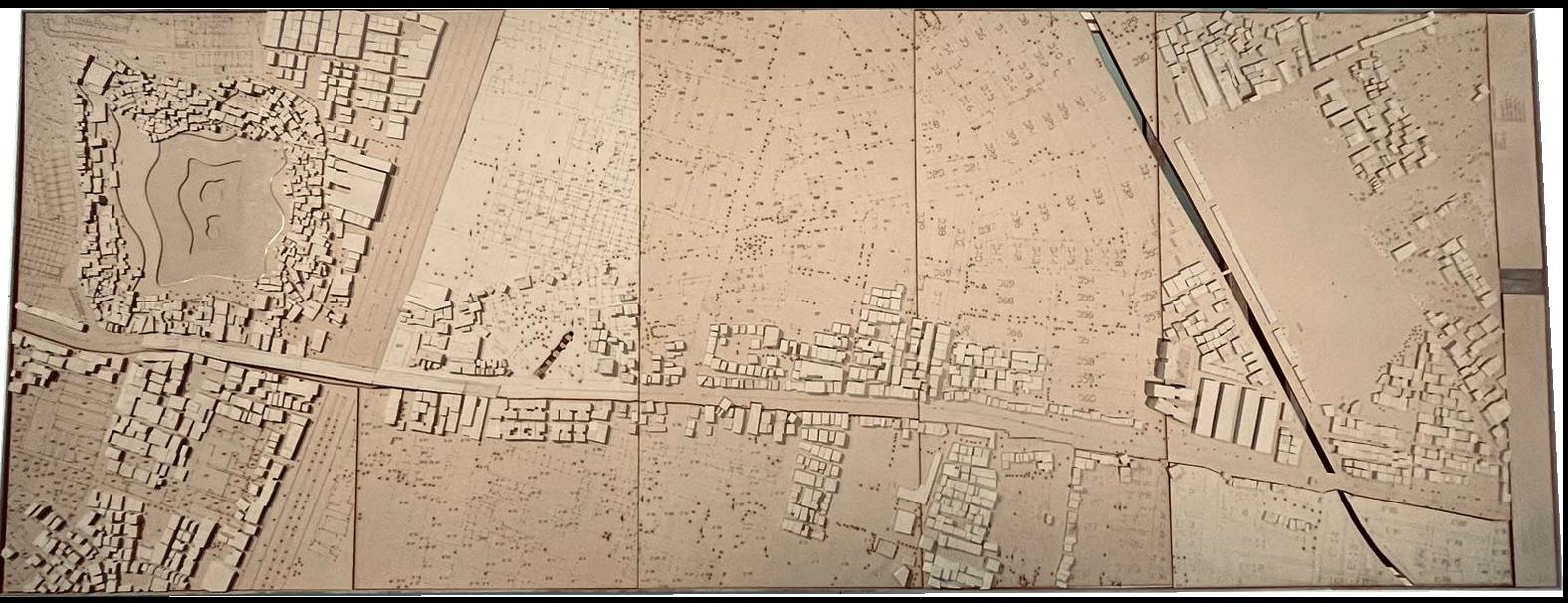
Ahmedabad, Gujarat Isanpur area, Ahmedabad
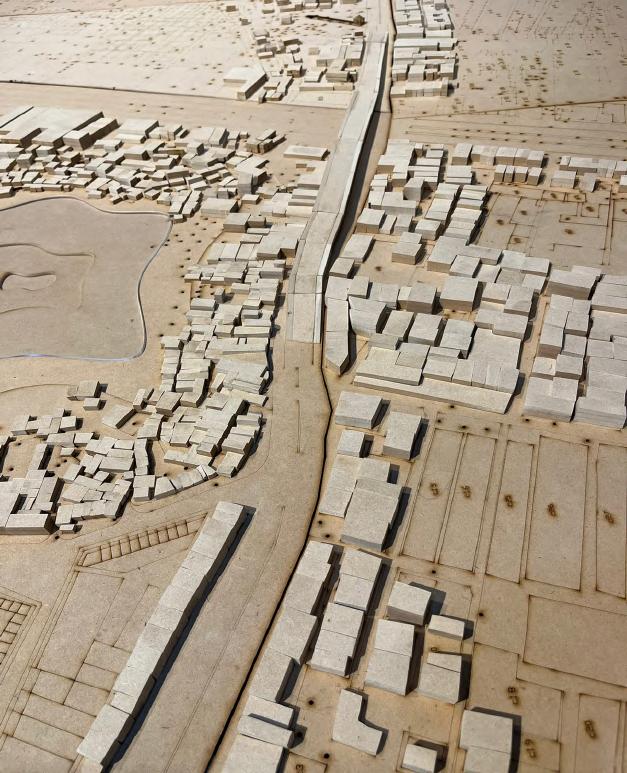
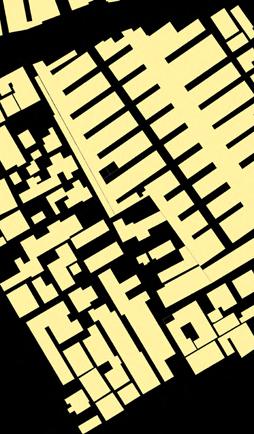
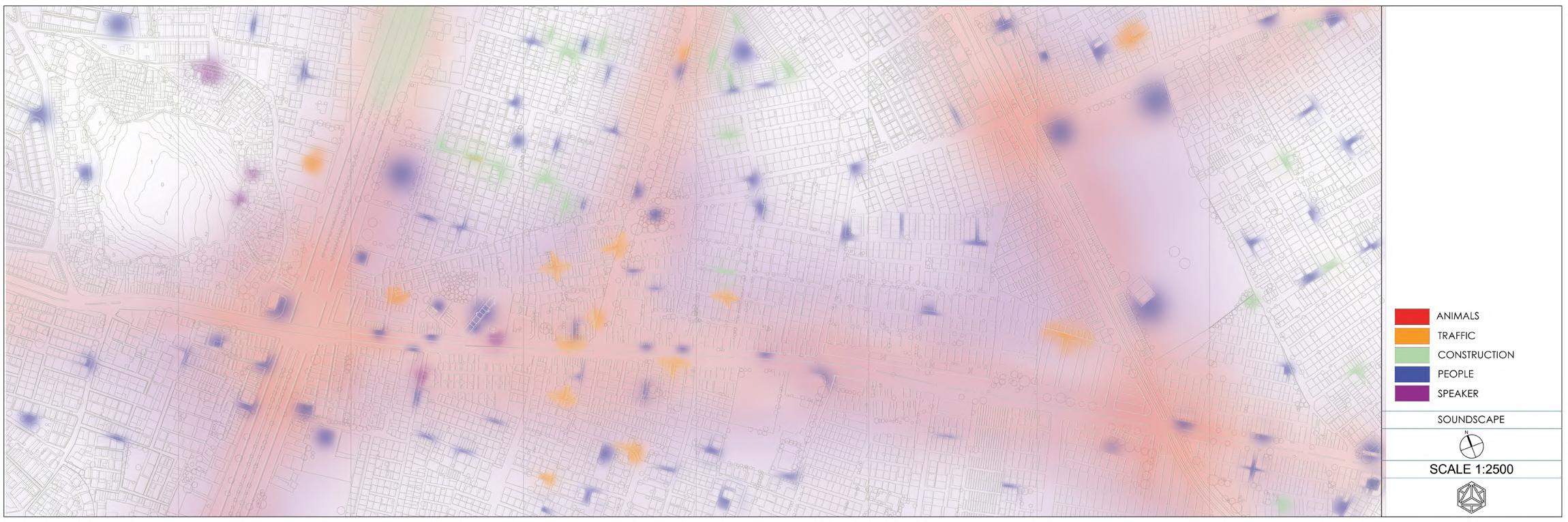
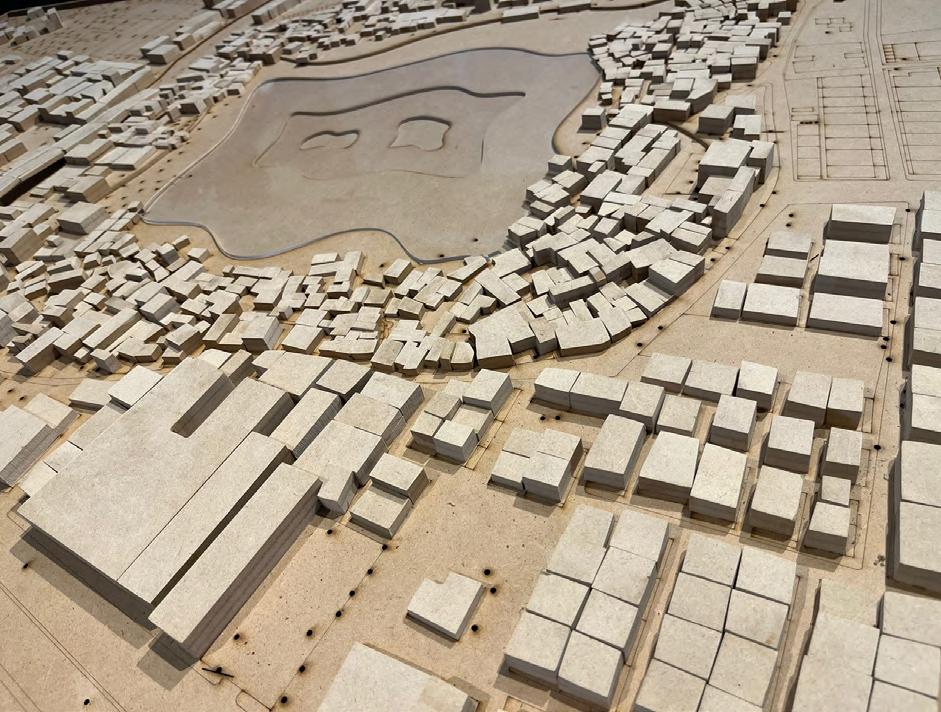
NARRATIVES & MAPPING






























































































































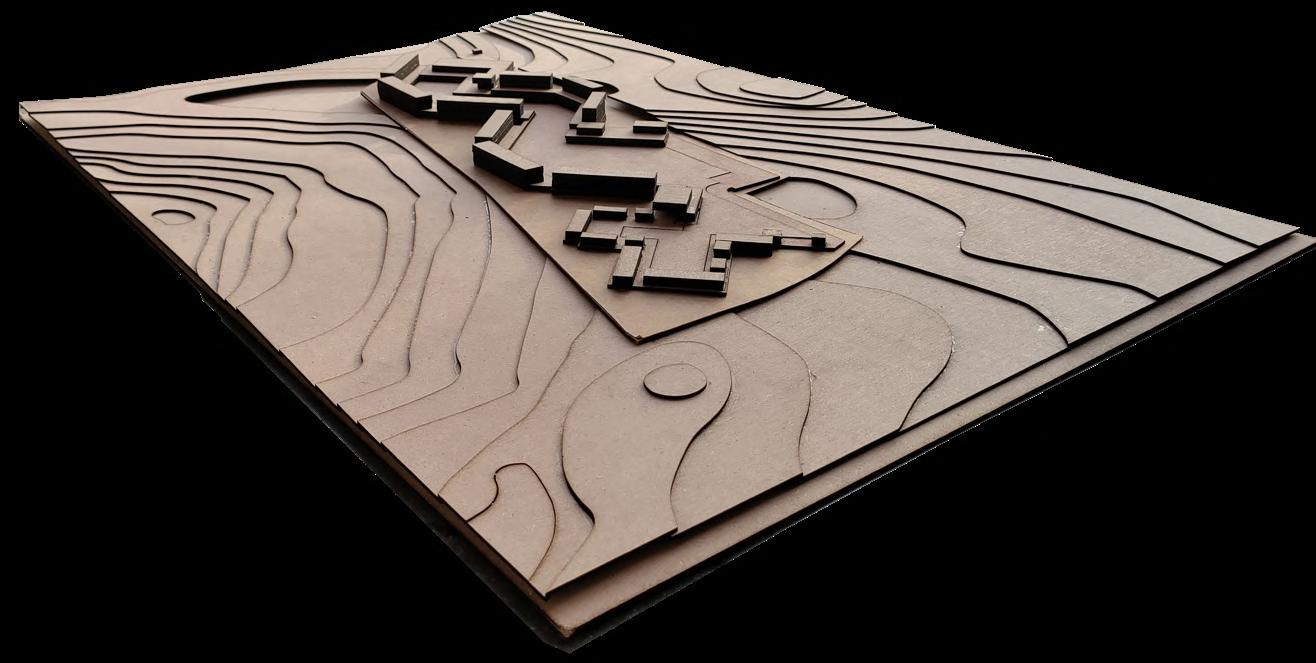
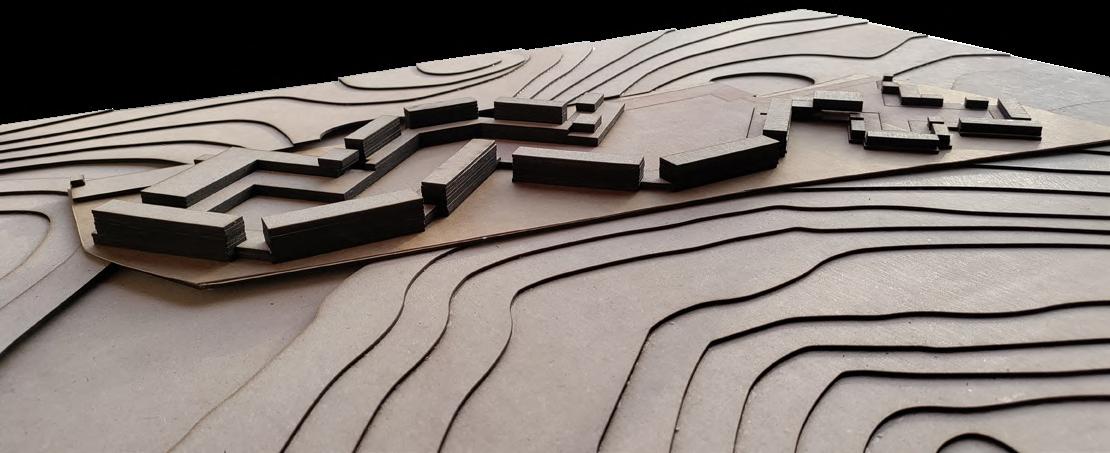
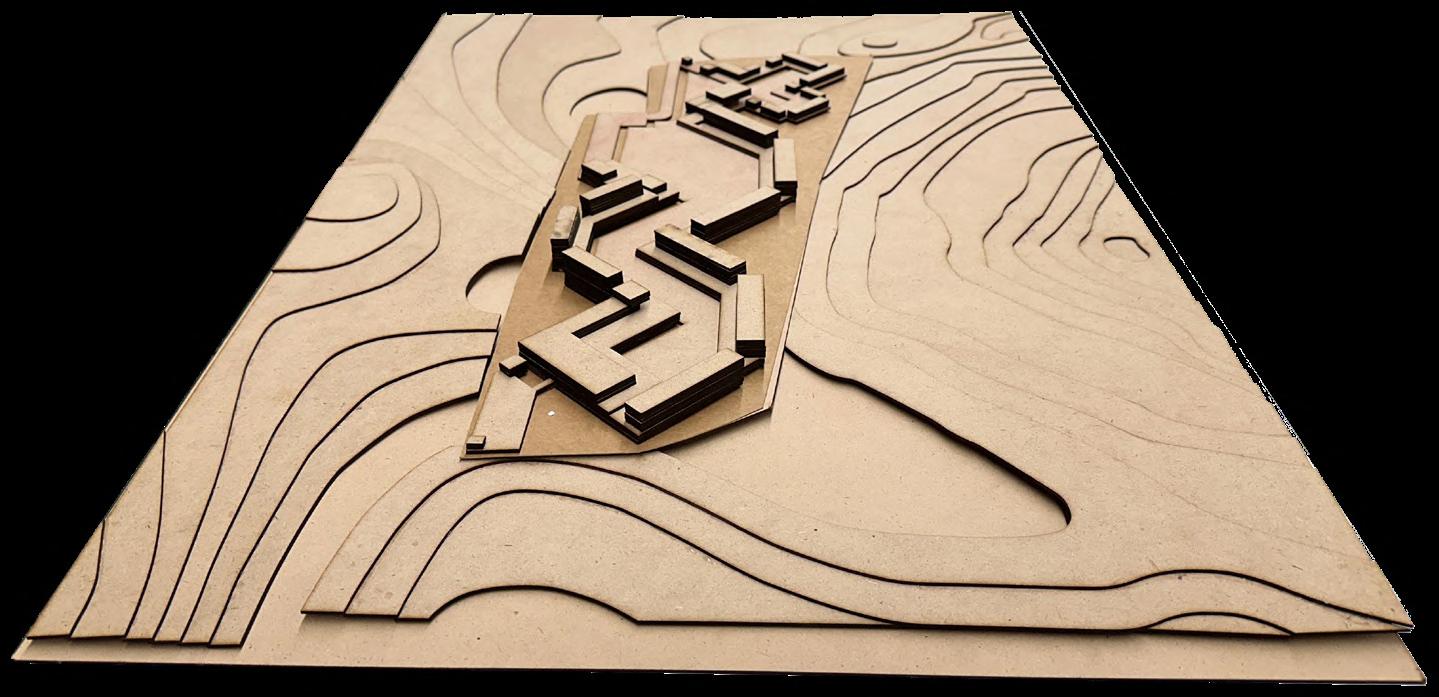
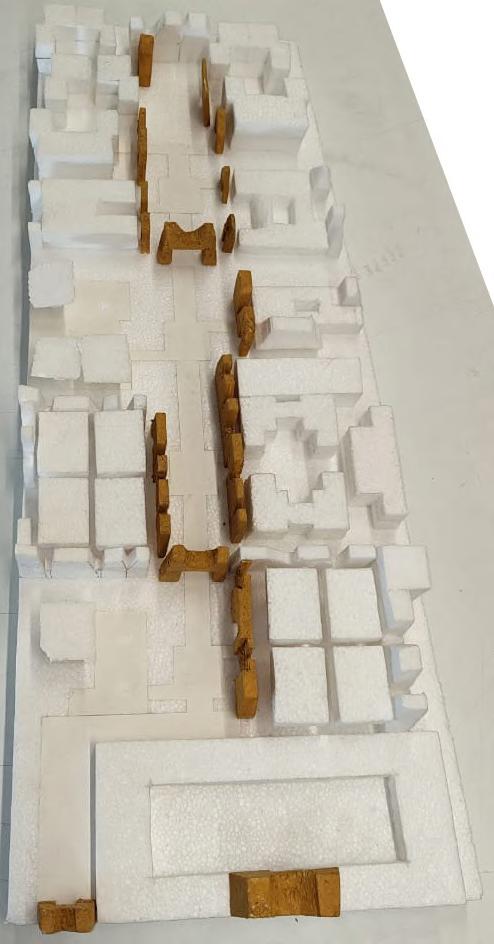
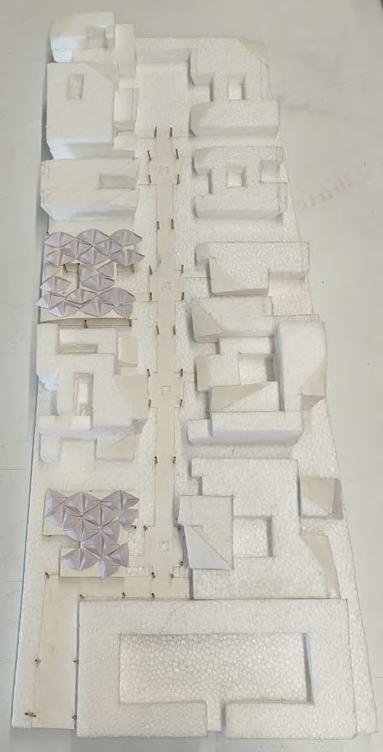
SITE MODEL
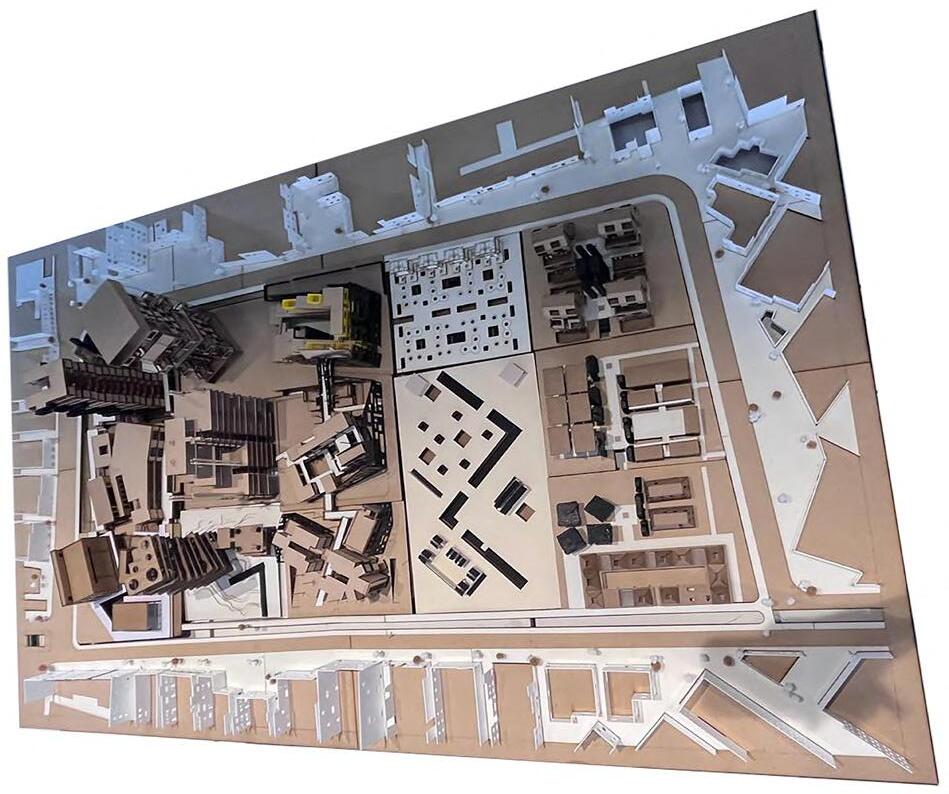
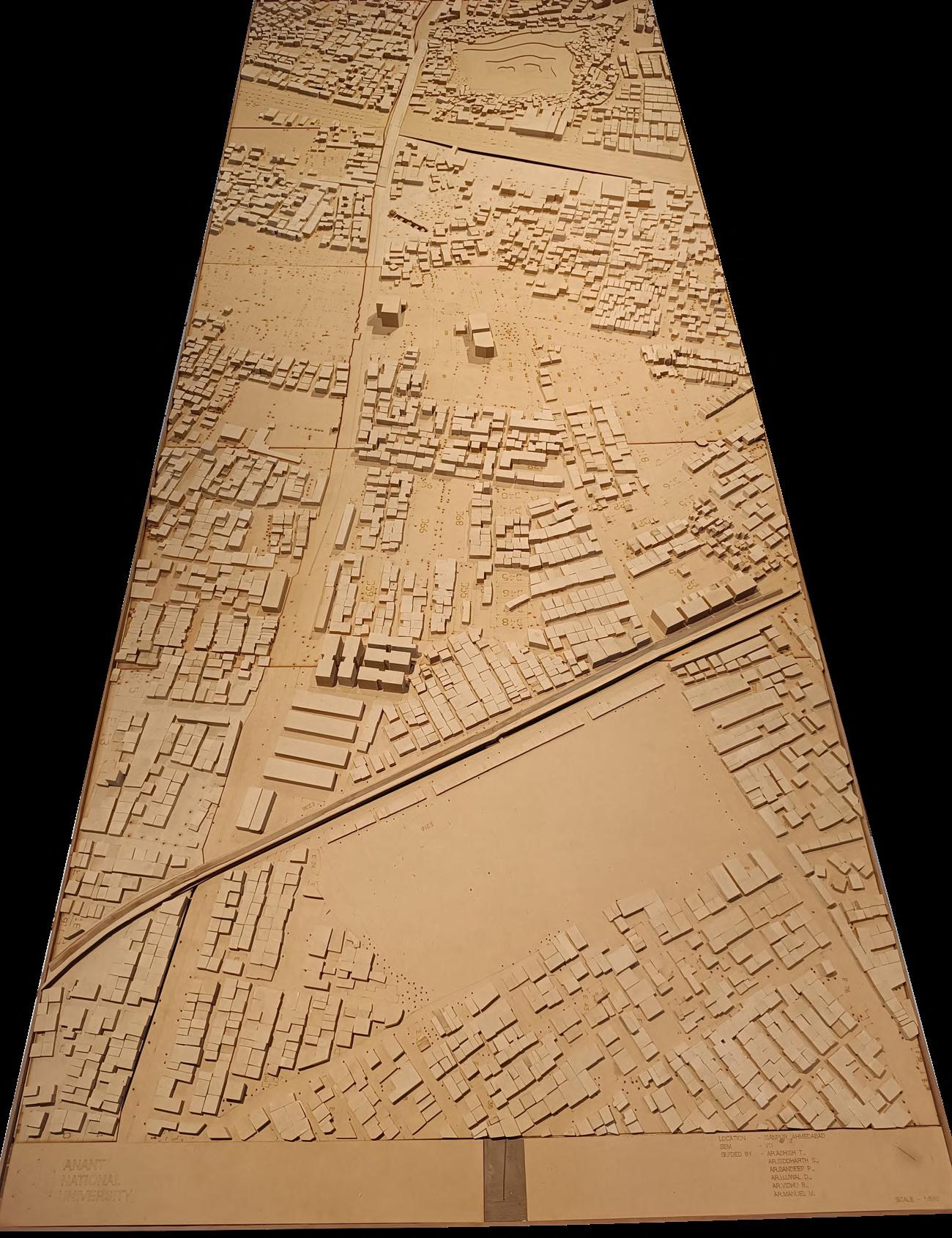
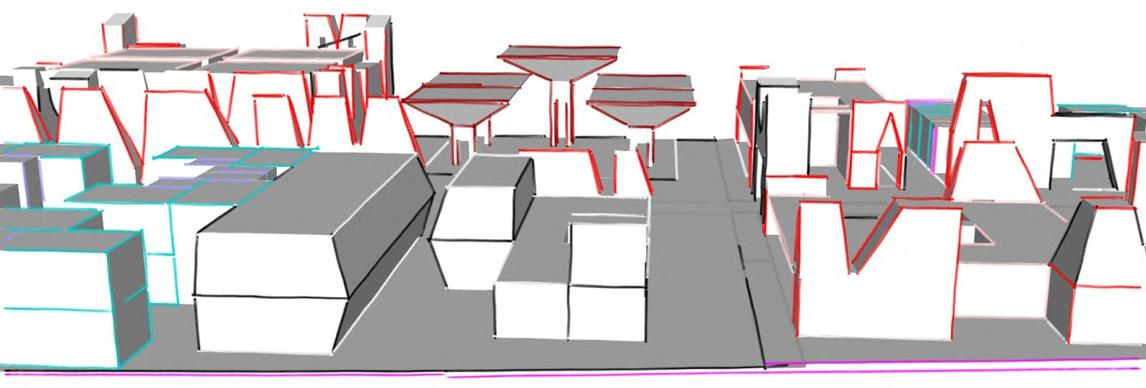
The current site is 50,000 sq.m. empty ground next to Ghodasar Canal at Isanpur, Ahmedabad. The existing site is connected by a secondary road on one side, by shops on the front side while the other two sides are connected by residences. The entire site is divided in 5 equal parts amongst 5 groups having 3 students each.
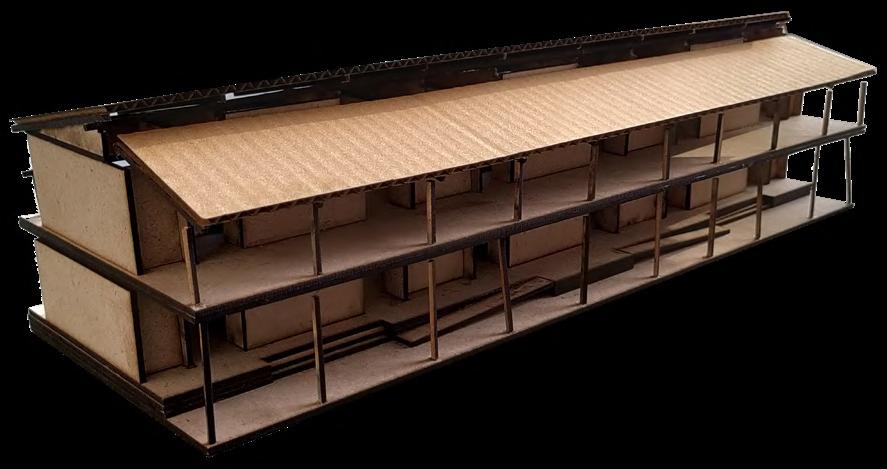
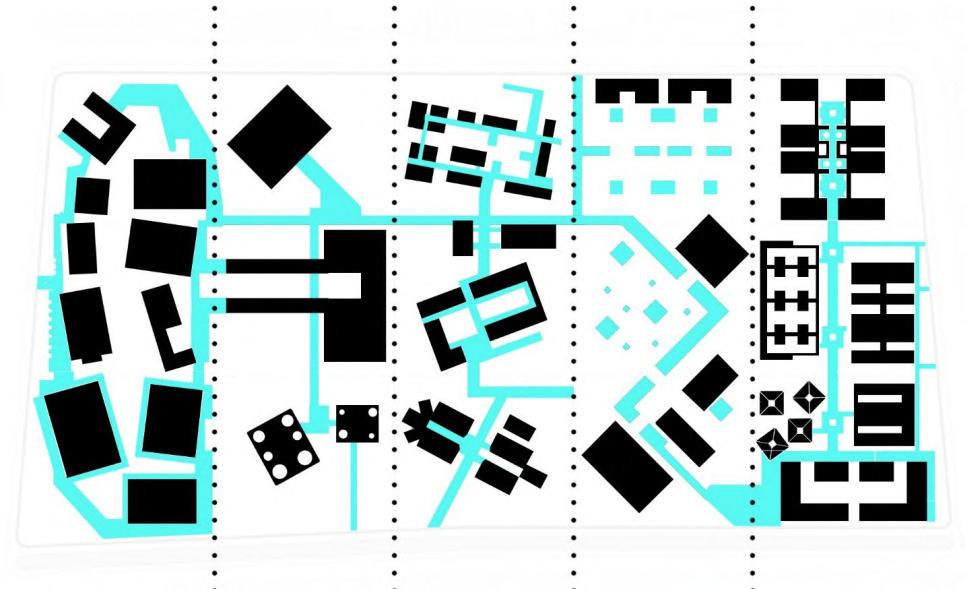
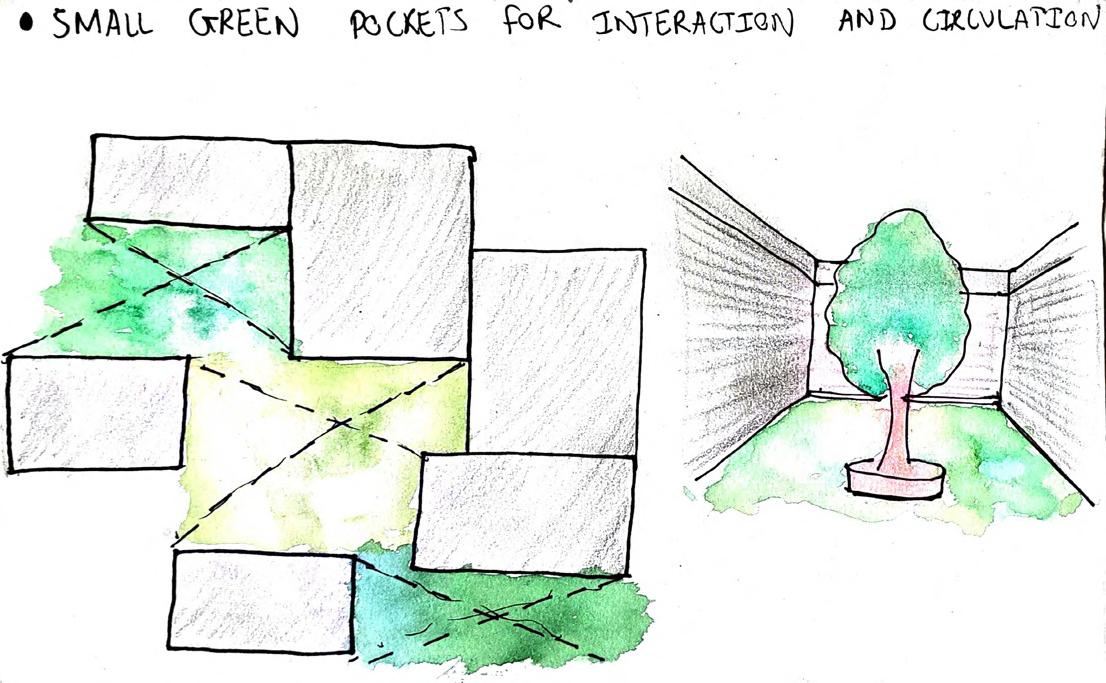
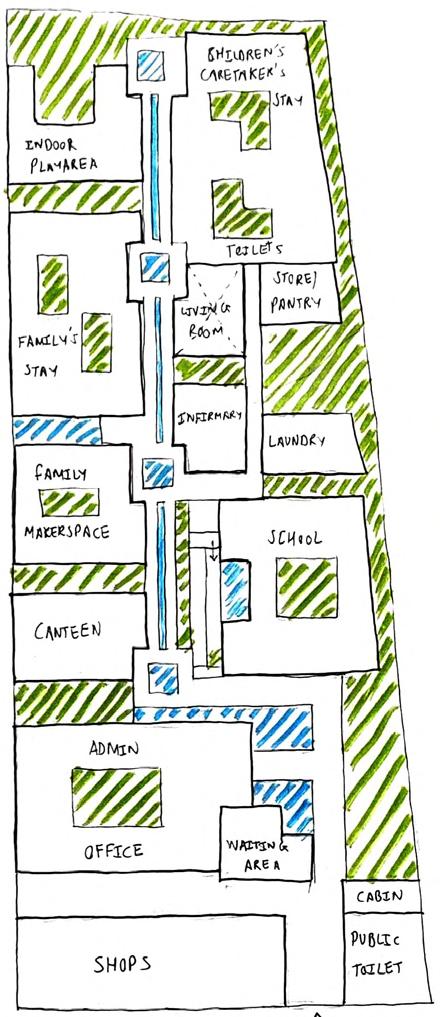
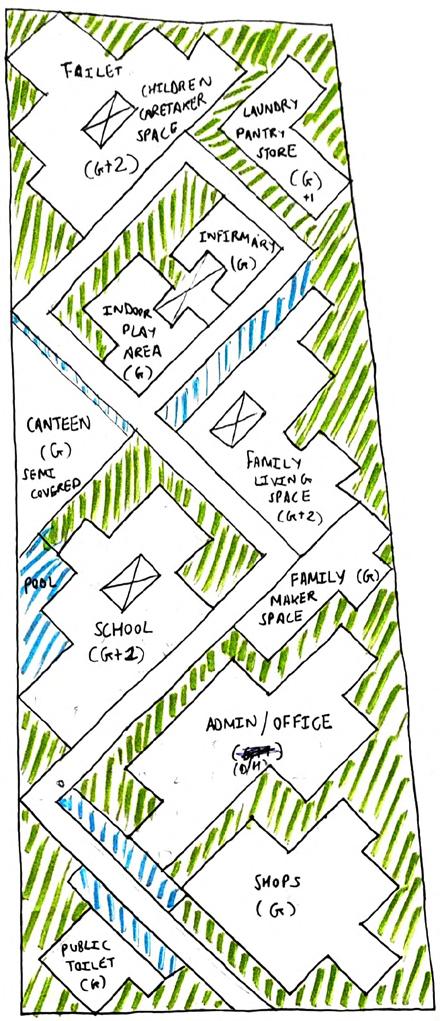
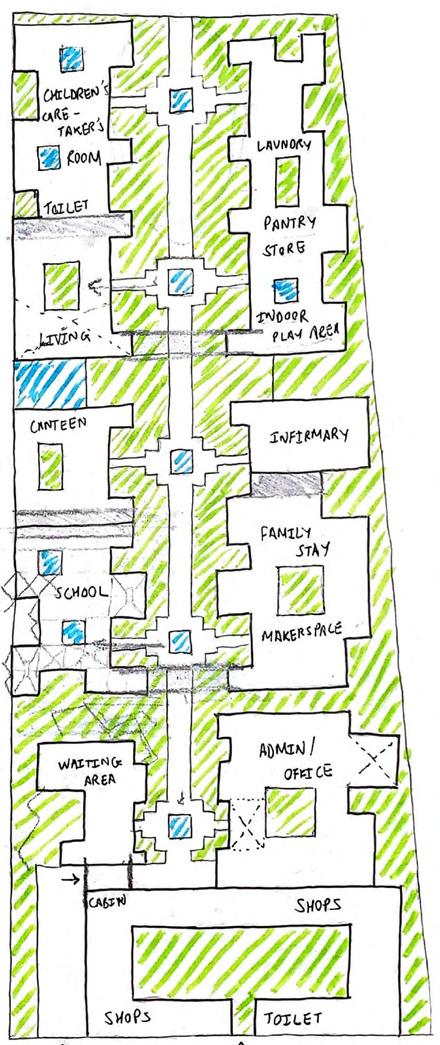
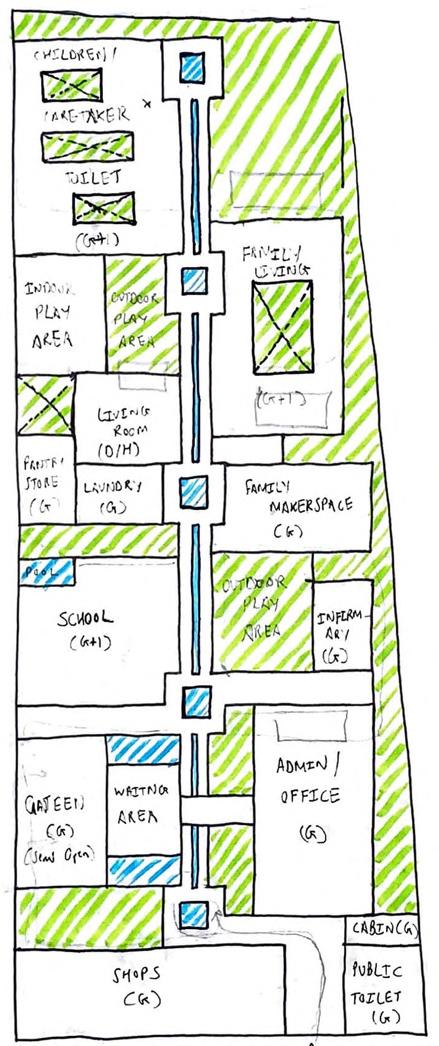
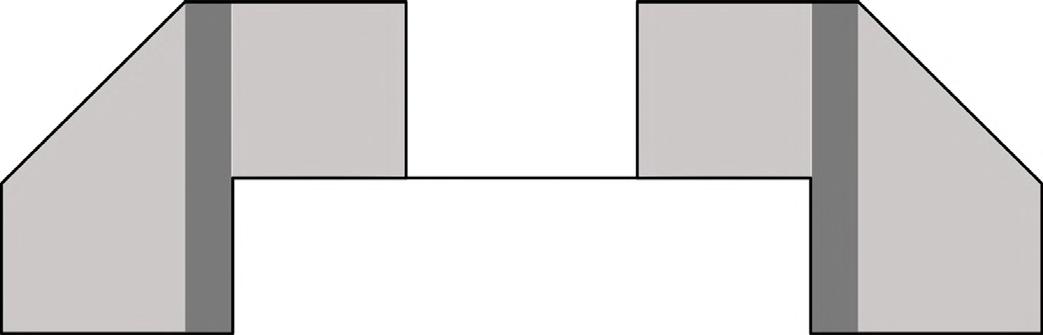
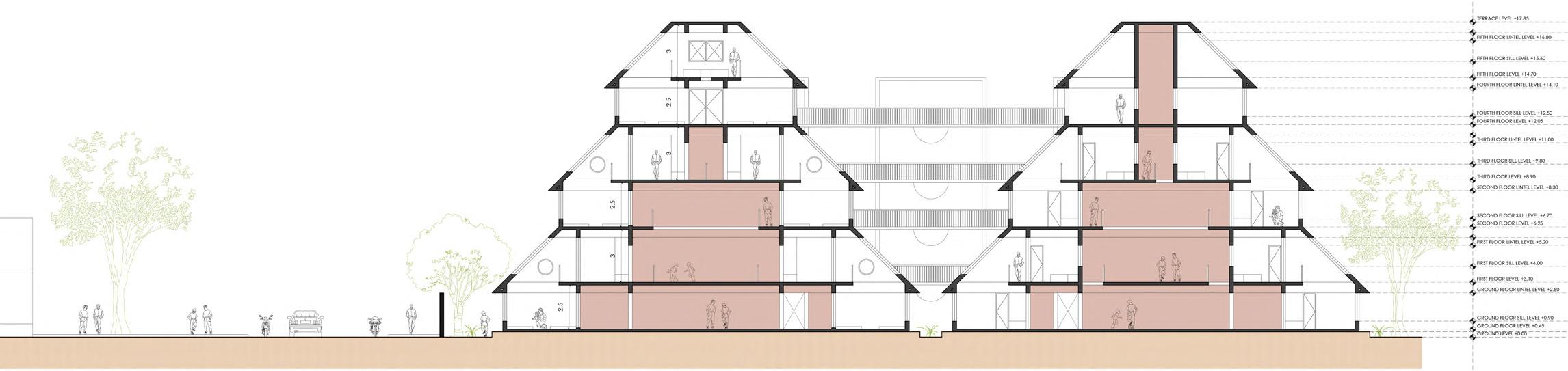
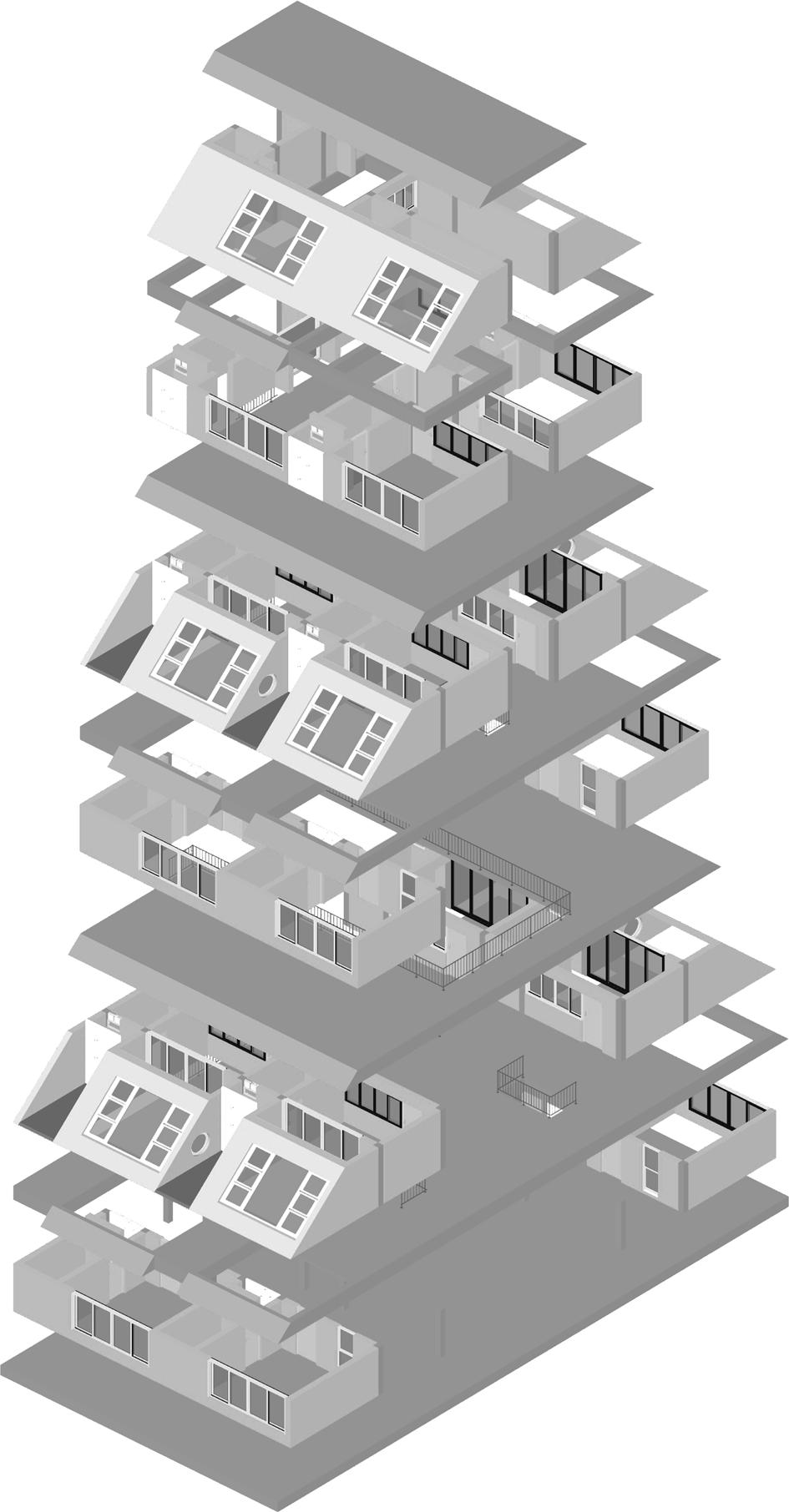
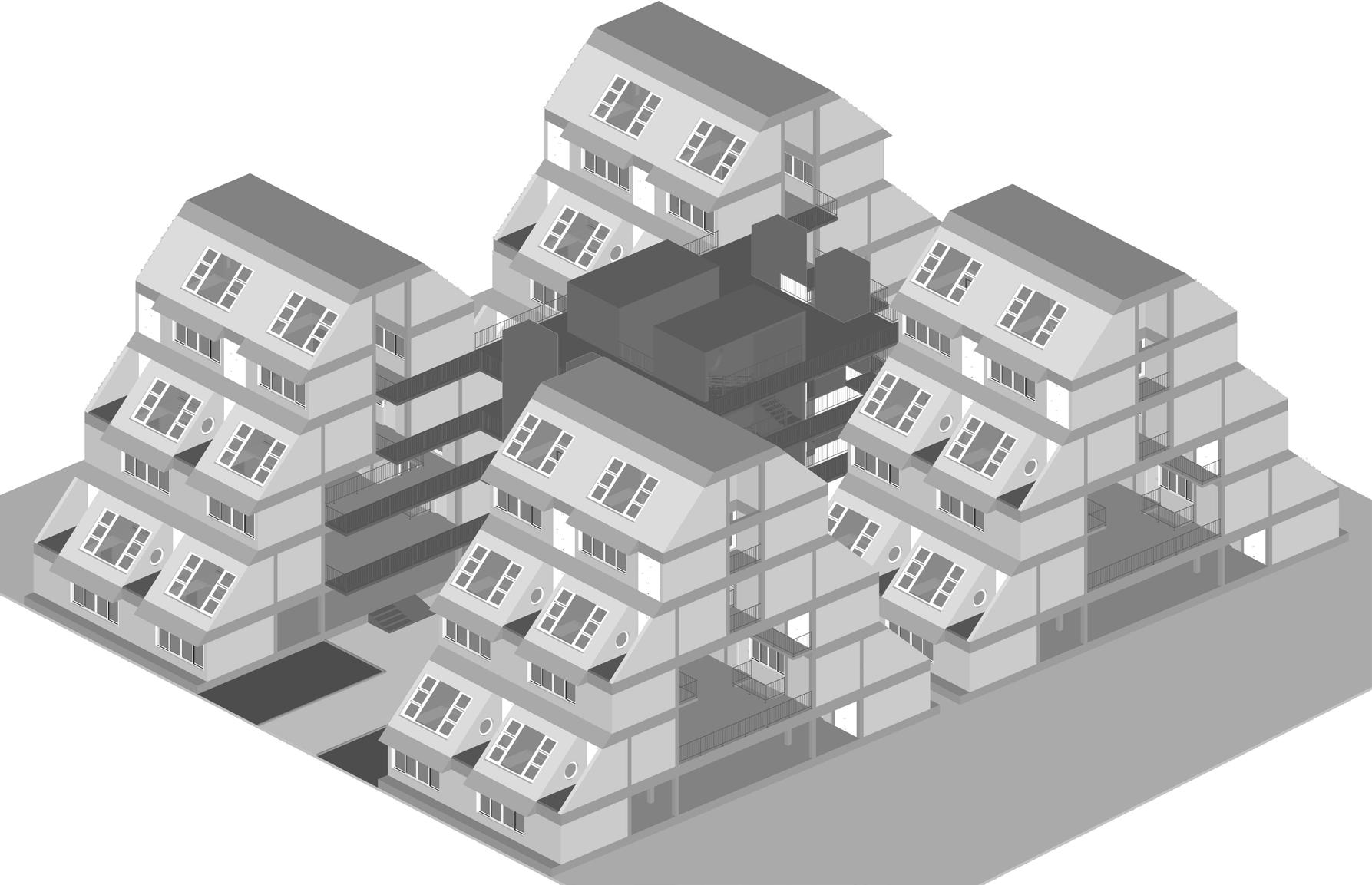
The programme was to design a mixed use orhpanage having facilities like hostel blocks, school, play area, canteen, infirmary, admin & residence for the underprivileged people. The front part of the site has shops, middle part has school and admin while back part has hostel blocks for students.
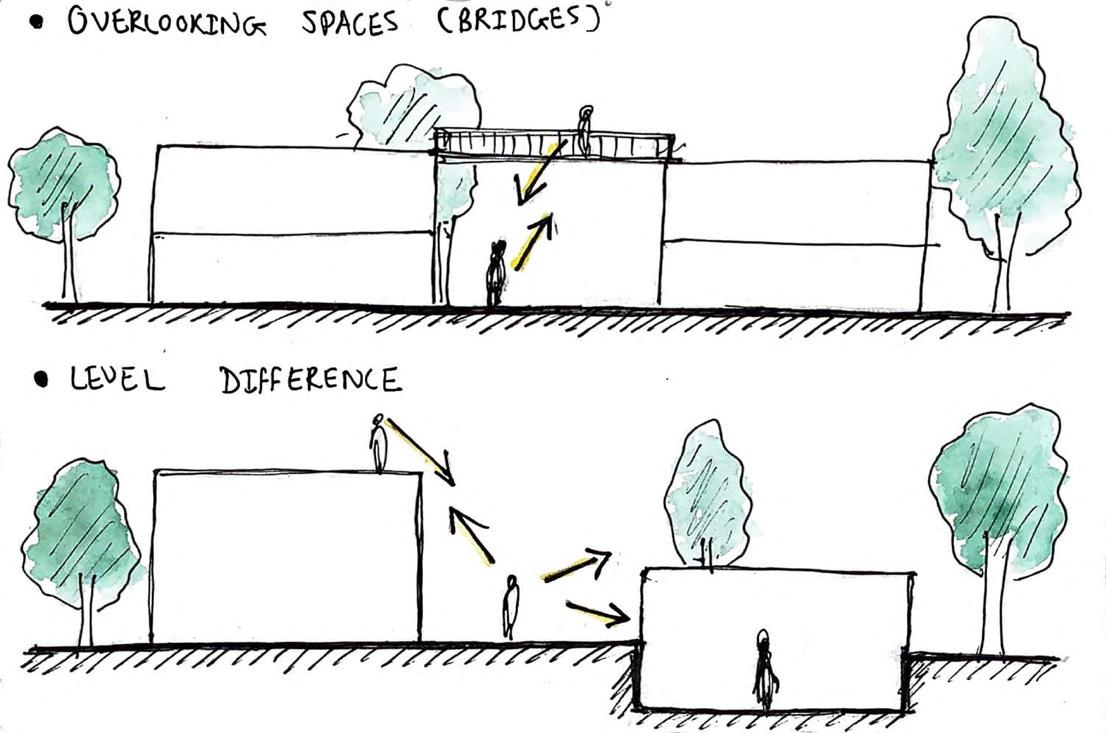
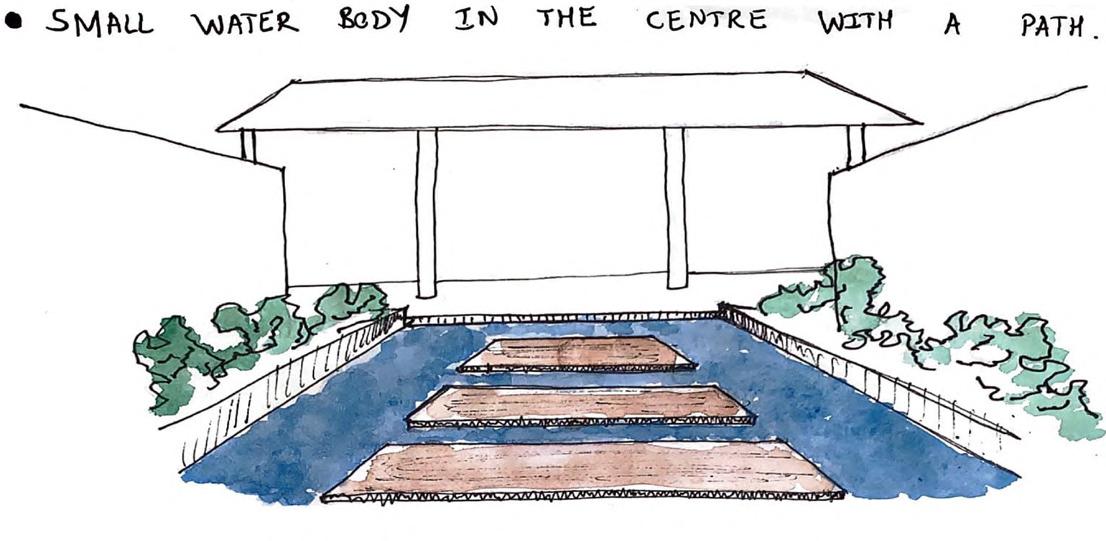
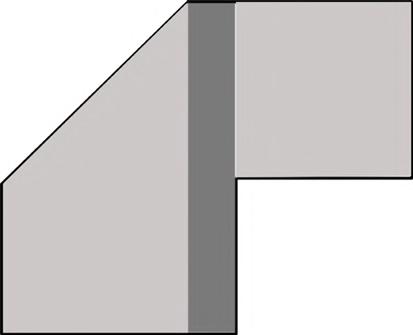
Design strategies
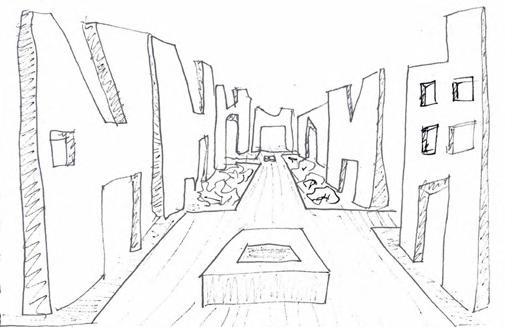


DRAWINGS
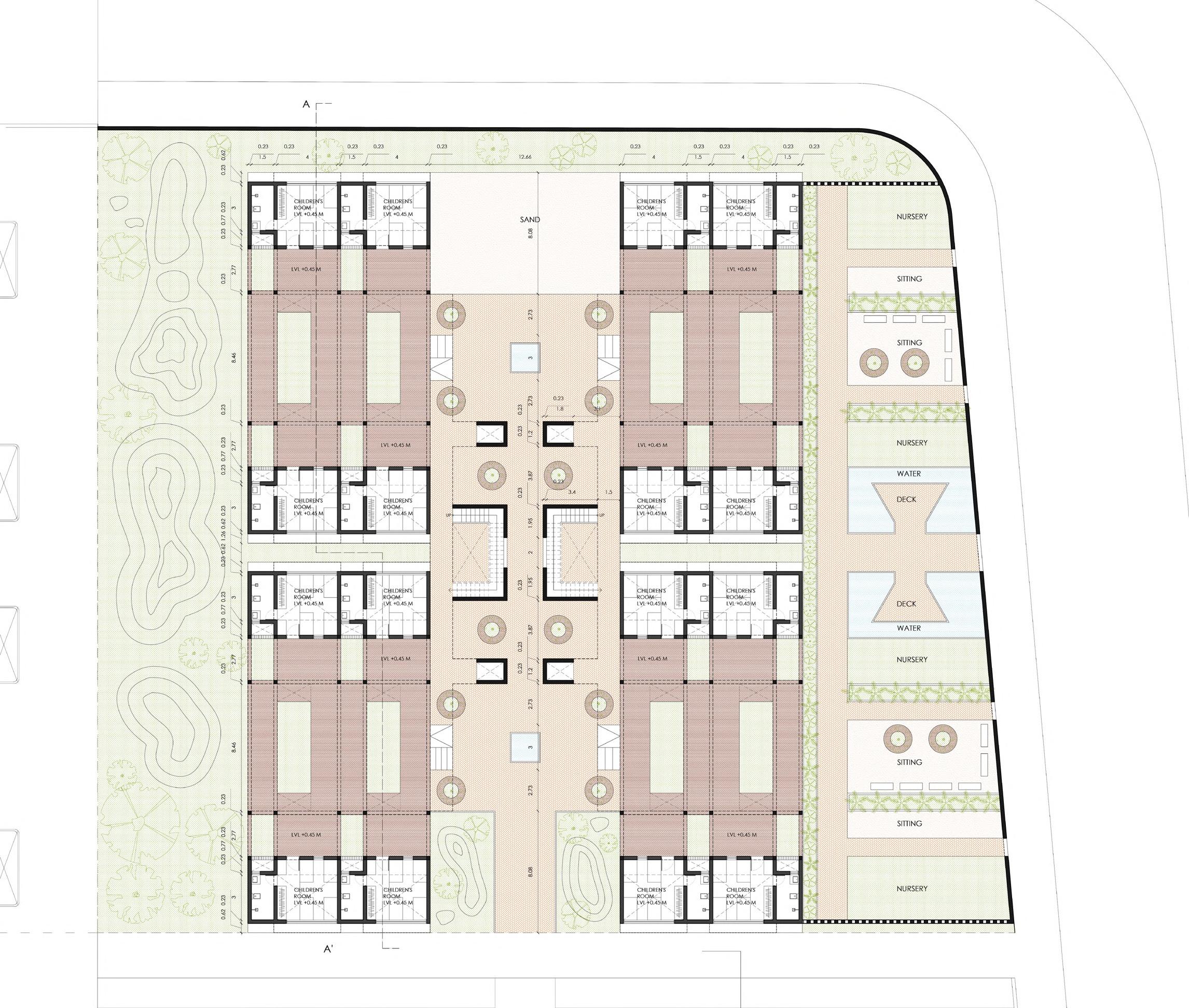
Ground floor plan
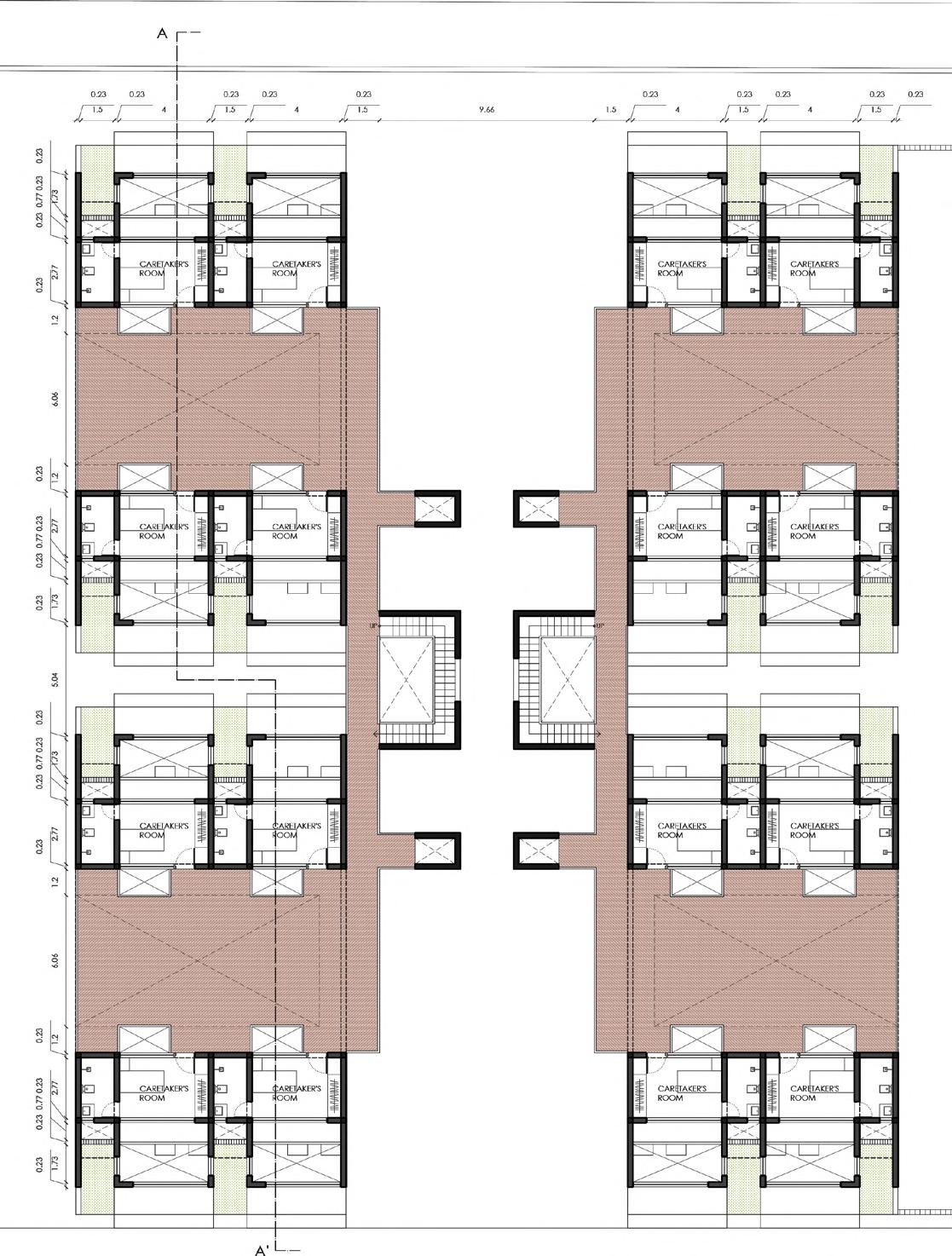
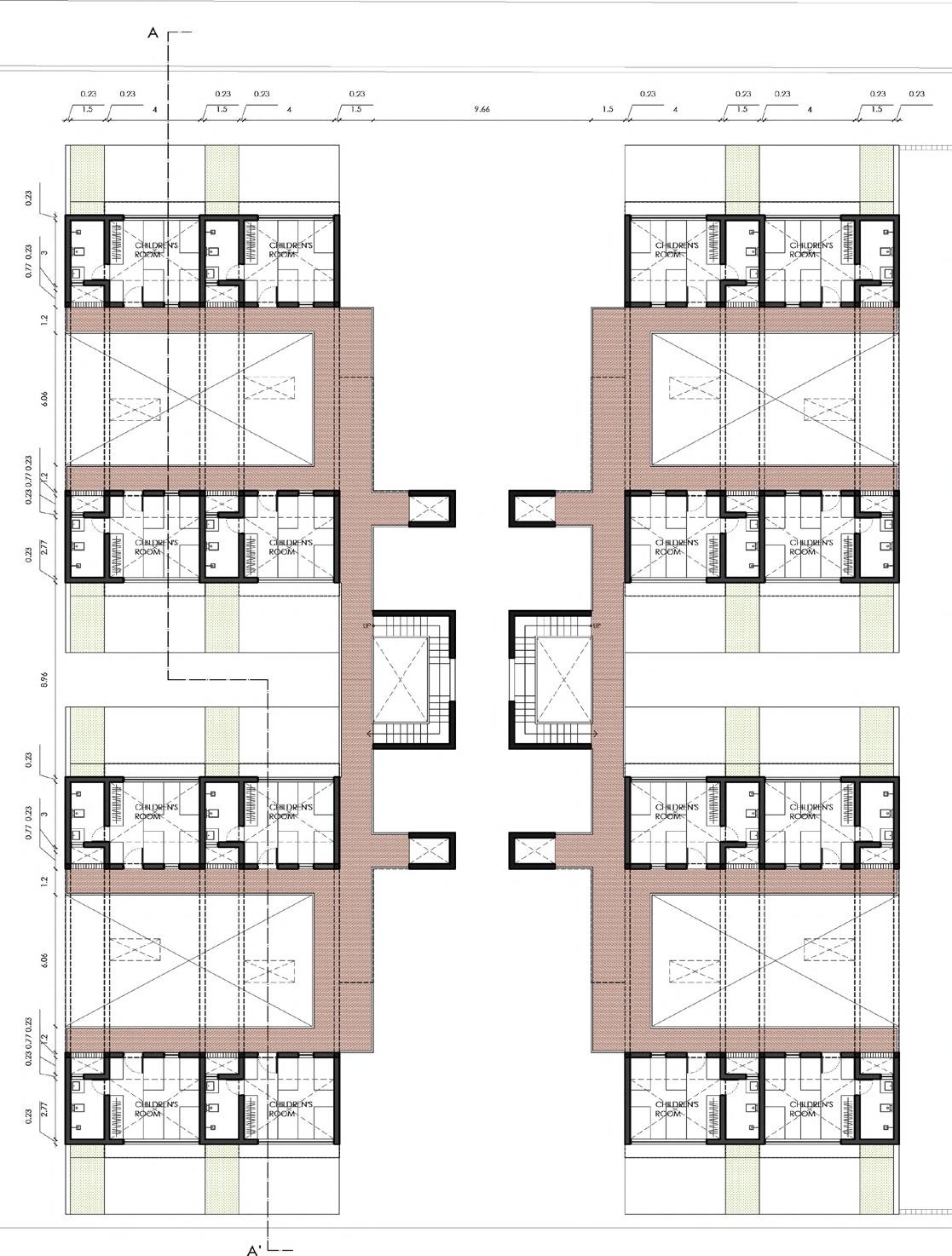
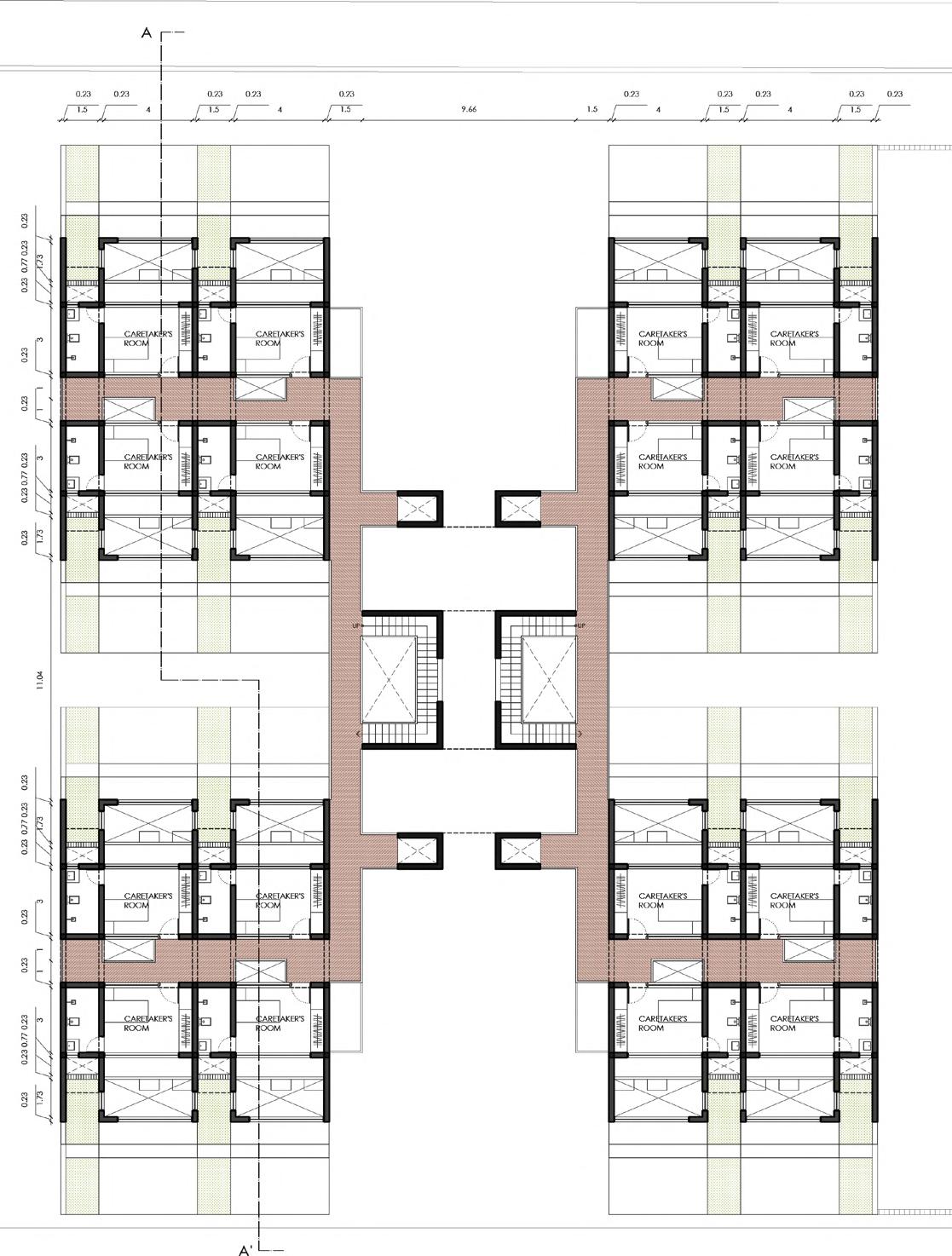
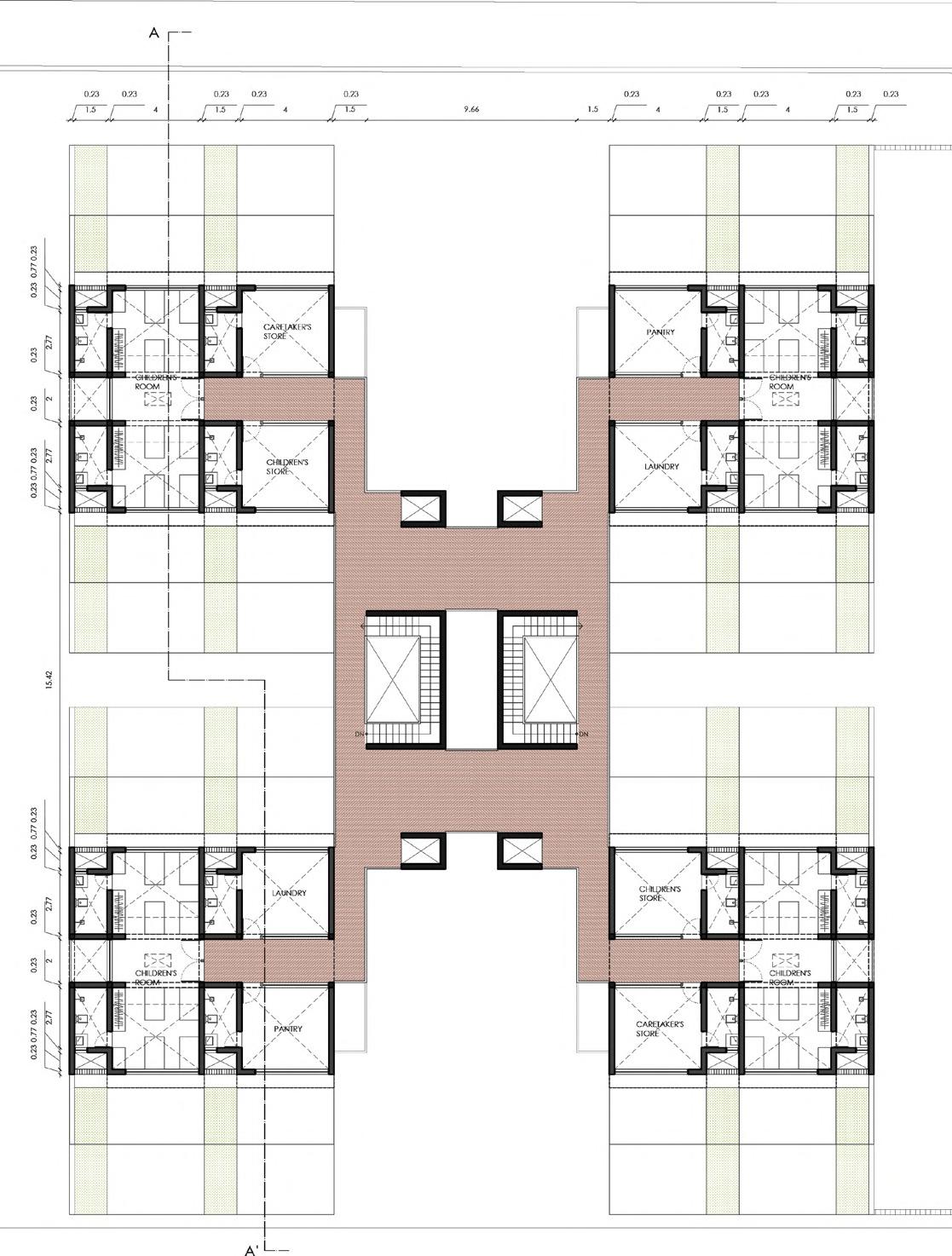
Second floor plan
Fourth floor plan
Exploded view
Axonometric view of hostel blocks
First floor plan
Third floor plan
RESIDENTIAL STUDIO
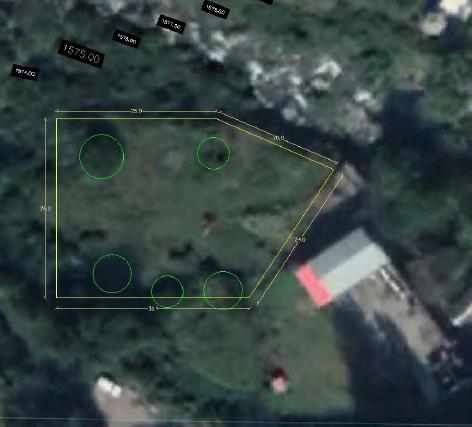
Site location- Bir, Himachal Pradesh
Site area- 1006 sq m
Construction material- Stone, RCC
Building type- Residence
Project category- Residential architecture
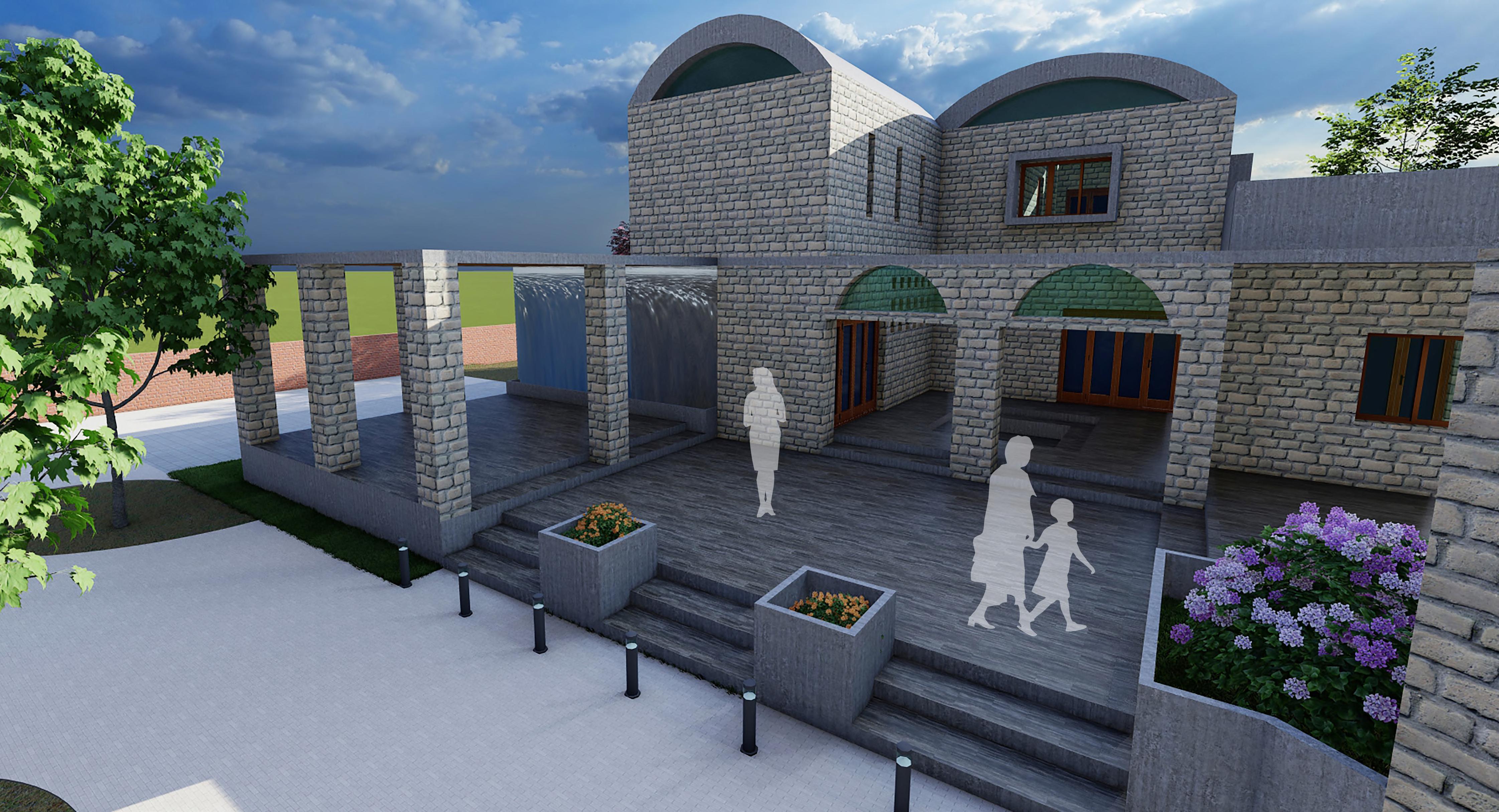
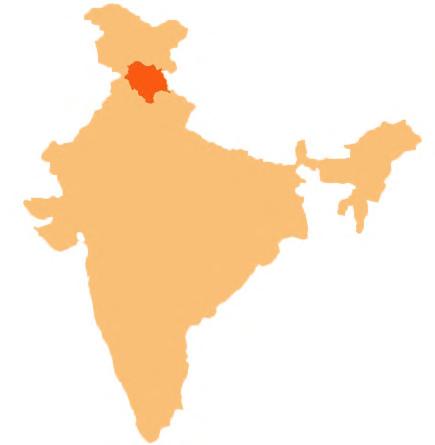
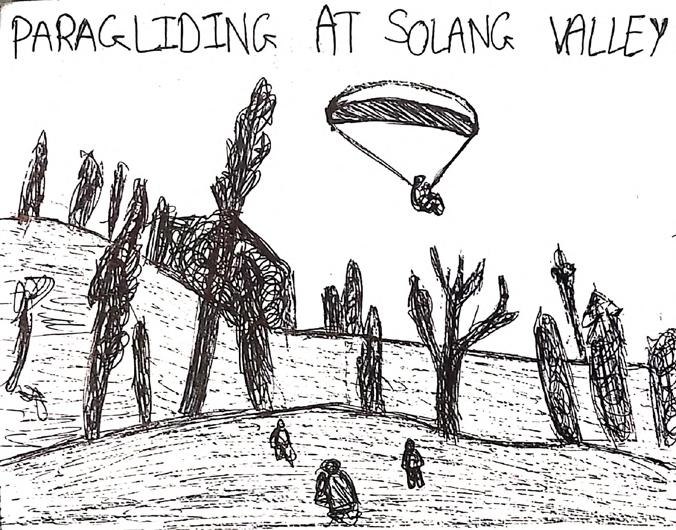
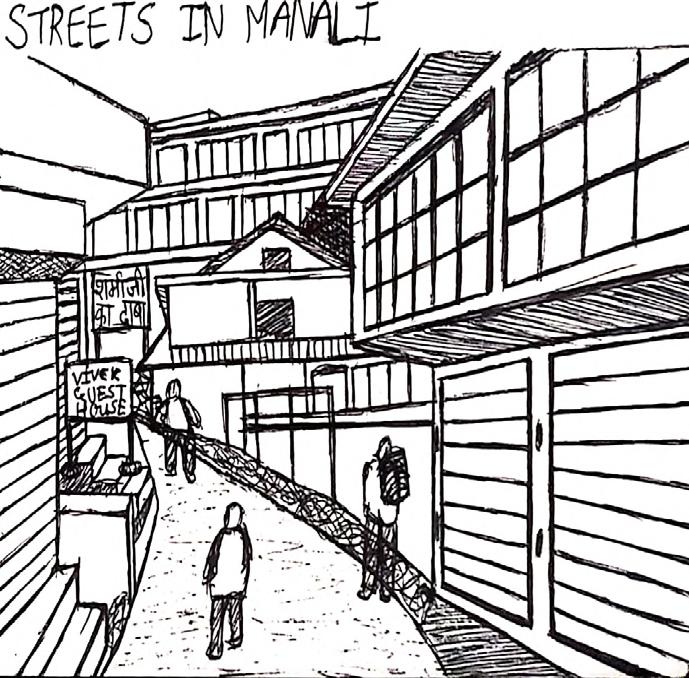
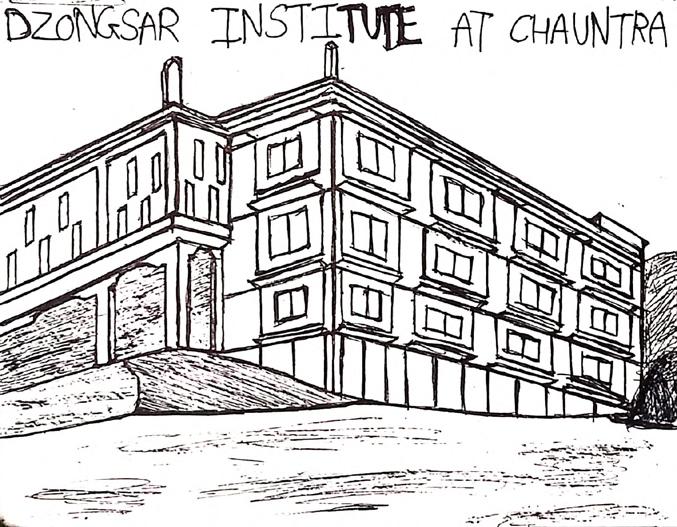
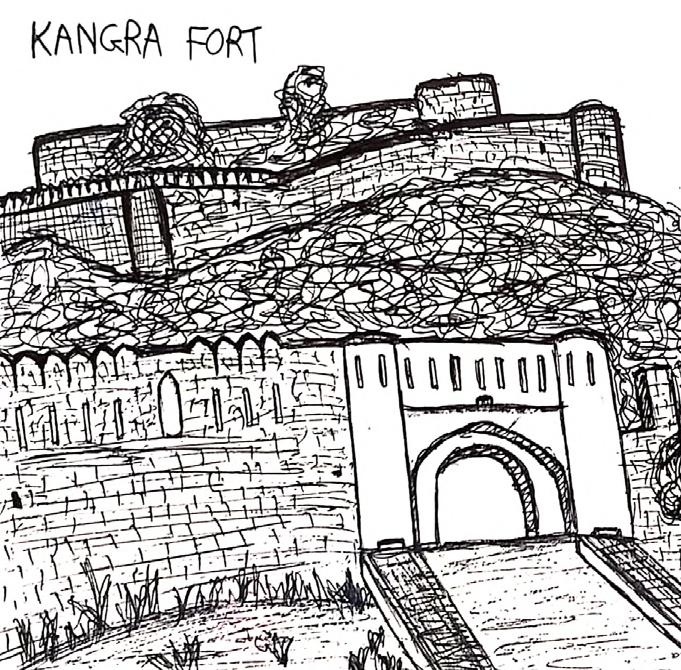
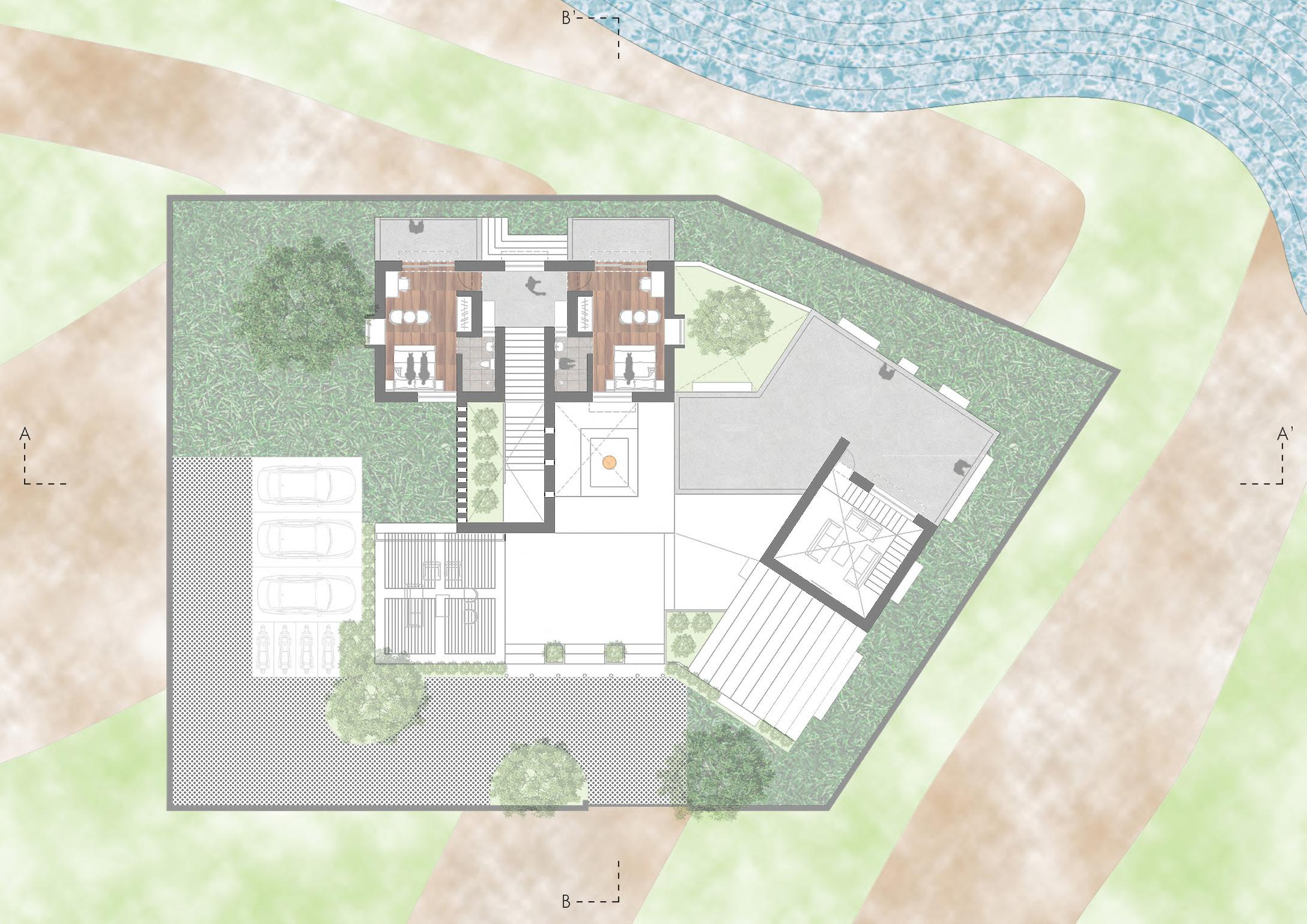
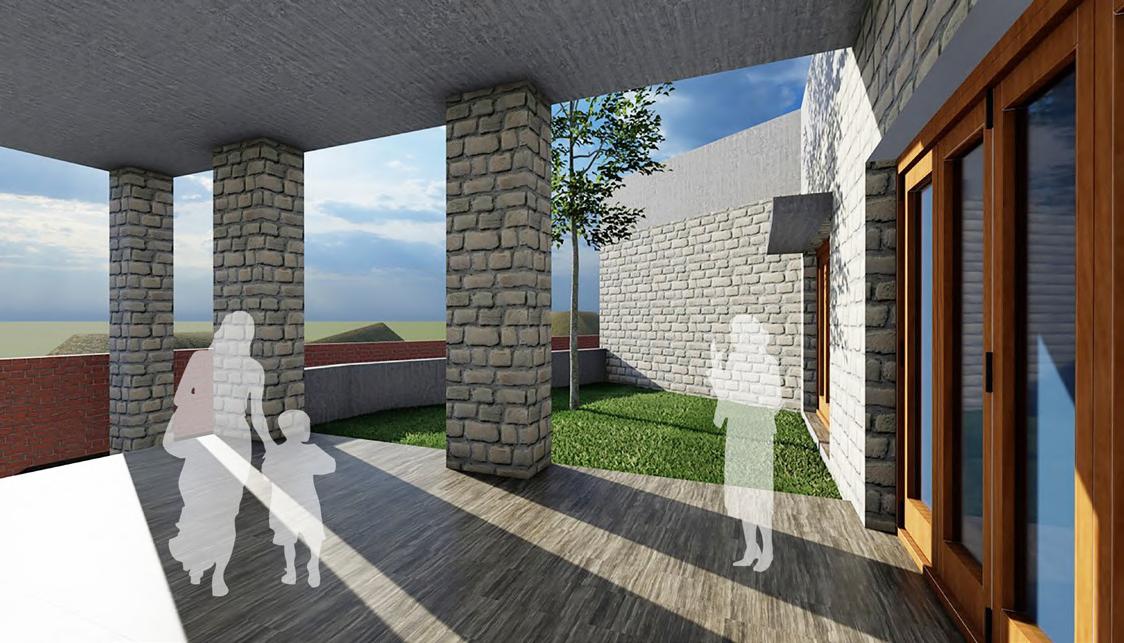
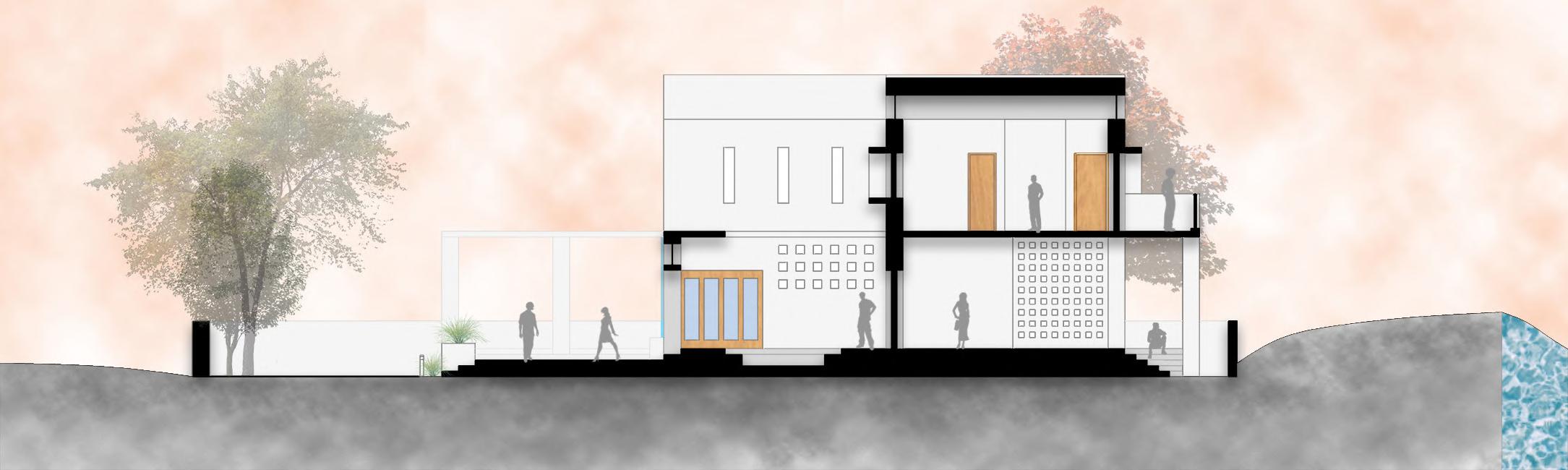
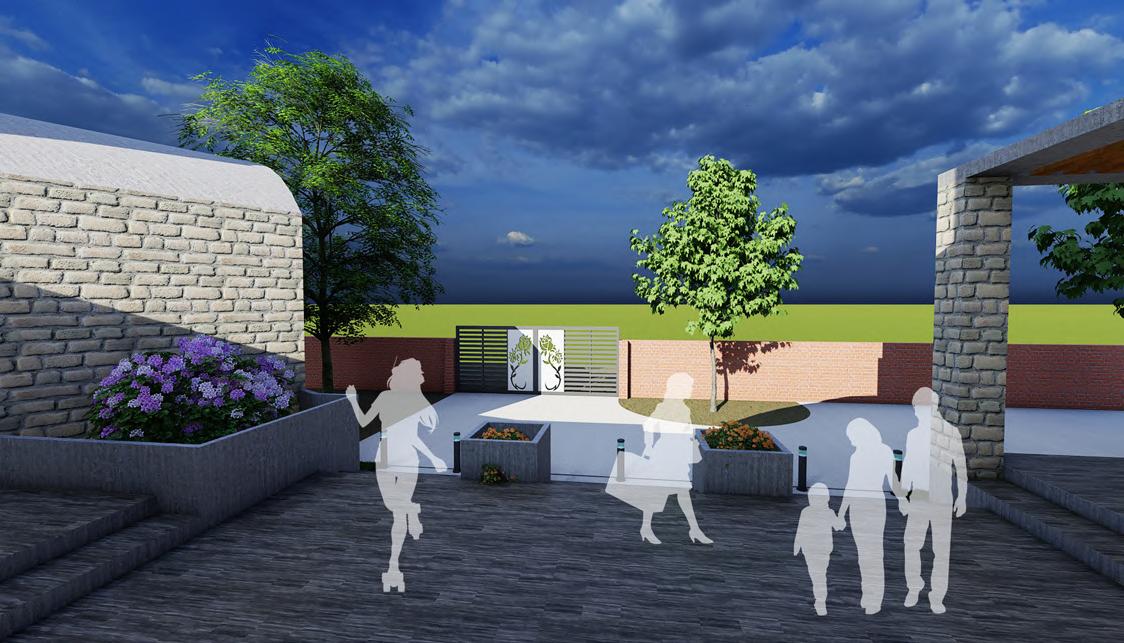
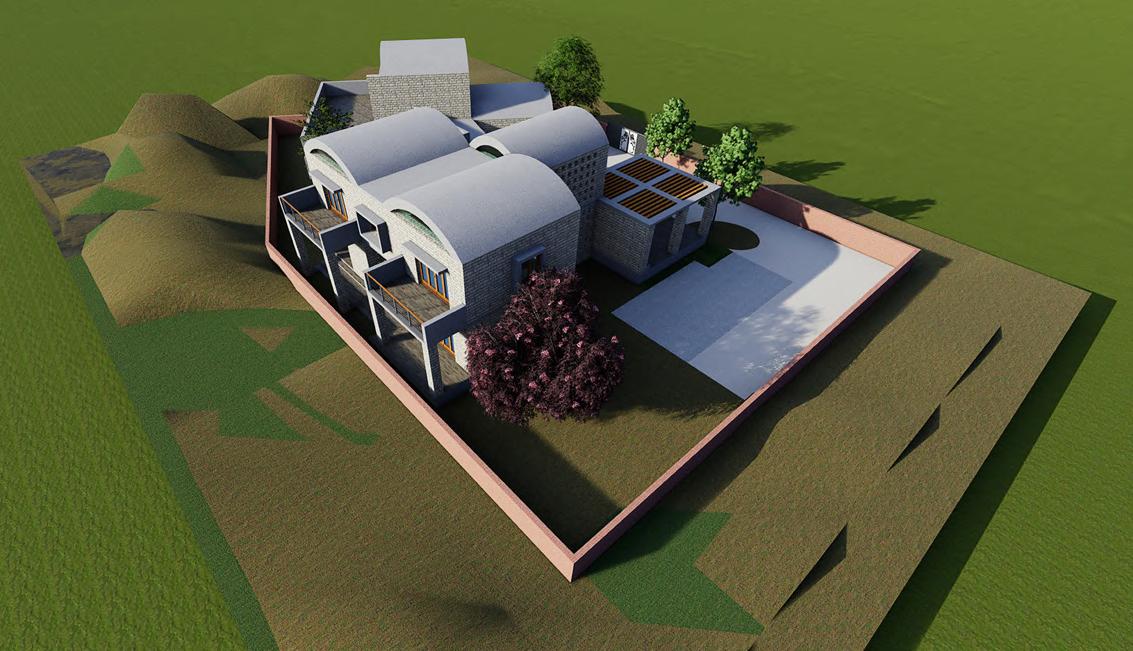
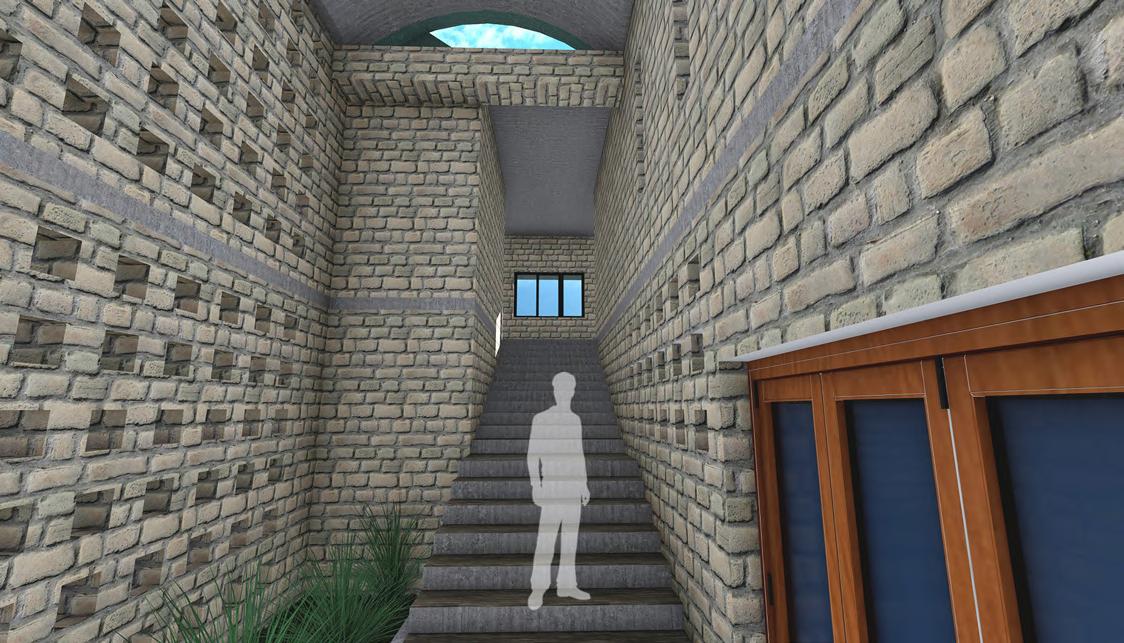
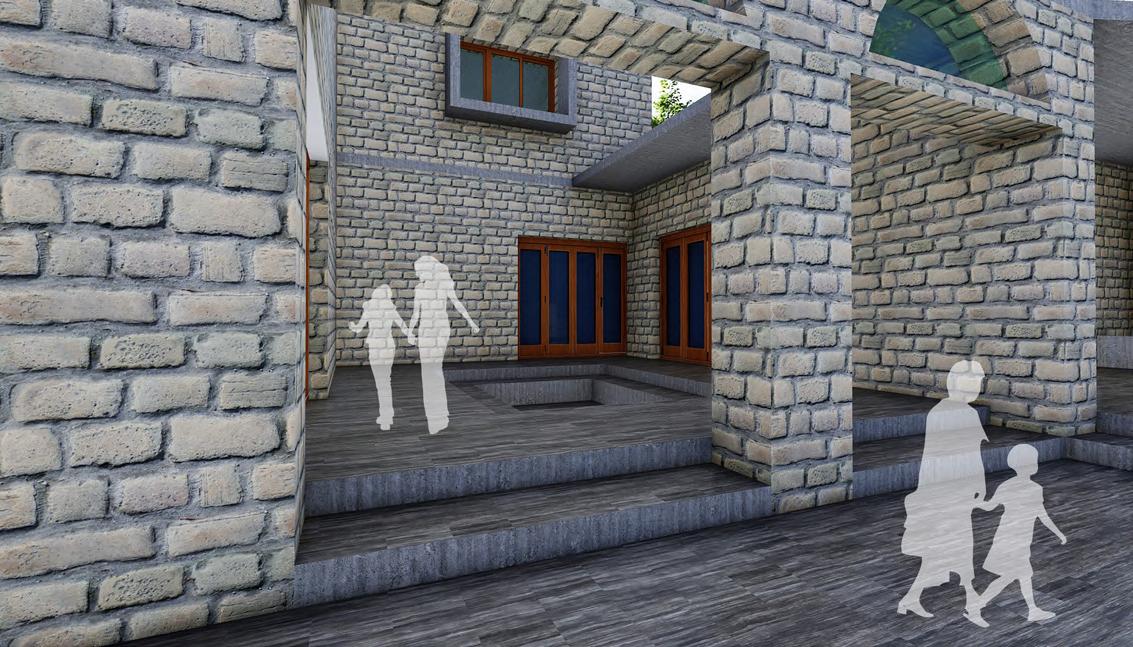
The residential studio focuses on learning of various factors like functional requirements, climate and material that affect the art of space making and architecture is the primary focus. The exercise was to design a Homestay for travellers. The site is located in Bir, a small settlement in Kangra district, Himachal Pradesh situated in the foothills of Himalayas with an elevation of 1525 m above main sea level. It is famous for its Paragliding worldwide. Institutes in Bir offer Spiritual studies, Ecotourism and Meditation which attract travellers from around the world.
Programme has spaces like library, bedrooms for travellers and host, dormitory, kitchen, living room, wash area, store, dining etc.
CONTEXTUAL STUDIES
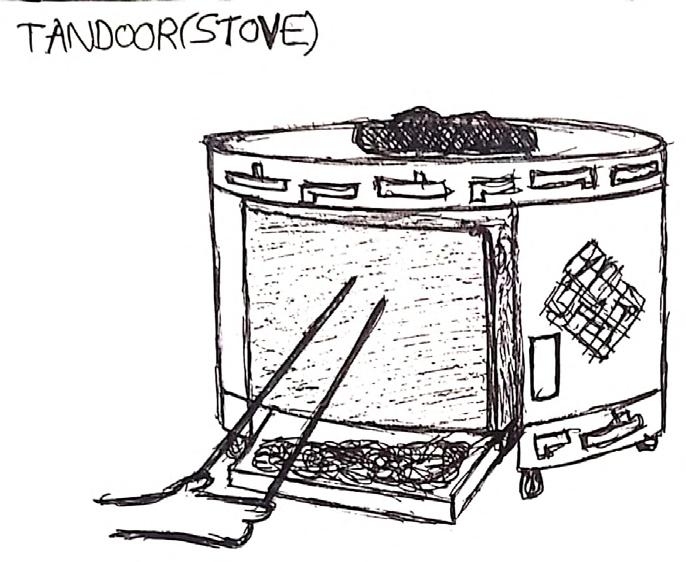
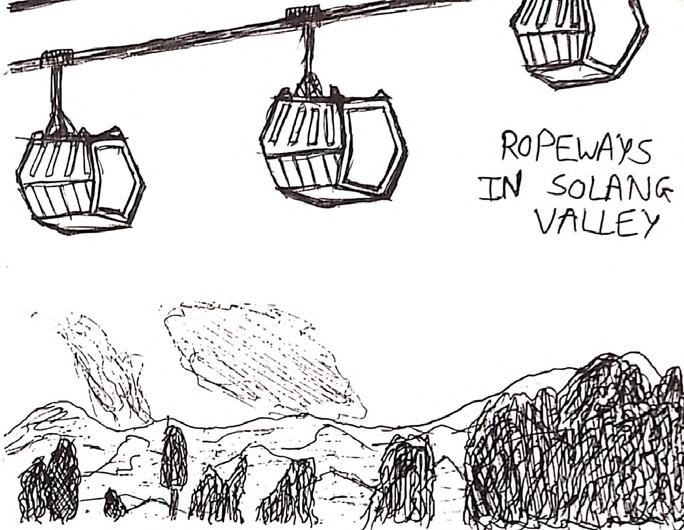
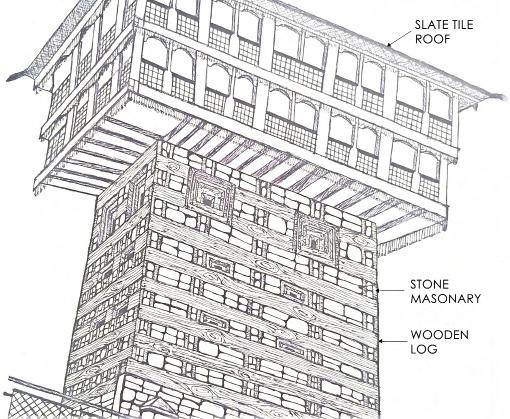
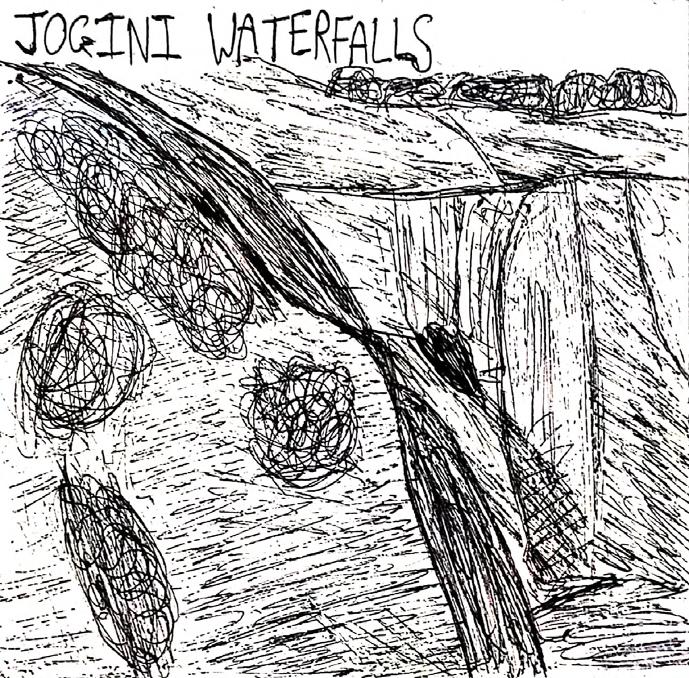
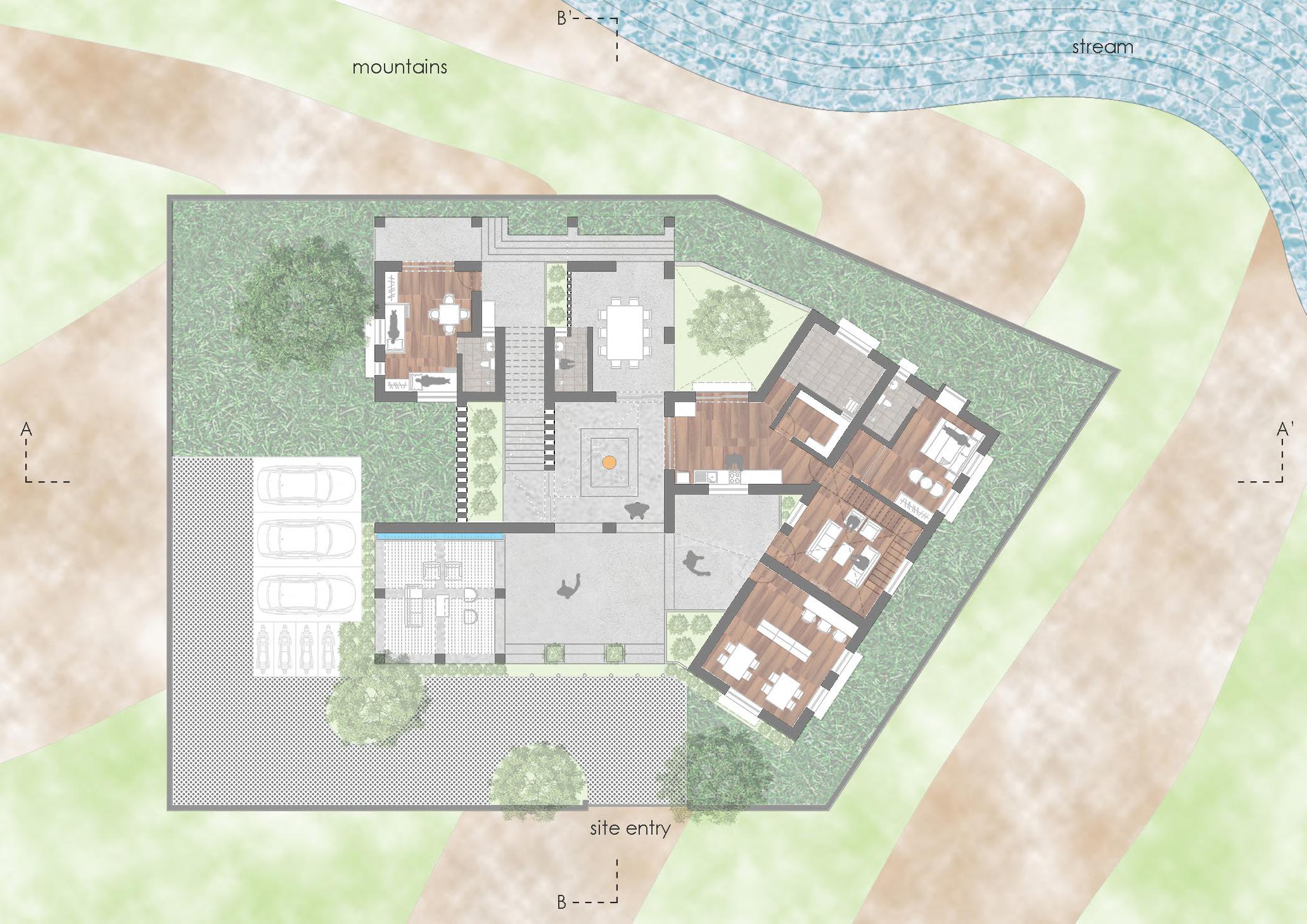
Ground floor plan
Himachal Pradesh, India
Map of site
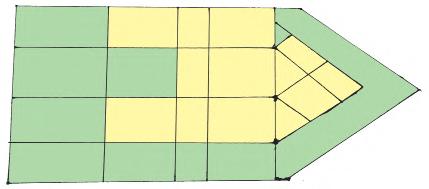
Grid pattern
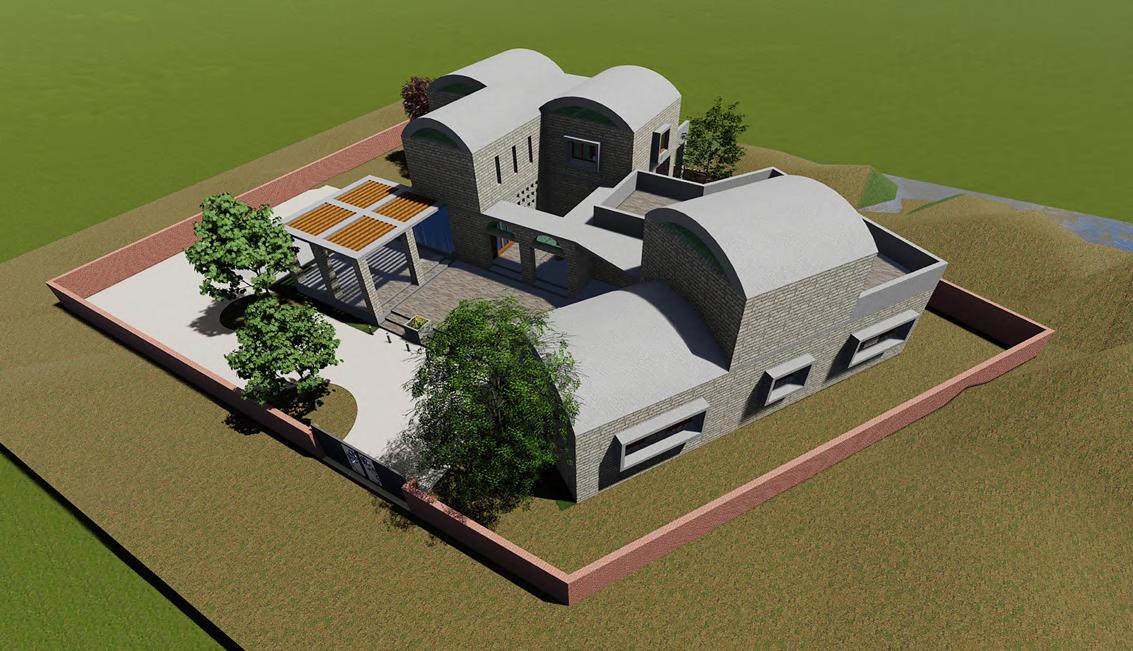
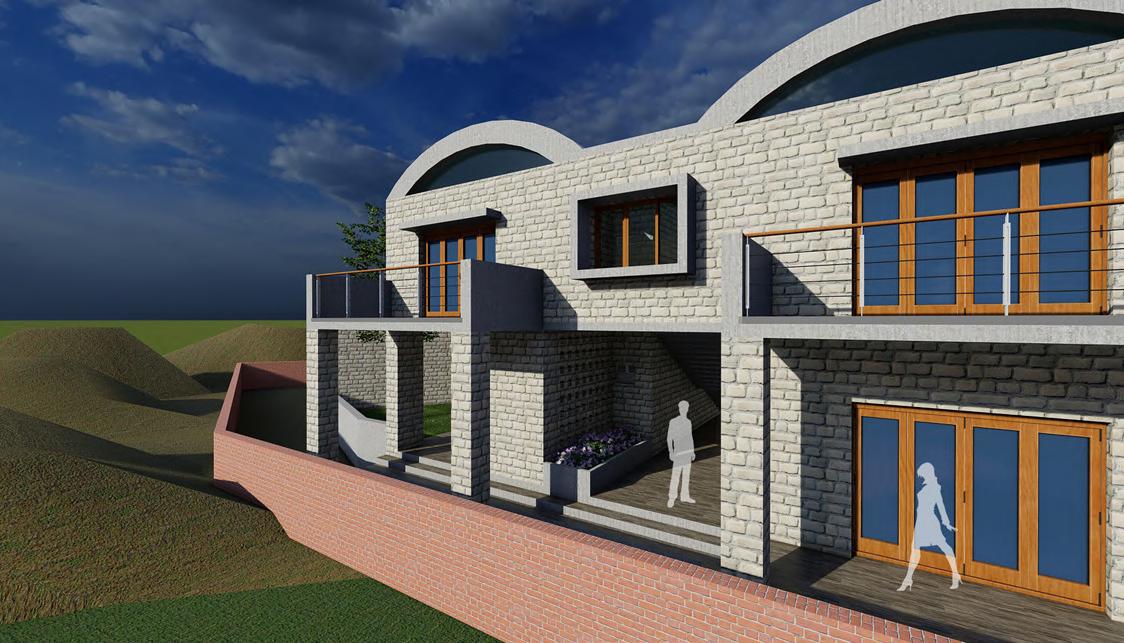
A homestay is typically a lodging facility provided by local residents of a place, for travellers who could rent out spaces ranging from a single bed to individual bedrooms for a few days to months altogether. The spaces are planned in a way such that each private space opens out towards landscape & stream providing a sense of warmth. Contrary to hotels that are preferred by tourists, a homestay would give a traveller enriching experience in terms of sharing spaces, food and lifestyle with the locals of any particular place and at the same time it provides opportunities for the locals to earn a living.
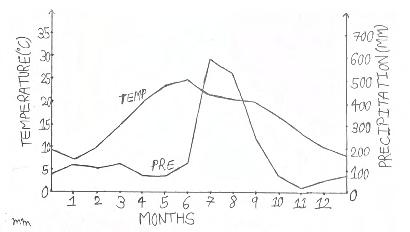
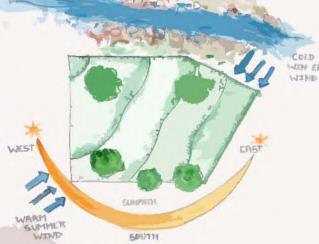
Climate analysis
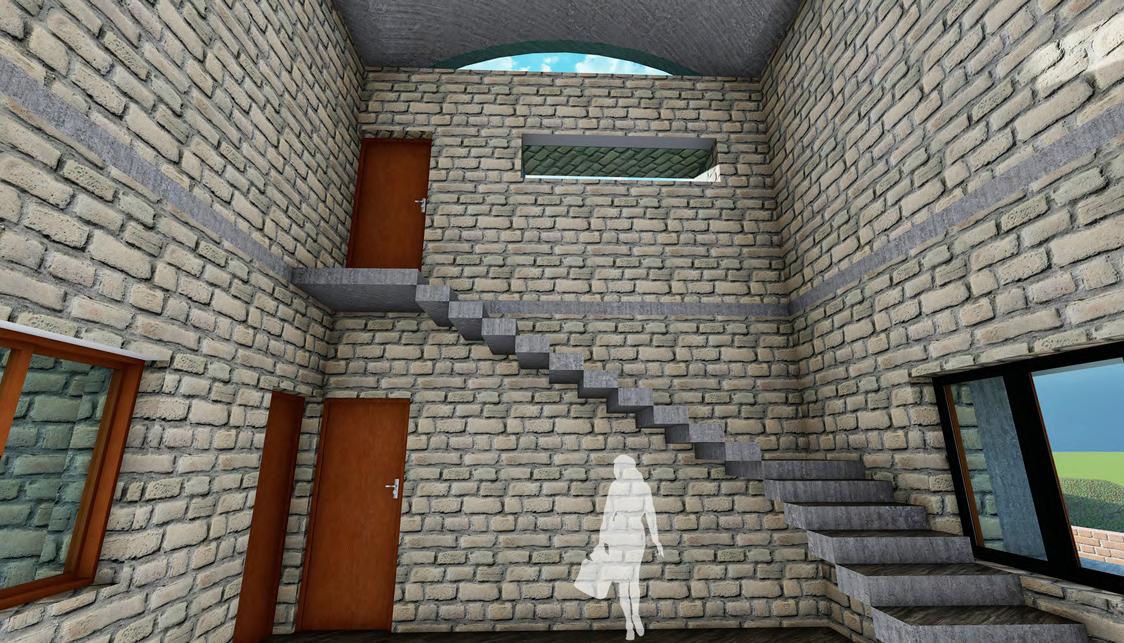
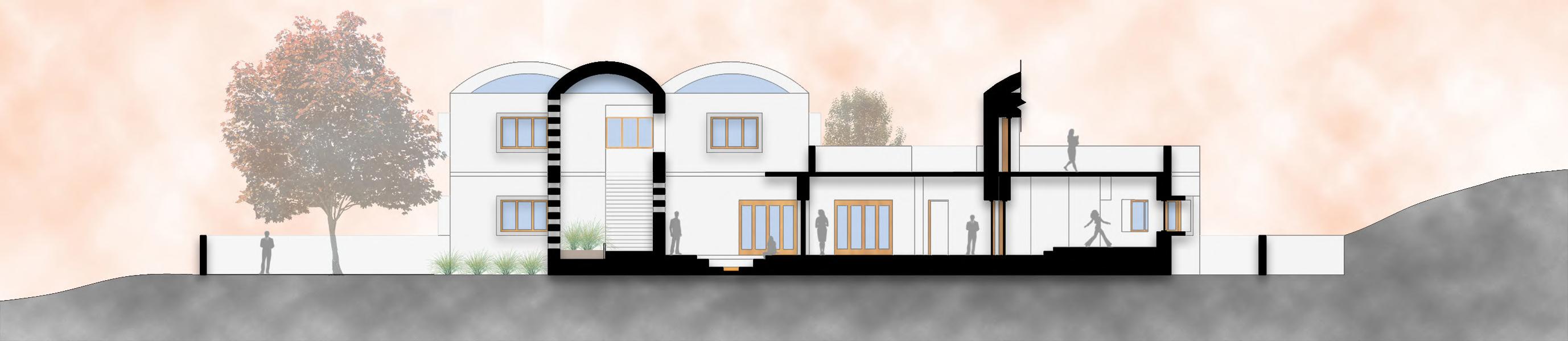
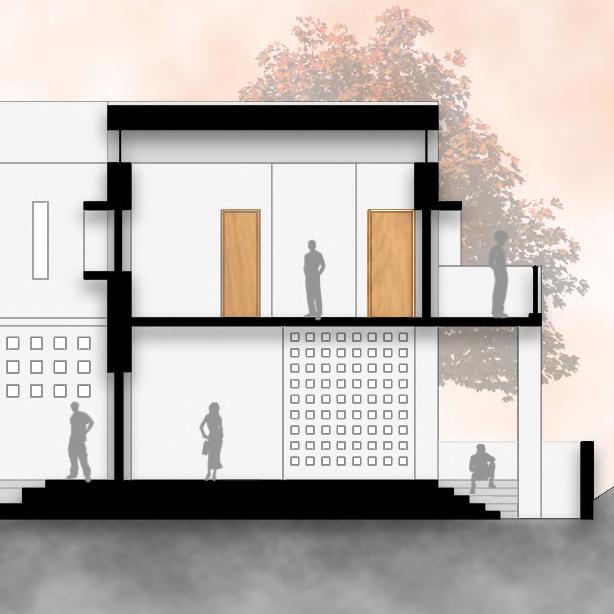
Section A-A'
Sunpath diagram
Section B-B'
VIEWS VIEWS
YOUTH COMMUNITY CENTER
INSTITUTIONAL STUDIO
Site location- Ahmedabad, Gujarat
Site area- 6000 sq m
Construction material- Exposed brick, Exposed RCC
Building type- Insititute
Project category- Cultural architecture
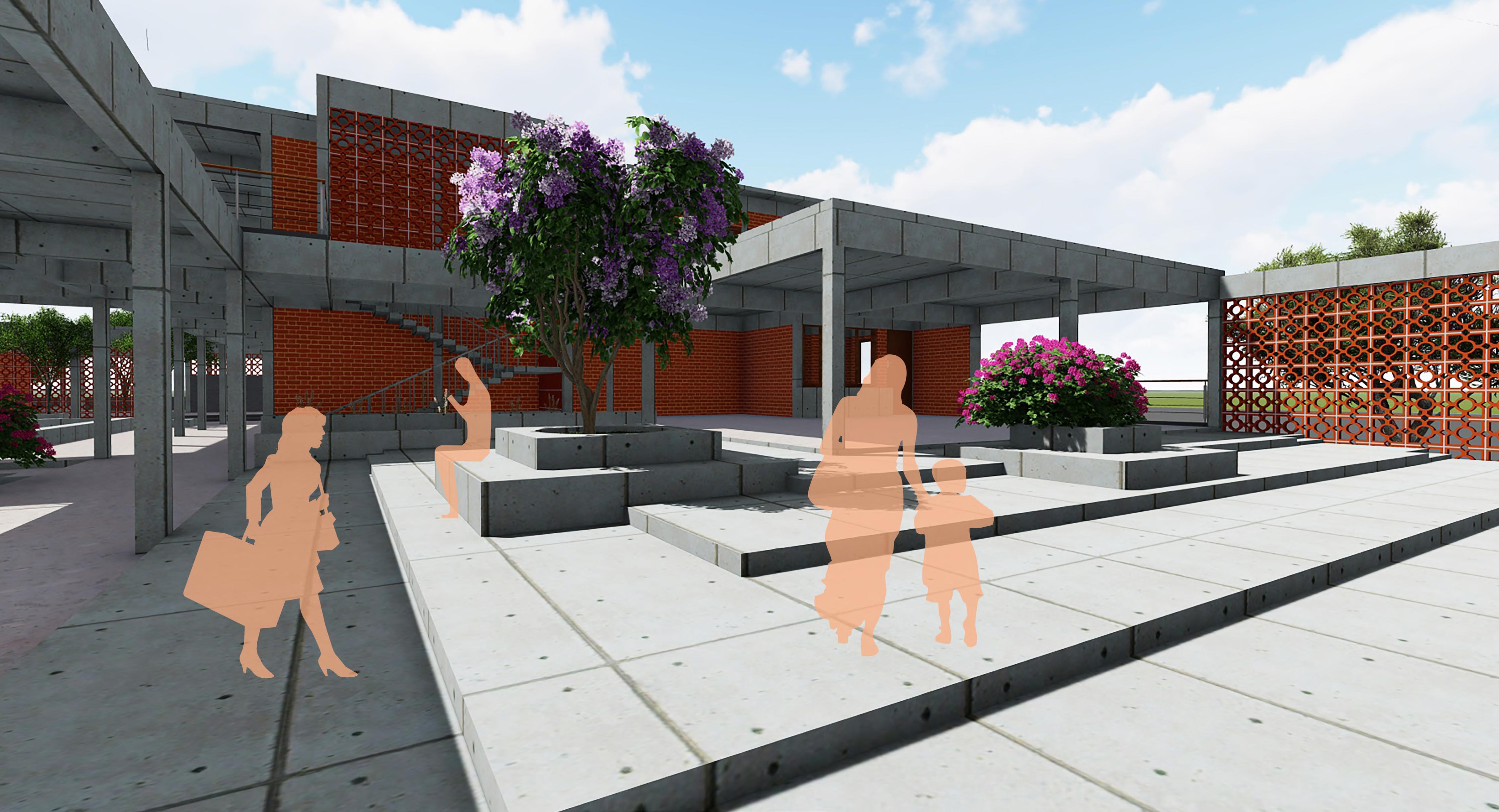
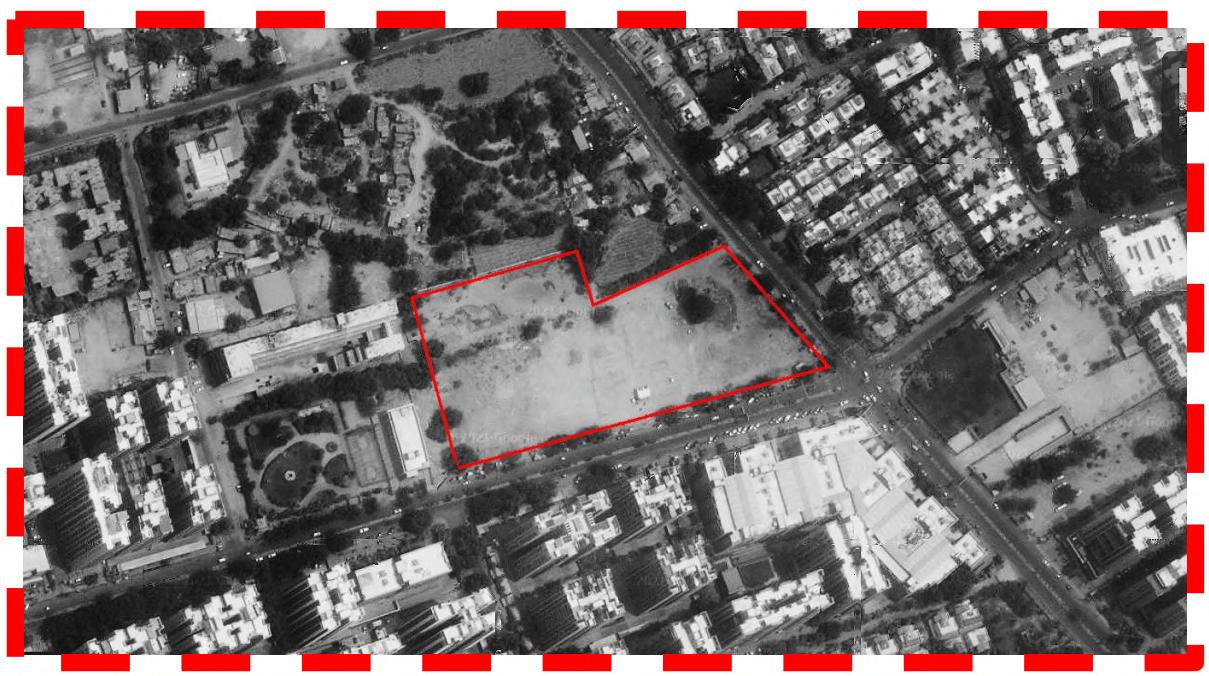
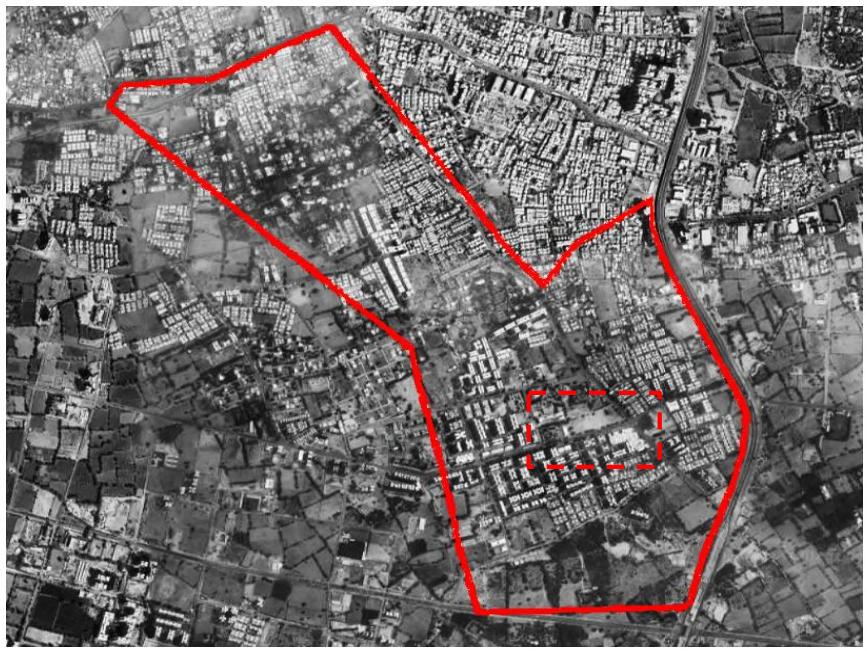
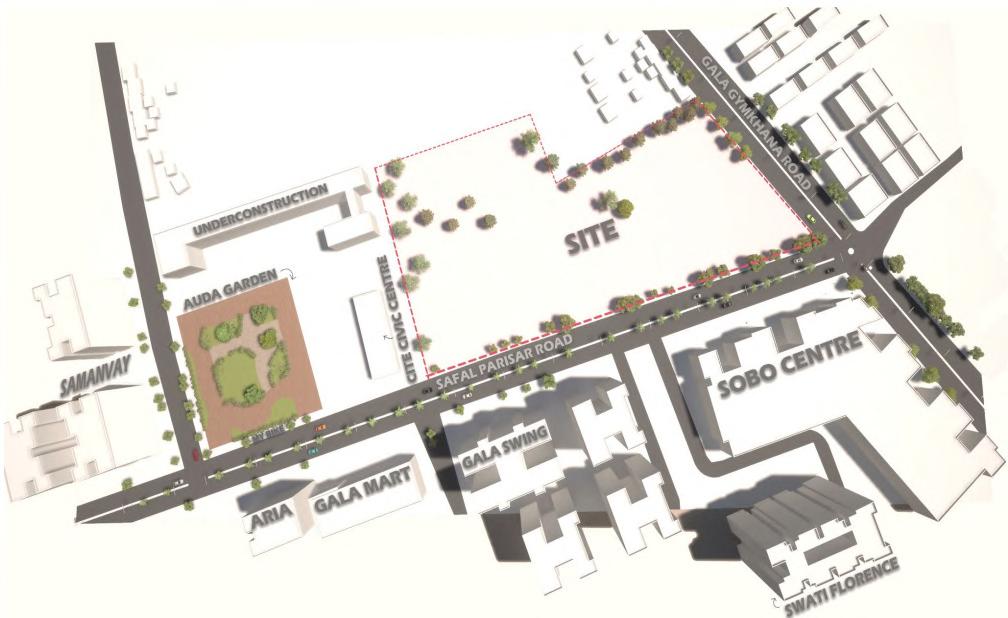
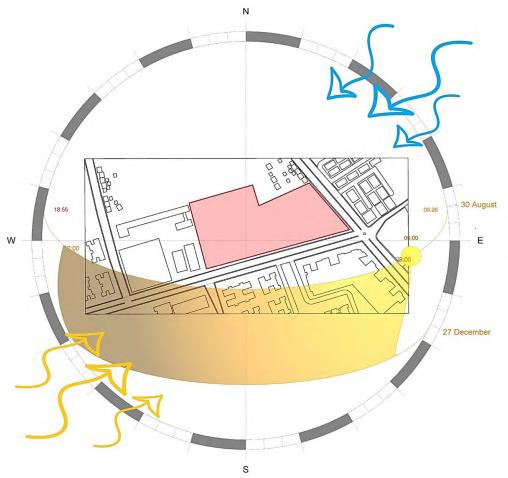
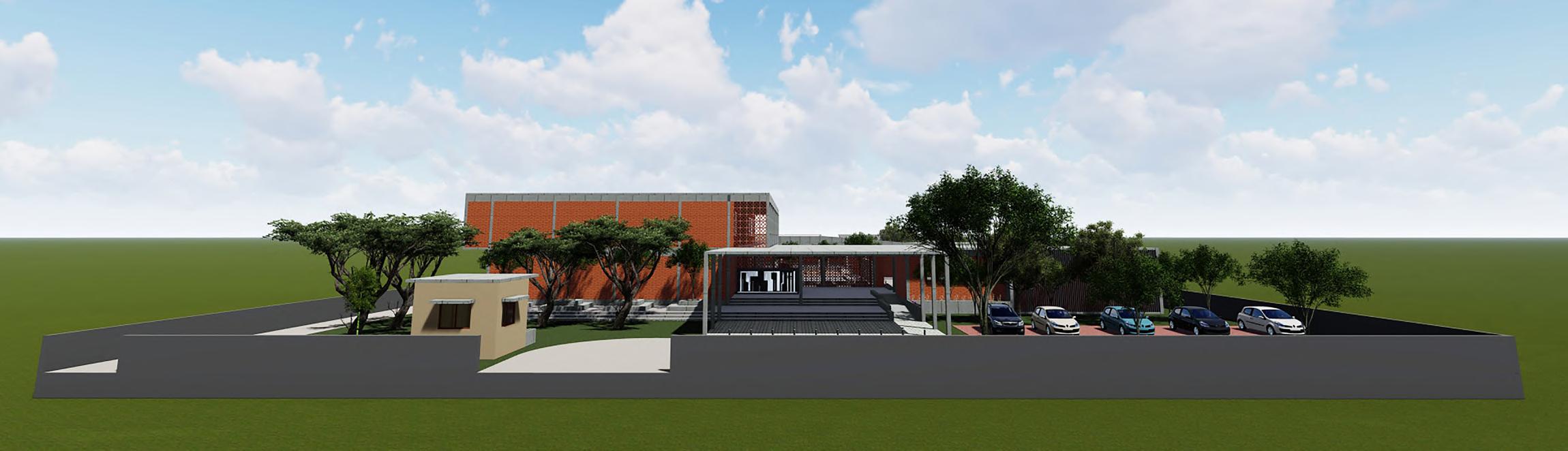
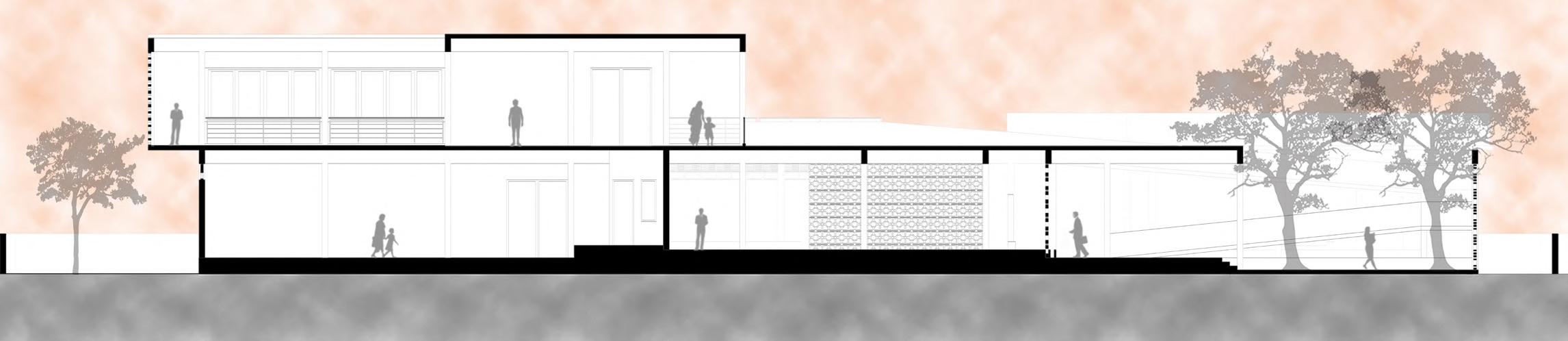
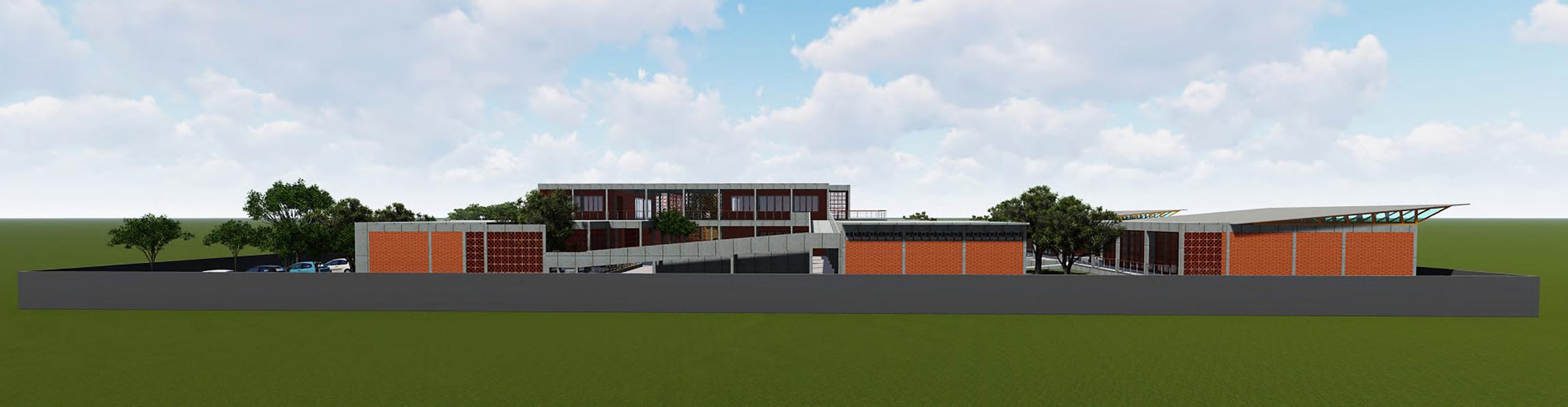
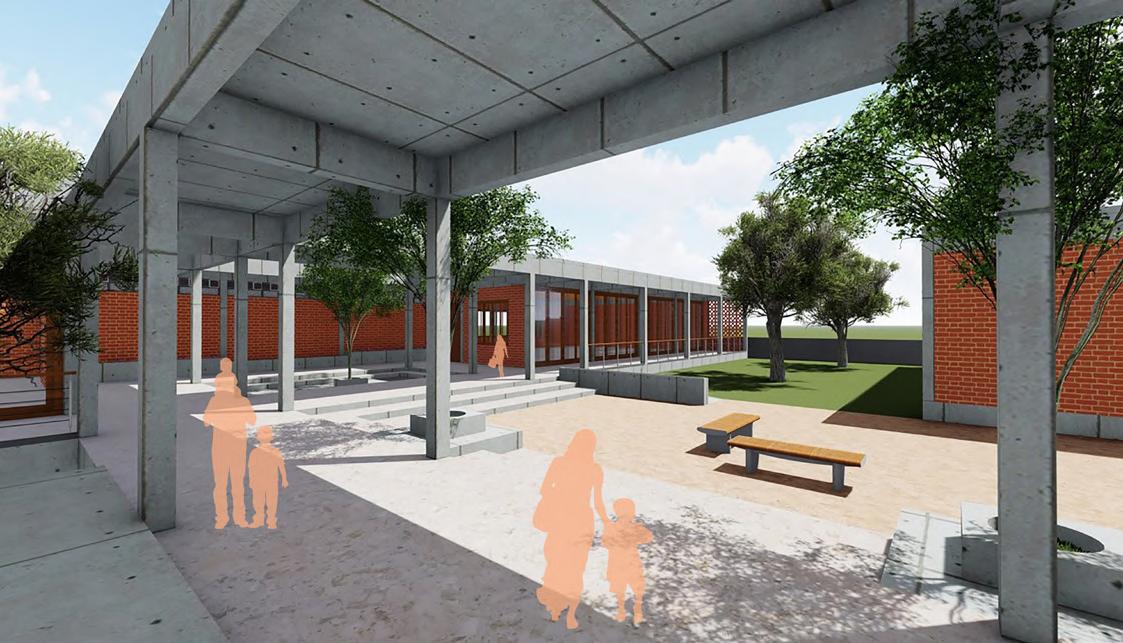
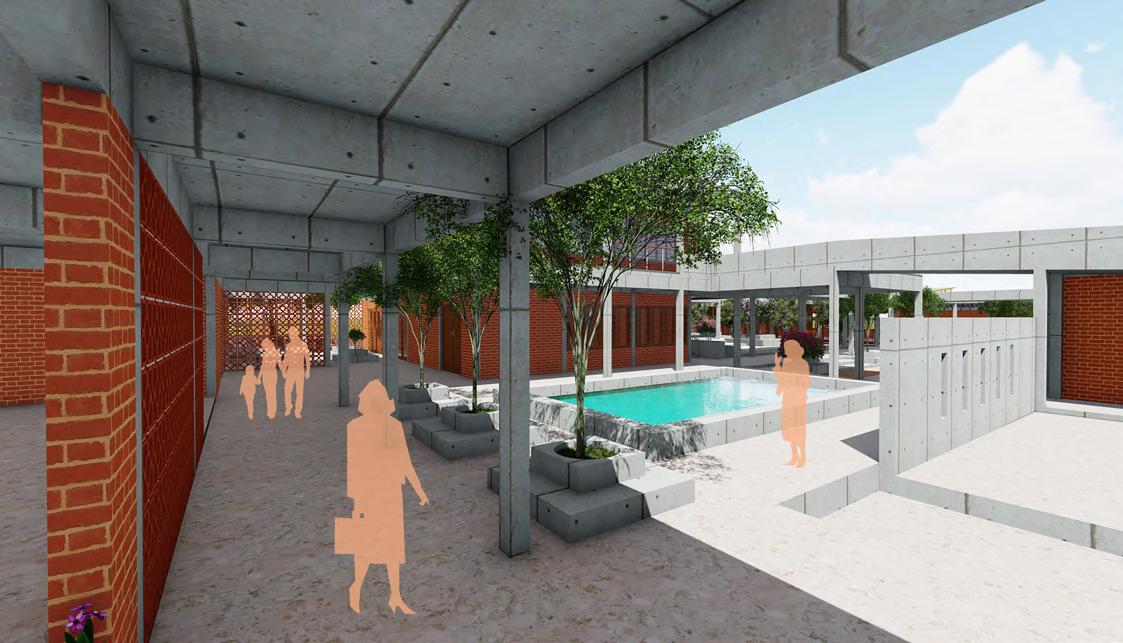
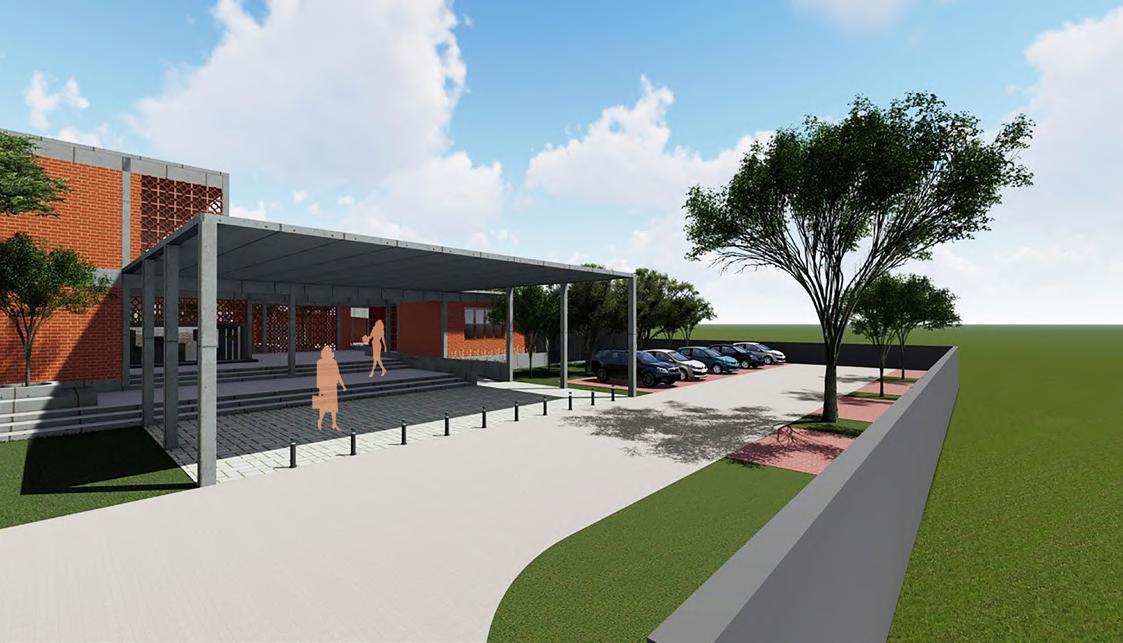
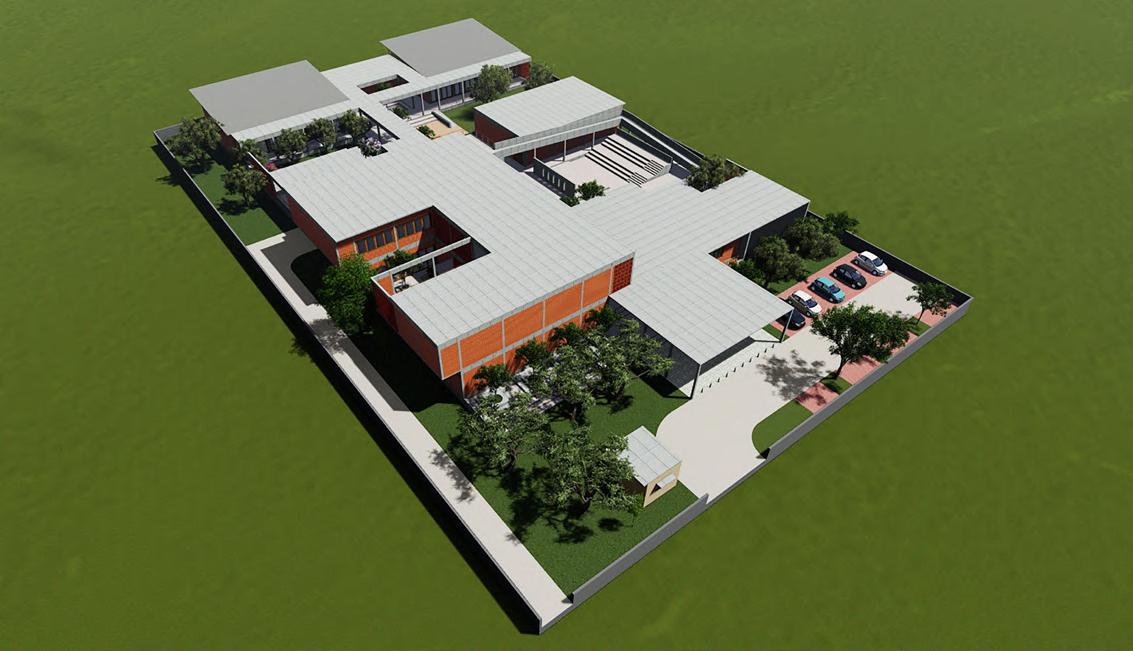
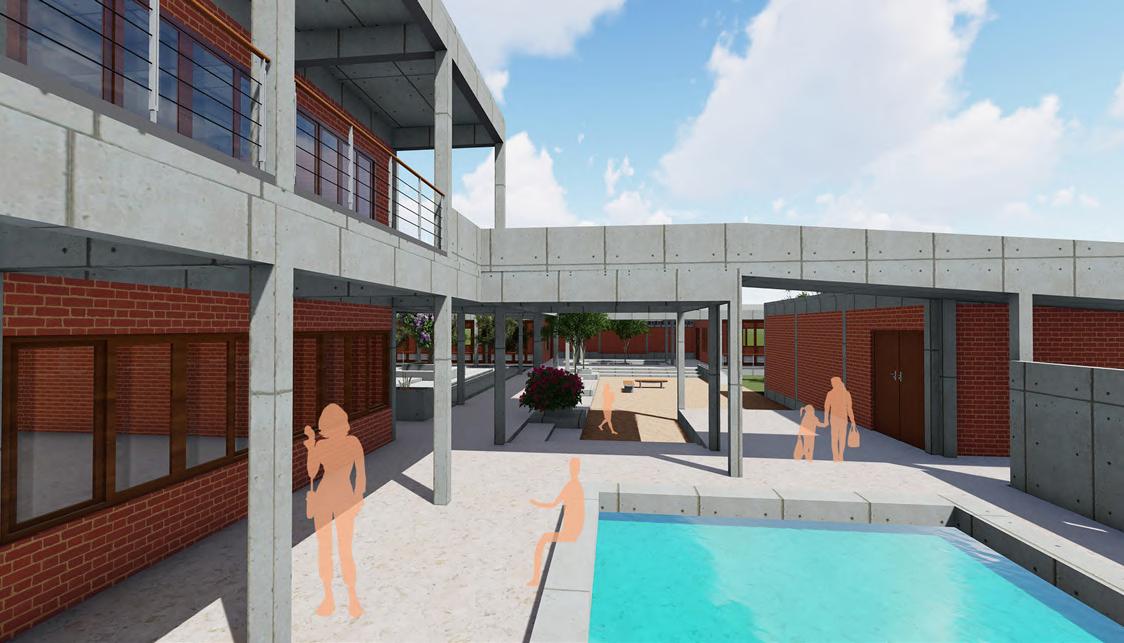
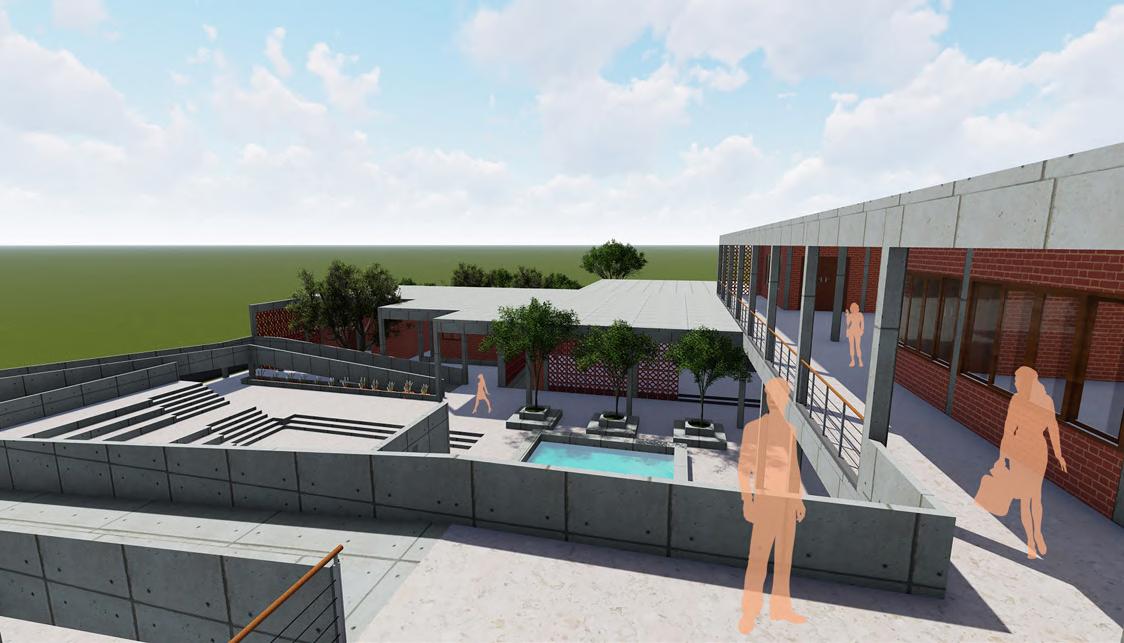
The intent of this project is to design a Youth Community Center in South Bopal, Ahmedabad, Gujarat. South Bopal area is growing rapidly but it lacks spaces where public could gather and interact with each other. The site has main road in South, City Civic Center in West & open ground in North and East direction which is used for fairs and other recreational activities. The site is an empty land having few trees and shrubs.
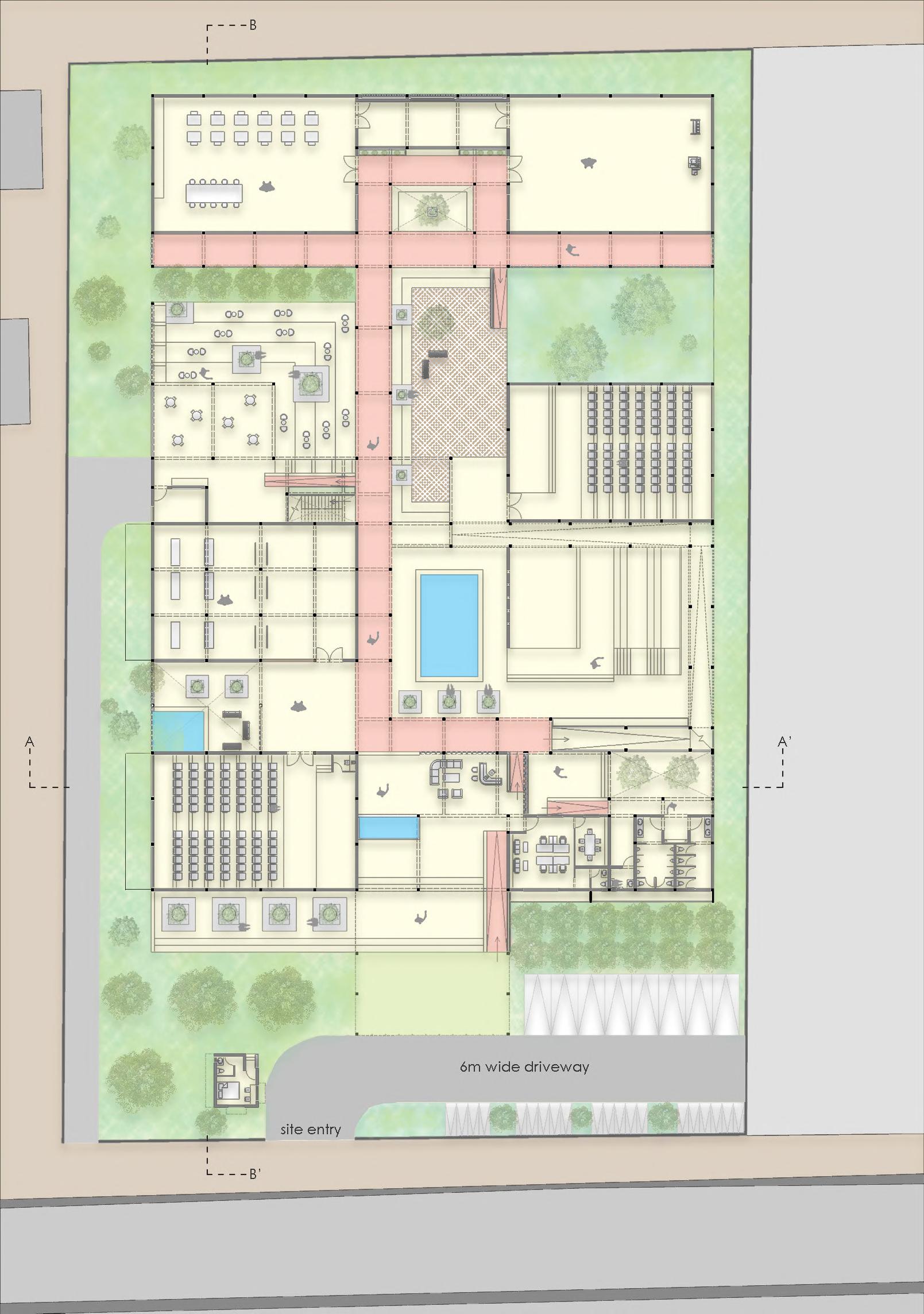
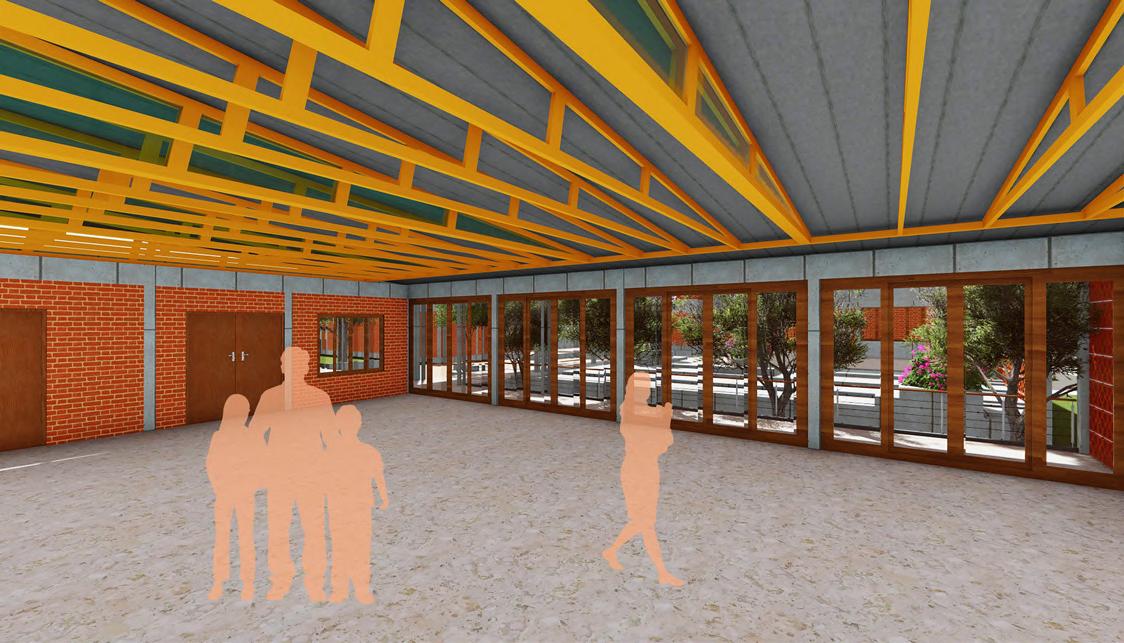
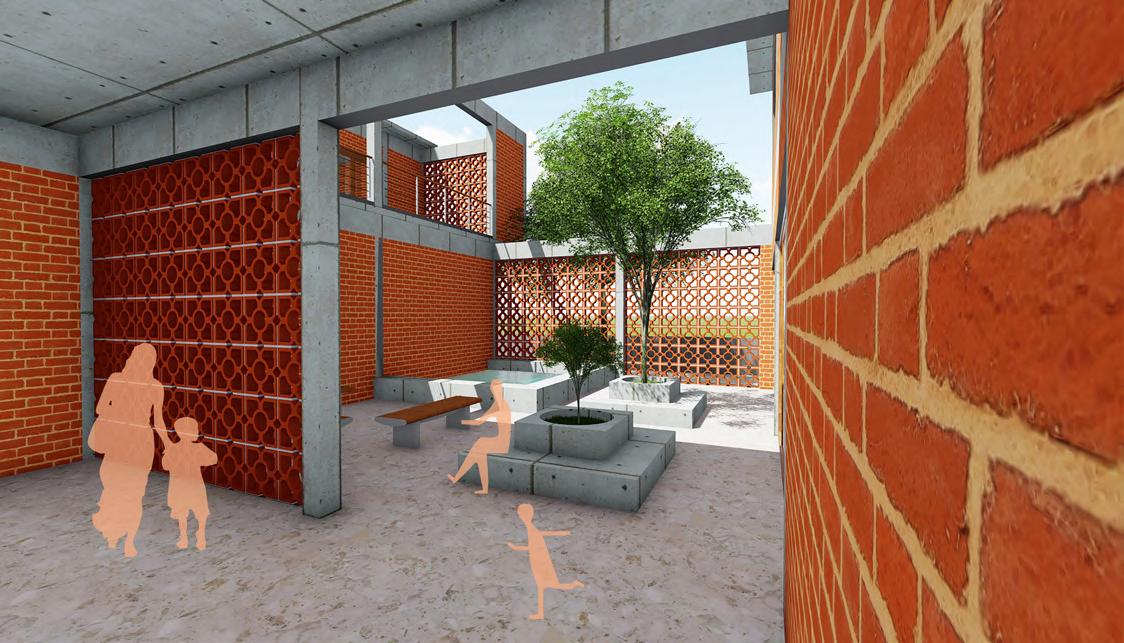
Spaces such as library, seminar hall, performing arts, workshops, admin space, exhibition gallery, cafeteria, amphitheatre are designed in institute. The purpose was to understand the scale and proportion of large spaces along with their connection with outside.
SITE ANALYSIS
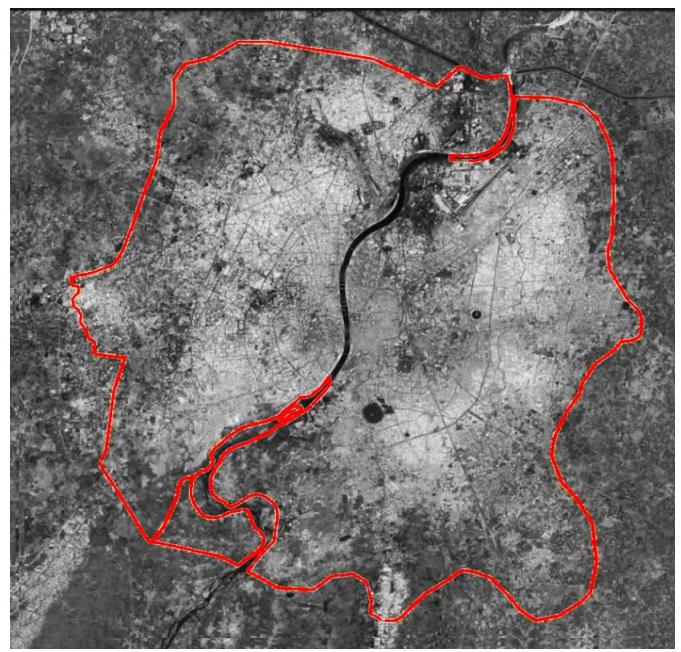
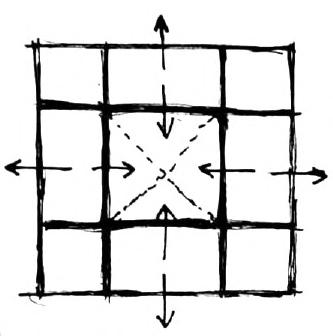
DESIGN STRATEGIES
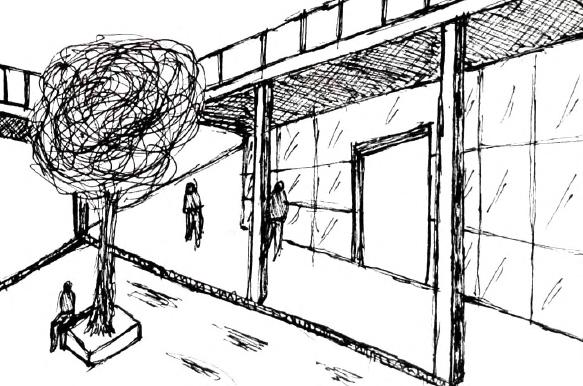
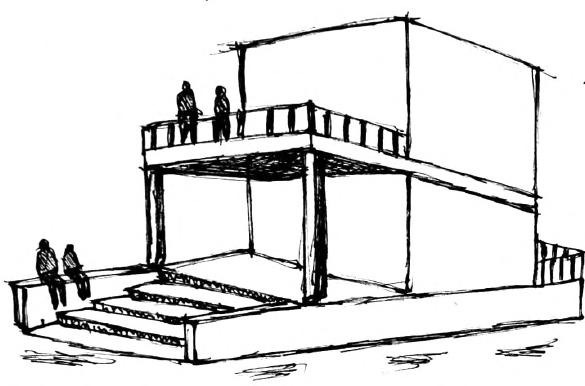
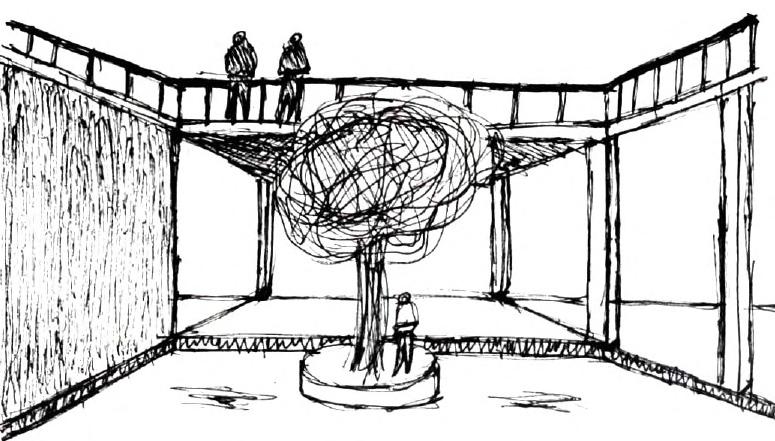
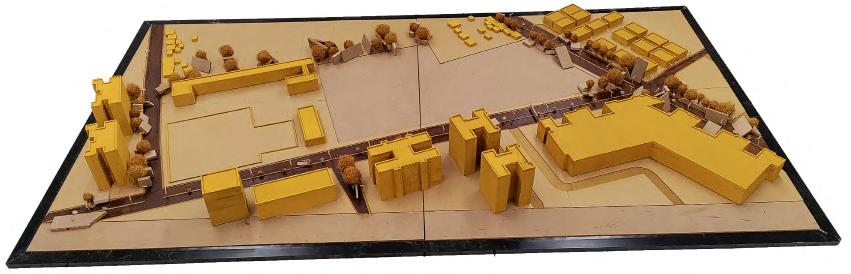
SITE MODEL
Map of site
Map of South Bopal Ahmedabad, Gujarat
Map of Ahmedabad

Section A-A'
South elevation
East elevation
Section B-B'
VIEWS
VIEWS
05 YOUTH COMMUNITY CENTER
(CONTINUATION OF INSITUTIONAL STUDIO)
PLANS







Section
Section
06 OFFICE TRAINING

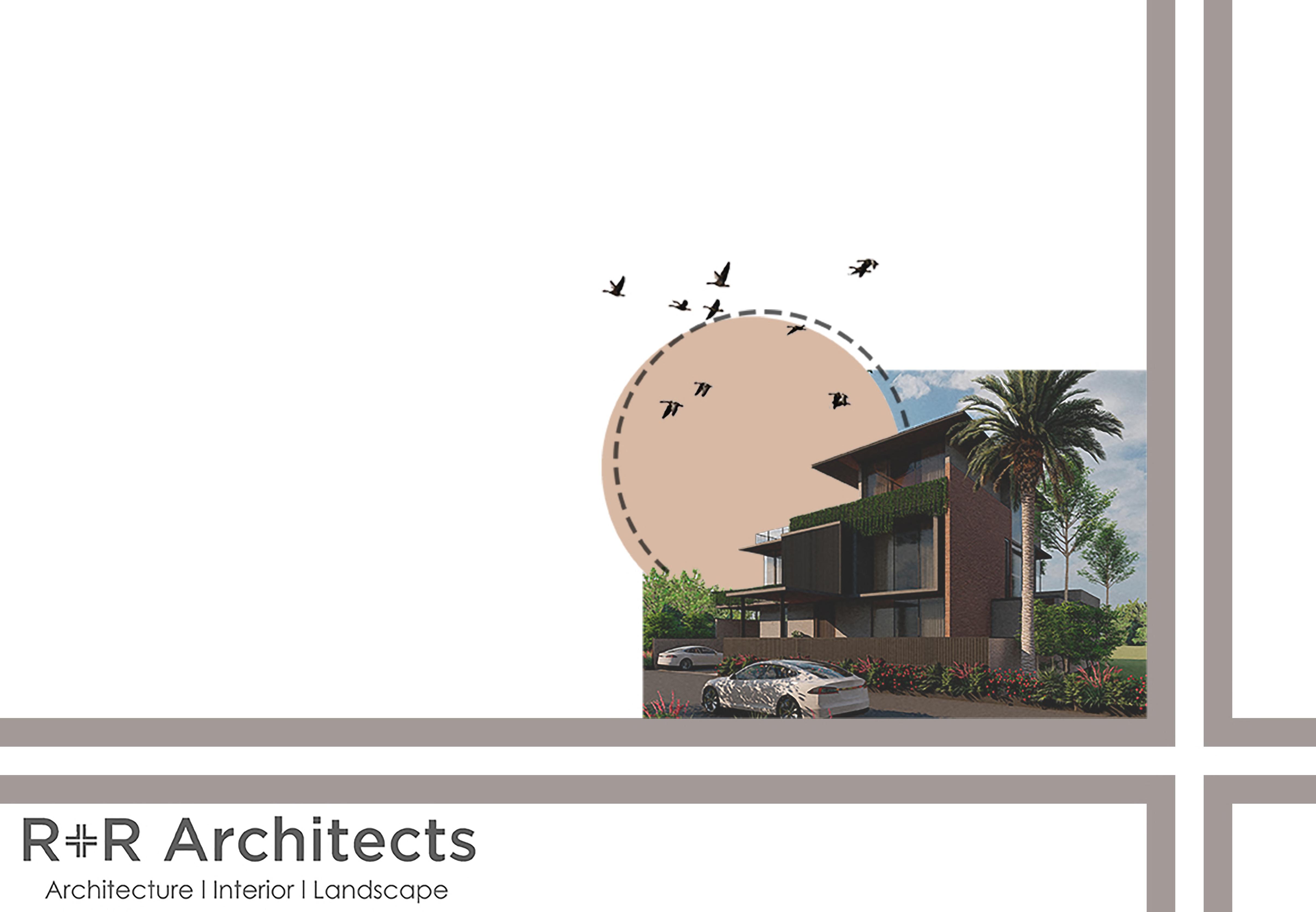
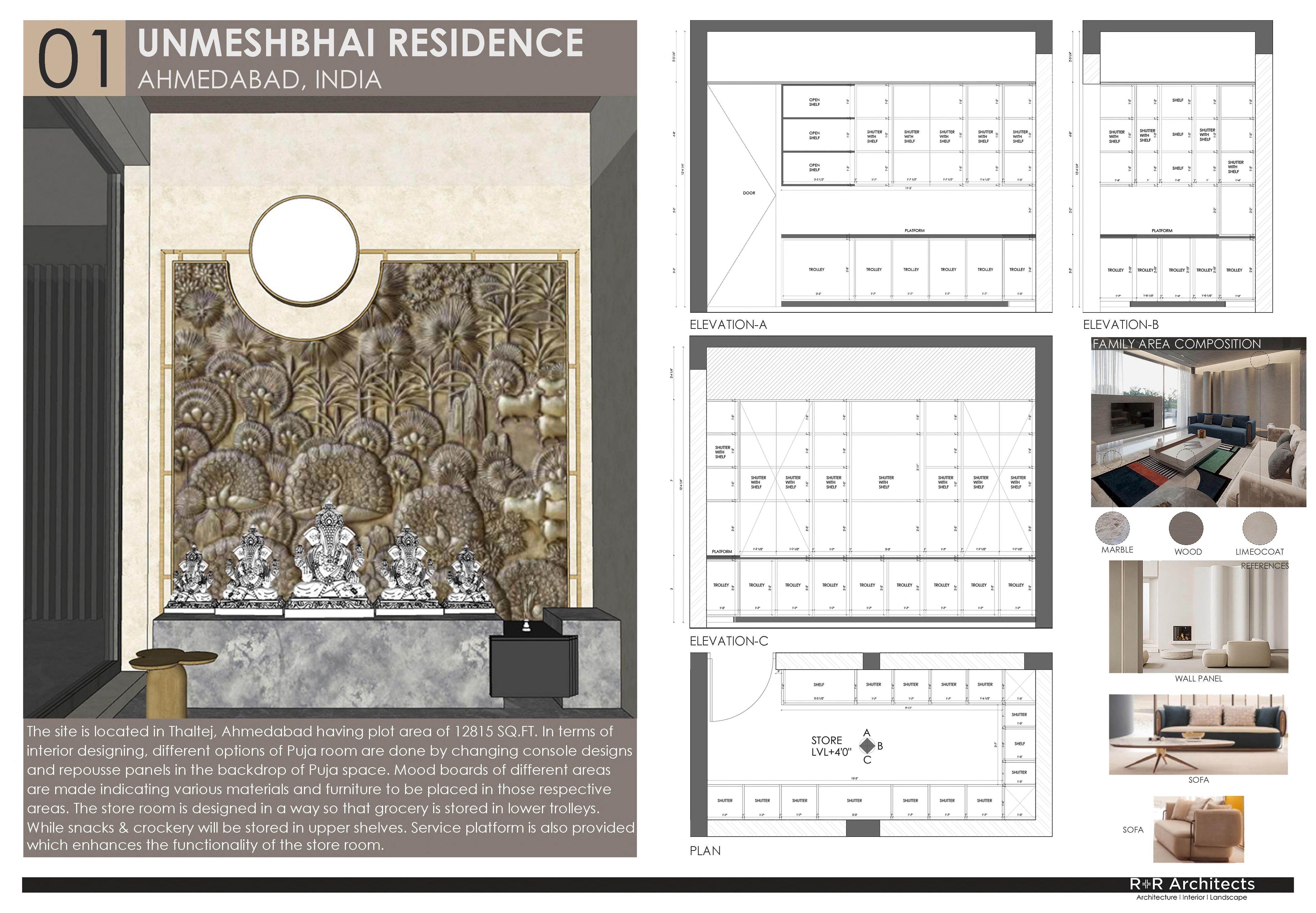
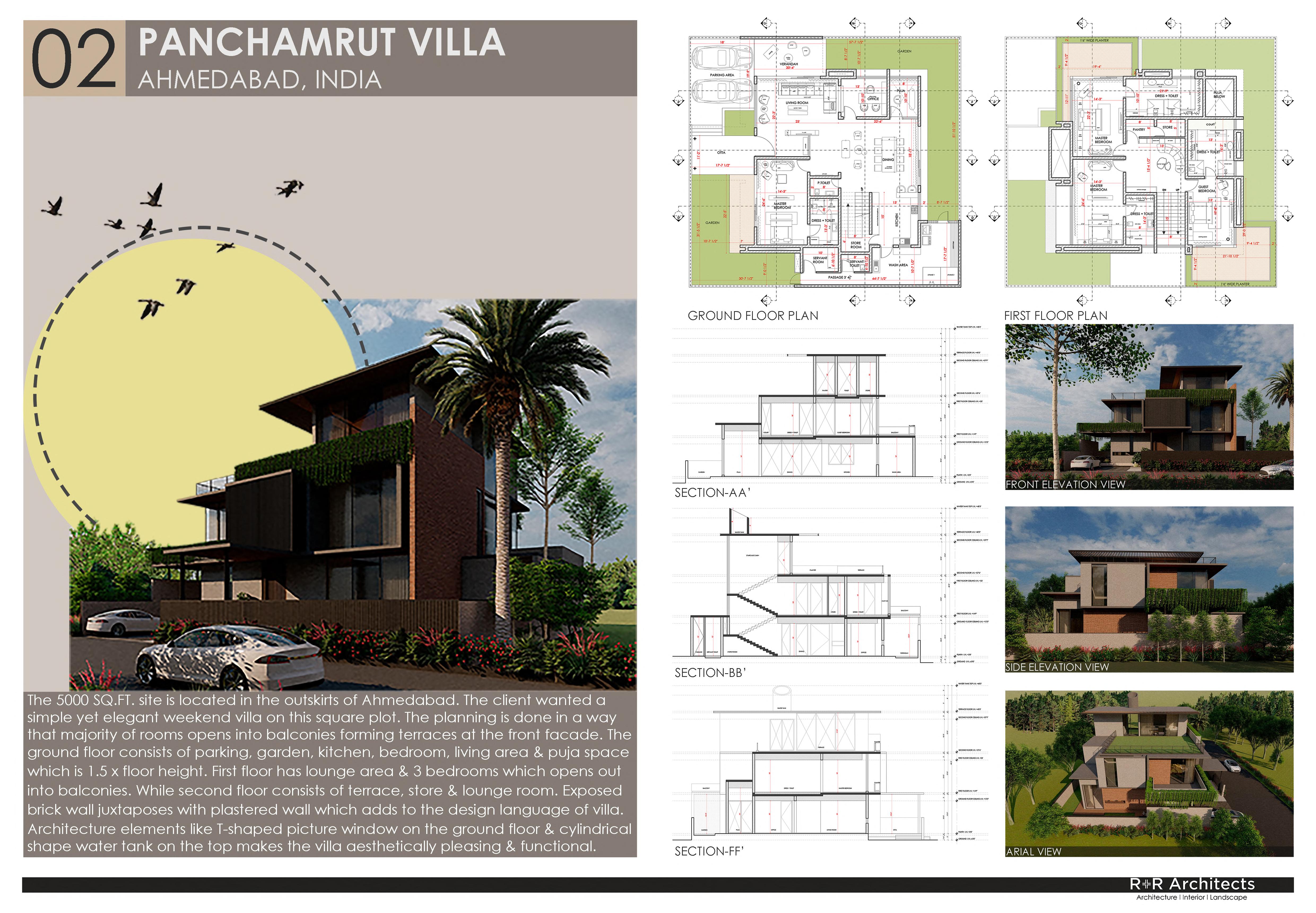
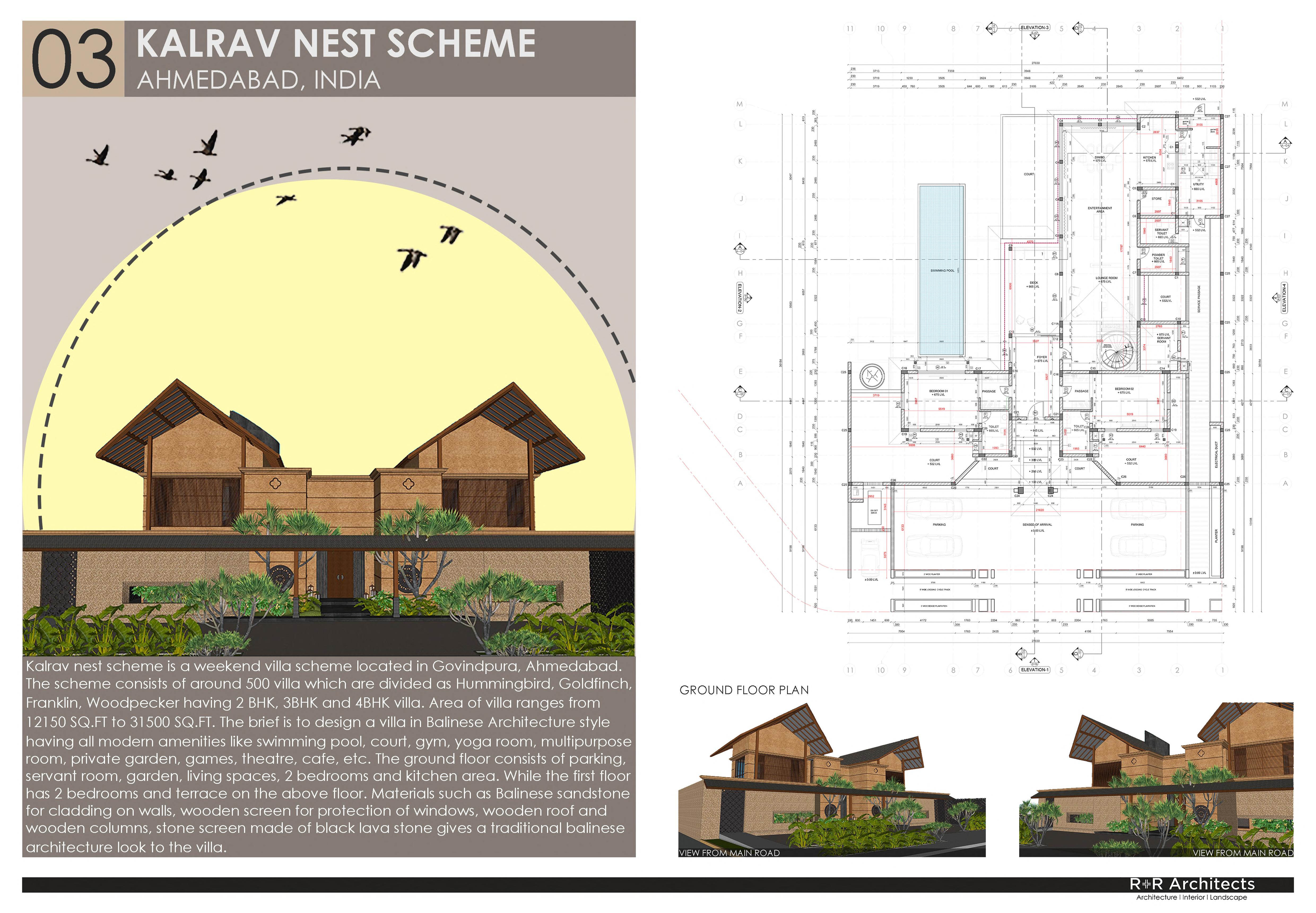
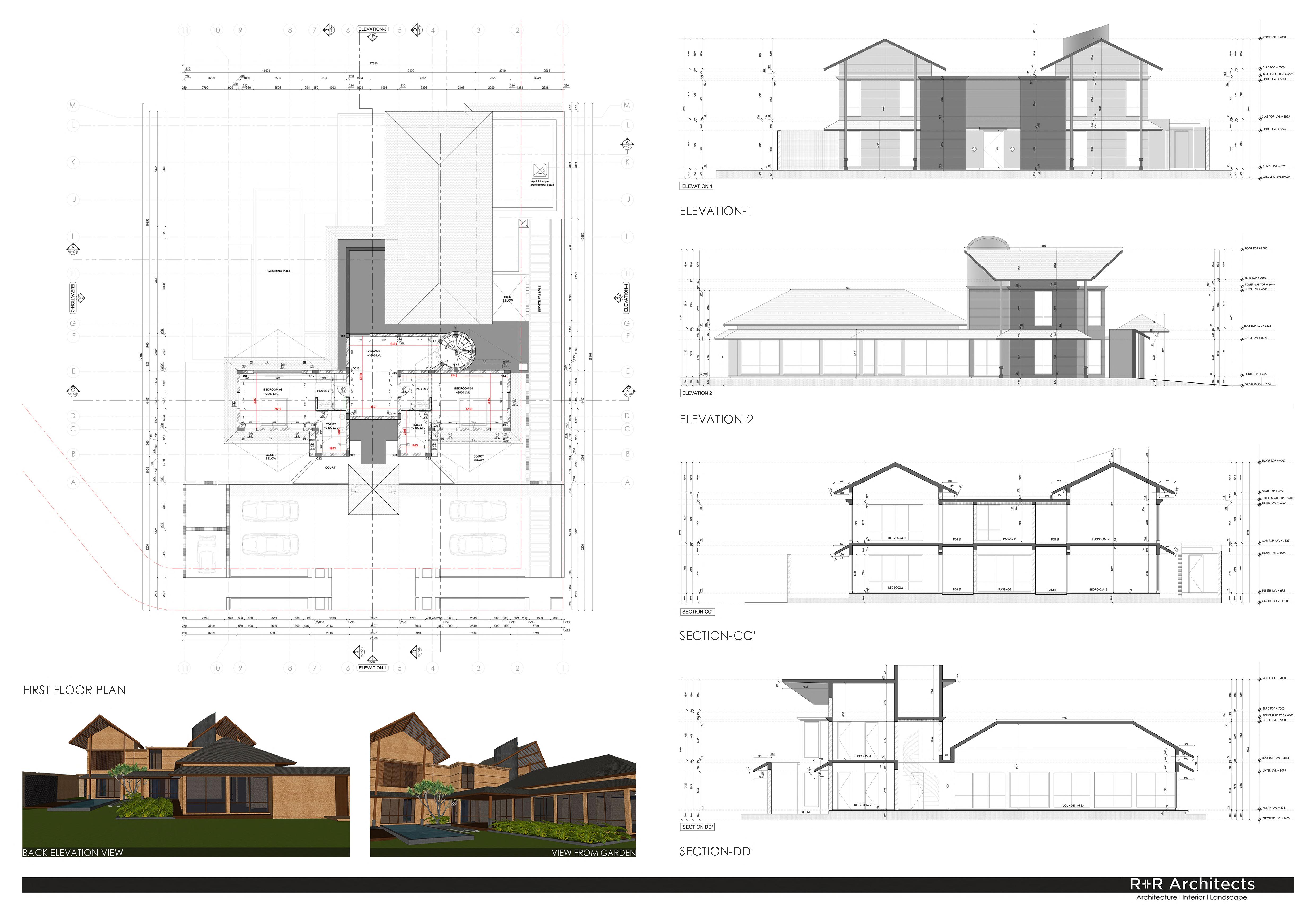
R + R Architects engages the ever-changing complexities of design, embracing architecture as well as interior design’s role as a catalyst for change.
Driven by constant optimism and creative pragmatism, the firm is a partnership venture led by Ar. Raghav Patel and Id. Ramesh Lohar. The Ahmedabad based firm is currently involved in sizable number of projects with varieties of scale, ranging from standalone villas to large scale housing projects & from institutional community villages to industrial estates.
Philosophy-
The firm’s goal is to produce detailed, design oriented work on a variety of projects and to provide added value for our clients and collaborative partners by remaining focused on the architectural vision that makes R+R Architects’ projects both distinctive and successful.
Our design values are modern: efficiency, logic, beauty, honest expression of materials, and clean lines and forms that allow the architecture itself – the space, light, materials, spatial relationships and inhabitants to thrive.
(PRINCIPAL INTERIOR DESIGNER)
(PRINCIPAL ARCHITECT)
07
RELATIVE STUDY PROGRAMME
STUDY TOURS
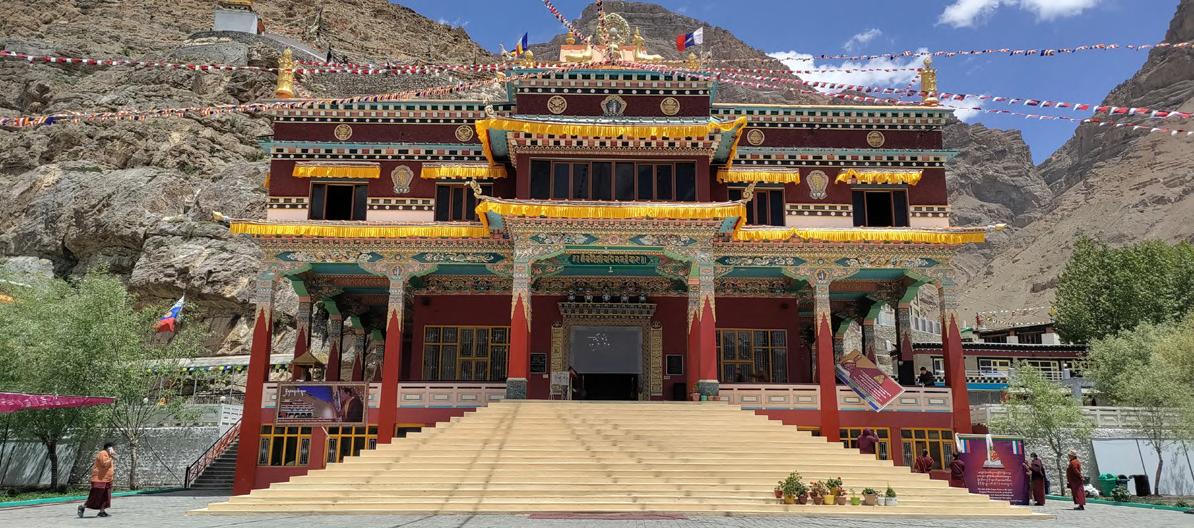
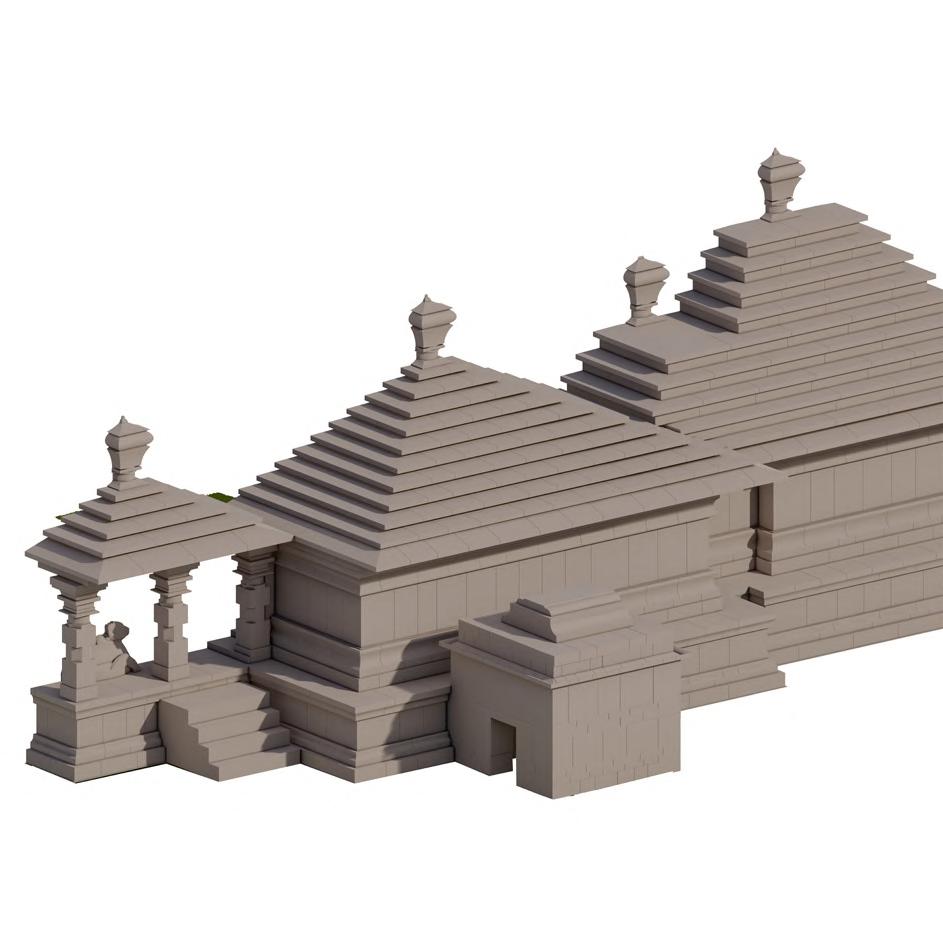
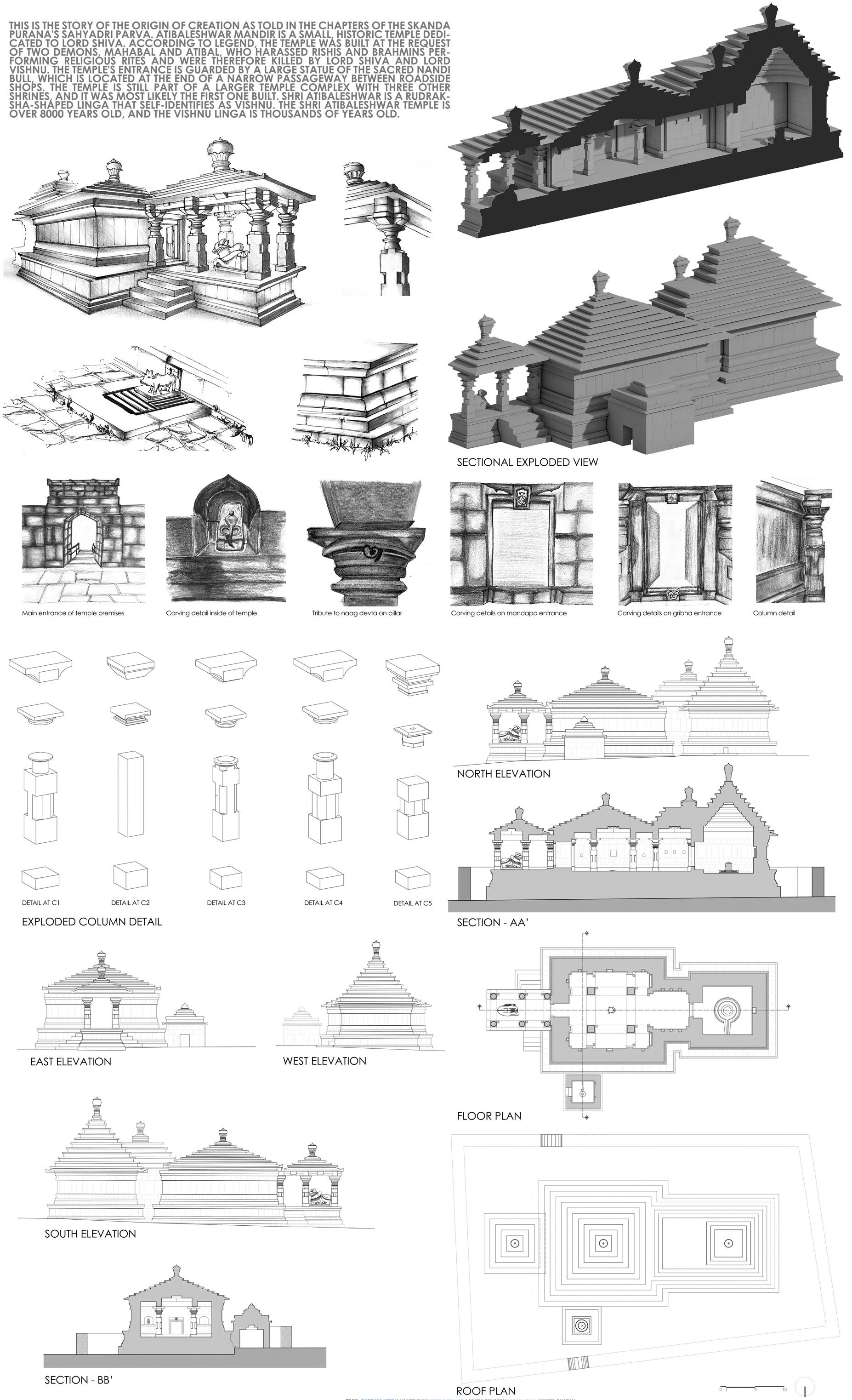
7.1 STUDYING THE TEMPLES OF MAHABALESHWAR, MAHARASHTRA
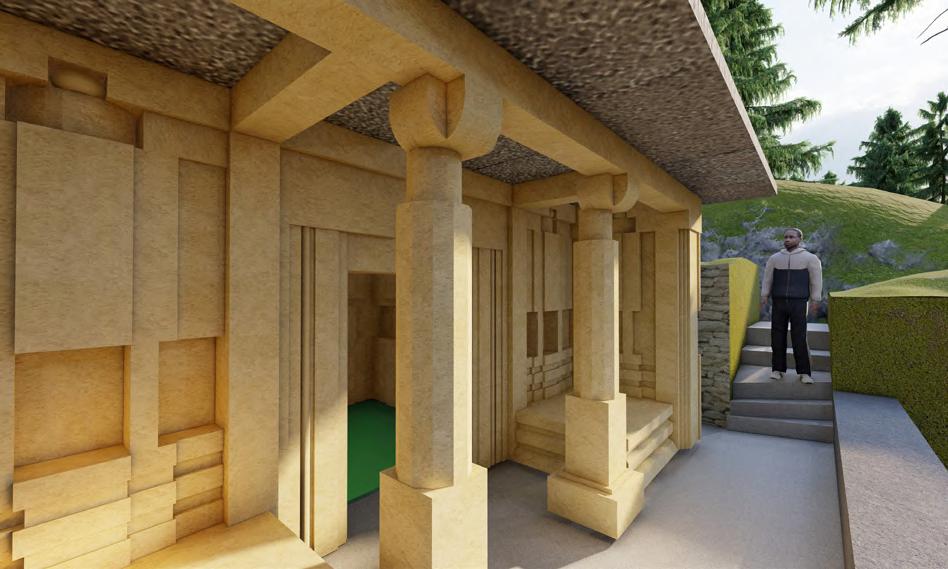
7.2 STUDYING THE ANCIENT NAULA OF ALMORA, UTTARAKHAND (TRADITIONAL WATER HARVESTING SYSTEM OF UTTARAKHAND)
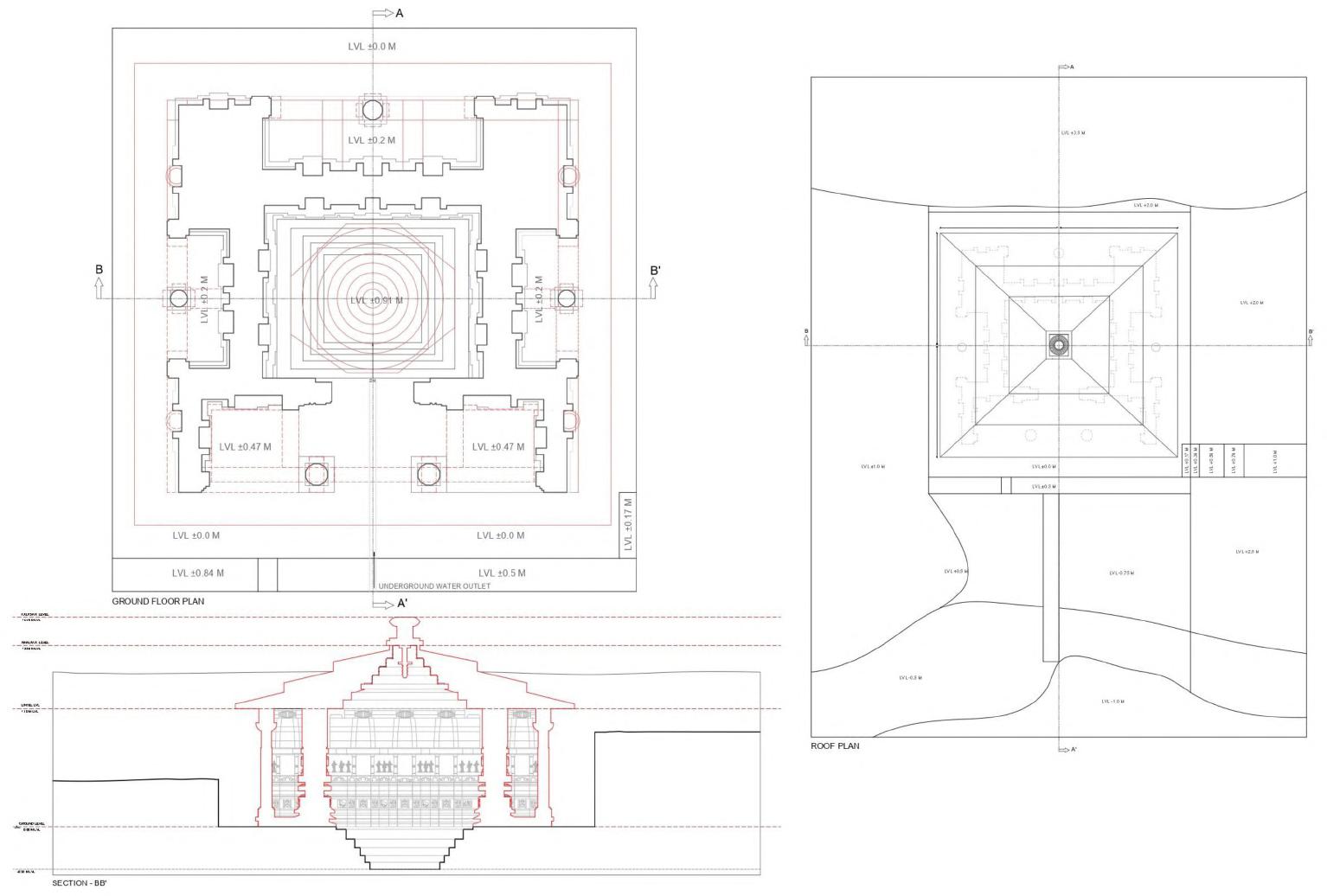

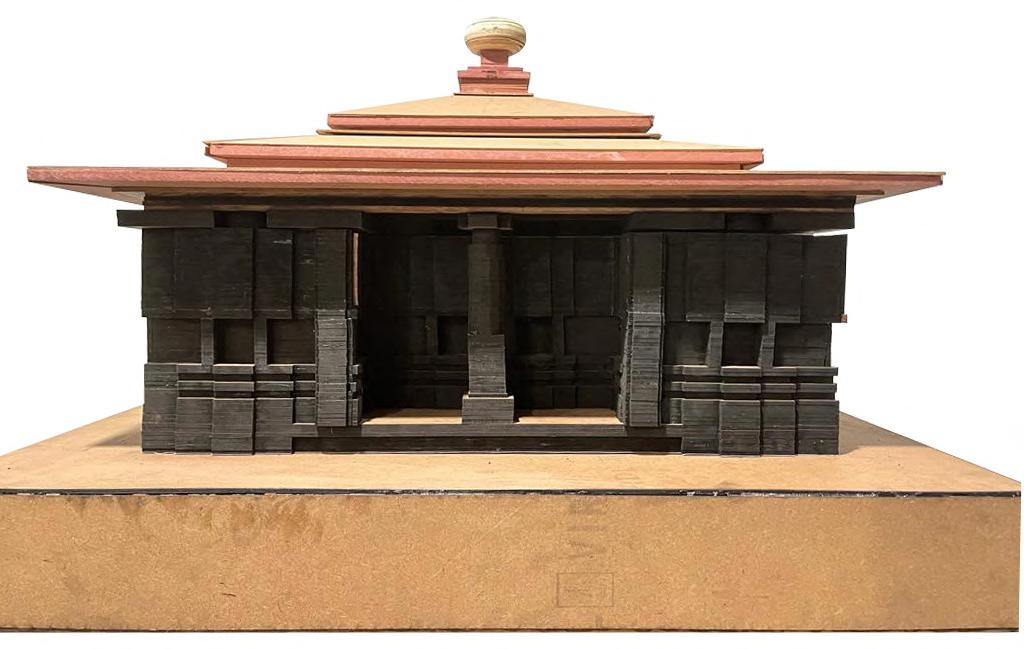
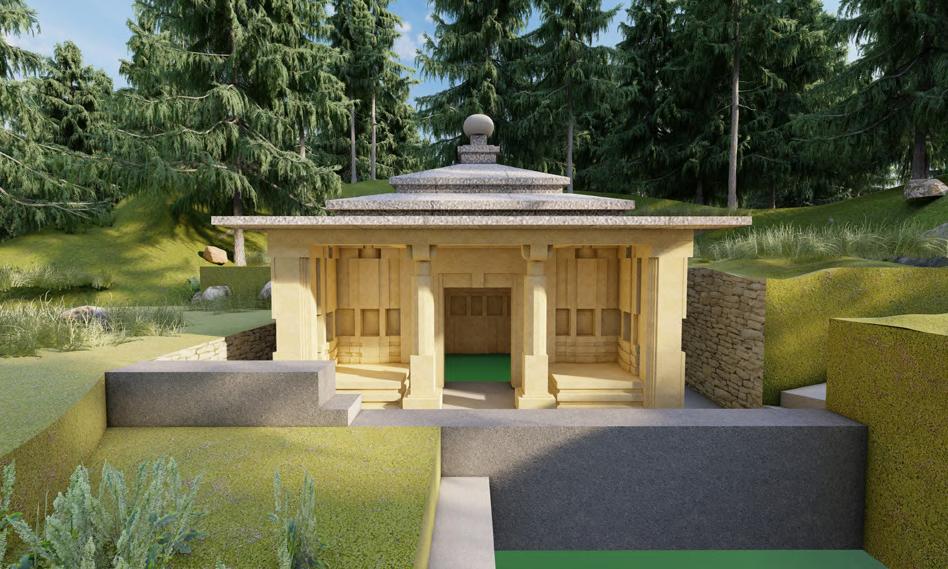
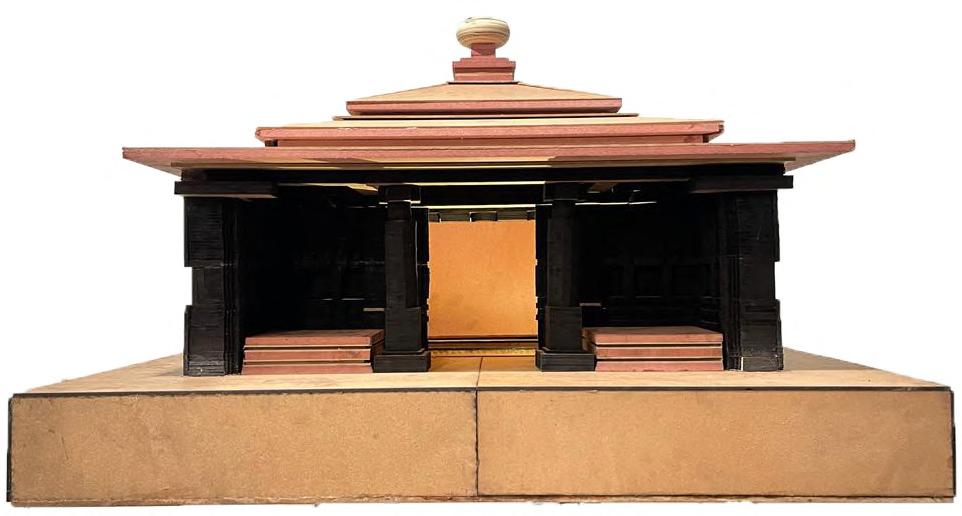
Atibaleshwar Temple
Syunrakot Naula
08 OTHER WORKS
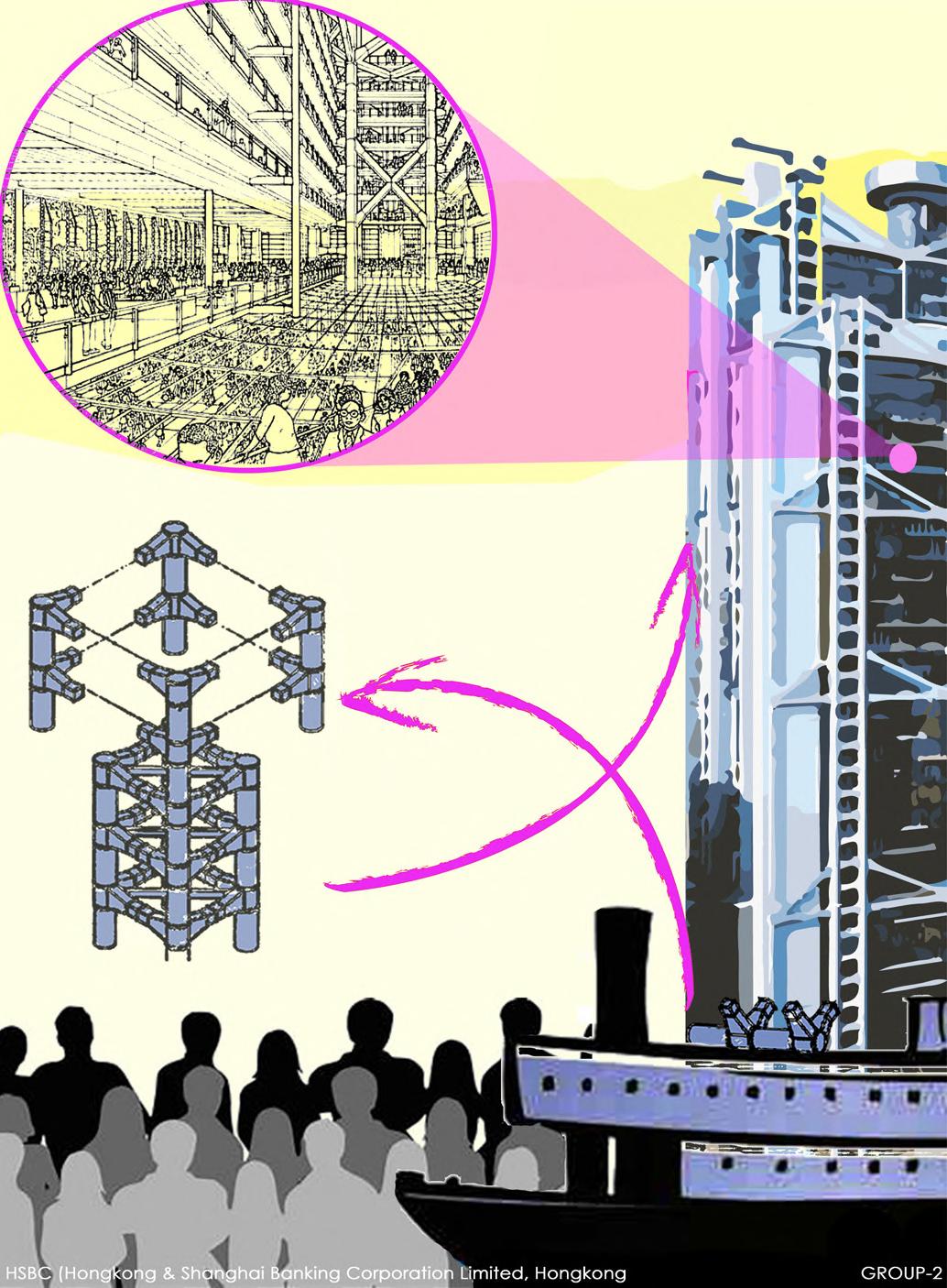
EXPLORATIONS IN DESIGN FIELD
PARAMETRIC EXPLORATIONS


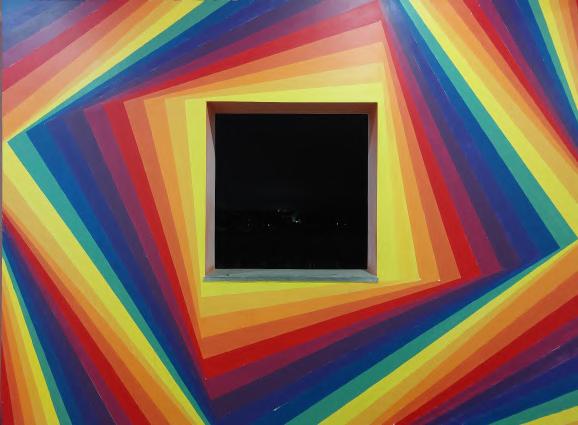
ARTWORKS








PHOTOGRAPHY