The delivery of education at the University of Guyana Berbice Campus (UGBC) is on the decline due to the increasing number of underqualified lecturers at the institution. This is the view shared by the UG Senior Staff Association (UGSSA) and former Director of UGBC, Professor Daizal Samad. Speaking with Berbice Times, Professor Samad said the situation has deteriorated since he vacated the office in July 2013, explaining that “several qualified lecturers have packed their bags and left”. Dr Jerry Jailall, Dr Julie Jailall and Kemuel Gaffar were identified as some of the lecturers who tendered their resignations since he demitted office. “In such a small place,
The struggle against alcoholism: Berbicians tell
if you have two doctors and one full Professor leaving, the signs are not good at all. The loss is inestimable, but this seems to bother no one, except students and the UGSSA,” Professor Samad told this publication. According to him, persons with mere first-degree qualifications have been thrust into classrooms with students left to pay the ultimate price. “UG generally has no way to measure teaching excellence – so people bully instead of teach. They do what they want, when they want, how they want and there is no accountability,” the former Director said. Professor Samad confirmed reports that a high percentage of the lecturers simply read from books, failing to encourage intellec-
tual discussions and equipping students with the requisite technique to think critically and analytically.
He lamented too that classes are often held off campus at the convenience of lecturers and outside of the legitimate timetable provided by the institution. The situation is further compounded when lecturers move to assign grades arbitrarily after failing to return assignments. “Examination questions are read out once and students have to scribble answers, then they exchange pieces of paper and mark each others’ work. We did this in primary school a few decades ago,” Professor Samad said as he continued to paint a picture of the poor standards that prevail at the tertiary institution.
Joan Campbell of Hopetown Village, West Berbice, is among 16 lucky customers who won prizes in the recently held MoneyGram and SurePay Mother’s Day Promotion.
The winners collected their prizes during a presenta-
tion ceremony held on May 28 at Neal and Massy staff facility, Ruimveldt, Georgetown. Deo Persaud, Chairman of NM Services Limited (NMSL) offered congratulations to the winners and disclosed that two other major promotions –“Back to School” and “Christmas” are on the cards for this year.
He said mothers are special and NMSL was very pleased to honour its valuable customers in a generous way.
Ms Debbie Baldeo, Senior Manager of MoneyGram said over 50,000 customers from across the country took part in the promotion and she congratulated the 16 winners and extended gratitude to the agents of MoneyGram and SurePay.
The prizes included gift certificates for Bounty Supermarket, King’s Jewellery World, Lifestyles Boutique, Nayelli’s Beauty Salon, hampers of beauty products from Geddes Grant and bill certificates for utility services.
In addition to Campbell, the other winners are: Shawndell Edwards of Epsom Village, Corentyne; Roseann Kendall of Friendship, East Coast Demerara (ECD); Lynette Adams of Blueberry Hill, Linden; Petal Lashley of David Street, Kitty, Georgetown; Andre Kelly of Sophia, Georgetown; Sylvia Luke of Golden Grove, ECD; Oral Greene of Eccles, East Bank Demerara (EBD); Doodnauth Singh of Seaforth Street, Campbellville, Georgetown; Assad Ali of Railway Line, La Bonne Intention, ECD; Surendra Persaud of Canal Number Two Polder, West Bank Demerara; Clifford Reid of Leonora, West Coast Demerara; Marlyn Hussein of Meadow Brook Gardens, Georgetown; Sheik Hassan of Eccles, EBD; M Shaheed of Providence, EBD and Norma Campbell of Ruimveldt, Georgeotwn.
President of the Berbice Chamber of Commerce, Mark Roopnarine said the Opposition and Government should stop pussyfooting on the need for swift passage of the Anti-Money Laundering and Countering the Financing of Terrorism (Amendment) Bill, days after the Caribbean Financial Action Task Force (CFATF) referred Guyana to the Financial Action Task Force (FATF) where the country can face tough sanctions due to its failure to enact the legislation.
“Everything intertwines, everything is dependent on something or the other… as a Chamber, we want to call on those that are heckling and pussyfooting about it, to really begin to see the bigger picture and begin to understand that everything is intertwined and it affects everyone, every business and systems that will be coming on stream regarding the development of our economy,” told Berbice Times in an invited comment.
“As a Chamber, we want to take this opportunity to call on those who are bent on maliciousness to really look at the bigger picture and understand the fact that everything is intertwined.” He said the non-passage of the Anti-Money Laundering Bill seen in the Chamber’s view is like “political terrorism”.
He said the local manufacturers are the ones that are being held hostage, noting too that the many families that depend on overseas financial assistance will also be affected. Roopnarine said “while we may say it’s too late and we have been blacklisted already, it is never too late to try and make an effort and reverse the damage done. The passage of the Anti Money Laundering Act must take place,” he stressed.
On its official website, CFATF last Thursday issued a public statement on this country at the end of its XXXIX Plenary Meeting held in Miami, Florida, USA. Government and the Opposition have been shilly-shallying over the amendments to the Bill for over two years. The Alliance For Change (AFC) in a statement said that the Bill could be passed within 72 hours if there is the political will to make it happen. The party proposed that the process be fast-tracked with the establishment of the Public Procurement Commission being implemented, and with the Public Accounts Committee selecting the five nominees at its next meeting. These five names can then be submitted to the National Assembly for approval by a two-thirds majority, the AFC said.
“Once the House approves the nominees, they can be appointed by the President. Following this, the AFC would have no hesitation in giving its support for the passage of the AML/CFT Bill. The party believes that this can all be accomplished within 72 hours and would represent a significant victory for the Guyanese people. The AFC urges all political leaders to support this proposal.”
CFATF, which comprises 27 jurisdictions within the Caribbean Basin region, said Guyana remains a country with strategic AML/CFT deficiencies due to its non-compliance with the Action Plan developed with CFATF.
“As a result of not meeting the agreed timelines in its Action Plan, CFATF recognises Guyana as a jurisdiction with significant AML/CFT deficiencies and the CFATF considers Guyana to be a risk to the international financial system,” the statement read. The financial institution has since sounded an alarm, calling on member countries to safeguard themself against Guyana.
“Members are therefore called upon to implement further countermeasures to protect their financial systems from the ongoing money laundering and terrorist financing risks emanating from Guyana. Also, the CFATF has referred Guyana to the FATF,” the statement further read. CFATF members are being encouraged to enhance their due diligence measures, introduce enhanced reporting mechanisms or systematic reporting of financial transactions; refuse the establishment of subsidiaries or branches or representative offices in the country concerned.
Additionally, it was clearly stated that countries should minimise their business relationships or financial transactions with Guyana and even persons within the country.
Mr Deo Persaud, Chairman of NMSL (seated second right) and Ms Debbie Baldeo, Senior Manager of MoneyGram (seated left) with the winners and other staff of NMSL at the presentation ceremony
Mark Roopnarine, President of the Berbice Chambers of Commerce and Development
BY SVETLANA MARSHALL
The delivery of education at the University of Guyana Berbice Campus (UGBC) is on the decline due to the increasing number of under-qualified lecturers at the institution. This is the view shared by the UG Senior Staff Association (UGSSA) and former Director of UGBC, Professor Daizal Samad.
Speaking with Berbice Times, Professor Samad said the situation has deteriorated since he vacated the office in July 2013, explaining that “several qualified lecturers have packed their bags and left”. Dr Jerry Jailall, Dr Julie Jailall and Kemuel Gaffar were identified as some of the lecturers who have tendered their resignations since he demitted office. “In such a small place, if you have two doctors and one full professor leaving, the signs are not good at all. The loss is inestimable, but this seems to bother no one, except students and the UGSSA,” Dr Samad told this publication.
According to him, persons with mere first-degree qualifications have been thrust into classrooms with students left to pay the ultimate price. “UG generally has no way to measure teaching excellence – so people bully instead of teach. They do what they want, when they want, how they want and there is no accountability,” the former Director said. Professor Samad confirmed reports that a high percentage of the lecturers simply read from books, failing to encourage intellectual discussions and equipping students with the requisite technique to think critically and analytically.
He lamented too that classes are often held off campus at the convenience of lecturers and outside of the legitimate timetable provided by the institution. The situation is further compounded when lecturers move to assign grades arbitrarily after failing to return assignments. “Examination questions are read out once and students have to scribble answers, then they exchange pieces of paper and mark each others’ work. We did this in primary school a few decades ago,” Professor Samad said as he continued to paint a picture of the poor standards that prevail at the tertiary institution.
“UGSSA is on spot, this time around,” Dr Samad posited, noting that the situation is worse than one can imagine. “One wishes it were as simple as under-qualified people teaching outside of what they have for a first-degree.”
According to the former UGBC Director, the situation was ameliorated in 2009 but the institution has returned to the pre-2008 period. “It is shameful, but I sense no shame at all in those who make decisions.”
Unqualified
The under-qualification of lecturers at the Tain Campus and by extension, the Turkeyen Campus resurfaced during a recent press conference with UGSSA and UG Workers Union (UGWU). UGSSA President, Dr Patsy Francis contended that lecturers at the Berbice Campus continue to teach outside of their areas of competence and have been teaching as many as seven courses. “It’s a disgrace! It is one university we have or are we giving the people in Berbice a lower quality of education? What is it we are doing?”
In the past, lecturers from Turkeyen Campus travelled to Berbice to offer their expertise but in an effort to cut cost, a decision was taken to discontinue this prac-
tice. The challenges facing the Berbice Campus will likely become mountainous, if the Government refuses to return to the National Assembly for Supplementary Funding for the University of Guyana to the tune of $450 million.
The Vice Chancellor of the university, Dr Jacob Opadeyi has confirmed that poorly subscribed programmes will be cut and the services of lecturers terminated, if the institution experiences a major shortfall in enrolment due to students’ inability to access loans for the academic year 2014/2015.
According to the UGSSA President, the Berbice Campus and the Institute of Distance and Continuing Education will be severely affected due to their programmes being poorly subscribed. “We cannot have it cut away, the people in Berbice deserve the Berbice Campus, we cannot have other programmes on campus which may not have large numbers such as History and Art being cut away, we will not allow it and I say categorically, we will not allow it!”
On Friday, Leader of the Opposition, David Granger told media operatives that it was never the intention of the A Partnership for National Unity (APNU) and the Alliance For Change (AFC) to disapprove funds for the tertiary institution, but it was lumped with other projects and organisations the parties have issues with. Nevertheless, he said, the Opposition is ready to approve a disaggregated sum for UG, but it is up to the Government to return to the House.
The Pan American Health Organisation/ World Health Organisation (PAHO/ WHO) on Saturday called on countries to raise taxes on tobacco to encourage users to stop and to prevent other people from becoming addicted to tobacco.
Saturday was designated “World No Tobacco Day.” According to PAHO, based on 2012 data, if all countries increased tobacco taxes by 50 per cent, they could reduce the number of smokers by 49 million within the next three years and ultimately save 11 million lives.
Every six seconds, someone dies from using tobacco, which kills up to half its users. It also incurs considerable costs for families, businesses and governments. Treating tobacco related diseases like cancer and heart disease is expensive. And as tobacco related disease and death often strike people in the prime of their working lives, productivity and incomes fall. “Raising taxes on tobacco is the most effective way to reduce use and save lives,” says WHO Director General Margaret Chan. “Determined action on tobacco tax policy hits the industry where it hurts.”
Tobacco taxes in the Americas
In the Americas, several countries have made progress in implementing tobacco price and tax measures. Two countries of the region are being recognised in conjunction with this year’s World No Tobacco Day campaign. Panama is the winner of the WHO Director General’s Special Recognition for its enactment in 2009 of comprehensive tobacco control legislation, that not only increased tobacco taxes, but also earmarked the resulting revenues for tobacco control and other health related initiatives. Costa Rica is the winner of a World No Tobacco Day Regional Award for its passage of a comprehensive tobacco control law that increased tobacco taxes to 71.5 per cent of the final price to the consumer (with additional automatic increases each year). It too requires that all new revenue be allocated to tobacco control programmes and other health initiatives.
Nevertheless, “much work needs to be done in the region, where few countries have met the recommended 75 per cent tax level on the final price of tobacco products recommended by PAHO and WHO”, said Adriana Blanco, PAHO/WHO advisor on tobacco control. “In many countries, tobacco prices remain low and affordable, especially for young people, which is of particular concern.”
The young, poor people
High prices have proven particularly effective in discouraging young people (who often have more limited incomes than older adults) from taking up smoking. They also encourage existing young smokers to either reduce their use of tobacco or quit altogether. “Price increases are two to three times more effective in
reducing tobacco use among young people than among older adults,” says Douglas Bettcher, Director of the Department for Prevention of Non-communicable Diseases at WHO. “Tax policy can be divisive, but this is the tax rise everyone can support. As tobacco taxes go up, death and disease go down.”
Good for economies too WHO calculates that if all countries increased tobacco taxes by 50 per cent per pack, governments would earn an extra US$101 billion in global revenue.
“These additional funds could – and should – be used to advance health and other social programmes,” adds Bettcher. Countries such as France and the Philippines have already seen the benefits of imposing high taxes on tobacco. Between the early 1990s and 2005, France tripled its inflation adjusted cigarette prices, and sales fell more than 50 per cent. A few years later, the number of young men dying from lung cancer in France began to decline. In the Philippines, one year after increasing taxes, the Government has collected more than the expected revenue and plans to spend 85 per cent of this on health services.
Tobacco
taxes
Tobacco use is the world’s leading preventable cause of death. Tobacco kills nearly six million people each year, of which more than 600,000 are non-smokers who die from breathing second-hand smoke. If no action is taken, tobacco will kill over eight million people yearly by 2030, more than 80 per cent of them living in low- and middle-income countries. Raising taxes on tobacco to help reduce tobacco consumption is a core element of the WHO Framework Convention on Tobacco Control (FCTC), an international treaty that entered into force in 2005 and has been endorsed by 178 parties. Article Six of the WHO FCTC, Price and Tax Measures to Reduce the Demand for Tobacco, recognises that “price and tax measures are an effective and important means of reducing tobacco consumption by various segments of the population, in particular young persons”.
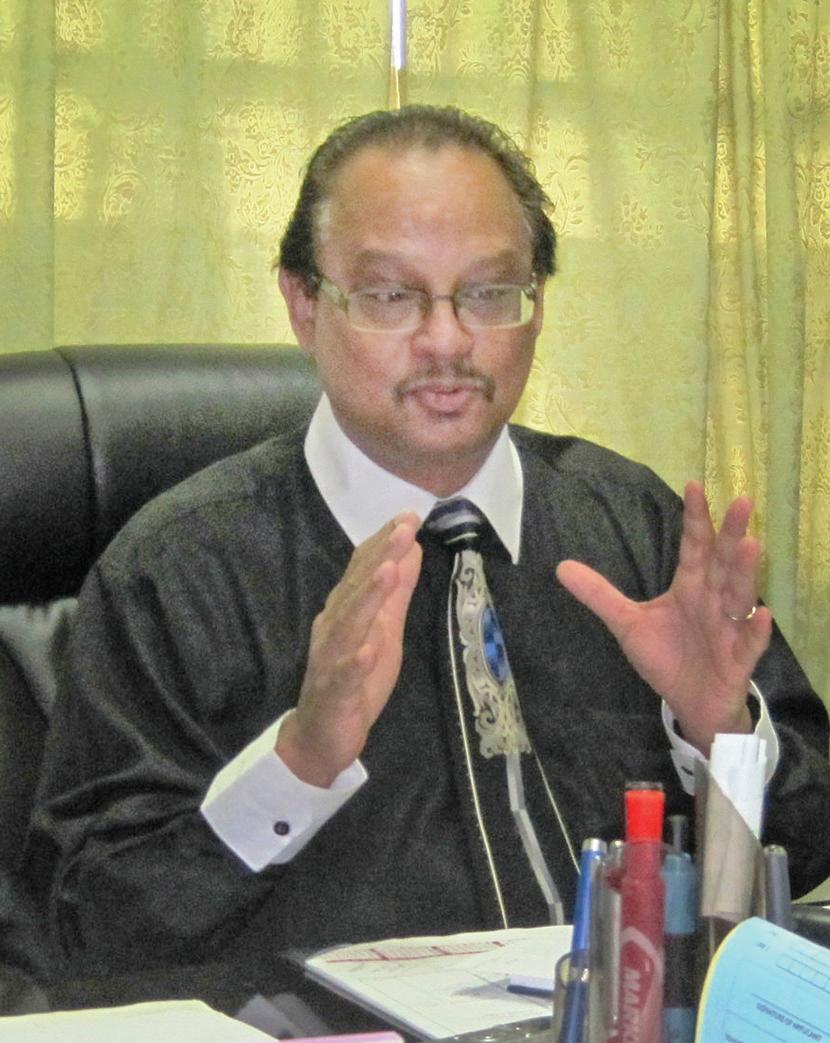
Former Director of UGBC, Professor Daizal Samad
Dr Patsy Francis, UGSSA President
WHO Director/General Margaret Chan
Truth Simply the
Anyone leaving home for the first time suffers a kind of fracture in the mind. The farther one goes into the unknown the more severe the fracture. The farther the place and when there is no one at the destination point, the fracture becomes like a fullblown breakage.
The circumstances of departure can make things worse too, and the sense is almost akin to an amputation. These days, people leave Berbice for Georgetown, which is close enough to be well-known. There is now a great amount of journeying, and going to GT has become ordinary although it is still unpleasant.
These days, Berbicians (like most Guyanese) leave Guyana more often than not to find friends and family waiting for them at JFK or Pearson, in New York and Toronto, respectively. It lessens the pain to have a piece of home waiting for you in a foreign place.
My first departure from Berbice was to go to Georgetown, a strange and relatively unknown place. But I had aunts and cousins there, so the sense of fracture was not extreme. And I left Berbice to attend UG, which meant that there was some future in the departure. I also had the luxury of returning to Berbice almost every weekend.
The second time I left Berbice was to go to New Brunswick, Canada, to read for my Master’s, that now-very-ordinary degree in most places. It was a difficult departure. Guyana was then broken upon the rack of dictatorship, so the leaving at a certain level seemed like escape from hell.
I knew a few folks in Toronto but knew no one in New Brunswick. The leaving was harder because the arrival was uncertain. The most I had heard of New Brunswick was “Brunswick Sardines”. I had no idea that it would take two more planes to go from Toronto to Montreal and then from Montreal to Fredericton, New Brunswick.
There are only a few Guyanese in Canada who have an idea of how large and varied that great country really is. Most of them are stuck in the work/home/eat/tv/sleep/awake/work/home/ eat/tv/sleep/treadmill. Most of them in and around Toronto. They put aside their pennies, but there is frequently no depth of purpose beyond material accumulation.
For the first year in New Brunswick, I had no television. In fact, I had never seen a TV before. I had a small radio which was always on CBC Radio which played classical music. Listening to Mozart, Beethoven, Bizet, Chopin, Wagner, and so on helped me to concentrate. I shared a small room with a Vietnamese Canadian from Toronto who was reading for his first degree. He missed Toronto and his car so much that he suffered a mental breakdown.
The apartment had two other rooms, one occupied by two young men from Hong Kong (Danny Lui and Ho Ping) and the other room occupied by two Malaysian Chinese (Tan Chen Sang and Kong). One kitchen. One bathroom.
I missed my Berbice and my Guyana so badly that I often wept. I was unsure about money, although I did have a generous scholarship from the University of New Brunswick. Study was my consolation, and I worked for the Master’s as if it were a golden chalice. My intention was to return to Guyana and use what little talent I had to serve this nation. I was taught quickly, however, that the Master’s was simply a stepping stone to the PhD and the PhD was a mere stepping stone to a real career in scholarship.
I was still researching and publishing, while advocating for foreign students to have better rates on tuition and on insurance. Guyana was still very much on my mind. And I missed Berbice to lonely tears.
BY SHIRAN RAMNAUTH
There is growing concern about alcoholism in Berbice, with many teenagers now turning to rum drinking as the preferred social activity and also as a means of coping with stress.
Alcohol is a major economic commodity that is associated with substantial governmental tax receipts and considerable consumer expenditure. The European Union is considered the centre of the global alcohol industry, acting as both the largest market and the major producer of alcoholic drinks.
On average, Guyanese consumed more than eight litres (17.5 grams daily) of pure alcohol in 2010, compared to the global figure of 6.2 litres (13.5 grams daily), the World Health Organisation (WHO) said in a recent report. That is, alcohol consumption in Guyana in 2010 was equal to 8.1 litres of pure alcohol consumed per person aged 15 years or older (15+). However, the average drinker in Guyana consumed more than 3.5 gallons (13.7 litres) or 29.76 grams daily.
A one-seventh of this consumption (14 per cent) was unrecorded, that is, homemade alcohol, illegally produced or sold outside normal Government controls. Of total recorded alcohol consumed, 77 per cent was consumed in the form of spirits, while 23 per cent was beer, less than one per cent wine, and less than one per cent other. Some 40.5 per cent of the population aged 15 years and older had not consumed alcohol in 2010, while 11.5 per cent of the males and 28.8 per cent of females in this age group were lifetime abstainers. About 15.2 per cent of male drinkers (10 per cent of the population aged 15 and older) engaged in heavy episodic drinking, that is, consumed at least 60 grams of pure alcohol at least once per month.
Berbice Times spoke to several addicts who shared their personal experiences of becoming dependent on alcohol. According to most of these persons, it is something that took place over a period of time as a result of poor choices along the way. Initially, they turned to alcohol as a means of coping with whatever issues that were affecting them in their lives.
Harry Persaud, one such individual, said he became an addict due to frustration and the inability to cope with life. The 52-year-old former Police Officer said due to a terrible accident which left him with broken bones and several other injuries that could not be completely healed, he commenced drinking to alleviate the pain. “I was a policeman and I was involved in an accident while on duty, but no one gave me any compensation or anything, and I have to deal with my pain and stress… what better way than to get drunk, White Rum is the boss,” he stated while sitting at a rum shop.
He also pointed out that he suffered also at the hands of an ophthalmologist at the Port Mourant Hospital, who he alleges during a surgery left him partly blind in one eye. “I had an eye infection and I went to the hospital, when they done give me
It has been over 14 months since the discovery of US Army Physician, Captain Max Kungel’s body was discovered riddled with bullets in a rented Toyota Tacoma in the backlands of Number 70 village, Corentyne, Berbice and it leaves more questions than answers.
Kungel, 42, of Charlotte, USA and Number 72 Village was holidaying in Guyana at the time of his death. He was discovered in a sitting position in the driver’s seat of the Tacoma riddled with bullets and stripped of all personal belongings – his wallet was found outside of the vehicle. The discovery was made on Sunday, March 17, 2013 by passersby heading to the backlands a mere 10 days after Kungel arrived in Guyana. A post-mortem examination subsequently revealed he was shot five times about the stomach and died as a result of shock and haemorrhage from the gunshot wounds he sustained.
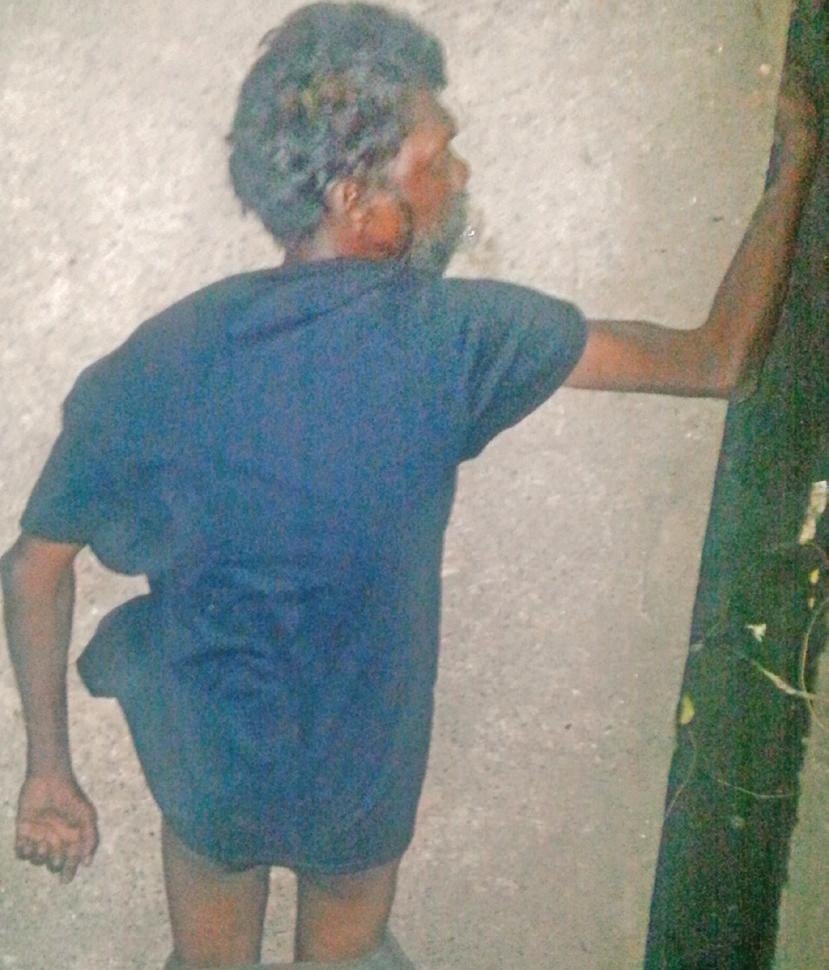
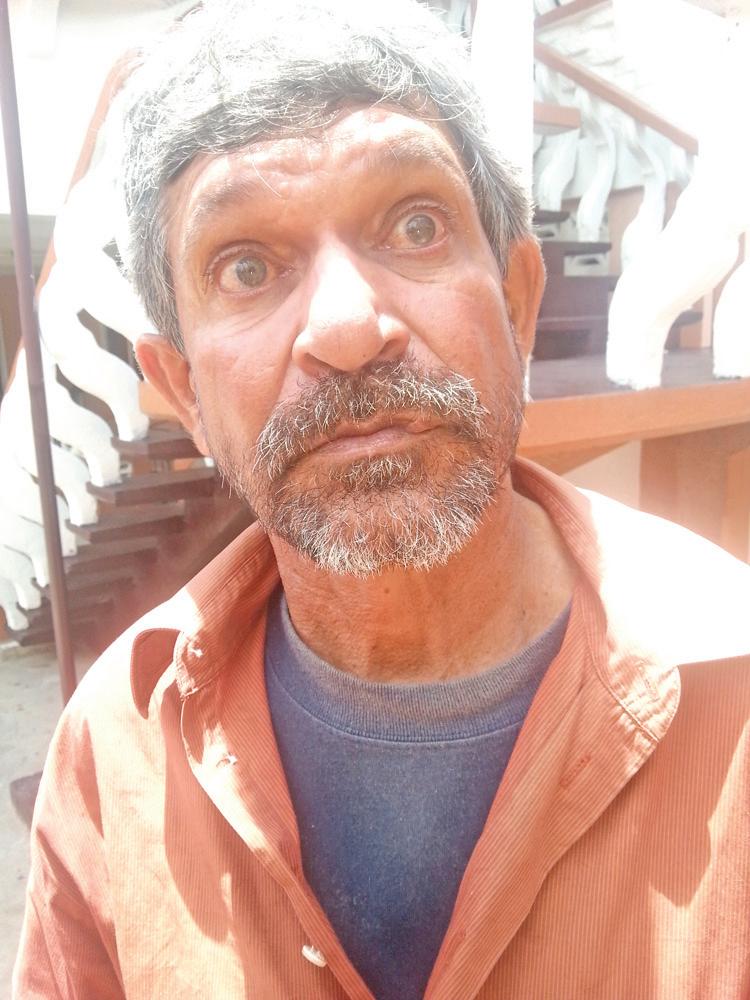
surgery and eye drop me stop seeing… and is only recently I began to see again and with only one eye,” he lamented. The man is blaming his inability to cope with the physical and mental issues that affected him during his illness, which he said had caused him to become depressed and which further drove his addiction to alcohol. Another addict, a woman named Dhanmattie Bhudoo said it was due to the abuse and trauma suffered at the hands of her late husband that she became an addict. She said that she would take a couple drinks unknowingly to her husband just to numb her emotions but as the time went by, those few drinks multiplied until she began consuming almost half of a bottle daily.
She became very susceptible and subsequently dependant. Rum is the first thing she thinks of as soon as she wakes and it’s a must for her to get through her day.
Meanwhile, while some are of the opinion that the addiction is difficult to break, an ex addict told this publication that with God and a strong will, anything is possible. Chandradat Seejaya called “Bachan”, 51, a hire care driver of Bush Lot Farm, Corentyne said he became an addict during his teenage years. “Since I was a young boy growing up in school my friends encouraged me to take a shot here and there …and by drinking one, one I became perfect in it… at the age of 18, I got married and was already an alcoholic,” he said, while explaining that he never listened to his parents’ advice.
He said all he cared about was getting the rum and as such, his wife and children faced the consequences of his addiction. “ I suffered them a lot due to the drinking… as I get older, I realise that this path was a destructive one and my family suffered… I try to stop numerous times but was unable to do so, I suffer my family and drink out all my money,” he noted.
He also confessed of being verbally and physically abusive to his family during his time as an addict. He encouraged those in need to seek assistance and to desist from abusing their families as there is a consequence behind every action. He opined that there is always a choice and advised those hooked on alcoholic beverages to seek help, as without commitment, sacrifice and God’s intervention, its impossible.“I was an alcoholic since I was a teenager and if I can get out of it, anyone can… it’s about the choices we make and with God all things are possible… don’t play the blame game. You can do it if you want to,” he said.
he killed? How did he end up in the backlands? How many attackers were there as he is not known to give up easily? Was he killed because he knew his assailants? These are the questions that were asked at the time of death and still remain unanswered.
As the investigations continued with the aid of overseas forensic experts, several persons were arrested including a cousin of the dead man, Omesh Thankurdeen, age 27, of Number 72 village, Corentyne. He was placed in the lockups at Number 51 Police station around 20:45h on March 18, 2013 and was said to be assisting with investigations. He was, however, found dead the following morning, hanging from the grill of the lockups. The discovery was made after routine checks around 05:30h by Police ranks at the station. He commit-
ted suicide by hanging himself using his shirt. Was it guilt that made him commit suicide? Kungel’s family does not share that opinion as they are a close knit family and do not believe Omesh would harm his cousin.
An uncle of Kungel, Deodat Persaud Thakurdeen related that the investigations are now at a standstill as the US law enforcement agencies await the Guyana Police Force to complete their investigations before they can make public their findings, and this has not happened as yet. There were no new reports or leads from local Police and it is very frustrating, since the family needs answers to bring some closure to the loss of their loved one.
Speculations are that he was murdered over a property dispute, however, this has not yet been proven and at its current stage, the family has little hope that the Police will crack the case. They are appealing to the American authorities to take charge and bring the perpetrators to task, so that justice can be served and more importantly, provide answers into Kungel’s death and the suicide of his cousin.
If robbery was the motive, why was
Professor Daizal Samad
Dr Max Kungel
Chandradat Seejaya
Dhanmattie Bhudoo
Harry Persaud
Aformer Guyana Defence Force (GDF) soldier is still showing his patriotism towards his country by giving back to society.
Linchon Williams, 65, of Islington Village, East Bank Berbice, who served the GDF for 18 years and retired as a Sergeant, is now a vendor at the New Amsterdam Market. However, he is not just bound to his current occupation. Williams sees the need to be actively involved in ensuring youths are equipped with musical skills.
In an exclusive interview with Berbice Times, this army veteran gave insight into the initiative he is now pursuing. “I am a musician by heart and I love music… I had a steel pan before, it was the best in New Amsterdam (Amsternite Symphony) it was top class in those days,” he said.
Williams said he is now involved in training approximately 50 youths in mastering
sirous of utilising their services. He noted that all of their performances were free of cost but of recent, being satisfied and overwhelmed by the performances of these youths, a stipend or donation is not being requested from those who utilise the talents of the young musicians.
Also, all of the musical instruments and the necessary requisites are sponsored by the Council of Friends of New Amsterdam (COFONA).
COFONA comprises a group of people who originated from the township but now reside overseas, and who are driven by a passion and drive to give back to their community and assist the nation’s youths in becoming productive citizens by becoming involved in meaningful activities.
Williams said he had a passion for music since childhood and it has helped him to become a better person.
various musical instruments. The name of the troop is the COFONA Drum Corps and Williams serves as the Director/Instructor.
In addition to teaching music, Williams provide lessons in personal conduct, disciplinary skills, and effective communication skills. He explained that these youths originated from as far as Edinburgh, Tuckber Park, Angoy’s Avenue, Canje, De Kinderen, and its environs.
This strategy, Williams posited, focuses on taking at-risk youth off the street, turning them away from a life of crime and giving them positive role models by offering them healthy, more positive alternatives through music.
“I am doing extensive disciplined training with them and it is my hope and wishes that they become professional musicians and play competitively at all levels,” he said. The retiree highlighted some of the events that they regularly perform at, which includes Remembrance Day, Independence Day, Labour Day, hospital, church activities and school activities.
Additionally, Williams stated, the group is at the service of anyone who may be de-
His advice to youths who feel left behind is to stay focused, stay in school and away from drugs, remain positive and not only be involved in academics but become a part of music.
“Music enables you to be more loving, caring and it elevates you… it calms and relaxes you. Music will take you at a different level and make you a better person,” he added.
He described the importance of the programme as playing a pivotal role in assisting our youths as they are able to connect with something they can be passionate about and respect life through their music. “It’s better to put a guitar in a child’s hand than a gun,” Williams concluded.
How many of us realise that by simply taking a break we could re-energise and boost our willpower in just a few minutes. For example, a rested mind is more likely to stick with healthy habits. In other words, walking away from your desk and turn ing off your phone are, after all, not bad ideas. I can assure you that taking a vacation will make you feel useful instead of wasteful.
You’ll be more refreshed and ready to dig in when you return to what you were doing, because better focus and attention can certainly lead to better results as well. It is important when you schedule your day to consider when your body and brain will need a reboot.
For example when you’re working on a project, schedule yourself to take a break for every couple hours of focused attention and for some, mini-breaks may be even better.
Usually, people who take the time to have a vacation will have better outlooks on life and more motivation to achieve goals. Keep in mind too that it does not have to be two weeks in another country, either. Just a day away and you’ll see the benefits. Many people don’t realise but even better, the biggest boost in happiness comes directly from planning the actual vacation.
For example, you can feel the effects weeks prior to the trip whereever you may plan to go. And the good thing is that when you are all done with that retreat, you can start planning the next one, because it will give you something to look forward to which can be rewarding.
One must realise that play is not just for children. In fact, taking time to play has great benefits for both children and adults. Leisure time or play if you will is just as important as sleep. Adults who play can enjoy freedom from time, because it is at that time people bring balance to their busy lives.
Relationships can also be enriched by taking vacations as well. It also makes good memories and is the glue that binds us. Spending time together enriches a marriage, which strengthens the family foundation. It can also provide an opportunity to talk to each another and learn new skills or even discover new interests, which in turn can make life more interesting.
Spending time together as a family definitely provides children with feelings of love, support and safety, which are important components for thriving in today’s uncertainties. Keeping in mind too, that children who see their parents having fun and enjoying life learn valuable lessons about life as well. We all need a break once in a while and by taking a vacation, you are giving yourself the opportunity to detour from your regular deadlines and to be away from technology. Sure enough it takes a lot of effort to unplug from every task around your world, but keep in mind that your mind and spirit will be renewed by replugging into the joys of quality time with what is important in life, family and friends that is. So I guess it is time for a vacation.
For questions, comments or any feedback, please send email to mcnarine@rogers.com
Seven-year-old Abigail Joseph of 59 D Bush Lot Village, Corentyne, Berbice, disappeared on April 2 last and to date, the Police have not made any breakthroughs with their investigation.
The girl’s father Donald Joseph, speaking with Berbice Times said his daughter was at their Bush Lot, West Coast Berbice home with her mother when she disappeared. The distraught man said he is very worried and is pleading for her safe return.
The child who is a student at the Bush Lot Primary is described as a jovial individual who always loves to put
a smile on someone’s face. The father is of the view that the child may be with her mother from whom he separated from some three months ago, as she too has not been seen. However, he also believes that his reput-
ed wife would have let him know if little Abigail was with her. He finds it strange that he has not been able to make contact with her since the child went missing. In the mean time, he has been checking with all known relatives and friends where he thinks his daughter could be. But as the days go by and turn into weeks and months, the worried father fears the worst but prays she is ok. Anyone knowing the whereabouts of seven-year-old Abigail or her mother, in whose care she was last seen, is asked to call telephone number 674-5147 or the nearest Police station.
Narine Dat Sookram
COFONA Drum Corps performing at the launch of Vaccination Day
COFONA Drum Corps
Abigail Joseph
The construction of buildings close to each other is illegal and a fire hazard, and creates difficulty for firefighters. These conditions exist in New Amsterdam, Rose Hall Town and more so, in Corriverton because of errant town engineers.
Divisional Officer of B Division’s Fire Department, Compton Sparman has expressed concern over the situation. “There is something called a fire break that is recommended and also included in the by-laws.” This, he added, is the responsibility of the Town Council.
According to Sparman, because of the lack of adequate space between some buildings, firefighters have great difficulty in preventing some fires from spreading to other buildings. “Because there is no break between the two buildings and most of the buildings are wooden structures and you cannot put a fireman between the two buildings to save one, because the risk is too great. So you find that a fire is likely to spread very quickly because the buildings are too close.”
This is because persons have been ignoring the municipal bylaws. “And the city or town engineers are condoning it and there is nothing that the fire department can do,” Sparman told this publication.
fire department, most times construction work has already commenced because of this system. People don’t want to wait because it has to go first to the local authority in the area or the Town Council. If it is a township, the application then goes to CH&PA then to the fire department for approval and recommendations, then back to CH&PA for approval by a board.”
When approval is given by the board then construction should commence and that should include approval from the fire and the sanitary departments.”
According to the senior firefighter, on many occasions, the department recommends dry risers to be included in the plan so that persons at the scene
According to Sparman, another of the major challenges facing the department is that plans do not come to the fire department before construction commences, especially if it is a highrise building.
The fire fighting official says if the fire department does not issue a fire safety certificate, that will not stop the relevant agencies, including the Guyana Revenue Authority (GRA) from issuing a licence for the business to operate in that building. “We are saying that the place is not fit from a fire safety perspective, but there is no law saying that GRA cannot issue the licence.”
Meanwhile, the senior firefighter also expressed concern over the current system under which licences are being issued for business places. There are a lot of businesses operating in buildings that do not have fire safety certificates in Berbice.
For any building to be constructed, once the building is being used for business – be it Government or private sector – the plan comes to the Guyana Fire Service through the Central Housing and Planning Authority (CH&PA).
He says there is a problem with that system. “Most times when these plans are sent to the fire department, construction would have already commenced. For instance, there is a building in New Amsterdam at Theatre Alley before the plan was being processed, the building was already being constructed. There are many other buildings when these plans come to the
can start firefighting before the Fire Service arrives. “Once it is considered a high-rise building, after three stories we recommend something called a dry rising system. This is a system that consists of pipes on each floor with an inlet compatible with the fire service equipment so when we arrive we pressurise the system and whichever floor the fire is on we go up and fight the fire from that floor.”
He explained that the dry rising system includes valves and nuzzles. This, Sparman noted, is very important in firefighting. “This has to be implemented from the construction stage, so when they start construction and we recommend a system like that… When we go, the building is already completed so they cannot implement the system and yet still we are called upon to certify these places and issue a fire safety certificate before these building could be licensed by the relevant agencies.”
Sparman however noted that under the new management at GRA Berbice, the department is receiving much cooperation. “We are not waiting until something happens, we want to be proactive in our approach,” he added.
The best way to fight a fire is to fight it before it starts by knowing the layout of buildings, water sources including fire hydrants. “All these are things that we have to know up front. So that when we arrive on the scene we could move head on because we already know what is the risk involved.
The Fire Chief is suggesting that one central agency issue certificates after they would have gotten an approval from all of the other safety stakeholders. “Each agency has their own laws under which they operate. These buildings are going up in New Amsterdam, Rose Hall and Corriverton and they are too close to each other. In the event of a fire, there is not much that we, as firefighters, can do.”
Meanwhile, the lack of functional fire hydrants in New Amsterdam and a town reservoir that is clogged are also of major concern to the department.
We are appealing to the relevant authorities to have the Republic Road Canal (Backdam Road Trench) cleaned. The strategy of the fire department is that they move with 3500 gallons of water in the tank, but if the fire is out of control, there will be need to source additional water from either a hydrant or open water source.
The New Amsterdam Hospital (NAH) benefited from much needed medical equipment, compliments of an overseas based Guyanese. The simple handing over ceremony of a foetal monitor took place in the boardroom of the NAH on Friday.
Medical Superintendent of the hospital, Dr Vishyala Sharma expounded on the vital importance of this piece of medical equipment.
“It may seem a small piece of equipment, but we all know the pivotal role it plays in the delivery of quality maternal health care… the NAH has done approximately 1900 deliveries for last year,” she said, while pointing out that foetal monitoring may help with possible recognition of problems with the foetus.
She explained that foetal heart rate monitoring is used in nearly every pregnancy to assess foetal well-being and identify any changes that might be associated with problems during pregnancy or labour. Foetal heart rate monitoring is especially helpful for dealing with high-risk pregnancy conditions, such as diabetes, high blood pressure, and problems with foetal growth.
Foetal heart rate monitoring is a procedure used to evaluate the well-being of the foetus by assessing the rate and rhythm of the foe-
tal heartbeat.
Chief Executive Officer of the facility, Allen Johnson, while extending his gratitude for this much needed gesture, stated that whenever there is an addition of equipment at the hospital, which makes their jobs more efficient, it makes everyone happy. The foetal monitor would be extremely useful as their aim is to improve the daily delivery of maternal and other health care.
Meanwhile, Regional Chairman David Armogan, in his remarks, said it was a very significant event as they will be given a piece of equipment that the hospital does not have at the moment.
“It is extremely important to monitor the health of our babies before birth and it’s a timely gesture… as the mandate of the facility is to provide optimum care and this equipment will enable us to improve on the care and services offered to clients,” he said.
The foetal monitor was donated by an overseas based Guyanese, Dr Tulsi Dyal Singh, who is now a topranking doctor in Midland, Texas, USA.
Another major project that Dr Singh was involved in was the construction of the computer laboratory at the Berbice High School which Armogan said is of significant within the education sector, among others.
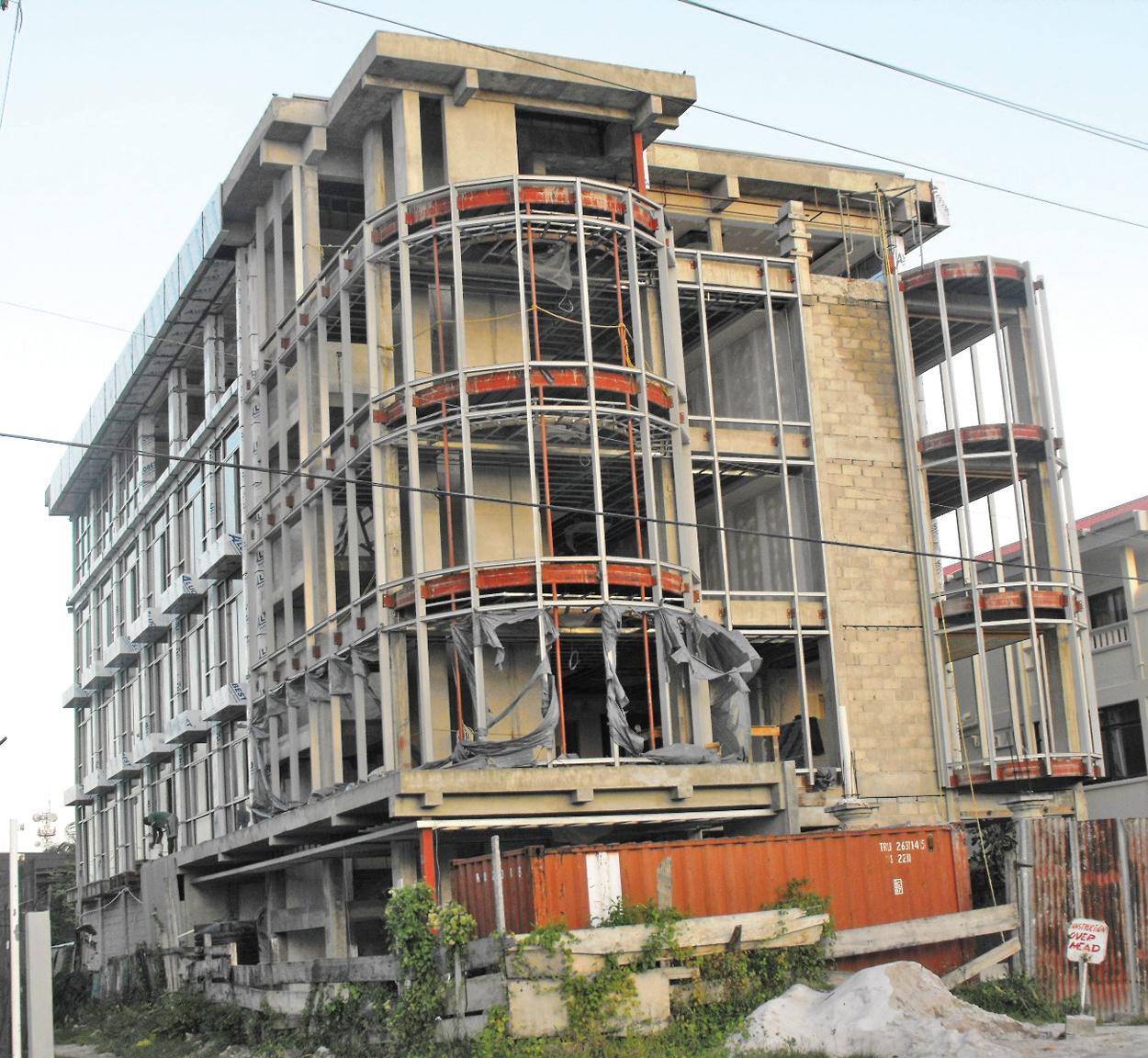
The building at Main Street and Theatre Alley where construction began before approval from the fire department was granted
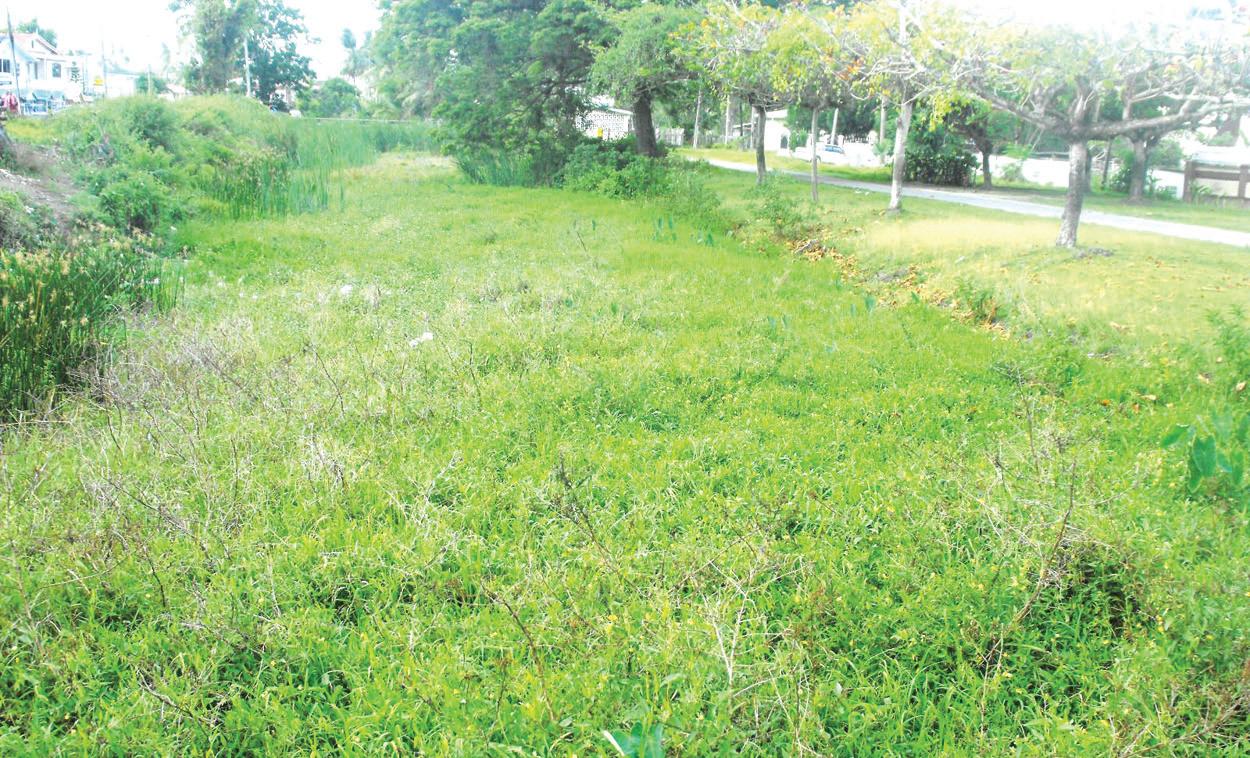
Republic Road Canal in New Amsterdam which should be a water source for fire fighters
B Division Fire Chief Compton Sparman
Regional Chairman David Armogan handing over the monitor to a staff member of the New Amsterdam Hospital
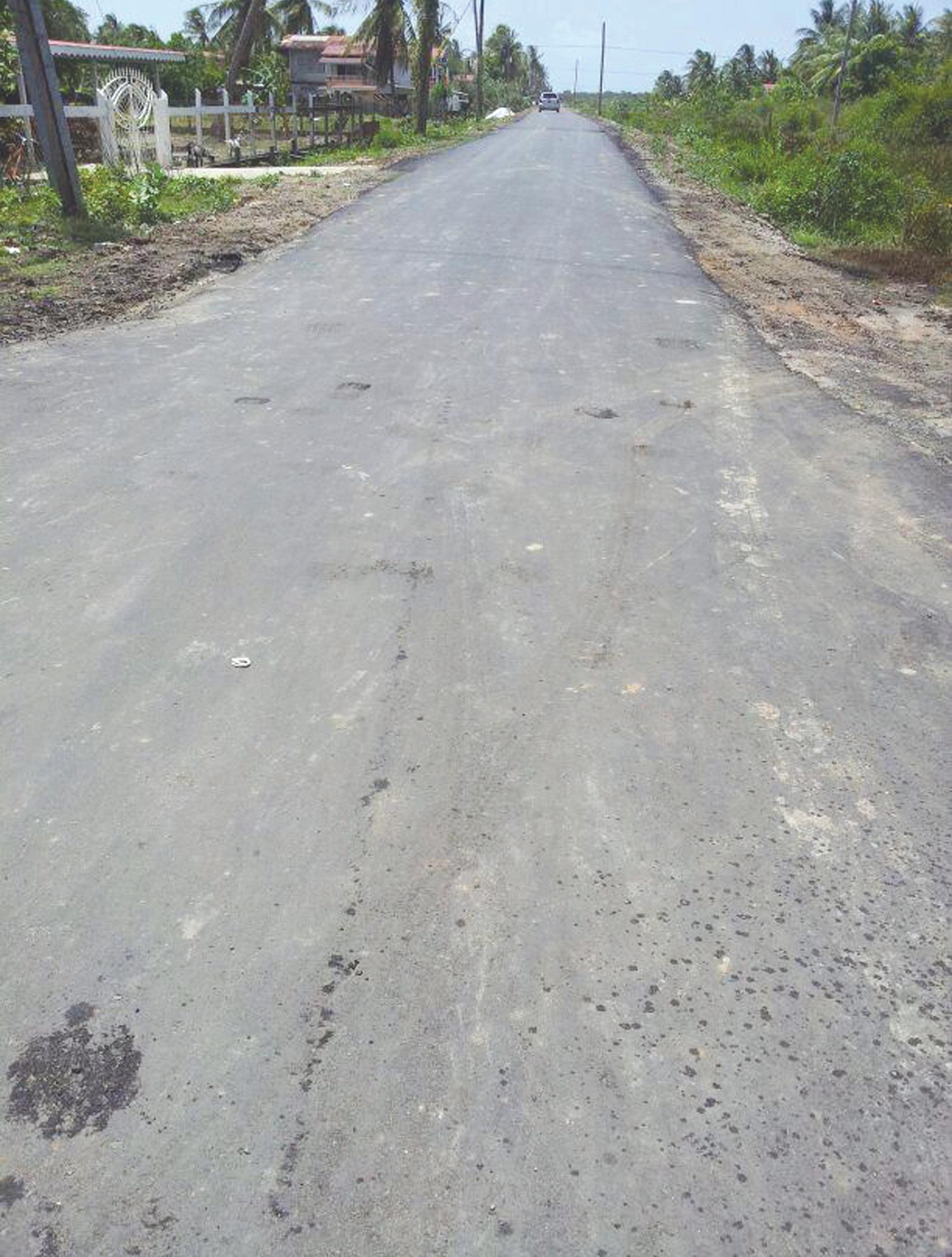
Residents of Kilcoy/Chesney (Northwest section), popularly known as “Hogtown” are praising the Regional administration for their spanking new road. The main access and idle street were recently rehabilitated to the tune of approximately $45 million.
The residents told this publication, that for many years, they have been affected by the deplorable state of the road. “Car nah want come in the street because them holes deep and them frighten them car bruck up” said Babita, 54, who has been living there all her life. The road was constructed a long time ago and has been left to deteriorate ever since. Many times, residents have had to place posts with bags to warn unsuspecting drivers and cyclists of the huge pot holes. Vehicular traffic could not traverse the road due to the huge craters on the main access road.
The road was rehabilitated with asphaltic concrete which is more durable than the Double Bituminous Surface Treatment (DBST) material popularly known as “chip seal”.
This, according to Region Six Vice Chairman Bhupaul Jagroop, was done as a result of the rising amount of heavy duty vehicles that traverse the roadways.
He said the increased traffic would damage the bituminous roads much faster. As such, the administration has taken the initiative to make more asphaltic roads, even though they are a bit more expensive to construct. The Vice Chairman added that they are much more durable than that of the DBST roads and require less maintenance over a longer period of time.
The administration is in the process of making most of the main access roads across the region with asphalt. Presently, works are ongoing across the region on roads and streets under the Public Works Ministry’s miscellaneous roads project which was awarded late last year. Under the project, several new roads will be built while some will be rehabilitated from crusher run to DBST, DBST to asphaltic concrete and some starting from scratch to DBST or asphaltic concrete.
On another note, 12 mini excavators have been deployed throughout the region by the administration to assist in drainage and irrigation in anticipation of the May-June rainy season. The excavators are assigned to the NDC and when work is completed in one area, the machines are moved to another area across the region to commence works.
The Pan-American Health Organisation (PAHO) says Latin America and the Caribbean have established new targets for expanding diagnosis and antiretroviral treatment (ART) and reducing patients’ viral loads by the year 2020.
The accord with partner agencies is viewed as a move by the region to jointly address the HIV epidemic and improve the lives of people living with the virus. PAHO said that the new targets dubbed “90-9090,” were adopted during the first Latin American and Caribbean Forum on the HIV Continuum of Care, which is being held here this week.
It said the forum was organised by a coalition of partners, including Mexico’s Secretariat of Health and UNAIDS.
“Expanding early diagnosis and treatment combines the clinical benefits of early treatment for patients with benefits to the population of preventing transmission,” said César Nuñez, Regional Director of UNAIDS for Latin America.
The head of PAHO’s Hepatitis, Tuberculosis and Sexually Transmitted Infections Unit, Massino Ghidinelli, said the new targets are a step forward in controlling the HIV/AIDS epidemic. “If we want more people to be on treatment and to achieve undetectable viral loads, they have to know their diagnosis and begin treatment early,” he said.
UNAIDS estimated that in 2012, some 1.8 million people in Latin America and the Caribbean were living with HIV, and some 98,000 people became newly infected. New PAHO estimates for 2013 suggest that 70 per cent of people living with HIV in Latin America and the Caribbean know they are
infected, adding this is an average based on data from countries that account for 62 per cent of the region’s HIV epidemic.
However, it said in some countries, fewer than half know their HIV diagnosis.
Expanding testing by increasing the availability of tests and involving communities and civil society in the effort will lead to more people with HIV seeking the treatment they need, PAHO said. It said about 725,000 people with HIV were receiving antiretroviral treatment in Latin America and the Caribbean as of December 2012, stating that preliminary estimates suggest this number increased to more than 800,000 by December 2013.
PAHO said treatment coverage rates in Latin America and the Caribbean are higher than in any other low- and middle-income region. However, it said World Health Organisation’s (WHO) newest HIV guidelines recommend earlier initiation of treatment, when one’s CD4 cell count falls to 500 cells/mm³ or less, which has increased the number of people who meet the criteria for receiving treatment.
PSHO said applying the new criteria to 2012 data would reduce the region’s coverage rate to 43 per cent and that expanding treatment would contribute to better health for people with HIV, reduce cases of AIDS and prevent new infections. PAHO said as a result, regional countries agreed to revise their models of care to make treatment more accessible. It said data indicate that about 66 per cent of people with HIV in Latin America and the Caribbean had suppressed viral loads in 2013. PAHO said reaching the 90 per cent target will require improved patient adherence to treatment. (CMC)
The Williamsburg Health Centre which offers an extensive line of health care services to adults and children, on May 27 observed its 4th annual Health Centre Day.
The day facilitates the interaction between community members and heath workers and offers feedback to the health-care providers as to how the centre can better improve its services. The health centre which serves some 36,000 residents from Albion to Rose Hall Town came in for high praise when residents testified to the quality of service and helpful staff.
Care Programme. She noted the facility recorded the highest number of girls receiving the HPV vaccine.
Davis called on parents and encouraged
Chief Executive Officer of the Berbice Regional Authority, Dr Vishwa Mahadeo congratulated the team at the centre, and at the same time, encouraged them to continue striving for success. In light of the recent detected cases of the Chikungunya virus in the region, Dr Mahadeo urged residents to take precautionary measures against the mosquito borne disease.
“We are asking you to pay attention to your yards, don’t have reciprocals that are open where these mosquitoes can breed. Spray the homes, use mosquito nets… We have the rainy season which will add more water, it will be more susceptible because of empty containers around... take precautions”, he stressed.
Further, Dr Mahadeo promised residents that as of June, the health centre will introduce a health care programme for the elderly, where persons age 65 years and older will have a day dedicated to them where they will be seen, examined and treated by a doctor.
Delivering the health centre report, Health Visitor Olive James posited that the centre recorded a 100 per cent rate in vaccinations. She noted that during the twoyear period, many persons benefited from the 15 services offered, ranging from diabetic foot care, antenatal clinic, and general counselling and testing, among others.
She noted, that the staff at the centre will continue to provide the best of care the communities. Senior Health Visitor Terry Davis applauded the health-care facility for its vibrant School Health
them to have their daughters ages 10-13 years vaccinated, since they will be investing in the future health of their children. She also urged the adults to check with their respective health centres to ensure they receive all the necessary vaccines.
The senior health visitor thanked and congratulated the nurses for their hard work.
“Just recently nurses in Guyana and around the world celebrated International Nurses Week under the theme “Nurses a Force for Change” – and looking around this community, you can see that nurses are indeed a vital change because every day they are advocating for change. In celebration of the health centre day, the centre also hosted a blood drive.
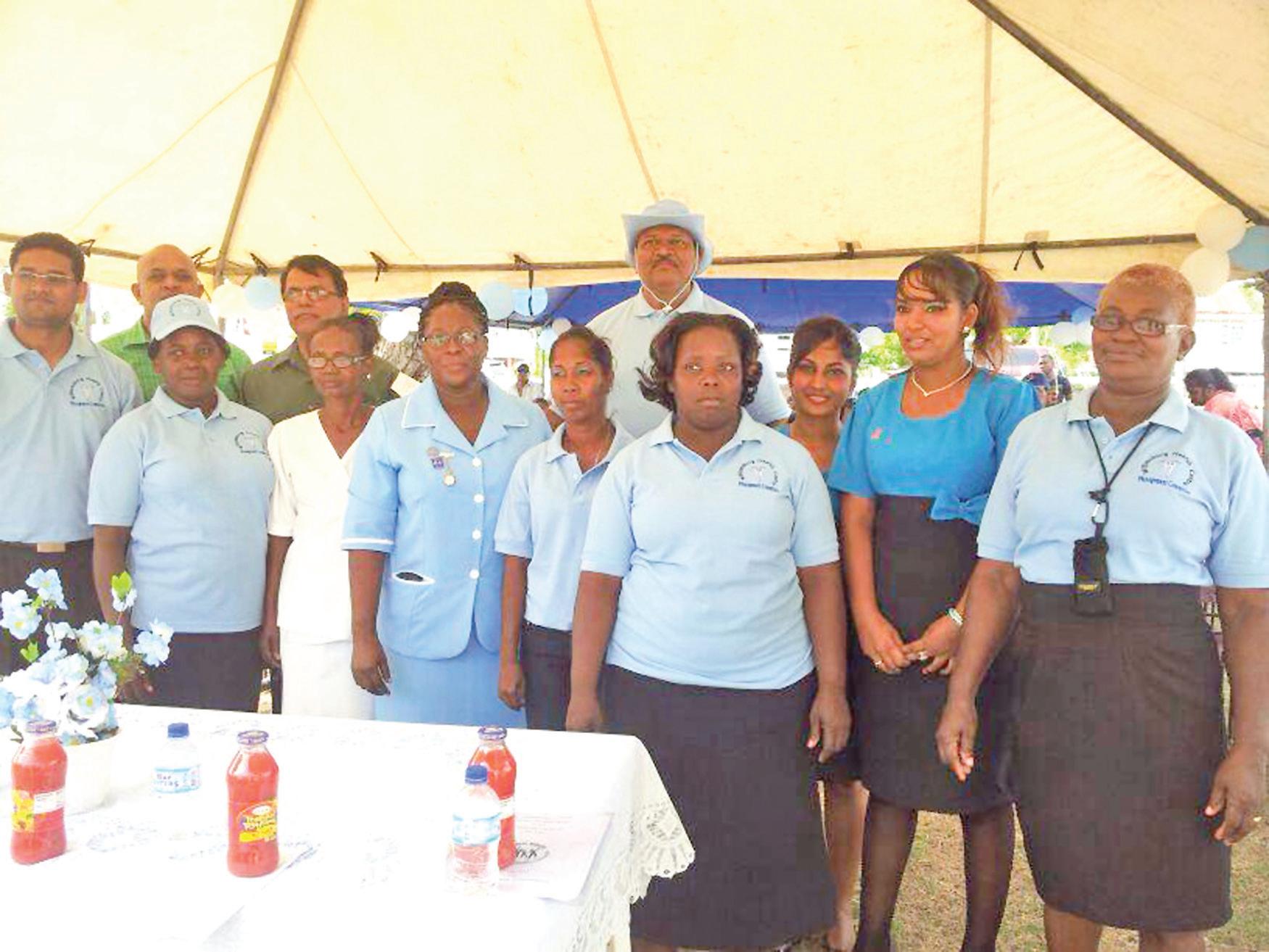
Staff with CEO of the BRHA, Dr Vishwa Mahadeo and committee members
A section of the gathering
The lack of a table tennis coach in New Amsterdam is having a severe impact on the development of the sport in the township. Young players have to travel to Georgetown to receive coaching if they want to stay on top of their game.
There was once a period when Berbice had some of the better players in Guyana and the Caribbean. There is only one table ten-
nis icon that still remains in Berbice; Desiree Lancaster. The others, including the Duff brothers, have all migrated or moved away from Berbice. Lancaster is now forced to cope with a busy work schedule while taking care of an ailing mother, leaving little or no time for tennis.
She was the last coach who devoted time to assist young players. One of the players who has suffered from the lack of a coach is Nicholas Lawrence; the 15-years-old placed second at the Berbice Open U-15 in 2012 and third at the same event the following year when he was also called up to the national trials.
In 2012, he lost in the final to Kistoff Sukhoo who also went on the win the U-18 category at the Berbice Open U-18 level. Loosing at the semi-final the following
year when he would have been at that level for a second year is evidence of the negative impact the lack of a coach is having on one player.
In order to stay on top of his game, Lawrence has to travel to the city on weekends where there is a pool of table tennis coaches. The cost is not one that his parents can afford weekly. Without the coaches fees, the cost exceeds $20,000 monthly.
The young player has hopes of being a part of the senior national team.
In February of this year, Lawrence reached the top 16 at the National Mashramani Table Tennis Competition but dropped out of the competition because he could not travel to Georgetown for a second straight day to compete.
Now he has moved up to the U-18 level and will be
competing there for the first time. Despite the large sums that are being pumped into sport by the current administration, none is being budgeted for the development of table tennis in Berbice. There are several young players who are left to develop on their own but without a professional coach, they have little chance of making it further than competing at the Berbice Open and lifting the level of that competition or the game in the Ancient County.
The Berbice Open will be held in October of this year. Will there be any effort to assist the young table tennis players in Berbice? When decision makers speak of efforts to gets youths off the streets and away from drugs, they should think of young Nicholas Lawrence and other young Berbice table tennis players who are in dire need of a coach.
erage, while BHS has a four advantage. A draw between the two teams will leave the decider to be the game between BHS and New Amsterdam Secondary School which BHS will have to win by four clear goals to qual-
However, that does not seem a difficult task forcing TASS to Monday’s with a win attiThe other partic -
Nicholas Lawrence displaying some of his trophies
Nicholas Lawrence putting everything into his game