
PROGRAM & ABSTRACTS



Acknowledgement of Country
We acknowledge the Aboriginal and Torres Strait Islander people as the Traditional Custodians of the land on which we meet, share, and learn. We pay our respects to the Elders past, present, and emerging, and extend this respect to all Aboriginal and Torres Strait Islander peoples across the many Nations of this land. For our Convention venue, Pullman Albert Park, we pay our respects to the Traditional Custodians of Narrm, Yaluk-ut Weelam Clan of the Boon Wurrung (Nation).
We also recognise and celebrate the richness of cultures and traditions from Aotearoa, the Pacific Islands, and people from all corners of the world. We honour the diversity of backgrounds, experiences, and identities that make up our global community.
In our gathering, we welcome and embrace all people, regardless of nationality, culture, gender, ability, or identity. We commit to creating an inclusive space where everyone is valued, and where mutual respect, understanding, and connection can flourish.
Thank you to our Sponsors
Platinum Sponsor

Workshop Session Sponsor

Poster Zone Sponsor
Theme Sponsor

Silver Sponsor
Concurrent Session Sponsor


Early Career Geoscientists Evening Sponsor




Welcome
On behalf of the organising committee, our partners and sponsors, I am pleased to welcome you to the 2026 Australian Earth Sciences Convention (AESC 2026).
Hosted by the Pullman Hotel, overlooking picturesque Albert Park In Melbourne, AESC 2026 will deliver a scientific program across the broad spectrum of Earth Sciences. This will be a pro-active and vision-driven program for the growing global interest in solving humanity’s biggest challenges, such as transitioning to a renewable and sustainable energy future, grappling with Big Data and AI in geoscience, food/water security, and enhancing intersectional research across sectors (academia, government and industry/commerce), and much more. We are including emerging and maturing research at the crossroads of Geoscience and other fields, e.g. space research, Archaeological Sciences, Engineering, IT and beyond.
The social program provides further avenues to forge new relationships, fostering the deepening of connections and discussions in an open and relaxed social setting, as well as providing outstanding opportunities to explore future career pathways.
The Organising Committee has worked hard on the finer details to ensure a thought provoking, engaging and educational experience.
We look forward to seeing you in person over the coming week!

Andy Tomkins Convention Chair

bhp.com/140years
Committee
Convention Organising Committee

Prof Andy Tomkins
Earth and Planetary Sciences Monash University
Andy is a petrologist and geochemist whose research covers a diverse range of geoscience subdisciplines. He completed a PhD in 2002 at ANU, then an Alberta Ingenuity Fellowship at the University of Calgary in Canada, before moving to a Monash Research Fellowship and then a tenured position at Monash U. in 2010. He won the Waldemar Lingren award in 2008 and the Silver Medal in 2021 from the Society of Economic Geologists. Andy enjoys applying the principles of metamorphic petrology to building our understanding of economic geology, global geochemical cycles, the evolution of Mars and the early Solar System.

EmerProf John Foden
Emeritus Professor
University of Adelaide
• Prior president of GSA (2001-2003)
• Current member of SA Divisional GSA committee and prior Chair
• Current and second term on GSA Governing Council
Igneous petrologist, geochemist, isotope geochemist. Earth science educator. Research interests include; island arcs and subduction, Indonesian Arcs, early evolution of the Pacific Gondwanan margin and of other Gondwanan Sutures, controls on and fractionation of iron isotopes, South Australian and Tasmanian regional geology and tectonics.

Prof Peter Betts
Deputy Dean Engagement and Graduate Research Monash University
Professor Peter Betts is a geoscientist at Monash University, serving as Deputy Dean of Engagement and Graduate Research in the Faculty of Science and Professor of Tectonics and Structural Geophysics in the School of Earth, Atmosphere, and Environment. His research spans structural geology and geophysics, focusing on the evolution of the Australian continent, Precambrian plate tectonics, and neotectonics at plate margins. He is the former President of the Geological Society of Australia, a member of its Governing Council, and Co-Chair of the Specialist Group in Tectonics and Structural Geology.

Dr Amber Jarrett President
Geological Society of Australia
Dr. Amber Jarrett is a Darwinbased geologist and Principal Advisor at the Minerals Council of Australia, Northern Territory Division. She serves as President of the Geological Society of Australia (GSA) and Chair of its NT Division. Amber earned her PhD from the Australian National University in 2013 and has over 15 years of experience in regional geology and resource potential in the Northern Territory. She previously worked at Geoscience Australia and the Northern Territory Geological Survey. A dedicated advocate for inclusion, Amber is also a proud ally and mother of two, committed to fostering diversity in the geosciences.
Convention Organising Committee (continue)

Dr Brandon Mahan
Head – Melbourne Analytical Geochemistry
University of Melbourne
Dr Brandon Mahan is an analytical geochemist and Head of Melbourne
Analytical Geochemistry, in the School of Geography, Earth & Atmospheric Sciences at University of Melbourne. His expertise extends across Earth & Planetary Systems and into Life Sciences, with a passion for trace metals and their isotope systematics, and a drive to develop optimised laboratory and analytical techniques. Dr Mahan further conducts R&D with instrument/equipment manufacturers to develop scalable techniques in high-throughput applications such as critical resource exploration, ‘isoscaping’, provenance/ forensics, and biomarker development for human disease. He is internationally recognised across Planetary Science, Cosmochemistry, Experimental Petrology, Hydrogeochemistry, and Isotope Metallomics.

Dr Laura Morrissey
Senior Lecturer
University of South Australia
Laura Morrissey is a geologist within the Future Industries Institute at the University of South Australia. She was awarded her PhD from the University of Adelaide in 2016. Her research applies principles of metamorphic petrology to understand a variety of larger questions relating to tectonics, high temperature processes and ore deposit genesis. Laura is currently Vice Chair of the South Australian Division of the Geological Society of Australia.

Rick
Squire
Portfolio Manager Acorn Capital
Rick Squire is a geologist with 30+ years of experience across the research, exploration, mining and financing of mineral deposits. He is currently a partner and Portfolio Manager at Acorn Capital where he is responsibility for the provision of research and selection of holdings in the Resources and Energy sectors. This work involves fundamental investment research on companies within his sectors and selecting stocks for inclusion in client portfolios. Rick holds a Bachelor of Science (Hons) from Monash University as well as a Ph.D. from the University of Tasmania.

Dr Lucy McGee
Senior Lecturer University of Adelaide
Lucy completed her PhD at the University of Auckland, New Zealand, then went on to postdocs at the Universidad de Chile and Macquarie University before moving to Adelaide. Her background is in volcanology, geochemistry and petrology, with interests in small volume basaltic magma genesis, arc magmas and metal movement in magmas, where she applies various whole rock geochemical tools such as Sr-Nd isotopes, U-series and stable Cu isotopes. She is a passionate geoscience educator, both for undergraduates and schools.

A/Prof Teresa Ubide
ARC Future Fellow
The University of Queensland
Teresa is a volcano petrologist at The University of Queensland. She develops high-resolution geochemical techniques to interrogate magmatic crystals and their carrier melts, providing a better understanding of magma transport and storage through the Earth’s upper mantle and crust. Her research constrains magmatic processes in space and time, with a particular focus on the drivers of volcanic eruptions and the processes that lead to the accumulation of metals that are critical for the green energy transition. Teresa is an ARC Future Fellow and was awarded the 2023 Anton Hales Medal from the Australian Academy of Science.
Delegate Information
Registration Desk & Name Badges
The Registration Desk will be located on the Level 1 of Pullman Melbourne Albert Park. Please visit the registration desk to pick up your name badge and convention materials upon arrival. Photo ID is required for badge collection.
For security purposes, delegates, speakers, sponsors and exhibitors are asked to always wear their name badges. If you misplace your name badge, please go to the registration desk to arrange a replacement.
The registration desk will be open from:
• Monday 2 February: 3:00pm – 5:00pm
• Tuesday 3 February: 7:30am – 7:00pm
• Wednesday 4 February: 7:30am – 6:00pm
• Thursday 5 February: 7:30am – 6:00pm
• Friday 6 February: 7:30am – 3:30pm
Please note luggage and personal items cannot be stored at the Registration Desk. Delegates requiring storage should enquire directly with the hotel concierge.
All enquiries in relation to social events, program information, accommodation, general information, lost and found, and local advice may be directed to the registration desk.
Venue
AESC 2026 will take place at the Pullman Melbourne Albert Park, located at 65 Queens Road, Albert Park VIC 3004 This lakeside venue offers modern meeting facilities and multiple breakout spaces, all set beside the scenic Albert Park Lake.
The Pullman Melbourne Albert Park is conveniently connected to the wider Melbourne area. Tram routes run nearby, providing easy access to the Melbourne CBD, Flinders Street Station, and St Kilda. Taxi and rideshare services are readily available, with a dedicated drop-off and pick-up point located at the hotel’s main entrance.
Melbourne Airport (Tullamarine) is approximately 28 km from the venue, with an average travel time of 30–40 minutes depending on traffic conditions. Delegates arriving from interstate or overseas may wish to pre-book airport transfers or allow extra time during peak periods.
Inside the venue, delegates will find the Convention rooms located on the Plaza Level and First Floor. Signage will be placed throughout the Convention area to guide attendees to session rooms, social function spaces, restrooms, and the Exhibition & Poster Hall.
Transport
Parking
Pullman Melbourne Albert Park offers discounted parking rates for AESC 2026 delegates.
Self-parking is available at $20.00 per vehicle per day, allowing single entry and exit only and valid for 24 hours from the time of entry. Delegates can access the car park via the Lorne Street entrance. A QR code and instructions for redeeming this rate will be available onsite within this Program Book and at the Registration Desk.
Taxi & Rideshare
The best Taxi and Uber drop off and pick up location is Pullman Melbourne Albert Park. 65 Queens Rd, Albert Park VIC 3004
Public Transport
Melbourne’s tram network provides easy access to the venue.
Nearby tram routes along St Kilda Road link the hotel to the CBD, railway stations, and surrounding precincts. Delegates planning to use public transport will require a myki card, available for purchase at stations, retail outlets, or online.
Emergency Details
First Aid
A basic first aid kit is available onsite, and venue staff are trained to provide initial assistance. Safety features throughout the venue include smoke detectors, fire extinguishers, illuminated exit signs, and an automated alarm system.
Pullman Melbourne Albert Park is certified under Accor’s ALLSAFE program, ensuring enhanced hygiene and safety protocols.
If you require medical support or have pre-existing health conditions requiring special arrangements (e.g., need for on-site nurse or equipment), please notify the Registration Desk or contact the hotel in advance.
Security
The hotel states it has “a security system” in place. General emergency preparedness is partly indicated via safety features (fire extinguisher etc).
As with most hotels, for full details of evacuation routes, muster points, and staff emergency training, you should ask on arrival (often posted in guest room or reception).
Delegate Information (continue)
App
We encourage all delegates to download the app for the most up-to-date program, notifications and room location of all sessions.


Photography Disclaimer
Photos and video footage will be captured throughout the Convention and may be used in post-event communications and future promotions. If you prefer not to be photographed or filmed, please contact the Convention Secretariat in advance or onsite at the registration desk. You will be provided with a yellow sticker for your name badge, so you are easily identifiable to our photography and videography team.
Exhibition
The Exhibition is set to be the primary networking arena for delegates, speakers, sponsors and exhibitors. The program has been designed to maximise the opportunity for delegates to visit the Exhibition with all refreshment breaks and seating areas located within the Exhibition.
• Tuesday 3 February: 8:00am – 8:00pm
• Wednesday 4 February: 8:00am – 5:30pm
• Thursday 5 February: 8:00am – 3:30pm
• Friday 6 February: 8:00am – 3:30pm
Digital Devices
We encourage delegates to use digital devices throughout AESC2026 to access the app. As a courtesy to speakers and your fellow delegates, please set all devices to silent whilst in sessions.
Please also respect the wishes of any presenter who requests that their slides/posters not be photographed and/or shared on social media. Additionally, please consider appropriateness and privacy before uploading anything to publicly accessible websites or social media.

































































Social Program
Welcome Reception
Date: Tuesday 3 February 2026
Time: 6:00pm – 8:00pm
Location: Exhibition & Poster Session Lobby
The Convention opens with an informal gathering in the Exhibition and Poster Hall, providing delegates with an early opportunity to reconnect with peers, meet new colleagues, and explore the Convention environment. Light refreshments will be served throughout the evening.
Early Career Geoscientists Evening
Date: Wednesday 4 February 2026
Time: 6:00pm – 8:00pm
Location: Element Room
This dedicated gathering for early career geoscientists offers a relaxed space to build connections at the beginning of a professional journey. The evening includes opportunities for conversation, shared experiences, and informal networking with peers and mentors. It is an ideal setting for students, recent graduates, and those in the first years of their careers to expand their professional community within the Convention.
Cocktail Party & Awards Night
Date: Thursday 5 February 2026
Time: 6:30pm – 10:30pm
Location: Lakeside Pavilion
The Convention Party brings delegates together for an enjoyable and sociable close to the scientific program. Held at one of Melbourne’s vibrant venues (details to be released), the evening provides a chance to unwind, continue conversations from the day, and enjoy a relaxed atmosphere with colleagues from across the geoscience community. Light refreshments will be available, and business casual attire is recommended. The AESC Awards for 2026 will also be presented during the evening, acknowledging excellence across the geosciences and celebrating the achievements of colleagues from around Australia.



Speakers
Plenary Speakers
Prof Kliti Grice
Laureate Fellow John Curtin
Professor Kliti Grice is an ARC
Laureate Fellow, John Curtin
Distinguished Professor, Fellow of the Australian Academy of Science, and Founding Director of the WA-Organic and Isotope Geochemistry Centre at Curtin University. Her highly interdisciplinary research across chemistry, biology, geology, microbiology, and palaeontology focuses on exceptional fossil soft-tissue preservation and mass extinction events, supported by her 2022 ARC Laureate Fellowship. She also leads the Murujuga Indigenous Rock Art program, applying advanced organic and isotope geochemistry to cultural heritage science. Professor Grice has received major awards including the Pieter Schenk Award, the Gibbs Maitland Medal, the WA Premier’s Early Career Science Prize, and Western Australian Scientist of the Year (2022). She has published 252 papers, including in leading journals such as Science and PNAS. She has supervised more than 40 PhD completions and secured over $25 million in research funding, including multiple ARC fellowships.

Prof Benjamin Mills
Professor of Earth System Evolution University of Leeds
Ben is Professor of Earth System Evolution at the University of Leeds. His group develop models for Earth’s environmental evolution over deep time, integrating plate tectonics, climate and biogeochemistry as well as ecoevolutionary processes.

Prof Carl Spandler
Professor of Earth Sciences
Adelaide University
Carl Spandler is a professor of geology at Adelaide University. His research employs petrology, mineralogy and geochemistry to understand the evolution of the Earth’s crust and mantle, and the formation of ore deposits. His current research focuses on understanding how and where deposits of critical metals, such as the rare earth elements and lithium, are formed in the Australian continent.

Kerry Turnock
Head of Geoscience Excellence BHP
Kerry Turnock is a seasoned resource sector leader with over 3 decades of experience spanning geoscience, operations, technical marketing, and innovation. Her multidisciplinary expertise enables her to bridge technical insight with strategic decision-making to deliver value across the entire mining lifecycle. Known for her ability to turn vision into reality, Kerry has a proven track record of delivering breakthrough projects that result in tangible benefits. Kerry is a passionate advocate for elevating the role of geoscience in multidisciplinary decisions and leveraging scientific capability as a driver of transformation.
Keynote Speakers

Dr Kathy Ehrig
Superintendent Geometallurgy BHP
Since completing her PhD, Kathy Ehrig has worked continuously as a geoscientist within the mining industry, at Olympic Dam (one of the world’s largest metalliferous ore deposits). Her primary responsibilities are to identify, develop and implement productivity improvement opportunities and to sustainably reduce the cost of producing marketable metals. This role also includes identifying potential new revenue metals (e.g. green technology critical metals) or ones which may pose environmental challenges in the future.

Mellissa Harris PSM
Chief Executive Officer Geosciences Australia
Melissa Harris PSM is the Chief Executive Officer of Geoscience Australia, our national geoscience agency delivering trusted information and services that support a strong economy, resilient society and sustainable environment. Melissa has worked in government for over 30 years leading change and innovation programs in land administration and planning. Melissa received the Public Service Medal in the 2023 Kings Birthday Honours for outstanding public service to state and local government, and transformation in the areas of geospatial, planning and land administration in Victoria.

Prof Dyanna Czeck
Professor of Geosciences
University of Wisconsin-Milwaukee
Dyanna Czeck is a Professor of Geosciences at the University of Wisconsin-Milwaukee, where she has taught for 22 years. Czeck is a quantitative structural geologist who pairs classical fieldwork with mathematical modelling of deformation, geochemical techniques, microstructural analysis, and geophysical techniques to study deformed rocks in ancient orogenic zones. Her latest work focuses on strain localization and the effects of fluid flow through ductile shear zones.

Heather Handley
Senior Curator, Geosciences
Museums Victoria Research Institute (MVRI)
Heather is a volcanologist, petrologist and geochemist that strives to take a holistic, source-tosurface, inter- and multi -disciplinary approach to volcanic research. She collaborates with geophysicists, social scientists, Indigenous Knowledge holders and the public and to solve magmatic and volcanic process problems and to reduce risk from volcanic hazards. Her research extends to geoscience communication, public perceptions and engagement on the topics of natural hazards and the energy transition, and geoheritage. She is a passionate science communicator with extensive media experience and a champion for equity, diversity and inclusion.

Verity Normington Director, Strategic Science Geoscience Australia
Verity is a self-professed ‘rock chick’ who loves telling the stories of rocks.
As Director of Strategic Science for Geoscience Australia’s Office of the Chief Scientist, Verity combines passion for geoscience communication and stakeholder engagement, applying STEM knowledge and skills in implementing policies, to this important work. Verity was a 2024 WILD for STEM Program participant, a 2020 Australian Science Policy Fellow and a 2019 Superstar of STEM. She has a PhD in geology from the University of Adelaide in characterising and reconstructing some of the beginnings in the formation of our landscapes in Permian times, when much of Australia was part of the Gondwana Supercontinent and covered by large ice sheets. Prior to joining Geoscience Australia, Verity worked as a mapping geologist for the Northern Territory Geological Survey. Verity is passionate about supporting Early Career Geoscientists to remain within geoscience community and is an advocate for diversity.
Keynote Speakers (continue)

Dr Vera Korasidis
Senior Lecturer
The University of Melbourne
Dr. Korasidis is a palaeontologist who uses fossils to document the world’s plants and animals through time, to work out what ancient climates and ecosystems were like, and to understand evolution and ecology. She is currently a Lecturer in Environmental Geoscience and a Research Associate at the National Museum of Natural History, Smithsonian Institution. This follows an Elizabeth and Vernon Puzey Research Fellowship at the University of Melbourne, a postdoctoral research fellowship at the Smithsonian Institution and a PhD at The University of Melbourne.

Heidi Allen Palaeontologist
Geological Survey of Western Australia
Heidi Allen currently works at the Geological Survey of Western Australia. Projects include work in the Centralian Superbasin, Southern Carnarvon, northern Perth and Canning Basins. Heidi is a committee member and secretary for Australasian Palaeontologists.

Prof Joël Brugger
Professor of Synchrotron Geosciences
Joandeuml;l Brugger obtained his PhD at the University of Basel, Switzerland in 1996, for his work on the geochemistry and mineralogy of metamorphosed syn-genetic exhalative Mn deposits. In 2002 he joined the South Australian Museum and the University of Adelaide, and established the Minerals, Microbes and Solutions research group, dedicated to using state-of-theart experimental techniques to study the transport and deposition of metals and mineral-microbe-fluid interaction in geological environments. In January 2014, Joandeuml;l is taking up a new chair in Synchrotron Geosciences at Monash University.

Dr Isra Ezad
Lecturer
The University of Western Australia
Isra is an experimental igneous petrologist with an interest in the composition and melting behaviour of the mantle. Her research focuses on the role volatile elements play in the deep Earth and how these volatiles can ultimately affect the mobility of base and precious metals during mantle melting. She has applied these findings to magmatic sulphide deposits in order to broaden our understanding of the processes that lead to ore genesis from diverse mantle components. Isra completed her Ph.D. at University College London in 2019, before moving to Sydney, Australia, to take up a postdoctoral fellowship at Macquarie University. In 2024, Isra joined the University of Western Australia as a lecturer and researcher in igneous petrology and geochemistry.
Dr Walid Salama
Research Scientist
CSIRO
Dr Walid Salama graduated from Faculty of Science, Cairo University, Egypt. He did his MSc and PhD at Cairo University on the Middle Eocene oolitic and lateritic iron ores of the Bahariya Depression, Western Desert, Egypt. He got for 2 years PhD fellowship at Friedrich-Schiller University, Jena, Germany. He joined CSIRO since 2012 as a post-doc fellow in the regolith geoscience team. Since 2012, he was involved in 24 research projects in Western Australia, Queensland and Botswana. His work at CSIRO is mainly related regolith and landscape evolution, regolith mapping, mineral exploration in areas of transported cover.
Ivan Schroder
Senior Geochemist
Geoscience Australia
I’m a geochemist working with Geoscience Australia. My primary focus currently is the application of hydro geochemistry and regolith geochemistry to better understand the geological subsurface. Through geostatistical methods, mapping lithological baselines for then identifying anomalies relating to mineral systems.
Keynote Speakers (continue)

Richard Chopping
Strategic Science Advisor
Geological Survey of Western Australia
I am a geophysicist with an interest in computational work, especially high-performance computing aspects of geophysical modelling. My interest is in applying these skills to understanding the geology and resource potential of Australia and beyond. Presently I work for CSIRO in the Deep Earth Imaging Future Science Platform, aiming to transform the ways in which deep exploration and new mineral, petroleum, energy, and groundwater discoveries are made. Previously I have worked on the acquisition, modelling, and interpretation of pre-competitive geoscientific data for the Australian government with an aim to delineate Australia’s hidden mineral wealth and stimulate exploration investment.
A/Prof David Flannery
Astrobiologist in Earth and Atmospheric Sciences
Queensland University of Technology
David Flannery is an astrobiologist in the School of Earth and Atmospheric Sciences in QUT’s Faculty of Science. Formerly a space scientist based at NASA JPL, his research focuses on early environments preserved in the geological record of Earth and Mars. He is a member of NASA’s Perseverance Rover science team and a co-investigator of a rock chemistry instrument aboard the rover which touched down on Mars in February 2021.

Dr Steve Hill Chief Scientist
Geoscience Australia
Dr Steve Hill is Geoscience Australia’s Chief Scientist. The role of the Chief Scientist is to ensure there is geoscientific coordination and leadership in Geoscience Australia, as well as throughout the broader community.

Eleanor Sansom
Director of the Global Fireball Observatory / Senior Research Fellow Curtin University, Australia
Dr. Ellie Sansom is the Director of Australia’s Desert Fireball Network and the Global Fireball Observatory, based at the Curtin node of the International Centre for Radio Astronomy Research. She completed her PhD in 2017, studying space rocks coming through the atmosphere as fireballs. Ellie is currently investigating where this larger extra-terrestrial material is coming from for impact hazard mitigation, and models where meteorites might have fallen on the ground. She was a mission scientist on NASA’s InSight mission, listening for impacts on the surface of Mars, and led the scientific observation campaign of the atmospheric re-entry of the Hayabusa-2 capsule.

Dr Ke Zhu Professor China University of Geosciences
Dr. Ke Zhu is currently a Professor at the China University of Geosciences (Wuhan). He received his PhD from the Institut de Physique du Globe de Paris (France) in 2021, and subsequently worked as a postdoctoral researcher at Freie Universität Berlin (Germany) and the University of Bristol (UK). He is a planetary geochemist specializing in high-precision metal isotope measurements, early Solar System chronology, isotopic anomalies, and planetary differentiation. He has published extensively, including 20 first-author papers in leading journals such as PNAS and Science Advances. His work has been recognized by multiple competitive international awards, including the Royal Astronomical Society Early Career Award (2026), ARC DECRA (2025), China’s 1000 Talents Program (2023), the JSPS International Fellowship (2023), the EU Marie Skłodowska-Curie Postdoctoral Fellowship (2023), and the Alexander von Humboldt Postdoctoral Fellowship (2020). He currently serves as an Associate Editor for Communications Earth & Environment.
Keynote Speakers (continue)

Dr Megan Withers Post Doctoral Research Fellow
The
University of Adelaide
I have recently joined the University of Adelaide as a postdoctoral research fellow to help establish the new Geomodelling Laboratory. My research will focus on constraining and understanding the evolution of fault and fracture systems for H2 and CO2 storag. I moved to Adelaide from Monash University, where I completed my PhD and worked as a post-doctoral research fellow. My existing research uses analogue models to investigate fault network development in tectonic-scale transpressive and strike-slip fault systems, and I compare these models with fieldwork or existing spatial datasets. My work has led to a new interpretation of the tectonic development of northeast South Island, New Zealand and explanation for the complexity of the 2016 Mw 7.8 Kaikōura earthquake. Prior to moving to Australia, I graduated with an Integrated Masters from the University of Birmingham, UK, with an international year at the University of Queensland AU.

Hayden Mort CEO Geologize
Dr. Haydon Mort is an Earth scientist, educator, and founder of Geologize, a global training platform dedicated to transforming how geoscientists communicate with the world. With over 15 years of experience spanning academia, industry, and public engagement, he holds a PhD from Switzerland and a postdoctoral fellowship from the Netherlands. Haydon’s work sits at the intersection of geoscience, communication, and human behaviour. He is best known for creating Practical Geocommunication, a flagship course followed by over 65,000 geoscientists across more than 100 countries, and widely endorsed by universities, professional societies, and major resource companies. Haydon works with industry leaders, educators, and policymakers to tackle issues such as social licence, trust, sustainability, and the advocacy paradox. His approach is pragmatic, evidence-based, and grounded in empathy, helping technical experts communicate clearly, credibly, and with impact in an increasingly complex world.
Field Trips
Cape Liptrap Ophiolite, Bell Point & Waratah Faults
Date: Saturday 31 January – Sunday 1 February
A two-day coastal geology adventure through world-class exposures of ophiolite, serpentinite, pillow lavas and major fault zones. Led by expert researchers, this trip offers dramatic coastal traverses and deep dives into southeastern Australia’s tectonic history. Perfect for geologists seeking a challenge.
Organised by

Dr Kevin Hill
Honorary Associate Prof
The University of Melbourne
Kevin Hill is a structural geologist who has over 35 years’ experience in industry and academia. He is an Oxford graduate who worked for BP in Canada and London in their structural specialists’ group and completed a PhD on the PNG fold belt at the University of Melbourne. He taught at La Trobe and Melbourne Universities and consulted with many companies in Australia and SE Asia, working on seismic interpretation, balanced and restored cross-sections, 3D structural models for gold and gas exploration. Kevin now teaches courses in structure and basin resources, including CO2 and hydrogen storage, geothermal energy, water and hydrocarbons. He continues with fold-belt and basin margin research at the University of Melbourne.

Dr Eleanor Green
Senior Lecturer in Computational Petrology
The University of Melbourne
I am a senior lecturer at the University of Melbourne. Along with my collaborators Roger Powell and Tim Holland, I lead the development of families of mineral and fluid equations of state built on the Holland and Powell dataset. I am a codeveloper of the MAGEMin and THERMOCALC petrological phase equilibrium calculation programs.

Dr
James Driscoll
Director of STEM Outreach Monash University
James commenced his scientific career in London in 1998 working for an oil and gas reservoir engineering consultancy. In 2001 he joined the Victorian Geological Survey, working in regional geological work, petroleum prospectivity assessments, and marketing of Victoria’s geological assets. James joined the geothermal consultancy Hot Dry Rocks in 2008 where he undertook geothermal assessments both in Australia and overseas. In 2014 James commenced his academic career at Monash University. James is Director of STEM Outreach at Monash University’s Faculty of Science where he works to increase scientific literacy in high schools and the wider community. He also developed and spearheads the School of Earth, Atmosphere & Environment’s outreach program, focusing on Earth sciences, physical geography and climate science. James is an environmental science teacher at John Monash Science School, Chair of Education at the Geological Society of Australia (Victoria), and the Visiting Scientist at St Kevin’s College in Toorak.
Field Trips (continue)
Interplay of Regolith and City Fringe Landscapes
Date: Saturday 7 February
Time: 8:30am – 5:00pm
Explore Melbourne’s regolith, soils and landscape evolution with ARGA experts. Visit Cranbourne Botanic Gardens and Sir Paz Estate for a vineyard soils experience linking geology to viticulture. Ideal for those interested in soils, landscapes & applied geoscience.
Organised by

Dr Owen Missen
Lecturer In Environmental Geology University of Tasmania
Dr Owen Missen is the Environmental Geology Lecturer at Earth Sciences and CODES, University of Tasmania. He researches the mineralogy and geochemistry of Critical Minerals in the oxidation zone, favouring a multidisciplinary approach to mineralogical research. Owen previously completed his PhD at the Monash University on the mineralogy and biogeochemistry of tellurium, an element best-known as trace element in gold deposits.

Anna Petts Manager – Engagement Department for Energy and Mining, South Australia
I hope to bring together research in regolith and the critical zone, to understand the regolith cover and better comprehend the complex interaction between rocks, minerals, vegetation, fauna and climatic conditions.

Dr Steve Hill Chief
Scientist Geoscience
Australia
Dr Steve Hill is Geoscience Australia’s Chief Scientist. The role of the Chief Scientist is to ensure there is geoscientific coordination and leadership in Geoscience Australia, as well as throughout the broader community.
Wil-im-ee Moor-ring (Home of many axes)
Date: Monday 2 February Time: 7:30am – 3:30pm
Step onto one of Australia’s most significant Aboriginal cultural sites with Wurundjeri Woi-wurrung Traditional Owners. Explore the renowned greenstone quarry, walk Country, and gain insight into ancient knowledge systems that shaped southeastern Australia. A powerful cultural and scientific experience.
Organised by

Dr Amber Jarrett
President
Geological Society of Australia
Dr. Amber Jarrett is a Darwinbased geologist and Principal Advisor at the Minerals Council of Australia, Northern Territory Division. She serves as President of the Geological Society of Australia (GSA) and Chair of its NT Division. Amber earned her PhD from the Australian National University in 2013 and has over 15 years of experience in regional geology and resource potential in the Northern Territory. She previously worked at Geoscience Australia and the Northern Territory Geological Survey. A dedicated advocate for inclusion, Amber is also a proud ally and mother of two, committed to fostering diversity in the geosciences.
Pre-Convention Workshops
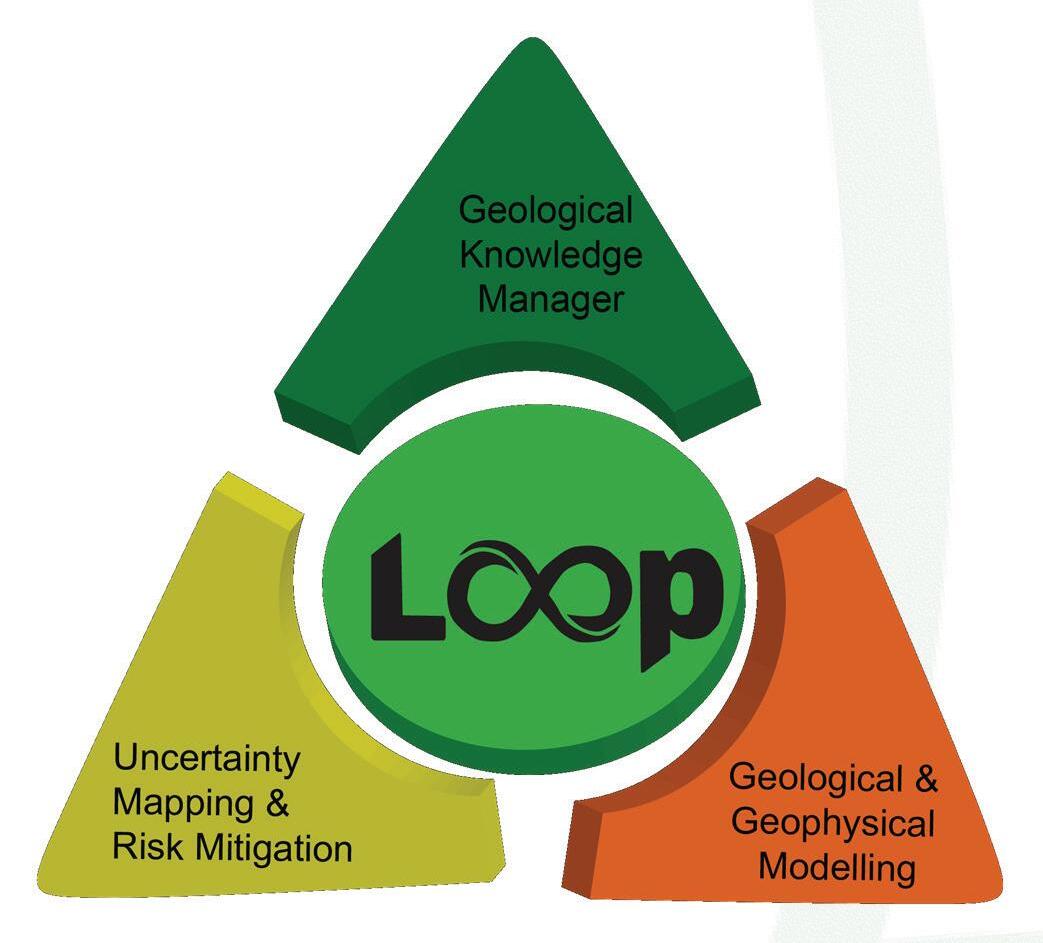
Loop Workshop: Open-Source QGIS Tools for 3D Geological Modelling
Date: Monday 2 February 2026
Time: 8:00am – 3:00pm
This workshop introduces the Loop open-source 3D geological modelling tools. Participants will learn how to use QGIS plugins to transform geological maps into model-ready datasets and apply Loop Structural to build consistent 3D geological models. Through handson exercises, attendees will practice workflows from geological survey maps and field interpretations to structural modelling, gaining practical skills for modern geoscience applications.
Presented by

Lachlan Grose Research Fellow Monash University
Lachlan is a Research Fellow at Monash University and CTO of the Loop3D Foundation. He has a PhD in 3D structural geological modelling and is the principal developer of LoopStructural, an open-source library for 3D structural geological modelling, and has led the development and research of the Loop project.

Rabii Chaarani Research Fellow & Northern Territory Geological Survey Monash University
Rabii Chaarani is a Research Fellow at Monash University, working in partnership with the Northern Territory Geological Survey. He holds a PhD in Computational Geology and specialises in structural geology, 3D geological modelling, and the application of artificial intelligence and machine learning to geoscience problems.


Laurent Ailleres Managing Director PGN Geoscience Pty Ltd
Laurent works in the School of Geosciences at Monash University as a Senior Research Fellow. Laurent’s research areas of interest are:
• Tectonics and plate boundaries geometry
• Field structural geology
• Integration of geological and potential field datasets
• Interpretation and processing of aeromagnetic and gravity datasets
• Geophysical signature of ore deposits
• 3D multi -scale geological modelling
• 3D potential field inversions
• Combining 3D geological and potential field inversions
Pre-Convention Workshops (continue)
Shaping the Future of Australia’s Involvement in the Global Scientific Drilling Programs (ANZIC)
Date: Monday 2 February 2026
Time: 11:00am – 3:00pm
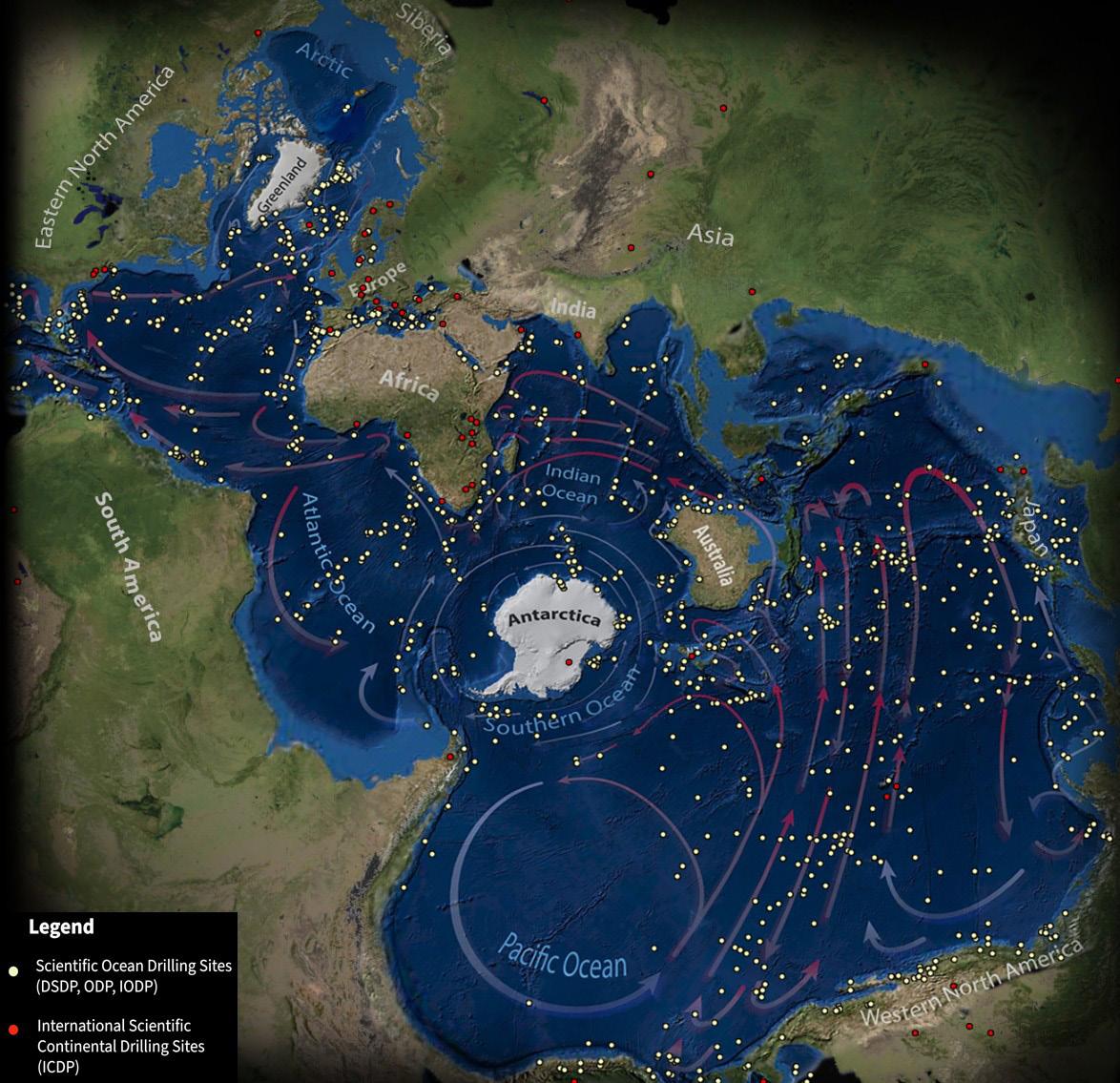
Australia has a decades-long legacy of contributions to international scientific drilling programs (DSDP, ODP, IODP, IODP³, ICDP), driving major discoveries in climate and environmental change, geohazards, microbiology, and more. As the global scientific drilling community looks toward the future, this workshop provides a unique opportunity to reflect on Australia’s legacy, celebrate achievements, and chart a course for continued leadership in these international programs. This interactive half-day workshop will bring participants together to collaborate on drilling proposals, explore emerging research priorities, and foster interdisciplinary partnerships. The session strongly encourages participation from students, earlycareer researchers (ECRs), First Nations scientists, and under-represented groups, ensuring diverse perspectives help shape the future of scientific drilling.
Presented by

Dr Sarah
Kachovich
Program Manager ANU
Dr Sarah Kachovich is the ANZIC (Australian and New Zealand International Ocean Discovery Program Consortium) Program Manager at ANU. Sarah holds a first-class Bachelor of Science (Honours) degree in Geology from The University of Wollongong and a PhD in micropaleontology, specialising in Radiolaria taxonomy from The University of Queensland. Her major research focus has been on recognizing the latent biostratigraphical potential of Palaeozoic Radiolaria, through investigating 3-D X-ray models. Her applied biostratigraphical research focuses on linking microfossils to tectonic problems, such as the Himalayan collision and the tectonic evolution of the New England orogen in eastern Australia.
Hosted by

Ron Hackney Director ANZIC-ANU
Ron Hackney is the Director of the Australia New Zealand International Scientific Drilling Consortium (ANZIC), where he leads national engagement in global scientific drilling programs and supports Australian and New Zealand researchers to access world-class drilling infrastructure. He has a strong background in solid Earth geophysics and previously held senior leadership roles at Geoscience Australia, including Director of Onshore Seismic and Magnetotellurics.
Pre-Convention Workshops (continue)
GPlates Community Forum
Date: Monday 2 February 2026
Time: 3:30pm – 5:30pm
The GPlates Community Forum will bring together users and contributors from across the Earth sciences to share updates on the latest GPlates developments and outline the roadmap for the coming years. The forum is designed as a two-way conversation: alongside presenting new features and planned capabilities, we will actively seek input from the community on their needs, priorities, and emerging use cases. A key focus will be understanding where GPlates should evolve to best support research, education, and applied workflows, including the introduction of new mechanisms for the community to raise issues and directly shape the future direction of GPlates.
Presented by
A/Prof
Maria
Seton Marine Geoscientist University of Sydney
Maria Seton is a marine geoscientist with expertise in global and regional tectonics and geodynamics. She is an Associate Professor and Associate Head of Research in the School of Geosciences and a core member of the EarthByte Research Group. Maria was awarded her PhD from the University of Sydney in 2005, an Australian Postdoctoral Fellowship in 2009 and an ARC Future Fellowship in 2013. She was a recipient of the Dorothy Hill Medal from the Australian Academy of Science in 2014. Maria is a member of Research Advisory Committee for the Marine National Facility (MNF), CSIRO.
Hosted by




Dr Dietmar Muller Professor of Geophysics University of Sydney
Dietmar Müller received his undergraduate degree from the Christian-Albrechts University of Kiel in Germany, followed by a PhD in Earth Science from the Scripps Institution of Oceanography, UC San Diego, in 1993. After joining the University of Sydney as a Lecturer in Geophysics in 1993, he established the University of Sydney Institute of Marine Science (now the Marine Studies Institute) and built the EarthByte research group. He held an ARC Laureate Fellowship from 2009 to 2014 and led the Arc Basin GENESIS HubITRPfrom 2015 to 2021, the STELLAR industry project on critical mineral exploration from 2021 to 2024 and is a Web of Science highly cited researcher.
Pre-Convention Workshops (continue)
Town Hall: Shaping the Future of the GSA
Date: Monday 2 February 2026
Time: 3:30pm – 5:30pm
Since 1952, the Geological Society of Australia (GSA) has been a proud, member-driven organisation advancing Earth science across Australia. As we reach the midpoint of the 2020–2030 GSA Decadal Plan, this Town Hall provides an opportunity to reflect on progress, refresh priorities, and help shape the future direction of the Society. This open forum invites GSA members to share insights on what’s working well, what could be improved, and where the GSA should focus its efforts in the years ahead. Contributions from this session will directly inform strategic planning and future initiatives.
Organised by

Dr Amber Jarrett President Geological Society of Australia
Dr. Amber Jarrett is a Darwinbased geologist and Principal Advisor at the Minerals Council of Australia, Northern Territory Division. She serves as President of the Geological Society of Australia (GSA) and Chair of its NT Division. Amber earned her PhD from the Australian National University in 2013 and has over 15 years of experience in regional geology and resource potential in the Northern Territory. She previously worked at Geoscience Australia and the Northern Territory Geological Survey. A dedicated advocate for inclusion, Amber is also a proud ally and mother of two, committed to fostering diversity in the geosciences.
Hosted by

Program
Please note the program is subject to change pending speaker, venue confirmations and committee decisions.
Monday 2 February 2026
- 10:30 Loop Workshop: Open-Source QGIS Tools for 3D Geological Modelling
Lachlan Grouse
Shaping the Future of Australia’s Involvement in the Global Scientific Drilling Programs (ANZIC)
Ron Hackney (ANZIC-ANU) and Sarah Kachovich (ANZIC-ANU)
Sponsored by:
Shaping the Future of Australia’s Involvement in the Global Scientific Drilling Programs (ANZIC)
Ron Hackney (ANZIC-ANU) and Sarah Kachovich (ANZIC-ANU)
Sponsored by:
Loop Workshop: Open-Source QGIS Tools for 3D
Geological Modelling
Lachlan Grouse
Loop Workshop: Open-Source QGIS Tools for 3D
Geological Modelling
Lachlan Grouse
Hyperspectral
Jess Stromberg
Hyperspectral Mineralogy from the drill core to regional scale - Unlocking the value of Australia’s National Virtual Core Library
Jess Stromberg
Hyperspectral Mineralogy from the drill core to regional scale - Unlocking the value of Australia’s National Virtual Core Library
Jess Stromberg
Town Hall: Shaping the Future of the GSA
Amber Jarrett
GPlates Community Forum
Maria Seton and Dietmar Müller
Sponsored by:
Program (continue)
Please note the program is subject to change pending speaker, venue confirmations and committee decisions.
Tuesday 3 February 2026
09:30-10:30
Plenary Speaker Embracing and Shaping the Future of Geoscience
Kerry Turnock

and other Earth
Session chair(s): Alan Collins
Copper Ore Deposit Systems with an Australian Focus on Iron Oxide Gold Deposits
Session chair(s): Paul Heithersay
11:00 - 11:20 11:00 - 11:30am
Keynote Speaker
Discovery of the Oak Dam West IOCG deposit, South Australia
Kathy Ehrig
11:20 - 11:40
Structure and dynamics of the Australian lithosphere
Mark Hoggard
SGTSG Micro- to plate- scale structural geology
Session chair(s): Melanie Finch
SGGMP, LAVA Technical developments in geochemistry, mineralogy, volcanology, petrology and data interrogation
Session chair(s): Teresa Ubide & Alex McCoy West SGPG Extraterrestrial and Planetary Geoscience
Session chair(s): Andy Tomkins
Origin of the Waratah Ophiolite, composition, metamorphism and links to Vic-Tas greenstones
Eleanor Green
Structural evolution of the Waratah Ophiolite; implications for the nature of the Selwyn Block
Kevin Hill
U–Th–Pb age mapping of monazite via LA-ICP-TOF-MS: a new tool to date complex geological systems
Alexander De Vries Van Leeuwen
Ablation behaviour during laser line scans- optimising LA-ICP-MS mapping of geological materials
Kate Jenkins
Planetary evolution through tectonics modes
Fabio Capitanio
Evidence Suggesting that Earth had a Ring in the Ordovician Andrew Tomkins
Program (continue)
Please note the program is subject to change pending speaker, venue confirmations and committee decisions.
Tuesday 3 February 2026 (continue)
11:40 - 12:00
12:00 - 12:20
A Plate Tectonic Catalyst for Mid-Proterozoic Oxygenation and Eukaryogenesis Through Passive Margin Growth and Diminished CO₂ Outgassing
Dietmar Muller
Did mantle convection cause the Great Unconformity?
Santosh Dhungana
12:20 - 12:40
Building Digital Twins of Earth’s Mantle in the Cenozoic
Sia Ghelichkhan
Invited Speaker
Sedimentary processes in South Australia’s iconic haematitic iron oxide copper gold (HIOCG) deposits – why these warrant a stand-alone class, more research and re-invigorated exploration
John Anderson
Invited Speaker
Redox-driven magnetite ore formation at Bayan Obo
Michael Anenburg
Distribution and Geochemistry of Cobalt in IOCG Deposits of the Cloncurry District, Northwest Queensland, Australia
Avish Kumar
The first documentation of mud volcanoes in the Japan Trench, driven by plate flexure on the down-going plate.
Myra Keep
Reading between lineations: implications for the tectonics of the Eastern Indian Shield
Aishi Debnath
Improved Cl-Br-I analysis using LA-ICP-MS/MS, and new constraints on the source of ligand-rich metamorphic fluids in the Mount Isa Inlier, Australia.
Justine Flahaut
Trace element compositions of micro inclusions extracted from mixed LA-ICP-MS analyses and their use in exploration
Ivan Belousov
Optimising laser repetition rate for enhanced precision of LA-ICPMS/MS analysis of ⁸⁷Sr/⁸⁶Sr in apatites and glasses.
Edafe Ominigbo
Advancing the chronology of the Acraman and Gosses Bluff impact structures with in situ Rb-Sr
Bruno Ribeiro
Invited Speaker
Platinum Group Element distribution in non-carbonaceous meteorites: Challenging the Late Veneer paradigm
Rachel Kirby
Subsurface imaging of the Moon for resources and de-risking exploration
Craig O’Neill
12:40 - 13:00
Imaging the 3D seismic and electrical lithospheric architecture of the Yilgarn Craton: the WA Array and WA MT programs
John Paul O’Donnell
A new national iron oxide coppergold mineral potential model of Australia using a hybrid data- and knowledge-driven approach
Arianne Ford
Testing the Role of Tectonic Inheritance in Rift Evolution: Analogue Modelling of the Turkana Depression, East African Rift System
Olive Bae
Fast washout, pulse separated LA-ICP-TOF-MS for ultrafast and spatially resolved U-Pb geochronology
Justin Payne
Western Australian acid salt lakes and groundwaters as modern analogs for Pangea and Mars
Kathleen Benison
Program (continue)
Please note the program is subject to change pending speaker, venue confirmations and committee decisions.
Tuesday 3 February 2026 (continue)
13:00 - 14:00
14:00 - 15:20
14:00 - 14:20
Plate Tectonics and other Earth Systems
Session chair(s): Alan Collins
Towards building a multiphysics representation of Australian lithosphere: Step 2 electrical and density structure for metasomatization
Lu Li
14:20 - 14:40
Constraining mantle viscosity using dynamic topography, the geoid, and seismic heterogeneity from high-resolution mantle circulation models
Hamish Brown
Copper Ore Deposit Systems with an Australian Focus on Iron Oxide Gold Deposits
Session chair(s): Vladimir Lisitsin
Western Tharsis, a high sulfidation epithermal deposit in the world-class Mount Lyell VHMS district, West Tasmania, Australia
Emrecan Yurdakul
Invited Speaker
Hydrolytic alteration as a driver of IOCG mineralisation: Evidence from Australian deposits and prospects
Tobias U. Schlegel
SGTSG Micro- to plate- scale structural geology
Session chair(s): Peter Betts
SGGMP, LAVA Technical developments in geochemistry, mineralogy, volcanology, petrology and data interrogation
Session chair(s): Teresa Ubide & Heather Handley
The SLaCT deep reflection seismic transect of SE Australia –spectacular data that constrains a spectacular Lachlan Orocline geological narrative.
Ross Cayley
Revising the evolution of the Pine Creek Orogen: progressive foldthrust tectonics at a margin of the North Australian Craton
Anett Weisheit
Using non-linear interpolation methods to reduce signal to noise in Q-ICP-MS
David Murphy
Beam condition effects on alkali migration, subsequent nonmobile element overestimation, and analytical accuracy for hydrous rhyolitic volcanic glass using electron probe microanalyser.
Sebastian Jurado
SGPG Extraterrestrial and Planetary Geoscience
Session chair(s): Andy Tomkins
Invited Speaker
Links between mobile hot basal mantle structures, volcanism, magnetic reversal rates, and continental-scale topography
Nicolas Flament
Rare Earth Element Geochemistry and Sulfur Oxidation States in Apatite and Merrillite from Martian Meteorites: Implications for Magma Evolution and the Early Martian Atmosphere
Tahnee Burke
14:40 - 15:00
Geographical Variability in Mantle Plume Buoyancy Flux: Contrasting the African and Pacific Domains
Haining Chang
Timing of Cu-Au (IOCG) mineralization in Mount Isa Inlier - implications for genetic models and exploration targeting
Ioan Sanislav
Fold interference formed the Entia gneiss dome in the intracratonic Alice Springs Orogen
Chitrangada Datta
Towards FAIR Fission-Track Data
Ling Chung
Magnetic reversal rates from 200 million years ago are correlated with inertia-corrected equatorial core-mantle boundary heat flux heterogeneities
Annalise Cucchiaro
Program (continue)
Please note the program is subject to change pending speaker, venue confirmations and committee decisions.
Tuesday 3 February 2026 (continue)
15:00 - 15:20
Copper isotope evidence for reduced Meso-Archean subduction
Wenli Liang
Contrasting monazite chemistry from three iron oxide-coppergold deposits: Developing a tool for Cu-Au exploration in Cloncurry
Travis Batch
15:20 - 15:50 Afternoon Tea
Enhancing Adjoint Reconstructions of Earth’s Mantle with Geochemical Data from Intra-Plate Lavas
Rhodri Davies
Secular Cooling Shapes
Core–Mantle Heat Transfer and Mantle Plume Dynamics over 1.8 Billion Years
Jiaxin Zhang
15:50 - 17:30
Plate Tectonics and other Earth Systems
Session chair(s): Alan Collins
15:50 - 16:10
16:10 - 16:30
Multi-mineral geochronology of the Itsaq Gneiss Complex (SW Greenland): unravelling Archean overprinting events
Shatavisa Chatterjee
Metamorphic thresholds of quartz Si–O isotopes: implications for Archean granites and orerelated fluids
Qing Zhang
Copper Ore Deposit Systems with an Australian Focus on Iron Oxide
Gold Deposits
Session chair(s): Kathy Ehrig
Invited Speaker
Unlocking the Gawler Craton: A New Paradigm for IOCG
Exploration Integrating Structural Geology, Magmatism, and Predictive Analytics
Paul Heithersay
Multi-Isotope (Sr–Nd–C–O) and REE Evidence for Fluid Sources in the Nifty Sediment-Hosted Copper Deposit, Paterson Orogen
Elnaz Khazaie
SGTSG Micro- to plate- scale structural geology
Session chair(s): Melanie Finch
Photogrammetry-derived structural domains and fracture modelling of magnetite BIF, Western Australia
Drew Lubiniecki
16:10 - 16:40
Keynote Speaker
The structural signature of the Southern Iberian Shear Zone and its effect on preexisting fabrics in the Pulo do Lobo metasedimentary rocks
Dyanna Czeck
SGGMP, LAVA Technical developments in geochemistry, mineralogy, volcanology, petrology and data interrogation
Session chair(s): Teresa Ubide & Holly Cooke
Mobile basal mantle structures are the primary source of large volcanic eruptions
Annalise Cucchiaro
Constraining Lithospheric Thickness and Plume
Temperature from Ocean Island Basalts: A Simulation-Informed Inversion
Shihao Jiang
SGPG Extraterrestrial and Planetary Geoscience
Session chair(s): Andy Tomkins
15:50 - 16:20
Keynote Speaker
Metal isotopic constraints on the formation of angrite asteroid: timing, impact, and volatile depletion
Ke Zhu
The Effects of Fracturing on Seismic Analysis in Impact Craters and Beyond
Grace Holtam
Program (continue)
Please note the program is subject to change pending speaker, venue confirmations and committee decisions.
Tuesday 3 February 2026 (continue)
16:30 - 16:50
16:50 - 17:10
Global mantle perturbations following the onset of modern plate tectonics
Qian Chen
Testing Proterozoic suture models in Central Australia using coupled geochronology and metamorphic modelling
Laura Morrissey
Apatite geochemical fingerprints of IOCG systems in the Cloncurry District, Australia
Ernest Opoku
Subducting seafloor anomalies promote porphyry copper formation
Ben Mather
16:40 - 17:10
Keynote Speaker
The structural signature of the Oscillating strain migration in distributed fault networks: insights from analogue modelling and implications for plate boundary evolution
Megan Witherss
Distinguishing between the roles of grain-boundary impurities and incipient melting in seismic wave attenuation and dispersion in synthetic dunite
Hitank Kasaundhan
Critical metals potential in magnetite and tailings from Savage River deposit, northwest Tasmania
Pratichee Mondal
16:40 - 17:10
Keynote Speaker
Taking a longer-term view of Mars surface science; lessons, goals and challenges
David Flannery
17:10 - 17:30
17:30 - 18:00
Advances in Understanding the Tectonic and Palaeoenvironmental Setting of the Greater McArthur Basin
Alan Collins
An integrated geochemical and mineralogical approach to tracking alteration footprints in IOCG systems: Insights from the Ernest Henry deposit, Cloncurry District, Queensland
Alkis Kontonikas-Charos
18:00 - 20:00
Program (continue)
Please note the program is subject to change pending speaker, venue confirmations and committee decisions.
Wednesday 4 February 2026
07:00 - 08:00
08:30 - 09:30
09:30 - 10:30
09:30 - 9:50
09:50 - 10:10
Plenary Speaker
From Dinosaurs to Plants: Extraordinary Cellular and Biomolecular Fidelity in the Fossil Record
Kliti Grice
Breakfast Workshop Invitation Only
Brent McInnes Sponsored by:
AuScope EarthBank Symposium. Unlocking Australia’s Geochemical Data Infrastructure: Innovations in Techniques, Integration and Application
Session chair(s): Bhavik Lodhia
Evaluation of five natural mica reference materials for in situ
Rb-Sr geochronology
Hugo Olierook
What Drives Coal Tailings Processes in Semi-Arid Climate Abdulraheem Anumah
SGGMP, LAVA Technical developments in geochemistry, mineralogy, volcanology, petrology and data interrogation
Session chair(s): Teresa Ubide & David Murphy
Applying Machine Learning to Regional Geophysical Data for Quantitative Characterisation of Granitoids in the Kennedy Igneous Province
Joshua Irving
Developing petrologically informed geodynamic models
Chris Clark
Geoscience on Display: Communicating Earth science through media, tourism and heritage
Session chair(s): Amber Jarrett
09:30 - 09:50
Keynote Speaker
Tangible and intangible cultural values of volcanic geoheritage in the Newer Volcanics Province, Australia: A geosystem services perspective
Heather Handley
Program (continue)
Please note the program is subject to change pending speaker, venue confirmations and committee decisions.
Wednesday 4 February 2026 (continue)
10:10 - 10:30
ISOTOPIC ATLAS OF AUSTRALIA –new and augmented datasets at national scale
Sam Waugh
Towards a new generation of mineral equations of state for petrological pseudosection calculations
Eleanor Green
10:00 - 10:30
Keynote Speaker
Beyond the Data: Storytelling and Transparency in Earth Science Communication
Verity Normington
Copper Ore Deposit Systems with an Australian Focus on Iron Oxide
Session chair(s): Tobias Schlegel
11:00 - 13:00
11:00 - 11:20
Plate Tectonics and other Earth Systems
Session chair(s): Alan Collins
Sponsored by:

Formation of the Proterozoic Mt Isa Superbasin and Its Relationship to Base Metal Mineralisation
Edgar Leong
Reassessing mantle versus crustal contributions in Gawler Craton
IOCGs: Nd–S isotope evidence
Martin Hand
AuScope EarthBank Symposium. Unlocking Australia’s Geochemical Data Infrastructure: Innovations in Techniques, Integration and Application
Session chair(s): Bhavik Lodhia
SGGMP, LAVA Technical developments in geochemistry, mineralogy, volcanology, petrology and data interrogation
Session chair(s): Teresa Ubide & Saini Samim
Geoscience on Display: Communicating Earth science through media, tourism and heritage
Session chair(s): Amber Jarrett
AuScope EarthBank: Collaboratively Developing Australia’s National Geochemical Data Infrastructure
Brent McInnes
Differential trace element incorporation in sector-zoned zircon and implications for petrogenetic indices
John Caulfield
Geological and Geomorphological Heritage: The Role of Site Documentation in Earth Science Significance
Susan White
11:20 - 11:40
Less plates, more peeling: new insights into the evolution of the Nuyts Domain, Gawler Complex
Mark Pawley
Geochemical and mineralogical signatures of the Rocklands
Cu-Au-(Co) deposit, Northwest Queensland, Australia
Alkis Kontonikas-Charos
Deploying Pychron in Australia: High-Throughput, Reproducible Geochronology for Earth Systems and Mineral Resources
Jake Ross
The Mo isotope composition of the continental crust and its implications for missing Mo in the magmatic record
Alex McCoy-West
The SA Great Geotourism SAGA (South Australia Geotrails App)
Patrick James
Program (continue)
Please note the program is subject to change pending speaker, venue confirmations and committee decisions.
Wednesday 4 February 2026 (continue)
11:40 - 12:00
12:00 - 12:20
New insights into the obscured origins of the polymetamorphosed northern Gawler Craton from multi-method geochronology
Dillon Brown
Paleo- to Mesoproterozoic tectonic evolution of the Coober Pedy Domain (northern Gawler Craton) Rashed Abdullah
Cloncurry IOCG Province: IOCG, ISCG and other deposit types formed by Metasomatic Iron Alcali-Calcic mineral system, Vladimir Lisitsin
12:20 - 12:40
Mid- to Late Neoproterozoic Development and Provenance of the Adelaide Superbasin
Jarred Lloyd
Gold-Antimony occurrences in Victoria
Cameron Cairns
Towards a National Industry Geochemistry Compilation. Ivan Schroder
12:40 - 13:00
A global Mesoproterozoic Oxygenation Event?
Darwinaji Subarkah
Sunday Creek Au-Sb project in the Melbourne Structural Zone of the Lachlan Fold Belt
Andrew Gordon
Towards improved K-Ca geochronology and radiogenic 40Ca analysis via TIMS/ATONA with ZEPTONA detector: Examples from ancient glauconites and potential for coupled K-Ca and Rb-Sr dating Juraj Farkas
Bringing Scanning Electron Microscopes into School Classrooms: Building Earth Science Talent through National Partnerships and the EarthBank Inspire STEM Education Program in Western Australia
Elizabeth Feutrill
From Trenches to Treasure: How Subduction Shapes Craton
Margin Fertility
Hojat Shirmard
Deciphering the complex mineralogy and evolution of ZrNb-REE bearing phonolites from Northeast-Victoria (Australia) Zsanett Pintér
Government Approved Process for Geopark Assessment Within Australian GeoRegions
Angus M Robinson
Sparking Curiosity in Geoscience: Insights from Outreach in Victoria Hayden Dalton
A newly recognised Late Triassic volcanic province of Eastern Australia: Tectonic associations and REE+Zr+Nb mineralisation potential Brenainn Simpson
Connecting geological and Noongar cultural processes on granite outcrops of southern Western Australia
Catherine Spaggiari
Anatomy of Antimony: Costerfield Gold Antimony Deposit, Australia
Joshua Greene
EarthBank in the Classroom: Big Data and Bright Futures
Hayden Dalton
Orthopyroxene chemistry as a pathfinder to Ni-Cu-PGE sulphide mineralization in the Sudbury, Canada, mineral camp
Reid Keays
Geotourism Potential – Linking Recreational Trails with Dams, Reservoir and Lakes
David Robson
Program (continue)
Please note the program is subject to change pending speaker, venue confirmations and committee decisions.
Wednesday 4 February 2026 (continue)
- 14:00
Gold and Antimony Systems
Session chair(s): John Walshe
14:00 - 15:00
14:00 - 14:20
Plate Tectonics and other Earth Systems
Session chair(s): Alan Collins
Sponsored by:
14:20 - 14:40
Rising Salt and Biotic Communities: Stromatolite Reef Development and Evolution in the Neoproterozoic
Georgia Virgo
The Cryogenian glaciations: A snowball Earth or a dynamic ice age?
Ashleigh Hood
Highest Grade Antimony-Gold
Virgin Discovery in Victoria since Costerfield
James Earle
Hillgrove Antimony-Gold Project: History and Opportunity
Jonathan Berthiaume
AuScope EarthBank Symposium. Unlocking Australia’s Geochemical Data Infrastructure: Innovations in Techniques, Integration and Application
Session chair(s): Bhavik Lodhia
Integration of Hyperspectral, X-ray fluorescence, whole-rock geochemistry and magnetic data for the characterization of Mt. Isa Pb-Zn-Cu deposits.
Suraj Gopalakrishnan
Validation of hyperspectral mineralogy by recasting mineral composition into chemistry for comparison with XRF geochemistry
Joseph Tang
SGGMP, LAVA Technical developments in geochemistry, mineralogy, volcanology, petrology and data interrogation
Session chair(s): Teresa Ubide & Michael Anenburg
The Source and Fractionation of K-rich Magmas from the East Sunda Arc Volcano Sangeang Api: A Metasomatized Upper Mantle Source.
John Foden
Partitioning of Trace Elements Among Accessory Phases and Implications for Tracking Magma Evolution
Tianjiao Yu
Geoscience on Display: Communicating Earth science through media, tourism and heritage
Session chair(s): Amber Jarrett
Turning Trails into Sustainable Geotrails
David Robson
From Stone Age to Age of Geotourism
Karen Morrissey
14:40 - 15:00
Palaeogeographic induced cooling over the Cryogenian
Andrew Merdith
Antimony Mineralisation in Silica–Carbonate Altered Ultramafics at the Ricciardo Au-Sb Deposit, Yalgoo–Singleton Greenstone Belt of Western Australia
Peng Sha
LithoPlates Integration in EarthBank: Advancing Australia’s Geochemical Data Infrastructure through Dynamic Plate Reconstructions and MultiDisciplinary Applications
Fabian Kohlmann
Enhanced Plio-Pleistocene tephrochronology for the archeaologically important Turkana Basin, Kenya
David Phillips
Stuck Between a Shear Zone and a Hard Place (Skarn Edition) Alanis Olesch-Byrne
Program (continue)
Please note the program is subject to change pending speaker, venue confirmations and committee decisions.
Wednesday 4 February 2026 (continue)
15:00 - 15:30
15:30 - 17:30
15:30 - 15:50
Plate Tectonics and other Earth Systems
Session chair(s): Alan Collins Gold and Antimony Systems
Session chair(s): John Walshe & Joshua Greene
15:50 - 16:10
Deep water origin for the Marinoan cap carbonate, Flinders Ranges, South Australia
Mana Ryuba
Cryogenian Controversies from the Huqf Supergroup of Oman: atypical palaeoenvironments during the Snowball Earth glaciations
Nicko Wyndham
New discoveries from very old data: finding the northern extension of the Bendigo Goldfield in the first hole at Blue Moon, Bendigo.
Tim Markwell
The formation of hydrothermal ore deposits in shear zones during tectonic switching
Melanie Finch
Intersectional Geoscience in Agriculture Food/Water Security, Archaeology, Forensics and Beyond
Brandon Mahan & Laura Morrissey
Layer by Layer: Tracing the Paleoenvironment in the Kimberley using Laser Ablation Inductively Coupled Plasma Mass Spectrometry
Faris Mohd Fauzi
Application of high-precision tephrochronological tools to the Acheulean and Oldowan stone tool sites, in the Turkana Basin, Kenya
Saini Samim
SGGMP, LAVA Technical developments in geochemistry, mineralogy, volcanology, petrology and data interrogation
Session chair(s): Teresa Ubide & Brenainn Simpson
Toward assessing the synchroneity of Ontong Java large igneous province activity and oceanic anoxic event 1a Hijas Hameed
Geoscience on Display: Communicating Earth science through media, tourism and heritage
Session chair(s): Amber Jarrett
16:10 - 16:30
New numerical tectonic reconstruction of the Tasmanides: Integrating Australia, Antarctica and Zealandia into a global tectonic framework (580–250 Ma)
Addison Tu
Invited Speaker
Tomingley Gold Project pyrites: Pathfinder textures and trace elements
Indrani Mukherjee
15:30 - 16:00
Keynote Speaker
TExplanation ≠ Communication: Why messages don’t land Hayden Mort
S- and I-type granites 50 years on: tectonic implications
William (Bill) Collins
Health and environmental implications arising from a pyroclastic and volcaniclastic re-interpretation of the Hawkesbury Sandstone. Nigel Gray
Magma ascent dynamics at Mount Gambier (Berrin) Volcano, Newer Volcanics Province, Australia: Insights from olivine textures and compositions
Heather Handley
Experiments in earth science communication: WONDER podcast
Holly Cooke
Program (continue)
Please note the program is subject to change pending speaker, venue confirmations and committee decisions.
Wednesday 4 February 2026 (continue)
16:30 - 16:50
16:50 - 17:10
New constraints on the crustal architecture and geological evolution of the central Lachlan Orogen on the eastern margin of Gondwana
Luke Mahoney
The tectonic evolution of the Omeo Zone, southeast Lachlan Fold Belt, Australia
Steven Boger
17:10 - 17:30
17:30
18:00
Mineral deposits in the New England Orogen: a plate tectonic perspective
Gideon Rosenbaum
Apatite mineral chemistry to assess proximity to Cu and Au deposits
Caroline Tiddy
Tracing Origin of Paleoplacer Gold Mineralization Process Using Trace Element and Stable Isotope Fingerprints in Sulfides: Case Study Star of Mangaroon Deposit.
Halik Taha
The source of Witwatersrand Gold: Are we there yet?
John Walshe
Hiding in plain sight: Validating 87Sr/86Sr in archived water samples to unlock new analyses for applications in geoscience, archaeology, AgTech, ecology, food/water security, and beyond.
Grace Manestar
Late fluoro-carbonate melt exsolution from A-type granite results in REE-U-Th scavenging: A precursor to multiple deposit types
Rachel McCready
Realising the Potential of Glen Innes Highlands as a GeoRegion
Margot Davis
A finite element based solver for studying large scale groundwater dynamics
Liam Morrow 16:50 - 17:30
Shifting Shorelines: A Geoarchaeological Perspective on the Late Pleistocene Jordan Valley
Natasha Nagle
18:00 - 20:00
Anthea Batsakis
Program (continue)
Please note the program is subject to change pending speaker, venue confirmations and committee decisions.
Thursday 5 February 2026
08:30 - 10:30
08:30 - 08:50
Plate Tectonics and other Earth Systems
Session chair(s): Alan Collins
New technologies for rapid, affordable and effective sampling and mapping mineral systems
Session chair(s): Paul Hodkiewicz
SGEG - ARGA Innovating for a Sustainable Resource Future
Session chair(s): John Walshe
Palaeontology, Biomarkers, Biogeochemistry and Evolutionary Biology
Session chair(s): Tara Djokic & Lachlan Hart
Session chair(s): Carl Spandler
08:50 - 09:10
Was early Paleozoic biodiversification driven by low sediment supply environments?
Robert Marks
Magnesium isotope constraints on mid-Cambrian seawater, marine Mg cycling and dolomitization during the Drumian Carbon Isotope Excursion (DICE) event
Zhufu Shao
Property modelling in Complex 3D Geological Domain: Application of the Loop Structural Frames to Property Modelling in Complexly Deformed Geology.
Laurent Ailleres
Advancing large-scale orebody knowledge with ECORE: chemical and mineralogical characterisation of Queensland ore deposits
Daniel Patias
From Mine Waste to Moon Base: Novel petrographic characterisation of synthesised geopolymers
Romana Dew
From Ancient Origins to Modern Riches: Tracing Iron Ore chronology in the Hamersley Province
Erick Ramanaidou
08:30 - 9:00
Keynote Speaker
New techniques for reconstructing ancient atmospheres
Vera Korasidis
08:30 - 09:00
Keynote Speaker
New frontiers in uranium geochemistry - Hard work for hard data
Joel Brugger
9:00 - 09:30
09:10 - 09:30
Ordovician cooling driven by oceanic-island arcs
Andrew Merdith
Geophysical analysis workflowthe role of Machine Learning
Peter Betts
Application of 3D hardrock seismic at Olympic Dam, South Australia and implications for exploring for IOCG deposits
Carolina Pimentel
9:00 - 9:30
Keynote Speaker
GOE or not GOE?
That is the question.
Heidi Allen
Keynote Speaker
An experimental revisit of mantle sources for orthomagmatic deposits: alkaline melts and the dark side of the mantle
Isra Ezad
Program (continue)
Please note the program is subject to change pending speaker, venue confirmations and committee decisions.
Thursday 5 February 2026 (continue)
09:30 - 09:50
09:50 - 10:10
Brachiopod paleobiogeography positions the South China Block in the middle of the Paleo-Tethys Ocean
Robert Marks
10:10 - 10:30
Proxy-based paleotemperature reconstructions are incompatible with Mesozoic-Cenozoic coral distribution
Jonathon Leonard
From Roads to Resources: HighResolution Imaging with Traffic Noise
Chengxin Jiang
How Supercontinental Breakup
Shapes Landscapes: Gondwana’s Exhumation Legacy
Samuel Boone
An integrated data-driven framework for subsurface geomechanical characterisation via tabular foundation model
Zizhuo Xiang
Improved mine waste management through early-stage rock mass characterisation
Anita Parbhakar-Fox
Assessing Groundwater Potential in Kajiado County, Kenya Using Gis and Remote Sensing
Brian Emojong
Western Australian acid brines give clues for mineral exploration
Kathleen Benison
Floral and climate changes from leaf fossils during the Cretaceous to Oligocene from King George Island, Antarctica
Anne-Marie Tosolini
Changing sea water chemistry, bolide impact events, and consequences for microbial life in a Late Archean carbonate platform
Vera Hoogland
Australia’s potential for unconformity-related rare earth element mineral systems: an underappreciated source of heavy rare earth elements
Arianne Ford
Understanding the controls on Sn and Li enrichment in felsic igneous rocks
Elina Kong
Tracking temporal changes in Banded Iron Formations from the Hamersley Basin
Alex McCoy-West
10:30 - 11:00 Morning Tea
Using 3D Geometric Morphometrics to analyse intraand interspecific variation in dimitobelid belemnites.
Helen Ryan
Subduction anomalies boost deep fractionation and copper fertility
Teresa Ubide
Program (continue)
Please note the program is subject to change pending speaker, venue confirmations and committee decisions.
Thursday 5 February 2026 (continue)
11:00 - 13:00
11:00 - 11:20
Plate Tectonics and other Earth Systems
Session chair(s): Alan Collins
New technologies for rapid, affordable and effective sampling and mapping mineral systems
Session chair(s): Paul Hodkiewiz
ARGA Exploring Australia’s Regolith, Landscapes & Climates
Session chair(s): Owen Missen
11:20 - 11:40
Deep Tectonic Inheritance in the Otway Basin: A Machine Learning Approach to Passive Margin Evolution
Chibuzo Chukwu
Context of the Falkland Islands in the pre-breakup fabric of Gondwana: Evidence from detrital and ash fall zircon
Robert Henderson
Intermediate scale geoanalytical solutions for the future: Extending the CSIRO Maia Mapper µXRF instrument with LIBS, tandem XRD and fusing it all together
Nick Farmer
Implicit Modelling of Geological Structures: Comparing Classical and Neural Interpolators
Lachlan Grose
Multiple mineralising events in Australian mineral deposits –lightning does strike twice
David Huston
The first regolith lead isoscape of Australia and its applications
Candan Desem
Palaeontology, Biomarkers, Biogeochemistry and Evolutionary Biology
Session chair(s): Tara Djokic & Lachlan Hart
Taphonomy of soft-tissue preservation in ferricrete at the McGraths Flat Lagerstätte
Tara Djokic
Vase-Shaped Microfossils from the Officer Basin: Rethinking Australian Neoproterozoic Correlations.
Heidi Allen
Session
Using neodymium stable isotopes for fingerprinting the processing pathways for REE resources
Alex McCoy-West
Carbonatite histories captured in apatite
Louise Schoneveld
11:40 - 12:00
What lies under the East Antarctic Icecap?
Geoffrey Grantham
Characterisation of Ore Deposits: Overcoming Cross- and MultiScale Challenges for Mineral Exploration
Alkis Kontonikas-Charos
Regional-scale Rb-Sr age mapping informs tectonic models and mineral systems
Jack Mulder
An organic and inorganic geochemical investigation into the preservation of jetified wood from the Jurassic Posidonia Shale
Madison Tripp
Innovative nickel and cobalt extraction from laterite ores using Fe(II) catalysed recrystallisation and reductive dissolution
Maximilian Mann
chair(s): Carl Spandler
Program (continue)
Please note the program is subject to change pending speaker, venue confirmations and committee decisions.
Thursday 5 February 2026 (continue)
12:00 - 12:20
The tectonic evolution of the western North American margin since the Devonian Andres Felipe Rodriguez Corcho
12:20 - 12:40
12:40 - 13:00
Kinematic and geological uncertainties in deep-time plate tectonic reconstructions
Sabin Zahirovic
Subduction-related evolution of the eastern and northern Solomon Islands
Ella Artemis
Advancing geological knowledge in the drilling workflow with novel downhole sensing technologies
Jessica Stromberg
Development of a downhole LIBS sensor for rapid geochemical analysis in a drill hole
Ben Van der Hoek
The age of aerial science: realtime hyperspectral imaging under their drone techniques from grade control to exploration
Steven Micklethwaite
13:00 - 14:00 Lunch
12:00 - 12:30
Keynote Speaker
Economic Mineral Systems in the Regolith
Walid Salama
Advances in Using Oxalate-Rich Mineral Coatings asDating Tools in Australian Rock Art Shelters
Helen Green
Late Cretaceous to Cenozoic palaeoceanography of the Bass
Strait seaway, southeastern Australia
Mark Warne
12:30 - 13:00
Keynote Speaker
The role of groundwater in understanding near-surface geochemical interfaces: insights from the Georgina Basin.
Ivan Schroder
Invited Speaker
Arsenic speciation in pyritised ammonites: Toxic or Telling?
Indrani Mukherjee
Low-temperature hydrothermal formation of HREE-xenotime deposits: experimental and thermodynamic Insights
Weihua Liu
Speciation of Nickel and Cobalt during Fe(II)-Mediated Birnessite Transformation
Jing Hu
Linking Deformation, Fluid Flow, and Alteration in the Mary Kathleen REE–U Ore System
Alanis Olesch-Byrne
MEETING
Academy of Science National Committee for Earth Sciences Departmental Heads Meeting
Ian Jackson
Plenary Speaker
14:00 - 15:00
Simulating the co-evolution of Earth and life in 3D
Ben Mills
Program (continue)
Please note the program is subject to change pending speaker, venue confirmations and committee decisions.
Thursday 5 February 2026 (continue)
15:00 - 15:30
15:30 - 17:30
15:30 - 15:50
Plate Tectonics and other Earth Systems
Session chair(s): Alan Collins
Harnessing Technology for NextGeneration Geoscience
Session chair(s): Brandon Mahan
ARGA Exploring Australia’s Regolith, Landscapes & Climates
Session chair(s): John Keeling
Palaeontology, Biomarkers, Biogeochemistry and Evolutionary Biology
Session chair(s): Tara Djokic & Lachlan Hart
15:50 - 16:10
Volcanic ash on the Ontong Java Plateau: testing models of subduction reversal, the reality of ‘soft-docking’, and the East Asian Monsoon
Robert Musgrave
Constraining prograde metamorphism recorded by garnet end-member zoning
Ben S. Knight
Rapid Mineral Estimation (RME) of Heavy Mineral Sands: Geoscience-driven machine learning for automated grain counting, classification, and characterisation.
James Waldron
Six Potential Trace Element
Reference Materials for Monazite
LA-ICP-MS
Yukun Xing
Evidence for Late Palaeozoic?
Glacial Sedimentation in the Lower Lefroy Drainage System, Southern Yilgarn Craton, Western Australia
Leah Lynham
Quantifying formation and preservation controls of porphyry deposits through spatiotemporal modelling
Ehsan Farahbakhsh
Malvaceae (Sterculioideae)
inflorescences with in situ pollen preserved in nanophase goethite from the Miocene of Australia
David Cantrill
Biomarkers as Indicators of Methane Processes in the Hydrate-rich Area of the Amazon Cone
Monique Rizzi
chair(s): Carl Spandler
Channelling, sinking and floating: how Ni-Cu-Co-PGE magmatic sulfides are transported and trapped in the crust
Alexander Cruden
Supercontinent cycles and porphyry mineralisation
Dietmar Müller
16:10 - 16:30
Delinking orogenesis and ultrahigh temperature (UHT) metamorphism in the southern Eastern Ghats Province, India: a case against conventional models of Post-Peak Evolution in UHT Terranes
Sandro Chatterjee
HyLogger 4 – A case study on the future of hyperspectral data and imagery
Kyle Hughes
Applying multi-disciplinary groundwater geoscience to enhance regional hydrogeological knowledge – case studies from the Kati Thanda – Lake Eyre and Georgina basins
Steve Lewis
Invited Speaker
The tooth root morphology of Sarcophilus laniarius and differential occlusal force dispersal in extant Dasyuromorphia and Carnivora
Riya Bidaye
Ashes To Assets: Assessing Economic Potential and Environmental Liability of Coal Fly Ash in Australia
Syarifah Nur Alisya binti Syed Alwi
Program (continue)
Please note the program is subject to change pending speaker, venue confirmations and committee decisions.
Thursday 5 February 2026 (continue)
16:30 - 16:50
16:50 - 17:10
Apatite U-Pb geochronology reveals prolonged orogenesis during supercontinent cycles in eastern India
Yousef Zoleikhaei
Oxygen isotopic compositions of eclogites on Hainan Island in South China
Bin Fu
17:10 - 17:30
17:30 - 18:00
A Pyroclastic And Volcaniclastic Interpretation For The Origin Of The Southern Sydney Basin
Nigel Gray
3D geological modelling of the Cobar Basin: insights from seismic reflection, drilling, and geophysical inversion.
Giovanni Spampinato
Deep Learning Integration of ASTER and PRISMA Satellite Imagery for Alteration Mineral Mapping in Antarctica
Amin Beiranvand Pour
From Exploration to Ore Grade Analysis: Utilizing ICP-MS Triple Quadrupole Technology for High Quality Elemental Analysis
Matthew Witham
An automatic adjoint modelling framework for Glacial Isostatic Adjustment, via G-ADOPT
Will Scott
Invited Speaker Palaeontology as a “Gateway Science” – exploring the potential for education.
Lachlan Hart
Pyrochlore saturation in carbonatite melts at crustal conditions
Weipin Sun
A regional baseline of soil geochemistry in northwest Victoria: responsible development of critical minerals in the Murray Basin
Archie Martin
Critical metals potential in magnetite and tailings from Savage River deposit, northwest Tasmania
Pratichee Mondal
Program (continue)
Please note the program is subject to change pending speaker, venue confirmations and committee decisions.
Friday 6 February 2026
08:30 - 9:30
Plenary Speaker
Linking carbonatites, rare earth ores, and subduction-fertilised
mantle lithosphere through time
Carl Spandler Room
09:30 - 10:30
09:30 - 09:50
09:50 - 10:10
Critical Minerals
Session chair(s): John Foden
ARGA Exploring Australia’s Regolith, Landscapes & Climates
Session chair(s): Leah Lynham
UpGoer5 at the AESC
Session chair(s): Myra Keep
Harnessing Technology for NextGeneration Geoscience
Session chair(s): Brandon Mahan
Sponsored by:
Invited Speaker
Where is the waning Cosgrove plume? Clues from Last Interglacial shoreline elevations in southeastern Australia
Nicolas Flament
The Critical Role of Science Communication and Education in Geoscience. Stories from the regolith and how we live with it.
Verity Normington
Hot soft stuff from deep down in the big water near a far away land
Myra Keep
From hot world to cold world: leaf plants on Antarctica
Anne-Marie Tosolini
09:30 - 09:50
Keynote Speaker
Geoscience Australia’s Earth Science Programs
Melissa Harris
AI-Driven Mineral Exploration: Toward Faster, Cheaper, and Smarter Discovery
John Mern
Program (continue)
Please note the program is subject to change pending speaker, venue confirmations and committee decisions.
Friday 6 February 2026 (continue)
10:10 - 10:30
Sedimentary zinc in the Teena deposit, Northern Territory: implications for Proterozoic seawater chemistry
Maxwell Lechte
10:30 - 11:00
Building Capacity and Inclusivity in the Geosciences
Session chair(s): Amber Jarrett
11:00 - 13:00
11:00 - 11:20
Sponsored by:

Recruiting the Next Generation: Why High School Outreach Matters for Earth Science
James Driscoll
Critical Minerals Session chair(s):Carl Spandler
A pre-Pliocene landscape buried beneath a fluvial sediment system: A unique Australian record of Pliocene climate
Robert Headerson
Virtual Tools for Critical Raw Materials Education
Michael Roach
ARGA Exploring Australia’s Regolith, Landscapes & Climates Session chair(s): Anna Petts
Land Shakes and Big Water Waves
James Driscoll
Characterising the legacy Mount Morgan mine, Queensland: from pixels to squiggles, environmental management and resource recovery with mine waste and tailings using hyperspectral data.
Katerina Savinova
Using Permian glacials and Paleocene-Eocene Thermal Maximum regolith as time markers to constrain and understand the uplift history and landscape evolution of the Australian Alps
Ross Cayley
UpGoer5 at the AESC Session chair(s): Myra Keep
Harnessing Technology for NextGeneration Geoscience Session chair(s): Brandon Mahan
Sponsored by:
Dating rocks using long round rocks with a point
Helen Ryan
The Rock Whisperer: Integrating Automated EDA Workflows with LLM
Putra Sadikin
Program (continue)
Please note the program is subject to change pending speaker, venue confirmations and committee decisions.
Friday 6 February 2026 (continue)
11:20 - 11:40
11:40 - 12:00
How to fix the Leaky Pipeline: Evidence-Based Solutions to Retain Women in Geoscience
Alanis Olesch-Byrne
Navigating gendered and contextual barriers of geosciences
Caroline Tiddy
Invited Speaker
Biogeochemical cycling of the critical metal indium in polymetallic mine wastes: Insights from multi-scale characterisation
Olivia Mejías
Tracing Rare Earth Elements in Koppamurra, South Australia: A Story of Transport and Distribution in a LowTemperature Deposit
Jasmin Mareen Hiller
Tectonic and Volcanic Controls on Late Cenozoic Drainage Networks
David Yanyi Akofur
Insights into development of intensely weathered profiles using REE geochemistry and stable Nd isotopes
Samantha Russo
Old strange top rocks formed in deep water after a big ice age
Mana Ryuba
12:00- 12:20
FieldScope Australia: Connecting Students to Earth Science Through AuScope
Kelsie Dadd
Invited Speaker
Making lithium-rich pegmatites: just a matter of time?
Tony Kemp
Tracing Paleoenvironmental Scars: Delineating Fluvial Relict Features Using Light Detection and Ranging and Bathymetry-Derived Relative Elevation Models on the Werribee Fluvial Fan
Ajisaka Octawiyano
How did the middle of our land get big high rocks?
Chitrangada Datta
Building a pilot open-access correlative rock microscope
Marco Acevedo Zamora
LithoSpace: A dynamic digital analytical platform connecting Earth, Planetary and Cosmochemistry Science for democratized space research
Brandon Mahan
Learning how hot or cold the Earth was by looking at where rock-like sea animals were Jonathon Leonard
Integrated workflow for spectral scalar extraction and geochemical pattern recognition to characterise mineralisation zones in drillholes
Hamid Zekri
12:20 - 12:50
12:20 - 12:40
The need for a National Education and Outreach Roadmap
Myra Keep
Mineralogy, Geometallurgy and Systematics of Critical Elements in the Mount Lyell-derived Mine Tailings, Tasmania
Owen Missen
Keynote Speaker
Improving our understanding of the links between near-surface physical properties and regolith
Richard Chopping
Deep Hot Rocks That Bring Shiny Rocks Up in South Land
Hayden Dalton
Characterising an unexplored energy resource: geophysical and geodynamic modelling for hydrogen and helium
Rumi Daruso
Program (continue)
Please note the program is subject to change pending speaker, venue confirmations and committee decisions.
Friday 6 February 2026 (continue)
12:40 - 13:00
The Potential of Industry Support and Community Assets to Enhance Aspirations for Careers in Mining – An Example from Western Tasmania
Jane Hall Dadson
13:00 - 14:00
14:00 - 15:00
14:00 - 14:20
Resilience and Risk in a Volatile World
Session chair(s): John Foden
Deep Learning Integration of ASTER and PRISMA Satellite Imagery for Alteration Mineral Mapping in Antarcticahar
Amin Beiranvand Pour
Geoscience on Display: Communicating Earth science through media, tourism and heritage
Session chair(s): Amber Jarrett
SWOT satellite records of 2D tsunami snapshots: using unprecedented swath data to constrain numerical model
Jean Roger
Advanced Modelling Techniques for Landslide Hazard Assessment
Public Outreach at the National Rock Garden, Canberra - every rock tells a story
Marita Bradshaw
ARGA Exploring Australia’s Regolith, Landscapes & Climates
Session chair(s): Owen Missen
Looking inside the Earth with springs and star power (Gravity and muon particles)
Tom Mcnamara
14:00 - 14:30
Keynote Speaker
Regolith: The “Missing Link” in Geoscience
UpGoer5 at the AESC
Session chair(s): Myra Keep
Rocks from Tall Fire Mountains and How Humans Came to Be:
Stories from a Place Where the Land Is Breaking in Two
Saini Samim
Multi-modal characterisation of multi-scale mineralogy maps: Introducing a new semiautomated classifier tool for cross-correlative datasets at the micrometre- to centimetre-scale
Jason Bennett
Harnessing Technology for NextGeneration Geoscience
Session chair(s): Brandon Mahan
Sponsored by:
From AuScope to Action: Geoscience for a Prosperous and Resilient Future
Tim Rawling
14:20 - 14:40
Across Australia and New Zealand
Yousef Adeeb Chamachaei
Redefining Geotourism: A Contemporary Framework for a Rapidly Evolving Discipline
Young Ng
Steve Hill
Change along near land of two old Dead Water, and how it help old dead people long, long ago.
Natasha Nagle
Towards a High-Precision Protocol for Ca Isotope Analysis via Nu Sapphire collision cell MC-ICP-MS
Jiao Jiang
Program (continue)
Please note the program is subject to change pending speaker, venue confirmations and committee decisions.
Friday 6 February 2026 (continue)
14:40 - 15:00
Data from IODP Expedition 405 to the Japan Trench and a correlation between low flexural rigidity and slip during the 2011 Mw9.1 Tōhoku-oki earthquake Ron Hackney
A brochure for Angkerle / Standley Chasm: a blueprint for a holistic geotourism experience in collaboration with the Aboriginal Traditional Owners Anett Weisheit
15:00 - 15:30 Afternoon Tea
What happens when warming water loses air Sarah Kachovich
The ups and downs of technology R&D in mining and exploration: Some lived examples from the MinEx CRC David Giles
Poster Presentations
Posters will be displayed for the duration of the Convention in the Exhibition Poster Zone, Shaping Tomorrow’s Planet through Today’s Interdisciplinary Research hosted by School of Geography Earth and Atmospheric Sciences, University of Melbourne. Posters will be formally presented during the Poster Session, scheduled from 5:30pm to 6:00pm on the specific days outlined in the table below.
Tuesday 3 February 2026
Deposit Systems with an Australian Focus on Iron Oxide Gold Deposits
Poster Presentations (continue)
Posters will be displayed for the duration of the Convention in the Exhibition Poster Zone, Shaping Tomorrow’s Planet through Today’s Interdisciplinary Research hosted by School of Geography Earth and Atmospheric Sciences, University of Melbourne. Posters will be formally presented during the Poster Session, scheduled from 5:30pm to 6:00pm on the specific days outlined in the table below.
Tuesday 3 February 2026 (continue)
LAVA Technical developments in geochemistry, mineralogy, volcanology, petrology and data interrogation (continue)
Mfa
Sponsored by:
Poster Presentations (continue)
will be displayed for the duration of the Convention in the Exhibition Poster Zone, Shaping Tomorrow’s Planet through Today’s Interdisciplinary Research hosted by School of Geography Earth and Atmospheric Sciences, University of Melbourne. Posters will be formally presented during the Poster Session, scheduled from 5:30pm to 6:00pm on the specific days outlined in the table below.
Wednesday 4 February 2026
Poster Presentations (continue)
Posters will be displayed for the duration of the Convention in the Exhibition Poster Zone, Shaping Tomorrow’s Planet through Today’s Interdisciplinary Research hosted by School of Geography Earth and Atmospheric Sciences, University of Melbourne. Posters will be formally presented during the Poster Session, scheduled from 5:30pm to 6:00pm on the specific days outlined in the table below.
Wednesday 4 February 2026 (continue)
Poster Presentations (continue)
be displayed for the duration of the Convention in the Exhibition Poster Zone, Shaping Tomorrow’s Planet through Today’s Interdisciplinary Research hosted by School of Geography Earth and Atmospheric Sciences, University of Melbourne. Posters will be formally presented during the Poster Session, scheduled from 5:30pm to 6:00pm on the specific days outlined in the table below.
Thursday 5 February 2026
Poster Presentations (continue)
will be displayed for the duration of the Convention in the Exhibition Poster Zone, Shaping Tomorrow’s Planet through Today’s Interdisciplinary Research hosted by School of Geography Earth and Atmospheric Sciences, University of Melbourne. Posters will be formally presented during the Poster Session, scheduled from 5:30pm to 6:00pm on the specific days outlined in the table below.
Thursday 5 February 2026 (continue)
The Holocene evolution of Port Phillip Bay: sea-level highstands, “dry spells”, and human-environment interactions.
Forrest Revealing the cranial anatomy of the Triassic Temnospondyl Deltasaurus kimberleyensis (Stereospondyli, Rhytidosteidae) using synchrotron scanning.
Sponsors Profiles
Platinum Sponsor
BHP
Booth Number: Platinum Booth 01
At BHP, our purpose is to bring people and resources together to build a better world. BHP is a world-leading resources company, working in more than 90 locations worldwide with products sold globally. We aim to create sustainable value through responsible management of our resources.
BHP is focused on the resources the world needs to develop and decarbonise. This includes iron ore and metallurgical coal for the steel needed for global infrastructure and the energy transition; copper for renewable energy; and potash to support more sustainable farming. We supply resources essential for everyday life and economic development, and many are key to a lower carbon world. We’re committed to growing value for everyone who depend on and support us through our resources mix for today, and critical to the future.

Silver Sponsor
AuScope
Booth Number: Silver Booth 04
AuScope is Australia’s national provider of research infrastructure for the geoscience community. Enabled by NCRIS, we help scientists, government, and industry understand how the Earth works, from its deep interior to its surface, and how these processes shape our changing planet.
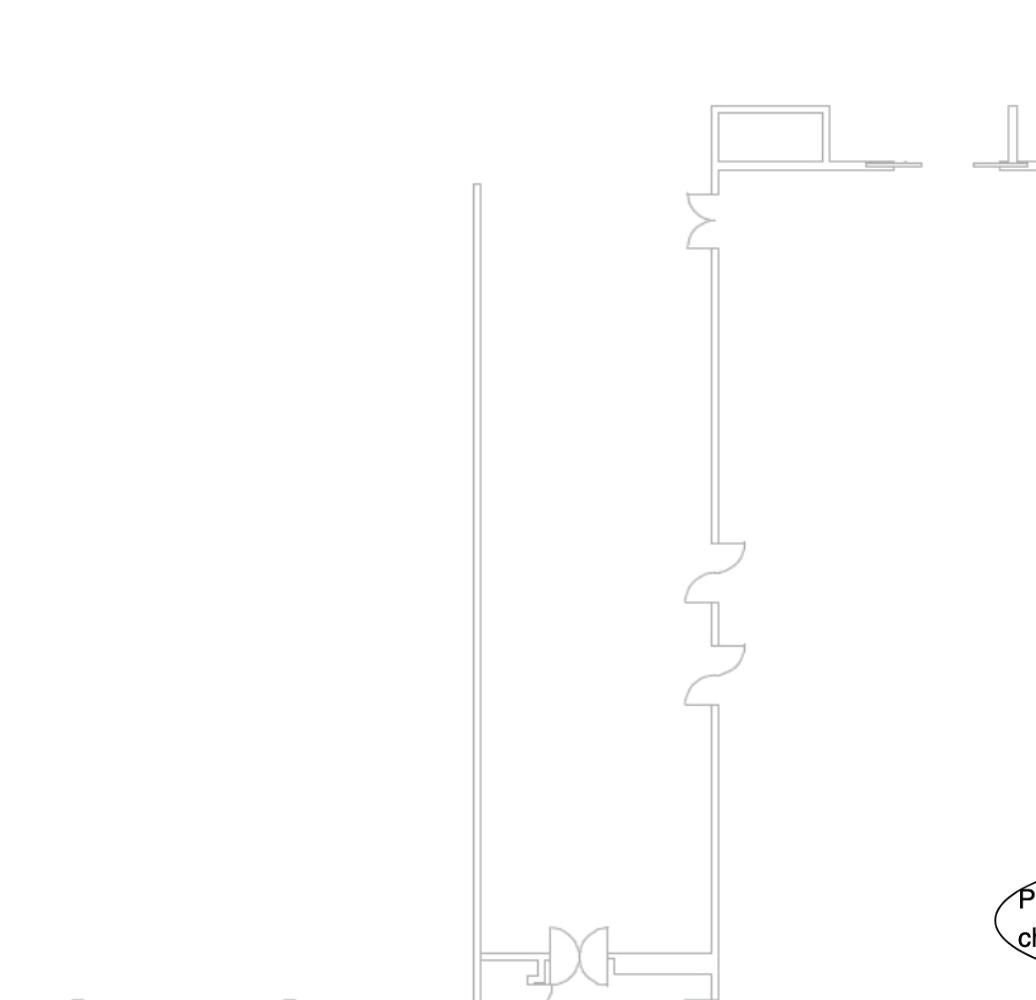
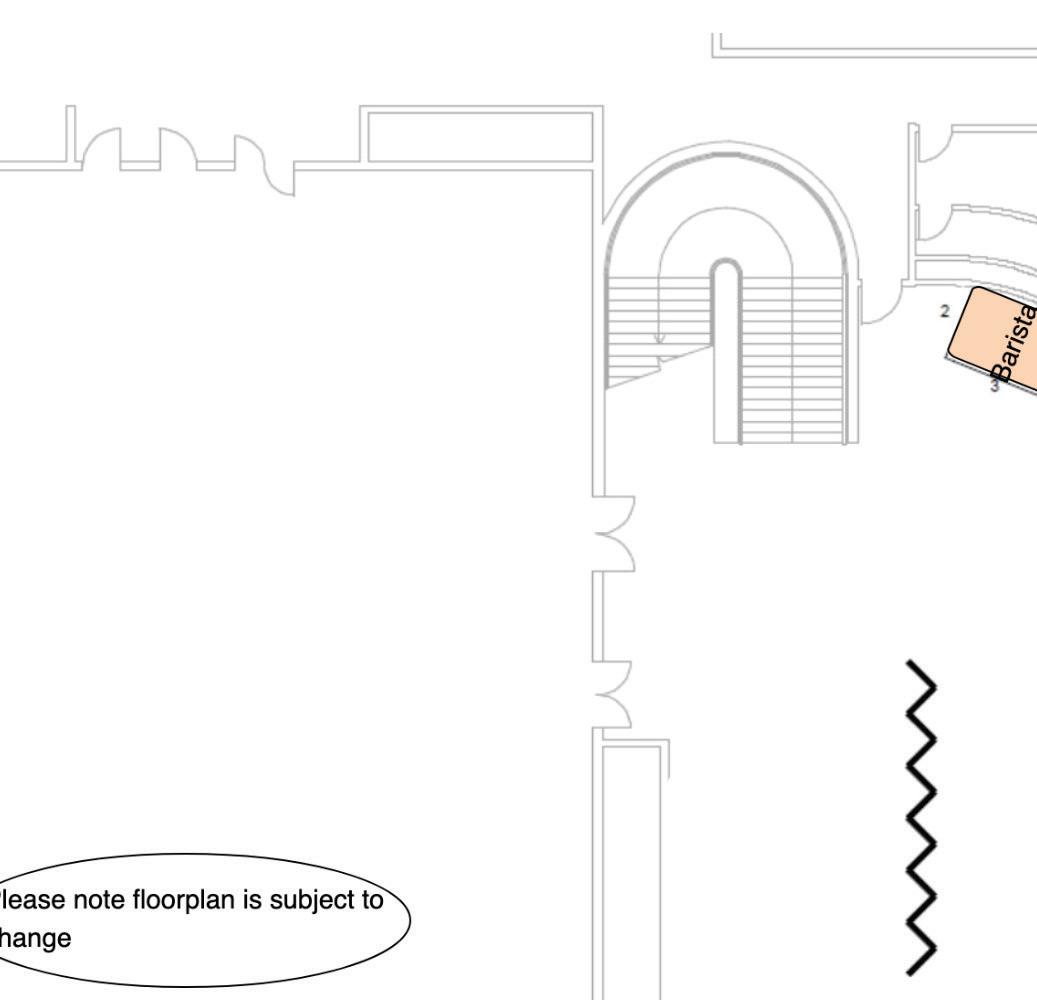
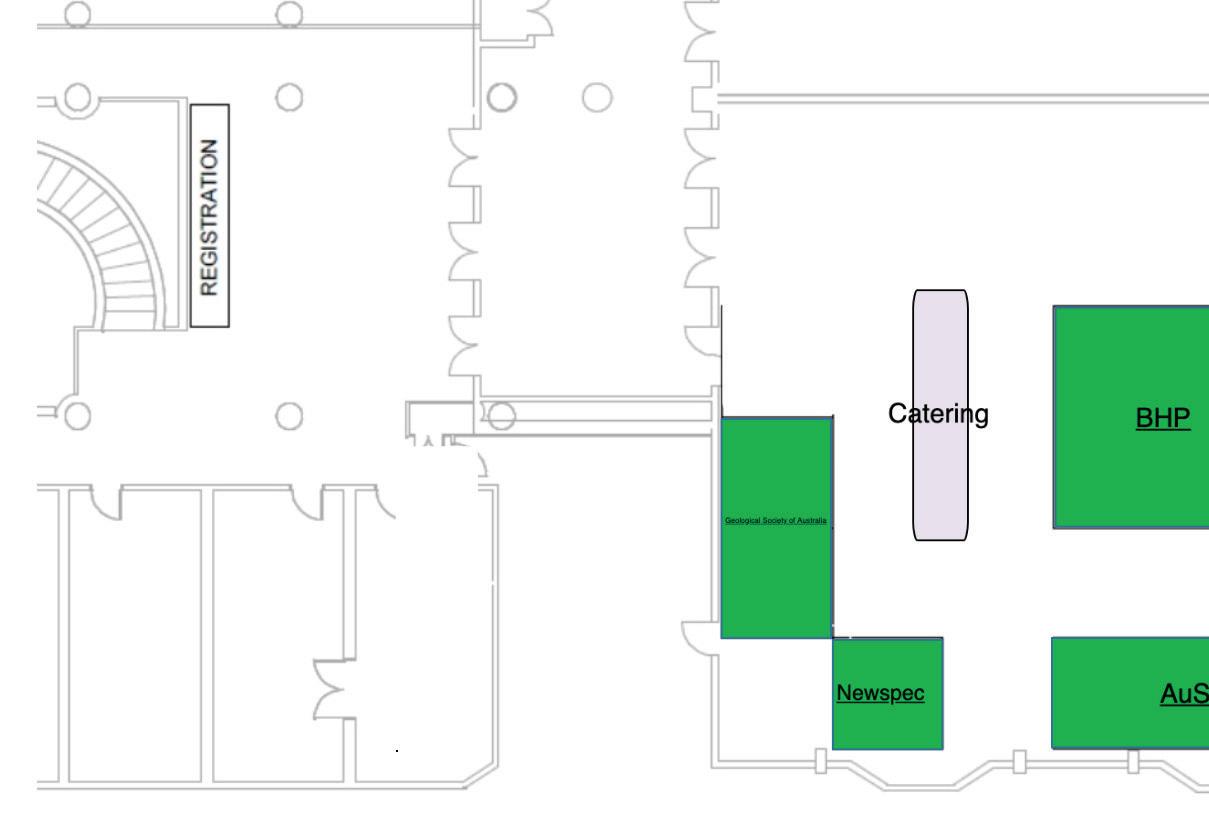
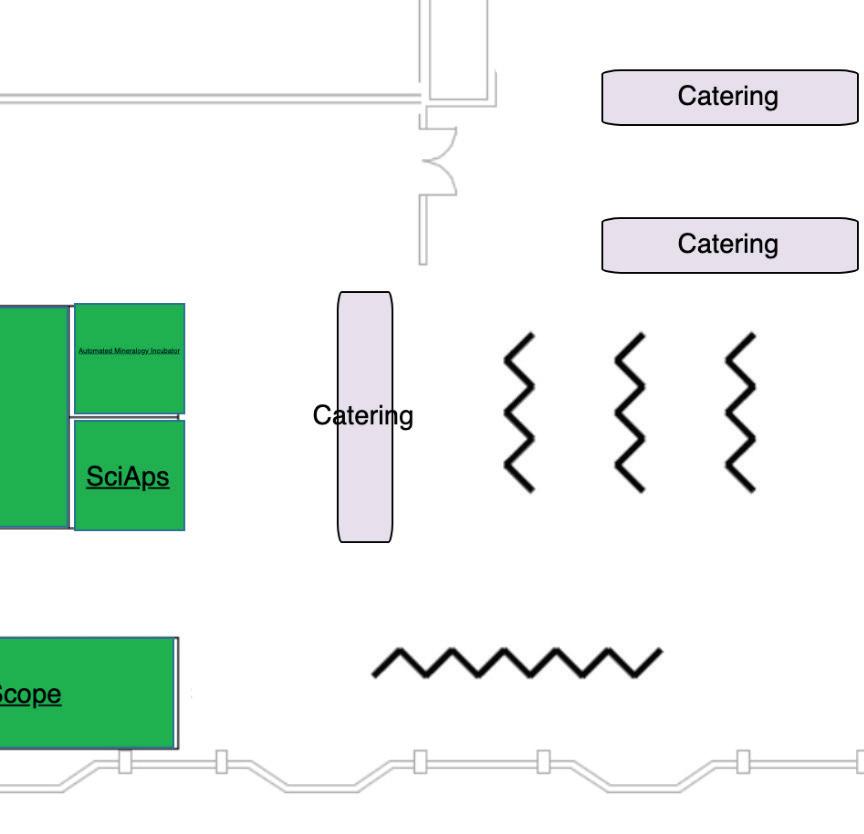
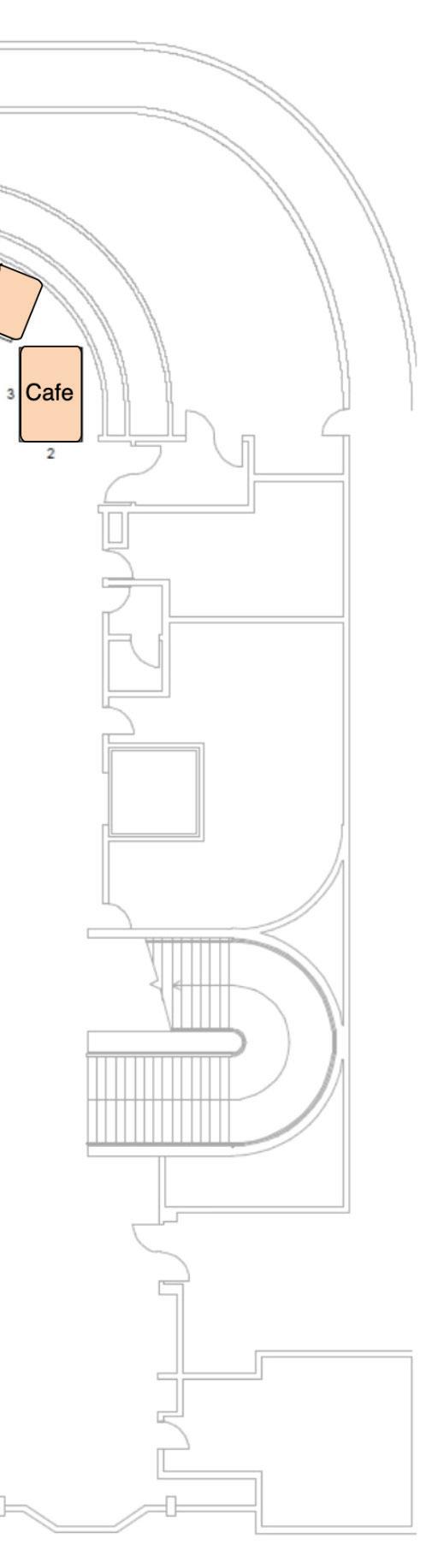
Abstracts
44 - Economic Mineral Systems in the Regolith
Dr Walid Salama1
1CSIRO Mineral Resources
Session: ARGA Exploring Australia’s Regolith, Landscapes & Climates, Lake Room 1 & 2, February 5, 2026, 11:00 AM - 1:00 PM
Regolith, the blanket of weathered material overlying fresh bedrock, plays a central roe in the formation, preservation, and discovery of economic mineral systems. Its chemical, mineralogical, and physical evolution controls the mobility and concentration of metals, often generating secondary enrichment zones that are more attractive than the primary protolith.
In tropical and subtropical regions, intense weathering produces lateritic profiles that host significant mineral resources. Nickel laterites form as magnesium and silica are leached from ultramafic rocks, leaving nickelrich oxide or clay horizons. Similarly, prolonged weathering of aluminous rocks generates bauxite, enriched in aluminium after removal of soluble components.
Gold is another commodity strongly influenced by regolith processes. In deeply weathered terrains, primary deposits may be remobilised into saprolite, ferricerete or redistributed into colluvial and alluvial environments. Nugget formation, secondary dispersion, and accumulation in drainage systems are important exploration guides in regolith-dominated terrains.
Iron and manganese ores also highlight the significance of supergene enrichment. Repeated cycles of leaching and precipitation within weathering profiles and palaeochannels produce high-grade hematite, goethite, and manganese oxides.
Weathered carbonatites can yield supergene deposits enriched in rare earth elements, niobium, phosphorus, and occasionally uranium, typically hosted in secondary phosphates and Fe–Mn oxides. Granite weathering may also form kaolinite-rich profiles enriched in tin, tungsten, tantalum, niobium, and REE, commonly associated with clays and Fe-Mn oxides.
Beyond ore formation, regolith exerts a strong influence on exploration. Metal redistribution through groundwater, adsorption onto Fe–Mn oxides, or incorporation into clay minerals produces halos and dispersion trains detectable in soils and sediments.
Overall, regolith acts as both a host and modifier of mineral systems. Its capacity to concentrate critical and strategic metals underpins its importance to global resource supply, while its complex geochemical processes continue to present opportunities and challenges for mineral exploration.
Abstracts (continue)
128 - The role of groundwater in understanding near-surface geochemical interfaces: insights from the Georgina Basin.
Mr Ivan Schroder1, Dr Patrice de Caritat1,2, Dr David Huston1,3, Dr David Champion1,4, Mr Philip Main1
1Geoscience Australia, 2Curtin University, 3Australian National University, 4Granite Resources
Session: ARGA Exploring Australia’s Regolith, Landscapes & Climates, Lake Room 1 & 2, February 5, 2026, 11:00 AM - 1:00 PM
Groundwater and regolith are intimately linked through a range of geochemical processes that govern element mobility, redox transitions, and mineral stability in the near-surface environment. While regolith studies have traditionally focused on solid-phase geochemistry, groundwater offers a complementary and often underutilised perspective, acting as both a transport medium and a geochemical archive. By examining groundwater chemistry, we can gain new insights into the evolution of weathering profiles, the provenance of geochemical anomalies, and the long-term cycling of elements within the earth.
This talk presents an integrated approach to understand groundwater–regolith interactions. We explore how groundwater geochemistry can reflect and influence redox boundaries as well as help extrapolate geochemical anomalies that are observed from drill-holes. Using the Georgina Basin in northern Australia as a case study, we investigated groundwater chemistry alongside whole-rock and isotope geochemistry from nine drillholes in the Cambrian Limestone Aquifer. Two key geochemical interfaces were identified: a ‘supergene zone’ (~10–30 m) and a ‘water-intercept zone’ (~40–75 m). These interfaces mark redox transitions and are composed of minerals with high adsorption capacity (e.g. clays, Fe/Mn [oxihydr]oxides), which are enriched in critical and strategic elements (i.e. Cu, Zn, P).
Diagnostic Pb isotope signatures support the interpretation that these enriched interfaces are reflecting mineralisation within the Georgina Basin, consistent with known sediment-hosted Zn-Pb systems. The combined groundwater and rock chemistry enabled development of a conceptual model where deeper primary mineralisation undergoes chemical weathering, releasing elements into groundwater. These elements are transported and re-concentrated at shallower redox-controlled interfaces. These zones act as both chemical traps and prospective sampling targets for exploration. This study demonstrates the understanding we can gain by considering the geochemical interactions between groundwater, rock, mineralisation and regolith, which can provide new insights into landscape evolution processes and offer a complementary tool for regional mineral exploration.
Abstracts (continue)
72 - The first regolith lead isoscape of Australia and its applications
Dr Candan Desem1,2, Prof Jon Woodhead1, Dr Patrice de Caritat3,4, Dr Roland Maas1, Dr Graham Carr4
1The University Of Melbourne, 3Geoscience Australia, 4Curtin University, 5Commonwealth Scientific and Industrial Research Organisation
Session: ARGA Exploring Australia’s Regolith, Landscapes & Climates, Landscapes & Climates, Lake Room 1 & 2, February 5, 2026, 11:00 AM - 1:00 PM
We present the first national-scale lead (Pb) isotope maps of Australia based on surface regolith for five isotope ratios, 206Pb/204Pb, 207Pb/204Pb, 208Pb/204Pb, 207Pb/206Pb, and 208Pb/206Pb, as well as some of the new dataset’s potential applications. The dataset is underpinned principally by the National Geochemical Survey of Australia (NGSA) archived floodplain sediment samples. We analysed 1219 ‘top coarse’ (0–10 cm depth, <2 mm grain size) samples, collected near the outlet of 1119 large catchments covering 5.647 million km2 (~75 % of Australia).
Lead (Pb) isotope tracing is widely used in environmental monitoring and public health studies, to determine the provenance of agricultural and archaeological materials, and in mineral exploration campaigns. Combined with elemental analyses, Pb isotope ratios are used to ‘fingerprint’ the sources and transport paths of Pb found in multiple targets including dust, soil/regolith, plants, water and blood, to name a few. Low cost and high throughput are important factors in such studies - typically performed using solution-mode Inductively Coupled Plasma -Mass Spectrometers (ICP-MS). Here we present the first Pb isoscape in regolith for the Australian continent measured by high-throughput single-collector sector-field inductively-coupled-plasma massspectrometry (SC-SF-ICP-MS) following the use of the P618 Partial Leach Method from CSIRO (Carr et al., 2011) to isolate Pb signatures further.
The continent-wide Pb isotope regolith map of Australia reveals that Pb isotope signatures of the top coarse aqua-regia digested fraction of regolith are dominated by Pb derived from catchment bedrock geology. At the smaller scale, we see overprints of anthropogenic Pb contributions in some areas and evidence of reworking along palaeochannels.
Abstracts (continue)
7- Evidence for Late Palaeozoic? Glacial Sedimentation in the Lower Lefroy Drainage System, Southern Yilgarn Craton, Western Australia
Mrs Leah Lynham1, Dr Espen Knutsen1,2, Dr Romain Vaucher1, Professor Gregory Smith3, Professor Paul Dirks1
1James Cook University, 2Queensland Museum, Tropics, 3Curtin University
Session: ARGA Exploring Australia’s Regolith, Landscapes & Climates 2, Lake Room 1 & 2, February 5, 2026, 3:30 PM - 5:30 PM
Large-scale drainage systems across the Yilgarn Craton (YC) have long been debated regarding their origin. Evidence from the northern YC, including low-relief topography, tunnel valleys, basal infillings of tillite and glacio-fluvial sediments in the Roe and Carey drainages, bedrock striations near Wiluna, and boulder pavements in the Leonora-Laverton area, supports a glacial origin for these valleys.
In contrast, the Lefroy Drainage System (LDS), located in the southern YC, lacks direct glacial evidence. Instead, its glacial origin is inferred from indirect indicators, such as deposits tentatively attributed to the Paterson Formation. The “Paterson Formation”, defined and interpreted as deposited during the Late Palaeozoic Ice Age based on sedimentary successions from the northern YC, occurs in both outcrop and subsurface within the LDS and the adjacent Officer Basin.
This study presents new evidence for glaciogenic sediments within the LDS, derived from field investigations at Madoonia Breakaways and Fitzgerald Lagoon, supplemented by drainage system morphology analyses. Field observations, facies descriptions, and clast form analyses (including shape, texture, and C40:RA% plots) reveal rare clast striations and facets, bullet-shaped, and polymictic clasts composed of gneiss, chert, and banded iron formation. These characteristics suggest the presence of glacio-fluvial gravels, tillites, and a boulder lag infilling a southwest-northeast trending topographic depression.
Morphological analyses using Digital Surface Model data and depth-to-basement models from subsurface drill hole logging refine the history of the LDS, indicating that glacial processes initiated its development. While the timing of glaciogenic deposition remains undetermined, further dating analyses are required to establish a definitive chronology.
Abstracts (continue)
150 - An automatic adjoint modelling framework for Glacial Isostatic Adjustment, via G-ADOPT
Dr Will Scott1, Dr Mark Hoggard1, Dr Sia Ghelichkhan1, Dr Angus Gibson1, Dr Stephan Kramer2, Dr Thomas Duvernay1, Dr Dale Roberts1, Professor Rhodri Davies1
1Australian National University 2Imperial College London
Session: ARGA Exploring Australia’s Regolith, Landscapes & Climates 2, Lake Room 1 & 2, February 5, 2026, 3:30 PM - 5:30 PM
Glacial Isostatic Adjustment (GIA) models are crucial tools for a range of climate-science problems. They are used in geodetic studies of modern ice-sheet change to correct for ongoing GIA related to the Last Glacial Maximum, in paleoclimate studies to provide constraints on past ice-sheet extent and sea level, as well as in geodynamic studies to investigate the feedback between ice sheets and the solid Earth.
A key challenge in GIA modelling is carrying out a computationally efficient inversion for unknown ice-loading history and mantle rheology, allowing for 3D viscosity variations and/or the presence of complex rheologies, whilst remaining faithful to observational datasets (both paleo and modern).
Here, we present a major step towards this goal with G-ADOPT. Building on the Firedrake finite element framework, G-ADOPT solves the equations governing GIA and can automatically generate an adjoint model. Crucially, this enables implementation of gradient-based optimisation strategies that are essential for tackling high-dimensional inverse problems.
Using synthetic examples in an Earth-like domain, we demonstrate G-ADOPT’s ability to reconstruct ice histories and image mantle viscosity variations, providing a roadmap for reducing the uncertainty associated with GIA in future sea-level projections.
Abstracts (continue)
85 Applying multi-disciplinary groundwater geoscience to enhance regional hydrogeological knowledge – case studies from the Kati Thanda – Lake Eyre and Georgina basins
Dr Steve Lewis1, Mr Tim Evans1, Dr Prachi Dixon-Jain1, Dr Caleb Bishop1, Mr Josh Lester1, Dr Andrew McPherson1, Ms Larysa Halas1, Mr Jim Hansen1, Ms Gia Pho1, Ms Penny Kilgour1, Mr John Vizy1
1Geoscience Australia
Session: ARGA Exploring Australia’s Regolith, Landscapes & Climates 2, Lake Room 1 & 2, February 5, 2026, 3:30 PM - 5:30 PM
As part of the Exploring for the Future Program, Geoscience Australia completed basin-scale hydrogeological assessments to improve data availability and knowledge of several large, cross-border groundwater systems. These studies, which recognised the limited nature of prior basin-wide groundwater data integration and analysis, focused on the Cenozoic sediments of the Kati Thanda – Lake Eyre Basin in central Australia and the Cambrian Limestone Aquifer in the Georgina Basin (northern Australia). The results and key findings of these assessments were released in mid-2024 in technical reports and datasets through Geoscience Australia’s Data and Publications Catalogue.
Our investigations applied novel analysis and integration methods to uplift the value of existing geoscientific and hydrological datasets and enhance the conceptual understanding of regional groundwater flow systems. For example, we applied multi-faceted analysis approaches to assign aquifers to unclassified groundwater bores, thereby substantially increasing regional-scale aquifer attribution in areas with low data availability. We also used existing airborne electromagnetics data to improve knowledge of aquifer architecture and groundwater flow systems in key locations, such as the Lawn Hill (Boodjamulla) Springs in north-west Queensland and the Cooper Creek Floodplain. These, and other complementary geoscience approaches, have enhanced our understanding of key hydrogeological features, such as the extent and thickness of hydrostratigraphic units and their basin-scale architecture, regional groundwater flow system characteristics, and the variability of hydrochemical parameters. This improved understanding supports ongoing resource management, and contributes to accessible, nationally consistent groundwater data and insights for communities, industry, researchers, and decision-makers.
The integrated, multi-disciplinary hydrogeological assessment methods used during Exploring for the Future will be further refined and applied to future basin-scale groundwater studies under the Resourcing Australia’s Prosperity initiative. Our initial scoping has identified the Carpentaria and Karumba basins in northern Queensland as the next area for application of these regional-scale investigative approaches.
Abstracts (continue)
8 - Glacial Origins of the Lefroy Drainage System, Southern Yilgarn Craton
Mrs Leah Lynham1, Dr Espen Knutsen1,2, Dr Romain Vaucher1, Professor Gregory Smith3, Professor Paul Dirks1
1James Cook University, 2Queensland Museum, Tropics, 3Curtin University
Session: Thursday Poster Session, Exhibition & Poster Session, February 5, 2026, 5:30 PM - 6:00 PM
Large-scale drainage systems across the Yilgarn Craton (YC) have long been debated regarding their origin. Evidence from the northern YC, including low-relief topography, tunnel valleys, basal infillings of tillite and glacio-fluvial sediments in the Roe and Carey drainages, bedrock striations near Wiluna, and boulder pavements in the Leonora-Laverton area, supports a glacial origin for these valleys.
In contrast, the Lefroy Drainage System (LDS), located in the southern YC, lacks direct glacial evidence. Instead, its glacial origin is inferred from indirect indicators, such as deposits tentatively attributed to the Paterson Formation. The “Paterson Formation”, defined and interpreted as deposited during the Late Palaeozoic Ice Age based on sedimentary successions from the northern YC, occurs in both outcrop and subsurface within the LDS and the adjacent Officer Basin.
This study presents new evidence for glaciogenic sediments within the LDS, derived from field investigations at Madoonia Breakaways and Fitzgerald Lagoon, supplemented by drainage system morphology analyses. Field observations, facies descriptions, and clast form analyses (including shape, texture, and C40:RA% plots) reveal rare clast striations and facets, bullet-shaped, and polymictic clasts composed of gneiss, chert, and banded iron formation. These characteristics suggest the presence of glacio-fluvial gravels, tillites, and a boulder lag infilling a southwest-northeast trending topographic depression.
Morphological analyses using Digital Surface Model data and depth-to-basement models from subsurface drill hole logging refine the history of the LDS, indicating that glacial processes initiated its development. While the timing of glaciogenic deposition remains undetermined, further dating analyses are required to establish a definitive chronology.
Abstracts (continue)
312 - Australian Biogenic Carbonates: A Climate Thermometer?
Mr Harrison Jarman1, Ms Jessica Henley1, Ms Syarifah Nur Alisya Binti Syed Alwi1, Dr Karen Privat2, Dr Indrani Mukherjee1
1School of Biological Earth and Environmental Sciences 2Electron Microscope Unit Mark Wainwright Analytical Centre
Session: Thursday Poster Session, Exhibition & Poster Session, February 5, 2026, 5:30 PM - 6:00 PM
Biogenic carbonates can deposit in a range of settings determined by intersecting environmental variables. Temperature in particular is a useful discriminator for Australian biogenic shelf carbonates which are divided between lower latitude warm/tropical/photozoan and cool/temperate/heterozoan environments. An extensive series of lab-based research into the proxy applications of carbonate geochemistry is not reflected in the limited research applied to natural samples. Consequently, little is known on how these lab-based observations manifest in the natural world. This is coupled with a general underrepresentation of marine sediments compared to terrestrially sourced proxy archives (speleothems, ice cores, tree rings) in paleoenvironmental research.
This Honours thesis aims to characterise and discriminate the geochemistry of warm and cool water end members of Australian biogenic carbonates. Here we compare marine sediment cores from the Great Australian Bight (ODP Expedition 182) with sediment cores extracted from the North West Shelf of Australia (ODP Expedition 123 & IODP Expedition 356). A suite of whole-rock and in-situ geochemical techniques reinforces the feasibility of trace element geochemistry as a tool to discriminate between depositional end members. Further, LA ICP-MS image mapping highlights geochemical heterogeneity within the sediment assemblage, linked to variation in how carbonate-producing organisms incorporate trace elements into their skeletons.
This project adds to a growing database of high-resolution geochemistry for biogenic carbonates deposited off Australia’s continental shelf. In-situ analysis of biogenic carbonate sediments has the potential to mark a step change in understanding localised trace element incorporation, which is otherwise lost in whole-rock techniques. We identify Sr, U, Mo, Mn as potential proxies for discriminating between warm and cool water end members.
Abstracts (continue)
160 - Palaeogeography reconstructions throughout the Cenozoic: progress and future directions
Dr Nicky Wright1
1EarthByte Group, School of Geosciences, The University Of Sydney
Session: Thursday Poster Session, Exhibition & Poster Session, February 5, 2026, 5:30 PM - 6:00 PM
Palaeogeography reconstructions, which involve the reconstruction of Earth’s surface topography and bathymetry within a plate tectonic context, are crucial for understanding changes in past climate, sea level, biodiversity, as well as the development of critical resources.
While palaeogeography has often been used as a picturesque map in publication figures or even in museums, such reconstructions can provide important geoscientific context, as well as serve as a key boundary condition in many aspects of Earth science including palaeoclimate and landscape evolution modelling. However, there are very few published global palaeogeography reconstructions, and available reconstructions are often constrained to a single time slice (e.g., Middle Miocene, ~15 Ma), or a series in ~5 Myr increments.
Here, I explore the published palaeogeography reconstructions throughout the Cenozoic, and compare differences between reconstructions for key times, including the Early Eocene (~55 Ma) and Middle Miocene. I also uncover many of the workflows used to create such reconstructions, and highlight sources of uncertainties within. Additionally, I illustrate new approaches for reconstructing palaeogeography with quantified uncertainties in a more open and reproducible framework, allowing for future advances in proxy data and other constraints to be incorporated.
Abstracts (continue)
310 - Past dynamics of the Cook Glacier (East Antarctica): Insights from sedimentary provenance techniques
Mr James Trihey1, Dr Taryn Noble1, Dr Jacqueline Halpin1, Dr Zanna Chase1
1University Of Tasmania
Session: Thursday Poster Session, Exhibition & Poster Session, February 5, 2026, 5:30 PM - 6:00 PM
In East Antarctica, the Wilkes Subglacial Basin (WSB) is a large low-lying area drained by the Mertz, Ninnis and Cook Glaciers. Enough ice is stored within the WSB ice sheet that if it were to completely melt, global sea levels would rise 3-4 m. Previous observations and modelling suggest that the ice sheet in this region is highly sensitive to atmospheric and ocean forcings.
Changes in the provenance of detrital sediment in the region have previously been used to infer past glacial to interglacial changes in the grounding zone of the ice sheet. These studies have used changes in the isotopic ratios of detrital neodymium (Nd) and strontium (Sr) in marine sediment cores from the continental slope.
Results from these studies have been interpreted as showing large-scale inland retreat of the ice sheet into the WSB during interglacial periods.
Our study will be the first to use Nd and Sr data from cores collected in 2022 that allow for the Cook Glacier signal to be isolated, enabling comparison of Cook and Ninnis glacial signals, and to the aforementioned previous studies. Detrital lead (Pb) can be used as a similar provenance proxy to Nd and Sr, and the authigenic fraction of Pb can be used as a proxy for past subglacial chemical weathering and ice sheet change.
There are currently no records of Pb in the WSB region, and this study will address that by presenting both detrital and authigenic Pb records for sediment cores on the continental slope offshore the WSB. Our work will provide insights into past ocean-ice sheet dynamics and help determine whether historical changes in the location of the WSB grounding zone can be inferred from radiogenic isotopes in the marine sedimentary record, or if other mechanisms are at play.
Abstracts (continue)
195 - A pre-Pliocene landscape buried beneath a fluvial sediment system: A unique Australian record of Pliocene climate
Prof Robert Henderson1, Mr Max Nind
2
1Earth Sciences, James Cook University,
Enviromental Resources Management
Session: ARGA Exploring Australia’s Regolith, Landscapes & Climates 3, Lake Room 1 & 2, February 6, 2026, 9:30 AM - 10:30 AM
Pattern drilling, involving some 2000 percussion holes, has been undertaken for mineral exploration in the Charters Towers district of north Queensland to access bedrock covered by the early Pliocene Campaspe Formation. This unit ranges to over 200 m in thickness, with an average of about 60 m, and its surface presents as the present landscape which is an extensive inland plain (>11000 km2) of very low relief at an elevation of 440-200 m.
The drilling records reveals that the bedrock surface beneath the Campaspe Formation is a buried landscape with a relief ranging to 100 m. Early Pliocene drainage across that landscape and a much wider region, was incompetent in transporting erosional products to the coast. This is an extraordinary circumstance for landscape processes and attests to a highly unusual climate that resulted in intermittent and temporary stream power in which much of the sediment load became stranded at an inland location, burying the preexisting topography. The facies of the Campaspe Formation confirms this assessment. It consists of poorly sorted sandstone, minor conglomerate and siltstone and contains paleosol horizons. Matrix supported sandstone in the succession indicates abrupt deposition, very poor sorting, likely to involve hyperconcentrated flows.
Sandstones generally show poorly defined planar layering as typical of ephemoral overbank and terminal splay sediment bodies but beds with cross lamination, indicating fluvial channel bedforms, also occur. They are characterised by pore-filling silt and mud, largely emplaced by post-depositional infiltration. These attributes are consistent with fluvial deposition in ephemeral, dry climate, distributary systems inefficient in crossdrainage discharge, inducing aggradation and resulting in a substantial sediment body perched in the landscape. Campaspe Formation facies and its occurrence attest to early Pliocene aridity in northeast Australia, a climate strongly contrasting with that of the present. A similar circumstance was likely for much of Australia.
Abstracts (continue)
190 - Where is the waning Cosgrove plume? Clues from Last Interglacial shoreline elevations in southeastern Australia
A/Prof Nicolas Flament1, Professor Colin V. Murray-Wallace1
1University Of Wollongong
Session: ARGA Exploring Australia’s Regolith, Landscapes & Climates 3, Lake Room 1 & 2, February 6, 2026, 9:30 AM - 10:30 AM
The present-day elevation of paleoshorelines indicates the cumulative eustatic and relative sea-level changes since their formation. Paleoshorelines in tectonically active regions can be used to infer tectonic uplift rates, and paleoshorelines in tectonically quiescent regions can be used to ascertain the interplay between eustatic sea-level change and large-scale processes such as glacio-isostatic adjustment and mantle dynamic topography. Here we consider the last interglacial period that corresponds to Marine Isotope Substage 5e (~128-116 ka ago) during which eustatic sea level was higher than higher than in the present, Holocene Interglacial. We focus on southeast Australia, which comprises tectonically quiescent regions such as the Gawler Craton, regions presenting neotectonic activity such as the Adelaide Region and volcanic activity towards the end of the Cosgrove hotspot track – Earth’s longest continental hotspot track.
The elevation of Last Interglacial successions in southeastern Australia is well documented for MIS 5e, making it possible to investigate the relationship between tectonic or geodynamic environments and paleoshoreline elevations. We analyse the relationship between MIS 5e paleoshoreline elevation and
1. tectonic environments as indicated by continental-scale earthquake data, fault data and distribution of volcanic rocks; and
2. geodynamic environments as indicated by continental-scale models of crustal thickness, lithospheric thickness, residual topography, dynamic topography, and seismic tomography.
The most elevated MIS 5e shorelines in southeastern Australia are in Tasmania, and seismic tomographic models reveal that these locations are associated with seismically slow (and therefore hot) mantle. In the absence of recent volcanic activity, this suggests that elevated Tasmanian MIS 5e shorelines are associated with doming above the waning Cosgrove mantle plume. Our analysis confirms that MIS 5e sea level peaked at around 5.8 m above present-day sea level in southeast Australia and shows that neotectonics and recent volcanic activity also affect MIS 5e paleoshoreline elevations in the region.
Abstracts (continue)
192 - The Critical Role of Science Communication and Education in Geoscience. Stories from the regolith and how we live with it.
Dr Verity Normington1, Dr Steve Hill1, Ms Louise Soroka1, Mr Dominic Iffland1, Ms Tamara Alden1, Ms Emily Robson1, Ms Holly Badior1, Mr Liam Newton1, Dr Keith Sircombe1, Dr Margaret Sweeney1, Mr Doug NewtonWalters1, Ms Jess Scott1, Dr Meredith Orr1, Ms Kristen Hannan, Ms Monica Davis1
1Geoscience Australia
Session: ARGA Exploring Australia’s Regolith, Landscapes & Climates 3, Lake Room 1 & 2, February 6, 2026, 9:30 AM - 10:30 AM
As global challenges for sustaining our quality of life continue and intensify, such as climate change, natural hazards, and sustainable resource management, the sustainability and trust in our science is paramount. Our science needs to be of fit-for-purpose quality, integrity, and transparency to build and maintain trust. However, if this is not openly and innovatively shared through science communication, its value and impact are diminished. As a result, the need for effective geoscience communication and education has never been more important. Science plays a vital role in helping society make informed decisions, but its impact depends on how well it is understood and trusted. Communication and education are not peripheral—they are central to the geoscience mission.
The scientific skills and knowledge to understand and work with the regolith are important because it is the regolith interface that we directly live with. It brings together many of the components of the Earth’s system that we require to sustain our life and how we live.
Scientists must move beyond only publishing papers and reports and include sharing the knowledge with our community stakeholders through science communication in ways that resonate with communities and decisionmakers alike.
Geoscience Australia initiatives like Digital Atlas of Australia, Education Centre, and the Rocks that Shape Australia exhibition engage students and visitors, fostering STEM interest and long-term geoscience literacy.
Science communication can highlight a connection to country and can demonstrate the importance of emotion, relevance, and storytelling in engaging diverse audiences. Science outreach should be embedded in how we conduct Earth science—from planning and discovery to delivery. The job is not completed until the science is shared. Effective communication evokes curiosity and passion, helping people understand why Earth science is a matter of concern for them, their families, and their future.
Abstracts (continue)
210 - Using Permian glacials and Paleocene-Eocene Thermal Maximum regolith as time markers to constrain and understand the uplift history and landscape evolution of the Australian Alps
Mr Ross Cayley1, Mr Tom Andrews1
1Geological Survey Of Victoria
Session: ARGA Exploring Australia’s Regolith, Landscapes & Climates 4, Lake Room 1 & 2, February 6, 2026, 11:00 AM - 1:00 PM
Considering the diversity of landscapes across the width of the Victorian Great Dividing Range allows for a nuanced understanding of SE Australia landscape evolution. This includes establishing uplift timing, controls on uplift differentiation, and characterising complex erosion histories which show distinct differences between western and eastern Victoria.
We use the distribution and differential preservation of Permian glacial features and deep indiscriminate, tropical-style regolith profiles formed during the Palaeocene-Eocene Thermal Maximum (PETM) as timemarkers to constrain Victoria’s landscape evolution. We conclude that Permian landscapes are surprisingly intact in parts of west/central Victoria where Cretaceous uplift was limited, but have been denuded where Cretaceous uplift was substantial.
Uplifted Cretaceous landscapes deeply dissected prior to the Eocene feature in-situ PETM regolith remnants upon and below the high erosional escarpments that incise them. PETM valley incisions are deep, broad and occupied by significantly underfit modern rivers. Aggressive PETM erosion formed spaced inselberg mountain landscapes confined to west/central Victoria and south Gippsland.
Cretaceous-uplifted plateau landscapes that weren’t deeply incised until after the PETM are ubiquitous across northeastern Victoria (Victorian Alps) and extend into the SE NSW Alps. The alps are characterised by incised erosional escarpments and valleys that, critically, lack PETM regolith. Post-PETM valley forms are typically V-shaped and sized consistent with their modern rivers.
All mountain uplift in Victoria was Cretaceous, but subsequent erosion histories show marked differences. We attribute aggressive pre-Eocene erosion of uplifted Cretaceous landscapes in west/central Victoria to a persistently southwesterly-derived PETM high rainfall regime, with Cretaceous alpine mountains in NE Victoria and SE NSW remaining uneroded in an orographic rain-shadow to prevailing PETM weather. Subsequent PETM decline combined with warm south-flowing East Australian Current growth switched the rainfall regime to easterly derived. This initiated deep Alpine erosion post-PETM, with Permian-Eocene landscapes of central/west Victoria swapped into a post-PETM orographic rain-shadow.
Abstracts (continue)
256 - Tectonic and Volcanic Controls on Late Cenozoic Drainage Networks
Mr David Yanyi Akofur1
1
Monash University
Session: ARGA Exploring Australia’s Regolith, Landscapes & Climates 4, Lake Room 1 & 2, February 6, 2026, 11:00 AM - 1:00 PM
Buried palaeochannels in Bendigo Zone, southeastern Australia, record how intraplate deformation modified drainage along the Murray Basin margin. A geophysical geomorphic workflow was applied to reconstruct palaeovalley geometry and orientation, linking them to basement structures to evaluate late Cenozoic tectonic controls.
High-resolution aeromagnetic imagery, enhanced through RTP, vertical derivatives, and shaded relief, reveals faint curvilinear anomalies caused by iron-oxide alteration in palaeovalley fills, contrasting with Ordovician basement and Murray Basin sediments. Digitised centrelines are segmented for axial-orientation analysis and classified into dendritic, trellis, and sub-parallel, or anabranching forms based on confluence angles, trunk straightness, junction density, and spacing. Integration with magnetic and gravity lineaments identifies three relationships: valley terminations near structures, fault-parallel segments, and crossings with minimal structural expression. Preservation index combines burial depth, directional coherence, and alignment with modern thalwegs.
A regionally coherent drainage system extending from north to northeast developed during gentle tilting toward the Murray Basin. It was later segmented by east-northeast cross-faults that divided corridors into half-grabens with stepovers, lateral jumps, abrupt terminations, and strike-parallel confinement. Recent activity shows reorientation from west to northwest and east-southeast in south-central belts, including inverted and ponded reaches that have been impounded and covered by Newer Volcanics lavas. Footwalls along major north-south faults retain tight, fault-parallel orientations, while nearby hanging walls and relay zones display bimodal or orthogonal patterns, indicating block tilting and relay-zone partitioning. In the Axedale Heathcote corridor, channels kink and truncate at east-northeast scarps, pond upstream of cross-fault sills, and form inverted segments where lava cover has increased erosion resistance.
Linking magnetic textures, planform classes, and structural positions reveals that buried palaeochannels record a history of intraplate deformation from the Late Eocene to the Quaternary, offering a framework to refine geomorphic evolution, constrain neotectonic partitioning along basement faults, and inform groundwater, stratigraphy, and exploration beneath shallow cover.
Abstracts (continue)
273 - Insights into development of intensely weathered profiles using REE geochemistry and stable Nd isotopes
Ms Samantha Russo1,2, Dr. Alex McCoy-West1,2, Dr. Ignacio González-Álvarez2,3,4, Dr. Helen McCoy-West2
1Isotropics Geochemistry Laboratory, James Cook University, 2Economic Geology Research Centre, James Cook University, 3Mineral Resources, Commonwealth Scientific and Industrial Research Organisation, 4Centre for Exploration Targeting, University of Western Australia
Session: ARGA Exploring Australia’s Regolith, Landscapes & Climates 4, Lake Room 1 & 2, February 6, 2026, 11:00 AM - 1:00 PM
Weathering processes can facilitate the enrichment of critical metals, such as rare earth elements (REE). However, there are many knowledge gaps in understanding REE mobility, and groundwater chemistry and weathering intensity controls, particularly in deeply and intensely weathered landscapes (e.g., Australian, India and Brazil). Within these systems, REE mobility has been traditionally traced through REE patterns and anomalies, as well as radiogenic isotopes. Although these approaches give insight into sediment provenance and the pH and redox controls on REE mobility, intense weathering compromises the effectiveness of these tools. Therefore, we have also applied the novel Nd stable isotopes (¹⁴⁶Nd/¹⁴⁴Nd, expressed as δ146Nd) tracer to understand REE behaviour in weathering systems. As a result, both traditional and novel approaches are investigated at the intensely weathering Lady Ada Au pit, Yilgarn Craton, Western Australia.
The Lady Ada Au pit displays a weathering profile where in-situ (fresh rock, saprock and saprolite) are overlain by transported cover and soil. Through traditional REE mobility tracers, two significant relict groundwater table positions, and corresponding characteristics (i.e., pH and salinity), that resulted in REE fractionation (LREE/HREE > 1) and depletion from the progressively weathered upper saprolite are reconstructed. While, δ146Nd compositions at the Lady Ada weathering profile demonstrate a significant shift to light isotopes with progressive weathering (i.e. upper saprolite), and correlate moderately to strongly with traditional REE mobility and weathering indexes (e.g. clay content). Therefore, stable Nd isotopes are considered an effective REE mobility and weathering tracer, especially in systems with changing groundwater chemistry and position due to climate (e.g., southwestern Australia). Consequently, utilising Nd stable isotopes, in conjunction with traditional REE and weathering tracers, significantly broadens our understanding of REE mobility during landscape evolution.
Abstracts (continue)
153 - Improving our understanding of the links between near-surface physical properties and regolith
Mr Richard Chopping1
1Geological Survey of Western Australia, DMPE (WA)
Session: ARGA Exploring Australia’s Regolith, Landscapes & Climates 4, Lake Room 1 & 2, February 6, 2026, 11:00 AM - 1:00 PM
In covered terranes, geophysical techniques provide the only means of regional scale mapping of basement geology. Although they are the only practical methods to map under-cover geology, such techniques are subject to non-unique interpretations. A key limitation on any geophysical model is that the majority of the signal comes from the near surface; however, the properties of the near surface are often the least constrained.
Physical properties define the relationship between geology and geophysics: geophysical responses only arise due to physical property contrasts. Physical property measurements on legacy drill samples plus literature studies of basement properties provide constraints on the properties of the basement rocks.
As the near-surface in Australia is dominated by regolith, and this regolith material is rarely suited to laboratory measurements of most physical properties, the near-surface physical properties remain poorly studied. To make meaningful strides in the imaging of basement terrains, improvements must be made to the understanding of the relationship between the original unweathered rock, landscape evolution/weathering environment and the in-situ regolith physical properties.
With the world’s current increasing focus on critical mineral deposits, some of which may be near surface (e.g. ionic clay hosted rare-earth element deposits), there is clearly a need to improve how we understand the properties of regolith in the context of geophysics and hence geophysical responses.
Abstracts (continue)
282 - Tracing Paleoenvironmental Scars: Delineating Fluvial Relict Features Using Light Detection and Ranging and Bathymetry-Derived Relative Elevation Models on the Werribee Fluvial Fan
Mr Ajisaka Octawiyano1, Mr Afifudin Afifudin2, Dr Jan-Hendrik May1
1School of Geography, Earth and Atmospheric Sciences, University of Melbourne, 2Office for Environmental Programs, University of Melbourne
Session: ARGA Exploring Australia’s Regolith, Landscapes & Climates 4, Lake Room 1 & 2, February 6, 2026, 11:00 AM - 1:00 PM
The Werribee River forms a fan-shaped fluvial deposit in the Quaternary, an important landscape for agriculture in the Werribee Irrigation District, tourism at sites such as the K-road cliffs, and archaeology through Aboriginal artifact discoveries.
Southeastern Australia, including Port Phillip Bay where the river flows, is highly sensitive to climate shifts during the Quaternary. These changes can drive responses in the Werribee Fluvial System, causing aggradation and degradation and leaving geomorphic features such as paleochannels, incised valleys, and fluvial terraces. High-resolution digital elevation models (DEMs), namely the 5 m Geoscience Australia Light Detection and Ranging (LiDAR) DEM and the 10 m Victorian Coast Digital Elevation Model (VCDEM), reveal these features that field observations alone might miss.
This study aims to:
(1) identify and map relict features using an inverse distance weighting (IDW)-derived Relative Elevation Model (REM), high-pass (HP) filter, slope, and multidirectional hillshade on LiDAR and bathymetric data;
(2) quantify morphometric properties of the features, such as channel sinuosity, wavelength, width, depth, and terrace height above the river;
(3) establish the chronological order of feature formation using relative dating along with previous Optically Stimulated Luminescence (OSL) measurements as an absolute date anchor; and
(4) interpret periods of aggradation and degradation of the Werribee Fluvial System during the Quaternary.
The results demonstrate the river’s geomorphic responses to paleoenvironmental shifts, serving as a framework for understanding the Werribee River’s evolution throughout the Quaternary
Abstracts (continue)
182 - Regolith: The “Missing Link” in Geoscience
Dr Steve Hill1
1Geoscience Australia
Session: ARGA Exploring Australia’s Regolith, Landscapes & Climates 5, Lake Room 1 & 2, February 6, 2026, 2:00 PM - 3:00 PM
Earth Science offers evidence-based insights into our planet, enabling informed decisions on how we can best coexist with it. While Australia’s landscape is dominated by regolith—covering at least 80% of its near-surface geology—this area remains underrepresented in national geological / geoscience expertise. This oversight has stymied the development of regolith geoscience resulting in limiting our understanding of buried geology and the geological and environmental record within the regolith, but it also presents a major frontier with untapped opportunities.
Regolith geology can address major challenges, including sustaining the mineral resources industry (especially regarding REEs and other critical minerals), improving environmental management (such as water quality and ecosystem protection), and fostering community connections to the land and our planet.
To strengthen skills and knowledge in regolith geoscience, we must move past skeptical arguments about its legitimacy (mostly driven by the personal insecurities of those that define geoscience by their own personal experience and expertise) and broaden beyond narrow definitions of geoscience or Earth science. Groups like GSA’s ARGA are vital, but members should be dedicated to making their work accessible, relevant, and highquality.
Abstracts (continue)
20 - Evaluation of five natural mica reference materials for in situ Rb-Sr geochronology
Dr Hugo Olierook1, Dr Bruno Ribeiro1, Dr Kai Rankenburg1, Dr Janne Liebmann1, Prof Fred Jourdan1
1Curtin University
Session: AuScope EarthBank Symposium. Unlocking Australia’s Geochemical Data Infrastructure: Innovations in Techniques, Integration and Application, Lake Room 1 & 2, February 4, 2026, 9:30 AM10:30 AM
With the advent of reaction cells coupled to laser ablation systems, it has now become possible to perform in situ Rb-Sr geochronology to solve a wide variety of geoscientific problems. However, any solid-state analytical technique requires matching unknown materials to compositionally and crystallographically similar reference materials. Here, we characterize and evaluate five natural mica reference materials to test their suitability for in situ Rb-Sr geochronology, including one phlogopite (Mica-Mg phlogopite), three biotite (Mica-Fe biotite, Mount Dromedary biotite, La Posta biotite) and one muscovite candidates (Högsbo muscovite).
Mount Dromedary biotite and Mica-Fe biotite are the best reference materials, yielding a wide spread of Rb/Sr ratios within and between grains, and isochronous ages determined via in situ Rb-Sr geochronology, for which we recommend ⁴⁰Ar/³⁹Ar-derived ages of 99.37 ± 0.20 Ma and 307.75 ± 0.80 Ma, respectively. Mount Dromedary biotite and Mica-Fe biotite have significantly different ⁸⁷Rb/⁸⁶Sr ratios of 50–200 and 1,500–2,000, respectively, making them excellent choices as primary reference materials for both low and high Rb/Sr unknowns, required to overcome analytical issues with pulse–analogue issues in triple quadrupole mass spectrometers. La Posta biotite and Högsbo muscovite make reasonable low and high Rb/Sr secondary reference materials, with ages of 91.30 ± 0.25 Ma and 1029.7 ± 2.0 Ma, respectively, although both can occasionally yield spurious ages.
Each of these aforementioned four reference materials is isochronous, rather than isotopically homogeneous, necessitating new data reduction schemes for processing isochronous data. Mica-Mg phlogopite, currently the most commonly employed reference materials due to its apparent homogeneity, shows significant temporal heterogeneity, outside of the precision of in situ Rb-Sr geochronology, with this heterogeneity also captured in ⁴⁰Ar/³⁹Ar geochronology; we recommend Mica-Mg phlogopite be abandoned as a reference material. The authors may be contacted to obtain vials of mica concentrates from each of the four suitable reference materials.
Abstracts (continue)
102
- ISOTOPIC ATLAS OF AUSTRALIA – new and augmented datasets at national scale
Mr Sam Waugh1, Ms Sharon Jones1, Dr Geoff Fraser1, Dr Simon Bodorkos1, Dr Kathryn Waltenberg1, Dr Patrice de Caritat2, Dr David Champion, Dr Candan Desem3, Dr Janne Liebmann2, Dr David Mole1
1Geoscience Australia 2Curtin University 3The University of Melbourne
Session: AuScope EarthBank Symposium. Unlocking Australia’s Geochemical Data Infrastructure: Innovations in Techniques, Integration and Application, Lake Room 1 & 2, February 4, 2026, 9:30 AM10:30 AM
Geoscience Australia continues to expand continental-scale coverages of age and isotopic data, as part of its Isotopic Atlas of Australia activities. Recent developments have seen the inclusion of isotopic data measured in more diverse sample media (e.g. bio-available Sr), and major improvements in data density within pre-existing age and isotopic coverages. The expanded datasets are available from the Geoscience Australia Portal (https:// portal.ga.gov.au/persona/geochronology), where data can be visualised and filtered in a variety of ways online, or can be downloaded for use outside the online Portal.
Recent additions include:
• Geochronology compilations for New South Wales and South Australia. The release of these latest State compilations completes a first-pass national geochronology data coverage, now encompassing over 7500 geological ages.
• A second edition national coverage of whole-rock Sm-Nd isotopes with approximately triple the number of data points relative to the 2013 edition, providing a more comprehensive spatial and temporal picture of crustal growth.
• Expansion of the spatial coverage of Sr isotopes from floodplain sediments to include large areas of Western Australia. Nationally, the coverage has been augmented with a new and complementary dataset of bio-available Sr, with potential applications in archaeological, ecological and forensic studies.
• Development of a Pb isotope dataset from K-feldspars and whole-rocks (initially from crystalline basement rocks across southeastern Australia), to complement the existing coverage of ore minerals. A national coverage of Pb isotopes from floodplain sediments has also been included.
The national scale of this Isotopic Atlas effectively illustrates the age and isotopic patterns generated by the geological processes that have shaped the Australian continent. It also presents opportunities for integration with a wide range of national geoscience datasets, and for novel data visualisations such as the animation of magmatic and mineralisation events through time.
Abstracts (continue)
71 - What Drives Coal Tailings Processes in Semi-Arid Climate
Mr Abdulraheem Anumah1, Dr Wenqiang Zhang1, Dr Mandana Shaygan1, Professor Gordon Southam2, Professor Mansour Edraki1
1Sustainable Minerals Institute University Of Queensland 2School of the Environment University of Queensland
Session: AuScope EarthBank Symposium. Unlocking Australia’s Geochemical Data Infrastructure: Innovations in Techniques, Integration and Application, Lake Room 1 & 2, February 4, 2026, 9:30 AM10:30 AM
To investigate oxidation processes in coal tailings, a laboratory-based oxygen consumption method was applied to samples collected from six tailings storage facilities in the Bowen Basin, Queensland. An initial screening of 54 core samples using mineralogical and acid-base accounting data led to the selection of 24 samples for detailed physical and chemical characterisation, from which eight representative samples were chosen for kinetic testing.
These tests were designed to evaluate the influence of mineralogy, moisture content, particle size distribution, microbial activity, and temperature on oxidation rates. Each sample was incubated at 10% gravimetric moisture content in sealed 250 mL serum bottles at 35°C for approximately 200 days, with periodic gas-phase monitoring of oxygen and carbon dioxide concentrations via gas chromatography. Some samples were inoculated with acidophilic bacteria cultured from the study sites to assess microbial contributions to oxidation.
Results showed that moisture content was the dominant factor controlling oxygen consumption and CO₂ release, with peak oxygen uptake observed at 10% moisture across all samples. CO₂ release was slightly highest under saturated conditions, followed by at 10% GWC and lowest under dry conditions, irrespective of mineral composition. Under optimal moisture conditions, sulfide and carbonate minerals, particularly siderite, significantly influenced reaction rates, with marcasite exhibiting higher reactivity than pyrite. Bacterial inoculation enhanced oxidation, increasing oxygen consumption by an average of 21% and CO₂ release by 33%. Particle size distribution also affected oxidation dynamics, as coarse-textured samples facilitated gas diffusion and faster reactions, while fine-grained, clay-rich samples restricted oxygen transfer and slowed oxidation.
Overall, the oxygen consumption method provides a practical and effective approach for screening coal tailings reactivity and informing acid mine drainage risk assessments in mine closure planning.
Abstracts (continue)
109 - AuScope EarthBank: Collaboratively Developing Australia’s National Geochemical Data Infrastructure
Prof Brent McInnes1, and the AuScope EarthBank Consortium Team
1AuScope & Curtin University
Session: AuScope EarthBank Symposium. Unlocking Australia’s Geochemical Data Infrastructure: Innovations in Techniques, Integration and Application 2, Lake Room 1 & 2, February 4, 2026, 11:00 AM1:00 PM
The AuScope EarthBank program is a national collaboration integrating university laboratories, government geoscience agencies, museums, and industry to develop a digital geochemical research infrastructure capable of operating at a global scale. The CoreTrustSeal certified EarthBank platform is designed to aggregate geochemical and geochronological data generated in 12 university laboratories equipped with over $100M in specialized analytical instrumentation. Over 150,000 samples have been uploaded to the platform since 2022, and has been accessed by over 1,000 end-users, 15% of which are based in industry.
A key strength is its role as a translational National Research Infrastructure (NRI), supporting academic publications, continental-scale geochemical observations, isotopic mapping, and the digital discoverability of physical rock and mineral collections. The collaboration has recently expanded to the Australian museum sector so that rock and mineral collections held can be made available for research. Additionally, EarthBank plays a key role in global geochemical data standardisation via OneGeochemistry involvement, supporting findable, accessible, interoperable, and reusable (FAIR) data management standards. Plans are underway to commence flagship collaborations with Australian geoscience agencies to generate nationally significant isoscape products designed to advance our understanding of Australia’s geological evolution and critical mineral potential. A practical example of this NRI translation is the collaboration between EarthBank and GPlates developers to enable researchers to analyse how past plate movements, subduction zones, and continental configurations may have controlled copper mineralization and diamond genesis at a global scale and through deep time. The program also supports geoscience outreach to primary and high school students by placing SEM microscopes in the classroom.
This presentation will showcase how EarthBank’s open-access data infrastructure, isotopic mapping, and integration with plate tectonic reconstructions are transforming critical mineral exploration, bridging the gap between academia, industry, and government to accelerate discovery in the global energy transition.
Abstracts (continue)
129 - Towards a National Industry Geochemistry Compilation.
Mr Ivan Schroder1, Dr Kat Lilly2, Dr Michael Gazley2, Julia Thom3
1Geoscience Australia, 2RSC, 3Department of Mines, Petroleum and Exploration
Session: AuScope EarthBank Symposium. Unlocking Australia’s Geochemical Data Infrastructure: Innovations in Techniques, Integration and Application 2, Lake Room 1 & 2, February 4, 2026, 11:00 AM1:00 PM
Geochemistry is fundamental to mineral exploration, and yet despite the wealth of industry geochemical data submitted in each State and Territory, currently there exists no nationally consistent coverage of industryderived whole-rock geochemical data. In part, this is due to industry-derived datasets being of variable data quality, with inconsistent metadata, and being held in data structures that differ between jurisdictions.
As part of Geoscience Australia’s Resourcing Australia’s Prosperity initiative, the Industry Geochemistry Compilation (IGC) project aims to address these challenges by developing a unified, accessible, and qualityassured dataset of industry-derived geochemical data. Development of the IGC is intended to maximise the value of existing data and deliver a foundational 3D geochemical dataset supporting new mineral exploration and modelling approaches.
Central to the IGC project is the need to deliver a repeatable and updateable national-scale product which is ready-to-use by explorers and researchers alike. This means consolidation of data into a nationally consistent structure and subjecting it to a robust data assurance and remediation workflow. To mitigate the heterogeneity of different types of exploration geochemical data, the scope of the IGC project is focusing on modern wholerock geochemical data from drillholes, with total/near-total geochemical analyses.
The initial IGC pilot project, conducted in 2025, was the first step towards a nationally consistent coverage. It sought to:
1. Build a prototype data processing and assurance workflow to test the viability of the IGC, using industry geochemical data provided by the Geological Survey of Western Australia
2. Assess the scope of work and unique challenges presented in each State or Territory to implement the IGC nationally.
This presentation will present the outcomes of the IGC pilot project as well as the opportunities, challenges, and next steps on the road towards a national IGC.
Abstracts (continue)
258 - Deploying Pychron in Australia: High-Throughput, Reproducible Geochronology
for Earth Systems and Mineral
Resources
Dr Jake Ross1
1New Mexico Bureau Of Geology
Session: AuScope EarthBank Symposium. Unlocking Australia’s Geochemical Data Infrastructure: Innovations in Techniques, Integration and Application 2, Lake Room 1 & 2, February 4, 2026, 11:00 AM1:00 PM
Geochronology underpins our understanding of tectonic evolution, mineral system development, and Earthsystem processes. Reproducibility and transparency are increasingly important for building robust regional chronologies, yet many laboratories still rely on proprietary or bespoke software pipelines. Pychron is an opensource, Python-based platform that provides end-to-end automation for noble gas and Ar40/Ar39 analyses, including instrument control, calibration, data reduction, uncertainty propagation, and age calculation.
Originally developed at the New Mexico Geochronology Research Laboratory, Pychron has matured into a flexible framework adaptable to diverse hardware configurations. Here, we present its deployment in an Australian university facility and evaluate its potential for broader uptake across Australasia. Key aspects include:
Instrument integration: adapting Pychron’s modular hardware drivers to heterogeneous systems common in regional laboratories (lasers, mass spectrometers, vacuum controls).
Calibration and standardization: implementation of regional flux monitors, decay constants, and interference corrections, with direct comparison to published benchmarks from Australian and Pacific terranes.
Data quality and reproducibility: benchmarking Pychron against proprietary software in terms of throughput, error propagation fidelity, and transparency of data handling.
Workflow integration: linking Pychron outputs with geochemical databases (e.g. AusGeochem) and tectonic/ mapping tools to embed geochronology into broader Earth science projects.
Our results demonstrate that Pychron delivers ages consistent with established standards while enhancing auditability, flexibility, and cost-effectiveness. By adopting an open, reproducible workflow, laboratories across Australasia can better integrate geochronology into multidisciplinary research programs on crustal evolution, resource systems, and dynamic Earth processes. Pychron thus represents both a practical laboratory solution and a pathway toward collaborative, interoperable geochronological networks in the region.
Abstracts (continue)
122 - EarthBank in the Classroom: Big Data and Bright Futures
Mr Hayden Dalton1, Dr Bryant Ware2, Dr Samuel C. Boone3, Dr Angus Nixon4
1The University Of Melbourne, 2Curtin University, 3University of Sydney, 4University of Adelaide
Session: AuScope EarthBank Symposium. Unlocking Australia’s Geochemical Data Infrastructure: Innovations in Techniques, Integration and Application 2, Lake Room 1 & 2, February 4, 2026, 11:00 AM1:00 PM
Recent reports released by the Australian Academy of Science and the Australian Geoscience Council indicate the number of students enrolling in undergraduate courses in geoscience has been declining steadily over the last decade, both in Australia and beyond. This is despite the significant demand for geoscience graduates that has existed throughout this time, and is set to surge into the future. The survey results also suggest that ‘misconceptions’ and/or a ‘perception issue’ of the geosciences are an important part of this decline, compounded by the absence of geoscience in senior high school curricula (highlighted as the ‘sweet spot’ of engagement to promote degree/career options).
Geochemical data is a fundamental backbone of the geoscience endeavor to understand the formation, composition and evolution of the Earth and its environment. This knowledge provides critical information for both the discovery and sustainable utilisation of finite resources, as well as guiding informed environmental and climate-related policy decisions. To address future environmental risks and discover new critical minerals, geoscience education must be modernised to better use geochemical data and predictive tools.
The AuScope Opportunity Funded project, EarthBank in the Classroom, is developing training modules and lesson plans using the EarthBank platform to modernise the teaching of Earth and environmental sciences (EES) at all educational levels. The project aims to boost engagement and excitement by demonstrating core geoscience concepts—such as data acquisition, manipulation, critical thinking, and problem-solving—through hands-on learning. For primary and secondary students, this involves fun outreach modules utilising a desktopSEM and EarthBank. At the university level, we are using field-class associated datasets and research-style exercises that fit within a typical laboratory class timeframe. By implementing an intuitive public platform with tailored visualisation tools to handle large datasets, we are preparing the next generation of geoscientists for careers in an increasingly data-rich world.
Abstracts (continue)
147 - Towards improved K-Ca geochronology and radiogenic 40Ca analysis via TIMS/ATONA with ZEPTONA detector: Examples from ancient glauconites and potential for coupled K-Ca and Rb-Sr dating
A/Prof Juraj Farkas1,3, Shaun Yardley2, Dr Stefan Loehr1, Emma Jager1, Dr Cecilia Loyola1, Zhufu Shao1,3, Prof Alan Collins1,3, Dr Bruno Ribeiro4, Dr Bryant Ware4, Prof Carl Spandler1
1Adelaide University, Metal Isotope Group, 2IsotopX Ltd, 3MinEx CRC - Mineral Exploration Cooperative Research Centre, 4Curtin University
Session: AuScope EarthBank Symposium. Unlocking Australia’s Geochemical Data Infrastructure: Innovations in Techniques, Integration and Application 2, Lake Room 1 & 2, February 4, 2026, 11:00 AM1:00 PM
Potassium (K) is among the most abundant elements in Earth’s continental crust and plays a critical role in geochronology via the decay of radioactive 40K to 40Ar, which forms the basis for widely used K-Ar and Ar-Ar dating methods. However, while only ~10.5% of 40K decays to 40Ar, the remaining ~89.5% decays to radiogenic 40Ca with a half-life of ~1.25 billion years. Despite this significance and being the major branch of 40K decay, the 40K–40Ca system remains currently underutilised in geochronology, mostly due to specific analytical challenges. One of the challenges lies in detecting small radiogenic 40Ca excess against a dominant natural and non-radiogenic 40Ca ‘background’ in a sample (constituting ~97% of all calcium), making high-precision K-Ca dating technically challenging, especially for geologically younger and K-poorer minerals and rocks.
Here we present results from ancient marine authigenic clays (glauconites), which were treated using a sequential acid-leaching approach applied to separated glauconite grains, thus yielding three different subsamples (leachate, residuum, bulk) which in turn can be used to construct a 3-point isochron. Briefly, the high-precision radiogenic 40Ca isotope measurements (40Ca/44Ca ratios) of the studied glauconites, analysed via a TIMS equipped with ATONA (signal amplification system) were coupled with elemental K/Ca ratios (40K/44Ca) measured via ICP MS and OES; and eventually also with more traditional Rb-Sr geochronological data. Importantly, such conjunctive K-Ca and Rb-Sr glauconite dating allows for the first time to couple these two negative-beta geochronometers and thus validate the fidelity and robustness of the acquired K-Ca and Rb-Sr ages via concordia plots, in a similar way as done routinely for the more common U-Pb geochronology technique. Finally, we will also discuss further improvements and new developments in K-Ca dating and highprecision radiogenic 40Ca analysis on small-size samples, using the TIMS/ATONA coupled with a new and ultralow noise ZEPTONA detection technology.
Abstracts (continue)
197 - Bringing Scanning Electron Microscopes into School Classrooms: Building Earth Science Talent through National Partnerships and the EarthBank Inspire STEM Education Program in Western Australia
Dr Elizabeth Feutrill1,2, Professor Brent McInnes1,2,3, Ms Jessica Jones2,4
1Curtin University, 2Hitachi Inspire STEM Education Program Australasia, 3AuScope EarthBank, 4NewSpec Pty Ltd
Session: AuScope EarthBank Symposium. Unlocking Australia’s Geochemical Data Infrastructure: Innovations in Techniques, Integration and Application 2, Lake Room 1 & 2, February 4, 2026, 11:00 AM1:00 PM
The Australian Academy of Science’s report Australian Science, Australia’s Future: Science 2035 highlights a fragile pipeline of geoscience professionals, with domestic undergraduate completions in geology falling by more than 60% over the past decade together with an ageing workforce creating national shortages of geoscientists. These gaps threaten Australia’s ability to meet critical minerals demand and deliver the skills necessary for net-zero transition. Addressing these challenges requires early and engaging pathways into earth sciences. One such initiative is the Inspire STEM Education Australasia program which places a Hitachi TM4000Plus Desktop Scanning Electron Microscope (SEM) in school classrooms to spark curiosity among primary and secondary students.
The program was established in Australia in 2017, following the 2012 inception of Hitachi Inspire STEM Education America. AuScope Earthbank funding enabled Western Australia to join four other state members and New Zealand in October 2024. The local project launched with a SEM and dedicated vehicle provided by Australasian coordinator NewSpec, and part-time Curtin University staffing. In the first year it reached twenty Perth metropolitan schools and made a regional visit to Kalgoorlie. On arrival at a school the equipment is set up in a classroom and then staff are trained on its operation. For the next one to two weeks teachers incorporate the SEM into their lessons. It is remarkably user-friendly and suited to hands-on learning.
A key insight is the critical role of the teachers who champion science in schools. More than once, an excited teacher has stayed after hours to investigate samples. Student-generated micrographs often feature in school news, and this brings parents and the community into conversations about science, and science-related careers. The outcomes are younger students giving more consideration to STEM when selecting subjects and senior secondary students having a broader awareness of STEM tertiary pathways and careers, including the geosciences.
Abstracts (continue)
286 - Integration of Hyperspectral, X-ray fluorescence, whole-rock geochemistry and magnetic data for the characterization of Mt. Isa Pb-Zn-Cu deposits.
Dr Suraj Gopalakrishnan1, Dr Joseph Tang1
1Geological Survey of Queensland, DNRMMRRD
Session: AuScope EarthBank Symposium. Unlocking Australia’s Geochemical Data Infrastructure: Innovations in Techniques, Integration and Application 3, Lake Room 1 & 2, February 4, 2026, 2:00 PM3:00 PM
The iron-oxide copper-gold (IOCG) corridor of the Proterozoic Mt. Isa Inlier (NW Queensland) are known to host a sizeable concentration of high-grade Cu-Au, Pb-Zn-Ag and Mo-rare-earth mineral deposits, which can be traced from Kuridala to Osborne. Shear zones and brittle faults provides structural and geochemical traps for the ore deposition and an understanding of their distribution in a broader geological architecture would help us in our future mineral discoveries.
However, ore-formation typically involves several processes, and the deposits are often hosted in complex geological environments that may involve several tectonic and alteration overprinting episodes. Therefore, it is impossible to sufficiently describe a deposit or its mineralisation using a single physical parameter or a method. Combining optical remote sensing, geochemistry and physical techniques could significantly improve successful mineral predictions.
Continuous drill-hole hyperspectral data derived using HyLogger, when combined with continuous X-ray elemental information from Minalyzer and classical whole-rock geochemistry would provide insights into the metallogenic structure and alteration zoning in depths. The surface representation of mineralised orebodies containing Fe-oxides and sulphides are mainly associated with ferromagnetic magnetite, other iron-titanium oxide minerals and the monoclinic sulphide pyrrhotite, all contribute to the magnetisations and make magnetic measurements attractive for targeting such deposits. Magnetite has only a broad spectral feature which makes it tricky to quantify but its Fe-alteration products goethite and hematite (both non-magnetic) have distinct spectral signatures and makes it more viable for integration.
HyLogger information of drill holes obtained from Sediment-hosted Mt. Isa Cu deposit and Sed-hosted Pb-Zn-Ag deposit would be compared against Minalyzer and geochemistry and its relation to the Fe-rich overburden as represented by its magnetics would be presented in detail.
Abstracts (continue)
293 - Validation of hyperspectral mineralogy by recasting mineral composition into chemistry for comparison with XRF geochemistry
Dr Joseph Tang1, Dr Suraj Gopalakrishnan1
1Geological Survey Of Queensland, Department of Natural Resources and Mines, Manufacturing and Regional and Rural Development
Session: AuScope EarthBank Symposium. Unlocking Australia’s Geochemical Data Infrastructure: Innovations in Techniques, Integration and Application 3, Lake Room 1 & 2, February 4, 2026, 2:00 PM3:00 PM
Minerals are the solid-state representation of geochemistry in equilibrium state, and mineralogical composition should be directly linked to bulk chemistry. With the proliferation of hyperspectral hardware and spectral mineralogic libraries, there is a strong presumption that the machine interpretations of mineralogy are failproof.
The Geological Survey of Queensland scanned 285 km of cores using the HyLogger HL-3 model. The equipment is fitted with visible - near infra-red (VNIR), short wave infra-red (SWIR) and thermal infra-red (TIR) scanner which takes readings at 8 mm intervals and The Spectral Analyst (TSA) will compare each spectrum to discern 3 dominant silicate-minerals and 2 hydrous-minerals with great confidence.
Reliable cross validation between mineralogy and geochemistry is still at its infancy. With the advent of continuous chemical analyses using X-ray fluorescence (XRF) technology at 2 to 5 mm sampling intervals makes it compatible for validating spectral mineralogy. A calculator prototype has been developed to recast interpreted mineralogy into chemistry based on a 160 mineral stoichiometry library.
Borehole mineralogy was interpreted using the joint Constrained Least Squares (jCLST) module of the Spectral Geologist software translates spectral reflectance to meaningful mineralogy by comparing VNIR-SWIR and TIR spectral information. The same core was analysed by continuous XRF analyser at 2 cm interval for 25 elements. All the major geochemistry (Si, Ti, Al, Fe, Mn, Mg, Ca, Na, K and P) were recalculated to 100 percent anhydrous basis to match the recalculated anhydrous mineralogical geochemistry. Both the hyperspectral and XRF results were averaged and binned at 5 cm intervals for this exercise.
The results from this pilot study demonstrated that hyperspectral mineralogy is generally accurate for major rock forming minerals and alteration clays but diverge with solid solutions and/or lattice substitutions. This validation exercise demonstrates the viability of checking the accuracy of hyperspectral mineralogic interpretation with chemistry.
Abstracts (continue)
329 - LithoPlates Integration in EarthBank: Advancing Australia’s Geochemical Data Infrastructure through Dynamic Plate Reconstructions and Multi-Disciplinary Applications
Dr Fabian Kohlmann1, Dr Wayne Noble1, Mr Moritz Theile1, Mr Keith Dimech1, Dr Romain Beucher1, Mr Vinko Novak1
1Lithodat Pty Ltd
Session: AuScope EarthBank Symposium. Unlocking Australia’s Geochemical Data Infrastructure: Innovations in Techniques, Integration and Application 3, Lake Room 1 & 2, February 4, 2026, 2:00 PM3:00 PM
The integration of LithoPlates into AuScope EarthBank delivers a step-change in Australia’s geoscientific data infrastructure by enabling the spatial and temporal harmonisation of multi-disciplinary datasets within a plate tectonic framework. LithoPlates provides a dynamic, cloud-hosted platform for tectonic reconstructions, allowing users to interrogate diverse datasets in their evolving palaeogeographic context. Embedding this capability into EarthBank creates unprecedented opportunities to synthesise geochemistry, geochronology, and thermochronology with structural, stratigraphic, and geophysical information.
This integration allows researchers to query and visualise datasets relative to reconstructed tectonic settings, enhancing the ability to investigate crustal growth, basin evolution, and mineral systems through geological time. By linking high-resolution geochemical signatures with precise geochronological and thermochronological constraints, users can assess not only the chemical evolution of the lithosphere but also its thermal and tectonic history. Such interoperability provides new avenues for testing hypotheses on processes ranging from orogenesis and supercontinent assembly to fluid flow and mineralisation.
EarthBank’s API-driven architecture, enhanced by LithoPlates, ensures these multi-disciplinary datasets are accessible, reproducible, and interoperable across scales. Applications extend from fundamental Earth science research, such as probing the feedbacks between deep Earth dynamics and surface environments, to applied contexts including exploration for critical minerals and energy resources.
The LithoPlates–EarthBank integration exemplifies how coupling data-rich geoscience domains with robust plate tectonic models can transform understanding of Earth’s evolution. By aligning national datasets with an evolving global framework, this infrastructure maximises the scientific, educational, and economic value of Australia’s geoscience data assets, while providing a platform that is scalable, sustainable, and adaptable to future research challenges.
Abstracts (continue)
287 - Teaching Design of a 48-Class-Hour Structural Geology Course Based on the Combination of Tectonic Regime and Deformation Dynamics
Dr Hongyuan Zhang1
1China University Of Geosciences In Beijing
Session: Thursday Poster Session, Exhibition & Poster Session, February 5, 2026, 5:30 PM - 6:00 PM
The “Structural Geology”, which is closely related to geological surveys, plays a crucial role as the framework of geology and requires the analysis of structural phenomena from aspects such as geometry, kinematics, and dynamics. Efficiently cultivating comprehensive talents has raised new requirements for optimizing the design of structural geology courses. Taking the 48-hour teaching design of the “Structural Geology” course as an example, this paper proposes a design concept that integrates structural systems and deformation mechanics.
Take the “48-hour Structural Geology” course at China University of Geosciences (Beijing) as an example. Four hours of field practice on structural understanding are arranged during class breaks. The remaining 44 hours of the teaching system include 18 hours related to geological mapping and 26 hours related to deformation structures. The geological mapping part only needs to briefly introduce the primary structures (4 hours) that students have learned in “Introduction to Earth Sciences” or are currently learning in “Mineralogy”, while focusing on the in-class training of geological mapping skills (14 hours), which primarily includes structural contours, stereographic projections, and cross-sections of maps. The deformation part lasts for 26 hours, including kinematic analysis of 8 hours of brittle and 10 hours of plastic deformation motions, respectively. In the dynamic aspect, the deformation combination criteria and regional tectonic regime each take 4 hours.
In this design, structures can be recognized by integrating the structural regime and deformation mechanics into nine symbols, which serve as a bridge between the classroom and practical application, enabling the application of indoor dynamic teaching methods to field practical training during breaks, resulting in a total of 12 class hours, accounting for one quarter of the total.
This work was supported by the Discipline Development Research Fund Project of China University of Geosciences (Beijing) (2023XK213).
Abstracts (continue)
26 - The Potential of Industry Support and Community Assets to Enhance Aspirations for Careers in Mining – An Example from Western Tasmania
Mrs Jane Hall Dadson1, Mr Emrecan Yurdakul2
1School of Education, University of Tasmania, 2Centre for Ore Deposit and Earth Sciences (CODES) University of Tasmania
Session: Building Capacity and Inclusivity in the Geosciences, Grand Ballroom 1 & 2, February 6, 2026, 9:30 AM - 10:30 AM
There are many active and historic mines on Tasmania’s West Coast. In 1901, the wealth they generated supported approximately 15,000 people in Queenstown, Zeehan, Rosebery and Strahan, with the mines critical to the economic sustainability of these towns throughout the 20th Century. A decline in mining activity began in the 1970s and was exacerbated with the closure of the Mt Lyell Cu Mine in 2014. When extraction of the significant Cu-Au deposits in the Mt Lyell district resumes shortly, current challenges for mining and other Science Technology Engineering and Mathematics (STEM) industry workforces will be exacerbated.
This study sought solutions for workforce challenges through community consultation with reference to local strengths and assets. Interviews and focus-group sessions identified key influences on STEM career uptake; listed community strengths and challenges; and suggested strategies to build STEM aspirations and abilities within the region. Recognized strengths include a historic mining railway company, local geo-trails and geology collections, rainforest wilderness, waterways with stark evidence of previous mining practices and current programs supporting students’ workforce understandings and adults’ return to study. Challenges identified by community members included staffing of local schools. Teachers on the West Coast can be transient, and often Drive In, Drive Out. Community members hope to support teachers’ understanding of local history, environmental influences and regional career opportunities. Our recommendations include extension of industry support for Place-Based Learning; leveraging local assets to enhance understanding of careers in Earth Science; and developing programs based on existing models for student engagement and adults’ return to work. These strategies have the potential to build community STEM capital and encourage aspirations to join the local STEM workforce, particularly in mining. Other mining communities are encouraged to develop similar strategies, based on their region’s particular strengths and assets, with the involvement of their local mines.
Abstracts (continue)
172 - How to fix the Leaky Pipeline: Evidence-Based Solutions to Retain Women in Geoscience
Miss Alanis Olesch-Byrne1, Associate Professor Caroline Tiddy1, Dr. Fernanda Alvarado-Neves1, Dr. Romana Dew1, Dr. Tara Djokic1, Dr. Grace Shephard1, Ms Leah Lynham1, Ms Madison Styles1, Dr. Neethu Madhukumar1, Dr. Erin Martin1
1Women in Earth and Environmental Sciences in Australasia
Session: Building Capacity and Inclusivity in the Geosciences 2, Grand Ballroom 1 & 2, February 6, 2026, 11:00 AM - 1:00 PM
Diverse, accessible teams across academia, government and industry are consistently more innovative, resilient and productive, improving decision-making, risk management and research impact. Although gender parity exists at undergraduate level, gaps appear early in careers and widen towards senior ranks in both academia and industry (2018 ERA; 2021 Census). Indicatively, women comprise ~35% at Level A in academia (2018 ERA) and ~25% of mining workers aged 20–29 (2021 Census).
Comparing sector datasets, peer-reviewed research and WOMEESA program experience, we examine why women exit geoscience and where governance falls short. Systemic barriers include unstable contracts, opaque promotion criteria, biased hiring and pay, inadequate parental/carer support, role model and mentor visibility, and field, lab, and FIFO contexts where safety, harassment and exclusion remain active risks. These pressures are intensified by travel and remote site demands, caregiving burdens and uneven access to flexible work. Consistent with analysis of career perceptions in geoscience through a lens of Social Cognitive Career Theory, effective interventions should aim to enhance self-efficacy and outcome expectations. Therefore, we focus on creating pathways that provide sponsorship and opportunities rather than solely relying on voluntary mentoring.
We translate evidence into measurable policy actions that institutions can adopt and track: transparent and unbiased recruitment, pay-equity and promotion reporting; minimum standards for flexible work and parental leave that “travel” across academia–industry partnerships; trauma-informed, zero-tolerance anti-harassment systems with independent reporting suitable for field, lab and site; sponsorship and leadership pipelines for tangible and substantive transparent opportunities; and board-level accountability. We recommend a clear evaluation framework that aligns with the Australian Academy of Science’s Science 2035 policy to build a trusted and inclusive workforce. This will better inform accountability to track progress of pay-gap closure, promotion parity, retention after parental leave and leadership representation.
Abstracts (continue)
264 - Navigating gendered and contextual barriers of geosciences
A/Prof Shruti Sardeshmukh1, Dr Sanjeewa Perera1, Prof Caroline Tiddy2
1College of Business and Law, Adelaide University, 2Future Industries Institute, Adelaide University
Session: Building Capacity and Inclusivity in the Geosciences 2, Grand Ballroom 1 & 2, February 6, 2026, 11:00 AM - 1:00 PM
What does it take to thrive in an occupation that takes someone to some of the most remote, rugged, and unforgiving locations on Earth? Are there gendered barriers to succeed in an occupational context that requires both technical expertise and physical endurance?
We investigate these questions through analysis of 67 semi-structured individual interviews of men and women Australian geoscientists from academia, government and industry. We take a social constructionist perspective, which is the idea that many things we treat as ‘natural’ or ‘just the way things are’ are actually created by people through culture, traditions, shared ideas, and the way we talk about them. We also use an approach of context theorizing, where we take into consideration the specific setting, environment and circumstances in which something (the geoscience occupation) happens. Using these combined perspective and approach, we examine the interplay of gendered barriers resulting from the physical and social context of geoscience work, the strategies employed by women to navigate those barriers, and the impact of individual strategies and organisational practices that perpetuate or address the gendered barriers.
Our findings indicate that while individual strategies can help individuals manage their careers, it is imperative for organisations to take action to mitigate these multifaceted contextual barriers. For example, women’s survival strategies such as identity downplaying or behavioural adaptation to adapt to the context, and organisational practices that supported adaptation often reinforced gendered barriers. Conversely, women’s change strategies such as family support structures or being a voice to enact change along with organisational practices that directly addressed the barriers were more effective.
Abstracts (continue)
314 - FieldScope Australia: Connecting Students to Earth Science Through AuScope
A/Prof Kelsie Dadd1, Dr Sabin Zahirovic1
1University of Sydney
Session: Building Capacity and Inclusivity in the Geosciences 2, Grand Ballroom 1 & 2, February 6, 2026, 11:00 AM - 1:00 PM
School students are largely unaware of Earth Scientists and their critical role in addressing 21st-century challenges. To respond to this — and to the ongoing challenge of university department closures — we are developing open-source field teaching materials through the “prism” of AuScope’s Downward Looking Telescope, including accessible field guides. These resources will enable school teachers across the country to engage with the full breadth of Earth Science: from deep-time geology to contemporary environmental and climate change issues, and First Nations connections to Country. By incorporating AuScope data and models, the materials will ensure accessibility while demonstrating the relevance of Earth Science to Australia’s future.
We will produce field materials for at least one capital city and one regional locality in each state and territory, chosen to maximise ease of access (via public transport and wheelchair accessibility).
The teaching resources will include pre-visit PowerPoint slides, handouts, and activities aligned with the national Earth and Environmental Science curriculum; easy-to-use digital tools and files that connect students to AuScope’s Downward Looking Telescope infrastructure via Google Earth, and then to the AuScope-supported GPlates tectonic and paleogeographic reconstruction software. These will be complemented by an outline of related career pathways and their connection to addressing the major challenges of the 21st century.
All resources will be version-controlled and stored in GitHub and other relevant repositories and hosted on Earth Science education websites (including AuScope, as well as in collaboration with AusEarthEd, TESEP, the GSA, and other similar groups).
Abstracts (continue)
362 - The need for a National Education and Outreach Roadmap
Prof
Myra Keep1, Dr Sabin Zahirovic2, Prof Peter Betts3
1School of Earth and Oceans, University of Western Australia, 2School of Geoscience, University of Sydney,, 3School of Earth, Atmosphere and Environment Monash University
Session: Building Capacity and Inclusivity in the Geosciences 2, Grand Ballroom 1 & 2, February 6, 2026, 11:00 AM - 1:00 PM
Recent reports from the Australian Geoscience Council and the Australian Academy of Science show that geoscience enrolments are in decline in Australia, despite the critical need for geoscientists in the next decade or more. Key drivers indicate a poor understanding in the community of what the geosciences cover, lack of familiarity with geoscience content at school level, especially for teachers teaching out of field, and an overall dearth of geoscience content in the national curriculum. Prevailing attitudes have not changed in decades (e.g. “it’s just rocks and stones” or “it’s just mining”). Resulting low enrolments have resulted in the closure of three geoscience departments in Australia in just a few years (Newcastle, Macquarie, Woollongong).
In Australia there are dozens of organisations, universities and learned societies, both national and state-based that develop resources and conduct outreach activities, many with their own education committees, all with different approaches and scales depending on their sub-discipline, goals and funding. They all overlap in the need to educate teachers, on order to reach students during their formative years, and to include geoscience content wherever possible in the curriculum (including as examples in other science classes).
A National Roadmap for Geoscience Education and Outreach could harness the combined efforts of all of these organisations and focus their impact for schools, teachers and the general public. We present an outline for a Roadmap that can be used to harness and amplify the outcomes of geoscience education and outreach, through national collaboration, a national framework and a directed approach at a national level.
Abstracts (continue)
154 - Recruiting the Next
Dr James Driscoll1,2
Generation: Why High School Outreach Matters for Earth Science
1Faculty of Science, Monash University, 2John Monash Science School
Session: Building Capacity and Inclusivity in the Geosciences 2, Grand Ballroom 1 & 2, February 6, 2026, 11:00 AM - 1:00 PM
There is a persistent misconception that Earth Science has little representation within the Australian Curriculum. In reality, Earth and Space Science constitutes 25% of the Year 7–10 Science curriculum, with further opportunities embedded in VCE Geography, Environmental Science, and Outdoor and Environmental Studies. The real challenge lies not in curricular absence but in equipping teachers with the pedagogical tools and confidence to teach Earth Science in ways that are meaningful, engaging, and relevant to students’ lived experiences.
Outreach provides a powerful mechanism to bridge this gap. At Year 8, the topic of plate tectonics can be used to highlight Australia’s rich geological history of earthquakes and volcanism, helping students connect local landscapes with global processes. In the same year level, resources for teaching clean energy transitions link Earth materials with emerging technologies and careers. By Year 10, climate science provides a smorgasbord of interdisciplinary learning opportunities, integrating chemistry, physics, and biology underpinned by Earth system processes, allowing teachers to demonstrate how Earth Science is foundational to understanding pressing global challenges.
Outreach initiatives must address two complementary audiences: students and teachers. For students, authentic fieldwork experiences and data-driven inquiry bring abstract concepts to life. For teachers, professional learning programs develop core pedagogical knowledge, enabling them to teach complex content with confidence. This means equipping teachers and students with the skills to critically evaluate information, challenge misinformation and disinformation, and build data literacy (essential capabilities for navigating todays politically charged, social media–driven world).
High school outreach is not just about raising awareness of Earth Science careers. It is about building capacity within classrooms so that Earth Science becomes a lived, relatable, and compelling discipline. By investing in outreach, we can recruit the next generation of Earth scientists and informed citizens who understand and value the dynamic planet we call home.
Abstracts (continue)
29 - Sedimentary processes in South Australia’s iconic haematitic iron oxide copper gold (HIOCG) deposits – why these warrant a stand-alone class, more research and re-invigorated exploration
Mr John Anderson1
1Austrike Resources Pty Ltd
Session: Copper Ore Deposit Systems with an Australian Focus on Iron Oxide Gold Deposits, Grand Ballroom 3 & 4, February 3, 2026, 11:00 AM - 1:00 PM
A new tectono-stratigraphic model is described for the copper deposits of the Olympic Metallogenic Event (OME) headlined by Olympic Dam. It is a major disruption to genetic models and exploration dogma.
Three arcuate and overlapping sedimentary basins progress from the eastern c.1760Ma Wallaroo Basin to the c.1590Ma Olympic Basin onto the c.1490Ma Cariewerloo Basin of Upper Pandurra Formation (PF4) in the west. The HIOCG deposits occupy the keel of the Olympic Basin that extends from northwest of Prominent Hill to Yorke Peninsula where deeper magnetite- and shear-hosted copper gold deposits are remanent in the Wallaroo basement.
The stratigraphy of the Olympic Basin is best defined at Emmie Bluff and correlated with the Lower Pandurra Formation. It comprises a basal arkose (currently Pandurra unit PF1) and chlorite-magnetite and iron-rich sediments filling a half-graben as a precursor to HIOCG pipes. The Red Shale (PF2) is the regional OME marker. The shale collapsed pre-consolidation into the adjacent Oak Dam West pipe with a hydrothermal mound formed at the palaeosurface. Emmie Bluff and Oak Dam West were preserved by rapid deposition of haematitic clastics (PF3). The Lower Pandurra is recommended for renaming as the Emmie Formation.
The new model resolves several prior enigmas. The Bedded Clastic Facies and Pandurra-like enclaves in the Olympic Dam breccia complex are correlated with the Emmie sequence. The interaction of mafic and ultramafic volcanics, intrusives and associated potassic fluorine copper-rich fluids with the basinal brines resulted in the churn of collapsing rafts of haematitic sediments as seen deep within OD Deeps.
The model also offers a 4D framework and new facies vectors to better position previously empirical geophysics. Research is recommended to assess the proposed role of sedimentary processes and the arising potential for new regions with HIOCG potential as well as deposits not amenable to potential field targeting.
Abstracts (continue)
38 - Distribution and Geochemistry of Cobalt in IOCG Deposits of the Cloncurry District, Northwest Queensland, Australia
Dr Avish Kumar1, Dr Ioan Sanislav1, Mrs Elizabeth Marino1, Mr Gabriel Cellier1, Dr Alkis Kontonikas-Charos2, Dr Rhiannon Jones2
1Economic Geology Research Centre, James Cook University, 2Geological Survey of Queensland
Session: Copper Ore Deposit Systems with an Australian Focus on Iron Oxide Gold Deposits, Grand Ballroom 3 & 4, February 3, 2026, 11:00 AM - 1:00 PM
The Cloncurry district of the Mount Isa Inlier hosts multiple styles of IOCG deposits including iron sulphidecopper-gold (ISCG) and IOCG-skarn. From the deposits included in this study, Ernest Henry, E1 South, and Rocklands belong to the IOCG-type, Eloise to the ISCG type and Mount Colin to the IOCG-skarn type. Cobalt-rich ore samples were collected from these deposits and mapped with electron probe micro-analyzer (EPMA) to understand Co distribution and mineralogy.
Trace elements were measured using laser ablation inductively coupled plasma mass spectrometry (LAICP-MS). In IOCG-type deposits, Co is mostly associated with second generation pyrite showing evidence of brittle deformation. In ISCG deposits, Co is closely linked to arsenopyrite and the formation of micro cobaltite crystals surrounding large arsenopyrite grains. In IOCG-skarn type deposits, Co-enrichment is linked to pyrite inclusions in massive pyrrhotite. Based on selenium in pyrite the average temperature during mineralization was estimated at 330 °C in most IOCG and IOCG-skarn type deposits, except for Rocklands where an average temperature of 398 °C was obtained. The temperature of ISCG deposits was estimated at ~ 600 °C based on cobaltite compositions. Geochemical modelling of Co stability in hydrothermal fluids at 300 °C indicates that Co is mobile as a chlorine complex (CoCl+) in acidic to near-neutral conditions.
Further modelling indicates that decreasing sulphur fugacity leads to a decrease in Co solubility and promotes the formation of primary Co minerals such as cobaltite.
Abstracts (continue)
49 - A new national iron oxide copper-gold mineral potential model of Australia using a hybrid data- and knowledge-driven approach
Dr Jonathan Cloutier1, Dr Arianne Ford1, Dr David Huston1,2, Dr Marcus Haynes1, Anthony Schofield1, Dr Michael Doublier1, Guillaume Sanchez1, Jingming Duan1, James Goodwin1, Eloise Beyer1, Geoff Fraser1, Dr Yanbo Cheng1, Kathryn Waltenberg1, Dr Antony Burnham1, Dr Karol Czarnota1
1Geoscience Australia, 2Research School of Earth Sciences, Australian National University
Session: Copper Ore Deposit Systems with an Australian Focus on Iron Oxide Gold Deposits, Grand Ballroom 3 & 4, February 3, 2026, 11:00 AM - 1:00 PM
Iron oxide copper–gold (IOCG) deposits are important to the Australian economy as they are a significant source of copper, gold and silver, and also contain critical minerals required for the transition to a low-carbon economy. Given their economic and strategic importance to the nation, a mineral potential assessment for IOCG mineral systems in Australia was completed using a hybrid data- and knowledge-driven approach. For the model, each mappable criteria was statistically assessed using the Kolmogorov-Smirnov test. Fourteen criteria out of 149 were found to show a satisfactory statistical relationship with known IOCG mineralisation and were retained for the model. The mineral potential model successfully predicts the location of 91.7% of known IOCG deposits and occurrences in 8.3% of the area, reducing the exploration search space by 91.7% and opening new exploration search space in the Delamerian Orogen, the Lamboo Province and Tanami Orogen, the western Gawler Craton, the Hooper Province and the Musgrave Province. The statistical approach used in this study permits the evaluation of the relative importance of each mappable criteria, which can be used to inform the mineral system model for IOCG deposits. Overall, the best predictors are mappable criteria representing energy sources and drivers followed by ore depositional gradients, fluid pathways and architecture and sources of metals, fluids and ligands.
Together, these highlight how precompetitive geoscience data can be evaluated and utilized within a geologically and statistically robust framework to produce mineral potential models with strong predictive performance while informing mineral systems formation models. This work was undertaken under the Exploring for the Future program and continues under the Resourcing Australia’s Prosperity initiative, which aims to deliver national mineral potential assessments for all Australian critical minerals and strategic materials.
Abstracts (continue)
374 - Discovery of the Oak Dam West IOCG deposit, South Australia
Dr Kathy Ehrig1
1BHP Copper South Australia
Session: Copper Ore Deposit Systems with an Australian Focus on Iron Oxide Gold Deposits, Grand Ballroom 3 & 4, February 3, 2026, 11:00 AM - 1:00 PM
Oak Dam West (OKD-W) is a breccia hosted iron-oxide copper-gold (IOCG) deposit located approximately 65km southeast of the iconic Olympic Dam IOCG deposit. The Oak Dam district consists of two distinctive gravity anomalies separated by ~3kms, i.e. Oak Dam East (OKD-E, coincident magnetic anomaly) and OKD-W (no magnetic anomaly). The first hole (AD1, 1976) into OKD-E tested the coincident gravity and magnetic anomalies, intersected Fe-oxide-rich rocks with low copper and high uranium grades under approximately 500m of post-mineral sedimentary cover. Drilling was completed on 14 holes intermittently until 2010. The first hole (AD4/4W1, 1981) into the centre of the de-magnetised gravity anomaly at OKD-W intersected hematite-rich, copper-barren breccias at ~730m depth, and ended in the same hematite-rich breccias at 1256.2m depth. Two further holes were completed within a few years, with one reaching the basement of weakly altered, yet unmineralised, granitoids at ~875m depth.
Based on the Mineral Systems approach and multi-disciplinary data integration, regional prospectivity maps and ranking tools were developed to prioritise BHP Metals Exploration 2018 exploration campaign. OKD-W was highlighted as the best prospect, based on the strong gravity anomaly (geophysics) associated with hematiterich breccias (geology), and consistent geochemical footprints with a central zone of a hematite-dominant IOCG hydrothermal mineral system (geochemistry).
A conceptual model of a barren hematite-rich core surrounded by copper mineralised hematite-rich breccias was generated to guide the drilling plan, supported by 3D inversion and forward modeling of gravity. Drill holes were designed to test the margins of the central barren breccias for the high copper-grade zones. AD22 (May 2018) successfully intersected low Cu-grade chalcopyrite-pyrite mineralised breccias. AD23 (July 2018) intersected high copper-grade chalcocite-rich hematite breccias, at the northern contact with the central copper-barren breccias, with 425.7m at 3.04 % Cu and 0.59 g/t Au, becoming the discovery hole of Oak Dam West.
Abstracts (continue)
37 - Redox-driven magnetite ore formation at Bayan Obo
Dr Shubham Choudhary1, Dr Renbiao Tao1, Dr Michael Anenburg2, Dr Ross Chandler2, Mr Zengli Guo1
1Center for High Pressure Science and Technology Advanced Research (HPSTAR), 2Australian National University
Session: Copper Ore Deposit Systems with an Australian Focus on Iron Oxide Gold Deposits, Grand Ballroom 3 & 4, February 3, 2026, 11:00 AM - 1:00 PM
The Bayan Obo carbonatite gained recent fame for its world-class rare earth mineralisation, but it was initially developed as an iron ore mine. Iron ores at Bayan Obo consist of dolomite carbonatites with up to 40% magnetite, a surprising association given that magnetite is not typically a voluminous rock-forming mineral in carbonatites. When magnetite does exist, it is primarily hosted in calcite carbonatites, and is seldom associated with dolomite. This is consistent with current understanding that ferrous iron is highly soluble in carbonatite melts whereas ferric iron is not. Here we show that dolomite from dolomite–magnetite rocks in Bayan Obo contains abundant graphite inclusions as well as methane-rich fluid inclusions.
In contrast, silicate-bearing carbonatites do not contain evidence for reduced carbon. Thermodynamics dictate that magnetite and reduced carbon are mutually exclusive in silicate-bearing systems due to buffering reactions like FMQ, but no such limitation exists for silicate-free systems. Instead, coexistence of magnetite and reduced carbon is an inevitable reaction once carbon dioxide and ferrous iron reach sufficient concentrations.
The northern ore bodies are surrounded by silica-poor dolomite that precludes silica contamination during magmatic emplacement. We attribute the reason for abundant magnetite formation in Bayan Obo, but not in carbonatites elsewhere, to in-situ redox reaction between evolving ferrous iron-rich carbonatite melt and associated carbon dioxide and water in a silica-poor system. A potential initial iron-rich carbonatite melt composition may have contributed to the process.
Abstracts (continue)
163 - Timing of Cu-Au (IOCG) mineralization in Mount Isa Inlier - implications for genetic models and exploration targeting
A/Prof Ioan Sanislav1
1James Cook University
Session: Copper Ore Deposit Systems with an Australian Focus on Iron Oxide Gold Deposits 2, Grand Ballroom 3 & 4, February 3, 2026, 2:00 PM - 3:20 PM
The general genetic model for Cu-Au mineralization in Mount Isa Inlier indicates that all mineralization occurred between 1550 Ma and 1490 Ma synchronously with (and genetically related to) the emplacement of the I-Type granites belonging to the Williams Igneous Event. This has serious implication for exploration targeting and restricts the favourable search space to areas affected by Williams’s age magmatism. However, field and geochronological evidence increasingly supports the idea that Cu-Au mineralization occurred multiple times, over a prolonged time, and thus the potential for favourable geology to produce Cu-Au deposits across the inlier is far more extensive.
There are five recognisable mineralization periods in Mount Isa Inlier, of which four can be linked to magmatism and one to metamorphism. The earliest one occurred between ~1870-1850 Ma synchronous with the Kalkadoon Igneous Event, followed by a second event between ~1800 Ma-1770 Ma synchronous with the Argylla Igneous Event and a third event between ~1730 Ma-1700 Ma synchronous with the Burstall-Wonga Igneous Event. The fourth mineralizing event occurred between ~1600 Ma-1570 Ma and is the only event that can be linked directly to high grade metamorphism. The last mineralising event occurred between ~1550 Ma1490 Ma synchronously with the Williams Igneous Event. The latter event had a major impact across the inlier and fluids related to this event have produced isotopic age resetting of many commonly used geochronometers such as apatite, titanite, monazite, allanite and garnet.
The consequence is that commonly these geochronometers return U-Pb ages younger than 1550 Ma even for rocks that are clearly much older thus biasing the interpretation of mineralization events towards the 1550 Ma-1490 Ma interval. To overcome this problem detailed field mapping and mineral paragenesis coupled with overprinting relationships over multiple scales are need to meaningfully interpret U-Pb ages and thus assign a proper timing to mineralization.
Abstracts (continue)
93 - Western Tharsis, a high sulfidation epithermal deposit in the world-class Mount Lyell VHMS district, West Tasmania, Australia
Mr Emrecan Yurdakul1, A-Prof. Lejun Zhang1, Dr. Michael J. Baker1, Dr. Robert J. Scott1, Mr. Geoff Cordery2
1Centre for Ore Deposit and Earth Sciences (CODES), University of Tasmania, 2Sibanye-Stillwater
Session: Copper Ore Deposit Systems with an Australian Focus on Iron Oxide Gold Deposits 2, Grand Ballroom 3 & 4, February 3, 2026, 2:00 PM - 3:20 PM
The Mount Lyell VHMS district (West Tasmania, Australia) hosts over 20 deposits which had been mined over 100 years. The total production was reached 154 Mt @ 1.2% Cu, 6 g/t Ag, 0.37% Au before the mine was put on care and maintenance in 2014. Despite the seizure of the production and over 100 years of mining, the district still has a remained 79.4Mt mineral resource containing 1,609Mlb of copper and 0.5Moz of gold across various underground and open pit deposits.
The district was preliminary known as Cambrian VHMS-type mineralisation similarly to the other world-famed districts in the West Tasmania such as Rosebery, Hellyer. However, the Mount Lyell district also hosts high sulfidation epithermal-type mineralisation as observed in Western Tharsis. The Western Tharsis deposit (12.4 Mt at 1.3% and 0.3 g/t Au) is located at the middle part of the Mount Lyell mining district and left un-mined over 100 years. The rhyolitic to andesitic coherent volcanics forming the upper parts of the Central Volcanic Complex of the Mount Read Volcanics hosts the mineralisation.
The ore minerals include chalcopyrite and bornite, forming the major ore mineral assemblages with chalcocite, covellite, enargite, tennantite, mawsonite. The bornite bearing assemblages include chalcocite–enargite–tennantite at the surface and covellite–mawsonite at depth. The bornite bearing assemblages are laterally and vertically zoned with chalcopyrite bearing assemblages. Quartz–pyrophyllite–zunyite±muscovite±alunite and quartz–muscovite±topaz are the major alteration assemblages associated with the mineralisation. The Western Tharsis mineralisation and alteration assemblages have more similarities with the high sulfidation epithermal style deposits, and their surface exposures show similar geologic affinities with the eroded lithocaps observed in the porphyry–epithermal mineralisation systems.
These observations are significantly contradicting with previous VHMS-type mineralisation interpretations for the Mount Lyell district, and show the district also hosts the high sulfidation epithermal-type mineralisation such as in the Western Tharsis deposit.
Abstracts (continue)
168 - ng monazite chemistry from three iron oxide-copper-gold deposits: Developing a tool for Cu-Au exploration in Cloncurry
Dr Travis Batch1, A/Prof Caroline Tiddy1, Dr Adrienne Brotodewo1, Prof David Giles1, Dr Vladimir Lisitsin2, Courteney Dhnaram2
1MinEx CRC, Future Industries Institute, Adelaide University, 2Geological Survey of Queensland
Session: Copper Ore Deposit Systems with an Australian Focus on Iron Oxide Gold Deposits 2, Grand Ballroom 3 & 4, February 3, 2026, 2:00 PM - 3:20 PM
Copper and other elements that are mined from iron oxide-copper-gold (IOCG) deposits are critical for enabling society’s transition to electrification and the push towards net zero. However, our ability to explore for IOCG deposits within prospective rocks that underlie barren sedimentary covered sequences is limited, which includes vast areas of Proterozoic basement rocks in Australia. Drilling allows explorers to directly sample basement material, although the expense of drilling can inhibit its spatial extent. Mineral chemistry can add value to drilled core and aid in deciphering the geological history and mineralisation potential of buried basement rocks.
Monazite ([La,Ce,Nd]PO₄) is common was found as a common accessory phase in the three IOCG deposits studied here: Osborne, SWAN and E1. Monazite from mineralised rocks in E1 has the highest LREE concentrations of all monazite analysed (57-58 wt.%), compared to monazite ~15 m from mineralisation (53 wt.%). In contrast, mineralisation-associated monazite at SWAN (55 wt.%) and Osborne (52 wt.%) have lower LREE concentrations, with Osborne closer to its distal counterpart (51 wt.%). Eu anomalies (Eu/Eu*) are positive in mineralised samples from Osborne and E1 East/South, whereas Eu/Eu* at SWAN and E1 North are negative, reflecting different fluid conditions and host rock influences on redox state.
Comparing these deposits to previous work on monazite from LREE-rich IOCG deposits in the Gawler Craton, geochemical criteria to distinguish monazite associated with mineralised versus barren rocks based on the LREEs, Y and Th work best for LREE-rich monazite from E1, but are not effective for Osborne and SWAN. Other factors, such as Y and Dy contents which are related to temperature, are useful discriminants where Gawlerstyle IOCG geochemical tools do not work. Differences in mineralisation styles, revealed through monazite chemistry, can aid understanding in fluid composition, temperature and redox state, and as a potential tool for IOCG exploration.
Abstracts (continue)
123 - Hydrolytic alteration as a driver of IOCG mineralisation: Evidence from Australian deposits and prospects
Dr
Tobias U Schlegel1
1CSIRO Mineral Resources - Discovery
Session: Copper Ore Deposit Systems with an Australian Focus on Iron Oxide Gold Deposits 2, Grand Ballroom 3 & 4, February 3, 2026, 2:00 PM - 3:20 PM
Iron oxide–copper–gold (IOCG) deposits are Australia’s main Cu resources yet mineralisation controls remain debated. Hydrothermal alteration mapping using SEM–TIMA analysis and spaced drill core samples from deposits and prospects across the Cloncurry district, the Curnamona and Gawler cratons result characteristic mineral abundance gradients that extend beyond Cu–Au zones or whole-rock detection.
High-grade mineralisation is consistently associated with Fe-rich (F, SO₄) hydrolytic ± carbonate alteration overprinting earlier K–Fe and Na–Fe alteration stages. Starting from the periphery inward, high Na(-Ca) plagioclase and K-feldspar concentrations give way to increasing amounts of hydrous minerals typically biotite and white mica. This sequence is followed by chlorite and carbonate-rich assemblages, accompanied throughout by hydrothermal quartz and hematite overprinting earlier magnetite. In contrast, the inside-out perspective follows the fluid path. In the system core, Cu sulphides and associated alteration assemblages formed under fluid-rich conditions, overprinting earlier assemblages generated in rock-dominated regimes. These earlier assemblages are better preserved within the broader alteration halo. Systems with most advanced hydrolytic alteration host chalcocite–covellite–bornite assemblages, which occur immediately outside intense alteration fronts marked by hematite, quartz, and sulphate deposition, with residual aluminosilicates left behind. By contrast, systems with noticeable but less hydrolytic overprint show higher magnetite/hematite and chalcopyrite-pyrite dominate the sulphides.
Thermodynamic modelling based on IOCG fluid data and ore-distal rock compositions from Ernest Henry closely approximate observed mineral zonation & abundance gradients and ore composition. This match occurs when acidic, sulphate-rich fluids interact with previously K–Fe altered host rocks at variable fluid–rock ratios, generating porosity in the process. In contrast, saline K–Fe brines overprinting Na–Fe alteration assemblages alone fail to produce ore-grade assemblages and reduce porosity.
Despite geological variability, alteration patterns across districts parallel those of the Olympic IOCG Province, highlighting hydrolytic alteration as a unifying control on mineralisation and supporting a continuum of IOCG styles across Australian provinces.
Abstracts (continue)
201 - Multi-Isotope (Sr–Nd–C–O) and REE Evidence for Fluid Sources in the Nifty Sediment-Hosted Copper Deposit, Paterson Orogen
Ms Elnaz Khazaie1, Dr Alan Collins Collins1, Dr Juraj Farkas1, Dr Stefan Loehr1, Dr Morgan Blades1
1Adelaide University
Session: Copper Ore Deposit Systems with an Australian Focus on Iron Oxide Gold Deposits 3, Grand Ballroom 3 & 4, February 3, 2026, 3:50 PM - 5:30 PM
The Tonian Nifty sediment-hosted copper deposit, located in the northwestern Paterson Orogen, Western Australia, records complex multi-stage hydrothermal mineralisation. Early mineralisation (850–790 Ma) is associated with stratiform Zn–Pb–Cu sulfides, whereas later chalcopyrite-rich phases (675–640 Ma) are interpreted as remobilisation or late hydrothermal events. Here, we present new geochemical and isotopic data including radiogenic Sr (87Sr/86Sr), stable Sr (δ88Sr), Nd isotopes (εNd), δ13C–δ18O, and rare earth element (REE) patterns to constrain fluid sources, migration pathways, and the timing of copper deposition.
The dataset reveals uniformly radiogenic Sr signatures (87Sr/86Sr = 0.726–0.762) and consistently negative εNd values (−22.78 to −3.89), excluding significant juvenile mantle or mafic contributions (87Sr/86Sr ~0.702–0.705) and instead pointing to derivation from older crustal reservoirs. Subtle positive εNd excursions (up to +12.65) in a small subset of samples likely reflect transient input from mafic intrusions emplaced at ~830 Ma (Maidment et al., 2008), though these signatures were subsequently overprinted by younger hydrothermal and granitic events. Stable Sr isotopes (δ88Sr = −0.16‰ to +0.43‰) and carbon–oxygen isotope systematics further indicate mixing of multiple hydrothermal fluid sources during successive mineralisation stages.
Collectively, the isotopic and geochemical evidence demonstrates that Nifty mineralisation reflects a complex interplay between mantle-derived, mafic-associated, and crustal fluids, strongly modified by magmatic intrusions and structural focusing. These results highlight the value of integrated isotopic and geochemical approaches for resolving the temporal and genetic evolution of sediment-hosted copper systems.
Abstracts (continue)
231 - Apatite geochemical fingerprints of IOCG systems in the Cloncurry District, Australia
Mr Ernest Opoku1,2, Dr Adrienne Brotodewo1,2, Associate Professor Caroline Tiddy1,2, Dr Jennifer Porter1,3, Dr Anthony Budd1,4
1 MinEx CRC Australian Resources Research Centre (ARRC) 2Future Industries Institute Adelaide University (AU) 3Geological Survey of Western Australia 4Geoscience Australia
Session: Copper Ore Deposit Systems with an Australian Focus on Iron Oxide Gold Deposits 3, Grand Ballroom 3 & 4, February 3, 2026, 3:50 PM - 5:30 PM
As demand for metals intensifies in the transition to a low-carbon future, new exploration approaches are required to expand deposit footprints and improve targeting effectiveness. This can be achieved through mineral chemistry (e.g., apatite, monazite), which preserves geochemical signals that provide insights into system evolution and ore-forming processes. Apatite is a superb mineral by which to investigate the nature of fluids that have passed through and altered a rock. Its ubiquity allows it to act as a reservoir for P, F, Cl, OH, CO₂, rare earth elements (REEs), and trace element ratios, which have been shown to preserve unique signatures that can be related to different mineralising events (e.g., Mao et al., 2016: Econ-Geol). Prior research has apatite chemistry in several systems, including porphyry Cu-Au (Bouzari et al., 2016: Econ-Geol) and orogenic gold (Zheng et al., 2022: Mineralogy and Petrology) systems; however, limited investigation has been conducted on iron oxide-copper-gold (IOCG) (Krneta et al., 2017: Minerals) and iron sulphide-copper-gold (ISCG) deposits.
This study presents results from scanning electron microscopy (SEM), electron probe microanalysis (EPMA), and laser ablation inductively coupled plasma mass spectrometry (LA-ICP-MS) of apatite grains from the Osborne IOCG systems in the Cloncurry District, Queensland. Distinctive differences observed in apatite halogen systematics (Cl/F/OH), REE patterns, trace element ratios and Eu anomalies are interpreted to reflect variations in fluid evolution, metamorphic contributions, and host-rock interactions in this deposit type. Textural observations indicative of multiple apatite generations with contrasting inclusion assemblages and cathodoluminescence features support multi-stage fluid histories. By contrasting these datasets, we demonstrate that apatite has potential as a broad apatite exploration tool for IOCG systems in northeastern Australia.
Abstracts (continue)
279 - Subducting seafloor anomalies promote porphyry copper formation
Dr Ben Mather1, Prof Dietmar Muller2, Dr Chris Alfonso2, Dr Nicky Wright2, A/Prof Maria Seton2
1The University Of Melbourne, 2The University of Sydney
Session: Copper Ore Deposit Systems with an Australian Focus on Iron Oxide Gold Deposits 3, Grand Ballroom 3 & 4, February 3, 2026, 3:50 PM - 5:30 PM
Oceanic seafloor is scarred by age discontinuities, seamounts, and large igneous provinces (LIPs) over normal bathymetry. The recycling of these seafloor anomalies has been speculated to alter subduction regimes which may locally prime some regions for porphyry copper deposit formation. Using a tectonic plate reconstruction encompassing the last 100 Ma paired with a machine learning classifier trained on known porphyry copper deposits, we find that all porphyry systems require > 45 km thick continental crust and a combination of plate tectonic features that is regionally variable, but this alone does not guarantee Cu-porphyry deposit formation.
We find that the subduction of tectonic and volcanic features is well correlated with mineral emplacement, particularly along the American Cordillera. Seafloor anomalies have higher degrees of hydrothermal alteration and serpentinization compared to normal seafloor, resulting in enhanced oxidation of the sub-arc mantle upon their subduction due to the increased slab outflux of volatiles.
Additionally, the subduction of fracture zones adjacent to buoyant LIPs can open slab tears which channel additional slab-derived volatiles underneath the overriding plate, leading to more fertile conditions for porphyry copper formation. Thus, subducting seafloor anomalies may increase the likelihood of forming Cu-porphyries.
Abstracts (continue)
307 - ated geochemical and mineralogical approach to tracking alteration footprints in IOCG systems: Insights from the Ernest Henry deposit, Cloncurry District, Queensland
Dr Alkis Kontonikas-Charos1, Dr Vladimir Lisitsin1, Dr Elena Belousova1, Courteney Dhnaram1, Xin Wang2, Lisa Kearney3, Dr Rhiannon Jones1, Dr Al-Tamini Tapu1, Dr Suraj Gopalakrishnan1, Daniel Killen1
1Geological Survey Of Queensland, 2University of Queensland, 3Queensland University of Technology
Session: Copper Ore Deposit Systems with an Australian Focus on Iron Oxide Gold Deposits 3, Grand Ballroom 3 & 4, February 3, 2026, 3:50 PM - 5:30 PM
Exploring for ore deposits using a combination of geochemical and mineralogical indicators has been successfully applied in exploration for diamonds and porphyry copper deposits. However, practical applications of such studies are often limited by availability of suitable samples and/or analytical techniques. Furthermore, alteration footprints of porphyry deposits are typically <2 km. Conversely, IOCG systems are typified by large alteration halos (>5 km), comprising regional and multiple local stages of alteration, including Na-Ca, Ca-Fe, K-Fe, and/or hydrolytic. The Cloncurry district, Queensland, contains numerous economically important IOCG deposits, of which the Ernest Henry deposit is the largest and most well-studied. Here we apply our analytical workflow to track changes in geochemical and mineralogical footprints of large IOCG systems, using the Ernest Henry deposit as a case study.
The Ernest Henry deposit is hosted within Proterozoic metavolcanic and metasedimentary rocks of the eastern Mount Isa Province. A challenge of navigating alteration footprints at Ernest Henry is the presence of multiple generations of alteration phases occurring in mineral assemblages formed at the regional metasomatic (Na-Ca, albite-actinolite-titanite-carbonate), pre-ore (K-feldspar-biotite-magnetite-titanite), syn-(magnetitechalcopyrite) and post-ore (carbonate-fluorite-barite). We selected over 200 samples from drill cores within and spanning 3-4 km outside the Ernest Henry deposit to determine how geochemical and mineralogical footprints change with distance to ore. Using multiple analytical techniques (multielement geochemistry, HyLogger, µXRF, SEM-TIMA, EPMA and LA-ICP-MS) to characterise the samples and target suitable phases, we build on existing works by taking a holistic mineral chemistry approach by analysing multiple generations of actinolite, biotite, chlorite, apatite, titanite and sulphides to map integrated mineral system footprints using trace element and stable isotope geochemistry (S, Cu, Fe) that could be used to explore elsewhere in the Cloncurry district and in similar terranes.
Abstracts (continue)
200 - Unlocking the Gawler Craton: A New Paradigm for IOCG Exploration Integrating Structural Geology, Magmatism, and Predictive Analytics
Dr Paul Heithersay, Mr Tom Wise, Dr. Rashed Abdullah, Dr Mark Pawley, Mr. Adrian Fabris
1Geological Survey of South Australia, Department of Energy and Mining, 2Geological Survey of South Australia, Department of Energy and Mining,
3Geological Survey of South Australia, Department of Energy and Mining, 4Geological Survey of South Australia, Department of Energy and Mining,
5Geological Survey of South Australia, Department of Energy and Mining
Session: Copper Ore Deposit Systems with an Australian Focus on Iron Oxide Gold Deposits 3, Grand Ballroom 3 & 4, February 3, 2026, 3:50 PM - 5:30 PM
This paper presents an integrated exploration approach that combines a detailed understanding of the Gawler Craton’s geological evolution with predictive analytics to forecast the location and number of undiscovered IOCG deposits.
We demonstrate that the formation of major IOCG deposits is not a random occurrence but the product of a specific three-stage geological process:
(1) the establishment of a fundamental structural architecture during the Kimban Orogeny (1735-1690 Ma); (2) the selective reactivation of these structures during the Kararan Orogeny (1600-1540 Ma), creating a focused plumbing system; and
(3) the intrusion of the Hiltaba Suite magmas (1595-1575 Ma), which provided the necessary heat and metalrich fluids in a metallogenic punctuation mark at 1590 Ma. By identifying the geophysical signatures of this three-stage process, we can delineate exploration targets with increased probability of success.
Furthermore, we apply Zipf’s law, a statistical tool for predicting size-frequency distributions, to the known IOCG deposits in the Gawler Craton. Our analysis reveals a significant ‘discovery gap,’ suggesting that several more Olympic Dam-class deposits, and a larger number of smaller but still world-class deposits, are yet to be found. This paper argues that the key to unlocking this undiscovered mineral wealth lies in the systematic application of our integrated targeting model, supported by the wealth of precompetitive data provided over many years by Geoscience Australia and the Geological Survey of South Australia.
Programs like the South Australian Discovery Mapping (SADM) and the Gawler Craton Airborne Survey (GCAS) provide the foundational internally consistent datasets necessary to identify the subtle geophysical and structural signatures of these deeply buried and complex mineral systems. By combining advanced geological concepts with data-driven predictive analytics, we provide a clear pathway for de risking next generation of major mineral discoveries in the Gawler Craton, reinforcing its status as the world’s premier IOCG province.
Abstracts (continue)
267 - Tracking Cu isotopes from ore to anode: A case study from the Olympic Dam IOCG deposit
Mrs Sumitha Gunatilake1, Dr Lucy McGee1, Professor Allan Pring1, Professor Nigel Cook2, Dr Kathy Ehrig3
1Department of Earth Sciences, School of Physical Sciences, Adelaide University, 2School of Chemical Engineering, Adelaide University, 3BHP Copper SA
Session: Tuesday Poster Session, Exhibition & Poster Session, February 3, 2026, 5:30 PM - 6:00 PM
Cu isotope ratios have been widely applied to fingerprint metal sources, track fluid pathways, and trace mineralization processes, providing valuable insights into ore formation and hydrothermal fluid evolution. While previous copper isotope studies have mostly focused on porphyry, sedimentary, and volcanogenic massive sulfide deposits, iron-oxide copper gold (IOCG) ore systems remain relatively understudied. This is in part likely due to their mineralogical heterogeneity and the potential for large data scatter. However, the behaviour of Cu isotopes, not only across distinct mineralization zones but also throughout the processing-smelting-refining cycle remains poorly understood. Bridging these gaps is essential for both optimisation of geological models and metal recovery strategies.
In this study, we address Cu isotopes in the world-class Olympic Dam IOCG deposit, South Australia, often considered to be the archetypal IOCG deposit. The study investigates Cu isotope ratios in the main copper sulfide minerals and native copper. Additionally, the study aims to provide a holistic understanding of Cu isotope behaviour throughout the entire processing chain, from ore, through flotation, smelting, and refining all the way to fabrication of high-purity copper anode.
Preliminary data on copper sulfide minerals, native copper and the anode reveal distinctly different Cu isotopic signatures, reflecting fractionation effects during ore formation and in the processing plant. Samples of a copper anode had unfractionated δ65Cu. Native copper has the highest δ65Cu (1.08±0.02‰), followed by chalcopyrite (0.43±0.02‰), bornite (0.07±0.01‰), and chalcocite (-0.51±0.07‰). This pattern corresponds with the concentric zoning observed in the Olympic Dam deposit, where chalcopyrite-pyrite found at the deepest levels, chalcopyrite-bornite at intermediate levels, and bornite-chalcocite at shallowest levels. Through a detailed Cu isotope analysis that combines data from Cu-bearing minerals and across the processing plant, smelter and refinery, this research aims to improve the understanding of Cu isotope systematics in IOCG deposits and their behaviour during metallurgical processes.
Abstracts (continue)
22 - Tracking the evolution of mineral systems using apatite petrochronology and geochemistry: a case study from the Ernest Henry iron oxide-copper-gold (IOCG) deposit, Australia.
Miss Xin Wang1, Dr Alkis Kontonikas-Charos2,3, Dr Elena Belousova2, Miss Lisa Kearney3, Miss Courteney Dhnaram2, Dr Vladimir Lisitsin2, Dr Renjie Zhou1
1School of the Environment, University Of Queensland, 2Geological Survey of Queensland, Department of Natural Resources and Mines, Manufacturing and Regional and Rural Development, Queensland Government, 3School of Earth and Atmospheric Sciences, Queensland University of Technology
Session: Tuesday Poster Session, Exhibition & Poster Session, February 3, 2026, 5:30 PM - 6:00 PM
Understanding multistage alteration and mineralisation processes in iron oxide-copper-gold (IOCG) systems represents a critical challenge in economic geology. Geochronological studies lacking detailed mineralogical contexts often yield limited petrologic interpretations. This study integrates apatite petrochronology with detailed geochemical analysis at the Ernest Henry IOCG deposit (NW Queensland) to constrain both temporal evolution and chemical signatures of hydrothermal fluid systems. Ernest Henry, as one of Australia’s most economically important IOCG deposits, exhibits exceptional preservation and exposure characteristics that establish it as a globally significant type locality for understanding IOCG formation mechanisms.
Petrographic observations, in situ U-Pb geochronology, and compositional analysis identify distinct apatite populations linked to successive hydrothermal episodes. Early regional Na ± Ca alteration (~1570-1560 Ma) generated Apatite-1 with elevated Na and Cl concentrations, indicating element mobilisation and leaching by acidic hydrothermal solutions. Apatite-2 from the Inter-Lens (a pre-mineralisation structural feature at depth) exhibits petrogenetic and geochemical similarities to Apatite-1 while displaying enhanced F, S, and As enrichment. Apatite associated with pre-ore K-Fe-(Mn) alteration reflects modification by regional post-peak metamorphic processes, whereas extensive K-Fe alteration within ore breccia zones produced apatite exhibiting magmatic-like REY patterns alongside significant F and S enrichment. Ore-stage apatite populations (~15291521 Ma) record maximum As and F concentrations, documenting progressive fluid evolution during active mineralisation.
Individual apatite groups demonstrate systematic compositional variations reflecting their spatial relationships to mineralisation, particularly increasing F, S, As, Mn, Cu, Fe, and Ba abundances with corresponding Na and Cl depletion from distal locations (>2 km from the orebody) toward mineralised domains. These spatially and temporally constrained geochemical patterns provide robust indicators for discriminating between regional alteration and ore-forming hydrothermal processes within protracted mineral system evolution. The integrated apatite petrochronology and mineral chemistry approach effectively reveals this IOCG deposit formation framework while establishing methodological strategies for investigating complex, multistage mineralising systems globally.
Abstracts (continue)
311 - Reassessing mantle versus crustal contributions in Gawler Craton IOCGs: Nd–S isotope evidence
Prof Martin Hand1, Mr Frederick Oliver1, Dr Richard Lilly1, Dr Sarah Gilbert1, Mr Shaun Light2
1University Of Adelaide, 2BHP
Session: Copper Ore Deposit Systems with an Australian Focus on Iron Oxide Gold Deposits 4, Grand Ballroom 3 & 4, February 4, 2026, 11:00 AM - 1:00 PM
The origin of Iron Oxide Copper Gold (IOCG) deposits in the Gawler Craton remains a subject of debate, with models commonly invoking fluids and metals derived from a metasomatised subcontinental lithospheric mantle (SCLM). The occurrence of mafic dykes within several deposits is consistent with mantle involvement, yet the volumetric abundance of mafic material is comparatively minor, leaving the extent of the mantle’s contribution to Cu mineralisation unresolved. Similarly, the source of sulphur in IOCG systems is poorly constrained, with existing isotopic evidence suggesting multiple possible reservoirs, but without clear ties to evolving deposit paragenesis. These uncertainties are central to assessing the role of deep versus crustal reservoirs in the genesis of the Gawler Craton IOCG province.
To address this, we present Nd and S isotope data from the c. 1585 Ma Carrapateena deposit. Nd isotope compositions from progressively Cu enriched paragenetic stages relative to the unmineralised and comparatively unaltered wall rock reveal little evidence for direct mantle input, instead indicating a dominantly crustal signature throughout mineralisation. In situ laser ablation ICP-MS sulphur isotope analyses within sulphide-bearing assemblages reveal a significant isotopic evolution. Early sulphide (pyrite) records ambiguous δ³⁴S values consistent with mixed or heterogeneous sources, but through the main Cu-sulphide enrichment stages (chalcopyrite to bornite), δ³⁴S shifts progressively lighter. This trend suggests either a progressive change in sulphur source or a shift in redox and/or thermal conditions as mineralisation and Cu endowment advanced.
These results highlight that while mantle involvement in Cu supply at Carrapateena appears limited, the sulphur system was dynamic and evolving. By directly linking isotopic changes to paragenesis, our study provides new constraints on fluid and sulphur sources in IOCG deposits, offering insights into the broader question of metal and fluid reservoirs in the Gawler Craton IOCG province.
Abstracts (continue)
324 - Cloncurry IOCG Province: IOCG, ISCG and other deposit types formed by Metasomatic Iron Alcali-Calcic mineral system
Dr Vladimir Lisitsin1, Dr Alkis Kontonikas-Charos1, Dr Elena Belousova1, Courteney Dhnaram1, Dr Al-Tamini Tapu1
1Geological Survey of Queensland
Session: Copper Ore Deposit Systems with an Australian Focus on Iron Oxide Gold Deposits 4, Grand Ballroom 3 & 4, February 4, 2026, 11:00 AM - 1:00 PM
Eastern Mount Isa Province (Queensland, Australia) hosts over 50 Cu±Au±Co±REE Proterozoic mineral deposits with diverse mineralogical and geochemical signatures. Many of these deposits have been classified as Iron Oxide Copper-Gold (IOCG) or Iron Sulfide Copper-Gold (ISCG) deposits. Over the past decade, the Geological Survey of Queensland (GSQ), in collaboration with CSIRO and many other research and industry partners, have undertaken a program of systematic characterisation of these deposits, focusing on their geochronology, mineralisation and alteration signatures, and exploration footprints. The program covered the 15 largest deposits in the district (including Ernest Henry, SWAN, Osborne, Eloise, Jericho, Little Eva, Mt Dore, E1, Rocklands and Kalman) and numerous smaller deposits – including those currently under active exploration. Consistent data acquisition included: continuous drill core scanning (HyLogger, Minalyzer), comprehensive multi-element geochemistry (68 elements), micro-XRF scanning (Maia Mapper, Bruker Tornado), BSE-EDS mineralogy (TESCAN TIMA), mineral chemistry (chalcopyrite, pyrite, magnetite, apatite, garnet) – including isotope geochemistry (Cu, Zn, Fe, Nd, S, C and O and geochronology – U-Pb, Re-Os, Ar-Ar, Rb-Sr). This data coverage, variety and consistency enable an objective province-scale metallogenic assessment of the Cloncurry IOCG Province.
Copper-dominant deposits in the district have a common Cu-Au-Ag-S-Te-Se ore geochemistry, but there are several distinct geochemical signatures within the group. Ernest Henry and E1 have significantly enriched TeCu-Re-As-Au-Mo-Se-Bi-Co-W-Sb-Ag-Ba-F and proximal K-feldspar-magnetite alteration, whereas other deposits have significantly different (generally much simpler) geochemical signatures and predominantly Na-Ca-Fe, Fe-Ca and K-Ca proximal alteration. In addition to common magnetite-dominant IOCGs (K-feldspar-magnetite breccias, actinolite-carbonate-magnetite veins, and skarn-hosted Cu±REE veins and breccias) and widespread pyrrhotitedominant ISCG vein deposits, the district also hosts genetically affiliated low-iron alkali-calcic Mo-Re±Cu, Fe, U, REE and Au deposits. Understanding key mineralogical and geochemical signatures of ore and alteration is crucial for effectively exploring for these deposits within the Cloncurry region and other IOCG provinces.
Abstracts (continue)
322 - Geochemical and mineralogical signatures of the Rocklands Cu-Au-(Co) deposit, Northwest Queensland, Australia
Dr Rhiannon Jones1, Dr Elena Belousova1, Dr Alkis Kontonikas-Charos1, Courteney Dhnaram1, Dr Vladimir Lisitsin1, Lisa Kearney2, Daniel Killen1, Dr Al-Tamini Tapu1, Dr Ben Hines2
1Geological Survey Of Queensland, 2Queensland University of Technology
Session: Copper Ore Deposit Systems with an Australian Focus on Iron Oxide Gold Deposits 4, Grand Ballroom 3 & 4, February 4, 2026, 11:00 AM - 1:00 PM
Located ~15 km NW of Cloncurry, the Rocklands Cu-Au-(Co) deposit is one of numerous mineralogically and geochemically diverse IOCG deposits in the eastern Mount Isa Province, Queensland. Hosted within Proterozoic metasedimentary and volcanic rocks, the deposit consists of multiple structurally controlled NW-SE striking ore bodies; the largest being Las Minerale and Rocklands South. It contains a supergene enrichment blanket and hypogene mineralisation, and represents a calcic-ferric altered, magnetite-dominant breccia Cloncurry style IOCG deposit. Continuous hyperspectral and XRF core scanning with systematic whole rock multi-element geochemistry data provides an effective method to classify alteration and lithology variations throughout the Rocklands deposit, with higher resolution techniques such as SEM-TIMA providing insights into ore and alteration mineralogy and paragenesis.
Primary Cu mineralisation varies between orebodies but typically occurs as chalcopyrite + pyrite within thick carbonate veins or units (up to 80m thick) and hydrothermal magnetite-actinolite-carbonate-sulphide breccias. Supergene mineralisation includes chalcocite in clasts and as fracture infills, with native copper occurring as nuggets and dendritic fragments. Distinct alteration zones and styles dominated by pervasive albite, actinolite, carbonate and, locally, K-feldspar, correspond to four major paragenetic stages (early Na-Ca alteration, local K alteration, syn ore Ca-Fe alteration and post ore carbonate veining). Comparison between whole rock multielement geochemistry data and microanalytical analysis of selective samples reveal decoupling between Cu and Co. Numerous Cu and Co-bearing mineral phases were identified, with Co predominantly hosted within carrollite, linnaeite, and pyrite (as solid solution and discrete inclusions of linnaeite), which are typically associated with chalcocite, bornite, and chalcopyrite.
Our study provides new provides new insights into the nature of Co and Cu mineralisation at the Rocklands CuAu-(Co) deposit with implications for metal recovery and offers a framework for enhancing our understanding of mineralogical and geochemical signatures, and the critical element deportment, within IOCG deposits in the Cloncurry district.
Abstracts (continue)
341 - Reconstructing the 4D geodynamic blueprint of copper deposit formation
Mr Maxwell Etherington1, Dr Grace Shepard1, Dr Mark Hoggard1, Prof Rhodri Davies1
1Australian National University
Session: Wednesday Poster Session, Exhibition & Poster Session, February 4, 2026, 5:30 PM - 6:00 PM
The renewable energy transition is highly copper-intensive, and new exploration strategies are essential to meeting this rising demand. Traditional approaches have focussed on local-to-regional-scale indicators—such as geochemical signatures, structural features, and geophysical anomalies—but have limited capacity to account for the continent-scale geodynamic processes that ultimately underpin mineralisation. This creates a critical scale gap: surface expressions are targeted without a quantitative understanding of their deep Earth origins.
We address this gap by reconstructing the four-dimensional geodynamic evolution of global copper deposits from formation to the present day. By integrating plate tectonic reconstructions with numerical mantle convection models, we place known deposits in their palaeogeographic contexts at the time of mineralisation. This approach enables us to interrogate the deep Earth processes—including subduction dynamics, mantle upwelling, lithospheric architecture, and dynamic topography—that governed ore genesis.
Our scoping study examines three major deposit groups with abundant data for the last 400 million years: porphyry copper, volcanogenic massive sulfide, and sediment-hosted copper deposits. We identify first-order correlations between deposit type, grade/tonnage, tectonic environment, and mantle diagnostics, and assess the temporal limits of the reconstruction beyond which meaningful correlations break down.
This work establishes the methodological foundations for geodynamically informed copper prospectivity. By bridging the gap between near-surface geological expressions and their deep Earth drivers, we move beyond surface-based exploration towards process-based prediction. In doing so, we establish a framework that could in future underpin machine learning approaches to extract fundamental controls on copper ore formation. This framework is readily adaptable to other critical mineral systems, supporting strategic resource security for the energy transition.
Abstracts (continue)
306 - Critical metals potential in magnetite and tailings from Savage River deposit, northwest Tasmania
Miss Pratichee Mondal1,2, Dr Owen Missen1,2, Dr Lejun Zhang1,2, Dr Julie Hunt1,2, Dr Mohammadbagher Fathi1,2, Mr Roger Hill3, Mr Alexey Lygin3, Ms Kathleen Bowron3
1Centre for Ore Deposit and Earth Sciences (CODES), University Of Tasmania, 2Regional Research Collaboration Program: Environmentally Sustainable Production of Critical Metals, University of Tasmania, 3Grange Resources Tasmania
Session: SGGMP, LAVA Technical developments in geochemistry, mineralogy, volcanology, petrology and data interrogation 3, Lake Room 3 & 4, February 3, 2026, 3:50 PM - 5:30 PM
Renewed economic interest in deposits containing hundreds of millions of tonnes of iron oxide has emerged because of their substantial amount of trace element content. These contained trace elements include critical metals essential for the transition to sustainable energy.
The demand for these critical metals in the 21st century is rising constantly because of its increasing demand and potential supply risks. The Savage River magnetite deposit occurs in the Arthur Metamorphic Complex, in north-western Tasmania. The mineralisation zones comprise magnetite >> pyrite ± apatite ± chalcopyrite. This investigation focuses on evaluating the deposit’s potential for any economic critical minerals. Testing was carried out on 40 samples collected from two drill holes in the North Pit as well as geo-located representative concentrate and tailing samples from the Centre Pit of the deposit.
Characterisation was done using graphic core logging, HyLogger, scanning electron microscopy (SEM), backscattered electron (BSE) imaging and automated mineralogy AMICS. Trace elements were measured using portable X-ray fluorescence (pXRF) and laser ablation inductively coupled plasma mass spectrometry (LA-ICPMS). Four magnetite generations were identified – Magnetite I, II, III and IV. The LA-ICP-MS results show high vanadium in all these different magnetite types with a highest grade of 0.71% V2O5 in Magnetite I. Bulk pXRF data shows up to 1200 ppm of Cu, 1400 ppm of Mn and 5000 ppm of Ti in the tailing samples and 4000 ppm of V in concentrate. Analysis of pXRF data in conjunction with particle size distribution shows around 46% of V occurs in 25 – 38 μm size range. Thus, in addition to magnetite as the primary product, Savage River deposit has significant vanadium from concentrate suitable for extraction. Considerable copper, manganese and titanium in the tailings also offer valuable secondary products while reducing potential waste and providing sustainable uplift.
Abstracts (continue)
28 - Understanding the controls on Sn and Li enrichment in felsic igneous rocks
Miss Elina Kong1, Professor Tony Kemp1,3, Dr Christopher Fisher1,2, Dr Laure Martin4
1School of Earth and Oceans, University of Western Australia, 2Centre for Exploration Targeting, School of Earth and Oceans, University of Western Australia 3Centre for Critical Resource for the Future School of Earth and Oceans University of Western Australia 4Centre for Microscopy Characterisation and Analysis University of Western Australia
Session: Critical Minerals, Element Room, February 5, 2026, 8:30 AM - 10:30 AM
Two coeval S-type granite Supersuites in the Lachlan Fold Belt in eastern Australia, despite their spatial proximity, exhibit contrasting ore metal enrichment, whereby one demonstrates exponential increase in tin and lithium concentration with increasing silica content, the other does not. However, the processes responsible for this divergent enrichment remain poorly constrained. Current models based on whole-rock geochemistry attribute the contrast to different fractionation styles (Blevin & Chappell, 1992), yet other factors that might contribute to magma fertility such as presence of a metal-rich source, magma hydration state, temperature and redox environment are relatively under explored.
Accessory zircon and apatite represent the ideal tools to track magmatic evolution given their early saturation in most felsic igneous systems. Therefore, they provide a window into the study of magma properties that are usually not resolvable from whole-rock geochemistry alone. With an aim to understand the pathway to mineralisation and to characterise the magmatic properties of the evolving granites through differentiation sequence, we employ U-Pb geochronology, trace element and isotopic (Hf, Nd, O) geochemistry in zircon and apatite.
By delineating the nature of source rocks and documenting the magma properties during magmatic differentiation, this study provides insights into the pathway for Sn and Li enrichment in granites. Additionally, this study will also refine the existing petrogenetic models that might be applicable to other S-type granites formed in a similar tectonic setting.
Abstracts (continue)
369 - New frontiers in uranium geochemistry - Hard work for hard data
Prof Joël Brugger1, Alexander Kalintsev2, Tobias G. Bamfort1, Barbara Etschman1, Evgeniy Bastrakov3
1Monash University, 2University of Guelph, 3Geoscience Australi
Session: Critical Minerals, Element Room, February 5, 2026, 8:30 AM - 10:30 AM
Over the past decade, uranium geochemistry has undergone a quiet revolution. New experimental and spectroscopic approaches now allow us to directly probe uranium speciation and oxidation states under geological conditions ranging from high temperature magmatic hydrothermal systems to low-temperature regolith-hosted systems.
Through the application of in-situ UV-Visible spectrophotometry, X-ray Absorption Spectroscopy and solubility experiments the thermodynamic properties of U(VI) chloride, sulphate, carbonate, hydroxyl and U(IV) chloride complexes have been determined at temperatures up to 200-350 ºC. Beyond the accurate determination of fundamental physical constants, these experiments have brought to light a variety of interesting possibilities regarding uranium transport by hydrothermal fluids, e.g.: the surprising irrelevance of uranyl-carbonate complexes, for the longest time thought to be a potent means of transporting U(VI) at temperatures above 100 ºC; the possibility that sulphate and hydroxyl complexes may account for a significant degree of U(VI)’s hydrothermal mobility even in chloride-rich fluids; and that under sufficiently acidic and chloride-rich conditions U(IV) may be surprisingly soluble.
Other recent experiments have brought to light U(VI)’s ability to be integrated into economically important rare-earth element (REE) phosphates, a process that was believed to require its initial reduction to U(IV). The frequent but not universally close geochemical association between uranium and REEs complicates REE mining and processing. The recent advances in our understanding of uranium aqueous chemistry and the mechanisms of REE+U uptake by authigenic minerals pave the way to more rigorously identifying conditions where the two may fractionate and where U-depleted REE deposits may form.
Together, these advances redefine how we model uranium mobility from crustal fluids to mine and nuclear wastes. They strengthen links between ore-forming processes and the management of radioactive by-products from critical-mineral mining, highlighting uranium as both a tracer of hydrothermal systems and a key to cleaner resource cycles in the net-zero transition.
Abstracts (continue)
25 - Australia’s potential for unconformity-related rare earth element mineral systems: an underappreciated source of heavy rare earth elements
Dr Arianne Ford1, Dr Jessica Walsh1, Dr Michael Doublier1, Dr Jonathan Cloutier1, Dr Geoff Fraser1, Dr Charles Magee1, Dr Antony Burnham1
1Geoscience Australia
Session: Critical Minerals, Element Room, February 5, 2026, 8:30 AM - 10:30 AM
Unconformity-related rare earth element mineral systems represent a relatively recently defined type of mineral system and are suggested to be an important source of heavy rare earth elements, including dysprosium and terbium. The use of these critical minerals in the production of permanent magnets used in the manufacture of electric vehicles and wind turbines, and their use in defence technologies due to their performance at high temperatures, highlights their importance for the net zero transition and national security. Given their economic and strategic importance, a new model using the mineral system framework has been developed by leveraging previous research into deposit-scale studies of these systems both in Australia and globally, with particular attention to the well-studied Browns Range in the Halls Creek-Birrindudu region in northern Western Australia.
Unlike the majority of rare earth element resources which are related to magmatic rocks, including carbonatites and pegmatites, the unconformity-related rare earth element mineral system is proposed to be entirely hydrothermal in origin with no apparent link to magmatism. By combining national-scale precompetitive geoscience data within a mineral systems framework, we have undertaken a mineral potential assessment to evaluate the geological potential for unconformity-related rare earth element mineral systems in Australia. The model predicts known mineralised regions in Western Australia and the Northern Territory, and in addition, predicts high prospectivity in parts of Australia where no unconformity-related rare earth element mineralisation has previously been identified. In particular, the model tends towards higher prospectivity on the margins of Proterozoic basins in the North Australian Craton, which is consistent with current understanding of the mineral system formation. This mineral systems-based mineral potential assessment will contribute to a comprehensive understanding of Australia’s critical mineral and strategic material potential as part of the Resourcing Australia’s Prosperity initiative at Geoscience Australia.
Abstracts (continue)
61 - Subduction anomalies boost deep fractionation and copper fertility
A/Prof Teresa Ubide1, Ms Daniela Parra-Encalada1, Prof Gideon Rosenbaum1, Dr John T. Caulfield2, Dr Jack Ward3, Ms Jo Robers1, Dr Alice MacDonald3, Dr Patricia Larrea4
1The University Of Queensland 2Queensland University of Technology 3Centre for Ore Deposits and Earth Sciences University of Tasmania 4Universidad de Chile
Session: Critical Minerals, Element Room, February 5, 2026, 8:30 AM - 10:30 AM
Copper is essential in our race for decarbonation, and its demand is increasing rapidly. Most of the world’s copper accumulates in shallow porphyry systems in magmatic arcs. Crucial to copper fertility is deep crustal differentiation, but this is inaccessible to direct observation and challenging to resolve from the geological record. Here, we assess deep fractionation across the Central Andes, Earth’s most fertile continental arc, using laser ablation mass spectrometry of volcanic matrix (groundmass).
We focus on an arc segment that appears kinked and where seismic data suggest slab tearing, inferred to enhance copper fertility. Incompatible trace element matrix signatures reveal that volcanoes linked to anomalous subduction record garnet fractionation, with petrogenesis potentially linked to partial melting of the slab or lower crust. In contrast, volcanoes in the main arc have geochemical signatures consistent with partial melting of typical metasomatised sub-arc peridotite, followed by deep fractionation of amphibole without garnet.
Together, geophysical, geochemical and thermodynamic constraints support a causative link between slab anomalies, anomalous arc partial melts and deep garnet fractionation. The coincidence of such phenomena may be critical in locating porphyry copper deposits, particularly those buried at depth.
Abstracts (continue)
96 - Carbonatite histories captured in apatite
Dr Louise Schoneveld1, Dr Siyu (Shirley) Hu1, Dr Carl Spandler2
1CSIRO Mineral Resources, 2University of Adelaide
Session: Critical Minerals 2, Element Room, February 5, 2026, 11:00 AM - 1:00 PM
Apatite is a widespread accessory mineral in igneous and metamorphic rocks, but in carbonatites, it plays a more critical role as one of the major hosts for rare earth elements (REE). Its capacity to incorporate significant concentrations of REE, along with other economic elements such as Sr, U, and Th, makes apatite a key ore mineral in many carbonatite-related REE deposits. Furthermore, due to its robustness and resistance to weathering, apatite is increasingly recognized as a valuable indicator mineral in the exploration of REE-bearing carbonatites, particularly through heavy mineral concentrate analysis in soil and stream sediment samples.
In this study, we investigate apatite from carbonatites and carbonatite-related samples across a diverse set of global localities: Sung Valley (India), Jacupiranga (Brazil), Cappelen Quarry (Norway), Lizhuang (China), and Mt Weld, Nolans Bore, Mud Tank, and Yangibana (Australia). Using scanning electron microscopy (SEM) and cathodoluminescence (CL) imaging, we observe a wide range of luminescent responses among the apatite samples. Apatite from Jacupiranga, Cappelen Quarry, Mt Weld and Sung Valley exhibit complex internal zonation, indicative of multiple crystallization events. In contrast, apatite from Nolans Bore, Lizhuang, Mud Tank shows minimal CL response or patchy responses, suggesting a more homogeneous composition or in some cases hydrothermal re-precipitation.
These CL variations correlate with significant chemical heterogeneity within individual crystals, particularly in elements such as Na, Sr, REE, U, and Th. Textural features, including variable inclusion densities and evidence of dissolution-reprecipitation at crystal rims, point to prolonged crystallization histories involving both magmatic and post-magmatic processes.
Comparative geochemical analysis reveals that apatite from carbonatites consistently displays elevated Sr concentrations relative to apatite from other lithologies. In this talk we will cover the magmatic histories of carbonatites captured within these apatite and outline the distinctive geochemical signatures that could aid in regional exploration programs targeting carbonatite-hosted REE deposits.
Abstracts (continue)
144 - Speciation of Nickel and Cobalt during Fe(II)-Mediated Birnessite Transformation
Dr Jing Hu1, Dr Maximillian Mann1, Dr Jessica Hamilton2, Dr Andrew Frierdich1
1Monash University, 2Australian Synchrotron, Australian Nuclear Science and Technology Organisation (ANSTO)
Session: Critical Minerals 2, Element Room, February 5, 2026, 11:00 AM - 1:00 PM
The accumulation of anthropogenic CO₂ intensifies global warming, driving the search for carbon-negative strategies to recover critical metals. Cobalt (Co) and nickel (Ni), indispensable for batteries and renewable infrastructure, are mainly hosted in laterite deposits within iron and manganese (oxyhydr)oxides.
To address this challenge, we applied Fe(II)-catalysed recrystallisation and reductive dissolution as an environmentally friendly extraction route. Unlike high-pressure acid leaching, this method efficiently releases Co/Ni from goethite and hematite at ambient temperature (25 °C) and circumneutral pH (~7.5). Yet, the role of Fe(II) in mobilising Ni and Co from birnessite (δ-MnO2)—another key Ni/Co-bearing host in laterites—remains poorly understood. In this study, synthetic Co/Ni-incorporated birnessite was subjected to controlled Fe(II) reductive dissolution, which substantially accelerated the concomitant release of Ni and Co. Post-reaction X-ray diffraction (XRD) and X-ray absorption spectroscopy (XAS) revealed mineralogical transformations, confirming birnessite reductive dissolution and secondary Fe(oxyhydr)oxide formation.
These findings elucidate trace-metal cycling in Fe(II)-rich, redox-active systems and inform carbon-negative strategies for critical metal recovery from laterites. By clarifying reaction pathways and guiding process optimisation, this work supports the development of environmentally friendly technologies to secure critical metals essential for the global energy transition.
Abstracts (continue)
112 - Innovative nickel and cobalt extraction from laterite ores using Fe(II) catalysed recrystallisation and reductive dissolution
Dr Maximilian Mann1, Dr Andrew Frierdich1, Dr Jing Hu1, Dr Zhen Wang2, Dr Jessica Hamilton3
1Monash University, 2Curtin University, 3Australian Synchrotron
Session: Critical Minerals 2, Element Room, February 5, 2026, 11:00 AM - 1:00 PM
Critical metals such as nickel (Ni) and cobalt (Co), are essential for modern green technologies (e.g., solar panels, windmill turbines and batteries). The majority of the world’s Ni reserves are associated with iron (oxyhydr)oxides or laterites, while Co is mostly a by-product of Ni and Cu mining.
To extract Co and Ni from laterites we employed a metal extraction technique using Fe(II)-catalysed recrystallisation and reductive dissolution. Compared to conventional Ni extraction techniques that often involve high-pressure acid leaching, the herein described method has been shown to release Ni from goethite and hematite under ambient temperatures (25 °C) and circumneutral pH (7.5), thus being an environmentally benign strategy for Ni and Co extraction.
Although studies on synthetic Ni doped goethite and hematite have shown promising Ni release, studies on natural laterites are needed to optimise the process. X-Ray Absorption Spectroscopy (XAS) was used the identify the Ni and Co bearing phases of four natural laterite samples. Using Fe(II)-catalysed recrystallisation and reductive dissolution on these natural laterites showed that the Ni release can be increased from 7% to 37% by simply increasing the initial Fe(II) concentration. Concurrent with increased Ni release was a nearly 100% release of Co which is likely due to the reductive dissolution of cobalt bearing manganese oxides within the samples.
XAS analysis after the metal extraction process showed a change in the laterite composition and confirmed the reductive dissolution of the manganese oxides. This useful information is currently used to further optimise and tailor the process for different ore types to pave the way for Fe(II)-catalysed recrystallisation and reductive dissolution to be a pathway to critical metal extraction with low environmental impact.
Abstracts (continue)
167 - Linking Deformation, Fluid Flow, and Alteration in the Mary Kathleen REE–U Ore System
Miss Alanis Olesch-Byrne1, Dr. Melanie Finch1, Dr. Ben Knight2, Dr. Bruno Vieira Ribeiro2,3
1School of Geography, Earth and Atmospheric Sciences, University of Melbourne, 2Curtin Frontiers Institute for Geoscience Solutions, School of Earth and Planetary Sciences Curtin University Bentley 6102, WA 3GeoHistory Facility John de Laeter Centre Curtin University
Session: Critical Minerals 2, Element Room, February 5, 2026, 11:00 AM - 1:00 PM
Understanding how competency contrasts and deformation regulate permeability is central to models of hydrothermal REE–U mineralisation, yet field-constrained examples that couple structure, timing, and alteration remain limited. We investigate the Mary Kathleen deposit (NW Queensland), where ductile shear zones bound a rigid skarn body. Integrated mapping, petrography, geochronology and numerical models are utilised to assess the temporal and mechanical relationships between shearing, alteration, and ore formation.
The skarn protolith was an amphibolite that underwent potassic alteration and deformation before 1740 Ma. High strain in the bounding shear zones produced fluid overpressure and brecciation of microcline-rich K-feldsparite at c. 1740 Ma, enabling ingress of skarn fluids and a garnet-rich matrix. During the Isan Orogeny (1590–1500 Ma), ductile shearing continued in the bounding shear zones, accompanied by a second alteration event occurring as biotite alteration along the margins of the skarn body.
Within the rigid skarn, REE–U mineralisation is hosted in two vein sets. One set comprises tensile veins interpreted to have opened perpendicular to the minimum principal stress (σ3) associated with the Mary Kathleen eastern shear zone (MKESZ); the other consists of hybrid veins focused near the MKESZ. Allanite U–Pb ages suggest ore fluid-influx spanning 1575-1487 Ma. Biotite Rb–Sr ages from the MKESZ overlap, within uncertainty, with the younger mineralisation stage, suggesting a temporal association between regional shearing in the bounding zones and mineralisation, without shearing of the skarn.
We infer that the skarn behaved as a rigid body, enabling cyclic permeability via repeated fracture opening and sealing during progressive shear. This framework explains vein restriction to the skarn, vein orientations and cross-cutting relations, and localisation of fluid flow and REE–U deposition. Broadly, the results highlight that coupled deformation-alteration in a brittle–ductile regime drives ore genesis in structurally complex terranes.
Abstracts (continue)
94 - Using neodymium stable isotopes for fingerprinting the processing pathways for REE resources
Dr Anne Kaufmann1, Dr. Alex McCoy-West1
1Isotropics Geochemistry Laboratory,
James Cook University
Session: Critical Minerals 2, Element Room, February 5, 2026, 11:00 AM - 1:00 PM
Depending on mineralisation style, REE production commonly requires either physical preconcentration of ore minerals and chemical treatment using significant amounts of concentrated acids, or in-situ leaching over large areas with dilute acids and chemical preconcentration. Associated negative environmental impacts will intensify drastically with increased production required to meet rising REE demand. A shift to sustainable procedures is crucial to ensure a stable long-term supply of these critical resources, and will be driven by economic and political incentives requiring traceability of REE products back to their origin. Here, we suggest using Nd stable isotopes for geochemical fingerprinting of REE resources.
Using the 145Nd-150Nd DS MC-ICP-MS technique (±0.02‰) for combined stable (δ146/144Nd) and radiogenic (143/144Nd) Nd isotope analysis, we characterised ore feed material and concentrated LREE products for three prospective REE deposits in Queensland, Australia, which represent distinct lithologies for REE mineralisation. Each of these occurrences exhibit characteristic signatures in both radiogenic and stable Nd isotopes. Allanitebearing tailings from the abandoned Mary Kathleen uranium mine with light δ146Nd of -0.09‰, and the REEenriched alkaline Peak Range Volcanics with even lighter signatures (-0.14‰) are both substantially lighter than common igneous rocks whereas phosphorite ore and by-products are isotopically heavy at +0.10‰ δ146Nd.
Initial results show that conventional hydrometallurgical processing causes negligible fractionation of Nd isotopes with only a marginal shift to isotopically lighter values for all three ore feed materials. In contrast to conventional REE processing that does not significantly alter Nd isotopic composition, substantial kinetic or disequilibrium fractionation may be effective during sustainable REE extraction employing biochemical processes (e.g. phytomining or bioleaching). Here, we investigate the underlying processes governing REE distribution and isotope fractionation in plants based on preliminary findings from Nd-doped hydroponic experiments on regular and REE hyperaccumulating plant species.
Abstracts (continue)
115 - Low-temperature hydrothermal formation of HREE-xenotime deposits: experimental and thermodynamic Insights
Dr Weihua Liu1, Mr Colin MacRae1, Dr Matthew Glenn1, Dr Yanlu Xing1, Dr Zsanett Pintér1, Dr Yuan Mei1, Dr Ignacio Gonzalez-Alvarez1
1CSIRO Mineral Resources
Session: Critical Minerals 2, Element Room, February 5, 2026, 11:00 AM - 1:00 PM
Heavy rare earth elements (HREE) are crucial for transitioning to a digital, low-carbon, and sustainable economy. Dysprosium (Dy), a heavy HREE, has wide applications in clean energy and electric car industries, due to its strong magnetic properties. Currently, Dy is mainly sourced from low-grade and environmentally costly ionadsorption-type REE clay deposits. However, the high-grade hydrothermal Dy-xenotime deposits in Australia and Canada offer an alternative source. The Wolverine REE-xenotime deposit in Western Australia is a good example, with geological evidence indicating formation through fluid mixing at > 120 °C (Richter et al., 2018, Geology, 46, pp. 263-266 ). Moreover, HREE-xenotime and LREE-monazite are often reported as hydrothermal alteration products of apatite in various geological environments (Harlov, 2015, Elements, 11, 171-176). However, fundamental understanding of HREE geochemical behavior during key fluid-rock reactions in these ore-forming processes is limited. This knowledge gap hinders both the exploration of HREE deposits and the development of novel HREE extraction methods.
This study examines the behaviour of HREE, such as Dy, in hydrothermal processes and the mechanisms responsible for forming hydrothermal HREE deposits, through experiments and thermodynamic modelling approaches. Dy and Y-bearing sodium chloride solutions were mixed with phosphate-bearing solutions at 120 and 200 °C, and reacted with synthetic and natural apatite at the same temperatures. Both experimental and thermodynamic modelling results show that Dy- and Y-bearing xenotime can precipitate at low temperatures (120–200 °C) via either fluid mixing or direct replacement of apatite. These findings suggest that HREEbearing xenotime deposits can form through multiple low-temperature hydrothermal pathways, such as those documented in the Wolverine deposit.
Abstracts (continue)
300 - A regional baseline of soil geochemistry in northwest Victoria: responsible development of critical minerals in the Murray Basin
Dr Archie Martin1, Dr Angus Campbell1, Mr Cameron Cairns1, Dr Shannon Herley1, Dr Charlotte Riley1, Dr Simon Travers1, Dr Nathan Reid2, Dr Cassady O’Neil3, Dr Robert Thorne2, Dr Brandon Mahon4
1Geological Survey Of Victoria, 2CSIRO, Mineral Resources, 3CSIRO, Mineral Resources, 4Melbourne Analytical Geochemistry [MAG], School of Geography, Earth and Atmospheric Sciences, Melbourne Isotope Analytics [MIA] platform; University of Melbourne
Session: Critical Minerals 3, Element Room, February 5, 2026, 3:30 PM - 5:30 PM
The Murray Basin in Victoria is a Palaeocene to recent intracratonic sag basin covering large portions of the state’s northwest. The stratigraphy represents an initial fluvial system (Renmark Group) overlain by transgressive Murray Group sediments, then regressive beach-fluvial Wunghu Group rocks. Within the later, the Parilla Sand is a 10-20 m-thick, pebbly quartz sand representing a beach palaeoenvironment preserving distinctive fossilised beach dune landforms (strandlines). The Parilla Sand hosts significant mineral sand deposits of titanium-, zirconium- and REE-bearing minerals (e.g. zircon, monazite) within narrow strandlines and larger, more tabular (Wimmera) deposits. These minerals are classified critical in the Victorian Critical Minerals Roadmap and have been mined and rehabilitated in Victoria previously.
The Geological Survey of Victoria and the CSIRO are collaborating to better understand environmental baseline geochemistry, including the natural presence of critical minerals in northwest Victoria to support the Victorian Critical Minerals Roadmap. A geochemical soil baseline survey has been completed over 50,000 km² of northwest Victoria where heavy mineral sand deposits are known. Near surface soil samples from >100 sites represent the main soil, geology and environmental conditions found proximally to distally from deposits. The samples were dried, sieved and the sub-2 mm portion digested in a HF-based mixture. Multiple trace elements, including REE, were measured by a combination of ICP-MS and ICP-OES. One in five samples were part of a comprehensive QAQC program for the survey.
The data in a freely downloadable report show interpolated and point-source maps. The data vary regionally as influenced by soil, parent geology, environmental conditions and some anthropogenic input. This information forms part of an environmental geochemical baseline for the study area to support delivery of the Victorian Critical Minerals Roadmap. This work is part of ongoing baseline work in the study area on groundwater, vegetation, lake sediment and lake salt.
Abstracts (continue)
207 - Ashes To Assets: Assessing Economic Potential and Environmental Liability of Coal Fly Ash in Australia
Miss Syarifah Nur Alisya binti Syed Alwi1, Dr Indrani Mukherjee1, Associate Professor Ian Graham1, Associate Professor David French1, Dr Karen Privat2
1Earth and Sustainability Science Research Centre, School of Biological, Earth and Environmental Sciences, UNSW Sydney, 2Electron Microprobe Unit, Mark Wainwright Analytical Centre, UNSW Sydney
Session: Critical Minerals 3, Element Room, February 5, 2026, 3:30 PM - 5:30 PM
Coal fly ash (CFA), a byproduct of coal combustion, is increasingly recognised as both an environmental liability and a potential source of critical elements, particularly rare earth elements and yttrium (REY). This study examined 20 CFA samples from power stations in Australia (New South Wales, Queensland, South Australia, Western Australia), Thailand, Vietnam and China. Particle size distribution was determined with a Malvern Particle Size Analyser at the University of New South Wales. A reference material (AS3583.1) supplied by the Ash Development Association of Australia (ADAA) was used in this study as a benchmark for particle size ‘fineness’ in cementitious applications in Australia. Geochemical composition was characterised using X-ray fluorescence (XRF), X-ray diffraction (XRD), and inductively coupled plasma mass spectrometry (ICP-MS).
Sample particle sizes ranged from 0.5–500μm, closely aligning with the reference material. Majority samples were dominated by aluminium oxide (Al₂O₃) and silicon dioxide (SiO₂), with glass, quartz, and mullite as dominant mineral phases. Samples of CFA from WA showed the highest REY concentration (1017ppm), above the 500ppm economic threshold, while the lowest (225ppm) was from NSW CFA samples. Lithium enrichment occurred in several Australian and Chinese samples, gallium in Chinese and some Australian samples, and zirconium was consistently elevated across most samples.
We also assessed potential environmental concerns by comparing our samples to NSW CFA mean values. This was done primarily to compare our samples to the ones proposed by the Hunter Community Environment Centre (HCEC) report, which have previously been associated with environmental impact. Eight samples showed enrichment in Se, while seven samples were enriched in Mn, Mo and Pb. However, further work is needed to assess leachability and the mobility of these elements in the CFA. Overall, this study highlighted CFA’s potential for sustainable resource recovery and underscored the need for additional research on environmental leaching behaviour.
Abstracts (continue)
169 - Channelling, sinking and floating: how Ni-Cu-Co-PGE magmatic sulfides are transported and trapped in the crust
Prof Alexander Cruden1, Dr Uchitha Arachchige1, Dr Isra Ezad2, Dr Jonas Köpping3, Prof Marco Fiorentini2
1Monash University, 2University of Western Australia, 3ETH Zürich
Session: Critical Minerals 3, Element Room, February 5, 2026, 3:30 PM - 5:30 PM
The most valuable, and highest-grade deposits of Ni-Cu-Co-PGE sulfide minerals (NCCP) are hidden 100s to 1000s of meters underground in small, finger- and channel-like mafic-ultramafic igneous intrusions within crustal-scale plumbing systems that transport magma from the mantle to the surface, possibly with the aid of immiscible volatile-rich phases such as hydrous or carbonate fluids. The small size and extreme rarity of such mineralised so-called chonoliths makes them extremely challenging to find using conventional, geochemistry/ petrology-based exploration approaches. With a view to developing a new physical-chemical based paradigm for mineral exploration targeting, we review recent progress towards understanding how finger-like chonoliths form and how sulfide liquids are transported and trapped within their hosting magma plumbing systems.
Laboratory experiments plus 3D reflection seismic and field observations show that short finger-like intrusions commonly develop due to segmentation and visco-elasto-plastic instabilities at the margins of non-mineralised, propagating sills and laccoliths. However, we have yet to simulate or observe the formation of the structurally complex intrusions that host NCCP mineralisation. Recent observations (e.g., Eagle, Michigan) indicate that both marginal brecciation and contact melting are common features associated with NCCP mineral deposits. This suggests that, in addition to marginal segmentation, NCCP mineralised intrusions may either blast or eat their way through their country rocks, thereby incorporating potential sulphide-rich country rock fragments, and facilitating the formation of anomalously elongate chonoliths.
Both field and high-T and P experimental evidence indicate that sulfide liquids are capable of both sinking and floating within mafic-ultramafic magma plumbing systems. The latter is facilitated by the presence of volatiles, such as carbonates, which may also contribute to host-rock brecciation. The former involves the gravitational backflow of pools of sulfide liquid that aggregate higher up in the system. In both cases, elongate chonoliths and their brecciated host rocks provide favourable sites for trapping NCCP mineralisation.
Abstracts (continue)
291 - Pyrochlore saturation in carbonatite melts at crustal conditions
Mr Weipin Sun1, Prof Gregory Yaxley1
1Research School of Earth Sciences, Australian National University
Session: Critical Minerals 3, Element Room, February 5, 2026, 3:30 PM - 5:30 PM
Niobium, essential for high-tech applications, is commonly found in carbonatites in which pyrochlore is the predominant ore mineral. Previous work indicates that pyrochlore is highly soluble in carbonatite melts [1]. This study experimentally examines how varying conditions affect pyrochlore solubility and reveals the processes that could induce its saturation in these systems.
Our starting materials comprised sintered oxides with the ideal pyrochlore composition mixed with a model sodic-calcitic carbonatite melt. Piston-cylinder experiments were conducted on homogeneous 1:1 mixture in Pt capsules at 1100–1300°C and 1 GPa. The products, saturated with pyrochlore crystals alongside quenched carbonate melt, allowed us to determine pyrochlore solubility in carbonate melts. Melt compositional effects on solubility were evaluated by systematically varying Ca# and CaF₂ (up to 3.84 wt%) and by adding SiO₂ (up to 13.04 wt%).
Results show that pyrochlore solubility increases with temperature from 1100-1300°C (lnKsp: –11 to –-6) and decreases with decreasing melt Si content (lnKsp: –7.8 to –7.0). Variations of F contents in melts appear to have little effect once it is sufficiently abundant to stabilize pyrochlore. Although Ca# seems to play a minor role, higher Mg concentrations promote the crystallization of other Nb oxide phases, such as fersmite (CaNb₂O₆) and oboniobite (Mg₄Nb₂O₉), instead of pyrochlore. This work systematically explores how key physicochemical parameters affect pyrochlore solubility in carbonate melts, and it suggests that Si and Mgconsuming metasomatism might trigger pyrochlore crystallization. Moreover, we also investigated the possibility of fractional crystallization as an Nb enrichment mechanism, thereby offering significant implications for understanding Nb mineralization in carbonatites.
[1] Mitchell, R.H., Kjarsgaard, B.A., 2004. Solubility of niobium in the system CaCO3-CaF2 -NaNbO3 at 0.1 GPa pressure: Implications for the crystallization of pyrochlore from carbonatite magma. Contrib. Mineral. Petrol. 148, 281–287.
Abstracts (continue)
178 - Supercontinent cycles and porphyry mineralisation
Prof Dietmar Müller1, Dr Ehsan Farahbakhsh1, Dr Fabian Kohlmann2, Prof Brent McInnes3, A/Prof Maria Seton1
1The University Of Sydney, 2LIthodat, 3Curtin University
Session: Critical Minerals 3, Element Room, February 5, 2026, 3:30 PM - 5:30 PM
Porphyry ore deposits are critically important because they supply most of the world’s copper and significant amounts of gold, molybdenum, and other metals essential for modern infrastructure, technology, and renewable energy. Most preserved porphyry copper deposits are Mesozoic and Cenozoic in age, yet important systems also formed in earlier periods. Geological evidence suggests that many of these older deposits have since been eroded, with their metals redistributed into younger sedimentary and placer-style deposits. Understanding where and when Proterozoic and Paleozoic porphyry systems may have formed therefore provides clues about the origin of some sediment-hosted deposits and may guide exploration for previously unrecognized eroded porphyries.
Here we combine a published global plate model spanning the past 1.8 billion years with a global porphyry database to evaluate links between porphyry emplacement, tectonic subduction parameters, and downgoing plate properties. Using a positive-unlabelled learning approach and random forest machine learning, we assess which factors exert the greatest control. We find that sediment thickness and subducted sediment volume are critical downgoing plate parameters, alongside seafloor age and spreading rate. Tectonic parameters influencing porphyry occurrence include slab dip, subducting plate speed, convergence rate, convergence obliquity, and the distance to the trench on the overriding plate.
Our trained random forest model predicts where and when porphyries were most likely to form through time. Results indicate reduced probabilities during the assembly of Nuna and Rodinia, with higher potential during times when plates are dispersed, characterized by extensive subduction systems and elevated convergence rates. Porphyry formation likelihood was relatively elevated during Pangea assembly and has further increased over the past 200 Myr. We also identify 100 Myr fluctuations in porphyry potential, reflecting plate tectonic cyclicity in crustal production and destruction. Our framework provides new insights into the long-term controls on porphyry mineralisation across Earth history.
Abstracts (continue)
211 - Geology of the Walloway Carbonatite-Ultramafic dyke swarm, Flinders Ranges, South Australia
Mr
Kirby Johnson1, Dr Hayden Dalton1, Dr Mitchell Bockmann2
1The University of Melbourne, 2Department for Energy and Mining, South Australia
Session: Thursday Poster Session, Exhibition & Poster Session, February 5, 2026, 5:30 PM - 6:00 PM
Kimberlites and related rocks provide an opportunity to investigate the characteristics of the underlying mantle as they represent the deepest mantle-derived melts that reach the surface. There are +200 kimberlitic occurrences known in South Australia, clustered in seven kimberlite fields. Previous investigations have found that the kimberlites were emplaced during the Jurassic (170-190 Ma), hosted mainly by the Adelaide Superbasin and to a lesser extent the Gawler Craton. The focus of study is the geology of the Walloway dyke swarm, a sub-group of ten kimberlite and carbonatite dykes within the Eurelia Kimberlite Field. Walloway is unique amongst the South Australian kimberlite fields in having carbonatite bodies, a rock type that is attracting significant academic and industrial interest as they are the most common host globally for rare-earth element (REE) deposits. At Walloway, the dykes are closely spatially associated with the Walloway Diapir. Previous geochronology has indicated an age of 170 +/-2 Ma, coeval with known kimberlites across South Australia. Here we present new detailed field and petrographic observations of these occurrences. Our investigation indicates that the composition of the dykes varies from kimberlite to ultramafic lamprophyre to carbonatite and are heavily altered. At Walloway, several calcio-carbonatite (i.e. sovite) dykes have been identified, consisting of >50 vol.% igneous coarse-grained, euhedral, bladed calcite and are known to be enriched in REE.
Further work at Walloway will include major and trace element analysis of key mineral phases (including REEmineral deportment), radiogenic isotope geochemistry, and new multi-chronometer geochronology. The results will be used to investigate the relationship between the Walloway and other Adelaide Superbasin kimberlites, including geochemical composition of their mantle source and likely tectonic triggers.
Abstracts (continue)
32 - Tracking the footprint of granitic system associated polymetallic deposits: the Lengshuikeng deposit, Jiangxi Province, China
Dr Xuejing Gong1,2, Dr Ignacio González-Álvarez2,3
1State Key Laboratory of Deep Earth and Mineral Exploration, Chinese Academy of Geological Sciences, 2CSIRO, Mineral Resources, Discovery Program, 3University of Western Australia, Centre for Exploration Targeting
Session: Thursday Poster Session, Exhibition & Poster Session, February 5, 2026, 5:30 PM - 6:00 PM
Detecting distal mineral deposit footprints through cover remains a major challenge for mineral exploration across large regions such as China, Africa, and Australia. South China consists of the Yangtze Block in the northwest and the Cathaysia Block in the southeast, separated by the Shaoxing–Jiangshan suture zone. During the Mesozoic, widespread magmatism along the Gan-Hang Belt produced numerous volcanic basins, with the North Wuyi area on the northern margin of the Cathaysia Block emerging as a key volcanic belt hosting several polymetallic deposits.
Within this framework, the Lengshuikeng deposit in Jiangxi Province is a significant Pb–Zn polymetallic system hosted in the Tianhuashan volcanic basin. The deposit contains ~43 Mt of ore, averaging 2.11% Pb, 2.61% Zn, 0.01% Cd, 205 g/t Ag, and 0.08 g/t Au, and is spatially linked to a granitic sub-volcanic intrusion regarded as the primary metal source.
This study evaluates the potential for critical metal enrichment (Mo, Re, Se, Te) within the Lengshuikeng granitic magma-hydrothermal system, with particular focus on the mineralogy of magnetite, sphalerite, pyrite, galena, arsenopyrite, cassiterite, and molybdenite. Our preliminary results reveal enrichment of critical metals within sulfide phases, providing new insights into their distribution and host minerals. It also investigates how basement geochemical signatures are transferred and dispersed into overlying sedimentary systems (e.g., enrichment in Sn, W, Mo, Zn, and possibly Te), providing new insights into distal footprints of mineralisation and the development of exploration proxies for this deposit type.
Abstracts (continue)
284 - Trace element zoning and temperature variation in sphalerite from the giant Nannihu porphyry-skarn-epithermal polymetallic system, Central China
Miss Chang Wang1, Dr. Zhan-Ke Li2, Dr. Ioan Sanislav3
1The University Of Adelaide, 2China University of Geosciences (Wuhan), 3Jame Cook University
Session: Thursday Poster Session, Exhibition & Poster Session, February 5, 2026, 5:30 PM - 6:00 PM
The Nannihu ore field at the southern margin of the North China Craton is a typical magmatic-hydrothermal metallogenic system consisting of the large Nannihu porphyry Mo-W deposit, Luotuoshan skarn Zn-Cu-W deposit, and Lengshuibeigou epithermal Pb-Zn-Ag deposit. Sphalerite is present as a minor to major phase in all these deposits, providing an ideal object to investigate its trace element zoning and temperature variation.
The field data and associated mineral assemblages indicate that only one type of sphalerite is present at the Nannihu porphyry deposit, whereas two types of sphalerite are present at both the Luotuoshan skarn deposit and Lengshuibeigou epithermal deposit. Sphalerite from the Nannihu porphyry deposit has Ga, Cd and In concentrations of 0.64-7.26 ppm, 1426-1687 ppm and 291-460 ppm, respectively. In the Luotuoshan skarn deposit, sphalerite contains relatively high In (147-616 ppm) and moderate Cd (1234-1558 ppm), with low Ga.
Sphalerite from the Lengshuibeigou epithermal deposit has Ga, Cd, and In contents of 3.70-589 ppm, 14532673 ppm, and 26.7-308 ppm, respectively. Germanium concentrations are low in sphalerite from all three deposits. Infrared microthermometry of sphalerite-hosted fluid inclusions reveals that the sphalerite in the Luotuoshan deposit precipitated from intermediate- to low-salinity fluids at 398 to 308, whereas the Lengshuibeigou deposit formed from low-salinity fluids at 305 to 238.
Indium tends to be enriched in sphalerite of the proximal high-temperature Luotuoshan deposit, whereas Ga is more concentrated in the distal lower-temperature Lengshuibeigou deposit. Gallium and In distributions, combined with data collected from other magmatic-hydrothermal ore fields and deposits, reveal that Inenriched sphalerite occurs in proximal skarn deposits of magmatic-hydrothermal systems, and Ga-enriched sphalerite usually occurs in distal and shallow epithermal deposits. Ga/In values of sphalerite are related to the distance between mineralization and the associated intrusion of the magmatic-hydrothermal systems, and can be an indicator for exploration targeting.
Abstracts (continue)
319 - Mapping mine tailings as anthropogenic mineral systems for critical metal resource characterisation
Miss Holly Cooke1, Dr Carl Spandler1
1School of Physics, Chemistry, and Earth Sciences, The University Of Adelaide
Session: Thursday Poster Session, Exhibition & Poster Session, February 5, 2026, 5:30 PM - 6:00 PM
Tailings deposits are created during the transformation of metalliferous orebodies into metallurgically-affected mineral grains and grain aggregates that commonly are deposited, sedimentary-style, into tailings storage facilities (TSFs). Tailings can contain significant concentrations of unrecovered critical metals and raw materials that are increasingly the focus of secondary resource development. Yet mine operations, and their terminal TSF deposits, are among the most poorly typified ore-forming systems in economic geology.
TSF deposits are created by trackable mining and metallurgical activities and therefore can be framed within the context of the final stage of material flow of the mining process. We develop a framework for TSF characterisation that has broad parallels to the mineral systems concept for understanding ore formation in geological environments. We define the anthropogenic mineral systems concept as an effective approach to mapping the formation and properties of tailings deposits according to their unique, compound material flow inputs.
This contribution maps the transformation of an iron-oxide copper-gold (IOCG) orebody into a 112 million tonne TSF deposit at Prominent Hill mine, South Australia. Our material flow analyses successfully predict the TSFs compositional stratigraphy and critical metal endowment. These methods demonstrate the power of latent company data to become useful tailings deposit knowledge, which, if adapted across industry for real-time operation, links mine waste management with an opportunity for tailings secondary resource development.
Abstracts (continue)
131 - An unconventional skarn regolith rare earth element (REE) deposit from Doradilla, northern New South Wales, Australia
Mr Rory Carter1,2, Dr Ian Graham1, Dr Indrani Mukherjee1, Dr David French1, Mr Mathias Kapo1, Dr Karen Privat1,3, Mr Oliver Davies4
1Earth and Sustainability Science Research Centre, School of Biological, Earth and Environmental Sciences, UNSW Sydney, 2Mineral Exploration Cooperative Research Centre, School of Earth & Environmental Sciences, University of Adelaide, 3Electron Microprobe Unit, Mark Wainwright Analytical Centre, University of New South Wales, 4Sky Metals Pty Ltd
Session: Thursday Poster Session, Exhibition & Poster Session, February 5, 2026, 5:30 PM - 6:00 PM
The demand for rare earth elements (REE) is increasingly growing. Consequently, there is a greater demand for the discovery of both new and known sources of REE. Doradilla is a Sn skarn prospect in northern New South Wales, Australia. The regolith developed over the skarn at Doradilla hosts significant (> 1 wt. %) REE mineralisation. The mineralogy and textural relationships/associations of the REE phases were investigated using a nanoscale focused ion beam – scanning electron microscope (FIB-SEM) equipped with energy dispersive X-ray spectroscopy (EDS).
High quality imagery and semi-quantitative chemistry were obtained to help understand the REE and associated phases, focusing on one case study drill hole (3KDD018). This drill hole intersects ~76 m of variably weathered skarn assemblages, displaying different degrees of regolith development. REE mineralisation is concentrated in one zone from ~12 to 32 m depth, with thin intersects of exceptional enrichment over 12,000 ppm REE. Within these enriched intersections, the REE are primarily hosted within secondary phosphates, with abundant LREErich, fine-grained (<1 µm) clusters of likely rhabdophane (REE(PO4)·(H2O)).
Additionally, zircon grains show an intimate association with HREE, with Y-rich zones noted in the zircon grains, or common fine-grained (<1 µm) secondary phosphate (likely xenotime-Y or churchite-Y) rims on the zircons. Cerianite (CeO2), hosted in thin, late-stage Mn oxide veinlets and aggregates, is also observed throughout the enriched zone. P
reliminary investigations suggest that skarn and interbedded metasedimentary sequence is the likely primary source of the REE, with detrital phosphates and zircon, and REE-bearing allanite and garnet identified. However, the weathering processes occurring during regolith development were the drivers of the REE enrichment.
This study highlights that, like ion-adsorption granites or carbonatite laterites, skarn regolith environments may serve to liberate, localise and enrich REE through the breakdown of primary lithologies and precipitation of secondary REE-rich mineral phases.
Abstracts (continue)
185 - Linking carbonatites, rare earth ores, and subduction-fertilised mantle lithosphere through time
Prof Carl Spandler1, Dr Andrew Merdith1, Ms Amber Griffin1
1
Adelaide University
Session: Day 4 Opening & Plenary Speaker, Plenary Room | Grand Ballroom 1, 2, 3, 4, February 6, 2026, 8:15 AM - 9:15 AM
Magmatism at continental intraplate settings plays a disproportionately large role in many processes affecting the evolution of the Earth, including mass extinctions, landscape evolution, global climate and volcanism. These magmatic systems are also recognised as crucial sources of critical metals, including the rare earth elements (REE) and niobium. Despite this, there is little consensus on the source and origins of alkaline intraplate magmas, such as carbonatites.
In this work, we model the enrichment of subcontinental lithospheric mantle by long-lived subduction over the last 2 billion years, and compare the location of these fertilised mantle domains to global occurrences of post 1.8 Ga carbonatites and magma-related REE ore deposits. Our modelling indicates that ~35% of presentday subcontinental lithospheric mantle has experienced significant subduction-related fertilisation in the last 2 billion years. These fertilised domains include ~66% of carbonatites and ~72% of REE ore deposits (and ~92% of Precambrian REE deposits), substantiating a genetic link between ancient, enriched mantle lithosphere and alkaline intraplate magmatism and associated ore deposits. By contrast, there is a lack of spatial correlation between carbonatites and REE deposits, and large igneous provinces that are widely regarded to be magmatic products of mantle plumes.
We find no correlation between the timing of mantle source fertilisation and the age of carbonatites, which is consistent with the observed temporal disconnect between plate boundary processes and intraplate magmatism. We suggest that intraplate alkaline magmatism develops, in many cases, via two temporallydisconnected stages; an initial stage of the mantle source metasomatism, which we consider the ‘primer’ to magmatism, and a subsequent melting ‘trigger’ stage responsible for the generation of the magma.
Abstracts (continue)
309 - Sedimentary zinc in the Teena deposit, Northern Territory: implications for Proterozoic seawater chemistry
Dr Maxwell Lechte1, Dr Malcolm Wallace1, Dr Ashleigh Hood1, Dr Christopher Reed1,2, Nicola Cawood2, Andrea Reed3
1The University Of Melbourne, 2Maverick Geo, 3Teck Australia Pty Ltd
Session: Critical Minerals 4, Grand Ballroom 3 & 4, February 6, 2026, 9:30 AM - 10:30 AM
Massive zinc deposits hosted by Palaeoproterozoic shales in northern Australia have been interpreted as evidence for the development of sulphidic marine conditions following the oxidation of the atmosphere, leading to the sequestration and burial of chalcophile metals from seawater. These deposits broadly coincide with the first appearance of eukaryotes in the fossil record, and have major implications for early eukaryote ecology as sulphidic conditions can deplete bioessential trace elements. However, more recent models for the genesis of many shale-hosted zinc deposits argue that the mineralisation significantly post-dates the deposition of the host rocks, in which case these deposits cannot inform our understanding of ancient environmental conditions. Here, we present a high-resolution stratigraphic, petrographic and geochemical study of drill cores from the Teena and Here’s Your Chance zinc deposits which are hosted by shales of the ca. 1640 Ma Barney Creek Formation (McArthur Basin, Northern Territory, Australia). Based upon observations from these deposits, we speculate about the implications of synsedimentary zinc sulphide mineralisation for Proterozoic seawater chemistry and metallogenesis, and discuss implications for the environmental and chemical conditions of early eukaryote evolution.
Abstracts (continue)
334 - Biogeochemical cycling of the critical metal indium in polymetallic mine wastes: Insights from multi-scale characterisation
Ms Olivia Mejías1,2, Dr Justin Freeman3, Dr Thomas Ray Jones1,4, Dr Jessica Hamilton5, Dr Denis Fougerouse6, Dr Samadhi Gunathunga7, Dr Thomas Poulet8, Dr Daryl L. Howard5, Dr Laura Jackson1, Associate Professor Anita Parbhakar-Fox1,2
1WH Bryan Mining Geology Research Centre, Sustainable Minerals Institute, The University of Queensland, 2ARC Centre in Critical Resources for the Future, 3Thermo Fisher Scientific, 4CSIRO Agriculture and Food, 5The Australian Synchrotron (ANSTO), 6John de Laeter Centre, Curtin University, 7School of the Environment, The University of Queensland, 8CSIRO Mineral Resources
Session: Critical Minerals 5, Grand Ballroom 3 & 4, February 6, 2026, 11:00 AM - 1:00 PM
Indium (In), a critical metal for the energy transition, is attracting international attention due to supply constraints. Mine waste represents a potential sustainable source, yet its cycling in these environments remains poorly understood. This study presents a multi-scale characterisation of In behaviour in mine wastes (i.e., Earth surface conditions) from the Baal Gammon Cu–Sn granite-related deposit and the nearby Jamie Creek (Queensland, Australia). SEM-based automated mineralogy (MapsMin), LA-ICP-MS, synchrotron-based XFM and XAS, APT, and microbial identification were employed to characterise hypogene, supergene, and biogenic assemblages in waste materials at the site and in the creek >3 km downstream, complemented by geochemical modelling of waters.
Within hypogene assemblages, indium incorporation occurred as In³⁺ through coupled substitution: with Cu⁺ and Ag⁺ into Zn²⁺ sites in sphalerite, into Fe²⁺,³⁺ and Sn⁴⁺ sites in chalcopyrite, into Sn⁴⁺ sites in stannitekësterite, and into Fe²⁺,³⁺ sites in pyrrhotite. Additional occurrences included micro-inclusions, lamellae, and exsolved textures at mineral boundaries, whereas nanoscale In-rich Zn–Fe–Cu sulphide phases were observed along grain boundaries, interfaces, and linear dislocations.
Within supergene assemblages, In³⁺ was retained mainly in goethite, brochantite, and malachite, indicating mobilisation under acidic, oxidising near-surface conditions. Trace In⁺ was identified in a digenite sample, potentially indicating reducing microenvironments for In. Within streambed sediments, In³⁺ was hosted by refractory sulphides and cassiterite, indicating long-term transport.
Indium is released and mobilised from these assemblages as free ions and as sulphate and fluoride complexes at pH <3, with part sequestered by schwertmannite, natrojarosite, and zykaite, interpreted as microbially mediated In sinks. DNA sequencing identified Alicyclobacillus sp., Ferroacidibacillus organovorans, Ferrovum myxofaciens, and an uncultured Ktedonobacteraceae, suggesting potentially acidophilic bacterial tolerance to In.
This study provides the first field-based evidence of biogeochemical controls on In cycling in mine wastes, with implications for biomining/bioremediation. Moreover, novel nanophases, incorporation mechanisms, and ligand transport were identified.
Abstracts (continue)
340 - Mineralogy, Geometallurgy and Systematics of Critical Elements in the Mount Lyell-derived Mine Tailings, Tasmania
Dr Owen Missen1, Dr Mohammadbagher Fathi1, Emrecan Yurdakul1, Prof David Cooke1
1University of Tasmania
Session: Critical Minerals 5, Grand Ballroom 3 & 4, February 6, 2026, 11:00 AM - 1:00 PM
Pyrite is the most common secondary source of critical elements like cobalt (Co) and tellurium (Te) as it is often enriched in trace elements and is the most abundant sulfide in metalliferous tailings dams. Critical elements are essential for their role in green energy technologies but they are rarely a primary commodity at a mine site. Instead, many of the world’s critical elements are produced as by-products, and significant concentrations of strategic material copper (Cu) are also contained in secondary resources, which may be a key aspect of ensuring supplies of these elements. In this study, we analysed fresh tailings samples collected from the Princess Creek tailings dam (storing 20 years’ worth of tailings from the Mount Lyell Copper Mine, Tasmania, Australia) and weathered tailings samples from sediment banks and delta of the King River, which mine tailings were flushed down from 1914-1994.
Mineralogy and trace element systematics were analysed using X-ray fluorescence (XRF), scanning electron microscopy (SEM) including automated mineralogy, and laser ablation inductively coupled plasma mass spectrometry (LA-ICPMS) for trace element mineralogy analysis. Gravity and flotation experiments, followed by the same analytical techniques, were used for the geometallurgical testwork. LA-ICPMS spot analysis shows that Co concentrations in pyrite (>40% of the tailings modal mineralogy) regularly exceeded 0.1 wt.%. The applied processing route has proven successful in producing a concentrate of pyrite from tailings dam samples. Comparison of fresh (Princess Creek) and weathered (sediment banks and delta of the King River) tailings was undertaken to contrast the deportment of cobalt and other critical elements in fresh and weathered pyritic tailings. Fresh samples from the tailings impoundment contain a lower portion of iron (oxyhydr)oxides than weathered samples, meaning that different processing and extraction pathways may be required depending on the trace element distribution.
Abstracts (continue)
339 - Making lithium-rich pegmatites: just a matter of time?
Prof Tony Kemp1, Dr Jack Stirling1, Dr Lillian Kendall-Langley1, Dr Chris Fisher1, Dr Dan Bevan2
1School of Earth and Oceans, The University Of Western Australia, 2Centre for Microscopy, Characterisation and Analysis, The University of Western Australia
Session: Critical Minerals 5, Grand Ballroom 3 & 4, February 6, 2026, 11:00 AM - 1:00 PM
Lithium is an essential component of the timepieces that regulate modern society, and yet time itself is of central importance for understanding how hard-rock lithium resources form in the first place. Emplacement timing is a key consideration for petrogenetic models for lithium-rich pegmatites, and an important criterion for finding more of these.
In many Precambrian terranes, spodumene-laden pegmatites appear at a certain moment in time, generally late in the magmatic evolution, nestled in shear zones but typically postdating most regional deformation. Formation of lithium-rich pegmatites by extreme magmatic fractionation of a ‘source’ granite would predict that the pegmatites are coeval with a magmatic episode where strongly differentiated felsic magmas were generated. Anatectic models would require the emplacement of lithium-rich pegmatites to be coincident with high grade metamorphic events, potentially at the end of a polymetamorphic history. Precise determination of the magmatic age of lithium-rich pegmatites has, however, proved challenging, because reliable mineral chronometers like zircon and monazite are not always present and may be metamict in these rocks. For this reason, even the age of the world’s largest hard-rock lithium supply, the Greenbushes pegmatite in Western Australia, remains uncertain.
Here, we report progress and some pitfalls on dating other U-bearing minerals in lithium pegmatites, such as cassiterite, tantalite and apatite. Some examples will be discussed where absolute timing constraints have provided key insights into the processes of lithium-rich pegmatite formation.
Abstracts (continue)
337 - Tracing Rare Earth Elements in Koppamurra, South Australia: A Story of Transport and Distribution in a Low-Temperature Deposit
Mrs Jasmin Mareen Hiller1, Dr Stefan Löhr2, Dr Laura Morrissey2, Dr Andre Baldermann3, Associate Professor Justin Payne1, Dr Casey Doolette1, Dr Carmen Krapf4, Professor Carl Spandler2
1University of South Australia, 2University of Adelaide, 3Graz University of Technology, 4Geological Survey of South Australia
Session: Critical Minerals 5, Grand Ballroom 3 & 4, February 6, 2026, 11:00 AM - 1:00 PM
The supply of rare earth elements (REEs) will be vital in the near future for new technologies, so there is a pressing need to identify new resources and deposits.
Ion-adsorption type REE deposits occur mainly in countries with tropical climate like (South) China and Myanmar, where they develop via prolonged weathering of an REE-enriched igneous protolith. Unlike traditional ion-adsorption deposits, Koppamurra in South Australia lacks an underlying REE-rich protolith; instead, the base rock is a REE-poor marine limestone, and the deposit did not experience tropical weathering.
The mineralisation can be found in a lacustrine sediment; post-depositional pedogenic weathering caused redistribution and enrichment of REEs towards the base of the profile. Our research aims to determine the controlling factors which cause the immobilisation and mineralisation in such an atypical environment for REE ion-adsorption clay. Spatial and lateral transport mechanisms, seasonal weathering, and steep pH gradients within the weathering profile play an important role in the control of the immobilisation. The REE mineralisation is described as hosted in authigenic clays, mainly smectite, secondary REE carbonates, and cerianite, and mainly occurs in depths close to the underlying limestone.
Abstracts (continue)
331 - Virtual Tools for Critical Raw Materials Education
Dr Michael Roach1, Ms Shima Leilabadi2, Prof Bernd Lottermoser2, Dr Emmanouil Varouchakis3, Mr Evangelos Machairas3, Dr Felipe Barrionuevo4, Prof Jose Nieto4
1University of Tasmania 2RWTH Aachen 3Technical University of Crete 4University of Huelva
Session: Critical Minerals 5, Grand Ballroom 3 & 4, February 6, 2026, 11:00 AM - 1:00 PM
Increasing reliance on electronic technology and the global need to decarbonise energy systems have fuelled societal demand for critical raw materials such as copper, lithium and rare earth elements. However, despite the increasing importance of these commodities, there has been a lack of suitable, engaging, critical raw materials teaching resources for tertiary education programs in geoscience, engineering, metallurgy and environmental science.
Mining sites are often remote from university campuses and student field trips are expensive and increasingly difficult to organise due to logistic and occupational health and safety issues. With funding from the European Union Erasmus + program, we have produced open access virtual field trips that cover all aspects of the critical raw material extraction process including; exploration and mining geology, open pit and underground mining, metallurgy and environmental management. These new virtual resources incorporate 360 degree imagery, 3D virtual models, video, audio and text-based information into interactive, immersive, non-linear educational objects that can be used to augment a wide range of teaching programs.
This presentation will showcase the content of virtual field trips developed for mining sites in Europe, Australia and Chile that document copper, lithium and tungsten production. It will provide suggestions for how these new resources can be incorporated into tertiary teaching programs and outline the results of student surveys that illustrate the efficacy of virtual field trips for undergraduate and postgraduate education.
Abstracts (continue)
378 - Beyond the Data: Storytelling and Transparency in Earth Science Communication
Dr Verity Normington, Dr Steve Hill, Louise Soroka
Session: Geoscience on Display: Communicating Earth science through media, tourism and heritage, Element Room, February 4, 2026, 9:30 AM - 10:30 AM
Communicating Earth science effectively requires more than presenting datasets and technical reports—it demands narratives that resonate and transparency that builds trust. In an era of global challenges such as climate change, resource management, and natural hazard resilience, geoscience plays a critical role in informed decision-making. Yet, the complexity of scientific information often creates barriers to public understanding and engagement.
This presentation explores how storytelling and transparent communication can transform Earth science from abstract data into compelling narratives that connect with communities. Drawing on Geoscience Australia’s priority projects, we will examine innovative outreach approaches that extend beyond traditional publications— leveraging media, public events, and education initiatives to make science accessible and relevant. By aligning messages with cultural and educational contexts, national science agencies can strengthen visibility, foster trust, and demonstrate the societal value of geoscience.
As a Superstar of STEM and leader in strategic science, I will share practical frameworks for improving accessibility, building partnerships, and showcasing impact. These strategies emphasize openness in processes and decision-making, while using stories to illustrate how geoscience underpins resilience and sustainability. The discussion will highlight actionable steps for bridging the gap between technical expertise and public understanding—ensuring Earth science is not only understood but embraced as a cornerstone of community well-being.
Abstracts (continue)
368 - Tangible and intangible cultural values of volcanic geoheritage in the Newer Volcanics Province, Australia: A geosystem services perspective
Dr Heather Handley1, 2, 3
1Museums Victoria Research Institute, Museums Victoria, 2Department of Applied Earth Sciences, 3School of Earth, Atmosphere and Environment, Monash University
Geoscience on Display: Communicating Earth science through media, tourism and heritage, Element Room, February 4, 2026, 9:30 AM - 10:30 AM
It is increasingly recognised that a holistic approach to volcanic geoheritage that considers the interconnectedness of tangible and intangible natural (geological, geomorphological, ecological) and cultural (e.g., aesthetic, recreational, traditional, historic, social and spiritual) elements is key for the success of geotourism and geoconservation.
This study presents a geosystem services approach to document and explore the multiple values of volcanic geoheritage in Newer Volcanics Province of Australia, with a focus on its under researched tangible and intangible cultural geoheritage values. This research presents a holistic narrative that fosters a deep appreciation of the intricate links between Earth systems and human culture.
The inclusion of cultural values in geoheritage frameworks, contributes to raising awareness of the broader significance of volcanic geoheritage enhancing its appeal to visitors in urban to rural areas. Furthermore, it provides opportunities for multidisciplinary and multicultural dialogue, enhances geoeducation, and supports culturally aware geoconservation.
Abstracts (continue)
152 - Connecting geological and Noongar cultural processes on granite outcrops of southern Western Australia
Dr Catherine Spaggiari1, Dr Lynette Knapp2,3, Ms Eliza Woods
1CSIRO, 2The University of Western Australia, 3Merningar Elder, 4Senior Goreng
4,
Professor Stephen D. Hopper2
Menang Elder
Session: Geoscience on Display: Communicating Earth science through media, tourism and heritage 2, Element Room, February 4, 2026, 11:00 AM - 1:00 PM
Much of the landscape of southern Western Australia comprises geologically diverse granitic outcrops that host a rich repository of Noongar cultural heritage features that are largely undescribed in Western Science literature. Their conservation is currently problematic as many features are subtle, and a lack of understanding means there is a high risk that they are inadvertently damaged or destroyed through poor land use planning and management, e.g., urbanisation expansion, tourism and recreation activities such as mountain biking, and mining and exploration activities. This can be very upsetting for Noongar families, especially because the cultural aspects are often difficult to restore.
Under Elder leadership and through case studies in the Albany-Denmark region we are developing methodologies to determine the geological and human aspects of natural and cultural features of granite outcrops, or the combination of these. This includes understanding how stone arrangements, lizard traps, standing stones, petroglyphs, quarries for tool making and gnamma holes have formed, and the roles of magmatic, structural, weathering and erosion processes. While archaeologists and anthropologists have affirmed various aspects of tool making, definitive geological studies affirming that humans are the primary source of construction of cultural features are lacking. Key to this novel approach is listening to Noongar Elders and knowledge holders, a few of whom have continuous oral history for the region. Without this knowledge, piecing together the relationship between natural and cultural features is problematic. The methods enable two-way scientific learning whilst on-Country using audio-visual technology to record the oral history coupled with documentation of geological observations and outcrop mapping. The project will help facilitate Noongar people to protect these sites, many of which are unregistered. This will bring a sense of security and wellbeing for Noongar people and build trust that two-way science can help protect their culture and facilitate intergenerational learning.
Abstracts (continue)
121 - Sparking Curiosity in Geoscience: Insights from Outreach in Victoria
Mr Hayden Dalton1, Isabelle Welstead2, Sophie Allen3, Eric Zubcic4, Alanis Olesch-Byrne1
1The University Of Melbourne, 2GHD, 3Gold Road Resources, 4Wesfarmers Chemicals, Energy & Fertilisers
Session: Geoscience on Display: Communicating Earth science through media, tourism and heritage 2, Element Room, February 4, 2026, 11:00 AM - 1:00 PM
A steady decline in enrolments to undergraduate geoscience programs has emerged as one of the most pressing challenges for Earth and Planetary Science departments worldwide. While a range of factors contribute to this trend, a recurring explanation is the limited understanding of what studying ‘geology’ or ‘geoscience’ actually involves, and what careers in these fields look like. A widespread misconception is that geoscientists work exclusively in extractive industries (such as mining, oil, or gas), and are therefore perceived as contributing to environmental issues rather than helping solve them. Another commonly identified barrier is the minimal exposure students receive to geology in school. Geoscience content is often fragmented within broader science curricula and rarely receives a significant number of dedicated lessons. This highlights the importance of geoscientists engaging with schools and local communities to reshape these perceptions and emphasise the central role of geoscience in addressing future challenges.
In this contribution, we reflect on our experiences delivering interactive geoscience outreach programs to primary and secondary students in Melbourne, Australia (ages 7–18). We discuss recurring questions, as well as the successes and difficulties encountered during these activities, and explore methods for evaluating their impact—how can effectiveness be measured, and are we truly making a difference? We also present insights from current Australian university geoscience students, focusing on their pathways into the discipline and their perspectives on future opportunities. These student viewpoints provide a valuable benchmark for guiding and refining outreach initiatives targeting schools and community groups.
Abstracts (continue)
382 - Geological and Geomorphological Heritage: The Role of Site Documentation in Earth Science Significance
Dr Susan White1
1Department of Ecological, Plant & Animal Sciences La Trobe University, 2Chair Geoheritage Subcommittee Geological Society of Australia
Session: Geoscience on Display: Communicating Earth science through media, tourism and heritage 2, Element Room, February 4, 2026, 11:00 AM - 1:00 PM
Geological heritage sites are places which enable us to understand the composition of the earth, the internal and external processes that have shaped it and the evolving flora and fauna that occupied it.
Such sites have an important role in in informing the general population of the values of the earth sciences. There are several ways this documentation is undertaken in Australia and internationally and this presentation explains the protocols used in Victoria.
Significant geological features are those features of special scientific or educational value which form the essential basis of geological education, research and reference and are considered by the geological community to be worthy of protection and preservation. Such sites encompass the full range of geological sites: cliffs, quarries, road cuttings, landforms; soils, sediments, fossil sites, caves etc. No geological site types are excluded but the focus is on the scientific geological values of sites rather than aesthetic or cultural values.
This presentation concentrates on the system used in Victoria where the Victorian Division (GSAV) rather than a state government agency, manages the Geological Heritage Sites database and has assigned and reviewed geological significance for Victoria for many years. This system has been accepted as reliable and repeatable by organizations such as the former Australian Heritage Council.
The level of geological significance is classified at local, regional, state, national or international level by documentation, assessment and comparison. The significance rating assigned to a site is periodically reassessed in the light of new information and/or site condition. Unknown and Destroyed sites are documented for heritage/historical information purposes. Significance criteria are related to sites being representative or outstanding for the geological values rather than aesthetics or cultural values.
Abstracts (continue)
221 - Geotourism Potential – Linking Recreational Trails with Dams, Reservoir and Lakes
Mr George Winter1, Mr Bill D’Arcy1,2, Mr David Robson1,2,3
1GSA-Q, 2GSA Geotourism Standing Committee, 3ASEG
Session: Geoscience on Display: Communicating Earth science through media, tourism and heritage 2, Element Room, February 4, 2026, 11:00 AM - 1:00 PM
There are many existing or proposed recreational trails, including 189 rail trails, in Australia that are within 10 to 50 kilometres of natural or man-made lakes, dams and reservoirs. The geology and mining heritage in these areas is a combination of natural features, the construction activities for dams and reservoirs, and mining activities. Engineering geology is an important feature in dam construction, and information is available in many cases.
It often happens that several rail trails start from a common trail head or join other recreational trails. In areas of geological and mining interest, such as the Victorian Goldfields or the west coast mining areas of Tasmania this enhances the potential for geotourism. As family and other groups enjoy recreational activities, dams and lakes often provide for those in the group that are not interested in geology as such. Wildlife and botanical features as well as cultural heritage complement the geological features, as is the case in the Ku-Ring-Gai GeoRegion near Sydney, New South Wales.
Examples of dams, reservoirs or lakes accessible from recreational trails are abundant and can be found in every State and Territory in Australia. In New South Wales the Hume and Hovell Walking Track from Yass to Albury passes near several dams including Burrinjuck Dam, Blowering Dam, and Lake Hume. Geological features include Careys Cave near Wee Jasper, and fossiliferous limestone formations near Yass and Pompeys Pillar near Mount Wee Jasper. The Tumbarumba to Rosewood (Riverina Highlands) Rail Trail starts at Tumbarumba where the Hume and Hovell Track passes through. The tunnel near Burra Creek was blasted in 1876 using dynamite to allow sluicing for gold – one of the first occasions in NSW where dynamite was used for blasting.
Abstracts (continue)
66 - The SA Great Geotourism SAGA (South Australia Geotrails App)
Prof Patrick James1, Ms Marg Beal
1University of South Australia (UniSA)
Session: Geoscience on Display: Communicating Earth science through media, tourism and heritage 2, Element Room, February 4, 2026, 11:00 AM - 1:00 PM
South Australia (SA) is rich in geological sites (Geodiversity) that are of interest to the wider public as well as geologists. SA also has a long and distinguished record of recognizing these remarkable geological treasures (Geoheritage) and promoting them to interested visitors through Geotourism.
From the earliest promotion in the late 19th century of Selwyn’s Rock, Hallett Cove and Sturt Gorge as sites of globally significant early glaciations, to the recognition of our Ediacaran ancestors in the Flinders Ranges geologists have recorded and promoted SA geoheritage as significant not only to the Australian public but also the wider world. There are more than four hundred individually documented geoheritage sites and a plethora of geotrails. More recently the local geological community has documented and shared these as books, maps, guides, brochures and more recently digital publications.
The GSA – SA Division has now developed a free App (SAGA) including some of these geological sites and trails. The App is initially providing access to the South Australian Geology Field Brochures. It also includes geotrails developed by other organisations such as the Geological Survey of South Australia, the Field Geology Club of South Australia, and the Royal Geographical Society of SA who hosts the App.
Because the content is downloaded when the App is installed, it can be used in remote locations where internet access is not available. The App also has a Glossary and Reference information. Each geotrail description includes maps and detailed notes with in-situ links to the glossary. There are also GPS crumb-trails that provide optional audio alerts on approach to a point of interest.
The logo for the App features a line drawing of Spriggina floundersi, the official fossil emblem of South Australia. As part of the Ediacaran biota, its fossils are found only in South Australia.
Abstracts (continue)
108 - Government Approved Process for Geopark Assessment Within Australian GeoRegions
Mr Angus M Robinson1, Mr Mark Williams2
1Australian Geoscience Council Inc, 2University of Tasmania
Session: Geoscience on Display: Communicating Earth science through media, tourism and heritage 2, Element Room, February 4, 2026, 11:00 AM - 1:00 PM
Heritage futures demand models that are democratic, inclusive, and locally responsive. Geotourism that is holistic, place-based and sustainable celebrates landscapes, stories, and cultural connections offering a pathway for rethinking how communities engage with and govern heritage. While UNESCO Global Geoparks represent the highest international standard for integrated conservation, Australia has developed a more flexible and locally adaptable model: the GeoRegion.
A GeoRegion is a community-driven framework that unites landscapes of geological, ecological, and cultural value under a shared vision for conservation and sustainable development. Unlike traditional top-down heritage designations, the model emphasises bottom-up collaboration with Aboriginal communities, local governments, regional bodies, and other stakeholders. This inclusive process fosters cultural responsiveness, strengthens governance, and helps resolve land-tenure or development conflicts.
GeoRegions begin with dialogue and mapping, not imposed boundaries. Communities conduct audits of natural and cultural heritage attributes, linking geological features of significance with historical and cultural narratives. This holistic approach ensures geosites are understood as dynamic places, connected to people, histories, and sustainable futures. The framework is flexible, allowing communities to evolve towards formal geopark recognition or to maintain a distinctive local identity.
Importantly, the Australian Government’s THRIVE 2030 Visitor Economy Strategy supports high-quality tourism products that integrate nature, heritage, and opportunities for Traditional Owners. This aligns with GeoRegion development embedding democratic values through consultation, encouraging inclusive governance across scientific, cultural, Aboriginal, and industry perspectives, and promoting locally tailored strategies.
Australia’s recognition and support of GeoRegions demonstrates how innovative, place-based approaches can complement global heritage models while remaining locally grounded. Beyond protection alone, GeoRegions provide platforms for communities to tell their own stories, build resilience, strengthen identity, and connect conservation with sustainable economic opportunity, ensuring that heritage is both locally meaningful and globally significant.
To date, three GeoRegions have been approved: Murchison, WA and the Ku-ring-gai and Glen Innes, NSW.
Abstracts (continue)
176 - Stuck Between a Shear Zone and a Hard Place (Skarn Edition)
Miss Alanis Olesch-Byrne1
1The University Of Melbourne
Session: Geoscience on Display: Communicating Earth science through media, tourism and heritage 3, Element Room, February 4, 2026, 2:00 PM - 3:00 PM
Rare earth elements (REEs) are essential for wind turbines, electric cars and phones. To find them in smarter, safer ways, we need to understand how metal-rich fluids move, where they get trapped, and when those traps switch on and off.
At Mary Kathleen, a hard skarn body sits between two shear zones. While the softer rocks around it were squeezed and stretched, the skarn stayed strong and cracked. Hot, salty fluids carrying REEs and uranium moved through these cracks, left minerals behind, and the cracks later sealed. More movement reopened them: open, fill, close, repeat.
We joined the pieces with field mapping, microscope work, age dating (“rock clocks”), and simple computer modelling. The mineralisation pulses came ~1.58–1.49 Ga, matching times when the shear zones were most active. The key point: when strong and soft rocks sit together, fluid paths switch on and off. That on–off cycle makes REEs and uranium build up inside the skarn, not in the rocks around it. Knowing this helps us find more of these metals to support the shift to cleaner energy.
Abstracts (continue)
149 - Turning Trails into Sustainable Geotrails
Mr David Robson1
1Geotourism Australia Member, 2GSA Member, 3ASEG Member, 4Kur-ring-gai GeoRegion Member
Session: Geoscience on Display: Communicating Earth science through media, tourism and heritage 3, Element Room, February 4, 2026, 2:00 PM - 3:00 PM
A region’s diverse and accessible landscapes, combined with its extensive trail network, provides an outstanding foundation for developing stronger and more sustainable geotrails. By upgrading existing walking trails to geotrails, destinations can enhance the quality of visitor experiences while creating new opportunities for products, services, and community engagement. This evolution positions geotrails as more than recreational pathways because they become interpretive journeys that connect people with geology, ecology, culture, and history.
Strategic investment in geotrails has the potential to attract a wider range of visitors, extend their length of stay, and strengthen regional economies through increased tourism-related activity. In doing so, it can generate new employment opportunities and stimulate small business development in areas such as guiding, hospitality, and local crafts. At the same time, geotrails contribute to broader social, environmental, and cultural outcomes by encouraging community participation, fostering appreciation of natural and cultural heritage, and supporting conservation initiatives.
Importantly, geotrail development supports national and state policy priorities. The Australian Government’s THRIVE 2030 Visitor Economy Strategy highlights the need for high-quality, sustainable visitor experiences that integrate natural and cultural values while generating opportunities for Traditional Owners and regional communities. Similarly, state-based tourism and regional development strategies emphasise diversification, resilience, and dispersal of visitation. Geotrails directly address these priorities by encouraging seasonal and geographic spread, alleviating pressure on heavily visited sites, and sharing benefits more equitably across regions.
Aligned with global trends towards experiential and sustainable travel, geotrails respond to visitor demand for authentic, place-based experiences. By capitalising on a region’s natural diversity and established trail infrastructure, geotrail development represents a scalable, adaptable, and policy-aligned approach to tourism. It enables regions to protect and celebrate unique assets while delivering lasting economic, cultural, and environmental benefits to local communities.
Abstracts (continue)
259 - From Stone Age to Age of Geotourism
Mrs Karen Morrissey1
1Murchison GeoRegion
Session: Geoscience on Display: Communicating Earth science through media, tourism and heritage 3, Element Room, February 4, 2026, 2:00 PM - 3:00 PM
On a large granite dome, pockmarked with basins filled with water from recent rains - a solitary Desert Kurrajong laden with bursting seed pods, casts a deep shade over otherwise hot rocks. Close by, a grinding stone worn smooth over millennia. The first people engaged intimately with this ancient landscape, discovering the advantages of geological knowledge for the essentials of life.
Formed on oldest bedrock with zircons to 4.4 billion years, Murchison GeoRegion has significantly more natural geosites than those 21 identified in its Trail, and while supporting pastoral and mining industries is, like most arid Australia, uncleared for agriculture and without dense built environments - retaining evidence of geoscience knowledge, adopted by earliest societies to the present day.
Sharing geoscience through geotourism offers new opportunities of practical “body, soul and spirit” engagement. While employment of local people can be challenging in remote areas, new geotourism opportunities are arising, including most recently, Badimia Parks and Reserves joint management plan between Traditional Owners, descendants of earliest societies and Western Australia’s State Government’s initiative “Plan for Our Parks”.
Abstracts (continue)
354 - Realising the Potential of Glen Innes Highlands as a GeoRegion
Ms Margot Davis
1
GLEN INNES SEVERN COUNCIL
Session: Geoscience on Display: Communicating Earth science through media, tourism and heritage 4, Element Room, February 4, 2026, 3:30 PM - 5:30 PM
Nestled in the heart of the NSW Northern Tablelands, Glen Innes Highlands is a region where 520 million years of earth history meets a vibrant, forward-looking community. Our journey to become one of Australia’s first pilot GeoRegions began with a simple but powerful idea: that geology is not just about rocks, it’s about people, place, and prosperity.
Achieving pilot GeoRegion status was not without its hurdles. It required persistent local leadership, crosssector collaboration, and a shared vision that recognised geotourism as a vehicle for regional renewal and destination management. Navigating the frameworks of local government, state agencies, and national networks demanded patience, diplomacy, and a strong evidence base. The Glen Innes Highlands Geotourism Scoping Study became that foundation, mapping the region’s extraordinary geological diversity, from the Great Escarpment and the Maybole Volcano to the rich mining landscapes of Emmaville and Torrington.
The study confirmed what locals have long known: Glen Innes Highlands has all the ingredients to aspire to UNESCO Global Geopark status. Its geological significance, distinctive landforms, cultural heritage, and existing visitor infrastructure form a rare constellation of assets, ready to interpret, connect, and celebrate.
Standing proudly above the Land of the Beardies, a recently completed landscape interpretation project, the Glen Innes Highlands Skywalk, offers a breathtaking vantage point. More than a lookout, the Skywalk is where ‘place speaks’, inviting visitors to experience the geological and cultural story of the NSW Northern Tablelands through sight, sound, and storytelling. Developed as the signature experience of the Glen Innes Highlands GeoRegion, the Skywalk transforms earth sciences into a lived experience.
Help us shape a world-class GeoRegion that showcases how small, resilient communities can lead Australia’s next frontier in geotourism where place, people, and deep time come together to tell a story that is both ancient and urgently relevant to our future.
Abstracts (continue)
350 - Experiments in earth science communication: WONDER podcast
Miss Holly Cooke1,2, Dr Anthony Reid1,2,3
1GeoCo, 2School of Physics, Chemistry, and Earth Sciences, The University of Adelaide, 3Fleet Space Technologies
Session: Geoscience on Display: Communicating Earth science through media, tourism and heritage 4, Element Room, February 4, 2026, 3:30 PM - 5:30 PM
Despite popular culture depictions of swashbuckling geoscientists traversing volcanoes and saving civilisation from natural disasters, the science of geology remains largely out of sight, out of mind.
Prosperous societies apply and cultivate geoscientific knowledge in public spaces. Often, however, valuable geological perspectives are obscured by technical jargon that confuses and deters. And yet most people are quick to be amazed by geological processes when given the opportunity. When geoscientists share with the public our genuine marvel at mountain peaks and roaring rivers, or our joyful globe-trotting field adventures; it becomes clear that simple stories transform curiosity into genuine interest and sustained engagement.
For the past two years, we have experimented with communicating the wonder of geoscience through the medium of video podcasting. Our experiment involves a presence on social media and regular release of 30-minute podcast episodes in conversation with geoscientists. The aim of the project is to provide nontechnical content that is true to the science and engaging to wider audiences across popular digital platforms. The podcast is part supported by the Geological Society of Australia, the ARC Centre in Critical Resources for the Future and our own initiatives.
In this talk we review statistics collected across various episodes and discuss the strengths and weaknesses of our current format, along with our plans for future growth of this contribution to science communication as we bridge the gap between professional geoscience practitioners and wider Australian audiences. Our goal remains to be an authentic curation and communication of earth science stories that inspire public curiosity and engagement with our discipline.
Abstracts (continue)
389 - Explanation ≠ Communication: Why messages don’t land
Dr Hayden Mort1,
1Geologize
Geoscience on Display: Communicating Earth science through media, tourism and heritage 4, Element Room, February 4, 2026, 3:30 PM - 5:30 PM
Across Australia and worldwide geoscience departments are shrinking, merging, or closing. Student numbers are falling, public understanding is fragile, and the value of geoscience is increasingly questioned beyond our own community. In this context, communication is no longer a secondary skill. It is existential.
Geoscientists are trained to explain complex systems with clarity and rigour. Yet in outreach settings, those explanations often fail to connect. The problem is rarely the science itself, but the assumption that explanation alone leads to understanding, interest, or trust.
This talk explores why well-intended geoscience messages fail to land at the moment they matter most. Drawing on education and public engagement, it examines how one-way explanations can overlook context, values, lived experience, and the need to listen. When communication is treated as information transfer rather than a human exchange, audiences disengage.
Rather than offering messaging tactics or advocacy scripts, the talk reframes outreach as a relational process. It invites geoscientists to reflect on how expertise, language, and institutional habits shape what the public hears, and why curiosity, relevance, and responsiveness now matter to the future of the discipline.
Abstracts (continue)
107 - Geotrail Development and the Potential for AI-Driven Interpretation
Mr Angus M Robinson1
1Australian Geoscience Council Inc
Session: Wednesday Poster Session, Exhibition & Poster Session, February 4, 2026, 5:30 PM - 6:00 PM
An audit of the Port Macquarie Coastal Geotrail in New South Wales, one of Australia’s first purpose-built geotrails, has highlighted the value of linking geodiversity with human experience through experiential learning. By engaging visitors in hands-on activities and reflection, geotrails enable deeper connections between interpretive knowledge and real-world understanding. For school groups, this geotrail has provided a valuable outdoor education resource, where classroom discussions can extend insights gained on site. However, for casual visitors, reliance on static signage presents limitations, particularly where interactive interpretation centres are absent.
Digital platforms offer a potential solution. The Australian Geotourism Discovery Portal, currently being developed by Geotourism Australia, will allow visitors to access layered knowledge through their personal devices. Integrating Artificial Intelligence (AI) into such platforms could significantly enhance visitor engagement and interpretation. Possible applications include:
• Personalised recommendations based on user behaviour, preferences, and demographics.
• Natural language processing to enable intuitive, question-based searching.
• Image recognition tools allowing users to upload photographs for site or feature identification.
• Accessibility enhancements through real-time translations, audio descriptions, and customised content for users with diverse needs.
These innovations align with the objectives of the National Geotourism Strategy, which seeks to establish highquality, sustainable geotrails across Australia. A key measure of this sustainability may be the extent to which human engagement is fostered, both on site and through digital augmentation. The integration of AI-driven interpretation into geotrail development therefore presents a timely opportunity to advance geotourism practice, expand accessibility, and deepen public appreciation of Australia’s geodiversity.
Abstracts (continue)
285 - Auditing the Ku-ring-gai GeoRegion
Mr Robert Corkery1, Mr David Robson2
1Ku-ring-gai Georegion, 2Chair, GSA Geotourism Standing Committee
Session: Wednesday Poster Session, Exhibition & Poster Session, February 4, 2026, 5:30 PM - 6:00 PM
As geologists, we have an opportunity to provide and explain the basis for understanding our entire surrounds/ environment for the benefit of our communities and visitors. This can be achieved through promoting the linkages between the rocks, soils, flora, fauna, climate, and cultural heritage. The promotion of this holistic approach is the basis upon which the Ku-ring-gai GeoRegion (KGR) has been developed to support both tourism and education for our communities and visitors.
UNESCO promotes the development of geoparks which are single unified geographic areas where sites and landscapes of international geological significance are managed with a holistic concept of protection, education, and sustainable development. Currently, 229 UNESCO Global Geoparks are in 50 countries around the world.
The Australian Geoscience Council (AGC) through the auspices of the National Geotourism Strategy and following extensive consultations with government geoscience agencies recommended that groups wishing to nominate potential global geoparks need to explore various alternative options for geotourism development, such as by first establishing GeoRegions.
The planning and development of the KGR had commenced almost five years before the AGC issued the guidelines and hence it was necessary to establish how the community-based Steering Committee was progressing in meeting the requirements of the guidelines. The Committee supported the conduct of an audit of these requirements which involved assessing compliance through a series of questions and then determining the extent of progress through discussions with a range of community, local/State government and tourism representatives, educators, and Committee members.
The presentation reviews the key audit questions and responses and provides examples of geosites and geotrails already developed or those planned. Importantly, the information collated for the geosites/geotrails within the defined KGR draws together the available natural heritage information in areas with distinctive attractive geology /landforms with as much other environmental and cultural information as possible.
Abstracts (continue)
388 - Public Outreach at the National Rock Garden, Canberra - every rock tells a story
Dr Marita Bradshaw1
1National Rock Garden
Session: Geoscience on Display: Communicating Earth science through media, tourism and heritage 5, Grand Ballroom 3 & 4, February 6, 2026, 2:00 PM - 3:00 PM
The National Rock Garden (NRG) is a geoscience outreach initiative that tells Australia’s stories through rocks. The NRG was established in 2013, with the Geological Society of Australia as a founding partner and relocated in 2024 to the National Arboretum Canberra with the help of the Minerals Council of Australia. The Garden presents a curated collection of significant Australian large rock specimens in a prominent, accessible outdoor setting and is a national resource for geoscience communication.
Development of the NRG is staged. Stage One, completed in 2024, comprises 6 thematic clusters hosting 25 large rock specimens and including an indigenous welcome feature, the Federation Rocks representing every State and Territory, and the Mawson Charnockite ‘hero’ rocks from Antarctica. Stage Two is in progress, with another 6 rock display pads installed to host themes that include Geoscience Knowledge and Mineral and Energy Resources. Specimens are accompanied by an interpretive plaque and QR code linking to expanded digital content on the NRG website (https://nationalrockgarden.com.au/ ).
The site also incorporates interpretive signage designed to support self-guided tours. Guided, geologist-led tours are popular during public events such as the annual Heritage Festival. The Garden also engages a diverse audience including school groups and national youth science programs. For younger visitors, a downloadable “treasure hunt” map encourages exploratory, inquiry-based learning.
Interpretation at the NRG is structured around the theme “every rock tells a story,” encompassing indigenous perspectives, historical narratives, economic and social impacts as well as earth science concepts. Planned Stage Three development will introduce a geological timeline with rock clusters to display key events in Australia’s deep time story. Ongoing funding and community involvement are sought to realise this next phase, including opportunities to participate through partnerships, sponsorship, and becoming a Friend of the National Rock Garden.
Abstracts (continue)
143 - Redefining Geotourism: A Contemporary Framework for a Rapidly Evolving Discipline
Dr Young Ng1
1Geotourism Australia, Australian Geoscience Council
Session: Geoscience on Display: Communicating Earth science through media, tourism and heritage 5, Grand Ballroom 3 & 4, February 6, 2026, 2:00 PM - 3:00 PM
Title: Redefining Geotourism: A Contemporary Framework for a Rapidly Evolving Discipline
The past decade has witnessed an unprecedented expansion of geoparks worldwide, driven largely by the growing influence of geotourism as a catalyst for conservation, education, and sustainable development. This momentum has outpaced the conceptual frameworks established by earlier definitions—those of Hose (1995), National Geographic (2002), Dowling and Newsome (2005), and the Geological Society of Australia (2014)— which, while foundational, no longer fully reflect the multidimensional nature of geotourism in practice today.
This presentation argues for a timely redefinition of geotourism that aligns with contemporary global challenges and the operational realities of geoparks. Based on interviews, surveys with geopark managers worldwide, and a review of 30+ academic papers, the study highlights main shifts in geotourism discourse. These include the integration of geological heritage with biological and cultural narratives, the rise of placebased interpretation, and the growing emphasis on community participation and equitable benefit-sharing. The proposed definition positions geology not as an isolated attraction, but as the foundational layer that supports and interacts with ecological systems and cultural landscapes. It underscores geotourism’s role in fostering inclusive, locally grounded experiences that contribute to long-term sustainability.
By refining the conceptual boundaries of geotourism, this work aims to strengthen its academic coherence, enhance its policy relevance, and improve its competitiveness in securing research funding and institutional support.
Abstracts (continue)
234 - A brochure for Angkerle / Standley Chasm: a blueprint for a holistic geotourism experience in collaboration with the Aboriginal Traditional Owners
Dr Anett Weisheit1, Angus M Robinson1,2, Nova Pomare3, Ian D Levis1, Ken Moule1, Rosie McKenzie3
1Geological Society of Australia, 2Geological Society of Australia, Leisure Solutions, 3Angkerle Atwatye – Standley Chasm
Session: Geoscience on Display: Communicating Earth science through media, tourism and heritage 5, Grand Ballroom 3 & 4, February 6, 2026, 2:00 PM - 3:00 PM
Angkerle / Standley Chasm is an easily accessible tourist destination west of Alice Springs in the Northern Territory, 100% owned and operated by the local Arrernte community. This important aboriginal cultural and sacred site is a three-metre wide and 80-metre-high chasm that is easily accessible along a 700 m path. It includes outcrops of metamorphic rocks and their structures and provides critical habitat for endemic plants and wildlife.
In 2021, the Traditional Owners started the process of updating information presented on old signs and were independently contacted by the Coordinator of the National Geotourism Strategy to explore possible collaboration in the development of a geotouristic experience. Both projects were undertaken by the Traditional Owners and members of the Geological Society of Australia (GSA). With personal funding from the Coordinator, matched by GSA Personal Initiative funding and supplemented by volunteer geological input, the area was mapped in high enough detail to update the geological understanding and to produce a generalised geological map. The location of floristic, ecologically and culturally significant sites were noted, and options for digital signage and offline app technology were also explored.
The site was found to be best suited to a 20 cm high, double-sided, fold-out brochure with 12 panels that was designed to be used along the walk. 10,000 copies were printed and are freely available to every visitor. True to the ‘ABC’ construct of geotourism, the well-illustrated brochure integrates landscape/geology (A = abiotic) with flora/fauna (B = biotic) and cultural/historic elements (C = culture).
This project provides a blueprint for effective collaboration between Traditional Owners and geotourism proponents, and the delivery of easily accessible, culturally and scientifically appropriate brochures. This model can be developed for other destinations in the region and potentially linked to the world-famous Larapinta Trail and its recently published geological guidebook.
Abstracts (continue)
303 - Identifying overprinting events and gold (re)mobilisation in an underexplored granulite-hosted gold province: insights from in situ Lu–Hf petrochronology
Dr Alexander De Vries Van Leeuwen1,2,3, Dr Claire Wade3,2,1, A/Prof Justin Payne1,2, Prof Martin Hand1,2, Dr Laura Morrissey1,2, Dr Mark Pawley3, A/Prof Stijn Glorie1,2
1School of Physics, Chemistry and Earth Sciences, Adelaide University, 2Mineral Exploration Cooperative Research Centre, 3Department of Energy and Mining, Geological Survey of South Australia
Session: Tuesday Poster Session, Exhibition & Poster Session, February 3, 2026, 5:30 PM - 6:00 PM
Efforts to understand the petrogenesis of gold mineralisation in the Christie Domain of the central-western Gawler Craton, South Australia, have largely focused on the Challenger mine, a gold deposit hosted in lateArchean to early-Palaeoproterozoic granulite-facies metasedimentary and metavolcanic rocks that produced ~1.2 Moz of gold over a 16-year period. Existing models conclude that gold mineralisation at Challenger was either inherited from the protolith or formed during the earliest stages of the c. 2470–2420 Ma Sleafordian Orogeny (i.e., pre-dating high-temperature metamorphism).
Consequently, due to cursory associations with similar grade metamorphic rocks as those seen at Challenger, numerous other gold prospects in the region are assumed to be analogues for Challenger-style mineralisation. In this study, we compare the petrogenesis of Golf Bore, one of the lesser-known gold prospects in the Christie Domain, with that of Challenger, to appraise whether there is a shared petrogenetic history between these two deposits.
In this presentation we present detailed petrographic and mineral compositional data coupled with U–Pb and Lu–Hf geochronology. While U–Pb data fail to convincingly identify overprinting metamorphism and fluid-rock interaction, Lu–Hf data reveal evidence for two overprinting events related to the c. 1730–1690 Ma Kimban Orogeny and c. 1580 Ma Hiltaba Event. Petrographic evidence suggests these later events may have (re) mobilised gold-bearing sulphides at Golf Bore. Gold (re)mobilisation has not been identified at Challenger, begging the question of how regionally pervasive this (re)mobilisation was and its importance in generating economic concentrations of gold.
Abstracts (continue)
375 - Anatomy of Antimony: Costerfield Gold Antimony Deposit, Australia
Mr Joshua Greene1
1 Alkane Resources
Session: Copper Ore Deposit Systems with an Australian Focus on Iron Oxide Gold Deposits 4, Grand Ballroom 3 & 4, February 4, 2026, 11:00 AM - 1:00 PM
The Costerfield Deposit represents a classic example of a narrow vein gold-antimony (Au-Sb) epizonal system. With a total pre-mining endowment of over 1.1 Moz Au and 111kt Sb, and an average mined grade of 9.3g/t Au and 3.4% Sb since 2006, the deposit has represented a significant source of the world’s antimony.
Located in the Silurian turbidite sequences of the Melbourne zone of Victoria, Australia, the Costerfield Deposit was mined traditionally from 1861 to 1939, and with modern mining techniques from 2006. Locally the mineralisation centre is located on a thrust-fault scalped anticlinal dome of relatively homogenous Costerfield siltstone and turbiditic sequence. Mineralisation post-dates regional folding and large scale thrust faulting that acted as structural priming for fluid focus. The Costerfield Deposit contains several mineralisation centres with extents up to 700m laterally and 900m vertically, composed of multiple individually traceable veins.
Vein mineralogy is dominated by stibnite and quartz, with sub-percent levels of pyrite, arsenopyrite, and free gold. Visible vein selvages are limited to within a few metres and less than 1 wt % of arsenopyrite and pyrite. Other trace minerals include aurostibite, native antimony, tetrahedrite, bournonite, chalcopyrite and sphalerite.
Vertical zonation is observed through the system with a trend of increasing gold, decreasing antimony with depth. Grade domains are a complex interaction with the pre-existing structural framework, with grade plunges typically steep to the north or south, with vein widths as important as grade as a driver for economic viability. The source of the deposit is debated, with orogenic to magmatic sources ascribed.
Traditionally under-explored, this style of epizonal Au-Sb mineralisation system represents a key source to meet demand for antimony’s critical and strategic importance.
Abstracts (continue)
213 - Gold-Antimony occurrences in Victoria
Mr Cameron Cairns1, Mr Sam Waugh4, Dr Zsanett Pinter2, Dr Steven Boger1, Mr Simon Travers1, Mr Ross Cayley1, Mr Tom Andrews1, Dr Robert Creaser3
1Geological Survey of
Session: Copper Ore Deposit Systems with an Australian Focus on Iron Oxide Gold Deposits 4, Grand Ballroom 3 & 4, February 4, 2026, 11:00 AM - 1:00 PM
251 gold-antimony occurrences are known in Victoria. The majority of these are located in central Victoria within exposed portions of the Melbourne and Bendigo zones. The Melbourne Zone hosts the most significant historical deposits, including the Costerfield and emerging Sunday Creek gold-antimony deposits. Australia’s only current source of antimony, Costerfield has produced up to 4% of the world’s antimony demand in recent years. The current endowment for Costerfield is at least 1 Moz gold and 111 kt antimony, while Sunday Creek has a current mineral exploration target of 1.7-2.6 Moz gold and 66.6-88.2 kt antimony.
Most antimony mineralisation occurs in narrow subvertical quartz-carbonate-stibnite-gold±sulphosalt veins which, individually, typically range from 0.01 m to <1 m wide, persist for tens of metres to around 200 m in strike-length and have proven vertical extents of at least 300 m. The footprint size of vein clusters that can constitute a deposit is kilometre-scale. System depth-extents are expected to be many kilometres.
Gold-antimony mineralisation and associated veins are most common in deformed, low-metamorphicgrade early Palaeozoic deep marine turbiditic sediments, although some occur in altered granite stocks and dykes where they are typically accompanied by disseminated mineralisation styles. Hydrothermal alteration associated with mineralisation in Palaeozoic metasediments comprises distal carbonate spotting and proximal arsenopyrite, while within intrusions mineralisation is often associated with pervasive sericite-pyrite. Overprinting relationships for the mineralisation have been determined at multiple sites in the Melbourne Zone using high-resolution X-ray fluorescence imaging and SEM-based automated mineralogy. Observations in common across many sites are that stibnite-gold mineralisation is late and overprints at least one generation of sulphide development. New U-Pb zircon and Re-Os arsenopyrite and pyrite geochronology indicates that there is a temporal link between 385-360 Ma granitic magmatism and gold-antimony occurrences in central Victoria.
Abstracts (continue)
370 - Sunday Creek Au-Sb project in the Melbourne Structural Zone of the Lachlan Fold Belt
Andrew Gordon1, Mr Andrew Gordon1, Michael Hudson1
1Southern Cross Gold
Session: Copper Ore Deposit Systems with an Australian Focus on Iron Oxide Gold Deposits 4, Grand Ballroom 3 & 4, February 4, 2026, 11:00 AM - 1:00 PM
Located in Central Victoria, Australia, the Sunday Creek project is one of the most exciting pre-resource Au-Sb exploration projects in Australia. Sunday Creek is within the Melbourne Structural Zone in the Lachlan Fold Belt. The regional host to the Sunday Creek mineralisation is an interbedded turbidite sequence of siltstones, mudstones, and minor sandstones, metamorphosed to sub-greenschist facies and folded into a set of open north-west trending folds. Intruded into this sedimentary sequence is a series of intermediate monzodiorite –diorite dykes and breccias on an east-west trend.
Mineralisation is structurally controlled, with increased mineralisation associated with brittle-semi-brittle zones, that show quartz-stibnite extension veining, stibnite-gold-matrix breccias, multiphase complex shear veins and disseminated mineralisation in the form of pyrite and arsenopyrite. The main host for mineralisation is an east to north-east trending zone of intensely altered ‘bleached’ silica-sericite-carbonate altered turbidites and a silica-sericite-carbonate-fuchsite altered mafic-intermediate dyke that range from 20 - 110 m wide. A large arsenic and antimony anomaly is associated with gold mineralisation, mostly represented by disseminated pyrite with proximal arsenopyrite bearing zones in close proximity to veining highlighting the larger visible alteration footprint.
Sub-vertical mineralised vein arrays cross the host structure on a predominate north-west orientation, these veins have been defined over a 1.5km E-W strike and down to depths of 1.1km below surface. High-grade “cores” are observed within vein arrays and have much more complex multi-phase textures and high antimony grades (+5% Sb) and typically have visible gold or +20g/t Au up to 1000+ g/t Au values, and often have a variety of fibrous antimony-arsenic-lead-copper-silver associated sulphosalts.
The project has been delivering a globally leading hit rate with 70 individual intersections exceeding 100 AuEq g/t x m from 95km of drilling undertaken predominantly over the last two-three years.
Abstracts (continue)
372 - Hillgrove Antimony-Gold Project: History and Opportunity
Mr Jonathan Berthiaume1, Thomas Hancock1, Nicholas Bristow1
1Larvotto Resources
Session: Gold and Antimony Systems, Grand Ballroom 3 & 4, February 4, 2026, 2:00 PM - 3:00 PM
Larvotto Resources (ASX: LRV) is advancing the historic Hillgrove Project in New South Wales toward concurrent antimony and gold production, revitalising one of Australia’s most significant polymetallic mining districts. The Hillgrove mineral field has been actively mined since 1857 yet remains incredibly underexplored for its extensive antimony and gold-rich systems. The project comprises a contiguous 254 km² tenure package containing more than 240 recorded mineral occurrences and over 20 km of known antimony-gold strike, hosted within the Girrakool Metasediments adjacent to the Hillgrove Fault zone.
Mineralisation is orogenic in origin and structurally controlled, developed within subvertical quartz–carbonate–sulphide veins and breccia systems. A well-defined transition from stibnite-dominant zones at higher elevations to gold-dominant zones are observed throughout the mineral field, though notable exception to the trend have been observed which require further study. Key prospects, including Eleanora-Garibaldi, Bakers Creek, and Metz, hosting high-grade shoots of ore up to several metres wide. Recent drilling at Eleanora-Garibaldi returned exceptional intercepts, including 4.1 m @ 28.08 g/t AuEq and 23.4 m @ 8.97 g/t AuEq, confirming continuity of mineralisation along strike and at depth.
Larvotto is leveraging state of the art technologies to further advance the Hillgrove mineral system, differentiating its exploration strategy from those of its predecessors. Ongoing exploration and metallurgical optimisation are focused on expanding resources and enhancing process recoveries to deliver a sustainable, long-life operation of national and global significance. A Definitive Feasibility Study (May 2025) supports the restart of operations targeting concurrent production of gold and antimony, with the potential to supply approximately 7 % of global antimony demand. Given its strategic importance in renewable energy, defence, and semiconductor applications, Hillgrove represents a rare opportunity to secure critical metal supply within a proven gold-producing district.
Abstracts (continue)
381 - Antimony Mineralisation in Silica–Carbonate Altered Ultramafics at the Ricciardo Au-Sb Deposit, Yalgoo–Singleton Greenstone Belt of Western Australia
Mr Peng Sha1
1Warriedar Resources LtD
Session: Gold and Antimony Systems, Grand Ballroom 3 & 4, February 4, 2026, 2:00 PM - 3:00 PM
The Ricciardo Au–Sb system, located along the Mougooderra Shear Zone (MSZ) within the Neoarchean Yalgoo–Singleton Greenstone Belt of Western Australia, represents one of the largest known antimony endowments within the Archean Yilgarn Craton. The deposit hosts 12.2 Mt @ 0.5% Sb (60.3 kt Sb), establishing antimony as a significant economic by-product to the 1.96 Moz AuEq resource (WA8 ASX release 1 May 2025). Antimony mineralisation postdates and overprints the main Au event and reflects a discrete, brittle and late hydrothermal pulse, superimposed upon an earlier ductile shear-related Au mineralisation event.
Antimony mineralisation is developed within pervasively silica-altered and carbonate-altered/listwanitic ultramafic units, forming quartz–stibnite vein stockworks, sheeted vein arrays, massive stibnite veins, and stibnite-cemented breccias. These textures, which commonly cross-cut early foliation and shear fabrics, indicate late-stage ingress of Sb-rich fluids during renewed brittle reactivation of the MSZ. Carbonate and silica alteration of the host ultramafic rocks was generated during earlier deformation–alteration cycles. Preferential localisation of Sb within ultramafic hosts reflects the combination of enhanced fracture permeability, rheological contrast with adjacent rock and alteration domains and favourable geochemical buffering provided by iron sulphides and carbonate minerals by rich protoliths.
Mineralisation has been defined over 2km, striking north south and is centred on the MSZ. The orebody forms moderate west dipping zones up to 40m in width and occurs overprinting high-grade Au lodes or as independent Sb-dominant domains. Within the resources, both high-grade Session: Gold and Antimony shoots plunge to the south and remain open at depth.
The Ricciardo deposit represents a key Archean analogue for a composite structurally controlled Au-Sb bearing systems and highlights the significant critical-metal potential within Archean greenstone belts that exists.
Abstracts (continue)
263 - Apatite mineral chemistry to assess proximity to Cu and Au deposits
Prof Caroline Tiddy1,2, Mr Luke Tylkowski1,2, Dr Travis Batch1,2, Prof David Giles1,2, Dr Adrienne Brotodewo1,2, Mr Ernest Opoku1,2, Mr Ross Cayley3, Dr Rob Thorne4, Dr Jennifer Porter5, Dr Anthony Budd2,6
1Future Industries Institute Adelaide University 2MinEx CRC 3Geological Survey of Victoria Department of Energy Environment and Climate Action 4CSIRO Mineral Resources 5Geological Survey of Western Australia Department of Mines Petroleum and Exploration 6Minerals Energy and Groundwater Division Geoscience Australia
Session: Gold and Antimony Systems 2, Grand Ballroom 3 & 4, February 4, 2026, 3:30 PM - 5:30 PM
This presentation shows outcomes from a coordinated research effort within MinEx CRC investigating mineral chemistry for assessing proximity to Cu and Au deposits, focusing on outcomes from investigations into apatite for Cu and Au exploration. The orogenic Au system example discussed is the central Victorian goldfields, southeastern Australia. The iron sulfide-copper-gold (ISCG) system discussed is deposits in the Cloncurry District, Queensland. We demonstrate that, in both examples, hydrothermal apatite proximal to mineralisation preserves characteristic REE+Y and trace element patterns that can be attributed to progressive changes in fluid chemistry and composition and redox conditions during mineralisation.
Further investigation into the stability of apatite during weathering demonstrates the ability of apatite to preserve its original chemistry through low degrees of chemical weathering; however, it will break down as the degree of weathering increases. Conversely, apatite is capable of withstanding physical processes of weathering, erosion, and transport to be preserved in young, barren cover sediments that obscure older, prospective basement terranes. This is particularly relevant in Australia, where ~80% of basement rocks lie beneath younger cover, thereby obscuring economically significant mineral systems.
The overall findings of these studies demonstrate how apatite can be used in mineral exploration and inform exploration sampling strategies for campaigns targeting apatite grains.
Abstracts (continue)
78 - Tomingley Gold Project pyrites: Pathfinder textures and trace elements
Dr Indrani Mukherjee1, Dr Alexander Cherry2, Mr Muhammad Fariz Bin Md Nasir3, Dr Ian Graham1, Dr Karen Privat1, Dr Ivan Belousov4
1University of New South Wales 2Alkane Resources 3 Yarra Enviro Solutions Sdn Bhd (YESSB) 4University of Tasmania
Session: Gold and Antimony Systems 2, Grand Ballroom 3 & 4, February 4, 2026, 3:30 PM - 5:30 PM
The Tomingley Gold Project (TGP) is a group of exploration and mining leases centred along an Ordovician volcanic belt (Mingelo Volcanics) near Tomingley, in the Central West region of NSW. Previous work on the TGP focused on regolith studies, the distribution of pathfinder elements, the biogeochemical potential of native vegetation etc., using conventional techniques. However, application of in-situ techniques has not been conducted in the TGP despite known excellent utility of such datasets. Therefore, this study focused on the application of sulphide chemistry and texture as a tool for Alkane Resources to explore for potential gold within the TGP area using in-situ techniques. A total of forty-one drill core samples from a variety of lithologies (volcaniclastic, monzodiorite, graphitic siltstone, dacite, andesite) were analysed using reflected light and scanning electron microscopy (SEM), elemental mapping (EPMA), and targeted trace element analysis of sulphide grains (LA-ICP-MS). The main objectives were to determine pathfinder textures and trace elements in TGP sulphides.
Findings show that pyrite and arsenopyrite are the major sulphides that host fracture- fill/inclusion of native gold and invisible gold. Pyrite rich in groundmass inclusions should be evaluated due to their characteristic high concentrations of both As and Au. Pyrite trace element chemistry (Sn, Bi, W, Sb, Au, and Se) was able to delineate mineralised and unmineralised samples for volcaniclastic, graphitic siltstone and andesite lithologies but were more challenging for lithologies like dacite and monzodiorite. The study also found that Au may have been introduced into the system earlier than previously thought and existed as invisible gold in pyrite. This study highlights the utility of in-situ techniques to differentiate mineralised vs unmineralised samples (from pyrite and arsenopyrite), and effectiveness compared to whole-rock techniques and the benefits of such datasets in mineral exploration.
Abstracts (continue)
42 - The formation of hydrothermal ore deposits in shear zones during tectonic switching
Dr Melanie Finch1, Dr Ben Knight2, Professor Andy Tomkins3, Ms Alanis Olesch-Byrne1, Dr Bruno Vieira Ribeiro2
1The University Of Melbourne, 2Curtin University, 3Monash University
Session: Gold and Antimony Systems 2, Grand Ballroom 3 & 4, February 4, 2026, 3:30 PM - 5:30 PM
Switching between extension and shortening on tectonic plate boundaries has been linked to the formation of many IOCG and orogenic gold deposits but evidence of a mechanism to explain this relationship remains elusive. Many ore deposits that form during tectonic switches occur within or adjacent to ductile shear zones.
Prior to tectonic switches, shear zone structures develop a configuration optimised to accommodate deformation, which creates permeable pathways for ore fluid migration. We developed numerical models of tectonic switching in shear zones that demonstrate how shear zone structures that accommodate strain before a tectonic switch are reconfigured to accommodate the new shearing direction during a switch. At the onset of this structural reconfiguration structures are misoriented for the new shearing direction so the viscosity of the shear zone increases, causing a decrease in strain and mean stress. The decrease in mean stress causes fluid influx from the host rock to the shear zone.
To explore this process in naturally deformed rocks we investigated the Bergen Arc shear zone in Norway in a transition zone where sinistral shearing is progressively overprinted by dextral shearing. We find that during tectonic switching veins of quartz, ankerite and calcite formed in dilatational spaces that opened as the sinistral structures were reconfigured to accommodate dextral shearing, comprising up to 10% of the rock volume. These data indicate that the microstructural reconfiguration in shear zones during tectonic switching causes fluid influx into shear zones.
This process may be responsible for the introduction of ore fluids into the shear zone and the formation of orogenic gold and IOCG deposits during tectonic switching.
Abstracts (continue)
373 - Highest Grade Antimony-Gold Virgin Discovery in Victoria since Costerfield
Mr James Earle1, Adam Jones2, Mike Trumbull1
1Nagambie Resources Limited, 2Adam Jones Geological Services
Session: Gold and Antimony Systems 2, Grand Ballroom 3 & 4, February 4, 2026, 3:30 PM - 5:30 PM
The Nagambie Mine is in the North Waranga Domain of the Melbourne Structural Zone, which mainly consists of Devonian marine turbidites - sandstones, siltstones and mudstones. It features east-west-trending, steeply north-dipping reverse faults or thrusts from the Upper Devonian north-south compression event. These gold-hosting structures are considered to be similar to those at Fosterville, which resulted from an eastwest compression event in the Bendigo Zone. Between 1989-1997, the Nagambie Mine produced 134,000 oz of oxide gold from two open pits, the East Pit and the West Pit, focusing on the structurally controlled disseminated gold associated with the Central Shear Zone, the Nagambie Mine Thrust, and the 303 Shear Zone.
In 2022, Nagambie Resources re-evaluated the deposit and identified post-dated north-south-striking, westdipping “Costerfield-style” veins/lodes. These veins/lodes displace the east-west mineralised structures moderately to the south. Gao et al mapped such cross-faults in 1992 in the floor of the East Pit before it was flooded. The combination of east-west-striking “Fosterville-style” disseminated gold mineralisation and postdated north-south-striking “Costerfield-style” stibnite-gold veins appears unique to the North Waranga Domain, the exploration focus of Nagambie Resources.
Remarkably, this newly-understood structural interplay at Nagambie was documented with stunning similarity at the Whroo gold mines, 24 km to the north, in the 19th century. A Geological Survey of Victoria (GSV) report from 1877 identifies antimony veins as a “marked feature” within the major gold-bearing reefs, such as the Balaclava and Albert Reefs.
The Nagambie Mine discovery is truly an antimony-gold deposit, being currently over 80% attributable to antimony and less than 20% attributable to gold. Below around 750m vertical depth, antimony grades could be expected to drop off and gold grades to increase, as at Costerfield. Given that the Nagambie Mine is also “Fosterville-style”, the thrust faults could also contain a “Swan Zone” at depth.
Abstracts (continue)
45 - The source of Witwatersrand Gold: Are we there yet?
Dr John Walshe1, Dr Liang Zhang, Dr David Groves
1CSIRO
Session: Gold and Antimony Systems 2, Grand Ballroom 3 & 4, February 4, 2026, 3:30 PM - 5:30 PM
The origin of the supergiant high grade Witwatersrand gold deposits has attracted debate for decades with modified placer models contrasting with crustal metamorphic/hydrothermal models. Irrespective of these conventional genetic models, a realistic source for > 53,000 t Au production of total estimated > 90,000 t Au is problematic. It has long been recognised that insufficient gold is available in pre-Witwatersrand orogenic gold deposits in the hinterland of the Witwatersrand Basin. Largely unenriched basement sequences seem an unlikely source although a recent model posits that the gold was derived from deep weathering under anoxic conditions of the entire hinterland of the Basin. Leaching the hinterland is interpreted to have been driven by acid rain, linked to volcanic degassing of SO2, with gold bisulfide complexing enhancing gold solubility and transport in surface waters. However, the partial pressure of O2 in the Archean atmosphere (10-8 to 10-9 bars) while low is sufficient to sustain sulfate stability over sulfide in the surface environment and invalidate the gold bisulfide leach model.
In a recent article, Zhang et al. (2026) argue that gold was sourced from mantle reservoirs of reduced anhydrous fluids, as indicated by CH4 and H2-rich inclusions in CLIPPIR diamonds, that developed beneath the keel of the Kaapvaal Craton at depths greater than ~ 400 km. Mantle degassing of anhydrous fluids transported Au hydrides into the upper mantle and crust. The lithosphere-scale Colesberg suture acted as the conduit to focus fluids into the Witwatersrand Basin. Transformation of CH4 to complex hydrocarbons, with potential to mobilize uranium, is possible at mantle conditions, thus accounting for the Au-carbon-uraninite association of the Witwatersrand gold deposits.
Reference
Zhang, L., Groves, D.I. and Walshe, J.L., 2026. The supergiant Witwatersrand Goldfield: A result of anhydrous mantle degassing on Earth’s earliest supercontinent. Geosystems and Geoenvironment (https://doi. org/10.1016/j.geogeo.2025.100456)
Abstracts (continue)
371 - New discoveries from very old data: finding the northern extension of the Bendigo Goldfield in the first hole at Blue Moon, Bendigo.
Sean Bell1, Mark Bennett1, Rodney Boucher2, Tim Markwell1, Doug Winzar1
1Falcon Metals Limited, 2Linex Consulting Pty Ltd
Session: Gold and Antimony Systems 2, Grand Ballroom 3 & 4, February 4, 2026, 3:30 PM - 5:30 PM
The Bendigo Goldfield produced over 200,000 ounces of gold per year for 60 consecutive years from the 1850’s from saddle reefs and related structures proximal to anticlines. The majority came from the Hustlers, Garden Gully, Sheepshead and New Chum lines, with the most productive being Garden Gully (5.2M Oz).
Hundreds of shafts sunk along these lines of reef were mapped and surveyed in the early 1900’s by government geologists, and HS Whitelaw identified the same reefs between adjacent mines and project a northerly plunge in the north of the goldfield that explained why mines on the northern end of the Hustlers line had not reached the best zones.
In the 1990’s, Bendigo Mining digitised these surveys and mining records to to create a 3D model of the Bendigo Godfield workings,but it was never used to successfully predict potential northerly continuations.
In 2021 on the week of listing, Falcon Metals pegged what was, astonishingly, open ground, and started the process of recompiling these datasets and digitising the early 1900’s geological sections. This reaffirmed the projection of the lines of lode and the likely plunge of the productive zones within each. Transformation of century-old hand compiled data into a digital 3D environment confirmed an entirely new search space.
On the basis of this, and with the help of modern drilling technology such as navi-drilling, together with the structural information provided by oriented core, Falcon has proven the northerly continuation of the Bendigo goldfield, with the first hole and daughter wedges intersecting multiple mineralised zones including 2.8m @ 17.7g/t Au, 1.2m @ 543g/t Au and 6.5m @ 33g/t Au. A key ingredient in this success was taking an unusual approach of drilling longitudinally down the fold axes to target multiple saddle reefs positions, rather than drilling across stratigraphy in a conventional sectional manner.
Abstracts (continue)
343 - Tracing Origin of Paleoplacer Gold Mineralization Process Using Trace Element and Stable Isotope Fingerprints in Sulfides: Case Study Star of Mangaroon Deposit.
Mr Halik Taha1, Professor John Mavrogenes2
1The Australian National University, 2The Australian National University
Session: Gold and Antimony Systems 2, Grand Ballroom 3 & 4, February 4, 2026, 3:30 PM - 5:30 PM
The Star of Mangaroon deposit, located in the Gascoyne Province of the Capricorn Orogen, represents an underexplored gold system of unclear origin. Mineralization is hosted in two contrasting lithologies: metaquartzite, containing rounded grains interpreted as palaeoplacer-derived, and recrystallized metamorphic quartz. Genetic models proposed for the deposit range from palaeoplacer and VHMS to orogenic gold. This study presents the first detailed sulfur isotope investigation of sulfide minerals from the deposit to constrain the source and evolution of mineralizing fluids.
Sulfur isotope analyses were undertaken on pyrite, chalcopyrite, sphalerite, and pyrrhotite. Pyrite shows consistently positive δ³⁴S values, with median value +4.96‰ in metaquartzite-hosted samples and +5.94‰ in vein quartz, suggesting derivation from the same fluid system. These values are comparable to granitoid-related signatures from the Durlacher Supersuite (6.69‰), but distinct from typical metamorphic averages (12.46‰) and nearby VHMS systems (e.g., DeGrussa 3.56‰; Abbra +24.7‰).
Other sulfides reinforce this interpretation. In metaquartzite, δ³⁴S values are 4.72‰ in chalcopyrite, 4.23‰ in sphalerite, and 4.34‰ in pyrrhotite. In recrystallized quartz, chalcopyrite records 5.18‰, sphalerite 3.96‰, and pyrrhotite 4.69‰. Across both lithologies, the sequence defines a consistent isotopic equilibrium (pyrite > pyrrhotite > chalcopyrite > sphalerite), suggesting isotope equilibrium that shows co-crystallization from the same system. Oxygen isotope analyses of quartz further support this model. Median δ¹⁸O values of 12.41‰ (metaquartzite) and 12.07‰ (recrystallized quartz), which closely overlap shows the same origin.
However, trace element compositions of pyrite further highlight lithological controls. Metaquartzite-hosted pyrite is enriched in magmatophile elements (Co, Au, Ag, Bi, Te), whereas recrystallized quartz samples show higher concentrations of metamorphic-related elements (Ni, W). This contrast suggests primary magmatic fluids derived from the Durlacher Supersuite, subsequently modified by interaction with wall rocks and metamorphism.
Abstracts (continue)
16 - Copper palladium catalyzed synthesis of boryl substituted monofluoroalkenes
Dr Ayman Mohammed Yousif Suliman1, Dr. EbrahimAlkhalil Ahmed2, Dr. Gong Tian-Jun3, Prof. Fu Yao3
1Duke Kunshan University, 2Wenzhou University, 3University of Science and Technology of China
Session: Wednesday Poster Session, Exhibition & Poster Session, February 4, 2026, 5:30 PM - 6:00 PM
Background and aims
Fluorine-containing organic compounds are highly valued for their ability to enhance stability, lipophilicity, and biological activity. Monofluoroalkenes serve as metabolically stable amide bioisosteres and versatile intermediates in pharmaceuticals, agrochemicals, and materials science. Despite their significance, efficient and general methods for accessing monofluoroalkenes with stereocontrol remain limited. This study aimed to establish a practical catalytic route to address this challenge.
Methods
A dual copper/palladium catalytic system was designed, combining alkyne borylcupration with palladiumcatalyzed C–C bond activation and selective C–F bond cleavage of gem-difluorocyclopropanes.
Results
The system afforded boryl-substituted monofluoroalkenes in good to high yields with excellent regio- and stereoselectivity. It demonstrated broad substrate scope, functional group tolerance, and was effective for latestage diversification of complex molecules.
Conclusion
This copper/palladium relay catalysis provides a versatile and efficient route to monofluoroalkenes, expanding the synthetic toolbox for fluorine chemistry and enabling new opportunities in drug discovery and functional materials.
Abstracts (continue)
34 - Introducing the AUSTRALIS project – Deep time evolution of mineral systems in the Tasmanides
Dr Grace Shephard1
1Australian National University
Session: Wednesday Poster Session, Exhibition & Poster Session, February 4, 2026, 5:30 PM - 6:00 PM
AUSTRALIS is a newly funded project that will unravel the deep-time geodynamic controls on the formation and preservation of mineral systems within the Tasmanides. The world desperately needs reliable supplies of critical minerals, such as lithium and rare-earth elements, to fulfil the energy transition and to minimise devastating climate change impacts.
Australia is at the forefront of the energy and minerals sector, thanks to its rich geological history endowing our continent with diverse ore deposit types, its proven track-record in production and export, and research and infrastructure capability. However, all easy discoveries of critical and strategic minerals have been made, and to meet net-zero targets we must look to buried deposits, including those along the eastern margin of Australia.
What is now needed is an innovative, data-integrated approach that illuminates our dynamic planet in a new way. AUSTRALIS is a new ARC-funded project that will build a suite of digital Earth models back to Cambrian times ~550 Million years.
This abstract will present some of the rationale and methods of this project which commenced this year, and invite feedback and collaboration. AUSTRALIS will link the surface and deep interior of the planet, via plate tectonic reconstructions and mantle circulation models.
The project will leverage cutting-edge computational software and visualization tools including GPlates and G-ADOPT to quantify changes in, for example, subduction flux, vertical motions, heat flow, and melting flux. Results will provide insights into the first-order processes that affect mineral deposit formation and preservation, and will hopefully underpin future exploration of new, targeted mineral discoveries. The project also aims to engage a wider Australian audience through targeted outreach and communication activities.
Abstracts (continue)
17 - Machine learning and remote sensing-based lithological mapping by using VNIR-SWIR ASTER data in North-West of Queensland
Ms Laleh Jafari1, Dr Ben Jarihani1, Dr Ioan Sanislav1, Dr Stephanie Duce1, Dr Jack Koci2
1James Cook University, 2TropWATER, James Cook University
Session: Wednesday Poster Session, Exhibition & Poster Session, February 4, 2026, 5:30 PM - 6:00 PM
Machine learning techniques and advanced remote sensing algorithms are increasingly more precise and costeffective tools to aid with lithological mapping and geological investigations. To highlight the effectiveness of these techniques we chose as a case study an area located in the Mount Isa Inlier, NW Queensland.
The area consists of a sequence of complexly deformed and metamorphosed volcanic-sedimentary sequence of biotite schist, metasiltstone, calcareous quartzite, marble, garnet-pyroxene, calcsilicates, amphibolite, chlorite schist, cordierite-biotite schist, amphibole-diopside quartzite, granetite, garnet-diopside skarn and dolomitic siltstone. The metasedimentary sequence was intruded by variably deformed and metamorphosed granites, gabbros, diorites, porphyritic rhyolite to dacite, and dolerite. Reflectance and emittance spectra of these rock samples were measured and these spectra with image spectra were used as endmembers in a Support Vector Machine (SVM) and Mixture Tuned Matched Filtering (MTMF) algorithms. Spectral reflectance measurements showed that in the visible through shortwave infrared (VNIR– SWIR) wavelength region the volcanic and metamorphic rocks are characterized by ferrous-iron and Fe, Mg\OH, ferric-iron and Al\OH spectral features. Short-Wave Infrared (SWIR) spectroscopy (1300-2500 nm) can be used to identify minerals in igneous and metamorphic rocks, especially those containing hydroxyl, amino, sulfate, and carbonate groups.
It can also help delineate alteration zoning and hydrothermal mineralization. Specific absorption features in the SWIR region, like those at 1.4-1.9 µm (water) and 1.8-2.5 µm (OH, CO3), allow for the identification of various mineral groups. After performing MNF (Minimum Noise Fraction) processing on the VNIR+ SWIR 9-band stack and SWIR data sets of the Advanced Spaceborne Thermal Emission and Reflection Radiometer (ASTER) sensor, the SVM classification algorithm (Machine learning classifier) and MTMF mapping method were applied to these data sets using field and image spectra as training sets for evaluating the potential of these data sets in discriminating lithological units.
Output results were compared with the geological map of the area and field observations and were assessed using confusion matrices. The assessment showed, in terms of kappa coefficient, that the MTMF and SVM algorithms applied to the SWIR data set achieved excellent results and lithological units with almost similar lithology can be discriminated well and were distinctively better than those obtained using VNIR+ SWIR 9-band stack data set.
Abstracts (continue)
318 - Six Potential Trace Element Reference Materials for Monazite LA-ICP-MS
Mr Yukun Xing1, Dr Samuel Boone2, Dr Ling Chung1,3, Dr Alan Greig1,3, Dr Malcolm McMillan1,3, Dr Sean Jones1, Prof Andy Gleadow1,3, Prof Barry Kohn1,3, Dr Brandon Mahan1,3
1University Of Melbourne 2University Of Sydney 3Melbourne Isotope Analytics [MIA] research platform
Session: Palaeontology, Biomarkers, Biogeochemistry and Evolutionary Biology 3, Lake Room 3 & 4, February 5, 2026, 3:30 PM - 5:30 PM
The monazite [(Ce,La,Nd,Sm)PO4)], fission track (MFT) system is a novel ultra-low temperature thermochronometer, whose effective temperature sensitivity range is thought to lie between -75 to 140°C over geologic timescales (10⁶–10⁷yr), marking its potential use in dating ambient temperature surface processes. Current MFT protocols typically use EPMA to measure trace element (TE) concentrations. However, this can lead to time and cost inefficiencies, and with few exceptions, standard EPMA detection limits are often in the hundreds of ppm and therefore limit routine TE analyses.
Alternatively, LA-ICP-MS can quantify TE concentrations, and has significantly lower detection limits and faster analytics. However, no monazite secondary reference materials (RMs) have been established for LA-ICP-MS TE analysis.
In this study, six potential MFT RMs, previously established for U-Pb dating or MFT annealing, (554, 44069, Harcourt, Eldorado, Manangotry and Moacyr), were characterized via backscattered electron (BSE), cathodoluminescence (CL) imaging, EPMA and LA-ICP-MS. Twenty-five elements (LREEs-P-U-Th-Si-Mg-Ca-Sr-BaY-Pb-As) were measured via LA-ICP-MS analyses.
Initial BSE and CL images yielded contrasting regions for 554, 44069, Harcourt and Eldorado monazites, with EPMA results detailing elemental heterogeneity (namely Ca-Y-Si), indicating overall compositional heterogeneity. Contrary to prior work, we found that CL gave more information than BSE as a potential first-order screen for homogeneity.
Linked LA-ICP-MS results suggest that for Harcourt and Eldorado, despite overall heterogeneity, A-site substitutes (La-Ce-Pr-Nd) show grain-scale homogeneity, suggesting individual characterised grains could be used as TE reference material. For 554, 44069, Manangotry and Moacyr, A-site substitutes are relatively homogeneous (La-Ce-Pr-Nd-Sm-Gd-Th) across grains, implying little intra-sample variation for these potential RMs. However, as 44069 grain sizes are small, the utility for multi-spot LA-ICP-MS and therefore as an RM is limited.
Abstracts (continue)
30 - 3D geological modelling of the Cobar Basin: insights from seismic reflection, drilling, and geophysical inversion.
Dr Giovanni Spampinato1,2
1Csiro, 2Minex CRC
Session: Harnessing Technology for Next-Generation Geoscience, Grand Ballroom 3 & 4, February 5, 2026, 3:30 PM - 5:30 PM
The late Silurian to early Devonian Cobar Supergroup hosts a variety of poly-metallic mineral systems and is one of Australia’s most prospective regions for gold and base metal exploration. Early 20th-century investigations on its geology and geophysical characteristics provided valuable insights into the mineral systems. However, potentially prospective areas in the northern and southern parts of the Cobar Basin are undercover and remain under-explored.
In 2023, the Geological Survey of New South Wales (GSNSW) acquired deep seismic reflection data across the central Cobar region to improve imaging of major fault systems and the overall geometry of the basin. Under the MinEx CRC National Drilling Initiative, GSNSW has also planned up to five deep diamond drillholes to directly sample basement and basin rocks along the seismic lines. The resulting data, including petrophysical measurements, will help refine the area’s geological framework.
Understanding the architecture, fluid flow, and geological history of a system relies on geophysical techniques that resolve subsurface structures across a range of scales. This study integrates these new datasets to construct a 3D geological model of the Cobar Basin, constrained by seismic interpretation, drillhole information, and existing geophysical forward models developed by GSNSW. The model is extended beyond the immediate survey area to evaluate basin continuity and structural architecture. Constrained geophysical inversion is then applied to test the consistency of the model with observed potential-field data.
This study forms part of the larger MinEx CRC projects 7.1.3 and 7.3, which aim to develop a multi-scale workflow to investigate the relationships between crustal architecture, including structural and lithological controls, and mineral deposit localisation, ultimately estimating the flow of mineralising fluids. This approach has broader implications for understanding mineral systems in the region.
Abstracts (continue)
24 - HyLogger 4 – A case study on the future of hyperspectral data and imagery
Mr Kyle Hughes1, Dr Jon Huntington2,3
1Geological Survey of NSW, 2Commonwealth Scientific and Industrial Research Organisation, 3Huntington Hyperspectral
Session: Harnessing Technology for Next-Generation Geoscience, Grand Ballroom 3 & 4, February 5, 2026, 3:30 PM - 5:30 PM
The National Virtual Core Library (NVCL) has been collecting hyperspectral data for more than 20 years with HyLogger instruments based in 6 states scanning drill core from both internal and external sources. The staple instrument for hyperspectral data capture among the states up until now has been the HyLogger 3.
The Geological Survey of NSW (along with the SA and WA surveys) recently acquired a next generation HyLogger 4 to continue the hyperspectral National Virtual Core Library program supported by CSIRO and NCRIS (National Collaborative Research Infrastructure Strategy). HyLogger 4 is built by Corescan (powered by Epiroc) using the Hyperspectral Core Imager framework and includes several updated spectrometers based on the HyLogger 3.
HyLogger 4 captures several new and updated data streams beyond the capabilities of its predecessor. Notable inclusions are the
• Mid-Infrared – now allowing for full IR wavelength investigation (VNIR, SWIR, MIR & TIR - 380nm –14500nm)
• D profilometer, and
• 25 μm core imagery.
The HyLogger 4 can scan ~60 m per hour and is now a staple for GSNSW projects.
Benefits of the HyLogger 4 are quickly becoming apparent. Examples discussed in this body of work include investigations into SWIR inactive – MIR active regions, new mineral wavelength features, high resolution imagery capabilities and potential future improvements in hyperspectral knowledge.
As destructive sampling is sometimes forbidden or limited on core of historical significance (e.g. Broken Hill Line of Lode), this technology and data allow for previously untenable mineral systems research to take place.
Abstracts (continue)
54 - From Exploration to Ore Grade Analysis: Utilizing ICP-MS Triple Quadrupole Technology for High Quality Elemental Analysis
Dr Matthew Witham1, Mr Richard Holdsworth1
1Intertek
Session: Harnessing Technology for Next-Generation Geoscience, Grand Ballroom 3 & 4, February 5, 2026, 3:30 PM - 5:30 PM
Single quadrupole ICPMS instrument with collision cell technology such as the Agilent 7900 have revolutionized geochemical analysis by offering ultra-low detection limits, with analytical data below average crustal abundances in most cases and producing extended multi element suites at highly competitive prices.
Despite these advances, there remain unresolved issues concerning interferences and detection limits that can compromise data utility for certain elements. Implementing the ICP-MS-QQQ technology on offer from Agilent, the interferences seen on the single quadrupole instrument can be all but removed, allowing for a larger range of mass selections and in turn reducing detection limits. The robustness of traditional minerals wet chemistry digestions combined with the advance technology of the ICP-MS-QQQ, a large elemental concentration operating range is possible ranging from the low detection limits required for exploration samples to the high grades required for ore grade and concentrate samples.
This presentation will provide an outline on how the ICP-MS-QQQ works, providing real world examples, and then provide insights on the application in whole rock analysis, REE characterization, concentrate trace element analysis, isotope quantification, and ultra-low detection limit methodologies. In each of these cases, the QQQ has proven its capability as a valuable addition to the modern geochemical laboratory delivering quality assays with rapid throughput.
Abstracts (continue)
127 - Decision-Based Surrogate Model for Stabilised Reactive Transport
Dr Juan Giraldo1
1CSIRO
Session: Thursday Poster Session, Exhibition & Poster Session, February 5, 2026, 5:30 PM - 6:00 PM
Critical-mineral extraction and closure planning require fast, trustworthy forecasts of groundwater–rock reactions for technologies such as in-situ recovery, electrokinetic leaching, and tailings storage facility management. These settings generate sharp advection–reaction fronts (acid–base buffering, redox interfaces, saline mixing) that usually force very fine meshes and high runtime.
We present a workflow that keeps costs low while preserving fidelity. A stabilised, locally adaptive finiteelement scheme concentrates refinement only where mineral chemistry governs transport and attenuation, maintaining robustness near steep fronts without blanket mesh densification. A hierarchical XGBoost surrogate accelerates evaluation of geochemical source terms and mineral equilibria in most cells. A strict mass-balance and variable-bounds check monitors local error and triggers automatic fallback to the full geochemical solver whenever thresholds are exceeded.
Mine-relevant studies show order-of-magnitude speedups with small accuracy losses. This enables broad design sweeps that were previously impractical: optimisation of lixiviant schedules and well patterns for in-situ recovery, risk envelopes for tailings seepage, and uncertainty analyses to support defensible closure criteria. The result is a practical decision engine for critical-mineral projects that supports faster, lower-cost, and lowerimpact development across exploration, operations, and closure.
Abstracts (continue)
321 - Investigating the Influence of Crystallographic Orientation on the Monazite Fission Track System
Mr Yukun Xing1, Dr Samuel Boone2, Dr Malcolm McMillan1,3, Prof Zakaria Quadir4, Dr Sean Jones1, Dr Ling Chung1,3, Prof Andy Gleadow1,3, Prof Barry Kohn1,3, Dr Brandon Mahan1,3
1University Of Melbourne, 2University Of Sydney, 3Melbourne Isotope Analytics [MIA] research platform, 4Curtin University
Session: Thursday Poster Session, Exhibition & Poster Session, February 5, 2026, 5:30 PM - 6:00 PM
The monazite fission track (MFT) system is a novel ultra-low temperature thermochronometer, whose effective temperature sensitivity range is thought to lie between -75 to 140°C over geologic timescales (10⁶–10⁷yrs), marking its potential use in dating ambient temperature surface processes. The current MFT analysis procedure requires measurements to be performed on the monazite (100) face, as the existing MFT annealing model is primarily based on this grain orientation. However, the (100) face not always readily identifiable in grain mounts, and it remains unclear if crystallographic orientation plays a key role in anisotropic track annealing and etching rates, similar to the effects of chemical composition and radiation damage. Clarifying any relationship between crystallographic orientation and monazite annealing behaviour furthers our understanding of the MFT system and improves analytical protocols.
In this study, we further investigate the relationship between MFT length and etching rates with respect to crystallographic orientation. We utilised electron backscatter diffraction (EBSD) to quantify the crystallographic orientation of scattered monazite grain mounts derived from Harcourt granodiorite (Victoria, Aus) and Sri Lankan beach sands. Latent fission tracks and radiation damage were completely annealed after exposure to 1100°C for 5 days, confirmed by Raman spectra. Fission tracks were then implanted using a ²⁵²Cf source and etched to reveal surface semi-tracks. Some mounts underwent partial annealing at elevated temperatures to reveal anisotropic annealing. Semi-track lengths from multiple orientations were then measured utilizing the TrackWorks and FastTracks software. Grain composition was measured by EPMA and LA-ICP-MS analysis. Grouping semi-track length data based on crystallographic orientation, allows quantification of the influence (if any) of orientation on anisotropic MFT annealing and etching behaviour.
Results of quantitative interrogation of MFT length, etching and annealing as a function of crystallographic orientation will be presented and discussed.
Abstracts (continue)
342 - Numerical modelling of fluid flow in different stages of tectonic inversion
Dr Juan Carlos Graciosa1, Dr Hany Khalil2, Professor Louis Moresi1, Mr Julian Giordani3
1Research School of Earth Sciences, Australian National University, 2Department of Geology, Alexandria University, 3School of Geosciences, Sydney University
Session: Thursday Poster Session, Exhibition & Poster Session, February 5, 2026, 5:30 PM - 6:00 PM
In tectonic inversion, crust undergoing extension is subsequently subjected to compression. The temporally varying deformation regime can result to complicated structures and fault networks which consequently influence how fluids, such as ground water, hydrogen, or hydrocarbons, travel through or accumulate in the crust.
Since basins around the world are in various phases of tectonic inversion, characterizing and understanding how fluids flow and accumulate through the different stages are important for effectively accessing these resources. Here, we show how Underworld, a finite element modelling tool for Geodynamics, can be used to model the progression of tectonic inversion and the associated fluid flow in each step of the tectonic model. Our initial results confirm that singular faults during the extension phase primarily serve as fluid conduits.
Interestingly, we note that more complicated fault networks, observed during the compression stage of inversion, may act as conduits but then hinder the flow at shallower depths. This may point to areas of accumulation making them potential targets for energy exploration.
Abstracts (continue)
40 - Muon detection as an additional constraint on gravity for upper crustal density modelling
Mr Tom Mcnamara1, Dr Mark A McLean1,2, Prof Alan R Duffy3, Dr Jane H Hodgkinson4
1University Of Melbourne, 2Geological Survey of Victoria, 3mDetect Pty Ltd, 4CSIRO
Session: Thursday Poster Session, Exhibition & Poster Session, February 5, 2026, 5:30 PM - 6:00 PM
Muon radiography (muography) is an emerging technique that uses the absorption pattern of cosmic ray muons through solid materials to map their internal density distribution, similar to an X-ray. Unlike traditional gravity surveys that provide a map view of gravitational acceleration over large regions, muography delivers local, directional density information along ray paths. The methods together are complementary, where gravity can provide regional context and muography can sharpen models at a local, target scale.
This poster will visualise new developments in the principles of muon opacity interpretation and its integration with gravity data to reduce uncertainty in density modelling. Muographic data is collected as a set of angular averages of muon arrival rates at the detector. The muon arrival patterns can be transformed into an image of the cumulative density (‘opacity’) along ray paths that spread out from the detector in a cone. Geometry and depth information about density anomalies, for both high concentrations of mass and void spaces, can be resolved by overlapping the viewpoints of multiple detectors together with gravity.
These relationships can be interpreted intuitively when aligning the various projections of these anomalies in 3D space. Muographic data from multiple detectors can also be leveraged to quantitatively calculate the density distribution in 3D (muon tomography). Joint inversion of gravity and muographic data is expected to further enhance the achievable resolution and reliability of the 3D models.
Abstracts (continue)
361 - A Conceptual Demonstration for Strengthening Reproducibility and Trust in Earth and Planetary Science Data
Mr Kanishk Mahasuar
1
Ballarat Clarendon College
Session: Thursday Poster Session, Exhibition & Poster Session, February 5, 2026, 5:30 PM - 6:00 PM
Reproducibility and data provenance have become central to the credibility of modern Earth and planetary science. Although open data portals and FAIR principles (Findable, Accessible, Interoperable and Reusable) have improved transparency, researchers still face challenges proving which exact version of a dataset or model output was used in a study. This poster presents a conceptual blockchain lite demonstration showing how lightweight cryptographic chaining can strengthen data traceability without requiring a full blockchain network.
In a simplified proof of concept, sample data files such as rainfall tables and small image sets were used to simulate Earth science datasets. Each file was assigned a SHA-256 digital fingerprint and recorded in a basic ledger format containing the timestamp, filename, hash and the previous record’s hash. This created a transparent chain of records in which any later modification, even a single character change, broke the chain and exposed alteration. The ledger was produced with a short Python script or equivalent spreadsheet formulas providing an accessible example for students and researchers new to data integrity.
The demonstration highlights how blockchain principles can complement existing metadata standards to ensure reproducibility, enhance multi-agency trust and safeguard long-term archives of geoscientific data. Although conceptual, this approach opens discussion on future applications in carbon market verification, climate reporting and planetary mission archives. It also illustrates how digital trust tools can be introduced at the education level to prepare the next generation of Earth scientists for secure, transparent and collaborative research environments.
Abstracts (continue)
290 - Can We Unblur Earth?: Revealing the Limitations of Tomographic Resolution
Ms Katerina
Simeonoff1, Dr Grace E. Shephard1, Dr Siavash Ghelichkhan1, Prof Rhodri Davies1
1Research School of Earth Sciences, Australian National University
Session: Thursday Poster Session, Exhibition & Poster Session, February 5, 2026, 5:30 PM - 6:00 PM
Seismic tomography and mantle circulation models (MCMs) are two key and complementary methods for unravelling the structure and dynamics of Earth’s deep interior. For example, they can both be used to elucidate cold, subducted slabs of oceanic lithosphere or hot, rising, mantle plumes at the present-day. However, both methods hold uncertainties, including unknown thermo-chemical scalings and, in the case of tomography, an uneven distribution of earthquakes and seismometers. Both methods can be linked through the tomographic resolution operator, R, which encapsulates resolution-based distortion artefacts for a given tomography model. Through ‘filtering’ synthetic MCMs by R, we can ‘see’ MCMs through the lens of tomography, and quantify resolution derived tomographic distortions.
Alongside computational developments, both tomographic models and MCMs have evolved in complexity, thus, continual assessment of tomographic resolution limitations must be undertaken to maximise accuracy of mantle inferences. State-of-the-art MCMs derived from the G-ADOPT framework excel in mantle flow evolution from an adjoint-based model style and incorporate more realistic approximations of mantle convection physics and plate reconstructions (facilitated by the GPlates framework). To date, the effects of limited tomographic resolution have not been investigated with the current generation of tools.
This work utilises predictions of mantle structure (temperature, pressure, and composition) from MCMs. Predicted MCM structure is filtered by R for two tomography models, S40RTS (S-wave) and LLNL-G3Dv3 (P-wave). By comparing pre and post filtering datasets, with a particular focus on subducted slab characteristics, this study will present preliminary results which quantify how tomographic resolution limitations distort imaged mantle structure. Ultimately these comparisons will provide tighter constraints on Earth’s present-day mantle structure and improve reconciliation of seismic images with geodynamic processes.
Abstracts (continue)
77 - Characterising the legacy Mount Morgan mine, Queensland: from pixels to squiggles, environmental management and resource recovery with mine waste and tailings using hyperspectral data.
Ms Katerina Savinova1, Miss Mikayla Morley1, Dr Rocio Vargas Soto2, Associate Professor Steven Micklethwaite1, Professor Nick Cook1
1The University of Queensland, 2Geoimage
Session: Harnessing Technology for Next-Generation Geoscience 2, Element Room, February 6, 2026, 9:30 AM - 10:30 AM
The legacy Mount Morgan mine in Central Queensland, Australia, presents both an environmental challenge and an opportunity for mineral resource development through the reprocessing of historical mine waste and tailings. During mining operations and for over 100 years, the Mount Morgan gold and copper-bearing ore body was one of the richest in the world. This study integrates satellite, drone-based, and ground-truth hyperspectral and mineralogical data to characterise the composition and degree of weathering of mine-derived materials, with a particular focus on their implications for environmental management and resource recovery.
Several scenes of high-resolution WorldView-3 multispectral imagery were reprocessed to provide synoptic coverage of the mine site and to identify temporal changes across extensive waste dumps and tailings storage facilities. To complement this, drone-based hyperspectral imagery was acquired with a HySpex Mjolnir VS-620 using Visible to Near- and Shortwave Infrared sensors (400-2500 nm) in May 2025. Here, the drone-based hyperspectral data are displayed as 3D surfaces using co-acquired LiDAR data. The drone hyperspectral dataset offers very high spatial and spectral resolution, enabling the discrimination of fine-scale mineralogical variations that are not resolvable from satellite data alone. Preliminary results reveal a high degree of weathering, with spectral signatures of iron oxides, sulphates, and clays associated with oxidative weathering and acid-generating processes.
The work is particularly timely as Heritage Minerals, the current site owners, are evaluating the economic potential of reprocessing the tailings for gold and copper recovery. The combination of satellite and dronebased hyperspectral techniques offers improved environmental monitoring of waste movement and stability, and valuable insights into the distribution of residual economic minerals. Results of this study provide a framework for assessing both environmental risks and re-mining potential, highlighting the dual role of advanced remote sensing technologies in supporting sustainable mine rehabilitation and resource recovery strategies.
Abstracts (continue)
75 - AI-Driven Mineral Exploration: Toward Faster, Cheaper, and Smarter Discovery
Dr John Mern1
1Terra AI, Inc, 2Stanford Intelligent Systems Laboratory
Session: Harnessing Technology for Next-Generation Geoscience 2, Element Room, February 6, 2026, 9:30 AM - 10:30 AM
Mineral exploration faces two compounding challenges: the depletion of near-surface deposits and the increasing cost and uncertainty of discovery at depth. Traditional exploration methods - geophysics, geochemistry, and geological mapping - generate vast, multi-modal datasets, yet integrating them into coherent subsurface models remains slow, subjective, and biased. Recent advances in artificial intelligence offer a transformative alternative.
This talk presents the concept of AI-driven exploration methodologies. We present how new AI capabilities can extract deeper insights from existing data, by fusing information across modes previously not possible with conventional inversion methods. We show how explorers can validate and build trust in AI modeling capabilities. We also show how AI-based modeling can unlock further opportunities to optimize exploration decision making and outcomes by applying methods from reasoning and learning from other fields.
Case studies from active copper exploration projects illustrate the potential of this approach: three-dimensional geological models conditioned on multi-physics data reveal previously obscured structures and mineralization trends. We discuss implications for reducing exploration risk, enabling resource definition campaigns, and ultimately improving the capital efficiency of discovery.
AI will not replace the geoscientist; rather, it augments expertise with a system that can continuously learn from data and adapt to new geological contexts. By reframing exploration as a probabilistic inference problem over Earth’s hidden structures, AI opens a path toward faster, cheaper, and more sustainable discovery of the minerals.
Abstracts (continue)
73 - Integrated workflow for spectral scalar extraction and geochemical pattern recognition to characterise mineralisation zones in drillholes
Dr Hamid Zekri1,2, Prof. David Cohen1,2, A/Prof Neil Rutherford1,2
1Earth Systems and Sustainability Research Centre, School of Biological, Earth and Environmental Sciences, University of New South Wales, 2Mineral Exploration Cooperative Research Centre (MinEx CRC)
Session: Harnessing Technology for Next-Generation Geoscience 3, Element Room, February 6, 2026, 11:00 AM - 1:00 PM
Defining rock alteration and its chemistry, indicative of underlying mineralisation masked by regolith is essential in guiding mineral exploration in the underexplored terrains of Australia. Thick weathered profiles typically obscure bedrock signatures, hindering the identification of alteration systems. Spectral and geochemical datasets collected during drilling are typically analysed independently to detect indications of underlying mineralisation, whereas their joint interpretation could improve the reliability of identifying subtle mineralisation-related signals or patterns. To address this, a workflow has been developed that extracts visible to shortwave infrared spectral scalars to identify mineral compositions of drillhole samples, which are then integrated with geochemical assays. Utilising an objective approach to detect regolith/basement interfaces with LithoBound™, this workflow provides informative logs supported by multivariate analyses.
Key spectral scalars are initially extracted from reflectance curves to capture diagnostic features such as absorption depths (i.e. abundances), wavelength positions (i.e. compositions), crystallinity indices and spectral shapes. Interference from noise or overlapping absorption features is reduced using methods such as continuum removal and scalar thresholding. This enables the identification of phases such as iron oxides, kaolinites, white micas, smectites, chlorites and carbonates. The spectral variables are then combined with geochemical data and pre-processed to prioritise the most effective variables, followed by automated detection of geological and geochemical variations along drillholes. The workflow evaluates the accuracy of the identified intervals with supervised classification and characterises them using principal component analysis, which highlights anomalous polymetallic zones downhole.
In this study, spectral and geochemical data collected using a field spectrometer and a field-portable X-ray fluorescence analyser from multiple drillholes across New South Wales were analysed in the workflow, providing detailed insights into regolith features and alteration zones in the bedrock. These outcomes assist in detecting underlying gold and base metal mineralisation in complex geochemical weathering and dispersion settings in Australia.
Abstracts (continue)
288 - Multi-modal characterisation of multi-scale mineralogy maps: Introducing a new semi-automated classifier tool for cross-correlative datasets at the micrometre- to centimetre-scale
Dr Jason Bennett1, Kyle Halse1, Melvin Hartley1, Evie Burton, James Waldron1
1Portable Spectral Services
Session: Harnessing Technology for Next-Generation Geoscience 3, Element Room, February 6, 2026, 11:00 AM - 1:00 PM
At this stage of the 21st century, mineralogical characterisation datasets range from simple high-resolution colour (3 channel RGB) imaging through to complex, large hyperspectral maps with hundreds to thousands of channels, such as energy dispersive spectrometry (EDS) X-ray maps (via SEM or μXRF), or cathodoluminescence (CL), Raman, and laser induced breakdown spectroscopy (LIBS) hyperspectral maps. In the case of Bruker’s M4 Tornado PLUS, each pixel of a mapped area contains a full EDS spectrum from 0 to 40 keV with 4096 channels. Traditionally, the simplest way to distil this information is via false-colour elemental distribution maps where (optimally) the intensity distributions of the peaks for three elements are assigned each to one of the three colour channels (RGB or CMY). More advanced techniques aim to classify each pixel into a mineralogical identification, generating a categorical map of mineral distribution, allowing for feature extraction, paragenetic associations, etc.
Here we introduce our methodology for a technique-agnostic mineralogical identification pipeline. Each pixel in the map is clustered based on internal spectra similarities, not based on a best match to an external reference library. This approach allows for compositing of different datasets, which are aligned on the fly (no requirement for co-registration or fiducial markers). This method is also applicable to datasets across different scales, across at least an order of magnitude. An example use case could be distinguishing the abundance and distribution of hematite and magnetite crystals in a sample, which are indistinguishable via μXRF alone, but are readily distinguished via reflectance properties in Plane Polarised Reflected Light. Further use cases will be discussed, including options for batch processing across multiple datasets.
Abstracts (continue)
257 - Characterising an unexplored energy resource: geophysical and geodynamic modelling for hydrogen and helium
Ms Rumi Daruso1, Professor Louis Moresi2, Professor Graham Heinson1, Dr Caroline Eakin2, Dr Chengxin Jiang2, Ms Anna Gubina1, Mr Shixiang Dong2, Mr Relly Margiono1,4, Ms Greschen Brecker3, Mr Mark Hanna3, Dr Daniel Dawson3, Professor Simon Holford2, Professor Meghan Miller2, Dr Robert Pickle2, Associate Professor Rosalind King1 1The University Of Adelaide, 2The Australian National University, 3H2EX Ltd, 4
Session: Harnessing Technology for Next-Generation Geoscience 3, Element Room, February 6, 2026, 11:00 AM - 1:00 PM
Australia is a world leader in hydrogen and helium exploration, with twinned historic wells in South Australia confirming high-purity hydrogen (up to 95.8%) and helium (up to 36.9%). Its immense potential for inexpensive clean energy production is balanced by unique exploration challenges. Despite being a gas, known source environments - such as water-rock interactions between radioactive granites (radiolysis) or Fe-rich units at high (serpentinisation) and low temperatures (hydrolysis) - cannot be explored through traditional soft-rock methods. It is also difficult to characterise the migration and accumulation of hydrogen, which is likely influenced by complex variables of fault geometry and permeability, and the intrinsic properties of crustal rocks. This is where geophysical methods that can image deep crustal structures become useful.
July 2025 saw the completion of the geophysics and geodynamics phase of a play-based hydrogen exploration project on H2EX’s license in South Australia’s Eyre Peninsula, partially funded by the Cooperative Research Centres Program in partnership with the University of Adelaide (UoA) and the Australian National University (ANU). It was done following positive hydrogen and helium presence from soil gas sampling by CSIRO and supported by subsequent fluid inclusion results. The survey consisted of three stages of nodal seismic surveys (275 sites) for Ambient Noise Tomography and geodynamic modelling by ANU. In conjunction, UoA carried out three stages of magnetotellurics surveys (410 sites).
The geophysical models identified several crustal domains of active (radiolysis and hydrolysis) and fossil (serpentinisation) hydrogen generation in the study area. Several source regions are connected to nearsurface formations through vertical regions of anomalous velocities and conductivities. These anomalies were interpreted and modelled as crustal faults serving as viable migration pathways, and used to create a geodynamic model of current strain rates and flow patterns. The integration of all models was critical in characterising the area’s hydrogen-helium system.
Sekolah Tinggi Meteorologi, Klimatologi dan Geofisika
Abstracts (continue)
114 - LithoSpace: A dynamic digital analytical platform connecting Earth, Planetary and Cosmochemistry Science for democratized space research
Dr Brandon Mahan1,
Dr
Gail N. Iles
2, Dr
Wayne Noble
3,
Kasper
Tomas2, Benjamin
Dib
2, Dr
Fabian Kohlmann3
Session: Harnessing Technology for Next-Generation Geoscience 3, Element Room, February 6, 2026, 11:00 AM - 1:00 PM
The rapid acceleration of compositional and spatially indexed data generation and collection for processing and interpretation has reached critical mass, invoking a need for accessible, standardized and actionable spatial and compositional data curation with dynamic analytics capabilities. While large strides have been made for Earth-bound data (e.g. the EarthBank platform), similar efforts for extraterrestrial materials and its linkage to terrestrial data contexts has lagged. This grows increasingly important as space research data proliferates, but also as the diversity of samples and data types for extraterrestrial materials grows, most notably through the collection of data from space missions generating both remote in situ analytical data (e.g. Curiosity and Opportunity Rovers), and curation analyses from current and future return missions such as Hayabusa 1/2, OSIRIS-Rex and MMX.
Answering this call, here we present LithoSpace – a FAIR and democratised digital infrastructure platform. LithoSpace is built on the well-established LithoSurfer platform (the same substrate upon which EarthBank has been constructed), optimising familiarity and accessibility, as well as interoperability through a shared ontology. LithoSpace includes a suite of embedded features and analytical tools, including parameter filtration and user-defined real-time analytics and visualization—e.g. elemental/isotopic ratios, trace element and REE binaries/ternaries/spiderplots—all cloud-based and actionable against canonical data as well as future workflow augmentations such as automation and AI/ML-accelerated approaches. User data and user-generated analytics such as tables and figures can be shared or kept proprietary, and exported in publication-ready formats. The LithoSpace REST API further allows for seamless integration with external software, scripts and analytical workflows (including other databases/platforms), enabling users to connect and analyze data within digital and computational environments tailored to their needs and objectives.
LithoSpace catalyses the democratisation of space research by providing an all-in-one dynamic digital platform for spatially indexed compositional data ingestion, analyses, contextualization, visualization and interpretation.
Abstracts (continue)
91 - Building a pilot open-access correlative rock microscope
Dr Marco Acevedo Zamora1, Prof. Balz Kamber1
1Queensland University of Technology
Session: Harnessing Technology for Next-Generation Geoscience 3, Element Room, February 6, 2026, 11:00 AM - 1:00 PM
With the proliferation of in situ analysis on polished thin sections and grain mounts, we are producing vast multi-dimensional chemical and isotopic datasets within the spatial context of mineral grains. Despite great progress with data acquisition on many platforms (SEM, LA-ICP-MS, SIMS, Synchrotron XFM, etc.) there is a gap in archiving data in a spatially registered context and performing quantitative data analysis across all data modalities.
To address this gap, we have developed a pilot open-source microscope viewer that can be cloud- or local server-hosted or deployed on a PC, which allows simultaneous inspection of optical, chemical, and crystallographic big data (whole-slide imaging). For education and public outreach purposes, the microscope viewer is similar to the Open University’s ‘Virtual Microscope’ but offers easy virtual stage rotation across the entire scanned thin section.
Underlying the new correlative platform are open-source software solutions (and dedicated graphical user interfaces) that allow users to more easily manage and organise the data, simplify the image dimensions, register images from different instruments, annotate features across all data modalities, and perform classification. The ability to register chemical, crystallographic, optical and other data, as pioneered by “ImageMatrix”, permits users to produce their own phase maps from their understanding of the thin section in a more intuitive fashion than automated mineralogy purely on SEM-BSE and -EDX intensity/concentration maps.
We will demonstrate how thin sections are rapidly explored with a stack of simplified optical and chemical images, while mineral classes are annotated on simultaneously displayed thin section surface images (SEM BSE and optical reflected light), while machine-learning classifiers are deployed across all original input channels (individual underlying maps). In our experience, the use of neural networks for chemical dimensionality reduction, holds significant potential to make many discoveries from in situ chemical data.
Abstracts (continue)
39 - Deep Learning Integration of ASTER and PRISMA Satellite Imagery for Alteration Mineral Mapping in Antarcticahar
A/Prof Amin Beiranvand Pour1, Dr Jabar Habashi2
1
Universiti Malaysia Terengganu (umt), 2Sahand University of Technology
Session: Building Capacity and Inclusivity in the Geosciences 2, Grand Ballroom 1 & 2, February 6, 2026, 11:00 AM - 1:00 PM
Advances in digital technologies are transforming geoscience, enabling discoveries through the integration of big data, machine learning, and next-generation instrumentation. This study demonstrates the power of combining multispectral (ASTER) and hyperspectral (PRISMA) satellite remote sensing with deep learning techniques to map alteration minerals in the Dry Valleys of South Victoria Land, Antarctica—one of Earth’s most extreme and Mars-analog environments.
In this study, multispectral (ASTER) and hyperspectral (PRISMA) satellite imagery were integrated using advanced deep learning techniques to produce a regional alteration mineral map of the Dry Valleys, South Victoria Land, Antarctica. The methodology combined spectral analysis with Adaptive Vertex Component Analysis (AVCA), spectral augmentation, and 3-Dimensional Convolutional Neural Networks (3D-CNNs) to improve classification accuracy. Endmember spectra derived from ASTER and PRISMA datasets revealed distinct absorption and reflectance features for major mineral groups, including oxides/hydroxides, inosilicates, sorosilicates, phyllosilicates, tectosilicates, sulfates, and hydrosilicates. Importantly, PRISMA’s hyperspectral bands enabled the exclusive detection of minerals such as pyroxenes, plagioclase, corrensite, zeolite, mirabilite/ thenardite, montmorillonite, and vermiculite in localized outcrops. Mineral abundance maps were generated for selected zones and compared with lithological maps from the GeoMAP dataset (v.2022-08).
The final integrated alteration map, derived through 3D-CNNs, achieved high performance, with training and validation accuracies of 0.994–0.997 and low loss values of 0.10–0.11. These results demonstrate that combining ASTER and PRISMA datasets through deep learning provides robust and reliable mineralogical insights in remote, extreme environments. The findings highlight the potential of multispectral and hyperspectral satellite remote sensing for advancing geological studies in Antarctica and for informing exploration of analogous extraterrestrial terrains.
Abstracts (continue)
88 - The Rock Whisperer: Integrating Automated EDA Workflows with LLM
Mr Putra Sadikin1, Mr Arthur Sedek1, Pouria Mehrani1
1
IMDEX
Session: Harnessing Technology for Next-Generation Geoscience 3, Element Room, February 6, 2026, 11:00 AM - 1:00 PM
Traditional exploratory data analysis (EDA) in geoscience benefits from visual computation of large, multivariate datasets. Augmenting EDA with dimension-reducing workflows helps geoscientists derive insights and identify structures, such as correlations or similarities. This process integrates data interpretation with geological context, enhancing applications like exploration vectoring and rock characterization, which are crucial for ore body knowledge development.
Further enhancement involves the templatization of exploratory data analysis through recordable workflows. Recent developments have enabled these workflows in Headless GAS, a headless cloud-native environment of IMDEX ioGAS, allowing for automation and standardisation of complex geochemical data analysis processes, ensuring consistency and reproducibility. Headless GAS retains all the functionality of ioGAS, enabling cloudbased workflow processing and handling unlimited data sizes, ideal for “big data” from real-time sensors and scanning platforms.
Headless GAS is limited to recording workflows within the program, restricting workflow creation and dissemination to SMEs. This presentation explores integrating a headless cloud-native environment with LLMs to automate and scale workflow creation. Natural language requests replace traditional workflow recording, dynamically translating into actionable workflows. Domain knowledge and workflow paths are captured in knowledge graphs for LLM fine-tuning. This simplifies workflow recording, leveraging a domain-trained LLM for sophisticated analytics in ioGAS. Geoscientists describe desired outcomes, with the LLM determining optimal paths, shifting focus to goal-oriented analysis. Embedding an LLM enriches result context, interpreting visualizations and recommending further analysis steps to achieve desired outcomes.
Another key advantage is the potential for creating workflows without a traditional interface, which is particularly beneficial in coreshed applications where hands-free operation is crucial for safety. This method ensures reproducibility and scalability, with the LLM acting as a cognitive layer that bridges human-centric commands with the functionalities provided in the headless GAS environment. This foundational step paves the way for natural conversational workflows to interact with traditionally complex desktop applications.
Abstracts (continue)
360 - The ups and downs of technology R&D in mining and exploration: Some lived examples from the MinEx CRC
Prof David Giles1, 2, Andrew Bailey2
1Future Industries Institute Adelaide University 2Mineral Exploration Cooperative Research Centre
Session: Harnessing Technology for Next-Generation Geoscience 4, Element Room, February 6, 2026, 2:00 PM - 3:00 PM
MinEx CRC is entering the eighth year of its ten-year life. At the outset we said that we would deliver technologies that would help drive down the cost and increase the efficacy of mineral exploration in frontier provinces. We have worked closely with our participants to determine what those technologies should be, to understand the underlying science behind them, and to design, build and test laboratory and field prototypes. This has been the “R” part of our R&D adventure. I
n this talk we will provide an update on our research progress in novel drilling technologies, sensing while drilling and downstream analysis of drilling samples. We won’t have time to go into details but the headlines are essentially the same for each of our technologies: 1) They work! 2) The way that they work and the way that they might be applied are not necessarily how we first envisaged. For example, coiled tubing drilling –designed for reconnaissance mineral exploration through cover – may find additional markets in geothermal or geotechnical drilling. Downhole laser induced breakdown spectroscopy (LIBS) – intended for deep exploration holes – may find its place in blast hole or shallow grade control drilling. T
he technology is sound, but the application is more uncertain. This brings us to our current challenge; the “D” part of the MinEx CRC agenda. At the outset we also said that we would deliver these technologies into the market so that they have a chance to deliver on the promised cost and efficiency dividends. For this part of the journey we need to engage, not just our valued MinEx CRC Participants, but the entire mining and exploration community.
The effort of bringing new technology from a field prototype to a viable commercial offering is substantial –significantly more than the initial investment in research – and is not without risk. A major part of MinEx CRC’s work in the next two years will be to align our researchers, technology and service providers, and end-users so that we share the effort and share the risk. We’ve got some ideas about how this could work but we also want to hear from you. How can we build a culture of innovation in the mining and exploration sector that will help pull through the tech (not just the MinEx tech) that we know is needed but that too often is left languishing in the valley of death?
Abstracts (continue)
184 - Towards a High-Precision Protocol for Ca Isotope Analysis via Nu Sapphire collision cell MC-ICP-MS
Ms Jiao Jiang1,2, Mr Brandon Mahan2, Ms Ashlea Wainwright2, Ms Wei Chen1
1China University of Geosciences, Wuhan, 2University Of Melbourne
Session: Harnessing Technology for Next-Generation Geoscience 4, Element Room, February 6, 2026, 2:00 PM - 3:00 PM
Calcium isotopes are indispensable tracers in geological, (bio)medical and environmental studies, and radiogenic ⁴⁰Ca from ⁴⁰K decay underpins K–Ca geochronology. Conventional Ar plasma introduces interferences which have historically limited MC-ICP-MS analysis, rendering TIMS preferable despite its significantly lower throughput and sensitivity. The Nu Sapphire MC-ICP-MS, equipped with a collision-reaction cell, suppresses these interferences and enables simultaneous stable (δ⁴⁴/⁴⁰Ca, δ⁴⁴/⁴²Ca and δ⁴³/⁴²Ca) and radiogenic (ε⁴⁰Ca) Ca isotope characterisation.
This study establishes a robust protocol for Ca separation chemistry and high-precision Ca isotope analysis by integrating optimized Ca isolation, sample introduction and remnant interferent correction strategies. A singlepass DGA resin efficiently removes matrix elements (e.g., Na, Mg, Al, K, Ti, Fe; all <0.01‰), while a second pass provides further (but limited) reduction of Sr/Ca from 0.07% to 0.03%.
Utilising dry plasma conditions (ESI Apex Omega desolvating system), yields 13× higher sensitivity than conventional spray chamber introduction (“wet mode”), with 100 ng g-1 Ca solution yielding up to 120 V on ⁴⁰Ca, however this approach is observed to increase CaH⁺ formation by threefold and doubles Sr²⁺ yield (⁸⁷Sr²⁺/⁴⁴Ca⁺), necessitating rigorous interference correction. To address Sr-derived interferences, both an iterative analytical correction approach and resin-based Sr removal (Eichrom Sr-Spec separation chemistry) were assessed. Results from the iterative correction approach yield Ca isotope data that are comparable, or even more reliable than that generated with additional Sr-Spec separation chemistry.
This fast, simple and economical strategy is widely applicable, involving only a single step DGA purification (for samples with significant matrix elements) combined with iterative Sr²⁺ correction, and thereby enabling accurate and precise Ca isotope determinations across diverse sample types. The long-term external precisions for the in-house Ca standard solution HPS-Ca are better than 0.12‰ for δ⁴⁴/⁴⁰Ca and better than 0.08‰ for δ⁴⁴/⁴²Ca.
Abstracts (continue)
308 - From AuScope to Action: Geoscience for a Prosperous and Resilient Future
Dr Tim Rawling1, Ms Jo Condon1, Dr Rebecca Farrington1, Dr Sima Mousavi1, Dr Ben Kay1
1AuScope
Session: Harnessing Technology for Next-Generation Geoscience 4, Element Room, February 6, 2026, 2:00 PM - 3:00 PM
AuScope supports Australia’s ‘laboratory’ for Earth and geospatial science, enabling scientists to generate knowledge about Earth processes, including resource systems and natural hazards across the Australian continent and beyond. Its national and global context is shifting, with Australia now facing significant, intersecting and rapidly evolving risks relating to climate change mitigation and adaptation, natural disasters, water scarcity, defence, sovereign capability and more. The impact of these challenges on Country and planetary health is palpable now and will continue into the decades ahead. As such, developing and unlocking AuScope to catalyse and accelerate the research needed to address these challenges has never been more important.
In this presentation, the authors will showcase the AuScope laboratories, instruments, data, software and expertise around Australia that are available to researchers, scientists, policy makers, educators, students and the public working on climate problems today. They will promote new data and research translation strategies to improve AuScope’s translation readiness and action through collaboration. They will show what is possible when ideas combine into powerful new geochemical (EarthBank) and drone-enabled data (CoastRI) tools for mineral exploration and environmental monitoring. Finally, they will share inspiring stories of the AuScope ‘kit’ landing in the hands of researchers, Indigenous scientists, government scientists, industry scientists, policymakers and the general public. Discoveries, two-way science and seismic dance parties for climate.
Abstracts (continue)
194 - Health and environmental implications arising from a pyroclastic and volcaniclastic re-interpretation of the Hawkesbury Sandstone.
Mr Nigel Gray1
1INDEPENDENT GEOLOGIST
Session: Intersectional Geoscience in Agriculture Food/Water Security, Archaeology, Forensics and Beyond, Lake Room 1 & 2, February 4, 2026, 3:30 PM - 5:30 PM
Historical and contemporary data collected from the Hawkesbury Sandstone support a 21st century pyroclastic geological interpretation over an 18th century sedimentary interpretation. The widespread presence of (native) lead, graphite and high temperature clays combined with petrographic and structural measurements of cross-stratification provide evidence of the central Sydney Basin being an accumulation of mostly pyroclastic, volcaniclastic, plutonic and volcanic rocks rather than a sedimentary basin.
The presence of heavy metals and graphite within the Hawkesbury Sandstone and Sydney Basin Coal seams must (ethically) be treated with concern given the apparent documented plumbism (lead poisoning) within the populations of children in Sydney. Graphite is a known cause of black lung disease (anthracosis) which might be contributing to high rates of pneumoconiosis-silicosis in Sydney construction workers.
Similarly, heavy metal contamination of Sydney regional marine and non-marine waterways and drinking water dams is shown to be causing environmental and potential health issues.
Abstracts (continue)
316 - A finite element based solver for studying large scale groundwater dynamics
Dr Liam Morrow1, Dr Siavash Ghelichkhan1
1Australian National University
Session: Intersectional Geoscience in Agriculture Food/Water Security, Archaeology, Forensics and Beyond, Lake Room 1 & 2, February 4, 2026, 3:30 PM - 5:30 PM
Mathematical models play a vital role in hydrological forecasting and water management, particularly regarding the understanding of the long-term behaviour of groundwater flow. One of the most commonly studied models of groundwater flow is Richard’s equation, which represents the movement of water in both unsaturated and saturated soils. Despite its importance, this equation is generally avoided in continental-scale modelling due to its recognised computational difficulty.
Here we present a novel numerical package for solving Richard’s equation in three dimensions that is suitable for studying groundwater flow at a variety of spatial scales. Our solver utilises Firedrake, a flexible software package for solving partial differential equations via the finite element method. We demonstrate how our solver can easily handle small scale problems (order of metres) efficiently and accurately. We then present a largescale case study of groundwater flow in the Lower Murrumbidgee basin, which has an area of around 3600 km squared. Our simulation incorporates data made available by the Bureau of Meteorology (BoM) to model the stratigraphy of the basin, which consists of three layers of varying depth, as well as estimates of annual rainfall and current depth to water table.
We show that our solver can accurately simulate flow dynamics over decades at a spatial scale well beyond previous studies. This research aims to advance water resource modelling by addressing critical gaps in the current approach used by the BoM, which currently does not fully incorporate the coupled unsaturatedsaturated flow physics necessary for continental-scale, high-resolution simulation of water table fluctuations.
Abstracts (continue)
156 - Application of high-precision tephrochronological tools to the Acheulean and Oldowan stone tool sites, in the Turkana Basin, Kenya
Dr Saini Samim1, Dr Hayden Dalton1, Prof David Phillips1, Prof Janet Hergt1
1The University Of Melbourne
Session: Intersectional Geoscience in Agriculture Food/Water Security, Archaeology, Forensics and Beyond, Lake Room 1 & 2, February 4, 2026, 3:30 PM - 5:30 PM
The Turkana Basin, Kenya, is renowned for its numerous Plio-Pleistocene archaeological sites preserving multiple hominin species and their associated cultural technologies. The sedimentary sequences in this basin are interbedded with volcanic ash layers (tuffs), which provide critical age constraints for the enclosed palaeontological and archaeological assemblages. The Lokalalei sites in West Turkana are particularly significant because they comprise some of the oldest Oldowan stone tool localities in East Africa, including two sites whose assemblages highlight differences in hominin knapping activities, and the oldest occurrence of early Homo (KNM-WT-42718) in West Turkana. In addition, the Nachukui Formation contains some of the earliest, more advanced Acheulean stone tool sites. However, large age uncertainties (20–30 ka) associated with these tuffs have hindered precise reconstructions of the timing, emergence, and possible co-existence of Oldowan and Acheulean technologies. Further complicating this framework, tuff layers often show multiple compositional modes within a single layer or similar major-element compositions across layers, making it difficult to identify the correct stratigraphic unit and assign robust ages to the archaeological sites.
Here we apply two complementary high-precision methods to resolve these issues: (a) 40Ar/39Ar geochronology of feldspars collected from pumices enclosed within tuffs, and (b) major- and trace-element (LAICP-MS) geochemistry of volcanic glass shards and pumice clasts from six key tuffs (Morutot, Orange, Kalochoro, Kangaki, Ekalalei, Kokiselei, and Lokalalei). This integrated approach yields substantially improved ages, ranging from 1,622.0 ± 0.4 ka (Morutot) to 2,539.5 ± 0.9 ka (Lokalalei), and distinctive geochemical fingerprints for each tuff. Integrating these results into a Bayesian age-depth modelling framework refines the tephrostratigraphy of these archaeological sites, enabling robust correlation of tuffs and an improved understanding of the tempo and mode of technological transitions from Oldowan to Acheulean industries.
Abstracts (continue)
228 - Hiding in plain sight: Validating 87Sr/86Sr in archived water samples to unlock new analyses for applications in geoscience, archaeology, AgTech, ecology, food/water security, and beyond.
Miss Grace Manestar1, Dr Nathan Reid2, Dr Ashlea Wainwright1, Mr Cassady O’Neill3, Dr Nina Welti4, Mr Ivan Schroder5, Dr Brandon Mahan1
Session: Intersectional Geoscience in Agriculture Food/Water Security, Archaeology, Forensics and Beyond, Lake Room 1 & 2, February 4, 2026, 3:30 PM - 5:30 PM
Water is arguably the most critical resource – underpinning all known forms of life on Earth, and the humanenvironment dynamic past, present and future, through water interactions with both the inorganic (e.g. mineral/rock) and organic (e.g. flora and fauna) environments. For these reasons, Australia and many other nations conduct large-scale water reservoir characterisation studies. Historically however, due to conceptual, analytical and/or financial limitations, isotopic analyses such as ⁸⁷Sr/⁸⁶Sr have not been a consistent parameter within such studies, despite this highly conservative isotope ratios—those that do not change during physicochemical processes—being an incredibly powerful tracer of interaction/mixing between water and other reservoirs, and for source-to-sink characterisation all the way from resource exploration to anthropogenic contaminant source tracing. Archived water collections, often colloquially referred to as “legacy” samples, represent an important but under-explored and therefore possibly under-utilised resource for modern isotope geochemistry.
Here we pose and provide an answer for an extremely simple but important question: Can radiogenic strontium isotope ratios—⁸⁷Sr/⁸⁶Sr—across a diverse range of archived waters from different aqueous and geological/ geographic contexts, as well as from different temporal and storage contexts, remain unchanged? We answer this by re-analysing “legacy” waters for which original ⁸⁷Sr/⁸⁶Sr values are known and including everything from low-TDS freshwater and groundwater all the way to coastal seawater samples, with temporal/storage conditions from ideal (<2 years old, refrigerated) to extremely non-ideal (>15 years old, totally uncontrolled storage).
⁸⁷Sr/⁸⁶Sr re-analysis shows excellent reproducibility across the board, with an average offset of only 0.00002 between original and modern ⁸⁷Sr/⁸⁶Sr, and a data regression slope indistinguishable from unity, statistically validating high conservation of ⁸⁷Sr/⁸⁶Sr through time and across contexts for natural water samples. These results unlock national water archives for rapid and economical ⁸⁷Sr/⁸⁶Sr to build Sr isotope baselines and frameworks across myriad applications.
Abstracts (continue)
330 - Shifting Shorelines: A Geoarchaeological Perspective on the Late Pleistocene Jordan Valley
Ms Natasha Nagle1
1La Trobe University
Session: Intersectional Geoscience in Agriculture Food/Water Security, Archaeology, Forensics and Beyond, Lake Room 1 & 2, February 4, 2026, 3:30 PM - 5:30 PM
The Dead Sea (DS), one of the world’s most unique environments, is shrinking at an alarming rate of 1m/year, with profound consequences for local ecosystems and communities (Ghazleh et al. 2011). Yet, this is not the first major water body in the Jordan Valley to undergo such a dramatic transformation.
• Prior to the DS, Lake Lisan (c. 60-15 kya; Abed 2014) dominated the region, leaving behind the well-studied Lisan Formation, indicative of a stable lacustrine environment (Macumber 1992). However, despite the lake’s anticipated retreat after 15,000 BP, there is a puzzling absence of deep erosional events in nearby stream valleys; suggesting the overlying Damya Formation may have formed in similar environments (Macumber 1992).
• If Lake Damya persisted beyond 15,000 BP, it would have had critical implications for the Natufian communities of Wadi Hammeh 27 (c. 12 kya; Edwards 1988) and surrounding sites. The presence of a lasting lacustrine source would have influenced settlement patterns, trade networks, and the development of some of the world’s first villages during the Natufian period (c. 13-10 kya). Unlike the Lisan Formation, however, the Damya Formation remains largely understudied (Macumber 1992; Edwards 2015; Edwards 2020).
• This PhD research utilizes the first systematic survey and sampling of the Damya Geological Formation, with a focus on its eastern extents, to reconstruct its depositional history and assess its role in shaping Natufian culture and adaptation.
• Geological description, elemental composition, mineralogy, grain size, and magnetic susceptibility suggest the Damya Formation was deposited by a longer-lived, less-saline water body than previously assumed (indicating a continuous lake in the Jordan Valley from the end of Lisan into the Holocene); reshaping our understanding of local Natufian landscapes, providing fresh insights into how shifting environments could have influenced the world’s earliest villages, and helping us reconsider our connections to modern environmental change.
Abstracts (continue)
155 - Layer by Layer: Tracing the Paleoenvironment in the Kimberley using Laser Ablation Inductively Coupled Plasma Mass Spectrometry
Mr Faris Mohd Fauzi1, Dr Helen Green1, Dr Brandon Mahan1, Professor Rachel Popelka-Filcoff1, Dr Vladimir Levchenko2
1University of Melbourne, 2Australian Nuclear Science and Technology Organisation, 3Balanggarra Aboriginal Corporation
Session: Intersectional Geoscience in Agriculture Food/Water Security, Archaeology, Forensics and Beyond, Lake Room 1 & 2, February 4, 2026, 3:30 PM - 5:30 PM
Rock art provides a unique window into the past, serving as a visual record that provides valuable insight into the lives, environments and cultures of its creators. A greater understanding of the motifs depicted and their context within the broader environment can only be achieved when they are anchored within an accurate and reliable absolute chronology.
In Australia, most Indigenous rock art is composed of ochre and binding materials that contain little to no dateable carbon, necessitating the use of indirect dating methods such as motif superimpositions, stylistic analysis and radiocarbon dating of associated, carbon-rich materials. Among these, calcium oxalate-rich accretions have been successfully used to date rock art globally. In the Kimberley region of Western Australia, these accretions, known as ‘glazes’, show high calcium oxalate contents and detailed internal stratigraphies.
Micro-laminae within these accretions preserve a stratigraphically consistent age sequence spanning ~0.3-43 ka in rock art shelters located across the region.These deposits therefore hold great potential as archives for reconstructing paleoenvironmental conditions in the Kimberley during periods when the art was being created.
Previous work used laser ablation inductively coupled plasma mass spectrometry (LA-ICPMS) to map elemental distributions across the alternating dark and light micro-laminae. This prior approach was focussed on identifying calcium oxalate-rich layers suitable for radiocarbon dating.
Here, we present a more detailed examination of non-carbon isotopes within the micro-laminae using LAICPMS. Preliminary results indicate that Fe, Al and K increase with depth, whilst Ca and C show the opposite trend. These patterns provide new insight into both the formation mechanisms of these accretions and the potential of Kimberley glazes as long term paleoenvironmental archives, complementing their role in anchoring the chronology of Australian rock art.
Abstracts (continue)
226 - Sr-iously good soil leaching: A streamlined nitric acid method for robust 87Sr/86Sr analysis
Session: Wednesday Poster Session, Exhibition & Poster Session, February 4, 2026, 5:30 PM - 6:00 PM
Strontium isotope tracing using the ⁸⁷Sr/⁸⁶Sr ratio is widely used in geochemistry and environmental science, in archaeological science, and in provenance studies, with increasing uptake in agricultural, ecological and paleo/ modern forensics applications to trace material sources and mobility. Characterisation of ⁸⁷Sr/⁸⁶Sr in the mobile/ bioavailable fraction in soils is a key application of many studies, but current methods for extracting the mobile/ bioavailable Sr fraction are often time-consuming and inconsistent, limiting sample throughput. In this study, we compare the commonly used ammonium acetate (hereafter, AmAc) leaching procedure with a streamlined dilute nitric acid (HNO₃) leach designed for high-throughput applications. Two soil sets comprising 36 samples from contrasting geological settings were processed in full procedural duplication using both HNO₃ and AmAc leachate protocols, with resultant leachates analysed for Sr isotopic composition by Multi-collector InductivelyCoupled-Plasma Mass Spectrometer (MC-ICP-MS).
Results for the dilute HNO₃ method yield improved reproducibility, with 2SD uncertainties for replicates consistently lower than for AmAc (by a factor of ~2), indicating that the dilute HNO₃ approach reproducibly accesses a consistent reactive Sr pool, with improved duplicate reproducibility relative to AmAc.
This simplified protocol reduces unnecessary steps while delivering robust and more reproducible isotopic data. Crucially, it offers a pathway to harmonise soil leaching workflows across laboratories, supporting consistency in applications across academia, government, industry and commerce that utilise ⁸⁷Sr/⁸⁶Sr in mobile/bioavailable fractions. By aligning practices across disciplines, simplifying protocols and reducing potential for protocol variability, these results enable higher sample throughput, and further highlight the utility of the dilute HNO₃ leachate approach in strengthening cross-comparability/interoperability of Sr isotope applications.
Miss Grace Manestar1, Dr Ashlea Wainwright1, Dr Patrice de Caritat2,3, Dr Roland Maas1, Dr Brandon Mahan1
1The University Of Melbourne, 2Geoscience Australia, 3John de Laeter, Curtin University
Abstracts (continue)
289 - Using Ground-Penetrating Radar and Electrical Resistivity Tomography to determine source of accumulation for a fossil assemblage in Cathedral Cave, Wellington, New South Wales
Mr Jayden Cooper1
1Flinders University
Session: Wednesday Poster Session, Exhibition & Poster Session, February 4, 2026, 5:30 PM - 6:00 PM
Geophysical methods are utilised by various disciples for near-surface investigation into the subsurface matrix. When assessing fossil assemblages in caves it is important to determine how cave morphology promoted faunal entrapment. Here, we apply Electrical Resistivity Tomography and Ground-Penetrating Radar to investigate the subsurface matrix for a now-buried solution pipe that facilitated accumulation of animal remains. Previous fossil fauna studies at Cathedral Cave have suggested pitfall trap accumulation but no entrance has been confirmed.
We aim to resolve the mode of deposition for mammal fauna above 1.5 kg by investigating the subsurface matrix above Cathedral Cave and examine taphonomic signatures on fossils for features conducive to a pitfall trap. Several ERT lines were laid out above Cathedral Cave to generate a subsurface profile and potentially identify structures influencing fossil accumulation. The Dipole-dipole array was used for all ERT lines because it is more sensitive to vertical structure such as cavities and solution pipes.
An area of interest identified by ERT was further investigated and characterised using Ground-Penetrating Radar to infer potential as a former solution pipe. A taphonomic analysis of the fossil assemblage can be used to infer if the solution pipe represents the primary source of accumulation. Remains of taxa were categorised by size and locomotion with taphonomic signatures identified and compared across sedimentary units to determine primary mode of accumulation through time.
Taphonomic examination confirmed modification supporting pitfall accumulation and increase in relative abundance of larger taxa over time, indicating inconsistency in solution pipe size. Geophysical investigation above Cathedral Cave shows viability in locating former solution pipes to apply for a taphonomic investigation of cave fossil assemblages. Further work will reveal where this solution pipe leads into Cathedral Cave and other potential former cave entrances that would influence taphonomic assessment.
Abstracts (continue)
333 - Shifting Shorelines: A Geoarchaeological Perspective on the Late Pleistocene Jordan Valley
Ms Natasha Nagle1
1La Trobe University
Session: Wednesday Poster Session, Exhibition & Poster Session, February 4, 2026, 5:30 PM - 6:00 PM
The Dead Sea (DS), one of the world’s most unique environments, is shrinking at an alarming rate of 1m/year, with profound consequences for local ecosystems and communities (Ghazleh et al. 2011). Yet, this is not the first major water body in the Jordan Valley to undergo such a dramatic transformation.
• Prior to the DS, Lake Lisan (c. 60-15 kya; Abed 2014) dominated the region, leaving behind the well-studied Lisan Formation, indicative of a stable lacustrine environment (Macumber 1992). However, despite the lake’s anticipated retreat after 15,000 BP, there is a puzzling absence of deep erosional events in nearby stream valleys; suggesting the overlying Damya Formation may have formed in similar environments (Macumber 1992).
• If Lake Damya persisted beyond 15,000 BP, it would have had critical implications for the Natufian communities of Wadi Hammeh 27 (c. 12 kya; Edwards 1988) and surrounding sites. The presence of a lasting lacustrine source would have influenced settlement patterns, trade networks, and the development of some of the world’s first villages during the Natufian period (c. 13-10 kya). Unlike the Lisan Formation, however, the Damya Formation remains largely understudied (Macumber 1992; Edwards 2015; Edwards 2020).
• This PhD research utilizes the first systematic survey and sampling of the Damya Geological Formation, with a focus on its eastern extents, to reconstruct its depositional history and assess its role in shaping Natufian culture and adaptation.
• Geological description, elemental composition, mineralogy, grain size, and magnetic susceptibility suggest the Damya Formation was deposited by a longer-lived, less-saline water body than previously assumed (indicating a continuous lake in the Jordan Valley from the end of Lisan into the Holocene); reshaping our understanding of local Natufian landscapes, providing fresh insights into how shifting environments could have influenced the world’s earliest villages, and helping us reconsider our connections to modern environmental change.
Abstracts (continue)
100 - Advancing large-scale ore-body knowledge with ECORE: chemical and mineralogical characterisation of Queensland ore deposits
Dr Daniel Patias1, Alejandro Fayad1, Dr Alkis Kontonikas-Charos2
1Axt Pty Ltd, 2Geological Survey of Queensland
Session: New technologies for rapid, affordable and effective sampling and mapping mineral systems, Grand Ballroom 3 & 4, February 5, 2026, 8:30 AM - 10:30 AM
Rock textures and quantitative mineralogy are critical for understanding mineral systems. However, due to the scale of many deposits, it can be challenging to accurately define mineralogical and geochemical signatures using conventional techniques such as continuous XRF and hyperspectral core scanning. In this study, we applied the ECORE system, which uses laser-induced breakdown spectroscopy (LIBS) for large-scale mineralogical, chemical, and textural analysis.
Approximately 150 m of representative drill core from major Queensland ore deposits was scanned using the ECORE with a 50 µm spot size, 50–75 µm step size, and 4 cm scan width. At the highest resolution, scanning a 4–6 m tray required 8–10 hours, but this decreased to about 1 hour for 5 m of core when the width was reduced to 2 cm and the pixel step size increased to 150 µm. T
he dataset highlights significant variability across deposit types including IOCG/ISCG (Eloise, Chloe, Blackard, Ernest Henry, Little Eva, Macy, Osborne), porphyry and skarn systems (Mungana, Red Dome), intrusion-related gold (Ravenswood, Mount Wight), polymetallic deposits (Maronan, Walford Creek, Silver King), and sedimenthosted systems (Capricorn Copper, Mt Isa). ECORE data enhanced mineralogical and textural interpretation across these deposits, highlighting mineral assemblage variability, crosscutting relationships, structural versus sedimentary controls on mineralisation, and alteration styles. Comparisons with HyLogger and Minalyzer datasets demonstrates that ECORE can be used as a tool which can rapidly generate elemental, mineralogical, and textural outputs over large areas, supporting both exploration and production workflows. K
ey limitations remain in calibrating elemental quantification, resolving very fine-grained mineralogy and distinguishing clays and some mica species. Overall, ECORE shows strong potential as a complementary technique for ore-body knowledge, bridging gaps between speed, scale, and mineralogical detail.
Abstracts (continue)
186 - From Roads to Resources: High-Resolution Imaging with Traffic Noise
Dr Chengxin Jiang1, Professor Meghan Miller1
1Research School of Earth Sciences, The Australian National University
Session: New technologies for rapid, affordable and effective sampling and mapping mineral systems, Grand Ballroom 3 & 4, February 5, 2026, 8:30 AM - 10:30 AM
High-resolution seismic imaging is essential for both resource exploration and hazard assessment, yet conventional methods that rely on active sources are often costly and disruptive. Passive seismology offers a promising alternative by transforming continuous ocean waves and common anthropogenic noise into signals for subsurface imaging.
In this study, we demonstrate how a carefully designed dense seismic array in a near-urban setting outside Canberra can extract high-quality surface-wave information from traffic noise, overcoming challenges of variable sources and array geometry. By analysing full three-component ground motion recordings at each seismometer and applying an improved workflow, we show that high-frequency surface-wave energy (2.5–10 Hz) can be recovered on a station-pair basis, enabling imaging of subsurface structures in the upper ~1 km with unprecedent resolution.
This approach, validated through a fault-zone case study, highlights a transferable method for mineral exploration. Our results showcase how highway traffic generated signals can be harnessed for cost-effective, high-resolution subsurface imaging, providing a complementary tool for targeting shallow structures in complex exploration settings.
Abstracts (continue)
251 - ASSESSING GROUNDWATER POTENTIAL IN KAJIADO COUNTY, KENYA USING vGIS AND REMOTE SENSING
Mr Brian Emojong1 1Alakara
Session: New technologies for rapid, affordable and effective sampling and mapping mineral systems, Grand Ballroom 3 & 4, February 5, 2026, 8:30 AM - 10:30 AM
This study was conducted in Kitengela, Sholinke, and Kaputei North wards in Kajiado East Sub-County to identify suitable sites for groundwater exploitation by examining how geology and structure influence borehole yield and assessing the groundwater potential of the area. The region experiences low rainfall, and improved access to groundwater could significantly enhance agricultural productivity and community livelihoods.
GIS and remote sensing techniques formed the core methodology. Data were sourced from geological and hydrogeological reports and maps, the Water Resources Authority, technical reports on Kajiado, USGS, KENSOTER, and NASA POWER. Slope, rainfall, structural, soil, and lithological data were reclassified or weighted in ArcGIS 10.4 to produce a groundwater potential map.
Most boreholes were concentrated in the sedimentary and igneous zones of central and northeastern Sholinke Ward, where high porosity and permeability promote favourable groundwater conditions. Trachyte and andesite—significant igneous extrusive rock reservoirs—exhibited extensive fracturing and good water quality. Sandstone, the dominant sedimentary rock, was well fractured and formed relatively productive aquifers. Structural features strongly influenced borehole distribution, with high-yield zones coinciding with shallow water strike levels in central Sholinke.
The potential groundwater map indicated good to perfect potential zones in central and parts of northeastern Kajiado, attributed to good soil drainage, low slope, high lineament density, and permeable lithology. In contrast, southern and northwestern areas ranged from poor to moderate potential due to inadequate drainage, low lineament density, steep slopes, and less permeable lithology. Further investigations should verify water quality in high-potential zones, and the GIS–remote sensing approach should be replicated in areas with similar hydrogeophysical conditions. Complementary geophysical studies could provide more detailed lithological and structural data.
Keywords: Groundwater potential, GIS, Remote sensing, Kajiado County, Hydrogeology, Borehole yield
Abstracts (continue)
90 - Property modelling in Complex 3D Geological Domain: Application of the Loop Structural Frames to Property Modelling in Complexly Deformed Geology.
Dr Laurent Ailleres1,2, Dr Lachlan Grose
1,2,
Dr Robin Armit
2
1Monash University, 2PGN Geoscience Pty Ltd
Session: New technologies for rapid, affordable and effective sampling and mapping mineral systems, Grand Ballroom 3 & 4, February 5, 2026, 8:30 AM - 10:30 AM
We present an application of the LoopStructural library (the modelling engine of the Loop platform) to the Bermagui (NSW) rock platforms, a series of structurally complex but classically studied areas in the Lachlan Fold Belt. Loop is designed to build structurally constrained, data-driven, geological models. LoopStructural uses structural geology principles to interpolate complex geology through data fitting interpolation and combination of structural frames. Structural frames define a local coordinate system and consist of three scalar fields related to the finite strain ellipsoid associated with each event; e.g., for fold, the principal shortening direction (perpendicular to the axial surface), the principal extension direction (usually perpendicular to the fold axis and parallel to the axial surface) and an intermediate direction (usually parallel to the fold axis). Combining structural frames allow Loop to model deformations histories in a time aware sense, meaning that the youngest event is be modelled first until the oldest foliations are modelled.
We demonstrate the capability for polydeformed terrane modelling in Bermagui, New South Wales, Australia, a well-known area for structural complexity and exhibiting multiple folding events. The model will be built progressively using field observations of overprinting relationships between dissolution cleavages in sandstones and crenulation cleavage in mudstone of the Ordovician-Silurian turbiditic sequence. This area has been the focus of a 4th year level advanced structural geology intense course for the last 25 years by the authors and the model allows testing of their structural interpretation hypothesis.
Finally, we show how the frame could be easily and meaningfully applied to geostatistical methods and property modelling and simulation in complexly deformed geology.
Abstracts (continue)
126 - Geophysical analysis workflow - the role of Machine Learning
Prof Peter Betts1, Dr Chibuzo Chukwu1
1Monash University
Session: New technologies for rapid, affordable and effective sampling and mapping mineral systems, Grand Ballroom 3 & 4, February 5, 2026, 8:30 AM - 10:30 AM
Over six decades, methods for interpreting gravity and magnetic data have evolved. From the 1960s to 1980s, focus was on processing techniques including filters and transforms to accentuate anomalies. Between the 1970s and 2010s, forward modelling advanced from simple body approximations to detailed geological crosssections. In the 1980s–1990s, interpretation shifted from contour maps to raster imagery, and from the 2000s, GIS integration improved spatial analysis and data fusion.
The most significant recent shift has been inverse modelling, which derives subsurface properties or geometries directly from data; early unconstrained approaches often produced unrealistic, smooth ‘blob-like’ features. Advances in algorithms and computing have since made inversions more sophisticated, incorporating petrophysical and structural constraints. While they still rely on human interpretation and its inherent biases, inversion outputs can augment both explicit and implicit 3D models, improving our understanding of Earth’s complex subsurface geometries. Typically positioned at the backend of geophysical workflows, inversions frequently inherit interpretation biases introduced earlier in the process.
Machine learning (ML) has increasingly been integrated into gravity and magnetic data analysis workflows, facilitating a shift back toward interpretative approaches by offering relatively unbiased constraints and novel data perspectives. Unsupervised clustering algorithms have been employed to delineate subsurface structural architectures, while both supervised and unsupervised classification techniques have been utilized to differentiate lithological domains. Additionally, deep learning neural networks have been applied to enhance joint inversion processes. Incorporating ML methodologies within potential field data interpretation enhances the reliability and reduces bias, thereby strengthening the robustness of subsequent 3D inversion modelling. This advancement signifies a pivotal development in geophysical practice, reemphasising the central role of interpretation supported by reproducible, data-driven analytical frameworks.
Abstracts (continue)
215 - An integrated data-driven framework for subsurface geomechanical characterisation via tabular foundation model
Dr Zizhuo Xiang1, Prof Simon Holford1, A/Prof Rosalind King1, Dr Scott Mildren2
1University Of Adelaide, 2Tech Limit Pty Ltd
Session: New technologies for rapid, affordable and effective sampling and mapping mineral systems, Grand Ballroom 3 & 4, February 5, 2026, 8:30 AM - 10:30 AM
Accurate characterisation of geomechanical conditions is essential for subsurface engineering applications, including resource extraction, geostorage, and geoenergy production. This study presents an integrated datadriven framework utilising a new tabular foundation model (TabPFN) to characterise subsurface geomechanical properties.
The framework comprises two integrated components: i) estimation of rock mechanical properties from standard geophysical logs, and ii) estimation of horizontal stress magnitudes from borehole breakout geometries. TabPFN, through its pre-training on synthetic tabular data, effectively addresses the key constraints of conventional machine learning algorithms when applied to geomechanical datasets, including data scarcity, dataset heterogeneity, and extensive hyperparameter tuning requirements.
The effectiveness of the framework is demonstrated using 460 rock property tests from 63 boreholes across four Australian mines and 194 borehole breakout observations. The TabPFN models yield reliable estimates for uniaxial compressive strength, Young’s modulus, and both horizontal stresses, achieving performance comparable to or up to 15% better than optimised Random Forest, XGBoost, and backpropagation neural network models, while reducing model development time from hours to seconds. The practical applicability of the framework is further verified on independent data collected from four additional boreholes.
Additionally, feature importance analysis using SHAP reveals that sonic log is essential for rock mechanical property estimation, while rock strength is the key input for horizontal stress estimation. This framework provides a practical and cost-effective alternative to conventional laboratory and field testing, with significant potential for geostorage and geoenergy applications.
Abstracts (continue)
335 - Advancing geological knowledge in the drilling workflow with novel downhole sensing technologies
Dr
Jessica Stromberg1
1MinEx CRC, 2CSIRO
Session: New technologies for rapid, affordable and effective sampling and mapping mineral systems 2, Grand Ballroom 3 & 4, February 5, 2026, 11:00 AM - 1:00 PM
Accelerating the development and discovery of mineral systems while minimizing the environmental impact requires improved decision making and efficient use of resources while mapping mineral systems.
An enabling factor for more efficient exploration targeting and increased drilling productivity is the ability to make data driven near-real time decisions during drilling campaigns informed by geological knowledge. This requires the development and adoption of Session: New technologies and data streams into the drilling workflow.
Program 2 of the MinEx CRC, Data from Drilling, is addressing this through the development of a suite of downhole sensing technologies that provide geochemical, petrophysical and seismic data as well as a platform for rapid 3D geological and geophysical modelling.
These technologies enable multi-scale and in situ characterization of the sub surface during the drilling workflow and include a swept frequency EM (electro-magnetic) tool for logging while tripping or drilling, a wireline deployed downhole LIBS (laser induced breakdown spectroscopy) tool for geochemistry, as well as advances in DAS (distributed acoustic sensing) using fibre optics including passive seismic while drilling.
This presentation will introduce the novel downhole tools developed in the MinEx CRC and explore how incorporating these new tools and data streams into the drilling workflow can move us toward the delivery of near-real time data and geological information accelerating the mapping of mineral systems with a reduced environmental footprint.
Abstracts (continue)
253 - Intermediate scale geoanalytical solutions for the future: Extending the CSIRO Maia Mapper µXRF instrument with LIBS, tandem XRD and fusing it all together
Dr Nick Farmer1, Dr Jamie Laird, Dr Nick Phillips, Dr Chris Ryan, Dr Gareth Moorhead, Ryan Wee, David Parry, Jacob Walmsley, Murray Jensen
1CSIRO
Session: New technologies for rapid, affordable and effective sampling and mapping mineral systems 2, Grand Ballroom 3 & 4, February 5, 2026, 11:00 AM - 1:00 PM
The CSIRO Maia Mapper instrument combines a CSIRO Maia X-ray detector system with a powerful microfocus laboratory X-ray source for micro X-ray fluorescence (µXRF) mapping. The instrument specialises in mapping the distribution of major, minor and trace elements heavier than sulfur in large, minimally prepared geological samples (up to 150x500 mm²) with a pixel size of 30 µm, and throughput of up to 330 pixels/second. This research tool allows geoscientists to interrogate the relationships between trace elements and microstructures and allows small (down to sub-micron) particles of rare phases (e.g., Au, platinum group elements) to be detected at depths of several µm below the surface of a sample.
We are continually working to develop new capabilities for rapid analysis of geological samples, and to integrate these capabilities with the core XRF mapping capability of the Maia Mapper to produce rich datasets. Our work developing and integrating a laser-induced breakdown spectroscopy (LIBS) mapper into the Maia Mapper data product aims to extend elemental coverage to the entire periodic table and to allow mineral, as well as element maps, to be reliably generated. We are also extending our use of the existing Maia Mapper hardware to re-optimize one of the two systems for tandem X-ray diffraction and XRF measurement, with promising initial results showing significant opportunities for sophisticated textural analysis. We will use cloud-optimized data formats and develop parallelized processing workflows to tie all this sensor data together into a meaningful data product.
This talk will share our recent progress in developing these new capabilities, share some geological case studies which highlight the capabilities of the Maia Mapper, and invite the Australian Geoscience community to continue to help us make our instrumentation more useful and impactful.
Abstracts (continue)
336 - Development of a downhole LIBS sensor for rapid geochemical analysis in a drill hole
Dr Ben Van der Hoek1,2, Mr Steven Tassios1,3, Dr Jessica Stromberg1,3, A/Prof Caroline Tiddy1,2, Mr Neil Francis1,3, Dr Lequn Zhang1,3
1Mineral Exploration Cooperative Research Centre 2Adelaide University 3CSIRO
Session: New technologies for rapid, affordable and effective sampling and mapping mineral systems 2, Grand Ballroom 3 & 4, February 5, 2026, 11:00 AM - 1:00 PM
The rapid acquisition of geochemical data from samples recovered from drill holes has become increasingly important for improving productivity in mineral exploration and mining operations. Handheld tools and scanners equipped with X-ray fluorescence (XRF) or Laser-Induced Breakdown Spectroscopy (LIBS) sensors are effective for top-of-hole core or chip sample analysis, provided depth constraints are well defined. However, drill holes with poor recovery, composited samples, or uncertain depths benefit more from in-situ chemical analysis.
We are developing a compact, self-contained LIBS instrument designed for deployment downhole via winch and wireline, enabling both power delivery and real time data transmission. The system integrates a miniaturised laser, spectrometer, and active focusing mechanism to accommodate the irregular surfaces of drillhole walls.
Our research, conducted through MinEx Cooperative Research Centre in collaboration with industry partners, targets scenarios where drill core is not recovered and rock chips are aggregated at surface. This compositing process disrupts spatial relationships between lithologies and mineralogy. In its current configuration, the LIBS instrument performs line scans within the drill hole, compositing spectral or compositional data at intervals tailored to specific applications.
Drill holes present challenging conditions. They are often flooded or filled with drilling fluids. While deep holes typically yield core samples, shallow percussion drilled holes in open-pit mining suffer from reduced spatial resolution and are less likely to flood, making them ideal candidates for this technology. These environments offer significant potential for rapid, multi-bench chemical mapping using LIBS at millimetre scale intervals, composited as required for elemental distribution and inferred mineralogy.
This presentation will show results from recent field trials that have focused on shallow drill holes less than fifty metres deep, demonstrating the instrument’s capability to deliver fast, high resolution chemical data directly from the subsurface.
Abstracts (continue)
295 - Implicit Modelling of Geological Structures: Comparing Classical and Neural Interpolators
Dr Lachlan Grose1, Dr Sam Thiele2, Dr Michael Hillier, Dr Laurent Ailleres1
1Monash University, 2Geological Survey of Canada, Natural Resources Canada, 3Helmholtz Institute Freiberg
Session: New technologies for rapid, affordable and effective sampling and mapping mineral systems 2, Grand Ballroom 3 & 4, February 5, 2026, 11:00 AM - 1:00 PM
Efficient and reproducible construction of geologically realistic 3D models of the subsurface is critical for the sustainable management of mineral resources. These models are used to represent geological structures, estimate physical and geochemical properties, and communicate uncertainty at appropriate spatial scales. Building geological models is challenged by sparse and heterogeneous data distributions, inconsistent data quality, and the inherent complexity of geological structures.
Implicit modelling frameworks are the standard too used to build geological models by estimating signed distance functions from geological observations and concepts, typically by solving large linear systems of equations. These approaches are effective, their reliance on linear constraints can make it difficult to incorporate more complex geological rules and relationships, and scaling to large datasets can be a bottleneck.
Recent developments in machine learning provide new opportunities to reframe implicit geological modelling. Coordinate-based neural networks, such as GeoINR and Curlew, replace traditional solvers with multi-layer perceptrons (MLPs). These models offer several advantages: they can flexibly integrate nonlinear geological constraints, they naturally support batch optimisation for large datasets, and they open new possibilities for incorporating diverse geological, geochemical and geophysical observations within a single modelling framework.
In this study, we benchmark the interpolation performance of existing implicit modelling approaches against MLP-based interpolators using a series of synthetic and real-world test cases. We also implement classical interpolators (e.g., radial basis functions and discrete implicit solvers) within machine learning computational frameworks to provide a consistent basis for comparison. Our results demonstrate how machine learning interpolators differ from classical methods in terms of smoothness, constraint integration, and scalability. These comparisons provide insight into the trade-offs involved in adopting AI-driven approaches and outline pathways for advancing geoscientific modelling of mineral systems through machine learning.
Abstracts (continue)
305 - Characterisation of Ore Deposits: Overcoming Cross- and Multi-Scale Challenges for Mineral Exploration
Dr Elena Belousova1, Dr Vladimir Lisitsin1, Dr Alkis Kontonikas-Charos1, Dr Al-Tamini Tapu1, Friedrich von Gnielinski1, Dr Suraj Gopalakrishnan1, Daniel Killen1, Lisa Kearney2
1Geological Survey Of Queensland, 2Queensland University of Technology
Session: New technologies for rapid, affordable and effective sampling and mapping mineral systems 2, Grand Ballroom 3 & 4, February 5, 2026, 11:00 AM - 1:00 PM
Ore deposit geology research commonly focuses on individual mineral deposits, with emphasis on their genesis and deposit type classification. However, distal alteration footprints of individual deposits and their connections to regional mineral systems remain poorly understood and under-represented in publicly accessible geological sample and data collections. The Geological Survey of Queensland (GSQ) has built an extensive reference collection of drill core representing ore and alteration from 110 individual ore deposits across key mineral systems in Queensland. Multiple advanced analytical methods have been used to characterise these ore deposits and their alteration footprints at various scales.
The focus has primarily been on Proterozoic mineral systems in the Mount Isa Province (IOCG-ISCG deposits; sediment-hosted Cu and Zn-Pb-Ag deposits) and Paleozoic intrusion-related mineral systems in NE Queensland. Each target deposit is characterised based on 3 to 6 representative drill cores. Continuous HyLogger hyperspectral scanning is applied as a first pass mineralogical assessment and identification of common rockforming and alteration minerals. This is followed by other non-destructive core scanning techniques, including continuous XRF (TruScan, Minalyzer). Representative samples are then selected for whole-rock multi-element geochemistry (up to 69 elements), as well as detailed mineralogy and paragenesis using micro-XRF instruments (Maia Mapper, BRUKER Tornado), LIBS and TESCAN Integrated Mineral Analyser (TIMA). Well-characterised samples from selected deposit are then further investigated at the microscale to constrain mineral chemistry of key ore and alteration minerals, including isotope geochemistry (S, Cu, Fe, O) and geochronology (U-Pb, Re-Os, Rb-Sr, Ar-Ar), to better understand deposit paragenesis, footprints and fingerprints.
When systematically applied to characterise multiple genetically related deposits across a mineral district, and integrated into a regional geological context, this approach generates an invaluable dataset to successfully identify, map and navigate alteration footprints of a mineral system from deposit to district scale, ultimately assisting and facilitating mineral exploration.
Abstracts (continue)
352 - The age of aerial science: real-time hyperspectral imaging under their drone techniques from grade control to exploration
A/Prof Steven Micklethwaite1
1University Of Queensland
Session: New technologies for rapid, affordable and effective sampling and mapping mineral systems 2, Grand Ballroom 3 & 4, February 5, 2026, 11:00 AM - 1:00 PM
The major Horizon Europe technology development program (M4mining) has successfully developed the first drone-based hyperspectral imaging technology that can return corrected and analysis-ready data in real-time, including mineral maps and anomaly detection. Here, I describe the innovation and the results of its application to mine sites across Australia. The platform is an excellent example of how drone based remote sensing has interoperable value, providing high-resolution, high-quality, data which is important for exploration, acid rock drainage monitoring, grade control, ecosystem monitoring and rehabilitation. in this presentation I finish by outlining the other technologies that the Drones Collaborative Research Platform is operating, and their value to both industry and blue sky research.
Abstracts (continue)
358 - Rapid Mineral Estimation (RME) of Heavy Mineral Sands: Geoscience-driven machine learning for automated grain counting, classification, and characterisation.
Mr James Waldron1, Mr Mel Hartley1
1Portable Spectral Services
Session: Harnessing Technology for Next-Generation Geoscience, Grand Ballroom 3 & 4, February 5, 2026, 3:30 PM - 5:30 PM
Here we showcase the development of our reproducible workflow for Rapid Mineral Estimation (RME) of Heavy Mineral Sands (HMS) that formalises grain-scale optical properties into an interpretable machine-learning pipeline anchored by mineral identification confirmed by μXRF-EDS spectra. Multi-modal high-resolution optical imagery is first segmented using a convolutional neural network model robust to tight packing and irregular shapes, and colour variation (including white and/or transparent minerals on a white background). Per-grain colour is stabilised via automated colour correction/standardisation prior to pixel-level analysis.
For each grain, morphology (diameter, sphericity/compactness/roundness) is computed along with a Fouriertransform shape signature which allows for a numerical description of shape characteristics. This allows us to include crystallographic considerations into the model, particularly when the crystals are euhedral. These data are embedded into a 2-dimensional u-MAP to support subpopulation discovery and nearest-match retrieval for candidate filtering. Classification of the training data uses laboratory-confirmed spectra to build a Machine Learning (ML) model unique to the HMS deposit, and is able to identify ilmenite, rutile, leucoxene, zircon, xenotime and monazite to >80% accuracy from optical imaging methods alone. This allows for rapid onsite characterisation of a HMS sample in <5mins, offering near-real time feedback on orebody grades, processing plant throughput, and final product QAQC. Performance of the ML model is tracked over time with a formal subset of the scanned material at regular intervals, which are then sent to the lab for ID verification via μXRFEDS.
Abstracts (continue)
81 - Bridging Physics and Data: Comparing Physics-Informed Neural Networks and Reduced Basis Methods for Geological Modelling
Prof. Denise Degen2, Dr Pouria Behnoudfar3, Dr Thomas Poulet1
1CSIRO Mineral Resources, 2GFZ Helmholtz Centre for Geosciences, 3University of Wisconsin-Madison
Session: Thursday Poster Session, Exhibition & Poster Session, February 5, 2026, 5:30 PM - 6:00 PM
In mineral exploration, the integration of data-driven techniques with physics-based simulations offers a powerful pathway to improve subsurface understanding and reduce uncertainty in geological interpretations. This study presents a comparative analysis of two emerging approaches in the field of hybrid machine learning: Physics-Informed Neural Networks (PINNs) and the Non-Intrusive Reduced Basis (NIRB) method. While PINNs embed governing physical laws directly into the training process, enabling flexible modelling of complex systems, NIRB methods leverage precomputed high-fidelity simulations to construct efficient surrogates without requiring intrusive access to the underlying solvers.
We evaluate both methods in the context of geoscientific modelling of mineral systems, focusing on their performance, interpretability, and scalability. In general, PINNs demonstrate strong adaptability to sparse and noisy data, but can be computationally intensive and sensitive to hyperparameter tuning. In contrast, NIRB methods offer rapid evaluation and robustness, particularly in scenarios with well-characterized physics, but may struggle with generalization beyond the training manifold.
The intersection of data-driven integration and process-based simulation emerges as a key strategy to harness the strengths of both approaches. By constraining machine learning models with our physical understanding of geological processes – such as fluid flow, heat transport, and deformation – we can enhance the reliability of predictions and guide exploration decisions more effectively.
This comparative study aims to provide practical insights for geoscientists and modellers, helping them choose appropriate tools based on exploration context, data availability, and computational resources. Ultimately, bridging physics and data is essential to unlock deeper insights into mineral systems and accelerate discovery in increasingly complex geological terrains.
Abstracts (continue)
278 - Dual Subduction and Porphyry Mineralisation in the Central Tethyan Belt
Mrs Elnaz Heidari1, Dr Ehsan Farahbakhsh1, Dr Sabin Zahirovic1, Prof. Brent I. A. McInnes2, Dr Fabian Kohlmann3, Prof. Dietmar Muller1
1School of Geosciences The University Of Sydney 2Faculty of Science and Engineering Curtin University 3Lithodat Pty. Ltd. VIC 3149
Session: Thursday Poster Session, Exhibition & Poster Session, February 5, 2026, 5:30 PM - 6:00 PM
The growing global demand for copper and other critical metals makes it essential to develop efficient predictive models that can capture the spatio-temporal complexity of mineralising systems. We develop a machine learning-based spatiotemporal prospectivity model for porphyry mineralisation in the central Tethyan Belt by employing an enhanced plate motion model that explicitly incorporates two-sided subduction systems in eastern and northeastern Iran into plate reconstructions from 90 Ma to the present.
Our study area includes two main porphyry provinces: (1) the western Urumieh–Dokhtar Magmatic Arc, linked to Neo-Tethys subduction of the Arabian Plate beneath Central Iran, and (2) porphyry belts in eastern and northeastern Iran associated with dual subduction systems around the Lut Block. Geological and geophysical evidence suggests that the Sabzevar Ocean between the Turan and Lut blocks subducted beneath the Lut Block from the Late Cretaceous to the Eocene, resulting in magmatism from the Late Cretaceous to the Eocene. I
n addition, the Sistan Ocean between the Afghan and Lut blocks subducted beneath the Lut Block from the Late Cretaceous to the Oligocene. These diachronous subduction histories, followed by Eocene–Oligocene postcollisional magmatism, governed magma generation and porphyry emplacement across Iran. Our preliminary results show that the distance to the trench edge and orthogonal convergence rate are the two most important features for distinguishing mineralised from barren areas, and certain features are more important based on findings from other regions.
The improved plate motion model can significantly enhance the accuracy of predictive models by incorporating the western and eastern tectonic settings of the Iranian plateau, helping identify unexplored regions with concealed deposits. This enhanced spatiotemporal prospectivity model reduces exploration uncertainty and provides a transferable framework for targeting porphyry systems in complex or data-poor regions, while advancing our understanding of how evolving subduction processes drive mineral system formation.
Abstracts (continue)
111 - Changing sea water chemistry, bolide impact events, and consequences for microbial life in a Late Archean carbonate platform
Miss Vera Hoogland1, Mr. David Flannery1, Mr. Luke Nothdurft1, Mr. Osama Ghidan2
1Queensland University Of Technology, 2Central Analytical Research Facility
Session: Palaeontology, Biomarkers, Biogeochemistry and Evolutionary Biology, Lake Room 3 & 4, February 5, 2026, 8:30 AM - 10:30 AM
The ~2.63 Ga Carawine Dolomite (Hamersley Group, Pilbara Craton) preserves a substantial carbonate build-up containing a variety of microbialites and evidence for a bolide impact event manifested by a spherule-bearing megabreccia (SBMB). Minimal deformation allows for an opportunity to study Neoarchean ecosystems and changing sea water chemistry prior to the first banded iron-formations (BIF) in the Hamersley Basin and to the Great Oxidation Event.
The aim of this study is to construct a high-resolution chemostratigraphy representing a continuous transect covering deep to shallow marine environments based on field observations, major, trace and rare earth element geochemistry, and δ13Corg , δ13Ccarb, and δ18Ocarb values.
Three main depofacies are identified in seven stratigraphic sections. The deep-water facies contains planar laminated (stromatolitic) dolomite, the SBMB, carbonaceous shale and iron-rich dolomite with interbedded chert representing the first BIF in the Hamersley Basin. The subtidal facies consists of cyclic intervals of tented microbialites and aragonite pseudomorph fans, and the shallow subtidal to peritidal facies comprises oncolytic storm-deposits, ooidal tidal channels, diverse microbialites and exposure surfaces. Sequence stratigraphy identifies at least three major transgression-regression cycles prior to platform drowning.
Significant differences in REY-geochemistry exist between depofacies. The deep-water facies exhibits typical marine traits (positive La- and Eu-anomalies, suprachondritic Y/Ho ratios), along with impact-associated shifts in REE-anomalies. Ce-anomalies are mostly absent throughout the section, with notable positive anomalies observed post-SBMB, followed by negative anomalies in the BIF. Positive Eu-anomalies throughout the section likely reflect deposition in alkaline, anoxic environments rather than hydrothermal activity, as LREE-enrichment is absent. Shallow-water facies are devoid of Eu-anomalies. Small La-anomalies and near-chondritic Y/Ho ratios in these facies are consistent with shallow-marine environments and/or increased influence of sediment derived from continental settings.
Complimentary isotope work may reveal adaptations of microbial ecosystems to variations in sea water chemistry, impact events and transgression-regression cycles.
Abstracts (continue)
11 - New techniques for reconstructing ancient atmospheres
Dr Vera Korasidis1,2, Dr Richard Barclay2, Dr Allison Baczynski3, Mason Scher4, Dr Jonathan Wilson5, Benjamin Lloyd6, Dr Antoine Bercovici7, Dr Scott Wing2
1The University Of Melbourne 2
of Washington 7Denver Museum of Nature & Science
Session: Palaeontology, Biomarkers, Biogeochemistry and Evolutionary Biology, Lake Room 3 & 4, February 5, 2026, 8:30 AM - 10:30 AM
Plant microfossils hold tremendous potential for revealing ancient vegetation and environments because they are so common. We are currently developing a new method that uses fossil pollen to reconstruct the isotopic composition of CO2 in the ancient atmosphere. T
he stable isotopic composition of CO2 in the ancient atmosphere (δ13CCO2) is an important tool for geological studies of the carbon cycle, but can be difficult to reconstruct in continental settings because many factors influence the δ13C of terrestrial organic matter. We conducted an experiment in which we grew Ginkgo biloba trees under varying CO2 concentrations (~420 to ~1000 ppm) and δ13CCO2 (-9.5‰ to -40‰), then measured the carbon isotopic composition of their pollen (δ13Cpollen). We found that δ13CCO2 is the first-order determinant of δ13Cpollen (r2=0.97, p= <0.0001), though the difference between δ13CCO2 and δ13Cpollen(discrimination Δ13C) varied among individual plants by as much as ~5.5‰. Surprisingly, these differences in Δ13C were poorly correlated with environmental factors including pCO2, temperature, vapour pressure deficit and soil moisture. The δ13C of Ginkgo biloba pollen can be used to infer δ 13CCO2, with a 95% prediction interval of ~3.7‰ (δ13CCO2= 0.8955 × δ13Cpollen + 10.3001).
The error of the estimate is large enough that some geologically significant carbon isotope excursions would be difficult to detect with a small number of fossil pollen samples, however, by using δ13Cpollen from a single taxon, and through analyzing dispersed pollen from multiple individuals, it is likely that unwanted individual variation could be reduced and more precise estimates of δ13CCO2 made. The lack of correlation between Δ13Cpollen and environmental factors in the experiment suggests Δ13Cpollen may be a poor proxy for pCO2, temperature and water stress.
Abstracts (continue)
36 - Floral and climate changes from leaf fossils during the Cretaceous to Oligocene from King George Island, Antarctica
Dr Anne-Marie Tosolini1, Dr Rodrigo Neregato2, Professor Rosemarie Rohn2, Dr Vera Korasidis1
1The University of Melbourne, 2São Paulo State University (UNESP),
Session: Palaeontology, Biomarkers, Biogeochemistry and Evolutionary Biology, Lake Room 3 & 4, February 5, 2026, 8:30 AM - 10:30 AM
The Cenozoic marks a pivotal interval in Earth’s climatic evolution, documenting the transition from Cretaceous–Paleogene greenhouse to Neogene icehouse. Central to this shift is the Southern Hemisphere record, which preserves the initiation and expansion of Antarctic ice sheets, a process that continues to influence global climate. Fossil plants from King George Island, Antarctic Peninsula, provide key insights into vegetation and climate during this interval. Fossil leaves were collected from four localities during the 1986/87 Brazilian Antarctic Program (PROANTAR) expedition. Fossil Hill Formation, regarded as middle–late Eocene, was recently dated to late Eocene–early Oligocene, based on isotopic analyses of volcanic tuffs. The age of Winkle Point remains uncertain, possibly Paleocene. New palynological analyses presented here from Price Point constrain the age to Campanian.
Fossil Hill floras include: one fern, three conifers and 19 angiosperm morphotypes. Dominant angiosperm leaves show affinities to Nothofagaceae, Proteaceae, and Lauraceae, reflecting cool–warm temperate vegetation with subtropical elements. Suffield Point floras are less diverse, with only five angiosperm morphotypes. Exceptional siliceous preservation at Winkle Point reveals cellular detail, attributed to microbial activity in leaf litter, terminated by rapid burial. The taphonomically different Price Point assemblages contain three conifers, and one fern, bennettite, and angiosperm.
Antarctic floras provide evidence for dramatic changes across the K–Pg extinction and increased diversity during greenhouse climates. Comparable Seymour Island floras record declining diversity and increased Nothofagus dominance during cooling, seasonal climates preceding Antarctic glaciation. In contrast, Nothofagus is scarce on King George Island, where high rainfall and volcanic disturbance shaped vegetation. Interbedded volcanic ash suggests disturbance–recovery cycles and forest ecosystems comparable to modern Valdivian rainforests. Volcanism also imposed an east–west climatic gradient across the Antarctic Peninsula. Late Eocene–Oligocene Fossil Hill floras reveal Antarctica supported diverse, high-latitude, refugial forests under climates substantially warmer than today.
Abstracts (continue)
141 - Using 3D Geometric Morphometrics to analyse intra- and interspecific variation in dimitobelid belemnites.
Mrs
Helen Ryan1,2, Dr Mikael Siversson2, Dr Nicolas Campione1
1University Of New England, 2Western Australian Museum
Session: Palaeontology, Biomarkers, Biogeochemistry and Evolutionary Biology, Lake Room 3 & 4, February 5, 2026, 8:30 AM - 10:30 AM
Belemnites are an extinct group of cephalopods that lived from the late Triassic to the end of the Cretaceous. As coleoids, they resembled today’s squid and cuttlefish. Generally, only their calcitic guards are preserved and can be extremely abundant in some strata, known as ‘belemnite battlefields’. Although the belemnite guard represents only a third to a fifth of the whole animal length, all taxonomic work has been done from these remains. Qualitative characteristics such as the general shape of the guard, placement of furrows and/or grooves, and presence or absence of lateral lines, alongside quantitative measurements, are currently used to define species. However, these characteristics are unable to quantify the intraspecific variation present in most groups of belemnites. Since many measurements in belemnite taxonomy are derived from features associated with the pseudoalveolus, species whose alveolar end is not mineralised are even more difficult to quantify. 3D geometric morphometrics provide a method whereby the shape of the guard can be quantified and compared using a combination of fixed and sliding landmarks.
Two large samples (n = 600) of Dimitobelus sp. from narrow, defined, stratigraphic intervals of the Cretaceous Gearle Siltstone, Western Australia, were collected for this study. The first sample from the lower Albian “Haig’s Site”, and the second from the middle Albian “Bone Gully” site. None of these specimens have mineralised alveolar regions, limiting the linear measurements that can be used in traditional methods. All the specimens were μCT-scanned and analysed using 3D geometric morphometrics. Initial results indicate that there are two species of dimitobelid in each assemblage. A difference in size range has also been observed between the assemblages, with the older site having a larger range in size in both species.
Abstracts (continue)
134 - GOE or not GOE? That is the question.
Mrs Heidi Allen1, 2, Dr Imogen OH Fielding1, Dr David McB Martin1, Dr Ashleigh VS Hood2, A/Prof Malcolm W Wallace2, Dr Yongjun Lu3, Dr Michael TD Wingate1, A/Prof David T Flannery4, Dr Simon P Johnson1 1Geological Survey Of Western Australia 2The University of Melbourne 3RSC 4Queensland University of Technology
Session: Palaeontology, Biomarkers, Biogeochemistry and Evolutionary Biology, Lake Room 3 & 4, February 5, 2026, 8:30 AM - 10:30 AM
The Paleoproterozoic Era (2.5 – 1.6 Ga) represents a pivotal interval in Earth’s geobiological history, marked by an increasingly complex biosphere evolving in concert with global-scale environmental transformations. These include widespread glaciations, carbon cycle perturbations, and the accumulation of atmospheric oxygen during the Great Oxidation Event (GOE) at 2.46–2.06 Ga. Establishing precise chronological constraints and a robust stratigraphic framework is essential for understanding the sequence, context, and potential causality and interdependence among these global environmental changes, tectonic processes, and biological innovations.
In the southwestern Pilbara region of Western Australia, a fault-bounded dolomite ridge has been the focus of geobiological investigations related to the GOE. Initially mapped as the ~1.9 Ga Duck Creek Dolomite, this unit was later reassigned to the ~2.4 – 2.2 Ga Turee Creek Group, implying it is coeval with GOE-related stratigraphy and fossil assemblages. However, this reassignment remains contentious due to lithological similarity with the Duck Creek Dolomite, and particularly the presence of a distinctive microbialite assemblage characteristic of the younger unit.
This study re-evaluates the stratigraphic assignment of the ridge-forming dolomite succession. Building on previous observations of lithostratigraphic and stromatolitic similarities with the ~1.9 Ga Duck Creek Dolomite, we present new data from four measured sections, diagnostic microbialite assemblages used for regional correlation, and three new SHRIMP U–Pb dates that constrain timing of deposition. Additionally, we report a newly identified microfossil locality and assess its significance within the regional context. Collectively, these findings support reinterpretation of the ridge as a faulted slice of the Duck Creek Dolomite, refining regional stratigraphic models and enhancing our understanding of Paleoproterozoic biological and environmental evolution.
Abstracts (continue)
236 - Late Cretaceous to Cenozoic palaeoceanography of the Bass Strait seaway, southeastern Australia
Dr Mark Warne1
1Deakin University
Session: Palaeontology, Biomarkers, Biogeochemistry and Evolutionary Biology 2, Lake Room 3 & 4, February 5, 2026, 11:00 AM - 1:00 PM
The first substantial marine influence in the Bass Strait region occurred in the late Cretaceous, when waters of the proto–Southern Ocean flooded into the western end of this rift. During the Palaeocene and Eocene, the northern arm of a clockwise flowing subpolar gyre within the Australo- Antarctic Gulf generated an eastward flowing current along the southern continental shelf of Australia.
An unrestricted marine connection between the Pacific and Southern oceans did not form across Bass Strait until Oligocene times. By the late Oligocene, shallow marine benthic faunas occurred continuously across Bass Strait. These faunas lived in temperate waters influenced by two factors;
(i) the mild mid latitude location of Bass Strait north of the Subtropical Front and,
(ii) the counteracting cooling influence of Southern Ocean waters associated with the opening of the Drake Passage, and development of the Antarctic Circumpolar Current.
In the latest early Miocene, there was a marked influx of warm water Southwest Pacific taxa into Bass Strait, which evidence strong warm plumes of East Australian Current waters. During the latest Oligocene to Pliocene there is also microfossil evidence for periods of cold-water upwelling across Bass Strait shelf environments. Near the end of the late Miocene, a regional tectonic uplift event (Kosciusko Uplift) transformed Bass Strait into a shallow water seaway.
During the early Pliocene a distinct east-west shallow marine microfossil biogeographical partition existed across Bass Strait, which seems to reflect a confluence of two shallow (surface) ocean currents, the East Australian Current entering Bass Strait from the east, and the Leeuwin / Zeehan Current entering Bass Strait (for the first time) from the west. The disappearance of warm water benthic marine taxa from Bass Strait region during the Quaternary appears to be associated with a cold winter, wind-driven, west to east current, known as the Bass Cascade.
Abstracts (continue)
220 - An organic and inorganic geochemical investigation into the preservation of jetified wood from the Jurassic Posidonia Shale
Dr Madison Tripp1, Professor Lorenz Schwark2, Mr Andy Jian1, Dr Maria A. Diaz Mateus1, Professor William D. A. Rickard3, Professor Kliti Grice1
1WA-Organic and Isotope Geochemistry Centre, School of Earth and Planetary Sciences, Curtin University, 2Christian-Albrechts-University, 3John de Laeter Centre, Curtin University
Session: Palaeontology, Biomarkers, Biogeochemistry and Evolutionary Biology 2, Lake Room 3 & 4, February 5, 2026, 11:00 AM - 1:00 PM
Fossilised driftwood in the Jurassic represents an instance of organic preservation rather than mineral replacement. In such cases, wood undergoes a process known as jetification, involving rapid preservation under anoxic conditions followed by later exposure to oxygen. Because the sequence of depositional events is highly unusual, true jet is rare. The formation of jet remains poorly understood, and geochemical investigations have so far largely consisted of pyrolysis-gas chromatography-mass spectrometry (Py-GC-MS) analyses of its macromolecular composition.
Jet has been preserved within calcium carbonate concretions from the Jurassic Posidonia Shale (Toarcian, 183 Ma). This study examines one such specimen, employing a combination of high-resolution inorganic geochemical techniques and detailed organic geochemical analyses, to investigate both molecular preservation of the jet and the mineralisation processes facilitating fossilisation.
High-resolution microscopy, including scanning electron microscopy coupled with energy dispersive X-ray spectrometer (SEM-EDS) and time of flight-secondary ion mass spectrometry (ToF-SIMS), was used to investigate the complex relationships between the jet, organic preservation, and mineralisation processes. Hydrogen and oxygen indices revealed localised shifts between oxidative and reducing conditions.
Organic geochemical analyses of extractable organic matter including GC-MS and compound specific carbon isotope ratio GC-MS (GC-irMS), together with Py-GC-MS and hydropyrolysis of the macromolecular fraction, provided comprehensive insights into organic preservation. By integrating organic and inorganic techniques, this study offers a more complete understanding of the early-diagenetic processes involved in the unique formation of jet and the role of microbial communities in concretion development in fossil preservation.
Abstracts (continue)
9 - Taphonomy of soft-tissue preservation in ferricrete at the McGraths Flat Lagerstätte
Dr Tara Djokic1,2, Dr Patrick Smith1,3, Dr Jeff Havig4,5, Associate Professor Michael Frese1,6,7, Professor Paulo Vasconcelos8, Professor Jochen Brocks9, Professor Michael Ellwood9,10, David Cantrill11,12, Dayna McGeeney1, Ross Pogson1, Dr Chris Ryan13, Dr Yu Wang14, Dr Ai Nguyen8, Matilda Rosas1, Dr Matthew McCurry1,2
1Australian Museum Research Institute Australian Museum 2Earth and Sustainability Science Research Centre School of Biological Earth and Environmental Sciences (BEES) University of New South Wales 3School of Natural Sciences Macquarie University 4Department of Plant and Microbial Biology University of Minnesota 5Department of Earth and Environmental Sciences University of Minnesota 6Commonwealth Scientific and Industrial Research Organisation 7Faculty of Science and Technology University of Canberra 8School of Earth Sciences The University of Queensland 9Research School of Earth Sciences Australian National University 10Australian Centre for Excellence in Antarctic Science, Research School of Earth Sciences, Australian National University, 11Royal Botanic Gardens Victoria, 12School of BioSciences, The University of Melbourne, 13Commonwealth Scientific and Industrial Research Organisation (CSIRO), Mineral Resources, 14Mark Wainwright Analytical Centre, University of New South Wales
Session: Palaeontology, Biomarkers, Biogeochemistry and Evolutionary Biology 2, Lake Room 3 & 4, February 5, 2026, 11:00 AM - 1:00 PM
Exceptional soft-tissue preservation in the fossil record is crucial for understanding ancient life and addressing taphonomic bias, yet such sites are rare. McGraths Flat, a Konservat-Lagerstätte located in New South Wales, Australia, provides a remarkable window to a rainforest ecosystem from the Miocene of Australia. The site has preserved nanometre-scale soft-tissue structures of a diverse range flora and fauna (e.g., leaves, flowers, terrestrial and aquatic insects, spiders and fish) within a laminated, nano-phase iron-oxyhydroxide-rich goethite deposit (ferricrete).
To understand the mechanisms driving this extraordinary preservation in ferricrete, we conducted geological mapping, petrography, SEM-EDS, XRD, trace element and Fe isotope analyses. Our results suggest that warm, seasonally wet rainforest conditions generated acidic soils that mobilised iron from weathering/laterized basaltic bedrock. This dissolved Fe(II) was subsequently transported into an oxbow lake, where abiotic and biotic processes drove Fe(III)-oxyhydroxide precipitation, facilitating rapid fossil burial and ultrastructural mineralisation of soft-tissues.
These findings have implications for locating other sites where soft-tissue preservation is preserved in ferricrete. The geological setting identified at McGraths Flat in addition to the fact that ‘McGraths Flat type’ fossil deposits are known from several other locations, suggest that exceptional preservation in ferricrete may be widespread but currently underexplored. Thus, this work also explores a predictive framework for locating similar fossil ferricrete across eastern Australia as an untapped record of terrestrial life.
Abstracts (continue)
227 - Advances in Using Oxalate-Rich Mineral Coatings as Dating Tools in Australian Rock Art Shelters
Dr Helen Green1, Mr Faris Ruzain1, Professor Rachel Popelka-Filcoff1, Dr Belinda Martin, Balanggarra Aboriginal Corporation
1University Of Melbourne
Session: Palaeontology, Biomarkers, Biogeochemistry and Evolutionary Biology 2, Lake Room 3 & 4, February 5, 2026, 11:00 AM - 1:00 PM
Oxalate-rich, glaze-like mineral deposits are commonly found on low-angle surfaces in Australian rock art shelters. The synchronous growth of individual layers in these deposits across the Kimberley region of northwest Australia, suggests an environmental control, though the exact nature of this link is unclear. Some glazes, associated with Indigenous rock art, may serve as dating tools if oxalate biomineralisation can be
con!rmed. This could link their formation to speci!c conditions and highlight their potential as paleoenvironmental archives when growth intervals are constrained by radiocarbon dating. Importantly, these deposits form on timescales relevant to the region’s rich rock art record, and a link between accretion formation and environmental conditions may provide opportunities to match regional scale change to transitions
observed between styles in the detailed rock art sequence. In this study, gas chromatography-mass spectrometry, inductively coupled plasma-optical emission spectroscopy, and x-ray diffraction analysis, provide an improved understanding of the chemical and elemental composition of these materials and their potential sources. By identifying glaze-speci!c biomarkers and using metagenomic data, we propose a microbial formation mechanism for these deposits. This offers insights into the
environmental conditions and processes in”uencing their formation and enhances their usability and reliability as dating and paleo archival tools
Abstracts (continue)
135 - Vase-Shaped Microfossils from the Officer Basin: Rethinking Australian Neoproterozoic Correlations.
Mrs
Heidi Allen1, 2, Dr Peter W Haines1
1Geological Survey Of Western Australia, 2The University of Melbourne
Session: Palaeontology, Biomarkers, Biogeochemistry and Evolutionary Biology 2, Lake Room 3 & 4, February 5, 2026, 11:00 AM - 1:00 PM
Recent examination of Officer Basin drillcore has yielded an assemblage of vase shaped microfossils (VSMs), a group of eukaryotic microfossils with biostratigraphic application found in Neoproterozoic successions globally. This is the first documented record of VSMs in the Officer Basin and, more broadly, the Centralian Superbasin, extending their known distribution and providing a robust tie point for global stratigraphic correlation. VSMs are widely regarded as temporally restricted to the late Tonian Period, and their association with well-preserved stromatolite and acritarch assemblages in the Officer Basin provide the opportunity to develop an integrated biostratigraphic framework.
The combined fossil and isotopic record indicate that the Officer Basin sections occupy a different temporal position than previously assumed. In particular, the stratigraphic interval containing VSMs does not align as expected with carbon-isotope (δ¹³C) excursions based on previous global Neoproterozoic correlations. Additionally, the first appearance of the distinctive acritarch Cerebrosphaera globosa (formerly Cerebrosphaera buickii) occurs stratigraphically much higher in Australian successions than might be expected. Despite extensive acid maceration and palynological investigations, C. globosa is notably absent in the Bitter Springs Group of the Amadeus Basin and equivalent stratigraphy. Assuming major δ¹³C excursions are likely synchronous on a global scale, this apparent mismatch highlights a problem with historical correlations of regional chemostratigraphy from Australia to global sections.
The Officer Basin VSM record provides critical new evidence for refining the Neoproterozoic chronostratigraphy of Australia. These results underscore the need to integrate paleontological and chemostratigraphic datasets when establishing correlations, rather than relying on one dataset alone. This discovery not only broadens the paleogeographic range of VSMs but also highlights the need for a reassessment of the calibration of Australian successions against globally synchronous chemostratigraphic markers, with important implications for reconstructing late Tonian–early Cryogenian Earth history.
Abstracts (continue)
317 - Arsenic speciation in pyritised ammonites: Toxic or Telling?
Dr Indrani Mukherjee1, Dr Anthony Chappaz2, Dr Sebastian Schöder3
1UNSW, 2Central Michigan University, 3SOLEIL synchrotron
Session: Palaeontology, Biomarkers, Biogeochemistry and Evolutionary Biology 2, Lake Room 3 & 4, February 5, 2026, 11:00 AM - 1:00 PM
Detecting various fingerprints of ancient life on Earth is fundamental towards understanding evolution of life on Earth. While a significant period of Earth’s biological history is well documented using the fossil record, much of the information gets obscured as we move further back into deep time. Currently, we have a range of microscopic techniques that are available to detect and describe microfossils.
However, instances where the original organis (soft and/or hard bodied) has been completely permineralised (by calcite, silica etc.), or authigenic-ally mineralised (pyrite), conclusive detection of life gets more difficult. Even though such processes are common, several potentially biogenic textures, possibly go undetected because we do not yet have a multi-pronged approach to ascertain biogenicity.
This research aimed at examining textural and trace element distribution in pyritised ammonite fossils using a multi-technique approach. As a first step, characterization of biotic vs abiotic pyrite textures in the ammonites was done using traditional microscopic techniques (SEM and EBSD). We then used LAICPMS to quantify trace element distribution. Post textural and geochemical characterisation, we selected specific areas that were suitable for applying synchrotron-based techniques (µ-XRF and µ-XANES) to investigate trace element molecular geochemistry.
Preliminary analyses conclude that As speciation can be a strong indicator of biological activity. Specifically, prevalence of a mixture of As speciation (in particular, As III and V) is indicative of microbial As recycling during the authigenic mineralisation of the ammonite. It is possible other trace elements also exhibit similar trends and warrant further investigation.
Abstracts (continue)
380 - Palaeontology as a “Gateway Science” – exploring the potential for education.
Dr Lachlan Hart
Session: Palaeontology, Biomarkers, Biogeochemistry and Evolutionary Biology 3, Lake Room 3 & 4, February 5, 2026, 3:30 PM - 5:30 PM
Palaeontology is uniquely accessible: fossils are tangible, widely recognisable, and rich in stories that draw people in from an early age. Palaeontology is also inherently interdisciplinary, opening doors to geology, biology, ecology and even chemistry, helping learners practise observation, classification, causal reasoning and arguing from evidence. In this sense, palaeontology operates as a “gateway science”: a compelling entry point that can seed broader scientific understanding and long-term interest.
Despite Australia’s rich, world-class fossil heritage and the strong interest children show in Australian palaeontology, the topic remains underrepresented in school curricula. This limits opportunities to connect learners with Earth science and to develop scientific thinking through authentic, high-motivation contexts.
Drawing on observations and interviews with educators at the American Museum of Natural History, I show how the appeal of palaeontology translates into curiosity, engagement and deeper conceptual thinking. Educator comments and student behaviours indicate that encounters with authentic specimens and hands-on learning experiences support careful looking, productive questioning and reasoning about deep time, environments and change, with many students signalling intentions to keep learning beyond the visit.
These insights position palaeontology as more than a captivating topic: it is a broadly inspiring context for cultivating scientific literacy and sustained interest and participation in science. Starting from initial curiosity in themes such as dinosaurs, fossils or evolution allows educators to guide students towards core scientific principles, broaden participation and connect learning across settings. When we start with palaeontology and design for curiosity and sense-making, we create solid pathways into science.
Abstracts (continue)
323 - Malvaceae (Sterculioideae) inflorescences with in situ pollen preserved in nanophase goethite from the Miocene of Australia
Prof David Cantrill1, Dr Matthew McCurry, Dr Michael Frese
1
Royal Botanic Gardens Victoria
Session: Palaeontology, Biomarkers, Biogeochemistry and Evolutionary Biology 3, Lake Room 3 & 4, February 5, 2026, 3:30 PM - 5:30 PM
A Miocene waterbody in central New South Wales preserves in remarkable detail fish, insects, spiders and plants. Here we describe small flowers consisting of a fused five partite perianth attached to paniculate inflorescence axes that were found in the hundreds at the McGraths Flat deposit. The flowers contain more than ten sessile anthers clustered apically on an androgynophore. Pollen contained within the anthers are prolate, isopolar and tricolporate with lalongate apertures. Fine ultrastructural details of the pollen wall layers are preserved as internal and external casts by the iron oxide-hydroxide mineral goethite. We place the material within the Sterculioideae subfamily of the Malvaceae and close to genera Brachychiton, Agyrodendron and Franciscodendron. This further adds to our understanding on the deposit that contains a mixture of sclerophyll and rainforest elements.
Abstracts (continue)
353 - The tooth root morphology of Sarcophilus laniarius and differential occlusal force dispersal in extant Dasyuromorphia and Carnivora
Ms Riya Bidaye1, Mr Anthony Miao1, Dr Alistair Evans1,2, Dr Jason Massey1, Dr Justin Adams1,2
1Monash University Melbourne, 2Museums Victoria Research Institute
Session: Palaeontology, Biomarkers, Biogeochemistry and Evolutionary Biology 3, Lake Room 3 & 4, February 5, 2026, 3:30 PM - 5:30 PM
The Pleistocene site Strathdownie in western Victoria has yielded fossils of a large variety of Australian fauna including the Greater Tasmanian Devil, Sarcophilus laniarius. Craniodental fossils are abundant, and the dental proportions of these specimens have been documented, but their morphology has not been appraised from a functional point of view so far. Tooth roots disperse occlusal forces to the jaw during the masticatory cycle, and their morphology is therefore inextricably tied to dietary characteristics. We apply computed tomographic (CT) imaging to quantify tooth root morphology in Sarcophilus laniarius for the first time, and use it to analyse loading patterns along the tooth row in a comparative framework of extant metatherian and eutherian carnivores.
Skulls and mandibles of fossil Sarcophilus laniarius were CT scanned, along with those of the recently extinct Thylacinus cynocephalus and extant Sarcophilus harrisii, Dasyurus maculatus, and Dasyurus viverrinus, and medium-sized placental carnivores (Order Carnivora, various families). Individual teeth and osseous elements were extracted as surface meshes, from which tooth roots were isolated, and tooth root surface area (TRSA) values were recorded. We then assessed the relationships between skull size-normalised TRSA values and prey size and mechanical toughness.
The TRSA distribution along the tooth row in eutherian carnivores showed a clear peak at the carnassial complex, whereas the distribution was flatter in marsupials. This may demonstrate broader biomechanical loading across the postcanine dentition in marsupials, and the difference in patterns of TRSA variation along the tooth row may be related to differential tooth replacement between marsupials and placentals, i.e., molar progression in marsupials vs. one-to-one replacement of the carnassial in placentals). Tooth root morphology therefore remains a useful biomechanical indicator, and a particularly useful tool for biomechanical interpretations in fossil taxa.
Abstracts (continue)
384 - Biomarkers as Indicators of Methane Processes in the Hydrate-rich Area of the Amazon Cone
Monique Rizzi
Session: Palaeontology, Biomarkers, Biogeochemistry and Evolutionary Biology 3, Lake Room 3 & 4, February 5, 2026, 3:30 PM - 5:30 PM
Gas hydrate provinces on continental margins represent key natural systems for investigating methane cycling, organic matter preservation, and sedimentary biogeochemical processes. The Amazon Cone (Brazil), one of the most extensive hydrate-bearing regions of the South Atlantic, offers a strategic setting for understanding the methane dynamics.
This study integrates biomarker analyses from seven piston cores, sampling depths of up to 30 m below the seafloor, collected during the 2023 Amaryllis–Amagas Oceanographic Mission. Twenty samples were selected based on Total Organic Carbon (TOC) values and core stratigraphic positions. Soxhlet extraction using dichloromethane/methanol (8:2) was followed by liquid chromatography and gas Chromatography–Mass Spectrometry (GC–MS) for the saturated fraction. As results, the n-alkane distribution (n-C18 to n-C35) shows a predominance of long-chain, odd-numbered homologues (n-C27, n-C29, n-C31, n-C33), indicating terrestrial plant-derived organic matter input. Low pristane and phytane abundances, together with immature hopane and sterane assemblages, reflect an anoxic to suboxic depositional environment and low thermal alteration characteristic of clay-rich Amazon Cone sediments.
New biomarker results provide important insights into microbial processes within shallow sediments of the hydrate stability field. 3-methylhopanoids were identified in all samples, indicating widespread activity of aerobic methanotrophic or methylotrophic bacteria and confirming the presence of methane in the shallow subsurface. 2-methylhopanoids were not detected, suggesting minimal contribution from oxygenic phototrophs. Additionally, pentamethylicosenes were observed in selected piston cores, marking localized zones of enhanced microbial lipid production, and providing further evidence of active methane cycling in specific microenvironments.
These biomarker signatures refine the characterization of organic matter, redox conditions, and microbial processes in shallow hydrate-bearing sediments of the Amazon Cone. Together, they illustrate the strong interplay between terrestrial inputs, clay-rich depositional settings, and microbially mediated methane dynamics within the upper tens of meters of the sedimentary column.
Abstracts (continue)
136 - Palynofacies Sequence Stratigraphic Model of the outcropping Niger Delta Basin in the Vicinity of Awka, Southeastern Nigeria
Mrs Ngozi Ulasi1, Dr Kingsley Okeke2, Mrs Emmanuela Nwafor2
1School of Geography, Earth and Atmospheric Science, University of Melbourne, 2Department of Geology, University of Nigeria
Session: Thursday Poster Session, Exhibition & Poster Session, February 5, 2026, 5:30 PM - 6:00 PM
This study presents a palynofacies-based sequence stratigraphic model for the outcropping Niger Delta Basin in the vicinity of Awka, southeastern Nigeria, aimed at reconstructing depositional environments and linking palynofacies assemblages to eustatic sea-level fluctuations across key Cenozoic formations. Palynofacies analysis reveals distinct organic matter signatures: dominance of structureless (amorphous) organic matter in the Imo Formation, sparse phytoclasts in the Nanka Formation and maximum abundance of structured phytoclast in the Ogwashi Formation.
The Imo Formation was deposited under outer neritic settings with significant terrestrial input, while the overlying Nanka Formation reflects alternating coastal and inner neritic conditions, marked by increasing terrestrial palynofacies relative to marine components. The Ogwashi Formation records oscillating coastal plain and brackish water environments, indicative of dynamic shoreline migration. Four palynofacies cycles (A to D) are identified, each corresponding to specific system tracts driven by eustatic sea level changes. Cycles A and B (Imo Formation) are characterized by abundant amorphous organic matter, opaque particles, marine microfossils with a few structured phytoclasts, and terrestrial microflora-consistent with transgressive systems tract (TST) deposition.
Sequence boundaries are interpreted at lithologic contacts between sandstone and mudrock facies, marking transitions between stratigraphic packages. Cycle C of the Nanka Formation shows elevated terrestrial microflora, structured phytoclasts, opaque debris and dinoflagellate cysts alongside amorphous organic matter, reflecting mixed TST and lowstand systems tracts (LST) conditions. Large, structured phytoclasts, abundant amorphous organic matter, opaque debris, and minimal marine taxa, suggestive of LST and subsequent TST phases, dominate cycle D (Ogwashi Formation). Collectively, the Palynofacies sequence model illustrates a basin-wide transition from retrogradational to progradational deltaic stacking patterns during the Cenozoic, providing new insights into the interplay between sea-level change, sediment supply, and organic facies distribution in the Niger Delta’s outcrop belt.
Key Words: Palynofacies, Sequence stratigraphy, Niger Delta Basin, Depositional environment, Eustatic sea-level change, System tracts, Cenozoic.
Abstracts (continue)
222 - Mineralisation controls informative biomarker preservation associated with soft part fossilisation in deep time
Dr Madison Tripp1, Dr Jasmina Wiemann2,3,4, Mr Luke Brosnan1, Professor William D. A. Rickard5, Professor Vivi Vajda6, Professor Michael Ernst Böttcher7,8,9, Dr Paul Greenwood1, Professor Kliti Grice1
1Curtin University, 2Department of Earth and Planetary Sciences, Johns Hopkins University, 3Center for Functional Anatomy and Evolution, Johns Hopkins School of Medicine, 4Division of Paleontology, American Museum of Natural History, 5John de Laeter Centre, 6Department of Paleobiology, Swedish Museum of Natural History, 7Geochemistry & Isotope Biogeochemistry, Leibniz Institute for Baltic Sea Research (IOW), 8Marine Geochemistry University of Greifswald 9Interdisciplinary Faculty University of Rostock
Session: Thursday Poster Session, Exhibition & Poster Session, February 5, 2026, 5:30 PM - 6:00 PM
Diagenetically mineralised fossil tissues represent invaluable palaeobiological evidence of past life, with lipid biomarkers able to be identified alongside fossils. Early diagenetic mineral precipitation mediates morphological fossilisation alongside molecular preservation of soluble lipid biomarkers. Coprolites (fossilised faecal material) are often remineralised by early diagenetic phosphates, alongside mineral phases such as carbonates and sulfides. Therefore, such coprolites represent a unique opportunity to investigate the currently underexplored relationship between localised mineral precipitation and lipid preservation.
Surface-sensitive analytical techniques such as Time of Flight-Secondary Ion Mass Spectrometry (ToF-SIMS) can provide spatially resolved molecular identification that is complementary to highly sensitive bulk analysis such as gas chromatography-mass spectrometry (GC-MS). Here we have applied ToF-SIMS and Raman microspectroscopy to a phosphatic coprolite preserved within an iron carbonate concretion from the Mazon Creek Lagerstätte (306 Ma). Previously, biomarker characterisation of the specimen by GC-MS revealed abundant cholesteroid biomarkers representing dietary input from animals. This study aimed to spatially resolve these cholesteroid biomarkers within the coprolite specimen.
The steroid biomarker 5α,14α,17α(H) 20R cholestane was targeted for secondary ion mapping and was found to be closely associated with locally precipitated iron carbonate and minor amounts of pyrite, and was not associated with the phosphatised tissues. Additionally, in situ Raman spectroscopic fingerprinting of a suite of organic-rich fossils demonstrated a significant and strong positive correlation between spectroscopic signatures of lipid biomarkers and carbonates rather than phosphates across all samples.
Importantly, phosphatisation is often associated with three-dimensional soft tissue preservation during earliest diagenesis, yet here does not show association with endogenous lipid biomarkers. Lipid biomarkers have been immobilised by early diagenetic carbonate, with the effect of preserving lipids from the original faecal material and preventing extensive diagenetic molecular rearrangement. This study reveals the significance of investigating organo-mineral associations to understand the survival of molecules in deep time.
Abstracts (continue)
216 - Revealing the cranial anatomy of the Triassic Temnospondyl Deltasaurus kimberleyensis (Stereospondyli, Rhytidosteidae) using synchrotron scanning.
Mx Blake Forrest1, Dr. Nicolas Campione1, Dr. Phil Bell1, Dr. Joseph Bevitt2
1University of New England, 2Australian Nuclear Science and Technology Organisation
Session: Thursday Poster Session, Exhibition & Poster Session, February 5, 2026, 5:30 PM - 6:00 PM
*Deltasaurus* is an Australian rhytidosteid temnospondyl from the Early Triassic and includes the species *Deltasaurus kimberleyensis* (type species) and *Deltasaurus pustulatus*, collected from the Blina and Kockatea shales, WA, respectively, in 1965. Both have gone without review since collection, leading to a significant gap in our understanding of the Australian temnospondyl fauna. At the time of publication, *Deltasaurus* was one of only three published rhytidosteids, along with *Peltostega* and *Rhytidosteus*, which were used for the comparative purposes. The significance of the morphological variation between the two species has only received cursory assessment in the initial publication, with *D. pustulatus* excluded from all phylogenetic studies.
The material is of significant interest, due to the increased focus on phylogenetic studies of the rhytidosteid group, of which have placed *Deltasaurus* within Derwentiinae, a group nested within Rhytidosteidae. Since their initial description, additional rhytidosteid taxa have been discovered and utilised in phylogenetic revisions, the most recent of which reported poor resolutions outside of Derwentiinae.
The *D. kimberleyensis* material is preserved primarily as fragmented natural moulds, and *D. pustulatus* is a singular specimen that only preserves a partial skull table. This has impeded the phylogenetic studies done in the recent past and limits their descriptive potential. The primary specimens of this study, *D. kimberleyensis* and *D. pustulatus* were scanned at the Australian Synchrotron. This digital fossil preparation reveals novel features hidden in the matrix, including dentition, elements of the skull roof (particularly internal properties), the palatal surface, and new details of the ornamentation. These new data will form the basis of a redescription of the species, an amended diagnosis, and revisions of current character-taxon matrices for phylogenetic analysis, with further implications for the wider Stereospondyli construction.
Abstracts (continue)
218 - Reconstructing a Temnospondyl bonebed: Diversity and depositional context of a Permo-Triassic site near Koonya, Tasmania
Mx Jules Edwards1,2, Dr David Hocking2, Professor Phil Bell1, Dr Nicolas Campione1
1Palaeoscience Research Centre, University of New England, 2Vertebrate Zoology and Palaeontology, Tasmanian Museum and Art Gallery
Session: Thursday Poster Session, Exhibition & Poster Session, February 5, 2026, 5:30 PM - 6:00 PM
The brachyopid temnospondyl Bothriceps australis, first named in 1859 by Thomas Huxley, is the earliest formally described Mesozoic tetrapod from Australia. Despite its historical importance, the species has only begun to be better understood since the last turn of the century. The most recent study on B.australis in 2011 provided modern descriptions of newly discovered cranial and axial elements. However, uncertainty remains about the ontogenetic, broader palaeoecological, and depositional context of the species, which in part stems from the historic recovery of specimens without consistent stratigraphic or spatial control.
A bonebed near Koonya, Tasmania, now interpreted as the likely type locality of B. australis, offers a rare opportunity to investigate the species within an anatomical, demographic, geological, and taphonomic integrated context. This project will reconstruct the depositional setting and palaeoenvironment of the Koonya Bonebed (KBB, Knocklofty Formation, upper Parmeneer Group), assess the taxonomic diversity of the site and confirm the dominance of B. australis, and examine preserved size variation to evaluate ontogenetic patterns and reconstruct a growth series.
Many specimens from the site remain unprepared in the collections of the Tasmanian Museum and Art Gallery, all of which were scanned at the Australian Synchrotron. Specimens will be studied using a combination of traditional and digital techniques, including synchrotron-based imaging and fossil preparation. Mapping of the site using a 1×1 m grid and photogrammetry is already underway to clarify depositional architecture and fossil distribution, revealing a predominant north–south transect of fossil concentration at Koonya.
The KBB represents one of the only known Permo-Triassic tetrapod bonebeds in Australia, and its potential position at the extinction boundary makes it a key data point for understanding ecosystem recovery and temnospondyl palaeobiology in Gondwana following the largest mass extinction in Earth’s history.
Abstracts (continue)
271 - Life Upstream: Uncovering the Palaeoecology of the Australian Lake Dolphin
Mr Christopher Vournazos1, Dr Erich Fitzgerald2,3, Dr Travis Park2,3, Mr William Parker2,3, Dr Alistair Evans2,3
1University Of Wollongong, 2Melbourne Museum, 3Monash University
Session: Thursday Poster Session, Exhibition & Poster Session, February 5, 2026, 5:30 PM - 6:00 PM
Australia’s arid interior was once home to a much more diverse range of environments, including several large lakes from which fossils have been discovered. Here, we examine the palaeoecology of a fossil dolphin from the Upper Oligocene (27-23 MYA) Namba Formation of South Australia.
This new species is potentially the first known dolphin to inhabit a lake and the earliest known appearance of an obligate freshwater species. To unravel its palaeoecology, we conducted shape, convergence and trace element analyses. 56 cetacean earbones from 53 species were examined for comparative morphological analysis. The results showed similarities in echolocation abilities to smaller extant dolphins and two closely related species, suggesting that it used echolocation to navigate turbid waters. 3D geometric morphometrics of the cochlea revealed that it has evolved convergently with some species of ‘river’ dolphins, leading us to hypothesise this morphology was a trait that facilitated transitioning from marine to freshwater environments. A nalysis of trace elements within the fossil, including Barium and Strontium, confirms a freshwater environment, and places the dolphin in the lake’s highest trophic level. Overall, our results display this dolphin species invaded freshwater environments earlier than previously discovered and is the first known in a lacustrine setting.
Abstracts (continue)
113 - The Holocene evolution of Port Phillip Bay: sea-level highstands, “dry spells”, and human-environment interactions.
Ms Sophie Golding Chan1, Dr Juliet Sefton1, Prof David Kennedy1
1The University Of Melbourne
Session: Thursday Poster Session, Exhibition & Poster Session, February 5, 2026, 5:30 PM - 6:00 PM
Narrm/Melbourne and is one of Australia’s most populated cities, adjacent to a large, shallow marine embayment: Port Phillip Bay. Approximately 20,000 years ago during the last glacial maximum Port Phillip Bay was an open plain where the Yarra and Werribee rivers flowed across.
This landscape was submerged by sea-level rise 8,000 years ago as global sea level rose rapidly after the ice age ended. Approximately 6,000 years ago, researchers have hypothesised that relative sea level in Port Phillip Bay was as much as 1.5 meters higher than present. Throughout this entire history and beyond First Nations Peoples were living, hunting and farming on this landscape. As evidenced by Aboriginal oral histories, the rapid coastal change is also supported by geological archives preserved as sediments on the seafloor of the present Port Phillip Bay. However, there is a notable lack of geological information from the margins of Port Phillip Bay since this hypothesised highstand to the present offering several questions. W
hat did Port Phillip Bay look like under higher sea-levels? How did the coastline – and the people living next to it – adapt and evolve as the sea-level rose and fell to its present level? These questions are particularly important as they will provide context for future sea-level rise throughout this century and beyond. Reconstructing the timing and rate of sea-level rise will be achieved through collection of sediment cores from locations such as coastal wetlands and sandy beach ridges, where sediment characteristics and radiocarbon dating will be applied.
Understanding the history of the bay will also be done through compiling the existing spatial and geographical data and collaborating with First Nations groups (Bunurong Wathawurrung and Wurundjeri). Broadly, this project will provide a story of Narrm/Melbourne’s natural history, interesting to more than 5 million people that call it home today.
Abstracts (continue)
193 - Did mantle convection cause the Great Unconformity?
Mr Santosh Dhungana1, Dr. Nicolas Flament1
1University Of Wollongong
Session: Plate Tectonics and other Earth Systems, Grand Ballroom 1 & 2, February 3, 2026, 11:00 AM - 1:00 PM
Unconformities represent gaps in the geological rock record that are frequently attributed to a period of uplift, erosion or non-deposition followed by subsidence and subsequent sediment deposition. The geological hiatus separating Precambrian rocks from Phanerozoic sedimentary strata, which spans between 200 million years and 1,200 million years in different locations, is often referred to as the Great Unconformity.
This unconformity is frequently linked to the Cambrian Explosion of life, resulting from renewed sedimentation following large-scale erosion that altered the seawater chemistry through elemental flux, contributing to the rapid evolution of complex organisms with biomineralisation. The process driving the Great Unconformity remains debated, and the proposed mechanisms that include extensive glacial erosion during the Snowball Earth (~720–635 Ma), rifting, plume activity, sea-level fall, and mantle-driven dynamic topography have not been quantitatively tested. Here, we show that broad-scale uplift and subsidence associated with longwavelength dynamic topography resulting from mantle convection from one billion years ago, broadly consistent with the pattern of sediment flux across continental blocks, drove the formation and preservation of the Great Unconformity.
Long-wavelength dynamic topography occurs over tens of million years and thousands of kilometres, which is comparable to the continental-scale extent of the Great Unconformity that spanned tens of millions of years. Our models predict elevated dynamic topography during Precambrian times, followed by rapid subsidence during Cambrian times for Laurentia, Baltica, Amazonia, Antarctica, Kalahari and Australia, making these continental blocks the prime location for the formation of the Great Unconformity.
We show that the relatively independent drifting of Laurentia, North China, and Baltica between Cambrian and early Devonian times, combined with dynamic subsidence throughout the Phanerozoic, preserved the Great Unconformity on these continental blocks. In contrast, dynamic uplift or orogenesis decreased the preservation potential of the Great Unconformity in Amazonia, Antarctica, Kalahari and Australia.
Abstracts (continue)
89 - Structure and dynamics of the Australian lithosphere
Dr
Mark Hoggard1
1Australian National University
Session: Plate Tectonics and other Earth Systems, Grand Ballroom 1 & 2, February 3, 2026, 11:00 AM - 1:00 PM
The lithosphere plays a fundamental role in modulating surface processes and controlling the distribution of many natural resources. Growing appreciation of this fact across academia, government and industry is spurring collaborative development of increasingly more robust and higher resolved models of the Australian upper mantle.
Here, we report on recent progress in this endeavour, covering compilation of extensive mantle xenolith inventories, probabilistic inference of paleogeothermal structure, calibration of anelastic conversions between temperature and seismic velocities, and continental-scale seismometer deployments for tomographic imaging. Undertaken under the auspices of the Resourcing Australia’s Prosperity initiative, the latest physicsinformed models of temperature variations throughout the crust and upper mantle shed new light on various geodynamic aspects including the distribution of volcanism, seismicity, surface heat flow, mantle metasomatism, and mineral prospectivity.
Abstracts (continue)
191 - Building Digital Twins of Earth’s Mantle in the Cenozoic
Dr
Sia Ghelichkhan1,
Prof. D. Rhodri Davies1, Dr. Angus Gibson1
1Australian National University
Session: Plate Tectonics and other Earth Systems, Grand Ballroom 1 & 2, February 3, 2026, 11:00 AM - 1:00 PM
Understanding the deep processes that drive Earth’s evolution is a central goal in solid Earth science. A key step toward this goal is building digital twins of Earth’s mantle—numerical models that reproduce its history and present-day structure. In this work, we apply an adjoint method to reconstruct mantle convection in a way that best fits multiple observations, including seismic tomography and plate reconstructions. The adjoint approach provides sensitivities of model–data misfit to mantle states, which we use to iteratively reduce discrepancies between predictions and observations. Our latest results highlight large-scale mantle flow through the Cenozoic that generated kilometers of surface uplift and subsidence, offering new insights into how deep Earth dynamics have shaped the planet’s surface.
Abstracts (continue)
125 - Imaging the 3D seismic and electrical lithospheric architecture of the Yilgarn Craton: the WA Array and WA MT programs
Dr John Paul O’Donnell1, Dr Huaiyu Yuan1, Dr Reza Ebrahimi1, Dr Ruth Murdie1, Dr Sasha Banaszczyk1, Geological Survey Of Western Australia Steve Stark1
1Geological Survey Of Western Australia
Session: Plate Tectonics and other Earth Systems, Grand Ballroom 1 & 2, February 3, 2026, 11:00 AM - 1:00 PM
The Geological Survey of Western Australia’s WA Array and WA MT (magnetotelluric) programs are designed to unveil the 3D lithospheric architecture of Western Australia (WA).
WA Array is a transportable array of 165 broadband seismic stations which, through systematically deployment and annual relocation over the course of 10 years, will ultimately provide station coverage across WA at a nominal grid spacing of 40 km. Decoding the structural information imprinted in the seismograms (e.g., reflections, refractions, and mode conversions at the Moho) provides a seismic window into lithospheric architecture. A one-year deployment period per area is necessary to garner sufficient seismic ambient noise and earthquake data from a range of azimuths for modelling purposes. The WA MT project similarly involves a rolling acquisition, albeit the equipment need only be deployed for three to six weeks to capture sufficient naturally-occurring electromagnetic energy to constrain lithospheric conductivity structure.
2022-23 saw the seismic and MT arrays deployed across the southwestern Yilgarn Craton and its margins; 202324 saw them deployed across the eastern Yilgarn Craton and its margins; and the arrays are currently deployed across the northern Yilgarn Craton and beyond into the southern Pilbara Craton. Here we report on the suite of modelling techniques (e.g., receiver function analysis, ambient noise tomography, teleseismic surface wave tomography) and results from the 2022-24 deployments across the southwestern and eastern Yilgarn Craton, and the implications for our understanding of the structure and evolution of the Yilgarn Craton and margins, and corollaries such as mineral potential and seismic hazard.
Abstracts (continue)
175 - A Plate Tectonic Catalyst for Mid-Proterozoic Oxygenation and Eukaryogenesis Through Passive Margin Growth and Diminished CO₂ Outgassing
Prof Dietmar Müller1, A/Prof Adriana Dutkiewicz1, A/Prof Juraj Farkas2, Dr Stefan Loehr2, Dr Andrew Merdith2
1The University Of Sydney, 2The University of Adelaide
Session: Plate Tectonics and other Earth Systems, Grand Ballroom 1 & 2, February 3, 2026, 11:00 AM - 1:00 PM
The interval between 1.8 and 0.8 billion years ago, often termed the “Boring Billion,” was anything but uneventful for Earth’s tectonic and biological evolution. This period witnessed the assembly and breakup of the supercontinents Nuna and Rodinia, the expansion of stable ocean basins, and the emergence and diversification of eukaryotes. Yet, the links between plate tectonic processes, the deep carbon cycle, and mid-Proterozoic environmental transitions remain poorly constrained.
Here, we integrate a recently developed plate tectonic model with evolving boundaries over the past 1.8 Ga with a thermodynamic framework to reconstruct global carbon fluxes and shallow marine habitat availability. Our reconstructions show that the breakup of Nuna at ~1.46 Ga triggered a doubling of passive margin length, peaking at ~130,000 km by 1.1 Ga, thereby creating long-lived shallow marine environments. Simultaneously, reorganizations of subduction systems and reduced arc volcanism drove a long-term decline in net solid Earth CO₂ outgassing—from ~30 Mt C/yr at 1.8 Ga to ~10 Mt C/yr by 1.2 Ga—punctuated by transient fluctuations during Rodinia’s assembly.
This reduction in volcanic CO₂, and by inference reduced fluxes of associated gases such as CH₄, H₂, and H₂S, likely contributed to global cooling, lower oxidative weathering rates, and a progressive buildup of atmospheric O₂. The temporal coincidence between maximum passive margin length, suppressed volcanic outgassing, and the first appearance of crown-group eukaryotic fossils at ~1.05 Ga suggests a tectonically driven framework for the establishment of oxygenated, temperate shallow seas conducive to eukaryogenesis. Our results highlight the role of supercontinent breakup, passive margin expansion, and declining volcanic degassing in shaping Earth’s mid-Proterozoic surface environments. This integrated tectonic–carbon cycle model provides new boundary conditions for understanding deep-time biogeochemical cycles and the ecological context for early complex life.
Abstracts (continue)
246 - Copper isotope evidence for reduced Meso-Archean subduction
Mr Wenli Liang1, Professor Oliver Nebel2,1, Dr Eric Vandenburg1, Dr Hugh Smithies3, Professor Joel Brugger1, Dr Xueying Wang4,1, Professor Peter Cawood1
1Monash University 2GEOMAR Helmholtz Centre for Oceanic Research 3Geological Survey of Western Australia 4The University of Melbourne
Session: Plate Tectonics and other Earth Systems 2, Grand Ballroom 1 & 2, February 3, 2026, 2:00 PM3:20 PM
Modern continental crust has been predominantly forged in subduction zones, with lavas that today are also more oxidized than their divergent margin and intra-plate counterparts. Archean-style subduction has been proposed as the main cause for a number of volcanic rocks preserved in Earth’s oldest cratons, but their oxidation state remains a matter of debate. Here, we present Cu isotope compositions for a range of arc-like rocks from the Archean Pilbara Craton.
We find that the Cu isotope signatures in primitive to evolved calc-alkaline and tholeiitic arc lavas (average δ65Cu= 0.01 ± 0.31‰, N= 21) associated with Archean-style subduction are all mantle-like (the upper mantle δ65Cu= 0.06 ± 0.05‰) or isotopically lighter. This contrasts with modern-style subduction lavas with predominantly heavy Cu isotope signatures (average δ65Cu= 0.20 ± 0.5‰, N= 96), associated with oxidized sulphate-rich serpentinised-derived fluids.
The Pilbara samples are consistent with reduced sulphide from Archean sediments and possible altered mafic crust. We conclude that the establishment of modern-style divergent plate boundaries with oceanic spreading and associated serpentinization is a prerequisite for oxidising arc lavas. Whilst this is not a net-oxidising process, it facilitates the necessary dissociation of water into waterborne hydrogen and oxidized rocks. This allows hydrogen to support early microbial life and eventually its loss to space, which in turn facilitates the oxygenation of the atmosphere through subsequent oxidized volcanic exhalations. This strongly supports a causal link between modern-style plate tectonics and the oxidized nature of the continental crust.
Abstracts (continue)
27 - Towards building a multiphysics representation of Australian lithosphere: Step 2 electrical and density structure for metasomatization
Dr
Lu Li1, Dr Sinan Ozaydin2, Dr Stephan Thiel3
1CSIRO, 2University of Sydney , 3CSIRO
Session: Plate Tectonics and other Earth Systems 2, Grand Ballroom 1 & 2, February 3, 2026, 2:00 PM3:20 PM
Forming giant mineral deposits requires a rich source derived from a metasomatized mantle. Magnetotelluric data, which are sensitive to minor mantle phases and melts, provide a direct indication of the state of mantle metasomatism.
Benefiting from the national-scale MT deployment and recent advances in joint inversion frameworks, we present a joint MT–gravity product across the Australian continent, using variation of information as a constraint. Several models were generated with different coupling weights to assess model variability. These models resolve sharper conductive bodies and more closely coupled density–resistivity structures.
Based on the inversion results, we can delineate different mantle domains in Australia. High-density conductors indicate sulfide, graphite, or dry melt, while low-density conductors point to fluids or melt. Using PIDE (Petrophysical Interpretation tools for geoDynamic Exploration), we remove thermal and compositional impacts on resistivity to quantify the metasomatic state of the mantle. We also investigate the relationship between different types of metasomatism and mineral systems, aiming to understand the processes involved in forming giant mineral deposits.
Abstracts (continue)
118 - Constraining mantle viscosity using dynamic topography, the geoid, and seismic heterogeneity from high-resolution mantle circulation models
Dr Hamish Brown1,2, Gabriel Robl2, Dr Ingo L. Stotz2, Dr Berta Vilacís2, Dr Yi-Wei Chen2, Dr Bernhard S.A. Schuberth2, Prof Hans-Peter Bunge2
1Australian National University, 2LMU Munich
Session: Plate Tectonics and other Earth Systems 2, Grand Ballroom 1 & 2, February 3, 2026, 2:00 PM - 3:20 PM
Viscosity is a key parameter governing convection in the Earth’s mantle, yet it remains one of the largest outstanding uncertainties in global geodynamics. Time-dependent mantle circulation models that assimilate tectonic histories (MCMs) provide a way to test viscosity by assessing their present-day predictions against observations. This approach allows for the influence of viscosity on mantle density structure to be accounted for, which is not possible using instantaneous modelling approaches. Here we present the first systematic test of lower mantle viscosity against dynamic topography, the geoid, and seismic heterogeneity using high-resolution MCMs. Model density structure depends strongly on the assumed viscosity profile, which in turn controls the fit to seismic heterogeneity. The fit to dynamic topography and the geoid is further influenced by the instantaneous transmission of stresses to the surface. These two effects can either reinforce or counteract each other at different depths, which must be considered when attempting to match dynamic topography and geoid amplitudes. MCMs typically overestimate dynamic topography amplitudes. We find that it is possible to reduce these amplitudes by lowering viscosity in the upper lower mantle (660–2000 km), though this comes at the expense of a reduced fit to the geoid and/or seismic heterogeneity. Our preferred viscosity profile provides an excellent fit to observed geoid amplitudes and the seismic heterogeneity of S40RTS. We also tested an alternate tectonic reconstruction with tomography-based refinements around the Pacific, which improved the correlation with the observed geoid by 20%.
Our results show that MCMs can now reach a level of resolution and realism sufficient to closely match multiple independent data sets. This can in turn be used to systematically test uncertain parameters which govern convection in the mantle.
Abstracts (continue)
110 - Geographical Variability in Mantle Plume Buoyancy Flux: Contrasting the African and Pacific Domains
Mr Haining Chang1, Rhodri Davies1, Siavash Ghelichkhan1, Grace Shephard1, Mark Hoggard1
1Australian National University
Session: Plate Tectonics and other Earth Systems 2, Grand Ballroom 1 & 2, February 3, 2026, 2:00 PM3:20 PM
Buoyancy flux -- the rate at which buoyant material is delivered to the lithosphere by mantle plumes -- provides a key measure of plume vigor and deep Earth heat transport, yet remains poorly constrained. Two major plume clusters, beneath Africa and the Pacific, are linked to the large low-shear-velocity provinces (LLSVPs), but their relative strengths and variability are debated.
Observation-based estimates incorporating plate velocities suggest that the Pacific plume cluster is stronger, whereas swell-volume-based estimates indicate the opposite. To resolve these discrepancies, we use global mantle convection models developed with the G-ADOPT framework, which assimilate plate motion histories over the past 410 Myr. By detecting plumes and quantifying their buoyancy fluxes, we show that the African plume cluster is presently stronger than the Pacific cluster.
Analysis of global slab flux since 400 Ma indicates that, beginning ~80 Ma, subduction-driven convergence has compressed and focused hot material into the African boundary layer, enhancing plume fluxes, while slab dispersal above the Pacific LLSVP has led to waning plume activity. These results provide new constraints on the dynamics of plume-LLSVP interaction, highlighting how long-term subduction histories modulate deep-mantle structure and control the evolution of Earth’s plume flux.
Abstracts (continue)
76 - Advances in Understanding the Tectonic and Palaeoenvironmental Setting of the Greater McArthur Basin
Prof Alan Collins1, Dr Morgan Blades1, A/Prof Juraj Farkaš1, Dr Darwinaji Subarkah1, Dr Angus Nixon1, Dr Bo Yang1, Prof Simon Holford1, A/Prof Rosalind King1, Prof Carl Spandler1, Dr Sarah Gilbert1, Ms Dana Imbrogno1, Mrs Ananyaa Khanna1, Mr Yaser Noorian1, Mr Johann Soares1, Dr Monica Jimenez1, Dr Timothy Munson2
1Adelaide University, 2Northern Territory Geological Survey
Session: Plate Tectonics and other Earth Systems 3, Grand Ballroom 1 & 2, February 3, 2026, 3:50 PM5:30 PM
The greater McArthur Basin is a vast frontier exploration province for basin-hosted resources, both hydrocarbons (oil and natural gas) and metals (critical metals [e.g. rare earth elements, Co], Cu, Pb, Zn and Au). This basin system covers much of northern Australia and may have included much of North China that lay off northern Australia when the basin formed—ca. 1820–1325 Ma. Hydrocarbon and metal deposits in the basin are largely controlled by host sediment composition and ‘redox traps’ related to ancient water chemistry, which, in-turn, are modulated by biological activity, tectonism and relative sea level change. None of these controls are fully understood or constrained throughout the basin.
To better understand the evolution of the basin we follow a number of approaches, including:
1. Developing new techniques to date shales and carbonates, rapidly and economically, to assist with intra-basinal correlation, thermal and hydrothermal overprint history, and to help build a basin chronostratigraphic framework.
2. Characterizing the source areas for the basin system through detrital petrochronology and shale geochemistry.
Detrital minerals (zircon, rutile, muscovite) from the main ‘packages’ in the greater McArthur Basin have been dated to build a spatial and temporal database of source material.
3. Investigating the ancient basin water chemistry through chemical proxies that relate to bio-productivity, salinity/restriction, and redox—temporally and spatially.
Proterozoic waters were heterogeneous in dissolved oxygen. We have developed basin-wide elemental (e.g. U, V, Cu, Co, Mo, Fe, organic geochemistry) and isotopic (Cr, Cd) proxies for the reconstruction of paleoredox and paleobioproductivity conditions at different sites in the ambient water columns.
4. Building a reconstruction of the basin, and of the tectonic geography of the basin and its environs through the ca. 1.8–1.32 Ga history of its existence. This has been facilitated by constructing a full-plate tectonic reconstruction for the Proterozoic.
Abstracts (continue)
304 - Testing Proterozoic suture models in Central Australia using coupled geochronology and metamorphic modelling
Dr Laura Morrissey1, Dr Samantha March1, Prof Martin Hand1, Dr David Kelsey2
1Adelaide University, 2Geological Survey of Western Australia
Session: Plate Tectonics and other Earth Systems 3, Grand Ballroom 1 & 2, February 3, 2026, 3:50 PM5:30 PM
The Central Australian Suture is a series of major faults and shear zones that separate the Warumpi and Aileron Provinces in the southern part of the North Australian Craton (NAC). These shear zones have traditionally been interpreted as a suture zone that reflects collision of the exotic Warumpi Province with the Aileron Province during the late Paleoproterozoic Liebig Orogeny. The interpretation of a major Paleoproterozoic collisional event is an important element of many tectonic reconstructions of Proterozoic Australia. However, an increasing dataset of geochronology and metamorphic pressure–temperature (P–T) conditions do not support models for suturing of exotic crust or major collisional systems in the southern NAC.
New metamorphic P–T data suggests the Liebig Orogeny involved high thermal gradient metamorphism and coeval mafic and felsic magmatism. Isotopic and detrital zircon data suggest a shared Paleoproterozoic history between the Warumpi and Aileron Provinces. Rather than collision, the Liebig Orogeny is interpreted to be a phase of back-arc extensional deformation within the North Australian Craton, driven by a long-lived, southward-retreating subduction zone. The southernmost NAC also records pervasive Mesoproterozoic (c. 1150–1100 Ma) metamorphism over a strike length of >350 km. This phase of metamorphism is coeval with the high- to ultrahigh-temperature Musgrave Orogeny in the Musgrave Province, south of the Amadeus Basin. Mesoproterozoic metamorphism in both the southern NAC and Musgrave Province is associated with consistent, high apparent thermal gradients, coeval magmatism and an early, flat-lying, E-W trending fabric that is interpreted to extend beneath the Amadeus Basin. There is no evidence for suture zones between the Aileron, Warumpi and Musgrave Provinces in the Paleo or Mesoproterozoic. Instead, we suggest the southern NAC formed by multiple phases of extension in the Paleo to Mesoproterozoic.
Abstracts (continue)
217 - Multi-mineral geochronology of the Itsaq Gneiss Complex (SW Greenland): unravelling Archean overprinting events
Ms Shatavisa Chatterjee1, Dr Stijn Glorie, Dr Kristoffer Szilas, Dr Martin Hand, Dr Jacob Mulder
1University of Adelaide
Session: Plate Tectonics and other Earth Systems 3, Grand Ballroom 1 & 2, February 3, 2026, 3:50 PM5:30 PM
The Itsaq Gneiss Complex (IGC) in SW Greenland hosts well-preserved Archean rocks, and records two major thermal events; a syn-deformational granulite facies metamorphism during the Eoarchean (~3.6 Ga) and a lower amphibolite facies metamorphic event in the Neoarchean (~2.6 Ga). We apply multi-mineral Lu-Hf geochronology to untangle the overprinting signatures and improve the constraints the metamorphic histories. Previous constraints for the metamorphic events have been deduced from U-Pb dating of zircon, either by utilizing the age of the cross-cutting Ameralik dykes, or the growth of metamorphic zircon. Zircon largely retains primary crystallisation ages, whereas minerals like apatite are more sensitive to later metamorphic events.
We apply in-situ Lu-Hf geochronology on apatite and garnet in amphibolite and granulite facies rocks, orthogneisses and dunites from three locations in the IGC. Apatite consistently yields Lu-Hf dates of ~2.6 Ga, revealing a broader spatial extent of Neoarchean metamorphism than previously recognized. We also analyse the trace element geochemistry of apatite, which delineates a metasomatic origin. Garnet in the same metamafic rocks record isotopic disturbance within the Lu-Hf system. While c. 3.6-3.5 Ga dates are preserved in parts of the garnets, Neoarchean-aged overprint appears to be pervasive. We also find samples that show the garnet recording the Eoarchean event while apatite is reset by the Neoarchean, highlighting the necessity of dating multiple minerals. Apatite from the Southern Isukasia terrain records ~2.7 Ga ages, despite the absence of corresponding ~2.7 Ga metamorphic zircon.
We also constrain the age of a NE Isua Supracrustal Belt noritic dyke at ~2.5 Ga using primary mafic apatite, refining previously ambiguous zircon data and linking the intrusion to early Proterozoic dyke activity involving Archean crustal assimilation. These results indicate that multi-mineral geochronology can prove to be an effective tool to further refine temporal constraints on Archean terrains with complex polymetamorphic histories.
Abstracts (continue)
55 - Global mantle perturbations following the onset of modern plate tectonics
Dr
QIAN CHEN1, Prof He Liu2, Dr Andrea Giuliani3, Dr Luc Doucet4, Prof Tim Johnson4, Dr Lipeng Zhang2, Prof Weidong Sun2
1Guangzhou Institute Of Geochemistry Chinese Academy of Sciences 2Institute of Oceanology Chinese Academy of Sciences 3Earth and Planets Laboratory Carnegie Institution for Science 4School of Earth and Planetary Sciences Curtin University
Session: Plate Tectonics and other Earth Systems 3, Grand Ballroom 1 & 2, February 3, 2026, 3:50 PM5:30 PM
Over geological time, Earth’s tectonic regime has undergone a series of transitions. A key question is how the long-term evolution of tectonic regimes—especially the establishment of modern plate tectonics in the late Neoproterozoic—reshaped surface–mantle interactions.
We compiled isotopic and geochemical data from global intracontinental basalts. The statistical analysis reveals that basalts with enriched-mantle signatures only began to appear after ~300 Ma. This change is consistent with compositional variations and eruption frequencies of kimberlites and other silica-undersaturated mantlederived magmas, reflecting the substantial influence of subducted material on the convecting mantle’s chemical composition. The paleogeographic locations of intracontinental basalts and kimberlites with enriched geochemical characteristics do not show a clear correlation with their proximity to subduction zones. Given that the time required for the sinking and (re)incorporation of slabs into the sources of mantle-derived magmas is at least 250−300 Myr, the eruption of enriched intracontinental basalts and kimberlites after ~300 Ma may be a delayed consequence of the late Neoproterozoic onset of modern plate tectonics. During Pangea assembly (via Gondwana, ca. 630−320 Ma), the modern plate tectonic regime—with its increased oceanic lithosphere subduction flux and widespread continental crust subduction—fundamentally altered mantle composition and drove the global-scale evolution of chemical heterogeneity in the convecting mantle.
Abstracts (continue)
59 - Metamorphic thresholds of quartz Si–O isotopes: implications for Archean granites and ore-related fluids
Dr Qing Zhang
1University of Western Australia, 2Australian National University
Session: Plate Tectonics and other Earth Systems 3, Grand Ballroom 1 & 2, February 3, 2026, 3:50 PM5:30 PM
Si-O isotopes are powerful tracers of fluid sources and supracrustal recycling processes. In recent years, Si-O isotope analyses, particularly Si isotope of quartz grains, have been widely applied to Archean granitic rocks. The isotope signatures are usually interpreted as primary igneous signals and used to infer their geological settings. However, most Archean granitic rocks have experienced different degrees of metamorphism, typically characterised by recrystallised quartz grains. To date, there is no direct evidence proving the isotope systems remain unaffected by metamorphism.
Although our previous studies have established a systematic data evaluation procedure (Zhang et al., 2023, 2024), this research examines a suite of felsic rocks across a range of metamorphic facies, to better constrain the metamorphic thresholds of quartz Si-O isotopes. Constraining these thresholds not only strengthens their application in early Earth studies, but also provides a foundation for future use in tracing ore-forming fluids.
Abstracts (continue)
46 - Episodic arc behaviour in an accretionary orogen: the New England Orogen (eastern Gondwana)
Mr Yanxiong Zhang1, Prof Gideon Rosenbaum1
1The University of Queensland
Session: Tuesday Poster Session, Exhibition & Poster Session, February 3, 2026, 5:30 PM - 6:00 PM
Accretionary orogens are commonly characterised by episodic tectono-magmatic behaviour, which could arise from changes in trench mobility (advance or retreat), convergence rate, and slab dip angle. To investigate episodic arc behaviours along the eastern Gondwanan margin, we conducted a provenance study on Triassic–Jurassic sedimentary basins in the New England Orogen, with the aim of determining temporal and geochemical patterns in detrital zircon grains that originated from the magmatic arc.
Detrital zircon grains show a dominant Permian–Triassic (270–230 Ma) age group and a subordinate group of 340–300 Ma zircons, which were likely derived from coeval magmatism in the New England Orogen. Precambrian zircons, which occur in Jurassic units (in the Clarence-Moreton and Nambour basins), were likely recycled from older units (Cambrian to Carboniferous) within the New England Orogen or from other crustal components in eastern Gondwana (e.g., Lachlan Orogen). Our petrochronological data show that a prominent change in zircon production occurred at ~305 Ma and ~275 Ma, simultaneously with the onset of backarc extension (East Australian Rift system) and contractional deformation (Hunter-Bowen orogeny), respectively. Specifically, a compilation of zircon U-Pb ages from New England Orogen reveals three magmatic episodes at 330–310 Ma, 300–280 Ma and 265–245 Ma.
The latter two episodes represent flare-up events associated with extensional and contractional events, respectively, accompanied by arc migration. We suggest that flare-ups in the New England Orogen were modulated by arc migration, whereby the migrating arc could encounter refertilized mantle lithosphere source regions that contributed to enhanced magmatic activity. The delayed onset of flare-ups relative to arc migration may reflect the time required for crustal thickening, thermal accumulation, and fluid input to trigger widespread melting.
Abstracts (continue)
74 - Preliminary findings about the geochronology, geochemistry and mineralogy of the Zaam and Bayda Arcs, Midyan Terrane, Saudi Arabia:
Mr Matthew Barnett1, Professor Alan Collins1, Doctor Morgan Blades1, Doctor Lucy McGee1
1University Of Adelaide
Session: Tuesday Poster Session, Exhibition & Poster Session, February 3, 2026, 5:30 PM - 6:00 PM
Identification and understanding the evolution of Proterozoic volcanic arcs is critical to build second generation full-plate tectonic models of deep time and understand the flux of elements through the subduction cycle. The Midyan Terrane, the northernmost terrane in Saudi Arabia is believed to have formed as an isolated juvenile oceanic arc during the Neoproterozoic era within the interior of the Mozambique ocean as part of the Arabian Nubian Shield (ANS). Its formation coincided with the destruction of this ocean basin facilitating the amalgamation of Gondwana. The ANS terranes are therefore interpreted as the northward continuation of the East African Orogen. Within this terrane sits the Zaam Volcanic Arc, which is dominated by supracrustal rocks including ignimbrites, tuffs and agglomerates that are dominantly andesitic in nature.
This project will analyse the geochronology of samples from the range of formations from the Zaam Arc via single mineral LA-ICP-MS/MS, utilising U Pb and Lu Hf dating of zircon, rutile, apatite and titanite to better constrain its formation age, evolution and lifespan. Thin-section analysis of samples shows the mineralogy of these volcanics are dominated by plagioclase, clinopyroxene, amphibole and quartz. They also show high levels of alteration focused dominantly on plagioclase and potassium feldspars. Furthermore, major and trace element analysis of whole rock samples and mineral chemistry of Lu Hf, Sm–Nd and oxygen isotopes will be undertaken on equivalent samples to help understand the tectonic history, temporal and spatial evolution, and source of these volcanic arc sequences. Existing geochronology suggests that these are Cryogenian, making it the youngest Arabian-Nubian shield terrane to the west of the Nabitah Belt, while sparse existing geochemistry suggests that they are juvenile with minimal crustal influence and align closely with neighbouring ANS arc terranes.
Abstracts (continue)
53 - The Neoproterozoic tectonic evolution of East Africa and Arabia
Miss Kate Wilson1, Dr Andrew Merdith1, Professor Alan S Collins1, Dr Morgan Blades1, Dr Samuel Boone2, Mr Francis Ekai3
1The University Of Adelaide 2The University of Sydney 3Turkana Basin Institute
Session: Tuesday Poster Session, Exhibition & Poster Session, February 3, 2026, 5:30 PM - 6:00 PM
The Neoproterozoic tectonic evolution of East Africa and Arabia is defined by the development of the East African Orogen (EAO), which records the final formation of central Gondwana. Understanding the tectonic history of this part of the EAO is therefore essential to resolving broader questions about lithospheric growth, terrane accretion, and supercontinent assembly during this period. Decades of work on the East African Orogen has produced a patchwork of terranes, sutures and belts that are, in many cases, poorly exposed and inconsistently interpreted.
A wide variety of tectonic models have emerged to explain specific segments of the EAO, often in isolation and with limited regional integration. Here the aim is to present an attempt to integrate the existing geological archive, including structural trends, metamorphic histories, and magmatic records, into a coherent, first-order tectonic framework for the central in EAO, focusing on Sudan, South Sudan, Ethiopia, Uganda and Kenya. Particular attention is given to terranes and sutures that have poor data coverage as they are inaccessible or unexposed.
This includes: a single regional terrane map; a summary of each terrane’s tectonostratigraphy; and a simple reconstruction of the Neoproterozoic assembly of the region. This initial work aims to provide a basis for future more comprehensive models that can be tested, refined, and expanded as new data become available.
Abstracts (continue)
157 - In-situ Rb–Sr dating of the Cambro-Ordovician glauconites from the Amadeus Basin, central Australia: Evidence for resetting linked to Alice Spring Orogeny
Dr Cecilia Loyola1,2, Dr Juraj Farkas1, Dr Alan Collins1,2, Dr Sarah Gilbert3, Dr Morgan Blades2
1Metal Isotope Group (MIG) Earth Sciences, School of Physics, Chemistry and Earth Sciences, Faculty of Sciences, Engineering & Technology. The University of Adelaide, 2Tectonics & Earth Systems (TES) School of Physics, Chemistry and Earth Sciences, University of Adelaide, 3Adelaide Microscopy, University of Adelaide
Session: Tuesday Poster Session, Exhibition & Poster Session, February 3, 2026, 5:30 PM - 6:00 PM
Dating of sedimentary systems and their depositional ages is challenging but could be addressed via in obtaining reliable in-situ dating of K-rich authigenic minerals. Here we applied in situ Rb-Sr dating via laser ablation tandem mass spectrometry (LA-ICP-MS/MS) to marine authigenic clay minerals, specifically glauconites from the Pacoota Sandstone, in the Amadeus Basin.
The in-situ Rb-Sr dating of the Pacoota glauconites, with questionable late Cambrian to early Ordovician depositional ages returned Rb-Sr ages ranging from 381 ± 6 Ma (Tent Hill #1 well) to 386 ± 5 Ma (Tempe Vale # 1 well), which are thus significantly (~100 Mya) younger than the expected depositional age (ca. 490 to 480 Ma).
These reset or ‘rejuvenated’ Rb–Sr glauconite ages however align well with the regional Pertnjara–Brewer Orogeny (~390–360 Ma) (Alice Springs Orogeny), which mainly affected the northern Amadeus Basin. Prior studies also linked the Alice Springs Orogeny to burial of Palaeozoic strata (e.g., Horn Valley Siltstone) into the hydrocarbon window, reaching ~140–160 °C. We propose that this thermal peak might be recorded in the acquired and reset glauconite Rb–Sr ages from the Pacoota Sandstone.
We conclude that the Rb–Sr age of ancient glauconite can be used as an index to constrain the timing of maximum burial and/or tectono-thermal recrystallization and alteration event(s) in the Amadeus Basin and potentially applied also to other depositional systems.
Abstracts (continue)
63 - Tracing Depositional Environments and Metal Enrichment in the Batten Fault Zone, McArthur Basin
Ms Dana Imbrogno1, Prof. Alan Collins1, Dr Darwinaji Subarkah1, Prof. Carl Spandler1, Dr Morgan Blades1
1Adelaide University
Session: Tuesday Poster Session, Exhibition & Poster Session, February 3, 2026, 5:30 PM - 6:00 PM
The Batten Fault Zone (BFZ) in the southern McArthur Basin, Northern Australia, is highly prospective for sediment-hosted Zn-Pb-Ag mineralisation, hosting significant sedimentary deposits such as McArthur River and Teena. The mineralisation occurs within the Barney Creek Formation (ca. 1640 Ma) of the McArthur Group, a 1–3.5 km thick succession of carbonate-siliciclastic rocks. The BFZ is subdivided into multiple structurally controlled sub-basins, which have influenced variations in depositional settings that is thought to factor in mineralisation potential.
This study applies multivariate elemental geochemistry across both economic and non-economic sub-basins to investigate variations in paleoenvironmental conditions, such as redox state, basin restriction, and salinity, and possible controls of metal enrichment across the wider BFZ. By integrating lithofacies and chemofacies analysis, we develop a robust stratigraphic framework to refine depositional models and better associate sedimentary successions. Correlating sub-basins within the BFZ allows us to determine whether metal enrichment is linked to specific depositional environments or later structural overprints, improving our ability to explore for mineralised intervals.
To further resolve the style and timing of mineralisation, we apply novel sedimentary geochronological techniques using LA-ICP-MS. Isotopic U–Pb mapping of carbonates and in-situ Rb–Sr analysis of shales provide key depositional and alteration age constraints, which help can help revise syngenetic vs. epigenetic ore formation models, and traceability of alteration within separate sub-basins. Combining geochemical and geochronological data with basin correlations enhances understanding of the spatial and temporal evolution of ore-forming processes. These findings contribute to broader discussions on metal traceability and the physical and chemical geological factors that influence resource formation and distribution in sedimentary systems.
Abstracts (continue)
15 - Active margin tectonic history of the Tasmanides, eastern Australia
Dr Chris Fergusson1, Professor Bob Henderson2
1Retired, 2Earth and Environmental Sciences, James Cook University
Session: Tuesday Poster Session, Exhibition & Poster Session, February 3, 2026, 5:30 PM - 6:00 PM
Although it is important to recognise the significance of retreating accretionary processes in the formation of the Tasmanides it also needs to emphasised that they largely represent an active continental margin orogen. In Queensland, the Thomson Orogen developed as such an orogen following the initiation of west-dipping subduction associated with the later part of the Delamerian Orogeny (ca 500 Ma). Provenance data, including sedimentary petrology and detrital zircon ages, indicate an ongoing Gondwana source to its Neoproterozoic metasedimentary units in the northern and central Thomson Orogen containing abundant Musgrave Provincederived detrital zircons (1-1.2 Ga).
The Thomson Orogen was in a backarc setting in the Ordovician to Devonian with a continental margin arc developed in the New England Orogen further east from the Devonian to Triassic with eastward migrating subduction-related igneous activity into the Cretaceous.
The previously interpreted Calliope and Gympie island arcs are actually continental margin arcs as shown by their detrital zircon age provenance linkage to Gondwana. The Silurian to Devonian active margin was dominantly a marine (flooded) continental margin and in marked contrast to the present-day mountainous advancing Andean active continental margin. Exceptions to the long-lived active continental margin setting are in southeastern Australia in the Delamerian and Lachlan orogens and include the Tyennan island arc – passive margin collision in Tasmania and accretion of the Ordovician Macquarie Arc in the Benambran Orogeny in the Lachlan Orogen.
In the Cambrian, an active east-facing margin existed in the Koonenberry Belt of northwestern NSW and in western Victoria. Gondwana-derived turbidites flooded a marginal sea bordering East Gondwana in the Ordovician which was subsequently closed by subduction (Benambran Orogeny) in association with the northward indentation of Tasmania and the developing Lachlan orocline.
Abstracts (continue)
62 - A geochemical characterisation of the Loch Lilly-Kars Belt in the Delamerian Orogen
Dr Holly Taylor1, Andrew Clark1, Phil Gilmore1, Dr David Mole1, Anthony Schofield1, Ivan Schroder1, Dr Yanbo Cheng1, Liam Pitt1, Dr Michael Doublier1 1Geoscience Australia
Session: Tuesday Poster Session, Exhibition & Poster Session, February 3, 2026, 5:30 PM - 6:00 PM
The Loch Lilly-Kars (LLK) Belt lies within the Delamerian Orogen and is broadly along strike from rocks that are prospective for a variety of mineral systems. However, the geology and tectonic setting of the belt is not well constrained due to extensive cover. This study compiled existing and collected new geochemical data from mafic to intermediate, Cambrian- and Siluro-Devonian rocks from the LLK Belt to:
a. determine whether the Cambrian rocks are geochemically equivalent to the Mount Wright and Stavely ‘arcs’, thereby supporting the presence of a large arc system; and,
a. geochemically characterise the poorly understood Siluro-Devonian rocks.
Data and rocks analysed in this study were sourced from Geoscience Australia’s and the Geological Survey of South Australia’s MinEx CRC National Drilling Initiative campaigns in the Delamerian Orogen and legacy drillholes from NSW and SA.
Our analyses, together with new U-Pb geochronology, have broadly distinguished two temporally, geochemically and spatially distinct Cambrian magmatic events in the LLK Belt:
1. ca. 515–495 Ma event is characterised by three distinct geochemical groups with calc-alkaline affinity and continental arc-like signatures, spatially restricted to a northeast-trending domain in the northwest of the LLK Belt.
2. ca. 500 Ma event containing two geochemically distinct groups with tholeiitic and back-arc like compositions within a subparallel belt southeast of the calc-alkaline groups.
These findings suggest the LLK Belt developed in a continental arc setting after ca. 515 Ma, transitioning to an arc-back-arc system by ca. 500 Ma. Although there are geochemical similarities between rocks in the LLK Belt, the Mount Wright and Stavely ‘arcs’, our analysis reveals notable differences.
Intermediate to mafic, Siluro-Devonian rocks in the LLK Belt fall into three geochemical groups of calc-alkaline and transitional affinities, all with evidence of a subduction influence—potentially the result of inheritance from a Cambrian, subduction-modified source.
Abstracts (continue)
244 - TECTONOMETAMORPHIC HISTORY OF PRECAMBRIAN ROCKS IN GATO AREA, SOUTHWESTERN ETHIOPIA
Mr Getnet Assefa1
1
Dilla University
Session: Tuesday Poster Session, Exhibition & Poster Session, February 3, 2026, 5:30 PM - 6:00 PM
A combination of field structural mapping and metamorphic study from thin sections were performed on rocks of the Gato area, Southwestern Ethiopia, and the tectonometamorphic history of the region is described. The study area comprises of extensively exposed high grade gneiss and migmatites in the north and tectonically mixed low grade rocks forming a tectonic melange in the south.
These are separated by highly sheared garnetiferous hornblende gneiss. Field structural mapping and microstructural analysis show that the Precambrian rocks of Gato area is affected by four phases of Precambrian deformations; designated as D1 to D4. The major fabric in the area trends generally E-W in south, NE-SW in the north and moderately to steeply dipping to S and SE directions respectively. Shear sense indicators (asymmetric folds, stretching lineations) show N to NW sense of vergence. The overall structural configuration indicates that the major deformation is a result of NNW-SSE directed oblique compression. These Precambrian structures are superposed by rift related structures (D5). Three metamorphic events (M1, M2 and M3) are differentiated and are associated with the first three progressive deformation events (D1, D2 and D3).
These include peak prograde granulite facies (M1), post-peak near-isothermal decompression amphibolite facies (M2), and late lower amphibolite to upper greenschist facies retrogressive assemblages (M3). This study reveals that the Precambrian rocks in the Gato evolved following a clockwise P–T path with decompression and cooling after peak granulite-facies metamorphism driven by crustal thickening by thrusting, uplift and exhumation, and subsequent shearing and cooling.
Abstracts (continue)
132 - Evidence of post-UHT shortening and thickening in the Eastern Ghats Province, India: a new perspective.
Mr Anuj Ghosh1, Mr Sandro Chatterjee1, Mr Suvankar Samantaray1, Professor Saibal Gupta1
1IIT Kharagpur
Session: Tuesday Poster Session, Exhibition & Poster Session, February 3, 2026, 5:30 PM - 6:00 PM
The Eastern Ghats Province (EGP) is a prominent granulite facies terrane in India that preserves evidence of ultra-high temperature (UHT) metamorphism. The formation of the EGP and the concomitant UHT metamorphism is generally associated with the assembly of the supercontinent Rodinia. Pressure-temperature (P-T) pseudosections constructed on rock samples obtained from the Angul domain located in the northernmost region of EGP have been used in conjunction with fabrics associated with shortening structures to verify if UHT metamorphism was associated with crustal shortening. The P-T pseudosections were modelled with PERPLE_X (v7.1.3).
A domain was selected for the above purpose within a garnet-cordierite metapelite sample that records peak conditions of 850-1000°C and 5.5-7.5 kbar, which may lie within the UHT regime. Garnets with sillimanite-free cores, containing rims overgrowing abundant fibrolitic sillimanite are texturally interpreted to replace cordierite, suggesting that cooling associated with loading as the most feasible post-peak trajectory. An augen gneiss sample from the area records peak conditions of 750-850°C and pressures > 6 kbar corresponding to the P-T conditions during or immediately following intrusion of the precursor granite, suggests that this lithology never attained near-UHT peak conditions.
The presence of isoclinal folds and penetrative S1/S2 fabrics defined by biotite within the same sample indicate that the rock experienced strain from a shortening event occurring after the stabilization of the biotite+plagioclase+quartz assemblage, during its cooling phase. Shortening deformation in the EGP occurred after HT/UHT metamorphism, suggesting that the peak UHT temperatures in the terrane may not have been associated with continental collision or Rodinia assembly.
Abstracts (continue)
52 - Formation of the Proterozoic Mt Isa Superbasin and Its Relationship to Base Metal Mineralisation
Mr Edgar Leong1, Dr Mark Hoggard1, Haining Chang1, Dr George Gibson1, Dr Karol Czarnota2
1Australian National University, 2Geoscience Australia
Session: Plate Tectonics and other Earth Systems 4, Grand Ballroom 1 & 2, February 4, 2026, 11:00 AM1:00 PM
A series of world-class sediment-hosted mineral systems are located in the Carpentaria Zinc Belt of northern Australia. Despite over a century of mining, the first-order geodynamic setting of these Proterozoic basins remains highly debated and hampers efforts to expand exploration into frontier regions, particularly those areas overlain by younger cover. Here, we combine field observations, seismic reflection profiles, and borehole data to reconstruct the depocenter of Mt Isa superbasin stratigraphy in the vicinity of the Lawn Hill Platform. We perform backstripping analysis to extract its subsidence history and undertake rift modelling to constrain the timing and intensity of extension.
Our results support a link between active extension and formation of sediment-hosted mineral systems, while IOCG emplacement post-dates rifting events. The analysis provides insights into the paleothermal structure of the basin and its prospectivity for various resource systems. This study demonstrates a novel framework for assessing prospective time periods for mineralisation in frontier basins by using their respective subsidence histories.
Abstracts (continue)
261 - Mid- to Late Neoproterozoic Development and Provenance of the Adelaide Superbasin
Dr Jarred Lloyd1, Prof. Alan Collins1, Dr Morgan Blades1, Dr Sarah Gilbert2,1, Dr Jacob Mulder1, Prof. Kathryn Amos1
1Adelaide University, 2Adelaide Microscopy
Session: Plate Tectonics and other Earth Systems 4, Grand Ballroom 1 & 2, February 4, 2026, 11:00 AM1:00 PM
Late Tonian sequences of the Adelaide Superbasin were witness to the birth of the proto-Pacific Ocean during the breakup of Rodinia. Understanding the sedimentology and provenance of these rocks from across the basin is key to understanding their deposition over c. 70 million years, the local palaeogeography, and leads to a better understanding of the early development of the proto-Pacific Ocean.
While the sedimentology of the Burra Group is well studied in most areas, provenance studies on these sequences using detrital zircon have been limited in scope and lack both spatial and temporal diversity. We begin to address this knowledge gap. Samples were taken from across the Adelaide Superbasin to understand both spatial and temporal related changes in provenance. Our findings highlight the necessity of this approach by uncovering both subtle, and abrupt significant changes in detrital zircon spectra for coeval samples from across the basin, and up-sequence in local areas. Our results highlight significant changes in provenance c. 790 Ma in the north of the basin, and c. 740 Ma in the south of the basin. This suggests a southward advancement of the rift basin, gradually opening to southerly sediment supply.
We posit the existence of an unrecognised source of c. 1000–900 Ma zircon to the north or north-east of the basin to account for latest Stenian to earliest Tonian detrital zircon in the Myrtle Springs Formation. Additionally, we explore the comparison of coeval Tasmanian and Laurentian sequences, suggesting a stronger AustraliaTasmania link than Tasmania-Laurentia as time progresses.
Abstracts (continue)
33 - Paleo- to Mesoproterozoic tectonic evolution of the Coober Pedy Domain (northern Gawler Craton)
Dr Rashed Abdullah1, Dr Mark Pawley1, Dr Liz Jagodzinski1
1Geological Survey Of South Australia
Session: Plate Tectonics and other Earth Systems 4, Grand Ballroom 1 & 2, February 4, 2026, 11:00 AM1:00 PM
The Coober Pedy Domain occupies a key position in between the northern and central Gawler Craton in South Australia. However, the timing and kinematic histories of the major boundary shear zones, and the tectonic evolution of the domain compared to the neighbouring tectonic blocks are yet to be established. To fill this knowledge-gap, we conducted systematic, high-resolution geological mapping of the Coober Pedy Domain using drill hole constraints, geochronology and geophysical data interpretation.
Results show that the Karari Shear Zone controlled the ca. 1750 Ma extension and sedimentation to the north of the Archean Christie Domain. These sediments are time equivalent with the Skylark Metasediments of the Mount Woods Domain to the east. Subsequently, the sediments in the Coober Pedy and Mount Woods domains were subjected to metamorphism and magmatism during the late Kimban Event (ca. 1690 Ma) and intruded by the Hiltaba Suite granites (ca. 1580-1570 Ma). The Hiltaba-aged magmatism was synchronous with deformation and metamorphism associated with the north-south-oriented shortening of the Olarian or Kararan Event. This shortening resulted in crustal-scale reverse shearing along the east-west-trending domain-bounding shear zones (e.g., the Karari Shear Zone to the south and Horse Camp Fault to the north). The event also led to a sinistral shearing along the northeast-trending segment of the Karari Shear Zone in the east. Northwest-southeastdirected shortening during the Coorabie Event (ca. 1470-1450 Ma) led to further reactivation of the major shear zones including a dextral movement along the east-west-trending Karari Shear Zone at the southern margin. At this time, shortening resulted in reverse reactivation along the northeastern-trending segment of the Karari Shear Zone. Based on these observations, we suggest that the Coober Pedy and Mount Woods domains in the northern Gawler Craton shared a similar history of sedimentation, magmatism, metamorphism and deformation since the ca. 1750 Ma.
Abstracts (continue)
21 - Less plates, more peeling: new insights into the evolution of the Nuyts Domain, Gawler Complex
Dr Mark Pawley1, Tom Wise1, Frank Rarity1, Dillon Brown1, Liz Jagodzinski1, Claire Wade1
1Geological Survey Of South Australia
Session: Plate Tectonics and other Earth Systems 4, Grand Ballroom 1 & 2, February 4, 2026, 11:00 AM1:00 PM
Models for the geological evolution of the Nuyts Domain in the southern Gawler Craton, Australia have traditionally invoked subduction, however, new results suggest a delamination model. The new model is based on observations from detailed geophysical interpretation by the Geological Survey of South Australia, together with drillhole data, geochronology, and geochemistry.
First, a newly defined unit, the Penong Complex, represents c. 1670-1625 Ma widespread clastic sedimentation. The sedimentary pile was intruded by c. 1655 Ma felsic-mafic sheets, with the latter often fractionated to form ultramafic layers.
Second, the detrital zircon populations in the metasedimentary rocks of the Nuyts Domain are < c. 1915 Mya old. This suggests that the Penong Complex didn’t source detritus from the > c. 2460 Ma rocks of the Mulgathing Complex, Harris Greenstone Belt, and Sleaford Complex in the adjacent domains.
Third, S-type granites are recognised across the Nuyts Domain, including 1655.0 ± 11.0 Ma garnet-bearing granite sheets in the Penong Complex, and the widespread c. 1591-1562 Ma Munjeela Suite granites. These rocks indicate a metasedimentary source, the Penong Complex or equivalent, occurs across the domain.
Fourth, geochemistry of the c. 1690-1670 Ma Tunkillia Suite and c. 1630 Ma St Francis Suite have A-type affinities, while the St Peter Suite compositions are consistent with extension.
The proposed model starts with crustal thickening during the c. 1730-1690 Ma Kimban Event. Thickening led to delamination, which resulted in Tunkillia Suite magmatism and uplift. Uplift exhumed the upper- to mid-crust comprising Peter Pan Supersuite and Tunkillia Suite plutonic rocks. Local subsidence within the overall uplifting area occurred in the Nuyts Domain, in an area bounded by pre-existing structures. Subsidence led to a closed basin, where detritus was sourced from the <1750 Ma igneous rocks exposed in the immediate area, rather than the >2460 Ma rocks of the surrounding domains.
Abstracts (continue)
262 - A global Mesoproterozoic Oxygenation
Event?
Dr Darwinaji Subarkah1,2, Prof Alan Collins1,2, Dr Morgan Blades1, Dr Andrew Merdith1, Dr Georgina Virgo1, Associate Prof Juraj Farkas1,2, Dr Stefan Lohr1
1The University Of Adelaide 2MinEx CRC
Session: Plate Tectonics and other Earth Systems 4, Grand Ballroom 1 & 2, February 4, 2026, 11:00 AM1:00 PM
The rise of atmospheric oxygen is intimately linked to the evolution of life on our planet. However, this relationship is poorly understood for most of the Proterozoic, a period of supposed environmental and tectonic stasis. In this study, we present an updated global sedimentary rare-earth-element-and-yttrium (REEY) database, particularly focusing on supplementing gaps in the Mesoproterozoic record. Our compilation reveals geochemical evidence for a potential oxygenation event ca. 1600–1200 Ma, which is marked by a significant negative Ce/Ce* anomaly.
This Mesoproterozoic Oxygenation Event (MOE) reflects a transient rise in Earth’s atmospheric oxygen to ~6% present atmospheric levels (PAL) and temporally coincides with the break-up of the Columbia supercontinent. We suggest that this plate tectonic reconfiguration promoted mafic magmatism and elevated nutrient-rich influx into the oceans, directly influencing the biological redox pump. We estimate that this increase in atmospheric O2 would be sufficient to ventilate the shallow oceans past the dysoxic threshold if surface water temperatures remain below 30°C. Consequently, oxygenation of surface environments during the MOE may be spatially limited to cooler regions which were proximal to nutrient-rich source rocks. Our findings highlight the important feedback between tectonics, climate, and biogeochemical processes in shaping the redox conditions of oceans and atmosphere during the Mesoproterozoic.
Abstracts (continue)
219 - New insights into the obscured origins of the poly-metamorphosed northern Gawler Craton from multi-method geochronology
Dr Dillon Brown1, Dr Jack Percival1, Dr Liz Jagodzinski1, Dr Laura Morrissey2, Dr Claire Wade1,3, Dr Rashed Abdullah1, Mr Tom Wise1,3
1Geological Survey Of South Australia, 2Adelaide University, 3MinEx CRC
Session: Plate Tectonics and other Earth Systems 4, Grand Ballroom 1 & 2, February 4, 2026, 11:00 AM1:00 PM
The poorly exposed northern Gawler Craton in southern Australia is represented by four fault-bounded domains: Coober Pedy Ridge, the Mount Woods Domain, the Nawa Domain, and the Peake and Denison Domain, with most of the region buried beneath variably thick sedimentary cover sequences.
Existing geochronological and isotopic evidence from felsic orthogneiss in the Nawa Domain has been used to suggest much of the northern Gawler Craton is underlain by basement equivalent to the late Archaean to early Palaeoproterozoic Mulgathing Complex of the central Gawler Craton. Despite an interpretation of a contiguous crustal section, sparse age data from across the northern Gawler region indicates disparate protolithic records documented in rocks from each domain.
The record of late Archaean sedimentation prevalent in the Mulgathing Complex is only cryptically recorded in the Nawa Domain to the north, while recent studies confirm the presence of late Archaean detritus in the Mount Woods Domain. Furthermore, the younger mid-Palaeoproterozoic detrital records in rocks from Coober Pedy Ridge and Mount Woods are apparently absent in metasedimentary lithologies from the Nawa Domain. Establishing the protolithic signatures across the northern Gawler region is further complicated by the influence of late Palaeoproterozoic to early Mesoproterozoic metamorphism linked to the Kimban, Kararan, and younger events.
These metamorphic records are expressed variably throughout the region and the respective peak conditions and thermal drivers are not well understood. To better understand the heritage of the lithologies throughout the northern Gawler and the temporal, spatial, and thermal character of the overprinting events, we apply both traditional and modern geo- and petrochronological techniques to a range of chronometers and lithologies from across the region. Using a multi-pronged approach, we aim to both characterise and peer through the pervasive polymetamorphic record to ultimately understand the relationships between each component of the northern Gawler Craton over time.
Abstracts (continue)
376 - Rising Salt and Biotic Communities: Stromatolite Reef Development and Evolution in the Neoproterozoic
Dr Georgina Virgo
Session: Plate Tectonics and other Earth Systems 5, Grand Ballroom 1 & 2, February 4, 2026, 2:00 PM3:00 PM
During the Neoproterozoic, stromatolite reefs were key components of Earth’s evolving marine ecosystems, contributing to environmental stability and global carbon cycling. In the Adelaide Superbasin, South Australia, stromatolite reefs have been shown to develop in association with rising salt diapirs. However, the mechanisms linking salt tectonics to carbonate accumulation and microbial reef growth remain unresolved. This study presents detailed facies and sequence stratigraphic analyses, combined with carbon isotope geochemistry, from three stromatolite reef successions adjacent to salt diapirs in the Flinders Ranges, spanning the Tonian, Cryogenian, and Ediacaran periods.
Facies analysis reveals eight lithofacies, four facies associations, and six depositional environments, recording deposition in mixed siliciclastic–carbonate shallow-marine systems. Facies stacking patterns indicate subtidal/ lower shoreface to peritidal/upper shoreface parasequences that developed along topographic highs created by active salt rise, with episodic influxes of diapir-derived detritus. Distinct stromatolite morphologies between sections likely reflect variations in environmental conditions (e.g. water depth, current energy, and sediment flux) and stromatolite species that proliferated through the Neoproterozoic.
Carbon isotope data show stratigraphic and facies-dependant variability, reflecting fluctuations in primary productivity, water depth, and sediment input. Intertidal to upper shoreface carbonates and stromatolite reef facies record isotopically heavy values (up to +9‰), likely facilitated by increased evaporation and photosynthetic productivity. Carbonates overlying clastic-dominated intervals yield lighter values (down to –4‰), which may reflect decreased primary productivity following burial and subsequent shutdown of the carbonate factory. Integration of this depositional model and isotopic data with published basin-scale datasets highlights departures from regional lithostratigraphic and chemostratigraphic trends.
These findings suggest that diapir-induced changes in accommodation space and sediment supply exerted a strong local control on depositional architecture and isotopic signatures. This highlights the interplay between salt tectonics, depositional environments, and seawater geochemistry as crucial mechanisms for the development of microbial reef ecosystems in the Neoproterozoic.
Abstracts (continue)
104 - The Cryogenian glaciations: A snowball Earth or a dynamic ice age?
Dr Ashleigh Hood1, Dr. Malcolm Wallace1
1University Of Melbourne
Session: Plate Tectonics and other Earth Systems 5, Grand Ballroom 1 & 2, February 4, 2026, 2:00 PM3:00 PM
The early Cryogenian Sturtian glaciation is likely the most extreme ice age in Earth’s history. At over 55 million years in duration, this extensive glaciation poses a challenge for the survival of the life. The Sturtian succession of the Flinders Ranges, South Australia is exceptionally preserved and hosts up to several kilometres of glacial stratigraphy, providing a window into Cryogenian glacio-marine environments.
Newly measured sections record fluctuation in the intensity of glaciation, and at least one significant unconformity in the sequence. The sedimentology and geochemistry of these glacial units show evidence for less severe glacial conditions than previously emphasized, with some intervals showing no evidence for ice. Authigenic dolomite is present through the Sturtian glacial stratigraphy in many locations, and has sedimentological and geochemical characteristics of precipitation from syn-glacial seawater.
The presence of carbonate precipitates in the glacial units implies that alkalinity inputs such as continental weathering did continue through the ice age, though were likely severely dampened. Further, we use ASTER imagery combined with stratigraphy and geochemistry to show that the Sturtian glaciation in the Flinders Ranges can be divided into at least two distinct glacial intervals separated by unconformities, and in some areas includes an interglacial period.
This boundary can be marked by the Warcowie Dolomite Member of the Wilyerpa Formation, a laminated dolomite or dropstone-rich dolomite unit which may be up to 20m thick and strongly resembles a ‘cap carbonate’. Where preserved, the sediments which overlie this unit may include several hundred metres of siltstones with no evidence for glaciation, and may onlap structures in the underlying glacial sediments.
This research improves regional stratigraphic correlations and adds to growing evidence for a more dynamic and complex Sturtian glaciation than previously recognised, with a significant mid-glacial ice-free interval.
Abstracts (continue)
183 - Palaeogeographic induced cooling over the Cryogenian
Dr Andrew Merdith1, Dr Alan Collins1, Dr Morgan Blades1, Mr Jonathon Leonard2, Dr Stefan Loehr1, Dr Stephen Hunter3, Dr Benjamin Mills3
1University Of Adelaide 2University of Sydney 3University of Leeds
Session: Plate Tectonics and other Earth Systems 5, Grand Ballroom 1 & 2, February 4, 2026, 2:00 PM3:00 PM
During the Cyrogenian Earth experienced two successive ‘snowball’ earth events, where glacial ice extended to the equator. Different hypotheses have been proposed to explain the mechanism behind such extensive cooling and ice sheets expansion. However, these hypotheses are generally unable to explain why Earth would experience a second glaciation so quickly after the first. In this contribution we present some recent global circulation model (GCM) results using the PlaSIM-GENIE model. We ran a series of simulations over the late Tonian, Cryogenian and Early Ediacaran at a range of CO2 levels, from 0.5 to 128x pre-industrial. These experiments used a fixed solar constant (set to the calculated value at 575 Ma), thus the only changing parameter between the model runs were pCO2 and the geography.
We found that the model runs during the Cryogenian and early Ediacaran were colder than the equivalent CO2level runs in the Tonian and late Ediacaran, so that a ‘snowball’ Earth (sea-ice extending towards the equator) can develop at higher pCO2 levels during these time periods. We test the sensitivity of our model to determine whether the cooling is purely driven by latitudinal distribution of landmasses, or orography and bathymetry have some control. We conclude that Earth’s palaeogeographic configuration over the Neoproterozoic created a planet on a tipping point, priming it for extensive cooling should a trigger be set off.
Our results also explain why there were two successive glaciations, as the palaeogeographically induced climate sensitivity wasn’t resolved until the Ediacaran.
Abstracts (continue)
35 - Mineral deposits in the New England Orogen: a plate tectonic perspective
Prof Gideon Rosenbaum1
1The University Of Queensland
Session: Plate Tectonics and other Earth Systems 6, Grand Ballroom 1 & 2, February 4, 2026, 3:30 PM5:30 PM
Continental magmatic arcs are known to have produced some of the largest ore deposits on Earth. In eastern Australia, a prolonged (~160 Myr) history of continental arc magmatism is recorded in the New England Orogen, but the number of economically significant ore deposits hosted in this orogen is relatively small. To assess whether metallogenic events, or the lack thereof, where ultimately controlled by plate tectonic processes, I investigated spatiotemporal patterns in mineral deposits from the New England Orogen. The 116 deposits in the New England Orogen can be classified based on mineralisation style, and the timing of mineralisation estimated based on geological constraints.
Integrating this information in plate tectonic reconstructions allows identification of several metallogenic belts. A belt of epithermal Au-Ag deposits, dated ~290 Ma, was developed in an extensional backarc setting during a period dominated by trench retreat. At ~250 Ma, a pulse of contractional deformation, and the end of a magmatic cycle, coincide with the formation of a porphyry Cu-Mo belt and an intrusion-related Sn-W belt in the northern and southern New England Orogen, respectively. Importantly, the ~250 Ma porphyry belt is restricted to an arc sector that was under the influence of a slab whose dip angle was relatively shallow.
A final phase of contraction, which affected the New England Orogen at 235–230, triggered Au-Cu mineralisation, but only in the arc segment that experienced deformation. The results show that favourable conditions for mineralisation, including shallowing of the slab dip angle, cyclic arc magmatism, and structural focusing by pulses of contractional deformation, did exist in the New England Orogen. Nevertheless, repeated periods of trench retreat that prevented crustal thickening may have undermined the mechanism for metal enrichment, thus explaining the lack of giant porphyry and epithermal systems in the New England Orogen.
Abstracts (continue)
158 - Deep water origin for the Marinoan cap carbonate, Flinders Ranges, South Australia
Ms Mana Ryuba1, A/Prof Malcolm W. Wallace1, Dr Ashleigh v.S. Hood1
1University Of Melbourne
Session: Plate Tectonics and other Earth Systems 6, Grand Ballroom 1 & 2, February 4, 2026, 3:30 PM5:30 PM
The Cryogenian ‘Snowball Earth’ glaciations were likely the most severe glaciations in Earth’s history, where ice cover is thought to have extended to low latitudes. The Marinoan cap carbonate marks the termination of these ice ages and the beginning of the Ediacaran Period. There is extensive debate regarding the formation and timing of these enigmatic and globally extensive carbonate units, with rapid deglaciation and cap carbonate precipitation commonly suggested.
The Flinders Ranges, South Australia, hosts exceptional examples of the Marinoan cap carbonate, the Nuccaleena Formation. Here, we present findings from a detailed sedimentological and geochemical analysis of the Nuccaleena Formation. Deep water facies of the Nuccaleena Formation predominantly contain cream coloured, finely-laminated dolomicrite. Slightly shallower (still below wave base) facies include a succession of cyclic, cm-scale graded beds which are clay-rich at the base and become increasingly dolomitic upwards. Graded beds are terminated by an erosional surface marked with inverse flute casts, resembling turbidites. Flute casts are generally oriented in the same direction, indicating broad-scale unidirectional current flow.
These features suggest deposition in a submarine fan setting, with graded beds and flute casts indicative of turbidite deposition. Petrographic analysis shows authigenic dolomite precipitation in the form of mm-scale nodules and microcrystalline dolomite. Dolomite is most extensive at the top of beds, representing precipitation from the former sediment-water interface. Sedimentological features are consistent with authigenic dolomite precipitation in deep submarine hardgrounds. Overall, these results indicate cap carbonate deposition within the Adelaide Superbasin occurred in a deep sub-wave base setting.
Abstracts (continue)
5 - Cryogenian Controversies from the Huqf Supergroup of Oman: atypical palaeoenvironments during the Snowball Earth glaciations
Mr Nicko Wyndham1,3, Prof Alan Collins1, Dr Morgan Blades1, Dr Darwinaji Subarkah1, Prof Dr Wilfried Bauer3, Dr Irene Gómez-Pérez4
1University Of Adelaide, 2Curtin University, 3German University of Technology in Oman, 4Independent Geologist
Session: Plate Tectonics and other Earth Systems 6, Grand Ballroom 1 & 2, February 4, 2026, 3:30 PM5:30 PM
The most extreme earth system fluctuations on our planet occurred during the Neoproterozoic. The development of our present-day habitable planet and the subsequent evolution of our animal ancestors are attributed to the changes that occurred during this era. The Cryogenian period lies within the Neoproterozoic and records two global-scale glaciations, the older ‘Sturtian’ and the younger ‘Marinoan’, separated by an interlude of extreme hothouse climate.
Despite the significance of this time in earth history, there still remains contention over the causes and implications of such dramatic climatic shifts. Sedimentological evidence from Oman is in conflict with Snowball Earth models, as basin-wide depositional variation is suggested to record multiple cycles of ice advance and retreat within the supposedly-singular glaciation. The occurrence of a Cryogenian petroleum system in Oman also challenges the notion of biological decimation during this time, and raises questions about the persistence of life during the Snowball Earth glaciations.
This study aims to uncover the environmental drivers causing atypical sedimentation in the Cryogenian and Ediacaran stratigraphy of the Huqf Supergroup by applying a range of geochemical, palaeomagnetic, geochronological techniques. Trace and major elemental proxies are used to reconstruct the water column chemistry in which these rocks were deposited, and explores the link between these palaeoenvironmental conditions and the unexpected levels of biological productivity in Oman during the Cryogenian.
Further, this study aims to better constrain the age of these sedimentary successions using novel dating techniques, which facilitates better correlation to other Neoproterozoic sequences around the world. This work facilitates a more robust understanding of the deep-time earth system immediately preceding, and contemporaneously with, the evolution of complex life.
Abstracts (continue)
209 - The tectonic evolution of the Omeo Zone, southeast Lachlan Fold Belt, Australia
Dr Steven Boger1, Dr David Mole, Mr Ross Cayley
1The Geological Survey of Victoria
Session: Plate Tectonics and other Earth Systems 6, Grand Ballroom 1 & 2, February 4, 2026, 3:30 PM5:30 PM
The Omeo Zone lies within the upper plate of the Lachlan Orocline and records the formation, southward emplacement, and amalgamation of this structure into the eastern edge of Gondwana in the Siluro-Devonian. In conjunction with existing age and biostratigraphic data, a large dataset of new geochronological ages from plutonic and volcanic rocks provides constraints on the events that accompanied the formation and emplacement of the orocline.
These events include:
1. contemporaneous Silurian peraluminous plutonism, low-P and high-T metamorphism and the deposition of volcanic and sedimentary rocks associated with orocline formation,
2. latest Silurian to early Devonian deformation associated the orocline’s southward migration and accretion, and
3. early Devonian post-accretion magmatism and sediment deposition. The unique geologic evolution of the Omeo Zone is reflected in its metallogeny ─ Sn-W and Li-Cs-Ta mineralisation accompanies magmatism associated with orocline formation, post-accretion mineralisation, although also closely associated with magmatism, shows a broader range of elemental enrichments
Abstracts (continue)
31 - New numerical tectonic reconstruction of the Tasmanides: Integrating Australia, Antarctica and Zealandia into a global tectonic framework (580–250 Ma)
Mr Addison Tu1, Dr Sabin Zahirovic1, Dr Samuel C. Boone1, Dr Richard A. Glen2, Dr Luke Mahoney3, Dr Tristan Salles1, Dr Andres Rodriguez Corcho1
1Sydney University, 2Macquarie University, 3Geological Survey of New South Wales
Session: Plate Tectonics and other Earth Systems 6, Grand Ballroom 1 & 2, February 4, 2026, 3:30 PM5:30 PM
The Tasmanides of eastern Australia, together with adjoining regions of Antarctica and Zealandia, represent a major Phanerozoic convergent margin system. Despite extensive study, detailed numerical plate models for this region have not previously been available, limiting applications in geodynamic and Earth system modelling.
We present a new numerical reconstruction of the Tasmanides and their East Gondwanan connections from 580–250 Ma, developed in GPlates. The model integrates eastern Australia, New Zealand, and Antarctic terranes into a global plate framework, directly linking with established Mesozoic–Cenozoic reconstructions. It is based on a substantial collation of published geological, geochronological, isotopic, and geophysical datasets.
Key tectonic events, refined through robust kinematic testing within a global framework, include:
• Sustained west-dipping subduction along East Gondwana from ~550 Ma.
• Generation of ~535 Ma New England Arc rocks outboard of Laurentia, preserved in the Peel Manning Fault Zone, by southeast-dipping subduction.
• Obduction of the VanDieland Superterrane (Bowers, West Tasmania, Selwyn) at ~512 Ma during approach of the New England Arc.
• Collision of VanDieland at ~500 Ma, and the Charters Towers Terrane at ~460 Ma, with Gondwana.
• Renewed west-dipping subduction after ~500 Ma, with rollback and basin opening and associated Macquarie Backarc and New England Arc.
• The Benambran Orogeny from rapid plate convergence and shortening of the Lachlan system.
• Tabberabberan transpression, basin closure, and development of the Thomson Orocline.
• Formation of the New England Oroclinal system between ~330–270 Ma.
This reconstruction provides the first quantitative plate model of Tasmanides evolution, establishing a reproducible baseline for testing tectonic hypotheses and supporting future geodynamic, landscape evolution, and Earth system simulations.
Abstracts (continue)
99 - New constraints on the crustal architecture and geological evolution of the central Lachlan Orogen on the eastern margin of Gondwana
Dr Luke Mahoney1, Max Milz1, Dr Joel Fitzherbert1, Brenainn Simpson1, Mark Eastlake1, Larissa Gammidge1, John Davidson1, Dr Phil Blevin1
1Geological Survey of NSW
Session: Plate Tectonics and other Earth Systems 6, Grand Ballroom 1 & 2, February 4, 2026, 3:30 PM5:30 PM
The central Lachlan Orogen, a component of the Cambrian to Triassic Tasmanides accretionary system, records a complex history of crustal evolution along the eastern margin of Gondwana. This study presents an integrated interpretation of 506 km of newly acquired deep-crustal seismic reflection data, combined with geological, geochronological, and geophysical datasets, to refine subsurface models across the Hermidale–Cobar–Yathong region of New South Wales. Seismic profiles reveal west-vergent, crustal-scale fold and thrust structures within the Hermidale Terrane that predate the formation of the late Silurian to Devonian Cobar Basin and Yathong Trough.
These structures are attributed to the Upper Ordovician to early Silurian Benambran Orogeny, which is interpreted as the principal phase of deformation in the region, associated with > 35% crustal shortening— exceeding the combined ~ 15% shortening from the Devonian Tabberabberan Orogeny and subsequent orogenic events. The integration of recently acquired geochronological data with seismic interpretation has revealed the presence of several kilometres of Cambrian strata beneath the predominantly Ordovician surface geology of the Hermidale Terrane.
This finding strengthens stratigraphic correlations with analogous sequences in other parts of the Tasmanides, such as in Victoria, and highlights continuity of the eastern Gondwanan margin during the Cambrian and Ordovician. The recognition of new deep crustal blocks and delineation of long-lived, deep-seated thrusts and inversion faults offers new perspectives on metal source regions and migration pathways, with implications for the genesis and spatial distribution of minerals critical for clean energy technologies.
Abstracts (continue)
276 - Unravelling the East African Orogen one terrane at a time: insights from NE Kenya
Dr Morgan Blades1, Prof Alan Collins1, Dr Samuel Boone2, Mr Francis Ekai3, Ms Alice McIntyre1, Ms Kate Wilson1
1Adelaide University, 2University of Sydney, 3Turkana Basin Institute
Session: Wednesday Poster Session, Exhibition & Poster Session, February 4, 2026, 5:30 PM - 6:00 PM
The East African Orogen (EAO) is a Neoproterozoic to early Cambrian mobile belt, that stretches ~8000 km, reflecting the collision between the continental amalgams of India and Africa. It is the major collisional orogeny that formed as central Gondwana coalesced, and the Mozambique Ocean closed. Traditionally, the East African Orogen is divided into two: the northern juvenile terranes of the Arabian Nubian Shield, and the Mozambique Belt, which comprises pre-Neoproterozoic crust with Neoproterozoic to Cambrian tectonothermal overprint. Parts of the EAO, such as the northern extent of the Arabian Nubian Shield, are relatively well documented; however, much less is known about the development of the central terranes within the orogen. Kenya, host to several Neoproterozoic exposures, provides the ideal location to understand the polycyclic tectono-metamorphic evolution of the central East African Orogen during Gondwana amalgamation. Within the northeastern regions of Kenya, Turkana, there are Neoproterozoic exposures, where very little work has been done to establish the geochronological and tectonic framework of the region. The crystalline basement of Turkana comprises Neoproterozoic arc igneous and marine sedimentary rocks, which formed ca. 800 Ma in the Mozambique Ocean. These later underwent high-grade metamorphism ca. 650 Ma. These align with previously reported data from SE Kenya with ca. 960–850 Ma magmatism, ca. 645– 630 Ma granulite-facies metamorphism.
Here we present new data from paragneissic terranes from a very poorly studied region to the east of Lake Turkana and place these into a regional context of the newly discovered Lodwar Arc. Does Kenya represent an intraoceanic arc similar to the northern terranes of the EAO or does it represent a continental arc accreting onto the Congo- Tanzania Craton? These data will help to answer these questions and others like it.
Abstracts (continue)
280 - East African Orogen Insights from the Antananarivo Domain, Central Madagascar
Ms Stella Colgrave1, Miss Emily Milne1, Dr. Morgan Blades1, Prof. Alan Collins1, Mr Jean-Louis Hajarisoa2, Prof. Theodore Razakamanana2
1Adelaide University 2Université de Toliara
Session: Wednesday Poster Session, Exhibition & Poster Session, February 4, 2026, 5:30 PM - 6:00 PM
Madagascar lay in a critical position within the Ediacaran–Cambrian East African Orogen (EAO), wedged between East Africa and India during the amalgamation of supercontinent Gondwana. Theories about the tectonic position of Madagascar are disputed. Some suggest the existence of a Neoproterozoic microcontinent Azania, which collided with east Africa during a ca. 650 Ma orogeny and was then hit by India during a ca. 550 Ma orogeny. Others suggest Madagascar was already amalgamated with India prior to collision with East Africa, and pervasive metamorphism at ca. 550 Ma resulted from fault reactivation by far-field stresses.
Structurally, the Antananarivo region is dominated early E–W shortening forming steep foliations in protoliths to the migmatites. This foliation is overprinted by an E–W shear zone that deflects foliation strikes and locally preserves north-over-south thrusting, suggesting a late N–S compression. Protoliths of the Antananarivo region migmatites are dominated by the Tonian Imorona-Itsindro Suite (ca. 800–770 Ma), with only minor involvement of the ca. 2520 Ma Betsiboka Suite. Ediacaran magmatism is dated at ca. 575–530 Ma by U–Pb zircon and monazite geochronology, reflecting partial melting of the protoliths at granulite-facies conditions with no evidence for mantle input. Post-peak metamorphic cooling through the closure temperatures of Pb in apatite (ca. 570-375C) and Sr in biotite (ca. 400–300C) occurred between 520 and 460 Ma, reflecting exhumation of the orogen.
No evidence for the ca. 650–600 Ma orogenesis was found (East African Orogeny), despite evidence of this event existing in south-west Madagascar and dominating high-grade metamorphism in East Africa. This suggests that pervasive deformation and metamorphism in central Madagascar is a result of the Malagasy Orogeny, occurring as Neoproterozoic India collided with Madagascar along a suture found east of Antananarivo.
Abstracts (continue)
203 - Satellite Magnetic Observations as a Tool to Probe LIP Formation: The Case of Kerguelen and Broken Ridge
Miss Rekha Nair Madhu Soodanan Pillai Sasilekha1, Simon Williams1, Jo Whittaker1
1
IMAS, University Of Tasmania
Session: Wednesday Poster Session, Exhibition & Poster Session, February 4, 2026, 5:30 PM - 6:00 PM
Large igneous provinces, or LIPs, are among the most prominent surface expressions of mantle processes. They play a key role in crustal growth, ocean basin evolution, and even global climate change. Yet, their origin is still a matter of debate. Some researchers argue for a plume head model, in which a rising mantle plume creates thickened crust over a short geological time. Others suggest a more gradual crustal accretion, where magmatism builds up over time, similar to the process of spreading ridges. A third line of thought is that even if LIPs formed rapidly, their present-day magnetic signatures may be weak due to alteration and minimal remnant magnetization.
The focus of this study is the Kerguelen Plateau and Broken Ridge - together, they form one of the largest oceanic LIPs on Earth. They are fascinating because of their asymmetry, unusual crustal thickness, and distinct magnetic anomalies. To test LIP generation models, we will use satellite magnetic observations, which provide consistent, large-scale coverage of anomaly patterns over these plateaus. The idea is to carry out forward modelling of magnetic signals expected from different formation scenarios. By comparing these synthetic anomalies with real satellite data, we aim to evaluate which formation mechanism best fits the observations.
Our preliminary results compare different scenarios against the satellite-derived LCS-1 model of Earth’s lithospheric magnetic field, which contains distinctive signals corresponding to both the Kerguelen and Broken Ridge. Models that include purely induced magnetization within the LIP reproduce some features of the anomalies better than models that consider only normal seafloor magnetization, but do not fully capture the observed patterns. Further modelling will test additional scenarios incorporating variable crustal thickness, remanent magnetization within thick LIP crust, and the possible presence of continental fragments to better constrain the processes responsible for the observed anomalies.
Abstracts (continue)
325 - The palaeogeographic and palaeoclimatic significance of oolitic ironstones: is the Phanerozoic the key to the Proterozoic?
Dr Maxwell Lechte1, Dr Malcolm Wallace1, Dr Ashleigh Hood1, Dr Samuel Boone2
1The University Of Melbourne, 2The University of Sydney
Session: Wednesday Poster Session, Exhibition & Poster Session, February 4, 2026, 5:30 PM - 6:00 PM
Oolitic ironstones are unique sedimentary deposits composed of coated grains of authigenic iron silicates and iron oxides. Given that similar sediments are not found in modern environments, ironstones have no clear modern analogue. Their temporal distribution is also enigmatic: they are characteristic features of the Phanerozoic, yet are found only sporadically in the Precambrian sedimentary record, and variation in their abundance throughout the Phanerozoic suggests a secular environmental control on their genesis.
Here, we re-evaluate the palaeogeographic distribution of Phanerozoic oolitic ironstones with a new, exhaustive compilation of these deposits with updated age constraints. Integrating this dataset with recent advances in palaeogeographic modelling, we are able to test hypotheses regarding the controls on their genesis such as palaeoclimate and tectonic setting. These insights can then be applied to Proterozoic ironstone counterparts, which are often found in basins for which the environmental setting is contentious.
Abstracts (continue)
204 - Constraining post-peak metamorphic evolution in the Trivandrum Block, India, using diffusion modelling and geochronology
Mr Samaroha Das1, Dr. Chris Clark1, Dr. Ben Knight1, Dr. Ian Fitzsimons1, Dr. Krishnan Sajeev2
1Curtin University, 2Indian Institute of Science
Session: Wednesday Poster Session, Exhibition & Poster Session, February 4, 2026, 5:30 PM - 6:00 PM
The Trivandrum Block in India records evidence of Neoproterozoic to Cambrian high-grade metamorphism and deformation associated with Gondwana amalgamation. Previous studies have established peak metamorphic conditions of the terrane; the post-peak thermal evolution has been more difficult to constrain. Garnet grains from a garnet–sillimanite metapelitic gneiss from Kakkod quarry preserves a record of retrograde zoning in the major cations, in particular Fe and Mg. The zoning provides a basis for estimating cooling rates using experimental data on cation diffusion in garnet. Results from diffusion modelling integrated with MAGEMin output indicate that garnet growth ceased at peak metamorphic conditions (~830 °C, 8 kbar). Intracrystalline diffusion continued along the retrograde path till ~760°C, 6.2 kbar, with diffusion becoming increasingly sluggish at lower temperatures. Numerical modelling suggests that a minimum slow cooling rate of ~2°C/Ma, followed by a faster cooling rate of ~50°C/Ma, is required to preserve the observed compositional zoning.
In situ biotite Rb–Sr geochronology constrains the cooling age to 462±9 Ma, reflecting the timing of thermal relaxation and transitioning from high- to low-temperature metamorphic conditions. U–Pb zircon ages from previous studies record protracted melt crystallisation and zircon growth at ~540-510 Ma. Integrating data from our study, we infer a slow post-peak cooling of ~2 °C/Ma down to ~780 °C, resulting in prolonged residence of the rocks at lower-crustal levels. This was followed by rapid cooling rates (~50 °C/Ma), which correspond to the biotite closure temperature (~400-450°C) at ~462 Ma, indicating swift exhumation of the Trivandrum Block during the terminal stage of Gondwana assembly.
Abstracts (continue)
223 - Magnesium isotope constraints on mid-Cambrian seawater, marine Mg cycling and dolomitization during the Drumian Carbon Isotope Excursion (DICE) event
Dr Zhufu Shao1,2, A/Professor Juraj Farkas1,2, A/P Xin-Yuan Zheng3, Professor Glenn Brock4, Professor Alan Collins1,2
1Chemistry and Earth Sciences, University of Adelaide, 2Mineral Exploration Cooperative Research Centre, University of Adelaide, 3Department of Earth and Environmental Sciences, University of Minnesota–Twin Cities, 4School of Natural Sciences, Macquarie University
Session: Plate Tectonics and other Earth Systems 7, Grand Ballroom 1 & 2, February 5, 2026, 8:30 AM10:30 AM
The Drumian Carbon Isotope Excursion (DICE; ~505 Ma) represents a global negative δ13C anomaly linked to perturbations in the oceanic carbon cycle, redox shifts, sea-level rise, and biological turnover. This study employs multi-proxy isotope chemostratigraphy (δ26Mg, δ13C, δ18O, 87Sr/86Sr) derived from bulk carbonates and well-preserved phosphatic fossils from the Georgina Basin, Australia, to: (1) reconstruct the mid-Cambrian seawater Mg cycling, (2) track dolomitization, and (3) identify possible diagenetic overprints.
Three stratigraphic sections record a complete transgressive–regressive cycle in the Narpa Group, subdivided into Sequence 1 and Sequence 2 successions. Well-preserved carbonates from transgressive Sequence 2 capture a negative δ13C excursion of -3.9‰, interpreted as the DICE event. This negative anomaly reflects marine redox changes and potential upwelling of 12C-rich anoxic waters.
Pristine low-Mg limestone samples with minimal alteration reveal 87Sr/86Sr values close to the mid-Cambrian seawater Sr isotope composition (~0.70880–0.70900). In contrast, elevated 87Sr/86Sr ratios, along with higher Mn/Sr, Mg/Ca, Al, and Rb values in dolostone, suggest diagenetic alteration, detrital input, and dolomitization. Organophosphatic microfossils show variable 87Sr/86Sr values deviating from the expected seawater signatures, with smaller fragments exhibiting more radiogenic values due to enhanced diagenetic alteration.
Carbonate δ26Mg (DSM3) values range from -3.05‰ to -1.00‰, reflecting a mix of pure calcite and dolomite. Fully dolomitized samples yield δ26Mg values from -1.92‰ to -1.00‰. Using a Δ26Mg sw-dolomite fractionation of ~1.73–2.00‰, the mid-Cambrian seawater δ26Mg is estimated at ~-0.19 to +0.08‰, heavier than modern oceans (-0.83‰), but consistent with published reconstructions.
Dolomite-based δ26Mg chemostratigraphy is a valuable tool for tracing the timing, fluid source, and migration pathways of dolomitizing fluids. Penecontemporaneous dolomitization is characterized by an upward-increasing δ26Mg trend, which is associated with early diagenesis in restricted peritidal settings. In contrast, the seepagereflux dolomitization process exhibits a downward-increasing δ26Mg trend, driven by brine reflux during sealevel fall.
Abstracts (continue)
225 - Was early Paleozoic biodiversification driven by low sediment supply environments?
Mr Robert Marks1, A/Prof Nicolas Flament1, A/Prof Tristan Salles2, Dr Andrew Merdith3
1University Of Wollongong, 2University of Sydney, 3University of Adelaide
Session: Plate Tectonics and other Earth Systems 7, Grand Ballroom 1 & 2, February 5, 2026, 8:30 AM10:30 AM
The Cambrian Explosion and Great Ordovician Biodiversification Event represent two of the most significant evolutionary radiation events in Earth history, producing most modern animal phyla and extensive biodiversification at lower taxonomic ranks within these phyla. The cause of these evolutionary events has been studied extensively but remains contested, commonly being attributed to ocean oxygen levels, nutrient availability, sea surface temperatures, or predator-prey arms races. These studies have typically been done either on individual environments that are not representative of all ecosystems, or on global average conditions which does not capture conditions in ecosystems where diversification is occurring.
Recent developments in available datasets have made it possible to look at conditions in all individual ecosystems across the Earth. The Paleobiology Database provided a collection of fossils at the genus level from the Cambrian and Ordovician with present-day location and age data, which can be reconstructed to fossil paleolocations using a plate tectonic reconstruction. We then group the reconstructed fossils into ecosystems using a spatial clustering algorithm and measure the rate of biodiversification within these ecosystems based on fossil genus first appearances. Recent global landscape evolution models provide predictions of past sediment input to the oceans. We combined these models with fossil data to show that ecosystems dominated by the first appearances of genera typically have low sediment supply. This could be explained by low nutrient availability and competition for those limited nutrients. Our finding is consistent with evolutionary hypotheses that posit abiotic factors as more significant evolutionary driving forces than biotic factors on a macro scale.
Abstracts (continue)
92 - How Supercontinental Breakup Shapes Landscapes: Gondwana’s Exhumation Legacy
Dr Samuel Boone1, Dr Matthew Fox2, Dr Sabin Zahirovic1, Dr Malcolm McMillan3, Dr Angus Nixon4, Dr Wayne Noble5, Mr Addison Tu1, A/Prof Tristan Salles1, Dr Fabian Kohlmann5, Dr Ana Fonseca6, Dr Mark Wildman7, Mr Ferdinand Mayer-Ullman4, Ms Alejandra Bedoya4, Dr Romain Beucher8, Dr Sean Jones3, Mr Matthew Haynes1, Mr Yukun Xing3, Dr Ling Chung3, Prof Barry Kohn3, Prof Andrew Gleadow3, A/Prof Stijn Glorie4
1University Of Sydney 2University College London 3University of Melbourne 4University of Adelaide 5Lithodat Pty Ltd 6University of Potsdam 7University of Glasgow 8Australian Earth-System Simulator National Research Infrastructure
Session: Plate Tectonics and other Earth Systems 7, Grand Ballroom 1 & 2, February 5, 2026, 8:30 AM10:30 AM
Long-term exhumation histories provide an invaluable record of the combined effects of plate tectonics, mantle convection, and climate on Earth’s dynamic surface evolution. Yet quantifying 4D (3D through time) exhumation histories, and disentangling the tectonic, geodynamic, and climatic drivers that shape them, remains a significant challenge. The breakup of Gondwana, for example, represents one of the most profound reorganisations of Earth’s lithosphere, but its long-term exhumation record — the integrated expression of these processes at Earth’s surface — remains poorly resolved.
Here we present the initial findings of the first-ever supercontinental-scale exhumation model of Gondwana. Our inverse model, calibrated with ~17,500 thermochronology analyses, quantifies spatiotemporal trends in crustal exhumation during rifting, breakup and eventual dispersal of Gondwana over the last 300 million years. By integrating these results with global plate reconstructions, mantle convection simulations, and paleoclimate models, we explore the relative roles of tectonic, dynamic topography, and climate in shaping exhumation patterns through space and time.
This work provides a novel, quantitative integration of exhumation modelling with tectonic, mantle, and climate dynamics at a global scale. It allows us to explore questions like, do spatiotemporal trends in rift margin exhumation correspond with changes in extension rate and obliquity? If and how exhumation propagates inland from incipient plate margins into continental interiors following lithospheric rupture? Did increases in paleoprecipitation rates amplify denudation across Gondwana continental fragments that migrated northwards into the tropics? And what can the thermochronology record reveal about the role of dynamic topography in exhuming the southern hemisphere continents as they traversed the African Large Low Shear-Velocity Province? The integrated global model offers unique perspectives into how Earth’s dynamic systems interact to shape continental landscapes during supercontinental disassembly.
Abstracts (continue)
181 - Ordovician cooling driven by oceanic-island arcs
Dr Andrew Merdith1, Dr Maëlis Arnould2, Dr Lucy McGee1, Dr Alexandre Janin3, Dr Simon Williams4, Dr Stefan Loehr1, Dr Morgan Blades1, Dr Benjamin Mills1 1University Of
Session: Plate Tectonics and other Earth Systems 7, Grand Ballroom 1 & 2, February 5, 2026, 8:30 AM10:30 AM
The Ordovician witnessed one of the largest increases in biodiversity of the Phanerozoic, though in part to be driven by a cooling climate allowing for an increase in the habitual range of many organisms. Despite the focus of many studies, there has yet to be a conclusive mechanism that can account for prolonged cooling from the late Cambrian that culminates in the short lived (<2 Ma) Hirnantian glaciation during the end Ordovician. In this work we explore a previously proposed, but not fully investigated, possible cooling mechanism: the weathering of low-latitude ocean arc islands. Using measurements from the present-day weathering fluxes and the subaerial exposure of island arcs, and estimates of their length during the Ordovician from palaeogeographic reconstructions, we incorporate their contribution to silicate weathering into the SCION model. Our results show that in the most conservative cases minor (~2°C) cooling can be induced, and using higher flux values results in substantial (5–7°C) cooling over the Ordovician. To validate our model we constructed an Osmium box model for SCION, and find that the incorporation of ocean-arc weathering helps drive the modelled seawater 187/188Os towards proxy values, producing a better fit than the default model where ocean arcs were not considered. We conclude that the weathering of island-arcs, alongside other mechanisms, could help explain Early Palaeozoic cooling.
Abstracts (continue)
224 - Brachiopod paleobiogeography positions the South China Block in the middle of the Paleo-Tethys Ocean
Mr Robert Marks1, A/Prof Nicolas Flament1, Dr Sangmin Lee1, Professor G.R. Shi1
1University Of Wollongong
Session: Plate Tectonics and other Earth Systems 7, Grand Ballroom 1 & 2, February 5, 2026, 8:30 AM10:30 AM
It is essential to know past plate tectonic locations to understand the evolution of climate, ocean systems, and mantle flow. Geological data constraining tectonic reconstructions is progressively lost through geological time. Paleolatitude can be constrained with paleomagnetic data, but there are fewer constraints on paleolongitude. This limitation may be overcome by using paleobiogeographic data to compare faunal similarity between different tectonic blocks. This approach makes it possible to evaluate plate tectonic locations with the assumption that blocks with similar fauna are physically close.
We develop a framework for applying this concept on a global scale, comparing the faunal data of a single plate to all other plates in a tectonic reconstruction. We apply this framework to evaluate the paleolongitude of the South China Block in three distinct tectonic reconstruction models for two Early Permian time intervals (Asselian-Sakmarian times between 298.9 Ma and 290.1 Ma, and Artinskian-Kungurian times between 290.1 Ma and 274.4 Ma) using global brachiopod distribution (at the genus-level) retrieved from the Paleobiology Database. We calculate faunal similarity between the South China Block and all other tectonic blocks, then correlate this with their physical distance. We find the tectonic reconstruction which best accounts for Early Permian Brachiopod distribution places the South China Block centrally within the Paleo-Tethys Ocean, instead of on its outskirts. The framework is openly available and can be applied to other tectonic blocks, time intervals, and taxonomic groups.
Abstracts (continue)
67 - Proxy-based paleotemperature reconstructions are incompatible with Mesozoic-Cenozoic coral distribution
Mr Jonathon Leonard1, Dr Sabin Zahirovic1, Associate Professor Tristan Salles1, Dr Danijela Dimitrijevic2, Dr Andrew Merdith3, Dr Elizabeth M. Dowding2
1The University Of Sydney, 2Friedrich-Alexander Universität Erlangen-Nürnberg, 3The University of Adelaide
Session: Plate Tectonics and other Earth Systems 7, Grand Ballroom 1 & 2, February 5, 2026, 8:30 AM10:30 AM
Paleo-temperature estimates are essential for understanding life’s evolution, but major discrepancies exist between geochemical temperature reconstructions and the fossil record. Geochemical temperature reconstructions are generated from precise, quantitative analyses of changes in isotopic ratios, presumably due to shifts in sea-water temperature. However, different curves vary considerably from one another, e.g. low-latitude Cretaceous sea-surface temperatures (SST) differ between the Grossman & Joachimski (2022) and Judd et al. (2024) curves by as much as 12°C. Here we simulate Meso-Cenozoic climate for seven different CO2 ensembles to match past scleractinia fossil distribution with their best-fit climate simulations based on present-day SST tolerances. We find fossil coral distribution does broadly reflect past climate trends, with warm Mesozoic global temperatures peaking in the Cretaceous at ~22°C and then progressively cooling through the Cenozoic. However, isotope-based temperature reconstructions are either too cool or too warm to match coral distributions.
The post-Triassic low-latitude SSTs of Grossman and Joachimski (2022) are, on average, 14% cooler than our best-fit curve. Song et al. (2019) estimates are even cooler, averaging 24% below our reconstruction. On the other hand, the data assimilation curve of Judd et al. (2024) is consistently 2-3°C warmer than our best-fit curve. The hybrid curve of Scotese et al. (2021) and the carbon-cycle based model of Merdith et al. (2025) overlap the range of temperatures in our best-fit curve for 72% and 75% of stages, respectively. The Scotese et al. (2021) curve also matches the timing of the Cretaceous hothouse and Jurassic coolhouse, making it our preferred model. We suggest that while geochemical data is useful at quantifying temperature changes, deriving absolute paleo-temperatures may be problematic. Analyses that use paleo-temperature curves should reconcile a precise isotopic curve, against one grounded in lithological data that is less reliant on compounding uncertainties and assumptions.
Abstracts (continue)
301 - The tectonic evolution of the western North American margin since the Devonian Dr Andres Felipe Rodriguez Corcho1, Dr Sabin Zahirovic1, Dr Dène Tarkyth2, Dr Michele Anthony3, Dr Maria Seton1, Prof R Dietmar Müller1, Prof Bruce Eglington4, Prof Basil Tikoff5 1University of Sydney 2BHP Pty Ltd 3Firstelement Exploration 4University of Saskatchewan 5University of Wisconsin-Madison
Session: Plate Tectonics and other Earth Systems 8, Grand Ballroom 1 & 2, February 5, 2026, 11:00 AM1:00 PM
The western North American margin (WNAM) records multiple phases of rifting and collisional orogeny, resulting from the interaction between western Laurentia, rifted continental fragments, and intra-oceanic terranes originating in the Panthalassa and Pacific oceanic domains. However, divergent interpretations of the Early Jurassic to Late Cretaceous subduction polarities have arisen from using either surface geology or seismic tomography as the primary constraint.
We present an updated tectonic reconstruction for WNAM from the Devonian to the present day. The new reconstructions account for the tectonic evolution of Alaska, western Canada, western United States (WUS), south-western North America and north-western Mexico (WMEX), which have not been implemented in detail in previous reconstructions. Our model suggests that most of the WNAM terranes were rifted off Laurentia and Baltica during the Devonian to Triassic extension. The models also implies that terranes in WUS were rifted from Laurentia, while terranes in WMEX were rifted from both Laurentia and Gondwana during the Jurassic extension (200-170 Ma). Following back-arc rifting, many of the terranes (e.g., Insular, Intermontane, Angayucham, Guerrero) underwent an intra-oceanic subduction phase before accreting to WNAM between the Early Triassic and Late Cretaceous times.
The model illustrates the collision of the Intermontane (Early Jurassic) and Angayucham (middle Jurassic to Late Cretaceous) terranes, which caused the formation of the Intermontane and Alaska oroclines. The model also captures the Late Cretaceous collision of the Insular Terrane, which triggered transpression and northwards terrane displacement for thousands of kilometres during Late Cretaceous to Palaeogene times. Our updated model underscores the importance of surface geology and geochronology in constraining the polarity of ancient subduction zones interpreted from seismic tomography.
Abstracts (continue)
68 - Subduction-related evolution of the eastern and northern Solomon Islands
Miss Ella Artemis1, Dr Hugo Olierook1, Mr Hijas Hameed1
1Curtin Frontier Institute for Geoscience Solutions & School of Earth and Planetary Sciences, Curtin University
Session: Plate Tectonics and other Earth Systems 8, Grand Ballroom 1 & 2, February 5, 2026, 11:00 AM1:00 PM
The tectonic evolution of the Solomon Islands archipelago remains the focus of many present-day studies as it is widely considered the best record of subduction polarity reversal on Earth. These subduction events represent the transformation of an overriding plate to a down-going plate at subduction boundaries, leading to potential increases in regional seismicity, volcanic eruptions and enrichment of resource systems. Contrasting tectonic models have since been developed to constrain the timing and evolution of multi-phase arc initiation, oceanic plateau collision and subduction polarity reversal in the Solomon region. However, all these models are based on limited and mostly inaccurate age data.
While geological histories of southwestern, central and northwestern Solomon islands are constrained by limited precise geochronological data, the eastern and central-northern island extents, Makira and Santa Isabel, lack any robust age estimates, significantly hampering the validity of subduction evolution models. Here we present the first robust U-Pb zircon ages for Makira and Santa Isabel, revealing an Eocene to Oligocene emplacement history at ~43 to 33 Ma. These findings coincide with the first stage of arc growth (Stage 1) occurring within the Solomon region from the Eocene to Early Miocene, before arrival of the Ontong Java Plateau at the subduction channel (~25 to 20 Ma).
Importantly, there is neither evidence for pre-45 Ma nor Stage 2 (>5 Ma) arc growth, as had been previously proposed for Isabel and Makira, respectively. A better temporally-constrained subduction history of the Solomon Islands arc will provide crucial insights for further studies on arc–plateau collision and arc reversal mechanisms, contributing to palaeo-climatic reconstructions, natural hazard assessment and resource potential of South Pacific island regions.
Abstracts (continue)
313 - What lies under the East Antarctic Icecap?
Dr Geoffrey Grantham1
1University of Johannesburg
Session: Plate Tectonics and other Earth Systems 8, Grand Ballroom 1 & 2, February 5, 2026, 11:00 AM1:00 PM
Studies integrating lithological, geochronological, structural and radiogenic isotope data combined with P-T paths, facilitate the interpretation that the continent-continent collision between northern Gondwana and southern Gondwana involved a mega nappe accretionary complex represented by the ca. 550 - 530 Ma Kuunga Orogeny. The scale of the Kuunga Orogeny is comparable to the present day Himalayan Orogeny which comprises collision between peninsular India being overridden by the Tibetan Plateau involving thickened crust duplication of ca. 1000km with the strike length of ca. 3000km. Published geophysical studies, based on gravity and seismic methods, on East Antarctica show an extensive area of abnormally thick crust > 45 km, the rocks of which, exposed in coastal Dronning Maud Land, show high grade granulite assemblages with peak pressures typically >12kb and temperatures >800°C, indicating substantial erosional loss. Suggesting far thicker crust resulting from orogenesis.
Extrapolation from the coastal exposures inland suggests that the Kuunga Accretionary Complex continues deep into East Antarctica and also eastwards south of, and east of, the Archaean Napier Complex. The inferred extrapolation is supported by relatively uniform crustal thickness and available aeromagnetic linear trendline patterns across the area. Additional insight is provided by zircon age distribution patterns from exposed basement, as well as supracrustal sequences potentially eroded from the Kuunga Accretionary Complex. The supracrustal sequences include the voluminous sandstone units in the Transantarctic Mountains and Cape Fold Belt, followed by the Gondwana-wide glacial deposits and subsequent sequences, extending to present day seafloor sediments off the coast of Antarctica. Besides subordinate peaks, zircon age patterns from the exposed basememt and sedimentary units are typically characterized by bimodal peaks of ca. 1100 – 900 Ma and ca. 600 – 450 Ma. It is possible that much of East Antarctica is underlain by allocthonous crust emplaced in the Kuunga Orogeny.
Abstracts (continue)
344 - Deep Tectonic Inheritance in the Otway Basin: A Machine Learning Approach to Passive Margin Evolution
Dr Chibuzo Chukwu1,2, Prof Peter Betts1, Prof Radhakrishna Munukutla Munukutla2, Dr David Moore1, Dr Robin Armit1, Dr Mark McLean3
1Monash University, 2Indian Institute of Technology , 3The Geological Survey of Victoria
Session: Plate Tectonics and other Earth Systems 8, Grand Ballroom 1 & 2, February 5, 2026, 11:00 AM1:00 PM
Evolution of passive margins is often interpreted through their syn- to post-rift stratigraphy, yet the deepest controls on their architecture lie in ancient basement structures, many of which are concealed beneath younger cover. In southeast Australia, the Otway Basin records the breakup of Australia and Antarctica, but its basement architecture has been obscured for decades by the strong magnetic signatures of the Newer Volcanics Province.
We apply a machine learning–driven workflow that combines depth solutions from Euler deconvolution with Density-Based Spatial Clustering Applications with Noise (DBSCAN) of potential geophysical data, calibrated against drill-hole and seismic constraints, to resolve these hidden structures. This approach suppresses spurious signals from volcanic cover and reveals coherent fault geometries at crustal scale. Our results show that Early Paleozoic terrane-bounding faults, including the Bambra, Avoca, Yarramyljup, and Moyston faults, were repeatedly reactivated during Cretaceous rifting, controlling the development of depocenters and margin segmentation. The rigid VanDieland microcontinent further influenced extension, acting as a crustal anchor.
This work demonstrates how machine learning can overcome a long-standing tectonic imaging problem and exposes the profound role of structural inheritance in governing passive-margin evolution. The broader lesson is provocative: passive margins should not be viewed solely as products of rifting, but rather as reawakened archives of deep lithospheric memory —a perspective with global implications for understanding breakup processes from the South Atlantic to East Africa.
Abstracts (continue)
188 - Context of the Falkland Islands in the pre-breakup fabric of Gondwana: Evidence from detrital and ash fall zircon
Prof Robert Henderson1, Professor Eric Roberts2, Dr Elliot Foley, Professor Michael Gottfried
1Earth Sciences, James Cook University, 2Geology and Geological Engineering, Colorado School of Mines, 3Northern Territory Geological Survey, 4Earth and Enviromental Sciences, Michigan State University
Session: Plate Tectonics and other Earth Systems 8, Grand Ballroom 1 & 2, February 5, 2026, 11:00 AM1:00 PM
The position of the Falkland Islands in the Gondwana mosaic has been the subject of speculation, with many researchers considering them to have once been part of South African crust but translocated in the Jurassic within a microcontinent to a distant, westerly location prior to opening of the South Atlantic.
The islands display expansive Paleozoic sedimentary successions which many authors have considered to have originally been an eastern part of the Karoo Basin. New U-Pb zircon age spectra for ash and sandstone samples from the Falklands assist in elucidating relationships. Dating of ash samples shows the Port Sussex Formation (Falklands Islands) is younger than the lower Ecca Group of the Karoo Basin, not contemporaneous, as previously proposed. The Falklands and South African Paleozoic sequences differ modestly, suggesting their accumulation and inversion as similar, but discrete, basinal entities. Detrital zircon age spectra for samples from the Falklands successions and those from broadly coeval successions from elsewhere in southern Gondwana show remarkable age-related comparability. Those from samples of Silurian – earliest Permian age are dominated by clusters of late Neoproterozoic-Cambrian (650-490 Ma) and late Mesoproterozoic- earliest Neoproterozoic – late Mesoproterozoic (1235-940 Ma) age. Populations from younger, post-glacial, Permian strata are dominated by arc-derived Permian clusters, as well as subordinate older zircons matching the populations from the older successions.
Age spectra from the Falkland successions match those of rock assemblages of the Terra Australis Orogen which developed across southern Gondwana during the late Neoproterozoic and Paleozoic, indicating enduring, large scale, provenance linkages. Two overlapping Paleozoic superbasinal systems distributed as linear belts that extend for >6000 km are recognized for southern Gondwana, stratigraphically separated by a disconformity embracing much of the Carboniferous. A remarkably similar upper plate subsidence response to subduction along this margin from Silurian to Permian is indicated.
Abstracts (continue)
269 - Kinematic and geological uncertainties in deep-time plate tectonic reconstructions
Dr Sabin Zahirovic1, Dr Andres Felipe Rodríguez Corcho1
1The University Of Sydney
Session: Plate Tectonics and other Earth Systems 8, Grand Ballroom 1 & 2, February 5, 2026, 11:00 AM1:00 PM
Global plate tectonic reconstructions are now almost ubiquitous in deep-time geospatial analyses, and are used in a wide range of applications from evolutionary biology to paleo-climate and mineral deposit prospectivity modelling. However, these published plate tectonic reconstruction, often extending back over two billion years of Earth history, have varying degrees of consistency with geological constraints and basic kinematic tectonic requirements. Using GPlates and pyGPlates we analyse plate tectonic reconstructions where (1) we test the time-evolving kinematic consistency of these models at plate boundaries, and (2) use a global igneous zircon database to evaluate the consistency of subduction zones in the plate reconstructions and geological constraints of arc volcanism.
The quantification of kinematic uncertainties highlights the need for more careful consideration of plate motions in deep time, especially given the fact that most of the oceanic plate motions are synthetic. These plate motions must observe those expected in plate tectonics, such as consistent convergence at subduction zones, which often is not satisfied in some plate reconstructions. However, the results also highlight that it becomes difficult to always fit these kinematic requirements where the geological constraints require high levels of tectonic geometric complexity, often arising from the simplifying assumptions of using rigid plate motions. Consistency of subduction zones with igneous zircons is also complicated by sampling biases and age uncertainties. However, using igneous zircon databases and other geological constraints that were not used in the development of the plate reconstructions becomes an incredibly useful quantifiable exploration of uncertainty in these plate motion models.
This work highlights the need for more work to improve plate tectonic reconstructions, given their fundamental importance to a range of Earth system modelling approaches. In addition, it highlights the importance of high quality, open access and curated geological data (with tight age constraints) to help improve and validate numerical plate tectonic reconstructions.
Abstracts (continue)
151 - Simulating the co-evolution of Earth and life in 3D
Prof Benjamin Mills1
1University of Leeds
Session: Day 3 Plenary Speaker, Plenary Room | Grand Ballroom 1, 2, 3, 4, February 5, 2026, 2:00 PM3:00 PM
Over billions of years the Earth’s surface chemistry has gradually changed, and the biosphere has become more complex. It is clear that the biosphere and planet form a feedback loop in which each can alter the other, but untangling the role of organic versus abiotic processes in driving environmental evolution has been very difficult. To investigate these questions in more detail, we have developed new computer models that combine the solid Earth, physical climate, geochemistry and biology in a 3D framework over millions to billions of years. Running 3D models for such long timeframes has been made possible by emulation and machine learning techniques, and these ‘Earth Evolution Models’ have helped us represent processes, and compare predictions to data, at the local scale. I will introduce the key outcomes from the first generation of these models, which focus on simulating global temperature and oxygen levels, as well as the expansion of the biosphere, over the last billion years of Earth’s history.
Abstracts (continue)
145 - Delinking orogenesis and ultrahigh temperature (UHT) metamorphism in the southern Eastern Ghats Province, India: a case against conventional models of Post-Peak Evolution in UHT Terranes
Dr Sandro Chatterjee1,2, Mr Soham Dey2, Mr Anuj Ghosh2, Ms Aishi Debnath2, Dr Saibal Gupta2
1Adelaide University, 2Indian Institute of Technology Kharagpur
Session: Plate Tectonics and other Earth Systems 9, Grand Ballroom 1 & 2, February 5, 2026, 3:30 PM5:30 PM
A comprehensive investigation of the interplay between rock microstructure and metamorphic processes in ultra-high temperature (UHT) granulites is essential for a more fundamental understanding of the mechanical behaviour of UHT granulites, which in turn provides critical constraints for refining the tectonic evolution of UHT terranes.
This study integrates field, microstructural, metamorphic and geochronological information from the UHT localities of Araku-Anantagiri in the southern Eastern Ghats Province (EGP), India to unveil a previously undocumented thermo-tectonic sequence. An early sapphirine-quartz bearing gneissic foliation (S1), correlated with peak UHT metamorphism (M1; ~1100°C; ~6.6–7.6 kbar; ~1170–1130 Ma), is refolded into isoclinal recumbent folds across scales during D2 (~980 to ~950 Ma), following a prolonged period of post-UHT near isobaric cooling (~1130 to ~980 Ma), which may have been associated with post-UHT tectonic quiescence. Systematic Crystallographic Preferred Orientation (CPO) development in the coronal sillimanite co-folded with early sapphirine, alongside the CPO patterns of quartz, cordierite and sapphirine indicate that D2 corresponds to post-UHT crustal shortening. Phase equilibria modelling reveals an up-pressure, down-temperature retrograde P-T trajectory for post-peak M2, which can be synchronous with D2. D2 is followed by a subsequent top-to-SE extensional deformation, D3 (evident from the CPO patterns of quartz), which overprinted and transposed earlier structural fabrics across scales in this area. D3 is synchronous with a decompressive P-T trajectory (M3), following post-UHT crustal shortening.
The tectonic model proposed in this study further affirms the asynchroneity between the orogenesis during the incorporation of the EGP into Rodinia and the UHT metamorphism in the EGP. The Neoproterozoic extension may reflect the collapse of the over-thickened EGP crust, on the cessation of the post-UHT crustal shortening. This tectonic sequence, hitherto unreported from the global UHT terranes, underscores the necessity of a multidirectional geological approach for a more holistic perspective.
Abstracts (continue)
97 - A PYROCLASTIC AND VOLCANICLASTIC INTERPRETATION FOR THE ORIGIN OF THE SOUTHERN SYDNEY BASIN
Mr Nigel Gray1
1Independent Geologist
Session: Plate Tectonics and other Earth Systems 9, Grand Ballroom 1 & 2, February 5, 2026, 3:30 PM5:30 PM
Observations of rocks outcrops along the New South Wales (NSW) southern coastline and hinterland between Nowra, South Durras and Didthul (Pigeon House) bring into question a sedimentary interpretation for the origin of the Snapper Point Formation, Nowra Sandstone and Wandrawandian Siltstone in the Southern Sydney Basin. Structural measurements, petrographic data and paleontological observations instead support a pyroclastic and volcaniclastic interpretation.
This presentation will demonstrate interacting radial pyroclastic flow fields that surrounded the plutonicvolcanic rocks of the Milton Monzonite (complex) and the Termeil Essexite (complex). Structural dips of various coastal outcrops and headlands can be used to calculate an approximate height of the proposed Late Palaeozoic – Early Mesozoic volcanoes that existed at Milton and Termeil.
Abstracts (continue)
14 - Oxygen isotopic compositions of eclogites on Hainan Island in South China
Dr Bin Fu1, Dr Xiaochun Liu
1State Key Laboratory of Critical Mineral Research and Exploration, Institute of Geochemistry, Chinese Academy of Sciences
Session: Plate Tectonics and other Earth Systems 9, Grand Ballroom 1 & 2, February 5, 2026, 3:30 PM5:30 PM
Eclogites have recently been discovered at Chaotanbi and Gongmiao on northeastern Hainan Island, South China. Their mafic protoliths formed before 355 Ma, metamorphosed at ca. 340–300 Ma at the eclogite facies, and were intruded by pegmatites at 295 Ma. Geochemical data indicate that most rocks at Chaotanbi have an affinity of mid-ocean ridge basalts (MORB) with minor island arc tholeiite (IAT) or volcanic arc basalts (VAB), whereas protoliths of the Gongmiao eclogites are Late Devonian arc-liked gabbros.
A comprehensive ion microprobe oxygen isotope analysis of zircon, garnet and pyroxene from the Late Paleozoic eclogites on Hainan Island of South China yields contrasting δ18O (VSMOW) values relative to the normal mantle. Although protoliths of the Gongmiao eclogites were viewed as Late Devonian arc-like gabbros, eclogites with N-MORB-type protoliths at Chaotanbi show lower δ18O values of < 4.7‰ whereas those with both E-MORB type and IAT type protoliths commonly exhibit higher δ18O values of > 5.9‰. Two stages of metamorphism were recorded by zircon and garnet zonation in δ18O by > 2‰. It is likely that the igneous protoliths formed via partial melting of the seawater-hydrothermally altered rocks at a back-arc basin rather than a mid-ocean ridge, and experienced seafloor hydrothermal alteration at different temperatures.
The formation of the Late Palaeozoic eclogite belt stretching more than 100 km on eastern Hainan Island may have resulted from oceanic subduction and accretion before or during the closure of a back-arc basin that is related either to the eastern Palaeo-Tethyan or to the western Palaeo-Pacific subduction system.
Abstracts (continue)
196 - Constraining prograde metamorphism recorded by garnet end-member zoning
Dr Ben S. Knight1, Professor Chris Clark
1Curtin University
Session: Plate Tectonics and other Earth Systems 9, Grand Ballroom 1 & 2, February 5, 2026, 3:30 PM5:30 PM
Garnet has long been regarded as the most important metamorphic mineral as it can preserve a temporal and thermobaric record of a metamorphism. Pressure–temperature (P–T) information is recorded in the chemical zoning of garnet end-members, typically almandine (Fe), grossular (Ca), pyrope (Mg), and spessartine (Mn). Zoning may reflect prograde growth if temperatures remain below 750 °C, or retrograde overprinting if higher. Whether prograde or retrograde zoning is preserved depends on the extent of diffusion, as temperatures above 750 °C promote diffusion that can erase prograde zonation, resulting in preservation of only retrograde endmember fractions. Diffusion in garnet is multi-component, with the mobility of each end-member influenced by the diffusivities and fractions of the others.
Here, we present a multi-component diffusion model implemented in underworld3, coupled with a garnet growth model using end-member fractions obtained from MAGEMin, to constrain the pressure–temperature–time (P–T–t) evolution of the southern Western Gneiss Region, Norway. Garnet grains from the Vardehia eclogite record near-isothermal burial between 9.5 and 15 kbar at approximately 545 °C, as indicated by overlapping isopleths from each end-member. Peak conditions reached ~23 kbar and 680 °C, constrained by the peak mineral assemblage. The eclogite subsequently underwent near-isothermal exhumation over ~10 Myr, with temperatures remaining below 700 °C to preserve the garnet end-member zoning from core to rim. Final cooling occurred at ~10 °C/Myr, consistent with U–Pb titanite ages (405–385 Ma) and its closure temperature of ~600–700 °C. Our results are consistent with previous studies showing a progressive decrease in pressure and temperature from north to south, and our inferred P–T path agrees with numerical models of slab break-off driven by continental collision. Future work will combine diffusion in garnet with diffusion, decay, and ingrowth in other elements and minerals to further constrain the complete P–T–t evolution.
Abstracts (continue)
47 - Apatite U-Pb geochronology reveals prolonged orogenesis during supercontinent cycles in eastern India
Dr Yousef Zoleikhaei1,2, Ms Tiyasha Basu3,4, Dr Priyadarshi Chowdhury3,4, Professor Peter Cawood2, Professor Alan Collins1
1School of Physics, Chemistry and Earth Sciences, Adelaide University, 2School of Earth, Atmosphere and Environment, Monash University, 3School of Earth and Planetary Sciences, National Institute of Science Education and Research, 4Homi Bhabha National Institute, Training School Complex
Session: Plate Tectonics and other Earth Systems 9, Grand Ballroom 1 & 2, February 5, 2026, 3:30 PM5:30 PM
The modern Indian Plate is a collage of Archean cratons and Proterozoic mobile belts, with the boundaries between blocks marked by crustal reworking and accretion. The orogenies along the eastern margin of India record Proterozoic tectonic activities reflecting plate margin interactions spanning the supercontinent cycles from Nuna/Columbia through Rodinia to Gondwana. Within this region is the Rengali Province that lies adjacent to the southern margin of the Archean Singhbhum Craton and to the north of the Proterozoic Eastern Ghats.
It represents a reworked cratonic margin that functioned as a mobile belt throughout the Proterozoic. Unravelling the tectonothermal chronology of the Rengali province is important in documenting the late accretionary history of the Singhbhum Craton, its temporal relationship to the Eastern Ghats, and in turn their role, if any, in supercontinent cycles. However, to date, establishing the chronology of the region has been hampered by multiphase deformation and a lack of precise geochronological data. Apatite U–Pb geochronology offers a powerful tool to refine this chronology, as its lower closure temperature for U–Pb isotopic systems (425–500 °C) allows it to record low- to mid-grade tectonothermal processes that are often undetected by zircon U–Pb systematics alone. Our apatite U–Pb age mapping of a spatiotemporally extensive suite of metaigneous rocks from the Rengali Province reveals prolonged and episodic orogenesis between 1.26 Ga and 0.5 Ga, with major pulses at 1.0–0.83 Ga and 0.61–0.5 Ga.
These tectonothermal episodes in the Rengali Province correspond to those in the adjoining Eastern Ghats, supporting previously proposed links between the two at ca. 1.0–0.83 Ga and paleogeographic reconstructions placing India adjacent to East Antarctica or parts of it. The younger 0.61–0.5 Ga tectonothermal event is consistent with models for the incorporation of India and Antarctica into Gondwana in the late Ediacaran–Cambrian.
Abstracts (continue)
208 - Volcanic ash on the Ontong Java Plateau: testing models of subduction reversal, the reality of ‘soft-docking’, and the East Asian Monsoon
Dr Robert Musgrave1, Dr Ann Dunlea2, Professor Gideon Rosenbaum3, Professor Christoph Beier4, Dr Hironao Matsumoto5
1University Of Newcastle, 2Woods Hole Oceanographic Institution, 3The University of Queensland, 4University of Helsinki, 5University of Tsukuba
Session: Plate Tectonics and other Earth Systems 9, Grand Ballroom 1 & 2, February 5, 2026, 3:30 PM5:30 PM
SPARCs (Scientific Projects using ocean drilling ARChives) are an initiative of IODP³ to encourage large-scale projects utilising legacy materials from six decades of scientific ocean drilling. Our successful proposal, scheduled as Expedition 504S, will sample and analyse volcanic ash layers recovered in cores from the Eocene to Pliocene carbonate sequence on the Ontong Java Plateau (OJP), with combined tectonic and palaoclimatological objectives. Collision of OJP, the largest oceanic plateau, with the subduction zone north of the Solomon Islands arc caused subduction of the Pacific plate to cease, the Malaita Terrane to be emplaced on the arc, and subduction to switch direction and position such that the Australian plate is now subducted along the southern arc flank.
Despite its recognition as the prototypical example of subduction reversal, the mechanism and timing of the collision is disputed, with competing hypotheses comprising: a “soft-docking” event at ~25-20 Ma before full arc reversal at 10 Ma; a single, ongoing collision commencing in the Pliocene; or a late Eocene collision of the Malaita Terrane as a rifted plateau fragment, followed in the late Miocene by the main body of OJP. Oligocene to Miocene ash layers on OJP, which have been ascribed to the plateau coming into proximity with the active arc, will be analysed to determine their provenance, and compared with corresponding arc-derived clastics on the Malaita Terrane.
An alternative source for the OJP ashes is the Samoan hotspot. Determination of which source actually supplied the ash, and the wind direction at the time this implies, will test models of initiation and amplification of the East Asian Monsoon during the Miocene. Techniques unavailable when the cores were collected, including whole-core XRF, will allow additional recognition of cryptotephras and other aeolian contributions, providing additional palaeoclimatological data. Interested researchers are encouraged to apply to join the project.
Abstracts (continue)
238 - SWOT satellite records of 2D tsunami snapshots: using unprecedented swath data to constrain numerical model
Dr Jean Roger1, Yannice Faugère2, Dr Lucie Rolland3, Mauricio Fuentes4, Antoine Delepoulle5, Hélène Hébert6, Gérald Dibarboure2
1Earth Sciences New Zealand, 2Centre National d’Etudes Spatiales, 3Laboratoire Géoazur, 4University of
Session: Resilience and Risk in a Volatile World, Grand Ballroom 1 & 2, February 6, 2026, 2:00 PM - 3:00 PM
On 19 May 2023, the SWOT (Surface Water and Ocean Topography) satellite recorded for the first time ever a 2D high-resolution (spatial resolution of ~1 km) snapshot of a tsunami on a 120-km wide swath in the New Caledonia/Vanuatu region, using a Ka-band Radar Interferometer (KaRIn). This tsunami was triggered by a magnitude Mw 7.7 earthquake having occurred southeast of the Loyalty Islands. The satellite was in test phase and was passing over the same region each 24 hours. It notably allowed to calculate the energy brought by the tsunami on the sea surface measurement and to develop the methodology to extract the ocean surface anomaly. The fact that two clear tsunami wavefronts were revealed, one to the south of the pass and one to the north, was unprecedented at the time and opened up a wide range of possibilities for tsunami hazard science.
On 2 May and 29 July 2025, two additional tsunamis were recorded by SWOT: the first one was triggered by a Mw 7.4 earthquake within the Drake Passage, off Chile, and the second by a Mw 8.8 earthquake off the Kamchatka peninsula. If the record of the Drake Passage tsunami happened more than 5 hours after the earthquake and was thus not ideally located in shallow waters between east Argentina and the Falkland Islands, the Kamchatka tsunami has been “photographed” five times by SWOT during its propagation from the first passage about 1 hour after the earthquake, to 18 hours in the south of the Pacific Ocean. These 2D records are compared with static records of tsunami waveforms (i.e. DART records) and synthetic models of the tsunami, but also used for inversion processes, helping to understand deeper the tsunami behaviour and source rupture mechanisms.
Abstracts (continue)
248 - Data from IODP Expedition 405 to the Japan Trench and a correlation between low flexural rigidity and slip during the 2011 Mw9.1 Tōhoku-oki earthquake
A/Prof Ron Hackney1, Prof Andres Tassara2, Prof Jon Kirby3, Aubrey Laplante4, Dr Yasuyuki Nakamura5, Dr Ayumu Miyakawa6, Dr Charlotte Pizer7, Prof Marianne Conin8, Prof Patrick Fulton9, Prof Jamie Kirkpatrick10, Dr Shuichi Kodaira5, Prof Kohtaro Ujiie11, Dr Nobu Eguchi5, Dr Lena Maeda5, Dr Natsumi Okutsu5, Dr Sean Toczko5, Expedition Scientists12
1Australian National University, 2Universidad de Concepción, 3Danmarks Tekniske Universitet, 4Northern Arizona University, 5JAMSTEC, 6Geological Survey of Japan, 7Universität Innsbruck, 8University of Lorraine, 9Cornell University, 10University of Nevada, 11University of Tsukuba, 12IODP Expedition 405
Session: Resilience and Risk in a Volatile World, Grand Ballroom 1 & 2, February 6, 2026, 2:00 PM - 3:00 PM
Flexural rigidity, a measure of lithospheric strength in response to loading, mapped along the Japan Trench exhibits an intriguing correlation with slip extent during the 2011 Mw 9.1 Tōhoku-oki earthquake – the slip occurred almost entirely within a region of low flexural rigidity that includes the forearc, the trench and the near-trench parts of the incoming Pacific plate. This relationship also holds for slip during all but one instrumentally recorded giant (M>9) earthquake, leading to the hypothesis that subduction zone flexural rigidity is a proxy for maximum likely lateral rupture extent during giant earthquakes. Confirming this hypothesis requires an explanation for this apparent correlation, but such an explanation remains elusive.
Physical property and structural data from cores and logging-while-drilling data acquired in late 2024 during International Ocean Discovery Program Expedition 405 may help to explain the observed correlation between low flexural rigidity and co-seismic slip. This expedition drilled multiple boreholes at two sites landward and seaward of the Japan Trench to investigate the conditions and processes that facilitated extremely large shallow slip on the subduction interface during the Tōhoku-oki earthquake.
Structural measurements from accretionary wedge sediment cores constrain the deformation accommodated above the principal slip zone, which may be linked to flexural rigidity. Drilling results also constrain whether a weak pelagic clay layer, variably present in sediments covering the incoming Pacific Plate, persists within the plate boundary fault zone. Bend faulting, which would weaken the incoming plate, is pervasive along the Japan Trench, but is not limited to the region of low flexural rigidity and high slip.
Whilst no M>9 earthquakes have been recorded instrumentally on New Zealand’s Hikurangi subduction margin, variations in flexural rigidity along this margin are similar to those along the Japan Trench. These variations may, therefore, be an indicator of possible future rupture extent and tsunamigenesis.
Abstracts (continue)
247 - Advanced Modelling Techniques for Landslide Hazard Assessment Across Australia and New Zealand
Mr Yousef Adeeb Chamachaei1, Dr Roohollah Kalatehjari1, Ms Sara Bayandor1
1
Auckland University of Technology (AUT)
Session: Resilience and Risk in a Volatile World, Grand Ballroom 1 & 2, February 6, 2026, 2:00 PM - 3:00 PM
Traditional landslide hazard assessment methods are increasingly inadequate for addressing escalating climatedriven risks and complex geological environments across New Zealand and Australia. This study evaluates the transformative potential of advanced computational methodologies and identifies critical implementation gaps limiting predictive accuracy and risk management effectiveness.
Emerging machine learning techniques, including artificial neural networks, random forest algorithms, and support vector machines, demonstrate superior performance over conventional deterministic approaches. Hybrid modelling frameworks that integrate multiple computational techniques show particular promise for capturing complex slope stability relationships across diverse geological settings. Deep learning approaches enable automated feature extraction from high-resolution remote sensing data, revolutionizing landslide inventory development and susceptibility mapping.
Geographic Information Systems (GIS) integrated with artificial intelligence (AI) algorithms facilitate real-time hazard monitoring and dynamic risk assessment. Ensemble methods combining statistical, probabilistic, and machine learning approaches significantly improve prediction reliability while quantifying uncertainty. Advanced remote sensing technologies, including Light Detection and Ranging (LiDAR) and Interferometric Synthetic Aperture Radar (InSAR), enable precise slope deformation monitoring and early warning system development.
Despite technological advancement globally, both countries show limited adoption of these innovative methodologies. Traditional geological investigation and simple overlay analyses remain dominant, constraining predictive capabilities during extreme weather events. The 2023 New Zealand storms demonstrated the catastrophic consequences of inadequate prediction systems, emphasizing the urgent need for methodological advancement.
Implementation barriers include computational resource limitations, interdisciplinary expertise gaps, and insufficient integration frameworks. However, the successful deployment of advanced methods could dramatically enhance landslide prediction accuracy, reduce economic losses, and save lives through improved early warning systems.
Regional collaboration in developing and implementing next-generation assessment methodologies represents a critical opportunity for advancing landslide risk management across both countries, particularly as climate change intensifies extreme weather patterns and associated slope instability risks.
Abstracts (continue)
43 - An Integrated Workflow for Characterising Gold Ores and Tailings Using Size Fractionation, Hydroseparation, and Multi-Technique Analysis
Mr Prince Yaw Kyei1
1N/A
Session: Wednesday Poster Session, Exhibition & Poster Session, February 4, 2026, 5:30 PM - 6:00 PM
A good understanding of the mineralogical and geochemical composition of gold ore and tailings is important for addressing gold recovery challenges in processing complex ores. This study presents and validates an integrated workflow that combines size fractionation, hydroseparation (HS), X-ray diffraction (XRD), inductively coupled plasma mass spectrometry (ICP-MS), stereomicroscope (SM) and scanning electron microscopy with energy-dispersive spectroscopy (SEM/EDS). Multivariate statistics were applied to the geochemical dataset to understand the relationships between elements and their association with gold.
The practical use of this workflow was demonstrated by characterising gold ore and tailings from a gold mining operation in West Africa. A representative feed and tailings sample of the mine was analysed to identify the gold recovery issues. The bulk mineralogy revealed quartz as the dominant mineral phase with minor sulphides detected. ICP-MS analysis detected elements including Si, Al, Fe, S and As confirming the presence of quartz and sulphides. SEM/EDS examination revealed arsenopyrite as the dominant sulphide and possibly the primary host of gold and its persistence in tailings explains the refractory nature of the mineral. Analysis of the size fractions and HS products revealed that Au was concentrated in fine fractions enriched with sulphide mineral, particularly arsenopyrite. Correlation and principal component analysis further confirmed this interpretation by showing a strong Au-As-S-Fe association.
The workflow characterised mine materials and identified the gold recovery challenge posed by fine goldbearing sulphide. Therefore, this methodology provides a framework for characterising complex gold systems and can serve as a tool for making decisions to improve gold recovery.
Abstracts (continue)
270 - Establishing a baseline of environmental isotope and trace element concentrations in an area of critical minerals potential: Murray Basin, Victoria, Australia
Dr Angus Campbell1, Dr Archie Martin1, Mr Cameron Cairns1, Dr Charlotte Riley1, Mr Simon Travers1, Ms Shannon Herley1, Dr Nathan Reid2, Dr Robert Thorne2, Mr Cassady O’Neill3, Dr Brandon Mahan4
1Geological Survey Of Victoria, 2CSIRO Mineral Resources, 3CSIRO Mineral Resources, 4Melbourne Analytical Geochemistry [MAG], School of Geography, Earth and Atmospheric Sciences, Melbourne Isotope Analytics [MIA] platform; University of Melbourne
Session: Wednesday Poster Session, Exhibition & Poster Session, February 4, 2026, 5:30 PM - 6:00 PM
As Australia transitions towards net zero, the responsible development of the nation’s critical mineral resources requires a baseline of pre-development environmental conditions and processes. The Murray Basin in northwest Victoria hosts world-class deposits of titanium, zirconium and rare earth elements within mineral sand deposits of the Miocene-Pliocene Parilla Sand. To support delivery of the Victorian Critical Minerals Roadmap, the Geological Survey of Victoria and the CSIRO are collaborating to sample and analyse the geochemistry of groundwater, soil, vegetation, lake sediment and salt precipitate to establish an environmental baseline over a study area of 50,000km2.
An extended trace element suite is being analysed in all sample types. Additionally, in groundwater major and minor elements, isotopes 2H, 3H, 13C and 14C help map recharge, discharge, mixing processes and critical mineral occurrences across the region. Vegetation, soil and lake sediments were collected from >100 sites, while groundwater was collected from 163 bores screening 8 stratigraphic units. Major, minor and trace element geochemistry in all sample media display regional variability, with local elevated concentrations of relevant elements hypothesised to occur adjacent to known mineral sand deposits. Significant overlap in groundwater hydrogeochemistry, isotopic compositions and ages may be observed between aquifers, consistent with inter-aquifer mixing between the Parilla Sand and deeper units.
Parent geology, inter-aquifer mixing and reflux brines from the region’s saline lakes likely have a significant influence on groundwater hydrogeochemistry, as supported by stable and radioisotope compositions. 3H activities below detection limit suggest recharge to the Parilla Sand is limited away from basin margins.
The freely available data helps understand hydrogeological and geochemical processes and linkages, creates a strong regional geochemical baseline, and refines the probabilistic distribution of critical mineral occurrences in the Murray Basin. This information can benefit a wide range of stakeholders.
Abstracts (continue)
252 - Exposing a new rare earth element province at the western margin of the Pine Creek Orogen
Mr Cooper Ferguson1, Dr Carl Spandler1
1Adelaide University
Session: Wednesday Poster Session, Exhibition & Poster Session, February 4, 2026, 5:30 PM - 6:00 PM
The Pine Creek Orogen (PCO) is located in the northern half of the Northern Territory and has an exposure area covering over 47,500 square kilometers. The PCO comprises a greater than 4km thick stratigraphic succession of Paleoproterozoic rocks dated between 2.5 and 1.8 Ga and is one of three successive orogenies associated with the collision of the Gawler and North Australian Cratons during the Paleoproterozoic. Historically, the PCO has been explored for, and produced resources of, various commodities including uranium, gold, tin, and various critical minerals such as cobalt, nickel and tantalum, among others. The region is continuing to be highly prospective for a variety of critical mineral and rare earth element (REE) deposits, alongside continually evolving evidence of economic quantities of these materials.
This project aims to investigate the REE potential of the Pine Creek Orogen, specifically within the Central Domain, and the sources and pathways that led to their formation. The finding that REE mineralisation located near to granitic batholiths raise important questions about the history of hydrothermal fluids and the impacts of alteration on intruded sedimentary rock units by both granite emplacement and subsequent leaching via fluids. Here, we present petrological and geochemical analyses on samples taken from recent drilling campaigns and field sites, and how the mineralogy highlights a history of hydrothermal alteration of metasedimentary units within the PCO. Samples have been analysed via mounted SEM work, as well as via thin section petrography, with plans for major and minor elemental abundances and geochronology to follow. Based on mineralogy and host rock unit designation, similarities are drawn to a skarn-like system, akin to the Mary Kathleen system of the Mt Isa Inlier in northern Queensland, where mineralisation is formed in large part by hydrothermal fluids, transported via shear zones, from A-type granites into surrounding calc-silicate rocks.
Abstracts (continue)
87 - Advancing Sustainable Resource Recovery – Australia’s Re-mining Potential
Dr Apsara Jayasekara1, Ms Jane Thorne1, Dr Rosie Blannin2, Dr Anita Parbhakar-Fox2, Mr Callum Kucka1, Dr Zhehan Weng1,3, Dr Dane Lamb3, Dr Gavin Mudd4, Dr Sarlae McAlpine1
1Geoscience Australia 2WH Bryan Mining Geology Research Centre Sustainable Minerals Institute The University of Queensland 3School of Engineering RMIT University 4Critical Minerals Intelligence Centre British Geological Survey
Session: Wednesday Poster Session, Exhibition & Poster Session, February 4, 2026, 5:30 PM - 6:00 PM
Critical minerals and strategic materials, essential for clean energy, transport, and advanced technologies, are often present at low concentrations in Australian ore deposits. Historically, conventional processing methods were unable to recover these materials, leading to their accumulation in mine tailings, waste rock, and smelter residues. Re-mining these materials supports sustainable recovery and enables greater value to be realised from already discovered mineral deposits.
Under the Australian Government’s 35-year Resourcing Australia’s Prosperity initiative, Geoscience Australia is assessing Australia’s re-mining potential. In collaboration with The University of Queensland, the Royal Melbourne Institute of Technology University, and state and territory geological surveys, this project represents a pioneering effort to sustainably recover critical minerals from secondary sources and aims to enhance resilience, sustainability and efficiency in Australia’s mineral resources sector. This is the first national-scale initiative to systematically assess the re-mining potential of legacy mine waste across Australia, addressing a critical knowledge gap amid growing global demand for secure and responsible mineral supply chains.
The project delivers geospatial and technical information via the Atlas of Australian Re-mining Potential, alongside geochemical analyses of selected case study sites. These resources support consistent, evidencebased evaluation of re-mining opportunities.
Future work will explore Australia’s secondary resource potential by estimating critical mineral content at selected sites using existing geochemical insights and publicly available resource data. Continued efforts to characterise additional sites and develop new methodologies and tools will support both the extraction and modern management of reprocessed mine waste.
By transforming legacy mine waste into strategic assets, Australia can diversify its critical minerals supply, reduce the footprint of past mining, and strengthen resilience in global markets, positioning itself at the forefront of responsible resource development and the global energy transition.
Abstracts (continue)
281 - From Seismic to Storage – Exploring the Carbon Storage Potential of Buried Mafic Reservoirs
Mr Aike Albers1, Mr Simon Holford1, Mr Mark Bunch1, Ms Rosalind King1, Mr Ken McClay1
1University Of Adelaide
Session: Wednesday Poster Session, Exhibition & Poster Session, February 4, 2026, 5:30 PM - 6:00 PM
In the pursuit to meet global net-zero targets, reducing anthropogenic carbon dioxide emissions stands as one of the greatest scientific and societal challenges. For permanent carbon removal, the geoscientific community needs to find secure and scalable strategies for long-term carbon storage. One promising strategy is mineral trapping in mafic and ultramafic rocks, where injected carbon dioxide reacts with dissolved metallic cations to form stable carbonate minerals. This project explores the feasibility of such storage applications in the Bass Basin offshore Victoria, focusing on its buried igneous complexes. The basin is strategically located near major emission hubs and provides extensive seismic and well datasets, offering a unique opportunity to study its storage potential through integrated approaches.
High-resolution 2D and 3D seismic data are used to identify igneous features such as volcanic edifices, dykes and sills. These interpretations, combined with well-log data, provide constraints on key reservoir properties including porosity, permeability, alteration, and anisotropy. Planned petrological and geochemical analyses will further characterise reactivity and carbonation potential.
Preliminary dynamic simulations, using a layered model of basaltic and surrounding sedimentary units, demonstrate favourable pressure behaviour and plume stabilisation during carbon dioxide injection scenarios. Results suggest that igneous reservoirs in the Bass Basin may provide viable storage compartments with promising containment properties.
Beyond this case study, the project aims to place the Bass Basin in a global framework by considering other mafic and ultramafic formations, such as ophiolites, mid-ocean ridges and large igneous provinces. This comparative perspective will help to advance site-screening workflows that integrate geophysical, petrophysical, geochemical and numerical modelling approaches.
Abstracts (continue)
205 - Investigating the niobium-tantalum mineralisation of the Mount Weld Carbonatite, Western Australia
Mr Lluka Johns-mead1, 2, Dr Ignacio Gonzalez-Alvarez2,3, Prof Gregory Yaxley1, Dr Ganesh Bhat4, Dr Weihua Lui2
1Research School of Earth Sciences, Australian National University, 2CSIRO, Mineral Exploration Discovery Program, 3Center for Exploration Targeting, School of Earth Sciences, The University of Western Australia, 4Lynas Rare Earth Limited, Mt Weld REE project
Session: Wednesday Poster Session, Exhibition & Poster Session, February 4, 2026, 5:30 PM - 6:00 PM
Nearly 90% of global niobium (Nb) production and 95% of reserves are in Brazil. In contrast, about 80% of tantalum (Ta) production comes from three countries in Africa, while most reserves lie in China, Australia, and Brazil. These metals are used in steel, superalloys and capacitors – essential for modern technologies. Both elements have potential risks to their supply chains and are considered critical minerals.
Carbonatites and their supergene derivatives are the source of 99% of the world’s Nb, found in the mineral pyrochlore. The Mount Weld carbonatite is renowned for its world-class rare earth element deposit, but also hosts significant Nb and Ta deposits, which are under studied and unexploited.
These Nb-Ta deposits occur in the supergene profile overlying the outer calcite carbonatite, with ore grades significantly enriched relative to fresh rock. Pyrochlore is well documented in the carbonatite and persists through the weathered profile. As the ore bearing mineral, this raises questions about surface processes driving Nb-Ta concentrations and their imprint on mineralogy.
The genesis of pyrochlore is not well understood. Primary pyrochlore is often described as an early crystallising mineral, despite being highly soluble in most carbonatite melts. Three main hypotheses attempt to address this paradox: (a) transportation of pyrochlore formed in a silicate magma, by a carbonatitic magma; (b) concentration of Nb through fractional crystallisation; and (c) concentration of Nb through magma volume loss by metasomatism of country rocks.
This project presents the first detailed mineralogical work on the Nb-Ta deposit at Mount Weld. Preliminary work includes mineral and elemental mapping, using scanning electron microscopy and electron probe microanalysis. Charactering the ore, we will investigate the genesis of pyrochlore in magmatic/hydrothermal carbonatite systems, and its alteration under weathering. Understanding Nb-Ta mineralisation in the Mount Weld builds on global knowledge of carbonatites-hosted Nb-Ta deposits.
Abstracts (continue)
103 - Improved mine waste management through early-stage rock mass characterisation
Dr Anita Parbhakar-Fox1, Kerry Turnock2
1BHP, 2BHP
Session: SGEG Innovating for a Sustainable Resource Future, Lake Room 1 & 2, February 5, 2026, 8:30 AM10:30 AM
With increasing global demand for commodities such as copper, nickel and critical metals (Valenta et al., 2023), therein lies the challenge of how to manage an increased amount of mine waste material under evolving ESG conditions. Current mine waste management practices are informed by established global guidelines including INAPs GARD Guide whist some jurisdictions have more bespoke guidance (e.g., Tasmania and South Australia). Whilst comprehensive information is provided, areas of future innovation could include an increased focus on the application of new and emerging tools and technologies focused on early acquisition of textural, geochemical, mineralogical, physical and geometallurgical rock-mass properties to assist in closure planning from the outset of a project.
This paper will review the state of current practice and identify potential opportunities to empower rapid and accurate collection of rock mass properties to assist the industry in moving towards improved management of future mine waste materials.
References
Valenta et al (2023) Decarbonisation to drive dramatic increase in mining waste–Options for reduction: https:// doi.org/10.1016/j.resconrec.2022.106859.
Footnotes
1 https://www.inap.com.au/gard-guide/
2https://www.mrt.tas.gov.au/__data/assets/pdf_file/0018/246330/GPG-Minerals-Booklet.pdf
3 https://demstedpprodaue12.blob.core.windows.net/mesac-public/resources/files/5785345/205859_MG46_ bookmarked.pdf
Abstracts (continue)
105 - Western Australian acid brines give clues for mineral exploration
Prof Kathleen Benison1, Dr Jonathan Knapp2
1West Virginia University, 2Hitachi High-tech America Inc.
Session: SGEG Innovating for a Sustainable Resource Future, Lake Room 1 & 2, February 5, 2026, 8:30 AM10:30 AM
Acid saline lakes and groundwaters in southern Western Australia source their water chemistry from waterrock interactions and evaporation. Acid brine ephemeral lakes and associated groundwaters in the wheat belt and gold fields have pH as low as 1.4, salinities as high as 34% total dissolved solids, and complex chemical composition that includes high concentrations of metals. These Na-Ca-Mg-K-Cl-SO4 brines have elevated and variable levels of aluminum, antimony, copper, iron, nickel, and silica.
Flooding-evapoconcentration-desiccation cycles drive both precipitation and dissolution of a wide range of minerals. Some Precambrian host rocks and regolith of the Yilgarn Craton contain disseminated metal sulfides and native metals that provide both the sulfuric acid and metal enrichment of the acid brines in and near the lakes.
Other minerals produced include iron oxides, gypsum and other sulfides, halite and other chlorides, and clays. Understanding these acid brines systems may allow prediction of location of surface and shallow-subsurface economic minerals, as well as extractable critical minerals from the brines, bedrock, regolith, and modern sediment.
Abstracts (continue)
124 - Tracking temporal changes in Banded Iron Formations from the Hamersley Basin
Dr Alex McCoy-West1, Dr David Martin2
1James Cook University, 2Geological Survey of Western Australia
Session: SGEG Innovating for a Sustainable Resource Future, Lake Room 1 & 2, February 5, 2026, 8:30 AM10:30 AM
Banded Iron Formations (BIFs) are a key archive for reconstructing the rise of atmospheric oxygen and the chemical evolution of Earth’s oceans. Their resistance to diagenetic alteration makes them reliable indicators of seawater chemistry, and geochemical proxies such as REE systematics and Nd isotopes provide insights into terrigenous versus hydrothermal inputs to ancient oceans.
This study presents major and trace element systematics for 75 BIF samples from the Hamersley Basin, Western Australia with ages ranging from ca. 2.63–2.42 Ga. The suite includes samples from the Marra Mamba, Mt Sylvia, Brockman, Weeli Wolli, and Boolgeeda Iron Formations, all sourced from drill core and screened to avoid secondary alteration. Samples were collected at regular intervals to minimize potnential sampling bias. High precision trace element analyses of 45 elements from across the periodic table has been conducted, including quantifying several bioavailable elements (e.g. Cd, Mo, Zn) that will form the foundation of future isotopic studies. Key observations include: (1) at least 50% of samples preserve pristine analogues of ancient ocean chemistry; (2) increasing detrital input through time suggests localized continental emergence; and (3) a temporal shift in detrital contaminants from mafic to felsic sources. These findings offer new constraints on the evolution of ocean chemistry and continental weathering during a critical interval in Earth’s history.
Abstracts (continue)
65 - Application of 3D hardrock seismic at Olympic Dam, South Australia and implications for exploring for IOCG deposits
Ms Carolina Pimentel1, Ms Asmita Mahanta1, Mr Ian James1, Mr David Haddow2, Mr Matthew Goldman2, Ms Kathy Ehrig2, Mr Jared Townsend3 1BHP Resource Centre of Excellence, 2BHP Copper South Australia –
Session: SGEG Innovating for a Sustainable Resource Future, Lake Room 1 & 2, February 5, 2026, 8:30 AM10:30 AM
The Olympic Dam Iron-Oxide Copper Gold (IOCG) deposit in South Australia is the largest metalliferous iron-oxide deposit known globally. Economic quantities of copper, uranium, gold, and silver are mined and processed here, with these metals often associated with hematite. Hematite alteration is highly variable across the deposit, providing Acoustic Impedance contrast in the subsurface. A 3D hardrock seismic survey was recently acquired at Olympic Dam to image the Olympic Dam Deeps (OD Deeps) and structural architecture associated with the deposit.
The OD Deeps is the deepest known extension of the Olympic Dam deposit, with previous drilling defining the iron-oxide altered breccia down to 2.5km depth. High seismic reflectivity is coincident with the iron-oxide altered breccia here, with the seismic data suggesting that the breccia extends down to 4.5km depth. The 3.5km strike length of the OD Deeps iron-oxide altered breccia defined by previous drilling is supported by the seismic data.
Previous drilling has defined the sulphide zonation pattern within the OD Deeps iron-oxide altered breccia. Pyrite (FeS2) concentrations increase toward the eastern extent of the iron-oxide altered breccia and in the deepest drilling to date. The seismic data is likely imaging the Acoustic Impedance contrast between the ironoxide altered breccia and the host Roxby Downs Granite, highlighting the need for drilling to characterise and delineate the sulphide zonation pattern within the breccia.
Advanced seismic processing techniques were applied to the seismic data to address geological complexity, image steep reflectors, and mitigate noise from concurrent mining operations.
As mineral exploration targets get deeper and more complex, there is increasing need for advanced subsurface imaging technologies to improve drill targeting accuracy and reduce geological uncertainty. Seismic methods maintain image resolution with depth and the Olympic Dam seismic data has demonstrated the effectiveness of seismic for imaging IOCG deposits and associated structural architecture.
Abstracts (continue)
13 - From Mine Waste to Moon Base: Novel petrographic characterisation of synthesised geopolymers
Dr Romana Dew1, Ms Tabatha Bott1, Dr Jane Hodgkinson1, Mr Clint McNally1
1CSIRO
Session: SGEG Innovating for a Sustainable Resource Future, Lake Room 1 & 2, February 5, 2026, 8:30 AM10:30 AM
Geopolymers are a sustainable alternative to conventional concrete which currently contributes to 5-7% of global anthropogenic CO₂ emissions. They require an aluminosilicate source, which can be naturally occurring rocks, such as Earth or Lunar basalt or derived from mining by-products. As a result of this versatility, there is the potential for geopolymers to have applications for both mine circularity and extraterrestrial construction. Geopolymers are often combined with fillers to enhance mechanical properties and reduce cost. As their potential expands, the variety of blends has grown significantly leading to a wide range of resultant structural and chemical integrities. Therefore, there is a need for thin section petrography to analyse the mineralogy and ongoing reactions for specific geopolymer blends.
In conjunction with the established durability and compressive strength geopolymer testing, this novel investigation applies well established petrographic characterisation to synthetic geopolymers. Thin sections of geopolymer specific blends are analysed for mineralogy, texture, porosity, fracturing, ongoing chemical reactions and amorphous components. This study also incorporates analytical measurements of starter material bulk compositions and x-ray diffraction, commonly used to classify cementitious construction materials. In this initial analysis, the material behaviour and structural complexity of eight geopolymers is assessed, comparing the influence of filler grain size and aluminosilicate sources from coal by-products and lunar simulants. Additionally, geopolymer integrity under varying humidity and temperature conditions is evaluated. Findings indicate that larger fillers contribute to greater internal fracturing, while macropores correlate with homogeneity in sand-filled geopolymers. Ongoing chemical reactions from the geopolymerisation process and their related efflorescence also differ depending on the blend mineralogy and grain size.
These insights enhance the understanding of microscopic properties of geopolymers informing the synthesis techniques currently under development, supporting advancements in mine-waste management and remote construction applications, both on Earth and in extraterrestrial environments.
Abstracts (continue)
48 - From Ancient Origins to Modern Riches: Tracing Iron Ore chronology in the Hamersley Province
Dr Erick Ramanaidou1, Dr Liam Courtney-Davies2
1CSIRO Mineral Resources, 2San Diego State University
Session: SGEG Innovating for a Sustainable Resource Future, Lake Room 1 & 2, February 5, 2026, 8:30 AM10:30 AM
The Hamersley Province of Western Australia stands as a globally significant iron ore supplier, accounting for approximately 40% of world production in 2024, with an output of around 1 billion tonnes. The region’s iron ore deposits are traditionally classified into three primary types: Channel Iron Deposits (CID), Detrital Iron Deposits (DID), and the predominant Bedded Iron Deposits (BID). CID, occupying paleochannels generally less than 1 km but extending to several kilometres in width and up to ~100 m thick, have been reliably dated to the Upper to Lower Miocene using (U-Th)/He geochronology. DID remain a minor component, while the BID, hosted within Neo-Archean Marra Mamba and Paleo-Proterozoic Brockman banded iron formations, represent the primary source of present-day direct shipping ores.
Two major variants of BID are actively exploited: Martite-Microplaty hematite (Mmpl) and Martite-Goethite (M-G), the latter representing the majority of economically recoverable resources, with estimates exceeding 50 gigatonnes. Recent advancements in geochronological techniques have enabled the application of (UTh)/He dating not only to CID but also to M-G deposits, revealing a complex history of ore genesis. The M-G ores record an Eocene Climatic Optimum martitisation event, associated with regional uplift, followed by Miocene-age secondary goethite formation through dissolution and precipitation. These alteration processes synchronously affected both Marra Mamba and Brockman formations across the province. In situ iron oxide U–Pb geochronology applied to microplaty hematite within the Mmpl ore type has shifted the accepted formation age to a significantly younger interval (1.4–1.1 Ga), one billion to hundreds of millions of years later than previously established by indirect methods.
Notably, microplaty hematite mineralisation is coeval across the basin and present in both Marra Mamba and Dales Gorge formations. These findings enable, for the first time, a robust chronological framework that traces iron ore formation in the Hamersley Province from the Neo-Archean through to the Cenozoic, providing critical insights into the processes in giant ore system development.
Abstracts (continue)
171 - Multiple mineralising events in Australian mineral deposits – lightning does strike twice
Dr David Huston1, Dr Antony Burnham, Dr Yanbo Cheng, Dr Jonathan Cloutier, Dr Peter Downes, Dr Joel Fitzherbert
1Research School Of Earth Sciences Australian National University
Session: ARGA Exploring Australia’s Regolith, Landscapes & Climates, Lake Room 1 & 2, February 5, 2026, 11:00 AM - 1:00 PM
Relative timing and geochronological evidence indicate that some mineral deposits underwent multiple events that added metal to the deposit. Analysis of a dataset of Australian deposits indicates that 2-3% (~30 out of a total of ~1100) deposits experienced multiple metal introduction events. Overall, metal introduction events have age differences that vary from a few million years to over a billion years. Many mineral districts and provinces have been affected by multiple mineralising events (e.g., Cobar and Mount Read). For example, the Eastern Goldfields Province was affected by volcanic-hosted massive sulfide (VHMS), komatiite-associated nickel sulfide, orogenic gold and pegmatite events over a period of 80-100 Myr. Anecdotally, similar relationships exist globally.
As mineral deposits are rare occurrences where many processes converge in space and time, multiple metal introduction events in up to 3% of deposits suggest factors other than chance cause overprinting mineralising events. Such factors include tectonic evolution, structural architecture, and geochemical fertility. For example, deposits change as convergent margins evolve from subduction (arcs and back-arc basins), through orogenesis to post-orogenic extension, leading to the convergent margin metallogenic cycle. This cycle progresses from calc-alkalic porphyry copper and VHMS deposits through orogenic gold deposit to pegmatite and other graniterelated rare metal deposits. Architecture used or developed early in the cycle can be reused later in the cycle, leading to overprinting systems. For example, an orogenic gold event might reuse pre-existing structure to overprint a VHMS or porphyry copper deposit, as interpreted at Mount Magnet and Boddington. Lastly, some provinces and/or districts may have enhanced fertility that can be tapped multiple times. Carbonatites of different ages and compositions can occur together at the province (e.g., southern Aileron Province) and deposit scales (e.g., Bayan Obo), possibly due to repeated low degree partial melting of fertile mantle.
Abstracts (continue)
302 - Regional-scale Rb-Sr age mapping informs tectonic models and mineral systems
Dr Jack Mulder1, Dr Sarah Gilbert1, Dr Stijn Glorie1, Mr John Everard2
1University of Adelaide, 2Mineral Resources Tasmania
Session: ARGA Exploring Australia’s Regolith, Landscapes & Climates, Lake Room 1 & 2, February 5, 2026, 11:00 AM - 1:00 PM
This study harnesses newly developed LA-ICP-MS/MS dating techniques to construct regional-scale Rb-Sr age maps that track the timing and extent of paleo-fluid flow in sedimentary basins. We outline a practical and costeffective workflow for deriving Rb-Sr ages and geochemical data from fine-grained siliciclastic sedimentary rocks that facilitates the high sample throughput required for regional-scale mapping.
The feasibility of this approach is demonstrated through a case study of the Mesoproterozoic Rocky Cape Group in northwest Tasmania. The Rb-Sr age map of the Rocky Cape Group comprises >7500 individual Rb-Sr analyses collected from ~100 surface samples at grid spacing of approximately 10 km². The total time for fieldwork, sample preparation, and data acquisition was approximately 3 weeks. The map reveals pervasive and regionalscale fluid-driven resetting of the Rb-Sr system in fine-grained siliciclastic rocks of the Rocky Cape Group.
Major resetting events at ca. 1200 Ma, 780 Ma, and 500 Ma coincide with high geothermal gradient metamorphism, Neoproterozoic rifting, and basin inversion during the Cambrian Tyennan Orogeny in northwest Tasmania, respectively. The youngest ages (ca. 500 Ma) are spatially associated with major faults and porous stratigraphic units (quartz arenites) and are interpreted to document resetting of the Rb-Sr system by orogenic fluid-flow during the Tyennan Orogeny. Regional-scale Rb-Sr age mapping offers a novel and accessible tool for reconstructing tectonic events from sedimentary basins and resolving the timing and spatial footprint of paleofluid flow associated with sedimentary-hosted mineral systems.
Abstracts (continue)
232 - Quantifying formation and preservation controls of porphyry deposits through spatiotemporal modelling
Dr Ehsan Farahbakhsh1, Prof. Brent I. A. McInnes2, Dr. Fabian Kohlmann3, A/Prof. Maria Seton1, Prof. R. Dietmar Muller1
1EarthByte Group, School of Geosciences, The University of Sydney, 2John de Laeter Centre, Faculty of Science and Engineering, Curtin University, 3Lithodat Pty. Ltd.
Session: ARGA Exploring Australia’s Regolith, Landscapes & Climates 2, Lake Room 1 & 2, February 5, 2026, 3:30 PM - 5:30 PM
Porphyry systems formed in volcanic arcs account for the majority of global copper production and host significant gold and molybdenum resources. Advances in prospectivity mapping and exploration of such mineral systems are limited by our incomplete understanding of how tectonic subduction regimes have changed over time, the properties of the subducting slab, and the role of erosion in controlling deposit preservation. We present a global prospectivity model for porphyry mineralisation using a machine learning approach trained on a worldwide porphyry occurrence database.
The model integrates spatiotemporal features from global plate tectonic reconstructions, including ocean basin evolution from 540 Ma to the present. Erosion–deposition outputs from a landscape evolution model are included to estimate preservation likelihood and calculate the probability of preserved mineralisation. Our analysis identifies crustal thickness of the overriding plate, carbonate accumulation and total sediment thickness on the downgoing plate, as well as trench distance, as key controls. Deposits most commonly occur 200–400 km from the trench, typically where the overriding crust exceeds 36 km in thickness and the subducting slab carries more than 200 m of pelagic sediments. Trench distance likely reflects slab dip and mantle wedge enrichment with volatiles, while mechanical coupling between plates influences deformation and the rate of transfer of volatiles.
A thickened crust may promote magma differentiation and the generation of volatile-rich magmas, creating conditions that favour the concentration and mobilisation of chalcophile metals. Thick pelagic sediments suggest an enhanced flux of water-rich fluids into the mantle wedge, releasing fluids that metasomatise the asthenosphere and redistribute soluble metals (e.g., Cu, Au, Pd). Mineralisation probability also correlates positively with carbonate thickness.
We propose that high carbon input enhances volatile release into the mantle wedge, stimulating metasomatism, magmatism, and mineralisation. These results provide new insights into tectonic and geochemical controls on porphyry formation, offering a robust framework for global-scale exploration targeting.
Abstracts (continue)
230 - Improved Cl-Br-I analysis using LA-ICP-MS/MS, and new constraints on the source of ligand-rich metamorphic fluids in the Mount Isa Inlier, Australia.
Ms Justine Flahaut1,2, Justin L. Payne1,2, Laura J. Morrissey3,2, Susie Ritch4, Carl Spandler3, Andrew G. Tomkins6, Tom Raimondo1, Claire Wade2,3,5
1UniSA STEM, University of South Australia, Mawson Lakes SA 5095 Australia, 2MinEx CRC, 3Department of Earth Sciences, University of Adelaide, SA 5005 Australia, 4Future Industries Institute, University of South Australia, Mawson Lakes SA 5095 Australia, 5Geological Survey of South Australia, Department for Energy and Mining, Adelaide SA 5000 Australia, 6School of Earth, Atmosphere and Environment, Monash University, Clayton VIC 3168 Australia
Session: SGGMP, LAVA Technical developments in geochemistry, mineralogy, volcanology, petrology and data interrogation, Lake Room 3 & 4, February 3, 2026, 11:00 AM - 1:00 PM
Halogens play a major role in ore formation as they are important ligands for transporting metals. Determining the halogen content of minerals can provide insights into the composition of ore forming fluids but presents significant analytical challenges. Halogen analysis by inductively coupled plasma mass spectrometry is hampered by high ionisation energies and significant interferences, including molecular species and doubly charged ions, which contribute to elevated background levels and a low signal-to-background ratio, thereby complicating the detection of halogen elements. Triple quadrupole (QQQ) or MS-MS ICP-MS instruments have great potential for improving in-situ halogen analyses by laser ablation through the reaction and removal of these interferences.
Experimentation using H₂ as a reaction gas demonstrated an increase in signal-to-background ratios and in sensitivity for chlorine and bromine isotopes. Helium as a collision gas significantly improved the detection of chlorine isotopes enabling accurate measurement down to 50 µg/g. Addition of N₂ (~3 mL/min) to the carrier gas further increased the signal-to-background ratios for all analysed elements. The developed method and data processing approach can accurately measure bromine concentrations down to 2 µg/g for an 85 μm spot size. The paucity of low-level I reference materials limits the determination of an experimentally constrained limit of quantification for I, but for matrix-matched scapolite analysis it is expected that analyses more than 2σ above the LOD are accurate.
Application of the new method to metamorphic scapolite from the Mount Isa Province Australia, demonstrates that the scapolites contain high I/Cl ratios of <5 to 35 (× 10⁶) and low Br/Cl ratios of 0.02 to 0.51 (× 10³). These halogen signatures are consistent with an evaporitic protolith for the scapolite-bearing rocks, with the halogens derived from dissolution of halite with variable contributions from I-rich pore fluids that had interacted with organic matter.
Abstracts (continue)
133 - Optimising laser repetition rate for enhanced precision of LA-ICP-MS/MS analysis of ⁸⁷Sr/⁸⁶Sr in apatites and glasses.
Mr Edafe Ominigbo1, Dr. David Murphy1
1School of Earth and Atmospheric Sciences, Queensland University Of Technology, Brisbane, 2School of Earth and Atmospheric Sciences, Queensland University of Technology, Brisbane
Session: SGGMP, LAVA Technical developments in geochemistry, mineralogy, volcanology, petrology and data interrogation, Lake Room 3 & 4, February 3, 2026, 11:00 AM - 1:00 PM
Sr isotopes have the potential to provide key constraints on geological and environmental processes. A wide range of materials can now be analysed for in-situ Sr isotopes with Laser Ablation Quadrupole Inductively Coupled Plasma Tandem Mass Spectrometry (LA-Q-ICP-MS/MS) because spectral interferences, including Rb and doubly charged REE are removed using appropriate reaction gas (N₂O, O₂, CH₃F, and SF₆).
For precise Sr isotope analysis with quadrupole-ICP-MS, stable signal is required, which is difficult to achieve with currently used pulsed lasers. Laser parameters are often optimised to minimise down-hole element fraction, which is not an issue when precise Sr isotope analysis is the objective.
In this contribution, we assess the impact of repetition rate on the precision of LA-Q-ICP-MS/MS analysis of ⁸⁷Sr/⁸⁶Sr using N₂O as reaction gas. Six widely used apatite reference materials, RMs (Durango, Emerald Lake, Madagascar, Mud Tank, Otter Lake and 401) and six silicate glasses (NIST-610, NIST-612, BHVO-2G, BCR-2G, GSS1G and BIR-1G) were analysed at different repetition rates (10, 12, 15, 18 and 20 Hz).
We observe smoother LA-ICP-MS/MS SrO+ signals as repetition rate increases. This led to a positive correlation between repetition rate and precision in measured ⁸⁷Sr/⁸⁶Sr for apatite and glass RMs.
We interpret the smoother signals at higher repetition rate to be due to increase in overlap of laser shot analyte clouds as they travel from laser pit to the ICP-MS/MS. Thus, we recommend that for repaid and precise ⁸⁷Sr/⁸⁶Sr LA-ICP-MS/MS analysis, key ablation parameters, including laser repetition rate should be optimised. Also, we observe the lowest analytical uncertainty and better internal homogeneity in BHVO-2G, so we propose that BHVO-2G may be the best external calibration standard for in-situ Sr isotopic analysis.
Abstracts (continue)
298 - Fast washout, pulse separated LA-ICP-TOF-MS for ultrafast and spatially resolved U-Pb geochronology
A/Prof Justin Payne1, Ms Justine Flahaut1, Dr Alex de Vries van Leeuwen1, Dr Laura Morrissey1
1Adelaide University
Session: SGGMP, LAVA Technical developments in geochemistry, mineralogy, volcanology, petrology and data interrogation, Lake Room 3 & 4, February 3, 2026, 11:00 AM - 1:00 PM
Inductively coupled plasma time-of-flight mass spectrometers (ICP-TOF-MS) have been in commercial production for approximately 25 years, but the technology has recently surged in popularity due to coupled advances in hardware, software and sample introduction systems. ICP-TOF-MS instruments typically measure “full” mass spectra (6–270 amu) approximately 33,000 to 39,000 times per second and achieve single mass resolution (2000–4500 FWHM). Measurement of a near-full mass range at 33 kHz makes ICP-TOF-MS systems such as the TOFWERK icpTOF R ideally suited to fast transient signals such as those obtained during laser ablation analysis. The ability to take full advantage of the ICP-TOF-MS capabilities for laser ablation has only recently been realised with the development of fast washout laser ablation systems such as the TeledynePhoton Machines Iridia laser.
We apply fast washout LA-ICP-TOF-MS to undertake pulse separated U-Pb geochronology. Material ablated from individual laser pulses can be measured separately at laser repetition rates of up to 100 Hz. This means that spot ablations previously ablated for 60 seconds at 5 Hz can be ablated in 3 seconds. LA-ICP-TOF-MS is therefore extremely well suited to large volume reconnaissance work prior to more detailed and precise geochronology techniques (E.g. CA-TIMS), or for producing spatially resolved trace element and geochronological information. In this presentation we outline the strengths and limitations of the LA-ICP-TOF-MS technique for U-Pb geochronology and investigate the influence of high laser repetition rates on downhole fractionation, precision and accuracy.
Abstracts (continue)
139 - Ablation behaviour during laser line scans- optimising LA-ICP-MS mapping of geological materials
Miss
Kate Jenkins1, Prof. Charlotte Allen1, Prof. Balz Kamber1
1Queensland University of Technology
Session: SGGMP, LAVA Technical developments in geochemistry, mineralogy, volcanology, petrology and data interrogation, Lake Room 3 & 4, February 3, 2026, 11:00 AM - 1:00 PM
Optimising line scan analytical conditions for LA-ICP-MS mapping of geological materials is complex. Spot overlap (or laser dosage) is determined by a combination of the spot area, scan rate and frequency, which together with fluence, dictate the depth of the ablated trench. Our experiments indicate that the dimensions of the resulting trench significantly influence the expansion and trajectory of the plasma plume, and therefore the transport efficiency of ablated material to the gas outlet to the ICP-MS above the ablation site. In this investigation, we studied how analytical conditions affect trench morphology and the sensitivity of analysis of various geological reference materials (apatite, monazite, titanite, zircon, rutile, NIST610 and NIST612).
Imaging of the trenches syn- and post-ablation revealed that the front wall, where the laser makes contact, is tilted, with the plasma plume travelling perpendicular to it. At high angles (such as at high laser dosages), the plasma plume is redirected backwards, leading to more ablated material redepositing inside the trench. At low angles, the plasma plume is more upright but less confined by the side walls of the trench, causing it to expand more freely and redeposit significant amounts of material on either side of the trench. The confining effect of the side walls results in smaller spot sizes delivering material more directly to the gas outlet, compared to larger spot sizes. At higher fluences, the plasma plume becomes more energetic and expands laterally, resulting in greater surface deposition and an eventual plateau in sensitivity with increasing fluence. Based on these observations, we suggest moderate laser dosages (25-50 shots per micrometre), lower fluences (no more than 4.5 J/cm^2), and demonstrate that while less material is ablated per pulse with smaller spot sizes, this is somewhat compensated by improved transport efficiency to the ICP-MS.
Abstracts (continue)
328 - U–Th–Pb age mapping of monazite via LA-ICP-TOF-MS: a new tool to date complex geological systems
Dr Alexander De Vries Van Leeuwen1,2,3, A/Prof Justin Payne1,2, Prof Martin Hand1,2, Dr Laura Morrissey1,2, Dr Claire Wade3,2,1, Dr Derrick Hasterok1,2
1School of Physics, Chemistry and Earth Sciences, Adelaide University, 2Mineral Exploration Cooperative Research Centre, 3Department of Energy and Mining, Geological Survey of South Australia
Session: SGGMP, LAVA Technical developments in geochemistry, mineralogy, volcanology, petrology and data interrogation, Lake Room 3 & 4, February 3, 2026, 11:00 AM - 1:00 PM
The responsiveness of monazite to changing physicochemical conditions gives it great utility in determining the timing of overprinting thermal events and complex episodes of fluid-rock interaction. As such, U–Th–Pb dating of monazite has become routine in petrochronological studies. Unfortunately, the record of overprinting events, or the remnants of earlier events, are often only preserved in volumetrically small monazite domains such as thin rims and discontinuous cores. These domains are often inaccessible to conventional spot dating techniques, and when able to be targeted, often yield mixed analyses.
Laser ablation inductively coupled plasma time-of-flight mass spectrometry (LA-ICP-TOF-MS) based mapping of monazite offers a method to rapidly collect compositional and U–Th–Pb isotopic data at high spatial resolutions. The near-simultaneous measurement of an entire mass spectrum facilitated by time-of-flight mass analysers minimises imaging artefacts (spectral skew) encountered by sequential mass analysers. When coupled to a low-dispersion, fast-washout laser ablation cell, small compositional variations can be mapped at high spatial resolutions with the added advantage of individual pixels being generated from single laser pulses with a full account of uncertainties. Clustering can then be performed on the derived maps and U–Th–Pb isotopic data can be plotted from each pixel to generate spatially resolved ages.
In this presentation we demonstrate the utility of this approach in a range of geological environments, with particular emphasis on the ability to resolve ages from domains that would otherwise be difficult to extract meaningful age data from using conventional spot analyses.
Abstracts (continue)
142 - Trace element compositions of micro inclusions extracted from mixed LA-ICP-MS analyses and their use in exploration
Dr Ivan Belousov1, Axel Cima1, Leonid Danyushevsky2, David Cooke1, Mitchell Marcelissen3, Peter Hollings3
1CODES, University Of Tasmania, 2Friendly Solutions, 3Lakehead University
Session: SGGMP, LAVA Technical developments in geochemistry, mineralogy, volcanology, petrology and data interrogation, Lake Room 3 & 4, February 3, 2026, 11:00 AM - 1:00 PM
Micro-inclusions in minerals are observed in a range of magmatic as well as hydrothermal minerals. In magmatic environment they reflect co-crystallising assemblages and could be used to better fingerprint melt composition as well as temperature, pressure and redox conditions. In the environment of hydrothermal alteration compositions could be either inherited from the original mineral or reflect conditions of formation of the host minerals and composition of fluids involved. Use of compositions of microinclusions in exploration is limited due to them often being too small to obtain confident analyses by LA-ICP-MS. However, they are frequently ablated accidentally when analysing host minerals for mineral chemistry or geochronology. Currently mineral inclusions are mostly excluded from the integration intervals at data reduction stage. However, trace element compositions of micro-inclusions in many cases could be extracted from such mixed analyses providing additional value to LA-ICP-MS analyses.
We present examples of apatite inclusions in zircon from porphyry Cu deposits as an example of magmatic environment and show that LREE contents of apatite inclusions in zircon can be accurately quantified through deconvolution of mixed LA ICPMS signals and potentially can identify fertile intrusions and provide discrimination between different deposit types and stages of magma evolution. When used in conjunction with host zircon compositions they can improve prediction of magma fertility for exploration. We also present compositions of rutile, titanite and zircon inclusions in chlorite from propylitic alteration environment around porphyry Cu deposits and show how their compositions could complement use of chlorite compositions for vectoring and fertility studies.
Abstracts (continue)
174 - Enhancing Adjoint Reconstructions of Earth’s Mantle with Geochemical Data from Intra-Plate Lavas
Prof Rhodri Davies1, Dr Sia Ghelichkhan1, Mr Shihao Jiang1, Ms Ruby Turner1
1
Research School of Earth Sciences, ANU
Session: SGGMP, LAVA Technical developments in geochemistry, mineralogy, volcanology, petrology and data interrogation 2, Lake Room 3 & 4, February 3, 2026, 2:00 PM - 3:20 PM
Reconstructing the thermo-chemical evolution of Earth’s mantle and its diverse surface manifestations is a grand challenge in the geosciences. Achieving this requires the development of a digital twin - a dynamic digital representation of Earth’s mantle across space and time, constrained by observational data on the mantle’s structure, dynamics, and evolution. To this end, geodynamicists are increasingly exploring adjointbased approaches, which reformulate mantle convection modelling as an inverse problem. In this framework, unknown model parameters are optimized to fit available observational data.
Traditionally, inverse geodynamic models have primarily focused on observations that constrain either the initial (inverse sense) or final (forward modelling sense) state of the system, such as seismic tomography and geodesy. However, additional observational constraints are needed to rigorously reconstruct the mantle’s evolution over geological time. Surface plate velocities, their time-dependent behaviour, and plate boundary characteristics provide critical constraints. Another untapped dataset is the geochemistry of intra-plate volcanic lavas, which reflects the depth and temperature of mantle melting at the time of eruption. This geochemical signature provides insights into lithospheric thickness (the ‘lid’) and underlying thermal structure, extending our ability to constrain mantle evolution into the past.
Here, we present ongoing efforts to incorporate mantle geochemistry into adjoint models of mantle convection using the Geoscientific ADjoint Optimisation PlaTform (G-ADOPT -- https://gadopt.org/). Our synthetic experiments demonstrate that geochemical constraints on temperature and pressure enhance the accuracy of reconstructed mantle flow trajectories, unlocking insights into dynamic processes and interactions previously obscured in mantle retrodiction models. This integration offers the potential for a transformative leap in resolving mantle evolution, illuminating the interplay between deep Earth dynamics and surface processes that shape our planet’s geological history.
Abstracts (continue)
327 - Towards FAIR Fission-Track Data
Dr Bob Dalgarno1, Professor Matthias Bernet2, Professor Barry Kohn1, Emeritus Professor Andy Gleadow1, Dr Malcolm McMillan1
1University Of Melbourne 2Université Grenoble Alpes
Session: SGGMP, LAVA Technical developments in geochemistry, mineralogy, volcanology, petrology and data interrogation 2, Lake Room 3 & 4, February 3, 2026, 2:00 PM - 3:20 PM
Fission-track (FT) thermochronology provides a powerful tool for reconstructing time-temperature histories and has been widely applied to studies of Earth surface processes. With instrumental advances, the long-established external detector method (EDM) remains in broad use, while LA-ICP-MS fission-track (LAFT) methods have become applied increasingly, differing primarily in how the parent isotope (238U) is measured. Despite these developments, the technique still requires numerous human analytical decisions, and recent re-examination of identical grain mounts or adjacent sampling areas reveal conflicting results, with new datasets often yielding systematically older ages.
To investigate the source of these discrepancies, we reassessed apatite FT (AFT) data from the 3440-m-deep Sudbury Igneous Complex (SIC) drill core, originally dated using EDM by Analyst 1 (An1) at Lab1. The same mounts were subsequently re-analysed by Analyst 2 (An2) at Lab1 using image-based EDM (IEDM) and LAFT, and by Analyst 3 (An3) at Lab2 using conventional EDM and LAFT (laser ablation undertaken at Lab1 on documented grains). IEDM analyses were supported by an in-house software suite, Fission Track Studio (FTS), in which image stacks of target grains were captured, analysed and archived in digital form.
All AFT ages obtained by An2 and An3 are systematically older than those reported in the original study. Intralab comparisons show IEDM and LAFT ages from An2 are broadly concordant within uncertainty, whereas inter-lab comparisons suggest some differences between An2 and An3. This represents the first inter-analyst comparison of EDM/IEDM and LAFT applied to identical mounts, providing direct insight into methodological sources of age variability.
These findings underscore the importance of cross-method and cross-analyst evaluations, the advantages of image-based documentation, and the value of standardised protocols to minimise analytical subjectivity. More broadly, they demonstrate the need for transparent and accessible reporting practices to support FAIR (Findable, Accessible, Interoperable, and Reusable) fission-track data.
Abstracts (continue)
70 - Beam condition effects on alkali migration, subsequent non-mobile element overestimation, and analytical accuracy for hydrous rhyolitic volcanic glass using electron probe microanalyser.
Mr Sebastian Jurado1, Dr. Helen McCoy-West1, Dr. Alex McCoy-West1, Dr. Kevin Blake1, Dr. Jenni Hopkins2, Dr. Eric Roberts3
1James Cook University, 2Victoria University of Wellington, 3Colorado School of Mines
Session: SGGMP, LAVA Technical developments in geochemistry, mineralogy, volcanology, petrology and data interrogation 2, Lake Room 3 & 4, February 3, 2026, 2:00 PM - 3:20 PM
Electron Probe Microanalysis with Wavelength Dispersive Spectrometry (EPMA-WDS) is a widely used technique to characterise volcanic ash compositions for their fingerprinting and correlation. However, analysing rhyolitic glasses rich in alkalis (Na + K) remains challenging. Alkali migration during analysis leads to underestimated concentrations of these elements, an effect that is intensified by the presence of H2O in the sample. Furthermore, the alkali underestimation causes an overestimation of some non-mobile elements. The challenge increases with very small shards (<5 µm) from distal deposits or melt inclusions, where narrow beam diameters (1–3 µm) and reduced beam currents are required. These settings minimise alkali loss but can also affect the accuracy and precision for other elements.
Although protocols exist to reduce alkali migration, natural hydrous glasses demand further research because of their sensitivity to beam damage. To address this, we analysed glass shards from five rhyolitic deposits in New Zealand, all with high silica and alkali content and variable H2O concentrations.
Our results show significant alkali depletion with current densities above ~1 nA/µm², with faster and stronger migration effects in the most hydrated samples. K, while consistently underestimated, remains more stable than Na across both dry and hydrous glasses. Migration also leads to slight overestimation of non-mobile elements, most evident in Si and less in Al. Additionally, Mn, Cl, and F concentrations increase at lower beam currents, reflecting a current-dependent sensitivity unrelated to beam size.
These observations highlight the analytical limitations of EPMA-WDS for hydrous rhyolitic glasses under extreme beam conditions. They emphasize the importance of carefully balancing beam settings to conduct fine-scale analysis without compromising data quality.
Abstracts (continue)
297 - Using non-linear interpolation methods to reduce signal to noise in Q-ICP-MS
Dr David Murphy1, Prof Craig O’Neill1, Ass. Prof Christoph Schrank1
1Queensland University of Technology
Session: SGGMP, LAVA Technical developments in geochemistry, mineralogy, volcanology, petrology and data interrogation 2, Lake Room 3 & 4, February 3, 2026, 2:00 PM - 3:20 PM
Quadrupole inductively-coupled-plasma mass-spectrometers (Q-ICP-MS) are used to analyse enormous numbers of isotope ratios, most prominently the 206Pb/238U ratio for age determination in U-rich minerals. Signal noise is a major challenge for precise and accurate isotope ratios in Q-ICP-MS because these are single collector systems that require sequential isotope analysis. Signal noise is predominantly generated in the sample introduction system. For solution Q-ICP-MS, syringe driven autosamplers can minimise noise from sample introduction. For Laser Ablation (LA) Q-ICP-MS the signals are inherently heterogenous. Significant research is being undertaken to develop LA parameters to led to reduce isotope signal noise. However, parameters that reduce isotope ratio noise (e.g. higher repetition rates) are deleterious for down hole fractionation.
Here we propose that non-linear interpolation models will dramatically reduce the signal/noise for Q-ICPMS isotope data. Interpolation fills in the gaps between measured data points using relationships defined by adjacent values. We test if the Compressed Sensing interpolation technique can achieve a lower signal/noise than the classically used spline interpolation models. We also explore the impact of the model output for propagated uncertainties.
Abstracts (continue)
187 - Mobile basal mantle structures are the primary source of large volcanic eruptions
Ms Annalise Cucchiaro1, A/Prof Nicolas Flament1, Dr Maelis Arnould2, Professor Noel Cressie1
1University Of Wollongong, 2Université Claude Bernard Lyon 1
Session: SGGMP, LAVA Technical developments in geochemistry, mineralogy, volcanology, petrology and data interrogation 3, Lake Room 3 & 4, February 3, 2026, 3:50 PM - 5:30 PM
Most deep mantle plumes rise from hot basal mantle structures, creating large volcanic eruptions at Earth’s surface. Mantle plumes are often an implicit process in studies of the relationships between volcanic eruptions and hot basal mantle structures. Here, we investigate the spatiotemporal links between volcanic eruptions, hot basal mantle structures, and explicitly modelled plume conduits from 300 million years ago. We consider three volcanic eruption databases, four tomographic models and six global mantle flow models. Through Monte Carlo significance testing we find a statistical-dependence relationship between modelled plume conduits and an eruption database containing both plume head and plume tail products. We find that reconstructed large volcanic eruption locations are strongly related to modelled mantle plume conduits that rise from the interior of mobile basal mantle structures.
We identify statistical dependence relationships for eruption locations associated with plume heads and tails reconstructed above the exteriors of both Savani LLSVPs and BLOBS with intrinsic density anomaly between 1% and 1.6% greater than ambient mantle. We treat the interiors and exteriors of basal mantle structures separately. We find that modelled plume conduits located above BLOBS exteriors are strongly related to BLOBS edges. This is consistent with models in which plumes form where BLOBS topography is high and sometimes migrate towards BLOBS centre due to slab push. In contrast, we find modelled plume conduit locations and large eruptions reconstructed above the interior of LLSVPs or BLOBS to have no significant relationship to the edges of these structures.
This result supports a view in which plumes are not limited to a plume generation zone at the edge of fixed LLSVPs but are instead primarily anywhere above the interior of mobile BLOBS, or within ~5º of their edges due to plume tilting.
Abstracts (continue)
58 - Constraining Lithospheric Thickness and Plume Temperature from Ocean Island Basalts: A Simulation-Informed Inversion
Mr Shihao Jiang1, Mr Rhodri Davies1, Mr Thomas Duvernay1, Mr Mark Hoggard1, Mr Moaad Khamlich2, Mr Ian Campbell1, Mr Malcolm Sambridge1
1Australian National Univeristy, 2Internation School for Advanced Studies
Session: SGGMP, LAVA Technical developments in geochemistry, mineralogy, volcanology, petrology and data interrogation 3, Lake Room 3 & 4, February 3, 2026, 3:50 PM - 5:30 PM
Intra-plate volcanic rocks --- the surface expression of mantle plumes --- exhibit large variations in major- and trace-element geochemistry that reflect both melting conditions and mantle-source composition. We develop an inversion framework to jointly estimate lithospheric thickness, plume excess temperature, and source enrichment from ocean island basalt (OIB) geochemistry.
This approach proceeds in three steps:
(i) we run 3-D coupled geochemical–geodynamical simulations to predict trace-element concentrations as functions of lithospheric thickness and plume excess temperature;
(ii) using optimal transport theory, we interpolate these discrete predictions to build a continuous map of melt region geometry, melting rate, and composition across thickness–temperature space;
(iii) we complete the inversion by minimising the misfit in REE concentrations between model predictions and fractionation-corrected OIB observations, incorporating empirical Al2O3-thickness constraints to reduce the temperature-pressure trade-off and allowing for scalable source variations.
Our inferred thicknesses and temperatures are generally consistent with independent petrological and seismic estimates. Notably, the temperatures results covary with buoyancy flux and 3He/4He ratios, indicating that plume temperature modulates the extent to which heterogeneous mantle components are entrained and sampled. By explicitly accounting for realistic melt region geometries and source variability, the framework complements classic thermobarometry, REE inversion, and seismic inversion approaches, providing a pathway to assimilate geochemical signals into time-dependent models of Earth’s thermo-chemical evolution.
Abstracts (continue)
130 - Distinguishing between the roles of grain-boundary impurities and incipient melting in seismic wave attenuation and dispersion in synthetic dunite
Mr Hitank Kasaundhan1, Mr Jian Yang2, Mr Tongzhang Qu1,3, Mrs Kathryn Hayward1, Mr Hayden Miller1, Katharina Marquardt4, Mr Ulrich Faul5, Mr Ian Jackson1
1Research School of Earth Sciences, Australian National University, 2China University of Petroleum, East China, 3Department of Earth Sciences, University College London, 4Department of Materials, University of Oxford, 5Massachusetts Institute of Technology
Session: SGGMP, LAVA Technical developments in geochemistry, mineralogy, volcanology, petrology and data interrogation 3, Lake Room 3 & 4, February 3, 2026, 3:50 PM - 5:30 PM
Laboratory studies of the viscoelastic relaxation in ultramafic materials consistently reveal high-temperature shear-mode dissipation that is dominated by a mild monotonic variation with oscillation period, along with associated modulus dispersion. Such relaxation is plausibly attributed to diffusionally assisted/accommodated grain-boundary sliding.
Ongoing work at ANU on dry, pure sol-gel-derived synthetic dunites with mean grain sizes (d) ranging from 4 to 147 µm - confirmed to be genuinely melt-free up to 1200–1300 °C - has demonstrated strong grain-size sensitivity of the background dissipation (Q). Within the anelastic absorption band of a generalised Burgers model, Q-1 α d-αm, where α~ ¼ relates to the period dependence of dissipation and m ~ 3 is the exponent in the power-law grain-size sensitivity of the ‘Maxwell’ relaxation time - broadly consistent with the predictions of micromechanical modelling. However, extrapolation of this model to upper-mantle conditions yields levels of dissipation and dispersion too low to explain seismological observations.
Additional modulus relaxation and dissipation, observed in some ultramafic or analogue materials at short periods and high temperature, may be due to the presence of impurities on grain boundaries, solid-state grainboundary disordering (‘pre-melting’), or the presence of a small melt fraction. Accordingly, we are now testing a range of synthetic dunites, including those derived from a (Ca, Al, Ti)-doped sol-gel precursor, or from crushed San Carlos olivine crystals, as well as melt-added samples. The San Carlos-derived samples -typically containing both grain-boundary impurities and a small melt fraction (<1%) - seem to exhibit enhanced attenuation, including a well-resolved dissipation peak, at least for some specimens.
This study seeks to clarify how grain-boundary chemistry, structure, and incipient melting might each influence the seismic properties of ultramafic materials in the Earth’s upper mantle.
Abstracts (continue)
82 - Rapid petrological monitoring of volcanic eruptions with laser ablation mass spectrometry analysis of tephra groundmass
Ms Sarah Wood1, Associate Professor Teresa Ubide1, Dr Alice MacDonald2, Emily Conn1, Rosa Anna Corsaro3
1School of the Environment, The University of Queensland, 2ARC Centre of Excellence in Ore Deposits (CODES), The University of Tasmania, 3Istituto Nazionale di Geofisica e Vulcanologia, Sezione di Catania, Osservatorio Etneo
Session: Tuesday Poster Session, Exhibition & Poster Session, February 3, 2026, 5:30 PM - 6:00 PM
Rapid, high-resolution petrological monitoring of erupted materials is essential for understanding magma dynamics and improving eruption forecasting. While laser ablation mass spectrometry has been widely applied to lavas, its use on tephra groundmass—especially across varying textures—remains underexplored. This study presents a novel application of raster-based laser ablation mass spectrometry to analyse both glass and microlites in tephra groundmass using samples from the February–March 2021 paroxysms at Mount Etna, Italy.
Our approach enables in-situ analysis of the erupted liquid signature, independent of groundmass crystallinity, offering a more complete geochemical snapshot than traditional spot analyses on glass. Major and trace element data reveal two distinct mafic rejuvenation events on the 16 and 28 February paroxysms, followed by fractional crystallisation with magma cooling. Trace element data make it possible to test magma mixing and fractionation patterns, and correlate magma history with variations in SO₂ flux and seismic tremor amplitude.
The method’s speed, adaptability, and minimal sample preparation make it ideal for real-time monitoring of volcanic eruptions. Laser rastering captures the full erupted liquid signature, overcoming limitations of glassonly analyses and enabling rapid integration of petrological data into hazard assessment frameworks. This is particularly valuable for frequently active volcanoes like Mount Etna and early tephra deposits, which can be collected safely and quickly to gain insights on the type of magma feeding the eruption, including through citizen science initiatives.
This study demonstrates that raster-based tephra groundmass analysis is a powerful tool for tracking magma evolution in near real-time. By integrating both glass and microlites within groundmass laser rasters, the method provides a more representative view of eruptive liquids across a range of groundmass textures. Its application to the 2021 Mt Etna paroxysms highlights its potential for broader use in global volcanic systems and future integration into operational monitoring networks.
Abstracts (continue)
95 - Ultrafast geochemical imaging using femtosecond laser ablation inductively coupled plasma mass spectrometry
Dr Lewis Banks1, Dr Ciprian Stremtan1, Dr Stijn van Malderen1, Dr Martin Sala2
1Teledyne Photon Machines, 2National Institute of Chemistry
Session: Tuesday Poster Session, Exhibition & Poster Session, February 3, 2026, 5:30 PM - 6:00 PM
Due to the superior analytical performance with respect to elemental and isotopic fractionation compared to nanosecond laser ablation, femtosecond laser ablation inductively coupled plasma mass spectrometry (fsLA-ICP-MS) has become the laser of choice for high-precision analyses. Focussing on reduced matrix effects, uniform particle size and size distribution, and improved transport efficiency, peer-reviewed publications suggest that these advantages yield the improved precision and accuracy of spatially resolved, unidimensional isotope measurements [1,2,3].
Here, we examine the characteristics of the IRIDIA Femto, a new femtosecond laser ablation system capable of generating ultra-fast transient signals (ranging from single-digit milliseconds to sub-millisecond duration, depending on the configuration). Building upon the fast transient signals, the imaging capabilities of the system are explored, specifically relating to challenging matrices. We examine how the system can be configured for cutting-edge applications by examining crater morphology and ablation rates of various matrices, to provide a comprehensive overview of the capabilities of high repetition rate femtosecond lasers for elemental and isotopic imaging.
[1] J. Pisonero, J. Koch, M. Wälle, W Hartung, N.D. Spencer, D. Güntherm Capabilities of femtosecond laser ablation inductively coupled plasma mass spectrometry for depth profiling of thin metal coatings, Anal. Chem. 79 (2007) 2325-2333.
[2] J.J. Gonzalez, A. Fernandez, D. Oropeza, X. Mao, R.E. Russo, Femtosecond laser ablation: Experimental study of the repeteition rate influence on inductively coupled plasma mass spectrometry performance, Spetrochim. Acta – Part B At. Spectrosc. 63 (2008) 277-286.
[3] M.E. Shaheen, J.E. Gagnon, B.J. Fryer, Femtosecond (fs) lasers coupled with modern ICP-MS instruments provide new and improved potential for in situ elemental and isotopic analyses in the geosciences, Che. Geol. 330-331 (2012) 260-273.
Abstracts (continue)
379 - A geological cold case in the Solomon Islands: using volcanic ash to refine the timing of collision between the Ontong Java Plateau and the Solomon Islands Arc
Clara Furness1
1The University of Queensland
Session: Tuesday Poster Session, Exhibition & Poster Session, February 3, 2026, 5:30 PM - 6:00 PM
The convergence of the Ontong Java Plateau relative to the Solomon Islands Arc in the southwest Pacific Ocean is a textbook example of how subduction zones respond to the arrival of thick oceanic plateaus. Early researchers hypothesised that the plateau collided with the arc at 25-20 Ma as evidenced by an apparent cessation of arc volcanism in the eastern Solomon Islands at this time. It was suggested that the Ontong Java Plateau – approximately four times thicker than the average Pacific crust - could have jammed the subduction trench and choked volcanism on the islands.
The stalled down-going Pacific Plate then forced the Indo-Australian Plate to begin subducting, leading to a subduction polarity reversal at 12-8 Ma. This early tectonic model for collision became known in the literature as a ‘soft docking’, in which the Solomon Islands were not immediately deformed by the arrival of the Ontong Java Plateau. Crustal deformation caused by the plateau has only occurred in the last 4 million years, making the ‘soft docking’ hypothesis contentious. Why would collisional deformation be so delayed? Alternative hypotheses suggest arc-plateau collision may have occurred much later at 10 Ma or even 5 Ma. Unstudied volcanic ash samples collected over 20 years ago may hold the key to refining the timing of collision. Radiogenic dating of ash within volcaniclastic rocks from the eastern Solomon Islands could determine whether the Pacific Plate continued subducting through the Miocene. Determination of the provenance of equivalent aged ash from the Ontong Java Plateau will suggest whether the plateau was proximal to the island arc by this time.
The results of this study could help reconstruct a more accurate temporal model for collision between the Ontong Java Plateau and the Solomon Islands Arc, which has implications for seismicity and volcanism affecting human populations today.
Abstracts (continue)
86 - Ancient Windows into the Mantle: Insights into Mantle Heterogeneity Through the 1.15 Ga Premier Kimberlite, South Africa
Miss Isabella
Rao1, Dr Hayden Dalton1
1School of Geography, Earth and Atmospheric Sciences, The University Of Melbourne
Session: Tuesday Poster Session, Exhibition & Poster Session, February 3, 2026, 5:30 PM - 6:00 PM
Mantle xenoliths offer key insights into processes of the sub-continental lithospheric mantle, a region otherwise inaccessible; those obtained from kimberlites are especially valuable as they reflect deeper lithospheric mantle characteristics that are not sampled by more abundant, more ‘typical’ volcanic activity. The 1.15 Ga Premier kimberlite (previously “Cullinan”, of the Kaapvaal Craton, South Africa) is famous for being one of the oldest kimberlites in the world and having a significant diamond load (>25% of the world’s largest diamonds). With the majority of kimberlite activity occurring in the Mesozoic, the mantle cargo of the Mesoproterozoic Premier kimberlite can provide an important point of comparison with peridotite xenoliths sampled by the more numerous, younger Cretaceous kimberlites across southern Africa, thus delineating evolution of mantle processes and composition over time.
Here we present new data from a geochemical and petrological investigation of a suite of xenoliths entrained by the Premier kimberlite. This work provides insights into the geochemical evolution and compositional heterogeneity of the subcratonic lithospheric mantle prior to post-Proterozoic modification.
Abstracts (continue)
64 - Ductile shear zones as ore fluid conduits: A geochemical and petrographic study of glimmerite at the Elaine Dorothy Prospect, Mount Isa Inlier
Ms Eleanor G Rowan1, Dr Melanie A Finch1, Prof Nathan R Daczko2, Ms Alanis Olesch-Byrne1
1The University of Melbourne, 2Macquarie University
Session: Tuesday Poster Session, Exhibition & Poster Session, February 3, 2026, 5:30 PM - 6:00 PM
Ductile shear zones are sites of localised strain and deformation-induced permeability that can channel large volumes of fluid. Such fluid movement is often concomitant with metasomatism, driving mineralogical alteration and modifying the bulk, non-volatile chemical composition of the protolith. Moreover, when metalbearing fluids transport and precipitate ore minerals, hydrothermal deposits can form.
The Elaine Dorothy Prospect, approximately 60 km east of Mount Isa, illustrates how coupling between deformation and metasomatism can generate hydrothermal ore deposits. Here, skarn-hosted copper mineralisation occurs adjacent to a shear zone with a glimmerite core composed of up to 95% phlogopite. Petrography, mineral chemistry and mass balance calculations indicate that the glimmerite formed by metasomatic alteration of pre-existing skarn. The alkali metasomatism responsible is consistent with fenitisation linked to carbonatitic-alkaline intrusions, with alkali-rich aqueous fluids plausibly sourced from a crustal carbonatite intersected at depth in drill core.
The growth of mica caused reaction-induced weakening and strain subsequently localised into the glimmerite, forming a shear zone. Ore-forming fluids migrated through this shear zone and ore minerals precipitated in the adjacent skarn. We interpret that rheological contrasts between the skarn and Corella Formation created zones of high stress and fluid over-pressure, promoting brittle fracturing and fluid movement into the skarn. These findings provide insight into glimmerite formation and the critical role of ductile shear zones as effective ore fluid conduits.
Abstracts (continue)
260 - Quantifying down-hole fractionation in LA-ICP-MS: Improving accuracy and enabling interlaboratory comparison
Dr Jarred Lloyd1, Prof. Carl Spandler
1,
Dr Sarah Gilbert2,1, Dr Derrick Hasterok
1
1Adelaide University, 2Adelaide Microscopy
Session: Tuesday Poster Session, Exhibition & Poster Session, February 3, 2026, 5:30 PM - 6:00 PM
Down-hole fractionation (DHF), a known phenomenon in static spot laser ablation, remains one of the most significant sources of uncertainty for laser-based geochronology. A given DHF pattern is unique to a set of conditions, including material, inter-element analyte pair, laser conditions, and spot geometry. Current modelling methods (simple or multiple linear regression, spline-based regression) for DHF do not readily lend themselves to uncertainty propagation, nor do they allow for quantitative inter-session comparison, let alone inter-laboratory or inter-material comparison.
Typically, modelling of a DHF pattern uses data from known reference materials and is then applied to the unknowns requiring the assumption that the DHF pattern is the same for the known material and unknowns (e.g. GJ-1 zircon to zircon unknowns). This can lead to inaccurate corrections and/or an increase in the initial uncertainty during data reduction.
Building on the methods developed for quantitative modelling of REE patterns, we developed an algorithm that uses orthogonal polynomial decomposition to model DHF patterns. Several benefits arise from this approach to modelling DHF, a) easier assessment of the appropriate polynomial order for the model, b) more accurate estimations while accounting for input ratio uncertainties, c) improved uncertainty propagation and d) facilitation of quantitative DHF comparison of intra-/inter-laboratory and inter-material data.
The generalised nature of the algorithm extends its applicability beyond geochronology to other areas of geoscience where predictable linear combination relationships exist.
Abstracts (continue)
177 - Tourmaline spectroscopy for hyperspectral technologies
Dr Jo Miles1, Dr Bobby Pejcic1, Dr Carsten Laukamp1, Dr Louise Schoneveld1, Dr Ian Lau1, Matilda Thomas2, Tenten Pinchard1, Dr Anu Devaraju1
1CSIRO Mineral Resources 2Geoscience Australia
Session: Tuesday Poster Session, Exhibition & Poster Session, February 3, 2026, 5:30 PM - 6:00 PM
Tourmaline group minerals are increasingly recognised as valuable indicators in mineral systems due to their complex chemistry, structural diversity, and capacity to record fluid evolution. This study presents the initial development of a spectral reference library for tourmalines, integrating multiple measurements across the visible–near infrared (VNIR), shortwave infrared (SWIR), mid-infrared (MIR), and thermal infrared (TIR) regions. Spectral data were acquired using a combination of FTIR and VNIR–SWIR spectrometers, along with validation provided through portable and iXRF.
Tourmaline species exhibit diagnostic absorption features linked to their crystal chemistry, which includes hydroxyl (OH), borate (BO₃), and silicate (Si-O) stretching and bending vibrational modes. These spectral features vary systematically with compositional substitutions at the X, Y, and Z crystallographic sites, enabling distinction among species such as schorl, elbaite, and dravite. The spectral data are discussed in conjunction with geochemical markers of mineral system fertility, including trace elements such as Fe, Mg, Sn, Sr, and As.
The spectral library aims to support hyperspectral technologies such as the HyLogger-4, and to enhance mineral exploration workflows by providing a robust reference for tourmaline identification and classification. Tourmaline’s presence in diverse mineral systems, including porphyry, orogenic gold, skarn, pegmatites and SEDEX, underscores its utility in vectoring toward mineralisation and interpreting hydrothermal processes.
This dataset contributes to the AuScope National Virtual Core Library (NVCL) related initiatives, enhancing the integration of mineralogical and spectral data for Australian geoscience. Future work will expand the library to encompass a wider range of species, compositional endmembers, and crystallographic orientations, thereby improving its application in hyperspectral imaging technologies and automated mineral mapping.
Abstracts (continue)
166 - Developing petrologically informed geodynamic models
Prof Chris Clark1, Dr Ben Knight1, Dr Jie Yu1
1Curtin University
Session: SGGMP, LAVA Technical developments in geochemistry, mineralogy, volcanology, petrology and data interrogation 4, Lake Room 3 & 4, February 4, 2026, 9:30 AM - 10:30 AM
The field of metamorphic petrology has undergone several evolutions beginning with the recognition that certain groupings of minerals reflect thermobaric conditions. This was followed by the realisation that these same minerals partition elements in a systematic way allowing temperatures and pressures to be quantified (classical thermobarometry) and that whole systems can be mapped in thermodynamic space to generate phase diagrams that capture the evolution of a rock). These evolutions have progressed in lock step with the evolution of analytical capabilities that facilitate the collection of chemical (electron microprobes) and isotopic (SIMS and laser ablation mass spectrometry) information from mineral grains that enable the pressuretemperature-time (P–T–t) histories of rocks to be constrained. Despite these advances we are still faced by the challenge that the rocks we collect and analyse provide only a snapshot of the journey a single sample takes through an orogenic (mountain building) cycle. A potential path to address this issue is the application of diffusion geospeedometry where the zoning profiles of different mineral can be used to construct a detailed temperature–time history for rocks – as always, a key mineral in this endeavour is garnet.
In this talk I will present progress towards the integration of phase diagram tools, diffusion processes, geochronological and petrological datasets with geodynamic models to constrain the evolution of lower crustal rocks during orogenic cycles. This approach, in our opinion, is the obvious next evolution in metamorphic petrology and is being enabled by the concomitant advances in both open-source geodynamic codes, in this case Underworld, and increasing computational power (both at the desktop and supercomputer level).
Abstracts (continue)
266 - Applying Machine Learning to Regional Geophysical Data for Quantitative Characterisation of Granitoids in the Kennedy Igneous Province
Mr Joshua Irving1, Prof Peter Betts1, Dr. Lachlan Grose1, Mr. Matthew Greenwood2
1Monash University, 2Geological Survey of Queensland
Session: SGGMP, LAVA Technical developments in geochemistry, mineralogy, volcanology, petrology and data interrogation 4, Lake Room 3 & 4, February 4, 2026, 9:30 AM - 10:30 AM
The Kennedy Igneous Province in northeastern Queensland is a Silicic Large Igneous Province formed through a complex magmatic and tectonic history. Understanding the chemical variability of the granitoids is essential for reconstructing the evolution. Regional geophysical datasets, particularly aeromagnetic data and airborne radiometric data, serve as indirect proxies for granitoid chemistry. Magnetic data reflect variations in ferromagnetic mineral content and oxidation state, while radiometric data record surface abundances of potassium, thorium, and uranium.
These signals are closely linked to compositional and petrogenetic differences between granitoid suites, and recognising such variations provides valuable insights into the magmatic evolution of the province. Machine learning techniques are increasingly applied in geophysical analysis, as traditional interpretation can be ambiguous, influenced by personal bias, and becomes more difficult and time-consuming with the addition of multiple datasets. While not a replacement for geological expertise, machine learning provides complementary datasets that reduce ambiguity, improve reproducibility, and strengthen geological interpretations. Unsupervised and supervised machine learning algorithms can identify subtle patterns in regional-scale magnetic and radiometric datasets, reflecting variations in the chemistry of granitoids. These algorithms group similar geophysical signatures into clusters, enabling consistent distinctions between different suites. Clusters are assessed against existing geological mapping and geochemical data to confirm their geological relevance.
This quantitative clustering method reveals chemical variations that might be missed in traditional interpretation, offering a systematic framework for comparing granitoids across the Kennedy Igneous Province and enhancing understanding of its magmatic and tectonic development. Additionally, machine learning analysis can help determine the geophysical features that define each cluster. This allows each cluster to be interpreted in terms of granitoid chemistry and petrogenetic differences, providing further insights into the province’s magmatic history.
Abstracts (continue)
212 - Towards a new generation of mineral equations of state for petrological pseudosection calculations
Dr Eleanor Green1
1The University Of Melbourne
Session: SGGMP, LAVA Technical developments in geochemistry, mineralogy, volcanology, petrology and data interrogation 4, Lake Room 3 & 4, February 4, 2026, 9:30 AM - 10:30 AM
Petrological pseudosection calculations using programs such as MAGEMin, Theriak and Perple_X are routinely used to model phase relations in igneous and metamorphic rock-fluid systems. All such phase equilibrium calculation programs depend on equations of state for the mineral and fluid phases that are, or might be, involved in the calculations. The equations of state are non-linear functions of pressure, temperature, majorelement composition, and order-disorder. Existing equations of state have a number of known flaws, in which they are recognised or suspected not to reproduce experimental or natural phase relations. In other respects, their behaviour has simply not been well validated. In this talk, I will discuss an approach to improving these equations of state through more systematic use of experimental data.
Abstracts (continue)
189 - A newly recognised Late Triassic volcanic province of Eastern Australia: Tectonic associations and REE+Zr+Nb mineralisation potential
Mr Brenainn Simpson1,2, Professor Carl Spandler3, Associate Professor Teresa Ubide2, Dr Joel Fitzherbert1, Dr Simon Bodorkos4, Dr Antony Burnham4, Dr Hayden Dalton5, Dr Huiqing Huang6
1Geological Survey Of New South Wales, 2University of Queensland, 3University of Adelaide, 4Geoscience Australia, 5The University of Melbourne, 6James Cook University
Session: SGGMP, LAVA Technical developments in geochemistry, mineralogy, volcanology, petrology and data interrogation 5, Lake Room 3 & 4, February 4, 2026, 11:00 AM - 1:00 PM
The Benolong Volcanic Suite in central New South Wales is comprised of highly sodic peralkaline trachytes and rhyolites which occur as plugs, flows and subvolcanic intrusions. This volcanic terrane is notable as an ideal natural laboratory for studying magmatic processes in extremely alkaline systems as well as for producing the REE+Y+Zr(Hf)+Nb(Ta) mineralised ‘Toongi’ deposit. Previous interpretations tenuously associated this magmatic event as the northern most extent of the Jurassic Karoo-Ferrar large igneous province predicated on a small number of K-Ar dates. We present an array of new U-Pb and Ar-Ar geochronology data from agpaitic trachytes and zircon bearing peralkaline rhyolites which define a Late Triassic (~220-210 Ma) magmatic event.
Post-collisional continental tectonic settings are demonstrated globally to host REE enriched alkaline-carbonatite complexes and can be considered a type geodynamic setting for this style of mineralisation. Our new data links this highly alkaline volcanic event to relaxation and extension following the Hunter Bowen Orogeny (HBO). Peak HBO compression in the New England Orogen (NEO) occurred at ~265 Ma, associated with voluminous I- and S-type granites. Following the collapse of the HBO, post-orogenic extension occurred due to outboard trench migration and potential slab rollback producing a series of low volume A-type granites from 235-210 Ma, some of which are peralkaline.
We propose that post-HBO extension triggered low degree partial melting of SCLM under the Lachlan Orogen (LAO) adjacent to the crustal suture between the LAO and the NEO, obscured by the Gunnedah Basin. This is supported by εNd values consistent with prior A-type magmas in the LAO and zircon εHf and δ18O data indicative of a fertilized mantle source reservoir. Our study effectively fingerprints Late Triassic magmatism in the LAO for the first time and allows for discrimination from non-prospective Jurassic volcanism associated with the opening of the Great Australian Basin.
Abstracts (continue)
345 - Differential trace element incorporation in sector-zoned zircon and implications for petrogenetic indices
Dr John Caulfield1, Assoc Professor Teresa Ubide2, Professor Charlotte Allen1, Dr Tony Wang1
1Queensland University of Technology, 2The University of Queensland
Session: SGGMP, LAVA Technical developments in geochemistry, mineralogy, volcanology, petrology and data interrogation 5, Lake Room 3 & 4, February 4, 2026, 11:00 AM - 1:00 PM
Zircon is commonly used to date and characterise intrusive rocks and associated metal ore deposits. The development of robust petrogenetic vectors relies on understanding the distribution of trace elements in zircon, which often shows internal zoning. Sector-zoned grains comprise cathodoluminescence (CL)-dark and CL-light prism sectors, and CL-intermediate pyramid sectors. T
o assess the chemical impact of sector zoning in zircon, we investigate texturally constrained Andean detrital zircon data (n=585), demonstrating that: (1) the REE (except Ce) and Th are enriched in dark prisms relative to light prisms and pyramids; (2) the extent of dark prism enrichment increases from heavy to light REE (up to >300%) as ionic potential decreases, reflecting the preferential substitution of low charge density cations in protosites; (3) Al is enriched in light prisms, where increased bond spacing is interpreted to more easily accommodate the large Al cation in the Si site; (4) Ti, Zr, Hf, U and Ce are sector independent; and (5) the highly charged cations P+5, Nb+5 and Ta+5 show limited inter-sector dependence, however clear sector trends versus ΣREE (molar). These suggest sector-specific incorporation: light prisms follow the xenotime substitution mechanism whereas dark prisms and pyramids require additional charge balancing configurations.
Distinct atomic arrangements on discrete zircon sector growth surfaces results in differential uptake of cations from the melt, and sector specific partition coefficients. Assessment of zircon petrogenetic indices shows that indicators dependent on Ti, Zr, Hf, U and Ce are sector independent. Similarly, indices that ratio neighbouring REE show minimal sector zoning effects (e.g. Eu/Eu*). In contrast, indicators incorporating elements that show variable sensitivity to sector zoning (e.g. Dy/Yb, (10⁴×Eu/Eu*)/Y) may generate misleading trends. Intriguingly, the utility of sector zoning combined with key geochemical characteristics of zircon (e.g. low P) shows promise as a recorder of dynamic crystallisation conditions associated with porphyry copper mineralisation.
Abstracts (continue)
277 - From Trenches to Treasure: How Subduction Shapes Craton Margin Fertility
Mr Hojat Shirmard1, Dr Ben Mather2, Dr Ehsan Farahbakhsh1, Prof. Craig O’Neill3, Prof. Dietmar Muller1
1EarthByte Group, School of Geosciences, The University Of Sydney, 2School of Geography, Earth and Atmospheric Sciences,The University of Melbourne 3School of Earth & Atmospheric Sciences Queensland University of Technology
Session: SGGMP, LAVA Technical developments in geochemistry, mineralogy, volcanology, petrology and data interrogation 5, Lake Room 3 & 4, February 4, 2026, 11:00 AM - 1:00 PM
Craton margins are long-lived tectonic seams where the intersection of lithospheric weakness, mantle flow, and volatile enrichment can result in the formation of various metallic deposits. Many of the world’s largest sediment-hosted Pb–Zn and Cu deposits occur along these margins, yet the geodynamic controls that distinguish fertile from barren margins remain unclear. We integrate a 1.8 Ga global plate motion model with machine learning–based craton edge mapping, a database of 2,166 age-coded sediment-hosted deposits, and geodynamic simulations to quantify the role of subduction in craton margin metallogenesis.
We show that mineralised craton deposits systematically cluster 800–1,800 km from active trenches at the time of formation—a pattern absent from 90,000 randomly generated points within a 185km buffer of craton edges. Over 90% of the metal content of the known deposits analysed in this study lies within 2,200 km of subduction zones. Numerical models reproduce this preferred window, with subduction-driven mantle return flow generating strain maxima at craton edges 1,500–2,500 km from trenches. The slight offset between observed and modelled distances likely reflects inherited lithospheric heterogeneity and three-dimensional mantle flow effects that are absent from simplified two-dimensional models.
These results suggest that subduction-induced mantle return flow weakens craton margins, focuses deformation into inherited structures, and channels slab-derived volatiles into the lithosphere, preconditioning margins for short-lived mineralisation events. The convergence of global reconstructions, statistical analyses, and geodynamic models provides strong evidence that subduction is a first-order control on craton-margin metallogenesis.
This framework links ore formation to supercontinent cycles, explaining the temporal clustering of giant deposits during assembly and breakup phases, and offers a predictive tool for exploration by constraining the spatial relationship between subduction, mantle flow, and craton margin fertility.
Abstracts (continue)
250 - Orthopyroxene chemistry as a pathfinder to Ni-Cu-PGE sulphide mineralization in the Sudbury, Canada, mineral camp
Prof Reid Keays1
1Monash University
Session: SGGMP, LAVA Technical developments in geochemistry, mineralogy, volcanology, petrology and data interrogation 5, Lake Room 3 & 4, February 4, 2026, 11:00 AM - 1:00 PM
The Ni contents of orthopyroxenes are useful discriminants of environments that are strongly endowed in NiCu-PGE sulfides versus those that are poorly endowed in the Sudbury, Canada nickel camp. The “contact” ore deposits in Sudbury occur in, and below, troughs termed “embayments” that occur along the base of the ~3 km thick Sudbury Igneous Complex which formed from the melt sheet that was produced by the impact of an asteroid at 1.851 Ga.
The contact ore deposits occur below the “Sublayer”, a fragment-rich unit that is in turn overlain by the “Mafic Norite” unit, a ~50 m thick unit that contains up to 60% orthopyroxene, that is overlain by the “Felsic Norite” unit. Sublayer, Mafic Norite and Felsic Norite samples in the strongly endowed environments have higher Ni and Cu contents than their equivalents in the poorly endowed environments. In addition, the Ni and Cu tenors of the sulfides in the former are higher than those in the latter. Although Ni and Cu tenors as well as whole rock Ni and Cu contents provide useful pathfinders to mineralized environments, the Ni contents of orthopyroxenes are the only useful guides to mineralization in samples that have low (< 1%) S contents.
The higher Ni contents of the orthopyroxenes in the strongly mineralized environments in the Sudbury Ni camp is attributed to the greater thicknesses of the norites in these environments (>1000 m thick) than those of the norites in the poorly mineralized environments (<500 m thick). This means that there was a much larger volume of noritic magma, and hence supply of Ni and Cu, in the former than the latter.
Abstracts (continue)
148 - Deciphering the complex mineralogy and evolution of Zr-Nb-REE bearing phonolites from Northeast-Victoria (Australia)
Dr Zsanett Pintér1, Aaron Torpy1, Tom M. Andrews2, Colin M. MacRae1, Dr. Rosa Didonna3, Nathan A.S. Webster1, Nick C. Wilson1
1Microbeam Laboratory, CSIRO Mineral Resources, 2Geological Survey of Victoria, Resources Victoria, Department of Energy, Environment and Climate Action, 3CSIRO Mineral Resources
Session: SGGMP, LAVA Technical developments in geochemistry, mineralogy, volcanology, petrology and data interrogation 5, Lake Room 3 & 4, February 4, 2026, 11:00 AM - 1:00 PM
The Gallows Hill Phonolite is a Triassic, fine-grained subvolcanic sill intruding within the Upper Devonian Mansfield Basin in Victoria (Australia), containing elevated concentrations of Zr, Nb and rare earth elements (REE). Although the bulk rock chemistry is homogeneous for the selected rocks, the fine-grained mineralogy is very complex and has not been previously studied.
Here, we showcase integrated hyperspectral X-ray and Cathodoluminescence mapping in an Electron Probe Microanalyser (EPMA), coupled with automated cluster analysis and quantitative analysis of clustered X-ray spectra. This approach proved successful in identifying and quantifying over 35 phases in the Gallows Hill phonolite, including unexpected phases with low modal abundance (<0.1%). An EDS standard-based quantification method measured compositions in agreement with expected mineral stoichiometry, with elemental detection limits in the range of <10–1,000 ppm, depending on phase abundance. It proved reliable even for challenging mineral species, such as the Zr-Nb-Ti and multi-rare earth element (REE) bearing minerals such as pyrochlore [(Na,Ca)₂Nb₂O₆(OH,F)], vlasovite [Na₂ZrSi₄O₁₁], burpalite [Na₂CaZr(Si₂O₇)F₂], mongolite [Ca₄Nb₆Si₅O₂₄(OH)₁₀·5(H₂O)], lovozerite [Na₂Ca(Zr,Ti)(Si₆O₁₂){(OH)₄O₂}H₂O], loparite-Ce [(Na,REE)₂Ti₂O₆], bastnäsite [(Ce,La)CO₃F], monazite-Ce [CePO₄]. The mineral identification and clustering procedure revealed compositional variations across different minerals, as well as distinct cathodoluminescence signals, indicating that the rock samples recorded secondary metasomatic events.
Textures revealed by this mineralogical characterization study suggest four distinct events, from primary to late-stage magmatic crystallization of Zr-Nb-Ti silicate phases and secondary overprints, which produced dissolution of feldspathoids, as well as remobilization and redeposition of various Zr-Nb-REE phases. This innovative approach to investigating the primary magmatic and secondary metasomatic processes that led to the formation of the Zr-Nb-REE-enriched Gallow Hill Phonolite sill has generated an invaluable resource to guide future mineral exploration in the area.
Abstracts (continue)
120 - The Mo isotope composition of the continental crust and its implications for missing Mo in the magmatic record
Dr Alex McCoy-West1, Yamei Tian1,2, Dr Feng Huang2
1James Cook University, 2China University of Geosciences
Session: SGGMP, LAVA Technical developments in geochemistry, mineralogy, volcanology, petrology and data interrogation 5, Lake Room 3 & 4, February 4, 2026, 11:00 AM - 1:00 PM
Accurately constraining the molybdenum (Mo) isotope composition (δ⁹⁸Mo) of Earth’s major reservoirs is essential for understanding its evolution. However, δ⁹⁸Mo of the continental crust (CC), particularly the middle and lower crust, remains poorly constrained. Mo isotope data for the Gangdese arc section in combination with published data from ultramafic-mafic, intermediate and felsic intrusions, representing the lower, middle and upper CC, respectively, are used to constrain variability within the CC. Mass balance calculations for several crustal depth models have been undertaken constraining the average δ⁹⁸Mo of the bulk CC to -0.116 ± 0.011‰ (2SD), resolvably heavier than the bulk silicate Earth. Global scale mass balance modelling demonstrates that the Mo isotope compositions of the CC and the depleted mantle are presently balanced. Lower crustal delamination is an additional mechanism capable of contributing to the sub-chondritic Mo isotope composition of the depleted mantle. Over the course of Earth’s history, new crustal growth and destruction have reached secular equilibrium.
Abstracts (continue)
326 - The Source and Fractionation of K-rich Magmas from the East Sunda Arc Volcano Sangeang Api : A Metasomatized Upper Mantle Source.
Prof John Foden1, Dr Ben Cooke
1University Of Adelaide
Session: SGGMP, LAVA Technical developments in geochemistry, mineralogy, volcanology, petrology and data interrogation 6, Lake Room 3 & 4, February 4, 2026, 2:00 PM - 3:00 PM
It is understood that arc magmas derive their distinctive geochemistry from the combined array of different source components brought together in variable concentration by subduction, and by the unique petrogenetic paths forced by high water contents. The contribution of specific source components in given arc magmas is often difficult to disentangle and gauge. In this context the K-rich source of several anomalous potassium rich eruption centres in the Sunda Arc including Sangeang Api, is not the commonly ascribed subducted sediment, rather we identify an enriched sub-arc upper mantle source dominated by secondary phlogopite-pargasite.
The active volcano Sangeang Api is one of several potassium rich eruption centres in this arc, a potassic, undersaturated, alkali suite of oxidized and volatile-, Cl and Ba-rich Ne-basalts and Ne-trachyandesites. It is a rear arc volcano above the subducting Indian Oceanic plate. Sangeang Api’s lavas entrain abundant cumulate mafic and ultramafic xenoliths.
The cumulate xenoliths comprise distinct groups; gabbros and pyroxenites. Pyroxenites are composed of either CPX + Olivine or CPX+Magnetite. Gabbros are composed of An-rich (An90) plagioclase + CPX + Magnetite. It is clear that differentiation of the lavas is driven by crystallization of the assemblages of the xenoliths. Mghastingsite-pargasite amphibole occurs in both groups of xenoliths as an intercumulate phase or as a primary cumulate phase. Calibrations of amphibole-melt equilibria (Ridolfi et al., 2012, 2021) provide estimates of the P, T, fO2 and water content of melts.
Many of the less potassic Sunda-Banda arc lavas fall on radiogenic isotope (eg Nd & Sr) variation curves that fall between MORB-like mantle and sediment subducted with the Indian Ocean plate. By contrast the highly potassic suites lie on trends between MORB and an end-member which has less radiogenic Sr and higher εNd, probably representing upper mantle basaltic infiltration of earlier Tertiary or late Mesozoic age.
Abstracts (continue)
229 - Partitioning of Trace Elements Among Accessory Phases and Implications for Tracking Magma Evolution
Ms Tianjiao Yu1, Professor Charlotte Allen1,2
1School of Earth and Atmospheric Sciences, Faculty of Science, Queensland University of Technology, 2Central Analytical Research Facility Director, Research Infrastructure and School of Earth and Atmospheric Sciences, Faculty of Science, Queensland University of Technology
Session: SGGMP, LAVA Technical developments in geochemistry, mineralogy, volcanology, petrology and data interrogation 6, Lake Room 3 & 4, February 4, 2026, 2:00 PM - 3:00 PM
Accessory minerals such as zircon, apatite, and titanite are major sinks for many trace elements in silicate melts. Their growth compositions capture melt evolution, making them suitable for magmatic condition indication like T (temperature; Ti in zircon, Zr in titanite), and P (pressure; Al and LREE in titanite), but also oxidation state through crafted empirical formulas using Ce, Ti and U in zircon (Loucks et al., 2020). If crystallised within hornblende we have 4 phases from which to infer magmatic properties.
We integrated in situ SEM-BSE whole thin section imaging, EPMA, and LA-ICPMS analyses of accessory phases (zircon, apatite, titanite) and the major phase amphibole in three well-studied volcanic tuffs (Fish Canyon, Apache Leap, Peach Spring; western USA). Partition coefficients calculated for accessory phases in these highsilica tuffs agree with previous work and the values are used to evaluate the more complicated titanite-bearing plutonic examples. These are calc-alkaline rocks from the Turtle Pluton in SE California (USA), alkaline rocks from the Cygnet Alkaline Complex in Tasmania (AUS), and an alkaline porphyry Cu–Au system at Copper Mountain in British Columbia, Canada.
Results show that titanite strongly influences melt trace concentrations, particularly ratios such as Eu/Eu*, Yb/ Dy, Zr/Hf, and Ta/Nb. Titanite fractionation modifies zircon M- to HREE signatures, especially Yb/Dy. It affects Eu anomaly and with plagioclase fractionation must be considered a common mechanism for producing Eu anomaly changes. Amphibole and apatite exert similar but weaker effects. Comparisons of volcanic versus plutonic samples reveal that slower cooling enhances TE variations in core–rim zoning, with similar compositional trends for alkaline and calc-alkaline systems. Trace element variations driven by co-crystallisation are clearly recorded in accessory mineral zoning, providing new insights into magmatic differentiation and hydrothermal pathways in porphyry Cu–Au mineralisation.
Abstracts (continue)
83 - Enhanced Plio-Pleistocene tephrochronology for the archeaologically important Turkana Basin, Kenya
Prof David Phillips1, Dr Saini Samim, Ms Ashley Savelkouls, Dr Hayden Dalton, Dr Erin Matchan, Prof Janet Hergt
1The University Of Melbourne
Session: SGGMP, LAVA Technical developments in geochemistry, mineralogy, volcanology, petrology and data interrogation 6, Lake Room 3 & 4, February 4, 2026, 2:00 PM - 3:00 PM
The Turkana Basin in northern Kenya and southern Ethiopia is renowned for archaeologically significant PlioPleistocene sedimentary and volcanic sequences. Discoveries of numerous hominin fossil and related tool sites have provided important insights into human evolution over more than 4.3 Ma, in the context of changing paleoclimate and paleoenvironments. Interbedded volcanic units (e.g., silicic tuffs) across the Basin represent critical tephrochronological markers for generating high resolution timeframes for evaluating human evolution, cross-Basin stratigraphic correlations, paleoclimate proxy models and source magma dynamics.
We utilise a combination of field mapping, petrography, major/minor and trace element data, radiogenic isotopic results and ultra-precise 40Ar/39Ar geochronology to characterise key silicic tephra units (‘tuffs’) across the Turkana Basin. Geochemical fingerprinting is utilised for correct tuff assignment and correlations. Major and minor element data from tuff and pumice glasses are often adequate for fingerprinting tuffs, whereas additional innovative trace element and/or radiogenic isotope data are required to identify some tuffs.
Ultra-high precision 40Ar/39Ar analyses conducted on feldspar crystals (sanidine, anorthoclase, plagioclase) recovered from tuff pumice clasts show age arrays for individual pumice clasts, that were not apparent from previous work. Various Bayesian and custom weighted mean methods are used to estimate tuff eruption ages from the youngest age analyses, with uncertainties on the order of ±1-3 ka compared to >10 ka previously. These new age constraints improve age constraints for Turkana Basin hominin fossils and tool sites, allow testing of paleoclimate reconstruction models based on geochemical proxy records (e.g., 87Sr/86Sr ratios from fish fossils; C and H isotope leaf wax results) and provide new insights into the magma dynamics of source volcanoes to the Turkana Basin tuffs.
Abstracts (continue)
140 - Toward assessing the synchroneity of Ontong Java large igneous province activity and oceanic anoxic event 1a
Mr Hijas Hameed1, Dr Hugo Olierook1, Prof Fred Jourdan1, Prof Chris Kirkland1, Ms Ella Artemis1, Dr Luc Doucet1, Mr Clinton Roga2
1Curtin Frontier Institute for Geoscience Solutions, School of Earth and Planetary Sciences, Curtin University, 2Geological Survey Division, Ministry of Mines, Energy and Rural Electrification
Session: SGGMP, LAVA Technical developments in geochemistry, mineralogy, volcanology, petrology and data interrogation 7, Lake Room 3 & 4, February 4, 2026, 3:30 PM - 5:30 PM
Large igneous provinces often lead to significant environmental changes, including mass extinctions and oceanic anoxic events, due to their rapid release of volatile gases into the atmosphere and oceans. The Ontong Java Nui large igneous province, the largest of the Phanerozoic eon, has long been believed to have caused oceanic anoxic event 1a, which occurred at ~120 Ma.
This interpretation is supported by published ages from the Ontong Java Nui large igneous province and by sedimentary proxies co-deposited during oceanic anoxic event 1a. However, most of these ages are imprecise, with over 2% uncertainty or are based on whole-rock analyses rather than mineral separates. Rebounds following strong negative C and Os isotopic excursions indicate three pulses of volcanic activity occurred at ~120.5–119.0 Ma (coeval with oceanic anoxic event 1a), ~117–116 Ma, and ~115–113 Ma. Of these, the youngest pulse has been identified using 40Ar/39Ar geochronology from Ontong Java Plateau drill core samples, which accessed the top volcanic stratigraphic layer. Here, we evaluate the ages of older pulses by dating samples from the Solomon Islands, where up to ~4 km of Ontong Java stratigraphy is exposed due to the Oligocene–Miocene collision of the plateau against the North Solomon trench. Preliminary zircon U–Pb ages of 116.10 ± 0.38 Ma and 114.36 ± 0.35 Ma for two gabbro samples from Makira and Malaita islands likely correspond to the second and third pulses of Ontong Java Nui large igneous province, respectively.
These data are supported by robust but less precise apatite U–Pb data. Additional zircon U-Pb and plagioclase 40Ar/39Ar work is still ongoing. Whilst not all geochronological results are in-hand, we hope to clarify the timing of the earliest volcanic pulse, thereby determining whether the Ontong Java Plateau was contemporaneous with oceanic anoxic event 1a event.
Abstracts (continue)
367 - Magma ascent dynamics at Mount Gambier (Berrin) Volcano, Newer Volcanics Province, Australia: Insights from olivine textures and compositions
Dr Heather Handley1, 2, 3, Ray Cas3, Eric Hellebrand4
1Museums Victoria Research Institute, Museums Victoria, 2Department of Applied Earth Sciences, University of Twente, 3School of Earth, Atmosphere and Environment, Monash University, 4Department of Earth Sciences, Utrecht University
Session: SGGMP, LAVA Technical developments in geochemistry, mineralogy, volcanology, petrology and data interrogation 7, Lake Room 3 & 4, February 4, 2026, 3:30 PM - 5:30 PM
Australia hosts at least two continental basaltic volcanic provinces with Holocene eruption ages, yet little is understood about magma ascent and mantle to surface magmatic pathways and timescales in these regions. Such information advances our understanding of potential eruption warning timeframes of future volcanic activity. In this study we conducted mineral-scale textural and chemical investigation of a suite of stratigraphically constrained volcanic rocks from the Mount Gambier (Berrin) volcano. The around 5 ka year old maar-cone
complex is the youngest volcano within the Newer Volcanics Province and mainland Australia and produced effusive magmatic to explosive (VEI 4) phreatomagmatic eruptions. The textural diversity and chemical zoning patterns in olivine and clinopyroxene in the volcanic rocks reveal a complex history of magma ascent. Olivine is classified into several types based on texture and composition: Normally zoned olivine at the margins of mantle xenoliths and rims of mantle-derived xenocrysts; skeletal, euhedral and polyhedral diffuse normally zoned autocrysts (dominant type); reversely zoned olivine; and olivine reaction rims on xenocrystic orthopyroxene. Olivine compositions and zoning (diffusion) profiles are used to map out the magmatic plumbing system and determine the timescales of magma ascent to the surface from distinct magmatic environments. The information gained from this work provides new insight into pre-eruptive magmatic history and magma ascent at Australian volcanoes. These results yield important implications for better preparedness to possible future volcanic hazards in Australia.
Abstracts (continue)
364 - S- and I-type granites 50 years on: tectonic implications
Prof Bill Collins1
1School of Earth & Planetary Sciences, Curtin University
Session: SGGMP, LAVA Technical developments in geochemistry, mineralogy, volcanology, petrology and data interrogation 7, Lake Room 3 & 4, February 4, 2026, 3:30 PM - 5:30 PM
Chappell & White (C&W) presented the concept of S- and I-type granites as an abstract just over 50 years ago. The 1974 abstract is among the very highest cited abstracts in geosciences and the concept helped revitalise granite petrology. The fundamental assumption is that granites are crustally derived: S-for sedimentary or supracrustal and I-for igneous or infracrustal. The brilliance of the I-S granite concept was the realisation that the compositional differences could be explained by sedimentary fractionation processes.
C&W also developed the restite model, which considered that the linear compositional variation trends observed in many granitoid suites was caused by the progressive separation of residual source material (restite) from a felsic melt as the magma ascended from depth. Many criticisms of the restite model have arisen over the years, particularly related to the nature of the “restite”, but the main criticism is that it assumes granitoid petrogenesis is a closed system process whereby “granites image their source rocks”. However, subsequent isotopic analysis has shown that most granites, including the Lachlan types, are hybrids of mantle-like and crustal-like components.
The critical question now relates to the nature of the mantle-like component, as the crustal component is firmly established as the turbiditic basement. The mantle-like end-member could either be fractionated basaltic magmas or recently underplated juvenile crust. Both possibilities exist, though over the last 50 years neither seems to completely satisfy the complexity of Lachlan granites, especially the Bega Batholith. However, the competing models have major consequences for tectonic processes for the Lachlan orogen, particularly for the roles of crustal thinning during arc-backarc extension versus crustal thickening during accretion and magma underplating, as batholith-scale magmatic systems were being generated and emplaced.
Abstracts (continue)
377 - Late fluoro-carbonate melt exsolution from A-type granite results in REE-U-Th scavenging: A precursor to multiple deposit types
Ms Rachel Mccready1, Prof Andrew Tomkins, Dr Rachel Kirby
1Monash University
Session: SGGMP, LAVA Technical developments in geochemistry, mineralogy, volcanology, petrology and data interrogation 7, Lake Room 3 & 4, February 4, 2026, 3:30 PM - 5:30 PM
There are several geological processes that control rare earth element (REE) enrichment and contribute to ore deposit formation. One of these is REE enrichment through fractionation in magmatic systems, which can be a precursor to ore formation via processes that remobilise metals from the intrusions. W
e studied an unusual domain within the A-type Sybella Batholith of the Mt Isa Inlier (NW Queensland, Australia), where numerous sub-cm scale pockets of fluorite + carbonate minerals + biotite + REE-U-Th accessory minerals (“fluorocarbonate clots”) occur. We considered two possible geochemical processes that could have sequestered REE, U and Th into these fluorocarbonate clots: (1) partitioning of REE into late-stage immiscible fluorocarbonate melt droplets, or (2) precipitation of REE in and around miarolitic cavities from hydrothermal fluids. Separate dolomite-rich and calcite-rich domains were shown to have different textural and geochemical relationships with surrounding silicates and accessory minerals (fluorite, sulfates, sulfides, and a variety of U, Th and REE phosphates).
These relationships imply that dolomite may have crystallised from a late-stage hydrated, fluorocarbonate melt that exsolved from the last vestiges of silicate melt, whereas calcite is associated with albitisation and appears to have formed by hydrothermal replacement of primary dolomite during later infiltration of saline metamorphic fluid. Observations of weathered outcrops and the strong enrichment of REE in the fluorocarbonate clots, implies that this intrusion will have a more rapid and geochemically distinct response to weathering compared to typical granites.
Combined with the highly metamict nature of some of the accessory minerals, formation of these fluorocarbonate clots may have increased the probability of forming:
1. metamorphogenic U-REE deposits, and
2. ionically-bonded clay-hosted REE mineralisation.
Abstracts (continue)
351 - Silicic Magma Storage and Mixing Dynamics in the Turkana Basin, Kenya: Insights from High-Resolution Tephrochronological Tools
Dr Saini Samim1, Dr Hayden Dalton1, Prof David Phillips1, Prof Janet Hergt1
1The University Of Melbourne
Session: Wednesday Poster Session, Exhibition & Poster Session, February 4, 2026, 5:30 PM - 6:00 PM
Distal volcanic products are essential for constructing robust tephrochronological frameworks and provide critical insights into the magmatic processes that produced them. The Turkana Basin in NW Kenya, within the East African Rift System, has experienced multiple episodes of silicic volcanism, producing numerous tuff layers interbedded with paleoanthropologically significant fossiliferous horizons. While these tuffs and their pumice clasts have been widely used for tephrochronology, their petrological significance and underlying magma dynamics remains relatively understudied.
This study investigates feldspar crystals, pumice, and tuff glass from three volcanic units: the Middle Nariokotome (MNK), Morutot, and Orange tuffs. Using shard-specific major and LA-ICP-MS trace element geochemistry combined with high-precision single-grain 40Ar/39Ar geochronology, we identified geochemical heterogeneities and established precise eruption ages of these tuffs.The MNK tuff exhibits two distinct geochemical components in their glass compositions, indicative of magma mingling, with single feldspar crystals showing large age dispersion (~206 kyr), suggestive of prolonged pre-eruptive “cold storage.” The Morutot and Orange tuffs display more complex heterogeneities in their glass geochemistries: intra-pumice variability in the Morutot (two signatures) and inter-clast variability in the Orange Tuff (≥ four signatures). These patterns reflect mixing of less evolved silicic recharge magmas, while the Orange Tuff records the eruption of multiple melt bodies over a short interval. High-resolution 40Ar/39Ar dating also yield ages of 1,621.5 ± 0.4 ka (±0.7 ka, 2σ) for the Morutot Tuff and 1,758.8 ± 0.4 ka (±0.8 ka, 2σ) for the Orange Tuff, with feldspar crystal residence times of 51–60 kyr prior to eruption.
These integrated geochemical and geochronological analyses refine the tephrochronology of the Turkana Basin and reveal key aspects of silicic magma dynamics, including mingling, chaotic mixing, and the eruption of multiple melt bodies, highlighting both the challenges and opportunities of high-resolution tephrochronology in complex volcanic systems within the region.
Abstracts (continue)
320 - Characterisation of ultramafic lamprophyres in a newly discovered Central Australian carbonatite system
Miss Holly Cooke1, Dr Carl Spandler1, Dr Adam Abersteiner1, Dr Lucy McGee1
1School of Physics, Chemistry and Earth Sciences, The University Of Adelaide
Session: Wednesday Poster Session, Exhibition & Poster Session, February 4, 2026, 5:30 PM - 6:00 PM
Ultramafic lamprophyres (UML) are a continuum of unusual alkaline rocks that crystallise from silicaundersaturated mantle-derived magmas. UMLs are commonly associated with intrusive carbonatite bodies. There is lacking consensus on the igneous phenomena (mantle source variations, melt mediated metasomatism, liquid immiscibility, fractionation) that link their coupled expression. It’s also not well understood how UML parental melts evolve during their ascent into low-pressure, silica-saturated crustal environments. These ambiguities are symptomatic of a greater struggle to map the genesis and governing phenomena of carbonatite systems.
This contribution is a petrological characterisation of newly discovered ultramafic lamprophyres at the farwestern edge of the North Australian Craton (NAC), Central Australia. Our focus is those UML spatially linked to the highly prospective carbonatite belt currently held by Encounter Resources in the Aileron Province under their West Arunta niobium-rare earth element project.
We offer petrographic observations and mineralogical characterisation of UMLs across the Aileron Province carbonatite system towards an understanding of processes involved in mineral paragenesis. Based on mineralogy we observe three types of UML (aillikite, mela-aillikite, damtjernite) with progressive textures that possibly indicate the development of a carbonate liquid residual during melt evolution. This leads us to explore an interpretation of UML parental melts as low viscosity, highly reactive fluids that inherently develop metasomatic tendencies. Additionally presented is geochronology that links these UML and carbonatites to regional-scale Neoproterozoic alkaline magmatism in the southern NAC.
Our next steps are to investigate the evolutionary connection between UML subtypes in the Aileron Province carbonatite system, and to consider whether their spectrum of petrogenetic processes relate to those of adjacent carbonatite bodies.
Abstracts (continue)
57 - REE pattern shape analysis using lambda coefficients
Dr Michael Anenburg1, Lucas Tatnell2
1Australian National University, 2University of Western Australia
Session: Wednesday Poster Session, Exhibition & Poster Session, February 4, 2026, 5:30 PM - 6:00 PM
Rare earth element (REE: La–Lu) in rocks, minerals, and other terrestrial materials are often normalised to reference baselines such as chondrite asteroids or primitive mantle compositions. This normalisation typically results in smooth lines when plotted with the REE as the x axis (either as atomic number or ionic radius) and the normalised ratio as the y axis in logarithmic scale. These smooth lines are termed REE patterns and, in many cases, the smooth lines exhibit varying slopes, curvatures (e.g., convex or concave) and other fine scale structure. The two elements cerium and europium can anomalously deviate from the smooth lines owing to redox effects. Numerical quantification of these shapes, curvatures, and anomalies is traditionally done with element ratios. For example, the La/Lu ratio gives information on whether a pattern is sloping up or down. The Sm/Lu ratio, on the other hand, provides information on curvature concavity. The europium anomaly is typically quantified as Eu/Eu*, with Eu* being the interpolated geometric mean of its neighbouring elements using √(Sm×Gd). In addition, some REE patterns contain a tetrad effect signature, where four groups of consecutive elements show internal fractionation, for which similar quantification methods, based on element ratios, have been developed.
Here, we present an alternative method to quantify these shapes. We use the lambda coefficient method developed by O’Neill (2016) to represent patterns as independent numbers representing REE abundance, slope, quadratic curvature, sinusoidality, and higher order curvature (“W-type”). We also show an accurate method to extract the complete set of tetrad coefficients. Cerium and europium anomalies are calculated relative to the curvature, avoiding potentially erroneous linear interpolations.
Lambda coefficients are potentially useful parameters for tracing geochemical evolution, petrological modelling, discrimination efforts, dimension reduction, and many other applications in mineralogy, petrology, and geochemistry.
O’Neill, H. S. C. (2016). Journal of Petrology, 57(8), 1463–1508.
Abstracts (continue)
338 - Throwing the Geochemical Toolbox at the Youngest Eruptions in the Turkana Basin, Kenya
Mr Rohan Anderson1, Dr Hayden Dalton1, Ms Saini Samim1
1School of Geography, Earth and Atmospheric Sciences, The University of Melbourne
Session: Wednesday Poster Session, Exhibition & Poster Session, February 4, 2026, 5:30 PM - 6:00 PM
Advances in volcanology have shifted our perspective away from the classic ‘magma chamber’ model, toward the recognition of transcrustal magmatic systems. This change highlights the importance of precise, high-quality geochemical and geochronological data for constraining volcanic processes. The Turkana Basin of southwestern Ethiopia and northwestern Kenya provides an exceptional setting for studying such systems. Along the northern, eastern, and western margins of Lake Turkana, the Omo Group exposes thick volcano-sedimentary sequences that document more than 300 eruptions during the Plio-Pleistocene. Building a detailed geochemical framework for these deposits is critical to advancing models of magma storage, differentiation, eruption dynamics, reactivation, and source identification.
The Turkana Basin is also world-renowned as a record of hominin evolution, where fossil discoveries are intercalated with volcanic horizons. In this study, we present new high-resolution 40Ar/39Ar geochronology, single-crystal geochemical data, and radiogenic isotope compositions from the youngest eruptions (~700 ka) preserved in the Silbo and Kale tuffs of the Omo Group. These units exhibit distinct geochemical and isotopic signatures, pointing to sources that differ from earlier eruptive sequences. In addition, single-grain ages indicate trans-crustal ‘mush’ residence times on the order of tens of thousands of years prior to eruption. Together, this integrated dataset enhances correlation of closely spaced tuff horizons across the Omo Group and provides fresh insights into the evolution of silica-rich volcanism in the Turkana Basin.
Abstracts (continue)
265 - How are salty orogenic belts made? An experimental investigation of pressure-temperature controls on Cl-S-rich scapolite stability
Mr Nathan Roden1, Prof Andy Tomkins1, Dr Nick Farmer2, Prof Hugh O’Neill1, Prof Joël Brugger1
1Monash University, 2Commonwealth Scientific and Industrial Research Organisation (CSIRO)
Session: Wednesday Poster Session, Exhibition & Poster Session, February 4, 2026, 5:30 PM - 6:00 PM
To meet global demand for critical metals, new approaches to understanding how their ores form must be developed. Morrissey & Tomkins (2020) suggested that some of Australia’s most important metallogenic belts were able to develop unusually saline fluids during orogenesis, and that these ligand-rich fluids promoted development of a broad variety of critical mineral-bearing ore deposits. It was suggested that scapolite is one of the main minerals that controls the salinity of metamorphic fluids.
To understand how hypersaline metamorphic fluids (and possibly even molten salts) form we need to study how scapolite chemistry varies as a function of changing P-T-X. We also need to figure out where scapolite forms deep within the crust. Currently, there is no understanding of whether scapolite chemistry varies consistently as a function of P, T and bulk chemistry, or which of these is the more important control. Scapolite is commonly found with elevated concentrations of either Cl- (marialite with up to 4.5 wt% Cl) usually in the greenschistamphibolite facies, or SO₄2- (silvialite with up to 8.0 wt% SO₄) usually in the granulite facies, but these ligands never occur together in high concentrations. Scapolite also contains CO₃2- in the same structural site (the end-member is meionite), and scapolites from around the world define solid solutions between marialite and meionite, and between meionite and silvialite.
We hypothesise that a solvus exists in the scapolite system, between marialite and silvialite. To test this, piston cylinder experiments are being conducted at high pressures (5-15 kbars) and temperatures (800-1100 °C). This will also allow us to generate thermodynamic data for scapolite for incorporation into THERMOCALC. The data derived from these experiments will be used to generate thermodynamic models of salty metamorphic fluid production, allowing us to develop new mineral exploration models for critical elements in salty metamorphic belts.
Abstracts (continue)
255 - An experimental revisit of mantle sources for orthomagmatic deposits: alkaline melts and the dark side of the mantle
Dr Isra Ezad1, Dr Joshua Shea2, Mrs Rachel Jones1, Distinguished Professor Stephen Foley3, Professor Marco Fiorentini1, Dr Daryl Blanks4, Professor David Holwell5, Dr Jason Bennet1
1Centre for Exploration Targeting, University Of Western Australia, 2Department of Earth Sciences, University of Cambridge, 3Research School of Earth Sciences, The Australian National University, 4BHP, 5Centre for Sustainable Resource Extraction, University of Leicester
Session: Critical Minerals, Element Room, February 5, 2026, 8:30 AM - 10:30 AM
Magmatic Ni-sulfide ore deposits are generally associated with basaltic to komatiitic igneous rocks that originate by partial melting of the mantle, which is usually modelled as a uniform four-phase peridotite. The canonical models currently accept that key metal contributors in mantle melts are olivine for Ni and sulfide for Cu and platinum group elements. However, melting in the mantle commonly begins in volumetrically minor assemblages such as hydrous pyroxenites that occur as veins in a predominately peridotite mantle. These veins are typically rich in the hydrous minerals phlogopite, amphibole and apaite. The contribution of these hydrous phases to the metal endowment on the mantle may have been underestimated or overlooked in the past, partly because evidence of their input is partially erased during mantle melting.
Hydrous pyroxenites are components of the mantle that contain high portions of hydrous phases (up to 3040%) in addition to clinopyroxene and upon partial melting form alkaline mafic melts that are closely associated with known magmatic sulfide deposits. To explore this enigmatic link further we reassessed the role of hydrous mantle phases in hydrous pyroxenites, and experimentally determined that hydrous phases such as phlogopite, amphibole and apatite all have high partition coefficients for Ni, Sc Cr and Co, making these minerals sinks for economically important metals in mantle.
We propose that not only are hydrous pyroxenites an important component in the mantle source of alkaline magmatism but may be important sources of economically viable critical metal deposits enhancing metallogenic potential in lithospheric domains.
Abstracts (continue)
80 - Advancing the chronology of the Acraman and Gosses Bluff impact structures with in situ Rb-Sr
Dr Bruno Ribeiro1, Mr Jayden Squire2, Dr Juraj Farkas2, Dr Cecilia Loyola2, Dr Victor Gostin2, Dr Alan Stephen Collins2, Mr Charles Verdel3
1Timescales Of Mineral Systems Group, Curtin University, 2Metal Isotope Group, School of Physics, Chemistry and Earth Sciences, The University of Adelaide, Australia, 3Northern Territory Geological Survey
Session: SGPG Extraterrestrial and Planetary Geoscience, Element Room, February 3, 2026, 11:00 AM1:00 PM
Meteorite impacts are energetic events that cause deformation under extreme conditions, potentially leading to environmental changes. Precise geochronological data from impact-related rocks is crucial for linking these impacts with environmental and biological changes, yet less than 20% of impacts worldwide are accurately dated. The Australian Acraman and Gosses Bluff impact structures are hypothesised to be linked with life diversification before the Cambrian explosion and the Jurassic-Cretaceous boundary, respectively. However, the lack of precise radiometric dates limits the ability to test these hypotheses.
We present the first high-precision in situ Rb-Sr geochronological data from mica-bearing textures in the ejecta layer of Acraman and melt-pellets from Gosses Bluff. Isotopic data were obtained using two protocols to determine the most precise method for timing impacts with in situ Rb-Sr, analysed with Agilent 8900 and ThermoFisher Neoma mass spectrometers. The Acraman structure’s Rb-Sr data yield isochron dates of 562 ± 34 Ma (Agilent 8900) and 588 ± 5 Ma (ThermoFisher Neoma), overlapping with the suggested impact age of approximately 590 Ma. The Gosses Bluff data yield isochron dates of 132 ± 31 Ma (Agilent 8900) and 137 ± 7 Ma (ThermoFisher Neoma), aligning with the preliminary K-Ar age of sanidine-rich suevite (approximately 133 Ma).
Our results show that newly crystallised micas from Acraman and Gosses Bluff provide reliable Rb-Sr isochron dates consistent with the impact timing, overcoming technical challenges of step-heating ⁴⁰Ar/³⁹Ar, such as textural control issues and ⁴⁰Ar* excess/loss. The multi-collector approach demonstrated superior precision in ⁸⁷Rb/⁸⁶Sr and ⁸⁷Sr/⁸⁶Sr ratios compared to a single-collector quadrupole, due to higher Ohmic resistors (10¹³ Ω) for Faraday cups, reducing the signal-to-noise ratio, especially for small Sr-ion beams. This new in situ Rb-Sr chronological approach addresses variable textural components in complex rocks, advancing the chronology of impact events and related processes.
Abstracts (continue)
84 - Platinum Group Element distribution in non-carbonaceous meteorites: Challenging the Late Veneer paradigm
Dr Rachel Kirby1,2, Professor Andrew Tomkins1, Dr Nicholas Wilson3, Dr Andrew Langendam4
1School of Earth, Atmosphere and Environment, Monash University, 2School of Earth and Planetary Sciences, Curtin University, 3Microbeam Laboratory, CSIRO Mineral Resources, 4Australian Synchrotron, ANSTO
Session: SGPG Extraterrestrial and Planetary Geoscience, Element Room, February 3, 2026, 11:00 AM1:00 PM
The nature and timing of Earth’s accretion is still being investigated. One approach – the Late Veneer hypothesis – aims to reconcile the observed composition of the Earth with theoretical models. It has become the dominant paradigm but has significant problems.
Experimental work on the partitioning of elements between silicate and metallic melts at high pressures and temperatures has consistently demonstrated the highly siderophile nature of Platinum Group Elements (PGEs). Extrapolating these experiments to the entire Earth results in theorised PGE concentrations in the mantle and core. However, empirical observations of the mantle have found that PGEs are present at higher concentrations than expected. The Late Veneer hypothesis was proposed to solve this paradox, suggesting that after core formation, additional material (a late veneer) was delivered to Earth, enriching the mantle with PGEs.
One issue experimentalists have consistently faced in trying to determine metal-silicate partition coefficients is the formation and persistence of PGE micro- and nano-nuggets, termed the “nugget problem”. Although historically treated as a challenging by-product, we suggest that experimentalists have unknowingly discovered the key to understanding Earth’s PGE budget.
We used synchrotron-XFM to map PGE distribution in non-carbonaceous meteorites from a range of parent bodies. We found PGE nuggets in all the chondritic meteorites, indicating that they were already present in the primitive material before it accreted to form the Earth. Given that experimentalists have demonstrated that PGE nuggets are highly insoluble in metal-silicate melts – and thus the Earth’s early magma ocean – our results explain the unexpectedly high bulk concentration of these elements in the Earth, and in all mantles of the inner planets. We suggest that the Late Veneer Hypothesis in its current form is a misleading model of planetary accretion; its widespread application has introduced several geochemical problems into our understanding of the Earth.
Abstracts (continue)
69 - Planetary evolution through tectonics modes
Prof Fabio Capitanio1
1Monash University
Session: SGPG Extraterrestrial and Planetary Geoscience, Element Room, February 3, 2026, 11:00 AM1:00 PM
Earth has transitioned through multiple tectonic regimes over its geological history, from early melting- and recycling-dominated dynamics in the Hadean, through lithosphere stabilisation, to the onset of global plate tectonics.
These modes and their transitions result from planetary cooling and provide a framework for understanding the evolution of other rocky planets. Using 2D Cartesian chemo-thermo-mechanical convection models, we explore the conditions that drive tectonic modes and their switching. We show that extensive mantle melting and the generation of thick juvenile crust in the early stage of planetary evolution are coupled to the formation of buoyant, depleted, and mechanically stiff lithosphere. This resists convective tractions, forcing tectonic mode transition and altering cooling regimes.
Our models reproduce three distinct tectonic modes: (i) recycling of initial crust, (ii) mantle depletion and lithospheric stabilisation, and (iii) mobile tectonics with subduction. These regimes are consistent with petrological constraints on early basaltic crust and the geological record of cratons, and they establish a comparative framework for interpreting tectonic evidence on other rocky planets explored by space missions.
Abstracts (continue)
79 - Evidence Suggesting that Earth had a Ring in the Ordovician
Prof Andrew Tomkins1, Dr Erin Martin, Professor Peter Cawood
1Monash University
Session: SGPG Extraterrestrial and Planetary Geoscience, Element Room, February 3, 2026, 11:00 AM1:00 PM
All of the outer Solar System planets have rings, and Mars may also have had a ring in the past. This prompts the question: if the Earth once had a ring, how could it be inferred from the geological record? Unique in at least the last 540m.y., was a dramatic increase in the impact cratering rate starting in the mid-Ordovician and extending for perhaps as much as 40m.y., although the duration is presently poorly constrained.
We examined the paleolatitudes of 21 craters from this period and found that all craters fall in an equatorial band at ≤30°, despite ~70% of exposed, potentially crater-preserving crust lying outside this band. In addition to the craters, the beginning of this period is marked by a 2-3 order of magnitude increase in the flux of meteorite material accumulated in sedimentary rocks be-ginning at 465.76±0.30 Ma, >99% of which is L chondrite material. The impact spike and the meteorite-rich sedi-ments have long been suggested to have resulted from break-up of the L chondrite parent body in the asteroid belt. Our binomial probability calculation indicates that it is highly unlikely that the observed crater distribution was produced by bolides on orbits directly from the asteroid belt (conservatively, 1 in 25 million). We therefore propose that instead, a large L chondrite asteroid broke up during a near-miss encounter with the Earth at ~466Ma.
This suggestion is supported by extremely short cosmic ray exposure ages of the meteorite debris in the Ordovician sed-imentary rocks. Given the longevity of the impact spike and sediment-hosted L chondrite debris accumulation, we suggest that a debris ring formed after this break up event, from which material deorbited to produce the observed crater distribution.
Abstracts (continue)
101 - Subsurface imaging of the Moon for resources and de-risking exploration
Prof Craig O’Neill1, Ms Grace Holtham, Mr Hunter Attwood
1QUT
Session: SGPG Extraterrestrial and Planetary Geoscience, Element Room, February 3, 2026, 11:00 AM1:00 PM
Future exploration and development of the Moon will require detailed knowledge of the subsurface, both for in-situ resources such as water ice, but also for geotechnical risk. The latter includes seismic hazards from the Moon’s surprisingly significant seismic activity, associated rockfall risk near crater slopes, and the unknown mechanical properties of the subsurface - consisting of light regolith, impact breccias, and heavily fractured volcanic rocks.
Whilst traditional geophysical techniques can constrain these unknowns on terrestrial targets, limited sensor and equipment loads on the Moon will require new techniques to extract critical information from data-poor settings.
Here we present new results using remote sensed and geophysical data to image the lunar subsurface and characterise its geotechnical properties. We introduce a new gravity-modelling approach based on tetrahedrons that can naturally incorporate digital-elevation models of the lunar surface, and local seismic velocity constraints. We demonstrate the effectiveness of the approach on the Apollo 16 landing site, and on steepsided lunar craters and mascons.
Lastly, we show that the approach can help constrain water-ice budgets in permanently-shaded polar lunar craters.
Abstracts (continue)
106 - Western Australian acid salt lakes and groundwaters as modern analogs for Pangea and Mars
Prof Kathleen Benison
1West Virginia University
Session: SGPG Extraterrestrial and Planetary Geoscience, Element Room, February 3, 2026, 11:00 AM1:00 PM
Acid saline lakes across the Yilgarn Craton of southern Western Australia contain brines with pH as low as 1.4, salinities as high as 10x saltier than seawater, high and varied abundances of dissolved metals, and diverse communities of extremophile and common microorganisms. These lakes are fed mainly by fairly stagnant acid saline groundwater that leaches elements from bedrock and regolith. F
looding-evapoconcentration-desiccation cycles in the shallow lakes drives short-term, dynamic trends in water geochemistry and pH and mineral precipitation and dissolution. Similar rock types, mineralogy, sedimentary texture, sedimentary structures, and early diagenetic processes suggest similar past waters and environments on Pangea and Mars. Observations from Western Australia, Pangea, and Mars may help elucidate the effects that water-rock interactions, weather and climate trends, and microbial activity may have on acid brine evolution and formation of chemical sediments and red bed siliciclastics.
Abstracts (continue)
162 - Magnetic reversal rates from 200 million years ago are correlated with inertia-corrected equatorial core-mantle boundary heat flux heterogeneities
Ms Annalise Cucchiaro1, A/Prof Nicolas Flament1, Professor Christopher Davies2, Professor Andy Biggin3, Dr Jiaxin Zhang1
1University Of Wollongong, 2University of Leeds, 3University of Liverpool
Session: SGPG Extraterrestrial and Planetary Geoscience 2, Element Room, February 3, 2026, 2:00 PM3:20 PM
Heat transfer primarily occurs via convection in the solid Earth. Solid-state mantle convection occurs over millions to tens of millions of years. In the outer core, far more rapid convection of liquid iron alloy triggers dynamo action and a magnetic field that episodically changes polarity.
Periods without any polarity reversals for tens of million years, called superchrons, have long been thought to be related to basal mantle heat distribution. Changes in mantle mass distribution, which cause adjustments of the inertia axis with respect to the spin axis, likely contribute to this relationship. However, quantitively links between core-mantle boundary (CMB) heat flow and geomagnetic reversals are still unclear. Here, we correct the CMB heat flow predicted by mantle convection models for the inertia predicted by the same models and find a strong correlation between changes in the ratio of peak-to-peak amplitude to average CMB equatorial heat flow and geomagnetic reversal rates from 200 million years ago. This correlation is due to changes in the extent of hot basal mantle structures in the equatorial region.
The Cretaceous Normal Superchron could be explained by large amplitude and uniform CMB heat flow at equatorial latitudes, and the preceding Jurassic reversal hyperactivity period could be explained by low amplitude and heteregeneous CMB heat flow at equatorial latitudes. This anticorrelation between CMB heat flow amplitude and reversal rates is consistent with one recent geodynamo model that predicts increased reversal rates for low CMB heat flow amplitudes but runs counter to predictions from most previous geodynamo models.
Abstracts (continue)
179 - Rare Earth Element Geochemistry and Sulfur Oxidation States in Apatite and Merrillite from Martian Meteorites: Implications for Magma Evolution and the Early Martian Atmosphere
Dr Tahnee Burke1, Dr Andy Tomkins2, Dr Joël Brugger2, Dr Zsanett Pinter3, Dr Andrew Langendam4, Dr Barbara Etschmann2, Dr Laura Miller5, Dr Natasha Stephens6, Dr Konstantin Ignatyev7
The phosphate minerals, apatite and merrillite, are accessory phases in all martian meteorites. Although apatite is commonly used to assess volatile content and speciation in martian meteorites, merrillite is at least twice as abundant in most samples, but poorly understood. Given that shergottites are divided into enriched, intermediate and depleted subgroups based on bulk differences in light rare earth element (LREE) abundance and isotopic compositions, an understanding of phosphate mineral behavior is essential to deciphering the petrogenetic differences between these groups as they are the main REE-bearing phases.
This study examines 20 martian meteorites to investigate systematic variations in phosphate mineralogy, geochemistry and oxygen fugacity. Through the use of the XFM beamline at the Australian Synchrotron, which provided the relative abundance of merrillite, apatite and K-feldspar within each sample, we show that it is possible to classify shergottites into LREE subgroups from a single representative thin section using apatite to merrillite ratios (A10/M, where A10 is apatite abundance x 10) and K-feldspar to phosphate ratios (K10/P, where K10 is K-feldspar abundance x 10). Calculating these ratios thus provides a quick and straightforward method of chemically classifying shergottites that avoids the need to destroy samples for bulk rock REE analysis.
Additionally, the oxidation state of S in apatite has recently been established as an oxybarometer, on the basis that apatite incorporates S in multiple oxidation states, including reduced sulfide (S2-), and oxidised sulfite (S4+) and sulfate (S6+). Using synchrotron µ-XANES to obtain the S oxidation state of apatite we were able to calculate the oxygen fugacity (fO2), revealing a large variance in S oxidation state and oxygen fugacity both across all samples and within individual samples. Thus, detailed examinations of the phosphate minerals provide crucial insights into the final stages of shergottite crystallisation and their associated volcanic systems.
Abstracts (continue)
202 - Links between mobile hot basal mantle structures, volcanism, magnetic reversal rates, and continental-scale topography
A/Prof Nicolas Flament1, Dr Omer Bodur2, Associate Professor Simon Williams3, Dr Andrew Merdith4, Mr Joshua Weber1, Ms Annalise Cucchiaro1, Dr Maelis Arnould5, Professor Noel Cressie1, Mr Anton Grabreck1, Professor Christopher Davies6, Professor Andy Biggin7, Dr Jiaxin Zhang1, Mr Santosh Dhungana1
1University Of Wollongong, 2Zhejiang University, 3University of Tasmania, 4University of Adelaide, 5Université Lyon 1, 6University of Leeds, 7University of Liverpool
Session: SGPG Extraterrestrial and Planetary Geoscience 2, Element Room, February 3, 2026, 2:00 PM3:20 PM
Plate tectonics is linked to convective motions within Earth’s deep interior. Cold oceanic lithosphere sinks into the mantle, and hot mantle plumes rise from the deep Earth, leading to volcanism. Forward mantle flow models driven by tectonic reconstructions predict slabs and hot Big LOwer-mantle Basal Structures (BLOBS) in locations that are broadly consistent with the distribution of fast and slow velocity anomalies in global seismic tomographic models. Such forward mantle flow models show that BLOBS are mobile, and aggregate and disperse over time, similarly to continents at Earth’s surface. Monte Carlo significance testing reveals that modelled plume conduits rise from BLOBS, and that large volcanic eruptions reconstructed above BLOBS exteriors are related to BLOBS edges, which is explained by gentle plume tilting. A statistical-dependence relationship also exists between kimberlites and both mobile BLOBS and fixed Large Low Shear Velocity Provinces (LLSVPs) imaged by global seismic tomographic models. We suggest that broad mantle upwelling preferentially occurring above mobile BLOBS could provide the source of heat for kimberlite magmatism. Because kimberlites are also associated with thick lithosphere, it is possible to produce global kimberlite potential maps from the intersections between mobile BLOBS or fixed LLSVPs and the reconstructed location of thick lithosphere.
While the fixed LLSVP model cannot be statistically ruled out, the mobile BLOBS model could open avenues to understanding the key processes responsible for the Cretaceous Normal Superchron and for the Great Unconformity. Our forward mantle flow models with mobile BLOBS predict a correlation between magnetic reversal rates from 200 million years ago and inertia-corrected equatorial core-mantle boundary heat flux heterogeneities. The Great Unconformity is spectacularly preserved in North America, which could be explained by the predicted late Precambrian dynamic uplift of this continental block above a mobile BLOB, followed by Phanerozoic subsidence in the proximity of subduction zones.
Abstracts (continue)
214 - Secular Cooling Shapes Core–Mantle Heat Transfer and Mantle Plume Dynamics over 1.8 Billion Years
Dr Jiaxin Zhang1, Dr Nicolas Flament1, Dr Stéphane Labrosse2, Dr Xianzhi Cao3, Dr Dietmar Müller4
1the University Of Wollongong, 2Université de Lyon, 3Ocean University of China, 4the Univeristy of Sydney
Session: SGPG Extraterrestrial and Planetary Geoscience 2, Element Room, February 3, 2026, 2:00 PM3:20 PM
Petrological evidence and global heat budgets suggest that the solid Earth has been cooling over hundreds of million years. This secular cooling plays a role in the long-term evolution of mantle convection, for example influencing the number of mantle plumes and associated volcanic eruptions. Here we incorporate secular cooling of the solid Earth into global mantle flow models using global plate tectonic reconstructions that span up to 1,800 Myr of Earth’s history as boundary condition. In our models, the core-mantle boundary temperature depends on time in a scenario consistent with continuous dynamo action in the outer core and with the crystallisation of the inner core, and the internal heating rate decreases as radiogenic elements become depleted over time.
We consider a series of mantle convection models across which the core-mantle boundary (CMB) temperature, the internal heating rate and convective vigour are varied. We find that secular cooling strongly influences mantle dynamics. A decreasing CMB temperature exerts a greater effect than declining internal heating on CMB heat flow and plume generation. The anti-correlation between CMB heat flux and the area of basal mantle structures highlights slab–basal mantle structure interactions as key regulators of deep mantle heat transfer. Models reveal a transient ~800 Myr adjustment phase, underscoring the need for warm-up periods in long-term convection simulations.
Finally, the predicted plume heat flux broadly matches large igneous province records, emphasizing that future modelling of Earth’s thermochemical evolution should consider the coupled cooling of both mantle and core.
Abstracts (continue)
245 - The Effects of Fracturing on Seismic Analysis in Impact Craters and Beyond
Ms Grace Holtam1, Professor Craig O’Neill1
1Queensland University Of Technology
Session: SGPG Extraterrestrial and Planetary Geoscience 3, Element Room, February 3, 2026, 3:50 PM5:30 PM
Seismic wave propagation is strongly affected by fracturing, making it essential to understand how fracturing influences shear-wave velocity (Vs) measurements. This is particularly important for planetary bodies such as the Moon and Mars, where impact craters are well preserved and misinterpretation of seismic velocity data is more likely.
At Acraman Impact Crater, one of Australia’s largest confirmed impact structures, we investigate the relationship between Vs and fracturing. Fracturing was quantified using the Geological Strength Index (GSI), which reflects the number and quality of joint sets. Vs was constrained through Frequency-Time Analysis, with velocity models generated using a Markov-Chain Monte Carlo inversion. Seismic wave decay time was also analysed as an independent proxy for fracturing, given its sensitivity to scattering.
Our results show that higher GSI values (less fracturing) correspond to higher Vs, and that faster Vs is associated with shorter decay times. From this, we conclude: (1) greater fracturing reduces Vs, particularly in the shallow subsurface, and (2) greater fracturing leads to slower decay of seismic waves.
These findings provide new insight into the interpretation of seismic velocity anomalies. For planetary missions, they offer a framework to distinguish whether Vs anomalies are the result of fracturing or other geological processes, improving subsurface characterisation on cratered bodies. This work highlights the value of terrestrial impact structures as analogues for interpreting extraterrestrial seismic data.
Abstracts (continue)
365 - Taking a longer-term view of Mars surface science; lessons, goals and challenges
A/Prof David Flannery
1 Queensland University of Technology
Session: SGPG Extraterrestrial and Planetary Geoscience 3, Element Room, February 3, 2026, 3:50 PM5:30 PM
Since the first flyby mission 1964, Mars has been recognised as a planet that may once have resembled the Earth and a top destination for exploratory surface missions aiming to put our own geobiological evolution into a broader context. Beginning with Viking, NASA landers and rovers have explored the geology of northern flatlands, ancient crustal rocks, fluvial outlet channels, deltas and palaeolakes.
These investigations as well as data acquired from orbit have revealed a geological history characterised by enormous, irreversible, global-scale changes. Unlike the Earth, Mars appears to have transitioned from a somewhat warmer and wetter world approximately four billion years ago, through a prolonged period of drying, volcanism and sulfate deposition, and eventually to the frozen surface environments we find today. Our largest questions remain unanswered; including when and why the Martian atmosphere and liquid hydrosphere was lost, and whether Mars ever had a substantial magnetic field, plate tectonics, and living organisms.
This talk will provide an overview of exploration efforts to date and the main goals of the global planetary science community, the changing landscape of sample return efforts, and the importance of palaeobiological analogues preserved in Australia’s Archean successions.
Abstracts (continue)
386 - Metal isotopic constraints on the formation of angrite asteroid: timing, impact, and volatile depletion
Dr Ke Zhu
Session: SGPG Extraterrestrial and Planetary Geoscience 3, Element Room, February 3, 2026, 3:50 PM5:30 PM
Volatile elements (including water) strongly influence how planets and asteroids evolve, yet many early-formed bodies in the Solar System are strikingly volatile-poor. Angrite meteorites record the most extreme case: they come from a differentiated asteroid whose rocks are exceptionally depleted in moderately volatile elements. Here we combine two complementary isotope approaches to reconstruct how this parent body lost and redistributed volatiles.
First, chromium and oxygen isotope fingerprints identify the addition of volatile-rich, carbonaceous (CI-like) material to near-surface reservoirs of the angrite parent body. This indicates that “wet” outer Solar System material collided with and mixed into a “dry” differentiated body. However, the angrites remain extremely dry, implying that volatiles delivered by the impact were largely removed rather than retained. We interpret this as efficient high-temperature degassing and evaporation triggered by an energetic collision, consistent with textural evidence for transient gas/fluid involvement during rock formation.
Second, nickel isotopes track the fate of metal-associated volatiles during this event. Deep-seated rocks that contain abundant metallic iron retain near-chondritic nickel isotope compositions, consistent with a largely undisturbed core. In contrast, mantle-derived olivine-rich samples exhibit systematically heavier nickel isotopes, consistent with evaporative loss of nickel from silicate melts during a high-energy impact that remelted the mantle while the core survived. Near-surface volcanic materials show variable and sometimes unusually light nickel isotopes, which we attribute to partial recondensation of metal vapor back onto the crust as the postimpact environment cooled.
Together, these data provide a coherent picture of impact-driven volatile loss coupled with partial vapor recondensation on a differentiated asteroid, demonstrating that “wet” impacts can paradoxically make a body drier by triggering intense heating, vaporization, and volatile escape.
Abstracts (continue)
235 - Petrogenesis and trace element mapping of H chondrites
Mr Jake Jolly1, Dr Lucy McGee1, Professor Martin Hand1, Dr Rachel Kirby3, Associate Professor Justin Payne2
1The University of Adelaide, 2University of South Australia, 3Monash University
Session: Tuesday Poster Session, Exhibition & Poster Session, February 3, 2026, 5:30 PM - 6:00 PM
Understanding chemical association and evolution of mineral phases within the protoplanetary disk is necessary to constrain element availability and phase segregation processes in the early forming solar system. H chondrites, which formed by particle accretion in the primitive solar system, offer insights into this chemical and thermal evolution, yet aspects of their petrogenesis are still under investigation. In this study we take a holistic approach, by combining geochemical and textural analysis, to elucidate chondrite evolution in a cosmochemical and petrogenetic context, an approach that has been underutalised previously.
With advancements in fast, quasi non-destructive methods, we provide concentrations and spatially resolved geochemical data showing the distribution of elements among H chondrites. Through the application of in-situ geochemical techniques, including electron microprobe, LA-ICP-MS, and LA-ICP-MS-TOF, we quantified major and trace elements in key mineral phases: silicates, phosphates, sulphides, oxides, and Fe-Ni metal. This data revealed variation in host phases of key elements, some of which have been overlooked, such as Zn and V in chromite, which has impacts on prior chemical and isotopic studies on chondritic meteorites.
Mapping and quantification of this distribution is particularly important for constraints on diffusion processes and thermal processing of H chondrites. LA-ICP-TOF-MS maps provide spatially resolved information tied to the carrier phases and distribution of elements within H chondrites. Our results collectively support a complex metamorphic history model involving prolonged thermal processing and subsequent re-equilibration. An indepth integrated study such as this demonstrates the value of combining textural analysis and geochemical data to reconstruct the petrogenetic pathways for H chondritic parent bodies, providing new insights into the formation and thermal processing of chondritic bodies.
Abstracts (continue)
349 - MICROMETEORITES IN THE SOUTHERN GEORGINA BASIN. EVIDENCE FOR THE L CHONDRITE METEOR EVENT?
Ms Natalie Jenkins1, Prof Andy Tomkins
1
Northern Star Resources
Session: Tuesday Poster Session, Exhibition & Poster Session, February 3, 2026, 5:30 PM - 6:00 PM
The evidence for large scale cosmic events in Earth’s stratigraphic record is often fragmentary and reliant upon multiple observations of structures that may be readily visible or microscopic in nature, hidden in sedimentary sequences. The L chondrite meteor event in the mid Ordovician (at 466Ma) produced a near equatorial band of impact craters (Tomkins, 2025) and an elevated flux of meteoritic material (including cosmic spherules and extra-terrestrial chromite) detectable in limestone successions worldwide (Schmitz & Haggstrom, 2006, Lindskog et al, 2012, Cronholm & Schmitz, 2010). The marine carbonate and siliciclastic rocks of the Nora formation (Toko Group), Southern Georgina Basin, NT represent a transgressive sedimentary sequence which may have preserved a cosmic signature of this event.
Six micrometeorites/I type cosmic spherules which are chemically resistant and well preserved in marine environments were isolated from 65kg of rock taken from the upper Coolibah and Nora formations. All spherules were identified by stereomicroscope and examined for morphology using scanning electron microscopy (SEM). Micrometeorites/I type spherules were identified primarily in glauconitic sandstone within the rocks of the upper Nora formation. Possible meteorwrongs included diagenetically altered magnetite of the Coolibah formation and a titanium silicate spherule from the Nora formation. Rb-Sr dating of glauconite using LA-ICPMS was used to confirm an Ordovician age of the host rocks that was within error and consistent with paleontological studies at 450+56.8Ma. Examination of glauconite by EDS showed evidence of zonation and reset of the Rb-Sr chronometer at 395.4+ 15.1Ma (MSWD=1.8) in the sandstones and (387+ 5.2Ma) (MSWD=0.96) in the siltstones coincident with the Pertnjara Brewer movements of the Alice Springs Orogeny.
Abstracts (continue)
137 - A Not so Ordinary Chondrite
Miss Gabrielle O’Toole1,2, Dr Francisco Testa1,2, Dr Lejun Zhang1,2
1University Of Tasmania, 2Centre For Ore Deposit and Earth Science (CODES)
Session: Tuesday Poster Session, Exhibition & Poster Session, February 3, 2026, 5:30 PM - 6:00 PM
Chondrites are the timekeepers of our solar system. Their history begins over 4.5 billion years ago with the formation of calcium aluminium inclusions (CAIs) and amoeboid olivine aggregates (AOAs) some of the earliest refractory materials to condense from the solar nebula. Soon after chondrules formed. These millimetre-sized molten droplets cooled and accreted in space forming stunning textures, some exclusive to extraterrestrial material such as barred olivine. Through complex formation processes, CAIs, AOAs, and chondrules accreted to form chondrites, which eventually coalesced into C-type asteroids. Over time, these asteroids were broken into meteoroids, some of which eventually survived atmospheric entry landing on Earth as meteorites.
Ordinary chondrites account for about 80–85% of observed falls, whereas carbonaceous chondrites are rare, making up less than 5%. The latter contain abundant refractory inclusions (AOAs, CAIs) and volatile-rich material. These characteristics make them especially valuable to the academic community, as they provide key insights into early solar system conditions and may hold material linked to the origin of water and life on Earth.
As part of an honours project at the University of Tasmania, 20 ordinary chondrites were studied. Unexpectedly, one of them was identified as a carbonaceous chondrite. Its mineralogy, texture, and chemistry were characterised using optical microscopy and manual QGIS mapping, as well as electron microprobe mapping (EMPA), scanning electron microscopy with automated mineralogy (SEM–AMICS), and laser ablation inductively coupled plasma mass spectrometry (LA–ICP–MS).
The identification and characterisation of this new carbonaceous chondrite represents a valuable contribution to the meteorite community. The application of these complementary techniques provides fresh insights into the mineralogy, textures, and chemistry of carbonaceous chondrites.
Abstracts (continue)
56 - Structural analysis of the Hyde-Macraes Shear Zone hosted gold deposit, New Zealand
Miss Madi Styles1, Dr Melanie Finch1, Dr Jay Black1, Matthew Grant2, Kate McKercher2, Hamish Blakemore2
1University Of Melbourne, 2Oceana Gold
Session: SGTSG Micro- to plate- scale structural geology, Lake Room 1 & 2, February 3, 2026, 11:00 AM1:00 PM
Shear zones play an important role in the formation of hydrothermal ore deposits by acting as major conduits for metal-bearing fluids. Deformation enhances porosity and permeability within shear zones, allowing fluids to migrate and accumulate in the Earth’s crust. Despite the significance of shear zones in the formation of ore deposits, the processes controlling fluid flow through actively deforming rocks remain poorly understood, largely due to the complex feedback between deformation and fluid migration.
This research focuses on the Hyde-Macraes Shear Zone (HMSZ) in New Zealand’s South Island, which hosts the economically significant Macraes gold-tungsten deposit. Although the lithology and mineralisation of the deposit are well-documented, few have considered how evolving structures within the shear zone control fluid flow and ore deposition. In deforming shear zones, structures that localise mineralisation evolve progressively with increasing strain, influencing where and how fluids are concentrated. Rocks within HMSZ have undergone a complex structural evolution, with quartz-rich and quartz-poor lithologies deforming differently during shearing, creating variations in stress distribution. Since fluids preferentially migrate from high to low pressure zones, this structural evolution likely influenced the formation of fluid pathways. Understanding the relationship between different structures and mineralisation is crucial for understanding fluid flow and ore formation processes.
To better understand this relationship, we present 3D reconstructions of Micro-Computed Tomography (MCT) scans showing the distribution of ore minerals relative to key structural features in the shear zone such as folds, foliation, and shear bands. These results show where auriferous and sulfide-bearing fluids accumulated throughout the HMSZ, highlighting the structural settings most favourable for mineralisation. Our findings contribute to a better understanding of the feedback between deformation and fluid flow in shear zones, with implications for the exploration of structurally controlled ore deposits.
Abstracts (continue)
19 - Origin of the Waratah Ophiolite, composition, metamorphism and links to Vic-Tas greenstones
Ms Catriona
Bisits1, Dr Eleanor Green1, Dr Kevin Hill1
1University Of Melbourne
Session: SGTSG Micro- to plate- scale structural geology, Lake Room 1 & 2, February 3, 2026, 11:00 AM1:00 PM
The Waratah ophiolite is exposed for >5 km along the east coast of Cape Liptrap between the sinistral Waratah and Bell Point faults. The Maitland Beach Volcanics (MBV) in the south are dominated by basalts, including both massive flows and pillows, with intermittent ash beds <1 m to >100 m thick displaying soft sediment deformation and rare ribbon cherts. The Walkerville South Volcanics (WSV) in the north include massive and pillow lava forms, minor hypabbyssals, more varied and evolved intermediate compositions, quench textures, and rare interbedded exhalites. Between the WSV and the MBV, the Corduroy Creek Ultramafics (CCU) form the central segment of the ophiolite and comprise predominantly massive serpentinised peridotite intrusive, deuterically altered pegmatitic gabbro, minor layered mafic-ultramafic sequences, and extensive, sometimes heavily deformed silica-carbonate metasomatised zones. R
are earth element data suggest a T-MORB mantle source for both the MBV and WSV; trace element data suggest a slab-distal origin for the MBV and a suprasubduction zone origin for the WSV. Metamorphic grade throughout the MBV, WSV, and CCU is consistently sub-greenschist to lower greenschist. Beds within the MBV and WSV range from minimally deformed, sub-vertical dipping beds, to tightly faulted and in some places overturned. Based on petrology and petrography, the formation environment is interpreted as an intraoceanic arc and back-arc rift system, similar to formation environments postulated for other ophiolites within the Melbourne Zone.
Petrographically, geochemically and stratigraphically, the Waratah ophiolite correlates well with the Motton Spilite and Luina Group in northern Tasmania consistent with Middle Cambrian obduction onto Proterozoic basement of eastern Tasmania. The Waratah ophiolite is therefore significant not only by providing a window into the nature of Palaeo-Pacific Cambrian oceanic crust, but also for any models aiming to describing the geological evolution of Tasmania and the Melbourne Zone.
Abstracts (continue)
18 - Structural evolution of the Waratah Ophiolite; implications for the nature of the Selwyn Block
Dr Kevin Hill1, Dr Eleanor Green1, Ms Catriona Bisits1
1University Of Melbourne
Session: SGTSG Micro- to plate- scale structural geology, Lake Room 1 & 2, February 3, 2026, 11:00 AM1:00 PM
In the Cambrian, the northern limit of Tasmanian meso-Proterozoic continental crust, mainly Rocky Cape terrane quartzite, was tens of km south of the current Victorian coastline and ~200 km north of the high-grade Tyennan (internal zone) orogeny. Widespread obduction of Cambrian ophiolite from the east onto Tasmanian Proterozoic basement occurred in the Middle Cambrian, including the Waratah ophiolite towards the northeast limit of Tasmania. Further north in Victoria, in the Late Cambrian to Early Ordovician, orocline development was initiated in the Delamerian margin subduction system, trapping Cambrian oceanic crust in a U-shaped subduction zone causing widespread mantle exhumation as serpentinite.
The serpentinite may now underlie a significant portion of the Selwyn Block. Early Ordovician zircons from the oroclinal arc were deposited unconformably on the eroded ophiolite along the northeast Tasmanian margin, before it subsided allowing deposition of ~40m of Ordovician dolomite and marl. In the Early to Middle Devonian Tabberabberan Orogeny a sliver of the northeast Tasmanian ophiolite, overlying quartzite, was transported >200 km north along the sinistral Waratah Fault Zone, creating the Waratah Platform. Before and during sinistral displacement ~200m of Early Devonian reef carbonate was deposited on the Waratah Platform, but thick turbidites were deposited west of the Waratah Fault on oceanic crust or exhumed serpentinised mantle. At Cape Liptrap, the Waratah ophiolite was buckled into a broad, north-plunging anticline between the sinistral Waratah and Bell Point Fault zones.
The northern, leading-edge of the Waratah Platform was uplifted and eroded shedding quartzite, gabbro and Devonian carbonate detritus in the Boola and Coopers Creek areas north of Morwell. Ongoing Devonian compression of the Ordovician-Silurian turbidites of the Melbourne Zone to the west caused large scale chevron folding, mild cleavage development and low greenschist grade metamorphism in the Liptrap area, perhaps with the Waratah Platform acting as a buttress.
Abstracts (continue)
51 - The first documentation of mud volcanoes in the Japan Trench, driven by plate flexure on the down-going plate.
Prof Myra Keep1, Professor Troy Rasbury, professor Cecilia McHugh, Dr Charlotte Pizer, Dr Yasuyuki Nakamura
1UWA
Session: SGTSG Micro- to plate- scale structural geology, Lake Room 1 & 2, February 3, 2026, 11:00 AM1:00 PM
Mud volcanoes occur in a variety of geodynamic settings, and are common in subduction zones, usually within the accretionary prism. Although mud volcanism occurs along the Ryukyu Trench in southern Japan, no such activity has been documented along the Japan Trench. Sub-bottom profile data from International Ocean Discovery Program Expedition 386 show acoustically anomalous features in the basin-fill stratigraphy consistent with mud diapirism and mud volcanism along the Japan Trench. Unusually these features occur in basins along the trench axis itself, and not primarily as part of the accretionary complex. We present evidence for diapirism along ~ 600 km of the Japan Trench and for mud volcanoes in the central and northern part of the trench. Surface eruptions show surface topography up to ~100m high, and appear to be closely spatially linked to flexural faults on the downgoing plate. Geochemical data indicates that there might be more than one source layer for the muds.
Adjacent petit spot volcanoes also show close spatial relationships to flexural faults on the down-going plate, indicating that these faults may provide an interesting plumbing system allowing multiple fluids to reach the surface.
Abstracts (continue)
146 - Reading between lineations: implications for the tectonics of the Eastern Indian Shield
Miss Aishi Debnath1, Prof. Saibal Gupta1
1Indian Institute Of Technology Kharagpur
Session: SGTSG Micro- to plate- scale structural geology, Lake Room 1 & 2, February 3, 2026, 11:00 AM1:00 PM
Stretching lineations are commonly interpreted to be genetically associated with the foliation planes upon which they are observed, and are assumed as a result of strain related to the latest deformation. However, in multi-deformed terranes, overprinting of strain from successive events can produce a stretching lineation which is not directly related to either deformation in particular, leading to kinematic misinterpretation. In the eastern Indian shield, the Archean Rengali Province was juxtaposed against the Neoproterozoic Eastern Ghats Province (EGP) by the Kerajang Shear Zone (KSZ), that operated under greenschist facies metamorphic conditions. This contributed to the formation of ESE-WNW oriented sub-vertical mylonitic foliation planes within the EGP. In the khondalites of the EGP, stretching lineation are oriented in the down-dip direction, while the horizontal sections preserve dextral shear-sense markers. This apparent stretching along both directions leads to contradictory kinematic interpretations of the KSZ.
A comprehensive study integrating field and petrographic observations, crystallographic preferred orientations and crystallographic vorticity analyses by orientation data acquired by electron backscattered diffraction techniques indicate that the KSZ operated as a dextral strike-slip shear zone. Microstructural analyses show that during shearing, among other constituent minerals, only quartz deformed plastically by activation of prism<a> slip-system, with c-axes oriented in the down-dip direction. Simultaneously, sillimanite needles rotated rigidly along their [001] axis. This shearing caused dextral dispersion of quartz prism faces without altering the stretch along the c-axes, while the down-dip alignment of sillimanite c-axes contributed to visible lineations on the mylonitic foliation.
The geometry of prism<a> slip-system in quartz, along with high aspect ratio of sillimanite, facilitated the preservation of down-dip lineations despite overprinting by crustal-scale strike-slip shearing. Therefore, interpretation of kinematics of the KSZ based only on the visible stretching lineation may be erroneous. In multi-deformed terranes, accounting for cumulative finite strain is essential for comprehensive tectonic interpretation.
Abstracts (continue)
165 - Testing the Role of Tectonic Inheritance in Rift Evolution: Analogue Modelling of the Turkana Depression, East African Rift System
Ms Olive Bae1, Professor Sandy Cruden1, Professor Peter Betts1, Doctor Samuel Boone2,3
1Monash University, 2University of Melbourne, 3University of Sydney
Session: SGTSG Micro- to plate- scale structural geology, Lake Room 1 & 2, February 3, 2026, 11:00 AM1:00 PM
The Turkana Depression in northern Kenya is a structurally complex transition zone where the N–S Cenozoic East African Rift System (EARS) overprints older NW–SE Cretaceous Anza and South Sudan rifts. This region of multiphase rifting coincides with an unusually wide, low-lying sector of the EARS. Despite its significance as one of the earliest rift sites in the EARS, the degree of connectivity between the Anza–South Sudan rifts across Turkana remains debated.
We present scaled analogue experiments testing how inherited lithospheric structures influence strain distribution and rift linkage during early EARS extension. A brittle–viscous lithosphere is represented by sand over silicone–plasticine mixtures, with extension imposed east–west. Inherited structures are modelled as linear mantle weak zones oriented ~45° to extension, with depth and connectivity varied to simulate different degrees of linkage between the pre-existing Anza–South Sudan rifts.
Five inheritance scenarios were tested: (1) no inheritance; (2) a continuous mantle weak zone linking the Anza–South Sudan rifts; (3) two parallel but unconnected mantle weak zones; and narrow weak zones linking the rifts located in either the mantle lithosphere as a leaky transform fault (4) or as an upper crustal shear zone (5).
A continuous mantle weakness produced an over-localised NW–SE through-going rift, while unconnected inheritance left the Anza–South Sudan rift segments isolated. The narrow crustal shear zone behaved as an artificial initiator rather than a transfer zone, producing unrealistic fault geometries. A narrow mantle lithosphere weak zone connecting the rifts transferred strain while maintaining broad, segmented north–south faults, generating a geometry most consistent with the Turkana Depression.
These preliminary results suggest that the Turkana Depression is best explained by early Cenozoic EARS extension overprinting only partially linked Mesozoic Anza–South Sudan rifts, indicating that deep-seated inheritance provides a viable mechanism for the broad, segmented geometry of this region of the EARS.
Abstracts (continue)
239 - Fold interference formed the Entia gneiss dome in the intracratonic Alice Springs Orogen
Miss Chitrangada Datta1, Prof. Roberto Weinberg1
1Monash University
Session: SGTSG Micro- to plate- scale structural geology 2, Lake Room 1 & 2, February 3, 2026, 2:00 PM3:20 PM
Gneiss domes are common structures in orogens which exhume high-grade, partially molten sections of the deep crust. Their study allows us to learn about mass and heat transfer mechanisms during orogenesis and about the tectonic evolution of the mountain belts they are hosted in. The Palaeozoic Entia dome of the intracontinental Alice Springs Orogen is a gneiss dome whose mechanism of formation is not understood. Prior studies have presented conflicting models of its formation, including thrust duplexing, south-east directed extrusion, intracontinental rifting, gravitational collapse of a rift basin and interference between Paleoproterozoic folding events.
Previous studies have failed to provide a clear picture of the structural evolution of the dome and the relative and absolute timing of folding and shearing events with numerous inconsistencies between existing maps. This lack of thorough mapping has prevented understanding of how the dome formed. In this talk I will present results from detailed structural mapping of the Entia dome, which demonstrate that the dome can be explained by fold interference. Two late gentle folding events (with perpendicular fold axes and perpendicular axial planes are responsible for doming.
These overprint two older folding events, one related to the intense mylonitic regional thrusting to the SW. I will also present results from geochronological studies which are contextualised in terms of the structures. This includes in-situ Rb-Sr dating of micas, U-Pb dating of titanite, and zircon U-Pb dating of axial planar leucosomes associated with early generation folds in the dome. Finally, I will explore the implications for tectonic evolution of the Alice Springs orogen.
Abstracts (continue)
206 - The SLaCT deep reflection seismic transect of SE Australia – spectacular data that constrains a spectacular Lachlan Orocline geological narrative.
Mr Ross Cayley1, Mr Philip Skladzien1, Mr Cameron Cairns1, Ms Suzanne Haydon1, Dr Mark McLean1, Mr David Taylor1, Dr Tanya Fomin2, Mr Ross Costelloe2, Dr Alison Kirkby2, Dr Duan Jingming2, Dr Michael Doublier2, Dr Robert Musgrave3, Dr Ned Stolz3, Dr Giovanni Spampinato3, Mr Phillip Gilmore3, Mr John Greenfield3, Ms Astrid Carlton3, Dr Timothy Rawling4 1Geological Survey Of Victoria, 2Geoscience Australia, 3Geological Survey of NSW, 4AuScope Ltd
Session: SGTSG Micro- to plate- scale structural geology 2, Lake Room 1 & 2, February 3, 2026, 2:00 PM3:20 PM
SLaCT (Southern Lachlan Crustal Transect) is an east-west oriented deep seismic reflection survey and other geophysical data acquisitions totalling 629km long. Conceived over 2012-2016 as a collaboration between the GSV, Geoscience Australia, GSNSW, AuScope, SLaCT was designed to test key aspects of the Lachlan Orocline hypothesis, and to image the full width and depth of the Tabberabbera, Omeo, Deddick, Kuark and Mallacoota/ Narooma zones and the Buchan Rift and Boyd Volcanic Complex. SLaCT comprises three overlapping lines spanning from near Swanpool (Victoria) in the west, over Australian Alps to the east coast near Eden (NSW). SLaCT completes a continuous transect of modern 2D deep seismic and complementary potential field geophysics across the full width of SE Australian Lachlan Fold Belt geology.
To reduce interpretation ambiguity the survey imaged regions with existing high quality geological control and measured rock petrophysical attributes. It produced a transect of well-constrained, crustal-scale, densityattributed geological interpretations, forward-modelled against detailed gravity data and able to be extrapolated laterally with confidence using potential field geophysics and geological mapping.
SLaCT has truly advanced understanding of Lachlan Fold Belt geology. This talk showcases some spectacular results. Migmatite/granite/gneiss zones exposed around the Omeo Zone periphery are shown to be parts of a zone-spanning, systematically layered, dish-shaped, extensional shear-zone-hosted metamorphic complex, enabling complete reappraisal of the temporal relationships between Omeo Zone low- and high-grade rocks, rift and intrusive complexes and mineralisation. The Governor Fault is confirmed as an east-dipping lithosphericscale megathrust. It comprises a 5-km thick zone of alternately highly reflective and unreflective rocks with Cambrian-Silurian accretionary wedge crust of the Tabberabbera Zone to the east thrust over, and systematically fault-intercalated with, Proterozoic-Cambrian Selwyn Block crust in the footwall, part of a microcontinental crustal block drawn progressively into the accretionary wedge toe to congest the Lachlan Orocline subduction zone in the Silurian-Early Devonian.
Abstracts (continue)
233 - Revising the evolution of the Pine Creek Orogen: progressive fold-thrust tectonics at a margin of the North Australian Craton
Dr Anett Weisheit1, Dr Pablo Farias1, Dr Alex Burton-Johnson1, Dr Barry L Reno1, Dr Jo A Whelan1
1Northern Territory Geological Survey
Session: SGTSG Micro- to plate- scale structural geology 2, Lake Room 1 & 2, February 3, 2026, 2:00 PM3:20 PM
The Pine Creek Orogen in central northern Australia is a Palaeoproterozoic province comprising (meta-) sedimentary and volcaniclastic successions intruded by voluminous bimodal igneous rocks. This resourcerich province is subdivided into three geological domains (Litchfield, Central, and Nimbuwah) with apparent differences in depositional style and timing, metamorphic grade, structural developments, and igneous activity. Previous efforts to constrain domain boundaries and stratigraphic relationships have been hindered by limited outcrop and the subtle geophysical characteristics of the key units. This is highlighted by uncertainties around the stratigraphic correlations and the timing of deformation and metamorphism within the domains.
Ongoing work by the Northern Territory Geological Survey has revised the stratigraphic position of key marker units in the up-to-greenschist facies rocks of the Central Domain. Although new chronologic and geochemical constraints have led to a refined stratigraphy, the tectono-metamorphic framework remains underdeveloped. Structural and metamorphic studies from the1980s and 1990s proposed conflicting models that have yet to be reconciled with the modern understanding of the stratigraphy.
New and existing structural data indicate that the Central Domain experienced progressive, west-directed fold-and-thrust tectonics that resulted in several deformation events prior to and during magmatism. These tectono-metamorphic relationships can be linked to the adjacent amphibolite- to granulite-facies Litchfield and Nimbuwah domains, supporting a model of near-plate margin tectonism and associated structurally controlled mineralisation during the Palaeoproterozoic.
Abstracts (continue)
294 - Oscillating strain migration in distributed fault networks: insights from analogue modelling and implications for plate boundary evolution
Dr Megan Withers1,2, Professor Sandy Cruden2, Associate Professor Mark Quigley3, Dr Lachlan Grose2
1University Of Adelaide, 2Monash University , 3University of Melbourne
Session: SGTSG Micro- to plate- scale structural geology 3, Lake Room 1 & 2, February 3, 2026, 3:50 PM5:30 PM
Distributed strike-slip fault networks do not evolve steadily but instead undergo periodic strain reorganisation that is difficult to capture from present-day structural observations. Using quantitative analogue modelling, we show that strain migrates periodically between established and newly developing faults, producing oscillations in strain rate that drive the self-organisation of complex fault systems. These oscillations occur at predictable intervals and are expressed as a rapid acceleration of shear strain at developing faults coincident with a deceleration on pre-existing ones. Such cyclic behaviour provides a structural framework for understanding how large-scale fault networks evolve, moving beyond simple models of constant strain accumulation.
While our experiments replicate closely the development of New Zealand’s Marlborough Fault System, the results are globally applicable to regions where distributed deformation governs fault growth. By quantifying the oscillatory migration of strain, this work establishes a new framework for understanding the evolution of distributed fault systems, with implications for fluid migration, seismic hazard analysis, and the long-term development of plate boundaries.
Abstracts (continue)
357 - Photogrammetry-derived structural domains and fracture modelling of magnetite BIF, Western Australia
Dr Drew Lubiniecki1, Justin Dixon, Massoud Bayati, Collin Pinto-Correia 1Fortescue
Session: SGTSG Micro- to plate- scale structural geology 3, Lake Room 1 & 2, February 3, 2026, 3:50 PM5:30 PM
Fracture and fault characterisation is critical for understanding rock mass behaviour, especially in mining environments where safety, stability, and operational efficiency are paramount. We implement photogrammetry-derived fracture and fault modelling to assess the implications and applicability in geotechnical workflows. This study uses high-resolution photogrammetric fracture models to form the basis for stochastically derived discrete fracture network (DFN), with the aim of assessing dataflow and process for structural domaining.
Our photogrammetric approach captured detailed surface data using high-resolution imagery, producing fracture models that are spatially accurate and relatively quick to generate. These models were used as a baseline for the DFN, which relies on probabilistic techniques to simulate fracture networks based on statistical input parameters. The resulting DFN simulations highlight areas of elevated geotechnical risk.
Our case study provides a framework for structural workflows used to support DFN modelling and demonstrates photogrammetry-derived structural models improve confidence in rock mass behaviour predictions. The improved confidence allows for optimised and reliable pit designs without compromising safety or stability. This approach supports more efficient mining operations, ultimately increasing profitability by reducing the need for extensive overburden removal. Additionally, the ability to acquire critical structural data without prolonged field exposure enhances worker safety.
Abstracts (continue)
366 - The structural signature of the Southern Iberian Shear Zone and its effect on preexisting fabrics in the Pulo do Lobo metasedimentary rocks
Dr Dyanna Czeck1, Díaz-Azpiroz M2, Fernández C3, Levang D1, Carman N1, Schneider J1, Kopinski K1, Meyer G. E4, Truitt A1, King C1
1Department of Geosciences, University of Wisconsin-Milwaukee, 2 Department of Physical, Chemical and Natural Systems, Pablo de Olavide University, 3Dept Geodyn., Strat. & Paleont., Universidad Complutense de Madrid, 4Department of Geology, Western Washington University
Session: SGTSG Micro- to plate- scale structural geology 3, Lake Room 1 & 2, February 3, 2026, 3:50 PM5:30 PM
The Southern Iberian Shear Zone (SISZ) is a transpressional shear zone (thrust, left-lateral, and flattening kinematics), which forms a major Variscan suture. The SISZ juxtaposed the Beja-Acebuches Metabasites (BAM) over the Pulo do Lobo metasedimentary rocks (PdL). The PdL underwent a low temperature D1 deformation followed by a localized prograde metamorphism during SISZ movement as the hotter BAM, which experienced an early high temperature metamorphism, thrust over the PdL. PdL metapelite layers record a sharp metamorphic gradient with garnet-bearing mica schists near the BAM contact transitioning to low temperature slates 250 meters away.
The purpose of this project is to determine the extent of SISZ deformation within the PdL and its effects on D1 structures. Macroscopic SISZ structures in the PdL occur within 250 m of the boundary. They include foliations, scarce lineations, quartzite boudins, and an anastomosing array of cross-cutting thrust/reverse/oblique shear bands, all of which intensify towards the boundary. Foliations steepen towards the boundary, suggesting rotation of D1 fabrics. Anisotropy of Magnetic Susceptibility (AMS) fabrics match macroscopic foliations and lineations, where found. Within 300 m of the BAM boundary AMS fabrics are mostly oblate with AMS shape parameter T>0.6, suggesting a flattening component of strain. The K1-K2 foliation plane is oriented roughly 310/75N and K1, like sporadic macroscopic lineations, displays a wide range of orientations within the foliation plane, mostly plunging obliquely toward the SE. AMS fabric provides the only definitive evidence for SISZ deformation in rocks >250 m from the boundary. Farther away (>1400 m) from the BAM boundary, the AMS shape parameter is more variable and not strongly oblate (e.g., 35% are prolate with T<0). The fabric orientation also differs, with K1-K2 defining a foliation roughly clustered at 080/20S and K1 orientations tightly clustered at 090/0, consistent with D1km-scale folds.
Abstracts (continue)
23 - Multiscale brittle architecture of the Kgomodikae Shear Zone and its implications for intraplate seismicity, Kaapvaal Craton
Miss Debbie Mfa1,2, Dr Folarin Kolawole3,4, Mr Boniface Kgosidintsi2, Dr Rasheed Ajala4, Prof Elisha Shemang2
1University of Adelaide, 2Botswana International University of Science and Technology, 3Columbia University, 4Lamont-Doherty Earth Observatory of Columbia University
Session: Tuesday Poster Session, Exhibition & Poster Session, February 3, 2026, 5:30 PM - 6:00 PM
Cratonic interiors commonly preserve long-lived brittle shear zones that record multiple deformation phases and can be reactivated to generate significant earthquakes. The Kgomodikae Shear Zone (KSZ) in southeastern Botswana, a western segment of the ~800 km Precambrian Kgomodikae-Thabazimbi-Murchison fault system, that cuts across Kaapvaal Craton, provides a valuable natural laboratory for examining how inherited structures influence intraplate seismicity.
We integrate satellite-based mapping of structural lineaments, detailed fracture scanlines at outcrop scale, and field documentation of pseudotachylyte-bearing fault rocks. At regional scale, the KSZ is expressed as a series of ENE–NE striking subparallel shear bands, expressed as alternating zones of high and low lineament density and intensity. Three prominent peak-intensity domains (>1.2 × 10⁻⁴ m⁻² areal density, >0.02 m⁻¹ areal intensity, and >0.04 m⁻¹ lineal intensity) are identified, which we interpret as the principal brittle cores of the shear zone. These high-density corridors host localized deformation zones that are also hydrologically permeable, acting as both structural and hydrological pathways. Within these corridors, we observe abundant strike-slip fault surfaces, silica-cemented breccias, and quartz–pseudotachylyte vein networks. Importantly, pseudotachylytes occur both within the high-strain cores and in adjacent lower-intensity domains, indicating that earthquake ruptures extended into off-fault splays rather than being confined to principal slip bands.
Kinematic analysis reveal polyphase deformation, with NW-striking splays showing enhanced susceptibility to reactivation under the current stress regime. This multi-scale structural perspective demonstrates how ancient shear zones exert first-order control on the geometry and pathways of intraplate earthquake rupture.
By linking plate-scale inherited structures to micro- and outcrop-scale evidence of seismic slip, this study demonstrates how pre-existing brittle fabrics and off-fault damage networks accommodate strain, with broader implications for seismic hazard in regions such as Gaborone, Botswana’s capital, where the KSZ projects beneath urban infrastructure. These findings carry important implications for assessing seismic hazard in southern Africa.
Abstracts (continue)
296 - Deformation and the Stress Field Changes of the Chromite-bearing Ultrabasic Rock in Robsha, Tibet
Dr Hongyuan Zhang1
1China University Of Geosciences In Beijing
Session: Tuesday Poster Session, Exhibition & Poster Session, February 3, 2026, 5:30 PM - 6:00 PM
The pod-like structure of chromite and high ore purity characterize the chromite-bearing ultrabasic rocks from Robusha. The rocks have undergone mineralization and diagenesis, deformation and transformation, as well as multiple stages of sericite metamorphism. The lens-like deformation of olivine and serpentinization not only reveals changes in the stress field but may also play a positive role in the formation of high-grade podular chromite.
Through observations of outcrops and drill cores, two extensional directions were identified based on the geometric styles, which combine low-angle and high-angle normal faults. The first type is serpentinization caused by north-south extensional cycles (σv = σ1; near EW σH = σ2; near NS σh = σ3). Hydrothermal activities initially cause a static alteration of pyroxene and olivine within the peridotite, resulting in the formation of jadelike green serpentine along the detachment. As the depth decreases, near east-west trending vertical joints (ET, filled with serpentine veins, with the serpentine mineral fibers pointing north-south) and medium to highangle normal faults (conjugate angles are obtuse and acute, denoted as EM and EC, respectively). When vertical magmatic activity weakens, the stress environment changes to an episode of strike-slip and thrust background related to the reversal of north-south extension.
These activities might occur shortly after the intrusion of basaltic dykes trending WNW-ESE within the ultrabasic rock body. The second type is serpentinization caused by east-west extensional cycles (basic stress field conditions: σv = σ1; near north-south σH = σ2; near east-west σh = σ3), with near north-south trending nearly vertical tension joints (ET) that are common. Although these two extension movements were found to occur at the crustal level based on a contraction and collision background, it is possible that stress field changes can affect the lithosphere since the Late Mesozoic.
Abstracts (continue)
173 - The 2026 release of the Australian Stress Map: Expanding data coverage and new insights into crustal stress variability
Dr Mojtaba Rajabi1
1University Of Queensland
Session: Tuesday Poster Session, Exhibition & Poster Session, February 3, 2026, 5:30 PM - 6:00 PM
Understanding present-day crustal stresses is critical for a wide range of geo-disciplines. With the global shift towards net-zero emissions, the energy transition and phase-out of fossil fuels will increase reliance on the subsurface for energy and storage solutions, placing greater demands on the safe and sustainable utilisation of the underground. Consequently, crustal stress data and geomechanical models for continuous predictions of stress fields across a wide range of scales are becoming increasingly important.
Since 1996, the Australian Stress Map (ASM) project has systematically compiled stress data inferred from multiple methods across the continent. The most recent release, published in 2017, contained 2,150 records. Since then, the database has more than doubled, now exceeding 4,000 data records, making it the most comprehensive stress dataset for Australia. The 2026 release further expands coverage by incorporating highresolution datasets from key mining regions and frontier basins, providing new insights into stress variability from sub-kilometre scales (<500 m) to the entire Australian plate. In addition, the updated ASM database includes, for the first time, quality-ranked stress magnitude data, enabling improved understanding of stress tensor parameters with depth across the continent.
This paper presents the updated ASM and highlights the role of geological factors in shaping geomechanical behaviour at different scales. The results show that while horizontal stress orientations remain broadly consistent with depth across Australia, stress magnitudes, and consequently stress regimes, change significantly with depth. These findings emphasise the importance of detailed geomechanical analysis and modelling for practical applications in resource management, the energy transition, and the long-term stability of subsurface operations.
Abstracts (continue)
116 - A Novel Arbitrary Lagrangian-Eulerian with Internal Boundary Scheme for True Free Surface Simulation in Geodynamic Models Using Geographic Coordinate System
Mr Neng Lu1, Professor Louis Moresi1, Mr Julian Giordani2
1Australian National University, 2Sydney University
Session: Tuesday Poster Session, Exhibition & Poster Session, February 3, 2026, 5:30 PM - 6:00 PM
Accurate representation of the Earth’s free surface is essential for capturing lithospheric and mantle dynamics, particularly in processes such as subduction and surface deformation. Conventional boundary treatments (e.g., free-slip or no-slip) inadequately represent surface–interior interactions. The commonly used Sticky Air approach, although practical, can incur substantial computational costs and marker fluctuations, thereby limiting its robustness for large-scale geodynamic problems.
We present a novel scheme within an Arbitrary Lagrangian Eulerian (ALE) finite-element framework that enforces a true free surface via an internal boundary, herein referred to as the ALE with Internal Boundary (ALE-IB). This approach effectively addresses the limitations of existing methods, notably by reducing marker fluctuation issues and enhancing numerical stability. Moreover, it maintains a true surface in the computational domain that can be further reshaped by surface processes such as erosion and deposition.
This ensures a more accurate and adaptable model, allowing for dynamic interaction between tectonics and surface processes. As a result, the approach provides a foundational scheme for further coupling framework of tectonic modelling and landscape evolution modelling. We generalize the ALE-IB scheme from Cartesian coordinates to the Geographic Coordinate System, including annular and regional spherical geometries, enabling more realistic Earth-like domains, and implement it in the new geodynamic code Underworld 3. We detail the theoretical formulation, implementation strategies, and validation through a series of numerical experiments.
The results demonstrate that our method achieves higher accuracy and broader applicability compared to conventional techniques. Ultimately, this framework provides a more realistic and robust tool for geodynamic modelling of the Earth’s free surface.
Abstracts (continue)
355 - Very Very Small Life Left in Rock, New Big Ideas
Mrs Heidi Allen1, 2
1Geological Survey of Western Australia, 2University of Melbourne
Session: Thursday Poster Session, Exhibition & Poster Session, February 5, 2026, 5:30 PM - 6:00 PM
People who study rocks in the middle of this land found very, very small bits of life left in the rock. This old life, that looks like very little cups, is important because it comes from some of the first not-simple life in the world, more than seven hundred hundred hundred hundred years ago!
Finding this very old life that looks like little cups in this place makes us exclaim because it shows this life left in rock lived in more places in this land than we once thought. These little cups are important because they help people who study rocks work out how old the rocks are.
But here is the big find: when people who study rocks of the world looked at this life left in rock side by side with other signs about how old the rocks are, the two signs did not line up the way they thought would happen. That means that the old ideas about how the rocks from here fit into the world might not be quite right.
This very very small life that looks like little cups left in rock is giving people who study the world new signs about what the world was like before the world went through long cold times. Even the smallest life left in rock can change our biggest world stories!
Abstracts (continue)
242 - How did the middle of our land get big high rocks?
Miss Chitrangada Datta1
1Monash University
Session: Thursday Poster Session, Exhibition & Poster Session, February 5, 2026, 5:30 PM - 6:00 PM
If you fly over the middle of the huge land we are on right now, you will see a lot of big high rocks coming out of the flat ground. But why are there big high rocks in the middle of our land, far from the edge? Most big high rocks are made where two huge parts of the ground run into each other. One big ground hits another big ground and makes really tall rocks in between. But in this case, the big high rocks are in the middle of just one huge ground. This is very strange. So, how did the middle of our land get big high rocks?
In some parts in the middle of our land, hot rocks from deep under ground came to the top. If we study these places, this might help us answer the question. I spent many weeks looking at rocks from one place like this. Here, rocks that were once hot and soft deep under the ground moved up so they are now cold and hard at the top. The rocks in this place look like huge round forms. If you look close, you will see that the round forms look much like waves on water. I learned that the rocks came to look this way because they were pushed and pressed over and over again. Each time the rocks were pressed, they made waves. I saw that the rocks were pressed many times to make many different waves on top of waves.
Come see me and I will share more about what this all means. I have not completely figured out the whole story of why there are big high rocks are in the middle of our land, but I have found some new parts of the answer.
Abstracts (continue)
249 - Saving lives by getting rocks from under the water to learn about shaking ground and big waves
A/Prof Ron Hackney1
1Australian National University
Session: Thursday Poster Session, Exhibition & Poster Session, February 5, 2026, 5:30 PM - 6:00 PM
Did you know that it is possible to get rocks from under the ground, even if the ground is under water? We can do this in places where the ground sometimes shakes and big waves are made.
How do we get rocks from under the ground? We need something to cut into the rocks, a kind of a man-made stick with space inside that gets pushed hard into the rocks under the ground (or under the water). When the stick is pulled back up, bits of rock come with it.
It is important to learn what makes the ground shake. This is because shaking ground can break homes, shops and offices. If these fall down, people can be hurt or even killed. It might be even worse if ground under water shakes. This can make big waves that cause more problems, like stopping food from growing.
If we use computers running things made of many parts, we can take a close look at rocks and work out how strong they are. This can tell us why the ground starts shaking and how that shaking makes big waves.
If the rock is not strong, then the ground can be easily broken and it could shake a lot. If rocks under water shake a lot, then the water above can turn into a very big wave that covers the land. On the other hand, if the rocks are strong, they won’t shake as much and it is harder to make a big wave.
By studying rocks around the world, we can work out which places have the greatest chance of being shaken and hit by big waves. If we know this, then we can warn people about what to do if the ground starts to shake, before the big waves arrive.
Abstracts (continue)
117 - From hot world to cold world: leaf plants on Antarctica
Dr Anne-Marie Tosolini1, Dr Rodrigo Neregato2, Professor Rosemarie Rohn2, Dr Vera Korasidis1
1The University of Melbourne, 2Sao Paolo State University
Session: UpGoer5 at the AESC, Lake Room 3 & 4, February 6, 2026, 9:30 AM - 10:30 AM
A long time ago, after the time of the big scary animals, the world began to change. The air went from very hot to cold. Far south, big ice started to grow on the land called Antarctica. This ice still changes the world’s weather today.
Old plant parts from King George Island, near Antarctica, help us understand what the land and air were like. People found these plants in four places during a trip in 1986/87. Fossil Hill and Suffield Point are from a younger time. Winkle Point may be older, but we are not sure. We discovered Price Point is from an old time when the big scary animals still lived.
At Fossil Hill, we found one fern, three pine-type trees, and nineteen kinds of flower plants. These included trees like southern beech, protea, and laurel, showing cool to warm air, with some trees from hotter places. At Suffield Point, there were five flower plants. At Winkle Point, the leaves were kept in great condition, even the tiny parts, because small life in the ground helped before the plants were covered fast. At Price Point, there were three pine-type trees, one fern, one very old plant, and some flower plants.
The plants in Antarctica show big changes after the big scary animals died. In warm times, many kinds of plants lived there. On Seymour Island, there were fewer plants when the air cooled, and southern beech became the main tree before the big ice came. On King George Island, southern beech was rare. There, heavy rain and rock-fire from the ground shaped forests. After the rock-fire stopped, plants grew back, like in South American rainforests today.
Fossil Hill plants show that long ago Antarctica had many forests, even though it was far south. The air was warmer than today.
Abstracts (continue)
159 - Land Shakes and Big Water Waves
Dr James Driscoll1
1Faculty Of Science, Monash University, 2John Monash Science School
Session: UpGoer5 at the AESC, Lake Room 3 & 4, February 6, 2026, 9:30 AM - 10:30 AM
The world we live on has a hard top, but this top is not one single piece. It is made of many big hard pieces that move very slowly. Where these pieces meet, they can push, pull, or slip past each other. When the pieces get stuck and then suddenly move, the ground shakes. This shake is called a land shake. Land shakes can be small and felt only by a few people, or very big and strong, breaking houses, roads, and whole towns.
Land shakes happen without warning, and people can get hurt if they are inside big tall places that fall down. In places where land shakes happen a lot, people try to build houses and big tall places that can stand without falling when the ground moves. Still, even strong houses can be broken if the shake is very big.
Sometimes an land shake happens under the water. When the ground under the water moves up or down very fast, it pushes the water. This makes a huge wave. Out in the open water the wave is not very high, but it moves very fast, faster than a land car or sky bus. As it comes close to land, the wave grows taller and taller. When it hits the land, it can cover the ground with deep water, carrying away trees, cars, and even houses.
These big water waves are very bad because they can come minutes or hours after the land shake. People near the water must move to high land when the ground shakes or the water pulls back, as this can mean a big wave is on its way.
Abstracts (continue)
138 - Dating rocks using long round rocks with a point.
Mrs Helen Ryan1,2, Dr Mikael Siversson2, Dr Nicolas Campione1
1University Of New England, 2Western Australian Museum
Session: UpGoer5 at the AESC, Lake Room 3 & 4, February 6, 2026, 9:30 AM - 10:30 AM
Belemnites are a group of soft bodied animals that lived in the big water while really, really big things were on land. They are found in very old rocks and their remains look like long round rocks with a point. In the top half of the world, they have been used to date rocks for a long time. In the bottom half of the world, they are not used to date rocks, because they have not been looked at enough to know when each kind was living. A lot of work needs to be done on all the different kinds to find out how old they are and how they changed over time. By knowing what kinds lived together and when, it is possible to work out how old rocks are in other parts of the world that have the same kinds in them. This is done by looking at lots of the long round rocks with a point from different rock lines where the ages are known. By looking at how they are different, groups can be made for each bit of time. Once that has been made, it can be used in other places to find out how old rocks are somewhere else.
In this study, the first of its kind in the bottom half of the world, two groups of long, round rocks with a point from the left hand side of the big land down under will be looked at to see how they are different from each other. This will make the first known groups of the different kinds of really old soft bodied animals in the bottom half of the world that can be used for dating rocks.
Abstracts (continue)
50 - Hot soft stuff from deep down in the big water near a far away land
Prof Myra Keep1
1UWA
Session: UpGoer5 at the AESC, Lake Room 3 & 4, February 6, 2026, 9:30 AM - 10:30 AM
Hot soft stuff from deep down (tiny tiny rocks) sometimes comes out in places where the ground moves a lot. This often happens where one big part of the ground goes under another. It has been seen in one part of a faraway land, but not in the long deep line near it, until now.
New pictures from a big water trip show strange things under the ground that look like soft stuff pushing up. These things are found right in the middle of the long deep line, not on the sides like usual. We found signs of soft stuff coming up all along a long line, and tall parts in the middle and top areas of the line. Some are as high as a tall building and are close to breaks in the ground where stuff is breaking as it is going down. The soft stuff might come from more than one place.
Small fire places also seem close to these breaks, which might act like places that let hot and wet stuff come up.
Abstracts (continue)
283 - Deep Hot Rocks That Bring Shiny Rocks Up in South Land
Mr Hayden Dalton1
1The University Of Melbourne
Session: UpGoer5 at the AESC 2 , Lake Room 3 & 4, February 6, 2026, 11:00 AM - 1:00 PM
Deep hot rock from inside the Earth sometimes brings hard shiny rocks (that people cut to wear) up to the top. These deep hot rocks let us look at parts of the Earth that we cannot touch. We studied deep hot rocks from South Land, looking at their small parts and how the small parts change with time. Some rocks that people before called one kind of deep hot rock are really another kind. Our new study shows that these rocks are not all the same, and that stuff from the top of the Earth got into them as they moved up.
This made their tiny parts very different from place to place. Some places have deep hot rocks that look very strange compared to what we usually see. Other places look more like the deep hot rocks we know. We think this happens because the deep part of the Earth under some places has been changed more by stuff coming down from above. Big Earth moves long ago may have helped hot deep stuff rise and make these rocks in South Land.
Abstracts (continue)
272 - Learning how hot or cold the Earth was by looking at where rock-like sea animals were Mr Jonathon Leonard1, Dr Sabin Zahirovic1, Associate Professor Tristan Salles1, Dr Danijela Dimitrijevic2, Dr Andrew Merdith3, Dr Elizabeth M. Dowding2
1The University Of Sydney 2Friedrich-Alexander Universität Erlangen-Nürnberg 3The University of Adelaide
Session: UpGoer5 at the AESC 2 , Lake Room 3 & 4, February 6, 2026, 11:00 AM - 1:00 PM
People have said many different things about how warm the Earth was a long time ago. Sometimes these people say the Earth was very warm, while others say the Earth was only a little bit warmer than today. We use computers to guess a lot of possible ways that Earth was since many many years ago. We then look at where rock-like sea animals were. These animals only like sea water that is not too cool and not too hot, so we can see what computer guesses of the Earth are the best fit for where the rock-like sea animals were. We think that the Earth was not as hot as some people say, but not as cold as other people say. We think people should be careful about what people say about how hot or cold the Earth was many years ago.
Abstracts (continue)
199 - Old strange top rocks formed in deep water after a big ice age
Ms Mana Ryuba1
1University Of Melbourne
Session: UpGoer5 at the AESC 2 , Lake Room 3 & 4, February 6, 2026, 11:00 AM - 1:00 PM
A long time ago there was a big ice age, when the world was all covered in ice. We know this because we see old ice rocks from this big ice age all over the world. When the ice stopped, a strange new kind of rock formed on top of the old ice rocks. These strange top rocks can also be found all over the world, but people still don’t agree on how and when they were formed. Many think the ice went away very fast, and the top rocks grew quickly after. Some don’t agree.
In South Australia, there are very good places to see these old strange top rocks. We looked at them to see how they were formed and what they are made of.
In deep water, the rocks are mostly light coloured and made of very fine lines. In not-as-deep water, the rocks are made of many layers. Each layer starts soft at the bottom and becomes hard towards the top. At the ends of each layer, we see lines made by water moving one way. These are like lines made by water moving fast. This tells us that the strange top rocks formed where the land can sometimes fall away under the water.
Looking closer, we see small hard stuff grew inside the layers as small round bits and very small hard layers. This new hard stuff is most seen at the tops of the layers. This shows it grew inside the ground, right where the water meets the ground. This tells us that the strange top rocks in South Australia were formed in deep water, where waves can’t reach, and hard stuff can grow in the deep-water floor.
Abstracts (continue)
299 - Looking inside the Earth with springs and star power (Gravity and muon particles)
Mr Tom Mcnamara1
1University Of Melbourne
Session: UpGoer5 at the AESC 2 , Lake Room 3 & 4, February 6, 2026, 11:00 AM - 1:00 PM
Some rocks don’t reach the surface of the Earth, they’re hidden inside so we can’t look at them. To find out more about those rocks, we need ways of seeing through the stuff on top. A new way of seeing inside is by looking for little bits of space power that come from stars and hit Earth’s rocks. Some of the space power is taken in by the rocks, and the heavier the rock, the more power is taken. This leaves a shadow on the other side, where only a little power makes it through. The shape of the shadow can tell us a lot about the shape of the rock, how heavy it is, and how deep.
Before we figured out how to use the bits of star power, if we wanted to know more about the weight and shape of the deep rocks, we would have to make a map of how hard the rocks can pull on a spring when we walk over them (pulling in with their weight, the same way the Earth keeps us stuck to the ground). This can give us a good view of the rocks from the top, but it’s still hard to tell what’s happening if we want to see a rock from the side. We can use the star bits to get a better view from the side, because the stars are everywhere above and around us, so their bits come from every direction.
Looking at the maps of how heavy rocks are, together with their star power shadows, makes us better at understanding what the rocks are like deep in the Earth. It helps us find metals, and also helps us know about any holes inside the Earth, so that no one gets stuck or falls in.
Abstracts (continue)
241 - How did the middle of our land get big high rocks?
Miss Chitrangada Datta1
1Monash University
Session: UpGoer5 at the AESC 2 , Lake Room 3 & 4, February 6, 2026, 11:00 AM - 1:00 PM
If you fly over the middle of the huge land we are on right now, you will see a lot of big high rocks coming out of the flat ground. But why are there big high rocks in the middle of our land, far from the edge? Most big high rocks are made where two huge parts of the ground run into each other. One big ground hits another big ground and makes really tall rocks in between. But in this case, the big high rocks are in the middle of just one huge ground. This is very strange. So, how did the middle of our land get big high rocks?
In some parts in the middle of our land, hot rocks from deep under ground came to the top. If we study these places, this might help us answer the question. I spent many weeks looking at rocks from one place like this. Here, rocks that were once hot and soft deep under the ground moved up so they are now cold and hard at the top. The rocks in this place look like huge round forms. If you look close, you will see that the round forms look much like waves on water. I learned that the rocks came to look this way because they were pushed and pressed over and over again. Each time the rocks were pressed, they made waves. I saw that the rocks were pressed many times to make many different waves on top of waves.
In this talk, I will tell you more about what this means. I have not completely figured out the whole story of why there are big high rocks are in the middle of our land, but I have found some new parts of the answer.
Abstracts (continue)
180 - What happens when warming water loses air
Dr Sarah Kachovich1
1Australian National University
UpGoer5 at the AESC 3, Lake Room 3 & 4, February 6, 2026, 2:00 PM - 3:00 PM
When the big blue water warms up it loses air, making it hard for life to live. This has happened many times in the past, but we have only looked at them at one spot at a time.
Our team, wants to come together and look all around the world and figure out how and why the water has lost air in the past. By stepping back and studying one age but many different places, we hope to find new ways to learn what is happening so we can help water-animals and people today.
Abstracts (continue)
348 - Change along near land of two old Dead Water, and how it help old dead people long, long ago.
Ms Natasha Nagle1
1La Trobe University
UpGoer5 at the AESC 3, Lake Room 3 & 4, February 6, 2026, 2:00 PM - 3:00 PM
Long ago, in a land far far away, under an open sky, two old water once lay in a low, low area. Along old water, on near land, old people came to live, make house, walk far, brought many things. They are old dead people now.
First old water was bad. But second old water was bad too. Maybe? Groan.
To see if old water was bad is true, we found and look many rock. These many rock had surprise. Had many answer.
We are now about five one hundred children late come to see second old water. I look very long at rock, many hour at desk, and see second old water was not as bad as past write book people say. This is good.
Where first old water people drink. Doctor come, people die. Not good: gasp.
Second old water rock show second old water not disappear quick like thought, was more deep, had more clear water and less bad drink water, more animal, more food to eat, more green brush (tiny tree).
Old dead people like second old water better than first old water; was better to live. For long long time we forget, now we not forget. Very important.
Now new Dead Water in low, low area very bad and now disappear. Past change help us understand what do about now change.
I see all this in second old water rock and come tell you. Excite.
Abstracts (continue)
347 - Rocks from Tall Fire Mountains and How Humans Came to Be: Stories from a Place Where the Land Is Breaking in Two
Dr Saini Samim1
1The University Of Melbourne
UpGoer5 at the AESC 3, Lake Room 3 & 4, February 6, 2026, 2:00 PM - 3:00 PM
Old rocks from fire mountains can help us learn when early humans lived. In a hot, dry place called the Turkana Basin, which is in a place where the Earth is pulling into two parts, many bones of early humans and the things they used are found in between blown-up rocks. Layers of blown-up rocks leave glass and rock pieces that can show how old the rocks are. By using a special way of looking at tiny bright stones inside these rocks, it is possible to tell the age of each layer. This also helps us know when the humans lived, because humans and their belongings are found between these layers of blown-up rocks.
However, the timing of these rocks was not very well understood. Earlier studies could not tell if one blownup rock was 10,000 years older or younger than another. This study wants to find exactly when the rocks were created — in some cases, the age can be told to within about 1,000 years. By looking at what the rocks are made of and when they blew up, we can also understand why these fire mountains are there and why they blow up in this place. We can also see where the same rocks can be found far away, which helps us know the age of rocks in other places without going straight there. It also helps us understand what changes happened in the land and whether it was hot, dry, cold, or wet while humans lived there.
This work helps answer questions about whether big fire mountain blows changed the land and water in ways that made life different for early humans. By reading the rocks, dirt, and tiny signs left behind, it is possible to understand how early humans lived and how the world around them changed over long stretches of time.