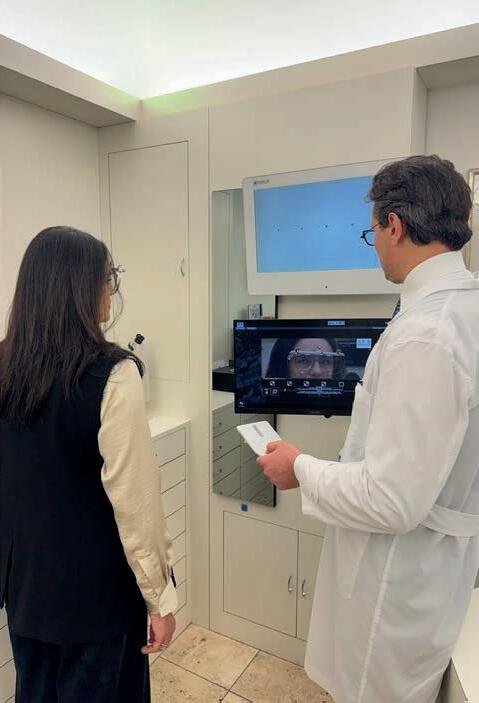
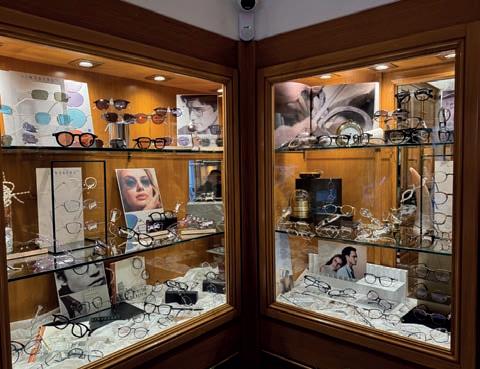
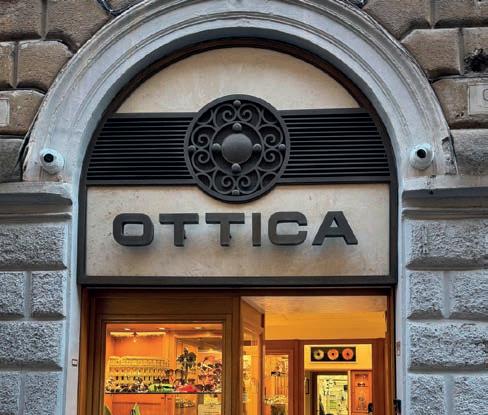
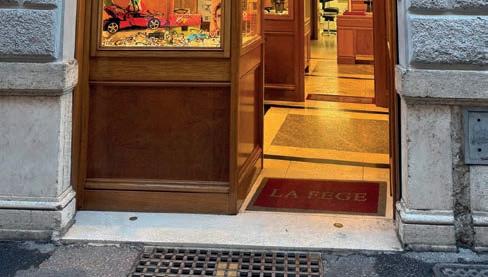
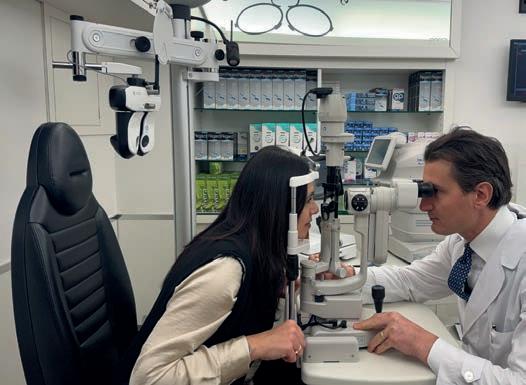
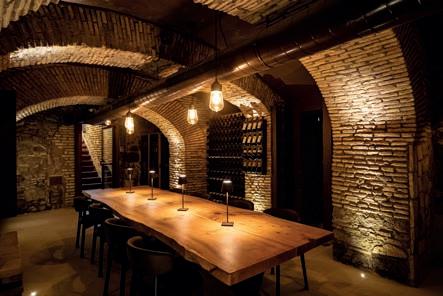
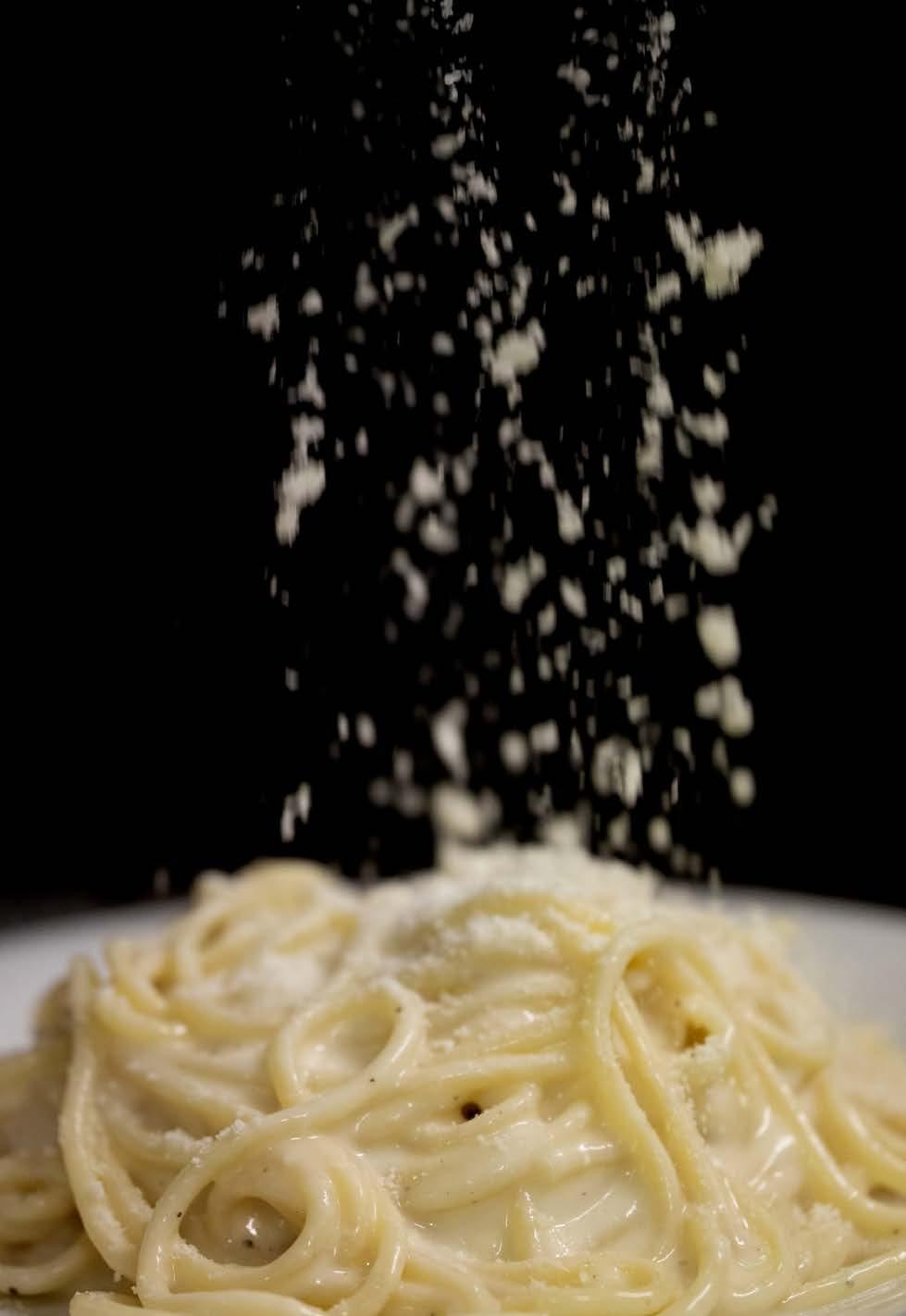
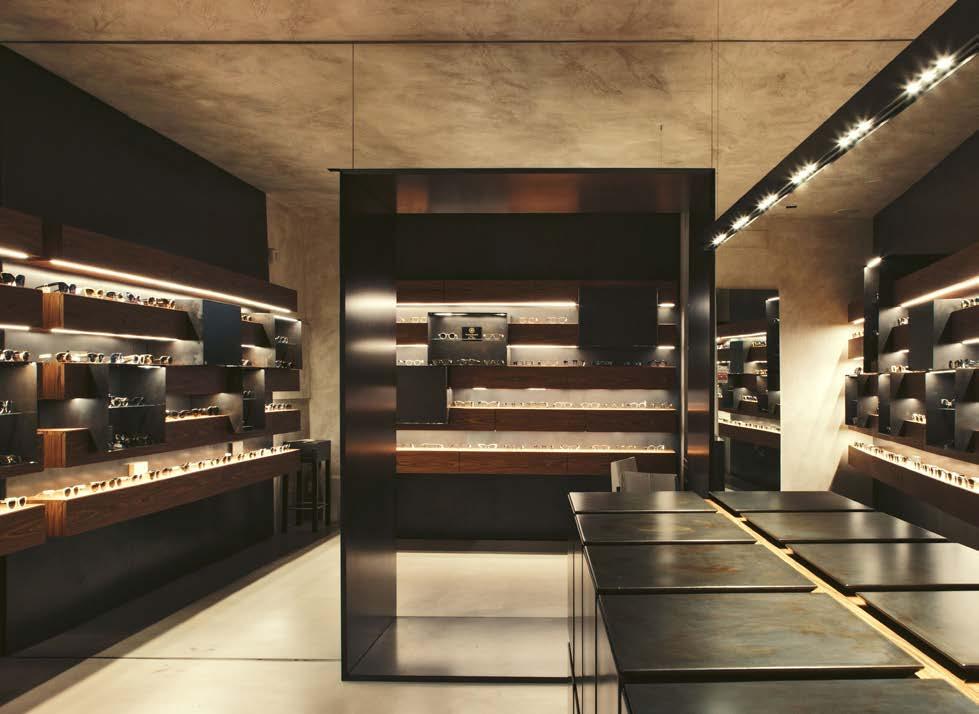
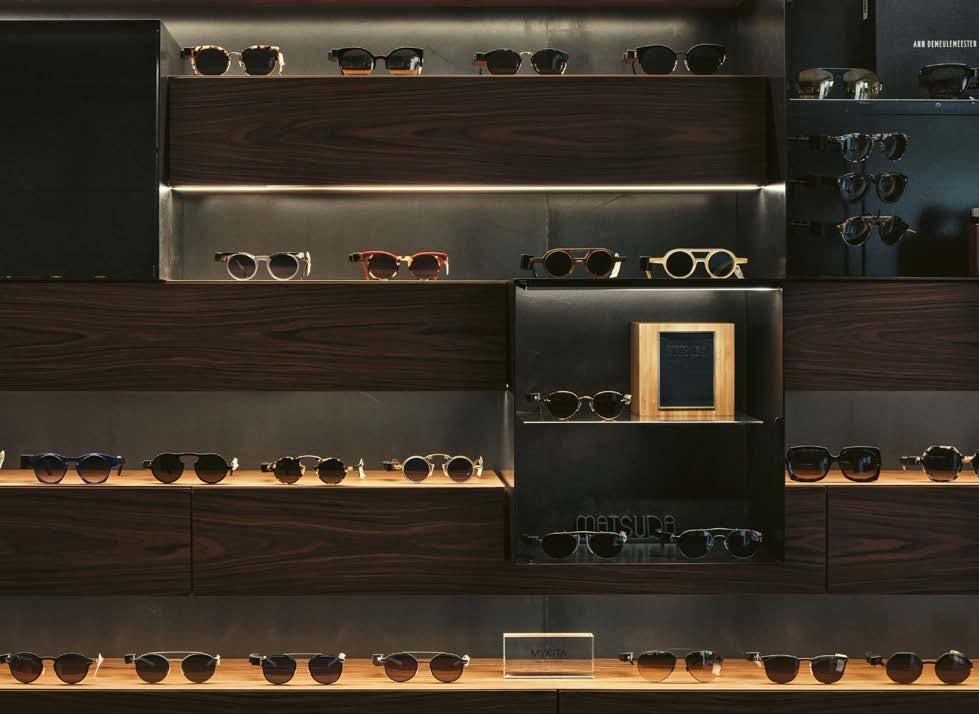
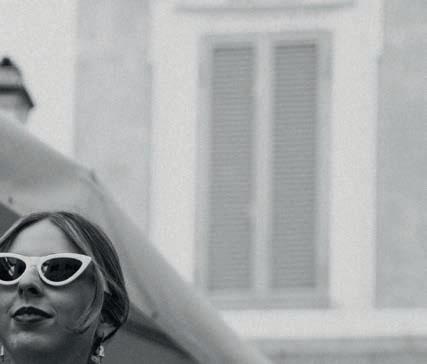
A stone’s throw from the Pantheon, Ottica la Fege combines the elegance of a boutique with the precision of an optical laboratory: new eyeglasses from top tier brands crafted from the fnest horn, titanium and gold or platinum, express tailor-made lenses and repairs. Rome, professionalism and Made in Italy in a single exclusive experience.
bi-monthly magazine
Official magazine of the Roman Association of Hotel Concierges “Les Clefs d’Or” www.romelesclefsdor.com
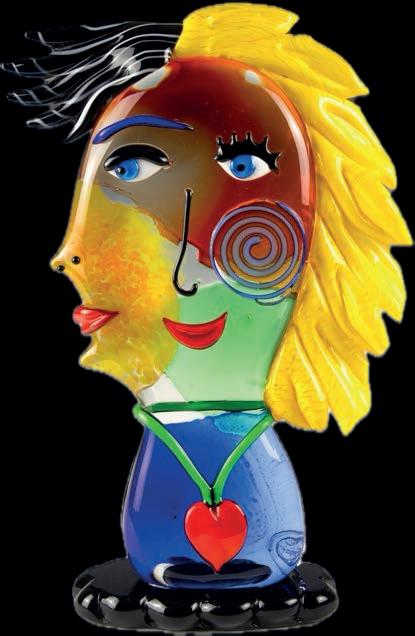
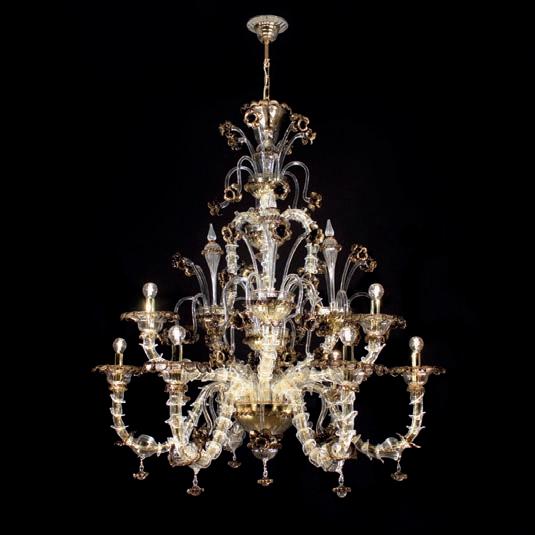
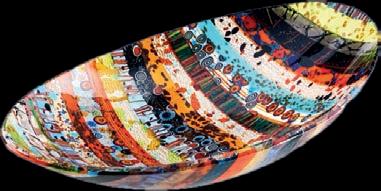
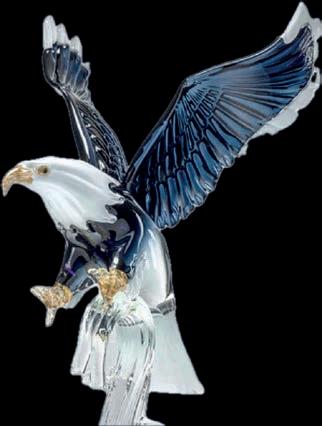
Merging artisanal tradition with timeless elegance, Murano Più has been a distinguished family enterprise specializing in the creation and distribution of Murano glass since 1958. Our extensive range encompasses everything from exquisite small souvenirs to grand chandeliers, showcasing a diverse selection of glassware, mirrors, vases, sculptures, jewelry, and fine furnishings.
@gruppo_editoriale
WELCOME TO ROME
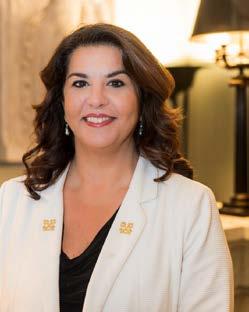
TEXT Alexandra Sardo President of the Roman Association of Hotel Concierges “Les Clefs d’Or”
Dear Guest, On behalf of all the Golden Keys concierges, we wish you a very warm welcome to Rome. Rome Concierge Information is our concrete commitment to making your stay in our city a truly memorable experience, offering you trusted guidance curated by professionals who know and
love the Eternal City. In this magazine you will find all the information you might need and, above all, our suggestions for the best things the city can offer during the spring season. In this issue, we take you on a journey through Bernini’s landmarks in the Eternal City, with a special feature on the major exhibition Bernini and the Barberini held in the galleries of Palazzo Barberini. We continue with a tour of the city’s best street food and a visit to the Vittoriano, a symbol of unified Italy and the resting place of the Unknown Soldier. We remain at your disposal at our hotels, delighted to receive your requests. We all wish you a wonderful and amazing stay!
IL LUOGO DEI LUOGHI
1 2 DATES FOR YOUR DIARY
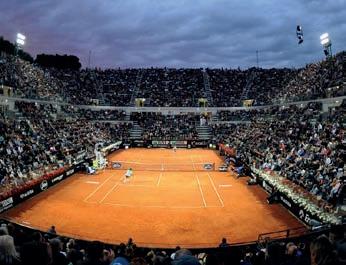
INTERNAZIONALI DI TENNIS BNL
D’ITALIA 2026
28 April to 17 May
Foro Italico
This prestigious tournament atracts top international players from the ATP and WTA circuit, with more than 300 matches scheduled over the two weeks. New this year is the installation of a tennis court in Piazza del Popolo, where the public can watch training sessions, displays and pre-qualifier matches free of charge.
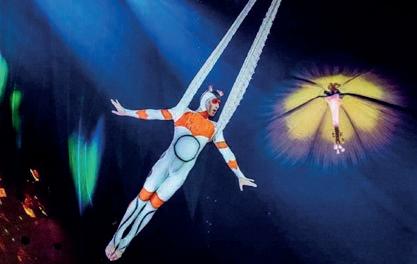
CIRQUE DU SOLEIL - OVO
2 to 5 April
Palazzo dello Sport
The show narrates a day in the life of a busy colony of insects – including a ladybird, a fly and a beetle – through spectacular performances that are a combination of poetry, energy and sheer astonishment. The title, meaning egg in Portuguese, refers to the circle of life and is the guiding motif throughout a show that will delight adults and children alike, with 53 musicians and acrobats onstage.
NATALE DI ROMA FESTIVAL
21 April
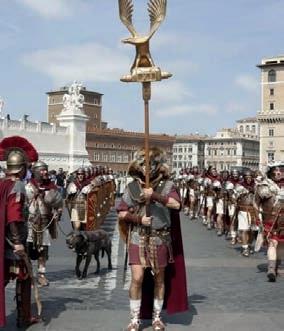
According to legend and as reported by Ancient Roman scholar Marcus Terentius Varro, Romulus founded Rome on 21 April 753 BC, the date used as the baseline for Roman timekeeping using the form Ab urbe condita, meaning since the city’s foundation. So this is not a holiday about religion, but about history and identity, marking Rome’s origins and everlasting grandeur.
ROMÉO ET JULIETTE
28 April to 6 May
Teatro dell’Opera di Roma
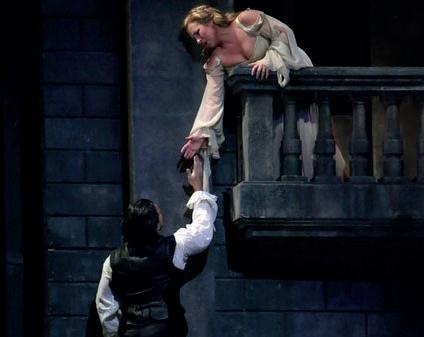
A new production of Roméo et Juliete by Charles Gounod, directed by Luca De Fusco with musical direction by Daniel Oren. Starring Nino Machaidze and Vannina Santoni (Juliete), and Vitorio Grigolo and Duke Kim (Roméo). An intense performance blending romantic melodies with Shakespearean drama.
CANTANDO SOTTO LA PIOGGIA
THE BROADWAY MUSICAL 15 to 26 April
Teatro Brancaccio
ANANTARA CONCORSO ROMA
16 to 19 April
Anantara Palazzo Naiadi Hotel
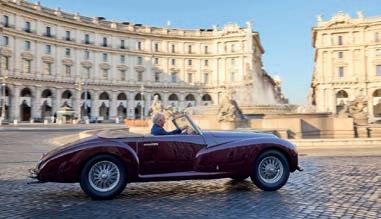
6 the rarest and most significant Italian classic cars from every corner of the planet. Over three days, the Concorso not only celebrates Italian automotive excellence, but also Roman hospitality, fine dining and the luxury lifestyle, in true Dolce Vita spirit.
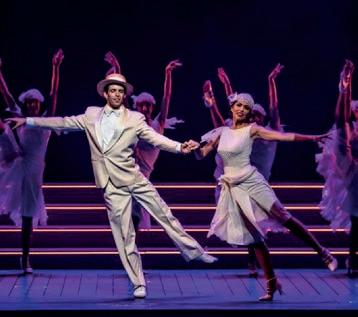
The musical recaptures all the magic of the classic Broadway show and gives it even more pizazz. Based on the 1952 movie Singin’ in the Rain, it traces the shif from silent film to talkies in nineteen-twenties Hollywood, with plenty of misunderstandings, dreams and irresistible gags. The exceptional cast includes Flora Canto, Lorenzo Grilli, Martina Stella and Vitorio Schiavone, directed by Luciano Cannito.
A world-class event featuring
ART APPOINTMENTS
1
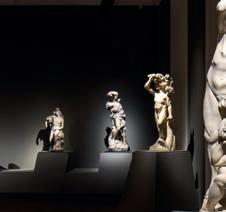
BERNINI E I BARBERINI
Until June 14
National Gallery of Ancient Art at Palazzo Barberini
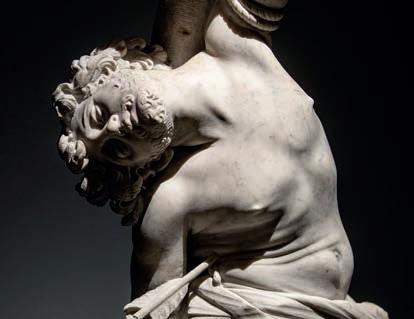
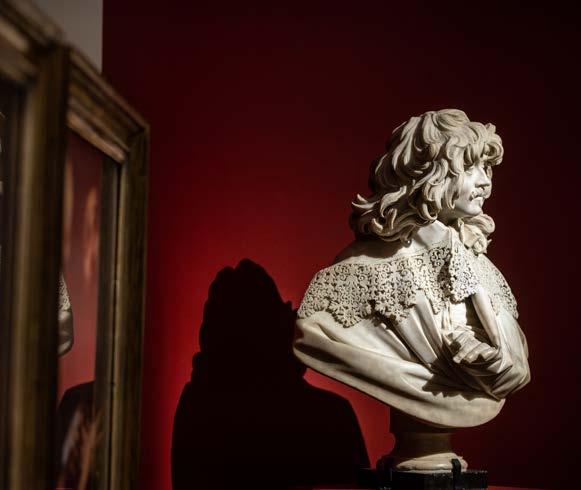
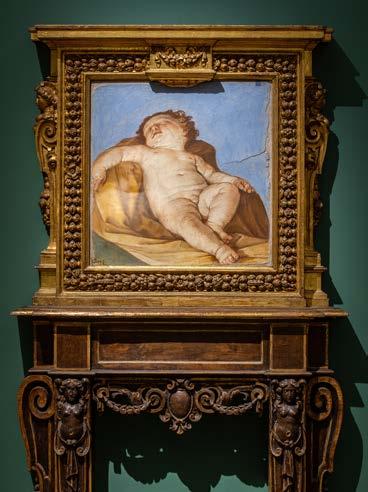
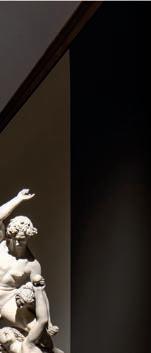
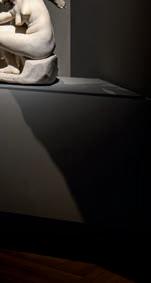
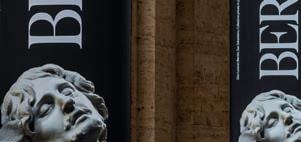
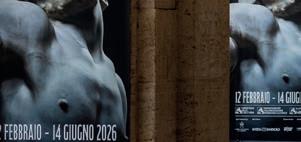
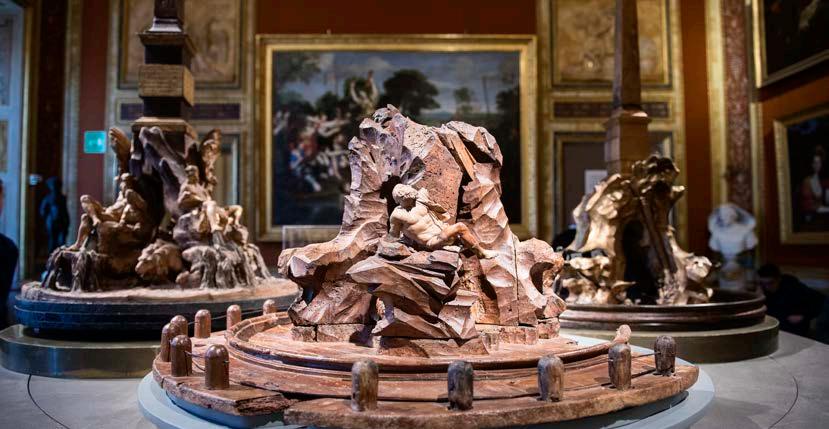
The exhibition explores the relationship between Gian Lorenzo Bernini and Maffeo Barberini, who later became Pope Urban VIII. The exhibition retraces the artist’s career through sculptures, portraits, drawings and models, including Saint Sebastian from the Thyssen-Bornemisza Museum and the Puto with Dragon from the Gety Museum, showing how Bernini and the Barberini dynasty reshaped Baroque aesthetics and Rome. 2
CARAVAGGIO AND THE MASTERS OF LIGHT
Until June 7
Historical Infantry Museum
FROM VIENNA TO ROME. THE WONDERS OF THE HABSBURGS FROM THE KUNSTHISTORISCHES MUSEUM
Until July 5
Museo del Corso – Museum Complex, Palazzo Cipolla
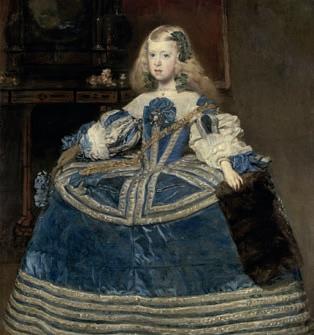
The exhibition describes and reconstructs in Italy the historical and cultural identity of Vienna’s Kunsthistorisches Museum and the imperial collections between the 16th and 18th centuries, featuring masterpieces by Rubens, Velázquez, Titian, Veronese and Cranach, with a special focus on Semper’s and Hasenauer’s architecture and on a selection from the Kunstkammer, a mix of art, ingenuity and wonder.
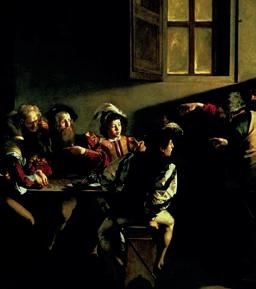
An exhibition on Caravaggism and the influence of Michelangelo Merisi. It explores Caravaggio’s legacy through works by Manfredi, Antivedo Gramatica, Gentileschi, Stanzione, De Ribera and the Bolognese school, including The Incredulity of Saint Thomas, emblematic of his revolutionary use of light, realism and emotional depth. 3
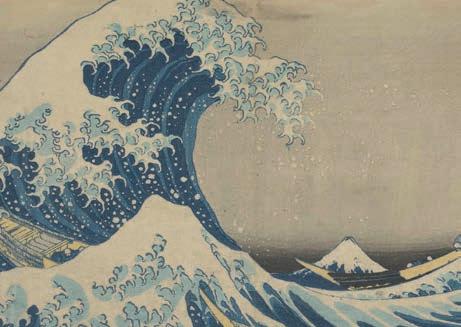
HOKUSAI
Until June 29
Palazzo Bonaparte
The largest exhibition ever devoted in Italy to Katsushika Hokusai, master of ukiyo-e and icon of Japanese art. Over 200 works, from the National Museum of Krakow, showcase his creative universe: from the Thirty-Six Views of Mount Fuji to the famous Great Wave off Kanagawa, and even the Manga. The exhibition includes precious objects and traditional costumes.
4
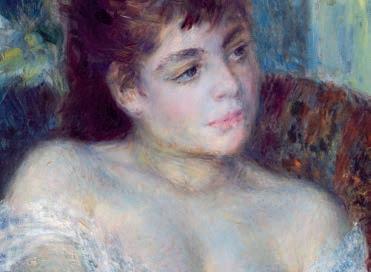
IMPRESSIONISM AND BEYOND.
MASTERPIECES FROM THE DETROIT INSTITUTE OF ARTS
Until May 3
Ara Pacis Museum
5
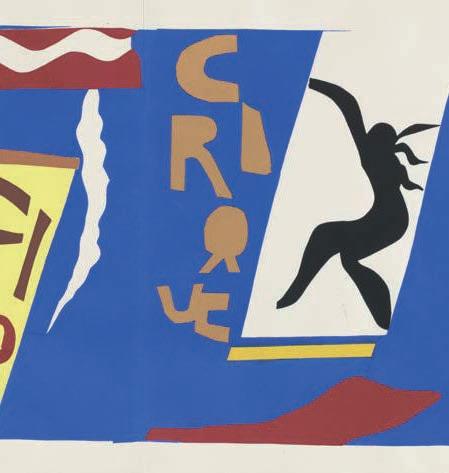
L’ULTIMO MATISSE. MORFOLOGIE DI CARTA
Until June 28
The Historical Museum of Infantry
The exhibition explores the works on paper by Henri Matisse, focusing on the final phase of his career. Drawings, prints, and gouaches découpées reveal an increasingly essential artistic research, where line, color, and white space merge in a rigorous process of formal synthesis.
FOR MORE DETAILS AND RESERVATIONS, ASK YOUR “LES CLEFS D’OR” CONCIERGE
52 masterpieces from the Detroit Institute of Arts, showcasing the birth and evolution of modern European painting. From the realism and impressionism of Courbet, Renoir, Degas and Cézanne, to the avant-garde movements and German Expressionism of Matisse, Picasso, Modigliani, Kandinsky, and Beckmann, the exhibition explores light, color, figure and space, including works never shown before outside of the United States.
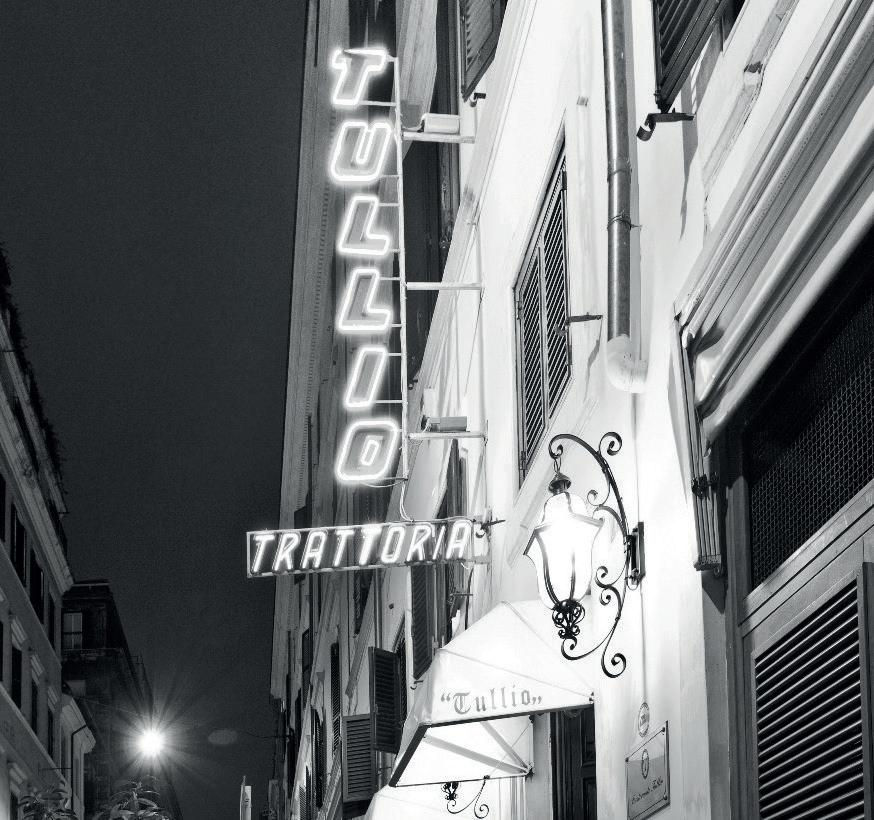
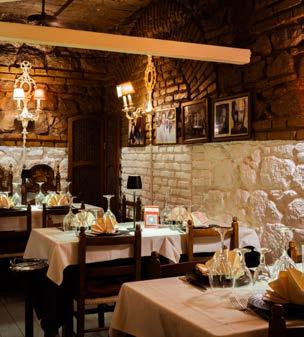
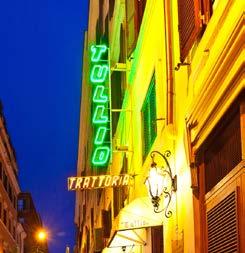
RISTORANTE TULLIO
Locale Storico di Roma fondato nel 1950 e gestito tuttora dalla famiglia da ben 3 generazioni
CHANEL at Rinascente
Via del Triitone, 61
Roma
Via dei Condotti, 92
Roma
CELINE celine.com
FERRAGAMO
Via dei Condotti, 65
Roma
DETAILS
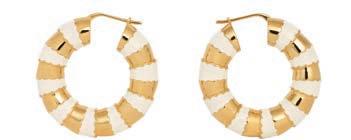
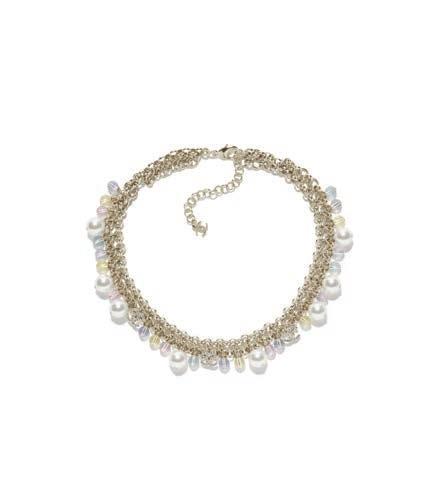
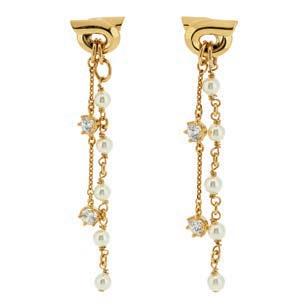
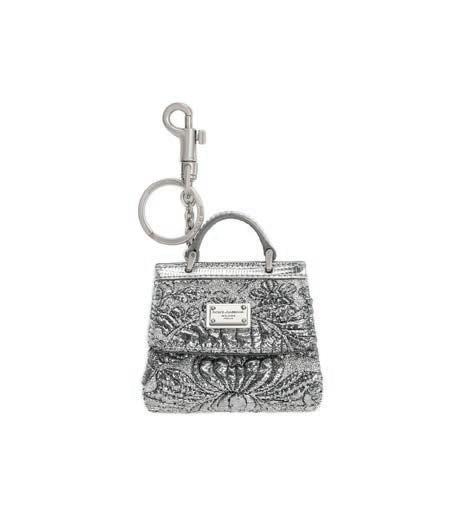
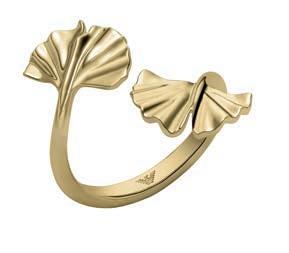
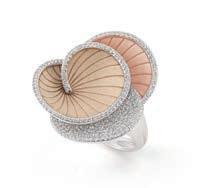
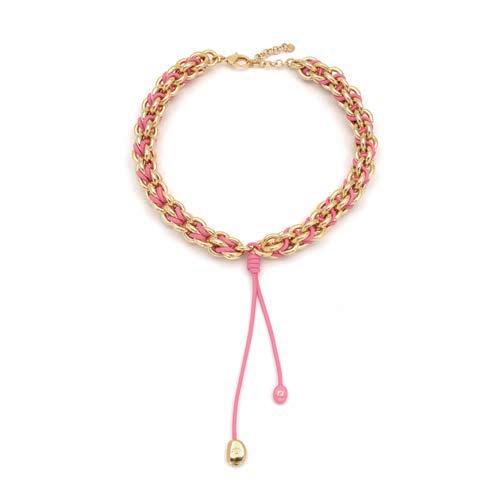
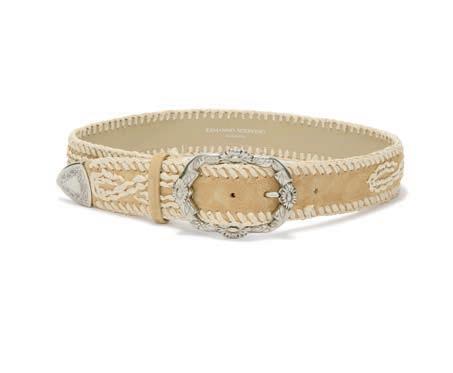
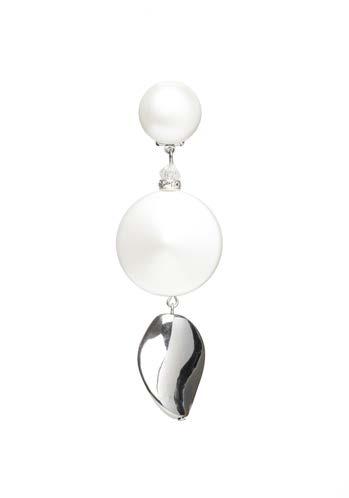
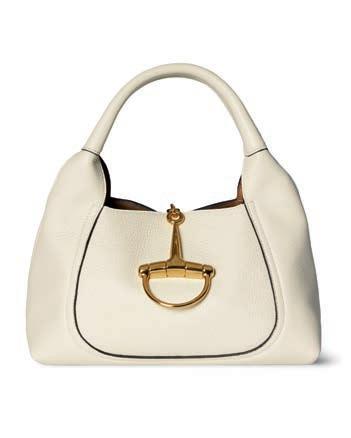
From sculptural gold to luminous pearls, these refined pieces blend crafsmanship and contemporary design, adding a sophisticated glow to everyday style
BY Francesca Lombardi
EMPORIO ARMANI
Via del Babuino, 140 Roma
DOLCE&GABBANA
Piazza di Spagna, 94-100
Roma
FENDI
Largo Carlo Goldoni, 420 Roma
FENDI
Largo Carlo Goldoni, 420
Roma
PUMA puma.com
DOLCE&GABBANA
Piazza di Spagna, 94-100
Roma
ERMANNO SCERVINO
Piazza di Spagna, 34 Roma
STATEMENT ACCESSORIES
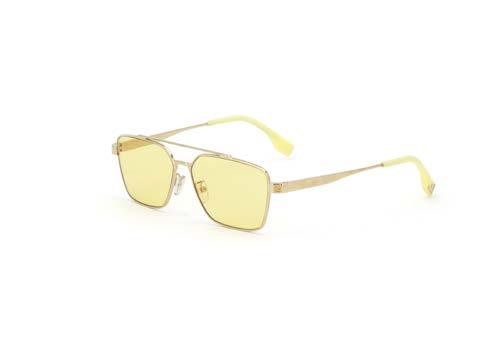
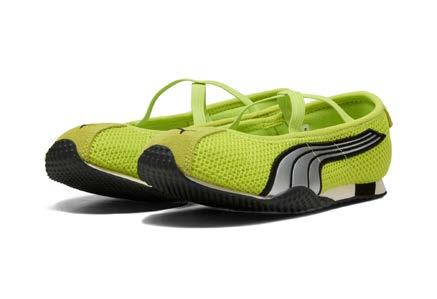
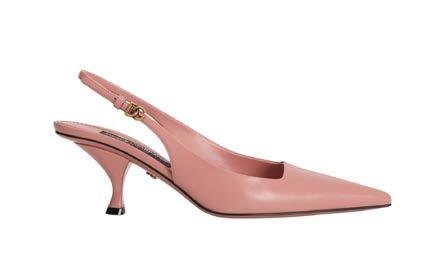
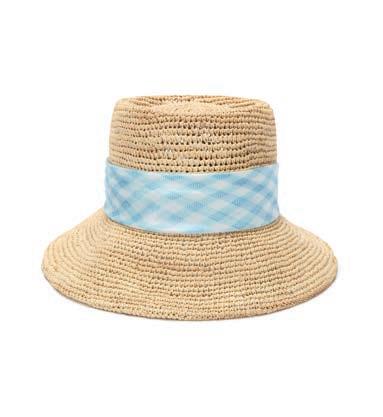
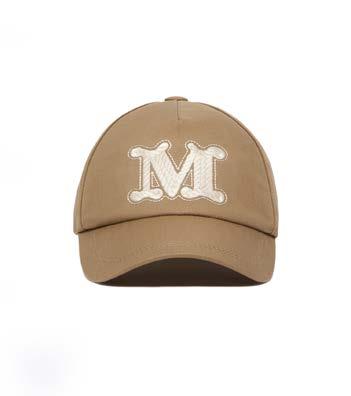
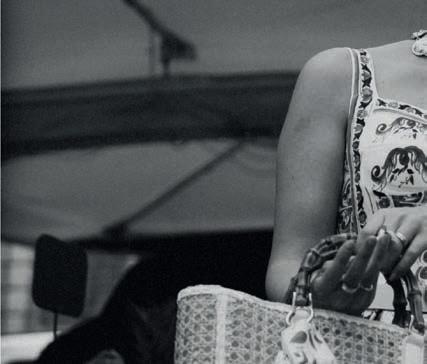
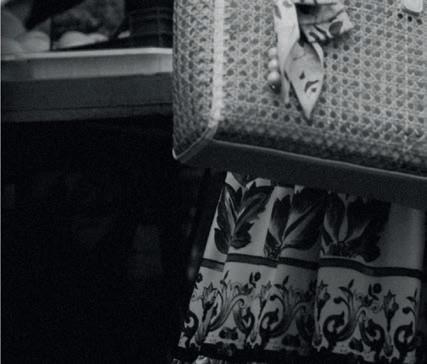
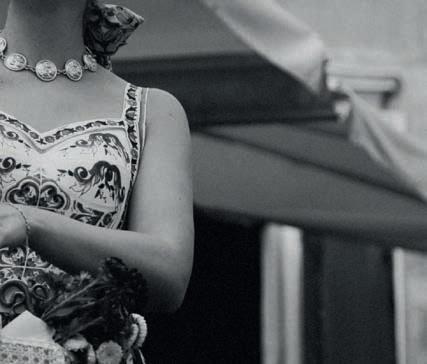
Golden sunglasses, blush slingbacks, neon sneakers and iconic hats. From sporty energy to refined elegance, the detail defines the style of the season
ERMANNO SCERVINO
Piazza di Spagna, 34
Roma
ANGELA CAPUTI - GIUGGIÙ angelacaputi.com
MAX MARA
Via dei Condotti, 17-18-18/A
Roma
FERRAGAMO
Via dei Condotti, 65
Roma
DOLCE&GABBANA
Piazza di Spagna, 94-100
Roma
SHADES OF BROWN
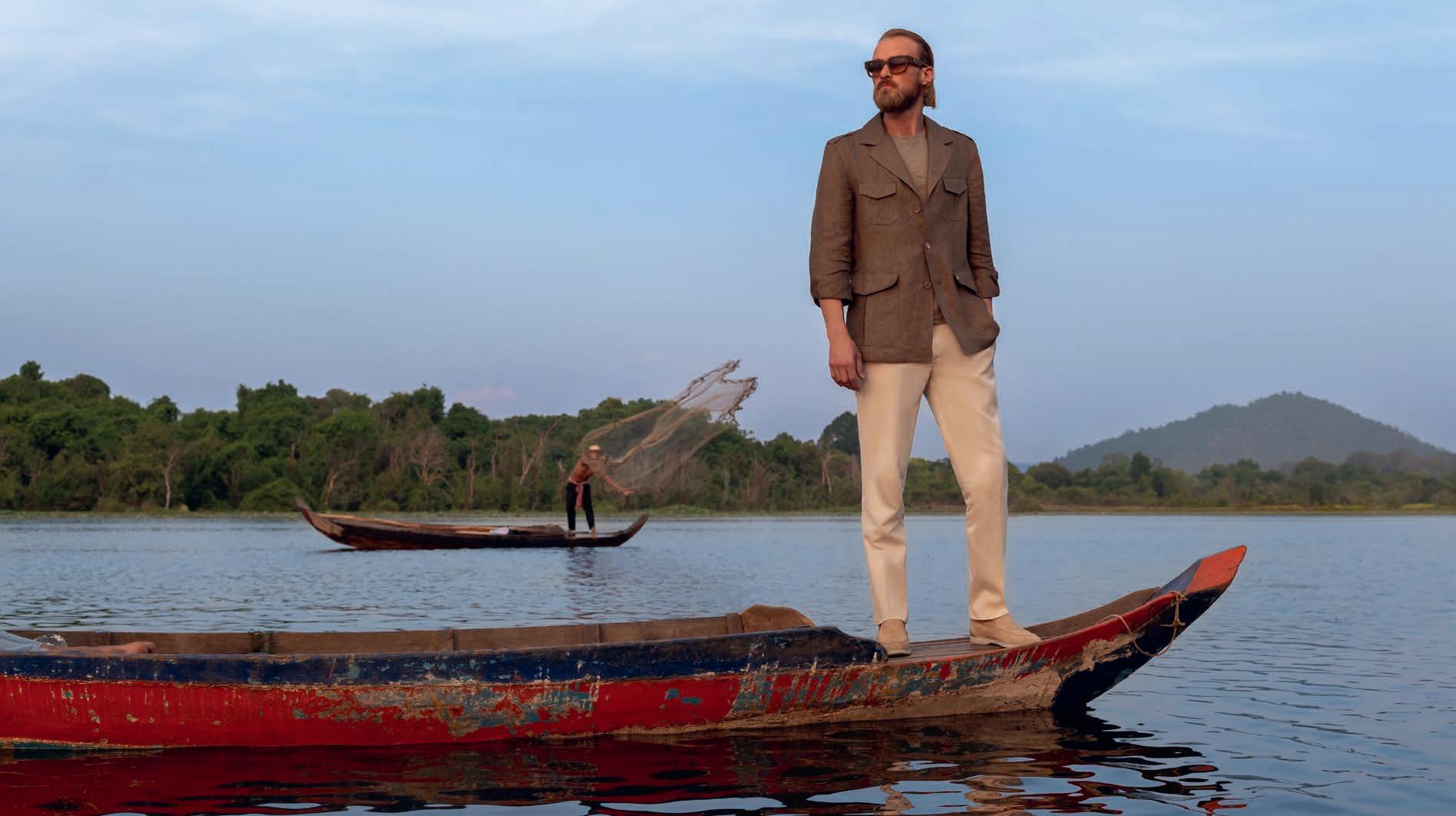
Intense tones and natural shades for him. Accessories that evoke a sense of escape
EMPORIO ARMANI
Via del Babuino, 140
Roma
Largo Carlo Goldoni, 420
Roma
PRADA
Via dei Condotti, 92
Roma
FENDI
THE KING OF ROME
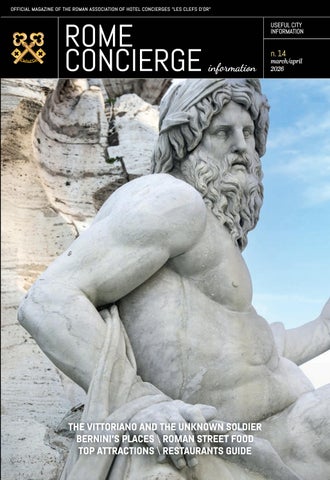
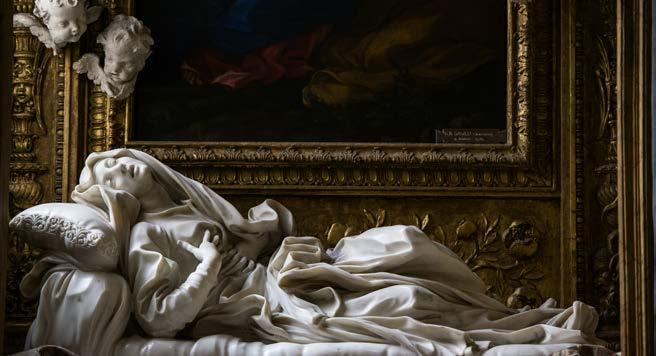
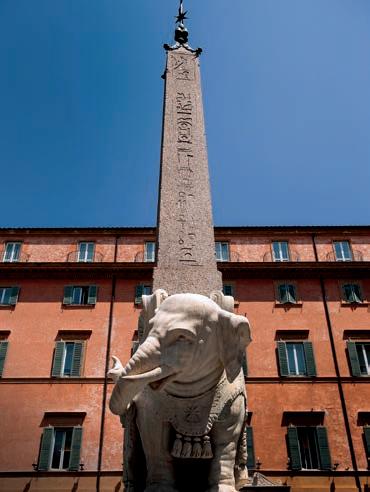
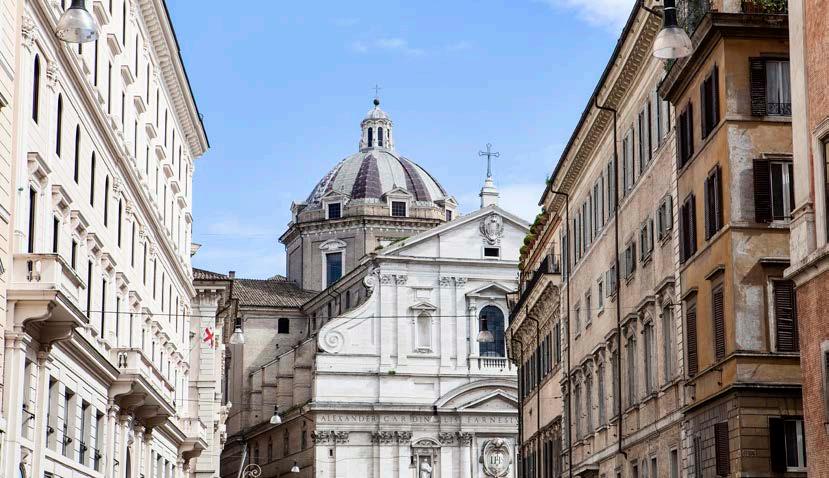
It was Gian Lorenzo Bernini, the inventor of the Baroque, who gave Rome its unparalleled style
TEXT Francesca Lombardi PHOTO Valentina Stefanelli
AN HIS EARLY PIECES, PRESERVED TODAY IN THE BORGHESE GALLERY, BERNINI TACKLED
SUBJECTS FROM CLASSICAL MYTHOLOGY
CONCIERGE SUGGESTS
ConciergeCorinthiaRome
DARRYL FILIP SILVEIRA
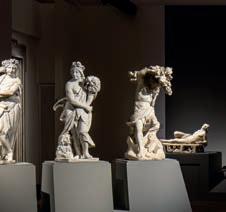
Discover the masterpieces of Gian Lorenzo Bernini at Palazzo Barberini. This exclusive exhibition showcases the artist’s iconic works, from breathtaking sculptures to exquisite drawings, highlighting his innovative style and influence on Baroque art. Explore the intersection of art and architecture in a stunning setting. Palazzo Barberini. It represents a unique opportunity to witness Bernini’s genius up close, reinforcing his meaningful presence in the eternal city’s artistic identity. Don’t miss it, It will be truly unforgettable!
Gian Lorenzo Bernini was the undisputed leader of Rome’s transformation in the seventeenth century.
Admired by popes, supported by the papal court and in demand by the highest-ranking families, he worked almost exclusively in the city, helping to create its monumental and ceremonial identity. His work encompasses a variety of fields – sculpture, architecture, decoration of chapels, design of squares and fountains –yet always retains a strong coherence of expression.
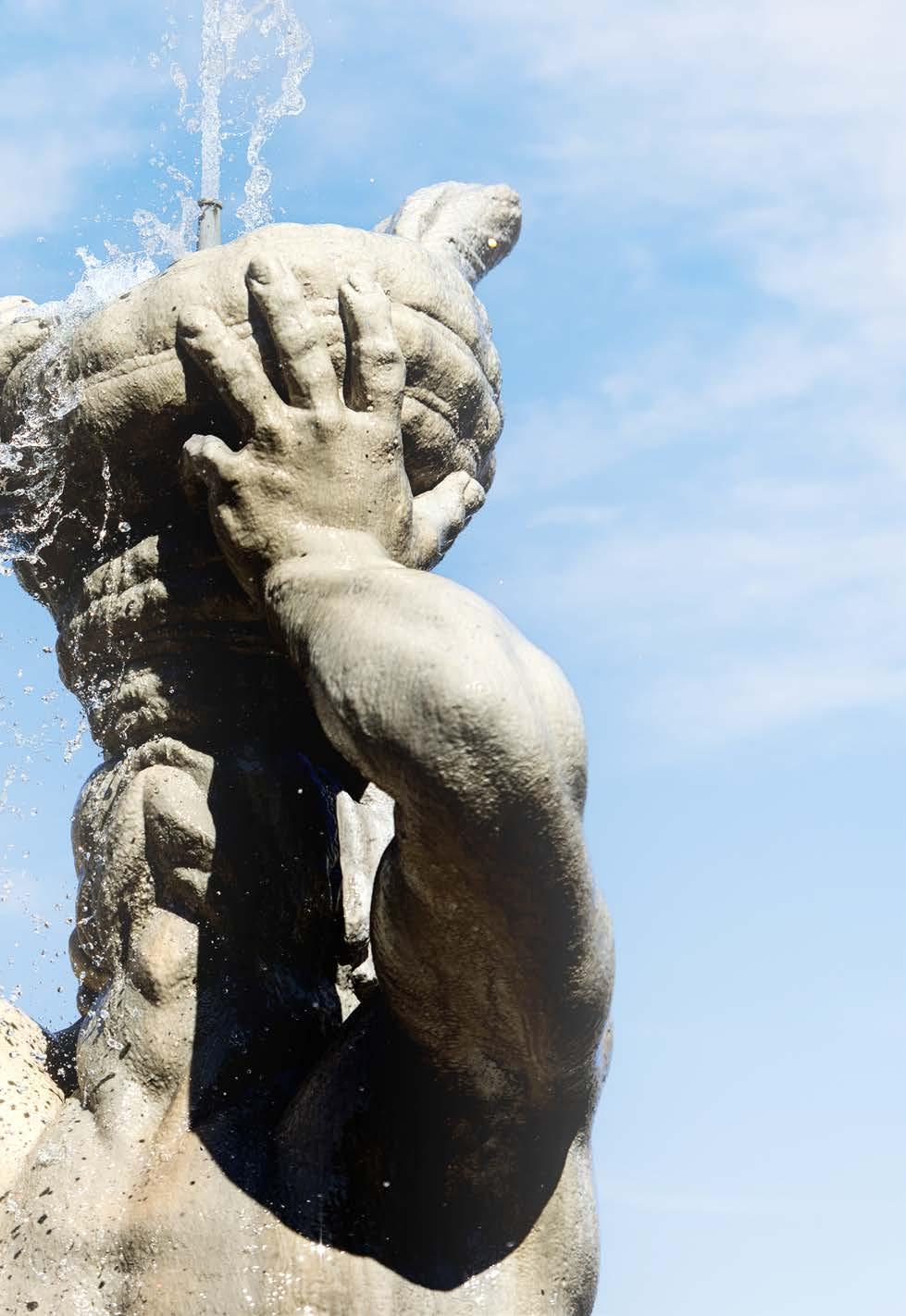
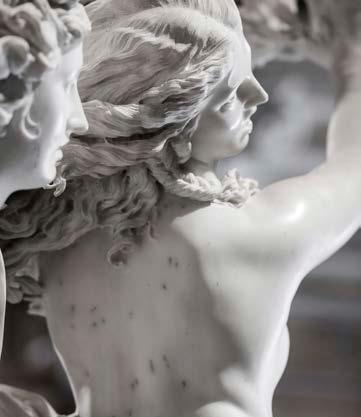
In his early pieces, commissioned by Cardinal Scipione Borghese and preserved today in the Borghese Gallery, Bernini tackled subjects from classical mythology. Groups like Apollo and Daphne or The Rape of Proserpina display precise
atention to movement and naturalism in the human body.
The marble is carved in a way that suggests the sofness of skin, the lightness of hair, the tension of muscle.
In these sculptures the ancient world is a clear reference, not only in terms of subject mater, but also in the idea that a human figure can be the centre of the narrative.
The pagan, sensual dimension is explicit, but treated with a formal control that reveals the artist’s technical mastery, even at this early stage of his career. With the ascent of Urban VIII, formerly Maffeo Vincenzo Barberini, to the papacy, Bernini’s career in Rome took off. He became the go-to artist for the papal court and was involved in all the city’s major construction projects. In St Peter’s Basilica he
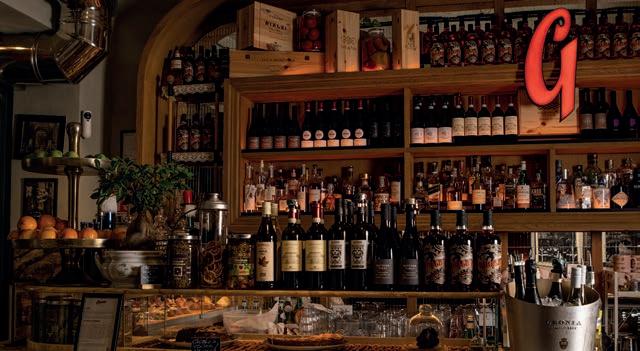
Food is an integral part of Italian culture, and here at Alfredo alla Scrofa it’s also pride and pure happiness!
designed the Baldachin, a great bronze structure installed over the high altar. As well as its liturgical role, the work has symbolic and spatial value, creating a focal point inside the church and guiding perception of its vast interior.
Next, Bernini built the Chair of Saint Peter, blending sculpture and architecture in a single composition. In his later years, his output moved increasingly towards religious topics, in line with the climate of Baroque Rome at that time. In the Cornaro Chapel in the Church of Santa Maria della Vitoria, he
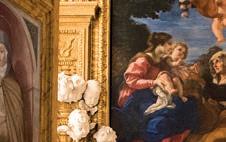
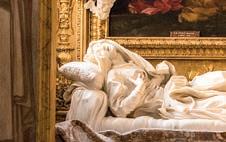
THE ECSTASY OF SAINT TERESA: THE ENTIRE SPACE IS INVOLVED: POLYCHROME MARBLE, NATURAL LIGHT FILTERING FROM ABOVE, FIGURES AT EITHER SIDE WATCHING THE SCENE
placed the Ecstasy of Saint Teresa. The entire space is involved: polychrome marble, natural light filtering from above, figures at either side watching the scene. Mystical experience is conveyed visually through the saint’s facial expression and bodily abandonment; Bernini thus interprets intense spirituality, which in the seventeenth century did not exclude a sensitive, emotional element. In addition to his work on interiors, Bernini also contributed to the shaping of urban spaces. His redevelopment of St
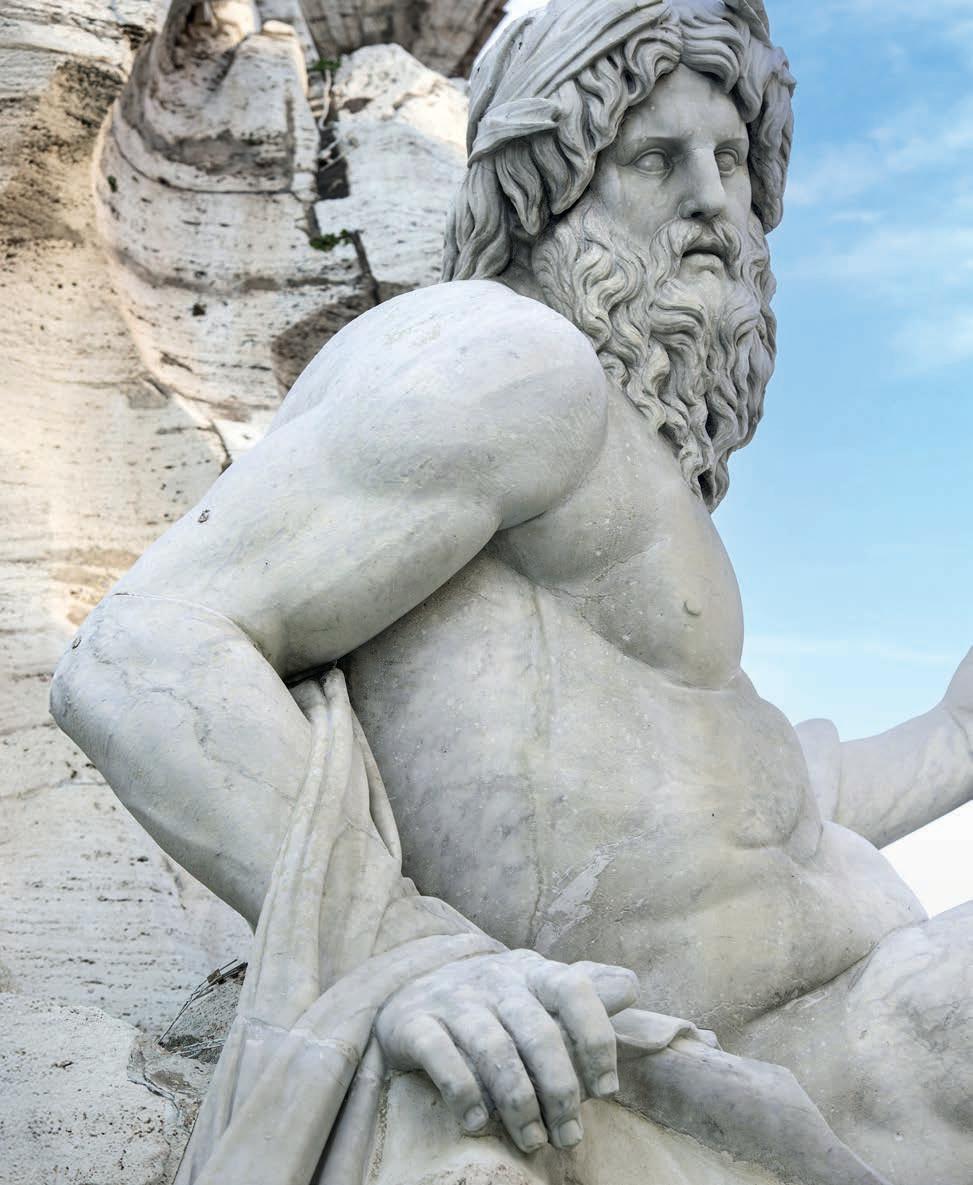
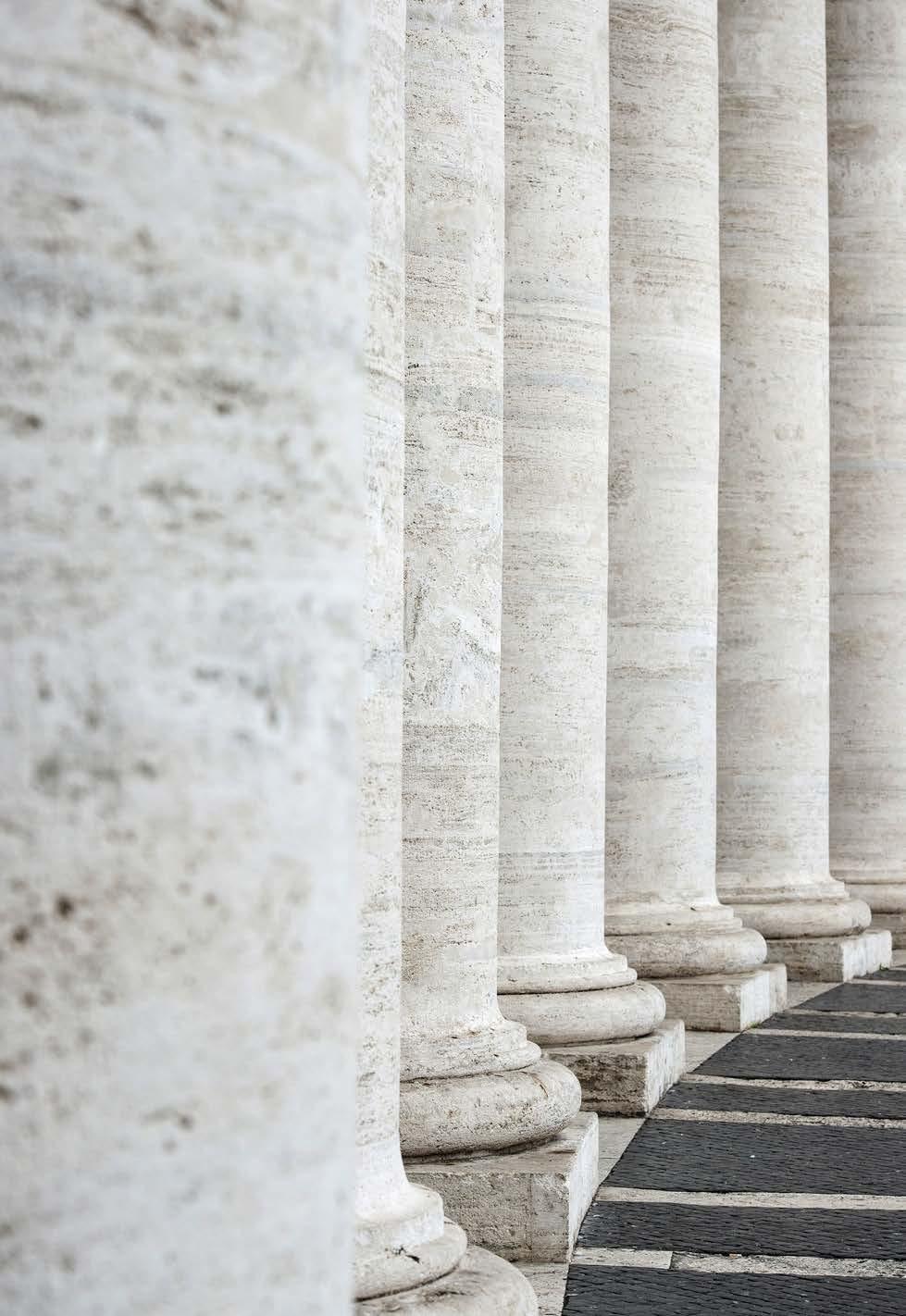
Peter’s Square, under the direction of Pope Alexander VII, enclosed the huge space in front of the building with a grand oval colonnade. The result is not only monumental, but functional for public ceremonies and the flow of the faithful. Similarly, the fountains he designed for several Roman squares – like the Fontana dei Quatro Fiumi in Piazza Navona – combine symbolic value and a focus on the urban landscape.
As a whole, Bernini’s work in Rome demonstrates how in the seventeenth
IN HIS SCULPTURES THERE IS NO CLEAN SEPARATION BETWEEN THE SPIRITUAL AND THE WORLDLY; THEY ARE BROUGHT WITHIN A COHERENT STYLISTIC LANGUAGE
century he was able to reconcile different aspects in his work: the celebration of power, religious devotion, a taste for the spectacular and an interest in the human figure.
In his architecture and sculptures there is no clean separation between the spiritual and the worldly; instead, they are brought together within a coherent stylistic language.
And it is this very ability to marry the two that is considered Bernini’s most lasting contribution to the artistic and urban history of Rome.
ADMIRABLE CONJUNCTURE
The exhibition Bernini e i Barberini explores the pivotal relationship between Gian
and Pope Urban VIII
Lorenzo Bernini
TEXT Francesca Lombardi PHOTO Alberto Novelli
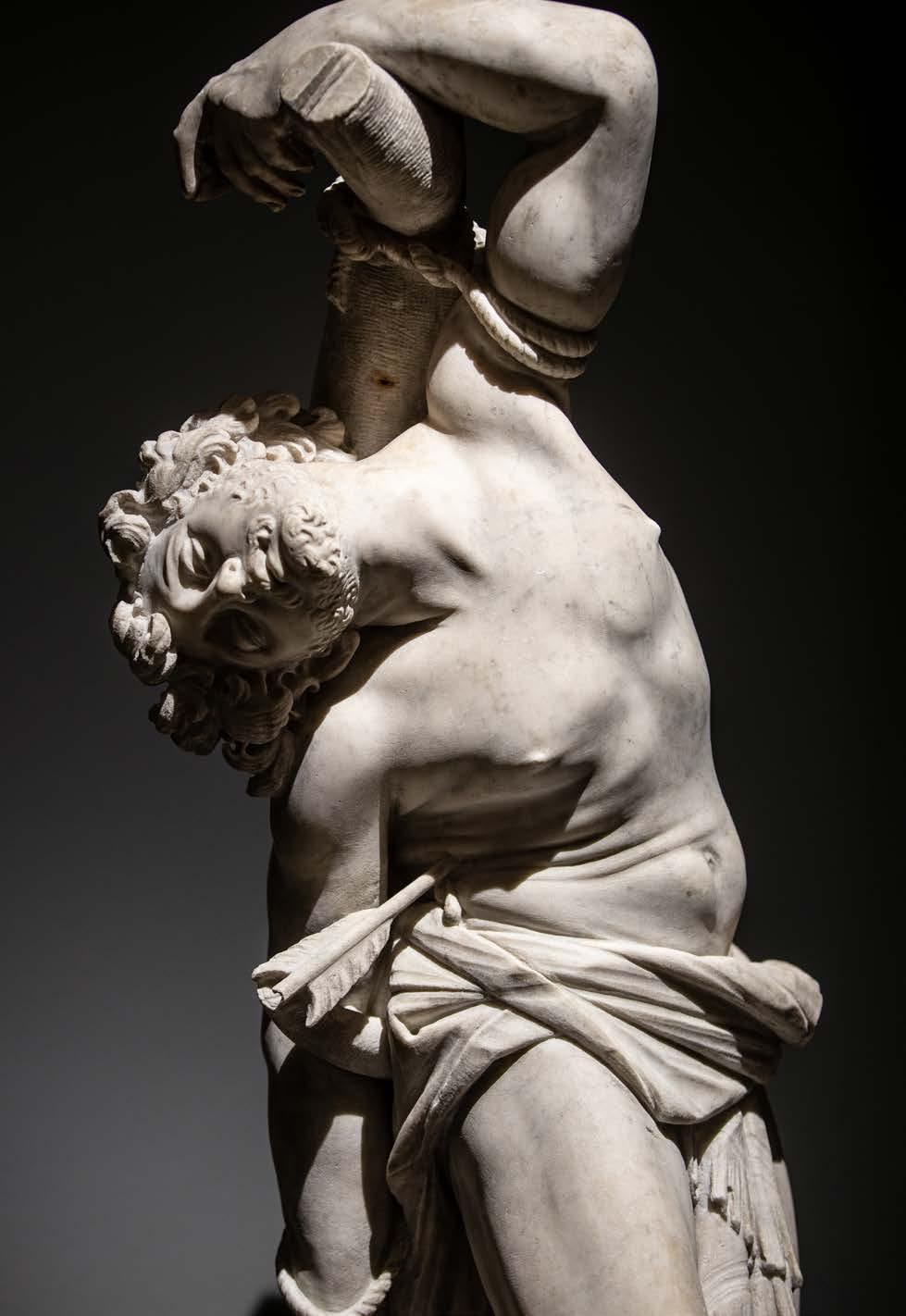
From his early efforts with his father Pietro to masterpieces of his youth like the San Sebastiano Barberini, an innovative sensitivity became apparent
BERNINI E I BARBERIN TRACES THE IMPORTANT
RELATIONSHIP BETWEEN GIAN LORENZO BERNINI
AND POPE URBAN VIII, THE FORMER MAFFEO BARBERINI
Until 14 June
2026 at Palazzo Barberini, the Gallerie Nazionali di Arte Antica presents the major exhibition Bernini e i Barberini, which traces the important relationship between Gian Lorenzo Bernini and Pope Urban VIII, the former Maffeo Barberini.
For the first time, the exhibition offers an organic interpretation of the human, political and intellectual bond that drove the emergence of the Baroque style as a universal language in post-Tridentine Rome. The event marks the
four-hundredth anniversary of the consecration of the new St Peter’s Basilica in 1626, the high point of Barberini power.
It centres not only on the genius of the young Bernini, but also the farsightedness of his first major client: it was actually Maffeo Barberini who first realised the sculptor’s revolutionary potential, helped him escape from his father’s workshop and accompanied his shif towards a new concept of art based on theatricality, emotional engagement and the combination of art forms.
Organised in six sections, the show traces Bernini’s entire artistic career. From his early efforts with his father Pietro to masterpieces of his youth like the San Sebastiano Barberini, an innovative sensitivity became apparent: the marble seems to vibrate, the figure to breathe; the viewer has no choice but to connect. Here we glimpse the seed of the Baroque style, prior to its full appearance.
The second section focuses on the site of the new St Peter’s, the seting of the relationship between sculptor and pope.
Timeless
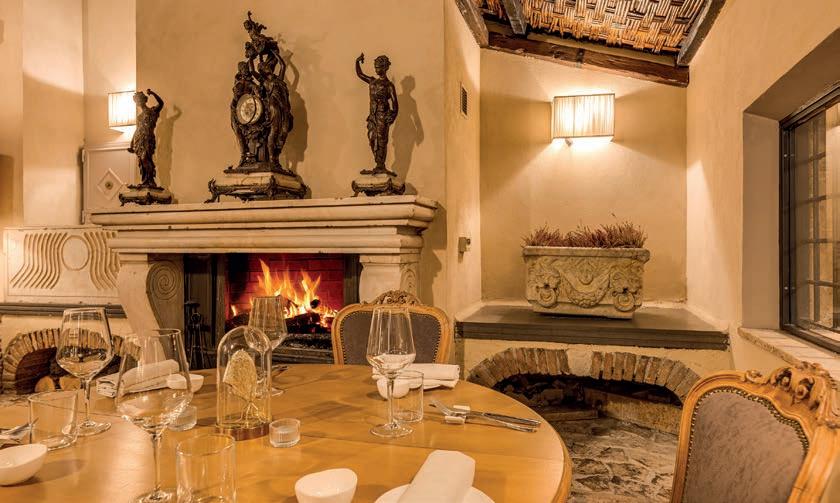
elegance… Restaurant L’Archeologia. Where innovation meets tradition. A unique experience to enjoy.
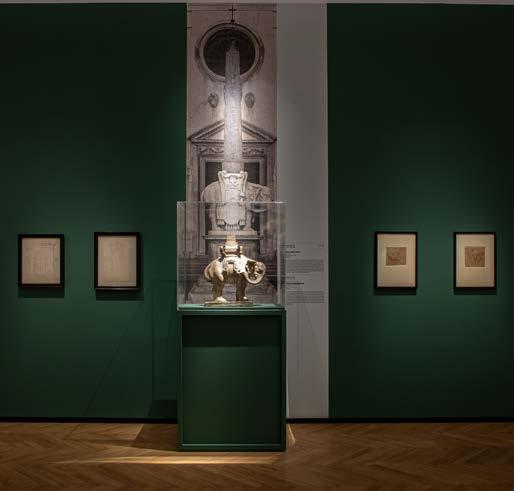
The crux is the monumental St Peter’s Baldachin, an extraordinary achievement that fuses architecture and sculpture in a bel composto with the power to transform the sacred space into a symbolic and sensory experience. Drawings and models illustrate the genesis of a work that celebrates both the grandeur of the Church and the might of the Barberini papacy.
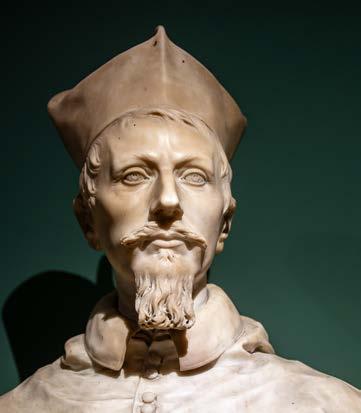
There is also space for Bernini’s portraits of popes. From busts of Paul V and Gregory XV to the series on Urban VIII, Bernini delivers an intense and dynam-
DRAWINGS AND MODELS ILLUSTRATE THE GENESIS OF A WORK THAT CELEBRATES BOTH THE GRANDEUR OF THE CHURCH AND THE MIGHT OF THE BARBERINI PAPACY
ic image of the pontiffs, in which psychological reality blends with institutional solemnity. The pope’s face becomes a real icon of spiritual and temporal power.
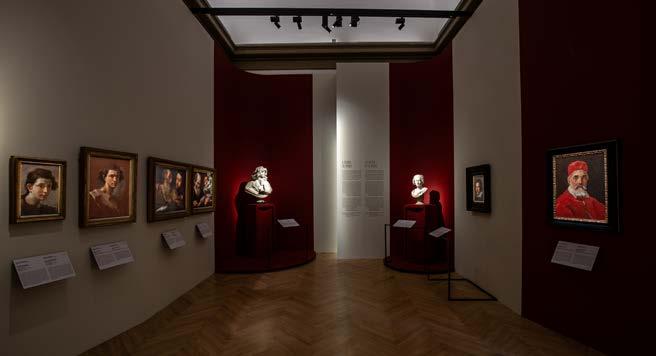
A central section is devoted to Palazzo Barberini, itself an emblematic example of “choral” Baroque architecture, thanks to the collaboration between Bernini, Borromini and Pietro da Cortona. Here art, architecture and decoration work together in a dynamic balance that reflects the family’s cultural ambition. The exhibition continues with a portrait gallery of
Barberini’s Rome, which contrasts Bernini with artists Alessandro Algardi, François Duquesnoy and Giuliano Finelli in a lively stylistic conversation. The final section addresses the mater of the artist’s creative freedom. Emblematic here is his celebrated bust of Costanza Bonarelli, an intense, intimate piece created with no official commission, which reveals the sculptor’s more passionate and human side.
Closing the exhibition is a painted portrait of Urban VIII atributed to Bernini: a less official, more per-
THE EXHIBITION DEMONSTRATES THAT THE BAROQUE WAS NOT THE FRUIT OF AN EVOLUTION IN STYLE, BUT THE CONCRETE RESULT OF A PARTNERSHIP BETWEEN ARTIST AND CLIENT
sonal image that epitomises a relationship made of protection, control, complicity and tension, the human and political brew that gave rise to the Baroque. Bernini e i Barberini demonstrates that the Baroque was not the fruit of an abstract evolution in style, but the concrete result of an extraordinary partnership between artist and client.
This interplay of the human and the political led to one of the most innovative periods in European art, destined to leave a deep mark on western culture.
Fine Roman and Mediterranean Cuisine
25 YEARS OF EXCELLENCE
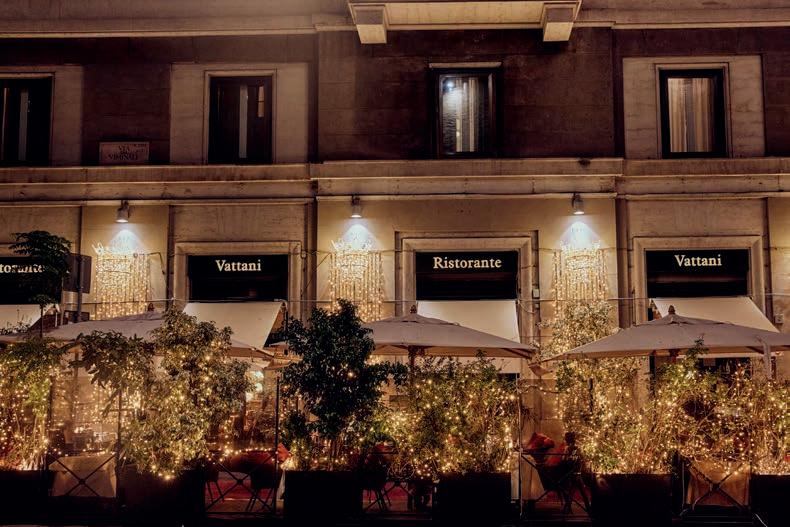
Ristorante Vattani for authentic traditional food
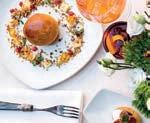
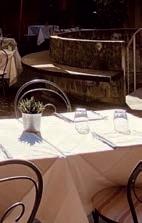
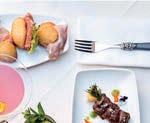
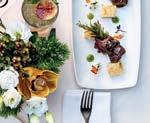
In the beating heart of Rome there’s a place that has been passionately serving authentic Roman food for over twenty years. This is Ristorante Vattani, a delightful and delicious place at Via del Viminale 2, welcoming guests with informal warmth and elegance since the year 2000. Here, every detail – from the attentive service to the choice of furnishings – is designed to make customers feel truly at home, pampered in simple yet beautifully curated surroundings. The icing on the cake is the delightful outdoor dining room, framed by a stunning array of plants; a green corner exuding freshness and harmony and the perfect place to enjoy traditional food under the Roman sky among natural scents and colours. The food is rooted in the most authentic Roman dishes such as carbonara, amatriciana and saltimbocca alla romana, but alongside the tradition, there’s plenty of room for creativity, with surprising new interpretations that never betray their origins, including cacio e pepe with crispy rocket, paccheri with prawn gricia or pennoni all’arrabbiata with fresh tuna and escarole. Main courses are a true homage to Roman lifestyle and fresh ingredients, from artichokes prepared Roman or Jewish style to roasted veal breast and fish of the day – oven-cooked or fried crisp – which arrives every morning to ensure superb quality. Completing the experience are delicious home-made desserts, a comprehensive wine list featuring a selection of prestigious labels and fabulous cocktails. Vattani is not only about great food; it’s an experience that combines flavour, atmosphere and hospitality, proudly telling its 25-year-old story of dedication, quality and love of good food.
A special thank you to our Lord and Savior Jesus Christ, without whom nothing would be possible. (Giovanni 15,5)
VIA DEL VIMINALE, 2 | TEL. 06 4818229
Open every day 11am - 12midnight. All credit cards accepted
PIAZZA VENEZIA’S WHITE GIANT
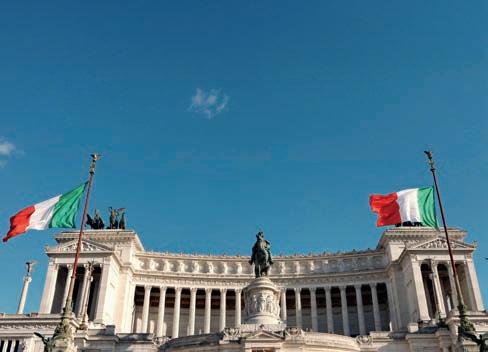
Exploring the Vitoriano and the Tomb of the Unknown Soldier
TEXT Martina Olivieri PHOTO Valentina Stefanelli
THIS NATIONAL MONUMENT IS A STORY SCULPTED IN MARBLE AND BRONZE THAT SPEAKS OF THE UNIFICATION OF ITALY, THE RISORGIMENTO AND THE UNKNOWN SOLDIER
CONCIERGE SUGGESTS
ConciergeHotelHassler
LEONARDO CASSANI
The Vittoriano, also known as the Altare della Patria, stands in the heart of Rome as one of the city’s most majestic landmarks. This grand marble monument was built to honor Victor Emmanuel II and is renowned for housing the Tomb of the Unknown Soldier, where an eternal flame burns in tribute of those who lost their lives during the World War 1. For an unforgettable experience, visitors should not miss its panoramic terraces, offering spectacular views over Rome’s skyline, including the Colosseum and the Roman Forum! Inside, I recommend to explore the Museo Centrale del Risorgimento, a fascinating museum dedicated to the history of Italian unification.
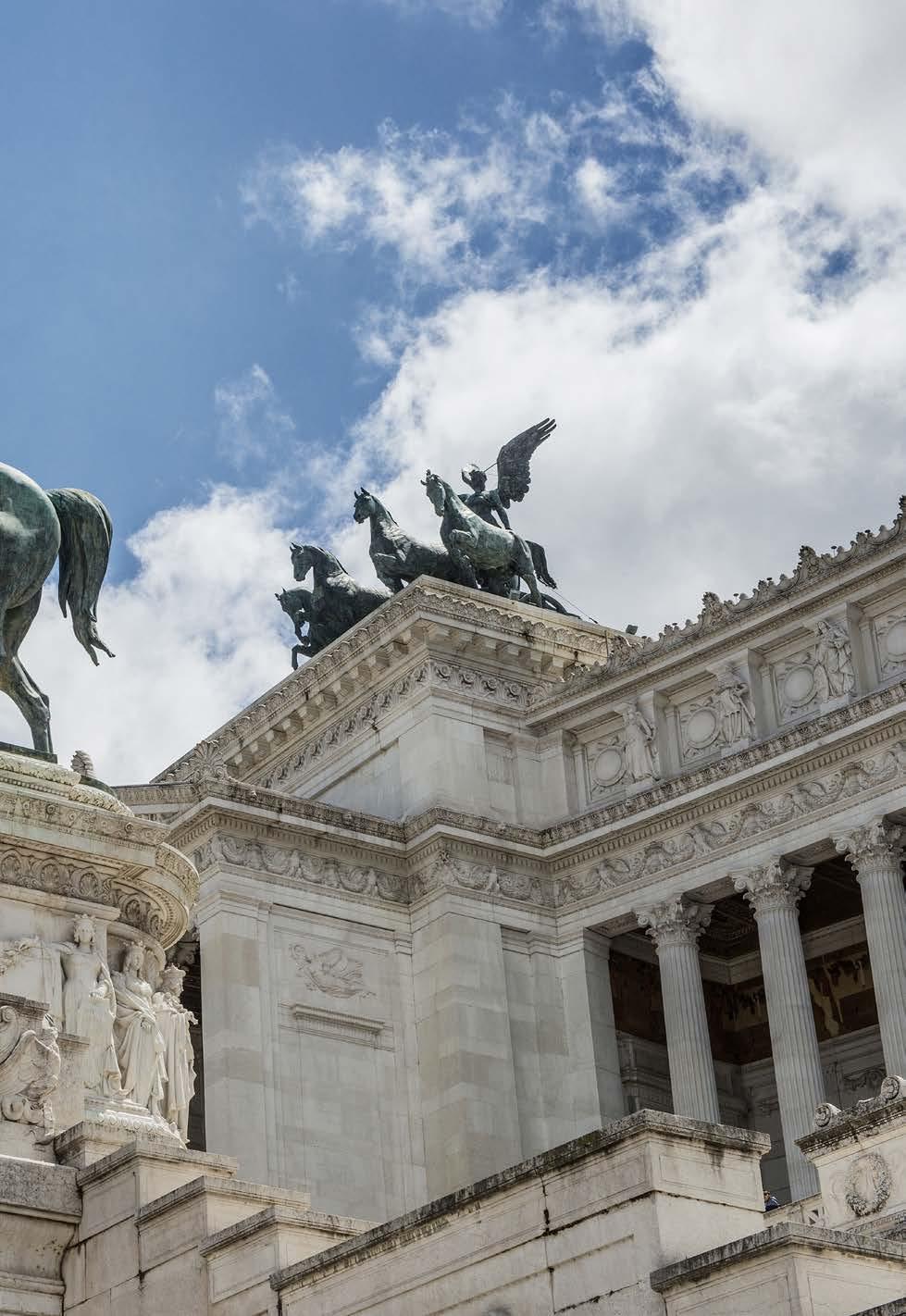
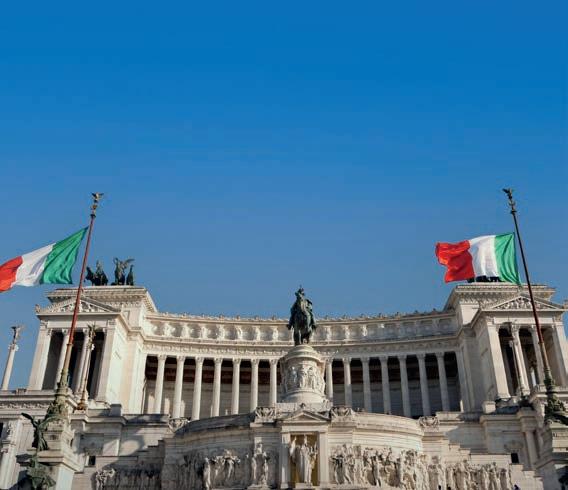
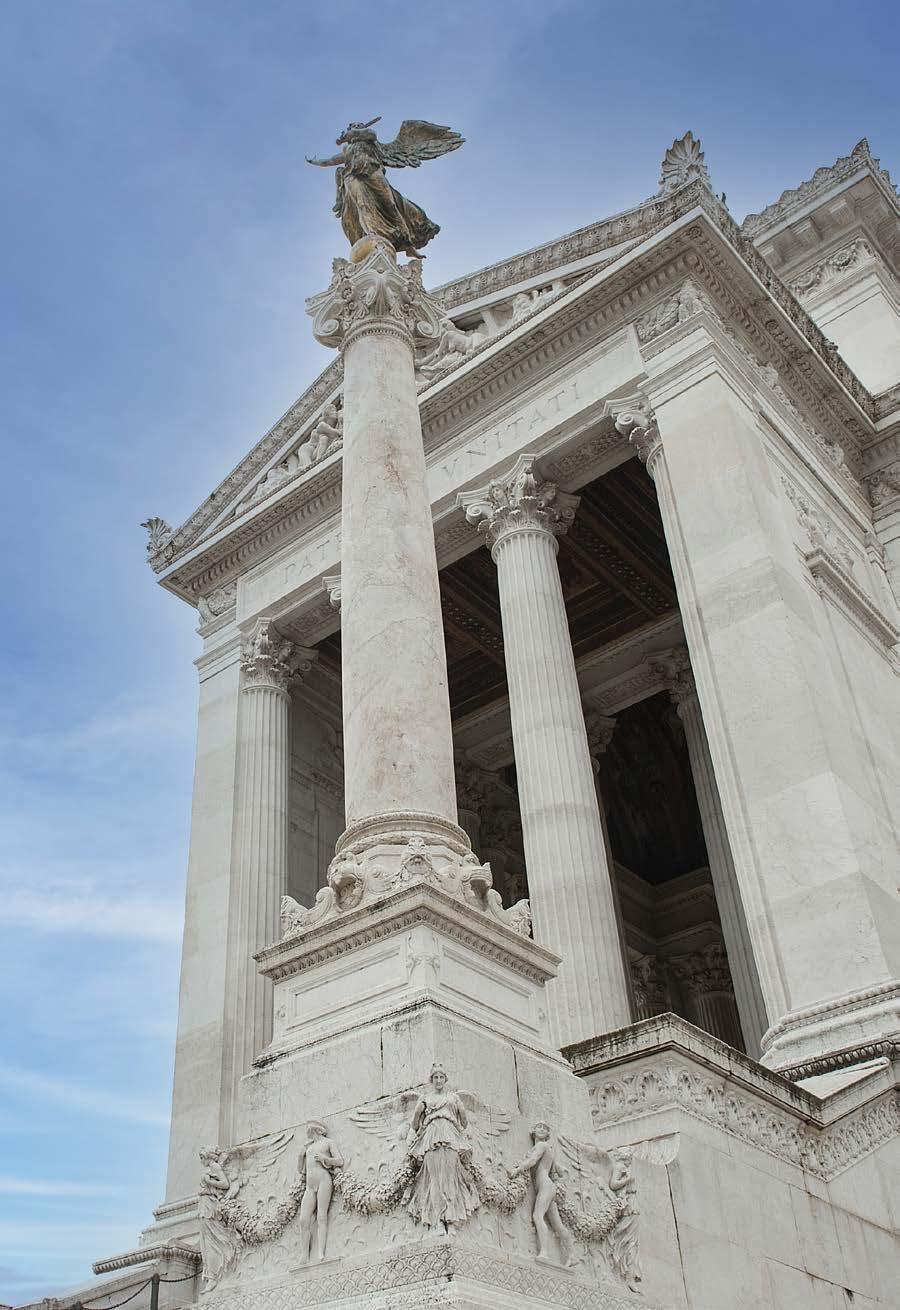
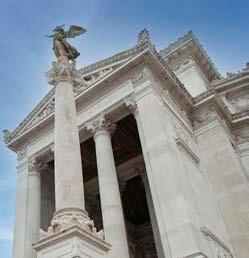
Some call it a ‘typewriter’, others a ‘wedding cake’. Yet, the Vitoriano, with its dazzling whiteness and theatrical grandeur, is one of the most symbolic - and surprising -places in Rome. Overlooking Piazza Venezia, at the foot of the Capitoline Hill, this national monument is much more than a backdrop for photographs: it is a story sculpted in marble and bronze that speaks of the Unification of Italy, the Risorgimento and the Unknown Soldier.
A MONUMENT FOR A KING (AND FOR A NATION)
In 1878, a few years afer the Unification, the Italian Parliament decided to pay tribute to Vitorio Emanuele II, the first King of Italy, who had recently passed away. It was not just about celebrating a sovereign, but an entire era: the Risorgimento that had brought the new State to life. The design of the young architect from the Marche
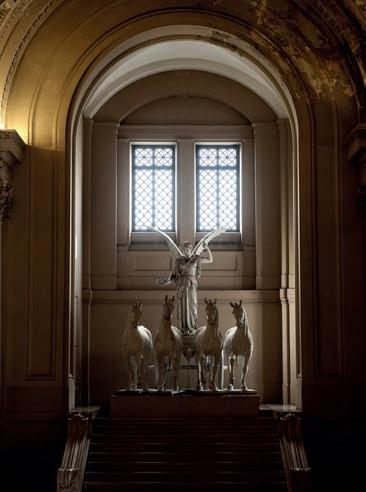
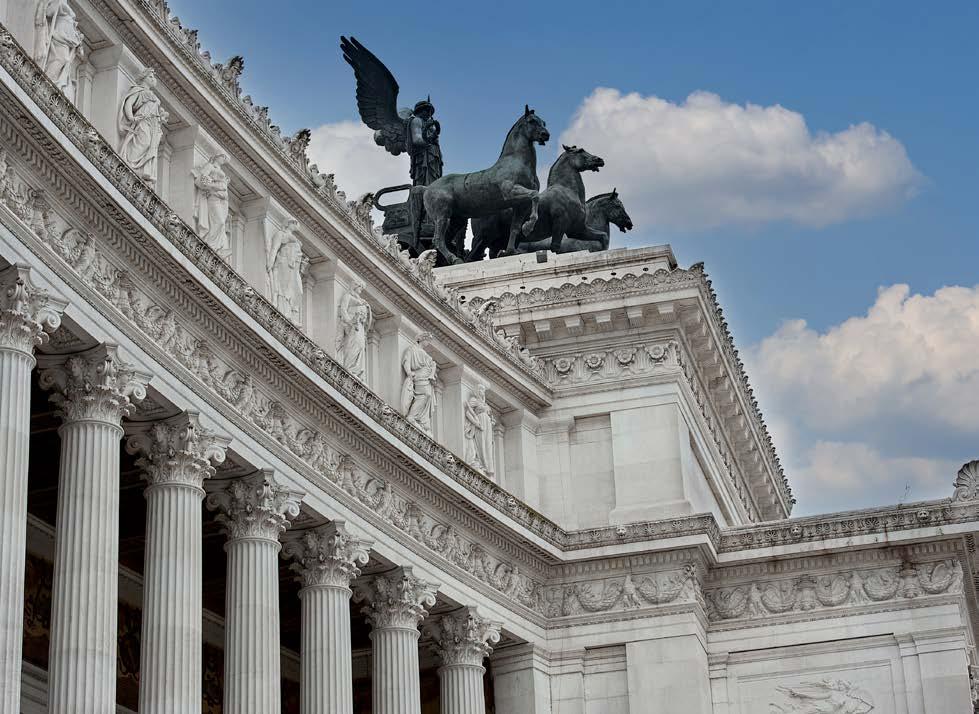
region, Giuseppe Sacconi, was chosen afer two international competitions (1880 and 1882). It was inspired by the great sanctuaries of classical antiquity. A wide monumental staircase leads to the Altar of the Fatherland, to the propylaea and to the majestic colonnaded portico topped by two bronze quadrigas: allegories of the Unity of the Fatherland and Freedom. The works, which began in 1885, lasted decades, and the complex was inaugurated - still incomplete - in 1911 during the Universal Exhibition for the 50th anniversary of the Unification of Italy. The final phase of construction was completed only in 1935.
THE KING ON HORSEBACK… AND THE REFRESHMENTS IN HIS BELLY
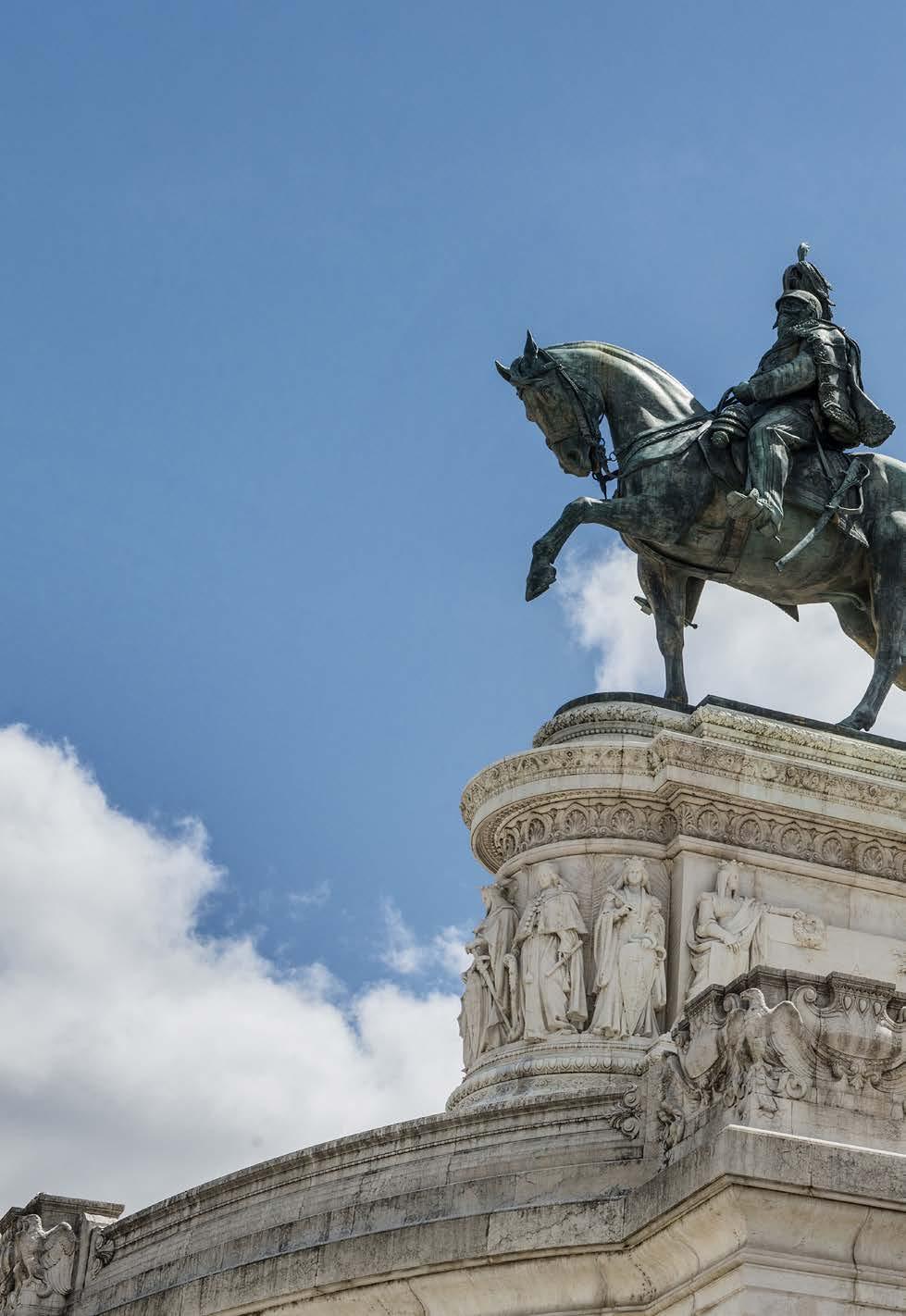
The star of the complex is the magnificent gilded bronze equestrian statue dedicated to Vitorio Emanuele II: 10 meters long, 12 meters high, made with 50 tons of bronze obtained by melting army
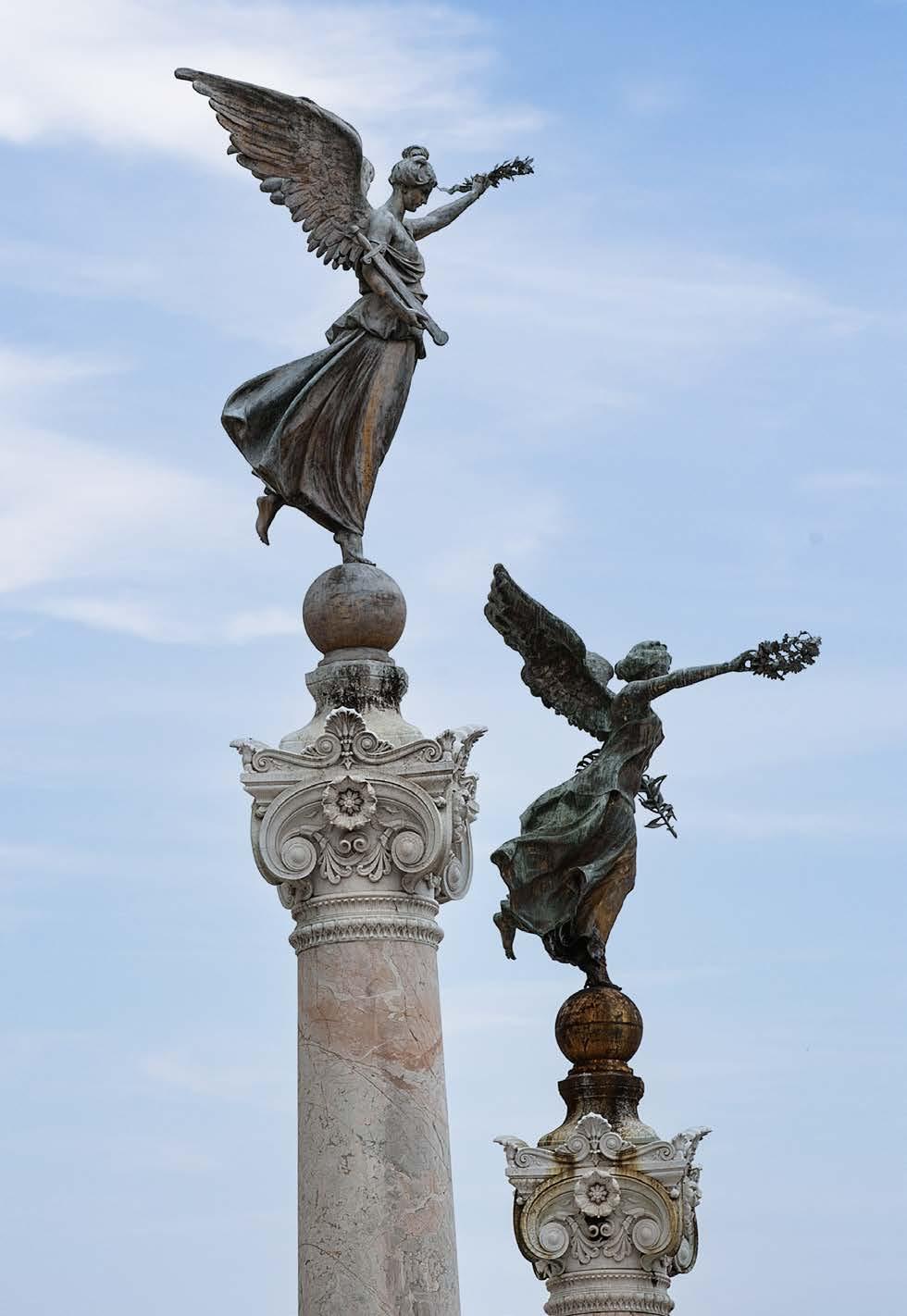
A wide monumental staircase leads to the Altar of the Fatherland, to the propylaea and to the majestic colonnaded portico topped by two bronze quadrigas: allegories of the Unity of the Fatherland and Freedom
ph. Dario Garofalo
ph. Davide Buongiorno
ph. Michele Bitetto
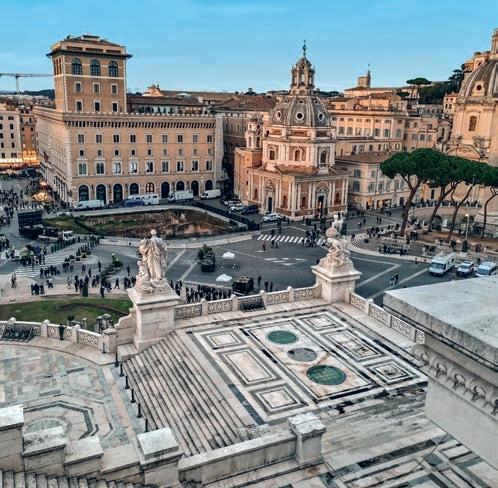
Since2007,ithasbeenpossibletogotothetop oftheVittorianothanksoapanoramicglasselevator. The terrace offers one of the most spectacularviewsofRome
cannons. To celebrate the construction’s completion, a reception for twenty guests was held inside the horse’s belly: period photographs testify to the event, which has become one of the most popular stories about the monument. And if the proportions may seem exaggerated, it is enough to say that the handlebars of the king’s mustache measure one meter each.
THE SACRED HEART: THE UNKNOWN SOLDIER
On November 4, 1921, the body of the Unknown Soldier, the symbol of all soldiers who fell in war and could not be identified, was laid to rest beneath the statue of the Goddess Roma. The coffin, placed on a cannon carriage and transported on a wagon designed by architect Cirilli, was received by an emotional crowd. Since then, a flame has burned continuously beside the tomb, guarded by motionless honor guards. Every year, on April
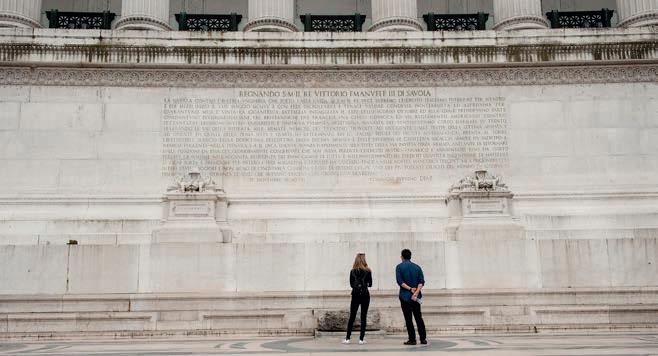
25, June 2 and November 4, the President of the Republic lays a laurel wreath in memory of those who sacrificed their lives for the Fatherland. The large inscriptions on the propylaea summarize the meaning of the entire complex: ‘PATRIAE UNITATI’ and ‘CIVIUM LIBERTATI’ – to the unity of the homeland and the freedom of the citizens.
STATUES, SYMBOLS AND WATER BOUNDARIES
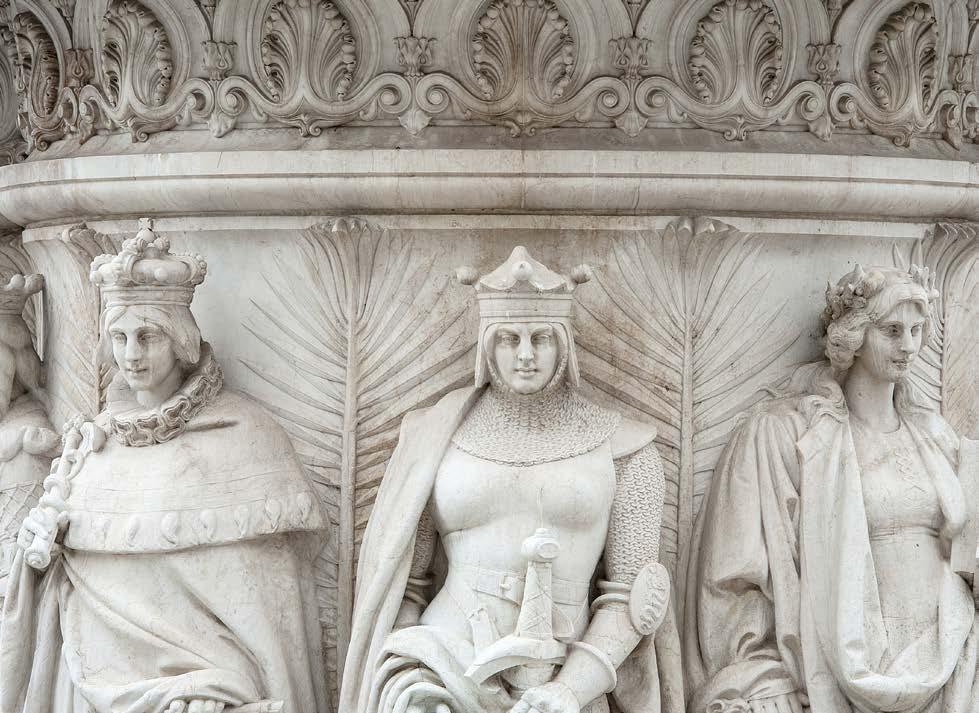
The Vitoriano is a sculpted encyclopedia of the young Italian nation. On the sides of the monument, two fountains represent the Adriatic Sea and the Tyrrhenian Sea, as if marking the Peninsula’s borders. Lined above the colonnade are the statues of the Italian regions (those existing at the time of construction), each entrusted to a sculptor from the region itself. Lower down, the figures of the cities that were capitals or maritime republics celebrate the fragmented and glorious history of pre-unification Italy.
The two quadrigas that dominate Rome from above were placed between 1924 and 1927: the Quadriga of Unity by Carlo Fontana and the Quadriga of Liberty by Paolo Bartolini.
THE UNEXPECTED VIEW
Since 2007, it has been possible to go to the top of the Vitoriano thanks to a panoramic glass elevator. The terrace offers one of the most spectacular views of Rome: the Imperial Forums unfold like a history book, the Pantheon rises among the roofops, St. Peter’s dome dominates the horizon and Via del Corso flows like an urban river. It is the perfect place to understand Rome from above: a layered, eternal city. Our advice to curious travelers is simple: climb the steps, take in the details, pause in front of the Flame of the Unknown Soldier. Here, in the heart of the Capital, Italy celebrates itself – with pride, memory and a touch of Roman grandeur.
A journey in search of the capital’s most authentic street food
TEXT Serena Marzucchi
The story of Rome is told partly in food eaten on the go: a quick bite during an aimless wander, accompanied by the sound of footsteps on the famous cobblestones. What we now call street food is actually a tradition with a very long history. The ancient Romans ofen ate fast food in the city’s tabernae and thermopolia, the ancestors of today’s street food outlets. And the custom lasted through the centuries: in the Middle Ages and the Renaissance the city’s streets were busy with food sellers, fryers, tripe cooks and pasta makers, serving hot dishes
EATING IN THE STREET BECAME AN INTEGRAL PART OF ROMAN CULTURE, A POPULAR TRADITION OF ROBUST FLAVOURS AND AUTHENTIC RECIPES
to workers with no time to go home for lunch. Over time, eating in the street became an integral part of Roman culture, a popular tradition of robust flavours, authentic recipes and small venues that withstand the passage of generations. From crisp pizza by the slice to golden fried items and panini filled with “real” food, every district offers a different facet of the city’s identity. Because here, food is not only a quick break, it’s a key part of each day, as spontaneous and sociable as Roman life itself. Here’s our selection of unmissable street food in the Eternal City.
EGG
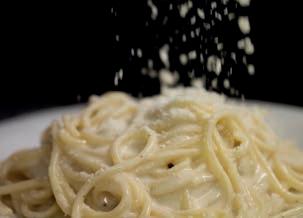
As the name suggests, here it’s all about the egg in all its forms and versions: hen, quail, duck, goose and even fish eggs like botarga and caviar. The signature dish is carbonara: mezze maniche from Gragnano with organic eggs, Campofelice guanciale, Cibaria Selection pecorino and Madagascar pepper. The menu lists nine creative variations, all served in jars to preserve the perfect creamy texture. (Via Natale del Grande, 52)
MERCATO TRIONFALE
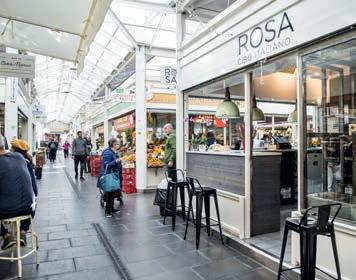
A stone’s throw from the Vatican, Mercato Trionfale is one of the largest food markets in Italy. Founded in the late nineteenth century as an open-air market just outside the city, it was where travellers to or from Rome could rest and eat. And today it retains its culinary soul: the 270-plus stalls include a number dedicated to street food, such as Chef Box, where young chefs Alessandro and Daniele serve traditional Roman fare. (Via Andrea Doria, 41)
LOCAL RECIPES
MERCATO TESTACCIO
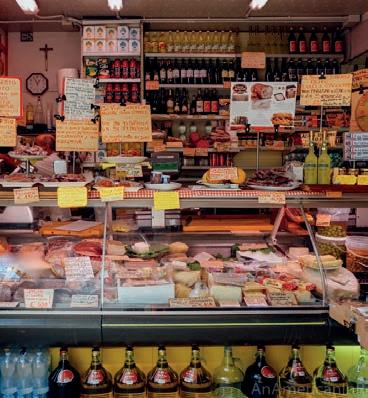
Set in the heart of Rome’s most authentic neighbourhood, Testaccio market is an obligatory stop for food lovers. Outstanding stalls include Altro – Pasta all’uovo, an artisan kitchen where a father-and-son team prepare fresh ravioli, tortellini and lasagne daily. Meanwhile, at Mordi e Vai, grandmother’s food goes into panini: sausage and chicory, tripe, meatballs and Roman-style artichokes to fill Sergio’s famous rolls. (Via Aldo Manuzio, 66b)
DAR FILETTARO A SANTA BARBARA
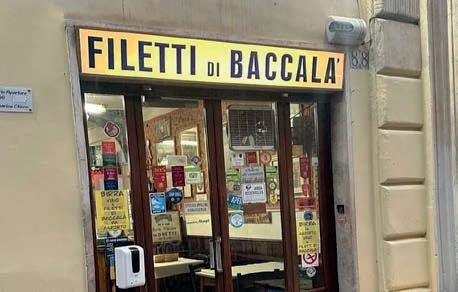
Located just off Via dei Giubbonari, this storied place is famous for its fried cod fillets. Prepared in the Roman-Jewish style, the salted fish is soaked, then coated in bater and fried to order. The result is uterly irresistible: crisp and golden on the outside, tender on the inside. At lunchtimes there’s nearly always a queue. (Largo dei Librari, 88)
CHECCO ER CARRETTIERE TAKE AWAY
FRATELLI TRECCA
Not far from the Circus Maximus, the by-the-slice pizzeria run by brothers Manuel and Nicolò Trecastelli is thin and crisp, available in classic version or Trecca-style specials. Recipes inspired by Roman tradition and nose-to-tail eating, such as tripe, tongue in salsa verde or coppa di testa with puntarelle. (Via dei Cerchi, 55)
The street food version of the acclaimed Checco Er Carretiere. From the back of the restaurant come traditional Roman starters and mains, served piping hot in handy takeaway containers at affordable prices, along with panini filled with the city’s classics. If you’re lucky, you might find space at one of the few metal tables outside. (Vicolo del Bologna, 68)
& CUCINA AGRICOLA
At Ruma you’ll find artisan cheeses and gelatos made with buffalo milk from the family farm. In the adjoining bistro they serve simple, seasonal dishes including ricota gnudi and buffalo tartare, which are also available to take away. Carefully selected ingredients and a short supply chain guarantee freshness all year round. (Via di Parione, 13)
FORNO CAMPO DE’ FIORI
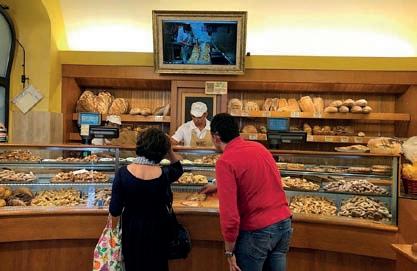
More than a bakery, this place is a piece of Roman history. For centuries it’s been baking breads and specialities that have won the hearts of celebrities including Rossini and the poet Giuseppe Gioachino Belli. Everything’s made the traditional way, but the real star of the show is the fragrant and moreish pizza bianca. Don’t forget to try their breads with olives, walnuts or raisins. (Piazza Campo de’Fiori, 22)
FUORINORMA
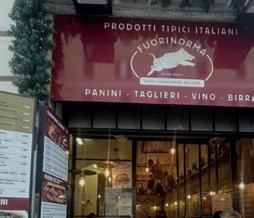
In the heart of the Monti district and overlooking the Colosseum, Fuorinor- ma is the realm of the creative panino. Alongside their platers of cured meats and cheeses sliced to order, they offer a broad selection of panini inspired by traditional Roman cuisine, from amatriciana to gricia with artichokes or parmi- giana. (Via dei Serpenti, 178)
SAN PIETRINO ROMAN STREET FOOD
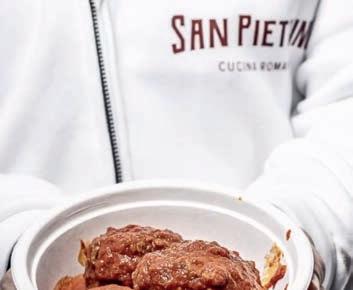
Very close to St Peter’s, San Pietrino brings Rome’s most authentic flavours onto the street. On the menu is sautéed chicory, meatballs in sauce, boiled meats and the famous picchiapò: meat from the stockpot braised with onions, tomato, celery and carrot until it melts in the mouth. All can be served on a plate or piled into a 'ciabatina' for the true street food experience. (Via Plauto, 23)
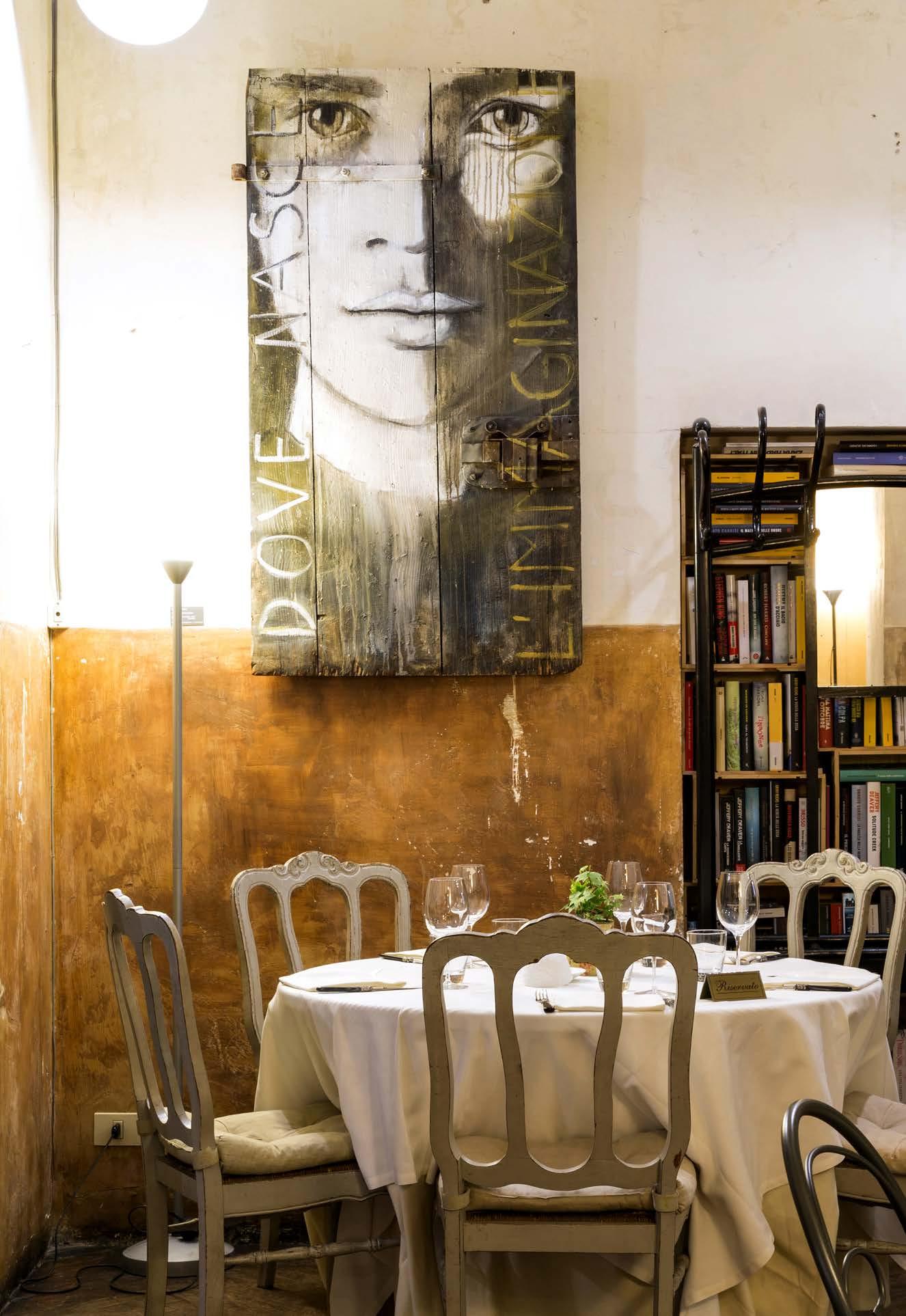
Immaginate una casa elegante e un po’ fuori dal tempo.
La luce è accorta, i colori dosati dal tempo e dagli incontri. Libri, tanti. Qua e là indizi di bellezza e di arte contemporanea. Nell’aria un profumo di timo e di pane. -
Try to imagine an elegant and timeless building, where the light is delicate, and the colours have been mixed by encounters and the passage of time.
You’ll fnd items of beauty and modern art dotted around here and there, and books aplenty. Te aroma of bread and thyme hang in the air.
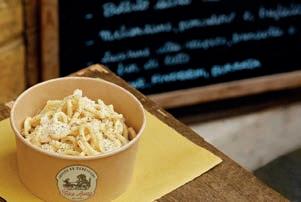
The quintessential Roman street food is sup- plì, and Supplizio celebrates them in every form. In a small space furnished like an ele- gant living room, you’ll find the timeless clas- sics – traditional, cacio e pepe, amatriciana, carbonara – along with other fried treats in- cluding aubergine friters and mozzarella in carrozza. (Via dei Banchi Vecchi, 143)
ANTICO FORNO URBANI
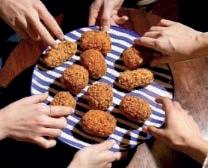
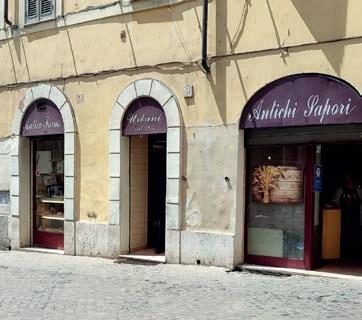
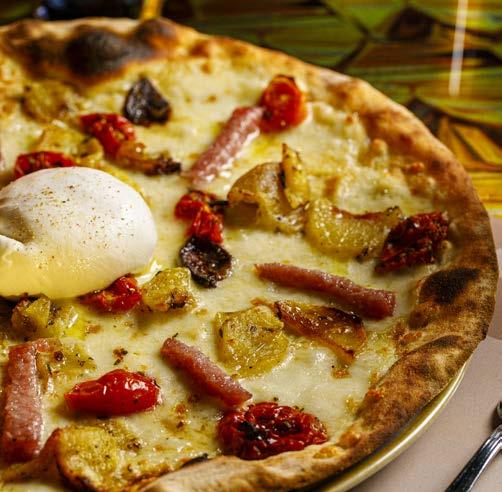
Located in the heart of the Jewish Ghetto, Urbani has been synonymous with Roman pizza since 1927. The most popular is the pizza rossa: thin, crisp and dripping with tomato. Another speciality is “ossi” or “bones”, slender rolls made with pizza dough. Next door to the bakery, a small shop makes quick sandwiches. (Piazza Costaguti, 30)
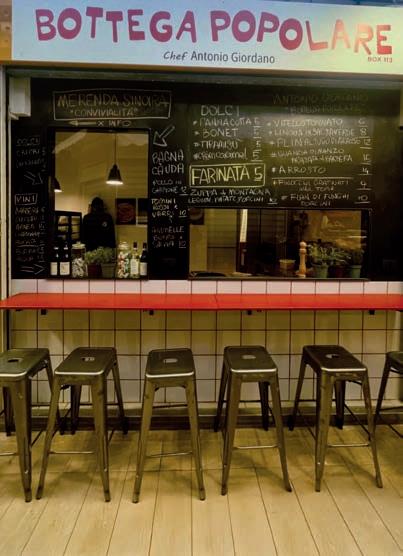
BOTTEGA POPOLARE
Inside Mercato
Trionfale (stall 113), Botega Popolare brings its street food version of Piedmont cuisine to Rome. The menu features plin ravioli with sugo d’arrosto, vitello tonnato, bagna cauda and braised pork shank. At the weekend there’s also the Piedmontese 'merendina', an array of cured meats, toma cheese, anchovies with green sauce and traditional breadsticks. (Via Andrea Doria, 41)
ALL DAY LONG
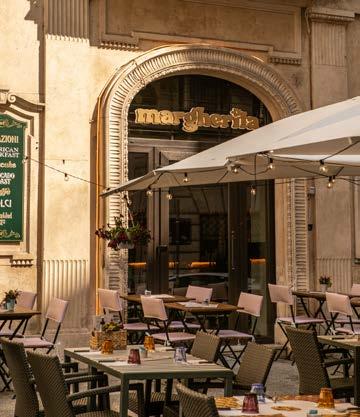
From breakfast time to late at night, Margherita Osteria Pizzeria showcases the pleasures of Roman life in Piazza Cardelli
TEXT Virginia Mammoli
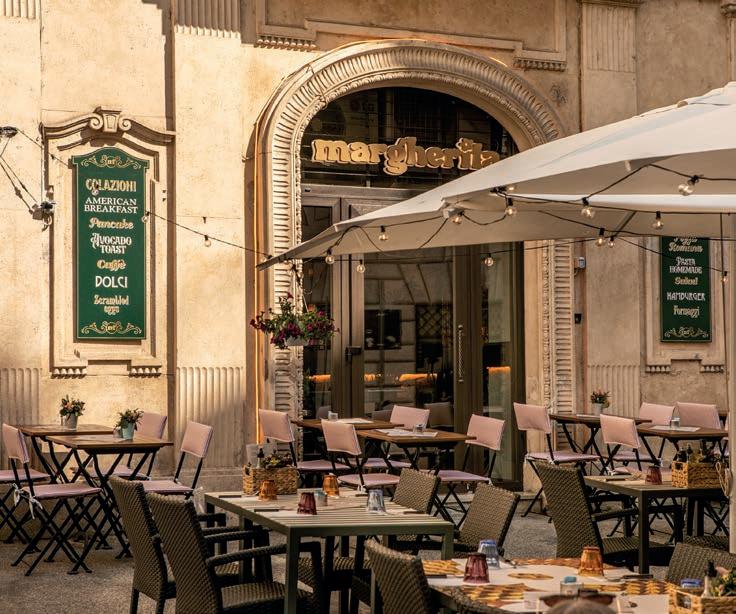
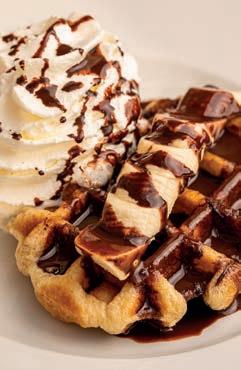
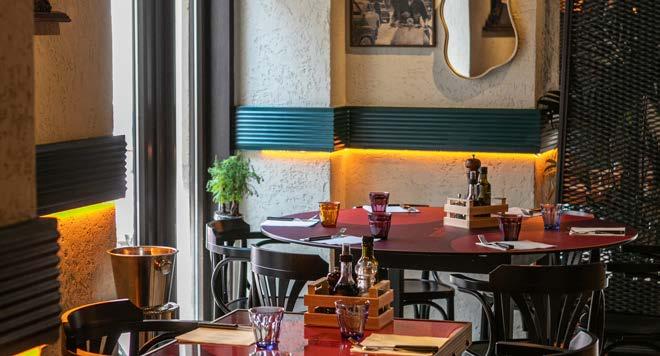
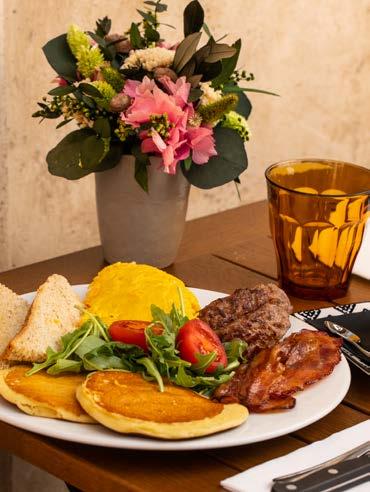
Whether you’re looking to wake up with coffee and pancakes, a quick lunch or dinner with a choice of traditional options and Roman pizza, or an aperitif with irresistible snacks, Margherita Osteria Pizzeria is your go-to place all day long. Overlooking prety Piazza Cardelli, a small oasis of calm in the heart of Rome and a stone’s throw from Piazza Navona and Via dei Condoti, Margherita Osteria Pizzeria is open from early morning to midnight, altering its appearance but not its spirit. Take a seat in the curated modern interior or at one of the outdoor tables, and service begins with breakfast: cappuccino and croissant for devotees of the Italian ritual; waffles, avocado toast and scrambled eggs if
you prefer a hearty American breakfast, perfect for holidaymakers preparing to explore the city, but also for an informal business breakfast.
As the hours pass, the kitchen ramps up, and keeps going un-
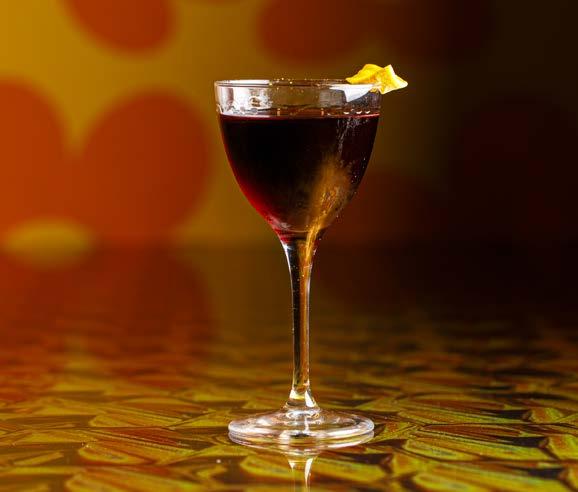
AMERICAN BREAKFAST, TRADITIONAL DISHES, ROMAN-STYLE PIZZA AND COCKTAILS
til late into the evening. The menu combines Roman classics like carbonara, amatriciana and saltimbocca with more contemporary options such as carpaccio of beef aged on the premises with red wine
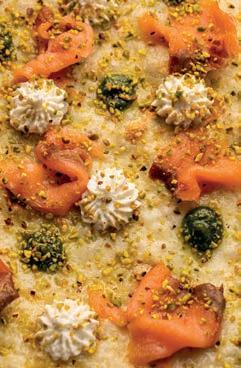
mayonnaise, toasted pine nuts and confit tomatoes, or hamburgers with home-baked bread. But the real star of the show is the Roman-style pizza: thin and crisp, made with dough proved for 24 hours. From the authentic Margherita to the Capricciosa, and specials including Cacio and Pears or Delizia Rustica, topped with passata from Casa Marrazzo, fior di late, sausage, pickled onion, pecorino cream, pepper and toasted almonds.
And then, before dinner, it’s aperitif time: platers of cured meats and cheeses, freshly-baked focaccia, and fragrant golden friters accompany state-of-the-art cocktails. Margherita Osteria Pizzeria is the place where you can start the day and find yourself still there at dinnertime, with no need to go anywhere else.
Overlooking pretty Piazza Cardelli, a small oasis of calm in the heart of Rome and a stone’s throw from Piazza Navona and Via dei Condotti, Margherita Osteria Pizzeria is the place where you can start the day and find yourself still there at dinnertime, with no need to go anywhere else
LIKE HOME
Babete wins everyone over with its sof lights and authentic flavors
TEXT Martina Olivieri
On Rome’s high-end dining scene, Babete - which celebrates 20 years of honorable service on April 6, 2026 - is much more than a restaurant: it is an elegant home, a discreet retreat where time seems to slow down. The lights are sof, the colors tell stories and books decorate the walls alongside touches of contemporary art. There is a scent of thyme and warm bread in the air. Here, hospitality is an all-female calling. Babete was born out of the vision and experience of Flora and Silvia, atentive and passionate hosts, a constant presence in the dining room and kitchen. Their cuisine is shaped by memory and precision and made up of family recipes and measured gestures, in which every dish is carefully designed and executed with nearly obsessive aten-
tion. The careful selection of basic ingredients is at the heart of their culinary project: only the best that the Roman and Italian markets can offer, with rare forays abroad when excellence demands it. Full respect
A DISCREET RETREAT
WHERE TIME SEEMS TO SLOW DOWN
for seasonality, extra-virgin olive oil even for frying and Normandy buter for the most delicate preparations. The result is a light yet intense cuisine, delicious without feeling heavy. Among the most popular dish-
es are the lamb chops and the top-secret Babete Cake, while the Tarte Tatin, faithful to the original French recipe, wins over even the most demanding gourmands. The wine cellar is a true treasure box for wine lovers. Every botle is selected to harmoniously complement the dishes. The sommelier guides guests in their choice, suggesting pairings that enhance flavors and textures, from full-bodied reds to the most elegant whites. There is also a fine selection of spirits and signature cocktails for those who wish to top the meal off. In the warmer months, Babete opens its lovely outdoor seating area in the building’s courtyard: an open-air lounge overlooking a private square, where you can have lunch or dinner, caressed by the light west wind. Reservations are strongly recommended.
Pescado Seafood Restaurant (1.2.3.ph.ElisabettaRubinoStudioLalo) and L’Ambasciata d’Abruzzo (4.5.),tworestaurants thatcapturetheessence ofRome’sdiningscene, both rooted in the vision andexpertiseofRobertoPoggi
THE TASTE OF ROME
Pescado Seafood Restaurant and Ambasciata d’Abruzzo: two iconic restaurants in the Parioli district
TEXT Martina Olivieri
In the heart of Parioli, there are two places that embody the soul of Roman cuisine. They are Pescado Seafood Restaurant and L’Ambasciata d’Abruzzo, both linked to the vision and experience of Roberto Poggi. Afer a major restyling, Pescado Seafood Restaurant is now a refined seting dedicated to seafood cuisine. The fish arrives daily from the best auctions in the Tyrrhenian Sea, from Fiumicino to Anzio, and is displayed at the entrance in the evocative ‘fish market’, where guests can choose the catch of the day. The rooms feature elegant tones and sof lighting that create an intimate and sophisticated atmosphere. The various dining rooms and the terrace overlooking the roofops of
Parioli make the experience even more exclusive. In the kitchen, the menu ranges from the finest raw dishes to hot dishes that enhance the purity of the sea: from scampi on ice cooked using the thermal shock method to spaghetone with sea urchins, bouillabaisse, and large Catalan-style shellfish dishes. To complete the experience, there is a wine cellar with over 600 Italian and French labels and a selection of champagnes designed to accompany seafood cuisine. A few steps away, L’Ambasciata d’Abruzzo represents a piece of Roman restaurant history.
Open for over sixty years, the restaurant has evolved over time while maintaining its identity intact: an elegant but welcoming restaurant
where Italian gastronomic tradition takes center stage. The menu celebrates the great classics of Roman and Abruzzese cuisine: tonnarelli cacio e pepe, spagheti alla carbonara, and fetuccine al ragù di agnello pave the way for iconic main courses such as roast suckling pig or lamb chops alla scotadito. There is no shortage of seasonal produce, from Roman-style artichokes to porcini and ovuli mushrooms. The wine cellar, curated by Riccardo Poggi, boasts over 600 Italian wines selected with passion over the years. Two different but complementary addresses, united by the same atention to quality, service, and the art of hospitality. Two experiences that convey the authentic pleasure of Roman cuisine.
CULTIVATING THE GAZE
Monocle, the Rome boutique that turns eyewear into identity and culture
TEXT Virginia Mammoli
In Rome’s storied Via di Campo Marzio, Monocle has been rewriting the very idea of glasses since 2010. This is no mere store, but an independent workshop where eyewear becomes a declaration of identity and a cultural statement rather than an accessory. In a market dominated by global brands and mass production, Monocle has chosen a different path: research, crafsmanship and vision. At its heart is the curatorial approach of founder Gabriele Vergerio, who grew up in his family’s optician’s shop and is now a tireless collector and talent scout.
He travels to trade fairs and exhibitions, ateliers and design studios to hunt out rare frames, ofen limited editions, by cult names such as Jacques Marie Mage, Chrome Hearts, Kuboraum and other designers who
make local manufacture and impeccable quality their stockin-trade. His selections have all the rigour of a bespoke publishing project. Every item comes into the boutique with a specific intention: to tell a story,
convey character, construct a particular look. This is eyewear that brings its own narrative, consisting of the designer’s vision and the backstory of conceiving a highly precise style that does not follow fleeting
fashion but instead enhances the wearer’s identity. Alongside this is the Monocle Eyewear collection, also curated by Gabriele Vergerio and inspired by the city of Rome and its extraordinary blend of history and art, reinterpreted with a modern slant. The boutique invites visitors to observe, try on, linger over details. It is no surprise that Monocle has become the go-to place for creatives, designers and enthusiasts who see eyewear as a key element of their personal expression. The result of all this is a model of independent luxury. In our age of standardisation, Monocle proves that there’s a growing demand for authenticity, limited-edition items with cultural value, and experiences designed around intentionality. Monocle does not just sell glasses; it cultivates a way of seeing the world.
Museums, churches and all the atractions that you should not miss in city. Reservations are recommended in some museums, ask your ‘Les Clefs D’Or’ concierge
MUSEUMS AND ARCHAEOLOGICAL SITES
COLOSSEUM
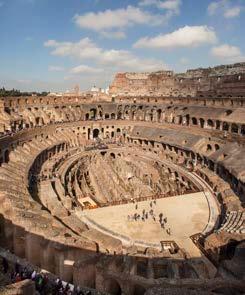
Designed to hold 50,00075,000 spectators coming to see the fights between gladiators and ferocious animals, the Colosseum is the largest amphitheatre from Antiquity, a symbol of Rome and one of the seven wonders of the world.
A water system fed various fountains and allowed for naumachiae, mock naval batles. Piazza del Colosseo, 1 ph. +39 06 39967700 colosseo.it
Closed: January 1, December 25
FOR0 AND PALATINO
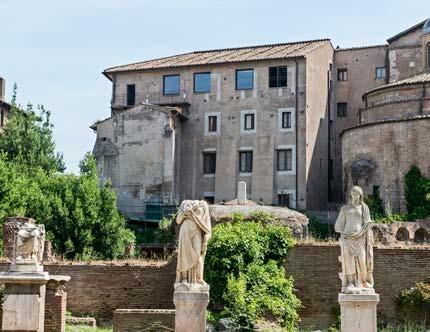
The Arch of Constantine links the Palatine Hill, adding to the houses of Livia and Augustus, and the Forums built along the Via Sacra and beyond the Arch of
Titus, up towards the Capotiline Hill and the Sacred Largo Argentina area, that is reopened and equipped for disabled people.
At the same time, the emperors paid homage to themselves by building their own squares, known as Fori.
Fori Imperiali | Foro Romano | Palatino: ticket office Piazza della Madonna di Loreto and Via della Salara Vecchia ph. +39 06 39967700 coopculture.it
Closed: January 1, December 25
THE BATHS OF CARACALLA
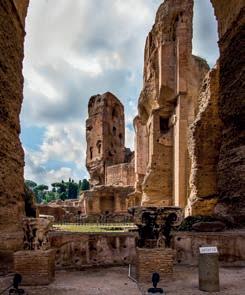
Inaugurated by Caracalla in 216 CE, they extended for 10 hectares, vaunted a sophisticated water system for its tepidarium, calidarium, frigidarium and two gymnasiums, and included a Mithraeum, the god venerated by young soldiers.
Priceless materials stripped from the structure were recycled to build Santa Maria in Trastevere.
Viale delle Terme di Caracalla, 52 ph. +39 06 39967702 coopculture.it
Closed: January 1, May 1, December 25
CATACOMBS
These underground cemeteries carved into tuff rock were decorated with Christian symbols and located, for reasons of hygiene, outside the city walls. Beginning in the 2nd century, martyrs, Christians and Jews were all buried in them. The most evocative, near the Appian Way, are the catacombs of Domitilla, Lucilla, Callixtus, St. Sebastian and the Ardeatine.
CIRCO MASSIMO
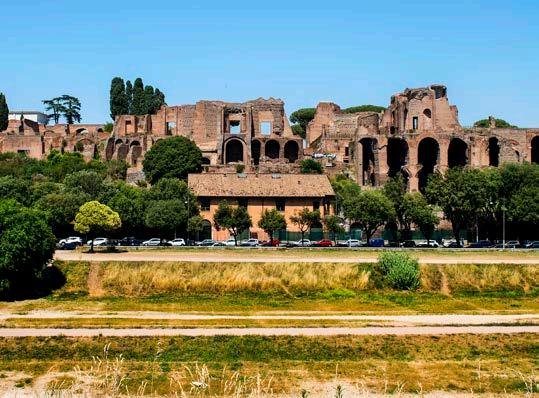
A portion of the area gives us an idea of the original purpose of this stadium, 120 metres wide and 620 metres long, likely the largest structure ever built to stage spectacles and able to seat 250,000 people. It was used for horse races and a market. This is also where the Rape of the Sabine Women occurred. Today, it is a popular place for hosting large events.
Via del Circo Massimo ph. +39 06 0608 sovraintendenzaroma.it
Closed: January 1, May 1 (variable), December 25
CASTEL SANT’ANGELO
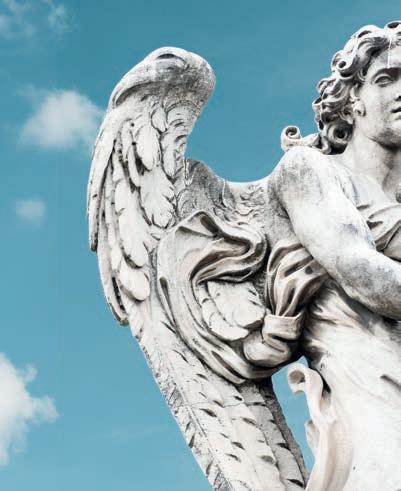
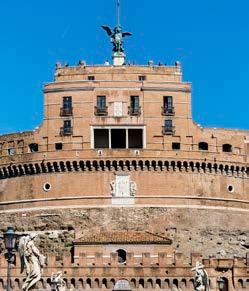
The mausoleum of Emperor Hadrian, it later became Castel Sant’Angelo. Thanks to its secret passage connecting it to the Vatican, it was transformed into a fortress and refuge for popes. It was later a prison, barracks and museum. Inside, there are frescoes by Pinturicchio, while the bronze angel was made by Peter Anton von Verschaffelt in 1753. Lungotevere Castello, 50 ph. +39 06 6819111 castelsantangelo.beniculturali.it
Closed: January 1, May 1, December 25
VATICAN MUSEUMS AND SISTINE CHAPEL
This collection of buildings houses one of the most impressive and visited art museums in the world.
Another highlight, in addition to the Gallery of Geographical Maps, is the Pinacoteca, which conserves artworks, including pieces by Leonardo, Gioto, Titian, Reni, Caravaggio and Raphael. The later’s
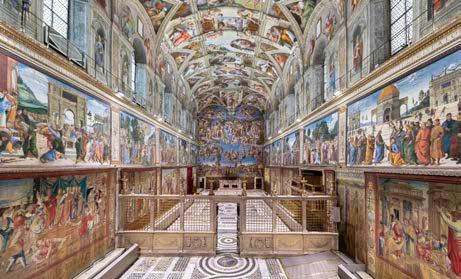
masterpiece, however, can be found in Julius II’s apartments, today known as the Raphael Rooms. Near there is the Pauline Chapel, which conserves frescoes by Michelangelo, and the Sistine Chapel. The walls were frescoed by Boticelli, Perugino and Signorelli, while the ceiling is Michelangelo’s triumphant. On the wall behind the altar, Last Judgement. Viale Vaticano ph. +39 06 69884676 museivaticani.va
Closed: Sunday (except for the last of the month), January 1, February 11, March 19, April 22, May 1, June 29, August 14 and 15, November 1, December 25 and 26
GALLERIA
BORGHESE
The gallery, adjacent to the villa that dominates the Pincian Hill, is considered the most important museum in the world for its collection of artworks by Bernini and Caravaggio, including the former’s Apollo and Daphne, the later’s Young Sick Bacchus and The Deposition by Raphael. Piazzale Scipione Borghese, 5 ph. + 39 06 8413979 galleriaborghese.beniculturali.it
Closed: January 1, December 25
MUSEI CAPITOLINI
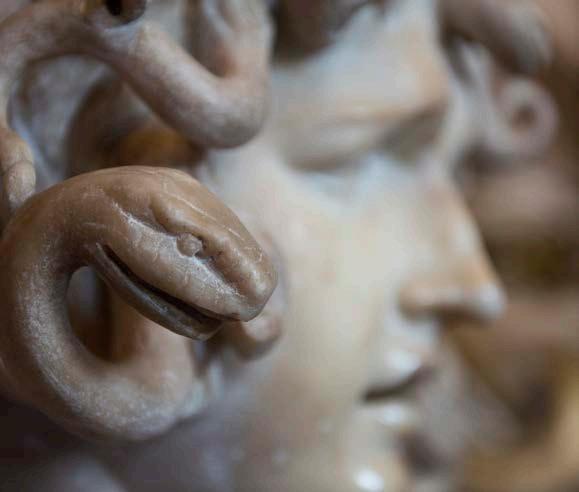
Housed inside Palazzo dei Conservatori and Palazzo Nuovo, in the piazza redesigned by Michelangelo, the museums conserve artworks like the Capitoline Wolf, the original statue of Marcus Aurelius, the Dying Gaul, Bernini’s Medusa and The Fortune Teller by Caravaggio. A section of the museum is now in the Centrale Montemartini.
Piazza del Campidoglio, 1 ph. +39 06 0608 museicapitolini.org
Closed: January 1, May 1, December 25
GNAM – GALLERIA
NAZIONALE DI ARTE MODERNA
Designed by architect, Cesare Bazzani, the National Gallery houses Italian masterpieces
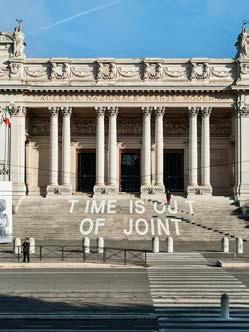
from the 19th and 20th centuries. Divided into two sections, the exhibition space was built for the International Exhibition and showcases works by the Macchiaioli, Futurists (Boccioni and Balla), Chini, Modigliani, Gutuso and De Chirico, as well as Klimt, Monet, Cézanne, Mondrian, Kandinsky.
Viale delle Belle Arti, 131 ph. +39 06 32298221 lagallerianazionale.com
Closed: Monday, January 1, December 25
IL VITTORIANO
Named the Vitorio Emanuele II Monument at its inauguration, it is also known as the Altare della Patria (Altar of the Fatherland) and was built to commemorate Italian liberation. Built like a modern Roman Forum, it houses the Museum of the Risorgimento and the Tomb of the Unknown Soldier. Today, it houses temporary exhibitions and features a large terrace with a view of the city.
Il Vitoriano: Via di San Pietro in Carcere ph. +39 06 8715111 ilvitoriano.com
Museo centrale del Risorgimento al Vitoriano: Closed Easter, week of August 15, December 25 ; Timetable of temporary exhibitions on the site
PALAZZO BARBERINI AND GALLERIA CORSINI
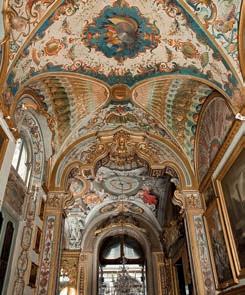
The galleries housed here showcase artworks including gems like Raphael’s Portrait of a Young Woman and Holbein’s Portrait of Henry VIII, as well as pieces by Van Dyck, Tintoreto and Titian. Built by Maderno for Pope Urban VIII, features a salone with Barberini Power by Pietro da Cortona. Palazzo Barberini:
Via delle Quatro Fontane, 13 ph. +39 06 4814591
Closed: Monday, January 1, December 25
Galleria Corsini:
Via della Lungara, 10 ph. +39 06 68802323
Closed: Tuesday , January 1, December 25
barberinicorsini.org
SCUDERIE
DEL QUIRINALE
Up until 1938 it was used as a stables and carriage house, afer which it housed the Carriage Museum. Built on top of the ruins of the Roman temple of Serapis, the
building boasts a view from the highest point of Rome’s historic hills.
The Scuderie was restored by the international architect Gae Aulenti for the Jubilee in 2000 and is today one of the main sites for large exhibitions.
Via XXIV Maggio, 16 scuderiequirinale.it
Timetable of temporary exhibitions on the site.
GALLERIA
DORIA PAMPHILJ
Palazzo Doria Pamphilj is the biggest palace that still serves as a residence and is home to important private art collections. The gallery features works by Titian, Raphael, Caravaggio, Parmigianino, Lorrain, Sebastiano del Piombo, Bronzino and Bernini, as well as Vélazquez’s most famous
portrait. The palace apartments and private chapel can be accessed via the gallery. Via del Corso, 305 ph. +39 06 6797323
doriapamphilj.it
Closed: third Wednesday of the month, January 1, Easter, December 25
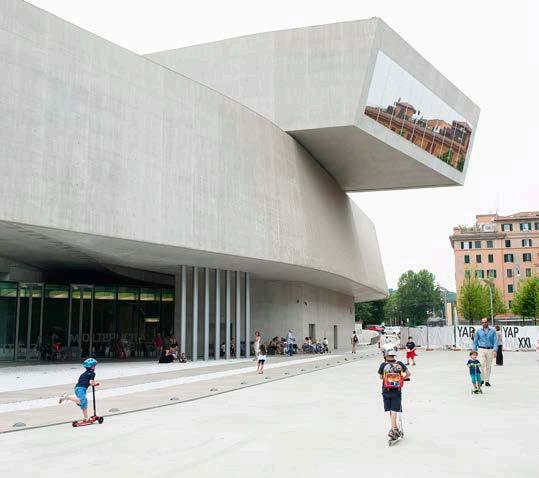
MAXXI
The museum features art from the 21st century and was built on the site of an old army barracks, the Caserma Montello, near the Auditorium Parco della Musica by Renzo Piano. The interior space is dedicated to international avant-garde movements and the first gallery of Contemporary Architecture.
Works on display include pieces by Boeti, De Dominicis, Kapoor, Richter and Catelan.
Via Guido Reni, 4A ph. +39 06 3201954 maxxi.art
Closed: Monday, May 1, December 25
MUSEO
DELL’ARA PACIS
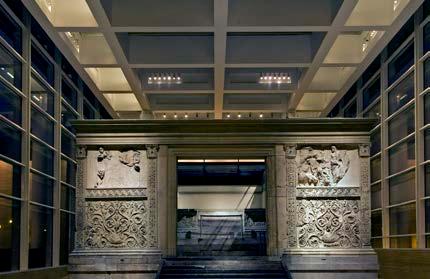
Intended to celebrate peace in Spain and Gaul, the Ara Pacis was consecrated in 9
BCE between via Flaminia and the Mausoleum of Augustus. Decorated with the achievements of Emperor Augustus and portraits of the Giulio-Claudia gens, it has been enclosed in a protective building made of steel and marble designed by Meier since 2006.
Lungotevere in Augusta (corner via Tomacelli) ph. +39 06 0608 arapacis.it
Closed: January 1, May 1, December 25
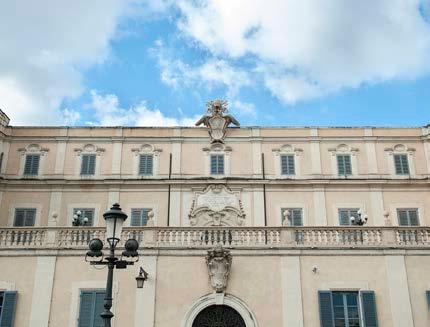
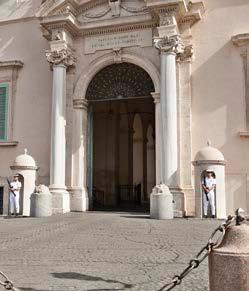
QUIRINALE
The hill, also called Cavallo (horse) because of the statues of the Dioscuri found in the square, has always been the home of powerful people. First
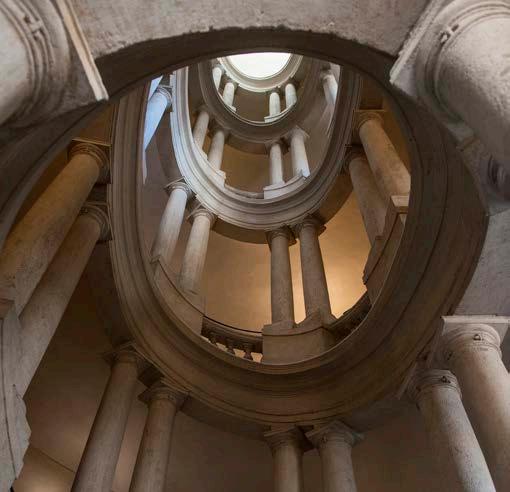
the popes from Gregory III to Pius IX, and then Napoleon. It was also the king’s home and finally the residence of the President of the Republic. The majestic walls of the palace preserve beautiful tapestries, antique clocks and porcelain, as well as the beautiful elliptical by Mascarino and the staircase of Honour.
Piazza del Quirinale ph. +39 06 3996 7557 palazzo.quirinale.it
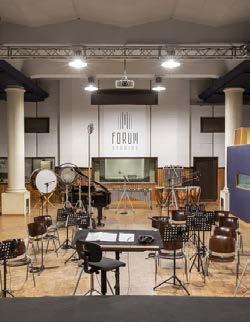
FORUM STUDIOS
Founded in 1970 by Ennio Morricone, Forum Studios in Rome represent a landmark in music and cinema history. For the first time ever, the historic Studios will open their doors to guests with a number of customisable exclusive visits and experiences inside the most famous Italian recording studios in the world.
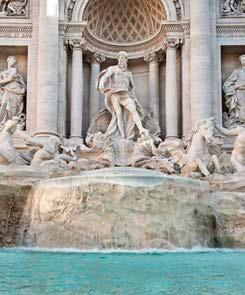
A cross between Baroque and Neoclassicism, the largest fountain in Rome reflects the story of the Augustus-era Aqua Virgo.
It was rebuilt multiple times in Antiquity and enlarged by Bernini but finished only in the late 18th century. Traditional says that if visitors to throw a coin into the fountain, they will return to the city one day.
Piazza di Trevi
SCALINATA
TRINITÀ DEI MONTI
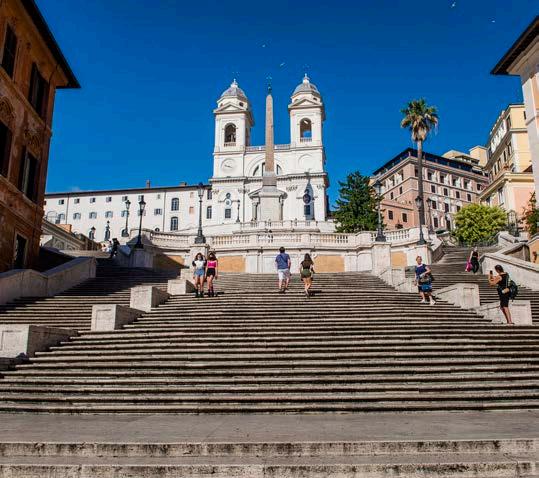
Imposing and scenic, its shape narrowing and widening as it climbs, it connects the Church of Trinità dei Monti to piazza di Spagna. Afer centuries of development, the stairway was built in 1726 based on a design by the architect Francesco De Sanctis.
Its beauty is exalted in the spring, when the flowers are in bloom.
Piazza di Spagna
COLONNA TRAIANA
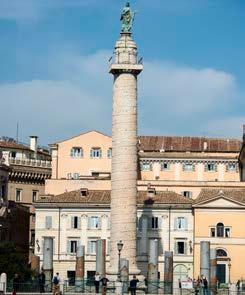
Ancient Roman at its finest, it is the first coclide column, erected in 113 to celebrate the victory over Dacia (today Romania), with scenes from the war depicted across a spiral, chronological frieze. Forty metres tall, it con-
serves the ashes of Trajan and is located in what was Trajan’s Forum. Sixtus V replaced the statue at the top with one of St. Peter.
Via dei Fori Imperiali
TEATRO MARCELLO
Begun by Caesar and located between the Tiber and the Capitoline Hill, it was completed and enlarged by Augustus. In the Middle Ages, it was used for houses and workshops. Restored in the 1920s, it is one of the few and
oldest theatres remaining, and over the centuries, it has been used as a model for theatres and amphitheatres.
Via del Teatro di Marcello
COLONNA
DI MARCO AURELIO
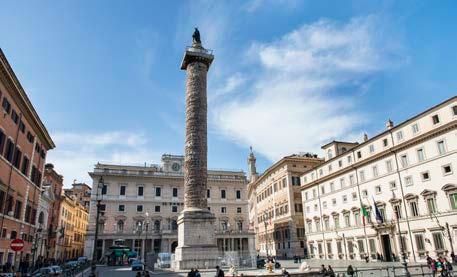
It’s located opposite Palazzo Chigi, in the exact spot where it was erected by Commodus in 190 to celebrate the victories of his father Marcus Aurelius over the Germanic people. Forty metres tall, the frieze winds for 110 metres and was inspired by Trajan’s Column. In 1589, Sixtus V replaced the Roman statue on top with an effigy of St. Paul.
Piazza Colonna
ARCO DI COSTANTINO
With its three arches, it is the largest triumphal arch in Rome and symbolically inaugurates via dei Fori. The Senate dedicated it to Emperor Constantine in 315. Recent studies have dated it to the era of Hadrian, however.
The decorations show a variety of styles, from classical to medieval: a veritable open-air “museum”.
Via di San Gregorio
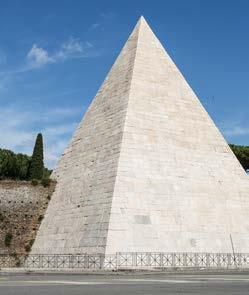
PYRAMID
OF CAIUS CESTIUS
Gaius Cestius wrote in his will that the tomb must be built in only 330 days, lest his heirs be excluded from his rich patrimony.
Erected out in 18 BCE and 36 metres tall, it was covered in marble and inspired by the Pyramids of Giza.
Via Raffaele Persicheti
CHURCHES
BASILICA DI SAN PIETRO IN VATICANO
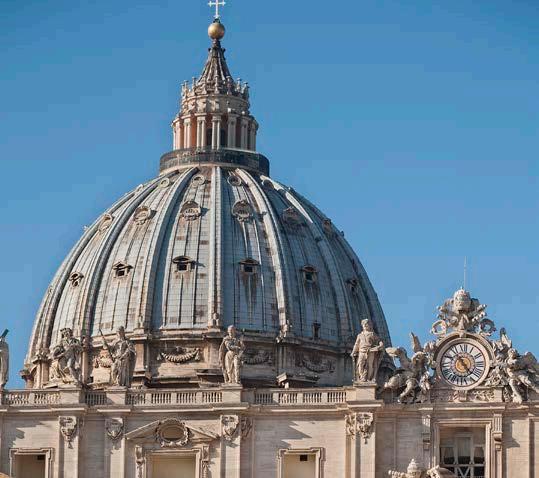
St. Peter’s Basilica is the most fascinating place in the world. In addition to priceless relics and interesting tombs, there are many masterpieces inside St. Peter’s, including the Pietà, sculpted and signed by young Michelangelo, and the lavish canopy by Bernini. The bronze
statue of the saint is by Arnolfo di Cambio, while the towering round dome is by Michelangelo, who was inspired by Brunelleschi’s dome in Florence.
Piazza San Pietro vatican.va
ARCIBASILICA
DI SAN GIOVANNI IN LATERANO
This is the city’s cathedral and the first of the four papal basilicas. Built by Constantine following the First Council of Nicaea in 325, this is where Pope Boniface VIII announced the first Jubilee in 1300. The Constantine-era mosaics, Cosmatesque floor and ciborium remain, while the incredible “rooms of light” by Borromini can still be seen today.
Piazza di S. Giovanni in Laterano, 4 vatican.va
BASILICA DI SAN PAOLO FUORI LE MURA
This was the cemetery where St. Paul was buried. The church, built by Constantine, is one of the four papal basilicas, the second largest afer St. Peter’s and also called Ostiense.
Vaunting an imposing colonnade, it was destroyed by a fire and rebuilt as it was. The ciborium by Arnolfo di Cambio is priceless, while the mosaic portraits of all the popes is a rare masterpiece.
Piazzale San Paolo, 1 basilicasanpaolo.org
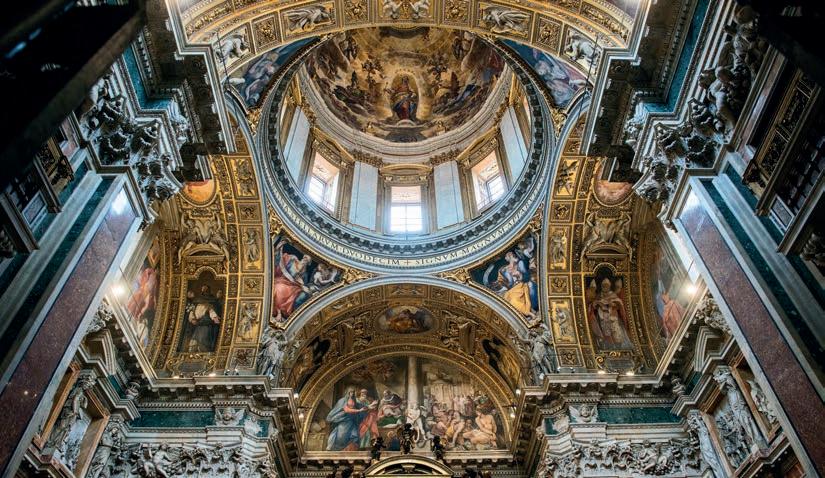
BASILICA DI SANTA MARIA MAGGIORE
The church, one of the four papal basilicas, maintains its original early-Christian structure and was built in the 4th century on the spot where snow is said to have fallen in the summer (commemorated every August 5). Inside also to the oldest Nativity, by Arnolfo di Cambio.
Piazza di S. Maria Maggiore, 42 vatican.va
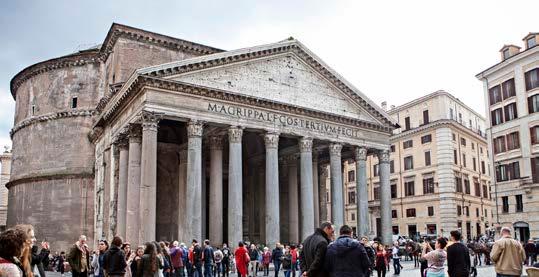
PANTHEON
BASILICA DI SANTA MARIA AD MARTYRES
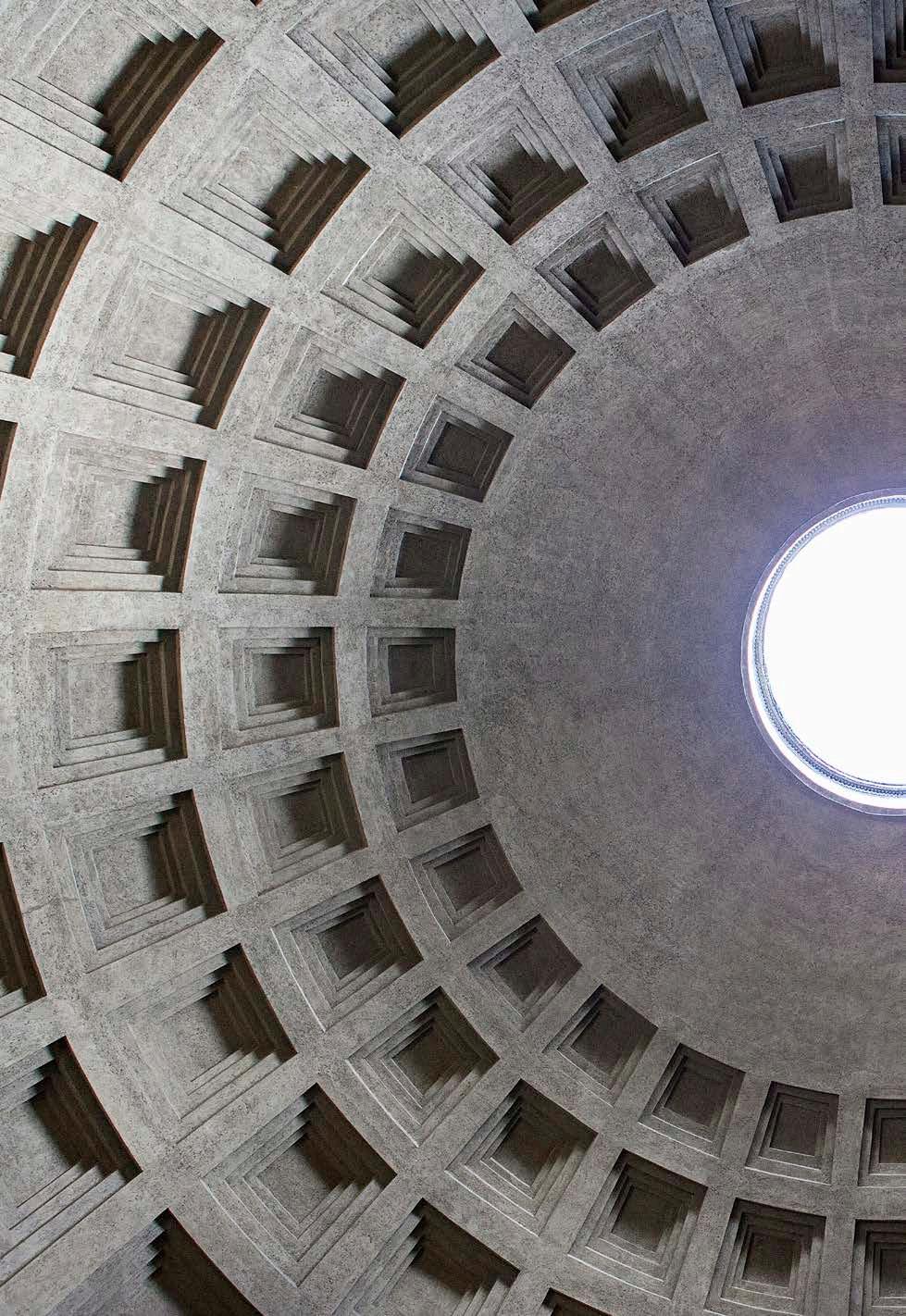
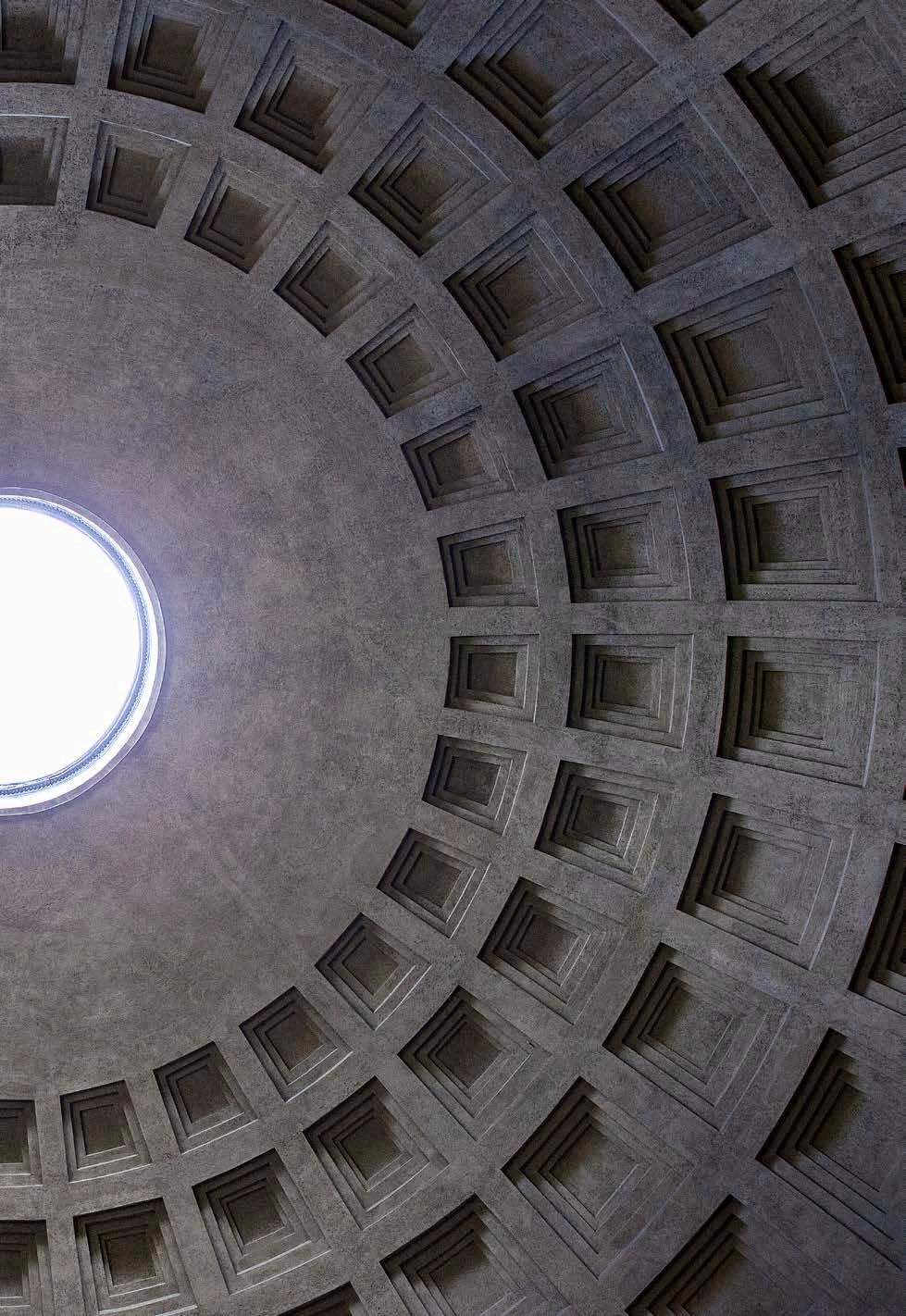
Dedicated to all the gods by general Marcus Vipsanius Agrippa, it was later rebuilt
by Emperor Hadrian. It is almost a perfect sphere, 43 metres in diameter and vaunting a concrete dome with an oculus. In addition to Raphael, Annibale Carracci, Perin del Vaga, Margherita di Savoia and kings Umberto I and Vittorio Emanuele II are all buried here.
Piazza della Rotonda pantheonroma.com
Closed: January 1, May 1, December 25
BASILICA DEI SANTI COSMA E DAMIANO
The basilica is of the first churches built atop ancient buildings, in this case the Forum of Vespasian and the Temple of Romulus, both still visible. The apse contains a 6th-century
mosaic depicting Saints Peter and Paul Presenting Cosmas, Damian, Theodorus, and Pope Felix IV to Christ. The 18th-century Nativity, which sets the scene in Rome, is worth a look. Via dei Fori Imperiali, 1 cosmadamiano.com
BASILICA
DI SAN CLEMENTE
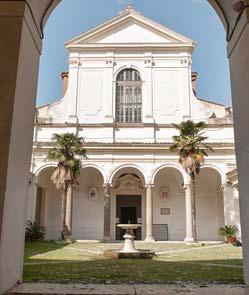
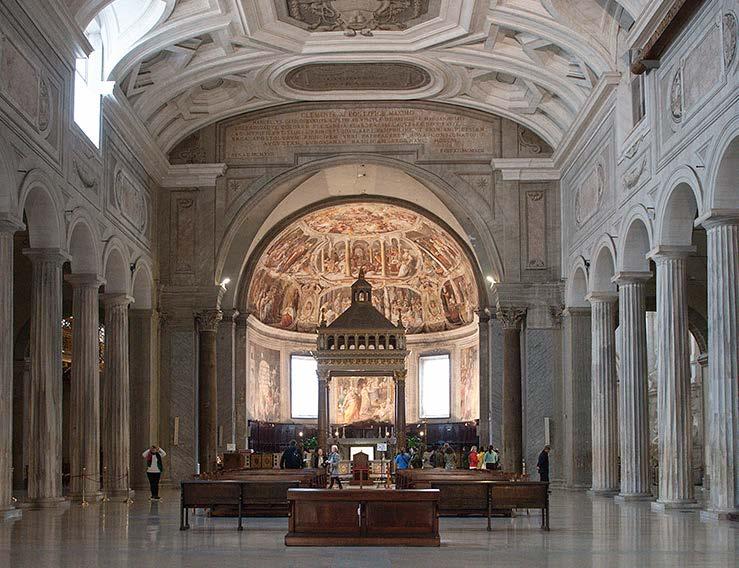
One church atop another between Esquiline and Caelian hills: the first was transformed from an earlier mithraeum built on top of Roman houses. The second (4th century), conserves frescoes dedicated to St. Alexi-
us. In the upper basilica (12th century), frescoes by Masolino dedicated to St. Catherine of Alexandria.
Via Labicana, 95 basilicasanclemente.com
BASILICA DI SAN PIETRO IN VINCOLI
Nothing remains of the 5th century church, the Baths of Titus and the Neronian domus. Julius II is buried here, whose tomb was designed by Michelangelo and vaunts his imposing Moses. According to tradition, the church con-
serves some of the chains that bound St. Peter in the nearby Mamertine Prison, the oldest in Rome.
Piazza di San Pietro in Vicoli
BASILICA DI SANTA MARIA DEGLI ANGELI E DEI MARTIRI
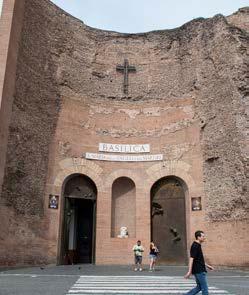
Built by Michelangelo, who recovered the building without destroying the Frigidarium from the Baths of Diocletian, this church is where official state ceremonies are held. It was completed by Giacomo del Duca and restored by Luigi Vanvitelli. Amongst the works of art conserved here, a modern Igor Mitoraj and a sundial built for the Jubilee.
Piazza della Repubblica santamariadegliangeliroma.it Closed on Saturdays
BASILICA DI SANTA MARIA DEL POPOLO
Built in 1099 with funds offered by the community (popolo in Italian, inspiring the church’s name), it was altered by Maderno, Raphael, Bramante and Bernini, and is decorated with masterpieces like the Crucifixion of St. Peter and the Conversion of St. Paul by Caravaggio in the transept. The Chigi Chapel is splendid, designed by Raphael and restored by Bernini.
Piazza del Popolo, 12 smariadelpopolo.com
BASILICA
DI SANTA MARIA IN TRASTEVERE
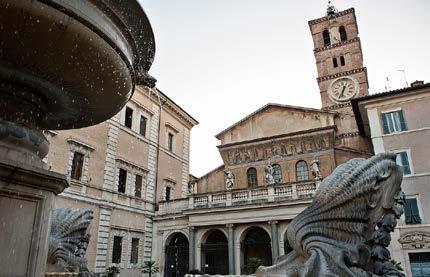
It is the oldest church dedicated to the Virgin Mary. It is said that the church was built where oil miraculously erupted from the ground. Rebuilt in the 12th century with materials taken from the Baths of Caracalla, it conserves a triumph of 13th-century mosaics, many of which are by Pietro Cavallini, as well as the historic Madonna Theotókos.
Piazza di Santa Maria in Trastevere
CHIESA DEL GESÙ
It is perhaps the first church built during the Counter-Reformation and was a model for all those that came later. Vaunting a single nave and a barrel vault, the church has a large side pulpit and a central altar. Desired by Ignatius of Loyola (with his breathtaking revolving altarpiece), it is also the mother church of the Society of Jesus.
Via degli Astalli, 16 chiesadelgesu.org
CHIESA DI SAN LUIGI
DEI FRANCESI
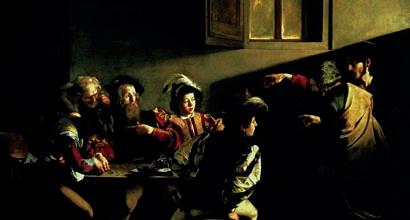
The church was completed in 1587 thanks to Catherine de’ Medici. The French church in Rome is famous for its paintings by Caravaggio, in the Contarelli Chapel, dedicated to St. Mathew with The Calling, The Inspiration and The Martyrdom. The church also conserves
frescoes by Domenichino and a copy of Raphael’s Saint Cecilia by Guido Reni. Piazza di S. Luigi de’ Francesi saintlouis-rome.net
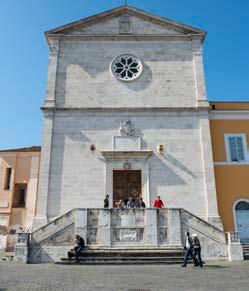
CHIESA DI SAN PIETRO IN MONTORIO
It is famous for the Tempieto designed by Bramante. Legend says that St. Peter was martyred here, and Beatrice Cenci has been buried here since her execution in 1599.
The Tempieto was commis-
sioned by the Spanish king Ferdinand II of Aragon in the early 16th century to dissolve a vow. Today, the former convent houses the Royal Spanish Academy.
Piazza S. Pietro in Mortorio, 2 sanpietroinmontorio.it
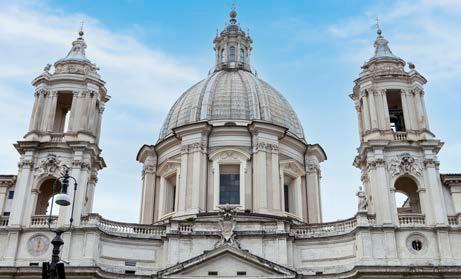
CHIESA
DI SANT’AGNESE IN AGONE
Built atop the Stadium of Domitian, the church is a masterpiece of Baroque architecture, replete with optical illusions.
Built according to a Greekcross plan, it was redesigned by Borromini, who created a concave façade and separated the two bell towers, making it
appear as if it were larger. Today, it is also an elegant venue for sacred music concerts.
Piazza Navona corner Via S.Maria dell’ Anima, 30/A santagneseinagone.org
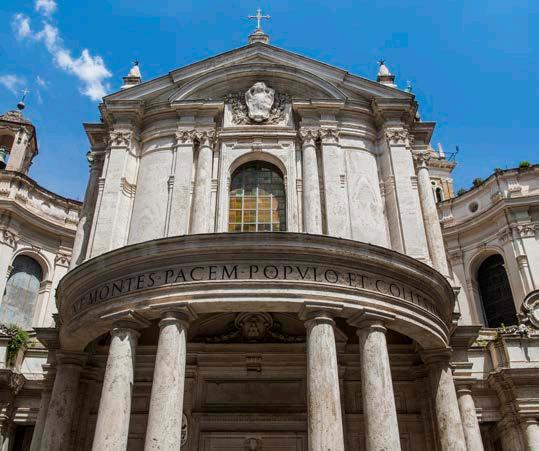
CHIESA DI SANTA
MARIA DELLA PACE
Commissioned Sixtus IV following the Pazzi Conspiracy in the hope for a period of peace, the church was altered in the 17th century by Piet-
ro da Cortona. In the Chigi Chapel designed by Michelangelo, there are paintings by Raphael. The adjacent former convent conserves the Bramante cloister (an exhibition site today); the dome was added in 1524.
Arco della Pace, 5 CHIESA
DELLA SANTISSIMA TRINITÀ DEI MONTI
Overlooking the homonymous staircase by Domenico Fontana, the church vaunts a façade with two bell. Its style is between Baroque and Rococo. Inside frescoes by Daniela da Volterra, including a portrait of Michelangelo and Giovan Batista Naldini. In front of the church stands an obelisk that was in the Gardens of Sallust.
Piazza della Trinità dei Monti, 3
GARDENS AND PARKS
Villa Ada Savoia on via Salaria is one of the largest parks in Rome, while one of the most beautiful parks is the Villa Torlonia in Nomentano whith lakes and grotos, ex residence of Mussolini. Located in near the ancient Appian Way, the Aqueduct Park. The Rose Garden, at the base of the Palatine hill, is a must-see in the spring, while the Villa Borghese is a great classic.
PALACES
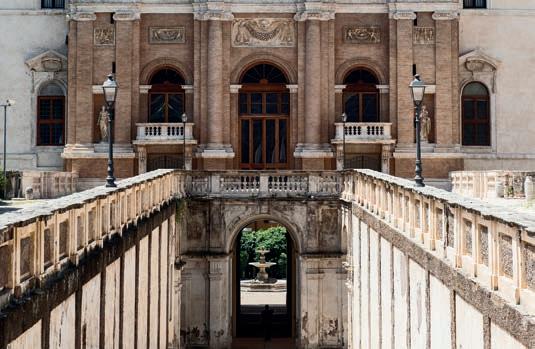
Many palaces are still inhabited by the same families who built them centuries ago, while others have become museums, embassies, government offices. But all of them are tied to the fortunes of popes who rebuilt the city beginning in the 15th century. From the Visconti to the Orsini, the Corsini to the Colonna to the Borgia, Piccolomini, Della Rovere, Farnese, Medici, Carafa, Borghese, Barberini, Pamphilj, Chigi and Rospigliosi, each family lef an enduring mark on the city. There’s Palazzo Doria Pamphilj on the busy via del Corso, decorated in the Baroque style and vaunting loggias and courtyards elegantly frescoed. Palazzo Spada in piazza Capodiferro is also impressive. Cardinal Bernardino commissioned its construction by
Borromini, the man behind the famous Galleria Prospettica. Since 1927, the building has housed the Council of State. Palazzo Farnese is nearby, in the homonymous piazza decorated with two Egyptian, granite tubs from the Baths of Caracalla. The palazzo, granted to France in 1939 for 99 years, it now serves as the French embassy and is open to the public on July 14. Palazzo Chigi in piazza Colonna was instead intended as a place to host elite parties. Bought by the Chigi family in the mid-17th century, it became the seat of the Austrian embassy in 1917, followed by the headquarters of the Ministry of the Colonies under Mussolini, then the Ministry of Foreign Affairs and, lastly, the Council of Ministers since 1961. The nearby Palazzo Montecitorio has been the seat of the Chamber of
Deputies since 1870. Palazzo Madama is seat of the Italian Senate since 1871, it was the Medici’s Roman residence until Cardinal Ferdinando bought Villa Medici on the Pincian Hill.
The villa is currently home to the French Academy in Rome. Palazzo del Quirinale was a papal residence and since 1946 it has been the official residence of the President of the Italian Republic. The Versailles-style 18th-century Palazzo Colonna is nearby, in piazza Santi Apostoli. Assigned to the university by Pope Eugene IV, the Renaissance Palazzo della Sapienza was later modified by Francesco Borromini, who added the Church of Sant’Ivo.
The building houses the State Archives today.
(ph.ValentinaStefanelli)
FOOD EXPERIENCES
The best restaurants in Rome. Reservation recommended, the ‘Les Clefs D’Or’ concierge is at your service
AMBASCIATA D’ABRUZZO
A passion for excellent food and high-quality produce, courtesy and atentiveness are the foundations at this storied restaurant in Rome’s Parioli neighbourhood; the perfect place to enjoy grilled meats, pasta dishes and the bold flavours of history and tradition.
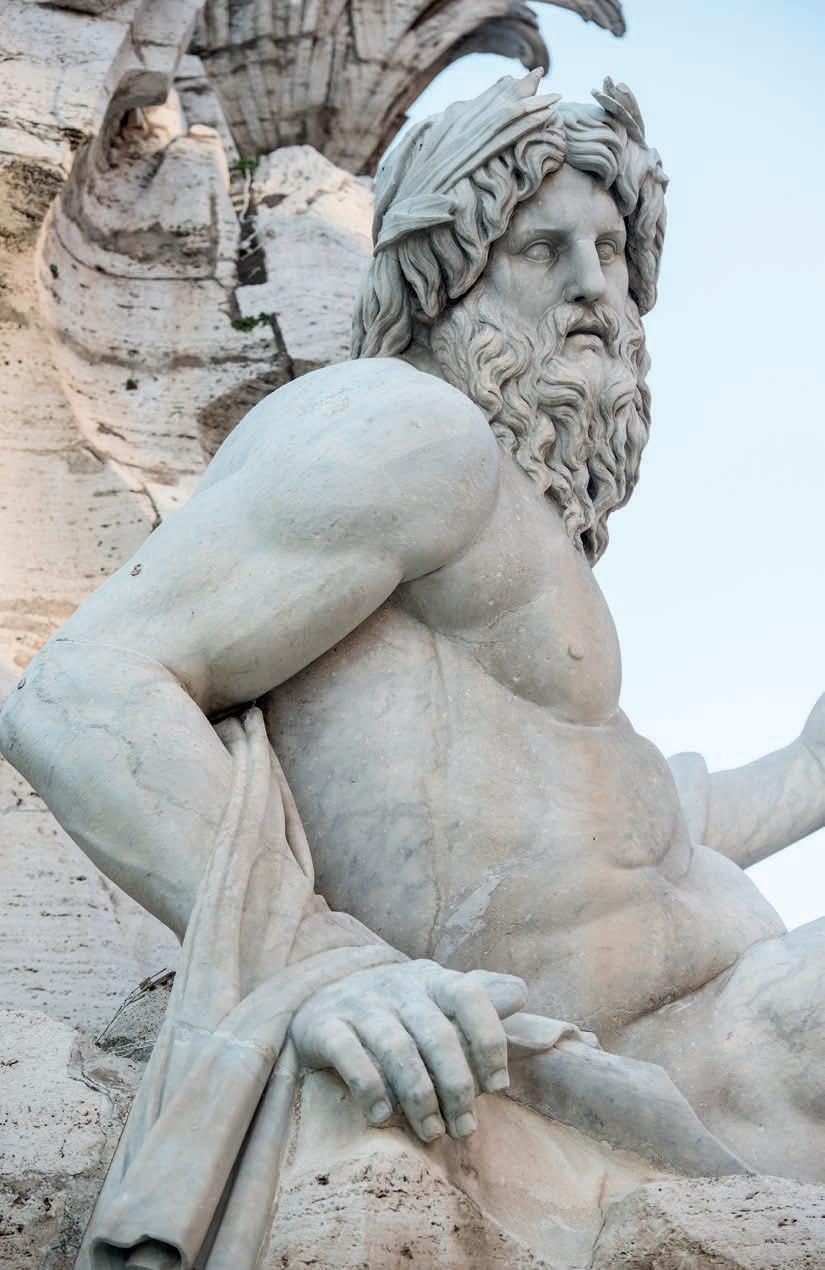
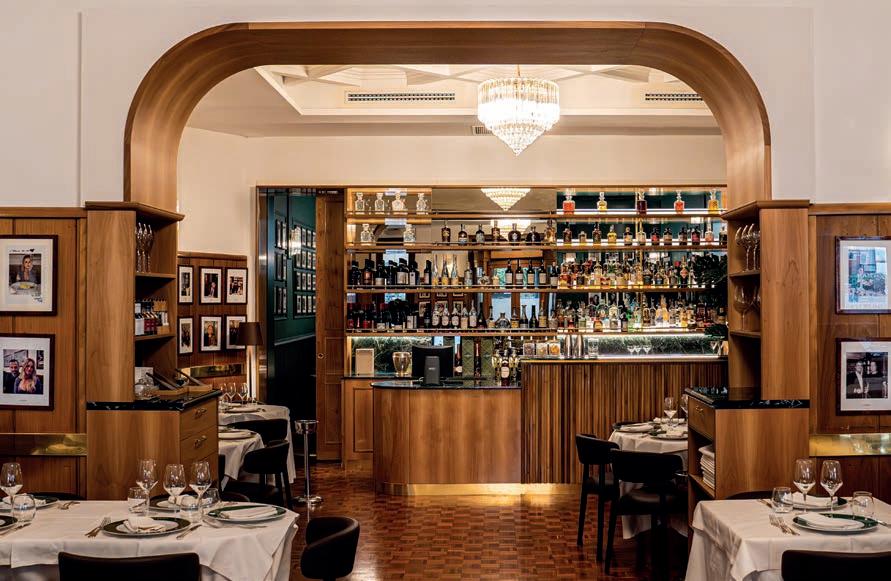
ALFREDO ALLA SCROFA
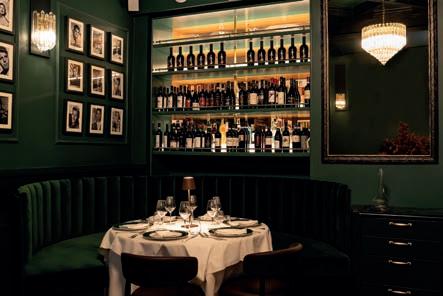
Alfredo alla Scrofa opened in 1914 in the heart of Rome, a stone’s throw from Piazza Navona. And it is here, with passion and artistry, that the legendary Fetuccine Alfredo were invented. To this day, the restaurant continues to preserve and celebrate tradition in the same spirit of dedication and authenticity, welcoming guests from all over the world. A place where luxury and tradition coexist in harmony, among exclusive dining rooms and the storied Roman wine cellar.
BABETTE
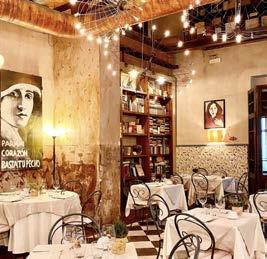
Imagine dining in an elegant house, a lot of books and the scent of thyme and bread in the air. Babete is a combination of the skills and experiences of the owners, Flora and Silvia, who love pampering their guests every day with special atention. The menu changes depending on the availability of seasonal ingredients, following the creativity of the chef who ofen reinvents family recipes or traditional dishes.
Via Pietro Tacchini, 26 ph. +39 06 8078256 ambasciatadiabruzzo.com
Via della Scrofa, 104/A ph. +39 06 68806163 alfredoallascrofa.com
Via Margutta, 16 ph. +39 06 3211559 babetteristorante.it
Via Flavia, 73/A ph. + 39 06 69210757
CASA ROMA
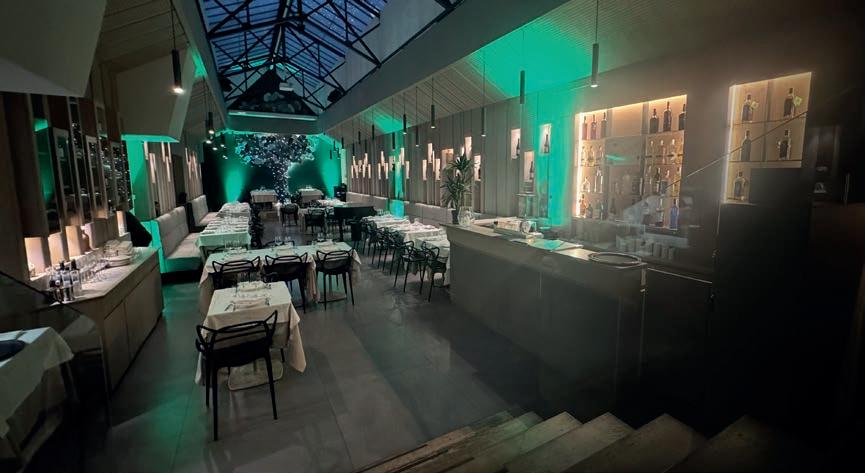
Casa Roma blends the warmth of home with the authentic flavors of Roman cuisine. At lunchtime, guests can enjoy a welcoming and refined atmosphere, while in the evening the experience is elevated by live piano bar performances, creating a unique fusion of music and gastronomy. The menu features traditional Roman specialties alongside classic Italian dishes, with an openness to international cuisine. Casa Roma is the perfect choice for a delicious lunch or for a lively evening.
Via di Monte Testaccio, 30 ph. +39 333 5855055 checchino-dal-1887.com
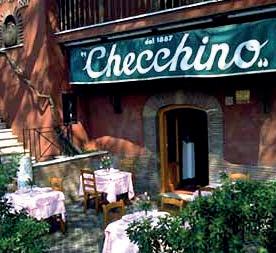
CHECCHINO DAL 1887
Six generations of the same family have been managing this restaurant which combines tradition and quality, providing a unique gastronomic experience. Every dish is a must-try: from the delicious calves’ feet salad to the traditional bucatini alla gricia and rigatoni with pajata, or the oxtail alla vaccinara and the famous padelloto alla macellara. Elio and Francesco Mariani, professional sommeliers, personally select the wines, while Marina is in charge of the desserts.
Via Francesco Crispi, 19 ph. + 39 06 6785904 ristorantecrispi19.it
CRISPI 19
Live an experience of gastronomic excellence at Crispi 19, just a few steps from the Trevi Fountain. Since 1873, we have been dedicated to creating unique dishes that blend Mediterranean cuisine with Italian haute cuisine, exalting the freshness of our fish, fine meat selections, and offering a curated wine list designed to enhance every pairing. The romantic and intimate atmosphere, ideal for anniversaries and important events, makes every visit an unforgetable moment.
Piazza del Fico, 29 ph. +39 06 6864009 dafrancesco.it
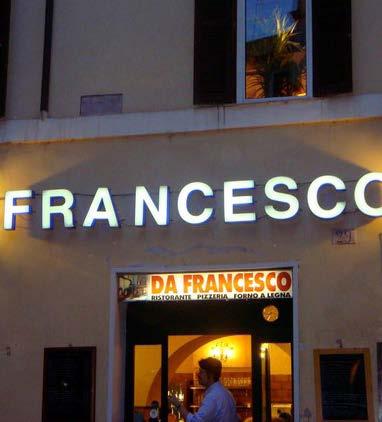
DA FRANCESCO
It was back in 1957 that Francesco Boni and Amalia Tognoloni took over this venue close to Piazza Navona and created a place that has become a landmark for authentic local food. Even today, with the third generation of the family, although there are some contemporary variations, the traditional Roman recipes are ever present.
Via Francesco Carrara, 12-15 ph. +39 06 3234453 fingersrestaurants.com
Via della Scrofa, 100 ph. +39 375 6788300 gnoccoroma.it
FINGER’S ROMA
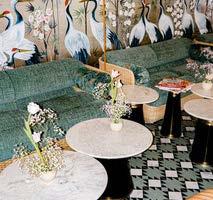
A luxury Japanese restaurant offering a fabulous culinary experience, thanks to the fusion creations of chef Roberto Okabe. Superb quality, excellent service and a beautiful seting, with generous sofa seating and sof lights creating a delicate, evanescent Japanese mood for a new eastern-style Dolce Vita. To round off the evening, Finger’s Roma has a spacious lounge area devoted to mixology, where you can sample innovative cocktails.
GNOCCO
In the heart of Rome, Gnocco offers traditional dishes reinvented with light options, seasonality and research. Davide Cianeti’s cuisine blends tradition and contemporaneity to offer authentic and creative dishes, accompanied with a selection of modern wines and cocktails. A convivial and refined location where Roman style is presented with taste, simplicity and personality.
IMÀGO
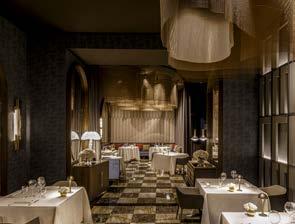
Imàgo - image and magic - summarises in just one word the philosophy behind the restaurant at the Hassler in Rome: a location where the magnificent view of the Eternal City and the flavours come together to create a unique culinary experience. Andrea Antonini has since 2018 been Executive Chef, developing a vision that puts Italian and local recipes front and centre, deconstructing and reconstructing them with exquisite technique and creative flair.
Piazza Trinità dei Monti, 6 ph. +39 06 69934726 hotelhasslerroma.com
INEO
Ineo Restaurant, from the Latin “new beginning,” embodies the new culinary path undertaken by Anantara Palazzo Naiadi together with Executive Chef Heros De Agostinis. Located in Rome’s Piazza della Repubblica beneath the iconic travertine arches framing the famed Fountain of the Naiads, INEO is a true temple of contemporary taste. Awarded a Michelin star in the 2026 Michelin Guide.
IL FALCHETTO
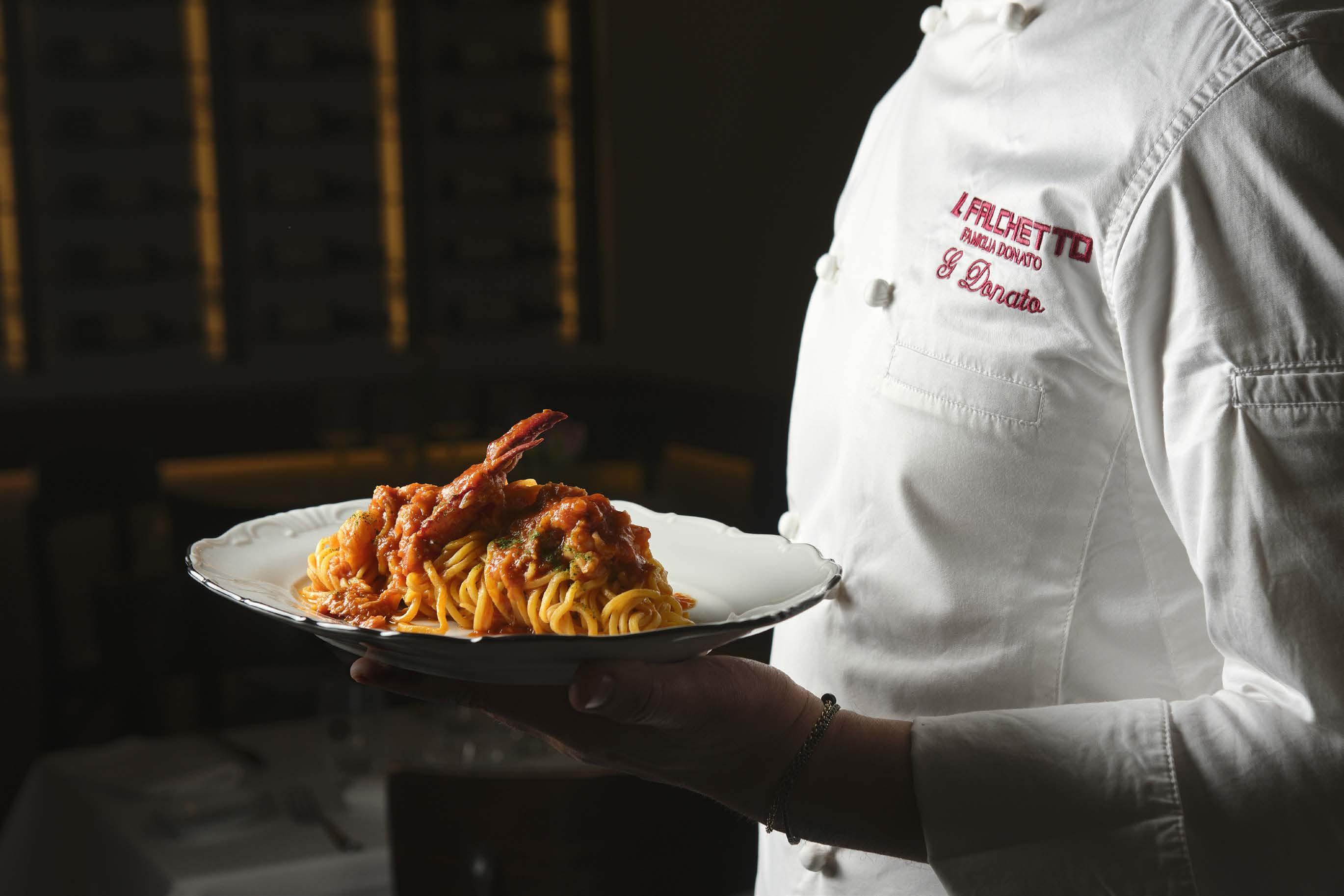
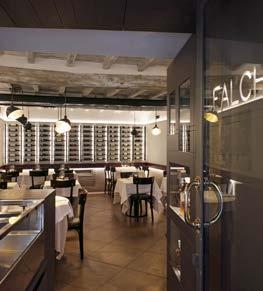
Tucked away among the city’s most delightful squares and narrow streets, Il Falcheto offers meticulous cooking with a strong focus on quality ingredients. The menu features all the classics of Roman cuisine, like pasta with cacio e pepe, amatriciana or carbonara, Jewish-style artichokes, oxtail alla Vaccinara and tripe. There’s also a huge variety of fish dishes. All are accompanied by superb wines, thanks to the list of more than 200 labels, to suit all tastes.
Via dei Montecatini, 12 ph. +39 06 6791160 ristoranteilfalchetto.it
Piazza della Repubblica 46 ph. +39 06 489381 ineorestaurant.com
Via di Ripetta 250 ph. +39 06 93570160
ilportodiripetta.com
IL PORTO DI RIPETTA
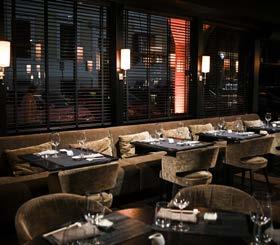
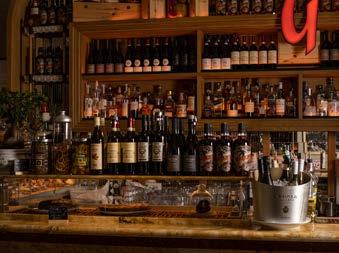
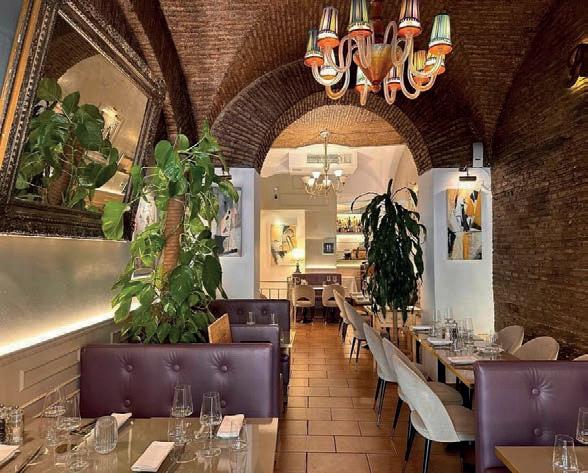
From 2014, Il Porto di Ripeta is the perfect place for those looking for cuisine which combines innovation with a deep respect for tradition. Over the years, the staff have refined their unique style, delighting guests with original creations and authentic flavours. From the most creative seafood dishes to the most classic recipes, each course is designed to be a gastronomic experience that combines technique, creativity and respect for the ingredients.
Via Mario de’ Fiori, 98 ph. +39 06 97639976 lamenagere.it
LA MÉNAGÈRE
La Ménagère is a place where aesthetics, taste, and hospitality come together in a multisensory experience. In the new Roman location, envisioned by the Manfredi family, every detail – from fresh flowers to lighting, from seasonal cuisine to crafed cocktails – is designed to inspire emotion. A place to return to, always different, always special.
An inviting modern restaurant that’s open all day every day, from breakfast time to midnight. Crisp, thin-based pizzas, fried specialities, hamburgers, traditional starters and mains, homemade desserts and a wine list featuring over 100 labels make for an authentic contemporary venue.
ORMA
A fine-dining restaurant with an international outlook in the historic Ludovisi neighbourhood. Orma’s architecture is visually stunning, and the food ranges from fine dining, with a chef’s table seating four, to the formula lunch at the bistro and a cocktail bar on the terrace for hot summer nights. Ingredients are brought straight from the Orto di Orma in the Lazio countryside.
OSTERIA
QUARANTAQUATTRO
In the historic centre of Rome, there’s a place that interweaves traditional cooking with modern touches for an unforgetable dining experience. It’s the perfect seting for dinner with friends, a business lunch or a romantic evening. The menu combines mediterranean cuisine with an ongoing quest for new combinations, and the result is a triumph of flavour and tradition. Wines come in a broad range of aromas and styles for a pleasant and lasting memory.
PESCADO SEAFOOD RESTAURANT
At this elegant fresh fish destination in the heart of Rome, mediterranean cuisine meets contemporary flair. Pescado celebrates the sea with sophisticated dishes, spectacular raw options and a wine list designed to bring out every flavour. A sensory seafood journey in an eclectic seting, with four beautiful dining rooms and a panoramic terrace.
Vicolo della Cancelleria, 36 ph. +39 06 68803140 piroosteriadipesce.it
PIRÒ
Pirò opened in 2015 and today it’s a modern fish restaurant located in a historic palace built in the year 1000, very close to Piazza Navona. In this welcoming and meticulously designed seting, Pirò serves simple food that showcases the natural flavours of local fish, for an unforgetable culinary experience.
Via Padre Massaruti, 183/185 ph. + 39 06 91938937 quantobastaroma.it
QUANTO BASTA
QB – Quanto Basta. Exceptional quality, vital goodness. Every carefully selected ingredient becomes the star of a unique sensory experience. International culinary techniques and extraordinary fusions come together in dishes where flavors guide you on a metaphysical journey of taste… Quanto Basta.
Via Sicilia, 47 ph. +39 06 5575012 damareroma.it
RISTORANTE DA’MARE
The restaurant just steps away from Via Veneto where the sea unveils its flavors in a refined yet informal atmosphere. Its cuisine of memories narrates the creativity of Chef Davide Cianeti with offerings of locally sourced seafood and a wine list boasting sought-afer and prestigious labels. The American bar serves tapas paired with cocktails that can be enjoyed both at the counter and in the outdoor seating area.
RISTORANTE
L’ARCHEOLOGIA
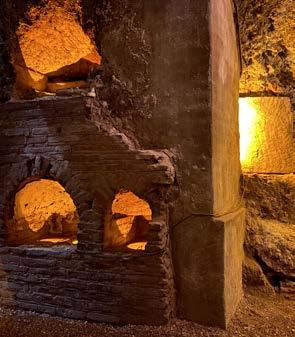
Since 1804, Ristorante L’Archeologia has told the story of the city through its food, its wine cellar and its unique experience. New forms of expression are inspired by traditional regional food and wine culture, while respect for superb ingredients is always at the heart.
Via Appia Antica, 139 ph. +39 06 7880494 larcheologia.it
RISTORANTE SINATRA
RISTORANTE LIFE
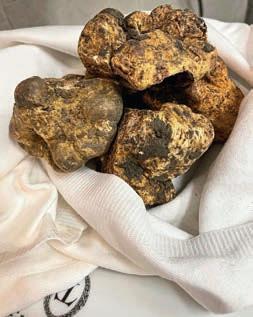
Opened 20 years ago in a quiet, elegant street near Piazza di Spagna, Ristorante Life offers high-quality dishes based on fresh fish, meat and white and black truffles. There’s a terrace garden with a huge variety of plants, and indoor dining rooms with beautiful cosy decor. A fantastic cellar of the best Italian wines.
RISTORANTE MIRABELLE
Via della Vite 28 ph. +39 06 69380948 ristorantelife.com
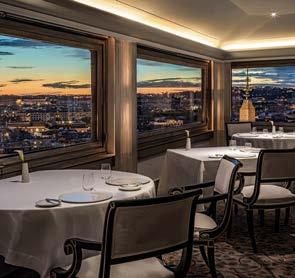
On the seventh floor of the elegant Hotel Splendide Royal, the Mirabelle restaurant offers a sensory experience on one of the most enchanting gourmet terraces in the city. Surrounded by a unique panorama, wonder and marvel intertwine amidst the Mediterranean flavors of refined cuisine and the elegance of unparalleled hospitality.
Via di Porta Pinciana, 14 ph. +39 06 42168838 robertonaldicollection.com
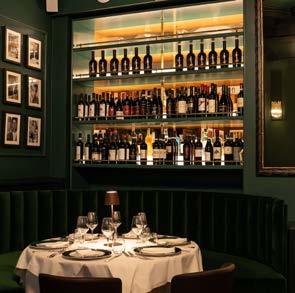
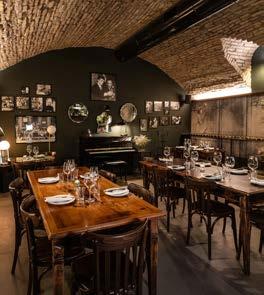
The interiors od Sinatra Restaurant, inspired by 1930s American style, feature elegant wall paneling and a refined cocktail bar. The menu celebrates Italian tradition with seasonal ingredients, offering both seafood and meat dishes, including the classic green pepper filet and a wide selection of premium grilled meats. The indoor dining rooms and an outdoor terrace are available for dinners, aperitifs, and afer-dinner drinks.
Via Fabio Massimo, 68 ph. +39 06 321 9657 ristorante-sinatra.it
Via della Penna, 68 ph. +39 06 3610291 osteriastana.it
RISTORANTE ST. ANA
Storied restaurant, always a landmark in Rome for good food. Opened in 1968 by Elio Quagliarini and his wife Antonieta, it is now run by their son, Roberto. It is located in an evocative seting of rare beauty, in an historic building with medieval walls, close to Piazza del Popolo. Its ancient walls testify to the countless showbiz stars and illustrious figures who have dined here from the Sixties to today.
Via Pompeo Magno, 12/C ph. +39 06 24401661 theappuntamento.it
THE APPUNTAMENTO
Nestled in Rome’s elegant Prati district, just steps from Piazza del Popolo and Via Cola di Rienzo, this glamorous Italian bistrot and concept store is a harmonious blend of tradition and modernity. Here, classic cuisine meets floral artistry, fine ceramics, and curated design objects. Wandering among the chic armchairs and sophisticated wallpaper, it’s easy to imagine crossing paths with a ‘60s diva, as you savor an exquisite cocktail or indulge in signature creations by Executive Chef Marco Melati.
VATTANI RISTORANTE
Via San Nicola da Tolentino, 26 ph. +39 06 4745560 tullioristorante.it
TULLIO
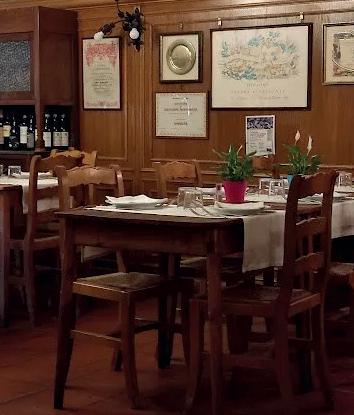
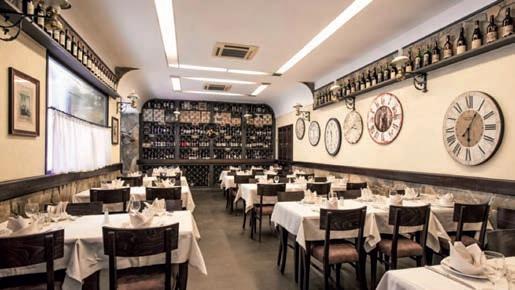
Not far from Piazza Barberini and Via Veneto, Tullio has been run by the same family since 1950. It all began with a small grocery shop, and has become a landmark in the city. In this informal, convivial place you can sample typical Florentine dishes (the owners are originally from Tuscany) and seasonal specialities, accompanied by a superb range of wines.
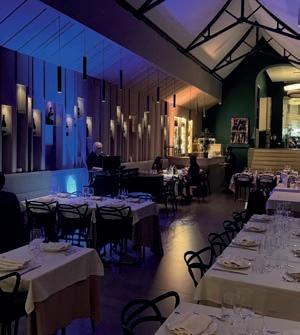
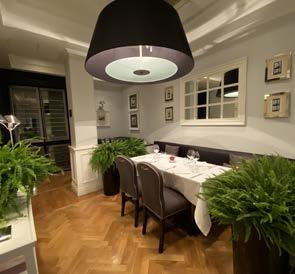
A refined restaurant and cocktail bar right in the centre of Rome, with an elegant and exquisitely retro style, where diners can give themselves over to the pleasures of traditional Roman cooking and fresh Mediterranean and seafood dishes for an unforgetable culinary experience. Outdoor seating is available.
Via del Viminale, 2 ph. +39 06 4818229
TRATTORIAS
FELICE A TESTACCIO
Via Mastro Giorgio, 29 ph. +39 06 5746800 feliceatestaccio.com
HOSTARIA DA PIETRO
Via di Gesù e Maria, 18 ph. +39 06 3208816 hostariadapietro.it
MATRICIANELLA
Via del Leone, 4 ph. +39 06 6832100 matricianella.it
Via Lombardia, 47 ph. + 39 06 478021 setimoristorante.it
VICI BISTROT & RISTORANTE
Via Vitorio Veneto, 62 ph. + 39 06 42010788 rome.intercontinental.com
INFORMATION GETTING AROUND IN ROME AND THE SURROUNDING AREA
Everything you need to know to move in the city and further afield
TAXI AND UBER
Rome’s taxis can be booked by calling +39 06 0609, Free Now app or you can catch one at the taxi stand.
Starting price from 6:00 to 22:00 on weekdays: €3,50.
Starting price from 6:00 to 22:00, weekends and holidays: €5,00. Starting price at night from 22:00 to 6:00: €7,50.
Fixed rate from Rome city center to Fiumicino airport: €55,00. Fixed rate from Rome city center to Ciampino airport: €40,00.
Rome is also covered by Uber service with cars bookable through the Uber app.
CAR SHARING
The simple, sustainable shared vehicle solution. To
access the service you need to register with operators and download the Car Sharing Roma app. The fleets of vehicles include hybrid and electric options.
follow the instructions to register and activate the service. To hire bikes or scooters, choose one of the three operators Lime, Dot and Bird (until 2026). They can also be booked via the Uber app.
CITY BIKE AND SCOOTER
In Rome it’s quick and easy to hire a shared bicycle or scooter: just choose an operator, download the app and
BUS
Rome boasts a total of 379 bus lines (including 29 night buses). The night buses replace the metro when it’s closed, and are essential for geting around the city afer midnight.
Urban lines (U) operate from 5:00 or 6:30, and the service ends at midnight. Night buses (N): operate when the metro is closed, between 00:00 and
DISTANCE FROM ROME TO:
CAPALBIO
5:00 or 6:00. Bus tickets (like metro tickets) can be bought at metro stations, tobacco shops or newspaper kiosks, or on the ATAC ROMA app. A standard ticket is valid for 100 minutes from stamping, and covers one journey on ATAC public transport. The price is € 1.50. There are also day tickets (€ 7.00), 2-day tickets (€12.50), 3-day tickets (€18.00) and other options.
METRO
The metro is an alternative way to move around the city. There are 4 lines: A (Anagnina-Batistini), B (Laurentina-Rebibbia),
KM
KM
KM
KM
KM
KM
KM
KM
KM
B1 (Laurentina-Jonio) and C (Pantano-San Giovanni), and trains run at the weekends too.
From Sunday to Thursday, the first train is at 5:30 and the last at 23:30; on Friday and Saturday the first is at 5:30 and the last at 1:30. In August 2023, line A is partially closed for refurbishment.
TRAIN
Rome has 71 railway stations. The main one is Roma Termini in the city centre, Italy’s most important railway hub. The second-largest in terms of passenger numbers is Roma Tiburtina. Both are served by high-speed connections to the main Italian destinations. To reach the centre of Rome from Tiburtina, take the blue metro line B and get off at Colosseum.
AIRPORT
Fiumicino international airport (IATA code FCO) is the largest of Rome’s airports. It is located 32 kilometres from the capital, and connected to Roma Termini by the Leonardo Express train and numerous shutle bus services. Ciampino airport is mainly used by low-cost airlines, and is 17 kilometres from the centre.
SPERLONGA
HOTELS
ANANTARA PALAZZO NAIADI
ROME HOTEL
Piazza della Repubblica, 48-49 ph. +39 06 489381 anantara.com
BAGLIONI HOTEL REGINA
Via Vitorio Veneto, 72 ph. +39 06 421111 rome.baglionihotels.com
CORINTHIA ROME
P.za del Parlamento, 18 +39 06 0020 5000 corinthia.com
GRAND HOTEL PALACE ROME
Via Vitorio Veneto, 70 ph. +39 06 47871 millenniumhotels.com
HOTEL DE RUSSIE
Via del Babuino, 9 ph. +39 06 328881 roccofortehotels.com
HOTEL DE LA VILLE
Via Sistina, 69 ph. +39 06 977931 roccofortehotels.com
HOTEL D’INGHILTERRA ROMA STARHOTELS COLLEZIONE
Via Bocca di Leone, 14 ph. +39 06 699811 collezione.starhotels.com
HOTEL EDEN
Via Ludovisi, 49 ph. +39 06 478121 dorchestercollection.com
HOTEL HASSLER
Piazza Trinita dei Monti, 6 ph. +39 06 699340 hotelhasslerroma.com
INTERCONTINENTAL ROME
AMBASCIATORI PALACE
Via Vitorio Veneto, 62 ph. +39 06 47493 ihg.com
J.K.PLACE ROMA
Via di Monte d’Oro, 30 ph. +39 06 982634 jkroma.com
ORIENT EXPRESS
LA MINERVA
Piazza della Minerva, 69 grandhoteldelaminerve.com
PALAZZO MANFREDI
Via Labicana, 125 ph. +39 06 77591380 manfredihotels.com
PALAZZO RIPETTA
Via di Ripeta, 231 ph. +39 06 3231144 palazzoripeta.com
ROME CAVALIERI, A WALDORF ASTORIA HOTELS
Via Alberto Cadlolo 101 ph. +39 06 35091 romecavalieri.com