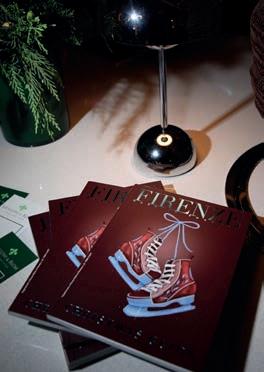
EDITORIAL OFFICE via Cristoforo Landino, 2 - 50129 Firenze - Italy ph +39.055.0498097 - redazione@gruppoeditoriale.com
SOCIETÀ EDITRICE
Alex Vittorio Lana & Matteo Parigi Bini via Cristoforo Landino, 2 - 50129 Firenze - Italy ph +39 055 0498097 www.gruppoeditoriale.com
PROPRIETÀ DELLA TESTATA FM publishing srl
Registrazione Tribunale di Prato - n° 9/2006 del 15.12.2006 Spedizione in abbonamento postale 45% art. 2, lettera b - legge 662/96 - Filiale di Firenze - Contiene IP
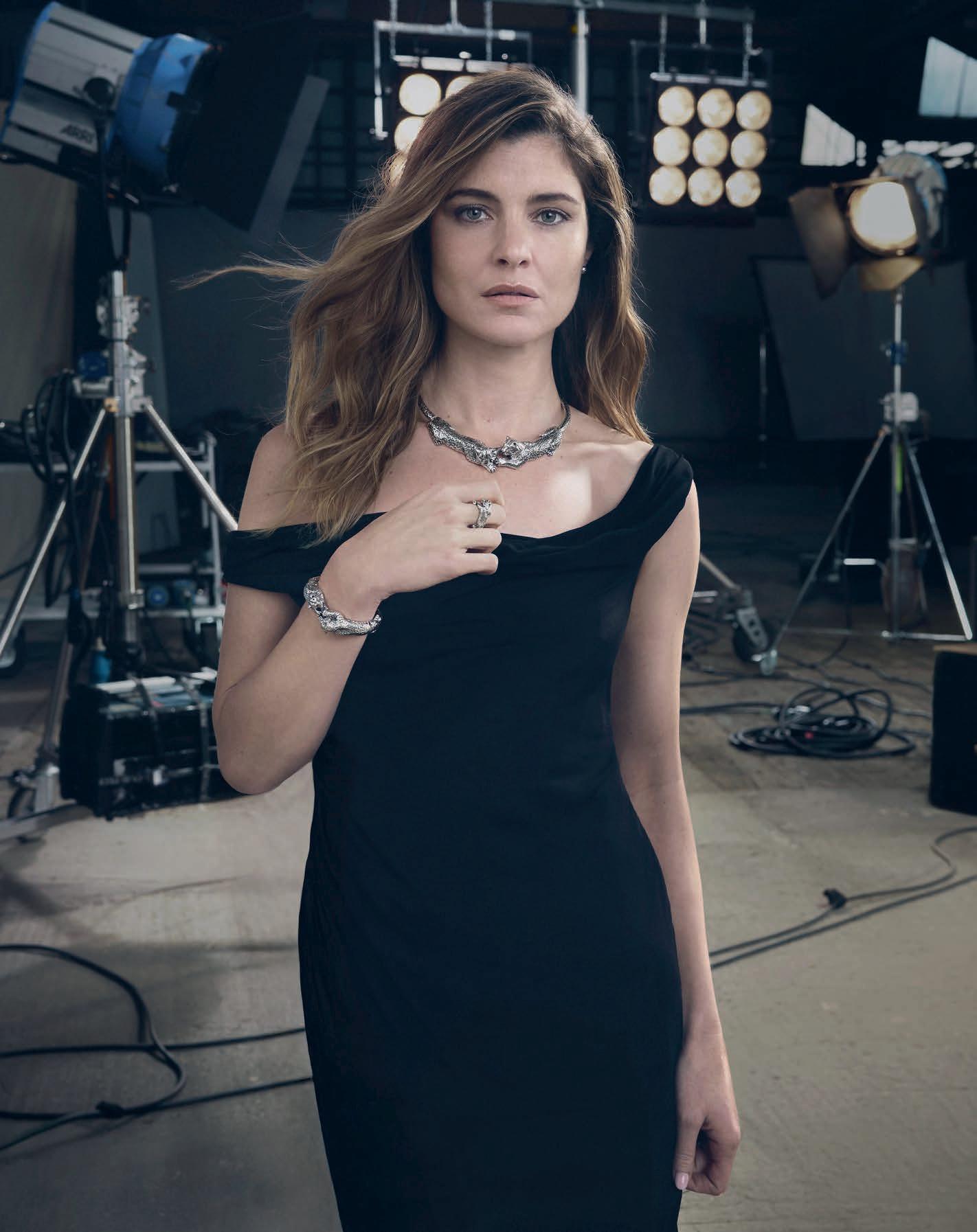
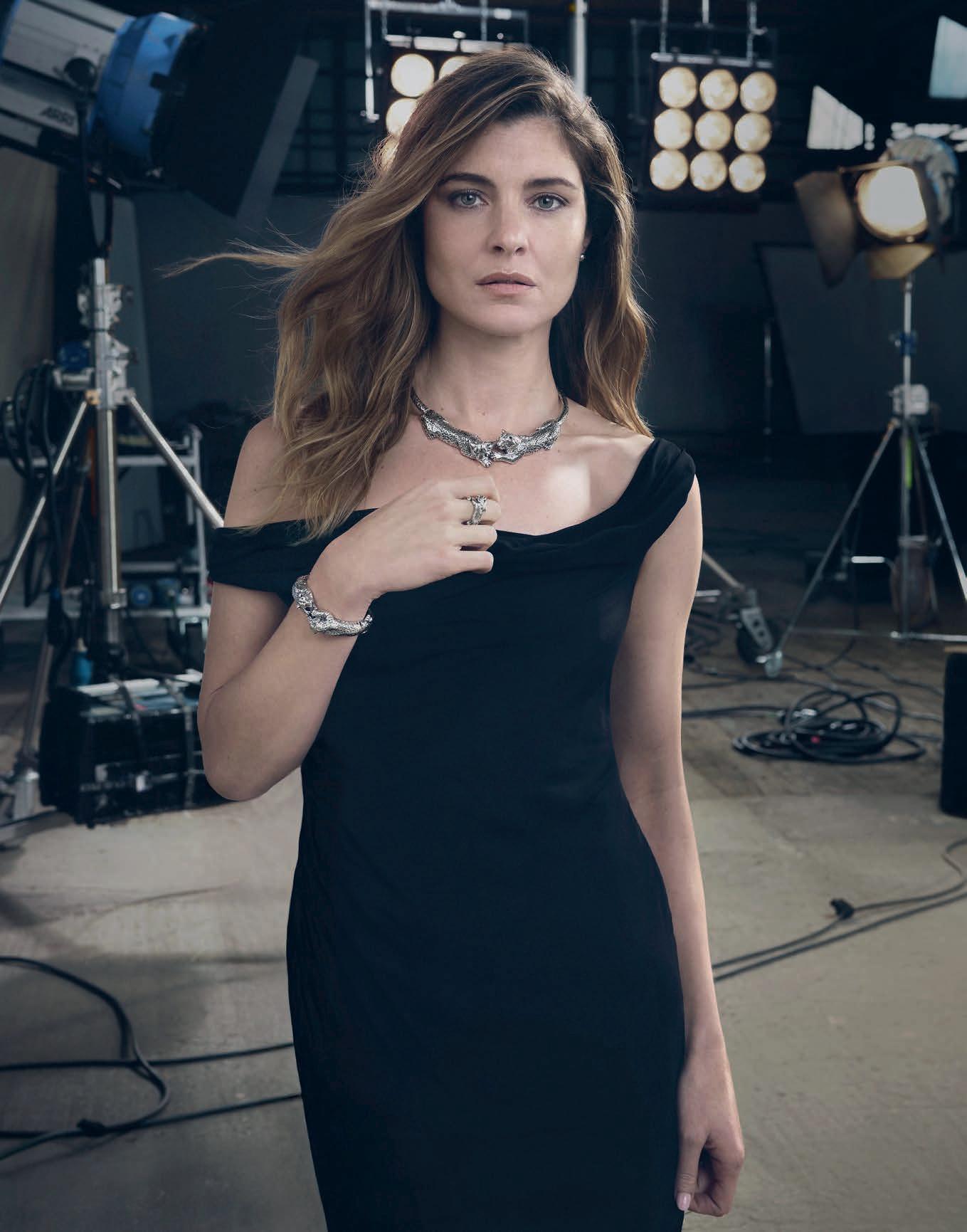
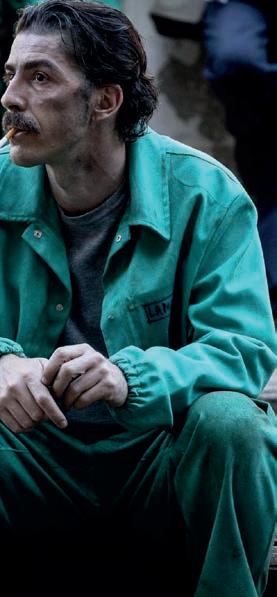
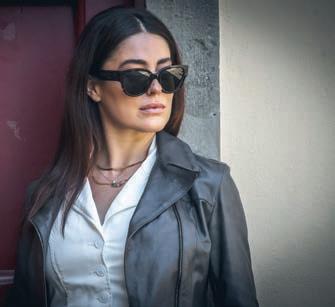
When I was a child, I auditioned for a flm by Tornatore. It went well, but I had to turn it down because my family and I moved abroad for a few years. Over time, that experience turned into a passion.
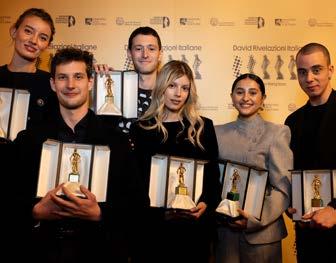
You recently received the David Rivelazioni Italiane award, presented by the Fondazione Sistema Toscana to six actors under 28 selected to become the new ambassadors of Italian cinema. How did you feel?
I felt a great sense of emotion and pride at being recognized for the quality of my work. I was also happy that all of this took place in Florence, in the setting of Palazzo Medici Riccardi.
You recently worked in Tuscany on Giovanni Veronesi’s flm. What impression did this region – so famous worldwide for its landscape – make on you?
Yes, it was last October, to work on the flm Dio Ride (God Laughs), set in the 7th century. Unfortunately, I was sick the entire time we were flming and wasn’t able to enjoy Tuscany at all, but on my trips to meet up with the crew, I admired the beautiful countryside.
Which characters do you feel allow you to give your best performance?
The ones in which I fnd some of my own fragility, because they bring me more in touch with myself and my emotions. Two iconic places you visited in Florence during the Awards?
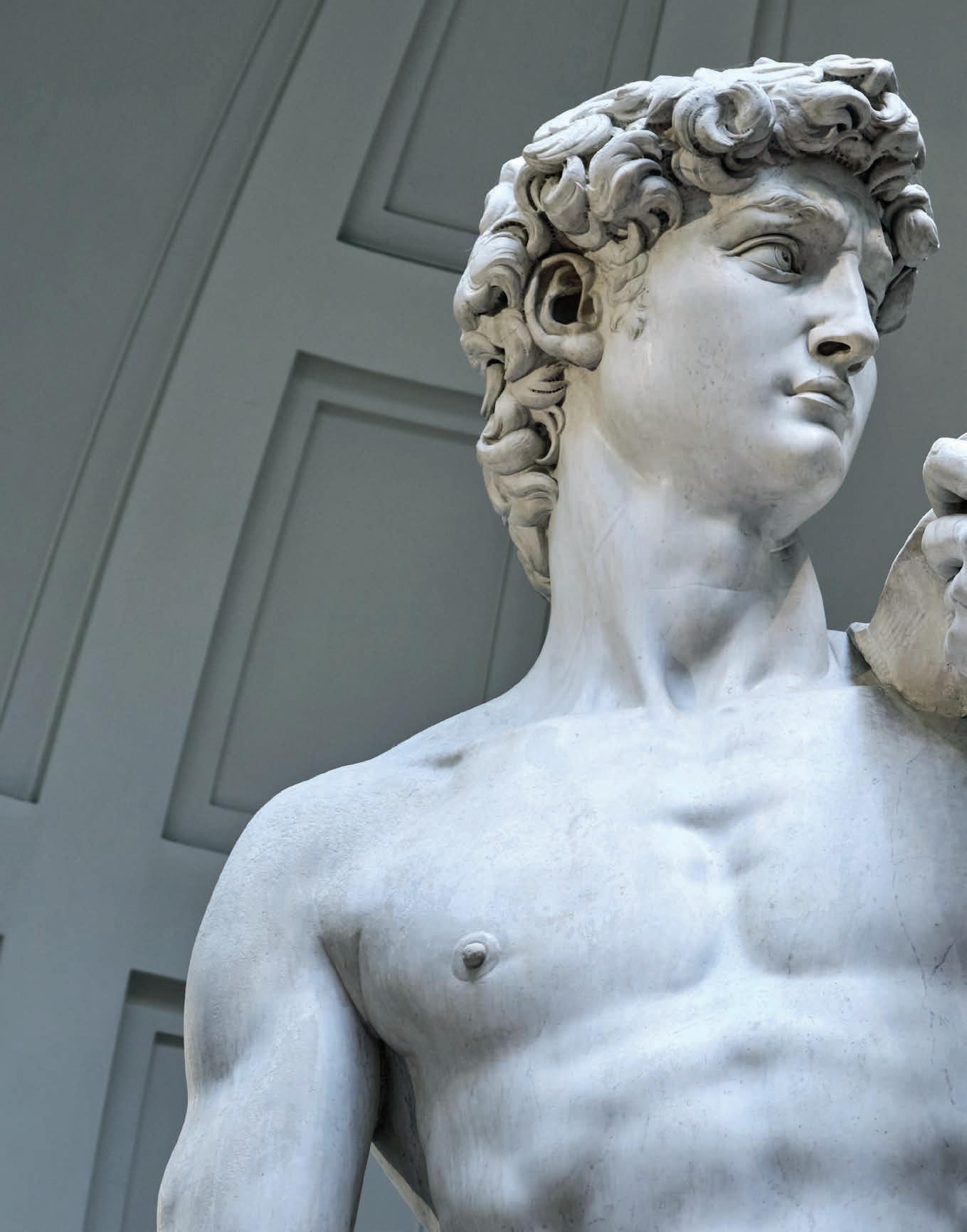
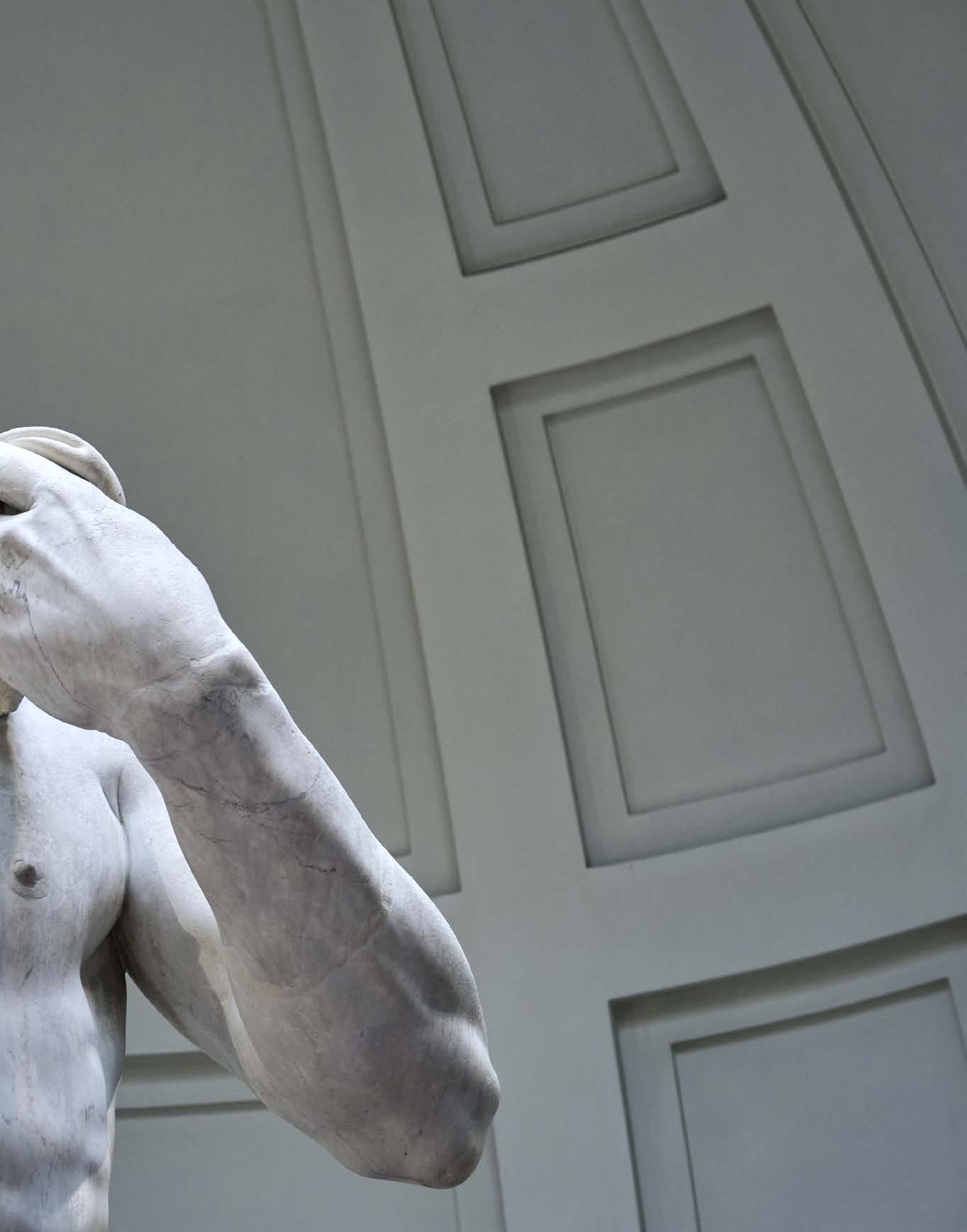
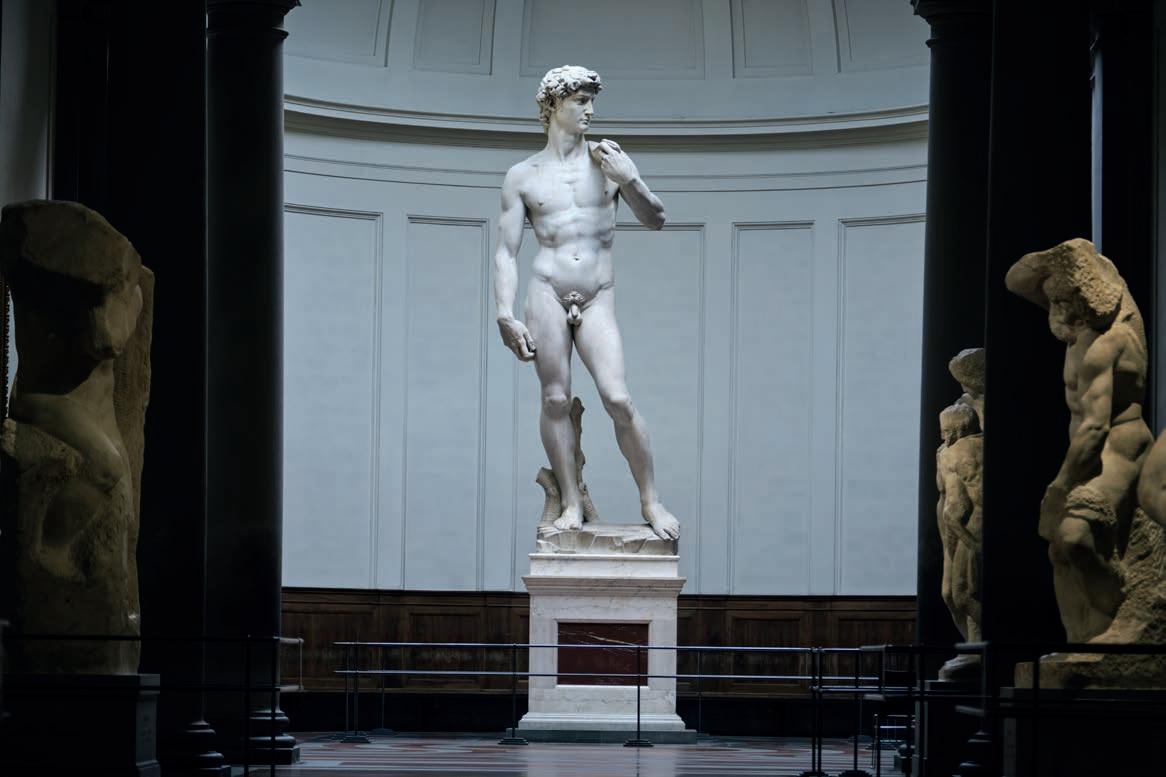
The Accademia della Crusca, where I was blown away by the frst Italian dictionary, a massive tome published in 6 . And the Galleria dell’Accademia, where Michelangelo’s David is a feast for the eyes.
I LOVE CHARACTERS IN WHOM I RECOGNIZE SOME OF MY OWN FRAGILITY
AMBASSADOR OF CINEMA
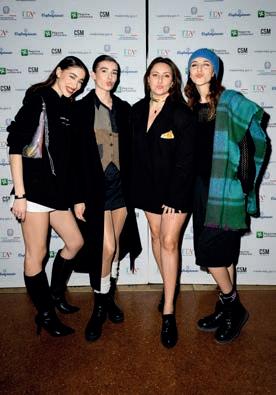
ALMA NOCE, ONE OF SIX ACTORS UNDER 28
HONORED WITH THE ‘DAVID RIVELAZIONI ITALIANE’
ALMA NOCE, TRA I SEI ATTORI UNDER 28
PREMIATI CON IL ‘DAVID RIVELAZIONI ITALIANE’
text Teresa Favi
Quando hai scelto di fare l’attrice?
Da bambina feci il provino per un flm di Tornatore. Andò bene, ma dovetti rinunciare perché con la famiglia ci trasferimmo all’estero per alcuni anni. Quell’esperienza con il tempo si è trasformata in passione.
Hai ricevuto da poco il premio David Rivelazioni Italiane, conferito dalla Fondazione Sistema Toscana a sei attori under 28 selezionati per diventare i nuovi ambasciatori del cinema italiano. Cosa hai provato?
Una grande emozione e l’orgoglio di essere stata premiata per la qualità del mio lavoro. Inoltre, sono stata contenta che tutto questo sia avvenuto a Firenze, nella cornice di Palazzo Medici Riccardi.
Recentemente hai lavorato in Toscana nel flm di Giovanni Veronesi. Che impressione ti ha fatto questa regione così famosa nel mondo per il suo paesaggio?
Sì, era lo scorso ottobre, per il flm Dio Ride, ambientato nel Seicento. Purtroppo, sono stata malata per tutto il tempo delle riprese e non ho potuta godere per niente della Toscana, ma nei viaggi che facevo per raggiungere la troupe ho ammirato paesaggi di campagna bellissimi. Quali sono i personaggi nei quali senti di dare il meglio di te stessa?
Quelli nei quali ritrovo parte delle mie fragilità, perché mi portano più a contatto con me stessa e con le mie emozioni.
Due luoghi iconici che hai visitato a Firenze in occasione del Premio?
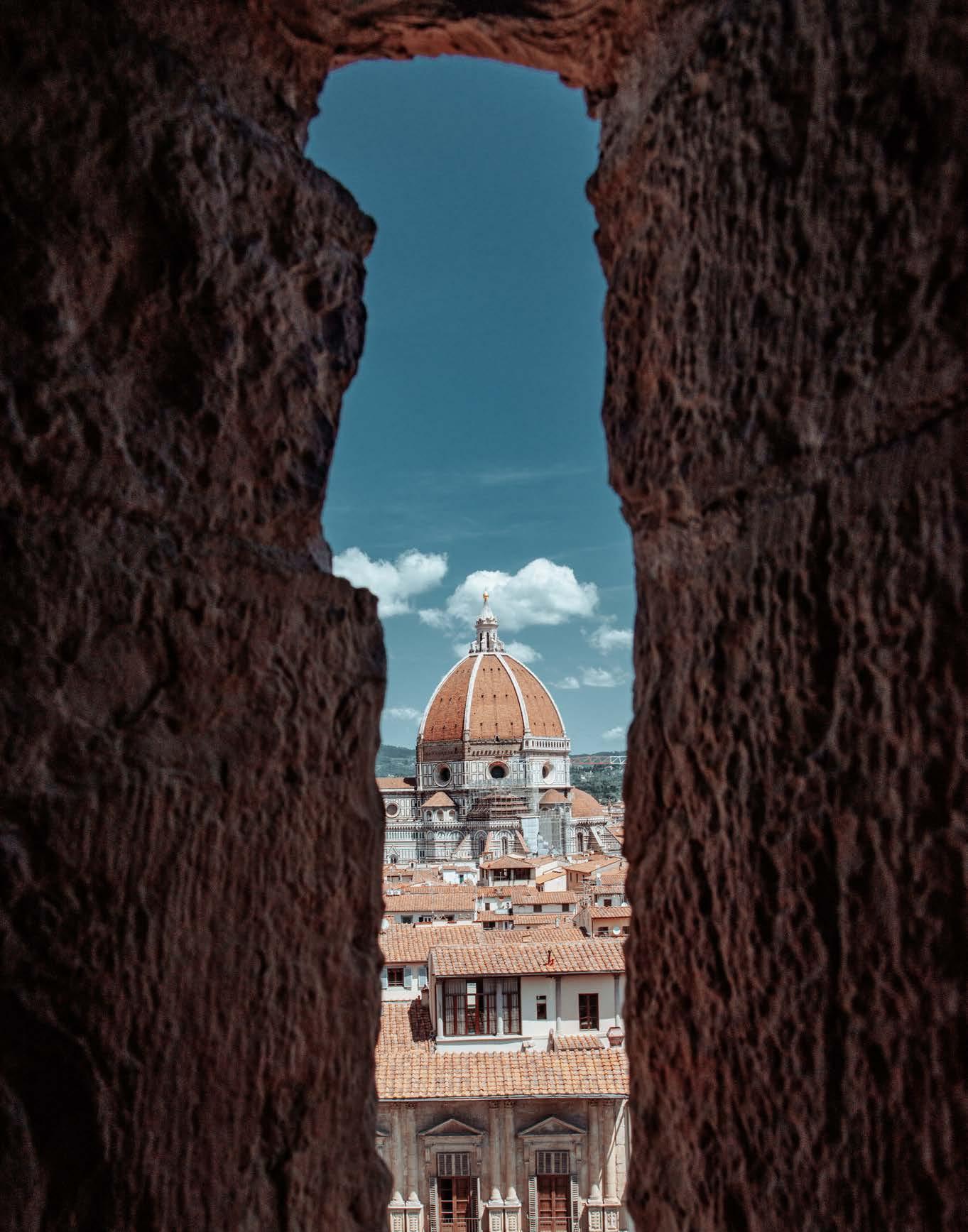
L’Accademia della Crusca, dove sono rimasta a bocca aperta di fronte al primo vocabolario della lingua italiana, un librone edito nel 6 . E la Galleria dell’Accademia dove il David di Michelangelo è un bagno di bellezza.
@ ALMA_NOCE
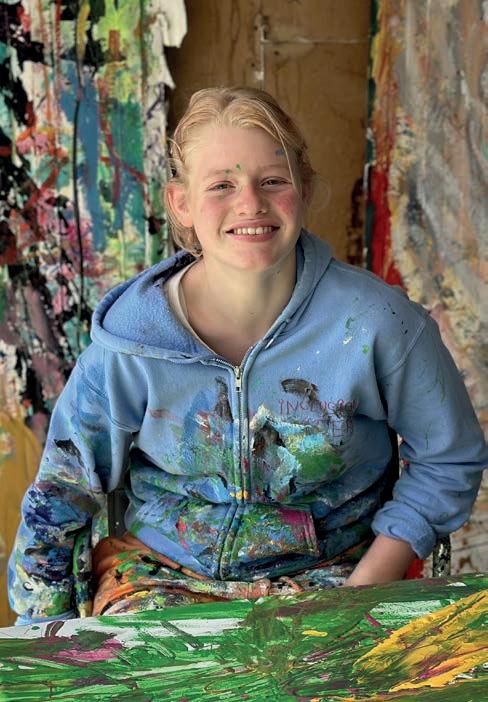
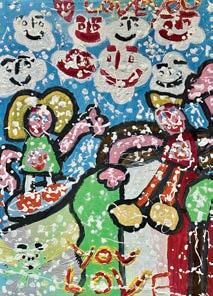
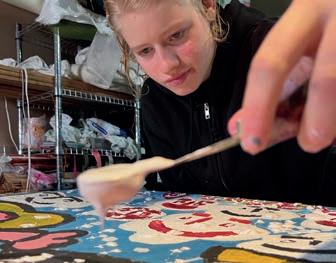
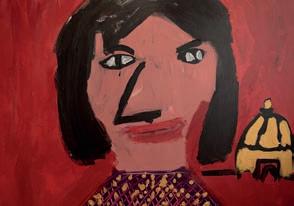
Clara Woods is a 9 year old artist. A survivor of a perinatal stroke, she communicates through art, understands Italian, English, and Portuguese, and has found her voice in painting. Her frst exhibition took place in 8, in Florence. Since then, her works have traveled from Europe to Asia, all the way to America and Australia. We meet her during the Unmuted Tour stop at Toscanino: with her is her mother Betina, who captures and ‘translates’ her every thought. You were chosen to represent the Olympic spirit for Milano Cortina 2026. How did you approach this theme?
After extensive research into the history and meaning of the Olympics, the message I decided to convey was to keep going and always fnd the strength to get back up.
Personalities such as Alicia Keys, Halsey, Dr. Daniel Amen, Mel Robbins, and Gary Vaynerchuk have also appreciated your art. Which comment struck you the most?
What moves me the most are people’s stories. Like that of a man whom doctors had told would reach ffty. For that birthday that seemed impossible, he decided to treat himself to one of my paintings and wrote to me that looking at it every morning makes him feel loved and reminds him of his worth. Did Florence play an important role in your journey?
Very much so. Before moving to California, we lived downtown, and I often painted its monuments, like the Duomo, or historical fgures like Lorenzo the Magnifcent. It’s a city I’m very attached to, partly because it reminds me of my grandfather Guglielmo, who was fundamental to me and who, sadly, is no longer with us. I know he would be very proud of me.
An artist who inspires you?
Frida Kahlo. After learning her story, I told myself, “I want to have an exhibition in New York”, and that’s how it all began.
WHAT I WANT TO CONVEY THROUGH MY ART IS A MESSAGE OF STRENGTH AND INCLUSIVITY
BEYOND WORDS
text Virginia Mammoli
Clara Woods è un’artista di 9 anni. Sopravvissuta a un ictus perinatale, non può parlare, leggere o scrivere, ma comprende italiano, inglese e portoghese e ha trovato nell’arte la sua forma di espressione. La prima mostra è stata nel 8, a Firenze. Da allora le sue opere hanno viaggiato dall’Europa all’Asia, fno all’America e all’Australia. La incontriamo durante la tappa di Unmuted Tour da Toscanino: con lei la madre Betina, che coglie e ‘traduce’ ogni suo pensiero.
Sei stata chiamata a rappresentare lo spirito olimpico per Milano Cortina 2026. Come hai affrontato questo tema?
Dopo una lunga ricerca per conoscere la storia e il signifcato delle Olimpiadi, il messaggio che ho deciso di trasmettere è stato quello di non arrendersi mai e trovare sempre la forza di rialzarsi.
Anche personalità come Alicia Keys, Halsey, dottor Daniel Amen, Mel Robbins e Gary Vaynerchuk hanno apprezzato la tua arte. Il commento che più ti ha colpito?
La cosa che mi emoziona di più sono le storie delle persone. Come quella di un signore a cui i medici avevano detto che non avrebbe raggiunto i cinquant’anni. Per quel compleanno che sembrava impossibile, ha deciso di regalarsi un mio quadro e mi ha scritto che guardarlo ogni mattina lo fa sentire amato e gli ricorda il suo valore.
Firenze ha avuto un ruolo importante nel tuo percorso?
Moltissimo. Prima di trasferirci in California vivevamo in centro e ho spesso dipinto i suoi monumenti, come il Duomo, o fgure storiche come Lorenzo il Magnifco. È una città a cui sono molto legata, anche perché mi fa pensare a mio nonno Guglielmo, che per me è stato fondamentale e che purtroppo non c’è più. So che sarebbe molto orgoglioso di me. Un artista che ti ispira?
Frida Kahlo. Dopo aver conosciuto la sua storia mi sono detta: “Voglio fare una mostra a New York” e tutto è cominciato.
CLARA WOODS, THE YOUNG ARTIST WHO SPEAKS TO THE WORLD THROUGH ART AND COLOR
CLARA WOODS, LA GIOVANE ARTISTA CHE PARLA AL MONDO ATTRAVERSO L’ARTE E I COLORI
@WOODS_CLARA_
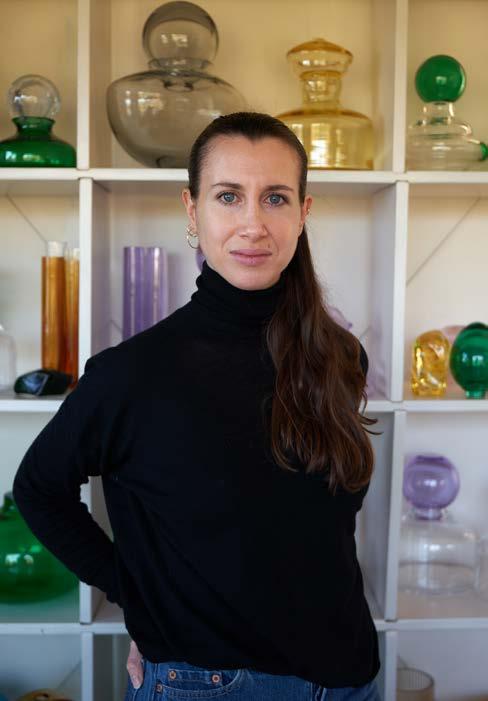
The studio was founded in 1983 by your father, Luca Bojola.
What impressed you as a child when you saw him at work?
Watching him design on paper and shape clay to give form to his ideas and study their three-dimensionality. This approach left a deep impression on me and shaped my vision: it is imperfection, understood as the mark left by the human gesture, which makes an object come alive.
What has your experience in luxury fashion taught you?
Total dedication and a nearly obsessive attention to detail. What value does beauty have in your creations?
It is a fundamental requirement. Our projects always start from a vision and a narrative, but it is beauty that makes them complete and ensures that the object establishes a lasting relationship with those who observe or use it.
And what about craftsmanship?
It is the conditio sine qua non, and often represents the very starting point. Even the limitations imposed by materials or processes become opportunities: sometimes the most interesting solutions arise from the need to overcome a constraint.
An iconic collection by Studio Bojola?
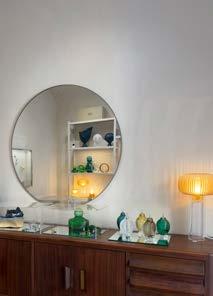
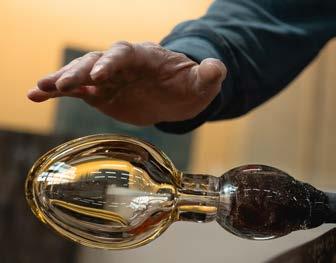
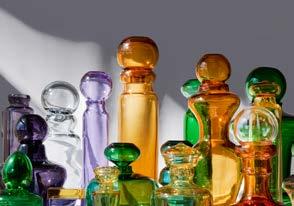
The hand-blown crystal collection, which follows the Empoli tradition and contributes to its continuity through a contemporary reinterpretation.
Thanks to the Recreos project, you have opened a new studio on Via Palazzuolo. What does this space represent for you?
We had a studio in the Chianti hills, which was ideal for concentration and design but more isolated, for many years. This space is a great opportunity for openness and sharing. We also feel a strong affnity with the neighborhood, both because of the historical presence of workshops and the ongoing redevelopment process.
IT IS IMPERFECTION, MARK LEFT BY THE HUMAN GESTURE, WHICH MAKES AN OBJECT COME ALIVE
GESTURES AND MATERIALS
MARGHERITA BOJOLA, THE GUIDE AND CREATIVE SOUL BEHIND STUDIO BOJOLA
MARGHERITA BOJOLA, GUIDA E ANIMA CREATIVA
DELLO STUDIO BOJOLA
text Virginia Mammoli
Lo studio è stato fondato nel 1983 da tuo padre, Luca Bojola. Cosa colpiva la te bambina quando lo vedevi a lavoro?
Vederlo progettare sulla carta e modellare l’argilla per dare forma alle sue idee e studiarne la tridimensionalità. Questo approccio mi è rimasto profondamente dentro e ha determinato la mia visione: è l’imperfezione, intesa come traccia del gesto umano, a rendere un oggetto vivo.
Cosa ti ha lasciato la tua esperienza nella moda di lusso?
Dedizione assoluta e attenzione quasi ossessiva al dettaglio. Che valore ha la bellezza nelle vostre creazioni?
È un requisito fondamentale. I nostri progetti nascono sempre da una visione e da una narrazione, ma è la bellezza a renderli completi e a far sì che l’oggetto instauri una relazione duratura con chi lo osserva o lo utilizza.
E l’artigianalità?
È una conditio sine qua non, e spesso rappresenta il punto di origine stesso del processo creativo. Anche i limiti imposti dai materiali o dai processi produttivi diventano occasioni progettuali: talvolta le soluzioni più interessanti emergono proprio dalla necessità di superare un vincolo.
Una collezione iconica frmata Studio Bojola?
La collezione di cristallo soffato a mano, che si inserisce nel solco della tradizione empolese, contribuendo alla sua continuità attraverso una rilettura contemporanea.
Grazie al progetto Recreos avete aperto un nuovo studio in via Palazzuolo. Cosa rappresenta per voi questo spazio?
Per anni abbiamo lavorato in uno studio nelle colline del Chianti, ideale per la concentrazione e la progettazione, ma più isolato. Questo spazio è un’opportunità importante di apertura e condivisione. Sentiamo inoltre una forte affnità con il quartiere, sia per la presenza storica di attività artigiane sia per il percorso di riqualifcazione in atto.
@STUDIOBOJOLA
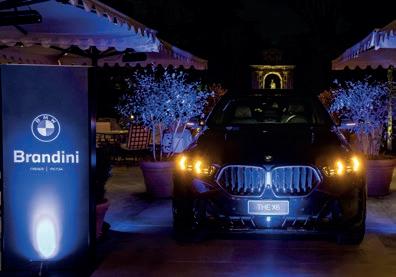
SCOPRILA SU BMW.IT E NELLA CONCESSIONARIA BMW BRANDINI.
Brandini Via Nobel, 6 - Osmannoro (FI) - Tel. 840 055 055 Via Fermi, 53 - Zona S. Agostino - Pistoia (PT) - Tel. 840 055 055 www.brandini.bmw.it
MARCH
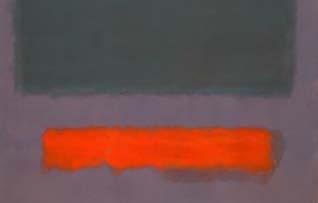
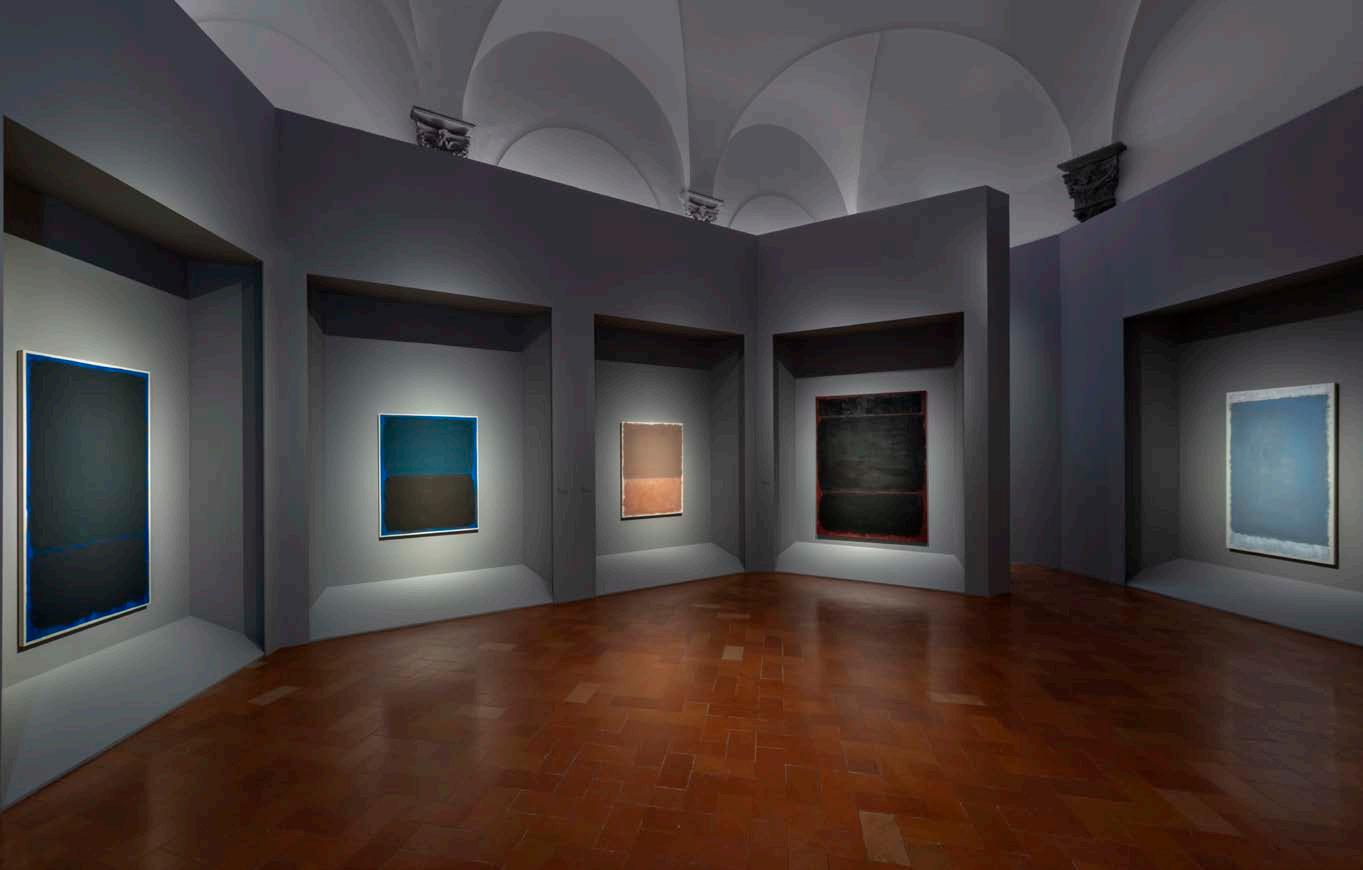
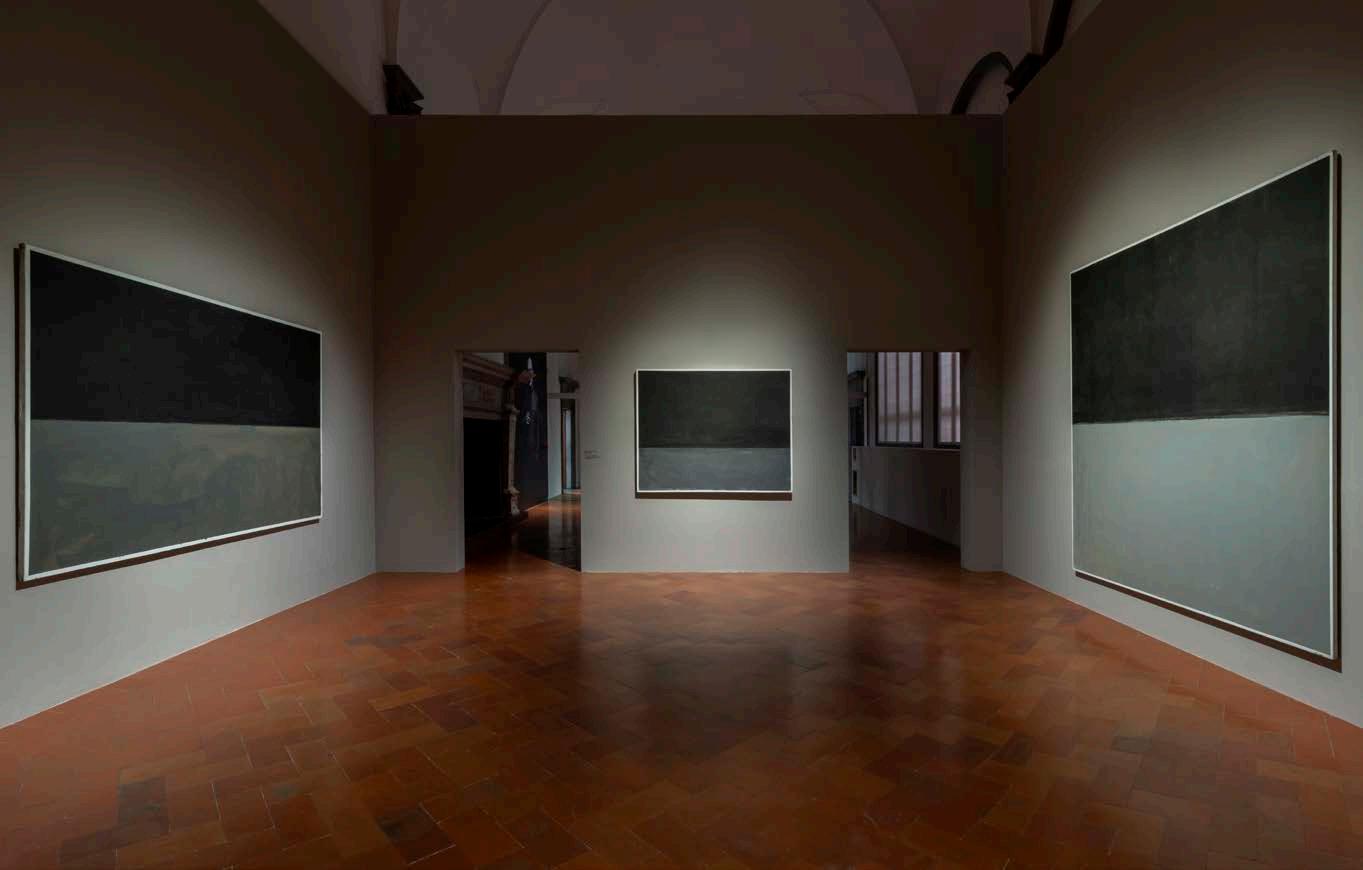
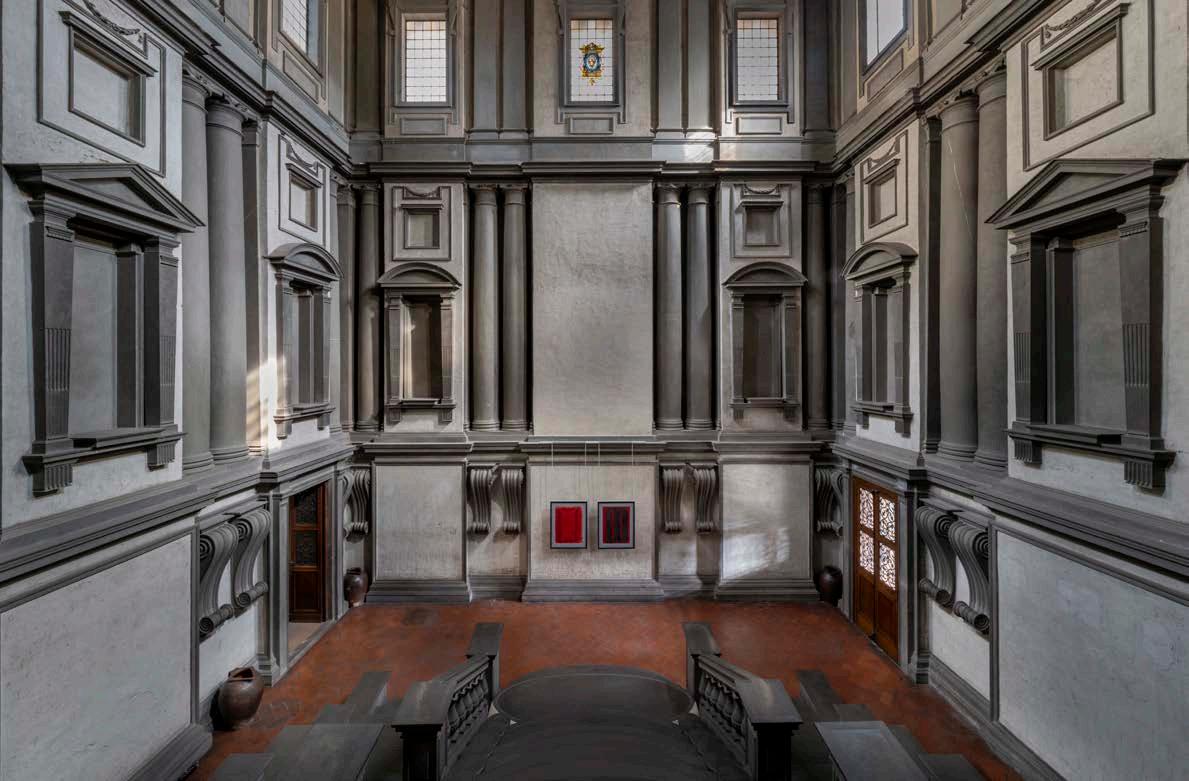
Until August 23, Palazzo Strozzi is hosting a major exhibition dedicated to Mark Rothko, a master of th-century American art, featuring works from prestigious international collections. The exhibition traces the artist’s evolution from his early fgurative works to his iconic abstract canvases, extending to the Museo di San Marco and the Biblioteca Medicea Laurenziana. Until September 13 at the Museo Novecento, Baselitz. AVANTI!, a wide-ranging project
SPRING ART
EXHIBITIONS FOR THE WARMER MONTHS LE MOSTRE DELLA BELLA STAGIONE
the use of imagery as a tool for celebrating and transmitting power in the Roman Empire of the rd century AD. Once Upon a Time.
Sculptures from the Medici Collections: until April 12 at the Uffzi Galleries, the frst exhibition dedicated to the art of Florentine wax sculpture from the 6th and 7th centuries.
Oceani, also until April 12 at Villa Bardini, the frst Italian exhibition dedicated to David Doubilet, the legendary underwater photographer for National Geographic. Firenze Déco.
focuses on the etching, a key medium in the artist’s practice. Also at the Museo Novecento until October 4, Ottone Rosai. Poet First and Foremost: the exhibition begins with a comparison between the paintings from the Rosai Bequest and the artist’s works from the Alberto Della Ragione Collection, brought together for the frst time in a unifed exhibition.
APRIL
Until April 9 at the National Archaeological Museum, an exhibition dedicated to
MARZO
Fino al 23 agosto Palazzo Strozzi ospita una grande mostra dedicata a Mark Rothko, maestro dell’arte americana del Novecento, con opere provenienti da prestigiose collezioni internazionali. L’esposizione ripercorre l’evoluzione dell’artista dalle prime fasi fgurative alle iconiche tele astratte, e si estende al Museo di San Marco e alla Biblioteca Medicea Laurenziana. Fino al 13 settembre al Museo Novecento, Baselitz. AVANTI!, un progetto di ampio respiro
Atmosfere degli anni Venti from April 2 to August 25 at Palazzo Medici Riccardi: an exhibition that restores the city’s central role in the spread of Art Deco in Italy and Europe.
MAY
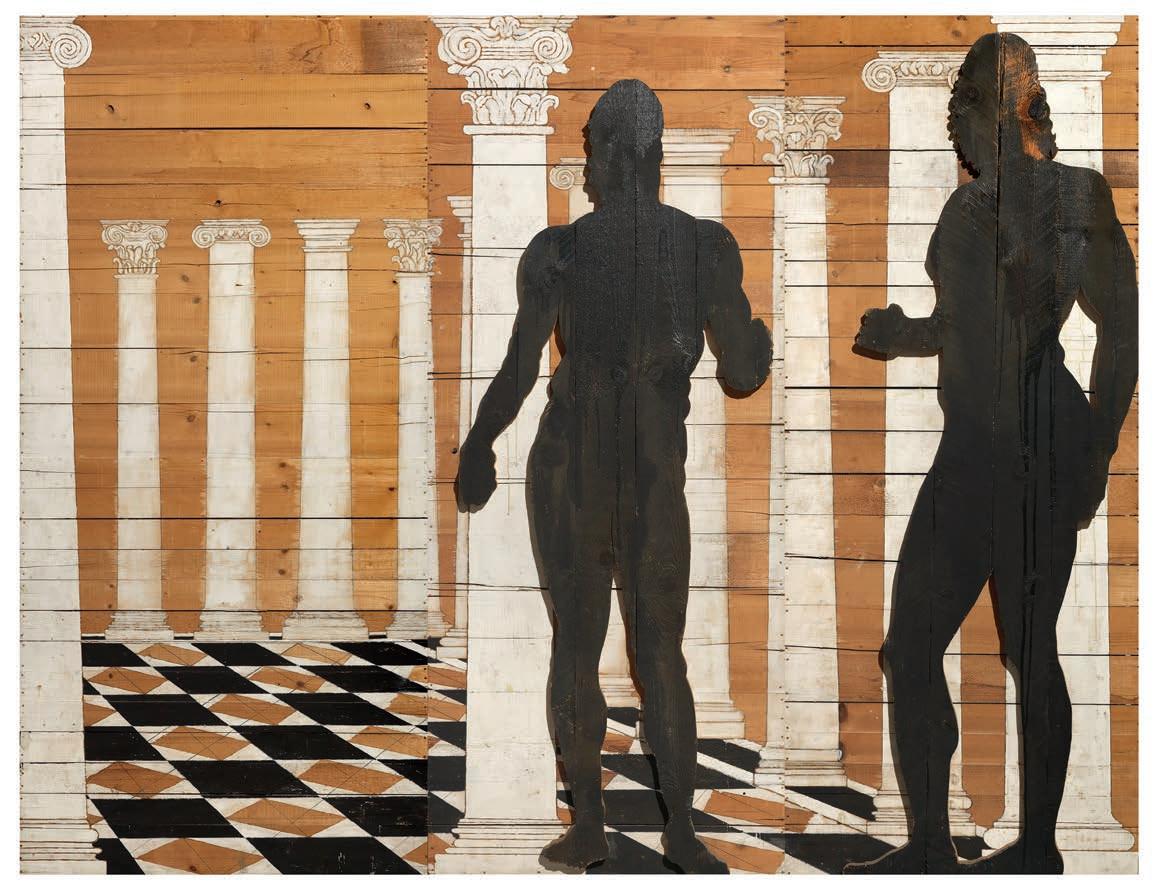
Mario Ceroli. Myth and Matter at the Galleria Tornabuoni Arte (Lungarno Benvenuto Cellini, ), the frst retrospective dedicated to the master organized in Italy by the gallery, following the major monographic exhibition at the GNAMC in Rome. Until May 29
strumento di celebrazione e trasmissione del potere nell’Impero Romano del III secolo d.C. Cera una volta. Sculture dalle collezioni medicee: fno al 12 aprile alle Gallerie degli Uffzi, la prima mostra dedicata all’arte della ceroplastica forentina tra XVI e XVII secolo.
Oceani, sempre fno al 12 aprile a Villa Bardini, la prima mostra italiana dedicata a David Doubilet, leggendario fotografo subacqueo di National Geographic. Firenze Déco. Atmosfere degli anni Venti
mette al centro l’incisione, linguaggio chiave della ricerca dell’artista. Sempre al Museo Novecento fno al 4 ottobre Ottone Rosai. Poeta innanzitutto: la mostra prende avvio dal confronto tra i dipinti del Lascito Rosai e le opere dell’artista provenienti dalla Collezione Alberto Della Ragione, riunite per la prima volta in un percorso unitario.
APRILE
Fino al 9 aprile al Museo Archeologico Nazionale, una mostra dedicata all’uso dell’immagine come
dal 2 aprile al 25 agosto a Palazzo Medici Riccardi: una mostra che restituisce alla città il suo ruolo centrale nella diffusione dell’Art Déco in Italia e in Europa.
MAGGIO
Mario Ceroli. Mito e materia alla Galleria Tornabuoni Arte (Lungarno Benvenuto Cellini, ), la prima antologica dedicata al maestro allestita in Italia dalla galleria, dopo l’importante rassegna monografca alla GNAMC a Roma. Fino al 29 maggio
AGENDA ART
Tornabuoni Arte
Museo Novecento
Museo Novecento Palazzo Strozzi
FLORENCE THEATER
THE ART OF THE STAGE: MUSIC, OPERA, AND THEATER. THE BEST OF SPRING
L’ARTE
DELLA SCENA: MUSICA, OPERA E SPETTACOLO. IL MEGLIO DI PRIMAVERA
APRIL
On the 12th, at the Teatro della Pergola, Fabrizio Gifuni pays tribute to Orazio Costa in an evening dedicated to one of the greatest masters of Italian theater.
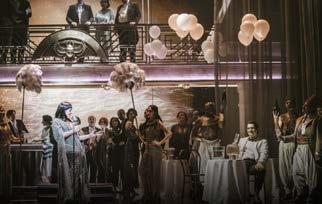
The Maggio Musicale Fiorentino Festival, now in its 88th edition, opens on the 19th with John Adams’ The Death of Klinghoffer. Luca Guadagnino directs and Lawrence Renes takes the conductor’s podium. The opera, with a libretto by Alice Goodman, commemorates the sensational hijacking of the Achille Lauro in 985.
kshop L’Homme Armé presents O dolcezze amarissime d’Amore, a tribute to Monteverdi featuring pieces from madrigal books published between 59 and 6 9.
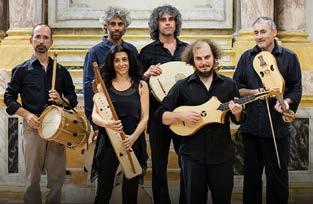
On the 14th, to mark the 8 th anniversary of the death of St. Francis of Assisi, in the Florence Cathedral, the Ensemble Micrologus performs Giullari di Dio, a journey through medieval lauds.
On the 30th, the frst event with the Luigi Cherubini Conservatory of Music kicks off at the Teatro del Maggio, followed by the se-
On the 29th, Zubin Mehta, the Maggio’s honorary conductor for life, celebrates his 90th birthday by conducting Beethoven’s Ninth Symphony in a symbolic and unmissable concert.
MAY
The Maggio Festival’s second opera, Verdi’s Un ballo in maschera, opens on the th with four performances. Directed by Valentina Carrasco and marking the conducting debut of Emmanuel Tjeknavorian On the 13th, at the Teatro del Maggio, the madrigal wor-
APRILE
Il 12, al Teatro della Pergola, Fabrizio Gifuni rende omaggio a Orazio Costa in una serata dedicata a uno dei più grandi maestri del teatro italiano. Il Festival del Maggio Musicale Fiorentino, alla 88esima edizione, apre il 19 con The Death of Klinghoffer di John Adams. Luca Guadagnino frma la regia e Lawrence Renes sale sul podio. L’opera, su libretto di Alice Goodman, ricorda il clamoroso sequestro della nave Achille Lauro nel 985. Il 29, Zubin Mehta, diretto-
cond concert on June 12.
On the 31st, at the same venue, the Italian Youth Orchestra will be conducted by Dayner Tafur-Díaz in a program ranging from Gabriela Ortiz and George Gershwin to Hector Berlioz’s visionary Symphonie fantastique
JUNE
The third and fnal opera of the Maggio Festival is Handel’s Baroque Giulio Cesare, directed by Davide Livermore, the conduction is by Gianluca Capuano. On stage starting the 14th
sime d’Amore, un omaggio a Monteverdi con brani tratti dai libri di madrigali pubblicati tra il 59 e il 6 9. Il 14, per gli 8 anni dalla morte di San Francesco d’Assisi, nel Duomo di Firenze, l’Ensemble Micrologus esegue Giullari di Dio, un viaggio tra laude medievali. Il 30, parte il primo appuntamento con Il Conservatorio di Musica Luigi Cherubini, al Teatro del Maggio, seguito il 12 giugno dal secondo concerto. Il 31, stessa sede, l’Orchestra Giovanile Italiana è diretta da Dayner Tafur-Díaz in un program-
re onorario a vita del Maggio, celebra il suo 90esimo compleanno dirigendo la IX Sinfonia di Beethoven in un concerto simbolico e imperdibile.
MAGGIO
La seconda opera del Festival del Maggio, Un ballo in maschera di Verdi, debutta il con quattro repliche. Regia di Valentina Carrasco e debutto assoluto alla direzione di Emmanuel Tjeknavorian Il 13, al Teatro del Maggio, il laboratorio madrigalistico L’Homme Armé propone O dolcezze amaris-
ma che spazia da Gabriela Ortiz e George Gershwin alla visionaria Symphonie fantastique di Hector Berlioz.
GIUGNO
Terza e ultima opera del Festival del Maggio è il barocco Giulio Cesare di Händel, in scena dal 14 con repliche successive. Allestimento dell’Opéra di Montecarlo, regia di Davide Livermore, che ambienta la vicenda negli anni ’ del Novecento a bordo della nave Tolomeo. Sul podio Gianluca Capuano
Teatro della Pergola
Maggio Musicale
Fiorentino
Maggio Musicale Fiorentino
Florence Cathedral
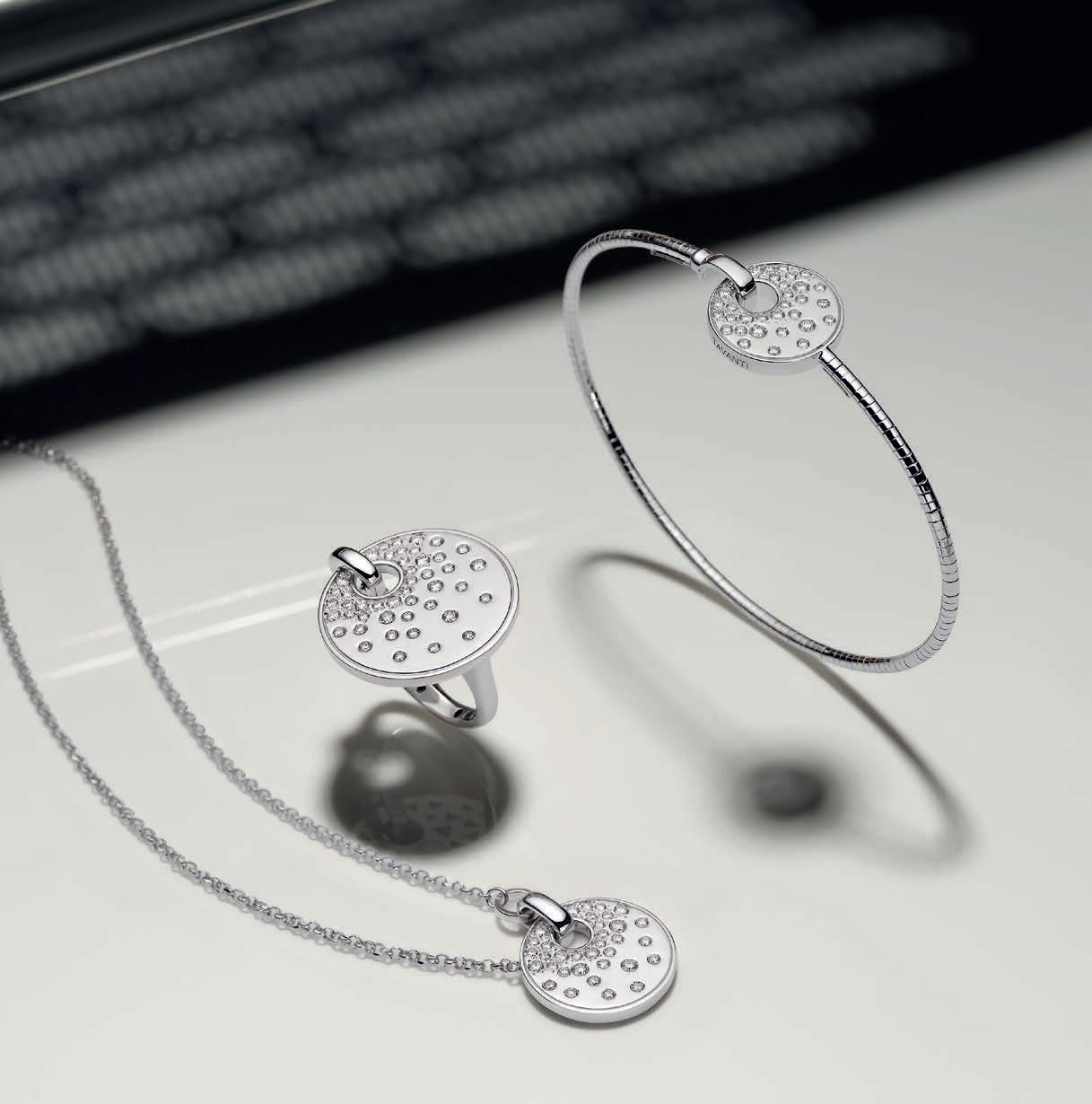
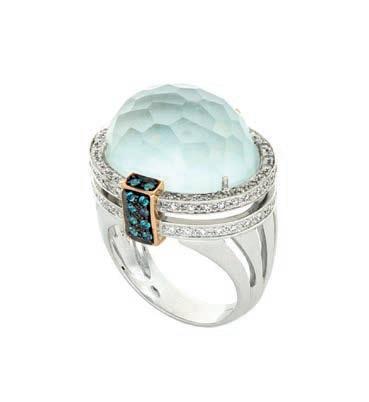
You can find Tavanti in Florence at COI with a selection of the best Italian jewelry brands.
SHOWROOM Via Por S. Maria, 8 - 2nd floor BOUTIQUE Ponte Vecchio, 18 coi-florence.com
SPICE GIRLS
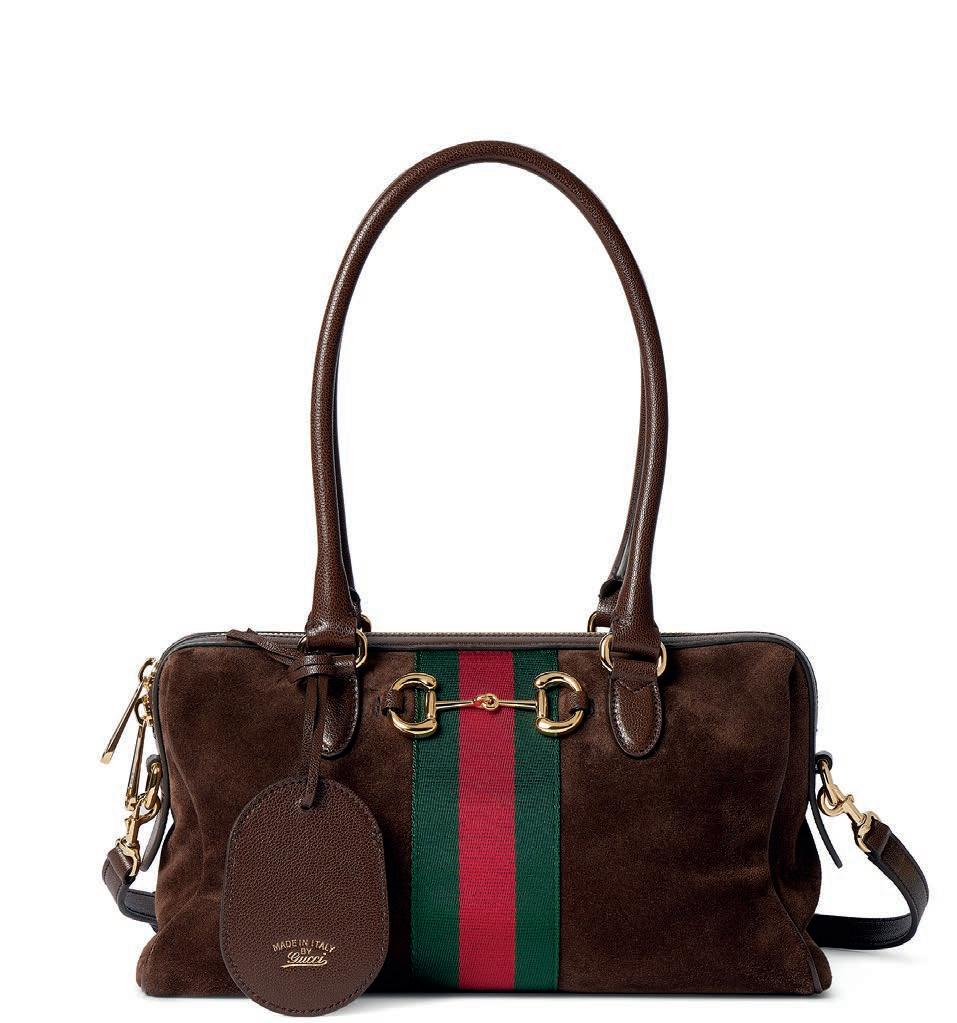
This Gucci shopping bag, crafted from suede, features double handles that can also be worn over the shoulder, a two-tone strap, and the brand’s signature horsebit clasp. At 7 r Via de’ Tornabuoni. La borsa shopping di Gucci, in pelle scamosciata, ha il doppio manico da portare anche a spalla, la fascia bicolore e il morsetto simboli della maison. In via de’ Tornabuoni, 7 r.
SHOPPING
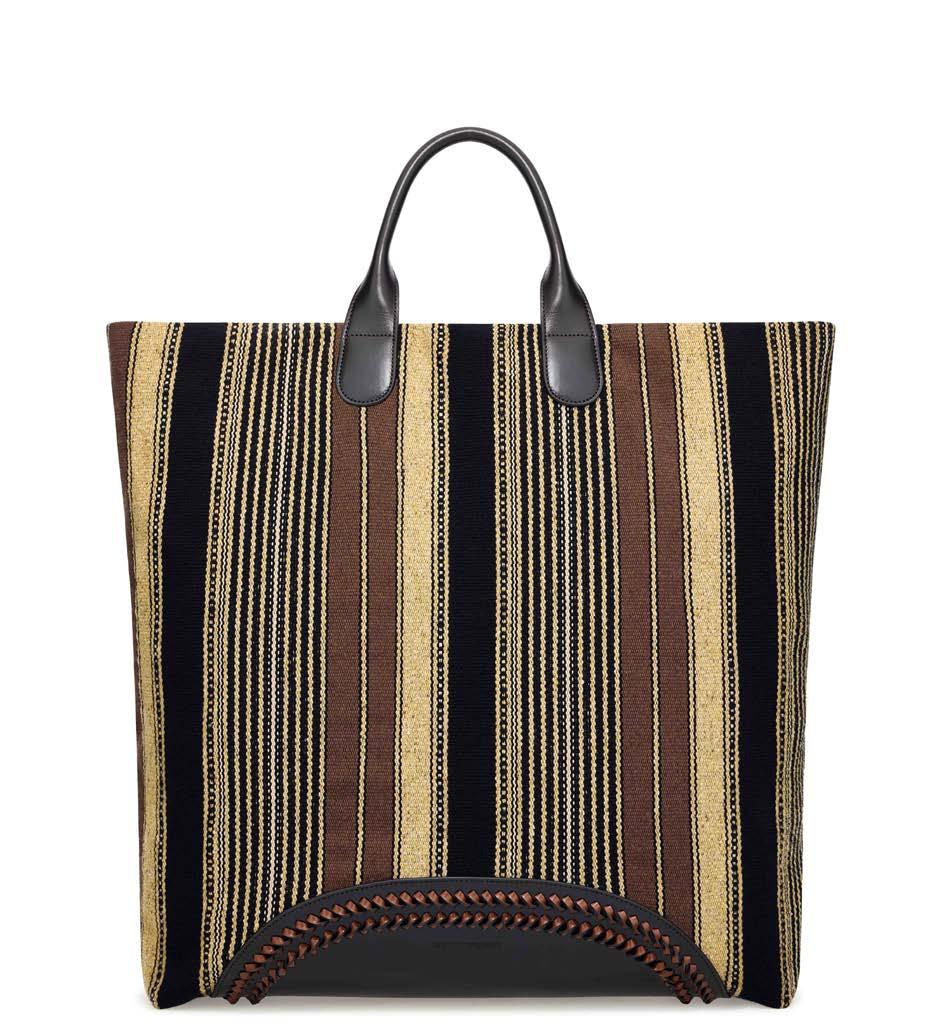
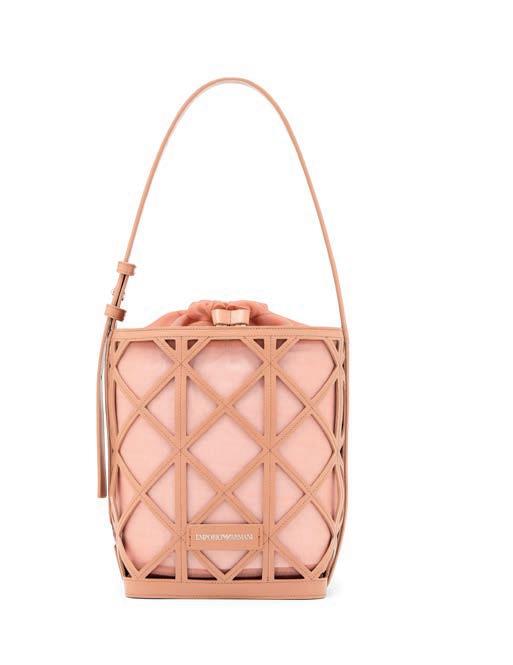
Here is an irresistible must for the season: the maxi shopper in chromotherapy fabric by Emporio Armani With extra-large capacity for him, fully aware of its infuence on the female universe! At r Via Roma. Ecco un irresistibile must della stagione: la maxi shopper in tessuto cromoterapico di Emporio Armani Capienza extralarge per lui, consapevole del proprio ascendente sull’universo femminile! In via Roma, r.
IF THEY ARE ROSES...
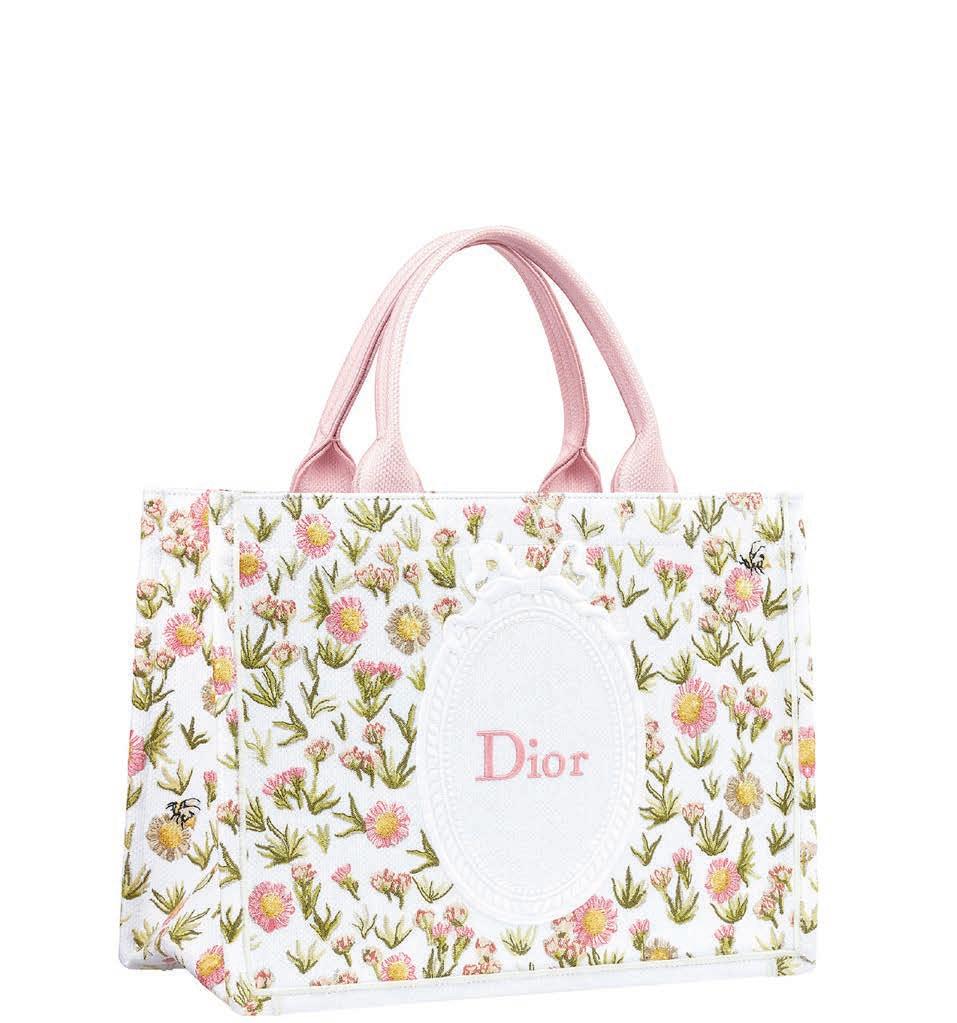
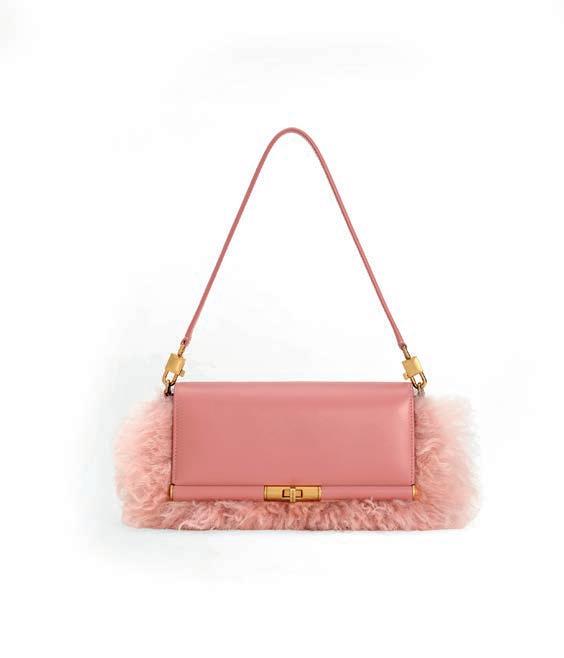
Let’s be swept away by this invasion of Rosier de Dior embroidery in soft colors, dedicated to Monsieur Dior’s favorite fower. A delicate bag to hold all your daily essentials. At 7 Via degli Strozzi. Lasciamoci travolgere da questa invasione di ricami Rosier de Dior in colori tenui, dedicati al fiore preferito da Monsieur Dior. Una borsa delicata per custodire tutto l’indispensabile della giornata. In via degli Strozzi, 7.
ROYAL HIGHNESS
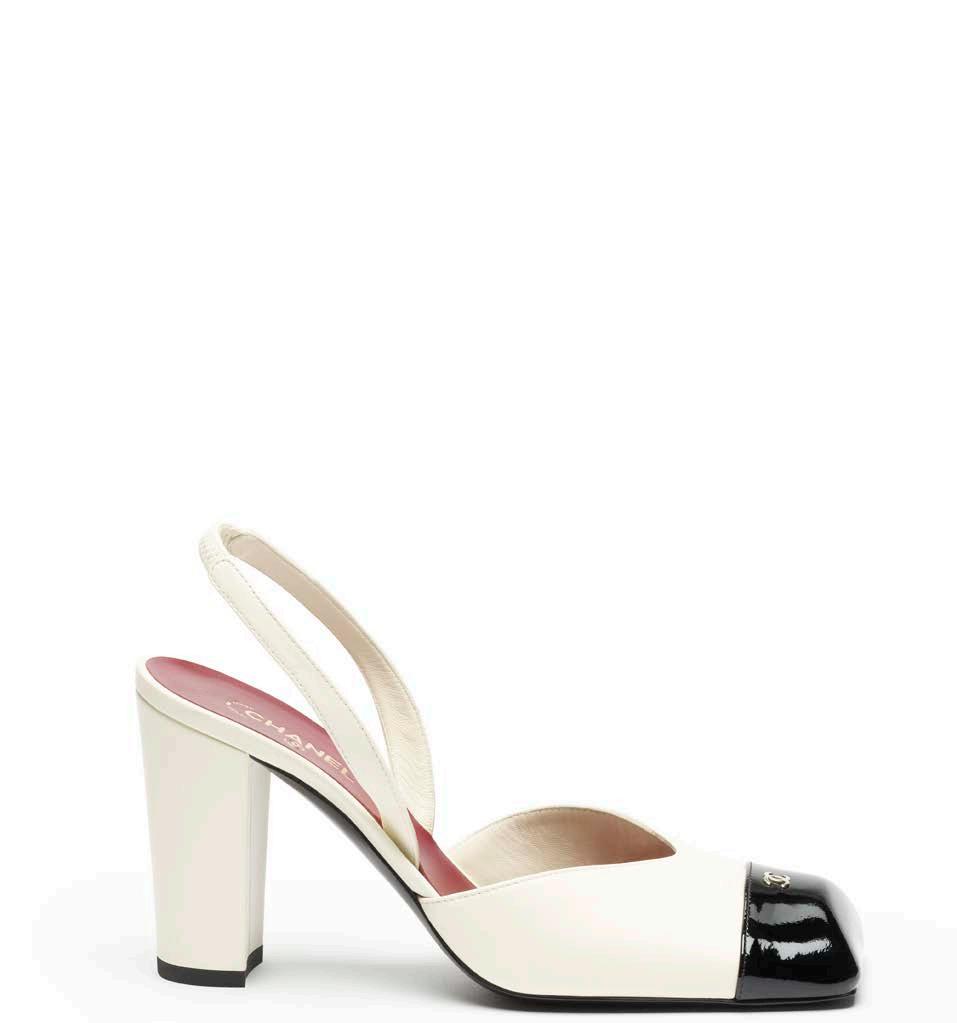
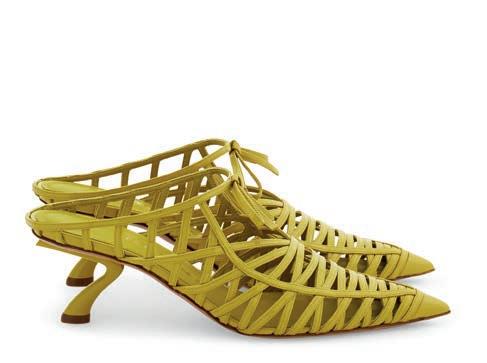
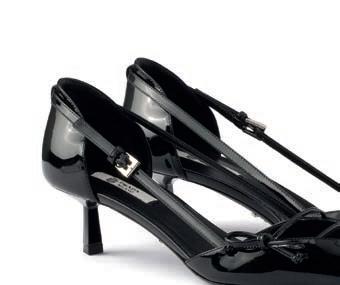
The Chanel slingback, designed by the genius Gabrielle Coco Chanel around 9 7, remains one of the most sought-after and coveted styles today, synonymous with elegance par excellence. At Piazza della Signoria.
La slingback Chanel, pensata dal genio Gabrielle Coco Chanel intorno al 9 7, ancora oggi una delle più richieste e desiderate, sinonimo di eleganza tout court. In piazza della Signoria, .
PERPETUAL EXCELLENCE
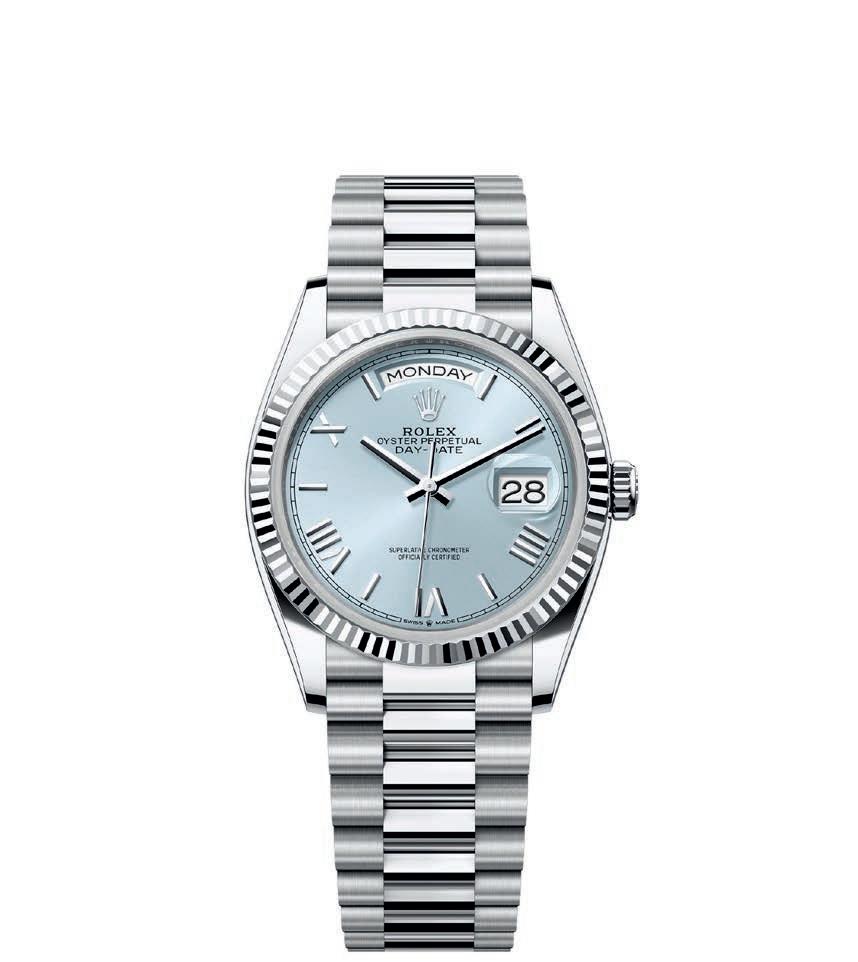
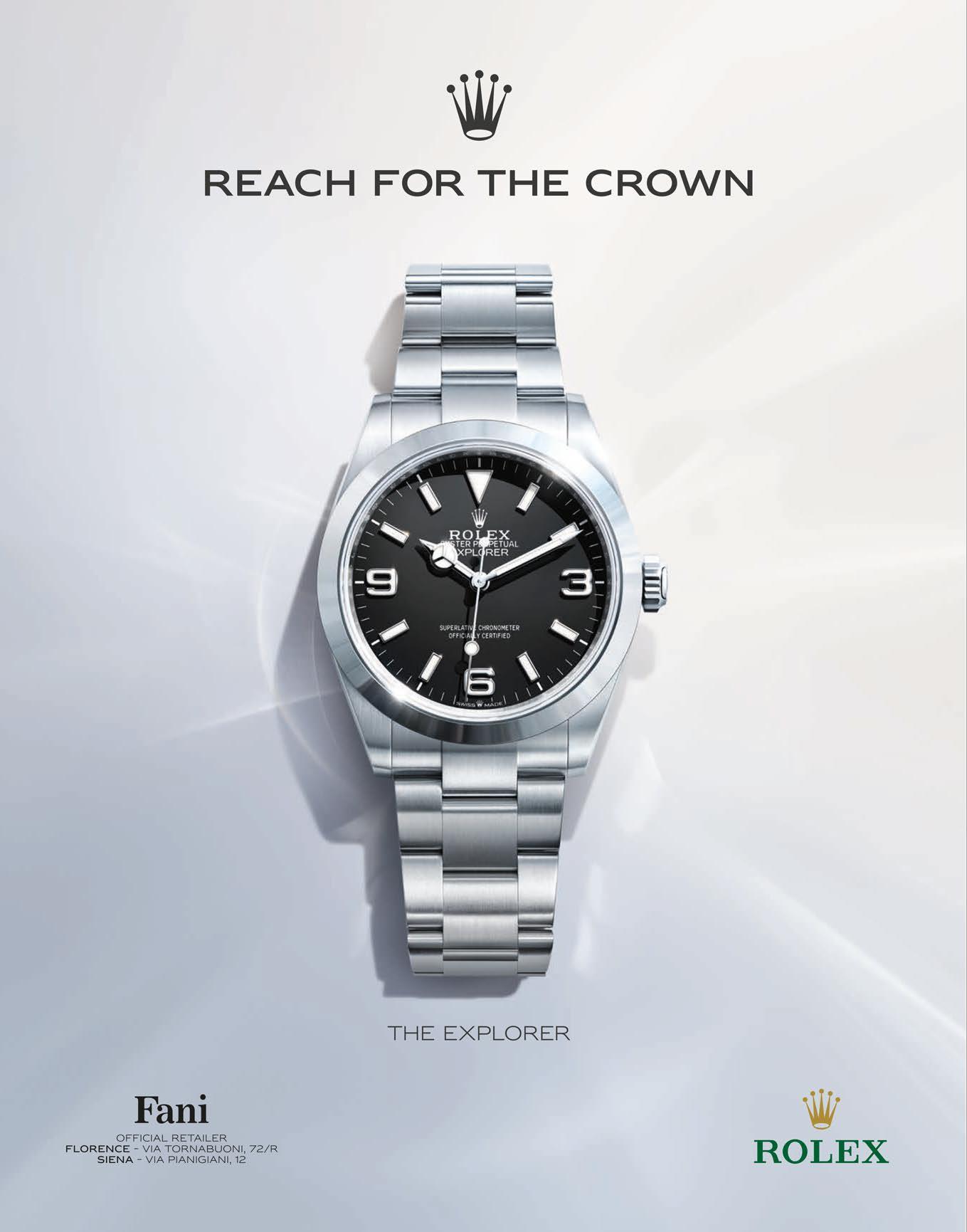
Rolex Oyster Perpetual Day-Date: a date window that revolutionized the world of watchmaking and the unmistakable President bracelet, in precious guises that never cease to amaze. Fani - Florence, Via de’ Tornabuoni, 7 r.
Rolex Oyster Perpetual Day-Date: una finestra per la data che ha rivoluzionato il mondo dell’orologeria e l’inconfondibile bracciale President, in preziose vesti che non smettono mai di stupire. Fani - Firenze, Via de’ Tornabuoni, 7 r
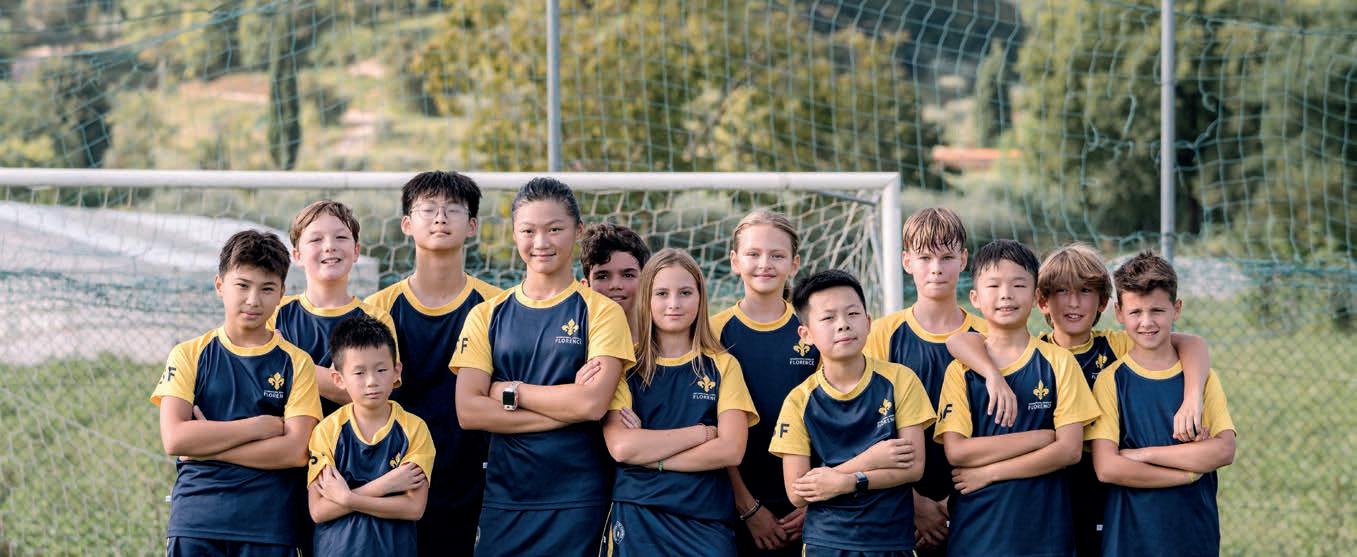
A complete IB continuum school, from Early Years to High School.
• True international community with 30+ nationalities
• IB Continuum from ages 3–18
• Strong university placement worldwide
• Leadership, service and global citizenship focus
THE ELEGANCE OF WATER
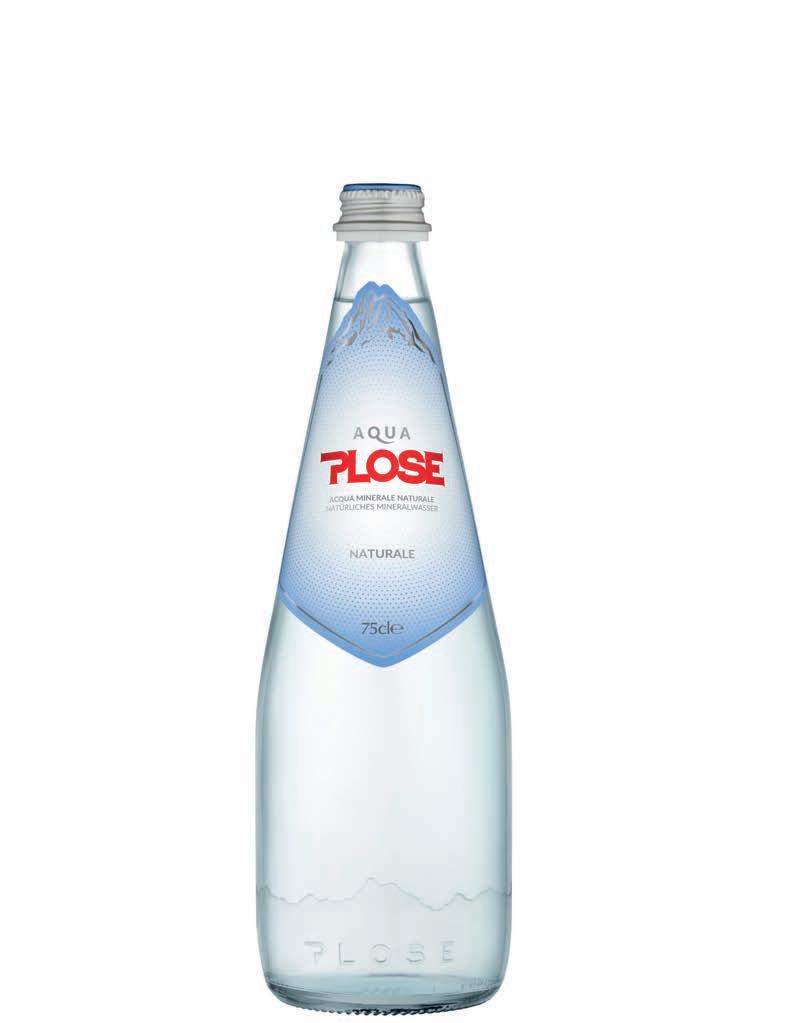
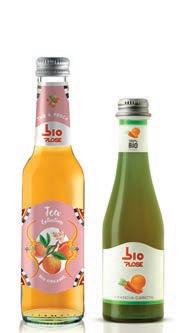
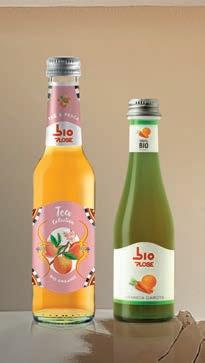
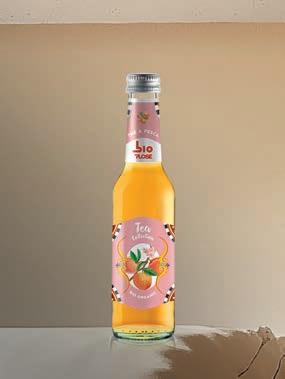
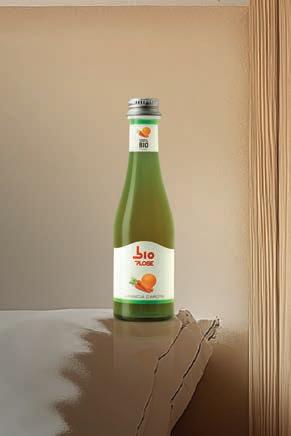
Acqua Plose’s new elegant and embossed Gourmet size bottle, enhanced with gold and silver details. Inside, the same purity as always: one of the lightest waters in the world, which originates at ,87 meters. acquaplose.com
La nuova elegante bottiglia in rilievo di Acqua Plose formato Gourmet, impreziosita da dettagli oro e argento. Dentro, la purezza di sempre: una delle acque più leggere al mondo, che nasce a .87 metri. acquaplose.com
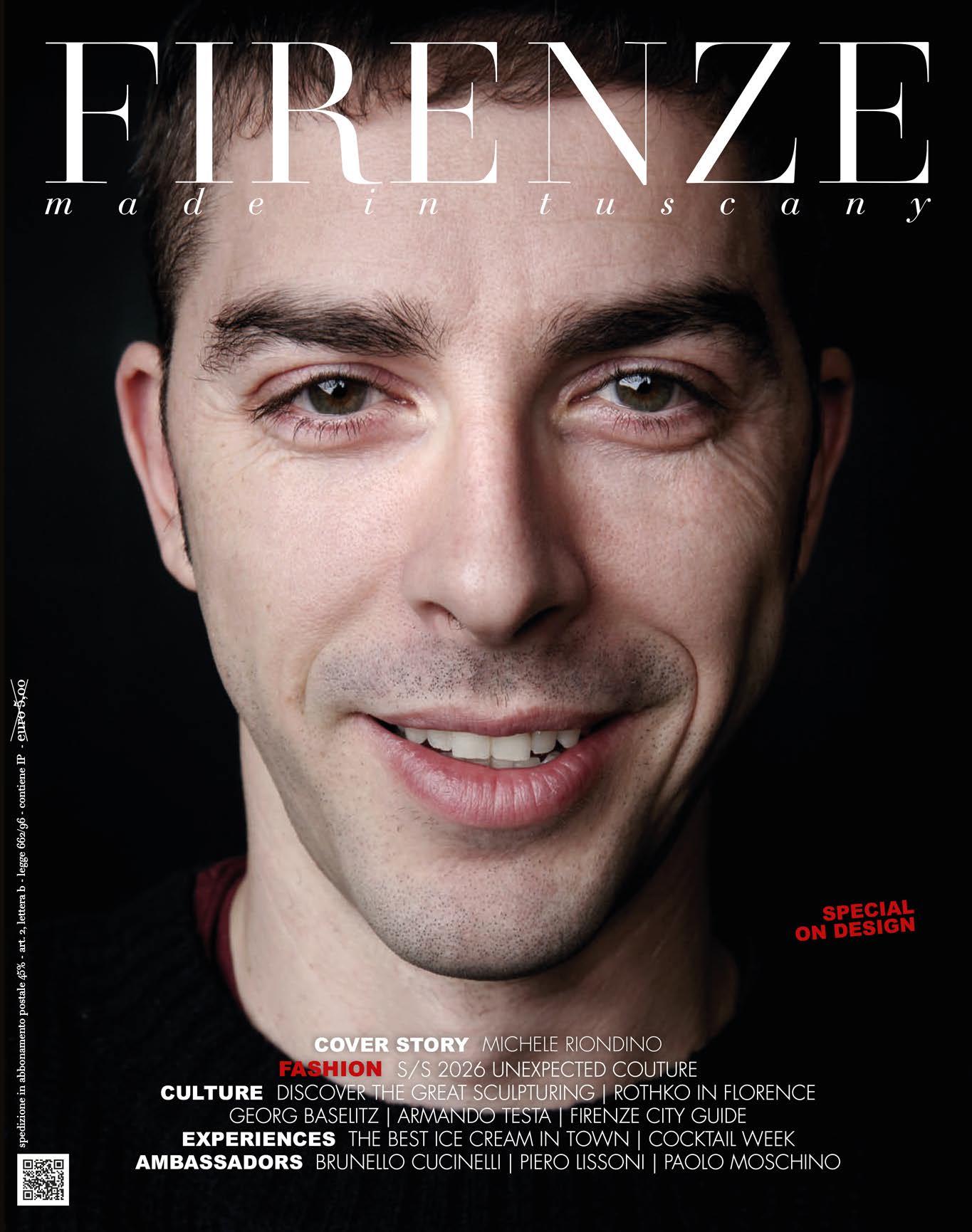
Actor and director, Michele Riondino is one of Italy’s coolest screen presence that keeps him firmly on the radar of modern cinema (ph. Fabio Lovino)
A STUBBORN HEART
OUR CONVERSATION WITH ACTOR AND DIRECTOR MICHELE RIONDINO: STORIES, CHOICES, AND COMEBACKS IL NOSTRO INCONTRO CON L’ATTORE E REGISTA MICHELE RIONDINO: STORIE, SCELTE E RITORNI
text Teresa Favi
Michele Riondino has never really changed his ways. Even today, when flm and television have made him one of the most recognizable and beloved faces of his generation, he retains that air of a chance encounter: you run into him, he stops, listens, and tells a story. Just like in the days of shows in Rome’s independent venues or neighborhood chats. We meet him again at the Lucca Film Festival with Paolo Strippoli’s La valle dei sorrisi, but the conversation soon drifts elsewhere: cinema, choices, detours. In between there are Il giovane Montalbano, I Leoni di Sicilia, the 4 David di Donatello for Palazzina Laf, his frst flm as a director; a work so successful that it makes you want to see him behind the camera again soon. And the theater, of course: the love that has never faded. Let’s go back to the beginning. Did you ever have a clear idea of the kind of actor you wanted to be?
Actually, no. I attended the Academy in Rome, so at frst my references were mainly theatrical. I asked myself that question later. My years at the Academy, between 997 and , were also complicated: I struggled to ft into an environment so focused on technique and a specifc idea of what an actor should be. Over time, I realized that it was a stroke of luck not to feel entirely at ease. If I could go back, I’d follow the same path. During the day I studied, and in the evening I went to the theater: watching those shows, I began to understand what truly interested me and, above all, what I didn’t want to become.
Was there a moment when you felt you’d taken the right path?
More than a moment, it was a series of choices. After the Academy, I found myself at a crossroads: go abroad, study a language, do workshops, or stay and work. I chose to work. I did everything: TV dramas, children’s TV, theater with a company we’d started with friends. The classic grind: shows in community centers, in basements, but also in large squares. I didn’t leave, but I kept acting. That was the real starting point.
Michele Riondino non ha mai davvero cambiato passo. Anche oggi che cinema e televisione lo hanno reso uno dei volti più riconoscibili e apprezzati della sua generazione, conserva quell’aria da incontro casuale: lo incroci, si ferma, ascolta, racconta. Come ai tempi degli spettacoli negli spazi indipendenti di Roma o delle chiacchiere di quartiere. Lo ritroviamo al Lucca Film Festival con La valle dei sorrisi di Paolo Strippoli, ma la conversazione scivola presto altrove: cinema, scelte, deviazioni. In mezzo ci sono Il giovane Montalbano, I Leoni di Sicilia, il David di Donatello 4 per Palazzina Laf, il suo primo flm da regista; un’opera così riuscita da far venire voglia di rivederlo presto dietro la macchina da presa. E il teatro, naturalmente: l’amore che non è mai passato.
Torniamo all’inizio. Ha mai avuto un’idea precisa dell’attore che avrebbe voluto essere?
In realtà no. Ho fatto l’Accademia a Roma e quindi all’inizio le mie referenze erano soprattutto teatrali. La domanda me la sono posta più tardi.
Gli anni dell’Accademia, tra il 997 e il , sono stati anche complicati: faticavo a entrare in un’impostazione molto centrata sulla tecnica e su un’idea precisa di attore. Col tempo ho capito che è stata una fortuna non sentirmi del tutto a mio agio.
Se tornassi indietro rifarei lo stesso percorso. Di giorno studiavo e la sera andavo a teatro: guardando quegli spettacoli ho iniziato a capire cosa mi interessasse davvero e, soprattutto, cosa non volevo diventare.
C’è stato un momento in cui ha sentito di aver preso la direzione giusta?
Più che un momento, una serie di scelte. Dopo l’Accademia mi sono trovato davanti a un bivio: partire per l’estero, studiare una lingua, fare workshop, oppure restare e lavorare. Ho scelto di lavorare. Ho fatto di tutto: fction, tv per ragazzi, teatro con una compagnia che avevamo creato tra amici. La classica gavetta: spettacoli nei centri sociali, nelle cantine, ma anche grandi piazze. Non sono partito, ma ho continuato a fare l’attore. Quello è stato il vero punto di partenza.
‘THE ITALIAN TRADITION IS FULL OF DIRECTORS CAPABLE OF TELLING POPULAR STORIES WITH AN AUTEUR’S PERSPECTIVE’
‘LA TRADIZIONE ITALIANA È PIENA DI REGISTI CAPACI DI RACCONTARE STORIE POPOLARI CON UNO SGUARDO AUTORIALE’
You managed to build a career in TV series without it closing the doors to cinema for you. That’s not a given in Italy. That’s true. When they offered me Il giovane Montalbano, I was hesitant precisely because of that. And in fact, it wasn’t exactly easy to return to cinema afterward: for a director, choosing a face closely associated with TV can be complicated. But I’d repeat that experience a thousand times over. It was a wonderful period, also because of my encounter with Andrea Camilleri. A true friendship was born, and I continued to exchange ideas with him even after the series ended. Today there’s a lot of talk about the relationship between auteur cinema and popular cinema. Is that distinction still useful?
In my opinion, we should stop separating the two. The Italian tradition is full of directors capable of telling popular stories with an auteur’s perspective. An auteur is someone who observes the world and translates it into an artistic form. If what they tell concerns people’s lives, it automatically becomes something popular. In the 97 s, our masters did this very well. Today we should return to trusting the audience: making flms for others, not just for ourselves. Are there any films that have particularly influenced you?
One above all: Monicelli’s I compagni. But also Fantozzi, which remains very important to me: it allows us to laugh at humiliations and at the same time recognize ourselves in those situations. That ability to blend popular storytelling with a critical perspective still interests me greatly.
You’ve also stepped behind the camera. Did your first film begin with this idea of a dialogue with the audience? Yes. I also wanted to throw them off a bit. Those familiar with the history of my city, Taranto, expected a very direct flm on environmental or health issues. Instead, I wanted to explore its complexity. Pollution and disease are central aspects, but the real crux is the employment blackmail: the mechanism whereby the workers’ children were destined to take their fathers’ places. I myself, in reality, could have ended up working in the same plant where my father had worked. That’s where the blackmail came from: do what I tell you because I’ll give you the job. Telling this story without falling into pure tragedy seemed to me the best way to allow the viewer to truly understand that story. Riondino, what does talent mean to you?
It’s the ability to make the most of the opportunities that come your way. I’ve tried to do this with patience, waiting for the right projects and with the help of agents and collaborators who believed in me.
Lei è riuscito a costruire una carriera nella serialità senza che questo le chiudesse le porte del cinema. Non è scontato in Italia.
È vero. Quando mi proposero Il giovane Montalbano ero titubante proprio per questo. E infatti dopo non è stato semplicissimo tornare al cinema: per un regista scegliere un volto molto legato alla tv può essere complicato. Però rifarei quell’esperienza mille volte. È stato un periodo bellissimo, anche per l’incontro con Andrea Camilleri. Con lui è nata una vera amicizia e ho continuato a confrontarmi con lui anche dopo la serie.
Oggi si parla molto del rapporto tra cinema d’autore e cinema popolare. È una distinzione ancora utile?
A mio parere dovremmo smettere di separare le due cose. La tradizione italiana è piena di registi capaci di raccontare storie popolari con uno sguardo autoriale. Un autore è qualcuno che osserva il mondo e lo traduce in forma artistica.
Se quello che racconta riguarda la vita delle persone diventa automaticamente qualcosa di popolare. Negli anni Settanta i nostri maestri lo facevano benissimo. Oggi dovremmo tornare a fdarci dello spettatore: fare flm per qualcuno, non solo per se stessi.
Ci sono film che l’hanno influenzata in modo particolare?
Uno su tutti I compagni di Monicelli. Ma anche Fantozzi, che per me resta importantissimo: ci permette di ridere delle umiliazioni e allo stesso tempo di riconoscerci in quelle situazioni. Quella capacità di mescolare racconto popolare e sguardo critico mi interessa ancora molto.
Lei è anche passato dietro la macchina da presa. Il suo primo film nasceva con questa idea di dialogo con il pubblico?
Sì. Volevo anche spiazzarlo un po’. Chi conosceva la storia della mia città si aspettava un flm molto diretto sui temi ambientali o sanitari. Io invece volevo raccontarne la complessità. L’inquinamento e la malattia sono aspetti centrali, ma il nodo vero è il ricatto occupazionale: il meccanismo per cui i fgli degli operai erano destinati a prendere il posto dei padri. Io stesso avrei potuto entrare nello stesso impianto dove lavorava mio padre. È lì che nasce il ricatto: fai quello che ti dico io e io ti do lavoro. Raccontarlo senza cadere nella pura tragedia mi sembrava il modo migliore per permettere allo spettatore di capire davvero la storia. Riondino, cos’è per lei il talento?
È la capacità di gestire le occasioni che capitano. Io ho cercato di farlo con pazienza, aspettando i progetti giusti e con l’aiuto di agenti e collaboratori che hanno creduto in me.
1. La Valle dei Sorrisi
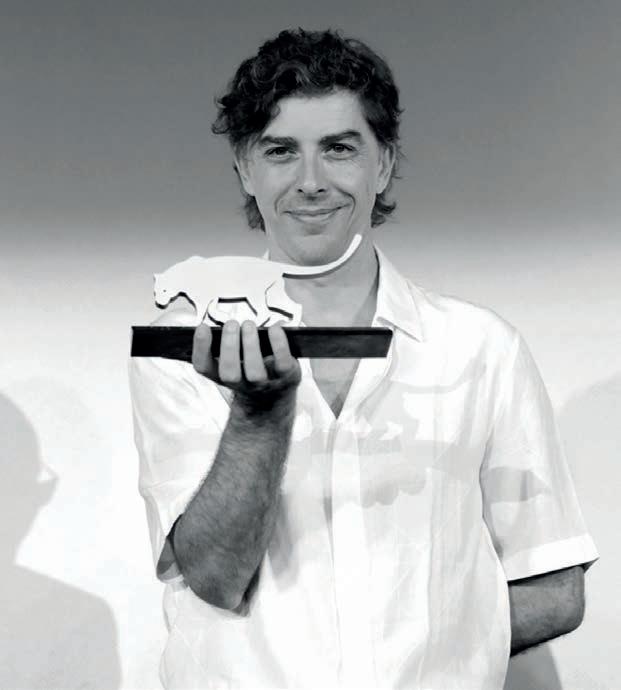
2. Michele Riondino, guest of honor at the 2025 Lucca Film Festival (September 20–28), where he received the Golden Panther Award
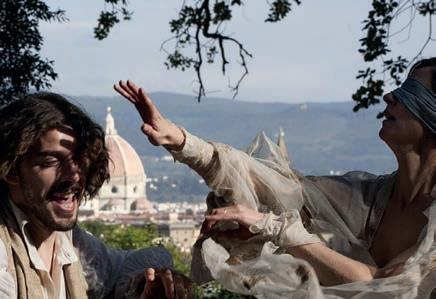
3. In a scene from The Fabulous Young Man (2014) with Elio Germano and Anna Mouglalis directed by Mario Martone
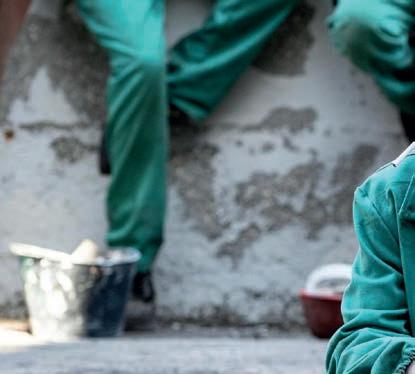
4. Michele Riondino, in a scene from his directorial debut, Palazzina Laf (2023), in which he also plays the lead role
5. Il giovane Montalbano the TV series that launched Michele Riondino’s career
(2025) by Paolo Strippoli
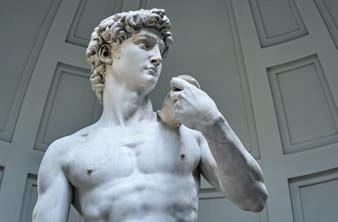
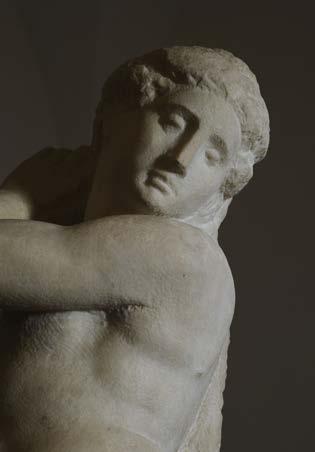
Michelangelo's David, Galleria dell’Accademia di Firenze
DISCOVER THE GREAT SCULPTURING
A NEW MUSEUM NETWORK THAT CONNECTS SEVEN LOCATIONS ACROSS THE CITY. TOGETHER WITH DIRECTOR ANDREINA CONTESSA, WE EXPLORE NEW PERSPECTIVES ON OUR CULTURAL HERITAGE UN NUOVO ISTITUTO MUSEALE CHE UNISCE SETTE LUOGHI ICONICI DELLA CITTÀ. CON IL DIRETTORE ANDREINA CONTESSA SCOPRIAMO NUOVI PUNTI DI VISTA SUL NOSTRO PATRIMONIO text Francesca Lombardi photo Niccolò Rastrelli
Starting this spring in Florence, the world’s most signifcant collection of sculptures by Michelangelo Buonarroti can be viewed along a single, extraordinary itinerary that winds through the city’s most iconic art sites. Our exceptional guide on this journey is Andreina Contessa, director of the new museum institute born from the union of seven venues—the Galleria dell’Accademia di Firenze, the Bargello Museums, the Medici Chapels, Orsanmichele, Palazzo Davanzati, Casa Martelli, and San Procolo under a single administration. The marvelous power of David, the elegant roundness of the youthful Drunken Bacchus that becomes angular pride in Brutus, a most tender Madonna and Child, the poignant message of the unfnished Prisoners and DavidApollo… are the works of a thematic exhibition dedicated to Michelangelo, conceived to inaugurate this new museum season, fnally accessible in a single package, where you will be guided by the beauty and balance that have inspired humanity for centuries. A single ticket to walk through the corridor of the Prigioni leading to the Tribuna del David, the Bargello, and, last but not least, the Medici Chapels.
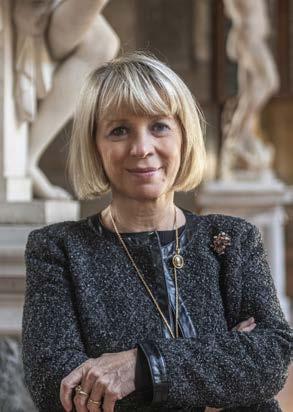
ANDREINA CONTESSA DIRECTOR OF THE NEW
MUSEUM ISTITUTION IN FLORENCE
A Firenze da questa primavera la più signifcativa collezione al mondo di opere scultoree di Michelangelo Buonarroti è visibile seguendo un unico straordinario itinerario che attraversa i luoghi d’arte più iconici della città. Per noi guida d’eccezione di questo viaggio Andreina Contessa direttore del nuovo istituto museale che nasce dall’unione di sette luoghi - Galleria dell’Accademia di Firenze, i Musei del Bargello, Cappelle Medicee, Orsanmichele, Palazzo Davanzati, Casa Martelli, San Procolo - sotto un’unica direzione. La meravigliosa potenza del David, l’elegante rotondità del giovanile Bacco ebbro che diventa ferezza spigolosa in Bruto, una dolcissima Madonna con Bambino, il messaggio struggente dei non fniti Prigioni e del David-Apollo… sono le opere di un percorso tematico dedicato a Michelangelo pensato per inaugurare questa nuova stagione museale, fnalmente accessibili in un’unica soluzione, dove a condurvi saranno la bellezza e l’equilibrio che hanno ispirato l’umanità per secoli. Un solo biglietto per attraversare il corridoio dei Prigioni che porta alla Tribuna del David, il Bargello e non ultime le Cappelle Medicee.
The new complex brings together institutions that are very different in history and identity. What is the main challenge in transforming this diversity into a unifed project?
The challenge lies in reorganizing and making this new large museum function, highlighting the diversity of the venues within a shared narrative and offering the public an integrated understanding of Florence’s artistic and cultural heritage. Coordinated management and a shared cultural vision are ushering in a new phase of reorganization for the system, affecting various aspects of museum
Il nuovo polo riunisce istituti molto diversi per storia e identità. Qual è la sfda principale nel trasformare questa pluralità in un progetto unitario?
La sfda consiste nel riorganizzare e fare funzionare questo nuovo grande museo, valorizzando la pluralità delle sedi all’interno di una narrazione comune e di offrire al pubblico una lettura integrata del patrimonio artistico e culturale forentino. La gestione coordinata e la visione culturale condivisa aprono una nuova fase di riorganizzazione del sistema, che interessa diversi ambiti dell’attività museale: oltre ai biglietti unifcati e a orari condivisi, interventi di restauro e riallestimento, nel rispetto
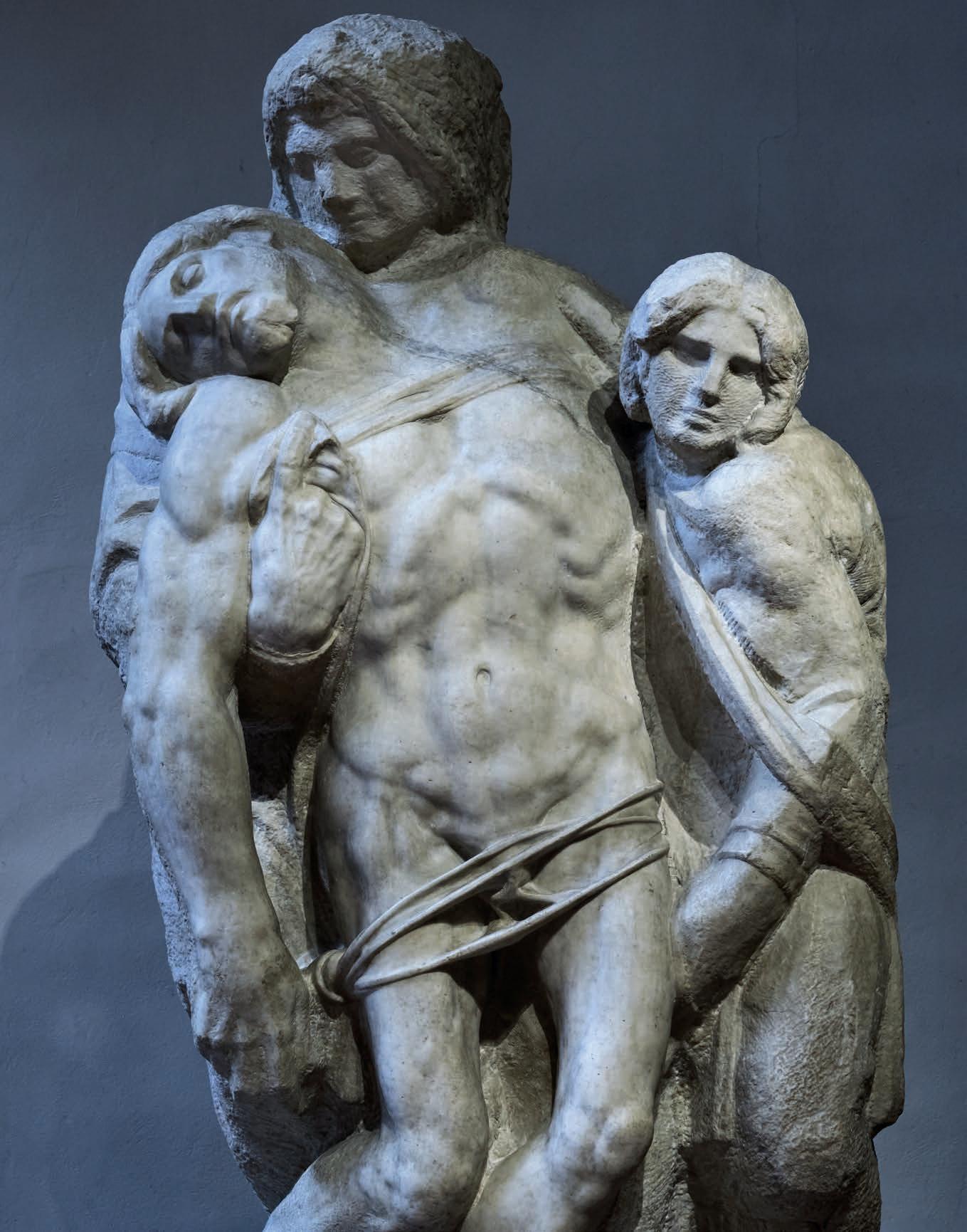
Palestrina Pietà Galleria dell’Accademia di Firenze
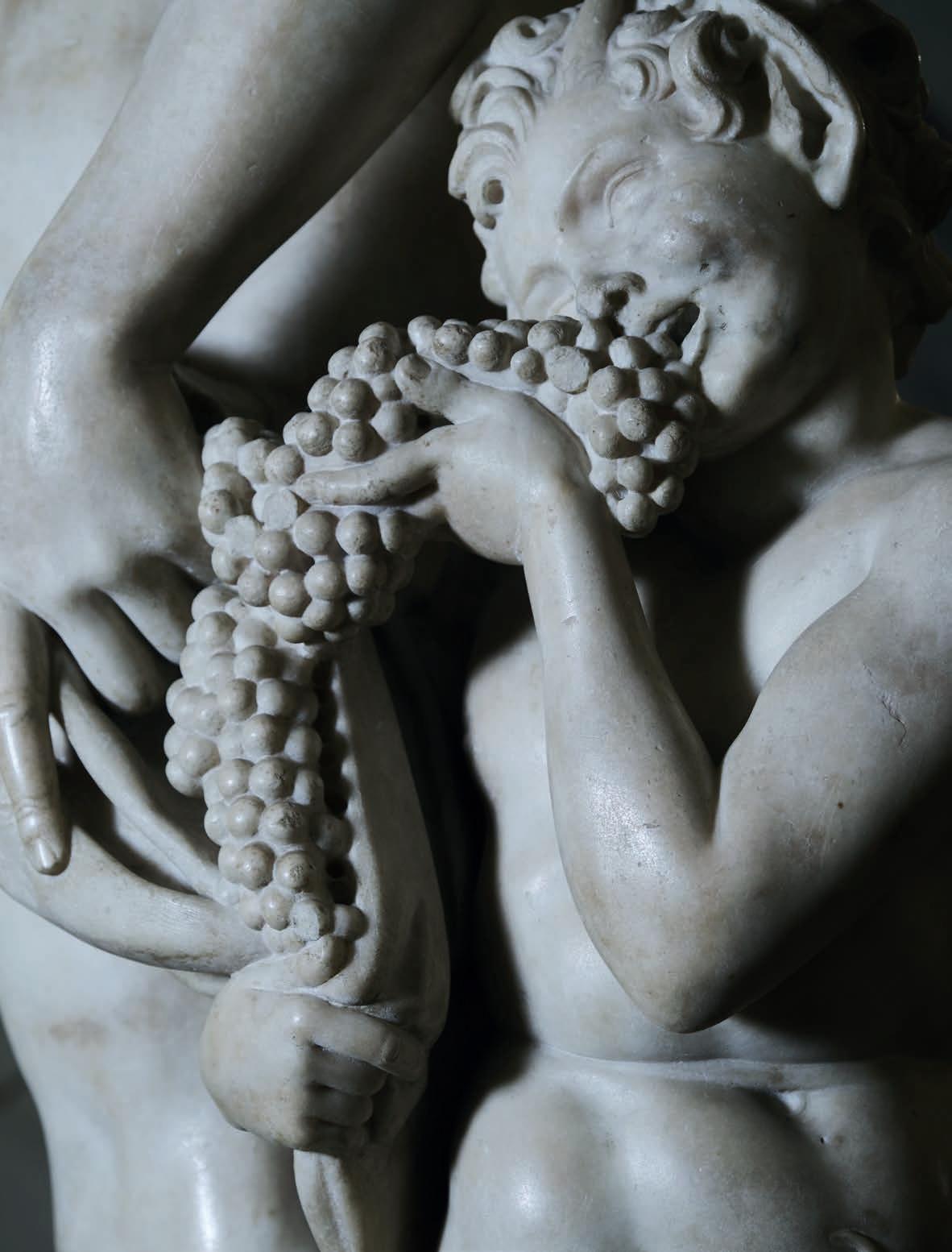
Michelangelo's Bacchus detail, sculpture at the Bargello Museum in Florence
operations: in addition to combined tickets and shared schedules, this includes restoration and redesign efforts, all while respecting the identity and unique character of each museum. Another important factor is time: visitors will have several days to savor and enjoy their visit across the various sites within Florence’s urban fabric.
In recent years, sculpture has been experiencing renewed international interest. Can Florence once again become a global hub for statuary?
During the Renaissance, Florence was one of the world’s centers of sculpture, home to artists such as Donatello, Verrocchio, Michelangelo, and Giambologna. A renewed focus on sculpture today could serve as a cultural and critical strategy and an opportunity for direct engagement, but it cannot avoid engaging with the immense weight of tradition. Some contemporary artists have already explored this, through references to Michelangelo’s unfnished works, the use of fragments, and the reinterpretation of monuments. Certainly, at the urban level, this type of sculpture undoubtedly creates a visual and conceptual tension between tradition and the contemporary. For this reason, it must be approached with a certain intelligence. Contemporary sculptures can have the distinctive trait of occupying public spaces. And so it can be useful in Florence to revitalize historic squares and courtyards and to create new urban and tourist routes, as has already been done in Piazza della Signoria and in the space in front of San Lorenzo.
dell’identità e della specifcità di ciascun museo. Un altro fattore importante è quello del tempo: il visitatore avrà a disposizione più giorni per gustare e godere della visita nelle differenti tappe nel tessuto urbano forentino. Negli ultimi anni la scultura sta vivendo un rinnovato interesse internazionale. Firenze può tornare a essere un punto di riferimento mondiale per la statuaria?
THE
WORLD’S MOST SIGNIFICANT COLLECTION OF SCULPTURES
BY MICHELANGELO
BUONARROTI CAN BE
VIEWED
ALONG A SINGLE, EXTRAORDINARY ITINERARY
In epoca rinascimentale Firenze è stata uno dei centri mondiali della scultura, che vide all’opera artisti come Donatello, Verrocchio, Michelangelo, Giambologna. Un ritorno di attenzione verso la scultura oggi potrebbe costituire una strategia culturale e critica e anche una opportunità di confronto diretto, ma non può esimersi dal dialogo con l’enorme peso della tradizione. Alcuni artisti contemporanei hanno già lavorato su questo, attraverso la citazione del non-fnito michelangiolesco, l’uso del frammento, la reinterpretazione del monumento. Certo, a livello urbano, tale tipo di scultura crea senza dubbio una tensione visiva e concettuale tra patrimonio e contemporaneità. Per questo va operato con grande intelligenza. La scultura contemporanea può avere un tratto caratteristico, quello di occupare lo spazio pubblico. E quindi può essere utile a Firenze per riattivare piazze e cortili storici e per generare nuovi percorsi urbani e turistici, come è stato già fatto in piazza della Signoria e nello spazio antistante San Lorenzo.
Il Bargello in particolare sembra ‘il cuore’ di questa identità scultorea. È così?
The Bargello, in particular, seems to be the ‘heart’ of this sculptural identity. Is that so?
One need only step into the Salone di Donatello, the beating heart of the Bargello, to realize that we are in the temple of 15th-century Italian sculpture. Donatello’s bronze David, innovative for its almost feminine and defant sensuality, is the frst major Renaissance sculpture in the round cast in bronze, and it attests to a rethinking
Basta addentrarsi nel Salone di Donatello, cuore pulsante del Bargello, per comprendere che ci troviamo nel tempio della scultura italiana del Quattrocento. Il David in bronzo di Donatello, innovativo per la sua quasi femminea e spavalda sensualità, costituisce la prima grande scultura a tutto tondo in bronzo del Rinascimento, e attesta il ripensamento dell’arte antica attraverso una nuova libertà espressiva. Il David del Verrocchio, preludio alle ricerche
THE SALONE DI DONATELLO AT THE BARGELLO MUSEUM IS TEMPLE OF 15TH-CENTURY ITALIAN SCULPTURE
IL SALONE DI DONATELLO AL MUSEO BARGELLO
È IL TEMPIO DELLA SCULTURA ITALIANA DEL QUATTROCENTO
of ancient art through a new expressive freedom. Verrocchio’s David, a prelude to the explorations of the High Renaissance, embodies the shift toward a more dynamic sculpture drawn to the observation of reality. The works of Donatello and Verrocchio demonstrate how Renaissance sculpture progressively integrated the study of antiquity, observation of reality, perspective, and individual interpretation, irrevocably transforming the plastic language of the era. And we’re talking about just one room in the Bargello, the leading repository of medieval and Renaissance art, famous for the immense wealth of its collections: over 40,000 works of art.
The frst of the itineraries you’ve designed to offer a cohesive experience of the new institution is dedicated to Michelangelo. How does this itinerary unfold?
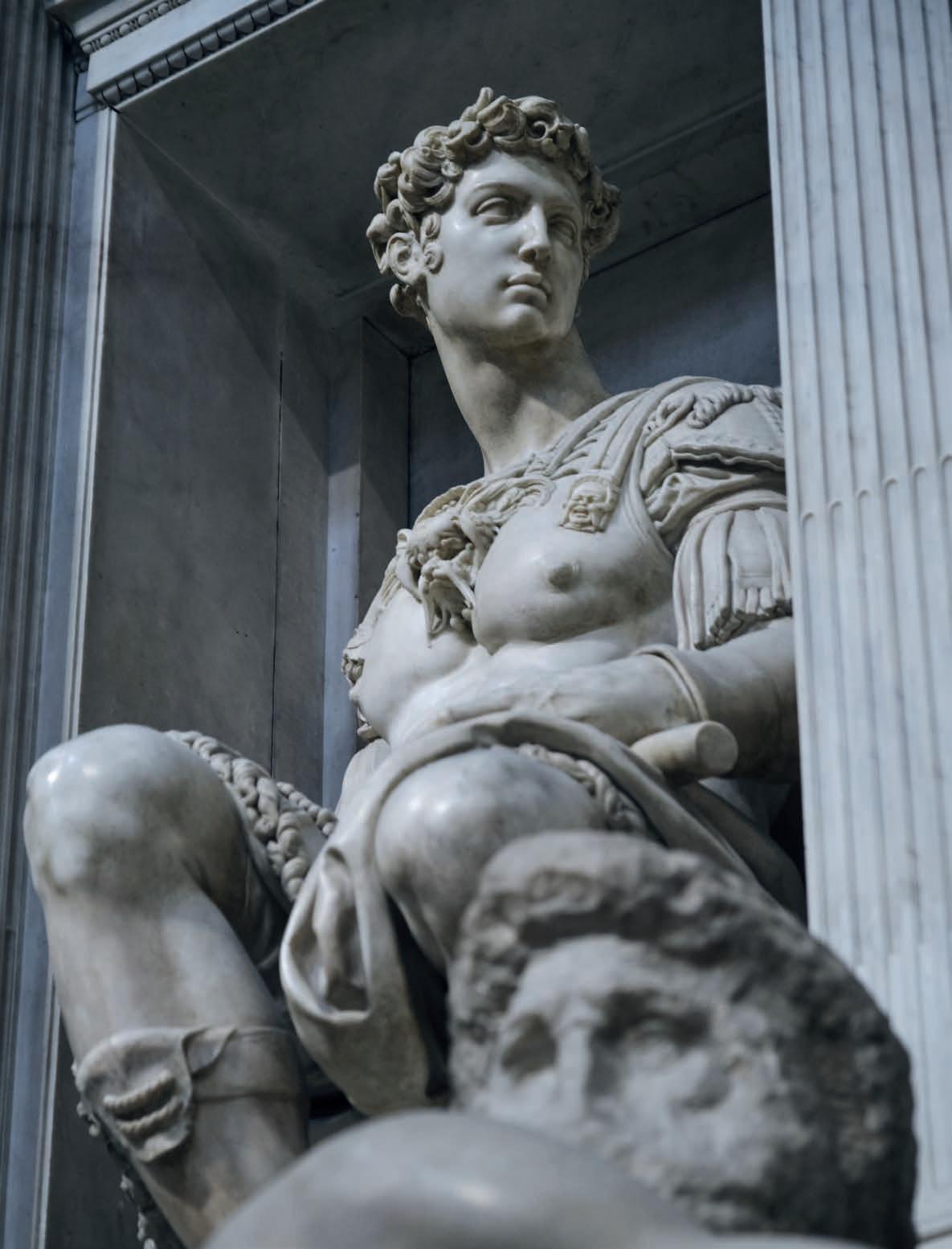
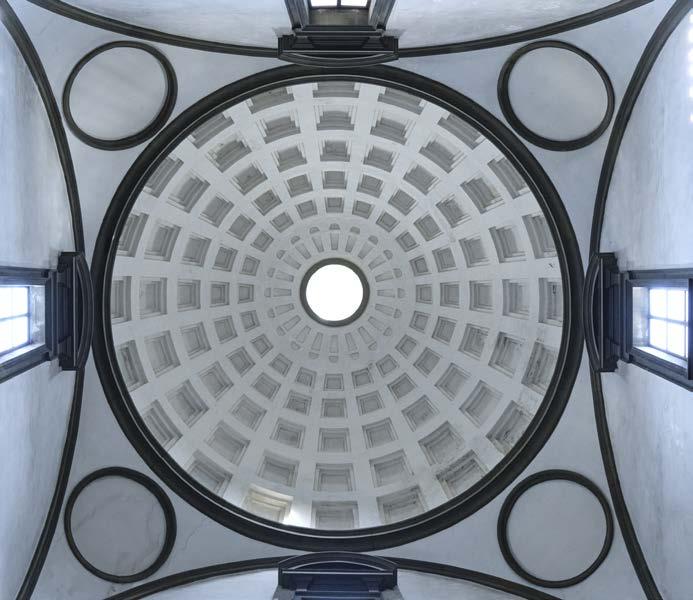
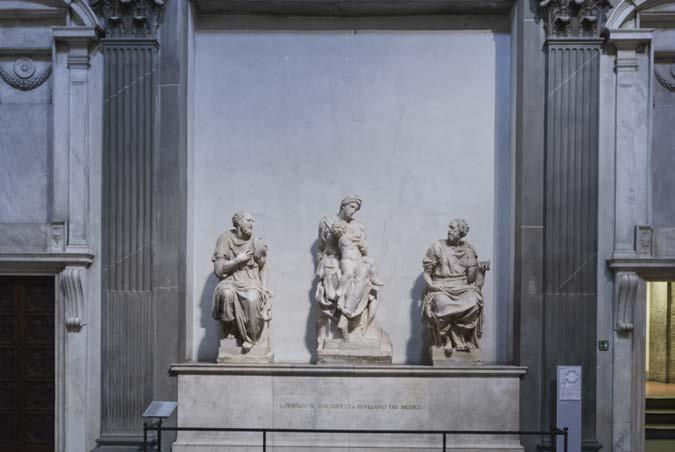
The Bargello houses several works by Michelangelo: the early Drunken Bacchus, as well as the Pitti Tondo, which depicts the Madonna and Child with the artist’s frst experiments in the “unfnished” style to create an atmospheric effect, the Brutus, and the David-Apollo. Among the Bargello’s associated sites, the Museum of the Medici Chapels must also be mentioned, where one can admire one of Michelangelo’s greatest masterpieces, the New Sacristy, a chapel designed and executed by him in both architecture and sculpture under the patronage of the Medici family. Here we fnd Michelangelo’s monumental sculpture set within a sober and elegant Renaissance architecture: the two funerary monuments of Giuliano, Duke of Nemours, and Lorenzo, Duke of Urbino. And one cannot help but pause before the proud and delicate beauty of the Madonna Medici. Add to these works the David at the Accademia, where we can admire the Prisoners originally intended for the tomb of Pope Julius II in Rome, and the Slavs, the unfnished sculptures by Michelangelo Buonarroti, followed by Saint Matthew and the Pietà of Palestrina, and this itinerary allows us to explore all the major phases of the great master’s sculptural work and his ongoing refection on meaning, the nature of art, and the silence of stone. Can you reveal the next steps in this extraordinary unifcation?
Our initial goals have already been achieved: the combined ticketing system, the thematic itineraries, and the
del pieno Rinascimento, incarna la svolta verso una scultura più dinamica e attratta dall’osservazione del vero.
Le opere di Donatello e Verrocchio mostrano come la scultura rinascimentale abbia progressivamente integrato studio dell’antico, osservazione del reale, studio prospettico e interpretazione individuale, trasformando irrevocabilmente il linguaggio plastico dell’epoca. E stiamo giusto parlando di una sola sala del Bargello, massimo collettore delle arti del Medioevo e del Rinascimento, famoso per l’enorme ricchezza delle sue collezioni: oltre 40.000 oggetti d’arte.
Il primo degli itinerari che ha pensato per vivere una esperienza unitaria del nuovo istituto è dedicato a Michelangelo. Come si snoda questo percorso?
Il Bargello ospita diverse opere di Michelangelo: il giovanile Bacco ebbro, ma anche il Tondo Pitti che raffgura la Madonna col Bambino con le prime sperimentazioni del non-fnito in chiave di resa atmosferica, il Bruto e il DavidApollo. Tra le pertinenze del Bargello inoltre va annoverato anche il Museo delle Cappelle Medicee, dove si può ammirare uno dei maggiori capolavori di Michelangelo, la Sagrestia Nuova, una cappella da lui progettata e realizzata nell’architettura e nelle sculture sotto il patronato della famiglia Medici. Qui troviamo la scultura monumentale di Michelangelo inserita in una sobria ed elegante architettura rinascimentale: i due monumenti funebri di Giuliano duca di Nemours e Lorenzo duca di Urbino. E non si può non soffermarsi di fronte alla fera e delicata bellezza della Madonna Medici. Se a queste opere aggiungiamo il David dell’Accademia, dove si ammiriamo i Prigioni originariamente destinati alla tomba di papa Giulio II a Roma, e gli Schiavi, le sculture non fnite di Michelangelo Buonarroti, alle quali seguono il San Matteo e la Pietà di Palestrina, possiamo conoscere con questo itinerario tutte le maggiori fasi dell’opera scultorea del grande maestro e della sua rifessione continua sul senso, sulla materia dell’arte e il silenzio della pietra. Ci svela i prossimi passi di questa straordinaria unifcazione?
I nostri primi obiettivi sono già realtà: la bigliettazione unifcata, gli itinerari tematici e l’attenzione all’esperienza del visitatore, che favoriscono una fruizione più lenta,
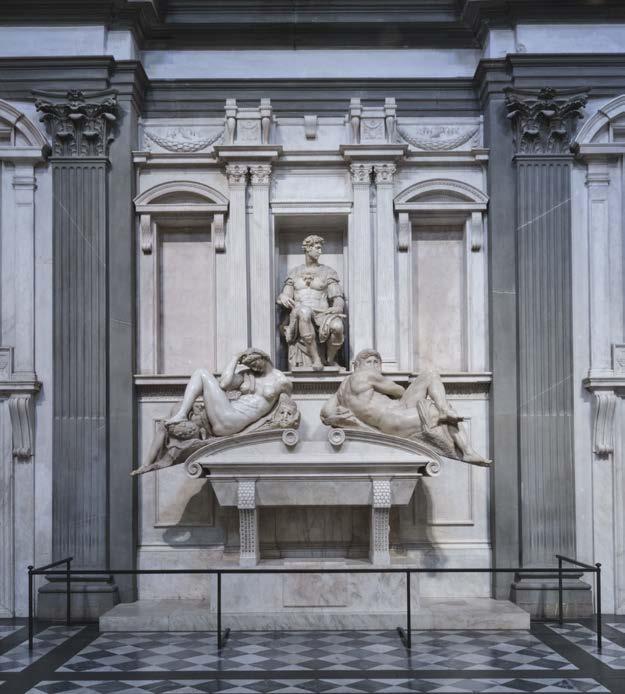
Giuliano de' Medici Sagrestia Nuova, San Lorenzo
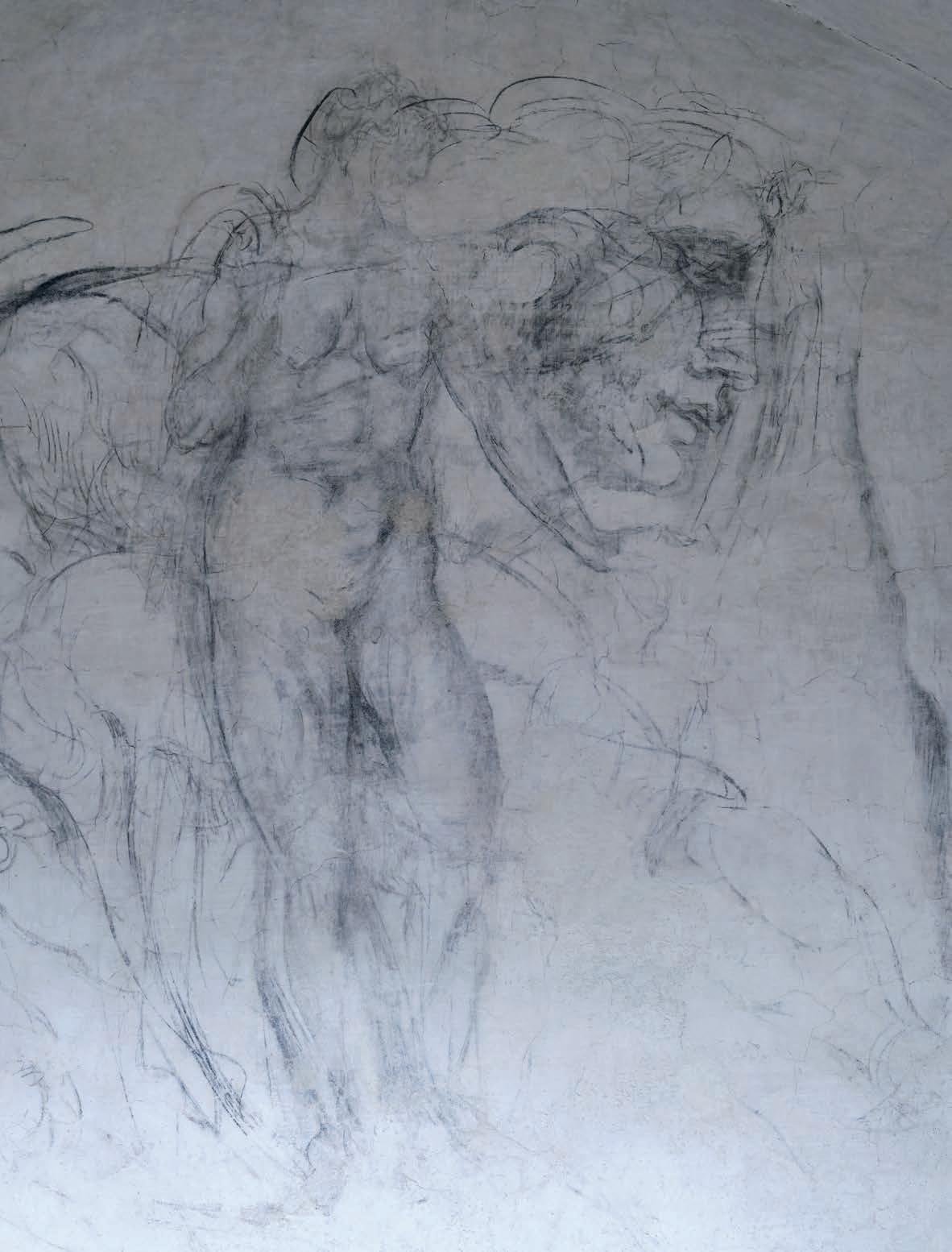
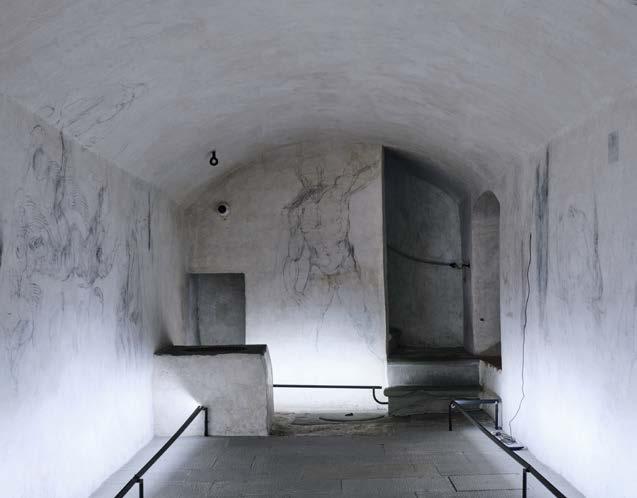
Secret Room of Michelangelo, Medici Chapels
2.
3.
4.
5.
1. Secret Room of Michelangelo, Medici Chapel
6. Sagrestia Nuova, Medici Chapels
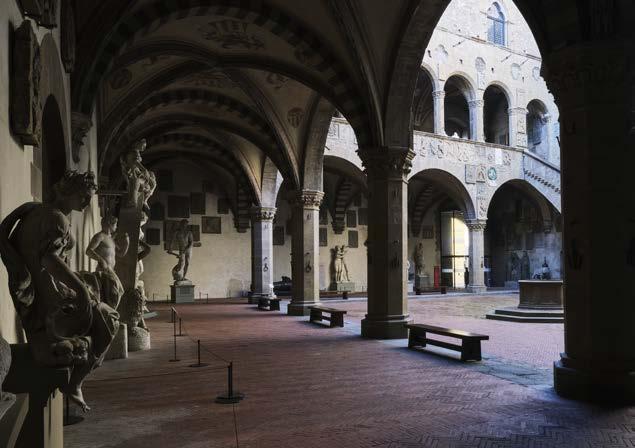
Bargello Museum, porticoed courtyard
David-Apollo by Michelangelo
David's Tribune, view of the roof
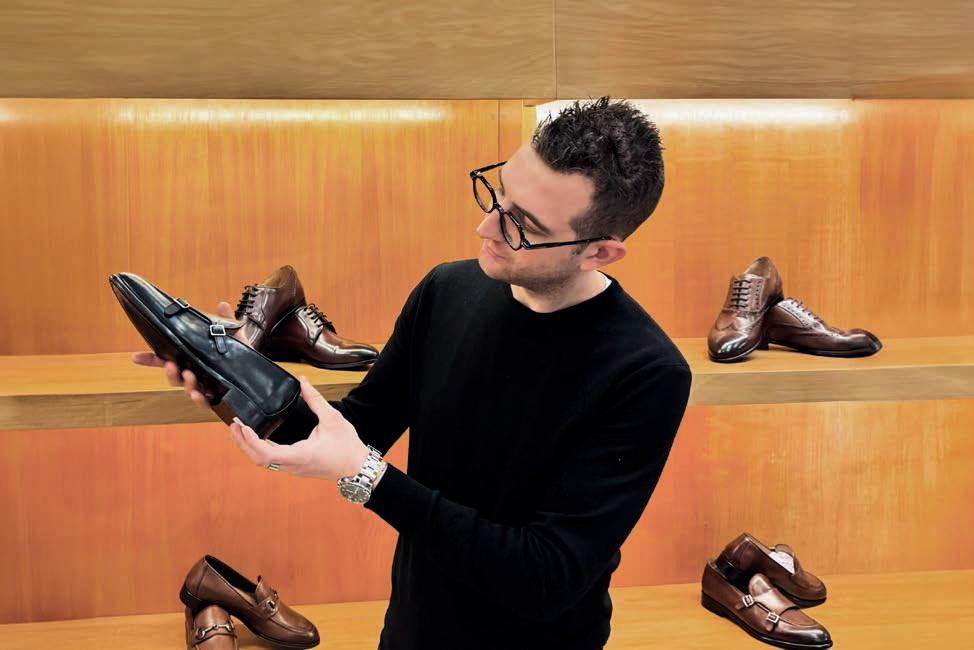
Founded in 1980 by Gabriele Mangani, Giotto is the essence of Florentine artisanship in the form of leather goods made entirely by hand using superb quality Italian hides. The company is headed by Daniele Mangani, who draw on Gabriele’s teachings and continue his tradition with dedication and enormous passion. Thanks to its many years of experience, today Giotto refects the very best of Made in Italy values. Tradition and innovation, quality and resilience, style and comfort: these are the essential elements of every Giotto creation, alongside the excellence of the best Italian leather.
focus on the visitor experience, which promote a slower, more distributed, and inclusive engagement with the heritage, in constant dialogue with the city. From my perspective, the museum should be understood as a living organism: conservation efforts, energy-effcient retroftting, updates to the visitor routes, and experimentation with new forms of expression will accompany the institution’s transformation over time. Among the most urgent, in my view, is the renewal of the style and narrative of the Bargello entrance and the hall dedicated to Michelangelo and 16th-century sculpture. Is there perhaps an educational intent behind beauty?
I strongly believe in the intrinsic value of experiencing beauty, which speaks to each person on different levels and conveys an aesthetic awareness of infnite value. I believe equally clearly that the experience of a series of beautiful places like our museums, which exude history and art, constitutes a precious and unique educational moment. Museums serve as a bridge between other times and our present. To experience their beauty means making room in our existence for the presence of another time within our own time, of another world within our own world.
distribuita e inclusiva del patrimonio, in dialogo costante con la città. Il museo va inteso a mio avviso come un organismo: interventi di conservazione, rifunzionalizzazione energetica, aggiornamento dei percorsi e sperimentazione di nuovi linguaggi accompagneranno la trasformazione dell’istituzione nel tempo. Tra i più urgenti, a mio avviso, il rinnovamento nello stile e della narrazione dell’ingresso al Bargello e della Sala dedicata a Michelangelo e alla scultura del Cinquecento. C’è forse un intento educativo al bello?
A SLOWER, MORE DISTRIBUTED, AND INCLUSIVE ENGAGEMENT WITH THE HERITAGE, IN CONSTANT DIALOGUE WITH THE CITY
Credo profondamente nel valore intrinseco di esperire la bellezza che parla a ciascuno a diversi livelli e comunica una consapevolezza estetica di infnito valore.
Credo altrettanto chiaramente che fareesperienza di una serie di luoghi bellissimi come i nostri musei,che trasudano storia e arte, costituisca un momento formativo prezioso e unico.
I musei si pongono come cerniera tra altri tempi e il nostro presente. Esperirne la bellezza signif ca fare posto nella nostra esistenza alla presenza di un altro tempo all’interno del nostro tempo, di un altro mondo all’interno del nostro mondo.
Galleria dell’Accademia di Firenze, David's Tribune
• Private Real Estate Advisory
• Strategic Acquisitions & Sales Florence
Curating Exceptional Living in Tuscany
WHAT TO LOOK FOR & WHERE
Tuscany’s Ultimate Property Guide
A NEW SEASON OF LIVING
WHERE SPRING INSPIRES NEW BEGINNINGS IN TUSCANY
In the golden glow of Tuscany, spring is more than a season: it is a moment to imagine new ways of living. Buyers envision a life of space, beauty, and lasting value, where every detail matters. Spring reveals a property’s soul. Gardens bloom, façades glow, and terraces and interiors show how tradition meets modern design. Visiting an estate now allows one to feel its charm and potential, from sunlit terraces to carefully designed interiors. For those seeking luxury, desire becomes decision. Opportunities emerge, and choices combine lifestyle vision with long-term perspective. Choosing a property now is a step toward stability, authenticity, and enduring beauty. In this gentle light, every decision opens a new chapter of living, where elegance and comfort come together naturally.
Nel bagliore dorato della Toscana, la primavera è più di una stagione: è il momento per immaginare un modo diverso di abitare. Chi cerca una dimora di prestigio pensa a spazi, bellezza e valore duraturo, dove ogni dettaglio conta. La primavera mostra l’anima di ogni proprietà: giardini in fiore, facciate luminose, terrazze e interni dove tradizione e design moderno si incontrano. Visitare una dimora ora permette di percepirne fascino e potenzialità, dalle terrazze illuminate dal sole agli interni studiati con cura. Per chi cerca il lusso, il desiderio diventa decisione. Le opportunità emergono e le scelte uniscono visione di vita e prospettiva futura. Scegliere una proprietà ora significa compiere un passo verso stabilità, autenticità e bellezza duratura. In questa luce, ogni decisione apre un nuovo capitolo dell’abitare, dove eleganza e comfort convivono armoniosamente.
REF. 12484
Florence Center
€4,300,000
REF. 14788
Hills of Pisa
€1,600,000
DREAMER LUXURY REAL ESTATE
Dreamer Real Estate is a leading name in luxury real estate in Italy. Based in Florence, it promotes exclusive properties and connects them with global clients through international partnerships and targeted strategies, offering tailored advisory and premium services.
Dreamer Real Estate è l'eccellenza del real estate di lusso in Italia. Con sede a Firenze, promuove proprietà esclusive e le collega a clienti globali attraverso partnership internazionali e strategie mirate, offrendo consulenza su misura e servizi esclusivi.
SPRING COLLECTION BY DREAMER
LUXURY IN FULL BLOOM: FOUR COLORS, FOUR EXCEPTIONAL HOMES
SAGE GREEN
Verde salvia
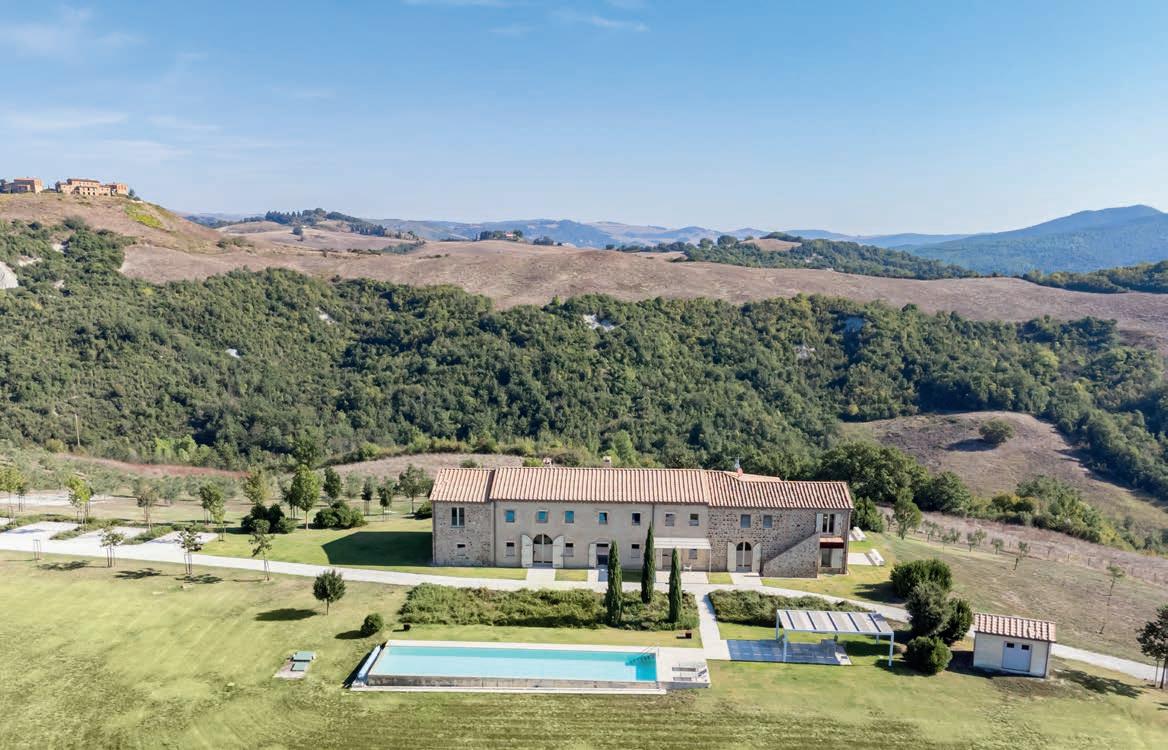
REF. 10679 | V olterra | €3,500,000
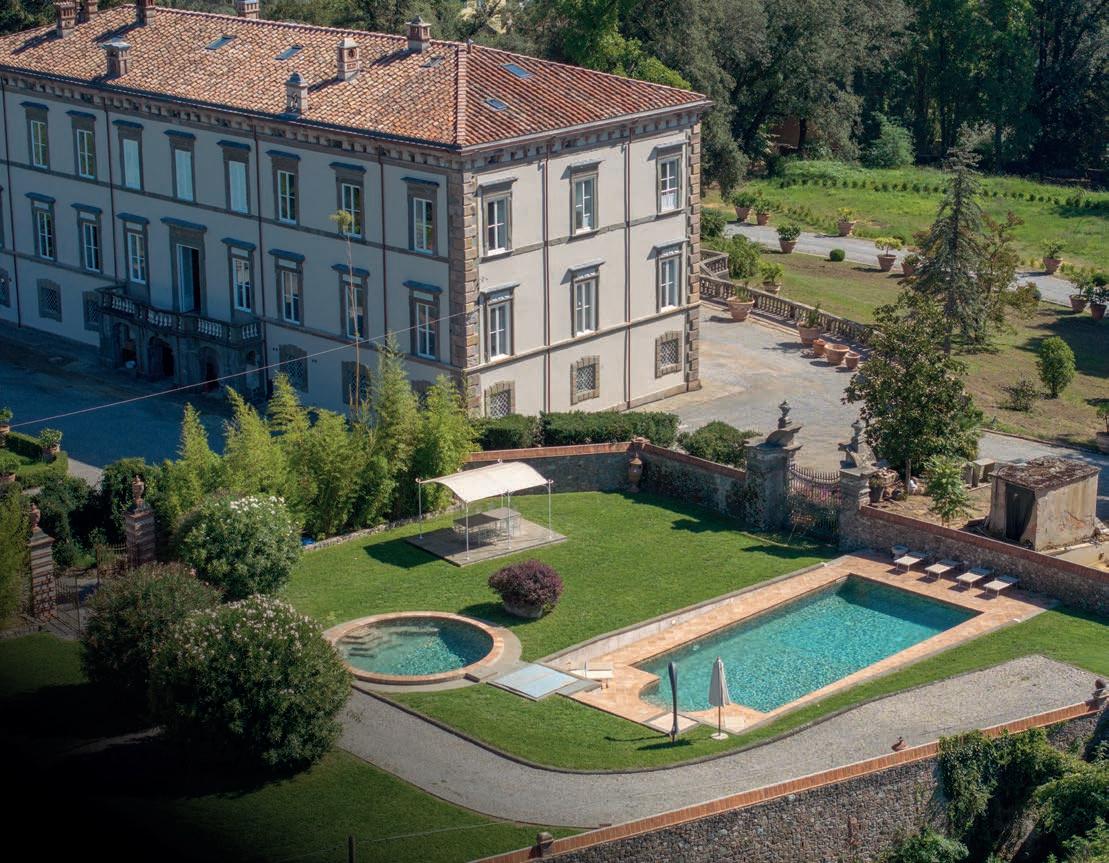
Wonderful renovated farmhouse with panoramic views over the hills of Pisa. The property extends over approximately 980 sqm, featuring 5 bedrooms and 6 bathrooms, and is surrounded by 84 ha of land, including a splendid heated swimming pool.
Meraviglioso casale ristrutturato con vista panoramica sulle colline di Pisa. La proprietà si estende su 980 mq circa, con 5 camere da letto e 6 bagni ed è circondata da 84 ettari di terreno, all’interno dei quali si trova una splendida piscina riscaldata.
PEONY PINK
Rosa peonia
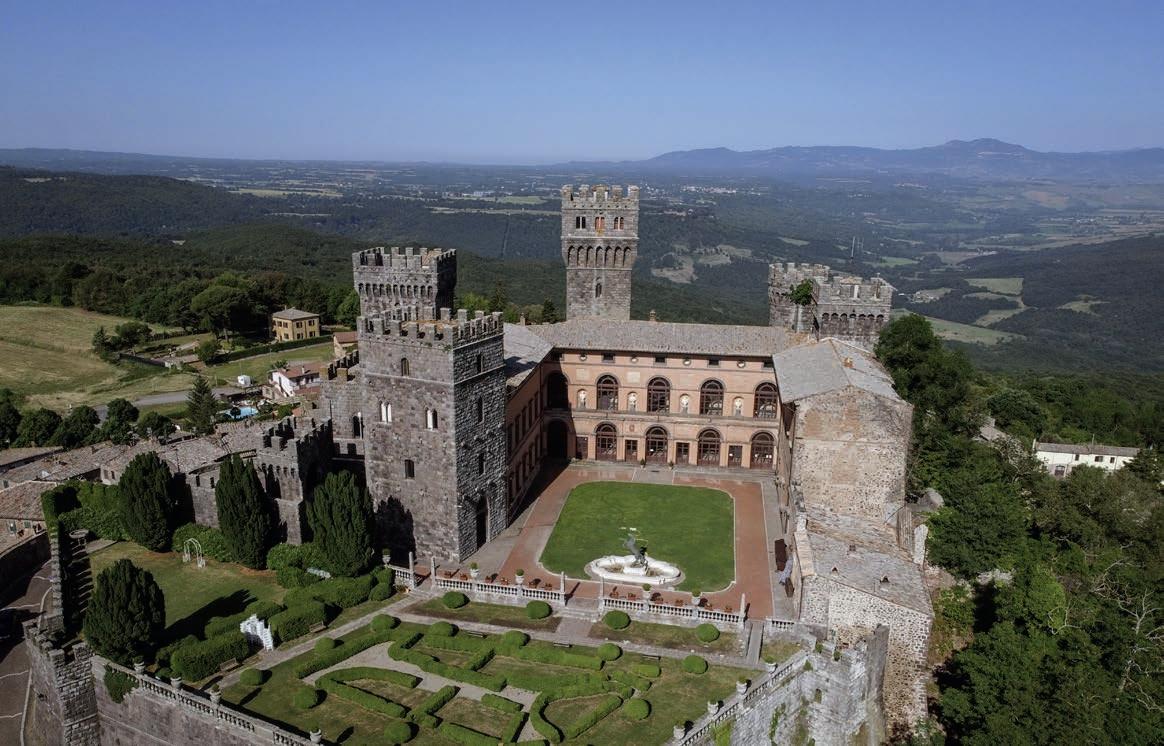
REF. 13995 | Rome Surroundings | Price on Request
Perched atop a hill at 600 meters, Torre Alfina Castle is a majestic 5,000 sqm historic residence blending medieval fortification and Renaissance elegance.
Adagiato su un colle a 600 metri di altitudine, il Castello di Torre Alfina è una maestosa residenza di 5.000 mq che fonde l’imponenza medievale con l’eleganza rinascimentale.
OCHRE EARTH
Ocra terra
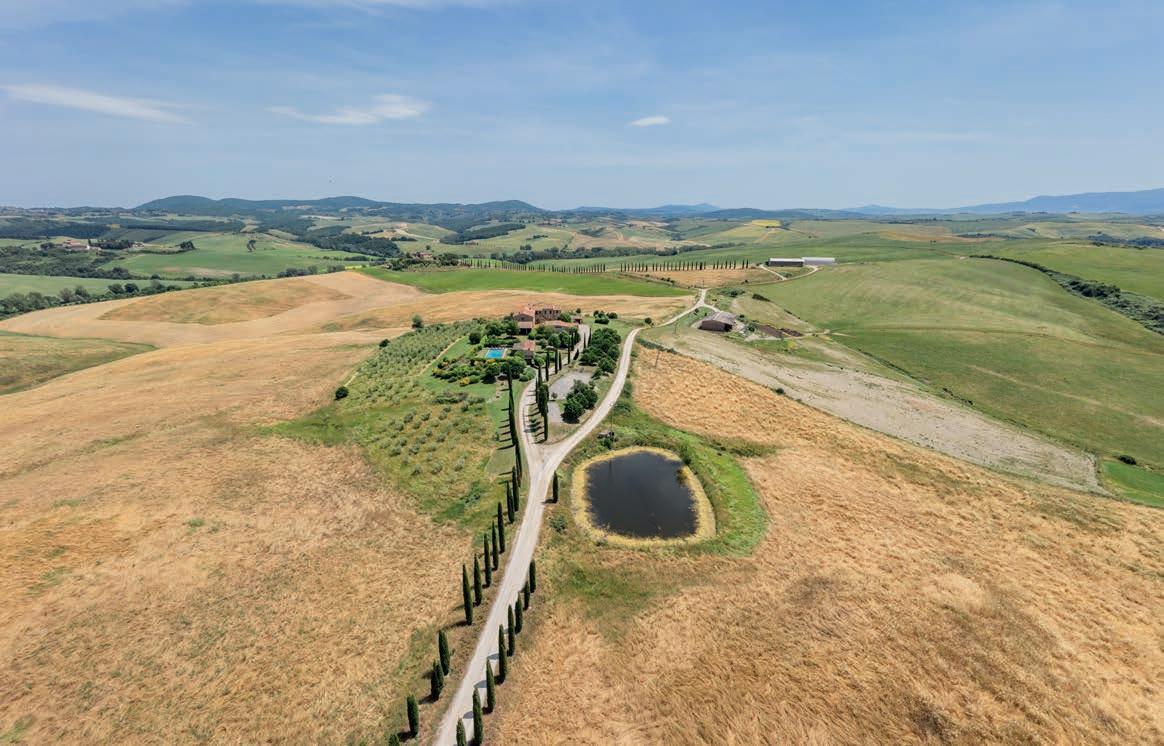
REF. 10665 | Hills of Siena | €6,400,000
Prestigious villa in the Crete Senesi, with an infinity pool and 360° views of cypress-lined hills. Meticulously restored, it blends historic charm with modern comfort in a stunning setting.
Prestigiosa villa nelle Crete Senesi, con piscina a sfioro e vista a 360° sulle colline cipressate. Restaurata con cura, unisce fascino storico e comfort moderno in una posizione unica.
BREEZE BLUE
Azzurro brezza
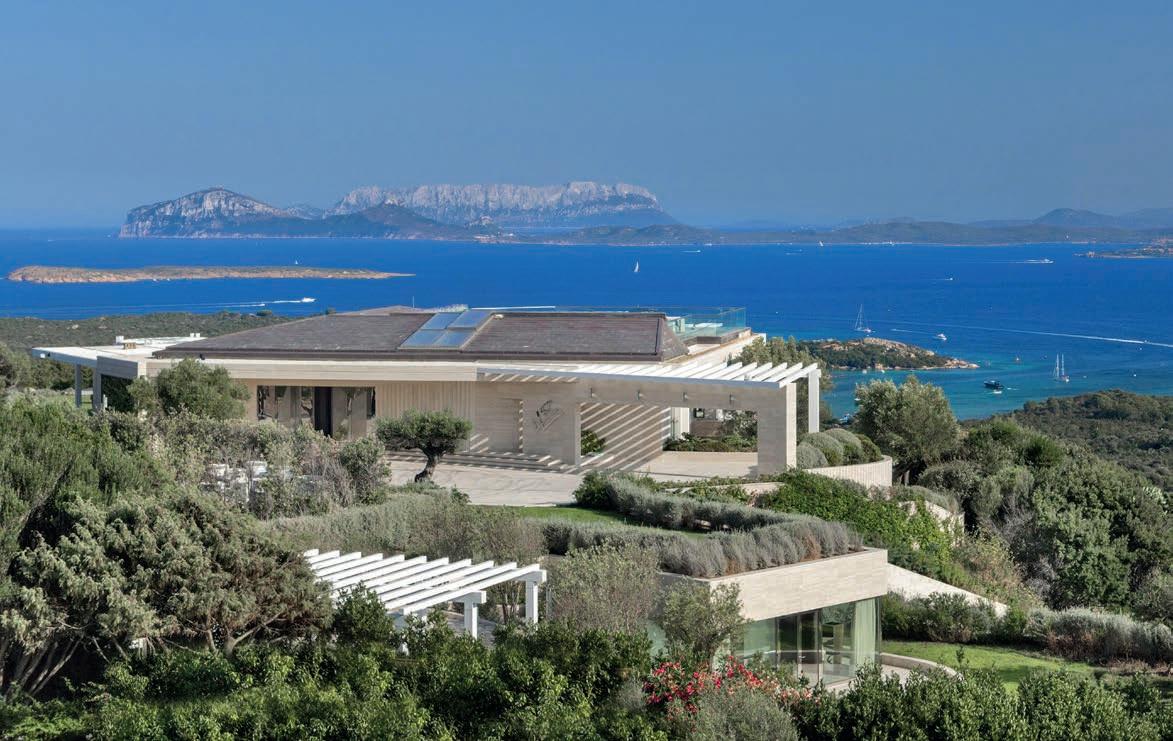
REF. 14088 | Costa Smeralda | Price on Request
An architectural masterpiece in the heart of the Costa Smeralda. This villa of approximately 1,600 sqm features 9 bedrooms, 3 panoramic pools, spa, gym, cinema, relaxation areas and over 6,500 sqm of private gardens for an unparalleled luxury experience. Un capolavoro architettonico nel cuore della Costa Smeralda. Questa villa di circa 1.600 mq offre 9 camere, 3 piscine panoramiche, spa, palestra, cinema, spazi relax e oltre 6.500 mq di parco privato, per un lusso senza pari.
PALAZZOINDIPENDENZA
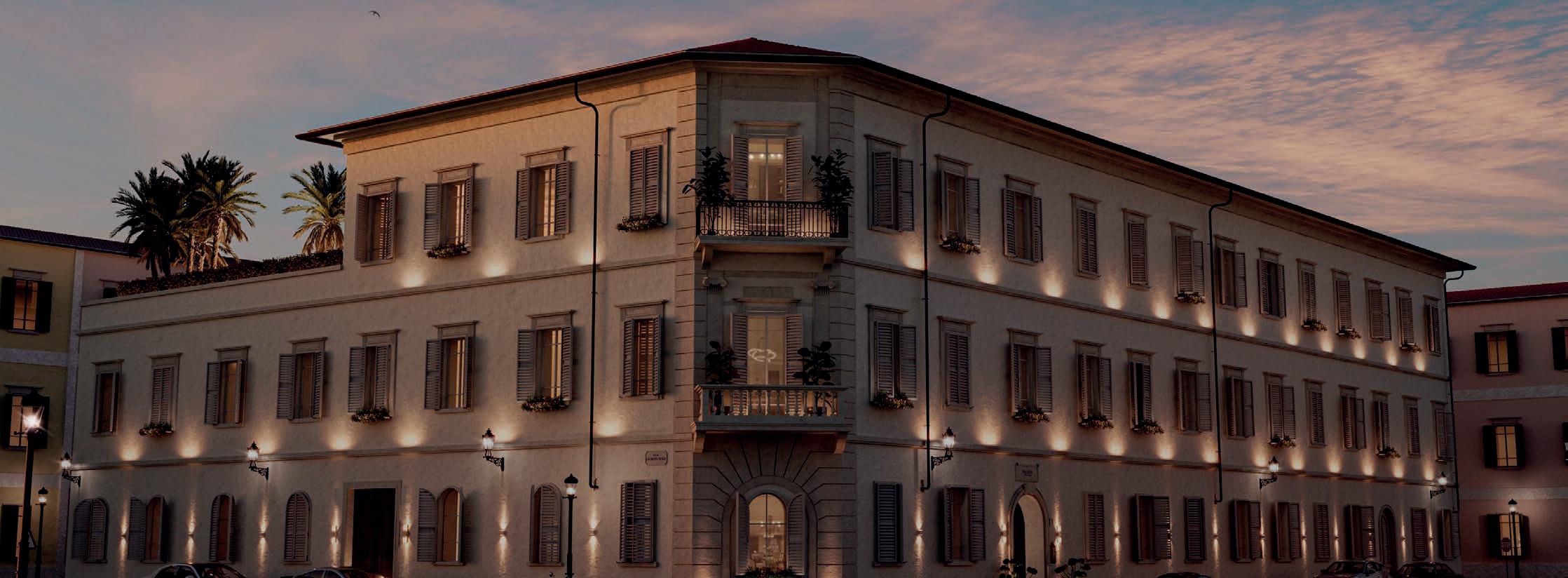
LUXURY REDEFINED IN FLORENCE’S ICONIC HEART
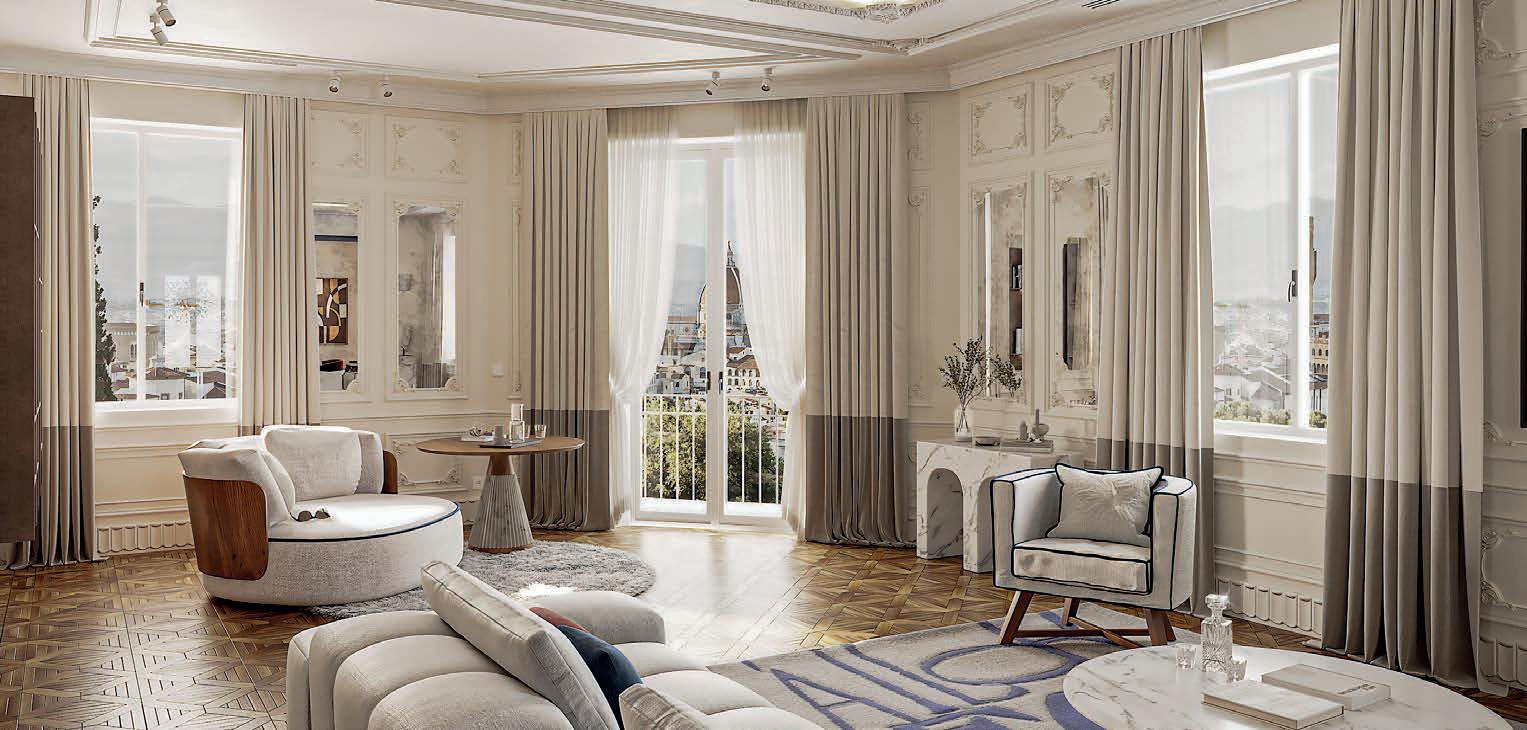
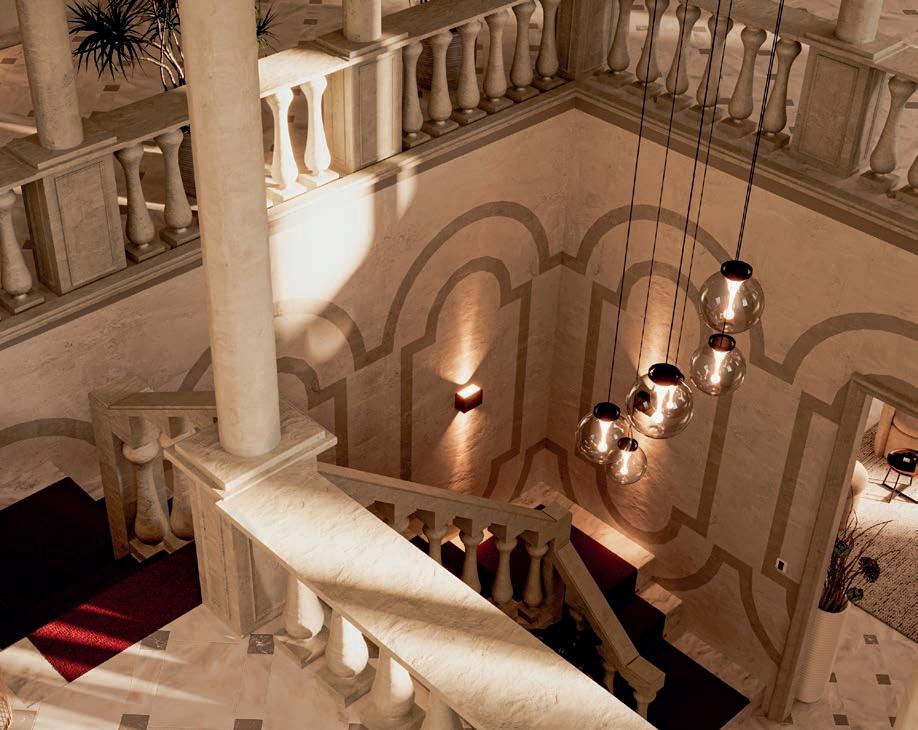
Florence continues to stand out in Italy’s luxury real estate market, with demand steadily rising and a strong appeal for those seeking truly unique residences. Renovated apartments in the historic center, in particular, are increasingly sought after, offering a seamless blend of timeless elegance and contemporary comfort. Dreamer Real Estate presents the Palazzo Indipendenza project: an exclusive residence in the heart of the city offering 33 apartments for sale, where re-
fined design meets historic heritage and rare amenities, created for those who desire a lifestyle defined by prestige and sophistication.
Firenze si conferma protagonista del mercato immobiliare di lusso in Italia, con una domanda in continua crescita e una forte attrattiva per chi cerca residenze davvero uniche. Gli appartamenti ristrutturati nel centro storico, in particolare, sono sempre più ricercati, grazie alla combinazione di eleganza senza tempo e comfort contemporaneo. Dreamer Real Estate presenta il progetto Palazzo Indipendenza: una residenza esclusiva nel cuore della città che offre 33 appartamenti in vendita, in cui il design raffinato incontra l’eredità storica e servizi rari, pensata per chi desidera uno stile di vita all’insegna del prestigio e della raffinatezza.
DEMAND IN THE LAST 5 YEARS
PRICING PEAK PER SQM
INTERNATIONAL DEMAND
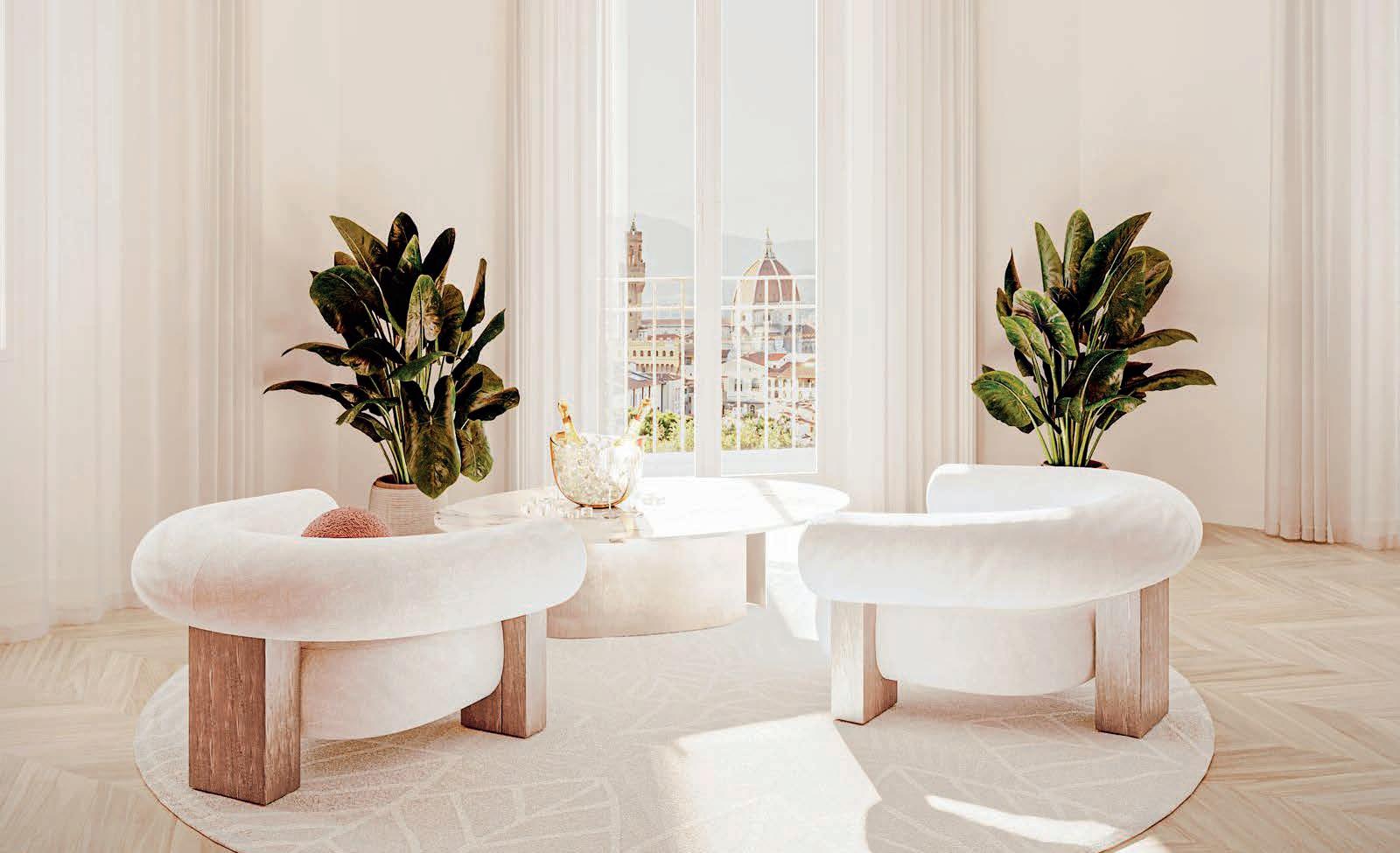
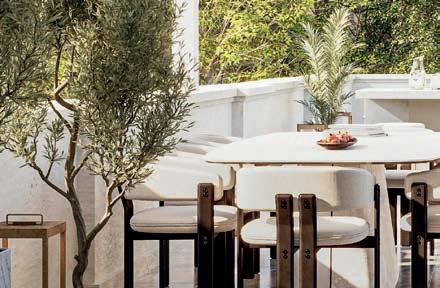
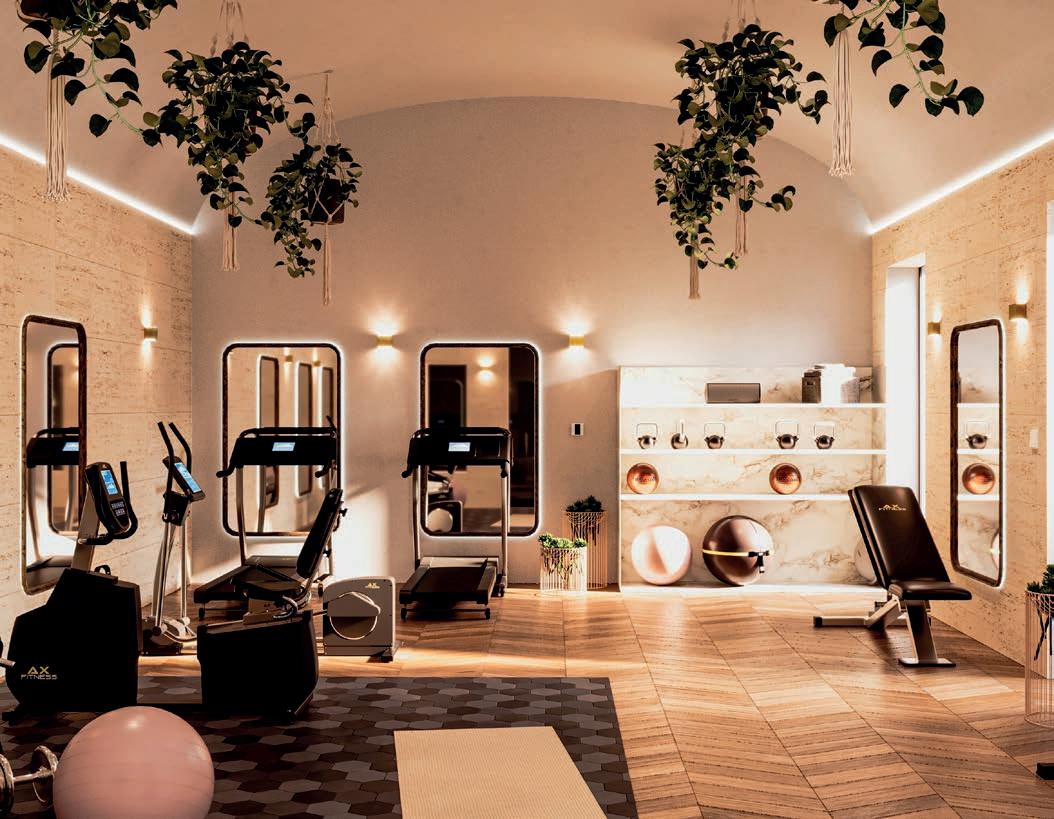
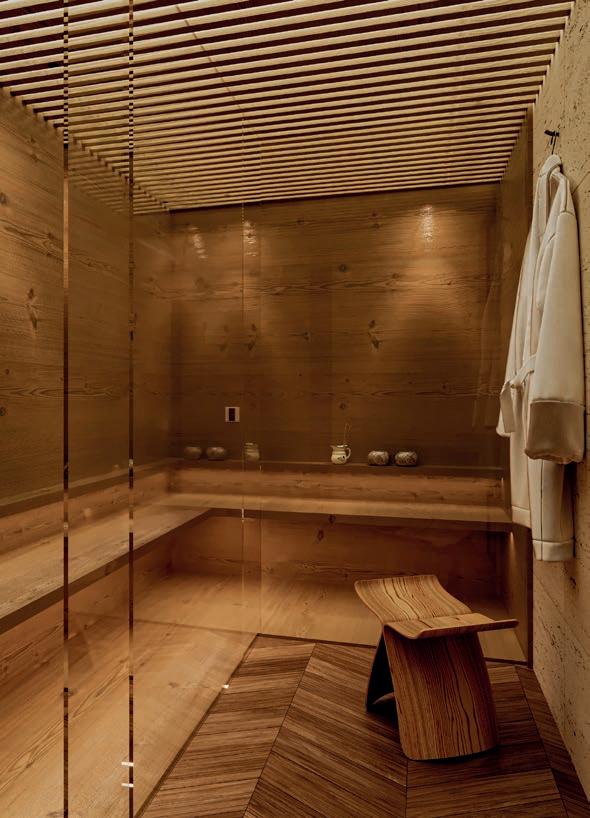
This exceptional palace offers meticulously designed apartments ranging from 2 to 5 bedrooms, with a variety of layouts created to suit different lifestyles and living needs. The building provides exceptional amenities for the most discerning residents, including a private spa, fully equipped gym, cinema, landscaped garden, private parking spaces, and elevator access. Every detail has been thoughtfully crafted to offer comfort, convenience, and an elevated urban living experience.
Questo straordinario Palazzo propone appartamenti progettati con meticolosa attenzione, da 2 a 5 camere da letto, con una varietà di soluzioni pensate per adattarsi a diversi stili di vita ed esigenze abitative. Il Palazzo offre servizi esclusivi per i residenti più esigenti: spa privata, palestra completamente attrezzata, sala cinema, uno splendido giardino, posti auto privati e ascensore. Ogni dettaglio è stato studiato per garantire comfort, praticità e un’esperienza abitativa d’eccellenza.
FLORENCE CENTER 2-5
BEDROOMS
ELEVATOR
135-420 SQM 3-6
BATHROOMS
WELLNESS AREA
PRICES € 1,275,000 - € 3,705,000
Situated in Florence’s historic center, this unique opportunity lets you enjoy the city’s heritage alongside modern luxury. A true sanctuary of elegance, privacy, and lifestyle.
Situato nel centro storico di Firenze, questo progetto unico offre l’opportunità di vivere il patrimonio della città godendo del lusso moderno al massimo splendore: un vero santuario dove eleganza, privacy e stile di vita si incontrano.
PALAZZO BALDOVINETTI
Among the historic streets of Florence’s most authentic and refined district, the Oltrarno, stands a private 17th century residence: Palazzo Baldovinetti, an architectural gem conceived as a unique and prestigious residence of rare cultural and real estate value, whose project was overseen by the distinguished architect Andrea Solinas. Once home to Carlo Roberto Dati, a renowned scholar of the Accademia della Crusca and student of Galileo Galilei, this palazzo has welcomed some of Tuscany’s greatest cultural minds. Today, thanks to an impeccable restoration, it has been transformed into a one-of-a-kind private residence of exceptional prestige. Spanning approximately 790 sqm over three levels, this remarkable property features 4 master bedrooms and 5 bathrooms.
"THE RESTORATION IS A PERFECT BALANCE OF ARTISANAL HERITAGE AND ADVANCED TECHNOLOGY"
Andrea Solinas
On the ground floor, a complete wellness area includes a sauna, Turkish bath, emotional shower, Jacuzzi tub, and massage zone, alongside a professional gym and a wine cellar. Every original detail has been enhanced and paired with state-of-the-art systems, smart home automation, premium natural materials, and customdesigned finishes. Palazzo Baldovinetti is more than a property: it is a truly iconic and unrepeatable home for those seeking beauty, privacy, and timeless sophistication.
REF. 15594
Florence Center
€7,800,000
Tra le storiche vie del quartiere più autentico e raffinato di Firenze, l’Oltrarno, sorge una residenza privata risalente al XVII secolo: Palazzo Baldovinetti, gioiello architettonico concepito come dimora privata e prestigiosa, di raro valore culturale e immobiliare, il cui progetto è stato seguito dal celebre architetto Andrea Solinas. Un tempo dimora di Carlo Roberto Dati, celebre studioso dell’Accademia della Crusca e allievo di Galileo Galilei, questo palazzo ha ospitato alcune delle più grandi menti culturali della Toscana. Oggi, grazie a un restauro impeccabile, è stato trasformato in una residenza privata unica nel suo genere, di eccezionale prestigio. Con una superficie di circa 790 mq distribuiti su tre livelli, questa straordinaria proprietà offre 4 camere da letto e 5 bagni. Al piano terra, un’area benessere completa comprende sauna, bagno turco, doccia emozionale, vasca idromassaggio e zona massaggi, affiancata da una palestra professionale e una cantina vini. Ogni dettaglio originale è stato valorizzato e integrato con sistemi all’avanguardia, domotica intelligente, materiali naturali di altissima qualità e finiture su misura. Palazzo Baldovinetti è molto più di una proprietà: è una dimora di rappresentanza pensata per chi ricerca un connubio irripetibile tra storia, arte e comfort moderno.
THE ICONIC COLLECTION
The Iconic Collection is Dreamer’s crown jewel: a curated selection of rare Italian properties. Historic castles, monumental villas, and trophy estates are chosen for their architecture, history, and cultural value. Each property is presented with a dedicated strategy to engage international buyers seeking exceptional estates.
The Iconic Collection è il fiore all’occhiello di Dreamer: una selezione curata di rare proprietà italiane. Castelli storici, ville monumentali e immobili da collezione sono scelti per la loro architettura, storia e valore culturale. Ogni proprietà viene presentata con una strategia dedicata per attrarre acquirenti internazionali in cerca di dimore davvero eccezionali.
REF. 13667
Forte dei Marmi Price on Request
OWN AN EXCEPTIONAL PROPERTY?
Dreamer selects iconic, unrepeatable homes for those seeking beauty and privacy. We help owners sell exceptional estates. Contact: sellwithus@dreamerealestate.com (subject: “FIRENZEMADEINTUSCANY”).
Dreamer seleziona dimore iconiche e uniche per chi cerca bellezza e privacy. Aiutiamo i proprietari a vendere immobili eccezionali. Contattaci: sellwithus@dreamerealestate.com (oggetto: “FIRENZEMADEINTUSCANY”).
REF. 6542
Lucca €15,000,000
DREAMER PRIVATE CLUB
The Dreamer Private Club gives exclusive access to select buyers. Some estates are privately shown to members before the broader market, offering discreet, off-market opportunities. Request access: privateclub@dreamerealestate.com
Il Dreamer Private Club offre accesso esclusivo a un gruppo selezionato di acquirenti. Alcune proprietà vengono mostrate in anteprima ai membri prima di essere rese pubbliche, offrendo opportunità riservate e off-market. Richiedi l’accesso: privateclub@dreamerealestate.com
REF. 15846
Florence Price on Request
MEET THE CEO
Selezionare un immobile significaassumersi unaresponsabilità.
LA NOSTRA PROMESSA
Quando scegliamo di rappresentare una proprietà, lo facciamo perché crediamo nel suo potenziale e perché sappiamo di poterle dedicare attenzione, strategia e investimenti concreti.
Ogni incarico, per noi, è un progetto: una regia unica, una comunicazione controllata, una visione di lungo periodo.
La nostra promessa è semplice: lavorare con metodo, discrezione e rigore, costruendo con il proprietario una partnership fondata sulla fiducia e orientata al risultato.
Ogni proprietà che scegliamo di rappresentare è una responsabilità.
Filippo M. Busoni CHIEF EXECUTIVE OFFICER
FilippoBusoni
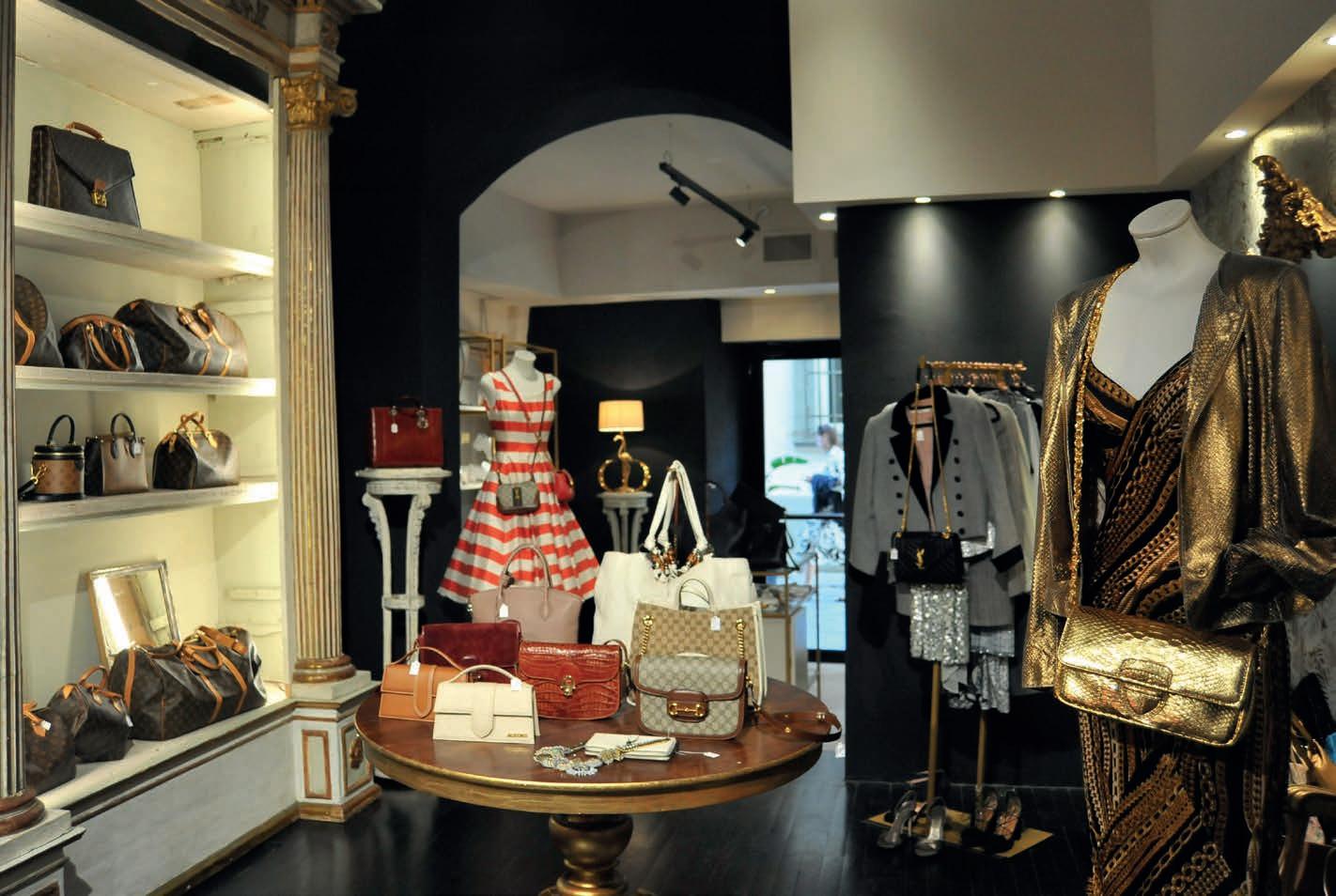
Negozio specializzato nel second hand di lusso, borse, accessori e abbigliamento dei più famosi brand italiani e francesi, e una selezione di articoli vintage no brand per chi ama pezzi unici
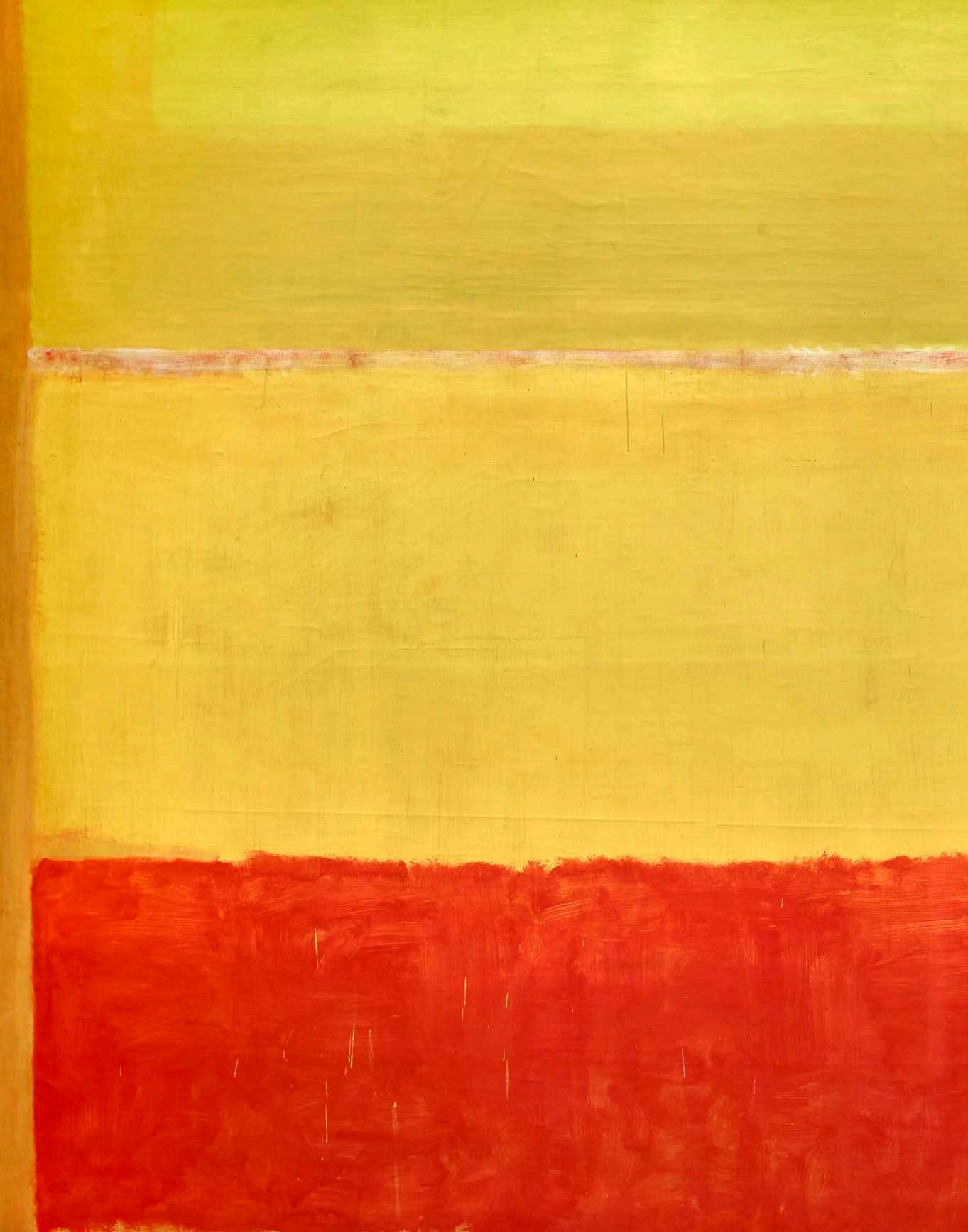
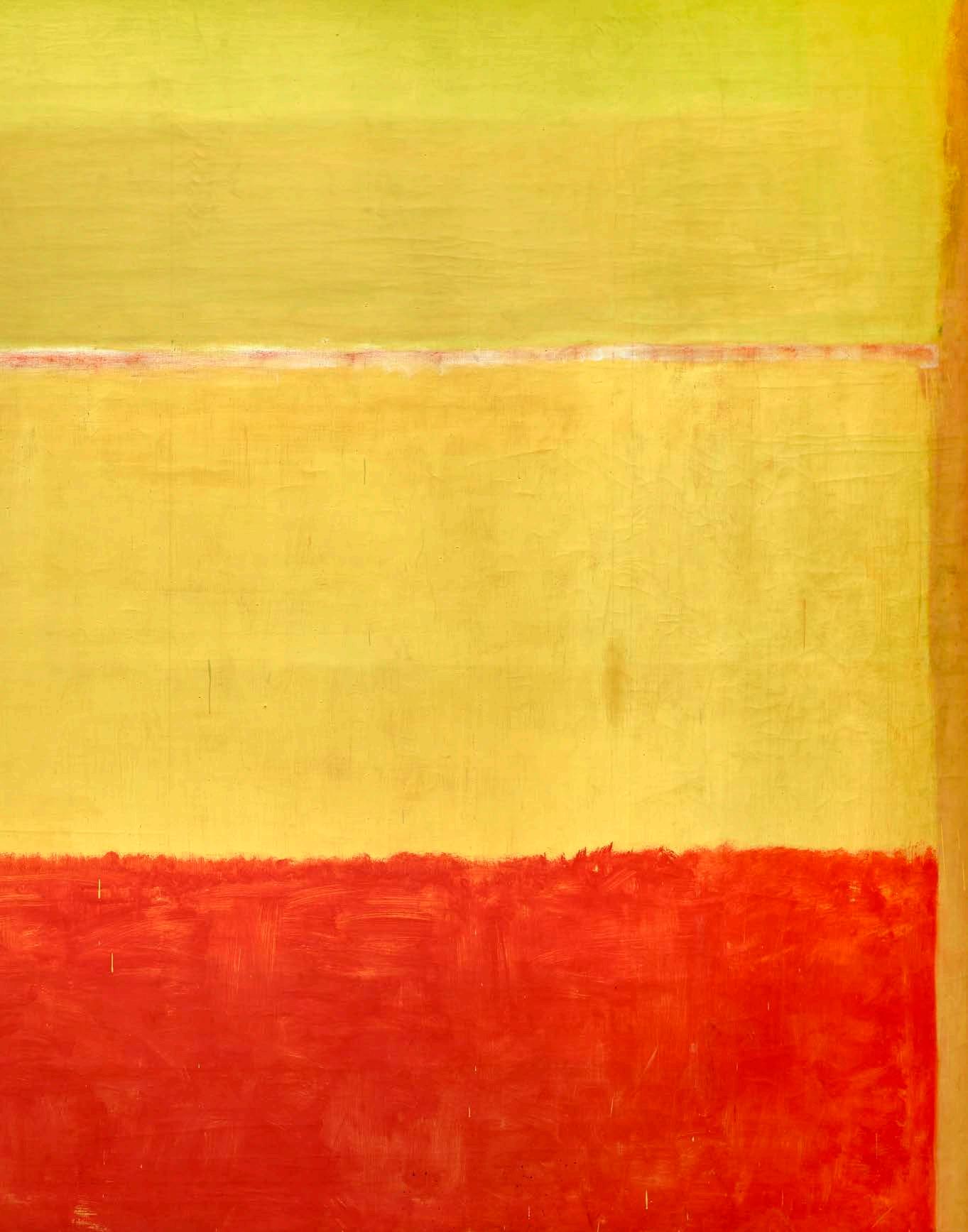
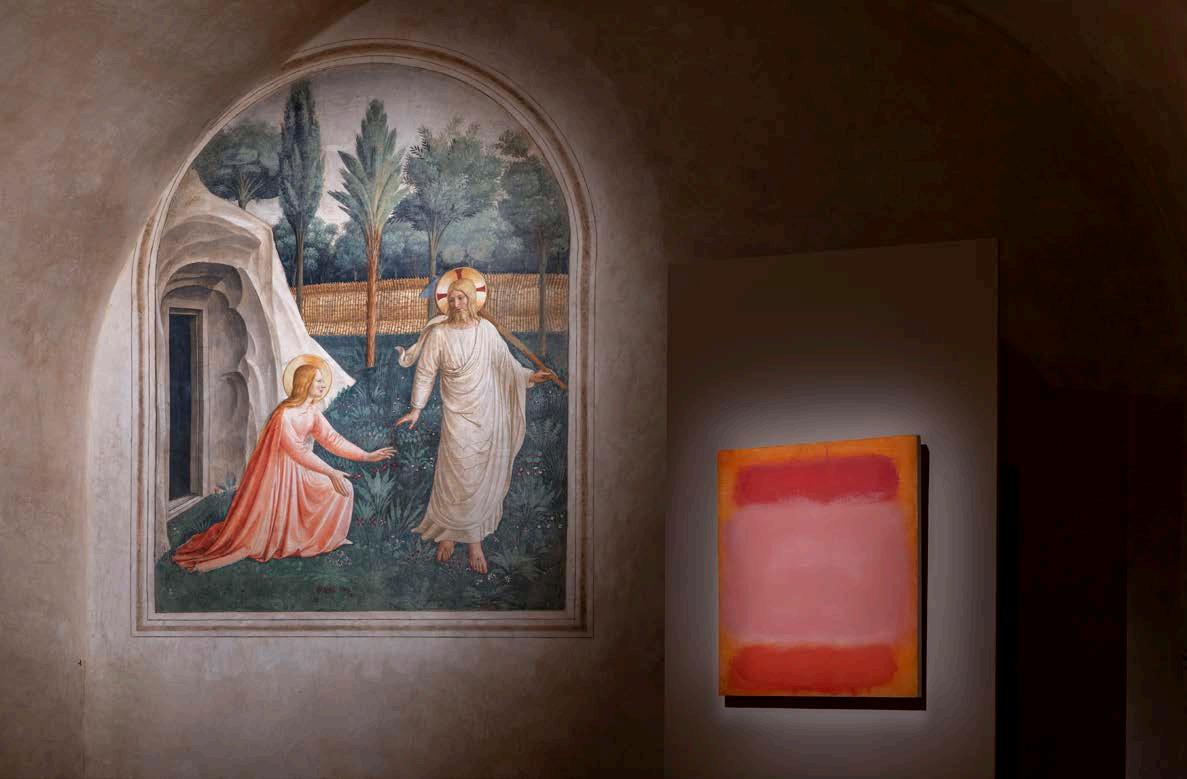
Mark Rothko, Untitled 1952-1953
Until August 23, 2026, the Fondazione Palazzo Strozzi presents Rothko in Florence, one of the largest exhibitions ever dedicated in Italy to the undisputed master of American modern art, Mark Rothko. Curated by Christopher Rothko, the artist’s son, and Elena Geuna
PAINTING, ALMOST A PRAYER
THE EXHIBITION AT PALAZZO STROZZI EXPLORES THE CONNECTION BETWEEN MARK ROTHKO AND FLORENCE
LA MOSTRA A PALAZZO STROZZI RACCONTA
IL LEGAME TRA MARK ROTKHO E FIRENZE
text Matteo Parigi Bini photo Ela Bialkowska, OKNO Studio
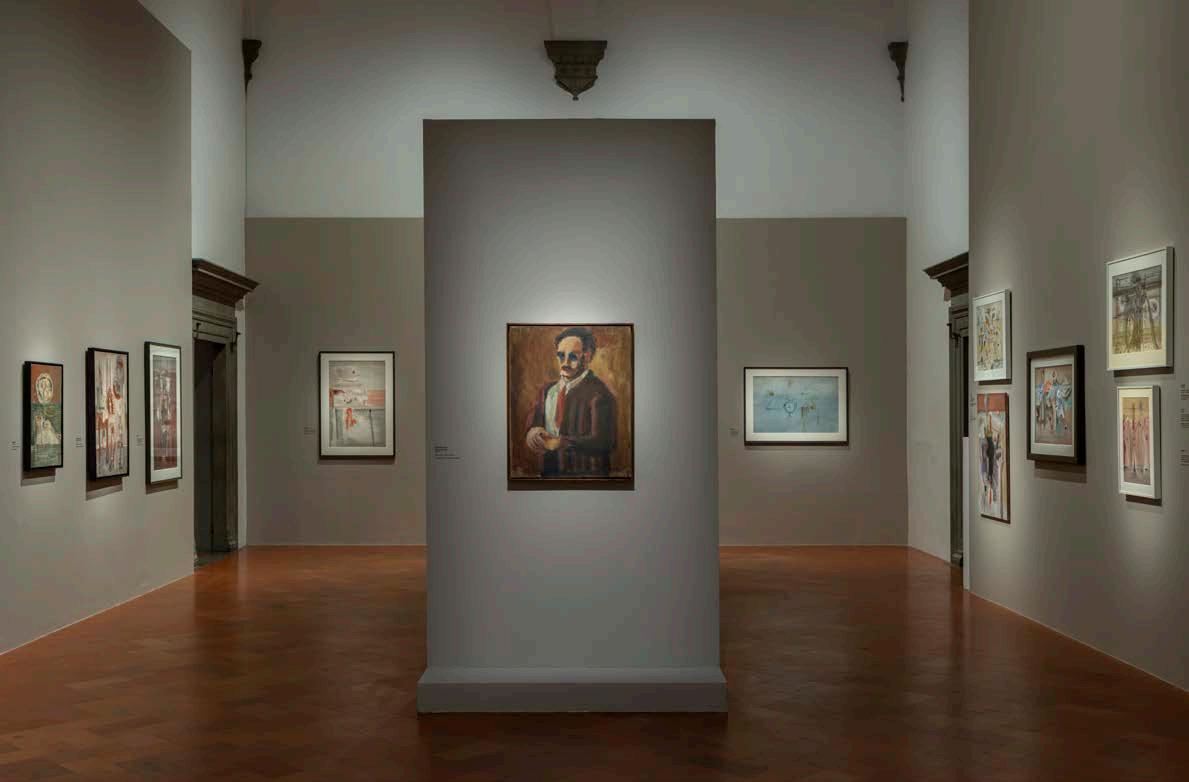
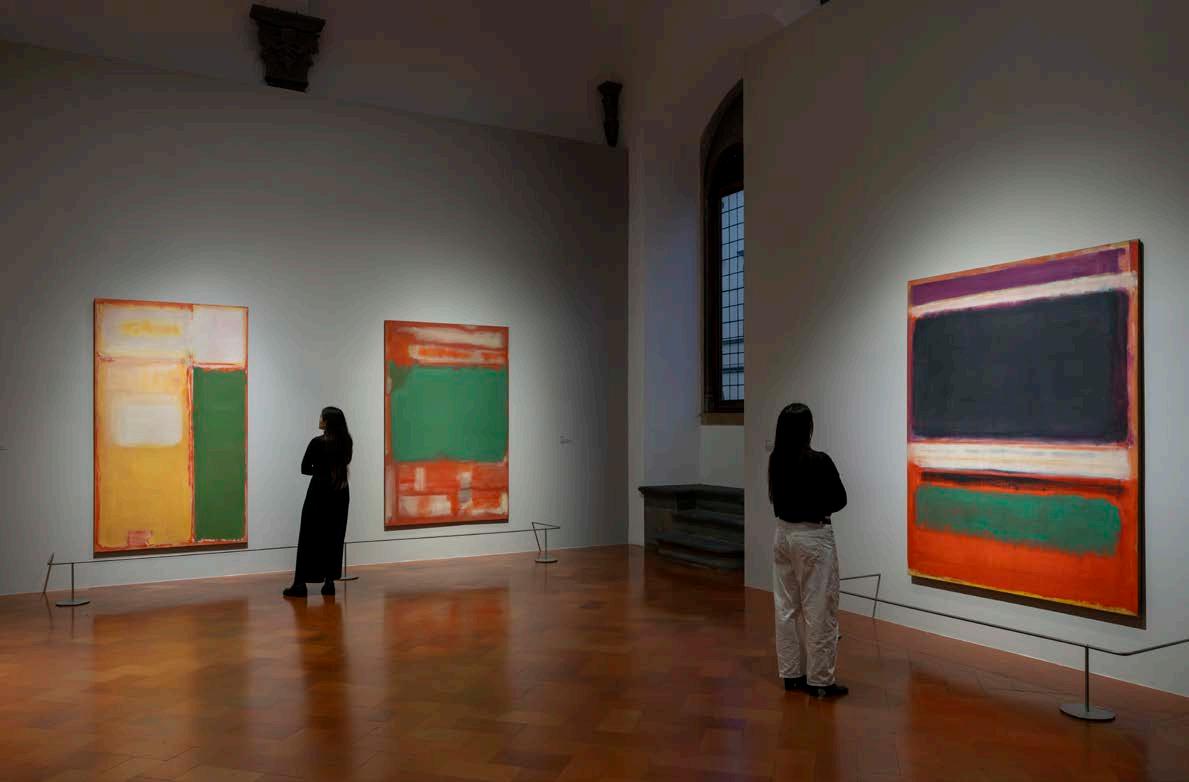
Rothko a Firenze, exhibition views, Palazzo Strozzi
Rothko in Florence is the new extraordinary exhibition at Palazzo Strozzi that sheds light on a lesserknown aspect of the American artist: his fascination with the Renaissance. Already perceptible in his early works of the 9 s, which were still tied to fgurative art, his visits to Florence and in Italy – in 1950, 1959, and in 1966 – fueled Rothko’s attraction to the great masters of the th and th centuries, both in terms of color sense and the distribution of space. As Arturo Galansino, director of Palazzo Strozzi, explains: “His felds of color owe a debt to the backgrounds of Giotto’s frescoes and, above all, those of Beato Angelico. This highly innovative abstraction actually has its roots far back, in the th century. It is a wonderful story: it demonstrates that the Renaissance played a fundamental role in the birth of modern art in the second half of the th century.”
ARTURO GALANSINO, GENERAL DIRECTOR OF THE FONDAZIONE PALAZZO STROZZI
A powerful connection that comes together in the halls of Palazzo Strozzi, but also in other parts of the city, such as the Museum of San Marco, with works in dialogue with Beato Angelico’s frescoes, and the Vestibule of the Laurentian Library designed by Michelangelo, where the exhibition continues. The exhibition itinerary at Palazzo Strozzi, curated by Christopher Rothko and Elena Geuna, unfolds chronologically, allowing visitors to trace Rothko’s entire career: from the 9 s and 9 s, characterized by fgurative works in dialogue with the languages of Expressionism and Surrealism, through the 9 s and 9 s, distinguished by the famous abstract canvases created through expansive chromatic felds capable of deeply engaging the viewer through a vocabulary steeped in spirituality and poetry.
Rothko a Firenze è la nuova straordinaria mostra di Palazzo Strozzi che mette in luce un aspetto meno noto dell’artista americano: la sua fascinazione per il Rinascimento. Percepibile già nei suoi primi lavori degli anni ’ , ancora legati al fgurativo, le visite a Firenze e in Italia – nel ’50 nel ’59 e nel ’66 –alimentano l’attrazione di Rothko verso i grandi maestri del ‘ e del ‘ , sia per quanto riguarda il senso del colore che la distribuzione dello spazio. Come ci spiega Arturo Galansino, direttore di Palazzo Strozzi: “I suoi campi di colore sono debitori delle campiture degli affreschi di Giotto e soprattutto di Beato Angelico. Questa astrazione così innovativa parte in realtà da lontano, dal Quattrocento. È una storia meravigliosa: dimostra che il Rinascimento ha avuto un ruolo fondamentale anche nella nascita dell’arte moderna del secondo Novecento”. Un legame potente che si ricompone nelle sale di Palazzo Strozzi, ma anche in altri luoghi della città, come il Museo di San Marco, con opere in dialogo con gli affreschi di Beato Angelico, e il Vestibolo della Biblioteca Medicea Laurenziana progettato da Michelangelo, dove la mostra prosegue. Il percorso espositivo a Palazzo Strozzi, a cura di Christopher Rothko ed Elena Geuna, si snoda cronologicamente permettendo di ripercorrere l’intera carriera di Rothko: dagli anni Trenta e Quaranta, caratterizzati da opere fgurative e in dialogo con i linguaggi dell’Espressionismo e del Surrealismo, fno agli anni Cinquanta e Sessanta, che si distinguono per le celebri tele astratte create attraverso ampie campiture cromatiche capaci di coinvolgere profondamente lo spettatore attraverso un vocabolario intriso di spiritualità e poesia.
Exhibition views, Palazzo Strozzi
In the photo above: the final room of the exhibition
Beyond Palazzo Strozzi, the project extends to the city, involving two places particularly dear to the artist. What kind of dialogue is established between these places and Rothko’s work?
Following the great success of the exhibition on Angelico, we wanted to continue this journey with Rothko, creating a dialogue between two eras that are seemingly distant but in reality surprisingly close. At San Marco, fve works by Rothko are on display, engaging in a direct dialogue with Angelico’s frescoes through the thread of color. At the Biblioteca Medicea Laurenziana, the theme of Rothko’s architectural conception of space is explored in relation to Michelangelo’s vestibule. Rothko was obsessed with the idea of an immersive, almost claustrophobic space. Michelangelo’s vestibule had deeply impressed him. For the frst time, we are visually realizing this dialogue between his vision and one of the most extraordinary places of the sixteenth century.
The collaboration with the Museum of San Marco was also central to Angelico. What results did it yield?
The partnership with San Marco has been extraordinary. The exhibition on Beato Angelico quadrupled visitor numbers and signifcantly boosted the museum’s visibility on social media and in the press. San Marco is one of the few places where one can still truly grasp what the Renaissance was all about, yet it is often overshadowed by the city’s major tourist attractions. Palazzo Strozzi has proven capable of enhancing not only itself but also other sites in the city. This was the case with the Bargello in the past and is the case today with San Marco. We are convinced that this virtuous cycle will continue with the Rothko exhibition as well.
Oltre Palazzo Strozzi la mostra si estende poi alla città coinvolgendo due luoghi particolarmente cari all’artista. Che tipo di dialogo si instaura tra questi luoghi e l’opera di Rothko?
Dopo il grande successo della mostra su Angelico, abbiamo voluto proseguire questo percorso con Rothko, creando un dialogo tra due epoche apparentemente lontane ma in realtà sorprendentemente vicine. A San Marco sono esposte cinque opere di Rothko, in un dialogo diretto con gli affreschi di Angelico sul flo del colore. Alla Biblioteca Medicea Laurenziana viene affrontato il tema della concezione architettonica dello spazio in Rothko, in relazione al vestibolo di Michelangelo. Rothko era ossessionato dall’idea di uno spazio immersivo, quasi claustrofobico. Il vestibolo michelangiolesco lo aveva profondamente colpito. Per la prima volta realizziamo visivamente questo dialogo tra la sua visione e uno dei luoghi più straordinari del Cinquecento.
‘AT THE BIBLIOTECA MEDICEA LAURENZIANA, THE THEME OF ROTHKO’S ARCHITECTURAL CONCEPTION OF SPACE IS EXPLORED IN RELATION TO MICHELANGELO’S VESTIBULE’
Is organizing a Rothko exhibition today a challenge? It’s a huge challenge, almost insane. His works are extremely diffcult to obtain: they belong to major inter-
La collaborazione con il Museo di San Marco è stata centrale anche per Angelico. Che risultati ha portato?
La partnership con San Marco è stata straordinaria. La mostra su Beato Angelico ha quadruplicato i visitatori e moltiplicato la visibilità del museo sui social e sulla stampa. San Marco è uno dei pochi luoghi dove si può ancora comprendere davvero cosa sia stato il Rinascimento, ma spesso viene schiacciato dai ‘giganti’ turistici della città. Palazzo Strozzi ha dimostrato di poter valorizzare non solo se stesso, ma anche altri luoghi della città. È stato così con il Bargello in passato e oggi con San Marco. Siamo convinti che anche con la mostra su Rothko questo ciclo virtuoso continuerà. Organizzare una mostra su Rothko oggi è una sfda? È una sfda enorme, quasi folle. Le sue opere sono diffcilissime da ottenere: appartengono a grandi musei internazionali e a collezioni private. Parliamo
national museums and private collections. We’re talking about loans from institutions like the Tate, Centre Pompidou, MoMA, the Metropolitan, the Whitney, Boijmans, the Stedelijk, Houston, Washington, and Shanghai, in addition to the Rothko family collection. It requires credibility, relationships, and trust. These are not works that lend themselves easily. Bringing an exhibition of this caliber to Florence, in a historic space like Palazzo Strozzi, is a truly complex undertaking.
What was it like working with Christopher Rothko, the great artist’s son?
It was an extraordinary human experience. Christopher is an extremely intelligent, cultured, and profound person. Together with his sister, he has played a fundamental role in preserving and promoting his father’s legacy, including protecting it from the risky dynamics of the market. He is now one of the leading curators for Rothko on an international level. This exhibition is the result of a project he had been dreaming of for nearly twenty years: to create an exhibition in Florence that would explore his father’s connection to the Renaissance. Rothko is often associated with anguish. Is that really the case? Or, perhaps, is his work more akin to meditation?
Anguish is certainly a dimension linked to his fgure, not least because of his tragic end. But reducing his art to this would be limiting. His works possess a magnetic force.
di prestiti da istituzioni come Tate, Centre Pompidou, MoMA, Metropolitan, Whitney, Boijmans, Stedelijk, Houston, Washington, Shanghai, oltre alla collezione della famiglia Rothko. Serve credibilità, relazioni, fducia. Non sono opere che si prestano facilmente. Portare una mostra di questo livello a Firenze, in uno spazio storico come Palazzo Strozzi, è qualcosa di davvero complesso.
Com’è stato lavorare con Christopher Rothko, fglio del grande artista?
È stata un’esperienza umana straordinaria. Christopher è una persona intelligentissima, colta, profondissima. Insieme alla sorella ha svolto un lavoro fondamentale nella conservazione e valorizzazione dell’eredità del padre, anche proteggendola dalle dinamiche rischiose del mercato. È oggi uno dei curatori di riferimento per Rothko a livello internazionale. Questa mostra è il frutto di un progetto che lui sognava da quasi vent’anni: realizzare a Firenze un’esposizione che raccontasse il legame del padre con il Rinascimento. Spesso si associa Rothko all’angoscia. È davvero così? O, forse, la sua opera è più simile a una meditazione?
L’angoscia è sicuramente una dimensione legata alla sua fgura, anche per la sua tragica fne. Ma ridurre la sua arte a questo sarebbe limitante. Le sue opere hanno una forza magnetica. Catturano lo sguardo in modo fsico, quasi biologico. A volte possono evoca-
Exhibition views, Museo di San Marco
They capture the gaze in a physical, almost biological way. At times they can evoke unease, at others peace, energy… His colors – especially the brightest and most vibrant ones – can convey extraordinary joy. This emotional evolution will be evident in the exhibition. And the fnale is a surprise: it does not conclude in the grey and black that recall the famous Chapel in Houston, but with a return to light, almost a return to the Renaissance that seems to characterize the fnal stages of his life. Is Palazzo Strozzi changing the way exhibitions are done in Florence?
In recent years, we have taken on major challenges, bringing the contemporary into dialogue with the city’s history. Many did not believe this formula could work.
The exhibition on Angelico proved the opposite: it changed perceptions of the artist and brought countless visitors, including Florentines, to San Marco for the frst time. We believe that even historical museums must continue to renew themselves, to offer new interpretations. Returning to museums is important because every exhibition offers a different interpretation of art history.
re inquietudine, altre pace, energia… I suoi colori –soprattutto quelli più luminosi e vibranti – possono trasmettere una gioia straordinaria. In mostra si vedrà questa evoluzione emotiva. E il fnale è una sorpresa: non si conclude nel grigio e nel nero che rimanda alla celebre Chapel di Houston, ma con un ritorno alla luce, quasi un ritorno al Rinascimento che sembra caratterizzare le fasi fnali della sua vita.
‘THE EXHIBITION DOES NOT CONCLUDE IN THE GREY AND BLACK, BUT WITH A RETURN TO LIGHT, ALMOST A RETURN TO THE RENAISSANCE THAT CHARACTERIZES THE FINAL STAGES OF HIS LIFE’
Palazzo Strozzi sta cambiando il modo di fare mostre a Firenze?
In questi anni abbiamo accettato sfde importanti, portando il contemporaneo in dialogo con la storia della città. Molti non credevano che questa formula potesse funzionare.
La mostra su Angelico ha dimostrato il contrario: ha cambiato la percezione dell’artista e ha portato tantissimi visitatori, anche forentini, a San Marco per la prima volta. Crediamo che anche i musei storici debbano continuare a rinnovarsi, a proporre nuove letture. Tornare nei musei è importante perché ogni allestimento offre un’interpretazione diversa della storia dell’arte.
Exhibition views, Biblioteca Medicea Laurenziana.
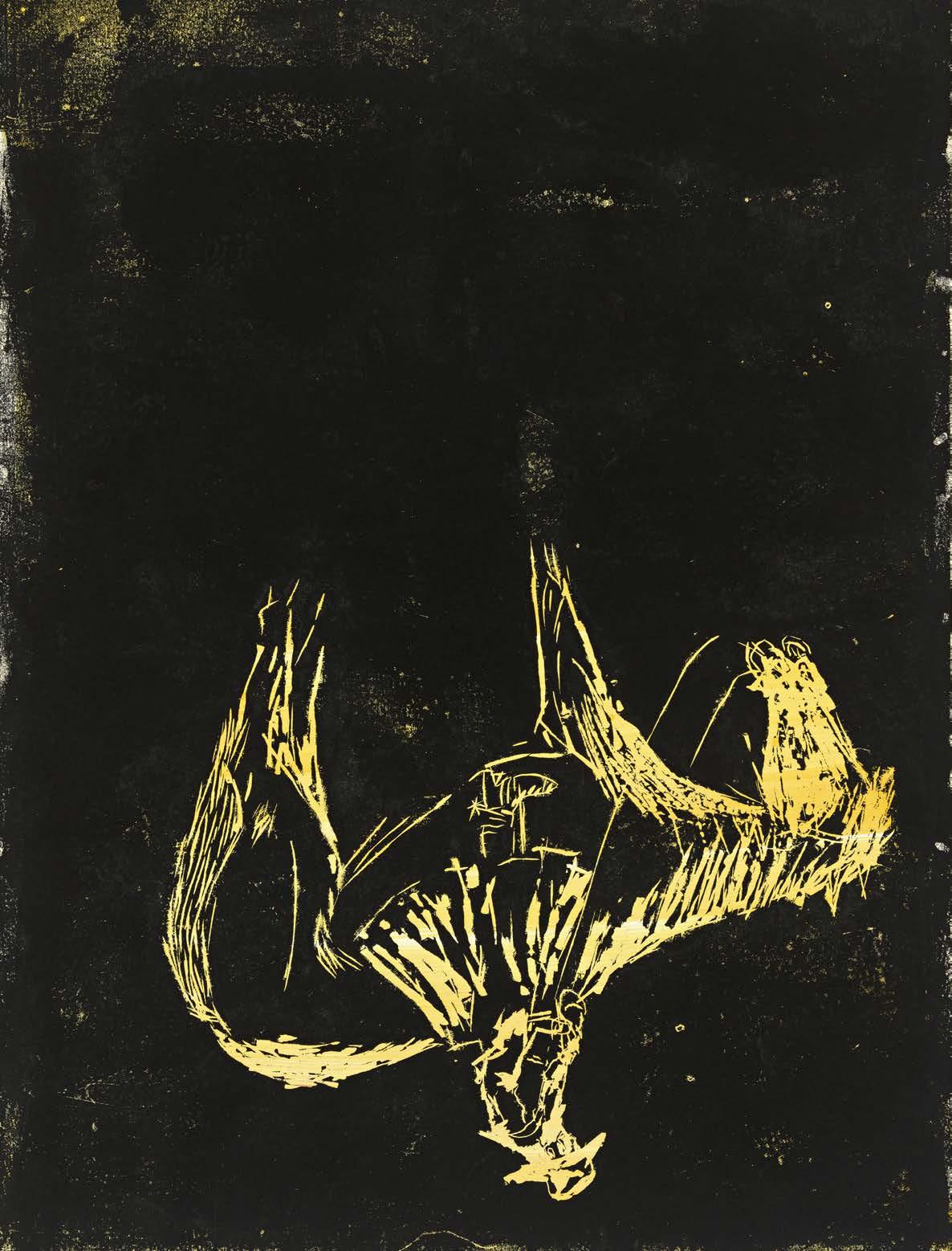
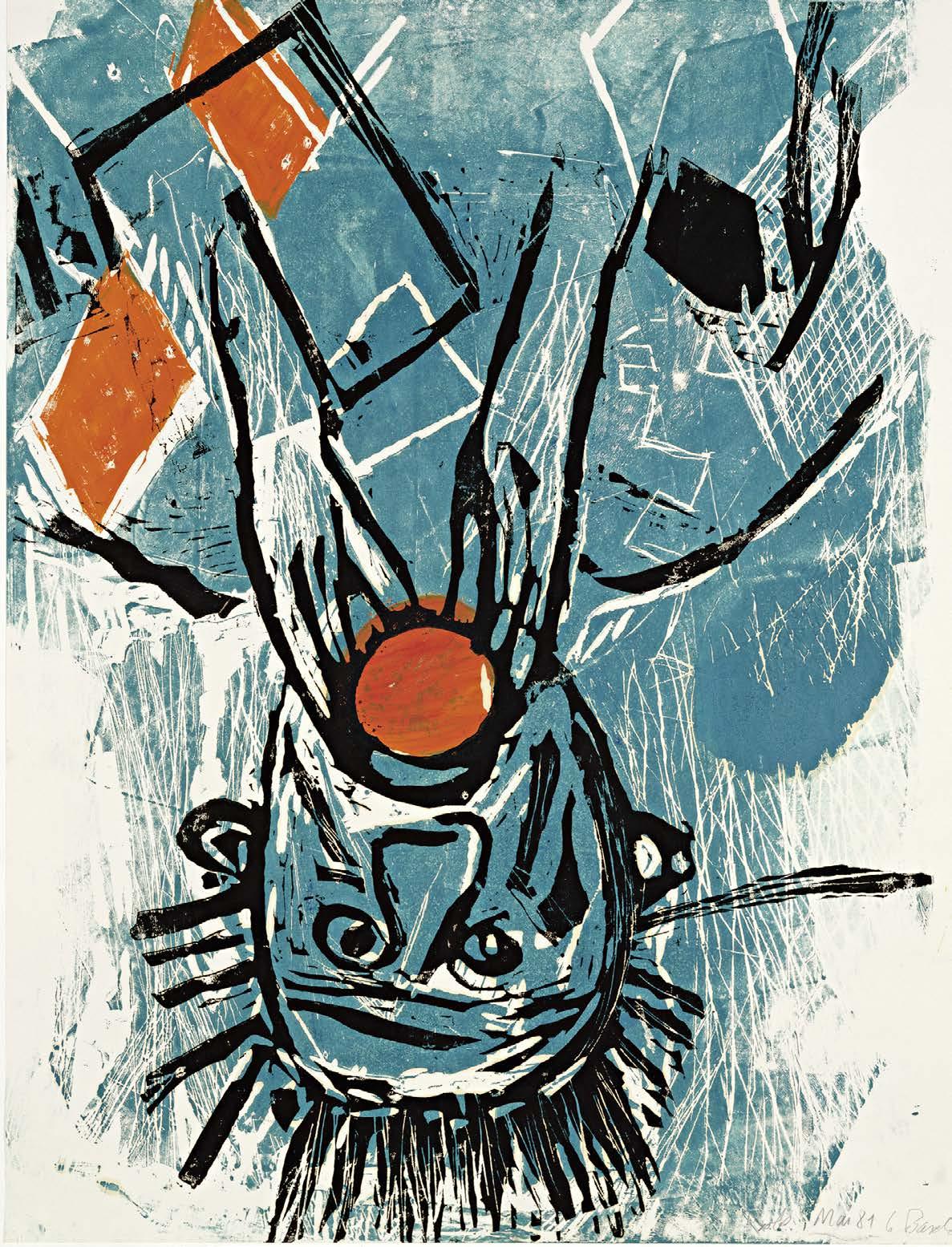
Until September 13 Museo Novecento hosts for the first time in Italy, a large-scale exhibition project of Georg Baselitz’s printmaking.
GEORGE BASELITZ AT THE MUSEO NOVECENTO WITH THE EXHIBITION ‘AVANTI!’
GEORGE BASELITZ AL MUSEO NOVECENTO CON LA MOSTRA ‘AVANTI!’
text Sergio Risaliti
Active for over sixty years, George Baselitz has consistently refused to confne his creative energy within a single technique or style. He has pursued a solitary artistic quest, resolutely defending artistic practice as an individual experience, following in the footsteps of other great masters of the past. For this reason, he has always avoided joining groups, movements, or trends. As Ulrich Weisner observed: “Baselitz has found an individual path for himself that cannot be imitated nor can it become a style.”
This spring, the Museo Novecento, with the exhibition Avanti!, presents the artist’s entire body of graphic work, unanimously recognized as one of the pinnacles of his artistic practice. The exhibition features approximately works on paper, alongside fve paintings and fve sculptures, a testament to the profoundly multifaceted nature of his work. The works, created using various printmaking techniques and spread over the museum’s three foors, demonstrate that printmaking is by no means a secondary or marginal activity.
As Baselitz himself stated: “I have always created woodcuts when I felt the
need to defne, in a defnitive form, an image – or an idea of an image – that I had developed and that had manifested itself in paintings.” This urge has accompanied him for decades, driving him to devote himself to printmaking with extraordinary and consistently original results. As early as , Baselitz had immersed himself in printmaking, during a period dominated by an ideology of progress that excluded any form of return to the past. Overtly defant of this trend, the artist embarked on a path that led him to engage once again with art history and the most ancient traditions, both in painting and sculpture, approached with freedom and a nonconformist spirit. It is therefore not surprising that he carves wood as if he were a master carpenter, nor that he chose to create polychrome sculptures in stark contrast to the industrial and serial forms of Judd, Warhol’s Brillo Boxes, or the neo-realism of Arte Povera. Visitors to the exhibition Avanti! thus fnd themselves before an artist who, while using seemingly anachronistic techniques, is in fact pursuing a radically innovative path, devoid of nostalgia and regres-
In oltre sessant’anni di attività, George Baselitz ha costantemente rifutato di imbrigliare la propria energia creativa entro i confni di una tecnica o di uno stile unico. Ha portato avanti una ricerca solitaria, difendendo con determinazione la pratica artistica come esperienza individuale, sulla scia di altri grandi maestri del passato. Per questo motivo ha sempre evitato di aderire a gruppi, movimenti o correnti. Come ha osservato Ulrich Weisner: “Baselitz ha trovato per sé una via individuale che non è imitabile né può diventare stile”. Questa primavera il Museo Novecento, con la mostra Avanti! presenta l’intera produzione grafca dell’artista, unanimemente riconosciuta come uno dei vertici della sua ricerca. In mostra si trovano circa opere su carta, accanto a cinque dipinti e cinque sculture, testimonianza della natura profondamente poliedrica del suo lavoro.
Le opere, realizzate con diverse tecniche incisorie e distribuite sui tre piani del museo, dimostrano come la grafca non sia affatto un’attività secondaria o marginale. Come ha dichiarato lo stesso Baselitz: “Ho sempre realizzato xilografe quando sentivo la ne-
cessità di precisare in una forma defnitiva un’immagine, un’idea d’immagine che avevo sviluppato e che si era manifestata in dipinti”. Questa esigenza lo ha accompagnato per decenni, spingendolo a dedicarsi alla grafca con risultati straordinari e sempre originali. Già dal Baselitz si era immerso nel lavoro incisorio, in un periodo dominato da un’ideologia del progresso che escludeva qualsiasi forma di ritorno al passato. In aperta controtendenza, l’artista intraprese un percorso che lo riportava a confrontarsi con la storia dell’arte e con le tradizioni più antiche, sia pittoriche sia scultoree, affrontate con libertà e spirito anticonformista. Non sorprende quindi il suo modo di scolpire il legno, quasi fosse un maestro d’ascia, né la scelta di realizzare sculture policrome in netto contrasto con le forme industriali e seriali di Judd, con le Brillo Boxes di Warhol o con il neo-realismo dell’Arte Povera. Chi visita la mostra Avanti! si trova così davanti a un artista che, pur utilizzando tecniche apparentemente anacronistiche, procede in realtà lungo un percorso radicalmente innovativo, privo di nostalgia e di regressioni. Una simile capacità di avanzare recu-
sion. Such an ability to move forward by drawing on elements of the past is found only in Picasso and a few other artists at this level and with this freedom. Born in in Germany, Baselitz grew up in the rubble of World War II, witnessing the collapse of European civilization, built and fallen walls, youth uprisings, and the failure of political utopias. From the very beginning, he challenged the rules of traditional representation and moral conventions, adopting extreme positions and developing a restless, provocative, and deeply anti-academic language.
Free to the point of being unpopular, Baselitz fearlessly confronted the crisis in painting, marked by Duchamp’s legacy. By accepting the destruction of fgurative language, he attempted to rebuild it from its own ruins, exploring the hidden potential of images and reclaiming ancient and primordial iconographies. He is also famous for inverting subjects, presenting them upside down: a gesture at once symbolic and conceptual, that destabilizes the gaze and forces the viewer to confront an unnatural vision. Turning the image upside down also means questioning time and space, altering our way of perceiving reality. Artists’ sources of inspiration often remain enigmatic. It is possible that Baselitz was struck by images from the past, such as those by Filippino Lippi in the frescoes of the Church of Carmine in Florence,
perhaps observed during his stay at Villa Romana in . One of his frst inverted fgures, Fingermalerei from , bears some resemblance to the image of a crucifed upside down Peter as in the Brancacci Chapel. Through these inversions, Baselitz suggests that nothing is fnal, that creative energy transcends everything –every tragedy, collapse, or fracture – and that one must move forward without ever ceasing to transform and reorganize the visual feld, the fgurative structure, and the enduring, perpetual principles of art history. In this sense, he has literally turned fgurative language upside down, seeking within the very terrain of art the seeds of a possible rebirth after Duchamp and before the return to painting of the s.
There is, in fact, a signifcant distance between his language and the narrative appropriation of postmodern painters. His works may appear deliberately awkward, childlike, or dissonant; the strokes are nervous, irregular, the colors at times strident. The strength of his work lies precisely in this apparent disharmony: an expressive freedom supported by a solid conceptual vision. After all, learning to draw like a child can take a lifetime. Without Baselitz’s paintings, sculptures, and above all his extraordinary graphic work, it would be diffcult to understand what it truly means to ‘move forward’, even when reversing the direction of time.
perando elementi del passato si ritrova solo in Picasso e in pochi altri artisti a questo livello e con questa libertà. Nato nel in Germania, Baselitz è cresciuto tra le macerie della Seconda guerra mondiale, assistendo al crollo della civiltà europea, alla costruzione e alla caduta dei muri, alle rivolte giovanili e al fallimento delle utopie politiche. Fin dagli esordi ha sfdato le regole della rappresentazione tradizionale e le convenzioni morali, scegliendo posizioni estreme e sviluppando un linguaggio inquieto, provocatorio e profondamente antiaccademico. Libero al punto di non piacere, Baselitz ha affrontato senza timore la crisi della pittura, segnata dall’eredità di Duchamp. Accettando la distruzione del linguaggio fgurativo, ha tentato di ricostruirlo dalle sue stesse rovine, esplorando le potenzialità nascoste delle immagini e recuperando iconografe antiche e primordiali. Celebre è la sua scelta di rovesciare i soggetti, presentandoli sottosopra: un gesto insieme simbolico e concettuale che destabilizza lo sguardo e costringe lo spettatore a confrontarsi con una visione innaturale. Capovolgere l’immagine signifca anche mettere in discussione il tempo e lo spazio, modifcando il nostro modo di percepire la realtà. Le fonti d’ispirazione degli artisti restano spesso enigmatiche. È possibile che Baselitz sia stato colpito da immagini del passato, come quelle di Filippino Lippi negli affreschi della Chiesa del Carmine a
Firenze, forse osservati durante il suo soggiorno a Villa Romana nel . Una delle sue prime fgure rovesciate, Fingermalerei del , presenta alcune analogie con l’immagine di un Pietro crocifsso a testa in giù come nella Cappella Brancacci. Attraverso queste inversioni Baselitz suggerisce che nulla è defnitivo, che l’energia creativa è superiore a tutto, ad ogni tragedia, collasso o frattura, e che si deve andare avanti senza mai rinunciare a trasformare e riorganizzare il campo visivo, la struttura fgurativa, i saldi e perpetui contenuti della storia dell’arte. In questo senso ha letteralmente capovolto il linguaggio fgurativo, cercando nel terreno stesso dell’arte i semi di una possibile rinascita dopo Duchamp e prima del ritorno alla pittura degli anni Ottanta. Esiste infatti una distanza signifcativa tra il suo linguaggio e il citazionismo narrativo dei pittori postmoderni. Le sue opere possono apparire volutamente sgraziate, infantili o dissonanti; il segno è nervoso, irregolare, i colori talvolta stridenti. Proprio in questa apparente disarmonia risiede la forza della sua ricerca: una libertà espressiva sostenuta da una solida visione concettuale. D’altronde imparare a disegnare come un bambino può richiedere una vita intera. Senza i dipinti, le sculture e soprattutto la straordinaria produzione grafca di Baselitz, sarebbe diffcile comprendere cosa signifchi davvero ‘andare avanti’, anche invertendo la direzione del tempo.
The view from Torre di Arnolfo, Palazzo Vecchio (ph. Ottavia Poli)
INSIDE FLORENCE
THE NEW ‘FIRENZE MADE IN TUSCANY GUIDE’, FOR EXPERIENCING THE CITY THROUGH MUST-SEE ATTRACTIONS, INTERESTING FACTS, AND INSIDER TIPS LA NUOVA ‘FIRENZE MADE IN TUSCANY GUIDE’, PER VIVERE LA CITTÀ TRA MUST IMPERDIBILI, CURIOSITÀ E INDIRIZZI DA VERI INSIDER text Virginia Mammoli
Florence as you’ll discover anew: vibrant, contemporary, international, yet guardian of a millennia-old history. This is the story told by the new Firenze made in Tuscany Guide, published by Gruppo Editoriale. Compact, bilingual (English/Italian), concise in format yet rich in content, born from the twenty-year experience of the editorial team at Firenze made in Tuscany magazine, designed to help you fnd your way and, above all, to discover the true soul of the city
A guide to read in one sitting or to hold in your hand while strolling, letting it guide you on a journey of discovery through the city’s central neighborhoods. A unique journey flled with evocative images, stories, and curiosities, moving through iconic squares, world-famous museums, and lesser-known gems, places to discover, shops, favors, and lifestyle spots. We start from the monumental heart, the San Giovanni district: Piazza del Duomo, where the Cathedral with Brunelleschi’s Dome and the Baptistery rise high, the nearby Piazza della Signoria with Palazzo Vecchio and the Uffzi Gallery, designed by Vasari, who also created the famous Corridor commissioned by the Medici that spans the Ponte Vecchio from above – a symbol of the city – while, heading toward Piazza San Marco, the Accademia Gallery with Michelangelo’s David, and the bustling, characteristic San Lorenzo Market, which borders the Medici Chapels.
THE GUIDE TO DISCOVER THE TRUE SOUL OF FLORENCE
Firenze come non l’avete mai vista: viva, contemporanea, internazionale, eppure custode di una storia millenaria.
A raccontarla è la nuova Firenze made in Tuscany Guide edita da Gruppo Editoriale. Compatta, bilingue (inglese/italiano), essenziale nel formato e ricca nei contenuti, nata dall’esperienza ventennale della redazione di Firenze made in Tuscany magazine, pensata per orientarsi e, soprattutto, per scoprire l’anima autentica della città
Una guida da leggere tutta d’un fato o da tenere in mano mentre si passeggia, lasciandosi accompagnare alla scoperta dei quartieri del centro.
Un viaggio inedito fatto di immagini suggestive, storie e curiosità, muovendosi tra piazze iconiche, musei famosi in tutto il mondo e altri meno conosciuti, luoghi da scoprire, botteghe, sapori e indirizzi lifestyle.
Si parte dal cuore monumentale, il quartiere di San Giovanni: piazza del Duomo, dove svettano la Cattedrale con la Cupola del Brunelleschi e il Battistero, la vicina piazza della Signoria con Palazzo Vecchio e la Galleria degli Uffzi, progettata dal Vasari, autore anche del celebre Corridoio voluto dai Medici che attraversa dall’alto Ponte Vecchio, simbolo della città, mentre, andando verso piazza San Marco, la Galleria dell’Accademia con il David di Michelangelo, e il chiassoso e caratteristico mer-
3.
4. Ponte
(ph. Dario Garofalo)
5. Piazza Santa Croce (ph. Dario Garofalo)
6. Vasari Corridor
1. Palazzo Vecchio (ph. Dario Garofalo)
2. Basilica of San Lorenzo and the Medici Chapels
Firenze made in Tuscany Guide
Vecchio
Firenze Made in Tuscany Guide is available at major Italian bookshops, online bookstores and gruppoeditoriale.com
We then move on to Santa Maria Novella, a crossroads for the many visitors arriving at or departing from the station of the same name, a masterpiece of rationalism that dialogues with the Renaissance façade designed by Leon Battista Alberti for the Basilica of Santa Maria Novella, home to extraordinary works such as Masaccio’s Trinity and the chapel frescoed by Ghirlandaio for the Tornabuoni family. The same noble family after which Florence’s premier fashion street is named, which sparkles nearby, along with Via Roma, Via della Vigna Nuova, and Via degli Strozzi, featuring Palazzo Strozzi, now home to some of the city’s most important exhibitions.
And then there is Santa Croce with its imposing Basilica, where great fgures such as Michelangelo, Galileo, and Machiavelli are laid to rest. In front of it, in the square below, the Calcio Storico Fiorentino takes place – an ancient game considered the precursor to soccer and rugby – whose fnal is held on 24 June, the feast day of St. John, the city’s patron saint. In the same neighborhood stands the Bargello, the city’s frst public building, later a prison, and today a national museum, housing works by Donatello, Brunelleschi, Ghiberti, and Luca della Robbia.
A UNIQUE JOURNEY THROUGH THE CITY’S CENTRAL NEIGHBORHOODS: SAN GIOVANNI, SANTA MARIA NOVELLA, SANTA CROCE, OLTRARNO
Finally, cross the river and enter the Oltrarno, soaking up its bohemian and cosmopolitan spirit, characterized by artisan workshops mingling with the many restaurants and bars beloved by Florentines, such as those in Piazza Santo Spirito, in the shadow of the basilica designed by Brunelleschi, and Borgo San Frediano. It is on this bank of the Arno, just a short walk from Ponte Vecchio, that Palazzo Pitti stands, once the residence of the Medici, then the Habsburg-Lorraine and Savoy families, and now home to fve museums. Behind it lies the magnifcent Boboli Gardens, the
cato di San Lorenzo, che sfora le Cappelle Medicee. Si passa poi a Santa Maria Novella, crocevia dei tanti visitatori che arrivano o partono dall’omonima stazione, capolavoro del razionalismo che dialoga con la facciata rinascimentale disegnata da Leon Battista Alberti per la Basilica di Santa Maria Novella, custode di opere straordinarie come la Trinità di Masaccio e la cappella affrescata dal Ghirlandaio per i Tornabuoni. La stessa nobile famiglia a cui è intitolata la fashion street forentina per eccellenza, che scintilla poco distante, insieme a via Roma, via della Vigna Nuova e via degli Strozzi, con Palazzo Strozzi, oggi sede di alcune delle mostre più importanti della città. E ancora, Santa Croce con la sua possente Basilica, dove riposano grandi personalità come Michelangelo, Galileo e Machiavelli. Al loro cospetto, nella piazza antistante, si svolge il Calcio Storico Fiorentino, antico gioco progenitore del calcio e del rugby, la cui fnale si tiene il 24 giugno, festa di San Giovanni, patrono della città. Nello stesso quartiere sorge anche il Bargello, primo palazzo pubblico cittadino, poi carcere e oggi museo nazionale, con opere di Donatello, Brunelleschi, Ghiberti e Luca della Robbia. Infne, si attraversa il fume e si entra nell’Oltrarno, assaporando il suo spirito bohémien e cosmopolita, fatto di botteghe artigiane che si mescolano ai tanti ristoranti e locali amati dai forentini, come quelli che popolano piazza Santo Spirito, all’ombra della basilica progettata da Brunelleschi, e borgo San Frediano. È su questa sponda dell’Arno, a pochi passi da Ponte Vecchio, che si erge Palazzo Pitti, dimora dei Medici, poi degli Asburgo-Lorena e dei Savoia, oggi sede di cinque musei.
Alle sue spalle si estende il magnifco Giardino di Boboli, primo esempio di giardino all’italiana, da cui
Piazza della Repubblica
Uffizi (ph. Ottavia Poli)
The guide was born from the twenty-year experience of the editorial team at Firenze made in Tuscany magazine
frst example of an Italian-style garden, from which you ascend to Forte Belvedere, designed by Buontalenti. From here, taking the picturesque Costa San Giorgio leads to the panoramic Bardini Garden, another green gem of the Oltrarno, along with the Rose Garden and the Iris Garden, which fank Piazzale Michelangelo, one of the city’s most famous terraces, just below the thousand-year-old Basilica of San Miniato al Monte. The journey through the neighborhoods intertwines with the key figures who shaped the city’s history – from the Medici to Leonardo, from Michelangelo to Dante – to whom the guide’s opening pages are dedicated and whose stories are told through the places that still bear their traces today.
A visit to Florence is truly enhanced by a traditional dish or a creative offering from the city’s best restaurants, selected alongside must-visit cafés and venues, perfect for a coffee break and an aperitif – a Florentine ritual alongside the historic wine bars, where, in addition to glasses of wine and spritzes, small cups of gelato are also served.
Firenze made in Tuscany Guide tells you all this and more, and is available in Italy’s best bookstores, on the website gruppoeditoriale.com, and at major online bookstores. A valuable resource for those visiting the city for the frst time, but also for those who think they already know it. Because Florence, when viewed through the right eyes, always manages to surprise.
si sale fno al Forte Belvedere progettato da Buontalenti. Da qui, prendendo la pittoresca costa San Giorgio si arriva al panoramico Giardino Bardini, altro gioiello green dell’Oltrarno, insieme al Giardino delle Rose e al Giardino dell’Iris, che affancano piazzale Michelangelo, una delle terrazze più celebri sulla città, appena sotto la millenaria Basilica di San Miniato al Monte.
Il viaggio nei quartieri si intreccia con i protagonisti che hanno fatto la storia della città – dai Medici a Leonardo, da Michelangelo a Dante – a cui sono dedicate le prime pagine della guida e di cui si raccontano i luoghi che ancora oggi ne conservano le tracce.
Ma una visita a Firenze non è completa senza un buon piatto della tradizione o una proposta creativa dei migliori ristoranti della città, selezionati insieme ai caffè e locali da non perdere, perfetti per un coffee break e un aperitivo, rito forentino insieme alle storiche buchette del vino, dove oltre a calici e spritz, passano anche coppette di gelato. Firenze made in Tuscany Guide racconta tutto questo e non solo, ed è disponibile nelle migliori librerie d’Italia, sul sito gruppoeditoriale.com e nei principali bookshop online. Uno strumento prezioso per chi visita la città per la prima volta, ma anche per chi crede di conoscerla già. Perché Firenze, se guardata con gli occhi giusti, riesce sempre a sorprendere.
MERIT SHAPES THE FUTURE
#TUTTOMERITOMIO IS THE PROGRAM THROUGH WHICH FONDAZIONE CR FIRENZE
SUPPORTS DESERVING YOUNG PEOPLE ON THEIR PATH TO GRADUATION
#TUTTOMERITOMIO È IL PROGRAMMA CON CUI FONDAZIONE CR FIRENZE
ACCOMPAGNA GIOVANI MERITEVOLI ALLA LAUREA
photo Stefano Casati
There is a specifc moment when an opportunity ceases to be merely a helping hand and becomes a turning point. For Milo, that moment coincides with a realization: “Being part of something, knowing that someone else, besides me, is investing in and believing in what I’m doing, in the dreams I can achieve, and in the goals to be reached for a positive return to our community. This is of great value to me and a strong motivation.” Milo Zappoli is in his third year of Agricultural Sciences at the University of Florence and is one of the 262 young men and women participating in #TuttoMeritoMio, the program by Fondazione CR Firenze and Intesa Sanpaolo that recognizes the merit of young people from families that need additional support to cover university costs, supporting them all the way to graduation.
It goes beyond fnancial support and is more than a typical scholarship. The word that perhaps best describes it is community. And, beyond the English term that might evoke digital platforms, here the community of young people is made up of real individuals: dialogue, shared experiences, advice, encouragement, and a pat on the back. In a word, life. “It helped me grow not only academically but also personally,” says Giulia Fusai, a third-year student of Chemistry and Pharmaceutical Technologies. This, after all, is the most beautiful aspect of the project: it not only lightens a fnancial burden but broadens horizons, steadies the path, and makes students feel supported.
Thanks to the partnership with the Golinelli Foundation, students are supported by mentors and have access to courses, events, and in-depth sessions designed to help them realize their potential. For Luce Meazzini, a third-year student in Biomedical Engineering, the real difference was feeling truly supported: “I could count on people who also care about the emotional side of my journey.”
C’è un momento preciso in cui un’opportunità smette di essere solo un aiuto e diventa una svolta. Per Milo quel momento coincide con una consapevolezza: “Essere parte di qualcosa, sapere che qualcun altro, oltre a me, investe e crede in quello che sto facendo, nei sogni che posso realizzare, negli obiettivi da raggiungere per un ritorno positivo alla nostra comunità. Questo ha per me grande valore e una forte motivazione”.
Milo Zappoli frequenta il terzo anno di Scienze Agrarie all’Università di Firenze ed è uno dei 262 ragazzi e ragazze che fanno parte di #TuttoMeritoMio, il programma di Fondazione CR Firenze e Intesa Sanpaolo che premia il merito di giovani provenienti da famiglie con diffcoltà economiche, accompagnandoli fno alla laurea.
Non è semplicemente un sostegno economico, né una borsa di studio come le altre. La parola che forse lo racconta meglio è community. E, al di là dell’inglesismo che potrebbe richiamare le piattaforme digitali, qui la comunità di giovani è fatta di persone vere: confronto, esperienze condivise, consigli, incoraggiamento, pacche sulle spalle. In una parola, vita. “Mi ha fatto crescere non solo da un punto di vista accademico, ma anche personale”, racconta Giulia Fusai, studentessa al terzo anno di Chimica e Tecnologie Farmaceutiche. È questo, in fondo, il tratto più bello del progetto: non alleggerisce soltanto un peso economico, ma allarga l’orizzonte, rende più saldo il cammino, fa sentire i ragazzi meno soli.
Grazie alla partnership con Fondazione Golinelli, gli studenti e le studentesse sono seguiti da tutor e hanno la possibilità di accedere a corsi, eventi e momenti di approfondimento pensati per far emergere il loro potenziale.
Per Luce Meazzini, al terzo anno di Ingegneria biomedica, la vera differenza è stata sentirsi accompagnata davvero: “Ho potuto contare su persone a cui interessa anche l’aspetto emotivo del mio percorso”.
Some of the well-known testimonials at the #TuttoMeritoMio events
1. Stefano Accorsi
2. Bernabò Bocca, President of Fondazione CR Firenze
3. Chiara Valerio
4. Stefano Massini
5. Gabriele Gori, General Director of Fondazione CR Firenze
6. From left: Cristina Scaletti, Mayor of Fiesole, Paolo Ruffini, Maria Oliva Scaramuzzi, Vice President of Fondazione CR Firenze
THE
PROGRAM IS AIMED AT HIGH-POTENTIAL STUDENTS FROM THE PROVINCES OF FLORENCE, AREZZO AND GROSSETO IL PROGRAMMA È RIVOLTO AGLI STUDENTI AD ALTO POTENZIALE
DELLE PROVINCE DI FIRENZE, AREZZO E GROSSETO
Because merit alone is often just the beginning. Many talented, determined, and visionary young people simply need additional resources to turn their dreams into reality. #TuttoMeritoMio was created precisely for this reason: to transform a fragile possibility into a concrete path, to make university an attainable goal for those who have the ability to get there but are still building the necessary means to support it. It is a project that goes beyond supporting studies: it fosters personal growth, builds confdence, and cultivates independence.
Launched in 2019, in collaboration with the University of Florence and the Regional School Offce for Tuscany, the program has already turned dreams into reality for 150 young people who have earned their degrees. Those admitted are outstanding students, with a GPA of 8.68 or higher and an average high school diploma score of 93/100, yet they come from low-income families with an average ISEE below 19,000 euros. Seventy-fve percent come from high schools, 8% from vocational schools, and 17% from technical schools – a percentage that has decreased compared to last year. Women constitute the majority, representing 66% of those selected.
“We are in our seventh year, and this is a source of great pride because it means that this project has grown, strengthened, and, above all, has tangibly changed the lives of many young men and women,” says Maria Oliva Scaramuzzi, Vice President of Fondazione CR Firenze. “The Foundation believes in young people not only because they represent the future, but because they are already an extraordinary force for our region today. Investing in them means investing in the quality of our society.
To the young men and women embarking on this journey today, I want to say something very simple: this is an opportunity and a responsibility.
A responsibility toward yourselves, toward your talent, and toward the community that has chosen to support you today. Cultivate curiosity, be courageous, embrace the lessons of mistakes, and above all, continue to believe in your abilities. We, as a Foundation, will continue to do our part: creating opportunities, building pathways, and supporting talent.”
Perché il merito, purtroppo, da solo non basta sempre. Ci sono giovani che hanno talento, determinazione e visione, ma che troppo spesso rischiano di vedere i propri sogni fermarsi davanti a un limite economico. #TuttoMeritoMio nasce proprio per questo: trasformare una possibilità fragile in un cammino concreto, rendere l’università un traguardo raggiungibile per chi ha le capacità per arrivarci, ma non sempre i mezzi per sostenerla. È un progetto che non si limita a sostenere gli studi: accompagna la crescita personale, alimenta fducia, costruisce autonomia.
Partito nel 2019, in collaborazione con Università degli Studi di Firenze e Uffcio Scolastico Regionale per la Toscana, il programma ha già trasformato il sogno in realtà per 150 giovani che hanno raggiunto la laurea Gli ammessi sono studenti brillanti, con una media pari o superiore a 8,68 e un voto di diploma medio di 93/100, provenienti però da famiglie con redditi bassi, con un ISEE medio inferiore a 19.000 euro. Il 75% arriva dai licei, l’8% dagli istituti professionali e il 17% dagli istituti tecnici, una percentuale in calo rispetto allo scorso anno. Le ragazze sono la maggioranza e rappresentano il 66% dei selezionati.
“Siamo al settimo anno ed è quindi un motivo di grande orgoglio perché signifca che questo progetto è cresciuto, si è rafforzato e soprattutto ha cambiato concretamente la vita di molti ragazzi e ragazze – afferma Maria Oliva Scaramuzzi, Vice Presidente di Fondazione CR Firenze –. La Fondazione crede nei giovani non solo perché rappresentano il domani, ma perché sono già oggi una forza straordinaria per il nostro territorio. Investire su di loro signifca investire sulla qualità della nostra società.
Ai ragazzi e alle ragazze che entrano oggi in questo percorso voglio dire una cosa molto semplice: questa è un’opportunità, ma anche una responsabilità.
Responsabilità verso voi stessi, verso il vostro talento e verso la comunità che oggi sceglie di accompagnarvi. Coltivate la curiosità, abbiate coraggio, non abbiate paura di sbagliare e soprattutto continuate a credere nelle vostre capacità. Noi, come Fondazione, continueremo a fare la nostra parte: creare opportunità, costruire percorsi e sostenere il talento”.
Cucù-Tetè, dedicated to Armando Testa, on view at Palazzo delle Papesse, Siena, until May 3
SURPRISE EFFECT
‘CUCÙ-TETÈ’
AT PALAZZO DELLE PAPESSE
A
SIENA IL GIOCO VISIONARIO DI ARMANDO TESTA:
‘CUCÙ-TETÈ’
A PALAZZO DELLE PAPESSE
text Francesca Lombardi
There is a moment, upon entering the halls of Palazzo delle Papesse in Siena, when one gets the feeling that imagination precedes logic. It is the moment when you encounter a lightbulb that becomes a lemon, a planet inhabited by surreal creatures, or a simple graphic symbol capable of transforming into a story. This is the world of Armando Testa, the subject of the major retrospective Cucù-Tetè, on view at the historic Sienese palace through May 3. The exhibition invites visitors to enter a visual universe made up of irony, fashes of insight, and essential images that have shaped the Italian collective imagination. A creative language that spans art, graphic design, television, and the visual culture of the twentieth century. Armando Testa, born in Turin in 1917 and considered the father of modern advertising in Italy, was much more than an advertiser: he was an artist, an inventor of forms, and a storyteller through images. The exhibition – curated by Valentino Catricalà and Gemma De Angelis Testa – brings together some two hundred works, including posters, paintings, sculptures, installations, and audiovisual materials. A mosaic of languages that captures the complexity of a fgure capable of transforming communication into an aesthetic experience. As Gemma De Angelis Testa points out, “observing a work by Testa means believing you have immediately grasped its meaning, only to discover that there is always an unexpected detail, a meaning that turns everything on its head.” It is precisely this element of surprise that gives the exhibition its title: Cucù-Tetè. The journey begins with a sort of ‘visual comfort zone’, where some of the most iconic images of his career appear: the famous poster for Punt e Mes, the fuorescent posters for Carpano, the campaigns for Borsalino, and the posters dedicated to the 1960 Rome Olympics. Essential graphic elements, constructed with an almost poetic synthesis, capable of transforming a product into a symbol and a message into a memorable image. As the exhibition progresses, the more experimental dimension of Testa’s work emerges—one in which art, industry, and technology engage in a continuous dialogue. Preparatory drawings, graphic designs, and lesser-known works reveal an artist
C’è un momento, entrando nelle sale di Palazzo delle Papesse a Siena, in cui si ha la sensazione che l’immaginazione prenda il sopravvento sulla logica. È il momento in cui si incontra una lampadina che diventa limone, un pianeta abitato da creature surreali o un semplice segno grafco capace di trasformarsi in racconto. È il mondo di Armando Testa, protagonista della grande retrospettiva Cucù-Tetè, ospitata nello storico palazzo senese fno al 3 maggio. La mostra invita il visitatore a entrare in un universo visivo fatto di ironia, intuizioni fulminanti e immagini essenziali che hanno segnato l’immaginario collettivo italiano. Non solo pubblicità, dunque, ma un linguaggio creativo che attraversa arte, grafca, televisione e cultura visiva del Novecento. Armando Testa, nato a Torino nel 1917 e considerato il padre della pubblicità moderna in Italia, è stato molto più di un pubblicitario: artista, inventore di forme, narratore per immagini. Il percorso espositivo – curato da Valentino Catricalà e Gemma De Angelis Testa – riunisce circa duecento opere tra manifesti, dipinti, sculture, installazioni e materiali audiovisivi. Un mosaico di linguaggi che restituisce la complessità di una fgura capace di trasformare la comunicazione in esperienza estetica. Come sottolinea Gemma De Angelis Testa, “osservare un lavoro di Testa signifca credere di averne colto subito il senso, per poi scoprire che c’è sempre un dettaglio inatteso, un signifcato che si ribalta”. È proprio questo gioco di sorpresa a dare il titolo alla mostra: Cucù-Tetè. Il viaggio inizia con una sorta di ‘comfort zone visiva’, dove compaiono alcune delle immagini più iconiche della sua carriera: il celebre manifesto per Punt e Mes, i manifesti fuorescenti per Carpano, le campagne per Borsalino o i manifesti dedicati alle Olimpiadi di Roma del 1960. Segni grafci essenziali, costruiti con una sintesi quasi poetica, capaci di trasformare un prodotto in simbolo e un messaggio in immagine memorabile. Proseguendo nel percorso emerge la dimensione più sperimentale del lavoro di Testa, quella in cui arte, industria e tecnologia dialogano continuamente. Disegni preparatori, progetti grafci e lavori meno noti rivelano un autore capace di leggere le trasformazioni del proprio tempo e di tradurle
ARMANDO TESTA’S VISIONARY INSTALLATION IN SIENA:
capable of interpreting the transformations of his time and translating them into immediate, almost universal images. The conceptual heart of the exhibition, however, lies on the second foor, in a small niche completely covered by over four hundred drawings. Here, the visitor literally enters the artist’s creative process: a continuous fow of forms, ideas, and intuitions that conveys the inexhaustible energy of his imagination. A little further on, in the vault space, the famous Lampadina Limone from 1968 emerges from the darkness, lit by a single beam of light: a perfect metaphor for the creative spark. This is followed by sections dedicated to the relationship between art, industry, and technology, featuring rare posters and preparatory drawings (Proflo Italia, 1990; Grafca 3, 1976; Esso Hydroforming, 1955; Il mondo delle torri, 1990), which demonstrate how Testa’s graphic and advertising work was capable of translating the industrial and technological transformations of his time into images. The retrospective also gives ample space to painting, Testa’s primary medium and a realm of absolute freedom, independent of commissions, in which references to American abstract art and naturalistic echoes emerge. Also on display for the frst time are several previously unseen posters that reveal the artistic depth of his visual language. Naturally, the narrative universe that made Testa familiar to millions of Italians – such as that of Caballero and Carmencita – is also featured. On the second foor, visitors are greeted by another installation dedicated to Pianeta Papalla, reconstructed here to scale to immerse the public in one of the visionary worlds that helped defne Testa’s genius. The retrospective also includes a room dedicated to the body, explored through various media.
A selection of works by Armando Testa on display in Siena: featuring paintings, the narrative universe that made Testa familiar to millions of Italians, and catchy slogans
in immagini immediate, quasi universali. Il cuore concettuale della mostra si trova però al secondo piano, in una piccola nicchia completamente ricoperta da oltre quattrocento disegni. Qui il visitatore entra letteralmente nel processo creativo dell’artista: un fusso continuo di forme, idee e intuizioni che restituisce l’energia inesauribile della sua immaginazione. Poco più avanti, nello spazio del caveau, la celebre Lampadina Limone del 1968 emerge dal buio illuminata da un unico fascio di luce: una metafora perfetta della scintilla creativa. Seguono le sezioni dedicate al rapporto fra arte, industria e tecnologia, con manifesti e disegni preparatori rari (Proflo Italia, 1990; Grafca 3, 1976; Esso Hydroforming, 1955; Il mondo delle torri, 1990), che testimoniano quanto l’attività grafca e pubblicitaria di Testa fosse trasversale e capace di tradurre in immagini le trasformazioni industriali e tecnologiche del proprio tempo. La retrospettiva dedica poi ampio spazio alla pittura, primo linguaggio di Testa e luogo di libertà assoluta, indipendente dalla committenza, nel quale emergono rimandi all’astrattismo americano ed echi naturalistici. Sono inoltre esposti per la prima volta alcuni manifesti inediti che restituiscono la profondità artistica del suo linguaggio visivo. Non manca naturalmente l’universo narrativo che ha reso Testa familiare a milioni di italiani, come quello do Caballero e Carmencita. Al secondo piano il visitatore è accolto da un’altra installazione, dedicata al Pianeta Papalla, qui ricostruito in scala per immergere il pubblico in uno dei mondi visionari che hanno contribuito a defnire la genialità comunicativa di Testa. La retrospettiva include inoltre una sala dedicata al corpo, esplorato attraverso media differenti.
2025
4.
5.
1. Paola Mencarelli
2. Giacosa 1815 (ph. Michele Tamasco)
3. 6. Florence Cocktail Week
Eye Cocktail Bar (ph. Michele Tamasco)
Saporium Lounge (ph. Michele Tamasco)
FLORENCE COCKTAIL WEEK TURNS TEN
FLORENCE CELEBRATES THE TENTH ANNIVERSARY OF THE FESTIVAL CREATED BY PAOLA MENCARELLI, SPOTLIGHTING BARTENDERS, SIGNATURE COCKTAILS, AND UNIQUE EXPERIENCES FIRENZE CELEBRA IL DECENNALE DEL FESTIVAL IDEATO DA PAOLA MENCARELLI, METTENDO AL CENTRO BARTENDER, COCKTAIL D’AUTORE ED ESPERIENZE UNICHE text Martina Olivieri
From April 16 to 22, Florence once again becomes the epicenter of Italian mixology with the tenth edition of Florence Cocktail Week
Launched in 6 as an experimental project involving just bars, the festival conceived and directed by Paola Mencarelli celebrates ten years of history, growth, and professionalization of the cocktail scene, bringing 55 Selected Bars ( 5 cocktail bars and hotel bars) and 12 Event Partners to the city today. The central theme of FCW 6 is the celebration of the Italian bartending community, as Paola explains: “We put people and their professional journeys at the center. We share visions born in different contexts, yet united by a common cultural foundation: the identity of Italian mixology capable of engaging with the world.” A symbolic choice that restores the human value to the th anniversary, telling the stories, journeys, and talents that have made Italian mixed drinks great. Seven days of events spread across cocktail bars, hotel bars, and partner venues will feature a Drink List with three exclusive cocktails: Signature, Wellness (Low ABV or alcohol-free), and Classic – a liquid narrative interpreting the evolution of contemporary drinking through quality, sustainability, and responsible consumption. There will also be ample space for Pop-Up Bars and initiatives like Dining with the Spirits, which combine mixology and gastronomy, involving Florentine chefs and masters of taste in innovative spirit-based creations. Over the past decade, FCW has transformed Florence from a local hub into an international benchmark for mixology, breaking down the boundaries of hotel bars and opening spaces once exclusive to the public. “We have built an ecosystem where talent is valued and the bartender community can fnally feel like the stars of the show,” said Paola.
Florence Cocktail Week 6 is a celebration of mindful drinking, professionalism, and the Italian culture of mixology, with Florence serving as a global stage for the talent of its bartenders.
Dal 16 al 22 aprile Firenze si trasforma ancora una volta nell’epicentro della mixology italiana con la decima edizione della Florence Cocktail Week Nato nel 6 come progetto sperimentale con soli bar coinvolti, il festival ideato e diretto da Paola Mencarelli celebra dieci anni di storia, crescita e professionalizzazione della scena dei cocktail, portando oggi in città 55 Selected Bar ( 5 cocktail bar e bar d’hotel) e 12 Event Partner. Il flo conduttore di FCW 6 è la celebrazione della comunità dei bartender italiani, come spiega Paola: “Mettiamo al centro le persone e i loro percorsi professionali. Raccontiamo visioni nate in contesti diversi, ma unite da una matrice culturale comune: l’identità della mixology italiana capace di dialogare con il mondo”. Una scelta simbolica che restituisce al decennale il valore umano, raccontando storie, percorsi e talenti che hanno reso grande il bere miscelato italiano. Sette giorni di eventi diffusi tra cocktail bar, bar d’hotel e location partner proporranno Drink List con tre cocktail esclusivi: Signature, Wellness (Low ABV o alcohol free) e Classic, un racconto liquido che interpreta l’evoluzione del bere contemporaneo tra qualità, sostenibilità e consumo responsabile. Ampio spazio anche a Pop-Up Bar e iniziative come Dining with the Spirits, che uniscono mixology e gastronomia, coinvolgendo chef e maestri del gusto forentini in creazioni innovative a base di spirits.
In un decennio FCW ha trasformato Firenze da capitale locale a riferimento internazionale della miscelazione, abbattendo i confni dei bar d’hotel e aprendo spazi un tempo esclusivi al pubblico. “Abbiamo costruito un ecosistema dove il talento viene valorizzato e la comunità dei bartender può fnalmente sentirsi protagonista”, ha dichiarato Paola.
Florence Cocktail Week 6 è la celebrazione del bere consapevole, della professionalità e della cultura italiana della mixology, con Firenze a fare da palcoscenico globale per il talento dei suoi bartender.
GELATO MANIA
A STROLL THROUGH THE CITY’S BEST GELATERIAS AND ICONIC FLAVORS TO TRY
UNA PASSEGGIATA TRA LE MIGLIORI GELATERIE DELLA CITTÀ E I GUSTI ICONICI DA ASSAGGIARE text Martina Olivieri photo Andrea Dughetti
Above: the Buontalenti cream (and its variations) by Badiani
Below: a cone with black cherry, cream and Sinfonia Carraia by La Carraia
A TRUE DAILY RITUAL: PLACES WHERE YOU CAN REDISCOVER THE JOY OF SIMPLE THINGS UN VERO RITO QUOTIDIANO: LUOGHI DOVE RISCOPRIRE IL PIACERE DELLE COSE SEMPLICI
Strolling through the streets of Florence means immersing yourself in a timeless cultural heritage: every square, every alleyway tells a story of centuries of history and beauty. But Florence is also a city of authentic favors, where art meets the palate. Among the experiences not to be missed is savoring an artisanal gelato, capable of encapsulating the tradition and creativity of Tuscany in a single bite. From the most classic cream to the most innovative sorbet, Florentine gelaterias are true institutions of taste, places where a passion for quality ingredients becomes art.
VIVOLI
Just a stone’s throw from the Basilica of Santa Croce lies the historic Vivoli, an ice cream shop founded in 9 9 as Latteria Vivoli by Serafno Vivoli, a young man from Pelago seeking his fortune in Florence. Since then, four generations of the same family have carried on a legacy built on authentic ingredients, traditional techniques, and an unwavering passion for artisanal gelato. The shop on Via Isola delle Stinche has become a must-visit destination not only for Florentines but also for tourists, thanks to creations that blend tradition and innovation. Among the shop’s signature treats, the affogato – known as La gran crema al caffè – stands out, offering a perfect balance of sweet and bitter, hot and cold, that tells the story of Vivoli in a single bite. Also not to be missed is the pistachio affogato, which surprises with its intensity and delicacy at the same time.
BADIANI
HERE,
Passeggiare per le vie di Firenze signifca immergersi in un patrimonio culturale senza tempo: ogni piazza, ogni vicolo racconta secoli di storia e di bellezza. Ma Firenze è anche città di sapori autentici, dove l’arte incontra il palato. Tra le esperienze da non perdere c’è quella di assaporare un gelato artigianale, capace di racchiudere la tradizione e la creatività della Toscana in un solo morso. Dalla crema più classica al sorbetto più innovativo, le gelaterie forentine sono vere e proprie istituzioni del gusto, luoghi dove la passione per gli ingredienti di qualità diventa arte.
VIVOLI
ICE CREAM IS TAKEN
VERY SERIOUSLY: CAREFULLY SELECTED INGREDIENTS, SEASONAL FLAVORS, AND ARTISANAL CRAFTSMANSHIP THAT CAPTURES THE ESSENCE OF FLAVOR
A due passi dalla basilica di Santa Croce, si trova la storica Vivoli, gelateria fondata nel 9 9 come Latteria Vivoli da Serafno Vivoli, un giovane originario di Pelago che cercava fortuna a Firenze. Da allora, quattro generazioni della stessa famiglia hanno portato avanti un’eredità fatta di ingredienti genuini, tecniche tradizionali e una passione inalterata per il gelato artigianale. La bottega di via Isola delle Stinche è diventata un punto di riferimento non solo per i forentini, ma anche per i turisti, grazie a creazioni che fondono tradizione e innovazione. Tra i gioielli della casa spicca l’affogato, noto come La gran crema al caffè, un perfetto equilibrio tra dolce e amaro, caldo e freddo, che racconta la storia di Vivoli in un solo assaggio. Da non perdere anche l’affogato al pistacchio, capace di sorprendere con la sua intensità e la delicatezza al tempo stesso.
BADIANI
Located on Viale dei Mille and Via dei Tosinghi, the Badiani gelateria has been a Florentine artisanal gelato institution since 9 . Founded by Idilio Badiani, it has grown into an elegant gelateria, pastry shop, and café, beloved by generations of Florentines and tourists alike. The true highlight is the Buonta-
In viale dei Mille e in via dei Tosinghi, la gelateria Badiani dal 9 è un’istituzione del gelato artigianale forentino. Fondata da Idilio Badiani, è cresciuta fno a diventare un’elegante gelateria, pasticceria e caffetteria, amata da generazioni di forentini e turisti. Il vero fore all’occhiello è il Buontalenti, il celebre gu-
Above and below left: a small cup by Gelateria de' Medici featuring almond and fig, Pistachio Cremino, and Moro
Above and below right: a cone with chocolate with sour cherries, Monnalisa, and Caffè degl'Artigiani by Gelateria La Passera
lenti, the famous cream-based favor that celebrates the architect Bernardo Buontalenti and the history of Florentine gelato. Available in a cone, in a cup, and in pistachio and Dolcevita variations, it offers an intense yet balanced experience, where the creaminess envelops every bite without ever overpowering the delicacy of the original cream.
LA CARRAIA
We head to Piazza Nazario Sauro, where we fnd La Carraia, an ice cream shop founded in 99 and named after the famous Ponte alla Carraia. From the very beginning, the artisanal spirit here has been one of continuous improvement, interpreting the evolution of artisanal ice cream with a unique fair. La Carraia offers a perfect balance between new favors and contemporary trends and the tastes of ancient Florentine tradition. Among the most beloved specialties are black cherry, the classic cream, and the refned Sinfonia Carraia, a variegated cream with orange sauce and dark chocolate. Every cone or cup is an authentic taste experience, where the quality of the ingredients and the creaminess of the gelato speak to the artisanal passion that sets Florence apart in the world.
GELATERIA DELLA PASSERA
In the heart of the Oltrarno, Gelateria della Passera combines passion, creativity, and exceptional ingredients. Among Cinzia Otri’s most iconic creations is chocolate with sour cherries, an ice cream born from
sto a base di panna che celebra l’architetto Bernardo Buontalenti e la storia del gelato forentino. Disponibile in cono, in coppa e nelle varianti al pistacchio e Dolcevita, regala un’esperienza intensa ma equilibrata, dove la cremosità avvolge ogni morso senza mai sopraffare la delicatezza della crema originale.
LA CARRAIA
Ci spostiamo in Piazza Nazario Sauro, dove troviamo La Carraia, gelateria nata nel 99 , che prende il nome dal celebre Ponte alla Carraia. Da sempre, lo spirito artigianale qui è quello di migliorarsi continuamente, interpretando con personalità l’evoluzione del gelato artigianale. La Carraia propone un equilibrio perfetto tra nuovi gusti e tendenze contemporanee e i sapori dell’antica tradizione forentina. Tra le specialità più amate spiccano l’amarena, la classica crema e la raffnata Sinfonia Carraia, una crema variegata con salsa d’arance e fondente. Ogni cono o coppa è un’esperienza di gusto autentica, dove la qualità degli ingredienti e la cremosità del gelato raccontano la passione artigiana che distingue Firenze nel mondo.
GELATERIA DELLA PASSERA
Nel cuore dell’Oltrarno, la Gelateria della Passera unisce passione, creatività e ingredienti d’eccellenza. Tra le creazioni più iconiche di Cinzia Otri c’è il cioccolato con le visciole, un gelato che nasce dall’incon-
The affogato, known as La gran crema al caffè, tells the story of Vivoli in a single bite
the union of Dominican cocoa and wild black cherries from Cantiano, enhanced by swirls of whole and glazed cherries. The result is a perfect balance of sweetness and tartness, leaving a lasting impression from the very frst bite. Another house masterpiece is the Monnalisa, a tribute to the Mona Lisa and the Florentine Renaissance: a cream made with eggs, milk, and chestnut honey, enriched with apple purée, walnut kernels, raisins rehydrated in vinsanto, and scented with orange blossom water. Born from a desire to celebrate art through gelato, the Monnalisa has won awards and captured the hearts of Florentines, remaining available year-round.
GELATERIA
DE’ MEDICI
With two locations, one on Via dello Statuto and one in Piazza Beccaria, Gelateria De’ Medici combines a warm and elegant atmosphere with a passion for artisanal gelato. The gelateria offers a wide range of favors – including the delicate almond and fg, the creamy Pistachio Cremino, and the intense Moro – all made with high-quality ingredients and the artisanal care that makes all the difference. At De’ Medici, gelato is a sensory experience: unexpected combinations, custom creations, and a commitment to Florentine tradition transform every cone or cup into a small masterpiece. With favors on display, plus cakes and single-serving portions, every visit is an invitation to discover the art of gelato in its most authentic form.
tro tra il cacao dominicano e l’amarena selvatica di Cantiano, valorizzata dalla variegatura di visciole intere e in glassa. Il risultato è un equilibrio perfetto tra dolcezza e acidità, capace di lasciare il segno al primo assaggio. Altro capolavoro della casa è il Monnalisa, omaggio alla Gioconda e al Rinascimento forentino: una crema a base di uova, latte e miele di castagno, arricchita con purea di mele, gherigli di noci, uvetta reidratata nel vinsanto e profumata con acqua di fori d’arancio. Nato dalla volontà di celebrare l’arte con il gelato, il Monnalisa ha conquistato premi e il cuore dei forentini, rimanendo disponibile tutto l’anno.
GELATERIA DE’ MEDICI
Con due sedi, una in via dello Statuto e una in Piazza Beccaria, Gelateria De’ Medici unisce un’atmosfera accogliente ed elegante alla passione per il gelato artigianale. La gelateria offre una vasta gamma di gusti –tra cui il delicato mandorle e fchi, il cremoso Cremino al Pistacchio e l’intenso Moro – tutti realizzati con ingredienti di alta qualità e con una cura artigianale che fa la differenza.
Da De’ Medici il gelato è un’esperienza sensoriale: abbinamenti inaspettati, creazioni personalizzate e l’attenzione alla tradizione forentina trasformano ogni cono o coppa in un piccolo capolavoro. Con gusti in esposizione, oltre a torte e monoporzioni, ogni visita è un invito a scoprire l’arte del gelato nella sua forma più autentica.
A fresh cone with mango and strawberry by Cantina del Gelato
EDOARDO - IL GELATO BIOLOGICO
Just a few steps from the Duomo, Edoardo - Il Gelato Biologico reimagines gelato with a sustainable twist. Here, the ingredients are organic, and the favors follow the rhythm of the seasons: from cinnamon stracciatella to dark chocolate, all the way to the original Chianti. The cones, made to order, complete an essential and authentic experience, designed for those seeking quality, lightness, and consistency. Special attention is given to vegan and gluten-free options
CANTINA DEL GELATO
In Borgo la Croce, Cantina del Gelato is an oasis of deliciousness where artisanal gelato meets creativity and quality. Among the most beloved favors are the fresh mango and strawberry, the classic cream Buontalenti, and the indulgent Gusto della Cantina, available in a cone or a cup. In addition to gelato, the shop offers original alternatives, such as organic açaí bowls and glutenfree sweet and savory crepes, designed for everyone, from athletes to little ones. With indoor and outdoor seating and delivery service, it’s the perfect spot for a refreshing break after exploring the city’s wonders.
EDOARDO - IL GELATO BIOLOGICO
A pochi passi dal Duomo, Edoardo - Il Gelato Biologico interpreta il gelato in chiave sostenibile. Qui le materie prime sono biologiche e i gusti seguono il ritmo delle stagioni: dalla stracciatella alla cannella al cioccolato fondente, fno all’originale Chianti I coni, preparati al momento, completano un’esperienza essenziale e autentica, pensata per chi cerca qualità, leggerezza e coerenza. Particolare attenzione è riservata a proposte vegane e senza glutine CANTINA DEL GELATO
FROM PISTACHIO TO CREAM, THIS IS WHERE THE GREAT ICE CREAM CLASSICS FIND THEIR TRUEST EXPRESSION
In Borgo la Croce, Cantina del Gelato è un’oasi di bontà dove il gelato artigianale incontra creatività e qualità. Tra i gusti più amati spiccano il fresco mango e fragola, la classica crema Buontalenti e il goloso Gusto della Cantina, disponibili in cono o in coppa. Oltre al gelato, la gelateria propone alternative originali, come açaí bowl biologici e crepes dolci e salate senza glutine, pensate per tutti, dagli sportivi ai più piccoli. Con tavolini interni ed esterni e servizio delivery, è il luogo perfetto per una pausa rinfrescante dopo aver scoperto le meraviglie della città.
Cinnamon stracciatella, dark chocolate and the original Chianti by Edoardo
XWITH THE RETURN OF THE 1990S ‘LESS IS MORE’ TREND, WE’RE EMBRACING A NEW ELEGANCE TORNATA LA FASCINAZIONE DEL LESS IS MORE , SCEGLIAMO UNA NUOVA ELEGANZA
5
7
8
PRADA Bow allure prada.com
COMETE GIOIELLI at Armando Poggi Pearls of Love comete.it
9
MAX MARA Sporty chic maxmara.com
GIORGIO ARMANI Something tribal armani.com
INDIPENDENT TRAVELERS
REFINED ACCESSORIES FOR THOSE WHO LOVE FREEDOM, BUT ALSO WANT TO EXPRESS THEMSELVES THROUGH THEIR CHOICES
ACCESSORI RICERCATI PER CHI AMA LA LIBERTÀ MA VUOLE RACCONTARSI ANCHE CON COSA SCEGLIE 4 FENDI Flat sole fendi.com HIM MUST
DIOR Literary dior.com
FERRAGAMO Elegantly draped around the neck ferragamo.com 1
PRADA Chic espadrilles prada.com
MAISON MARGIELA Perfectly placed transparencies maisonmargiela.com
Unexpected
Haute Couture Paris S/S 2026
Dreams, art, creativity, craftsmanship, and imagination beyond any pre-established pattern. Our Highlights. Feature by Marta Innocenti
Ciulli
FASHION CATWALKS
Rahul Mishra
Valentino Haute Couture
Valentino Haute Couture
Schiaparelli
Schiaparelli
Dior
Giorgio Armani Privé
Chanel Haute Couture
Zuhair Murad
Dior Haute Couture
Antonio Grimaldi
Giorgio Armani Privé
Valentino Haute Couture
RVDK
Dior Haute Couture
Chanel Haute Couture
FASHION CATWALKS
Cosmic Vibration
1987, BOWIE’S GLASS SPIDER TOUR LIGHTS UP FLORENCE: THEATER, MUSIC, AND LEGEND
1987, THE GLASS SPIDER TOUR DI BOWIE ILLUMINA FIRENZE: TEATRO, MUSICA E LEGGENDA text Bob Salton illustration Melania Branca
Vibrate, Florence. On June 9, 987, the Thin White Duke glides into the Tuscan capital with his Glass Spider Tour, opening the Italian mini-tour in front of 5 , electrified souls. The stage was phantasmagorical: 8 meters high, a giant metal spider dominating the scene at the Artemio Franchi stadium, revolving catwalks and dancers embodying Bowie’s theatricality. More event than concert.
The setlist glided from China Girl to Fame, from Absolute Beginners to Let’s Dance, to the rousing Heroes, part of the Berlin trilogy with Brian Eno. Among the musicians were two giants: Peter Frampton, childhood friend and guitar legend, and Carlos Alomar, sound architect of Bowie’s masterpieces. Florence, the city of his heart, would welcome David Bowie again on June 6, 99 , when he married model Iman, sealing an eternal bond with the city. Two hours of pure energy, theater, and myth, in which every note vibrated like Bowie’s own voice.
On 1987, in front of 50,000 spectators, David Bowie transformed the Stadio Artemio Franchi in Florence into a sidereal stage. Among giant spiders, catwalks, and immortal music
Vibra, Firenze. Il 9 giugno 1987 il Duca Bianco plana sul capoluogo toscano con il suo Glass Spider Tour, aprendo il mini-tour italiano davanti a 50.000 anime elettrizzate. Il palco è fantasmagorico: 18 metri di altezza, un ragno metallico gigante che domina la scena dello stadio Artemio Franchi, passerelle girevoli e ballerini che incarnavano la teatralità di Bowie. Più evento che concerto. La setlist scivola da China Girl a Fame, da Absolute Beginners a Let’s Dance, fino alla trascinante Heroes, parte della trilogia berlinese con Brian Eno. Tra i musicisti, due colossi: Peter Frampton, amico d’infanzia e leggenda della chitarra, e Carlos Alomar, architetto sonoro dei capolavori di Bowie. Firenze città del cuore, accoglierà David Bowie ancora: il 6 giugno 1992, quando sposerà la modella Iman, suggellando un legame eterno con la città.
Due ore di pura energia, teatro e mito, in cui ogni nota vibrava come la voce di Bowie stesso.
For Brunello Cucinelli, Solomeo is the place of the soul
THE ARCHITECTURE OF CONTINUITY
IN CONVERSATION WITH BRUNELLO
AND THE ART OF HONOURING TIME IN CONVERSAZIONE CON BRUNELLO
by Slim Greige
CUCINELLI: SOLOMEO
CUCINELLI: SOLOMEO E L’ARTE DI ONORARE IL TEMPO
Palazzo Corsini – one of the venues for Brunello Cucinelli events during Pitti Uomo, Florence (ph. Andrea Dughetti)
TRAVEL EXPERIENCES
Brunello Cucinelli is often described as ‘the king of cashmere’, yet that defnition tells only part of his story. What he has built in Umbria belongs to a far older Italian tradition: the belief that beauty and responsibility are not mere ornament, but structure. In the ffteenth century, Pope Pius II transformed Pienza into a Renaissance ideal, a town conceived as both a moral and architectural manifesto. It was not merely urban planning, but a vision of harmony made tangible. Centuries later, in Solomeo, Brunello Cucinelli has pursued a kindred ambition. Born in the Umbrian countryside in a house without electricity, he restored life to an entire hamlet through architectural renewal and cultural patronage, while building his company as a modern expression of humanist thought, where work serves life, and prosperity carries responsibility. Over time, it became clear that what Brunello was building extended beyond the dimension of enterprise. The frst visitors came to Solomeo, drawn initially by its balance, and then by its spirit. Their presence confrmed that this vision, once encountered, could begin to belong to others as well. Solomeo remains rooted in the countryside, while culture, sport, and shared events mark its rhythm. Renaissance festivities alternate with a music festival. The theatre has welcomed, among many others, Peter Brook, Isabelle Huppert, Fanny Ardant, and Isabella Rossellini. The Park of Beauty invites visitors to walk through the Umbrian landscape, beside the vineyards of the Castle of Solomeo.
BRUNELLO
CUCINELLI
DESIGNER, ENTREPRENEUR AND PHILANTHROPIST
Equally striking is Brunello’s relationship with time and with people. For him, friendship is a form of continuity. Over decades, he has maintained a small circle of local friends, for whom presence matters more than proximity, and constancy more than appearance. Only in Solomeo does one understand that his true creation is continuity itself – the rarest form of legacy.
Brunello Cucinelli viene spesso chiamato ‘il re del cashmere’, ma questa defnizione racconta solo una parte della sua storia. Ciò che ha realizzato in Umbria appartiene a una tradizione italiana molto più antica: la convinzione che bellezza e responsabilità non siano solo ornamento, ma struttura. Nel Quattrocento, Papa Pio II trasformò Pienza in un ideale rinascimentale, una città concepita come un manifesto morale e architettonico. Non fu soltanto pianifcazione urbana, ma una visione di armonia diventata reale. Secoli dopo, a Solomeo, Brunello Cucinelli ha perseguito un’ambizione affne. Nato nella campagna umbra in una casa senza elettricità, ha restituito vita a un intero borgo attraverso il restauro e il mecenatismo culturale, costruendo al contempo la sua impresa come espressione moderna del pensiero umanistico, dove il lavoro è al servizio della vita, e la prosperità comporta anche responsabilità. Col tempo, è diventato chiaro che ciò che Brunello stava costruendo andava oltre la dimensione di un’impresa. I primi visitatori arrivarono a Solomeo, attratti prima dal suo equilibrio, e poi dal suo spirito. La loro presenza confermò che quella visione, una volta conosciuta, poteva iniziare ad appartenere anche ad altri. Solomeo resta radicato nella campagna, mentre cultura, sport ed eventi condivisi ne scandiscono il ritmo. Le festività rinascimentali si alternano al festival musicale. Il teatro ha accolto, tra molti altri, Peter Brook, Isabelle Huppert, Fanny Ardant e Isabella Rossellini. Il Parco della Bellezza invita a camminare nel paesaggio umbro, accanto al vigneto del Castello di Solomeo. Colpisce anche il rapporto che Brunello custodisce con il tempo e con le persone. L’amicizia, per lui, è una forma di continuità. Nel corso dei decenni, ha mantenuto un piccolo cerchio di amici locali, per i quali la presenza conta più della prossimità, e la costanza più dell’apparenza. Solo a Solomeo si comprende che la sua vera creazione è la continuità stessa – la forma più rara di eredità.
NAPLES
Naples is a city Brunello Cucinelli describes as an expression of Italian genius.
3
Favourite places and inspirations
2 1
RESTAURANTS IN UMBRIA
Florence, the Duomo and Brunelleschi’s Cupola, are a timeless monument to Italian excellence in the Renaissance.
When I think of Umbria, I think of Da Cesarino in Perugia (Piazza IV Novembre, 4). La Cantina di Spello (Via Camillo Benso Conte di Cavour, ) and da Valter in our beloved Solomeo (Strada del Mandoleto, 8). I love gathering there with my family and closest friends, celebrating Umbrian tradition, authentic flavours, simplicity, and the pleasure of being together.
MEMOIRS OF HADRIAN
4
This book by MargueriteYourcenar gave me a profound sense of life,of responsibility toward the beauty of the world,and the duty to care for it.
the fve continents. It stands as a testament to my enduring hope for dialogue among people.
5
‘I have many favourite places in Italy, and Venice is one of them. Unique in spirit, it reflects our way of living and thinking, always open to the world’
1. The poster image of the documentary Brunello, The Gentle Visionary, directed by Academy Award winner Giuseppe Tornatore 2. 4. 5. The medieval village of Solomeo and the surrounding vineyards are a place where man, nature, and history interact in harmony, respecting the land and time 3. 6. From Brunello Cucinelli’s Fall/Winter 2026 Collection
What you have created feels like an entire world. What is Solomeo, truly?
For me, it is a place of the soul. I have no doubt about that. It is a hamlet that needed renewed attention, and we sought to beautify it with care and harmony, always respecting its genius loci and consuming as little land as possible. That is why we built a theatre conceived to endure for centuries. At the same time, we restored, adapted, and brought new life to what already existed, for the beneft of those who will come after us.
Every philosophy has a cost. What has yours cost you?
I devoted much energy to pursuing this dream of my life. It required tenacity, perseverance, and faith that it was the right path. I was fortunate to share this dream frst with my wife Federica, and gradually with all those thoughtful souls who helped bring it to fruition.
In a world that worships speed, you have defended slowness. Was it instinct, discipline, or rebellion?
I have always loved it. Whenever I can, I read, reflect, converse with myself, and take notes in pencil. I fnd inspiration in the gentle hills of our Umbrian land and in the flight of the swallows in Solomeo. I remain captivated before the freplace, listening to the voice of the fre.
What is, today, your most authentic definition of luxury?
I think of a gentle luxury, capable of offering elegance without excess, a form of self care that brings harmony, balance, and grace. For me, luxury is above all beauty in proportion, as the masters of classical Greece taught us. Is elegance something one wears, or something one owes to the world?
Elegance is not defned so much by what one wears, but by how one presents oneself to others and to the world. I believe it is, above all, a way of life. Who, in your life, taught you most about dignity without ever speaking of it explicitly?
My father, without doubt. In my documentary Brunello, The Gentle Visionary, directed by Academy Award winner Giuseppe Tornatore, with music by Nicola Piovani, one can see the moment that changed my life and the greatest lesson I received.
How would you describe Italy to the world?
Italy is a country of the soul, of harmonious landscapes and magnifcent architecture, of art admired throughout the world, and of a living culture flled with grace.
Ciò che hai creato sembra un intero mondo. Che cos’è Solomeo, davvero?
Per me è il luogo dell’anima. Non ho alcun dubbio su questo. È un borgo che aveva bisogno di nuova attenzione, e abbiamo cercato di abbellirlo con cura e armonia, rispettando sempre il suo genius loci e consumando il meno possibile il terreno. Per questo abbiamo costruito un teatro concepito per durare nei secoli. Allo stesso tempo, abbiamo restaurato, adattato e restituito nuova vita a ciò che già esisteva, a benefcio di coloro che verranno dopo di noi.
Ogni filosofia ha un prezzo. La tua cosa ti è costata?
Ho dedicato molte energie a perseguire il sogno della mia vita. Ha richiesto tenacia, perseveranza e la fede che fosse il cammino giusto. Ho avuto la fortuna di condividere questo sogno prima con mia moglie Federica, e gradualmente con tutte quelle anime pensanti che hanno contribuito a renderlo realtà.
In un mondo che venera la velocità, tu hai difeso la lentezza. È stato istinto, disciplina o ribellione?
L’ho sempre amata. Ogni volta che posso, leggo, rifletto, dialogo con me stesso e prendo appunti a matita. Trovo ispirazione nelle dolci colline della nostra terra umbra e nel volo delle rondini a Solomeo. Rimango incantato davanti al camino, ascoltando la voce del fuoco.
Qual è oggi, per te, la definizione più autentica di lusso?
Penso a un lusso gentile, capace di offrire eleganza senza eccesso, una cura di sé che porta armonia, equilibrio e grazia. Per me, il lusso è soprattutto bellezza secondo misura, come insegnavano i maestri della Grecia classica.
L’eleganza è qualcosa che si indossa, o qualcosa che si deve al mondo?
L’eleganza non è defnita tanto da ciò che si indossa, ma dal modo in cui una persona si presenta agli altri e al mondo. Credo che sia, prima di tutto, uno stile di vita.
Chi, nella tua vita, ti ha insegnato di più sulla dignità senza mai parlarne esplicitamente?
Mio padre, senza dubbio. Nel mio documentario Brunello, Il Visionario Gentile, diretto dal premio Oscar Giuseppe Tornatore, con musiche di Nicola Piovani, si vede il momento che mi ha cambiato la vita e la più grande lezione che ho ricevuto. Se dovessi descrivere l’Italia al mondo, cosa diresti?
L’Italia è un Paese dell’anima. Di paesaggi armoniosi e di architetture splendide, di un’arte ammirata in tutto il mondo e di una cultura viva, colma di grazia.
The pedestrian bridge designed by the Studio Lissoni & Partners to connect Casa Sanlorenzo to the surrounding area, Venice, 2025 (ph. Federico Cedrone)
DESIGN INTERVIEW
ANARCHIC METHOD
PIERO LISSONI BETWEEN RIGOR, IRONY, AND VISION OF THE PROJECT 40 YEARS AFTER THE FOUNDING OF STUDIO LISSONI & PARTNERS
PIERO LISSONI TRA RIGORE, IRONIA E VISIONE DEL PROGETTO A 40 ANNI DALLA FONDAZIONE DELLO STUDIO LISSONI & PARTNERS
Text Matteo Parigi Bini
Piero Lissoni is one of the most infuential fgures in contemporary international design. An architect, designer, and art director, for over forty years he has been developing a design language recognizable for its formal rigor, restraint, and subtle irony that tempers the precision of the mark. At the helm of Lissoni & Partners, the studio founded 40 years ago in Milan and with a New York offce since 2004, he covers all scales of design—from architecture to interiors, product design, and creative direction for brands such as Boff, Living Divani, Porro, and Sanlorenzo. His approach combines industrial culture, craftsmanship, and technological experimentation in a collaborative process of prototyping, dialogue, and continuous revision. The result is an essential yet lively design, where proportion, material, and controlled imperfection become tools of storytelling.
PIERO LISSONI ARCHITECT, DESIGNER, AND ART DIRECTOR
When did you realize that design would be your natural language, and what were the cornerstones of your training?
I have always felt at home in this world, drawing. It became a passion and, for as long as I can remember, I always wanted to be an architect. Then I attended the Politecnico di Milano, starting to work even before I graduated. It was at the Politecnico that I learned
Piero Lissoni è una delle fgure più autorevoli del design internazionale contemporaneo. Architetto, designer e art director, da oltre quarant’anni costruisce un linguaggio progettuale riconoscibile per rigore formale, misura e una sottile ironia che stempera la precisione del segno. Alla guida di Lissoni & Partners, lo studio fondato 40 anni fa a Milano e dal 2004 con sede anche a New York, attraversa tutte le scale del progetto — dall’architettura agli interni, fno al product design e alla direzione creativa per brand come Boff, Living Divani, Porro e Sanlorenzo. Il suo approccio unisce cultura industriale, artigianalità e sperimentazione tecnologica in un processo corale fatto di prototipi, dialogo e continua revisione. Il risultato è un design essenziale ma vivo, dove proporzione, materia e imperfezione controllata diventano strumenti di racconto.
Quando ha capito che il design sarebbe stato il suo linguaggio naturale e quali sono stati i capisaldi della sua formazione?
Mi sono sempre sentito dentro questo mondo qui, disegnando. È diventata una passione e da quando ho memoria, ho sempre voluto fare l’architetto. Poi ho frequentato il Politecnico di Milano, iniziando a lavorare ancor prima di laurearmi. È al Politecnico che ho imparato a cambiare costantemente scala, dal masterplan
ph. Veronica Gaido
1. 2. Shangri-La Shougang Park, Beijing (ph. Tsing Lim for Agent Pay)
3. 5. AKA NoMad, New York (ph. Veeral Patel)
4. Camparino in Galleria, Milan (ph.Santi Caleca)
6. Casa Sanlorenzo, Venice (ph. Federico Cedrone)
to constantly change scale, from master plans to chairs. That is where I learned this duality between science and humanism.
Which projects marked a turning point in your studio’s 40-year history?
The frst real turning point was meeting Paolo Boff, just after I fnished university. He remembered me because I had been an assistant to some architects and he called me to work with him. That was the start of an important journey which, together with Roberto Gavazzi, led to a profound transformation of the company. It wasn’t just about designing products, but about building a vision, imagining a precise identity.
With the opening of its New York office in 2004, Studio Lissoni & Partners expanded its international reach. How does your experience in the United States enrich your work?
The studio in America was fundamental in enabling us to work in that part of the world. Although everything seems connected today, realities remain very different and require direct contact, a real presence. New York seemed to me to be the best place to start this dialogue. After all, it has always been a city that was part of my imagination. Working there means dealing with a speed and cultural complexity that are different from those in Europe, and this inevitably enriches the way you look at projects.
Today, Piero Lissoni feels more like an architect, designer, graphic designer, or art director. Why is that? In a family, how can you choose between one child and another? You can’t. All these disciplines are part of the same way of thinking about design. Design is faster, architecture is slower and more complex, and graphic design is even faster and more immediate. You are creative director of Alpi, Boffi, Living Divani, Lualdi, Porro, and Sanlorenzo. What does the Italian high-end market need to continue to attract foreign markets?
The world of Italian design must continue to do what it has always done well: think simultaneously in terms of industry and craftsmanship. This is our true strength. The project must remain consistent with these two
a una sedia. È lì che ho imparato questa duplicità tra scienza e umanesimo.
Quali progetti hanno segnato un punto di svolta nei 40 anni di vita del suo Studio?
Il primo vero momento di svolta è stato l’incontro con Paolo Boff, appena fnita l’università. Lui si ricordava di me perché avevo fatto l’assistente per alcuni architetti e mi ha chiamato per lavorare con lui. Da lì è iniziato un percorso importante che, insieme a Roberto Gavazzi, ha portato a trasformare profondamente l’azienda. Non si trattava solo di disegnare prodotti, ma di costruire una visione, di immaginare un’identità precisa.
Con l’apertura della sede di New York nel 2004, lo Studio Lissoni & Partners ha ampliato il suo raggio internazionale. In che modo l’esperienza negli Stati Uniti arricchisce il suo lavoro?
Lo studio in America è stato fondamentale per poter lavorare in quella parte di mondo. Nonostante oggi tutto sembri connesso, le realtà restano molto diverse e hanno bisogno di un contatto diretto, di una presenza reale. New York mi sembrava il posto migliore per iniziare questo dialogo. In fondo è sempre stata anche una città che faceva parte del mio immaginario. Lavorare lì signifca confrontarsi con una velocità e con una complessità culturale diverse da quelle europee, e questo inevitabilmente arricchisce il modo di guardare ai progetti.
Oggi Piero Lissoni si sente più architetto, designer, grafico o art director, e perché?
In una famiglia, come si fa a scegliere tra un fglio e l’altro? Non si può. Tutte queste discipline fanno parte dello stesso modo di pensare il progetto. Il design è più veloce, l’architettura è più lenta e più complessa, la grafca è ancora più rapida e immediata.
Lei è direttore creativo di Alpi, Boffi, Living Divani, Lualdi, Porro e Sanlorenzo. L’alta gamma italiana di cosa ha bisogno per continuare ad attrarre i mercati stranieri?
Il mondo del design italiano deve continuare a fare quello che ha sempre saputo fare bene: ragionare contemporaneamente da industria e da artigianato. Questa è la nostra vera forza. Il progetto deve restare coerente con questi due mondi. Non può essere semplicemente
worlds. It cannot simply be the gesture of a designer, but the result of a broader system made up of companies, skills, materials, and production culture. Your studio has designed major hotel projects, from Milan to the Emirates, from Beijing to New York. Is there one element that Lissoni-style hospitality has never done without?
Contamination. I like mixtures, connections between different worlds, the inclusion of ‘errors’, the secret in the attempt to seek elegance.
In the success of a project, how much does craftsmanship still weigh today compared to technology?
A good project is born when these two dimensions work together, not when one replaces the other. Technology can offer extraordinary tools, but without craftsmanship it risks becoming abstract. At the same time, craftsmanship without innovation risks remaining static. The balance between these two worlds is what makes a project contemporary.
What is the most obvious trend in the architecture of the future? And in design?
Perhaps we are learning to use materials in a more conscious and effcient way. There is greater attention to resources and less superfciality in the way we build. Then architecture, in a sense, is a necessary evil: building always means transforming a place. Design is a good way to survive on a daily basis.
Can you tell us about a recent project of yours that you consider to be a driver of change?
Probably the one I’ll be designing tomorrow. What adjective would you use to describe your relationship with Milan? And with the Salone del Mobile? I would say natural: Milan is my home, the place I return to. And with the Salone as a professional event. The Salone is a machine that is both perfect and imperfect. It is tiring and diffcult, but it remains the moment when design becomes a collective conversation. What is the greatest lesson you have learned from your work?
That design is a process that requires discipline, but also the ability to know how to step aside. A mixture of method and anarchy.
il gesto di un designer, ma il risultato di un sistema più ampio fatto di aziende, competenze, materiali e cultura produttiva.
Il suo studio ha firmato grandi progetti alberghieri, da Milano agli Emirati, da Pechino a New York. C’è un elemento del quale l’ospitalità firmata Lissoni non ha mai fatto a meno?
La contaminazione. Mi piacciono le commistioni, le connessioni tra mondi diversi, l’inserimento di ‘errori’, il segreto nel tentativo di cercare l’eleganza.
Nella riuscita di un progetto, quanto pesa ancora oggi il sapere artigianale rispetto alla tecnologia?
Un buon progetto nasce quando queste due dimensioni lavorano insieme, non quando una sostituisce l’altra. La tecnologia può offrire strumenti straordinari, ma senza il sapere artigianale rischia di diventare astratta. Allo stesso tempo, l’artigianato senza innovazione rischia di restare fermo. L’equilibrio tra questi due mondi è ciò che rende contemporaneo un progetto.
Qual è la tendenza più evidente nell’architettura del futuro? E nel design?
Forse stiamo imparando a usare i materiali in maniera più consapevole ed effciente. C’è una maggiore attenzione alle risorse, una minore superfcialità nel modo di costruire. Poi l’architettura, in un certo senso, è un male necessario: costruire signifca sempre trasformare un luogo. Il design è un buon modo per poter sopravvivere quotidianamente.
Ci parla di un suo progetto recente che considera motore di cambiamento?
Probabilmente quello che disegnerò domani.
Quale aggettivo potrebbe definire il suo rapporto con Milano? E con il Salone del Mobile?
Direi naturale: Milano è casa mia, il posto dove torno. E con il Salone professionale. Il Salone è una macchina perfetta e imperfetta insieme. È faticoso, diffcile, ma rimane il momento in cui il design diventa una conversazione collettiva.
Il più grande insegnamento che ha tratto dal suo lavoro?
Che il progetto è un processo che richiede disciplina, ma anche la capacità di saper scartare di lato. Una miscela di metodo e anarchia.
The Studio Lissoni & Partners in Via Goito, Milan (ph. Tommaso Sartori) and in New York (ph. Veronica Gaido)
Piazza Grande in Arezzo, a city that Paolo Moschino and Philip Vergeylen are very fond of
THE ART OF PERMANENCE
PAOLO MOSCHINO AND PHILIP VERGEYLEN: ON TIMELESS DESIGN AND THE DISCIPLINE OF PROPORTION
PAOLO MOSCHINO E PHILIP VERGEYLEN: SUL DESIGN SENZA TEMPO E LA DISCIPLINA DELLA PROPORZIONE
by Slim Greige
Paolo Moschino and Philip Vergeylen, founders of the internationally acclaimed London interior design studio that bears Paolo Moschino’s name, have built a practice defned by proportion, harmony and enduring elegance. Internationally active, their work spans private residences, hotels and cultural spaces worldwide. Yet it is only when you meet them that the dynamic shaping their work becomes evident. Paolo Moschino is measured, instinctively attentive to proportion and internal balance. Philip Vergeylen brings theatricality and narrative instinct, with a contagious enthusiasm for atmosphere. Where one refnes, the other expands. Where one seeks structure, the other introduces movement. What unites them is not similarity, but a shared devotion to symmetry. This cultivated tension – a dialogue between restraint and expression – gives their interiors depth. Their rooms feel layered yet composed, classical yet alive. In their hands, permanence is harmony. What still shapes your eye today?
TRAVEL EXPERIENCES
PAOLO MOSCHINO AND PHILIP VERGEYLEN, INTERNATIONALLY
ACCLAIMED INTERIOR DESIGNERS
Paolo Moschino The Tuscan symmetry, the clarity of the light, the blue sky against cypress green, the changing colours of the seasons – it stays in your visual memory. At our country house in England, we created a garden that echoes that order. It is very Italian, very structured. Symmetry is instinctive to me, to both of us.
Philip Vergeylen In England, our garden is very high maintenance.The only colours allowed are white and green. In Tuscany, we are surrounded by natural beauty. When we frst saw the country house, we agreed at once. It had a certain historical lineage – great bones. We restored it completely, and in the garden we plan something looser, more relaxed. We visit antique fairs, particularly in Arezzo, and local markets. While Paolo cooks, I treat the dining table as a mise-en-scène. It’s like theatre.
Paolo Moschino e Philip Vergeylen, fondatori dello studio londinese di interior design Paolo Moschino, di fama internazionale, hanno costruito un linguaggio fondato su proporzione, armonia ed eleganza duratura. Il loro lavoro spazia tra residenze private, hotel e spazi culturali in tutto il mondo.
Eppure è solo incontrandoli di persona che la dinamica alla base del loro lavoro diventa evidente. Paolo Moschino è misurato, istintivamente attento alla proporzione e all’equilibrio interno. Philip Vergeylen porta teatralità e senso narrativo, insieme a un entusiasmo contagioso per l’atmosfera. Dove uno affna, l’altro amplia. Dove uno cerca struttura, l’altro introduce movimento.
Ciò che li unisce non è la somiglianza, ma una devozione condivisa per la simmetria. Questa tensione coltivata – un dialogo tra rigore ed espressione – conferisce profondità ai loro interni. Che cosa continua a dare forma al vostro sguardo oggi?
Paolo Moschino La simmetria toscana, la chiarezza della luce, l’azzurro del cielo contro il verde dei cipressi, i colori che cambiano con le stagioni. Tutto questo rimane nella memoria visiva. Nella nostra casa di campagna in Inghilterra abbiamo creato un giardino che rifette quell’ordine. È molto italiano, molto strutturato. La simmetria è istintiva per entrambi
Philip Vergeylen In Inghilterra il nostro giardino richiede molta manutenzione. I soli colori ammessi sono il bianco e il verde. In Toscana siamo circondati da una bellezza naturale. Quando abbiamo visto per la prima volta la casa di campagna lì, abbiamo capito subito. Aveva una certa stratifcazione storica, una struttura solida. L’abbiamo restaurata completamente e nel giardino stiamo progettando qualcosa di più libero, più rilassato. Visitiamo mercati e fere d’antiquariato, in particolare quella di Arezzo. Mentre Paolo cucina, io considero la tavola come una mise-en-scène
Per me è teatro.
Above: Paolo Moschino and Philip Vergeylen’s London home (ph. Clive Nichols)
Below: Villa Igiea in Palermo, their first venture into hospitality
Bill Blass has been an important influence on your work. What did you most admire in his aesthetic discipline?
PM He left a timeless legacy. Many try to emulate it, but it cannot be reproduced. He had an innate understanding of proportion – a discipline that was never rigid, always elegant. He was a genius.
PV I admire his restraint, his ability to edit. And yet I am equally inspired by Yves Saint Laurent – so different, more dreamlike, more layered. His art collection brought together disparate origins and eras into a coherent whole. That level of knowledge, taste and confdence is very rare.
How does one protect that integrity in an industry that constantly chases novelty?
PM Classical balance defnes our interiors, not trends. Trends are designed to sell; they are not designed to endure. That is why we develop our own furniture, accessories and wallpapers, pieces rooted in proportion, not season. Everything we buy or produce is something we believe in. It is about creating a legacy.
PV Many of our clients are serious collectors. We trust classical proportion frst, then add contrast and emotion – without losing balance.
The Villa Igiea project in Palermo marked your first hospitality venture in Italy. What did that return set in motion?
PV: We frst went to Palermo to organise my sister’s birthday at Villa Igiea. It was an iconic hotel, but had lost some of its energy. We spent a week walking through the spaces, imagining possibilities.
PM A year later, we received a call from Olga Polizzi, Sir Rocco Forte’s sister, whom we had known for many years, asking whether we would take on the project. We had already developed a vision. It was a major undertaking – a complete restoration – and became our frst large-scale hospitality commission. We must have done something right, as it opened the door to further collaborations within the group.
Is Italy something one leaves, or something one carries?
PM You can never leave Italy. You always carry it with you. It is a small country with an enormous heart and cultural generosity.
Bill Blass è stato un’influenza importante nel vostro lavoro. Cosa ammiravate di più della sua estetica?
PM Bill Blass ha lasciato un’eredità senza tempo. Molti cercano di imitarla, ma non è riproducibile. Aveva una comprensione innata della proporzione, una disciplina mai rigida, sempre elegante. Era un genio.
PV Ammiro la sua sobrietà, la capacità di togliere piuttosto che aggiungere. Allo stesso tempo sono profondamente ispirato da Yves Saint Laurent, così diverso, più onirico, più stratifcato. La sua collezione d’arte riuniva origini ed epoche differenti in un insieme coerente. Un livello di conoscenza, gusto e sicurezza davvero raro.
Come si protegge questa integrità in un settore che rincorre costantemente la novità?
PM È l’equilibrio classico a defnire i nostri interni, non le tendenze. Le tendenze sono fatte per vendere; non sono fatte per durare. Per questo sviluppiamo i nostri mobili, accessori e carte da parati – elementi radicati nella proporzione, non nella stagione. Tutto ciò che acquistiamo o produciamo nasce da una convinzione. Si tratta di costruire un’eredità.
PV Molti dei nostri clienti sono collezionisti esigenti. Partiamo sempre dalla proporzione classica, poi introduciamo contrasto ed emozione, senza perdere l’equilibrio.
Il progetto di Villa Igiea a Palermo ha segnato il vostro primo intervento nell’hôtellerie in Italia. Cosa ha messo in moto quel ritorno?
PV Eravamo andati a Palermo per organizzare il compleanno di mia sorella a Villa Igiea. Era un hotel iconico, ma aveva perso parte della sua energia. Abbiamo trascorso una settimana passeggiando negli spazi, immaginandone le possibilità.
PM Un anno dopo abbiamo ricevuto una chiamata da Olga Polizzi, sorella di Sir Rocco Forte, che conoscevamo da tempo, per chiederci se volessimo occuparci del progetto. Avevamo già sviluppato una visione. È stato un intervento importante – un restauro completo – e il nostro primo grande incarico nel settore dell’ospitalità. Evidentemente abbiamo fatto qualcosa di giusto, perché si sono aperte ulteriori collaborazioni con il gruppo.
L’Italia è qualcosa che si lascia, o qualcosa che si porta con sé?
PM L’Italia non si lascia mai davvero. La si porta sempre con sé. È un paese piccolo con un cuore enorme e una straordinaria generosità culturale.
1
SAN PATRIGNANO
We created a wallpaper collection with San Patrignano because we were inspired by its strong sense of community –their craftsmanship is part of a deeper renewal.
My favourite places
3
RESTAURANTS
Loggia Vasari, Piazza Grande, Arezzo: cosy in winter and open to the terrace in summer, serving reassuring Tuscan cuisine. Sant Ambroeus, Milan: it feels like home: soft lighting, beautiful décor, candlelight. Very Milanese. Le Jardin at Hotel de Russie, Rome: delicious food and an unforgettable atmosphere. Candlelight, elegance, and a quiet sense of luxury.
5
SCHOSTAL
We’ve been going there for decades, when we are in Rome. It remains our favourite place for socks and pyjamas – and any shop that loves dogs wins us over.
T.A.C.S
We like to visit T.A.C.S in Casentino when we are there – the region’s distinctive cloth has a character that is impossible to replicate elsewhere.
2
PASTICCERIA MARCHESI 1824 MILAN
Everything they do is perfection.
4
CULTURED OPULENCE
SEVEN TRENDS COMBINING MID-CENTURY NOSTALGIA, LUXURIOUS MATERIALS, AND UNBRIDLED NATURE SETTE TENDENZE TRA MEMORIA MID-CENTURY, LUSSO MATERICO E NATURA PIÙ LIBERA text Teresa Favi
terior décor seems to be promoting a decidedly bourgeois luxury characterized by linear austerity, refned and polished surfaces, refective materials – metals, marbles, lacquers – and calibrated contrasts: matte and glossy, color and non-color, natural and artifcial. Giant chandeliers, sumptuous bathrooms, and triumphant kitchens (in materials but essential in lines) are making a comeback. Above all, there is a reference to the luxurious settings of the middle decades of the th century – from the s to the s – and a renewed culture of design, where opulence is well hidden: custom-made boiserie, skillfully layered lighting, and high craftsmanship concealed even in industrial processes. In short, design recovers memory and discipline, celebrates matter and light, and constructs cultured, layered spaces, deeply designed with a conscious elegance that combines past and innovation. Here are the seven macro-trends that will make a difference in the coming years.
L’interior décor sembra promuove decisamente un lusso borghese fatto di austerità lineare, superfci educate e levigate, rifettenti – metalli, marmi, lacche – e di contrasti calibrati: opaco e lucido, colore e non-colore, naturale e artifciale.
Ritornano i lampadari giganti, i bagni sontuosi, le cucine trionfali (nei materiali ma essenziali nelle linee). Su tutto, aleggia il richiamo agli scenari lussuosi dei decenni centrali del Novecento –dagli anni Trenta agli Ottanta – e una rinnovata cultura del progetto, dove l’opulenza è ben nascosta: boiserie su misura, luce sapientemente stratifcata, alto artigianato celato anche nei processi industriali. In sintesi, il design recupera memoria e disciplina, celebra la materia e la luce, e costruisce spazi colti, stratifcati, profondamente progettati con un’eleganza consapevole che unisce passato e innovazione. Ecco le sette macro-tendenze che faranno la differenza nei prossimi anni.
Flos, Biagio lamp by Tobia Scarpa, a super limited series of 100 pieces made of honey-colored onyx (ph. Luciano Svegliado)
2 1. De Castelli, Dorica by Francesco Forcellin (ph. Alberto Parise)
2. Officine Gullo, Wine Room
3. Aran Cucine
4. Minotti, Libra by Giampaolo Tagliaferri (ph. Paola Pansini)
Laccature, lucidature, cromature, dettagli iridescenti dialogano con legni caldi e lucidi (dalle radiche ai mogani), marmi venati, parquet montati come mosaici. In cucina l’inox si abbina al marmo. Nei bagni dominano rivestimenti importanti e piastrelle personalizzate, spesso dipinte a mano. Il risultato è spettacolare ma ben controllato, con la luce trattata come materiale.
Material luxury
Lacquer, polish, chrome, and iridescent details interact with warm, glossy woods (from burl to mahogany), veined marble, and mosaic-style parquet fooring. In the kitchen, stainless steel is paired with marble. The bathrooms are dominated by impressive wall coverings and custom tiles, often hand-painted. The result is spectacular but well controlled, with light treated as a material.
3
Neo-bourgeois
Mid-century is consolidating itself as the dominant language, inspired by the greatest luxury scenarios of the central decades of the th century (the ss, s- s, and s- s). Strong formal lines create environments that aim to impress, but with rigor. Colors range from deep blues, forest green and olive, amber yellow and ochre, burgundy red and brick, black and slate, to butter white. It is a neo-bourgeois elegance that shuns impromptu displays and radical chic casualness, favoring proportion, quality, and durability.
4 MID-CENTURY STYLE RECLAIMS THE SCENE WITH RIGOROUS ELEGANCE
Il mid-century si consolida come linguaggio dominante, ispirato ai più grandi scenari luxury dei decenni centrali del Novecento (‘ -‘ , ‘ -‘ , ‘’ ). Linee dal forte valore formale costruiscono ambienti che vogliono stupire, ma con rigore. I colori si muovono tra blu profondi, verde bosco e oliva, giallo ambra e ocra, rosso borgogna e mattone, neri e ardesia, bianco burro. È un’eleganza neoborghese che rifugge l’esibizione estemporanea, la casualità radical chic, e privilegia proporzione, qualità e durata.
2 1. Porro, Ryo by Nao Tamura
2. iDogi, Étoile Chandelier
3. WallPepper, Atlas
4. Dornbracht, Coya
La linearità degli scenari di stampo razionalista è spesso contrastata da elementi d’arredo curvilinei, superfci plissettate, sedute dai volumi morbidi che esprimono un comfort generoso e contemporaneo. Su questo massimalismo intenzionale, i tappeti, le sculture oltre a pochi, pregiati e ben selezionati oggetti (dall’antichità ai pezzi-icona della modernità) costruiscono narrazioni colte e autorevoli atmosfere da galleria.
Three-dimensional opulence
The linearity of rationalist-style settings is often contrasted with curvilinear furnishings, pleated surfaces, and soft-volume seating that expresses generous, contemporary comfort. Against this backdrop of intentional maximalism, carpets, sculptures, and a few carefully selected, precious objects (ranging from antiques to iconic modern pieces) create cultured narratives and authoritative gallery atmospheres.
4 LAYERED INTERIORS REVIVE BOISERIE, TAPESTRIES, AND CRAFT
Gli interni si fanno immersivi, con palette intense e i pavimenti scuri che aggiungono drammaticità agli spazi disegnati da parti rese plastiche da cornici, piani sfalsati e nicchie. Tornano protagoniste le boiserie, gli stucchi, le pennellature, le zoccolature così come i rivestimenti tessili a parete. Riscrivono il passato i nuovi arazzi e le carte da parati heritage, i grandi e sontuosi tappetti annodati a mano.
Domestic theatricality
The interiors are immersive, with intense color palettes and dark foors that add drama to the spaces designed with plastic parts made of frames, staggered foors, and niches. Boiserie, stucco, brushwork, baseboards, and textile wall coverings are back in the spotlight. New tapestries and heritage wallpapers, as well as large, sumptuous hand-knotted carpets, rewrite the past. 3
2 1. Ethimo, Lodge
2. Molteni, Soleva (ph. Max Zambelli)
3. Diviana, Sunset
4. Paola Lenti, Alma (ph. Sergio Chimenti)
Al contrario di quanto avviene negli spazi interni, fuori la perfezione lascia la presa e il più grande cambiamento nella progettazione del paesaggio esterno è il rewilding (rinaturalizzazione): un movimento verso la biodiversità, le piantumazioni di specie selvatiche autoctone e quello che i designer chiamano chaos gardening. Il lusso si esprime nella cura artigianale e nella coerenza materica, con terrazze e giardini trasformati in rifugi sofsticati e spontanei.
Rewilding
In contrast to what happens in interior spaces, outside perfection takes a back seat and the biggest change in outdoor landscape design is rewilding (renaturalization): a movement towards biodiversity, the planting of native wild species, and what designers call chaos gardening Luxury is expressed in craftsmanship and material consistency, with terraces and gardens transformed into sophisticated and spontaneous retreats. 1
4 INDOOR AND OUTDOOR MERGE
IN SCULPTURAL, RELAXED LIVING SPACES
Se gli ultimi anni abbiamo assistito a un progressivo sfumare dei confni tra ‘indoor’ ed ‘outdoor’, adesso quei confni svaniscono del tutto. E proprio come accade per i mobili da interni, l’arredamento da giardino dice addio sia alle rigide strutture squadrate che a quelle sovraccariche di decori. Il risultato è un’estetica rilassata e accogliente, progettata per trasformare l’esterno in un living scultoreo, modulare e organico a cielo aperto. Le palette si muovono tra beige caldi, marroni intensi, verdi oliva.
Organic aesthetic
If in recent years we have seen a gradual blurring of the boundaries between ‘indoor’ and ‘outdoor’, now those boundaries are disappearing altogether. And just as with indoor furniture, garden furniture is saying goodbye to both rigid, square structures and those overloaded with decorations. The result is a relaxed and welcoming aesthetic, designed to transform the outdoors into a sculptural, modular, and organic living space under the open sky. The color palette ranges from warm beiges to intense browns and olive greens.
FIRENZE MADE IN TUSCANY
PITTI PARTY
On the occasion of Pitti Uomo 109, the Onde restaurant of the Four Seasons Hotel Firenze hosted the cocktail party for the new Firenze made in Tuscany issue, with the collaboration of BMW Brandini and tasting of Tenuta Montenisa wines by Marchesi Antinori.
Elda Calabrese, Gilberto Benni
Jawad Abusinni
Marcello Fratini
Enrico Chiavacci, Riccardo Martellini
Lara Bizzarri, Eva Orsini, Gemma Trobat
Marianna Tommasi, Consuelo De Gara
Cinzia Cecconi, Ivan Capelli
Matteo Parigi Bini, Max Musto, Paolo Lavezzini, Alex Vittorio Lana
Veronica Becattini, Letizia Campana
ROMA THE ETERNAL CITY NEW ISSUE
The cocktail party for the launch of Rome the Eternal City, in the elegant spaces of the Hotel d’Inghilterra. For the guests, appetizers based on salmon and other Coda Nera specialties, accompanied by glasses of Pommery Champagne. Partner, Associazione Via Condotti.
Maria Pia Ruspoli, Marisela Federici
Serena Marzucchi, Matteo Berti
Marco Mabritto, Angeliqa Devi
Valentina De Luca, Francesca Manfredi
Alex Vittorio Lana, Alessandro Onorato, Massimo Colli, Elisabetta Fabri, Matteo Parigi Bini
Alessandra Masi, Paola Paciotti
Alessandra Masi, Marilina Succo
Paolo Lorenzoni, Saverio Ferragina
Marisela Federici, Marco Bruschini, Irina Sagir
PARTY
MILANO THE CITY OF STYLE COCKTAIL
The exclusive event with Camera Showroom Milan, in the historic setting of the Cloisters of San Barnaba.
On this occasion, the launch of the new Milano the city of style issue.
Alessandra Motta, Eleonora Medea
Alla Balagura, Loudmila Deyak
Ariam Teklesenbet, Yodit Habtesilus
Giulia Galbiati, Stefano Andaloni
Endi Cini, Greiss Petrovi, Greta Korita, Ines Cini
Carolina Manfrin, Giulia Salierno
Sara Duque, Alex Vittorio Lana
CORTINA DISCOVER THE DOLOMITES OLYMPICS EDITION
The presentation of the Harmont&Blaine Cortina a Colori Limited Edition Capsule collection and of the Cortina Discover the Dolomites issue, at the Chalet Tofane and La Cooperativa boutique in Cortina.
To the notes of Gianluigi Lembo playing with the Anema e Core band, and with Bottega prosecco.
Ginevra and Pier Ettore Olivetti Rason
Piero Fabrici, Emanuela de Zanna
Massimo Montefusco, Mietta
Gianpietro Ghedina, Riccardo Bruno
Nicola and Giovanna Pianon, Emanuela Bruno
Paolo Zoppas, Andrea Camurri
Fernanda and Pierluigi Bancale
Alberta Ferretti, Alberto and Emanuela Bruno
Vittorio Ballan, Riccardo Bruno, Francesco Chiamulera
Matteo Parigi Bini, Alberto and Riccardo Bruno, Gianluigi Lembo, Alex Vittorio Lana
Andrea Zenga, Flavio Valabrega, Sarah Duque, Giordana Russo, Rosalinda Cannavò
FIRENZE MADE IN TUSCANY
CHRISTMAS PARTY
The special Christmas Party of Firenze made in Tuscany, in the splendid setting of the W Lounge at W Florence. Partners of the event, Apolloni & Blom. For the toast, Marchesi Antinori wines.
Francesca Lisi, Niccolò Biagini
Matilde Starck, Aisa Villanueva, Emiliano Rinaldi
Vina Matos, Laura Todirica, Debbie Mijatovic
Ornella and Luca Pontello
Beatrice Simonetti, Francesca Parigi Bini
Francesco and Danielle Forrester
Andrea Cimegotto, Linda Vargas
Linda Coppi, Niklas Blom
Giovanni Baroni, Matteo Costa, Lorenzo Manna, Luca Zangheri
Francesco Cappelli, Roberta Cipriani
SAN NICCOLÒ
LUXURY REAL ESTATE MAGAZINE
In the magnificent halls of Florence’s 15th-century Palazzo Gondi, the elegant event during the Pitti Uomo show for the release of the San Niccolò Luxury Real Estate Magazine winter issue.
Eva Cavalli, Ginevra Bichi Ruspoli
Bianca Orlando, Susanna Petrucci
Francesca Affortunati, Andrea Cavicchi
Corinna Miccinilli, Salvatore Condello
Alessandro Barabino, Tiziana Di Filippo
Nicola Manca, Camilla Guarnieri
Rubina Foresi, Viola and Giovanni Carli
Augusto Palermo, Daniela Magherini, Lapo Gondi
Giampaolo Rossi, Pier Ettore Olivetti Rason
Leonardo Pinzauti, Elisa Patrocchi, Carlotta Turini
The event to celebrate the 25th anniversary of the Meyer Children’s Hospital Foundation at the Teatro del Maggio Musicale Fiorentino, followed by an elegant gala dinner with special guests and major institutional representatives.
Emanuele Gori, Lorenzo Pescini, Eugenio Giani, Paolo Morello, Renzo Guerrini
Carlo Fuortes, Luisanna Messeri, Daniela Mori, Claudio Vanni
Paolo Morello, Marco Carrai, Giancarlo La Marca, James Ferragamo
Stefano Nesti
Marco Carrara, Raffaello Napoleone, Niccolò Ricci
Vincenzo Di Nardo, Antonella Fiaschi, Luigi Salvadori, Salvatore Paratore
Sara Funaro
Fausta Bergamotto, Marco Carrai
The 41st Snow Polo World Cup St. Moritz, one of the winter season’s most iconic sports and lifestyle events, on the frozen St. Moritz Lake, in Switzerland, with the exclusive gala dinner at Badrutt’s Palace. Debut edition of U.S. Polo Assn., the official sports brand of the United States Polo Association (USPA), as the tournament’s Official Jersey and Apparel Partner.
Joaquín Castellví, Cristina Carulla
Sebastien Aguettant, Aristide Faggionato, Nico Pieres, Robert Strom
Cristina Rosu, Singureni Manor
Marquise Roberta Gilardi Sestito, Donato Sestito, Maura Wasescha
Jazmina and Piero Dillier
Ljuba Manz , Marco Conte
Jacqueline Sander, Phlipp Mueller
Michele Soldati, Marisa Zuccon, Chiara Nencini, Reto Gaudenzi, J. Michael Prince, Diana Ricotti, Patricia De Reau, Lorenzo Nencini, Franco Zuccon
SNOW POLO WORLD CUP, ST. MORITZ
Marcelo Camargo, Carlos Alberto Mansur, Jose Meirelles, Guilherme Lins
Michele Soldati, Lorenzo Nencini
J. Michael Prince
José Vercellino, David Stirling
PALAZZO SERBELLONI GALA
The gala event at Milan’s Palazzo Serbelloni to celebrate the art of travel, the pleasure of luxury and Il Viaggio Travel Atelier, which for over 60 years has been creating bespoke travel experiences in the most beautiful and coveted destinations in the world.
Icø Inanc,Elena Dimanina, Francesca Di Chiara, Enea Dallaglio
SAFE TEEN FIRENZE PROJECT
The charity dinner by the Meyer Foundation at Teatro Nazionale in Florence, recently renovated by Marco Casamonti/Archea Associati, for the Safe Teen Firenze project, carried out in collaboration with the C’è Da Fare ETS Association, founded by Paolo Kessisoglu and Silvia Rocchi, in support of adolescents with psychological and psychiatric difficulties.
Alessandro Benedetti, Silvia Rocchi, Paolo Kessisoglu
Silvia Rocchi, Paolo Kessisoglu
Duccio Boldrini, Melania Manelli, Rafael Tronquini
Federica Bruzone, Bruno Botticelli, Laura Andreini
Sara Gherardi, Marco Casamonti, Matteo Parigi Bini
SHOT ON SITE
SANPIETRO LEATHER HOUSE GRAND OPENING
The inauguration event of SanPietro: the new contemporary conception of leather, in Ponte a Egola, the result of the vision of two young entrepreneurs, Matteo and Giacomo Montanelli, third generation of a historic family of tanners.
In the prestigious setting of the Teatro del Maggio Musicale Fiorentino, the solidarity musical to the tunes of Abba, in support of pediatric oncology care by the ANT Foundation. Media partner, Firenze made in Tuscany
Tepesa
Tepesa
Elena Spanò, Barbara Petrazzoli, Arrigo Brandini
Cinzia Trapani, Gaia Caradossi
MAMMA MIANT MUSICAL
Francesca Stefanelli, Raffaella Pannuti, Simone Martini
Eugenio Giani, Cristina Manetti, Carlo Fuortes
Sara Funaro, Cristina Casamassimi
Tilla Corrti, Teodora Androsoni
Martina Casini, Elisa Grazzini
Anna Buccianti, Fulvia Casamonti, Bernardo BVongini, Paola Albertini, Federica Valli
James and Louise Ferragamo, Cristina Casamassimi
Rosanna Montano, Alessandro Crini
Simone Martini, Raffaella Pannuti
TASTE GUIDE
A SELECTION OF THE BEST RESTAURANTS OF MILAN, VENICE, FLORENCE, VERSILIA, ROME, SICILY UNA SELEZIONE DEI MIGLIORI RISTORANTI DI MILANO,VENEZIA, FIRENZE,VERSILIA, ROMA, SICILIA
MILANO
ANTICA TRATTORIA
DELLA PESA
Via Pasubio, 10 ph. +39 02 6555741 anticatrattoriadellapesa.com
On the crest of the wave since 1880, it is a stronghold of authentic and romantically vintage Milaneseness. As well as the Trattoria, there is a Bistro and Piccolo della Pesa, perfect for enjoying a drink. Sulla cresta dell’onda dal 1880, è un baluardo di autentica milanesità romanticamente vintage. Oltre alla Trattoria, ci sono il Bistrot e il Piccolo della Pesa, perfetto per un aperitivo.
Located on the seventh floor of the Armani Hotel Milano, thanks to its floor-to-ceiling windows it offers a fascinating panoramic view. The menu offers dishes created with superb high-quality products, raw materials selected with care and attention to method and origin.
Situato al settimo piano dell’Armani Hotel Milano, grazie a luminose vetrate regala una suggestiva vista panoramica. Il menù propone piatti creati con prodotti ricercati, materie prime artigianali selezionate con cura e con attenzione al metodo a alla provenienza.
BEEFBAR
Corso Venezia, 11 ph. +39 02 50037500 beefbar.com
Located in the former Archbishop’s Seminary, converted thanks to the redevelopment project that created Portrait Milano of the Lungarno Collection group, Beefbar Milano founded by Riccardo Giraudi uses only the best meat cuts in the world to prepare traditional recipes which enhance their flavours. The dishes are prepared by executive chef Thierry Paludetto.
Situato nell’ex Seminario Arcivescovile, riconvertito grazie al progetto di riqualificazione che ha dato vita a Portrait Milano del gruppo Lungarno Collection, Beefbar Milano fondato da Riccardo Giraudi utilizza solo i migliori tagli di carne del mondo per preparare ricette tradizionali che ne esaltano i sapori. I piatti sono preparati dall’executive chef Thierry Paludetto.
BERTON
Via Mike Bongiorno, 13 ph. + 39 02 67075801 ristoranteberton.com
What Chef Andrea Berton offers is not only good food, but a true gastronomic experience that combines creativity with attention to the taste and elegance of the dishes.
1 Michelin star.
Quello che offre lo chef Andrea Berton non è solo buona cucina, ma una vera esperienza gastrono-
THE GO-TO MILANO RESTAURANTS
mica che abbina la creatività all’attenzione per il gusto e l’eleganza delle portate. 1 stella Michelin.
BULLONA
Via Piero della Francesca, 64 ph. + 39 344 0841891 bullona.com
A glittering and trendy place seating 150 diners. It is entirely dedicated to fish, both raw and cooked. In its raw dishes, great prime ingredients, including Galician sea urchins. Among its eclectic cooked dishes, the homemade spaghetti, perfectly al dente, are praiseworthy. Not just food: the beating heart of Bullana, music and entertainment. Un locale scintillante e alla moda, con 150 coperti. È tutto dedicato al pesce, sia crudo sia cotto. Nel crudo grandi materie prime, inclusi i ricci galiziani di riferimento. Nel cotto piatti eclettici, encomiabili gli spaghetti fatti in casa perfettamente al dente. Non solo cibo: cuore pulsante di Bullana, la musica e l’intrattenimento.
CERESIO 7
Via Ceresio, 7 ph. + 39 02 31039221 ceresio7.com
A restaurant with breathtaking views of Milan. Frequented from morning, for enjoying its two swimming pools and lunch served at tables arranged out on the terrace, until evening. At dinnertime, the great classics of Italian cuisine reinterpreted in a contemporary key by Chef Elio Sironi, such as spaghetti with cheese and black pepper, lime and fish roe.
Un locale con vista mozzafiato su Milano. Frequentato dalla mattina con le piscine e il lunch sui tavolini in terrazza, fino alla sera. A cena, i grandi classici della cucina italiana reinterpretati in chiave contemporanea dallo chef Elio Sironi, come gli spaghetti cacio e pepe, lime e bottarga.
CONTRASTE
Via Giuseppe Meda, 2 ph. +39 02 49536597 contrastemilano.it
Almost hidden along the road down to the Navigli, Contraste has one of the best and divergent cuisines in Milan. Experimental, well-studied dishes, presented in three formulas: an á la carte menu, a tasting of 6 proposals and a ‘mirror’ tasting menu, with 10 samples chosen by the chef reflecting the tastes of the guest. Among the wines, prestigious labels and happy intuitions. 1 Michelin star.
Quasi nascosto sulla via che scende verso i Navigli, Contraste racchiude una delle cucine più buone e divergenti di Milano. Piatti sperimentali e ben studiati, presentati in tre formule: un menu á la carte, una degustazione di 6 proposte e la degustazione ‘riflesso’, con 10 assaggi scelti dallo
chef in base ai gusti dell’ospite. Tra i vini, etichette blasonate e felici intuizioni. 1 stella Michelin. CRACCO
Galleria Vittorio Emanuele II ph. +39 02 876774 ristorantecracco.it
Five floors of luxury and elegance. A breathtaking view of the ‘salotto buono’ of Milan. And a menu, it could not be otherwise, worthy of a starred chef. The aesthetics of a refined location, elegant architecture and innovative cuisine. Chef Carlo Cracco has managed to bring together a Restaurant experience, meetings at the Café, tastings at the Wine Cellar and private events, all in one location. 1 Michelin star.
Cinque piani di lusso ed eleganza. Una vista mozzafiato sul salotto buono di Milano. E un menù, non poteva essere altrimenti, degno di uno stellato. L’estetica di una location raffinata, un’architettura elegante e una cucina innovativa. Lo chef Carlo Cracco è riuscito a far convergere un’esperienza al Ristorante, un incontro al Cafè, degustazioni in Cantina ed eventi privati, in un solo ambiente. 1 stella Michelin.
Healthy, delicate, light and conceived only with seasonal products, Davide Oldani’s cuisine at the D’O is characterized by the respectful interpretation of Italian cuisine, both Mediterranean and Northern Italian, but stripped of unnecessary fats and superfluous ambitions. 2 Michelin stars.
Sana, delicata, leggera e concepita solo con prodotti di stagione, la cucina di Davide Oldani al D’O è caratterizzata dall’interpretazione rispettosa della cucina italiana, mediterranea e del nord d’Italia, ma spogliata da eventuali grassi e velleità superflue. 2 stelle Michelin
DA GIACOMO
Via P. Sottocorno, 6 corner via Cellini, 30 ph. +39 02 76023313 giacomoristorante.com
The ambience is reminiscent of an early twentieth-century Milanese trattoria, while the restaurant is famous for its outstanding fish cuisine, from tuna to scampi, spider crab to bream. To sink your teeth into some meat, the answer is next door: Giacomo Bistrot. Also by the same family, try Giacomo Arengario, located in the Museo del Novecento.
L’atmosfera è quella delle trattorie milanesi dei primi del Novecento, la cucina però è rinomata per i suoi ottimi piatti di pesce, dal tonno agli scampi, granseole, bran-
zini. Per chi preferisce invece un menu a base di carne, la risposta è subito accanto: Giacomo Bistrot. Della stessa famiglia, infine, Giacomo Arengario, all’interno del Museo del Novecento.
ENRICO BARTOLINI – MUDEC
Via Tortona, 56 ph. +39 02 84293701 enricobartolini.net
Chef Enrico Bartolini and his contemporary classic cuisine are the protagonists of this restaurant on the third floor of Milan’s Museum of Cultures. Along with the great classics, such as risotto with red turnips and gorgonzola and buttonshaped pasta filled with oil and lime, there are also tasting menus, and daily specials encompassing the local Italian culinary traditions. 3 Michelin stars.
Lo chef Enrico Bartolini e la sua cucina ‘contemporary classic’sono i protagonisti del ristorante stellato al terzo piano del Museo delle Culture di Milano. Insieme ai grandi classici, come il risotto alle rape rosse e gorgonzola e i bottoni farciti di olio e lime, anche menu degustazioni, e proposte del giorno che percorrono le tradizioni gastronomiche locali italiane. 3 stelle Michelin.
IL LUOGO AIMO E NADIA Via Privata Montecuccoli, 6 ph. +39 02 416886 aimoenadia.com
Opened more than 50 years ago, Il Luogo di Aimo e Nadia is known for its cooking style and for its spaces by Paolo Ferrari’s architectural project, as well as for operations that combine gastronomy, art and theatre. Stefania, the daughter of Aimo and Nadia, now runs Il Luogo, flanked by the great Chefs Fabio Pisani and Alessandro Negrini. Don’t forget the Bistro in Via. M. Bandello 14. One Michelin star.
Aperto oltre 50 anni fa, Il Luogo di Aimo e Nadia è conosciuto sia per lo stile della cucina che per i suoi spazi firmati da Paolo Ferrari, e da operazioni che abbinano gastronomia, arte e teatro. Stefania, figlia di Aimo e Nadia, è oggi alla guida del Luogo, affiancata dai grandi Chef Fabio Pisani e Alessandro Negrini. Da non perdere il Bistro in via M. Bandello 14. 1 stella Michelin.
IL RISTORANTE NIKO ROMITO Via Privata Fratelli Gabba, 7B ph. + 39 02 8058051 bulgarihotels.com
As well as being an exclusive hotel, the Bvlgari Hotel Milano is one of the places-to-be in the city for aperitifs and exceptional taste experiences, which here bear the signature of the three-starred Niko Romito chef. Cocktail bar and restaurant open onto the hotel’s magnificent 4,000-square-meter garden.
Oltre a esclusivo hotel, il Bvlgari
Hotel Milano è uno dei place-tobe della città anche per aperitivi e esperienze di gusto d’eccezione, che qui portano la firma di Niko Romito, chef tristellato. Magnifico il giardino di 4.000 metri quadri dove è immerso l’albergo e si affacciano il bar e il ristorante.
INNOCENTI EVASIONI
Via Candiani, 66 ph. + 39 02 33001882 innocentievasioni.com
The Chef Tommaso Arrigoni and his suspended world, where elegance, harmony and taste coexist in a delicate balance.
Lo Chef Tommaso Arrigoni e il suo mondo sospeso, dove eleganza, armonia e gusto convivono in un delicato equilibrio.
IYO
Via Piero della Francesca, 74 ph. +39 02 45476898 - iyo.it
The dishes range from the traditional Japanese to westernized creative dishes. 1 Michelin. Also starred is Iyo Kaiseki, the spin off in Porta Nuova Food Court.
Le proposte vanno dai classici del Sol Levante a interpretazioni creative e occidentalizzate. 1 stella Michelin. Stellato anche Iyo Kaiseki, lo spin off all’interno di Porta Nuova Food Court.
LA LATTERIA
Via S. Marco, 24 ph. + 39 02 6597653
A historic address in Brera that has won over the international jet set, which here must adhere to a golden rule: no reservations. The cuisine is straightforward and typical, with all the quintessential Milanese dishes.
Indirizzo storico in Brera, che ha conquistato il jet set internazionale, che qui si deve adattare a una regola d’oro: niente prenotazioni. La cucina è schietta e tipica, con tutti i piatti milanesi per eccellenza.
LANGOSTERIA
Via Savona, 10 ph. +39 02 58111649 langosteria.com
Selected in-season prime ingredients. A flurry of colors and combinations to make each dish unique. Uncomplicated yet delectable dishes that make a statement. Each ingredient is a perfect match with the the very freshest fish. Materie prime selezionate, di stagione ma non solo. Un turbinio di colori e accostamenti, a rendere unico ogni piatto. Piacevolezza, diletto e carattere, sempre all’insegna della massima semplicità. Così il singolo ingrediente si combina al pescato più fresco.
PACIFICO
Via della Moscova, 29 ph. +39 02 87244737 wearepacifico.it
The first outpost of Peruvian cuisine in Italy. Chef Jaime Pesaque
has however taken it to the next level by specializing in PeruvianAsiatic fusion cuisine, in other words Nikkei. Most dishes are fish-based but the menu also features meat. Note: Jaime’s ceviche is world-renowned. Il primo avamposto della cultura gastronomica peruviana in Italia. Lo chef Jaime Pesaque però è andato oltre, specializzandosi nella cucina fusion peruviana e asiatica, in una parola Nikkei. I piatti sono principalmente di pesce, ma non mancano proposte di carne. Un consiglio: il ceviche di Pesaque è conosciuto in tutto il mondo.
PALAZZO PARIGI RESTAURANT
Corso di Porta Nuova, 1 ph. + 39 02 62562167 palazzoparigi.com
The qualitative and creative standards of Palazzo Parigi set it apart from all other restaurants. Guests may choose between the Ristorante Gastronomico and enjoying an informal meal in the sophisticated interiors of Caffé Parigi.
L’esperienza eno-gastronomica di Palazzo Parigi si distingue e si discosta da ogni altra per i suoi elevati canoni qualitativi e creativi. Gli ospiti possono scegliere tra il sorprendente Ristorante Gastronomico o un pasto informale nell’elegante atmosfera del Caffé Parigi.
PHILIPP’S RESTAURANT
Via Daniele Manin, 21 ph. +39 02 6556 3700 philippsclub.com
Helmed by executive chef Roberto Conti, it is the culinary heartbeat of The Plein Hotel dedicated to Italian flavours and flair; offering elevated menus, warm hospitality, dramatic design and timeless elegance.
Guidato dall’executive chef Roberto Conti, è il cuore culinario del The Plein Hotel, dedicato ai sapori e allo stile italiano. Propone menu raffinati, un’accoglienza calorosa, un design scenografico e un’eleganza senza tempo RATANÀ
Via Gaetano de Castillia, 28 ph. +39 02 87128855 ratana.it
Traditional Milanese and Lombard dishes are revisited here with whimsy and creativity by chef Cesare Battisti. Right in line with the local cuisine, the menu is mainly meat, except for freshwater fish. The dishes are composed of 3, at most 4 top quality and strictly seasonal ingredients. There is a lovely outdoor space with tables.
Piatti della tradizione milanese e lombarda rivisitata con estro e creatività dallo chef Cesare Battisti. Come vuole la cucina locale il menu è soprattutto di carne, fatta eccezione per i pesci di acqua dolce. Piatti composti da 3, massimo 4 ingredienti di prima qualità e stagionali. Delizioso lo spazio esterno.
RISTORANTE ACANTO
Piazza della Repubblica, 17 ph. + 39 02 62302026 dorchestercollection.com Restaurant of the Hotel Principe di Savoia, with the young and talented chef Alessandro Buffolino in the kitchen. Protagonist of the à la carte menu is his very personal re-interpretation of the classics of Italian cuisine with surprising presentations, where local and seasonal ingredients meet innovative techniques, for a perfect combination of tradition and modernity.
Ristorante dell’Hotel Principe di Savoia. In cucina giovane e talentuoso chef Alessandro Buffolino. Protagonista del menù a la carte è la sua personalissima reinterpretazione dei classici della cucina italiana con presentazioni sorprendenti, dove ingredienti locali e di stagione incontrano tecniche innovative, per un connubio perfetto tra tradizione e modernità.
RISTORANTE MORELLI
Via Aristotile Fioravanti, 4 ph. +39 02 80010918 morellimilano.it
Sophisticated atmosphere and refined furnishings. One unique experience is the table in the kitchen, available by reservation, where surprise menus are offered (on request, also in the presence of the chef). Next to this in the same location is the less formal Bulk, mixology bar and bistrot with garden. Atmosfera sofisticata e arredi ricercati. Esperienza unica quella del tavolo in cucina, disponibile su prenotazione, dove vengono proposti menu a sorpresa (su richiesta, anche in presenza dello chef). Lo affianca nella stessa location il più informale Bulk, mixology bar e bistrot con giardino.
SETA
Via Andegari, 9 ph. +39 02 87318897 mandarinoriental.com
Opened in 2015, it immediately shot to the top of haute cuisine thanks to chef Antonio Guida. The menu embraces land and sea, North and South (starting in Puglia, the chef’s home), with exotic forays into a series of dishes where the quality of the ingredients and immediacy of taste take center stage. The room’s large windows overlook the hotel courtyard, creating an evocative continuum between the interior and exterior. 2 Michelin star.
Aperto nel 2015, è subito balzato ai primi posti dell’alta cucina grazie allo chef Antonio Guida. Il menu abbraccia terra e mare, Nord e Sud (a partire dalla Puglia, patria dello chef), con incursioni esotiche, in un susseguirsi di proposte in cui la qualità delle materie e l’immediatezza del gusto sono al centro della scena.
Le ampie vetrate del locale si affacciano sulla corte dell’hotel creando un suggestivo continuum tra interno esterno. 2 Stelle Michelin. TERRAZZA GALLIA BAR & RESTAURANT
On the seventh floor of the Hotel Excelsior Gallia there is one of the most beautiful terraces in Milan. From the à la carte menu to the tasting menu, a wide choice of dishes is offered, with proposals based on excellent ingredients which are primarily Italian and often from Campania. Al settimo piano dell’Hotel Excelsior Gallia c’è una delle più belle terrazze di Milano. Spaziando fra il menu à la carte o quello degustazione la scelta è ampia, con proposte a base di ingredienti di eccellenza, soprattutto italiani e spesso campani.
THE CLUB Via Palestro, 24 ph. +39 02 25564230 casaciprianimilano.com
It is the private club, open to members and by invitation, of the Casa Cipriani Milano hotel, the Milanese address signed Harry’s Bar. The restaurant, which opens onto a large terrace, is a blend of tradition and modern elegance. The menu includes Harry’s Bar classics like the original carpaccio, calf’s liver alla Veneziana, baby artichokes from the island of Torcello, and the famous vanilla meringue cake. È il club privato, aperto ai soci e su invito, dell’hotel Casa Cipriani Milano, indirizzo meneghino firmato Harry’s Bar. Il ristorante, che si apre su un’ampia terrazza, unisce tradizione e eleganza moderna. Il menu comprende i classici dell’Harry’s Bar come il Carpaccio originale, il fegato alla veneziana, i carciofini dell’isola di Torcello e la famosa torta meringata alla crema.
ZELO Via Gesù, 8 Ph. +39 02 77081478 fourseasons.com
A point of reference in the city’s gourmet panorama is the restaurant of the Four Seasons Hotel Milano. At the helm is Chef Fabrizio Borraccino, awarded his first Michelin star during his experience as Executive Chef of the restaurant Poggio Rosso at the Relais & Chateaux Borgo San Felice. Punto di riferimento nel panorama gourmet della città, è il ristorante del Four Seasons Hotel Milano. Alla sua guida, lo chef Fabrizio Borraccino, insignito della prima stella Michelin durante la sua esperienza come Executive Chef del ristorante Poggio Rosso del Relaix & Chateaux Borgo San Felice.
VENEZIA BURANO
AL GATTO NERO
Via Giudecca, 88 ph. +39 041 730120 gattonero.com
What began as a simple osteria in 1965, today the menu boasts an ample selection of antipasti and primi, the best of which is the ‘Risotto di gò alla buranella,’ the homemade tagliolini with crab, followed by baked fish or the sublime fish fry, accompanied by organic seasonal greens from the nearby islands. Large outdoor seating.
Nata come semplice osteria nel 1965, oggi propone un’ampia degustazione di antipasti e di primi piatti, tra i quali trionfa il Risotto di gò alla buranella, i tagliolini fatti in casa con Granzeola e poi il pesce al forno o i supremi fritti di pesce misto accompagnati da verdure sempre di stagione a coltivazione biologica raccolte nelle isole limitrofe. Ampio dehor estivo.
CANNAREGIO
ANICE STELLATO
Fondamenta de la Sensa, 3272 ph. +39 041 720744 osterianicestellato.com
This osteria and ristorante goes beyond the clichés of the historical center. Revered for its particular fish-based cuisine. Lunch is served canal-side.
Ristorante osteria, un indirizzo ricercato aldilà delle consuetudini. Stimato per la particolarità della sua cucina a base di pesce. Pranzo servito in riva, a fianco del canale.
CA’ D’ORO ALLA VEDOVA
Cannaregio, 3912 ph. +39 0415285324
One of the best known amongst the lagoon’s historic osterie, it’s famous and appreciated also for its cicchetti (snack sized dishes) with local wine on tap. Highlights: baccalà (salt cod), shrimp skewers, and Venetian-style sardines.
Una delle più conosciute tra le osterie storiche della laguna, famosa e apprezzata anche per i suoi cicchetti con le tipiche ombre di vino sfuso. Piatti forti: baccalà, spiedini di gamberi, sarde in saor.
It is the all-day restaurant of The Venice Venice hotel. International and local dishes, including mouth-watering cichetti, small, typical samples of Venetian cuisine. Magnificent terrace on the Grand Canal, as well as the ancient sotoportego.
È il ristorante all day dell’hotel The Venice Venice. Piatti internazionali e locali, tra cui i golosi cichetti, piccoli e tipici assaggi della cucina veneziana. Magnifica la terrazza sul Canal Grande, come anche l’antico sotoportego.
This intimate restaurant is steps away from the church of Santa Maria Formosa and has become one of the most sought-after addresses. Its menu lends honour to the tradition of Venetian cuisine, with particular attention to quality ingredients. Intimo ristorante a due passi dalla chiesa di Santa Maria Formosa. Una scelta del menu che fa onore alla tradizione culinaria veneziana, con una grande attenzione verso le materie prime.
FELICE AL GABRIELLI
Riva degli Schiavoni, 4110 ph. +39 041 84491 collezione.starhotels.com
Restaurant of the Hotel Gabrielli, jewel Starhotels Collezione. A refined food and wine experience, where the flavors of the past come to life in a contemporary, and intimate setting, which extends in-to the summer with an elegant outdoor terrace offering breathtaking views of the island of San Gior-gio Maggiore. Ristorante dell’Hotel Gabrielli, gioiello Starhotels Collezione. Un’esperienza enogastronomica raffina-ta, dove i sapori del passato prendono vita in un ambiente contemporaneo e intimo, e che d’estate si estende nell’elegante dehors con vista mozzafiato sull’isola di San Giorgio Maggiore.
HOSTARIA DA FRANZ
Salizada San Antonin, 3499 ph. +39 041 5220861 hostariadafranz.com
A classic restaurant with a rustic atmosphere, family run, that specializes in fish and seafood. Located behind the Giardini della Biennale, where in summer there is some outside seating, don’t miss the spaghettini with scampi and the grilled eel.
Un ristorante classico di atmofera rustica, gestione familiare, con specialità di mare. Situata vicino ai Giardini della Biennale, dove d’estate ci sono tavoli in riva, al canale adiacente. Da provare gli spaghettini con gli scampi e l’anguilla alla griglia.
IL RIDOTTO
Campo SS. Filippo e Giacomo ph. +39 041 5208280 ilridotto.com
Sophisticated, highly creative, but not overly-orchestrated cuisine. The perfect marriage of substance, innovation and local tradition. Cucina di ricerca, sofisticata, ma non artificiosa. Sostanza e innovazione perfettamente sposate con la tradizione veneta.
LOCAL
Salizzada dei Greci, 3303 ph. +39 041 2411128 ristorantelocal.com
Spacious and bright restaurant overlooking a beautiful canal. The cuisine is a creative and well-exe-
cuted blend of local gastronomy, that of Campania, the chef’s native gastronomy, and echoes of other countries. One Michelin star. Ristorante spazioso e luminoso, affacciato su uno splendido. La cucina è una creativa e ben riuscita unione tra la gastronomia locale, quella campana, di origine dello chef, ed echi di altri Paesi. Una stella Michelin.
Located in a luxurious setting on the rooftop overlooking the Venetian Lagoon, the restaurant’s seasonal menu showcases fresh and local ingredients (reopening planned by 2026). Situato all’ultimo piano dell’Hotel Danieli, Venice il Restaurant Terrazza Danieli offre una vista spettacolare sulle bellezze della città. Assapora la freschezza degli ingredienti del menu stagionale d’alta cucina (riapertura prevista entro il 2026).
The dishes created by chef and patron Cesare Benelli and Paolo Semeraro are an expression of the Venetian lagoon, its hinterland and their magnificent raw materials. I piatti creati dallo chef e patron Cesare Benelli e da Paolo Semeraro sono espressione della laguna veneziana, del suo entroterra e delle loro magnifiche materie prime.
DORSODURO
ANTICA LOCANDA MONTIN
Fondamenta di Borgo, 1147 ph. +39 041 5227151 locandamontin.com
In a magical garden with pergolas, right behind the Fondamenta, a typical Venetian restaurant with outdoor seating offers traditional local and national dishes with friendly service. Dentro un giardino ornato da suggestive pergole, appena dietro la Fondamenta, sorge una locale tipicamente veneziano, con un accogliente dehor estivo. Una cucina tradizionale e nazionale, dove il servizio è cordiale e gentile.
This elegant locale comes from the famous Cipriani family, best known for their Harry’s Bar, a real institution in the city. International cuisine with the highest quality ingredients is united with a robust wine list. Dalla capacità della famosa famiglia Cipriani che ha dato vita a Harry’s Bar, ormai diventato un’istituzione, nasce questo angolo di elegante ristoro nell’isola della Giudecca, con vista sul canale. Cucina di stampo internazionale che utilizza le più alte eccellenze in fatto di materie prime, unita a una corposa carta dei vini.
GIUDECCA AROMI
Giudecca, 810 ph. +39 041 2723316 - hilton.com
At the historic Hilton Molino Stucky hotel, you can choose between a unique culinary journey in the elegant atmosphere of the Aromi restaurant, with spectacular views of the Giudecca Canal, or an immersion in the flavors of Venetian tradition in the more casual Bacaromi restaurant. For Italian and international dishes, there is instead the Rialto Bar & Restaurant, with, in the summer months, the beautiful Rialto Garden. Allo storico hotel Hilton Molino Stucky si può scegliere tra un viaggio culinario unico nell’elegante atmosfera del ristorante Aromi, con vista spettacolare sul canale della Giudecca, o un’immersione nei sapori della tradizione veneziana nel ristorante più informale Bacaromi. Per piatti italiani e internazionali, c’è invece il Rialto Bar & Restaurant, con, nei mesi estivi, il bel Rialto Garden.
SAN MARCO ACQUAPAZZA
San Marco, 3808 ph. +39 041 2770688 veniceacquapazza.com
A magnificent outdoor area facing Campo Sant’Angelo, excellent fish dishes, and the taste of true Neapolitan pizza - this and much more awaits you at Acqua Pazza, where authentic Amalfi Coast and Mediterranean cuisine reigns.
Un magnifico dehor affacciato su Campo Sant’Angelo e il gusto della vera pizza napoletana. Regno della vera cucina amalfitana e mediterranea. Da provare anche il pesce.
CLUB DEL DOGE RESTAURANT
Campo Santa Maria del Giglio, 2467 ph. +39 041 794611 clubdeldoge.com
We are in the exclusive The Gritti Palace. Celebrating Venetian culinary traditions, the dining experience signature by Chef Alberto Fol is a tasteful one of infinite facets, with glorious water views from the Grand Canal.
Siamo nell’esclusivo The Gritti Palace. In onore alle tradizioni culinarie veneziane, l’esperienza culinaria firmata dallo chef Alberto Fol è un gusto dalle infinite sfaccettature, servito con splendide viste sul Canal Grande.
DO FORNI San Marco, 468 ph. +39 041 5232148 - doforni.it
A true institution in the historic center of the city, a great place for special occasions as well as cultural events, and frequented by illustrious visitors, the cuisine is primarily local and fish-based.
Una vera istituzione nel centro storico. Ritrovo per occasioni ed eventi anche culturali, e amato dai personaggi illustri che soggiornano in laguna, con la sua cucina con prevalenza di pesce e legata al territorio.
GIO’S
San Marco, 2159 ph. +39 041 2400001 giosrestaurantvenice.com
Overlooking the Grand Canal, the restaurant of The St. Regis Venice hotel, led by the Executive Chef Giuseppe Ricci, offers a menu capable of combining the strong and genuine flavors of Puglia with the more refined nuances of Veneto.
Affacciato sul Canal Grande, il ristorante dell’hotel The St. Regis Venice, guidato dall’Executive Chef Giuseppe Ricci, propone un menu capace di unire i sapori forti e genuini della Puglia con le sfumature più raffinate del Veneto.
GRANCAFFÈ QUADRI
Piazza San Marco, 121 ph. +39 041 5222105 alajmo.it
Renovated by the architect and designer Philippe Starck, the historic restaurant is run by the Alajmo brothers. It faces directly onto Piazza San Marco. The menu is creative and gourmet, in which fish is explored and tastes are exalted.
One Michelin star.
Rinnovata dall’architetetto e design Philippe Starck, lo storico ristorante è gestito dai fratelli Alajmo. Unico luogo che si affaccia direttamente su piazza San Marco. Menu creativo e gourmet, dove il pesce viene esplorato e esaltato in tutti i suoi sapori. Una stella Michelin.
The original Harry’s Bar was opened by the Cipriani family in 1931 (a rope store was in its place). In 2001 it was named a national treasure. The cuisine remains that of Harry’s Bar tradition - classic, with attention to base ingredients.
The must haves are: risotto primavera, tagliolini with prosciutto, and the historic Bellini cocktail that was born within these walls.
Patrimonio nazionale dal 2001, è il primo Harry’s Bar nato dalla mente della storica famiglia Cipriani che nel 1931 riprese un negozio di corde per renderlo un bar. La cucina è quella storica di ogni Harry’s Bar: tradizionale e attenta alle materie prime. I must: risotto primavera, tagliolini gratinati al prosciutto e lo storico Bellini, nato tra queste mura.
LE MASCHERE
S. Marco Mercerie, 760 ph. +39 041 2410276 collezione.starhotels.com
Appreciated and frequented even by Venetians, the restaurant at Splendid Venice - Starhotels Collezione is a romantic restaurant in the center of Venice that winds around the bright Campiello, the typical Venetian courtyard. Here you can enjoy authentic local cuisine, with land and sea specialties.
THE GO-TO VENEZIA RESTAURANTS
Apprezzato e frequentato anche dai veneziani, quello dello Splendid Venice - Starhotels Collezione è un ristorante romantico nel pieno centro di Venezia che si snoda intorno al luminoso Campiello, la tipica corte veneziana.Qui si può assaporare l’autentica cucina del territorio, con specialità di terra e di mare.
SAN POLO DO MORI
Calle Do Mori, 429 ph. +39 041 5225401
In an underpass near the Rialto market, this bar-only wine shop serves cicchetti too.
In un sotoportego vicino al mercato di Rialto troviamo questa cantina, dove si può scegliere tra una gran varietà di cicheti e vini in bottiglia.
RISTORANTE ALLA MADONNA
Calle della Madonna, 594 ph. +39 041 5223824 ristoranteallamadonna.com
Fish dishes preparred in the most natural way as to preserve the typical taste of each ingredient. Specialties include: mixed of fish starter, spaghetti with cuttle fish ink and granseola.
Piatti di pesce lavorati in maniera naturale per non intaccare i sapori tipici di ogni singola pietanza. Tra le specialità: antipasto misto di pesce, vermicelli al nero di seppia e la granseole nel guscio.
ANTICHE CARAMPANE
San Polo, 1911 ph. +39 041 5240165 antichecarampane.com
A rustic trattoria that has gained popularity. The menu lists only Adriatic fish, served in a traditional but revisited manner. In good weather, outside seating is available between potted flowers and under a charming tent in a calm corner of the lagoon.
Una trattoria dallo stile rustico divenuta molto popolare. Nel menu solo pesce del mar Adriatico. Cucina tradizionale, talvolta rivisitata con discrezione. In stagione si può pranzare all’aperto, sotto un allegro tendone, in un angolo defilato vicino al ponte di Rialto.
SANTA CROCE
ALL’ARCO
San Polo, 436 ph. +39 041 5205666
A tiny, secret place to taste an excellent selection of wines while snacking on the famous cicchetti. Crostini, cooked vegetables prepared in various ways, and fresh fish. Un piccolo e segreto luogo dove degustare ottimi vini insieme ai famosi cicchetti. Crostini, verdure cotte in diversi modi, dalla caponata ai carciofi locali, e pesce fresco.
A family run wine bar and osteria in the San Trovaso area with a not
to be missed selection of cicchetti, both traditional and innovative, and the excellent selection of wines. It’s also a good wine shop for home consumption. There is no seating but customers lounge outside on the fondamenta.
Enoteca osteria a conduzione familiare nella zona di San Trovaso, imperdibile per i cicchetti assortiti, tradizionali e fantasiosi, ottima la scelta dei vini. il locale è anche un’ottima cantina nella quale fare rifornimento per casa. Non c’è posto a sedere ma si sta fuori nella fondamenta.
In the enchanting Palazzo Venart, with gardens on the Grand Canal, starred chef Enrico Bartolini prepares classic Venetian specialties with a contemporary twist. 2 Michelin stars.
Nel suggestivo Palazzo Venart, con giardino sul Canal Grande, lo chef stellato Enrico Bartolini propone specialità classiche veneziane reinterpretate in chiave contemporanea. 2 stelle Michelin.
ZANZE XVI
Santa Croce, 231 ph. +39 041 715394 zanze.it
A contemporary osteria, boasting the slightly French style of a bistro. The cuisine by chef offers gourmet, but not elaborate, dishes, with a formula that has succeeded in making creative cuisine accessible to the public.
Un’osteria contemporanea, dove si respira un po’ lo stile francese dei bistrot. La cucina propone piatti gourmet, ma non elaborati, con una formula che è riuscita a rendere accessibile una cucina creativa.
ISOLA DELLE ROSE
AGLI AMICI DOPOLAVORO
Isola delle Rose
Laguna di San Marco ph. +39 041 8521300 dopolavororestaurant.com
On the enchanting Isola delle Rose where the JW Marriott Venice Resort & Spa is located, Agli Amici Dopolavoro enjoys an extraordinary culinary microcosm, where the interplay of nature, culture, and the lagoon’s elements elevates each plate to an unparalleled level of distinctiveness. One Michelin star.
Sull’incantevole Isola delle Rose dove sorge il JW Marriott Venice Resort & Spa, il ristorante Agli Amici Dopolavoro vive di un microcosmo culinario straordinario, dove l’interazione tra natura, cultura e gli elementi della laguna elevano ogni piatto a un livello di distintività incomparabile. Una stella Michelin.
MAZZORBO
VENISSA
Fondamenta Santa Caterina, 3 ph. +39 041 5272281- venissa.it
Paola and Gianluca Bisol have seen the dream of an innovative hostel-restaurant come into reality. Here dishes are created on the basis of the products offered by the local territory for a “Zero Kilometer Menu” that is changed every day. One Michelin star.
Innovativo ristorante ostello nato dal sogno di Paola e di Gianluca Bisol. I piatti vengono creati in base alle materie prime che il territorio locale offre quotidianamente, creando un menù che cambia tutti i giorni diventando un reale chilometro zero. Una stella Michelin.
MURANO
BUSA ALLA TORRE DA LELE
Campo Santo Stefano, 3 ph. +39 041 739662 busadalele.it
A classic menu of Venetian cuisine prepared according to tradition, and accompanied by a good wine list. Un menu classico di cucina veneziana cucinato secondo la tradizione e accompagnato da buoni vini.
In a comfortable and elegant location at the foot of the bridge of the same name, the two rooms inside are warmed by the fireplace, while the garden has a lovely pergolato covering. The quality of this restaurant rests on its use of the freshest ingredients that mix history and tradition to make excellent dishes.
Un ambiente confortevole e elegante ai piedi dell’omonimo ponte. Un comodo salotto, due sale interne al tepore del rilassante camino, un giardino con il tradizionale pergolato. Una cucina dalle materie prime freschissime, in cui storia e tradizione s’intrecciano per piatti eccellenti.
LOCANDA CIPRIANI
Piazza Santa Fosca, 29 ph. +39 041 730150 locandacipriani.com
Historic restaurant of the Cipriani family. Immersed in the surrounding green area, the kitchen of Chef Cristian Angiolin who prepares both the classic Cipriani family dishes, and an ample selection of fish- or vegetable-based primi with homemade pasta or rice.
Storico ristorante della famiglia Cipriani. Immerso nella natura della campagnia circostante, una cucina con a capo lo chef Cristian Angiolin che, oltre ai piatti inventati dalla famiglia Cipriani e oramai divenuti dei classici, propone un’ampia scelta di piatti basati su pesce, verdure, pasta fatta in casa e riso.
FIRENZE
ALASSIO
Via San Gallo, 97 ph. +39 0550986092 thehoxton.com
At the heart of The Hoxton Hotel, Florence, Alassio evokes the scents and flavors of the Ligurian Riviera with cuisine that blends tradition and creativity. Inside, vaulted ceilings, Murano chandeliers, retro posters and marble. For warm weather, there’s the beautiful courtyard loggia. Nel cuore dell’hotel The Hoxton, Florence, Alassio rievoca i profumi e i sapori della Riviera ligure con una cucina che fonde tradizione e creatività. All’interno, soffitti a volta e lampadari di Murano, poster rétro e marmo. Per la bella stagione, il bellissimo loggiato del cortile.
A little corner of Paris in Oltrarno. An elegant blend of bohemian restaurant, art gallery and contemporary design, created by Daniele Cavalli, the son of fashion designer Roberto Cavalli. The food plays with tradition and creativity Un angolo parigino in Oltrarno. Elegante mix tra un locale bohémienne e una galleria d’arte e modernariato, intuizione di Daniele Cavalli, figlio dello stilista Roberto Cavalli. La cucina gioca tra tradizione e creatività
ATTO DI VITO MOLLICA
Via del Corso, 6 ph. +39 055 5353555 attodivitomollica.com
Temple of taste by chef Vito Mollica, in the extraordinary setting of the historic Palazzo Portinari Salviati. In the the Emperors’ Court, the most ancient nucleus, the Atto Restaurant, in the Corte Cosimo I, Salotto Portinari. Seasonal menus with a traditional flair but international flavor. One Michelin star. Tempio del gusto dello chef Vito Mollica, nella straordinaria cornice dello storico Palazzo Portinari Salviati. Menù stagionali di impronta tradizionale ma dal gusto internazionale. Nella Corte degli Imperatori, il nucleo più antico, il Ristorante Atto, nella Corte Cosimo I, il Salotto Portinari. 1 stella Michelin.
Overlooking the charming square of Santo Spirito, Borgo Antico offers Tuscan cuisine between tradition and innovation, as well as excellent pizzas baked in a woodfired oven.
Affacciato sull’incantevole piazza di Santo Spirito, Borgo Antico propone una cucina toscana tra tradizione e innovazione, oltre a ottime pizze cotte nel forno a legna.
THE GO-TO FIRENZE RESTAURANTS
BORGO SAN JACOPO
Borgo San Jacopo, 62r ph +39 055 281661 lungarnocollection.com
One Michelin starred. This restaurant, recently renovated, is located near Ponte Vecchio. Enchanting environment and lovely views over the River Arno enhanced by the warmth of an elegant private home. in the kitchen the creative executive chef Claudio Mengoni.
Una stella Michelin. Siamo a una spanna da Ponte Vecchio, con splendida vista sull’Arno. L’atmosfera è incantata, resa ancora più elegante dalla recente opera di rinnovamento, In cucina il creativo executive chef Claudio Mengoni.
BUCA DELL’ORAFO
Via de’ Girolami, 28r ph +39 055 213619 bucadellorafo.com
In Florence they are called buche: basement workshops and cellars converted into restaurants. The signature dishes are artichoke frittata (in winter and springtime) and chine of pork with potatoes.
A Firenze si chiamano ‘buche’, sono degli ex-laboratori e cantine seminterrate trasformati in ristoranti. I veri cult sono il tortino di carciofi (in inverno e primavera) e l’arista di maiale con le patate.
BUCA LAPI
Via Trebbio, 1r ph +39 055 213768 bucalapi.com
One of the city’s oldest and bestknown buche, in the former cellars of stately Palazzo Antinori. The kitchen is on show, a typical Tuscan and country atmosphere. Among the must-tries are barbecued steak, pasta and homemade desserts.
Una delle buche più storiche e famose della città, in quelle che erano le cantine del nobile Palazzo Antinori. Cucina a vista, atmosfera rustica rappresentativa della massima espressione toscana. Tra i must la bistecca al carbone e la pasta e i dolci fatti in casa.
BUCA MARIO
Piazza degli Ottaviani, 16r ph +39 055 214179 bucamario.com
This buca is based in the sixteenth-century Palazzo Niccolini and counts celebrities such as Anthony Hopkins, Justin Bieber, Kirsten Dunst, Andrea Bocelli. Traditional dishes like artichoke flan, ribollita, pappardelle with wild boar meat sauce and barbecued steak.
Da questa ‘buca’ che occupa i sotterranei del cinquecentesco palazzo Niccolini sono passati personaggi come Anthony Hopkins, Justin Bieber, Kirsten Dunst, Andrea Bocelli. Ricette della tradizione tra le quali spiccano lo sformatino di carciofi, la ribollita, le pappardelle al ragù di cinghiale e la bistecca alla brace.
The Lungarno Collection restaurant and bistro, just steps away from Portrait Firenze, offers the best view of Ponte Vecchio. A ‘living room with kitchen’ , soft and welcoming. Ristorante e bistrot della Lungarno Collection, a un passo dal Portrait Firenze, è la vista più bella su Ponte Vecchio. Un ‘salotto con cucina’, morbido ed accogliente.
CANTINETTA ANTINORI
Piazza degli Antinori, 3 ph +39 055 292234 cantinetta-antinori.com
One of Florence’s best known restaurants since 1957. A familiar atmosphere characterizes this intimate and comfortable place where one can taste a wide selection of MarchesiAntinori wines paired with Tuscan traditional dishes. Dal 1957, uno dei ristoranti più conosciuti di Firenze. Un contesto familiare e un’atmosfera confortevole caratterizzano l’ambiente accogliente e intimo, dove è possibile degustare un’ampia selezione di vini Marchesi Antinori in abbinamento a specialità della cucina toscana.
CECCHINI IN CITTÁ
Via Palazzuolo, 9/A ph- +39 055 29669 55 25hours-hotels.com
The Florentine address of Dario Cecchini, the celebrated butcher-poet from Panzano in Chianti, who has chosen the 25hours Hotel Piazza San Paolino and its spectacular spaces to bring his cuisine to the city.
L’indirizzo fiorentino di Dario Cecchini, il celebre macellaio-poeta di Panzano in Chianti, che ha scelto il 25hours Hotel Piazza San Paolino e i suoi spettacolari spazi, per portare la sua cucina in città.
CESTELLO
Piazza di Cestello, 8 ph +39 055 2645364 cestelloristoclub.com
A superb fish restaurant overlooking the lovely Piazza di Cestello with a terrace where meals can be enjoyed in summer in the shade of the homonymous church. Con una splendida vista sulla piazza del Cestello, dove d’estate si estende un fresco dehor all’ombra della omonima Chiesa, ecco un eccellente ristorante di pesce.
CIBRÈO RISTORANTE
Via Andrea del Verrocchio, 8 ph +39 055 2341100 cibreo.com
The original restaurant of chef Fabio Picchi is now run by his son Giulio, and it’s been a landmark since 1979 for anyone seeking true Florentine cuisine. Don’t leave without trying the timbale of tortellini and the pigeon filled with mostarda.
È il ristorante storico dello chef Fabio Picchi, oggi gestito dal figlio Giulio. Dal 1979 punto di riferimento per chi cerca la cucina fiorentina doc. Assolutamente da provare, il timballo di tortellini e il piccione ripieno di mostarde.
CIBRÈO RISTORANTE & COCKTAIL BAR
Via de’ Vecchietti, 5 ph + 39 055 2665651 cibreo.com
The Cibrèo approach in a more international guise, set in the Helvetia & Bristol hotel. Iconic dishes include the famous antipasti platter and surprises like fried steak. La cucina del Cibrèo in veste più internazionale, negli spazi dell’hotel Helvetia & Bristol. Piatti iconici come il famoso vassoio di antipasti e sorprese come la bistecca fritta.
Superb modern Tuscan cuisine served on one of Florence’s most spectacular terraces. Cult dishes are the pasta alla trabaccolara with seafood and tomato, and the selection of raw fish.
Un’ottima cucina toscana moderna, da gustare in una delle terrazze più spettacolari di Firenze. Piatti cult, la trabaccolara e la selezione di crudi.
DA GIACOMO AL SALVIATINO Via del Salviatino, 21 (Fiesole) ph. +39 055 9041111 salviatino.com
The historic Milanese restaurant has arrived in Florence, in the beautiful setting of Hotel Il Salviatino. Cuisine is focused on authentic Italian tradition, offering a menu that combines simplicity and refinement, using aromatic herbs, vegetables from the hotel’s organic garden. Lo storico ristorante milanese a Firenze si trova nella bellissima cornice dell’hotel Il Salviatino. Cucina incentrata sulla più autentica tradizione italiana, proponendo un menu che coniuga semplicità e raffinatezza, utilizzando erbe aromatiche e verdure dell’orto biologico dell’hotel.
ENOTECA PINCHIORRI
Via Ghibellina, 87 ph + 39 055 242757 enotecapinchiorri.it
This historic three-Michelin-starred restaurant has an unparalleled wine cellar. It’s a unique place, created by Giorgio Pinchiorri and Annie Feolde. In the kitchen, chef Riccardo Monco deploys creativity, technique and respect for ingredients. Storico ristorante tre stelle Michelin e cantina insuperabile. Un luogo unico creato da Giorgio Pinchiorri e Annie Feolde. In cucina lo chef Riccardo Monco: rispetto delle materie prime, creatività e tecnica.
FINE DINING RESTAURANT
OF VILLA SAN MICHELE
Via Doccia, 4 (Fiesole) ph. +39 055 5678200 belmond.com
Creative menu, combination of contemporary sensibilities and deep respect for ingredients, under the cross-vaulted loggia at Renaissance Villa San Michele, exclusive A Belmond Hotel, with stunning views over Florence and the surrounding hills.
Cucina d’autore che combina sensibilità contemporanea e rispetto profondo per la materia prima, sotto le volte del loggiato della rinascimentale Villa San Michele, esclusivo A Belmond Hotel, con vista scenografica su Firenze.
FUOR D’ACQUA
Via Pisana, 37 ph +39 055 222299 fuordacqua.it
Only freshly-caught fish on a daily basis. Both simple or more elaborate dishes prepared as per tradition, such as Catalan-style seafood, Trabaccolara paccheri and warm and cold appetizers, which are the restaurant’s specialty along with raw fish dishes.
Solo il pescato del giorno. Ricette semplici o elaborate secondo la tradizione come la Catalana, i paccheri alla Trabaccolara. Da non perdere i grandi piatti di cruditè.
GARBO OSTERIA TOSCANA
Via Faenza, 62 ph. + 39 055 281122 garbofirenze.com
Here, tradition is found in every dish, from homemade pasta to meat entrees. A genuine culinary experience where passion and flavors tell the story of true Tuscan cuisine.
Un ristorante dove la tradizione si ritrova in ogni piatto, dalla pasta fatta in casa ai secondi di carne. Un’esperienza culinaria autentica, dove passione e sapori raccontano la storia della vera cucina toscana.
GUCCI OSTERIA
DA MASSIMO BOTTURA
Piazza della Signoria, 10 ph. +39 055 0621744 gucciosteria.com
The award-winning restaurant arising from a partnership between the Florentine fashion label and chef Massimo Bottura, set in the fourteenth-century Palazzo della Mercanzia. In the kitchen, Takahiko Kondo create Gucci interpretations of classic dishes like tortellini al parmigiano.
Il ristorante stellato nato dal connubio tra la maison fiorentina e lo chef Bottura, all’interno del trecentesco Palazzo della Mercanzia. In cucina, Takahiko Kondo, capace di tradurre in stile Gucci anche grandi classici come i tortellini al Parmigiano.
HARRY’S BAR FIRENZE 1953
Via Il Prato, 40/42 ph +39 055 2052105 harrysbarfirenze.it
The Venetian legend, in Florence since 1953, has found its home in elegant Sina Villa Medici, with its gorgeous garden and an intimate dining room boasting the original furnishings of this historic residence beside the Arno. The menu includes the timeless classics: beef carpaccio, curried prawns and the ever-popular Bellini.
Il mito veneziano, a Firenze dal 1953, ha trovato casa nel raffinato hotel Sina Villa Medici, con bellissimo giardino e un intimo salotto con gli arredi di quella che era la storica sede sul lungarno. In menu i grandi classici: carpaccio di manzo, code di gamberi al curry e l’intramontabile Bellini.
Everything here is an expression of Xin Ge Liu, from the environments, which combine East and West with Seventies vibes, to the dishes, works of art to be enjoyed with the eyes and palate that takes on even more flavor when in company.
Tutto qui è espressione di Xin Ge Liu, dagli ambienti, che uniscono Oriente e Occidente con Seventies vibes, ai piatti, opere d’arte da gustare con gli occhi e il palato e pensate per essere condivisi.
The restaurant of Four Seasons Hotel Firenze, one Michelin-starred, the domain of Executive Chef Paolo Lavezzini. In the wonderful setting of Palazzo della Gherardesca, overlooking the hotel’s garden, enchanting alternative for the warm season.
Il ristorante del Four Seasons Hotel Firenze, una stella Michelin, guidato dell’Executive Chef Paolo Lavezzini. Nella splendida cornice del Palazzo della Gherardesca, affacciato sull’omonimo giardino, incantevole alternativa per la bella stagione.
IL SANTO BEVITORE
Via S. Spirito, 64r ph. +39 055 211264 ilsantobevitore.com
In the Oltrarno area, a restaurant that stands out for its creative cuisine, but in an informal setting. Enjoy a pre-dinner drink at Santino’s, the small wine bar next door. Nel cuore dell’Oltrarno, un ristorante che si contraddistingue per la sua cucina creativa, curata ma informale. Per un aperitivo fermatevi al Santino, piccola enoteca proprio accanto al ristorante.
IL VERROCCHIO
Via della Massa, 24 (Candeli) ph. +39 055 62611 villalamassa.com
We’re at the ancient Florentine residence of Villa La Massa, now a hotel, in the hills just outside the city. The original menu is explicitly bound to the Tuscan landscape, to be enjoyed on the magnificent terrace with breathtaking views. Siamo a Villa La Massa, antica dimora fiorentina, oggi hotel sulle colline appena fuori dal centro città. Menu originale con espliciti richiami al territorio toscano, da gustare anche sulla magnifica terrazza con vista mozzafiato.
IRENE
Piazza della Repubblica, 7 ph. + 39 055 2735891 roccofortehotels.com
The Savoy Hotel’s restaurant, offering the best of Tuscan food and wine. Simple but elegant dishes, according to the philosophy of Chef Fulvio Pierangelini, the creative director of all Rocco Forte restaurants. Il ristorante dell’Hotel Savoy offre il meglio dell’enogastronomia toscana. Piatti semplici ma eleganti, secondo la filosofia dello chef Fulvio Pierangelini, direttore creativo di tutti i ristoranti Rocco Forte Hotels.
Elegant restaurant and sushi bar. The menu includes unexpected dishes, such as an endless choice of carpaccio, chirashi and maki rolls, to be enjoyed in the sophisticated Tatami room.
Elegante ristorante e sushi bar. Il menu riserva molte sorprese tra cui un’ampia scelta di carpacci, chirashi e maki, da gustare magari nella raffinata sala Tatami.
LA BISTECCA
OSTERIA FIORENTINA
Piazza della Repubblica,12 ph. +39 055 2776364 osterialabistecca.it
A landmark for lovers of Italian cuisine, especially Tuscan. The queen is her, the Florentine steak, but other great traditional classics, both land and sea, are also not to be missed. Un punto di riferimento per gli amanti della cucina italiana, specialmente toscana. La regina è lei, la bistecca alla fiorentina, ma da non perdere anche altri grandi classici della tradizione, sia di terra che di mare.
LA GAMELLA
Via delle Forbici, 21/B ph. +39 055 0931514 aubergeresorts.com
Is the main restaurant of the Collegio alla Querce hotel. A culinary haven that celebrates meticulous attention to flavor, the restaurant merges an artful approach to seafood-driven cuisine combined with Tuscan country comforts.
È il main restaurant dell’hotel Collegio alla Querce. Un vero santuario culinario, dove la ricerca del sapore si unisce a un tocco artistico nella cucina di mare, arricchita dai sapori autentici della tradizione toscana.
Established by Prince Dimitri Habsburg-Lorraine and his son Soldano, La Giostra is a cozy restaurant hidden from view and a favorite with world-famous celebrities. Traditional Tuscan and Lorraine cuisine.
Nato dalla passione del Principe Dimitri d’Asburgo Lorena e del figlio Soldano, La Giostra è un ristorante intimo e nascosto, frequentato da personaggi famosi di tutto il mondo. I piatti rivisitano la tradizione toscana e lorenese.
LA TENDA ROSSA
Via dei Magazzini, 4 ph. +39 055 0136633
The refined Baroque setting welcomes guests in an intimate and elegant atmosphere. The cuisine reinterprets Tuscan tradition with innovation and creativity, using fresh seasonal ingredients.
L’ambiente barocco e raffinato accoglie gli ospiti in un’atmosfera intima ed elegante. La cucina reinterpreta la tradizione toscana con innovazione e creatività, utilizzando ingredienti freschi di stagione.
Restaurant at Villa Cora hotel, where you can enjoy the creative dishes of Executive Chef Alessandro Liberatore. In summer in the garden by the pool, in winter in the oriental atmosphere of the Moresca Room. Ristorante dell’hotel Villa Cora, dove gustare i creativi piatti dell’Executive Chef Alessandro Liberatore. D’estate nel giardino accanto alla piscina, d’inverno nell’atmosfera orientale della Sala Moresca.
LOCALE FIRENZE
Via delle Seggiole, 12r ph. +39 055 9067188 localefirenze.it
The ancient Palazzo delle Seggiole has been turned into a new restaurant and wine bar. Open every day, from happy hour to late night, its main attractions are the Winter garden and the long lost atmosphere combined with a modern minimalist design.
L’antico Palazzo delle Seggiole si trasforma in un nuovo ristorante e wine bar. Aperto tutti i giorni, dall’aperitivo fino a tarda notte, si contraddistingue per il suo giardino d’inverno e un’atmosfera d’antan che sposa arredi minimal contemporanei.
LUCA’S RESTAURANT
Via Dei Cavalieri, 2/C ph. +39 055 0105200 lagemmahotel.com
It is the restaurant of Hotel La Gemma, where the award-winning Chef Paulo Airaudo takes classical Florentine cuisine and transforms this into exceptional modern gastronomy. 1 Michelin star. È il ristorante dell’Hotel Gemma, dove il pluripremiato chef Paulo Airaudo prende la classica cucina fiorentina e la trasforma in un’eccezionale gastronomia moderna. 1 stella Michelin.
MARINA DI SANTOSPIRITO
Via Maffia, 1/c ph. +39 338 2844182 marinadisantospirito.it
A classic Oltrarno favourite for lovers of seafood. Stone floors, a lived-in atmosphere and cooking based on excellent ingredients. Un classico dell’Oltrarno per chi ama la cucina di mare. Pavimenti in pietra, atmosfera vissuta bene, e una cucina che parte da materia prima eccellente.
MUSEO DELLA BISTECCA
Via dei Lamberti, 5r ph. +39 055 213381 museodellabistecca.it
Here the steak is a work of art, so much so that the atmosphere resembles that of a museum where you can have a multi-sensory experience that takes you on a journey to discover the flavors of quality meat from all over the world. Qui la bistecca è un’opera d’arte, tanto che l’atmosfera ricorda quella di un museo dove vivere un’esperienza multisensoriale alla scoperta dei sapori delle migliori carni, provenienti da tutto il mondo.
ONDE
Via Gino Capponi, 46 ph. +39 05526261 ondefirenze.com
The contemporary fish osteria at Four Seasons Hotel Firenze is led by Paolo Lavezzini, the chef at the hotel’s Michelin-starred restaurant. All the flavour of the Mediterranean with a touch of glamour, served in Palazzo Del Nero and Gherardesca garden.
L’osteria di mare contemporanea del Four Seasons Hotel Firenze, guidata da Paolo Lavezzini, chef del ristorante stellato dell’hotel. Tutto il sapore del Mediterraneo, con un tocco glamour, in Palazzo Del Nero e nel giardino della Gherardesca.
ORA D’ARIA
Via dei Georgofili, 11r ph +39 055 2001699 oradariaristorante.com
At lunchtime it is informal, with its tapas that allow you to enjoy gourmet dishes in small portions and at reasonable prices. In the evening, it is an upscale restaurant, with two tasting menus and one à la carte. The genius is Chef Marco Stabile.
THE GO-TO FIRENZE RESTAURANTS
È il ristorante dello chef Marco Stabile, a fianco degli Uffizi: cucina del territorio proposta in maniera semplice e diretta ma mai banali, attraverso sorprendenti menu degustazione.
OSTERIA BELGUARDO
Piazza degli Scarlatti, 1r ph. +39 055 2654541 osteriabelguardo.it
A traditional osteria with a modern slant, named after the Maremma winery owned by the Mazzei family and producing superb wines for over six centuries
Un’osteria di tradizione con slanci moderni, che porta il nome della cantina maremmana di proprietà famiglia Mazzei, eccellenza vitivinicola da oltre sei secoli.
OSTERIA DEL PROCONSOLO
Via del Proconsolo, 59/r ph. +39 055 213069 osteriadelproconsolo.com
Just a short walk from the Duomo, a restaurant-pizzeria where you can discover the authentic Tuscan flavors - Fiorentina steak but not onlyalong with tasty wood-fired pizzas.
A pochi passi dal Duomo, un ristorante-pizzeria dove scoprire gli autentici sapori toscani - bistecca alla Fiorentina ma non solo - insieme a gustose pizze cotte a legna.
The place to be for truffle connoisseurs. White or black and depending on the season, it’s always the star of the menu, including desserts. Unbeatable views of Ponte Vecchio from the terrace of Hotel Hermitage. Il place to be per gli appassionati del tartufo. Dal bianco al nero, a seconda della stagione, è sempre lui il protagonista del menu, dessert compresi. Vista unica su Ponte Vecchio, dall’alto dell’Hotel Hermitage e della sua terrazza.
PICTEAU BISTROT & BAR
Borgo San Jacopo, 14 ph. +39 055 27264997 lungarnocollection.com
A refined cocktail bar and bistro overlooking the Arno. From the terrace an incredible view of the Ponte Vecchio, inside a collection of 20th-century artworks. Equally wonderful are the dishes of chef Claudio Mengoni. Un elegante cocktail bar e bistrot che si affaccia sull’Arno. Dalla terrazza un incredibile vista su Ponte Vecchio, all’interno una collezione di opere d’arte del XX secolo. Altrettanto meravigliosi, i piatti dello chef Claudio Mengoni.
More than a restaurant and more than a cocktail bar: a culinary journey of flavour and exclusivity on elegant Lungarno Vespucci.
Più di un ristorante, più di un cocktail bar: un viaggio culinario all’insegna del gusto e dell’esclusività sull’elegante lungarno Vespucci. REGINA BISTECCA AL DUOMO Via Ricasoli, 14r ph. +39 055 2693772 reginabistecca.com
Housed in the charming spaces of a former antiquarian bookstore, as the name implies, she is the queen: Florentine steak, accompanied, however, by all the best of tradition Nei suggestivi spazzi di un’ex libreria antiquaria, come dice il nome, la regina è lei: la bistecca alla fiorentina, accompagnata però da tutto il meglio della tradizione.
RISTORANTE FRESCOBALDI
Piazza della Signoria, 31 ph. +39 055 284724 frescobaldifirenze.it
It is the restaurant by Frescobaldi, one of Italy’s most prestigious wineries. Traditional Tuscan dishes with a contemporary twist. Outdoor seating with view of Palazzo Vecchio. È il ristorante targato Frescobaldi, cantina tra le più prestigiose d’Italia. Piatti della tradizione toscana con piglio contemporaneo. Dehors affacciato su Palazzo Vecchio.
SANTA ELISABETTA
Piazza Santa Elisabetta, 3 ph. +39 055 2737673 ristorantesantaelisabetta.it
On the first floor of the Byzantine Pagliazza Tower, today part of Hotel Brunelleschi, dishes that delights the palate with enjoyable contrasts and technique. Two Michelin stars. Al primo piano della torre bizantina della Pagliazza, oggi parte dell’hotel Brunelleschi, piatti che sorprendono il palato con piacevoli contrasti e grande tecnica. Due stelle Michelin. SAPORIUM FIRENZE
The philosophy and haute cuisine of Borgo Santo Pietro in Florence. A sensory journey based on the earthdish concept and the products from the estate of the renowned restaurant in Chiusdino. One Michelin star.
La filosofia e l’alta cucina di Borgo Santo Pietro a Firenze. Un viaggio sensoriale basato sul concetto terrapiatto, realizzato grazie ai prodotti della straordinaria tenuta del rinomato ristorante a Chiusdino. 1 stella Michelin.
SERRAE VILLA FIESOLE
Via Frà Giovanni da Fiesole
Detto l’Angelico, 35 (Fiesole) ph. +39 055 597252 ristoranteserrae.it
Chef Antonello Sardi’s cuisine is modern, sophisticated and at the same time simple, linear style. 1 Michelin star.
La cucina dello chef Antonello Sardi è moderna, ricercata e al tempo stesso semplice e lineare. 1 stella Michelin.
Italian, contemporary, unconventional. This is the restaurant at W Florence – a spin-off of the award-winning Trattoria Contemporanea di Davide Marzullo –where tradition turns daring. Italiano, contemporaneo, non con- venzionale. È il ristorante dell’hotel W Florence – emanazione della stellata Trattoria Contemporanea di Davide Marzullo – dove la tradizione si fa audace.
TRATTORIA CAMMILLO
Borgo San Jacopo, 57r ph +39 055 212427
One of Florence’s most typical restaurants, frequented by both locals and tourists.
Una delle trattorie più tipiche di Firenze, frequentata da un’affezionata clientela fiorentina e internazionale.
TRATTORIA DA BURDE
Via Pistoiese, 154 ph. +39 055 317206 landing.vinodaburde.eu
It’s worth getting out of the historic center of Florence for this trattoria with more than a century of history. Don’t miss the steak and peposo. Vale la pena uscire dal centro storico di Firenze per questa trattoria con più di un secolo di storia. Da non perdere la bistecca e il peposo.
TRATTORIA DA SOSTANZA
Via Del Porcellana, 25r ph +39 055 212691
Typical trattoria. In addition to the classic Florentine-style steak, the must tries are artichoke pie and butter chicken breast. All dishes are cooked on a wood-fired stove. Tipica trattoria fiorentina. Oltre alla classica bistecca, tra i piatti cult c’è il tortino di carciofi e il petto di pollo al burro. Tutto cotto su cucina senza fornelli, con brace di legna.
TREDICI GOBBI
Via Porcellana, 9r ph +39 055 285015 casatrattoria.com
A genuine traditional Tuscan cooking. The house specialties are the rigatoni served in a large glass bowl and the beef tagliata served on a wooden cutting board. Una cucina che interpreta le antiche ricette della tradizione toscana. Specialità della casa, i rigatoni serviti nella zuppiera in vetro e l’immancabile tagliata di manzo servita sul ceppo.
Contemporary and sophisticated Tuscan cuisine in the elegant winter garden of The St. Regis Florence. A culinary experience. Cucina toscana contemporanea e sofisticata nell’elegantissimo giardino d’inverno dell’hotel The St. Regis Florence.
Versilia address of the historic Florentine trattoria. Perfect for enjoy delicious Tuscan dishes in an informal setting. A word of advice? Don’t miss their famous rigatoni! Indirizzo in Versilia della storica trattoria fiorentina. Perfetta per chi vuole assaporare golosi piatti toscani in un ambiente informale. Un consiglio?
Historic bathing resort that the Bocelli family have transformed into one of Versilia’s gems. Chef Mirko Caldino’s cooking is exquisite, based on the freshness of the prime ingredients. Storico beach club trasformato dalla famiglia Bocelli in un tesoro della Versilia. Una cucina raffinata, quella dello Chef Mirko Caldino, basata sulla freschezza delle materie prime.
BAGNO PIERO
Via Arenile, 1 (Forte dei Marmi) ph. +39 0584 1848480 bagnopiero.it
A retreat has always been favored by entrepreneurs and people of culture. For lunch and dinner it is also home to some excellent seafood. Un buen retiro da sempre amato da importanti imprenditori e personaggi della cultura, a pranzo e cena è anche luogo di ottima cucina di mare.
Chic-retro atmosphere in perfect 1960s Forte-Marmian style. The menu is based mainly on seafood, refined dishes and typical specialties. Atmosfera chic-retrò in perfetto stile fortemarmiano anni ’60. Il menu si basa soprattutto su frutti di mare, piatti raffinati e specialità tipiche.
BAGNO SILVIO
Viale Italico (Forte dei Marmi) ph. +39 0584 82878
Delicious fish dishes made using 0-km ingredients. The pasta and sweets are made in-house. The Acciughina is a must-try at Silvio, as well as raw selections, clam spaghetti and not to mention the fritto imperiale.
Deliziosi piatti di pesce con materie prime a km zero. Pasta e dolci di produzione propria. Da non perdere Acciughina alla Silvio, il crudo, lo spaghettino alle arselle e il fritto imperiale.
BISTROT
Via Franceschi, 14 (Forte dei Marmi) ph. +39 0584 89879 - bistrotforte.it Established in 1990 and once popular among the jet set who spent their summer holidays on the Tuscan riviera, the Versilia. One Michelin star. Bistrot rinasce nel 1990, dagli echi dei tempi andati in cui era meta ambita dei Vip che frequentavano la costa versiliese durante la stagione estiva. Una stella Michelin.
The famous Milanese brand’s location on the Tuscan coast, where you can enjoy Mediterranean cuisine by the sea. Ultra chic, a table by the pool.
L’indirizzo sulla costa toscana del celebre brand milanese, dove gustare i sapori della cucina mediterranea in riva al mare. Ultra chic, un tavolo a bordo piscina.
D’ORIA
Piazza G. Marconi, 6 (Forte dei Marmi) ph. +39 0584 637846 doriaristorante.it
Fresh seasonal seafood dishes prepared with great care, along with excellent fine meats and an extensive wine list.
Piatti a base di pesce fresco di stagione, preparati con grande cura, insieme a ottime proposte di carni pregiate e un’ampia carta dei vini.
ENOTECA MARCUCCI
Via Garibaldi, 40 (Pietrasanta) ph +39 0584 791962 enotecamarcucci.com
Very popular restaurant a in charming Pietrasanta. Extensive wine list. Locale molto amato nell’incantevole Pietrasanta. Ampia carta dei vini.
FILIPPO
Via Padre E. Barsanti, 45 (Pietrasanta) ph. +39 0584 70010
Via Sant’Elme, 6 (Forte dei Marmi) ph. +39 0584 81376
filippopietrasanta.it
Filippo is synonymous with authenticity, taste, creativity and excitement. From meatballs to salt-crusted fish, from tortelli alla lucchese to the cold cuts, the experience is unique. Filippo in Versilia è sinonimo di genuinità, gusto, creatività ed emozioni. Dalle polpettine al pescato in crosta di sale, dai tordelli alla lucchese,al crudo, un’esperienza davvero unica.
Intimate and welcoming interiors at the gourmet restaurant of the Grand Hotel Principe di Piemonte. Two
Michelin starred. Refined cuisine accompanied by an enviable selection of Italian and foreign wines. Ambienti intimi ed accoglienti, per il ristorante gourmet del Grand Hotel Principe di Piemonte. Due stelle Michelin, cucina raffinata accompagnata da una selezione invidiabile di vini italiani ed esteri.
LA MAGNOLIA
Viale E. Morin, 46 (Forte dei Marmi) ph +39 0584 787052 hotelbyron.net
Restaurant of the luxury Byron Hotel. In summertime, on the pull deck, to enjoy excellent international and regional cuisine. Marco Bernardo is the young chef at the head of the restaurant. One Michelin star. Ristorante del lussuoso Hotel Byron. In estate anche a bordo piscina per gustare ottima cucina regionale ed internazionale. Alla guida della cucina, il giovane chef Marco Bernardo. Una stella Michelin.
LORENZO
Via Carducci, 61 (Forte dei Marmi) ph +39 0584 874030 ristorantelorenzo.com
A must for seafood lovers, Lorenzo is famous for its mayonnaise prepared tableside. The service is impeccable, and seafood is master of the menu, with every dish guaranteed fresh. One Michelin star.
Gli amanti del mare non possono mancarlo. Famosissima la sua maionese preparata in sala, impeccabile il servizio, ma su tutto regna il pesce, una vera garanzia di freschezza. Una stella Michelin.
Menu features a particular predilection for fresh Mediterranean fish and other local ingredients. One Michelin star. I sapori della Toscana, con una particolare predilezione per il pesce freschissimo del Tirreno e ingredienti a km0. Una stella Michelin.
We are on the terrace of the Hotel Principe Forte dei Marmi, in the home of chef Valentino Cassanelli. Italian cuisine with great creativity. One Michelin star.
Siamo sulla terrazza dell’Hotel Principe Forte dei Marmi, nella casa dello chef Valentino Cassanelli, capace di esaltare la cucina italiana con grande creatività. Una stella Michelin.
MAITÒ
Via Arenile, 27 (Forte dei Marmi) ph +39 0584 1786241 maito.mymaito.com
On the promenade. Elegant restaurant with excellent fish dishes. Carefully selected wine list.
Sul lungomare. Raffinato locale con ottime proposte di cucina marinara.
Restaurant on the beach, informal atmosphere, excellent fish specialties. Atmosfera informale e ottime specialità di pesce sulla spiaggia.
PARADIS PIETRASANTA
Piazza F. Crispi 11 (Pietrasanta) ph +39 0584 1811031 paradispietrasanta.it
The dishes, made with great technique, ‘tell’ an extraordinary freshness typical of the raw materials that come from the sea or from the nearby Paradis Agricole. For dinners in summer, a charming garden.
I piatti, realizzati con grande tecnica, ‘raccontano’ una straordinaria freschezza tipica delle materie prime che provengono dal mare o dal vicino Paradis Agricole. Per le cene in estate, un affascinante giardino.
PESCE BARACCA
Via Franceschi, 2 (Forte dei Marmi) ph. +39 0584 1716337 pescebaracca.it
One place with three souls: a restaurant, a fish shop and a street food bar. Exclusively daily catch. to be chosen from the seafood counter. Un locale, tre anime: ristorante, pescheria e street food. Solo pescato del giorno, da scegliere dal grande banco del pesce.
POZZO DI BUGIA
Via Federigi, 544 (Seravezza) ph. +39 0584 743696 trattoriapozzodibugia.it
A luxury trattoria with a truly unique atmosphere. Creator and patron Gaius Giannelli, pirate of taste, who searches in Versilia the mark of a bewitching cuisine. For summer, a beautiful garden with olive trees.
La trattoria di lusso di Gaio Giannelli, pirata del gusto, che ricerca in Versilia il marchio di una cucina ammaliante. Per l’estate, un bel giardino con gli olivi.
ROMANO
Via Mazzini, 120 (Viareggio) ph +39 0584 31382 romanoristorante.it
A starred restaurant loved for over 60 years, now run by chef Nicola Gronchi.
Stella Michelin per questo ristorante che amato da più di 60 anni, oggi guidato dallo chef Nicola Gronchi.
At one of Versilia’s most glamorous beach clubs, Twiga, the cuisine draws inspiration from coastal traditions and aims to enhance the authentic flavors of the sea.
In uno dei beach club più glamour della Versilia, il Twiga, la cucina prende spunto dalla tradizione costiera e punta a esaltare i sapori autentici del mare.
ROMA
ACHILLI AL PARLAMENTO
Via Prefetti, 15 ph. +39 06 6873446 achilli.restaurant
An Old England-style club in the heart of Rome, whose dishes are made by Chef Pierluigi Gallo. Its strength lies in its extraordinary wine cellar, with over 6,000 labels, some of which simply cannot be found elsewhere. It is also famous for its Cognac and Armagnac collection with vintages from 1800. 1 Michelin star.
Un club stile Old England trapiantato nel cuore di Roma, la cui cucina è firmata dallo Chef Pierluigi Gallo. Il punto di forza risiede nella straordinaria cantina, che conta oltre 6.000 etichette, alcune semplicemente introvabili. Famoso anche per la sua collezione di Cognac e Armagnac con annate a partire dal 1800. 1 stella Michelin.
ACQUOLINA
Via del Vantaggio, 14 ph +39 06 3201590 acquolinaristorante.it
Two starred restaurant on the ground floor of The First Luxury Art Hotel. The name plays on the double meaning recalling the aquatic environment and the flavour and scent of ‘acquolina’ in the mouth. A lit staircase leads to the garden and reveals a spacious terrace, where is Acquaroof, hotel’s roofgarden. Ristorante bistellato al piano terra del The First Luxury Art Hotel. Il nome gioca sul doppio senso che ricorda l’ambiente acquatico e le sensazioni gusto-olfattive dell’acquolina in bocca. Una scalinata illuminata conduce al giardino e apre alla vista di una spaziosa terrazza, dove si trova Acquaroof, il roofgarden dell’hotel.
ALL’ORO RESTAURANT
Via Giuseppe Pisanelli, 25 ph.39 06 97996907 ristorantealloro.it
Inside the boutique hotel The H’All a stone’s throw from Piazza del Popolo, is the kingdom of Chef Di Giacinto. Creative cuisine rooted in the flavors of tradition. Every product is strictly home-made: bread, breadsticks, paste and pastries are created using modern techniques while respecting the true ‘tastes’ of the Italian tradition. 1 Michelin star.
All’interno del boutique hotel The H’All a due passi da piazza del Popolo, è il degno spazio lo chef Di Giacinto. Una cucina creativa radicata ai sapori della tradizione. Tutto rigorosamente fatto in casa, dal pane ai grissini, alle molteplici paste e sfoglie, ai dolci, giocando con tecniche moderne ma rispettando quelli che sono i sapori veri della tradizione italiana. 1 stella Michelin.
ANTICA PESA
Via Garibaldi, 18 ph +39 06 5809236 anticapesa.it
In the heart of Trastevere, this family run restaurant conceives their dishes following two main guidelines: the renewing of Roman traditional cuisine and the elaboration of typical products of the Lazio region. The setting is one of the most charming, lit fireplace during the winter in their artistic main room, and inside garden for the summer months. Their wine list is among the most rich between Roman restaurants.
Nel cuore di Trastevere, questo ristorante a conduzione familiare crea i suoi piatti seguendo due linee guida: la rivisitazione della tradizionale cucina romana e l’utilizzo e elaborazione dei prodotti tipici del Lazio. L’ambiente è piacevolissimo, con il caminetto acceso in inverno nella sala principale e giardino interno per i mesi estivi. La lista dei vini è tra le più ricche di Roma.
ARMANDO AL PANTHEON
Salita dei Crescenzi, 31 ph. +39 06 68803034 armandoalpantheon.it
In the Trastevere area, the go-to place for real Neapolitan-style pizza, the one with a high and soft edge, made according to Pier Daniele Seu’s recipe.
Baluardo della cucina romana dal 1961. Le specialità locali eseguite nella loro pura ed essenziale forma e supportate da materie di prima qualità. Una storia di tradizione, quella della famiglia Gargioli, che tramanda i propri segreti di generazione in generazione.
AROMA
Via Labicana, 125 ph +39 06 97615109 aromarestaurant.it
Magnificently set on the terrace of Palazzo Manfredi with a unique view of the Coliseum of Imperial Rome! Chef Giuseppe di Iorio will lead you through an unforgettable culinary experience, where he combines perfectly modern and traditional cuisine. 1 Michelin star.
Magnificamente ubicato sulla terrazza di Palazzo Manfredi con vista impareggiabile del Colosseo. Chef Giuseppe di Iorio vi farà vivere un’esperienza culinaria indimenticabile, la perfetta combinazione di cucina moderna e tradizionale. 1 stella Michelin.
BIVIUM
RESTAURANT-CAFÉ-BAR
Piazza di San Marcello ph. +39 06 86814000 sixsenses.com
The restaurant at the Six Senses Rome hotel offers modern Italian food with a Roman touch. The menu features dishes made with the very best ingredients, rigo-
rously seasonal, that the city and small local producers can provide. È il ristorante dell’hotel Six Senses, dove i piatti sono preparati con i migliori ingredienti, rigorosamente stagionali, che la città e le piccole comunità agricole circostanti hanno da offrire.
BUBI’S
Via Giovanni V. Gravina, 7 ph +39 06 32600510 - bubis.it
This bar and restaurant close to Piazza del Popolo offers an outdoor area surrounded by green nature and overlooks a private road; it’s ideal for lunches, aperitifs and dinners.
Ristorante e bar a due passi da piazza del Popolo con spazio esterno immerso nel verde su una strada privata, perfetto per pranzi, aperitivi e cena.
CHECCHINO DAL 1887
Via di Monte Testaccio, 30 ph. +39 06 5743816 checchino-dal-1887.com
Historic restaurant in the heart of Testaccio, for over 130 years run by the same family, now in its sixth generation. Great Roman cuisine and great wine and spirits list. Two times on the Times of London’s 50 best restaurants in the world list. Storico ristorante nel cuore di Testaccio, da oltre 130 anni condotto dalla stessa famiglia, giunta alla sesta generazione. Grande cucina romana e grande carta dei vini e distillati. 2 volte nella classifica 50 best restaurant in the world del Times di Londra.
DAL BOLOGNESE
Piazza del Popolo, 1 ph. +39 06 3222799 roma.dalbolognese.it
A corner of pure Emilian cooking in piazza del Popolo. A tradition handed down across three generations so that you can have the experience of a luxury trattoria in the heart of Rome. Fresh, homemade pasta reigns supreme, of course, but the superb choice charcuterie and the semi-mythical Carrello dei Bolliti are also ultra-famous. Un angolo di pura cucina emiliana in piazza del Popolo. Una tradizione che si tramanda da 3 generazioni per offrire l’esperienza di una trattoria di lusso nel cuore di Roma. Regina, naturalmente, la pasta fresca fatta in casa, ma ultra famosi sono anche gli ottimi salumi selezionati e l’ormai mitico Carrello dei Bolliti.
DA FRANCESCO
Piazza del Fico, 29 ph. +39 06 6864009 dafrancesco.it
For more than 60 years quality, hospitality and tradition have guided this historic restaurant, where the arrival of the third generation has brought contemporary influences, but without ever abandoning the typicality of Roman cuisine.
Da oltre 60 anni qualità, accoglienza e tradizione guidano questo storico ristorante, dove l’arrivo della terza generazione ha portato influenze contemporanee, senza però mai abbandonare la tipicità della cucina romana.
ENOTECA LA TORRE
Lungotevere delle Armi, 22 ph. +39 06 45668304 enotecalatorreroma.com
One of the youngest Two Michelin-Starred chef in Italy, Domenico Stile offers vivid, concreted and strongly influenced by the Mediterranean dishes to be enjoyed in a romantic and historic setting. Tra i più giovani chef in Italia a ottenere due stelle Michelin, Domenico Stile propone piatti vivaci, concreti e di chiara ispirazione mediterranea, da gustare nella cornice di una romantica dimora storica.
FELICE A TESTACCIO
Via Mastro Giorgio, 29 ph +39 06 5746800 feliceatestaccio.com
Ancient flavors and unique tastes are those served in the restaurant opened by Felice in 1936 now in the hands of his son Franco. A temple of Roman cuisine where you can feel at home. Among the cult dishes are their iconic tonnarelli alla Cacio e Pepe. Sapori antichi e gusti unici sono quelli serviti nel ristorante aperto da Felice nel 1936 oggi nelle mani del figlio Franco. Un tempio della cucina romana dove sentirsi a casa. Tra i piatti cult, i loro iconici tonnarelli alla Cacio e Pepe.
FLAVIO
AL VELAVEVODETTO
Via di Monte Testaccio, 97 ph. +39 06 5744194 ristorantevelavevodetto.it
A vocation focused on traditional dishes , that of Flavio De Maio, Roman from Garbatella, for many ‘the king of carbonara’. Una vocazione incentrata sui piatti della tradizione , quella di Flavio De Maio, romano della Garbatella, per molti ‘il re della carbonara’.
FINGER’S ROMA
Via Francesco Carrara, 12/15 ph. +39 06 3234453
fingersrestaurants.com
A luxury Japanese restaurant offering a fabulous culinary experience, thanks to the fusion creations of chef Roberto Okabe. To round off the evening, Finger’s Roma has a spacious lounge area devoted to mixology, where you can sample innovative cocktails.
Un esclusivo ristorante giapponese che offre una favolosa esperienza culinaria, grazie alle creazioni fusion dello chef Roberto Okabe. Per concludere la serata, Finger’s Roma dispone di un’ampia area lounge dedicata alla mixology, dove è possibile degustare cocktail innovativi.
GIANO RESTAURANT
Via Liguria, 28 ph. 06 894121 gianorestaurant.com
Food by chef Ciccio Sultano reinterpreted for the W Rome in an original fusion of Sicilian tradition and the food culture of the capital. La cucina dello chef Ciccio Sultano a Roma, nel ristorante dell’hotel W Rome, qui riproposta in un’originale fusione tra la tradizione siciliana e la cultura della capitale.
HOSTARIA DA PIETRO
Via Gesù e Maria, 18 ph +39 06 3208816 hostariadapietro.it
An excellent family run, traditional Trattoria, just a few minutes walking from the Hotel de Russie, with very friendly service in a warm and casual ambience.
Un’ottima trattoria tipica a conduzione familiare, a pochi minuti dall’ Hotel de Russie, con un servizio molto cordiale in un ambiente caldo e informale.
I SOFÀ
Via Giulia, 62 ph. +39 06 68661846 isofa.it
It is the pride of the Hotel Indigo Rome - St. George, where the chef offers a menu made with seasonal local products. Tasty ‘Roman’ recipes for an authentic, genuine dining experience. The view from the Roof is spectacular. È il fiore all’occhiello dell’Hotel
Indigo Rome - St. George, dove lo chef propone un menù fatto di prodotti a Km 0 e di stagione.
Gustose ricette ‘romanesche’ per un’esperienza autentica e genuina. Spettacolare il panorama dal Roof.
IL FALCHETTO
Via di Montecatini, 12 ph. +39 06 6791160 ristoranteilfalchetto.com
Born at the end of 19th century as distillery, Il Falchetto is one of the most ancient restaurant situated in Rome. On the menu are the great classics of the Roman table, together with fresh fish dishes, that you can enjoy and choise by the fish showcase.
Nato alla fine dell’800 come distilleria, Il Falchetto è uno dei più antichi ristoranti di Roma. In menu, i grandi classici della tavola romana, ma anche piatti di pesce fresco da scegliere personalmente nella vetrina a vista.
IL PAGLIACCIO
Via dei Banchi Vecchi, 129/A ph +39 06 68809595 ristoranteilpagliaccio.com
A peaceful oasis placed in the heart of Rome, in the characteristic roman frame of via dei Banchi Vecchi, just next to via Giulia. Tastes and colours enhance the capacities of Chef Antony Genovese, always trying to express the best of culinary art. The environments are
cosy and elegant, the daily brightness makes it perfect for businesslunch, while the soft lights in the evening makes it an ideal place for romantic dinner. 2 Michelin stars. Un’oasi di tranquillità nel cuore di Roma, nella pittoresca Via dei Banchi Vecchi, a pochi passi da Via Giulia. I sapori e colori esaltano il talento di Chef Antony Genovese, che esprime il meglio dell’arte culinaria. L’atmosfera è confortevole ed elegante, l’ambiente luminoso lo rende perfetto per pranzi d’affari, mentre le luci soffuse di sera creano lo scenario ideale per una cena romantica. 2 stelle Michelin.
IL RISTORANTE NIKO ROMITO
Via di Ripetta, 73 ph +39 06 36080410 bulgarihotels.com
The main restaurant of Rome’s Bulgari Hotel presents the concept of contemporary Italian cuisine developed by chef Niko Romito seasoned here with magnificent views of the Mausoleum of Augustus. Anche il main restaurant del Bulgari Hotel di Roma presenta il concetto di cucina italiana contemporanea sviluppato da Chef Niko Romito, qui ‘condita’ con una vista magnifica sul Mausoleo di Augusto.
IMÀGO
Piazza Trinità dei Monti, 6 ph. +39 06 69934726 hotelhasslerroma.com
Restaurant at the Hassler Hotel in Rome: a location where magnificent views of the Eternal City and flavors come together to create a unique dining experience. Chef Andrea Antonini’s fine dining offering that tips its hat to the global stage but never forgets home All to be accompanied by one of the 1,500 labels from the cellar. 1 Michelin star. Ristorante dell’hotel Hassler di Roma: una location dove la magnifica vista sulla Città Eterna e i sapori si fondono per creare un’esperienza culinaria unica. La proposta dello chef Andrea Antonini strizza l’occhio al mondo senza dimenticare casa. Il tutto da accompagnare con una delle 1500 etichette della cantina. 1 stella Michelin.
J.K. CAFÈ
Via di Monte d’Oro, 30 ph +39 06 982634 jkroma.com
Located in the heart of Rome, just steps from Piazza di Spagna, Via Condotti and all the main sights, J.K. Cafe Lounge, Bar & Restaurant, at JK Place Rome, offers Italian and international specialities.The bar and roof garden are the favourite spots for relaxing in ‘J.K.’ style.
Situato nel cuore di Roma, a pochi minuti a piedi da Piazza di
Spagna e da Via Condotti e da tutte le principali attrazioni, il J.K. Cafe Lounge, Bar & Restaurant, del JK Place Rome, offre specialità italiane e internazionali. Qui il bar e il roof garden sono i luoghi perfetti per rilassarsi in stile ‘J.K.’.
LO’STERIA
Via dei Prati della Farnesina, 61 ph. +39 06 33218749
We are in Ponte Milvio. Opened in 2012, despite its ‘young age’ it is for all intents and purposes an authentic Roman trattoria. Don’t miss: Carbonara and amatriciana, increasingly cited among the best in Rome.
Siamo a Ponte Milvio. Aperta nel 2012, nonostante la sua ‘giovane età’ è a tutti gli effetti un autentica trattoria romana. Da non perdere: Carbonara e amatriciana, sempre più spesso citate tra le migliori di Roma.
LA PERGOLA
Via Alberto Cadlolo, 101 ph +39 06 35092152 romecavalieri.com
Perched upon Monte Mario, within the Rome Cavalieri Waldorf Astoria Hotel, la Pergola offers, by far, the best views of the Eternal City. Heinz Beck, the celebrated German Chef, creates perfect ‘Alta cucina’ dishes while using only fresh and local ingredients. 3 Michelin stars.
Appollaiato su Monte Mario, il ristorante del Rome Cavalieri Waldorf Astoria Hotel, La Pergola, offre la più bella vista della città eterna. Heinz Beck, il famoso Chef tedesco, crea piatti perfetti d’alta cucina usando solo ingredienti freschi e locali. Tre stelle Michelin.
LA PIGNA
Piazza della Pigna, 45 ph +39 06 6785555 lapignaroma.it
Cocktail bar and restaurant a few steps from the Pantheon. The cuisine starts from seasonal raw materials and from Roman and Mediterranean cuisine, of which, however, it is a respectful evolution. Cocktail bar e ristorante a pochi passi dal Pantheon. La cucina parte dalla materia prima di stagione e dalla tradizione romana e mediterranea, di cui però è una rispettosa evoluzione.
LA TERRAZZA
Via Ludovisi, 49 ph. +39 06 47812752 dorchestercollection.com
On the top floor of the Hotel Eden, it offers a seasonal Mediterranean cuisine, creative and innovative, accompanied by breathtaking views of Rome. Heading the kitchen crew, chef Salvatore Bianco, who also curates the menu at the hotel’s second restaurant, Il Giardino, an oasis of tranquility on the top floor. 1 Michelin star.
All’ultimo piano dell’Hotel Eden, offre una cucina mediterranea stagionale, creativa ed innovativa, accompagnata da una vista mozzafiato su Roma. A capo della brigata di cucina, lo Chef Salvatore Bianco, che cura anche il menu del secondo ristorante dell’hotel, Il Giardino, oasi di tranquillità all’ultimo piano. Una stella Michelin. LE JARDIN DE RUSSIE
Via del Babuino, 9 ph +39 06 32888870 roccofortehotels.com
Located within the Hotel de Russie, this restaurant is an essential part of our secret garden, where the charming history of old times meets the genie of two famous Chefs, Fulvio Pierangelini and Alessandro Buffolino. This creates a perfect combination where to experience excellent Mediterranean tastes, enjoy the peaceful garden and do some celebrities spotting.
Il ristorante dell’ Hotel de Russie è una parte essenziale del giardino segreto, laddove il fascino della storia incontra il genio dei due famosi Chef, Fulvio Pierangelini e Alessandro Buffolino.
Ciò crea l’ambiente perfetto per gustare eccellenti sapori mediterranei, godere della quiete del giardino e andare a caccia di volti noti.
LUMEN
Via Orlando V. Emanuele, 3 ph +39 06 47092740 marriott.it
The elegant restaurant of the iconic St. Regis Rome, which in 2018 was renovated making its public areas and guestrooms even more exquisite under the expert guidance of French architect PierreYves Rochon. For the spaces dedicated to dining, refined details in Belle Époque and contemporary style. Cuisine, cocktails and signature dishes.
L’elegante ristorante dell’iconico The St. Regis Rome, che nel 2018 ha rinnovato e reso ancora più preziosi i suoi ambienti sotto la sapiente guida dell’architetto Pierre-Yves Rochon. Per lo spazio dedicato al gusto, raffinati det- tagli in stile Belle Époque e contemporaneo. Cucina, cocktail e serviti d’autore.
MOSAICO
Via Sistina, 69 ph. + 39 06 97793712 roccofortehotels.com
In the Mosaico resturant at Hotel de la Ville kitchen, the cult of raw materials blends with the myriad cultures that once defined the Roman Empire. For those looking for traditional but elegant Roman dishes, there’s Da Sistina. Sip on a cocktail while enjoying the breathtaking view offered at Cielo Bar or a ‘spicy drink’ at Julep Bar.
Al ristorante Mosaico dell’Hotel de la Ville il culto delle materie prime s’intreccia con la miriade di culture che facevano parte dell’Impero Romano, mentre per chi cerca i piatti di una tradizionale, ma ricercata, trattoria romana, c’è il Da Sistina. Cocktail con vista mozzafiato al Cielo Bar e ‘spicy drink’ al Julep Bar. NOBU ROMA Via Vittorio Veneto, 155 ph. 06 99183000 nobuhotels.com
The Roman address where you can enjoy world-famous dishes by chef Nobu Matsuhisa, inside the Nobu Hotel Roma. Japanese cuisine with South American influences.
L’indirizzo romano dove gustare i piatti di fama mondiale dello chef Nobu Matsuhisa, all’interno del Nobu Hotel Roma. Cucina giapponese con influenze sudamericane
OSTERIA DEL SOSTEGNO
Via delle Colonnelle, 5 ph. +39 06 6793842 ilsostegno.it
In a delightful little street near the Pantheon, under a beam that supports an ancient palace, an intimate restaurant offers the very best of Rome’s culinary repertoire. In un delizioso vicolo a due passi dal Pantheon, sotto una trave che sostiene un antico palazzo, un intimo ristorante che propone il meglio del repertorio romanesco.
PACIFICO
Lungotevere Arnaldo da Brescia, 2 ph. +39 06 3207042 palazzodama.com
It is the restaurant of Palazzo Dama, which has brought the cuisine of Peruvian Chef Jaime Pesaque to Rome. Diners can enjoy being served in the traditional space of the restaurant, or outdoors in the poolside garden.
È il ristorante di Palazzo Dama, che ha portato a Roma la cucina dello chef peruviano Jaime Pesaque, che qui può essere gustata sia nello spazio tradizionale del ristorante che nel giardino intorno alla piscina.
PIANOSTRADA
Via delle Zoccolette, 22 ph. +39 06 89572296
Interesting and never obvious cuisine. Besides the first and second courses, there are also excellent fried delicacies and street food too. Delightful internal courtyard. Cucina mai banale. Oltre ai primi e ai secondi, in menu anche ottime fritture e una lista di proposte street food. Incantevole il cortile interno.
A stone’s throw from Campo de’ Fiori, this traditional restaurant has always kept its quality at the highest
standards. Fabrizio Leggiero menu is a unique combination between earth and sea. In fine weather, choose a table in the charming square. A pochi passi da Campo de’ Fiori, questo ristorante tradizionale ha sempre mantenuto alto lo standard di qualità. Il menù di Fabrizio Leggiero è una ricca proposta di piatti mare e terra. Nella bella stagione scegliete un tavolo nell’incantevole piazza.
RHINOCEROS
LE RESTAU & ROOFBAR
Via del Velabro, 9 ph. +39 06 6798902 rhinocerosroma.com
Spectacular restaurant with panoramic terrace in Alda Fendi’s palace redesigned by archistar Jean Nouvel A taste and lifestyle experience.
Spettacolare ristorante con terrazza panoramica nel palazzo di Alda Fendi ridisegnato dall’archistar Jean Nouvel Un’esperienza di gusto e lifestyle.
RISTORANTE
CAFÈ ROMANO
Via Bocca di Leone 14 ph. +39 06 699811 collezione.starhotels.com
is the restaurant of the historic Hotel d’Inghilterra - now Starhotels Collezione - favorite destination of the famous Grand Tour. A journey into refined Romanity, the perfect all-day dining venue for a tasty break in the capital, a light lunch or a more important dinner, a unique combination of cosmopolitan style, elegant atmosphere and excellent cuisine.
È il ristorante dello storico Hotel d’Inghilterra - oggi Starhotels Collezione - meta prediletta del celebre Grand Tour. Un viaggio nella raffinata romanità, il locale all day dining perfetto per una pausa gustosa nella capitale, un pranzo leggero o per una cena più importante, combinazione unica fra stile cosmopolita, atmosfera elegante ed ottima cucina.
A passion for good food and a desire to share it is in the DNA of Alessandro Camponeschi, the third generation of a family that has left its mark on Roman haute cuisine. The setting is the 16thcentury Mandosi Mignanelli palace, with elegant dehors on Piazza Farnese.
La passione per il buon cibo e il desiderio di condividerlo è nel DNA di Alessandro Camponeschi, terza generazione di una famiglia che ha lasciato il segno nell’alta cucina romana. Fa da cornice il cinquecentesco palazzo Mandosi Mignanelli, con elegante dehors su piazza Farnese.
RISTORANTE VATTANI
Via del Viminale, 2 ph. +39 06 4818229 vattani-elegant-italian-restaurantcocktail-bar.menu-world.com
A refined restaurant and cocktail bar right in the centre of Rome, with an elegant and exquisitely retro style. Traditional Roman cooking and fresh Mediterranean and seafood dishes.. Outdoor seating is available.
Un raffinato ristorante e cocktail bar nel cuore di Roma, con uno stile elegante e squisitamente retrò. Cucina tradizionale romana e freschi piatti mediterranei e di pesce. Disponibili tavoli all’aperto.
SALUMERIA
ROSCIOLI
Via dei Giubbonari, 21 ph +39 06 6875287 salumeriaroscioli.it
Roscioli is a restaurant, gourmet shop, deli and wine bar all rolled into one. A multipurpose gourmet shop, an unusual restaurant where the quality of the raw material is the key factor. An ideal spot for gourmet food fans from around the world.
Roscioli è insieme ristorante, una gastronomia, una salumeria e un wine bar. Una gastronomia polifunzionale, un ristorante atipico, dove la qualità delle materie prime è la parola d’ordine. Il luogo ideale per gli appassionati di gastronomia di tutto il mondo.
TAVERNA TRILUSSA
Via del Politeama, 23/25 ph +39 06 5818918 tavernatrilussa.com
A family-run, typically Roman trattoria with a pleasant, informal atmosphere, situated right in the heart of Trastevere. Rome’s most famous dish are the ‘Bucatini all’ Amatriciana’, thick spaghetti with tomato sauce, bacon and Pecorino cheese but once there you should not miss to try the ‘Ravioli Mimosa’ which taste will enchant you! The recipe is still secret… Una tipica trattoria romana a conduzione familiare con un’atmosfera piacevole e informale, situata nel cuore di Trastevere. Il piatto romano più famoso è bucatini all’ amatriciana, spaghetti grossi con salsa di pomodoro, pancetta e pecorino, ma assaggiate i ravioli mimosa, il sapore vi conquisterà!
La ricetta è ancora segreta... TERRAZZA BORROMINI
Via di Santa Maria dell’Anima, 30 ph. +39 06 68215459 terrazzaborromini.com
On the 4th floor of the historic Palazzo Pamphilj, in elegant dining rooms overlooking Piazza Navona and a magnificent terrace, a restaurant inspired by Roman cuisine creates harmonious combinations of seasonal flavors.
Al quarto piano dello storico Palazzo Pamphilj, in eleganti sale affacciate su piazza Navona e su una magnifica terrazza, un ristorante che ispirandosi alla cucina romana crea armoniose combinazioni di sapori stagionali.
TRATTORIA SORA LELLA
Via di Ponte Quattro Capi, 16 ph +39 06 6861601 trattoriasoralella.it
A historical Roman trattoria, since 1959 on Tiber Island. Founded by one of the most beloved figures in Roman cinema, Elena Fabrizi, aka Sora Lella. Today the trattoria is run by her grandchildren, Renato, Mauro, Simone and Elena. Trattoria storica romana, dal 1959 sull’Isola Tiberina. Fondata da uno dei personaggi più amati del cinema romano, Elena Fabrizi, alias Sora Lella. Oggi la trattoria è gestita dai suoi nipoti: Renato, Mauro, Simone ed Elena.
TULLIO
Via di S. Nicola da Tolentino, 26 ph +39 06 4745560 tullioristorante.it
A traditional family run restaurant in downtown area, just off the Piazza Barberini. The best in town for the typical ‘bistecca Fiorentina’, their menu also offers a variety of Italian seasonal specialities and fresh fish. Large ‘collectors’ selection of wines. Un tradizionale ristorante a conduzione familiare in pieno centro, vicino a Piazza Barberini. È il migliore ristorante della città per la bistecca alla fiorentina e il menù offre vari piatti tipici italiani e stagionali.
ZIA RESTAURANT
Via Goffredo Mameli, 45 ph. +39 06 2348 8093 ziarestaurant.com
A sincere and energetic cuisine, that of the chef Antonio, with its feet firmly planted on the ground (the great French technique) and its gaze towards the horizon (the territory of Lazio, the Apennines, the sea, Italy). One Michelin star. Una cucina sincera ed energica, quella dello chef Antonio, con i piedi ben piantati a terra (la grande tecnica francese) e lo sguardo verso l’orizzonte (il territorio laziale, l’Appennino, il mare, l’Italia). Una stella michelin.
ZUMA Palazzo Fendi
Via della Fontanella di Borghese, 48 ph. +39 06 99266622 zumarestaurant.com
The restaurant of the world famous chef Rainer Becker, in the beautiful setting of Palazzo Fendi. Impeccable service, izakaya cooking and breathtaking views.
Il ristorante dello chef di fama mondiale Rainer Becker nella bellissima cornice di Palazzo Fendi. Servizio impeccabile, cucina izakaya e vista mozzafiato.
by Sicily Lifestyle
MODICA ACCURSIO RADICI
Via Grimaldi, 55 ph. +39 331 2369404 accursioristorante.it
‘The Chef of the two Sicilies’, is how Chef Accursio Craparo describes himself. He helms this restaurant serving simple but creative cooking.
‘Il cuoco delle due Sicilie’, così è chiamano lo chef Accursio Craparo, a timone di questo ristorante dalla cucina è semplice ma creativa.
NOTO CROCIFISSO
Via Principe Umberto, 41 ph. +39 0931 968608 ristorantecrocifisso.it
Purity of its ingredients, which express themselves to their fullest. Owner and chef is Marco Baglieri, whose twin bedrocks are his native land and his mother’s cooking, reimagined in an original, innovative guise.
Qui a regnare è la pulizia dei sapori e la materia prima, chiamata a esprimersi ai suoi massimi livelli.
Patron e chef è Marco Baglieri, le cui bussole sono la sua terra e la cucina della madre, rielaborata in una veste originale e innovativa.
OSTERIA VILLA DORATA
Via Rocco Pirri, 19 ph. +39 334 7933384 osteriavilladorata.com
The bistro occupies the cellars of the 18th-century Palazzo Nicolaci, made dynamic and contemporary thanks to the furnishings curated by the owner Cristina Summa. The menu reflects the sustainability approach of chefs Ida Brenna, Matteo Carnaghi, and Viviana Varese, with respect for the territory and its products. Il bistrot occupa le cantine del settecentesco Palazzo Nicolaci, rese dinamiche e contemporanee grazie agli arredi curati dalla proprietaria Cristina Summa. Il menu riflette l’approccio alla sostenibilità di chef Ida Brenna, Matteo Carnaghi e Viviana Varese, con un rispetto per il territorio e i suoi prodotti.
In the modern high-tech setting of Palazzo Castrone, the MEC Restaurant comes to life from the idea of architect Giuseppe Forello to create a unique space where one can immerse themselves in the energy of the Apple universe, and enjoy the innovative culinary experiences of chef Carmelo Trentacosti. One Michelin star. Nella moderna cornice high-tech di Palazzo Castrone, il MEC Restaurant prende vita dall’idea dell’architetto Giuseppe Forello di creare uno spazio unico dove immergersi nell’energia esplosiva dell’universo Apple, e vivere le esperienze culinarie innovative dello chef Carmelo Trentacosti. Una stella Michelin.
RISTORANTE GAGINI
Via Cassari, 35 ph. +39 091589918 gaginirestaurant.com
A veritable laboratory of taste on a journey of incessant discovery of new flavors. In this context, the sixteenth-century walls that once housed the workshop of the great Sicilian Renaissance sculptor, Antonello Gagini, become the ideal setting for an unprecedented gastronomic experience. One Michelin star.
Un vero e proprio laboratorio del gusto in viaggio alla scoperta incessante di nuovi sapori. In questo contesto, le mura cinquecentesche che un tempo ospitavano il laboratorio del grande scultore del Rinascimento siciliano, Antonello Gagini, diventano lo scenario ideale per un’esperienza gastronomica senza precedenti. Una stella Michelin.
RAGUSA
DUOMO
Via Cap. Bocchieri, 31 ph. +39 0932 651265 cicciosultano.it
Ciccio Sultano’s restaurant in the Palazzo La Rocca, a few yards from the Cathedral of San Giorgio, boasts no fewer than two Michelin stars. The menu is a celebration of quality local produce, articulated in recipes that play with unusual pairings and supremely well-balanced contrasts.
Sono ben due le stelle Michelin del ristorante di Ciccio Sultano a pochi metri dal Duomo di San Giorgio, all’interno di Palazzo La Rocca. Il menu è un tripudio di eccellenze locali elaborate in ricette che giocano su accostamenti inaspettati e contrasti ben equilibrati.
LOCANDA DON SERAFINO
Via Avv. G. Ottaviano, 13 ph. +39 0932 248778 locandadonserafino.it
A little gem of hospitality, but also a Michelin-starred restaurant in a unique location, dug into the rock of old lower Ragusa, next to the Chiesa dei Miracoli. The treasure trove of delicacies prepared by chef Vincenzo Candiano.
Una piccola perla di ospitalità, ma anche ristorante stellato racchiuso in una location unica, scavato nella roccia negli antichi bassi adiacente la Chiesa dei Miracoli. Scrigno delle prelibatezze dello chef Vincenzo Candiano.
SIRACUSA
CORTILE SPIRITO SANTO
Via Salomone, 21 ph:+39 0931 1815404 cortilespiritosanto.com
We are in the outdoor courtyard of Palazzo Salomone Luxury Suites, where chef Giuseppe Torrisi offers both seafood and land dishes, following the Sicilian gastronomic traditions, while also adding a touch of innovation. One Michelin star.
Nel cortile esterno di Palazzo Salomone Luxury Suites, lo chef Giuseppe Torrisi propone piatti di mare e terra, seguendo le tradizioni gastronomiche siciliane, con un tocco di innovazione. Una stella Michelin.
RISTORANTE DON CAMILLO
Via della Maestranza, 96 ph. +39 0931 67133 ristorantedoncamillosiracusa.it
Chef and owner is Giovanni Guarneri, son of Don Camillo. He ploughs a traditional furrow, but with a personal touch: he willingly and expertly employs modern techniques.
Chef e padrone è Giovanni Guarneri, figlio di Don Camillo. Il solco in cui si è muove è quello della tradizione, ma non manca di dare un tocco personale, utilizzando volentieri e con padronanza nuove tecniche di cottura.
TAORMINA
RISTORANTE ST. GEORGE
Viale San Pancrazio, 46 ph. +39 0942 23537 theashbeehotel.it
Restaurant of Ashbee Hotel, with breathtaking garden and terrace. The cuisine is the result of collaboration between Heinz Beck and resident chef Salvatore Iuliano. Two Michelin stars.
Ristorante dell’Ashbee Hotel, con giardino e terrazza mozzafiato. La cucina è frutto della collaborazione tra Heinz Beck e il resident chef Salvatore Iuliano. Due stelle Michelin.
NUNZIATINA
Via Roma, 12 ph. +39 0942 573105 nunziatinataormina.it
A dining proposal based on sharing and the utmost attention to native raw materials, within a space designed to stimulate unexpected and spontaneity encounters.
Una proposta gastronomica basata sulla condivisione e sulla massima attenzione alle materie prime autoctone, in uno spazio pensato per stimolare incontri inaspettati e spontanei.
OSTERIA ROSSO DIVINO
Vico De Spuches, 8 ph. +39 0942 628653
The best of the sea in a welcoming ambience, with tables in a charming lane of Taormina. Cold cuts are a must, as is the sea urchin spaghetti. Tutto il meglio del mare servito in un ambiente accogliente e familiare, con tavolini esterni in un caratteristico vicolo di Taormina. Da non perdere le crudité e gli spaghetti con i ricci.
RISTORANTE OTTO GELENG
Via Teatro Greco, 59 ph. +39 0942 6270200 belmond.com
We are at the Grand Hotel Timeo, A Belmond Hotel, Taormina, in one of Sicily’s most exclusive Michelinstarred restaurants. Chef Roberto Toro’s menu speaks of the Mediterranean tradition, all served in a special ambience that recalls an ancient Sicilian villa.
Siamo nel Grand Hotel Timeo a Belmond Hotel Taormina, in uno dei ristoranti stellati più esclusivi della Sicilia, dove il menu fa rivivere la tradizione mediterranea, grazie ai piatti dello chef Roberto Toro, serviti in un ambiente unico che ricorda un’antica villa siciliana.
VINERIA MODÌ
Via Calapitrulli, 13 ph. +39 0942 23658 vineriamodi.com
A voyage through the flavors of modern Sicily, guided by the chef Dadila Grillo. Her dishes dare to be bold - think octopus, teriayaki salsa and citrus - but always with the utmost taste and tastiness. One Michelin star. Un viaggio nei sapori della Sicilia contemporanea, guidati dalla chef Dalila Grillo. I suoi piatti, come il Polpo, salsa teriayaki, agrumi, non hanno paura di osare, ma sempre con gusto. 1 stella Michelin.
Helmed by chef Gabriele Camiolo, this restaurant is buried deep in a vineyard that looks out over the sea. Gabriele is heir to a history that unites the lessons of the monsù (cooks in the old aristocratic Sicilian houses) with local country flavors, and of them makes dishes for our times. Una locanda immersa in una vigna affacciata sul mare, e un ottimo ristorante, guidato dallo chef Gabriele Camiolo, che unisce la lezione dei ‘monsù’ (cuochi delle case nobili siciliane) e i saperi degli antichi feudi, arrivando fino ai giorni nostri.
SIGNUM
Via Scalo, 15 - Malfa Salina Island ph. +39 090 9844222 hotelsignum.it
Michelin-starred restaurant, piloted by chef Martina Caruso, co-owner with her brother, who runs the hotel of which it is part. Light, vibrant flavors, which tell a modern tale of Sicily’s food heritage at its finest. Enchanting terrace.
Ristorante stellato della chef Martina Caruso, patron insieme al fratello, che gestisce invece l’albergo di cui fa parte. Sapori vibranti e leggeri, che raccontano con modernità il meglio del patrimonio agroalimentare dell’isola. Incantevole la terrazza.
EOLIE - VULCANO
IL CAPPERO
Località Vulcanello ph. +39 090 9852555 therasiaresort.it
A unique view over all the Aeolian islands from the Vulcanello promontory: the perfect backdrop to Onofrio Pagnotto’s dishes. 1 Michelin star. Una vista unica sulle Eolie, dal promontorio di Vulcanello, accompagna alla perfezione i piatti dello chef Onofrio Pagnotto. 1 stella Michelin.