Revitalize Your Bathroom: The Benefits of
Bath Resurfacing
Introduction: A bathroom is an essential part of any home, and a relaxing bath can be a perfect escape from the stress of everyday life. However, over time, the surface of your bathtub can become worn out, stained, and unappealing. This is where bath resurfacing comes in, providing an affordable and convenient way to breathe new life into your bathroom. In this article, we will explore the benefits of bath resurfacing and how it can transform your bathroom.
Bath Resurfacing: An Affordable and Sustainable Way to Upgrade Your Bathroom
The bathroom is one of the most frequently used spaces in a home, and over time, it can start to look worn out and outdated. While a full bathroom renovation can be costly and time-consuming, there is a more affordable and sustainable option: bath resurfacing. Bath resurfacing is a process that involves repairing and resurfacing your existing bathtub, giving it a fresh and modern look without the need for a full replacement.
What is Bath Resurfacing?
Bath resurfacing is the process of repairing and refinishing an existing bathtub to give it a new look without the need for a complete replacement. This is done by applying a coating of specialized enamel or acrylic-based material over the existing surface of the bathtub.
The Process of Bath Resurfacing
1. Cleaning and preparing the surface of the bathtub: The bathtub is thoroughly cleaned and all existing surface coatings are removed. Any chips, cracks or scratches are repaired to ensure a smooth surface for the new coating.
2. Applying the primer: A primer is applied to the surface of the bathtub to ensure proper adhesion of the new coating.
3. Applying the topcoat: A specialized enamel or acrylic-based coating is applied to the surface of the bathtub. This can be done using a spray gun, brush or roller
4. Curing and drying: The new coating is left to cure and dry for a specified period of time. This is usually between 24-48 hours.
There are different techniques used for bath resurfacing, including:
1. Spray-on resurfacing: This involves using a spray gun to apply the new coating to the surface of the bathtub. This technique is quick and efficient and provides a smooth, even finish.
2. Brush-on resurfacing: This involves using a brush or roller to apply the new coating to the surface of the bathtub. This technique is slower than spray-on resurfacing but can be more precise in hard-to-reach areas.
3. Etching: This technique involves using an acid to etch the surface of the bathtub before applying the new coating. This helps to improve adhesion and ensure a longer-lasting finish.
4. Sanding: This technique involves sanding down the surface of the bathtub to create a smooth, even surface before applying the new coating.
Overall, bath resurfacing is a cost-effective and efficient way to give an existing bathtub a new lease on life. It can be done in a variety of different ways, depending on the specific needs of the bathtub and the preferences of the homeowner
For more information visit - Bath resurfacing Auckland
Grout Work
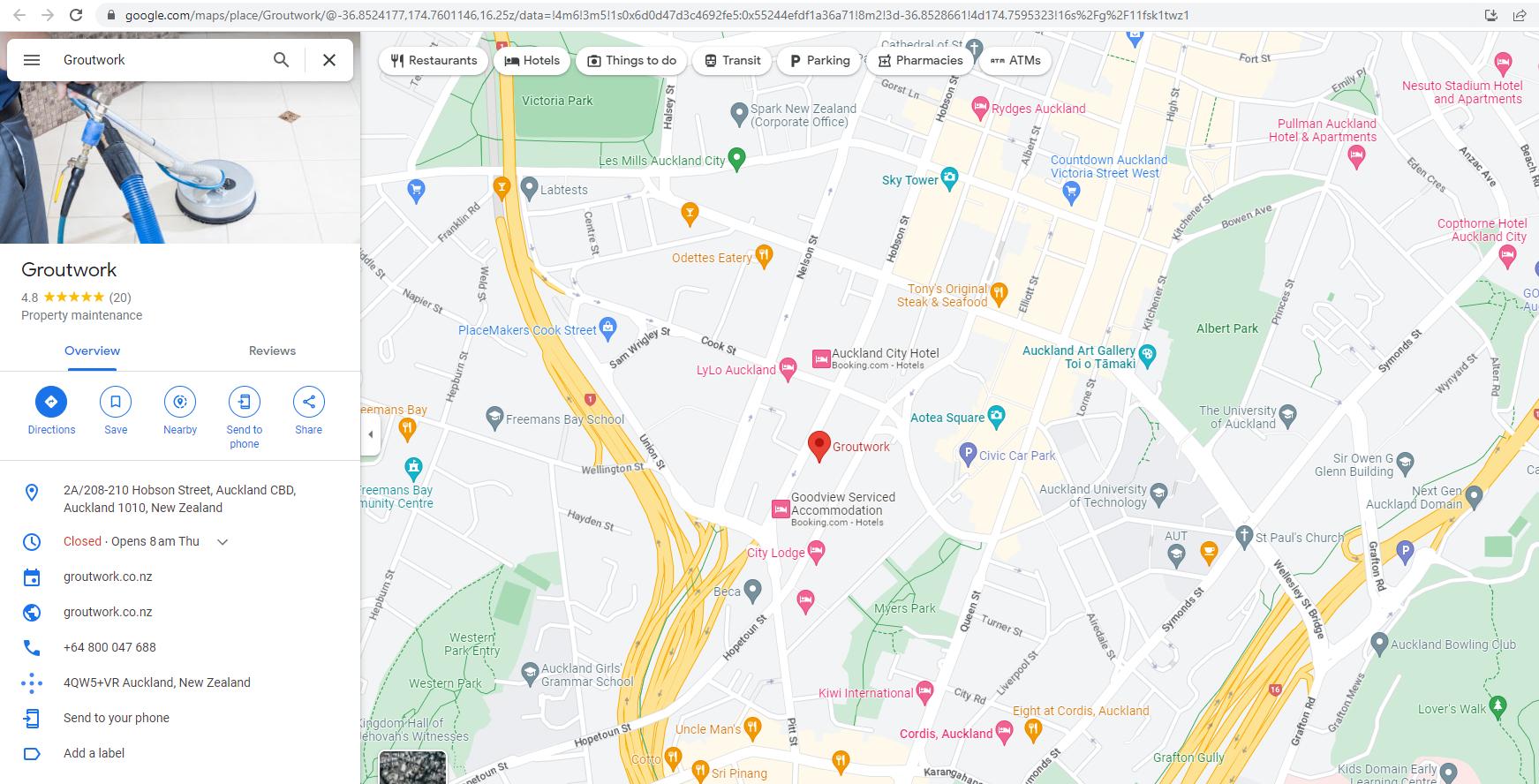
2A/208–210 Hobson Street, Auckland City, 1010 New Zealand
080047688