LAMP DESIGN: GREEN CUBE
CENTRAL ATRIUM
Typology :
Location :
Course :
Team:
LAMP DESIGN: GREEN CUBE
Typology :
Location :
Course :
Team:
Software: Educational
Guatemala City, Guatemala
Comprehensive Studio, Fall 2023
Gretchen Hundertmark & Ian Goodale
Rhino, Lumion, and Adobe Illustrator
King & King Architects Award – Second Place
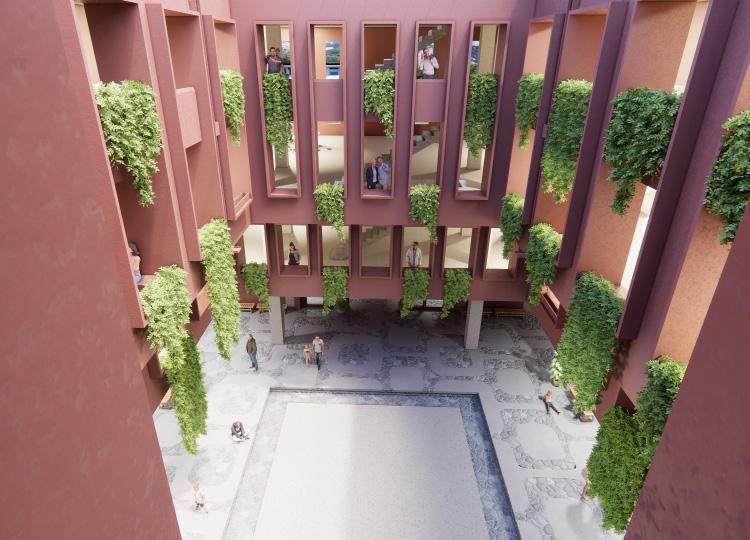
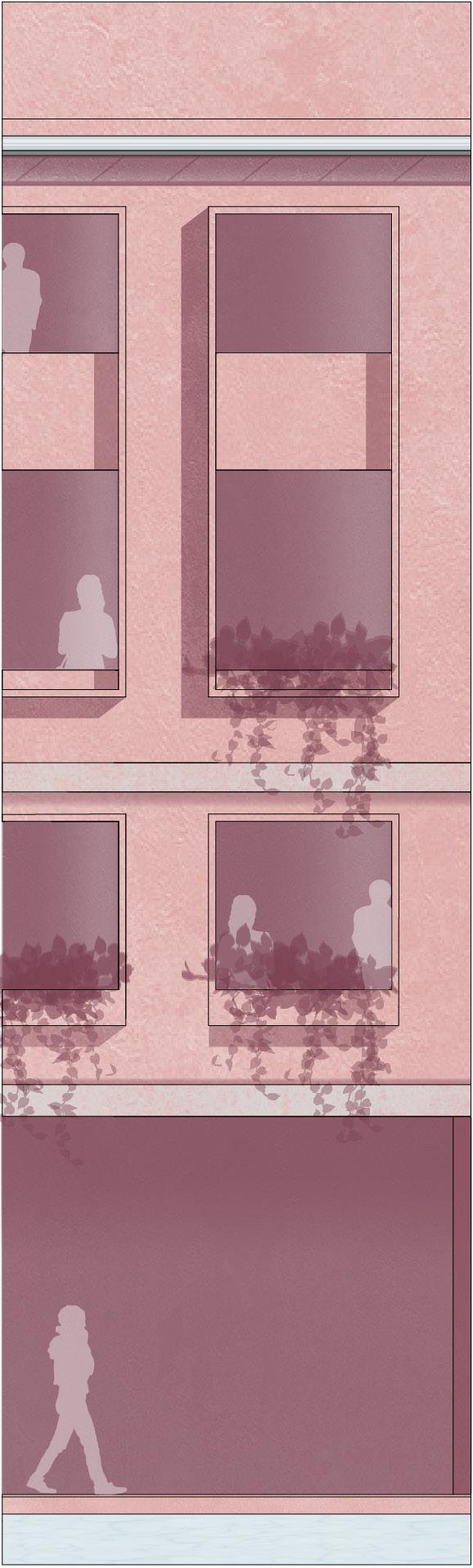
The redesign of the IGA building in Guatemala City focuses on revitalizing its facade while embracing Guatemala’s rich cultural legacy. Our project integrates the symbolic significance of the cenote and pila as central elements of urban and social life. At the same time it aims to address Guatemala’s water sanitation challenges through water capturing and reuse. Through the concept of “facadism” and the integration of enclosed interior and exterior private and public spaces, such as courtyards and water features, we aim to create a welcoming space that remedies the earlier facade, which closed off the community.
The existing IGA building fails to represent the collaboration between the U.S. and Guatemala, with its closed-off design, tall walls, small off-center entrance, and dim interior caused by a neglected skylight. These issues create an uninviting atmosphere, both inside and out.
Our redesign addresses these flaws by incorporating elements inspired by our visit to Guatemala, such as patterned tile flooring for unified spaces and central courtyards with water features, fostering openness and cultural connection.
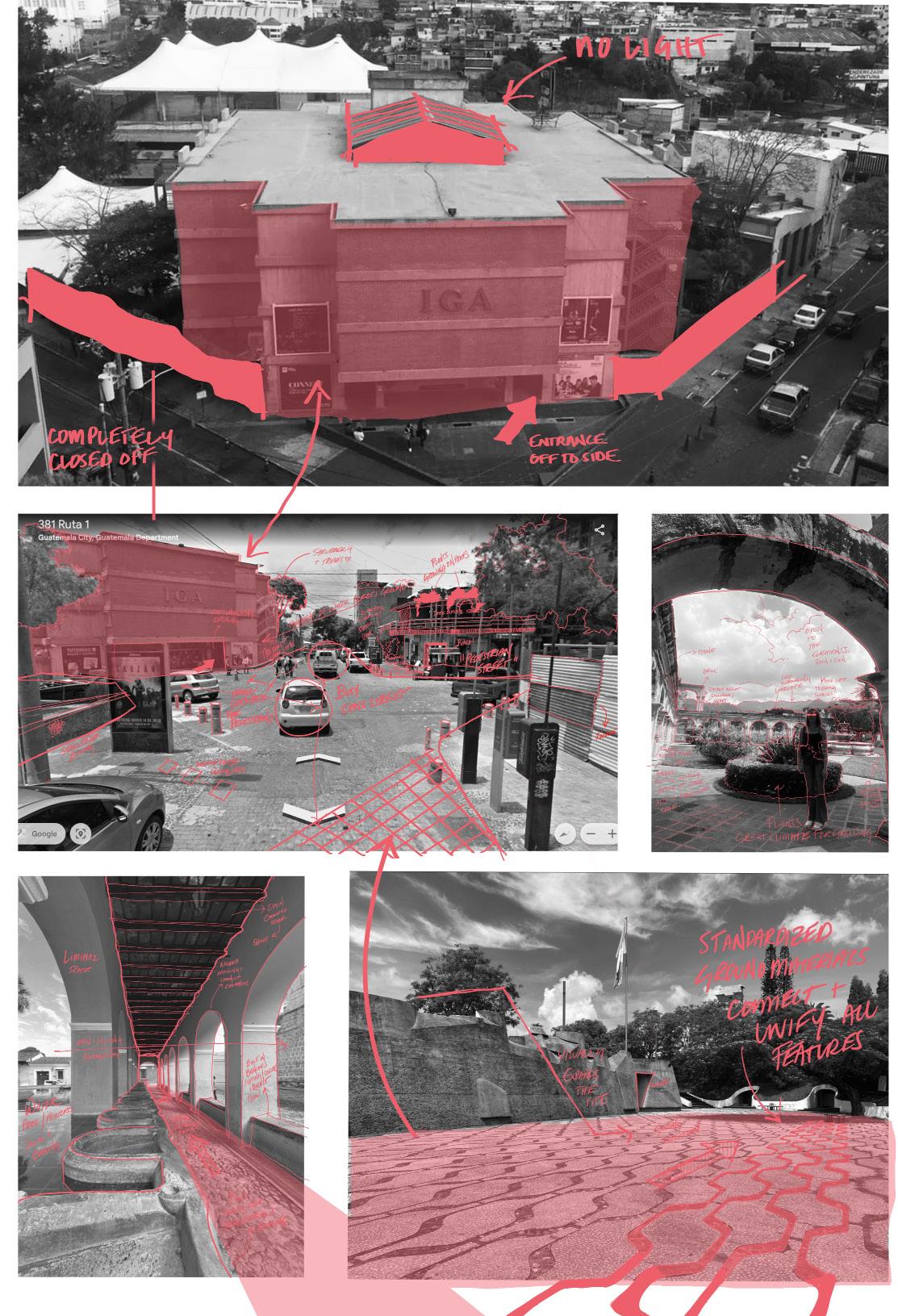
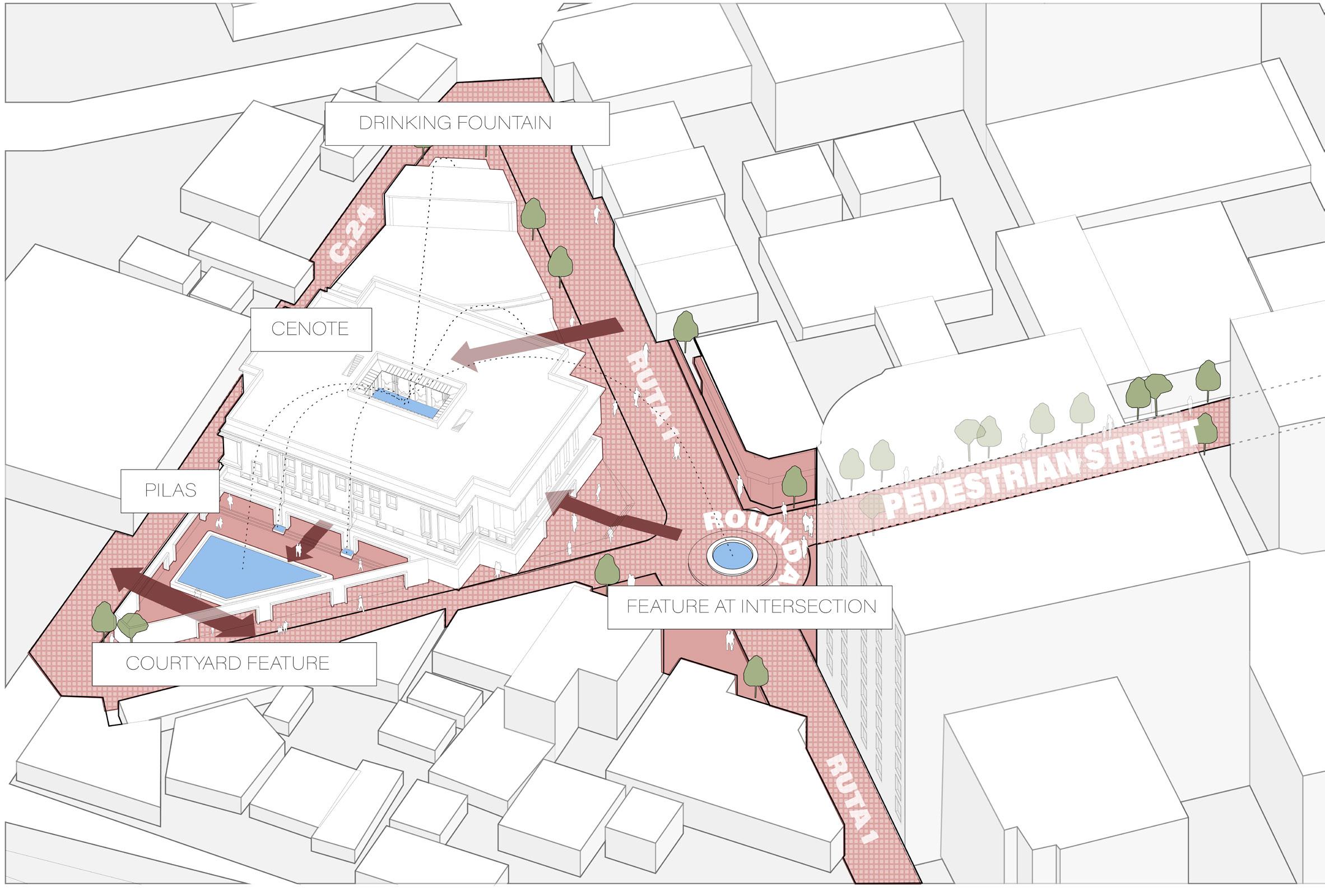
THE EXTENDED SITE The redesign integrates with nearby streets, featuring drinking fountains and repaved street with consistent material to visually connect the site to surrounding pedestrian streets.
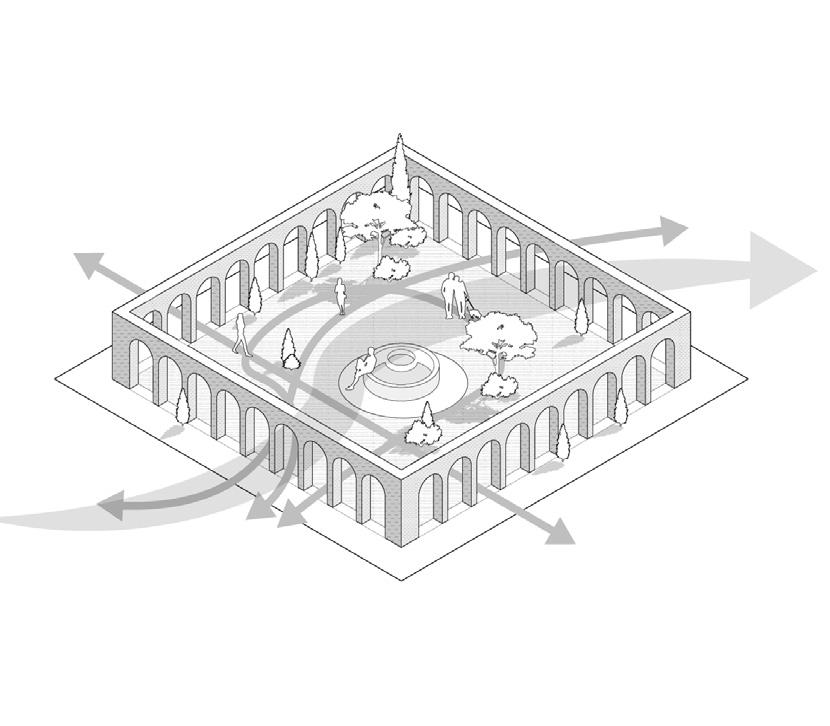
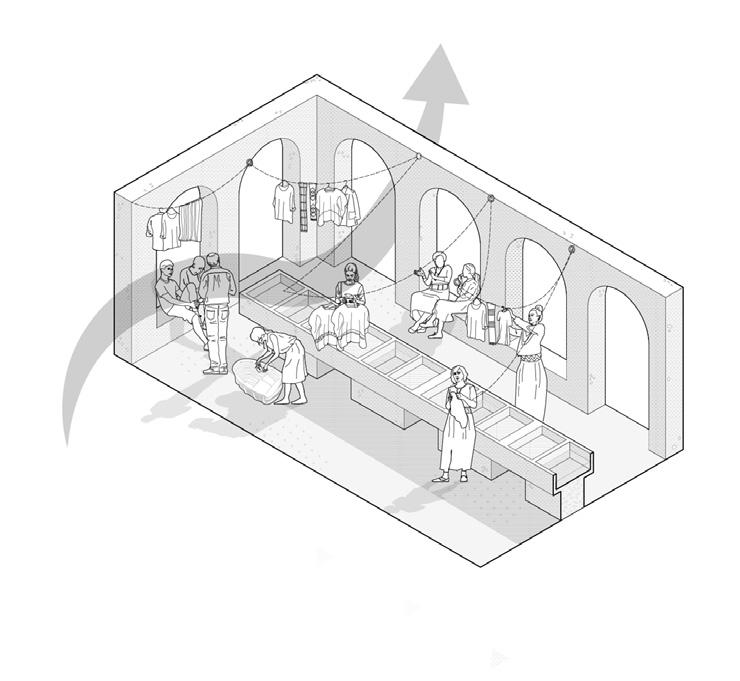
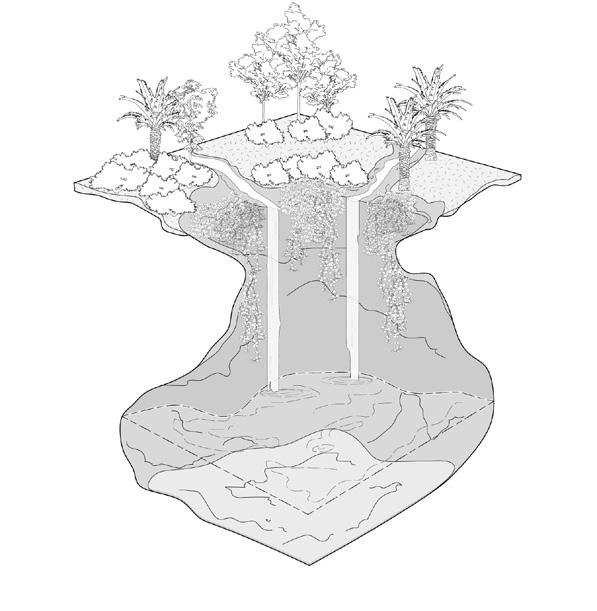
THREE DESIGN ELEMENTS The pila, a traditional washing structure, serves as a social space with cooling features. The courtyard, a retreat from the city with greenery and water. Cenotes, natural sinkholes, located at the center of Mayan cities, for water & religious rituals.
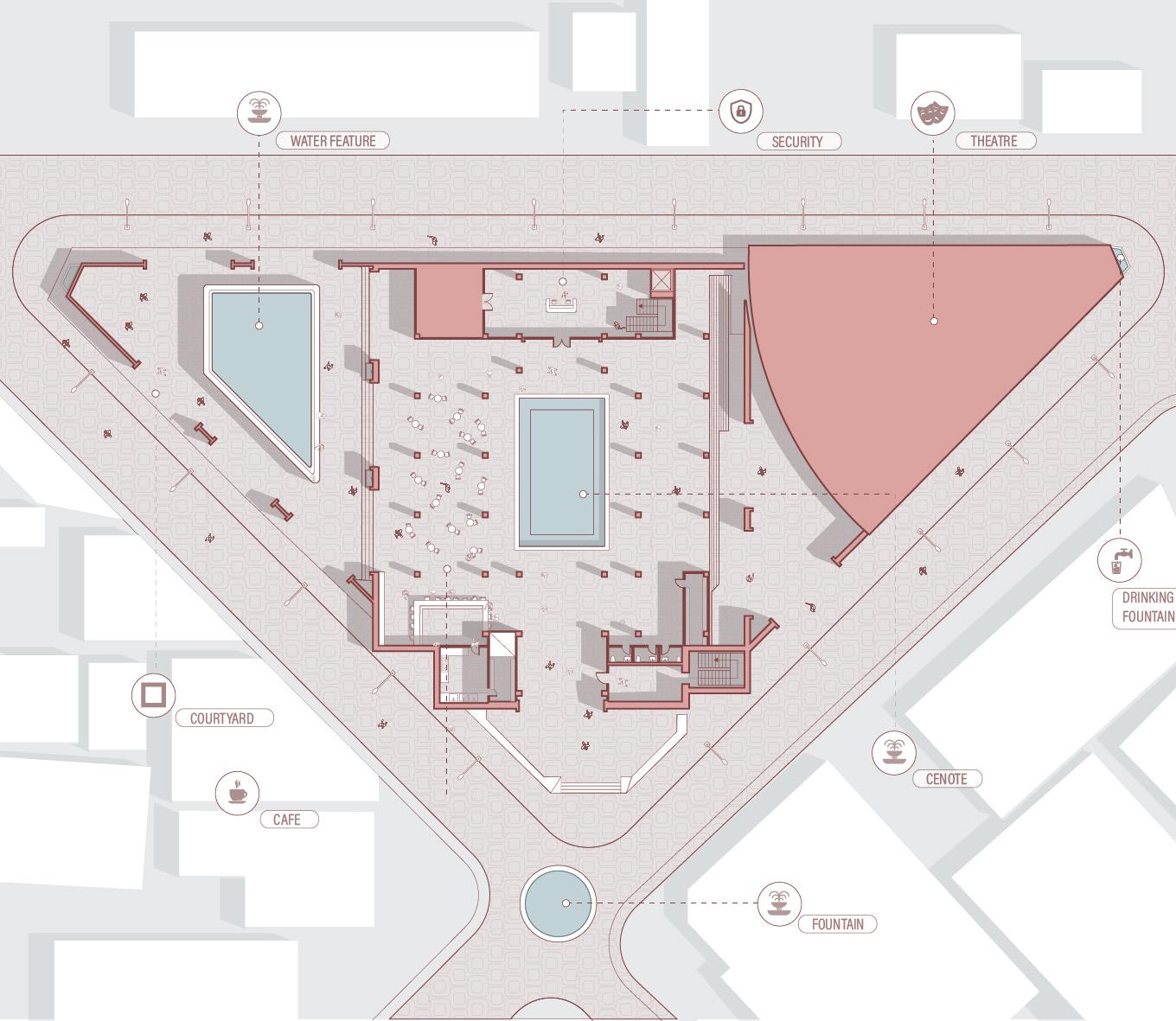
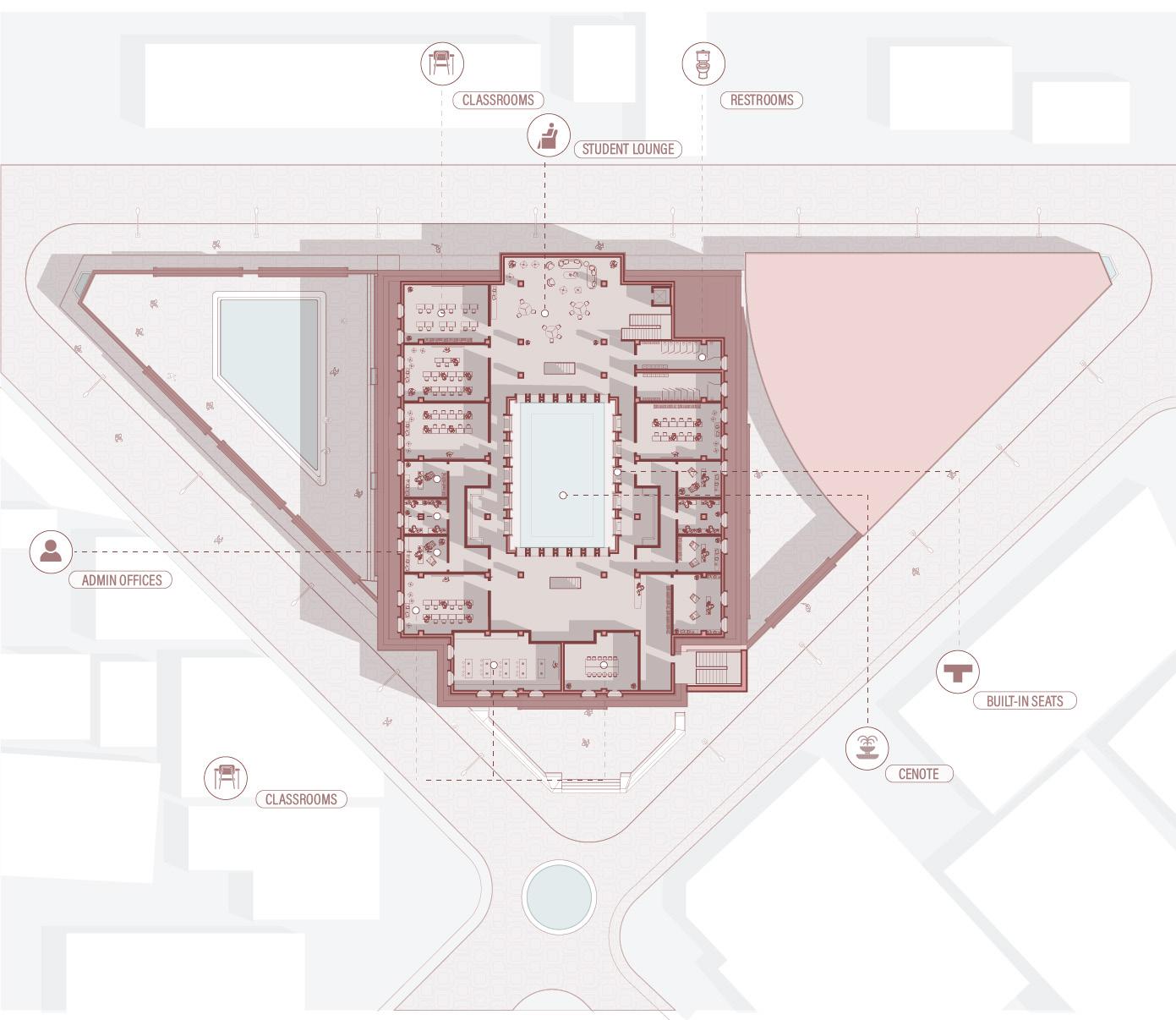
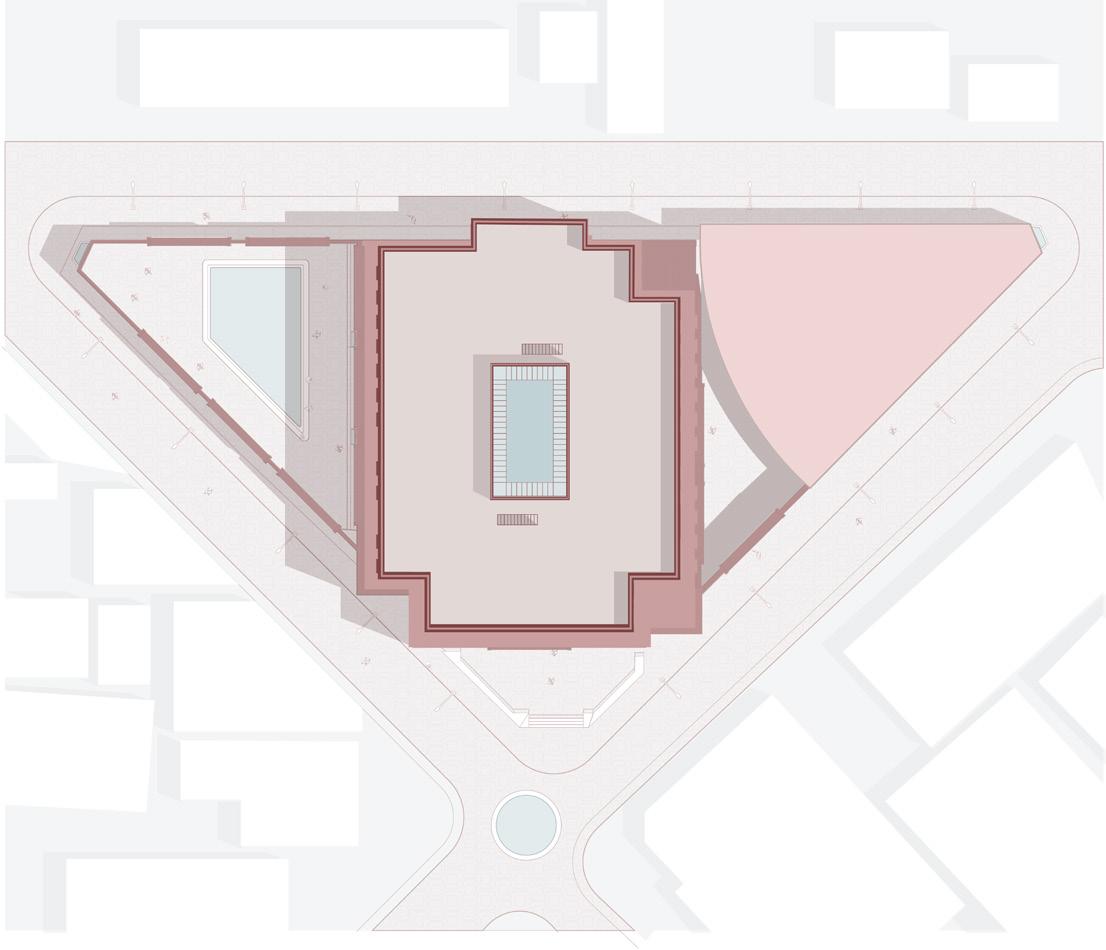
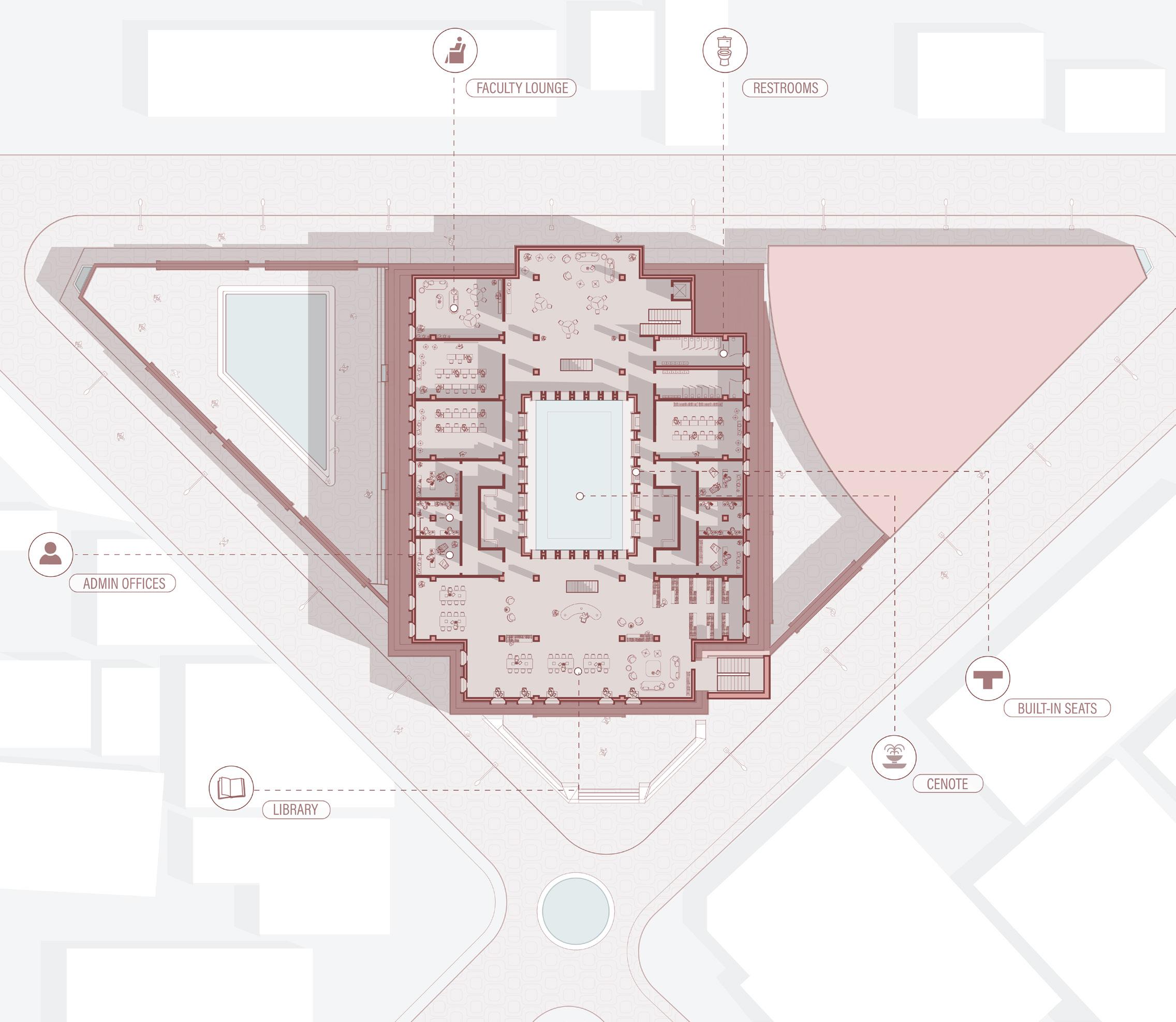
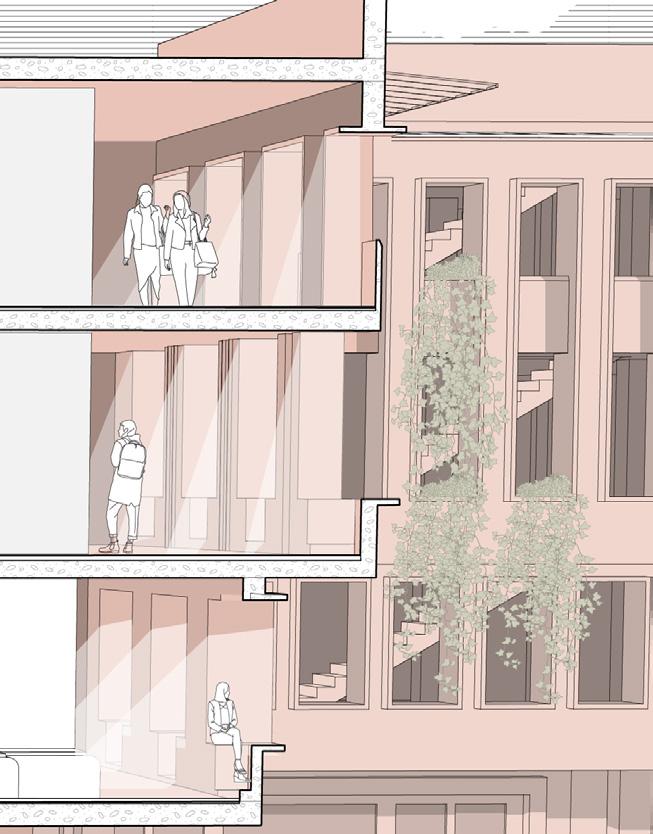
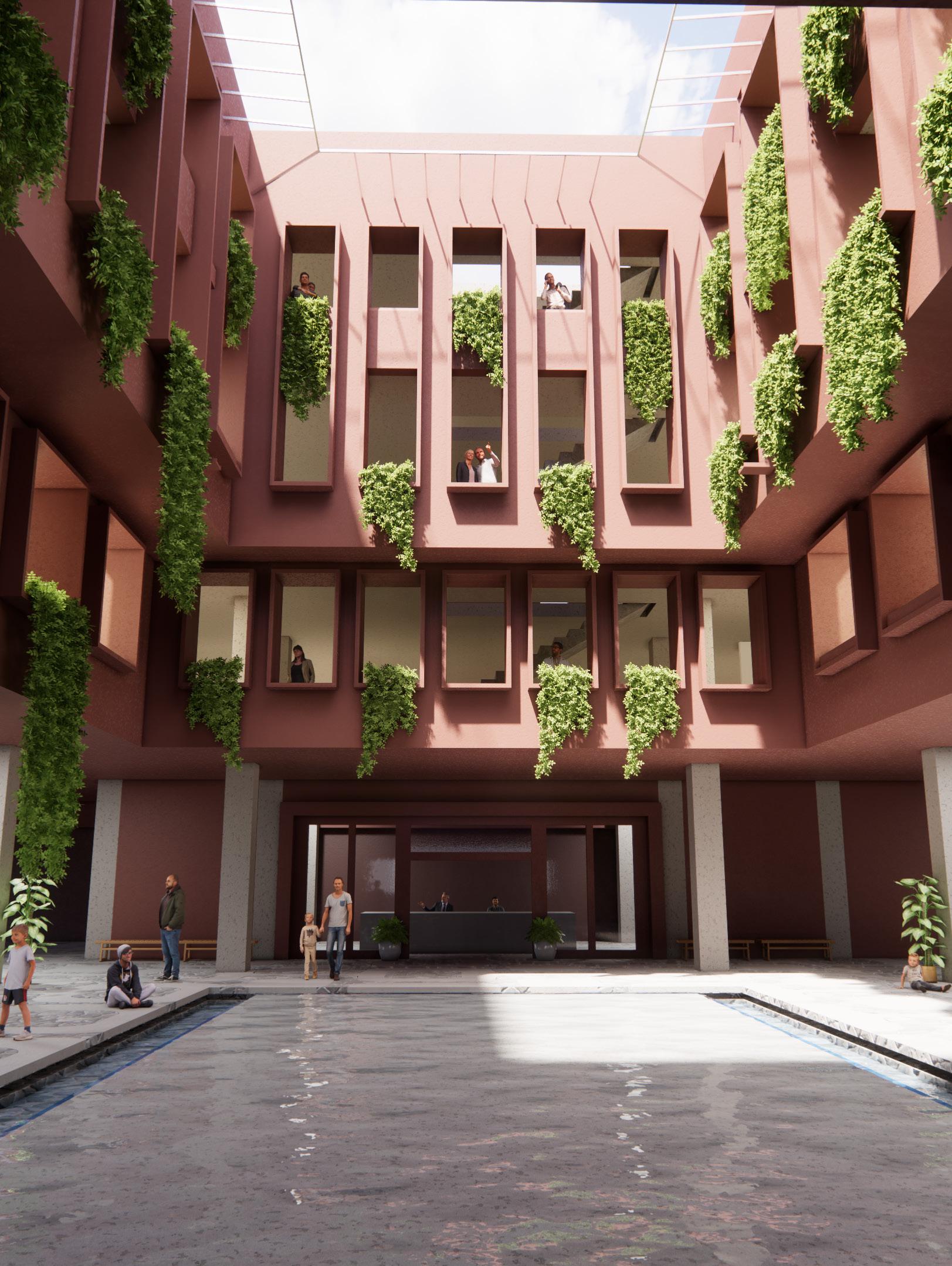
The interior maintains the same number of classrooms while introducing new administrative and teacher offices, a break room, and expanded student spaces, including a large two-story library. The ground floor transforms into a public area featuring a café that connects to the central atrium, which is designed as an open communal space with integrated seating. Secure entrances lead to the upper floors, ensuring that the center remains safe.
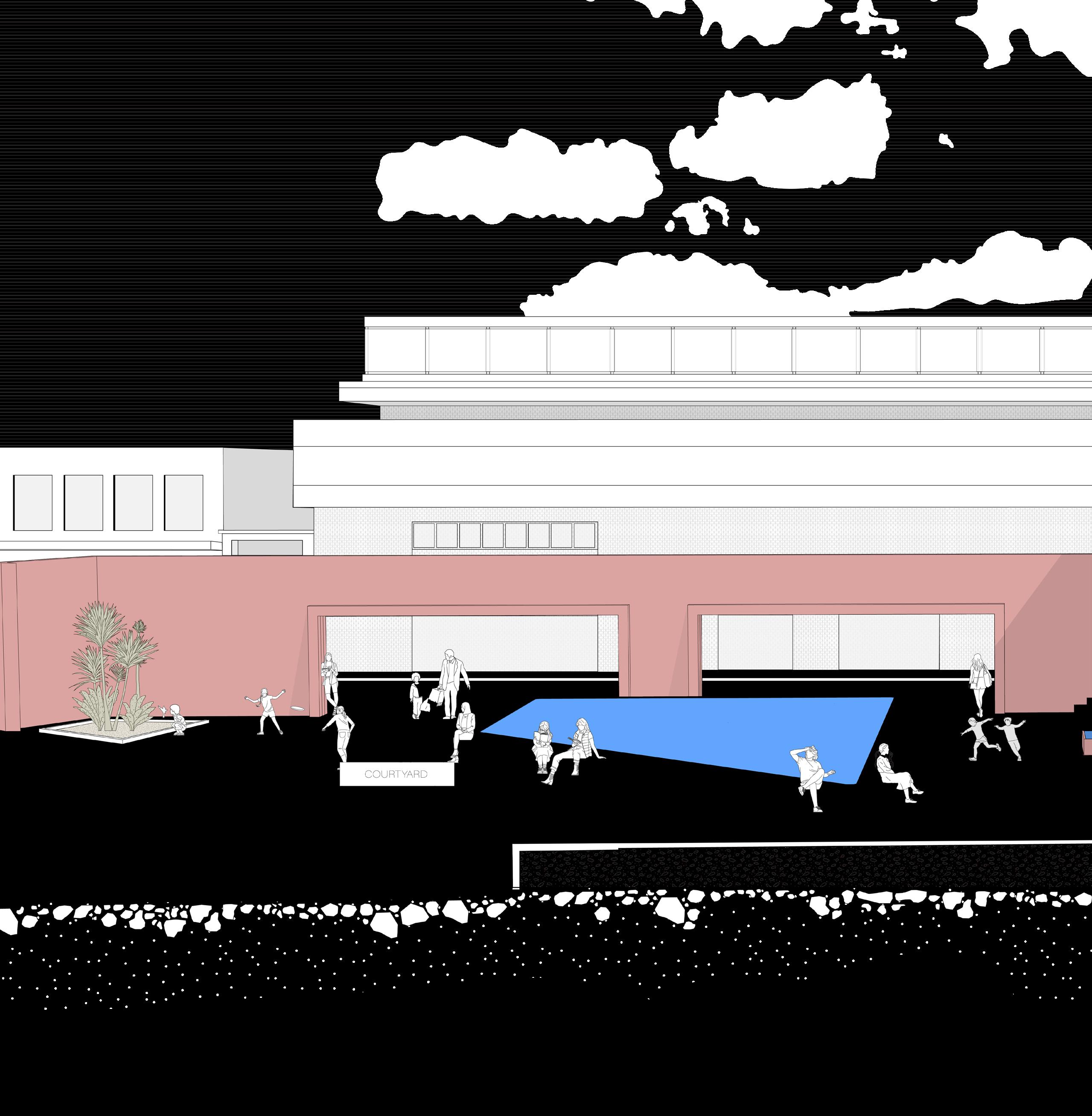
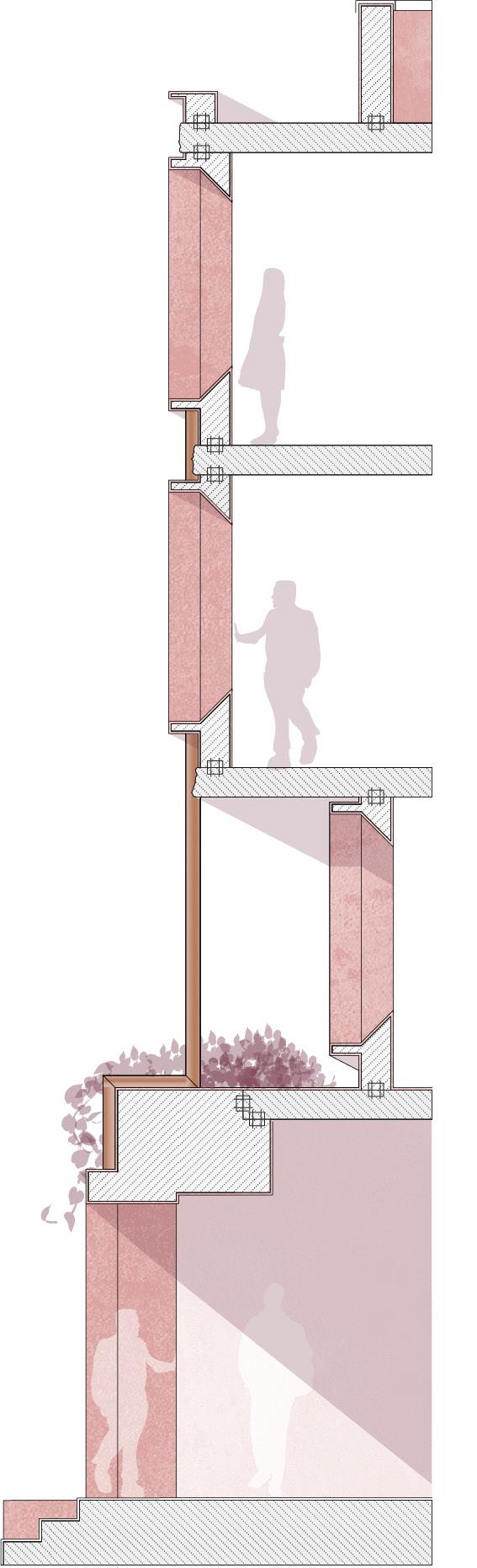
(Above) The main redesign of the building includes removing infill walls from the ground floor to create a public and welcoming area. The exterior courtyard allows for passage through the site and provides shade, vegetation, and water features along with water capturing pilas.
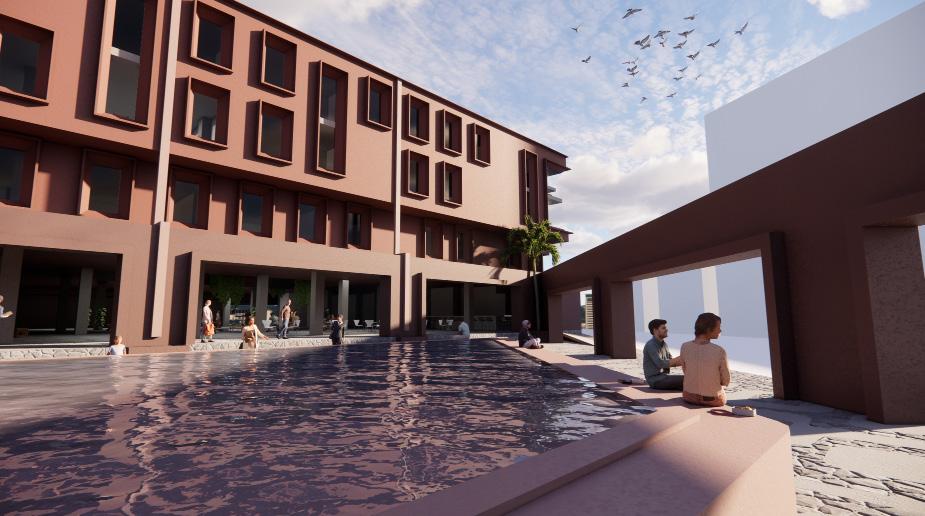
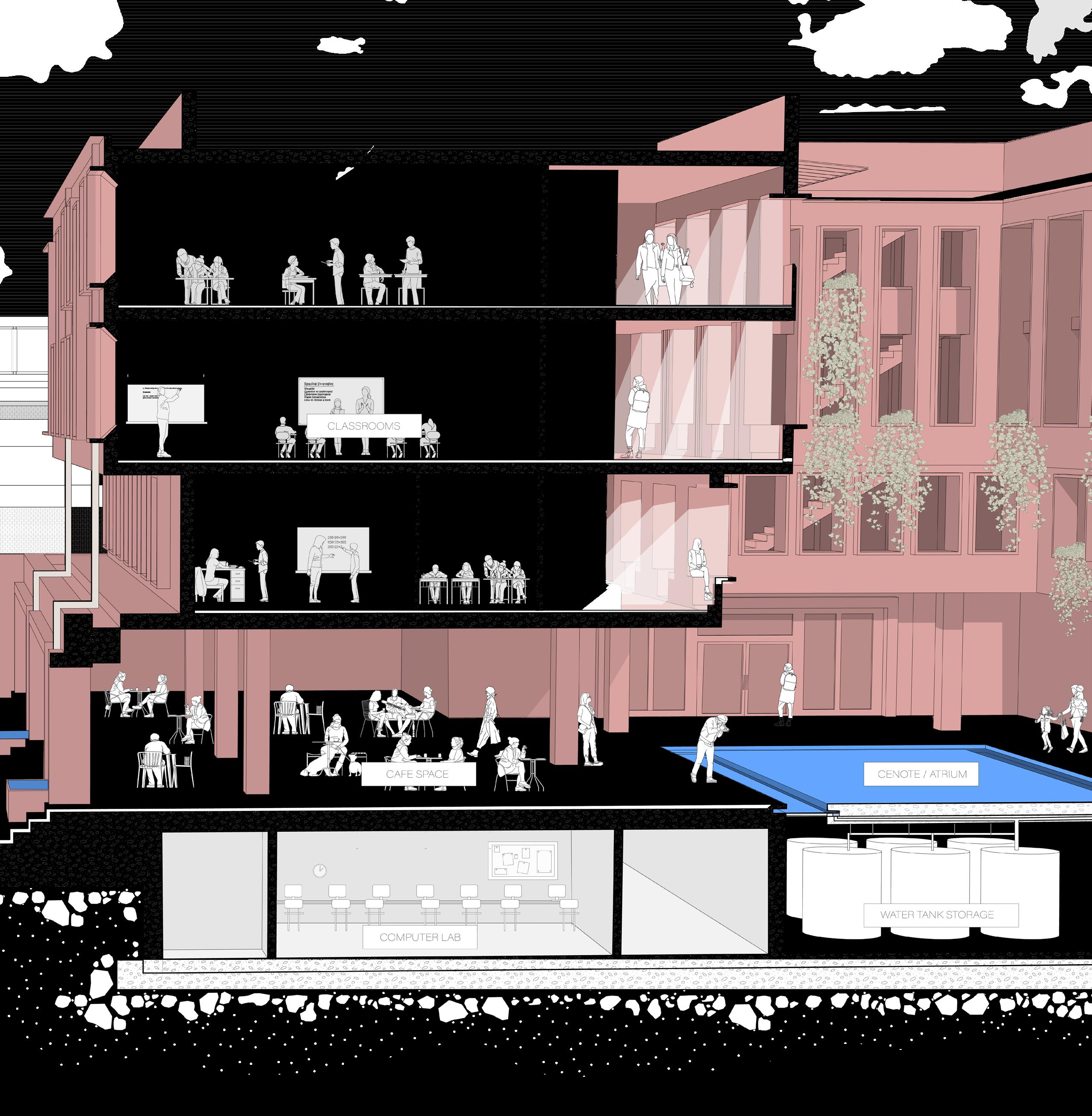
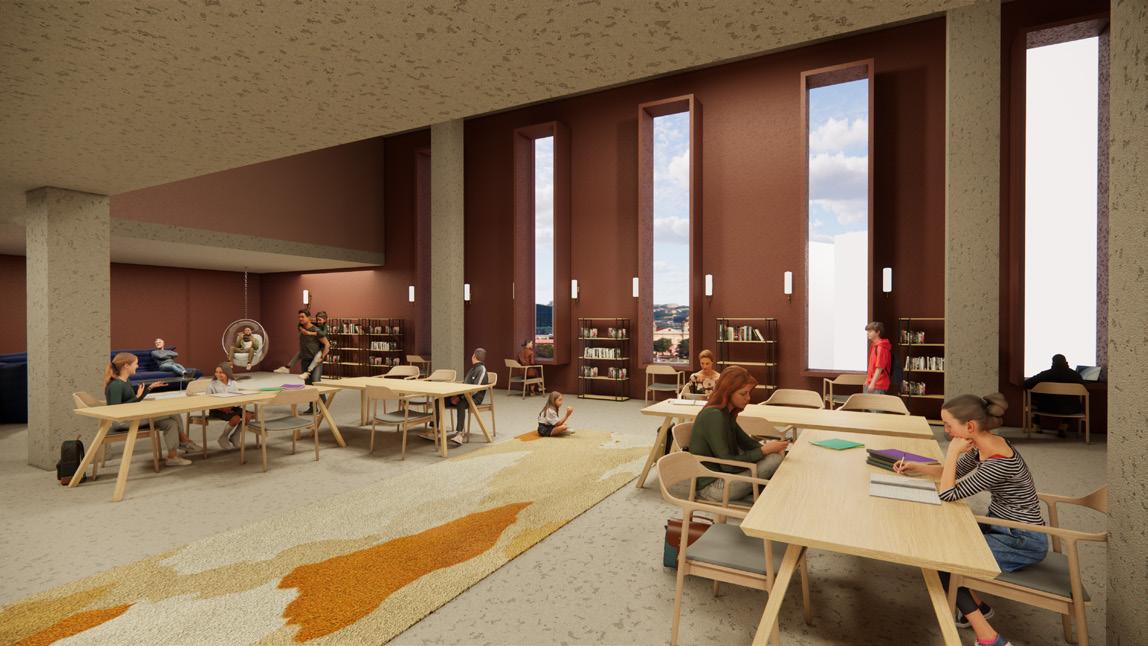
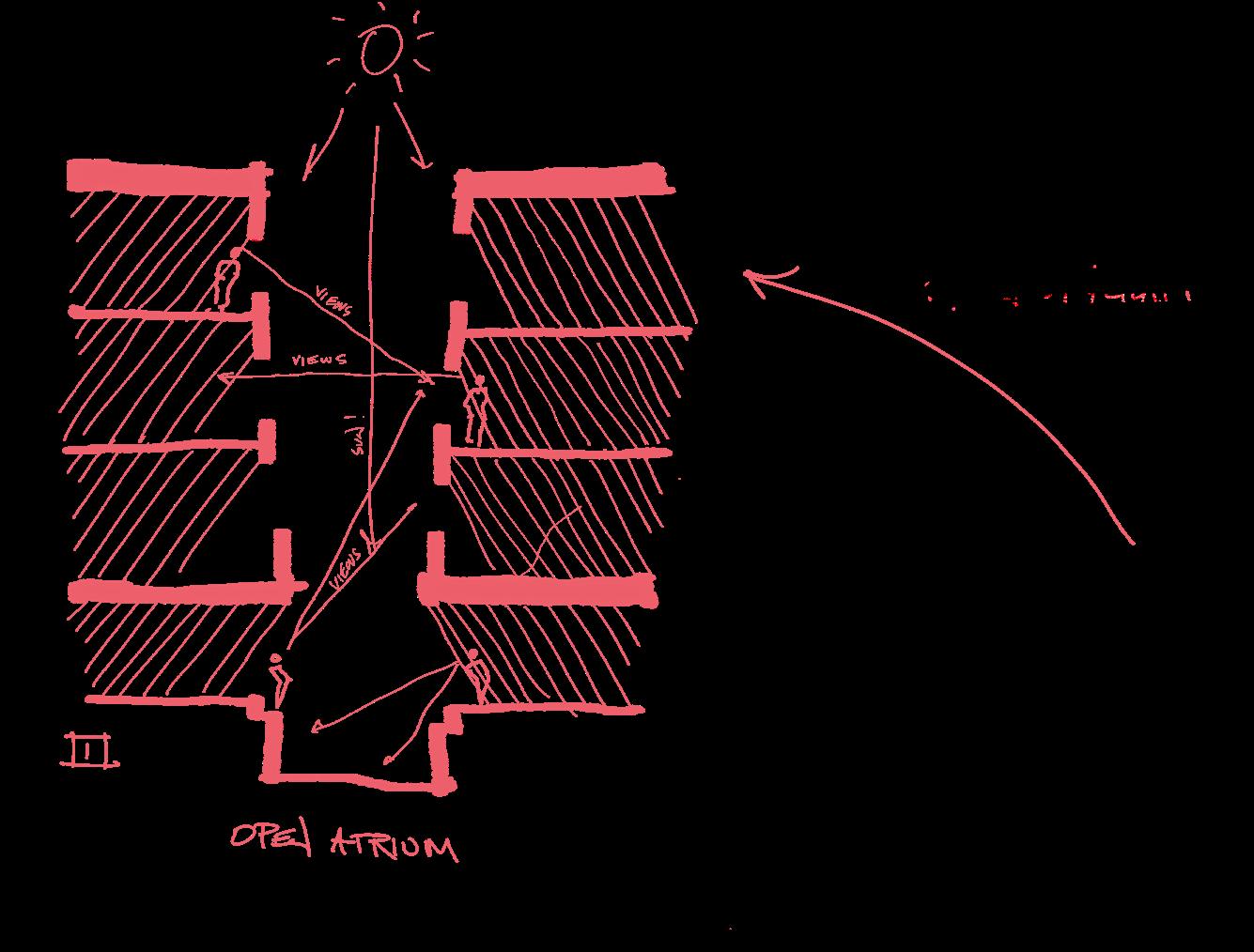
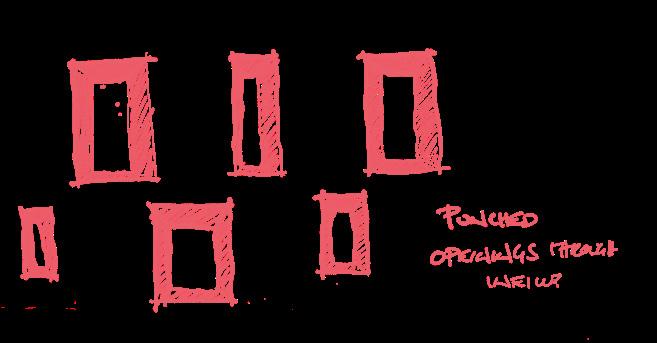
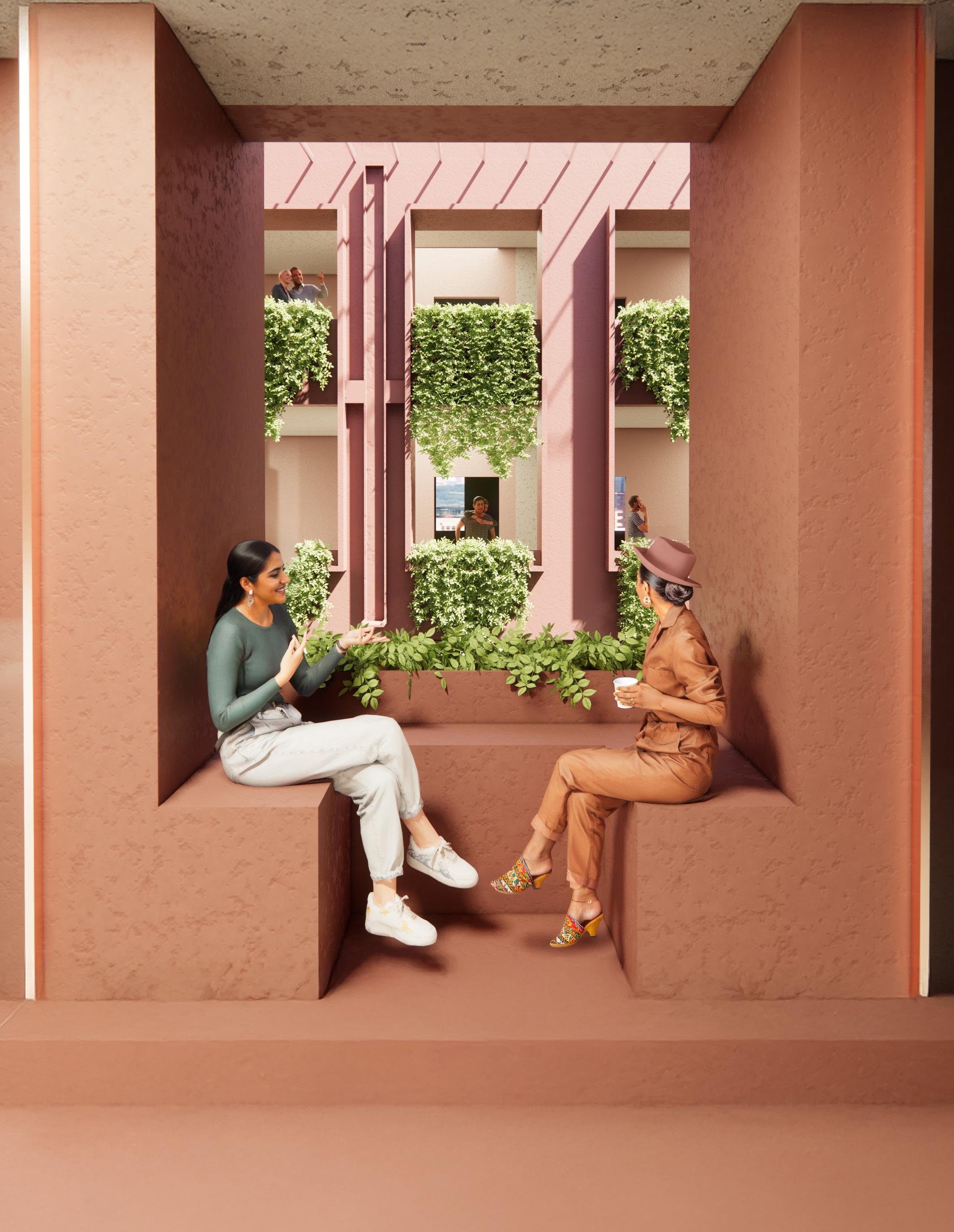
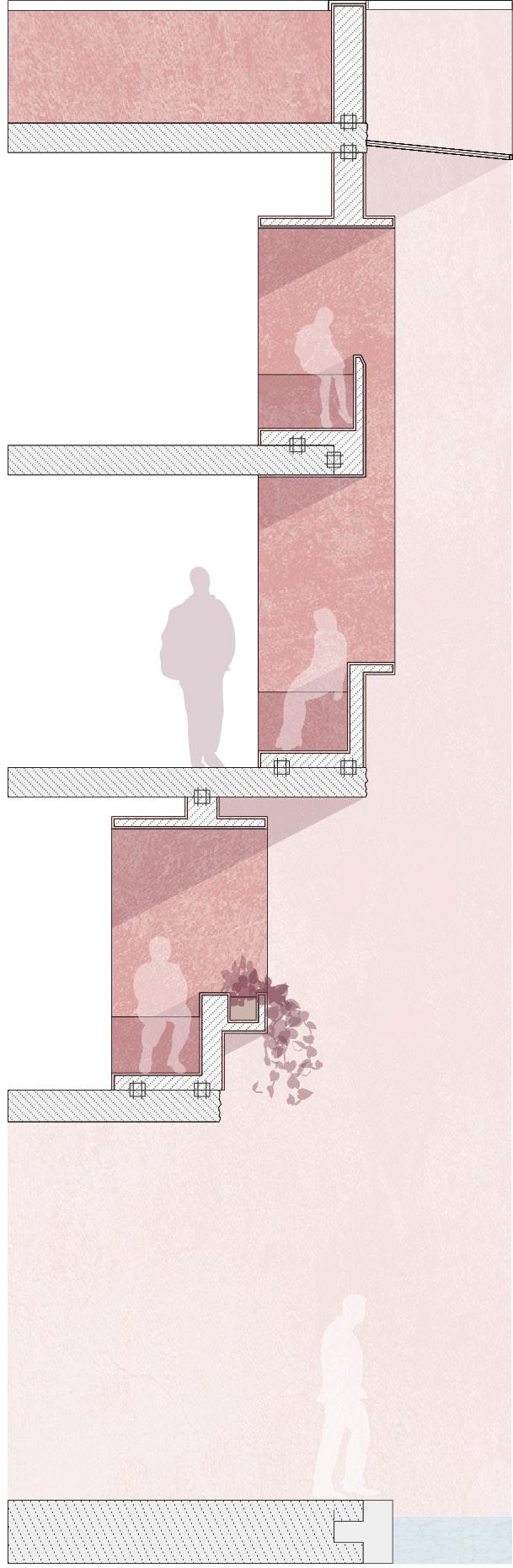
Interior hallways of the building are open to the central atrium with views of the cenote. Built-in seating, which utilizes punched openings in the interior facades, allows for socialization referencing the community aspect and form of the pila.
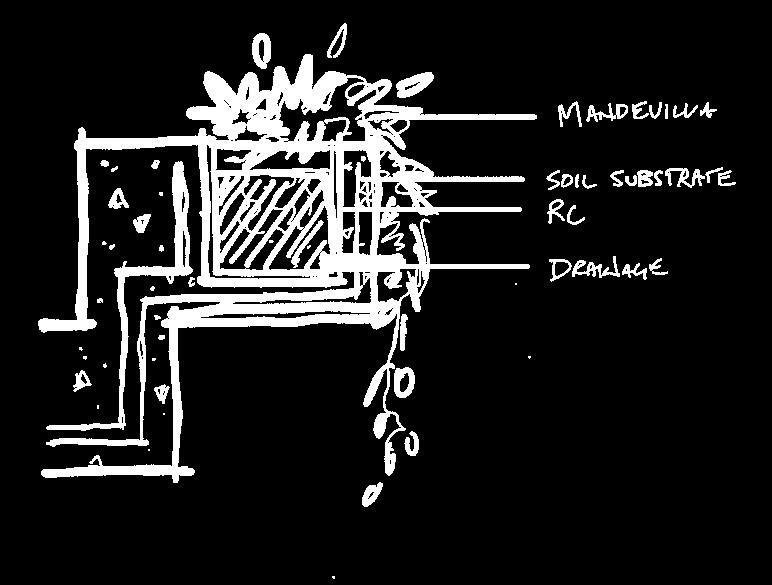
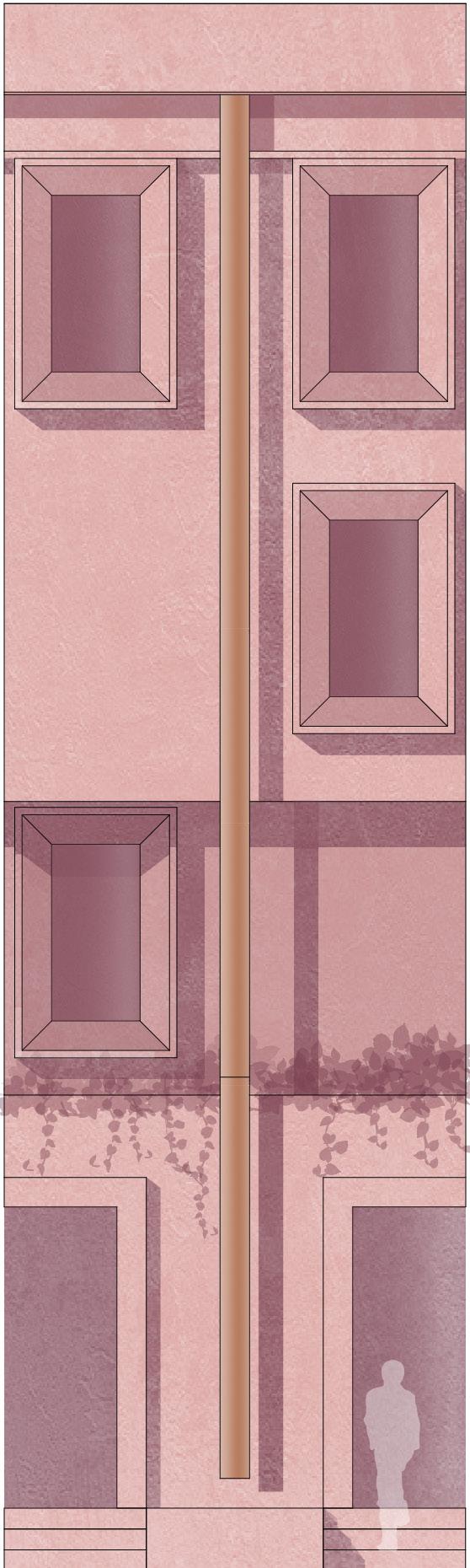
SEATING
DESK
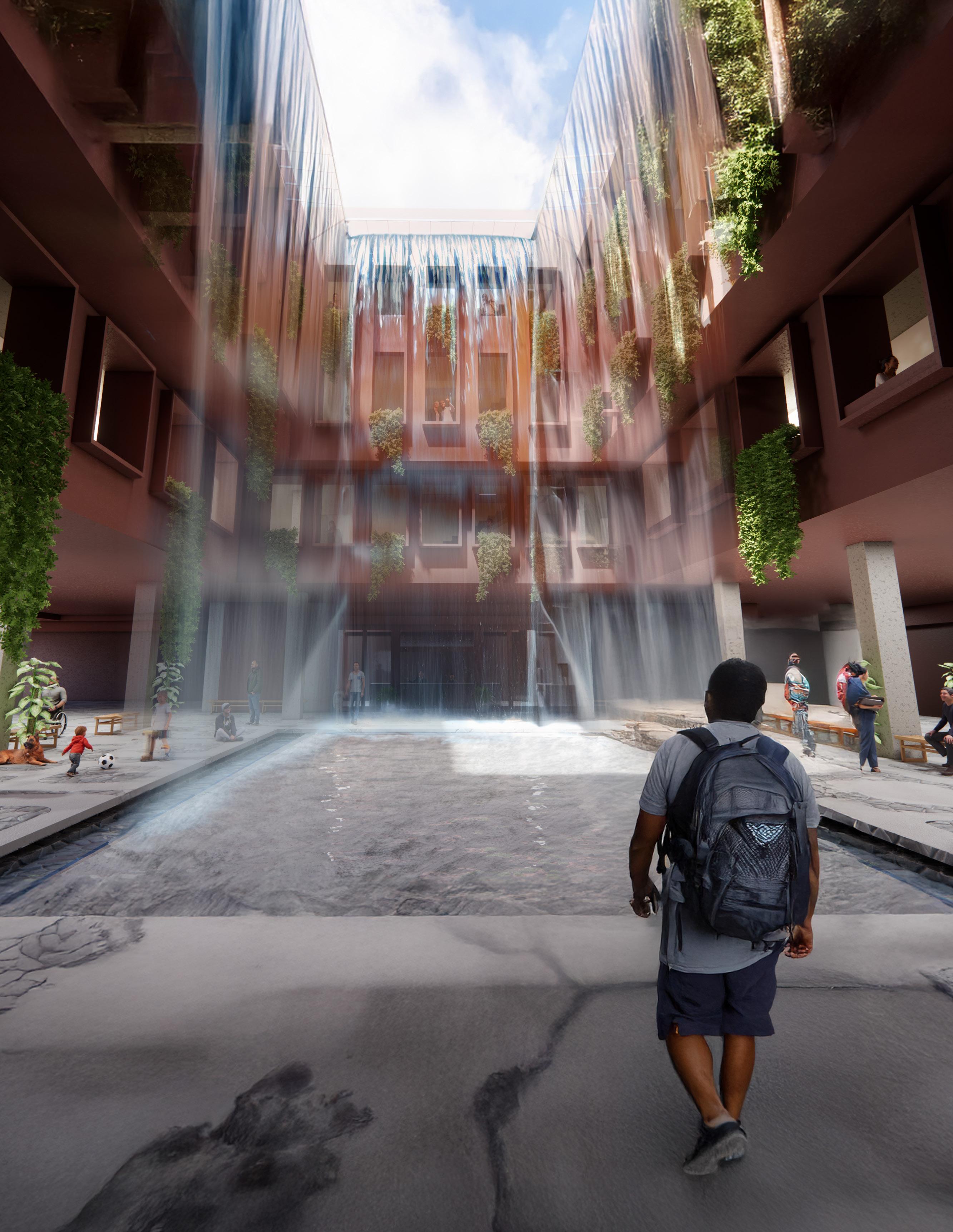
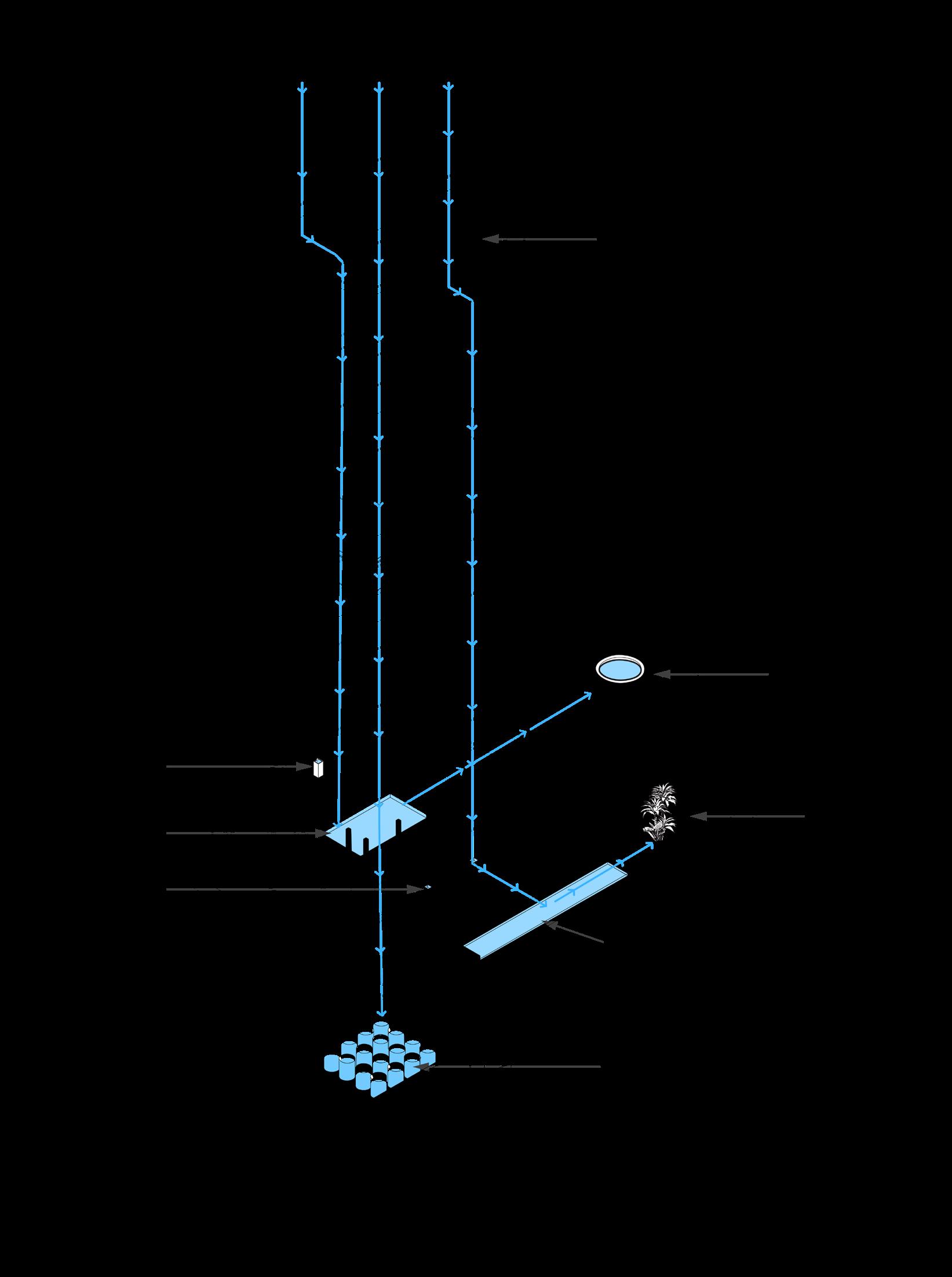
In response to water scarcity and unreliable infrastructure in Guatemala, the Urban Cenote collects rainwater from the roof, filters it through a passive system, and stores it on site. This system supports basic sanitation needs while making water visible and communal, reconnecting residents to natural cycles in an urban setting.
.
Typology :
Location :
Course :
Team:
Software: Museum
New York City, NY
Visiting Critic Studio, Spring 2023
Gretchen Hundertmark + Daniella Llaguna
Rhino and Adobe Illustrator
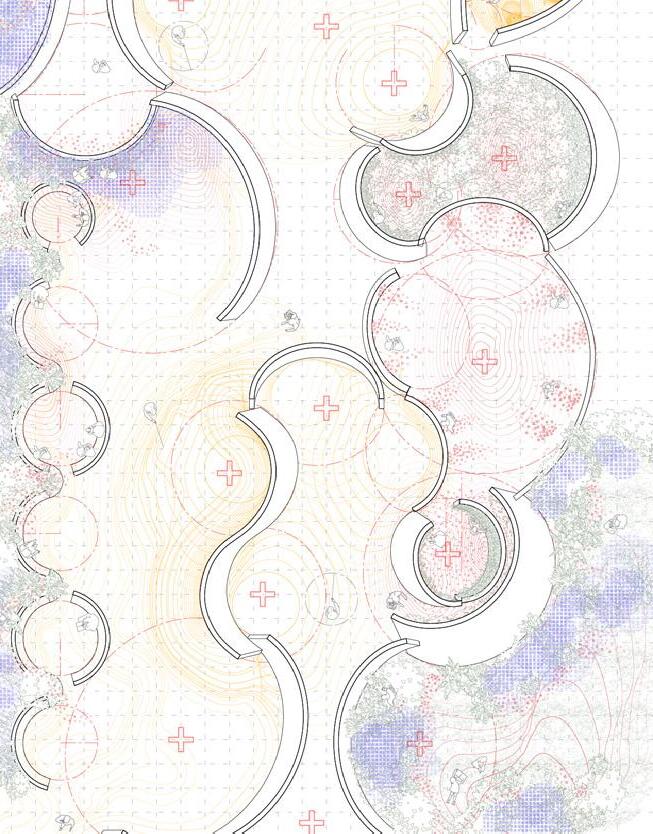
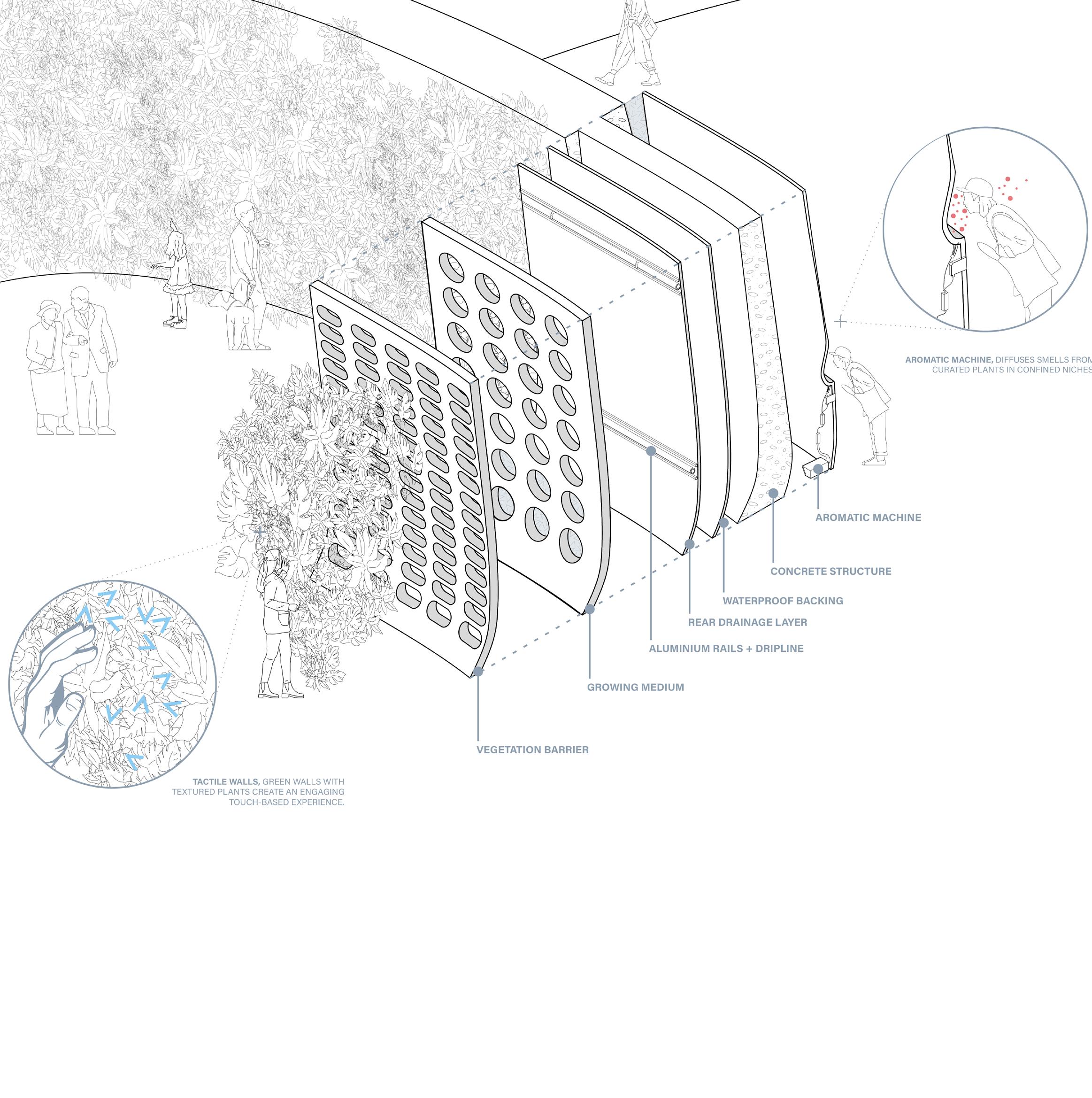
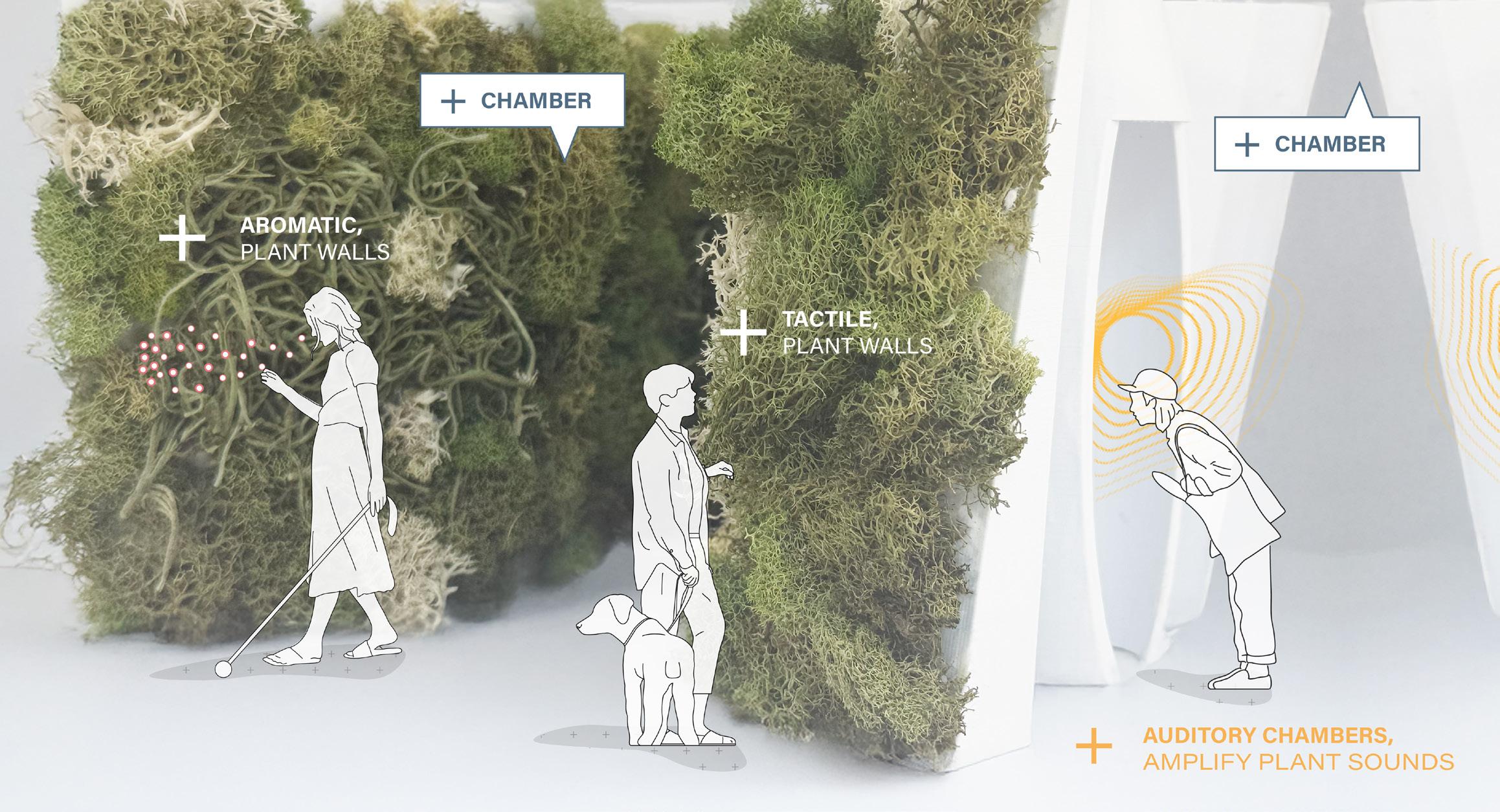
PLANTS+HUMANS-SIGHT presents an immersive, cultivated exhibition that allows users to experience plants beyond the visual: touch, smell, taste, and sound. The site is catered toward visually-impaired guests through a series of multi-sensory exhibits: tactile rooms, sound chambers, aromatic cavities, and a plant-based café. This project considers plants as more than passive elements; rather, they play an active role in shaping the users’ experience and perception of space. The site exists within the context of the city’s initiatives to make surrounding neighborhoods more serviceable to the visually impaired. The program utilizes plants propogated by the NYC Parks Department, expanding their collection while offering a public space aimed at an overlooked user group.
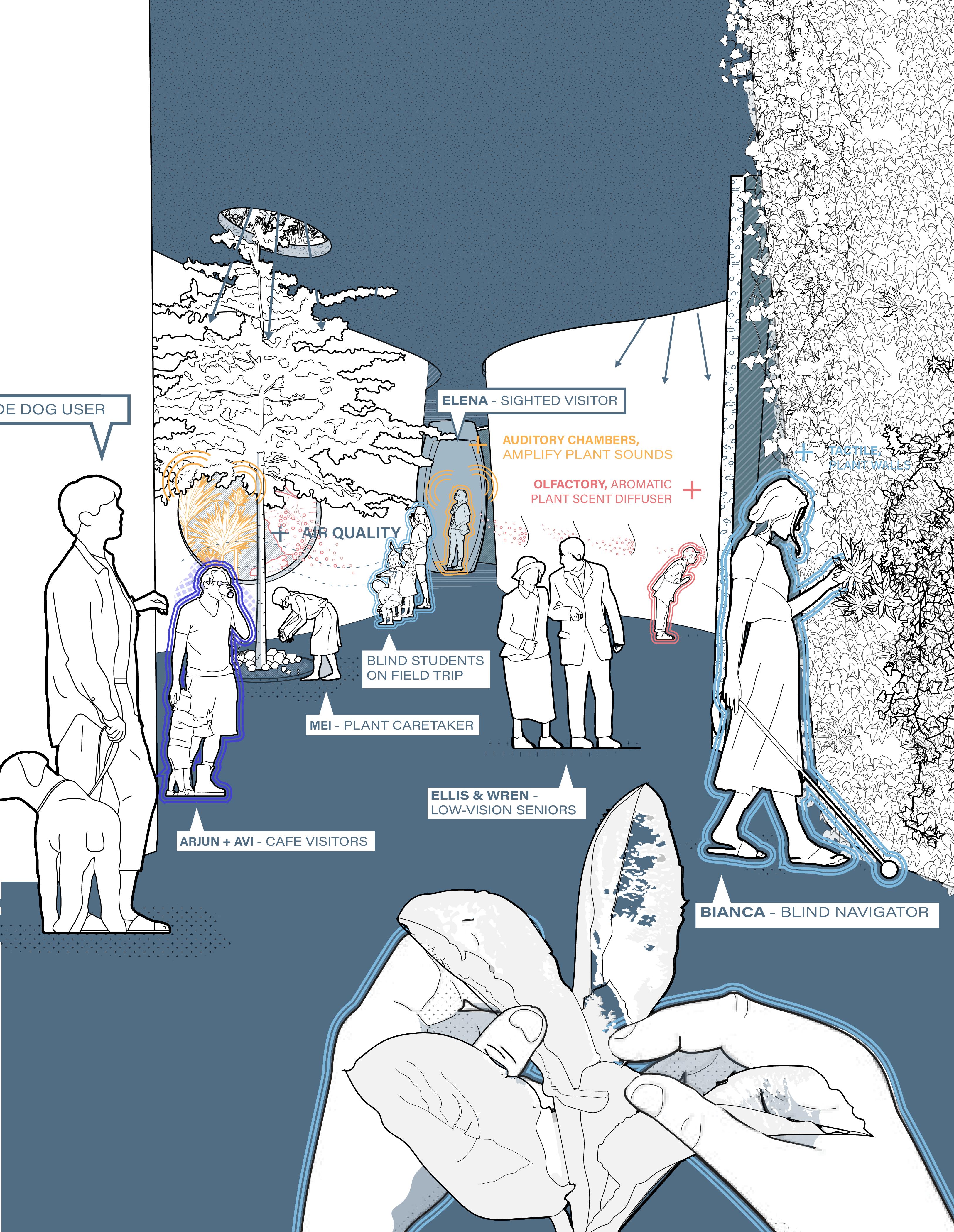
Individuals with visual impairments navigate their surroundings through multisensory wayfinding, which involves using sound, smell, texture, and taste to assist movement.
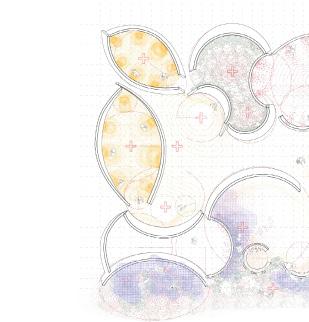
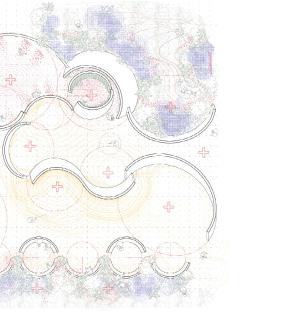
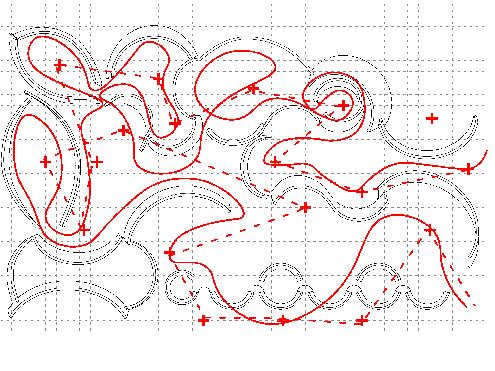
The plan highlights instances of both single and multiple sensory stimulation, along with periods of rest.

Marks location of curated sensory experience
person using cane to navigate museum
The various wall types aim to enhance specific senses in each area.



“Wayfinding” - The architectural practice of guiding movement through sensory cues like texture, sound, scent, and lighting for intuitive navigation.
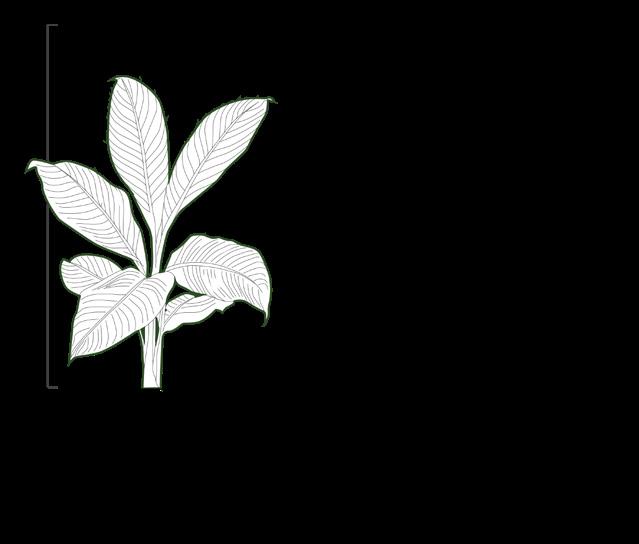
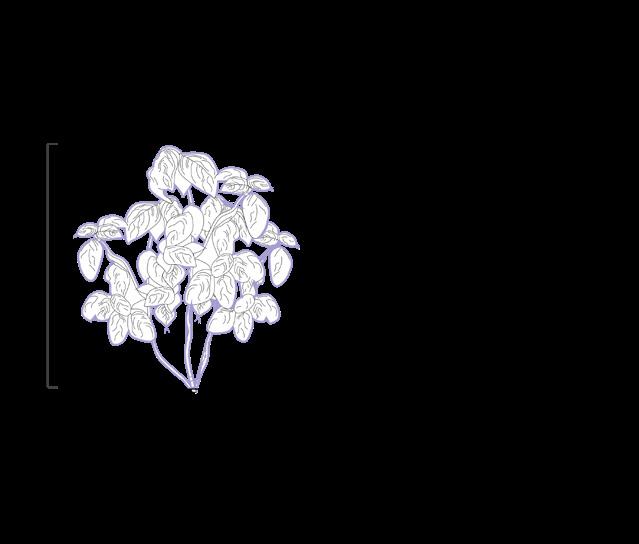
The plant selection is curated to create immersive experiences that stimulate senses beyond sight.
ONE TWO THREE
Bioreceptive concrete cladding, applied to recycled aggregate concrete walls, results in a layer of moss growing on surface of walls increasing CO2 absorption, insulation, and public health, without damaging the concrete.
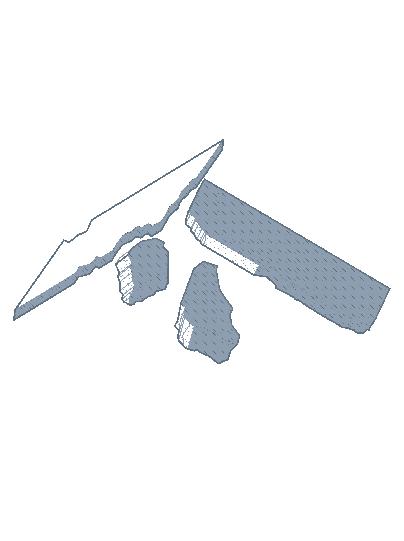
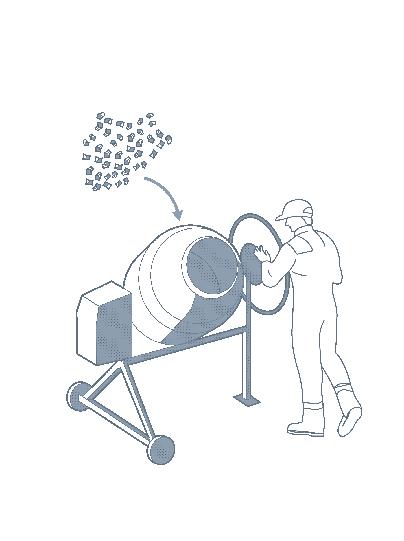
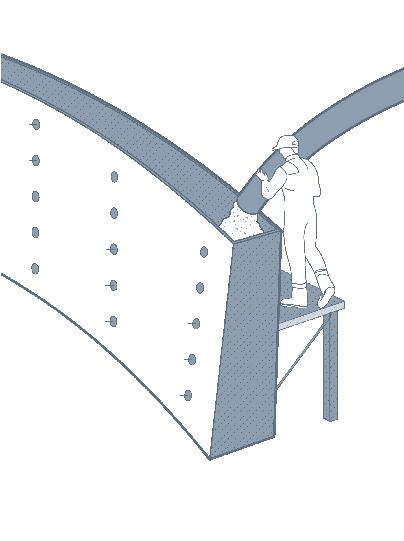
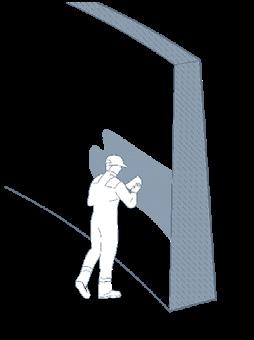
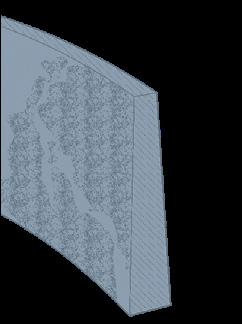
STEP 01: RECYCLE OLD CONCRETE
STEP 02: MIX NEW CONCRETE

STEP 03: CONCRETE POURED INTO MOLDS
STEP 04: APPLY BIO-ENHANCING GEL
STEP 05: SELFSUSTAINING WALL

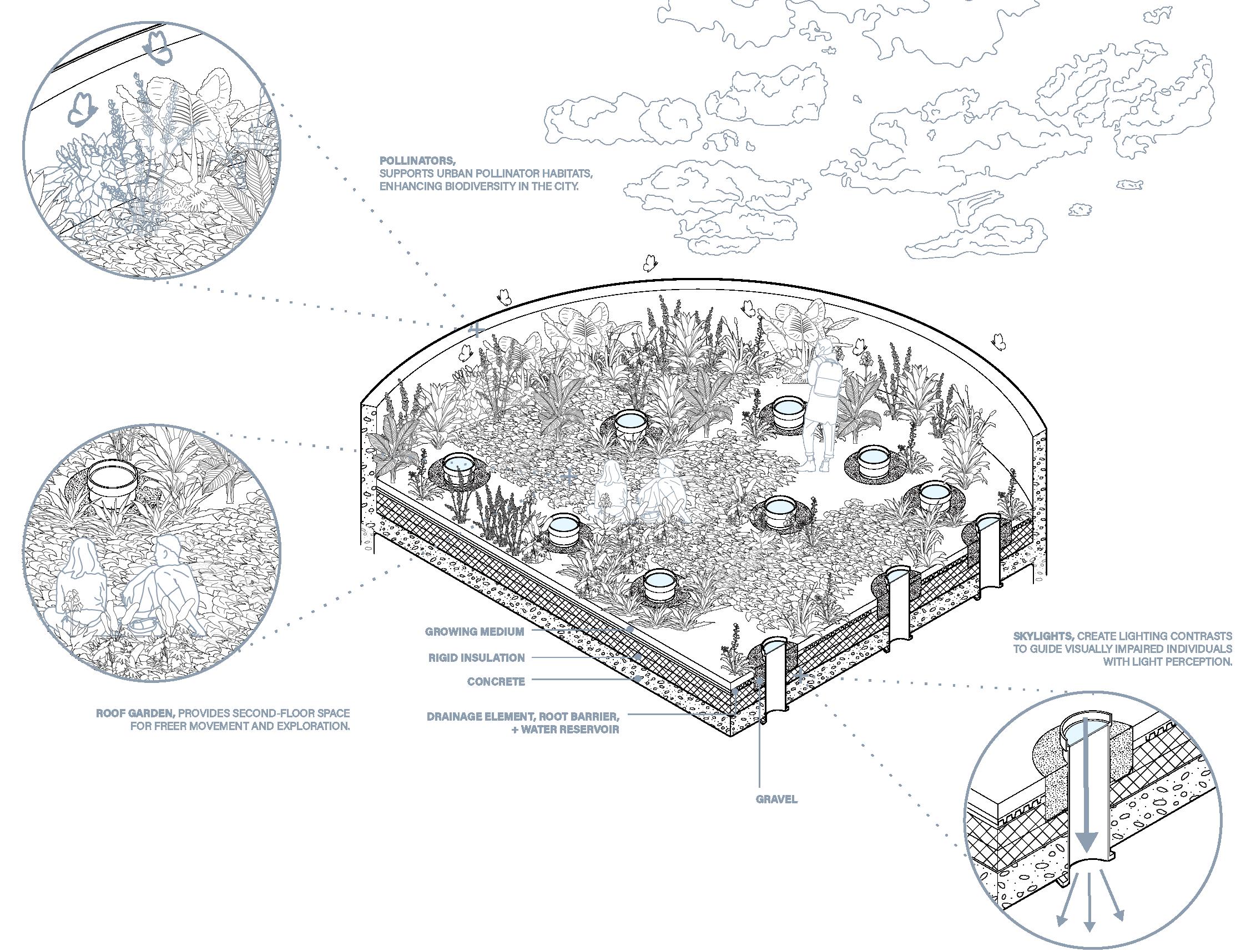
Experience plants growing naturally, with opportunities to engage in their care and cultivation.
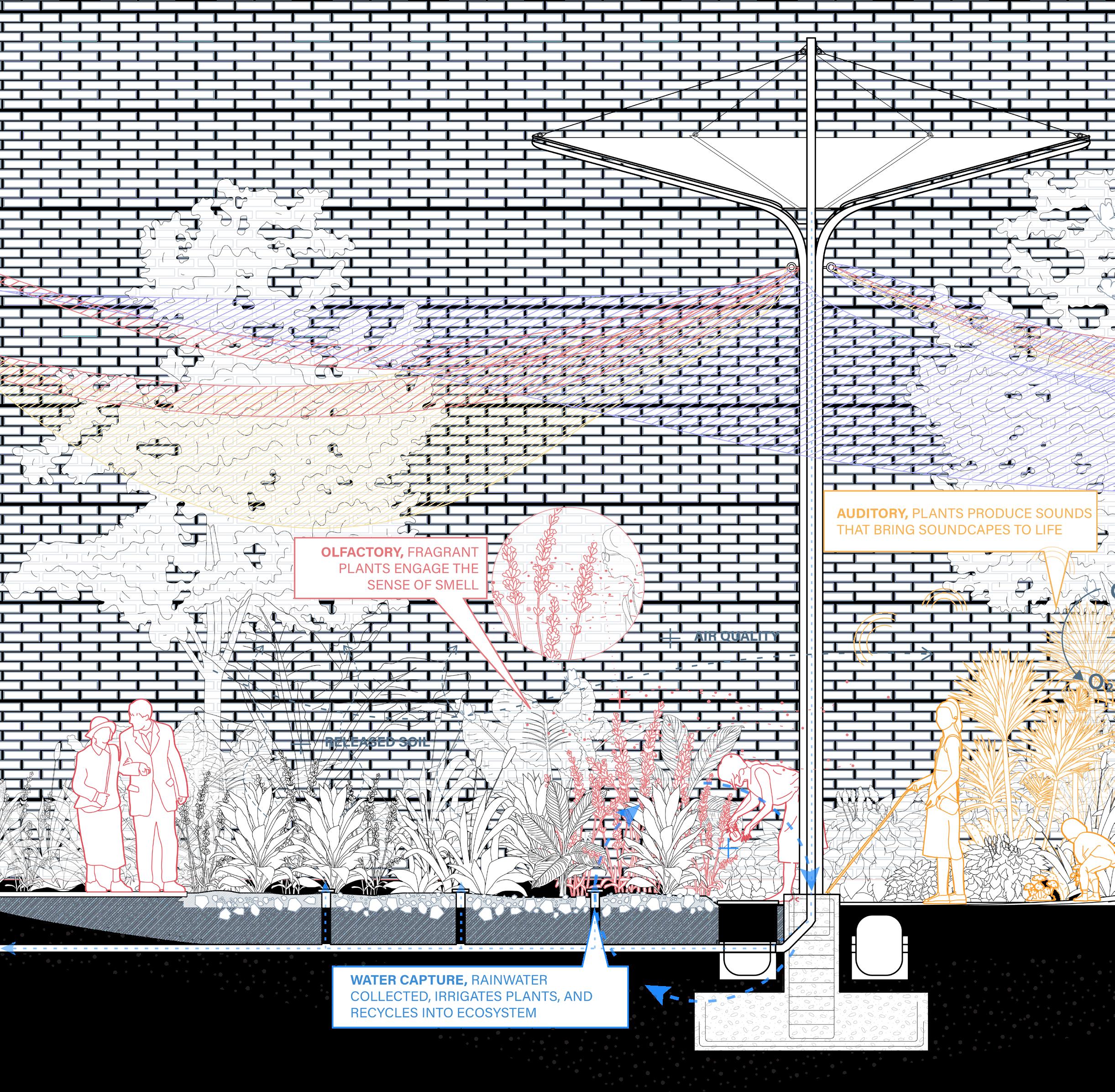
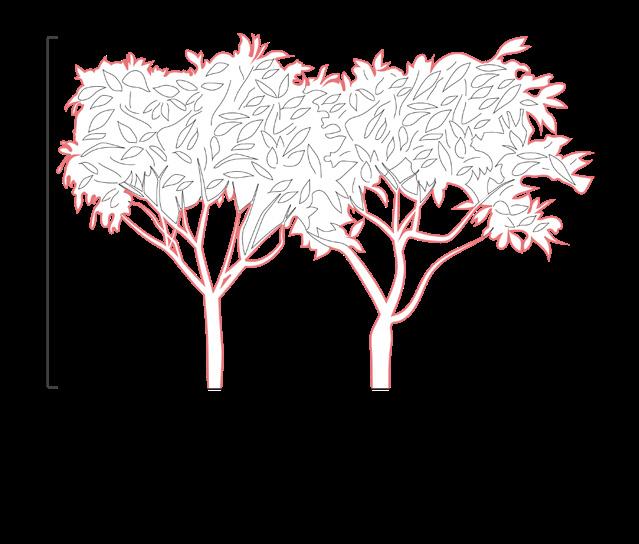
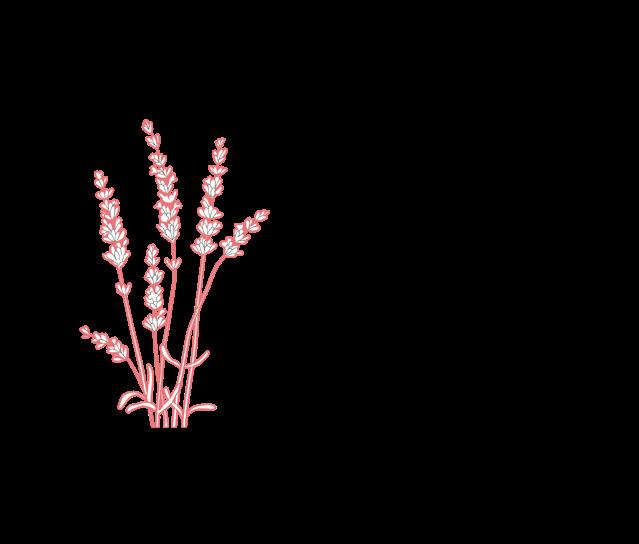
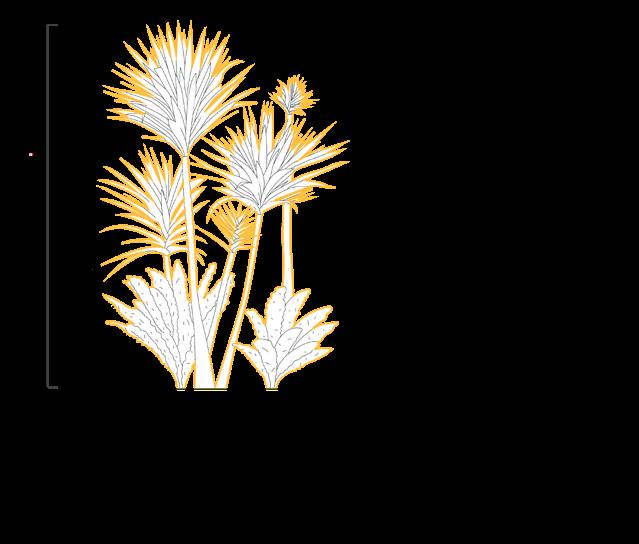
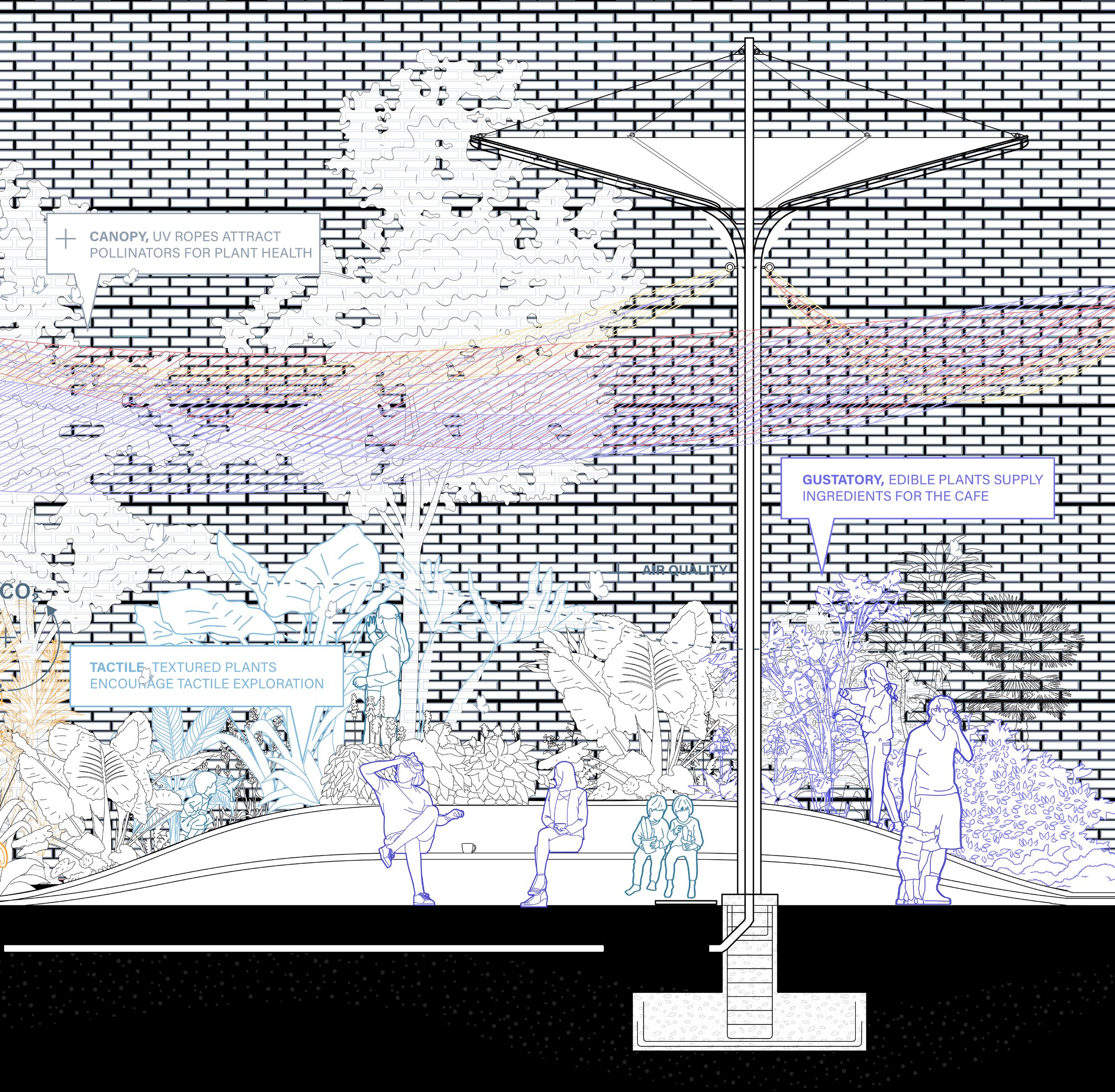
Designed for accessibility with minimal hardscape and gentle grading to support intuitive circulation shaped by vegetation.

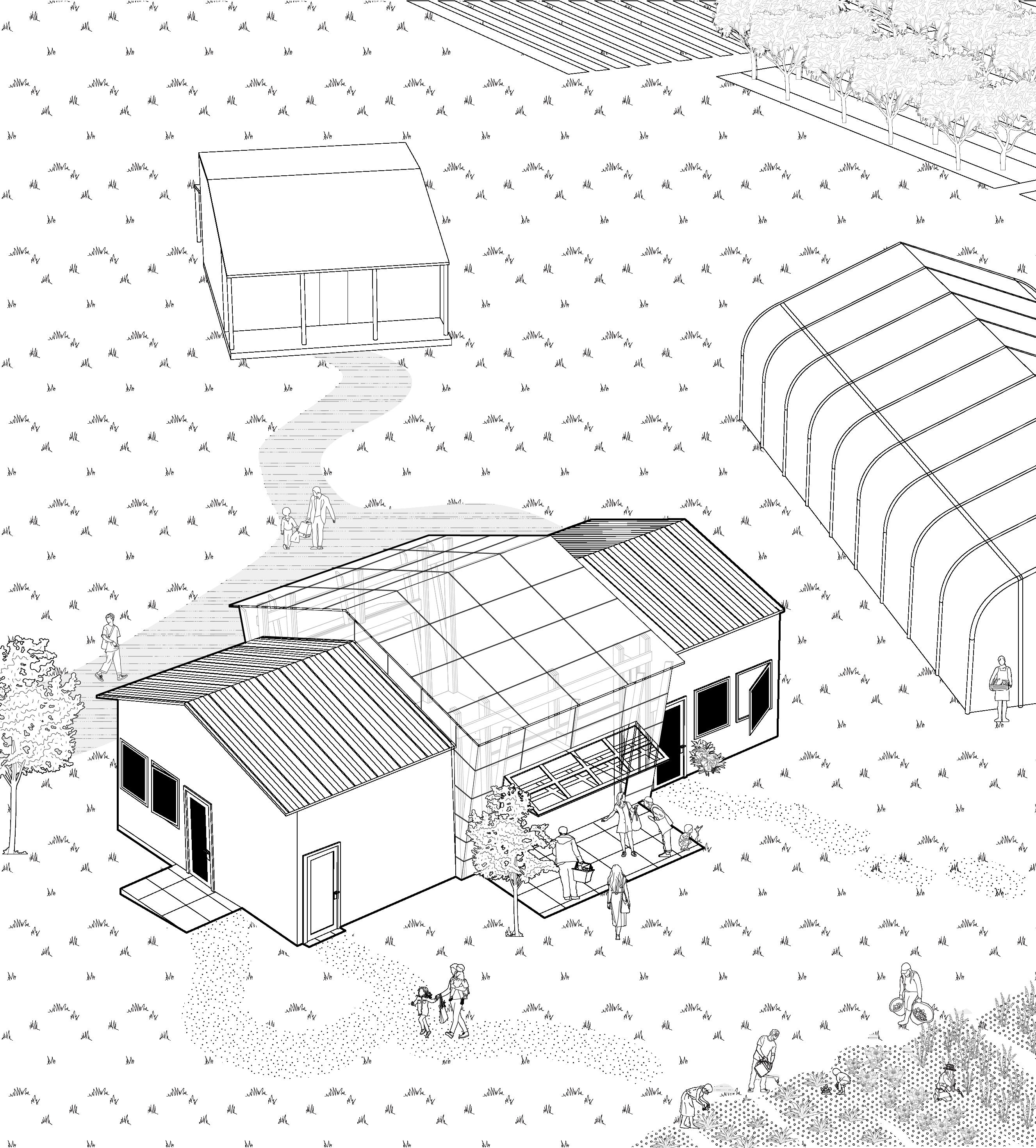
BRADY FARMS MARKET SHED PROPOSED DESIGN
.
Typology :
Location :
Course :
Team:
Software: Community Farm Syracuse, NY
ARC650 - Research, Spring 2023
Gretchen Hundertmark + Andrew Clark
Rhino and Adobe Illustrator
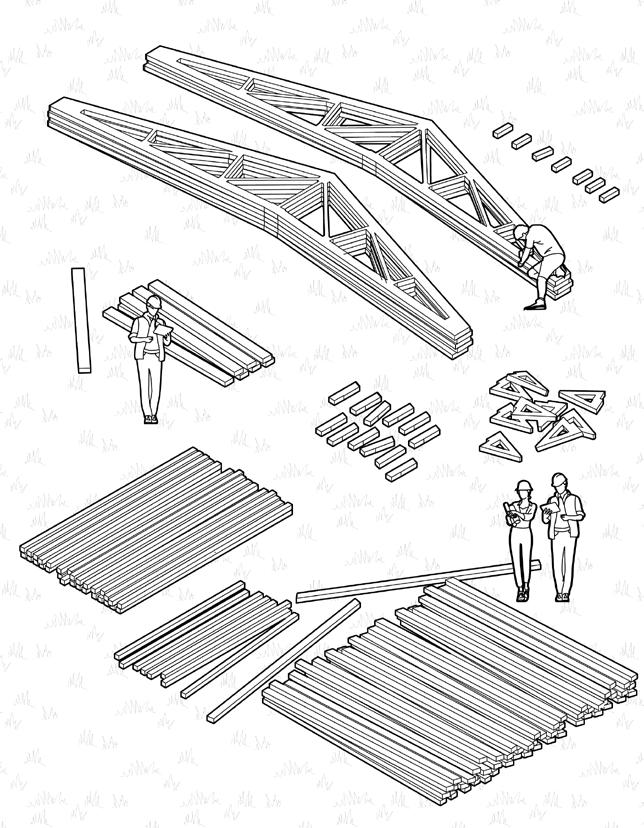
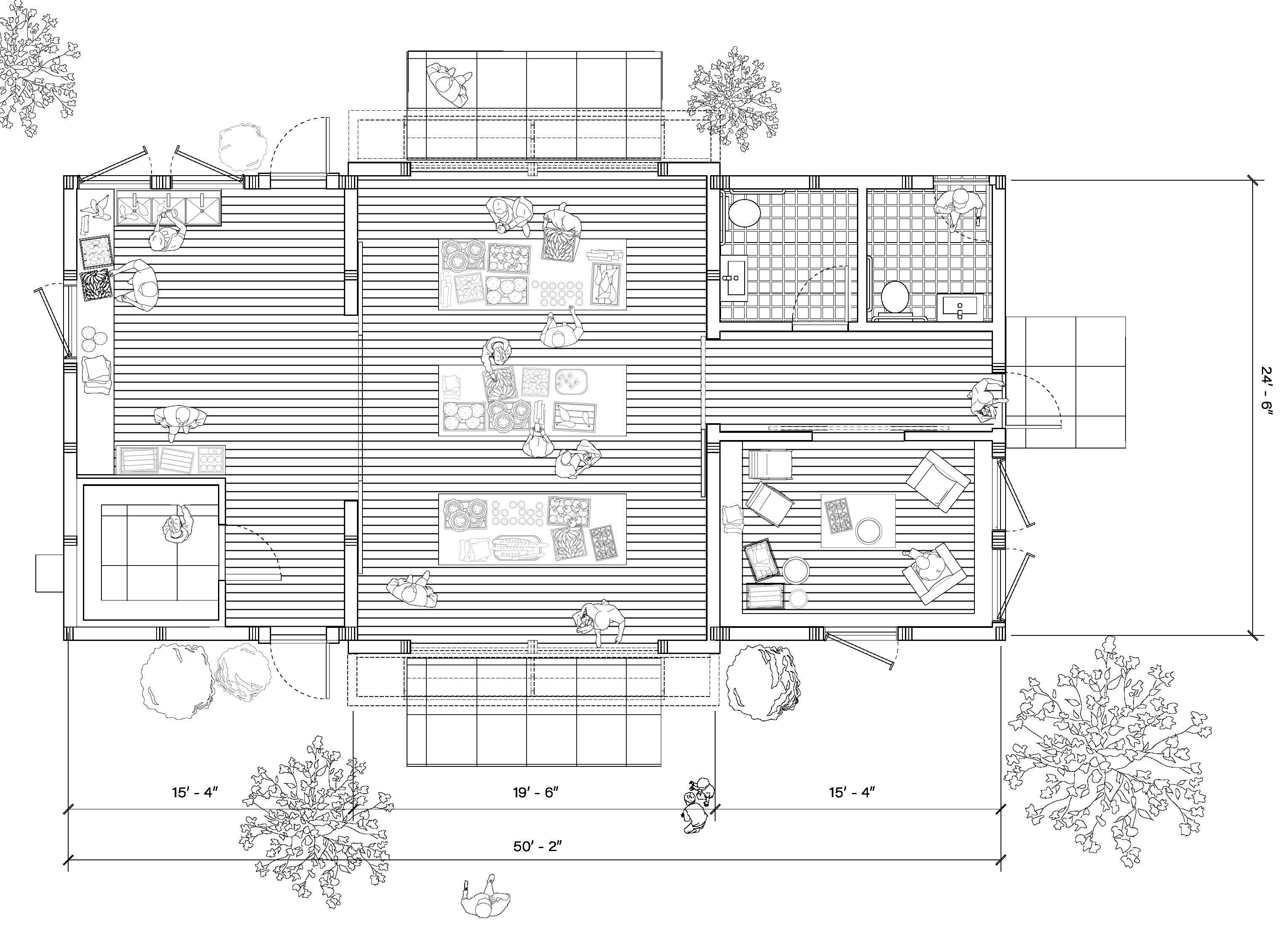
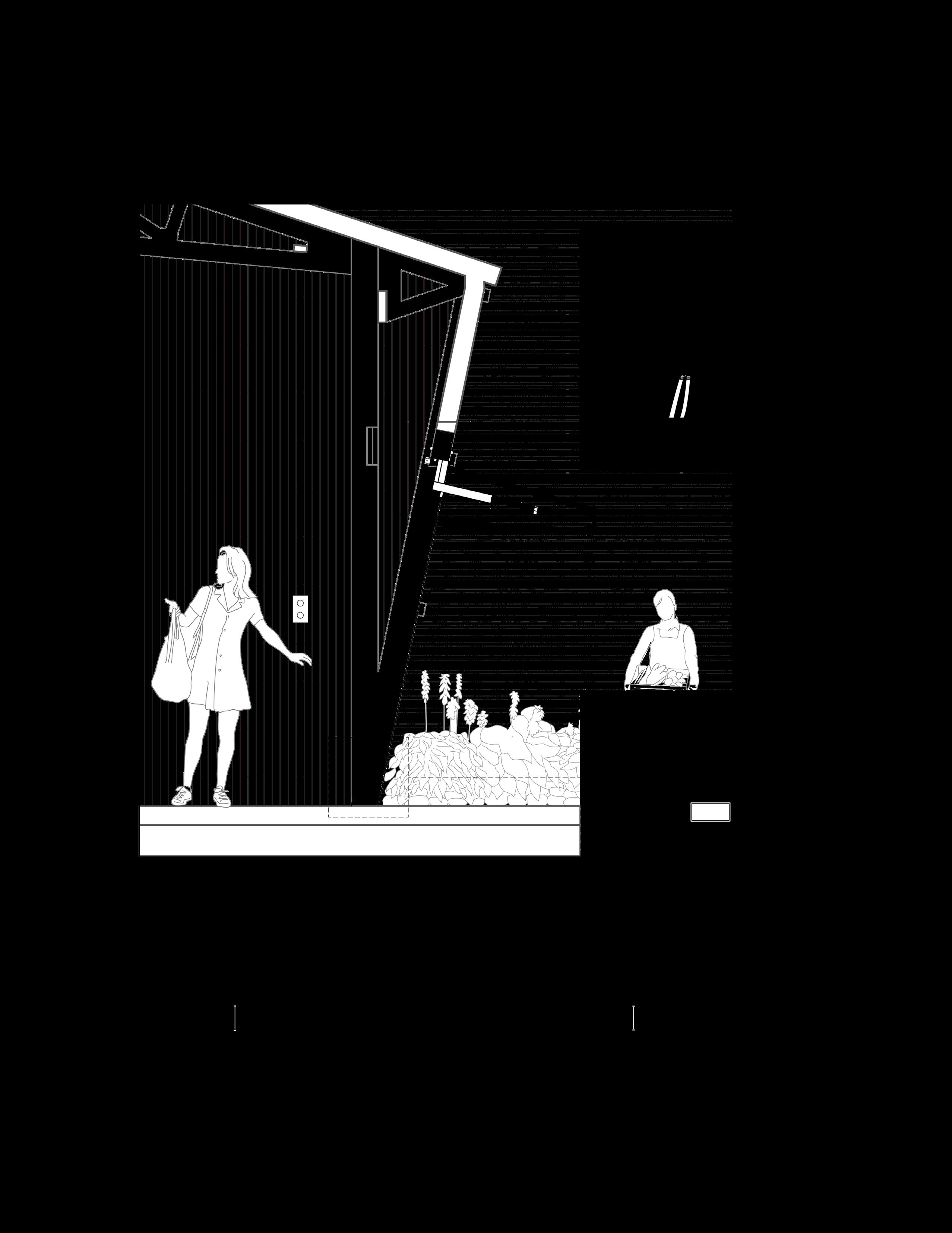
The Brady Farm Market Shed Project explores the design of a versatile and functional market shed for a community garden, utilizing a prefabricated pole barn kit that requires no additional structural elements. Thoughtfully integrating essential features, the shed includes a kitchen for washing and preparing garden produce, a spacious multipurpose area for community gatherings and events, a dedicated breakroom for staff, ADA-compliant restrooms, and ample storage. By reinterpreting traditional structures through a lens of practicality and community engagement, this market shed becomes more than just a shelter—it enhances the garden’s role as a vibrant social and agricultural hub.
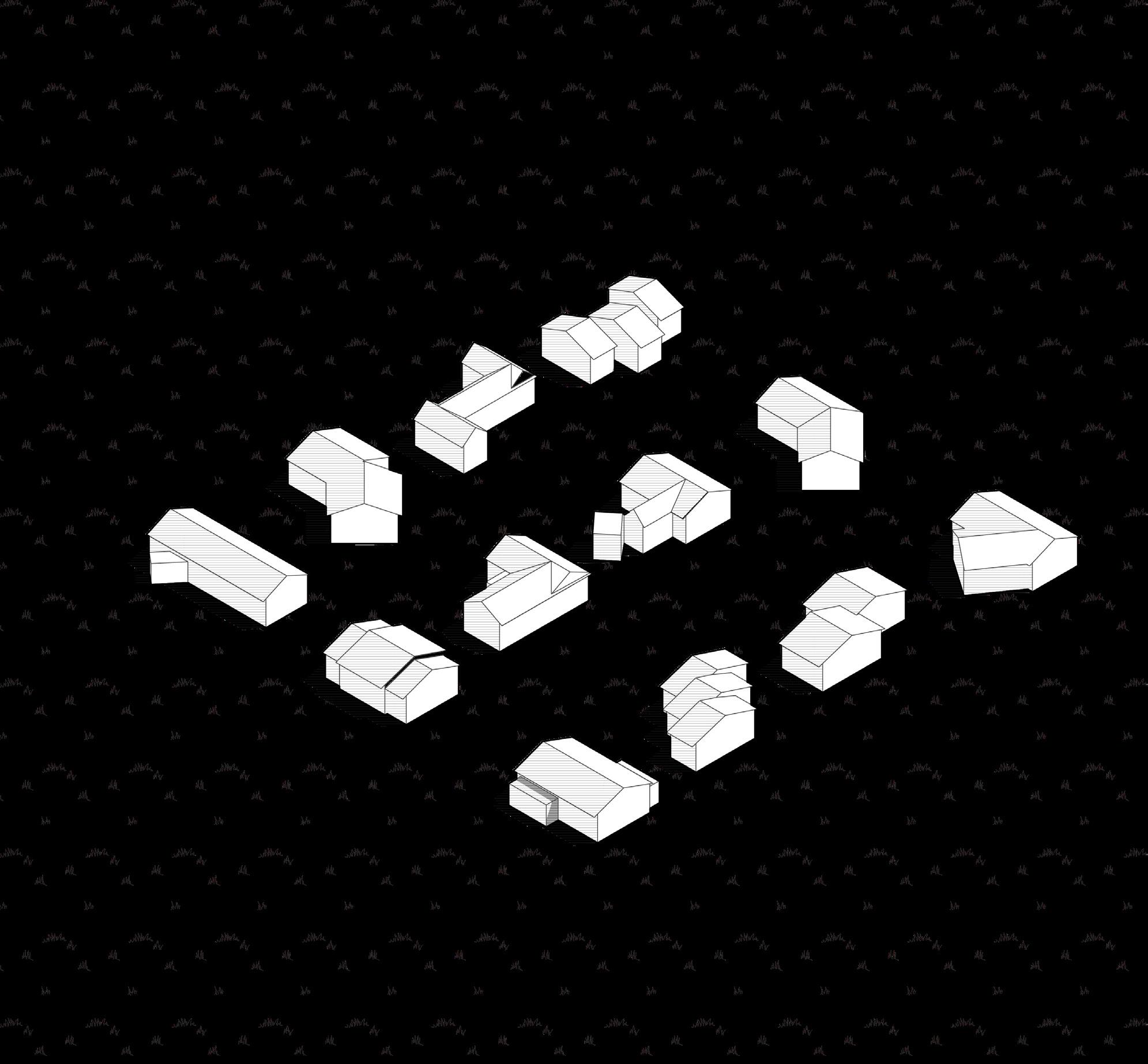
The design process involves applying operations such as intersect, merge, and split to massing models. The project transformed a gable roof cattle barn, using intersection and skewing to create a unique architectural character, breaking the structure’s uniformity for the community garden market shed.

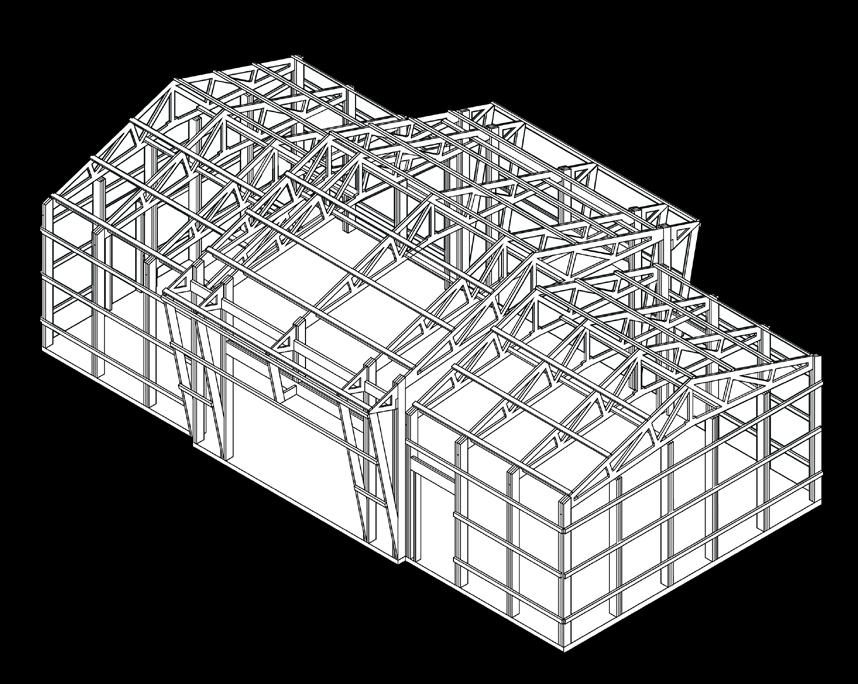
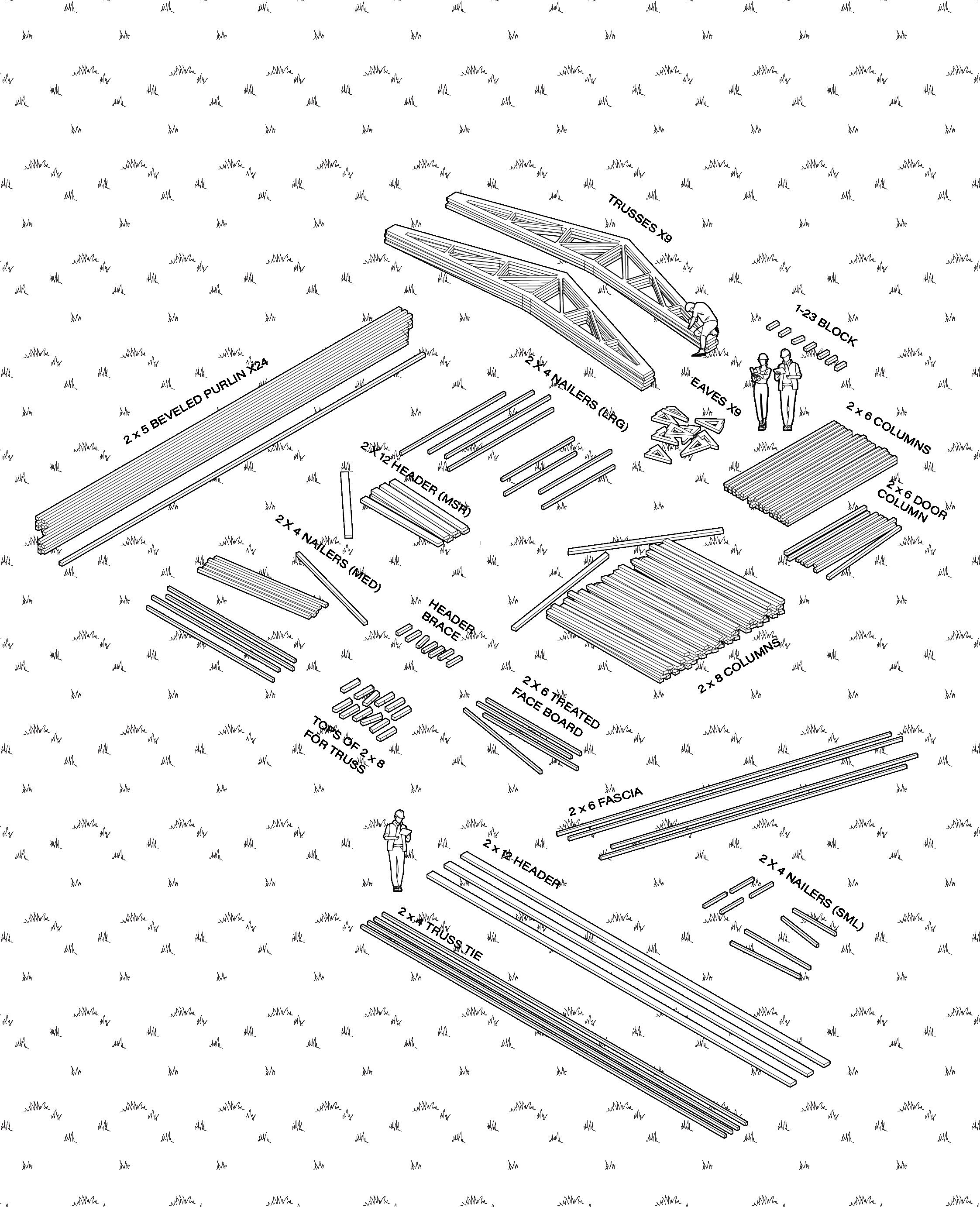
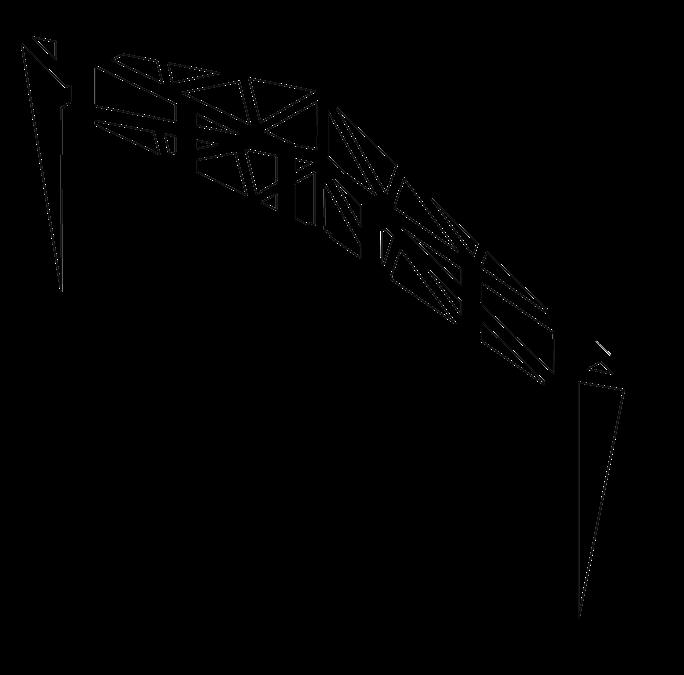
The design utilizes two truss heights, tied together to establish a connection between areas featuring distinct ceiling heights.

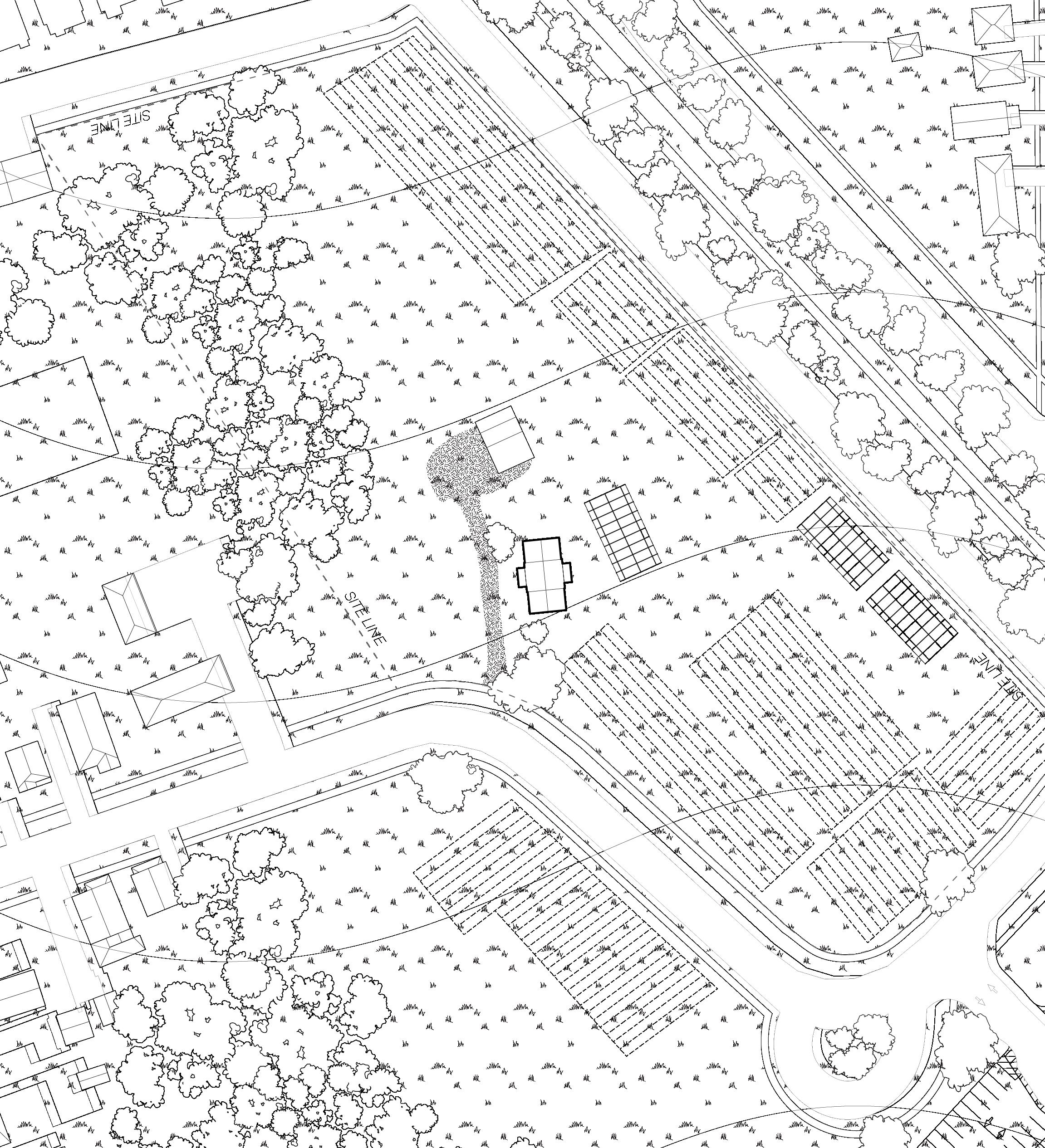
The proposed market shed offers views of crop fields and aligns with an axis to create a communal space connecting it with an existing shed.
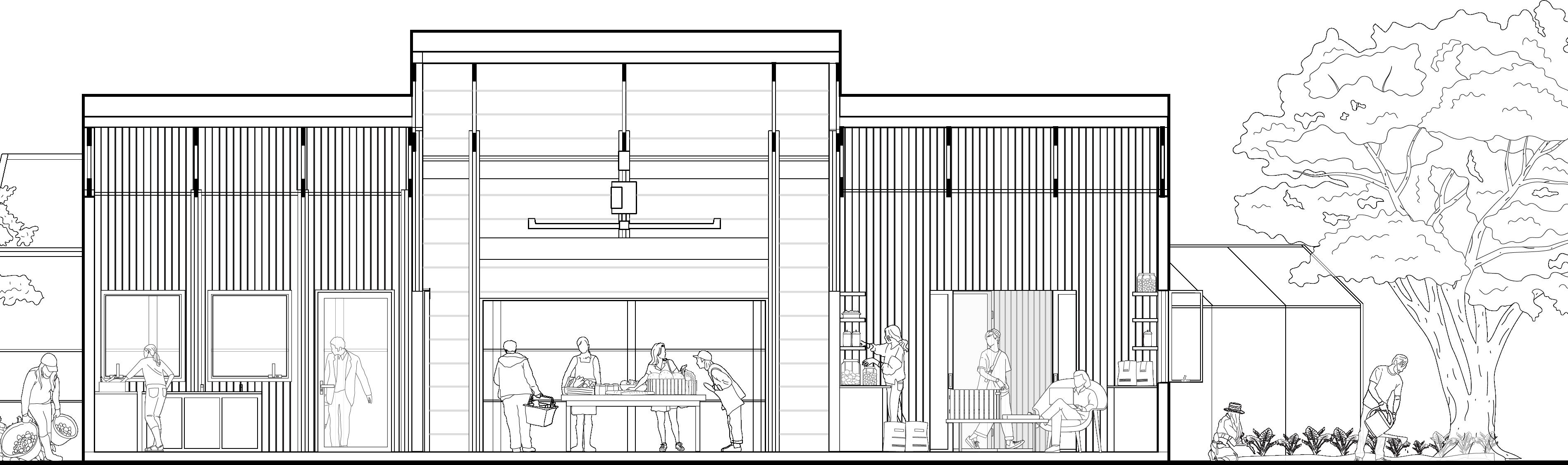
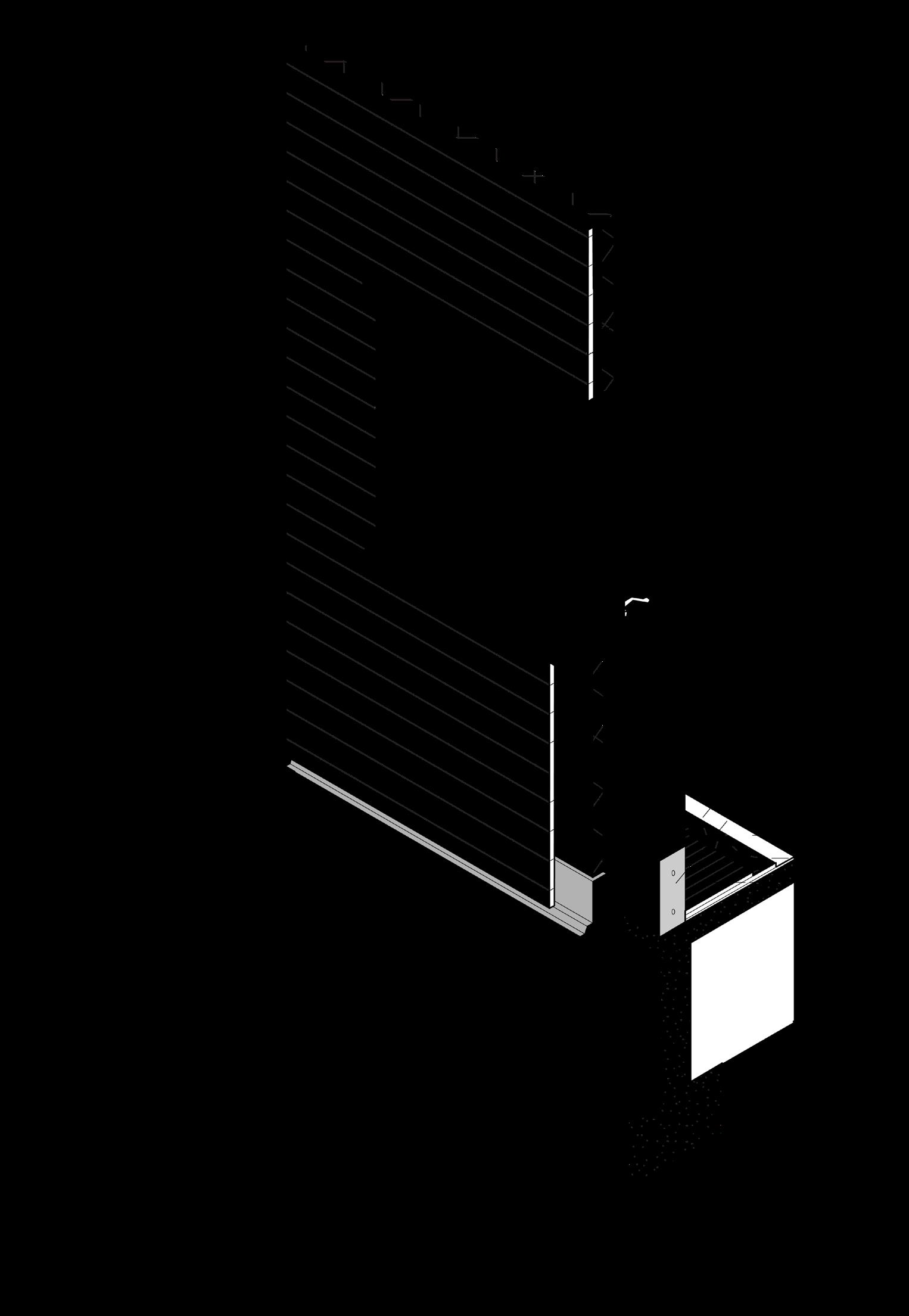
INTERIOR WOOD CLADDING
CAVITY INSULATION
WEATHER RESISTIVE BARRIER
RIGID INSULATION
WOOD STRAPPING
VENTED AIRSPACE
VERTICAL WOOD SIDING
2 X 12 CEDAR
2 X 12 CEDAR
BASE TRIM
2 X 8 PRESSURE TREATED
GLULAM POST
POST BRACKET
MOISTURE VAPOR BARRIER
PLYWOOD SUBFLOOR
WOOD FLOORING
Typology:
Location:
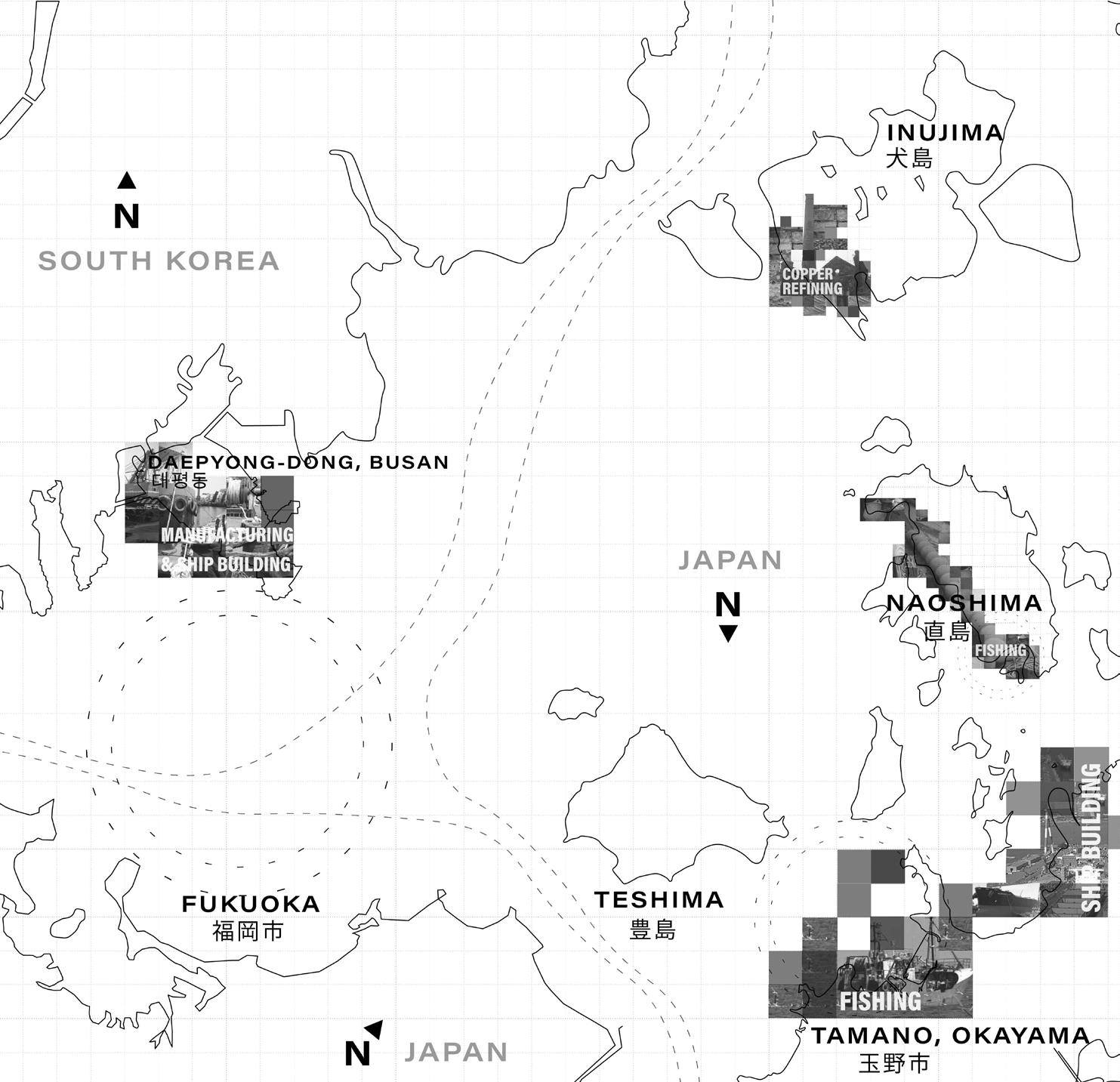
Course : Urban Design Japan & South Korea Urbanism in Global Cities, Summer 2023
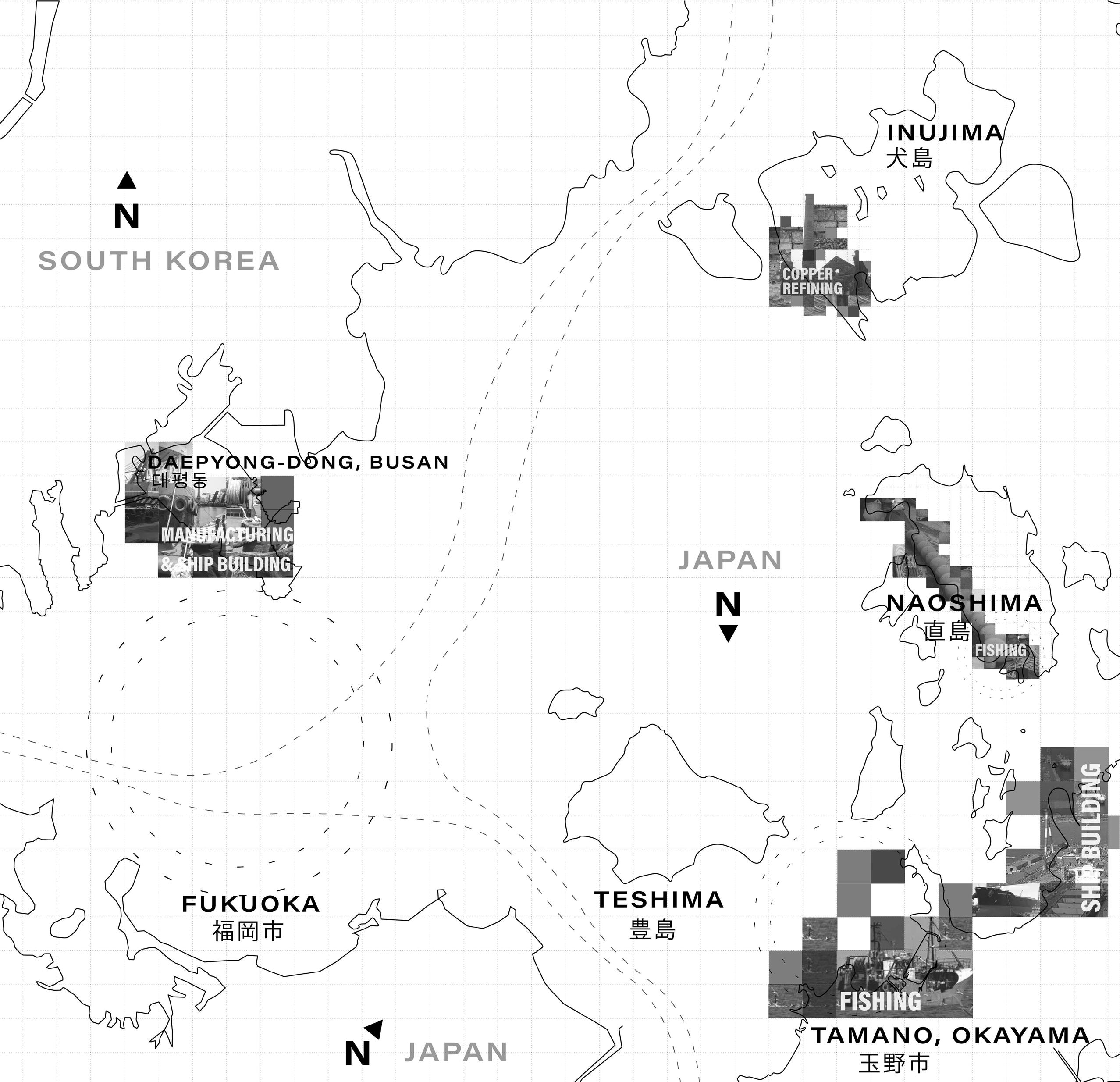
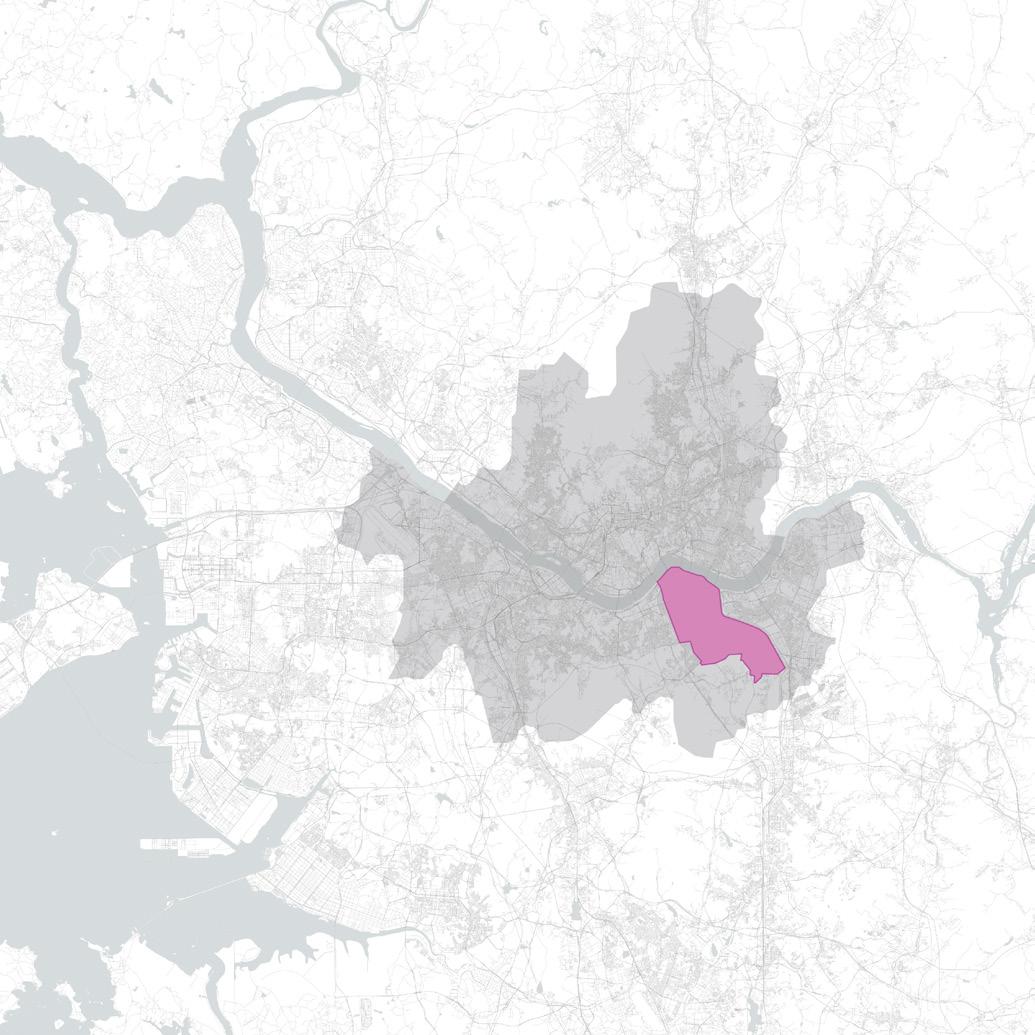
This series of projects was completed during a semester studying global urbanism focused in Japan and South Korea, which included visits to eleven cities and islands. The selected works, primarily short-term projects, include a speculative proposal for a future Seoul neighborhood affected by rising water levels, an analysis of Gangnam’s transformation from slum to high-value district, and a semester-long research project on historic preservation across various cities in both countries.
Location : Course : Team:
Seongsu, Seoul, South Korea
3 Cities in Asia, Summer 2023
Gretchen Hundertmark, Josh Fellows, Leslie Jung, & Lee Seo Bhin
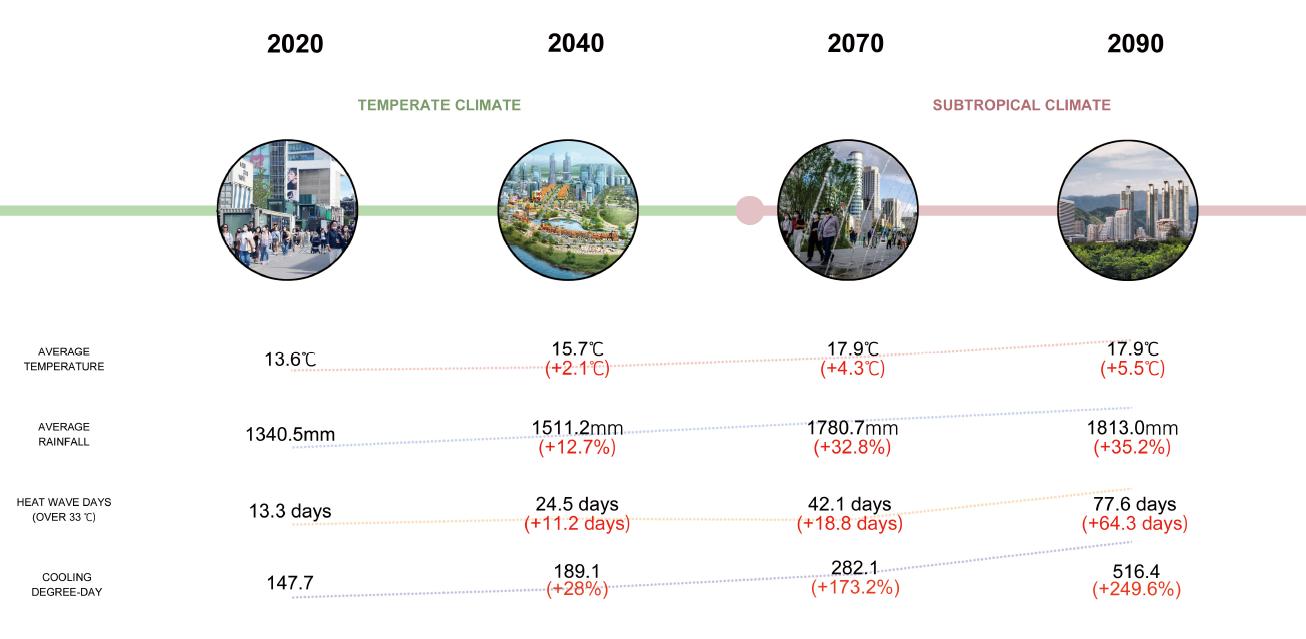
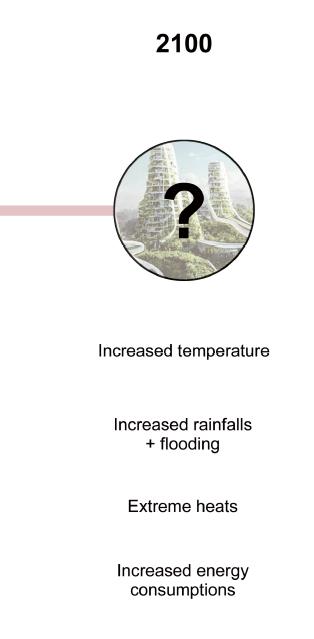
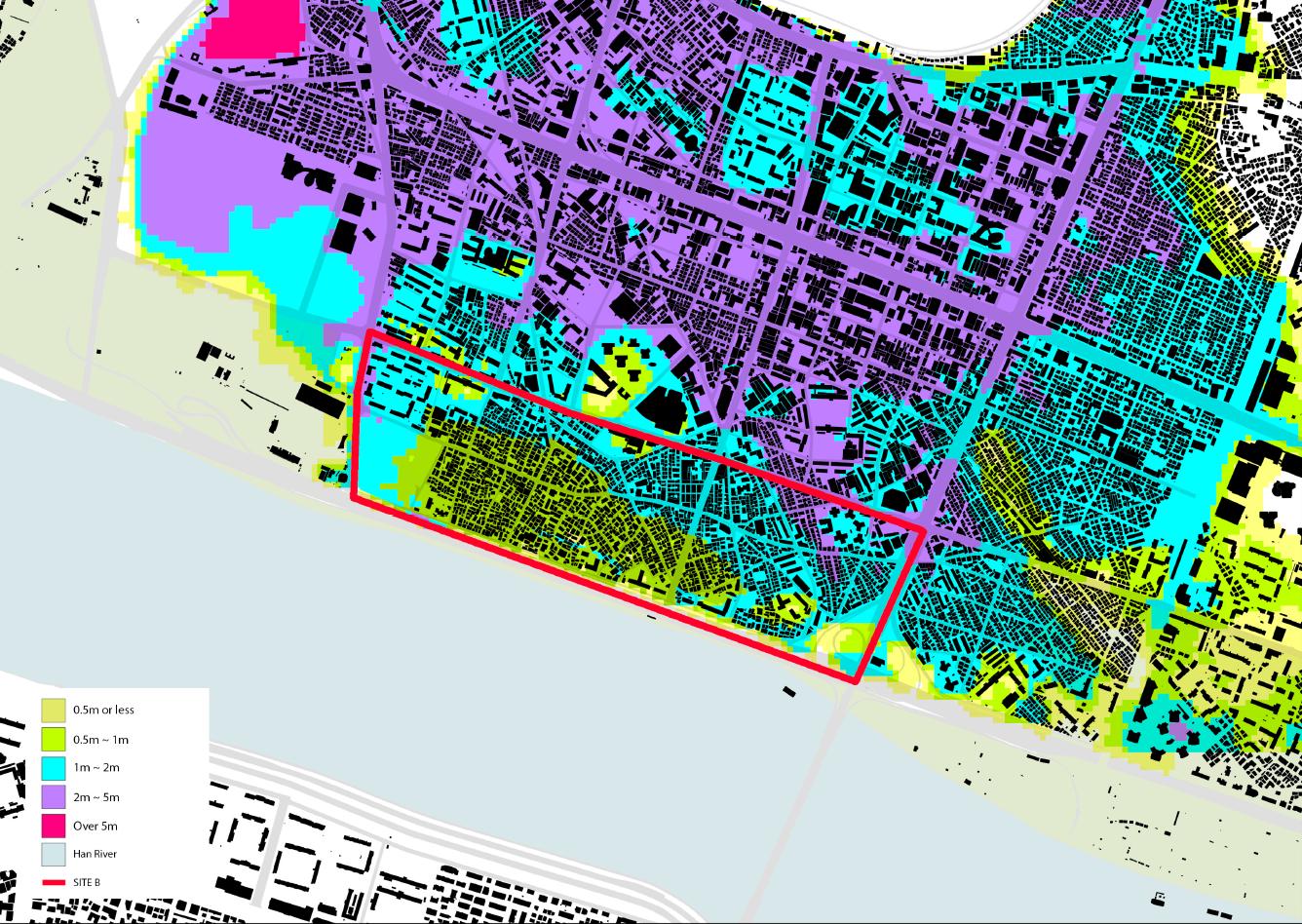
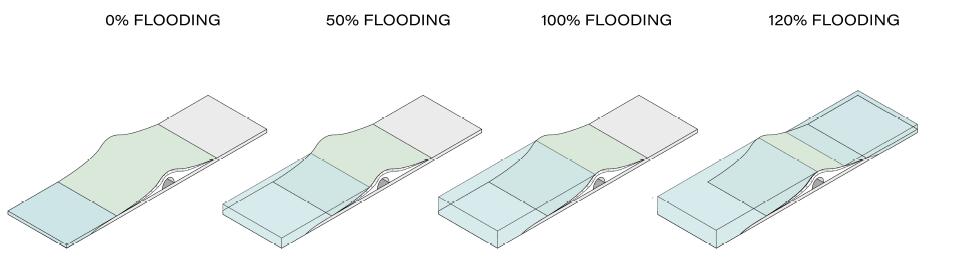
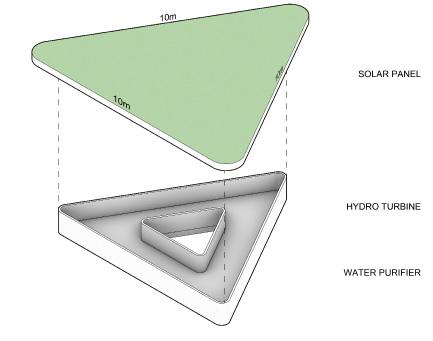
Our collaborative architecture project, conducted in Seoul alongside students from the University of Seoul, focuses on urban planning strategies for Seongsu. With a vision to render Seongsu climate-resistant, we propose an innovative approach that integrates living waterfronts, island design, and adaptive architectural components. Our design aims to connect the forest, the city, and the waterfront through a network of bike paths while implementing measures such as carbon sequestration, vertical agriculture, and renewable energy to mitigate the effects of climate change. We have devised floating modules and raised land formations to serve as barriers against sea level rise, ensuring the sustainability and resilience of Seongsu.

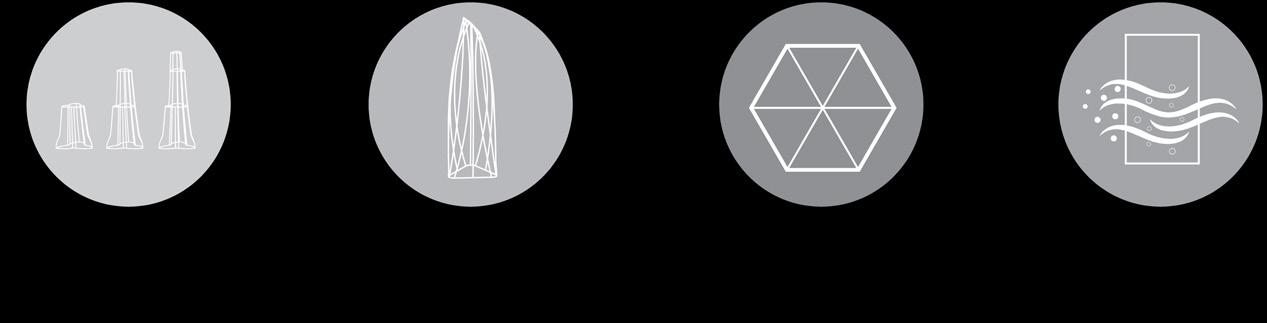
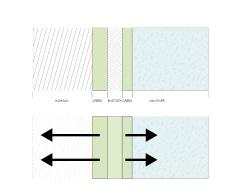
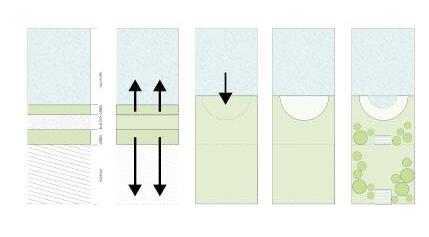
EXPAND AND DEVELOP WATERFRONT
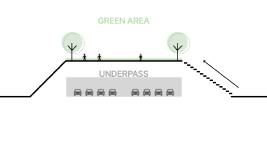
RELOCATE HIGHWAY TO UNDERPASS
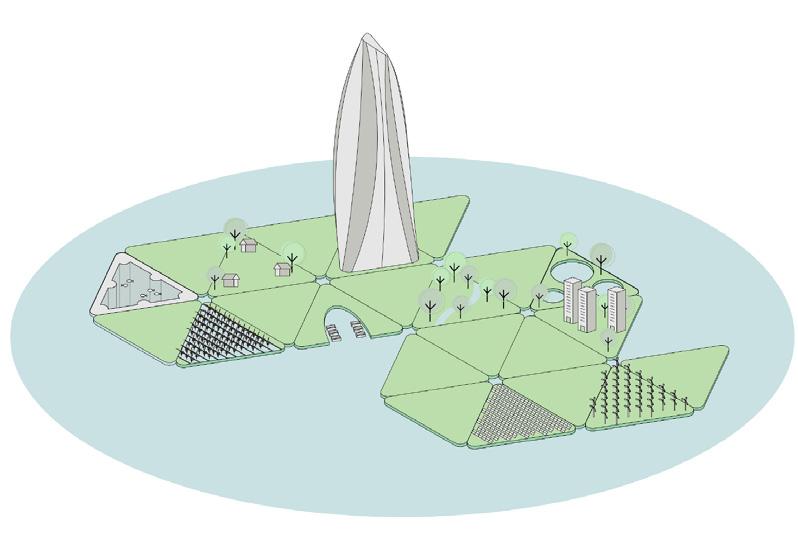
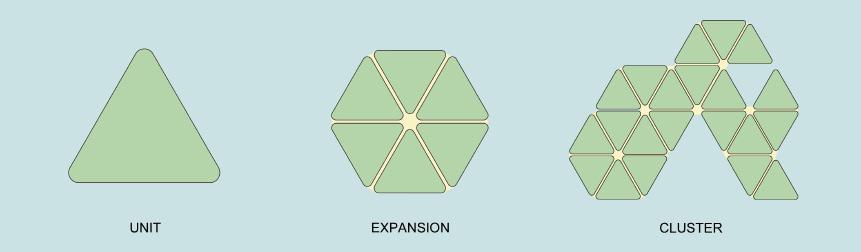
FLOATING ISLAND MODULES

Redesign of the waterfront incorporates erosion control and cutouts along the shoreline serve as public spaces such as amphitheaters during dry periods and as flood basins during floods. Relocating the highway beneath the existing hill shields the highway from flooding and prevents water from flowing through pedestrian pathways and into Seongsu, offering vital flood protection.
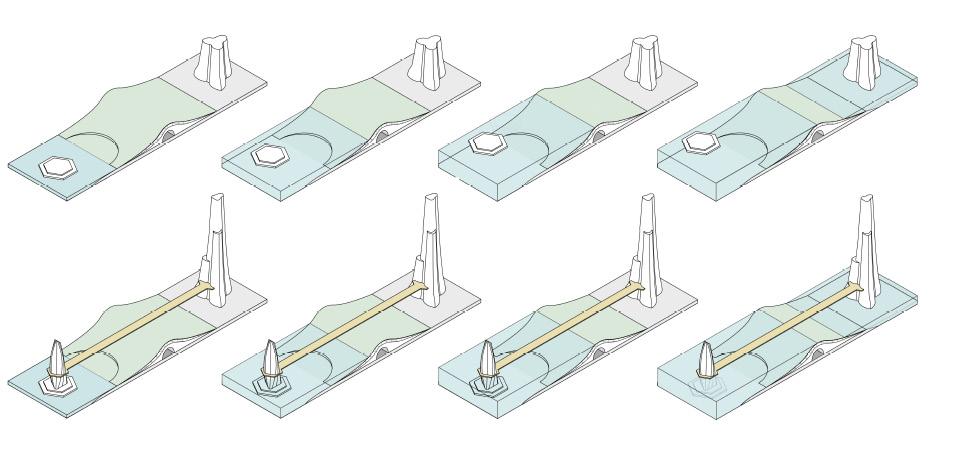

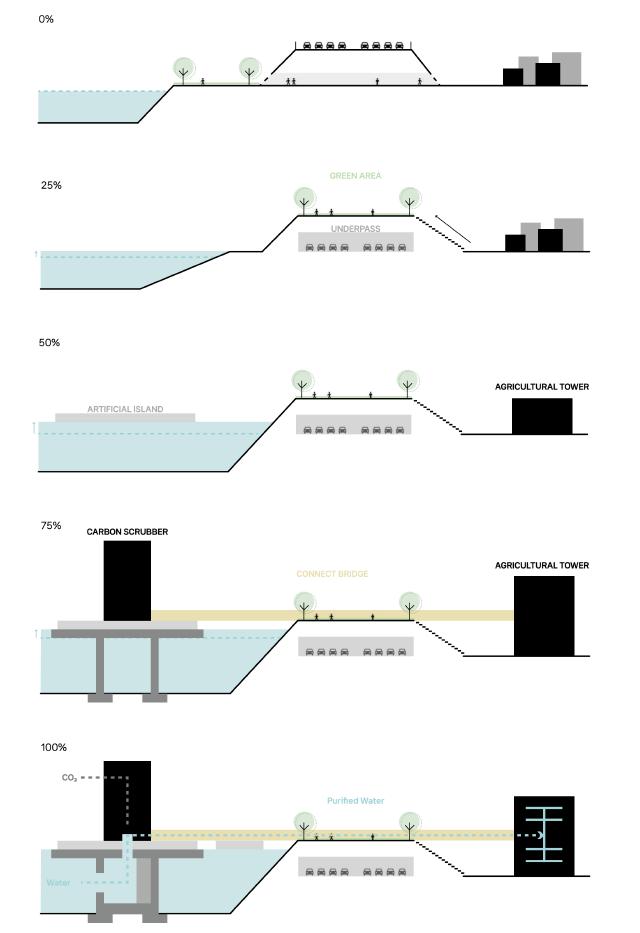
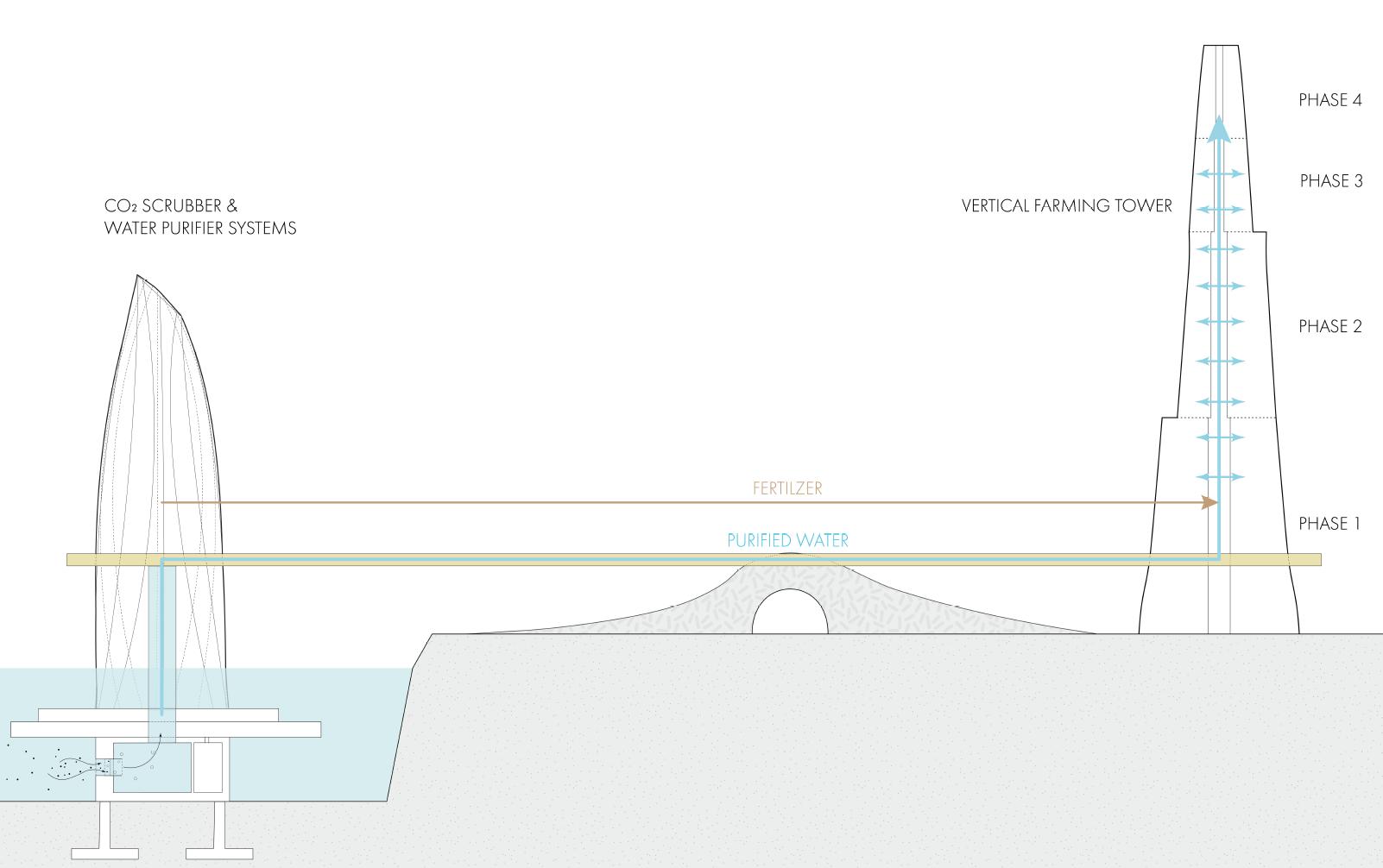
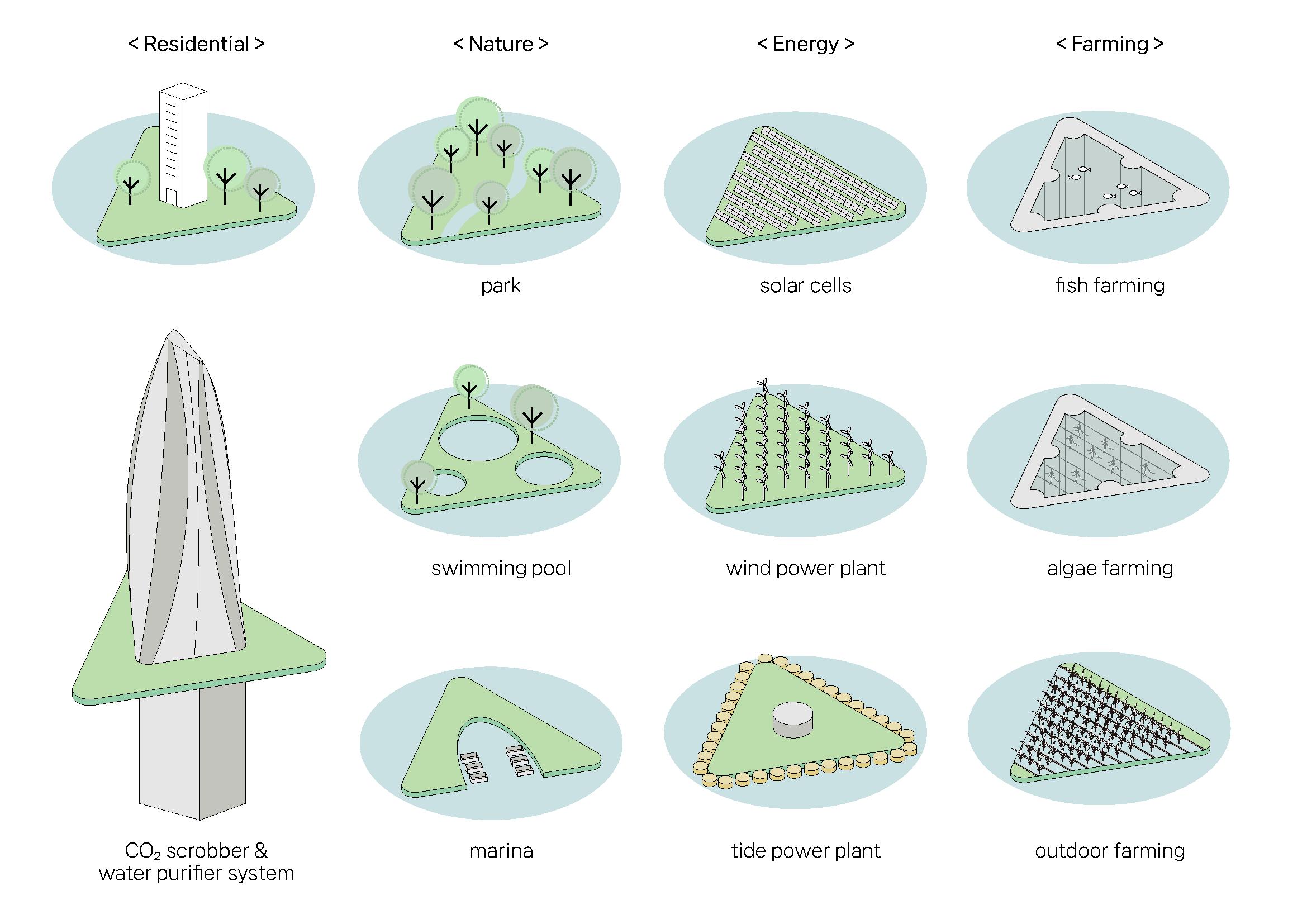
Phase 2 focuses on building infrastructure that supports Seongsu’s resilience, enabling local water purification, urban agriculture, and carbon dioxide reduction. Purified water is reused in the farming towers, where it also provides natural fertilizer for crop production.

The final phase responds to more severe flooding by introducing modular floating structures that can be assembled into larger floating islands. These adaptable units help reclaim usable space lost to flooding in Seongsu and the disappearance of the original waterfront.
Location : Course :
Team:
Software:
Gangnam Seoul, South Korea
3 Cities in Asia, Summer 2023
Uh Daegon, Josh Fellows, Gretchen Hundertmark & Jake Paige
Rhino, Adobe Illustrator, and Photoshop
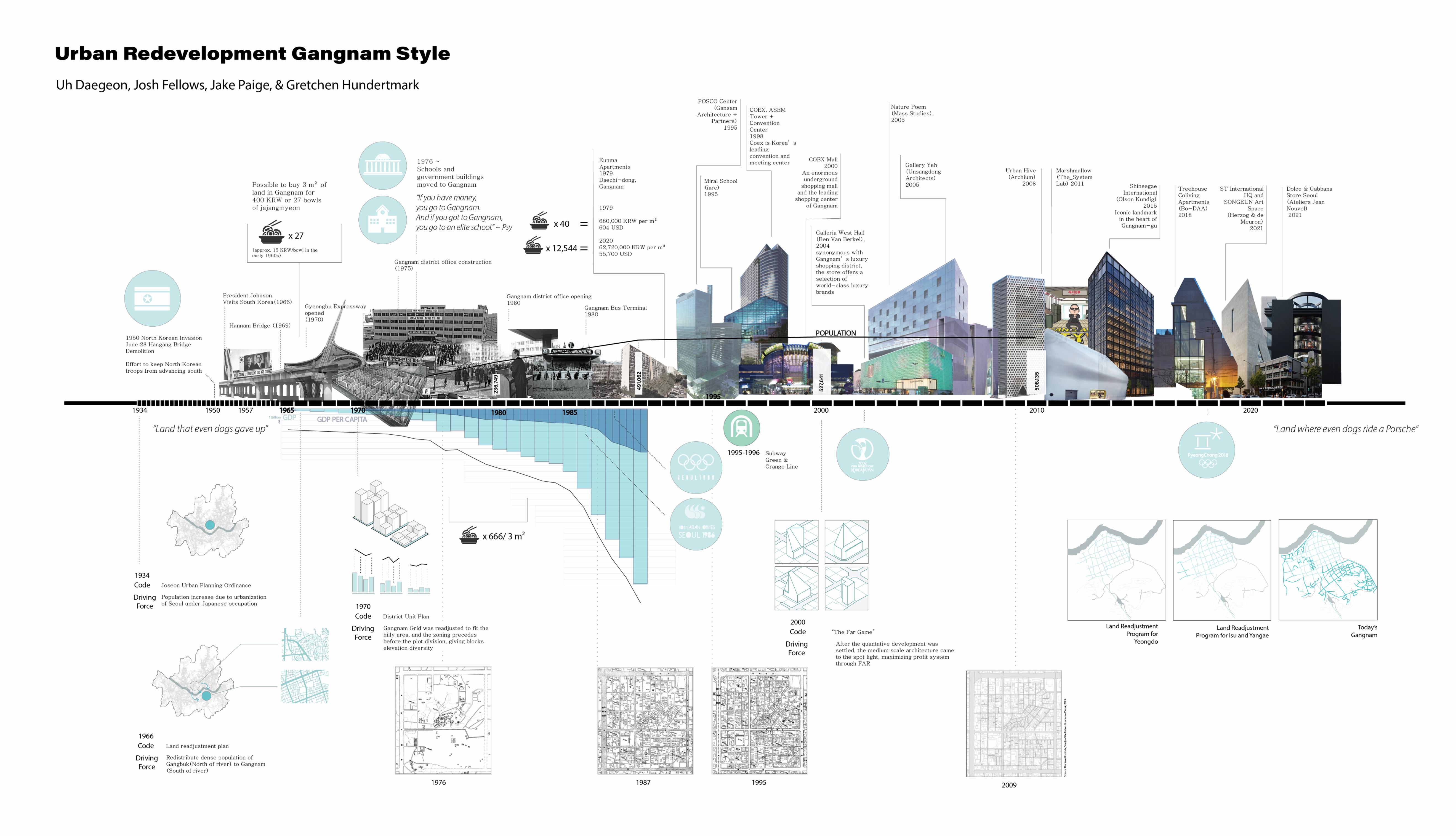
Urban research project on the urban redevelopment of Gangnam in Seould, South Korea alongside architecture students from the University of Seoul.
Typology :
Location :
Course :
Software:
Historic Preservation Research
Japan and South Korea
ARC500 - Urbanism in Global Cities, Summer 2023
Adobe Illustrator and Procreate
Throughout my studies in Japan and South Korea, I researched historic preservation within contemporary Asian cities. I became particularly interested in how these cities evolve and transform around and slongside significant historical sites such as temples, shrines, and palaces. Drawing inspiration from Jiro Taniguchi’s work, “The Walking Man,” my research follows the cat, Haru, through its multiple lives. Haru becomes witness to the various changes that have occurred at these historical sites as Asian cities have transformed into modern urban centers.
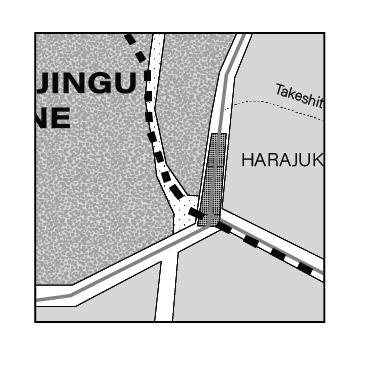
MAPPING
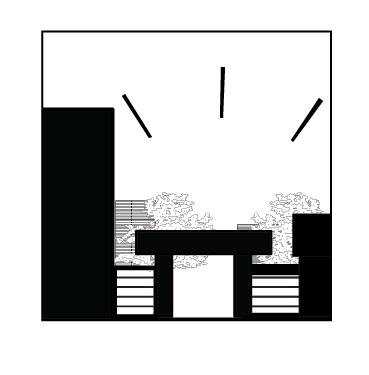
ELEVATIONS
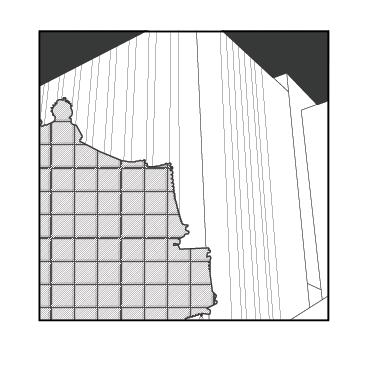
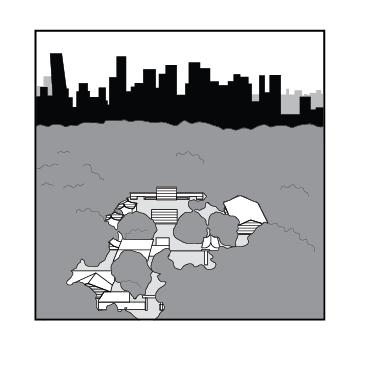
SKYLINES PERSPECTIVES
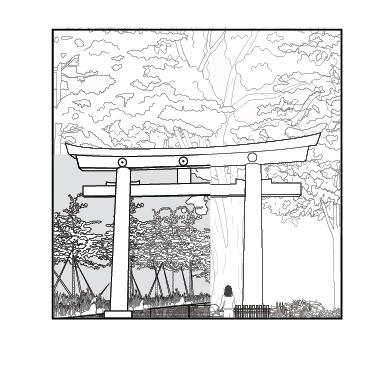
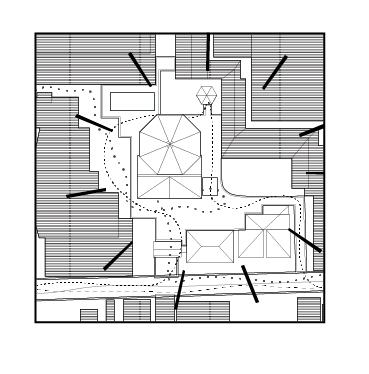
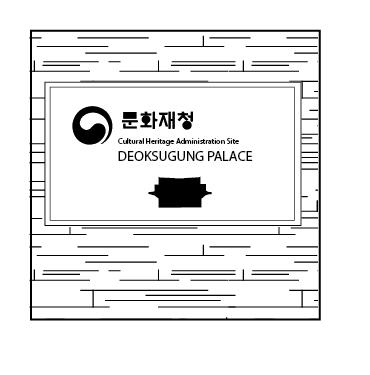
SIGNAGE NATURAL GROWTH DIAGRAMS
Modes of representation consist of seven panel types, outlined above. These panels exist in pairs, comparing the past and present of the specific sites.
1. EXPLORATION/DOCUMENTATION
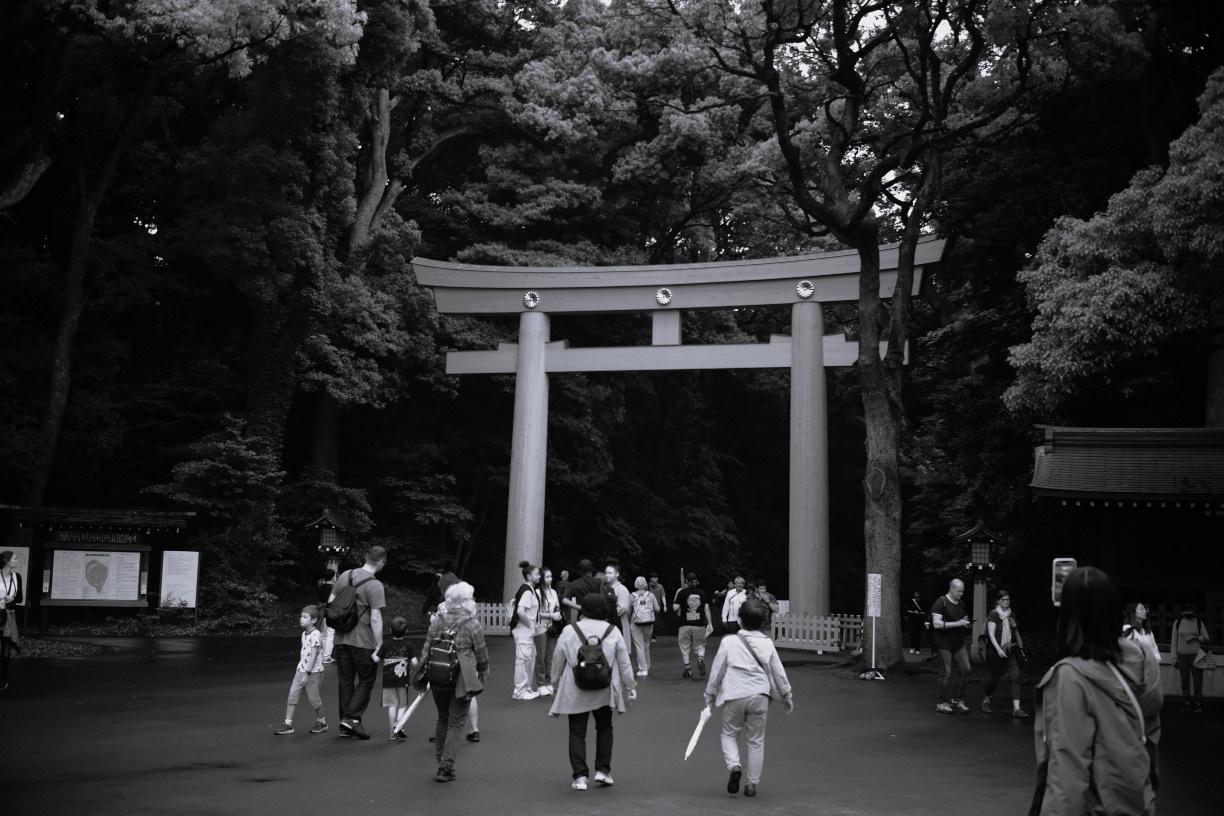
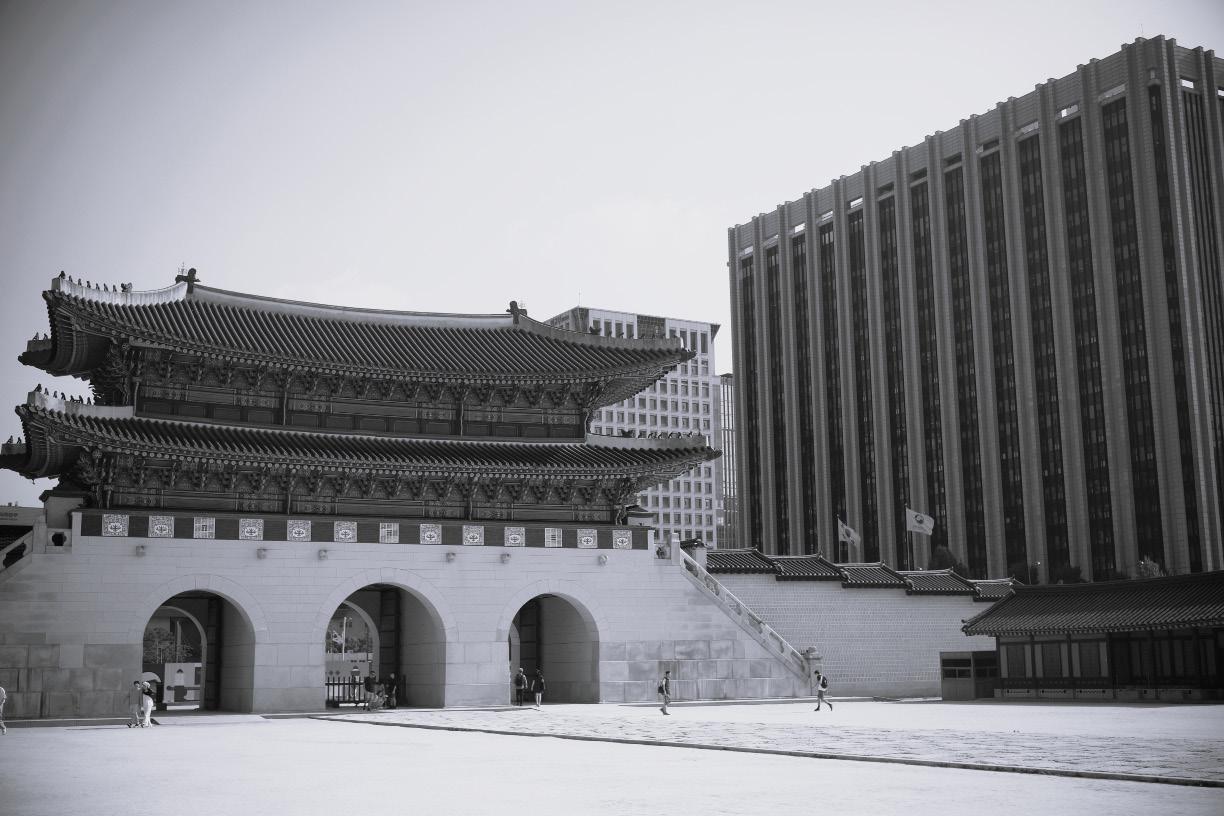
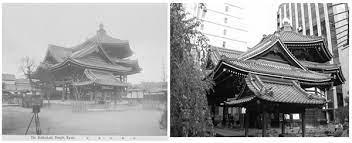
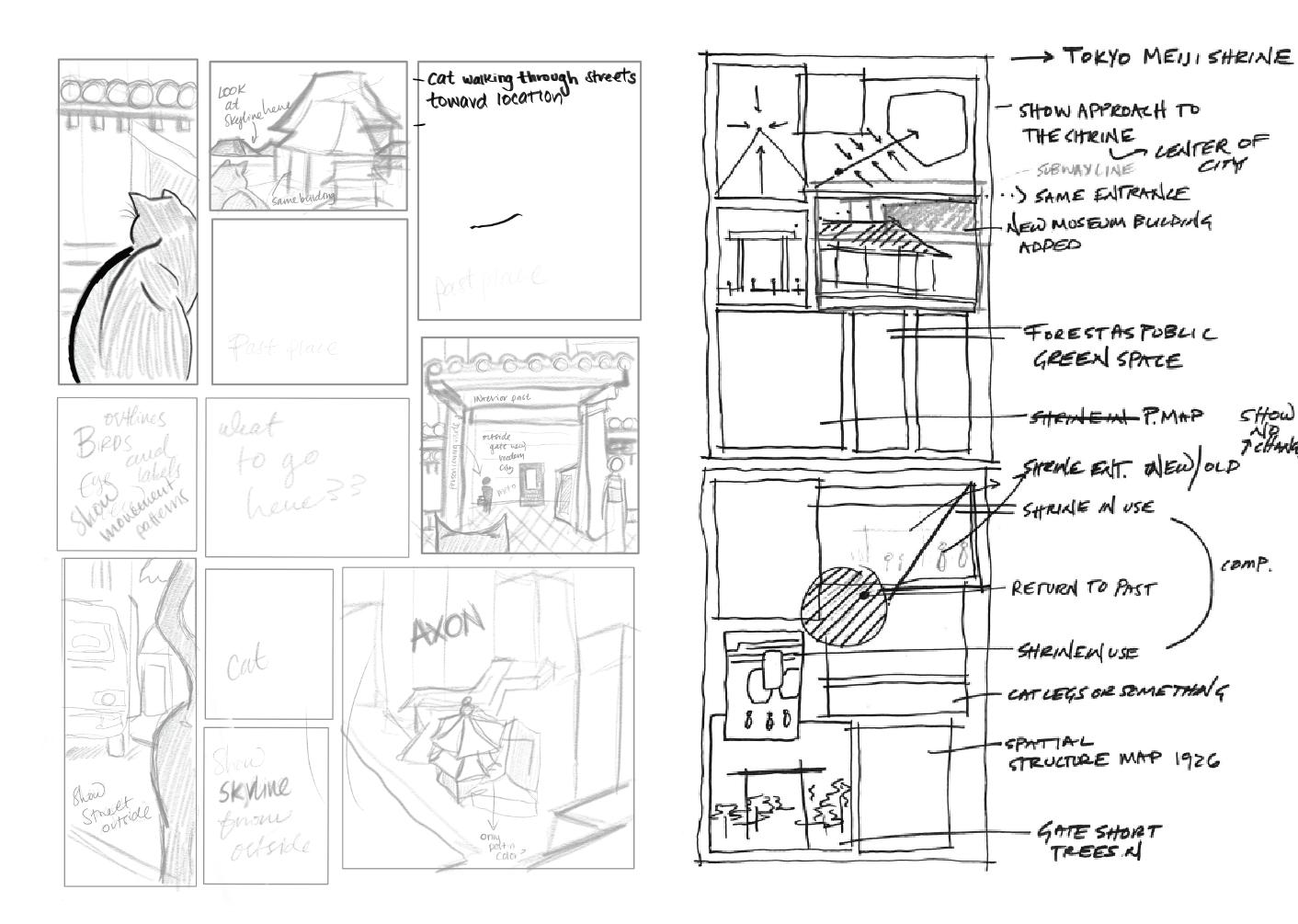
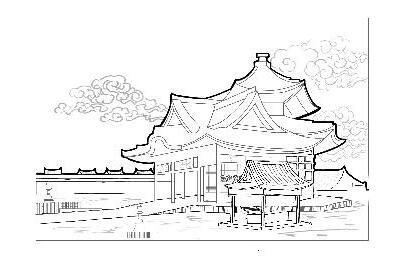
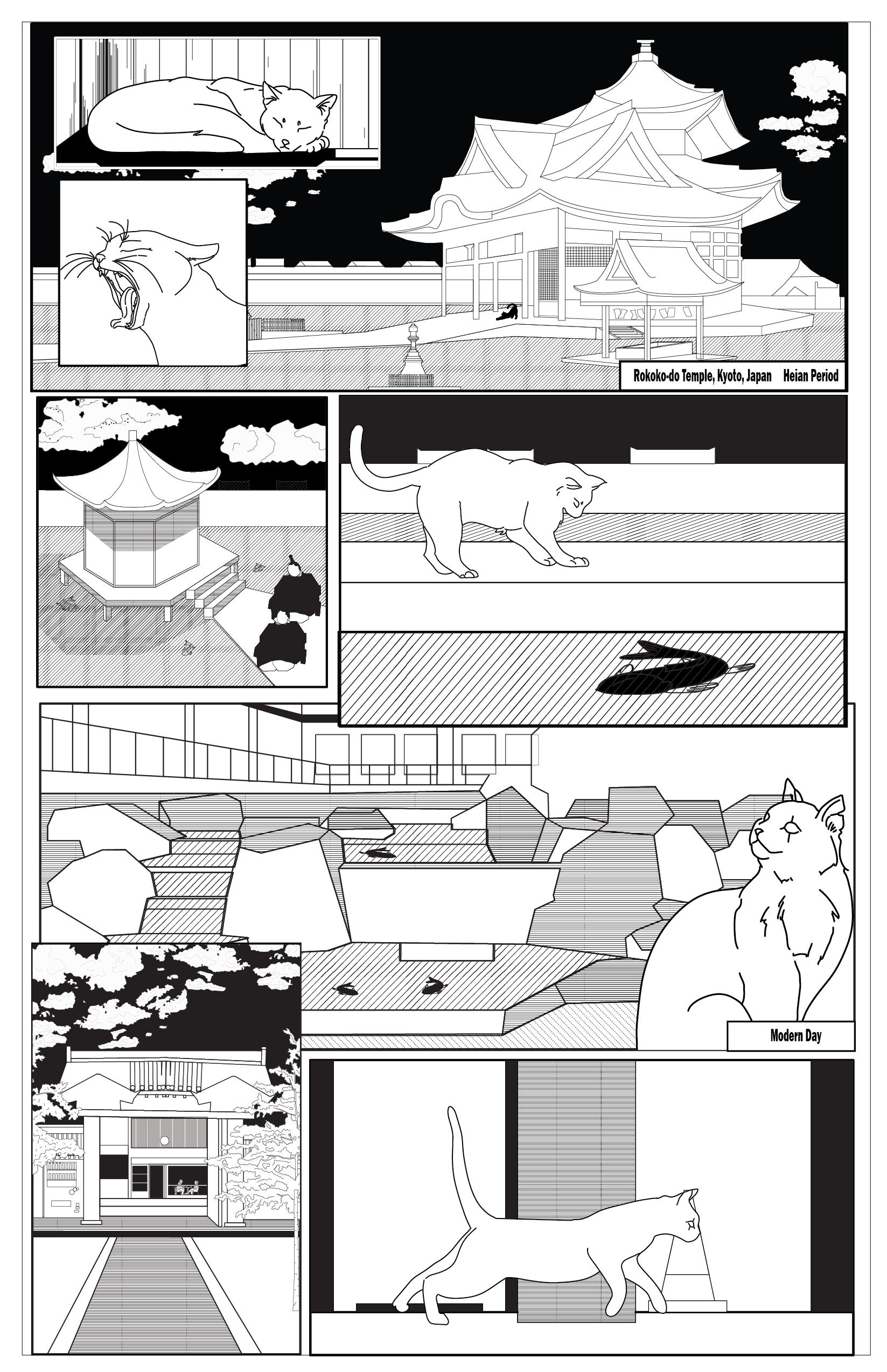
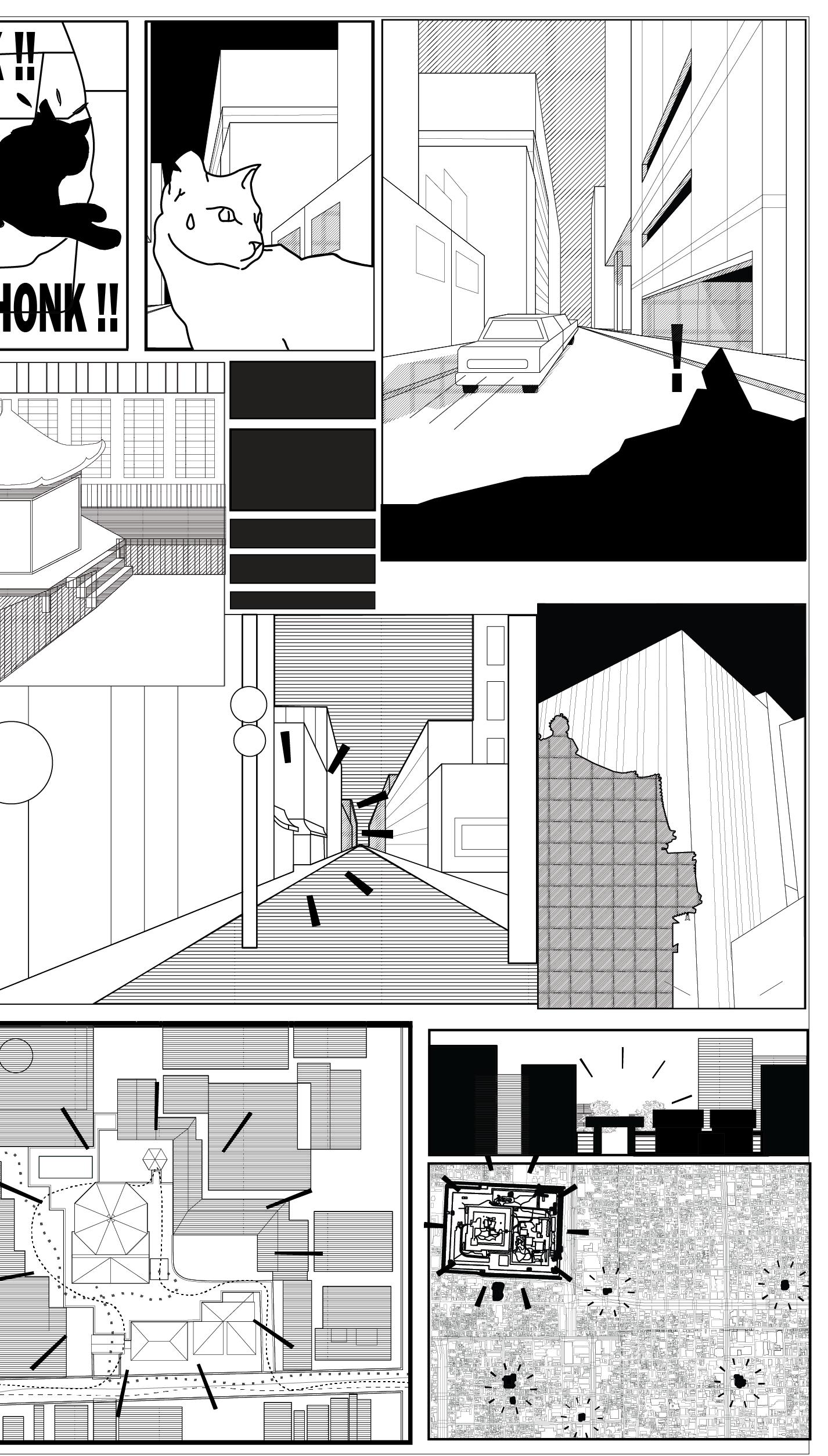
The Choho-ji Temple, a Buddhist site built during the Heian period in Kyoto, Japan, was once the tallest structure in the region. Today, it is mostly hidden among large office and residential buildings, making access difficult and discovery unlikely. This historic temple, like several others, is being discreetly preserved as the city develops around it.
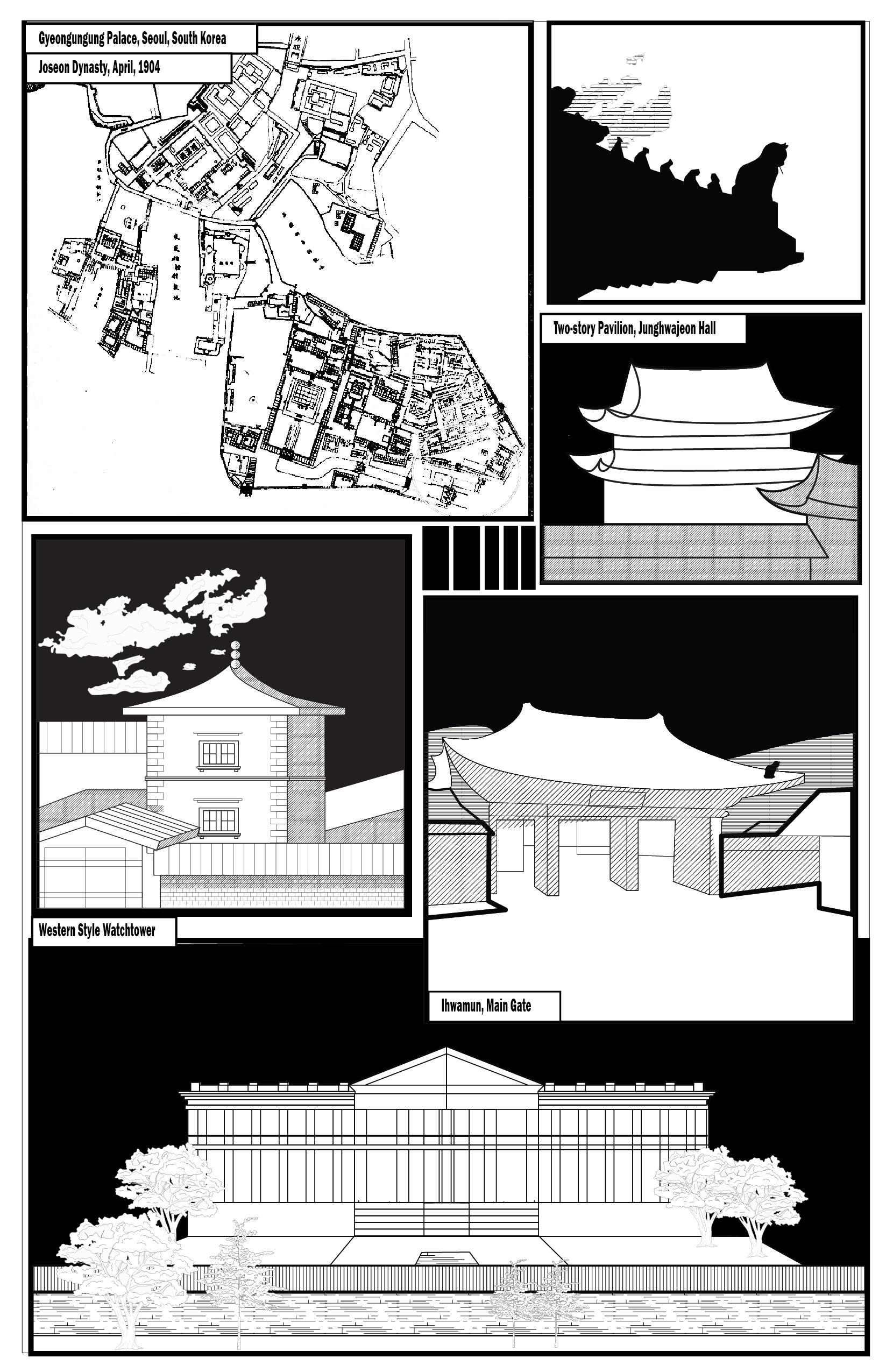
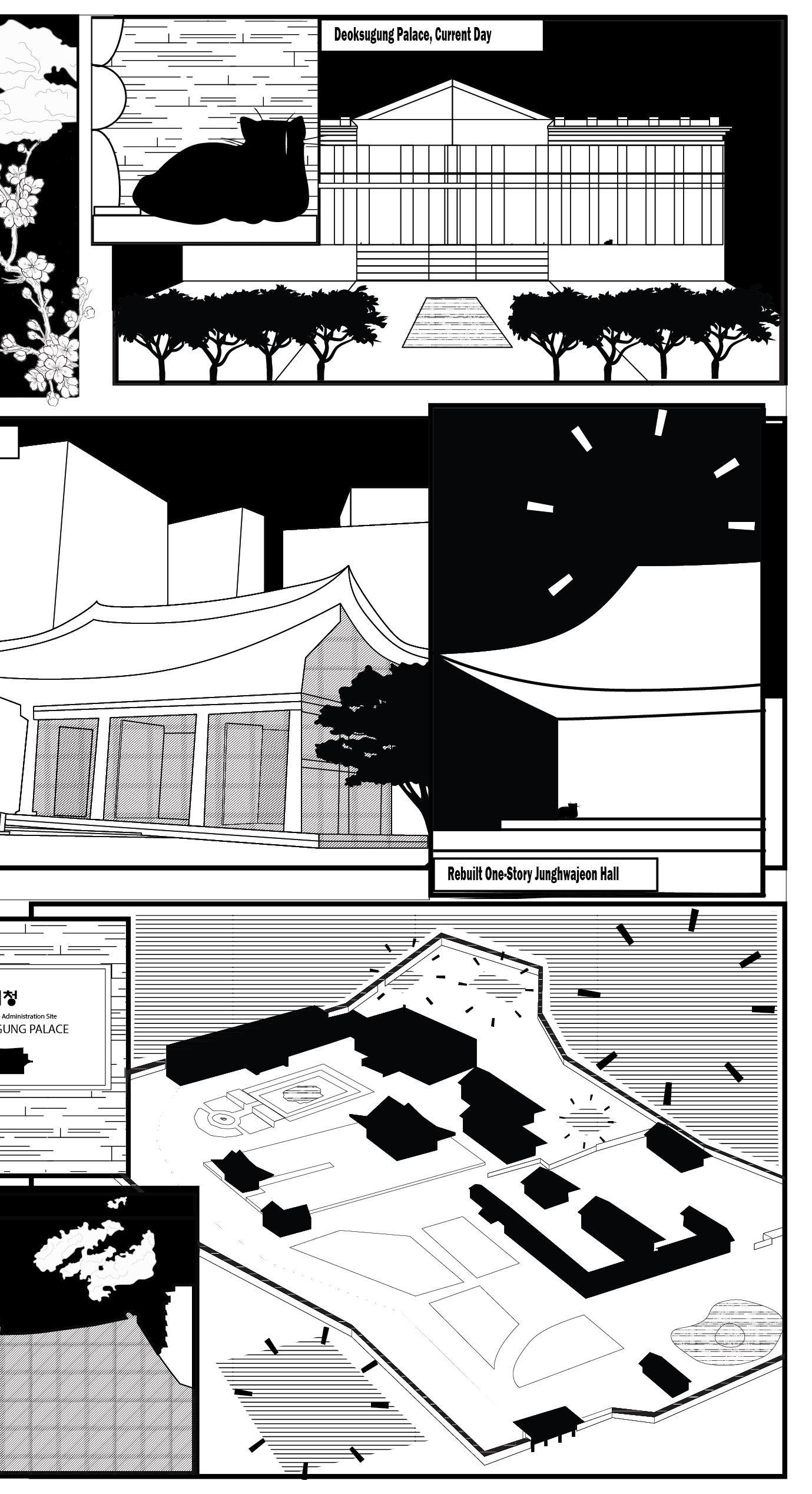
The Deoksugung Palace in Seoul, South Korea, evolved alongside the city’s development. Constructed during the Joseon Dynasty amidst the Japanese invasion of Korea in 1593, the palace faced several political changes that resulted in its deconstruction and subsequent rebuilding, leading to a reduction in its original size as Seoul expanded.The site features Western-style buildings reflecting Korea’s increasing influence by Western arts, architecture, and politics.
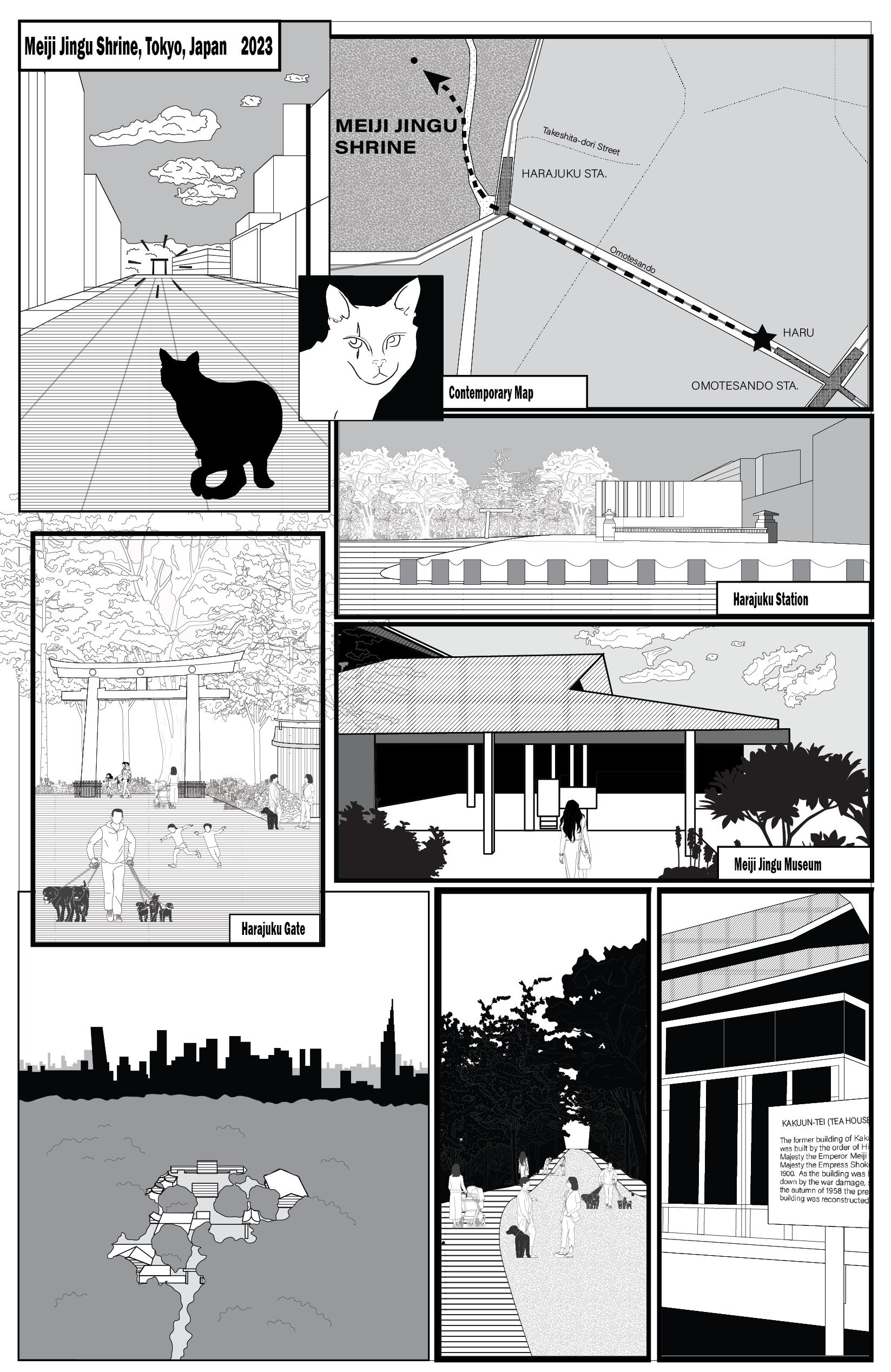
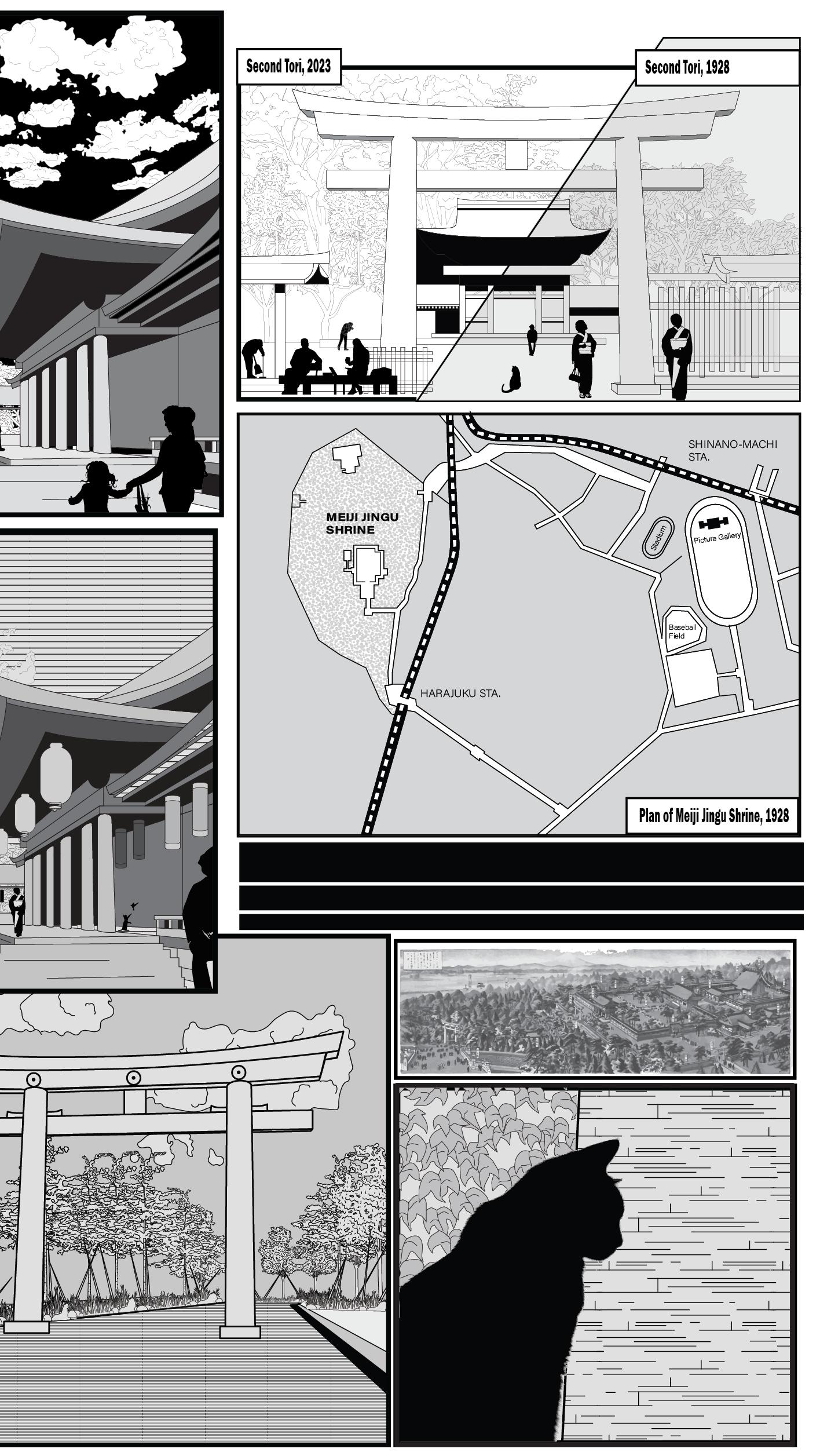
The Meiji Shrine in Tokyo, established in 1920, is an imperial site turned public green space, featuring well-known shopping streets and accessible transportation. Unlike the Choho-ji Temple, the shrine’s forest remains integral to the city despite urban development. The reconstruction of buildings like Empress Shoken’s Tea House underscores their historical significance and the importance of preserving Tokyo’s heritage.
Course : Materials: Directed Research, Spring 2024 Plexiglass, Basswood, and Rope
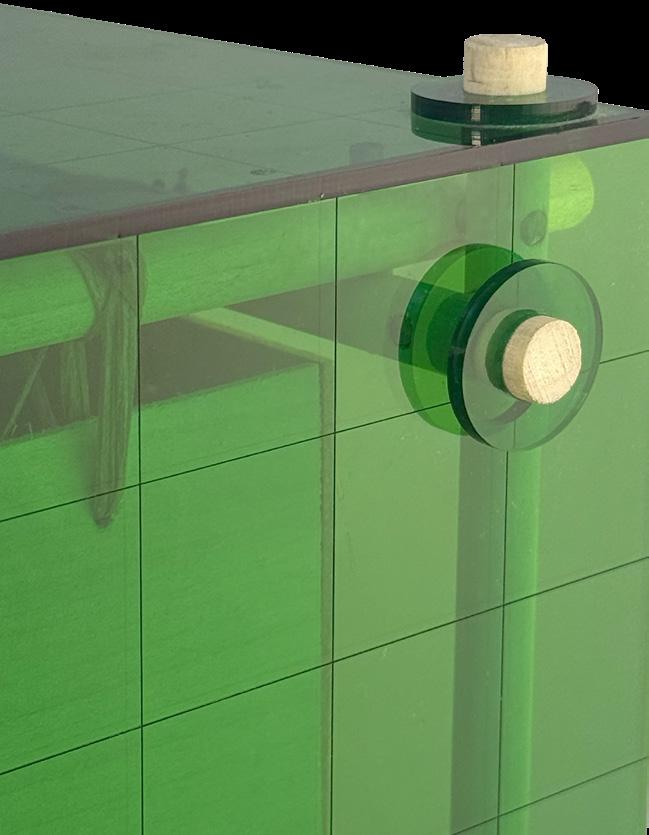
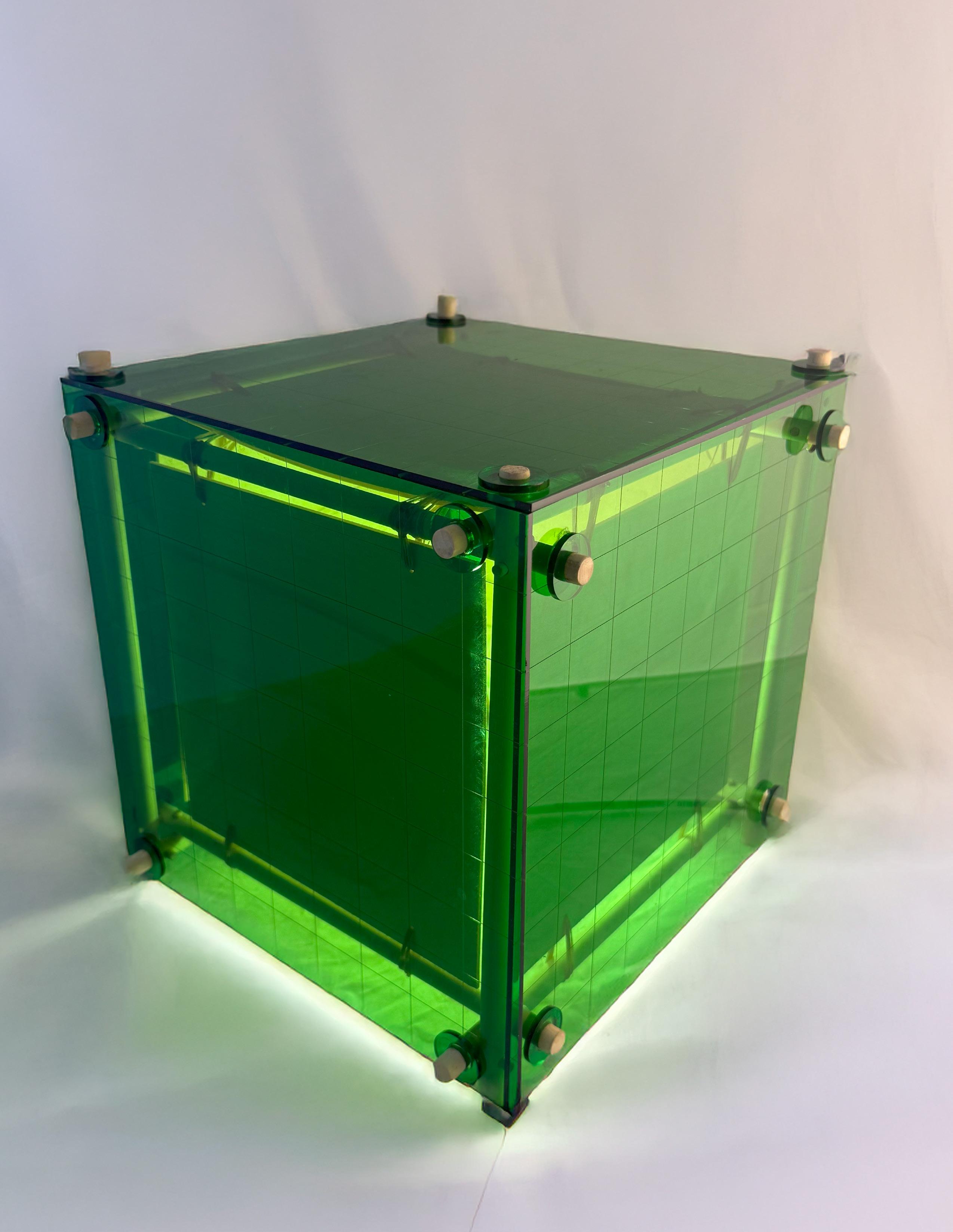
Light Object 01: Green Cube is a study in structure, material, and light, informed by The Long Chair by George Nakashima and the Greek Orthodox Church by Herzog & de Meuron. The project translates principles of joinery, spatial framing, and atmospheric clarity into a compact, glowing form. The result becomes more than just an object crafted from precedent, it becomes a spatial experience.
PRECEDENT STUDY
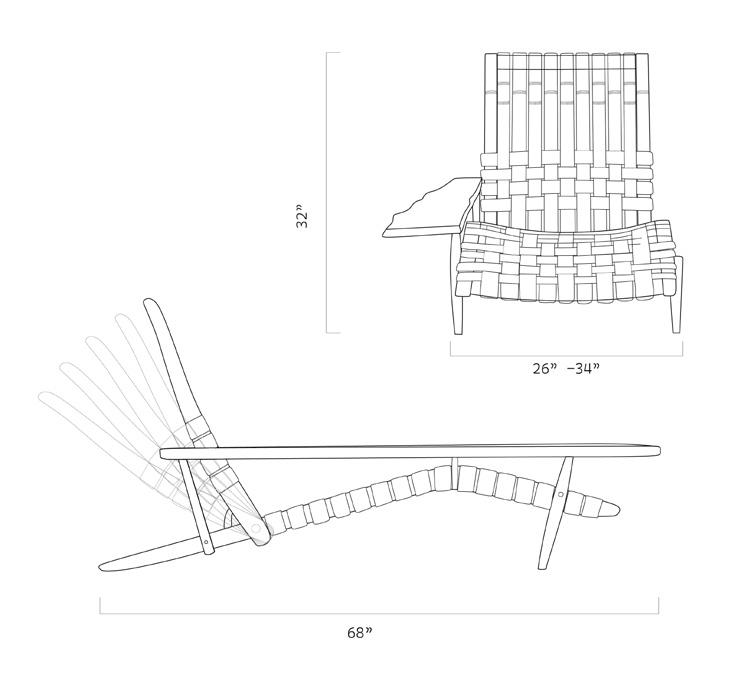
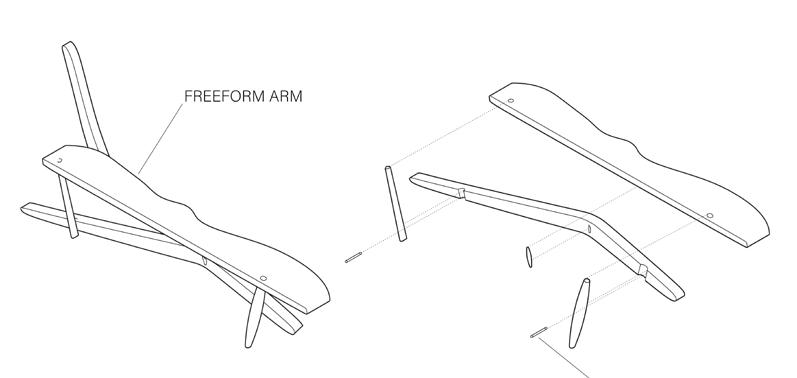
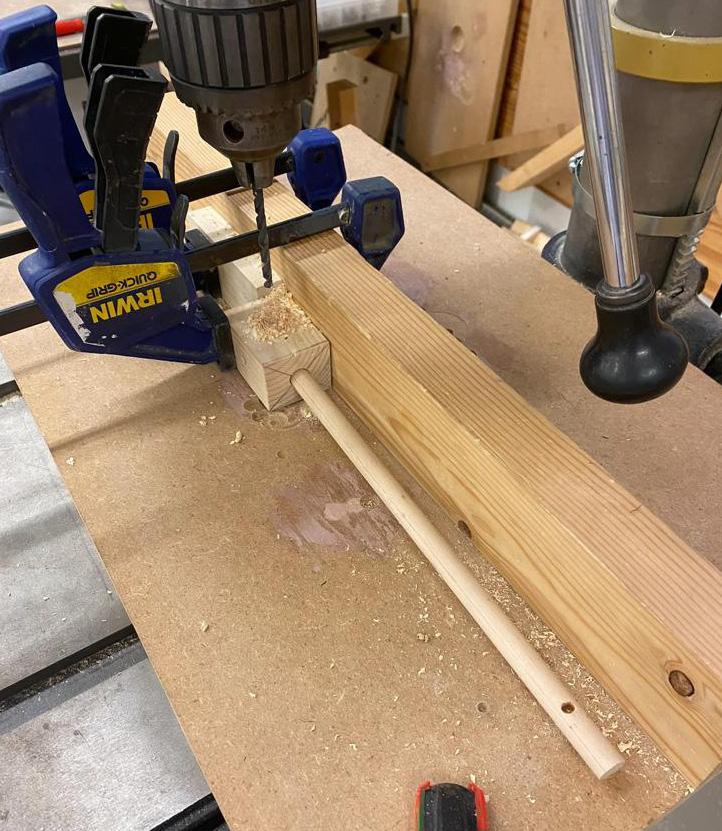
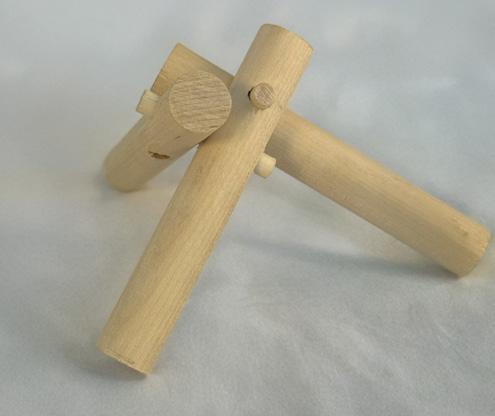
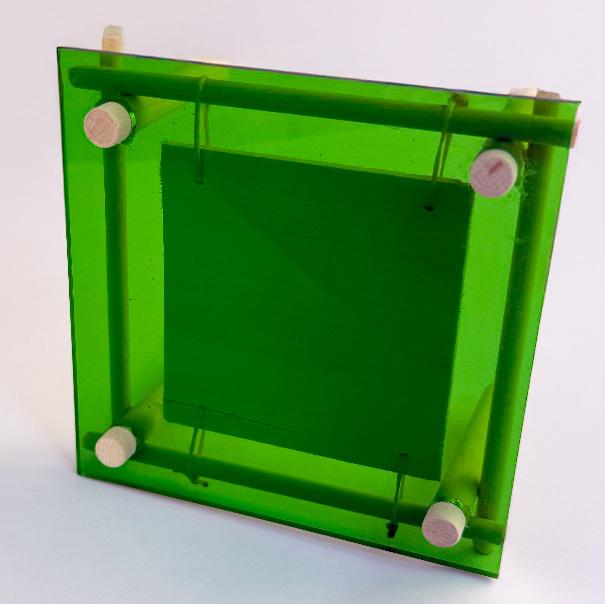
Custom jig developed to drill precise 90-degree holes in the dowels, allowing them to connect at the corners. Multiple prototypes tested proportions and construction methods.
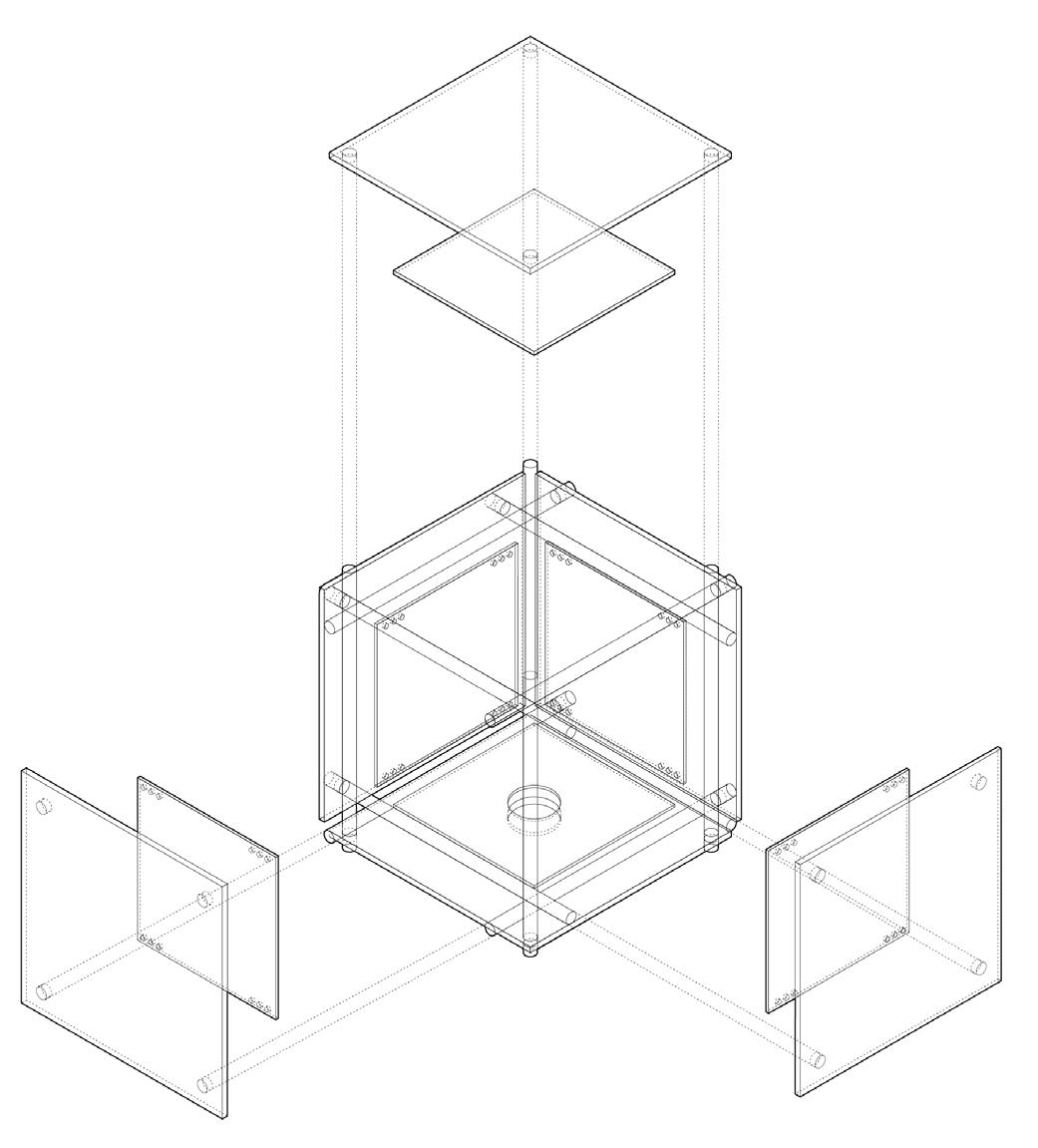
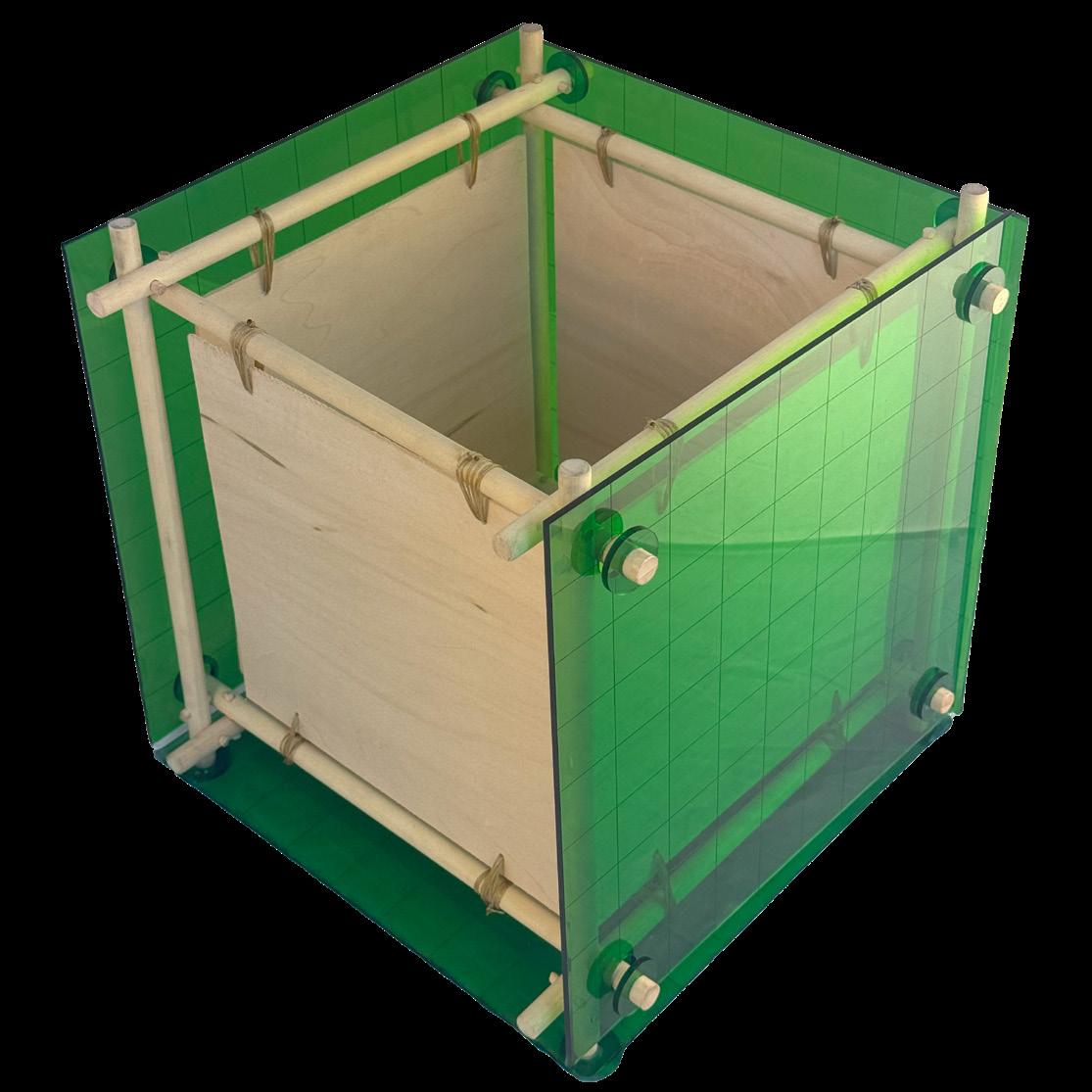
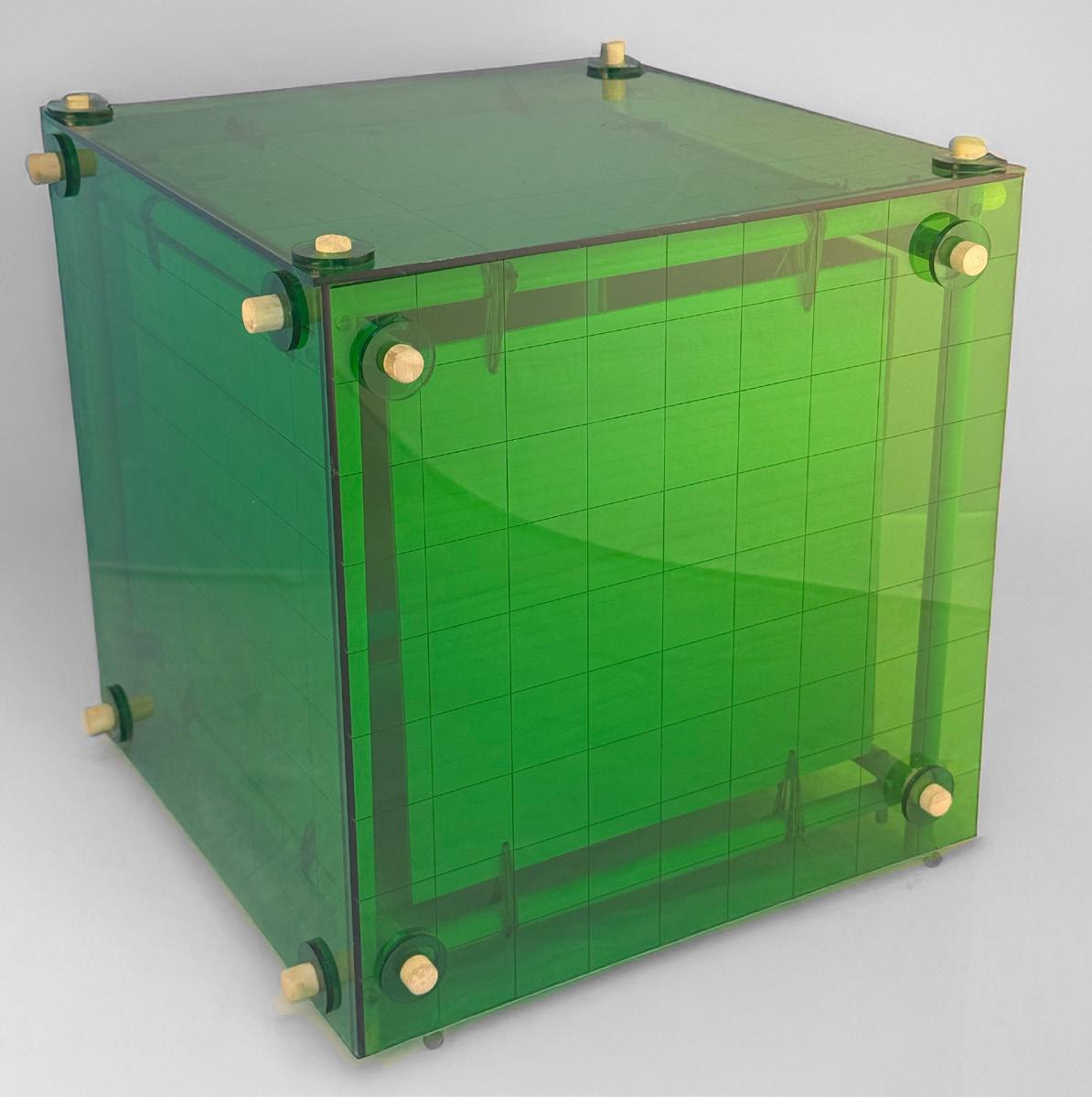
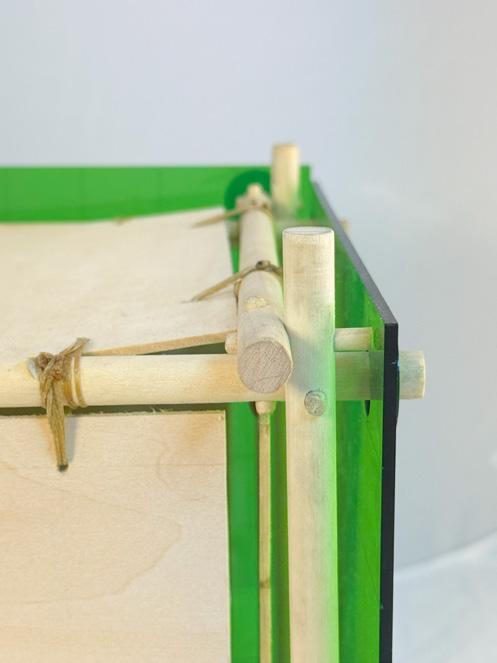
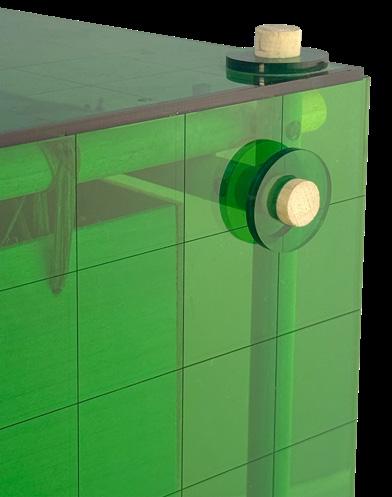
The final product is a spatial study of light, structure, and craft. An internal network of dowels and thread creates depth, while translucent panels highlight wood grain and emit a soft, ambient glow.
Typology :
Course :
Software:
AI Generated Design Research Workshop
650 - Research Workshop, Spring 2024 MidJourney and Photoshop
“While AI can lack emotional depth and contextual understanding, its real strength lies in accelerating ideation, suggesting alternatives, and expanding visual vocabularies.”
- Braguez,
2023
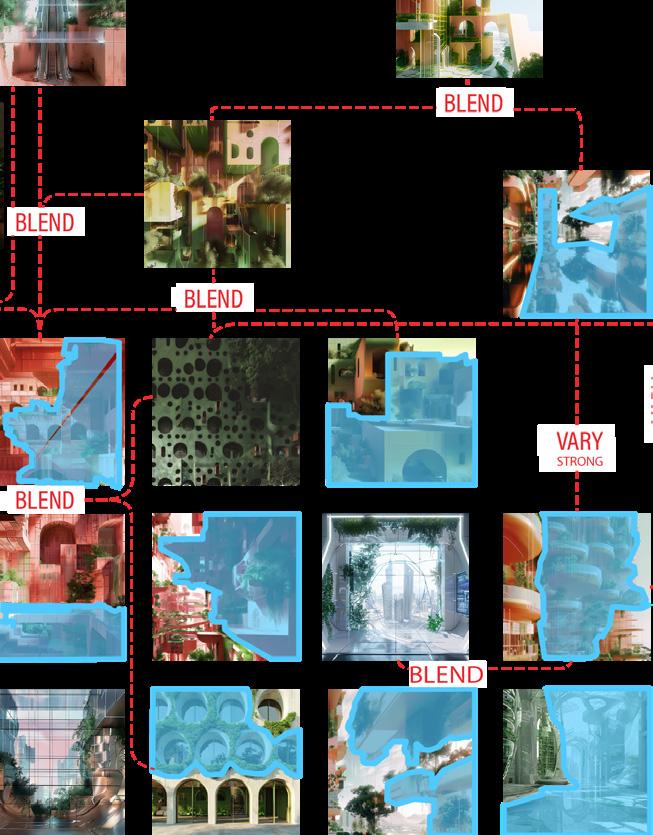
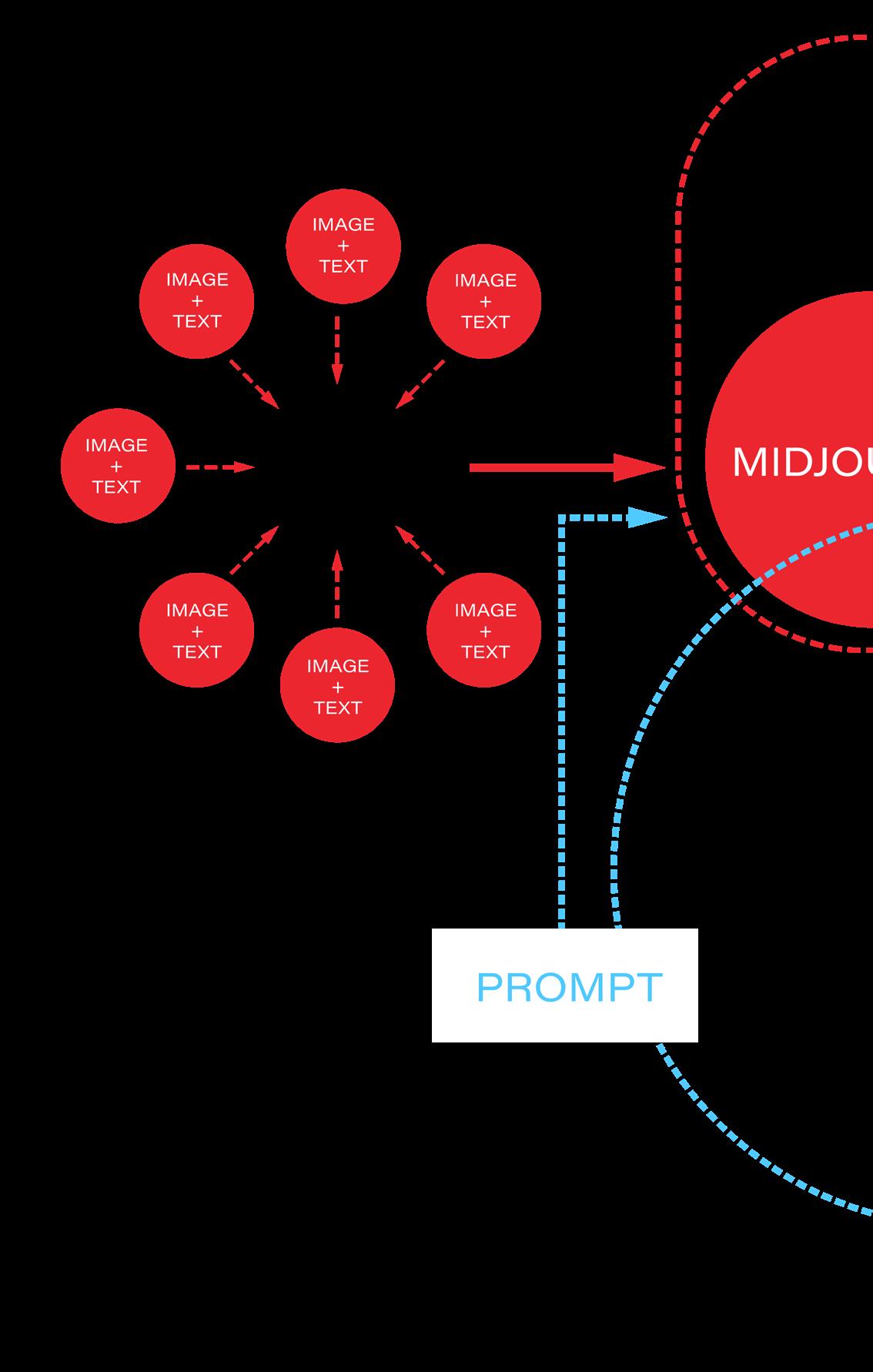
This project explores how generative AI can function as both a tool and a collaborator in architectural design. Created during a research workshop, the investigation focused on MidJourney as a visual ideation partner, combined with Adobe Photoshop’s generative AI fill. Beginning with prompts inspired by Rem Koolhaas’s Elements of Architecture, the project evolved through iterative experimentation with AI-generated imagery, blending, and manipulation. The central inquiry, whether AI poses an existential threat to architecture or serves as a valuable design tool, is addressed critically throughout, with the conclusion drawn that AI, when approached with intention, can become a medium for innovation. The project questions authorship, process, and aesthetics in a time of rapid technological change. This project serves as a controlled experiment—can architecture emerge through the lens of AI without losing intention? How do we remain authors while collaborating with non-human intelligence?
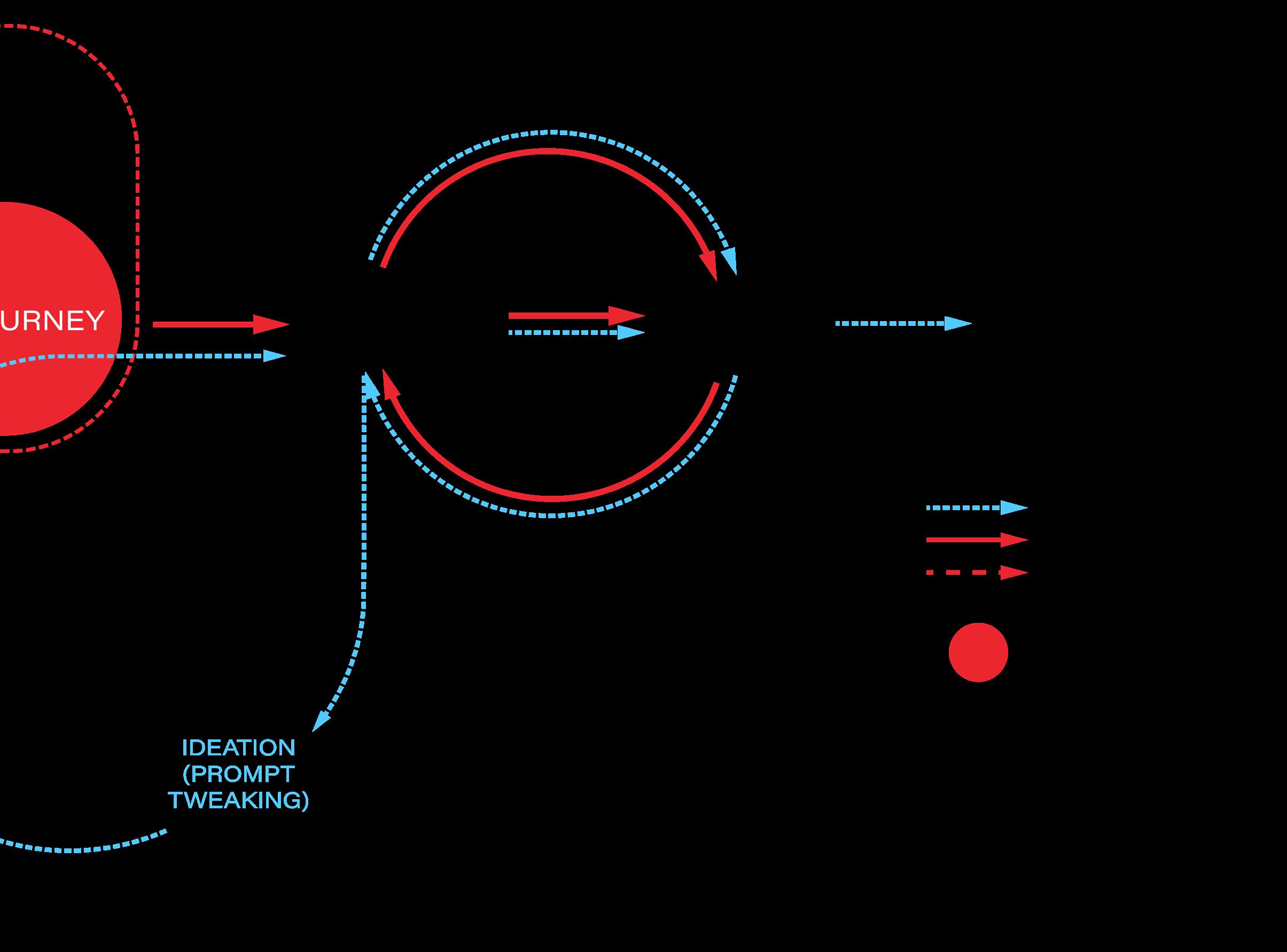

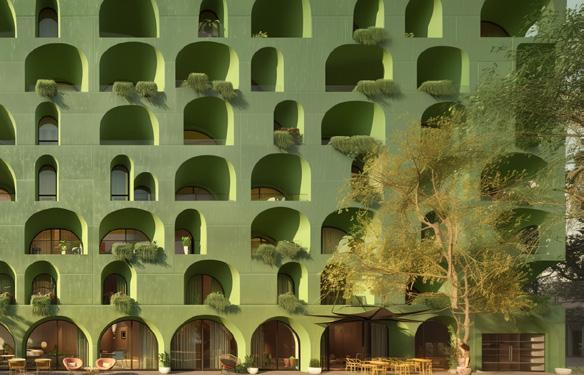
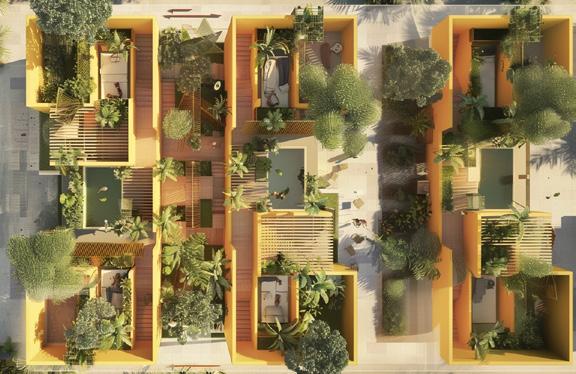
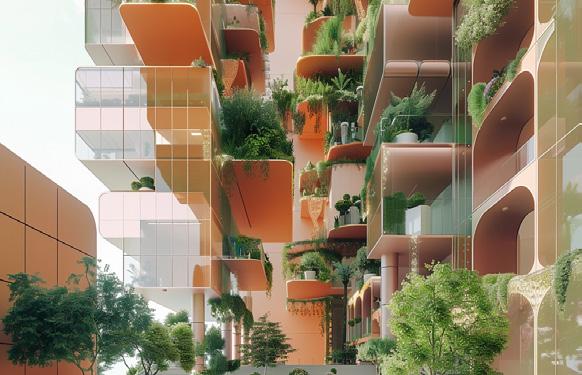

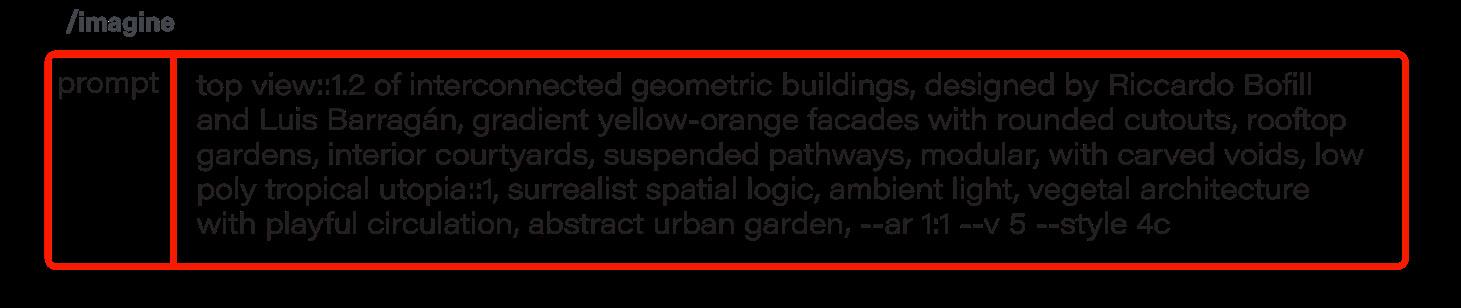
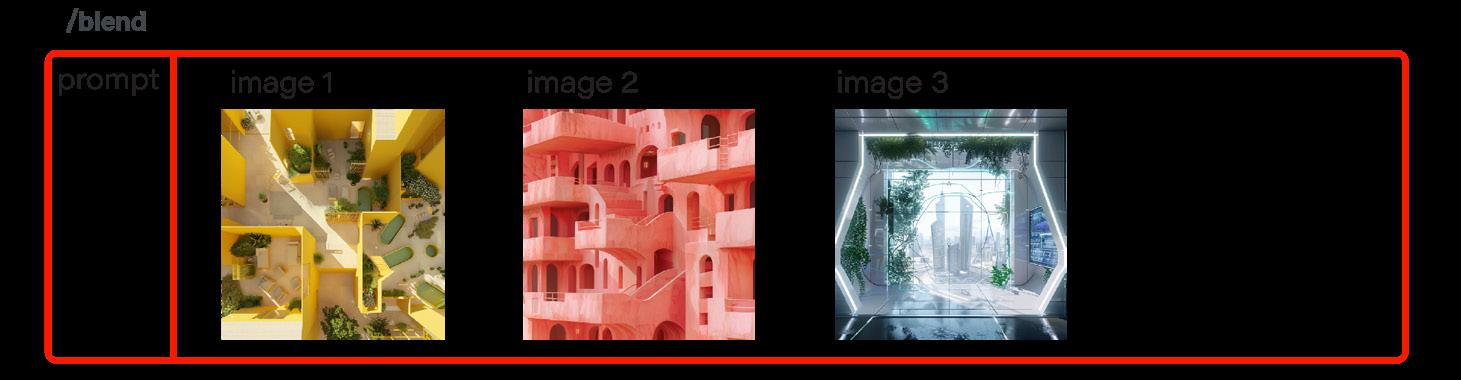
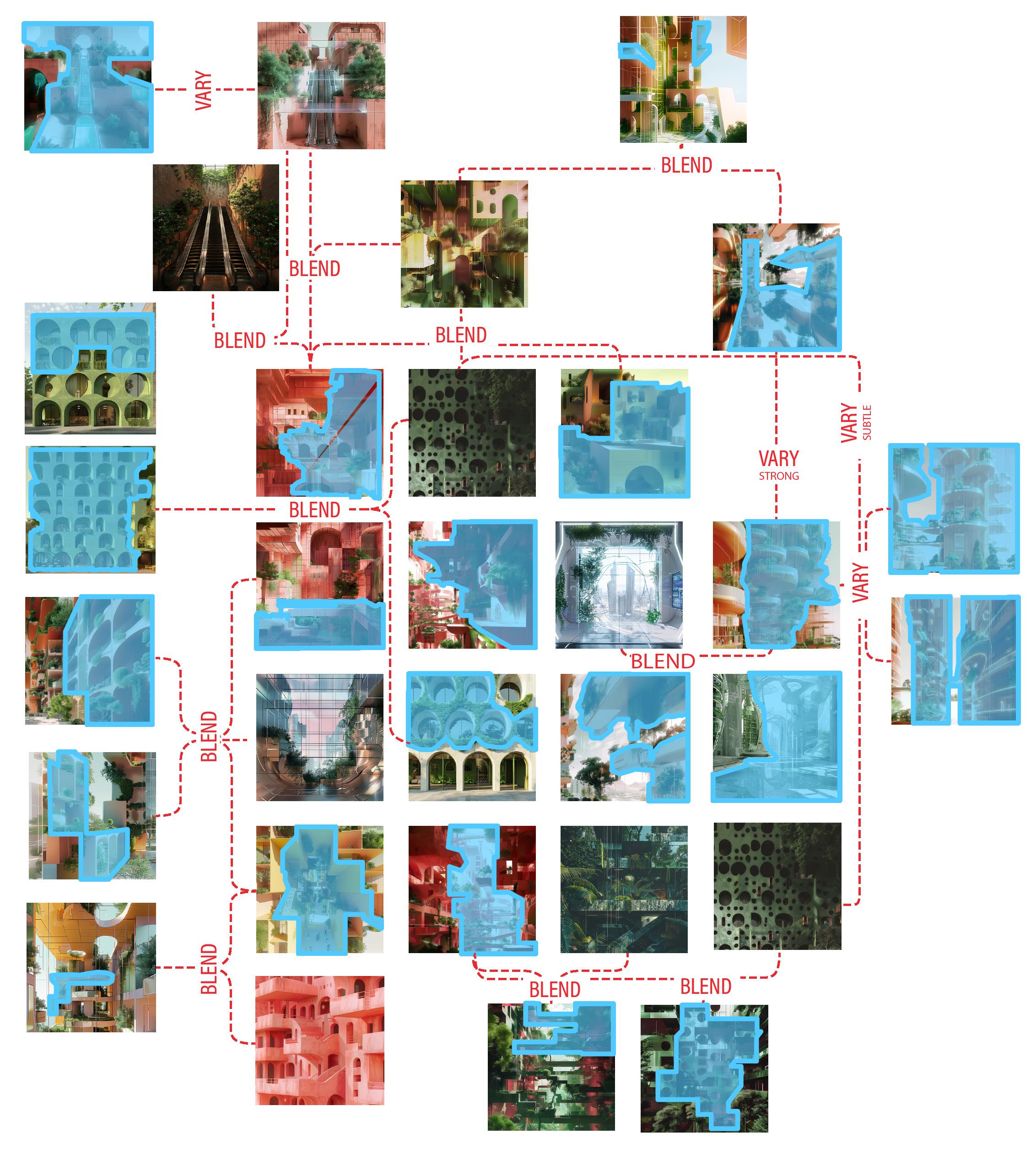

A diagrammatic breakdown of AI-generated imagery, prompt refinement, and compositional decision-making. This process visualizes how hundreds of MidJourney outputs were evaluated, iterated, and selected for use in final image.

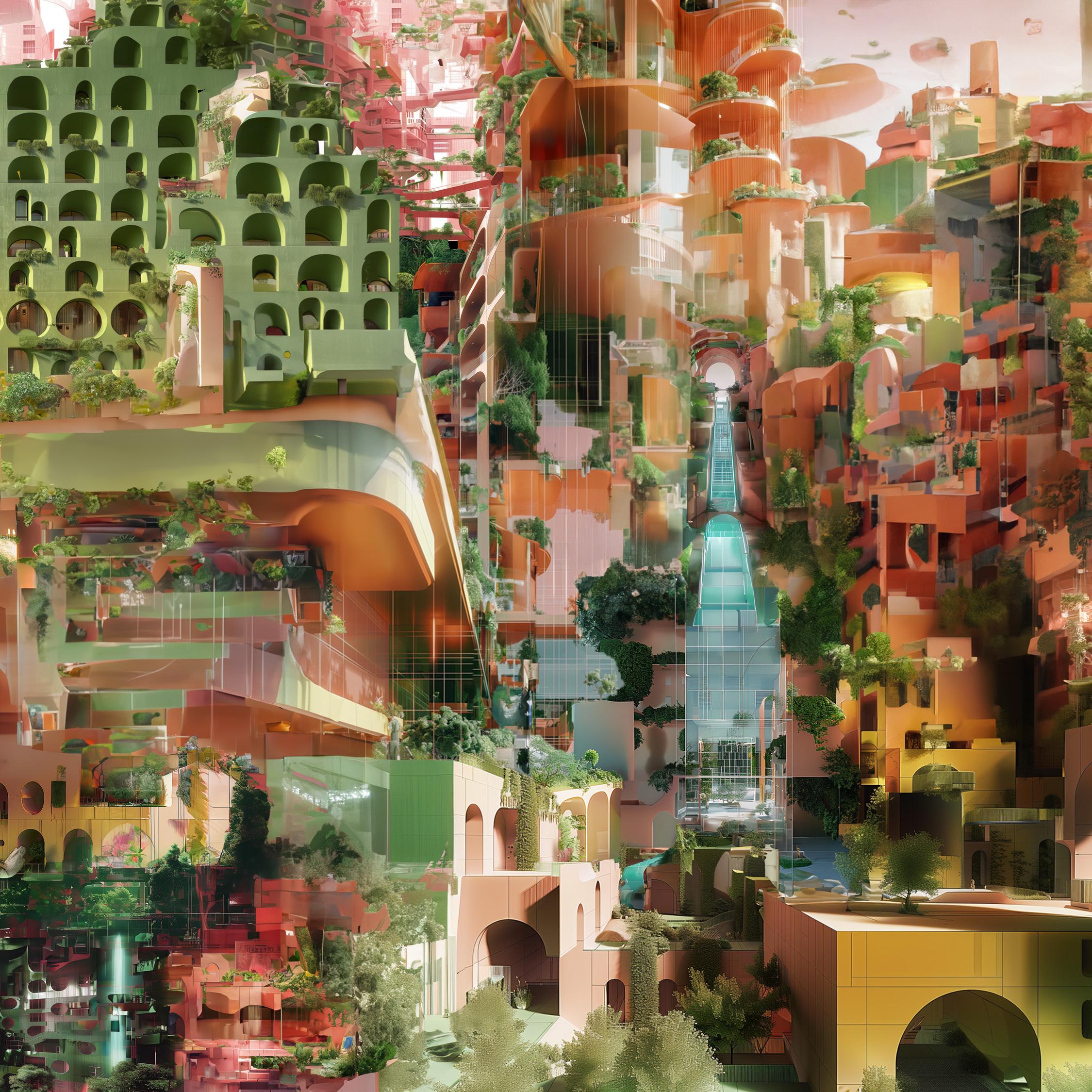
A speculative cityscape is composed through an iterative process of prompt-driven generation, image extraction, and AI-assisted collage.
These captions were co-written with AI as part of the ongoing inquiry into authorship and collaboration between human and machine.