
Jane Dean, RN, marks 50 years at the Greenwood Genetic Center

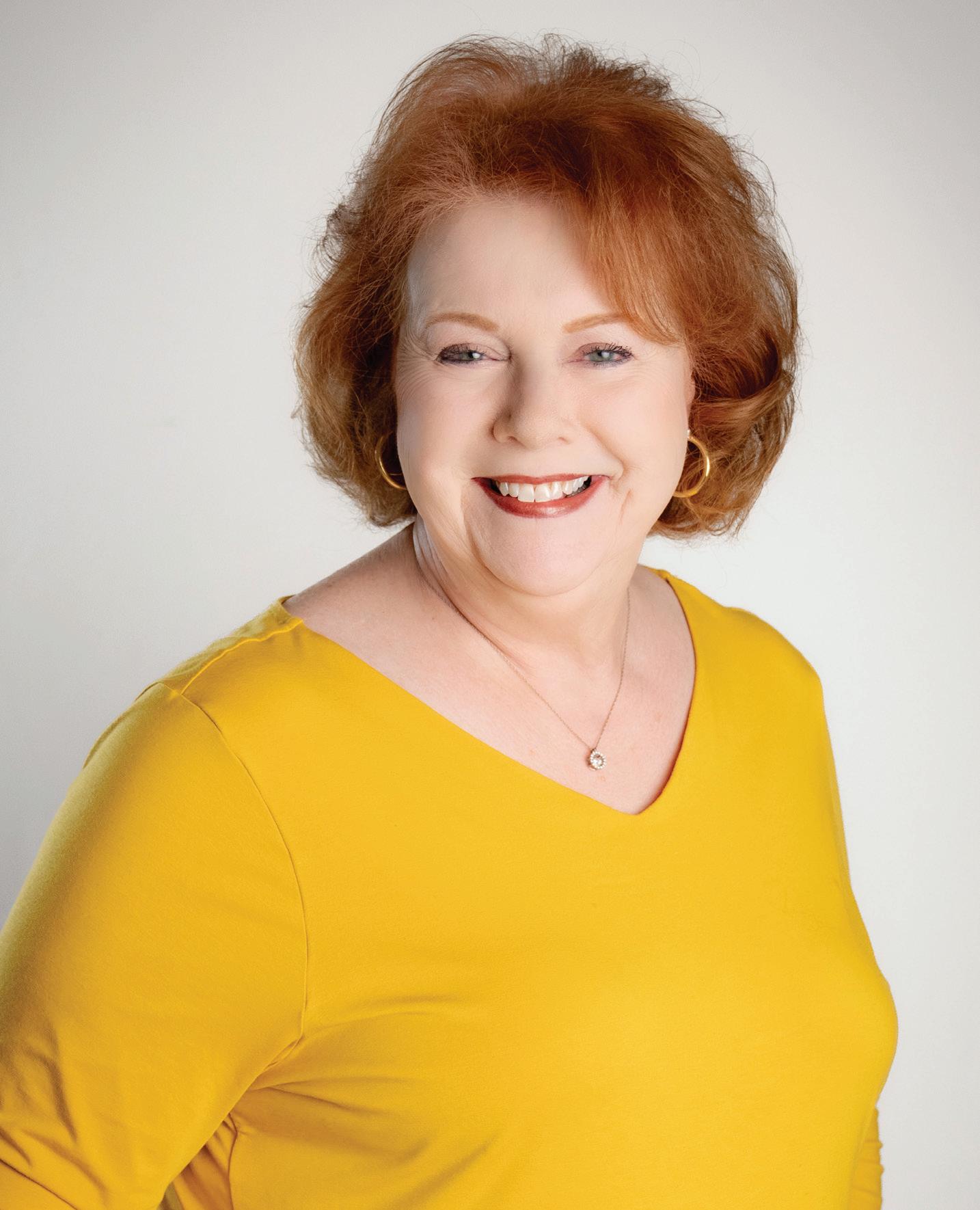
This December marks an extraordinary milestone for Jane Dean, RN, as she celebrates 50 years of devoted service to the Greenwood Genetic Center.
Jane’s journey with GGC began in 1975, when, as a young nurse working in Labor and Delivery at Self Memorial Hospital, she took a chance and walked down to Dr. Roger Stevenson’s pediatric clinic to ask if he was hiring. Although the answer was initially no, just three months later she received a call that would change the course of her career. After a warm interview—and a successful negotiation that earned her a raise before she even started—Jane, 21, began working evenings at the clinic, balancing her new role with full-time shifts at the hospital.
In those early years, Jane served as the pediatric nurse for GGC’s evening clinics, working side-by-side with Dr. Stevenson. She remembers the personal connections most—the artwork pinned to her bulletin board, the school photos shared proudly, and the little boy who never arrived without bringing her flowers from his yard. As GGC grew and added physicians including Dr. Dick Schroer, Dr. Bob Saul, and Dr. Curtis Rogers, Jane transitioned to full-time, supporting both pediatric and genetic clinics across the state.
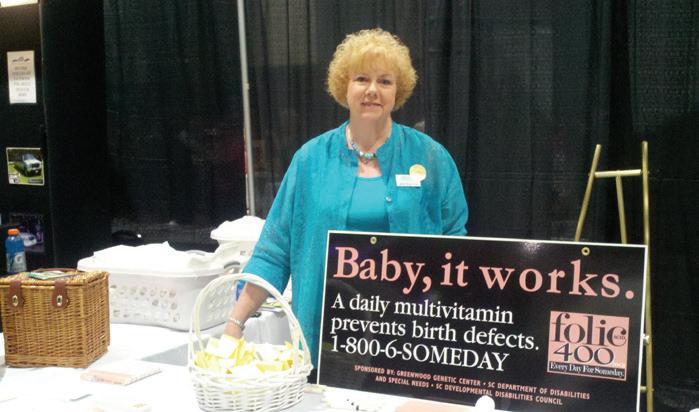
Her career took a defining turn when Dr. Stevenson shifted his focus fully to genetics. After the birth of her third child, Jane briefly considered stepping away from work—until she received a call inviting her to assist with a Fragile X project. Soon after, she found herself helping Dr. Stevenson prepare a CDC grant application to study neural tube defects, and before she knew it, she had been named the statewide coordinator for South Carolina’s Neural Tube Defects (NTD) Prevention Program. It was a role she hadn’t sought, but one that became her life’s work.
Jane’s greatest pride comes from the families she has supported through the NTD program—helping them navigate loss, begin folic acid supplementation, and then celebrating with them as they welcomed healthy children in subsequent pregnancies. Many of these relationships have lasted decades, stretching across states and even continents. Some of the babies born healthy because of this program are now beginning families of their own— and Jane is still there, providing folic acid for the next generation.
Reflecting on her 50 years, Jane shares that the time has flown. She has never wanted to work anywhere else. What began as an evening nursing job became her “dream job,” filled with extraordinary mentors, brilliant physicians from around the world, and beloved colleagues who have become lifelong friends. “I have enjoyed and still enjoy coming to work every day,” she says.
GGC celebrates Jane with deep gratitude—for her compassion, her dedication, her trailblazing work in NTD prevention, and the countless families whose lives she has touched.
ACCESS - Improve access to genomic testing and services through the GGC Cares Fund.
ANALYSIS - Generate and analyze genomic data through GGC's proving ground for new technologies and approaches to analyze data.
ANSWERS - Diagnose each patient in a timely manner and identify potential treatments through GGC's Genomic Discovery Program.
ACTION - Lead patients to a personalized treatment or therapy for their genetic condition.
When a newborn is rushed into the NICU with unexplained symptoms, families struggle with fear and uncertainty. Every day without answers delays life-changing treatment and prolongs the unknown.
Recent research shows that 1 in 3 children in ICUs have an underlying genetic condition, meaning many of these babies are fighting illnesses we can identify—and potentially treat more effectively—if we move quickly.
That urgency is exactly why GGC launched a new Rapid Whole Genome Sequencing (rWGS) test. rWGS delivers some of the fastest and most comprehensive genetic insights available. While standard whole genome sequencing can take up to 10 weeks, GGC’s rWGS provides answers within one week, with many cases completed in just 3–4 days.
GGC has offered STAT sequencing since 2020, but with rWGS formally introduced earlier this year, demand has grown rapidly. To date, the lab has completed 49 rWGS cases for critically ill infants across South Carolina. In addition, every sample received from a child under one year old is automatically flagged for urgent review, ensuring that no baby in need waits longer than absolutely necessary.
And the impact is real. About one in four tested infants received a clear genetic diagnosis, many of which directly informed care decisions and provided families with clarity during an unimaginably stressful time. For another 15% of patients, testing revealed a likely genetic variant, offering the most probable explanation even if confirmation is still pending.
For parents standing beside an ICU bed, answers bring more than information—they bring hope. With rWGS, GGC is delivering that hope faster than ever, supporting families and care teams when every minute counts.
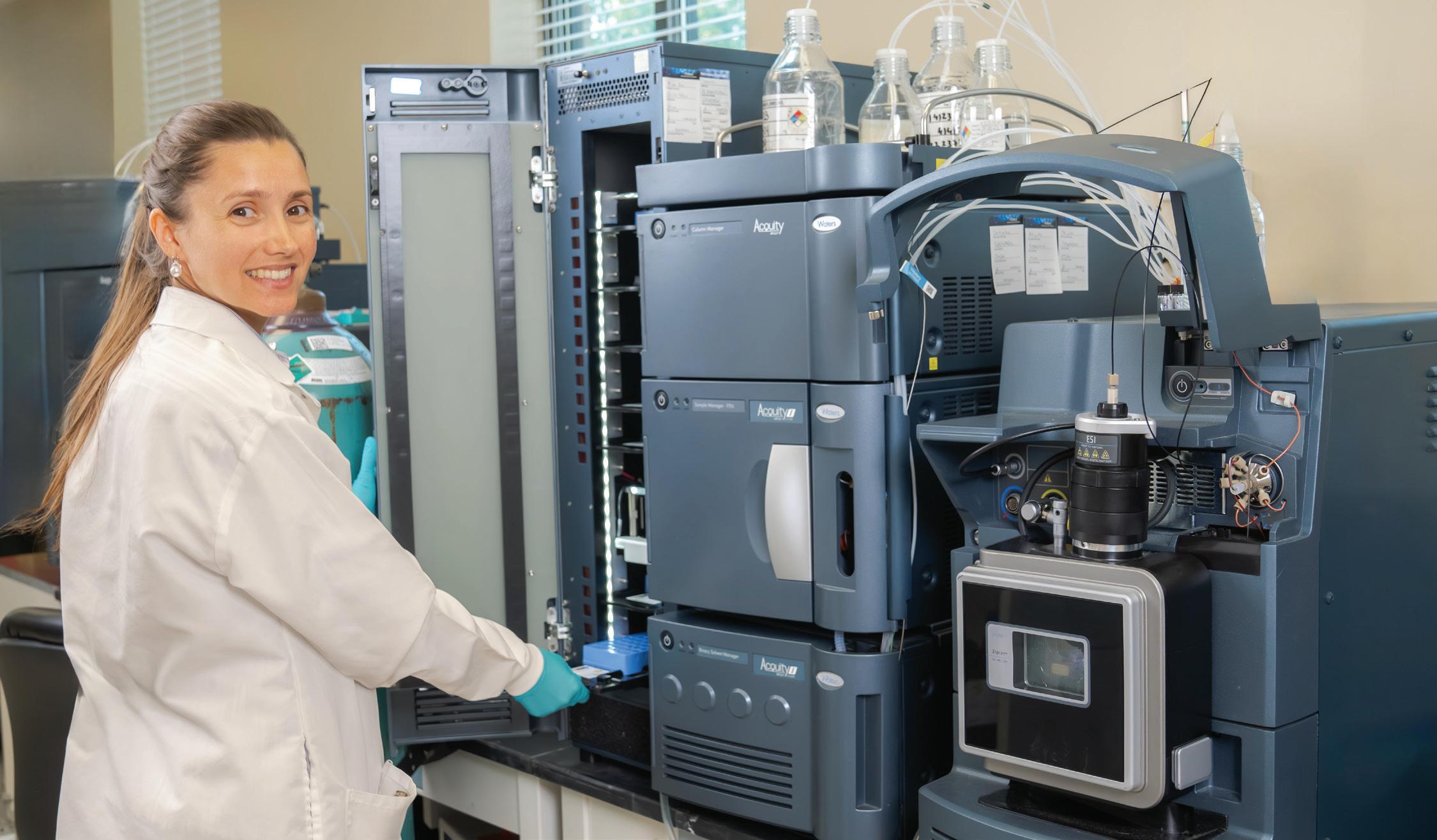
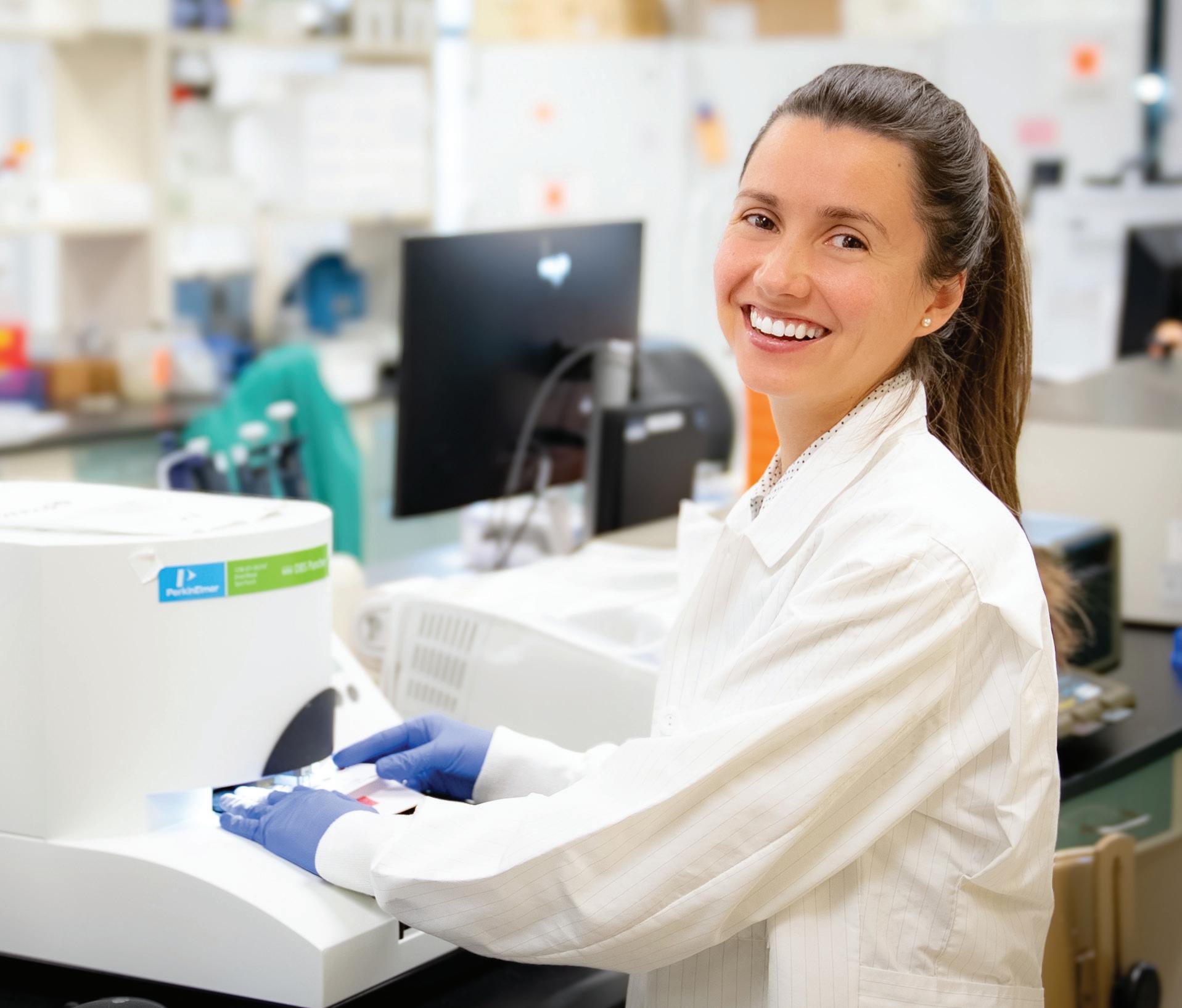
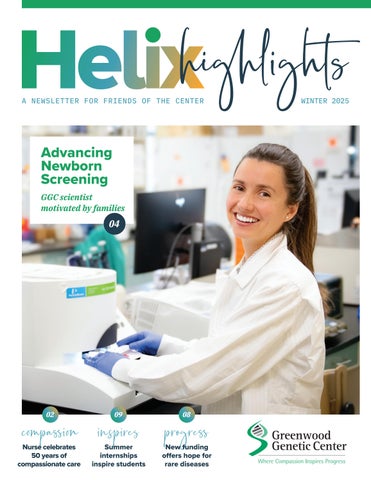
At GGC, science and compassion go hand in hand—and few people embody that more than Francyne Kubaski, PhD, a staff scientist in GGC’s Biochemical Genetics Laboratory, whose work is transforming the early diagnosis and treatment of rare genetic disorders.
Dr. Kubaski’s journey into newborn screening (NBS) began in 2013, during her doctoral studies at the University of Delaware. Her graduate research focused on developing new ways to detect mucopolysaccharidoses (MPS)—a group of rare, but treatable, metabolic diseases—using a powerful technology known as tandem mass spectrometry. “Back then, MPS screening was just a pilot idea,” she recalls. “Now, two types of MPS (I and II) are part of the national screening panel. It’s amazing to see how far we’ve come.”
At GGC, Dr. Kubaski continues to innovate by developing new methods to improve how newborns are screened, diagnosed, and monitored for treatment. Her work focuses on identifying biochemical markers, or “biomarkers,” that can provide an early diagnosis, monitor treatment success, and support novel treatments and clinical trials. One example is psychosine, a molecule that plays a
critical role in screening for Krabbe disease—a rare but fatal neurological disorder if untreated. “Our lab validated psychosine testing,” she explains. “It’s now used in newborn screening across the country and helps us both diagnose patients and track treatment progress.”
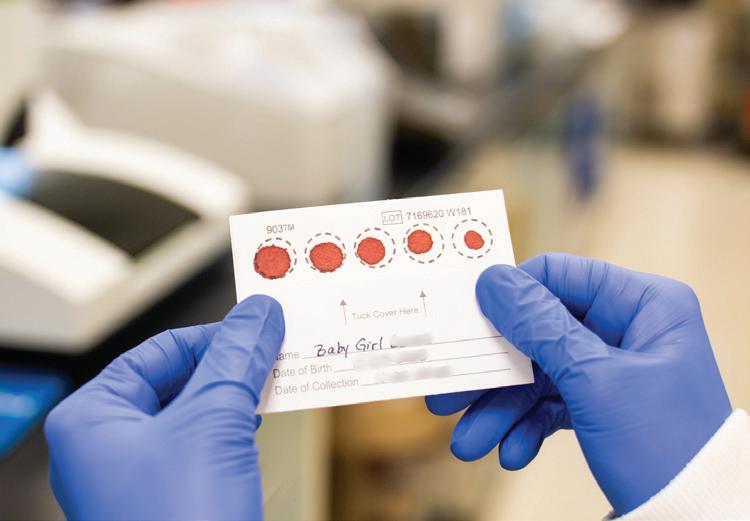
Kubaski and her colleagues have also validated tests for metachromatic leukodystrophy (MLD), and alphamannosidosis with projects in the pipeline for Fabry disease, Gaucher disease, and several forms of MPS, all using tiny drops of blood from a baby’s heel. These methods not only help identify disease early but also guide clinical trials and therapeutic monitoring, paving the way for new treatments and FDA approvals. “It takes a village,” she emphasizes, acknowledging her GGC colleagues who collaborate closely to validate each new test.
Widely published and the recipient of numerous young investigator awards, Dr. Kubaski’s expertise has taken her around the world to share her work— from the WORLD Symposium in San Diego to newborn screening summits in Austria, Spain, and her native Brazil. As a member of both the Global and US MLD Alliances, she contributes to
international efforts to expand newborn screening and improve access to life-saving diagnostics. Yet, she says, meeting families is what really fuels her passion.
“Listening to parents share their stories grounds and motivates me,” she says. “I’ve met families who lost one child to a genetic disease, only to have another child saved because the science had finally caught up.” She recalls meeting the mother of two girls with MLD—one tragically too late for treatment, the younger thriving thanks to early gene therapy. “Seeing that little girl run and play on stage reminded me exactly why we do this work,” she says. “No family should have to lose one child to save another.”
For Dr. Kubaski, newborn screening is not just a scientific pursuit—it’s a passion project. Each test she develops brings the world closer to ensuring that every baby, regardless of where they’re born, has the chance for a healthy start. “A few drops of blood can change a family’s entire future,” she says. “That’s the miracle of science—and it’s what drives me every single day.”
“GGC’s work across the four A’s is helping build a statewide precision health effort that will improve patient care in South Carolina and beyond.”
— Dr. Steve Skinner
GGC's Precision Medicine Initiative, the guiding framework of the four A’s—access, analysis, answers, and action, continues to shape the Center's partnership with MUSC through the development of the new Precision Health Institute (PHI) at MUSC. This vision took a major step forward when the MUSC President’s Council officially approved moving ahead with PHI planning and early implementation efforts.
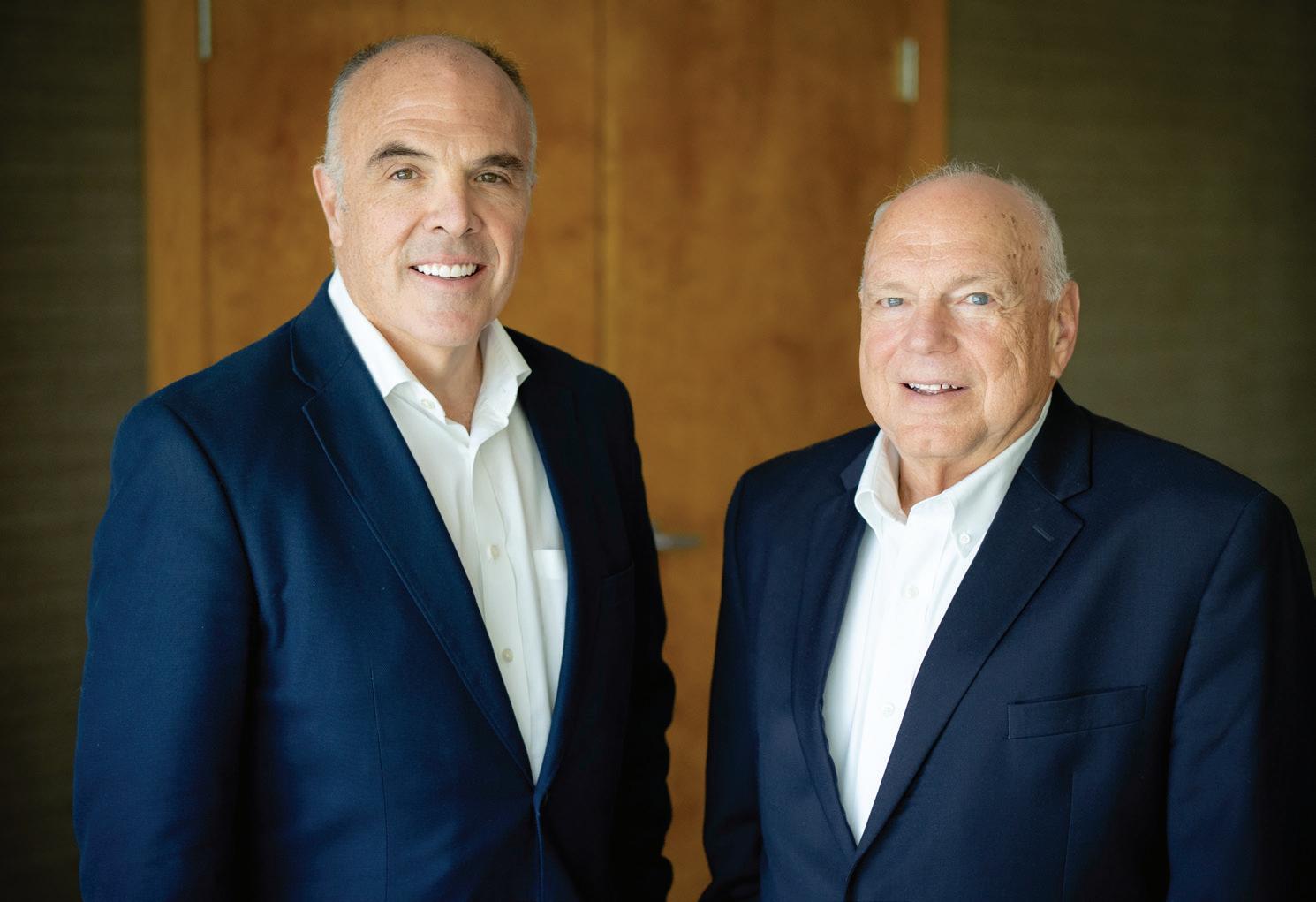
GGC President and CEO Dr. Steve Skinner is serving as the clinical lead for the PHI, working closely with MUSC Scientific Director Dr. Chip Norris. Together, teams from across both organizations have outlined four areas of focus for the first year:
Achieving NORD Rare Disease Center of Excellence status
The PHI will begin the process of becoming a National Organization for
Rare Disorders (NORD) Rare Disease Center of Excellence—an important designation that highlights leadership in rare disease care. Work will include evaluating current services, strengthening patient registries and biobanking, and coordinating care pathways to better support families affected by rare conditions.
Strengthening Genetic Testing and Clinical Support
Plans include expanding genetic testing capacity, improving how genetic information connects to patient care, and ensuring clinicians have the support they need to quickly interpret results. These efforts will help more families receive faster answers and more personalized care.
Accelerating the Path from Discovery to Treatment
By bringing together experts in
research, clinical care, and laboratory science, the PHI aims to move promising discoveries—such as new gene findings—more quickly toward potential treatments. This includes preparing for future gene therapy trials and aligning research resources across both institutions.
Growing the Genetics and Precision Health Workforce
To meet the growing demand for genetics expertise, the PHI will expand education and training efforts at MUSC. Plans include enhancing healthprofessional curricula, creating new digital learning tools, and offering additional clinical training and internship opportunities.
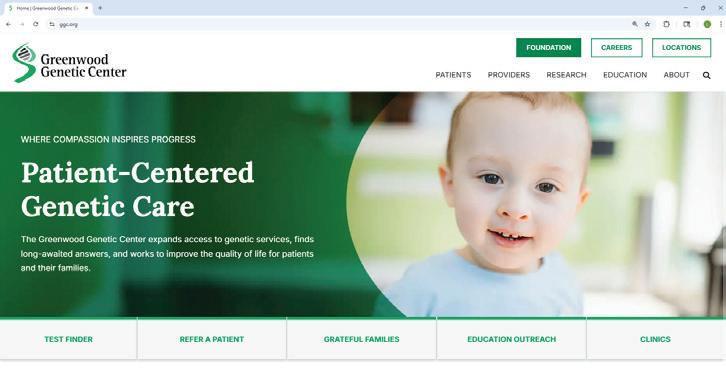
In September, the Greenwood Genetic Center launched its newly designed website (still found at GGC.org) featuring a modern look, improved navigation, and enhanced mobile responsiveness to better serve patients, families, healthcare providers, students, and educators.
The updated site offers easier access to information on clinical services, laboratory testing, research initiatives, and educational resources, as well as the GGC Foundation. With streamlined content, intuitive organization, and engaging photography, the new website strengthens GGC’s digital presence and ensures visitors can quickly find the information and support they need.
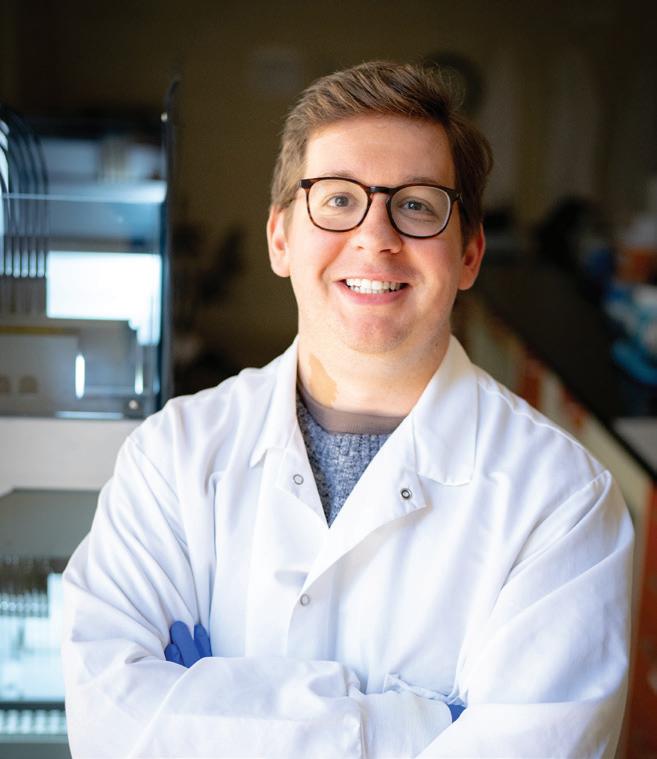
GGC is grateful for the talent, dedication, and hard work of each of our employees. Below we celebrate those who have excelled in their positions in recent months.
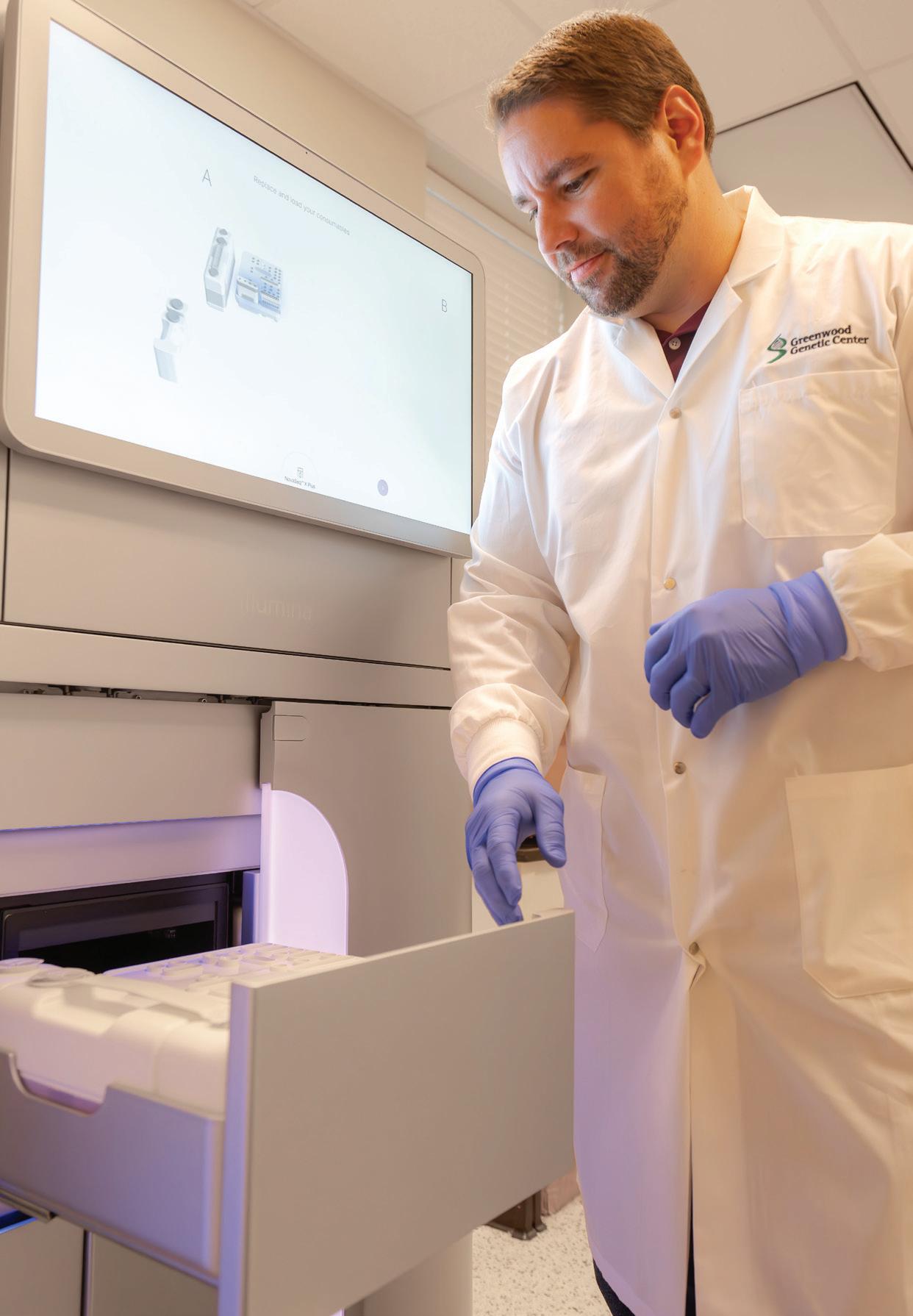
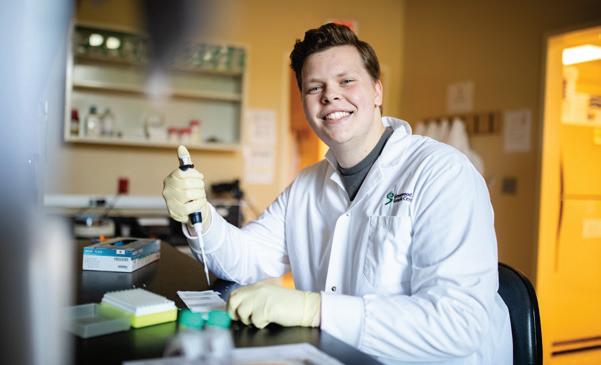
Daniel Howard (pictured above) was promoted to Technologist, Level II
Meg Keating, MS, CGC, was promoted to Coordinator of Special Projects, Office of the President
Mattie Piotrowski, MS, CGC, acheived certification by the American Board of Genetic Counseling.
Jonathan Ploeger, MS, CGC, acheived certification by the American Board of Genetic Counseling.
Ansley Roberts, MS, CGC, acheived certification by the American Board of Genetic Counseling.
Nikhil Sahajpal, PhD, acheived certification in Laboratory Genetics and Genomics by the American Board of Medical Genetics and Genomics.
Maria Striebich, MS, CGC, acheived certification by the American Board of Genetic Counseling.

Student laboratory to be named for longtime GGC supporters, Jim and Jane McDonald
The Greenwood Genetic Center (GGC) and the Greenwood Genetic Center Foundation are pleased to announce the McDonald Education Endowment, a restricted fund that will support the ongoing operations and programming of the Center’s Education Division, including funding school trips by the Center’s mobile science labs, the Gene Machine and Helix Express. GGC’s Genetic Education Center student laboratory will be named in honor of Jim and Jane McDonald as recognition for their generosity.
Jim McDonald served on the Greenwood Genetic Center Board of Directors from 1993 to 2012, including nine years as chair. Upon his retirement from the board, he was honored with the title Director Emeritus in recognition of nearly three decades of dedicated service to the Center’s mission.
“The McDonalds’ commitment to education and their steadfast support of GGC have made an enduring impact,”
said Dr. Steve Skinner, GGC’s President and CEO. “Their generosity ensures that students and educators will continue to benefit from hands-on learning experiences that foster understanding, discovery, and career exploration in genetics.”
Jim McDonald reflected on the honor, saying, “Jane and I have always believed in the power of education to change lives. The Greenwood Genetic Center holds a special place in our hearts, and we are proud to support its mission of inspiring curiosity, discovery, and compassion in every student they encounter.”
“The naming of the student laboratory is a fitting tribute to Jim and Jane’s extraordinary generosity and years of service to GGC,” said Cady Nell Keener, Executive Director of the GGC Foundation. “Their vision and support will continue to inspire students, including our future workforce, for years to come.”
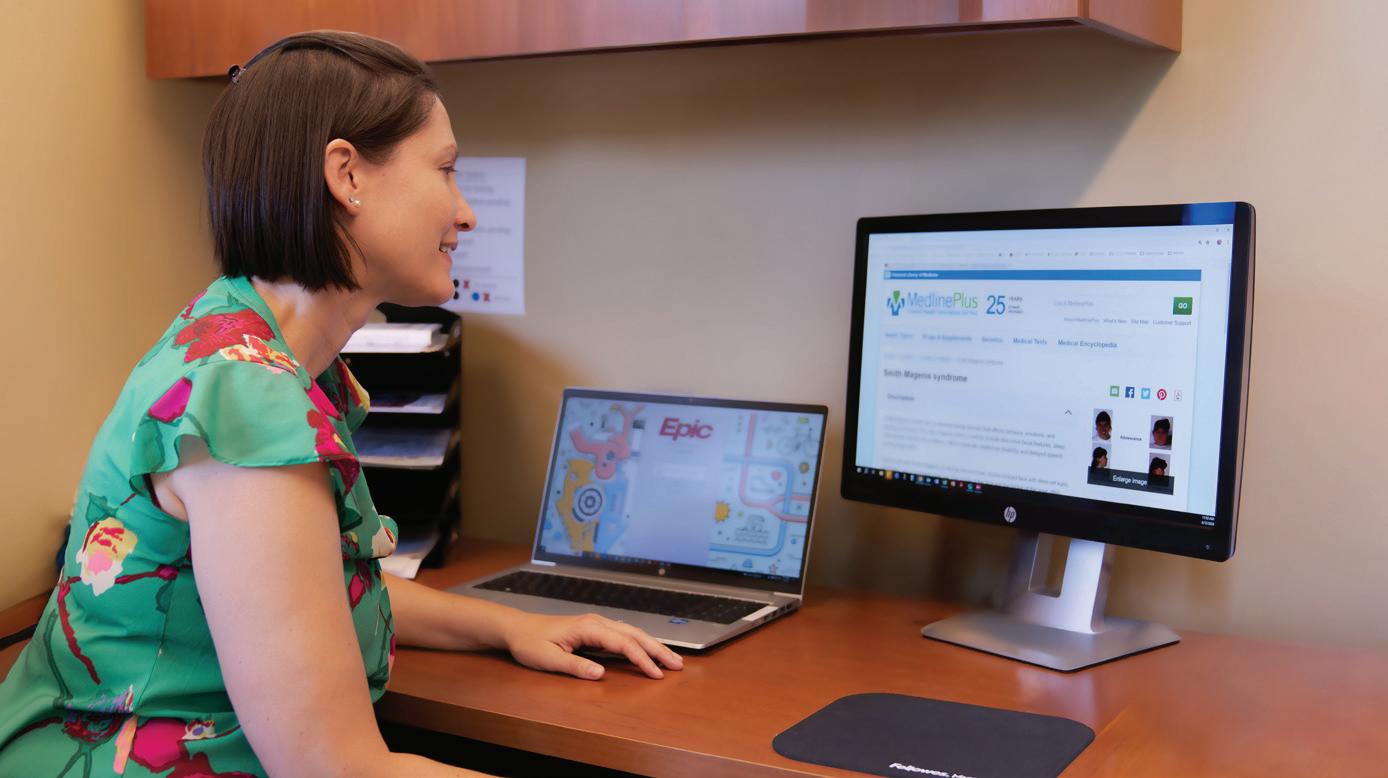
The Growth of eVisits at GGC
To improve timely access to genetics care, GGC has expanded clinical consultations with an innovative service known as eVisits—a flexible, message-based alternative to traditional in-person or virtual appointments. Supported by The Duke Endowment and the SC Center for Rural and Primary Healthcare, eVisits allow patients and providers to communicate through a secure online portal on their own time, without scheduling a specific appointment.
Unlike real-time telemedicine, eVisits are asynchronous, meaning patients and providers exchange questions, updates, and recommendations whenever it’s convenient. This model

works especially well for follow-up patients who already have an isolated concern or a confirmed diagnosis and don’t need a physical exam. Providers can review new concerns, recommend next steps, and answer questions—quickly and efficiently.
GGC has also developed dedicated eVisit workflows for patient groups where rapid evaluation or testing is especially helpful. These include infants referred through BabyNet for developmental concerns, individuals with isolated hearing loss, and patients with a clinical diagnosis of autism who do not have additional medical or developmental issues.
In many cases, eVisits help families

begin genetic testing sooner and avoid unnecessary appointments. If testing is recommended, GGC can mail a saliva kit directly to the home or arrange a convenient blood-draw location.


Families benefit from no travel, short wait times, and easy access to their genetics provider. Providers, in turn, can reserve in-person and virtual appointments for those who truly need them—improving turnaround times for everyone.

On average, eVisits are completed in just four days, and they now make up 18% of all completed visits at GGC.
eVisits are proving to be a practical, patient-friendly solution—bringing genetics expertise directly to families when and where they need it.
654 BabyNet eVisits, including Spanish-language services
112 follow-up patient eVisits
44 isolated hearing loss eVisits
33 autism eVisits (July–October only)
10 eVisits for patients unable to keep scheduled appointments
Atlas Sardoo, MSc, PhD, GGC's newest laboratory fellow, has received the 2025 American College of Medical Genetics and Genomics (ACMG) Foundation's Next Generation Fellowship Award. The funding will support her Laboratory Genetics and Genomics training at GGC preparing her for a career as a laboratory director.
Sardoo earned advanced degrees in bioinformatics, biomedical genetics, and human medical genetics from
Rowan University, Brunel University, and Universidade Nova de Lisboa, Portugal, and comes to GGC from the National Institutes of Health, where she focused on next-generation sequencing and translational research.
Each year, the ACMG Foundation grants its Next Generation Fellowship awards to promising early career professionals in a range of medical genetics and genomics specialties.
With both governmental and family foundation support, GGC's research team is tackling important projects to better understand and treat rare diseases.
GGC has secured a series of major research awards totaling over $5.6 million in recent months to advance the diagnosis and treatment of several rare and devastating genetic disorders. These new funding sources—from national research agencies and familyled foundations alike—underscore GGC’s expanding influence in translational genetics and its steadfast mission to improve outcomes for patients and families impacted by rare diseases.
A $156,000 grant from the Cure Sanfilippo Foundation will support a new project led by Dr. Rich Steet (pictured above), GGC’s Director of Research, to study Sanfilippo syndromes types A and B—progressive childhood disorders often referred to as “childhood Alzheimer’s.” The team will create the first functional, cell-based diagnostic platform to study genetic variants in the SGSH and NAGLU genes, which cause enzyme deficiencies leading to severe neurological decline. The platform will also be used to screen more than 1,800 FDA-approved drugs to identify potential compounds that could restore enzyme activity, offering families faster answers
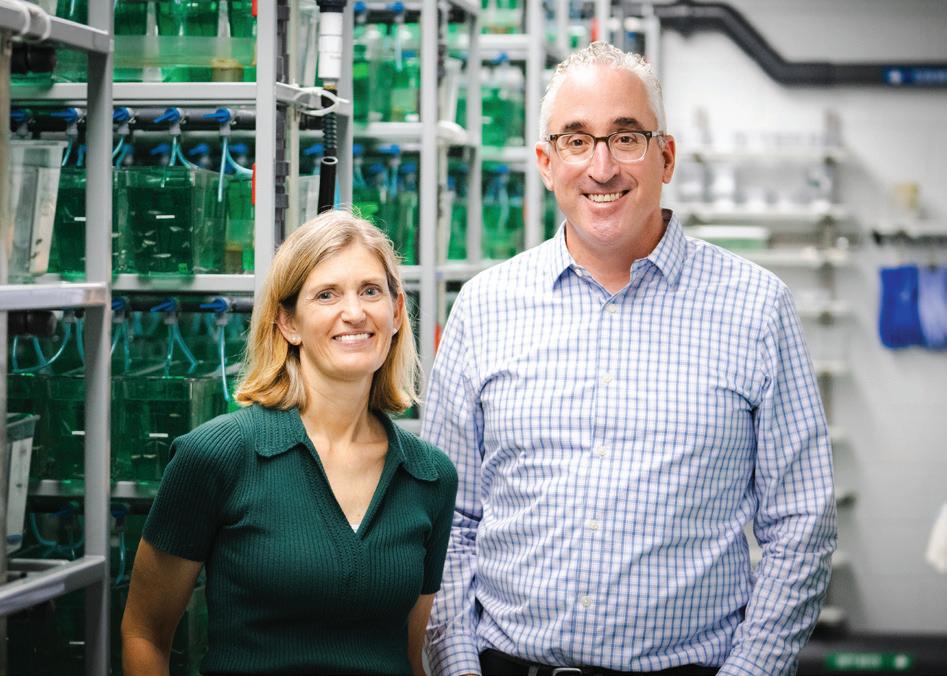
and new hope for therapy development.
In another project, Dr. Heather FlanaganSteet (pictured above), GGC’s Associate Director of Research, received a $48,000 Translational Science Grant from the STAR (Salla Treatment and Research) Foundation to study Free Sialic Acid Storage Disorder (FSASD). This rare genetic condition leads to toxic buildup of sialic acid in brain cells, resulting in neurological damage. Using zebrafish models developed at GGC’s Allin Aquaculture Facility, her team will test two existing FDA-approved drugs for their potential to reverse movement and neurological defects. The research not only builds understanding of FSASD’s biology but also accelerates potential treatment pathways through drug repurposing—an approach that significantly shortens the timeline from laboratory discovery to patient impact.
GGC’s research impact has also been strengthened through a $5.4 million Program Project Grant from the National Institutes of Health (NIH). Funded by the National Institute of Neurological Disorders and Stroke (NINDS), the five-

year collaborative project brings GGC together with Mount Sinai, Mayo Clinic, Emory University, and the University of Utah Health to study neurological symptoms in Congenital Disorders of Glycosylation (CDG). Co-led by Dr. Steet and Dr. Eva Morava-Kozicz of Mount Sinai, the initiative uses zebrafish, fruit flies, and brain organoids to explore how glycosylation defects disrupt brain development and function. GGC’s team, under Dr. Flanagan-Steet’s direction, will focus on understanding how these defects affect specific brain cell types, providing crucial insight into the origins of CDG-related neurological symptoms.
Together, these grants reflect GGC’s growing role at the intersection of basic science, clinical care, and patient advocacy. By combining powerful model systems, collaborative partnerships, and the trust of family-led foundations, GGC continues to push the boundaries of rare disease research—transforming discoveries into tangible hope for children and families around the world.
The GGC Foundation’s third Keys for Care Dueling Pianos fundraiser will take place on January 22, 2026, from 5:30 pm to 9:30 pm at the Greenwood Country Club.
Guests will enjoy an evening of delicious food, drinks, and highenergy entertainment—all while supporting the Foundation’s Care Reimagined campaign, which is transforming genetic services
and care for families across South Carolina and beyond.
This fun-filled night brings together supporters and friends to celebrate and make a lasting impact.
To learn more, become a sponsor, or purchase tickets, visit event.gives/keysforcare2026.
GGC’s 2025 Summer Interns
Each summer, GGC hosts several undergraduate students seeking realworld experience in medical genetics.
“The goal of our summer internship program is to provide college students with an in-depth look at a field they are considering – to show them what the day-to-day work involves,” said Leta Tribble, PhD, GGC’s Director of Education. “Our program is designed to be more than a job shadowing experience. Students participate in clinic visits and laboratory and research projects, sometimes even earning a coauthor credit on a scientific paper.”
In addition to working on their primary project, students also attend professional development workshops and connect with mentors across the Center. At the end of the summer, each intern presented their work to GGC faculty and staff.
Aliya Abdelwahab, a Clemson University junior majoring in biological sciences, worked in the Molecular Diagnostic Lab designing confirmation tests and studying gene variants linked to autism. “The supportive environment here has helped me learn so much about the practical side of genetics,” she said.
Cierra Friez, a Furman University junior, shadowed patient visits in the Greenwood clinic. “This experience has deepened my understanding of clinical genetics and reinforced my passion for the field,” she shared.
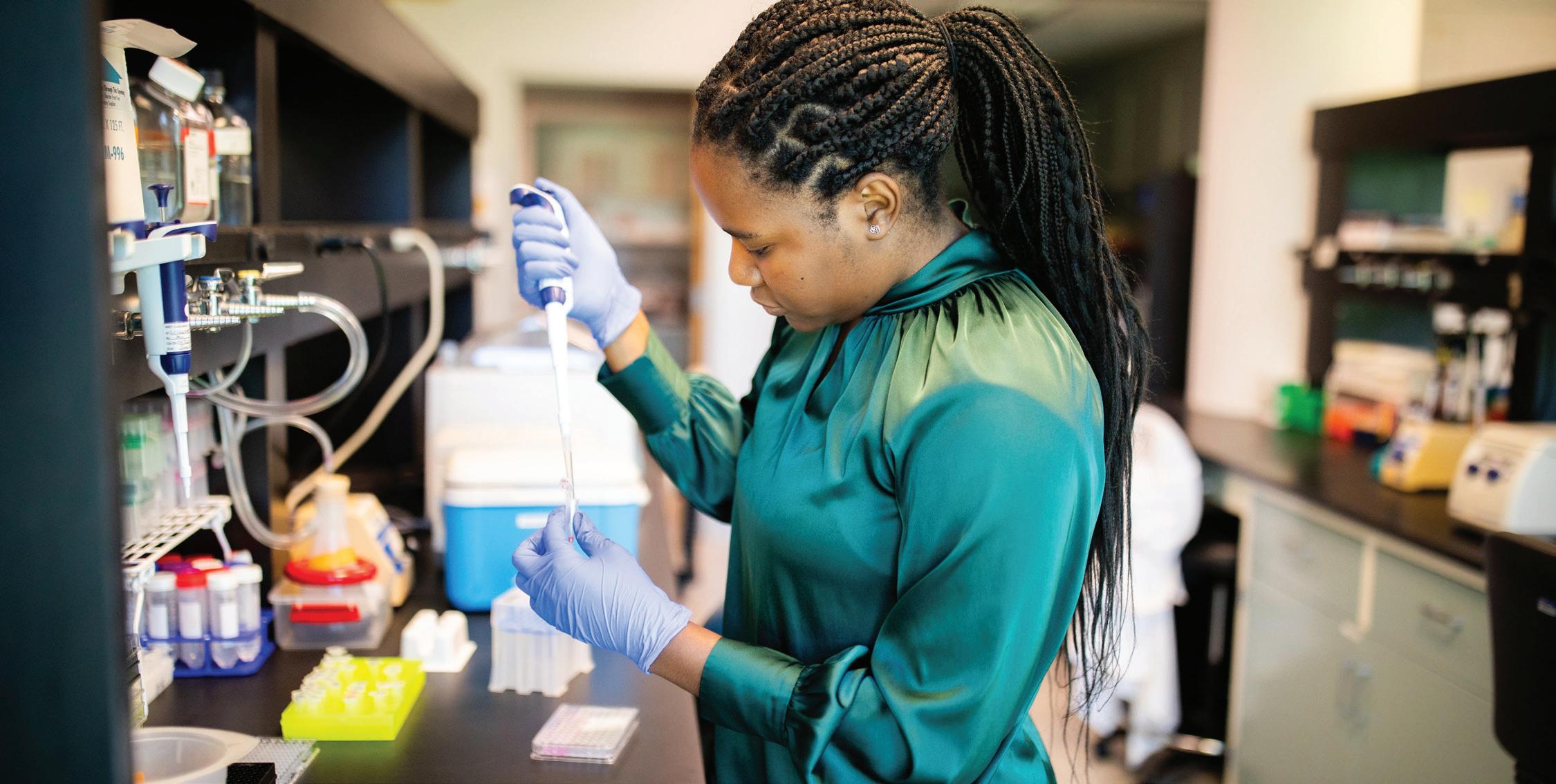
Michael Gardner, a Purdue University junior genetics and ecology major (pictured right), studied X chromosome loss due to aging in the Cytogenetics Lab. “Interacting with specialists across disciplines has been incredibly rewarding,” he said.
Mary Katherine Hannah, a biomedical engineering major at Clemson, worked with the bioinformatics team developing code to classify DNA variants. “It’s amazing to see my work directly applied to real data,” she said.
Kimberly Sipanela, a Lander University senior majoring in biology from Harambe, Zimbabwe (pictured above), was part of GGC’s research team studying zebrafish behaviors and gene mutations. “It’s fulfilling to know our research could help real patients someday,” she said.
Through mentorship, collaboration, and hands-on discovery, these interns are gaining a meaningful glimpse into the world of medical genetics.
GGC's summer internship program has been engaging and inspiring ambitious college students for decades to encourage career exploration and support hands-on learning.
Applications for 2026 summer internships are being accepted through December 31.
For high school students interested in genetics, GGC offers one-day shadowing experiences throughout the year to explore several areas of medical genetics including clinical care, genetic testing, and research.
For more information, visit ggc.org/education/students/

Learn more about these impressive students on the Gene Scene blog!
Jay Nexsen retires from the GGC Board of Directors following two decades of service.
The GGC Holdings Board of Directors has named Julian “Jay” Nexsen, Jr. as director emeritus, recognizing his 20 years of service and dedication to the organization.
Nexsen, of Greenwood, is a retired attorney and former president of Greenwood Communities and Resorts. He has served on the GGC Board of Directors since 2005 and has also contributed as a member of the GGC Foundation Board of Trustees.
“Jay has given many years of service to GGC and has been a strong supporter of our mission,” said board member Howell Clyborne, who nominated Nexsen for the recognition. “He has always been thoughtful and wise as we navigated key
decisions shaping GGC’s future.”
Nexsen’s involvement with GGC began through early connections with the Center's founder. “I was fortunate to meet Dr. Roger Stevenson as my children’s pediatrician and we later became friends,” he said. “Working with Jim Self and inspired by other early supporters like Boykin Curry, Bill Klauber, and Jim McDonald, I knew I wanted to be connected with GGC’s vision.”
Over the years, Nexsen has been motivated by the Center’s growing impact and its people. “The accomplishments of GGC, the difference their work makes for families, and the entire staff full of quality, caring

individuals have kept me committed,” he noted.
On receiving the emeritus recognition, he added, “It’s a tremendous honor to be named director emeritus, especially among such esteemed predecessors. I’m grateful this allows me to continue supporting GGC’s important work.”
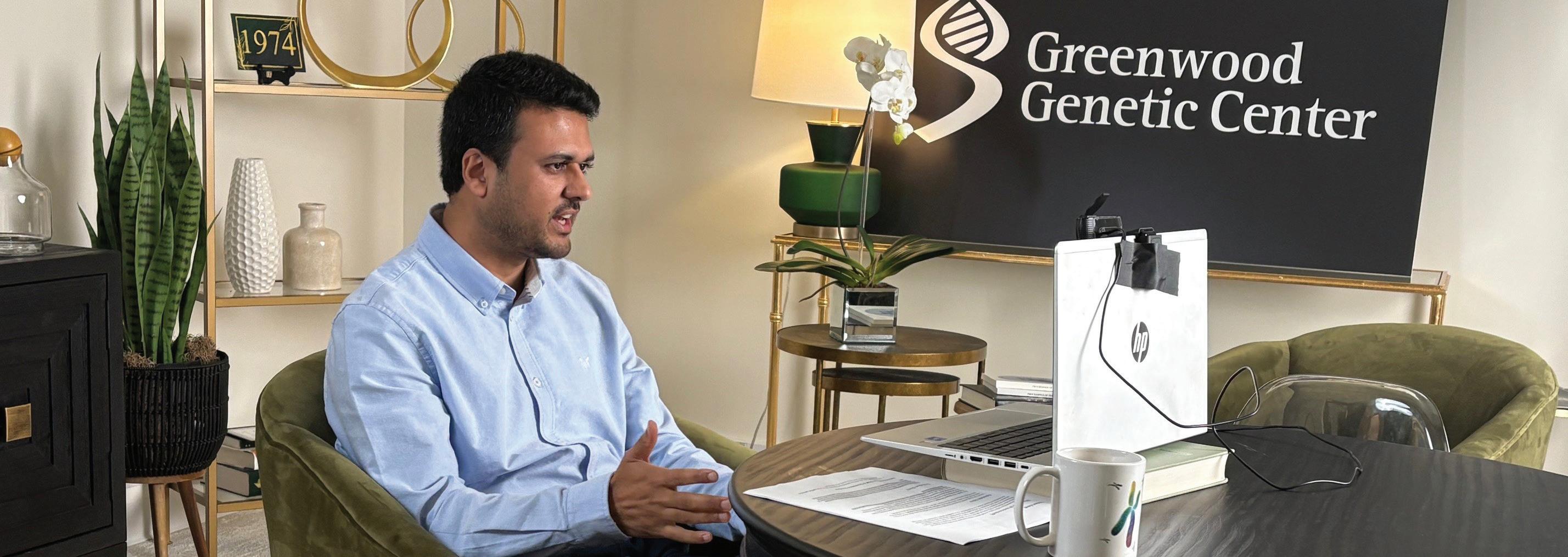
Through these podcast conversations, GGC faculty and collaborators provide insights into cutting-edge research, rare disease diagnostics, and innovative therapies that are shaping the future of healthcare while inspiring curiosity and promoting greater understanding of how genetics impacts everyday lives.
You can listen to these episodes on your favorite podcast platform.

Nikhil Sahajpal, PhD, Assistant Director of GGC's Cytogenetics Laboratory, shared his expertise on one of GGC's newest clinical tests, optical genome mapping, on the popular award-winning DNA Today podcast. Episode 362.
Jessica Cooley Coleman, PhD, Laboratory Fellow, and Steve Skinner, MD, President and CEO, were interviewed by The MEF2Cast. The podcast is hosted by parents of a child with MEF2C Haploinsufficiency Syndrome (MCHS) who speak to other parents and scientific experts to inform, support, and build community around MCHS. Episode 19.
A recent publication coauthored by Gavin Arno, PhD, Associate Director of Research, identified a new genetic disorder, oculo vertebral renal (OVR) syndrome. The discovery was highlighted on Base by Base, a podcast which explores advances in genetics, breaking down key studies and their clinical relevance. Episode 84.

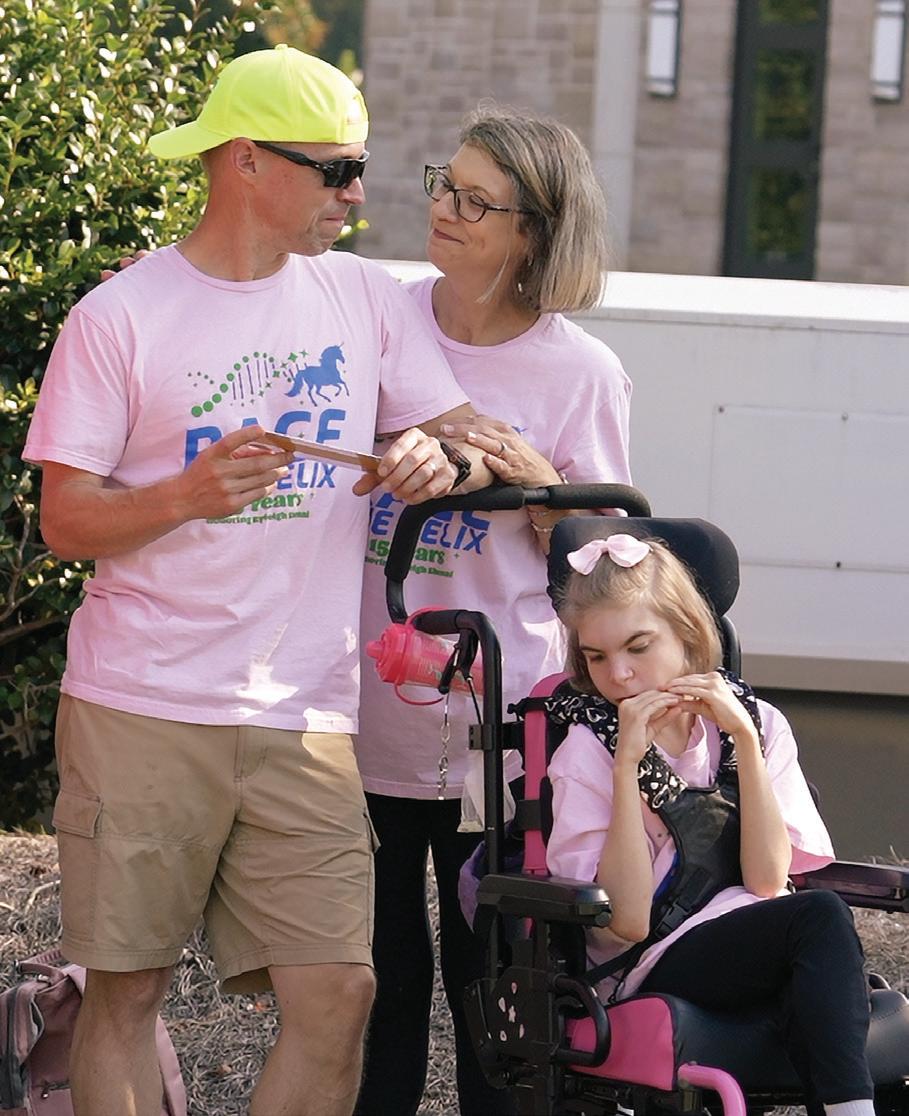
This fall, GGC celebrated the 15th anniversary of Race the Helix – Greenwood by honoring the family who started it all. A bench on the Greenwood campus was dedicated to Stephen, Jodi, Tyler, and Ryleigh Shenal in recognition of their lasting impact and generosity.
The Shenals founded Race the Helix in 2011 as a way to give back to GGC after Ryleigh was born with a rare chromosome deletion.
“At our very first meeting at GGC, we were equipped with knowledge, resources, and a caring team of individuals,” said Jodi. “We’re forever grateful for all of the behind-the-scenes work at GGC, and our gratitude has
The GGC Foundation's Grateful Family Program is a way for those who have experienced GGC's compassionate care and expertise firsthand to express their gratitude. By paying it forward, families can ensure that the next patient to walk through our doors has an opportunity to receive the same high-quality care and the answers they deserve.
Visit ggc.org/grateful-family to learn more.
Share Your GGC Story
Honor Your GGC Caregiver
only grown over these past 15 years. Our beautiful daughter is happy and thriving!”
In celebration of Ryleigh, the GGC Foundation also unveiled a special Race the Helix logo featuring one of her favorite things—a unicorn—on t-shirts in her favorite color, pink.
All proceeds from Race the Helix benefit the GGC Cares Fund, which provides improved access and financial support for genetic services, testing, and treatment for families who are uninsured or underinsured.
“We are proud to bring awareness and support to families like ours,” added Jodi. “We never want any family to ever feel alone.”
Start a Facebook Fundraiser
If you or a family member had a “Giving Greater Care” experience at GGC, sharing your story, like Nikolai's family did, encourages other families who are dealing with similar circumstances.
Make a gift to the GGC Foundation in honor of a member of the GGC team who made a difference in your life or went above and beyond for your family.
Starting a Facebook fundraiser is a wonderful way to share your family's story and increase awareness while also contributing to the important work of the Center.
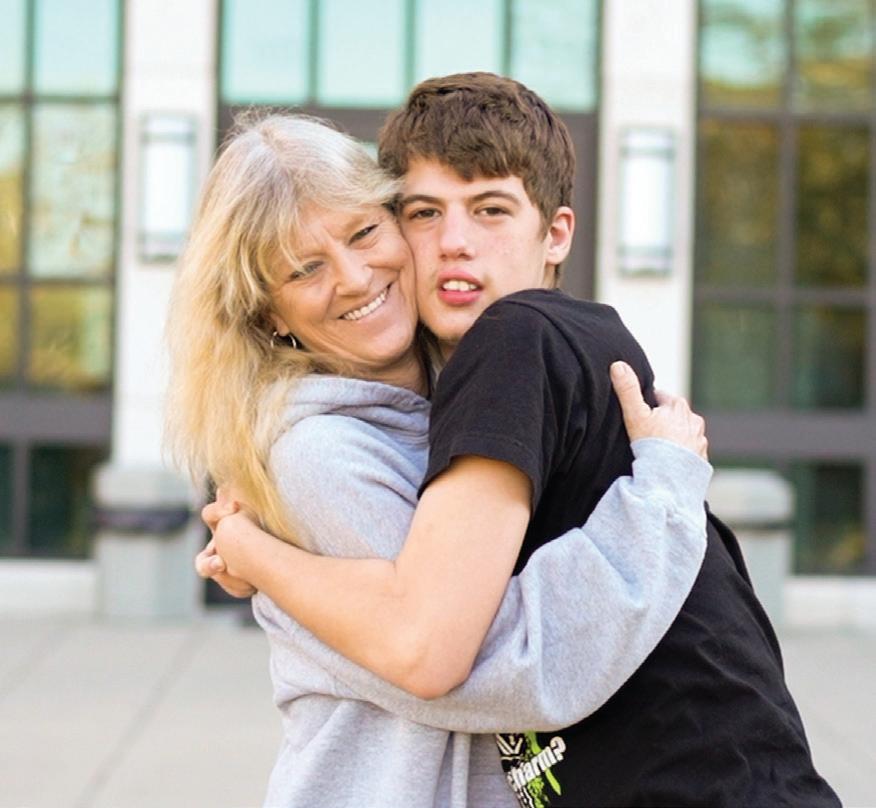
"We've been coming to the Greenwood Genetic Center since Nikolai was a year and a half old. It's really important to have someone who is always determined to find the cause and never give up."
- Susan Arnold Nikolai's grandmother