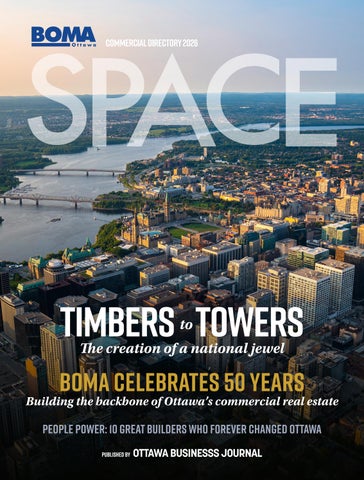
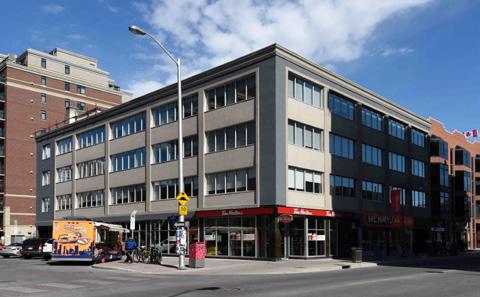
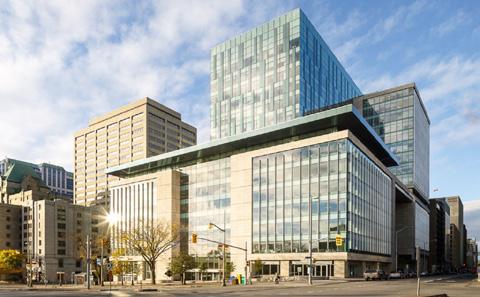
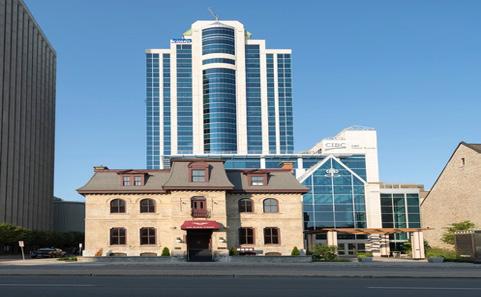
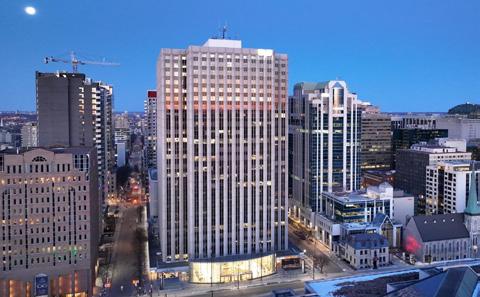
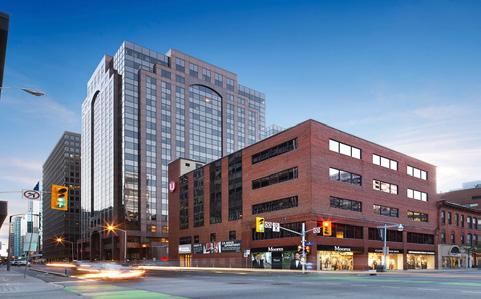
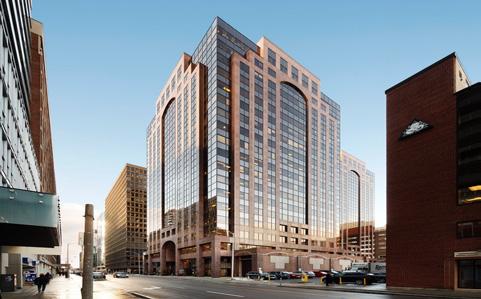
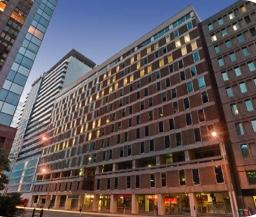
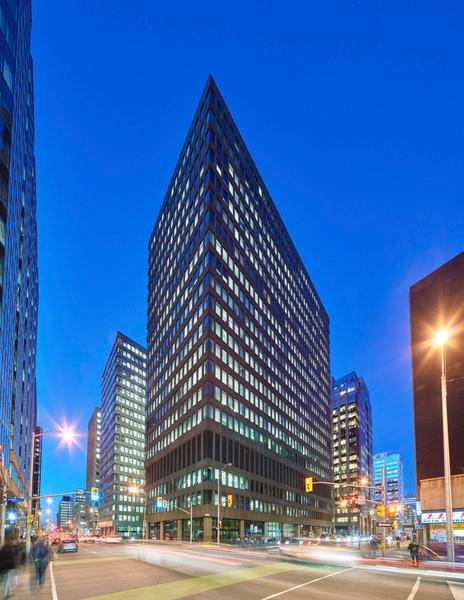
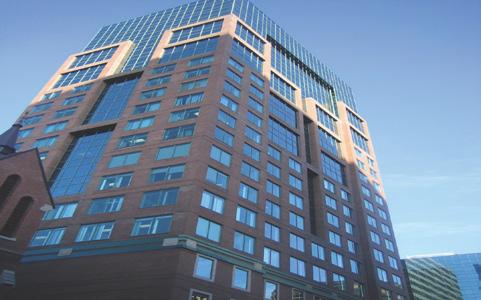
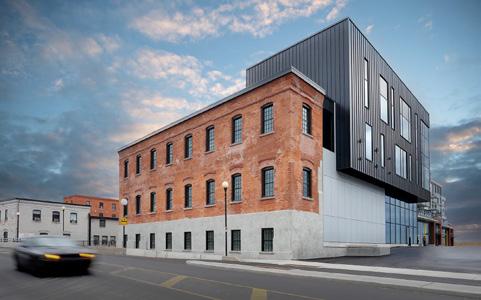
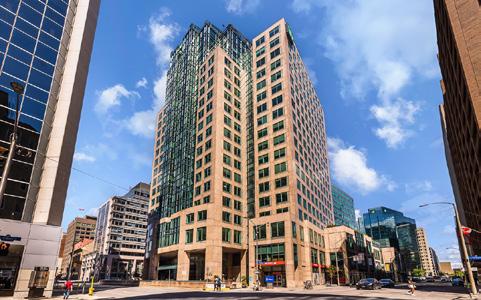
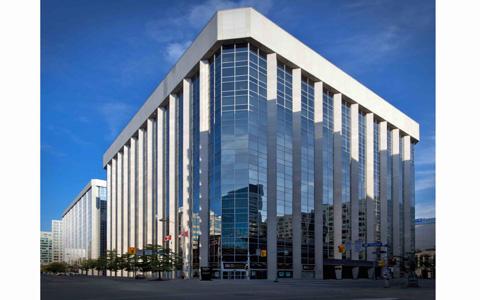
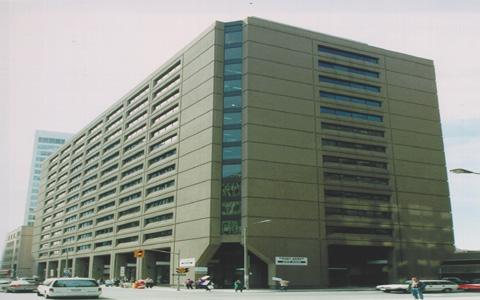
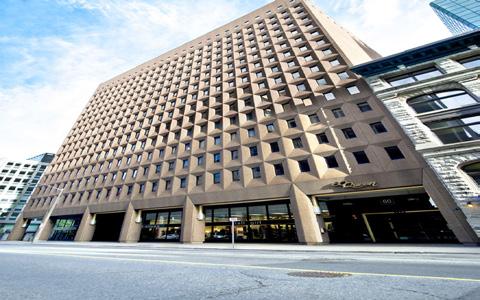
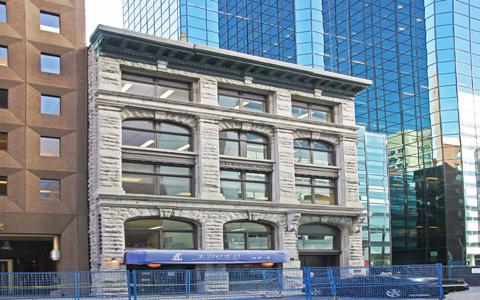
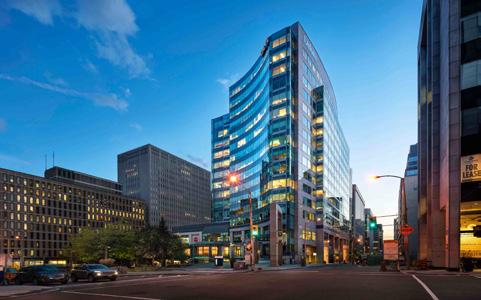
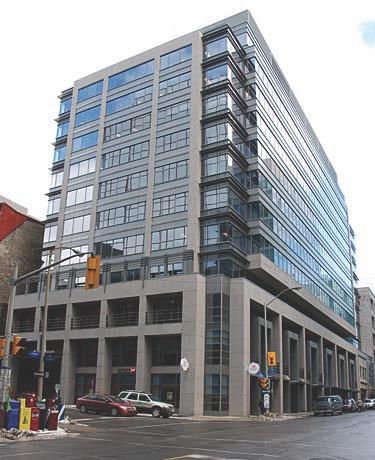
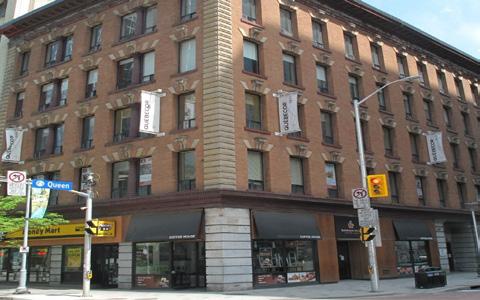
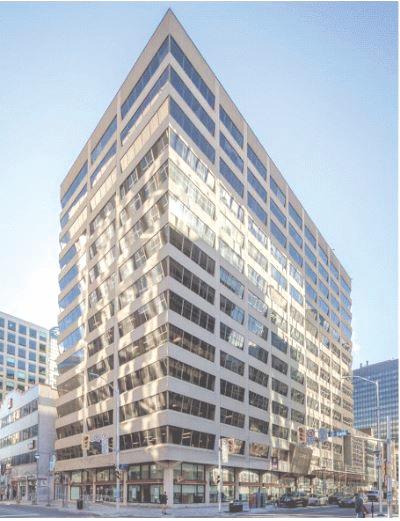
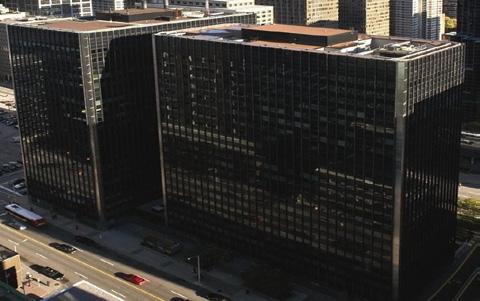
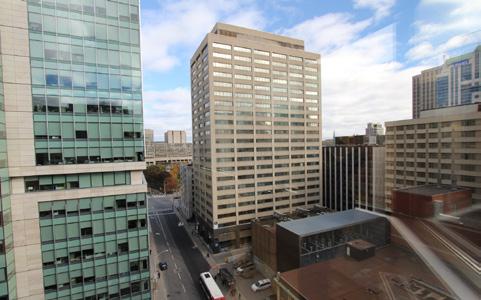
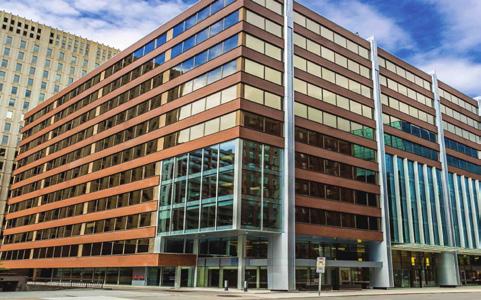
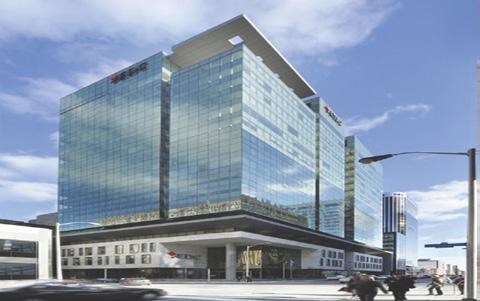
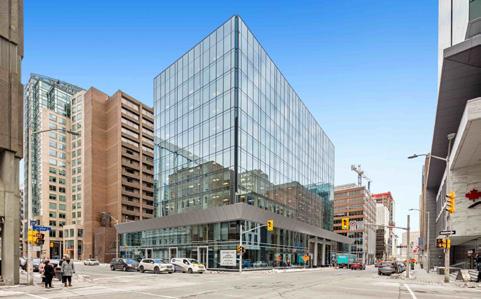
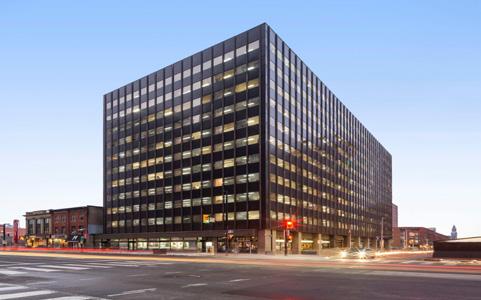
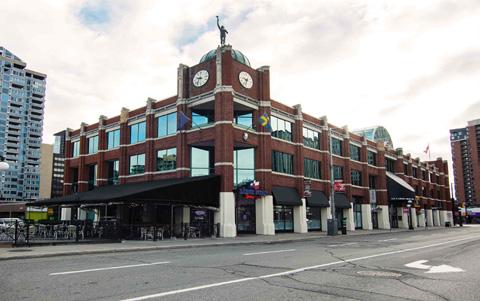
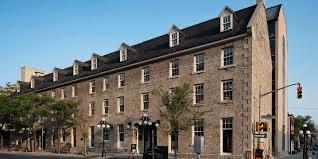
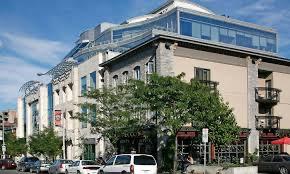
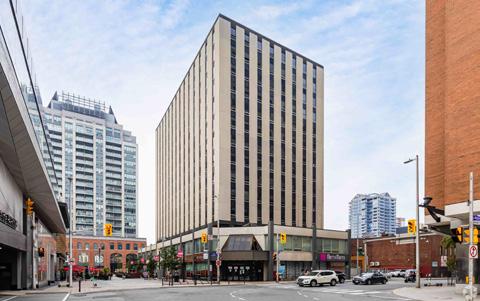
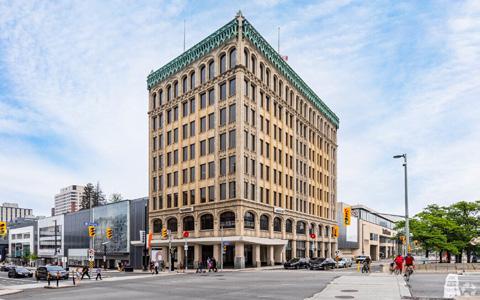
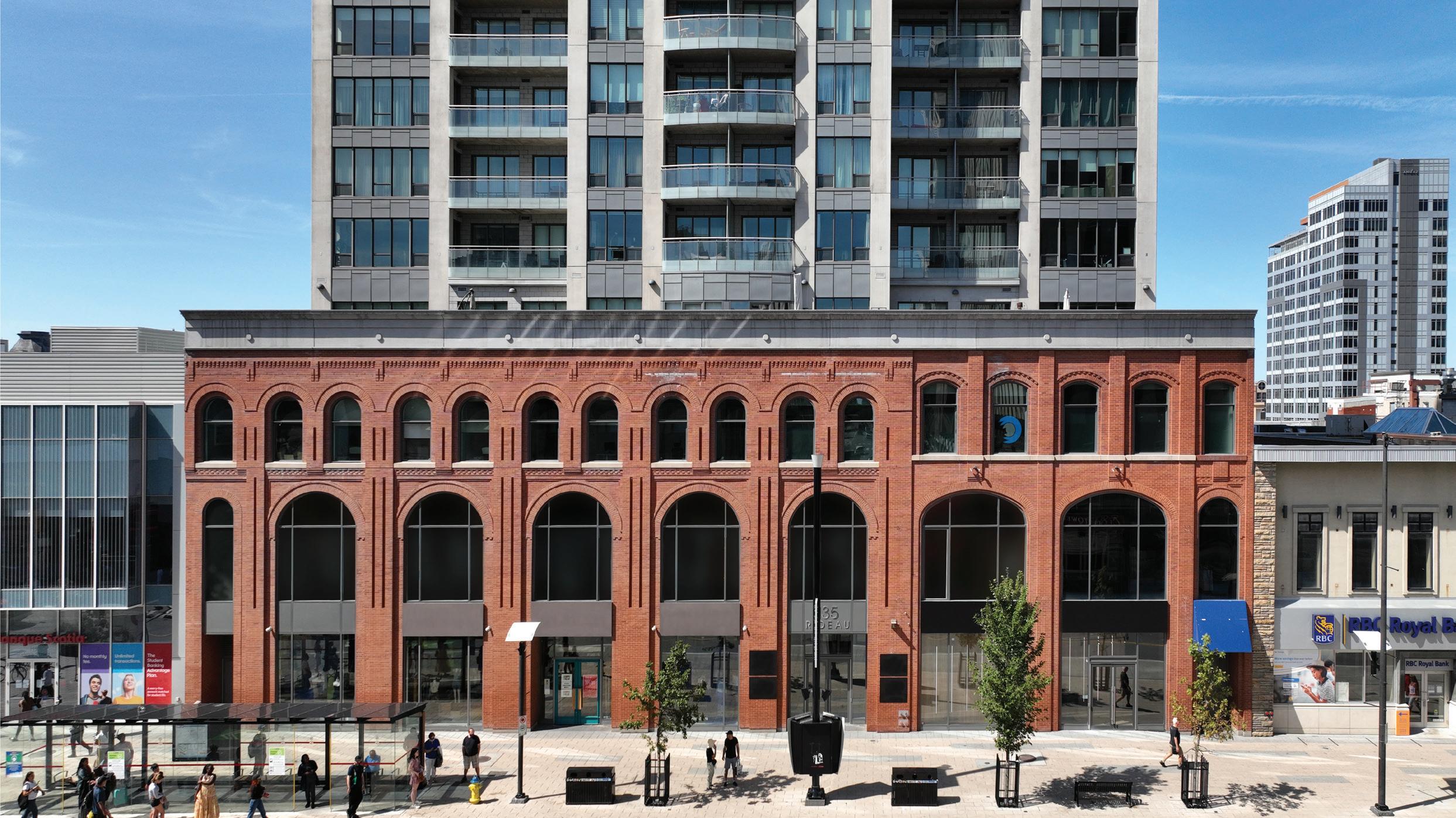
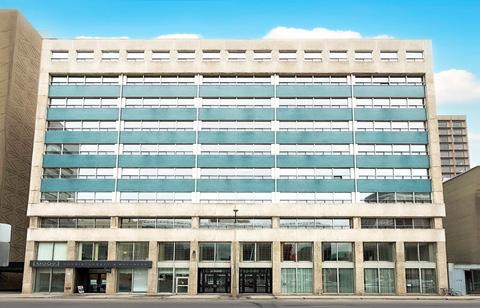
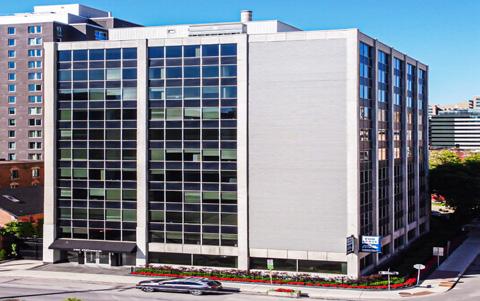
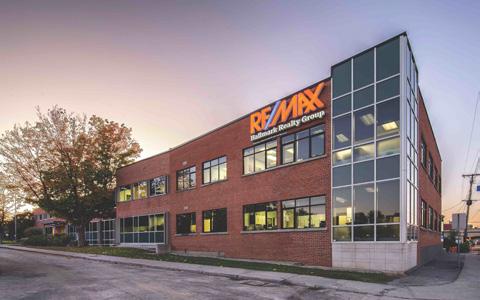
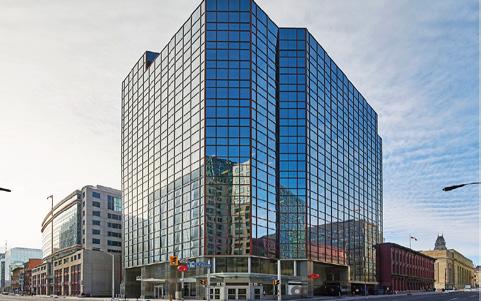
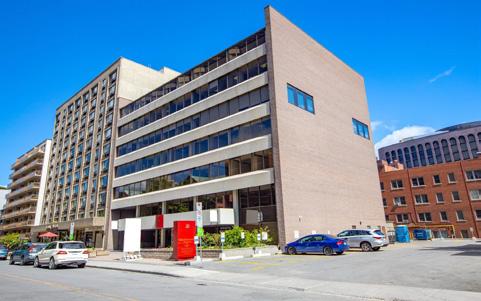
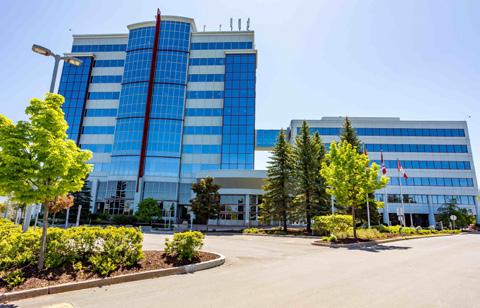
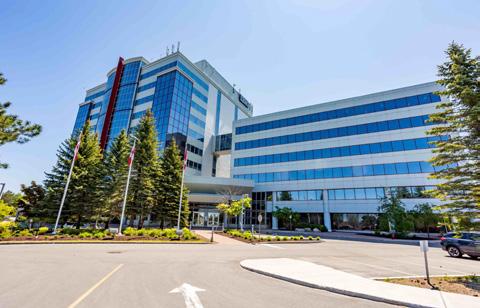
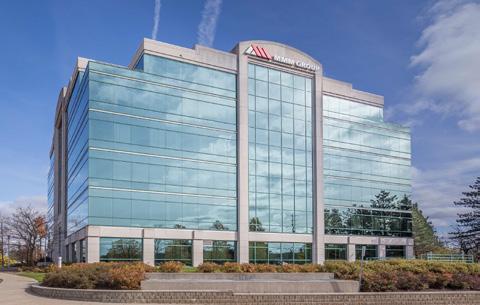
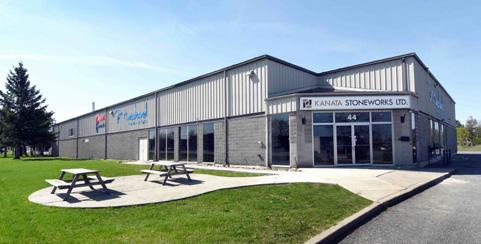
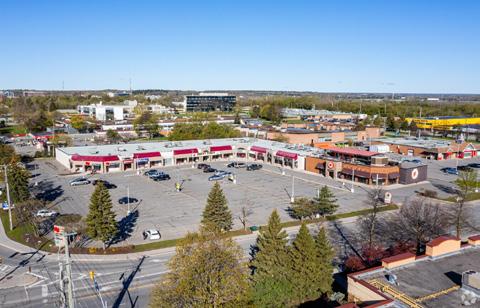
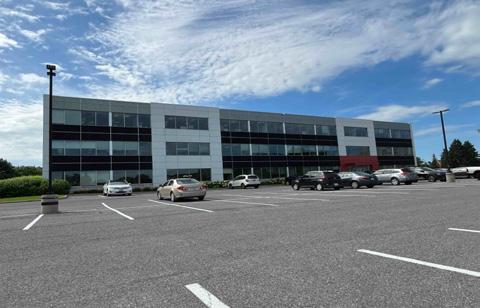
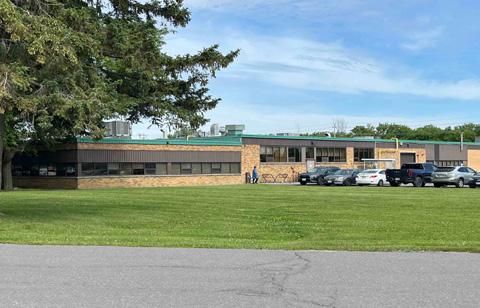
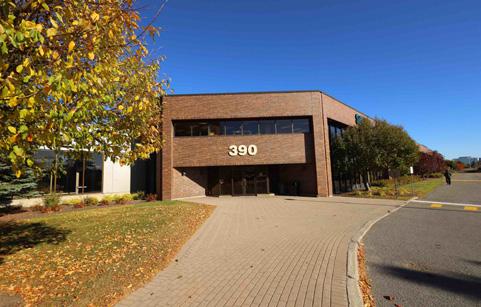
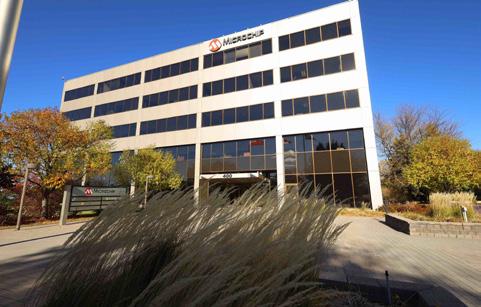
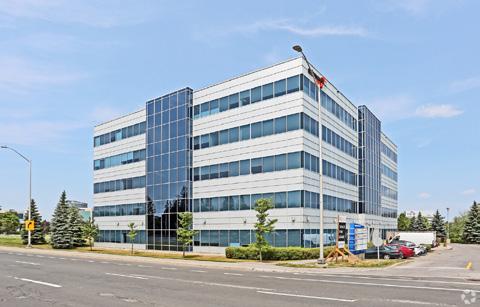
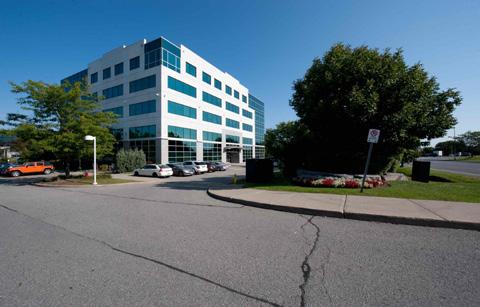
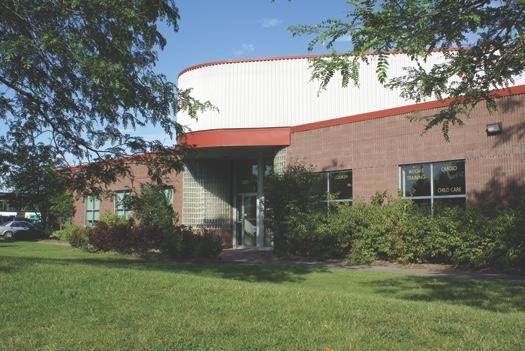
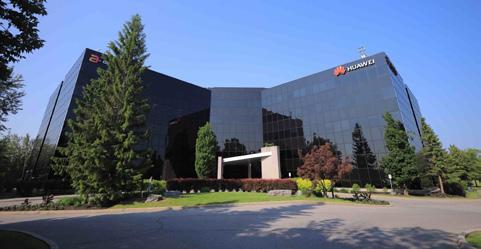
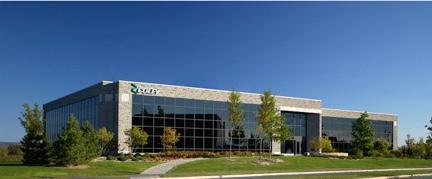
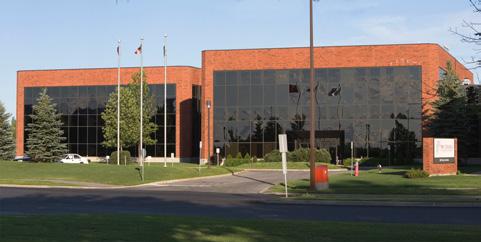
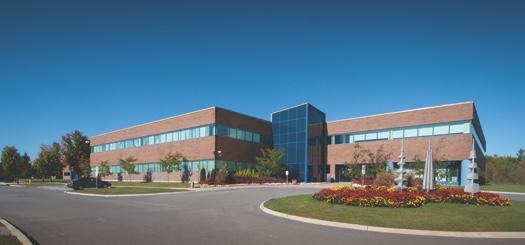
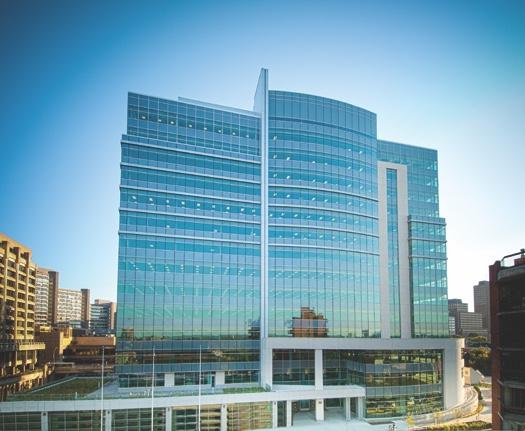
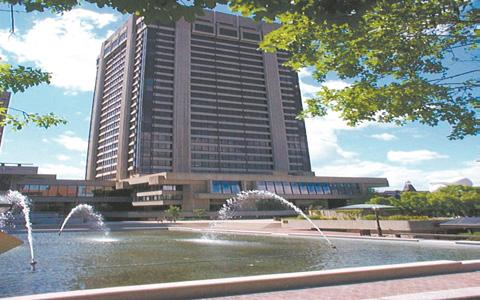
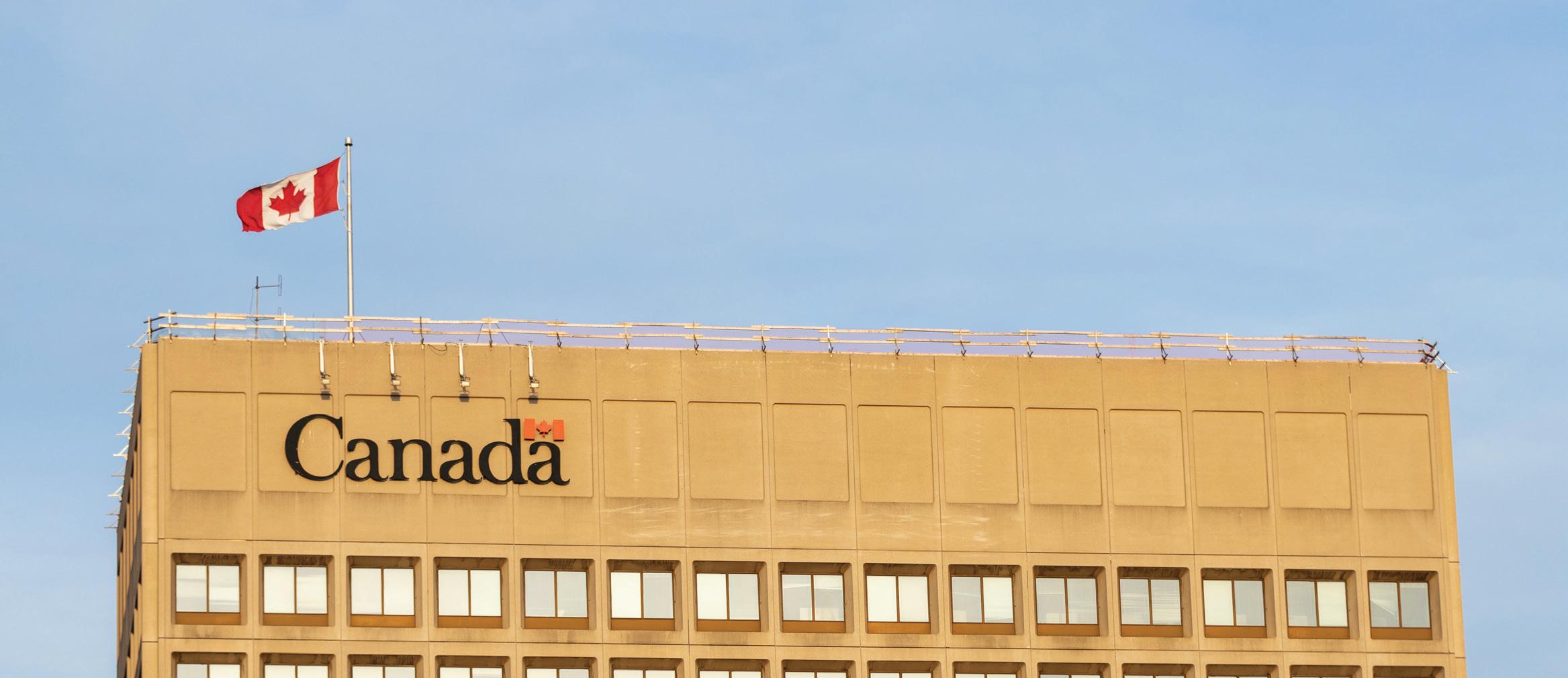
Building the backbone of Ottawa’s commercial real estate
PEOPLE POWER: 10 GREAT BUILDERS WHO FOREVER CHANGED OTTAWA
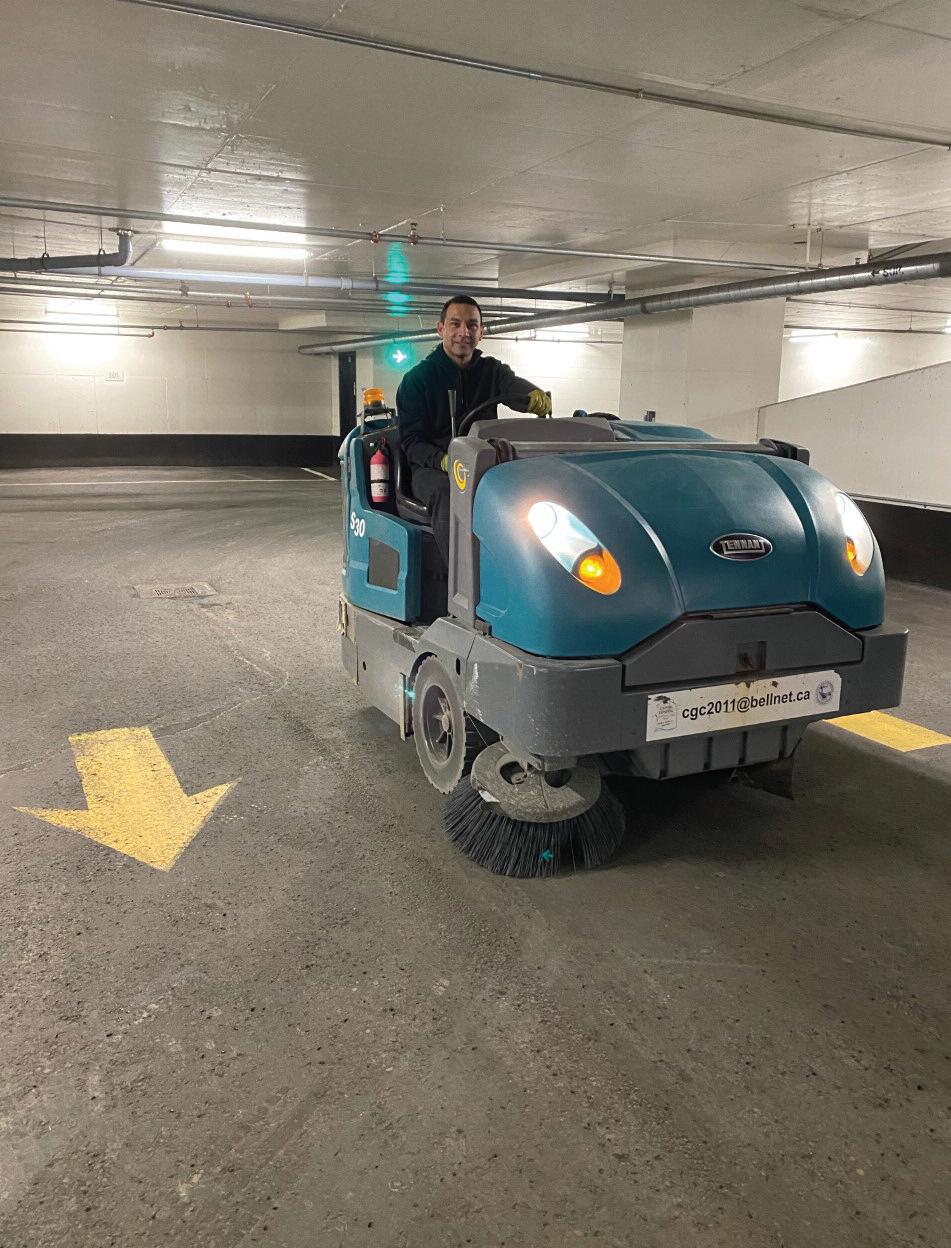
At Evripos, we don’t just clean, we ensure peace of mind. Our attention to detail, quality assurance, and commitment to sustainability set us apart. Whether it’s everyday maintenance or specialized enhanced cleaning services, we tailor our janitorial services to meet your specific needs, reducing your workload and giving your occupants confidence in a safe, clean environment.
Why Choose Evripos?
Proven quality assurance with CIMS Green Building standards
Continuous improvement through cutting-edge training and technology
Flexible, transparent communication with real-time tracking
Custom solutions for a variety of industries, from offices to healthcare
Join the countless organizations that trust Evripos to maintain their facilities at the highest standards.
Business Hours
Monday – Friday, from 8:30 AM to 4:30 PM
- Jennifer Arbuckle
Welcome to the 2026 edition of the BOMA Ottawa Commercial Space Directory, a truly landmark year for our association and our industry.
In 2026, we proudly celebrate the 50th Anniversary of BOMA Ottawa, marking five decades of leadership, collaboration, and advocacy on behalf of Ottawa’s commercial real estate industry. From our early beginnings to today’s increasingly complex and dynamic built environment, BOMA Ottawa has been part of Ottawa’s remarkable transformation, watching its skyline rise as bold entrepreneurs and national investors recognized the growing importance of Canada’s capital.
For 50 years, BOMA Ottawa has supported the dedicated professionals who manage and operate our buildings every day, along with the service providers whose expertise keeps those buildings safe, efficient, and resilient. Together, you have helped shape not only our built environment, but the strength and reputation of our industry.
This milestone year becomes even more exciting as BOMA’s national conference is coming to Ottawa. We are thrilled to welcome colleagues from across the country and to showcase Ottawa’s evolution. From our city’s roots as a timber town to our place today as a modern G7 capital we have adopted a celebratory theme for this year’s conference: Timbers to Towers. Hosting BOMEX is a proud reflection of Ottawa’s growing national profile and the strength, engagement, and leadership of our local BOMA membership.
Throughout this busy and celebratory year, BOMA Ottawa will continue to focus on the issues that matter most to our members while also taking time to honour the people, partnerships, and volunteer leadership that have defined our success over the past 50 years.
Thank you to our members, volunteers, sponsors, and partners for being part of this journey. The BOMA Ottawa Board of Directors and staff are looking forward to celebrating this historic year together and to welcoming the BOMA community from across Canada to Ottawa in 2026.
Jen Arbuckle President BOMA Ottawa
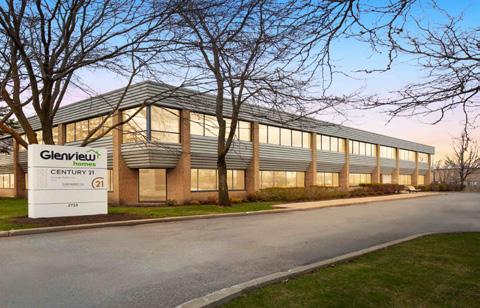
Glenview Management Limited has long been one of the National Capital Region’s most established and respected owners, developers and managers of commercial and residential real estate.
Since 1966 Glenview has been involved in the construction and management of all facets of real estate in the Ottawa area. From its beginnings, Glenview set new standards for the highest level of quality and professionalism in the development industry.
Our team of professionals brings together years of experience in developing, renovating, leasing, managing and marketing properties of all kind.
Glenview is a family-run company which puts its reputation on the line with every project. We are proud of each and every development we have built over the years. We are even more proud of the trust and appreciation we have earned from the tenants within our portfolio.
Advocacy remains a priority as we serve a leadership role in advancing the Downtown Ottawa Action Agenda. Working with industry stakeholders BOMA works on translating the agenda into actionable initiatives supporting downtown revitalization, investment attraction, and long-term economic resilience and housing strategies. Engagement with the City continues on critical issues, including development charges, infrastructure funding, sustainability, safety and security, regulatory reform, and building guidelines. Through consistent advocacy, BOMA Ottawa reinforced the commercial real estate industry’s role as a trusted partner in shaping Ottawa’s future.
At the national level BOMA Ottawa united with other BOMA’s across Canada to raise the issue of the need for bail reform and identified other key issues during the federal election.
BOMA Ottawa delivered a diverse calendar of Professional Development sessions and workshops focused on operational excellence, regulatory change, building performance, and emerging technologies. BOMA partnered with Hydro Ottawa to support members in identifying energy-retrofit strategies. Programming continued to emphasize all aspects of building operations, including the return of the popular Plan Reading workshop.
Our Networking and Member Engagement events brings industry together. Strong attendance reflects high member engagement. The Industry Lunch Series remained a key platform for thought leadership, while the Celebration of Excellence recognized BOMA BEST, volunteers, and milestones including 25 years of service by Peg Gallison, Senior Manager, Events and Member Programs, who has guided and overseen many of BOMA Ottawa’s most popular events. Both the May and November Industry Luncheons brought together many Past Presidents and longtime volunteers of BOMA as we look towards 2026 our 50th Anniversary as well as hosting BOMEX2026 in September.
Publisher
Michael Curran
CONTENT
Brian Dryden
Advertising
Cindy Cutts
Eric Dupuis Robyn Hunter
design + production
Tanya Connolly-Holmes Celine Paquette
BOMA Ottawa Staff
Dean Karakasis, Executive Director
Peg Gallison, Senior Manager Events and Member Programs
Sarah Laflamme, Marketing Coordinator and Listings Coordinator
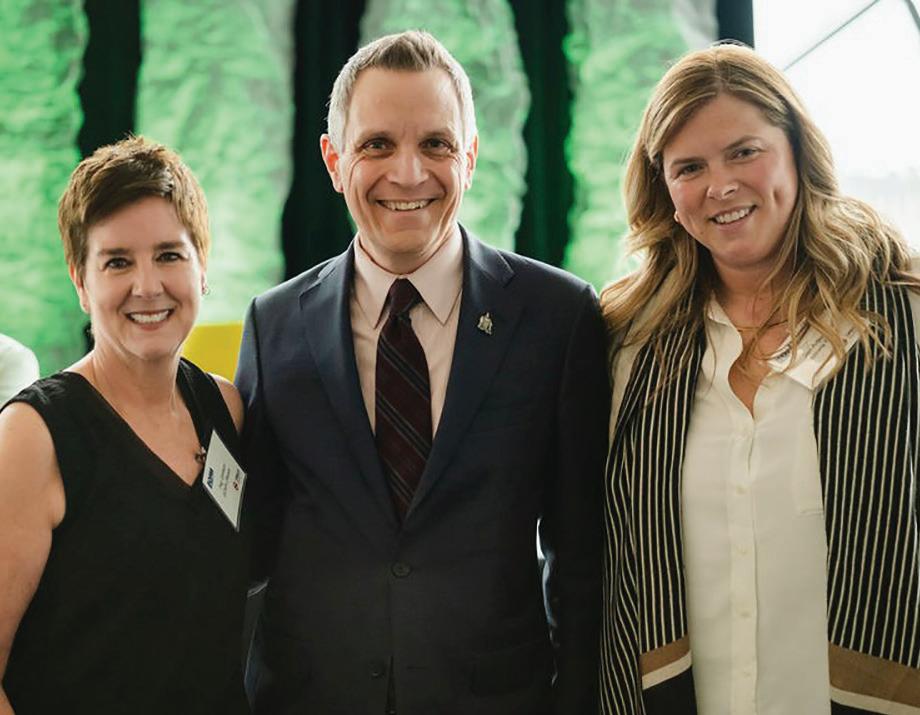
L-R: Peg Gallison, BOMA Ottawa Senior Manager Events and Member Programs , Mayor Mark Sutcliffe and Jennifer Arbuckle, President of BOMA Ottawa.
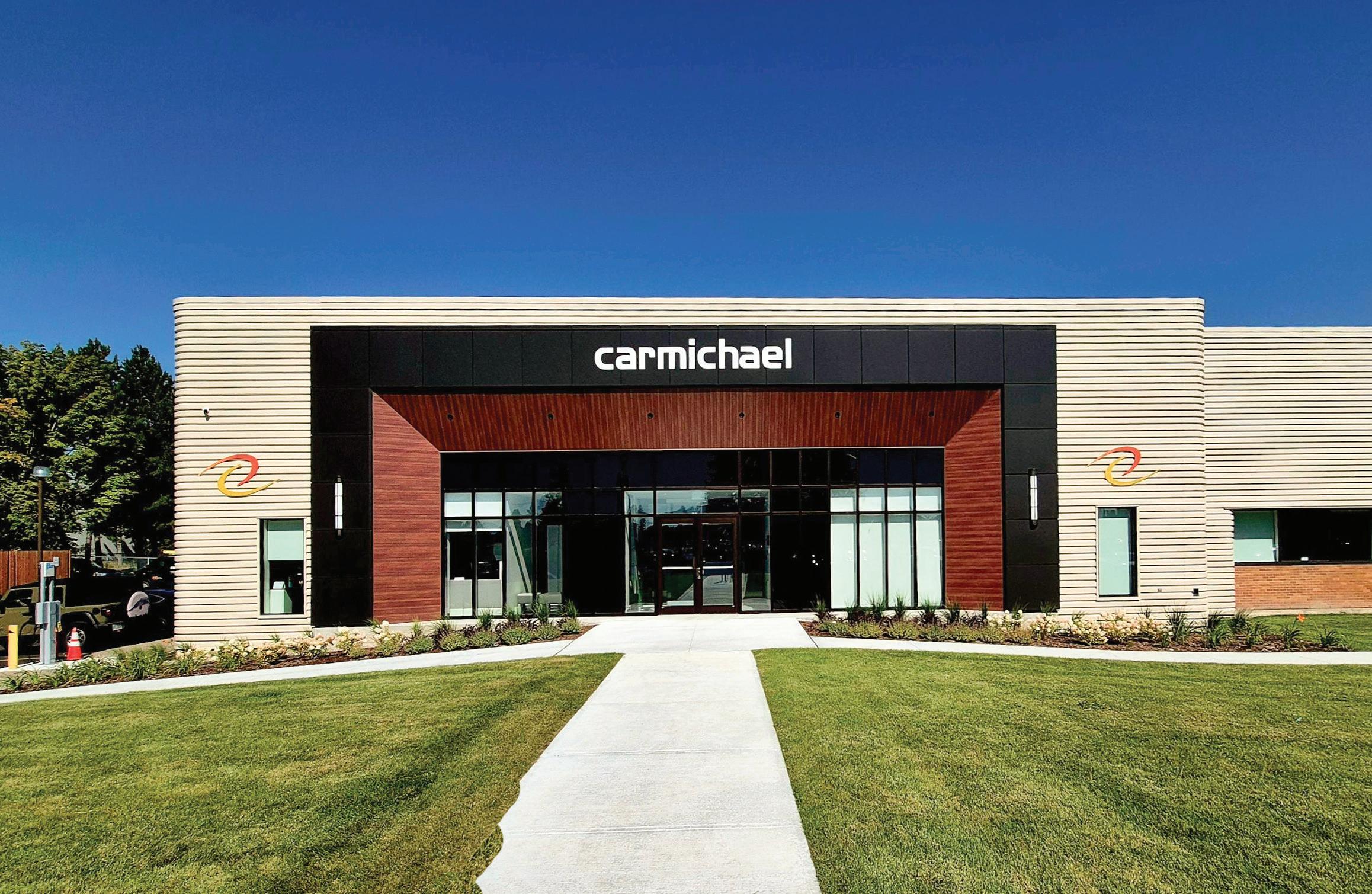
From office towers and healthcare facilities to industrial and institutional buildings, Carmichael supports Ottawa businesses with dependable, expert mechanical services.
From office towers and healthcare facilities to industrial and institutional buildings, Carmichael supports Ottawa businesses with dependable, expert mechanical services.
We understand that your equipment is critical to your operations, and when it matters most, you need a partner you can trust.
We understand that your equipment is critical to your operations, and when it matters most, you need a partner you can trust.
Ottawa Services Include:
Ottawa Services Include:
• HVAC Service & Maintenance
• HVAC Service & Maintenance
• Chillers & Boilers
• Chillers & Boilers
• Building Automation Systems
• Building Automation Systems
• Retrofit & Capital Projects
• Retrofit & Capital Projects
• Energy-Efficiency & Modernization Solutions
• Energy-Efficiency & Modernization Solutions
• Scientific Refrigeration Equipment
• Scientific Refrigeration Equipment
• And more
• And more
Learn how Carmichael can support your building.
Connect with our Ottawa team.
Learn how Carmichael can support your building. Connect with our Ottawa team.
BOARD OF DIRECTORS | BOMA 2026
Jennifer Arbuckle
President
Metcalfe Realty
Warren Wilkinson Vice-President
Colliers International
ASHLEY HOPKINS
Treasurer
Paradigm Commercial Group of Companies
eric topolnisky
Secretary
RioCan, Real Estate Investment Trust
michael stones Director at Large
Crown Property Management
Erin Nagy
Past President
The Regional Group
dan gray
Arnon Development Corporation
Matthew dicintio
Marant Construction Limited
IAIN MCCARTNEY
Jones Deslauriers Insurance Management
Michael Panetta
BGO
Dimitri Sigounas
Evripos Janitorial Services Inc.
craig whitten
Huntington Properties
ChristiaN J. Witt Baquero
MANSTEEL REBAR LTD.
Dean Karakasis
Executive Director and CEO
BOMA Ottawa
TIMBERS TOWERS
The creation of a national jewel
BYTOWN’S EVOLUTION OVER 200 YEARS
By Brian Dryden
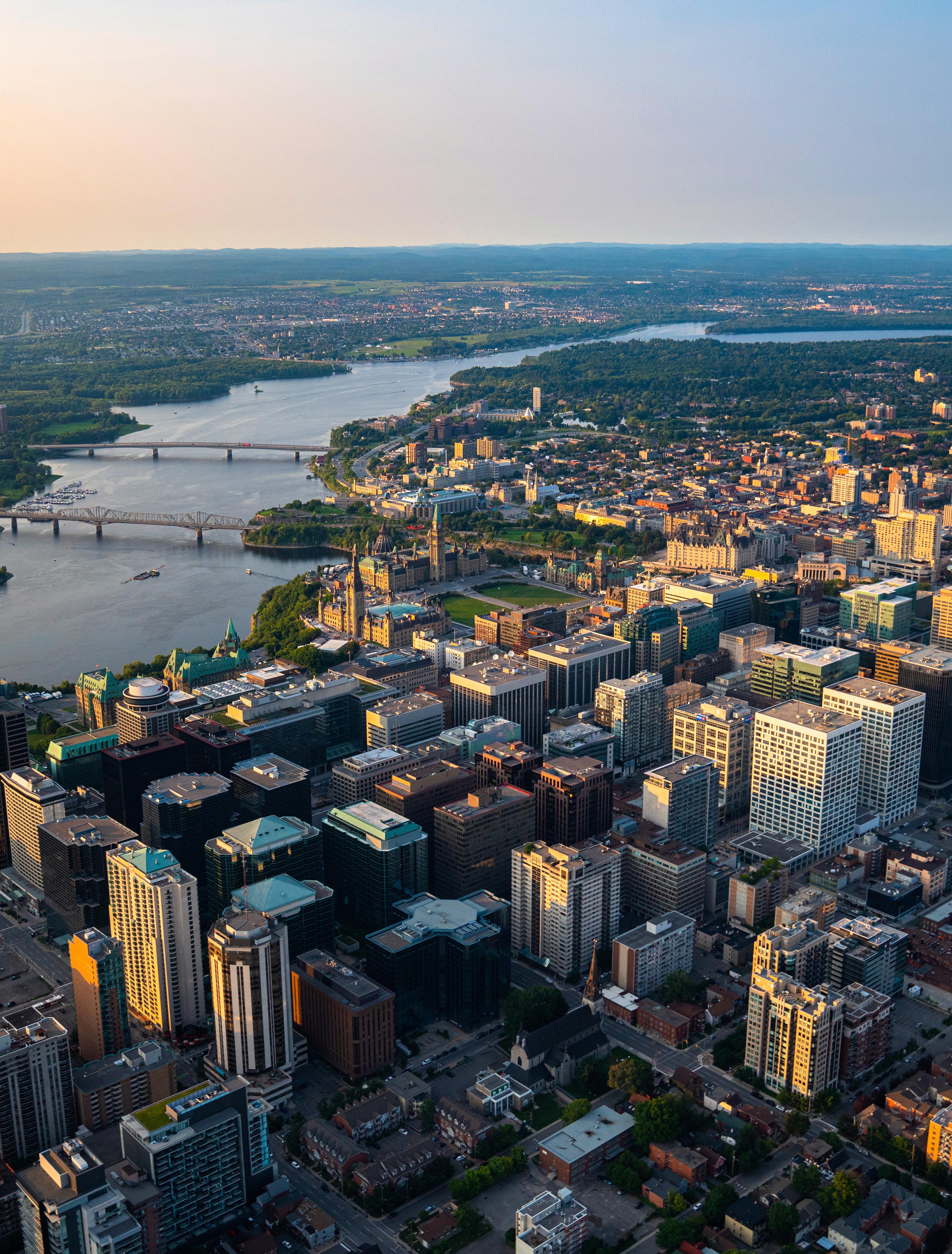
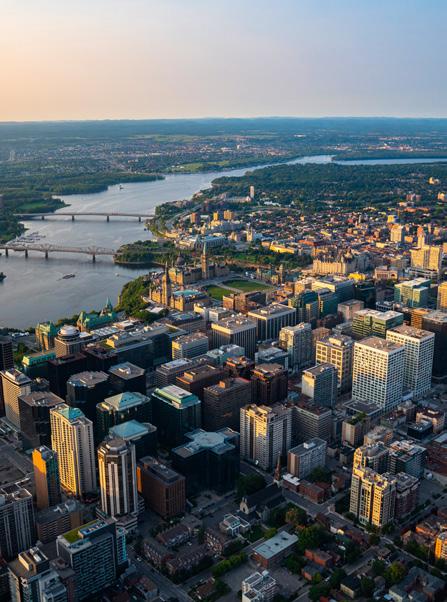
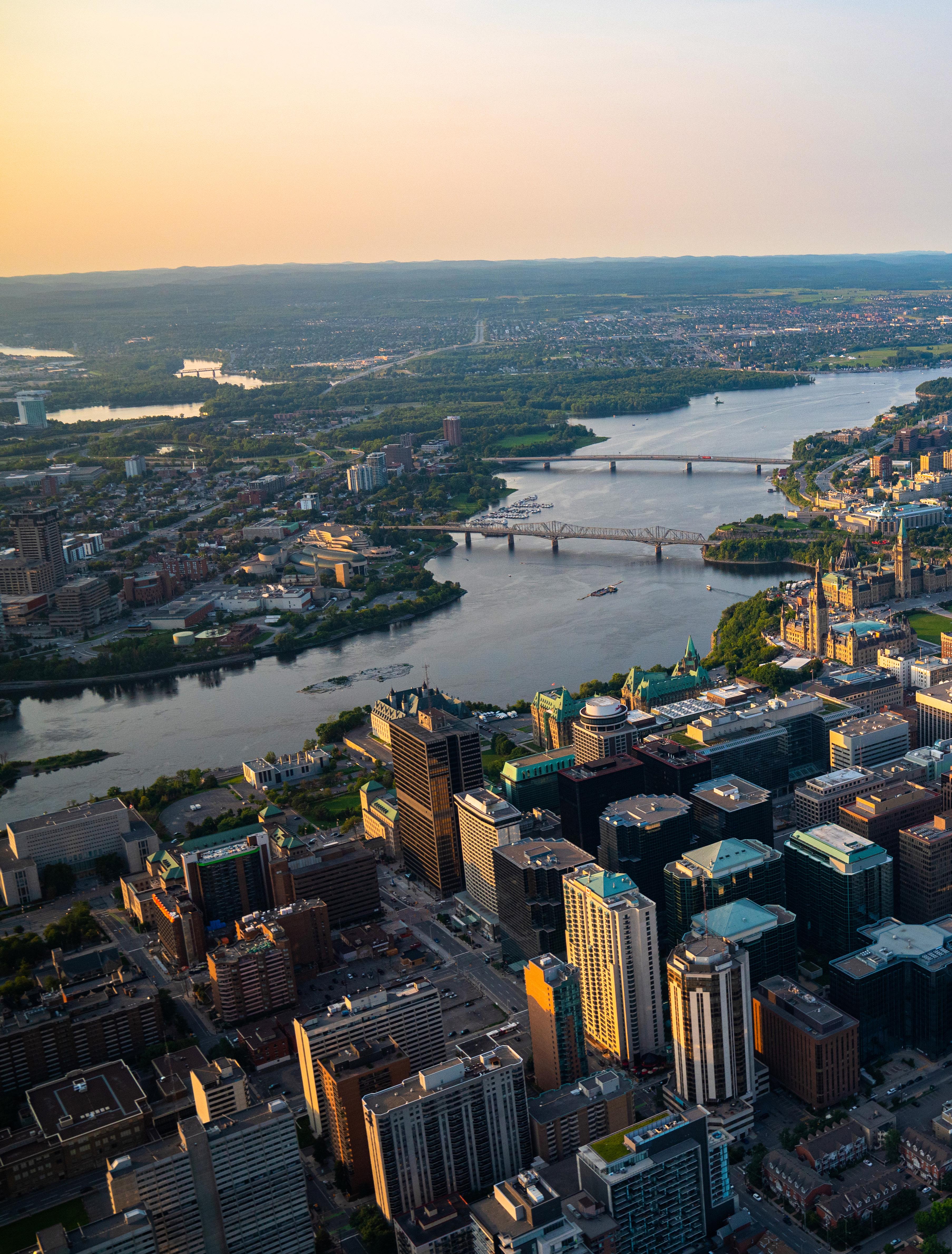
The evolution of the modern City of Ottawa is a story shaped by water, politics and long-term vision, a transformation that began more than two centuries ago along the banks of the Rideau River and culminated in one of the world’s most distinctive capital cities. Originally known as Bytown, the settlement emerged in the early 19th century as a rugged lumber town. Its location at the confluence of the Ottawa, Rideau and Gatineau rivers made it a natural hub for trade and transportation, particularly for the timber industry that powered early economic growth. Lumber camps, mills and supply businesses clustered near the water, forming the city’s earliest commercial activity and laying the groundwork for a centralized business district.
The most important early catalyst was the Rideau Canal. Completed in 1832, the canal was constructed primarily for military purposes following the War of 1812, intended to provide a secure supply route between Montreal and Kingston. Its economic influence, however, quickly extended beyond defence.
“The canal helped concentrate the industries that built the city,” says Alain Miguelez, a city historian and vice-president of capital planning and chief planner at the National Capital Commission (NCC). “It anchored settlement, commerce and transportation in what would eventually become the downtown core.”
Warehousing, trade and supporting services followed the canal, reinforcing the idea that infrastructure investment drives commercial concentration, a pattern that would repeat itself throughout Ottawa’s history.
A CAPITAL DECISION
That trajectory changed permanently in 1857, when Queen Victoria selected Ottawa as the capital of the Province of Canada. Chosen for its defensible inland location and its position between English- and French-speaking regions, Ottawa was suddenly elevated from regional industrial centre to national seat of government.
Capital status transformed the city’s economic base. The government replaced lumber as Ottawa’s defining industry, bringing with it a stable workforce and long-term demand for office space, housing, hotels and services. The downtown core evolved around Parliament Hill, with commercial development shaped by proximity to federal institutions, a dynamic that continues to define real estate values and land use patterns today.
POST-WAR GROWTH
Following the Second World War, Ottawa entered a period of rapid growth. The expansion of the federal government coincided with population increases and rising demand for modern infrastructure. As pressures mounted, planning emerged as a critical tool for managing growth and protecting long-term value.
One of the most influential figures in this period was French architect and urban planner Jacques Gréber. Commissioned by Prime Minister Mackenzie King, Gréber delivered the General Plan for the National Capital in 1950, a blueprint that continues to shape Ottawa’s built environment. His vision emphasized order, symbolism and functionality, calling for the relocation of railways and industry out of the downtown, the creation of ceremonial corridors and parkways, and the establishment of a greenbelt to manage sprawl.
Gréber’s work reinforced the downtown core as a centre for government, commerce and culture, while ensuring surrounding areas developed in a coordinated and sustainable way. For building owners and managers, it marked a shift toward long-term planning, lifecycle thinking and integration between public and private investment.
TOWERS RISE UP
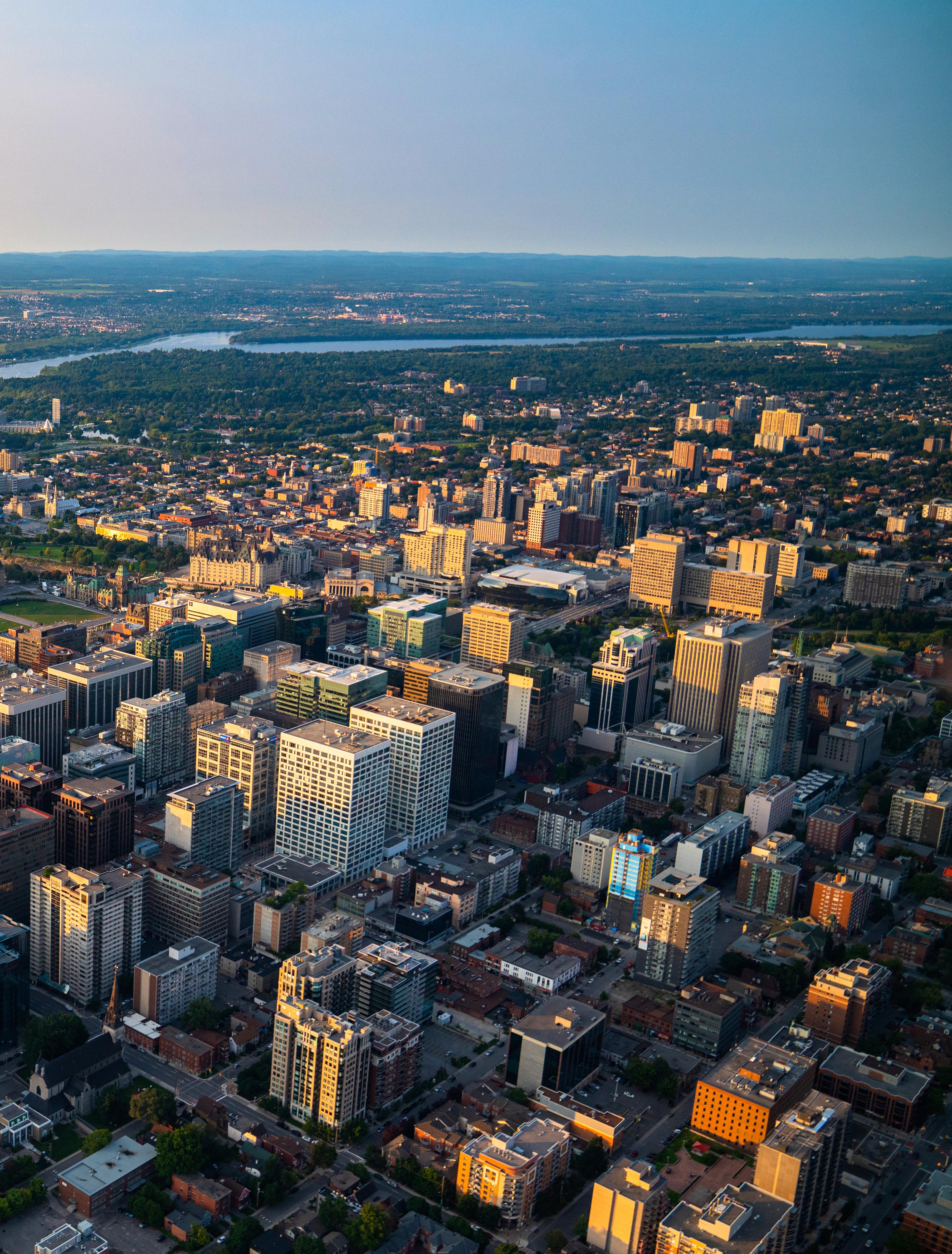
The 1960s and 1970s brought a building boom that transformed Ottawa’s skyline. High-rise office towers replaced many low-rise structures, increasing density and modernizing the central business district. Major commercial complexes
AS OTTAWA CONTINUES TO GROW, BALANCING HERITAGE PRESERVATION
WITH MODERNIZATION, THE COMMERCIAL REAL ESTATE SECTOR REMAINS A KEY
PARTNER IN SHAPING A RESILIENT, EFFICIENT AND VIBRANT CAPITAL.
emerged to meet the needs of federal departments, professional services firms and national organizations, solidifying downtown Ottawa as an employment hub.
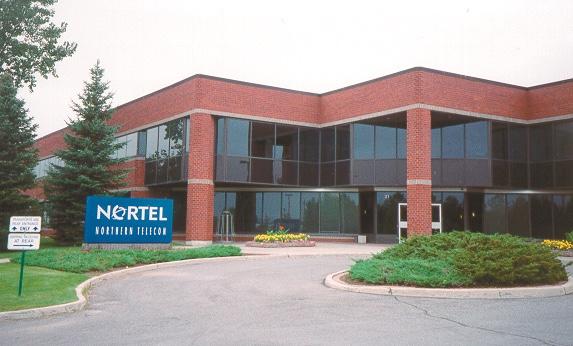
At the same time, the city began to diversify beyond government. The presence of federal research institutions, including the National Research Council, helped foster a growing technology sector. By the 1980s, Ottawa had earned the nickname “Silicon Valley North,” driven by companies such as Nortel and Mitel, supported by a skilled workforce and modern office infrastructure.
That innovation economy generated new demand for flexible commercial space and contributed to the rise of suburban business parks, particularly in Kanata. While the technology sector has evolved over time, its legacy remains an important pillar of Ottawa’s commercial real estate market.
TOURISM AND EDUCATION
Tourism has also played an increasingly important role in shaping the downtown. Ottawa’s status as the national capital brought museums, galleries, monuments and cultural institutions, many concentrated in the urban core. Landmarks such as Parliament Hill, the Rideau Canal, now a UNESCO World Heritage Site, and major festivals attract millions of visitors each year, supporting hotels, retail corridors and mixed-use developments.
Post-secondary institutions have further strengthened Ottawa’s economic foundation. The University of Ottawa, Carleton University and Algonquin College supply talent, research and innovation, reinforcing the city’s knowledge-based economy and supporting
long-term demand for office, residential and institutional space.
ONE BIG CITY
Municipal amalgamation in 2001 brought surrounding communities such as Nepean, Kanata, Vanier and Orléans into a single City of Ottawa, enabling more coordinated planning, infrastructure investment and asset management across the region. The downtown core remained the city’s primary employment and institutional centre, benefiting from improved connectivity and unified governance.
Today, Ottawa’s commercial downtown reflects the cumulative impact of these forces, such as infrastructure, government stability, planning foresight and economic diversification. Heritage buildings stand alongside modern office towers, while transitoriented development and sustainability initiatives shape the next phase of growth.
For building owners and managers, Ottawa’s evolution underscores the importance of adaptability and stewardship. The city’s most enduring commercial assets are those that have responded to changing economic conditions while maintaining long-term value. As Ottawa continues to grow, balancing heritage preservation with modernization, the commercial real estate sector remains a key partner in shaping a resilient, efficient and vibrant capital.
Ottawa’s transformation into a national jewel is not simply a story of the past. It is an ongoing process, one built, managed and sustained through thoughtful investment in the places where Canadians work, gather and govern.
PEOPLE POWER
10 great builders who forever changed
Ottawa
It’s near impossible to recognize all of the business leaders who have shaped Ottawa’s commercial real estate industry. But on this 50th anniversary of BOMA Ottawa, we are recognizing a few of the individuals and families who merit the label of icon.
Here are 10 profiles of families and individuals who are icons specifically in Ottawa’s commercial real estate sector—shaping the city’s skyline, retail corridors, and technology parks.
1 Robert Campeau (Campeau
Corporation)
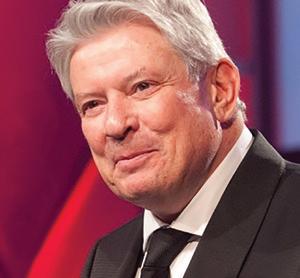
History: Robert Campeau is the definitive figure of Ottawa’s commercial skyline. Starting in 1949, he transitioned from home building to become the city’s most aggressive commercial developer. He fundamentally altered downtown Ottawa by successfully challenging height restrictions, allowing for modern skyscrapers. Although his empire collapsed in 1990 due to US retail debts, his physical legacy in Ottawa is unmatched by any other single developer.
1960s: Began shifting focus to large-scale office developments.
1968-1972: Construction of Place de Ville. 1990: Corporation filed for bankruptcy.
Notable Construction: His crown jewel is Place de Ville (Phases I, II, and III), a massive office complex that includes Ottawa’s tallest office tower (Tower C). He also built the Les Terrasses de la Chaudière government complex in Gatineau.
2 The Greenberg Family (Minto
Commercial)
History: While Minto is famous for housing, the family’s commercial impact under the leadership of Roger and his predecessors is colossal. They are one of the city’s largest commercial landlords. The family expanded from simple home builders in 1955 to owning vast stretches of office and retail space. They were instrumental in densifying the downtown core with mixed-use megaprojects that combine office, retail, and hospitality.
1955: Company founded by the four Greenberg brothers.
1988: Completion of Minto Place.
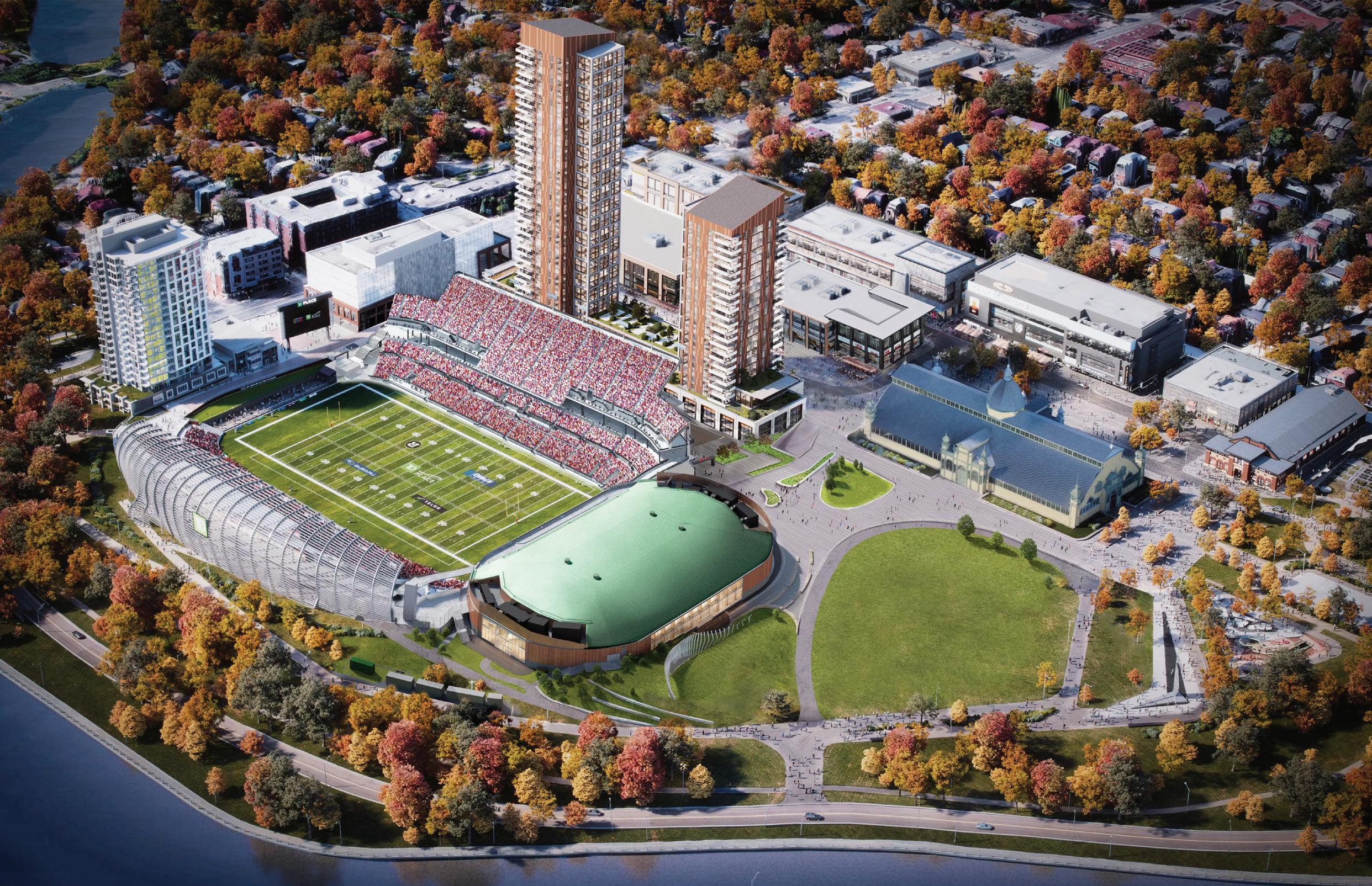
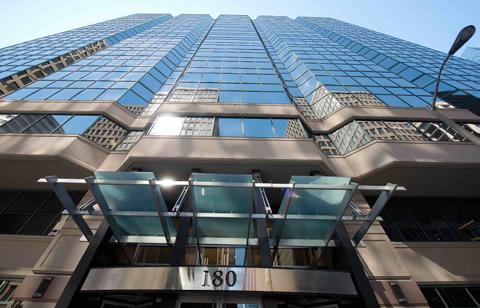
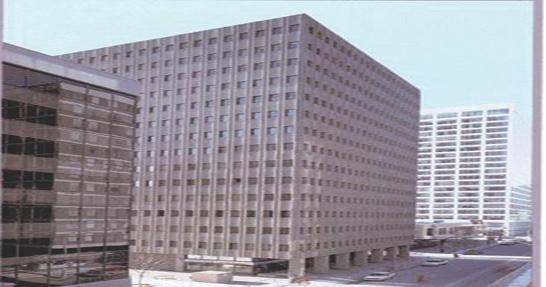
2009: Roger Greenberg leads the Ottawa Sports and Entertainment Group (OSEG). Notable Construction: They built Minto Place, a city-block-sized complex comprising three office towers and a retail podium. They also constructed 180 Kent Street and were key partners in the commercial retail redevelopment of Lansdowne Park.
3 The Shenkman Family (Shenkman
Corporation)
History: The Shenkman name is synonymous with the commercial development of Ottawa’s east and west ends. Harold Shenkman was a pioneer who saw the potential of the Queensway long before others. He moved from the cattle business into real estate, focusing heavily on office buildings and shopping centers. The firm remains a major commercial landlord and property manager, with a strong legacy of arts philanthropy.
1910s: Wolf Shenkman establishes the family business.
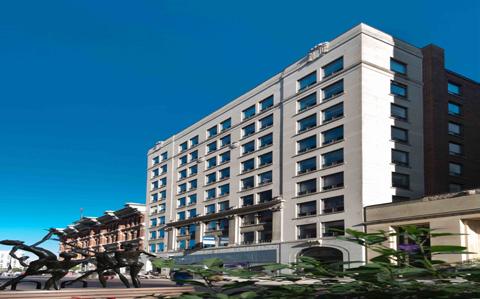
BROOKSTREET HOTEL
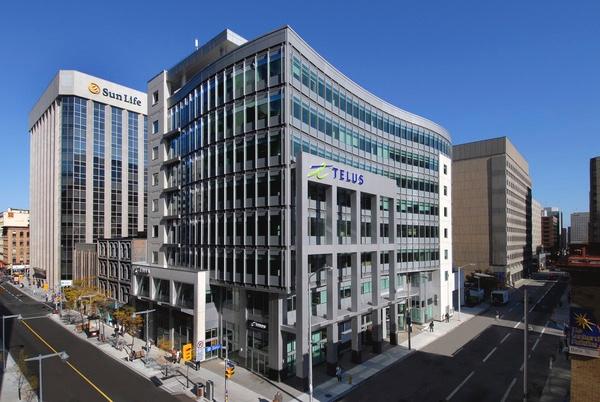
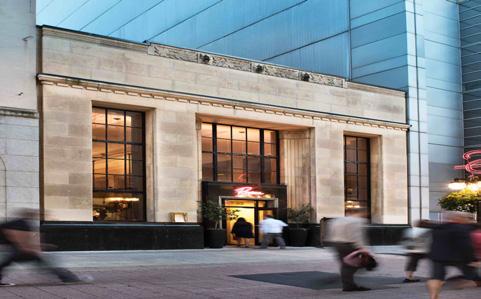
sun life building
1955: Opening of Westgate Shopping Centre. 2009: Opening of the Shenkman Arts Centre (naming rights).
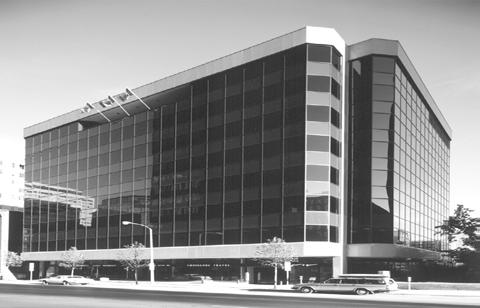
Notable Construction: Harold built Westgate Shopping Centre, Ottawa’s first enclosed mall (originally open-air). The family also developed the Gloucester Centre (integrating transit and retail) and major downtown office assets like the Vanguard Building.
4 John Ruddy (Trinity Development Group)
History: John Ruddy revolutionized Ottawa’s retail landscape by introducing the “power centre” concept.
Founding Trinity in 1992, Ruddy moved the city away from enclosed malls toward large-format, open-air retail hubs. His expertise lies in transforming underutilized industrial lands into thriving commercial districts. He is also a primary partner in the Ottawa Sports and Entertainment Group (OSEG).
1992: Trinity Development Group is founded. 2000s: Rapid expansion of big-box centres across Ottawa.
2014: Lansdowne Park redevelopment opens. Notable Construction: Ruddy was the driving force behind the Ottawa Train Yards, transforming a massive railyard into the city’s premier power centre. He also led the retail construction at the Lansdowne Park revitalization and the Shoppes at Fairwinds.
5 The VEreD Family (Arnon Corporation)
History: For over 60 years, the Vered family (led historically by Zeev Vered) has been a quiet but powerful force in commercialreal estate. Zeev Vered also founded Ron Eastern Construction, a leading general contracting and construction management firm.
These two companies worked in tandem on many projects. Unlike merchant builders who build and sell, Arnon is known for developing and holding assets, creating an impressive portfolio of office space and high-rise residential buildings. They are deeplyintegrated into the city’s business fabric, often managing their own properties to ensure long-term stability.
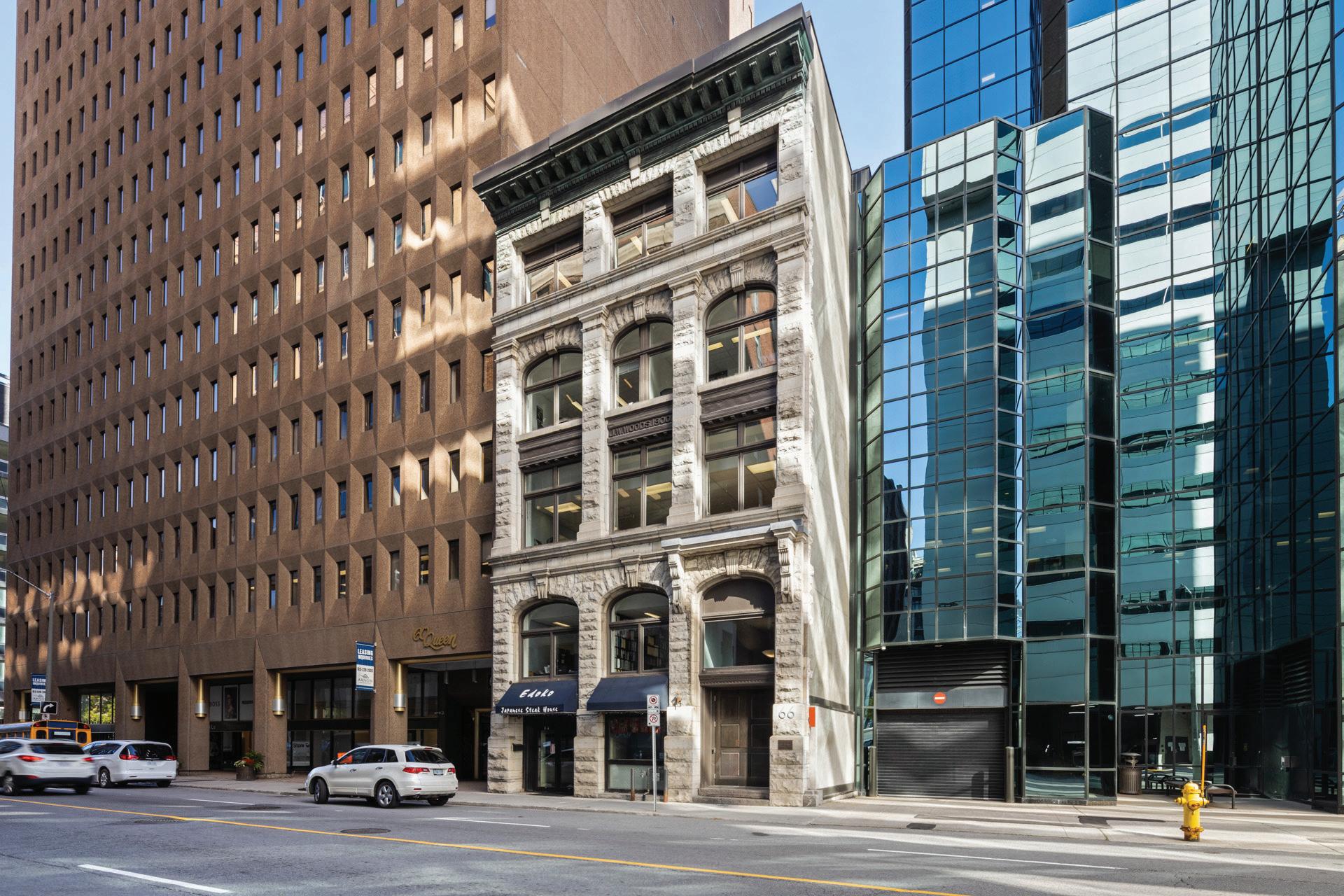
1960s: Arnon Group established. 1970s: Expansion into major office and residential developments. Arnon and Ron Eastern developed, built and managed Skyline Office Centre, Constellation Office Center, Startop Office Center, Carling Square and 60 Queen as well as 1,100 residential and condominium units.
6 Harry Leikin (The
Leikin Group)
History: Harry Leikin is the commercial pioneer of Nepean. Arriving in Canada in 1925, he started as a farmer but transitioned to development as the city expanded outward. He is credited with transforming Merivale Road from a rural track into arguably the busiest commercial retail strip in the region. His descendants continue to manage the family’s substantial retail and office holdings.
1950s: Leikin begins subdividing farm holdings for development.
1961: Shoppers City (precursor to College Square) opens.
Notable Construction: The family’s flagship legacy is College Square, a massive retail power centre at Woodroffe and Baseline. They also developed the Merivale Market area and facilitated the land for the original Algonquin College campus, effectively anchoring the commercial activity of the entire district.
7 The Fuller Family
(Metcalfe Realty / Thomas Fuller)
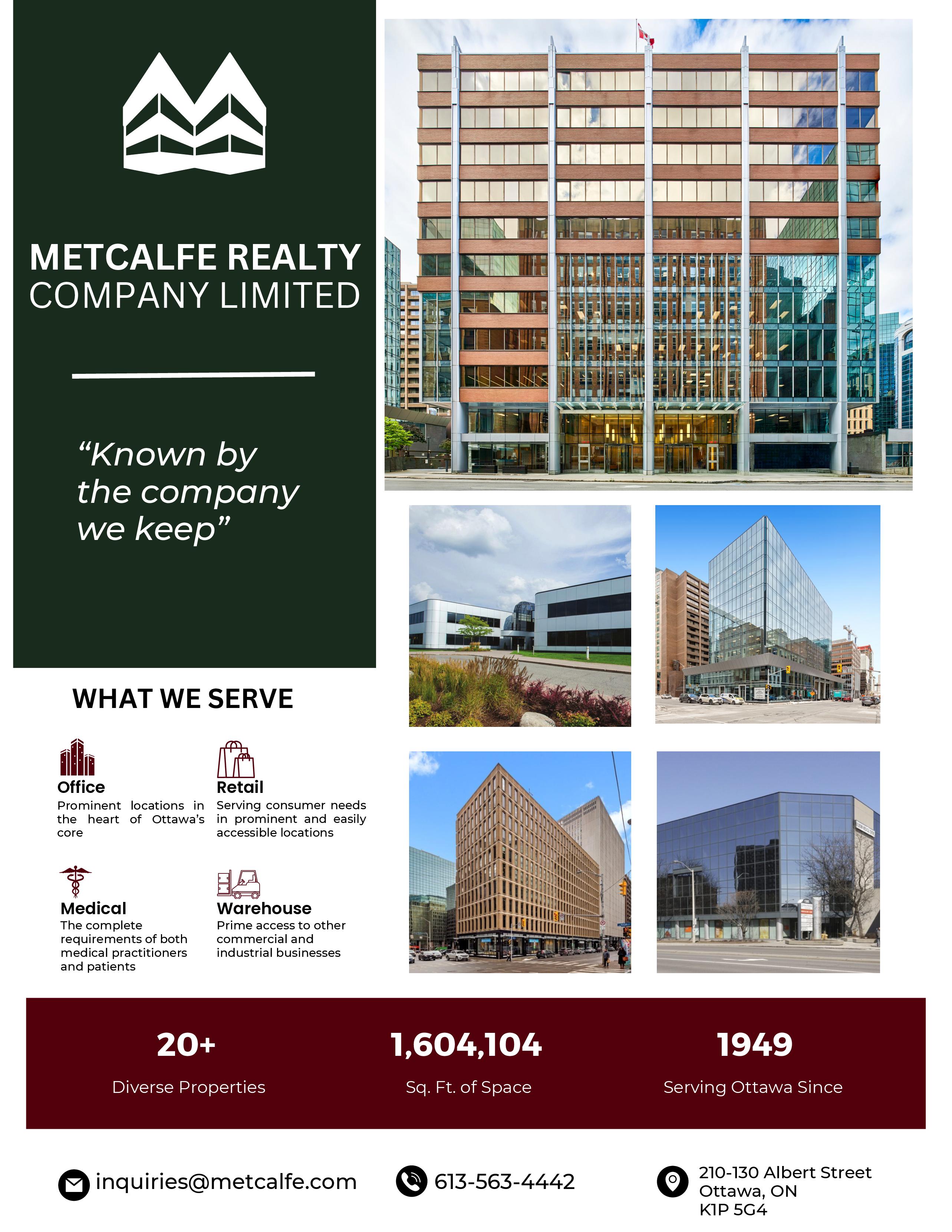
History: The Fuller family occupies a unique dual role as both premier builders, Thomas Fuller Construction and major commercial landlord, Metcalfe Realty Company Limited. The family traces its roots to the architect of the Parliament buildings. In the mid-20th century, they shifted to owning and managing downtown office space, becoming one of the largest private landowners in the core. Currently two generations of the Fuller family are working within the Group of Companies.
1857: Thomas Fuller, immigration from Bath England to become the Chief Dominion Architect for the Government of Canada, designing the centre block and library of Parliament.
1949: Metcalfe Realty is founded to manage commercial holdings.
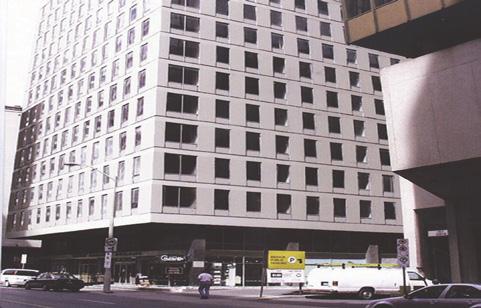
1960-70s: Notable Construction Projects include the construction of the General Hospital, Ottawa Police Headquarters, Ottawa Congress Centre, Ottawa Train station, Children’s Hospital of Eastern Ontario, in addition to the office towers that are now owned and managed by Metcalfe Realty Company Limited including 75, 85, 130 Albert & 123, 151 Slater Street. Today Metcalfe Realty Company Limited owns and manages 1.6million square feet of commercial real estate here in the nation’s capital.
8 Sir Terry Matthews (Wesley Clover)
History: Sir Terry Matthews is the architect of Ottawa’s “Silicon Valley North” commercial identity. While primarily a tech mogul (Mitel, Newbridge), his real estate holding company, Wesley Clover, controls vast commercial acreage. His strategy involves building world-class office parks and hospitality venues to support the technology sector, effectively creating the commercial hub of Kanata.
1972: Co-founded Mitel.
2003: Opening of the Brookstreet Hotel.
Notable Construction: He developed the Brookstreet Hotel, the city’s leading commercial conference hotel. He owns and manages the prestigious Kanata Research Park buildings along Legget Drive and Innovation Drive, which house hundreds of technology firms.
130 Albert street
9 The Gillin Family (Gillin Engineering)
History: Pat Gillin was a “maverick” developer who founded Gillin Engineering in 1950. The family is renowned for high-quality office construction and hospitality assets. They are perhaps best known for saving and stewarding one of Ottawa’s most famous commercial landmarks, the Lord Elgin Hotel. The family business remains active in owning and managing downtown office assets.
1950: Gillin Engineering is founded.
1987: The family purchases the Lord Elgin Hotel. 2000s: Major expansion of the hotel under family leadership. Notable Construction: They built the Gillin Building (141 Laurier Ave W), a staple of the downtown office market. Their most significant commercial contribution was the purchase, renovation, and expansion of the Lord Elgin Hotel, preserving a critical piece of Ottawa’s commercial history.
10 Bill Teron (Teron International)
History: Known as the “Father of Kanata,” Bill Teron was not just a residential planner but a commercial visionary. He conceived the idea of the “Garden City,” which included integrating high-tech commercial zones into the landscape—a radical departure from downtown office clusters. This vision laid the groundwork for Kanata becoming a major commercial economic engine.
1964: Groundbreaking for the community of Kanata.
1970s: Tenure as head of CMHC. Notable Construction: Teron developed the Kanata North Business Park concept, creating the first commercial campuses that would eventually attract tech giants. He also designed and built the Teron Building and was the initial developer of the Hazeldean Mall site, integrating retail into his garden city master plan.
CANADA comes to the CAPITAL
By Brian Dryden
BBOMA CANADA IS THE VOICE OF THE CANADIAN COMMERCIAL REAL ESTATE INDUSTRY, REPRESENTING MORE THAN 3,000 MEMBERS NATIONWIDE. THE ORGANIZATION PROVIDES LEADERSHIP, ADVOCACY AND EDUCATION TO ENHANCE THE VALUE AND PERFORMANCE OF COMMERCIAL REAL ESTATE ASSETS. THE OTTAWA CHAPTER REPRESENTS APPROXIMATELY 400 MEMBERS.
OMEX, the national convention of BOMA Canada, will be held in Ottawa from September 22-24 at the Rogers Centre Ottawa. This year’s theme, Timbers to Towers, reflects the evolution of Ottawa from its origins as a lumber town to its present role as the capital of a G7 country.
The annual convention is awarded each year to a local BOMA chapter and, according to Dean Karakasis, executive director and CEO of BOMA Ottawa, the timing couldn’t be better. This year marks the 50th anniversary of BOMA Ottawa, as well as the 200th anniversary of Bytown.
Karakasis said it was “fortuitous” that the conference was awarded to Ottawa this year, given the dual milestones and the city’s central role in Canada’s commercial real estate landscape.
This year marks the fourth time BOMEX has been held in Ottawa beginning in 1995. The last time the city hosted the event was in 2012. Notably, BOMEX was also held in Ottawa shortly after the events of Sept. 11, 2001, which made for a much more subdued gathering.
In addition to the conference programming, BOMEX will once again feature a popular annual golf tournament, which this year will be held at Loch March Golf Club on Tuesday, Sept. 22. Delegates will also be offered curated city tours that day, highlighting Ottawa’s history and development.
The conference itself will feature keynote speakers and breakout sessions led by
industry experts, addressing a range of issues facing building owners and operators. Topics will include security, sustainability and the impact of climate change on commercial real estate, including best practices for reducing the carbon footprint of buildings.
A national awards gala will be held on Sept. 24, recognizing excellence across the commercial real estate sector.
The event provides an important opportunity for BOMA’s members nationwide to exchange information and share best practices, Karakasis said, noting the value of bringing together professionals from across the country.
BOMA Canada is the voice of the Canadian commercial real estate industry, representing more than 3,000 members nationwide. The organization provides leadership, advocacy and education to enhance the value and performance of commercial real estate assets. The Ottawa chapter represents approximately 400 members.
In addition to educational programming, BOMEX will include several social events designed to encourage networking among members and industry partners, including representatives from companies that provide services such as cleaning, parking and security.
BOMEX was held in Halifax last year and is typically rotated between eastern, western and central Canadian cities. However, the rotation is still being recalibrated following several years of canceled in-person events during the COVID-19 pandemic.
Approximately 700 registrants are expected to attend BOMEX in Ottawa this September, Karakasis said.
10 ICONIC BUILDINGS THAT DEFINE OTTAWA
By Brian Dryden
Ottawa’s commercial landscape is a masterclass in architectural evolution, where the neo-Gothic spires of Parliament Hill stand in striking contrast with the glass-and-steel silhouettes of commercial office towers.
The capital’s skyline tells a story of a city balancing its identity as a federal seat of power with its future as a modern urban center. Here is a cross-section of the city’s most iconic buildings.
Parliament Buildings
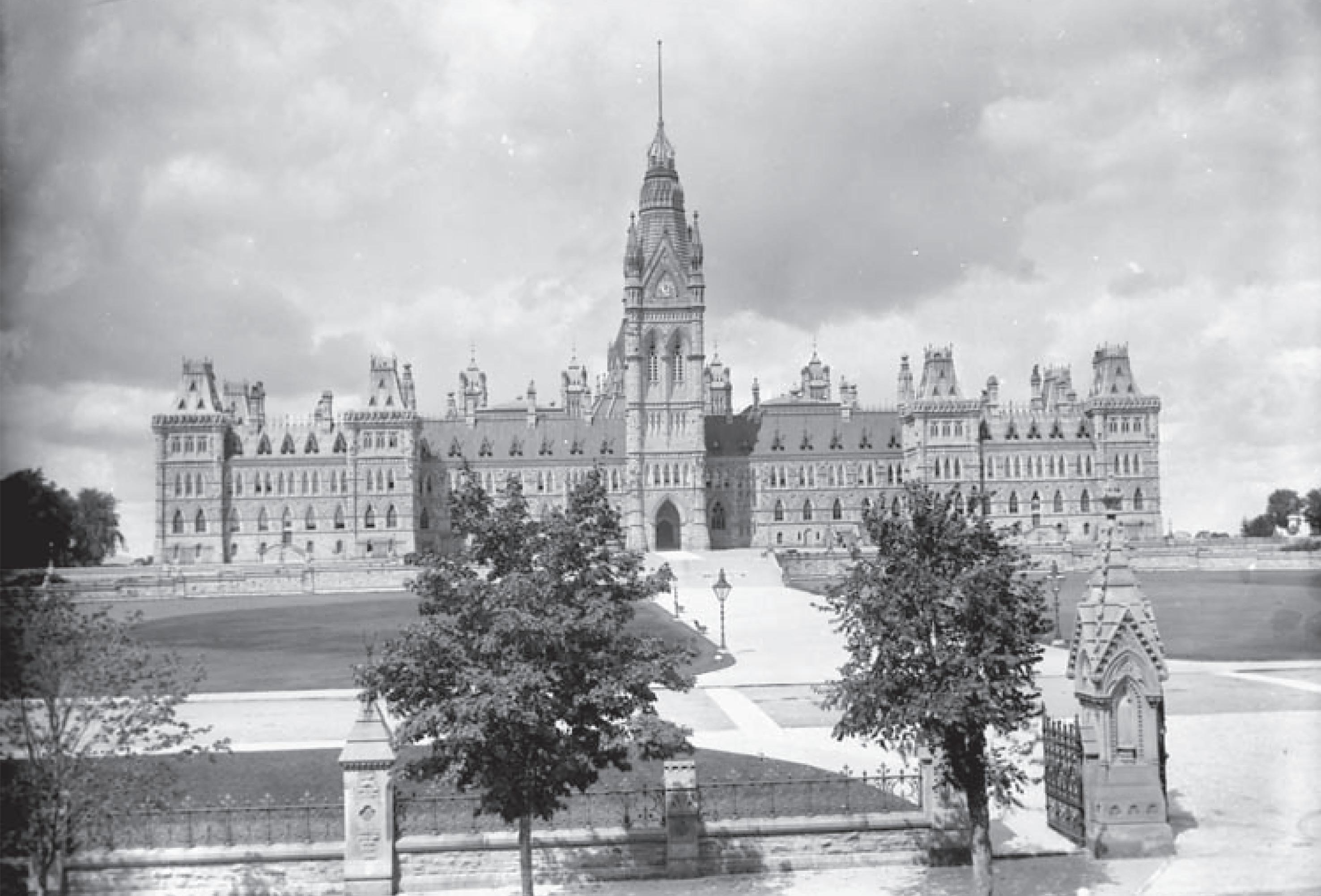
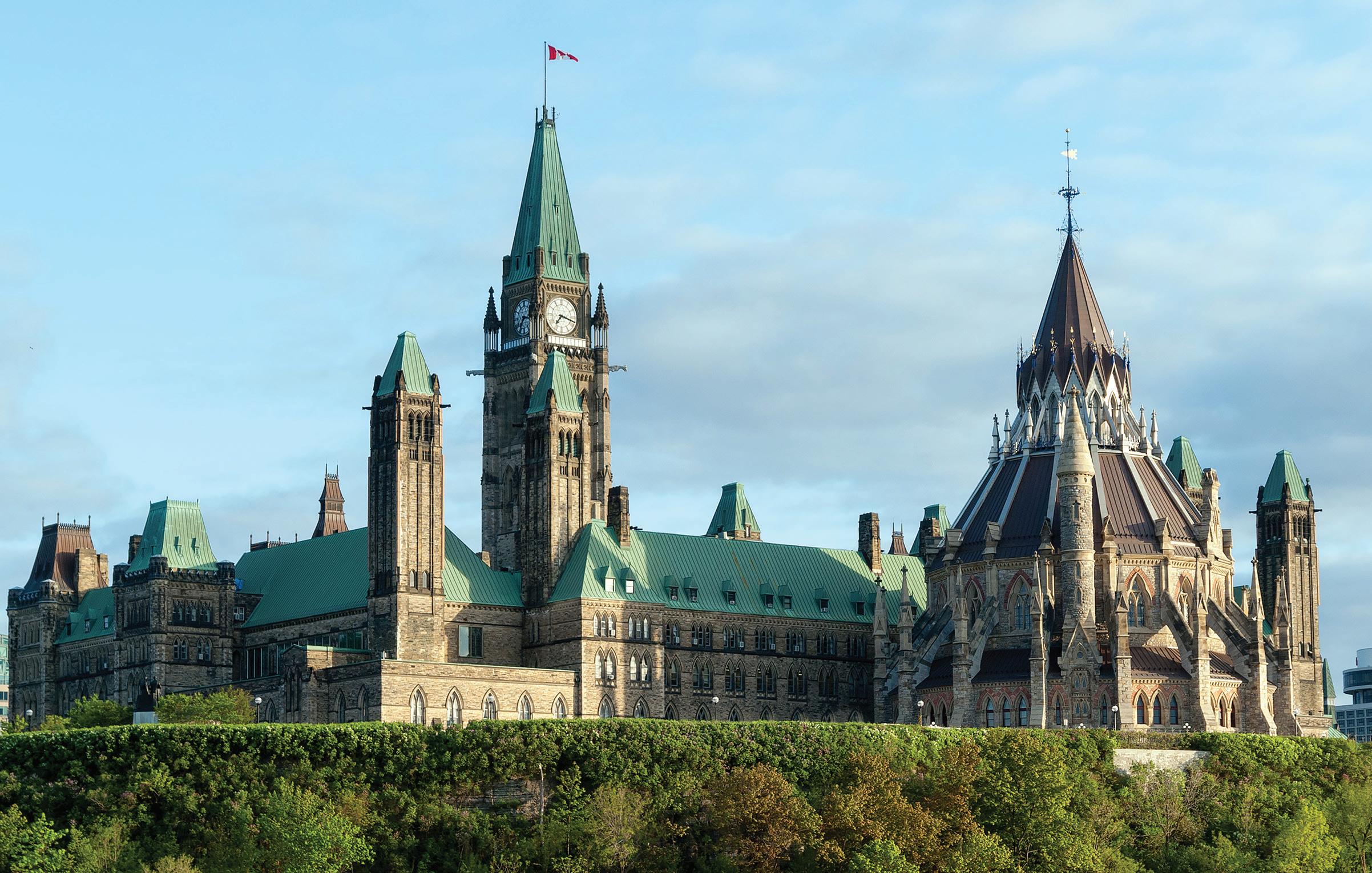
Constructed between 1859 and 1866, the Parliament Buildings form the symbolic and political heart of Canada. Designed in the Gothic Revival style by architects Thomas Fuller and Chilion Jones, the original complex was built soon after Ottawa was selected as the nation’s capital. Perched on Parliament Hill overlooking the Ottawa River, the site was chosen to project permanence, authority and national unity.
A fire destroyed the original Centre Block in 1916, leading to its reconstruction and the completion of the Peace Tower in 1927. Over time, the parliamentary precinct expanded to include the East and West Blocks and numerous
Parliament Buildings
surrounding federal office buildings, anchoring Ottawa’s downtown core.
Today, the Centre Block is undergoing a longterm rehabilitation, resulting in limited public access, while parliamentary functions continue nearby. Even amid restoration, the Parliament Buildings remain a defining influence on Ottawa’s urban form and global identity.
Aberdeen Pavilion
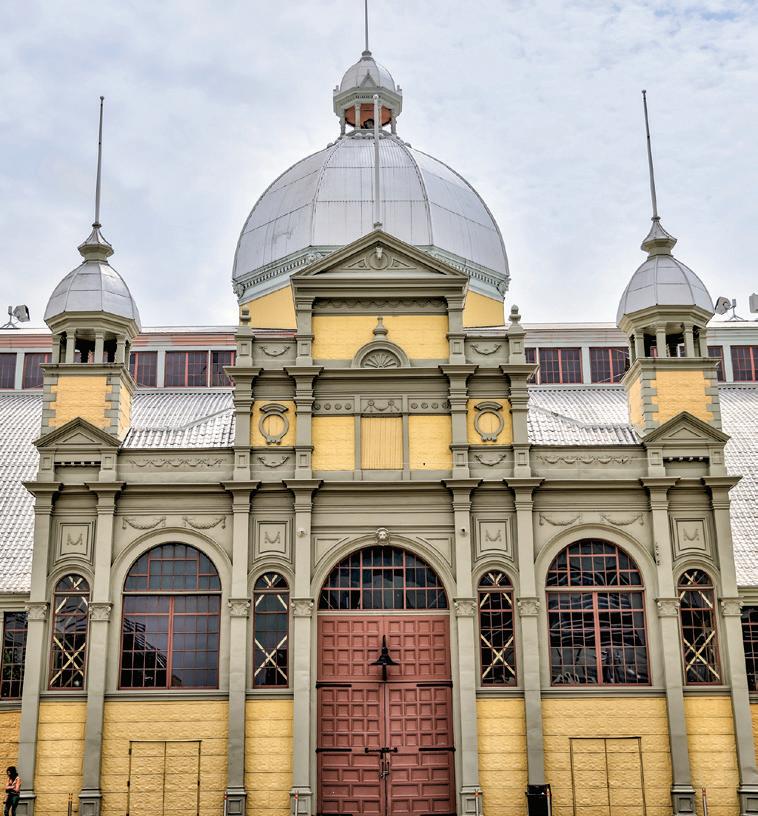
Lovingly called the “Cattle Castle” by longtime Ottawans, the Aberdeen Pavilion is one of Ottawa’s most distinctive heritage buildings and a lasting symbol of the city’s agricultural and exhibition history. Completed in 1898, the building was designed by architect Moses C. Edey for the Central Canada Exhibition.
Its circular design and innovative steel roof structure were advanced for their time, allowing for large, open interior space without interior columns. Originally used for livestock shows and agricultural displays, the pavilion played a key role in Ottawa’s development as a regional gathering and trade centre.
Today, located at Lansdowne Park, the Aberdeen Pavilion is a protected heritage site and a focal point of Lansdowne’s revitalization. It hosts public events, exhibitions and cultural programming, blending historic preservation with modern urban redevelopment and contributing to the site’s commercial and community vitality.
Château Laurier
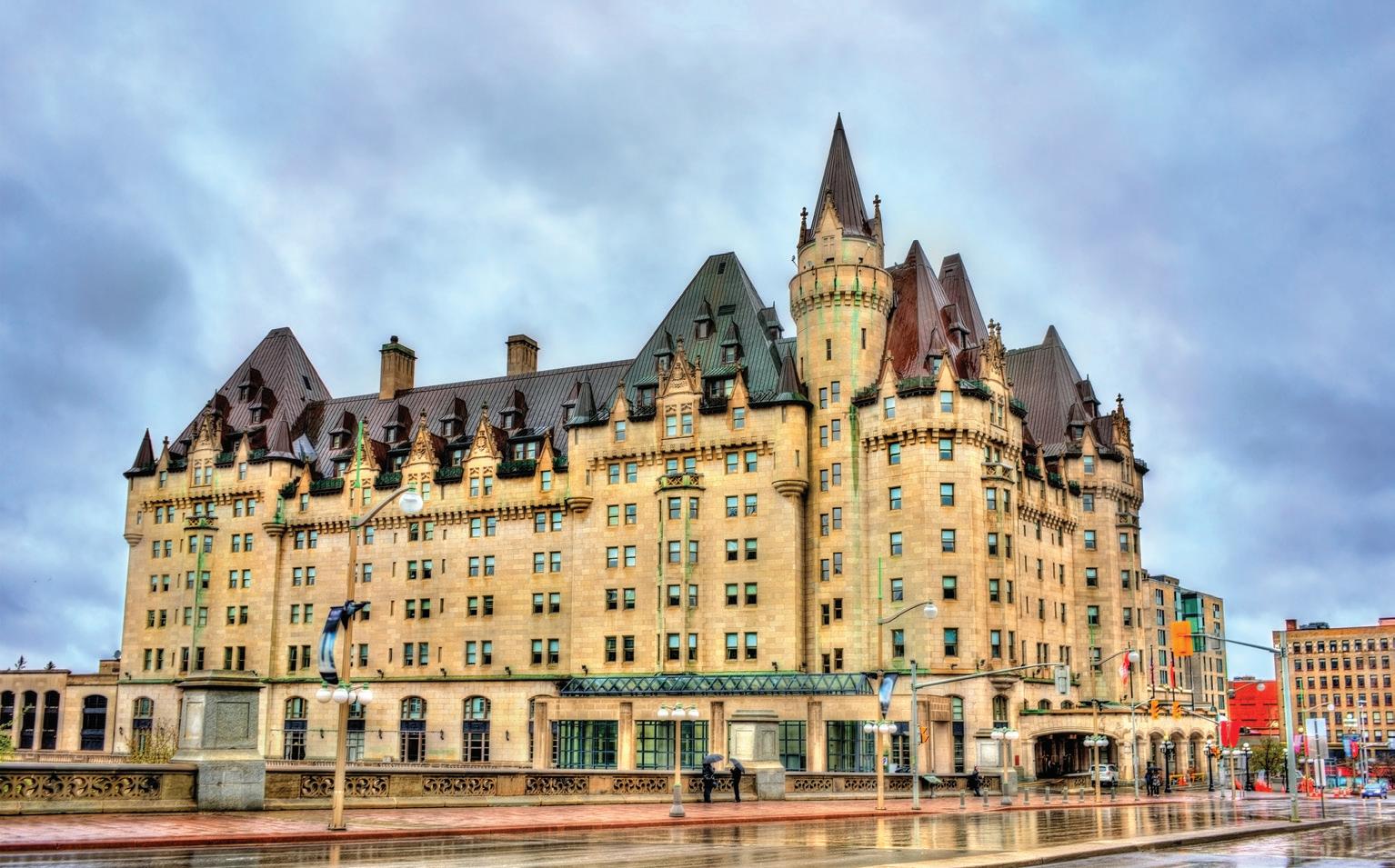
Opened in 1912, the Fairmont Château Laurier is one of Ottawa’s most recognizable architectural landmarks. Commissioned by Grand Trunk Railway president Charles Melville Hays and designed by architects Ross and MacFarlane, the hotel was built to serve rail passengers arriving
at nearby Union Station and to project grandeur befitting the national capital.
Its French château-style design was deliberately chosen to harmonize with Parliament Hill and the surrounding civic landscape. Over more than a century, the hotel
has hosted royalty, world leaders, artists and diplomats, making it a central fixture in Canada’s political and social history.
The Château Laurier continues to play a vital role in Ottawa’s tourism and hospitality economy and stands as a cornerstone of the city’s commercial and cultural landscape. A current exterior renewal project is modernizing the building while preserving its historic character, ensuring the landmark remains a prominent presence at the intersection of Parliament Hill, the Rideau Canal and the downtown core.
Supreme Court of Canada
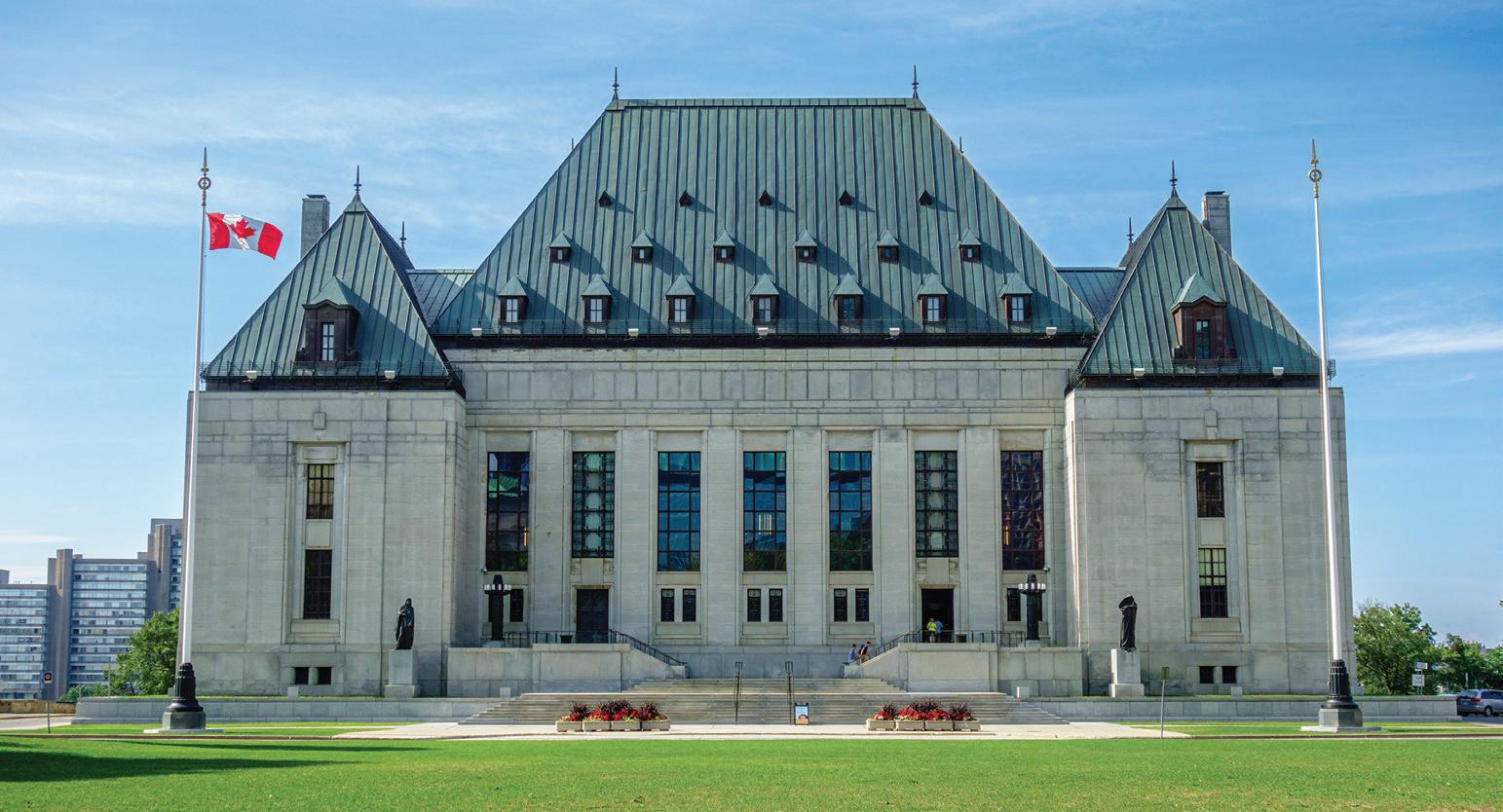
The Supreme Court of Canada, completed in 1946, was designed by architect Ernest Cormier in a modernized Art Deco and Beaux-Arts style. Located just west of Parliament Hill, it symbolizes judicial independence and authority. The building has housed Canada’s highest court since 1946 and remains a key anchor of the capital’s institutional landscape. As part of a billion-dollar modernization program, the Supreme Court of Canada is scheduled to move into its temporary home at the West Memorial Building this summer, marking the beginning of a decade-long rehabilitation project to address the permanent building’s critical structural needs and heritage preservation.
Canadian Museum of Nature
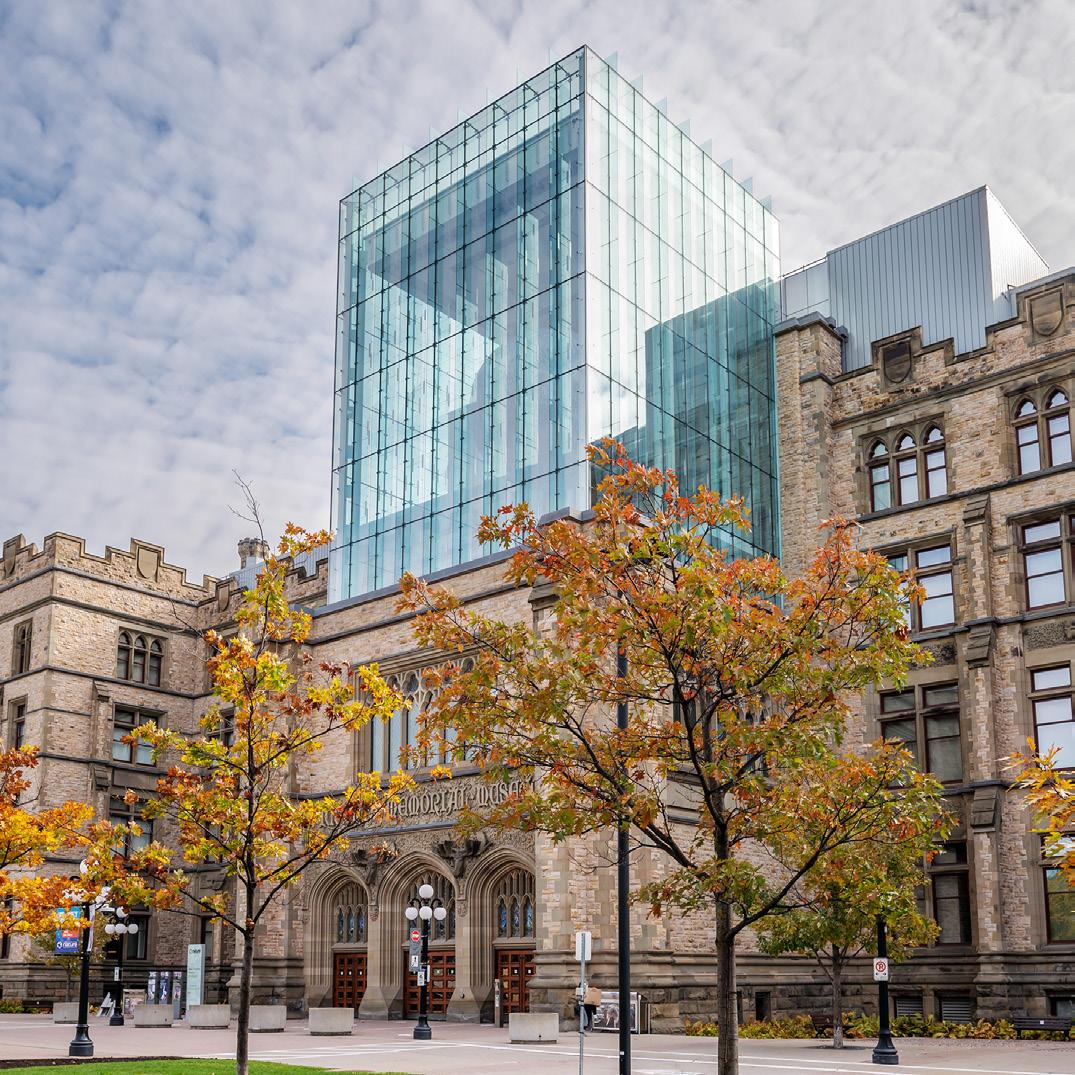
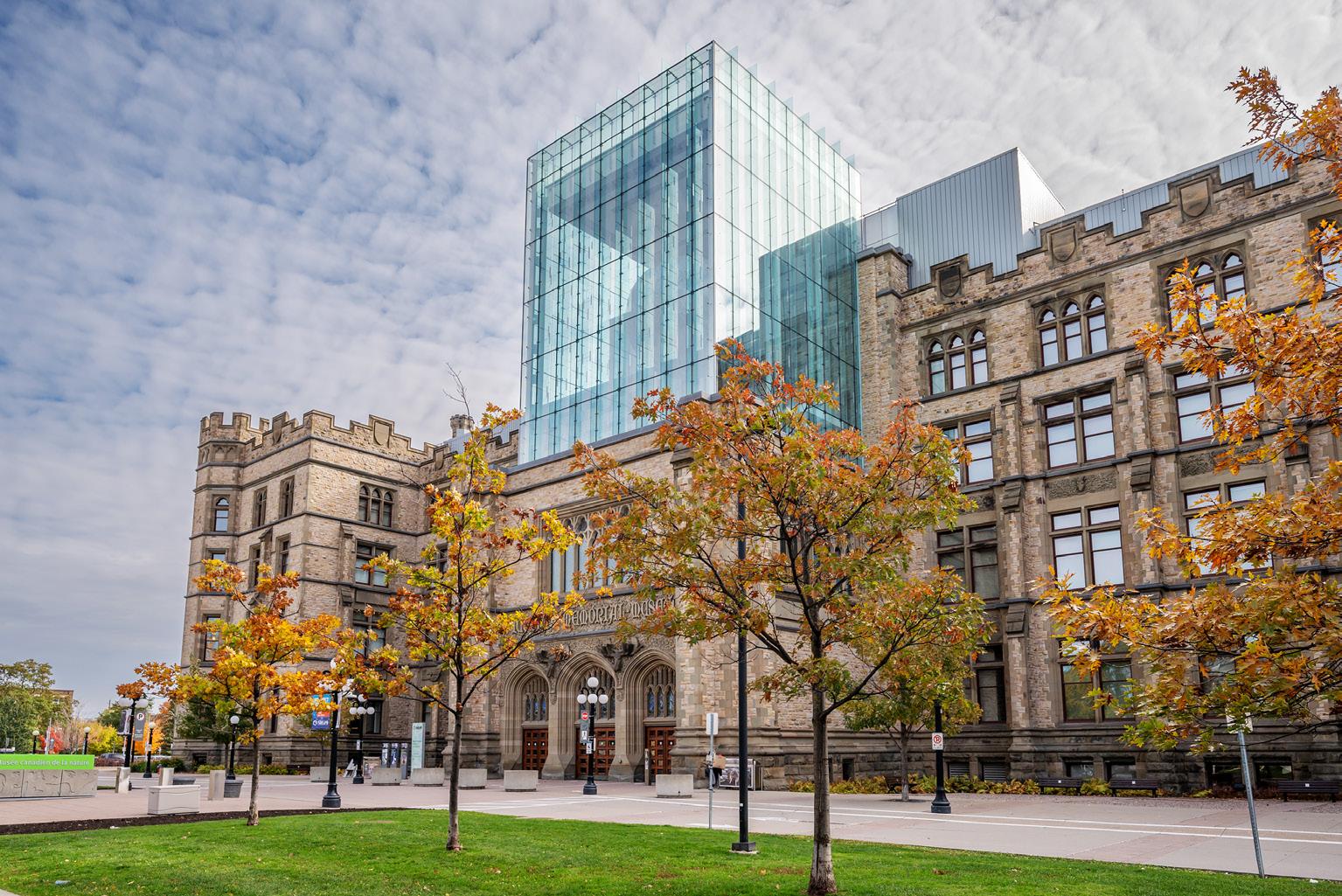
The Canadian Museum of Nature, originally built in 1912 as the Victoria Memorial Museum, was designed by architect David Ewart in a Gothic Revival style. Its early use of reinforced concrete made it one of the country’s most innovative structures at the time. The building famously served as the temporary seat of Canada’s government for four years after the 1916 fire destroyed Parliament Hill’s Centre Block, forcing the House of Commons to debate in the museum’s theater and the Senate to convene in a hall now dedicated to fossils. Today, it serves as a major cultural and tourism destination,
SUPREME COURT OF CANADA
ABERDEEN PAVILLION
Château Laurier
contributing to downtown revitalization and educational engagement.
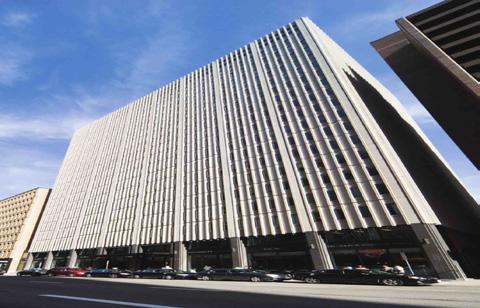
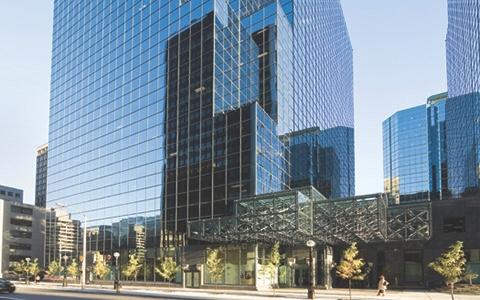
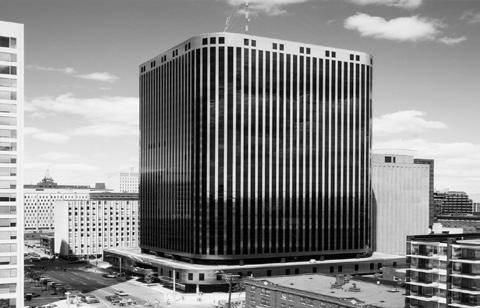
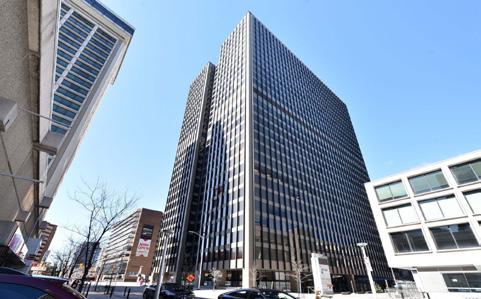
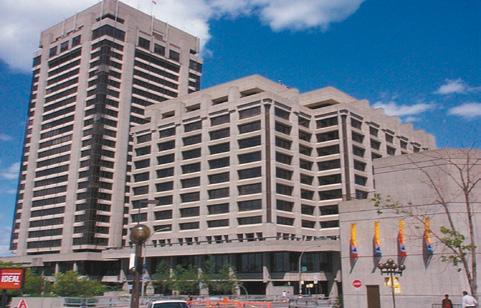
Place de Ville
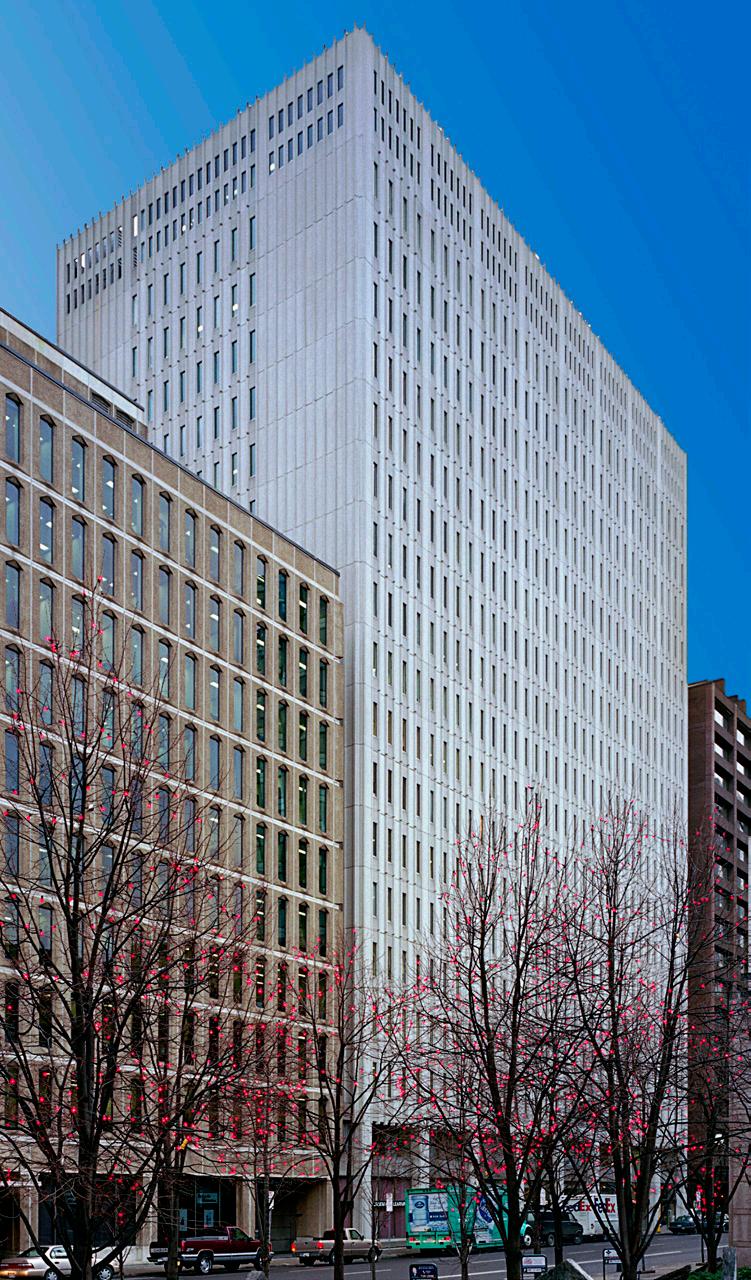
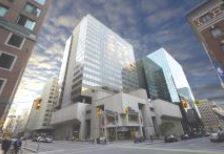
Developed beginning in the early 1960s, Place de Ville was one of the first large-scale office complexes to define Ottawa’s modern downtown skyline. Spearheaded by Campeau Corporation, the project reflected the rapid post-war expansion of the federal government and the growing demand for centralized office space in the capital.
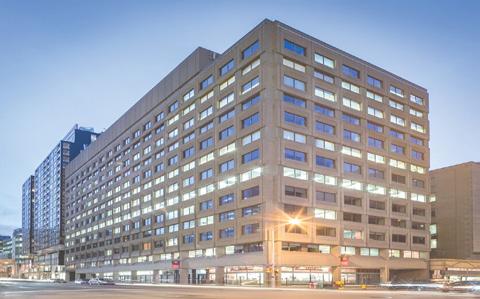
The multi-tower complex, constructed in phases over several years, introduced a new model of mixed-use commercial development, combining office towers, retail space and underground parking. Its scale and proximity to Parliament Hill made it a preferred location for federal departments, professional services and national organizations. Place de Ville played a pivotal role in shifting Ottawa’s downtown from a low-rise government town to a dense, employment-focused urban core.
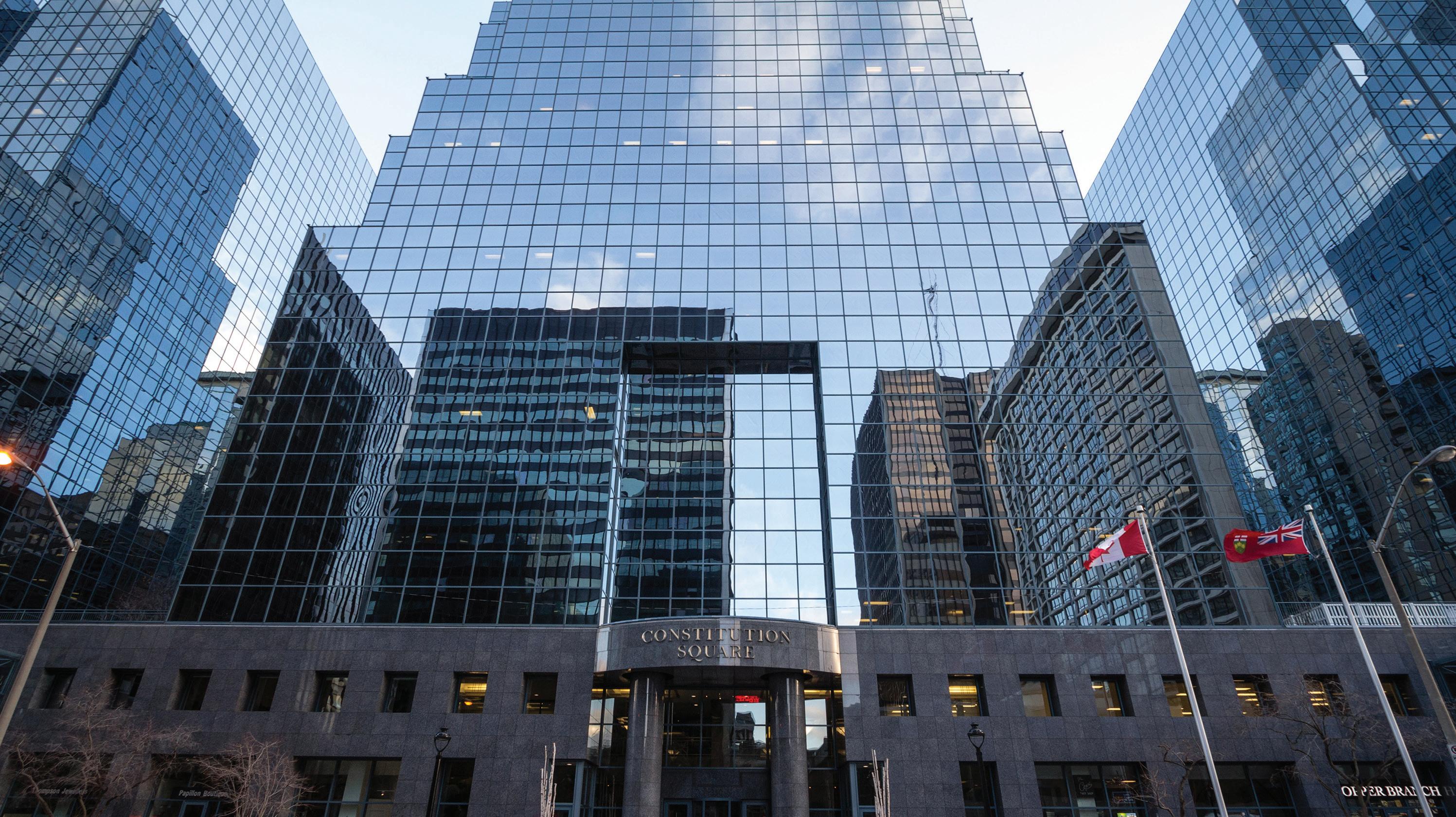
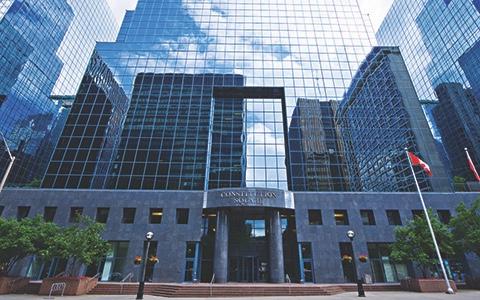
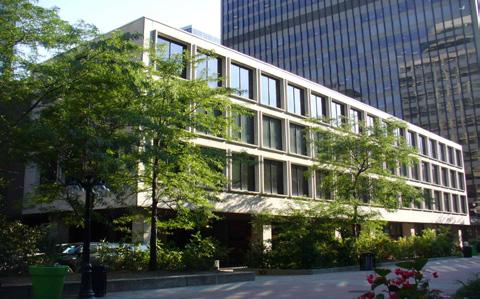
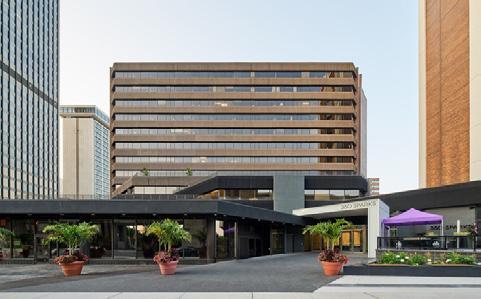
Constitution Square
With its first tower completed in the 1980s, Constitution Square is a prominent office complex located just south of Parliament Hill. Developed by OMERS, the project was designed to accommodate the continued growth of the federal public service while reinforcing Ottawa’s downtown as a centre for employment and commerce.
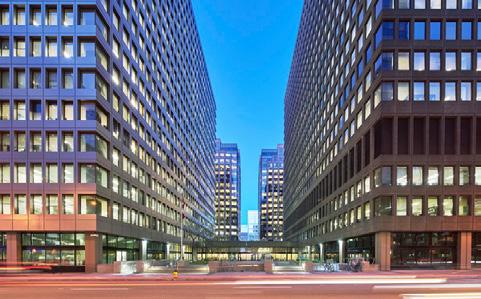
The complex consists of multiple office towers arranged around landscaped public plazas, a design that emphasized accessibility, pedestrian movement and integration with the surrounding streetscape. Its location near major transit routes and federal institutions made it a strategic site for government departments and private-sector tenants alike.
Constitution Square reflects a period when Ottawa embraced large-scale commercial development to support its expanding role as a national capital. Today, it remains an important contributor to downtown density, employment and commercial activity, reinforcing the stability and long-term value of Ottawa’s office market.
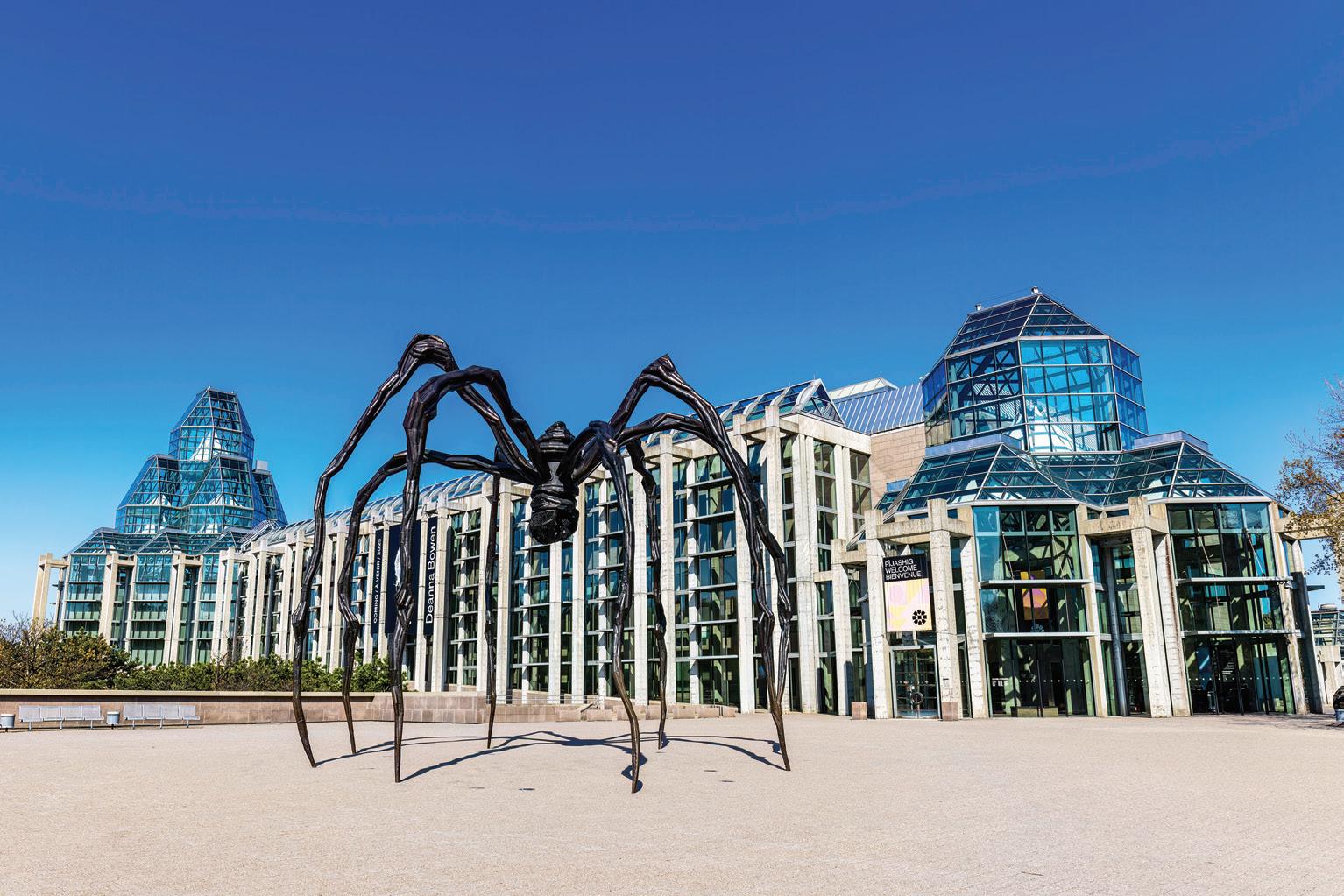
National Gallery of Canada
Completed in 1988, the National Gallery of Canada represents Ottawa’s emergence as a modern cultural capital. Designed by architect Moshe Safdie, the building features glass towers, granite walls and dramatic interior spaces that
Canadian Museum of Nature
connect art, architecture and landscape.
Located in the Lower Town area near the Ottawa River, the gallery helped spur cultural and economic development beyond the traditional downtown core. Its collection spans Canadian and Indigenous art, as well as significant international works, making it a major national and international attraction.
The building itself is widely regarded as a landmark of contemporary Canadian architecture. As a public institution, it supports tourism, education and cultural engagement while reinforcing Ottawa’s role as a centre for national heritage and creative expression.
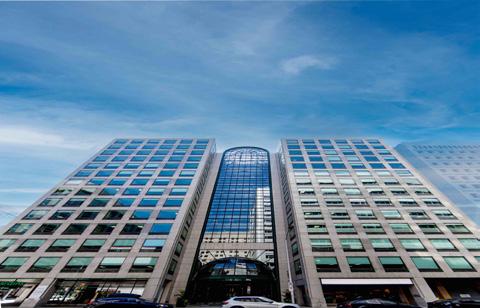
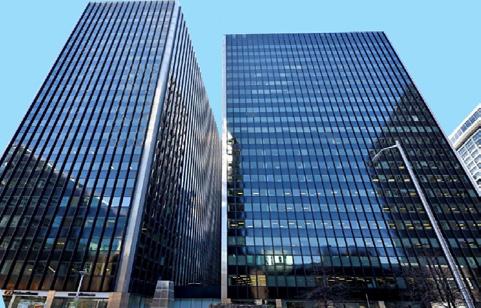
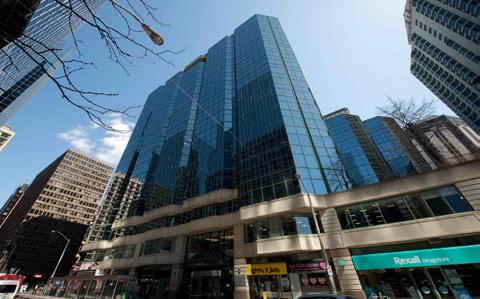
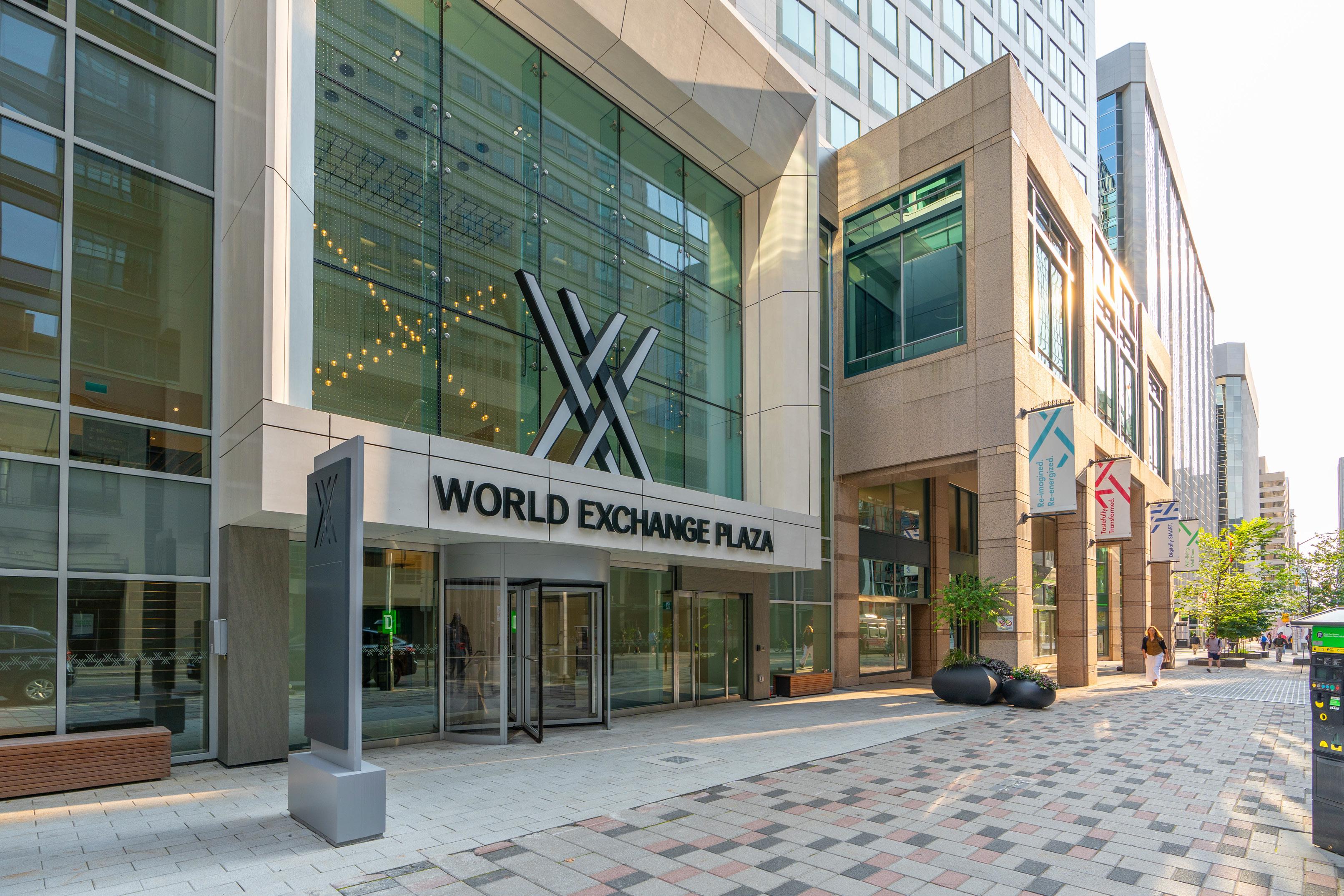
World Exchange Plaza
Opened in 1991, the World Exchange Plaza marked a new era of commercial development in Ottawa’s downtown core. Developed by Trustcan/Perez, the complex introduced a global, contemporary architectural style that reflected Ottawa’s growing international presence as a capital city.
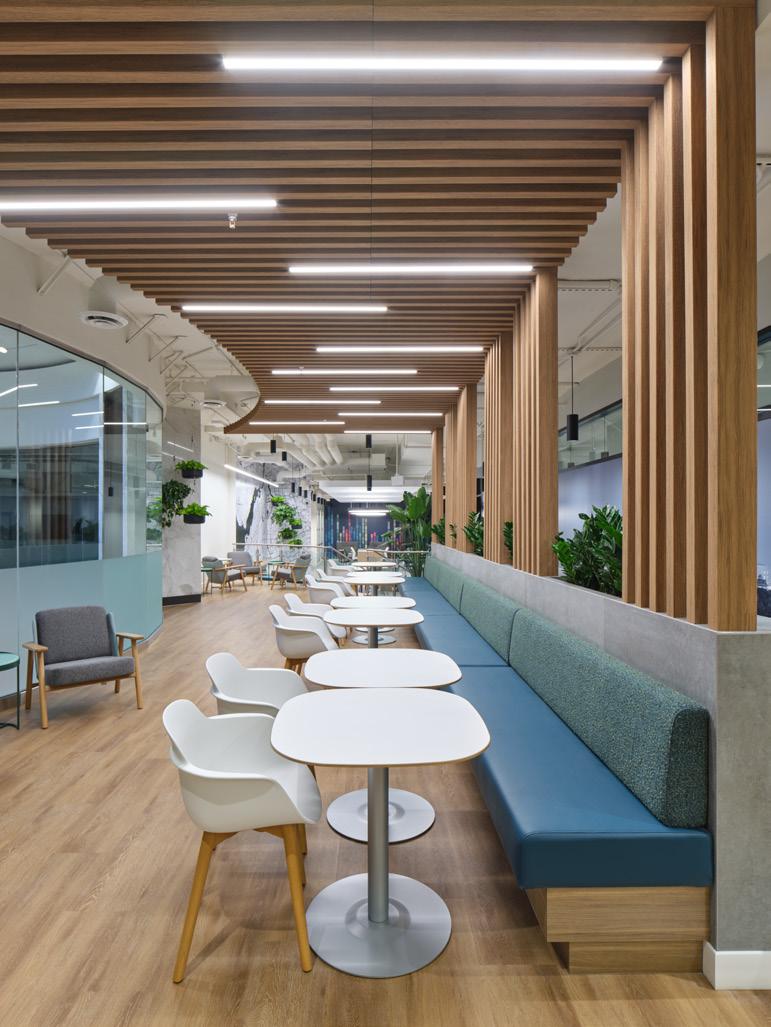
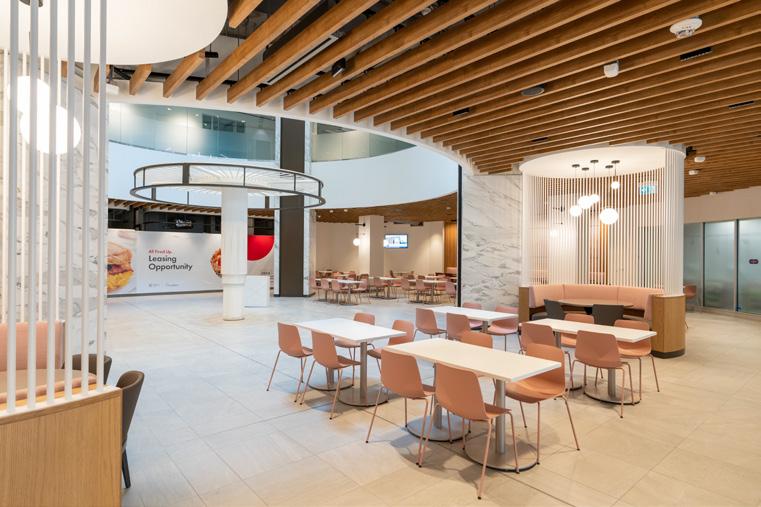
Comprising twin office towers and a central atrium, the World Exchange Plaza integrated office space with retail, dining and public gathering areas. Strategically located near Parliament Hill and major federal offices, the complex quickly became a sought-after address for corporate tenants. The World Exchange Plaza continues to serve as a major commercial hub, symbolizing Ottawa’s evolution into a modern, globally connected capital with a vibrant downtown business environment.
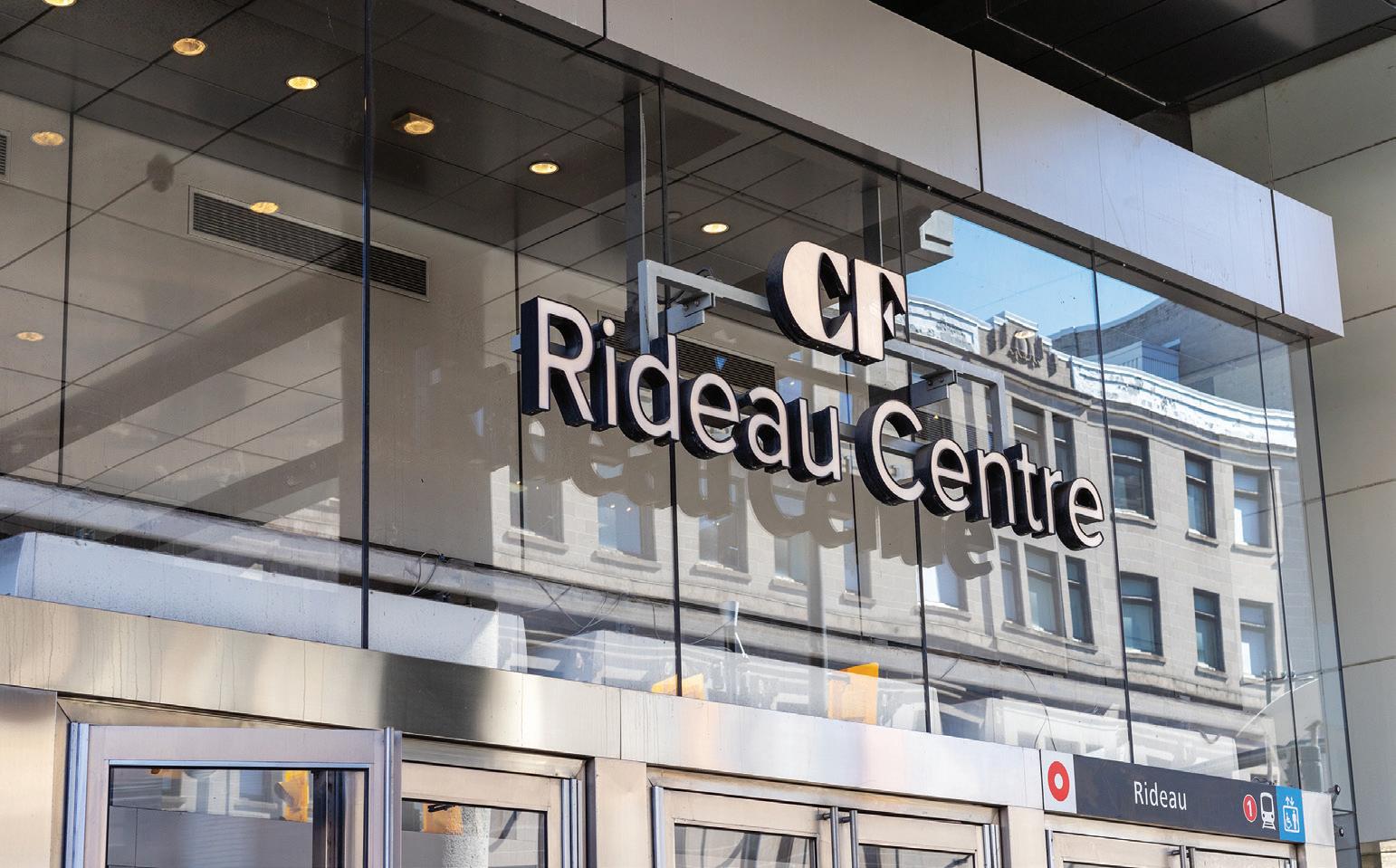
Rideau Centre
Opened in 1983, the Rideau Centre marked a turning point in Ottawa’s downtown commercial development. Built by Cadillac Fairview, the enclosed shopping complex was designed to integrate retail, office space and transit connections in the heart of the city.
Located adjacent to the canal, the Rideau Centre helped solidify the ByWard Market-Rideau corridor as Ottawa’s primary retail and pedestrian hub. Its connection to the city’s transit system, now including the Confederation Line LRT, reinforces its role as a central node in Ottawa’s urban infrastructure.
A major redevelopment completed in 2016 modernized the complex, expanded retail offerings and improved public space. Today, the Rideau Centre is one of the most visited commercial properties in the National Capital Region, reflecting Ottawa’s shift toward a vibrant, mixed-use downtown.
WORLD EXCHANGE PLAZA
NATIONAL GALLERY OF CANADA
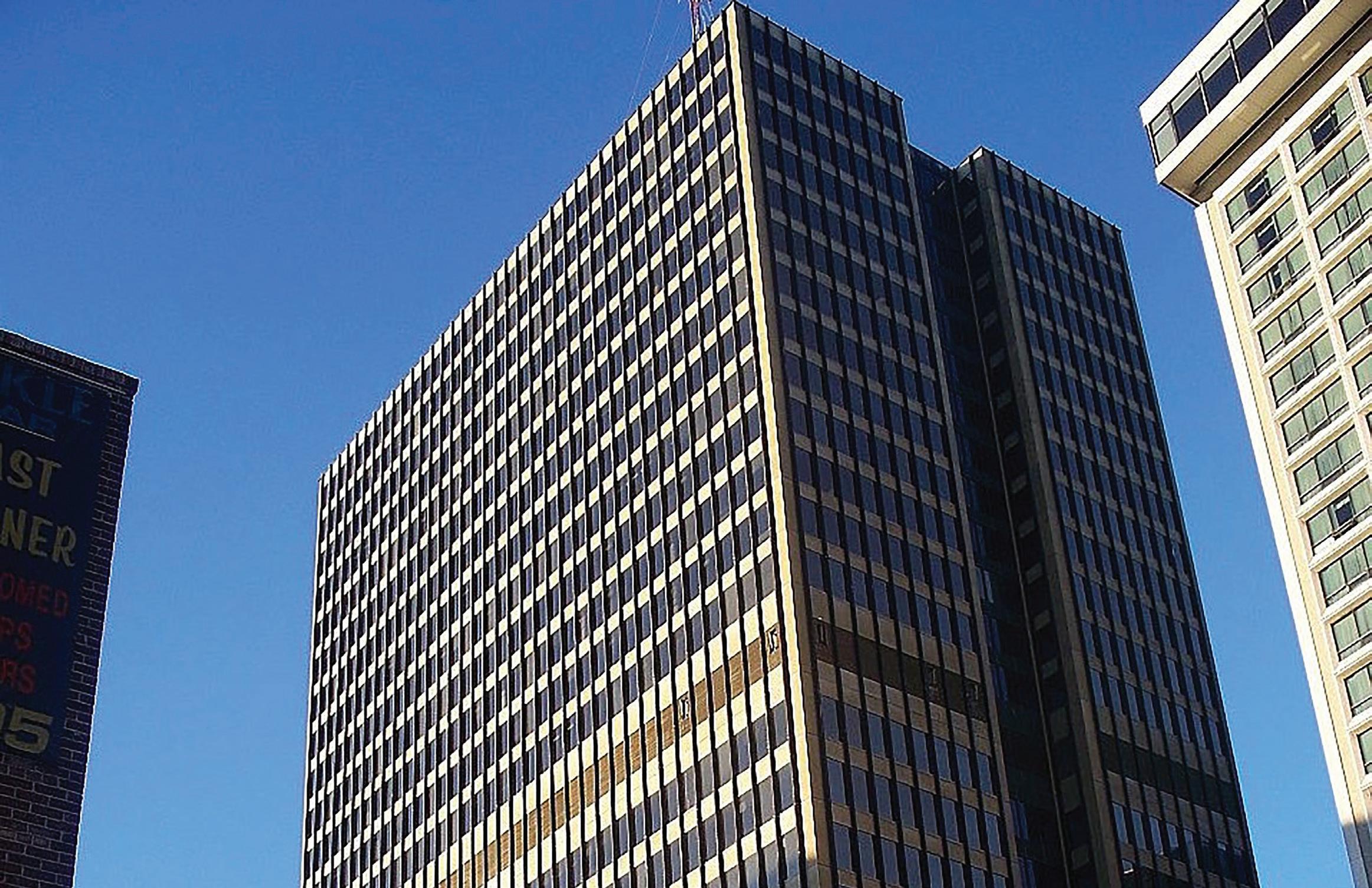
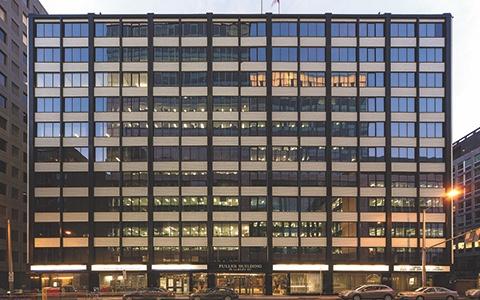
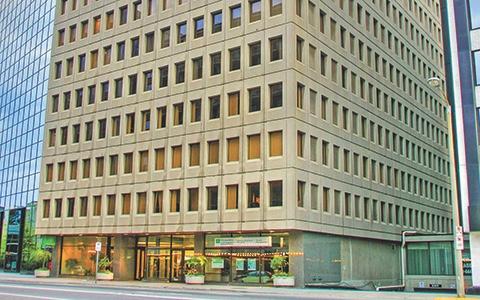
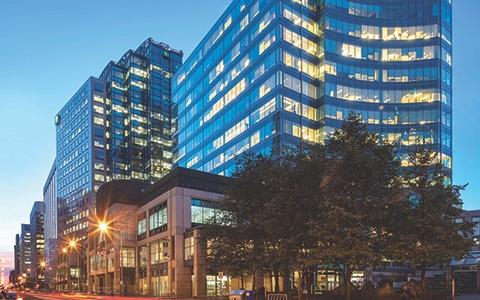
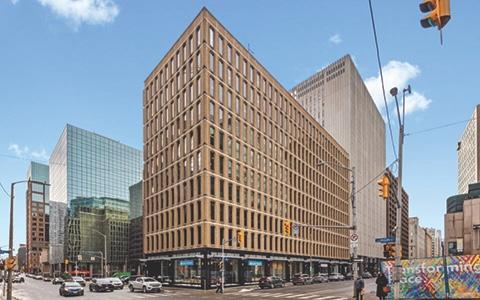
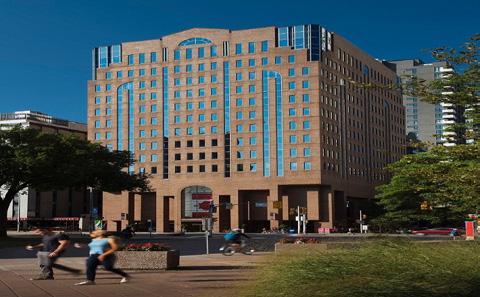
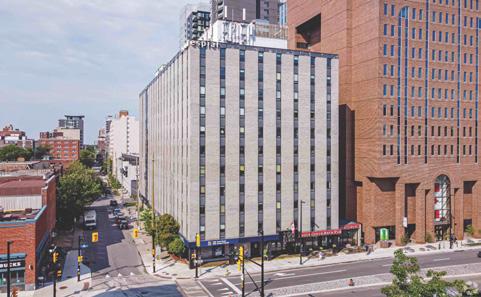
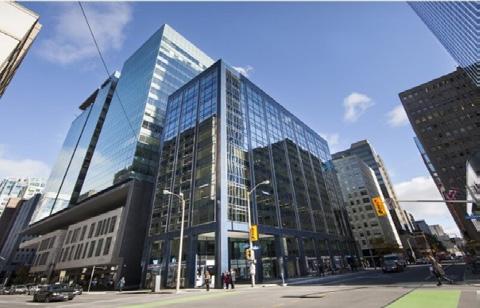
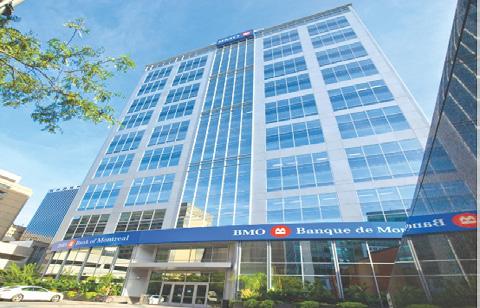
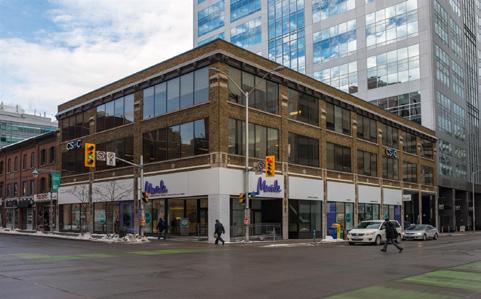
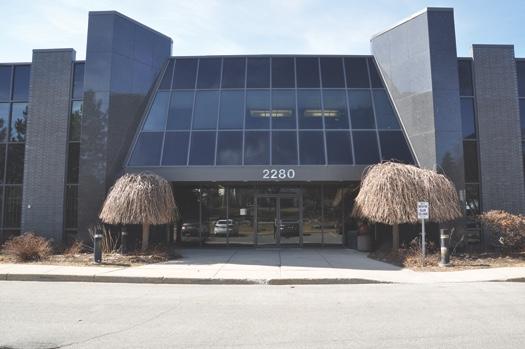
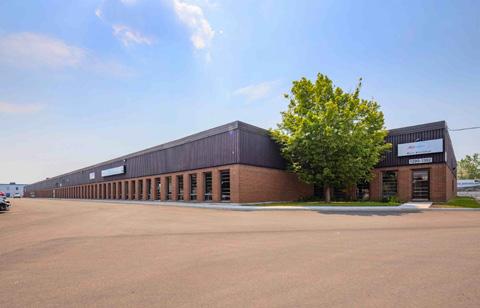
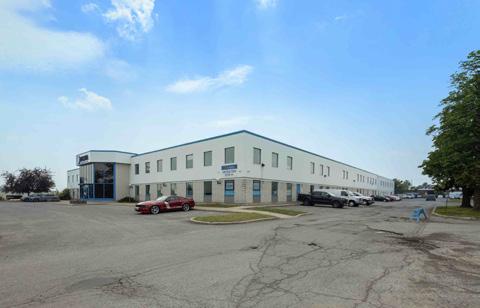
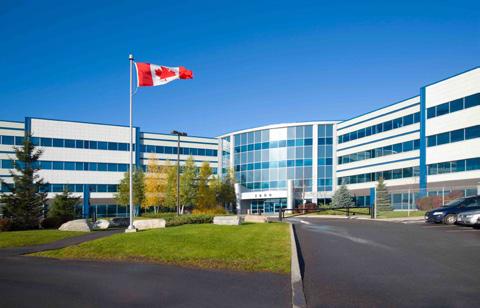
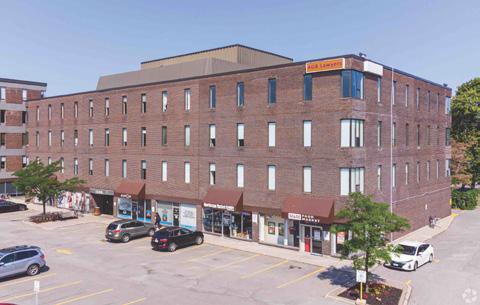
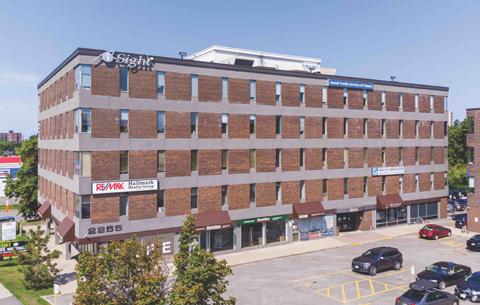
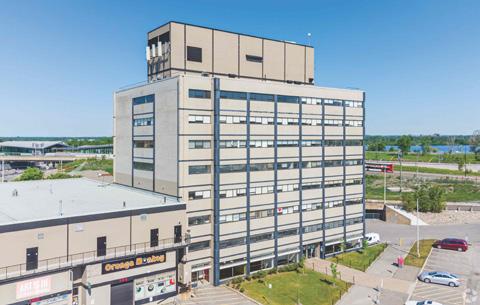
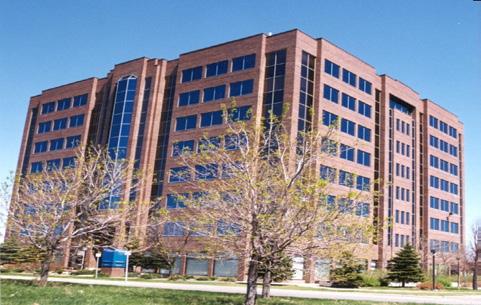
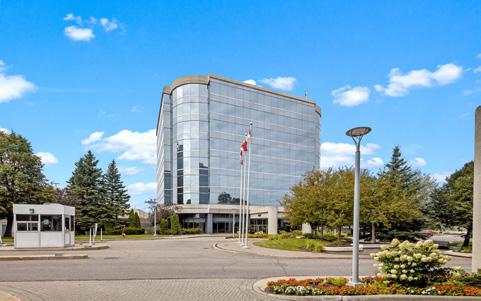
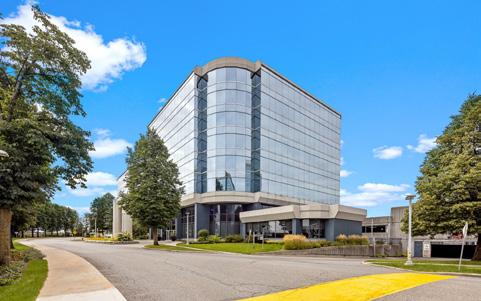
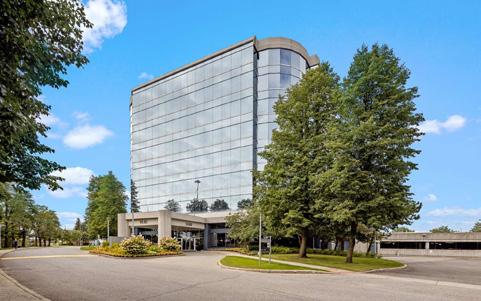
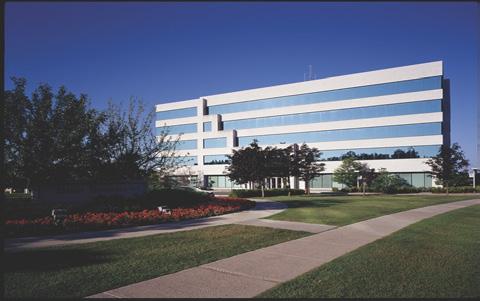
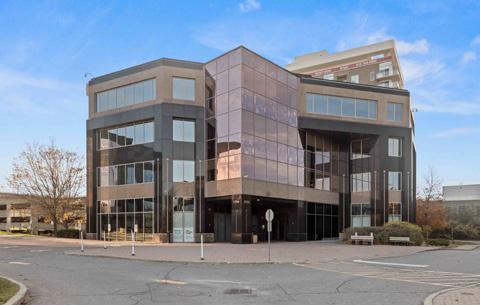
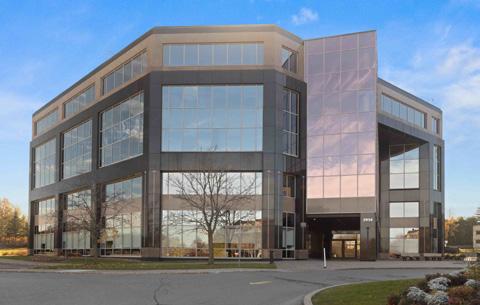
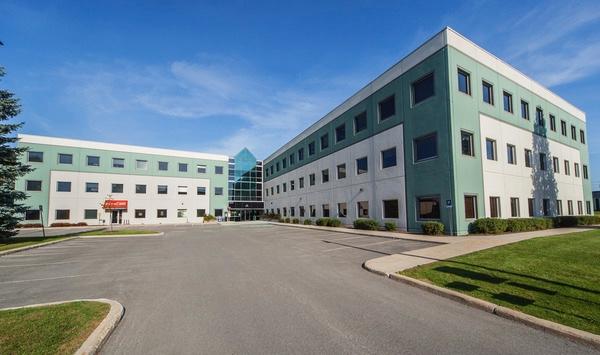
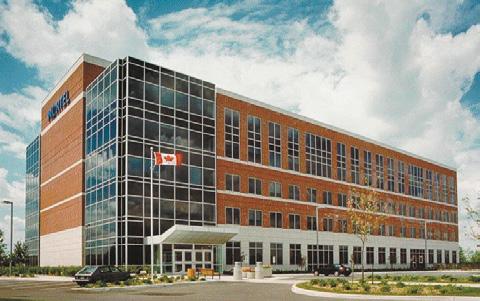
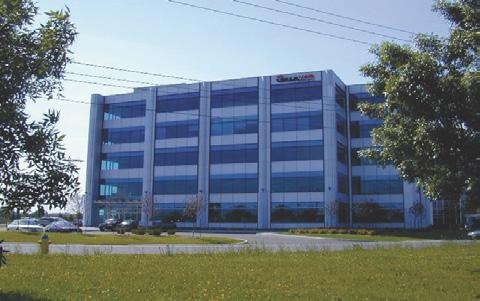
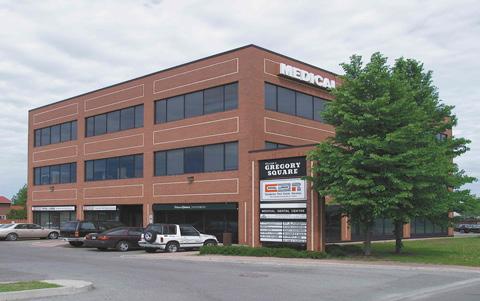
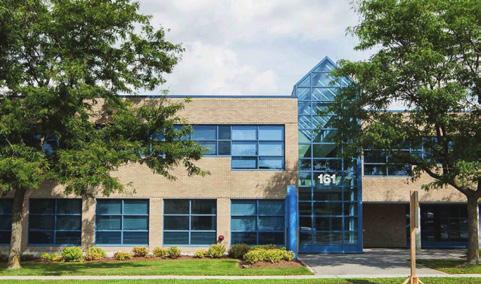
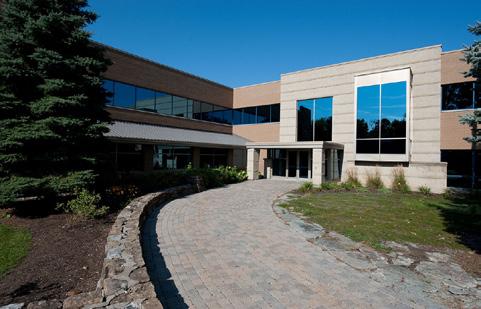
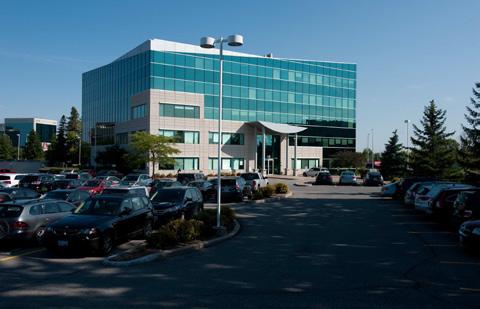
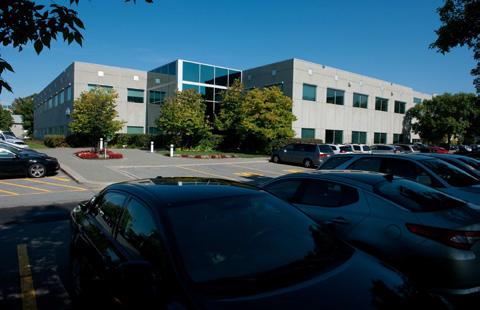
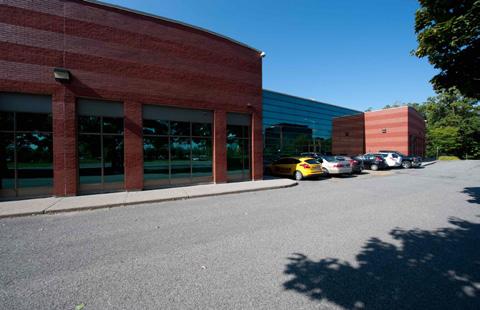
Building the backbone of Ottawa’s commercial real estate over 50 years
By Brian Dryden
When BOMA held its first meeting in Ottawa nearly 50 years ago, it was a modest gathering of just 11 or 12 people. What began as a small group of building owners and managers has since evolved into one of the most influential voices in the region’s commercial real estate sector.
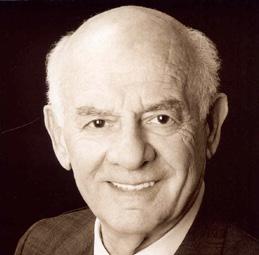
BOMA Ottawa was established in 1976 by Pat Gillin and a handful of early members to advocate for the local commercial real estate industry. As the organization approaches its 50th anniversary, it stands as a reflection of the city it serves. It was shaped by decades of growth, policy changes and evolving workplace trends, while remaining a consistent advocate for building owners and managers.
The organization was founded during a period
of significant expansion in Ottawa’s commercial real estate market. Post-war development, the growing footprint of the federal government and the rise of modern office buildings created a need for a unified voice to represent property owners and managers and to address shared operational and regulatory challenges. Over time, BOMA Ottawa aligned itself with BOMA Canada and BOMA International, connecting the local market to national standards, research and professional development.
BOOMTOWN OTTAWA
As BOMA Ottawa past-president Phil Marcella (1993-94) reflects on the organization’s early purpose and priorities, he points to the importance of collaboration and advocacy during a time when Ottawa’s commercial real estate industry was still taking shape. Issues facing building owners were largely concentrated in the
downtown core, as the sprawling city Ottawa is today had yet to emerge.
As the city grew, so did BOMA Ottawa’s reach and influence. Over the decades, the organization expanded to represent hundreds of companies and millions of square feet of commercial space across the National Capital Region. Its mandate evolved beyond advocacy to include education, industry recognition, taxation issues and collaboration with government and business stakeholders.
FIRST FEMALE PRESIDENT
That evolution is closely tied to the leadership of individuals such as Shirley Westeinde, who became BOMA Ottawa’s first female president in 1994. Her presidency marked a milestone for the organization and reflected broader changes within the commercial real estate industry. Westeinde says she was proud to help pave the
Place de Ville
way for women in BOMA leadership, and has noted that there are now significantly more women involved in the organization, including several who have since served as president.
During this period, BOMA Ottawa continued to strengthen its role as the primary voice for commercial property owners and managers in the region. Through education programs, awards initiatives and industry research, the organization promoted professionalism and best practices while contributing to broader discussions around economic development and building operations.
PANDEMIC YEARS
In more recent years, BOMA Ottawa has navigated one of the most disruptive periods in its history. According to current president Jennifer Arbuckle, the COVID-19 pandemic and the widespread shift to remote and hybrid work posed significant challenges for the industry. The move to working from home created uncertainty around office usage and complicated leasing decisions, as organizations reassessed how and where employees should work.
As conditions continue to stabilize, Arbuckle notes businesses are beginning to return to office environments. BOMA Ottawa has welcomed the municipal and provincial government’s decision to require some public servants to return to inoffice work. u
CANADA'S COMMERCIAL CLEANERS
Customized
Award-winning green
t “This is good for the downtown core as a whole because it brings foot traffic back into the city,” says Arbuckle, pointing to the broader benefits for restaurants, retail and other downtown businesses.
Looking ahead, Arbuckle emphasizes that BOMA Ottawa will continue to play a key role as the commercial real estate sector adapts to changing expectations around flexibility, sustainability and long-term asset management. Advocacy, education and collaboration remain central to the organization’s mission as building owners and managers navigate an evolving market.
Later this year, BOMA Ottawa will host BOMA Canada’s national conference. BOMEX, bringing more than 700 industry professionals to the capital. The conference will take place September 22-24 at the Rogers Centre, marking a significant moment for the local commercial real estate community. The second time Ottawa hosted BOMEX was shortly after 9/11.
THIS IS GOOD FOR THE DOWNTOWN CORE AS A WHOLE BECAUSE IT BRINGS FOOT TRAFFIC BACK INTO THE CITY.
Marcella recalls that attendance was down that year and that, while the annual BOMEX golf tournament still went ahead, the event was far more subdued than in past years, underscoring the resilience of the industry during challenging times.
TRUE TO ITS ROOTS
Nearly five decades after its founding, BOMA Ottawa remains focused on the principles that defined its early years: representing industry interests, promoting professionalism and supporting long-term value. As Ottawa’s commercial real estate sector continues to evolve, the organization’s role, supporting those who own and manage the buildings that shape the city, remains as relevant today as it was at the beginning.
Key facts, figures and contact details on office, industrial, retail, government and city space across Ottawa-Gatineau
OTTAWA WEST GLOUCESTER
GOVERNMENT BUILDINGS
INDUSTRIAL
SHOPPING MALLS & POWER CENTRES
Note: listings are organized alphabetically by street name. For example, the downtown section starts with properties on Albert Street and ends with buildings on Sparks Street.
SOMERSETSTW
O’CONNORST ELGINST
MACKENZIEKINGBR
DOWNTOWN
WELLINGTONST
ALBERTST
ALBERTST SLATERST
LAURIERAVEW
LAURIERAVEE
KENTST SLATERST
Fuller Building
75 Albert Street
Ottawa Ontario K1P 5E7
85 Albert
85 Albert Street
Ottawa Ontario K1P 6A4
World Exchange Plaza III
111 Albert Street
Ottawa Ontario K1P 1A4
Mike Shore, Jen Arbuckle reception@metcalferealty.com
613-563-4442
Metcalfe Realty Company Ltd. metcalfe ca
Mike Shore, Jen Arbuckle reception@metcalferealty.com
613-563-4442
Metcalfe Realty Company Ltd. metcalfe ca
Stephanie Thompson stephanie thompson@quadreal.com QuadReal Property Group quadreal.com
116 Albert
116 Albert Street
Ottawa Ontario K1P 5G3
Varette Building
130 Albert Street
Ottawa Ontario K1P 5G4
Albert-Bank Building
250 Albert Street
Ottawa Ontario K1P 6M1
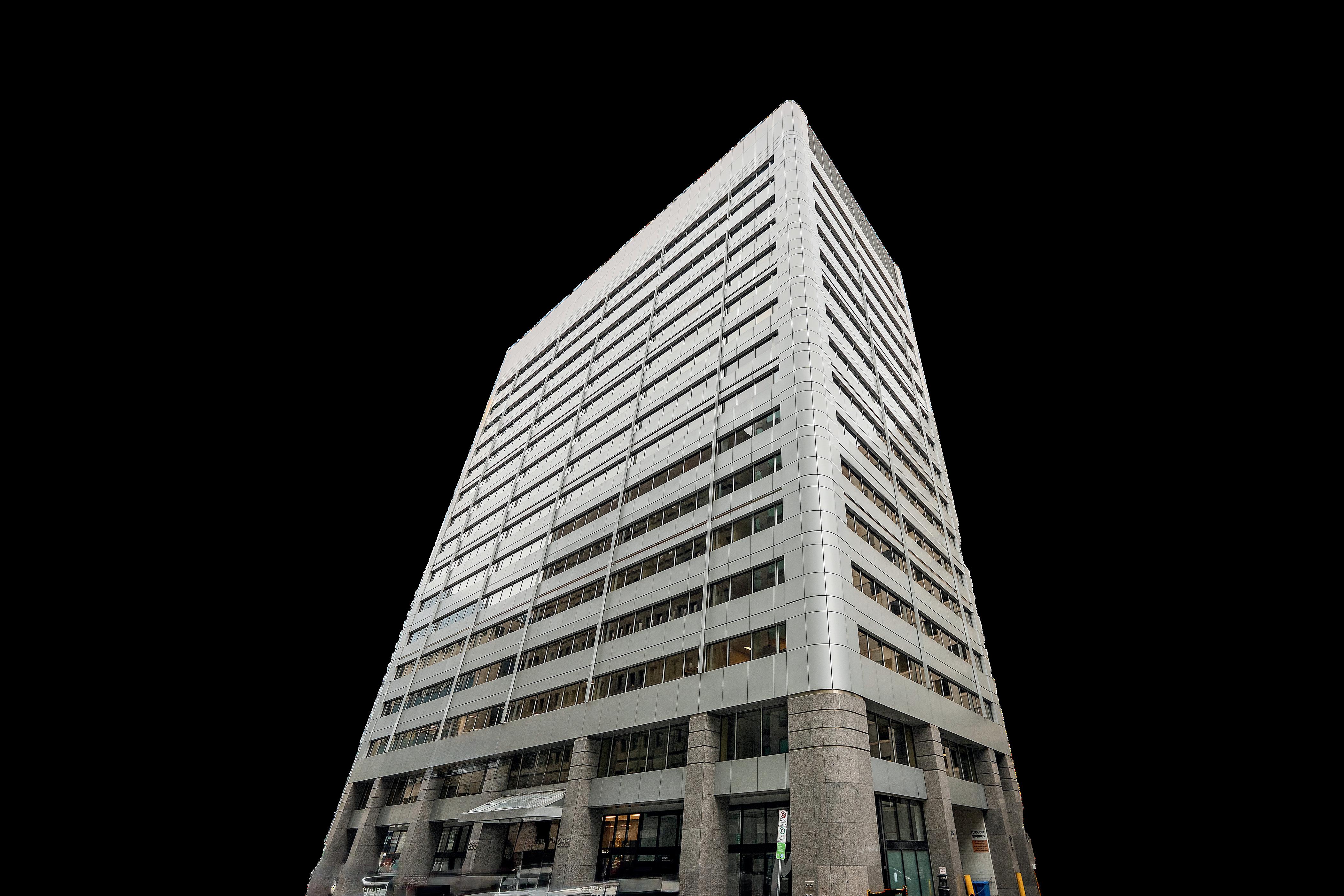
255 Albert
255 Albert Street
Ottawa Ontario K1P 6A9
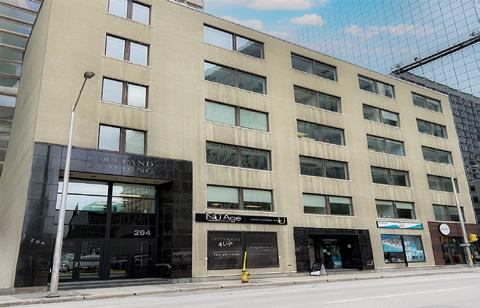
294 Albert
294 Albert Street
Ottawa Ontario K1P 5P3
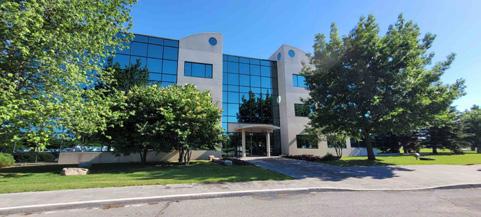
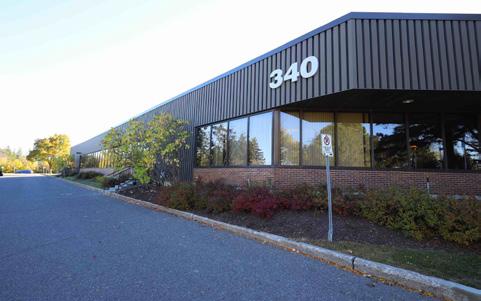
Constitution Square Tower III
340 Albert Street
Ottawa Ontario K1R 7Y6
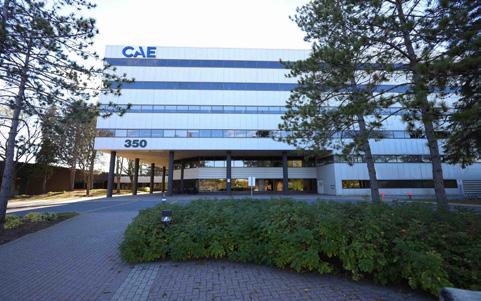
Constitution Square Tower II
350 Albert Street
Ottawa Ontario K1R 1A4
Constitution Square Tower I
360 Albert Street
Ottawa Ontario K1R 7X7
Block 207
6 Booth Street
Ottawa Ontario K1R 6K8
Mike Shore, Jen Arbuckle reception@metcalferealty com
613-563-4442
Metcalfe Realty Company Ltd. metcalfe.ca
Mike Shore, Jen Arbuckle reception@metcalferealty com
The mission of BOMA Ottawa is to represent the interests of commercial real estate owners and managers, by being the voice of the real estate industry in the National Capital area, through advocacy, promoting the highest industry standards, and educational development, and by fostering business relationships amongst its members and within the community it operates.
The building industry worldwide is actively looking for ways to do its part in addressing concerns about conserving the earth’s resources. Governments are examining issues surrounding use of energy, waste management and the generation of pollutants with increasing urgency. Changes in law are constantly evolving and the building industry has a choice: to be a leader in developing its own plans to conserve scarce resources or possibly be forced to do so by unnecessary government interventions.
BOMA BEST® is a national green building certification program launched in 2005 to address an industry need for realistic standards for energy and environmental performance of existing buildings based on accurate, independently verified information. Commercial buildings that are BOMA BEST® certified will have a distinct advantage when it comes to attracting and retaining tenants. In most cases, it also costs less to operate and maintain the buildings due to increase in overall building efficiency.
RDCLUBHUNT
VANIER PKWY
1870 Alta Vista Drive
1870 Alta Vista Drive
OttawaOntarioK1G 6R7
Kilborn Medical Centre 1385 Bank Street
OttawaOntarioK1H 8N4
Belfast Business Centre 720-740 Belfast OttawaOntarioK1G 0Z5
Marco Vocisano mvocisano@bonabuilding.ca 613-745-9122
BONA Properties bonaproperties com
Mike Shore, Jen Arbuckle reception@metcalferealty com 613-563-4442
Metcalfe Realty Company Ltd. metcalfe ca
BOMA BEST® is a national green building certification program launched in 2005 to address an industry need for realistic standards for energy and environmental performance of existing buildings based on accurate, independently verified information. Commercial buildings that are BOMA BEST® certified will have a distinct advantage when it comes to attracting and retaining tenants. In most cases, it also costs less to operate and maintain the buildings due to increase in overall building efficiency.
Renovated: WND
Storeys: 1
Total Sq. Ft.: 64,385
Typical Floor: 64,385
Renovated: 1990 Storeys: 5
Total Sq. Ft.: 43,781
Typical Floor: 8,262
Built: 2011
Renovated: WND Storeys: 1
Total Sq. Ft.: 20,141
Typical Floor: 2,000
Built: 1974
Renovated: WND
Storeys: 1
Total Sq. Ft.: 32,082
Typical Floor: 32,082
Built: 1976
Renovated: WND
Storeys: 1
Total Sq. Ft.: 44,655
Built: 1968
Renovated: 2006 Storeys: 17 Total Sq. Ft.: 261,000
BOMA’s many volunteers play an important role in building strong partnerships with local, provincial and federal government members and staff.
Committee members identify and act on crucial issues that will impact BOMA members, the commercial real estate industry and the business community at large. We serve as a powerful and influential voice in government affairs on legislative issues impacting the commercial building industry.
BOMA monitors and maintains open dialogue with municipal, provincial and federal governments and works to identify, promote and, when necessary, resolve issues affecting BOMA and its members.
EPIC Realty Partners (Ottawa) Inc. epicinvestmentservices.com
Andrew Eberhard aeberhard@jre ca 613-709-0263
Jennings Real Estate Corporation jre.ca
Built: 1998
Renovated:WND Storeys: 5
Total Sq. Ft.: 113,763
Typical Floor: 24,000
Built: 2001
Renovated:WND Storeys: 5
Total Sq. Ft.: 64,029
Typical Floor: 13,200
Built: 1989
Renovated:WND Storeys: 3
Total Sq. Ft.: 18,935
Typical Floor: 6,311
Built: 1988
Renovated:WND
Storeys: 2
Total Sq. Ft.: 28,525
Built: 1990
Renovated: 2023
Storeys: 6
Sq. Ft.: 94,473
Floor: 15,745
Built: 2020
Renovated:WND
Storeys: 2
Total Sq. Ft.: 42,090
Built: 2006
Renovated: 2020
Storeys: 3
Total Sq. Ft.: 52,370
BOMA members include those who own, manage, service or support in excess of 60 million square feet of commercial, office, retail, industrial and institutional property in the region. BOMA Ottawa is one of the National Capital Region’s most active and effective business associations.
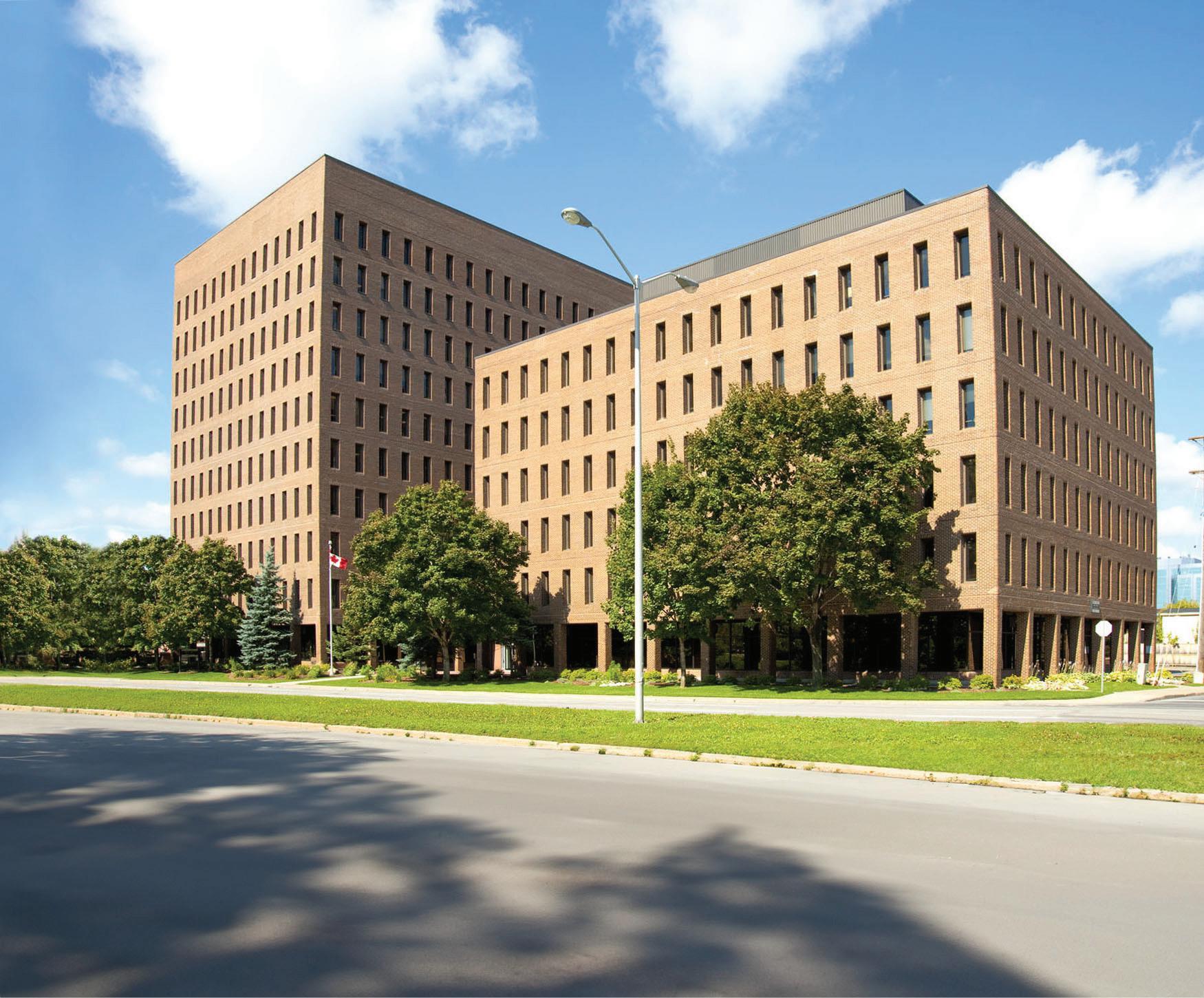
M.J. Nadon Government of Canada Building M9
73 Leikin Drive
OttawaOntarioK1A 0R2
M.J. Nadon Government of Canada Building M1
73 Leikin Drive
NepeanOntarioK1A 0R2
M.J. Nadon Government of Canada Building M10
73 Leikin Drive
NepeanOntarioK1A 0R2
M.J. Nadon Government of Canada Building M2
73 Leikin Drive
NepeanOntarioK1A 0R2
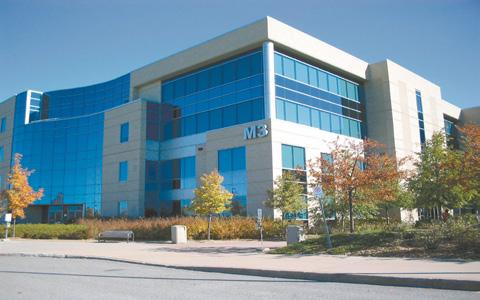
M.J. Nadon Government of Canada Building M3
73 Leikin Drive
NepeanOntarioK1A 0R2
M.J. Nadon Government of Canada Building M4
73 Leikin Drive
NepeanOntarioK1A 0R2
M.J. Nadon Government of Canada Building M5
73 Leikin Drive
NepeanOntarioK1A 0R2
JoyceLi
JLi@minto.com
613-786-7941
Minto Properties minto.com
JoyceLi
JLi@minto.com
613-786-7941
Minto Properties Inc. minto.com
JoyceLi
JLi@minto.com
613-786-7941
Minto Properties Inc. minto.com
JoyceLi
JLi@minto.com
613-786-7941
Minto Properties Inc. minto.com
JoyceLi
JLi@minto.com
613-786-7941
Minto Properties Inc. minto.com
JoyceLi
JLi@minto.com
613-786-7941
Minto Properties Inc. minto.com
JoyceLi
JLi@minto.com
613-786-7941
Minto Properties Inc. minto.com
Built: 2020
Renovated: 2020
Storeys: 2
Total Sq. Ft.: 30,461
Built: 1999
Renovated: 2010
Storeys: 5
Total Sq. Ft.: 217,158
Typical Floor: 43,500
Built: 2017
Renovated:WND
Storeys: 1
Total Sq. Ft.: 5,715
Built: 1999
Renovated: 2010
Storeys: 3
Total Sq. Ft.: 26,565
Typical Floor: 8,855
Built: 1999
Renovated: 2012
Storeys: 5
Total Sq. Ft.: 206,326
Floor: 51,582
Built: 1997
Renovated: 2010
Storeys: 4
Total Sq. Ft.: 67,391 Typical Floor: 16,848
Built: 1997
Renovated: 2010
Storeys: 4
Total Sq. Ft.: 177,760
Typical Floor: 44,400
The commercial real estate industry is vital as both the physical and economic foundation of Ottawa’s economy. As the voice of this industry, BOMA Ottawa is the recognized advocate of building owners and managers in supporting their goals as professional and socially responsible businesses. These goals are achieved through Education, Standards, Networking and Advocacy.
Brookfield Global Integrated Solutions brookfieldgis.com
Built: 2015
Renovated:WND Storeys: 5
Total Sq. Ft.: 134,000
Typical Floor: 22,000
Built: 1970
Renovated: 2005 Storeys: 15
Total Sq. Ft.: 222,600
Typical Floor: 15,110
Built: 1989
Renovated: 2012 Storeys: 2
Total Sq. Ft.: 150,000
Built: 2014
Renovated:WND Storeys: 14
Total Sq. Ft.: 433,370 Typical Floor: 32,900
Built: 1973
Renovated:WND Storeys: 24
Total Sq. Ft.: 1,150,868
Typical Floor: 15,064
BOMA regularly publishes articles and holds seminars on issues of importance as well as identifying Best Practices created and adopted by the commercial real estate industry through the BOMA educational program. In addition to this, through private sector partnerships, we support and promote alternative courses and programs of interest to the industry in general. BOMA Ottawa is the best source of educational programming for the industry, offering a variety of timely, relevant courses and seminars. We also support the industry’s leading professional designations, RPA® and FMA®, offered by BOMI through classes and study groups.
GOVERNMENT BUILDINGS
OTTAWA, ON
GATINEAU, QC
INDUSTRIAL SPACES
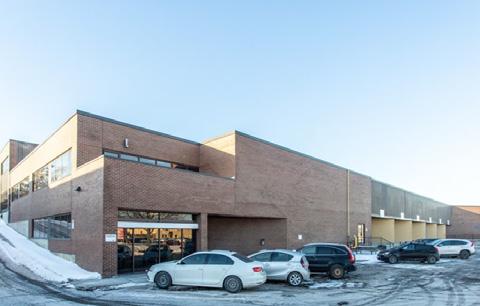
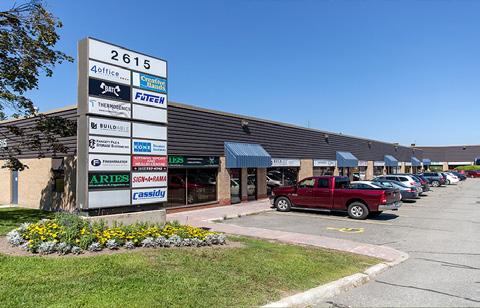
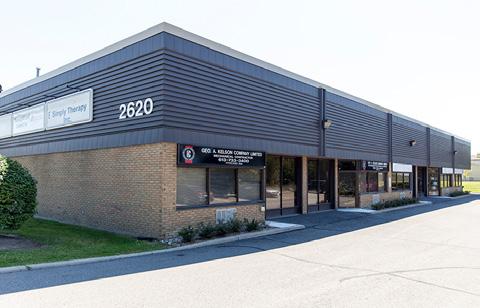
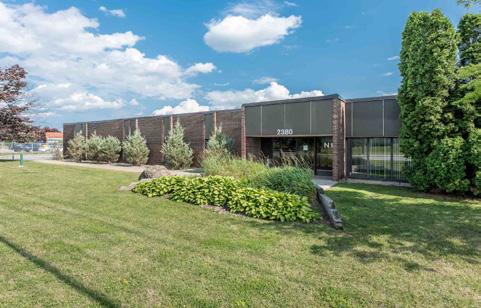
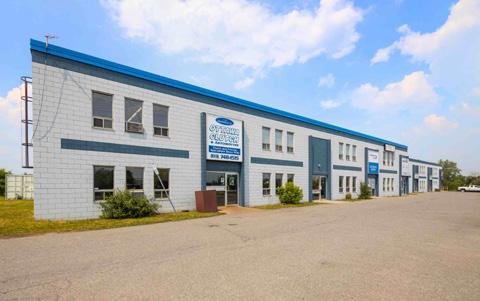
BOMA Ottawa would like to thank CB Richard Ellis for providing and compiling all the data that make up the Industrial listings.
Survey Criteria
Buildings included in the BOMA Ottawa Industrial Space Directory met each of the following criteria:
• Located within the municpal boundaries of the City of Ottawa
• Comprise a total building area of approximately 30,000 square feet or more, of which more than 50% is designed for industrial usage
• Privately owned with industrial premises currently leased or available for lease
KANATA, WEST CARLETON, GOULBOURN 1
OTTAWA CENTRE 3
EAST-WEST MERIVALE, COLONNADE, RIDEAU HEIGHTS 4
SOUTH WALKLEY, OTTAWA BUSINESS PARK, OTTAWA SOUTH, STEVENAGE-BELGREEN, SOUTH GLOUCESTER