THE SOURCE
defending the roadless rule

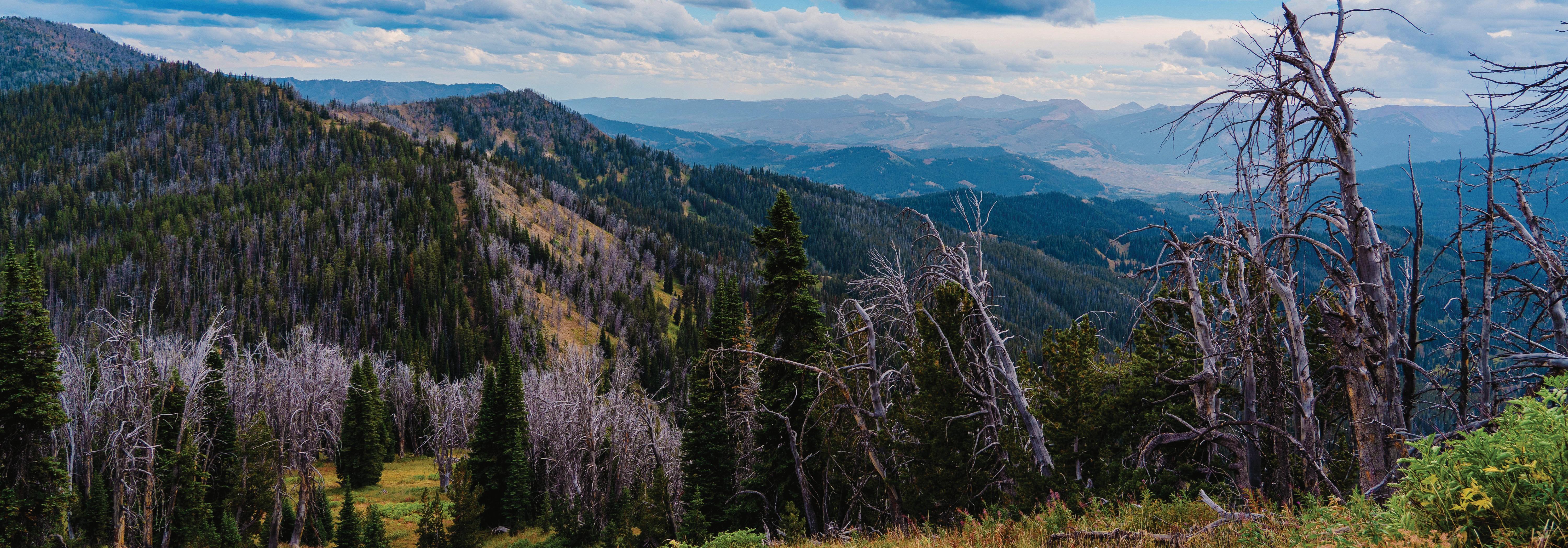
Our public lands have faced a slew of attacks over the past several months, with some of the wildest, most pristine forests in the Greater Yellowstone Ecosystem at risk. One of the biggest threats we face is the rollback of the popular and longstanding Roadless Rule.
The Roadless Area Conservation Rule, often known as the Roadless Rule, prohibits new road construction, expanding existing roads, and timber harvesting in nearly 60 million acres of inventoried roadless areas on national forest land across the United States.
It’s one of the greatest protections in place to ensure large swaths of land remain remote and wide open, giving species like grizzly bears the crucial habitat they need to thrive and ensuring drinking and irrigation water remains clean and healthy.
Right now, the U.S. Department of Agriculture (USDA) is proposing a rollback of the Roadless Rule and removing these important protections with little public input. GYC is demanding that the
USDA host in-person meetings in Montana, Wyoming, and across the country to allow Americans to express their opposition.
When the Roadless Rule was adopted in 2001, it followed one of the most robust public engagement processes in U.S. history. Over nearly four years, the federal government hosted more than 600 public meetings across the country and received a record-setting 1.6 million public comments—an overwhelming majority of which were in support of protecting roadless forests.
In stark contrast, the USDA initiated the current rescission process in August 2025 with a 21-day comment period and no public meetings. This is unacceptable when our beloved public lands and iconic wildlife are at stake.
Beyond the wildlife and water protections the Roadless Rule offers, there are countless other reasons why it should remain as it is. The U.S. Forest Service already manages a 380,000-mile network of roads that contain billions of dollars in
deferred maintenance. Building new roads in remote forest areas would deepen this backlog and further burden taxpayers.
Research shows wildfires are four times more likely to start in areas with roads than in roadless forests. More than 90 percent of U.S. wildfires ignite within a half mile of a road. Weakening roadless protections would increase ignition risk, threatening nearby communities, firefighters, and public safety.
Protected forests support world-class hunting, fishing, hiking, and camping. Outdoor recreation generates nearly $6 billion annually in Montana and Wyoming. Nationally, roadless areas safeguard tens of thousands of miles of trails.
Please take action today and tell the USDA to host public meetings at lovegyc.org/roadlessrule or via the QR code.
We need as many voices as possible to help keep the Roadless Rule intact.
Thank you for your support!
Photo
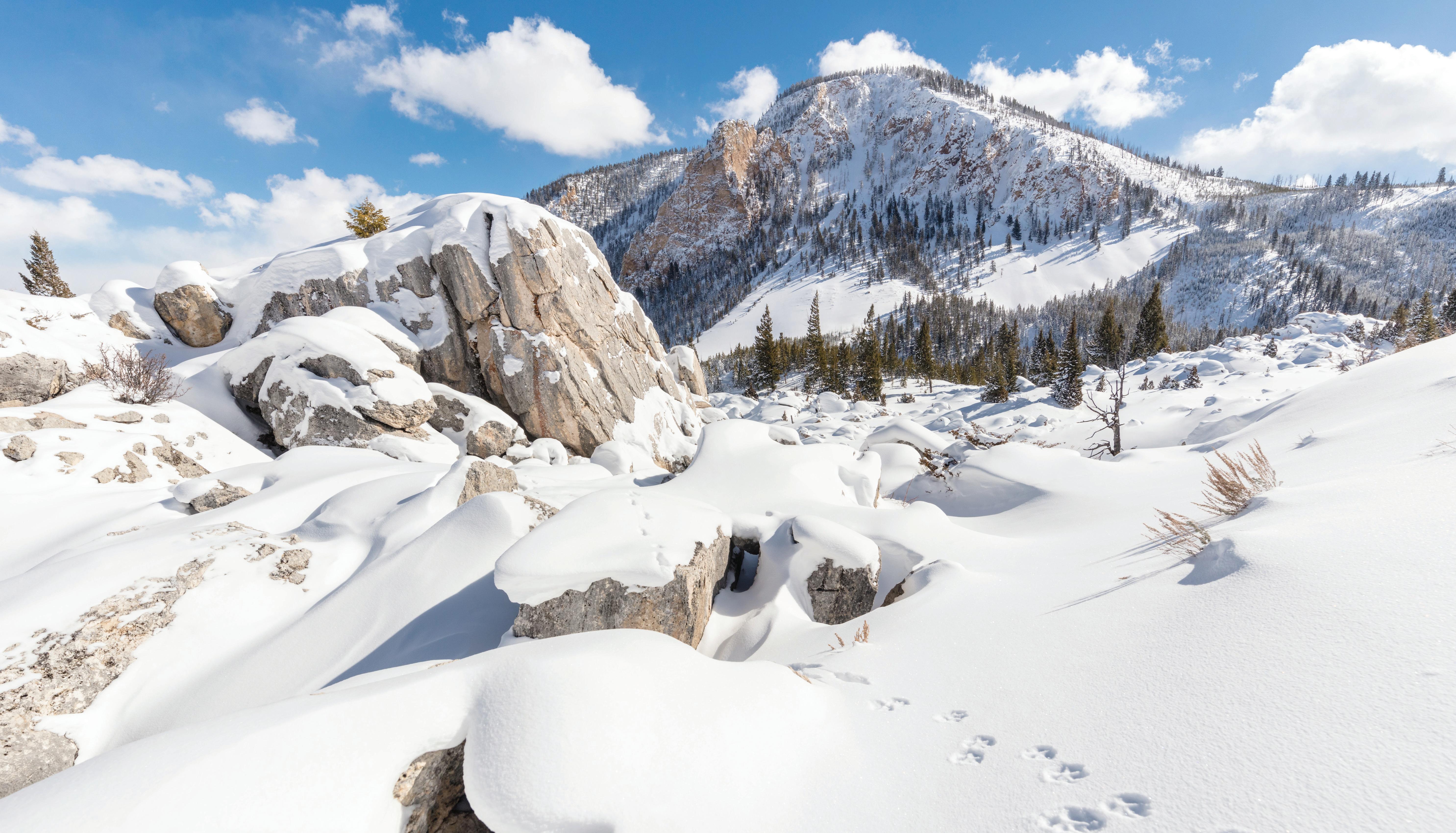
If you live in the Greater Yellowstone Ecosystem or have visited this winter, you’ve probably noticed that something is missing: snow. It’s been a notably warm, low-snow season, and while a single winter doesn’t tell the whole story, it reflects a broader trend unfolding across the American West.
Cold, clean water is the lifeblood of this ecosystem, supporting iconic fish and wildlife, thriving communities, and robust recreation and agricultural economies. Historically, 70 to 80 percent of the West’s water supply has come from mountain snowpack.
Across Greater Yellowstone, a growing share of winter precipitation is falling as rain instead of snow—a shift scientists widely attribute to a changing climate. That distinction matters.
Snow that accumulates in the mountains acts as a slow-release reservoir, melting gradually through spring and summer to sustain rivers, wetlands, and groundwater when water is needed most. Rain behaves differently than snow. It moves quickly through the landscape rather than storing
for later use. Warmer storms can also accelerate snowmelt, depleting the snowpack earlier in the year.
The result is less cold water available during the hottest, driest months—when ecosystems, agriculture, and communities are under the greatest stress. Streams warm, habitat for native fish shrinks, and in extreme cases, waterways may stop flowing altogether during the driest parts of the year. Unfortunately, we can’t just make it snow.
But we can take action to prepare for a warmer, drier future by protecting and restoring the lands and waters that help buffer these changes.
This work—often called climate resiliency—focuses not on reversing climate change, but on helping ecosystems adapt so they can continue to function despite ongoing impacts.
With your support, the Greater Yellowstone Coalition is:
h Working to restore the ecological and cultural integrity of the Big Wind
River on the Wind River Indian Reservation in Wyoming.
h Implementing a climate adaptation and restoration project at Crowheart Warm Springs on the Wind River Indian Reservation.
h Advocating for durable river protections with new Wild and Scenic River designations, safeguarding iconic streams in Montana.
h Partnering with state agencies and conservation partners to identify, protect, and re-establish critical habitat for Yellowstone cutthroat trout.
h Working on policy to reintroduce beavers on appropriate lands for habitat restoration along rivers, creeks, and wetlands.
To learn more about our work enhancing climate resiliency across the ecosystem, head over to lovegyc.org/waters or by scanning the QR code.
PREPARING FOR A WARMER, DRIER FUTURE WITH CLIMATE RESILIENCY


virtual fence: A new innovation for habitat connectivity
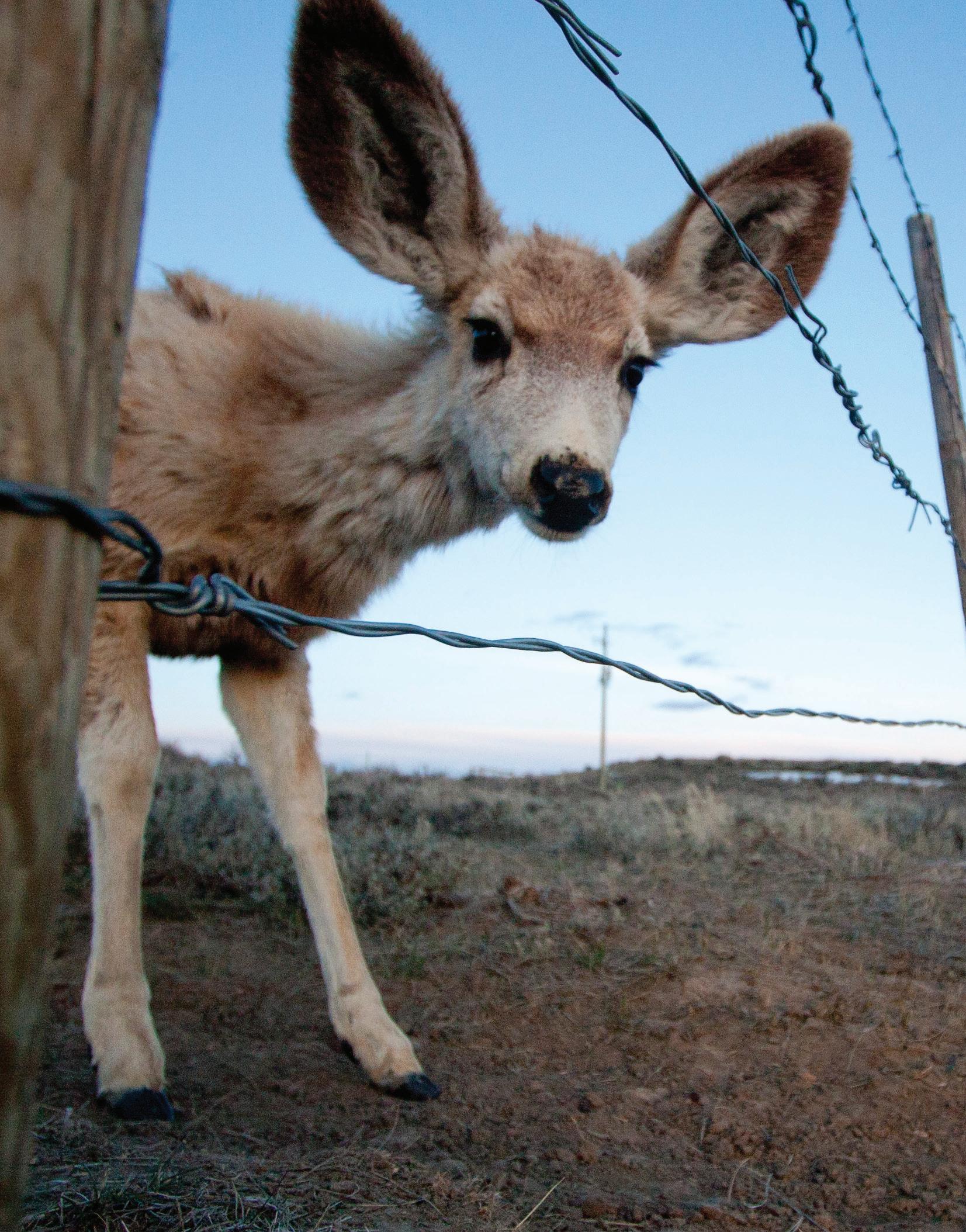
What if there were no fences in the Greater Yellowstone Ecosystem and wildlife were able to move freely and unencumbered by barbed wire?
A lofty vision, but small steps are being taken to reduce the need for physical fences to contain livestock in certain areas. Enter: Virtual fencing.
Virtual fence is an emerging technology with the potential to transform livestock management and wildlife conservation across the Greater Yellowstone Ecosystem.
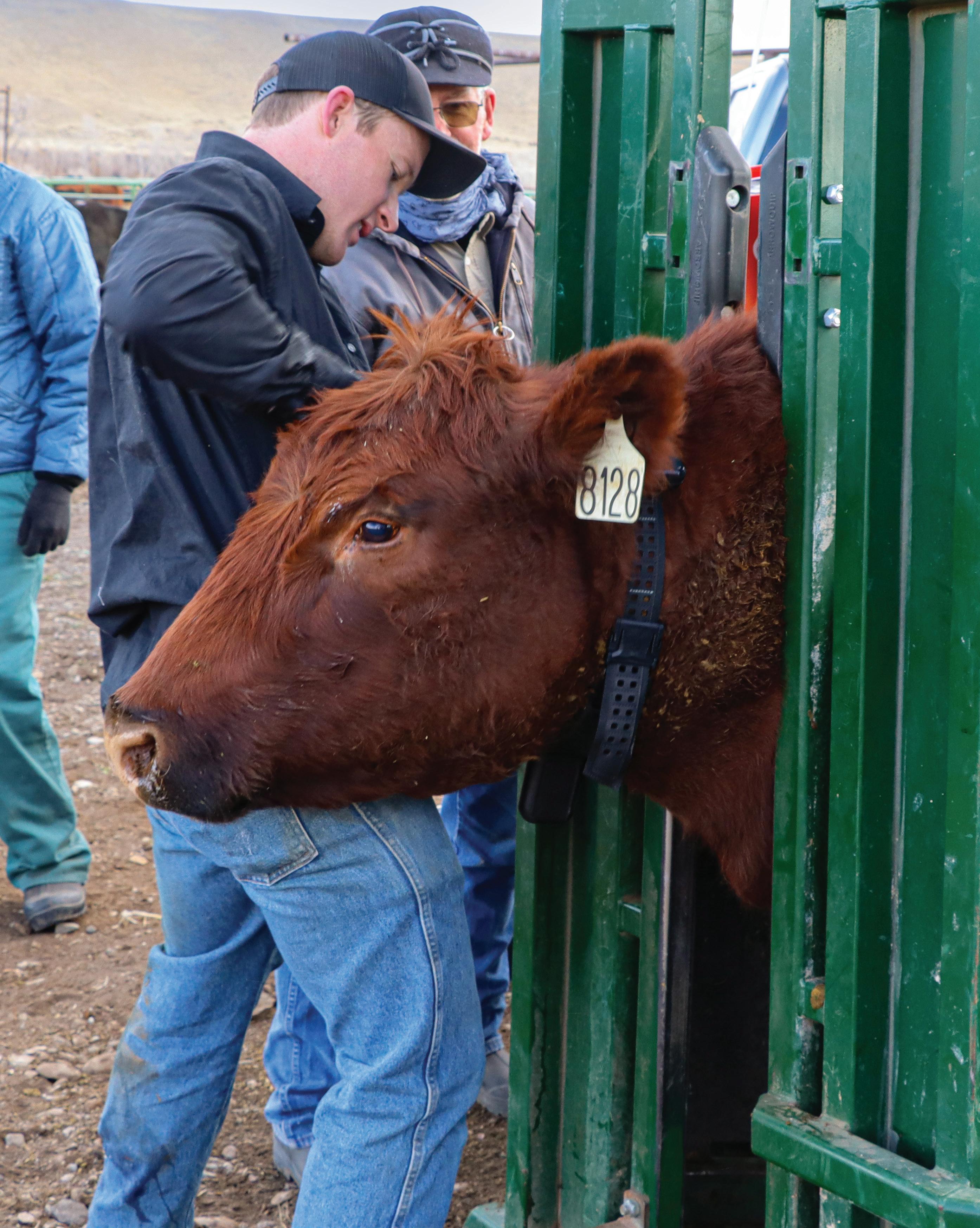
This technology allows livestock producers to precisely manage grazing using GPSenabled collars and invisible boundaries, eliminating the need for barbed wire and other physical barriers problematic for wildlife migration. Producers can track livestock locations in real time and adjust grazing areas remotely with an app, saving time and ultimately reducing labor and infrastructure costs.
The collars emit auditory and, if necessary,
electrical cues as animals approach a boundary set by producers. Over time, livestock learn to respond to these cues through classical conditioning, allowing producers to manage grazing flexibly without permanent infrastructure creating a barrier on the land.
The vast public and private lands that make up Greater Yellowstone are crisscrossed with an estimated 16,000 miles of physical fencing in elk range. Replacing traditional fences with virtual fencing can improve livestock management while restoring habitat connectivity for wildlife.
To support adoption of this innovative tool, the Greater Yellowstone Coalition has released a new Virtual Fence Resource Guide that consolidates information on funding opportunities, use cases, and virtual fence vendors.
We’re sharing this resource with ranchers across the ecosystem with the aim of slowly chipping away at wildlife unfriendly fencing.
Cost remains one of the biggest barriers to adopting virtual fence technology. The guide we’ve created is intended to help overcome that hurdle by bringing together a robust list of funding opportunities and practical resources in one place.
The Greater Yellowstone Coalition is committed to finding inventive solutions to wildlife migration and movement barriers to ensure habitat connectivity for countless species. Virtual fencing is just one of the effective tools in the toolbox, and we look forward to seeing it used across the ecosystem.
Want to learn more about virtual fencing? Check out our newest podcast episode with GYC staffer Erin Welty, who is leading the charge on our virtual fencing efforts at lovegyc.org/podcast or by scanning the QR code.
PhotoMarkGocke
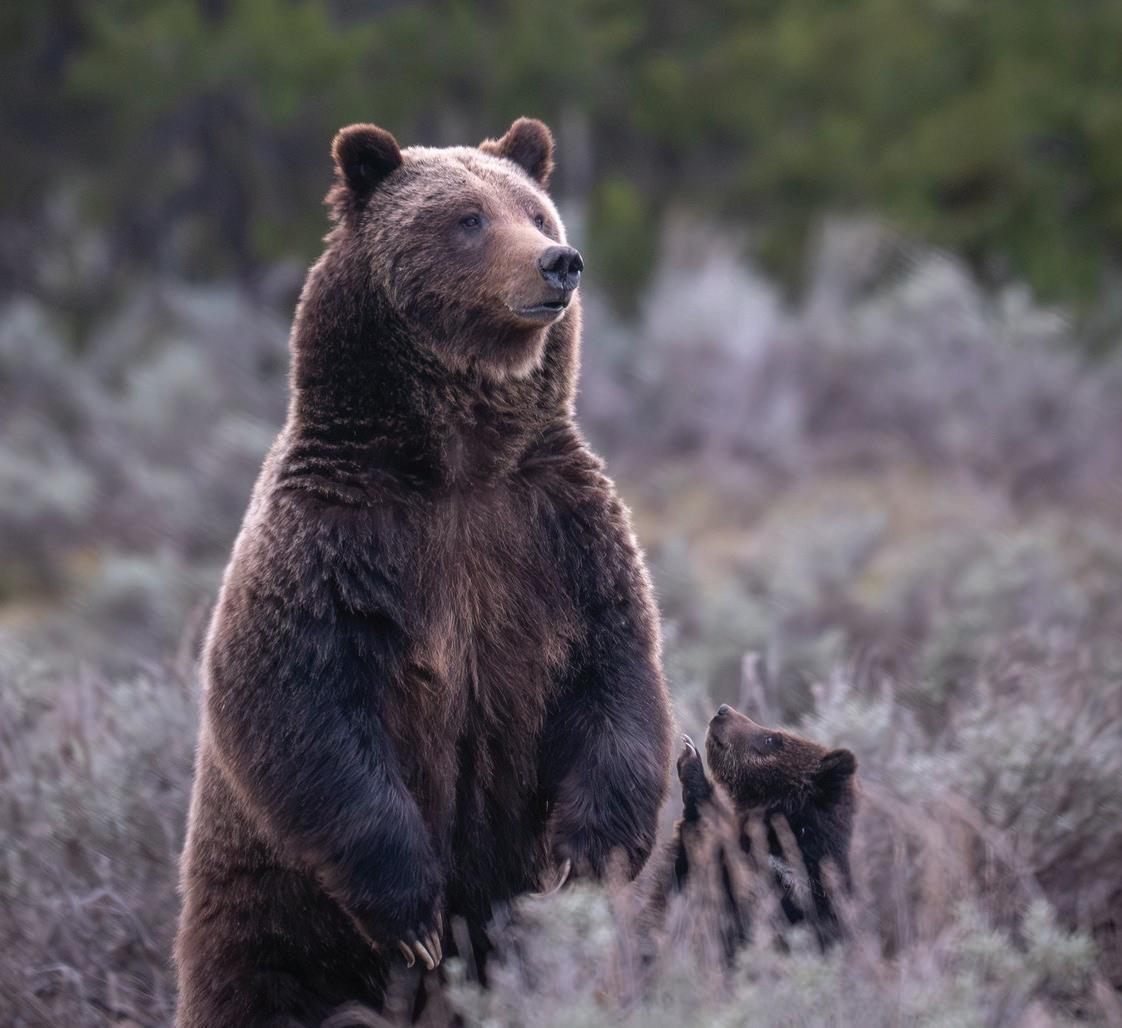
GRIZZLY BEAR DELISTING DECISION DELAYED BY UNITED STATES FISH AND WILDLIFE SERVICE
Grizzly bears will retain their Endangered Species Act protections, for now, after the U.S. Fish and Wildlife Service asked a federal judge in Idaho for more time to determine whether grizzlies in the Greater Yellowstone Ecosystem and across the Lower-48 will stay listed.
In the final days of the Biden Administration, the Service moved to keep protections in place, denying delisting petitions from Montana, Idaho, and Wyoming. That decision also created new opportunities for community-based management flexibility.
GYC will continue to track the policy maneuvers related to grizzly bears and we encourage you to sign up for our emails to receive updates.
MAKE
Want to take advantage of an efficient way to support the Greater Yellowstone Coalition’s crucial conservation work?
if you are 70.5 or older, you can give up to $55,000 per individual or $110,000 for a couple to a qualified charity such as GYC. These qualified charitable contributions (QCD) can potentially satisfy all or part of your annual required minimum distributions (RMD) from IRA accounts.
The primary tax benefit of a gift like this is that the QCD amount isn’t included in your taxable income! Plus, tax law no longer has an expiration date, so you can make annual gifts from your IRA to the Greater Yellowstone Coalition this year and every year.
Questions? Reach out to GYC Director of Development Faye Nelson at fnelson@greateryellowstone.org or 406-556-2810 to start a conversation or ask questions.
GYC SUPPORTS BEAVER MIMICRY STRUCTURES
Imitation is the sincerest form of flattery!
Beaver activity is so effective at restoring degraded waterways that building imitation beaver dams has become a successful conservation tool implemented by the Greater Yellowstone Coalition and partners. We recently employed this tactic on Sheridan Creek, a fire-affected tributary of the Wind River in Wyoming, to capture and slow postfire sediment, keeping it on-site instead of letting it wash downstream.
By mimicking the ecological benefits of natural beaver activity, we can enhance habitat for native cutthroat trout and improve the connection between the river and its floodplain!

BLOG - LATEST NEWS & UPDATES greateryellowstone.org/blog
EMAILS greateryellowstone.org/signup
ANNUAL REPORTS
greateryellowstone.org/financials
Reports are delivered twice a year to active donors
DONATE lovegyc.org/givetoday
PODCAST Voices of Greater Yellowstone
WEBINAR RECORDINGS greateryellowstone.org/webinars

THANK YOU for all you do to protect the wild heart of North America, now and for future generations.