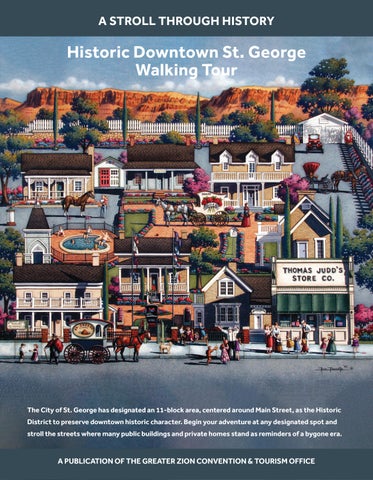
Historic Downtown St. George Walking Tour

The City of St. George has designated an 11-block area, centered around Main Street, as the Historic District to preserve downtown historic character. Begin your adventure at any designated spot and stroll the streets where many public buildings and private homes stand as reminders of a bygone era.
St. George Social Hall & Opera House
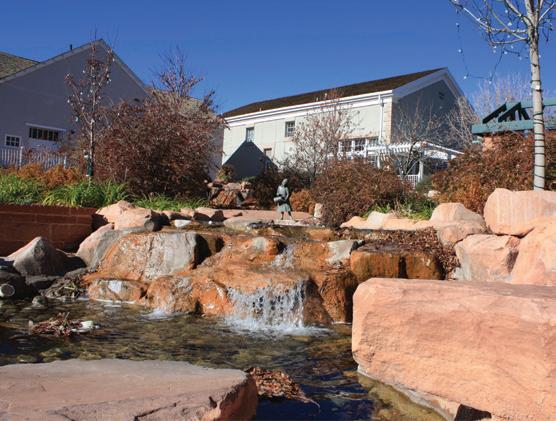
These buildings served as the cultural center of St. George from 1875 until 1935. A mechanical oor was built in the Opera House, which allowed the slope of the oor to be adjusted to provide for excellent views of the stage. The community would gather to enjoy local plays, touring performers, melodramas and musicals. The signi cance of the buildings was recognized by the community and restoration was completed in 1996.
St. George Art Museum
The building that now houses the Art Museum was at one time a warehouse used by the Utah-Idaho Sugar Company to store sugar beet seeds. During the restoration process, e orts were made to retain the original architectural details that capture the essence of pioneer times. The Art Museum is the crown jewel of the Historic District and is still in operation today. Check online for hours of operation.
Daughters of Utah Pioneers Museum
Built in 1938, this building was nanced by Mrs. Hortense McQuarrie for the express purpose of preserving pioneer relics of Washington County. The museum is maintained by the Daughters of Utah Pioneers. Free tours o ered throughout the week, check online for hours of operation.
(Pioneer) Old Courthouse
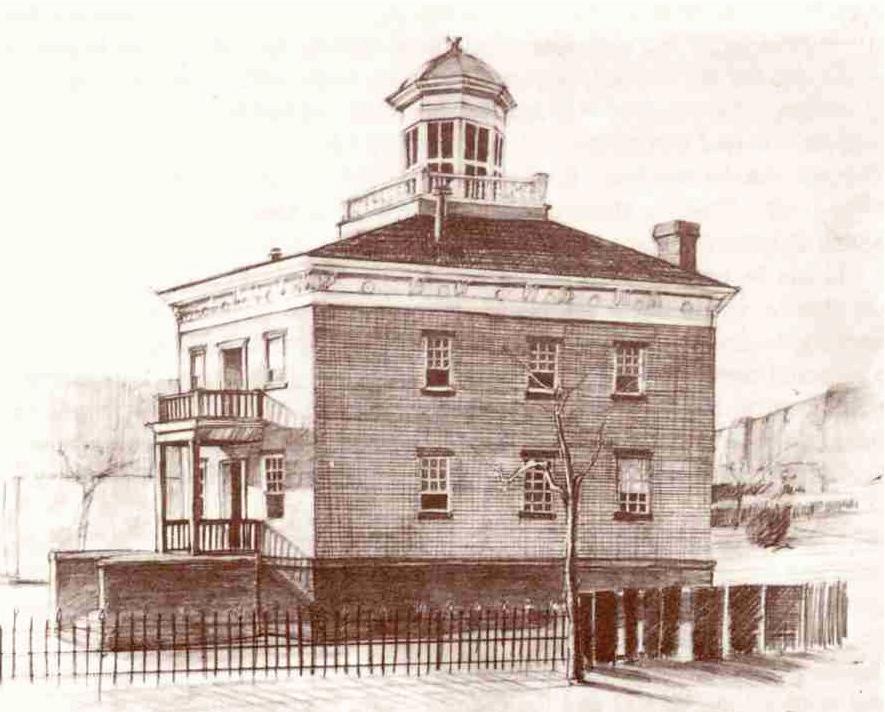
Construction of the courthouse began in 1866 and was completed in 1870. Constructed with local sandstone, the building has many interesting and unique architectural features, including 18-inch-thick interior doors, old chandeliers, a security vault,
exterior cornices and cupola. Serving many purposes, the building housed the jail in the basement, the county o ces on the rst oor, and the large room on the second oor served as a courtroom and a school room. This historic landmark is still in use, which is a testament of the skill and care used in its construction.
Old County News Building
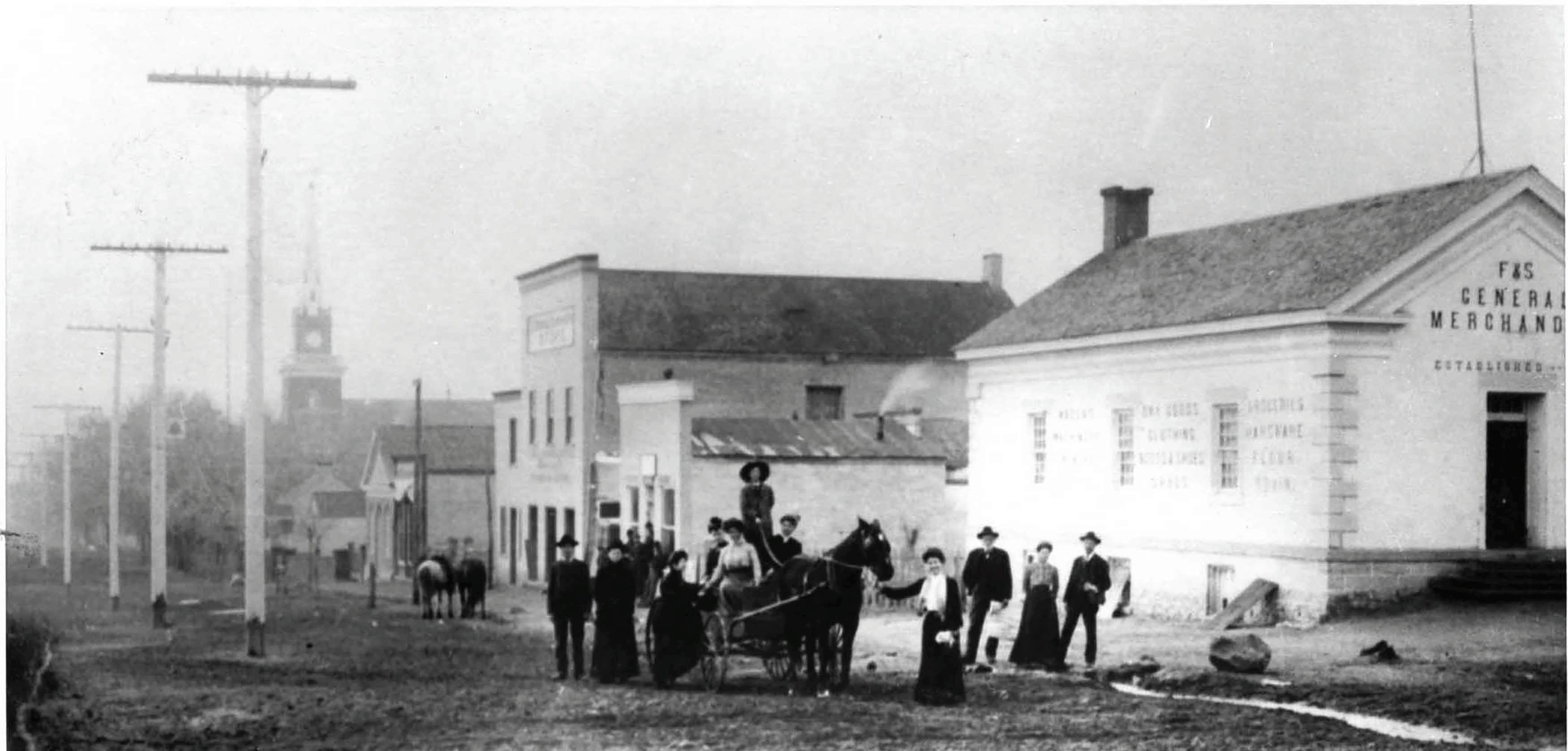
The building that housed the Washington County News was originally a saloon in Silver Reef in the 1880s. After the mining boom ended, the building was moved to its present location in St. George. The rst editor of the Washington County News was John Wallis, who printed the paper until 1900. The building has housed many other businesses since that time and is a reminder of the area’s Wild West days.
The Hardy House
Built in 1871 by Sheri Augustus Hardy, folklore tells the story that this house was slightly remodeled by a bullet during one Wild West incident where a group of vigilantes broke into the house, took the keys to the jail, removed an unpopular prisoner and promptly hung him. During the sequence of events, a stray bullet hit the door of the home. It Is more likely this happened at the Pioneer Courthouse.
Gardener’s Club Hall
Built in 1863 by the members of the Gardeners’ Club, this building served as a meeting place for horticulturists, as well as for social events. It is considered the oldest public building still in use in St. George. When the rst settlers came to St. George in 1861, Brigham Young instructed them to explore the region’s agricultural possibilities so that the colony might become self-su cient. The club staged displays of agricultural products, giving ribbons to the winners, in what must have been the early hints of the Washington County Fair.
Old Jail House
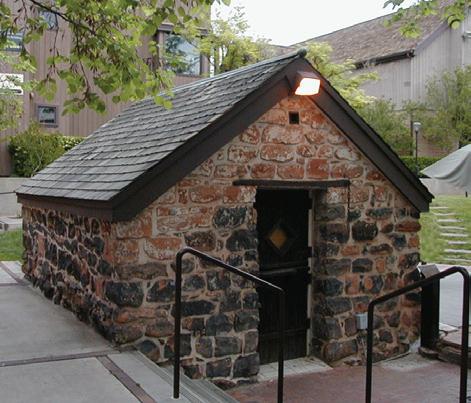
Another local tale is the history of this one-room building, built around 1880 by Sheri Hardy, and constructed from black lava rock hauled in from the foothills surrounding the city. It still retains the original iron bars in the windows and several bullet holes in some of the woodwork. Therefore, some say the building was used as a jail. Others say it was for storing grain.
Morris-Grundy House
While a smaller home built in 1890 once occupied the site of the Grundy House, the current home was built in 1901. Emma Packer Morris contracted to have the home built of adobe, then faced the exterior with red brick. The design is classic Victorian, with large panel windows and ornate wood trim. The home was passed on to Isadore Grundy, Mrs. Morris’ daughter, and has been known as the Grundy House since that time.
Gardner House
The rst ladies’ co-op was founded by Mary Ann Gardner, the third wife of Robert Gardner, rst mayor of St. George. Built in 1896, the home is a good representation of the Victorian style popular at the time. When the co-op disbanded, Mary Ann established a millinery shop here.
Brigham Young’s Winter Home
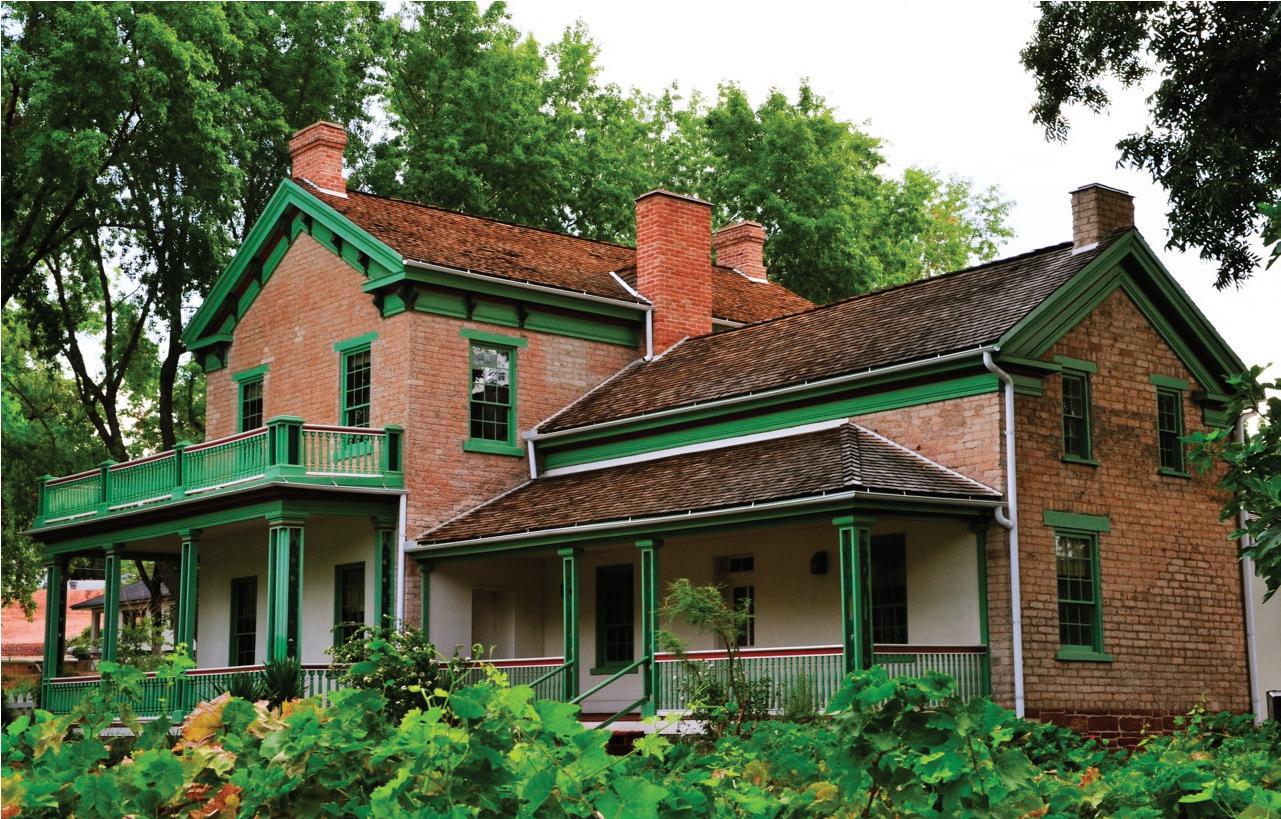
Brigham Young became St. George’s rst “snowbird,” leaving the cold of the North behind to spend the winters in the temperate climate of St. George. The original part of this home was built in 1869. Brigham Young purchased this home in 1872 and began remodeling it, doubling its size to more fully meet his needs. The front addition, which comprises the main part of the house, was completed in 1873. Made from adobe, plaster and local rock, the two-story home shows the ingenuity of pioneer builders. Rather than importing costly hardwood, carpenters painted the pine that was available with simulated woodgrains. Examples of this remarkable e ort can still be seen on some of the tables, oors, and windowsills in the home. Some of the original furniture, including pieces handmade by Brigham Young, are displayed in the home. Free tours o ered throughout the week. Check online for hours of operation.
Erastus Whitehead Home
This home was built in the early 1880s by George Whitehead for his younger brother, Erastus and Erastus’ wife Josephine. The home sits on a lava rock foundation and is built of handmade adobe blocks of straw,
clay and horsehair. Local legend has it the spirit of Lillian Whitehead, who died in the home at the age of six, still resides here.
George Whitehead Home
George Whitehead built this home in 1883. As his family expanded, so did the home. There are two staircases running in opposite directions with a common landing. Originally built without any plumbing, George ran a pipe from the irrigation ditch to a bathroom so the family could have (cold) baths inside. It was one of the rst two bathrooms in town. There was a porch on the west side where a 50-gallon can of water, wrapped with burlap to keep it cool, was kept.
Woolley-Foster Home
Built in the 1870s by Edwin G. Woolley, this home was one of the nest in St. George. The un nished attic is believed to have been used to hide polygamist fugitives from U.S. Marshals in the early history of the city. Credence was given to the story when the present owners, during a new bathroom installation, found a concealed door that opened from the outside and a hole in the ceiling directly over it. The home has survived many adaptations, including becoming a rest home, college dorm and care center before being saved from demolition by Colonel Elvin Maughn. Now restored and renovated, this beautiful Victorian had most recently served as a popular bed-and-breakfast.
Israel Ivins Home
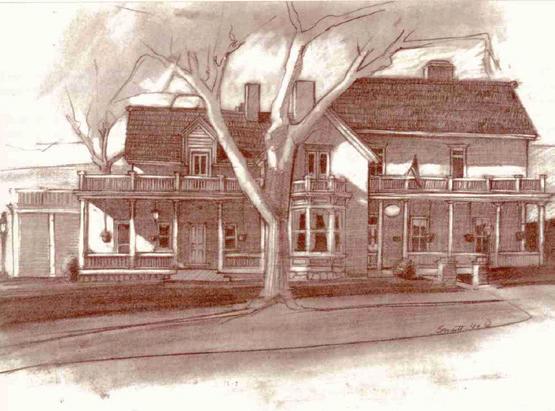
One of St. George’s rst practicing physicians, Dr. Ivins, built and lived in this home. A small shop at the rear of the home served as an apothecary shop where he dispensed remedies.
Anthony Ivins/Bessie Gardner Home
A prominent public gure, Anthony Ivins was mayor of St. George from 1890 to 1894, and built this home in 1875. Settlers had learned that the alkali in the soil would quickly dissolve foundations made of sandstone, so this house had a wide foundation and a basement of black basalt from the Black Ridge. The ground oor was stacked with double-thickness adobe and the original lumber and ooring are still in the northern and southern parts of the building, as are the square nails. In 1894, when he was called by the church to assist in a colonizing project in Mexico, he sold his home to Thomas Gardner. Upon Gardner’s passing, the home was bestowed to his son Wayne, and wife Bessie. In more than 100 years, the house has been owned by just two families.
Moses Andrus Home
The rock foundation of this home was built by Moses Andrus, then left to “cure” for a year before nishing the home. It is believed that this is the reason there have never been any cracks in the foundation.
Main Street
Many of the buildings on Main Street have historical signi cance. The building at 17 North Main was once the Bishop’s Storehouse and was built in 1887. At the southeast corner of the street, a memorial plaza sits where Erastus Snow’s “Big House” once stood. Walk the plaza and read the many plaques mounted on sandstone that contain more historical details on the buildings in the Historic District.
Judd’s Store
Judd's Store is the oldest ongoing business establishment in St. George and the oldest general store in Utah. The store was originally built by Richard Bentley and sold to the Judd family in 1911. The family converted the store to a general mercantile and sweet shop. Still open for business, visitors can enjoy lunch, old-fashioned candy and ice cream in the nostalgic setting.
Green Gate Village
The Green Gate Village is a unique collection of eight pioneer and early Victorian St. George homes (circa 1862-1881), some of which are on the National Register of Historic Places. Self-guided tours of the grounds are available daily.
B.F. Pendleton Home
Benjamin F. Pendleton, the community blacksmith, built this house from his own adobe blocks. Since he only possessed three molds, he laboriously made, dried and stacked the bricks three at a time. The home was eventually completed by his son using the same technique.
Woodward School
During the 1870s and 1880s, over ow from the city’s existing schoolhouses began spilling into other buildings creating a demand to expand the school buildings by the 1890s. In 1898, construction on Woodward School began. The school was named after George Woodward, a childless resident who donated a substantial sum of money for the hardware and glass. The elementary school is a two-story structure built of locally quarried stone with a black, volcanic rock foundation.
St. George Tabernacle
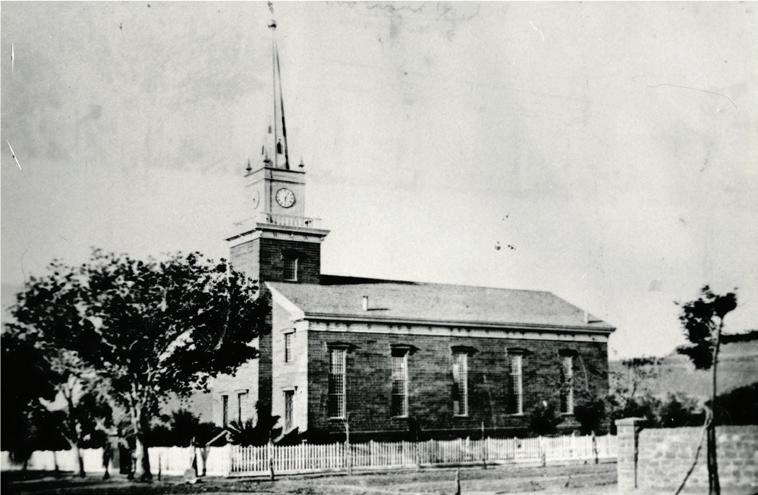
Under construction for 13 years prior to completion, the building is constructed on three-foot-thick, limestone basement walls with hand-quarried sandstone walls that still show the individual chisel marks made by craftsmen. The 52-foot trusses were cut and hand-hewn in Pine Valley, then hauled into town on wagons. The twin spiral staircases were meticulously hand-carved, complete with balustrades and railing. The clock was made in London, and shipped to St. George via New York. The Tabernacle is still used for meetings and concerts. Free tours o ered throughout the week. Check online for hours of operation.
111 E. Tabernacle St. St. George, UT 84470
Electric Theater
The Electric Theater opened in St. George in 1911. The walls are three-foot-thick adobe, and it was the rst air-conditioned building in the city. R. M. Reber purchased the Electric Theatre in 1930 for $10,000. The building was completely renovated in 1991 by R. M. Reber and it became a popular movie theater until 1999. Still in operation, the building has become a venue for live performances, meetings and lm festivals. Many of adjacent buildings date back to the late 1800s.
Historic Town Square
The historic Town Square occupies a corner of land known as the Parade Grounds. This is where soldiers returning from war were honored for their service. The most prominent feature of the square is the 45-foot Heritage Tower, which has four stained glass inserts depicting moments from the area’s history. The surrounding park has become a gathering place for visitors, events and races and showcases incredible Art Around the Corner exhibits.
St. George Art Center
The St. George Stake Academy was founded in 1888 and moved into this building in 1911. Although the school opened for classes in September of 1911, the windows were not yet set, and interior work was not completed until 1913. Both Dixie High School and Dixie College were housed here until the early 1960s when new campuses for both schools were built. The building now houses the St. George Children’s Museum and has space for meetings and events.
Greater Zion Visitor Center