
Home Builder Digital Trends Report

IntroductionGraphic Language is a dynamic web design and digital marketing agency that has carved a niche in the homebuilding industry. With a mission deeply rooted in innovation, we take pride in creating digital solutions that drive results. Our team of creative professionals is dedicated to designing engaging websites, executing strategic marketing campaigns, and providing a suite of services that enhance online visibility and sales for home builders.
We’re drawing on our experience in the homebuilding industry to share invaluable insights to help home builder marketers bolster their digital initiatives. Our goal is leverage our expertise and findings to help guide your digital strategy so you can turn prospects into buyers.
Contributors: Chris Ochs, Brea Buffaloe, Teana Halford
Copyright © 2026 by Graphic Language, Inc. All rights reserved. No part of this publication may be reproduced, distributed, or transmitted in any form or by any means without the prior written permission of Graphic Language, Inc.

Digital Marketing Strategies
Spring Training for Homebuilders: Your Q1 Digital Audit
IFor homebuilders, the first quarter of the year is just like spring training. It is the critical preparation period before the busy buying season officially begins. While buyers are just starting to think about their moves, teams behind the scenes are working hard to tighten processes, test systems, and ensure everything is ready to perform under pressure.
The challenge is that many builders head into the spring rush with websites, listings, and marketing assets that worked well last year. However, they often haven’t audited these tools to see if they align with how buyers search, browse, and engage right now. This is where a Q1 “digital audit” proves its value. Instead of chasing leads after demand spikes, smart builders use the first quarter to pressure-test their digital foundation. They remove friction before it costs them sales.
Below is a practical checklist to help ensure your digital presence is primed for the peak homebuying season.
1. Website Performance: Is Your Digital Front Door Ready?
Your website remains your most important sales tool. During the spring rush, it often serves as the first impression for hundreds, or even thousands, of prospective buyers. A website that is slow, clunky, or broken can turn potential customers away before you even know they were there.
Audit Page Speed and Load Times
Slow websites don’t just frustrate users; they also suppress search rankings and reduce lead conversions. You can run your website through free tools like Google PageSpeed Insights to identify areas for improvement. Focus on key elements such as image compression to reduce file sizes, script bloat that slows down processing, and overall hosting performance. Even shaving one second off your load time can have a measurable impact on user engagement.
Perfect the Mobile Experience
Most homebuyers are browsing communities, floor plans, and photo galleries on their phones. They might be searching while driving through neighborhoods or sitting in their car outside a model home. Your mobile website must be flawless. Check your tap targets to make sure buttons are easy to click. Test form usability to ensure lead capture is simple. Also, review the scroll behavior to ensure content flows logically. If your mobile site feels cramped or difficult to navigate, you are likely losing valuable leads.
Confirm Traffic Readiness
A spike in spring traffic can expose weaknesses in your hosting and infrastructure. Q1 is the ideal time to address these potential issues. Confirm your hosting plan can handle increased demand without slowing down. Check for broken pages, outdated redirects, or tracking issues that could interfere with the user journey. Finally, test all interactive elements, including forms, chat tools, and click-to-call functionality. Your website should feel effortless because buyers will not work hard to use it.
2. Asset Refresh: Show Buyers What’s New and Real
Today’s homebuyer journey starts online, often months before they are ready to speak with a sales consultant. They are researchers, using their smartphones to compare builders, explore communities, and disqualify options based solely on their digital experience. A redesign allows you to meet these buyers where they are.
Update Your Photography
New communities, new phases, or recently completed amenities deserve updated visuals. Consider scheduling photo shoots to capture exterior shots in better seasonal light. Update your lifestyle imagery to reflect current design trends and demographics. Showcase current streetscapes and amenities to give buyers a true sense of the community. Fresh photography signals momentum and builds credibility.
Enhance Virtual Tours and Interactive Tools
Virtual tours are no longer just a nice feature to have; they are essential. They help buyers pre-qualify themselves and arrive at your sales office further along in their decision-making process. During your audit, ask if your tours
accurately represent current plans. Are they easy to find on your website? Do they load quickly and function well on mobile devices? If you have virtual tours that are buried on your site or show outdated information, you are missing out on their full value.
Tell a Compelling Community Story
Beyond the homes themselves, buyers are evaluating the lifestyle. Make sure each community page on your website reflects the current amenities and nearby attractions. Use real imagery instead of stock photos or placeholders. Maintaining consistency across all your community pages reinforces trust in your brand and helps buyers envision their life there.
3. Google Business Profile: Your Overlooked Sales Tool
For many buyers, your Google Business Profile is the first place they interact with your brand, especially when searching for “new homes near me.” Despite its importance, this powerful tool is often neglected.
Ensure Accuracy Across All Communities
Inaccurate information creates friction at the exact moment a buyer is ready to visit. During your Q1 audit, confirm that the addresses and map pins for all your communities are correct. Double-check the phone numbers and, most importantly, the model home hours. Make sure to adjust for any seasonal changes or holidays.
Add Fresh Photos and Posts
Google’s algorithm favors active profiles. Regularly add updated community photography to showcase your properties. Use Google Posts to promote spring events, special incentives, or grand openings. This simple step improves your local search visibility and gives buyers a compelling reason to click through to your website.
Manage Reviews and Responses
Spring is a great time to focus on your online reputation. Reach out to recent, happy buyers and request reviews. Take the time to respond thoughtfully to all existing reviews, both positive and negative. Active review manage
4. Supporting Channels: Make Sure Everything Connects
Your website does not operate in a vacuum. Your Q1 audit should also include the systems that feed traffic to your site and capture leads from it. All your marketing channels should work together seamlessly.
Prepare Your Email Marketing
Before you launch your spring campaigns, take time to clean and segment your email lists for better targeting. Refresh your email templates and calls-to-action to align with your new promotions. Ensure your messaging is consistent with what buyers will find on your website regarding current communities and incentives.
Verify Paid Media and Tracking
If you plan to increase your ad spend for the spring season, you must verify that your tracking is working correctly. Check that your conversion tracking is set up properly and that all pixels and analytics are firing as expected. Make sure your landing pages align with your ad copy and current offers. Spending more on advertising will not help if your tracking is broken.
Plan Your Content Calendar
Use the relative quiet of Q1 to map out your content for the second quarter. Brainstorm blog topics that align with spring buyer intent, such as financing tips or moving checklists. Plan community spotlights to highlight specific properties. Develop educational content that answers the common questions of early-stage buyers. Planning now prevents rushed, less effective content later.
Spring Success is Built in Q1
The most successful spring selling seasons do not start in March or April. They start now, with teams that treat the first quarter as a crucial preparation window rather than a holding pattern. Auditing your digital ecosystem, including your website, assets, listings, and integrations, reduces friction during the busiest months. This creates a smoother path for customers from their first search to the final sale. This preparation is what separates homebuilders who merely keep up from those who pull ahead of the competition.

Data & Analytics Trends
Moving Beyond Static: Why Manual Data is Slowing Down Your
Winter is a key planning season for homebuyers. They spend weeks, sometimes months, scrolling online, comparing options, and picturing themselves in a new home long before visiting a model. This initial research phase is critical for builders. It’s your opportunity to turn a prospect’s interest into a solid lead, but friction can cause them to drop off completely.
A major source of that friction is static content that relies on manual data entry.
The Hidden Cost of Manual Updates
Many home builder websites still rely on teams to manually update lot availability, pricing, and Quick Move-In statuses. That same information then needs to be changed across various platforms: website pages, PDFs, interactive maps, and even digital ads. This process often leads to outdated information, inconsistencies, and delays that can cost you sales right when buyer interest is at its peak.
In the first quarter, speed and accuracy are crucial. If a potential buyer sees one price on your website and a different price on a community map, trust erodes instantly. Once that trust is lost during the research phase, it’s difficult to recover from.
The “Human Error” Factor
Manual data entry doesn’t just eat up your time; it creates a serious risk for your business.
When you handle updates by hand, small mistakes can lead to big problems. A simple typo, like a missed zero or an outdated status change, can lead to “price-mismatch fatigue.” This is where your sales team spends their valuable time apologizing for incorrect data instead of actually selling homes.
In some cases, a typo can even lead to legal or customer service headaches. Listing a home for $45,000 instead of $450,000 looks unprofessional and damages your credibility. These risks grow even faster during the busy spring season, but they are avoidable with the right integration.
How Integration Can Transform Your Process
Graphic Language specializes in bridging builder technology with design because a great digital experience should do more than look good; it should work seamlessly behind the scenes. With smartEDIT™ and robust data integrations, your inventory becomes a single, reliable source of truth that updates everything a buyer sees automatically.
Real-time lot availability and pricing can flow directly into:
• Community Site Maps
• Interactive Floorplans
• Community and inventory pages
• Search and digital ad campaigns
Instead of static visuals that require constant maintenance, you get dynamic tools that update automatically whenever your data changes.
A Single Source of Truth
Integration isn’t just for your website. It connects your entire digital presence to your back-office systems.
When your ERP or CRM communicates with your website through smartEDIT™, you create a single source of truth. A price change from your finance team automatically updates your interactive maps, printable flyers, inventory listings, and even Facebook ads. No more remembering to update a PDF or asking marketing to fix the website.
Everyone, from sales to marketing to leadership, works from the same, up-to-the-minute data.
Build Trust and Urgency in Real Time
When buyers can explore interactive floorplans and immediately see which lots are available at what price, it builds confidence. There’s no second-guessing and no need to “check back later.” The experience feels transparent, professional, and trustworthy.
Automation also creates urgency in a way static content never can. Imagine a prospect who has visited your website three times this week. On Thursday afternoon, they refresh the page and see a “Sale Pending” banner appear on their favorite lot because a sales agent just marked it in the system. That real-time visual cue creates genuine FOMO, the fear of missing out, that nudges hesitant buyers toward action.
One Update, Everywhere
The true power of integration is efficiency. A single update in your inventory system keeps your entire digital ecosystem aligned. That same update can also power seamless syndication, pushing accurate pricing, availability, floorplans, photos, and lot status to the places buyers and agents are already searching. From top listing directories like Zillow and Homes.com, to the MLS and other builder data destinations, your information stays consistent and current without manual uploads.
As we move into the spring selling season, builders who move beyond static content and manual syndication will have a clear advantage. They reduce internal workload, maintain data integrity across every touchpoint, present a more trustworthy brand, and meet buyers and agents where they are: online, informed, and ready to take the next step.
Improving SEO Through Consistency
There’s also a less visible benefit: search performance.
Search engines reward accuracy. When your data is consistent across platforms, like your Google Business Profile and inventory pages, it builds trust with both users and algorithms. Conversely, when buyers land on a page that lists homes as “Available” when they’re already sold, they bounce back to search results. That tells Google that your website is unreliable, which can hurt your rankings.
Consistency, accuracy, and low bounce rates all contribute to stronger SEO, and integration makes those outcomes far easier to achieve.
Improving SEO Through Consistency
Moving away from static content isn’t about replacing your team; it’s about freeing them up to do what they do best.
When your marketing manager isn’t tied up updating spreadsheets and PDFs, they can focus on strategy and building your brand. When your sales team isn’t caught up explaining pricing discrepancies, they can spend their time closing deals.
Automation takes the repetitive tasks off their plates, so your team can focus on high-value work that drives results. In a competitive market, that kind of focus can make all the difference.
Stop Managing Data and Start Selling Homes
In today’s fast-paced market, manual data entry is more than just a nuisance; it’s a barrier to growth. Every minute your team spends cross-referencing spreadsheets or fixing typos is a minute lost that could have been spent engaging with a potential buyer. By moving away from static content and embracing seamless integration, you eliminate the friction that causes leads to drop off and trust to erode.
As you prepare for the busy spring season, ask yourself: is your digital presence working for you, or against you? With a single source of truth powered by integration, you gain the consistency, accuracy, and speed required to turn online researchers into confident homeowners. Don’t let outdated data slow down your momentum. Streamline your process, empower your team, and ensure your brand is always ready for the next sale.

Content Marketing Strategies
New Year, New Home: Your Q1 Content Strategy
The start of a new year always signals a distinct shift in homebuyer behavior. Prospective buyers stop casually browsing listings and start actively researching, comparing, and planning their next big move. The first quarter is the critical window when initial interest solidifies, preferences take shape, and momentum builds toward a spring purchase decision.
For homebuilders, a successful Q1 content strategy must focus on three specific outcomes. You need to increase qualified traffic, improve conversion rates, and build a stronger pipeline ahead of the busy spring selling season. Achieving this requires content that meets buyers exactly where they are, adapts to modern search habits, and guides them naturally toward taking action.
Here is a guide to aligning your content strategy with buyer needs to win the spring market.
Content Themes That Match Buyer Behavior
Prioritize Lifestyle Content for Organic Discovery
Today’s homebuyers often choose where they want to live before they decide what kind of home they want to buy. Consequently, your Q1 content should lean heavily into lifestyle storytelling rather than just listing product features.
Focus on creating community spotlights, neighborhood guides, and detailed articles about commute times, local trails, amenities, and nearby schools. This type of content helps buyers picture their daily life in your community,
not just the floor plan’s square footage. Lifestyle-focused content also performs exceptionally well in organic search results because it aligns with how people naturally look for information. It engages prospects who are in the middle of their search and helps them narrow down their options effectively.
Optimize for AI and FAQ Searches
Search behavior continues to evolve rapidly. Your content needs to be structured for both traditional search engines and the new wave of AI-driven discovery tools. Well-organized FAQ pages, clear question-and-answer formatting, and topic clusters built around real buyer queries make your content easier to surface in AI overviews and conversational search tools.
Instead of burying answers across multiple pages, builders should prioritize clarity and structure. By organizing information logically, you help buyers find answers quickly while improving your overall visibility in search results.
Launch an Educational Series to Nurture Leads
Q1 is the ideal time to launch or refresh your evergreen educational content. Topics like “build vs. buy” or “new construction vs. resale,” step-by-step homebuying timelines, and clear explanations of financing options consistently attract early-stage buyers.
When you distribute these resources across blog posts, videos, email, and social media, they become long-term assets. This content nurtures prospects well beyond a single quarter. Educational material builds trust early in the process and ensures your brand stays top-of-mind as buyers move closer to making a final decision.
Visual and Multimedia Content that Boosts Engagement
Use Short-Form Video to Support Conversion
Short-form video remains one of the most effective ways to capture attention and drive engagement. In Q1, builders should focus on producing quick, authentic clips. These can spotlight neighborhoods, show progress on homes under construction, or offer brief walkthroughs of key features.
These videos perform well across both paid and organic channels. They help bridge the gap between initial inspiration and the decision to take action, encouraging potential buyers to reach out or schedule a visit.
Share Behind-the-Scenes and Human Stories
Buyers connect with people much more than they connect with polished marketing campaigns. Content that features sales agents answering common questions, new homeowners sharing their experiences, or day-in-the-life moments within a community adds authenticity.

These human stories build confidence and reduce friction. They help create an emotional connection during the consideration stage, making your brand feel more approachable and trustworthy.
Data-Driven Content that Improves Conversions
Move Buyers Forward with Interactive Tools
Interactive tools play a critical role in turning passive interest into active intent. Tools like mortgage calculators, cost estimators, virtual tours, and interactive floor plans allow buyers to explore options at their own pace. This keeps them engaged on your website for longer periods.
These tools do more than just improve the user experience. They also provide you with valuable signals about a buyer’s intent and readiness to purchase, allowing your sales team to prioritize follow-ups effectively.
Use AI to Test and Personalize Content
More builders are leveraging AI-powered tools to test headlines, messaging, layouts, and calls-to-action. By identifying which formats and messages resonate most with specific buyer segments, teams can optimize their content faster and improve conversion rates without relying on guesswork.
Personalized experiences consistently outperform one-size-fits-all content. Tailoring your messaging by buyer
type, location, or stage in the journey yields better engagement and higher conversion rates.
Distribution: Making Your Content Work Harder
Repurpose Content Across Channels
Strong Q1 content should never live in just one place. A long-form blog post can be transformed into a series of short social media clips, an email nurture sequence, a downloadable guide, or creative for paid ads. Repurposing content extends your reach, reinforces your key messages, and maximizes the return on your content investment.
Use Retargeting and Sequential Messaging
Not all buyers are ready to act at the same time. By segmenting your content based on the buyer’s stage in the funnel, from “just browsing” to “ready to talk,” you can retarget visitors with more relevant messaging. Sequential content keeps prospects engaged over time without overwhelming them with information they are not yet ready for.
Create Localized, Geo-Targeted Campaigns
Localized content continues to be a major competitive advantage. Campaigns tailored to a specific city, neighborhood, or even a particular commute corridor perform especially well in paid search and social media. Relevance drives results, and adding local context helps your content feel timely, personal, and actionable.
Setting the Stage for Spring
Your Q1 content strategy is not about chasing quick wins. It is about building momentum that will carry you through the rest of the year. Builders who invest early in clear, engaging, and well-structured content are better positioned to capture demand when the spring market heats up. With the right strategy in place, the concept of “New Year, New Home” becomes more than just a marketing message. It becomes a reliable driver for your entire sales pipeline.
Data & Analytics Strategies
Learn & Improve: Letting Data Guide Your Content Strategy
As we head into the spring selling season, most homebuilders are focused on a familiar set of goals: driving traffic, generating leads, and finding ways to stand out in a competitive market. New community photos get scheduled. Model home pages get a refresh. Marketing campaigns are mapped out with precision.
But there is one question many teams still find difficult to answer with certainty: Which content is actually driving results?
This is where data and analytics come into play. When used correctly, your website metrics, CRM insights, and lead behavior data can transform your content from a “nice to have” marketing expense into a measurable driver of engagement, conversions, and pipeline growth.
It is time to stop guessing and start making data-driven content decisions.
Moving Beyond Guesswork
Historically, many content decisions in the homebuilding industry have been based on intuition. You have likely heard statements like:
• “I think buyers want to see more design trends.”
• “This floor plan feels like it will be a winner.”
• “We have always written our blog posts this way.”
Sometimes that intuition is right. Often, it is incomplete.
What Counts as Content Data?
When we talk about data and analytics, we are not just referring to raw traffic numbers. The most useful insights come from connecting multiple sources to get a complete picture.
• Website Analytics: These metrics reveal how buyers interact with your content. You can track page views, traffic sources, time on page, and scroll depth. It also helps you see bounce rates, exit pages, conversion paths, and top landing pages.
• CRM Insights: Your CRM system shows what happens after a buyer engages. It tracks the lead source, content touchpoints, and which pages a prospect viewed before filling out a form. This information helps you understand how leads progress through the sales funnel and which content is associated with qualified leads or closed deals.
• Lead Behavior Data:
Information like email open rates, link clicks, resource downloads, and repeat website visits helps paint a clearer picture of a buyer’s intent and readiness.
When these systems are integrated, content performance stops being abstract and starts becoming actionable.
Why Data-Driven Content Performs Better
Content guided by real buyer data simply works harder for your business.

Instead of creating content because it “feels right,” you are creating content because it has proven value. Builders who use data effectively are able to focus on topics that consistently drive engagement and identify which formats convert best. This might be videos, virtual tours, or downloadable guides. This approach helps reduce wasted effort on low-performing pages and aligns marketing and sales teams around shared insights.
For example, you might discover that while your design trend blogs get strong traffic, it is the floor plan comparison pages or virtual tour content that are far more likely to lead to appointment requests. That single insight can
reshape your entire content mix, allowing you to focus your resources where they will have the greatest impact.
Key Metrics Homebuilders Should Track
Not every metric matters equally. The goal is not to have more dashboards full of numbers. It is to make better decisions. To start, focus on the metrics that signal real buyer intent and tie your content directly to revenue potential.
Website Engagement Metrics
Look beyond raw traffic numbers and focus on performance. Track your top-performing pages by their conversion rate, not just their page views. Identify pages that have high engagement but low conversion, as these may be opportunities for a quick win with a stronger call-to-action. Also, note the differences in behavior between organic, paid, and referral traffic to understand what each audience segment is looking for.
Lead Quality and Attribution
Your CRM should help you answer critical questions about lead quality.
• Which content pieces bring in the highest-quality leads?
• What content do prospects most often view before scheduling a sales appointment?
• Where in the funnel are leads stalling or dropping off?
Answering these questions helps you understand the entire customer journey.
Conversion Actions That Matter
Track the actions that signal a buyer is serious. These include tour or appointment requests, downloads of floor plans and pricing guides, and submissions of community interest forms. Interactions with mortgage calculators or financing tools are also strong indicators of intent. These are the conversions that tie content directly to potential revenue.
Turning Insights into Better Content Decisions
Data is only valuable if it leads to action. Here is how homebuilders can put analytics to work to create better, more effective content.
Audit What You Already Have
Start by reviewing your existing content through a performance lens. Identify which pages are consistently driving conversions and which pages get traffic but no real engagement. Try to understand which content supports earlystage research versus which content helps buyers make a final decision. A great way to do this is to tag your content by its stage in the buyer journey to make gaps in your strategy easier to spot.
Identify Opportunities
Analytics often reveal patterns you were not expecting. You might find communities with strong website traffic but weak lead volume, or content that performs well on mobile devices but not on desktops. You may also find highexit pages that could be improved with stronger calls-to-action. These insights help you prioritize updates that can deliver quick wins and immediate results.
Test, Refine, and Repeat
Small changes can have an outsized impact on your results.
A/B test headlines or imagery on key pages to see what resonates. Add clearer calls-to-action to high-traffic pages that are not converting. Refresh underperforming content with updated information. Experiment with video or interactive tools where engagement is already strong.
The goal is not perfection, but continuous improvement based on what the data tells you.
A Simple Checklist for Spring
As you prepare for the busy spring market, use this quick checklist to get started with a more data-driven approach:
1. Confirm your website analytics and CRM are connected and sharing data.
2. Define two or three key metrics that matter most to your team this quarter.
3. Review last quarter’s top-performing and bottom-performing content.
4. Identify one test or update to launch before the peak season begins.
5. Establish a regular cadence for reviewing results with your team.
Let Data Drive Your Strategy
The strongest content strategies are not built on hunches. They are built on a commitment to learning. When builders embrace data as a guide, content becomes more than just marketing material. It becomes a
On the Blog What We’re Talking About
Looking for more resources? We’ve curated a collection of our blog posts so homebuilders can boost their digital marketing strategies and more.
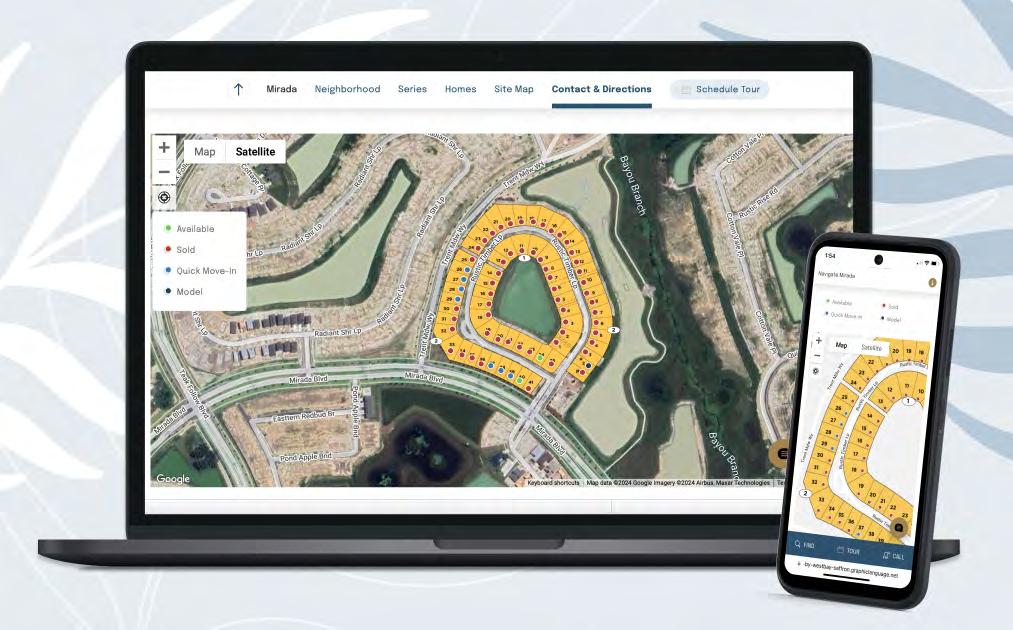
Introducing: SPOT Maps - GL’s Newest Innovation
Introducing SPOT™ (Single Point of Transaction) Maps, our new lot mapping solution designed to allow builders to quickly and easily place their lot map graphic files on top of popular mapping technologies. Read More

CRM vs CMS: What’s the Difference
CRM and CMS are both software heavily used by businesses. While they sound similar they perform very different purposes. Read More

Voice Search Optimization: Adapting Your SEO Strategy for AI Technology
Explore how homebuilders can adapt their SEO strategies to align with voice search to stand out in the rising tide of voice queries.

How Homebuilders Can Design an AIFriendly Website to Attract More Buyers
Learn how homebuilders can design an AI-friendly homebuilder website that improves SEO, voice search visibility, and buyer engagement.
Read More

How to Use Content Pillars to Elevate Your Social Media Strategy
Discover how content pillars simplify your social strategy, boost engagement, and save time. Learn to create and implement your own. Read
Read More

What is Cutomer Journey Mapping?
Learn how home builders can provide seamless experiences by understanding and optimizing customer journeys, from awareness to move-in and beyond. Read

Boost Your Digital Marketing Strategy in 2026
Need help with your digital marketing strategy? With over 30 years of experience working exclusively with home builders, we know what works. Connect with us to see how we can help fine-tune your digital marketing strategy.
Contact Us