FARM
Tavistock company participates in Mexican trade mission
LEE GRIFFI Editor
SoilOptix recently joined one of the largest Team Canada trade missions ever organized, an extensive delegation that travelled to Mexico to deepen trade and economic cooperation.
Kitchener-Conestoga MP Tim Louis, who is also the Parliamentary Secretary to the Minister of Canada–U.S. Relations Dominic LeBlanc, helped lead the mission and participated in discussions aimed at strengthening supply chains, expanding export opportunities, and building reliable international partnerships.
The mission brought together more than 250 Canadian companies and organizations. Nearly 400 business leaders participated in more than 1,900 business-to-business meetings, resulting in over 20 contracts and memoranda of understanding.
SoilOptix, recognized for its precision agriculture technology, showcased Tavistock’s strength in agricultural innovation during meetings focused on trade expansion and long-term economic cooperation.
Paul Raymer is the company’s President and CEO, and once Mexico’s trip was over, he headed to Brazil for another opportunity.
“We’ve been very fortunate to have been invited. Global Affairs extends an invite to what they call candidate companies. I don’t know how we got on this list, but we did, but it didn’t mean we were in. We had to
apply and tell our story, and ever since we have been getting these invites, we have been getting in since 2024.”
There has also been a lot of focus in South Asia, and SoilOptix has attended other trade events in the Philippines, Vietnam, Indonesia, Cambodia, Thailand and Australia. Raymer said the Canadian government is providing opportunities for Canadian companies to grow.
“One thing I will say is they do a standup job. We should have a great deal of pride in what the Trade Commission Service does to be able to support companies like ours to help with getting boots on the ground with in-person engagement with prospective companies.”
He appreciated the level of effort the federal government put into setting up conversations with prospective clients, even though his product is an expensive one.
“The big thing is with all these countries, aside from Australia, is the economic factor and that’s always been a bit of a wait. What was really surprising to me in Mexico was the level of appetite there was unbelievable.”
Raymer explained the government set up meetings for him on other trade missions, but sometimes the potential customers were no-shows.
“A dozen meetings were scheduled for us in Mexico and every one of them showed up. Every one of them had a high level of interest and were all well-qualified companies to have conversations with.”
SoilOptix sells soil mapping technolo -

gy and software that uses gamma radiation-based sensor data.
Raymer said he and other participating companies sit down with government officials once a trade mission is over to provide input during question-and-answer sessions.
“The feedback is very important to them and within six months they are sending out a survey looking for traction. It is important to them to show they aren’t just waving money around. They are trying to measure the success of each trip.”
Along with being an MP, Louis is also the Parliamentary Secretary to the Minister for Intergovernmental Affairs for Canada/US Trade. Raymer said Louis took a great interest in his product and was very supportive.
“He sat down with me and wanted to learn more and his staffer told him he had 10 minutes. He asked what he had after our meeting and was told his break. We ended up talking for ten minutes. He wanted to learn more about us and although he doesn’t have a background in agriculture, he’s been getting more involved in showcasing the sector.”
The MP also participated in one of Raymer’s meetings with a potential buyer
“Participating in national trade discussions allows me to advocate directly for local businesses and ensure they have access to new and growing markets,” Louis said. “This mission highlights our region’s strength in agricultural innovation, with local companies continuing to extend their reach well beyond Canada’s borders.”


(CONTRIBUTED PHOTO)
Kitchener-Conestoga MP Tim Louis, left, poses with SoilOptix President and CEO Paul Raymer on a recent trade mission to Mexico.
FCC to support producers as fertilizer market uncertainty grows
FARM CREDIT CANADA
Echo Contributor
As conflict in the Middle East heightens concerns about the rising cost of inputs, Farm Credit Canada (FCC) is expanding its trade disruption customer support program to help agribusinesses, farm operators and food processors affected by rising fertilizer costs and energy prices.
FCC president and CEO Justine Hendricks said rising global tensions can leave producers wondering how it may affect the inputs they rely on.
“While we cannot control those events, we can ensure producers have the financial flexibility and support they need to navigate uncertainty,” said Hendricks. “FCC is ready to help producers keep their operations moving forward.”
Originally introduced in response to trade tariffs affecting Canadian agriculture, this FCC program will now also offer support to help producers and agribusinesses manage financial pressures caused by unexpected market shocks.
Global urea prices have already risen amid concerns about potential supply disruptions from a region that plays a major role in global nitrogen fertilizer exports.
Through the trade disruption customer support program, FCC is offering relief for existing customers and new clients who meet lending criteria. The program offerings include access to an additional credit line of up to $500,000, new term loans and the option for existing FCC customers to defer principal payments for up to 12 months on existing loans.
USER TESTIMONIAL
hearing aids! Recently dinner party where I could much clearer than in the Woodstock Hearing helping me to hear better!
FCC said it will continue to work with industry partners to ensure that Canadian agriculture and food businesses can navigate changing market conditions and keep the industry moving forward despite uncertainty.
Customers and noncustomers who are interested in finding out more may contact their local FCC office or call 1- 800 -387-3232 to discuss their individual situation. Lending due diligence will be carried out on all applications.


Woodstock ON free today!

HEARING AID USER TESTIMONIAL

HEARING AID USER TESTIMONIAL
I love my new hearing aids! Recently
Hearing, we understand needs are unique, personalized approach solutions that
At Woodstock Hearing Clinic, we’re passionately dedicated to transforming lives through better hearing.



Oversupply and trade issues drive down dry bean prices for Ontario growers
AMANDA NELSON
Echo Contributor
The 2026 Ontario Bean Growers annual general meeting was held in Stratford last month, where dry bean growers from across the region came together to discuss growing concerns around exports, particularly trade, transportation and domestic demand.
Alvin Klassen of Dry Bean World outlined current challenges as Canada continues to navigate overproduction of black beans and ongoing tariff changes that are limiting trade and creating uncertainty for growers.
“In the last five years, we’ve experienced several severe ups and downs in commercial markets related to supply and demand, with the influence of producer and dealer pricing,” said Klassen.
Despite steady global demand for dry beans, many growers are finding it harder to turn a profit.
Prices across North America have dropped sharply in recent years — in some cases by nearly half — while input costs such as fuel and fertilizer have remained high.
“Throughout North America, we are now sitting where bean prices are half of what they were three
years ago, and the cost of production hasn’t gone down at all,” said Klassen. “In fact, seed pricing hasn’t gone down, and it’s making it very difficult to sustain production.”
The issue, Klassen said, comes down to supply and demand. A strong harvest has left a surplus of beans in storage — known in the industry as “carryover” — giving buyers less incentive to pay higher prices.
At the same time, export challenges and limited processing options in Canada are making it harder for farmers to move their crops efficiently, adding further pressure to an already strained market.
Jeff English of Pulse Canada said the organization is working to increase domestic consumption through its “Love Canadian Beans” campaign, which aims to raise awareness that many beans sold in stores are grown in Canada and encourage more people to include them in their diets.
“It’s not about telling people how to eat, but showing them how beans can be incorporated into everyday foods we already know and love,” said English. “It’s about giving some familiarity to supporting what we see as a great, sustainably grown Canadian crop.”
English added that advancements in bean processing technology could also help grow the domestic market.
“Now that we have companies extracting proteins and starches from pulse crops, we should have an opportunity to put more protein into different foods — not necessarily calling them beans, but using them as a high-protein ingredient,” he said.
Bill Rosenberg, parliamentary assistant to the minister of agriculture, food and agribusiness, also addressed growers, highlighting the significant role Ontario’s bean producers play in the province’s agrifood sector.
“Our agri-food sector now generates around $52 billion in annual GDP,” he said. “This is why Ontario is known around the world for safe, nutritious and delicious food.
“Eighty to 90 per cent of the beans grown here in Ontario are exported around the world, and that is something to be proud of,” he added.
Overall, the message to growers was clear: while global demand is growing, the industry must navigate trade instability, supply chain risks and the need to build stronger domestic markets to remain competitive.




Buckthorn: A prickly problem
JASON RAMSAY-BROWN
Echo Contributor
In the late 19th century, Ontario farmers thought fondly of common buckthorn (Rhamnus cathartica), a small, shrubby tree brought here from its native range in Europe and Asia. It grows quickly, forming dense thickets that make excellent windbreaks and hedgerows. As an added benefit, it was considered medicine for various conditions including constipation and rheumatism. As farming spread throughout Ontario, so did buckthorn, framing fields throughout the province.
In the 21st century, buckthorn is known as one of the most widespread and troublesome plants on the landscape. Able to thrive in sun or shade and a wide range of soils, it’s now found in woodlots, hydro corridors and along roadsides and riverbanks across all of southern Ontario. Whether you're driving a sideroad or wandering your local trails, there's likely a buckthorn in sight both ahead and behind you.
The problems with buckthorn are plentiful. Classified as a noxious weed under Ontario’s Weed Control Act, our farmers are probably aware of the agricultural issues. Over winter, buckthorns host the soybean aphid (Aphis glycines matsumura), an invasive insect that feeds on the crop, reducing yields. It also hosts the fungi that causes oat crown rust (Puccinia coronata corda. f. sp. avenae) and barley crown rust (Puccinia coronata var. hordei), which cause serious damage to these grains. For these reasons alone, buckthorn is an often-used example when discussing the economic impacts of invasive species on industry, which the Invasive Species Centre recently estimated could be as high as $3.6 billion each year in Ontario.
Buckthorn's impact on our natural world is more severe. As is the case with many plants introduced from abroad, buckthorn is of little ecological value to local insects and wildlife. Deer, for example, avoid browsing buckthorn in favour of just about anything else. This puts additional pressures on other food sources, reducing opportunities for those species to spread while more buckthorn fills the void. On the flip side, many of our most common birds, like American robins (Turdus migratorius) and cedar waxwings (Bombycilla cedrorum), will feed on buckthorn berries. Unfortunately, these provide them little nutrition and have a notable laxative effect. The birds fly away full but
poorly nourished and quickly pass the seeds elsewhere, furthering the spread of buckthorn.
Once buckthorn has taken root, it's likely to form dense thickets with alarming speed. The shade produced can severely limit nearby plants’ access to sunlight. For all but their most shade-loving neighbours, this is likely a kiss of death.
Buckthorn's impact on soil is just as vicious. Its leaves are high in nitrogen, and when they decompose, they deliver that nitrogen to the soil. This may sound like a good thing, but it's important to understand that our native plants, species that could have been found here long before settlement, generally prefer much lower levels of nitrogen than those brought here from elsewhere. Buckthorn's impact on the soil makes it less suitable for natives and more friendly to exotic species. Where the spread of buckthorn leads, other species of questionable ecological value follow.
Public lands, benefit from large-scale solutions and the experience of practiced professionals. Private lands are a different beast. Most of us may not even recognize buckthorn to see it, let alone understand how best to battle this scourge.
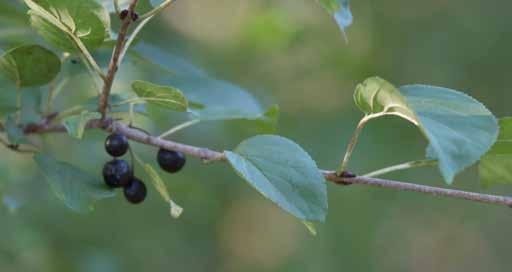
Buckthorn is a tall understory shrub with multiple stems that can eventually reach the heights of a small tree, some six to eight metres. Its grey-brown bark is often cracked or flaky and dotted with small spots called lenticels. Leaves are egg-shaped with jagged edges and veins that curve towards the tip. You'd think its characteristic thorns would be the telltale sign, but there's a more distinctive trait: look just beneath the bark for a layer of orange tissue called the cambium. Any of the popular plant-identification apps should prove reliable in confirming identification.
Strategies for removal depend on size. The Ontario Invasive Plant Council offers a comprehensive Best Management Practices document on their website, ontarioinvasiveplants. ca, which is full of excellent advice.
Seedlings and small plants are easy to pull by hand. Be sure to get as much of the root as possible and tamp down the disturbed soil after. Saplings will likely require use of a weed-pulling tool as the roots hold soil firmly. Removed materials are best stashed in a sealed bin or contractor bag for a year before disposal. When that's not possible, hang the plant upside-down from a nearby branch with its roots


Since 1993 West Brant Window World has made a very strong presence in the window and door market in the Southern Ontario Region. This is because we go above and beyond to ensure the products we sell are installed properly for many, many years of customer satisfaction.
Hours: Mon to Fri: 8:00am – 5:30pm, Sat: 9:00am – 12:00pm info@westbrantwindows.ca | www.westbrantwindows.ca
exposed to sunlight.
Significant challenges come when you're dealing with mature buckthorn. The most common approach is to cut it down close to soil level. Girdling can work but is not nearly as effective. With either approach, be prepared to manage resprouts for up to three years. Stumps can be tarped over to minimize resprouting.
Making the best use of your time is key to long-term success. Removing a dozen trees is a great start, but preventing three dozen from spreading their seeds may be an even greater victory. Prioritize the removal of females before they start fruiting in July. Lob off all branches in reach while waiting for girdling to do its job.
The next two years are critical. Buckthorn can produce a huge number of seeds, which stay viable for many years after they fall. Expect those to sprout. The best defense is to introduce competition by planting natives. An outstanding choice is black elderberry (Sambucus nigra) which has leaf-out and leaf-fall timing similar to buckthorn. Another suitable choice might be northern spicebush (Lindera benzoin) which is fast-growing and plentiful around these parts. Look for local native plant sales and nurseries to source these and other suitable choices. If planting isn't an option, consider mulching or tarping the exposed soil to help suppress that next generation of buckthorn.





(JASON RAMSAY-BROWN PHOTO)
Common buckthorn is known as one of the most troublesome plants in the landscape, causing as much as $3.6 billion in damage to Ontario’s agricultural industry.
Ontario soybean farmers face price pressure as China shifts buying and Brazil ramps up production
AMANDA MODARAGAMAGE
Echo Contributor
Ontario soybean farmers are watching global trade negotiations closely as uncertainty around exports — particularly to China — adds to price pressure in a market already facing strong global crop supplies.
Brazil is expected to have a record
soybean harvest in 2026, a development that analysts say will weigh on prices worldwide.
“There’s forecast to be record production in Brazil, and when there’s strong production, that has downward pressure on price,” said Brian Innes, executive director of Soy Canada.
“That’s the first thing to watch for prices in 2026. The second is what happens



globally with geopolitics and tariffs.”
Innes said changes in trade relations between major economies — especially the United States and China — can have a direct impact on the prices Canadian farmers receive.
“Due to the Trump administration, tariffs on soybeans have changed,” he said. “One thing to watch for 2026 is how the situation between the U.S. and China evolves, and how the situation between Canada and China evolves. That can have an impact on price if tariffs change.”
More than 70 per cent of Ontario’s soybean crop is exported, with prices shaped by global demand, particularly from China. While China historically sourced much of its soybeans from the United States, it is increasingly turning to Brazil due to generally lower prices.
The Canadian and U.S. soybean markets are also closely linked through cross-border trade and processing, which could impact prices for Canadian farmers.
“Products flow back and forth across the border,” said Innes. “For example, Ontario soybeans are shipped to Michigan, processed into soybean meal, and then shipped back into Ontario. Soybean meal and soybean oil trade back and forth across the border, and that’s



why prices are very linked.”
Soybeans are priced on global benchmarks — particularly U.S. futures markets — meaning Canadian prices move in step with broader world trends.
“The price that Ontario farmers see is based on what conditions Canada faces when exporting to the world, including China,” said Innes. “In the past, the difference between Michigan and Ontario was largely tied to exchange rates, but now, with global trade disruptions, Canada and the U.S. face different tariffs and different market conditions.”
Despite growing competition from lower-cost producers, Innes said Ontario remains well positioned as a high-quality soybean supplier.
Ontario is a global leader in identity-preserved and food-grade soybeans, a niche market that allows farmers to compete on quality rather than volume alone.
“We’re living in a time of unprecedented global uncertainty, and if market conditions change for Canadian soybean exports, that will have an impact on price,” said Innes. “But Canadian soybeans have been flowing under strong export conditions for some time, and that has meant strong demand for Ontario soybeans.”
Local agriculture is not just an industry, it’s the backbone of our communities
GALEN SIMMONS
Echo Contributor
There are few better places to live and work than rural southwestern Ontario when it comes to access to local food.
In our communities, fresh meat, eggs, milk, produce and grains are not abstract products shipped in from far away. They are grown, raised and harvested by our neighbours. They are the result of generations of knowledge, hard work and stewardship on the farms that surround us.
That kind of proximity to our food system is something many people elsewhere in the world and in our country no longer have, and it is worth recognizing and protecting.
Local agriculture feeds our families, but it also does much more than that.
Farmers help drive the local economy by supporting local businesses – equipment dealers, feed mills, veterinarians, seed suppliers, processors, truckers, retailers and countless other small businesses. They sponsor local sports teams, donate to community fundraisers, volunteer with service clubs, support fairs and 4-H, and consistently show up whenever their communities need them.
In many ways, the strength of our rural communities is inseparable from the strength of the farm families who live and work among us.
That’s why supporting local agriculture cannot be limited to a slogan or a feel-good message during planting and harvest season. It has to mean something real.
It has to mean understanding the pressures farmers face every day, from fluctuating commodity prices, high input costs and uncertain economic conditions to labour shortages, shifting government policy, severe weather, climate change, pests, disease and the simple reality that much of what determines a farm’s success is outside a farmer’s control.
It has to mean recognizing farming is not just a lifestyle, but a business built on slim margins, long hours and enormous risk.
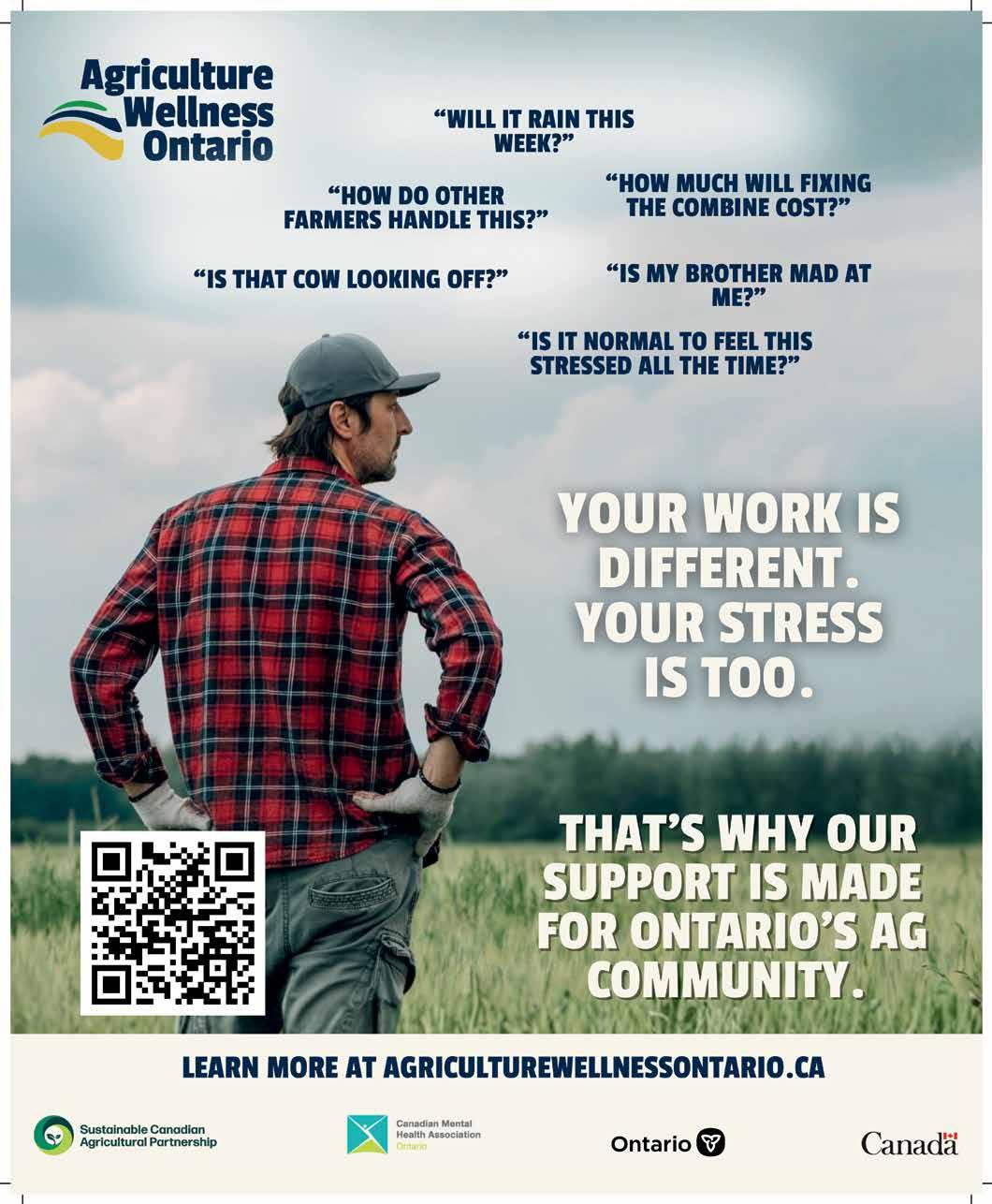
And it should also mean giving farmers the support they need not only economically, but personally. As we highlight in the farm edition included as a separate section in this edition of the newspaper, the stress farmers carry is real, and so is the need to stand behind them when times are tough.

Breaking barriers: Women in Canadian agriculture
Woodstock Ingersoll Echo
Women play a critical role in Canadian agriculture but also face significant participation barriers.
Lack of resources and lack of recognition lead to under-representation among farm operators and in leadership roles within agriculture businesses and organizations. The growing skills gap across the agriculture sector makes it imperative to grow gender equity and lift women’s participation in all aspects of farming.
Farm Credit Canada (FCC) estimates that achieving revenue equity—with female farm operators earning on average revenues in line with male farm operators—would add an additional $5 billion to agriculture's GDP contribution. Achieving gender parity in the number of farm operators would magnify these economic benefits.
Recognizing the existing contributions of women could attract more women to the industry, which itself is a function of elevating the status of women’s contributions equal to men’s. FCC estimates that almost 88,000 additional female farm operators will need to be counted to achieve gender parity by 2026, 75 per cent are already farming but unrecognized as operators, and 25 per cent of which will need to be new entrants.
In the 30-year period spanning 1991 to 2021, the percentage of female farm operators in Canada increased from 25.7 per cent to 30.4 per cent. This upward trend is expected to continue, with the proportion of female farm operators expected to reach 31.1 per cent in 2026.
While encouraging, it’s important to note that this trend is largely explained by men leaving the industry, not by more women joining. Farm consolidations and an aging farm population have reduced the total number of farm operators across Canada over time, with the number of men falling faster than the number of women.
While the proportion of women farmers has been
steadily on the rise, the actual number of women in farming has not been growing by much. In fact, between 2016 and 2021 the number of female farm operators grew for the first time since 1991, but only by 2.5 per cent – translating to less than 2,000 additional farm operators. Women are also still less likely than men to be the sole decision-maker on the farm.
Female farm operators face very different economic circumstances than male farm operators. Female operators tend to have smaller operations and lower farm incomes. The median farm operating revenue bracket is the same for both men and women at $50,000 to $99,999. But approximately 58.6 per cent of female farm operators work on farms that reported less than $100,000 in revenues, compared to 51.1 per cent of male farm operators, based on the most recent census data from 2021. Conversely, only 17.9 per cent of female farm operators were employed on farms with revenues of $500,000 or more, compared to 21.9 per cent of their male counterparts. Women have gained some ground in recent years in high value markets for products like beef, poultry and eggs. Men continue to dominate the grains and oilseeds market.
In the fall of 2024, FCC interviewed women working in Canada’s agriculture sector to learn about their experiences. Overall, these producers felt that things are slowly changing for the better. Yet women still face barriers to full participation in farming.
The public still expects farmers to be male. Stereotypically, in many farm families the man is labelled as the farmer, while the woman is labelled a farm wife. Girls growing up in farm families may not feel encouraged from participating in the more operational aspects of farming.
This early socialization can shape how women perceive their roles on the farm, and their confidence in engaging in all aspects of farming as adults. Women also tend to be expected to take on more household and childrearing responsibilities and often provide economic stability for their families through off-farm employment, making it more difficult to engage in production work.


















Women reported that they often feel like they must prove that they are as knowledgeable, skilled and capable as their male counterparts, and often feel judged to be less competent because of their gender. And that non-production roles dominated by women like accountant, or finance manager are often deemed not as important as operational roles that tend to be male dominated.
Men are more likely to inherit the farm over women, as tradition dictates that these resources be passed from fathers to sons. Women are often excluded from succession planning, and in large part are still expected to marry into farm families if they want to participate in farming.
Numerous aspects of farming were not designed with women in mind. For example, most farm equipment has been tailored to the male physique, and these design limitations can make it more difficult for women to engage in the physical side of farming.
Many women shared that their views on their own potential were shaped by what they saw represented as they grew up, which typically was men as decision makers on the farm, and women in supportive roles. A lack of representation of female leadership in agriculture can make it difficult for younger women to feel confident that they can take on leadership roles. Women in farming are more isolated than their male counterparts and have less access to networking, mentorship and support. As agriculture continues to be a male-dominated industry, most executive and board positions within agriculture continue to be held by men. Women generally have less access to a network of like-minded peers sharing similar struggles who they can lean on for support and advice and often have the experience of being the only woman in the room.
This can be both challenging and intimidating. Women also face barriers to attending in-person networking events, as they are often juggling childcare and off-farm work.
The labour needs of Canada’s agriculture sector are changing.



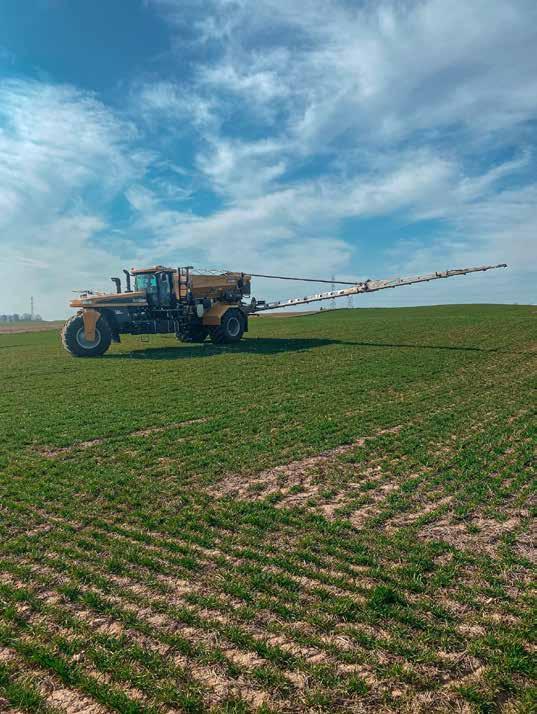
Local farms add to communities
If we value fresh local food, vibrant rural communities and a strong local economy, then we must value the people who make all of that possible.
So, while you’re reading about farmers and the issues they face both close to home and further afield, let’s remember and be grateful we live where local food is abundant and close at hand. Local farms keep money circulating in the local economy and the farmers who work day and night to keep those farms running support community life far beyond the farm gate.
Agriculture is central to the identity of our local communities and farmers face real pressures that deserve public understanding and support. Supporting farmers means buying local when possible, advocating for fair policy and recognizing their broader contribution to community life.
After you’re done reading this week’s paper, go ahead and thank a farmer, buy something they grew, raised or produced, and pay just a little more attention to all the things, large and small, farmers do for our communities.




Number of women in farming stagnant
In this era of digital agriculture and data-driven decision-making, there is a growing need for highly skilled farm labour. Reflecting this need, there has been an overall upward trend in educational attainment in the agriculture labour force in recent years with a declining number of workers having no formal qualifications, and an increasing number of workers with college and university degrees.
This trend is even more pronounced for women, who are more likely to be highly educated than their male counterparts. In 2021, nearly one-quarter of female farm operators possessed at least a bachelor's degree, compared to only 14.5 per cent of male farm operators.
The proportion of female farm operators without any formal education was only 9.3 per cent, notably lower than the 18.2 per cent observed among male farm operators.
The current gap in educational attainment between female and male farm operators is greatest for operators aged 30 to 39. Within this age cohort, 36 per cent of women have a university education, compared to only 17 per cent of men.
A high level of educational attainment makes it easier for women to take advantage of new tools and technologies of farming as they emerge. Many of these innovations are making it easier to overcome some of the physical and social barriers that women in agriculture have faced in the past.
A growing number of female farm operators are adopting new production technologies—things like automatic guidance steering and GIS. These tools can make it easier for women to achieve work-life balance. Women who are highly educated are also well positioned to be thought leaders and champions
beyond the farm level.
Women working in agriculture also continue to demonstrate a strong entrepreneurial spirit, leveraging their skills and expertise to enhance the value of what they produce. Women have been driving the emerging trend of direct-to-consumer sales of farm goods, with farms run exclusively or jointly by female operators being much more likely to adopt this marketing strategy. There are also a growing number of women working on farms producing organic goods and using sustainable energy sources and technologies. Women are also carving out space for themselves in growing niche markets, like sheep and goat production.
There is a lot of work that needs to be done to achieve gender equity in Canadian agriculture. Currently the industry falls behind wholesale and retail, finance, education, health care and several other industries in terms of women’s participation. Women in agriculture today are highly educated and driven, with strong business acumen. They are well equipped to foster innovation and accelerate new methods, tools, and technologies on the farm. At a time when productivity growth in Canadian agriculture is stagnating, leveraging their skills and entrepreneurial spirit will reap significant economic benefits.
Here are some potential strategies to consider:
• Increase the visibility of women in agriculture. Recognizing the important work that women are already doing on farms and in boardrooms across Canada is critical.
• Enhance mentorship and networking opportunities. This will help to reduce isolation and build community for women navigating the agriculture
pair new and established women farmers with experienced mentors, and events like Advancing Women Conferences, can foster useful connections for women, helping to address time and cost barriers women often face when engaging in networking. Virtual initiatives can also help to make networking more accessible. The National Women in Agriculture and Agri-Food Network project is one example of a growing network that connects women in farming through both in-person and virtual initiatives.
• Ensure that women have equal opportunity to take on leadership roles. This requires not only reducing gender bias in promotion and hiring, but also ensuring women are supported in stepping into leadership roles when the opportunity arises, through access to things like flexible work arrangements and childcare accommodations.
• Improve access to resources. Women have historically been excluded from succession planning and equal access to land and capital. Programs that support women in accessing the resources they need to start their farm businesses are essential moving forward. FCC’s Women Entrepreneur Program is one example of this. A broader cultural shift toward including women in succession planning is also needed to break this inter-generational cycle of exclusion. We are slowly seeing progress in this area, with more women being involved in farm transition planning. Embracing the strengths and potential of women in agriculture can unlock billions of dollars in economic benefits for the agriculture sector. Achieving gender equity can drive innovation, improve productivity, and foster sustainability, leading to a more re -

FROM OUR FARM TO YOUR TABLE
Where’s the Canadian beef?
LEE GRIFFI Editor
Finding the best cuts of Ontario beef in grocery stores has become a challenge recently, although Australian and now New Zealand cows seem to have taken over a good chunk of the market, and at a lower price.
“Unlike the rest of Canada, Ontario is a net importer of beef to meet the demand of our domestic consumers,” explained Beef Farmers of Ontario President Jason Leblond, who has been on the organization’s board for 8 years.
“Since before I started, we have been trying to increase the herd size to meet the demand for our feed lot sector.”
The biggest reason why the beef industry isn’t able to increase its capacity is the cost of production, something Leblond said makes it difficult for new players to get involved in.

Tours & Tasting Every Saturday in May Checkout www.mountainoakcheese.ca for more information
Mountainoak Cheese 3165 Huron Road, New Hamburg HOURS: Monday - Saturday: 9am - 5pm | Closed: Sundays and holidays

At South Easthope Mutual, our policyholders are our members. That’s what keeps us strong!
“The cost of land, input costs, and we have strong competition from imported beef and even from other protein sources. We are always working hard to meet consumer demand to the best of our ability,” added Leblond.
“For the cow/calf producers, it might be capital investment, it could be new entrants trying to get their feet under them to get additional cows. The cost of replacement
cattle is near the highest they have ever been.”
Leblond said the cost of purchasing a cow is nearly $2,000 more this year compared to about three years ago. He added everything needed to produce cows costs more.
“The price of diesel fuel, tractors and other equipment has increased substantially. But we are starting to see numbers where we are maybe more so in the black than what we are so used to seeing in the red all the time.”
Leblond has 35 cattle on his farm and admitted he can’t quit his day job. He added there may be an increase in farmers holding onto female cows for breeding purposes of about two per cent, something that will help the industry down the road.
“There are some good signs and some hope and we hope those signs keep going in the right direction for the next two or three years.”
The Beef Farmers of Ontario are actively lobbying the provincial government to create improved loan guarantee programs to help producers purchase breeders.
“The government is the guarantor for loans given by the private sector to producers to purchase the breeding stock which gets more cattle into the food chain. The breeding process can take up to three years to reach the processing stage for those fantastic Ontario steaks,” explained Leblond.

Branch 55
Woodstock
We are writing this letter to express our sincerest gratitude for everyone’s incredible support for our 2025 Poppy Campaign at the Woodstock Royal Canadian Legion Branch 55.
Your needs and your goals are our priority. So when you succeed, we succeed. FARM HOME AUTO
That’s why a er more than 150 years, South Easthope Mutual is still here for you — today and tomorrow.
‘Thank You’ to all of our Volunteers, our Army Cadets, the Navy Club and Navy Cadets, the Woodstock Fire Department. Your willingness to donate your time and energy has made a significant impact on our community.
We would also like to thank Upper Thames Brewing, Sobey’s, Foodland, Dee-Lights Bakery, Pizza Depot, and the Community for your donations this past year. Your generosity and dedication do not go unnoticed.
We were able to raise 35,348.43 for our Veteran’s and their families.
We are truly proud to work alongside wonderful people in this community and hope to keep this support going for years to come. We cannot thank you enough for your commitment to making a difference in our Veteran’s lives.
Sincerely,
Woodstock Royal Canadian Legion Branch 55
Teresa Van Raay begins third term with Ontario Federation of Agriculture
DAN ROLPH Echo Contributor
Teresa Van Raay is looking ahead to three more years of advocacy on behalf of the province’s farmers.
Van Raay, a Dashwood native, was re-elected as an Ontario Federation of Agriculture (OFA) director-at-large in November 2025, beginning her third three-year term with the organization.
Before she was first elected to serve in the OFA, Van Raay was a director with Ontario Pork for 14 years—an experience she described as eye-opening as she got to hear about the issues that farmers in the industry were facing.
“I realized how many more issues there are,” she said. “When you look at taking on the diversity of concerns in all Ontario, it’s daunting.”
Van Raay said some of the most prominent issues facing farmers in Ontario include trade and land use, which she noted is vital to the future of growing food in Canada.
“Once land is asphalted or cemented over, you’re not going to grow too much,” she said. “Getting the word out about how important it is for Canadians to grow our own food, that’s one of my biggest goals.
“The decisions made today affect our futures, and our next generation of farmers,” she added.
When asked why she decided to seek a third term with the federation, Van Raay was clear that there’s still work to do when it comes to advocating on behalf of Ontario’s farmers.
“We’re not done yet,” she said. “It’s a big portfolio, but the people in our industry who are elected to do this, all the ones who I’ve met, are in the positions for the right reasons. They want to make it better for their industry and for the next generations, all because we understand the importance of growing food.”
Van Raay said she’s taking many lessons from her time as director-at-large so far as she looks ahead to at least three more years of representing farmers. She said networking remains one of the most vital parts of the work.

“One of the things that I love to do is put the right people together,” she said. “That can make a difference.”
Stepping outside the “agricultural bubble” is also important when speaking about issues facing farmers throughout Ontario, according to Van Raay, particularly with those not in the industry who live busy lives and may not be aware of those issues until they start seeing empty grocery store shelves.
“We are such a small population that we’re not getting the news out there,” she said. “If there comes a time that there’s a shortage, then people are going to stand up and be aware. But it might be too late if we haven’t realized the importance of food security in Canada.”
Van Raay said the upcoming municipal elections scheduled for later this year are an important issue that has her attention. With OFA regularly organizing all-candidates meetings for elections, she said it’s important to present the correct questions to those who could be making decisions in council chambers in the future, ensuring they understand their communities, particularly when it comes to land use.
“We don’t want to be collateral damage because no one’s thought about how a decision might affect the farmer,” she said.
Ontario’s recent announcement about the amalgamation of conservation authorities also has Van Raay’s attention. Under the government’s plan, the province’s 36 authorities will be consolidated into nine, removing representation from lower-tier municipalities.
“That’s a big deal,” she said. “One of the things we were really pushing with OFA is to have agricultural representatives.
“From what we did see, that’s not there. That’s very important to our communities.”
A topic that has been getting more attention, particularly after the COVID-19 pandemic, has been mental health in the agricultural community—an issue that Van Raay said is close to her heart.
“It’s just become okay in the last seven or eight years to talk about it at the farm level,” she said. “When a farmer’s having a bad day, you just can’t take a week off. The

Teresa Van Raay was re-elected as an Ontario Federation of Agriculture director-at-large in November 2025, starting another three-year term of advocating for Ontario’s farmers.
pigs still have to be fed, or the crops still have to get planted.”
Speaking to farmers who may be struggling with mental health, Van Raay said Ontario’s Farmer Wellness Initiative and the Guardian Network are programs worth highlighting. The Farmer Wellness Initiative provides mental health counselling to Ontario’s farmers, farm families and employees at no cost.
The Guardian Network is a program driven by volunteers who are trained to identify those struggling with their mental health in the agricultural community, and Van Raay said she’d personally completed the training to become a guardian in the network.
“It’s a really good program,” Van Raay said. “The more we talk about it, the more it’s okay to talk about it.”
With such a wide range of issues needing attention, Van Raay said OFA’s supporting staff have made the expansive task manageable.
“It’s a great team, and a really diversified team,” she said.
With at least another three years ahead of her where she’ll be advocating for Ontario’s farmers, Van Raay said it’s her love for her home that will keep her going.
“It’s so important to have strong rural communities,” she said. “I love where I live. I love my Ontario. But we can’t keep coasting and think that somebody else is going to take up the baton.”

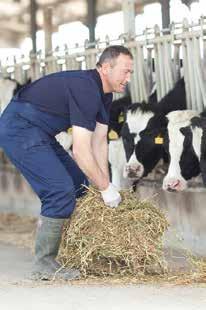
(CONTRIBUTED PHOTO)
Cost of getting into the business or expanding creating major roadblock
Many local, small-town butchers are not suffering from a shortage of beef, including the best cuts such as tenderloin, striploin or ribeye, mainly because they have a steady supply of local beef producers nearby. Leblond said part of his association’s job is to tell the consumer where they can purchase Ontario beef. That includes a website at www. ontbeef.ca.
“It’s like a product locator. So, your butcher shop could have a profile on the site, and when someone is looking for beef in Oxford or any other county, they would type that in, and stores would pop up.”
The cost of imported beef from Australia, New Zealand and even Mexico is cheaper than their Ontario counterparts. Leblond attributes that to something simple – lower production costs.
“Australia has a few different ways of growing its beef. The product they bring here is grass-fed and lean, factory beef trim for ground beef and hamburger. Another version is short-fed, essentially an animal that is fed for 90 to 120 days. That gets it to AA quality beef.”
Leblond added Australia is heavily invested in the Wagyu beef industry, but the majority of exports head to Japan or Korea, where it was originally bred. Leblond added most Canadian beef is graded AAA, and 40 per cent of the income from calves born on his
farm ends up in feed lots across Ontario. The rest is exported, mainly due to the demand for what’s left.
“40 per cent of the value of that animal goes into the export market. The taste here is for striploin and T-bone steaks, roasts and ribs. There are so many other parts of that animal that end up in export markets to use everything and retain as much value from the product.”
The federal government announced in January it was resuming beef exports to China after a years-long ban that had shut down a major overseas market, helping meet demand for cuts that are less popular domestically.
“For us in Ontario, an expanded market is a good thing, and more options for our processors is a good thing. We always treat these announcements with some degree of wait and see because it takes time for people to make purchases and for the product to get there.”
Leblond said he doesn’t want to lay any blame for the high cost of beef on anything in particular but did say more than 50 per cent of Canadian beef heads south to the United States.
“The USA is also a net importer of beef. We are in a global market, and a lot of factors are at play. I would love to get beef cheaper, but I also want to make sure everyone in our supply chain is making money.”











Local maple syrup producers rebound after shaky start to season
SAM LAWSON Echo Contributor
Local maple syrup farms are ending the season on a high note despite inconsistent and unpredictable weather at the beginning of March.
Recent warm weather has caused the sap to flow, and temperatures dipping below freezing at night create the perfect atmosphere within the tree.
“That’s kind of what you want, but it needs to freeze — that’s important. If it doesn’t freeze then that’s the killer,” said Steven Hern of Hern Line Heritage Maple Products.
“During the season, you can go two or three days with the warm, and then it needs to freeze and the tree kind of resets and brings up more sap again.”
Hern lives on a century farm outside of Exeter and has made use of a wood lot on the property to make maple syrup for the past five years. He said he taps four hundred trees on the 12-acre woodlot in mid-February to mark the beginning of the maple syrup season.
Hern said the trees haven’t let him down this year.
“So far so good,” he said. “We’re right on track I think to make a good crop so, can’t complain at all.
“I’ve only been doing it for five years, I haven’t seen a bad season, really. I’m a
bit of a novice that way, as far as experience goes and long-term stuff.”
Hern Line Heritage Maple Products aims to produce 1.5 litres of maple syrup per tap. And for 400 tapped trees, that adds up to a total yield of 600 litres of syrup.
Hern said they have produced over 300 litres as of mid-March.
“I think, with the way the weather looks, we’ll get a few runs yet,” Hern said.
Over at Bayfield Maple, with a larger production established, they’re looking at a yield of roughly 2,650 litres for the season.
Owner Tom Genoch said his bush on Pavillion Road has about 2,800 taps. The production trucks in sap from an additional 1,000 taps on a property owned by Genoch’s mother-in-law, Dianne Brandon, on the north side of Bayfield.
Brandon said they had an uncertain start to the season but still expect to get a good crop.
“We were really worried because it got quite warm, but it was early enough in the season that the trees didn’t start to bud,” Brandon said.
Brandon is a long-seasoned syrup producer, having made maple syrup with her husband Brian for the past 21 years.
The business has stayed within the family with Brandon’s daughter, Cathy,

and her husband, Tom, now carrying on the sweet tradition.
Bayfield Maple stocks their product on the shelves of numerous local businesses, including Shop Bike Coffee, and sells wholesale to Cait’s Cafe in Goderich to be used in the cafe’s food and drinks.
Whether it’s large-scale or smallscale, making maple syrup has its ups and downs and remains entirely dependent on the weather.
In the end, a few weather hiccups weren’t enough to sour the season. Thanks to a timely turn, local producers are set to enjoy a sweet spring harvest.

(SAMANTHA LAWSON PHOTO)
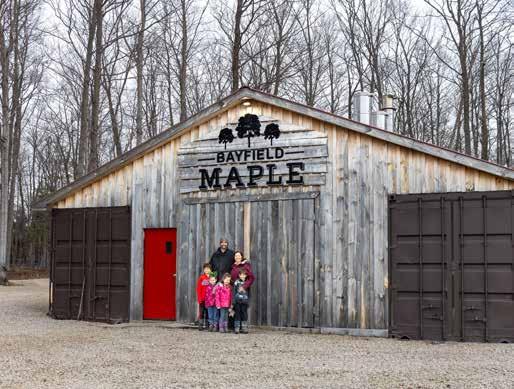
A maple syrup season filled with highs and lows hasn’t held producers back from a successful harvest. Tom and Cathy Genoch of Bayfield Maple stand with their four children, Joe, Alice, Charlotte and Seb.
Concerns about fertilizer availability amid turmoil in the Middle East
FARM CREDIT CANADA
Echo Contributor
It has been nearly a month since the U.S. and Israel launched their first missiles into Iran, and that conflict has current and potential economic implica
tions.
These remain highly uncertain and potentially very widespread – oil and liquefied natural gas refineries are shuttered with the Strait of Hormuz paralyzed, bond yields have risen in sync with inflation concerns, and exchange rates are in a state of flux. There is no shortage of economic topics to explore.
Nitrogen is a vitally important nutrient; one of three macronutrients used in primary crop production. There are many different types of nitrogen fertilizer products, each of which requires different production facilities and, importantly, access to an energy source, typically natural gas. Urea, ammonium nitrate and anhydrous ammonia are the three most common nitrogen fertilizers produced globally.
Disruptions in major producing regions can upend global trade flows and prices. That was seen in 2022 with Russia’s war against Ukraine; the halt of cheap Russian natural gas to European production facilities, as well as sanctions on Russian exports, choked off supply and caused prices to skyrocket. Collectively, the Middle Eastern countries have an even larger say in global availability of nitrogen fertilizers than Russia. On a nutrient basis, the region has historically accounted for 12 per cent of global production and nearly 25 per cent of global trade.
It’s unlikely other suppliers will be in a position to fill this vacuum. In the European Union, a significant share of global ammonia production – a key input for urea – was lost in 2022 and a pipeline running through Ukraine has remained offline since the invasion.
Prior to the Iran strikes, the EU was still only operating at a reduced 75 per-

cent production capacity. The recent surge in natural gas prices could pressure European producers to further reduce that capacity. China continues to restrict fertilizer exports to meet domestic needs, with urea shipments largely paused until August this year. Before the strikes, it looked highly unlikely Beijing would reverse course on these policies before August. Now, it seems even less likely.
Markets have reacted to the potential threat to supply. After slowly creeping up all winter, U.S. urea futures shot up $130 per tonne, nearly 30 per cent, in the first two days after the start of the bombing.
While Canada is a net exporter of nitrogen, some parts of the country still depend on imports to meet their needs. And, depending on the crop and region, there are different times of the season when more fertilizer is required. Obviously, spring planting is a prime consumption period. But in the east, the spring is also a time when winter wheat is typically top-dressed. Corn typically requires more in the early summer as well. And post-harvest, producers may opt to spread fertilizer before the winter freeze-up, in preparation for the next growing season.
As utilization changes month-tomonth, so too does Canada’s import volumes. The timing of imports is dictated by seasonal demand, strategic planning and preparing for the upcoming growing season and weather. Fertilizer movement typically peaks in April and May to support just-in-time delivery for seeding and summer topdressing.
A survey conducted by RealAgristudies in 2022 found that, by late March, 45 per cent of producers had their spring fertilizer needs already stored on farm. However, there was a significant regional split.
More than 50 per cent of producers in the Prairies had their fertilizer on farm, but only 17 per cent of Quebec producers and 10 per cent of Ontario producers

could say the same. In the Maritimes, the number was zero per cent. On the east coast, the situation will be extremely challenging as price is frequently determined when producers pick up product on the way to the field. Pre-buying at a set price is rare. Producers in eastern Canada simply do not have the same onfarm storage capabilities, making them more vulnerable to market conditions in the spring.
Now, despite the lack of on-farm storage, some inventory may be sitting with wholesalers and retailers. Statistics Canada’s latest fertilizer inventory data for December provides insight into these inventory levels and here again we note a regional divergence. While urea inventories in the west are the highest levels they’ve been in a decade, in the east, they are at their lowest levels since 2017.
However, one reason stocks looked elevated is that many farmers chose not to pre-buy or apply fertilizer last fall. That meant less product was sold, leaving more fertilizer sitting in retail and wholesale storage heading into winter. It also sets up the possibility of stronger-than-normal demand at planting, at a time when global supply is already tight.
Any disruption to imports or shipping during this narrow window would create supply challenges and higher prices to support just-in - time delivery for seeding and summer top - dressing.
Given the aforementioned shipping bottlenecks, some fertilizer may not reach North America in time for spring planting. A shipment that would normally be loading in the Middle East today might not arrive to the farmer until May. This may force farmers to adjust application timing or reduce use.
Canadian prices mirror the trends in the U.S. futures market. Complicating matters for farmers, Canada still has a tariff on Russian fertilizer imports. These tariffs are adding approximately $100 per metric tonne for Canadian producers compared to their U.S. counterparts.
Not all crops require the same amount of fertilizer. Pulses, for example, are nitrogen-fixing, meaning they do not require it. But others are more fertilizer intensive. In terms of cost for all fertilizer, not just nitrogen, and prior to this recent price movement, we estimated fertilizer would account for 20 to 25 per cent of the total cost of growing a crop in 2026.
Unlike 2022, when rising input costs were offset by strong commodity prices, 2026 is shaping up very differently. Farm Credit Canada is estimating a 40 per-cent increase in the cost of nitrogen would cut average Saskatchewan margins in half, from $50 per acre to $25 per acre for an average wheat and canola rotation. It would also lower average margins in Ontario from $365 per acre to $345 per acre for an average corn and soybean rotation. These margin estimates are provincial averages and exclude the cost of land which is much higher in Ontario than in Saskatchewan. The margin estimates only account for the shock to the nitrogen price. They do not consider potential margin compression because of other fertilizer price increases, potential yield reduction resulting from less fertilizer being used or higher fuel prices. A prolonged conflict could disrupt regional fertilizer production, especially if natural gas supply –critical for nitrogen fertilizer production – continues to be limited out of the Strait of Hormuz. Unless the war is resolved quickly, expect global fertilizer supplies to tighten further and put additional pressure on global food production and prices.
Communication during turbulent times such as these is crucial. Farmers may want to contact their crop input retailers to confirm they’ll have the tonnes they need this spring and work together on any backup plans which might include adjustments to crop mix, fertilizer rates and target yields. Early discussions with credit providers may be necessary as well should the need arise as seeding approaches.

Gateway Centre of Excellence in Rural Health announce webinar
ALEX HUGILL Echo Contributor
Maintaining mental resiliency in rural spaces amid loss is challenging.
On Tuesday, April 14, from 12 p.m. to 1 p.m. on ZOOM, the Gateway Centre of Excellence in Rural Health will talk about the complicated relationship between grief and mental wellness among rural families.
The keynote speaker is Lauren Van Ewyk, a co-founder of the National Farmer Mental Health Alliance, registered social worker, and PhD student at the University of Guelph. Joining her are Diane Bergsma, co-founder of the Three Oaks Respite Cabin, and Ben Tobias-Murray, Farmland Access and Agricultural Planning Coordinator at Ontario Farmland Trust (OFT).
This session explores complicated grief as it shows up in rural life, where loss often affects not only families but also farms, businesses, and community roles.
Lauren will talk about generational loss, including the loss of people, land, health, and identity, and how these experiences are carried forward within rural families. The discussion will also examine how abrupt change can reshape roles and responsibilities and what that means for mental wellness over time.
There are many ways people have supported those who have experienced loss. Diane will introduce the Three Oaks Respite Cabin, a quiet place where farmers and first responders can receive support. Ben will share the Ontario Farmland’s Trust activities to aid in farm succession planning and preserve Ontario’s rich agriculture.
Anyone in the community is welcome to attend. To attend this event and future presentations, please register on the Gateway CERH website https://www. gatewayruralhealth.ca/lectureseries.
On Thursday, February 19, we attended the Southwestern Ontario Dairy Symposium in Woodstock.







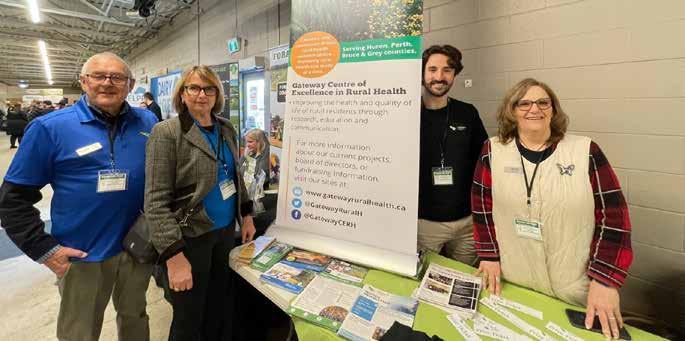
Gateway CERH proudly participated as an exhibitor and delivered a brief presentation, discussing the Farmer’s Safety and Well-Being Program.
We connected with farmers, dairy producers, industry leaders, and agricultural professionals throughout the event while attendees visited our booth to learn more about the organization’s programs and research initiatives.
During the symposium, our president, Gwen Devereaux, delivered a brief presentation highlighting several key priorities, including:
• Promoting the Farmer’s Safety and Well-Being Program and SHED Talks
• Advancing research that reflects real-world agricultural needs
• Collaborating with industry partners to strength -
en rural well-being
By participating in the Dairy Symposium, we continue to strengthen relationships within the agriculture sector and advance the program's mission to support the health, safety, and well-being of farmers in our rural communities.
For more information about Gateway CERH and its Farmer’s Safety and Well-Being Program initiatives, please visit https://www.gatewayruralhealth. ca/shed-talks.
Founded in 2008, the organization is a not-for-profit rural health research organization run by a community-based volunteer board of directors. Gateway CERH's main mission is to improve the health and quality of life of rural residents through research, education, and communication.
(CONTRIBUTED PHOTO)
Representatives from the Gateway CERH recently attended the Southwestern Ontario Dairy Symposium in Woodstock to promote its mental health and wellness programs for farmers.


OFA VIEWPOINT
Start early, talk openly: why transition planning matters more than ever
GREG DIETRICH Director, Ontario Federation of Agriculture
For many business owners, planning to transition what we’ve spent our lives building to the next generation of owners is something we know we need to do, but it’s also something we tend to put off. It’s not hard to understand why as these are not simple conversations. They touch on money, legacy, fairness, identity and, ultimately, mortality. And it’s even more complex for farm businesses, because here, we’re also talking about generational history, legacy, and more often than not, the family home.
If there’s one message I’ve taken to heart through my own experience and from hearing transition experts like Tom Deans, who was a keynote speaker at the Ontario Federation of Agriculture annual conference last fall, it’s this: transition planning always takes longer than you think.
That’s because you’re not just transferring assets, you’re also navigating family dynamics, tax implications, business struc-

tures and long-standing expectations. And as the size and value of farm businesses continues to grow, it’s something that has to be handled carefully and thoughtfully. According to Statistics Canada, the value of farmland and buildings in Ontario has surged by 68.4 per cent in just four years. The average value of an acre has climbed from $12,341 in 2020 to $20,782 in 2024.
This creates real challenges for transition planning. For the next generation of farmers, the cost of buying into the farm or taking it over can feel out of reach. Higher land values, tighter margins and increased financing costs all add pressure to a process that was already complex. It also raises difficult questions for families trying to balance what is fair, what is equal and what is financially viable.
Starting early makes all the difference. When you begin the process before there’s pressure or urgency, you give yourself the time and space to work through those complexities, including how rising asset values affect the transition, and move forward deliberately.

Planning in advance reduces stress down the road
Good transition planning means involving different experts like accountants, lawyers, financial advisors to make sure all the pieces fit together. As Tom Deans pointed out in his presentation last fall, too many families rely on silence and assumptions, rather than clear plans, and that silence can come at a real cost.
Even in families that get along well, these conversations can bring out strong emotions.
The younger generation has to genuinely want to farm and be ready to take on the responsibility. At the same time, the older generation has to be willing — and able — to let go. That’s not always easy, especially when a lifetime of work and identity is tied up in the farm.
Planning ahead gives families the opportunity to talk through different scenarios, explore options and set clear expectations before decisions have to be made.
I farm with my family in southern Bruce County near Mildmay and one of the things I learned through our own transition process is that it’s ongoing. My nieces and nephews are still young, but we’re already thinking about how things might look like for them should they
choose to farm. Those early conversations about the future, roles and possibilities matter.
Farming itself is always evolving. The way I farm is different from how my parents farmed, and it will be different again for the next generation. Technology, production practices and business models continue to change. Transition planning needs to account for that; not just who will take over, but how the farm will continue to adapt and grow.
At its core, this is about more than assets. It’s about people, relationships and the future of both the farm and the family.
There’s no one-size-fits-all solution as every farm and every family are different, but there are some core concepts that apply to all businesses:
Start the conversations early. Revisit them often. Bring in trusted advisors. Be honest about goals, expectations and limitations. Recognize that a successful transition depends on communication and commitment from everyone involved. And the sooner you start, the better your chances of building a transition plan that works not just on paper, but in practice.