THE GRIST








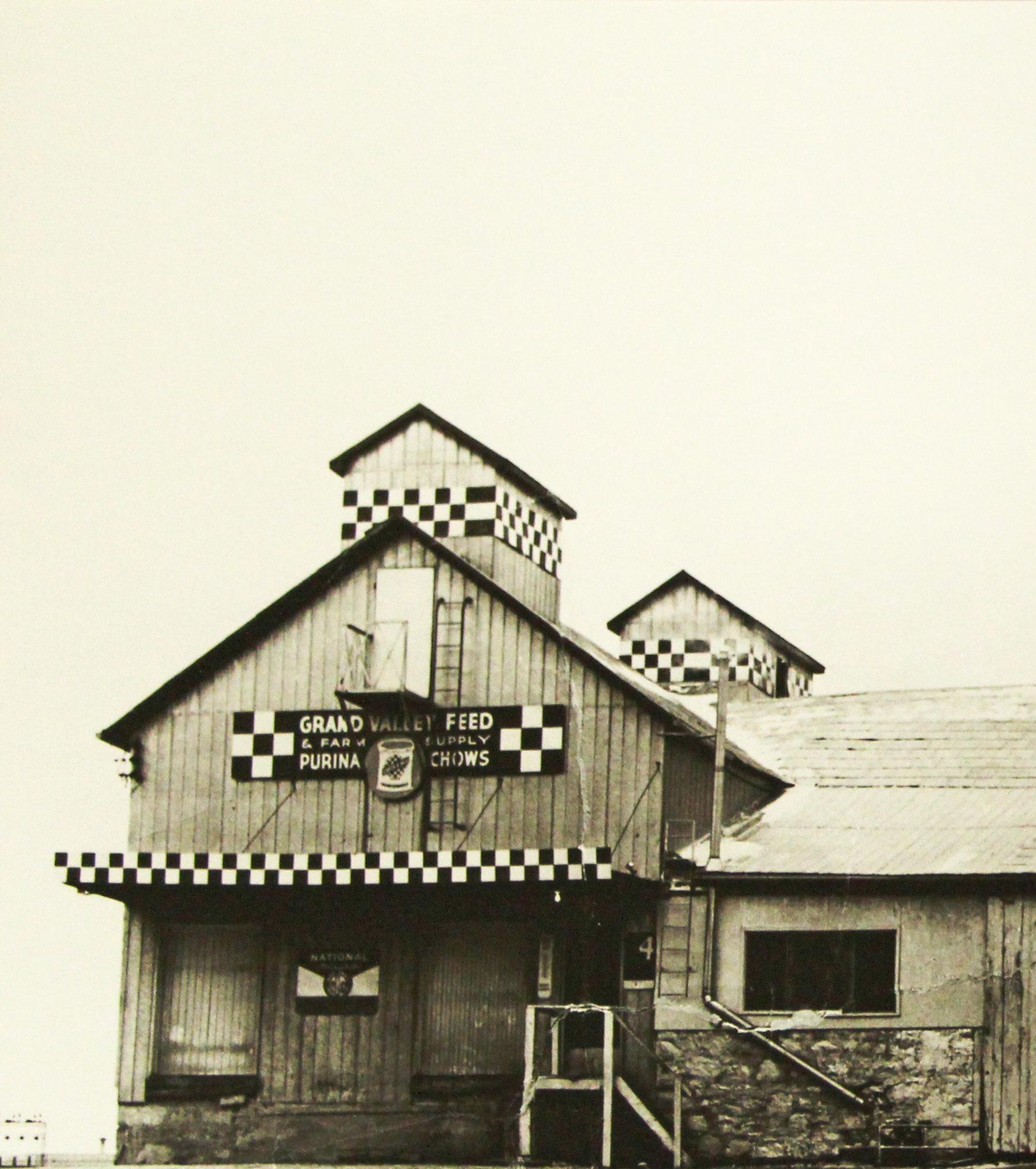
the start of a story that is still


At the GVF group of companies, we have launched our technology-focused “start up”, On-Farm Business Intelligence.
Having recently celebrated Canada’s Agriculture Day (Feb 10th), attended The Future of Food conference in Ottawa, and having read many mainstream news articles and social media posts surrounding Canada’s Agri-Food sector, it is easy to be persuaded that we have entered a very interesting and potentially exciting season in Canadian Agriculture and Food.
The spring season will soon be upon us, and with it, very welcome warmer temperatures and the anticipated planting season. But, beyond this annual reality at the field level, we are also confident in the planting of seeds of investment in Canadian meat, milk, egg, grain and oil seed production at levels and intensity that rival anytime in our history.
What has catalyzed this movement?
Sadly, it wasn’t terribly well catalyzed by the publishing of the Barton Report in 2017 notwithstanding Dominic Barton’s clarion call at the time to “double down” on investment and development of Canada’s Agri-Food industry as THE sector with the most potential of positively impacting Canadian exports, our trade balance and the Canadian economy as a whole – both urban and rural. Barton also flagged up the trade infrastructure deficit (ports, rail, roads, pipelines, further processing capacity – estimated to be as much as $600 billion) that would need to be addressed in order to seize the opportunities for growth in Agri-Food production and exports. Unfortunately, there has been woefully little investment in this regard since 2017 as well.
No, unfortunately we Canadians seem to require some level of crisis to ignite our patriot spirit, to unite, collaborate and coalesce around a plan for a bigger, brighter and more economically robust future. We are persuaded that the catalyst for the recent recognition and broad-based focus and near future investment in the Canadian Agri-Food sector is a combination of President Trump, the understanding that the Canadian economy is sucking air (-0.6% GDP growth in Q4 2025) and the need to “double down” on its two or three main national economic pillars – AgriFood, Energy and Minerals. No, sorry, these pillars do not include electric vehicles.
For too many decades, the Canadian Agri-Food industry has, thanks to a large degree of ease and convenience, relied almost exclusively upon the US market to buy and consume the massive excess production capacity of Agri-Food products that Canada has to offer. This being said, there are significant success stories like the Canadian pork industry that exports 70% of its production. A few decades ago, the USA imported 75% of 70% of our pork production. Today, with significant market share gains in Japan, Mexico and more recently ASEAN nations, the USA only represents about 35% of Canadian pork exports. Similar stories can be shared with regard to Canadian lobster and Canadian human grade vitamins in China.
How do we replicate and expedite the Canadian pork diversification story across the Canadian Agri-Food sector? Whether driven by the need to mitigate the risk of US exposure
or meet national absolute GHG emissions reduction targets, reductionist philosophies and strategies are not the answer. Lower gross production of agri-food products and lower exports to the USA make little sense. Rather, we need to embrace an abundance mindset by focusing on the quality, safety and both economic- and carbon-efficiency of Canadian meat, milk, egg, grain and oilseed production. We must maintain – to the best of our ability –our US exports, and simultaneously grow the sector with further processing capacity and diversified global exports.
Thankfully, both investment potential and technology are lining up to allow Precision Agriculture to move from the (cropping) field into the barn.
At the Feb 10th Future of Food Conference in Ottawa, Justine Hendricks, CEO of Farm Credit Canada, announced under the banner of their “Let’s Grow Canada” initiative, the successful organizing of a CAD 7 billion commitment by 20 investment organizations in the Canadian Agri-
Food Sector by 2030. Additionally, last August, Galen Weston (Loblaws, Shoppers, Choice Properties) made a public commitment to earmark $1 billion of the Weston family fortune for “strengthening Canada”.
At the GVF group of companies, we have launched our technology-focused “start up”, On-Farm Business Intelligence. We are searching the world over for the best, most practical, affordable and impactful in-barn, cloud-based technology that will equip and empower Canadian meat, milk and egg producers to produce these highly digestible (or bioavailable) proteins in the most cost and carbon efficient manner possible. The desired result? Optimized, profitable, sustainable production. This protein production is positioned well to compete against low-cost US and Brazilian production as well as in high value, highly regulated markets such as Japan, ASEAN and Western Europe.
In the face of global trade disruptions due to geo-political conflict, supply chain challenges
“As a prisoner for the Lord, then, I urge you to live a life worthy of the calling you have received. Be completely humble and gentle, be patient, bearing with one another in love. Make every effort to keep the unity of the Spirit through the bond of peace.”
– Ephesians 4:1-3
As leaders on our farms, in our businesses and in our families, managing conflict might be one of the most challenging things we’re called to do. Think about how you currently approach conflict; does it line up with how we’re called to live in the verses above? If we’re honest, humility, gentleness, and patience are often some of the first attributes we let go when facing conflict. Remember to think about the conflict from the other person’s perspective and be honest. Conflict often arises due to unmet expectations, and unmet expectations can stem from a lack of understanding. Consider that clarity is kind, and clarity can help to reduce conflict.
and Mr. Trump’s “reordering of the world”, we are told that many Agri-Food importing nations who value Canada’s food safety, quality, consistency and stable trade relationships, along with the Barton Report’s author who has waited almost a decade to witness material action on his recommendations are asking, “What the hell is Canada waiting for?”
It is time. Let’s Grow Canada!
Carpe Diem.
Gratefully,
Ian Ross Chief Executive Officer
Sometimes conflict can be a good thing; it can produce energy, and energy can be harnessed to move in a new, better direction. For example, conflict between a husband and wife can serve as a venue to open and honest discussion, which can lead to greater understanding and, in turn, a better relationship. The Apstole Paul reminds us that the key to positively directing the energy that conflict produces is by exercising humility, gentleness and patience with one another. When we do this, we will have a much greater chance of producing the best outcomes, including greater productivity, more honesty, unity and peace. During a busy Spring season, conflict will often arise. Why not try Paul’s approach to conflict management and enjoy the energy it can provide.
Excerts from Canadian Christian Business Federation Business Leadership Principle: Conflict and Stress

David Ross Regional Monogastric Sales Manager & Co-owner

By: Aline Pereira, M.Sc., DVM Monogastric Nutritionist
Biosecurity is the primary defence against poultry diseases. It prevents pathogen introduction and spread, while improving production efficiency, reducing costs, and enhancing product quality.
Effective programs require cleaning and disinfection protocols adapted to each farm’s conditions. Strong biosecurity lowers environmental pathogen pressure and reduces disease risk. Contamination sources include feed, water, people, vehicles, equipment, pests, domestic and wild animals, and bird-to-bird contact.
Primary biosecurity: focuses on farm location and facility layout. Physical separation is the most effective way to reduce disease risks by limiting shared vehicles, avoiding unnecessary personnel movement, and minimizing indirect contact.
Secondary biosecurity: includes structural elements such as fencing, drainage, change rooms, and barn design.
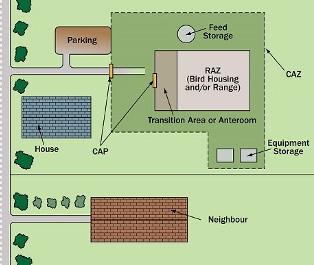
Tertiary biosecurity: involves daily management practices. Farms should establish a Controlled Access Zone (CAZ) around each barn (minimum 15 m) and a Restricted Access Zone (RAZ) inside each barn to control pathogen entry.
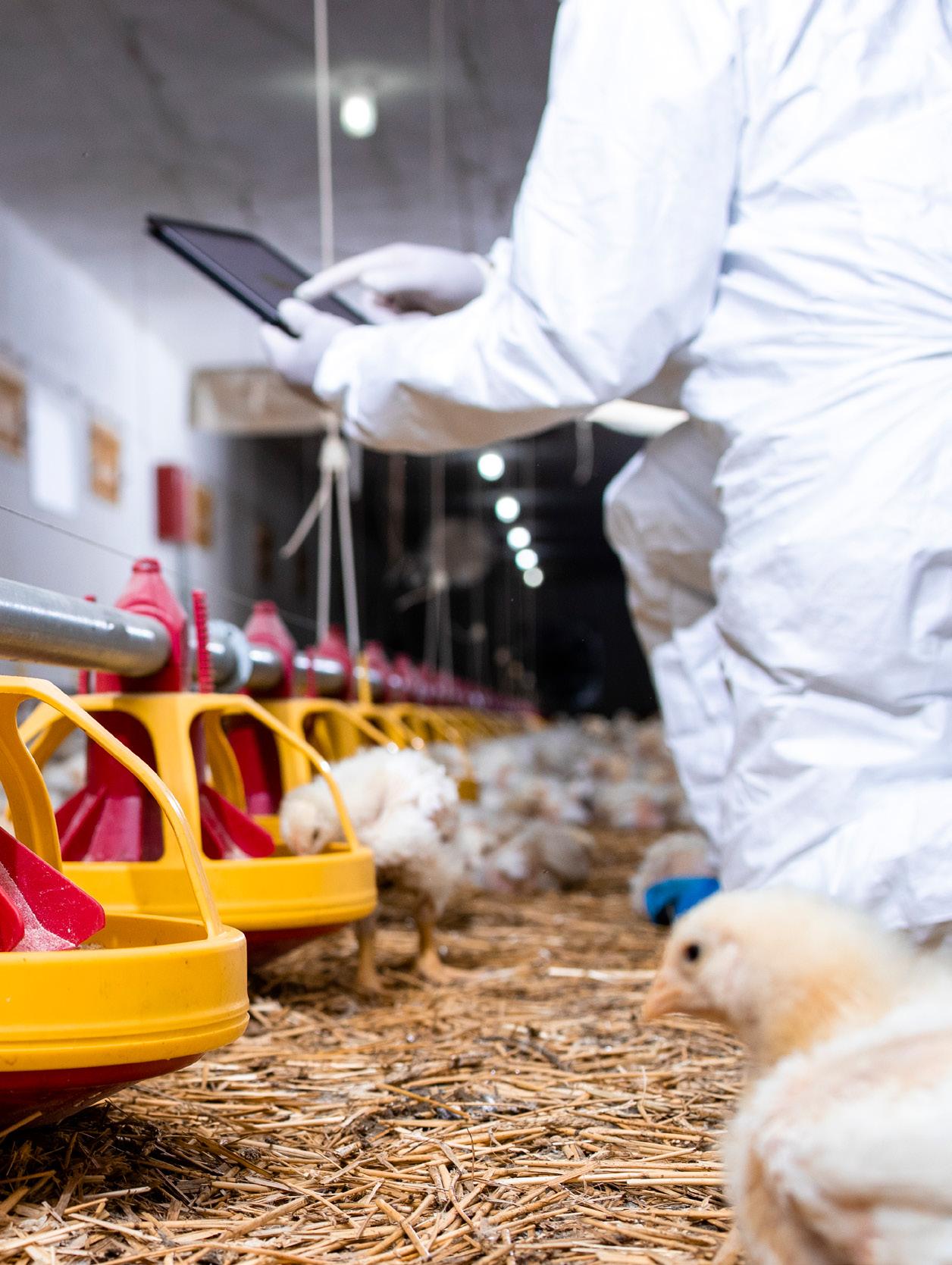
Footbaths are effective only when properly maintained: they must be changed daily, boots must be cleaned before immersion, concentrations must be correct and contact time should follow manufacturer recommendations (usually 20 seconds). Footbaths do not replace changing footwear between CAZ and RAZ.
Hands should be washed before and after handling birds from different barns, or disposable gloves should be used. Movement between barns should always start with the youngest flocks. Equipment must be cleaned and disinfected before entering the RAZ.
An all-in/all-out system followed by at least 14 days of downtime is best practice. After disease challenges, extending downtime to 30 days or more significantly reduces the risk of subsequent health issues. Longer bird-free intervals consistently correlate with lower pathogen loads.
Figure 1. Farm layout showing a controlled area (CAZ), restricted area (RAZ), and a controlled access point (CAP).
Source: Ontario, Ministry of Agriculture, Food and Rural Affairs
Feed bins and systems should be cleaned between flocks. Running feed after the first batch delivery helps clean feed lines before chick placement.
Interior barn cleaning includes removing litter within 24 hours after shipping, washing all surfaces and equipment with pressure water,
cleaning water and power systems, applying detergents (respecting action time), rinsing, drying, and disinfecting. Airborne disinfection is recommended annually or after health challenges.
Effective sanitation depends primarily on cleaning: 90% of successful disinfection results from thorough cleaning. Disinfectants contribute about 6–7%, and aerosol disinfection only 1–2%.
Water alone is insufficient. After bird removal, surfaces can contain around 50 million bacteria/cm2. Washing with water reduces this to 20 million; hot water plus detergent reduces it to around 100,000. After disinfection, levels drop to about 1,000 bacteria/cm2 Hot water (around 60°C) combined with appropriate detergents is more effective, reduces reliance on high-pressure equipment, and saves water. Detergents generally require 20–30 minutes of action time, depending on the product and environmental conditions. Rotating detergents, including those with different pH levels, helps maintain cleaning efficiency.
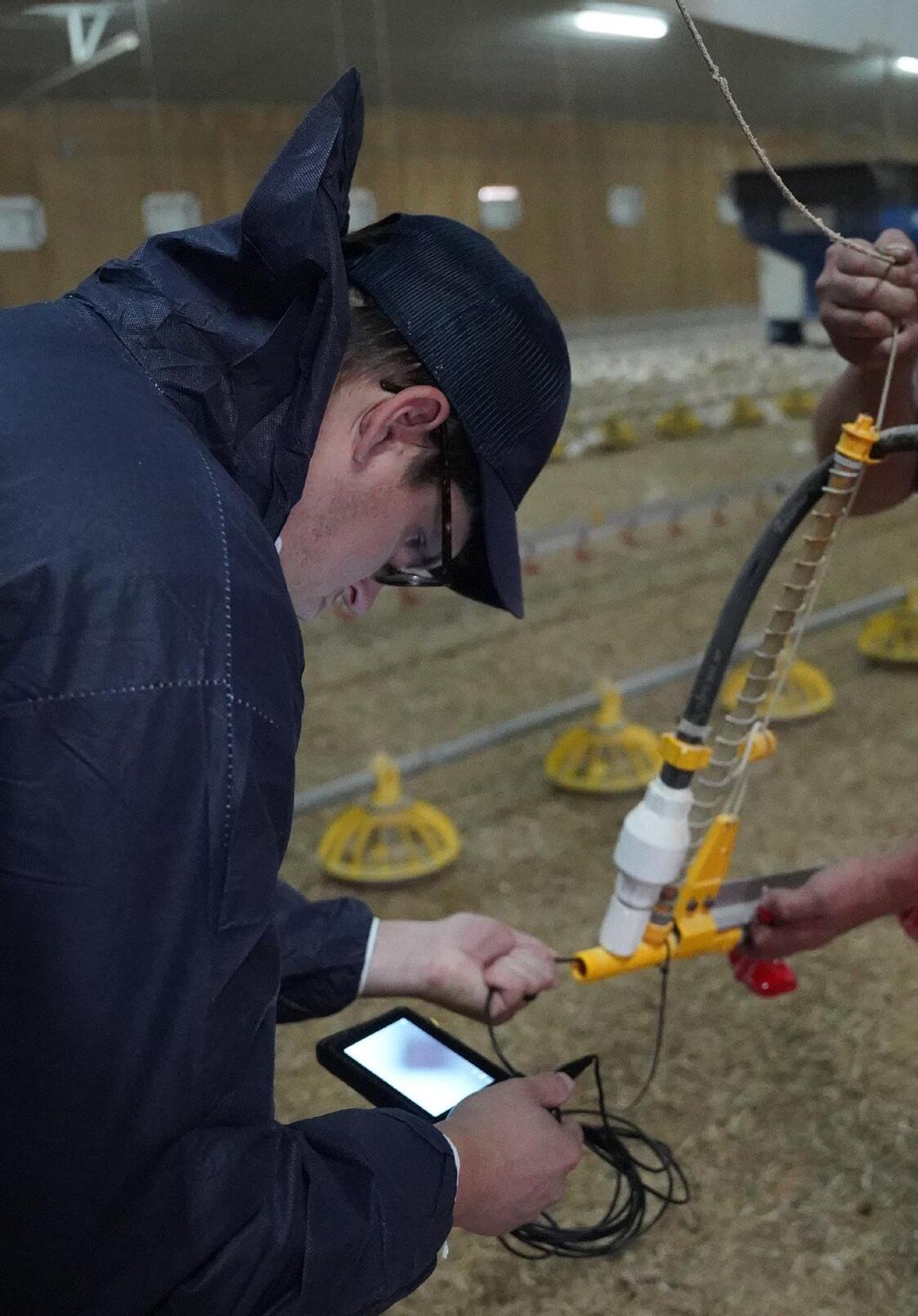
Types of material: biological (bacteria, fungi, viruses, protozoa), inorganic (mineral salts, drugs, ammonia), organic (fecal matter and proteins), lipid (fecal material, blood), physical (hair, feathers, debris, dust).
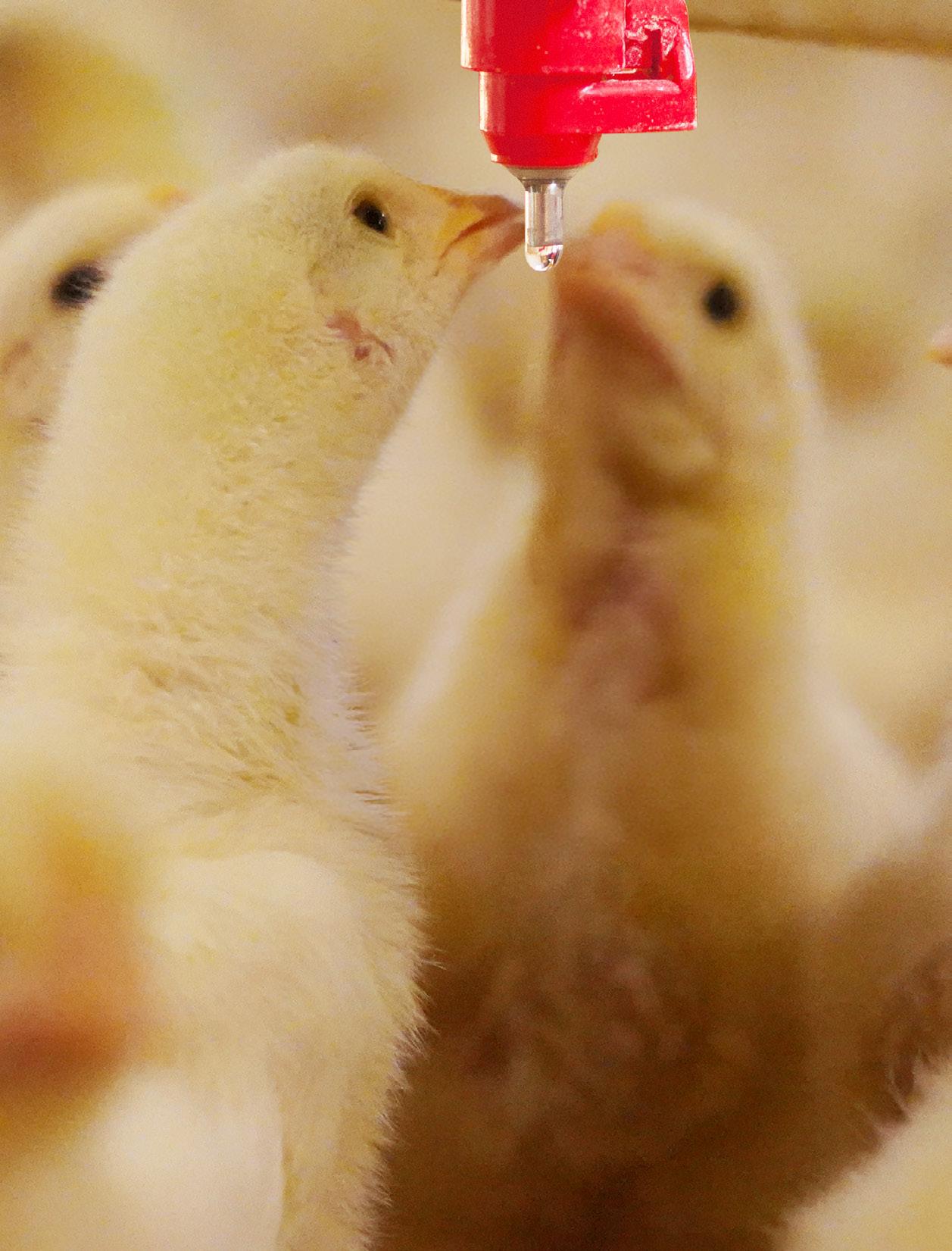
Water should meet human drinking water standards. Weekly visual checks are essential. Water lines must be cleaned regularly because biofilms protect bacteria and interfere with pressure, equipment operation, and medication delivery. Lines should be flushed weekly at full pressure and after any additives or medications.
Water treatment options include chemical disinfectants, UV light, and reverse osmosis. Follow manufacturer instructions and monitor water pH. Annual chemical and bacteriological testing, including total and fecal coliform counts, is recommended.
Consistent, well-structured biosecurity and sanitation programs are essential to lowering pathogen load and preventing costly disease challenges or outbreaks. Reinforcing barriers at every level reduces contamination risks and strengthens flock performance across successive cycles.

By: Morgan Colling, M.Sc. Monogastric Nutritionist
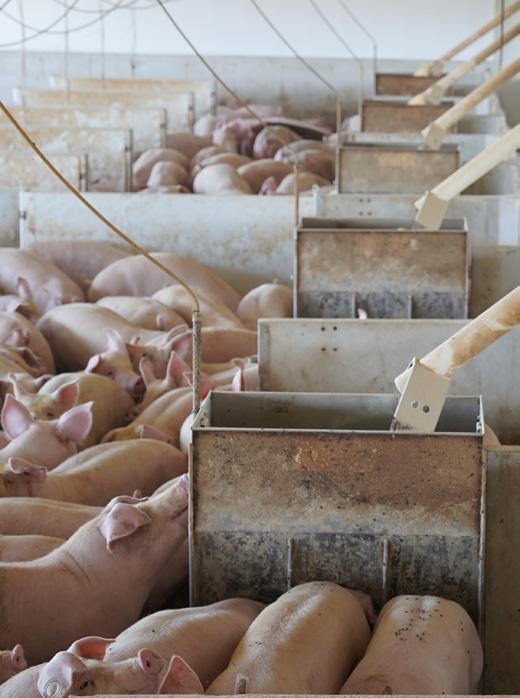
Phase feeding is a common practice used in swine production, particularly in nursery and grow-finish operations. It consists of providing multiple diets over relatively short periods of time to closely match the pig’s changing nutrient requirements during growth and development.
As pigs mature, their nutrient requirements shift rapidly. When one diet is fed for too long, it can result in underfeeding nutrients that the younger pigs require and overfeeding nutrients to the older ones. By implementing multiple diet phases, you can meet nutrients requirements more closely, ultimately improving feed efficiency, thus, making phase feeding a cost-effective approach. This trend is shown in Figures 1 and 2, where increasing the number of phases reduces both the incidence of nutrient deficiency and excess nutrients provided. Management
technologies, such as liquid or precision feeding systems, further support this approach by enabling continuous diet adjustments to align with their nutrient requirement curve.
Beyond efficiency, phase feeding also supports sustainability. Oversupplying nutrients increases nitrogen and phosphorus excretion, which can impact soil and air quality. By tailoring diets more precisely, producers can reduce nutrient waste, lower aerial ammonia concentration in barns, and minimize environmental impact.
However, feeding multiple phases isn’t always practical due to a variety of factors such as pig flow, operational complexity, or storage limitations. Furthermore, while adding phases promotes nutrient efficiency and environmental sustainability, the economic return can only increase to a certain extent. Adding additional phases eventually becomes a case of diminishing returns, where each extra phase provides a smaller economic return, which is demonstrated in Table 1.
Overall, phase feeding offers producers a practical strategy to better align dietary nutrient supply with the pig’s changing requirements throughout development. By improving feed efficiency, reducing nutrient waste, and supporting more sustainable production practices, phase feeding provides both economic and environmental benefits. While the value of phase feeding is clear, its implementation must align with the realities of each producer’s operation, along with recognizing that the economic advantages level off as additional phases are added.

By: Hannah Simpson, M.Sc. Ruminant Nutrition Consultant
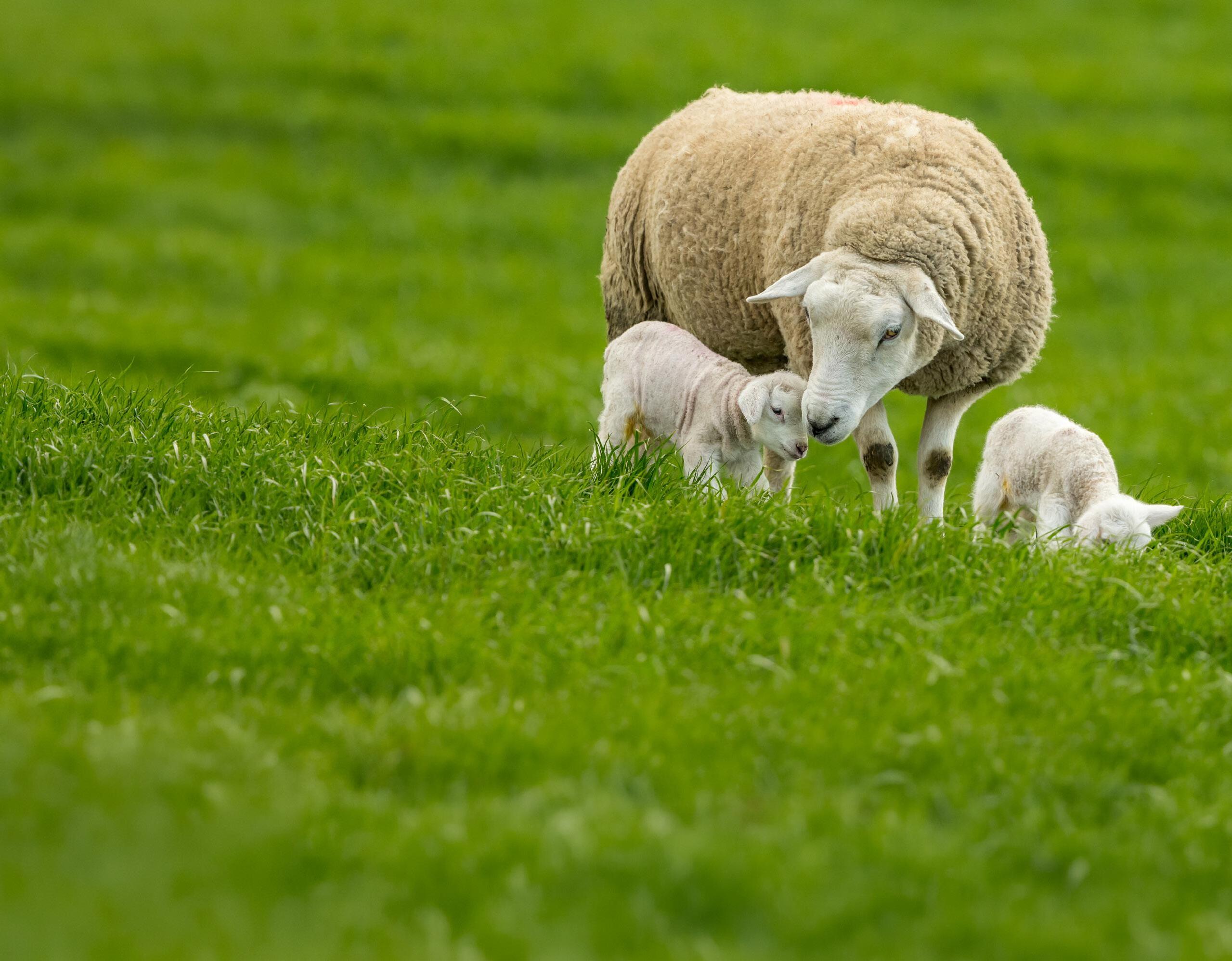
Spring lambing is a common & strategic choice for many producers, often aligning with the nutritional demands of ewes with the growth of lush spring pastures.
When grazing is managed efficiently, utilizing grazing systems paired with spring lambing can improve animal performance, reduce feed costs, and support flock health.
As ewes approach lambing and begin early lactation, their nutritional requirements increase significantly. Protein and energy demands rise as ewes approach lambing to support fetal growth, milk production, and transition to post-lambing. Early spring pastures, especially ones with a higher inclusion of cool season grasses and legumes have the potential to provide high quality forages that can meet many of the rising requirements of the ewe. Despite high quality pastures, depending on weather conditions quantity may be limited. As a result, supplemental feeding is often needed to maintain body condition and support good milk production, especially for ewes carrying multiple lambs.
From a nutritional standpoint, balancing rations during spring lambing focuses on elevated energy, protein, and mineral requirements while managing diet transitions. When ewes are consuming adequate protein intake, immune function and lamb growth are well supported. Additionally, trace minerals such as selenium, zinc, iodine, and copper are critical for lamb & ewe health. Despite lush pasture grasses, maintaining effective fibre and ensuring consistent access to clean water are essential to support rumen function & lactation.
Lambing on pasture can reduce housing and labour demands; however, weather exposure is a major risk factor in Canadian spring weather.
Dropping temperatures, wind, rain, and even snowfall can significantly increase lamb mortality & morbidity. Access to windbreaks, shelter, or temporary indoor lambing areas is essential.
A key to success is effective grazing management. Rotational grazing helps maintain forage quality, encourage pasture regrowth, and improve pasture utilization. Additionally, stocking rates must be matched to pasture growth, which needs to be monitored as growth can fluctuate significantly with spring moisture and weather. One important tip is to avoid overgrazing during early growth stages as it will support long-term pasture productivity & reduces soil damage during wet conditions.
Parasite pressure increases rapidly as temperatures rise in the spring, and young lambs are very susceptible. Strategies such as frequent pasture moves and avoiding grazing close to the soil surface can help reduce parasite exposure. Additionally, monitoring parasite levels and implementing targeted treatments (e.g. dewormer) supports sustainable parasite control and limits drug resistance.
In summary, spring lambing when combined with grazing can be highly effective when producers account for climate variability, pasture availability, and nutritional needs of their flock. Success depends greatly on energy, protein, and mineral requirements being met during late gestation and early lactation, particularly when early spring pasture is inconsistent. Working with a nutritionist for strategic supplementation, combined with effective grazing and pasture management supports ewe health, optimizes milk production, and improves lamb growth and survival. Overall, success in spring lambing comes from getting nutrition and pasture management right in a small, critical period, thus setting up the flock and pasture system up for long-term productivity.

By: Emily Deklein, M.Sc. Ruminant Nutritionist
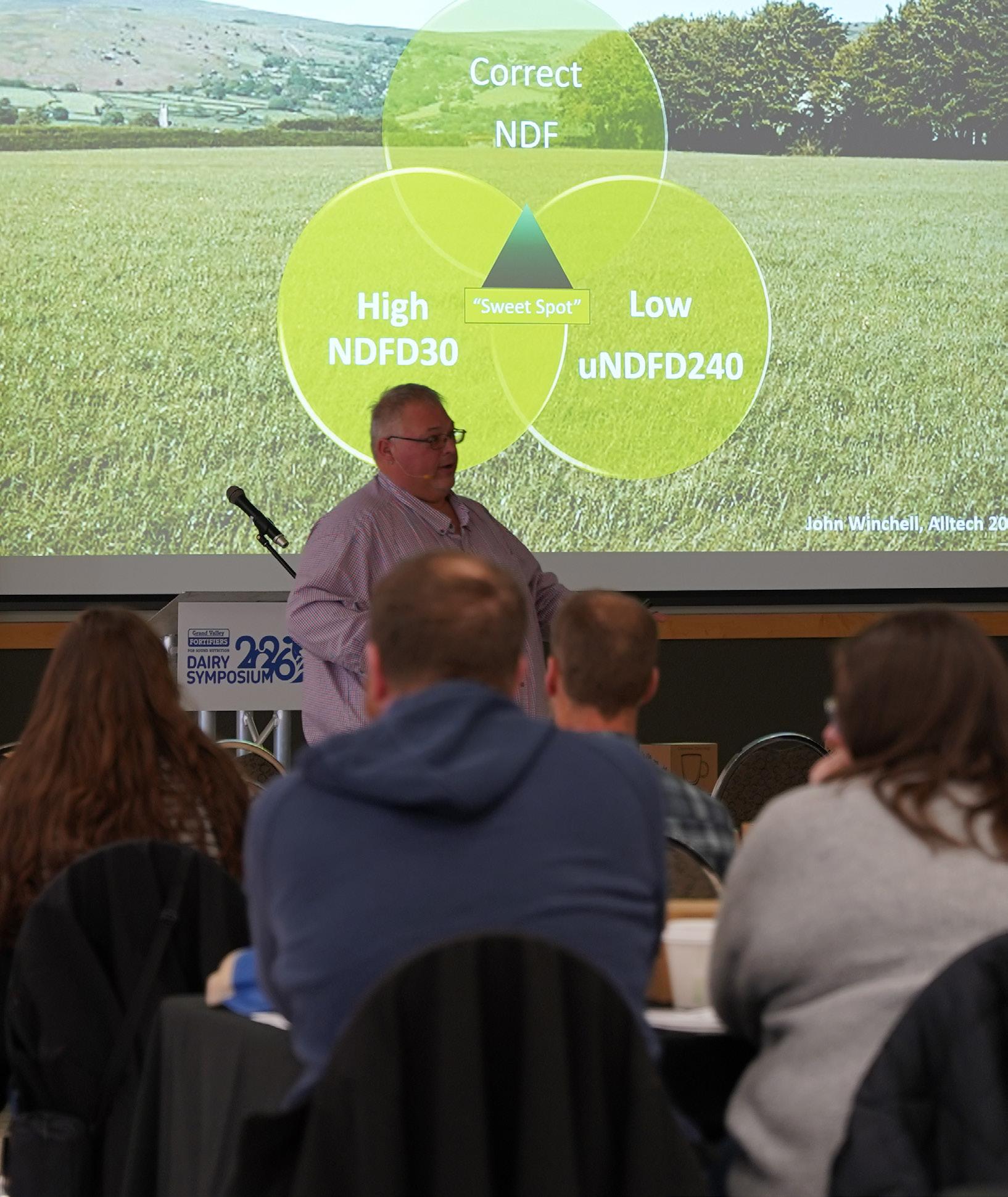
1. Milk doesn’t start in the parlor; it starts in the field
Fiber drives intake, but only if it’s digestible (high neutral detergent fiber digestibility (NDFD))
Undigestible fiber (uNDF240) simply fills the rumen and limits intake
Goal is to have more milk coming from forage instead of purchased feeds
2. Don’t forget about balance
Too much total NDF from forage can depress intakes if digestibility isn’t there Goal = digestible fiber, not bulk Tools to raise forage energy densities: BMR corn silage, winter cereals, and wellmanaged grasses when harvested properly
3. Harvest timing: the biggest nutritional decision of the year
NDF rises 0.75% per day, while digestibility can drop 2–3% per day
› Miss the window and you’re feeding undigestible forage instead of energy
Tip: Follow growing degree days (GDD) and crop stage rather than the calendar, especially in warm springs when crops run ahead
4. Planning fields, watching maturity, and harvesting on time remains the most powerful way to lower feed cost per liter and boost milk from forage
John Winchell
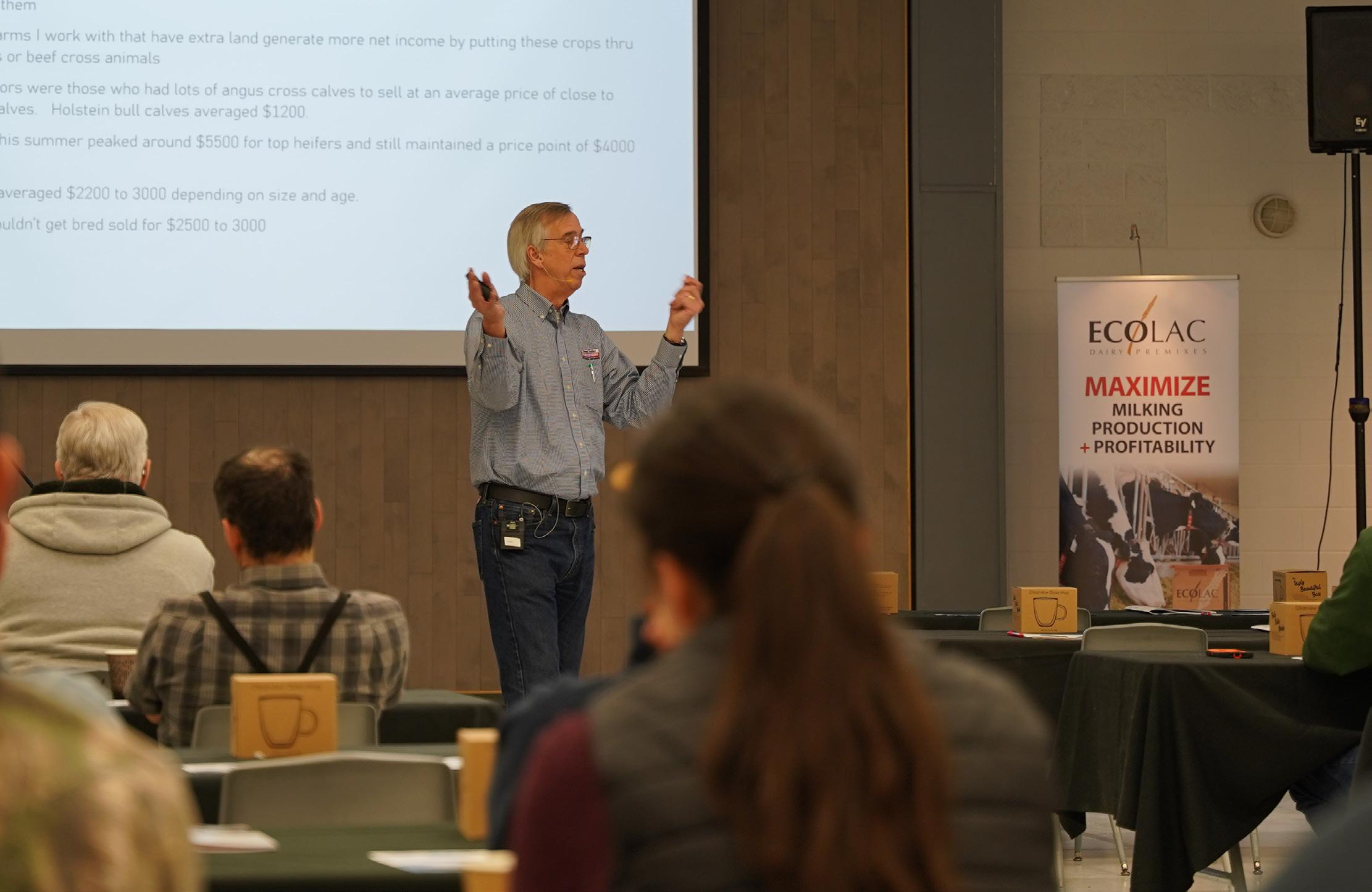
Five Top Factors contribute to dairy farm profitability
· Filling all Fall Incentives
› Using your own animal inventory and feed inventory
Putting up top quality forages
› Combination of high quality and properly ensiled haylage, triticale, and corn silage provide good protein, energy, digestibility and sugars for ideal rumen function
Raising too many replacements heifers
› Calving in too many, means you can keep the best and sell the rest, and allows you to fill incentives with your own inventory
› Only works if you have adequate barn space and feed
Striving to produce the most economical milk
› Milk prices are largely the same for everyone, so profit comes down to “Can you produce milk cheaper than the average farm?”
› Focus on kg of butterfat and gross income per cow produced
› Minimize feed costs per day and feed costs per liter,
› Helps to have good homegrown feed , with less reliance on purchased ingredients
Generating extra farm income
› Strong prices for Angus-cross calves, finished crosses, and surplus heifers = farms can turn surplus feed into cash.
› Try maximizing SNF ratio if you are overfilling quota
Milk price, interest rates, and feed costs are expected to remain relatively stable; profit in 2026 will come from management, not market luck
Feeding calves corn silage at 10% of their solid feed dry matter intake can improve average daily gain during the milk-feeding and weaning period
Heifer growth tends to be lower than target (>950 g/d) during milk-feeding phase and post-breeding
› Goals: Breed heifers at 55% of mature body weight and calve heifers at 85% to avoid lost milk from undersized animals
Across all presentations, the bottom line is to grow digestible forage, harvest on time, control feed costs, and manage animals by performance. The dairies that win are those that turn field decisions into milk, and milk into margin.

By: Nicole Grubb Inside Sales Representative

Optimal drinking water is defined as water that is sufficient, clean, healthy, and reliable. While all these qualities are important from the animal’s perspective, access to sufficient water stands above the rest. Clean water should be clear, colourless, and free from harmful substances or microorganisms. Factors such as pH and mineral balance help determine how healthy the water is. Keeping all this in mind, it is essential to monitor these parameters regularly to ensure the water supply remains consistently reliable.
Clean water plays a critical role in livestock production because it is not only essential but also often the cheapest feed ingredient available to producers. Animals typically consume far more water than feed, with water intake often exceeding feed intake several fold. Because of this, any issue with water quality has an immediate and significant impact on animal health, performance, and productivity. Ensuring that livestock have access to clean, uncontaminated water is therefore one of the most effective and economical ways to support growth, feed efficiency, and overall operational success.
One of the biggest underlying causes of unclean water is the presence of biofilm. Biofilm is a slimy layer that accumulates on the interior walls of water pipes, created by microorganisms that use it for protection and as a source of nutrients. As water flows through the system, bacteria continuously move between the biofilm and the water, leading to reduced water intake due to poor taste or smell, increased health risks, and clogged pipes. Several factors can accelerate biofilm buildup, including contamination, high temperatures, the use of supplements, and poor pipe infrastructure.
When it comes to removing biofilm, various methods exist for cleaning and disinfecting water pipes, with most disinfection accomplished
through chemical treatments. Di O Clean is a chlorine dioxide–based product developed by the Schippers Group to combat this critical issue. It effectively removes existing biofilm, prevents new layers from forming, and targets harmful microorganisms -including bacteria, yeasts, fungi, spores, and viruses - without altering the taste or smell of the water. Designed for use in all livestock operations, Di O Clean offers a powerful yet safe solution for improving water quality, resulting in healthier animals and more consistent performance.
Other cleaners often use hydrogen peroxide or hypochlorous acid (chlorine) to disinfect drinker lines. While both have long been used in the industry, products like Di-O-Clean are considered among the most effective and safest options. Peroxide relies heavily on strong oxidation to break down organic material in water pipes, but it is often less effective at penetrating established biofilm layers. Highly oxidative products may also be consumed quickly by organic matter, reducing their effectiveness along the length of the line. Chlorine-based products come with additional disadvantages, including pH dependency, limited ability to break down biofilm, potential impacts on water smell and taste, and the formation of dangerous by products when mixed with other substances.
A continuous dosing strategy is an effective way to keep water lines clean and prevent new biofilm from forming when using Di-O-Clean. By supplying a steady, low concentration of activated chlorine dioxide, farms can maintain consistent water quality and reduce pathogen pressure. The Digi Doser is the recommended tool for this approach, as it delivers Di-O-Clean precisely and automatically into the drinking water system. This system helps safeguard animal health, reduces labour demands, and ultimately supports higher productivity and long-term cost savings for an operation.
Clean, reliable drinking water is one of the most influential yet often overlooked factors in livestock health and performance. Biofilm, pathogens, and inconsistent water quality can undermine even the best nutrition and management programs, making effective water care essential. MS Di-O- Clean offers a practical and powerful solution by removing biofilm, preventing its return, and maintaining high-quality water through continuous dosing with tools like the Digi Doser. Together, these strategies help ensure that animals receive the safe, clean water they need to thrive, ultimately supporting better productivity, improved welfare, and more efficient farm operations.


By: JP Thibault Business Development Manager
What will we remember about the spring of 2026?
While we should be feeling the excitement of the coming spring and looking forward to the USDA’s first reports on planted acreage forecasts, it is instead a Black Swan event that is capturing our attention. This type of event—rare, unpredictable, and with major consequences—captures the very essence of how geopolitical shocks can ripple through global commodity markets.
Although market fundamentals offer little justification for a sudden upswing, the escalating conflict involving Iran has emerged as a prime catalyst, sending shockwaves through the grain and oilseed sectors—industries that depend heavily on stable trade corridors, predictable energy costs, and geopolitical stability. What makes this situation resemble a black swan event is not only the suddenness of the escalation, but also the interconnectedness of its consequences. For example, countries that rely on imported wheat or soybeans are facing rising costs as marine insurance premiums increase and shipping routes are rerouted to avoid conflict zones. Exporters, for their part, are grappling with heightened uncertainty regarding fuel availability and price spikes that are eroding margins. The war has also amplified speculative behaviour.
During periods of geopolitical tension, commodities often become safehaven assets, attracting investors who may have little direct interest in agricultural fundamentals. This influx of speculative capital can intensify price movements, creating a feedback loop that further destabilizes markets. For both producers and consumers, the result is a landscape where planning becomes difficult and risk management strategies are put to the test. Ultimately, the spring of 2026 serves as a stark reminder that agricultural markets now operate in an environment where unpredictability is an integral part of the landscape. Major geopolitical events expose the fragility of global supply chains and the speed with which prices can skyrocket or collapse. Yet, beyond the tension and uncertainty, such a context also opens the door to strategic opportunities.
Extreme volatility, though difficult to manage on a day-to-day basis, creates windows of opportunity for both sellers and buyers of grains and oilseeds. Producers can capitalize on sudden price spikes to secure favourable margins, while savvy buyers can take advantage of rapid price dips to meet their needs at more attractive levels. In a market where price swings are amplified and trends are less predictable, those who remain disciplined, informed, and proactive will be better positioned to turn uncertainty into an advantage. Thus, even in the midst of a Black Swan event, the agricultural sector once again demonstrates its ability to adapt, seize opportunities, and move forward despite the storm.