P O R T F O L I O

ARCHITECTURAL
GRADY O’NEILL
2
BUILDING STUDIO 4
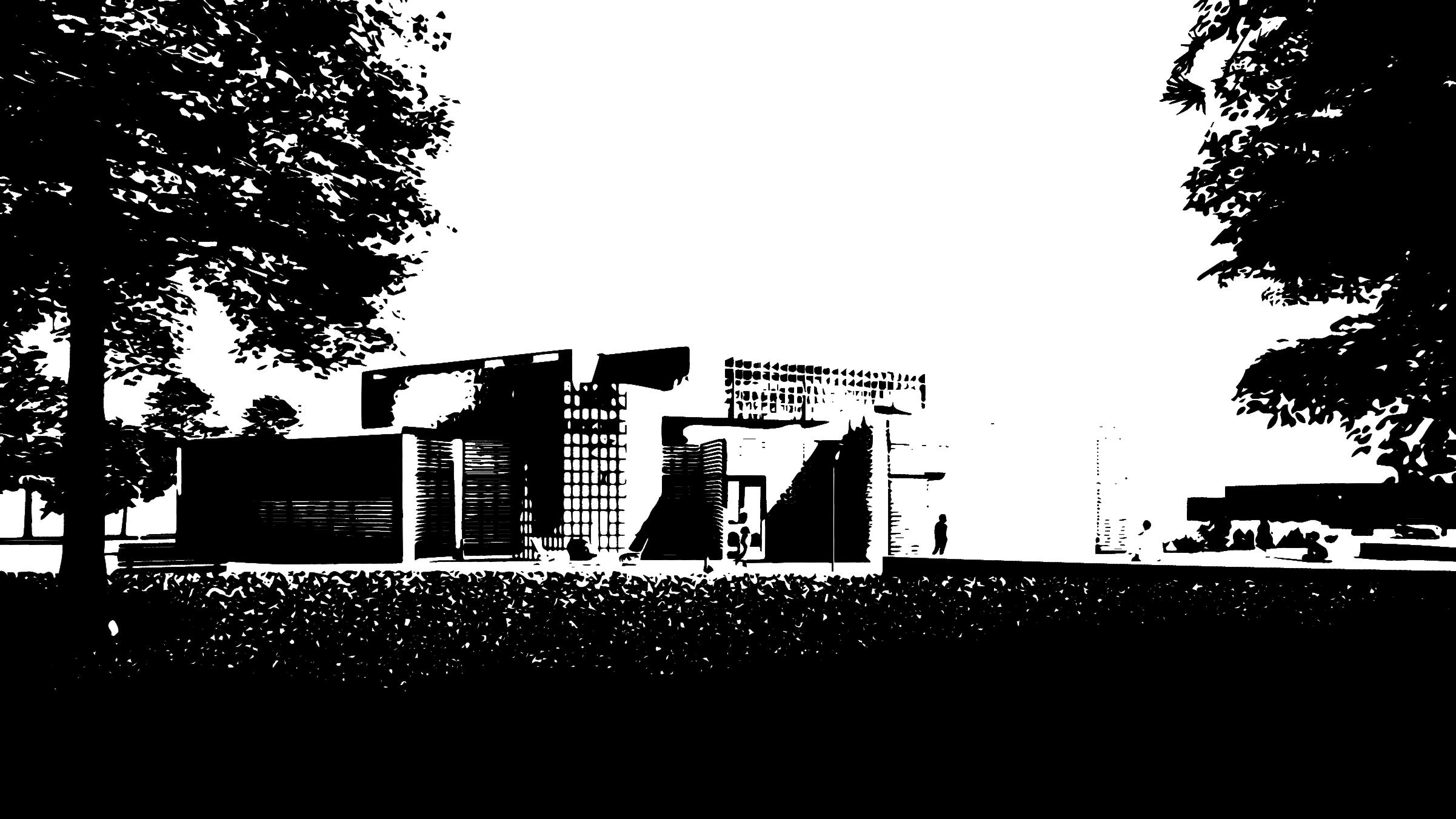
RESEARCH STUDIO 10

3 3
CUBIC SPACE 16

Building Studio has provided me with a comprehensive understanding of the technical, creative, and contextual aspects of architectural design.
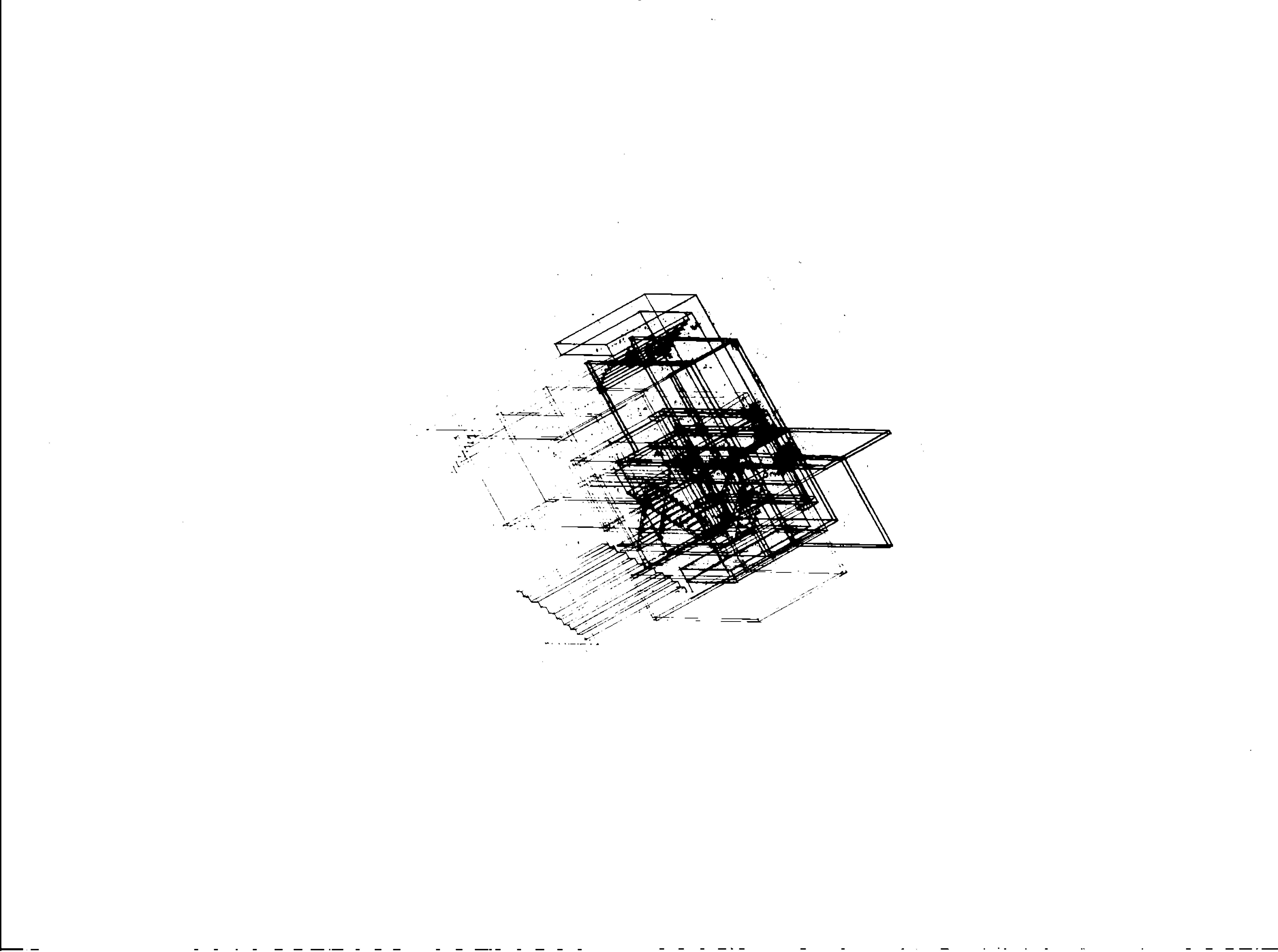
Through this course, I gained technical skills related to construction, which enabled me to better understand designing buildings that are structurally sound and safe. I learned about different materials, joints, and structural systems and how they work together to form a building.
I was taught how to approach design challenges iteratively and discursively, allowing me to think critically and creatively about design problems and evaluate multiple solutions before arriving at the best one. This has helped me develop my design thinking skills, which I can apply to a range of design challenges beyond architecture.
Collaboration is a key aspect of architecture, and in Building Studio, I learned how to give and receive feedback and work effectively in a team. This has helped me develop my communication skills and learn how to work collaboratively with others.
Building Studio emphasized the importance of contextual awareness in design. Through investigating key issues related to the project site and context, I learned how to design buildings that respond to the needs and characteristics of their surroundings. This has helped me create buildings that are not only functional and aesthetically pleasing but also responsive to the broader context in which they exist.
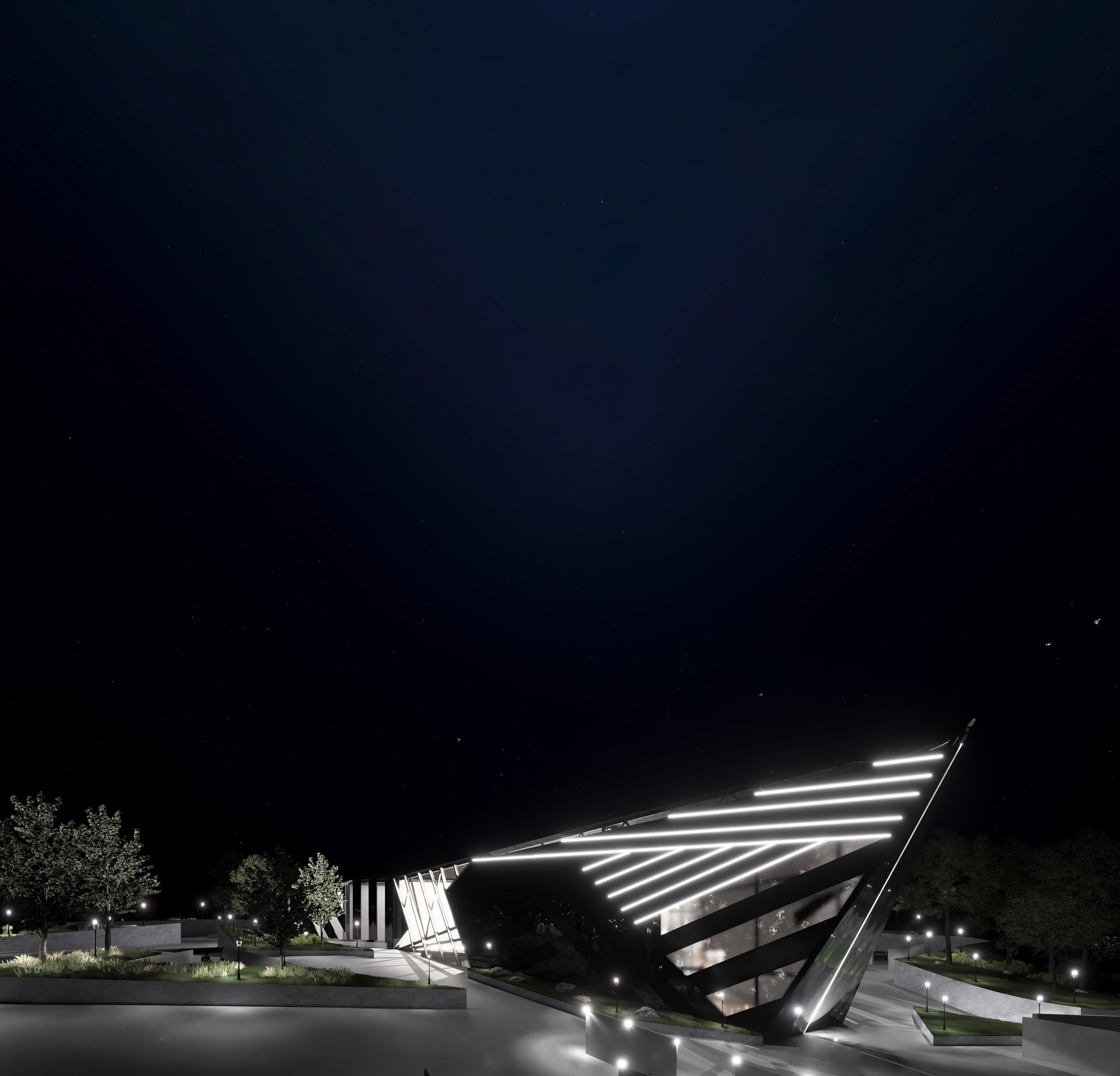
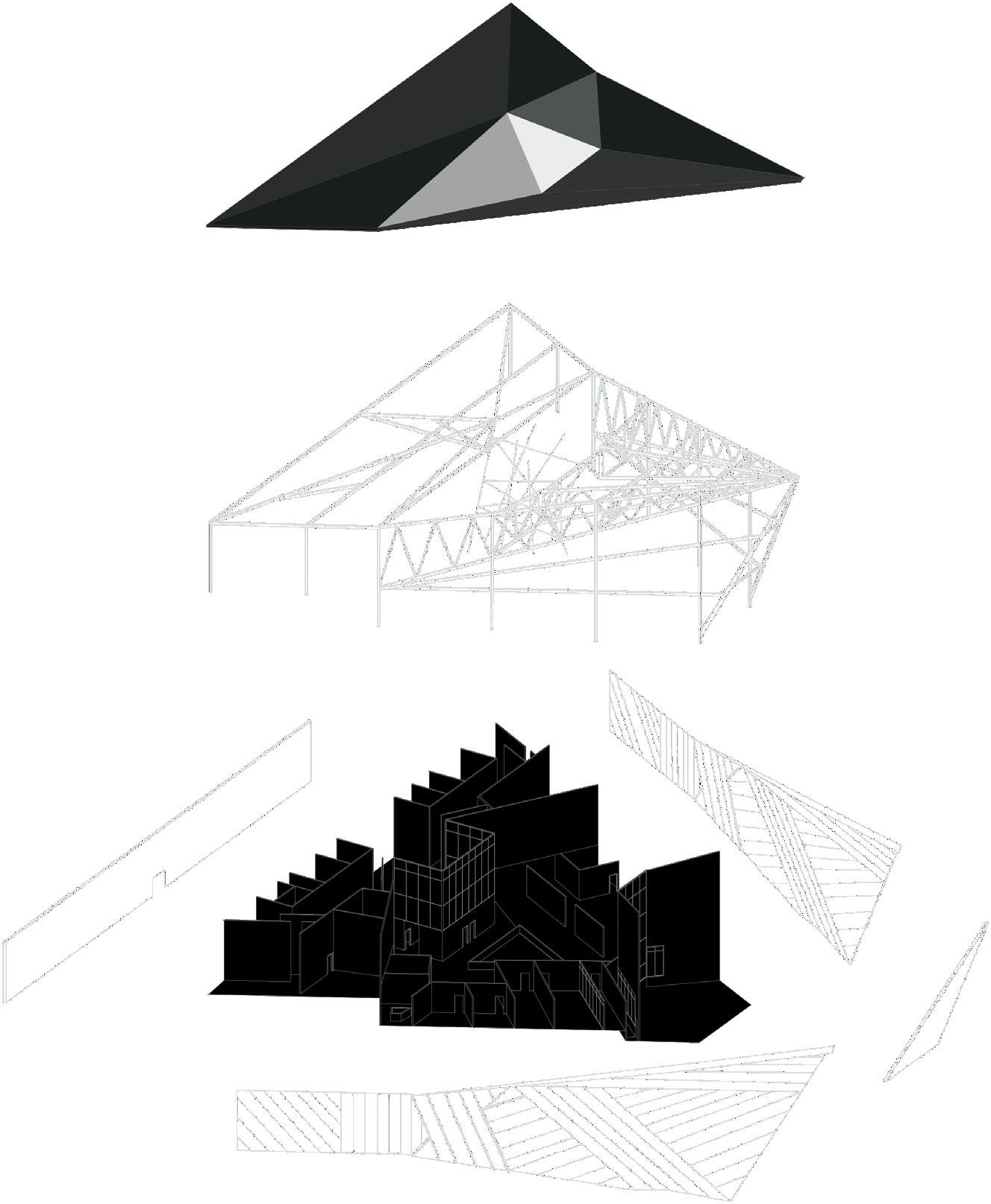
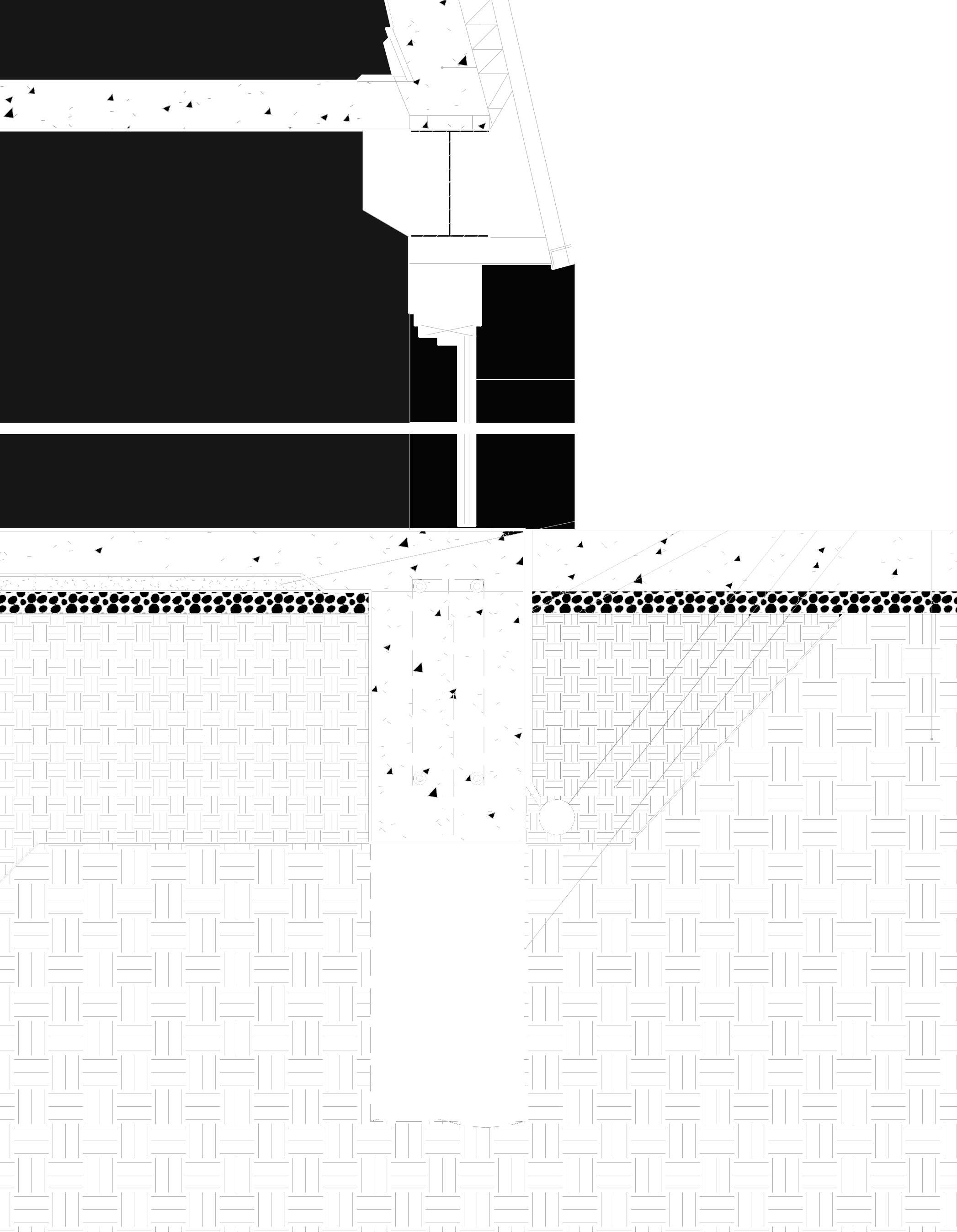
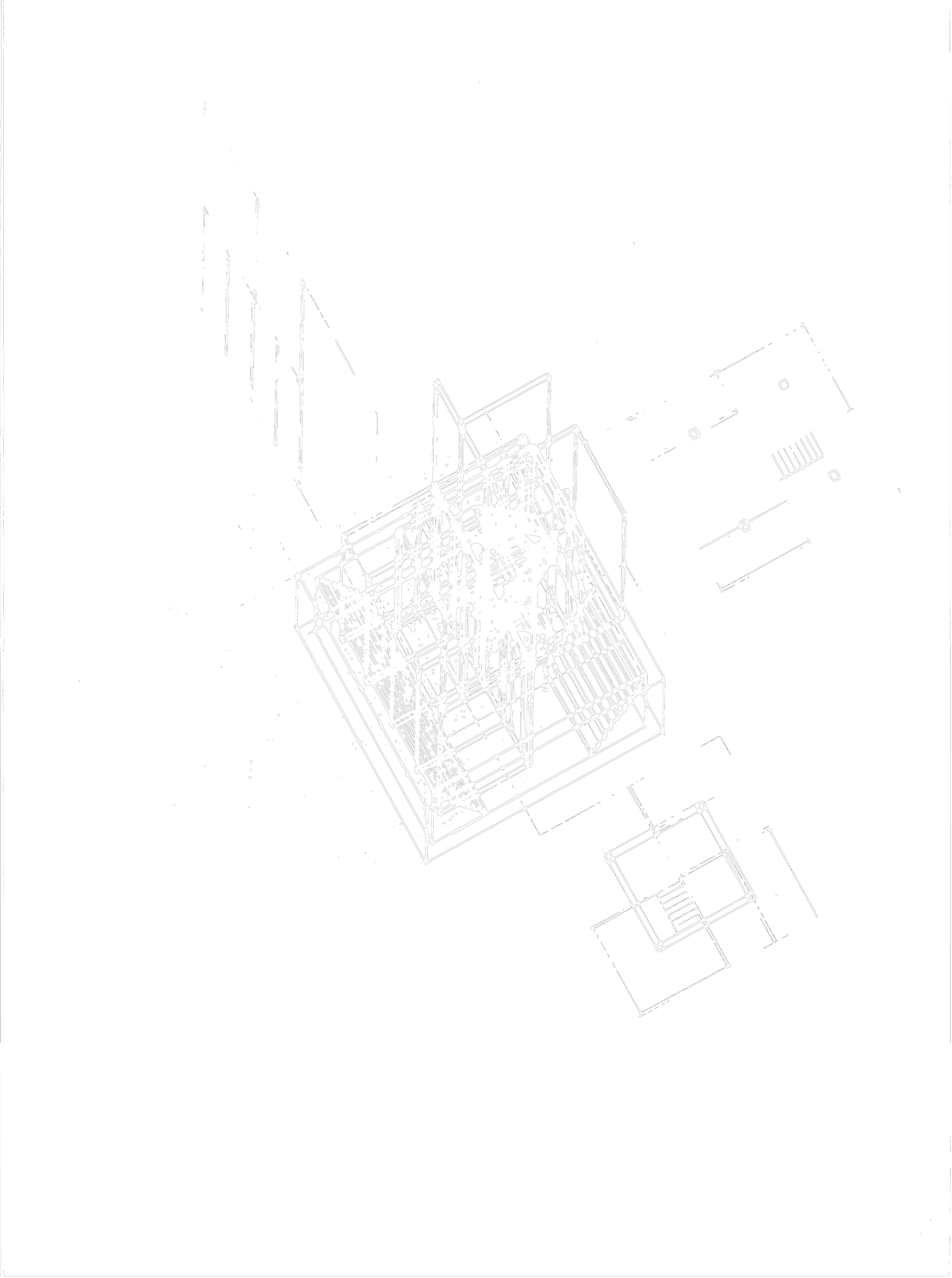
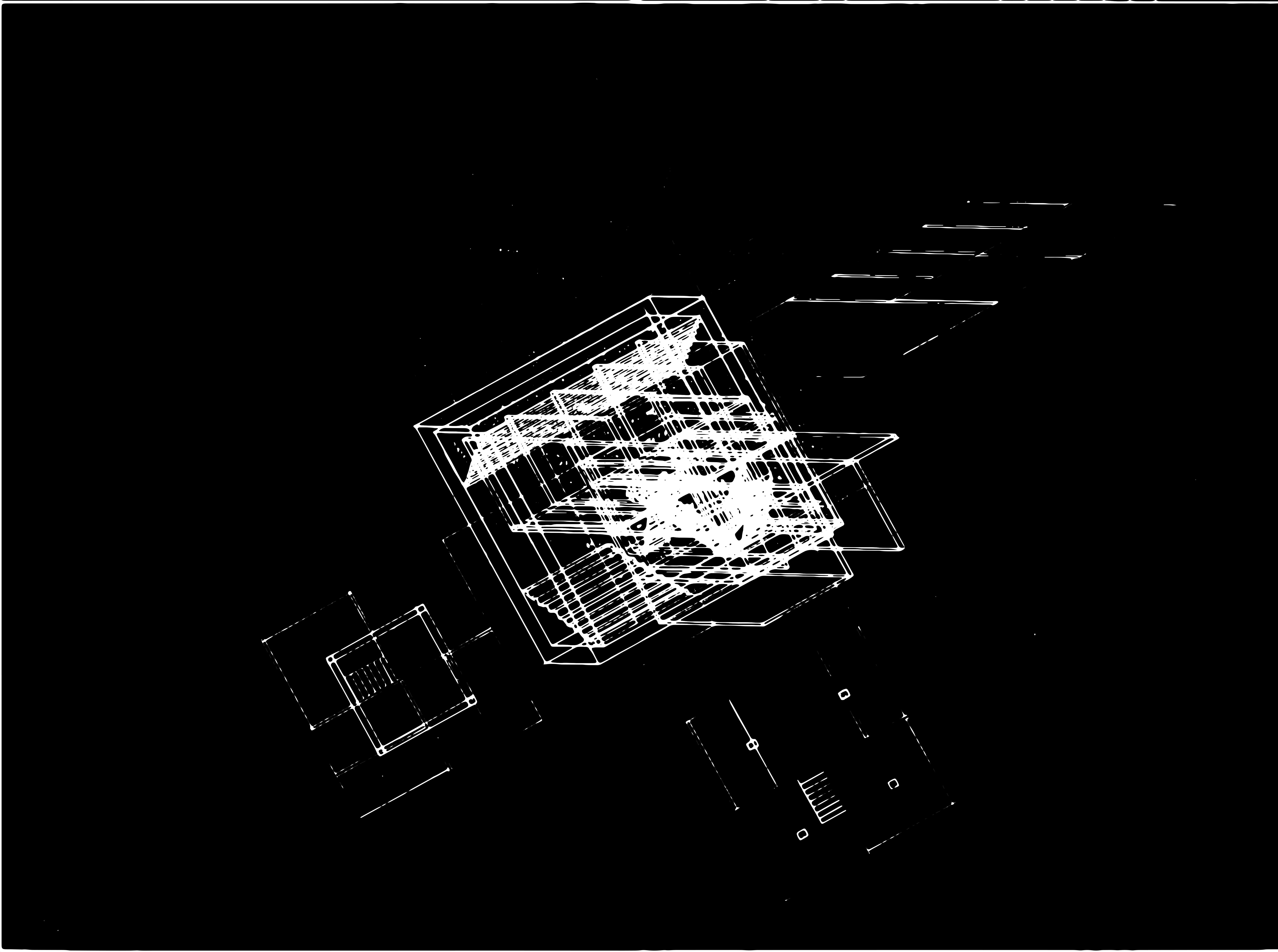
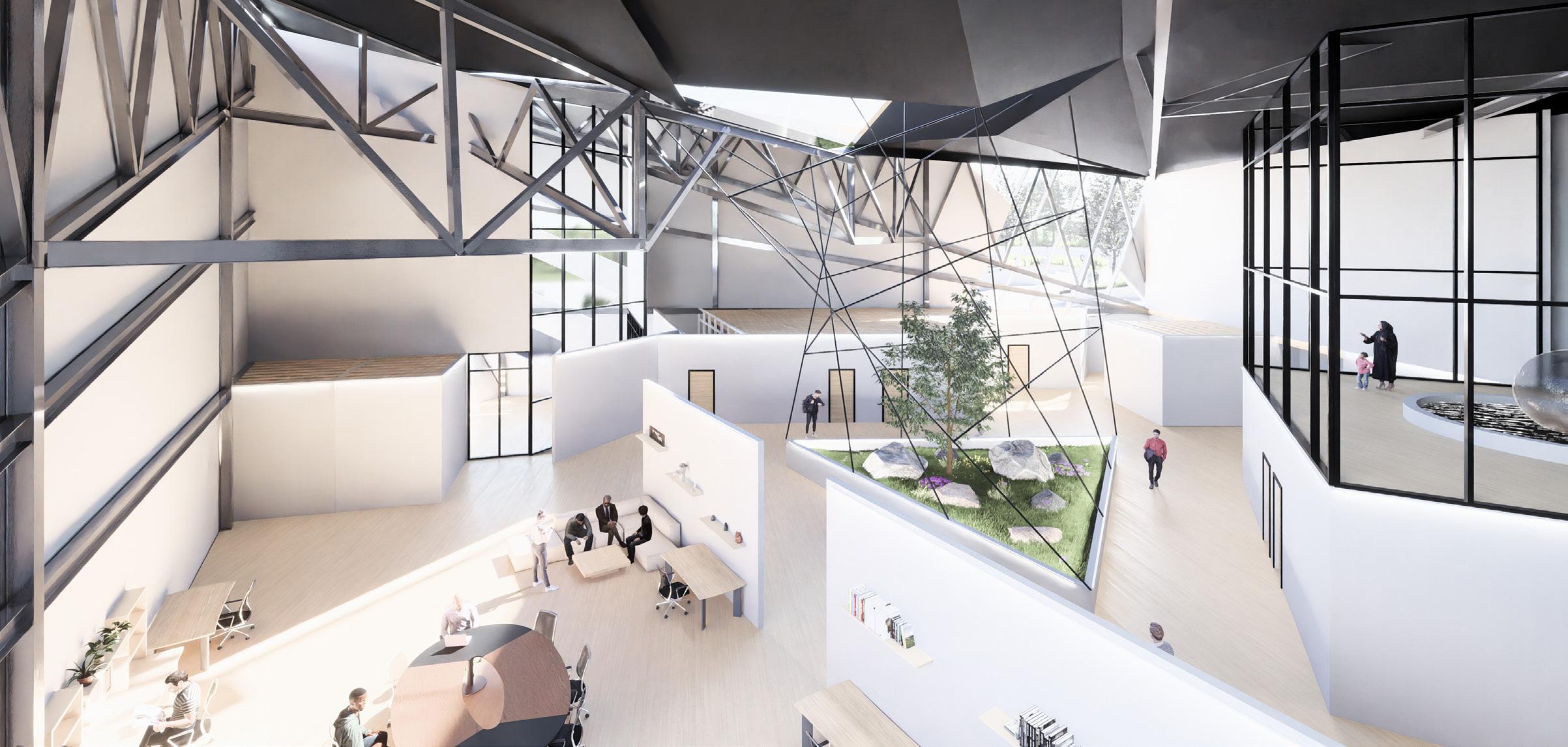
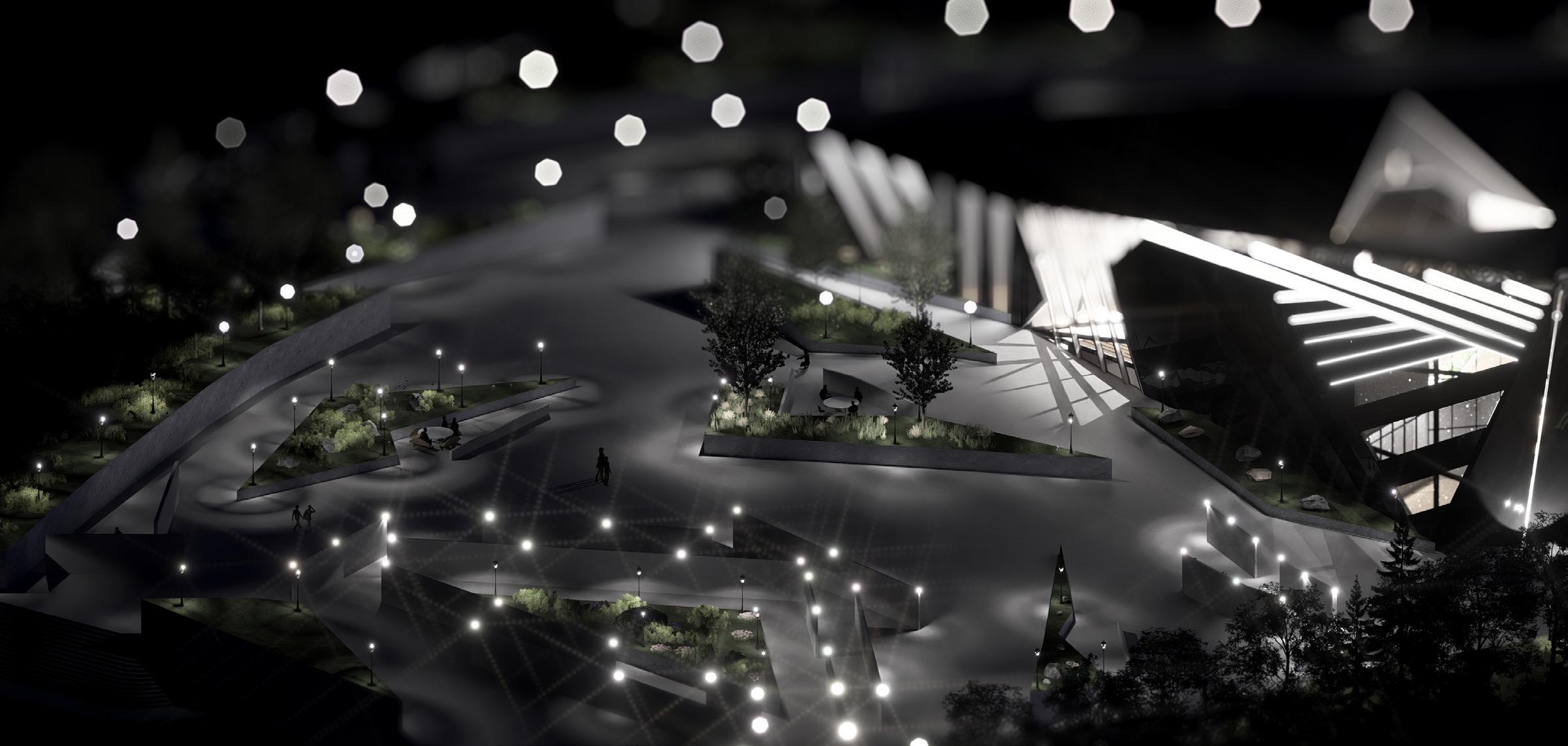
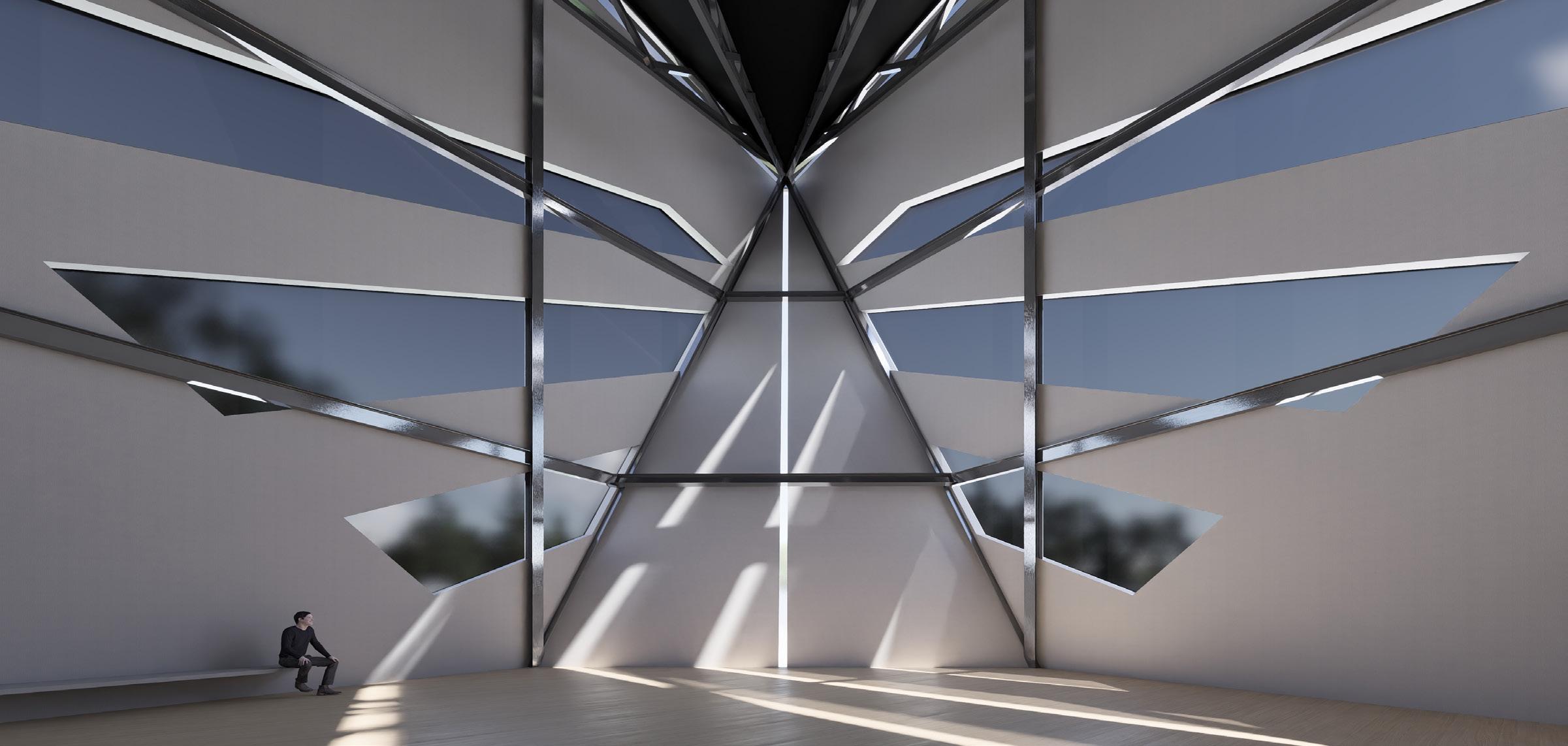
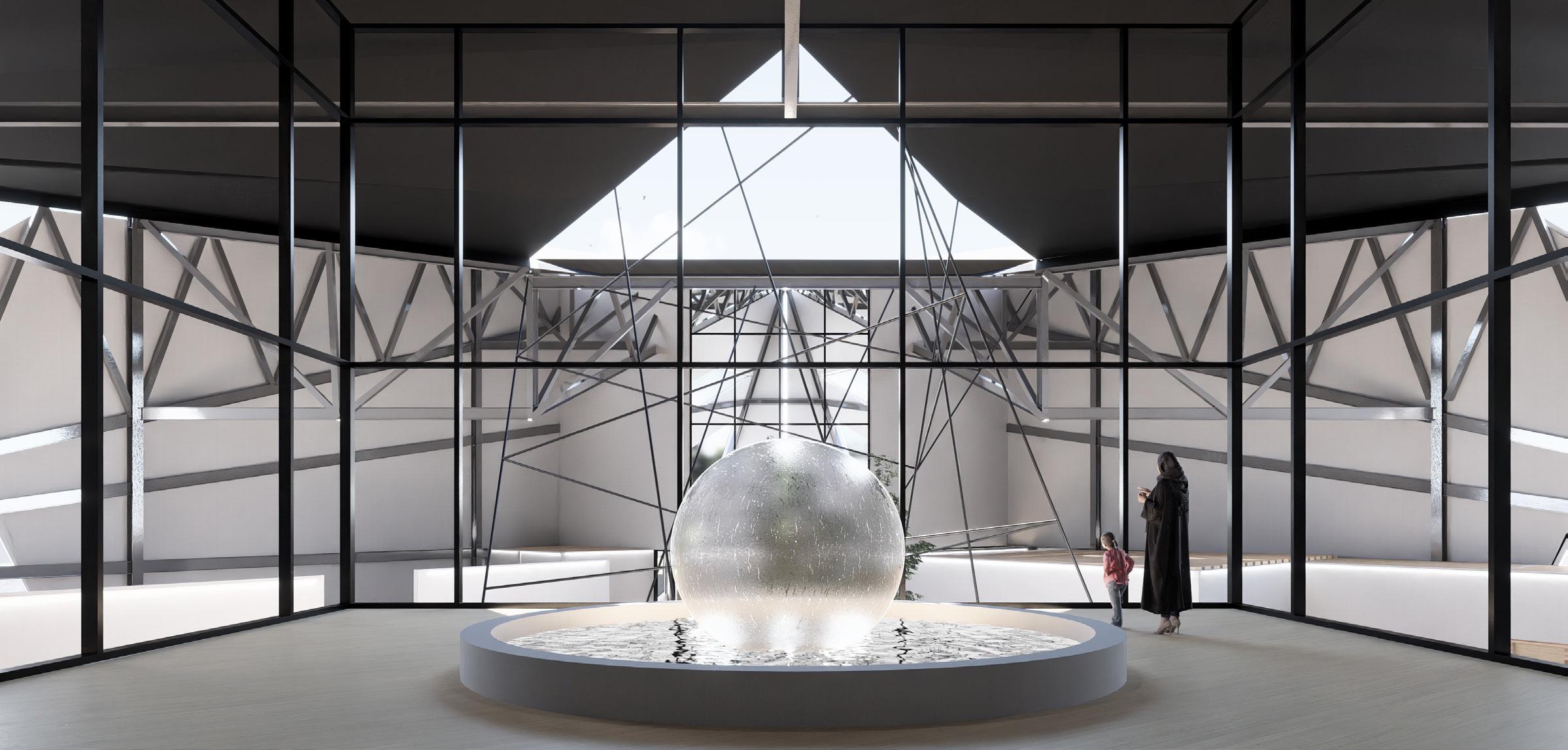
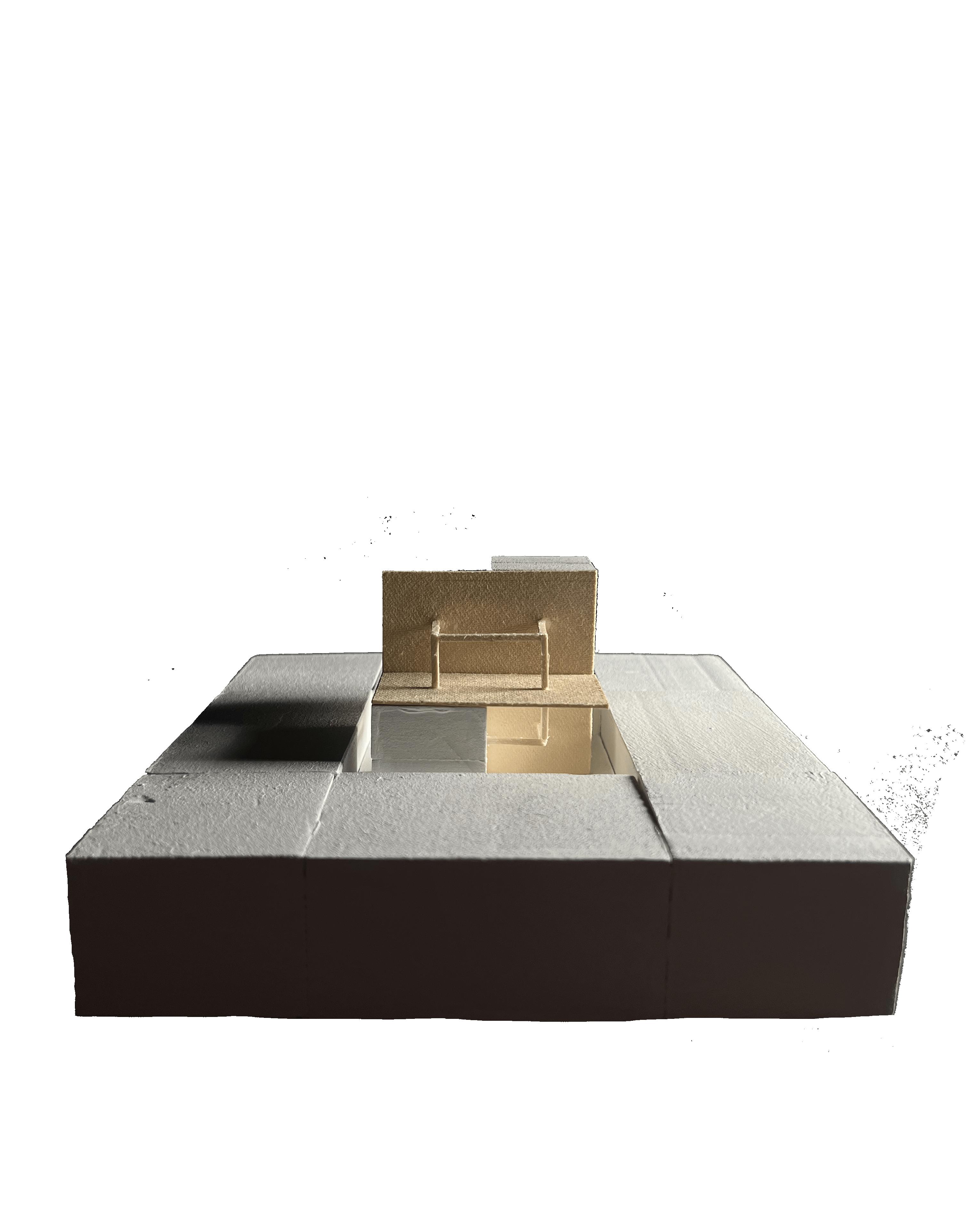
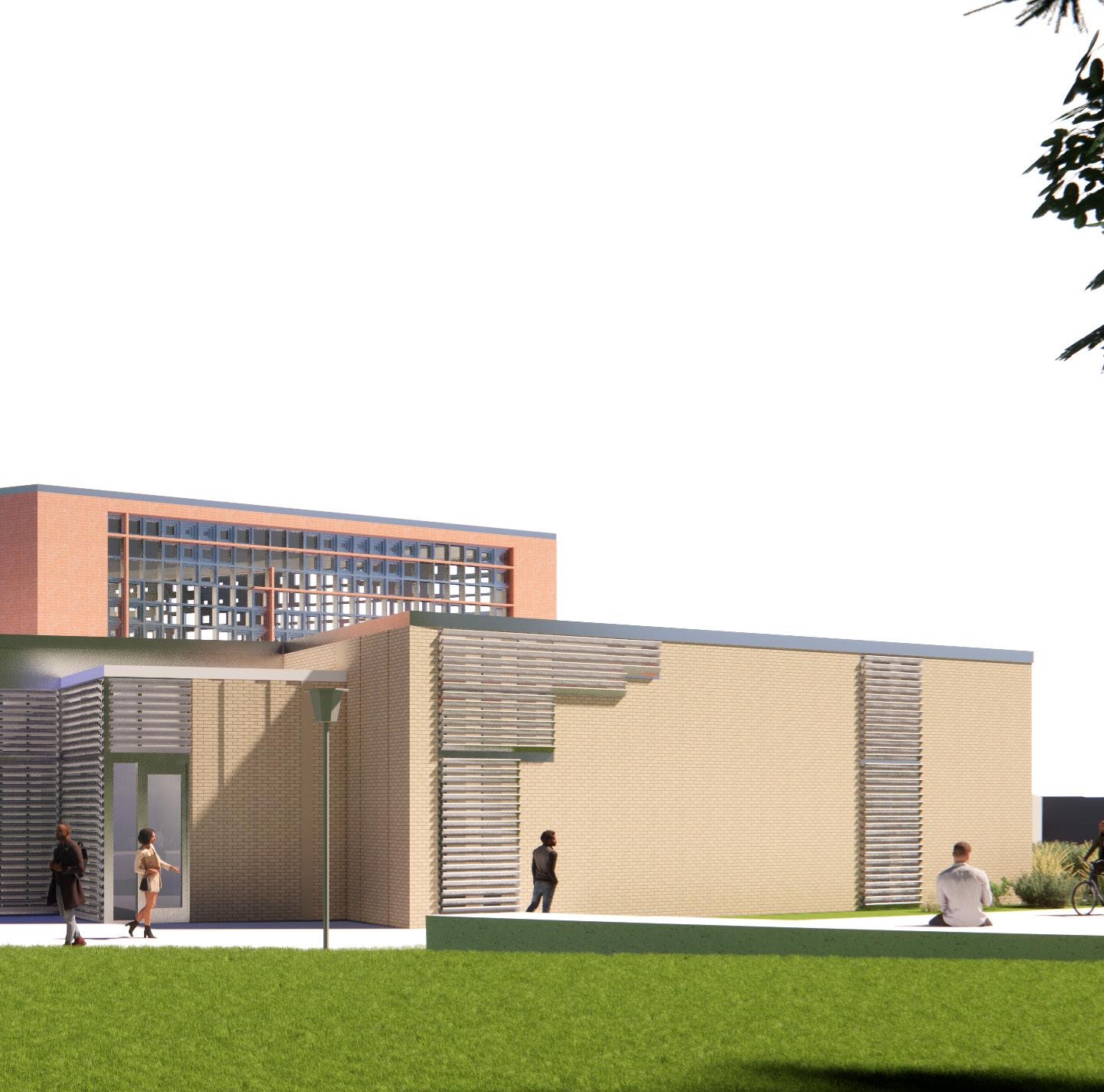
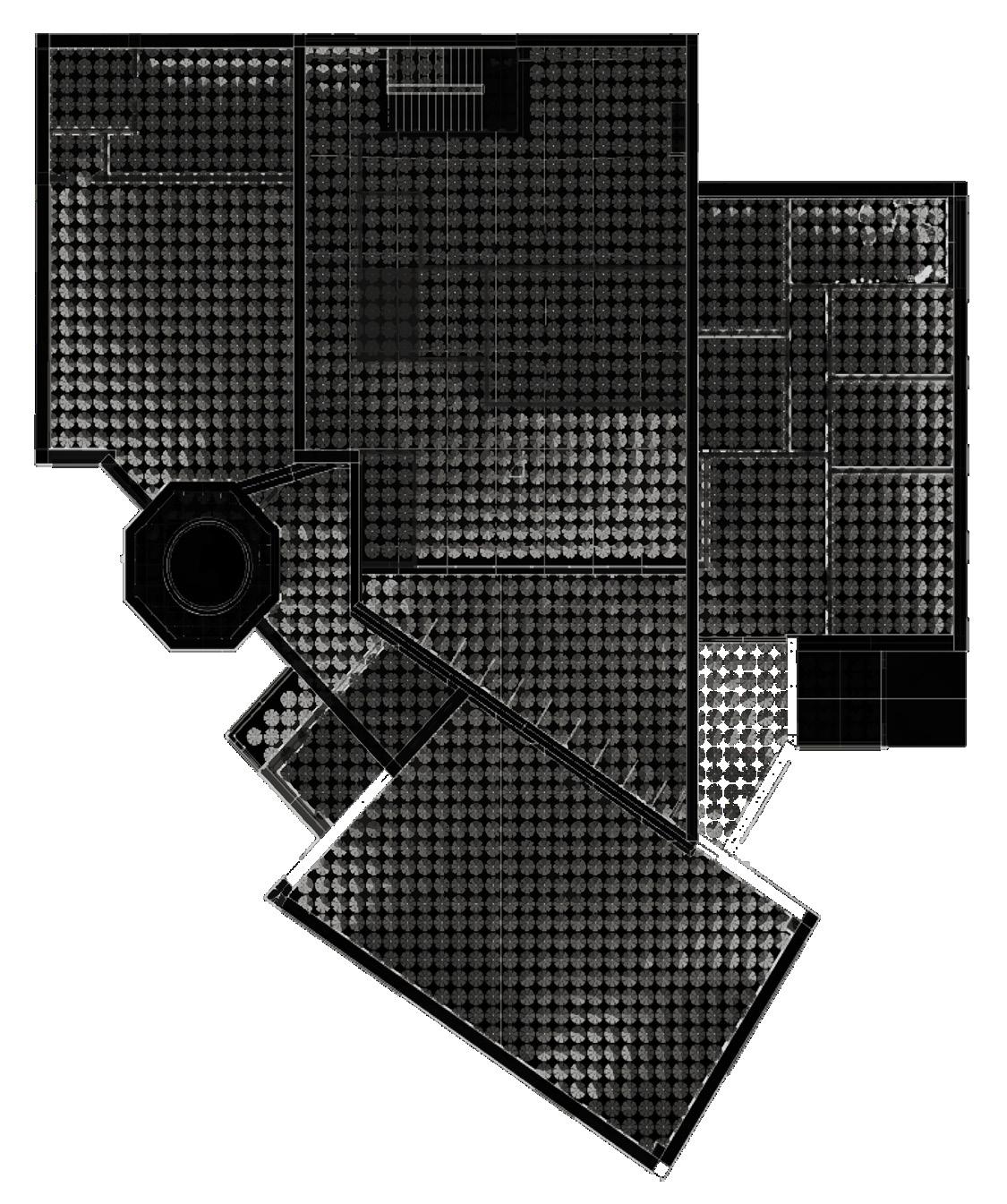
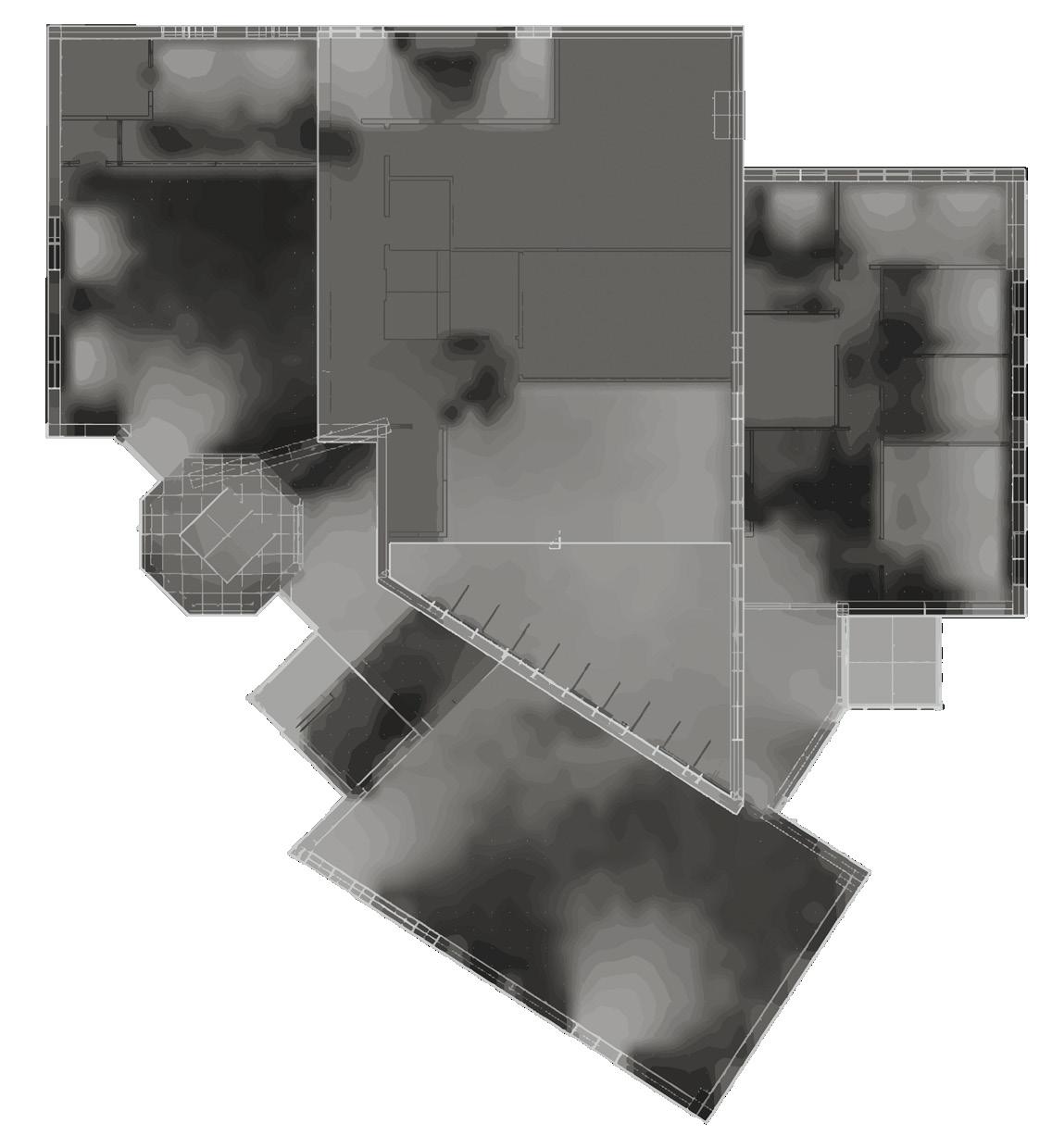
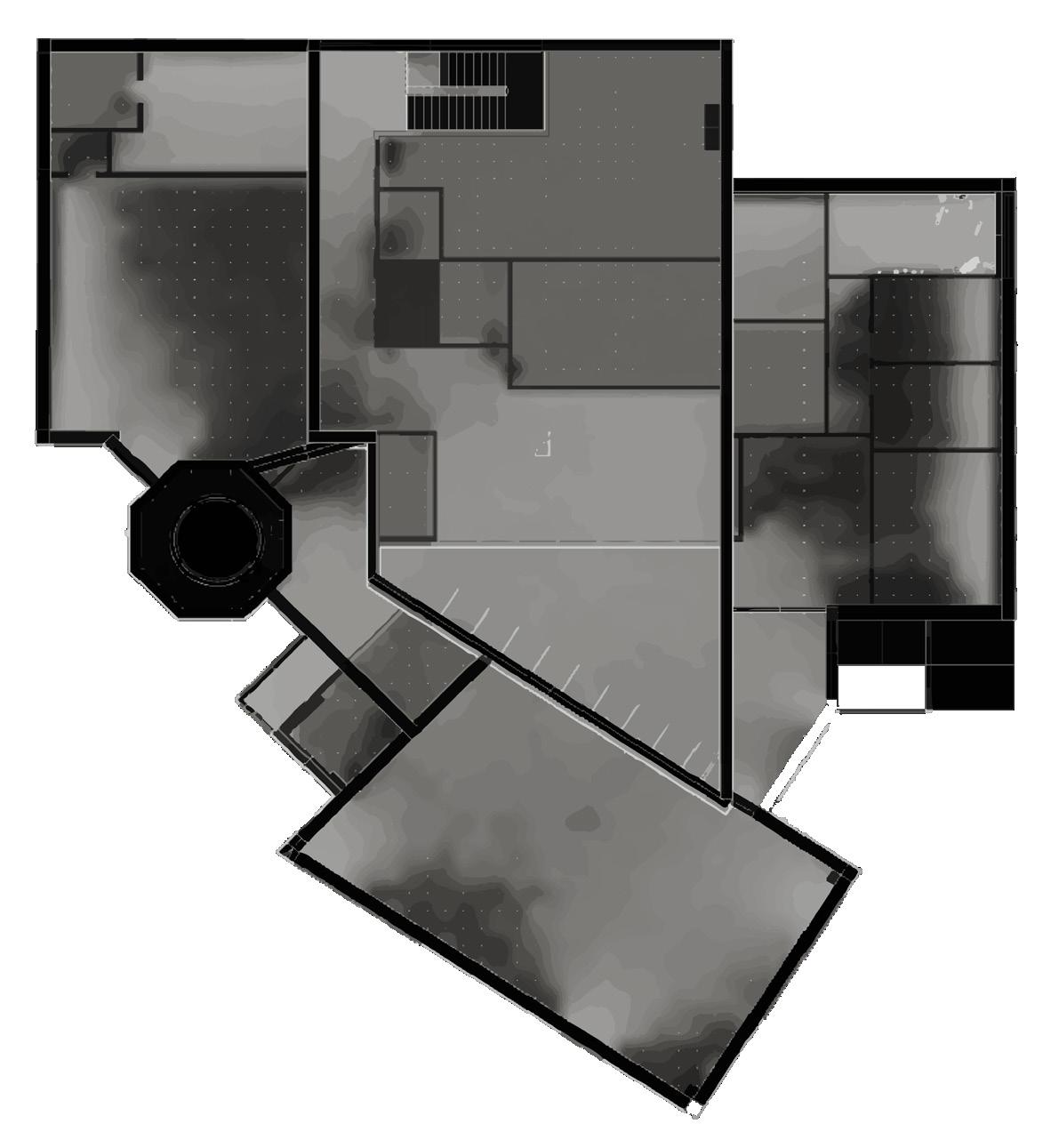
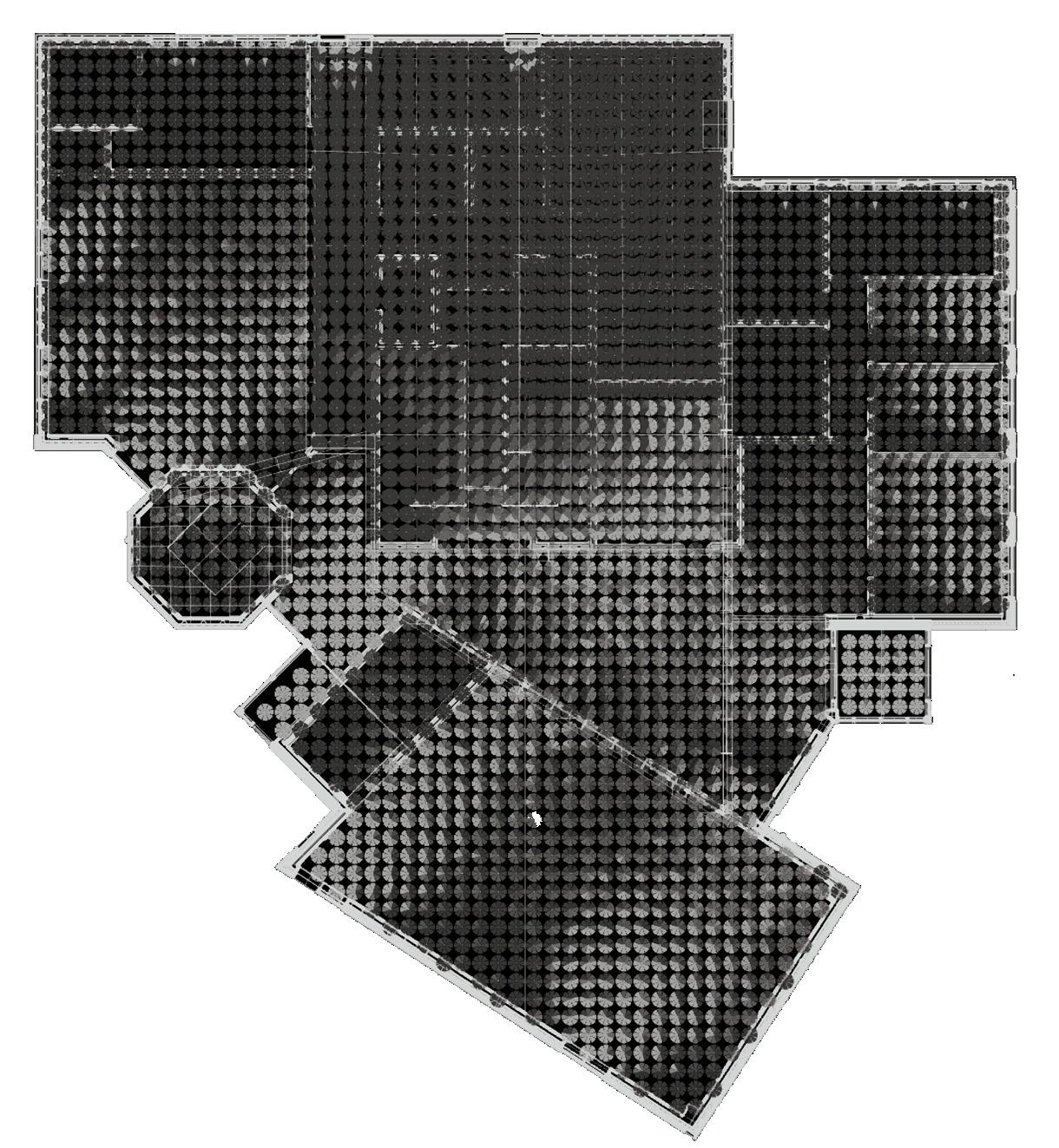
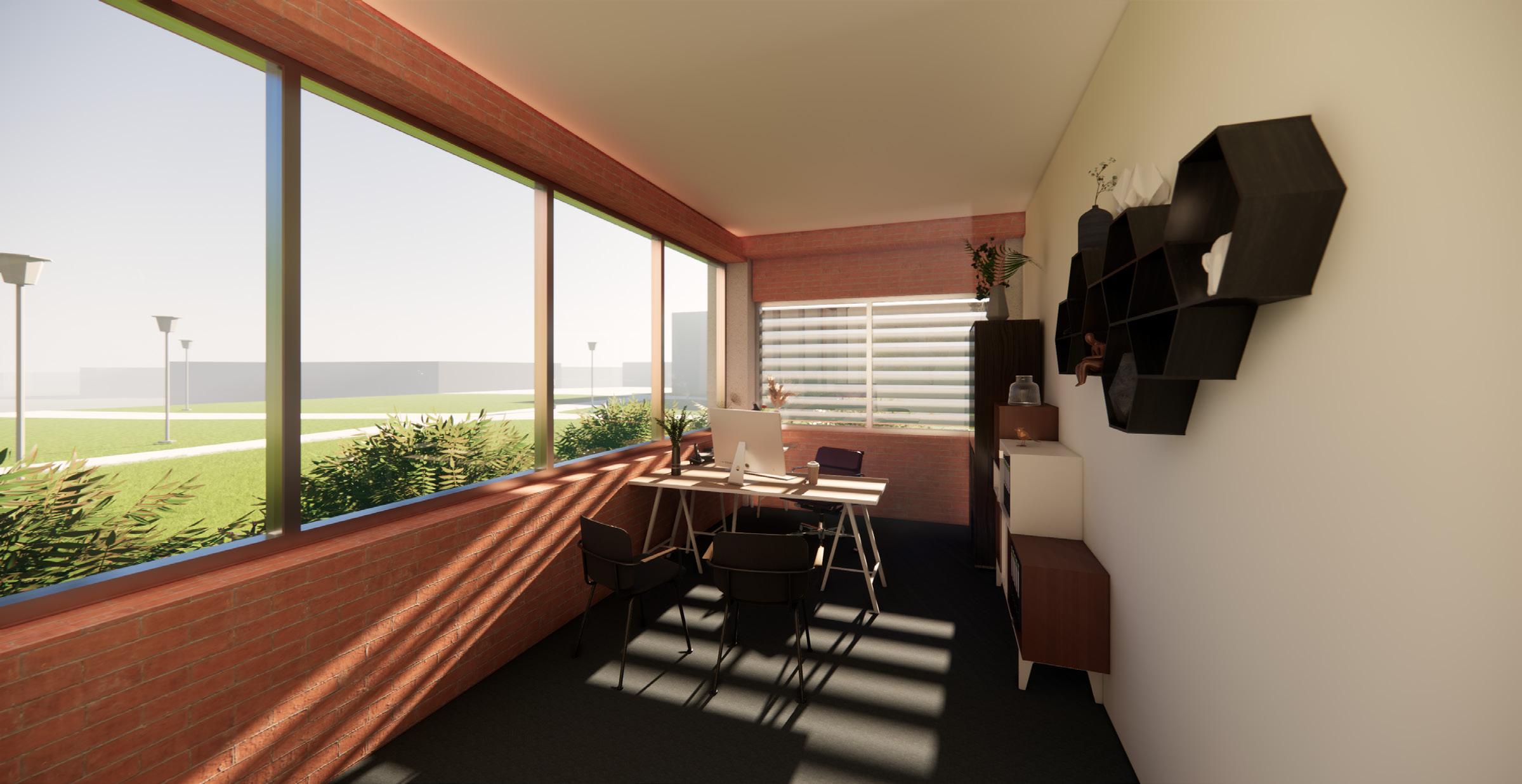
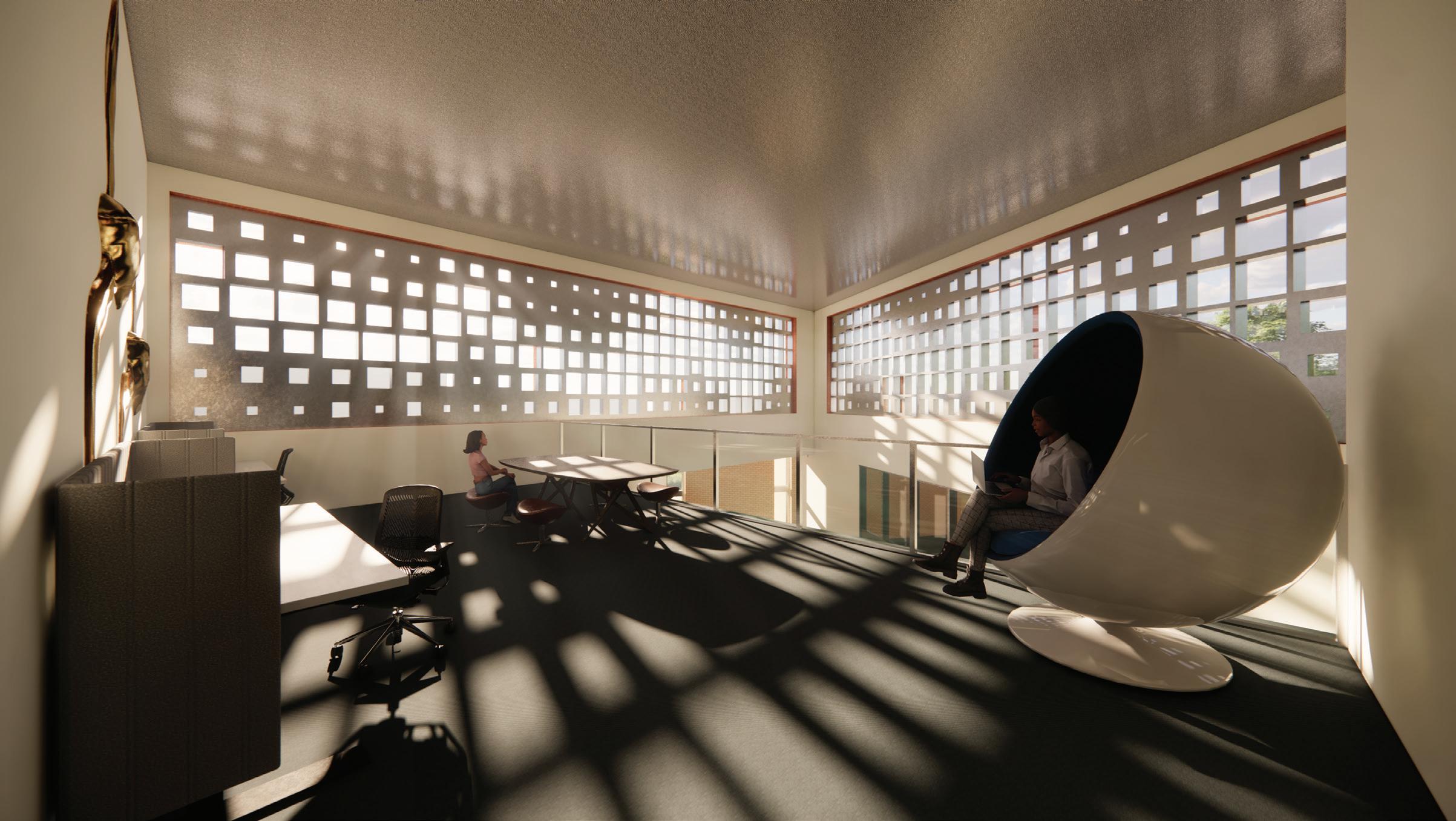
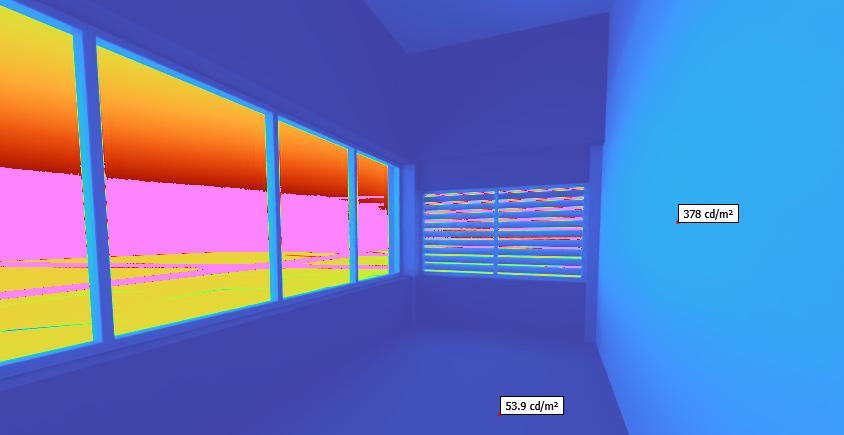
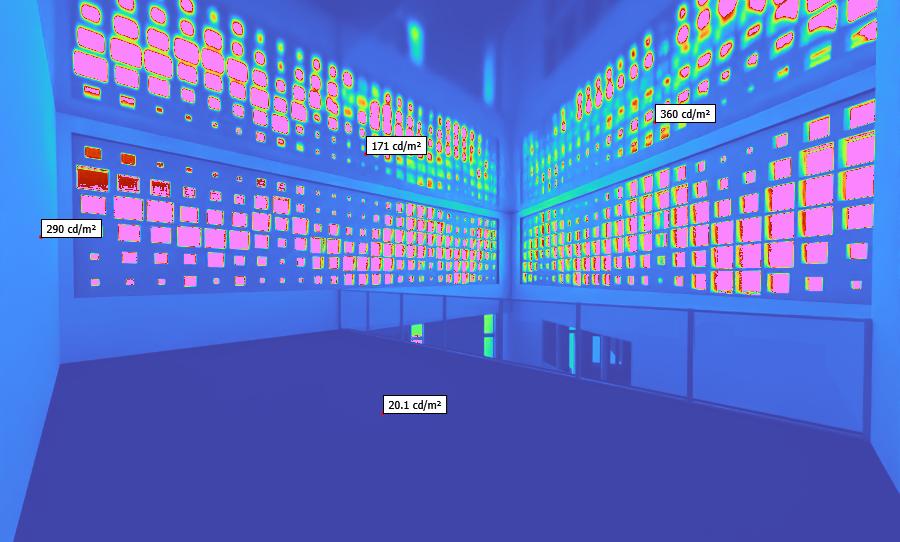
This Project aimed to introduce more natural light into the building while maintaining a balanced and comfortable environment. By leveraging the knowledge and skills we acquired in the “Architectural Design and Daylighting” course, we were able to approach the project with a deep understanding of the principles and techniques involved in effective daylighting design.
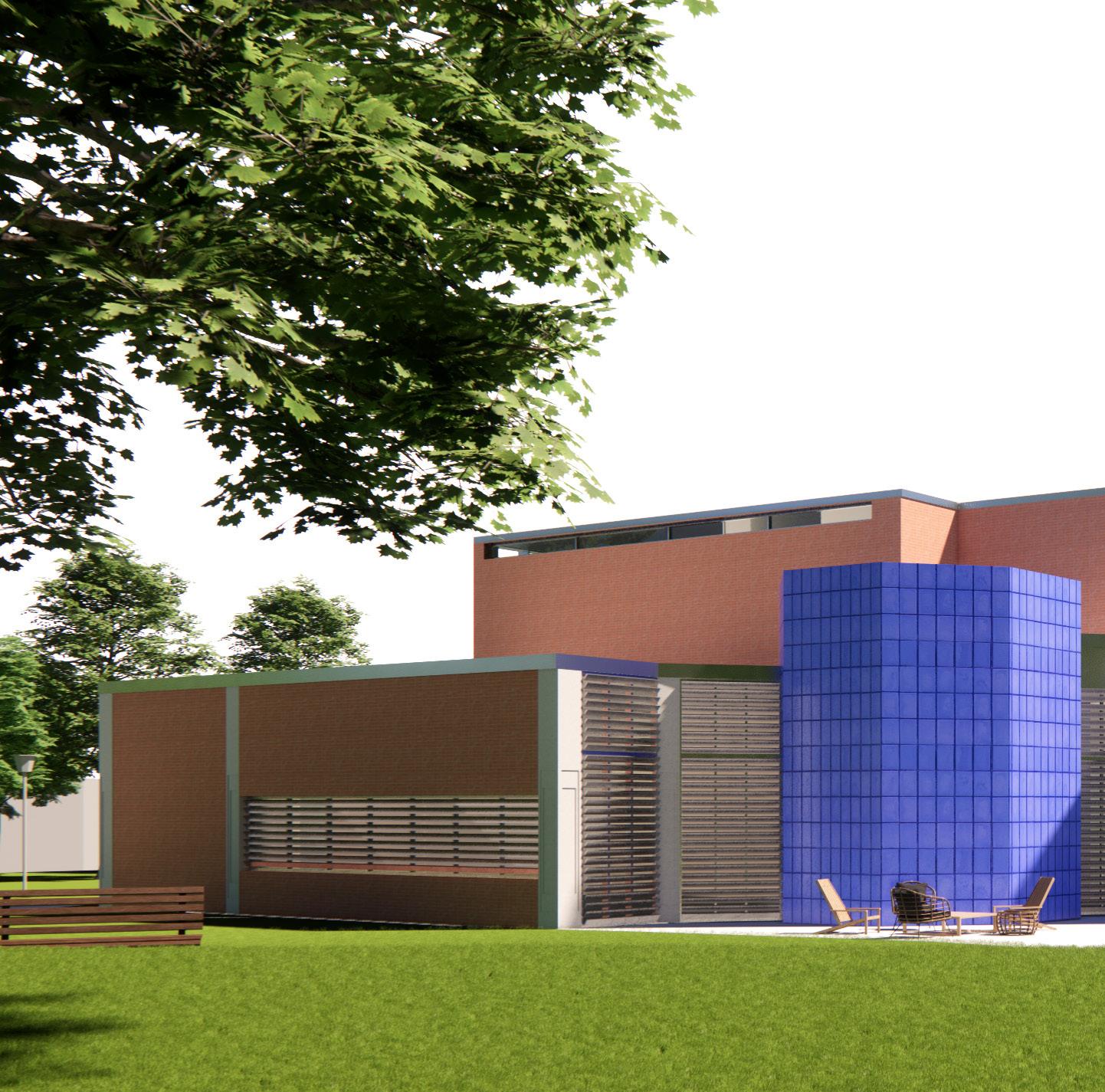
One of the key considerations in the project was to avoid overpowering the space with excessive light. This required careful analysis of the existing lighting conditions, understanding the building’s orientation, and considering the needs and preferences of the occupants. By applying the concepts we earned in the course, such as solar geometry and shading strategies, We were able to develop a design solution that maximized the entry of natural light while preventing glare and maintaining visual comfort.
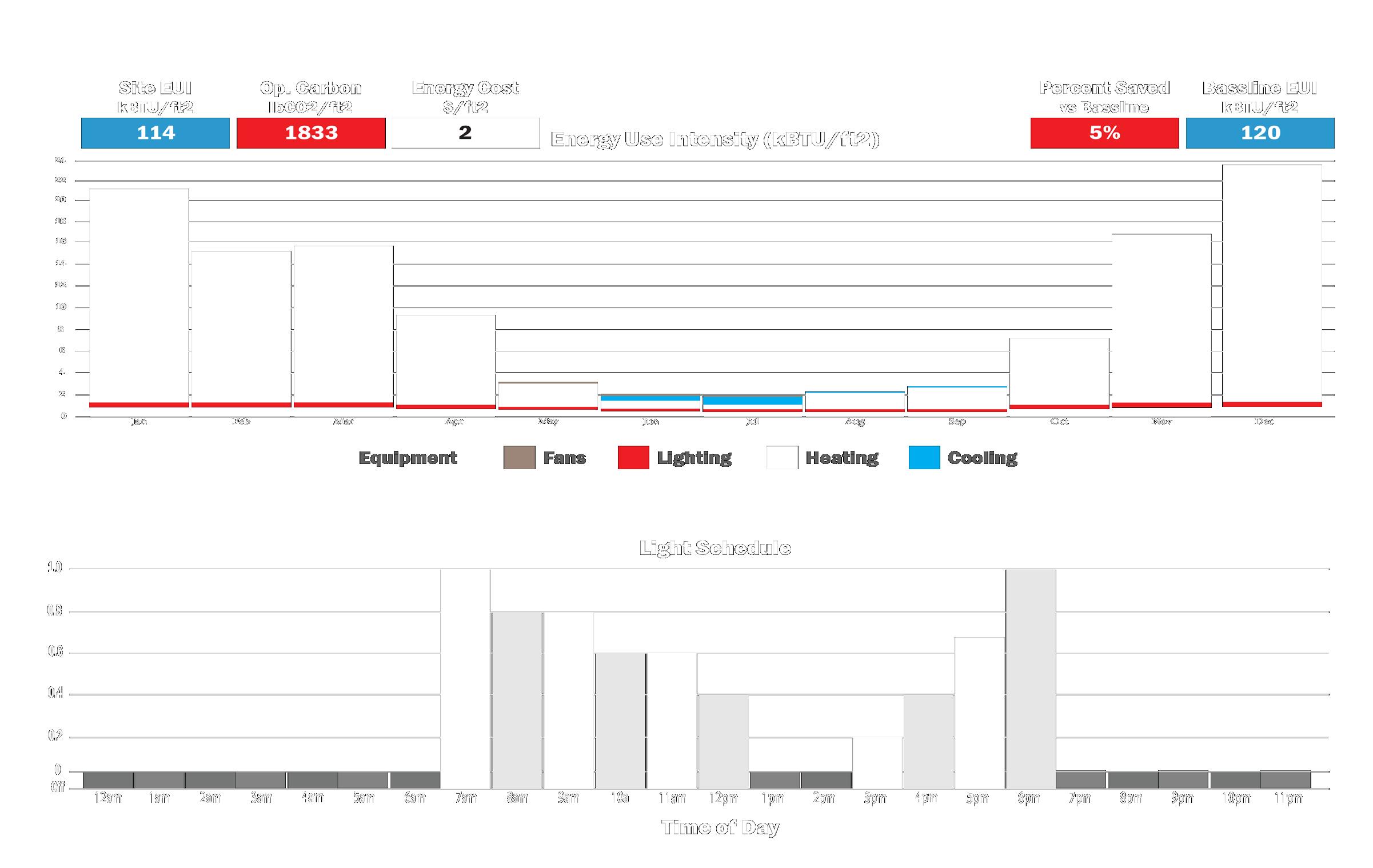
Additionally, the course emphasized the importance of energy efficiency in daylighting design. Through the integration of daylighting simulations and energy analysis tools, we were able to evaluate the energy performance of different design options. This enabled me to make informed decisions about the selection of glazing materials, shading devices, and control systems, ensuring that the project aligned with sustainability goals and minimized energy consumption.

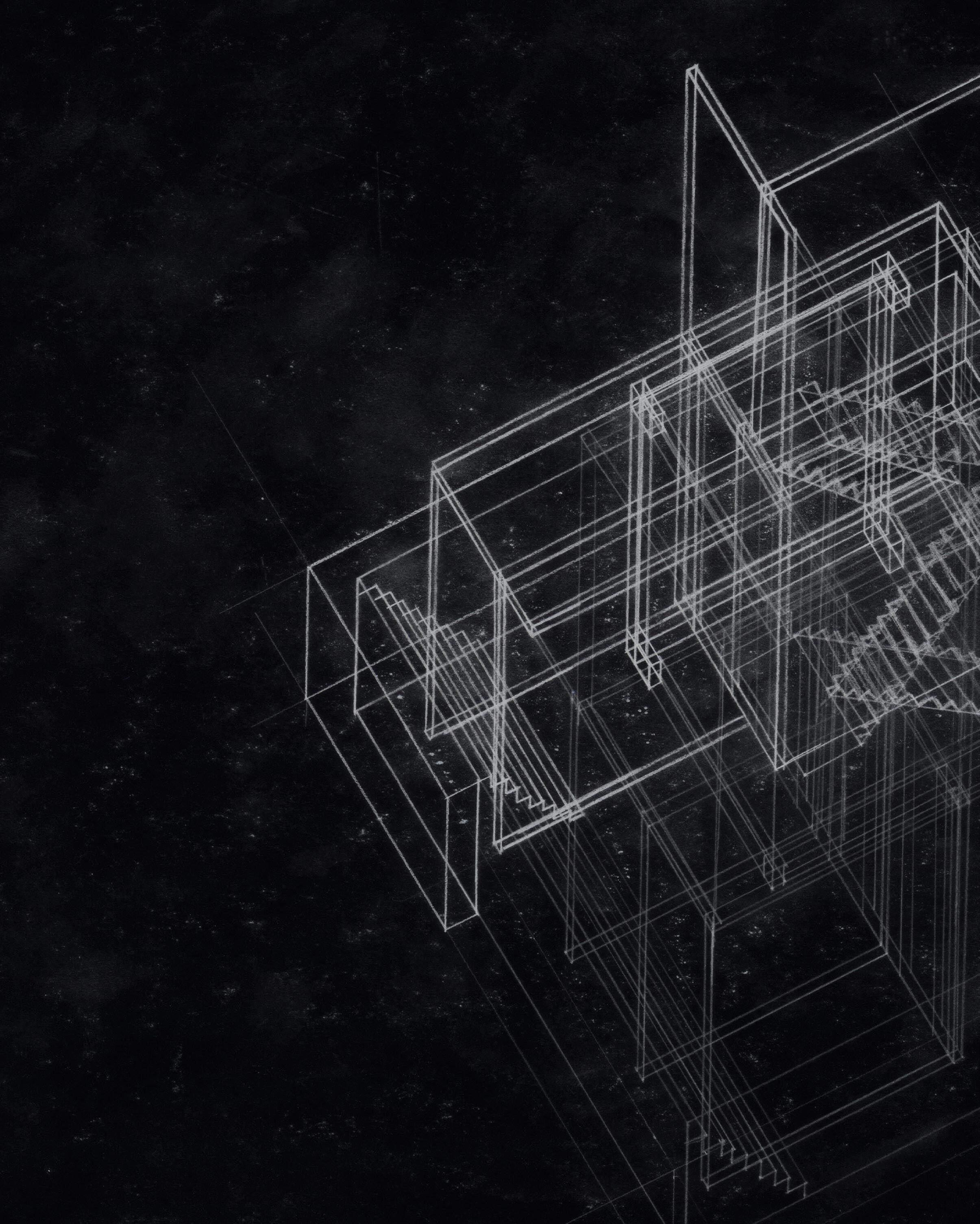
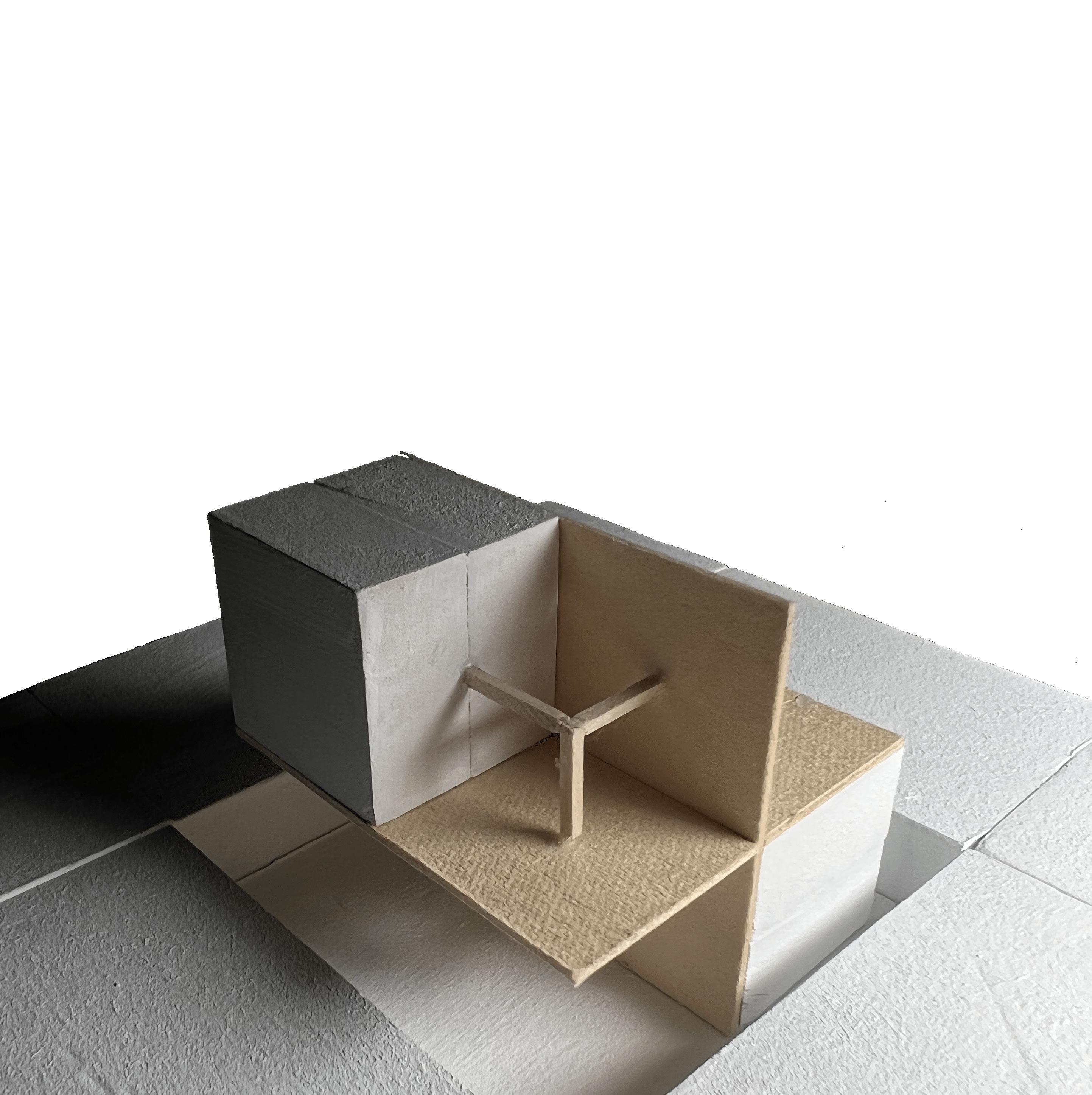
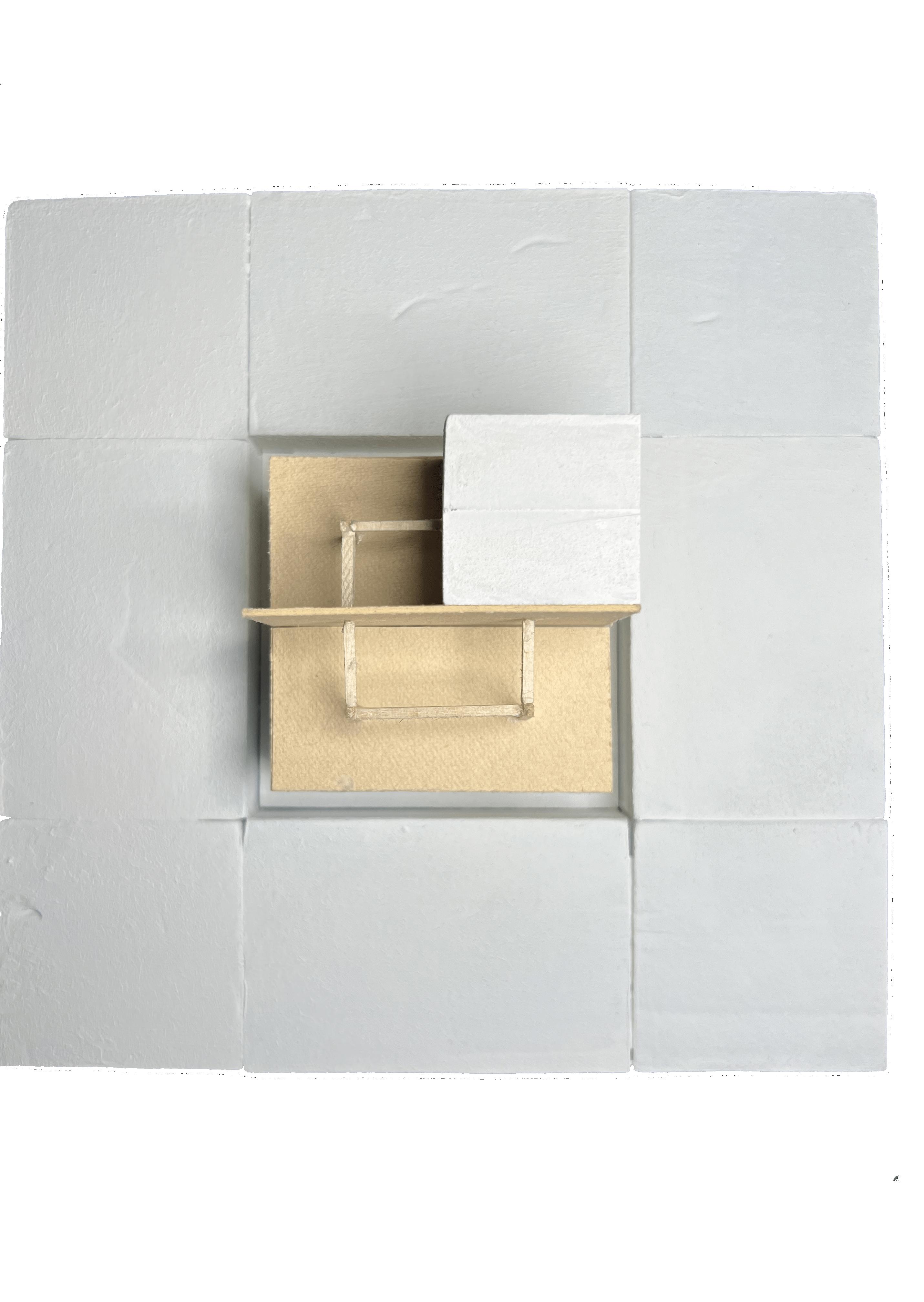
In the course the focus was understanding and operating in design practice, notmaking buildings. We composed form, space, shape,events, parameters, and stucture to quantifiable and qualifiable effect through iterative design practice -- doing it over with daily reflection on the effects of variations in practice. The course was theoretical in its approach to practical things and we talked extensively about the relationships between practice and theory in the act of our designing. The course was rooted in taching principles of guided inquiry and questioning through intensive hands-on making. The studio was performative. The medium was hand work.