

Ερευνητική Εργασία [APY 901]
[RE-S_295]
HYPERWARE
Ellastration
Τυπογραφία Harber
Neue Haas Unica
Arena
Arena

Ερευνητική Εργασία [APY 901]
[RE-S_295]
HYPERWARE
Ellastration
Τυπογραφία Harber
Neue Haas Unica
Arena
Arena
Post-human Approaches in Architecture and Design —
Intra-Active User-Space Interfaces for the Composition of Responsive Environments
2.4
Interfaces]
3.0
[C1–32]
4.0
[Bibliography & Citations] 8.0 5.0 6.0 7.0
[List of Images]
The Post-human constitutes the notion through which the contemporary human condition of the 21st century is structured. Its long-term evolution, which today reaches a critical culmination, reflects the intimate relationship between humans, tools and technology. In the present era, due to the intensified flow of information and the development of diverse technological systems that embody it, an increasingly organic integration of technology into the physical dimension of everyday life can be observed. On a secondary level, the human being intrinsically entangled with the non-human paradigms (objects, tools, technologies, etc.) has entered a condition in which the relationship between the two can be described as one of embodiment. It can therefore be observed that the fusion of information and matter enables a substantial mediation between the human and the non-human.
Undoubtedly, we inhabit a world that is simultaneously active and dynamic. However, within contemporary architectural practice, the relationship between human and space often remains static, deterministic and analogue, limited to predictable interactions that treat the user as a generic input rather than as an active, sensory subject. Nevertheless, within the rapid advancements and emerging trends in computational technologies, there is significant potential for conventional architectural landscapes to be destabilized and transformed into responsive, mediated environments.
This research introduces the concept of Hyperware –a real time intra-active spatial interface that mediates the relationship between human and environment. Central to this proposition is the development of intelligent architectural components that are integrated either directly or indirectly into the user and the spatial context, functioning as mediums that redefine the human–environment relationship. Through this process, the user becomes capable of interacting with various emerging elements, thereby shaping an augmented spatial experience. At a subsequent stage, it is considered important to map the tools that can be utilized and combined for the formation of architectural interfaces capable of enhancing the spatial experience. Within this process, it is crucial to take into account that the human body and space emerge as critical mediums of communication and therefore, examples such as artificial intelligence and embedded computational systems form the foundation for the emergence of architectural interfaces that operate as intermediate organic bodies, capable of sensing, processing, and responding.
The present study, by placing the question of how an open methodological design framework for the formation of Hyperware architectural interfaces can be developed as its central inquiry, investigates the integration of computational models, principles of morphogenesis and biological systems within architecture. Through this research, is revealed the potential for constructing environments–mediators that actively respond to both the user and the changing external conditions, shaping a new type of interaction between human, space and the built environment. This approach indicates a paradigm shift in the prevailing notion around architectural structures, outlining a trajectory in which they may be conceived as organic, living entities.
1 — Kevin Kelly, Out of Control: The Rise of Neo-biological Civilization (Basic Books, 1994), 1.

— Kelly, Out of Control: The Rise of Neo-biological Civilization, 4.
I–03p
— Haraway, Tο
, 12.
0.2
2 — Jia-Rey Chang, “HyperCell: A Bioinspired Design Framework for Real-time Interactive Architectures”, A+BE | Architecture and the Built Environment 8, αρ. 1, 2018, 29-31, https://doi.org/10.7480/ abe.2018.1.1947.
0.4.1
Υποερώτημα #2: Ενδο-δραστικές
0.4.2
Υποερώτημα #4:
Ανταποκρινόμενα Περιβάλλοντα 0.4.4
0.5


— Beatriz Colomina & Mark Wigley
1.0
— Hassan, Prometheus as Performer: Towards a Posthumanist Culture?, 215.
CHAPTER_#1 #1.1.2_s-CH #A5–14
I–04a+

1.1.2
Θεωρητικά
1.1.3
3 — Francesca Ferrando, “What does ‘POSTHUMAN’ mean?”, διαδικτυακό μάθημα The Philosophy of “The Posthuman”, Μάθημα 1, Δεκέμβριος 2017, διάρκεια 7:48, https:// www.youtube.com/ watch?v=zi6APy0oW9A.
4 — Erik Tate, “Posthumanist Explained – Nietzsche, Deleuze, Stiegler, Haraway”, βίντεο στο κανάλι PlasticPills, Νοέμβριος 2019, διάρκεια 18:17, https:// www.youtube.com/ watch?v=GmJLsfUnGjY.
Agential Realism
Feminist New Materialism
Object-Oriented Ontology
Speculative Realism
Critical Cultural Existential
Philosophical
Post-humanism(s)
New Materialism(s)
Post-human
Anti-humanism(s)
Post-human
Anti-humanism(s)
Trans-humanism(s)
Meta-humanism(s)
Anarcho-Transhumanism
Democratic
Extropianism
Libertarian
Singularity
Eco-Metahumanism
Metaformativity
Queer / Decolonial
Rational / Symbiotic
Techno-Indeterminism
Cultural
Post-Structuralist
Psychoanalytic
Religious
Structuralist
1.1.4

1.2
Martin Heidegger
1954,
5 — Martin Heidegger, The Question Concerning Technology, and Other Essays, μτφρ. William Lovitt (Harper & Row, 1977), 7-9.
— Heidegger, The Question Concerning Technology, 4.
6 — Abigail Thorn, “Transhumanism: The World's Most Dangerous Idea”,
Philosophy Tube, Απρίλιος 2022,
46:27, https://www. youtube.com/watch?v= DqPd6MShV1o&t=1138s.
— Heidegger, The Question Concerning Technology, 7.
— Latour, Morality and Technology, 252.
CHAPTER_#1
1.3.1 1.3
7 — Donna Haraway,
#01_CH–1 #RE-S_295 HYPERWARE
— Hayles, How We Βecame Posthuman, 4.
1.3.2
8 — Jia-Rey Chang, “HyperCell: A Bioinspired Design Framework for Real-time Interactive Architectures”, A+BE | Architecture and the Built Environment 8, αρ. 1 (2018), 18, https:// doi.org/10.7480/ abe.2018.1.1947. Θεωρίες
Το 1964, ο Marshall McLuhan στο Understanding Media: The Extensions
I–06a+

9 — Chrisoula Kapelonis, Receptive Skins: Towards a Somatosensitive Architecture (Μεταπτυχιακή
Massachusetts Institute of Technology, 2018), 21.
— Colomina & Wigley, Are We Human?, 23-24.
10 — Bernard Stiegler, Technics and Time, 1: The Fault of Epimetheus, μτφρ. Richard Beardsworth and George Collins (Stanford University Press, 1998), 152-153.
(συμβίωση–symbiosis) και ii)
(συγχώνευση–fusion
I–07a+

11 — Nathan
Semertzidis, Kai Kunze, Xiao Fang, Paul Pangaro, και Pattie Maes, “What We Talk About When We Talk About Human–Computer Integration”, στο Proceedings of the 2020 CHI Conference on Human Factors in Computing Systems (CHI ’20) (Νέα Υόρκη: Association for Computing Machinery, 2020), 2. https://doi. org/10.1145/ 3313831.3376828.
1.3.3
12 — Erik Tate, “Deleuze - Control
Societies & Cybernetic
Posthumanism”, βίντεο στο κανάλι PlasticPills, Ιούλιος 2020, διάρκεια 18:17, https://www. youtube.com/
watch?v=Hu4Cq_-bLlY.
— Hayles, How We Became Posthuman, 2.
CHAPTER_#1
13 — Kevin Kelly, Out of Control: The Rise of Neo-biological Civilization (Basic Books, 1994), 420-422.
14 — Norbert Wiener, Cybernetics: Or Control and Communication in the Animal and the Machine, 2η έκδ. (MIT Press, 1961), 122-124.
I–10a–e+
D–05a ↑
— Juhani Pallasmaa
2.0

15 — Jia-Rey Chang, “HyperCell: A Bio-inspired Design Framework for Real-time Interactive Architectures”, A+BE | Architecture and the Built Environment 8, αρ. 1 (2018), 148, https:// doi.org/10.7480/ abe.2018.1.1947.
2.1
16 — Çağrı Hakan Zaman, Spatial Experience in Humans and Machines
(Διδακτορική
Massachusetts Institute of Technology, 2020), 5.
CHAPTER_#2
2.2

17 — Robb Wilson και Josh Tyson, Age of Invisible Machines: A Practical Guide to Creating a Hyperautomated Ecosystem (Wiley, 2022), 17-19, VitalSourceBookshelf.
CHAPTER_#2
2.2.2
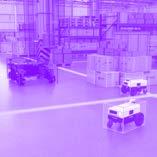
The Age of Invisible Machines (2022),
Robb Wilson,
CHAPTER_#2

2.3
I–15b
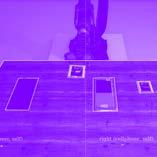
18 — Çağrı Hakan Zaman, Spatial Experience in Humans and Machines (Διδακτορική
Massachusetts Institute of Technology, 2020), 26.
19 — Çağrı Hakan Zaman, Spatial Experience in Humans and Machines
(Διδακτορική
Massachusetts Institute of Technology, 2020), 25-26.
#02_CH–2 #RE-S_295 HYPERWARE

I–17b

20 — Çağrı Hakan Zaman, Spatial Experience in Humans and Machines
(Διδακτορική
Massachusetts Institute of Technology, 2020), 29-30.
(Ontologies) T49
Graphs
(Large Language Models) T38
21 — Robb Wilson
και Josh Tyson, Age of Invisible Machines: A Practical Guide to Creating a Hyperautomated Ecosystem (Wiley, 2022), 20, VitalSourceBookshelf.
1)
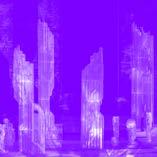
(Deep Convolutional Generative Adversarial Network – DCGAN)

CHAPTER_#2
I–21b–e+
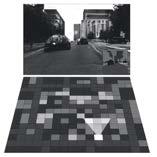
I–22b–e
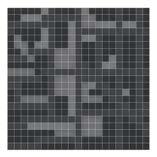
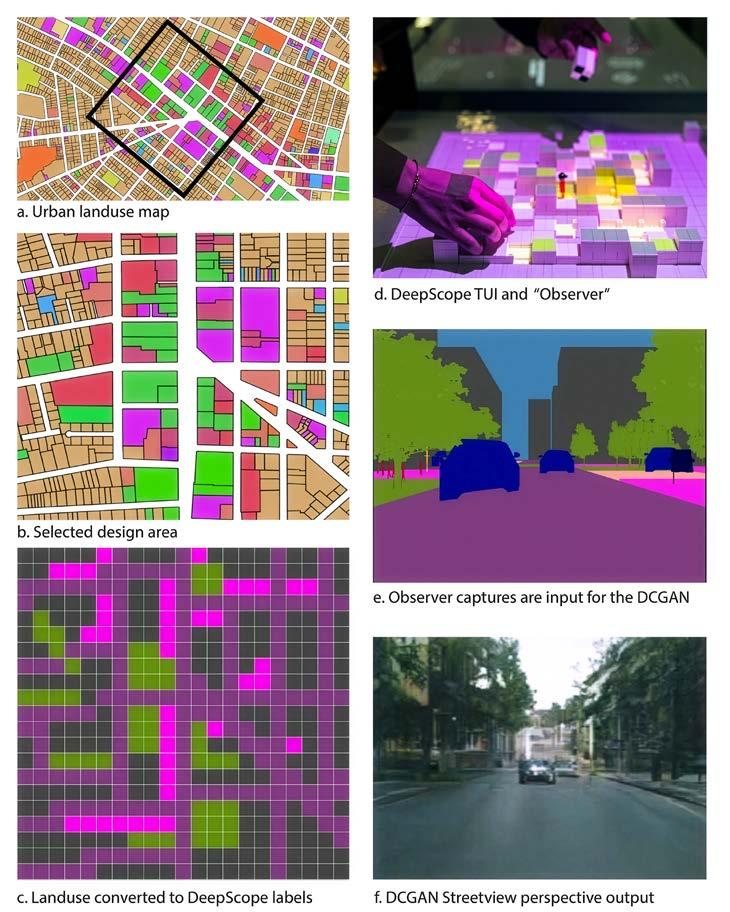
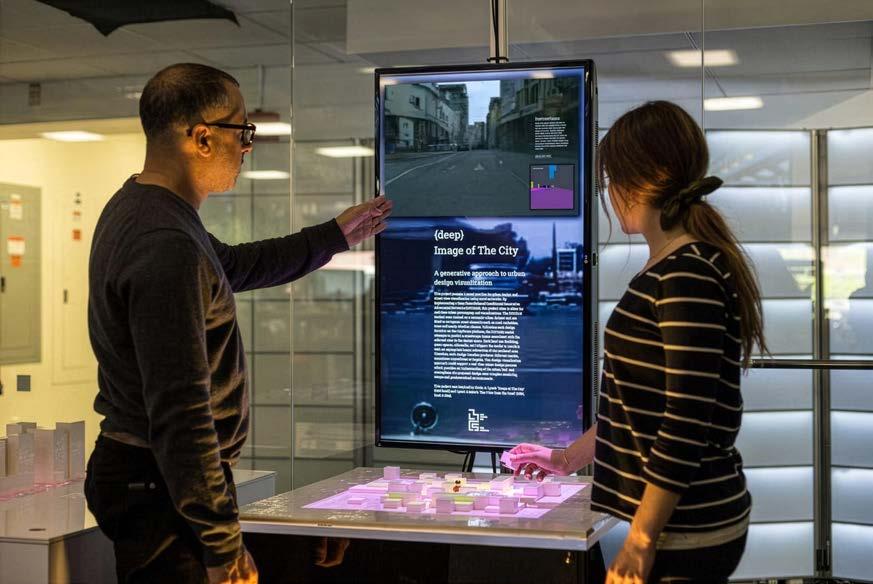
22 — Ariel Noyman and Kent Larson, “A Deep Image of the City: Generative UrbanDesign Visualization,”
στα πρακτικά του 11th Annual Symposium on Simulation for Architecture and Urban Design (SimAUD 2020), Society for Computer Simulation International, 2020.
I–23b–e
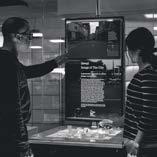
QR 02. Βίντεο τεκμηρίωσης του έργου DeepScope https://youtu.be/4-J2EJFjoSw?si=XRNvCtAAjh5tm1Rf
3.0
I–24c+

CHAPTER_#3 #C6–7

— Oosterhuis, Hyperbodies, 22-23.

23 — Kas Oosterhuis, Hyperbodies: Towards an E-motive Architecture, (Birkhäuser, 2003), 49-50.
CHAPTER_#3
3.2

25 — Kas Oosterhuis, Hyperbodies: Towards an E-motive Architecture, (Birkhäuser, 2003), 5-6.
— Oosterhuis, Hyperbodies, 6-7.
26 — Jia-Rey Chang, “HyperCell: A Bioinspired Design
Framework for Real-time Interactive
Architectures”, A+BE | Architecture and the Built Environment 8, αρ. 1, 2018, 70, https:// doi.org/10.7480/ abe.2018.1.1947.
I–29c+

3.3.3
3.3.4
I–30c+
27 — Jia-Rey Chang, “HyperCell: A Bioinspired Design Framework for Real-time Interactive Architectures”, A+BE | Architecture and the Built Environment 8, αρ. 1, 2018, 164-168, https://doi.org/10.7480/ abe.2018.1.1947.
3.3.5

— Oosterhuis, Towards a New Kind of Building, 56.
3.3.6
I–33c–e+

28 — “Hypercell: The Future of Space Architecture”, Spaceoneers, Τελευταία Πρόσβαση Σεπτέμβριος 9, 2025, https://spaceoneers. io/2017/03/09/ hypercell/
I–34c–e
I–35c–e
I–36c–e
29 — “Hypercell”, AADRL, Τελευταία
Πρόσβαση
Σεπτέμβριος 21, 2025, https://drl.aaschool. ac.uk/hypercell
QR 03. Βίντεο τεκμηρίωσης
HyperCell https://youtu.be/API4hbceD08?si=6R4toFidlQk5bNp1
4.0
30 — James Marston Fitch, American Building 2: The Environmental Forces That Shape It (Boston: Houghton Mifflin, 1972), 46.
4.1.1
4.1
CHAPTER_#4
31 — Chrisoula
Kapelonis, Receptive Skins: Towards a Somatosensitive Architecture
(Μεταπτυχιακή
διατριβή, Massachusetts Institute of Technology, 2018), 47-48.
4.1.2
32 — Chrisoula
Kapelonis, Receptive Skins: Towards a Somatosensitive
Architecture
(Μεταπτυχιακή
διατριβή, Massachusetts Institute of Technology, 2018), 45.
4.2.1
4.2
I–37d+
4.2.2
I–38d+
4.2.3

34 — Chrisoula Kapelonis, Receptive Skins: Towards a Somatosensitive Architecture (Μεταπτυχιακή Διατριβή, Massachusetts Institute of Technology, 2018), 45-52.
CHAPTER_#4
4.3
35 — Mark Weiser, “The Computer for the 21st Century,” Scientific American 265, no. 3 (1991), 94.
I–40d+
36 — Chrisoula Kapelonis, Receptive Skins: Towards a Somatosensitive Architecture
(Μεταπτυχιακή Διατριβή, Massachusetts Institute of Technology, 2018), 53-54.
— Weiser, The Computer for the 21st Century, 94.
— Wiener, Cybernetics, 132.
4.4
Παράδειγμα #04: The Respiring
CHAPTER_#4
I–42d–e
I–43d–e
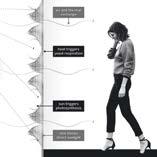
I–44d–e+

37 — Chrisoula Kapelonis, Receptive Skins: Towards a Somatosensitive Architecture (Μεταπτυχιακή Διατριβή, Massachusetts Institute of Technology, 2018), 74-82,110.
I–45d–e+

QR 04. Βίντεο τεκμηρίωσης του έργου The Respiring Skin https://youtu.be/Nff0Ydgi6YY?si=8OrnJgKsnxQgnwFo
— Mark Weiser
Humanism
Aware Environment
Σελ. 34, 36, 76, 98, 102, 104, 144,
Architectural Body
Σελ. 35, 37, 77, 118, 134, 145
Self-replication
Self-governance
Self-assembly
61, 62, 65, 91, 104, 165, 187
Genetic Switches
Cognitive Processes
Knowledge Graphs KGs
Graphical
Inter-material
Trans-humanism/-s
Σελ. 35, 36, 98, 113, 136, 145, 149, 152, 186
Master Gene Toolkit
Cybernetics
Partial Learning
Post-humanism/s
Σελ.
Post-human
New Materialism/-s
35, 112, 113, 114, 126, 134, 145,
Σελ. 38, 87, 110, 111, 150, 157, 177, 180, 189, 196
Ontologies
96, 182, 194
26, 28, 29, 37, 118
Σελ.
Σελ. 34, 87, 98, 112, 113, 114, 117, 130, 190, 192, 196
Future Predicting Machines
Semantic Networks
Symbiotic Relationship
Σελ.
Σελ. 29, 34, 38, 88, 90, 95, 102, 177, 183, 185, 187, 189, 190, 192, 193, 194, 196
Σελ. 35, 36, 110, 130, 135, 145, 152, 157, 163
Hyper-automation
Σελ. 88, 96
Computational








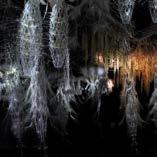
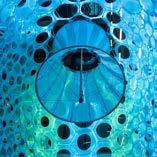

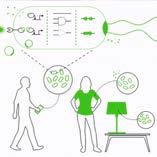

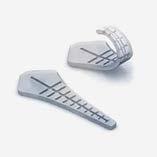
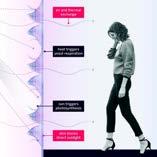


I–01p
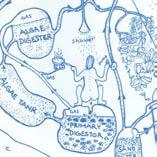
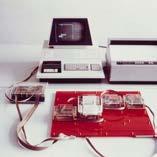
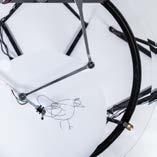
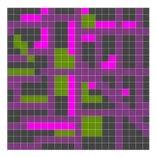
Εικ. 01. Diagram of Basic Interdependencies , Graham Caine, 1972.
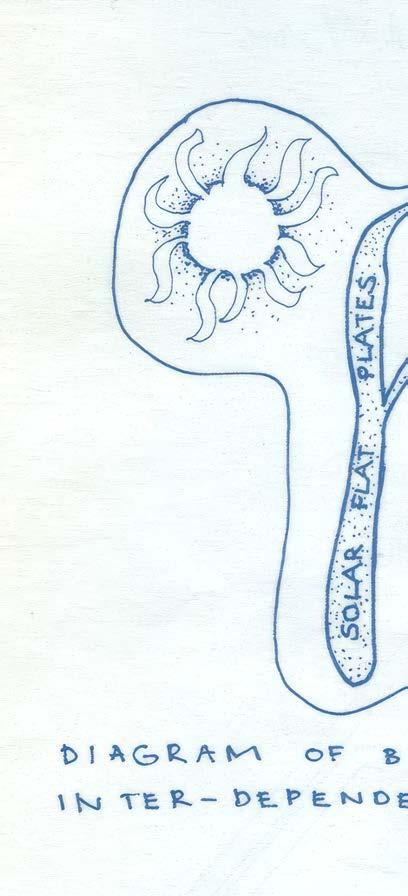
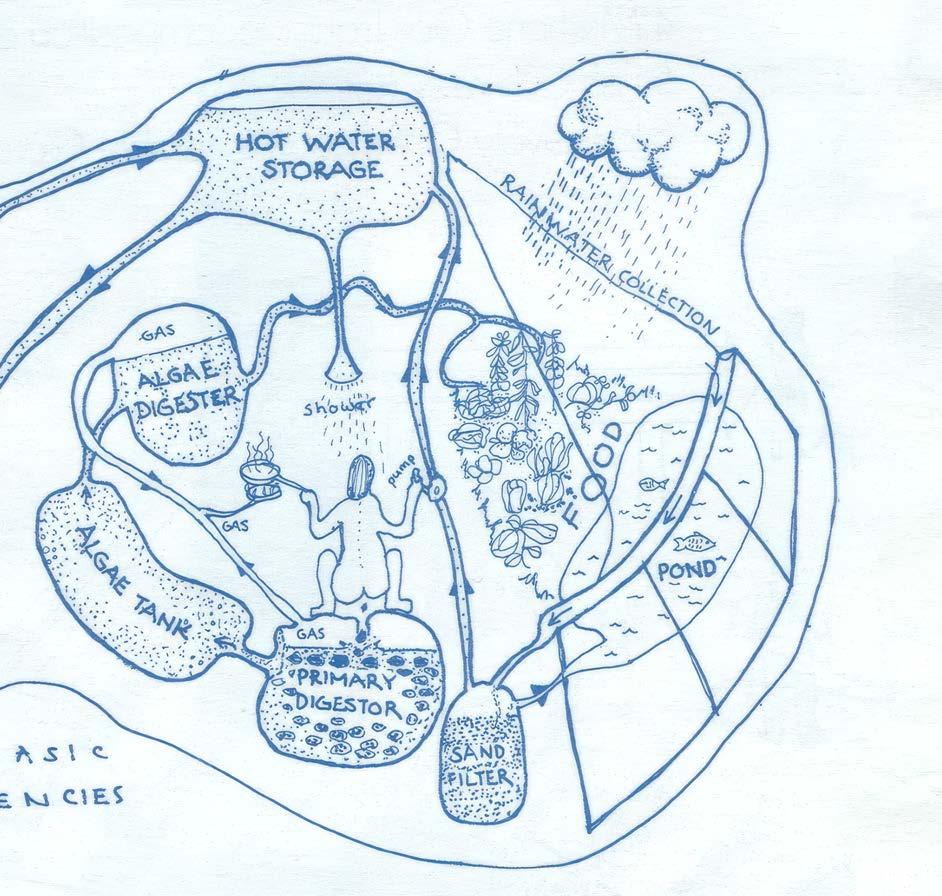
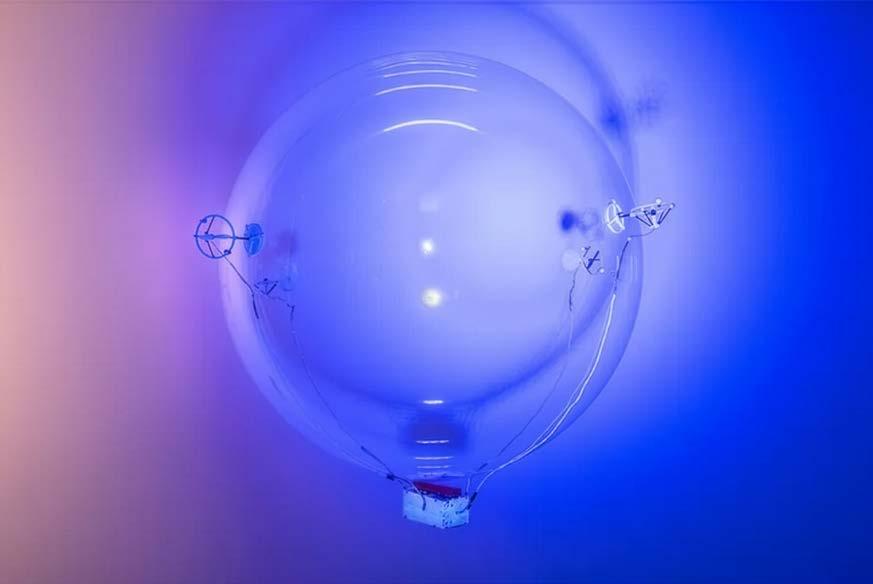
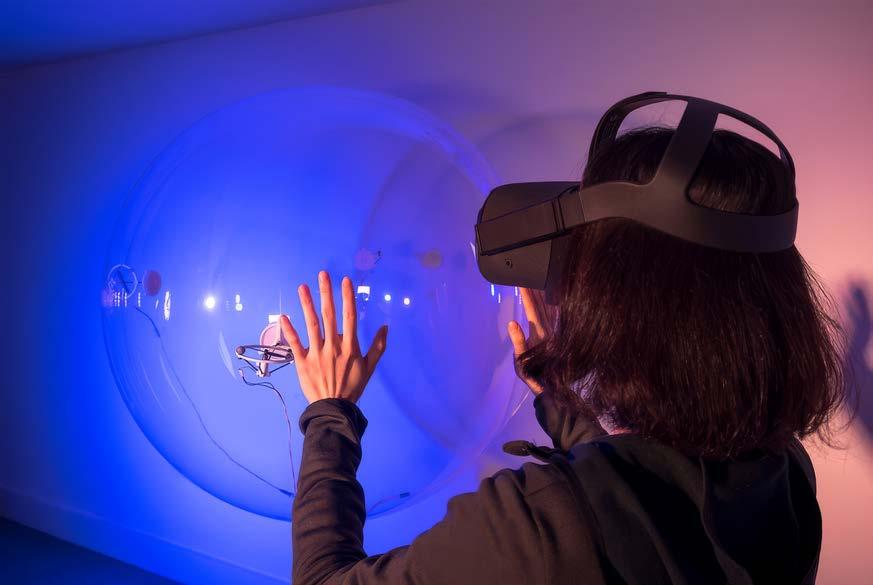
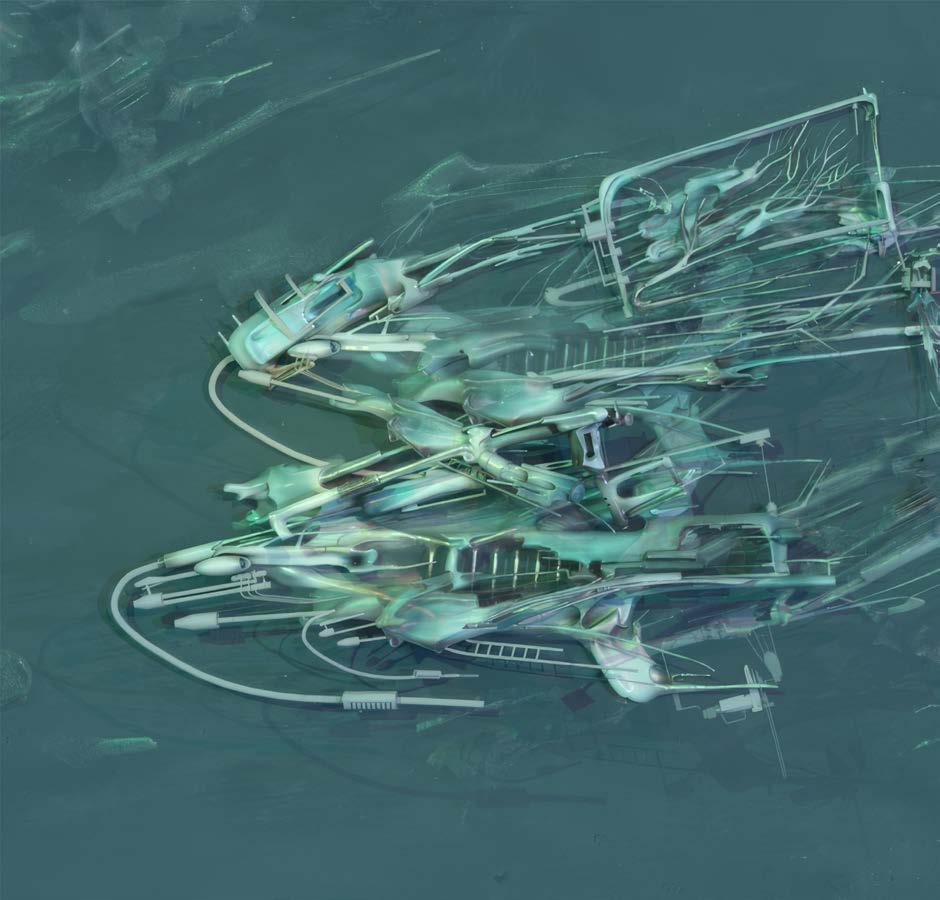
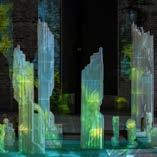
Εικ. 03. Autopoietic Machine 001 , Machines of Desire, 2025.
I–04a+
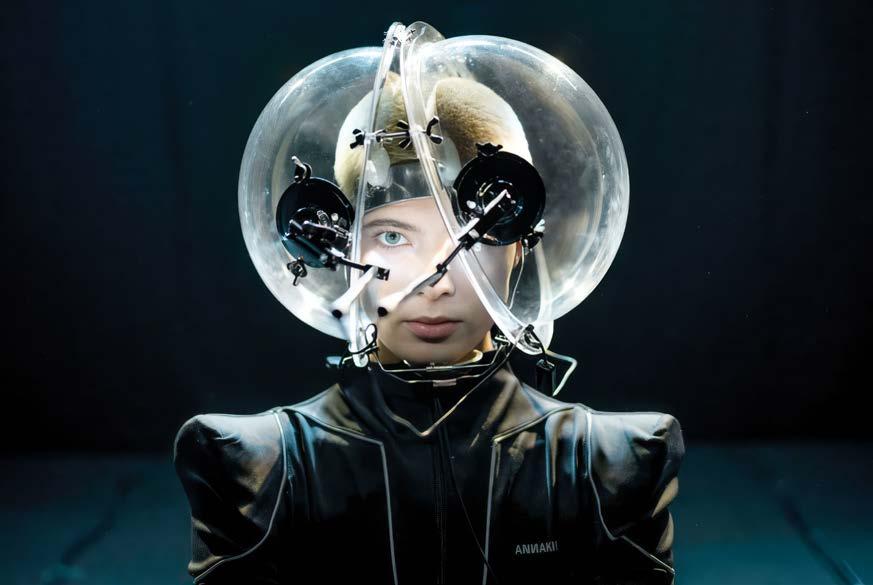
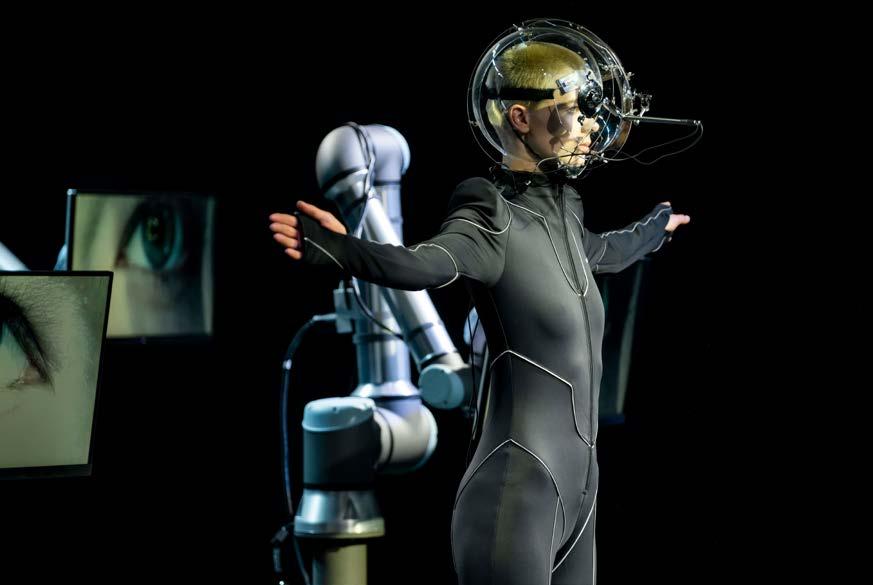
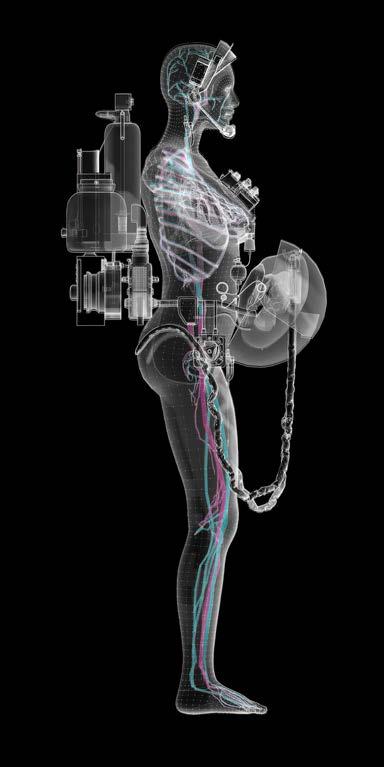
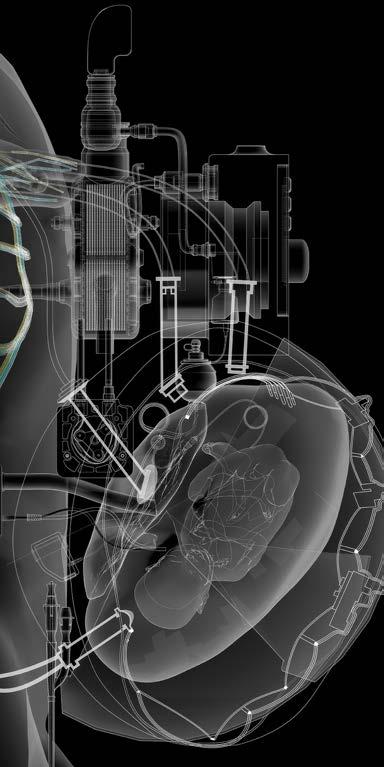
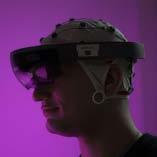
Εικ. 05. Spacesuits Transformed , Zhao Xiaoxiao, 2019.
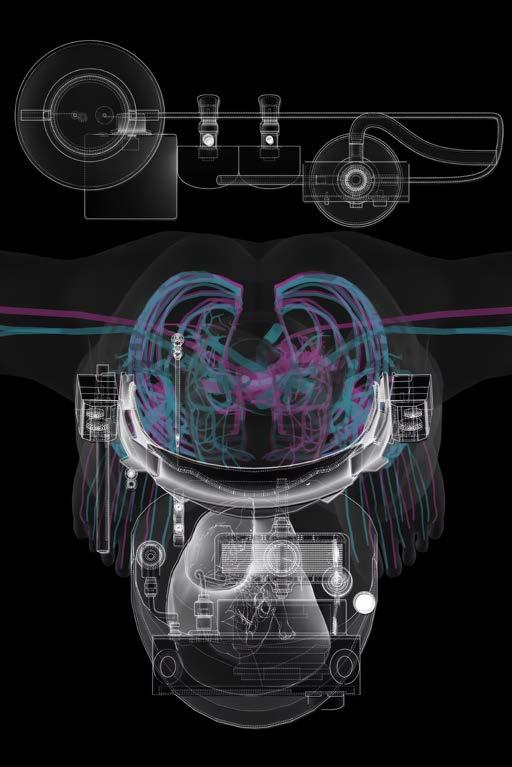
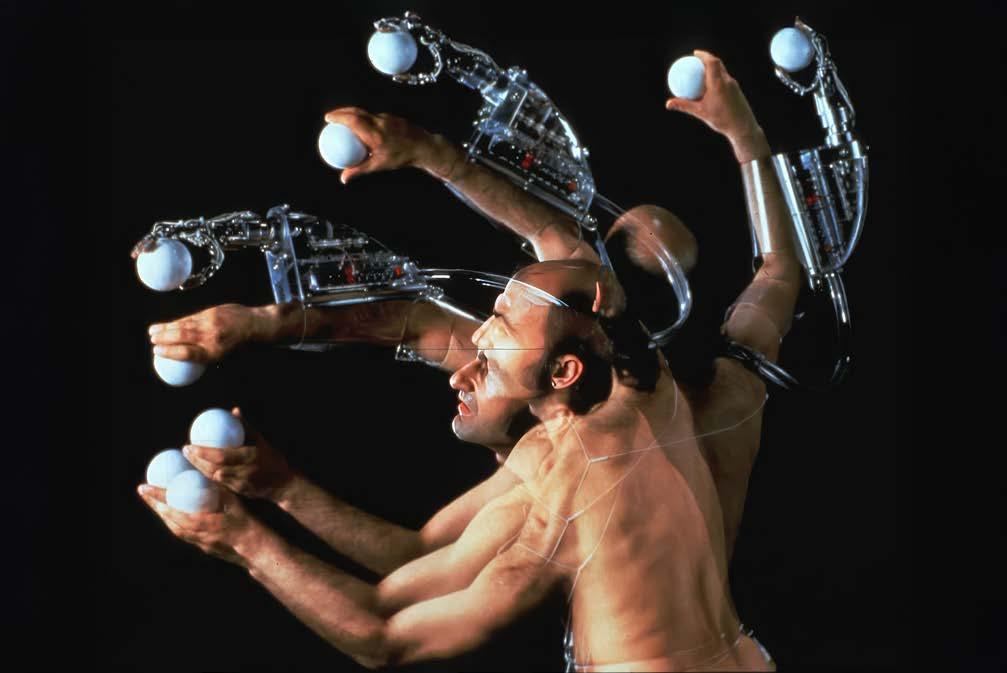
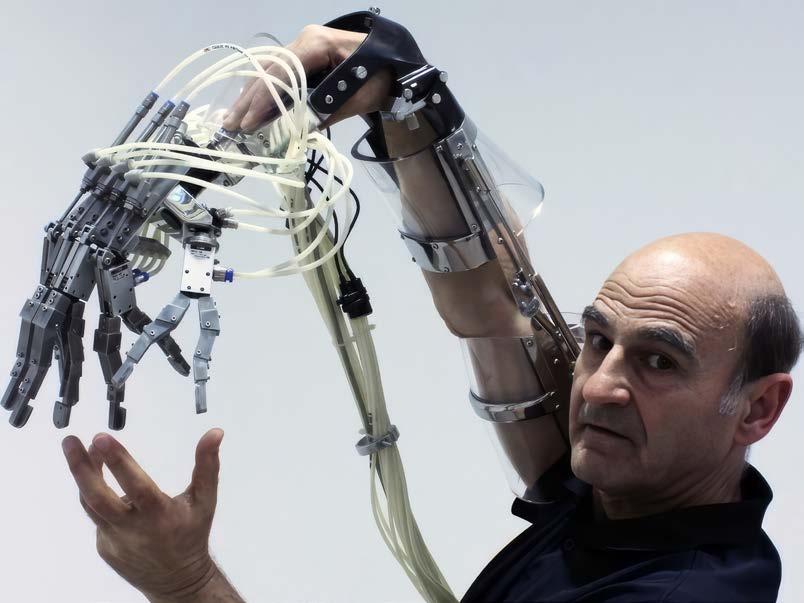
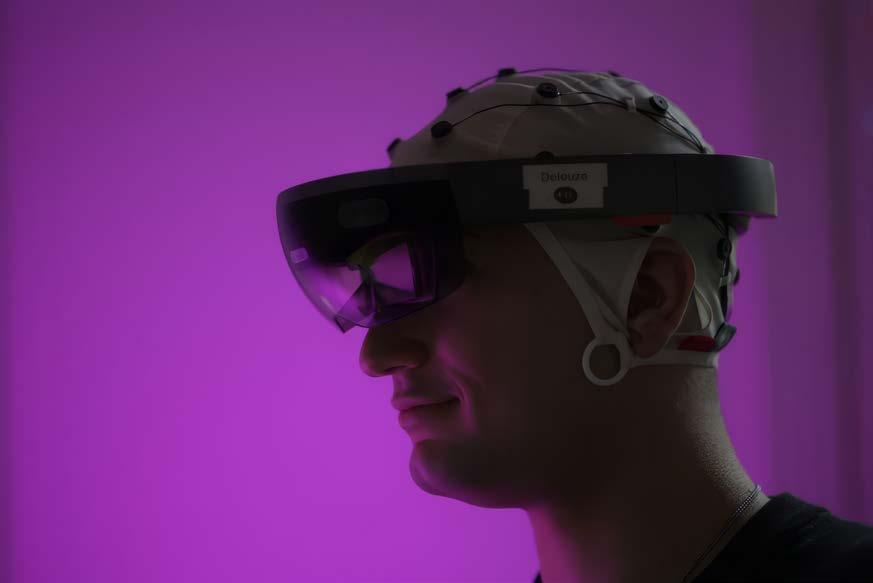
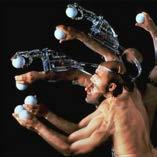
07. Neo Noumena , Exertion Games Lab, 2020.
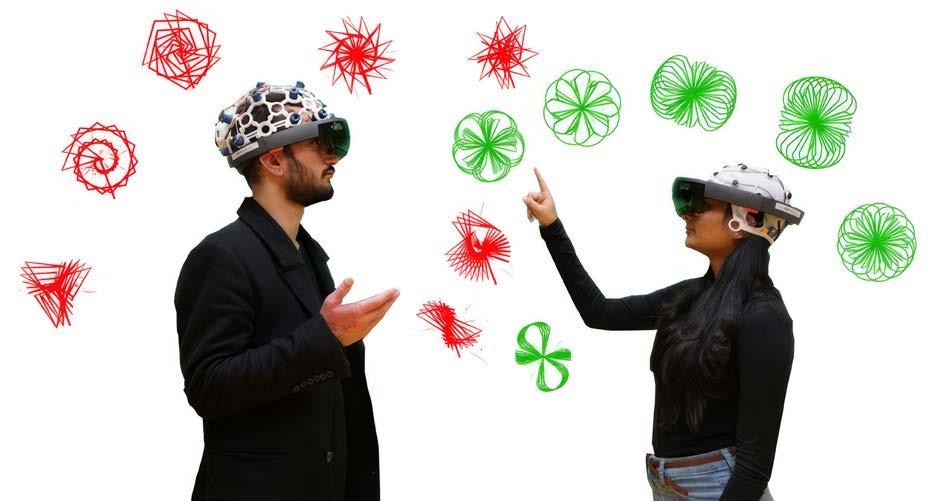
I–08a+
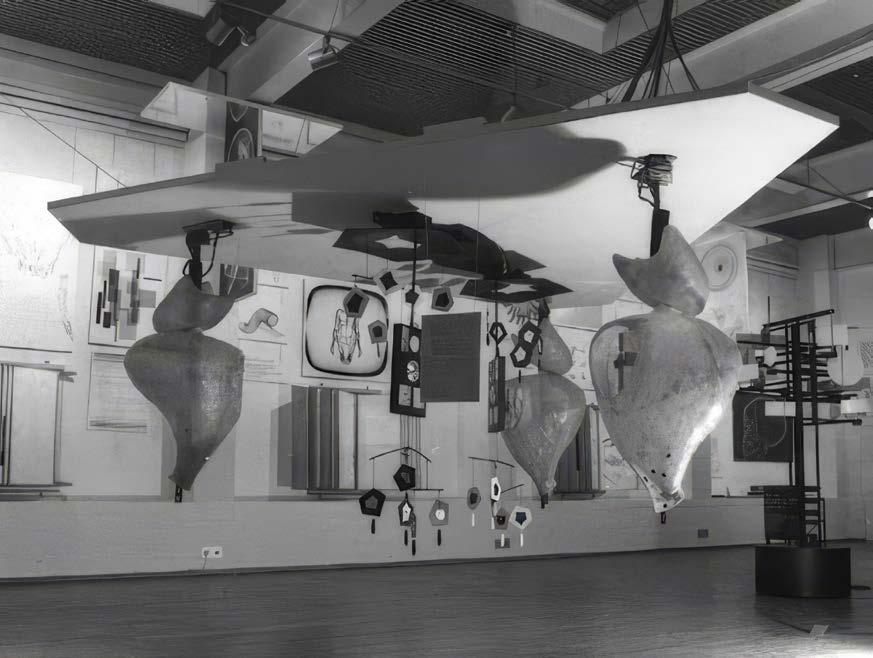
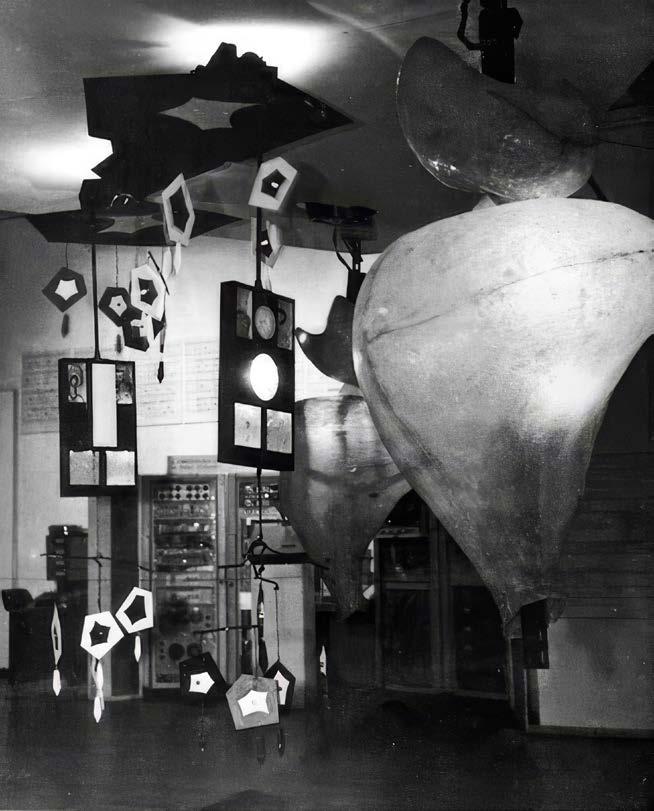
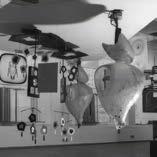
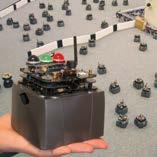
Εικ. 08. The Colloquy of Mobiles , Gordon Pask, 1968.
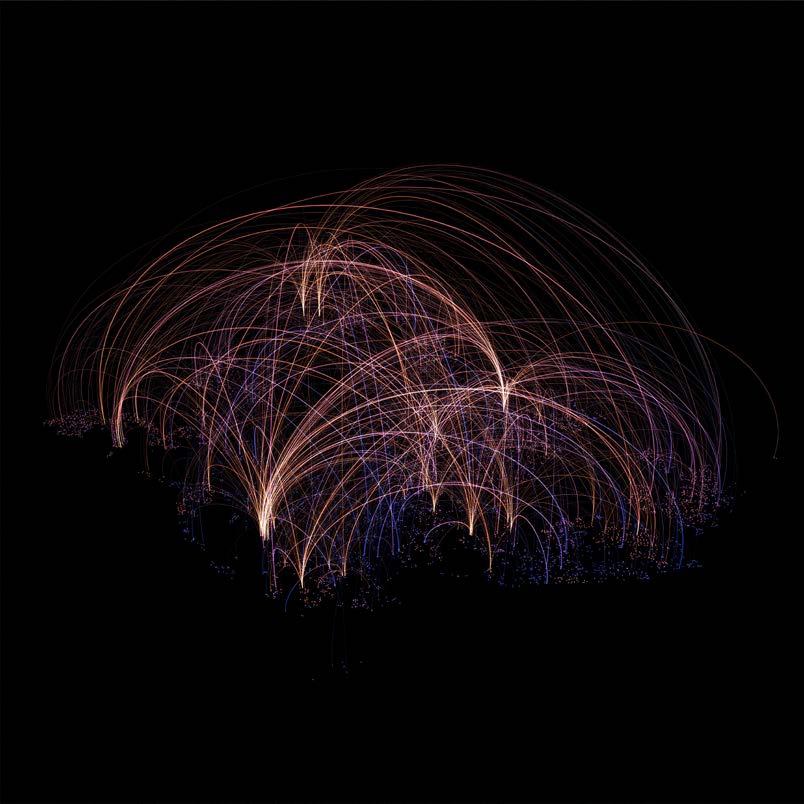
I–09a–e+
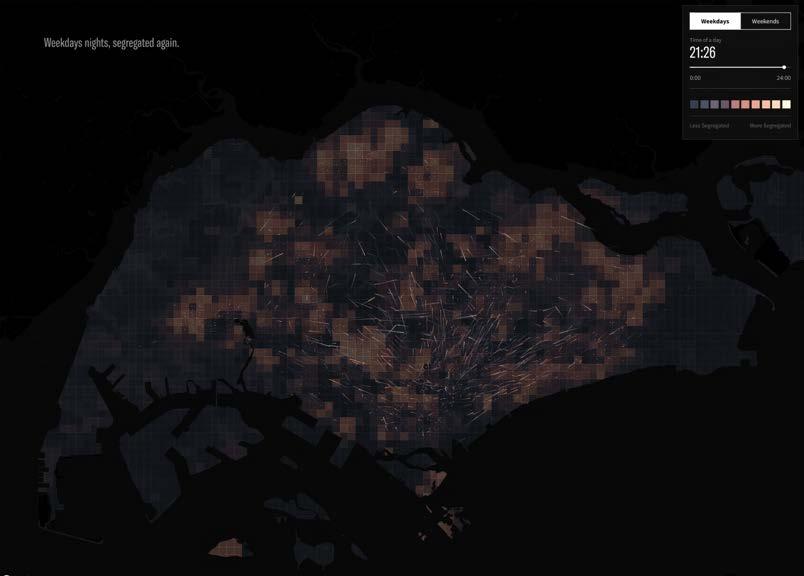
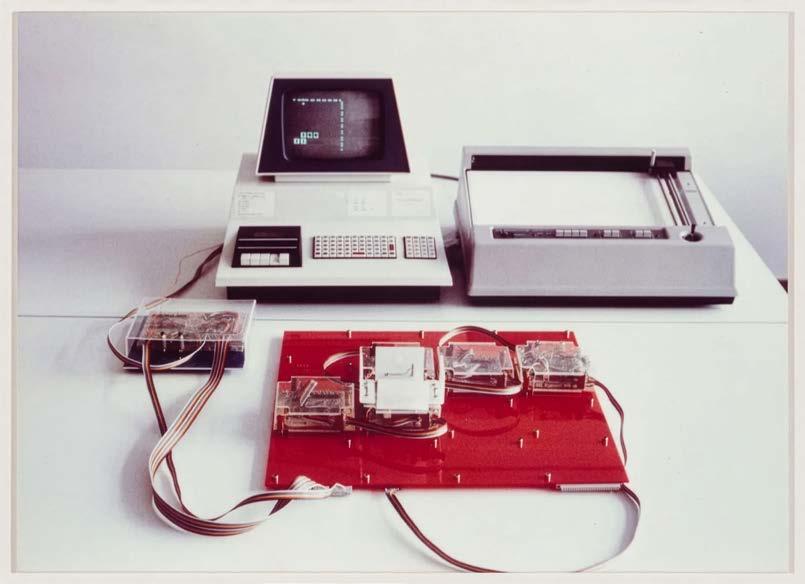
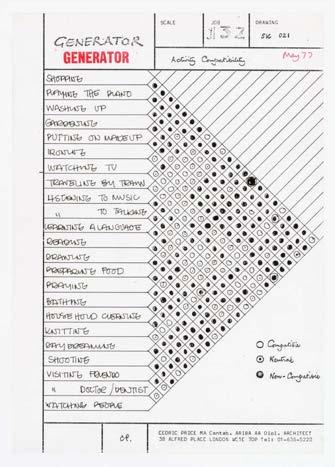
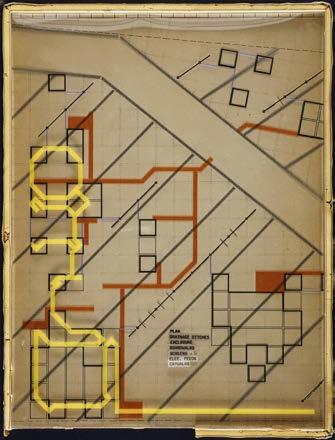
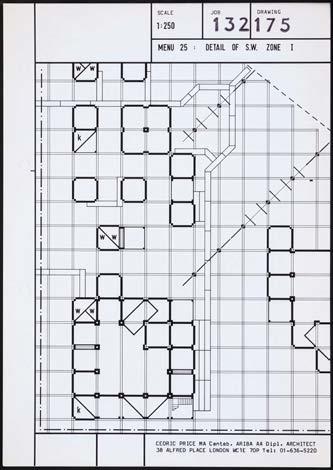
Εικ. 10.1. Generator Project , Cedric Price, 1976.
(feedback loops).
I–10a–e+
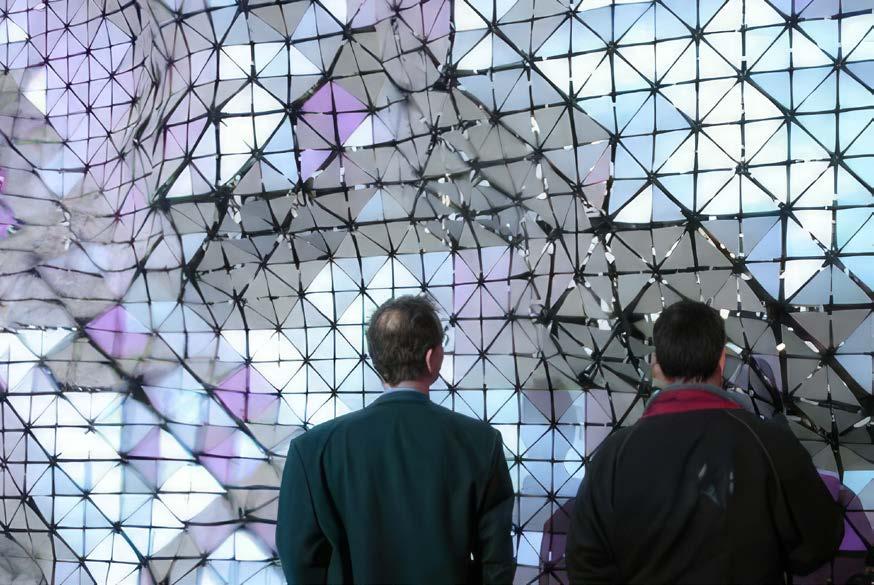
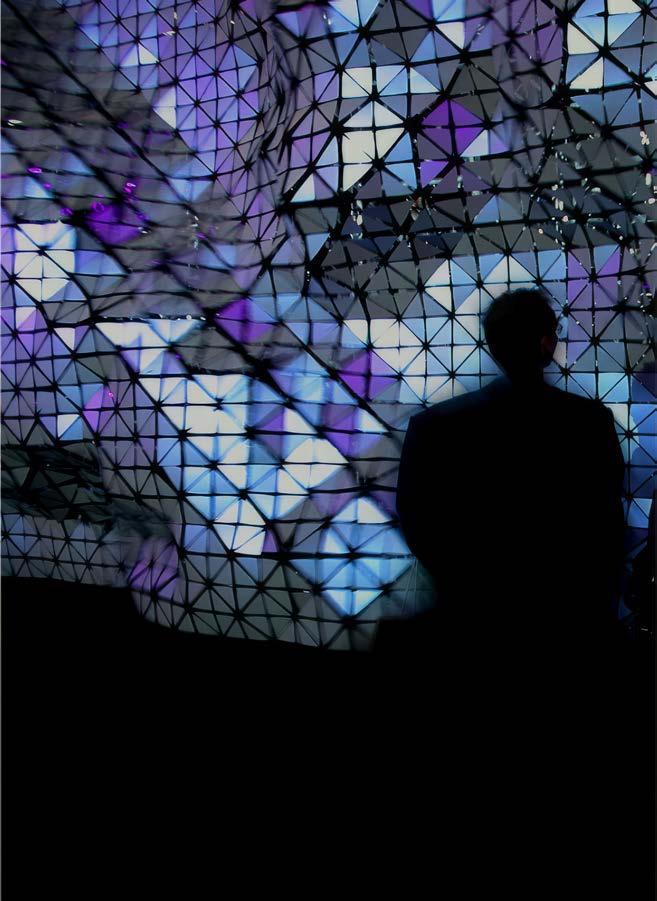
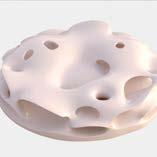
Εικ. 11. HypoSurface , dECOi, 2001.
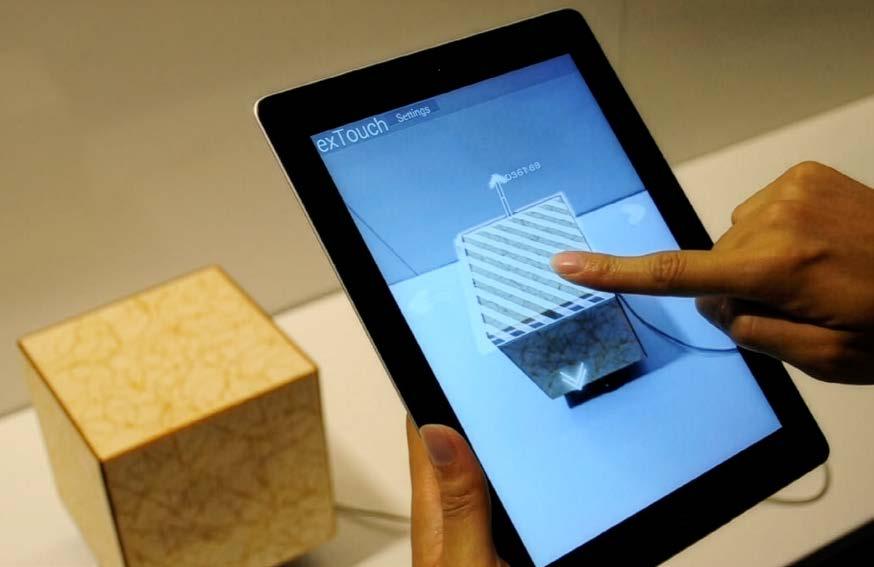
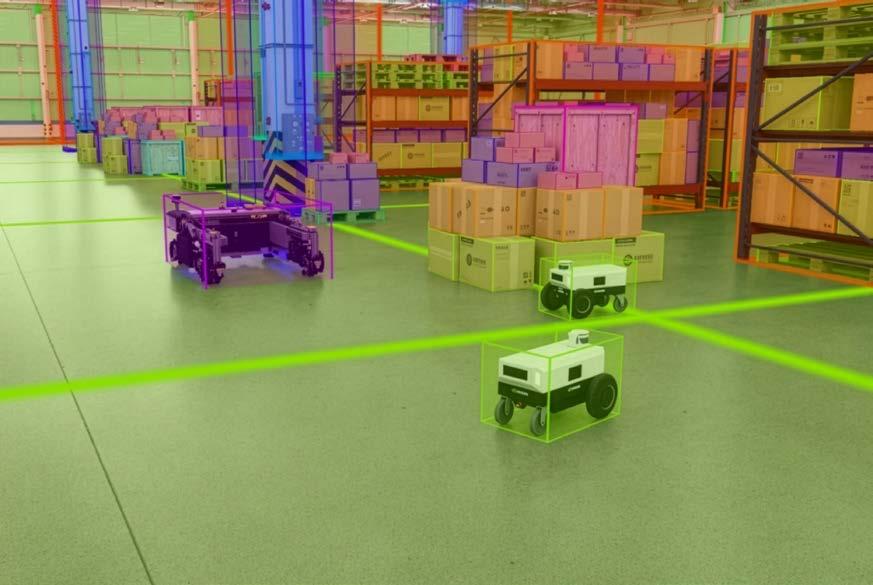
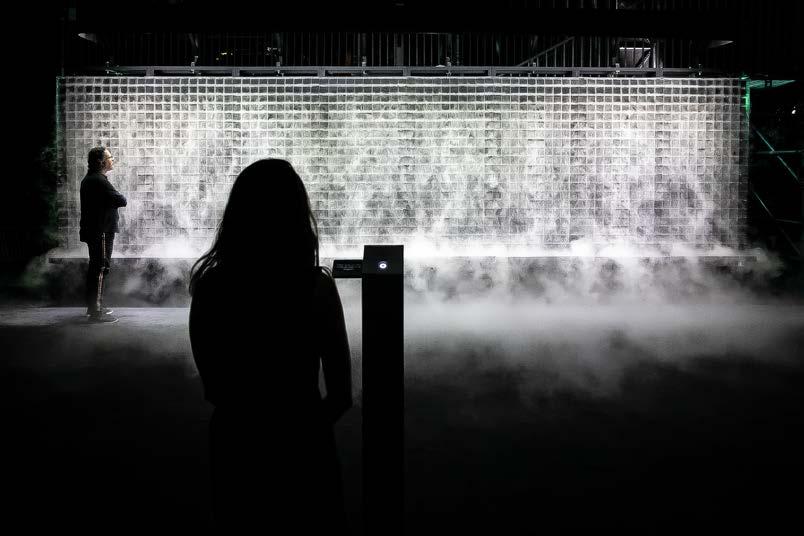

I–15b
Εικ. 15. Spatial Experience in Humans & Machines , Çağrı Hakan Zaman (City Science, MIT Media Lab), 2020.
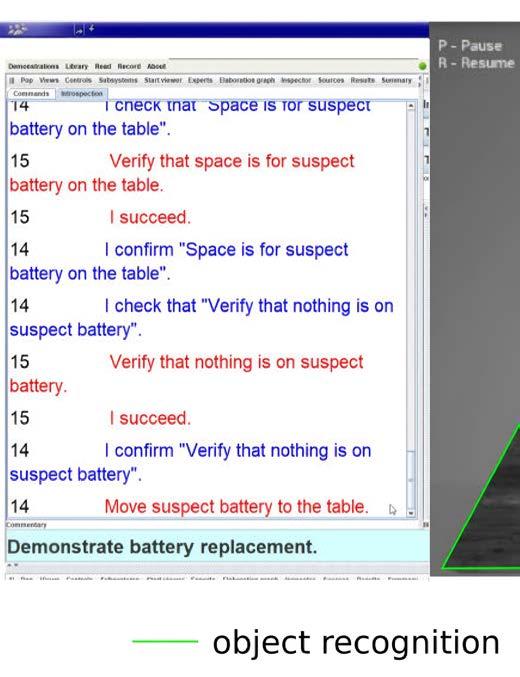
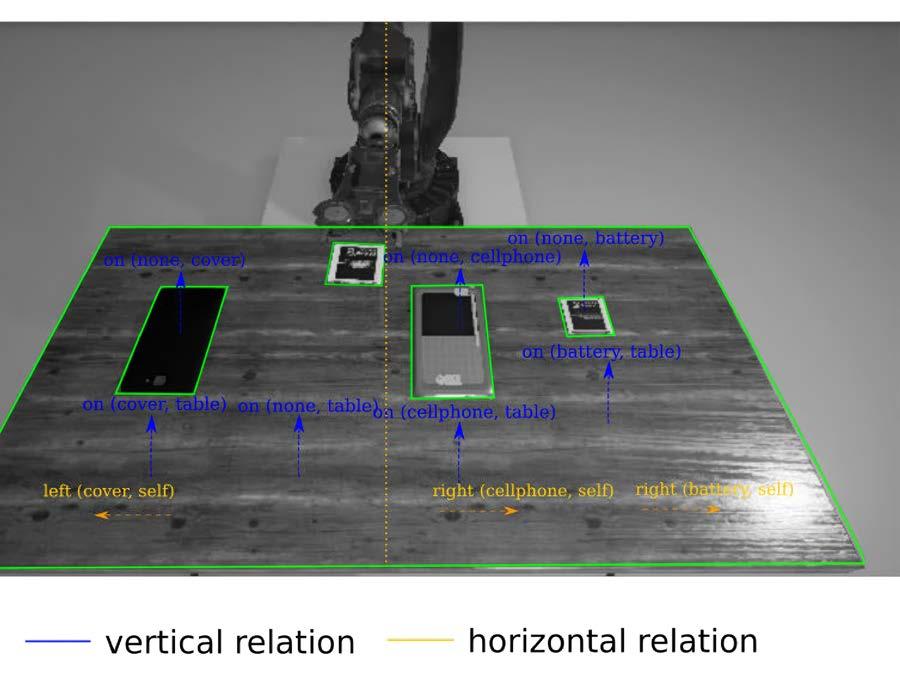
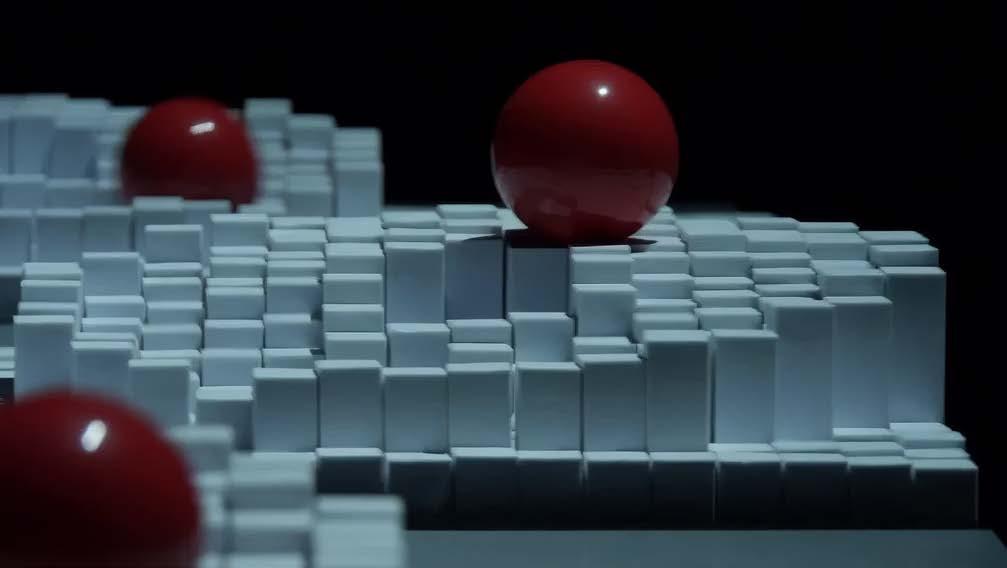
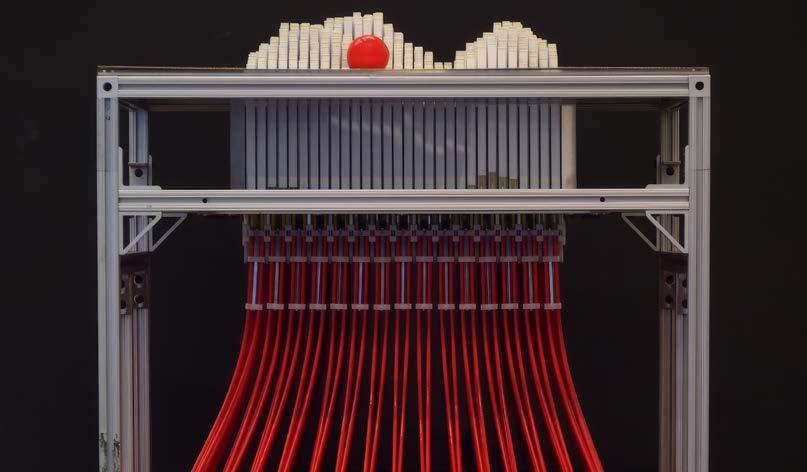
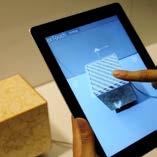
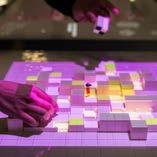
Εικ. 16.1. inFORM , Tangible Media Group, MIT Media Lab, 2013/2014.
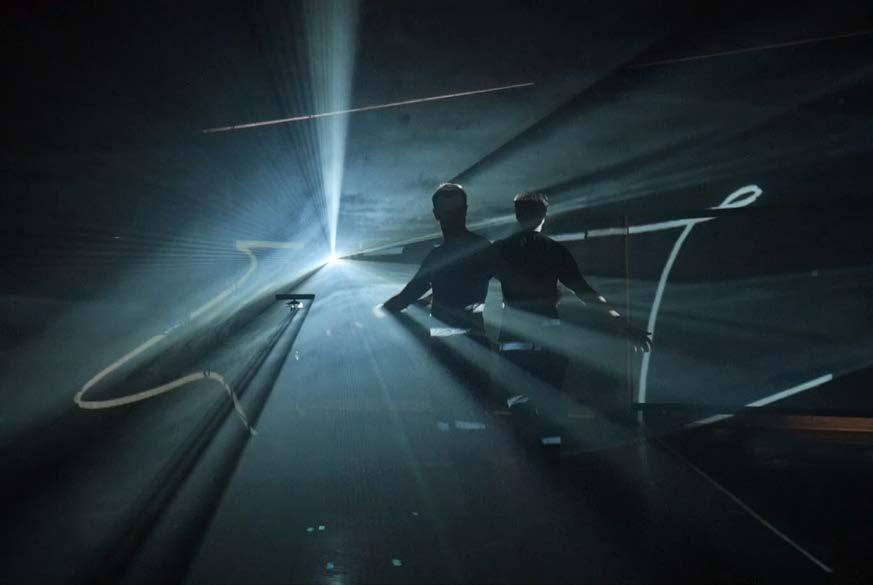
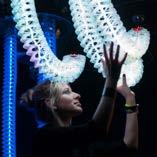
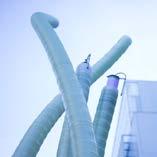
Εικ. 17. Ambiguous Topologies , Hyperbody Research Group, 2014.
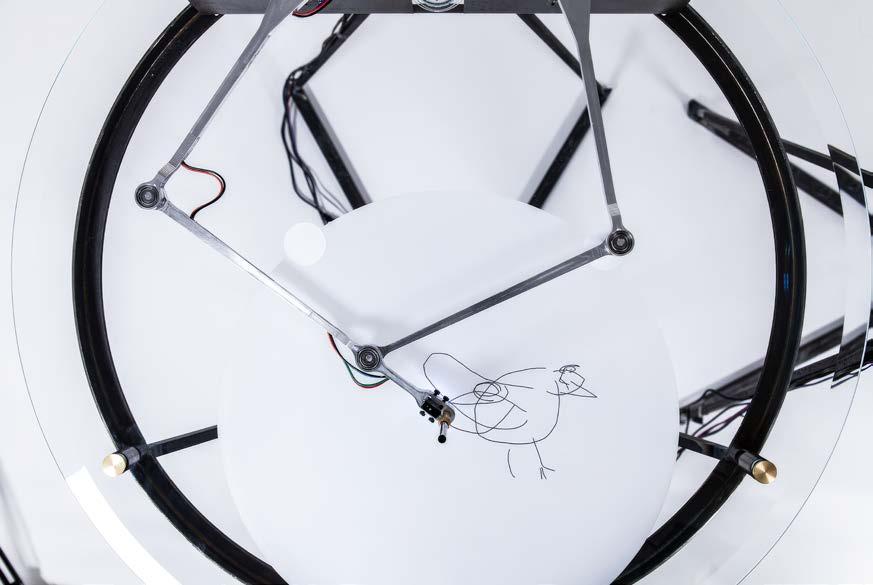
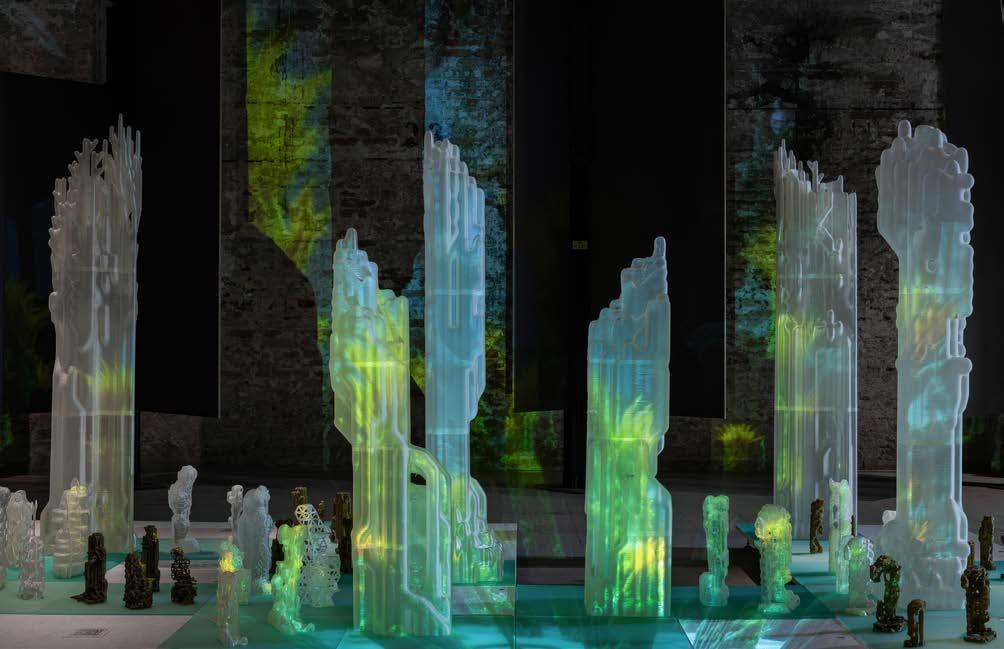
Εικ. 19.1. FundamentAI , ecoLogicStudio / Synthetic Landscape Lab (Innsbruck University) / Urban

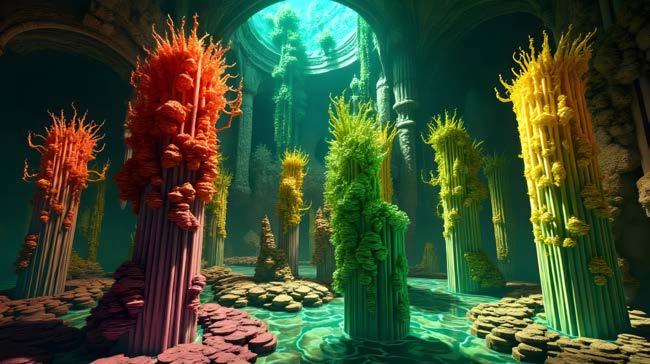
I–20-23b-e
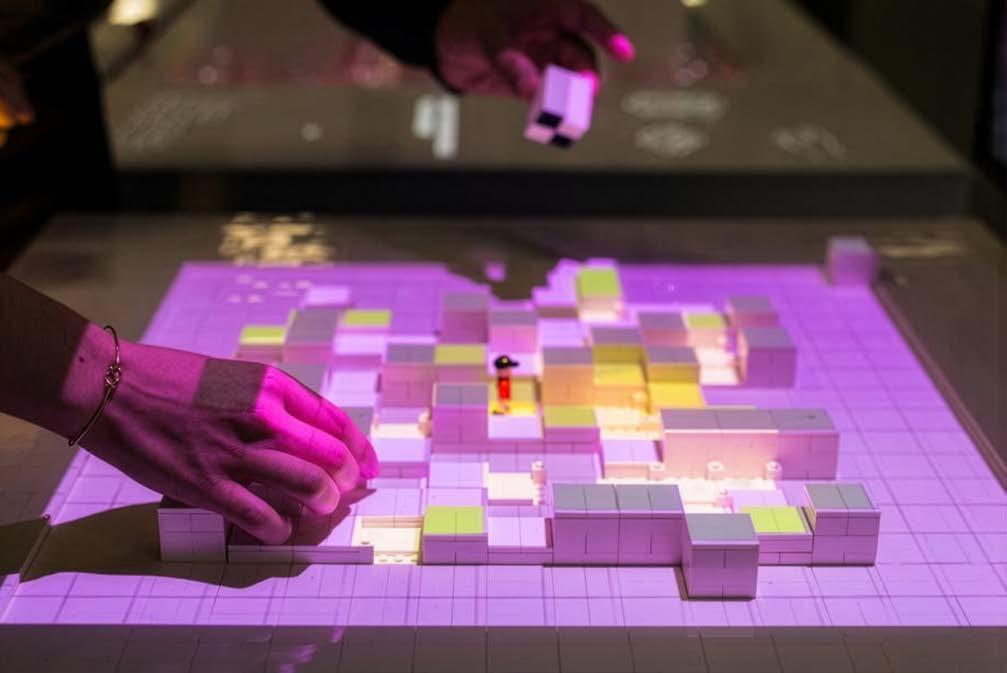
I–20b–e
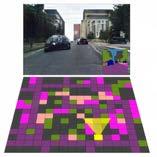
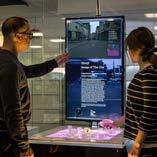
Εικ. 20. DeepScope , Ariel Noyman (City Science, MIT Media Lab), 2019.
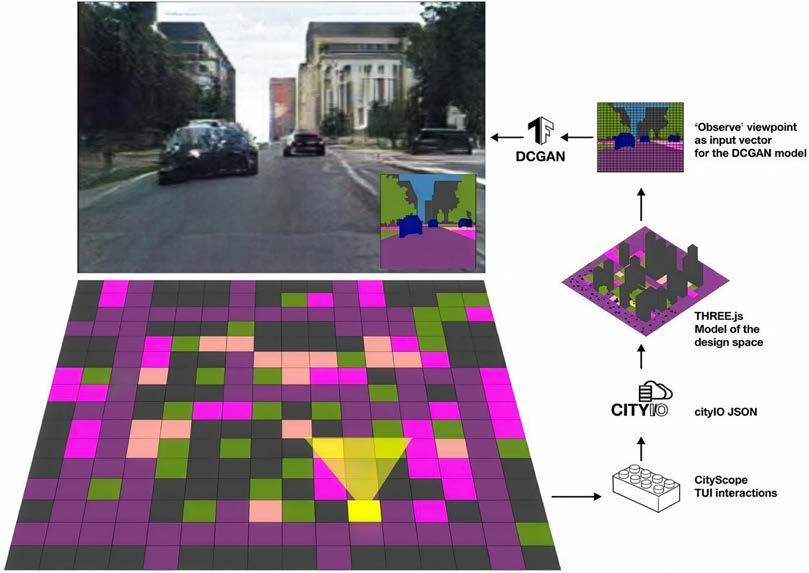
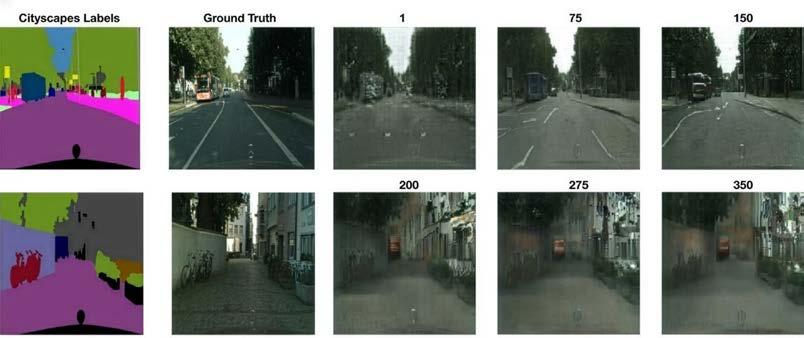
I–24c+
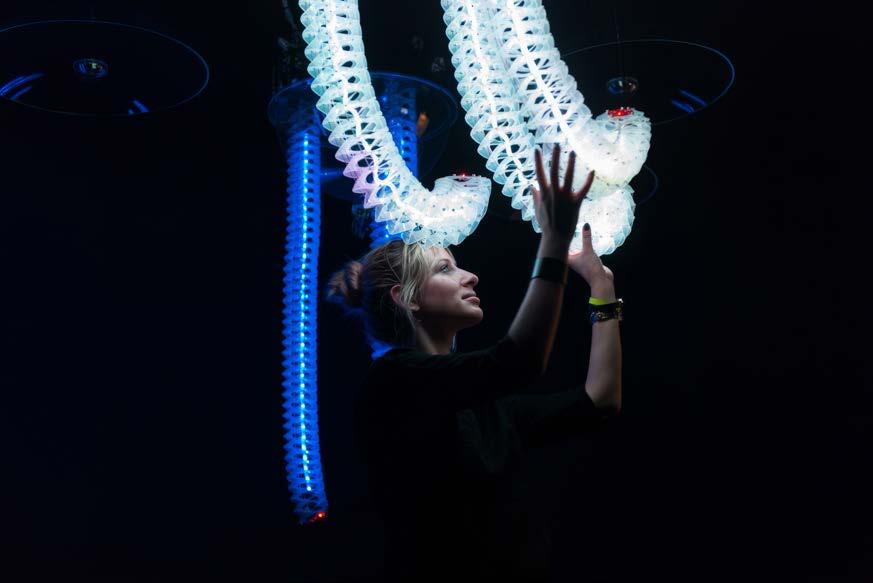
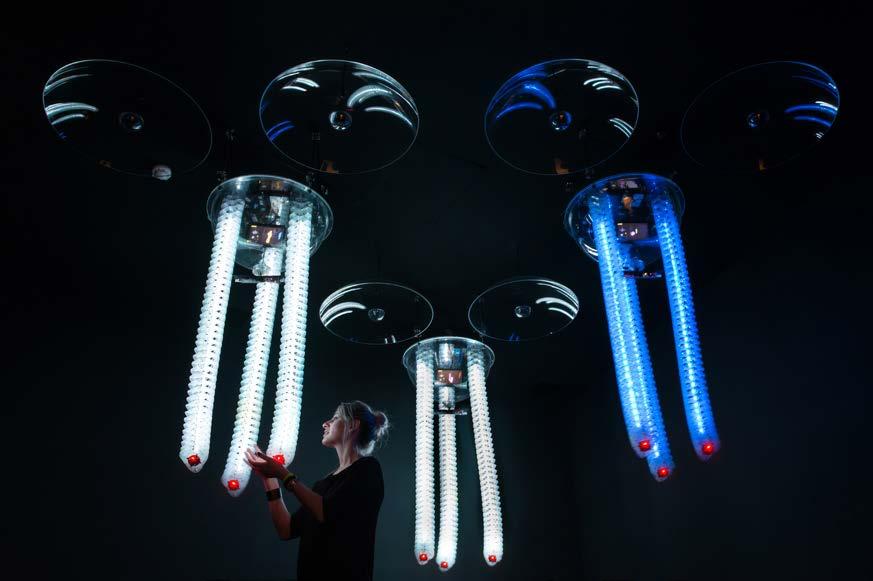
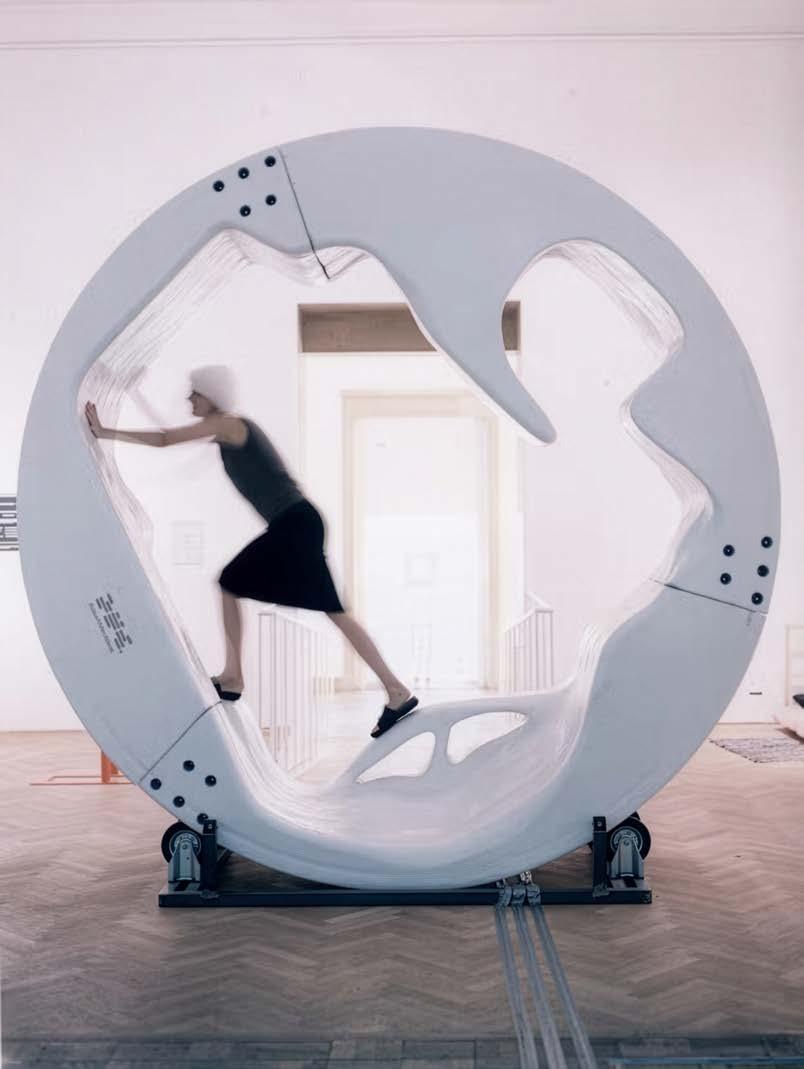
25.1. TurnON , AllesWirdGut Architecture, 2001.
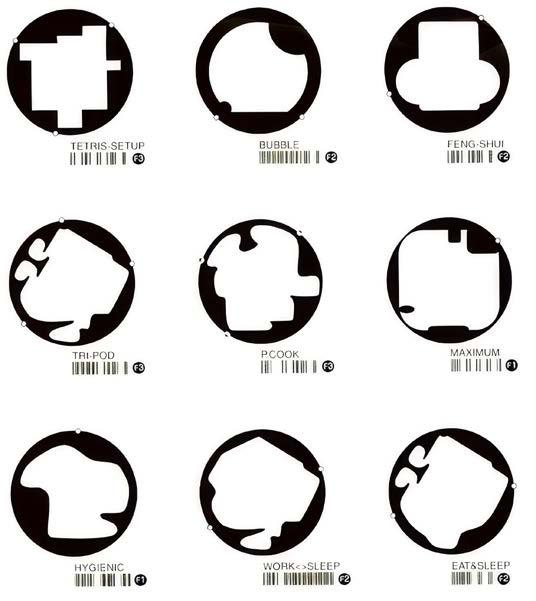
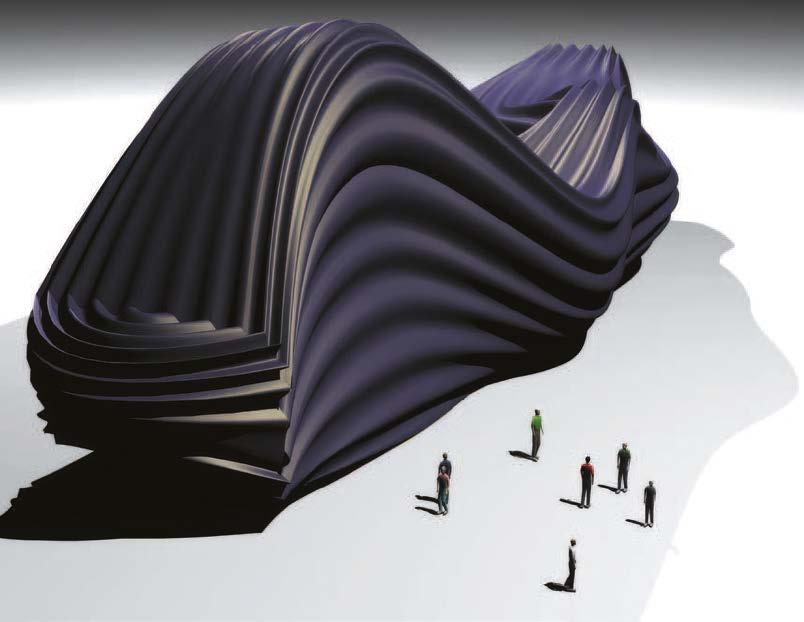
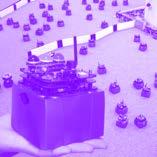
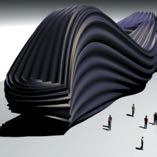
Εικ. 26. Trans-Ports , Kas Oosterhuis, 2001.
I–28c+
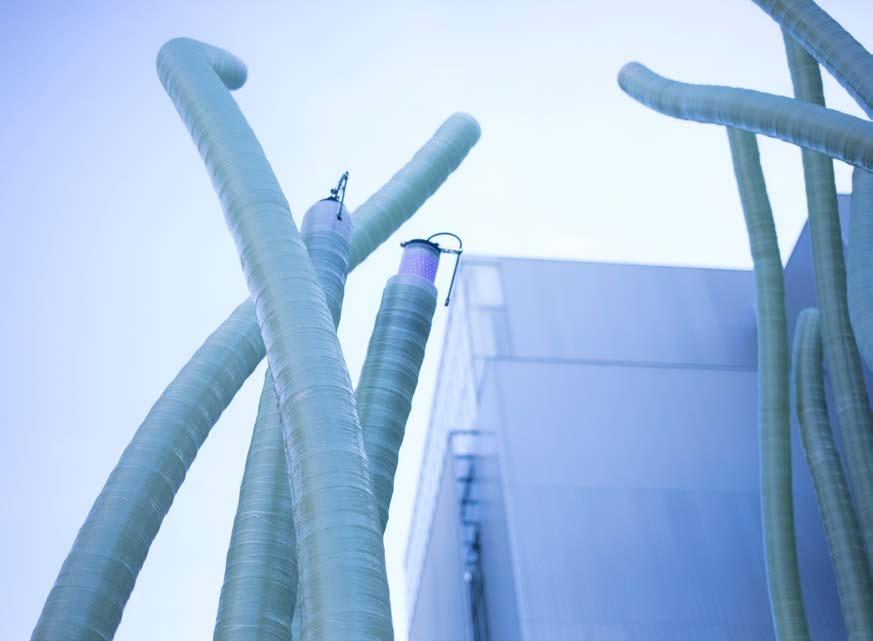
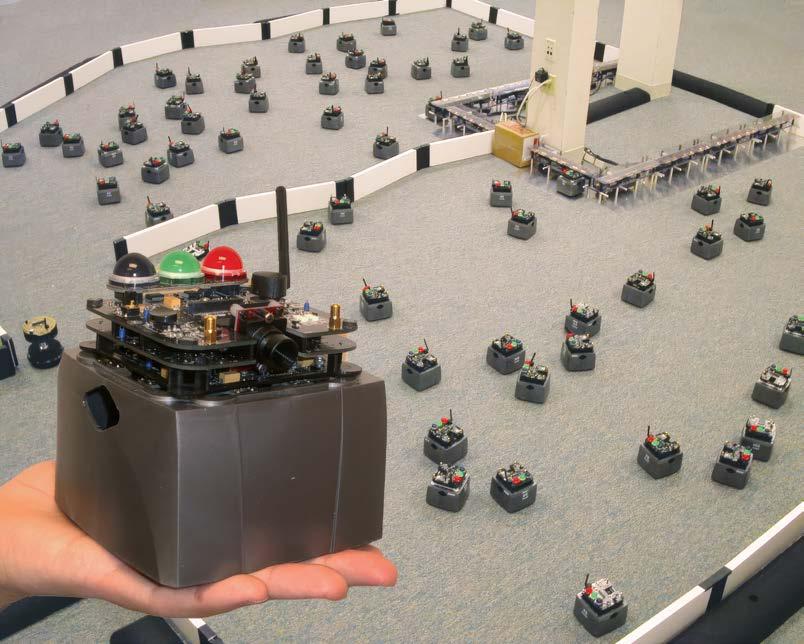
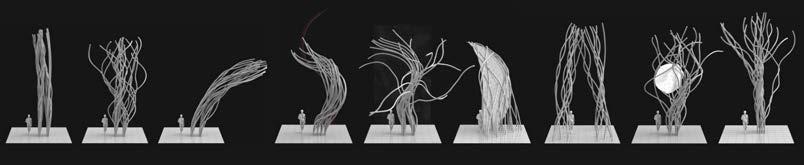
28.1. Fiberbots , Meditated Matter Group, MIT Media Lab, 2018.

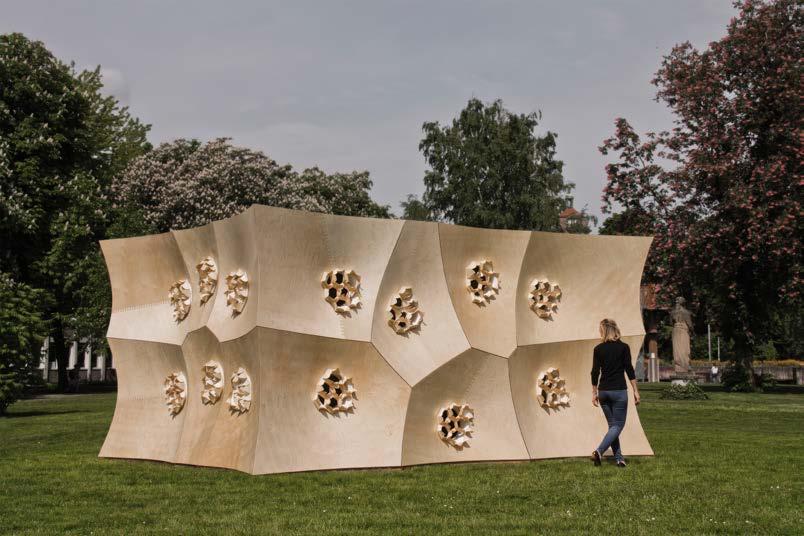
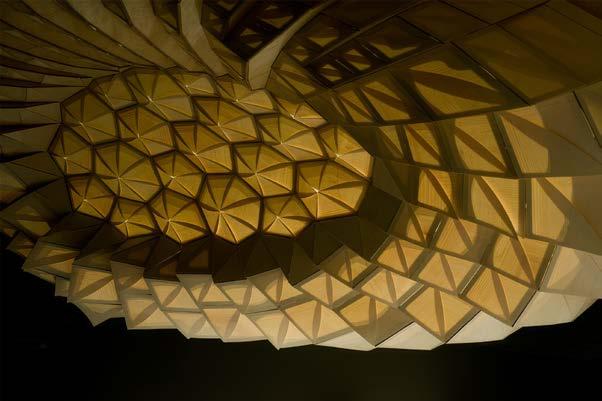
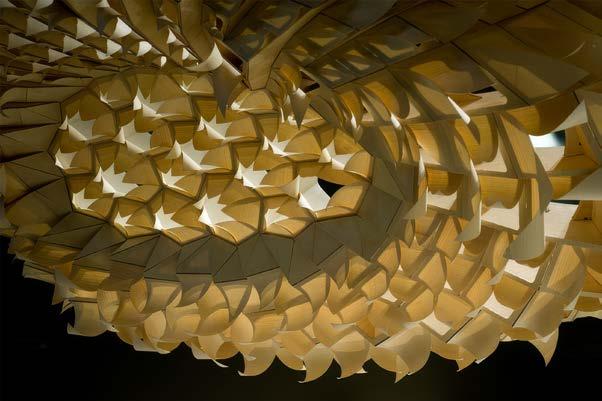
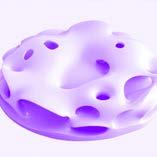
Εικ. 29.2. HygroScope , Achim Menges και Steffen Reichert (ICD, University of Stuttgart), 2012.
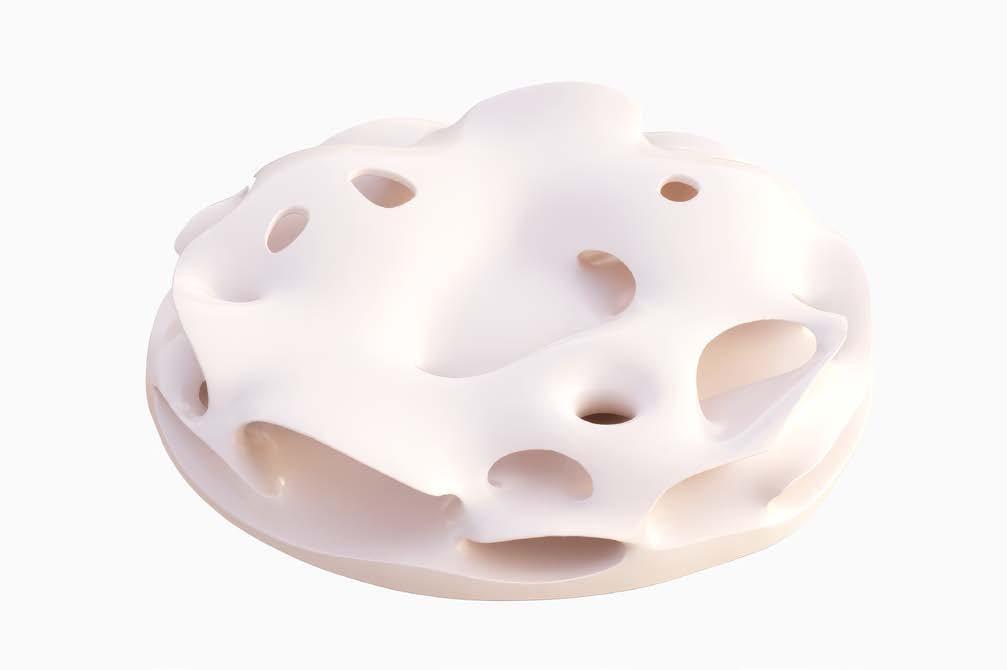
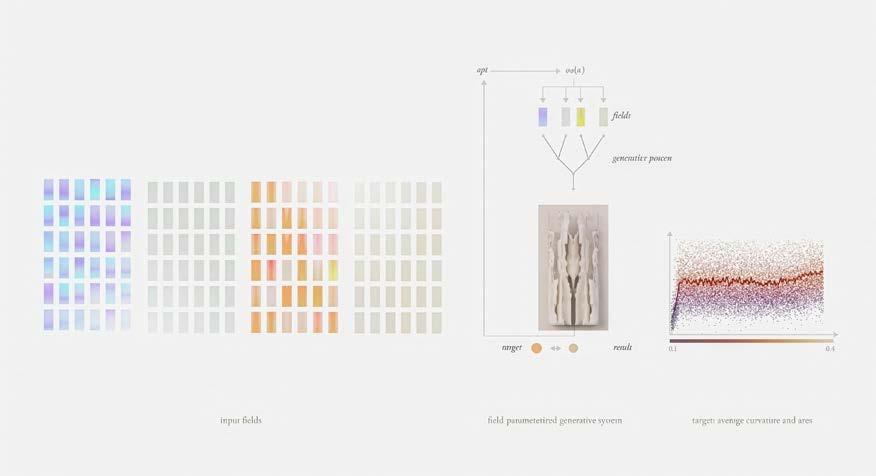
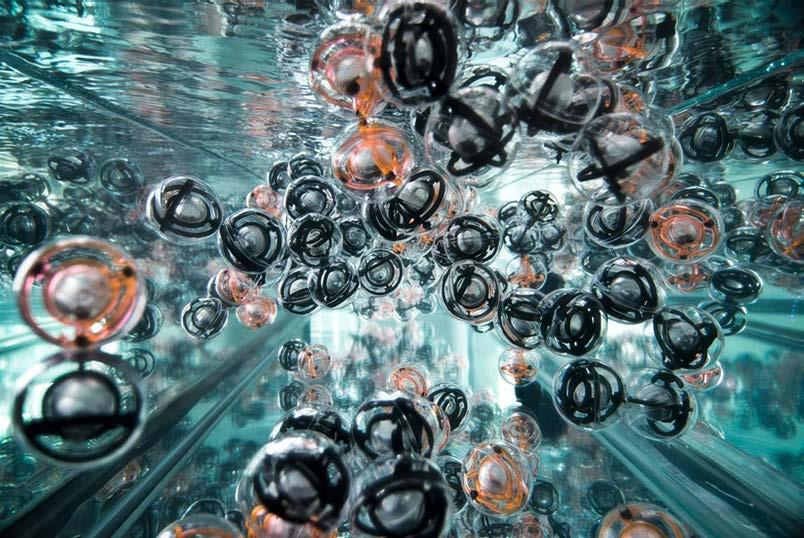
Εικ. 31.1. Fluid Crystallization , Self-Assembly Lab, MIT MAD, 2013.
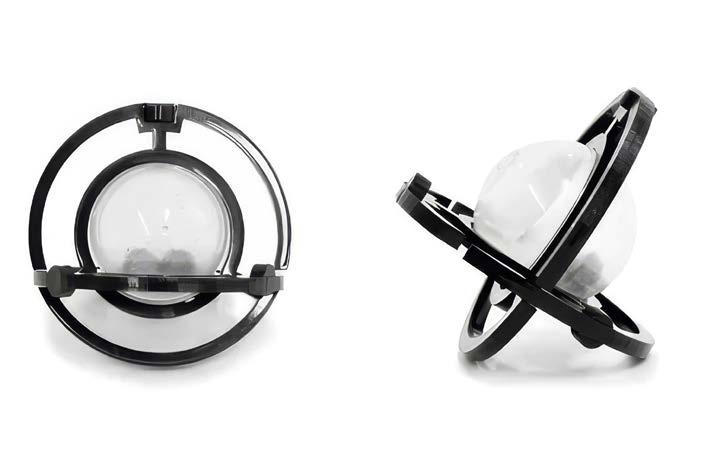
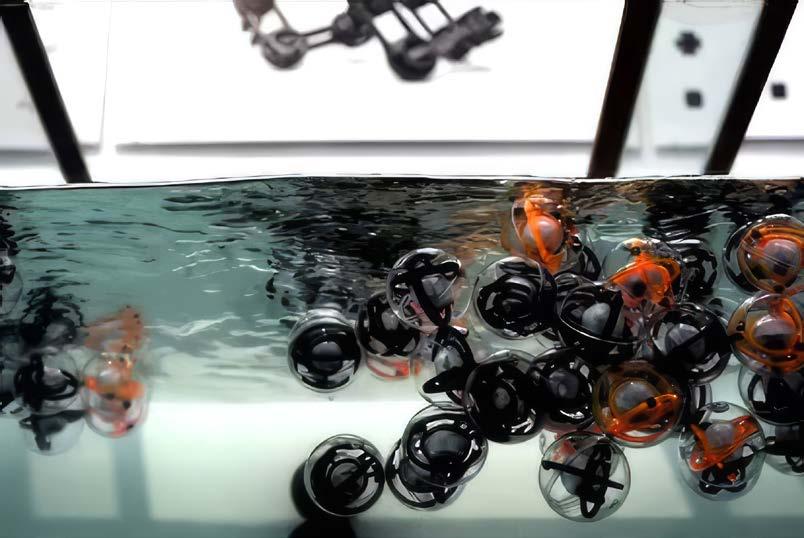
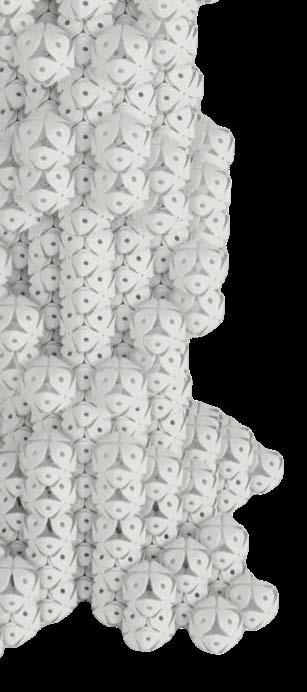
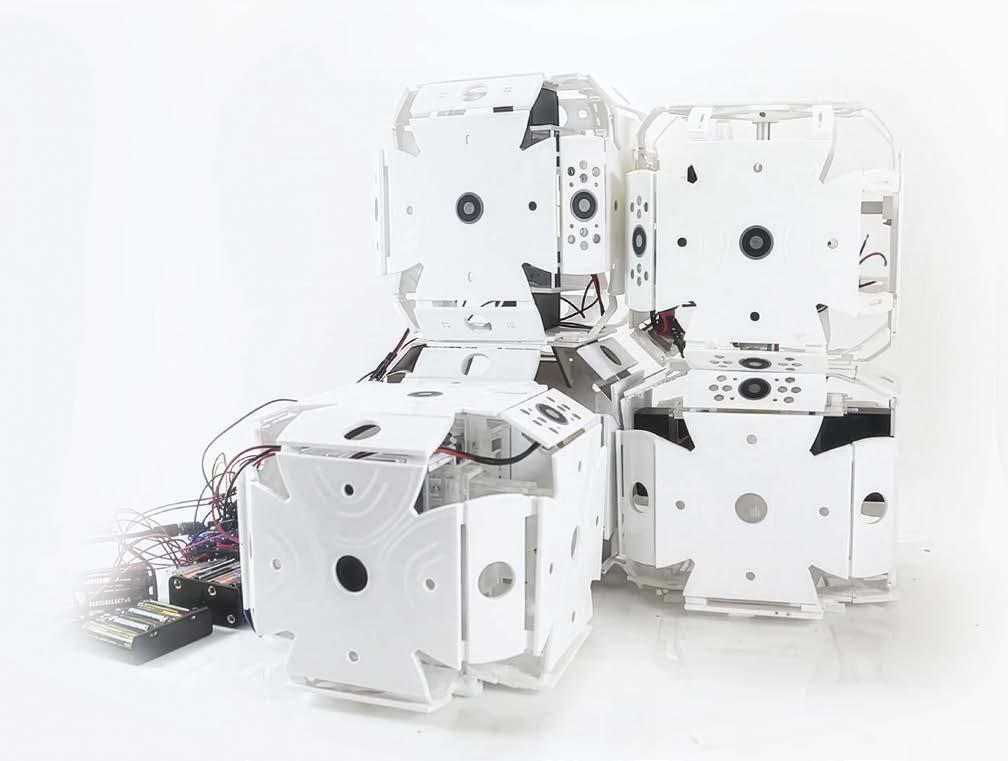
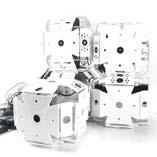
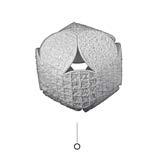
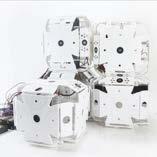
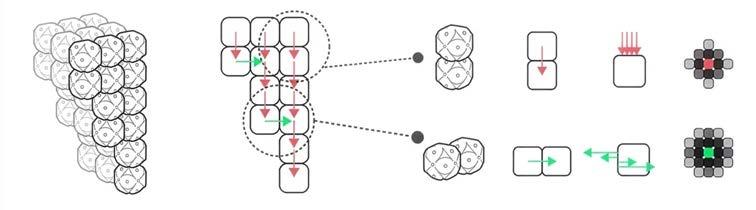
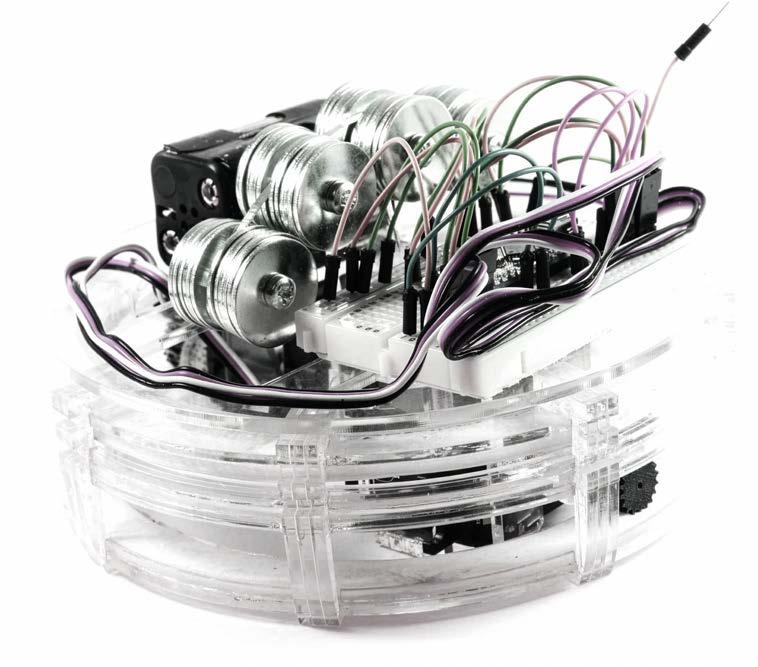
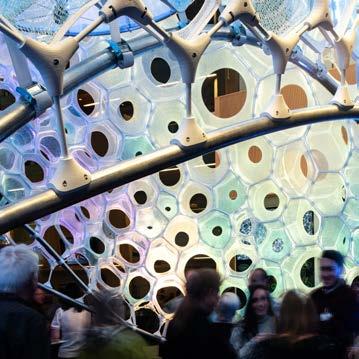
Εικ. 32. HyperCell , Pavlina Vardoulaki, Ahmed Shokir, Cosku Çinkiliç και Houzhe Xu (Spyropoulos Studio, AADRL), 2014. Δυναμικό
I–35c–e
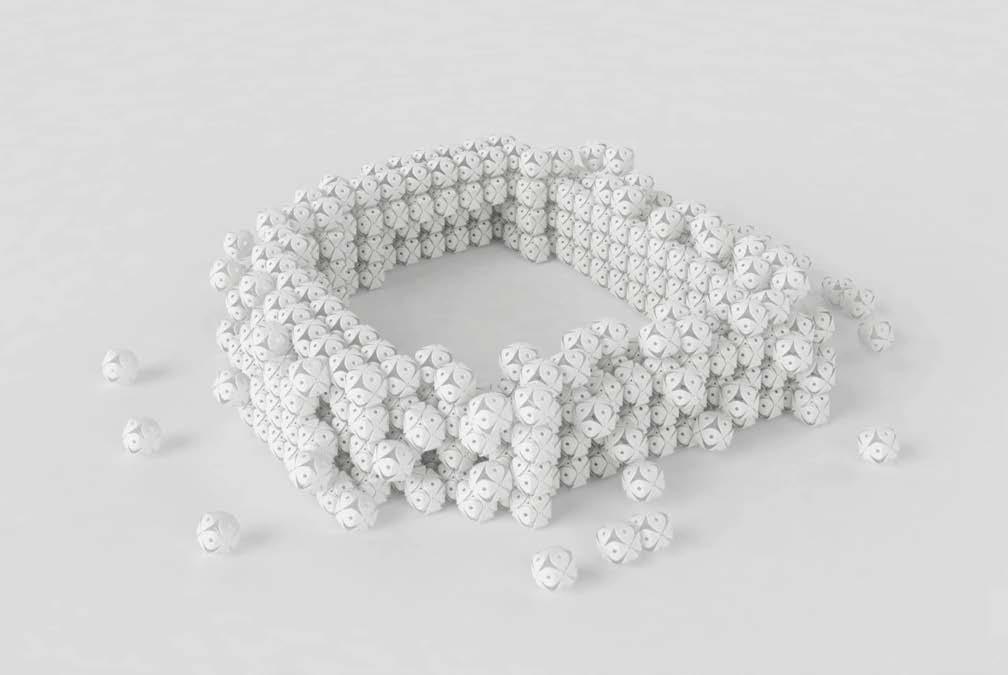
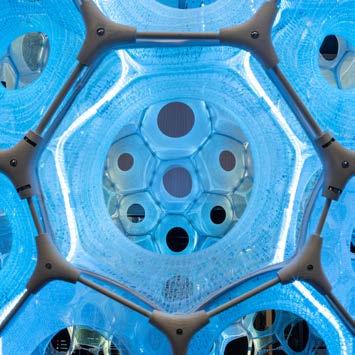
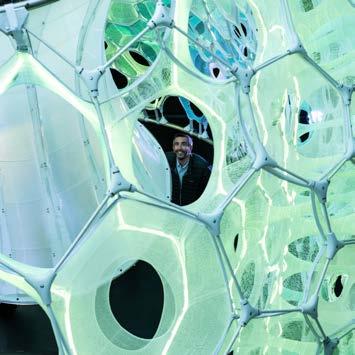
Εικ. 35. HyperCell , 2014.
I–34c–e
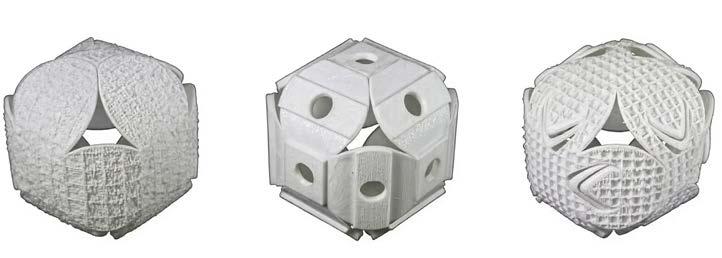
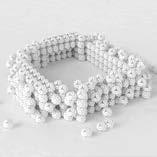
Εικ. 34. HyperCell , 2014.
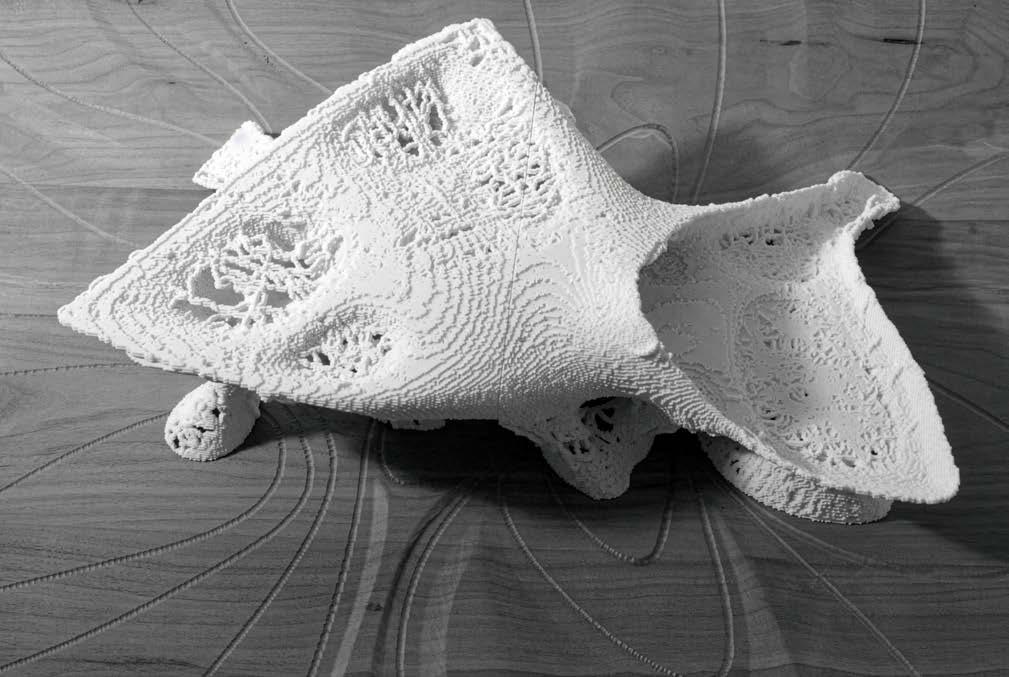
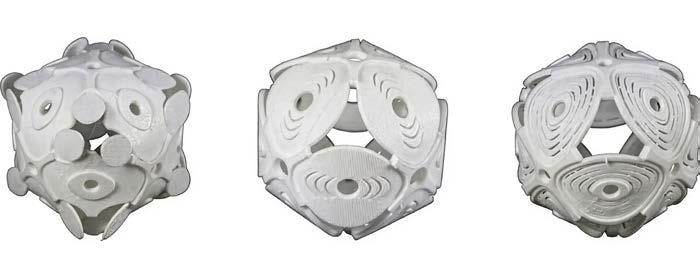
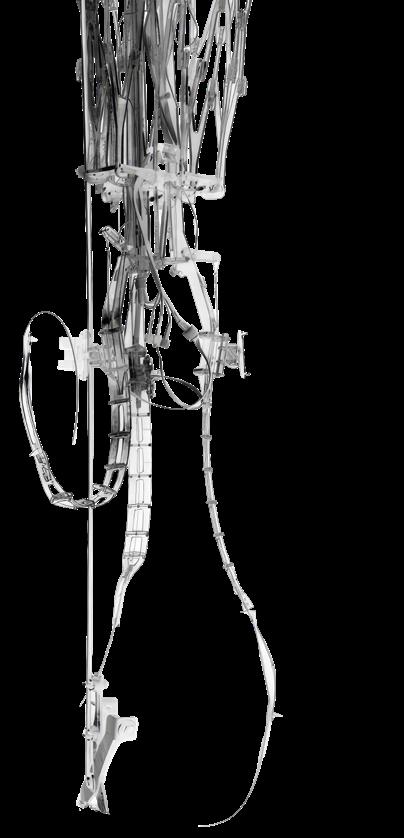
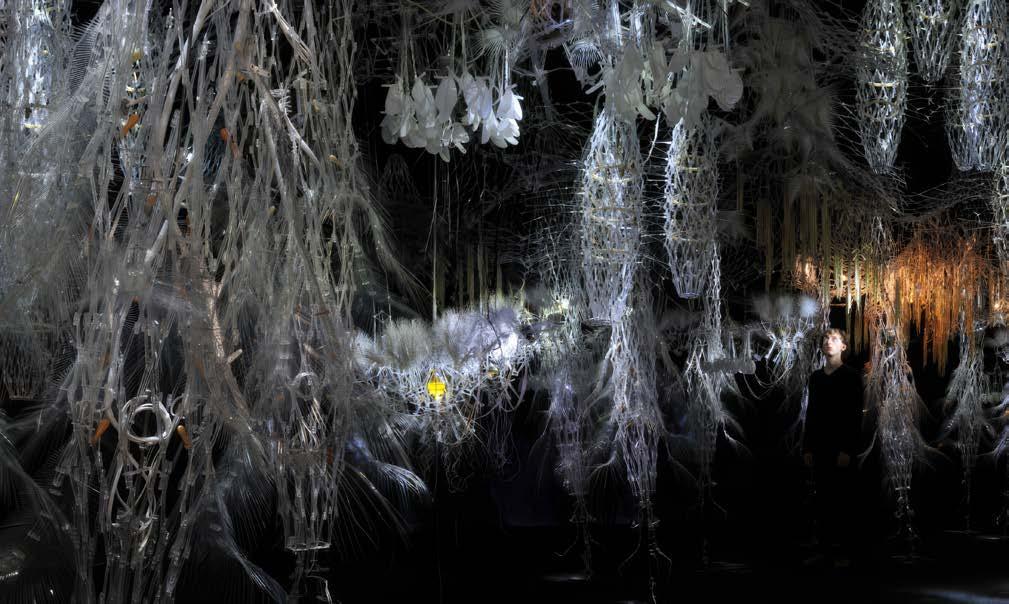
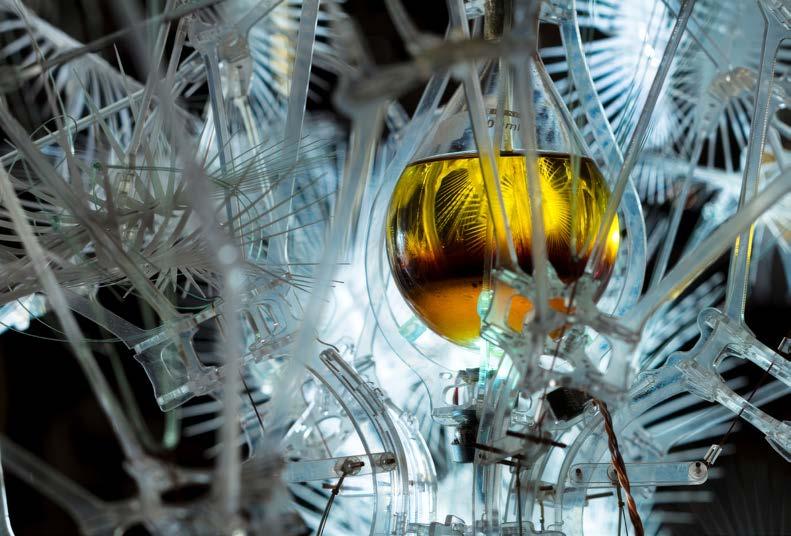
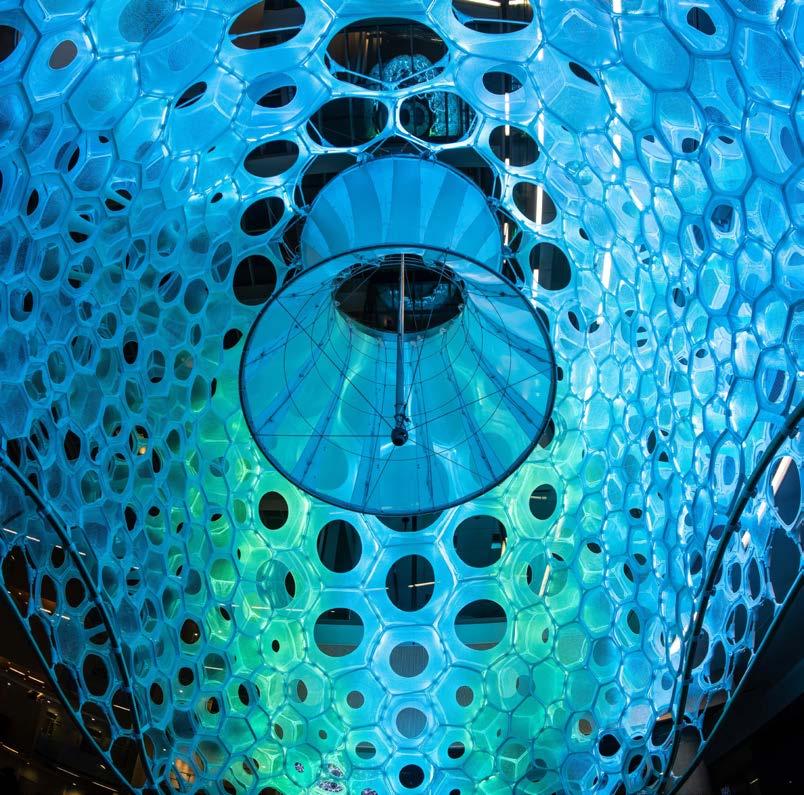
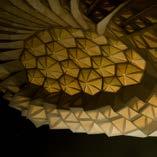
Ada , Jenny Sabin Studio, 2019.
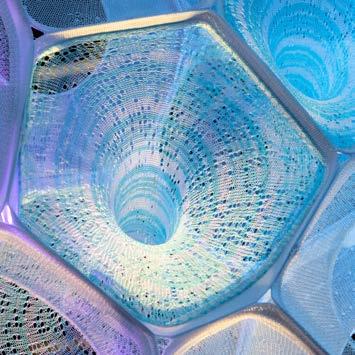
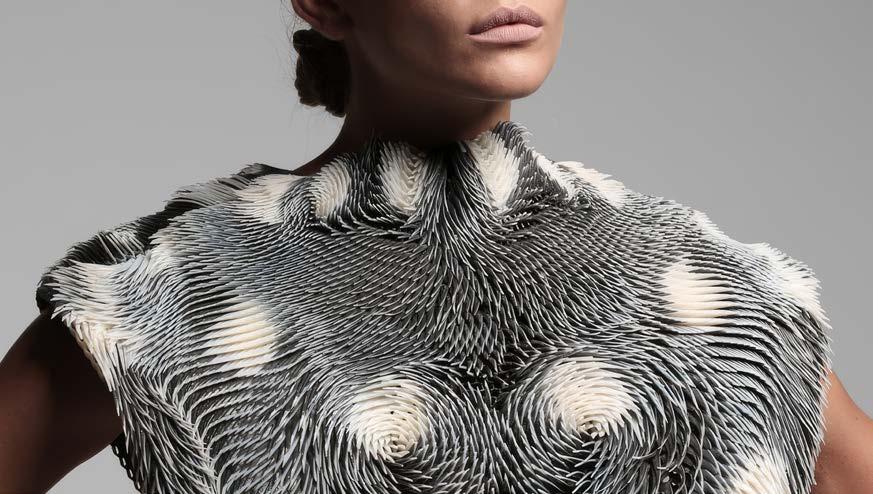
Εικ. 39.2. Caress of the Gaze , 2015.

I–39d+

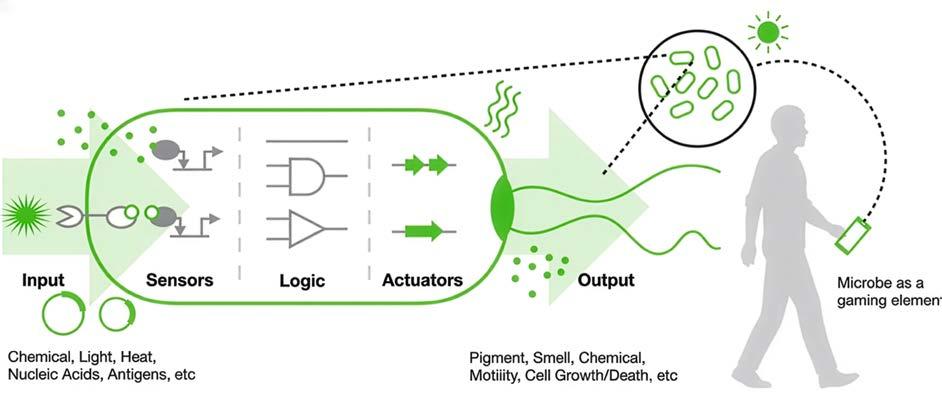
Εικ.
Living Bits , Fluid Interfaces, MIT Media Lab, 2020.
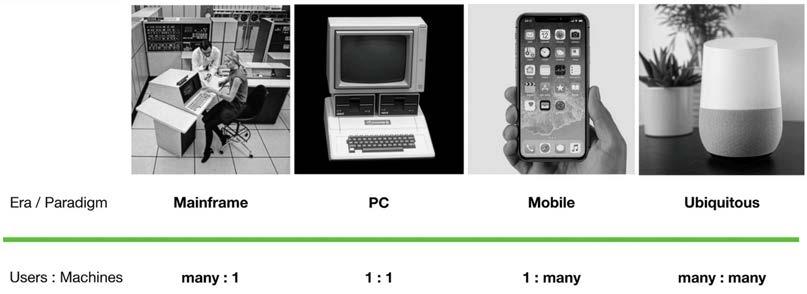
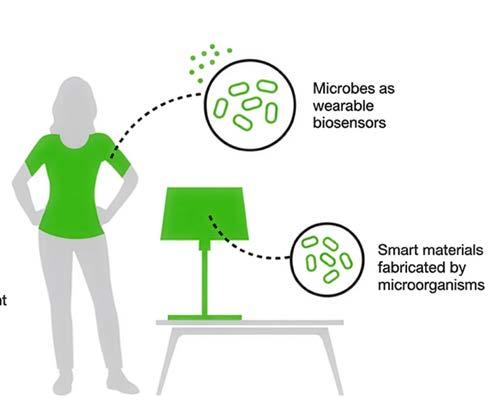
I–41-45d-e
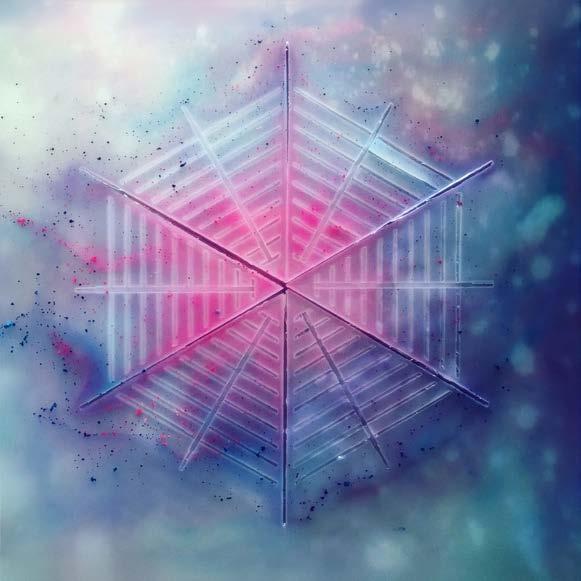
41. The Respiring Skin , Chrisoula Kapelonis (City Science, MIT Media Lab), 2018.
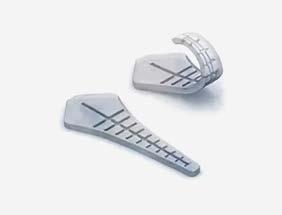
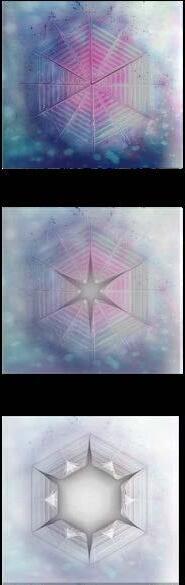
Εικ. 42. The Respiring Skin , 2018.
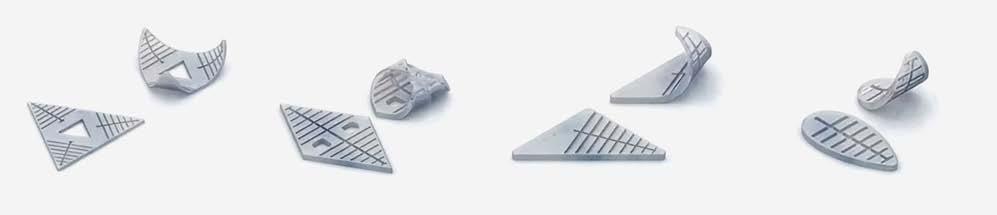
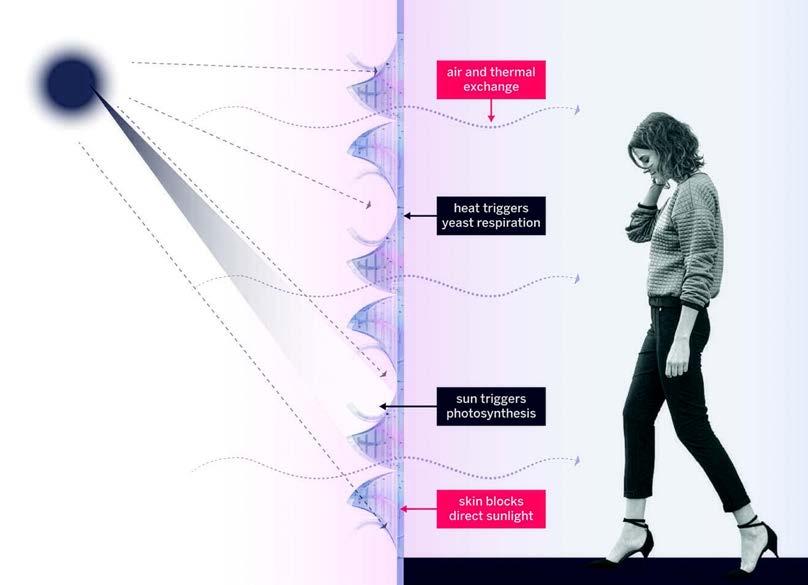
Εικ. 43. The Respiring Skin , 2018.



[BIBLIOGRAPHY & CITATIONS]
/ Monographs]
01 Barad, Karen. Meeting the Universe Halfway: Quantum Physics and the Entanglement of Matter and Meaning. Duke University Press, 2007.
02 Carrol, Sean. Endless Forms Most Beautiful: The New Science of Evo Devo and the Making of the Animal Kingdom. Quercus Publishing, 2005.
03 Colomina, Beatriz, και Mark Wigley. Are We Human? Notes on an Archaeology of Design. Lars Müller Publishers, 2016.
04 Fitch, James Marston. American Building 2: The Environmental Forces That Shape It. Boston: Houghton Mifflin, 1972.
Haraway, Donna.
2014.
06 Hayles, Katherine. How We Became Posthuman: Virtual Bodies in Cybernetics, Literature, and Informatics. University of Chicago Press, 1999. Διαθέσιμο
Monoskop.
07 Heidegger, Martin. The Question Concerning Technology, and Other Essays. Μεταφρασμένο
William Lovitt. Harper & Row, 1977.
08 Kelly, Kevin. Out of Control: the Rise of Neo-Biological Civilization. Basic Books, 1994.
09 Oosterhuis, Kas. Hyperbodies: Towards an E-motive Architecture. Birkhäuser, 2003.
10 Oosterhuis, Kas. Towards a New Kind of Building: A Designer’s Guide for Nonstandard Architecture. Rotterdam: NAi Publishers, 2011.
11 Stiegler, Bernard. Technics and Time, 1: The Fault of Epimetheus.
Richard Beardsworth και George Collins. Stanford, Stanford University Press, 1998.
12 Wiener, Norbert. Cybernetics: Or Control and Communication in the Animal and the Machine. 2η
MA: MIT Press, 1961.
13 Wilson, Robb, και Josh Tyson. Age of Invisible Machines: A Practical Guide to Creating a Hyperautomated Ecosystem. Wiley, 2022.
Bookshelf.
21 86, 97
[Scientific Articles (Journals & Conferences)] Αριθμός
15 Chang, Jia-Rey. “HyperCell: A Bio-inspired Design Framework for Real-time Interactive Architectures”, A+BE | Architecture and the Built Environment 8. αρ. 1. 2018. https://doi.org/10.7480/ abe.2018.1.1947.
16 Hassan, Ihab. “Prometheus as Performer: Towards a Posthumanist Culture?” Στο Performance in Postmodern Culture, επιμ. Michael Benamou και Charles Caramella. Coda Press, 1977.
17 Latour, Bruno. “Morality and Technology: The End of the Means.” Translated by Couze Venn. Theory, Culture & Society 19, no. 5–6, 2002.
18 Noyman, Ariel και Kent Larson. “A Deep Image of the City: Generative Urban-Design Visualization.” Στα πρακτικά του 11th Annual Symposium on Simulation for Architecture and Urban Design (SimAUD 2020), επιμ. από Society for Computer Simulation International (SCS Press), 2020. Δημοσιεύτηκε στο ACM Digital Library.
19 Semertzidis, Nathan, Kai Kunze, Xiao Fang, Paul Pangaro, και Pattie Maes. «What We Talk About When We Talk About Human–Computer Integration». Στο Proceedings of the 2020 CHI Conference on Human Factors in Computing Systems (CHI ’20), 1–14. Νέα Υόρκη: Association for Computing Machinery, 2020.
20 Weiser, Mark. “The Computer for the 21st Century.” Scientific American 265, no. 3 (September 1991): 94–104.
21 Kapelonis, Chrisoula. Receptive Skins: Towards a Somatosensitive Architecture. Μεταπτυχιακή διατριβή, Massachusetts Institute of Technology, 2018.
22 Zaman, Çağrı Hakan. Spatial Experience in Humans and Machines. Διδακτορική διατριβή, Massachusetts Institute of Technology, 2020.
9, 31, 32, 34, 36 37 59, 145, 152, 156, 165
16, 18, 19, 20 81, 90, 91, 95,
[Online Videos & Lectures]
[Websites / Online Projects] Αριθμός
23 Ferrando, Francesca. “What does ‘POSTHUMAN’ mean?” Μάθημα στο διαδικτυακό
The Philosophy of “The Posthuman”. Μάθημα 1. Δεκέμβριος 2017. Διάρκεια 7:48. https://www.youtube.com/watch?v=zi6APy0oW9A.
24 Tate, Erik. “Deleuze - Control Societies & Cybernetic Posthumanism”. Βίντεο στο κανάλι PlasticPills. Ιούλιος 2020. Διάρκεια 18:17. https://www.youtube.com/watch?v= Hu4Cq_-bLlY.
25 Tate, Erik. “Posthumanist Explained – Nietzsche, Deleuze, Stiegler, Haraway”. Βίντεο στο κανάλι PlasticPills. Νοέμβριος 2019. Διάρκεια 18:17. https://www.youtube.com/ watch?v=GmJLsfUnGjY.
26 Thorn, Abigail. “Transhumanism: "The World's Most Dangerous Idea"”. Βίντεο στο κανάλι Philosophy Tube. Απρίλιος 2022. Διάρκεια 46:27. https://www.youtube.com/ watch?v=DqPd6MShV1o.
27 AADRL. “Hypercell”. Τελευταία
21, 2025. https://drl.aaschool.ac.uk/hypercell.
28 Spaceoneers. “Hypercell: The Future of Space Architecture”. Τελευταία πρόσβαση Σεπτέμβριος 5, 2025. https://spaceoneers. io/2017/03/09/hypercell/.