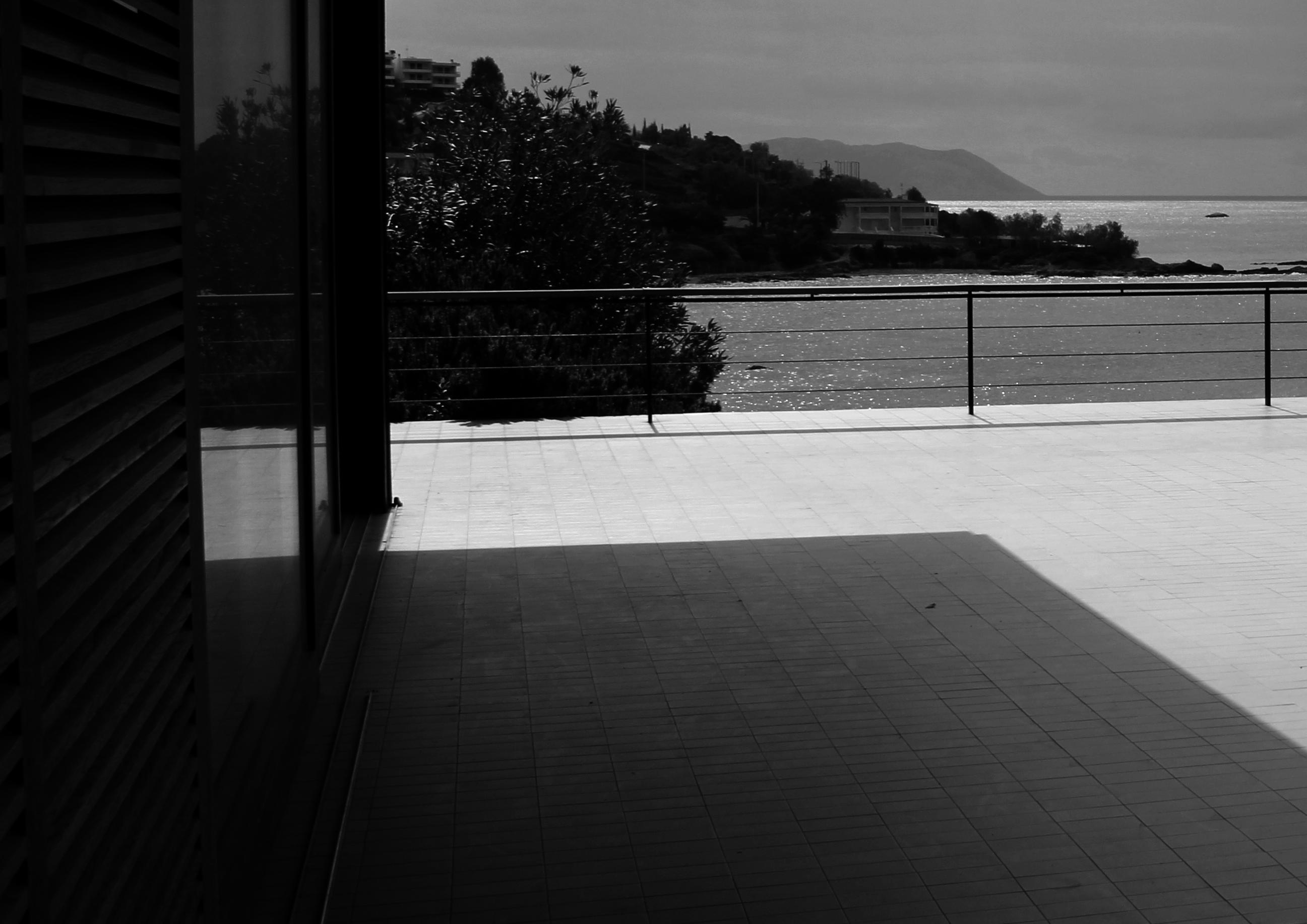
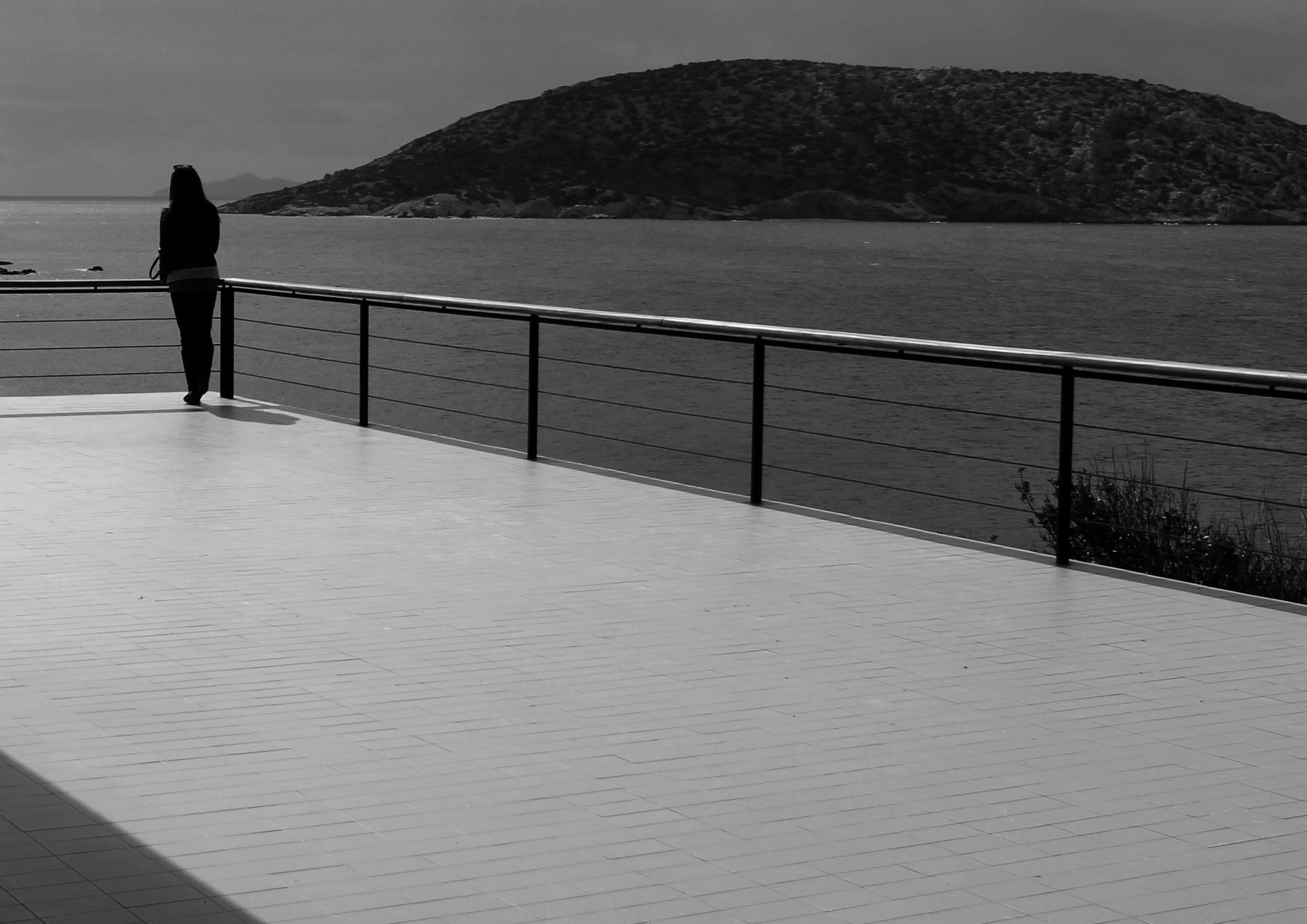
The primary goal of this research is to investigate the relationship between bioclimatic design and the morphologically refined architecture. This will only be achieved, through the study and the valuation of completed works, which have been historically appraised in the Greek architecture, from the perspective of sun shading and sun trapping.
Thus, these questions arise to search for their answer. First of all, which are the most efficient characteristics in morphology that can be found, both in the built examples from the Greek anonymous and published architecture? Secondly, do Greek architects take into consideration the factor of sustainability and the demand to blend into landscape, during the process of design, and if so, to what extend?
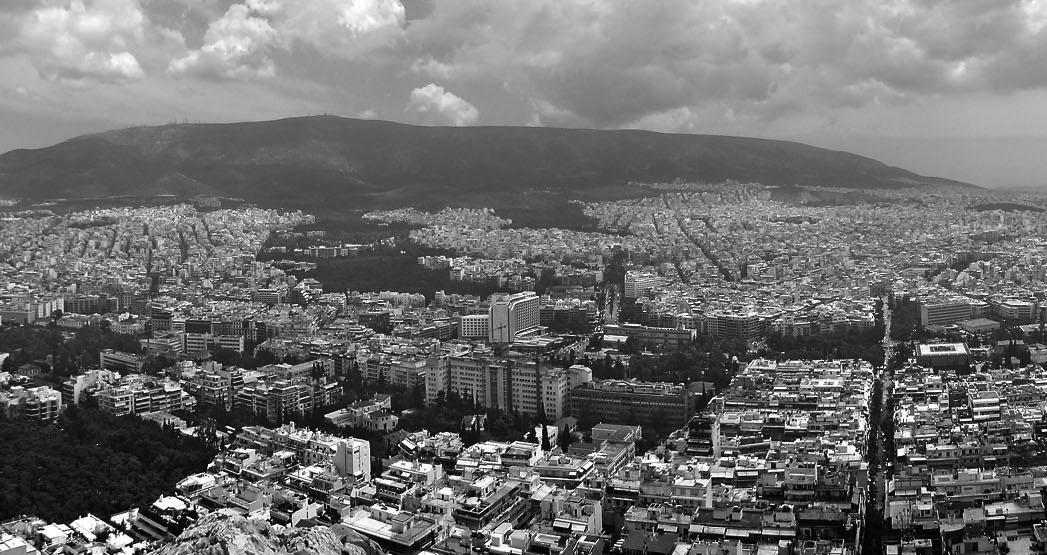
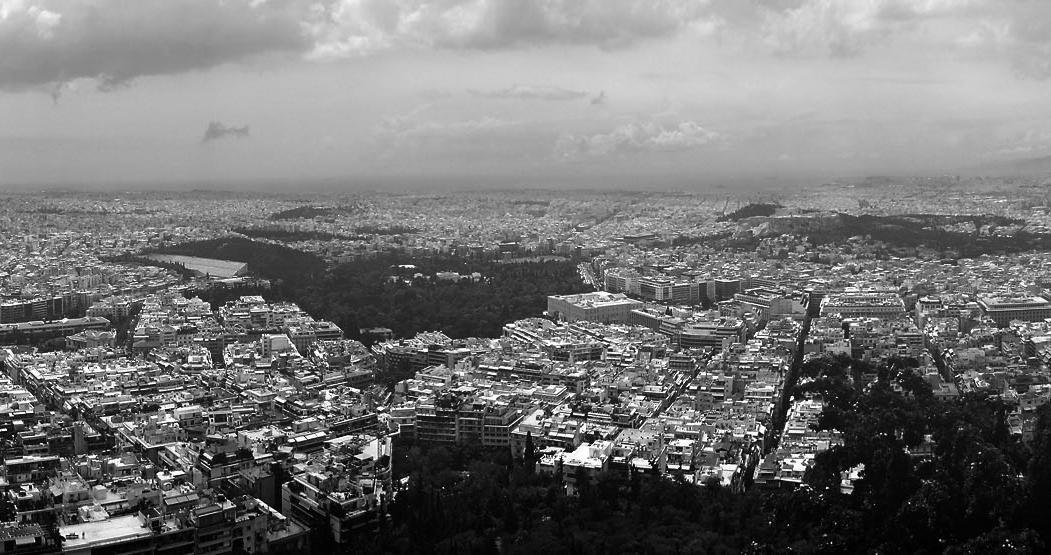
To begin with, it is necessary to analyze the local climate of Greece, emphasizing in the Attica region, in order to understand the requirements of the buildings in our country. Furthermore, it is needed to report the most common shading systems or solar collectors, and study their advantages and disadvantages, that are found in greek buildings in general, in contrast to the ones designed from the Greek architects.
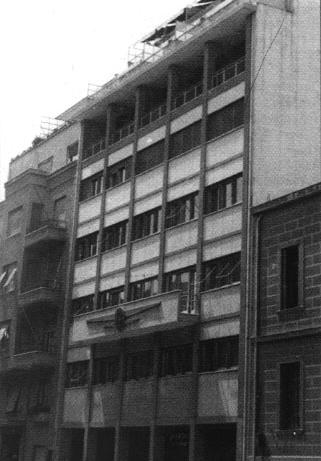
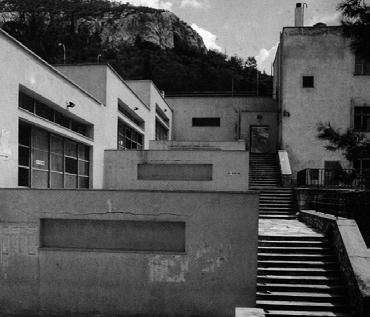
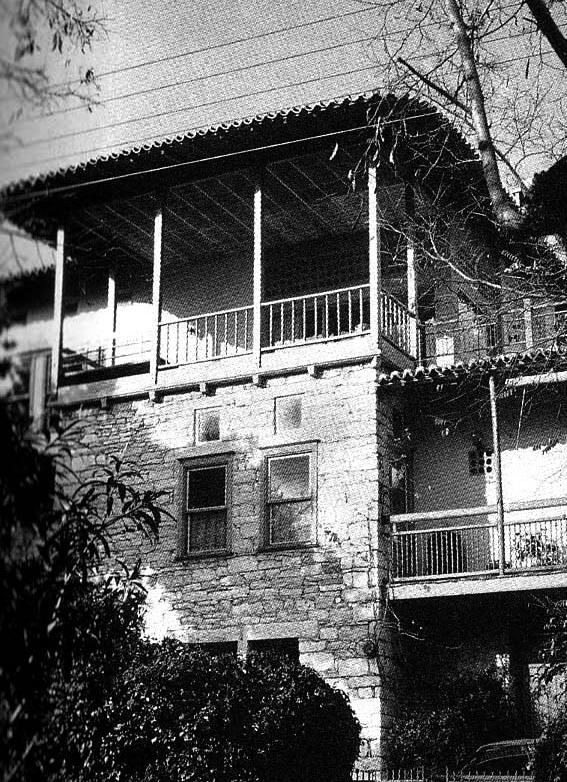
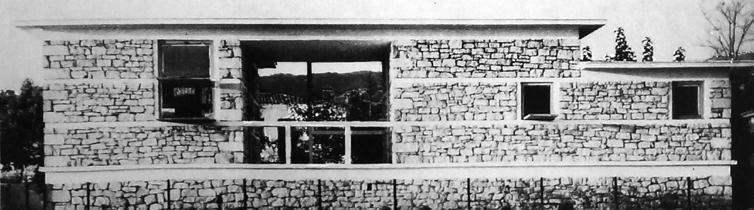
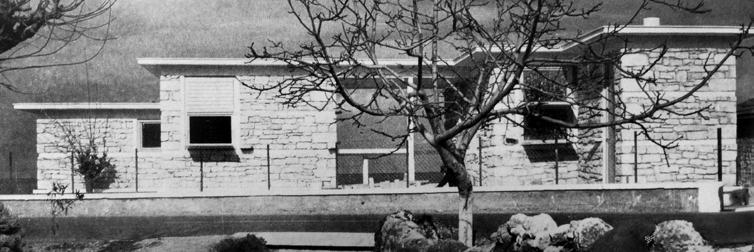
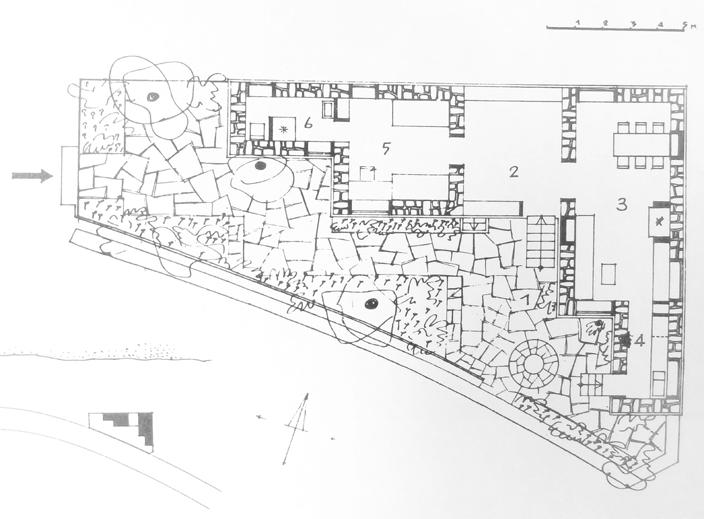
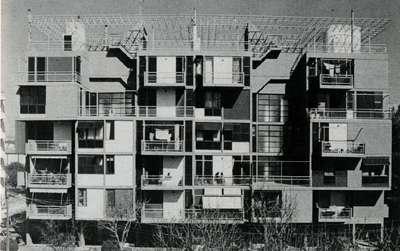
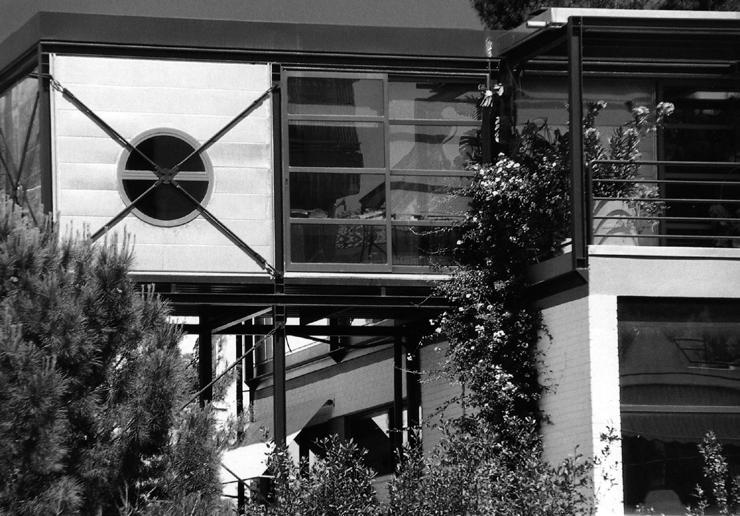
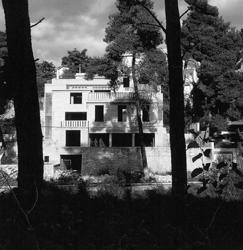
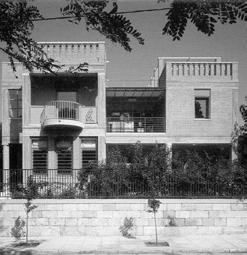
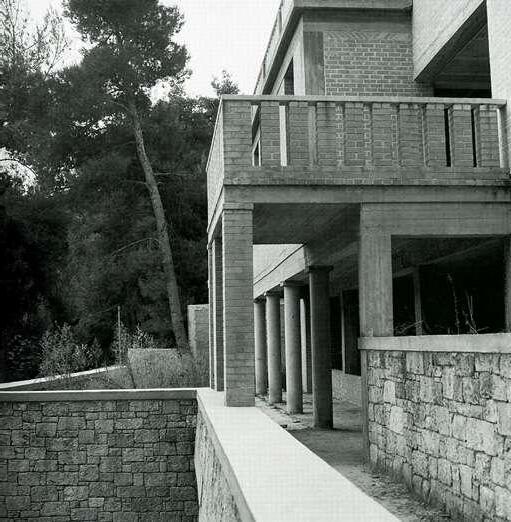
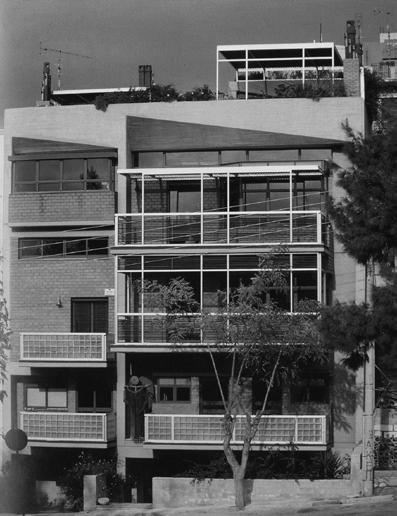
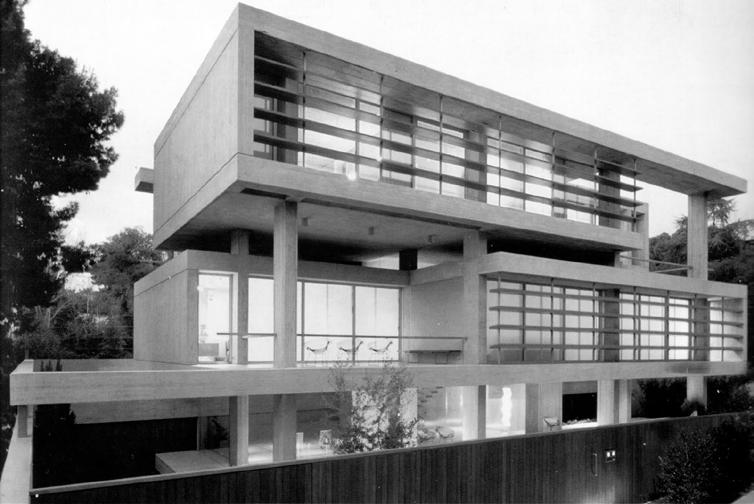
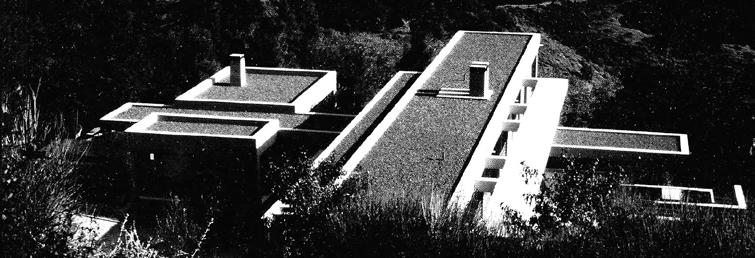
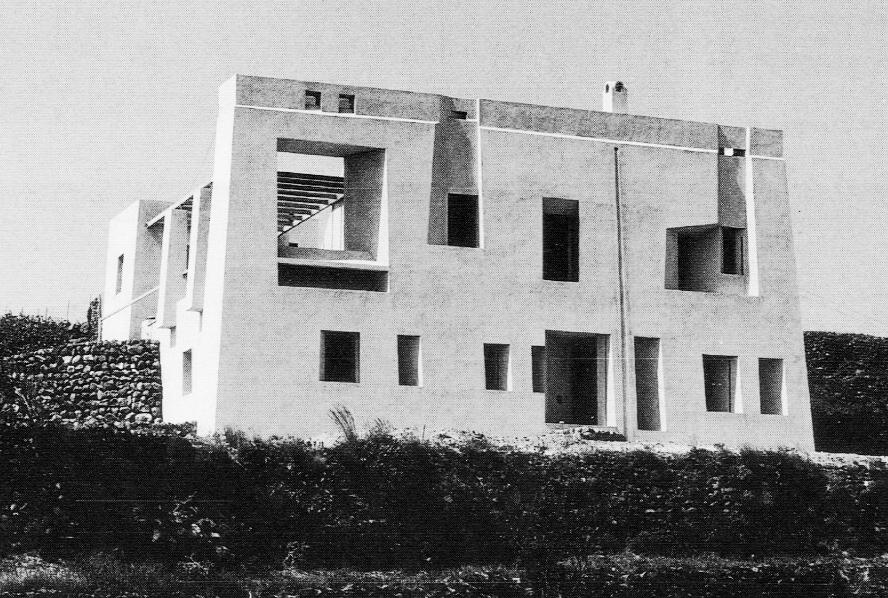
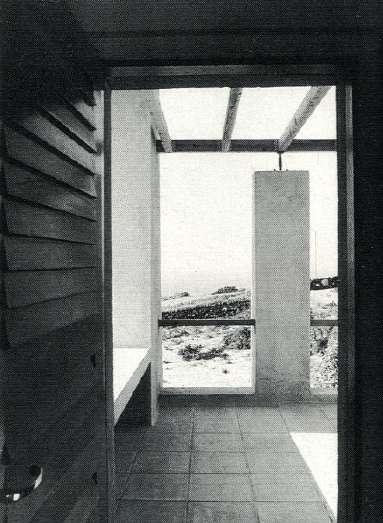
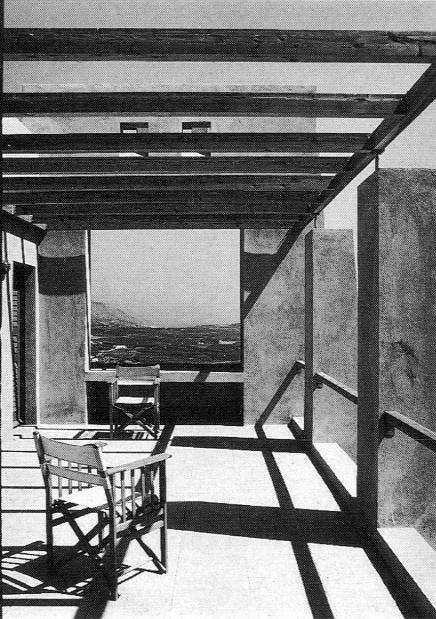
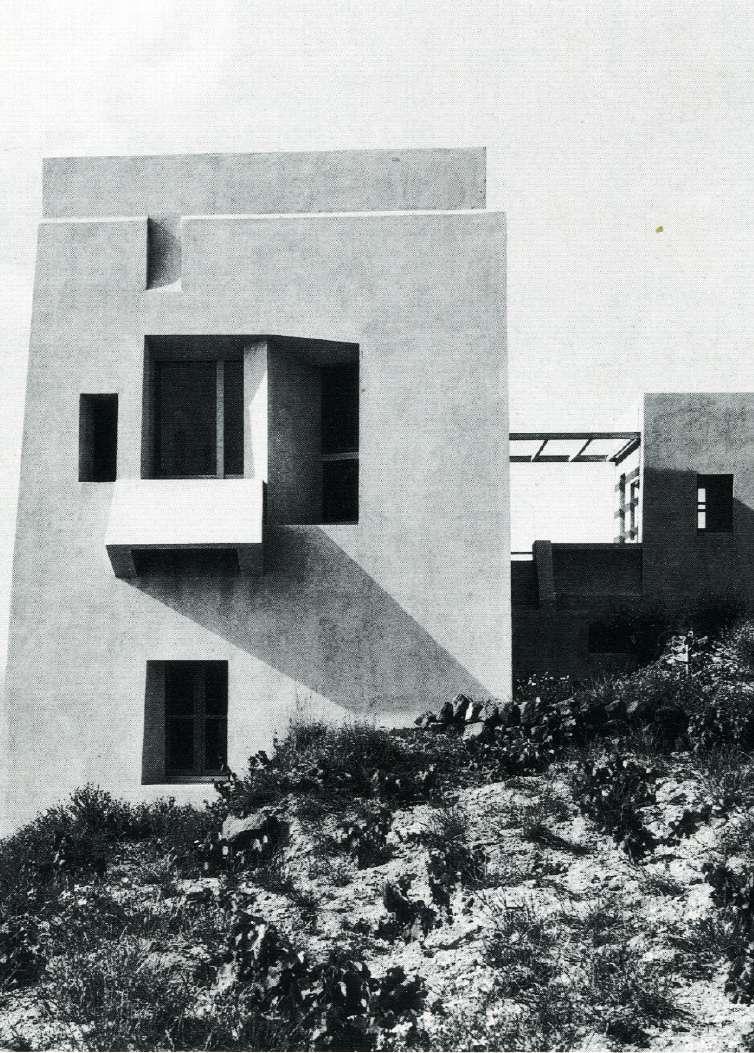
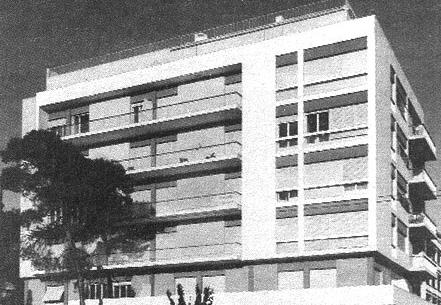
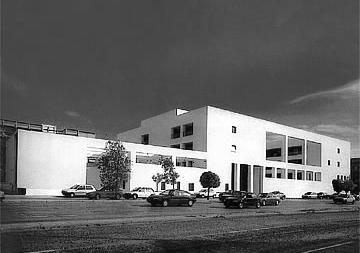
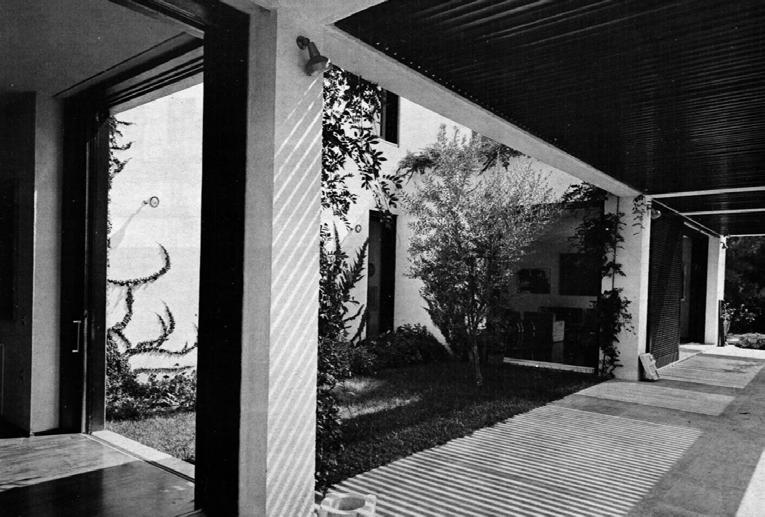
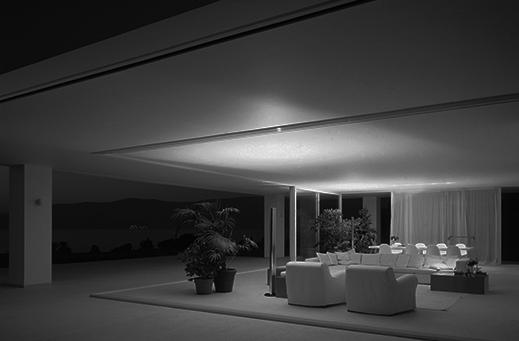
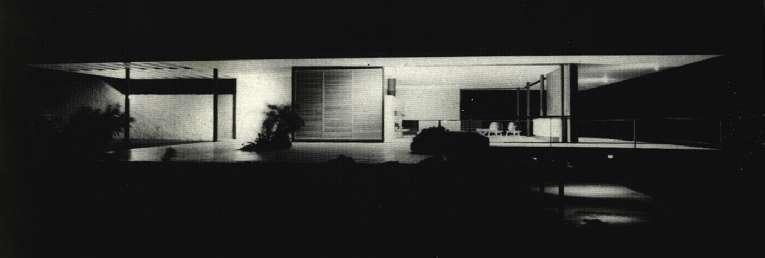
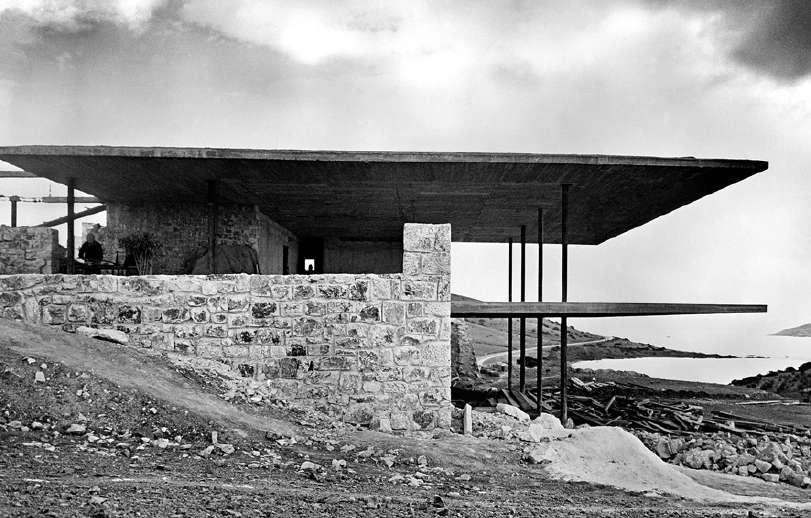
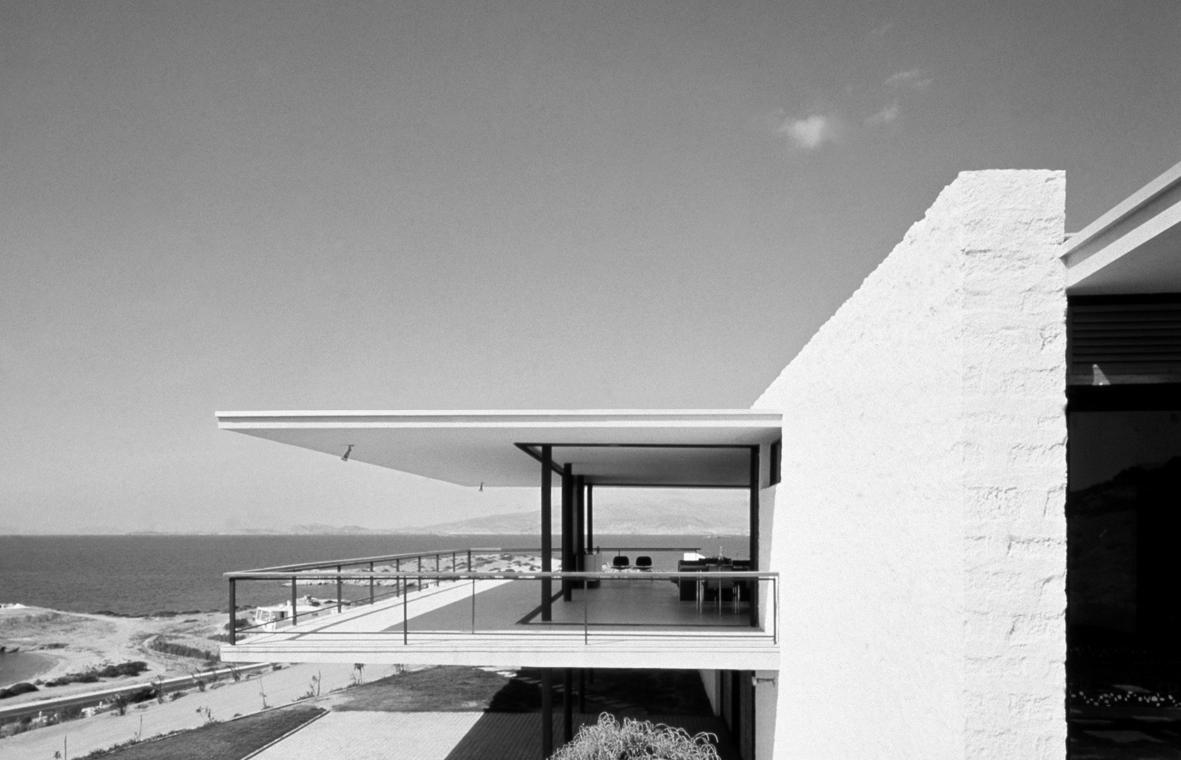
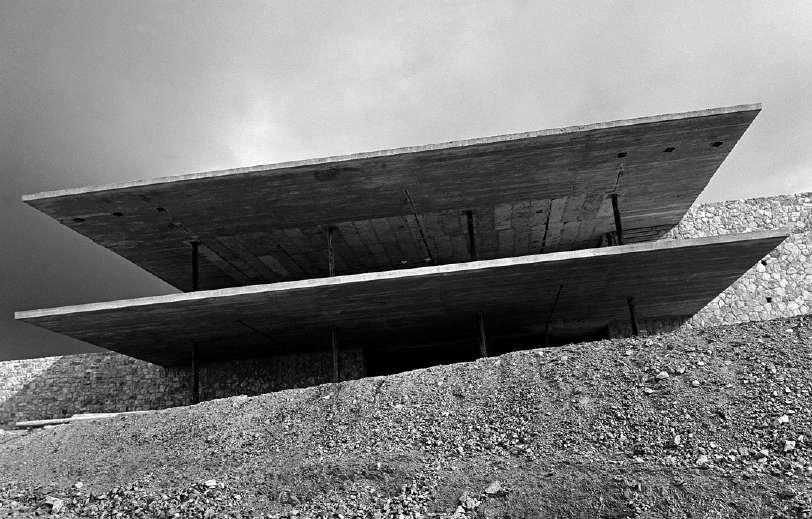
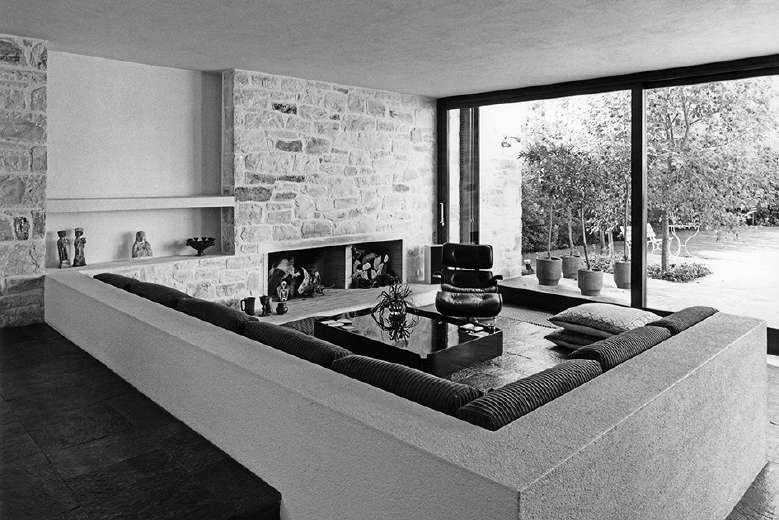
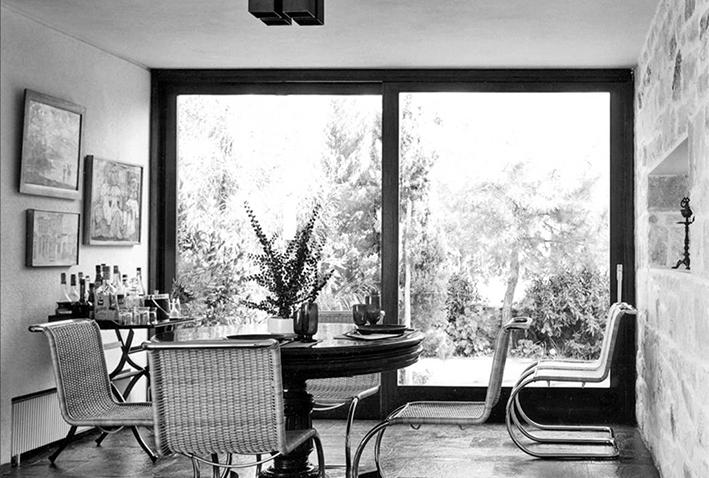
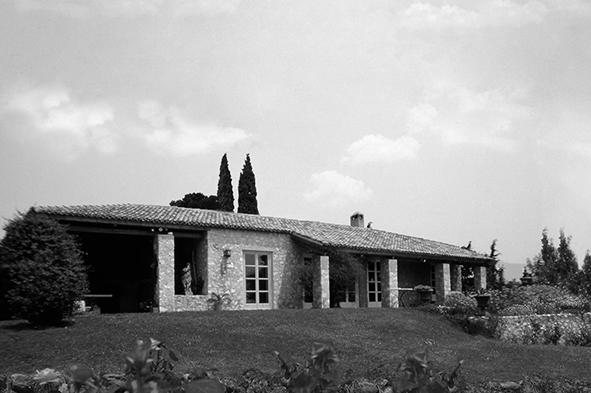
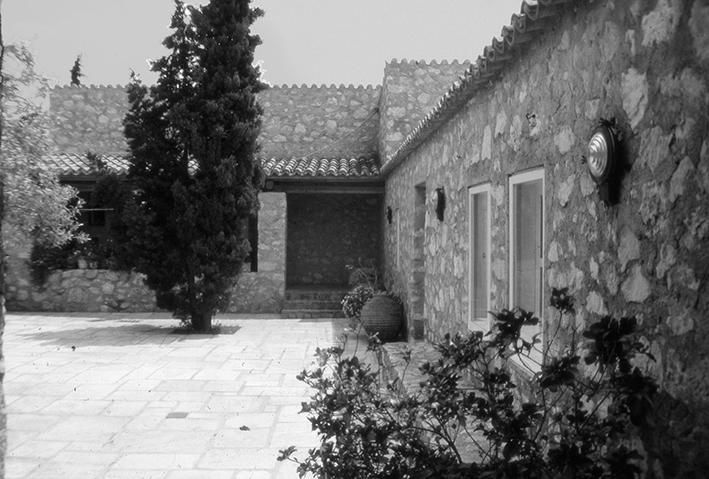
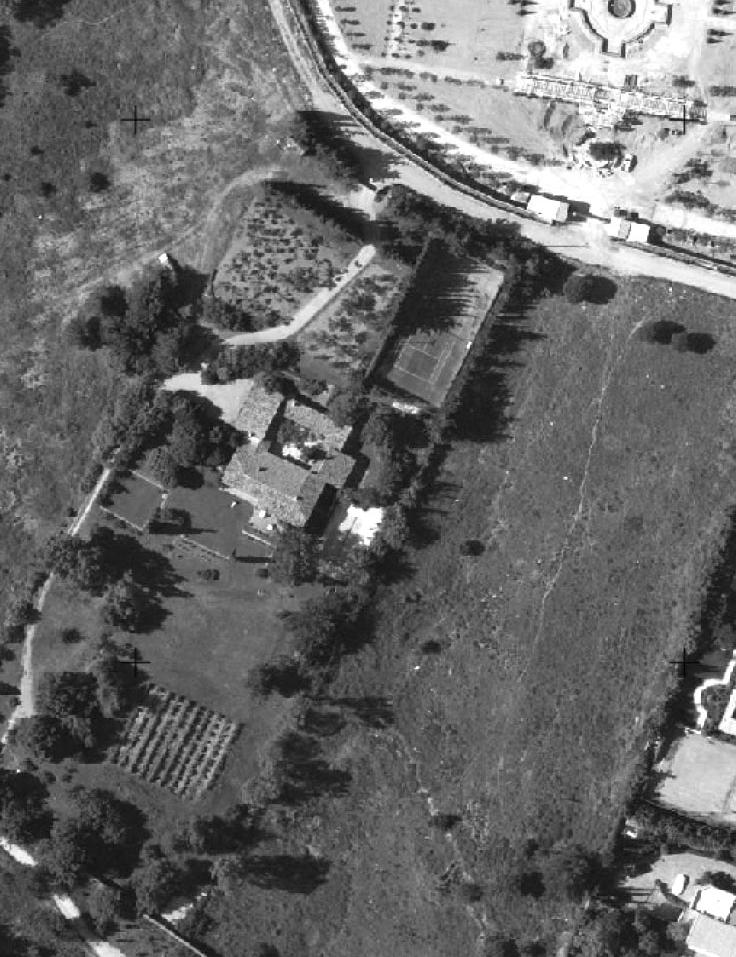
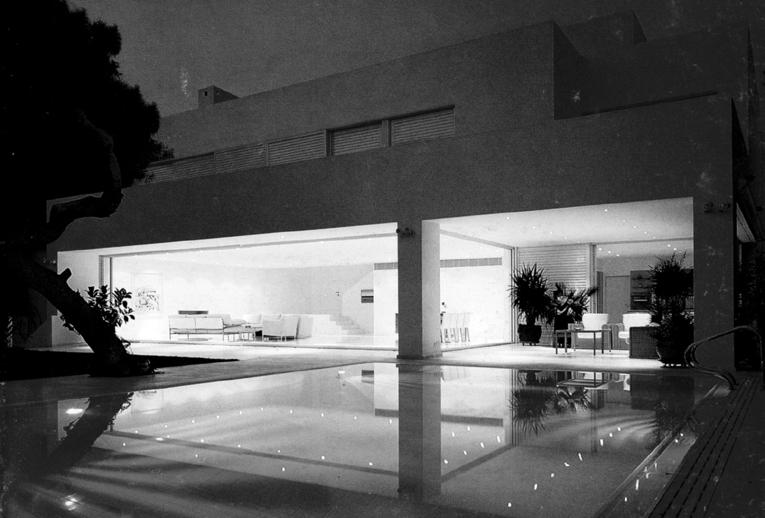
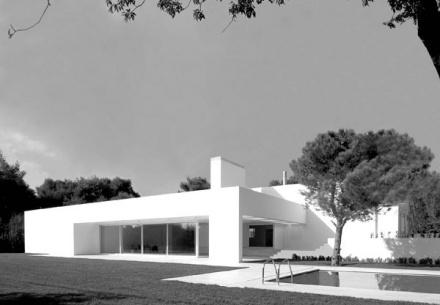
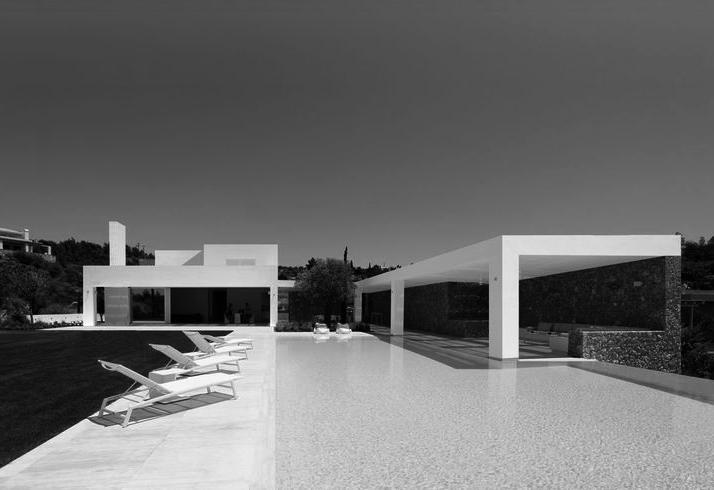
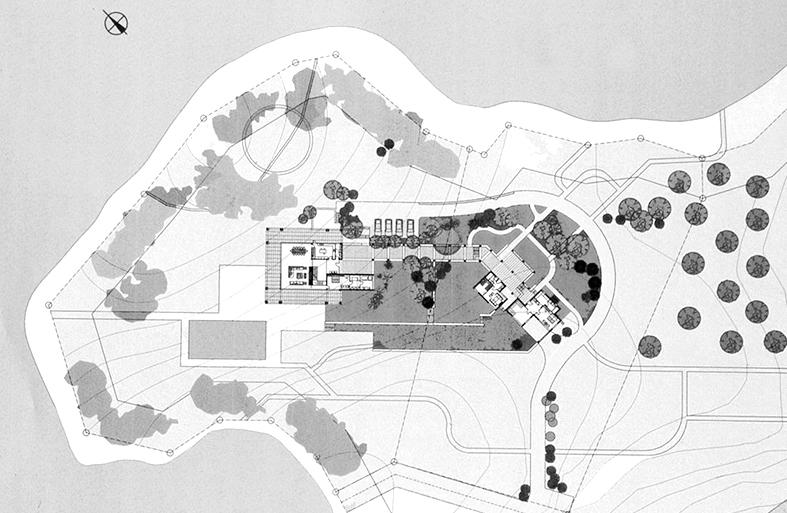
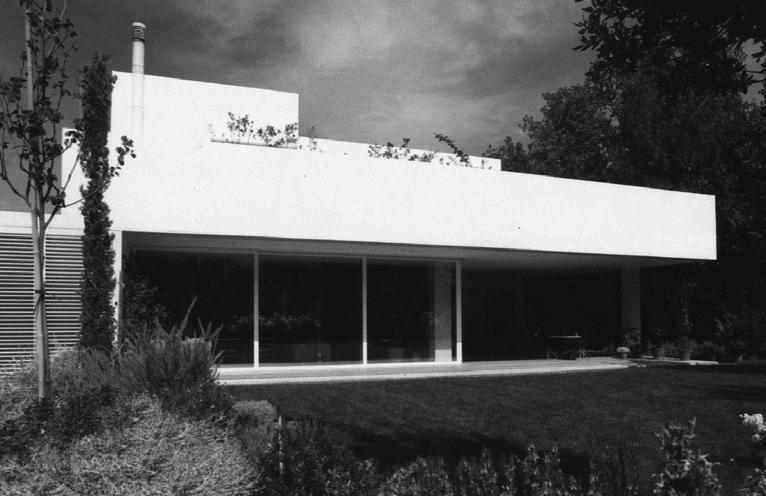
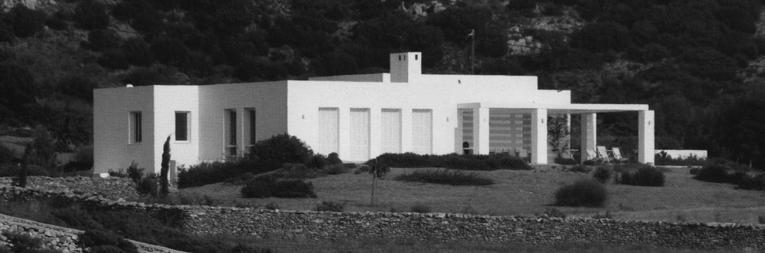
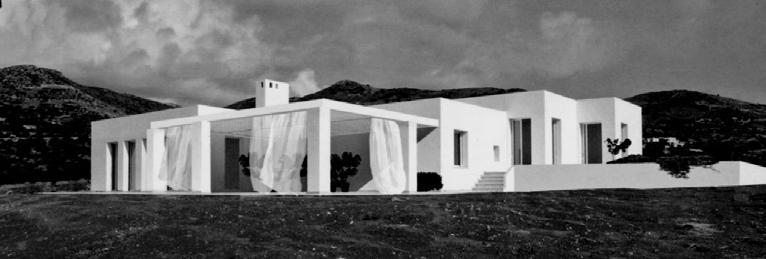
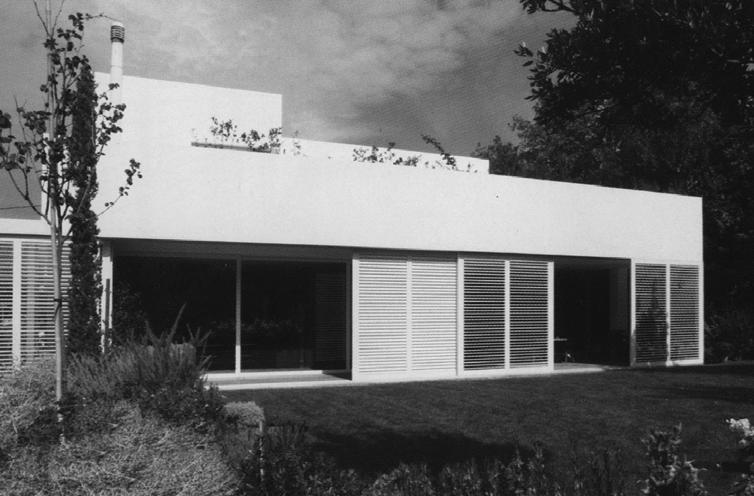
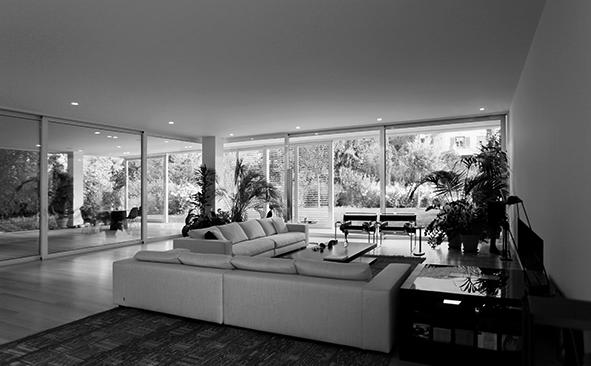
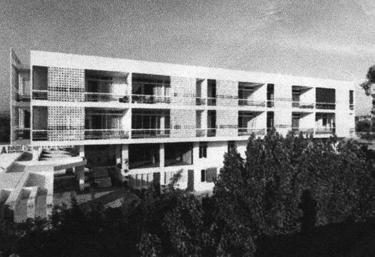
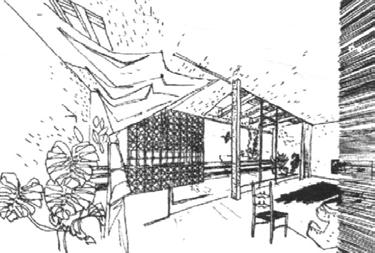
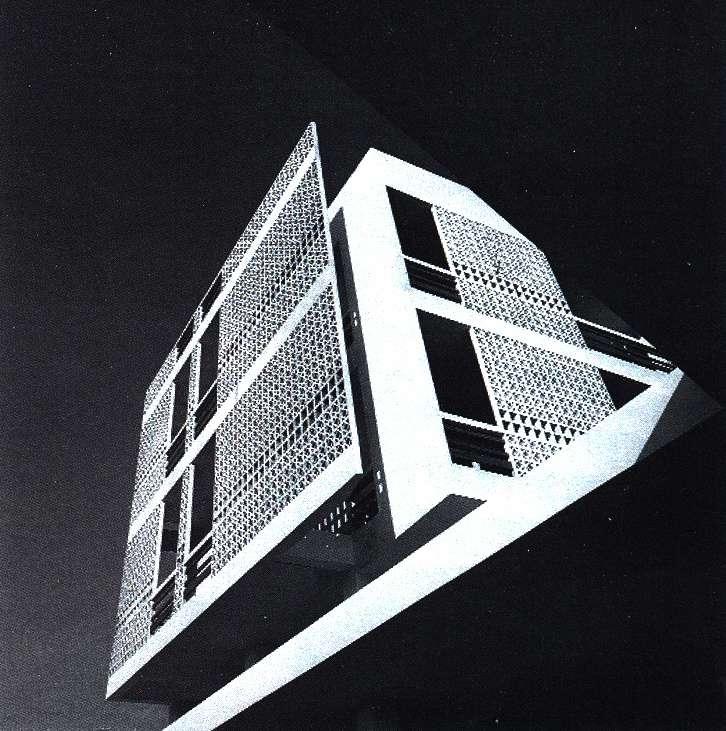
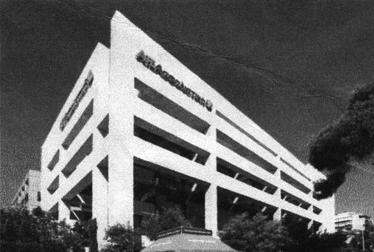
Another important issue, for the achievement of the project’s goal was the attempt to examine a representative number of implemented examples, about their morphological characteristics in the field of greek architecture, in order to be able to judge if their design, does integrate with the landscape. For that specific reason, it was considered that the work of Nicos Valsamakis meets all the above described conditions. Specifically, his ongoing career in architecture features a large number of built projects till today, with the most morphological experiments, which affected the design of the next generations.
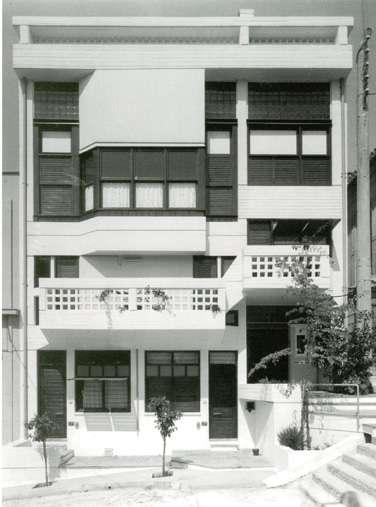
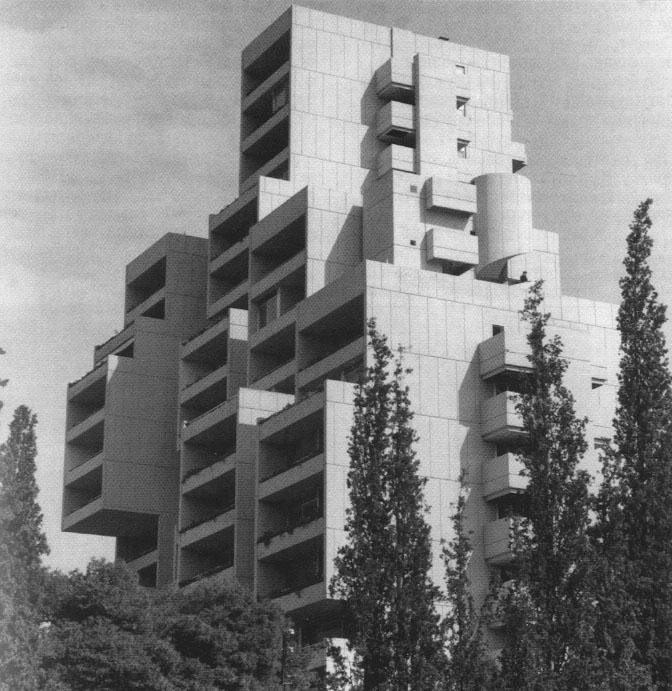
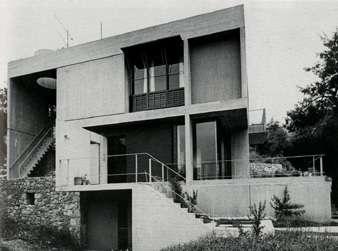
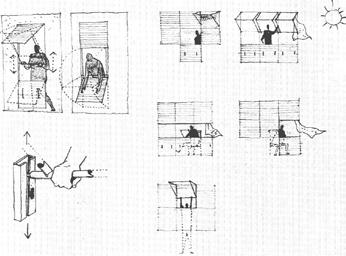
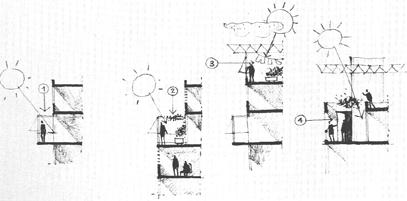
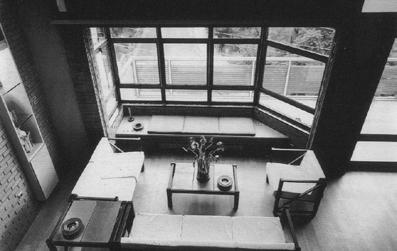
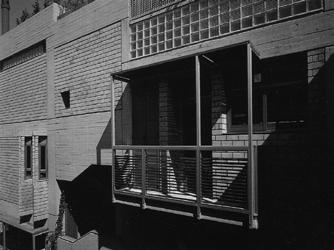
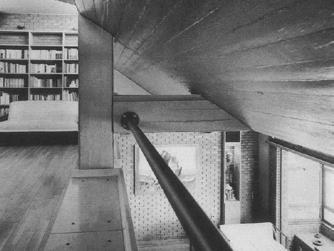
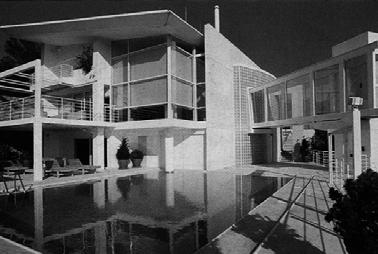
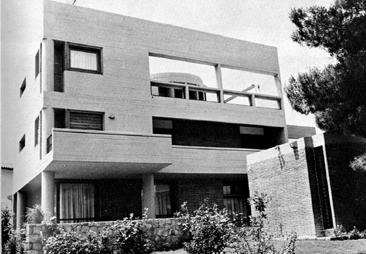
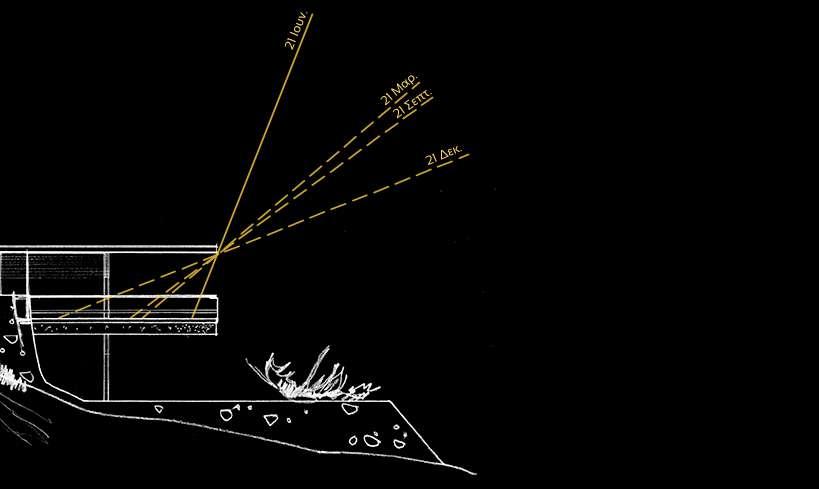
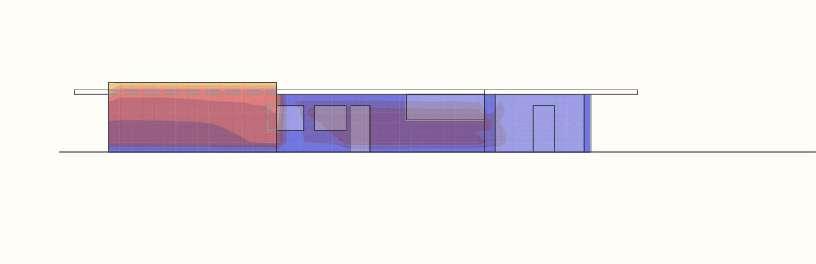
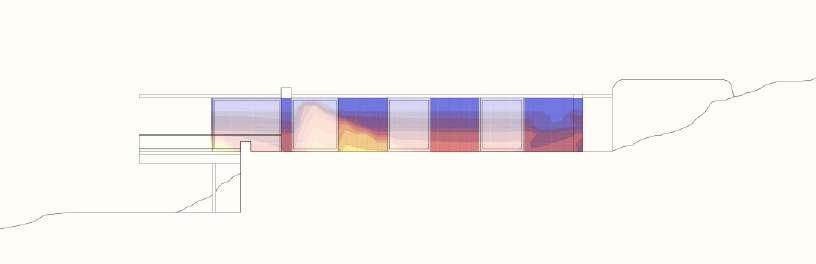
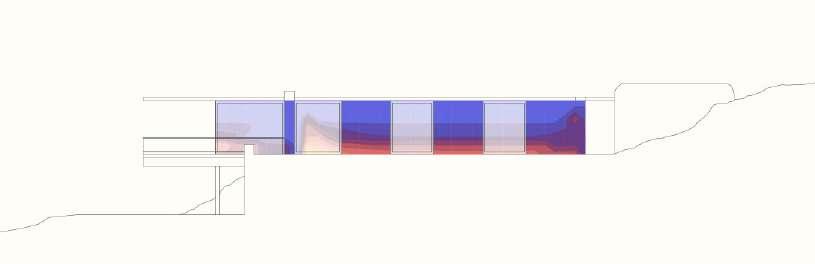
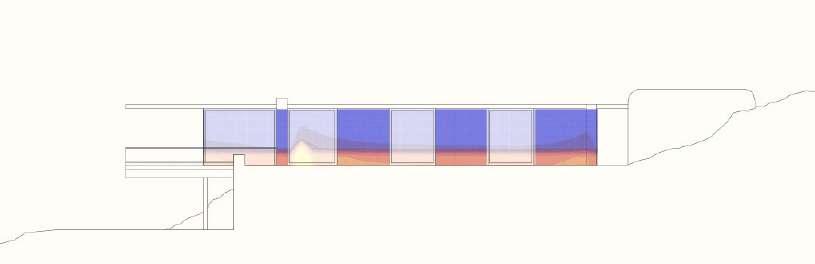
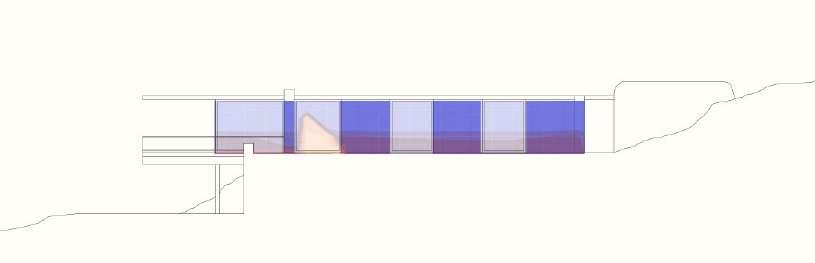
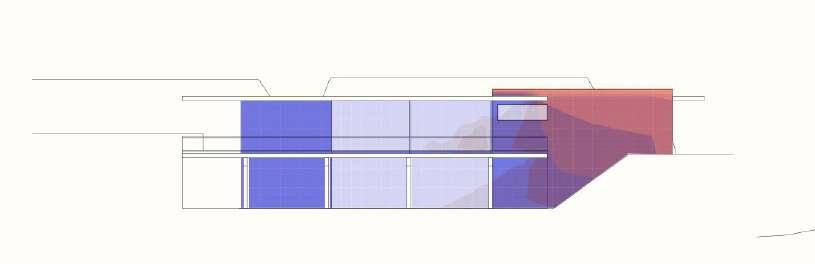
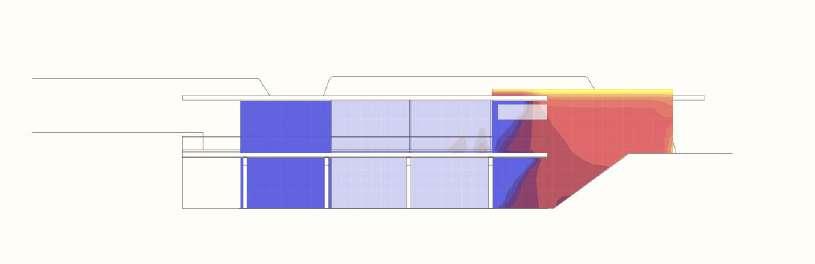
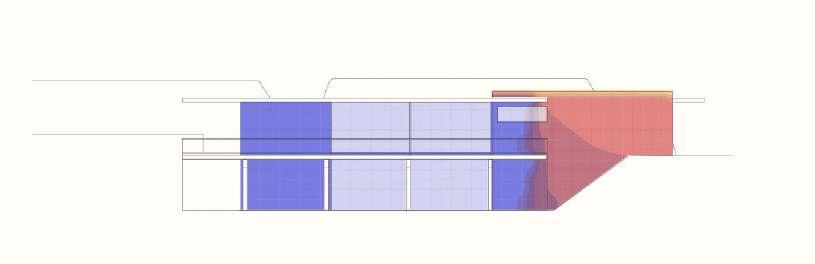
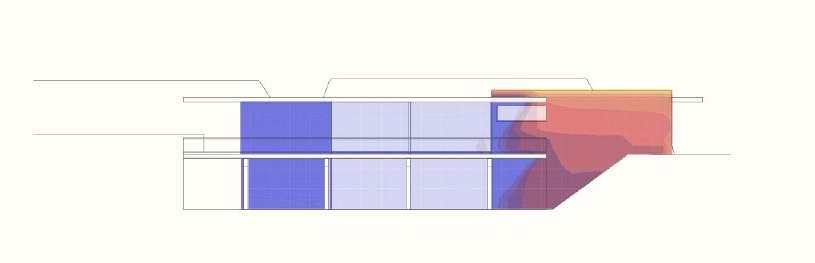
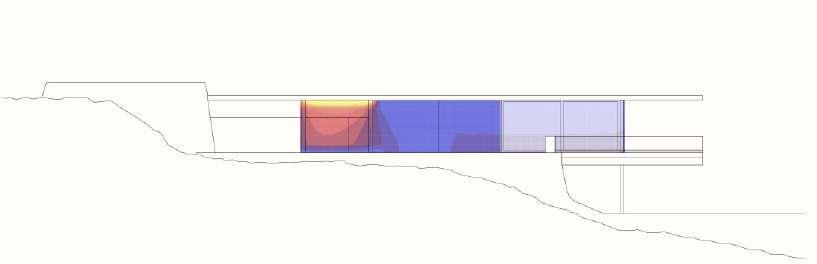
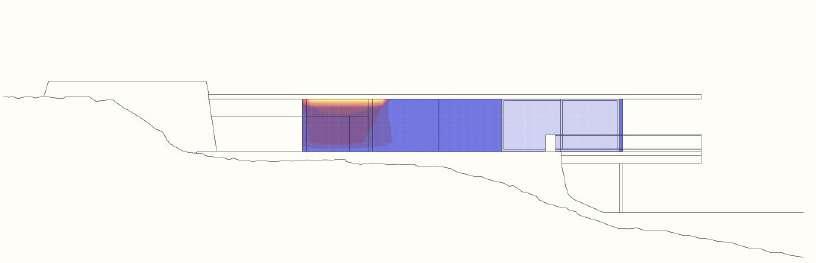
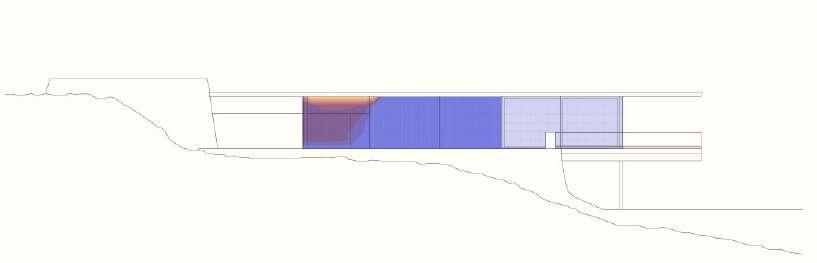
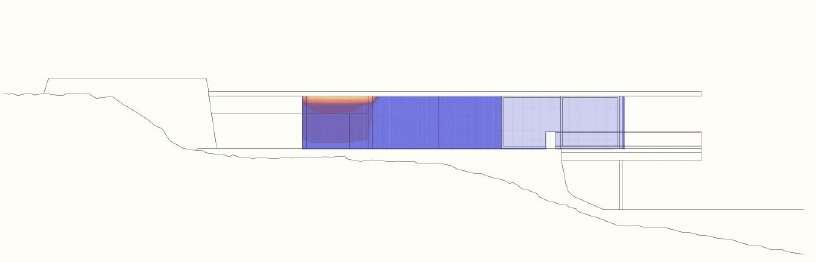
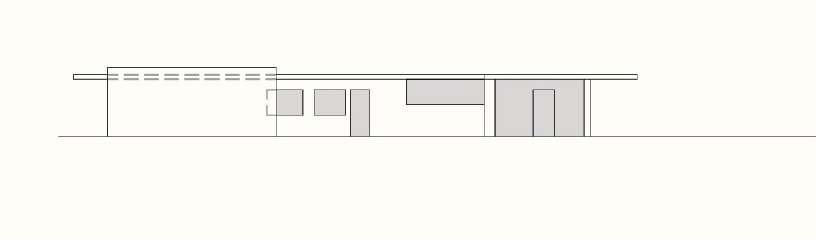
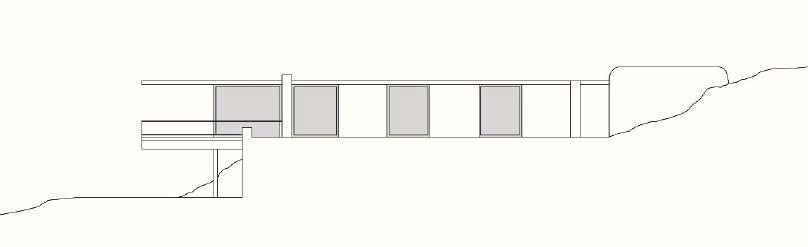
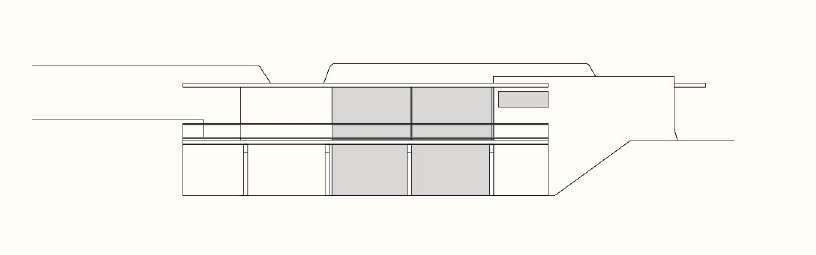
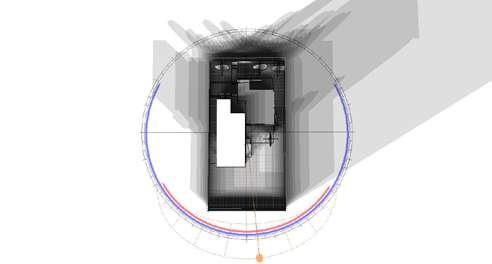
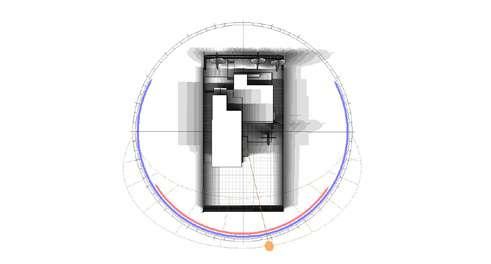
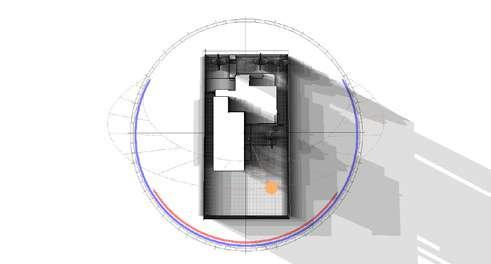
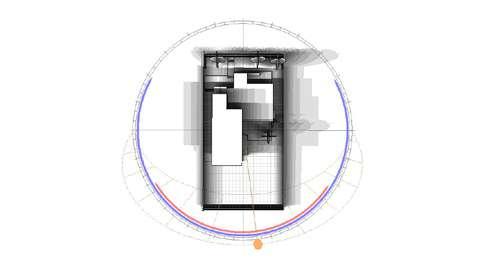
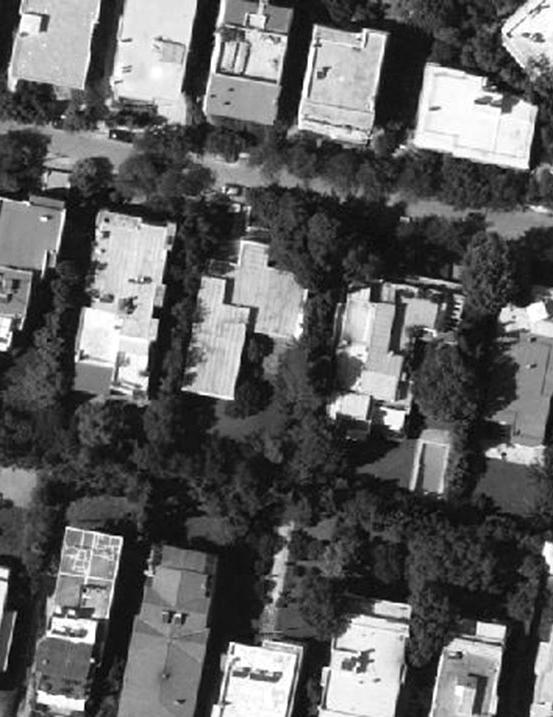
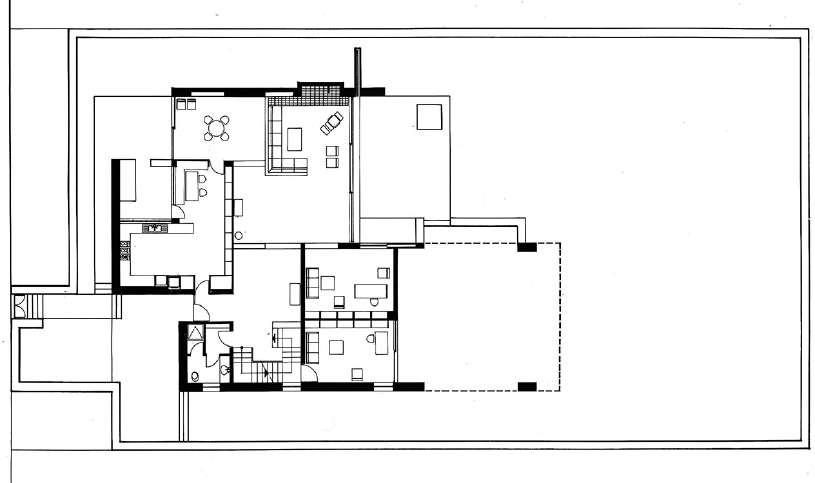
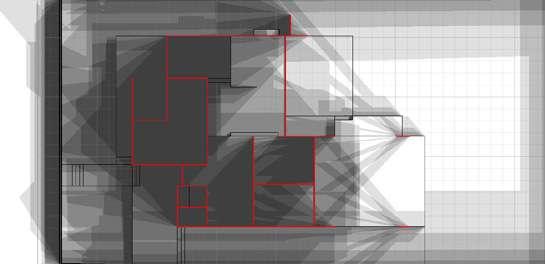
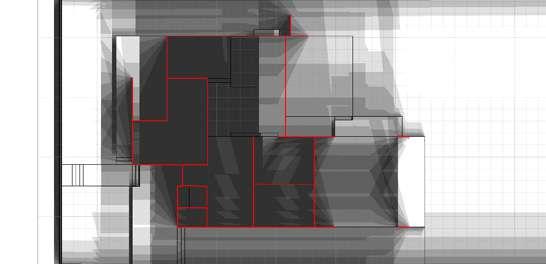
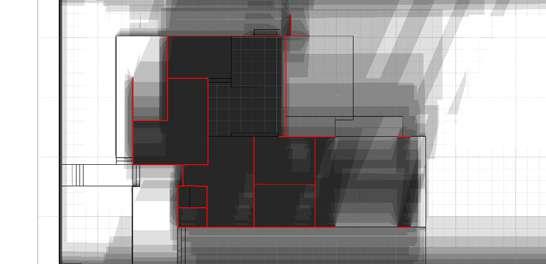
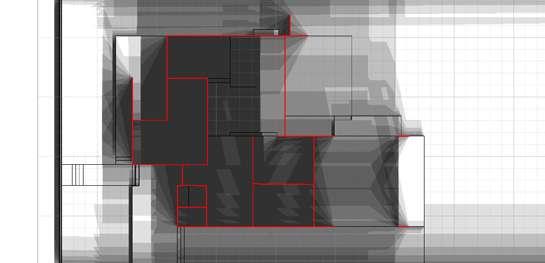
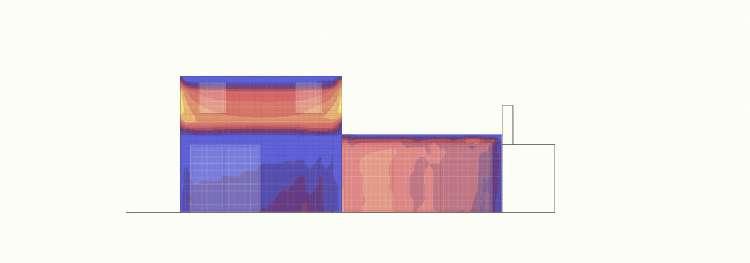
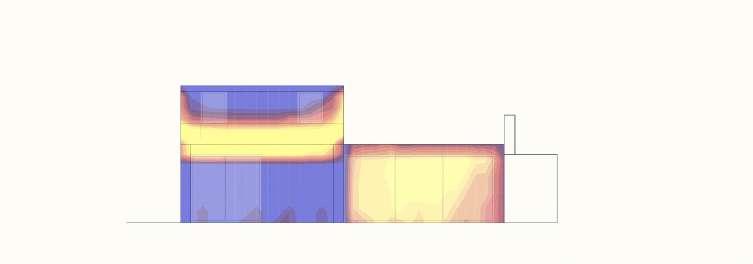
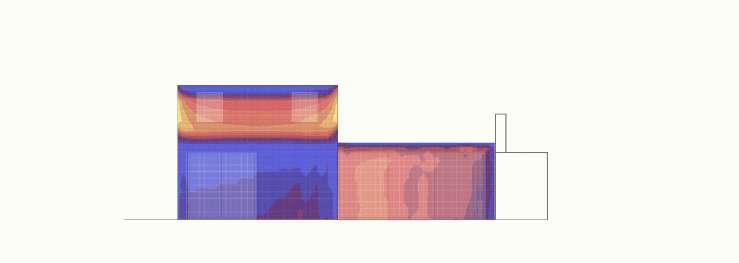
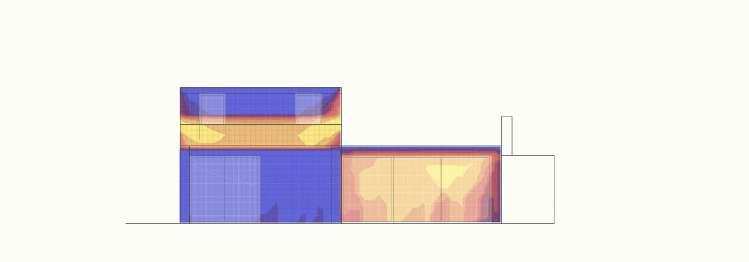
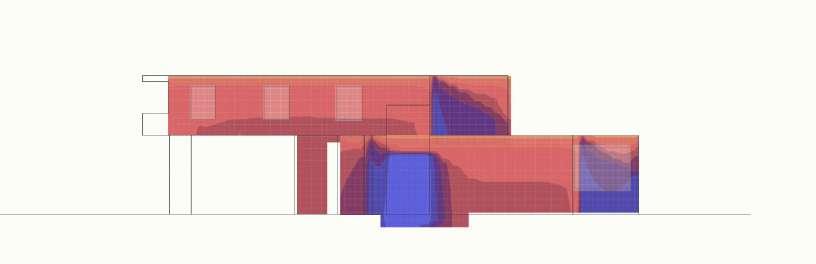
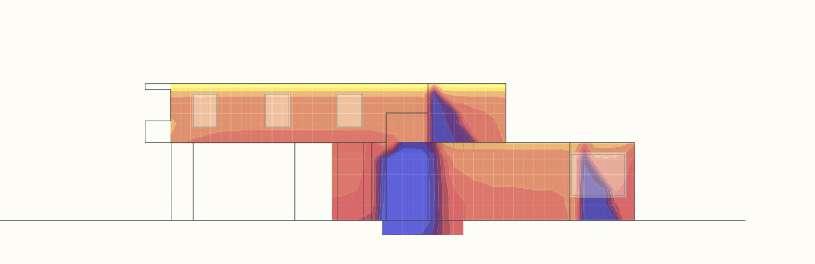
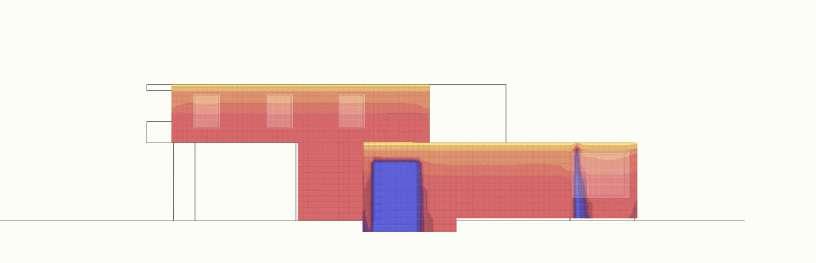
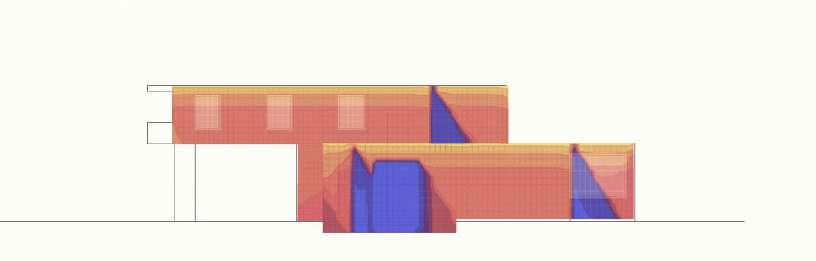
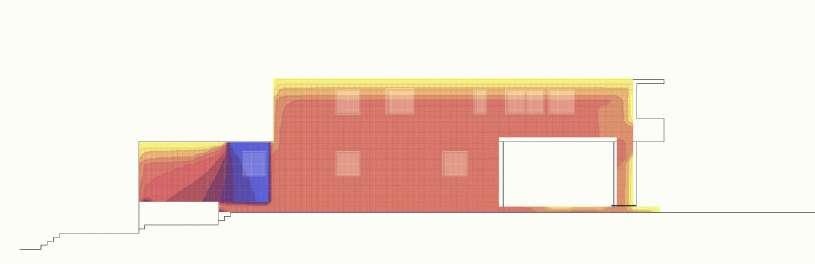
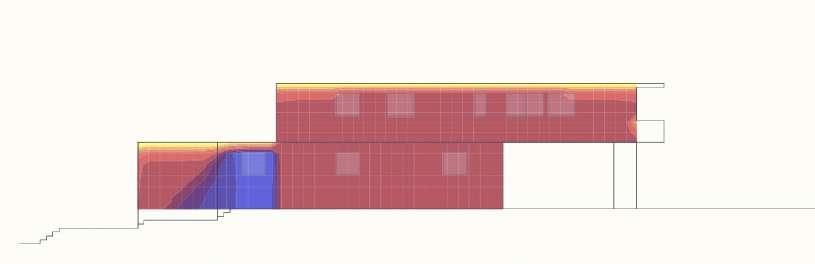
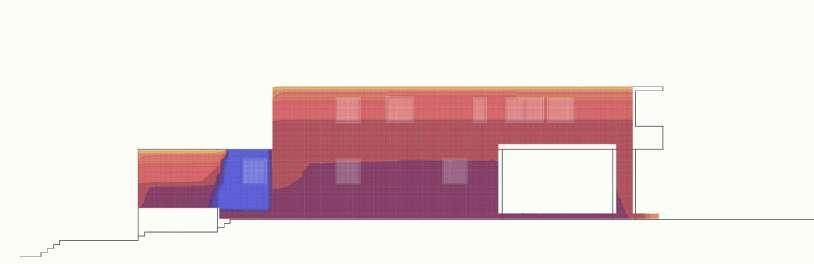
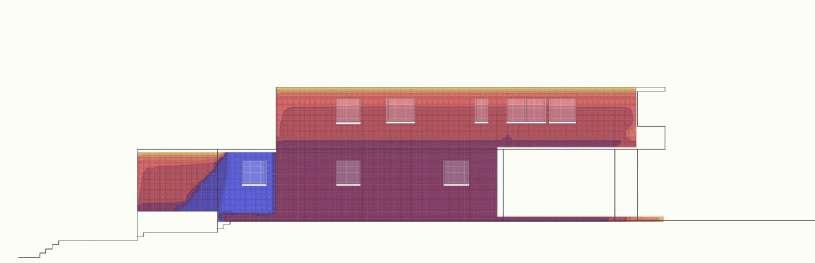
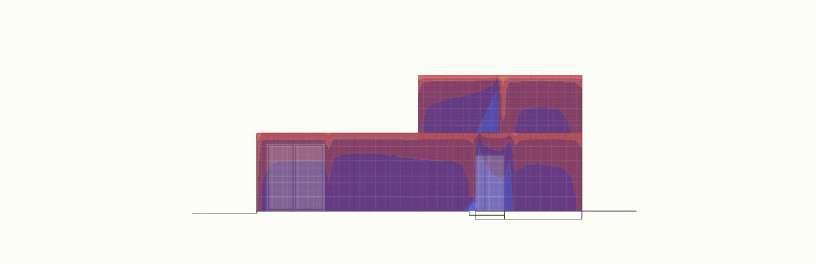
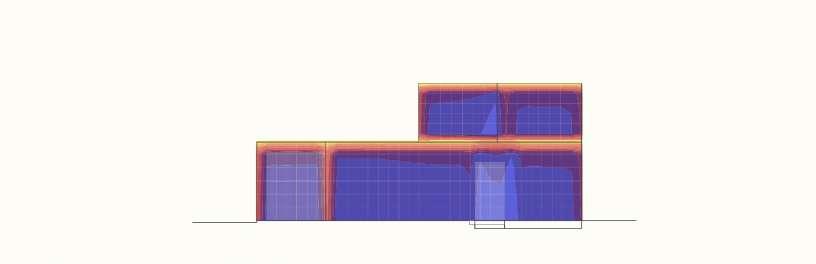
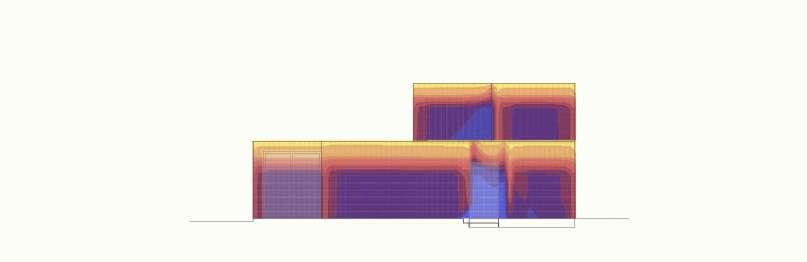
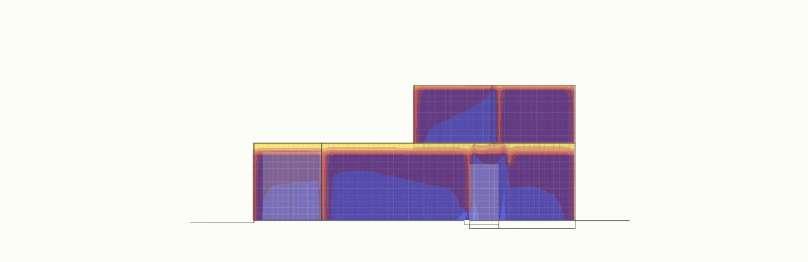
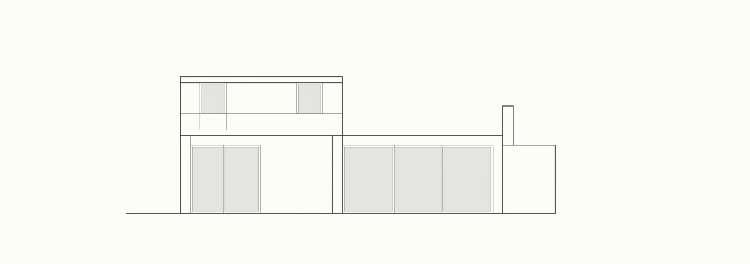
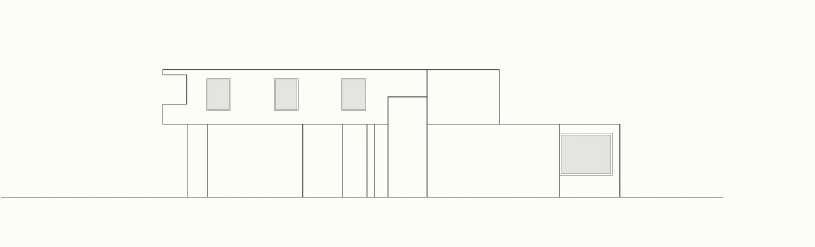
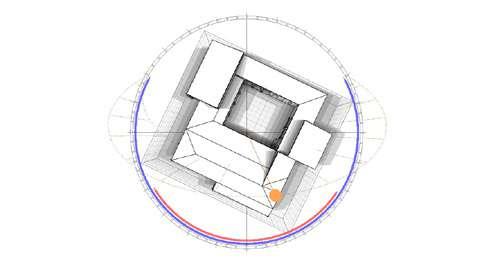
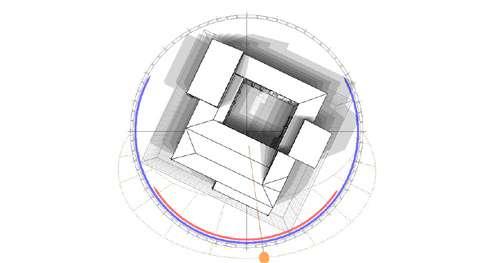
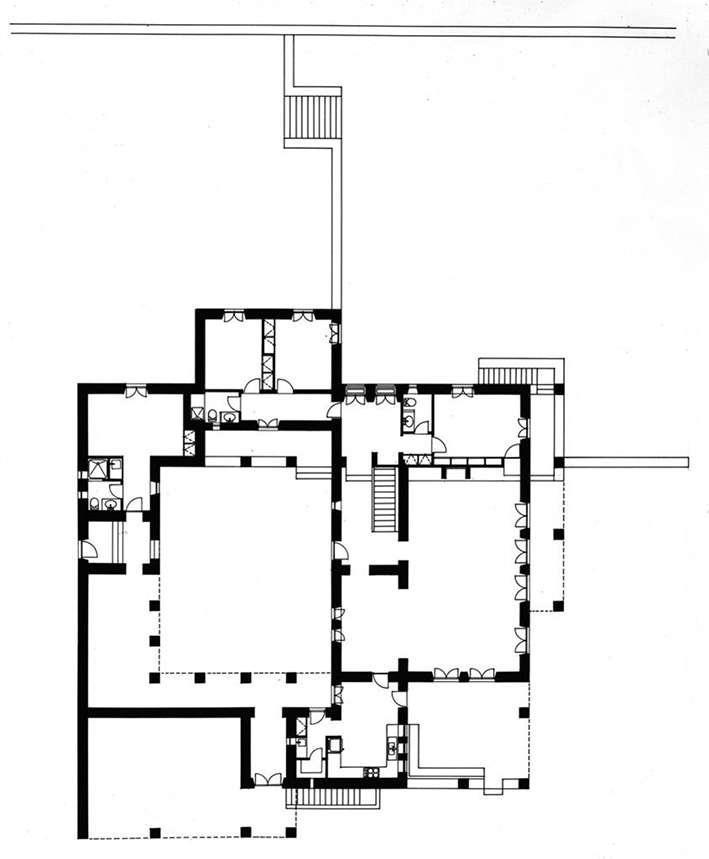
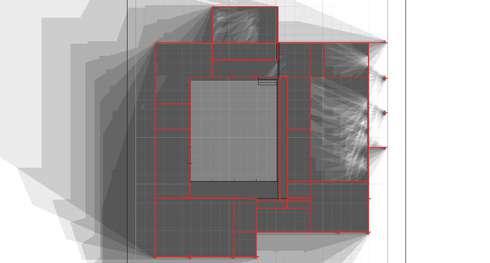
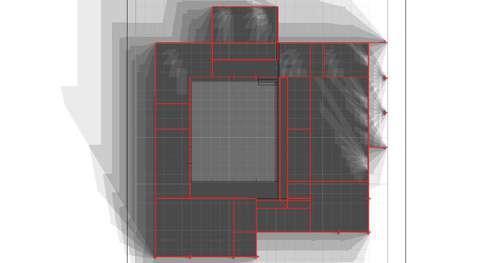
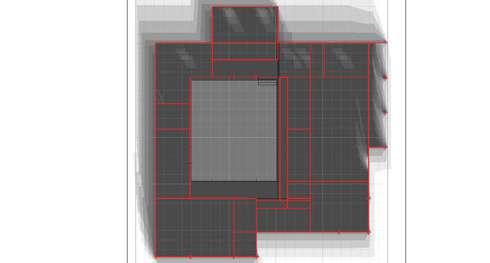
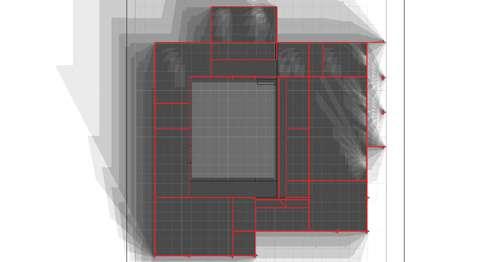
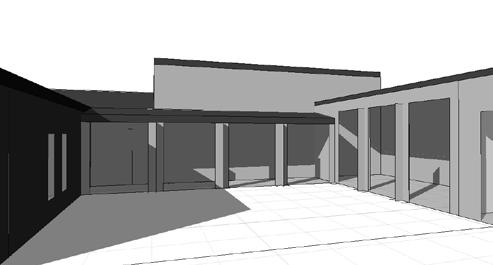
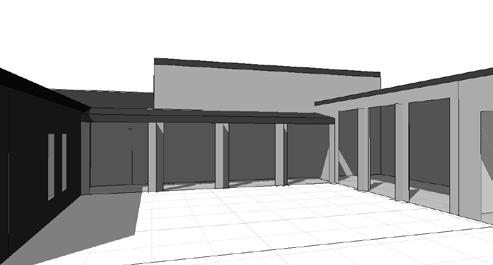
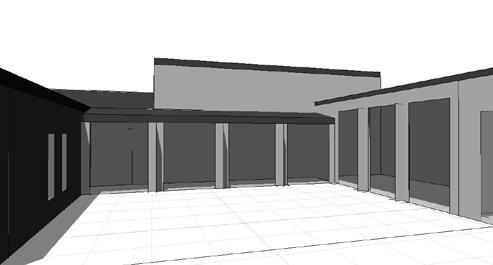
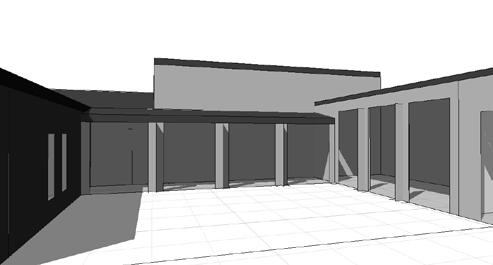
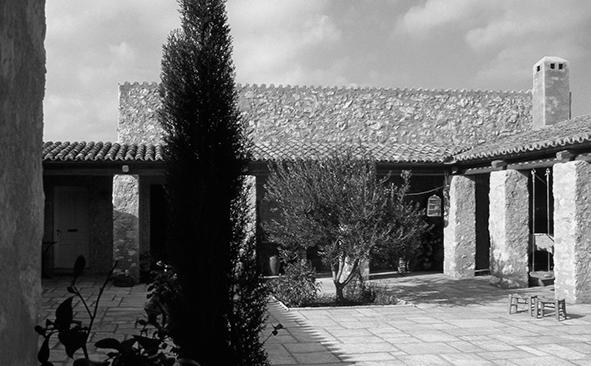
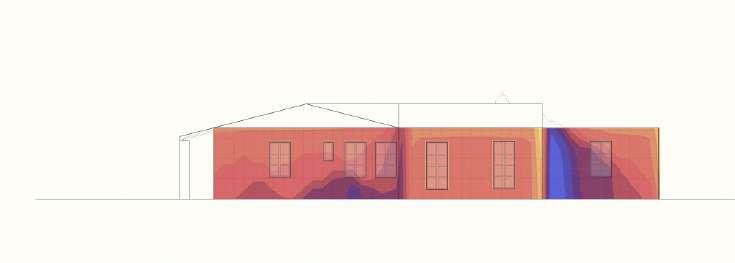
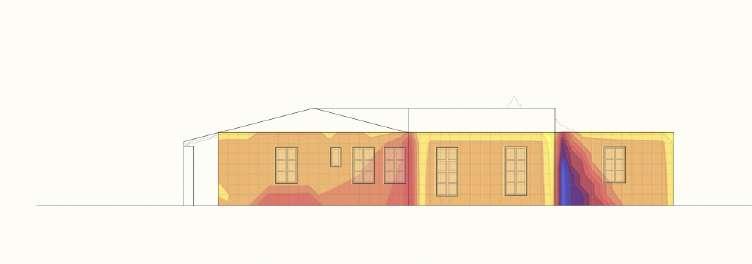
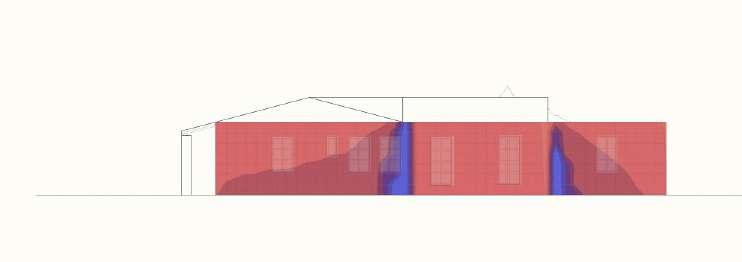
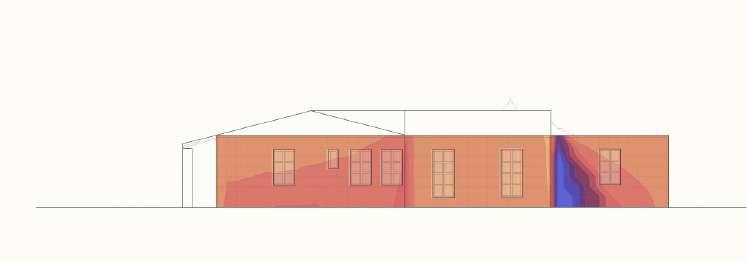
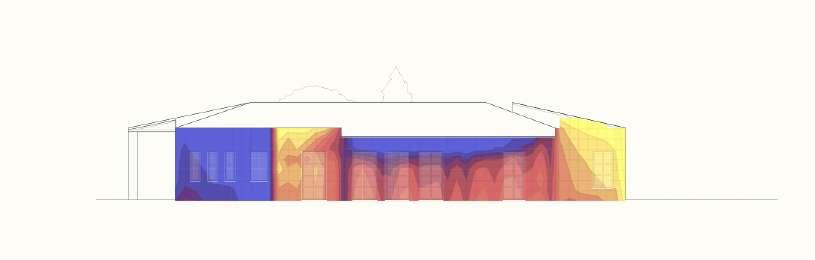
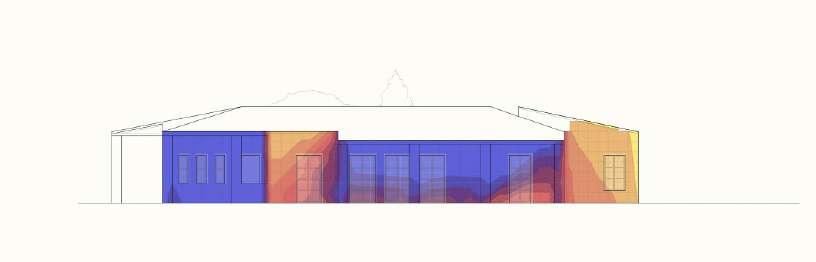
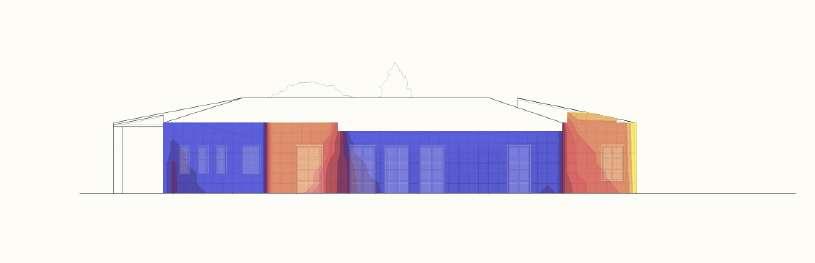
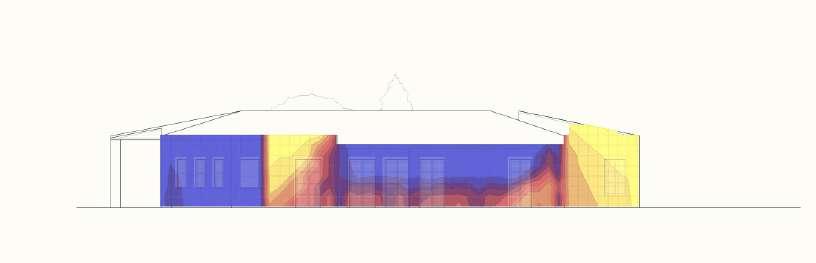
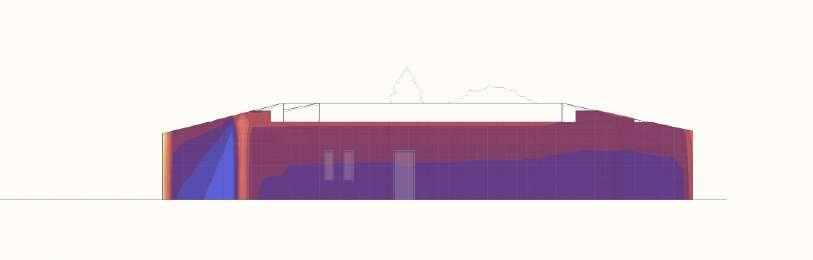
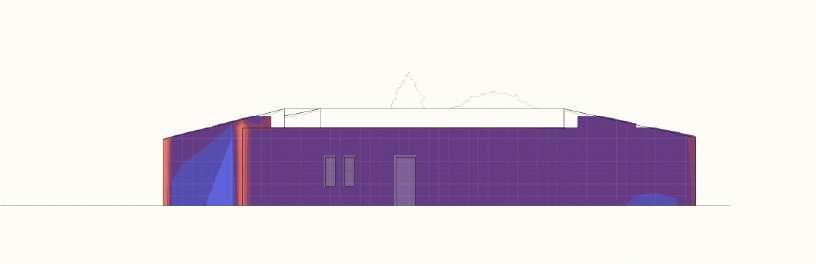
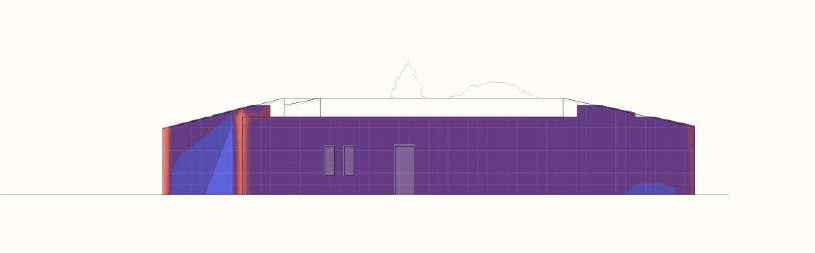
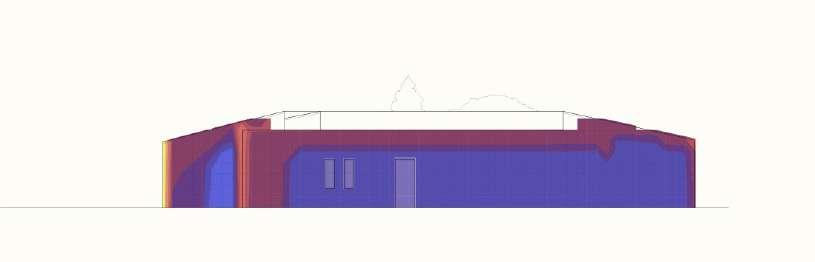
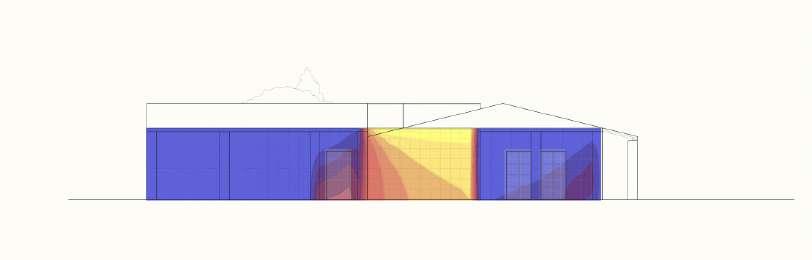
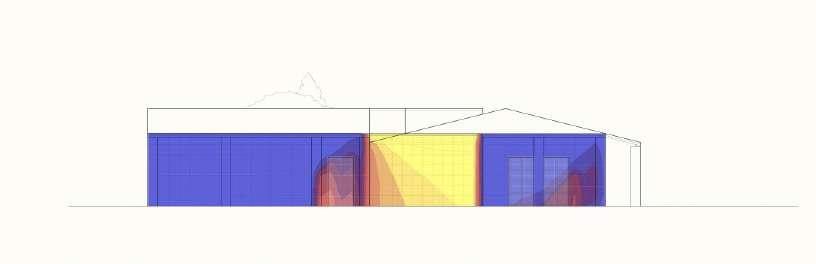
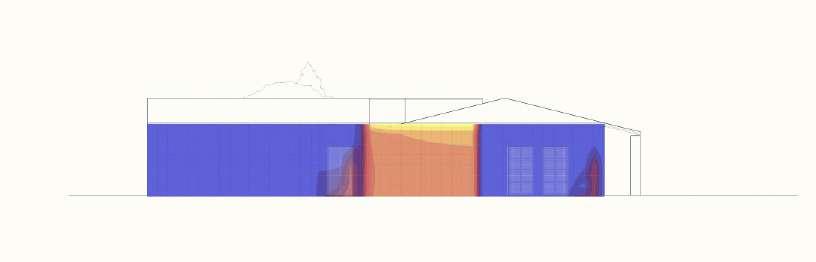
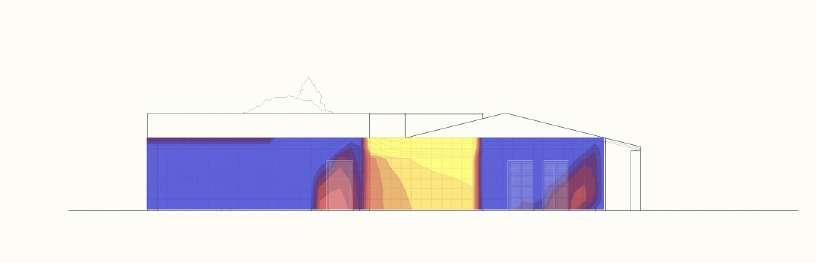
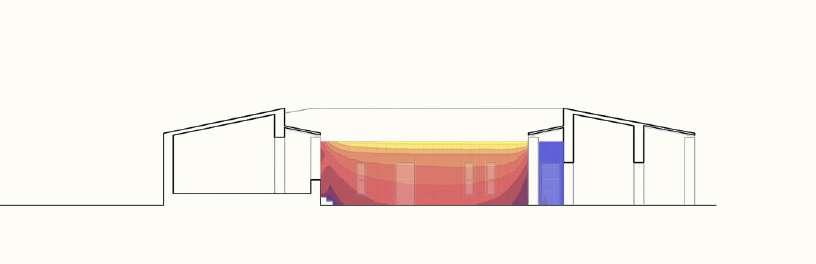
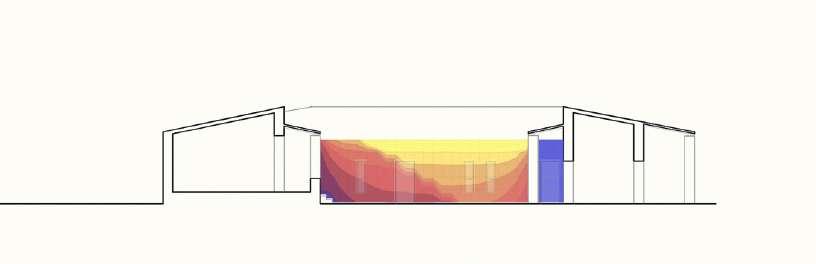
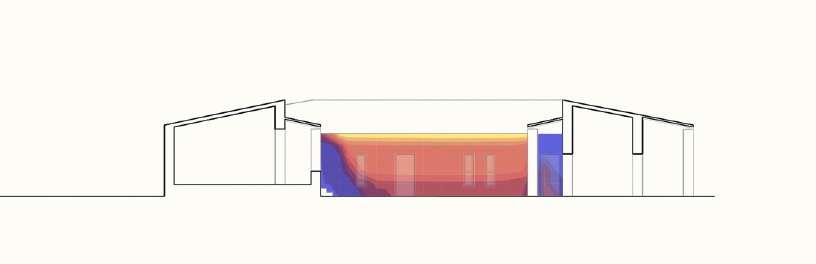
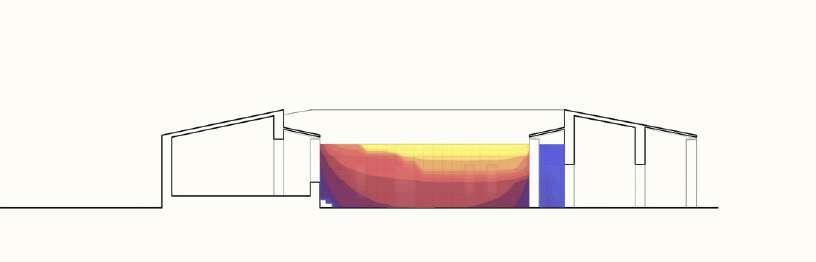
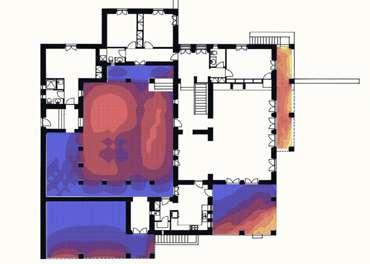
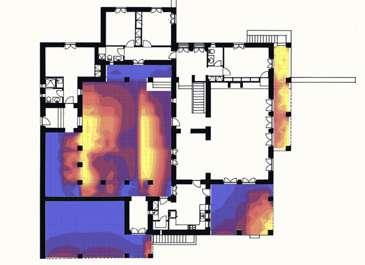
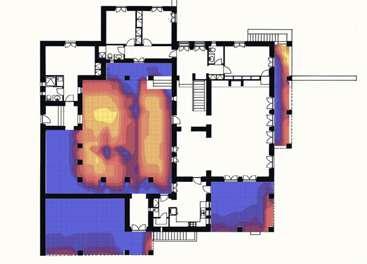
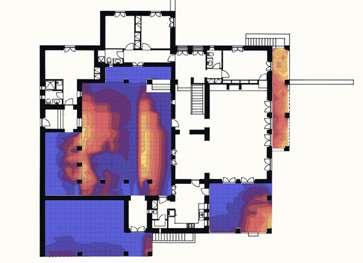
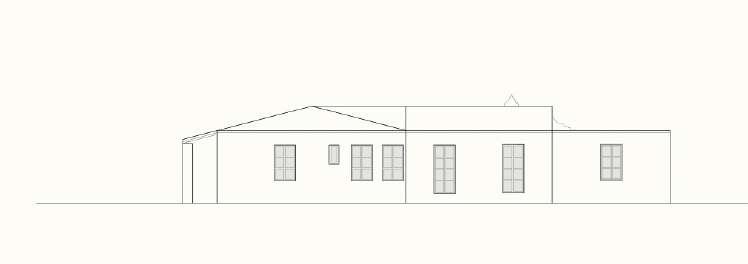
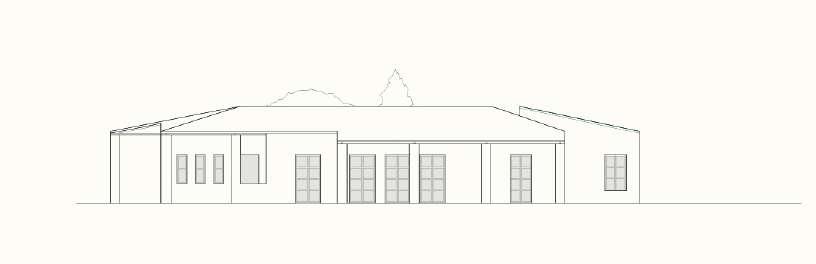
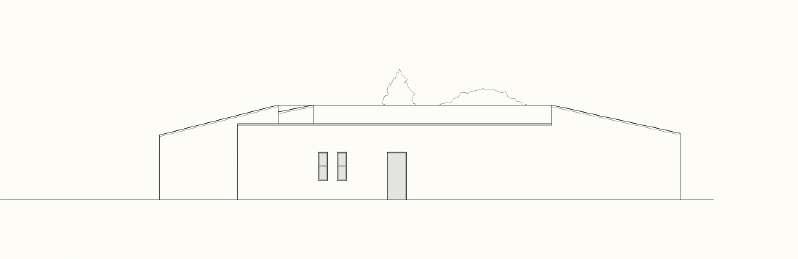
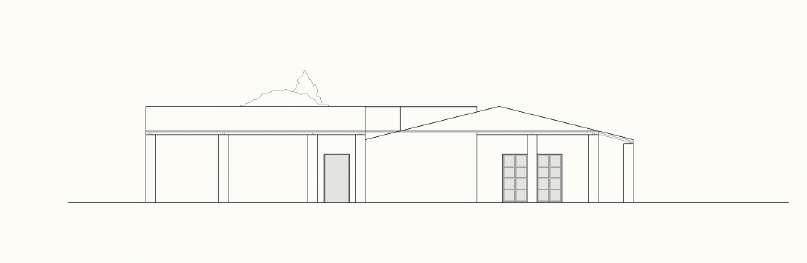
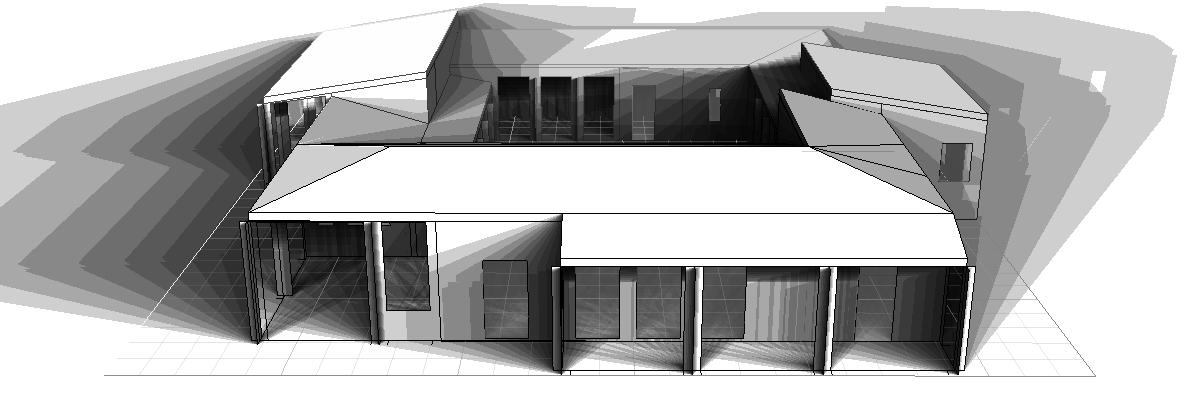
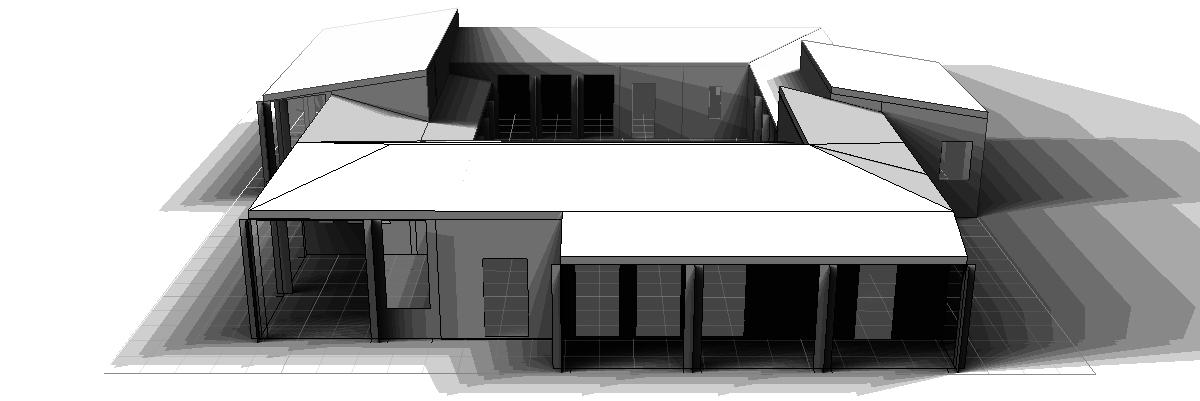
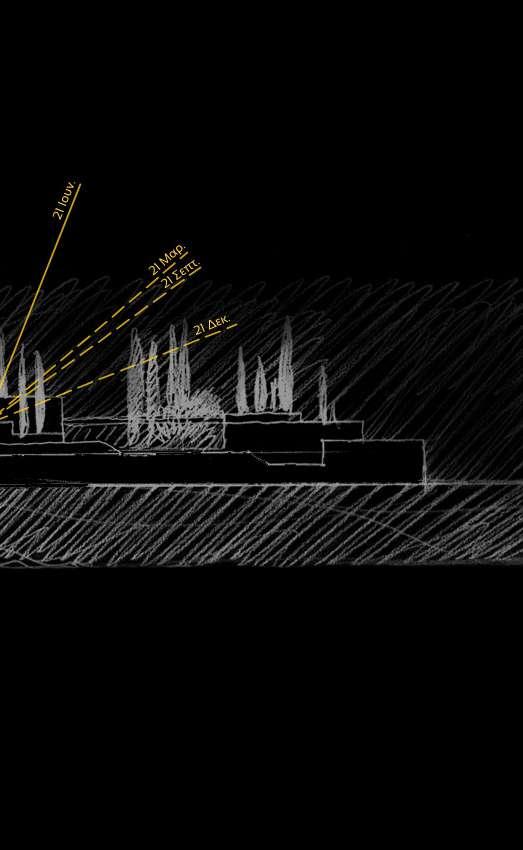
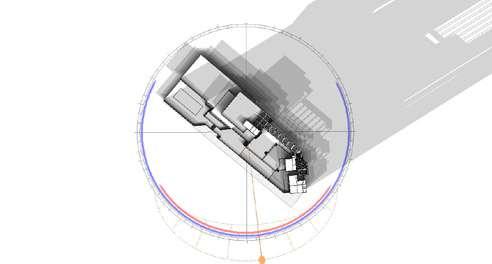
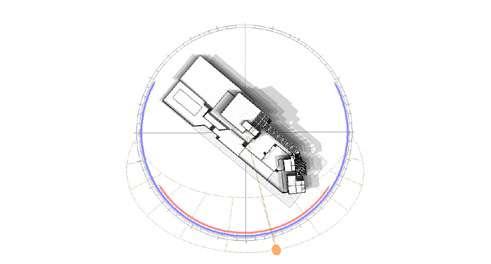
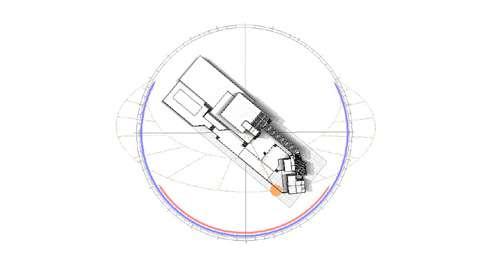
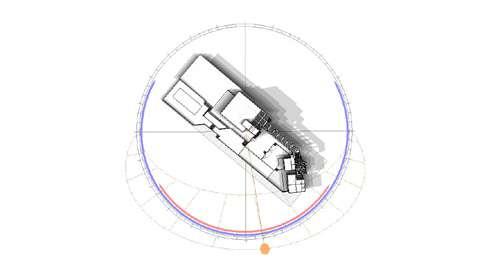
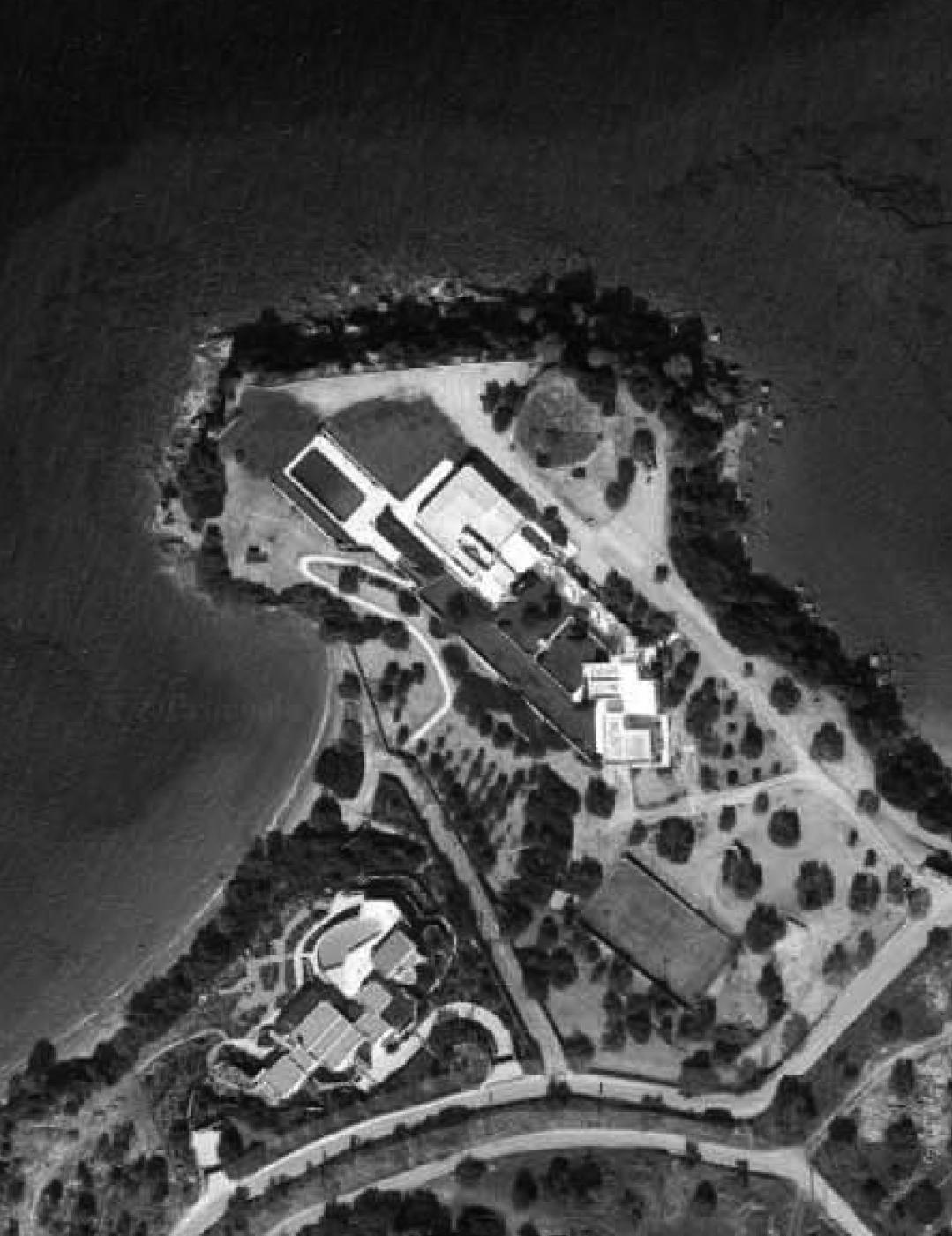
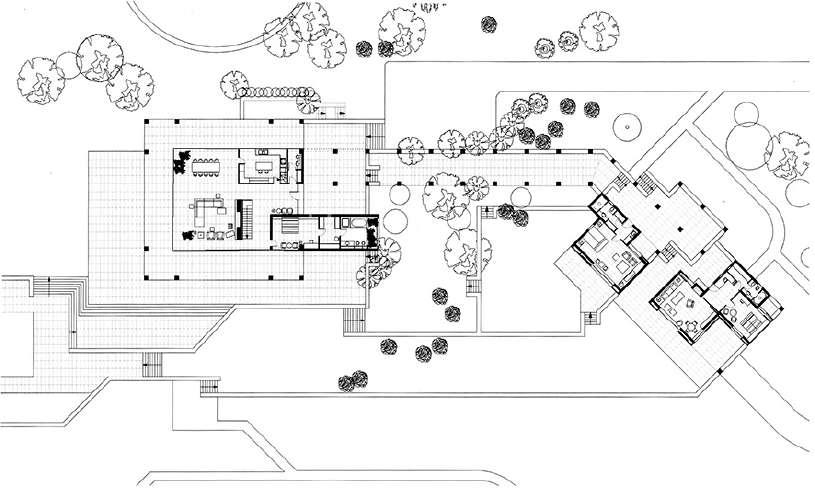
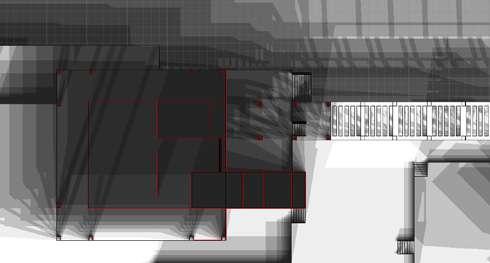
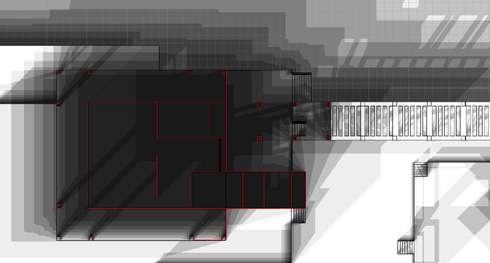
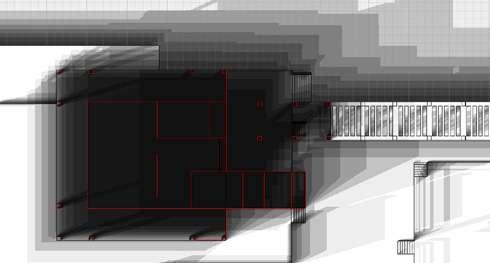
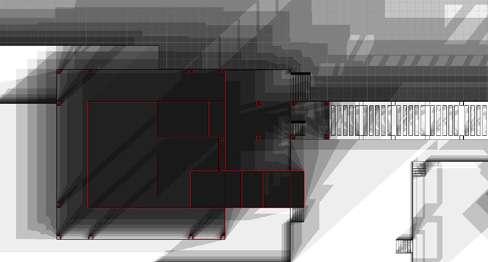
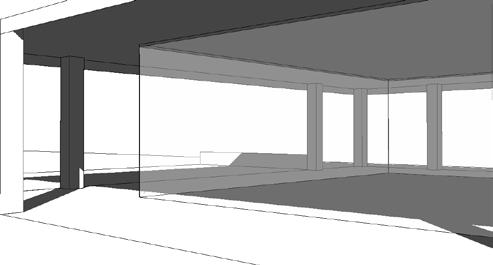
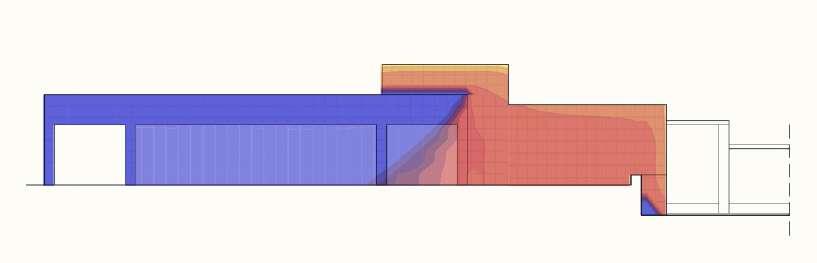
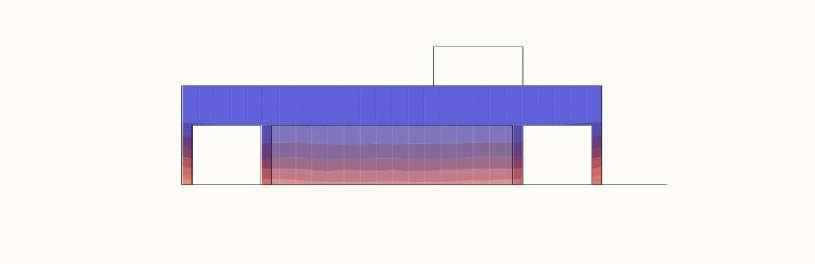
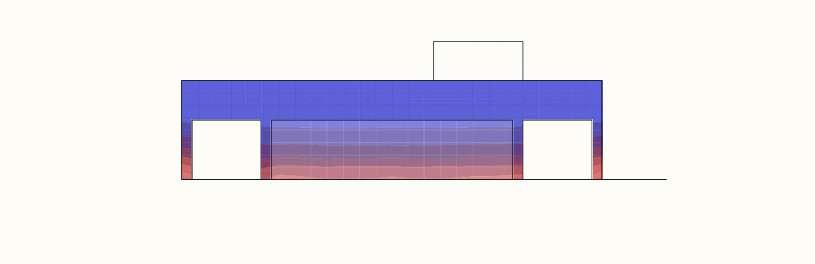
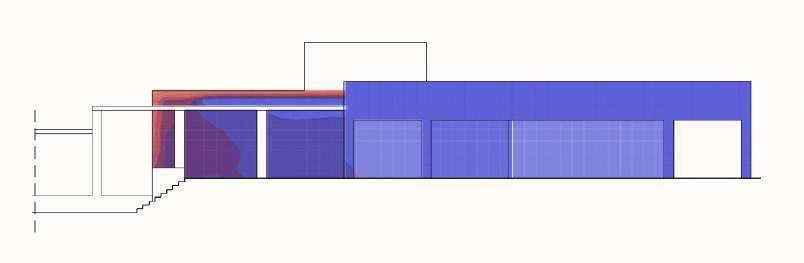
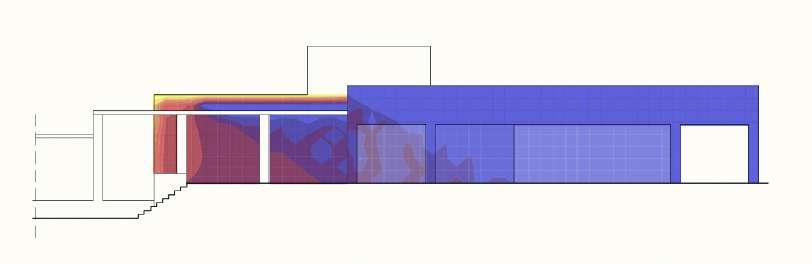
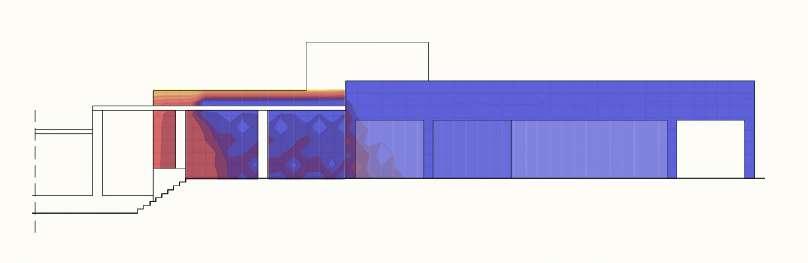
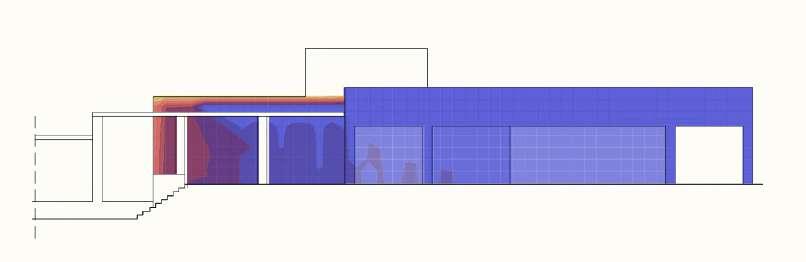
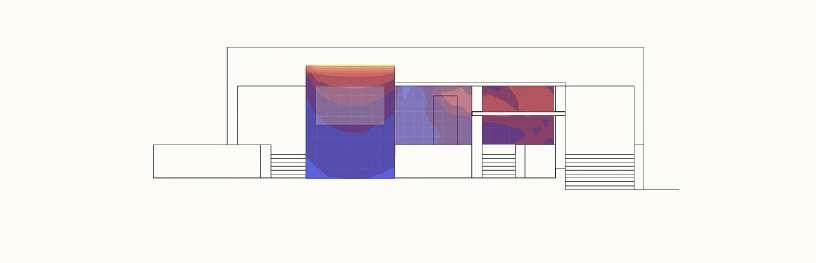
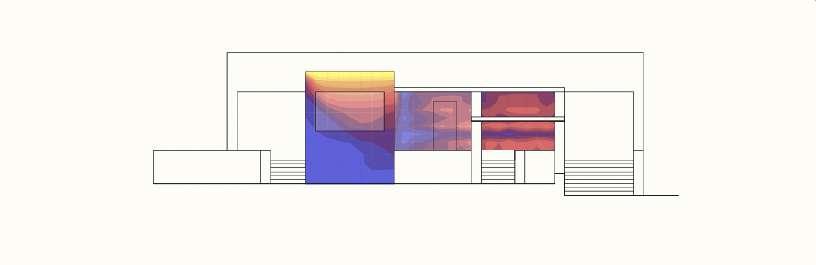
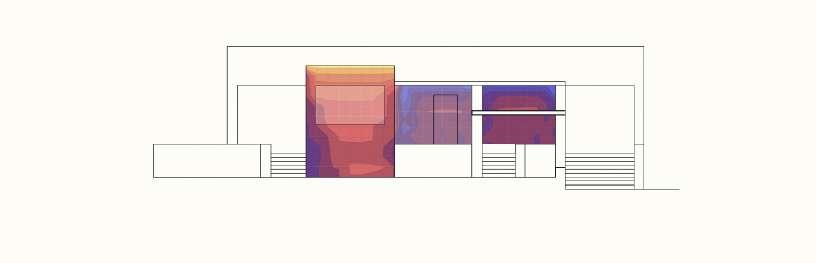
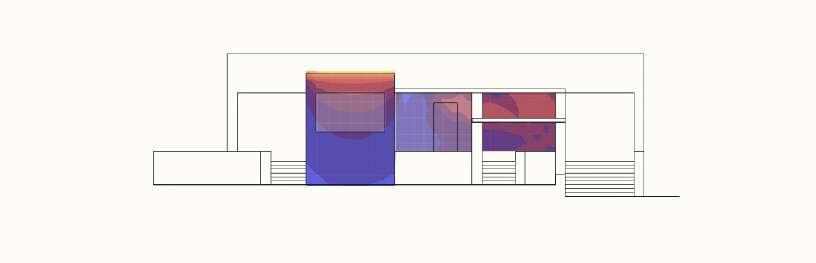
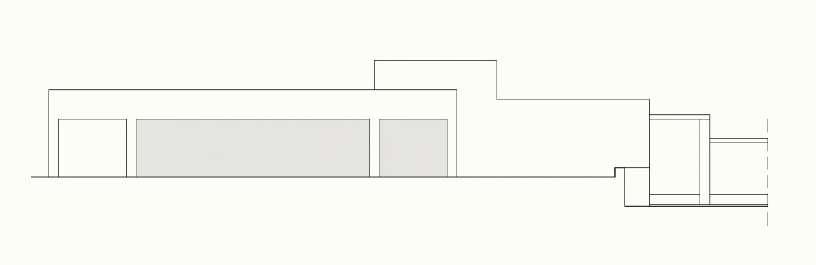
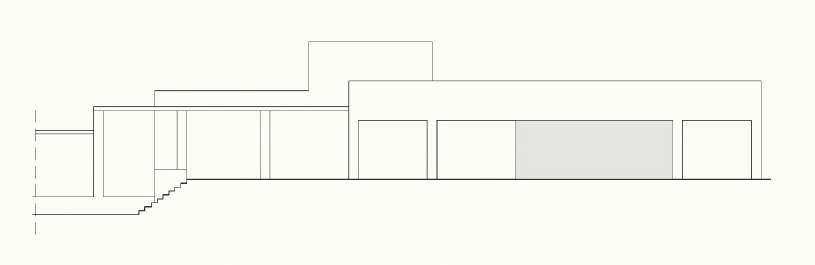
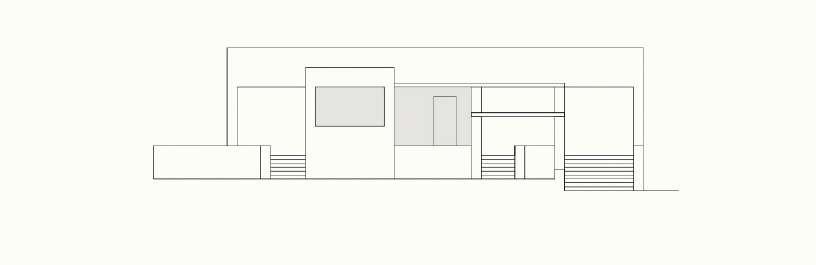
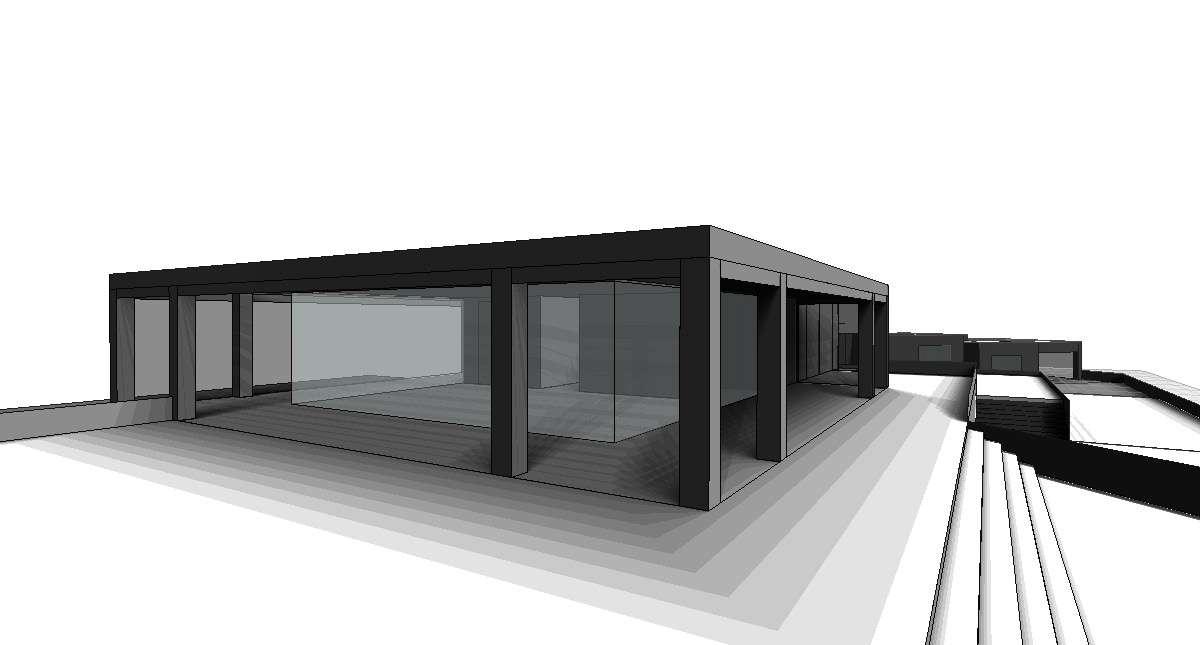
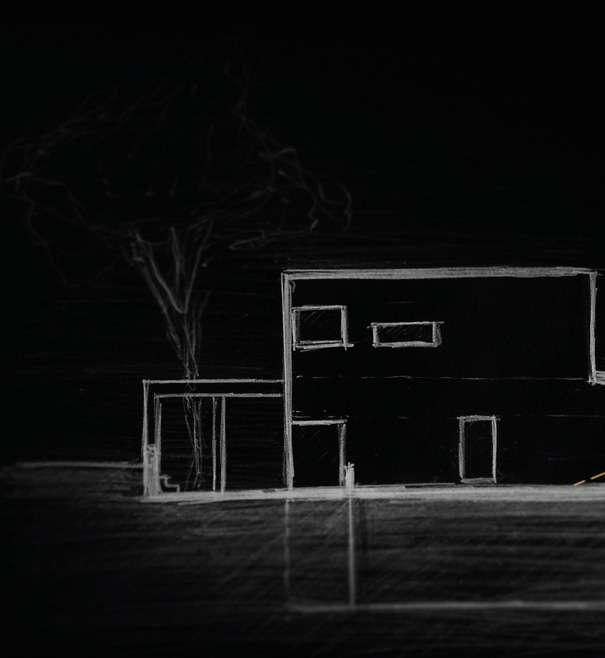
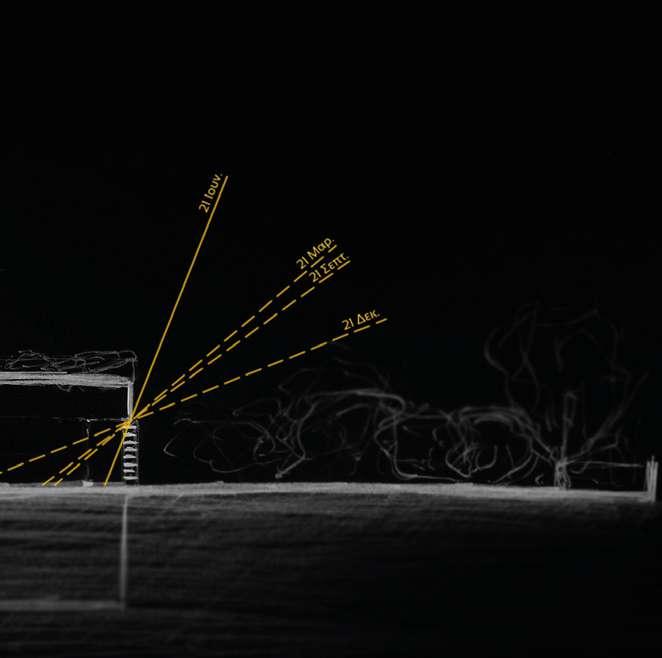
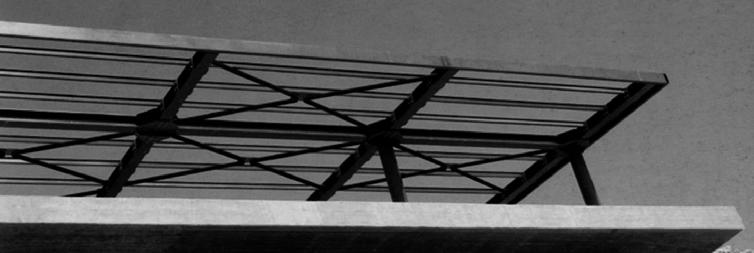
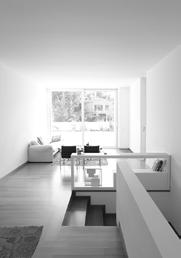
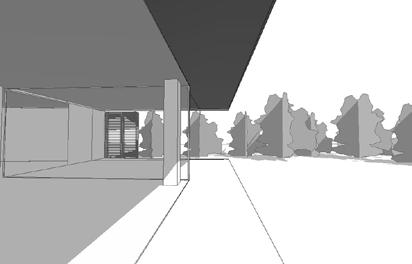
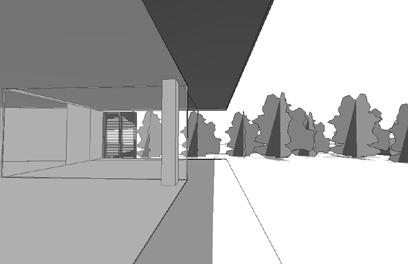
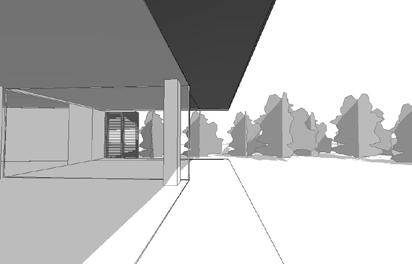
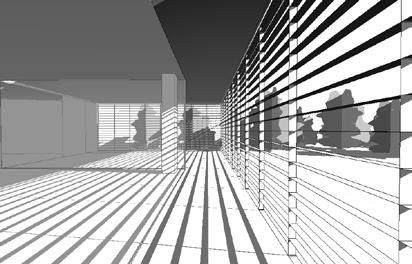
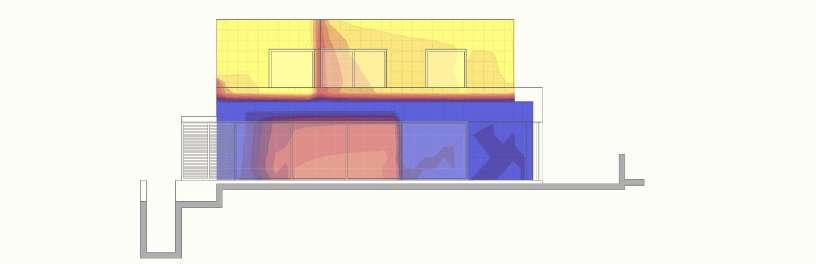
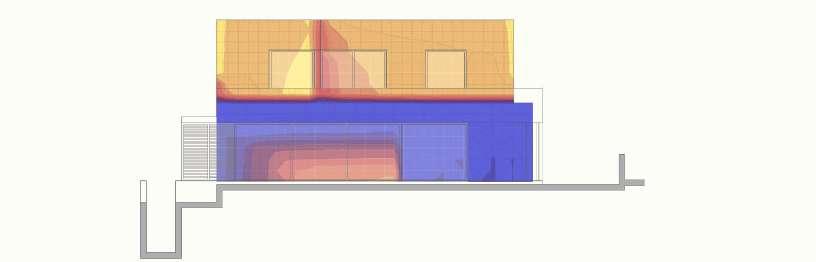
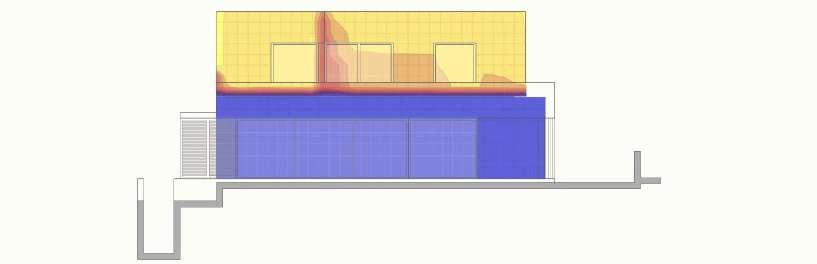
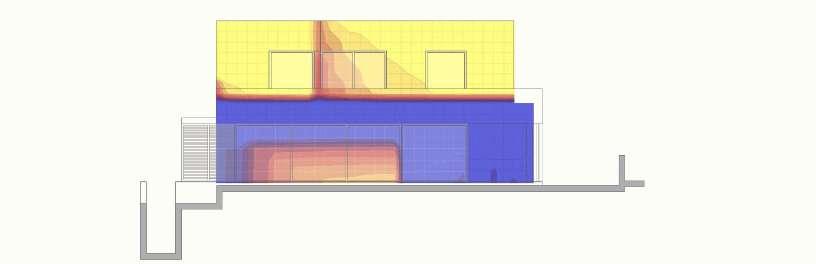
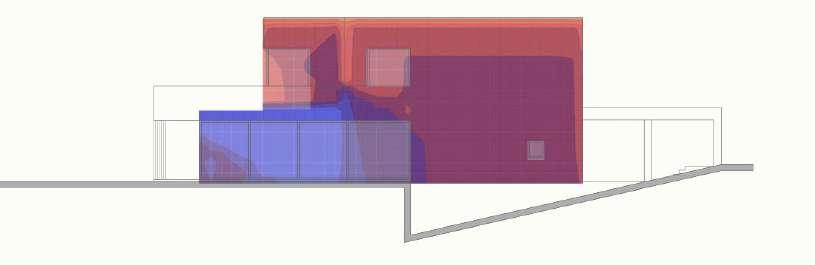
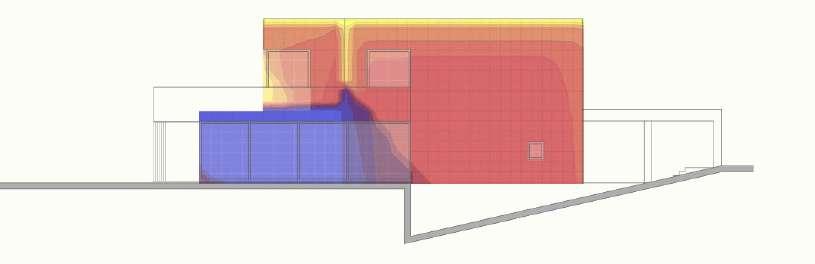
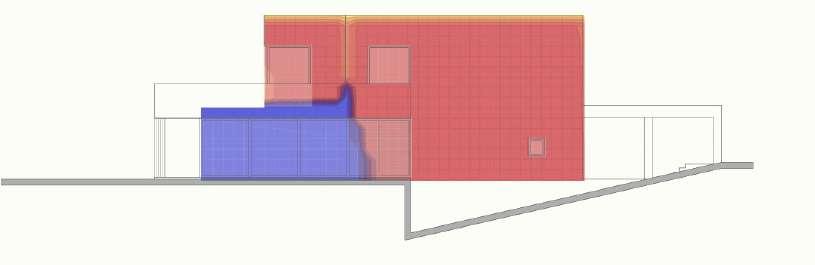
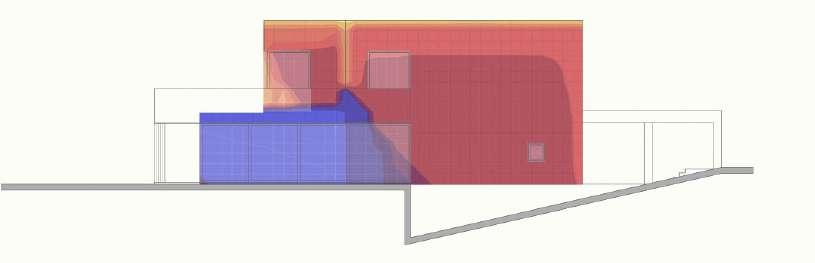
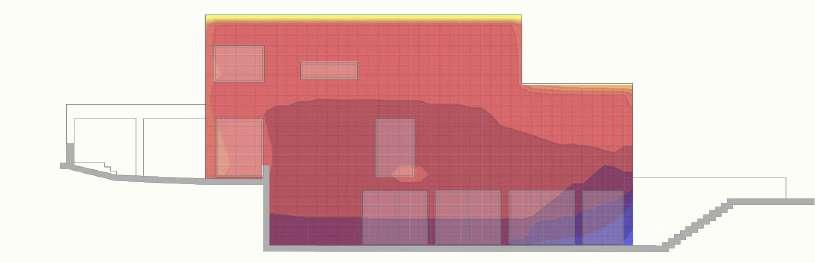
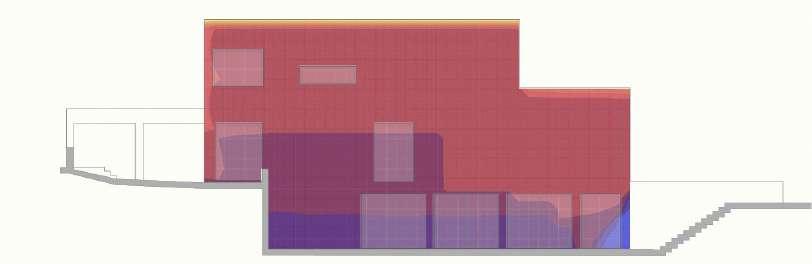
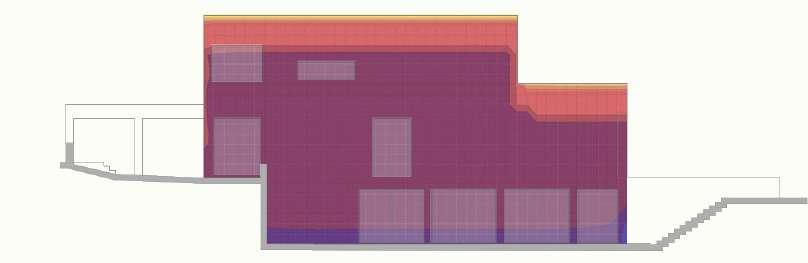
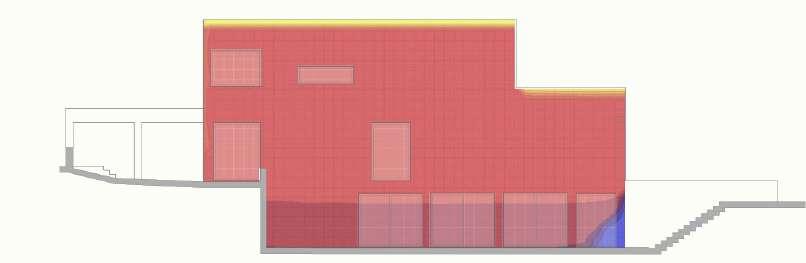
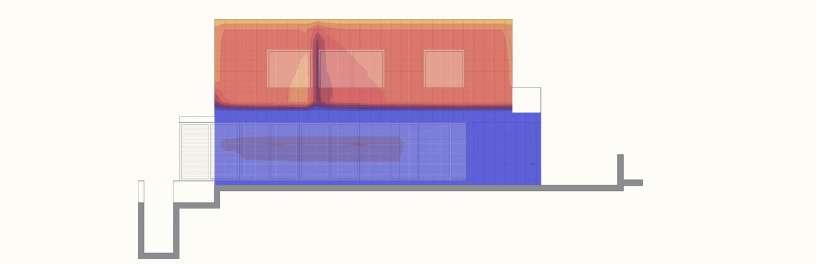
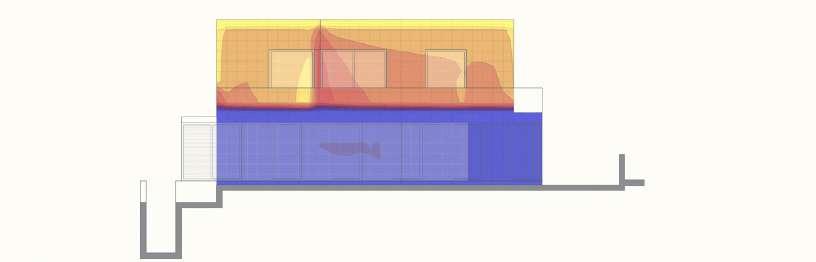
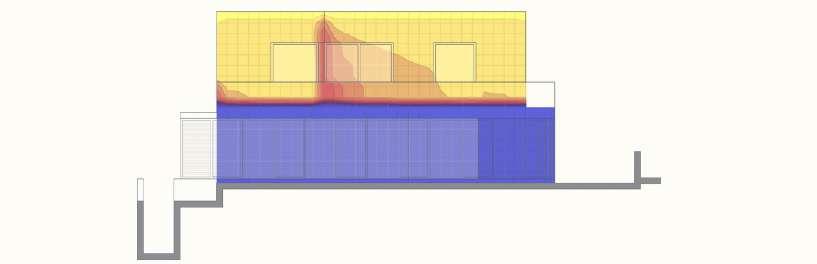
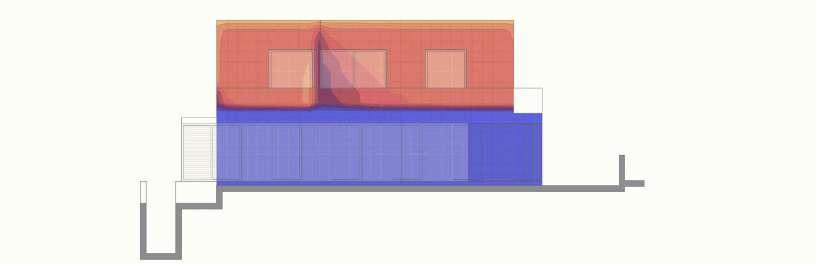
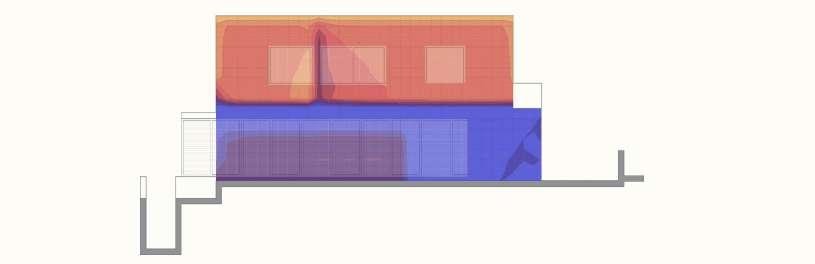
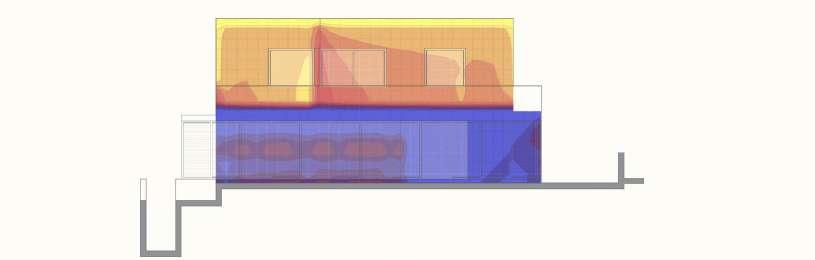
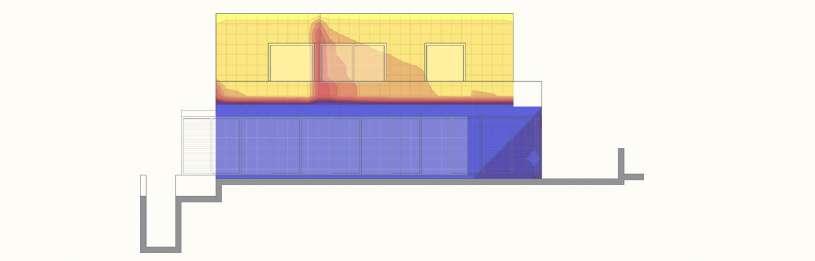
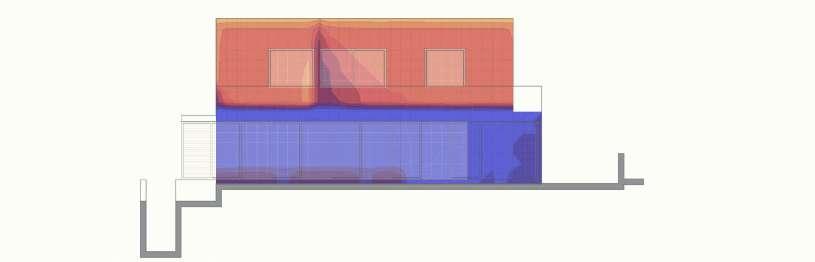
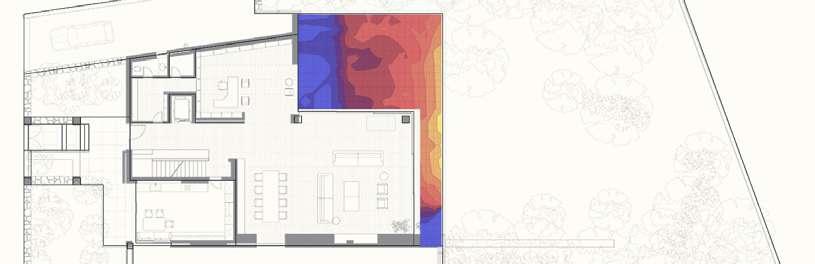
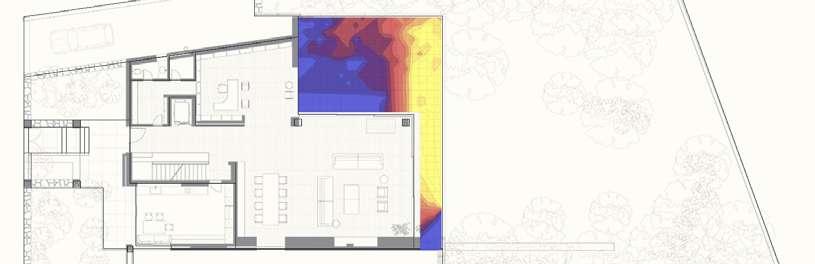
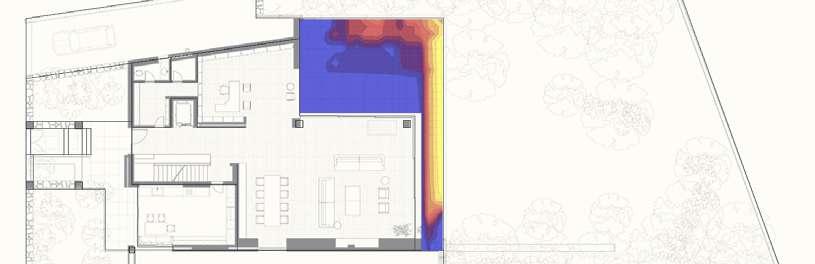
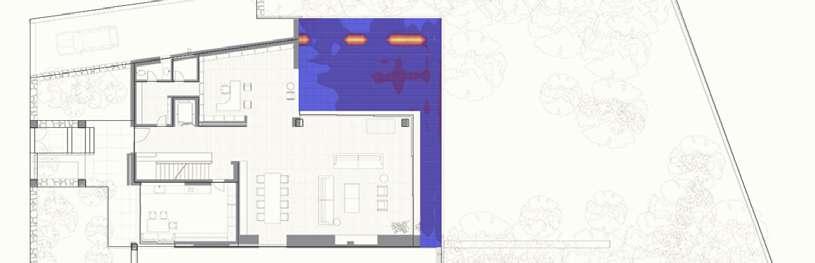
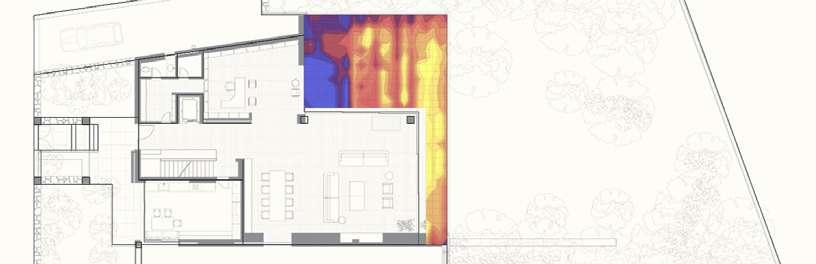
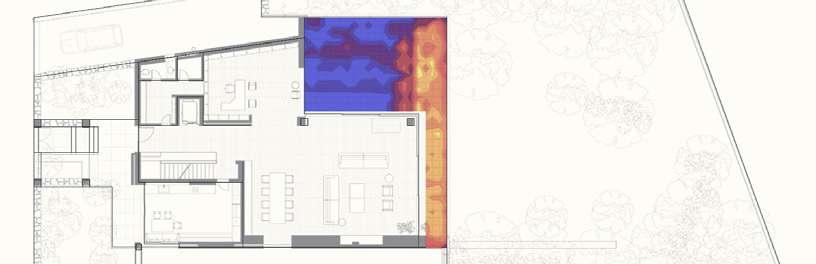
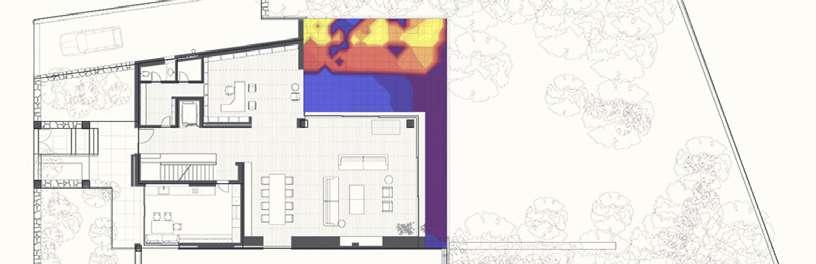
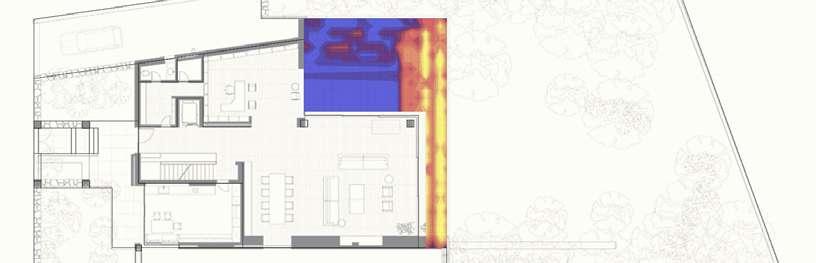
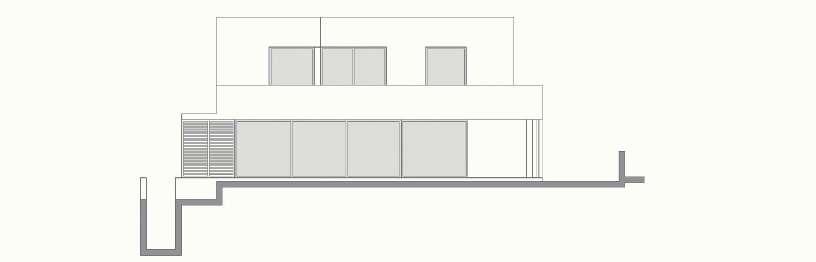
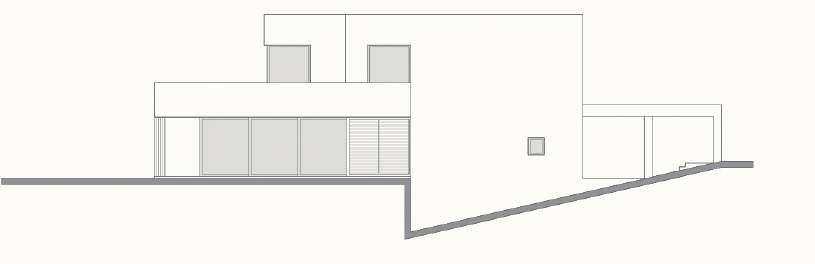
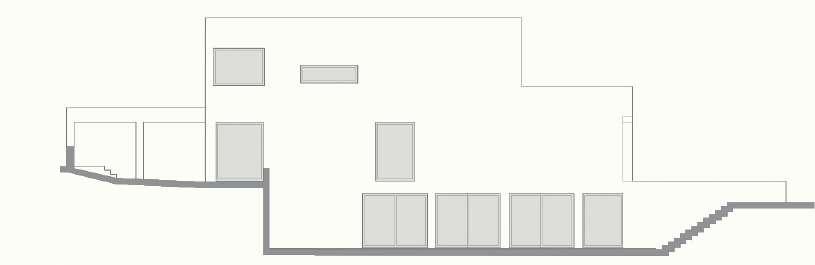
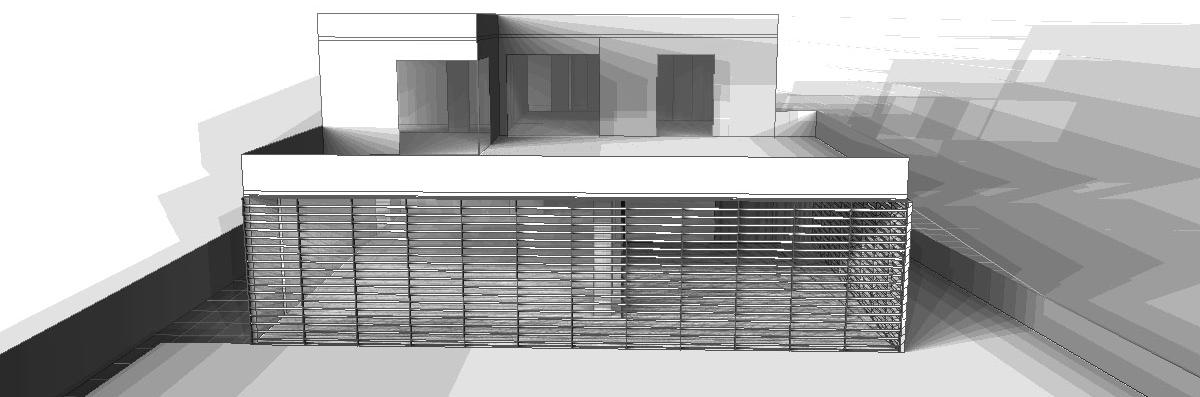
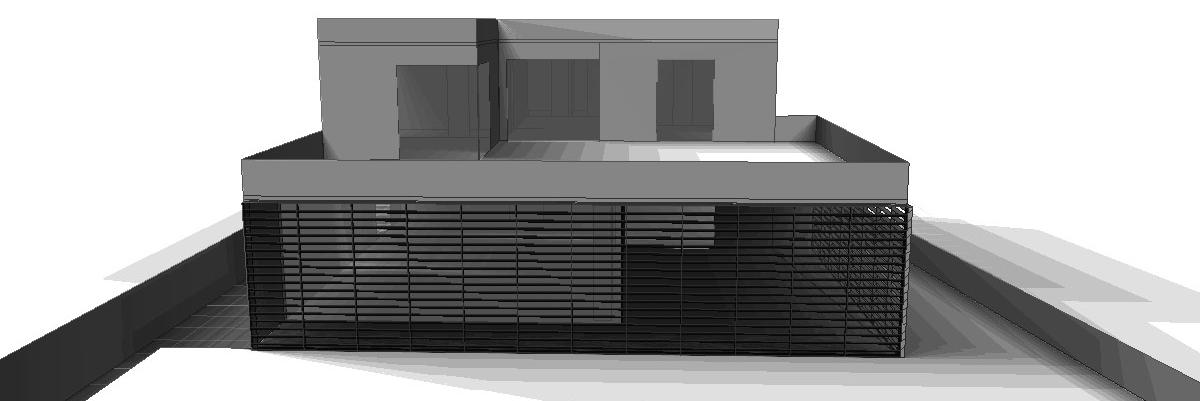
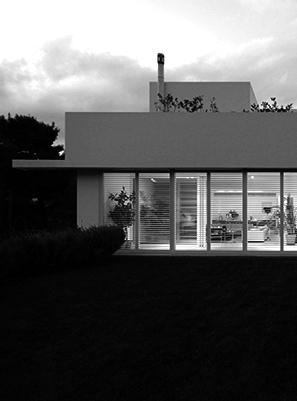
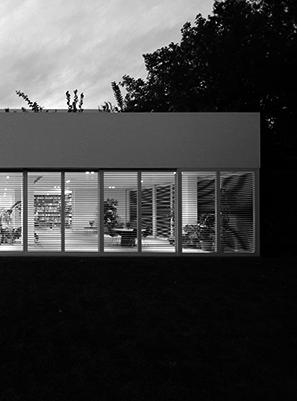
Consequently, in the case studies chosen, so as to represent best, the five distinctive periods of architecture in Nicos Valsamakis’ s work, similarities and differences are observed in the way of design, but also in the use of materials, which purpose is the experimentation in the structural form. However, in this research, attention is given firstly, to the identification of a specific characteristic that makes distinctive and also innovative each case study, and then the analysis of its thermal behavior. So, the five residences are studied as a mass, in the orientation that are built and with their openings and the morphology, as they are. Afterwards, they are deconstructed, in order to judge the solar behavior of every element, which eventually composite the facades and form the outer test
1 Nikos Papamanolis, Despina Dimelli, Lemonia Ragia, The Urban Heat Island Intensities in Greek cities as a function of the characteristics of the built environment, 9th International Conference on Urban Climate and 12th Symposium on the Urban Environment, Toulouse France, 2015.
2
Bountas, N., Investigation of urban heat island in Greek cities, 2014.
Flora Bougiatioti
Aineias Oikonomou, The use of different instrumentation for the measurement of surface temperatures of samples of materials used in the “skin” of Greek cities, Built Environments and enviromental buildings, Proceedings Volume 1, Technische Universiteit Eindhoven, The Netherlands, 2004.
R. Goulding,
4 Angeliki Chatzidimitriou and Simos Yannas, Microclimatic Studies of Urban Open Spaces in Nothern Greece, Built Environments and enviromental buildings, Proceedings Volume 1, Technische Universiteit Eindhoven, The Netherlands, 2004. Evangelos Evangelinos, Improving Air Movement in Mediterranean Cities, ECOPOLIS, Sustainable Planning and Design Principals, Dimitra Babalis (edit.), ALINEA EDITRICE, Firenze, 2005, σελ. 107114.
5
John R. Goulding,
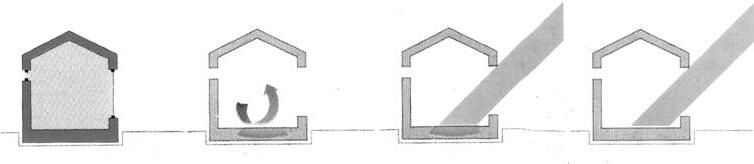
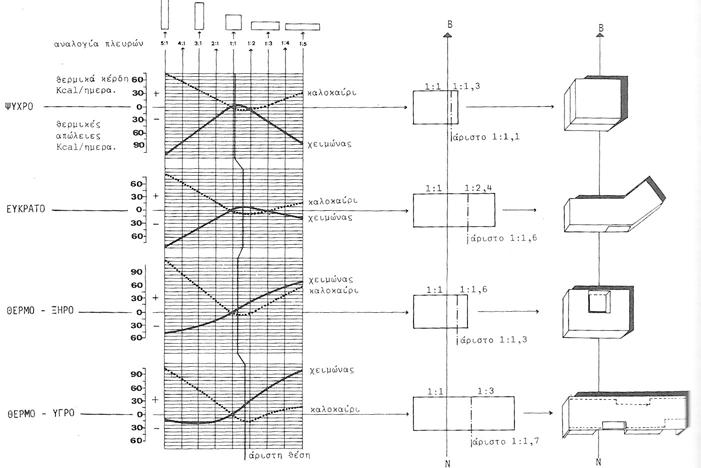
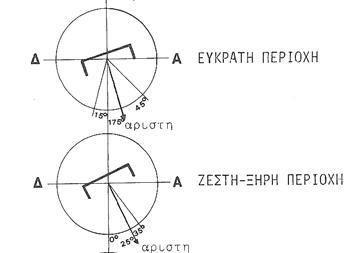
11 Yannas Simos, Solar energy and Housing Design, Volume 1, Architectural Association Publications, London, 1994, σελ. 39-62.
12 DAVID LLOYD JONES, Architecture and the Environment, BIOCLIMATIC BUILDING DESIGN, Laurence King Publishing, London, 1998, σελ. 32-45.
13
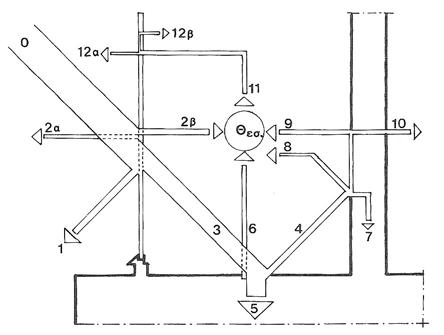
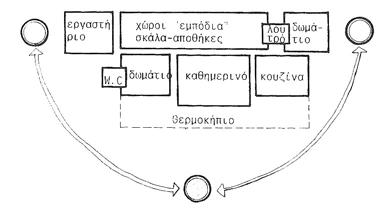
18 Colombo R., Landabaso A., Sevilla A., Passive Solar Architecture for Mediterranean Area, Joint Research Centre, Commission of the European Communities, 1994, σελ. 108-121.
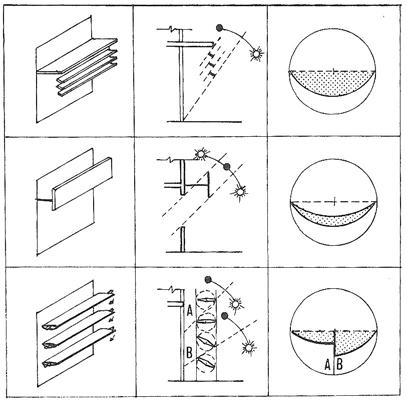
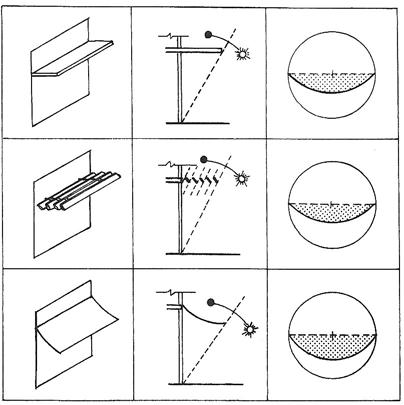
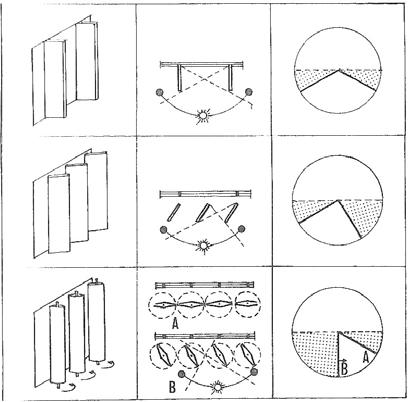
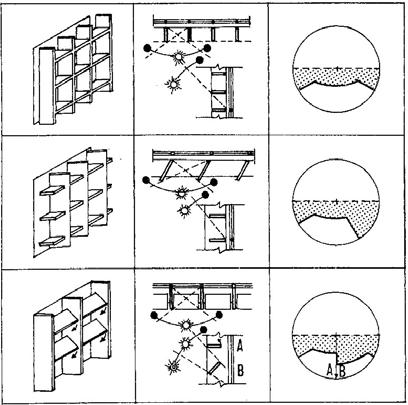
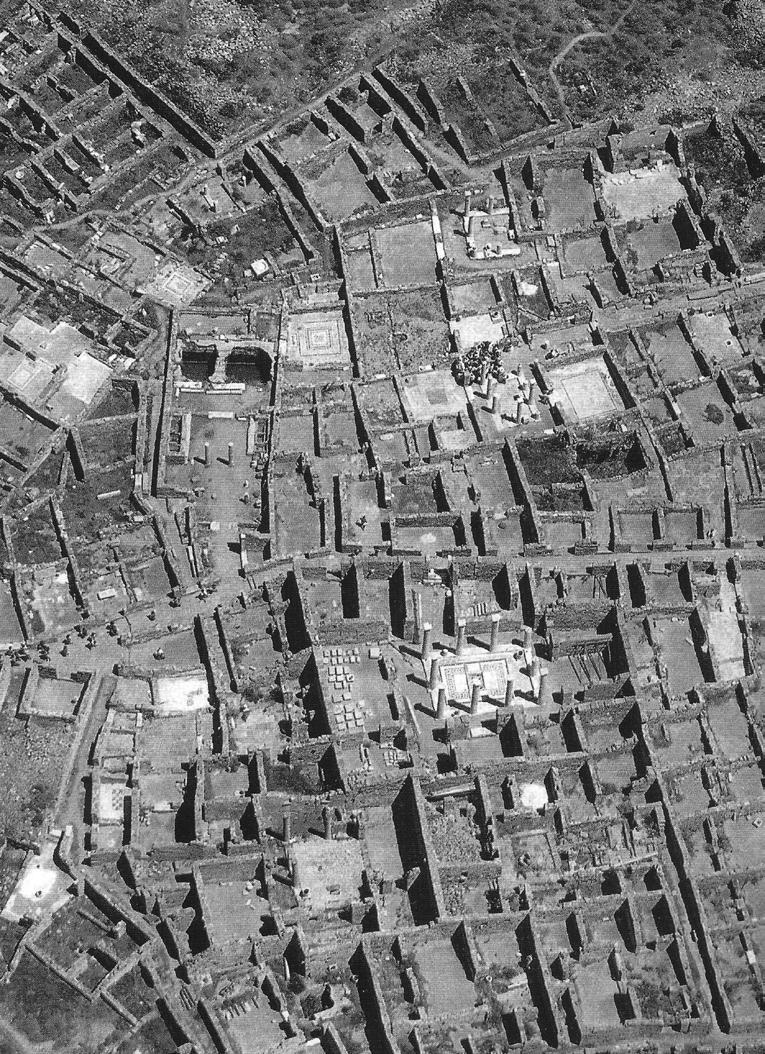
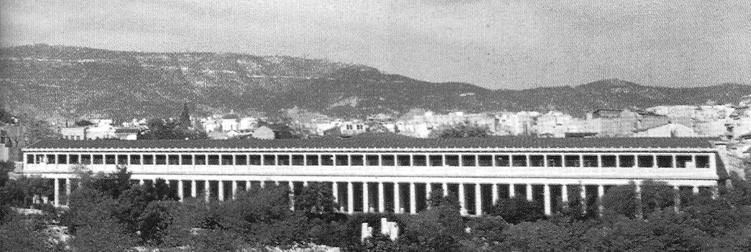
22_
41
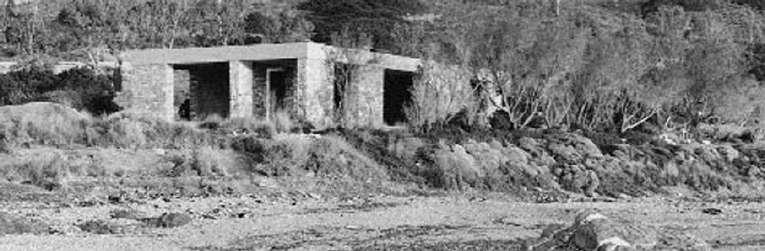
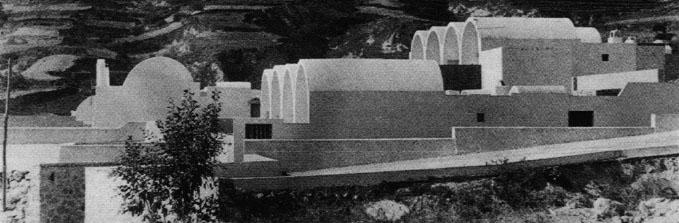
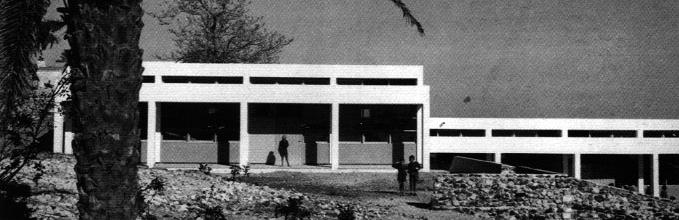
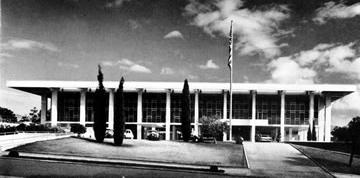
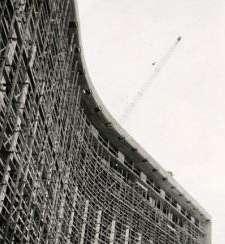
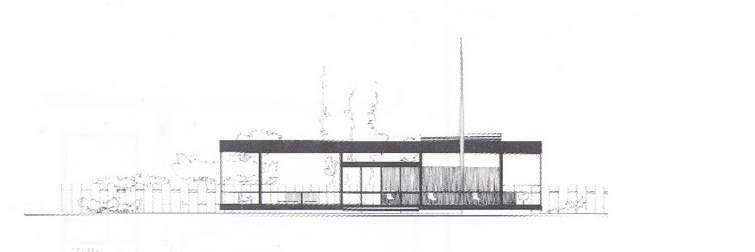
Corbusier, Mies, Neutra, Saarinen
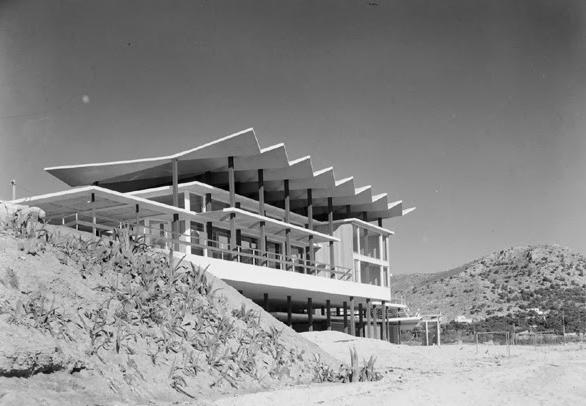
Reidy,
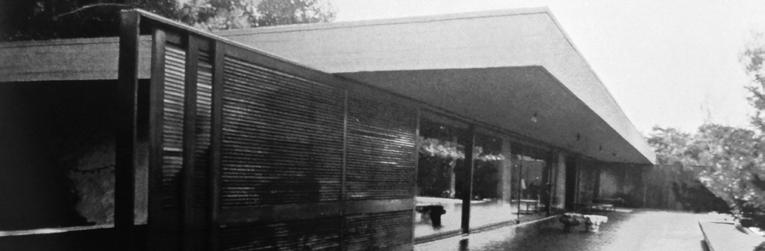
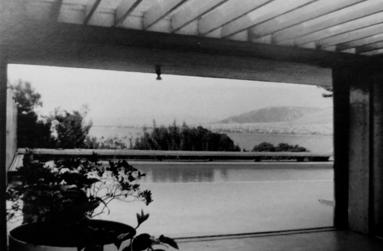
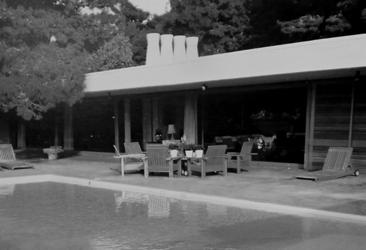
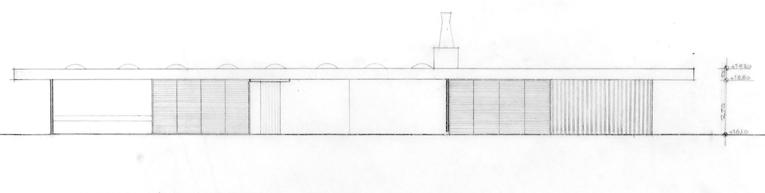
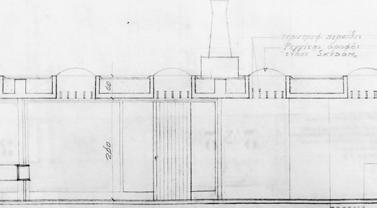
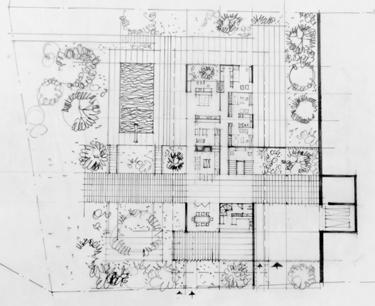
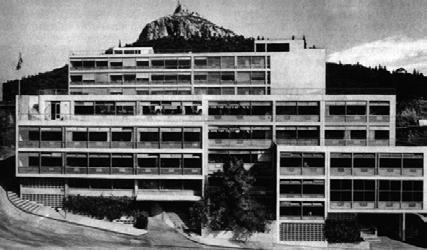
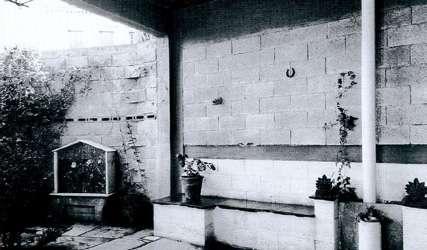
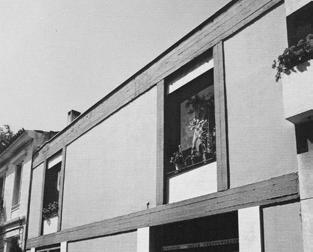
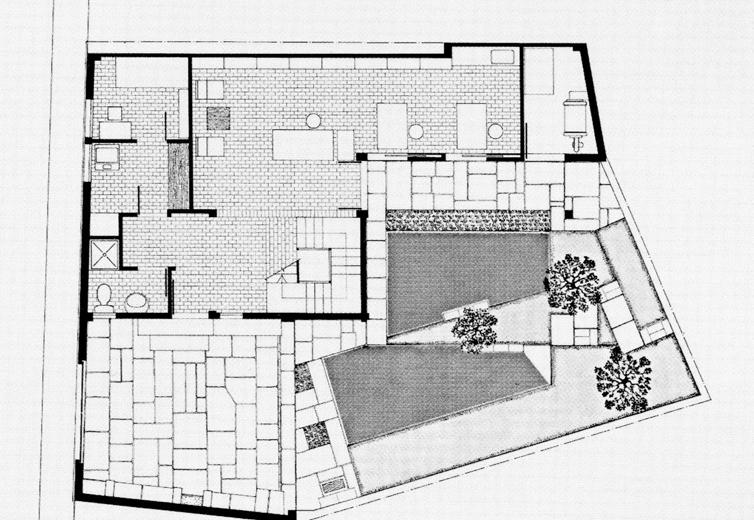
52 Κarin skousbøll, Greek Architecture Now, Studio Art Bookshop, Athens, Greece, 2006.
53
5, 1971.
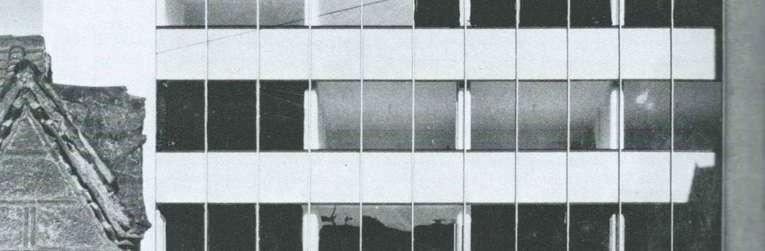
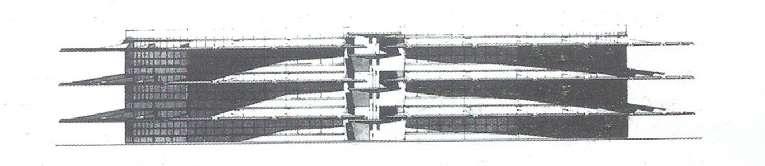
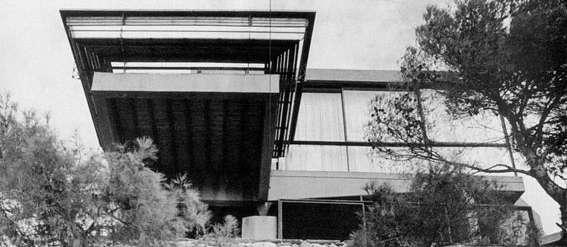
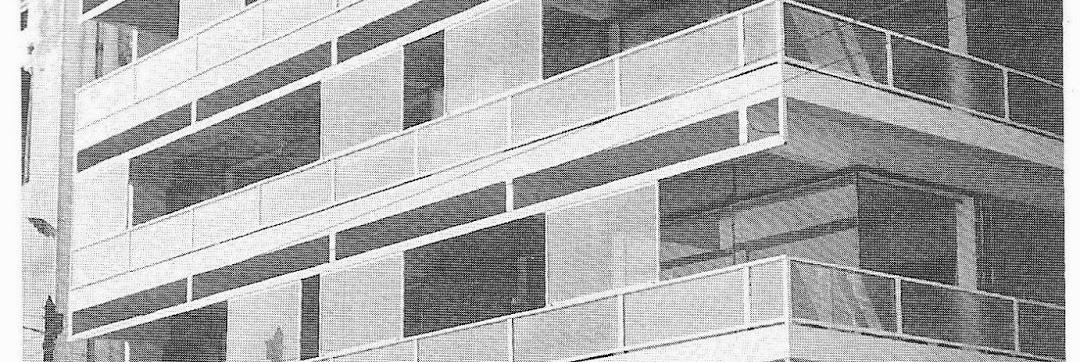
Corbusier.
15, 1981.
«The Grid and the Pathway», Κ. Frampton (επιμ.), Αtelier 66. The architecture of Dimitris and Suzana Antonakakis, New York 1985.
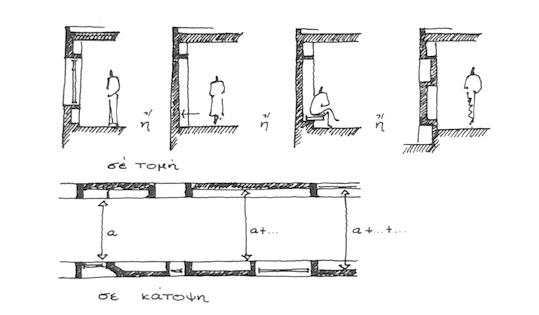
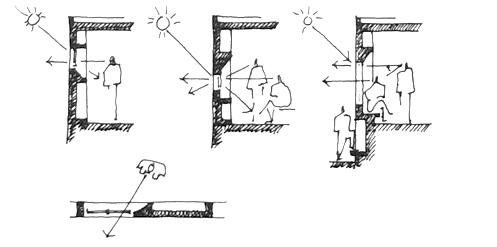
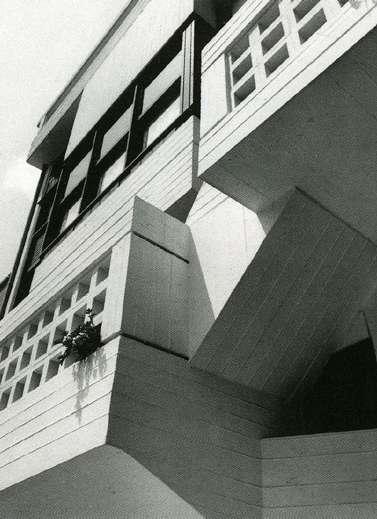
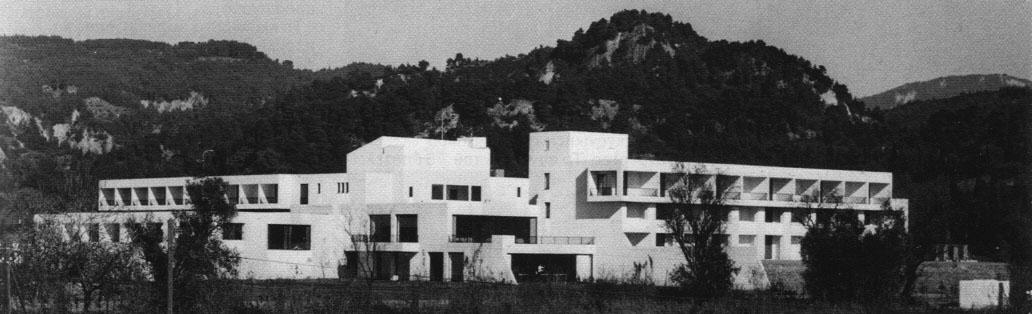
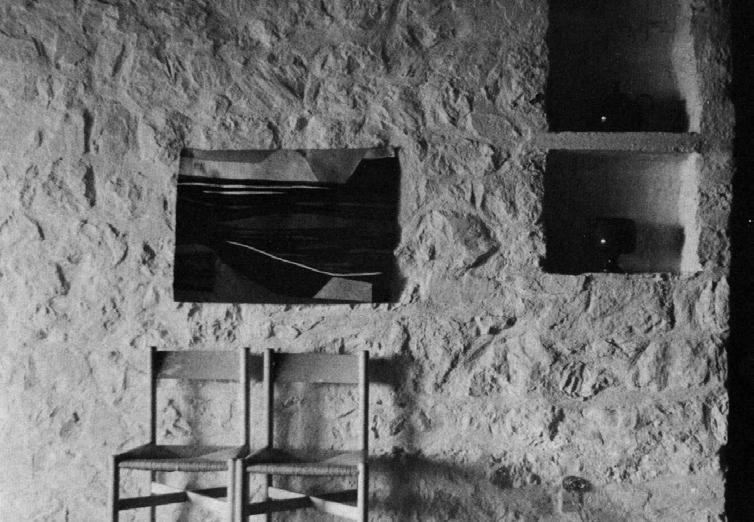
Alvar Aalto, Erik Bryggman, Arne Jacobsen, Jorn
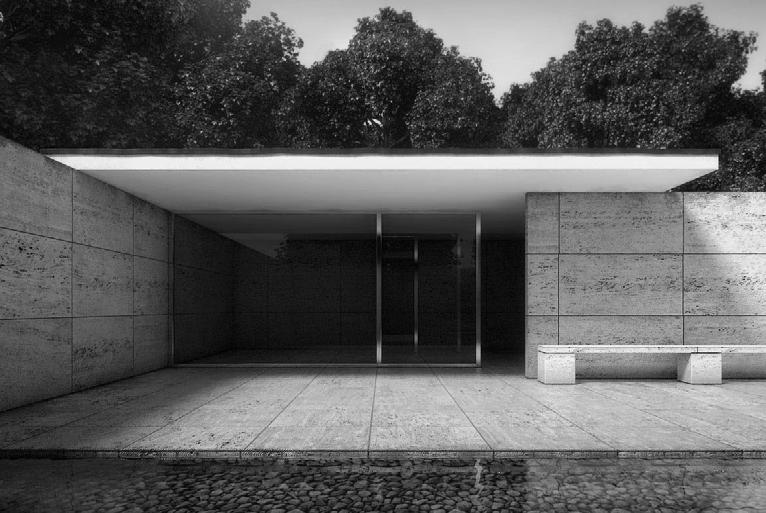
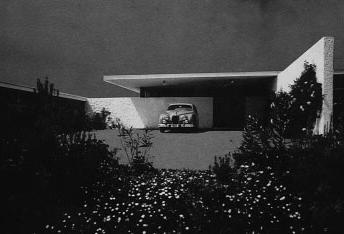
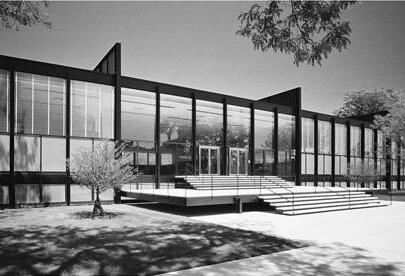
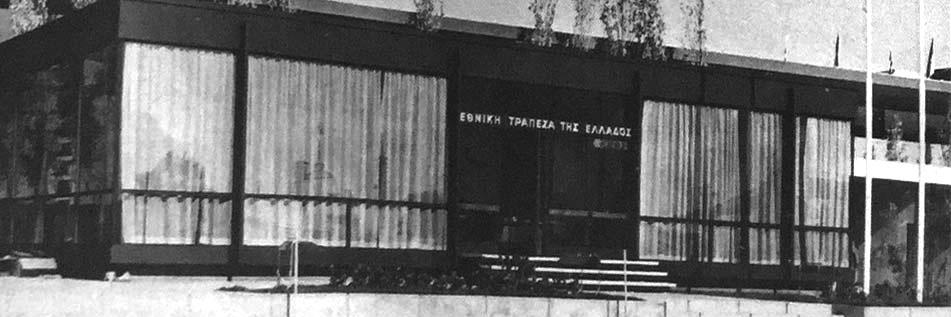
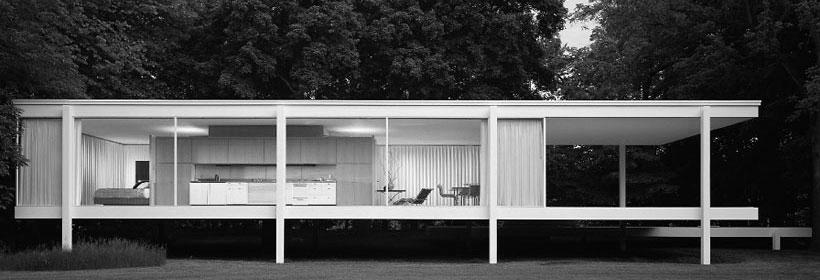
Mies van der Rohe.
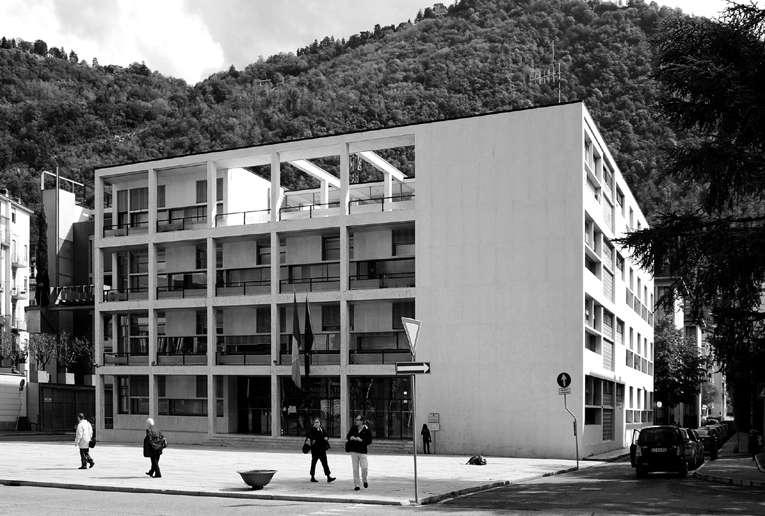
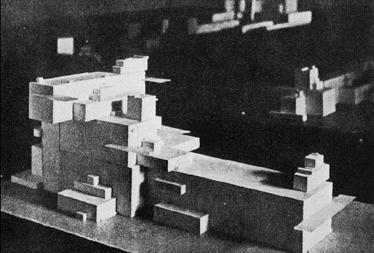
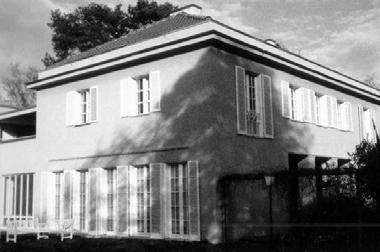
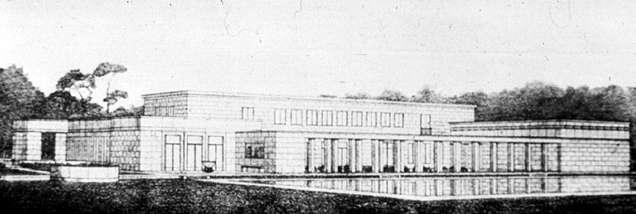
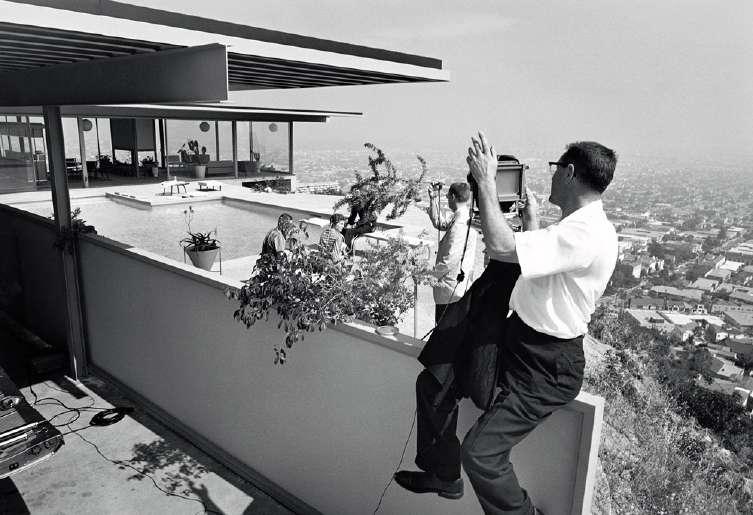
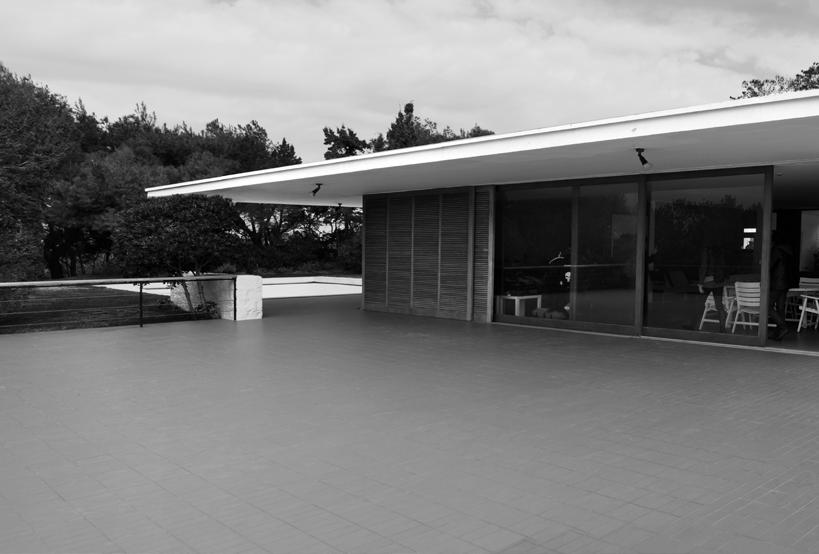
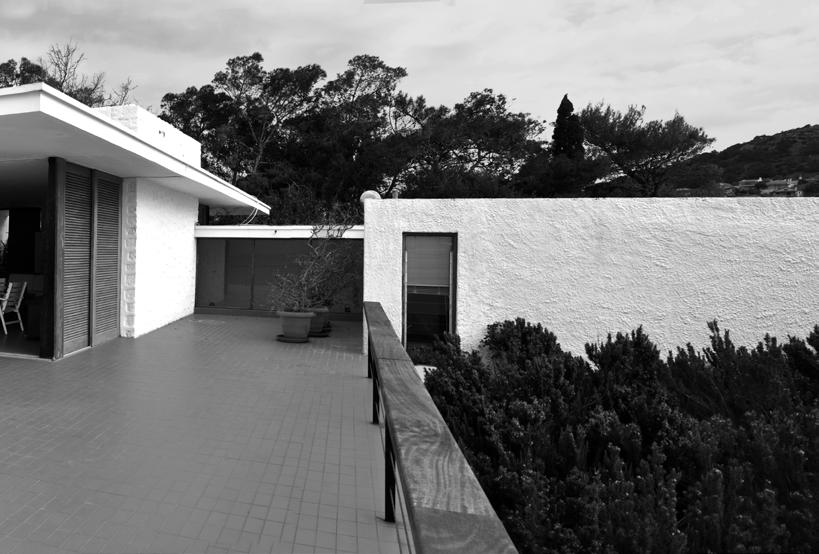
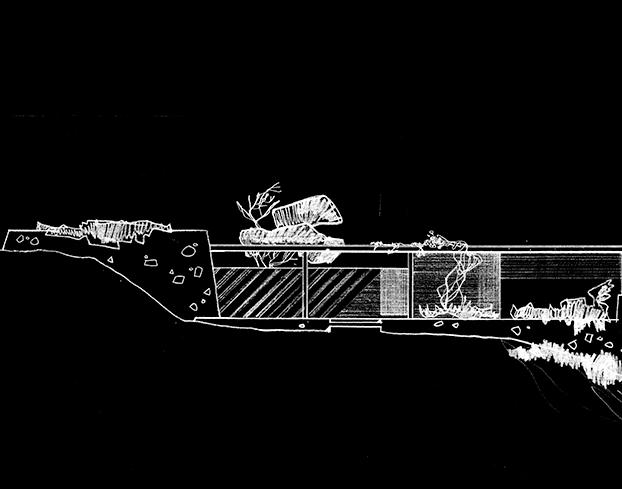
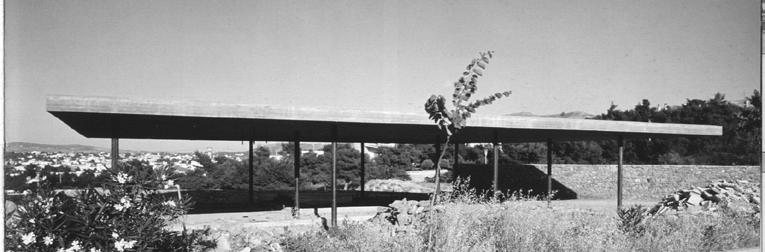
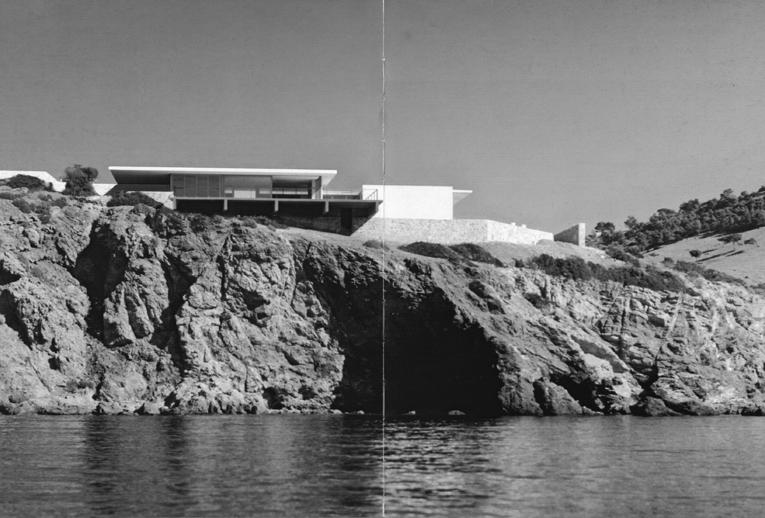
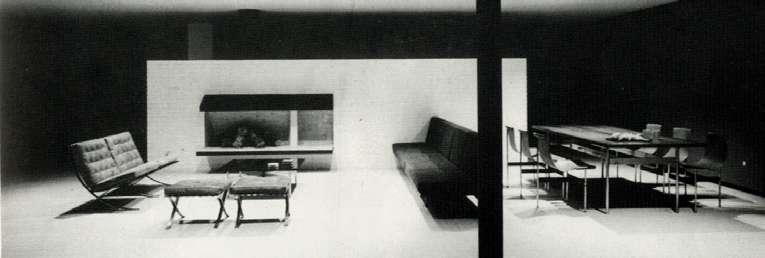
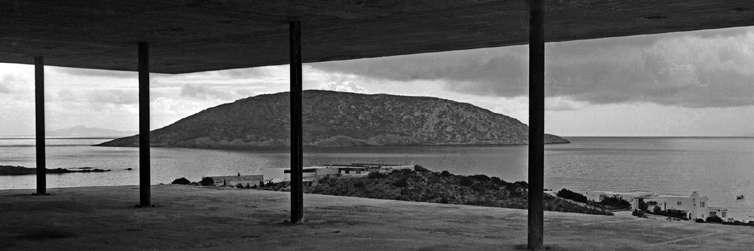
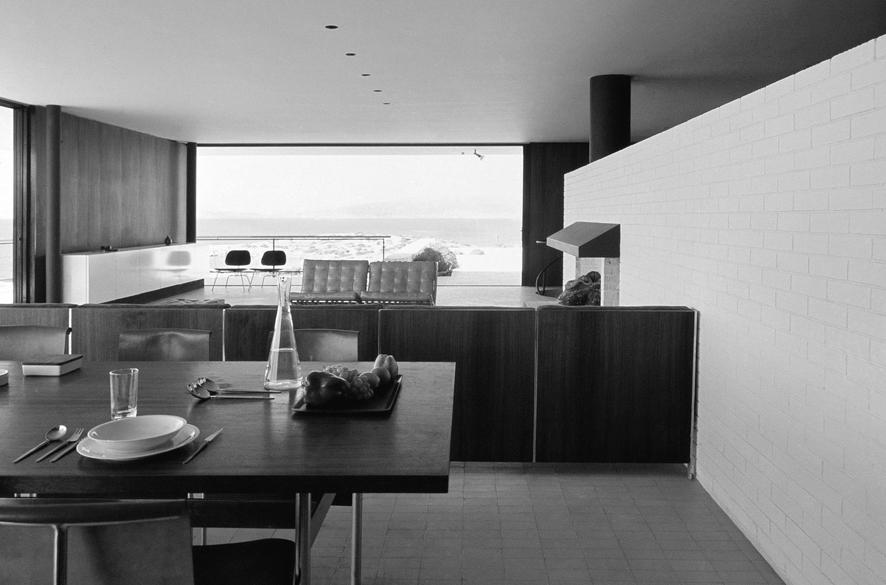
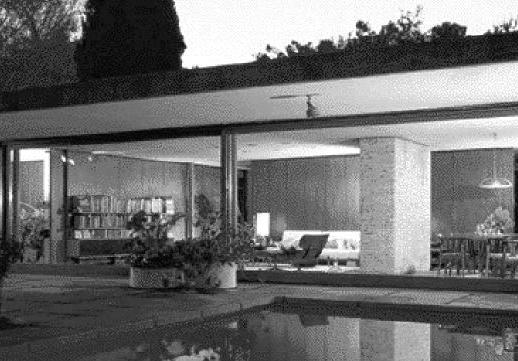
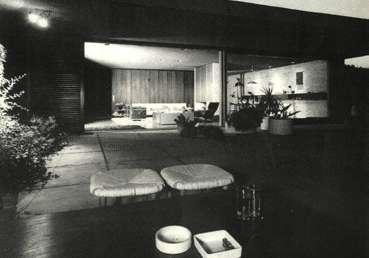
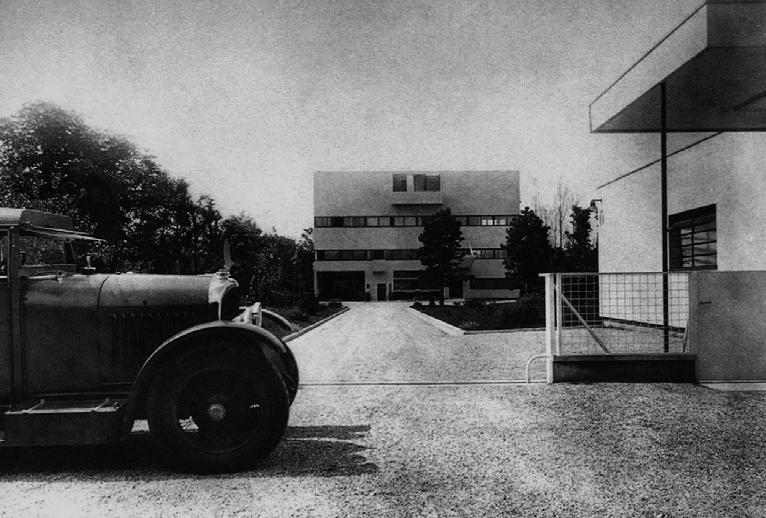
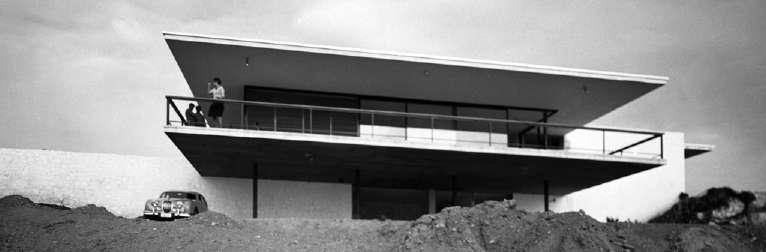
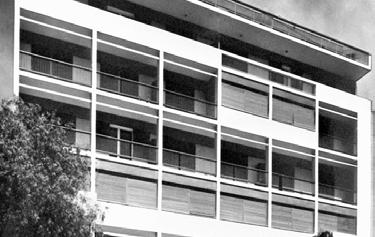
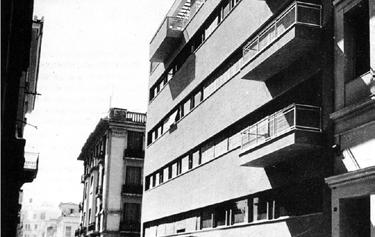
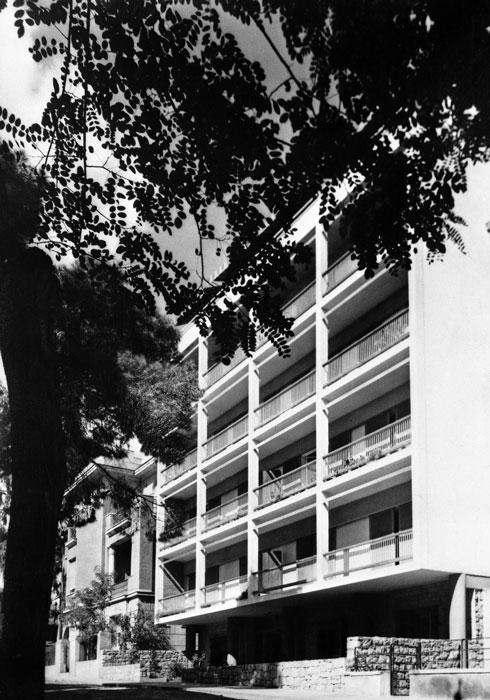
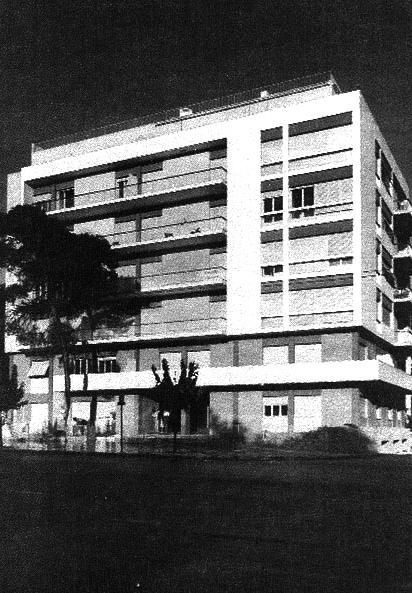
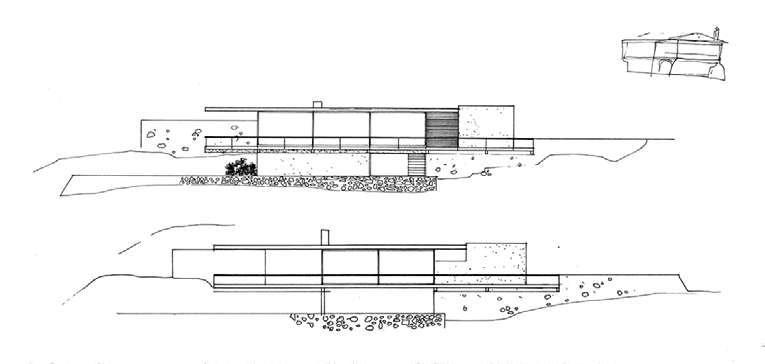
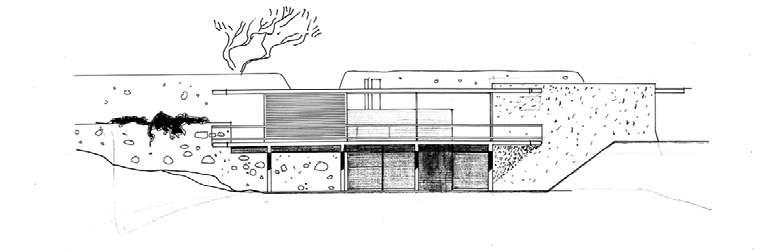
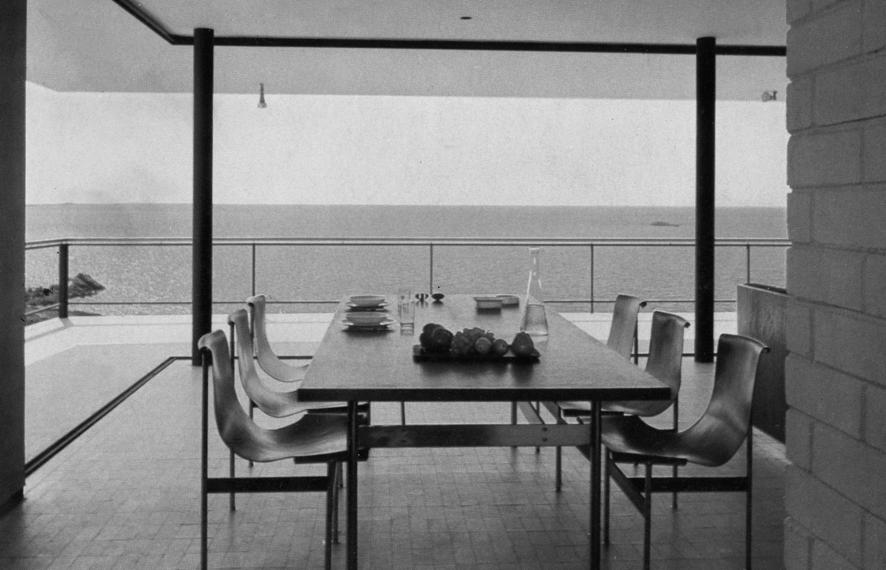
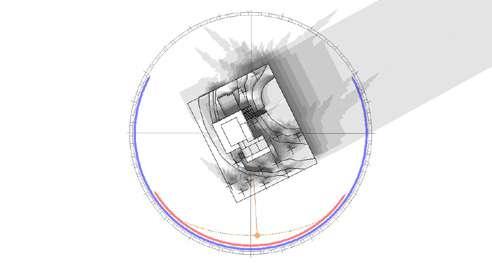
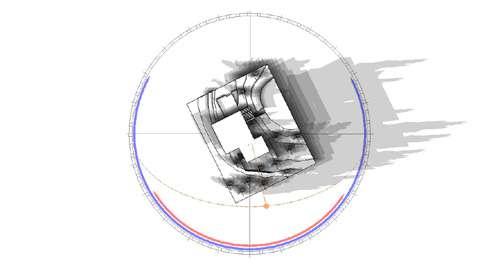
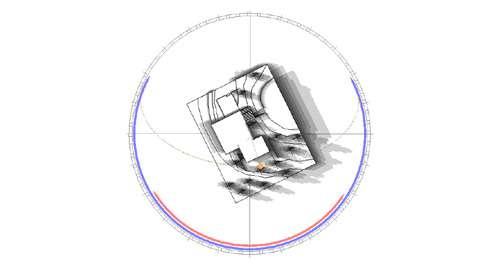
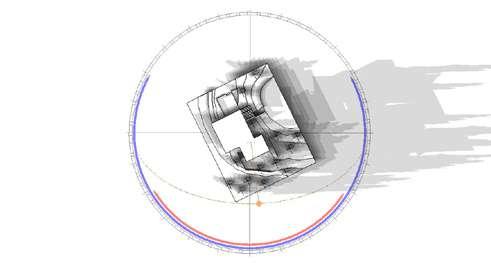
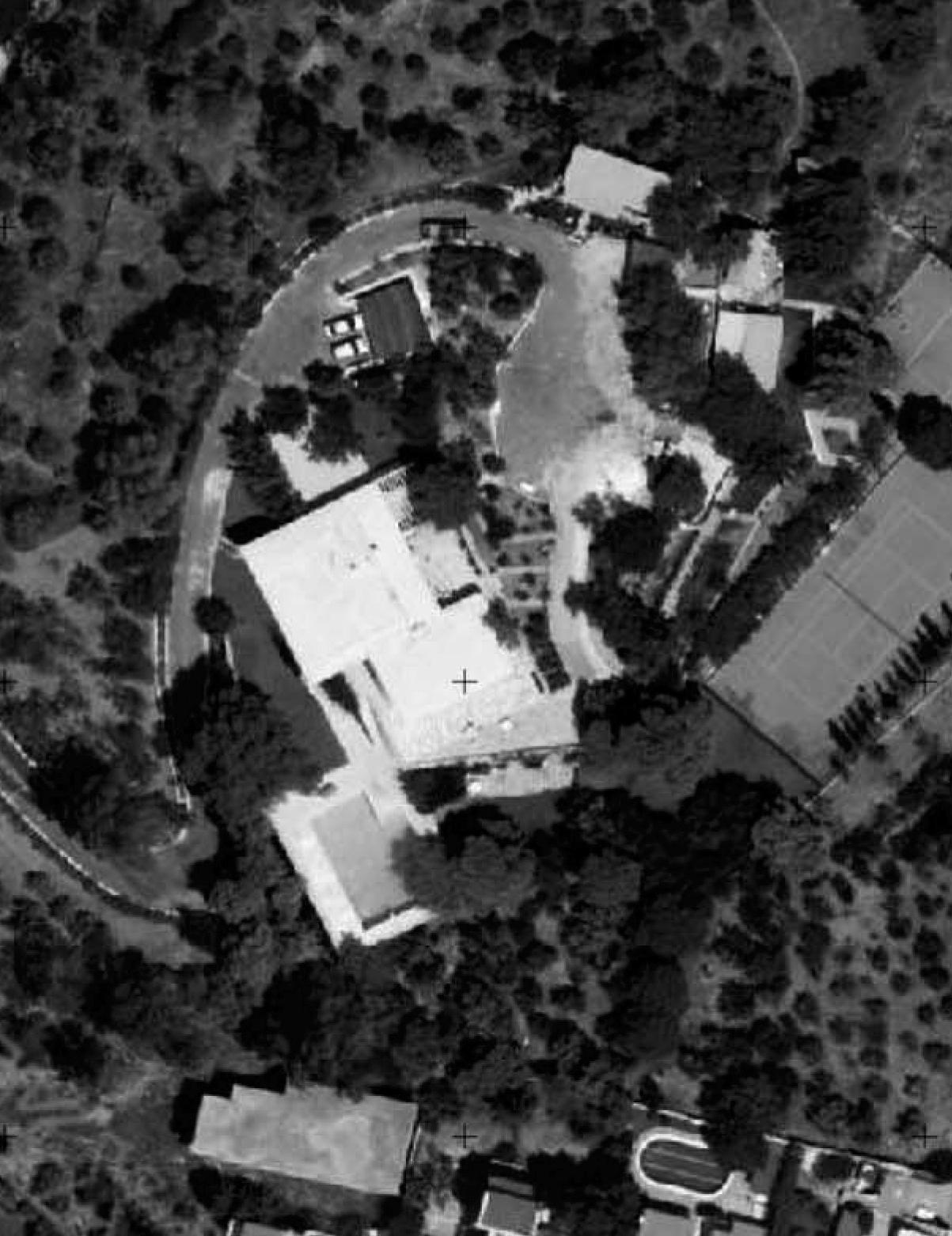
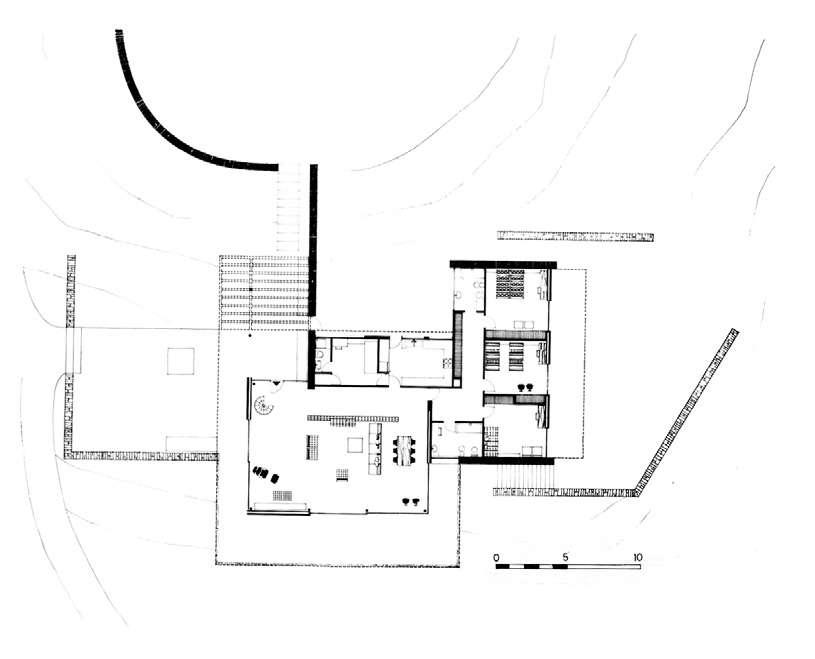
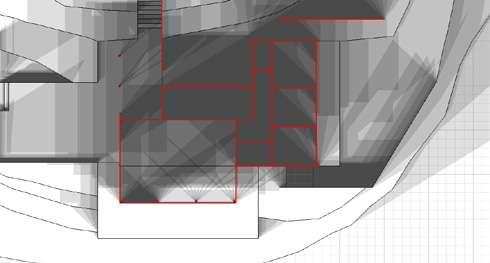
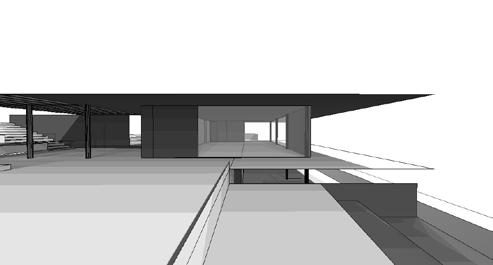
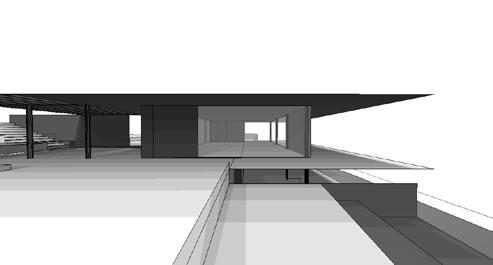
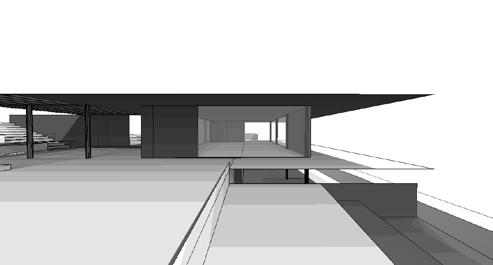
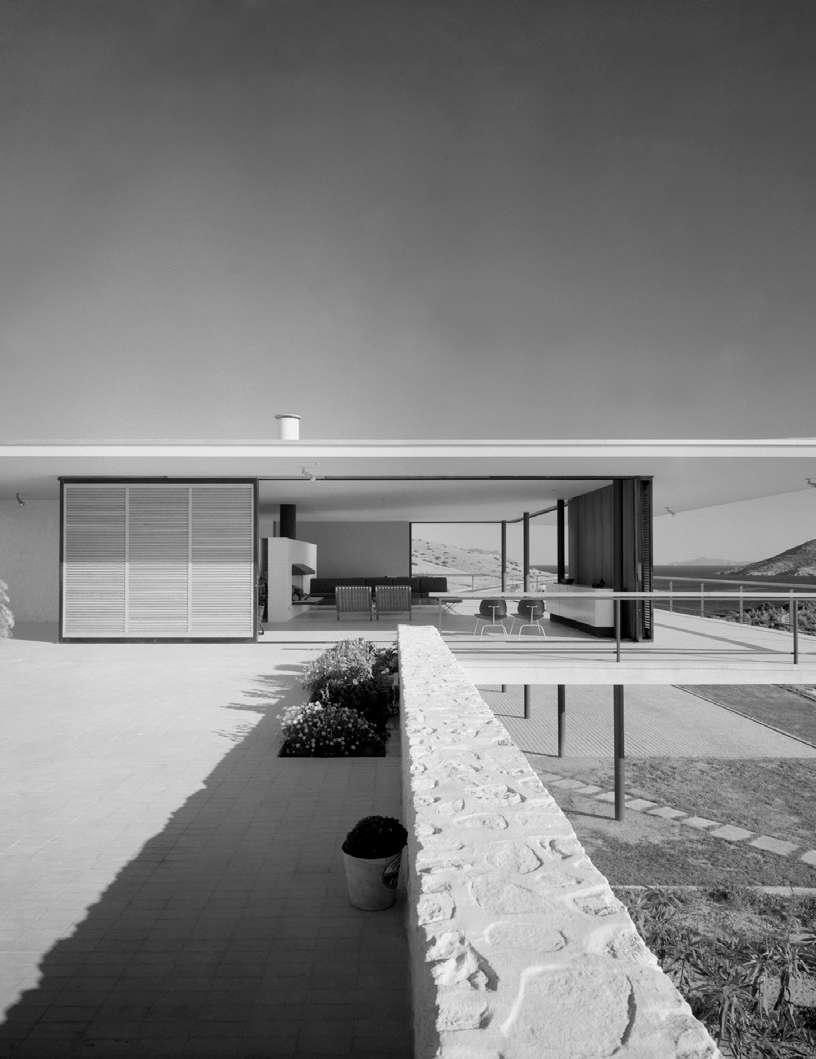
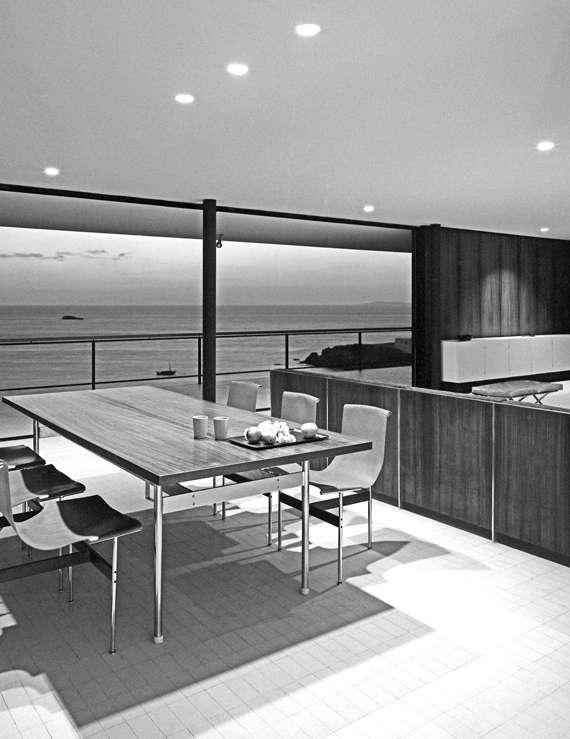
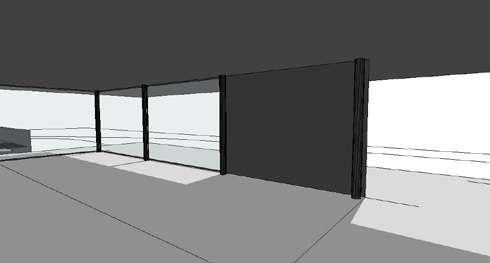
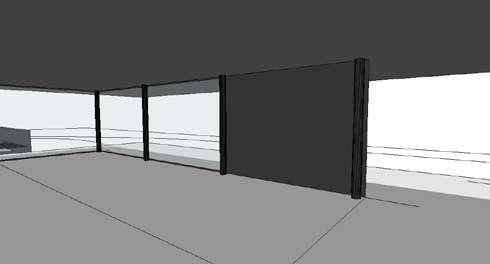
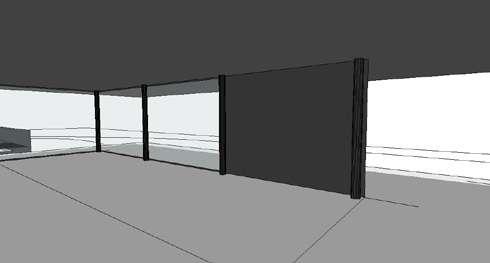
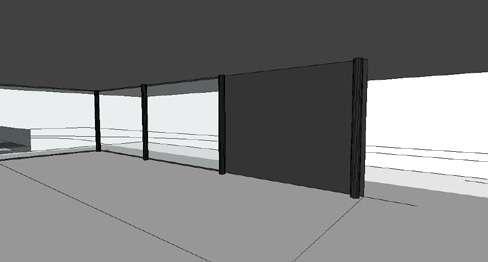
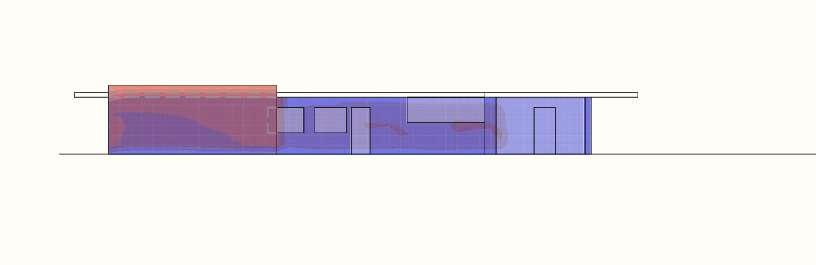
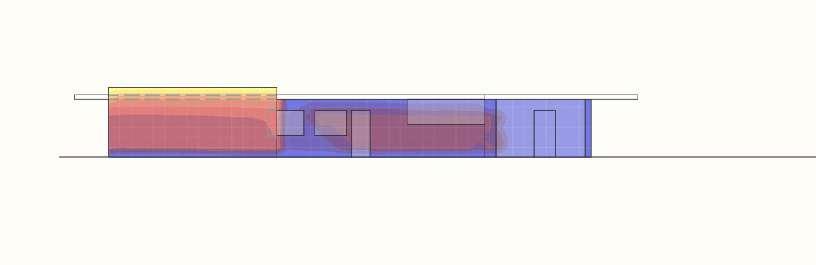
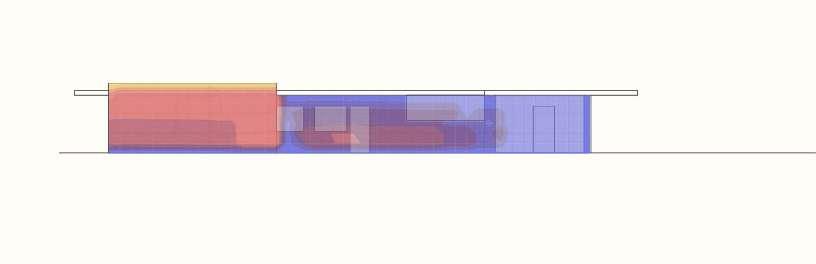




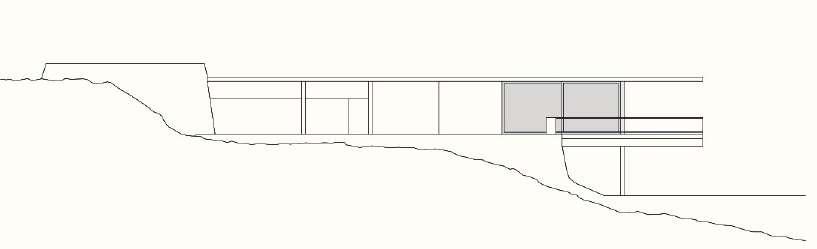
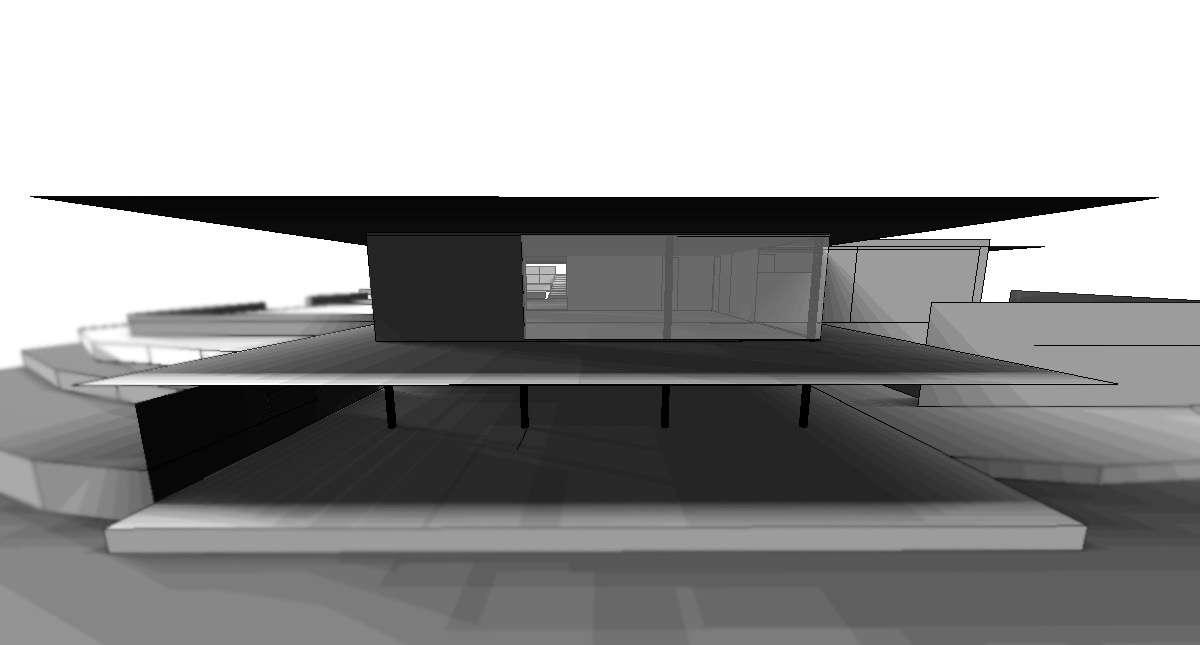
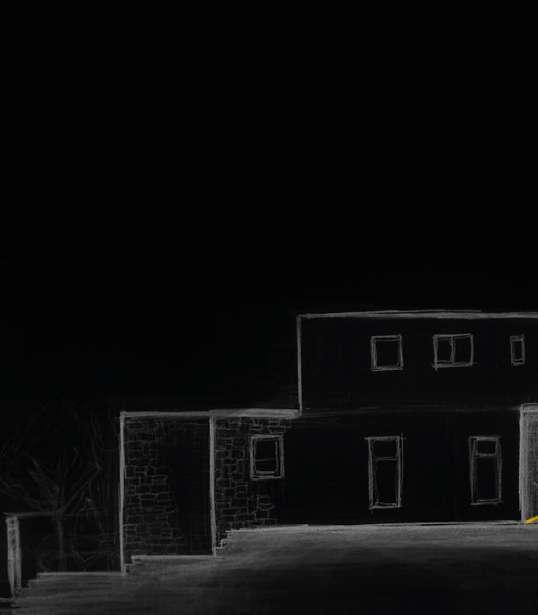
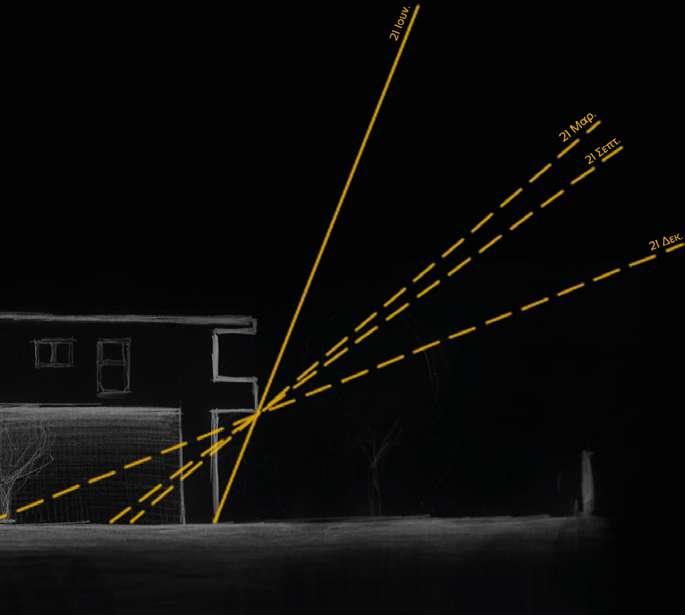
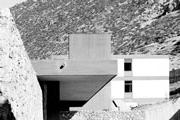
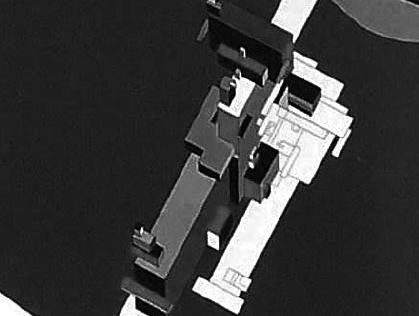
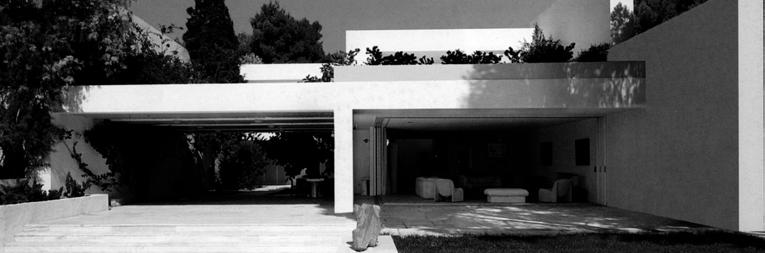
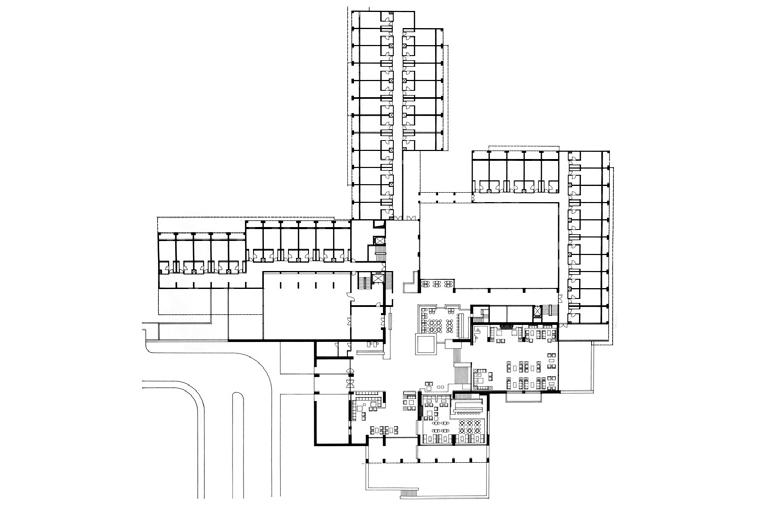
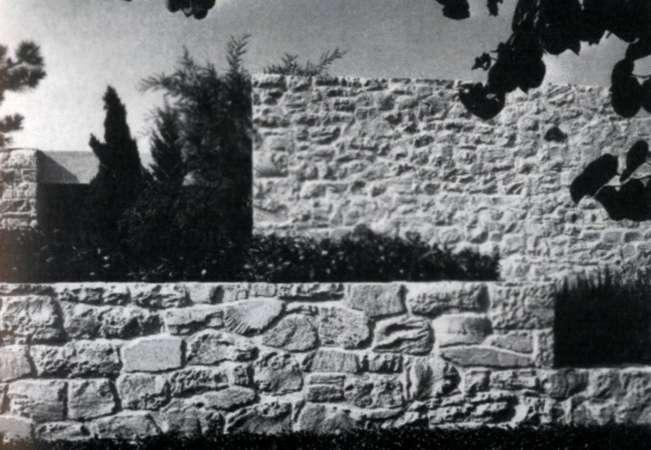
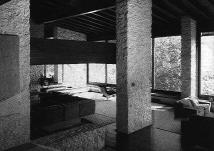
99 Elias Constantopoulos, Nicos Valsamakis, 1950-83, 9H PUBLICATIONS, σελ. 48-49.
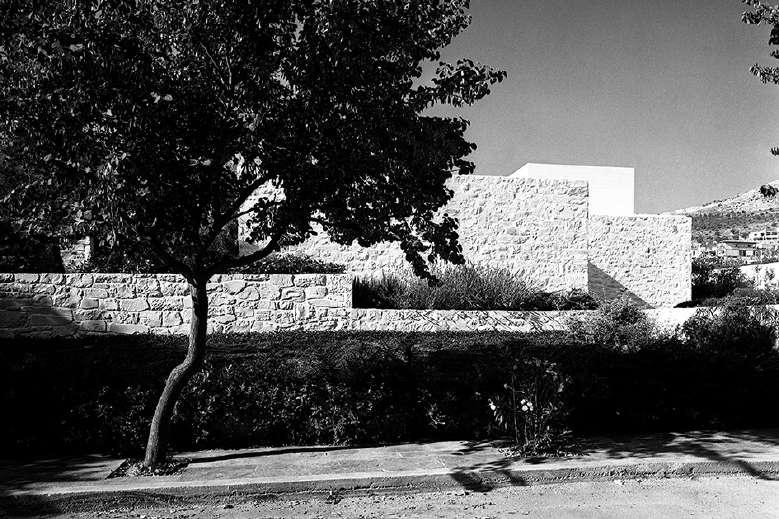
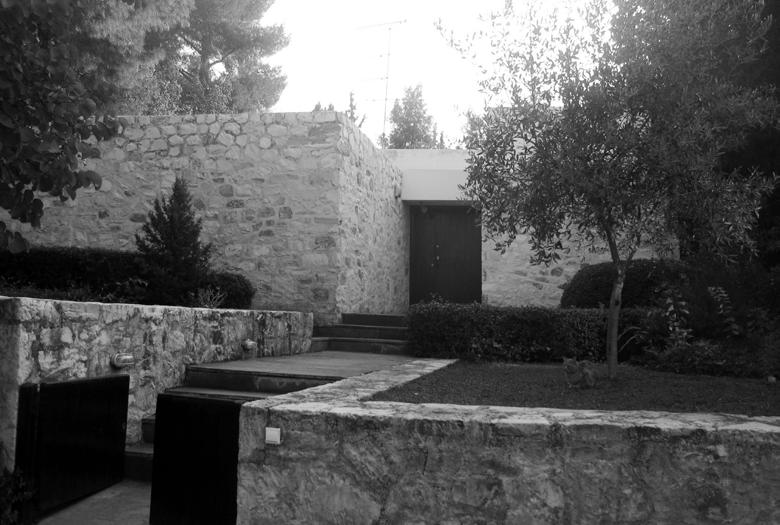
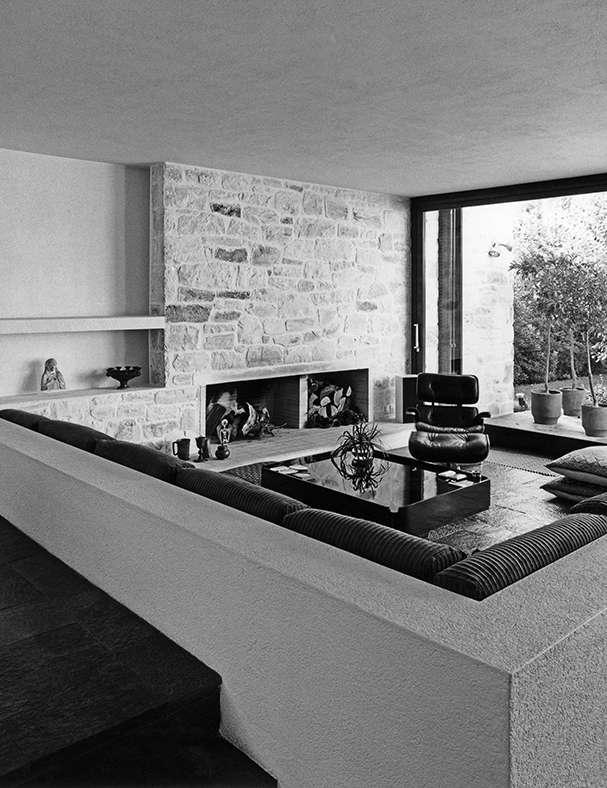
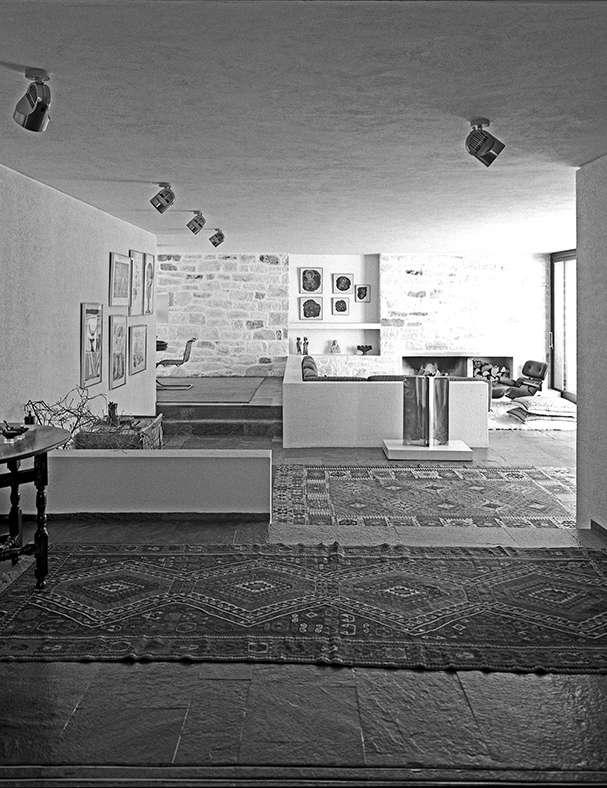
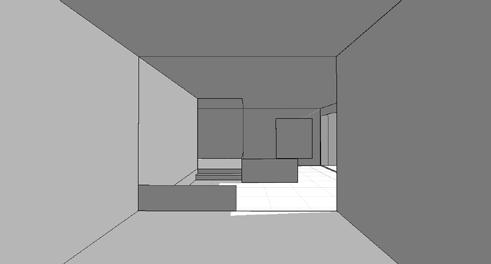


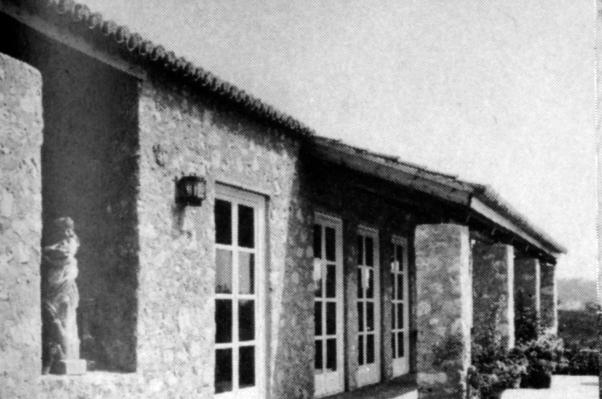
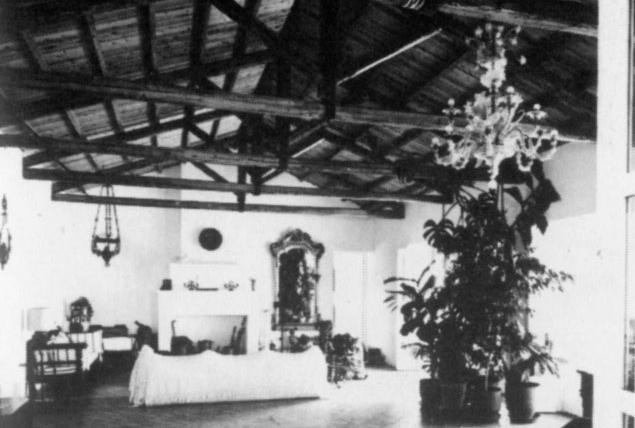
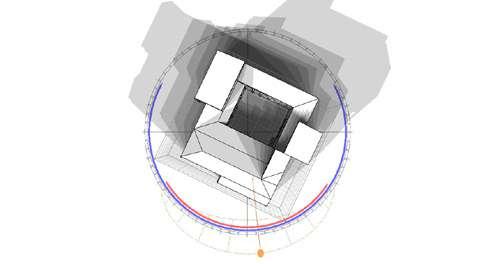
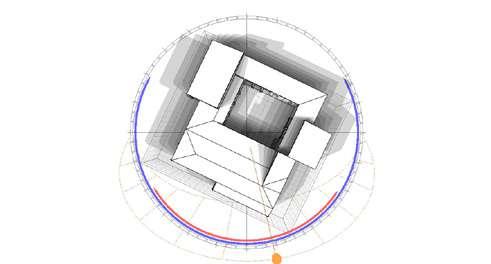


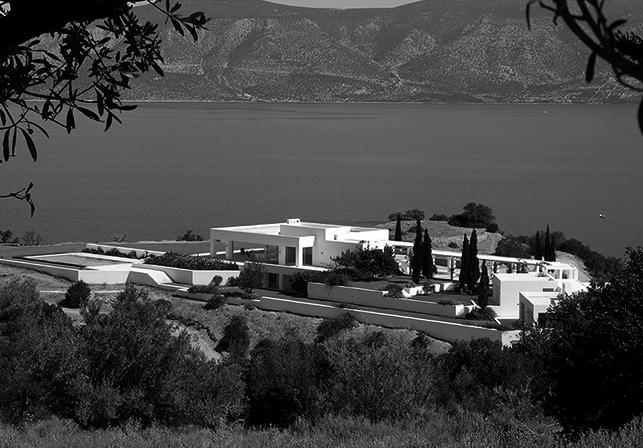
106 Κarin skousbøll, Greek Arxhitecture Now, Studio Art Bookshop, Athens, Greece, 2006.
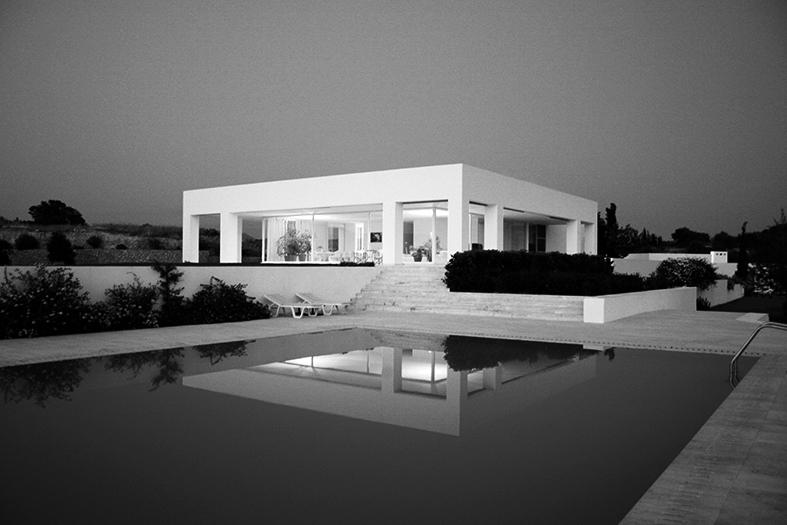
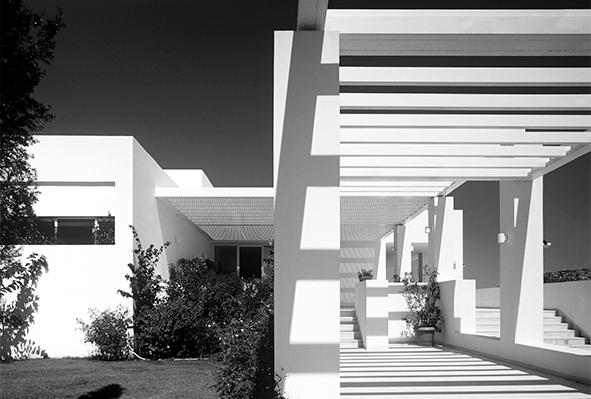
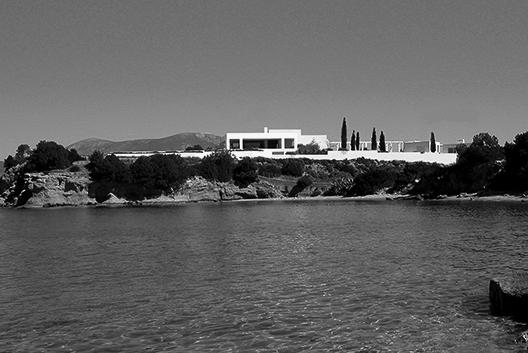







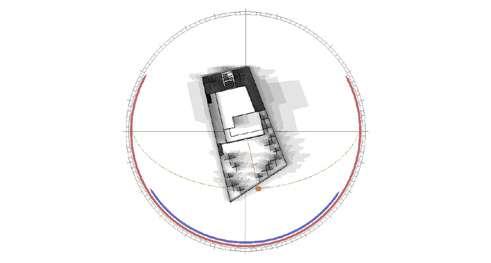
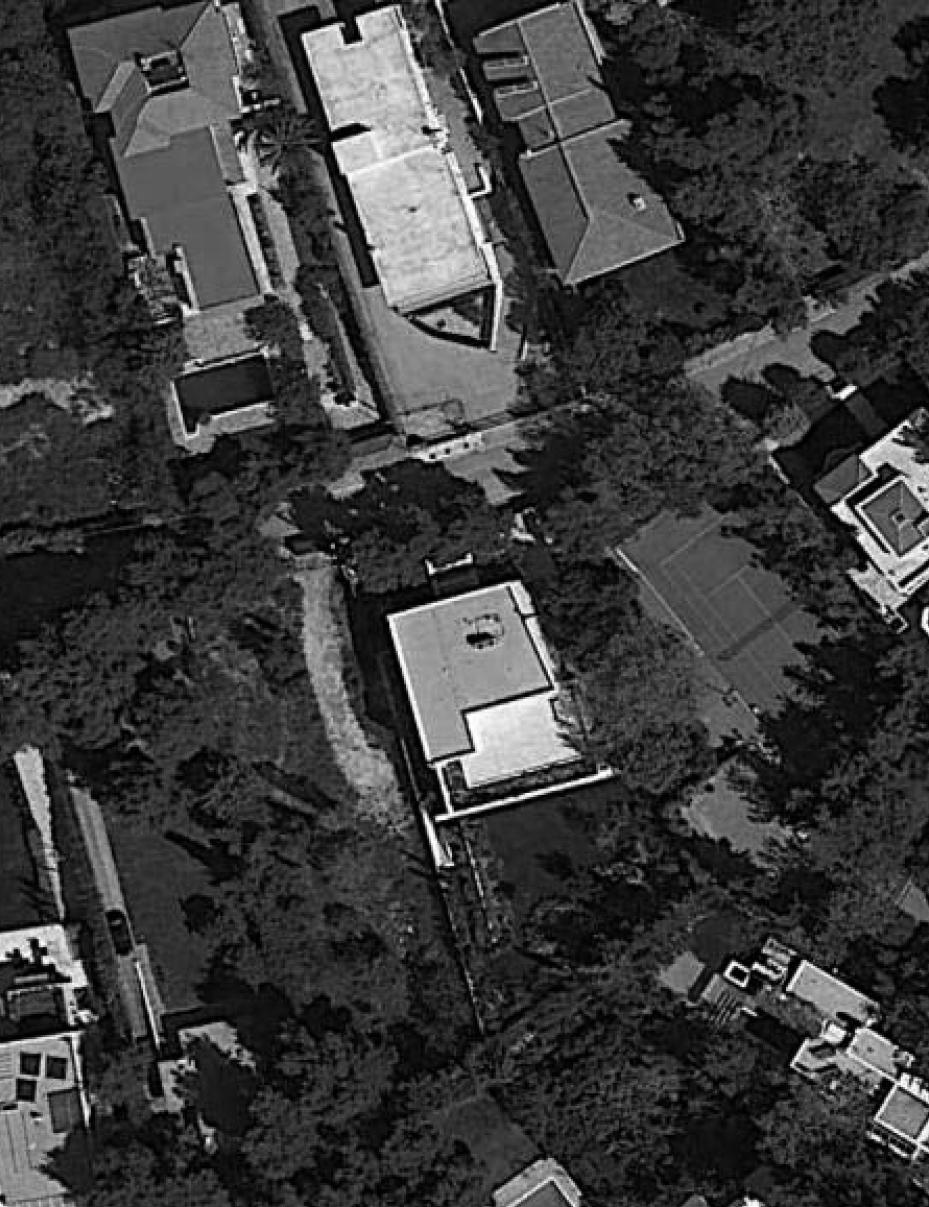
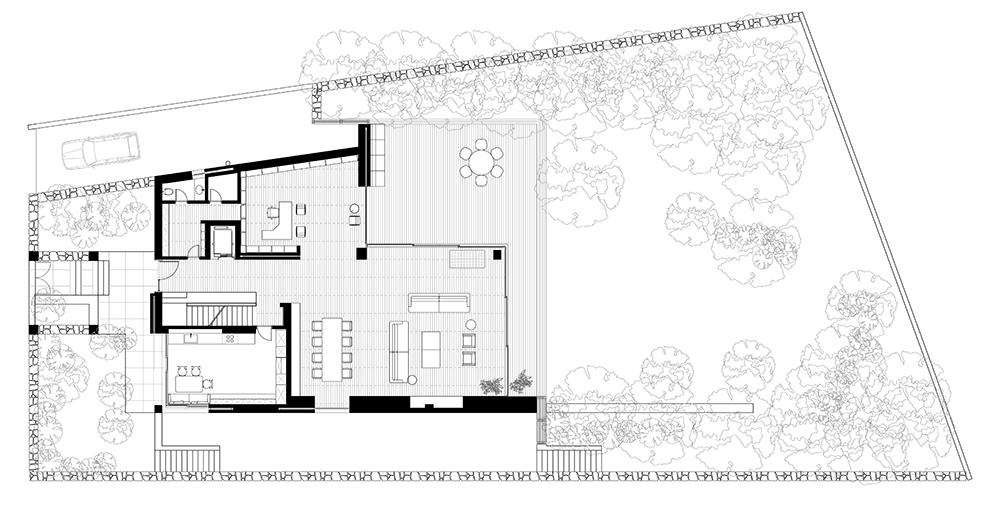
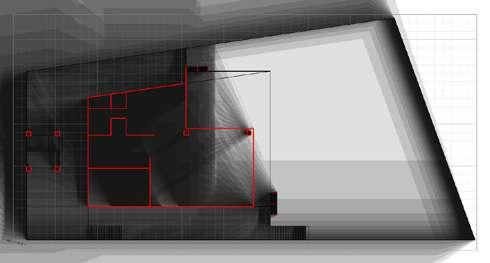







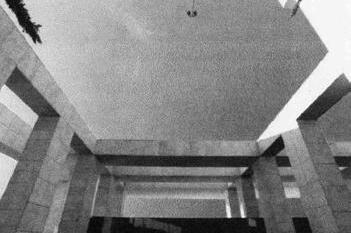
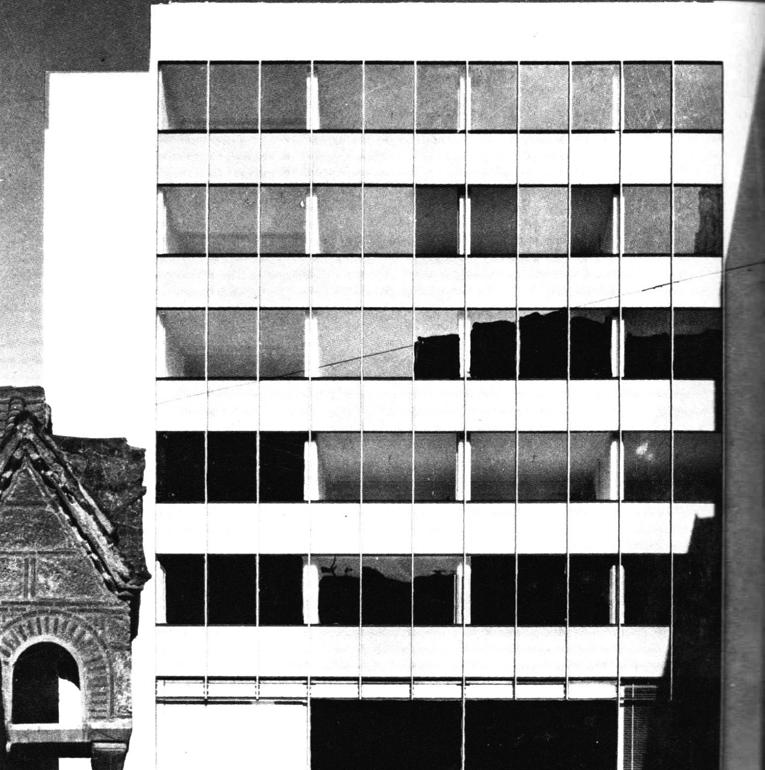
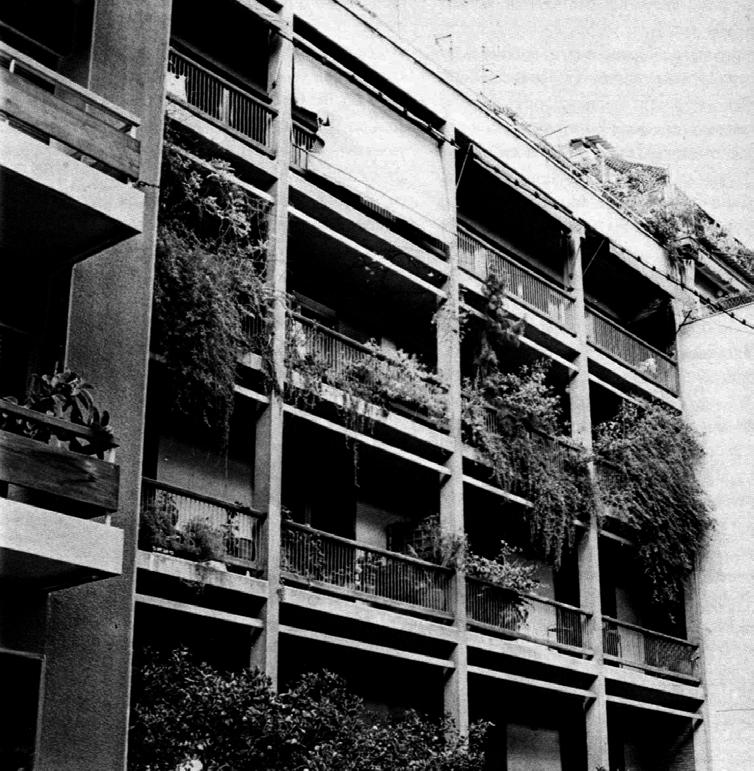
Built Environments and enviromental buildings, Proceedings Volume 1, Technische Universiteit Eindhoven, The Netherlands, 2004.
Flora Bougiatioti και Aineias Oikonomou, The use of different instrumentation for the measurement of surface temperatures of samples of materials used in the “skin” of Greek cities.
Angeliki Chatzidimitriou and Simos Yannas, Microclimatic Studies of Urban Open Spaces in Nothern Greece, Built Environments and enviromental buildings.
John R. Goulding,
Improving Air Movement in Mediterranean Cities, ECOPOLIS, Sustainable Planning and Design Principals, Evangelos Evangelinos, Dimitra Babalis (edit.), ALINEA
EDITRICE, Firenze, 2005.
Solar energy and Housing Design, Volume 1, Yannas Simos, Architectural Association Publications, London, 1994.
Architecture and the Environment, BIOCLIMATIC BUILDING DESIGN, DAVID LLOYD JONES, Laurence King Publishing, London, 1998.
Passive Solar Architecture for Mediterranean Area, Colombo R., Landabaso A., Sevilla A., Joint Research Centre, Commission of the European Communities, 1994.
Greek Architecture Now, Κarin skousbøll, Studio Art Bookshop, Athens, Greece, 2006.
Αtelier 66. The architecture of Dimitris and Suzana Antonakakis, Κ. Frampton (επιμ.), New York 1985.
NICOS VALSAMAKIS, ELIAS CONSTANTOPOULOS, 1950-83, 9H PUBLICATIONS.
2.10.1988.
Αρχιτεκτονικά
15, 1981
15, 1984.
27, 1993.
33, 1999.
30, 1996.
34, 2003.
30, 1996.
31,
Nikos Papamanolis, Despina Dimelli, Lemonia Ragia, The Urban Heat Island Intensities in Greek cities as a function of the characteristics of the built environment, 9th International Conference on Urban Climate and 12th Symposium on the Urban Environment, Toulouse France, 2015.
Itia.ntua.gr
Bountas, N., Investigation of urban heat island in Greek cities, 2014.
cres.gr
buidnet.gr
greekarchitects.gr
Wikipedia.com
Domesindex.com
weloveathens.gr
mixanitouxronou.gr
NICOS VALSAMAKIS, ELIAS CONSTANTOPOULOS, 1950-83, 9H PUBLICATIONS.
NICOS VALSAMAKIS, ELIAS CONSTANTOPOULOS, 1950-83, 9H PUBLICATIONS.
colinbisset.com
NICOS VALSAMAKIS, ELIAS CONSTANTOPOULOS, 1950-83, 9H PUBLICATIONS.
NICOS VALSAMAKIS, ELIAS CONSTANTOPOULOS,
Αρχιτεκτονικά
NICOS VALSAMAKIS, ELIAS CONSTANTOPOULOS, 1950-83, 9H PUBLICATIONS.
NICOS VALSAMAKIS, ELIAS CONSTANTOPOULOS, 1950-83, 9H PUBLICATIONS.