Best Chains and Binders for Secure Cargo Loads
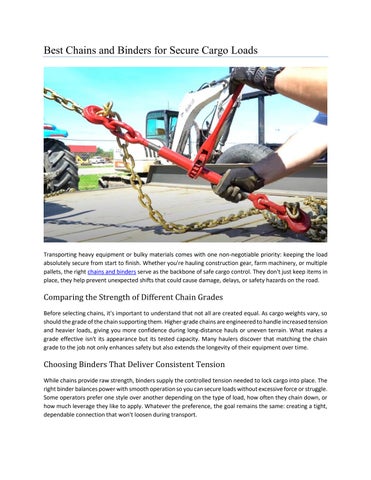
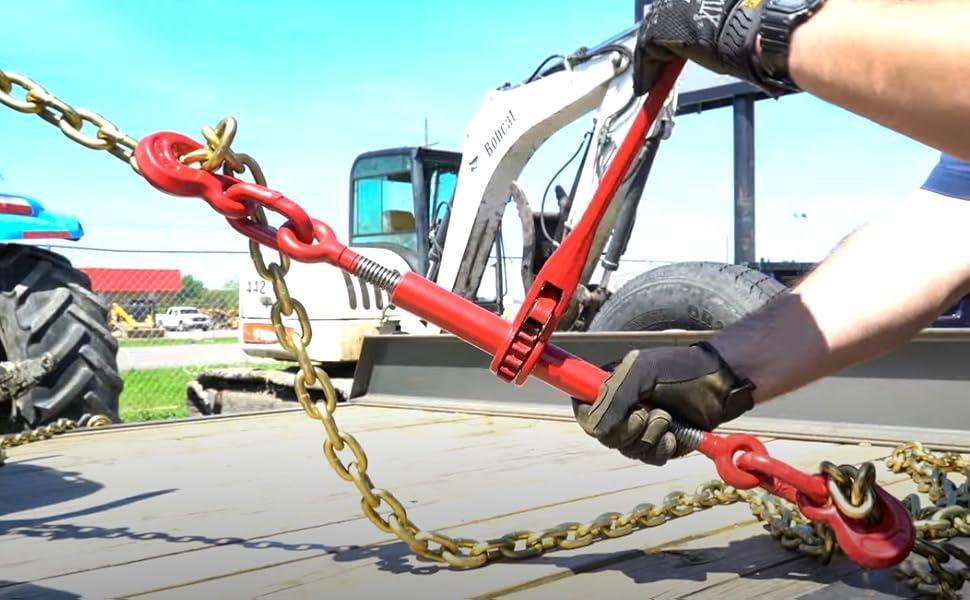
Transporting heavy equipment or bulky materials comes with one non-negotiable priority: keeping the load absolutely secure from start to finish. Whether you're hauling construction gear, farm machinery, or multiple pallets, the right chains and binders serve as the backbone of safe cargo control. They don't just keep items in place, they help prevent unexpected shifts that could cause damage, delays, or safety hazards on the road.
ComparingtheStrengthofDifferentChainGrades
Before selecting chains, it's important to understand that not all are created equal. As cargo weights vary, so should the grade of the chain supporting them. Higher-grade chains are engineered to handle increased tension and heavier loads, giving you more confidence during long-distance hauls or uneven terrain. What makes a grade effective isn't its appearance but its tested capacity. Many haulers discover that matching the chain grade to the job not only enhances safety but also extends the longevity of their equipment over time.
ChoosingBindersThatDeliverConsistentTension
While chains provide raw strength, binders supply the controlled tension needed to lock cargo into place. The right binder balances power with smooth operation so you can secure loads without excessive force or struggle. Some operators prefer one style over another depending on the type of load, how often they chain down, or how much leverage they like to apply. Whatever the preference, the goal remains the same: creating a tight, dependable connection that won't loosen during transport.
EnsuringProperFitBetweenChainsandBinders
A secure tie-down system depends on how well your chains and binders work together. When the components match in size, strength, and build, the entire setup performs more reliably. This alignment helps distribute tension evenly and reduces the risk of failure at connection points. Even small mismatches can create weak spots, so it's worth double-checking compatibility before heading out. Over the years, I've found that grabbing properly paired equipment, often from places like DC Cargo Mall, where configurations are easy to understand, saves time and prevents second-guessing on the job.
HandlingandInspectingTie-DownEquipment
With constant exposure to weather, friction, and heavy loads, both chains and binders require regular inspection. Checking for wear, rust, stretching, or deformities may seem tedious, but it's one of the simplest ways to prevent bigger problems later. Just a few minutes of careful inspection before each trip can reveal issues early, ensuring your equipment remains dependable. Maintaining gear isn't just about following best practices it's about protecting your investment and ensuring the safety of everyone involved.
BuildingSaferHabitsforTransportingCargo
Even the best chains and binders only perform as well as the habits behind them. Taking time to secure loads intentionally, confirming tension, and revisiting each connection before departure helps establish routines that reduce risks. These habits build confidence not only in your equipment but in the entire loading process. Over time, this consistency strengthens your hauling workflow and leads to smoother, safer trips.
FinalThoughtsonChoosingWhatWorks
Selecting the right chains and binders ultimately comes down to understanding your load, respecting safety standards, and choosing equipment that aligns with your hauling needs. When you approach tie-down gear thoughtfully, you ensure every trip is supported by stability, strength, and peace of mind.