A Prayer for Seasons of Growth
Steadfast God,
I need your fatherly care in these days of change, for myself and for my children.
Their changes are expansive and reaching, like load-bearing walls being built on the foundation of who they are becoming.
My changes are subtle and disorienting, like giving away clothes I no longer need, growing in humility more than stature.
This dual stretching can sometimes feel exhausting, and I lack the strength I need to guide my children well.
So again I find myself at your feet, Lord, asking for your wisdom, asking for your strength.
Be the shepherd of our lives through these parallel seasons of growth. May we be a family characterized by love and grace in a volatile and frenetic culture.
We need your gentle wisdom to anchor our home, to anchor our hearts.
When everything around and within us swirls and shakes, you, Lord, are steadfast and faithful.
Our unchanging Father, trustworthy and wise in all you do.
Amen.
Features
8–12
One Long Surrender: Alli R. Dahlgren
The identity shift of early parenting, combined with the pace of change, can be disorienting at best. The love we have for our kids can quickly turn into a grasping for control if we don’t learn to trust God and let go. Follow one mother’s journey of discovering that life is much more joyful when we live with open hands.
16–21
This Is a Season: Andrew Osenga
What stands when the ground under you begins to shake? Where do you find your footing when a life-altering diagnosis comes on the heels of sending your oldest off to college? Andrew beautifully reminds us that through every season of life—if things are not wonderful, they are not eternal.
54–58
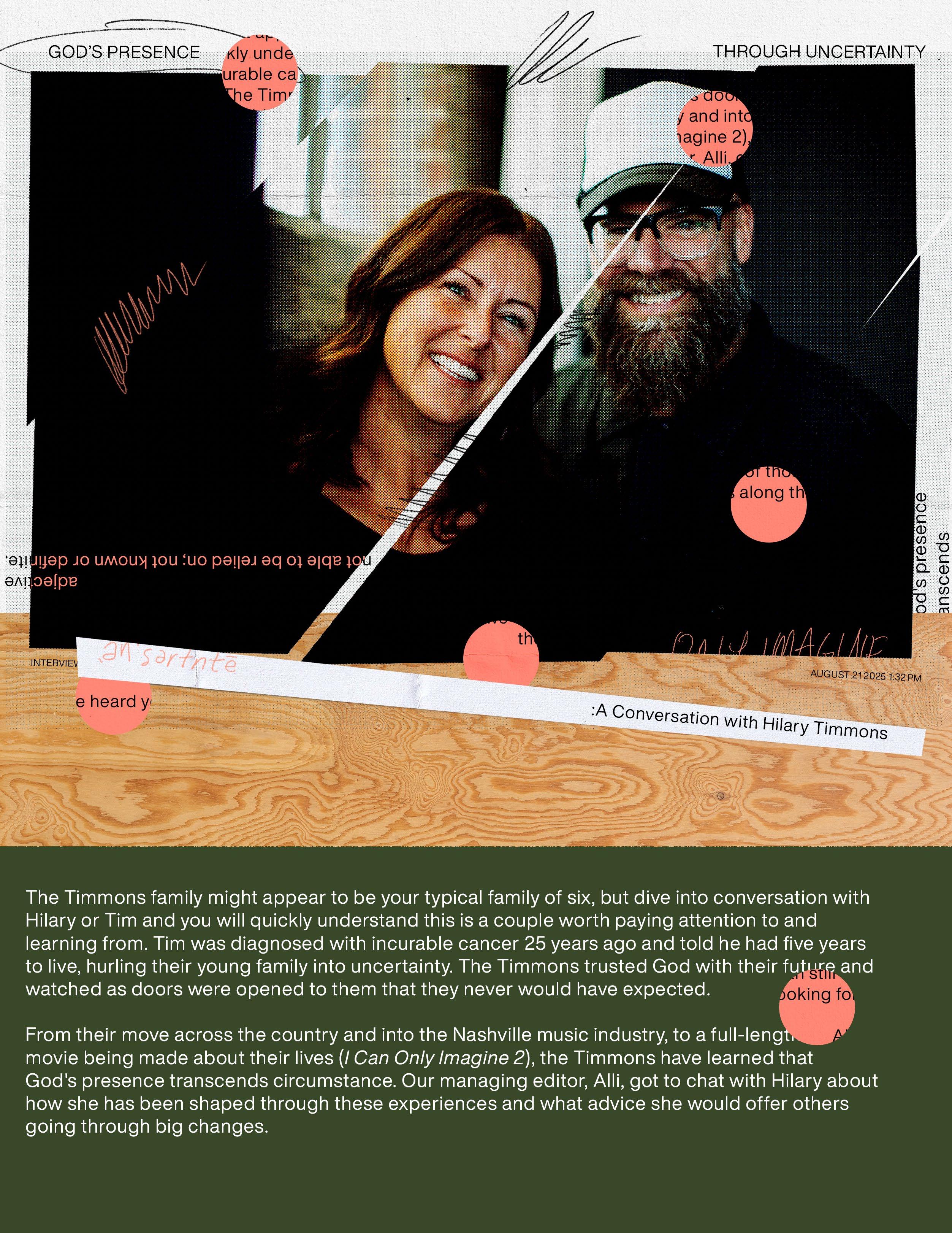
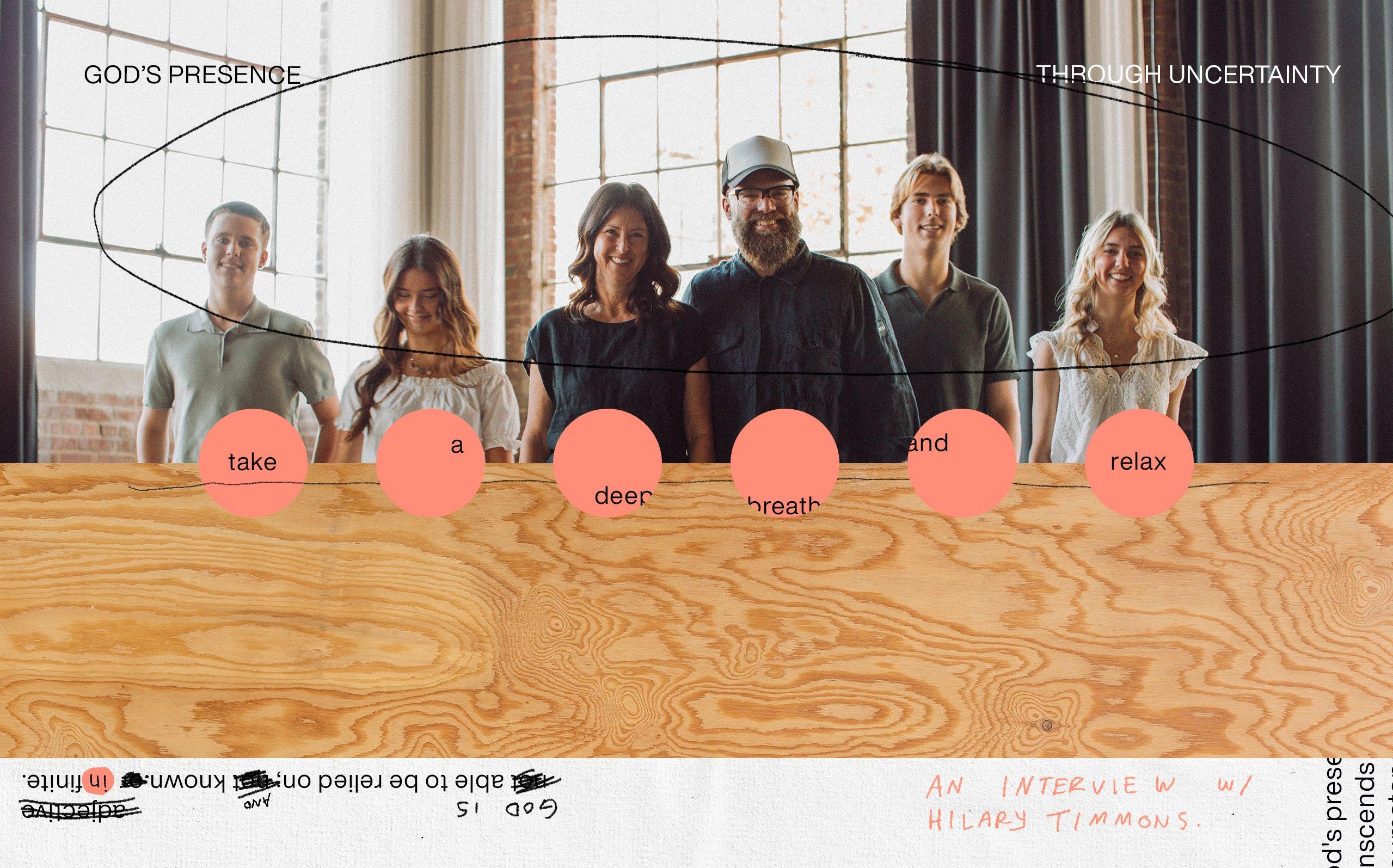
God’s Presence Through Uncertainty: A Conversation with Hilary Timmons
The Timmons family has an inspiring story featured in the new movie, I Can Only Imagine 2. We got to talk with Hilary about parenting during some of their biggest changes. Hilary is down-to-earth and wise, and has real insight to share on the power of presence through life’s trials.
Contents
14–15
Sincerely, Tim—Change Is a Constant: Tim Kimmel Hard-won wisdom from the founder of Gracebased. How can we stay connected and hopeful when our adult children veer from the path we had hoped for them?
24–25
Advice from a Stage Ahead—Parenting Middle Schoolers: JJ Heller Middle school can be the Wild West of parenting! JJ offers some sensible and compassionate advice as a parent who has been there twice before.
26–27
Helping Kids Navigate Change: Tips from Megan Hunt Change is life’s great character builder. Here are some practical tips to help cultivate strength and courage in our kids when life throws them curveballs.
30–51
Photos of Families in Seasons of Change: Photo Journal From a family of Ninja Warriors, back to school for all, and brand-new baby number two —see how these three families stay connected in the midst of life transitions.
60-61
A Prayer for Changing Schools: Cheree Hayes
68-69
Of Bracken, and Other Natural Fractals, as an Image of the Unfurling Soul: Poem by Paul Pastor
Itry to run by rivers as often as I can in the mornings. Despite the routine of the run, the usual slew of walkers, runners, and bikers I nod at as I put one leg in front of the other, the river is never the same. The constant flow of water against the familiar trees and riverbanks ground me in my everyday reality of family life.
Sometimes change happens quick, like the fast-moving snowmelt in early spring. Sometimes it ambles slow and gentle, like the river in late August. Sometimes change feels steady and unrelenting, and sometimes it moves unnoticed through the ancient trees and bedrock of the forest.
However it happens, change is constant. Daily. And for families, that daily change can be hard. From big changes like a move across the country to the common change of passing on hand-me-downs you no longer need, change is always there. Little deaths and births every day that we endure and celebrate.
When Alli, our managing editor, pitched the idea of an entire issue dedicated to change, an issue that explores how grace both prepares us and sustains us in the inevitable flow of life, we all just nodded and said, “Yep!” We understood the need without convincing.
I have loved being a witness to the big and little changes of families in this issue. A mom learning to flow and not fight the inevitable change of kids growing up. A father holding on to the grace rooting him through seasons of big and little griefs. A life-altering cancer diagnosis. A family getting their kids out the door for the first day of school. A new baby. A new job.

Every story is a glimpse into the extraordinary and mundane. And every story a portrait of God’s grace, flowing like a river. Whatever season you’re in, whatever change is flowing around you, I hope this can be a tether to the never-changing grace of God. Or as Alli writes, an invitation to “let it come…let it build…let it stay…let it work…let it change.”
Cody Kimmel Editor in Chief

Contributors

Cody Kimmel Editor in Chief
Cody Kimmel is the executive director of Gracebased. He is a writer, musician, former pastor, and host of Lightcatchers Podcast. He lives in Portland, Oregon, with his wife, four kids, a big dog named Wendell, and a kitten named Ruby.

Alli R. Dahlgren
Managing Editor
Alli is a writer and creative writing workshop facilitator for adults and teens. A former Nashville artist and songwriter and a recent contributor to Every Moment Holy, Vol. 3, she lives in Portland with her husband and their two children, dogs, and honeybees.

Megan Hunt
Contributing Writer
Megan is a practitioner of Trust-Based Relational Intervention (TBRI). She and her husband, Logan, are parents to six kids and are passionate advocates for foster care and adoption.

Cheree Hayes
Contributing Writer and Copyeditor
Cheree is a wife and mom of three in the Pacific Northwest. She is a discipleship pastor and freelance writer whose work has appeared with Bible Project, Practicing the Way, YouVersion, and more. She delights in creating spaces where people encounter Jesus and grow in faith.

Cornelius Martin
Featured Photographer
Cornelius is a photographer from Portland, Oregon. He lives in the bay area with his wife, Whitney, and twin daughters.

Jacob Cowdin Design Director
Jacob is a designer and creative director from Portland, Oregon. His roots are steeped in coffee, skateboarding, motorcycles, and a love for the outdoors.

Dr. Tim Kimmel
Founder/Columnist
Dr. Tim Kimmel is the founder of Gracebased and author of 15 books including Grace Based Parenting and Grace at Work. He lives in Scottsdale, Arizona, with his wife of more than 50 years.

Andrew Osenga
Contributing Writer
Andrew is a Nashville-based songwriter, author, and leader of Anchor Hymns, a community of artists creating new, sacred songs for the modern church. He also writes on faith and culture through his Substack and podcast, The Pivot. His first book, How to Remember, was released in 2025.

JJ Heller
Contributing Writer
JJ crafts thoughtful songs that speak to the child in all of us. For 22 years, she and her husband, Dave, have made music full time—releasing 18 full-length albums. She continues to share new music through her beloved I Dream of You series.

Paul J. Pastor
Contributing Writer
Paul is a poet, writer, and editor whose work explores the inner life of the world through nature, literature, and Christian spirituality. The author of several books, he serves as executive editor for Nelson Books at HarperCollins and lives in the Columbia River Gorge with his wife and three children.

Ash LaMattino-Perlberg
Issue Photographer
Ash lives in Portland, Oregon, with her kids. She runs her business, weenophotography, and is the girl behind the camera.

Neal Johnson
Segment Photographer
Neal is a photographer based in Cedar Falls, Iowa. He and his wife, Courtney, have been documenting with cameras together since 2015.

We broke one of the core rules of parenting toddlers: Always bring snacks
The excitement of cruising through the San Juan Islands on our friend’s new boat had overshadowed some common-sense planning. After driving up through Seattle traffic on a Friday night, we met them in the marina and hastily embarked to try to beat the sunset. We failed. The boat ride out to the crescent-shaped Sucia Island took much longer than we thought, and by the time we put down our anchor, we were in complete dark under a moonless sky. The two dads paddled to shore to set up camp while Meredith and I tried to entertain five kids under the age of six.
The bigger boats in the harbor were buttoned down for the night, their windows probably closed to the sound of screaming children up past their bedtime. Our boat was too small to sleep on and too new to be stocked with things like snacks. This is when a singer like me should have pulled out some Disney songs—one of my best tricks to distract whining littles. But no. I was too busy ruminating over all the things we should have done differently. I joined the whining. Why was it taking the dads so long to find camp? Why didn’t we bring more toys? An iPad charger at least? We still had to load up all our gear into the small dinghy, row to shore, and somehow get the kids to sleep in this mosquito-infested bay.
When we were finally off the boat, my husband, Kirk, confessed he hadn’t actually brought our tent, and we would be sharing our friends. They had a dividing wall! It was like two tents in one! He might as well have told me we would be sleeping in the dinghy. I was so stuck in my frustration I couldn’t access any ounce of perspective to enjoy what happened next.
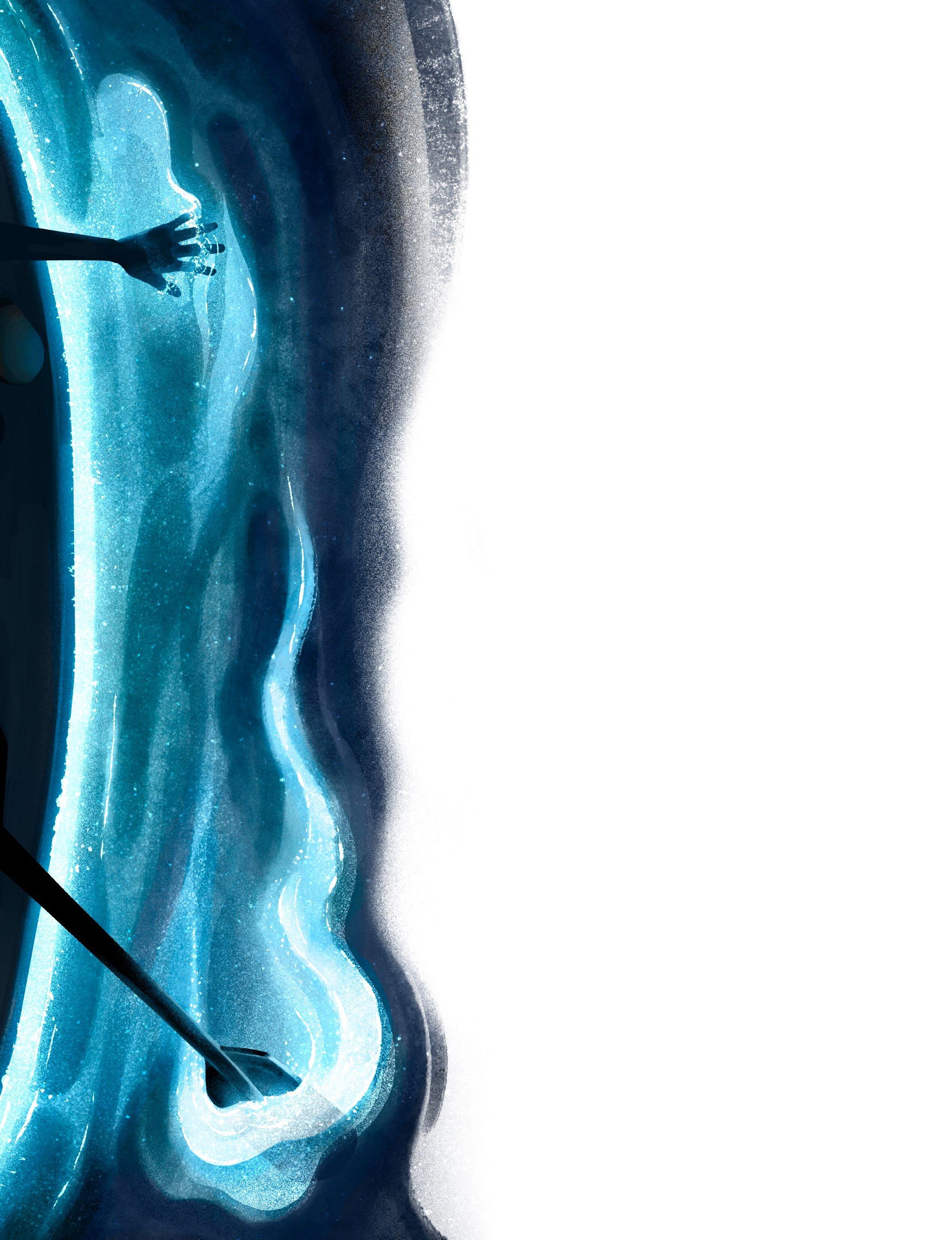
“The oars!” someone yelled. “They’re glowing!”
Every time the oars hit the surface of the ocean, the water around them glowed electric blue, like something straight out of Moana. This would have been a perfect moment for me to snap out of my pouty mood, maybe break into the chorus of “How Far I’ll Go,” but my bad attitude continued. Everyone “oohed” and “aahed” as Eric explained bioluminescence to us: the emission of light by tiny living organisms like plankton. The light is actually a chemical reaction in their cells and is a defense mechanism they employ when disturbed by something like a paddle moving across the water.
Many people don’t get to see this phenomenon outside of the blinking of a lighting bug.
It was a once in a lifetime experience, and still, I got to shore and responded to Kirk’s exclamation of “This is so fun!” with an exasperated, “This is NOT my idea of fun.”
Behind me and my impetuous resistance, the kids were swishing their hands across the water, watching the trail of luminous light follow every movement like magic. And I was completely missing the moment.
This stubborn streak of mine hasn’t always been a bad thing. It’s part of the reason I wanted to give birth without pain meds. Just to see if I could do it.
During both of my pregnancies, our midwife, Susie, taught us some simple phrases to help me through contractions. Let it come...let it build...let it stay...let it work. We had practiced in the weeks leading up to delivery and it seemed silly at the time: Kirk next to me on the couch, helping me through pretend contractions. But when the actual pain of labor hit, those phrases were my anchor. Susie taught me that resisting a contraction would only make it worse, so the way through the pain was by welcoming it in and trusting that it wouldn’t stay forever. Let it come... she taught me. Let it stay.
I was ready to be a mother. After years of playing music and traveling, skipping college and marrying young, seeing my face on posters and signing autographs for eager teenagers at church camps, the introvert in me was ready for some quiet hours at home. I dreamt of planting a garden and learning how to make chicken soup without a recipe. Every new parent’s circumstances are different, as are their feelings about the transition, but I can say this with certainty: becoming a parent always comes with a major shift in identity.
For me personally, the idea that no one’s paycheck was dependent upon how well I changed a diaper became a bit of a freedom. Instead of singing into a microphone, I was singing over James as I rocked him to sleep. I wasn’t Alli Rogers anymore; I was Mom. My purpose in those early days was always the same: Keep this baby alive, and keep myself alive. What I didn’t anticipate was how quickly the years go by and how soon I would need to revisit the parts of myself I had left behind before I became a
mother. As the kids grew, my lack of control over daily life became a point of anxiety rather than what it should have been: an arrow pointing me to God.
Did I mention the weekend we spent on Sucia Island preceded James’s first Monday of kindergarten? No wonder I was a nervous wreck. I wasn’t just sending my firstborn off to public school; I was lamenting my inability to slow down the sunset. That dark night in the San Juans represented a white flag I was not yet ready to wave. I remembered a truth I had underlined from Debra Rienstra’s thoughtful book, Great with Child. It echoed what Susie had taught us, and would become a lighthouse for me later on.
“Mary’s [mother of Jesus] task was the bearing and raising of a child, which can operate as a symbol of all things that require great effort and bear fruit far beyond the personal rewards involved. But the literal bearing and raising of a child is indeed a calling, a mission, and moments of joyous surprise and expectation have the shadow of a cost. I think this is why the first several weeks of pregnancy typically feature an assortment of discomforts: we need reminding, and this is especially true in our self-indulgent culture, that if we foolishly imagine for a minute that parenthood is an accomplishment or achievement or right, sooner or later something will smack us with the realization that it is, above all, a surrender.”
This image of Mary’s surrender planted a seed in my mothering heart, but it took several more years before I would absorb what it had to teach me. I was still clinging to my children, villainizing everything that threatened their safety or happiness. This tight grip impacted my marriage as well. I avoided date nights because I didn’t want to leave the kids. We didn’t have any family in town and I wasn’t able to enjoy myself when I left them with sitters. My identity was so dependent on theirs; I hardly knew who I was without them. It’s a good thing to love your kids deeply, of course. But it’s human nature to take good things and distort them, and this is exactly what I was doing. Instead of deepening my trust in God with each new season of parenting, I was kicking and screaming and resisting the growing pains as if I had learned nothing from labor.
The smack of realization came for me through the biblical account of Eve, the OG mother herself. Genesis 4 is bookended by statements from Eve after giving birth to two different sons. After Cain is born she says, “With
the help of the lord I have brought forth a man”(Gen 4:1 NIV). At first glance, this sounds perfectly reasonable. But, when we dig a little into the original language, we see more clearly where her heart was. The Hebrew word that was translated in the NIV as “with the help of” is a single word that is often translated as simply “with” and which actually means “in comparison to.” Tim Mackie explains this in a BibleProject podcast episode titled The Abraham Experiment. Tim helps us understand how this word is used elsewhere in the Bible when he says, “For example, in the Ten Commandments, don’t make any Gods with me. Literally, in Hebrew, don’t have any Gods with me. Namely, don’t have any gods in comparison with me” (Exodus20:23).
With this understanding, it is as if Eve was saying “In comparison with the Lord, I have brought forth a man.” She is actually putting herself on an equal playing field with the Creator. Honestly, I can relate to that impulse. Giving birth is the most powerful thing I’ve ever done. Our bodies incubate an actual human baby for nine months and then we produce milk to sustain them for months or years after birth. This feels like a superpower! Even in the mess and vulnerability of it all, birthing a child is mysterious and transcendent. I understand why Eve would hold up her firstborn child and feel like a bit of a goddess.
Tim Mackie goes on to say this story of Eve is a “portrait of a human whose existence is a gift to them and whose power to do anything productive to create is itself a gift. But the psychology of the gift is that you can forget—you can begin to take for granted the thing that you’ve been given, and treat it as if it’s yours.”
Woah. This hit me hard. I was doing this very thing. Treating my kids as if they were my possessions. As if my proximity to them was the thing that would protect them. As if my power and my love for them were the things keeping them alive.
I saw myself on Sucia Island, completely missing the gifts in front of my eyes because I couldn’t get past the stress it took to get us there. I saw myself later that week crying in front of the school building as my son happily went off to his first day of kindergarten. The kind of mother I thought I would be was not the mother I actually was. I was being so foolish.
By the end of Genesis 4 we hear another statement from Eve, this time after the birth of her son Seth. “God has
granted me another child...” is how she begins, showing her clear change of heart and humble posture. This time, she acknowledges her role as a gift receiver, rather than creator. I can picture her eyes here, surrendered like Mary’s, understanding she has no power that God has not given her.
In that moment, I saw all the ways I had tried to be goddess of my own kingdom. I was clinging to my children in a way that was only going to hold them back from the individual lives God invites them into. Their stories are interwoven with mine, but they are not mine. God has given us such abundant gifts, such beautiful days I never could have orchestrated. This insight into Eve’s heart helped me see: The liability of abundance (a phrase borrowed from BibleProject) lies in our human tendency to fear losing what we have, which can lead us to hoard and hold things too tightly, sometimes hurting others in the process.
I slowly began to unfold my clenched fingers and live with open hands. I saw a counselor who helped me understand some baggage I was carrying around as a result of my young music career. A spiritual director noted my resistance to trusting God and posed a question I still think about. “I can see you are an imaginative person,” she


CHANGE IS A CONSTANT.
At least that’s what conventional wisdom tends to preach. My assessment of conventional wisdom is that most of the time it misses the mark. But on this, I think it nailed it. We live in a system that assumes—even demands—change just for it to exist. We may work overtime in our little worlds to create and protect a life of routine and predictability, but when it comes to change wrecking the rhythm, it’s usually just a matter of time.
There’s obviously that ticking clock and the aging that goes with living life that creates ongoing change. And things like styles, music, architecture, and popular opinion take turns reinventing themselves.
Waking up each day with the surprises it brings throws the need to adjust to change at us in wholesale ways. Sometimes it’s just a little course correction that’s here today (albeit annoying) but gone tomorrow. Then there are those other kinds of changes—like some catastrophic event—that not only delivers a major hit to our heart but permanently changes what life looks like going forward. I know what every one of those scenarios I just listed looks like…and feels like. I have a hunch you do, too. A lot of the time the changes that come our way are nobody’s fault; they’re just part of the unpredictable changing tides of life that must ultimately be accepted and endured. But lots of times the changes imposed on us come from a source that did have a choice. It might be the government, our community, the culture that surrounds us, or an individual. And often these changes put us in a moral, spiritual, or relational dilemma. Let me dial in on
one emotionally charged example of this that demands a lot to process. The cool thing about this example is that the secret to managing it unlocks the best way to deal with all the changes coming your way.
You may not have had to deal with this change yet, but if there are kids going to sleep in your house each night, some day you will. What I’m referring to is when those kids—children you’ve surrendered the best years of your young adult life to—finally move out of your house for good. For most parents, this is a welcomed change. For others, though, it’s a quiet grief that takes a while to get over. Fortunately, because it’s part of the big-picture story of family, most parents figure out how to take it in stride. However, the kids moving out and moving on is only part of this new configuration. The bigger challenge is what their adult life ends up looking like and the effect some of their life choices have on your relationship with them moving forward.
The good news is that most parents that have done a deliberate job of building clear morals, strong character, and passionate spiritual convictions into their kids, usually spend the bulk of their remaining years smiling at what they see. But sometimes kids move into adulthood and take on a persona or pursue a direction that can thoroughly break their parents’ hearts—scare them sleepless too. What’s ironic is that this can happen to moms and dads who were deliberately trying to take their parenting cues from God when they were raising those kids.
Now, let’s be fair. You shouldn’t be too surprised if your adult kids don’t always make the kind of decisions you’d prefer. After all, they gave you ongoing hints throughout their childhood that they had minds of their own. It’s just that sometimes what their adult life looks like, how it affects them and the kids they’re raising (your grandkids), and how it impacts your ongoing relationship with them, can steal a lot of your joy and leave you seriously secondguessing yourself.
On top of that, situations like this can get messy and ugly. The ground around these adult children is often hard to walk on with all the eggshells they keep throwing out. Threadbare emotions frequently dominate the conversations. And when things do go south, it can result in family gatherings held hostage, blocked access to grandchildren, or full-scale estrangement. Of all the situations I’ve dealt with in various families I’ve worked
with over the years, this is the one that consistently brings the biggest heartache. So, how do you navigate this?
The answer is, you figure out where you are and where you need to go by getting your coordinates from a reference point you know is true, reliable, and unchanging.
That’s how a compass, sextant, or a GPS works. In the same way, when change flips your life over or causes things to go south in your relationships with the people you love most, your best move is to reference a divine true north to figure out where you are, where you need to go, and the best route to get there. But it’s not some magnetic force from the Arctic, or the stars in the sky, or some satellite hovering in space that you’re referencing, but rather the God who put that magnetic force in place, created those stars, and designed the gravitational pull that keeps the satellite where it needs to be.
I find it fascinating that the God who created us and placed us in a system known for its ongoing change is a God who claims that change is not a part of his makeup. Don’t take my word for it, take his: “I the lord do not change.” (Malachi 3:6 ESV). If you see that verse in its bigger context, you’d realize he’s referring to his immutable nature determining his actions despite the behavior of the people he was addressing. Immutable is someone who is unchanging over time.
Or how about this one: “Christ is the same yesterday and today and forever.” (Hebrews 13:8 ESV). We can depend on him and his Word to guide us as we navigate the oftenchanging relational landscape that surrounds us when dealing with our adult kids—kids who sometimes behave like they’ve not only lost their way but may also have lost their minds.
God’s grace comes to our rescue. The Sermon on the Mount is the best concentrated unpacking of God’s applied grace you’ll find anywhere in the Bible. Look at what Jesus said about how God deals with the people he created—including the ones who push every button on him: “For he makes his sun rise on the evil and on the good, and sends rain on the just and on the unjust”
(Matthew 5:45 ESV). His point is simple: Everyone needs water and sunshine to live. He doesn’t limit these vital necessities of life to the people he thinks deserve it. Regardless of how the people we’re called to love deal with us and the changes they impose in the process, they still need our faith, hope, and love for them to stay in place. Obviously, no matter what choices they make, we must default to embracing God’s truth on the matter. Sometimes difficult consequences come with that. But our heart commitment to them needs to stay at the same place God’s does with his children when they struggle. As God said, “I will never leave you nor forsake you” (Hebrews 13:5; see also Deuteronomy 31:6, 8 ESV).
Change may be a constant and it may impact the people closest to us in ways that test our resolve, but the good news is that God’s grace is sufficient. His power is made perfect even in our weakness (2 Corinthians 12:9). With that in mind, let me close this down by giving you an overriding principle that puts you in the best position to weather the changes life brings your way and best protects the people impacted by those changes God has called you to love: We do best to live lives that are guided by God’s truth all the while tempered by his grace.
And how do you pull this off? When in doubt, just treat your kids the way God treats you.
We can’t stop change from happening. It’s a foregone conclusion of being alive. And we can’t dictate how change will be played out in the people we love. Fortunately, if you take this secret to managing it to heart, it will put you in the best position for processing all the other forms of change life brings your way. Just regularly pick up the compass God gave you for navigating your changing world—the Bible—and get your bearings from the divine true north it always points to—Jesus—who is the same yesterday, today, and forever.
Sincerely, Tim
Dr. Tim Kimmel is the founder of Gracebased and author of 15 books including Grace Based Parenting and Grace at Work He lives in Scottsdale, Arizona, with his wife of more than 50 years.

IS A SEASON THIS
We bought the house when we were newlyweds. We were 23 and we felt so old. We’d never been that old, of course, so how could we know just how young we really were? I’m 46 now, twice the age I was when Alison and I bought that “starter house” the five of us now call home. I recently found some old 3” x 5” photos we took the day we moved in and I was surprised by how small the trees were.
For the past 20 or so years we’ve had these four giant oaks in our yard. We’ve hung baby swings on their branches, then replaced them with bucket swings, then a tire swing (until it broke high up in the air and I felt like a terrible dad), and finally, the old classic: a piece of a 2 x 4 with a hole in the middle. The great and mighty rope swing.
How many laughs and games and giggles and babies falling asleep and sweet and silly conversations happened around all those swings? We’ll never know—We didn’t keep count. Sometimes we were so tired we could barely keep our eyes open as we kept pushing, back and forth, back and forth, over and over and over…
And then one day, we looked out the window and realized it’d been months since anybody had been on the swing. Maybe a year? Maybe (gulp) we should just take it down and be done with it? I didn’t have to, though. A team of arborists, and a technologically-staggering machine half the size of our house took care of it—and the tree it was hanging from—in one afternoon. All the trees, actually.
Here’s what happened.
I’d been in a meeting over lunch and had put my phone away to not be distracted. When I picked it up an hour later I saw I’d missed a dozen calls and texts. “Dad! A tree just fell and almost hit the house! Call us!” One of those giant 70-foot-tall oaks, planted when our house was built back in 1965, had split in half and crashed directly in between our house, and our neighbor’s. Thank the Lord it hadn’t hit one of them. It easily could have killed somebody.
What we discovered when we looked at the tree was startling. It was completely hollow. Diseased. Covered with bright, green leaves on the outside but totally dead on the inside. The disease had hit all four of the oaks in our yard, actually, and they all needed to come down. Quickly. Before any more damage happened and somebody got hurt. I didn’t even bother taking down the swing. A day
later the workers and their marvelous machine were gone and so was every inch of shade our yard had ever known. Every branch and every twig. They left the rope swing curled up by the garage door.

Experience has taught me that change comes slowly and then all at once.
A month before the trees came down, Alison and I had dropped the oldest of our three daughters off for her freshman year of college. Had we known this would happen? Of course. We’d known it since we first saw those two lines on the pregnancy test 19 years earlier.
I was a wreck that whole summer beforehand. The last last day of school. The last 4th of July. The last family trip. At the same time, she was clearly ready. Eyes wide open, eager to learn and to have new experiences, make new relationships, and yes, even make her own mistakes… you know, just like we’d had to do. To be honest, if she had stayed much longer, things might not have stayed quite as civil. One of my good friends who has a daughter the same age said to me that year, “It’s just starting to feel like we have one too many adults in the house.” He was joking, but I knew exactly what he meant. And truthfully, after I had dried my eyes, I discovered that many of those “lasts” I was so sad about would end up happening again in some other form, and that’s been really fun. I just had to grieve the end of the way it had been first.
Trees falling and freshman drop-off weren’t the only changes that would catch us by surprise around that time, though. For many years, Alison had been fighting chronic pain that no doctor could seem to figure out. It would often leave her in bed for hours, if not days, at a time. In the weeks leading up to that first college visit, it had gotten drastically worse and by that fateful day the swing lost its tree she was almost unable to walk.
I’d never seen anyone experience that level of pain before. Every breath she took was torture, and it hurt us to watch and be helpless to do anything about it. Finally, we knew this was something different from what other doctors had seen before and we called 911. She left our house in an ambulance at 8:00 pm and around 4:00 am we got the news: She had an incredibly aggressive form of multiple myeloma, a blood cancer that causes your bones to become brittle and fragile. Not only did she have this
advanced cancer, but due to its explosive growth her spine was now broken in multiple places. No wonder she was in such agonizing pain. If recovery was possible, it would be very long and taxing. What that actually meant, we had no idea.
Oh yeah, to add to the mix of it all, a couple weeks before this I had told the company I’d been working at for the past six years that I was leaving to start something new (but what that “new thing” was, I still wasn’t quite sure of yet).
The next morning the sun came up, like it somehow always does, and I stood there staring out the window over my barren backyard. My wife was in the hospital. My oldest daughter was in St. Louis. I wasn’t at the office. The rope swing was still sitting there, alone in the naked sun, coiled like a snake.

For many years now we’ve been a part of a small Anglican church. We follow a set liturgy each Sunday morning that includes an Old Testament reading, a New Testament reading (these are called “the lessons”), a reading from the Gospels, and some form of group recitation of a Psalm, whether spoken, sung, or chanted. The sermons are short and the high point of the service each week is Communion. Throughout the service there are also a number of different little prayers, confessions, and readings, and we usually say one of the creeds together each week, too.
When I first started going to this church, I must admit, I found all of that reciting of the liturgy pretty boring. Over time, though, I’ve come to learn the regular responses by heart: “Glory to you, Lord Christ,” “And with your spirit,” and “Therefore let us keep the feast,” roll off my tongue without having to follow along with the bulletin anymore.
I think my favorite part of the liturgy each Sunday is that every week, as we prepare for Communion, our priest will tell again the story of Jesus’s death and resurrection. We hear it literally every single week. But we don’t just hear it. We respond.
Together we say: “Christ has died, Christ has risen, Christ will come again.”
As I said, I used to find this boring. All this repetition. The standing, the sitting, the standing, the sitting… We came to this church because we had good friends here and I was
getting kind of tired of church feeling like a big production. I wanted worship to feel more grounded, more real. But still, this was as far from the production as it gets.
Was this really for me?
But a decade later, there I was, staring out that window, and those words weren’t so much popping into my mind as they were running in my veins. Over the years they’d been traveling from my lips to my mind and into my bloodstream, there when I needed them:
“Christ has died, Christ has risen, Christ will come again.”
The eternal promise that gives space for our grief, but never grief without hope.
Years ago, I lost a high-profile music-executive job and had to ask some hard questions about my life, worth, and identity. All of a sudden, friends started sharing different things with me than they had before: “You know, that happened to me, too.” “I always feel like I’m on the edge of losing everything.”
Many times over the following weeks, a friend would take me out for lunch or coffee to tell me this same thing: “Failing was the best thing that ever happened to me. You’ll be okay.”
It was beyond surprising. How did so many people have stories like this, and how had I never heard any of them— even from people I knew well?
I had a pretty large amount of free time on my hands all of a sudden, and long-form podcasts were just becoming a thing. The stories I was hearing were giving me such encouragement and I felt like more people ought to hear them. I ended up going to a number of those friends to see if they might be willing to actually let me record and share those vulnerable stories.
That’s how a musician started a podcast where he almost never talked about music. It’s called The Pivot: Stories of People Who Made a Change.
We hear all the time about people’s successes and the marketing of their newest projects or most brilliant ideas, but I was, and still am, much more curious about the winding roads that have led them to the interesting places they eventually found themselves. Every person’s
story is wildly different, heartbreaking, resplendent, and shockingly human. One thing we all have in common: Change is coming for us, whether we want it or not.
Hearing so many others’ stories started to teach me to lean into the curve of the changes, instead of fighting against them so hard. To be open, to judge more slowly, to listen, to be more kind.
When I was starting the podcast, I told a friend the idea: I’d ask people about a failure or big change in their lives. As a successful podcaster herself, she asked me with a look of concern on her face, “Aren’t you worried you’ll run out of people?”
After the series of conversations I’d had following my own failure, I was not worried at all. And, for once, I was right. The podcast ran for about a hundred episodes until I ended it, not for a lack of guests or listeners, but simply to give myself space to dig into some new musical projects.
Now, this past year we’ve relaunched it (on video this time!) and I start each conversation with this question: What is one thing you’ve changed your mind about? Why that question? Because of all the circumstances that evolve around us - the people, places and things that line the river of time we’re sailing down—no changes are as interesting, as unexpected, as rich, or as vital as the ones that happen within our own hearts and minds. Telling me what you’ve changed your mind about will inevitably make me more curious about you and your story, and I’m sure we’re going to have a wonderful conversation.
I’m still not worried about running out of guests. Everyone has failed. Everyone has changed their mind. Everybody’s riverbanks have been carved by hardship and loss.
Everyone I know is changing, in a million ways, all the time.
Our family is changing, too. After Alison’s diagnosis, it took a while, but we eventually found some sort of a “new normal”. We started to get a sense of what our life looks like NOW—with cancer treatments, one less kid at home, Dad figuring out his new job, and Nana and Pop living down the street. (Alison’s parents actually moved here to Nashville to help with her care and all we’ve got going on— the silverest of all linings.)
My staring out over the backyard, too, slowly turned from shock and grief to curiosity, then dreaming, then planning.
Six months later we had two dozen friends show up to help us shovel out a couple dump trucks of fresh dirt, and then I planted some new trees. Fifteen of them. None of them will get as big as those oaks. I didn’t want something falling on whoever lives in this house sixty years from now. But in a few years, it’s going to look amazing. Eastern red cedars, a swamp magnolia, a cherry blossom, a weeping Japanese cherry blossom (look it up!), some red maples, some river birches.
Most are doing okay, a few are thriving, and a few are struggling, just like every group of people I know. I don’t want my wife to look out the window and see what we’ve lost, but what is alive and growing. As her body continues to move towards healing, may she see new life all around her from every window.
With Alison’s health I’m not able to travel at the pace musicians usually do, nor “hustle” like I did as a younger man chasing his dreams. I’ve had to slow down, something that does not come naturally to me, and trust that God will provide for us. Like the disciples trying to feed thousands with a few fish and a couple loaves of bread, the tasks before me often seem impossible, and I find the most peace when I realize that probably means they’re not my job to do.
When I was younger I was certain about so many things. With each graying hair I see in the mirror I also find I’m becoming more and more okay with the mystery of it all. With not being in control, or needing to know all the right answers.
And yet, what I hold to as central becomes firmer and firmer beneath my feet.
God is kind, God is faithful. I believe this.
There are amazing days. We see God’s love so easily. We rejoice in the changes that have led to those days.
There are incredibly difficult days. The clouds cover the sun. “This is a season” becomes a mantra. A reminder that the promises of God mean that if things are not wonderful, then they are not eternal.
On those days, we cling to this: The promise of a tree is in the seeds that fall. The promise of the love we have for each other is the generations we
create and the way they get to experience for themselves the great, unending, unfathomable love God has for each of them and then share it with the generations that follow.
That means more and more pushes back and forth on the swings as the sweet and silly conversations continue their dance beneath the arms of the trees. Yea and amen.
Leaving metaphor behind, praise God that he, too, is a parent who loved his child. That he exists beyond time, both bitter and sweet. That when everything around us changes, he never does, nor does his love for us or for our children.
Where God sits on the other side of time, there is no cancer and there are no goodbyes. Growing means flourishing, not yearning for what was. There is restoration of relationship, healing of broken hearts, and rest where there has been nothing but grief, angst, and hardship.
The truth of the resurrection, changing us slowly, then all at once.
“Christ has died, Christ has risen, Christ will come again.”


IS A

SEASON



Growing means flourishing, not yearning for what was.

Where God sits, on the other side of time, there is no cancer and there are no goodbyes.
Andrew Osenga is a Nashville-based songwriter, author, and leader of Anchor Hymns, a community of artists creating new, sacred songs for the modern church. He also writes on faith and culture through his Substack and podcast, The Pivot. His first book, How to Remember, was released in 2025.
8Ways to Celebrate
Marking Milestones with Intention:
Celebrating the big moments doesn’t need to be grand or break the bank. Here are few ideas to make those milestones extra special. And take heart to remember, no parent does this perfectly. Let grace and good humor guide you.
Birthday 1 for 1:
With each birthday, gift your child one new privilege and responsibility. Like sleepovers with friends paired with the responsibility of taking out the trash.
Moving On Up:
Praise their growth with something special. So, when that toddler of yours is ready to leave the crib for a bigger bed, celebrate their move with something like their favorite ice cream.
Adventure Timing:
Around age six, take your kiddo on their own small hiking adventure. Choose a hike that pushes them just a little bit, so they build some confidence muscles while still having fun.
First Pocketknife:
Once you feel they can be responsible with such a gift, give them their first pocketknife. Have a small ceremony. Tell them that with this powerful tool we can do great good or harm. It teaches them something even superheroes need to know: With great power comes great responsibility.
Welcomed Change:
When puberty begins and their bodies start to change, take them shopping for things like deodorant or their first bra. Make it a fun outing. Embrace the awkward, and let them know that this a normal, even welcomed change.
Choose Their Own Adventure:
At a milestone age (like 10, 13, 16) take your child on a trip that they (mostly) plan. Give them a budget and let them choose the destination. This is a beautiful way to celebrate and enjoy them.
First Job:
When your son or daughter gets their first job, buy them a wallet and let it be an opportunity to talk about responsibility and stewardship.
Family Recipe:
Invite an elder family member over to teach your child a beloved family recipe. This is a meaningful way to pass down your family heritage while building confidence in the kitchen.
Parenting Middle Schoolers
We all remember what it was like to be in middle school. Just when you feel like you’ve gotten the hang of being human, your body decides to throw you a curveball and it seems like everything that can change does change. To add insult to injury, right when you feel the most awkward you’ve ever felt in your life, this new sense of self-awareness makes it feel like everyone is studying your every move. It’s just hard.
As someone who’s on my second round of parenting a middle schooler, I’m trying to remember all my middle school feelings. I have two daughters at home, and their hormones and emotions are doing crazy things; things they themselves don’t even understand most of the time. It’s a tricky time for everyone involved, but here are some big and small things that have helped along the way:
Love them for who they are.
It’s been helpful to recognize that my kids are complex beings to be guided, encouraged, and enjoyed, and not little lemmings to be controlled and molded into the shape I’m most comfortable with. Middle school is a time when their true personality begins to take shape, and I have to figure out how to best support each of them as they are, not who I always imagined they’d be. How can their personality traits be used as strengths and not weaknesses?
Do they need a snack?
Yes, life gets way more complex in adolescence, but I will say if they’re giving a whole lot of attitude or are disproportionately upset about something, there are helpful principles that carry over from childhood to the preteen/teen era as well: Do they need food? Do they need a hug? Do they need sleep? It’s amazing how far a snack and a nap can go to curb a meltdown.
Differentiating is normal and healthy.
Middle school can be hard to take as a parent because that’s the time when your little buddy starts to pull away from you. It definitely hurts the heart a bit, but it’s so helpful to know that it’s a normal and healthy part of

growing up. They’re beginning to spend more and more time away from you so they can figure out who they are apart from you. The hard part is letting go, and allowing them the space to do that.
The eyes have it.
As they spend more time outside of the home there are more factors out of our control. They’re starting to spread their wings and it can be so unsettling! Let me pass on one small piece of advice that has made all the difference in our family: Let them see your eyes light up when you see them.
First thing in the morning, when they come back from school or from hanging out with friends, let them see the delight in your eyes. They just want to know that they matter and you love them deeply. You can’t control what goes on out in the world, but you can always make them feel valued and loved inside the four walls of your home.
It’s okay not to know everything. I also want to take this opportunity to tell you to not be scared. Even though their preteen problems will be inherently more complicated, they’re still your same amazing kids even when they’re older. You’ll be learning and growing up right alongside them. If something tricky comes up, it’s okay to tell your child you’re not sure how to handle it and you need some time to look into it. You don’t have to automatically know everything or even pretend that you do. Not rushing your response allows more time to make a good decision, and (bonus!) modeling this behavior is a great opportunity for your kids to see it’s okay to not have all the answers and it often takes time to figure things out.
Activities to the rescue.
If you have a child who is having an especially tough time, my oldest daughter gave me permission to tell you that she had a pretty tough time in middle school too. Ever since she was little, she’s always been incredibly charming and expressive, so it was heartbreaking for me to see how much she drew inward whenever she stepped on campus. She became quiet and self-conscious in a way she never was at home. It was like she was a different person altogether and it made me so sad.
She went to a small school and, unfortunately, she just didn’t click with the kids in her grade. But the one thing that REALLY helped turn the tide was signing her up for campus activities. She joined the orchestra and volunteered to be part of the stage crew for the yearly musical performance. Being on an organized “team” gave her purpose, confidence, and built-in social interaction. It made the biggest difference in the world and my husband and I were incredibly relieved to see her slowly coming out of her shell.
Social media can wait.
Looking back on that tough time, I’m SO glad we made the decision to have her wait until she turned 16 to have access to social media. I feel like if she had a social life online, it would’ve made her middle school experience ten times worse! She definitely felt left out at times not having access to TiKTok or SnapChat, but we as her parents were (and still are) confident that the trade-off was worth it.
There were some long stretches of time when school was really tough for her, so it was important that she could come home and feel safe and loved. Social media doesn’t allow kids that luxury because they’re always plugged in no matter where they are. Every family needs to make a decision that feels best to them, but we don’t regret waiting one little bit.
Stay affectionate and keep playing.
Sometimes it can feel a little scary to see your baby looking not so babyish anymore, and it might be tempting to pull away because you don’t know how to interact with them anymore. But they need hugs and physical affection just as much at this age as they did when they were little. Even though they are at the beginning stages of adulthood, I’ve found it to be so helpful to find ways to stay connected to the playful side of who they are. Kids have so much pressure to grow up fast these days, so it’s really good for their souls to have fun and be silly sometimes. For us that looks like spontaneously dancing when the right song comes on, playing games that make us laugh (like Apples to Apples or Balderdash), and really leaning into family inside jokes.
I won’t pretend like parenting middle schoolers is easy, but I’ve been surprised by the amount of joyful moments we’ve experienced together over these past few years. It’s an incredible honor to witness their journey into adulthood; to watch them challenge themselves, change and grow. It is truly a sight to behold and we as parents have a front-row seat. What a gift!
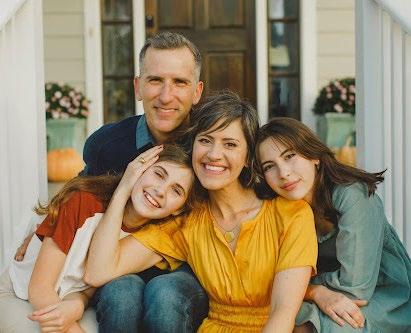
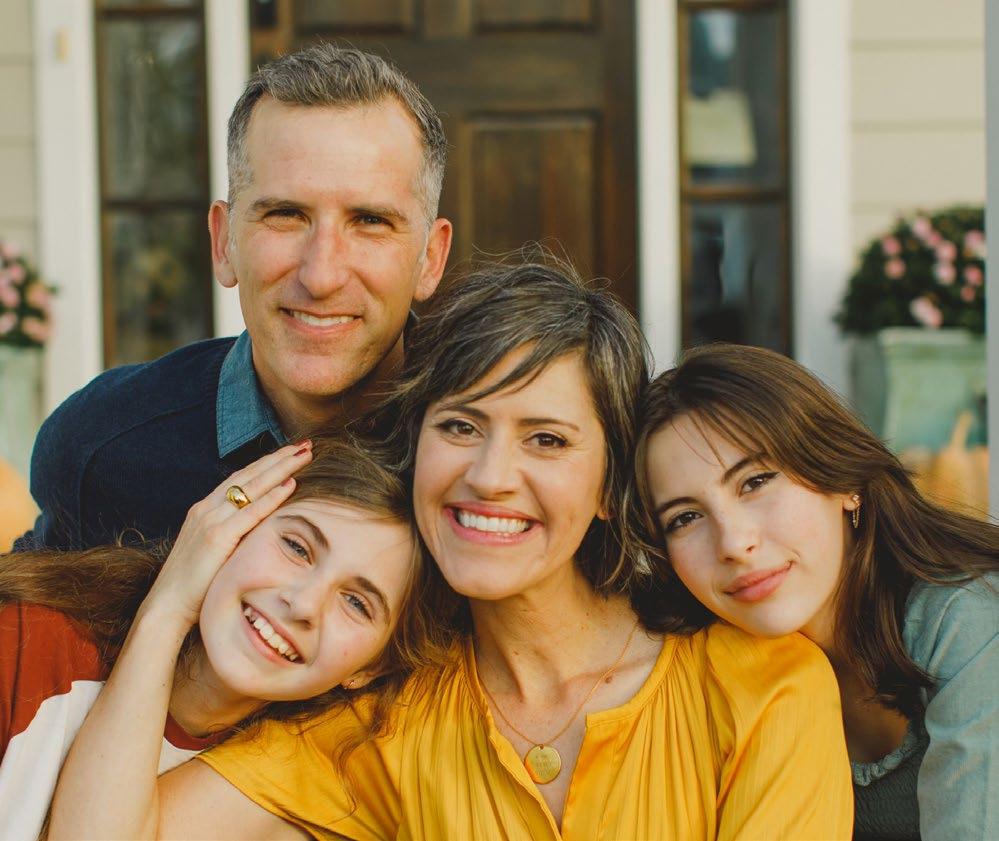
JJ Heller crafts thoughtful songs that speak to the child in all of us. For 22 years, she and her husband, Dave, have made music full time— releasing 18 full-length albums. She continues to share new music through her beloved I Dream of You series.
HELPING KIDS NAVIGATE CHANGE
Our hope as our kids get older is they will have what it takes to handle whatever comes their way with integrity and faith. Each new experience they encounter is an opportunity to build character, setting them up for a lifetime of true greatness rather than surface level success. When the ground shifts under their feet, we pray they feel secure in our love, and the love God has for them.
Here are some tips we gleaned from Megan Hunt (family coach and TBRI practitioner), including strategies to help kids through common changes, and some phrases we can use with younger kids in a way that validates their experience while strengthening their confidence.
Starting a New School: A Lesson in Courage
If it’s possible to get in the building before school starts, practice walking from classroom to classroom. Even driving by the building is a big help. Can you remember how scary it was to start a new school? The lunchroom can be especially nervewracking to a young person. Try walking them through what they can do when they enter the lunchroom, using imagination or while in the building. Have them plan to watch three people go through the line, observing what they do and how they do it.
Cell phones are increasingly banned in school buildings (for good reason), so have them memorize your phone number and remind them they can go to the office and call if they need to. Most schools have a phone designated for kids to use when they need it. Verify this with the office during that pre–first day visit.
Let them know their feelings are valid. Hold space for them to feel two feelings at the same time. They can be nervous and excited. Sad and expectant. Awkward and confident. Remind them you will be there for them at the end of the day.
Medical Appointments: Safety in Vulnerability
Take the time to talk through blood draws, blood pressure checks, and vaccinations ahead of time. This gives kids an opportunity to process feelings before they happen and be prepared for how to respond when those feelings naturally arise.
For bigger medical procedures, see if you can find appropriate videos or pictures to show kids before the appointment. For example, huge MRI machines make blaring noises that can feel strange and scary, all while patients are told to lay still and hold their breath.
Death of a Pet: Giving Thanks and Growing Hope
For many kids, the loss of a pet is their first taste of true grief. It can be a very tender time and opens the door to conversations about death and beyond. Model what healthy grieving looks like while giving space for their feelings and questions.
Hold a mini memorial service for your lost pet. Even a fish deserves a proper goodbye for some kiddos. Look up the “Liturgy for the Loss of a Living Thing” from Every Moment Holy, Volume 1 (it can be found online). If your loss is significant, the entire liturgy can be read. If the loss doesn’t seem as painful, pick and choose the parts of the liturgy that make the most sense for your family and read together.
Create an art piece to remember and give thanks for your pet. If it’s visual, display it somewhere in a family space. This can be less triggering than framing a photograph, and the act of making something can be a great way to process grief.
Hearing the noises in advance can make them seem silly instead of scary. For older kids, consider looking up how certain machines or tools work. Empowering them with information helps them approach new situations with curiosity rather than anxiety. Some hospitals have child life specialists—professionals trained to help children and families cope with the stress of medical procedures and hospital visits. They can be a wonderful source of support when you need it.
Seasonal Rhythm Changes: Clear Expectations Build Trust
A common example is summer break. Have aconversation around how summer will look different from the rest of the year. Even though rhythms are disrupted, it can be helpful to maintain some boundaries and expectations. Let your kids know ahead of time what life will look like in the next phase or season. This creates a sense of felt safety and builds trust in family relationships.
Consider creating visuals to support the transition: include step-by-step routine checklists, calendars, and charts. Visual schedules can help little ones understand changes to daily routines that come with seasonal shifts.
You could also try giving your family “transition weeks”: a week of looser than normal rhythms before and after a long holiday, moving houses, new jobs, and other major life events. Naming this phase gives some breathing room for grace to grow. Once that transition week is over, re-establish family routines and expectations, and communicate that to your kids.
Adolescents and Their First Job: Building Discipline and Responsibility
Don’t assume your kids know how to use a calendar or manage money. Consider your child’s needs and personality and let them lead the conversation, knowing what worked for you at their age might not work for them. Try: “How are you planning to manage your calendar?” If you make suggestions and get an eye roll with a: “Mom, I already know that,” don’t take it personally.
It’s natural for teenagers to begin to separate themselves from their parents. Respect this while also making sure they have the tools they need. This balance between letting them find their own way and helping them is a tricky one! Each kid is different and some might need to make their own mistakes while others might want more direction and advice. Make sure they know you are there for them when they need you.
Things to Say Instead of Doing It for Them
Example Scenario:
Child can’t find their library book that needs to be returned to school today and is upset.
Try:
“That does sound like a problem. What have you tried so far?”
This lets them feel heard and validates their feelings.
“What could you try next?”
“It sounds like you’re on the right track! Let me know if you need more ideas!”
This puts the ball back in their court and allows them to do the heavy lifting of problem solving, while knowing parents are a support.
Example Scenario:
A young child can’t get their jacket zipped.
Try:
“Let me see you try.” If they truly can’t do it, say, “Great try!” and then help them.
Example Scenario:
A child has a minor injury, like a scrape or bump.
Try:
“That does look like it hurts,” or “I’m sorry you got hurt. What can I do to help?”
This shows the child they’ve been seen and heard, and their needs matter.
Example Scenario: Child is struggling with homework. Try breaking it in smaller pieces.
Try:
“What part of that do you need help with?” This shows that you’re offering support and willingness to help, while allowing the child to build independence gradually.
Check out season three of the Gracebased Podcast, featuring more wisdom from Megan Hunt.
What a joy it is to have something to surrender.
What a joy to see a child grow and change just as they are meant to.
What is the season of change you’re currently in?
Our current season of change has a couple of answers. The most direct answer is that we are transitioning from summer to fall. As a house full of people whose lives are arranged according to a school calendar, this is no small thing. We have four children in high school and middle school and we are both teachers. All of us find deep enjoyment in our rhythm of summer rest and it can be a jarring transition to go from all that loosely structured time to the rigidity of a school year.
An even bigger transition that is going on is that, over the past month or so, our house has gone from a home of nine people to a home of six. As three of the people who had been living with us leave to establish their own homes elsewhere, we are in a bittersweet moment. We are so glad that we’ve had the opportunity to share our home: to be shaped in community by people God brought our way. And we are sad that these three aren’t an everyday presence.
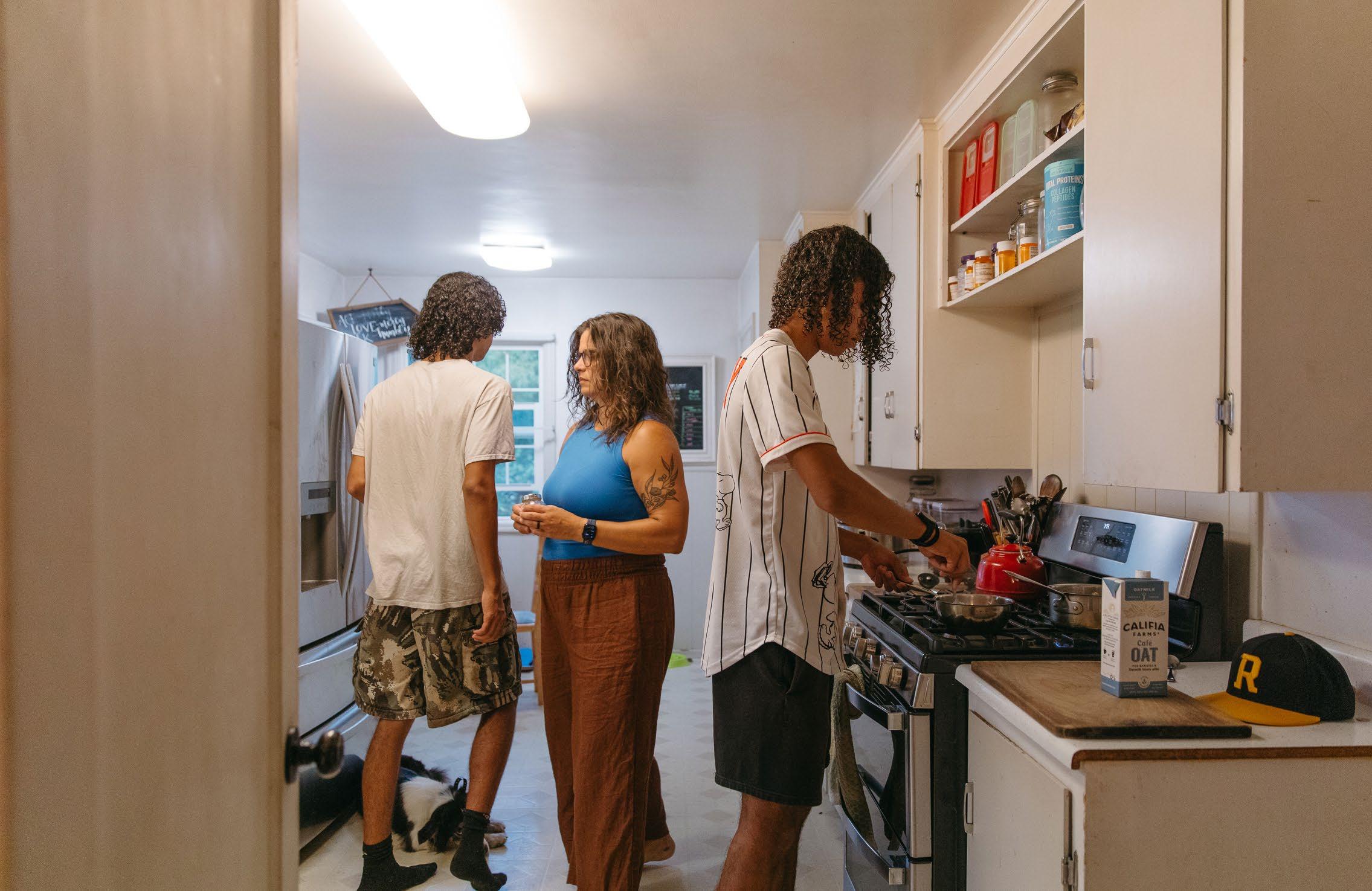
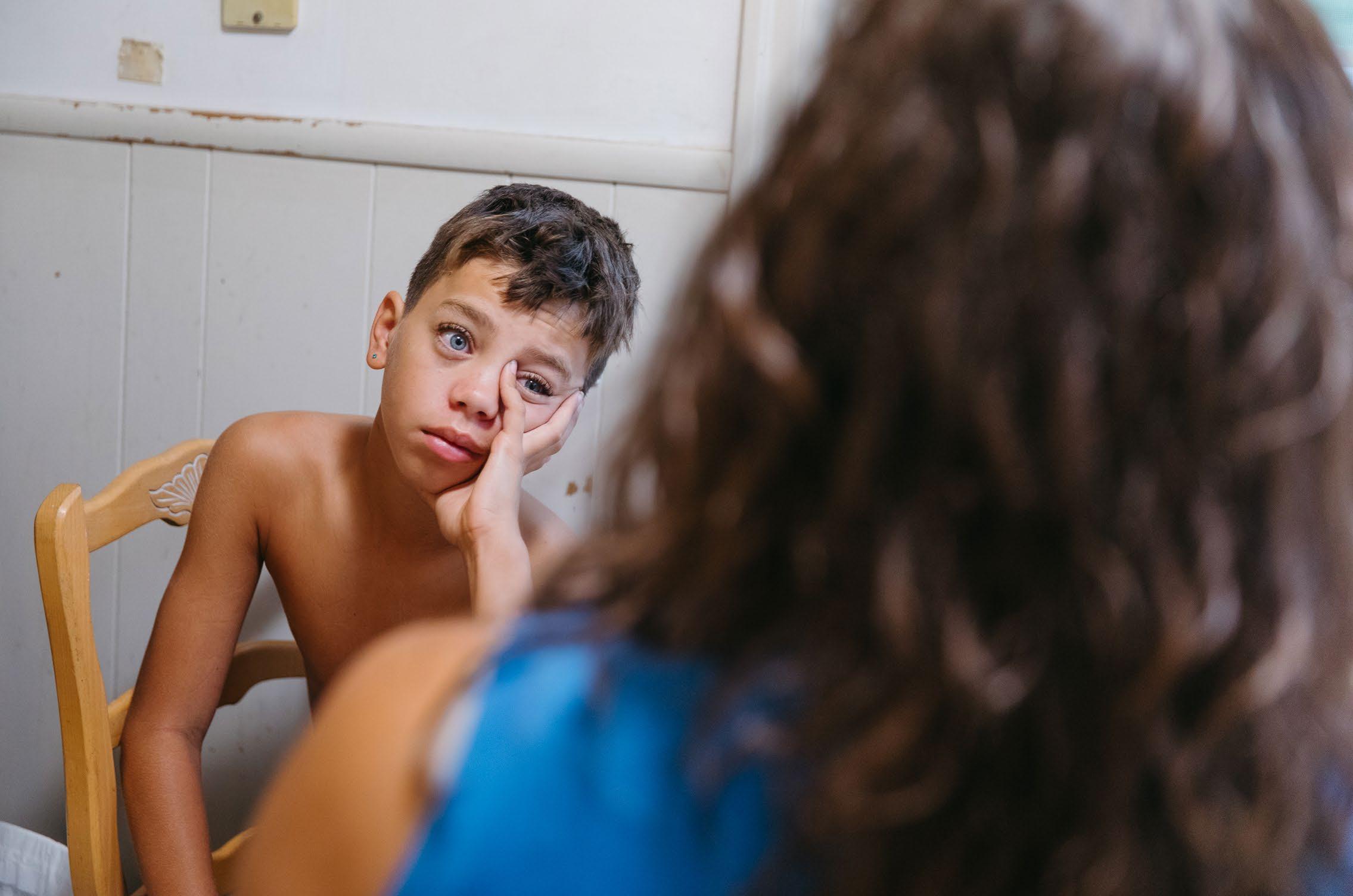
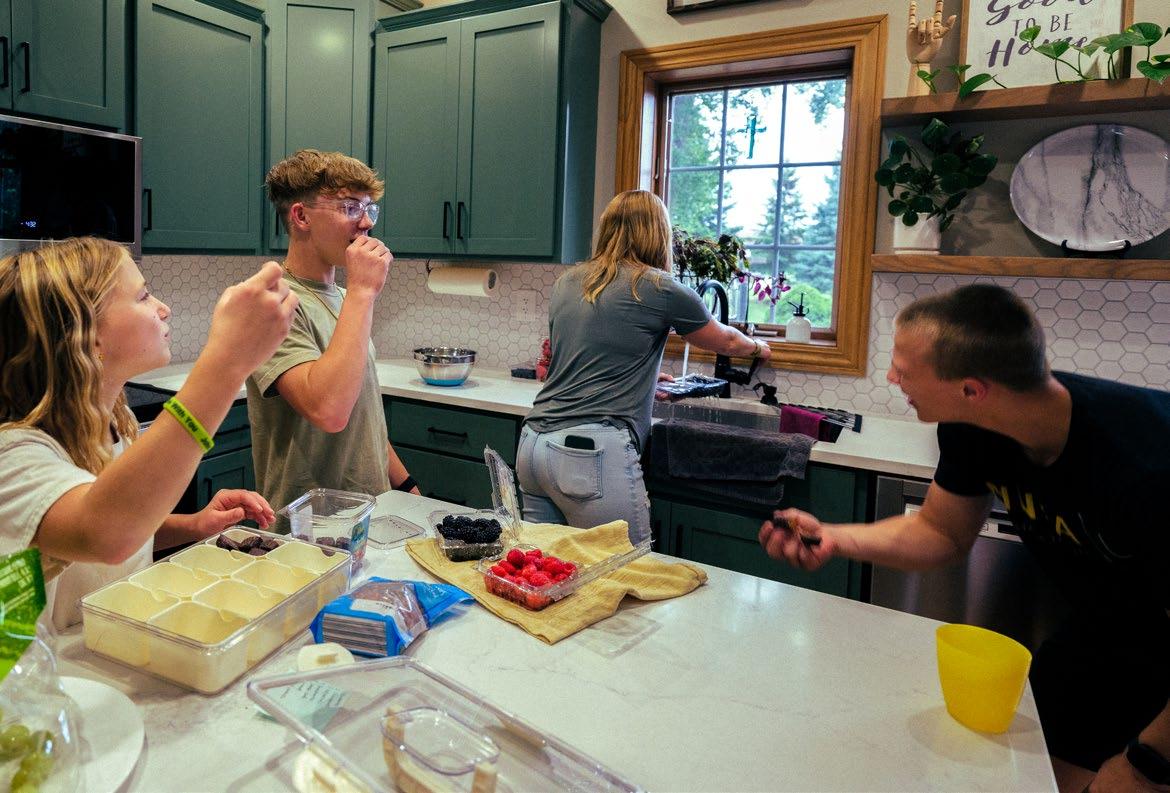
What is something you do to stay connected as a family?
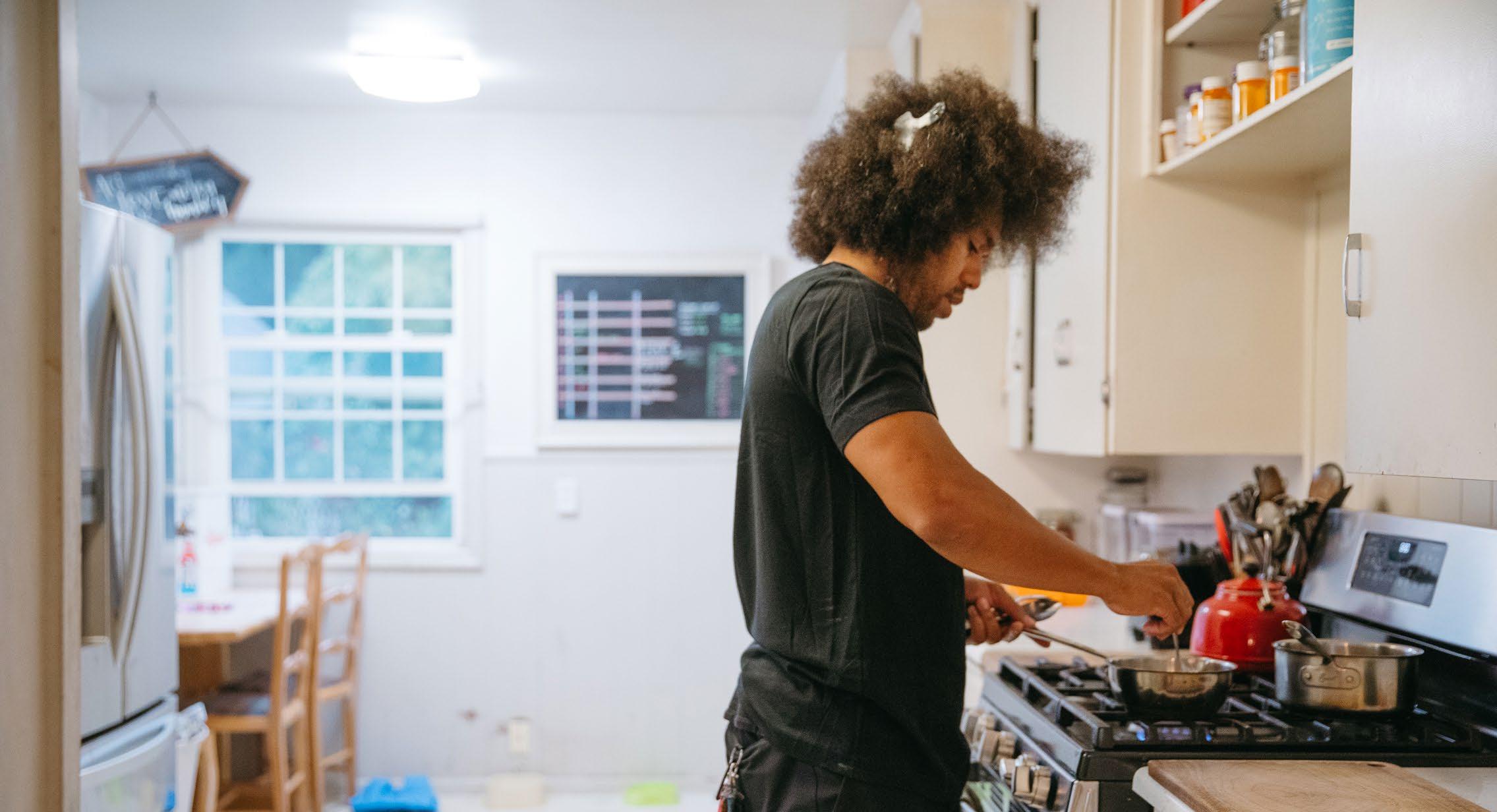
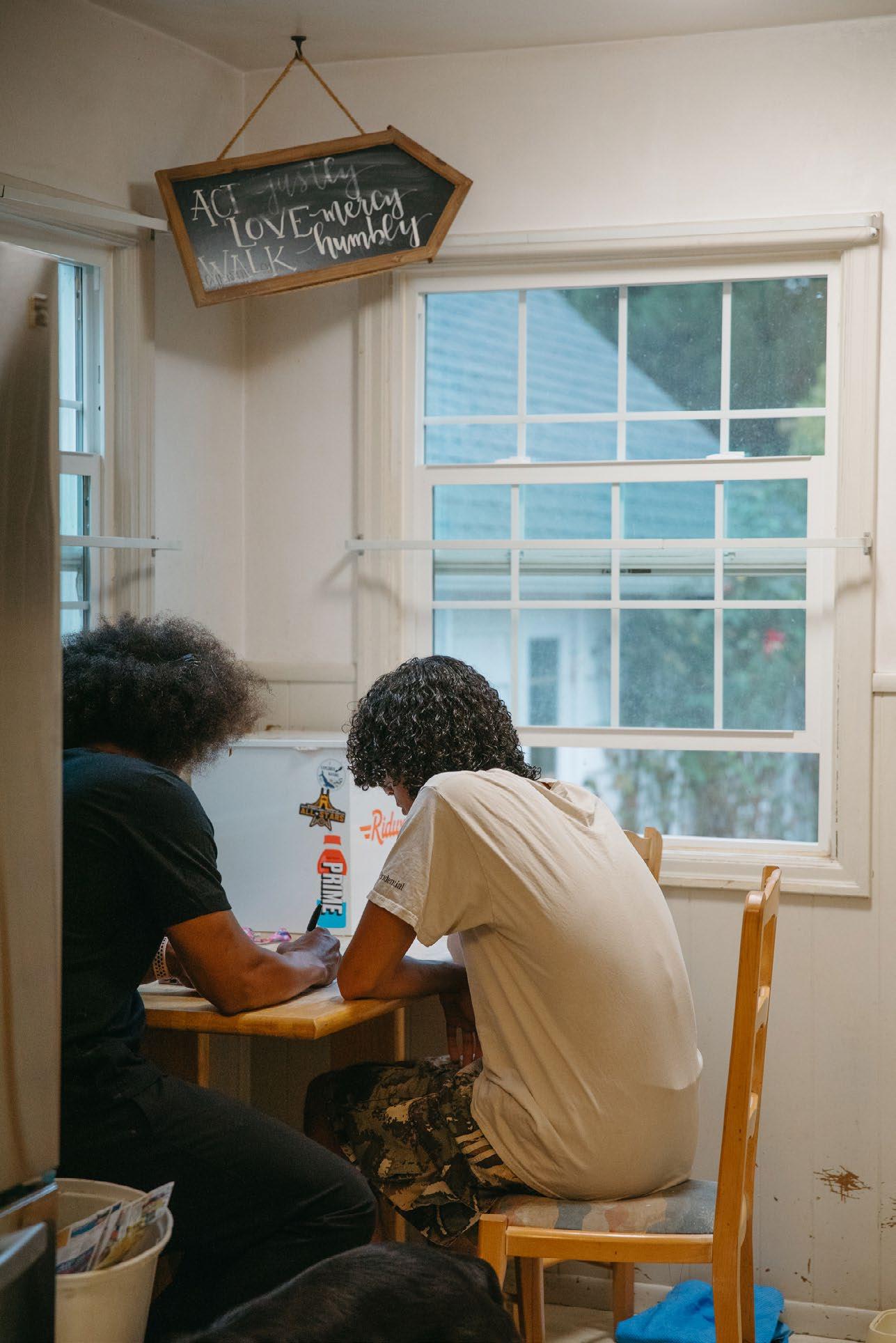
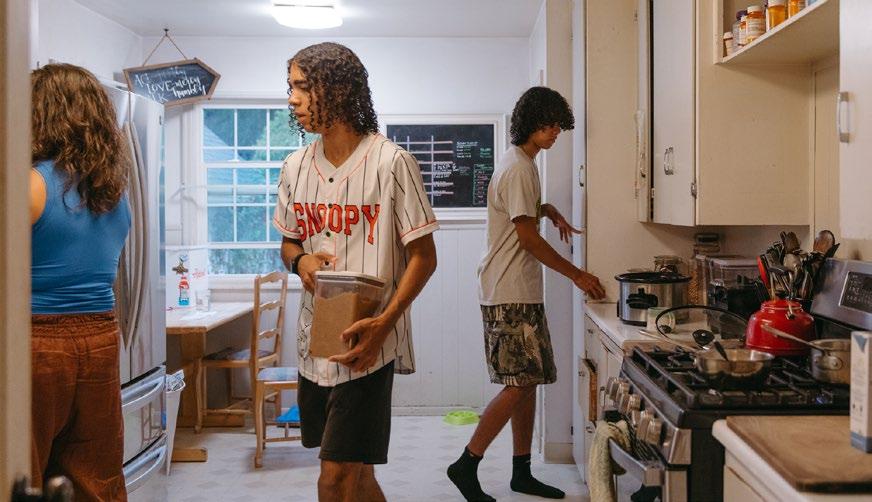
Maybe it sounds counterintuitive, but as our schedules get more fixed with school and sports, we find that our planning has to be equally rigid if we’re ever going to make time to stay connected. At the beginning of each week, we sit down to look over the schedule and plan our meals. This is all written down on a huge family blackboard that hangs in our kitchen. For us, having all of this thinking in a central spot actually allows us to have lots of flexibility with the moments of free time we do have. Instead of being reactionary with the events of each day, we can proactively make time to connect with each other.
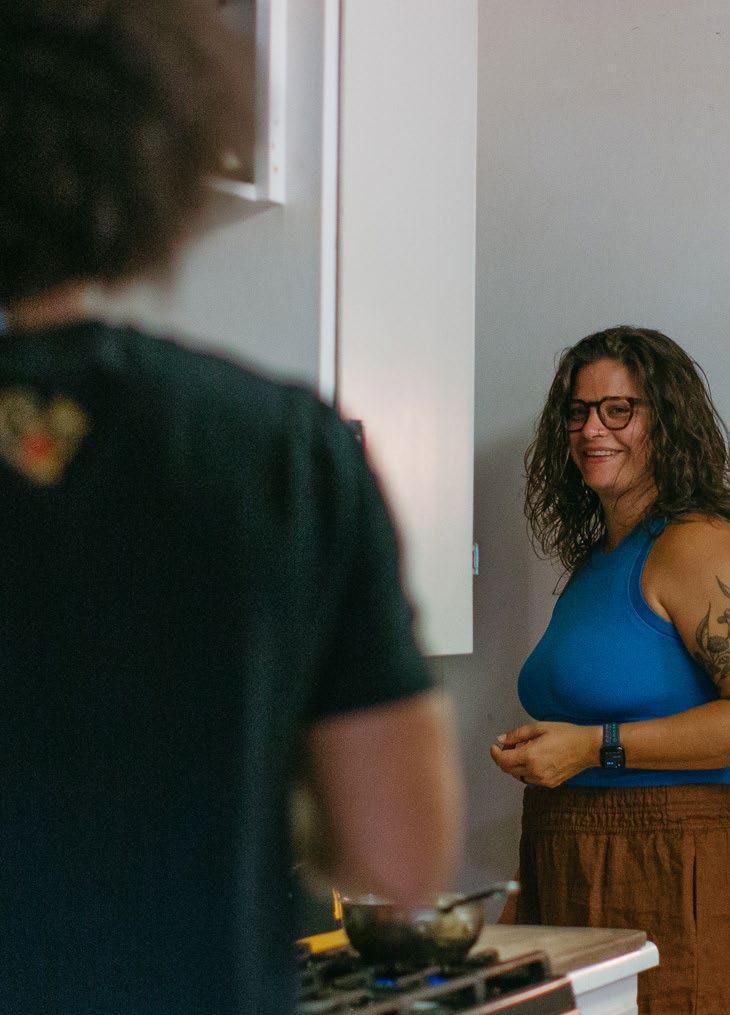
Those moments of connection are silly things like watching a family show on the weekends or taking a kid or two to run errands (even though it’d be way faster to go without them) or Leslie and I going together (rather than alone) to pick up kids from an event. We make an effort to eat dinner together most nights even though our various schedules mean it’s rare that everyone is home at the same time. We make sure that each kid goes to at least one of the others’ sporting events. Leslie and I sneak dates: a quick dinner while all four kids are at youth group, a snack at our neighborhood food carts after the kids’ dinner is squared away.
COWLEY
COWLEY
COWLEY
COWLEY 400-TMAX
COWLEY 400-TMAX
What is something your family is learning through this season?
A thing that we have learned as adults and are trying to help our kids learn is that there is a lot of joy and rest to be had even in the busyness. As we’ve spent years teaching, we’ve had to learn that summer can’t be the only two months in the year where fun and relaxation happen. That is an exhausting way to be. Instead we have learned rhythms of “working to rest.”

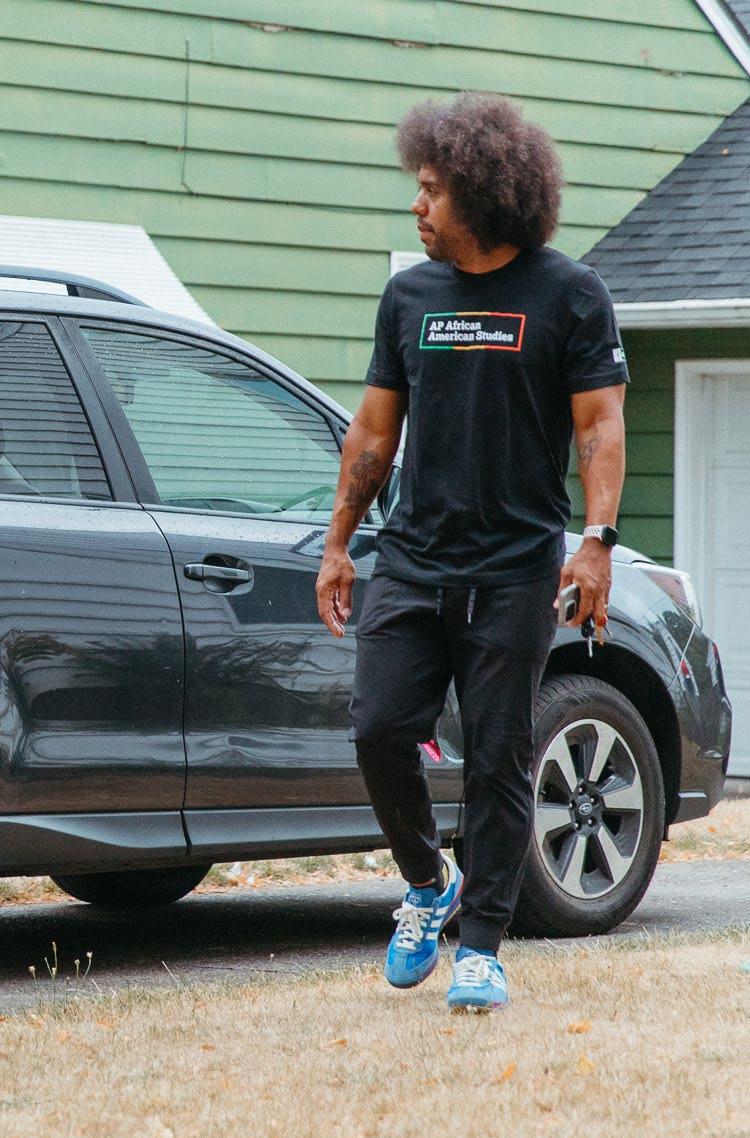
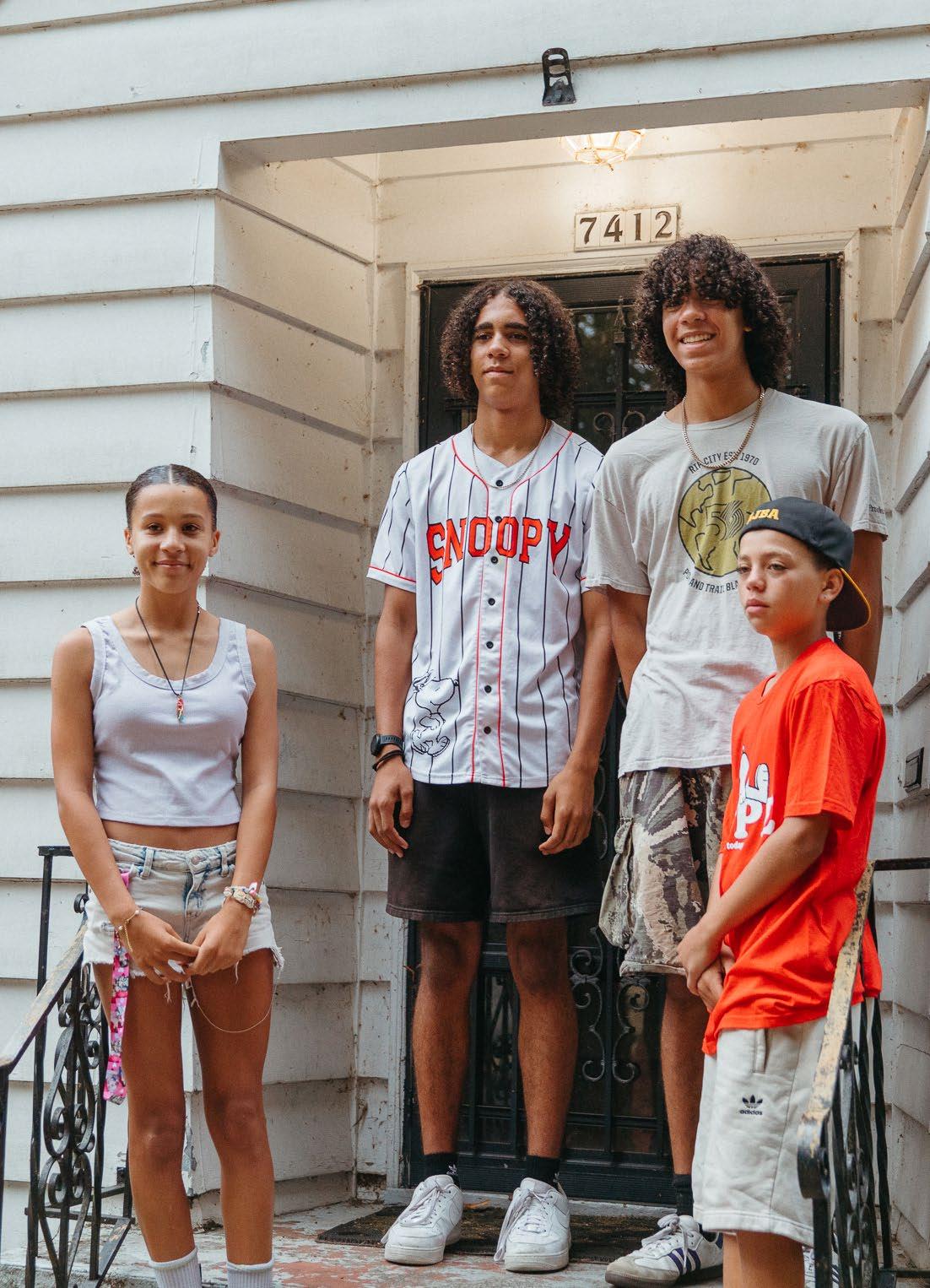

What is the season of change you’re currently in?
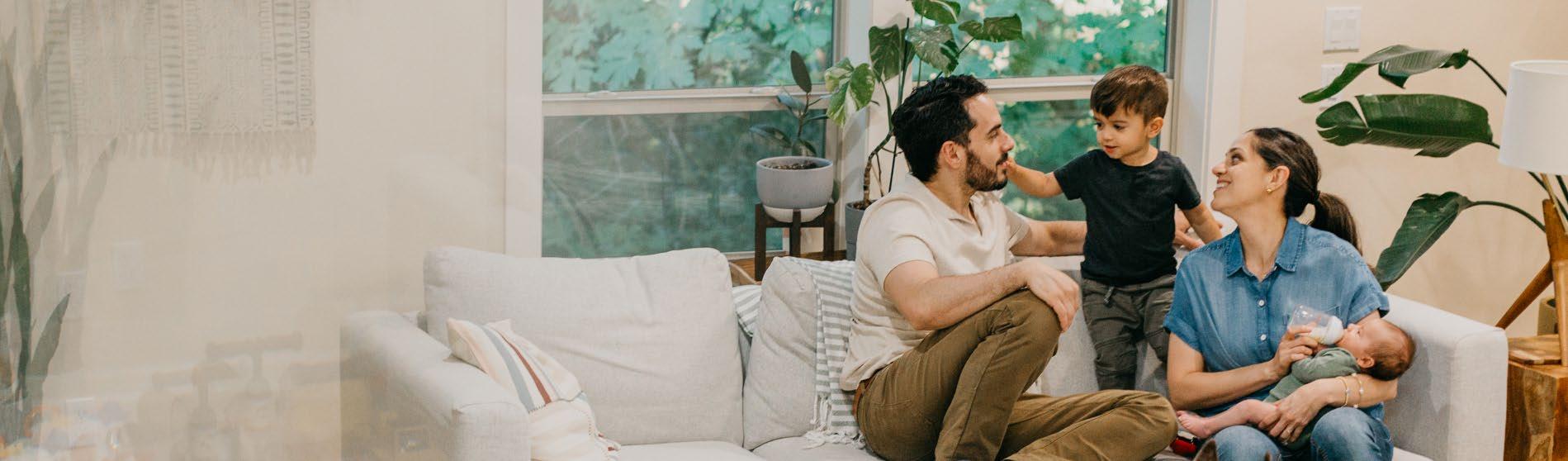
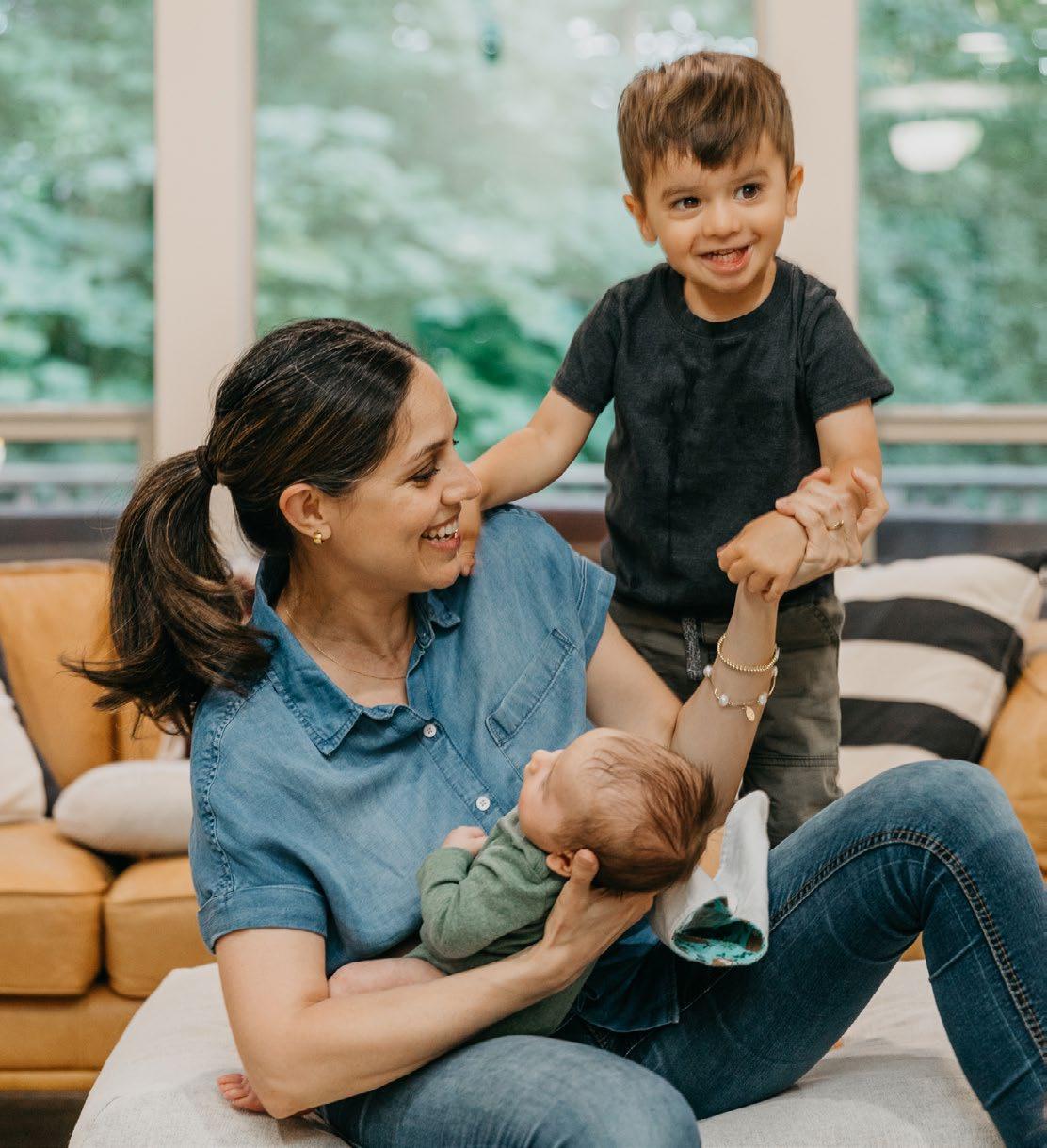
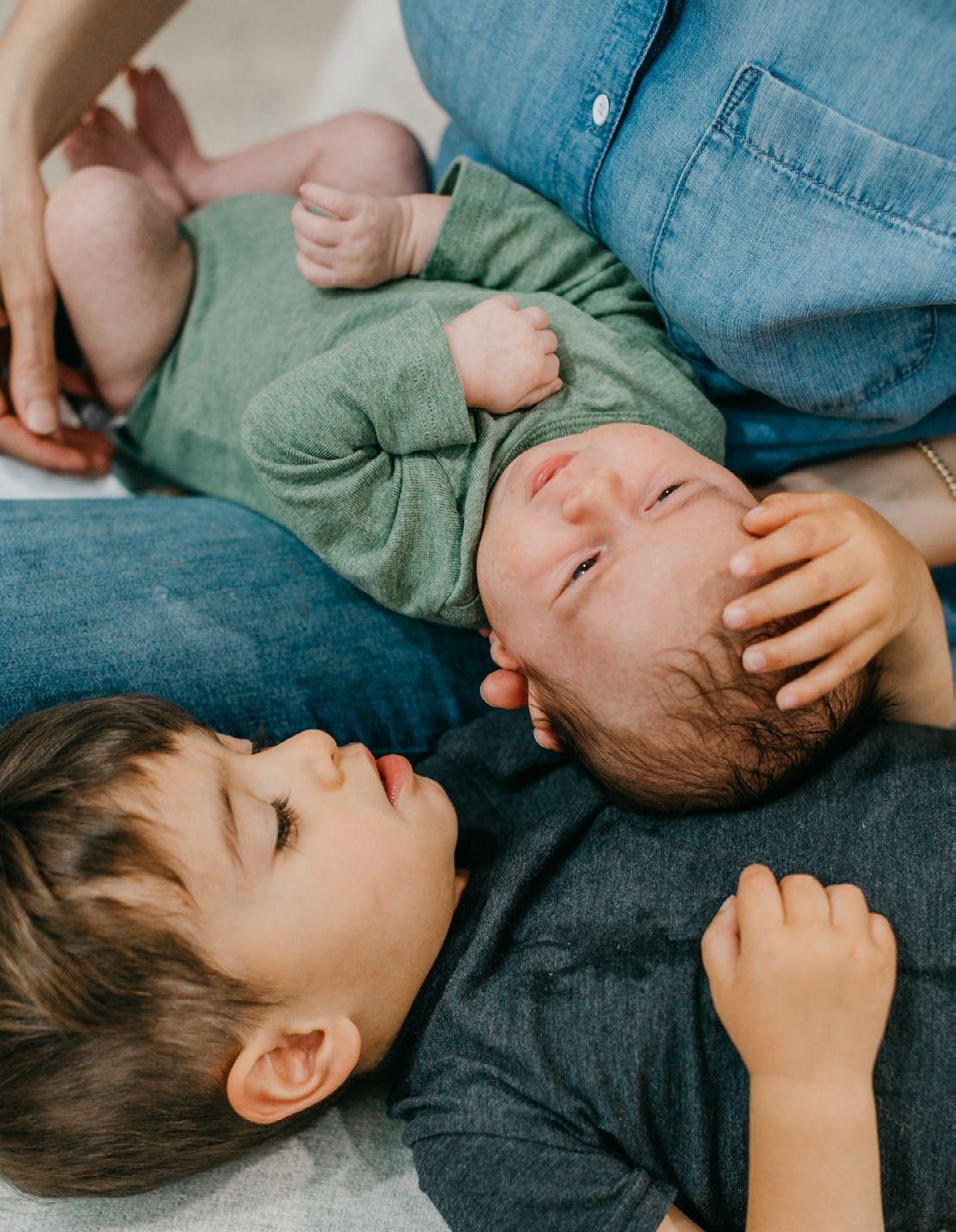
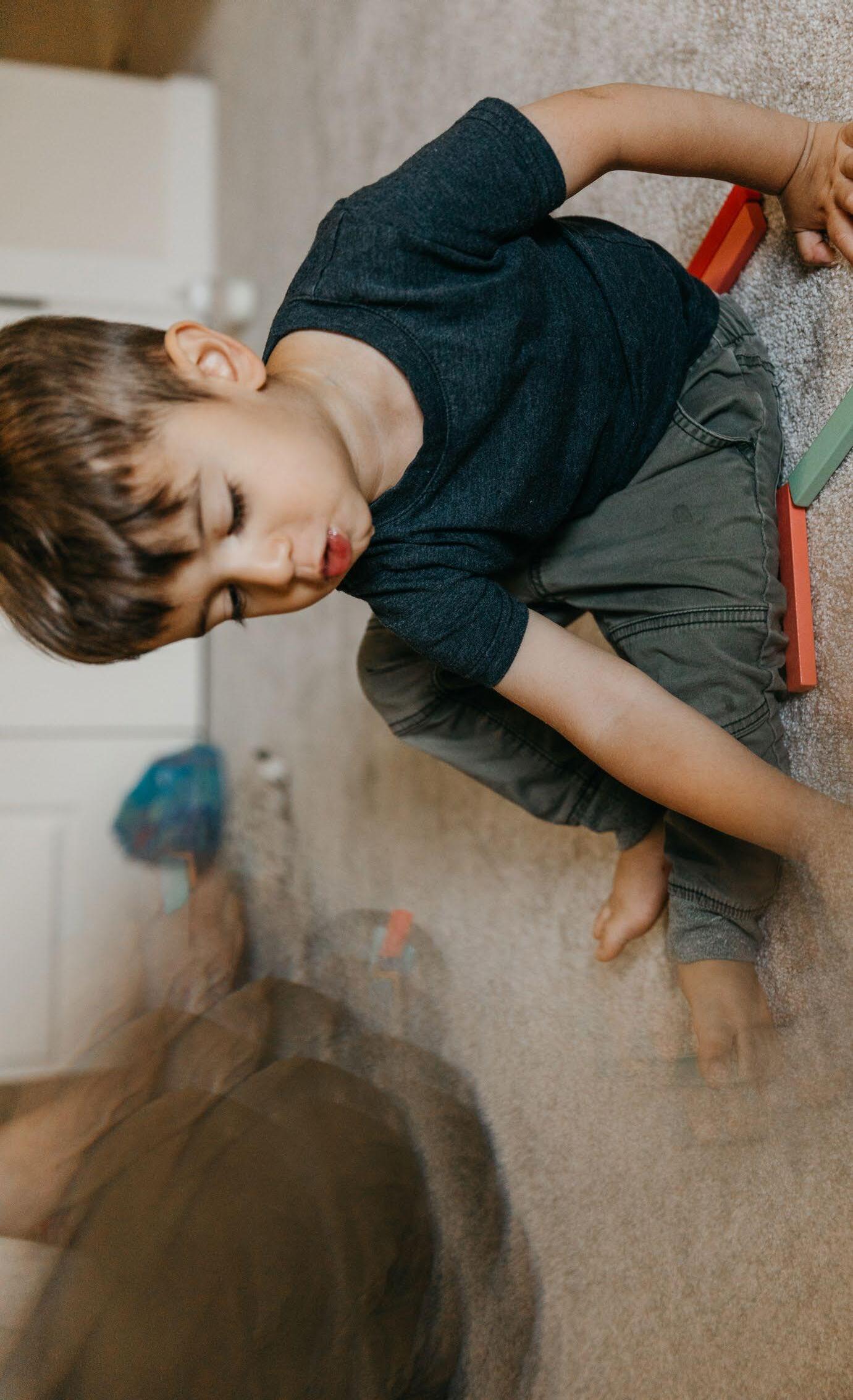
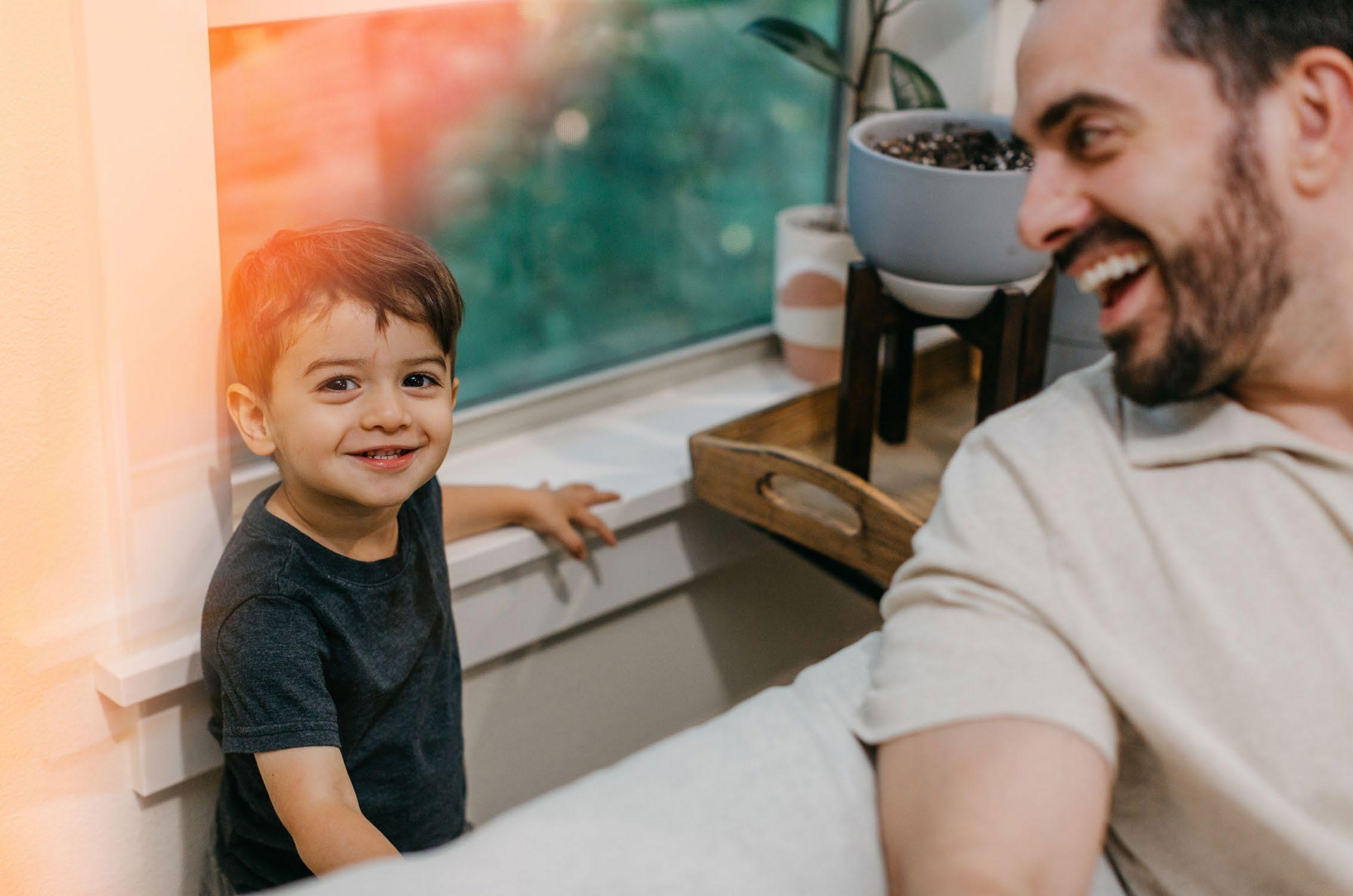
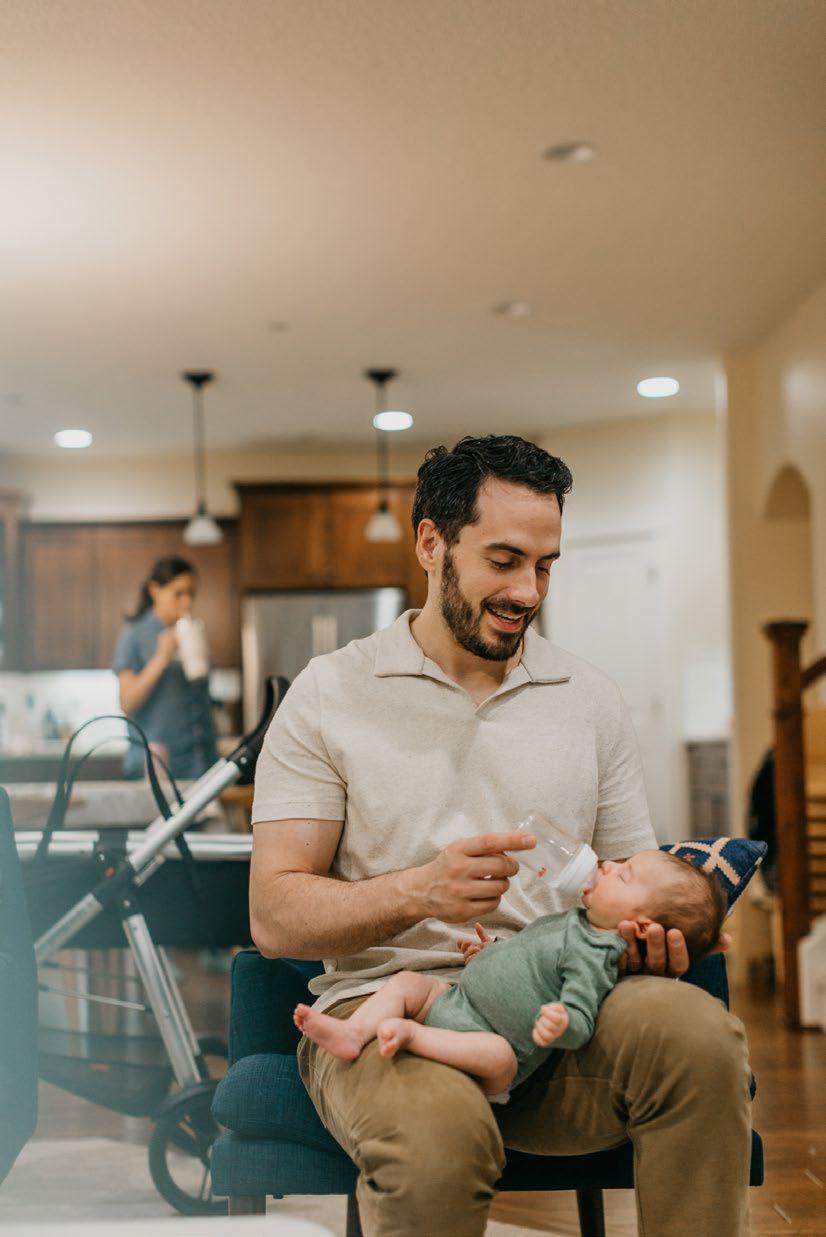
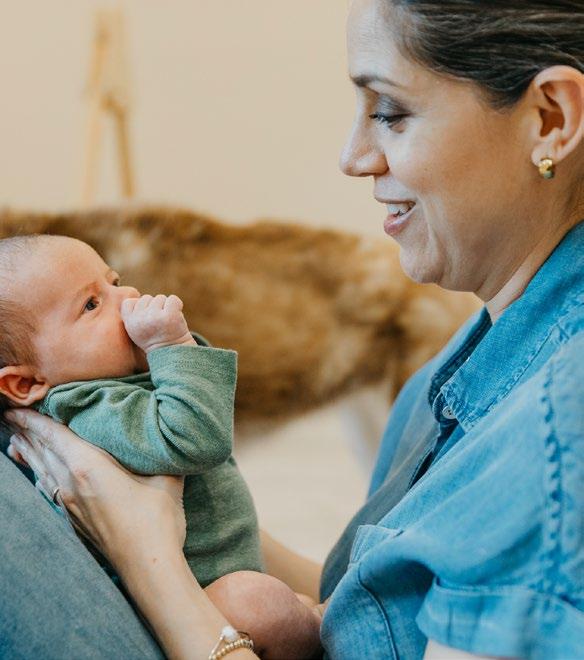
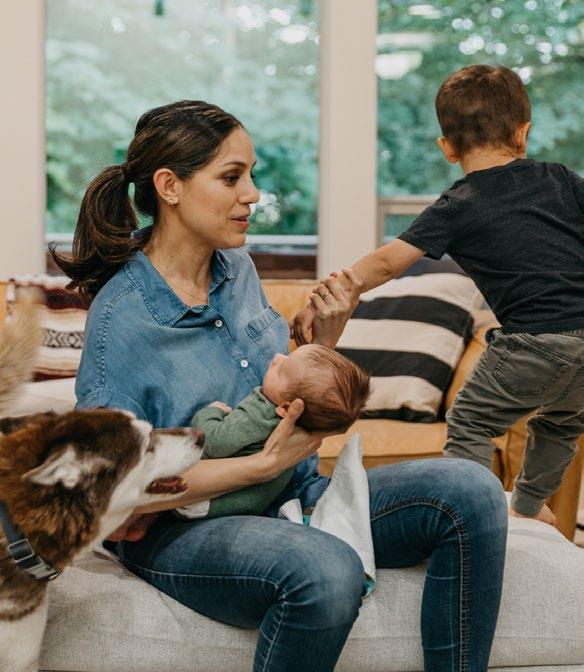
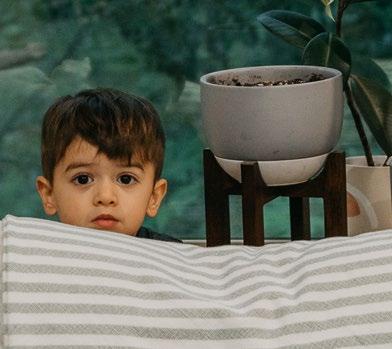
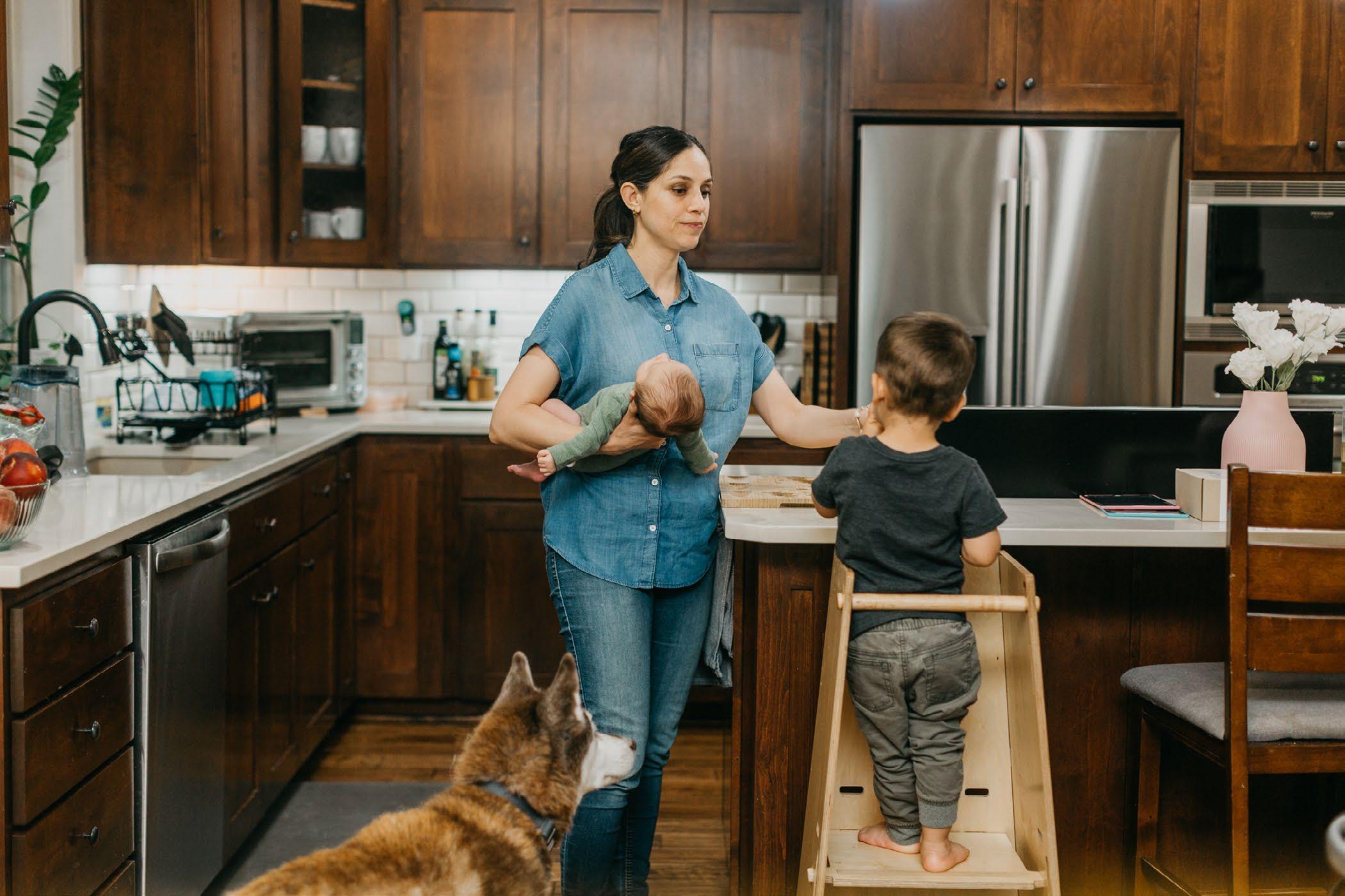
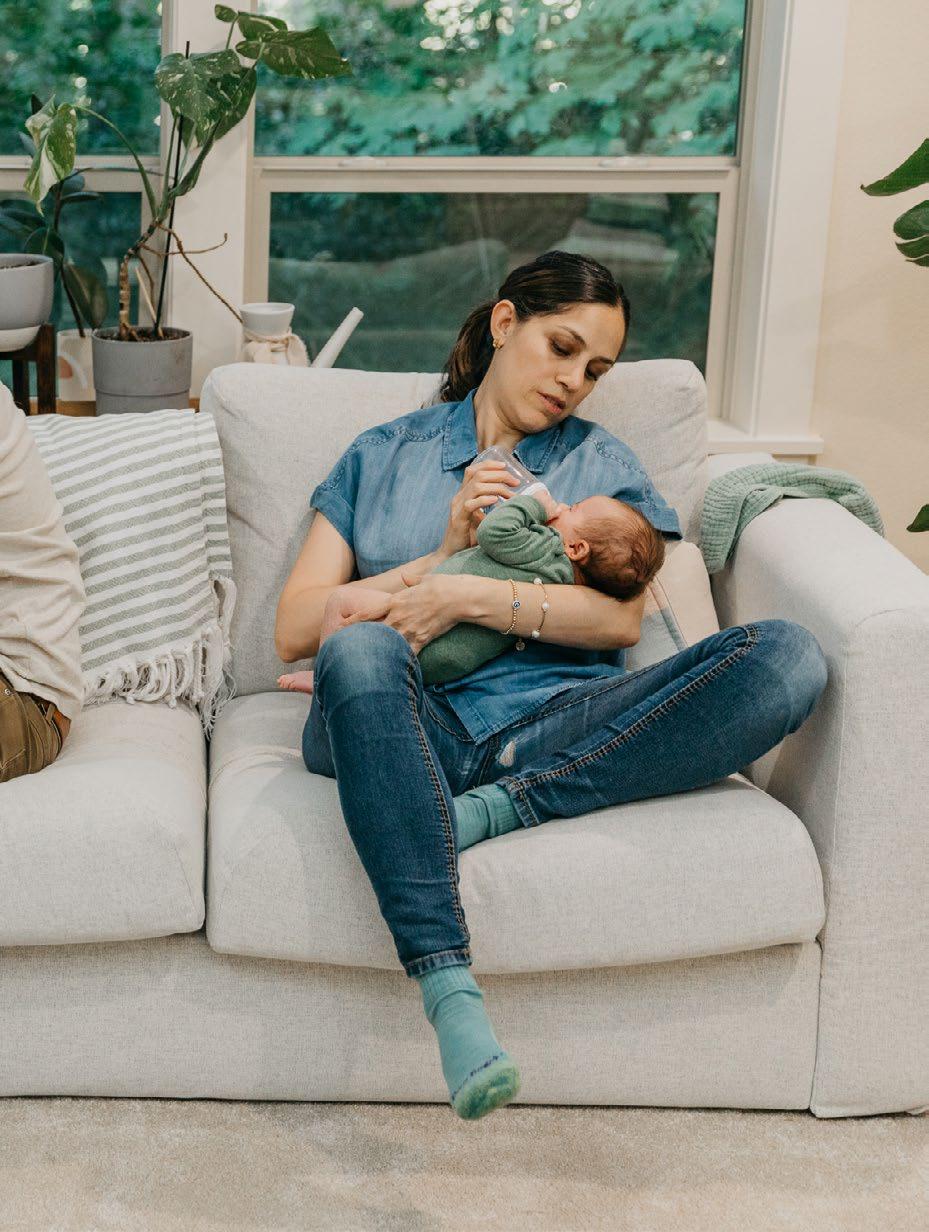
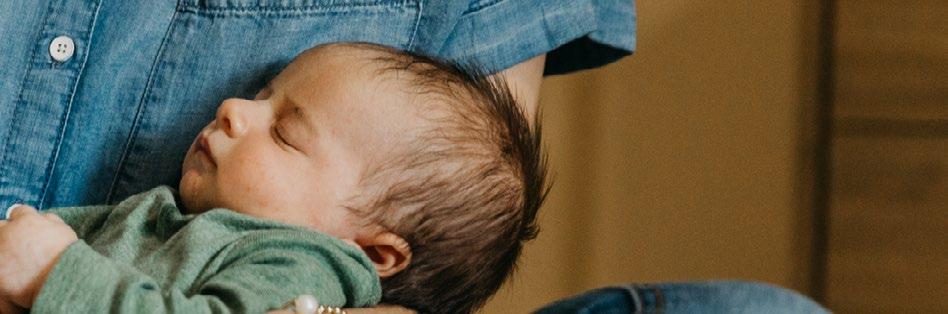
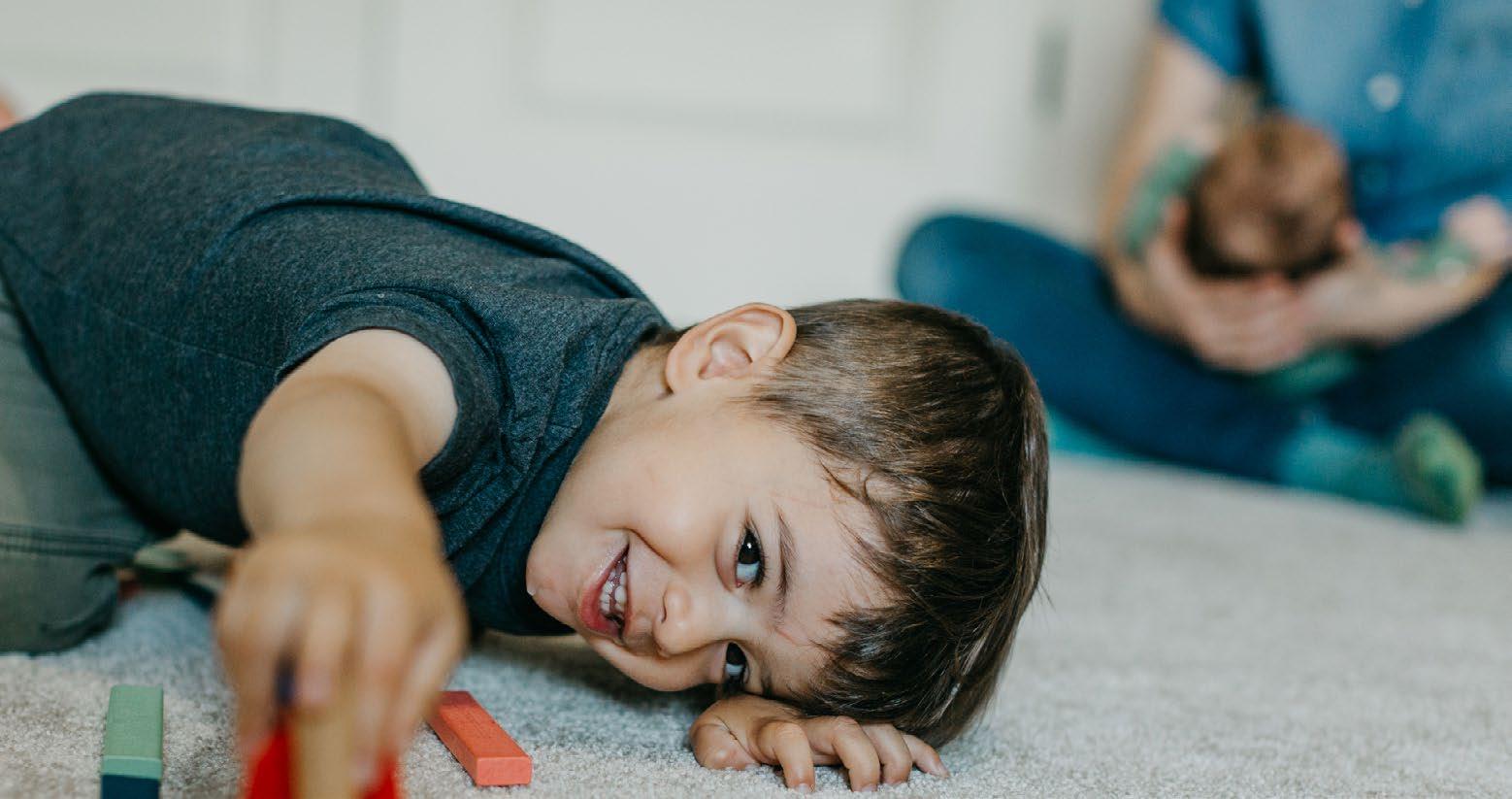
We’re juggling multiple changes all at once! We moved to a new home just a few months ago (which proved to be a rather challenging change for our two-year-old) and just a few weeks later, we welcomed our second son. Our days are full of all things: giggles, meltdowns, diaper changes, half meals, crazy logistics just to get out the door, and the occasional peaceful moment.
What is something you do to stay connected as a family?
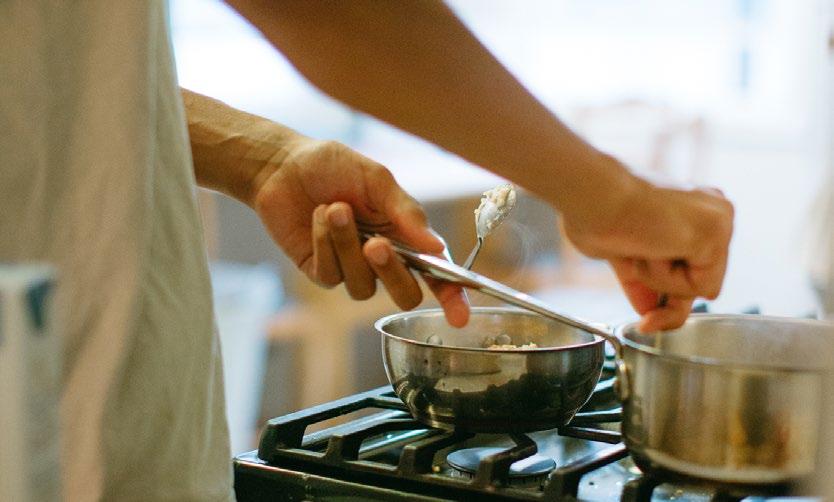
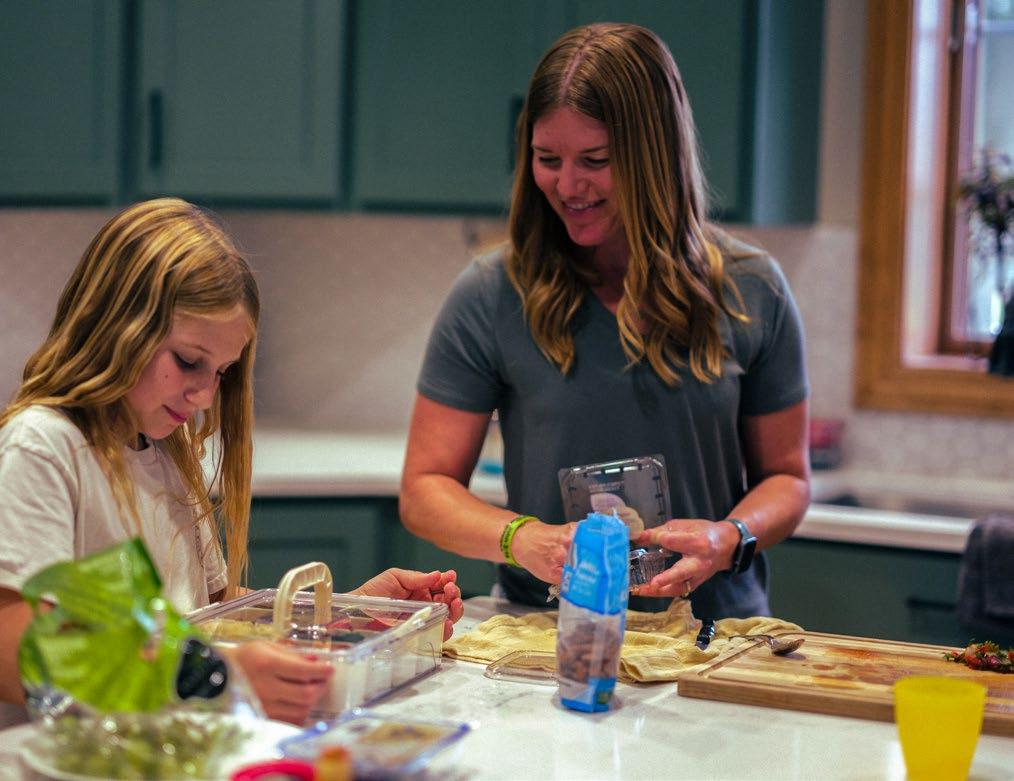
Pizza night! Daniel makes a delicious pizza crust and we enjoy trying out different toppings and making unique combinations. This is a great way for us to enjoy time as a family (and invite others to join!) right here at home. Costco runs get a worthy mention, too! Our oldest loves to hear that we’re going grocery shopping. He gets a huge smile on his face and yells: “Costco!!!” (You’d think we’re telling him we’re going to Disneyland.)
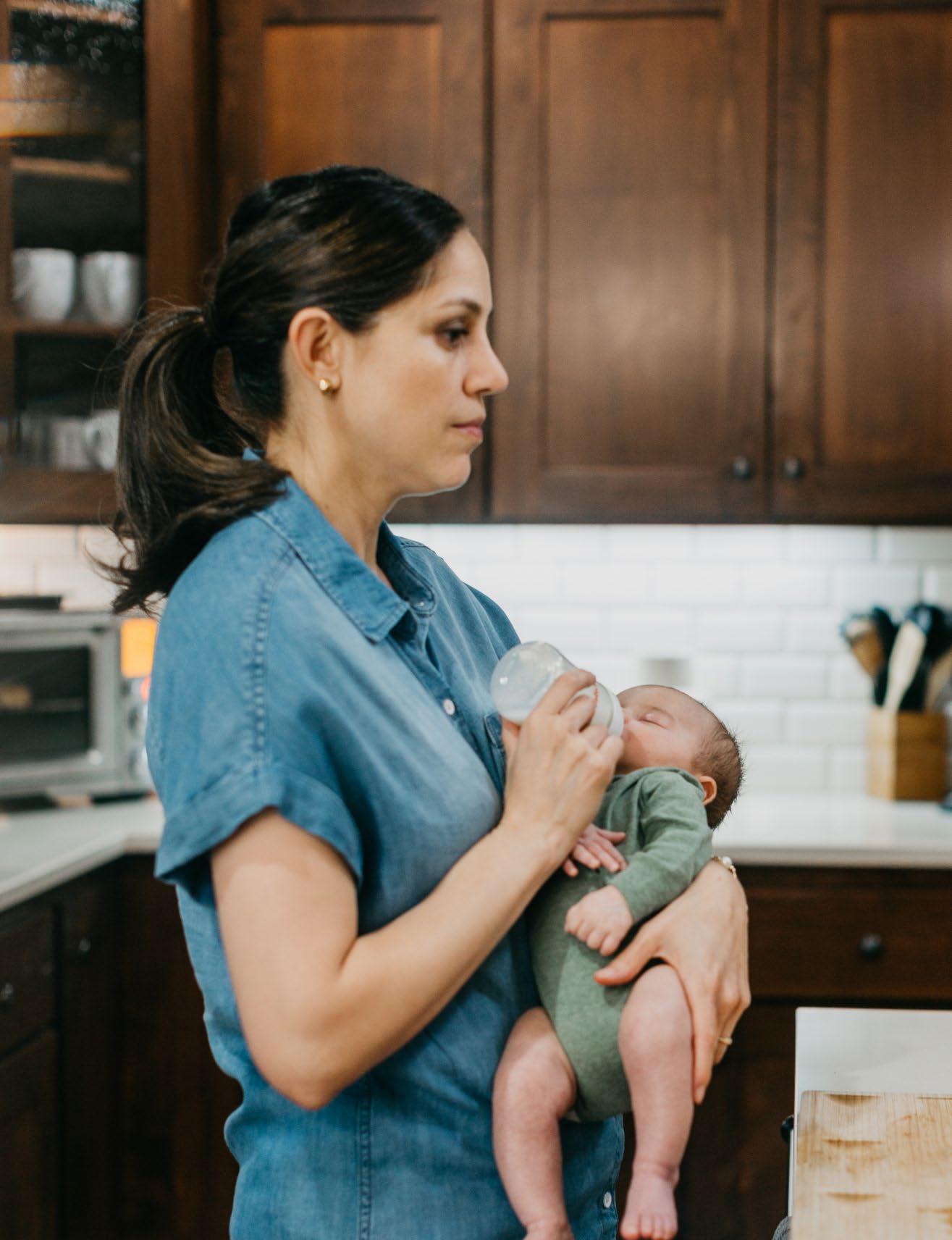
For me (Gaby), fully setting aside professional projects has been another difficult change, one that forces me to figure out where my identity truly lies. It’s a constant recalibration of my thoughts (sometimes just a painful battle) and how I see myself.
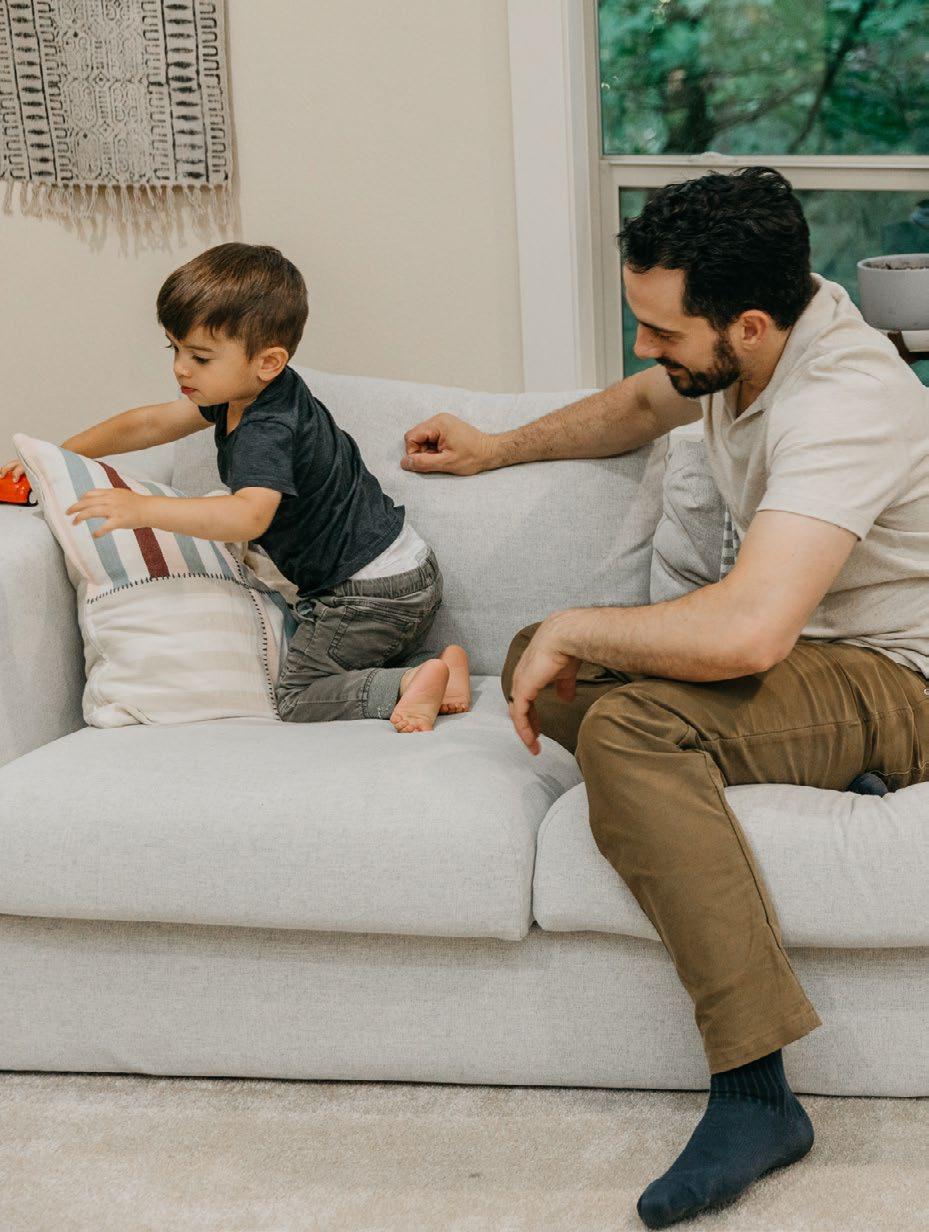
2/3
What is something your family is learning through this season?
We’re slowly learning that less is more. We used to pack our days and weekends with lots of activities, but that’s just impossible in this season. If we get one activity in the books on any given weekend, we count it as a win and savor every bit of that outing.
We’re also constantly being reminded that “there is a season for everything under the sun,” and this is a season to offer hands-on care for our kids around the clock. While it is difficult and exhausting, we know it won’t last forever and one day we will even miss it. A motto we’re trying to live by these days is: “Know your season (and embrace it).”
The Behrends Family
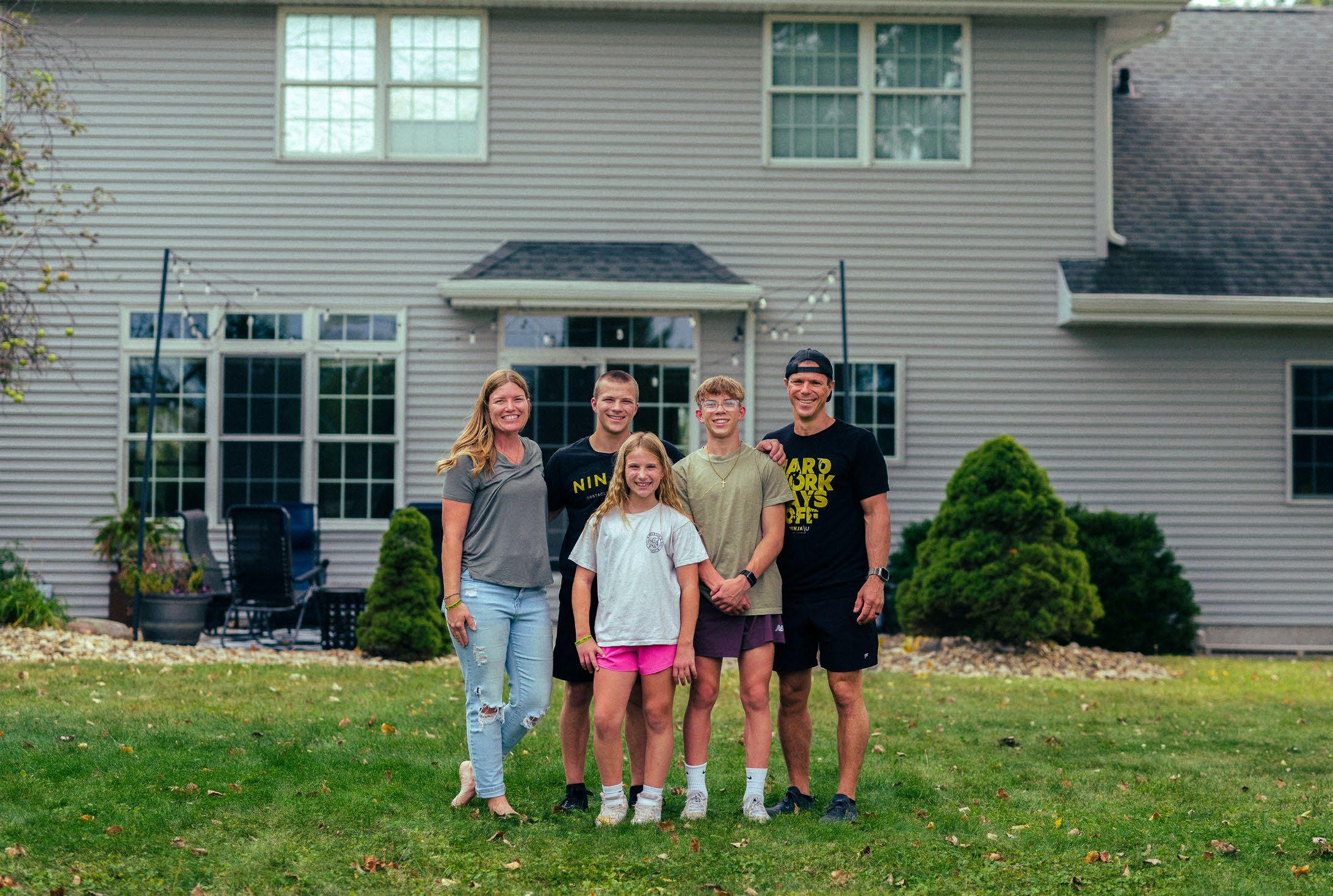
What is the season of change you’re currently in?
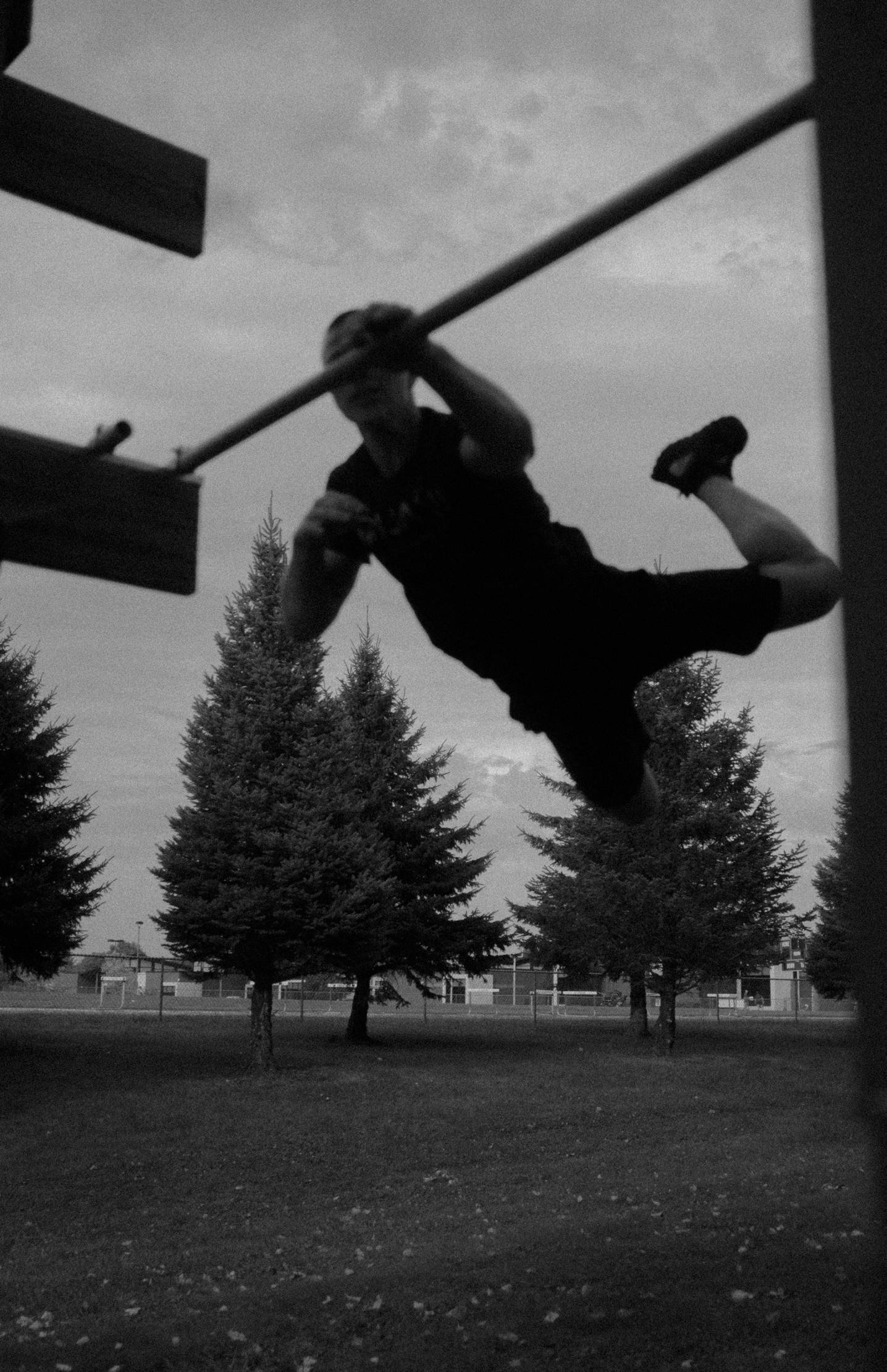
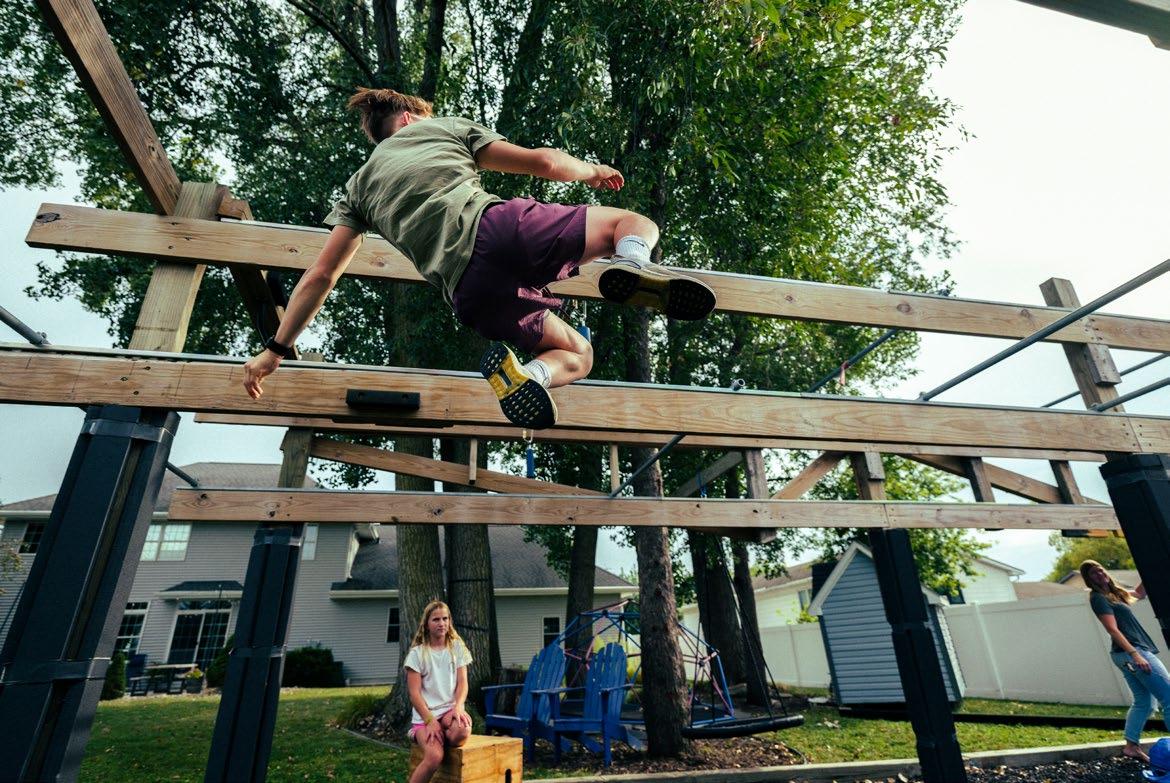
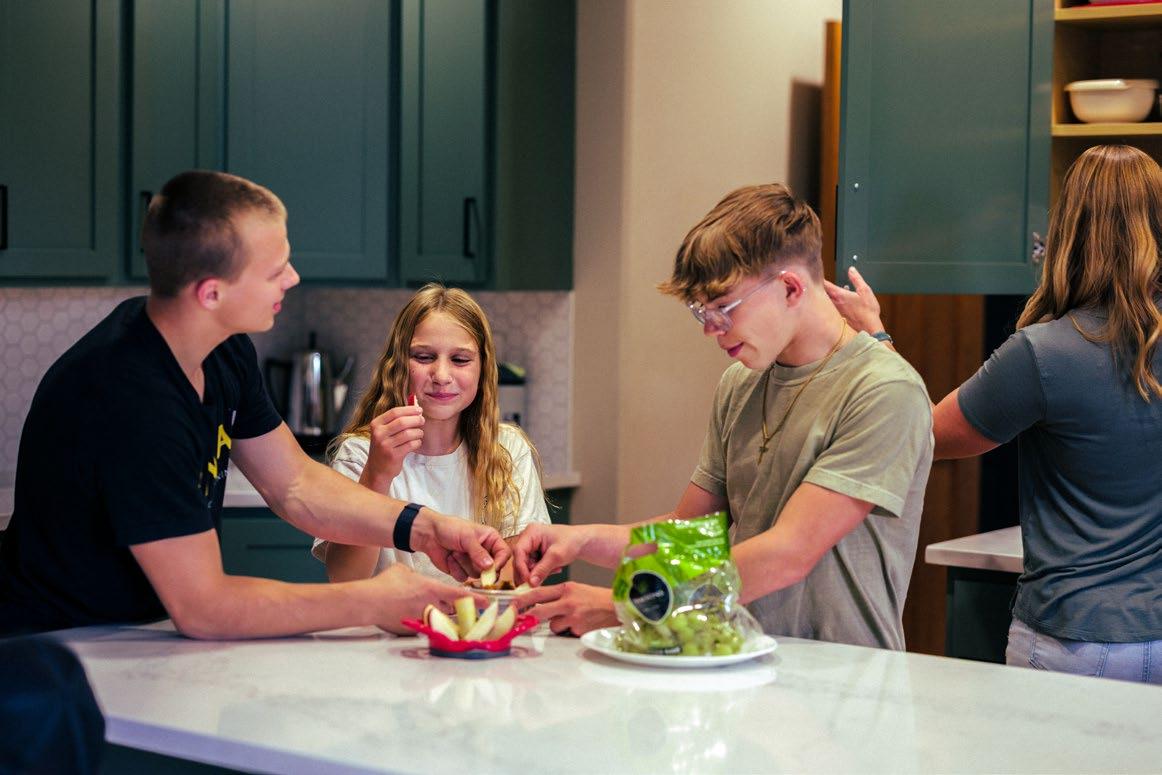
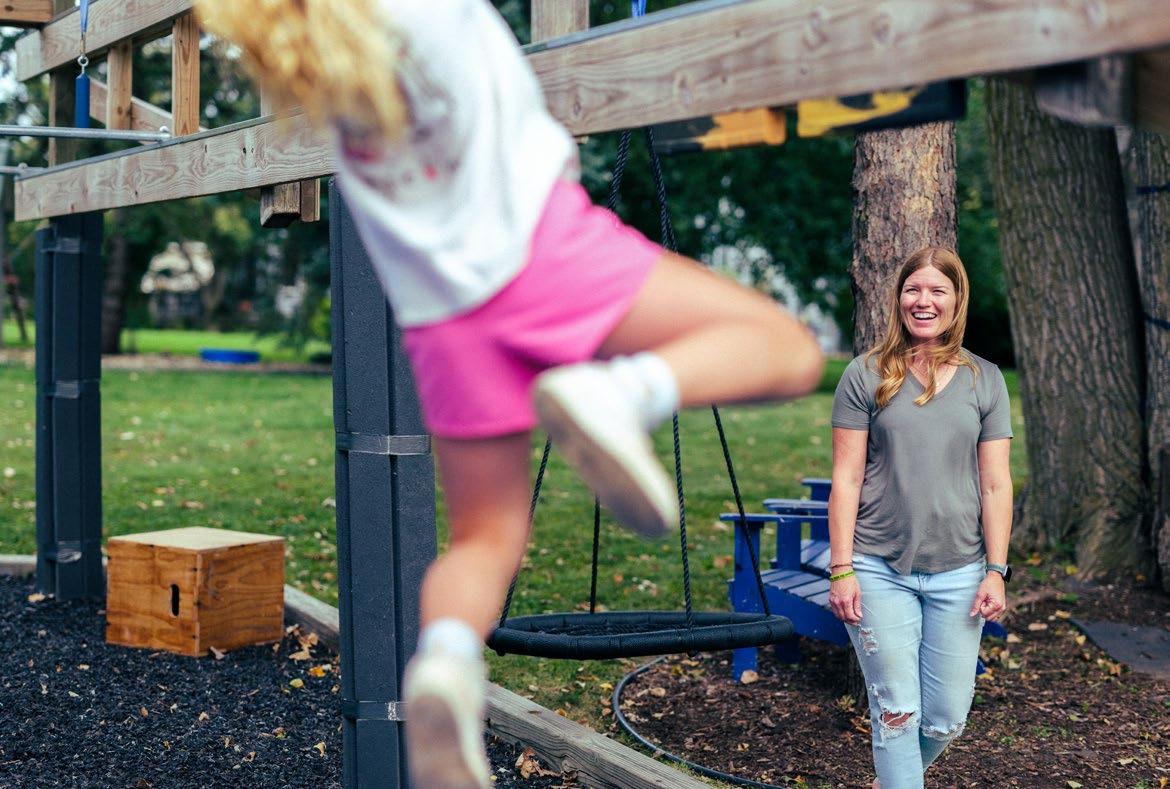
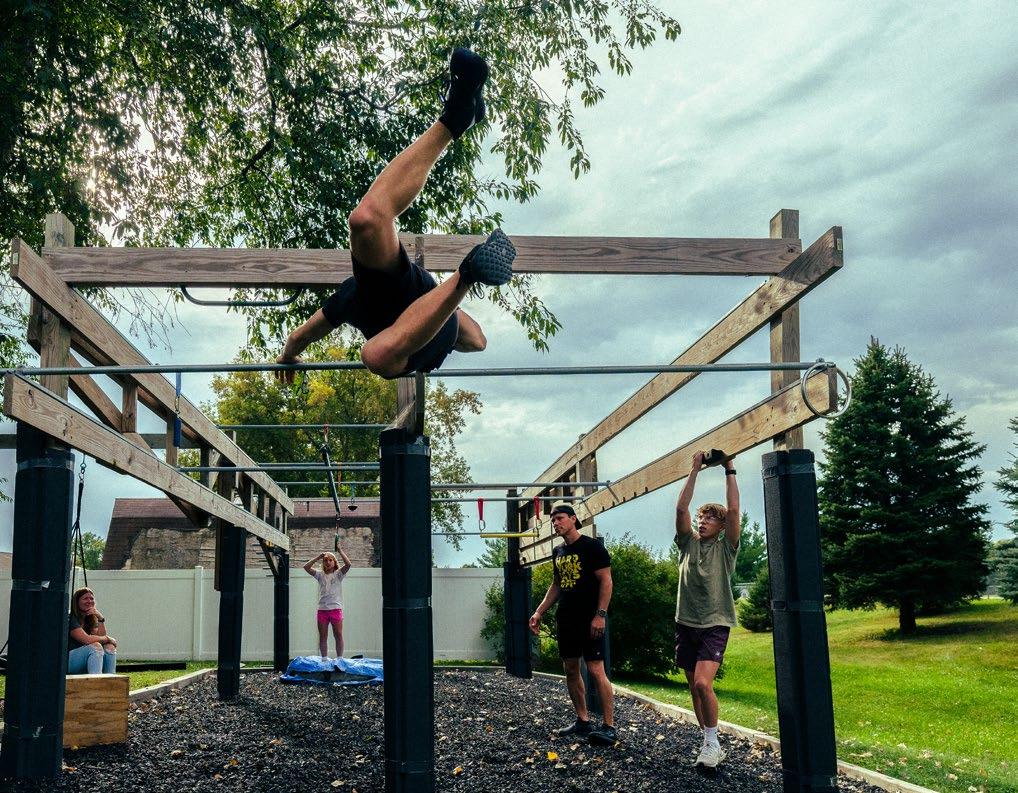
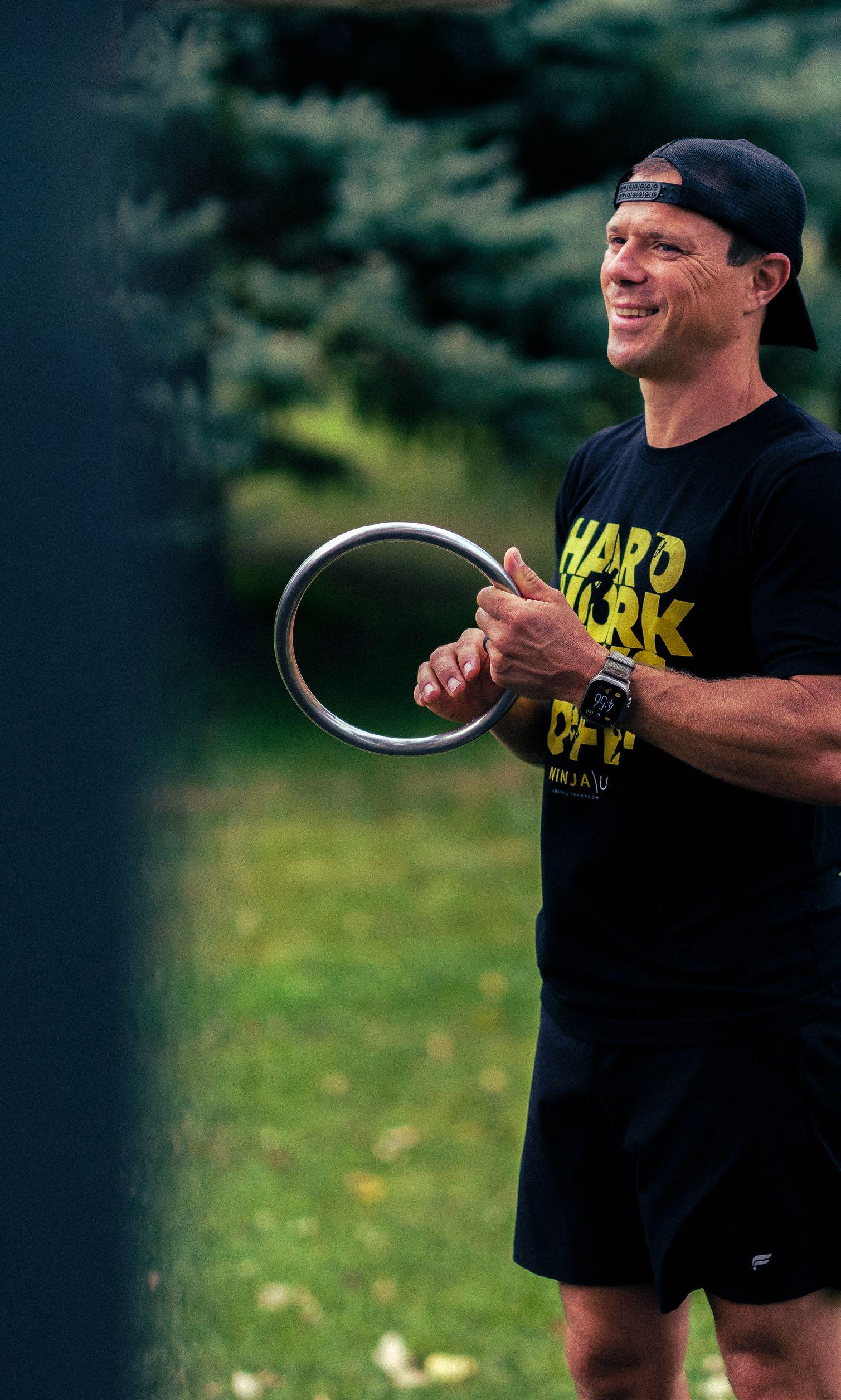
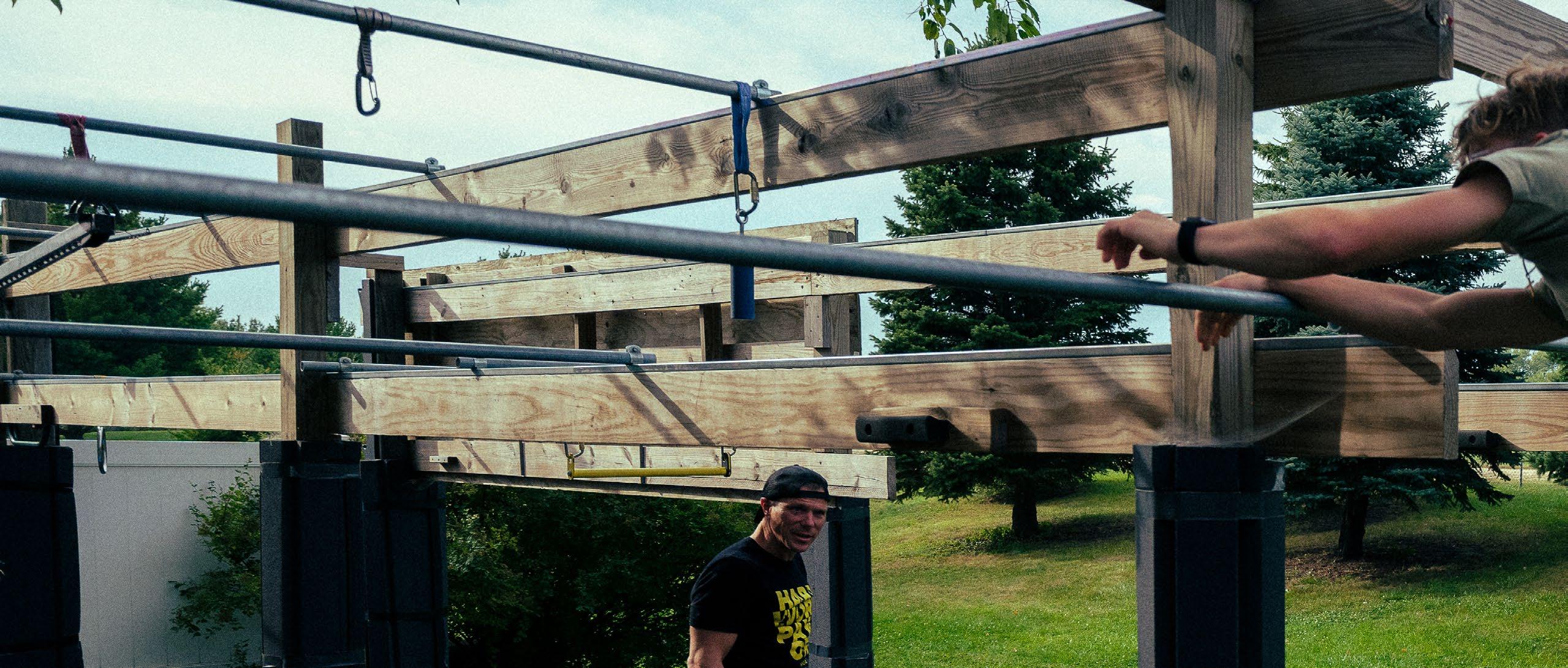
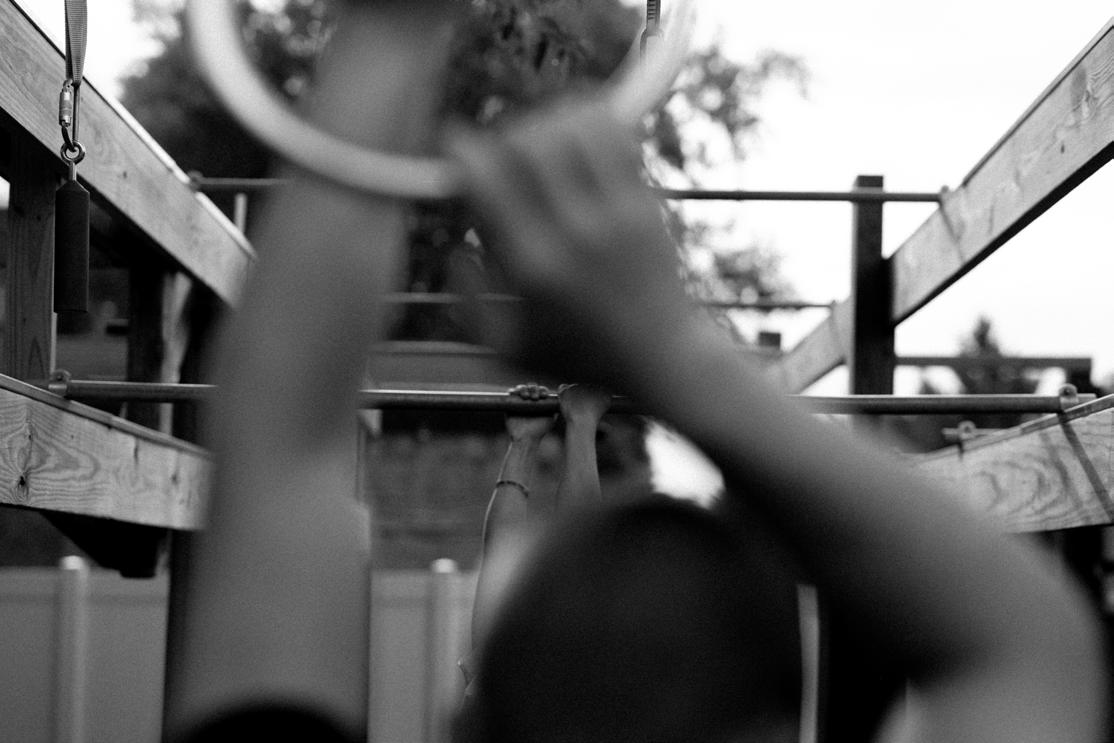
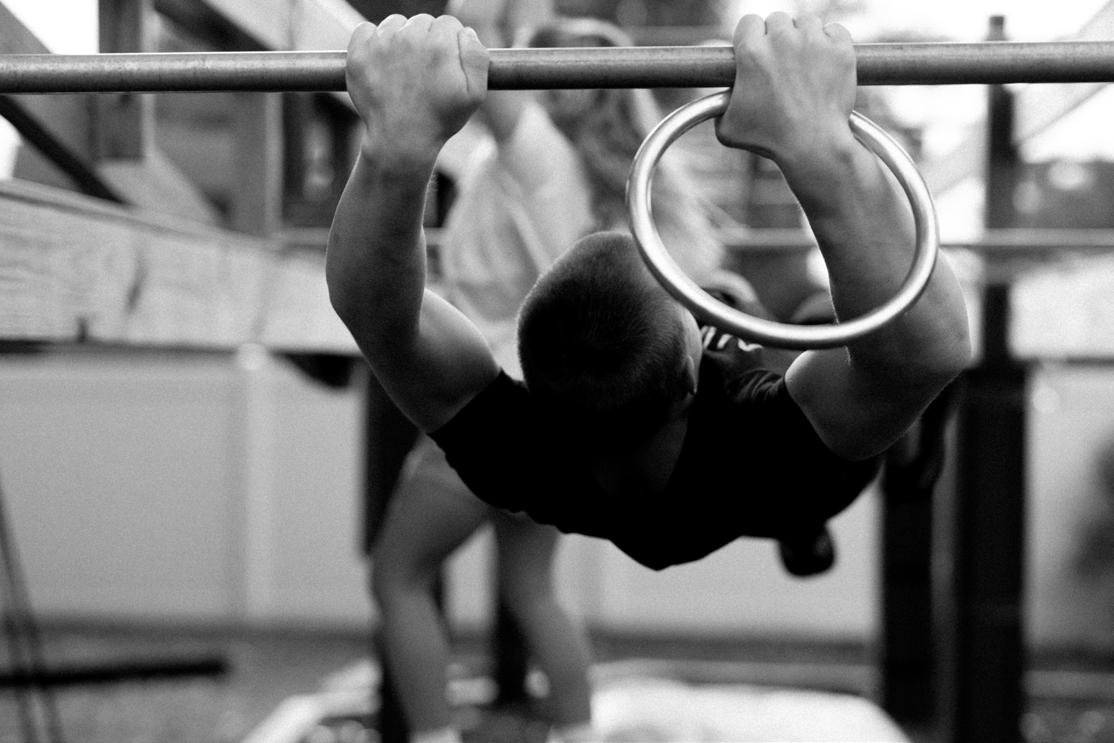
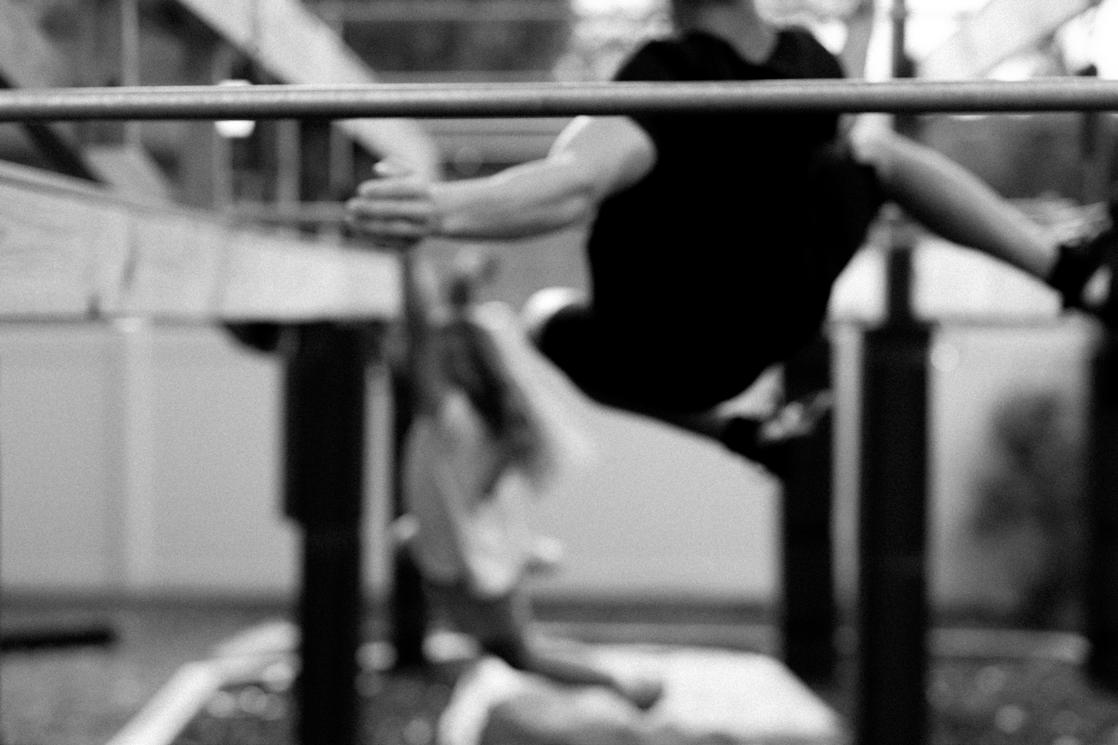
Right now, we’re in a season of transition as our oldest has graduated, is still living at home, and is working in our family-owned ninja gym. “Launching” him looks like teaching him the ins and outs of the business during the day, equipping him with practical tools like budgeting and bill-paying, and helping him build confidence before moving out on his own. With our kids being older (our youngest is almost 11), they’re independent in many ways, but they still need guidance in learning how to navigate life. This season has reminded us that parenting doesn’t stop when kids grow older—it just shifts into preparing them for what comes next.
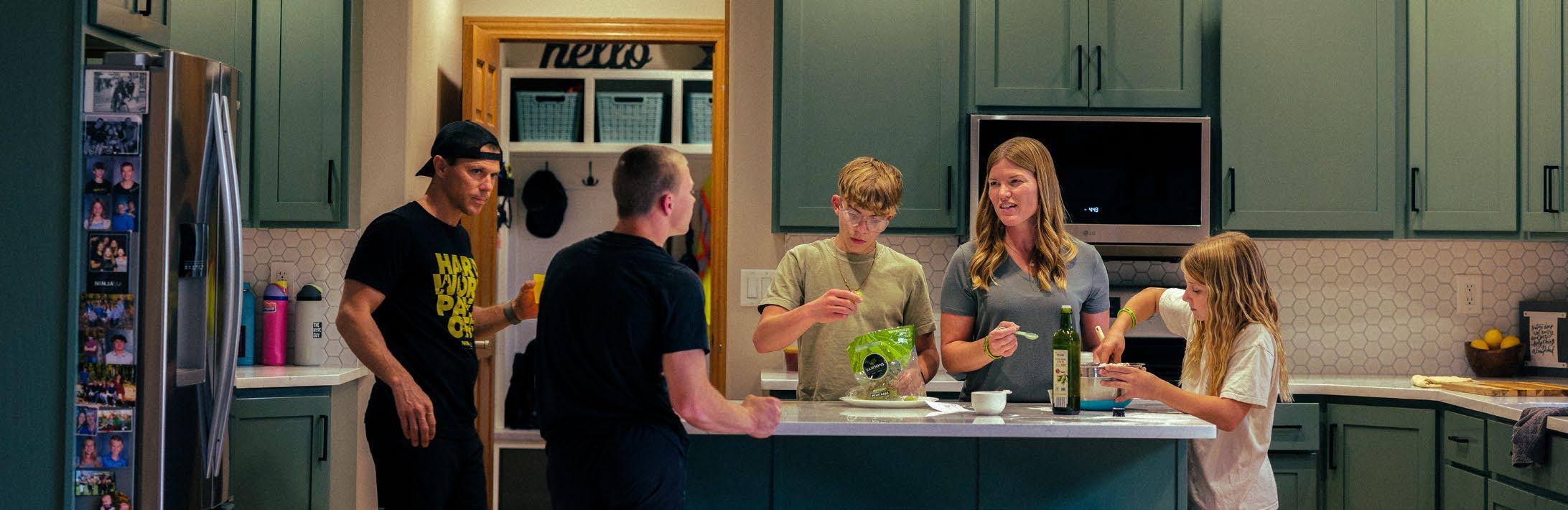
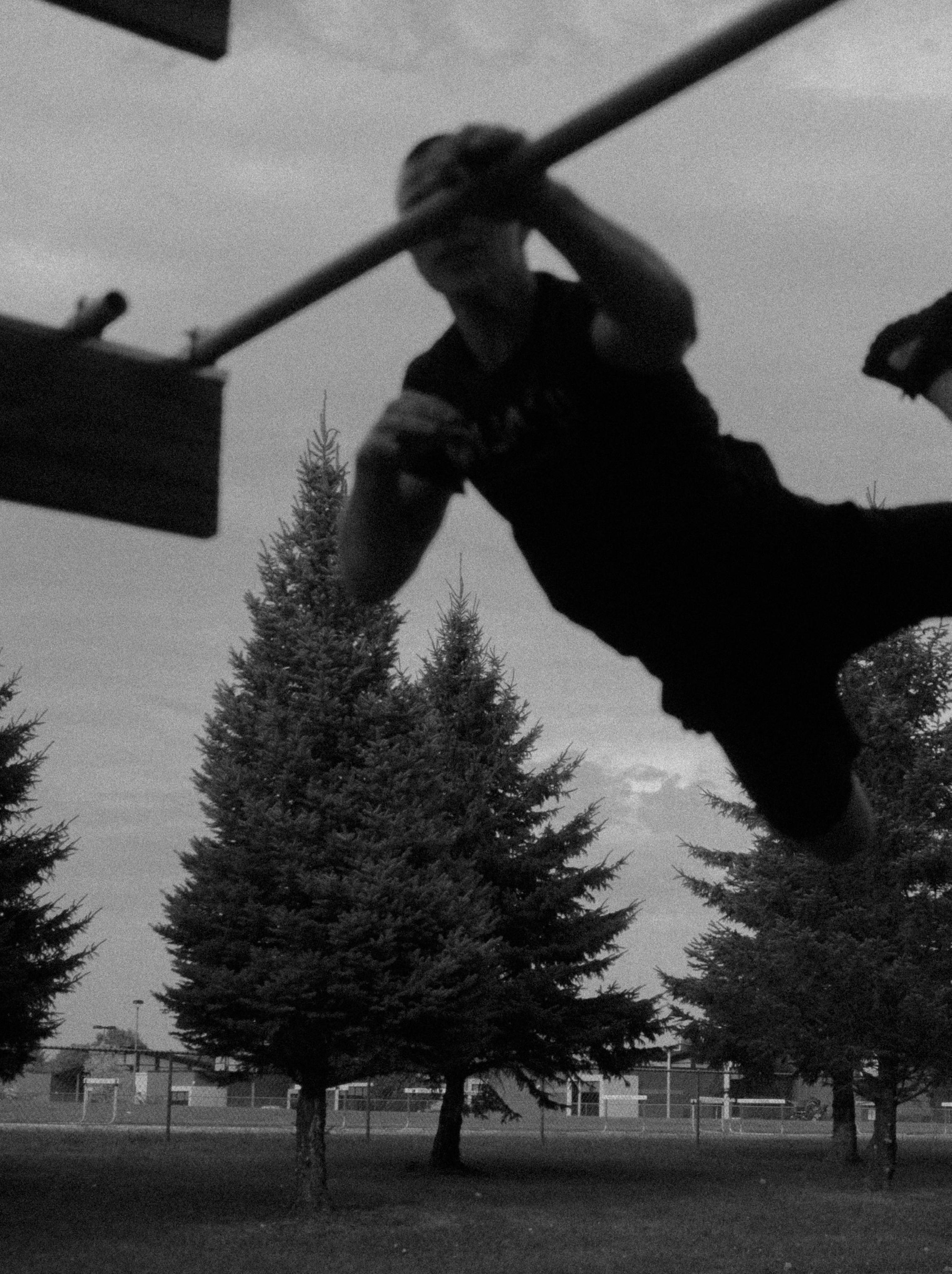


What is something you do to stay connected as a family?
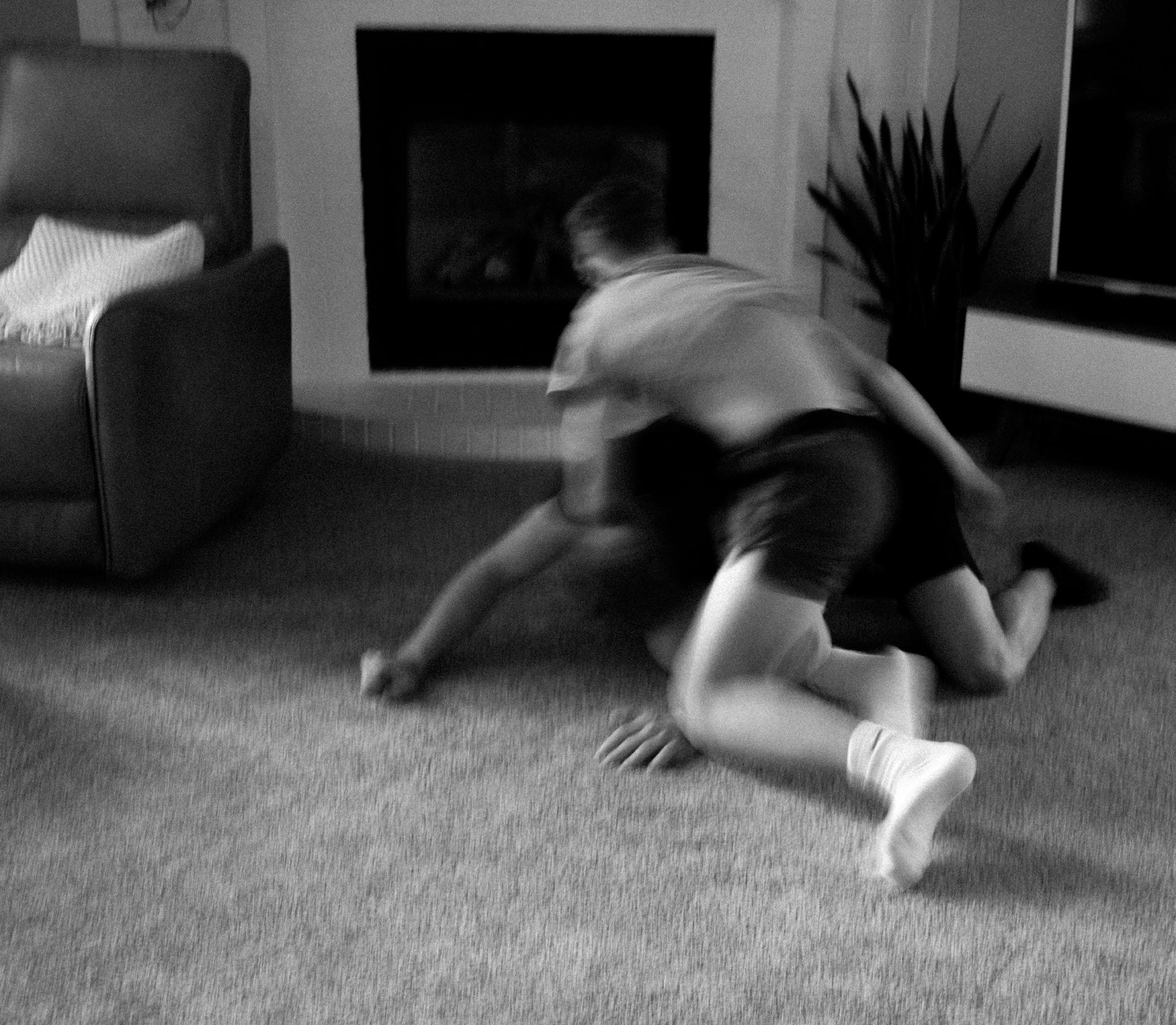
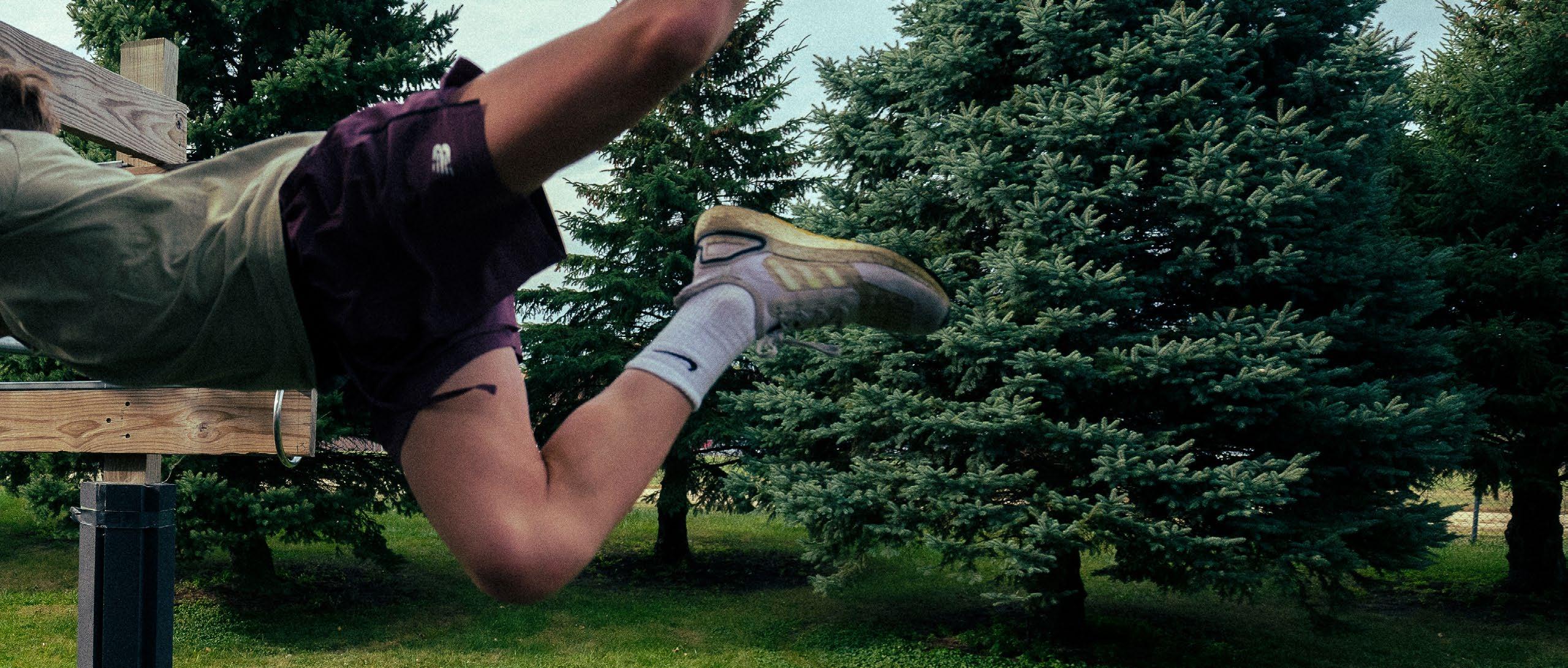
We’ve learned that connection often happens in ordinary moments. Instead of always bringing/dragging our kids along to the things we as parents do, we have been trying to join them in the things they enjoy. Yesterday it meant taking time to admire the Minecraft house my 16-year-old spent hours building. One gift God gave our family is that we all share a love of the sport of ninja warrior. All three kids, along with my husband, train and compete, so it’s become a bond that keeps us traveling together, talking together, and cheering each other on. Whether it’s around the dinner table, in the gym, or on the road to competitions, those shared experiences help us stay connected.


What is something your family is learning through this season?
This season has been teaching us to be more intentional with our time. Now that the kids are older and busier, the opportunities to connect are rare, which makes them more valuable.
We’re learning to stay up late if that means catching them after youth group or work just to talk. We’ve realized our kids are not a burden to be around— they’re a joy. Some of the sweetest moments are simply listening to them, asking their opinions, and watching them take ownership of their faith— choosing on their own to read their Bibles or live out what they believe. There’s nothing better as a parent than seeing your kids step into their own walk with God, not because we told them to, but because they want to.
A few recommendations from our team at

I










Verses App: Melody of God’s Word
A meditative and immersive way to experience the Bible.
The Valley of Vision ManchesterOrchestra
and Love and You The Avett Brothers
Jacob’s Recs
Matin Series Jess Ray
Everything’s in Your Hands Mission House
Alli’s Recs
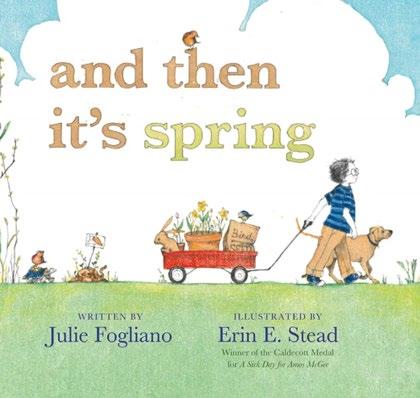
Honey For A Child’s Heart Gladys Hunt
And Then It’s Spring Julie Fogliano
What Love Aaron Strumpel
Hannah’s Recs
As I Breathe Ashley White
Cody’s Recs
Tides of a Teardrop Watchhouse The Anxious Generation Jonathan Haidt
6Practices to Hold on to When Life Feels Unsteady
Share a Family Meal: When schedules are hectic and margins are minimal, reserve one night a week to enjoy a family dinner. Take your time. Savor each bite. Play good music. And better yet, eat really good food.
Read Together: Find a book your family will love. Read it aloud…together. Stories build empathy and curiosity in our children. As Gladys Hunt, author of Honey for a Child’s Heart reminds us: “Books help children know what to look for in life…like developing the taste buds of their mind.”
Find the Silly: Take turns hiding a small (and silly) object for each of your tribe to find. Let it become your family’s new inside joke. As you come across that garden gnome in dad’s sock drawer, mom’s makeup kit, or that pile of shoes in the mudroom, it becomes your turn to hide it for someone else to find.
Kindness Matters: Practice random acts of kindness with your kids. Pay for someone’s coffee in line behind you. Make cookies for an elderly neighbor. Send flowers to school for them to give to a teacher. Let them experience the joy of serving others, even (or especially) when life feels unsteady. 1 2 3 4 5 6
Make It Themed: What does your family really love to do together? Are you mad about board games? Obsessed with comedies? Crazy about karaoke? Make it official by making it your family’s theme night. So, come any given Thursday, your family can gear up for an ‘80s dance party (that even your teen is secretly psyched for).
Say a Good Goodnight: Bring a little extra to your goodnights, especially in a season of hard. It can be a simple, “I love you,” warm hug, prayer, or singing together. Any kid at any age will relish the feeling of love and safety a consistent goodnight brings.
Alli:
Can you give me a snapshot of what your family life looks like right now?
Hilary:
We have four kids. Malia is 18 and in her first year of college. Then we have Noah, who is 16, and Anna and Erin, who are 14-year-old twins. So family life right now is busy and going in a thousand different directions. This season is all about helping launch them into who they are and what they want to pursue. So much looks different than it did when they were little, but I love getting to know them as people right now.
Alli:
You have been through many ups and downs as a family. Could you highlight a few of those major changes along the way?
Hilary:
What immediately comes to mind is Tim having a cancer diagnosis, and he did get that before the kids were born. I think that is transferable to some kind of traumatic event happening in a family, no matter what it is. It can be hard to figure out how to communicate that well to your kids and bring them along in it. Cancer definitely shaped, my goodness, the way we’ve parented, because we had to figure out a theology of suffering to raise our kids with.
Alli:
I’ve heard you talk about your theology of suffering before and really love your perspective. How has that shaped your parenting?
Hilary:
In the early years, Tim really felt like he would be healed, and then time stretched on and he wasn’t. When we had kids we were holding this tension of knowing he had incurable cancer—supposedly it will take his life earlier than expected—and yet—we were (and are) living as if he doesn’t.
As a family, we talk really honestly about the realities of life. We don’t sugarcoat them. This includes some really hard questions. Things like: You can ask God for healing, you can ask for the answer. You can ask for him to come in and put things right. And sometimes he does that and sometimes he doesn’t. And how do you stay close with God and continue trusting him when the answer is “no” or “not yet”? This is just a really serious and intense facet
of life for us. You have to address all of these realities when you have something like a diagnosis. But we’ve tried communicating it in a way that is tender to what each kid can handle at the time. Careful of how mature they are. We talked about how God can still be loving and close and with us, even when we don’t get the answers and outcomes we’re looking for.
Alli:
I know you’ve been through other big changes over the years. You moved your family from California to Tennessee when the kids were little. How did your kids handle that move?
Hilary:
The move to Nashville was really big for them. They were surrounded by everything that’s familiar and comfortable and all the people they loved, and then all of a sudden, we’re pulling up roots and putting them down somewhere else. I think each of their different personalities just weathered that differently. So Noah, our middle child, was so shaken by the move. And I would say for all of them, but especially with him, we knew we needed to be near. When everything came apart for him, he needed that reassurance of our presence.
Alli:
What do you think kids need most from their parents when life changes drastically like that?
Hilary:
I think for all of them what they need is that steady presence. So much of how our kids handle things has less to do with what we say, and more to do with how we, as parents, are navigating them and the way they experience us in that change. And that isn’t to say that we don’t share our own anxieties with our kids. Because they have anxieties, and need to know how to navigate that part, too.
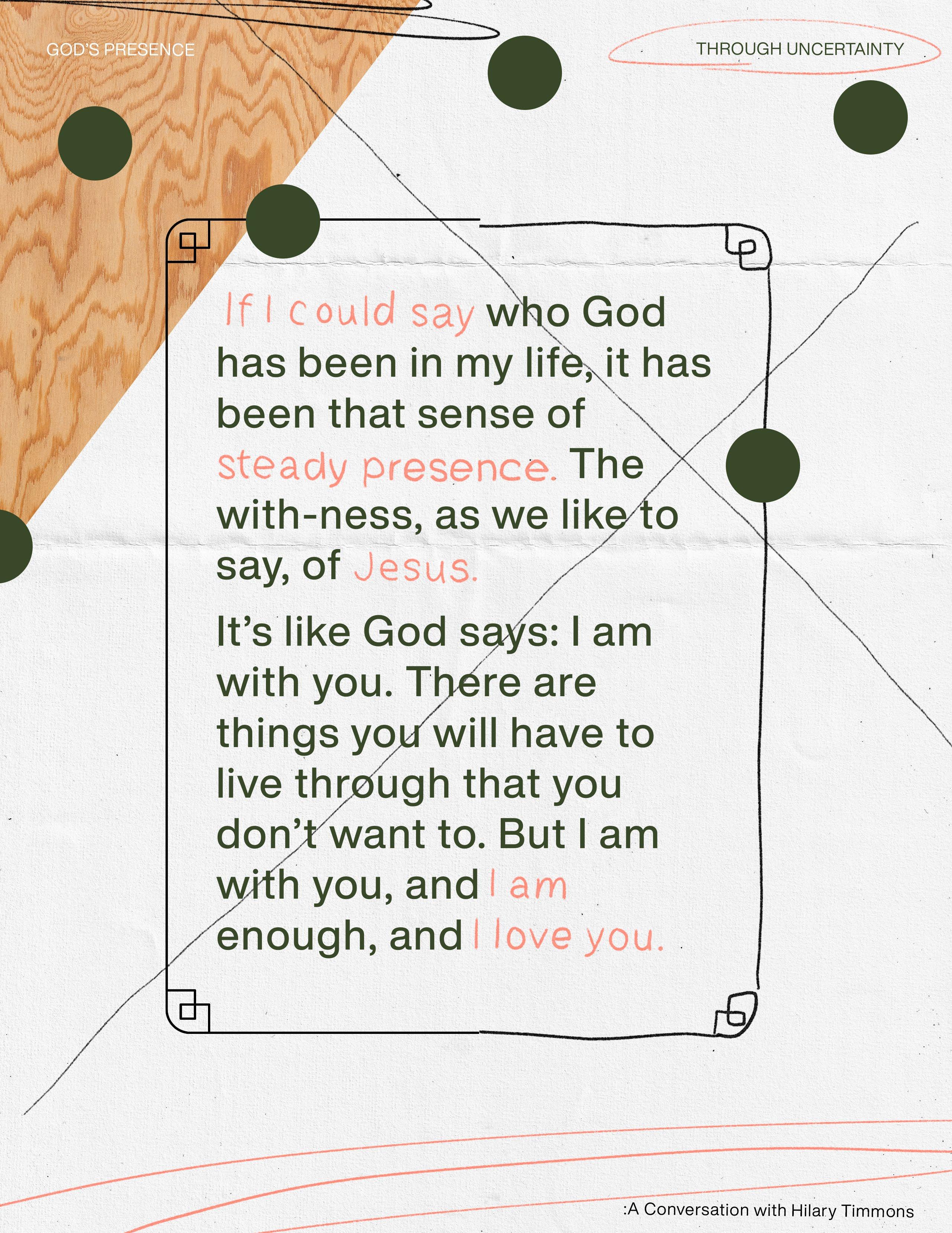
But if I could say who God has been in my life, it has been that sense of steady presence. The with-ness, as we like to say, of Jesus. It’s like God says: I am with you. There are things you will have to live through that you don’t want to. But I am with you, and I am enough, and I love you.
And there’s even a sense that he says, through this, I’m gonna do something so beautiful in you. I know there are certain sufferings that maybe you could never say that about. The suffering, when you’re in it, doesn’t feel worth it. But having come through a lot of struggle and suffering
and change, I wouldn’t give up the person God has shaped me into through it. Even though I still wish I could get rid of some of the hard things that have brought that change.
And so I think that steady presence of who God is, we can also be for our children. Our presence says: “You’re capable of coming through this. I am with you. And on the other side, it will be beautiful in some way.” I’m not big on promises of outcomes. Because we can’t guarantee those things. But what we can say is, you will be shaped in beautiful ways, important ways that shape what you get to contribute, and how you walk with other people on the other side of what you experience.
Alli:
Do you feel like you realized God’s “with-ness” at the time, or was it more obvious looking back?
Hilary:
At the time. Because I think in suffering and in changes that are hard, everything gets stripped back. So all of what life is about that doesn’t matter falls to the wayside. And the only thing you can focus on is that hard thing you have to weather. And so all of the distractions and the things we’re consumed with that keep us from seeing God, they fall away. At least that was my experience. There’s just a desperation that cries out and says: “Where are you?” And I will not say that God’s with-ness always felt like enough, to be honest.
There was a lot of wrestling I had to do, but even that was a gracious part of him being with me—that it was okay for me to wrestle with him. “Why does this have to be this way? I don’t think I can do this. Are you good, even though things like this happen? What does it even look like for you to answer prayer?”
But he was there to wrestle with and I felt permission to do that. So sometimes it looked like his comfort and his literal nearness in my most brokenhearted places, and other times it felt like I was throwing punches and yelling. And that was okay, too, to experience him that way. He could hold that.
Alli:
I hear you saying that with the distractions away and what matters clearly in front of you, it’s almost like you have ears to hear and eyes to see the presence of God. His withness is always there, but you got to experience it deeper when you were desperate for it.
Hilary:
Yes. Exactly.
Alli:
You have also had some really amazing, wonderful changes, like a movie being made about your life. I know that must be pretty crazy. How have the kids handled that?
Hilary:
It was so much fun to experience the making of a movie together, and so surreal that it was about our lives. Being on set and seeing all of the takes it requires to get a scene right, becoming family with the cast and crew, witnessing the passion of bringing a story to life… all of that was a blast to be a part of with our kids. Those experiences led to so many deeper conversations. They had questions about our early marriage and Tim’s diagnosis. They wanted to know how Tim’s real cancer story compared with the movie depiction of it. And we all got the total bonus of friendship with Milo (Milo Ventimiglia, the actor portraying Tim) and his wife, Jarah, who are the most loving, generous, and intentional people. Our kids were huge fans of Milo’s work, so the interest he took in them was so special. He named himself their “fad,” short for fake dad, and when his family was leaving town, he told them if they ever needed anything, he is always just a call away. The relationships we made as a family during the moviemaking process have forever changed us. And one of our sons, Aaron, wants to pursue screenwriting and directing because of all he saw and got to be a part of.
Alli:
And you have a book coming out that you and Tim worked on together!
Hilary:
Yes! It’s a collection of stories about the way God walked us through the hard and beautiful experiences of Tim’s cancer diagnosis and our lives beyond that. It’s about what he built into us and how we came to know and trust him through all of it.
Alli:
When your kids are older, what do you hope they’ll remember about how you navigated change together?
Hilary:
I hope they will say that we had really open and honest communication about what was going to happen for our family. And that as we were living into each change, we kept that open communication and held space for their feelings in it. Because everyone reacts to things so differently in a family. And often as parents we can place the expectation on our kids to react the way that we do—and they just never do. I hope they will say we were attentive to who they are as individuals. That they felt like they were heard and seen where they were at, that their feelings were given the space they needed, that they were supported and cheered on by us. Mainly, that there’s just an openness to talk about what they really think about things, without fear of disappointing us.
Alli:
And what would you say to yourself, to young mom Hilary, in those early years of mothering?
Hilary:
I would tell her to take a deep breath and relax into motherhood a bit. I would say you are not going to get everything right. And I think I really thought I could as a new mom. But you’re not. What you do have, though, is the opportunity for repair. And that’s so powerful.
Your kids grow up and you get to eventually have adult conversations with them. So I would say, to me as a new mom, know that each of these little, precious people are going to become who God made them to be, and you’re gonna get to talk through all the things along the way that you may mess up. And they will have so much grace for you. If you can approach them in humility and a desire for connection, there is so much beauty to be had.
Hilary and Tim’s book, Waking Up Again: A Journey Through Grief and Gratitude, will release in spring of 2026. I Can Only Imagine 2 follows the story of Bart Millard (of the band MercyMe), and his friendship with Tim, which leads to a breakthrough song speaking to God’s faithfulness despite suffering. The movie features Dennis Quaid, Milo Ventimiglia, Sophie Skelton, Joshua Bassett, and more. Photography by Mandii Erwin
Your Monday Moment
A Prayer for When My Child Changes Schools
by Cheree Hayes
Dear Father in Heaven,
We’re walking into something new, and my heart feels tender. I can see my child’s worry even when they try to hide it.
I know how much courage it takes to start over somewhere new. Please walk those new hallways beside them. And sit with them in every classroom.
Please provide kind teachers, welcoming classmates, and new friendships that reflect your love.
Help me hold this change well.
Give me patience for their moods and questions. Remind me that their big feelings and outbursts might really mean, “I need extra support.” Fill our home with grace and laughter. Let resilience grow in all of us.
AMEN.
Dear God,
We’re walking into something new, and I’m scared.
A Prayer for Changing Schools
by Cheree Hayes
No one really knows how nervous I feel inside. I’m trying to be brave, but it’s hard.
I know I’ve been acting out lately. I don’t even understand why, but you do.
I already miss my old friends, and even the kids who were mean to me.
At least I knew how things worked there. Now I don’t know what to expect.
All the new teachers, the new kids, the new everything—it’s a lot.
Please help me, God. Go with me to class. Walk beside me in the hallways. Be right there on my first day.
What if people don’t like me? What if I say something weird? The unknown feels too big.
Help me be kind and brave, and learn what I need to learn. And when I mess up, help me stay patient with myself.
But I want to have hope. I want to believe something good, something exciting, can happen here. Help me notice what’s good and true, not just the things that worry me. Give me eyes to see what you see.
Thank you for being with me, even when I’m scared. Remind me that home is still my safe place, where I can rest and feel loved. AMEN.
New Pathways Series:
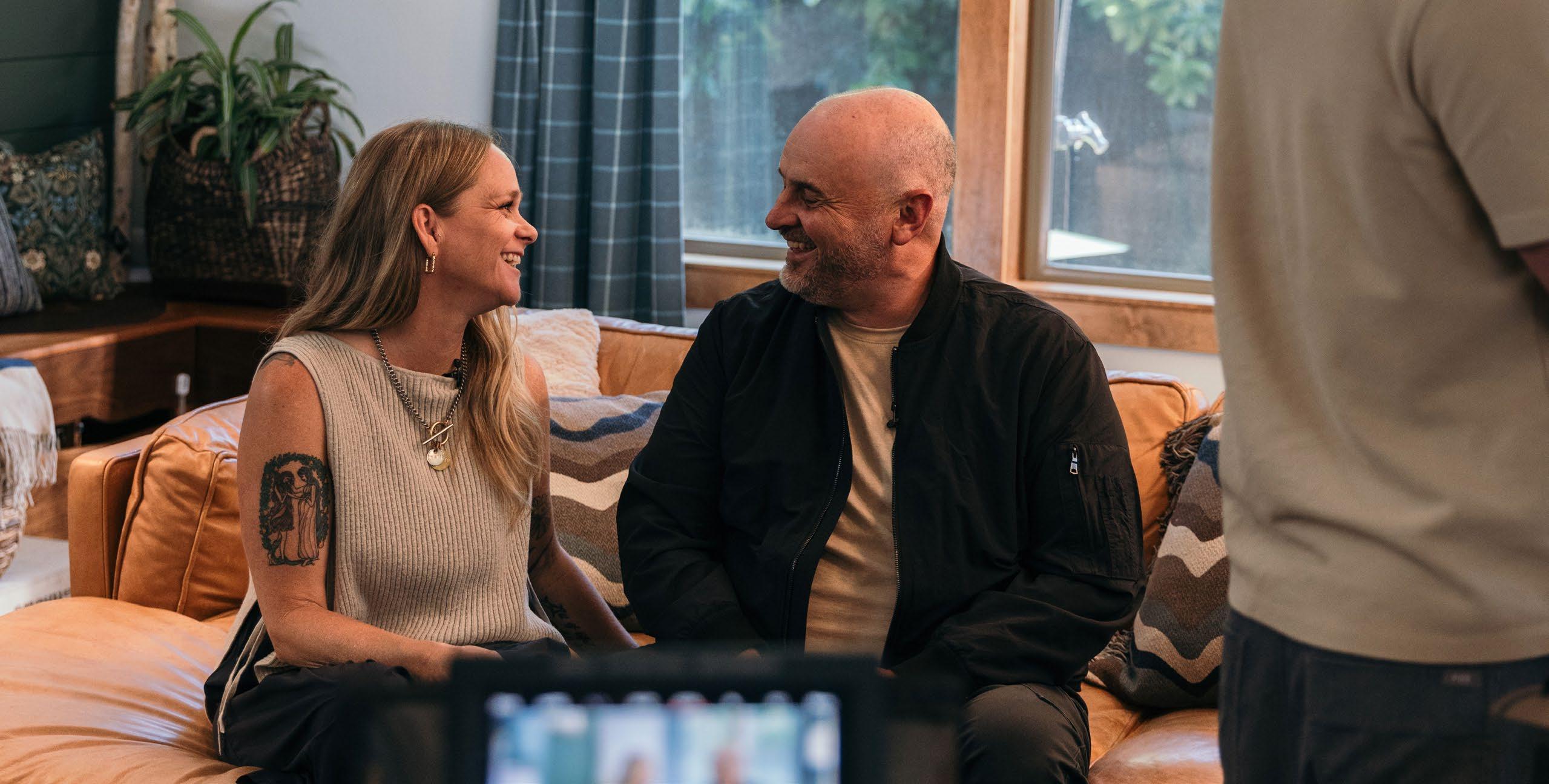
A Grace-Based Approach to Healthy Conversations About Sex
Beyond the Talk is a new multi-platform series designed to help parents navigate some of the most important conversations of their kids’ lives with confidence, clarity, and grace.
Instead of one awkward “big talk,” this project equips families with a lifelong approach rooted in the story of Scripture, grounded in real life, and shaped by the belief that grace works in every conversation, even when it’s about sex and sexuality.
At its core, Beyond the Talk exists to help parents build connection, confidence, and trust because the goal isn’t just talking to our kids about sex, but forming them into people who know they are deeply loved by God and can navigate their world with courage and grace.
A Podcast that opens real, honest conversations between Aaron and Dana about their story and their approach—helping parents move forward with no shame, no fear, just wisdom and grace.
A Video Course
(hosted by Aaron + Dana) that gives parents practical tools for every age and stage—from early childhood curiosity to teen conversations—offering wisdom families can actually use.
A Field Guide
filled with age-specific tips, conversation starters, and pathways to keep these talks going in everyday life.
Beyond the Talk
AARON DAILY
DANA DAILY














Behind the camera.
The incepting idea for this piece came like many of my ideas, during a meeting while someone else was talking. We had just chosen the theme for this issue: CHANGE. When I’m presented with a theme or idea, my mind is quick to return to its training. Reeling through concept, mulling over the possible, and deciding which is the best thread to pull. The pieces fell into place: flowers, timelapse, photography, Cornelius Martin (my dear friend and talented photographer). The designer in me didn’t want to talk about change; it wanted to show it. I wanted to illustrate how one can see a similar image over and over, and write it off as the same thing, maybe even be annoyed by it. But when one takes the time to study the detail in the progression, they can see how much change lies in the minutiae. There is much beauty to experience when we pay attention to the things that give it supply.
Cornelius, a friend I have known since childhood, and I have not had the opportunity to work together professionally, so when I asked him to be a part of this shoot I was excited at his eagerness to drive to Portland from San Francisco where he lives to be able to play and make art together. We prepped for one day, made our flower arrangement, and shot over the course of three days, waking every hour of the night to get the correct progression of shots we were aiming for.
My idea was to capture change, not death. This made it important that we reverse the order of the photos to exhibit the reanimation of something that had all of the life drained out of it. Something taking new breath, like drinking cold water after a long, hot run. Like taking the bold steps toward something that scares you. My hope is that this series would be beautiful to turn through, but that it also offers up inspiration to look closer; both inside and out, for the beauty that we so easily pass without second thought. Study it. Thank God for it, and for the love of God, share it. We all need it more than we know.
You may also notice these circles as you flip. They don every page in the same place. This concept is to remind us that, though life can be tumultuous and changing, God is always there – loving and unchanging. Though the way he shows up for us can be seen in different hues, he is steadfast.
Jacob Cowdin is a designer and creative director from Portland, Oregon. His roots are steeped in coffee, skateboarding, motorcycles, and a love for the outdoors.

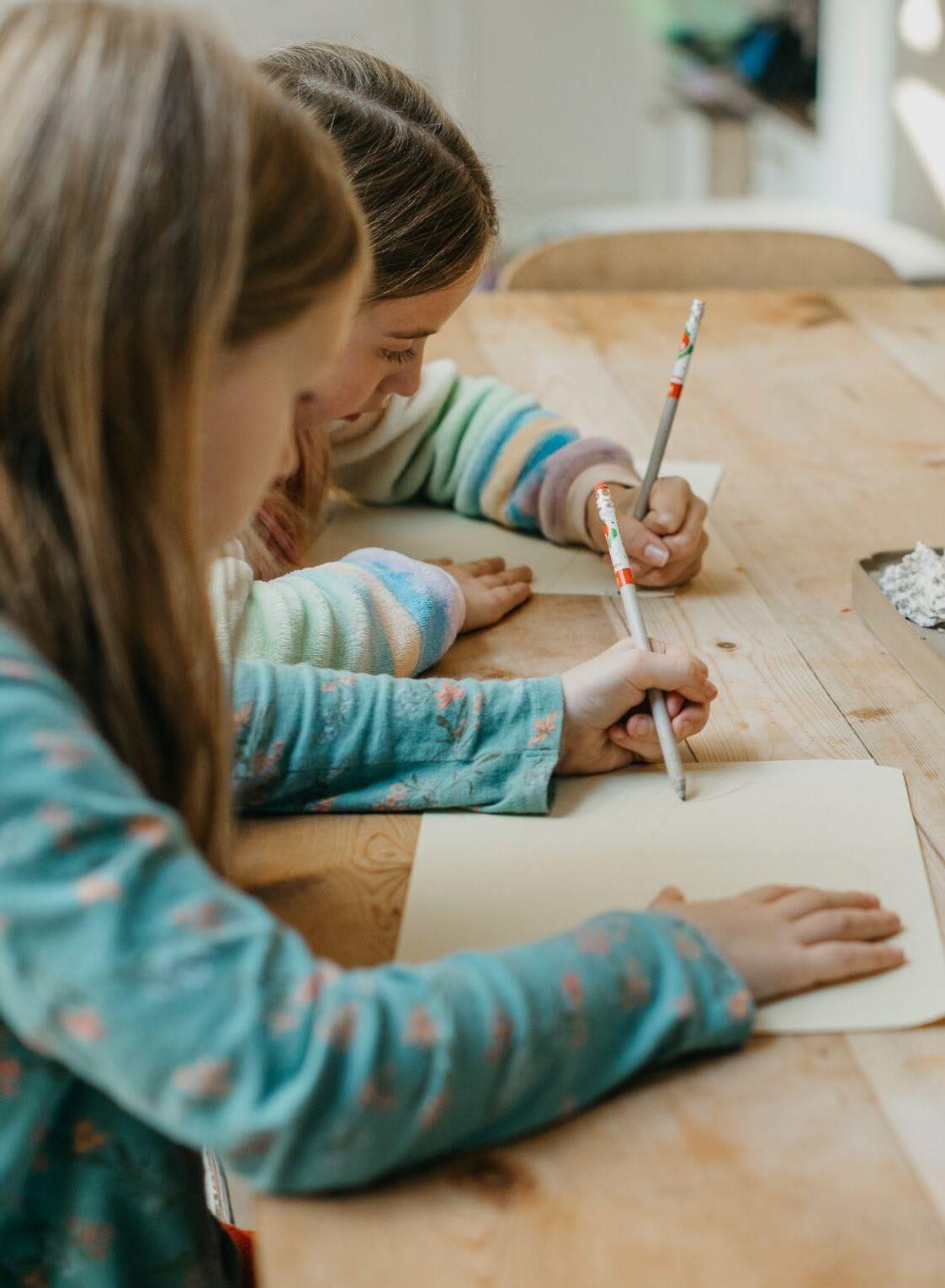
Of Bracken, and Other Natural Fractals, as
an
Image of the Unfurling Soul
The light, the low, The stooped, the slow, The way that ferns and crystals grow.
The harsh, the kind, The marsh, the mind, The kingdoms that the children find.
The trunk, the tree, The hive, the bee, The way the world is shaped like me.
The prick, the prayer, The when, the where, The way that there is something there.
The branch, the leaf, The hand, the thief, The way that we grow toward each grief.
The love, the grace, The frond, the face, The way I see you every place.
- Paul J. Pastor
First published in The Locust Years: Poems. © 2025, by Paul J. Pastor. Used with permission of Wiseblood Books.