Got Rum? ®

c ontents
April 2026
5 From The e di T or
6-9 The Angel’s s h A re - r um r eviews
10-13 C oo K ing wi T h rum
14-17 T he rum mixologis T
18-19 T he rum universi TY® li B r A r Y
24-27 The rum his T ori A n
28-31 T he r um l AB or AT or Y
32-35 rum in T he news
36-46 T he swee T B usiness o F sug A r
48-51 The his T or Y A nd s C ien C e o F T he BA rrel

52-55 C ig A r A nd rum PA iring g ot r um? April 2026 - 3



Got Rum? ®
Printed in the u s .A. A publication of r um r unner Press, i nc. Taylor, Texas 76574 - u s .A.
Tel/Fax +1 (855) rum -T i P s © 2026 by r um r unner Press, i nc. All rights reserved. April 2026
e ditor and Publisher: luis@gotrum.com
e xecutive e ditor: margaret@gotrum.com
Cigar and r um: philip@gotrum.com
Angel’s s hare: paul@gotrum.com
r um h istorian: marco@gotrum.com
r um in the n ews: mike@gotrum.com
Cooking with r um: sue@gotrum.com
w ebmaster: web@gotrum.com
d irector of Photography: art@gotrum.com
i f you would like to submit news or press releases, please forward them to: news@gotrum.com
You can download the free electronic version (low-res) of this magazine, or purchase the high resolution printed version at: WWW. gotrum . com

The printed version of “ g ot r um?” is produced with F s C-certified paper, which means it is from responsibly managed forests and verified recycled sources.
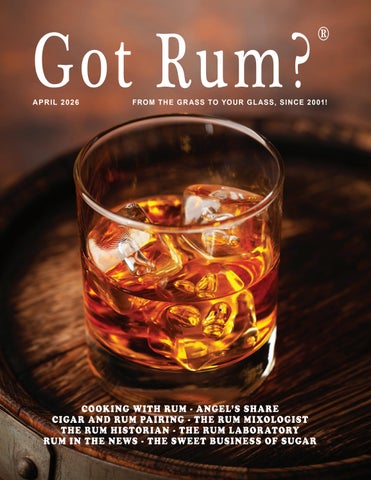
F ron T C over : Fire and i ce inside s P re A d : Fire and e arth
F rom T he edi T or April’s Showers
The month of April, associated in the n orthern h emisphere with the earth reawakening after winter, often brings the spring storms that inspired the famous proverb, “ April showers bring May flowers .” This proverb explains weather and nature cycles that have existed since before humans. i t was most likely modernized from the line “ Swéete April showers, Doo spring Maie flowers ” from a poem by 16th-century author, Thomas Tusser ( A Hundred Good p oints of Husbandry ).
The name April comes from the l atin “ Aprilis ,” likely related to “ aperire ,“ meaning “to open,” a nod to spring’s arrival. The month’s name has also been attributed to Apru , which is e truscan for the g reek goddess Aphrodite , associated with love, beauty and fertility.
r egardless of the origin of its name, its current position in the modern calendar places it as the gatekeeper of Quarter 2. i t is hard to imagine that Q1 has already washed off and that the second half of the year is marching towards us with vengeance!
The headlines around us continue to highlight distilleries, breweries and wineries facing financial challenges. There is also talk about a mega acquisition (in the form of Pernod r icard acquiring Brown Forman), and a few stories of success and hope, as few brands open new facilities and/or visitor centers.
i f you are a distilled spirits brand owner/ operator, are you ready to “soak the rain” in April, to give birth to new ideas/ products in m ay? o r are you waiting for a different type of reawakening that will propel you into the future?

i n the rum world, the numbers in n orth America are clear: premiumization continues its upward trend, especially in the r T s and r T d markets. w hile some brands are -sadly- disappearing, new ones are replacing them almost as quickly.
w ishing that everyone survives the storms (real and metaphorical) and lives long enough to enjoy the flowers that will invariably follow.
Cheers!

l uis Ayala, Editor and p ublisher http://www.linkedin.com/in/rumconsultant

do you want to learn more about rum but don’t want to wait until the next issue of “got rum?”? Then join the “rum lovers unite!” group on linkedin for updates, previews, Q&A and exclusive material.

T he A ngel’ s sh A re
by Paul s enft


m y name is Paul s enft - r um r eviewer, Tasting host, Judge and w riter. m y exploration of r ums began by learning to craft Tiki cocktails for friends. i quickly learned that not all rums are created equally and that the uniqueness of the spirit can be as varied as the locales they are from. This inspired me to travel with my wife around the Caribbean, Central America, and u nited s tates visiting distilleries and learning about how each one creates their rums. i have also had the pleasure of learning from bartenders, brand ambassadors, and other enthusiasts from around the world; each one providing their own unique point of view, adding another chapter to the modern story of rum.
The desire to share this information led me to create www. r umJourney.com where i share my experiences and reviews in the hopes that i would inspire others in their own explorations. i t is my wish in the pages of “ g ot r um?” to be your host and provide you with my impressions of rums available in the world market. h opefully my tasting notes will inspire you to try the rums and make your own opinions. The world is full of good rums and the journey is always best experienced with others. Cheers!
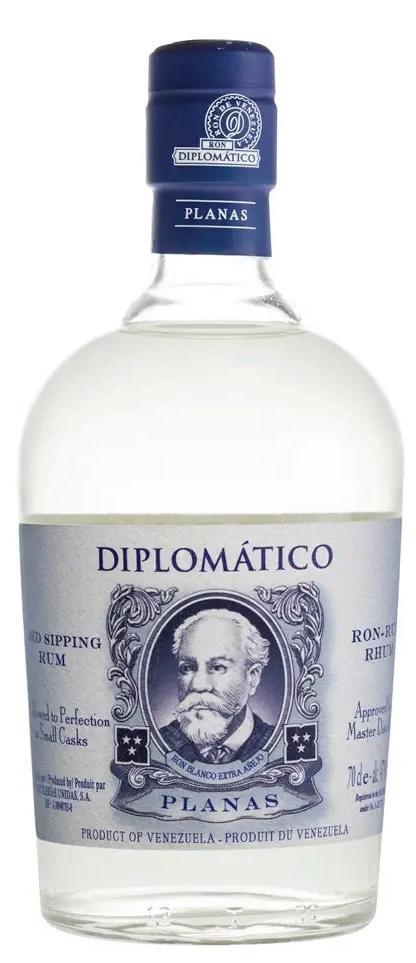
d iplomático
Planas
r um
l ocated in l a m iel, v enezuela, d istillerias u nidas s .A. ( dus A) produces the d iplomático rum line. u sing a combination of molasses and sugarcane honey as the base ingredient of their rums. After fermentation, they use a combination of column, pot, and batch kettle stills to distill the liquid that becomes the components of their rum blends. After aging their rums primarily in used bourbon barrels, they blend the rums to create the final product. For the Planas expression, the rum is a blend whose components are aged up to six years and then charcoal filtered and bottled at 47% AB v in Panama City, Panama.
Appearance
The bottle is the standard shortnecked 750 ml bottle that is used for the d iplomático line. The white and blue label shares the basic details of the rum. i t also notes that it is named for a region of v enezuela located at the base of the s an Andes mountain, where the sugarcane is grown for the distillery. The plastic-capped synthetic cork is secured to the bottle with a blue and white wrap. After it is removed, the image of founder d on Juancho n ieto m eléndez is revealed.
The liquid is clear in the glass and bottle, and swirling it creates a medium band around the glass. This band thickens and then slowly beads up and releases a single wave of legs before evaporating, leaving a ring of beads and residue around the glass.
n ose
w hen i poured the rum into the glass, the aroma of rich floral vanilla filled the air. As the liquid settled, the vanilla note

created the baseline, with notes of fresh-cut coconut, honeyed banana, a nip of citrus, black pepper, and roasted coffee bean rounding out the experience.
p alate
The earthy vanilla and fruit notes, along with the swirl of alcohol, condition the palate with its initial rush of flavors. Additional sips have the vanilla note transition to more of a toffee note as the black pepper, roasted coffee, and oak tannins infuse the flavor profile. The fruit flavors rise and fall quickly, leading to a long toffee finish.
r eview
Anytime i review a rum in this age range, i have certain baseline expectations. u sually, a clear rum in this category might have a few notes for the imbiber to experience and leave a lot of room for the cocktail creator to build on. This rum provided surprising depth with a pleasant range of flavors to experience. i now have an improved understanding of why it performs so well in classic rum cocktails like d aiquiris and e l Presidente, with the flavor hooks creating opportunities for it to work well with more modern creations. Perhaps the most interesting surprise is that the rum, while in the upper end of the price range of its category, with consideration of what the flavor profile delivers, is quite a bargain. An excellent example of what d iplomático rum blenders can create using some of the youngest rums in their aging facilities.
T he A ngel’ s sh A re
by Paul s enft
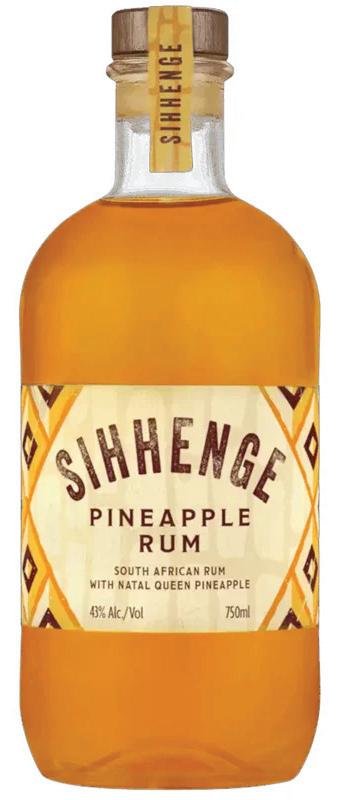
The m hoba r um distillery in s outh Africa, in partnership with h olme Cay r um, collaborated to create s ihhenge Pineapple r um. s ihhenge is the s iswanti word for pineapple, which is the dialect spoken by the s wati people who live in the m pumalanga province that the m hoba distillery is located in. The company harvests locally grown sugarcane, which they crush, and use the fresh-pressed cane juice to ferment with wild yeast. They then distill the liquid in their two custom pot stills before blending it with the juice of locally sourced n atal Queen pineapples. The blending and maturation process lasts two weeks before it is bottled at 43% AB v.
Appearance
The rum bottle is in a short-necked 750 ml bottle with an interesting label that combines the imagery of sugarcane and pineapples. The liquid in the bottle holds a dark pineapple juice color and lightens slightly in the glass. s wirling the liquid creates a thick band that releases a wave of thick legs before evaporating.
Aroma
Pouring the rum in the glass generates a strong aroma of vegetal matter and pineapple cane. As the aroma settles, the pineapple note intensifies, with a salty, savory mineral note coming into play along with a vanilla note to complete the experience.
i t would be an understatement to say that the first sip delivers “the expected” pineapple flavor. The sip delivers an extremely robust cooked pineapple flavor with a rich spicy salty caramel component that lingers throughout the experience. l ike the aroma, the vanilla note comes in at the end and helps deliver a flavorful, mineral-rich finish.
r eview
o ver the years as a reviewer and judge, i have experienced quite a few pineapple rums. This is by far the most robust one i have had, which was a pleasant surprise from the nose to the finish. The savoriness of the flavor profile creates the potential for this rum to be a hearty cocktail component and presents an interesting tool for cocktail creators to work with.
Personally, i have no problem enjoying this rum neat but even mixing it with lemon-lime soda created an interesting flavor-filled experience. Currently this product is limited to a few states, but it’s worth tracking down if you want to try something truly unique in this category.
m hoba s ihhenge

COOKING WITH RUM
Bringing the s pirit of the c ane i nto the h eart of the Kitchen!
by Chef s usan w hitley
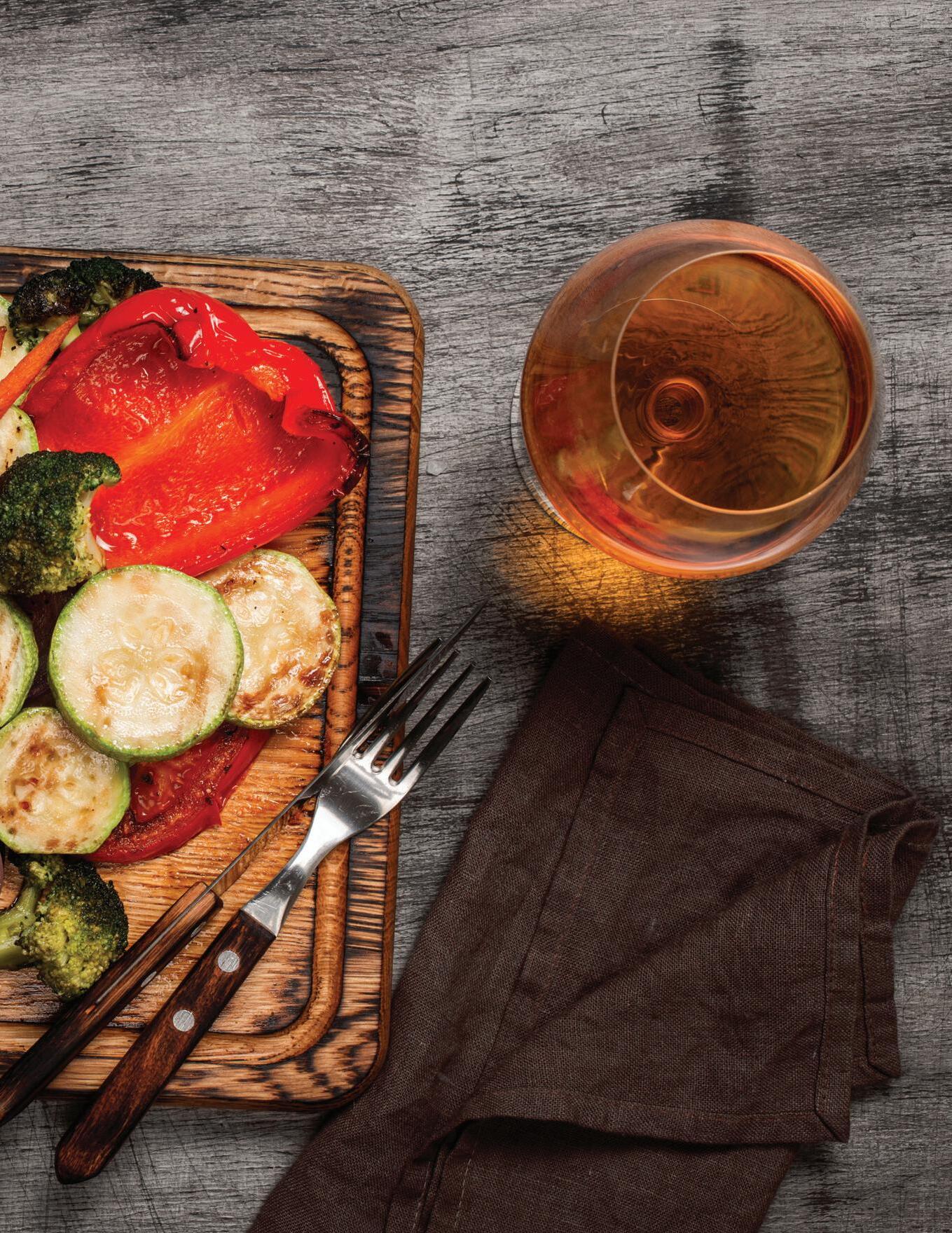
l emon- r um Blueberry p ound c ake i
ngredients

For the Cake
• ½ C. w hole m ilk
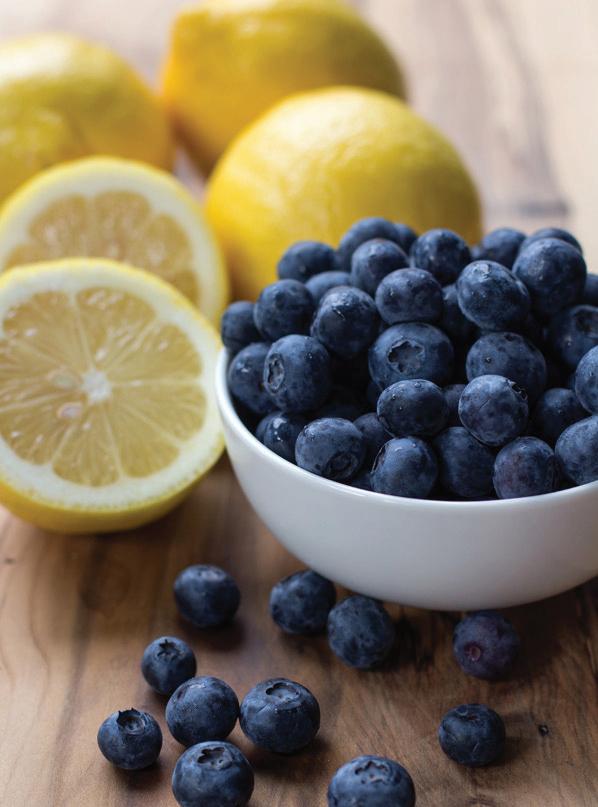
• 1 Tbsp. g rated l emon Zest, packed (see note)
• 2 Tbsp. Fresh l emon Juice
• 2 C. + 1 tsp. All-Purpose Flour, spooned into measuring cup and leveled-off with a knife
• ¼ tsp. Baking s oda
• ¼ tsp. s alt
• 1 C. Frozen Blueberries
• 1 stick (½ cup) u nsalted Butter, softened
• 1¼ C. g ranulated s ugar
• 3 Tbsp. d ark r um
• 2 l arge e ggs
For the g laze
• ¾ C. Confectioners’ s ugar
• ¼ tsp. l emon Zest, packed*
• 1½ Tbsp. Fresh l emon Juice
• 1 Tbsp. d ark r um
Directions
1. Place an oven rack in the middle position then preheat oven to 350°F.
2. s pray a 9x5-inch metal loaf pan with nonstick cooking spray. l ine the bottom of the pan with parchment paper, then spray the pan again.
3. i n a small bowl, whisk together the milk, lemon zest, and lemon juice. l et sit for at least 10 minutes. m ixture will start to curdle. w hile this is resting, in a medium size bowl, whisk together




the 2 cups flour, baking soda, and salt. s et aside.
4. i n a small bowl, toss the blueberries with the remaining teaspoon of flour. s et aside.
5. i n an electric mixer bowl, fitted with the paddle attachment (or beaters), cream the butter, sugar, and rum on medium speed until light and fluffy, about 2 to 3 minutes. s crape down the sides of the bowl, then beat in each egg one at a time, beating well after each one. s crape down the sides of the bowl again. w ith the mixer on low speed, beat in a third of the flour mixture, then half of the milk mixture. r epeat this same process two more times, scraping the bowl as necessary. u sing a spatula, fold in the blueberries until evenly combined. Then transfer the batter into the loaf pan and smooth the top.

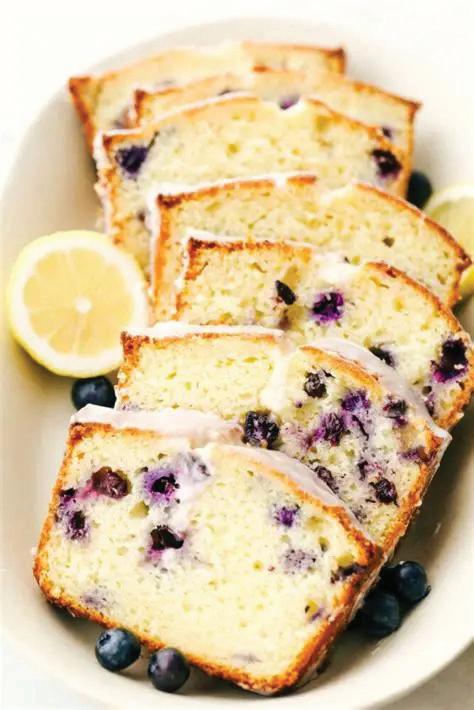
6. Bake for one hour or until the cake is golden brown and a tester comes out clean. Allow the cake to cool in the pan for about 10 minutes, then turn out onto a rack to cool completely. w hen the cake has cooled completely, transfer it to a serving platter.
Directions f or t he g laze
i n a small bowl, mix together the confectioners’ sugar, lemon zest, lemon juice, and dark rum. Add more confectioners’ sugar or lemon juice as necessary to make a thick but pourable glaze (like the consistency of honey). s poon the glaze over the top of the cake, allowing it to drip down the sides. l et the glaze set for about 15 minutes before serving. s erves 8 to 10.
* n ote: You will need 2 large lemons for this recipe and be sure to zest them before you juice them!
Photo credit: www.therecipecritic.com
THE RUM Mixologist
A space devoted to the exploration of classic and new rum cocktails
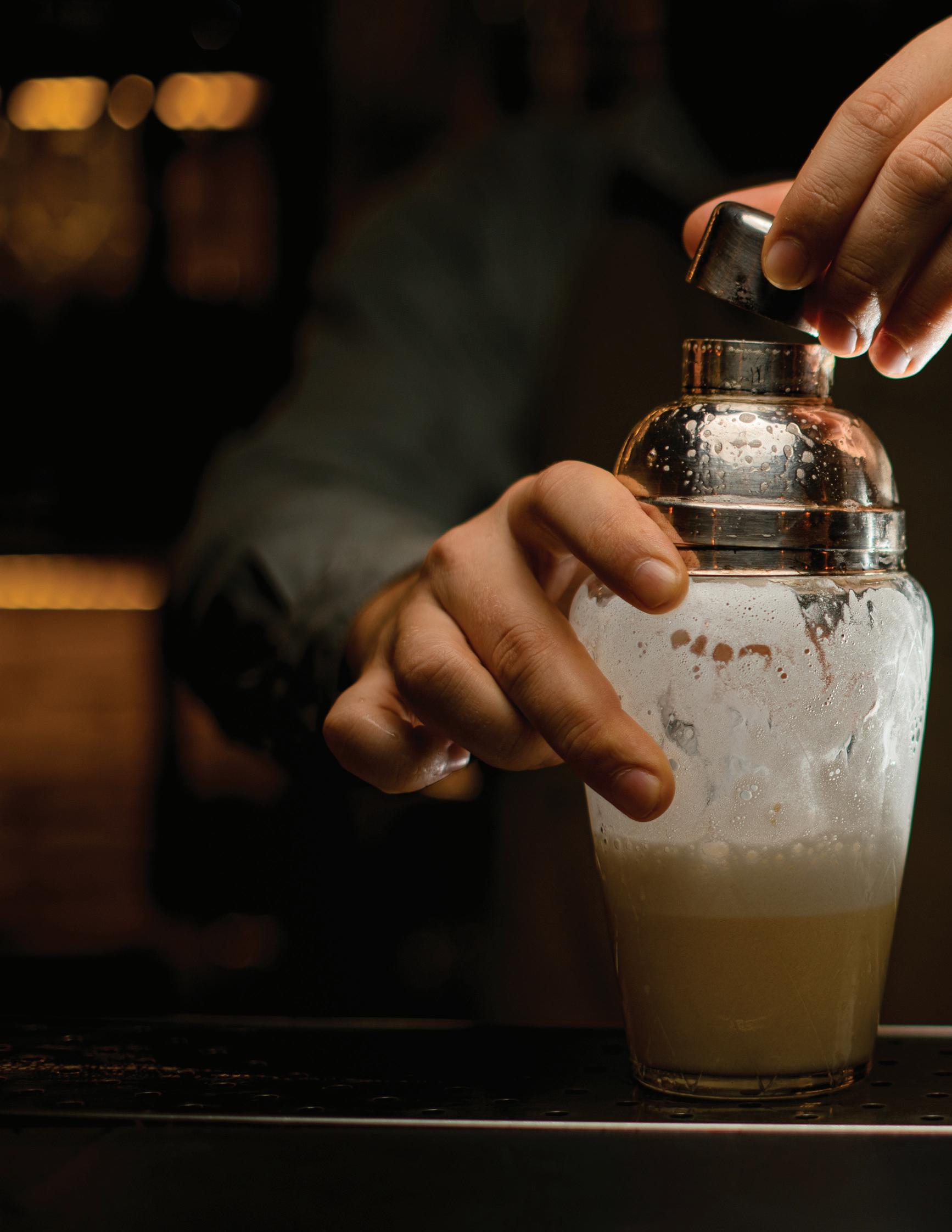

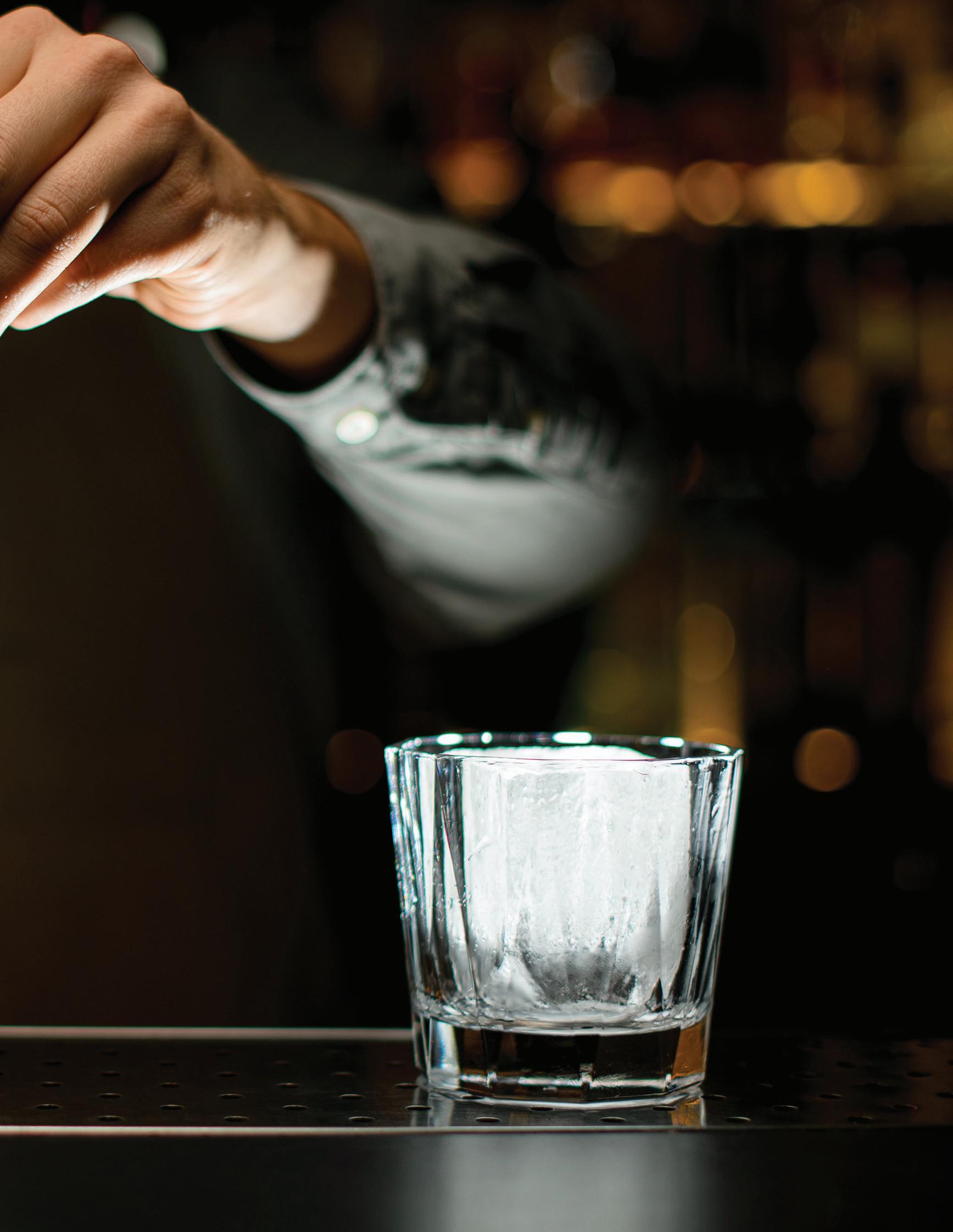
What i s m ixology?
m ixology is the study and skill of inventing, preparing and serving cocktails and other mixed drinks. m ixologists are experts in this field, but mixologists’ knowledge goes beyond memorizing basic cocktail recipes: it includes historical information, basic chemistry behind flavor combinations and a capacity for combining common ingredients in new ways.
Join us, as we explore the essential collection of rum cocktail recipes that every mixologist needs to master.
THE RUM Mixologist
This m onth’s Cocktail: h igh h orse
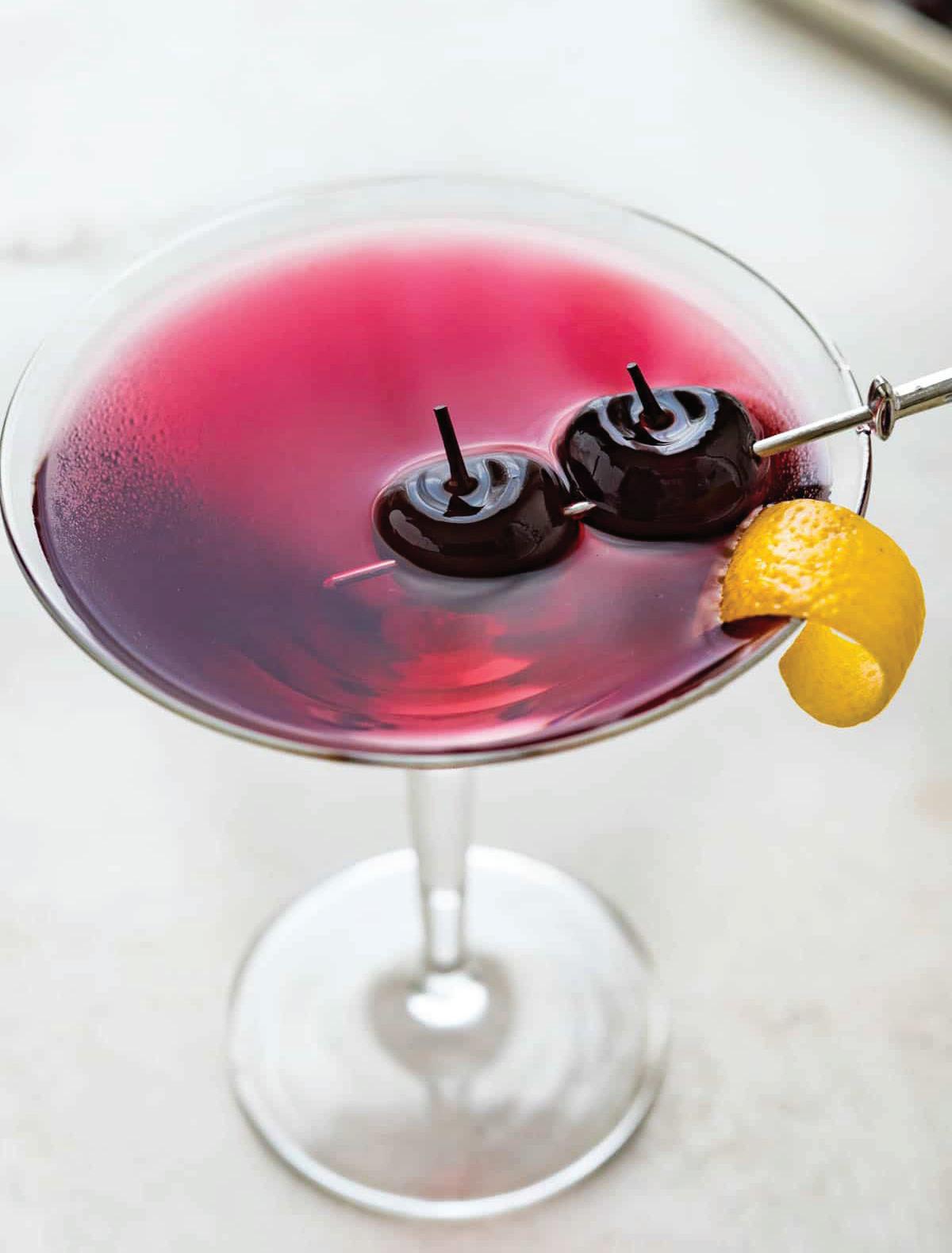
This cocktail was created by s hannon Tebay s idle, while she was a bartender at n ew York’s d eath & Co. The h igh h orse is inspired by the famous historical figure g eorge w ashington, his m ount v ernon e state and the Colonial flavors of that era, highlighting the influence of cherries in those early days of American history.
i ngredients:
• 1 1/2 ounces Aged r um
• 1/2 ounce Kirsch Brandy
• 1/2 ounce Cherry l iqueur
• 1/2 ounce s weet v ermouth
• 2 dashes Angostura Bitters
• g arnish: Brandied Cherry
Directions:
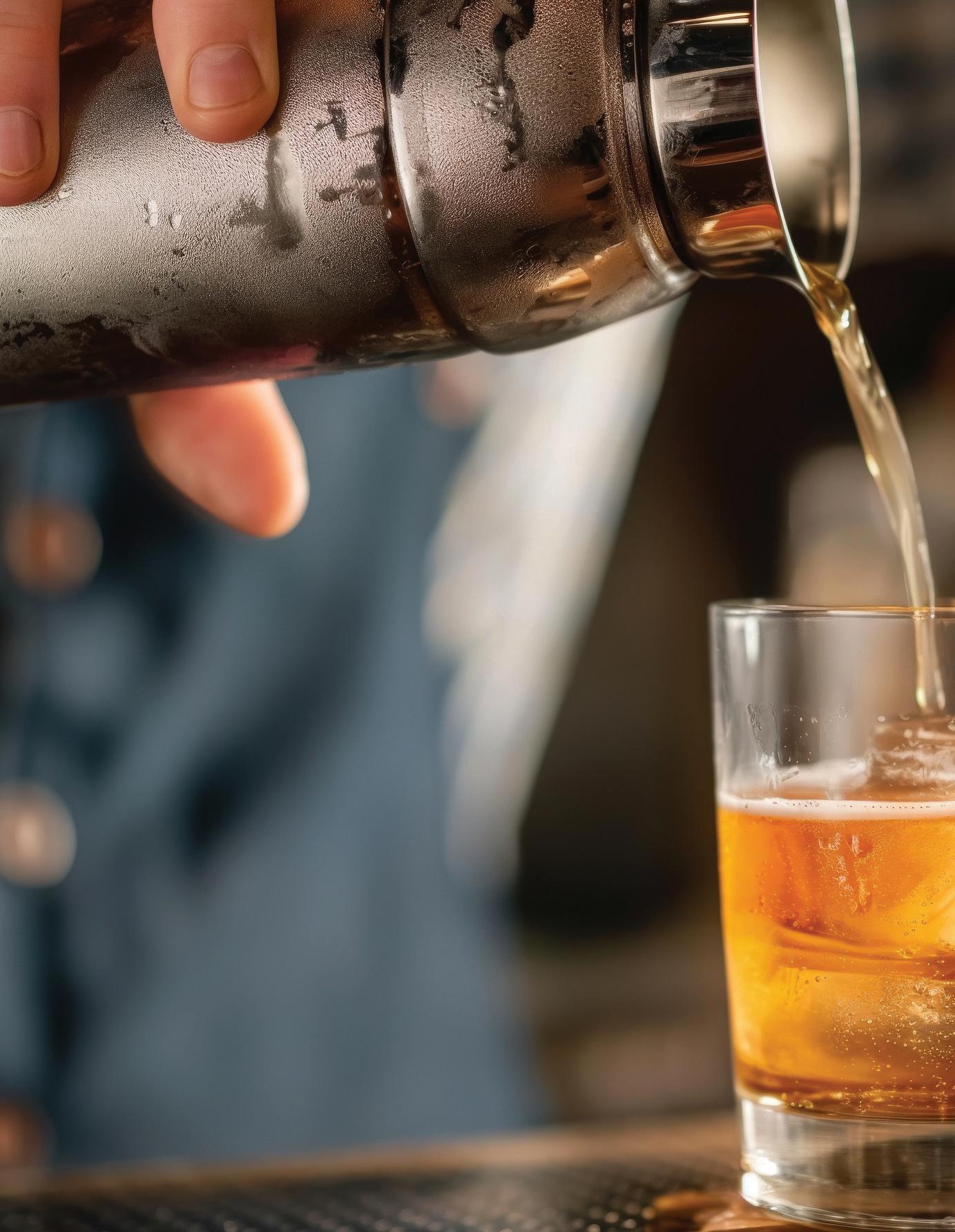
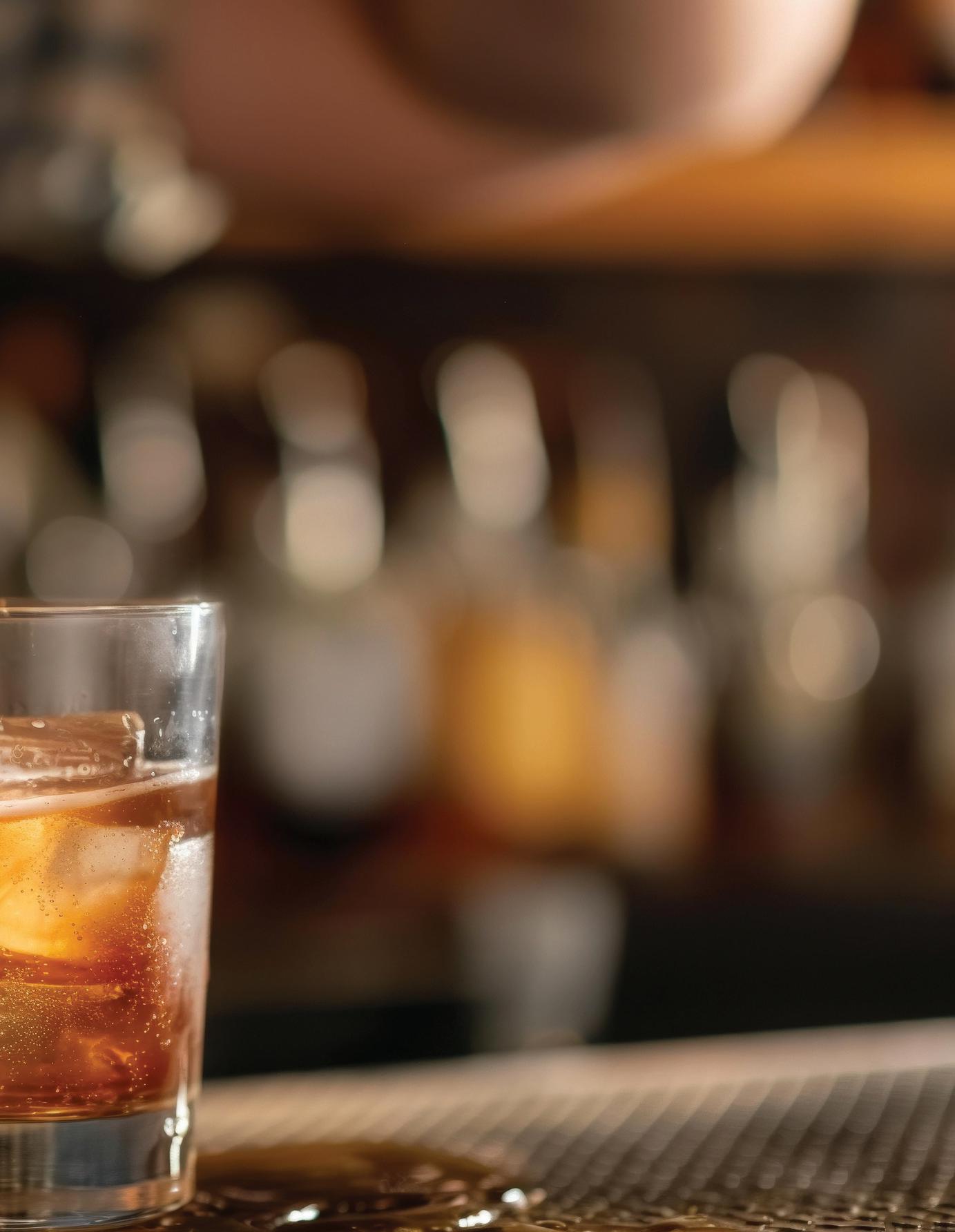
1. Add the rum, kirsch, cherry liqueur, sweet vermouth and bitters into a mixing glass with ice and stir until well-chilled.
2. s train into a cocktail glass.
3. g arnish with brandied cherries on a skewer and -optionally- an orange peel.

r
www. r um u niversity.com

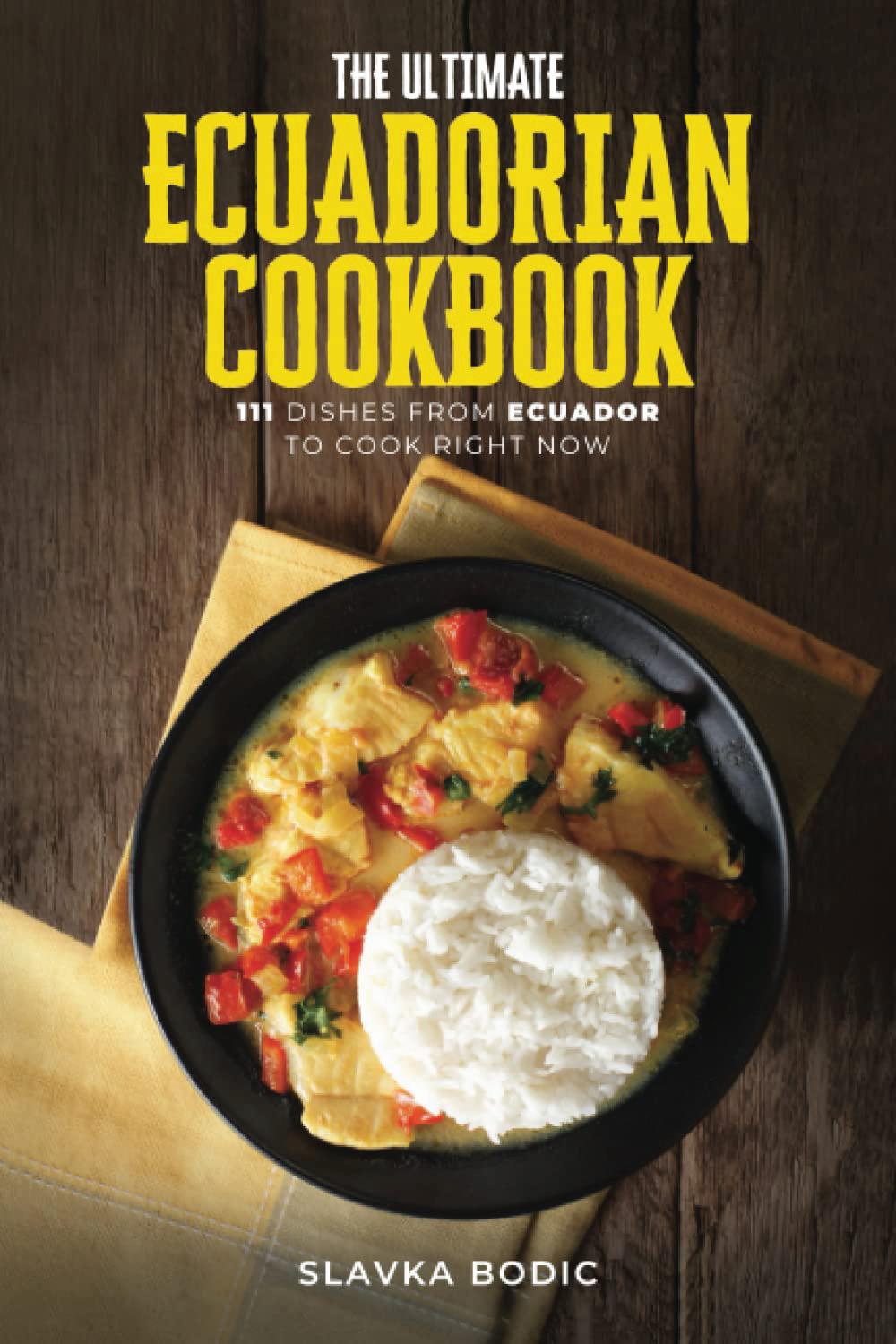
t he u ltimate e cuadorian c ookbook 111 Dishes f rom e cuador to c ook r ight n ow by s lavka Bodic
(Publisher’s r eview)
There is nothing more soul-warming and satisfying than a home-cooked meal. Home cooking is very personal and, thus, makes food taste way more delicious. You pick all the ingredients that go into your dish. p lay with the flavors to adjust it precisely to your liking until it is perfection. However, the same old recipes may get boring, even the most favorite.
• Have you been out of meal ideas lately?
• Do you enjoy trying new cuisine?
• Are you looking for nutrition and health-oriented recipes?
i f “yes” is your answer, then you are in great luck!
This ultimate cookbook offers you 111 best dishes from Ecuadorian cuisine.
The author lovingly chose the most traditional recipes. The meals that Ecuadorian mothers were making for ages. Well-balanced, delicious and nutritious dishes for any occasion and everyday cooking. Besides a plethora of fish, meat, poultry, and seafood options, this ultimate cookbook offers many vegan Ecuadorian recipes.
Don’t be discouraged by a new cuisine. The recipes are simple, and ingredients are widely accessible. You don’t need to be an experienced chef either to cook with this book. As it is thorough, detailed, and full of l atin American recipes are beginners.
From succulent ceviche, warm and cold salads to delectable desserts, the plethora of flavors will satisfy the most jaded foodie. Have a taste of a new culture with this traditional Ecuadorian
cookbook. Buy it now and discover new flavors. Visit Ecuador with this unique cookbook!
A sin : B09 s 259 d BF
Publisher: i ndependently published
Publication date: February 8, 2022
l anguage: e nglish
Print length: 216 pages is B n -13: 979-8402699878
i tem w eight: 13.6 ounces
d imensions: 6 x 0.49 x 9 inches
t raditional Drinks f rom

Mistela
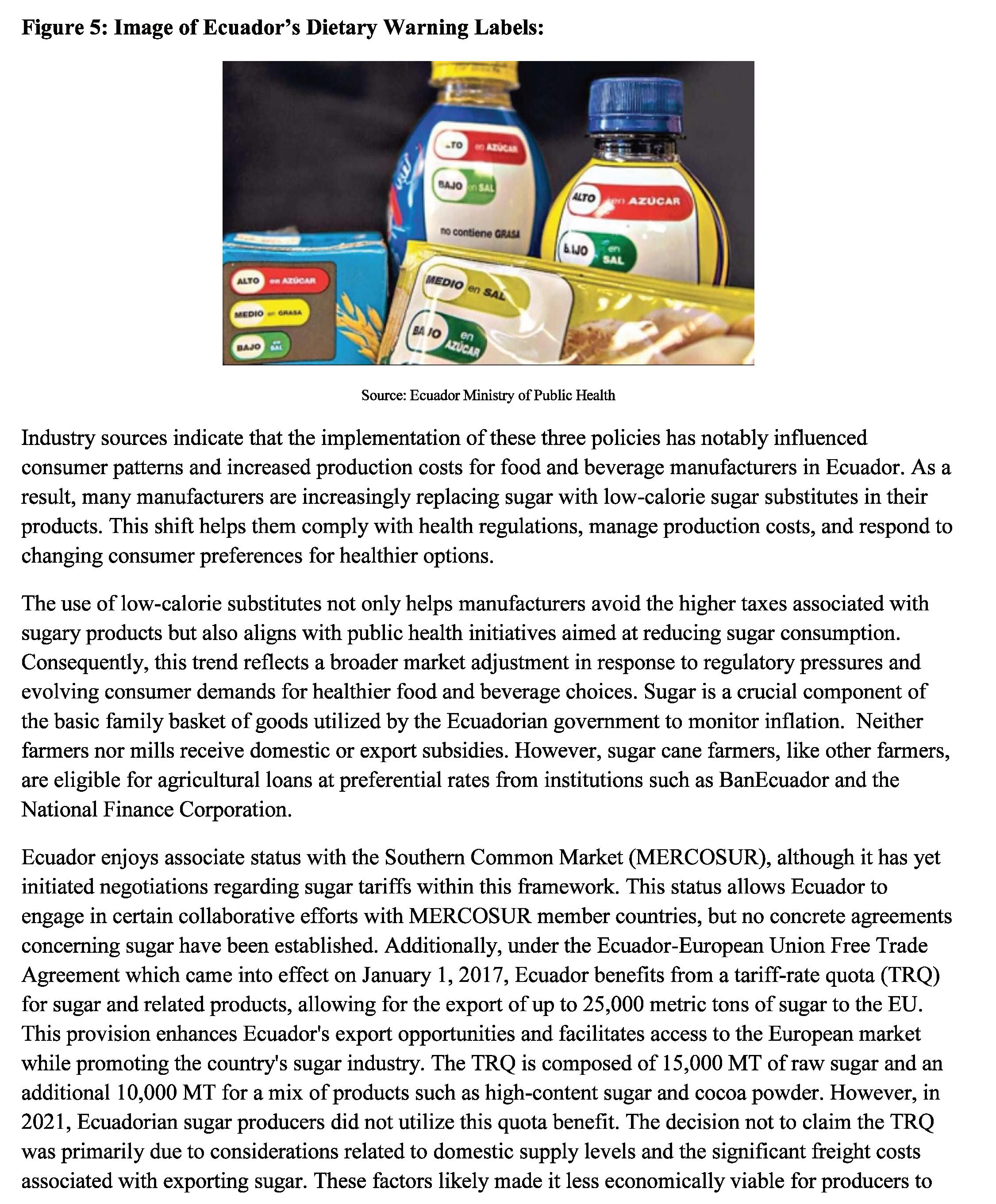
Originally a Spanish drink, mistela is a cocktail that’s traditionally infused with coffee, cinnamon, orange peel and clove, and added with aguardiente, which is considered the domestic alcohol of Ecuador.
Although you can find mistela anywhere in the country, the best concoctions can be found in Quito at Quesadillas de San Juan or La Cruz Verde.
Ecuadorians usually drink Mistela after lunch to finish a good meal.
Canelazo
The drink got its name from the Spanish word canela , which means cinnamon. You will instantly taste that strong hint of cinnamon on your first sip.
Also called cinnamon spiced rum , canelazo is a must-try cocktail drink when you’re in Ecuador.
This warm alcoholic beverage is traditionally served in family gatherings or parties, especially on cold nights.
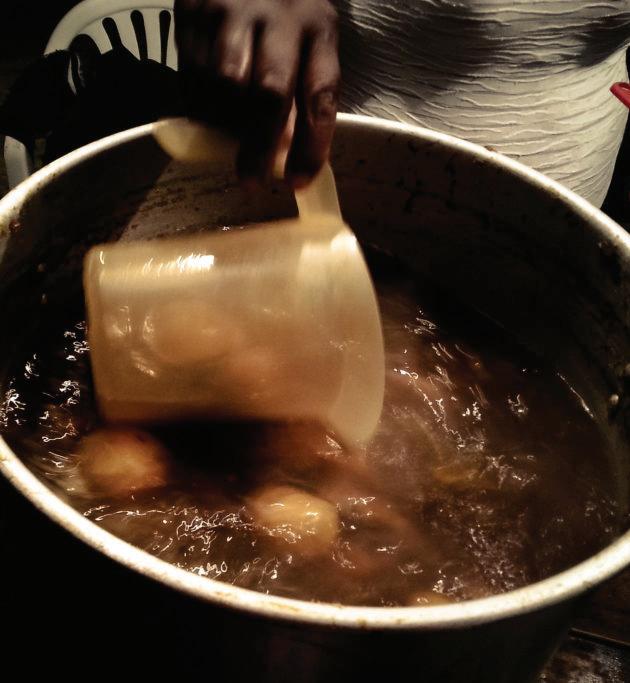
Canelazo’s primary ingredient is the locally made aguardiente and it is mixed with water, panela, cloves, cinnamon, orange juice, lime juice, and anise.
The alcohol content of canelazo depends on how much aguardiente is put into the mix.
You have to be careful not to get drunk when you just want to enjoy a nice cinnamon drink. People often make this mistake during Ecuadorian festivals in the Andes when it gets cool at night.
Some locals also make non-alcoholic versions of canelazo for the children to enjoy.
Aguardiente
Aguardiente is the national drink of Colombia. However, it is also enjoyed a lot in Ecuador and other South American countries like Brazil, Chile, and Mexico.
You’ll also find it in Central America, where it is in many Costa Rican drinks and known as G uaro
What makes the aguardiente in Ecuador different from that of Colombia is that it is usually left unflavored.
The Ecuadorian liquor is also made from local cane sugar and contains 29-60% of alcohol by volume.
Aguardiente is similar to Tequila, which is taken as shots or mixed with fruit juices and cinnamon to make canelazo , which is a favorite Ecuadorian cocktail.
Since it is not aged, aguardiente cannot be considered rum.
But if it is placed inside a wooden barrel for a couple of years, then it becomes proper rum.
Zhumir is Ecuador’s most popular commercial brand of aguardiente.
You can get it straight or also in flavors like lime, maracuya and other Ecuadorian fruit.
Rompope
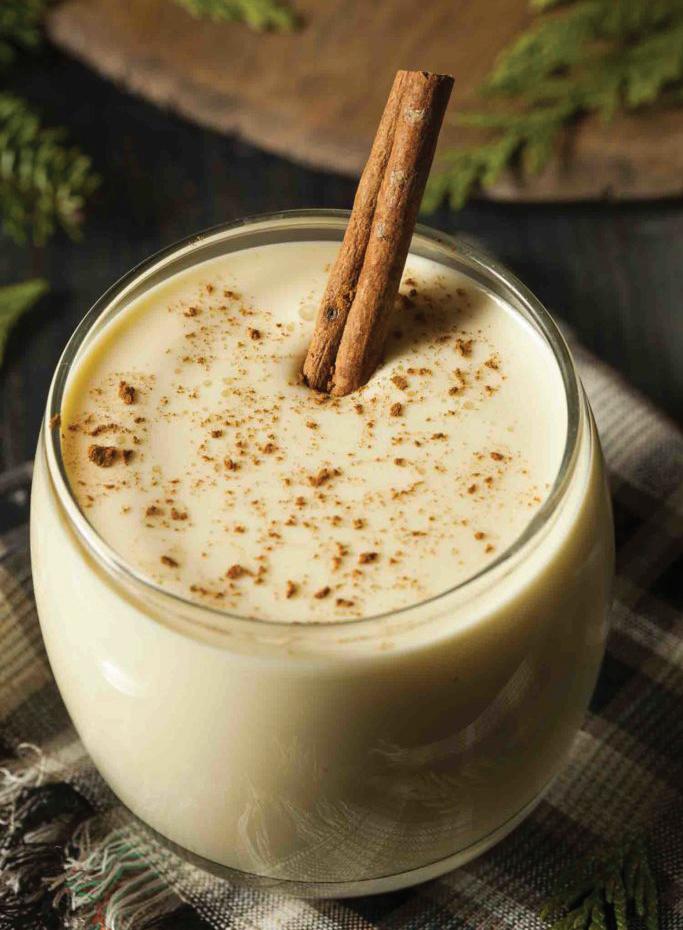
If you love a good eggnog drink during Christmas, then you’ll surely love its South America version called Rompope.
This Ecuadorian Christmas drink is a take on the classic eggnog drink or Cuban crema de vie. It is made with milk, egg yolks, condensed milk, sugar, vanilla, orange peel, cream and aguardiente.
Rompope is also called Ponche de Leche in some regions of the country.
Just be careful when drinking this seemingly innocent cocktail because it can easily make you drunk with its aguardiente content.
Source: www.baconismagic.ca
ot r um? April 2026 - 22

your o ne- s top s hop for Aged r ums in Bulk!
• Column- d istilled, Pot- d istilled or Blends
• h igh Congener ( i ncluding h igh e sters), l ow Congener or Blends
• Aged in American or French o ak Barrels
• Aged in r ye w hiskey, Bourbon, Tequila, Armagnac, Port, s herry and w ine Barrels
• s ingle Barrels and s econd Aging/Finish
• d istilled in the us A, Central America, s outh America or in the Caribbean
• o ver 150 m arks/ s tyles Available, plus Custom Blends
• l ow m inimums and Fast Turnaround, w orldwide s hipping www.
the rum histori A n
by m arco Pierini
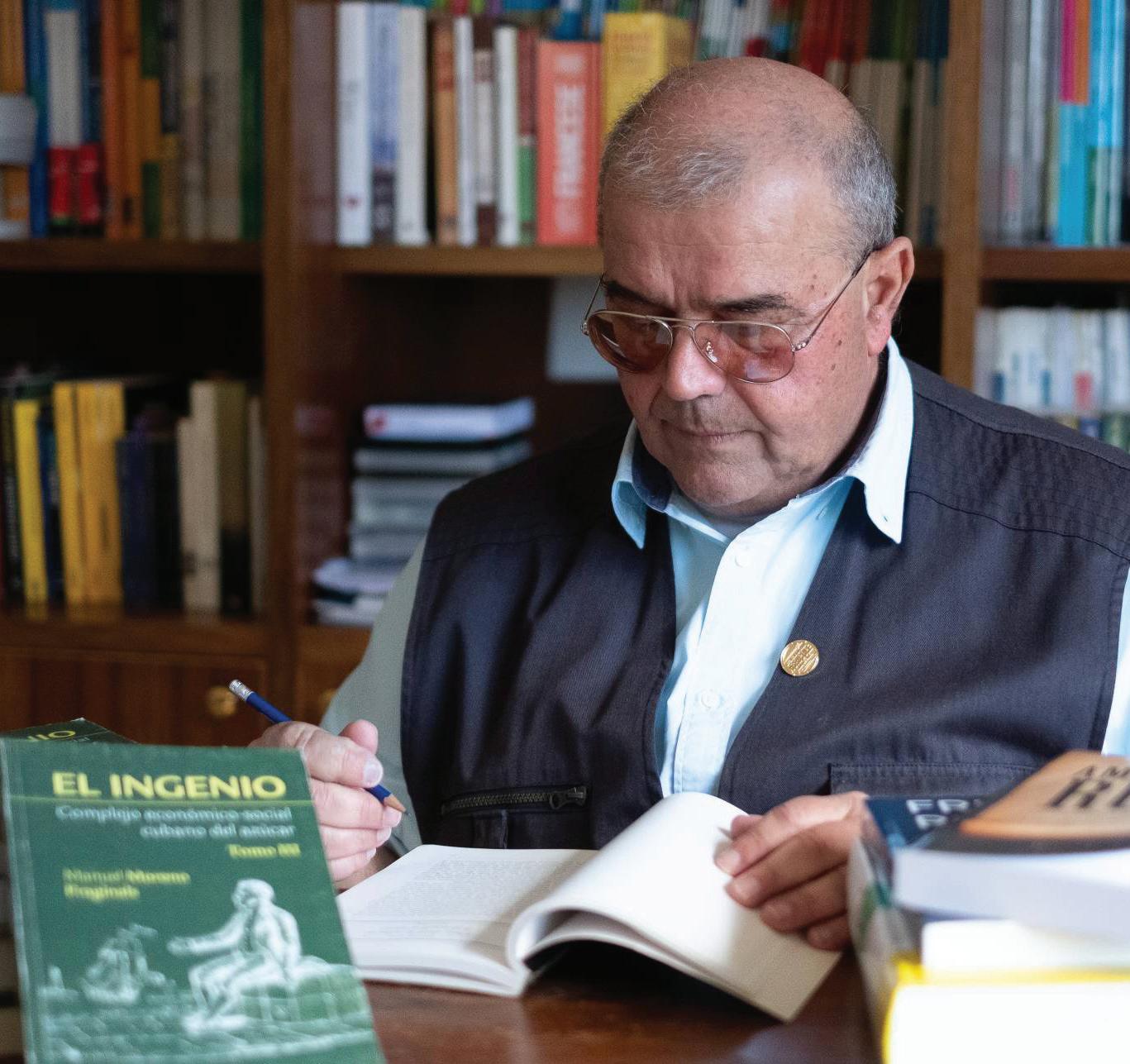
i was born in 1954 in a little town in Tuscany ( i taly) where i still live. i n my youth, i got a degree in Philosophy in Florence and i studied Political s cience in m adrid, but my real passion has always been h istory. l ife brought me to work in tourism, event organization and vocational training, then i discovered rum and i fell in love with it.
i have visited distilleries, met rum people, attended rum Festivals and joined the r um Family. i have studied too, because r um is not only a great distillate, it’s a world. Produced in scores of countries, by thousands of companies, with an extraordinary variety of aromas and flavors, it is a fascinating field of studies.
s oon, i discovered that rum has also a terrible and rich h istory, made of voyages and conquests, blood and sweat, imperial fleets and revolutions. i realized that this h istory deserved to be researched properly and i decided to devote myself to it with the help of the basic scholarly tools i had learnt during my old university years.
i n 2017 i published the book “A meri CA n rum – A s hort h istory of r um in e arly America”
i n 2020, with my son Claudio, i have published a new book “F ren C h rum – A h istory 1639-1902”.
his T or Y o F C u BA n rum
31. l A F lorid A “ WHE r E COCKTA il S A r E A r EVE l AT i ON ”
“ m ore than over one hundred years ago – in the simple days of 1819 – a typical s panish chophouse rose above the old city walls, at the entrance to m onserrate gate. i t was a pleasant house of grilled windows that homed the beaux, musicians, army officers, attorneys, actors, and men of all nature, people of honor and fashion desirous of the delicious, tasty ‘mixed gin’ or cherry brandy.
i n thier carriages, the ladies, under their silken parasols, sipped – while being courted by their gallant knights – glasses of the various refreshments peculiar to Cuba.
This ideal, venerated place was named ‘The s ilver Pine’.
Twas over a century ago!
At present – in the passage of time – ‘The s ilver Pine’ that faces Albear square overlooking the old colonial streets full of the traditions of a splendorous past of majestic heroism, has been renamed ‘ l a Florida’.
Because the modern ‘cocktail’ is the poetry of liquor.
g ot r um? April 2026 - 24 g ot r um? April 2026 - 24
i t is like the slender perfume of a rose. i t is the essence of a delicious vibration. The fine crystal of the cocktail glass enables you to enjoy all the good that exists, leaving the hardships of daily life forgotten. The scenery is of unsurpassed beauty. Pain is unnoticeable. l ove is sweeter and more tender.
The ‘cocktail’ is spiritualism! … i mportant magazines in the u nited s tates and e ngland wrote – at the beginning of the d ry e ra –that, fortunately for the present and future generations, the art of the cocktail would remain, as did ancient culture in e urope during the invasion of the barbarians, safely revered in its most sacred temples, viz; The American Bar in Paris, facing the g rand o pera (at the rear of the Café de la Paix), and the Bar r estaurant l a Florida in h avana, Cuba.
Today, - as a century ago – and situated over the same old stones of the ‘ s ilver Pine’, the Cathedral of the Cocktail where Constante officiates stands amid the streets of traditions for the delight of good drinkers and continues to be the gathering place of men and women who can distinguish the good wines and drink in extasy the essence of a cocktail – sweet symbol of a high and elaborate civilization.
‘The s ilver Pine’, ‘ l a Florida’ café – 18191935 – through the ages, always the same … ‘Cocktails’, r efreshments, i ces, s miles, Flirtations, h appiness, Business, e fforts, l ove. o ver the same old stones. Facing the same scenary. e ternal, under the same warm, blue sky.”
s ome years ago a m r. r oss Bolton, whom i don’t know, but i wish to thank here, curated the reprint of a little, wonderful book “ Bar Florida Cocktail-s 1935 ”. From this booklet i drew the material presented above. i n the course of my now extensive studies on rum and on drinking culture, seldom have i come across a text of such elegance, one so capable of evoking the pleasure not only of drinking well, but of living well, insofar as life allows. Presiding as h igh Priest over this Temple of the Cocktail was the most celebrated of Cuban bartenders; indeed, one of the most renowned anywhere, Constantino “Constante” r ibalaigua v ert. To him is attributed the phrase “ Where cocktails are a
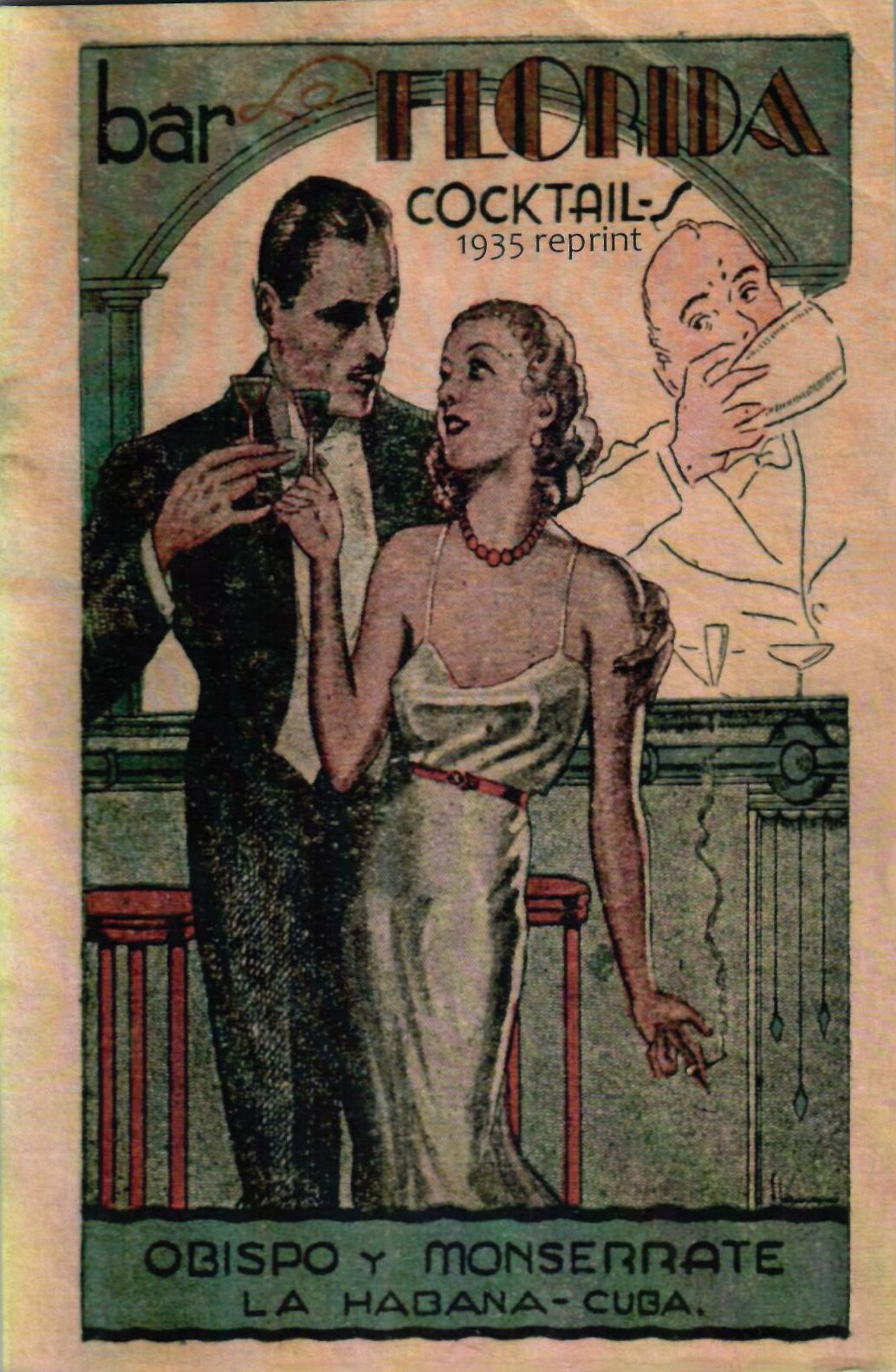
revelation and food is most delicious ”, from which i have taken the title of this article.
As our readers already know, see “ i C e in A ho T C oun T r Y” published in the m arch 2024 issue, i am not particularly fond of cocktails. h owever, at this point in my h istory of Cuban r um, i could not avoid dedicating some space to the legendary g olden Age of Cuban Cocktails and to its most famous establishment, l a Florida. And i hope you won’t mind revisiting one of the sources of the myth, the description of Constante at work, written in 1928 by Basil w oon in his seminal “ When it’s Cocktail Time in Cuba ”.
“The most famous bar for the sweet mixed drinks so popular with the Cubans is l a Florida, behind the Asturiano Club on m ontserrat s treet. d rinks here, although the place has the appearance of an ordinary bodega, are as expensive as at the s evilla or the Almendares. The bar, which is also a restaurant and grocery,
sprang into vogue due to the remarkable talents of the head barman, Constantino, a saturnine individual whose peculiar gift consists in his accurate, though seemingly casual, measurement of drinks. s ix of you visit the Florida and order m ary Pickford. A boy is put to work squashing and squeezing the pineapple. m eanwhile another boy fills six glasses with ice to frost them. w hen the pineapple juice is ready Constantino pours it in a huge shaker, takes the Bacardi bottle and, without looking, pours a quantity in the shaker. Then, still apparently without a glance at the shaker, he does the same with the curaçoa or grenadine. The drink is shaken by throwing it from one shaker and catching it in another, the liquid forming an half-circle in the air. This juggling feat having been performed several times, Constantino empties the glasses of ice, puts them in a row on the bar, and with one motion fills them all. e ach glass is filled exactly to the brim and not a drop is left over. i t’s worth a visit to h avana merely to watch Constantino operate. i told him that he could make his fortune in Paris. h e smiled. “ i no do so badly here”, he said.”
Anyway, if you want to know more about the g olden Age of Cuban Cocktails and the h avana Bar s cene, i recommend reading the excellent book by Jared Brown and Anistatia m iller “ Spirit of the Cane. The Story of Cuban r um ” 2017. w hat i wish to emphasise here, however, is that that g olden Age was, to a significant extent, the product of the arrival and work of s panish immigrants, figures such as n arciso s ala Parera who purchased, renovated and bestowed the new name upon l a Florida in 1898 and, of course, Constantino r ibalaigua.
The dynamism of h avana’s, and indeed all of Cuba’s bars, restaurants and hotels is further reflected in the early organization of the workers in the hospitality sector. According to m anuel Bonera m iranda in his “ O r O B l ANCO Una historia empresarial del ron cubano ” 2.000, “ o n January 9, 1912, the workers of these businesses made their first attempt to organize themselves, establishing the Unión de Empleados de Café (Bartenders u nion), which—despite its name—brought together the employee of warehouses, restaurants, bars, hotels,
inns, and other similar establishments. The bartenders, for the moment, were included in it, although not very willingly. m ost of them considered themselves specialized personnel and were paid accordingly. … i n those days, in fact, the Cuban art of Fine d rinking was beginning to take giant steps”.
Then, Prohibition arrived.
“An American invasion was the reason why Cuban cantineros united. …The very second Prohibition in the us A closed the doors of bars from coast to coast, a flood of American bartenders headed to Cuba to ply their trade. … n ot to be out gunned by American entrepreneurial enthusiasm, Cuban and s panish businessmen who catered to American tastes opened American-style hotels, cabarets and eateries … w hat every one of these new h avana establishments promised its growing customer base was American service, real American cuisine, real American drinks, and staff that spoke American e nglish.
Cuban barmen heard the call for action. … Bartenders met, on 9 m ay 1924, in the billiard room at the h otel Ambos m undos to compile a series of regulations written by m anuel Blanco Cuétara and drafted by attorney m anuel Zavala. After a couple of interim meetings, the final version of the organization’s charter was approved by the government on 27 June 1924, registering El Club de Cantineros de la r epublica de Cuba … within six months, the club recruited 121 members. The membership had funding for a meeting house at m alécon n ° 15 and attempted in those early days to publish a magazine. But political infighting and outside agitation from other hospitality unions kept the fledgling group from making any serious advances. i t also didn’t help that when President m achado took office, in 1925, he was hostile to any type of labour organization. … v isible signs of a welling pride in the profession of cocktail emerged, Cocktail books were published.” (J. Brown, A. m iller “ Spirit of the Cane ”). Another indication of the growing importance of the Club de Cantineros was its role in organising, in h avana in 1935, the first n ational Cocktail Competition.
As i have already noted, nothing in a good book is ever superfluous. h ere, therefore,
g ot r um? April 2026 - 26
are several additional excerpts from Basil w oon’s “ When i t’s Cocktail Time in Cuba ”1928, specifically concerning the influx of American bartenders.
“ o ne of the curiosities among h avana bars is d onovan’s, back of the Telegrafo h otel. d onovan was proprietor of a bar in n ewark, n ew Jersey, when prohibition came. m ost of the other saloonkeepers in n ewark swore a little, then philosophically either closed their places, turned bootleggers, or sold soft-drinks. n ot so d onovan. That i rishman had been had been too long in the saloon business to quit it then. s o he packed up his entire bar – chairs, tables, hanging sign, mirrors and bar itself – and moved it down to h avana. n ewark people entering the place rub their eyes and feel transported backward ten years.”
And finally, here is how, much later, h ector Zumbado in his “ El Sexto Sentido del barman ” published in 1980, evoked the atmosphere of those years.
“ i t is really in the joyful and effervescent 1920s that the cocktail reaches its full blossoming in Cuba. The Prohibition Act enacted in the u nited s tates in 1919 … is a factor of primary importance in the development of Cuban mixology. … This is how many bartenders arrived in h avana, not only from the u nited s tates but also from other major tourist centers, such as e ddy w oelke, who came from Paris, and Fred Kaufman, from the Canary i slands. This fusion of international professionals with Cuban bartenders—most of them of s panish origin—would create a school, a distinctive style of mixology— h avana style, Cuban style—that would in turn enrich world cocktail culture in extraordinary ways.”
i would now like to set cocktails aside and briefly lift our gaze toward g reat h istory, drawing on two particularly insightful observations by w oon, who was a remarkably perceptive visitor.
The first seems to me especially valuable for understanding the formation of Cuban national identity: “ i t must be realized that the Cuban is a race apart. A Cuban is more a Cuban, if anything, than an American is an American. h e as as distinct an individuality as he has a nationality. i t may at times be difficult to distinguish between Panamanian,
h onduran, e cuadoran, Costa r ican or v emezuelan, but he Cuban, as the m exican, stands alone. That is why patriotism to the Cuban is such a precious thing. i t is a nationality christened by the blood of thousands to whom ‘Cuba’ meant ‘ m other’. Their blood is s panish, but s panish far removed. The blood of Cuba came from the heroic days of s pain. The temperament of the Cuban, then, is gay, amorous, generous and sentimental. … h e is most serious when he is speaking of his country; sentimentally, Cuba to the [male] Cuban is mother, wife, mistress and child.”
The second, by contrast, touches directly on the structural weakness of the Cuban economy, a theme that, unfortunately, is more dramatic today than ever: “ n inety percent of what Cuba eats could be raised in Cuba, but ninety percent of what she eats is imported. The soil surrounding h avana is among the finest in the world; even two crops of potatoes a year are possible; yet most of the vegetables used come out of cans. Cuba even imports tropical fruits, of which she has the largest variety of any country except m exico.”
P os T s C ri PT um
n ostalgia for the past is widespread. This is hardly new; even in Ancient g reece people longed for the Primordial g olden Age. As far as rum is concerned, such nostalgia makes little sense, see T he golden A ge o F rum in the d ecember 2020 issue. But even with regard to life more generally, i believe we should exercise greater caution.
“From Camagüei eastward the road runs through monotonous miles of sugar-cane. h our after hour the vista hardly changes. … At every station children besiege the train, selling fruit, candies newspapers and lottery-tickets. The train passes many settlements of h aitian cane-cutters, black as coal and almost as naked as Adam and e ve – certainly their habits of living must approximate those of our first parents. i f you ever feel tempted to think the g arden of e den a fine place, take a look at these Adams and these e ves.” ( w oon)
m arco Pierini

p resented by
Join us as we explore the world of rum spices and flavors! i n this series you will learn to flavor your own r ums and to create your own l iqueurs and c reams.
g ot r um? April 2026 - 29

Presents making your own
Coffee & Orange Chocolate Rum Liqueur
Few ingredients have the alluring and enticing power of coffee, oranges and chocolate. Putting them together in the form of a liqueur produces something simply sublime. h ere is an easy recipe for you to experiment. Try using different types and proportions of coffee and chocolate until you are satisfied that you’ve reached perfection!
i ngredients
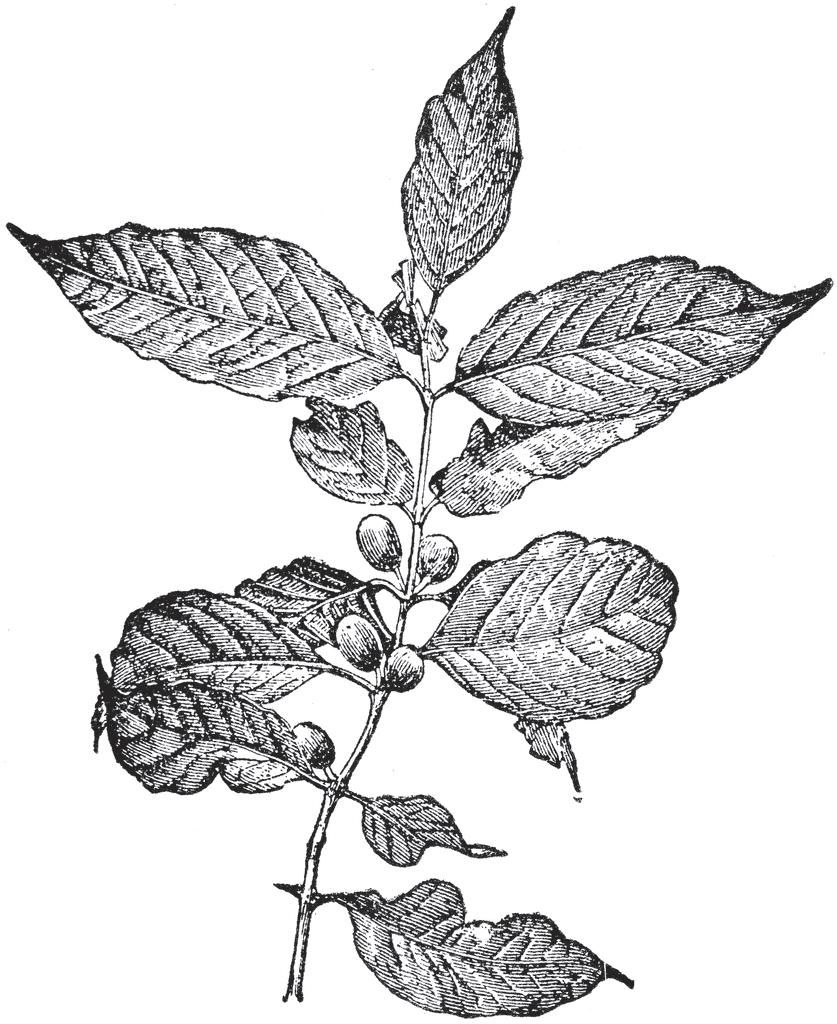
• 1 1/2 cups of strong coffee. s tart by combining water with 6 tablespoonfulls of ground coffee in a French press, then filter.
• 1 cup w ater
• 3 cups g ranulated s ugar
• 1/3 cup Chocolate s yrup
• 2 tsp v anilla e xtract
• 3 Tbsp o range e ssense or 1/2 cup of o range l iqueur
• 1 1/2 cups w hite r um, medium or heavy-bodied, at 40% AB v

p rocedure
Combine the sugar and the water in a thick pan and bring the mixture to a boil over medium heat, stirring constantly to prevent burning or caramelization of the sugar.
o nce all the sugar has been dissolved, turn off the heat and let the mixture cool down. Transfer the syrup into a large glass jar (1 gallon or larger). Add the remaining ingredients and stir until they are all thoroughly combined.
s tore the container in a cool, dark place and let it sit there for 2 to 4 weeks. r ack or filter if you want to remove sediments.
r um in the ne W s
by m ike Kunetka
These are the most recent and noteworthy headlines in the rum industry. i f you want us to share your news with our readers, please send me an email to: m ike@gotrum.com.
FLOR DE CAŇA
To celebrate 135 years of family legacy, Flor de Caña has introduced a refined new design across its premium rum portfolio. A bold evolution that honors its volcanic origin, five-generation heritage dating back to 1890, and long-standing commitment to sustainability and quality. m ore than a visual update, the new identity marks an exciting milestone for the brand. The redesigned packaging elevates Flor de Caña’s premium presence around the world while bringing its story, craftsmanship, and purpose closer to consumers, allowing them to enjoy a world-class spirit that reflects both authentic heritage and responsible practices. The bottles have been redesigned to be 18% lighter, helping reduce environmental impact and transport-related emissions. The packaging is also fully recyclable and produced using vegetable-based inks with less paper waste during manufacturing, thoughtful improvements that allow consumers to enjoy their favorite rum with a lighter footprint. At the same time, the new look enhances the brand’s storytelling and premium character, highlighting elements such as Flor de Caña’s Carbon n eutral certification, its
distillation with 100% renewable energy, and its internationally recognized quality awards. r efined finishes celebrate the brand’s craftsmanship and ultra-premium positioning, with details such as the wooden stopper, a nod to aging in American white oak barrels, and the signature green belt symbolizing Flor de Caña’s historic commitment to sustainability. w hile the visual identity evolves, the rum itself remains unchanged. e ach expression continues to be naturally and sustainably aged at the base of an active volcano, without sugar or artificial ingredients, delivering the same authentic taste and quality that has defined Flor de Caña for generations. The new portfolio design began rolling out in the u s . market in January 2026 and is now available in major retail stores and on the Flor de Caña website: www.flordecana.com
coc A col A and BA c A r D i
BACA rd Í & Coca Cola have teamed up once again in the u K to unveil a twist on the classic pairing, a BACA rd Í s piced & Coca Cola combo, the perfect go-to-sip for the s pring and s ummer seasons. BACA rd Í s piced & Coca Cola arrives just as these moments gear up, ready to turn up the energy. Timed perfectly, the launch reflects a growing appetite for ready-made cocktails, which deliver premium, bar-quality experiences at effortless convenience. The iconic duo with BACA rd Í s piced rum, hints of vanilla and warm spices, expertly mixed with refreshing Coca Cola, delivers an adventurous new flavor profile. i t’s the classic combination consumers have loved for over 125 years, since the very first Cuba l ibre was mixed in h avana. n ow, this exciting iteration is designed to add a little extra fizz to any occasion. s piced is a new addition to the already much-loved BACA rd Í & Coca Cola ready-to-drink offering, which was awarded Product of the Year 2026 earlier this year. i oanna Topali, m arketing d irector Alcohol r eady to d rink at Coca Cola, “ w e are incredibly excited to introduce BACA rd Í s piced & Coca Cola, a truly dynamic addition that speaks to the evolving tastes of today’s consumers. o ur collaboration with BACA rd Í ensures we consistently deliver premium quality and ultimate convenience, fostering refreshing moments of connection. The ultimate hassle-free, premium cocktail experience, BACA rd Í & Coke truly elevates any gathering.” e uropean r egional Brand d irector, Bacardi r um, Tjalling s imoons added “ w e’re seeing strong momentum in ready to drink cocktails as consumers look for premium experiences without compromise. BACA rd Í s piced & Coke builds on the strength of an iconic partnership, introducing a spiced flavor profile that feels both contemporary and true to our heritage. i t marks an exciting next step in making bar quality serves effortless, without compromise on taste.”
BACA rd Í s piced & Coca Cola® is available now in g reat Britain, at major retailers nationwide in 250ml cans.
https://www.coca-cola.com/gb/en/offerings/ bacardiandcoke/product
nicoy A rum
les B ienheureux announced the official u s launch of ni C o YA, the first single-estate rum of Costa r ica. Beginning m arch 2nd, ni C o YA will be available in Total w ine’s active states, online and in store. After a successful e uropean debut in 2024 with leading distribution partners, ni C o YA recorded triple digit growth during its first year of international expansion. The brand now enters the u s . market, bringing a new origin to the rum category. Born in the n icoya Peninsula of Costa r ica, ni C o YA is the first Costa r ican rum produced entirely on a single estate. ni C o YA is produced from sugarcane grown, distilled and aged on the same property, ensuring full control from cane to final blend. ni C o YA is crafted from Costa r ican sugarcane and blended from three traditional rum bases, fresh cane juice, sugarcane honey and molasses, each distilled separately before blending to preserve the character of each component. The project was initiated by Alexandre s irech, Co-Founder & C. e . o . of les B ienheureux , formerly C. e o . of h avana Club i nternational. “After leading one of the world’s most iconic rum houses, i wanted to identify the finest sugarcane terroir of the planet. Costa r ica stood apart. A free rum, born in a free country. Among fifteen candidate countries, Costa r ica offered exceptional agricultural quality, political stability, and the opportunity to build the country’s first fully integrated single estate rum distillery. At m iami r um Congress, we felt a strong appetite for origin. o ne country. o ne estate. Full traceability from sugarcane to final blend. o ur fruit expressions were very well received. Costa r ica is the world’s leading pineapple producer, and our Pineapple reflects that identity. Passion Fruit expresses the vibrant character of maracuyá, balanced by rum structure. The category is moving to origin, transparency, and fruit.” The range launched in the u s . will include: ni C o YA Blanco (40% AB v ), ni C o YA Añejo (40% AB v, Aged in bourbon barrels from Kentucky), ni C o YA Pineapple (37.5% AB v, i nfused with pineapple) and ni C o YA Passion Fruit (37.5% AB v, i nfused with maracuyá/passion fruit) https://lesbienheureux. com/
rums of me X ico
Commonly noted as the world’s most diverse spirit category, rum is made in nearly every region on the planet. i n recent years some of the most exciting and unique sugarcane distillates have been coming out of m exico, and the initial offerings from The r ums of m exico are no different. They represent a selection of the country’s finest makers of both traditional and modern cane spirits, which are often called
aguardiente, cañita, chinguirito, cañazo, or simply ron. w ith dozens of cane varieties, extensive terroir, and varying local production methods, this range shares just a slice of the beauty to be found amongst The r ums of m exico. Their first offerings include:
• CA ldo by o rlando v ásquez in Tlaltetela, v eracrúz. A second-generation cane farmer and first-generation aguardiente producer, o rlando and his family have historically focused on the production of panela. Just over a decade ago, o rlando decided to experiment with the distillation of rehydrated Panela as well as fresh pressed cane juice, and he has spent the last few years perfecting his craft. o rlando v ásquez crafts this aguardiente from the fresh juice aka “caldo” of two cane varieties, 290 and CP421, prized for their high sugar content and quick growth. h e uses a four-plate, continuous copper still heated by firewood. CA ldo is bottled at 52.3% AB v
• CAÑA C ris TA lin A by m arcos l ópez in Cosautl á n de Carvajal, v eracrúz. A renaissance man in the agricultural sense, m arcos l opez not only cultivates and distills cane but is also a coffee farmer, lime grower, and beekeeper. h e learned the aguardiente trade from his grandfather and father, m arcos s r, who made the family’s aguardiente still and also makes and repairs the stills of other local distillers. This regionally rare cane variety was farmed in the district of Cosautlán de Carvajal, v eracruz. Considered to be a delicate species that is susceptible to plagues, few farmers still opt to cultivate this uncommon varietal. m arcos distilled this batch from fermented Cristalina sugarcane juice with an open flame on a 5-plate copper and stainless steel still made by his father. CAÑA C ris TA lin A is bottled at 49.4% AB v
• CAÑA C rioll A by Pedro Bautista in Zoquiapam Boca de los r Íos, o axaca. Pedro is a secondgeneration aguardientero and one of the only aguardiente distillers in the region. h e works with a small group of cane growers alongside the r ío m onteflor. Cultivated by d aniel v ega s antiago, Caña Criolla is a yellow-colored, hearty cane variety that grows among columnar cactus and biznagas and is irrigated from water drawn from the nearby r ío m onteflor. This rum was made from fresh cane juice that Pedro ferments in 1100-liter closed tanks, for periods that regularly surpass twenty days. h e has been distilling on the same continuous copper 4-plate still for twenty years and historically has only sold to the local populace. CAÑA C rioll A is bottled at 51.9% AB v .
• CAÑA dur A by m arcos l ópez in Cosautl á n de Carvajal, v eracrúz. Another rum from m arcos l ópez. Prized for its resilience, the pale yellowgreen variety is also referred to as Caña Fierro
and is the most common cane variety found in the municipality. CAÑA dur A is bottled at 46.4% AB v .
• el AZA C on mu CK by Pedro Andrés and Jorge n ájera at the s atvrnal d istillery in Zapopan, Jalisco. The product of two first-generation distillers with a knack for experimentation and new flavors, m elaza con m uck is the debut of this mark from the s atvrnal d istillery. i nspired by the funky flavors of high ester Caribbean rums, Pedro Andrés and Jorge n ájera created their own recipe of muck and fermented it for 15 days with high grade molasses. They distilled that fermented mash in a copper hybrid still before bottling it at a 57.1% AB v . https://www.pmspirits. com/
hurric A ne meliss A effects on W r A y & nephe W
Jamaican news source The g leaner reported that h urricane m elissa cost Campari, the i talian spirits company, €21 million (J$3.5 billion) as the local operation, J. w ray & n ephew l td, suffered from a reduction in alcohol consumption, masking what would otherwise have been a stronger year. The storm disrupted local consumption and tourist traffic across the island in a season typically critical for the spirits industry. The company noted that production sites sustained minimal direct damage, limiting operational disruption, though reduced foot traffic from both locals and tourists weighed heavily on volumes in the quarter. Campari separately disclosed it donated J$250 million ( us $1.6 million) to the Jamaican g overnment’s hurricane relief fund and local non-governmental organizations to support community recovery efforts.
h A mp D en est A te
h ampden e state has released h ampden Fifteen, the distillery’s oldest expression matured under Jamaica’s tropical climate since the h ampden e state started aging its’ rums on site in 2010. For the first time ever, h ampden is able to showcase its unique character thanks to such an extended period of barrel aging. The hot and humid conditions of the e state’s warehouse concentrate esters and flavors to levels comparable to a 45-year-old whisky or cognac aged in e urope. This small batch carries an ester content of 200–400 g/ hl AP at distillation, corresponding to an old mark first created back in 1952. i ts aromatic profile, shaped by extended ageing in bourbon barrels, unveils layers of fruity, oily, oxidative, and delicately powdery notes. i t is bottled at 50% AB v . https://hampdenestaterum.com/ ron D iplom Á tico ch A ncellor
r on d iplomático has unveiled Chancellor, the most exclusive rum in its history, with a limited edition comprising just 900 bottles worldwide.
This launch represents the culmination of years of expertise and tradition, crafted from the distillery’s oldest and most prized reserves. The new rum is built around an intricate triple-cask maturation process, an approach designed to layer complexity and structure into the final blend. d iplomático’s maestros roneros employed French virgin oak, American virgin oak, and seasoned American oak casks in succession, allowing each wood’s influence to shape the spirit’s character. The result is a rum that reflects both meticulous blending and the brand’s philosophy of unhurried craftsmanship. e lena Petrov, g lobal Brand d irector for d iplomático, describes Chancellor as a defining moment for the house. “Chancellor captures the very heart of our passion for craftsmanship,” she explains. “ i t is a rare, unhurried masterpiece designed for those who understand that true luxury lies not only in the spirit itself, but in the story behind it.” https://www.rondiplomatico.com/
ch A ncellor ’ s tre A sure D notes
To further enhance your d iplomático Chancellor tasting experience, an o xford u niversity professor has teamed up with a world-renowned v enezuelan composer to create a bespoke song that is ‘scientifically proven’ to enhance the taste of the ultra-rare rum. s onic seasoning authority Professor Charles s pence applied his cutting-edge research into how sound influences flavor perception to inform a new track by pianist and composer Clara r odríguez, designed to amplify the sweeter, richer, and more complex notes of d iplomático’s limitededition Chancellor rum. The collaboration is rooted in ‘sonic seasoning’ research, which explores ‘cross modal perception’, the idea that what we hear can prime the brain to notice certain tastes more strongly. By linking specific musical elements to taste profiles, the right soundtrack can ‘dial up’ sweetness, richness, and warmth. s pence, who partnered with d iplomático to celebrate the launch of Chancellor, said: “Flavor is never just on the tongue, and the right notes can transform how these are perceived by our brains. i n this piece of v enezuelan music, we translated the rum’s tasting notes into sound, so when people listen while they taste, the music gently nudges perception, making the rum feel richer, warmer, and more expressive.”
The four-minute song, titled The Chancellor’s Treasured n otes, uses specific musical techniques to accentuate the nose, taste and finish of the Chancellor rum. The piece starts with longer, sustained tones by the piano to accentuate the butterscotch while the bass brings lower notes to compliment the tobacco aromas, as it has been found within sensory studies that lower pitched sounds accentuate bitterness. The cuatro and maracas are reminiscent of wind rustling through sugar cane plantations, establishing an evocative and sensory soundscape. Composer Clara r odríguez, said: “ w ithin this piece it was essential
for me to connect with our shared v enezuelan origins, which is the cultural and emotional foundation of everything i compose.” You can hear The Chancellor’s Treasured n otes on YouTube: https://www.youtube.com/watch?v=n3gvb w f n 6 d 8
B l A c K te A rs
Black Tears Cuban s piced r um has launched r ace to h avana, a 26-part digital series designed to shift from traditional brand placement to active brand integration. The series follows six Cuban micro influencers divided into three creative teams who must travel 600 kilometers from the Black Tears factory, located outside of Ciego de Ávila in central Cuba, to h avana. The route takes the teams through Trinidad, Cienfuegos, s anta Clara, and m atanzas before concluding with a final sprint to h avana. A key element of the challenge is that the individuals must use Black Tears rum as their only currency for transportation and logistics. h enrik von Celsing, Creative l ead at Black Tears, told s pirit Business “The r ace to h avana campaign is about moving from brand placement to true brand integration, where Black Tears is the engine of the story rather than a backdrop. By making the liquid the only currency for a long journey across Cuba, we’ve woven the brand into the fabric of a high-stakes story. This turns the audience from passive viewers into an active community that truly engages with every bottle traded and every kilometer gained.” Three teams of two participated: a street artist and a tattoo artist, a d J and a mixologist, and a stylist and a fashion model. The winners were awarded with a ‘lifechanging’ investment in their creative careers. Black Tears’ r ace to h avana trailer is now available on YouTube and the @blacktearscubanspiced i nstagram account, and a new episode will be released every 72 hours. e ach leg will consist of three to four episodes, with each episode lasting one to two minutes. @blacktearscubanspiced, https://www. youtube.com/watch?v= h AAxq3_6CKg
ten to one
Ten To o ne has announced three new, limited releases:
• o loroso s herry Cask s elect is a blend of rums from Barbados, Trinidad, Jamaica and the d ominican r epublic that have been finished in o loroso s herry barrels and bottled at 43% AB.
• Triple Cask r eserve: Federation Blend n o. 1 is drawn from exceptional 18-year casks from Barbados, Trinidad, and Jamaica and bottled at 46% AB v
• 18 Year r eserve Cask Collection: Trinidad is one of three single-cask expressions in the r eserve Cask Collection. i t is drawn from an exceptional 18-year Trinidadian rum and bottled at 46% AB v https://www.tentoonerum.com/
The Sweet Business of Sugar

Ecuador
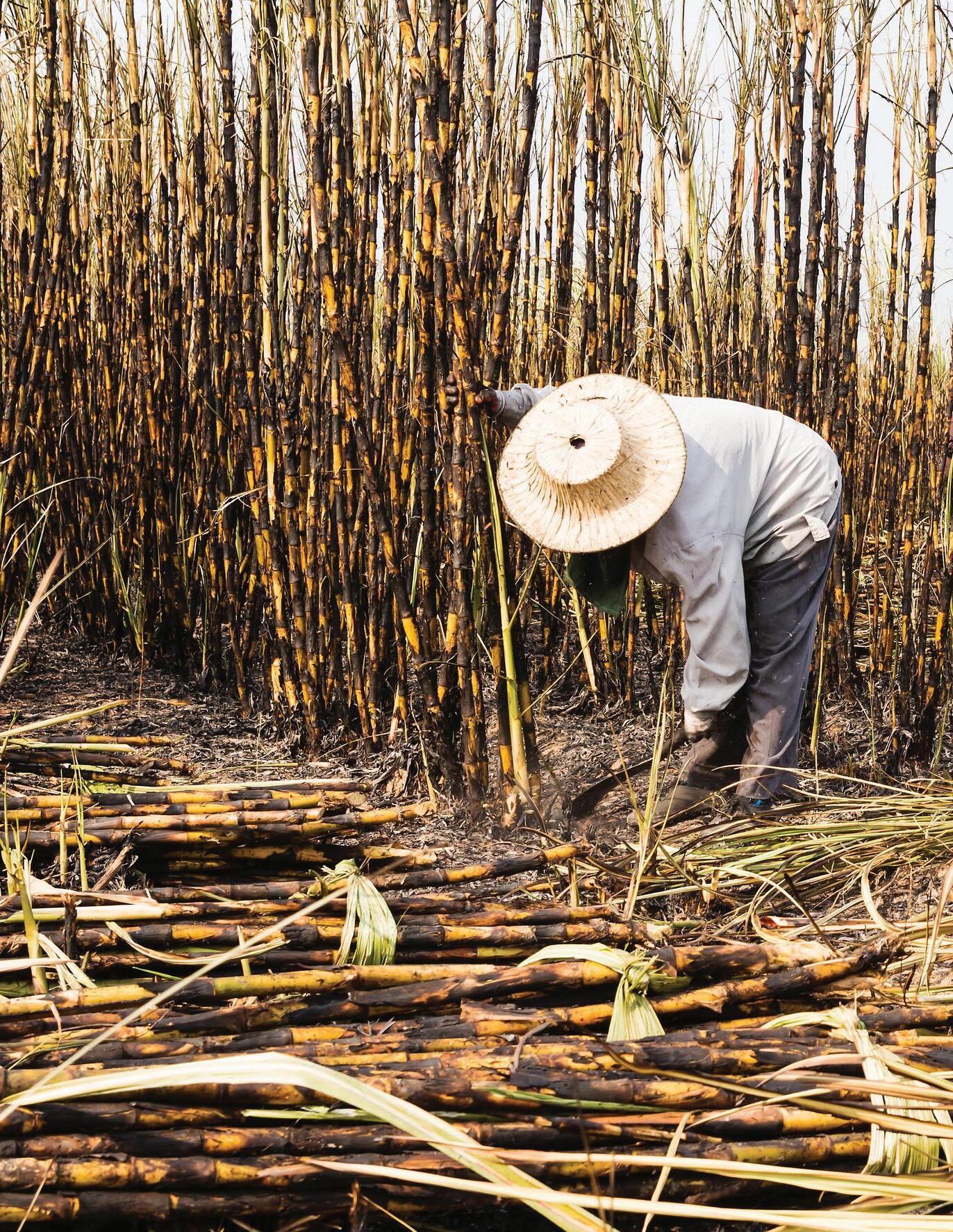
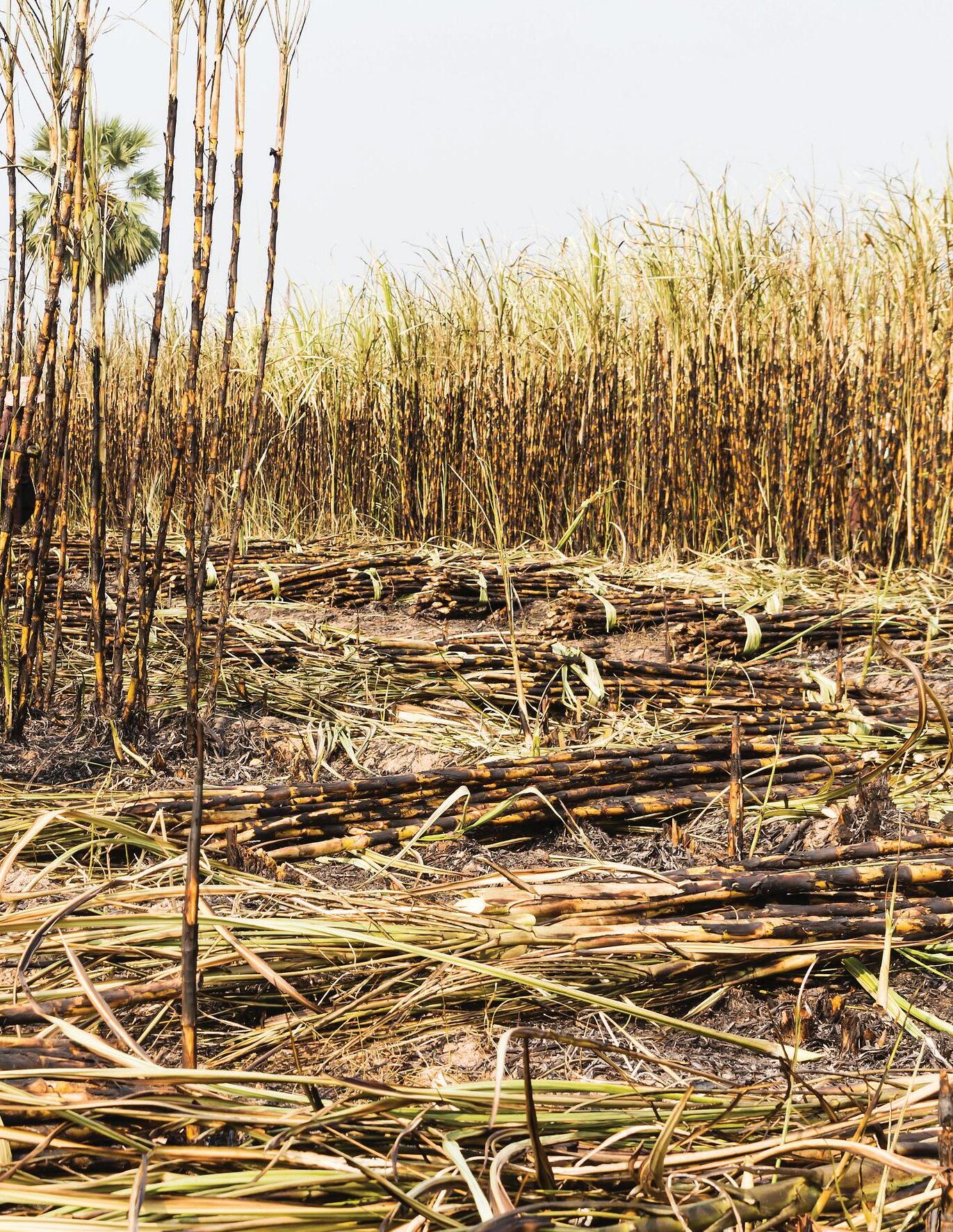
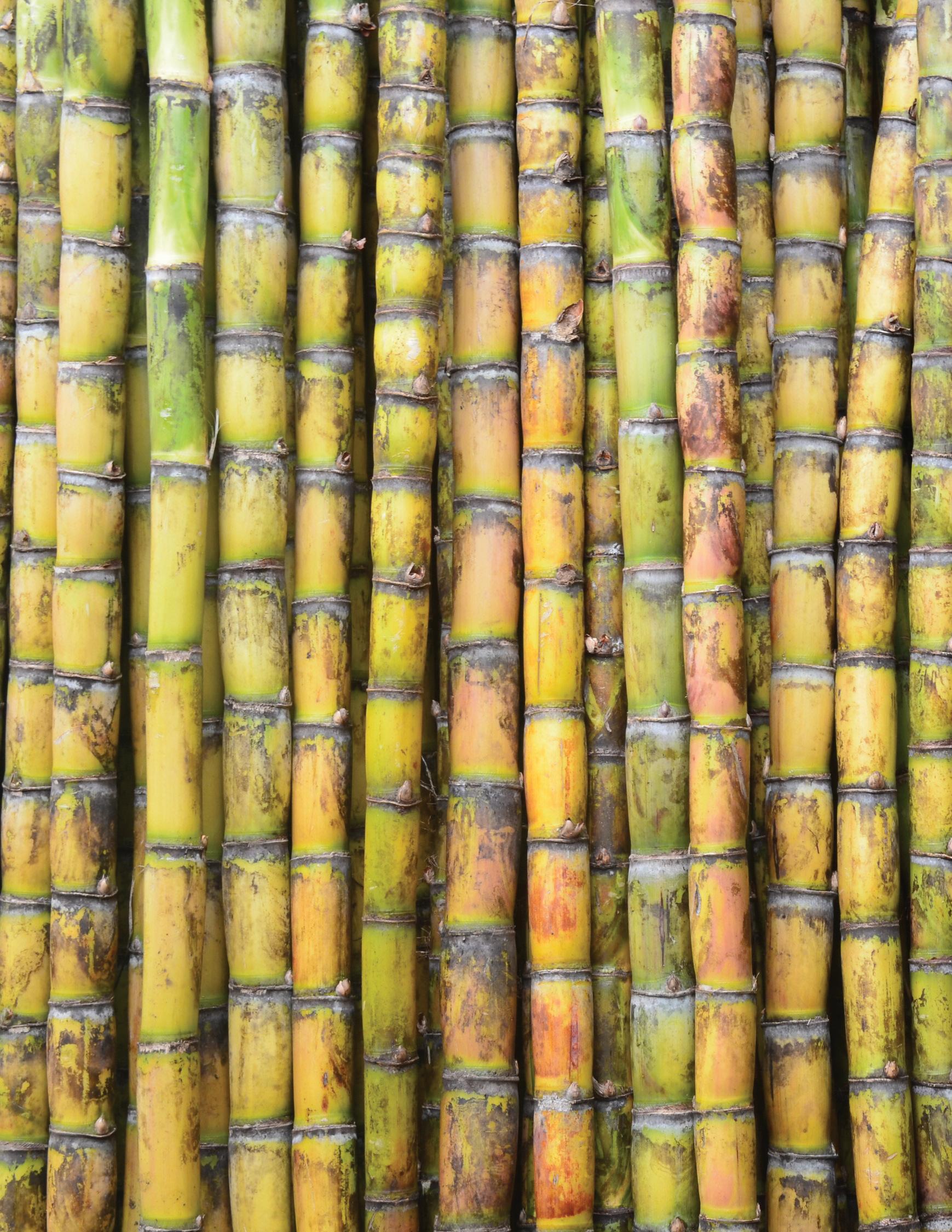
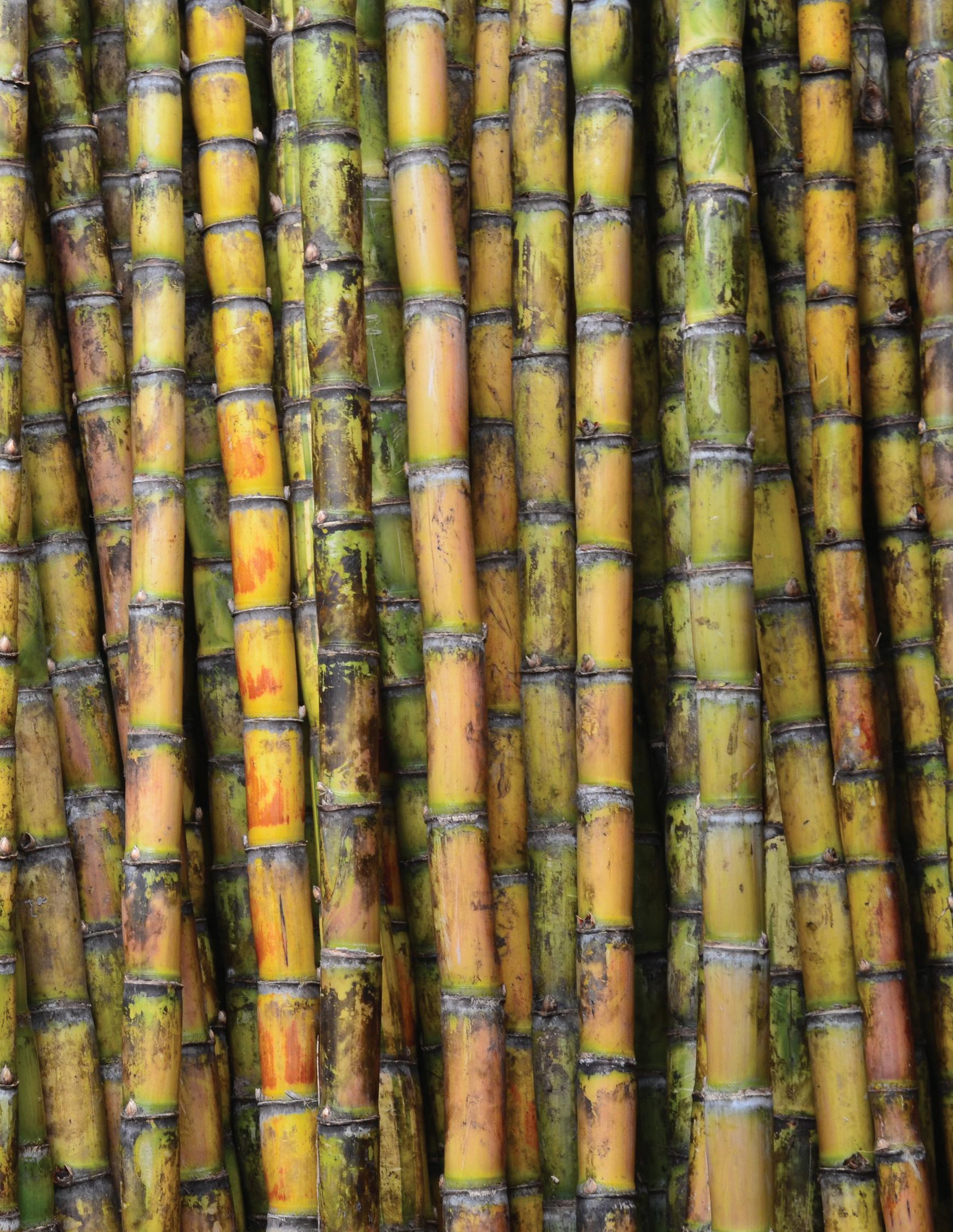
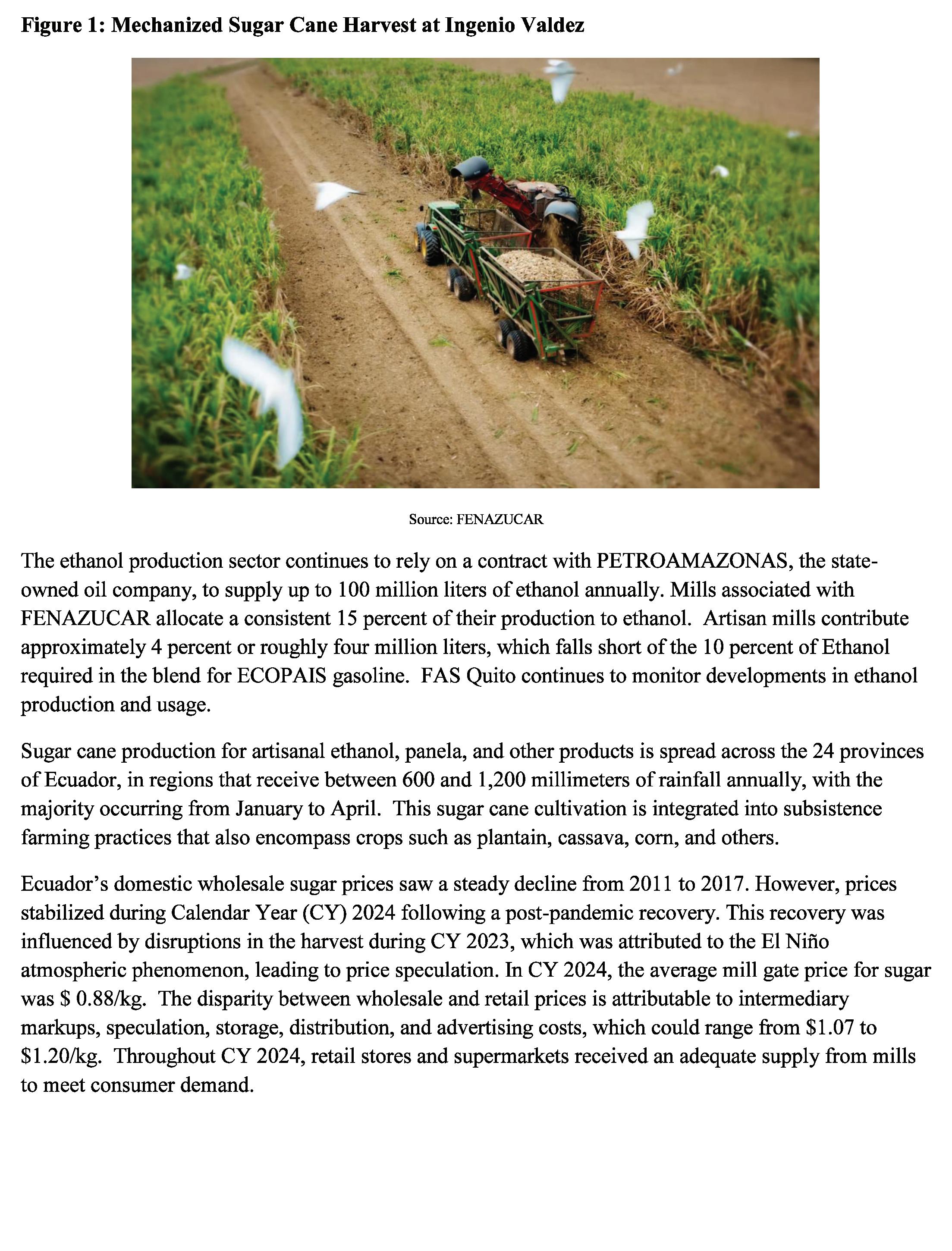
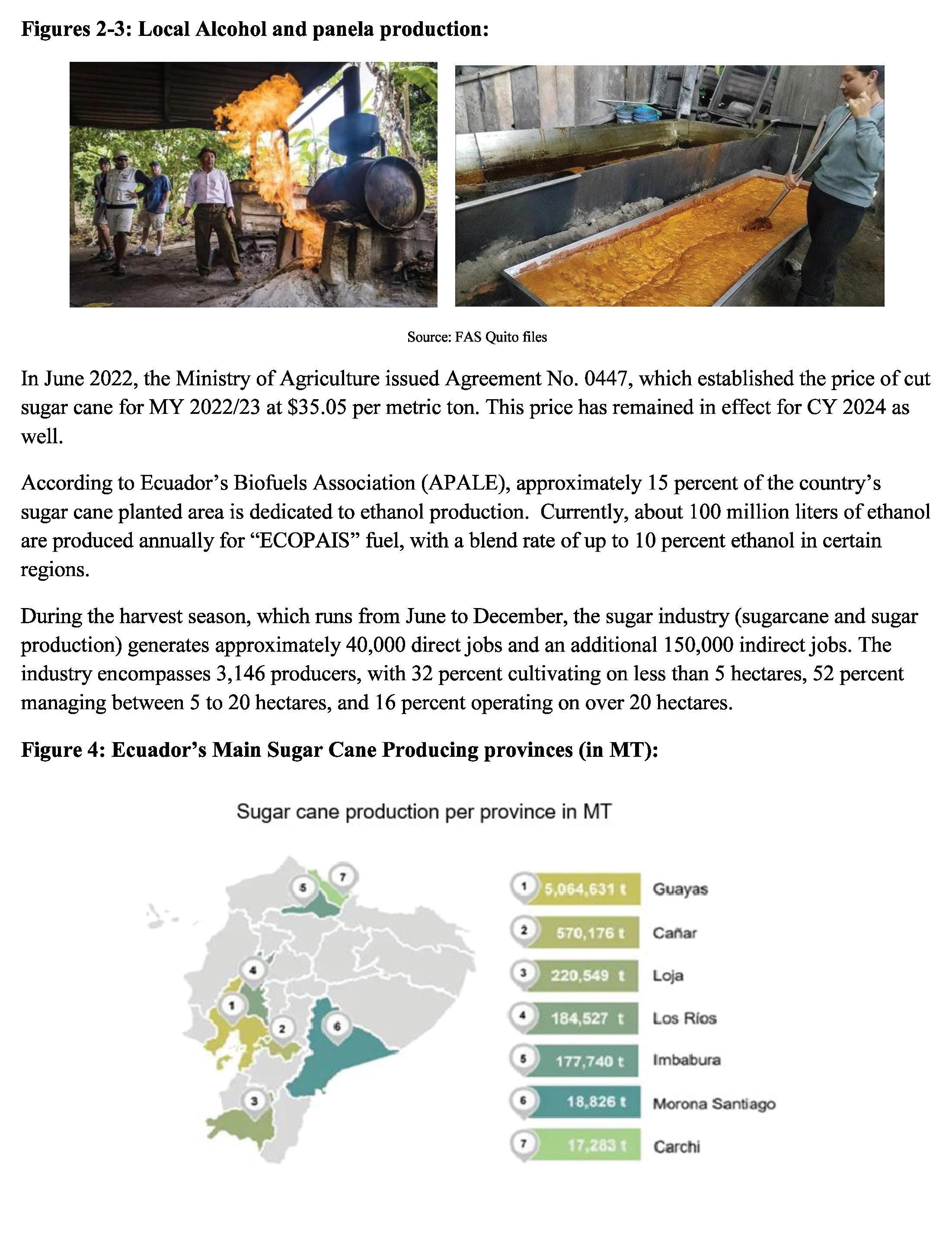
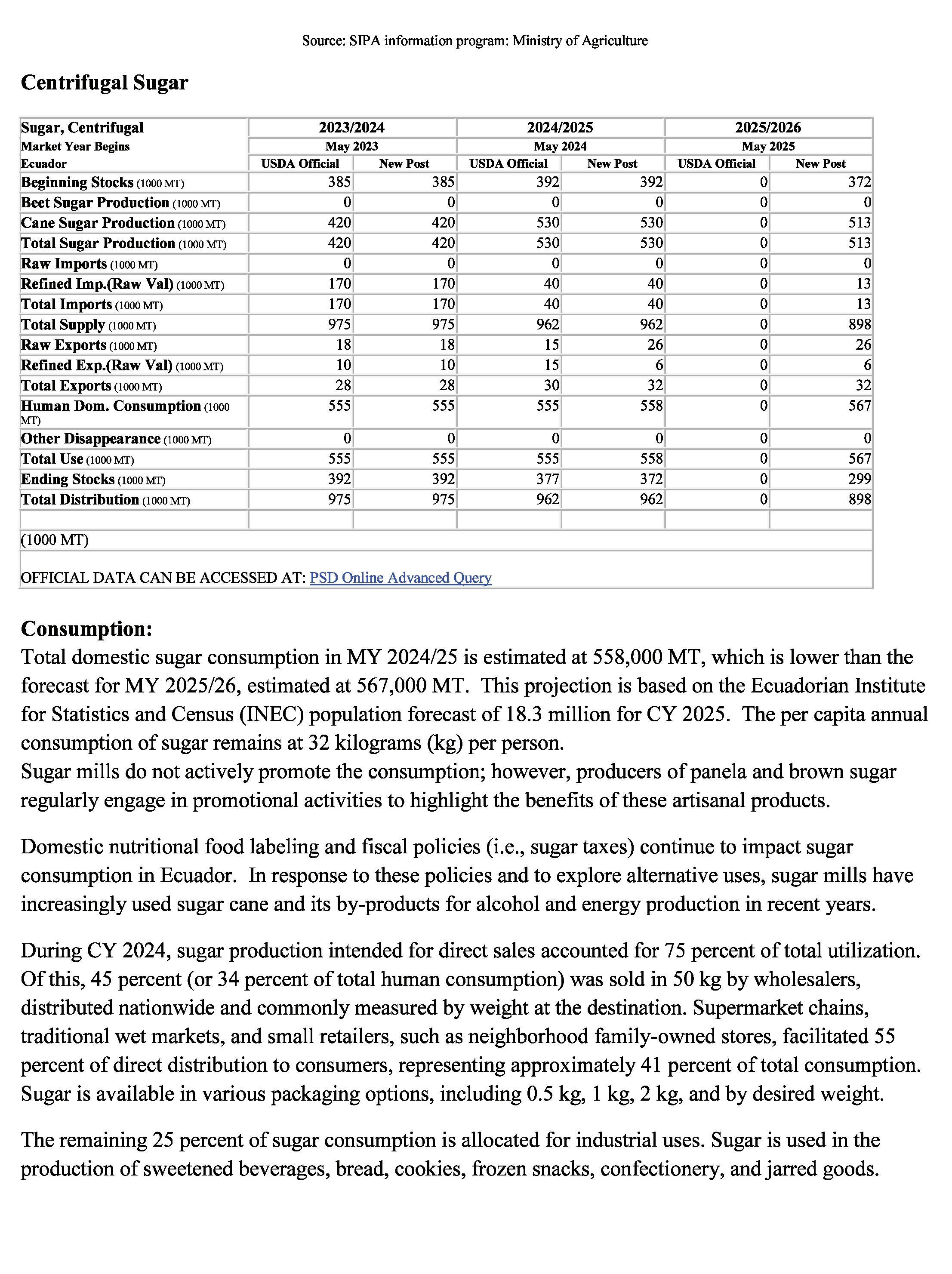
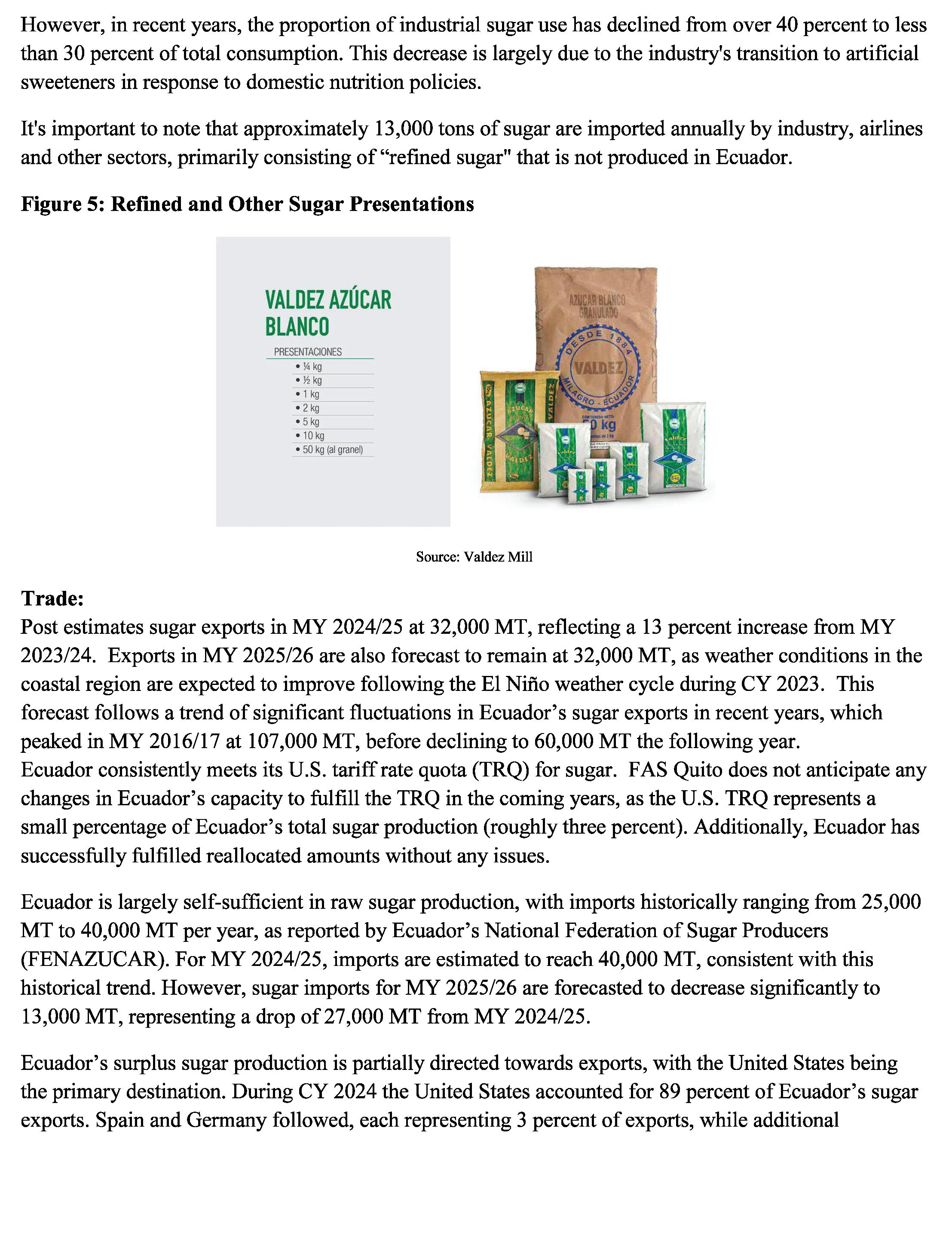
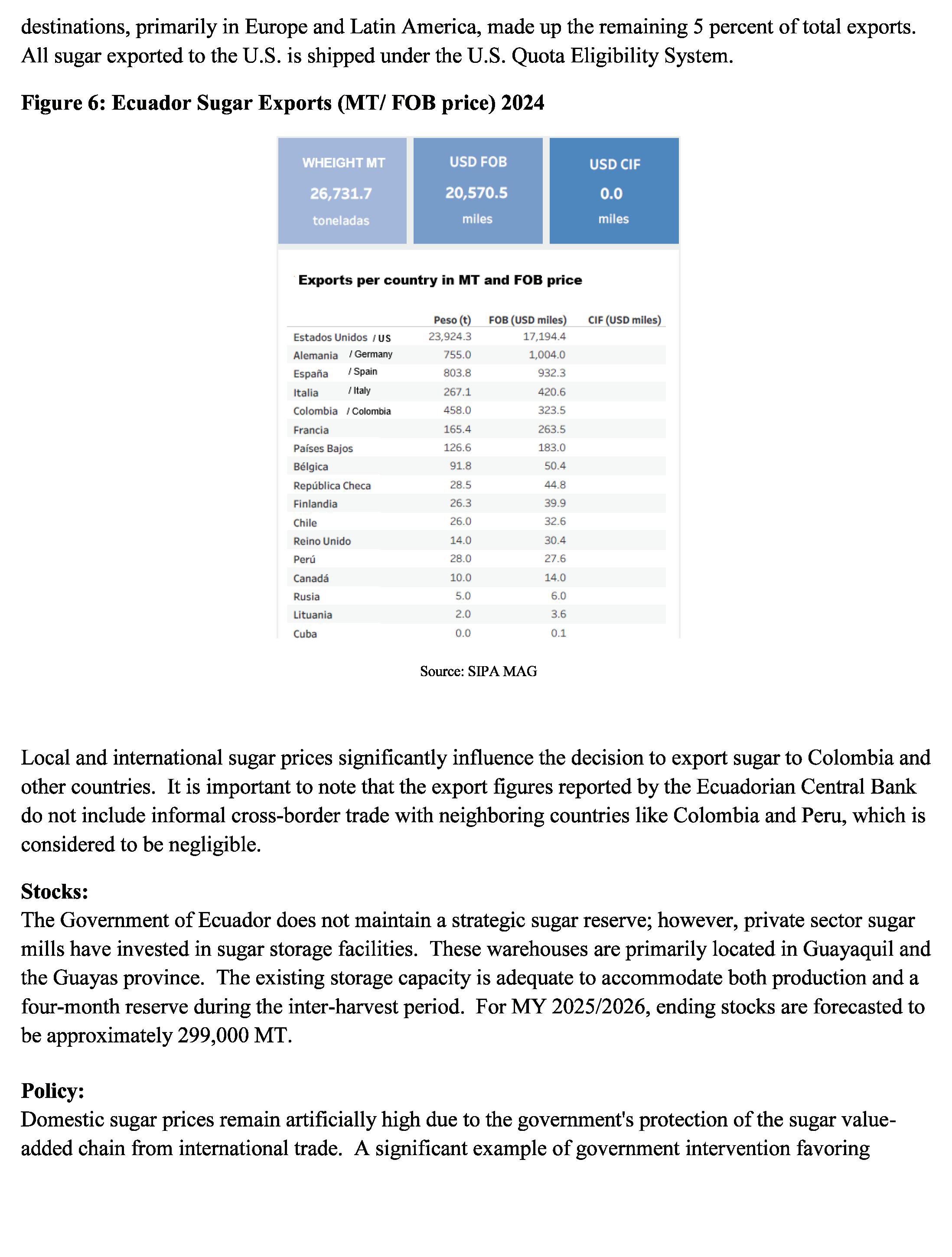
r egardless of distillation equipment, fermentation method, aging or blending techniques, all rum producers have one thing in common: sugarcane
w ithout sugarcane we would not have sugar mills, countless farmers would not have a profitable crop and we would not have rum!

o ffering Bottling/ c o- p acking s ervices
r um Central is located within the t exas t riangle , a region in Texas formed by the state’s four main metropolitan areas. The t exas t riangle is one of eleven mega regions in the u nited s tates and is home to approximately 75% of the s tate’s population. This area also benefits substantially from trade with m exico, the u nited s tates’ third largest trade partner.
r um Central is 30 m iles from Austin, with convenient access to interstate highways, rail lines, airports and seaports (within 250 miles of 4 of the top 10 u s . seaports), guaranteeing fast and efficient shipping of your dry and finished goods.
Do you need more information? Contact us via our website below!



Present
The History and Science of the Barrel
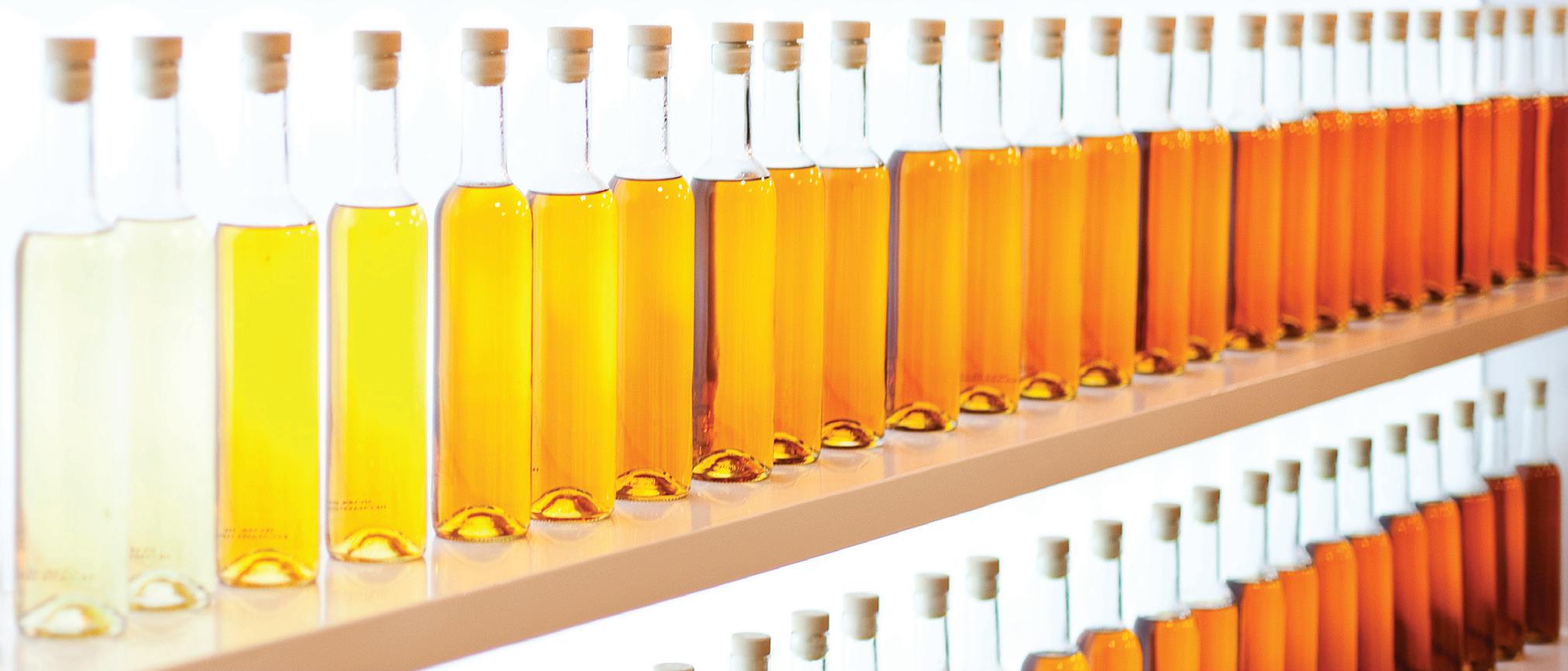
in the world of distilled spirits, nothing evokes elegance, sophistication and transformation more than barrel aging. The right barrels, in the right hands, can transform the mundane into the spectacular. whether it is American, French, Colombian, Bulgarian or other oak variety, a well-made barrel is the magic chamber within which time slowly transforms the contents.
Join us as we explore the world of barrels. we’ll take a deep dive into the physical and chemical transformations that take place inside the world’s preferred aging vessels.
The History and Science of the Barrel
Lesson 4: Chemical Properties of Oak
welcome to Lesson 4 of 12 of the Rum University’s latest course! You can find previous lessons of this course by visiting the Archives page at gotrum.com. You can also find additional courses and material at the university’s official website, www.rumuniversity.com.
Oak barrels and the source of their flavors
in addition to the physical properties of oak, which we described in lesson 3, the major building blocks of oak wood also contribute greatly to the flavor of the rum aged in its barrels. The following table illustrates these components along with the flavors and aromas each influences:
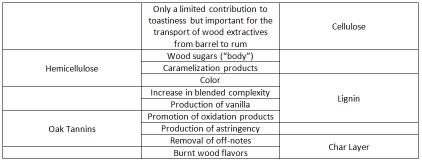
The presence of these components (cellulose, hemicellulose, ligning, tannins and char) by themselves does not guarantee the rum will acquire the taste or aroma desired. one needs to look at the intensity/concentration of each one in connection with the wood curing process employed (lesson 6) and the toasting or charring method selected for each barrel (lesson 8).






The graph above shows us the average makeup of oak in term of these components.
cellulose - is the most abundant natural polymer on earth. it consists of linear chains of glucose units and remains relatively intact even after wood curing and toasting.
hemicellulose - also known as a “wood sugar” is a two-dimensional polymer comprised of many simple sugars, including: glucose, xylose, mannose, Arabinose, galactose and rhamnose.
lignin - despite the fact that it is also one of the most abundant nature-produced materials on earth, lignin remains one of the least understood. oak ligning consists of two building blocks: guaiacyl and syringyl. The former is responsible for producing coniferaldehyde, vanillin and vanillic acid, which -especially the vanillin- are easily recognized in caskcondition spirits.
oak tannins - these plant polyphenols derive their name from the latin word tannum, which means “crushed oak bark,” since in early times oak trees served as a major source of tannin for the leather tannin industry. Tannins improve aged rum’s character by increasing the perception of balance, complexity and roundness.

Our special thanks to independent Stave Company for their support in our research of oak.
cig A r & rum p A iring
by Philip i li Barake


my name is Philip i li Barake, s ommelier by trade. As a result of working with selected restaurants and wine producers in Chile, i started developing a passion for distilled spirits and cigars. As part of my most recent job, i had the opportunity to visit many Central American countries, as well as, rum distilleries and tobacco growers.
But my passion for spirits and cigars did not end there; in 2010 i had the honor of representing Chile at the i nternational Cigar s ommelier Competition, where i won first place, becoming the first s outh American to ever achieve that feat.
n ow i face the challenge of impressing the readers of “ g ot r um?” with what is perhaps the toughest task for a s ommelier: discussing pairings while being well aware that there are as many individual preferences as there are rums and cigars in the world.
i believe a pairing is an experience that should not be limited to only two products;
2026 it is something that can be incorporated into our lives. i hope to help our readers discover and appreciate the pleasure of trying new things (or experiencing known things in new ways).
Philip # gr CigarPairing

s hort f or A l atte
o ne of the downsides of being where i am, at the end of the world, is the difficulty in finding days with calm winds, to enjoy a proper cigar. This being the case, i had to convince myself to set aside the long cigars and replace them with short ones that could be paired with a simple, calory-rich cocktail fit for this climate.
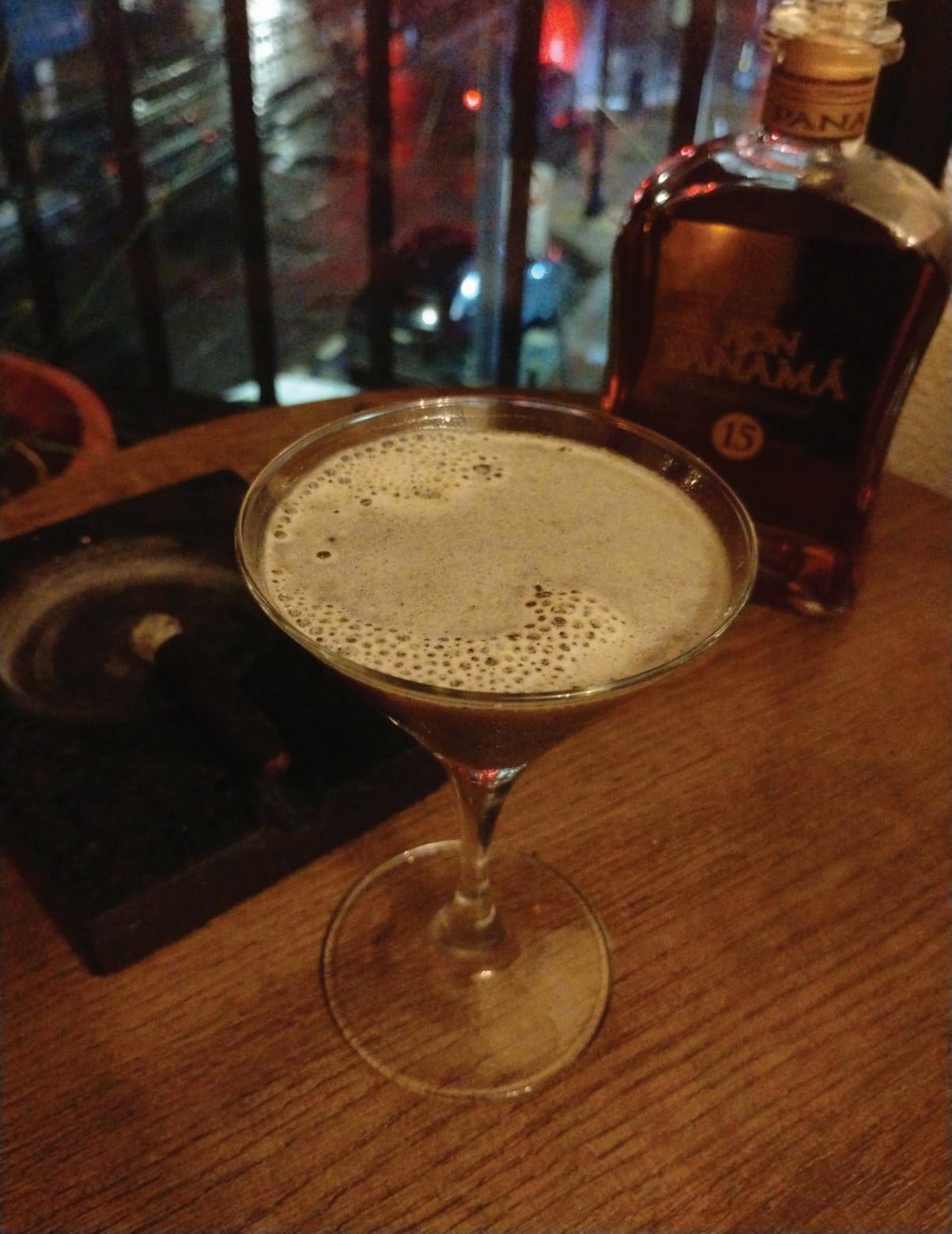
o ne of my most used cocktails is the e spresso m artini with r um, but for this pairing i wanted to add another touch to bring it more in line with the coffee houses in the area, resulting in a l atte m artini with r um.
For this cocktail i selected r on Panamá 15 Años, r eserva e special. i t was a new bottle, so i had to try it neat first. The aroma is clean, with typical notes of caramel and old oak. o nce on the palate, it reveals leather and wood, but then the alcohol notes take over with a marked sweetness. i would have liked to taste the 15 years of age a bit more, but i ’m not going to judge it in this pairing.
The recipe is as follows, adhering to the original cocktail’s proportions. i used a 3 oz. m artini glass.
• 1 oz. r on Panamá 15 Años
• 1 oz. Coffee l iqueur
• 1 oz. e spresso
• 1 dash of s weetened Condensed m ilk
Add all the ingredients to a cocktail shaker with a couple of large ice cubes and shake and then strain and serve in the glass. m ake sure your m artini glass is already chilled,
g ot r um? April 2026 - 54
Photos credit: @Cigarili
otherwise the cocktail will warm up too quickly, since we are straining the ice.
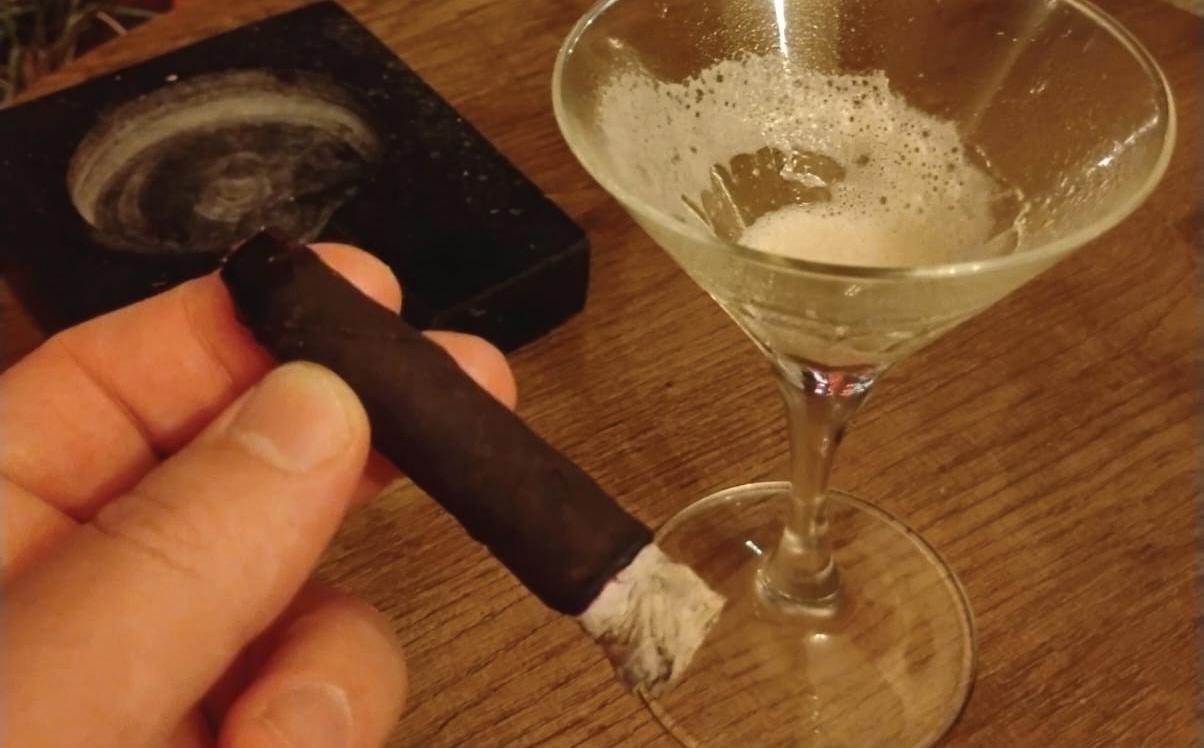
Originally, I wanted to choose a different cigar, but the rain kept sabotaging me. Consequently, I selected a Purito from the Dominican Republic, with very dark Kentucky leaves, with rich leather and coffee notes, which are ideal for the cocktail. The tobacco even has a residual sweetness on the lips, that combines beautifully with the Latte, making it a great pairing right from the start.
I must admit that the smoothness from the sweetened condensed milk in the cocktail is excellent. The sweetness needs to be something that reminds you of brown sugar, almost a liquid dessert. It was just a dribble, anything more than that would make the cocktail too sweet and would throw off the pairing.
It is also OK for the cocktail to be a bit sweet, but there is a fine line between
sweet enough and oversweet.
These short pairings, almost become “shot” pairings, due to the briefness of the time and the reduced serving volume, but they are satisfying. Coffee and cigar lovers also find their sweetness hard to resist, it is a heavenly marriage.
i f you are recreating this pairing in a warmer climate, you could easily double up the recipe and prepare the cocktail in a blender with ice, as a Frappé, it will undoubtedly be good in the summer.
i hope that readers everywhere can recreate the pairing, adjusting it to their climate, so that they can enjoy it fully during the day.
Philip i li Barake # gr CigarPairing