What’sInside?
Editor’s Note
A look at the philosophy guiding
our approach to architectural
reflection
Perception
Engineering
Using Mirrors to Control Space, Scale and Sightlines
Light as Material
Natural and Artificial
Illumination Through
Reflection
Commercial
Mirrors as
Architecture
Why Reflection Is a Structural
Decision, Not Decoration
The Designer’s Playbook
Essential considerations for
flawless, stress free specification
Residential Mirror
Strategy
Elevating Living Rooms,
Kitchens, Bedrooms and Bathrooms
Reflection Technical Intelligence
Retail, Hospitality and
Workplace Applications
05 08 11 03 06 10 12 14
Fixings, Ventilation, Substrates and Longevity
Editor'sNote
Designers are trained to notice what others overlook
A shadow line slightly off A junction that doesn’t
resolve. A material that shifts in the wrong light. Yet
mirrors are still too often treated as decorative additions rather than architectural tools
That’s a missed opportunity
Mirrors can transform a space without moving a single wall They expand, deepen, brighten and refine But they are also unforgiving They amplify good design and expose poor planning instantly.
This magazine exists to reframe reflection as part of architectural thinking
It is not about frames or fashion. It is about intention.
In residential interiors, mirrors shape daily experience In commercial environments, they influence atmosphere and brand perception When aligned properly and integrated early, they reinforce proportion, continuity and light
Technical intelligence is part of that process
Ventilation gaps, fixings, substrate preparation and lighting integration are not contractor concerns alone They directly affect how a design performs and how long it lasts.We have corrected projects where reflections were misaligned by millimetres yet felt entirely wrong We have re-specified glass to achieve true clarity We have redesigned lighting to eliminate visible LED dotting that undermined otherwise refined interiors
These were not decorative adjustments They were precision decisions.
My hope is that these publications encourage designers to consider glass and mirrors earlier, specify them more intelligently and use them with confidence Reflection is not an afterthought
Used carelessly, it fills a wall
Used well, it defines the room
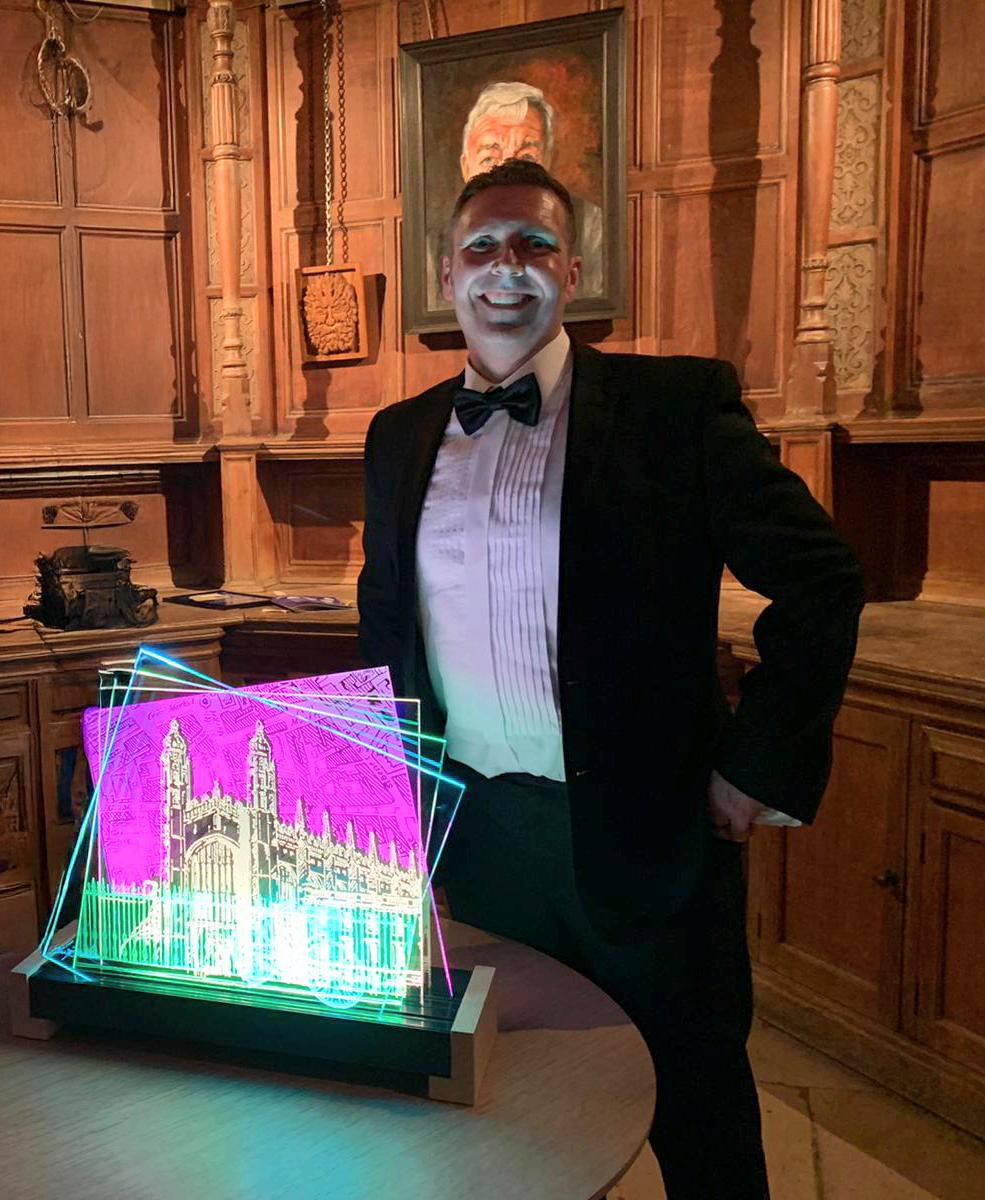
C l i v e S p a r k e s
DESIGN DIRECTOR @ GOGLASS DESIGN
EDITOR & DESIGN DIRECTOR : CLIVE SPARKES
MANAGING DIRECTOR : TRACY SAUNDERS
SALES DIRECTOR : EMMA SPARKES
SALES & SPECIFICATION: EMMA JENKINS
DESIGN&PRODUCTION : ANDY
MARNOCH, BILL GINN, LUKE YOUNG, ADRIANS POLIS,
MARKETING : LIAM BRITTAIN
ACCOUNTS : AMANDA COX
glass&mirror
MirrorsasArchitecture
WhyReflectionIsaStructural Decision, NotDecoration
A mirror is not decorative surface It is spatial manipulation.
Unlike stone or timber, it occupies visual volume
without physical mass It can widen, heighten,
elongate and brighten in a single gesture When used intelligently, it becomes structural in its influence
The fundamental principle is simple:
The mirror itself must disappear
What should remain is the reflection seamless,
continuous, integrated into the architecture
Visible clips, exposed edges or poorly resolved junctions interrupt illusion immediately The eye registers inconsistency faster than it registers beauty.
Architectural mirror design demands alignment with
structural lines rather than imperfect substrates It
requires understanding of light, sightlines and proportion
When reflection is considered early in the design
process, it enhances spatial clarity When added late, it often exposes compromise
Designing Illusion
Mirrors work because they create an illusion
The illusion of:
A wider room
A taller ceiling
A longer sightline
A brighter interior
But illusion only works when controlled
The mirror itself should disappear What you want to
see is the reflection, not the panel Visible fixings,
awkward joints or misaligned edges instantly break
the effect
A successful installation does not shout.
It quietly expands
True mastery of mirrored architecture lies not in the
mirror, but in the choreography of what it reveals
Designers must anticipate how light will travel, how movement will echo, and how geometry will align
across planes that technically do not exist A mirror
can create a second room, a doubled corridor, or a window where no window is possible but only when the designer controls every millimetre of its
position This is why architectural mirrors behave
more like extensions of structure than applied
finishes They reshape perception, redirect
attention, and restructure space without altering a single brick In the right hands, a mirror becomes the
most economical form of architectural transformation available
Perception Engineering Perception Engineering
UsingMirrorsto Control Space,Scale andSightlines
Mirrors influence how occupants interpret proportion, volume, and scale They soften compression in narrow corridors, reduce the visual heaviness of structural columns, and provide a sense of expansion in compact retail environments They can alter how people perceive spatial boundaries, making a room feel calmer, more balanced, or more dynamic depending on the designer’s intention
However, sightline management is essential
A mirror positioned for aesthetic symmetry on plan may create awkward, unintended reflections when
viewed from seating height or when approached from circulation paths
goglass.co.uk
Reflections must be tested from entry approach, seated eye level, and primary movement routes to ensure the visual experience is cohesive. What reads well in elevation may behave entirely differently in motion
True spatial enhancement comes from intentional control of angles, proportions, joinery, and light
Mirrors are precise instruments When applied without discipline, they amplify chaos; when applied with rigour, they engineer perception with remarkable subtlety Perception is engineered through discipline, not guesswork
ManipulatingPerception
Mirrors work because they manipulate perception.
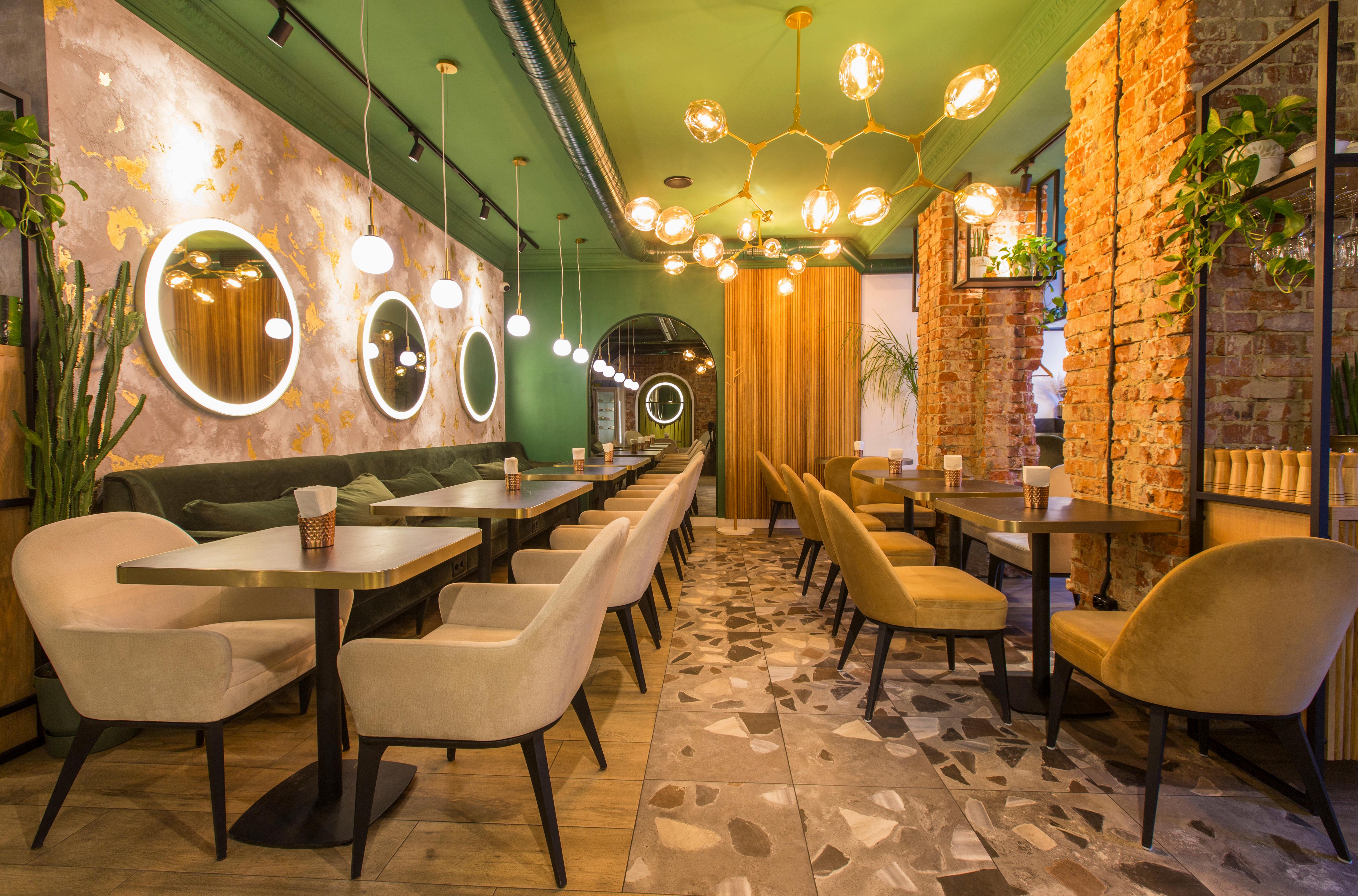
To increase width, position panels adjacent and perpendicular to glazing so reflected light extends beyond the window opening
To create length, introduce vertical mirror panels on end walls flanked by textured materials
To suggest height, integrate ceiling mirrors within controlled recesses or frames
But illusion requires content A mirror must reflect something worth seeing. Ceiling treatments, wall finishes, and floor materials become part of the visual composition once doubled
A poorly considered ceiling appears twice as neglected A refined architectural detail becomes twice as powerful The mirror does not select which elements it enhances it simply replicates what exists, for better or worse
Before specifying, stand within the space Observe primary sightlines
What line, material, rhythm, or geometry should be extended? What should remain quiet? Reflection is not an aesthetic shortcut; it is an intensifier It
heightens proportion, pattern, and light, but it also magnifies errors, visual noise, and unresolved
junctions
Reflection does not improve design.
It intensifies it
TheDesigner’sPlaybook
A successful mirror installation is never accidental; it is the result of foresight, coordination and disciplined detailing Each question in the checklist safeguards a different aspect of performance optical accuracy, structural stability, longevity and visual coherence Designers must think beyond the panel itself and consider the environment it will inhabit: the light it will multiply, the architecture it will align with, the moisture it must withstand and the story it contributes to the space When these factors are addressed early, mirrors integrate seamlessly and behave exactly as intended, delivering clarity and refinement without compromise Thoughtful preparation doesn’t just build confidence it ensures the final reflection elevates the architecture rather than revealing its oversights.
Beforespecification,youneedtoask...
✓ What will the mirror reflect?
Reflection must enhance the composition, not expose clutter, service zones or unintended views
Always design for the reflection, not the panel
✓ Are sightlines tested?
Check from every approach: standing, seated, entering, and moving through the space. A mirror
behaves differently from each position
✓ Are fixings stress‑free?
Fixings must support without pinching Even minimal pressure creates distortion, misalignment and long term stress fractures
✓ Is lighting integrated early?
Power feeds, driver access and spacing for glow lines must be planned during electrical design
not after walls are finished.
✓ Are joints aligned to architecture?
Seams, corners and panel divisions must connect with doors, mullions, tiling lines or structural grids to maintain visual coherence.
goglass co uk

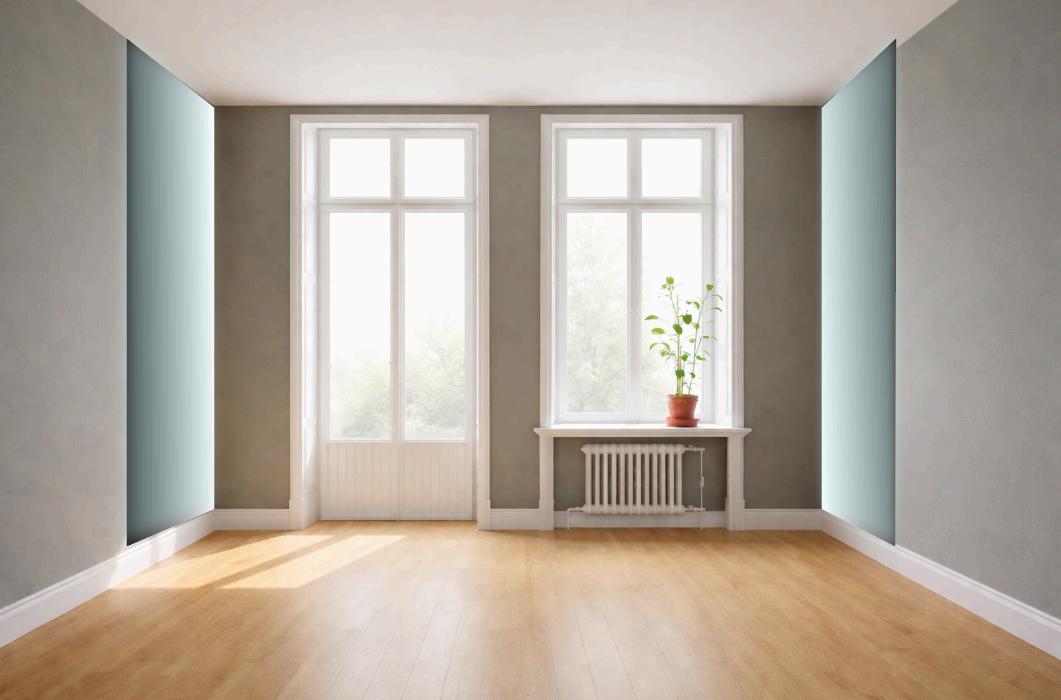
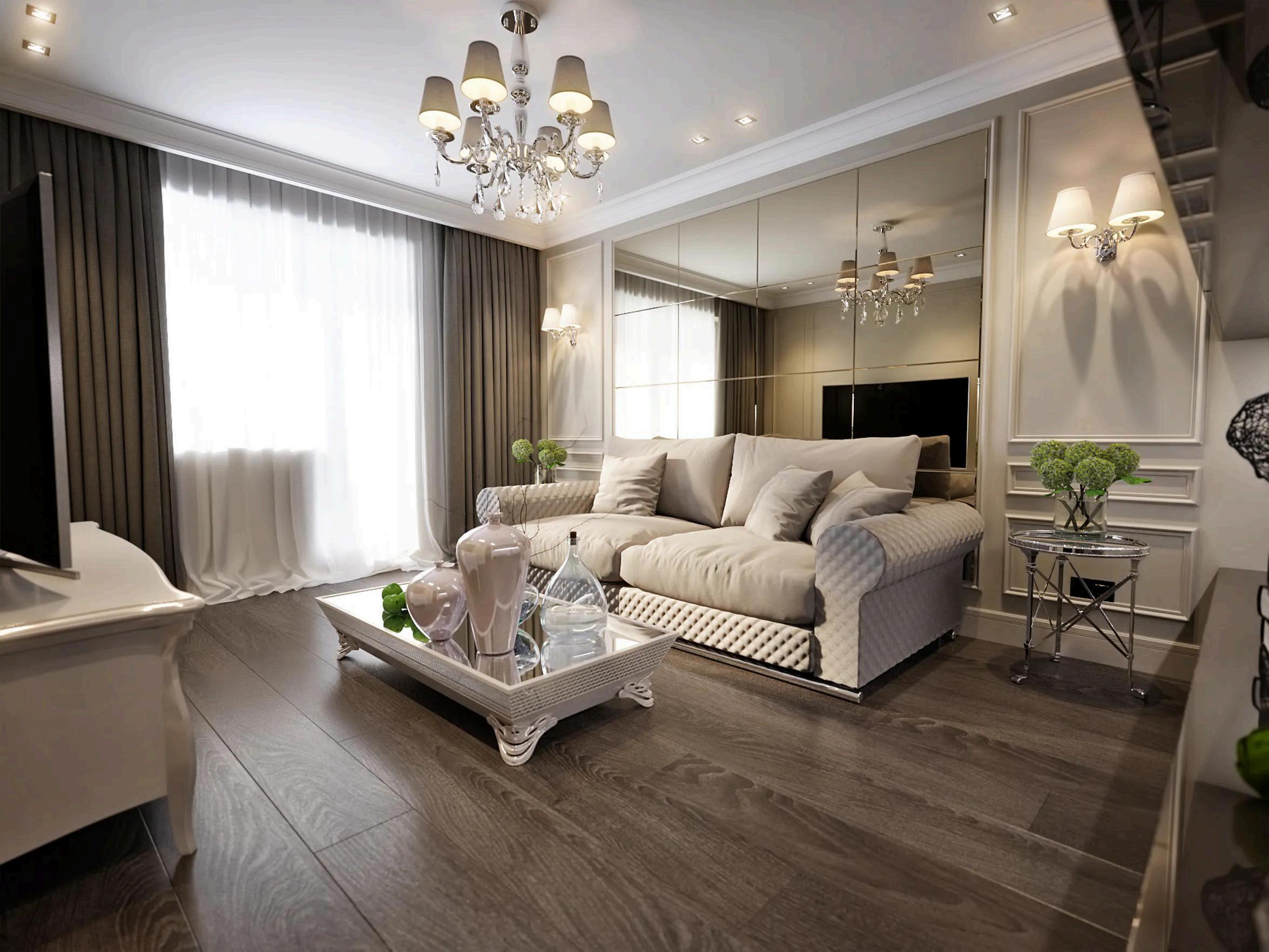
One effective way to visually widen a room is to install floor to ceiling mirror panels placed beside the window and positioned at right angles to it The perceived increase in width comes entirely from the reflected view, so the effect should be reinforced using strong horizontal cues ceiling lines, venetian blinds and subtle wall patterns These elements not only amplify the reflected architecture but also help visually blend and disguise mirror edges
Ceilings can appear higher by fitting ceiling mounted mirrors The sense of vertical lift becomes even stronger when paired with a chandelier or distinctive light fitting, giving the reflection a focal
element to amplify. This combination enhances the illusion of a pierced or extended ceiling, adding depth and visual drama without structural alteration
A room can appear significantly longer by placing a full height mirror panel at the centre of the end wall and framing it with decorative wall linings This
creates a strong focal axis and visually pushes the boundary of the space A ribbed or patterned ceiling
treatment helps conceal the mirror to ceiling
junction, maintaining a clean transition. Strategic planting or soft furnishings can introduce texture and depth into the reflected view, enhancing the
illusion without interrupting the design
ss co uk
Another way to create the impression of added length is to place two full height mirror panels in opposing recesses, separated by a projecting wall or
fireplace The floor to ceiling reflections extend the sightline and draw the eye deeper into the room
Curtains can soften and partially conceal the junctions between wall and mirror, while ceiling
details and surrounding surface patterns provide
visual texture for the reflections to amplify
Lightas Material
Light defines atmosphere Mirrors multiply it
Natural light can be carried deep into a space when mirrors are positioned near windows at deliberate,
calibrated angles. They act almost like light conductors, redistributing daylight into areas that
lack direct exposure This approach reduces shadow pockets, enhances perceived openness, and creates
a more even ambient glow throughout the room In well designed interiors, a single source of natural light can feel as though it has been tripled simply through controlled reflection.
Artificial lighting interacts just as powerfully with reflective surfaces Pendant lights create rhythmic
repetition, turning a single fixture into a pattern Wall
washers appear to reach further, giving vertical
planes greater height and clarity In restaurants, bars, and hotels, candlelight becomes a design tool
in itself its doubled warmth producing a richer, more intimate mood without altering the actual lighting load. Mirrors don’t just reflect illumination; they amplify the designer’s intended emotional tone
Yet the technical constraints still matter Glare must be predicted and mitigated long before installation
Even a beautiful lighting fixture becomes a visual irritant when reflected directly into a key sightline
Colour temperature further shapes atmosphere: cooler tones sharpen reflections, while warmer tones soften edges and influence spatial mood Material selection plays an equally important role Low iron glass ensures clean, accurate colour rendition in high end settings, avoiding the subtle green undertone of standard mirror substrate In premium
architecture, this clarity is not indulgent it is essential to visual fidelity.
Reflection and lighting must be designed together
They are inseparable
Mirrors are not passive participants in an illuminated
space; they actively sculpt how light behaves
goglass co uk
They redistribute luminance, deepen contrast, and
create secondary compositions that the eye reads as
part of the room.
A lighting design developed in isolation will always
underperform. But when reflection is integrated from
the earliest concept stage, light gains dimension,
softness, and precision in equal measure
In the most successful interiors, mirrors and lighting
form a unified system one that choreographs
brightness, shadow, tone, and rhythm with
architectural intent When treated this way,
reflection becomes not merely an effect, but a craft.
DesigningwithLight, NotJustAroundIt
Integrated lighting transforms mirror performance.
It shifts the mirror from a passive surface to an active light‑modulating element
within the room By shaping how brightness is distributed across the wall plane,
illuminated mirrors can alter the perceived depth, warmth and clarity of a space.
The mirror becomes part of the lighting architecture, influencing atmosphere as much as reflection.
COBLED technology
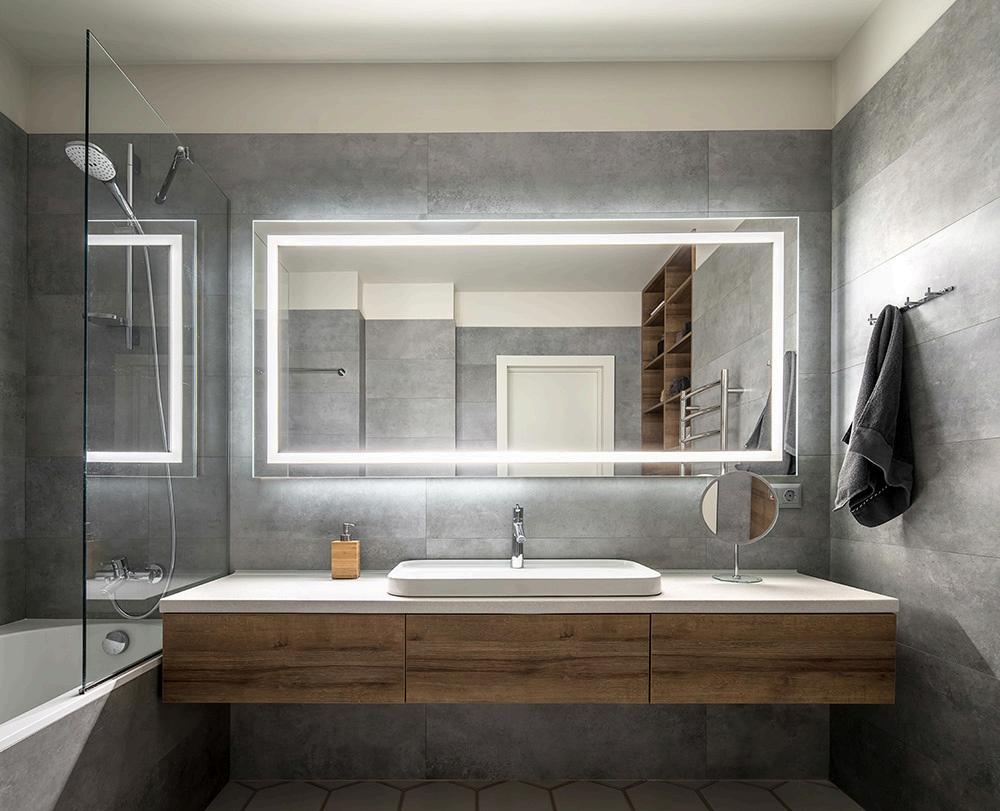
COB LED technology provides continuous, dot free illumination, creating a smooth gradient of light ideal for bathrooms, dressing zones and hospitality environments High CRI options ensure accurate material rendering, preventing colour distortion on tiles, paint finishes and fabrics Dimmable drivers introduce mood control, allowing the mirror to function as task lighting in the morning and ambient lighting in the evening Colour temperature becomes a design tool, shaping how warm or cool the surrounding materials appear
Driveraccessmustbeplanned early
Illuminated mirrors are not plug in accessories; they rely on concealed wiring routes, recess allowances and accessible service zones Early electrical coordination prevents awkward retrofits, exposed cabling or limitations in dimming compatibility Proper placement of junction boxes and transformer cavities ensures clean installation and future maintainability
The Principles of
Residential Mirror Design
Residential interiors demand a sensitivity that
balances atmosphere, function, and visual clarity
Here, mirrors must serve the daily rhythms of a home while reinforcing the underlying architecture
Proportion is the starting point A mirror must relate
to the space it occupies aligned with doors, windows, or joinery so that reflection becomes
part of the architectural language rather than a
decorative afterthought When proportion is correct,
the mirror feels inevitable.
Light behaviour shapes the next layer of design In darker lounges, mirrors can redirect daylight to
eliminate flat, underlit corners. In brighter rooms,
they soften the intensity of direct sunlight by
spreading highlights across the space A carefully
placed mirror can stabilise a room’s atmosphere from morning to evening
Material Selection
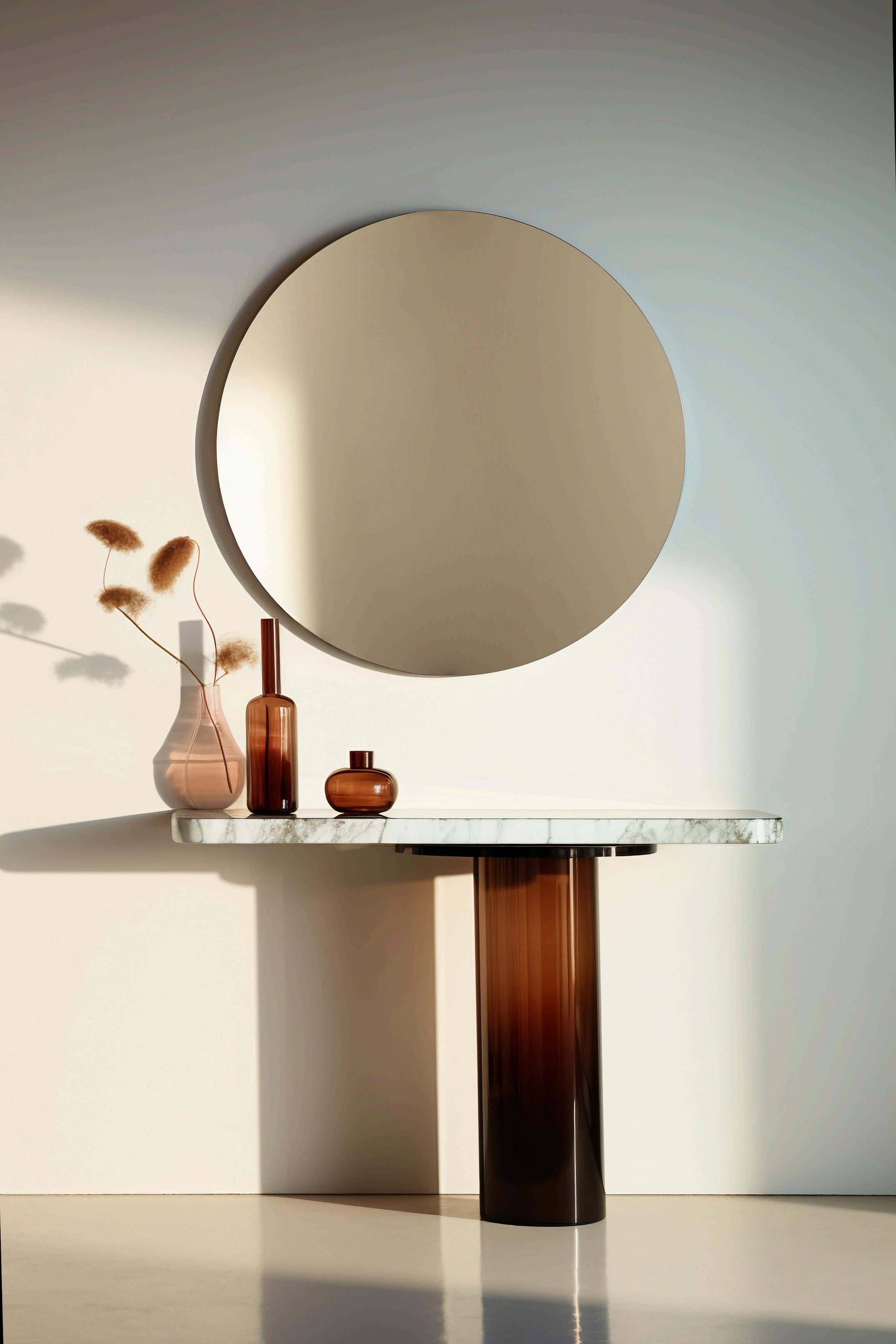
Material selection influences the personality of the space Low iron mirrors support crisp, contemporary environments; bronze or grey tints introduce depth
and warmth; antique finishes add softness to traditional schemes Edge detailing whether polished, bevelled, bonded or framed controls how strongly the mirror asserts itself
Function
Function is equally important In hallways or dressing
areas, mirrors must support everyday routines and withstand frequent contact In dining rooms or living
areas, they perform more quietly, focusing on ambience, movement and subtle expansion
Thoughtfully applied, residential mirrors reinforce
rhythm, guide perception, and integrate seamlessly
into the architecture. They shape a home not by
appearing dominant, but by enhancing the qualities already present
DesigningforDailyLiving
In residential interiors, mirrors must feel intentional
yet effortless. Their role is spatial, not ornamental.
Used with care, they add clarity, scale and brightness to everyday living
Living spaces gain width and daylight. Large panels aligned with architectural lines strengthen geometry and extend wall surfaces, especially when placed opposite windows or views
Kitchens require precision Mirrored splashbacks add depth and light but depend on heat resistant glass, clean edges and controlled sightlines to avoid
unwanted reflections.
Bedrooms need calm Too much reflection disrupts rest, so scale, placement and lighting should support tranquillity
Bathrooms combine aesthetics with technical planning Demisters, IP rated components and proper ventilation ensure safety and performance
Integrated lighting should be planned early.
In commercial interiors, mirrors are rarely neutral
They influence how customers move, how long they stay, how spacious a room feels, and how a brand is perceived. When used intelligently, reflection becomes part of the commercial strategy rather than a decorative layer applied at the end
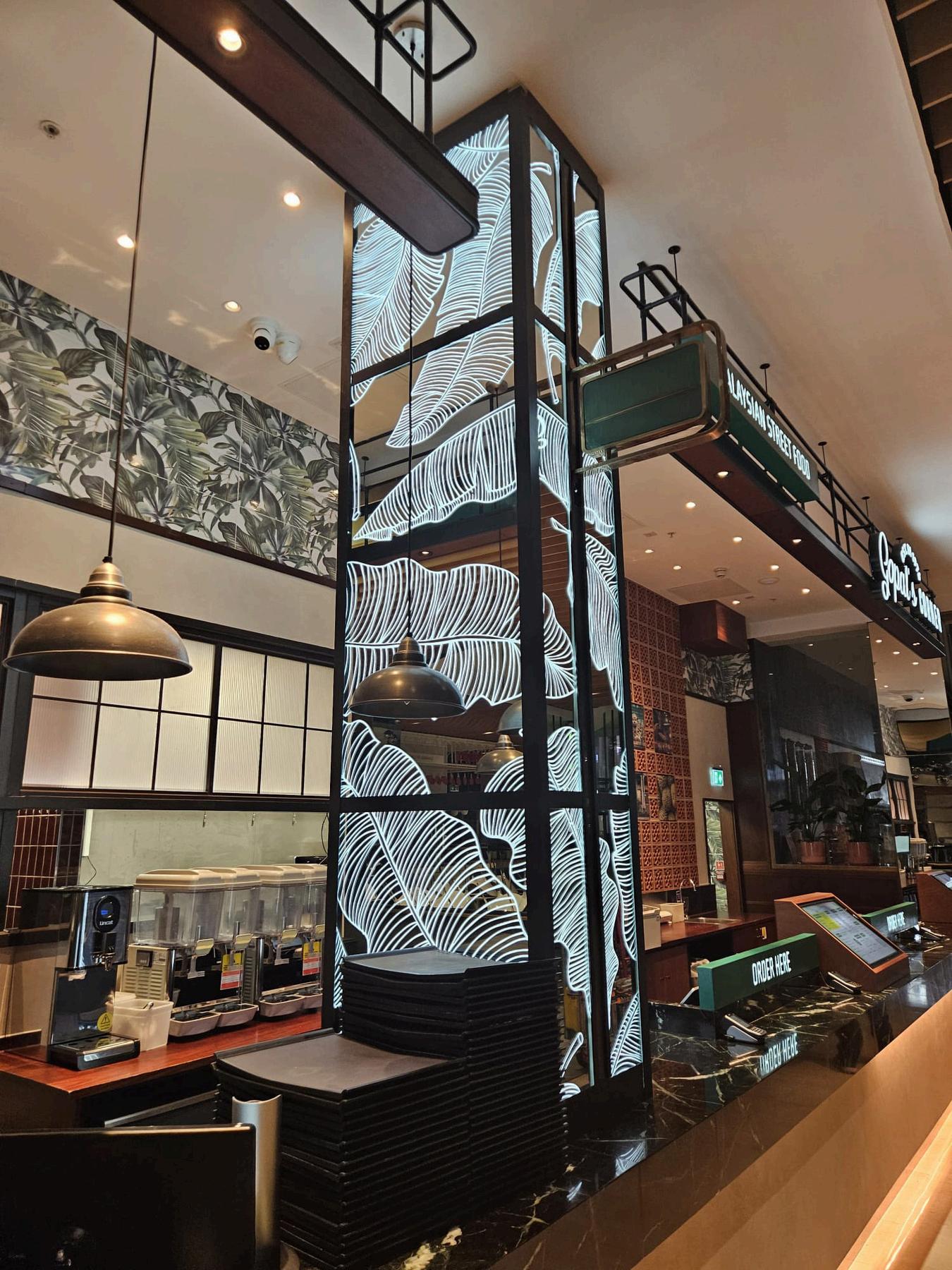
In retail environments, mirrors increase perceived
abundance Back-mirrored shelving enhances product presence, particularly in jewellery, fragrance and luxury accessories where sparkle and depth are critical Reflections create visual repetition, and repetition reinforces value
A well-positioned mirror can make a compact boutique feel layered and immersive It can soften structural columns, visually widen narrow aisles, and increase dwell time by creating a sense of depth beyond the physical footprint
But retail reflection must be controlled Excessive
glare, poor lighting integration or distorted panels
undermine credibility instantly
Luxury customers notice clarity Low-iron mirror
provides truer reflection, particularly under bright
display lighting, preserving material tones and metallic finishes
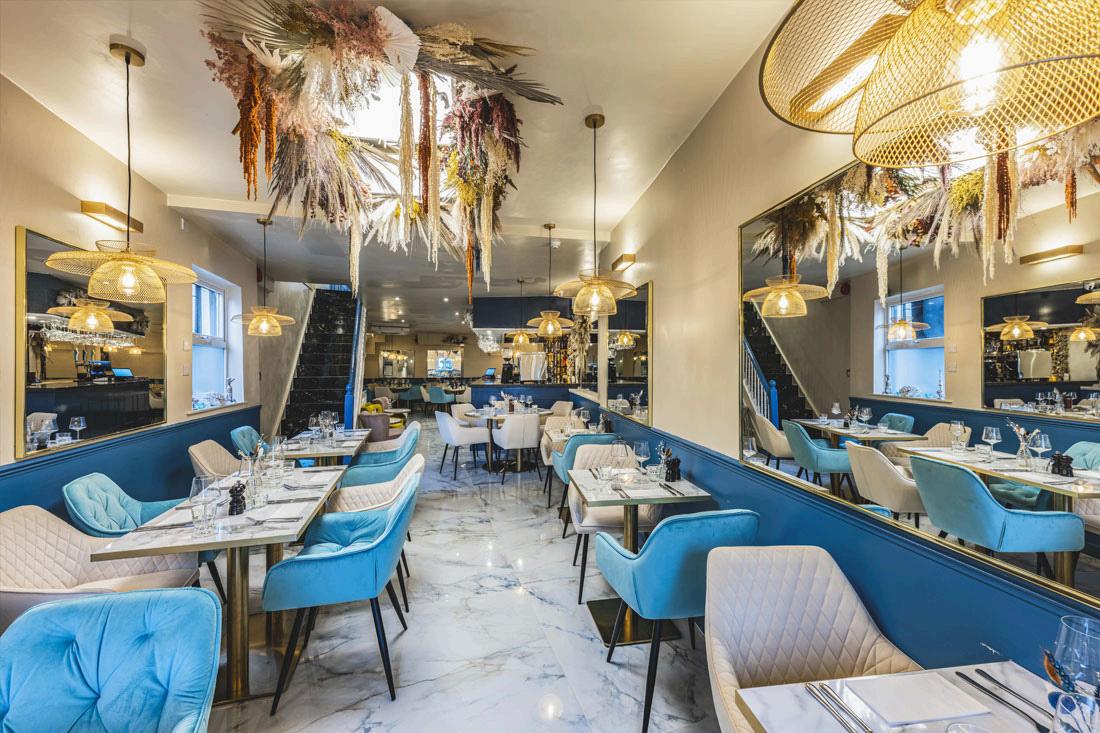
In hospitality, mirrors shape atmosphere.
Restaurants and bars rely on intimacy and warmth
Reflection multiplies candlelight and decorative
lighting, deepening ambience without increasing
fixtures Tinted or antique mirrors soften harsh
reflections and add texture, preventing spaces from
feeling clinical.
Large-format wall mirrors can expand smaller dining
rooms without compromising intimacy Ceiling
mirrors, when structurally supported and thoughtfully integrated, increase perceived volume
while maintaining enclosure
However, placement is critical Guests shou
feel as though they are watching themselves ea
Sightlines must be tested
only from standing design reviews
In workplace environments, mirrors offer spatial relief. Reception areas benefit from increased brightness and perceived scale Corridors feel
when reflections extend v
elements within gla
depth while maintaining transparency
In commercial design, durability and compliance are essential
High-traffic areas may require laminated safety mirror Mechanical fixing systems provide sec
and allow ventilation
Substrate preparation and edge protection affect longevity, particularly in environments exposed to cleaning chemicals and moisture
Mirrors in commercial interiors are not aesthetic indulgences
They are behavioural tools.
They influence perception of space, reinforce brand identity and shape customer experience When integrated early in the design process and supported by technical precision, reflection becomes part of the architectural language of the brand
Used carelessly, mirrors feel decorative.
Used strategically, they feel inevitable
That distinction defines the difference between surface styling and commercial design intelligence
ss co uk
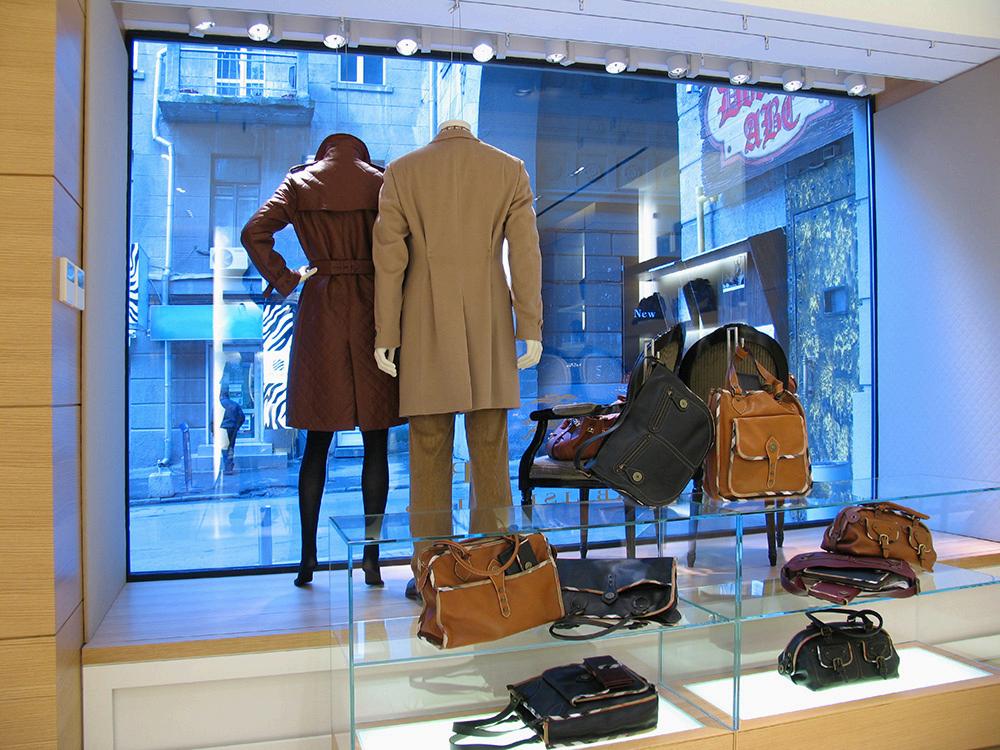
Mirrors in retail aren’t just for customers to admire
themselves They affect dwell time and perceived
spaciousness
Try:
Mirrored pillars to visually widen narrow spaces
Back-mirrored shelving for depth
Integrated LED edge-lit branding panels
brand presence
Subtle Powerful
Hospitality: Atmosphere
Engineers
Restaurants and bars use mirrors to:
Multiply candlelight
Add intimacy
Create depth
Frame social energy
Antique mirror panels add warmth
Bronze or grey tints add mood
Large seamless wall mirrors amplify scale.
The goal is ambiance without obvious reflection No one wants to watch themselves chew
Office & Workplace: Quiet
Performance
Modern offices benefit from mirrors in unexpected
ways:
Corridor widening
Reception impact
Glass partitions with reflective elements
Back-painted mirrored panels
It’s about light diffusion and visual relief Good design reduces stress without announcing itself.
goglass co uk
Technical Intelligence
Understanding how to install a mirror
A refined mirror installation depends on unseen discipline
Mirrors must be fixed without stress Even minor pressure points can create long term warping or
spontaneous fracture Glass to metal contact should always be avoided; soft pads or structural adhesives provide controlled support Continuous, uniform backing prevents distortion and ensures the
reflection remains optically true from all viewing angles
Ventilation gaps of a few millimetres allow air circulation behind the panel, preventing moisture from attacking the silvering layers
goglass co uk
Substrates must be dry, stable and properly sealed
Foil backed mirrors offer improved protection, but even they require precise application to avoid trapped moisture and adhesive incompatibility
Recently plastered walls must be allowed adequate drying time, and moisture levels should be checked before installation Any uneven areas should be levelled, as mirrors will faithfully exaggerate every imperfection beneath them.
Handling remains equally important Controlled environments and dust free surfaces prevent micro scratches and contamination, which later
become visible under directional or high intensity lighting
Fixing methods should be selected as carefully as
the mirror itself For illuminated and framed mirrors, concealed security fixing systems provide both
structural stability and clean aesthetics. These systems use hidden brackets or interlocking plates
fixed securely to the wall, allowing the mirror to sit flush while remaining mechanically supported The benefit is twofold: weight is properly distributed, and removal for maintenance or electrical access remains possible without damage For larger illuminated units, especially those incorporating LED drivers and demisting pads, this type of fixing offers reassurance in both residential and commercial settings An alternative mechanical solution is the use of aluminium mirror rails or interlocking hanging systems These provide strong vertical support, are particularly effective for larger panels, and allow precise levelling during installation. They are widely used in commercial environments where durability and safety compliance are essential
Adhesive fixing is often considered for its clean appearance, but it requires discipline Adhesive must be compatible with mirror backing to prevent chemical attack, and it should be applied in vertical strips rather than continuous coverage to allow ventilation Mirrors should never be fully sealed against the substrate, as trapped moisture can cause premature edge deterioration. Adhesive-only fixing may be suitable for smaller panels in permanently
dry environments, but mechanical support is generally recommended for larger or illuminated mirrors Where adhesive is used, substrates must be fully cured, sealed and dry The priority is always stress-free support and long-term performance, not just a seamless first impression
Commercial applications often ask for safety mirrors
BS EN 12600 is the European standard for assessing the impact safety of flat glass, including safetybacked mirrors, by classifying them based on a pendulum test
Reflection is not decoration It is architecture
Mirrors reshape perception, amplify light and extend space in both residential and commercial interiors
When aligned to architectural grids, integrated into lighting strategy and properly supported, they elevate environments without structural change When specified casually, they expose compromise For designers, reflection offers differentiation increasing perceived space, enhancing light and reinforcing brand identity At the forefront of this approach is Go Glass, an award-winning family business at the leading edge of glass and mirror design. Shortlisted as one of the top five glass companies in the UK at the GAwards for the last four consecutive years, Go Glass represents innovation, precision and technical integrity Glass and mirrors are not passive materials. Specify early. Detail precisely. Reflect with intent.
ss co uk
Go Glass Design
Subscribe
Never miss an issue!
Subscribe now to receive your free digital copy of Go Glass Design Magazine created specifically for designers who want to stay ahead
Inside, you’ll find clear updates on changes in building regulations, thermal efficiency requirements and evolving sustainability standards, alongside practical insight into how glass can be used more intelligently and innovatively within residential and commercial projects.
We share early previews of products in development, technical guidance that protects your specifications, and design strategies from award-winning family business Go Glass that help you differentiate in competitive markets
If you’re serious about using glass as more than just a surface and positioning yourself alongside industry-leading experts who understand performance as well as aesthetics this is where the conversation starts
Scan the QR code to
subscribe now and receive your complimentary monthly digital edition
goglass co uk