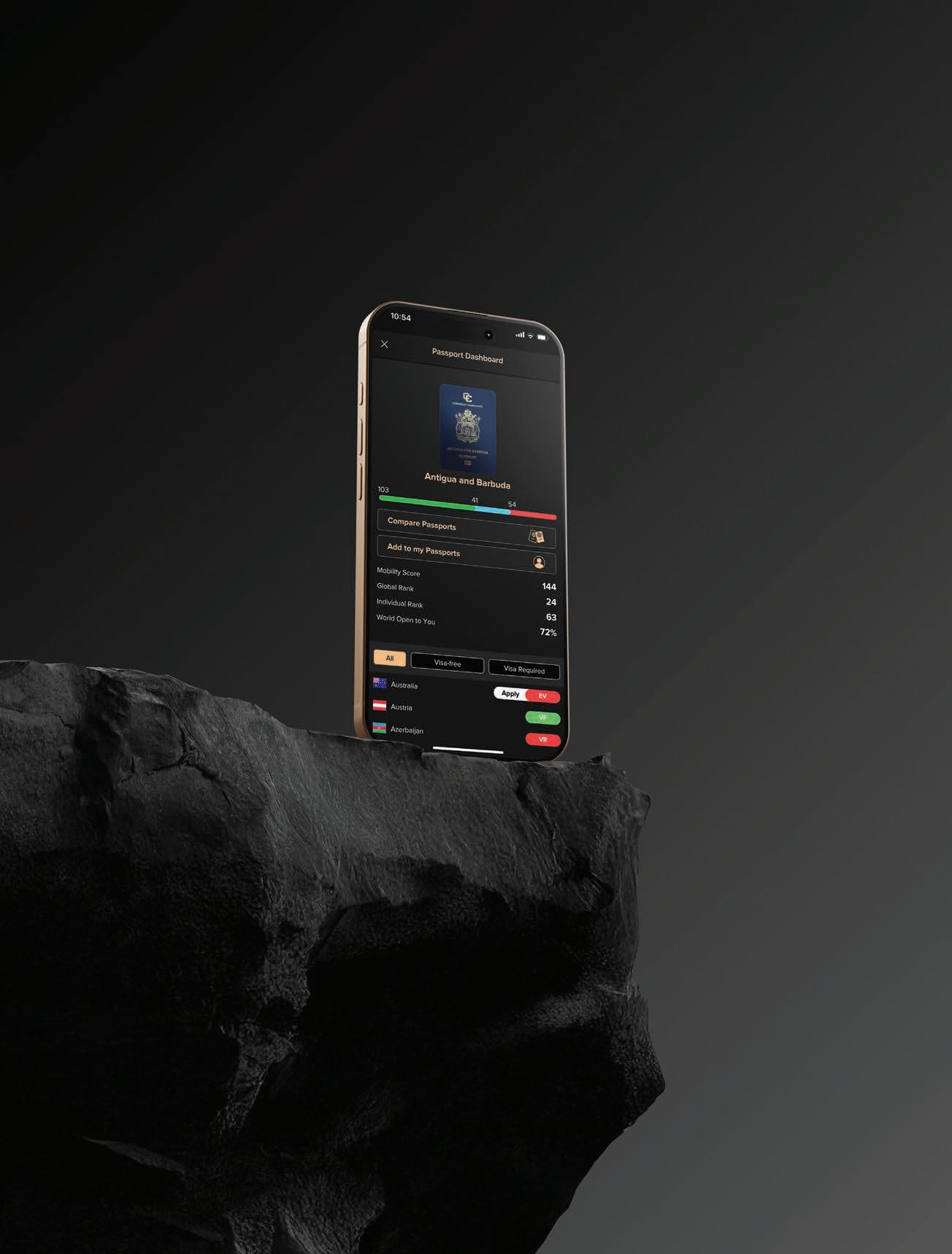
In a world where true wealth is measured by freedom, Arton Capital and The VIP Global unite to offer an unparalleled membership, reserved for the world’s most discerning.
A seamless fusion of global mobility, sovereign freedom, and bespoke luxury, crafted exclusively for those who command the extraordinary.
This is your invitation to life without boundaries.
INSPIRED BY TIDES. SHAPED BY WIND.
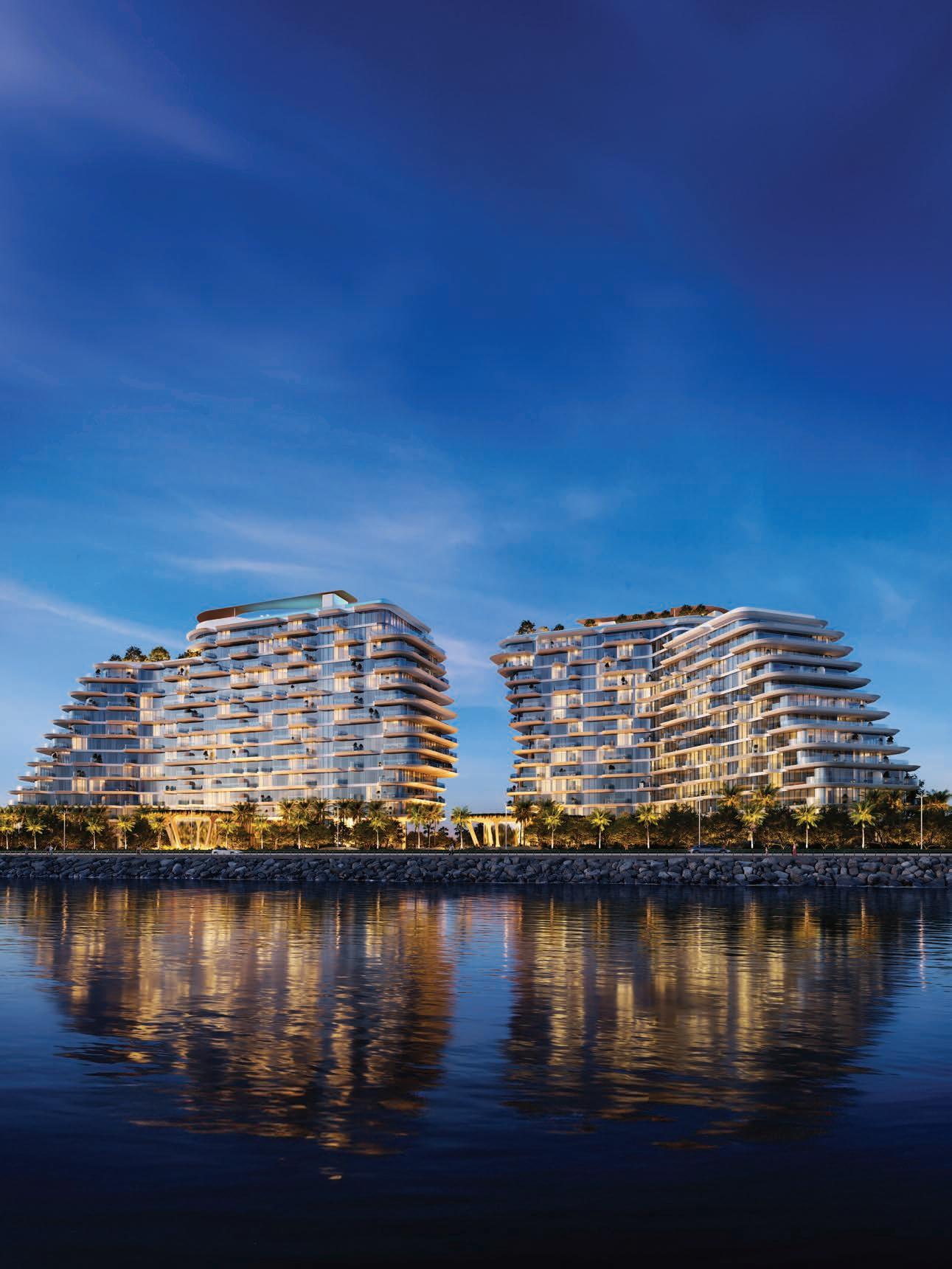
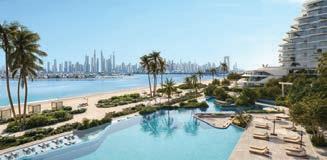
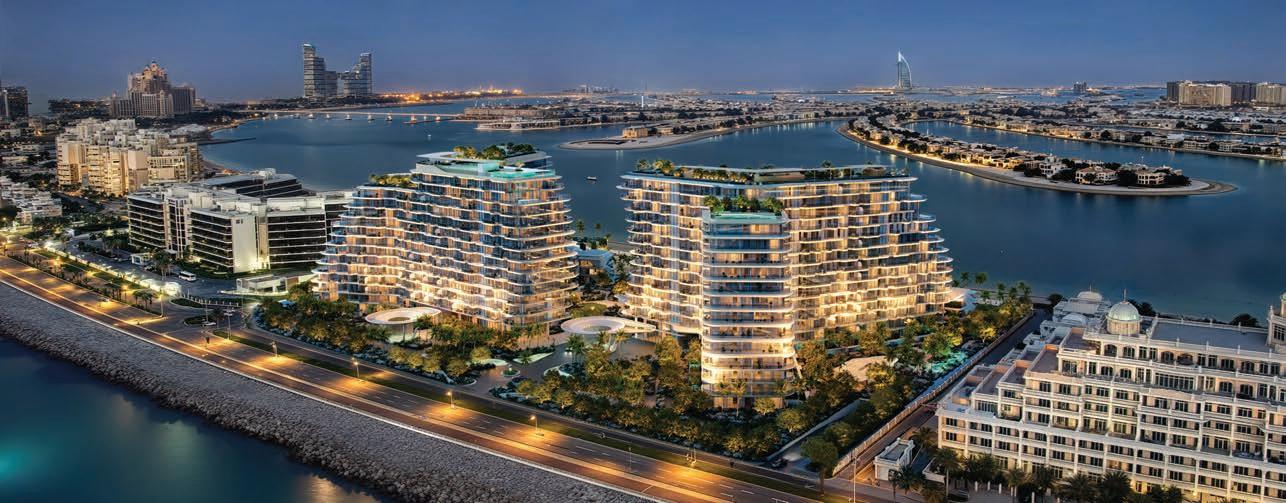
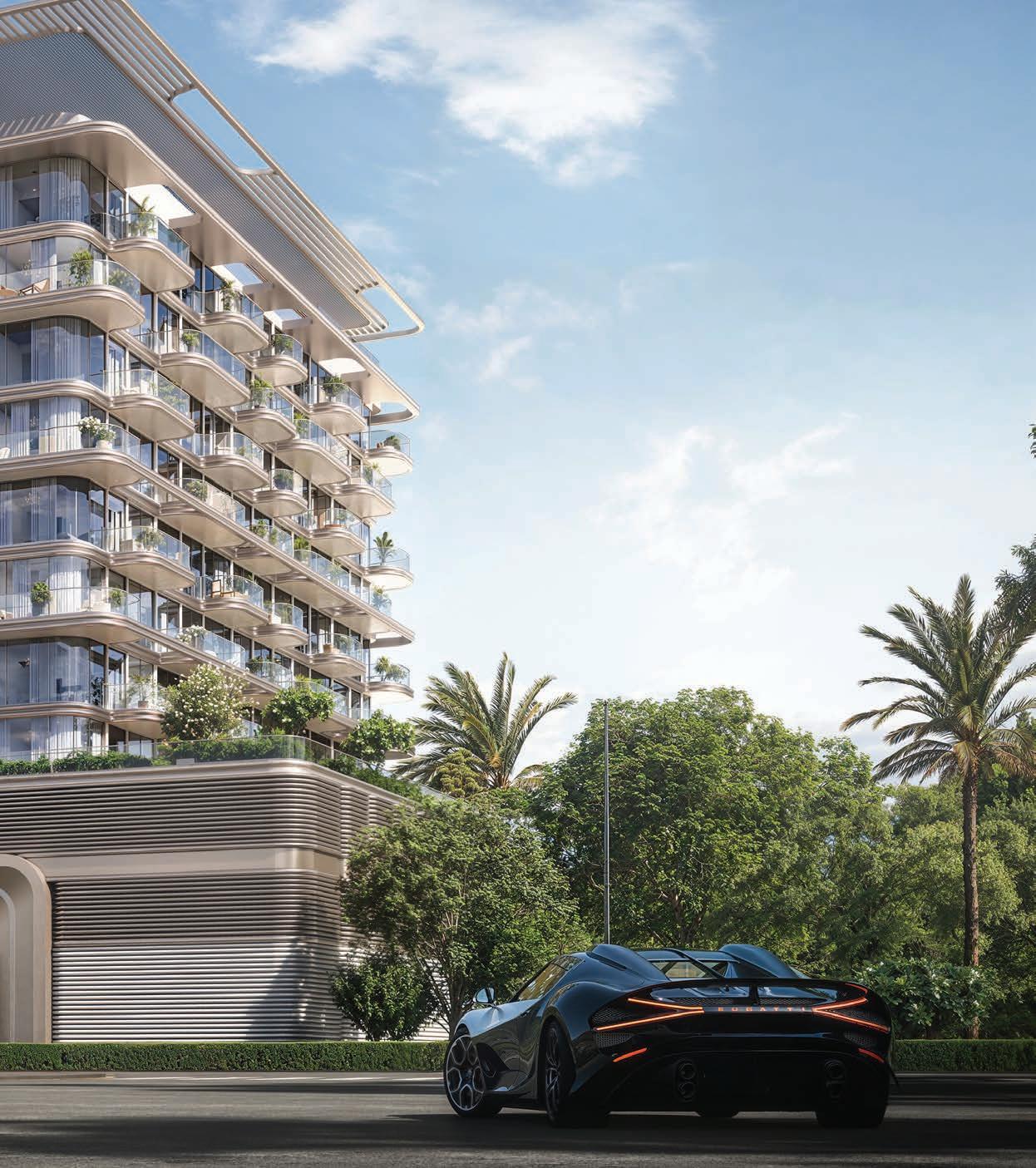
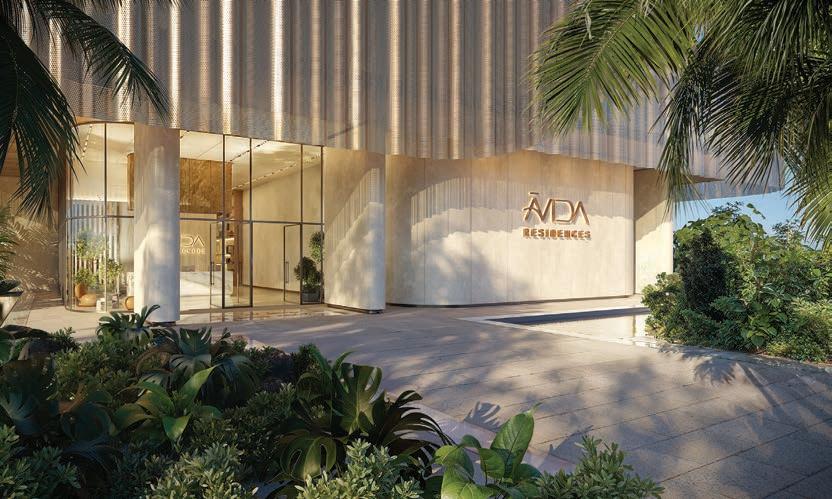
PASSO is BEYOND’s waterfront landmark on Palm Jumeirah, conceived as a sculptural expression of contemporary coastal living.
DESIGNED TO MOVE
YOU.
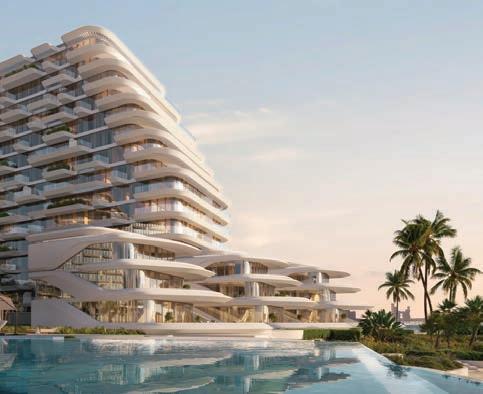
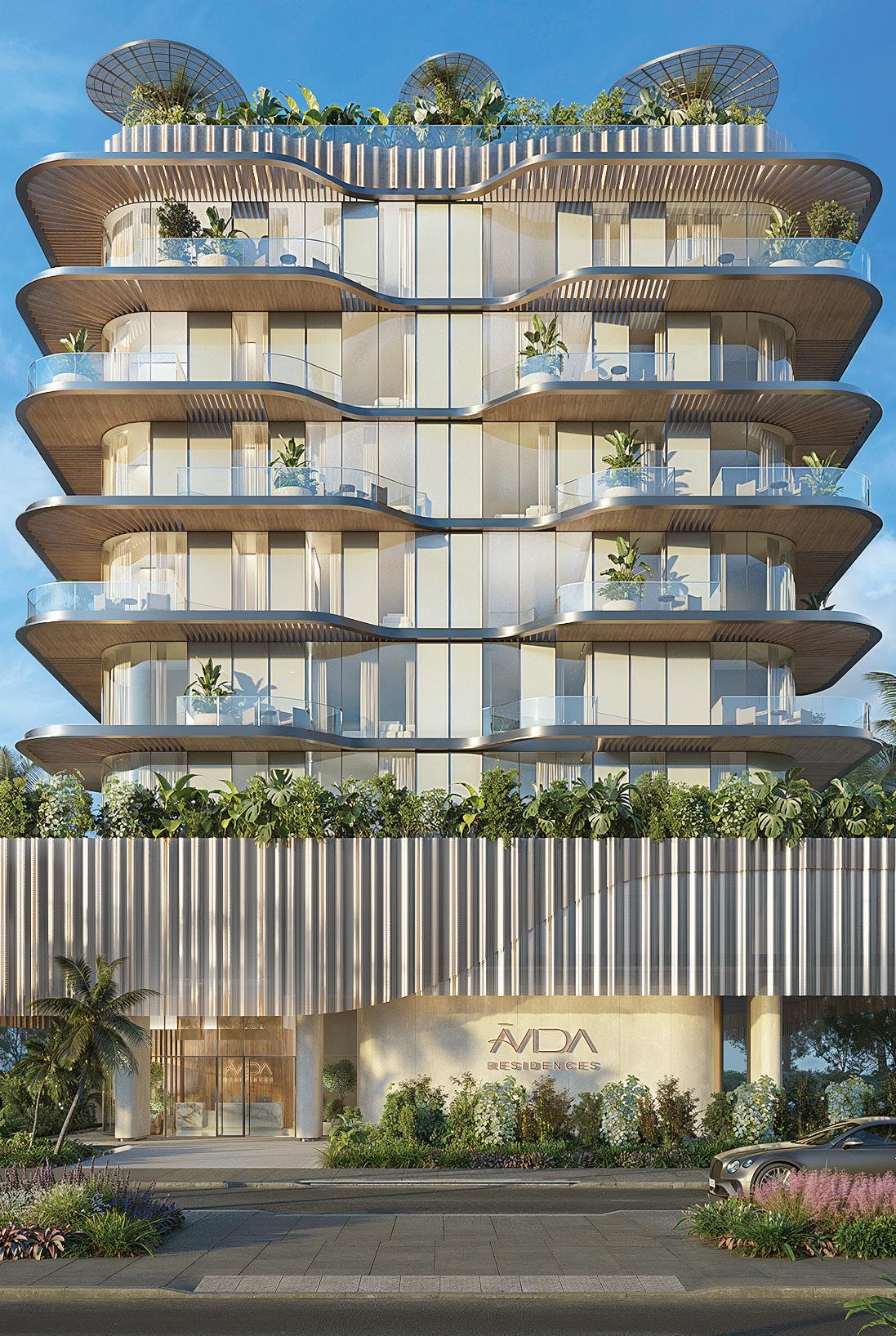
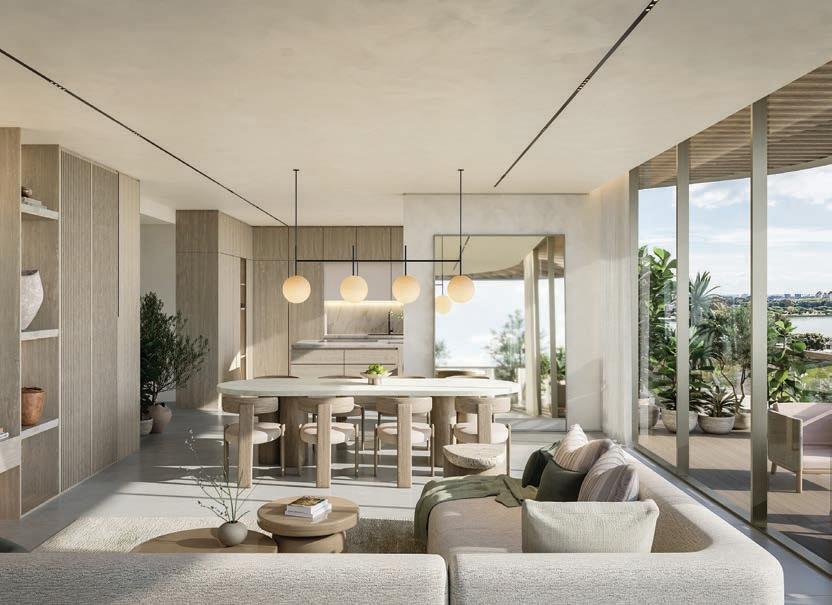
Comprising the twin towers Avita and Bella, the development unites architecture, nature, and emotion through light, movement, and the rhythm of the sea. It offers over 600 curated residences from one- to four-bedroom homes, complemented by sky-level penthouses and 6 exclusive Beach Mansions on the shoreline, all designed with fluid layouts, panoramic glazing, and sweeping views of the Arabian Gulf, the Palm, and Dubai’s skyline.
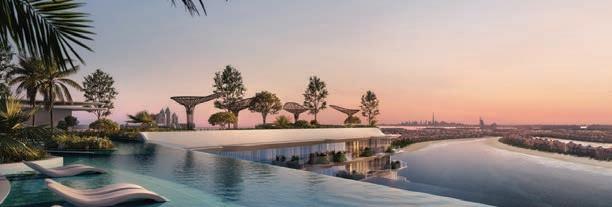
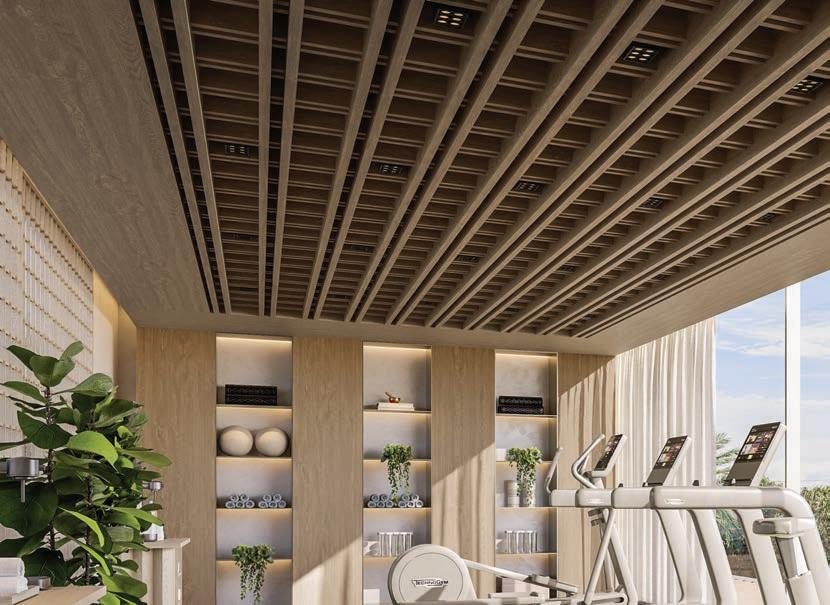
PASSO offers 5 distinct residential collections, from wellness-led homes with private gardens and plunge pools to elite residences, penthouses, and beach mansions. A sculptural arrival piazza, cascading pools, landscaped paths to 250 metres of private beachfront, and curated wellness, family, and leisure amenities complete the experience.
More than a destination, PASSO reflects BEYOND’s vision for design-led waterfront living, where architecture, nature, and emotion flow as one.
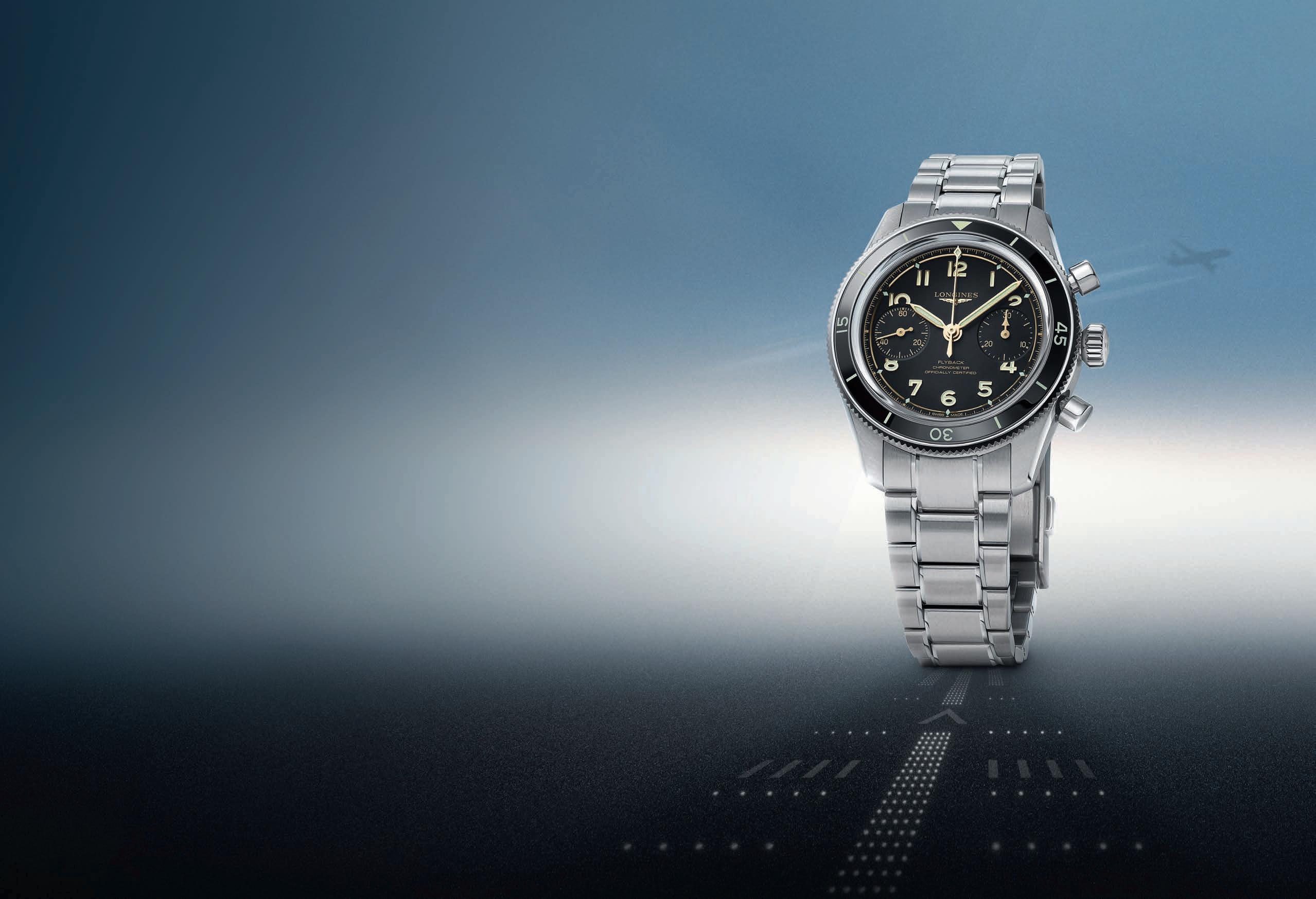
LONGINES SPIRIT PILOT FLYBACK
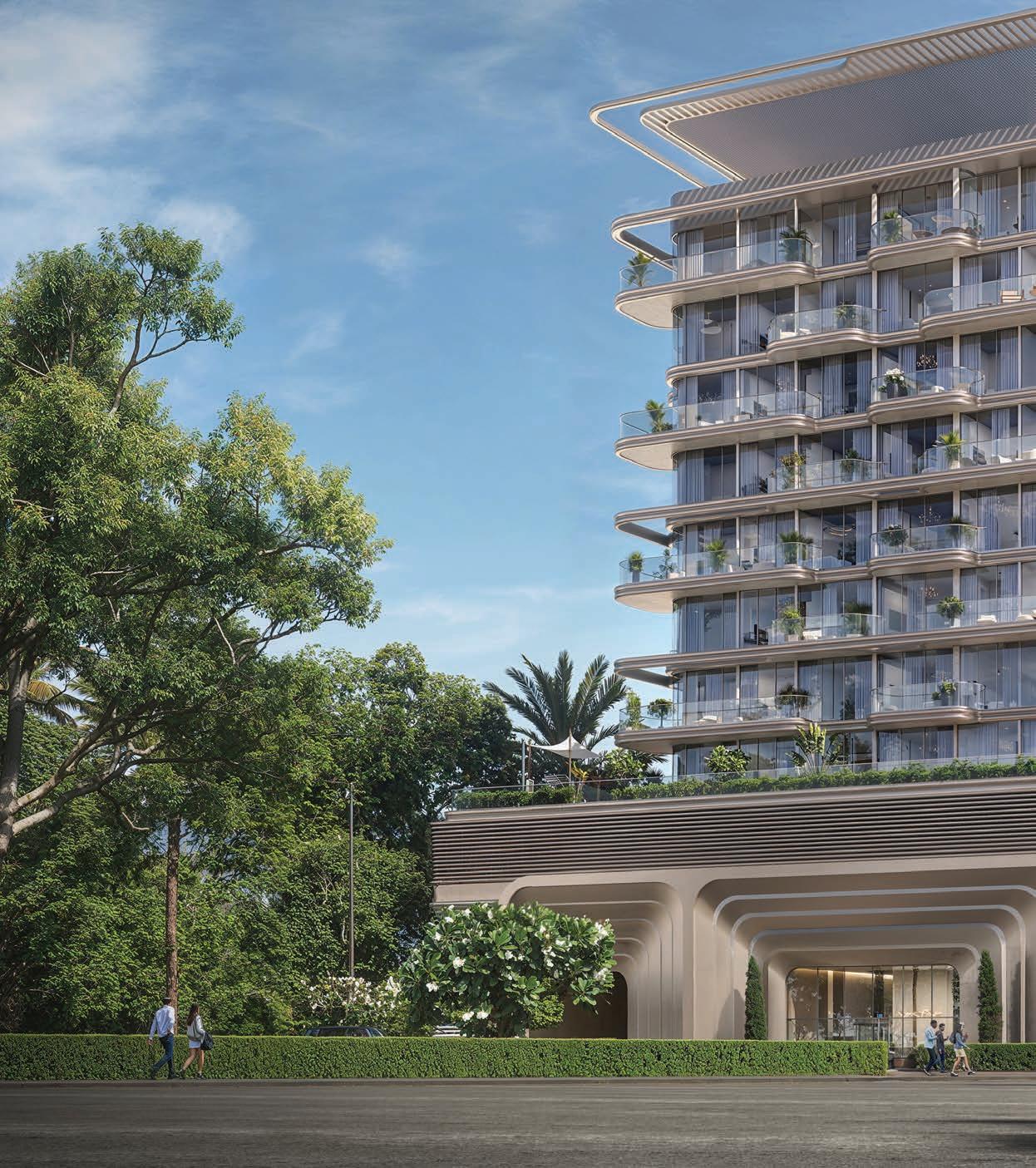
AN ADDRESS ABOVE THE SHORELINE
The Tides is a statement of modern island living — exclusive residences, timeless design, and uninterrupted coastal elegance.
16 THE REBUILDER
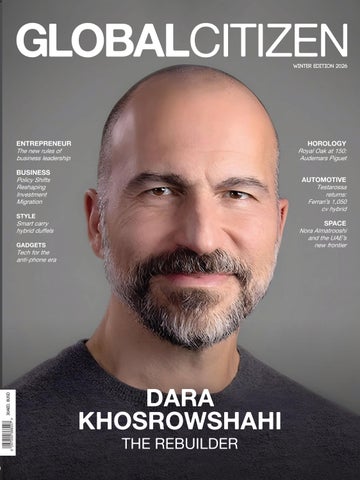
Dara Khosrowshahi
FEATURE
20 THE UNFINISHED VISION
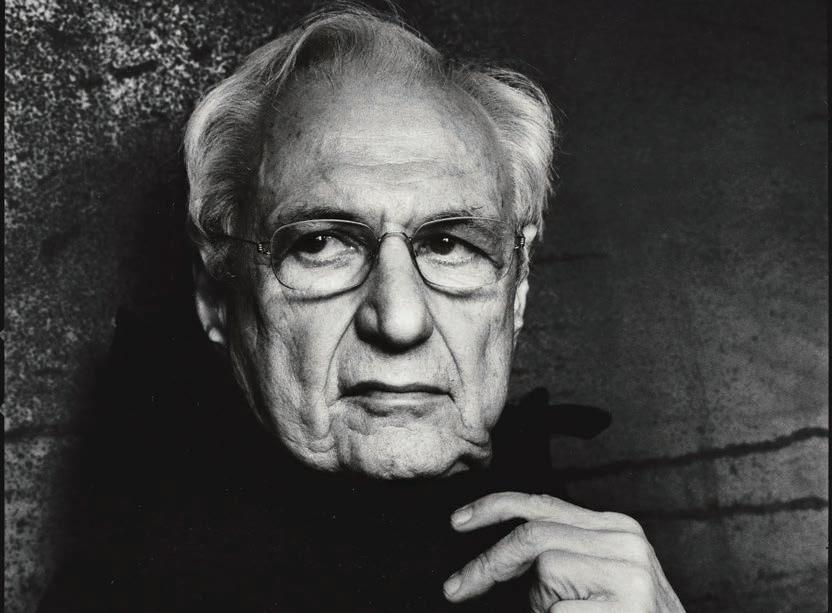
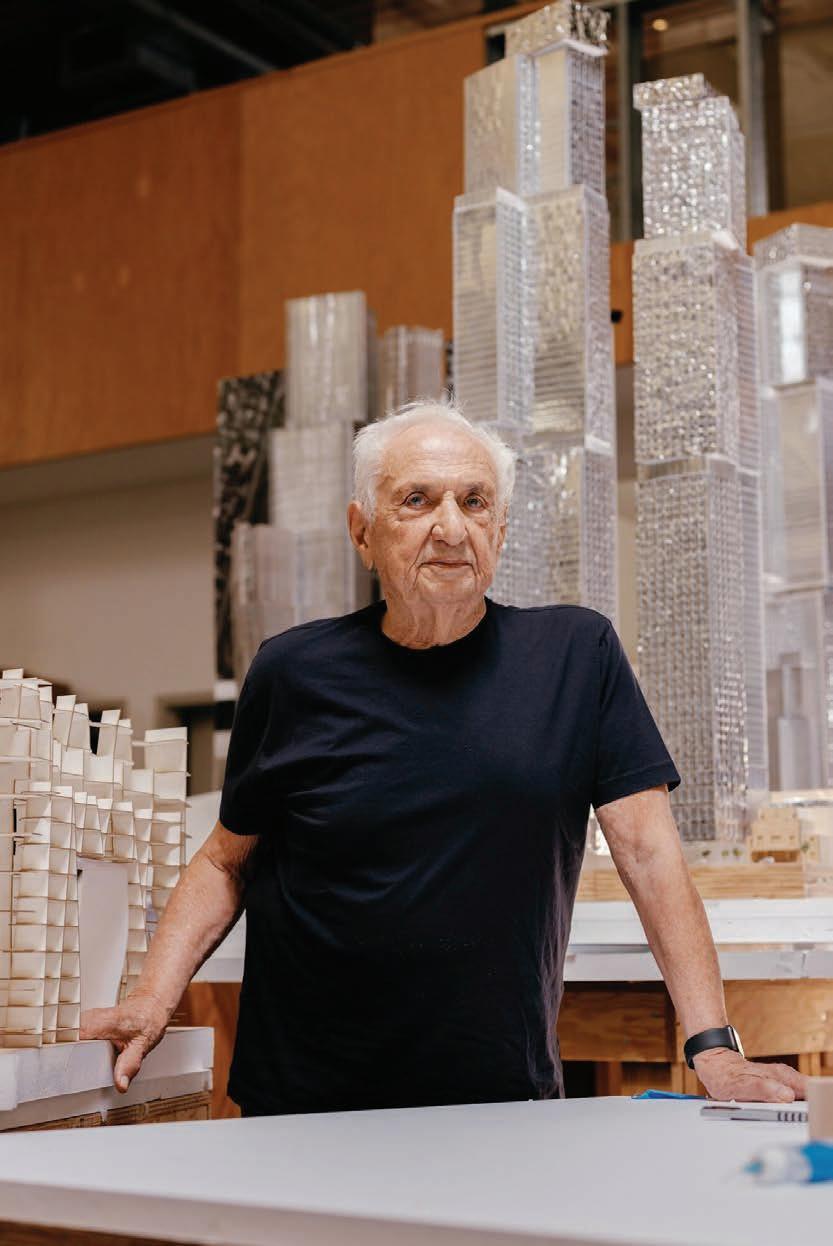
Frank Gehry
24 A NEW FRONTIER FOR THE UAE
Nora Almatrooshi
26 THE ART OF CARE
Smile Design Boutique & Excellence
Medical Boutique
30 BUILDING VALUE, NOT NOISE
Devmark Development
HOROLOGY
36 ROYAL OAK AT 150
Audemars Piguet
38 ULTRAFINO BY DESIGN Bianchet
40 THE MAESTRO REVISITED Gerald Charles
44 SEAMASTER IN GOLD
Omega Milano Cortina 2026
48 PATEK, UNBOUND
Quadruple Complication 5308G
50 THE NEW FACES OF WATCH COLLECTING
AUTOMOTIVE
54
TESTAROSSA RETURNS
TRIUMPHANT Ferrari
58 NO MARGIN FOR ERROR Koenigsegg Sadair’s Spear
64 POLESTAR 6 DRIVES THE FUTURE FORWARD Electric Performance
66 PRECISION UNDER POWER Porsche Taycan Turbo GT
68 ZENVO AURORA SETS A NEW STANDARD Hybrid Hypercar
Small-Batch Makers & Collector Clubs 16 24 20
DINING
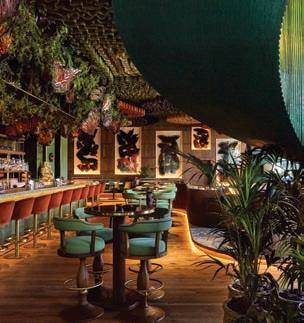
70 INTO THE JUNGLE Amazónico Dubai
YACHTS
74 MAYBACH OCEAN CLUB A Megayacht for the Modern Traveller BUSINESS
78 HOW POLICY CHANGES SHAPE RCBI DECISIONS Investment Migration
82 WHAT 2025’S MOST READ INVESTMENT MIGRATION STORIES REVEAL Families in 2026
DESTINATIONS
86 TOKYO’S VOLCANIC ISLANDS A Subtropical Escape
90 WHY ARUSHA NOW Tanzania’s Northern Hub
STYLE
92 SMART CARRY Hybrid Duffels
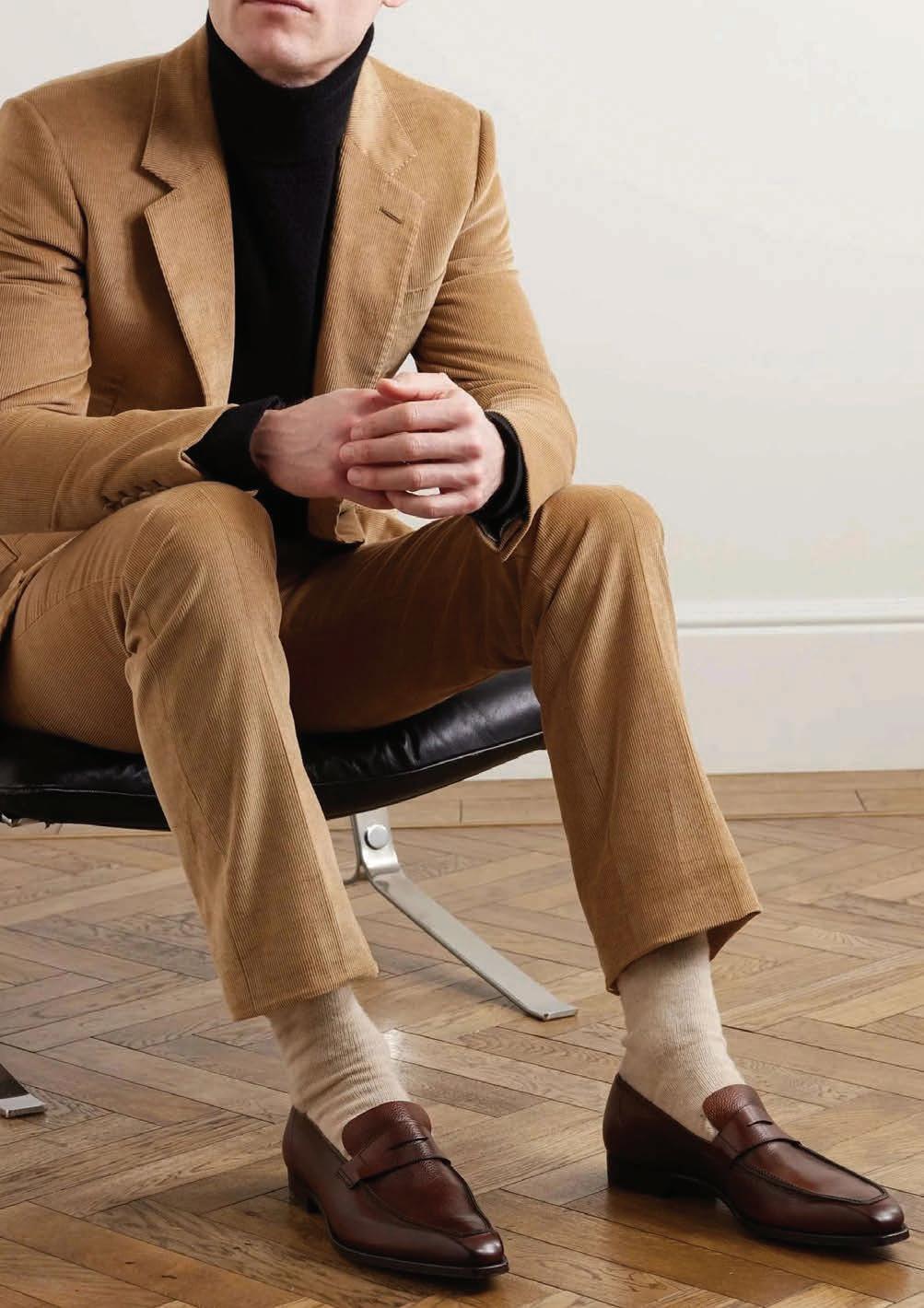
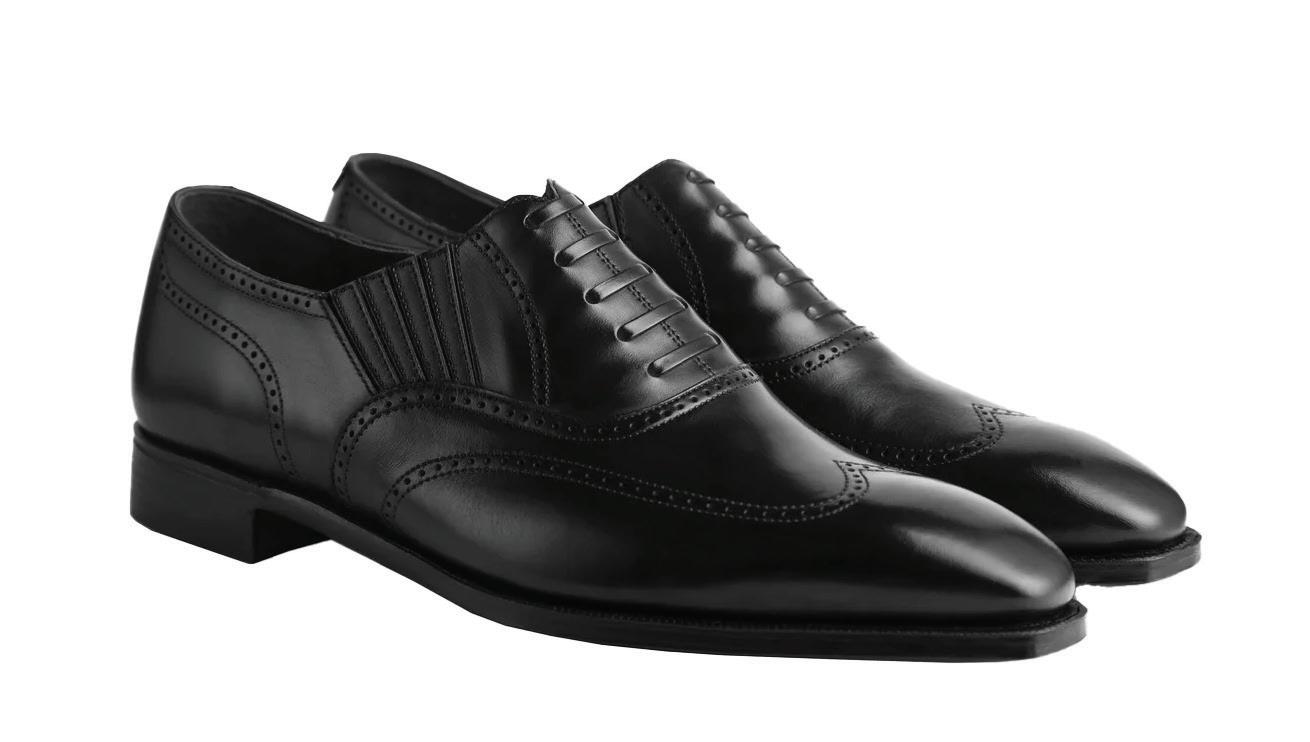
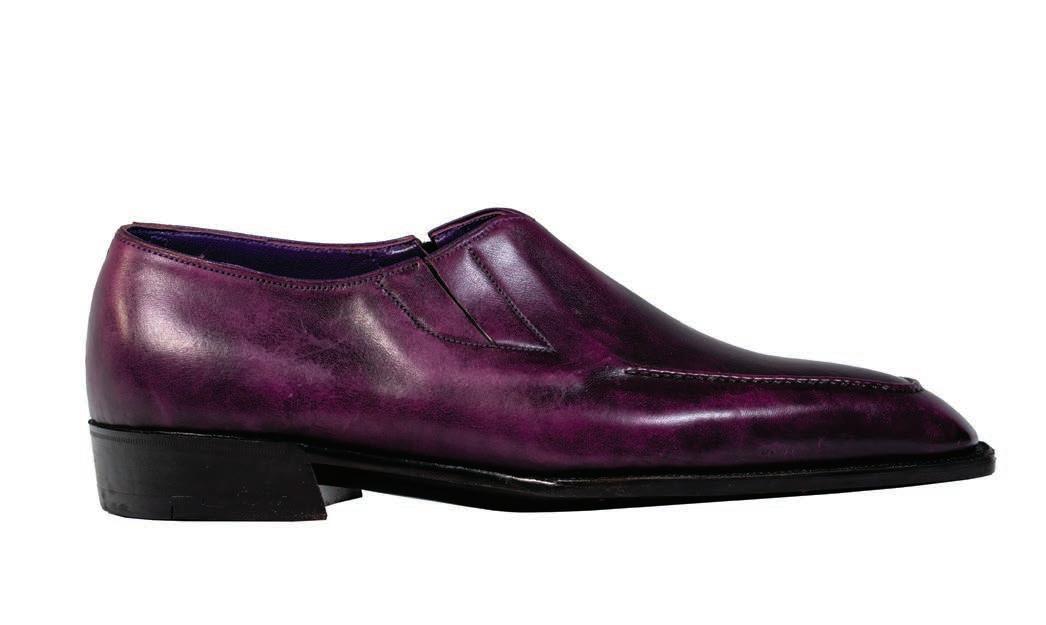
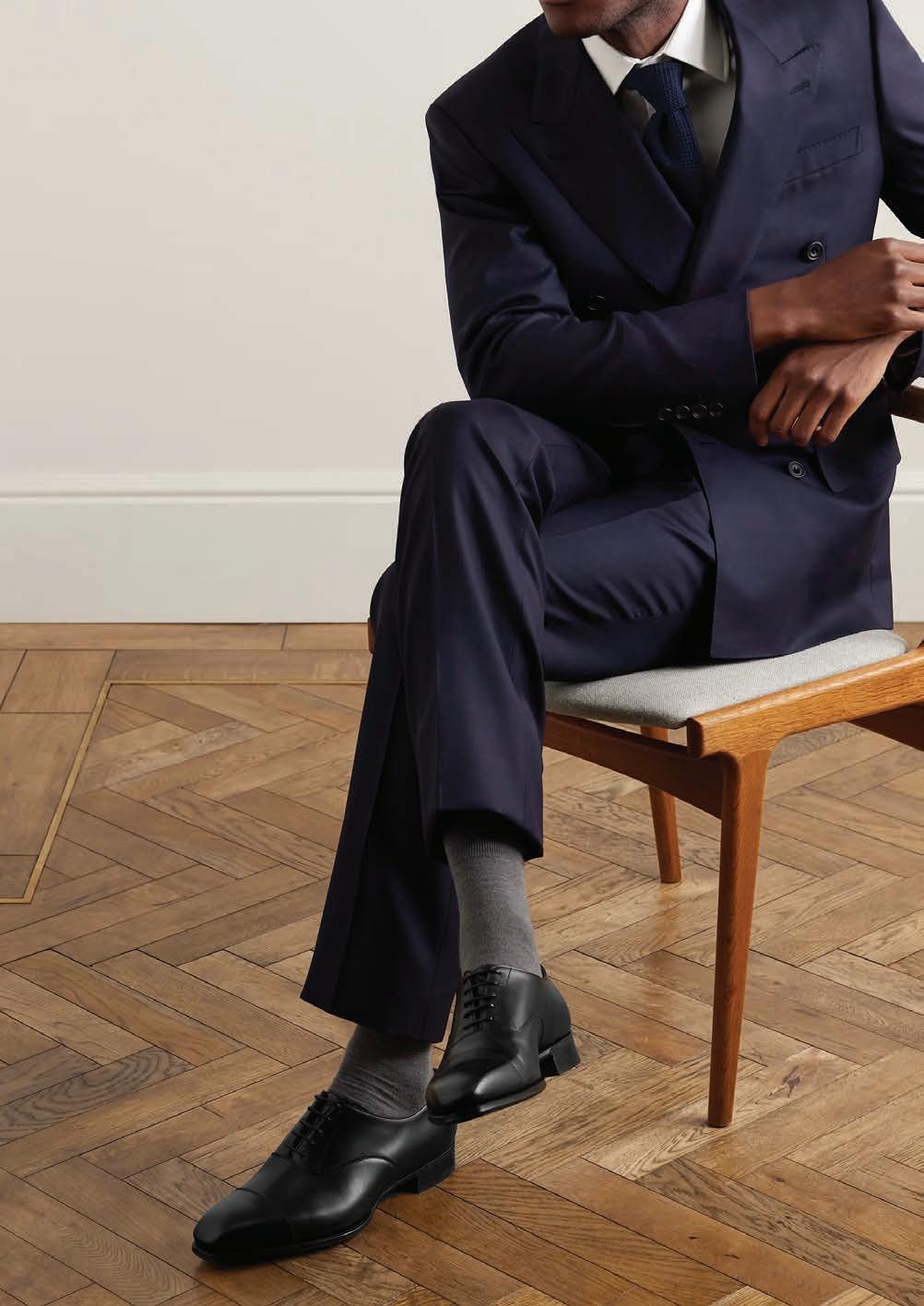
98 THE CHURCHILL SHOE George Cleverley
TECH
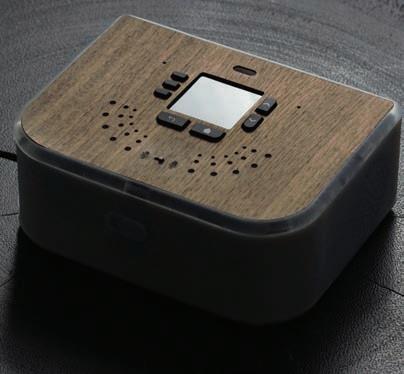
102 DISCONNECT BY DESIGN Tech for the Anti-Phone Era
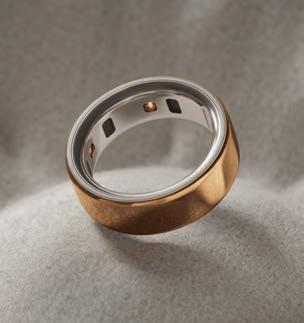
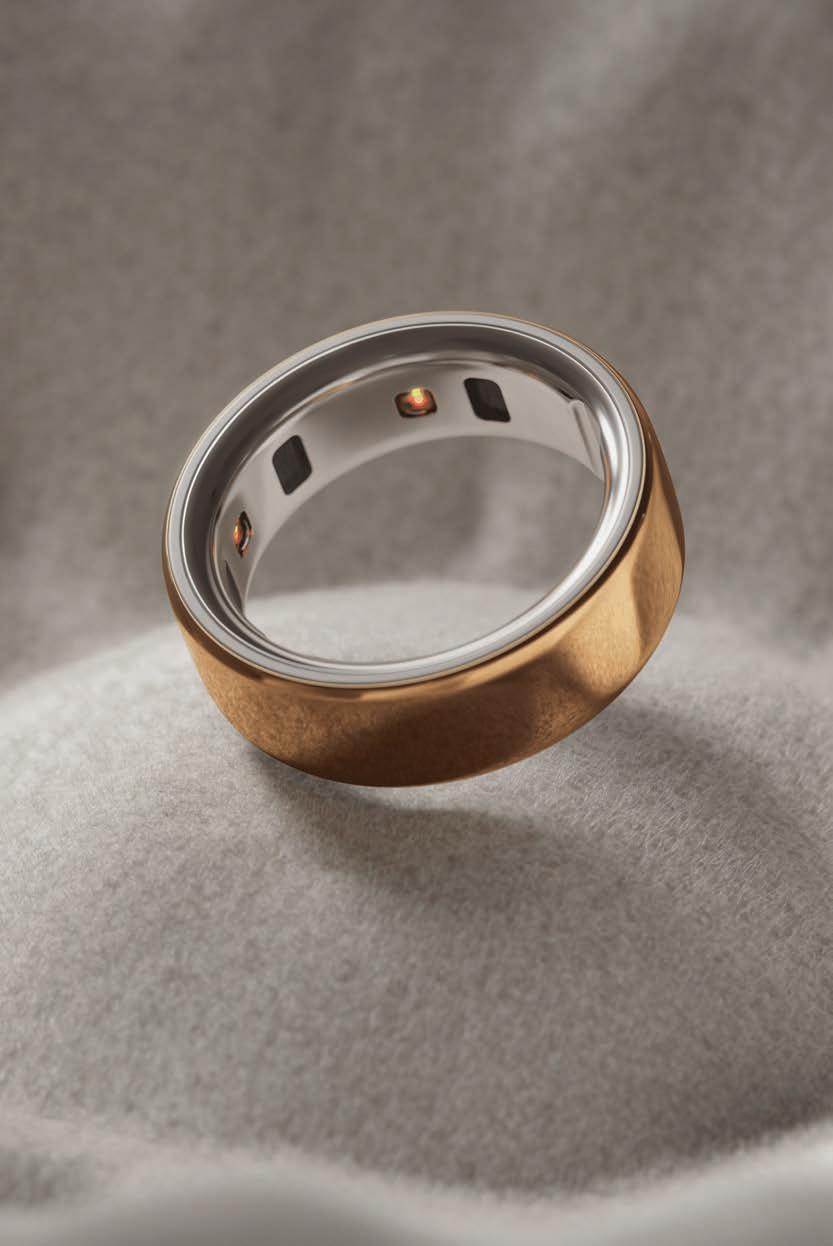
104 SMARTER WELLNESS Oura Ring 4
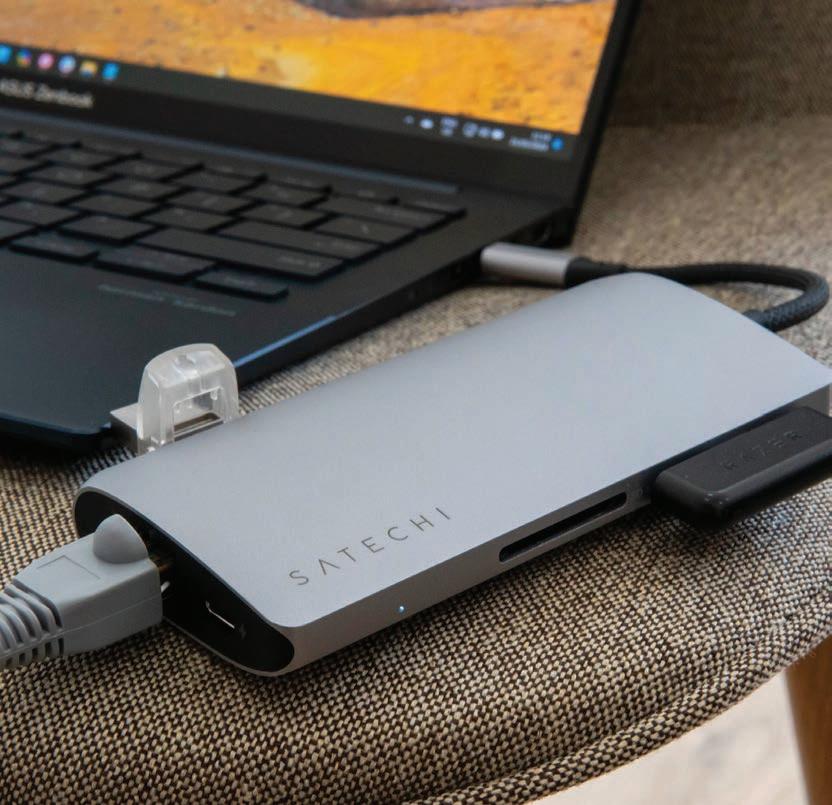
106 TOOLS THAT MAKE WORK FLOW Satechi
108 SAMSUNG’S VISION FOR AI AT HOME Vision AI Companion
110 A PROJECTOR THAT FOLDS INTO YOUR LIFE Aurzen ZIP
112 A NEW PERSPECTIVE ON 360 FILMMAKING DJI Osmo 360
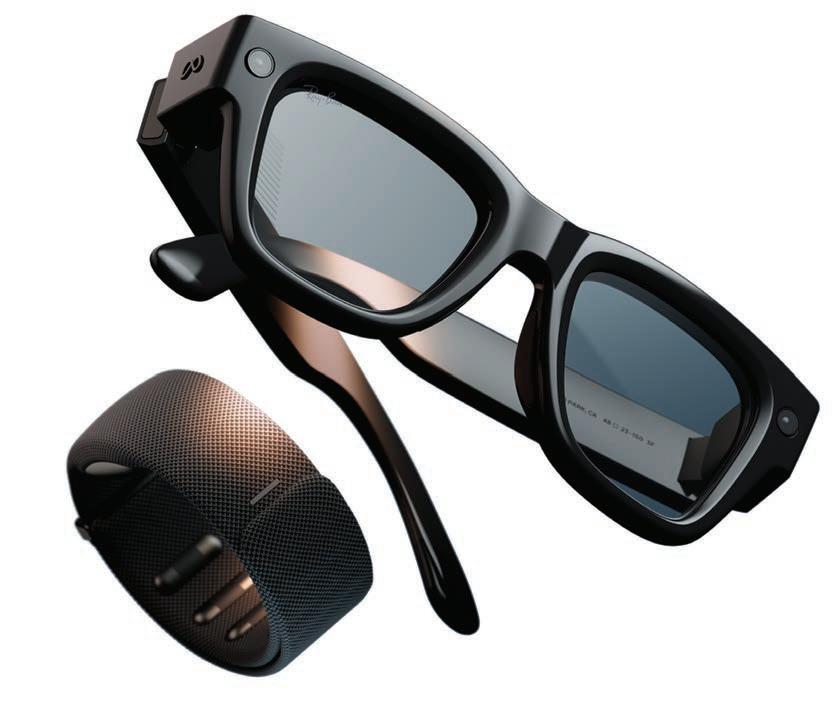
114 A GLIMPSE OF LIFE THROUGH SMART GLASSES Meta Ray-Ban Display
EDITOR’S LETTER
Dear Readers,
This issue brings together people and ideas that are reshaping how we think about leadership, innovation, and what it means to build something that lasts. When Dara Khosrowshahi stepped into Uber during one of Silicon Valley’s most defining moments, he inherited more than a business under pressure. He inherited a culture that needed direction. What followed was a recalibration of priorities that showed ambition and accountability are not at odds, but essential to one another. His story leads this issue because it offers a more sustainable way of thinking about leadership, one grounded in trust, responsibility, and long-term thinking. You will find that same perspective throughout these pages.
Nora Almatrooshi, the UAE’s first female astronaut, reminds us what becomes possible when preparation meets purpose. Devmark is reshaping Dubai’s development landscape by prioritising enduring value over shortterm momentum. And Audemars Piguet marks a defining anniversary by continuing to refine the principles that made the Royal Oak exceptional from the start.
Alongside these stories, we have curated a selection of objects and experiences designed for modern life as it actually unfolds. Thoughtful technology, considered travel pieces, and wellness tools that support how we live, work, and move through the world.
From watchmaking to automotive design, fine dining to space exploration, this issue explores what happens when talent is paired with discipline and vision is guided by intention.
I hope these stories leave you feeling both inspired and grounded, and offer a clear sense of why thoughtful leadership and considered choices matter now more than ever.
Fierce International Dubai Internet City Dubai Media City - DQuarters - Level 1 T: +971 4 421 5455 - F: +971 4 421 0208 tarek@fierce-international.com
Copyright 2026 Fierce International. All rights reserved.
Neither this publication nor any part of it may be reproduced, stored in a retrieval system, or transmitted in any form or by any means electronic, mechanical, photocopying, recording or otherwise, without the permission of Fierce International. Where opinion is expressed it is that of the author and does not necessarily reflect the editorial views of the publisher or Global Citizen. All information in Global Citizen is checked and verified to the best of the publisher’s ability, however the publisher cannot be held responsible for any mistake or omission enclosed in the publication.
FIERCE INTERNATIONAL FZ LLC
Dara Khosrowshahi
THE REBUILDER
Dara Khosrowshahi has reshaped Uber by trading bravado for responsibility, insisting that scale only matters when it is governed with discipline and consequence.
When Dara Khosrowshahi took over as CEO of Uber, he inherited one of the most recognisable companies in modern commerce and one of the most scrutinised. The brand was synonymous with convenience and controversy in equal measure, admired for its reach while facing regulatory standoffs, cultural criticism, and leadership instability across multiple markets. The task ahead was not reinvention for effect, but repair with intent.
Khosrowshahi’s leadership style is inseparable from his personal journey. Born in Iran and raised in the United States, he has spoken openly about the pressures of adaptation and belonging, including a brief period early in life when he experimented with simplifying his name to fit in. The experience shaped a worldview rooted in adaptability, restraint, and an understanding that legitimacy must be earned. Those instincts would later define his approach to corporate leadership.
Soon after joining Uber, Khosrowshahi introduced a cultural principle that was deliberately unadorned: “We do the right thing. Period.” The statement avoided aspiration and ambiguity. It was operational in tone, intended to guide decision-making rather than inspire applause. Inside a company accustomed to moving faster than its guardrails, the phrase became a corrective, signalling that growth would no longer outrun responsibility. That recalibration played out most visibly in Uber’s relationship with regulators. Under Khosrowshahi, the company shifted from confrontation to compliance, investing heavily in governance and local engagement.
In London, Uber regained its operating licence after a protracted battle by committing to stricter safety oversight and data transparency. In California, the company navigated the implications of AB5 by reshaping driver classification models through legislation and ballot initiatives rather than litigation alone. These were not symbolic gestures; they required structural concessions and a willingness to accept slower expansion in exchange for long-term market access.
Profitability followed discipline. When Uber reported its first full year of profitability since going public, the milestone reflected years of trade-offs. The company exited capital-intensive side projects, scaled back experimental bets, and narrowed its focus to businesses with clear paths to margin. Geographic expansion became more selective, including exits from certain Southeast Asian operations and tighter prioritisation of core urban markets. Incentive spending was reined in.
The result was not explosive growth, but durability, reframing Uber as a sustainable operator rather than a perpetual disruptor. Uber now functions as a global infrastructure layer for movement and local commerce, connecting drivers, couriers, restaurants, and consumers across cities shaped by distinct legal and social conditions. Khosrowshahi has repeatedly described cities as complex ecosystems, and Uber’s role as one that must adapt to them. That perspective underpins a more deliberate operating model and a stronger emphasis on safety, compliance, and trust.
Technology remains central to that strategy, particularly artificial intelligence. Uber deploys AI across safety incident prediction, fraud detection, routing optimisation, and demand forecasting. Rather than positioning AI as a headline feature, Khosrowshahi frames it as an internal lever for better decision-making. He has argued that meaningful gains come from redesigning workflows, including how safety risks are identified in real time and how pricing systems balance efficiency with fairness, rather than layering tools onto outdated processes.
That pragmatism also defines Uber’s renewed engagement with autonomous vehicles. After stepping back from in-house development, the company returned through partnerships, positioning itself as a platform capable of integrating autonomous fleets when regulation, safety validation, and public confidence align. Khosrowshahi has been clear that widespread autonomy depends as much on governance and trust as it does on technological readiness.
Uber’s partnership with the International Rescue Committee reflects a belief that access to transportation and opportunity is foundational. Announcing the collaboration, Khosrowshahi said, “As an immigrant myself, I believe deeply that everyone deserves the chance to determine their future.” The initiative has supported access to transport, employment pathways, and essential services, aligning Uber’s capabilities with long-term integration rather than short-term intervention.
“Meaningful gains come from redesigning workflows, not layering tools onto existing processes.”
Khosrowshahi’s leadership is marked by steadiness rather than spectacle. He avoids founder mythology and speaks consistently about governance, accountability, and long-term value creation. His influence is most evident in how Uber now approaches complexity, regulation, and public trust with fewer shortcuts and clearer guardrails.
A defining commitment of Khosrowshahi’s tenure has been the expansion of Uber’s humanitarian and social-impact work through Uber.org. The organisation has mobilised Uber’s network and capital in response to humanitarian and community-level crises, applying its logistics capabilities where access and mobility are most constrained.
Under Dara Khosrowshahi, Uber’s trajectory reflects a company that understands how scale amplifies consequence. The platform continues to expand and integrate new technologies, but with greater awareness of the responsibilities that accompany its reach. His legacy rests on the conviction that progress is measured through reliability, trust, and the ability to serve millions without losing sight of impact.
THE UNFINISHED VISION
Reflecting on the life and creative legacy of Frank Gehry
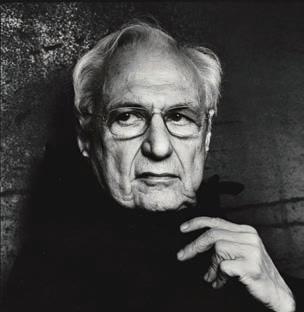
Frank Gehry leaves behind a world that looks different because he lived in it. Few architects have altered not only skylines but the emotional relationship people have with buildings quite so profoundly. His work continues to shape cities, influence generations of designers, and challenge long-held assumptions about what architecture can be. For a man who once said, “Architecture is a small piece of this big, complex world, but I think it can make a difference,” his impact has proven vast. Few buildings have altered the trajectory of a
The moment Gehry became a global figure was the opening of the Guggenheim Museum Bilbao.
place as dramatically. When it opened in 1997, its titanium curves caught the light in a way that felt almost cinematic. Visitors arrived from around the world, eager to see whether the building lived up to the photographs. It did, and more. The so-called “Bilbao effect” entered the global vocabulary, illustrating how cultural ambition and bold design can rejuvenate a city. Gehry accepted the praise lightly. “People feel good in my buildings. That’s what I want,” he explained, placing human experience above spectacle.
Long before Bilbao, Gehry had shown that he was unafraid of reinvention. His Santa Monica house, remodelled between 1978 and 1979, remains one of the clearest glimpses into his early instincts. He wrapped the modest bungalow in everyday, often dismissed materials such as corrugated metal and chain-link fencing. The result baffled some neighbours and fascinated others, but for Gehry it was a study in honesty. “I’ve always felt if you saw the seams of something, that was okay,” he once remarked, suggesting that imperfection could be expressive, even beautiful. The project quietly laid the foundation for the deconstructivist sensibility that would later define him.
His pursuit of emotion in architecture is perhaps most vividly expressed in the Walt Disney Concert Hall in Los Angeles. The stainless-steel exterior appears to lift and unfold as if following an unseen rhythm, while the interior, clad in warm Douglas fir, fosters an intimacy that surprises firsttime visitors. Gehry wanted the space to feel open, welcoming, and alive. “I think every building can be like a piece of music,” he often said, and the Disney Hall stands as one of the clearest realisations of that belief. It remains among his most cherished projects, celebrated as much for its spirit as for its acoustics.
Although Gehry was an early adopter of digital modelling technologies, he never abandoned the tactile side of creativity. His studios were known for cluttered tables covered in cardboard scraps, tape, and rough models in various states of exploration. These physical studies captured the energy he sought before form was refined.
Architects who worked alongside him frequently spoke of his patience and his willingness to discard ideas that felt lifeless. “You’ve got to bumble into it,” he once said, a phrase that captured the improvisational quality of his process.
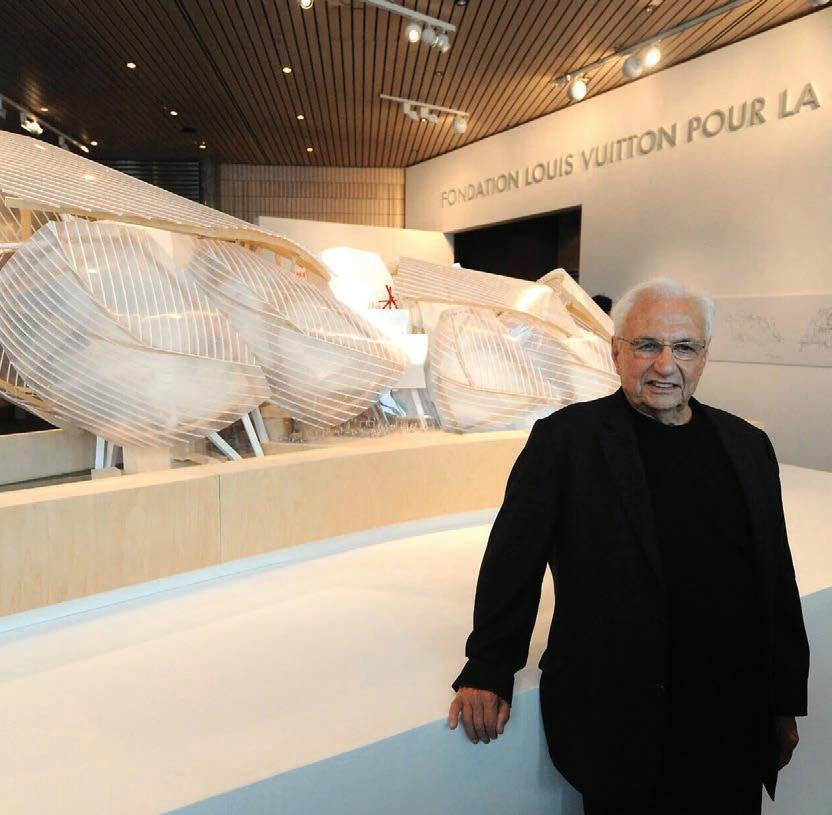
Gehry’s influence extends across continents. Buildings such as the Dancing House in Prague, Fondation Louis Vuitton in Paris, the Dr Chau Chak Wing Building in Sydney, and the Jay Pritzker Pavilion in Chicago all demonstrate his ability to translate movement into structure. Critics often associated his work with deconstructivism, though Gehry himself resisted labels.
“I don’t know what deconstructivism is. I just make things”
he famously said, underscoring his preference for intuition over theory. What mattered to him was feeling, connection, and purpose. Those who knew him describe a man who balanced directness with generosity. He was collaborative, curious, and grounded, carrying a sense of humility into a career that might easily have created distance. He cared not only about icons but about public spaces, community projects, and the broader responsibility of architecture. He believed that everyday environments deserved as much thought and care as monumental landmarks. Looking back on his career, one theme stands out clearly. Gehry gave people permission to imagine. He encouraged cities to be braver and architects to embrace risk and play.
He showed that buildings could be expressive without sacrificing function, and that generosity could be designed into space as deliberately as structure. “If you know where it’s going, it’s not worth doing,” he once said, revealing the restlessness that drove him to keep exploring well into his later years. His legacy now belongs to those he influenced. Students continue to study his sketches, tracing the first gestures of ideas that would become global landmarks. Cities still look to architecture as a catalyst for renewal, following paths he helped illuminate.
And visitors, standing before one of his buildings, often feel something shift inside them, a reminder that space can move us. Frank Gehry never claimed that architecture could solve everything, but he demonstrated that it can change how we see ourselves and the places we inhabit.
His vision remains unfinished, not because anything was left undone, but because he expanded the field so profoundly that others can continue walking through the doors he opened.
A NEW FRONTIER FOR THE UAE
Nora Almatrooshi, the first Emirati and Arab woman selected for astronaut training, is helping define the UAE’s new era of space exploration.
When Nora Almatrooshi was selected for the UAE Astronaut Programme in 2021, she entered the history books as the first Emirati and Arab woman to be chosen for astronaut training. It was a landmark moment for the country and a powerful message to young people across the region who had rarely seen themselves represented in human spaceflight.
Born in 1993 and raised in Sharjah, Almatrooshi built her path with a disciplined mix of academic rigour and technical ambition. She earned a mechanical engineering degree from United Arab Emirates University in 2015, supplementing her studies with an exchange semester in Finland to broaden her engineering foundation.
Before joining the space sector, she worked as a piping engineer at the National Petroleum Construction Company, contributing to major energy projects and serving three consecutive terms as Vice President of the NPCC Youth Council. Her time there sharpened her leadership skills and strengthened her belief in the potential of young Emiratis to shape the country’s most advanced industries.
When the Mohammed Bin Rashid Space Centre announced her selection in 2021, Almatrooshi was one of two chosen from more than 4,000 applicants. She was soon sent to NASA’s Johnson Space Center in Houston to join the NASA Group 23 Astronaut Candidate Class. Her training was comprehensive and intense, covering ISS systems, robotics, survival training, flight training, and underwater simulations at the Neutral Buoyancy Lab to prepare for spacewalks. In 2024, she completed the programme and received her astronaut pin, making her the first Arab woman to graduate from NASA’s astronaut candidate training, an achievement celebrated across the UAE and the wider region.
Almatrooshi’s path reflects a generation of Emiratis who view space as a practicalfrontier rather than a distant dream.
Her fascination with space began much earlier. As a child, she vividly remembers a teacher who transformed the classroom into a makeshift space capsule and staged a trip to the Moon. That sense of possibility stayed with her, and years later it became a guiding force in her career.
Throughout her journey, Almatrooshi has remained clear about what her role represents. She has noted that she carries the hopes of her country and the broader Arab world, and has spoken of her ambition to see the UAE flag on the Moon one day. Her presence in the astronaut corps aligns with the UAE’s growing investment in science, technology, and exploration, from the Hope Mars Mission to the long-term goals outlined in the National Space Strategy. What makes her story compelling is not only the historic firsts, but the discipline behind them. Her achievements expand the national imagination and offer a new vision of leadership, representation, and ambition in the UAE today. She is not only preparing for future space missions, but also bringing an entire region closer to achieving them.
THE ART OF CARE
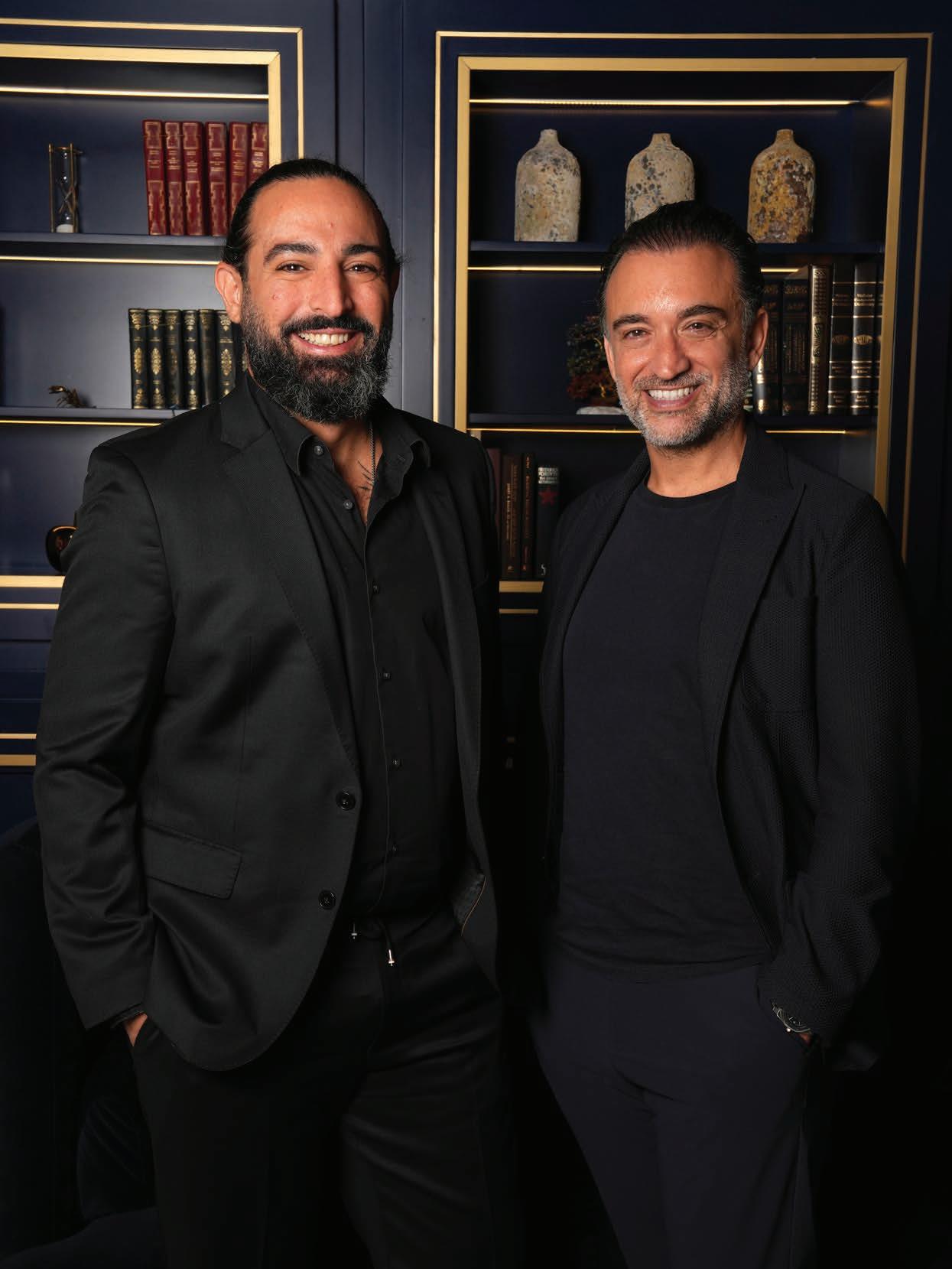
How Dr. Karim Fekih and Dr. Rami Haidar are redefining personalised care at Smile Design Boutique and Excellence Medical Boutique
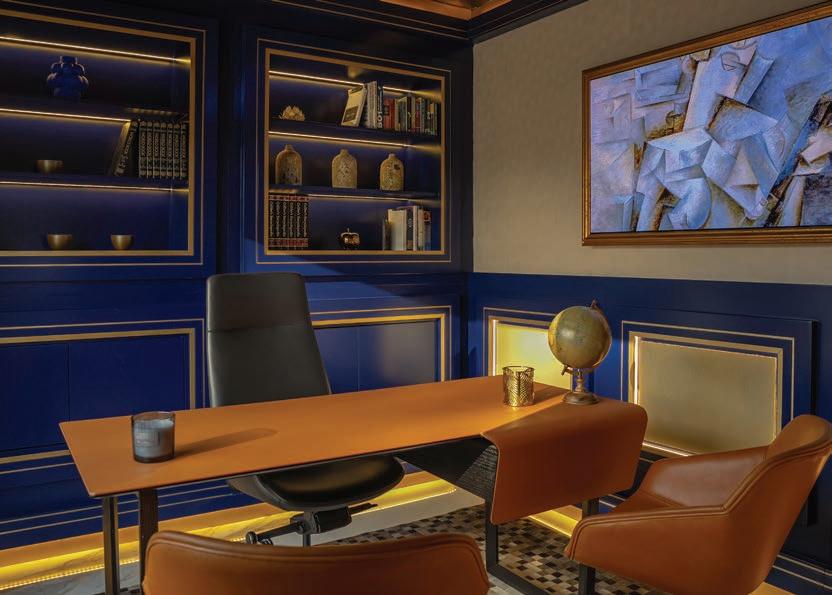
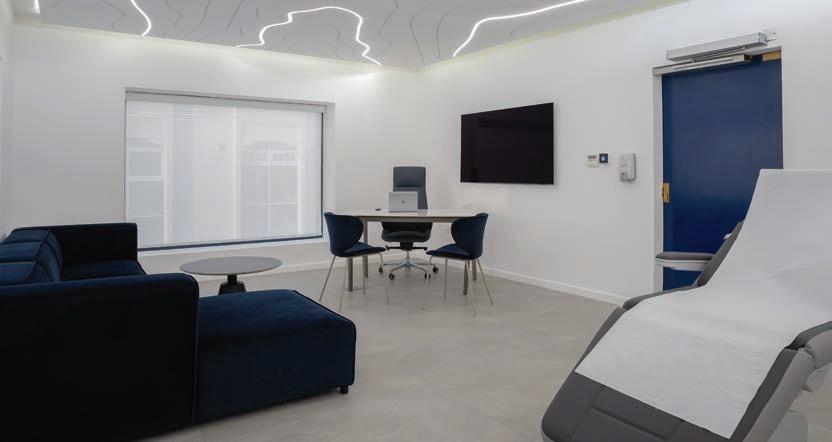
At Smile Design Boutique and Excellence Medical Boutique, transformation begins with listening. Before any scan is taken or treatment plan drafted, Dr. Karim Fekih and Dr. Rami Haidar focus on understanding the individual behind the appointment. Their practice is built on the belief that technical excellence only matters when it serves the person sitting in the chair.
“For me, it’s simple,” says Dr. Karim. “I define myself as a smile designer. I take the time to listen to my patients and craft the most harmonious smile for them. My goal is to give them confidence and the reassurance they need throughout the process.”
Dr. Karim earned his Doctorate in Dental Surgery from Toulouse University in 2004 and has spent more than nineteen years refining his expertise in cosmetic and general dentistry. Fluent in English, French, and Arabic, he brings an international sensibility to his work, shaped by continuous professional development and regular participation in global dental conferences.
Before joining Smile Design Boutique, he founded and led The Clinic in Dubai International Financial Centre for over a decade, building a reputation for combining advanced technology with personalised care. Today, his specialisations range from veneers and smile makeovers to preventive and restorative dentistry, always anchored in detailed consultation and long-term patient relationships.
That foundation connects seamlessly with Dr. Rami’s clinical and academic background. A graduate of Cairo, Dr. Rami trained in Oral and Maxillofacial Surgery in the United Kingdom and became a member of the Royal College of Surgeons of Edinburgh. He worked at University Hospital of Wales as a Specialty Doctor in Facial Surgery before expanding into aesthetic medicine in London, while continuing his NHS role.
“In our practice, we focus on achieving naturally satisfying results,” Dr. Rami explains. “It starts with Dr. Karim and ends with me. That’s how we do it, and that’s why patients trust us.”
In 2012, Dr. Rami relocated to Riyadh, joining the National Guard Hospital as a specialist in maxillofacial surgery. Over six years, he balanced hospital work with private aesthetic practice across Riyadh and Bahrain. Since settling in Dubai, he has developed the internationally adopted 3PF facial augmentation technique, published multiple safety-focused papers, and lectures postgraduate students in aesthetic medicine as Adjunct Faculty at the University of Sharjah.
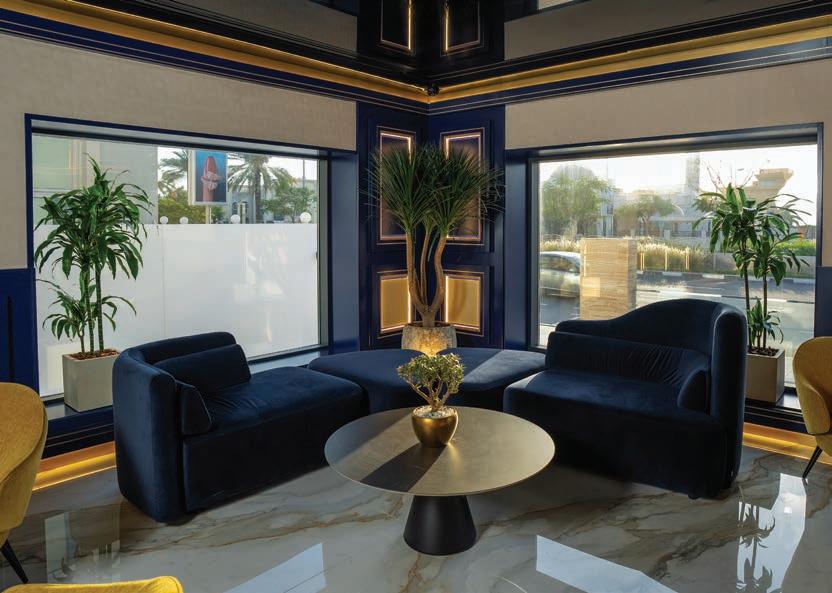
From the first interaction, their shared philosophy is evident. “A patient’s journey begins the moment they make an appointment,” they explain. “Our team ensures we understand any special requirements in advance. The first thing we do is sit down in our library, have a coffee, and get to know them. Comfort and confidence begin with trust.”
That commitment continues well beyond treatment. “From booking to care, every patient is supported by a dedicated team,” they say. “The journey does not end when treatment ends. We follow up after one week, two weeks, and continue to build a genuine relationship. Many walk in as patients, but often leave as family.”
Underlying this personalised model is a sophisticated digital infrastructure. “I’m especially proud of the digital ecosystem we’ve created,” says Dr. Karim. “We use Exocad for smile design, 3D scanners for impressions, and in-house imaging. Every tool is there to deliver predictable, high-quality outcomes.” Dr. Rami adds, “We also use the Aura machine to analyse patients in 3D. We are treating real, three-dimensional concerns, not flat images.”
Central to their success is a multidisciplinary framework. “Everything is about the MDT,” says Dr. Rami. “You cannot design a smile without considering the whole face and body.”
“I may create the smile,” Dr. Karim reflects, “but if the face is not in harmony, the transformation is incomplete. That is why I need Dr. Rami’s expertise. Like any strong organisation, the secret is teamwork.”
That ethos shaped their original vision. “We wanted a boutique clinic that is not transactional but transformational,” they explain. “One that offers the best version of each patient, through an elevated, personalised experience where every detail reflects who we are.”
What emerges is a practice defined by precision, continuity, and mutual respect. Clinical innovation is matched by consistency of care. Academic rigour sits alongside genuine warmth.
For Dr. Karim and Dr. Rami, excellence is not a single outcome, but an ongoing relationship built on trust, expertise, and thoughtful collaboration.
BUILDING VALUE, NOT NOISE
Why disciplined strategy is reshaping Dubai’s development landscape
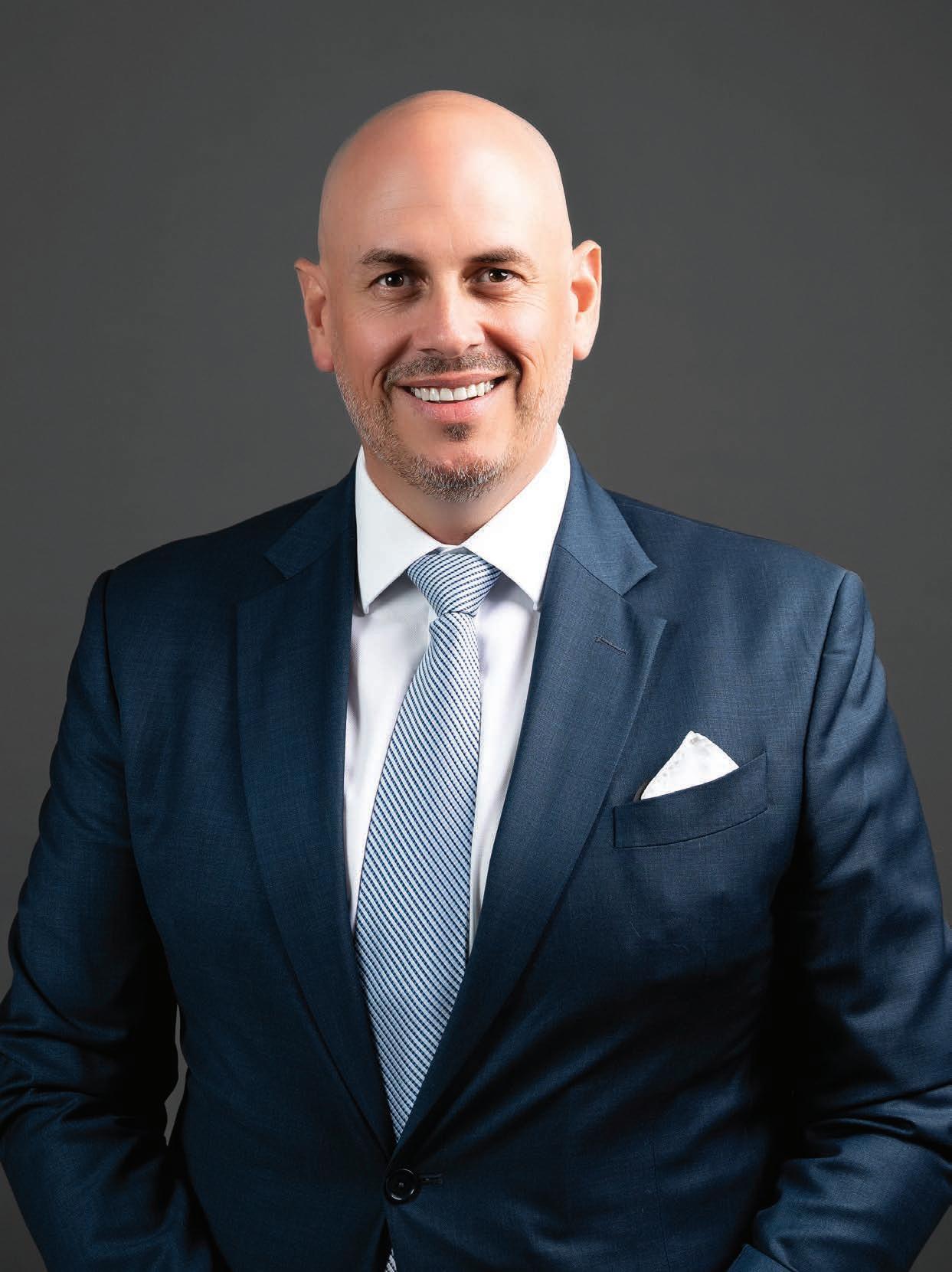
Dubai’s property sector has entered a more mature phase. What was once defined by speed, scale, and volume is now increasingly shaped by brand credibility, institutional thinking, and long-term value creation. Sean McCauley, Chief Executive Officer of Devmark, has spent much of his career operating within that shift. In an exclusive interview with Global Citizen Magazine, he explains why the market needed a new type of partner, and how Devmark was built to meet that need. Devmark was founded in 2018 at a moment of acceleration, not contraction. According to McCauley, the warning signs were already clear.
Having worked extensively across both developer organisations and consultancies, he saw a structural problem emerging. “There was a glaring disconnect between traditional consultancy on one side and brokerage-driven sales on the other. No one was bridging the gap.”
“Off-plan was surging, private players were entering the scene, and the ‘build it, and they will come’ mindset wasn’t going to work anymore”.
Rather than addressing a single part of the value chain, McCauley believed the solution required a more integrated approach. Developers, he felt, needed a partner that could stay involved from the earliest stages of product creation through to final sale. “The absence of a truly developer-centric, full-cycle sales and marketing agency was my ‘aha’ moment,” he explains.
Devmark was conceived to operate across that entire lifecycle, aligning product definition, positioning, marketing, and sales execution under one framework. The firm’s growth since then mirrors the evolution of the market itself. Over the past seven years, Devmark has become closely associated with the rise of branded residences, now one of Dubai’s most influential residential segments.
“A buyer in Shanghai or London may not know a local developer, but they know Marriott, Kempinski, or The Chedi.”
“A recognised brand immediately signals quality”.
Dubai is now the most active branded residence market in the world, ahead of cities such as Miami, New York, and London. However, McCauley is careful to note that scale has brought scrutiny. “A logo alone isn’t enough,” he says.
Buyers are increasingly selective, placing greater emphasis on operational standards, service delivery, and consistency over time. As a result, developers are looking for partners who can help them select appropriate brand collaborations and translate that equity into a coherent product and sales narrative.
The same strategic discipline is influencing another area of the market: adaptive reuse and infill development. In districts such as Dubai Marina and Downtown Dubai, opportunities for new construction are increasingly limited.
“If you want new product in these areas, there are very few opportunities left,” McCauley explains. Repurposing existing buildings has therefore emerged as a viable commercial solution, alongside growing sustainability considerations. “Repurposing a building avoids the massive waste and emissions generated by demolition and new construction.”
Projects including Affini, A Tribute Portfolio Residence by Marriott, and Expo City Dubai demonstrate how existing assets can be repositioned successfully when supported by the right strategy. “With the right creative direction, reinventing an existing asset can deliver value faster and more efficiently than starting from scratch,” McCauley says. Across Devmark’s work, one principle remains consistent: alignment. McCauley believes that pricing, branding, and sales execution are too often treated as separate exercises. “Pricing without narrative falls flat. A great brand without the right sales structure doesn’t convert,” he says.
In his view, storytelling is frequently underestimated, despite its commercial impact. “A coherent narrative that ties together brand, visuals, product, and sales messaging is what creates emotional traction.”
Technology has become an increasingly important enabler of that integration. Devmark’s broker platform was developed to address inefficiencies in how projects were historically managed.
“Dubai’s pace demands real-time intelligence,” McCauley explains. Rather than replacing human decision-making, PropTech improves transparency, speeds up transactions, and feeds live data back into pricing and positioning strategies.
Managing scale presents a different challenge. With more than 15,000 registered broker partners, Devmark’s model prioritises structure over micromanagement. “Scale only works when you create structure,” McCauley says.
Education, clear communication, and aligned incentives underpin broker performance, reinforced through consistent messaging across digital platforms and physical engagement points.Buyer expectations, meanwhile, continue to evolve. Wellness and lifestyle considerations now play a far greater role in residential decision-making. “Buyers today care about longevity, vitality, and access to nature,” McCauley notes. Amenities once seen as niche are becoming standard considerations, prompting a broader redefinition of residential value.
“Wellness has shifted from a luxury feature to a baseline expectation.”
“Strategy matters. But culture is what makes strategy executable,” he says. Built on accountability, pace, and direct advice, that culture has allowed the firm to scale while maintaining consistency. Looking toward 2026, McCauley sees further institutionalisation shaping Dubai’s development landscape. For Devmark, the focus remains clear: helping developers deliver products that are commercially viable, clearly positioned, and built for long-term relevance in an increasingly sophisticated market.
ROYAL OAK AT 150
Audemars Piguet marks a milestone with practical innovation and modern restraint
Turning 150 is no small feat in watchmaking, particularly when the brand is Audemars Piguet and its defining icon is the Royal Oak. Rather than marking the anniversary with spectacle, AP has chosen a more deliberate approach. The brand’s latest releases focus on refinement, usability, and mechanical progress, offering a clear statement about where high horology stands today.
The most consequential update is the introduction of a new perpetual calendar designed for real-world wear. Powered by the all-new Calibre 7138, the movement eliminates traditional corrector pushers in favour of a crown-adjustable system.
All calendar functions, including date, day, month, week number, moon phase, and leap year, can now be set through a single control. It is the first time such a system has been integrated into the Royal Oak line. Despite the complexity of four subdials and a moon phase, the movement also delivers improved energy efficiency, a notable technical achievement.
The perpetual calendar is offered in stainless steel and in AP’s increasingly popular sand-gold alloy. Both feature a refined 41 mm case and a blue Grande Tapisserie dial.
Compared to earlier perpetual calendar models, the layout feels cleaner and more legible, reinforcing the idea that innovation here is as much about clarity as mechanics.
For collectors drawn to heritage, AP has introduced a limited-edition openworked perpetual calendar created specifically for the anniversary. The watch is made in titanium and fitted with a bezel made of Bulk Metallic Glass, a material prized for its strength and elasticity. The design references historic AP pocket watches while embracing modern materials and finishing. Limited to 150 pieces, the model also marks the final appearance of Calibre 5135, closing a chapter on a movement that powered the brand’s complicated calendar watches for nearly two decades.
The Code 11.59 collection also continues its quiet evolution. Once divisive, the line has matured into a confident platform for technical experimentation. The latest release is a 38 mm self-winding flying tourbillon, one of the smallest of its kind. Powered by the ultra-thin Calibre 2968 and housed in sand-gold with a gem-set bezel, it delivers high complication in a compact, wearable format without sacrificing performance. Taken together, these releases reflect a clear philosophy.
Rather than leaning to nostalgia, Audemars Piguet is designing watches that acknowledge how collectors wear timepieces today.
The Royal Oak, disruptive when it debuted in 1972, continues to evolve with purpose. At 150 years in, the brand is not looking back. It is refining what comes next.
ULTRAFINO BY DESIGN
How Bianchet applies the Golden Ratio to modern tourbillon watchmaking
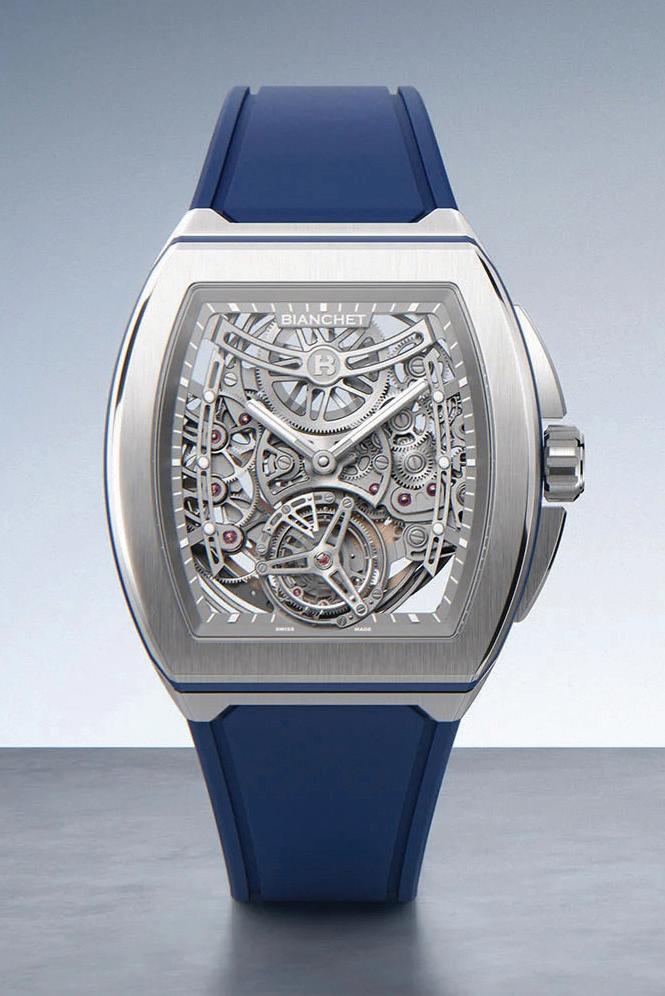
At just 62 grams, bracelet included, the Bianchet B 1.618 UltraFino may be one of the lightest tourbillons in contemporary watchmaking. Yet its significance lies less in weight than in intent. Designed entirely around the proportions of the Golden Ratio, this ultra-thin, carbon-cased timepiece is a study in geometry, material science, and independent thinking.
For a young Swiss brand, Bianchet has set itself an ambitious goal: to align aesthetic harmony with mechanical discipline. The name B 1.618 directly references the mathematical ratio long associated with natural balance and visual order. That principle shapes the tonneau case, which measures 40 by 47.4 millimetres and just 8.9 millimetres thick. The proportions are not decorative. They are structural.
Every element follows the same logic. The curvature of the case, the openworked bridges, and the placement of the flying tourbillon all adhere to Fibonacci sequences and 1.618:1 relationships. Despite this conceptual framework, the UltraFino is engineered for regular wear.
The case is produced in high-density carbon composite or Grade 5 titanium, depending on the version, and paired with a matching carbon bracelet. Water resistance is rated to 50 metres, and the watch has been impact-tested to withstand forces up to 5,000 Gs. Inside sits the in-house Calibre UT01,
a hand-wound flying tourbillon movement measuring just 3.85 millimetres thick. Its bridges are skeletonised into spiral forms that echo the Golden Ratio, leaving the one-minute tourbillon fully visible. A 60-hour power reserve ensures practical use, while testing covers chronometric stability and resistance to magnetic interference. Visually, the UltraFino balances restraint and expression. Some versions are fully skeletonised, exposing the movement’s architecture in detail. Others feature Bianchet’s Golden Diamond dial, a geometric reinterpretation of guilloché. A thin vulcanised rubber seam around the case adds contrast and impact resistance, produced using biosourced material.
As co-founder Emmanuelle Festa Bianchet explained during Geneva Watch Week, the intent was never to create a theoretical object. The UltraFino is designed for wear. It prioritises logic, comfort, and clarity over excess. The B 1.618 UltraFino reflects a broader movement among independent watchmakers who are choosing coherence over scale.
Rather than chasing trends, Bianchet is building a language rooted in proportion and purpose.
The result is not a statement piece, but an argument for precision, discipline, and thoughtful design in modern horology.
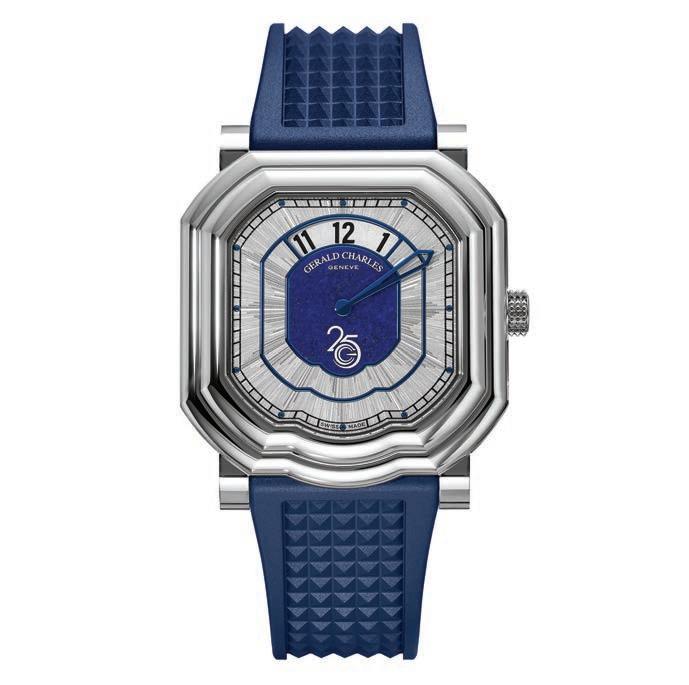
THE MAESTRO REVISITED
How Gerald Charles reasserts Gérald Genta’s most personal design language
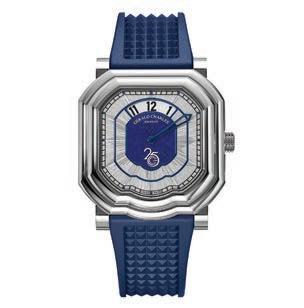
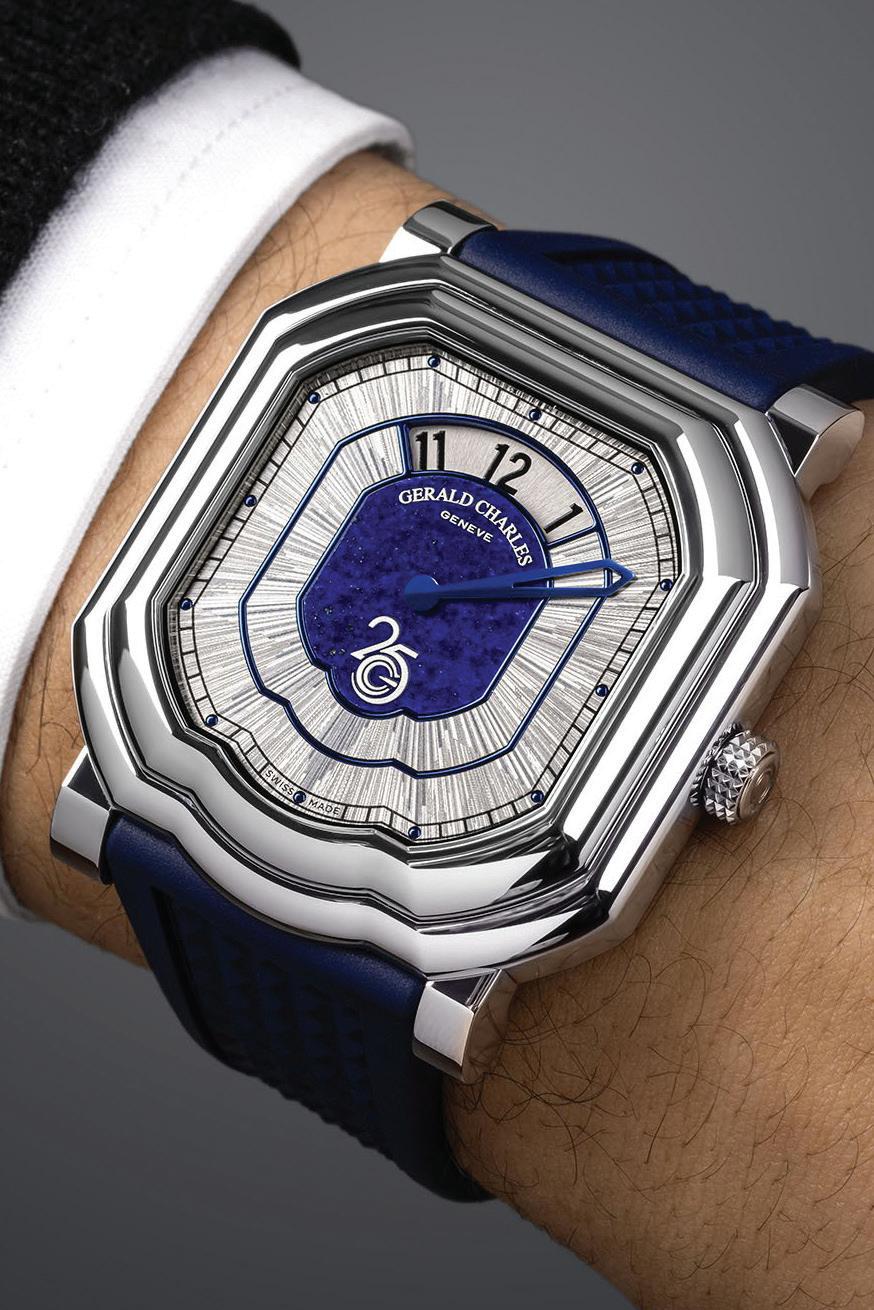
Ayear after its unveiling, the Maestro GC39 25th Anniversary Edition stands as one of the most considered tributes to Gérald Charles Genta’s legacy. Rather than leaning on spectacle, Gerald Charles used its 25th anniversary to revisit a design that speaks quietly but decisively about the founder’s philosophy. In doing so, the brand reinforced its position as one of the most intellectually driven independents in contemporary watchmaking.
The Maestro case remains central to that identity. Neither round nor rectangular, its asymmetric profile and distinctive smile at six o’clock were inspired by Baroque architecture, specifically the flowing stonework of Francesco Borromini’s Roman façades. It is a form that resists convention and refuses anonymity. In the GC39, that architectural language is treated not as a relic, but as a living framework.
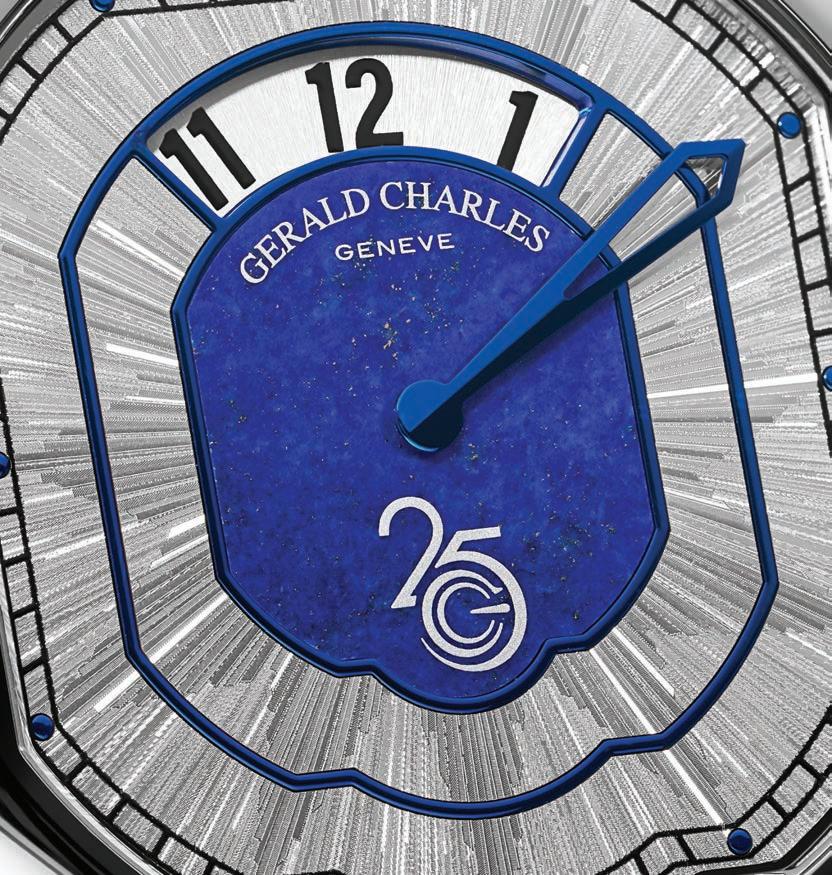
The anniversary edition revives a complication Gérald Genta held in particular regard: jumping hours. Time is displayed through an aperture at twelve, where the hour disc advances precisely once every sixty minutes, paired with concentric central minutes. It is an expressive complication, prioritising character and mechanical intent over pure utility.
What distinguishes this model is its approach to dial execution. Gerald Charles developed a proprietary process, meta-guillochage, a layered micro-engraving technique that creates depth through light rather than mass. As the watch moves, a partially hidden starburst motif emerges from the dial surface, radiating outward from a centre of lapis lazuli cut to follow the Maestro’s unconventional silhouette. The effect is subtle, architectural, and deliberately restrained.
The 42-millimetre-square case is rendered in polished Grade 5 titanium and remains slim at 11 millimetres. Despite its sculptural form and mechanical complexity, the watch is water-resistant to 100 metres and paired with a vulcanised rubber strap.
This balance of refinement and robustness reflects the Maison’s long-standing belief that
High watchmaking should be wearable, not precious.
Powering the GC39 is the in-house Swiss Manufacture 4.0 Jumping Hours calibre, developed and patented by Gerald Charles. The movement accommodates the significant energy demands of the jumping hours complication while maintaining a 50-hour power reserve. Traditional finishing techniques, including Côtes de Genève, perlage, and rhodium-plated components, are visible through the sapphire caseback, along with a golden oscillating weight engraved with the anniversary emblem.
Limited to 100 pieces, the Maestro GC39 25th Anniversary Edition has become a reference point within the collection rather than a fleeting celebration. It does not attempt to modernise Genta’s ideas or soften their eccentricity. Instead, it presents them with clarity and confidence, reinforcing the idea that Gerald Charles is not simply preserving a legacy, but actively continuing it on its own terms.
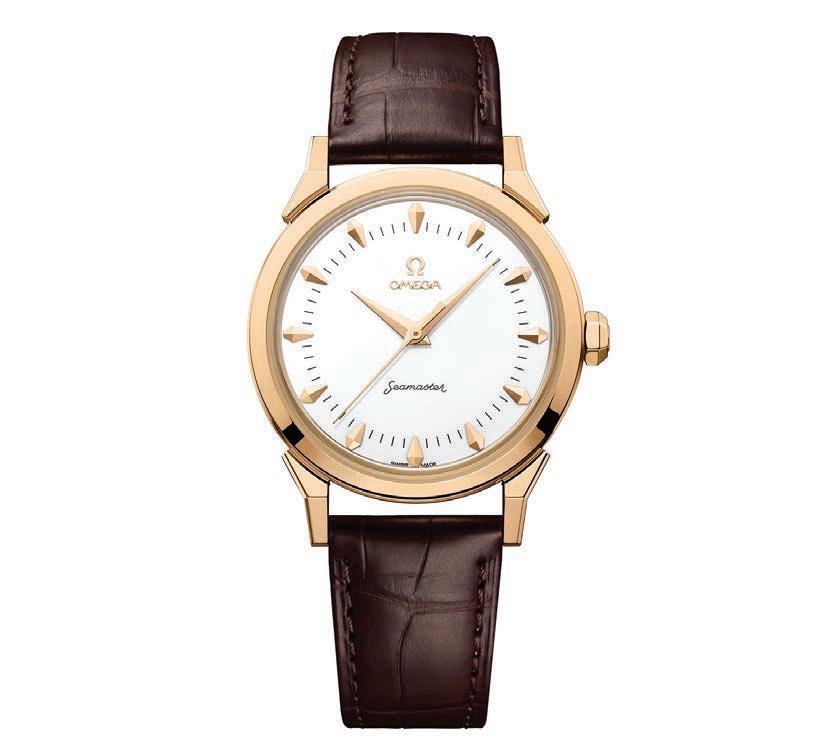
SEAMASTER IN GOLD
Omega marks Milano Cortina 2026 with heritage, enamel, and quiet confidence
There are watches designed to impress, and others designed to endure. The Seamaste Milano Cortina 2026 manages both, without ever raising its voice. Crafted in 18k Moonshine gold and shaped by mid-century restraint, this 37mm timepiece arrives as a thoughtful expression of Olympic and horological legacy.
Unveiled ahead of the upcoming Winter Games in Italy, the watch is not a novelty souvenir. Instead, it reflects how Omega continues to evolve by refinement rather than reinvention. Drawing on Seamaster references from the 1950s and echoing past Olympic editions, such as the 2008 Beijing model, the design balances vintage cues with modern execution.
The case size feels intentional. At 37mm, it favours proportion over presence, with distinctive dog-leg lugs that add architectural sharpness without visual weight. This watch is designed to sit naturally on the wrist, offering elegance through geometry rather than scale.
The dial is where the watch’s craft becomes most apparent. Finished in white Grand Feu enamel, it showcases a technique rarely used in contemporary production models.
Fired repeatedly at high temperatures, the enamel achieves a depth and gloss that is difficult to replicate. Applied Moonshine gold hour markers, Dauphine hands, and a subtly rendered grey minute track complete a composition that feels balanced and quietly assured.
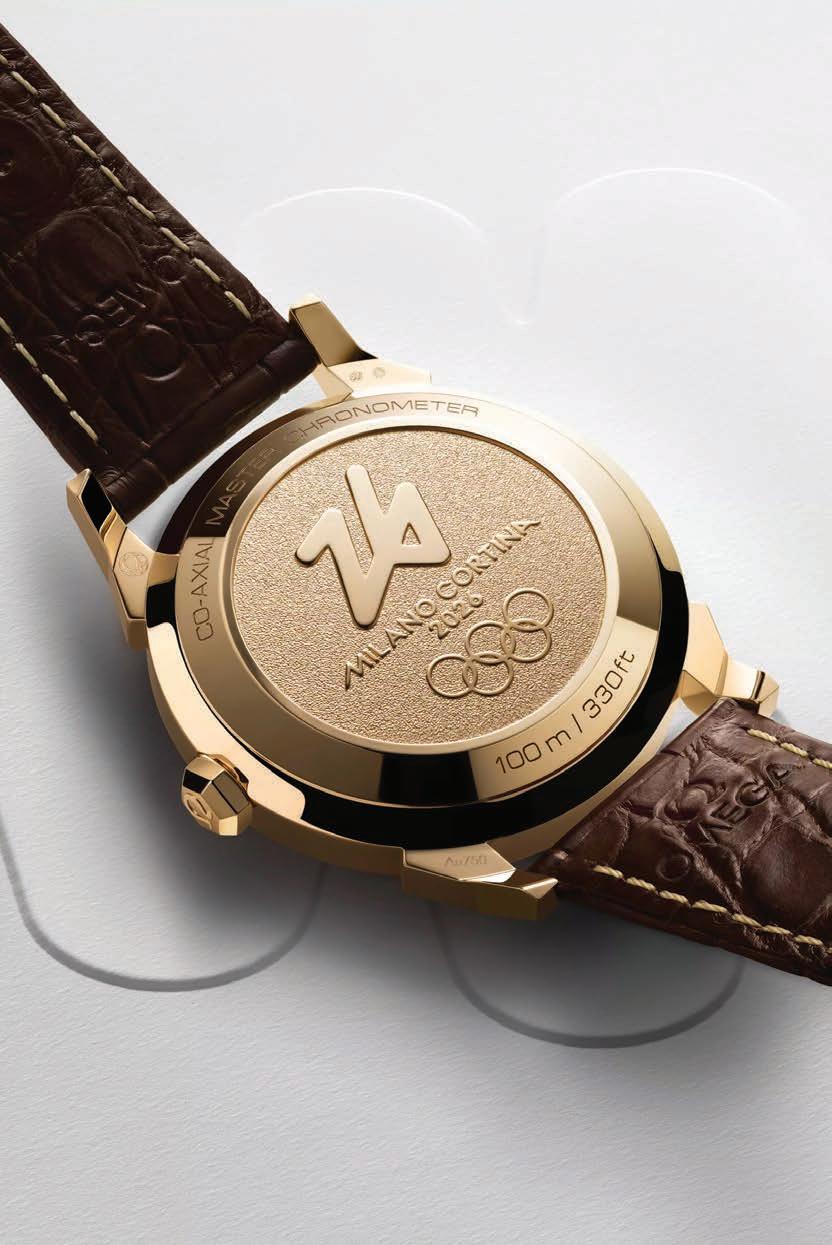
Turning the watch over reveals a solid caseback engraved with the Milano Cortina 2026 emblem. Omega has served as Official Timekeeper of the Olympic Games since 1932, and this engraving reinforces that relationship with restraint rather than spectacle.
Inside beats the Co-Axial Master Chronometer Calibre 8807, certified by METAS for precision, durability, and magnetic-field resistance up to 15,000 gauss. With a 55-hour power reserve, silicon balance spring, and an 18k Sedna gold rotor, the movement delivers modern performance beneath a classically styled exterior.
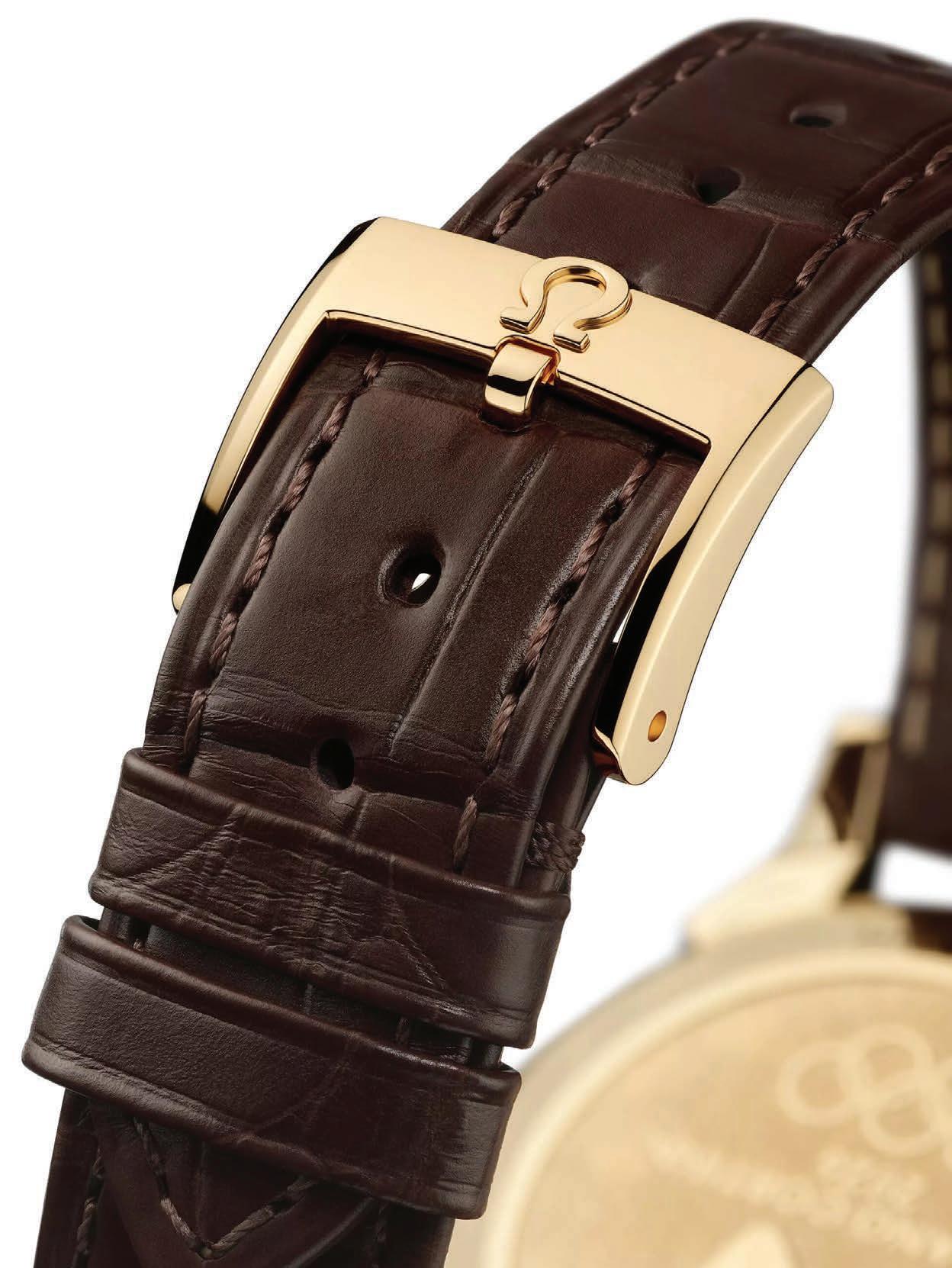
The brown alligator strap, secured with a matching gold buckle, keeps the focus on the case and dial. A 100-metre water resistance rating adds practical versatility, ensuring the watch is suited to everyday wear rather than occasional use. Not limited in production but carefully positioned,
This Seamaster occupies a refined place within Omega’s Olympic portfolio.
It is aimed at collectors who value proportion, craftsmanship, and continuity over display. The Seamaster Milano Cortina 2026 succeeds because it resists excess. It honours tradition without leaning on nostalgia, and it delivers modern performance without visual noise. Designed to be worn, not preserved, it reflects a confidence that comes from knowing exactly what it is meant to be.
PATEK, UNBOUND
The Quadruple Complication 5308G joins the permanent collection, on its own terms
Some watches are designed to mark time. Others exist to demonstrate capability. With the Quadruple Complication reference 5308G-001, Patek Philippe does the latter, bringing one of its most technically ambitious creations into the regular catalogue without hesitation or compromise. First revealed in Tokyo in 2023 as an exhibition-only piece, the Quadruple Complication now enters broader circulation not as a limited curiosity, but as a fully realised production model. That decision is revealing.
Watches of this complexity are often defined by scarcity as much as engineering.
Here, Patek signals confidence in repeatability, consistency, and longterm relevance. On paper, the specification is formidable: minute repeater, split-seconds chronograph, and an instantaneous perpetual calendar. Yet the achievement lies not in listing complications, but in how they function together.
The calibre R CHR 27 PS QI was developed specifically to integrate a rattrapante chronograph while improving overall energy efficiency, including measurable gains in the minute repeater’s performance.
This is architectural watchmaking, not modular assembly. The perpetual calendar advances instantaneously at midnight, with all indications switching in unison.
Beyond visual precision, this approach reduces cumulative wear and mechanical drift over time, reinforcing reliability across decades of use rather than novelty at first glance. Physically, the watch is unapologetic. Measuring 42mm in diameter and over 16mm thick, the white-gold case reflects the reality of what it houses. The proportions are intentional, prioritising mechanical clarity and serviceability over concealment. Through the sapphire caseback, the layered movement construction reveals itself with purpose. The dial provides contrast through restraint.
Finished in sunburst ice blue, it avoids ornamentation, allowing applied markers and chronograph indications to remain legible despite the density of information. The result is disciplined rather than decorative.
What ultimately defines the 5308G-001 is not that it exists, but that it endures. By moving the Quadruple Complication into the permanent collection, Patek Philippe positions it as a benchmark rather than an exception. This is not a watch intended to surprise once. It is designed to withstand repetition, scrutiny, and the passage of time. In doing so, the manufacture reinforces a long-held principle: true complication does not rely on spectacle. It relies on execution.
THE NEW FACES OF WATCH COLLECTING
From small-batch watchmakers to intimate collector clubs, a fresh community spirit is reshaping how we discover and appreciate timepieces.
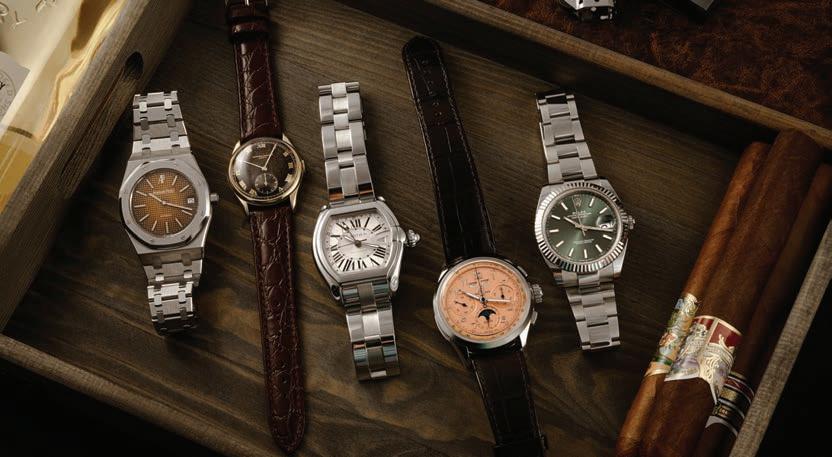
Luxury watch culture is being quietly rewritten. Across cities such as Hong Kong, London, and Geneva, small, members-only clubs and independent watchmakers are offering collectors new ways to connect, far beyond high-street brands and traditional boutiques.
Conversations range from dial typography to the appeal of hand-wound calibres.
One such group is The Horology Club, founded in Hong Kong in 2021 by Helbert Tsang, Jonathan Chan, and Carlos Pang.What began as casual meetups has grown into a community of more than 800 members across Asia, Europe, and beyond.
These gatherings operate by one simple rule: bring a watch you love, regardless of its market value.
“The kind of collectors that intrigue me are the ones that focus on their own niche,” says co-founder Helbert Tsang in an interview with The Waiting List Podcast. It is this mindset that has attracted a diverse crowd, from collectors of quirky quartz pieces and vintage Seikos to rare independents such as Habring² and Holthinrichs, all sharing the same table. Within these clubs, appreciation replaces status. At RedBar, a globally recognised collectors’ club with chapters in London and New York, members regularly preview upcoming releases, meet independent founders, and handle prototypes before they reach wider circulation. This level of access remains one of the club’s strongest draws.
Alongside these communities, a surge of micro-brands is redefining what rarity means. According to WatchPro, more than 500 active micro-brands operate globally, many producing small-batch watches with distinct design narratives, from bronze diver cases to salmon dials and Japanese ink-wash inspired chronographs. Their direct-to-consumer models prioritise engagement over scale.
These brands resonate with newer collectors who value originality and story over price escalation. The focus has moved away from building a portfolio to curating a personal narrative. Established maisons are responding in kind.
Collectors are asking more considered questions: who made this watch, why it exists, and what it represents when worn.
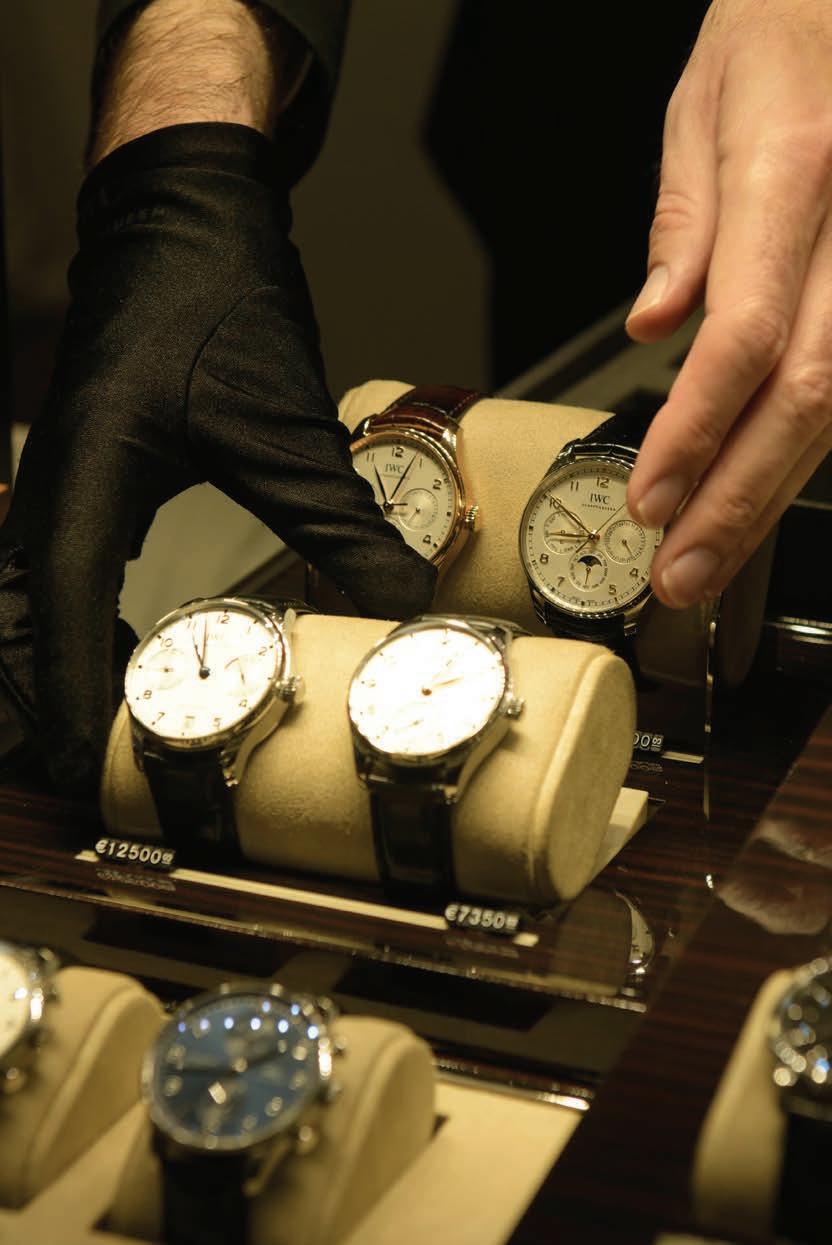
Brands such as Vacheron Constantin and IWC have rethought their retail environments, replacing formal counters with lounge-style seating, coffee service, and private viewing spaces designed to encourage conversation rather than transaction. What is emerging is not a trend, but a recalibration. As Tsang puts it, “It’s about why it matters to you.” That principle now sits at the heart of a more thoughtful, more human watch culture. Whether it is a vintage chronograph with softened lume or a titanium micro-brand few have encountered, the pleasure lies in discovery and in the conversations that follow. These communities offer something increasingly rare: meaning.
TESTAROSSA RETURNS
TRIUMPHANT
Ferrari’s iconic nameplate is reborn as a 1,050 cv plug-in hybrid spider
The name alone carries weight. Testarossa. Red head. First used on the 500 TR in 1956, it referenced the crimson cam covers of Ferrari’s most extreme racing engines. Decades later, it became a symbol of the 1980s, plastered across bedroom walls and immortalised on screen. Now, drawing on more than 70 years of heritage, the name returns with renewed intent.
Ferrari’s
design team has produced a form that feels confident rather than nostalgic.
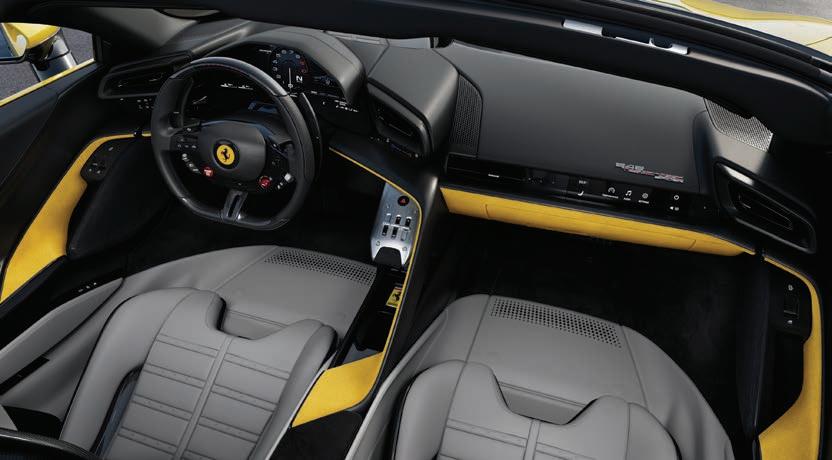
The 849 Testarossa Spider occupies rare territory. This is a car built without compromise, combining open-air driving with the structural integrity and performance expected of a modern mid-rear Ferrari. Electrification is not used to soften the experience, but to intensify it.
The result is a car capable of silent electric running through city streets, then explosive performance when the road opens up. Visually, the design makes an immediate statement. Under the direction of Flavio Manzoni,
The twin-tail rear architecture, inspired by the 512 S race car, defines the silhouette. The doors are sculpted from a single aluminium panel of remarkable complexity, requiring new manufacturing techniques. Stand beside it and the engineering effort is clear. Power comes from a reworked V8 producing 830 cv, supported by three electric motors for a combined output of 1,050 cv. Performance figures underline the intent. The sprint to 100 km/h takes under 2.3 seconds, and a lap of Fiorano is completed in 1 minute 18 seconds.
Yet the car also offers a 25-kilometre electric range, allowing short journeys to be completed without combustion. The retractable hard top takes 14 seconds to deploy and can be deployed at speeds up to 45 km/h. Ferrari has addressed wind management with an airflow system that channels air through the cabin rather than blocking it. The result is open-top driving that remains refined at speed.
Two new colours debut with the model. Rosso Fiammante reinterprets Rosso Corsa with a metallic finish that shifts in the light. Giallo Ambra draws inspiration from natural amber, delivering warmth with an edge. Both feel deliberate and contemporary rather than decorative. For drivers seeking maximum focus, the Assetto Fiorano package reduces weight
and increases downforce through extensive carbon fibre use. Twin wings replace the standard rear design, tripling vertical downforce for track use. As performance cars evolve, the 849 Testarossa Spider demonstrates that electrification need not dilute character. It remains unmistakably Ferrari. The name has returned, and it still belongs at the very top.
NO MARGIN FOR ERROR
Sadair’s Spear defines Koenigsegg’s next era of performance
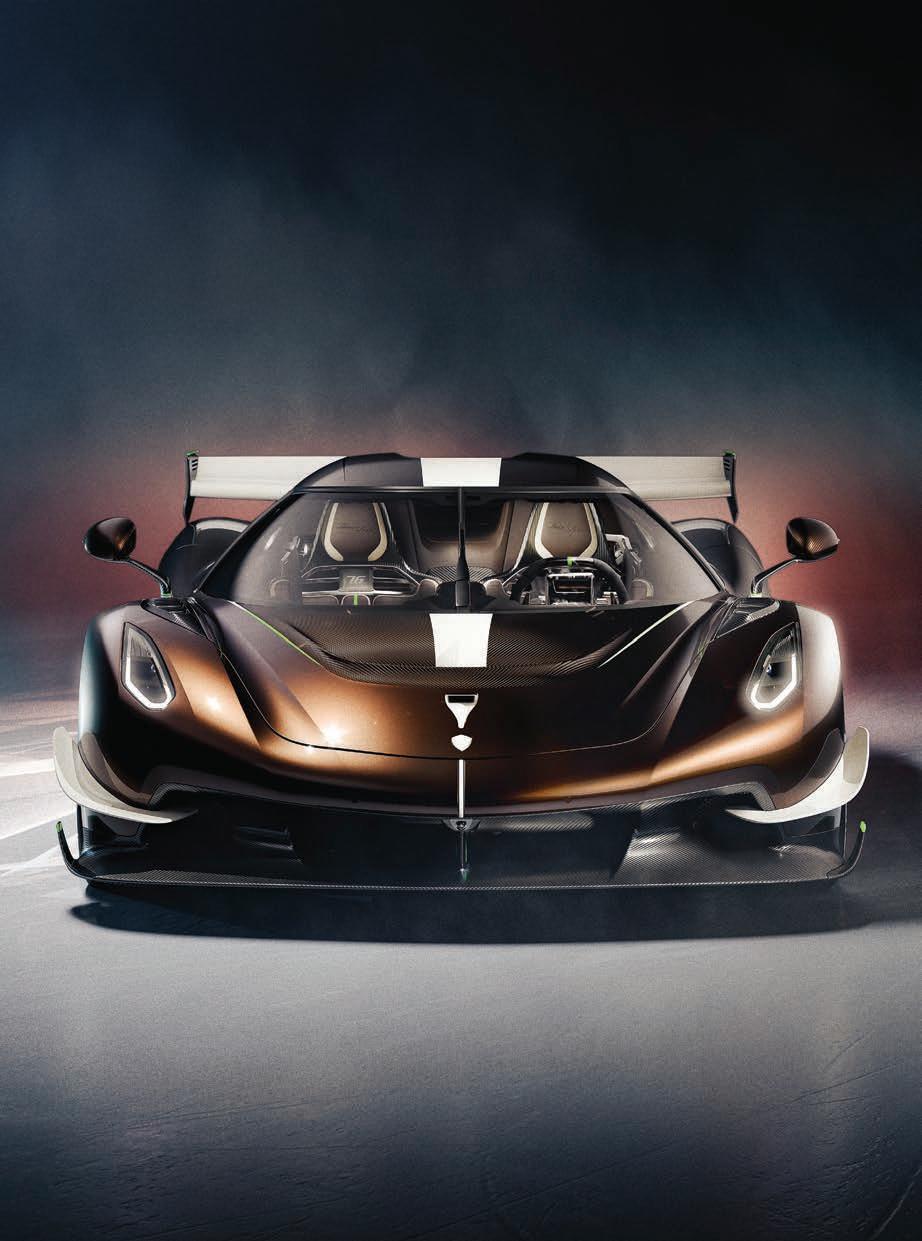
When Koenigsegg unveils a new model, expectations are already extreme. With Sadair’s Spear, the Swedish marque raises them again, delivering a road-legal hypercar engineered with uncompromising track intent. Introduced in June 2025, the limited-production model represents a sharpened evolution of Koenigsegg’s performance philosophy, blending increased power, reduced weight, and advanced aerodynamics into one of the most focused cars the company has ever produced.
The name itself carries personal significance. Koenigsegg founder Christian von Koenigsegg previously honoured his father Jesko by naming the Jesko hypercar after him. Jesko von Koenigsegg’s favourite racehorse, which he rode in his final competition in 1976, was named Sadair’s Spear.
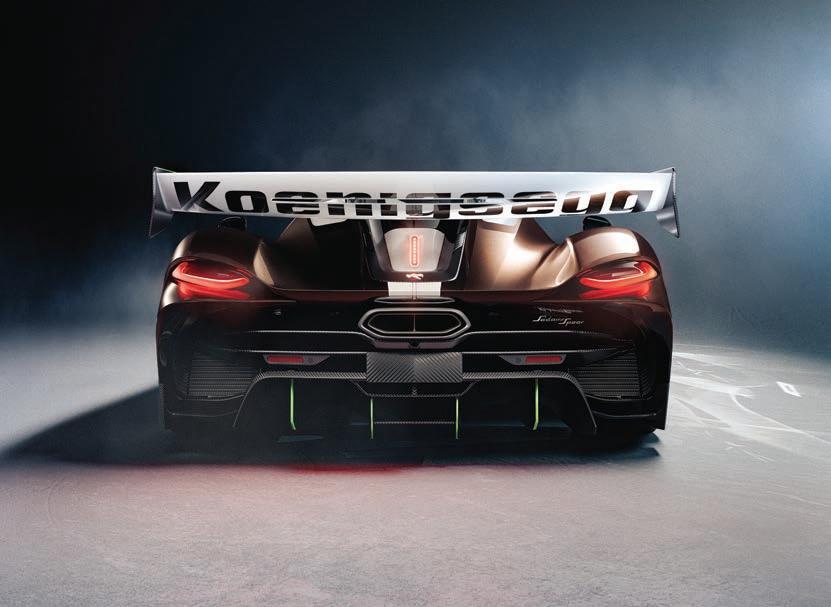
That heritage now defines a machine built to dominate circuits while remaining fully homologated for road use worldwide. Aerodynamics are central to the car’s identity. Sadair’s Spear features a new top-mounted double-blade active rear wing designed to deliver substantial downforce at speed, complemented by an elongated rear profile for improved stability. At the front, enlarged canards, reworked hood vents, and refined wheelarch louvres increase both cooling efficiency and aerodynamic grip.
Aerodynamics are central to the car’s identity. Sadair’s Spear features a new top-mounted double-blade active rear wing designed to deliver substantial downforce at speed, complemented by an elongated rear profile for improved stability.
At the front, enlarged canards, reworked hood vents, and refined wheel-arch louvres increase both cooling efficiency and aerodynamic grip. Koenigsegg’s CFD-led development ensures airflow is precisely managed across the entire vehicle, particularly during sustained high-performance driving.
Power comes from Koenigsegg’s twin-turbo V8, paired with the brand’s flywheel-free Light Speed Transmission. Enhanced intake design and revised engine calibration raise output to 1,300 horsepower on standard fuel, climbing to 1,625 horsepower when running on E85. Combined with a weight reduction of approximately 35 kilograms, the result is a power-to-weight ratio that surpasses the
landmark 1:1 benchmark first achieved by the One:1, reinforcing Koenigsegg’s unique position in the hypercar world. Inside, the cabin reflects the car’s singular purpose. A minimalist centre console, redesigned carbon-fibre seats, and optional six-point harnesses prioritise driver focus.
During shakedown runs at Gotland Ring, Sadair’s Spear eclipsed the Jesko Attack’s lap record by 1.1 seconds.
Despite the weight savings, Koenigsegg retains key technology, including its SmartCluster display, SmartCenter interface, Autoskin system, and advanced driver aids. Early testing has already confirmed the car’s intent. With production limited to just 30 units, all sold immediately upon private unveiling, Sadair’s Spear stands as one of Koenigsegg’s most exclusive and purpose-driven creations to date.
POLESTAR 6 DRIVES THE FUTURE FORWARD
An electric roadster built without compromise
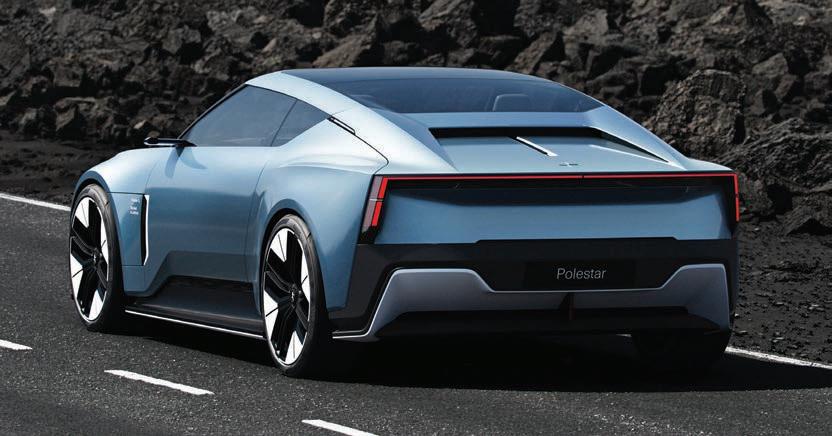
The Polestar 6 is not a concept warmed over. It’s the production version of a car that, from the outset, was engineered to deliver on the promise of its own ambition: a limited-run electric roadster with real performance credentials and structural discipline.
Arriving in 2026, the four-seater convertible is built on Polestar’s aluminium-intensive SEA (Sustainable Experience Architecture) platform and features dual-motor all-wheel drive, a targeted 884 horsepower, and an estimated range of 300 miles (482 km). Acceleration is expected to be well under four seconds.
These aren’t headline-grabbing figures; they’re part of a deliberately calibrated vehicle that balances performance with control.
The car’s proportions remain close to those of the Polestar O₂ concept, which caused a stir when first shown in Los Angeles in 2022. There’s a striking discipline to the design: clean surfacing, sharp lines, and a cab-rearward stance that visually reinforces its dynamic potential.
No superfluous detailing, no oversized intakes; just a tight, purposeful form that makes clear this car was designed to move, not to posture. That intent carries through to the engineering. Roadsters pose particular challenges in electric form.
Without a fixed roof to add rigidity, and with the weight of a battery to manage, creating a convertible that handles with poise requires serious structure.
Polestar tackles this with bonded aluminium construction, developed in-house for torsional stiffness, and battery placement that optimises the car’s centre of gravity. The result is a chassis designed for highspeed stability without sacrificing the engagement expected of a rear-biased sports car. The retractable hardtop has been designed to preserve the coupe-like silhouette when closed, while maintaining balance and weight distribution when open. It’s not just a party trick; it’s been engineered with the same priority as the drivetrain.
Only 500 units of the Polestar 6 will be produced, each one reserved for clients seeking a more considered kind of performance car. This isn’t a halo model built to grab headlines—it’s a vehicle built to show what the brand stands for: clarity, control,
and a kind of restrained desirability that doesn’t need to shout. Inside, the approach is just as focused. The cabin avoids visual clutter, instead favouring clean lines, carefully selected sustainable materials, and digital interfaces that enhance rather than dominate. There are screens, of course, but they’re positioned with purpose. Buttons are where they should be. Seating positions are low and supportive. Every detail feels deliberate.
The Polestar 6 also signals an important shift in the brand’s evolution. As Polestar scales up its production footprint with more mainstream EVs, this model serves as a statement of intent, demonstrating that emotion, ambition, and drive feel can coexist within the constraints of electric performance. It doesn’t lean on nostalgia or legacy; it creates its own space. For those who still value the tactile connection between car and road, the Polestar 6 may be the clearest answer yet. It’s a roadster, yes. But it’s also a blueprint.
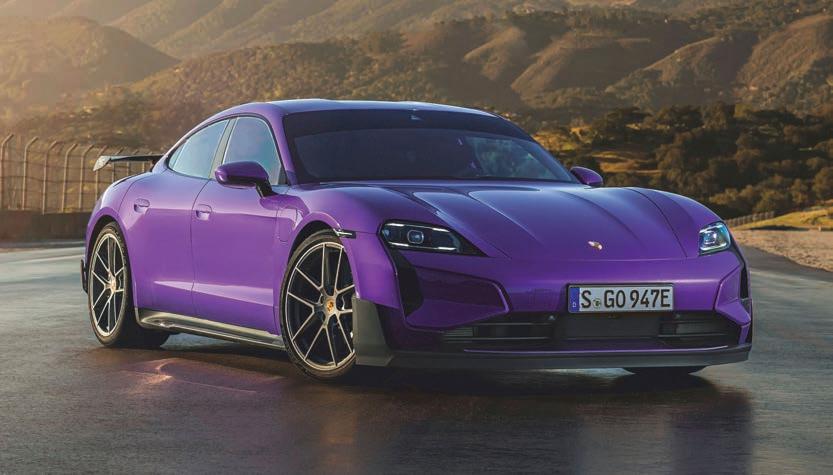
PRECISION UNDER POWER
Porsche’s Taycan Turbo GT evolves electric performance
Porsche’s Taycan Turbo GT is built for drivers who expect more from an electric car than straight-line speed. It delivers pace, yes, but also balance, consistency, and the kind of control that comes from understanding how a car should respond at its limits. The Turbo GT sits at the top of the Taycan range, developed with a clear focus on dynamic ability. With its dual-motor setup and lightweight components, including carbon-fibre details and aerodynamic enhancements, the car feels deliberately calibrated. The optional Weissach Package takes the formula further, removing the rear seats and adding a fixed rear wing to reduce weight and increase downforce. These are not cosmetic choices. Each one contributes to how the car feels on a demanding circuit and how it communicates with the driver.
Its numbers are undeniable. The Turbo GT accelerates from a standstill with remarkable force, helped by a brief overboost function that raises output for launch. What matters more, however, is how it handles that power. Rear-axle steering and an updated suspension system work together to keep the car composed during quick direction changes. Weight transfer is managed cleanly. The steering is direct without being heavy, and the body stays flat even under late braking into tight corners.
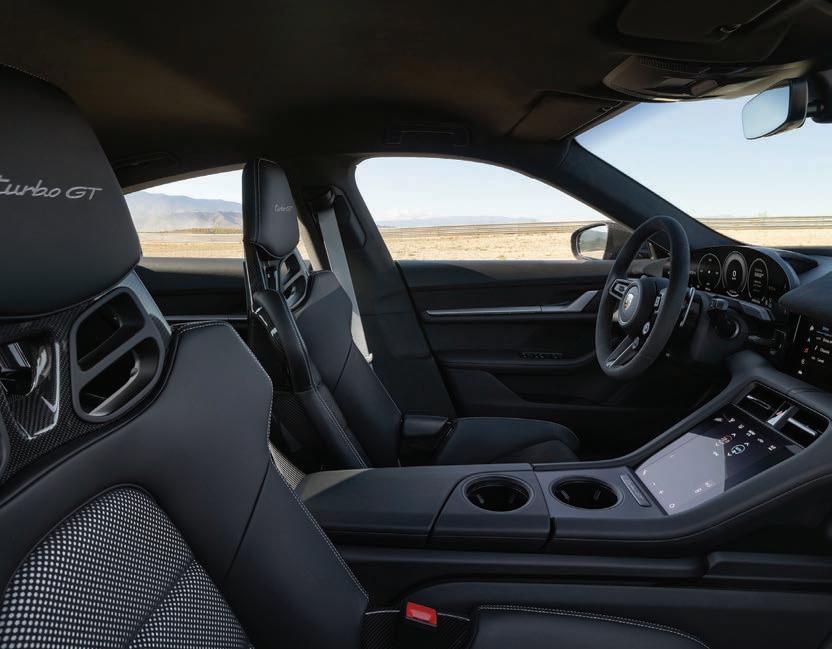
Inside, the car reflects Porsche’s usual clarity. The driving position is low and purposeful. Switchgear is tactile and familiar, with physical controls for essential functions.
The Weissach variant includes lightweight bucket seats and pared-back trim to reduce distraction. Digital displays are compact, providing key information without obstructing the driver’s view. Everything is built around driving well, not simply driving fast.
The Taycan platform already carried a strong performance reputation, but this version extends it further. On track, the Turbo GT is composed and confident, delivering lap times that rival traditional sports cars. Away from the circuit, it remains comfortable and quiet enough for daily use.
This is a car built by a team that understands speed is only one element of performance.
Charging speeds are among the best currently available, and range continues to improve through ongoing software optimisation and battery development. Rather than attempting to redefine what a Porsche should be, the Turbo GT refines what already works. There is no novelty for its own sake and no unnecessary reinvention. The design is clean, the cabin is focused, and the engineering beneath it all is methodical. What truly sets the Turbo GT apart is how well it manages the rest: braking, balance, feedback, and control. It is an electric sports sedan designed to be driven properly, not simply admired.
ZENVO AURORA SETS
A NEW STANDARD
1,850 horsepower, four turbos, two motors, zero room for compromise
For a company that has built fewer than 40 cars since 2009, Zenvo has never lacked ambition. The Danish marque returns in 2026 with the Aurora, a hybrid hypercar that redefines its engineering capabilities and positions itself firmly among the world’s most exclusive performance machines.
This is a ground-up reinvention. At the heart of the Aurora sits a quad-turbocharged 6.6-litre V12, developed in partnership with MAHLE Powertrain in
the UK and capable of spinning past 9,800 rpm. Complemented by two electric motors, the combined output reaches 1,850 horsepower and 1,700 Nm of torque, figures that exceed most of today’s track-oriented benchmarks.
Power is delivered through a custom hybrid transmission with integrated paddle-shift control, engineered to balance immediacy with durability under extreme conditions.
The Aurora is built on a carbon monocoque with a modular subframe, a layout that reduces weight while allowing Zenvo to create two distinct variants: the Aurora Tur, a road-focused grand tourer, and the Aurora Agil, a track-oriented lightweight model. Production is limited to 100 cars, evenly split between the two variants, each engineered for a markedly different driving experience.
The Tur retains its full-carbon body and advanced suspension system but adds insulation, comfort features, and driver-assistance technology suited to high-speed touring.
The Agil, by contrast, strips the car back, removing non-essential elements and reducing mass to prioritise downforce, agility, and track compliance. Both share the same chassis and drivetrain, but their setup and tuning diverge significantly depending on their intended use.
It is an internal-combustion hypercar that electrifies only where it delivers a measurable advantage.
Zenvo’s move to a hybrid platform comes without the compromises often associated with electrification.
Visually, the design reflects a distinctly Scandinavian sensibility: restrained, architectural, and purposeful. The exterior avoids unnecessary curvature or visual excess, favouring functional lines, exposed carbon elements, and subtle aerodynamic integration. Inside, the cabin follows the same philosophy. It is driver-focused, lightweight, and free of superfluous ornamentation, with an emphasis on connection rather than distraction. There is no attempt to broaden appeal, soften the driving experience, or chase volume. The Aurora exists to demonstrate what is possible when a boutique manufacturer builds a car entirely on its own terms.
Performance estimates are equally uncompromising. Top speed is expected to exceed 400 km/h, while 0–100 km/h acceleration comes in well under three seconds. Yet what distinguishes the Aurora is not raw speed alone. It is the level of control and mechanical engagement engineered into every component. This is not an electric vehicle with performance ambitions.
For collectors, the appeal is clear. For performance purists, the Aurora represents something rarer still: a hypercar unconcerned with comparison. It is not a response to market demand, but a technical statement from a company small enough to take significant risks, and precise enough to execute them successfully.
INTO THE JUNGLE
Inside the world of Amazónico Dubai, where cuisine, music, and design move in sync
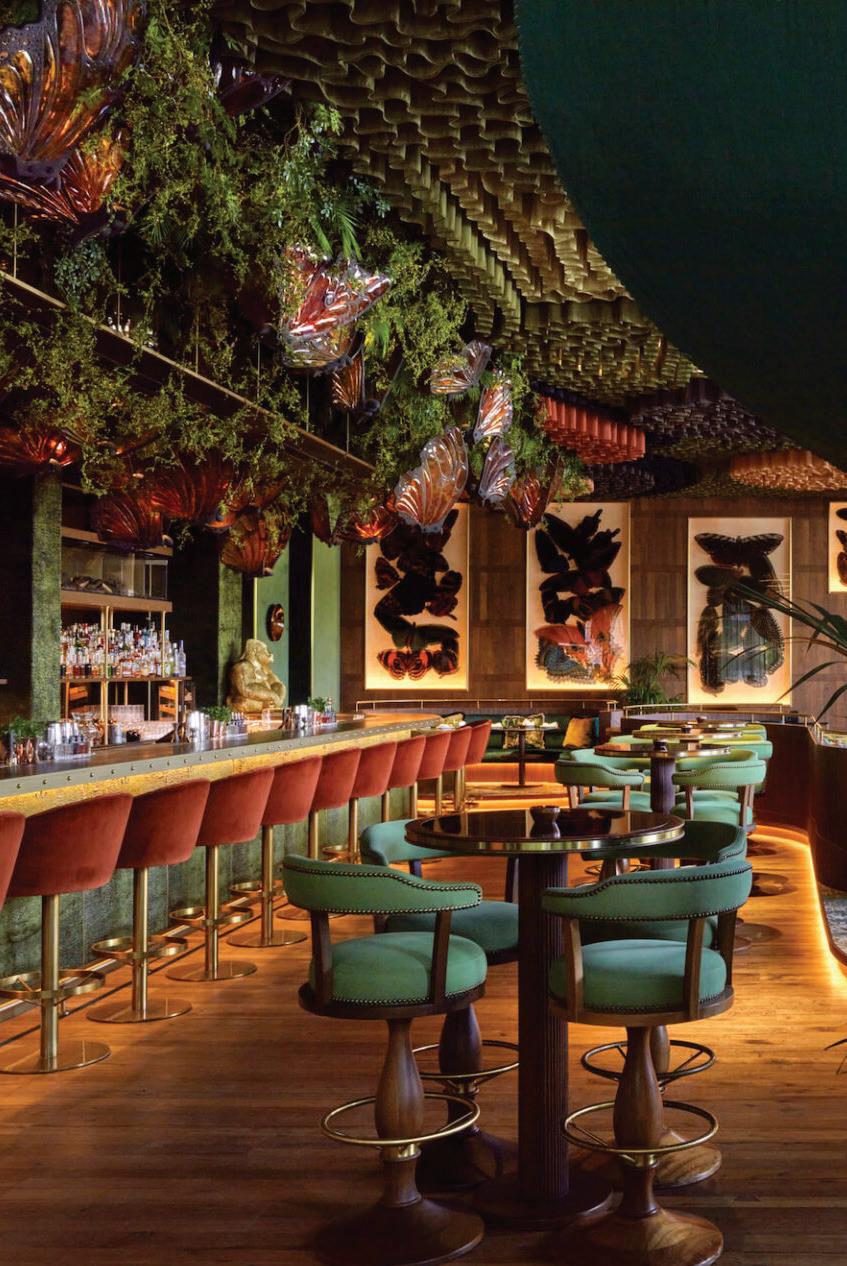
Amazónico Dubai makes its pointquickly. The lighting is low and warm, filtered through dense greenery and textured surfaces. Latin percussion builds steadily in the background, while the scent of lime, spice, and smoke signals what is coming next.
The room is immersive but controlled, designed to shift focus away from the outside world and into the experience at hand.
The concept draws inspiration from the scale and diversity of the Amazon, but its execution is global.
“The Amazon connects cultures. That is what inspires us,” says co-founder Sandro Silva.
In Dubai, that idea translates into a venue where food, sound, and movement are deliberately coordinated, evolving from early evening dining into a late-night destination.
A Space That Evolves Through the Evening
The interiors are layered and practical rather than theatrical. Cascading greenery softens the architecture, while curved alcoves create intimacy without closing off the room. Metallic accents catch the light, adding contrast to the organic palette. As the evening progresses, lighting shifts subtly, allowing the space to transition naturally from restaurant to lounge without interrupting service or atmosphere. Music is integral to that transition.
Resident DJs build their sets gradually, blending Latin rhythms with downtempo electronic beats. Live elements appear intermittently, including roaming musicians who move through the room without disrupting conversation. The result is a steady increase in energy that feels intentional rather than performative.
A Menu Defined by Precision
The menu reflects a broad cultural influence grounded in technique. Peruvian, Japanese, and Mediterranean references appear where they are most effective, without forcing a fusion narrative.
Raw and marinated dishes are particularly strong. Ceviche Guayaço pairs prawn and sea bass with citrus and orange for a clean, balanced start. Tuna Moriawase is restrained and technical, highlighting texture and freshness. Tiraditos deliver gentle heat and acidity, designed to refresh the palate rather than dominate it.
Warm dishes introduce depth without heaviness. Langostino Meloso combines shrimps with garlic and ginger sauce, mango, caviar, and peanuts, balancing richness with clarity. Patacones pair crisp plantain with slow-cooked meat, while the Wagyu skirt steak, marinated and grilled over an open flame, offers smokiness and structure rather than excess. The grill and fish section anchors the menu. Australian rib eye arrives with a consistent char and clean cut. Sea bass wrapped in plantain leaves is aromatic and moist. Pargo Rojo, prepared using Japanese amadai technique, delivers crisp skin and a restrained finish. Each dish feels considered, with familiar ingredients treated with restraint and confidence.
The Brunch That Redefined DIFC Saturdays
On
Saturdays, Amazónico shifts into one of DIFC’s most talked-about brunch destinations.
Guests arrive early, and the atmosphere builds gradually as DJs set the tempo and performers move through the space. The menu is generous and structured for sharing. Chirashi Maki layered with fresh fish. Anticucho de Cordero in yellow chilli sauce. Brazilian picanha cooked precisely. Corvina Romesco with depth and warmth. Desserts, including Piña Rostizada and Paraíso Tropical, arrive for the table rather than the individual, encouraging a slower, social pace. As brunch moves into the Lounge, the transition feels natural rather than staged.
Paraíso, Above the Dining Room
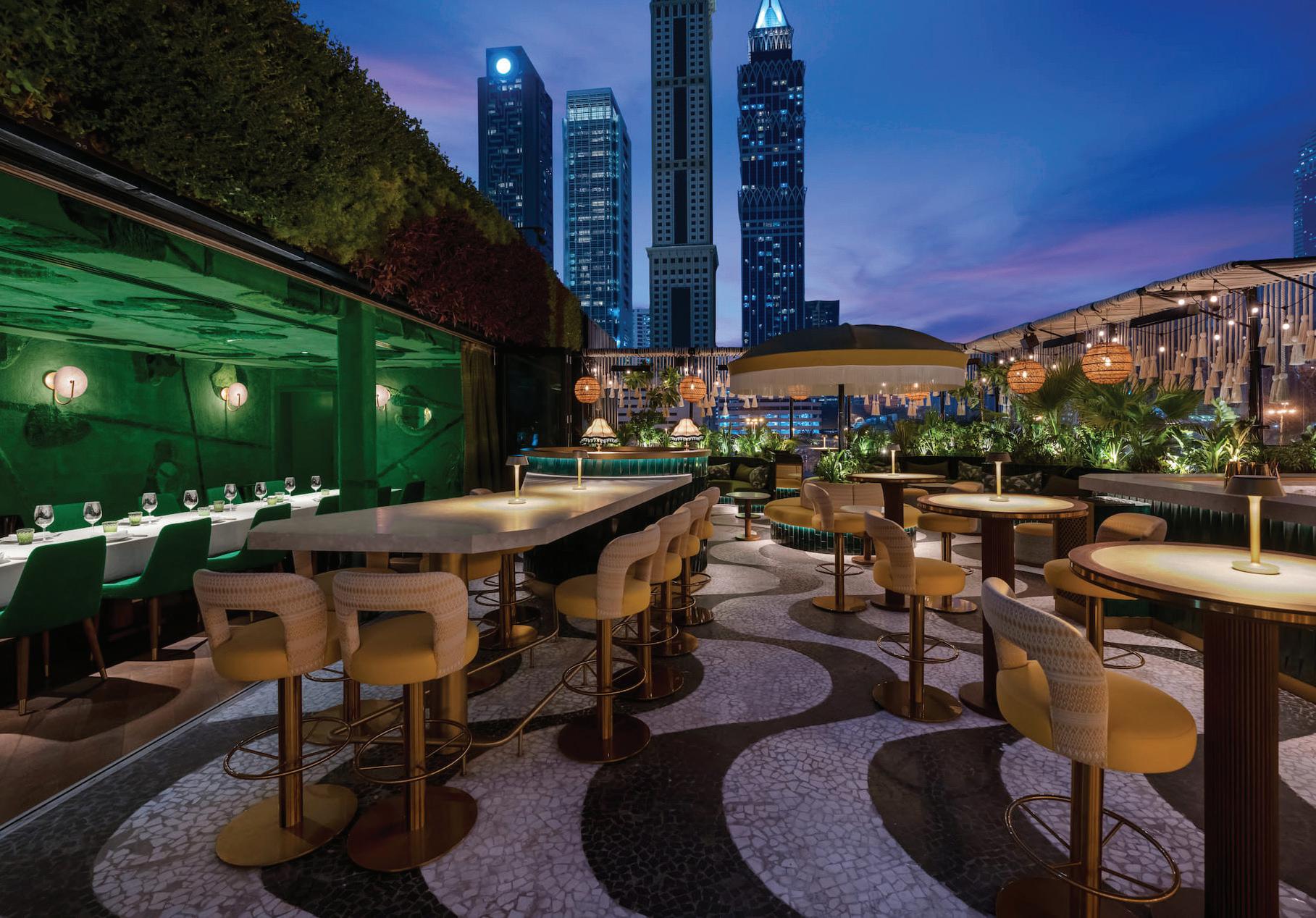
Above the main restaurant, Paraíso offers a more relaxed continuation of the evening. The rooftop is open and uncluttered, framed by tropical detailing and views across the Dubai International Financial Centre skyline. Cocktails focus on fruit, spice, and smoke, while international DJs draw a crowd that arrives later and stays longer.
A Global Concept, Clearly Executed
Founded in Madrid in 2016 by Sandro Silva and Marta Seco, Amazónico expanded quickly to London, Monte Carlo, Dubai, and later Miami.
Each location adapts to its city, but the underlying approach remains consistent: strong food, controlled atmosphere, and a clear understanding of pacing.
In Dubai, that formula works particularly well. Amazónico attracts business diners early in the evening, brunch crowds on weekends, and late-night regulars after dark. The experience is defined by how seamlessly those moments coexist in a single space. Guests return not for novelty, but for reliability, knowing exactly what kind of night they are walking into.
A MEGAYACHT FOR THE MODERN TRAVELLER
A 508-foot megayacht concept reimagines access to life at sea
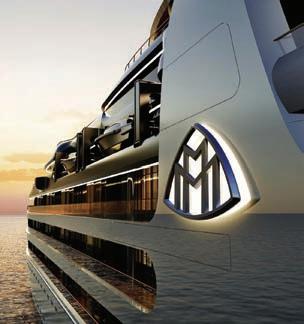
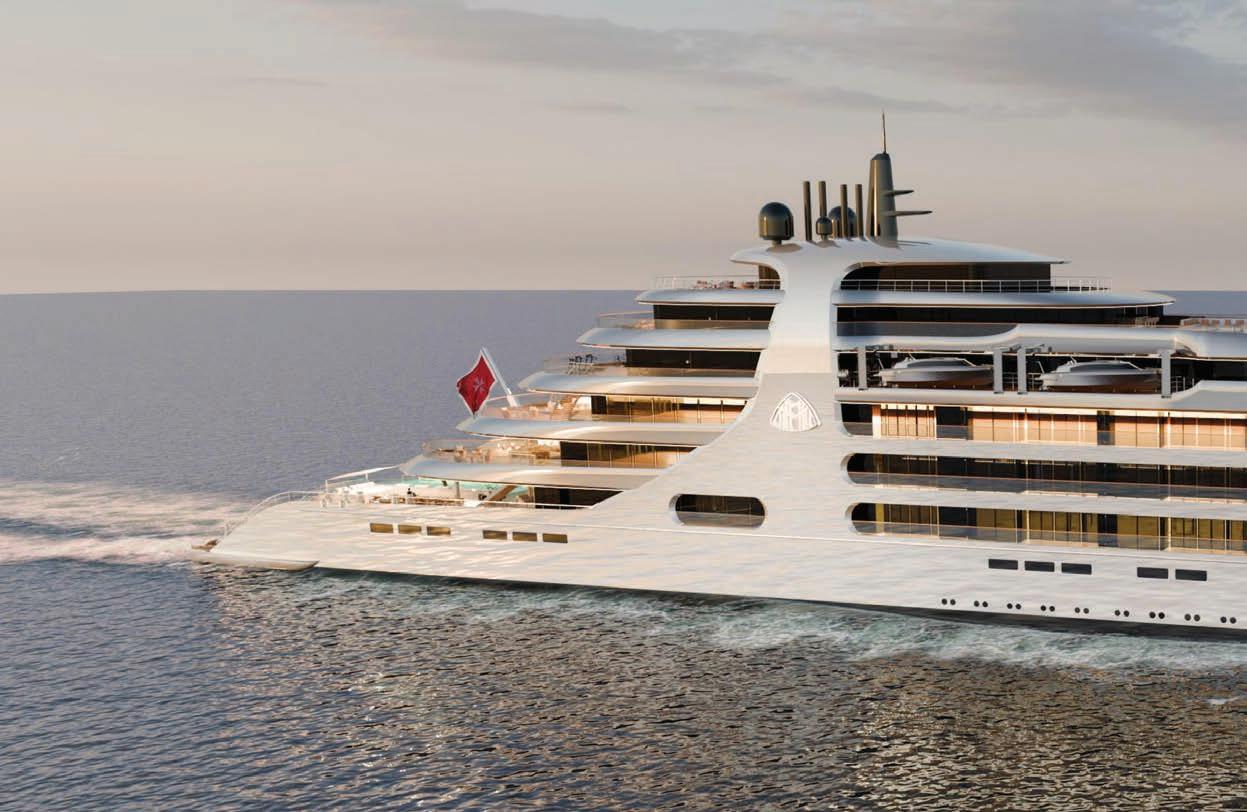
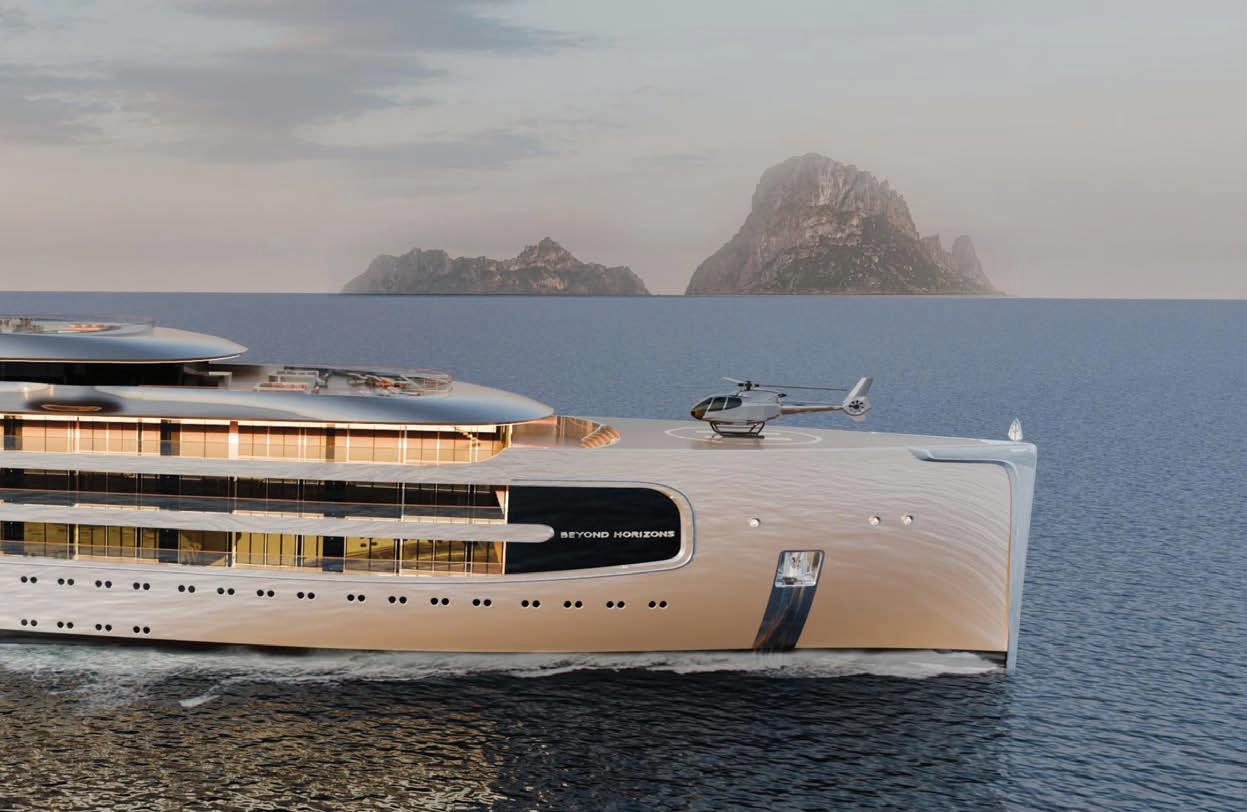
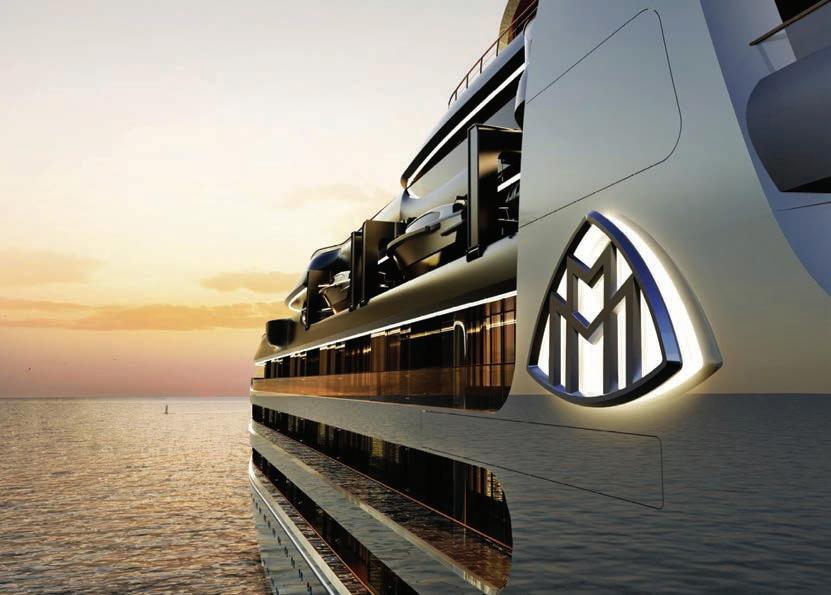
At the Fort Lauderdale International Boat Show, Mercedes-Maybach unveiled one of the most ambitious lifestyle concepts to emerge from the yachting world in recent years. Developed in partnership with Splendid Sea, the project introduces a 508-foot (155-metre) megayacht concept named Beyond Horizons, paired with a fractional co-ownership model designed to offer access to the superyacht lifestyle without the long-term commitments of traditional ownership.
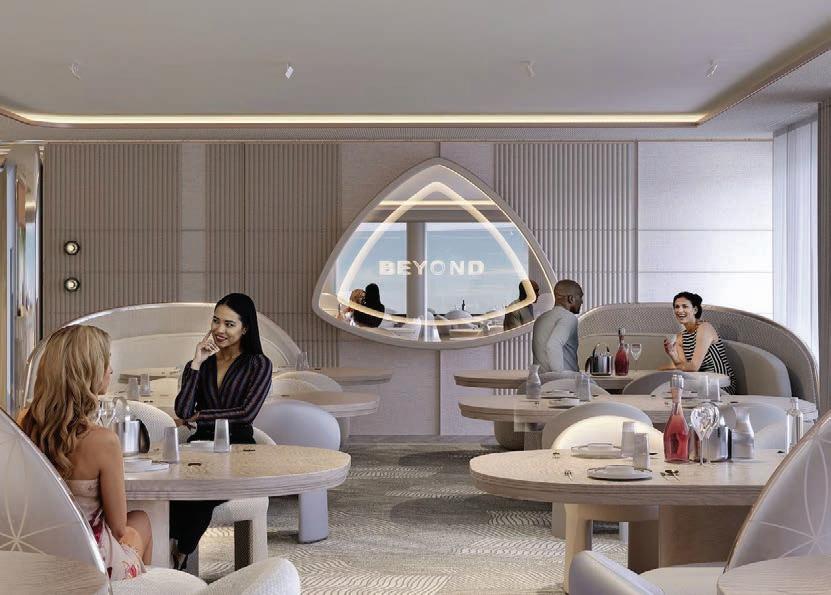
Rather than positioning the yacht as a private asset, the initiative reframes it as a members’ club at sea. Known as the Maybach Ocean Club,
The concept targets a new generation of luxury travellers who value access, flexibility, and curated experiences over permanence.
At the centre of the project is Matthias Bosse, co-founder of Splendid Sea and a veteran captain with decades of experience operating some of the world’s largest private yachts, including vessels owned by Nasser Al-Rashid. His operational background has shaped both the yacht’s layout and the philosophy behind the concept, prioritising efficiency, fairness, and hospitality over hierarchy.
A New Model of Yacht Access
The Maybach Ocean Club is built on a fractional co-ownership structure rather than outright purchase or charter. Members buy a share in the vessel, granting them approximately four dedicated weeks per year aboard Beyond Horizons.
All logistics, crewing, scheduling, and operational management are handled by a professional onboard team.
The aim is to remove the complexity traditionally associated with superyacht ownership. Crew salaries, maintenance, fuel, insurance, and port fees are included within an annual operating cost, expected to equate to roughly five percent of the initial buy-in.
While final pricing has not been publicly disclosed, the model reflects a broader shift across luxury sectors toward shared ownership and curated access.
A 508-Foot Megayacht Designed for Hospitality
Beyond Horizons has been conceived as a hospitality-first vessel rather than a conventional private yacht. The design includes 30 identical residential-style suites, each measuring approximately 74 square metres and featuring a private balcony. The decision to make all suites equal in size and layout was deliberate, removing the traditional hierarchy that defines accommodation aboard most large yachts.
When fully occupied, the yacht is designed to host up to 72 guests and will be operated by a crew of approximately 80 to 85. Guest amenities focus on wellness, watersports, and shared social spaces, including an infinity pool, expansive terraces, and fluid connections between indoor and outdoor areas.
Supporting the main vessel is a 230-foot shadow yacht, tasked with carrying tenders, water toys, and technical equipment. This separation allows Beyond Horizons to remain dedicated to guest experience, with operational demands managed discreetly in the background.
Designed for a New Generation of Luxury Travel
The project reflects a clear shift within the superyacht industry. Younger high-networth travellers increasingly favour flexibility over permanence, preferring access to experiences rather than the responsibilities of asset ownership. For this audience, the appeal lies in predictability, ease, and time well spent.
Maybach’s involvement brings a refined design language influenced by its automotive heritage, with an emphasis on comfort, craftsmanship, and personalised service. Splendid Sea contributes the operational expertise required to ensure the concept remains grounded in the realities of large-scale yacht management.
What Comes Next
At present, Beyond Horizons remains a concept, with construction expected to begin once sufficient member commitments are secured. A potential launch timeline around 2029 has been indicated, though no shipyard contract has yet been announced.
Even at this early stage, the response suggests a growing appetite for alternative pathways into the yachting industry. If realised,
The Maybach Ocean Club could mark a meaningful shift in how large yachts are financed, operated, and experienced.
For now, it stands as one of the most discussed announcements on the international boat show circuit, offering a glimpse into a future where the superyacht lifestyle is more structured, more accessible, and deliberately designed for modern luxury travellers.
HOW POLICY CHANGES SHAPE RESIDENCY AND CITIZENSHIP BY INVESTMENT DECISIONS
Residency and citizenship by investment programs exist within living policy frameworks. Governments refine them, adjust thresholds, and recalibrate priorities as economic, political, and social conditions evolve. For investors and families, this is not a reason for concern. It is a reason for clarity, preparation, and informed decision making.
When approached thoughtfully, regulatory change becomes manageable. In many cases, it can even work in favor of investors who understand timing, structure, and protection mechanisms.
This perspective has guided our advisory work for over two decades.
Understanding Where Certainty Begins
Most residency and citizenship by investment programs follow a structured path. Preparation. Submission. Government review. Approval. Investment completion. Final status granted.
What differentiates a secure application from a vulnerable one is not intent or preparation alone, but formal submission. Across jurisdictions, the strongest protection point is consistent. Once a complete application has been formally lodged and government processing fees have been paid, most authorities honor the rules in place at that time. This principle has been reinforced repeatedly across the Caribbean, Europe, and emerging markets.
Before submission, flexibility remains with the government. After submission, continuity is the norm.
This distinction matters. Advisory discussions, legal preparation, and preliminary expenses are part of responsible planning, but they do not yet create legal protection. Certainty begins at submission.
For families seeking predictability, acting decisively once a strategy is defined is often the most effective safeguard.
How Investment Structures Influence Outcomes
Not all investment pathways carry the same profile. Each structure serves a different type of investor and a different long term objective.
Real Estate Based Citizenship Programs
Caribbean real estate options are designed for investors who value tangible assets and are comfortable with medium to long term horizons. These programs typically require holding periods of five to seven years. During this time, governments may adjust minimum investment thresholds to maintain program integrity or regional alignment. These changes do not affect citizenship already granted, but they can influence resale dynamics.
The key is understanding that these assets exist within a specialized market. Eligibility to purchase is tied to program criteria rather than broad market demand. Investors who enter with a long term view and realistic expectations tend to navigate this environment comfortably.
For families who prioritize stability over short term liquidity, these structures can still align well with broader wealth planning goals.
Golden Visa Pathways and Long Term Residency Planning
Golden visa programs are, by design, residency first solutions. They are often chosen by families seeking optionality, lifestyle access, and a gradual path toward citizenship.
Policy evolution in this space reflects governments balancing housing markets, social priorities, and investment objectives. Changes may affect new applicants, future eligibility routes, or timelines to naturalization.
Importantly, governments frequently implement transition measures to protect investors already in process. Deposits paid, contracts signed, or applications submitted are often respected under previous rules. Even when timelines adjust, residency rights typically remain intact, allowing families to continue living, traveling, and planning with confidence.
For investors who value flexibility and presence over immediacy, golden visas remain an important pillar of global mobility planning.
Currency Exposure as a Portfolio Consideration
Some programs offer bank deposit options that sit alongside traditional investment migration frameworks. These can be appropriate for investors whose portfolios already accommodate currency exposure and macroeconomic movement.
Currency risk is not a flaw in the program itself. It is a characteristic of the underlying asset. When understood and planned for, it can be absorbed within a diversified global strategy.
For families whose primary goal is stability, alternatives that avoid prolonged exposure may be preferable. For others, these options can complement broader financial positioning. The key is alignment. Mobility solutions should fit naturally within an existing wealth structure, not sit apart from it.
The Simplicity of Donation Based Programs
Donation based citizenship programs offer clarity and finality. Once citizenship is granted, there are no holding periods, no resale considerations, and no asset management obligations. This simplicity is why many families choose these routes despite higher upfront costs.
The main consideration lies before approval. Contribution amounts may adjust, and programs can evolve. Once citizenship is issued, however, regulatory changes no longer affect the outcome. For families seeking certainty, speed, and clean completion, donation programs often provide peace of mind.
How Experienced Investors Position Themselves
Successful investors approach global mobility the same way they approach wealth planning. With foresight, structure, and trusted guidance.
They choose programs that match their risk tolerance and timelines. They submit decisively when conditions align. They understand that diversification across jurisdictions can enhance resilience. And they rely on advisors who actively monitor regulatory developments rather than reacting to headlines.
This approach transforms uncertainty into strategy.
A Confident Path Forward
Change is part of every sovereign system. What defines a successful outcome is not avoiding policy evolution, but planning intelligently within it.
When applications are submitted properly, structures are chosen deliberately, and advice is grounded in experience, families can move forward with confidence.
At Arton Capital, we have guided clients through decades of regulatory cycles, reforms, and transitions. The lesson remains consistent.
In global mobility, clarity comes from preparation, not prediction. Governments will continue to refine their programs. Informed investors will continue to thrive.
WHAT LAST YEAR’S INVESTMENT MIGRATION HEADLINES MEAN FOR FAMILIES IN 2026
From the perspective of Arton Capital, 2025 will be remembered as the year investment migration moved from theory to stress test.
According to IMI Daily, more than five million readers closely followed a series of policy shifts that challenged long held assumptions around mobility, certainty, and long term access.
The market did not collapse. It recalibrated. What matters for high net worth families is not the headlines themselves, but what they collectively signal about where investment migration is heading.
Mobility Is No Longer Assumed
The most read story of the year revealed that Norway had quietly denied entry to holders of Caribbean citizenship by investment passports. No public regulation. No advance notice. Just discretionary enforcement at the border.
This single development crystallized a reality many families were already sensing. A single passport on its own no longer ensures frictionless travel. The way it is viewed by destination authorities now carries as much weight as the manner in which it was acquired.
Governments Are Reasserting Control
Across Europe and the Caribbean, governments moved decisively. Portugal extended its citizenship timeline to up to ten years, reshaping expectations for golden visa holders. Saint Kitts and Nevis revoked citizenships and blacklisted agents, reinforcing a zero-tolerance stance on non-compliant practices. Italy restricted citizenship by descent, introducing an effective bond requirement and narrowing eligibility. These actions reflect a broader pattern. States are no longer defending programs at all costs. They are protecting sovereignty, reputation, and geopolitical relationships.
The United States Has Reentered the Equation
Two of the most read stories focused on the United States. One on reported travel restrictions affecting Caribbean CBI nations. Another on the Department of Justice expanding denaturalization priorities to include past tax errors. For globally mobile families, this signals heightened scrutiny tied to security, disclosure, and compliance. Citizenship and residency decisions now intersect more directly with tax history and regulatory transparency.
Demand Is Shifting, Not Disappearing
Interestingly, one of the most widely read stories this year was not about obtaining citizenship. It explored residency options in forty countries designed for financially independent individuals, underscoring a growing preference for diversified mobility strategies rather than dependence on a single residency or citizenship route.
This points to a subtle but important shift in how families plan. Many are prioritizing residency without immediate naturalization, spreading their presence across multiple jurisdictions, and choosing flexibility and resilience over speed alone.
What This Means for 2026 Planning
Looking ahead, several forces will shape the next chapter:
Residency and Citizenship by Investment programs will continue to shift introducing new pathways to suit an evolving world, strengthening due diligence and compliance in accordance with international requirements, and rewarding those families who plan proactively, diversify intelligently, and prioritize long term credibility over short term access.
Ongoing tension between European Commission and Caribbean CBI states, with Schengen access firmly in focus.
A continued tightening of US migration and security policy that favors fully documented, conservatively structured cases.
The Arton Capital View
For two decades, Arton Capital has guided families through periods of expansion and contraction in global mobility. The lesson of 2025 is clear.
Investment migration has not lost its relevance. It has lost its simplicity. The future belongs to families who approach mobility as a portfolio, not a transaction. Those who value compliance as much as access. And those who plan for resilience rather than headlines.
In an environment where rules evolve quickly and discretion plays a larger role, thoughtful strategy is no longer optional. It is the asset that can protect everything that matters.
TOKYO’S VOLCANIC ISLANDS: A SUBTROPICAL ESCAPE
Forget everything you thought you knew about Tokyo: these remote island chains offer wilderness, wildlife, and crystal-clear waters.
Most visitors to Tokyo never make it beyond the neon-lit streets of Shibuya or the temple precincts of Asakusa. But venture south from the capital and you’ll discover a different side of the prefecture entirely. A scattered archipelago of volcanic islands stretches across the Pacific, where dolphins swim in cobalt water and rare birds nest in subtropical forests.
The Tokyo Islands comprise two distinct chains. Closest to the mainland are the Izu Islands, a string of volcanic outcrops that begins just two hours from Takeshiba Terminal by high-speed ferry. Niijima, one of the most accessible, has earned a reputation among Japanese surfers for its consistent swells and uncrowded breaks.
After a morning in the water, you can soak in the harbour’s open-air onsen facing directly onto the sea, an oddly civilised way to end a day spent battling the Pacific.
Travel further afield and the remoteness intensifies. Miyakejima offers something genuinely unusual: the chance to swim alongside wild dolphins in open water.
This is not a controlled environment or marine park experience, but an encounter on the animals’ own terms in their natural habitat.
Reaching the Ogasawara Islands requires considerably more commitment. A weekly ferry departs Takeshiba for the 24-hour journey to Chichijima, the main island in this subtropical chain. The voyage itself feels increasingly rare, a long night at sea passing under Rainbow Bridge and out through Tokyo Bay before the city disappears completely. When you wake the next morning, breakfast is served with views of forested peaks rising from turquoise shallows.
Once there, the Ogasawaras, designated a UNESCO World Heritage Site, more than justify the effort. The islands harbour ecosystems found nowhere else on earth, earning comparisons to the Galápagos.
The Bonin white-eye, a bird species endemic to Hahajima, flits through native forests that have evolved in isolation for millions of years.
The volcanic origins of these islands remain visible at every turn. Aogashima, perhaps the most dramatic example, is essentially a volcanic crater rising from the ocean.
Moving between islands brings its own adventure. Regular ferries connect most of the chain, and helicopter services operated by Toho Air offer a dramatic aerial perspective, particularly when approaching Aogashima from above. The Ogasawaras remain more isolated still, connected to the outside world by that once-weekly ferry and nothing else.
Hiking trails wind through this landscape, offering an alternative to beaches along the coast.
Locals use geothermal steam vents to cook vegetables and eggs, while the island’s sauna harnesses the same subterranean heat. Bathing in volcanic steam while surrounded by the Pacific feels almost surreal.
For those planning a visit, it helps to consider the logistics. Flights from Chofu Airport serve several islands, with Hachijojima the southernmost destination reachable by plane. Accommodation ranges from simple guesthouses to small hotels. And while Tokyo’s famous camellias bloom on Oshima in late winter, most visitors choose the warmer months, when waters are clear enough for diving and ferry schedules prove more reliable.
WHY ARUSHA NOW?
A cultural milestone and a fresh safari perspective reshape Tanzania’s northern hub
Long known as the gateway to Tanzania’s northern safari circuit, Arusha is stepping confidently into a new chapter. With much-anticipated hotels, design-forward boutiques and a landmark cultural opening tied to one of conservation’s most revered figures, the city is becoming a destination in its own right rather than simply a stopover en route to the Serengeti. The most talked-about development is the long-rumoured cultural centre dedicated to the legacy of Jane Goodall. Now officially confirmed,
Dr. Jane’s Dream: The Goodall Centre for Hope is set to open in late October 2026 beside the centrally located Arusha Cultural Heritage Centre.
Designed by an international team that includes an alumnus of Disney’s Animal Kingdom, the space will unfold across six immersive exhibition zones. Expect interactive storytelling, a dedicated theatre and a Garden of Commitment, all focused on conservation education and the future of human and wildlife coexistence. It is a project that feels both timely and deeply rooted in the region’s ecological identity. Around it, Arusha’s creative energy is becoming increasingly visible. Local entrepreneurs are shaping a refined aesthetic that blends East African craft with contemporary minimalism.
Makao Collective leads the way with handcrafted furniture and home décor that feels quietly luxurious, while Opuk Lounge has earned a devoted following for its beautifully prepared picnic boxes.
These are often paired with conservation-focused safari experiences curated by The Wild Source, making even a simple lunch feel thoughtful and purposeful.
The city’s momentum extends into sport and infrastructure as well. In Arusha’s Olomoti area, the 30,000-seat Samia Suluhu Hassan Stadium is scheduled to open in summer 2026, positioning the city as a key host venue ahead of the 2027 Africa Cup of Nations final. It is another signal that
Arusha is investing in experiences that resonate beyond tourism alone
reinforcing its role as a regional cultural and civic hub. Beyond the city limits, the safari narrative takes a compelling turn. This summer saw the opening of Koroi Forest Camp, a low-impact, community-focused property tucked deep within Arusha National Park. Set in the Momella Forest on the lower slopes of Mount Meru, the camp offers eight secluded chalets surrounded by lush greenery rather than open plains.
Here, game viewing feels intimate and almost meditative. Elephants move peacefully through the forest, shy duikers dart between trees, and black-and-white colobus monkeys leap overhead, lending the camp both its name and its spirit.
This forest-focused approach provides a refreshing counterpoint to Tanzania’s more famous savannah safaris. Walking excursions and canoeing on the Momella Lakes replace long drives, and the emphasis is on presence rather than pursuit. For travellers who have done the classic safari circuit, Koroi feels like a meaningful evolution of the experience.
Another notable addition is Laba Mama Simba, which opened earlier this year within the 1,730-acre North Dolly Wildlife Estate. The lodge blends refined design with expansive landscapes, appealing to travellers seeking privacy, scale and a sense of contemporary African luxury. Together, these new properties suggest a broader reimagining of safari around Arusha, one that favours diversity of habitat and experience.
Despite receiving international headlines in 2025 during election demonstrations, Arusha today feels forward-looking and energised. The city’s pace remains gentle, framed by coffee plantations and the ever-present silhouette of Mount Meru, yet there is a palpable sense of anticipation in the air. New openings are arriving with intention, and the focus is firmly on sustainability, education and community engagement.
How to plan it
Tanzania is a year-round destination, though the northern circuit is busiest in August during the Great Migration. Arusha is easily accessed via Kilimanjaro International Airport, about an hour’s drive from the city, with direct flights from Amsterdam, Doha, Dubai and other major hubs. For those planning a stay at Koroi Forest Camp, it is best to avoid the long rainy season from March through May, when forest trails can become challenging. Visit between June and October or in the short dry window of January and February for the most rewarding conditions.
SMART CARRY
Five hybrid duffels that make travelling with a suit much easier
Travelling with a suit has always required a small strategy meeting: garment bag or carry-on, hanger or no hanger, and how to avoid the mid-flight crease. Hybrid duffels, often called convertibles, were designed to solve this exact problem. They look like standard weekend bags, but unzip flat into garment sleeves that keep a suit, blazer or dress shirts in place while the rest of your essentials pack neatly around it. The result is a streamlined, single-piece solution that appeals to frequent flyers and anyone who prefers to move through airports with as little luggage as possible. Below, five options across different price points and aesthetics, each built to protect your tailoring without compromising practicality or style.
The Premium Choice: Bennett Winch Suit Carrier Holdall
Bennett Winch consistently sets the standard for craftsmanship. The Suit Carrier Holdall pairs a structured weekender silhouette with an integrated garment sleeve that wraps neatly around the central duffel.
The materials are exceptional: full-grain leather or heavy cotton canvas, solid brass hardware, Italian leather trim and durable zips. It fits easily in an overhead bin and handles both business travel and short city breaks with equal polish.
Who it is for: Travellers who value longevity and prefer refined, heritage-leaning design.
The Fashion Option: J.Lindeberg Garment Duffel
This Scandinavian-designed hybrid duffel takes a sleeker, more modern approach. The lines are clean, the construction structured and the branding minimal. It folds out into a garment sleeve that keeps one suit or blazer flat while offering enough interior space for a weekend’s wardrobe.
Who it is for: Travellers who appreciate minimalist fashion and want a bag that looks at home in an office or a boutique hotel lobby.
The Reliable Workhorse: Briggs & Riley Garment Duffle
Briggs & Riley has built its reputation on durable luggage, and this hybrid model follows suit. It converts quickly from a hanging garment bag to a compact duffel, with thoughtful pockets for shoes, accessories and electronics. Strong zippers, reinforced handles and carry-on friendly dimensions make it a dependable option for regular flyers.
Who it is for: Travellers who want functionality, structure and long-term durability.
The Value Performer: Modoker Convertible Garment Duffel
Modoker offers a lightweight, budget-friendly option that handles the basics well. The garment section unfolds cleanly and secures a suit with minimal shifting. Once zipped, the bag becomes a practical duffel with pockets for shoes and small essentials. It is not a luxury piece, but it is efficient, comfortable to carry and easy to maintain.
Who it is for: Travellers who prioritise practicality, low weight and strong value.
The Entry-Level Hybrid: Dougo Convertible Travel
Garment Duffel
This model keeps the hybrid structure simple and accessible. The fabric is durable enough for weekly use, and the garment sleeve protects tailoring better than a standard gym bag. It is lightweight, roomy and easy to pack.
Who it is for: Occasional travellers who need garment protection without a premium investment.
Why Hybrid Duffels Are Worth Considering
These convertible bags address a problem that traditional luggage never fully solved. By blending a garment sleeve with a duffel core, they limit creasing, streamline packing and reduce the need to carry multiple bags. They also fit easily into overhead compartments and make hotel check-in, airport transfers and short business trips far more efficient.
Whether you choose a premium investment piece or a smart value option, the hybrid structure delivers a clear advantage: your suit arrives in better shape, and you travel with less hassle.
THE CHURCHILL SHOE
George Cleverley’s discreet design represents the pinnacle of English evening footwear
At first glance, the Churchill design by George Cleverley can seem almost understated. No decorative buckles. No embroidery. Just a clean, low-cut silhouette shaped with exceptional precision. Yet this quiet aesthetic is exactly what has appealed to actors, statesmen, and discreet collectors for generations.
The Churchill is a formal slip-on dress shoe developed by Cleverley for Winston Churchill, constructed like a traditional shoe but styled with the ease of a loafer. The upper is cut to mimic the look of lacing, complete with a brogue pattern and
but the elastic sits beneath to allow the shoe to be slipped on without adjustment. It looks like a lace-up Oxford yet wears like something far more relaxed.
The making process mirrors bespoke shoemaking. Clients are measured with meticulous attention, and a wooden last is carved to match the exact shape of the foot. That last remains in the workshop above London’s Royal Arcade, so future orders require no re-measuring. Many clients return over decades, not because the model changes, but because the fit becomes a personal signature.
Construction is slow and purposeful. Leather uppers are stretched over the last until they adopt its curves. Soles are cut from oak bark–tanned leather, chosen for durability and flexibility rather than modern cushioning. Details are subtle rather than loud.
The toe features Cleverley’s distinctive, softly chiselled shape. Calfskin is the classic choice, though velvet versions appear occasionally for those who prefer a softer texture. Grosgrain finishing is clean and unobtrusive. Colour options remain discreet. What makes the Churchill remarkable is not the theatrical design,
The Churchill sits in a category of its own: formal enough for black tie, yet worn with the ease of a slip-on.
but the way it complements a well-cut dinner suit. The silhouette is elegant without being fragile. The fit is precise enough that breaking in is minimal. Shoes can return to the workshop years later for resoling, extending their life across decades. Both the price and the wait demand patience.
This is not a shoe for impulse buyers The Churchill appeals to those who notice proportion and understand that refinement lives in small details rather than decoration. It is formal footwear without spectacle, and that is exactly where its sophistication lies.
DISCONNECT BY DESIGN: TECH FOR THE ANTI-PHONE ERA
Not all tech is built to keep you scrolling. These devices are designed for people who want to stay connected on their own terms.
In 2026, digital fatigue is no longer a fringe concern. As notifications, feeds, and AI-driven content intensify, a growing movement is embracing technology that does less, not more. From minimalist phones to distraction-free tablets, these devices prioritise presence, privacy, and intentional use.
Light Phone III
Minimalism, refined
With the third-generation Light Phone, less truly is more. There is no email, no browser, no social feeds. Just calls, texts, music, and navigation when you need them. The latest model introduces a larger black-and-white OLED display, physical keys, and a sleek matte aluminium body that feels more premium than ever.
What’s new: Built-in GPS, music playback, improved battery life, and NFC, all without the pull of endless apps or alerts. It is a phone designed to serve a purpose, not command attention.
reMarkable Paper Pro
Thinking space, built in The newest evolution of reMarkable’s digital paper tablet keeps its core mission intact: uninterrupted thinking. The Paper Pro adds colour E Ink, an adjustable front light, a faster processor, 64 GB of storage, 2 GB RAM, and a battery that can last up to two weeks on a charge.
Why it works: It recreates the clarity of pen and paper, with none of the distractions of a traditional tablet. No pop-ups, no tabs, no temptation to multitask. Just ideas, uninterrupted.
Private, local, and deliberately offline
The Ubo Pod may look pebble-sized, but it is a surprisingly powerful standalone computing platform built around Raspberry Pi. It features a 1.54-inch display, stereo speakers, microphones, an LED ring, and a seven-button keypad, designed for local, offline-first applications.
What stands out: It has gained traction in privacy-focused and maker communities as a self-hosted media centre, smart home controller, or personal data hub, all without reliance on Wi-Fi or cloud services.
Ubo Pod
SMARTER WELLNESS
The Oura Ring 4 offers meaningful health insights in a form that feels more jewellery than gadget
A
t first glance, the Oura Ring 4 appears to be a minimalist band. In reality, it is one of the most advanced wellness devices available, designed for those who want real health insights without bulky wearables or constant screen checks. The latest generation blends comfort, refined design, and practical data in a way that integrates seamlessly into everyday life.
Worn on your finger, the Oura Ring tracks sleep, heart rate, activity levels, body temperature, and recovery metrics around the clock. The newest model introduces improved sensors for greater accuracy, along with a battery that lasts up to a week on a single charge. With multiple sizes and six sleek finishes, it remains one of the few health devices that feels fashion-forward rather than clinical. What sets Oura apart is how it presents its data.
The companion app delivers clear, daily summaries that translate metrics into meaningful guidance, from sleep quality and recovery readiness to suggestions on when to push or slow down. For women, the ring also offers menstrual cycle tracking and temperature pattern insights that can provide early cues about overall health and wellbeing. The latest version is lighter and more comfortable, with adaptive sensors that respond to daily patterns and routines. Unlike many wearables, it avoids constant notifications, offering insights only when you choose to check in.
Whether you are deeply invested in health tracking or simply want to better understand how your body feels day to day, the Oura Ring 4 is designed to be effortless to wear and easy to live with.
TOOLS THAT MAKE WORK FLOW
Satechi designs accessories that simplify your setup and quietly elevate your workspace
Satechi has never been about flashy tech. Instead, the California-based brand focuses on something more useful: accessories that remove friction from everyday work. If your desk is filled with multiple devices, limited ports, and cable clutter, Satechi’s ecosystem of tools is designed to make everything feel more seamless.
Founded in 2005, the brand built its early reputation on sleek USB hubs and has steadily expanded into docking stations, chargers, stands, keyboards, and desktop essentials. Despite the breadth of the range, the thinking is consistent. Accessories should be easy to use, reliable, and designed well enough to blend into modern interiors.
The brand’s signature aluminium finishes and restrained colour palette give its products a calm, architectural feel.
There are no gimmicks or trend-led colours, just consistent performance and thoughtful design.
Devices like the Aluminium Multi-Port Adapter, USB-C Slim Dock, and Dual Dock Stand feel more like design objects than peripherals, while delivering the practical features that modern workflows demand. The Wireless Backlit Keyboard is designed for people who move between devices, offering a tactile typing experience, adaptive backlighting, and seamless switching across Mac, iPad, and iPhone. Pair it with one of Satechi’s eco-leather deskmats and your workspace instantly feels more organised, without looking overly styled or curated.
For desktop users, the USB-C Stand and Hub for Mac Mini turns Apple’s compact computer into a full workstation while keeping cables and accessories neatly contained.
Smaller accessories follow the same philosophy. The Magnetic Wireless Car Charger and 70W USB-C GaN Wall Charger prioritise portability and performance through understated, practical designs.
Satechi’s appeal lies in its restraint. Materials feel solid and premium, finishes are neutral, and the products are designed to disappear into your environment while quietly improving how you work. It is a brand favoured by creatives, remote workers, and anyone who wants their tech to support their day, not dominate it.
In a world of increasingly complex devices, Satechi’s accessories offer a simpler promise: a cleaner desk, fewer cables, and a setup that just works.
SAMSUNG’S VISION FOR AI AT HOME
Vision AI Companion signals a shift toward conversational, personalised displays
Televisions have long been defined by picture quality and sound. At IFA 2025, Samsung Electronics presented a broader vision: screens that understand you.
Vision AI Companion is the company’s latest step toward AI-native displays, embedding generative AI into compatible Smart TVs and monitors to create more personalised, intuitive, and connected experiences. Rather than relying on rigid commands and menus, the system introduces a more conversational version of Bixby, capable of understanding context, answering follow-up questions, and delivering visualised responses directly on screen.
At the centre of the experience is a unified AI interface that brings together Samsung’s intelligent features. Generative Wallpaper creates dynamic visuals tailored to individual preferences, while AI Picture, Active Voice Amplifier Pro, and AI Upscaling Pro automatically optimise image and sound quality based on content and environment. For gamers, AI Gaming Mode adjusts settings in real time to enhance responsiveness and immersion. Samsung is also positioning the TV as more than an entertainment device.
Integrated AI agent apps such as Microsoft Copilot and Perplexity extend the screen into productivity, enabling information search, task management, and contextual support from the living room. The goal is to reduce friction between entertainment, information, and daily digital tasks. The Vision AI concept was first introduced at CES 2025, and the launch of Vision AI Companion marks a move from concept to implementation. A key element of the strategy is longevity. Through its One UI Tizen platform, Samsung is committing to up to seven years of software and security updates via Samsung Knox, aiming to future-proof premium displays in an increasingly AI-driven market.
Vision AI Companion began rolling out as a software update in late 2025, with global expansion continuing into 2026. As AI reshapes consumer technology,
Samsung’s approach suggests a future where the television becomes an intelligent interface for the home.
evolving alongside its user and shifting from a passive screen to an active digital companion.
A PROJECTOR THAT FOLDS INTO YOUR LIFE
Aurzen’s tri-fold ZIP rethinks what truly portable projection can look like
Projectors have long promised big-screen experiences wherever you are. In practice, they have often meant cables, tripods, and complicated setups. Aurzen is challenging that reality with the ZIP, a tri-fold projector designed to be as easy to carry and use as a smartphone.
Compact enough to slip into a handbag and light enough to travel effortlessly, the ZIP is positioned as a new kind of lifestyle device. It is built for spontaneous movie nights, mobile presentations, and social content on a larger canvas, without the bulk of traditional projection hardware.
Design That Folds With You
The ZIP’s defining feature is its Z-shaped tri-fold design, where each fold serves a distinct purpose. One section houses an ultra-thin optical engine and miniature DLP chip, another forms an adjustable aluminium stand with integrated stereo speakers, and the final fold contains a built-in battery and anti-slip base. Together, they create a self-contained system that requires no external accessories.
The concept was born from real-world frustration with unstable brackets and complex setups.
ZIP was designed to remove those friction points, making projection feel casual, flexible, and intuitive.
Instant Setup, Without Complexity
Traditional projectors often rely on WiFi and multiple apps. ZIP simplifies the experience with one-tap screen mirroring that works across iOS, Android, macOS, and Windows, even without a Wi-Fi connection. The setup is designed to feel closer to pairing wireless earbuds than configuring home cinema equipment.
Focus and keystone correction are handled automatically via ToF-based zero-lag autofocus, measuring distance multiple times per second to maintain clarity as the environment changes.
Built for Mobile Content
ZIP reflects how people consume media today.
A built-in gyroscope enables vertical projection, making short-form content like TikTok and Instagram Reels feel natural on a larger screen. It is a small but telling shift toward mobile-first viewing on bigger displays.
A 5000 mAh battery delivers up to 1.5 hours of playback on a single charge, with fast charging support for quick top-ups. It is designed for portability and spontaneity, not as a replacement for a full home theatre system.
Projection, Reimagined
By folding optics, speakers, a battery, and a stand into a single, compact form, Aurzen is rethinking what a projector can be. For travellers, creatives, and anyone who wants a big screen without the baggage, the ZIP suggests a future where projection is no longer a setup, but part of everyday life.
A NEW PERSPECTIVE ON 360 FILMMAKING
DJI’s Osmo 360 pushes immersive cameras into a more cinematic, creator-first era
360 cameras have long promised total immersion, but image quality and usability have often lagged behind traditional cameras. With the Osmo 360, DJI is bringing its imaging expertise into immersive capture, raising the bar for panoramic content creation.
The Osmo 360 is DJI’s first dedicated 360 camera, and it arrives with specifications that place it firmly in the premium tier. At its core is a purpose-built 1-inch 360 imaging system paired with native 8K video, designed to deliver sharper detail, better low-light performance, and extended recording times in a compact form.
A standout feature is the square HDR sensor, engineered to maximise sensor utilisation for full 360 capture. By reducing wasted sensor area, DJI achieves greater efficiency, improved dynamic range, and cleaner results in challenging lighting. Large 2.4 μm pixels and an f/1.9 aperture further enhance low-light performance, making sunrise, sunset, and night scenes more usable.
Native 8K 360 video at up to 50 frames per second sets a new benchmark, while the ability to record continuously for up to 100 minutes at 8K/30fps addresses one of the category’s biggest limitations: battery life and thermal constraints. Beyond resolution,
The Osmo 360 is designed as a storytelling tool.
The invisible selfie stick effect creates third-person perspectives without post-production, while high frame rate modes and slow motion expand creative options. Ultra-high-resolution 360 stills, gesture and voice controls, and advanced stabilisation systems keep footage smooth and level during dynamic movement. The camera also functions as a traditional action camera in single-lens mode, capturing 5K/60fps video with an ultra-wide field of view.
This dual-purpose design makes it suitable for travel, sports, and vlogging, reducing the need for multiple devices.
Weighing just 183 grams, the Osmo 360 is built for mobility, with built-in storage, magnetic mounting, and compatibility with DJI’s accessory ecosystem. Fast charging, extended battery options, and direct wireless microphone connectivity round out a creator-focused package. With the Osmo 360, DJI is reframing what immersive cameras can be. By combining larger sensors, high-resolution video, and practical design, it signals a future where 360 capture is not experimental, but a serious cinematic medium.
A GLIMPSE OF LIFE THROUGH SMART GLASSES
Meta Ray-Ban Display blends AI, design, and intuitive control into a new wearable category
Smart glasses have hovered on the edge of mainstream adoption for years. With the Meta Ray-Ban Display, Meta and Ray-Ban are presenting a more compelling vision: eyewear that delivers useful digital information without pulling you out of the real world.
The glasses introduce a discreet, full-colour in-lens display designed for short, contextual interactions. A quick glance can reveal messages, visual prompts from Meta AI, navigation cues, or media previews, all positioned off to the side so they do not obstruct natural vision.
The goal is not constant immersion, but quick moments of information that fit into daily life. A key breakthrough is the Meta Neural Band, an EMG-based wristband that interprets subtle muscle movements to control the glasses. With small hand gestures, users can scroll, select, or adjust settings, eliminating the need for touchpads or physical buttons.
It is a glimpse into a future where devices respond to natural movement rather than screens and taps.
Design plays a central role. The frames draw on the iconic Wayfarer silhouette, refined with a taller, squarer profile, titanium hinges, and curved fronts to improve comfort and reduce glare.
Ultra-narrow batteries enable slimmer temples, while keeping the overall weight remarkably light for a device that integrates cameras, microphones, speakers, AI compute, and a display. The in-lens display is built around a custom light engine and waveguide, delivering high resolution and brightness while remaining subtle in social settings.
Auto-brightness and photochromatic lenses ensure clarity indoors and outdoors, while low light leakage and a visible capture indicator address privacy and social comfort. Beyond notifications,
Meta Ray-Ban Display expands everyday experiences.
Visual AI assistance, live captions and translation, pedestrian navigation, music controls, and hands-free messaging are all integrated into the system. Over time, software updates are expected to deepen these capabilities, including more immersive social and media tools.
The Meta Ray-Ban Display sits between camera glasses and full augmented reality headsets, offering a lightweight, fashion-forward entry point into spatial computing. Rather than replacing phones or reality, it aims to complement them, offering quick, contextual information while keeping users present.
For wearable technology, this marks a significant shift: smart glasses that feel like eyewear first, and a computing platform second.
DS ACTION DIVER
A Villeret is for eternity.
Featuring an endless array of watchmaking’s most fascinating complications, the Villeret bears authentic testimony to the talent of our watchmakers. Essentials imbued with timeless elegance.