

FEATURE
Breguetat250:The EleganceofInvention
Paul&Shark’sNext Chapter
HOROLOGY
Blancpain’sGrande DoubleSonnerie
Girard-Perregaux LaureatoThree GoldBridges
FEATURE
Breguetat250:The EleganceofInvention
Paul&Shark’sNext Chapter
HOROLOGY
Blancpain’sGrande DoubleSonnerie
Girard-Perregaux LaureatoThree GoldBridges
AUTOMOTIVE
Rolls-Royce CullinanValhalla
AstonMartin
ValhallaHybrid Supercar
DESTINATION
Bhutan’sInner Kingdom
SeoulShift: CultureinMotion
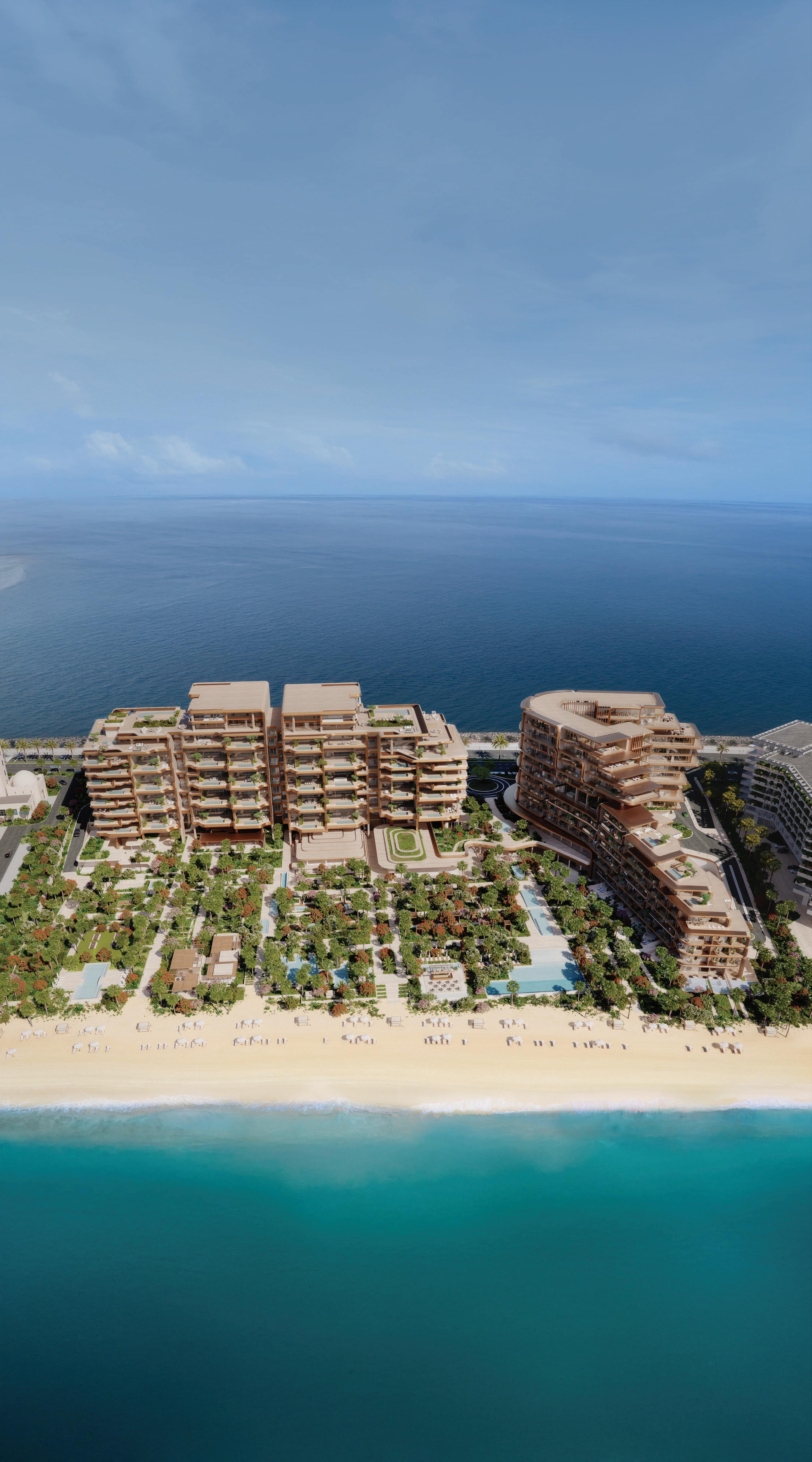

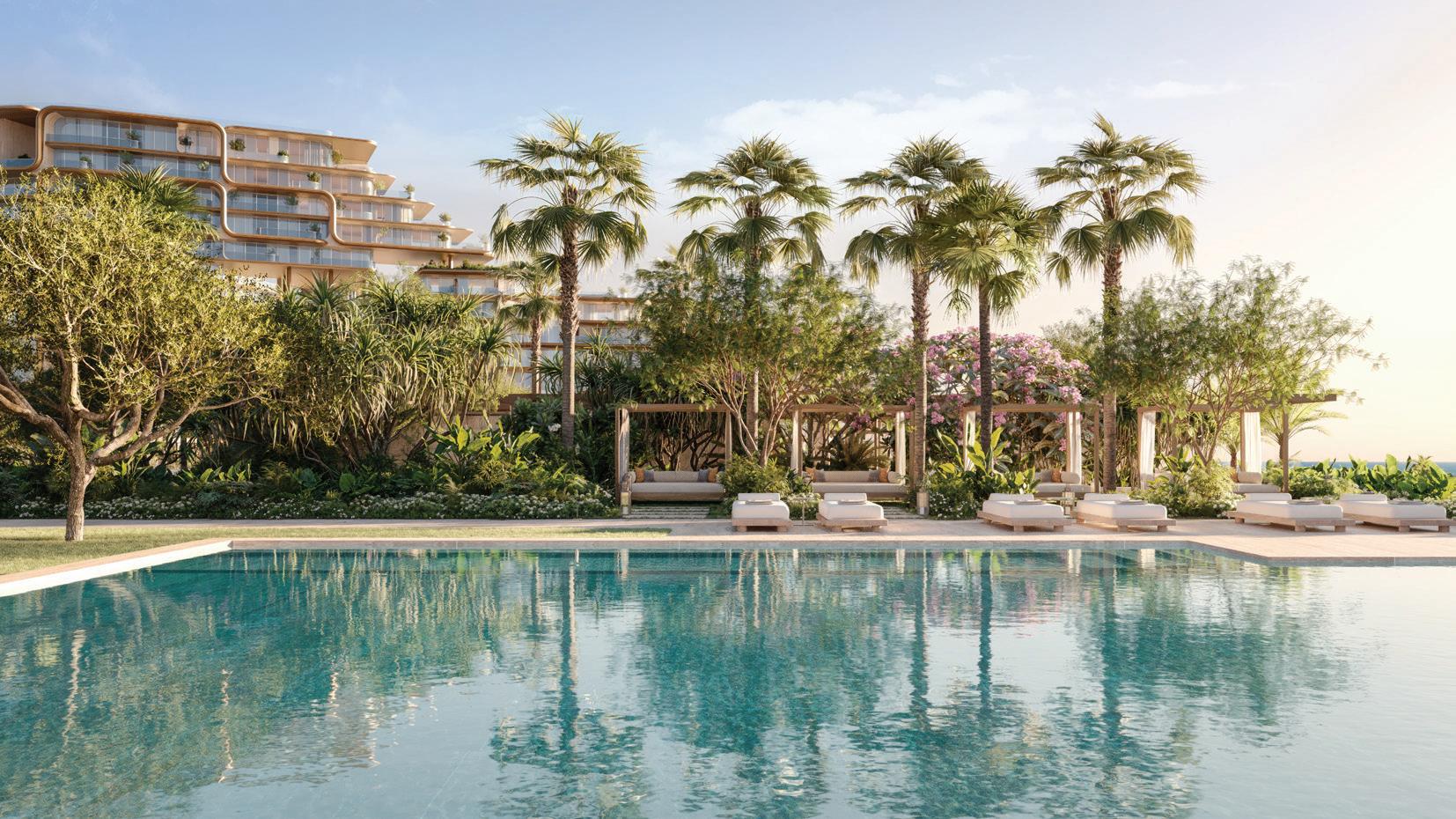
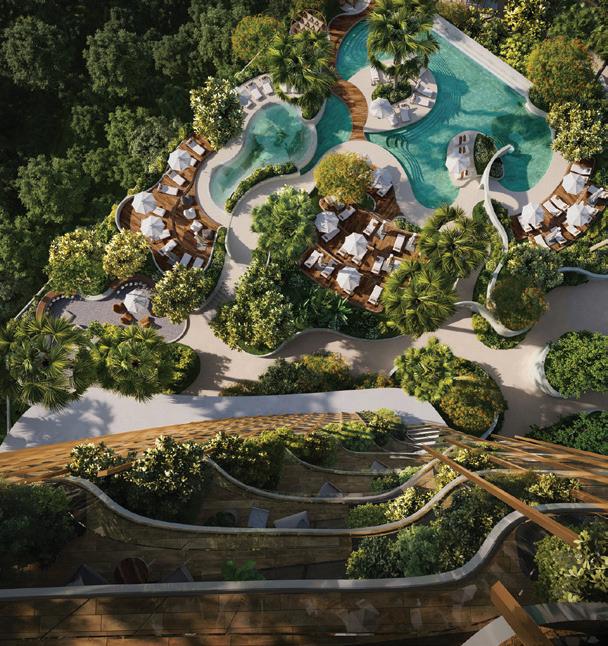
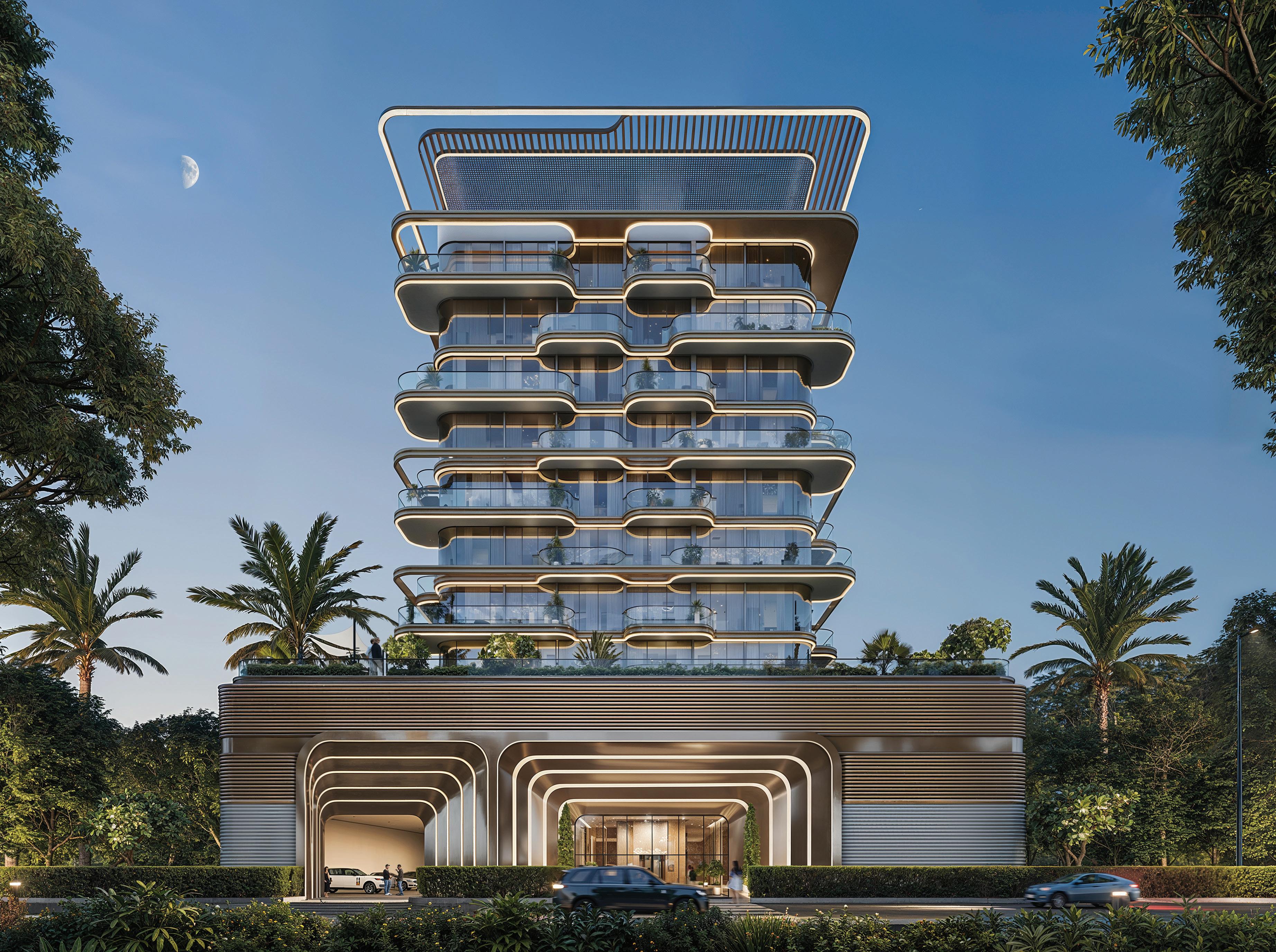
The Alba is Palm Jumeirah’s latest sanctuary, emerging as a destination of well-living. From precision testing to regenerative treatments and integrative medicine, living well at The Alba is treated as structure, embedded in how residents move and engage within it. Designed by Zaha Hadid Architects, and managed by Dorchester Collection, every pathway, every space and every shadow, is designed as part of a finely
tuned ecosystem of restorative care that elevates human potential.
Across the resort’s amenities, hotel suites, landscaped areas, wellness facilities, fitness zones, and dining, The Alba offers a comprehensive approach to wellbeing under one roof, championing a holistic philosophy: when every element works in alignment, true luxury emerges.


EMPOWERING ACCESS. REDEFINING FREEDOM.

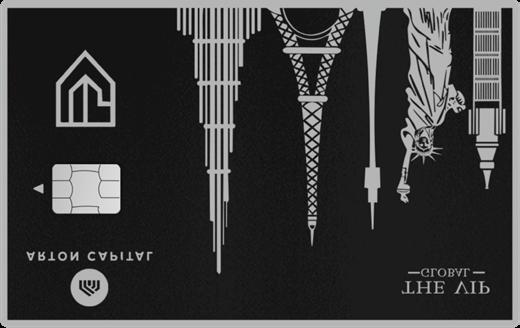
In a world where true wealth is measured by freedom, Arton Capital and The VIP Global unite to offer an unparalleled membership, reserved for the world’s most discerning.
A seamless fusion of global mobility, sovereign freedom, and bespoke luxury, crafted exclusively for those who command the extraordinary.
This is your invitation to life without boundaries.
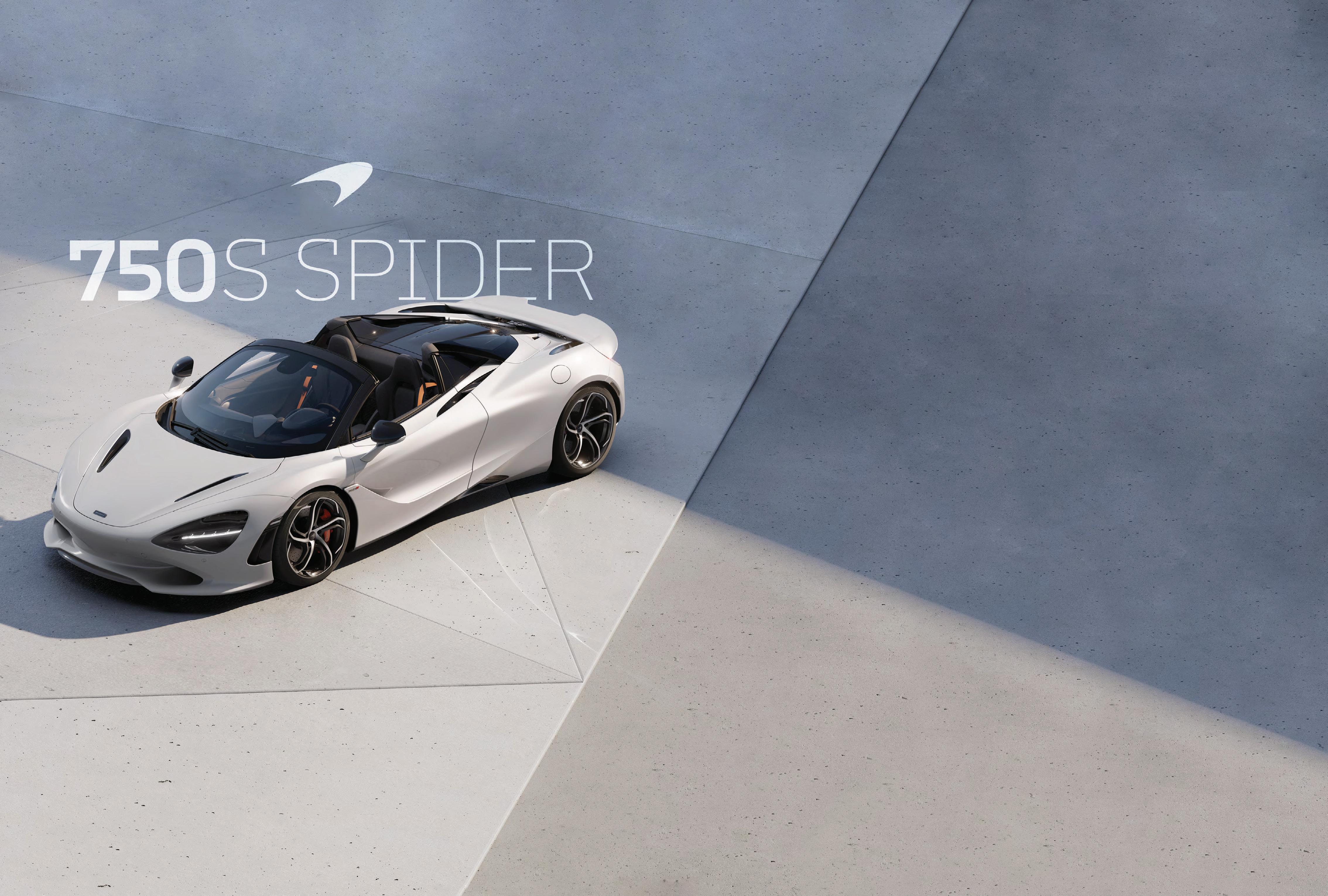
more exhilaration. You can feel it. Hear it. Sense it Every moment you’re behind the wheel
One incredible ambition: to raise the bar in supercar performance and engagement. To a brand new level.

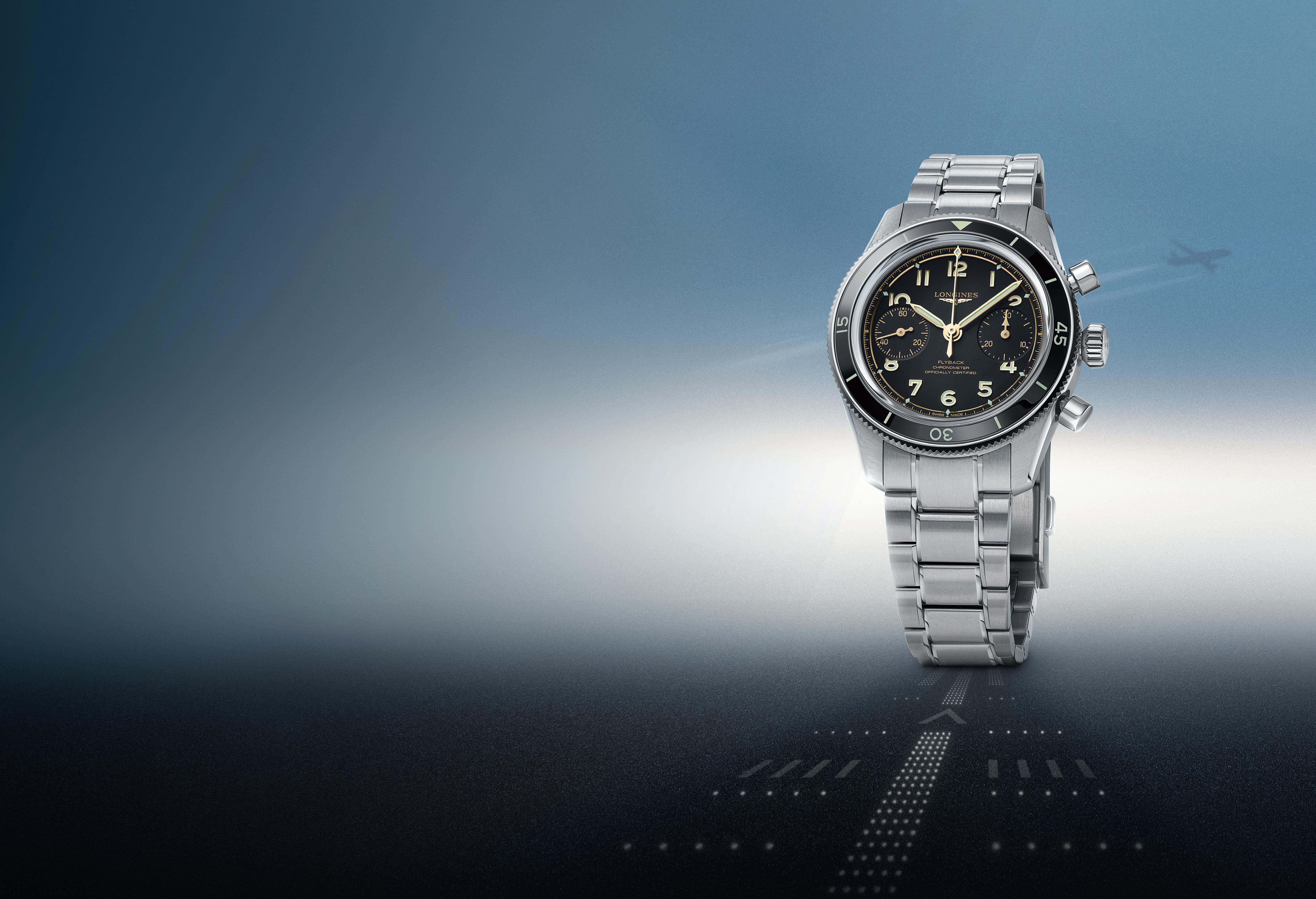
LONGINES SPIRIT PILOT FLYBACK
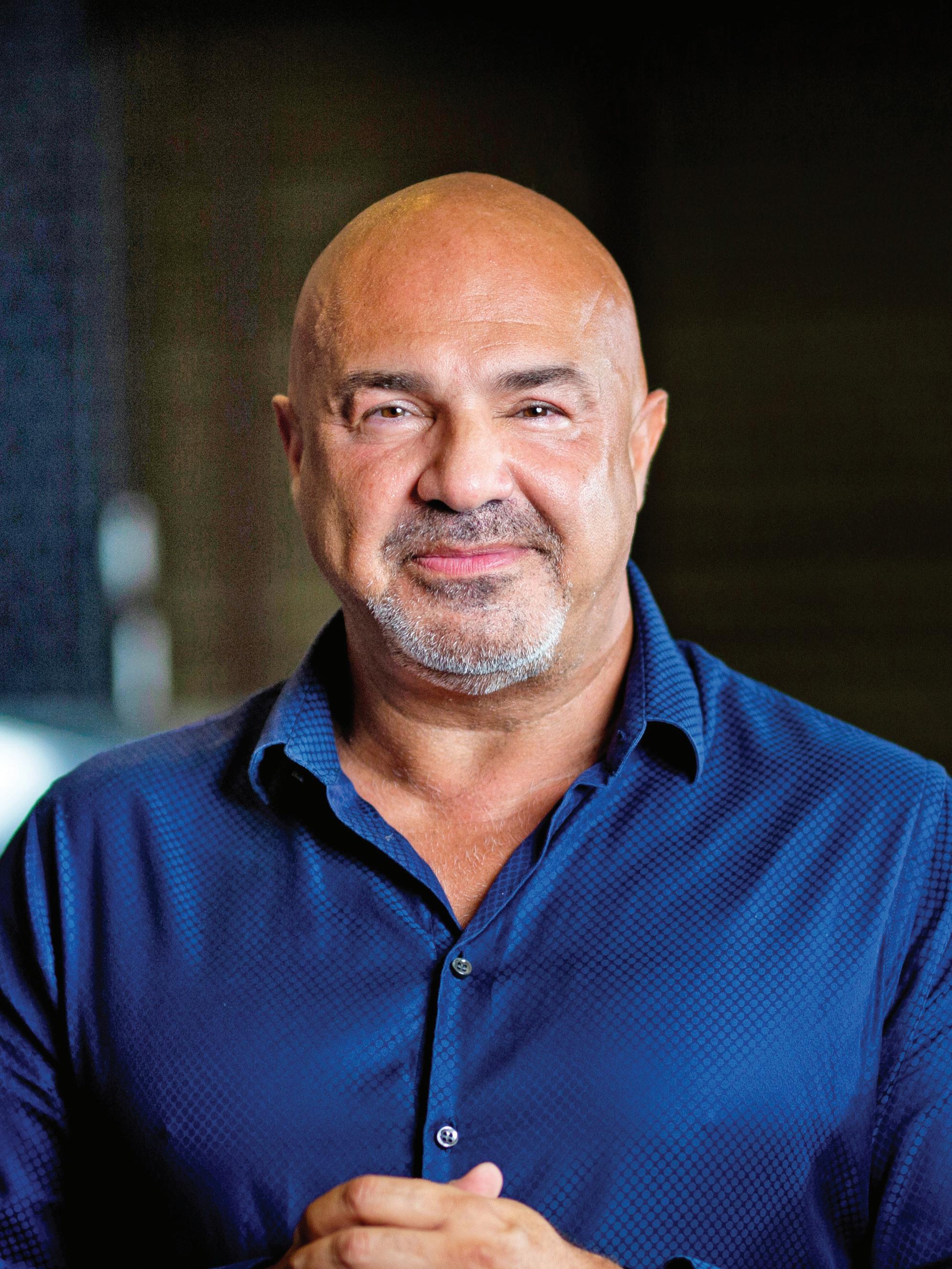
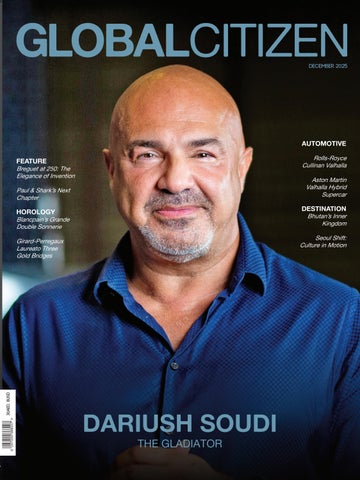
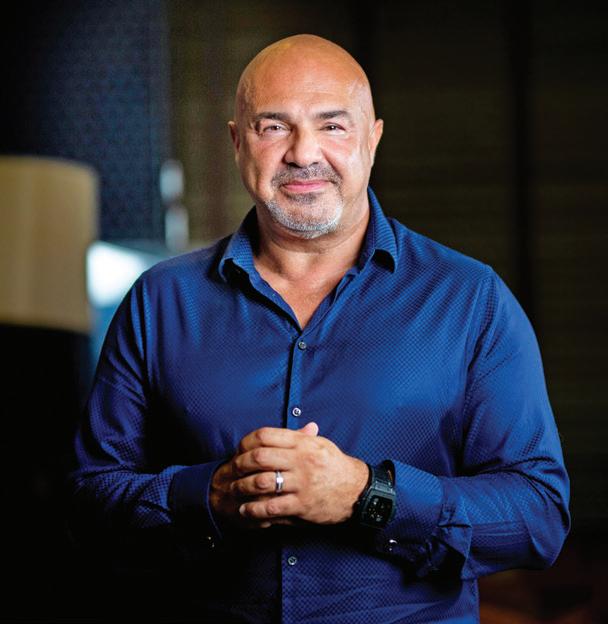
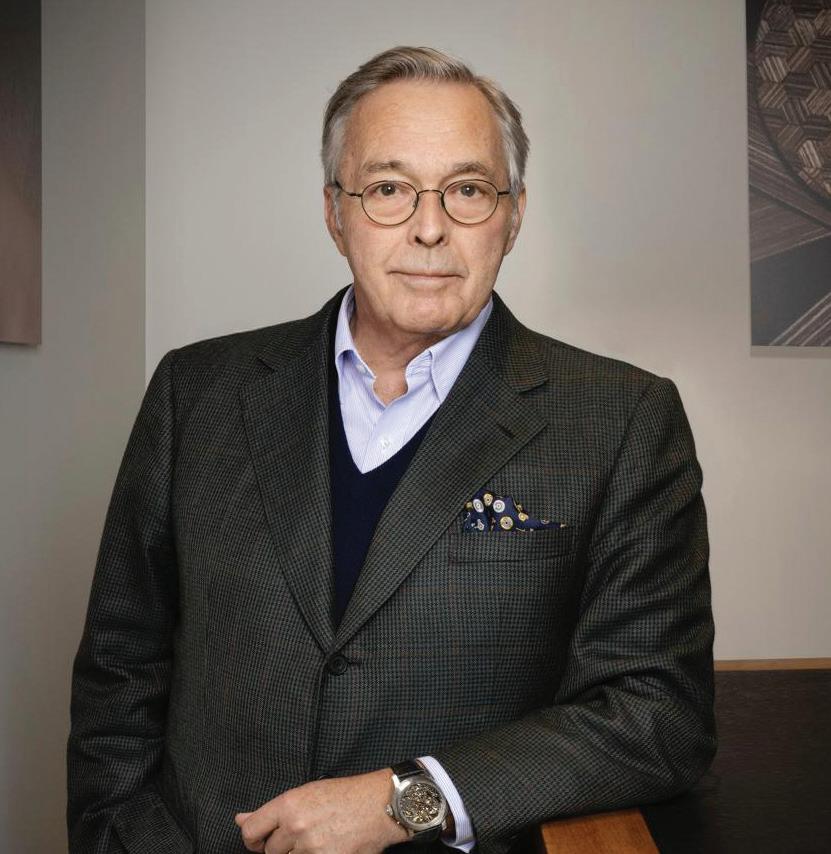
20 THE GLADIATOR Dariush Soudi’s Rise
FEATURE
24 BREGUET AT 250 The Elegance of Invention
26 CHOPARD’S KARL-FRIEDRICH SCHEUFELE ON MODERN HERITAGE
30 ROGER DUBUIS Watchmaking as Theatre
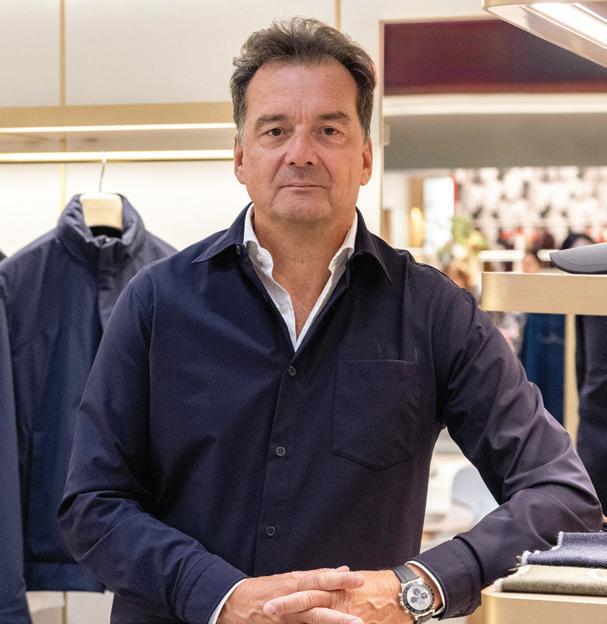
30 PAUL & SHARK’S NEXT CHAPTER UNDER ANDREA DINI
30 CHRISTINA MACE-TURNER From Apple to Intelligent Calm
46 BLANCPAIN’S GRANDE DOUBLE SONNERIE UNVEILEDS
50 GIRARD-PERREGAUX
LAUREATO’S THREE GOLD BRIDGES
52 MB&F HM11 ART DECO REIMAGINED
54 ULYSSE NARDIN X URWERK UR FREAK
56 CHRONOMÈTRE ARTISANS EMERALD BY SIMON BRETTE
58 CULLINAN COSMOS REACHES FOR THE STARS
62 ASTON MARTIN VALHALLA REDEFINES HYBRID POWER
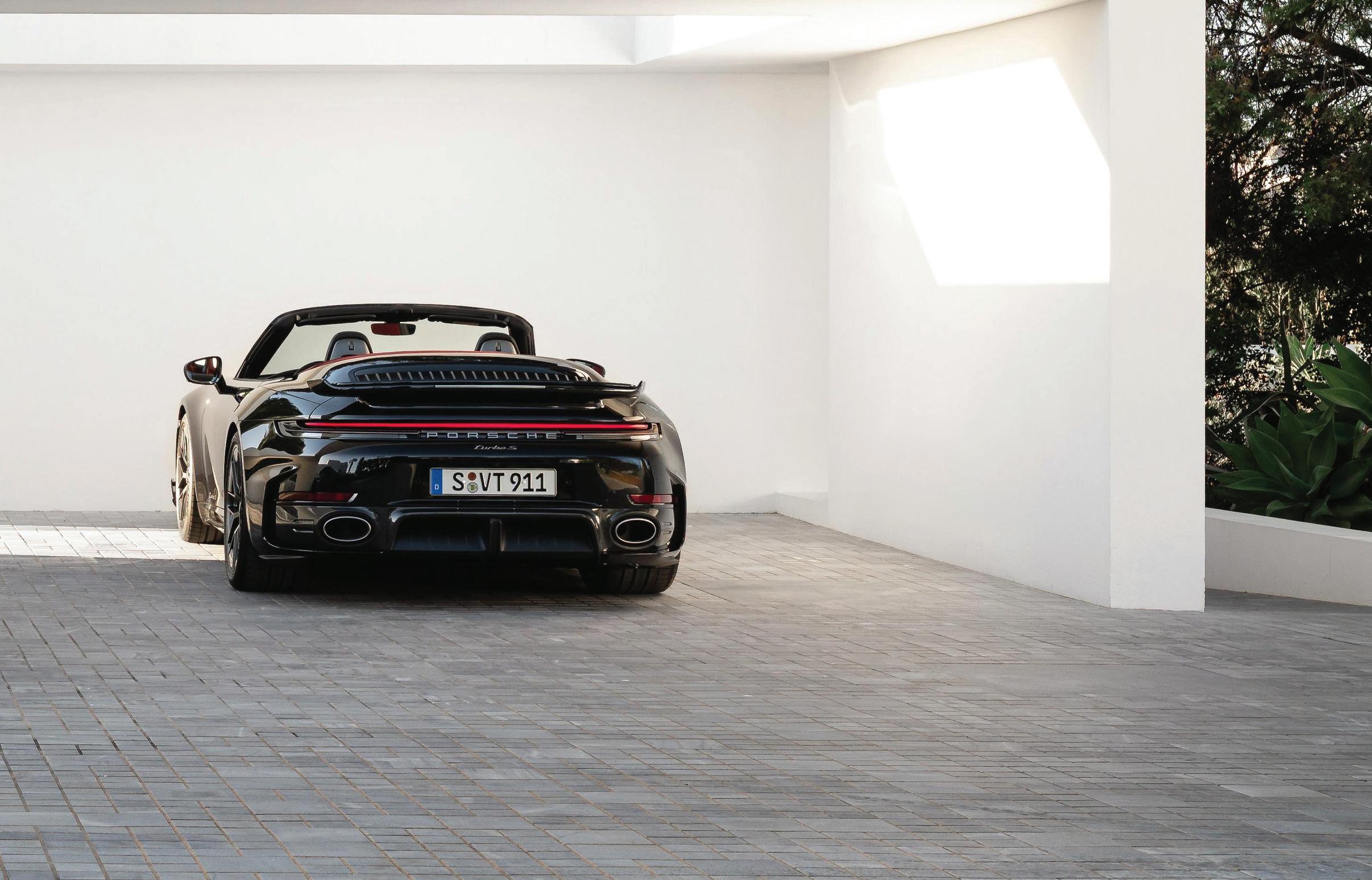
66 PORSCHE 911 HYBRID TURBO S BREAKS RECORDS
70 BENTLEY’S BOLD CONTINENTAL GT SUPERSPORTS


80 KANYON BY BEYOND: NATURE ON THE SKYLINE
ARTICLES
82 NVIDIA L4 The Brain of Autonomous Mobility
86 THE RISE OF PHYGITAL ART COLLECTING
88 BREATHWORK AS LUXURY WELLNESS IN THE UAE
34 AMERICANS REDEFINE THE INVESTMENT MIGRATION LANDSCAPE
34 2026 MOBILITY FORECAST: SHIFTING BORDERS, EMERGING PATHWAYS
104 BHUTAN’S INNER KINGDOM EXPERIENCE
110 SEOUL SHIFT Culture in Motion
110 WHITE HORIZON The Arctic Revealed
STYLE
112 BERLUTI PATINA Venezia Leather Evolves
114 CREED CENTAURUS Desert-Inspired Fragrance
116 LORO PIANA’S VICUÑA OVERCOAT MASTERPIECE
120 THE MÄNN METHOD IN MODERN GROOMING
122 DJI INSPIRE 3’S ULTIMATE AERIAL PRECISION
124 PELOTON ROW CREATES THE PRIVATE GYMNASIUM
126 SONOS ARCHITECTURAL Designed for Space




Dear Readers,
ecember is an interesting moment for us as a magazine. We look beyond end-of-year noise and focus on the kind of work that lasts. This issue highlights people who build with intention rather than urgency. Our cover feature, Dariush Soudi, is one of them. Behind his success is a philosophy of discipline, patience and earned ambition, not the quick wins that dominate entrepreneurial culture.
The same thread appears across the issue. A Rolls-Royce inspired by a child’s fascination with space. Watchmakers pushing complications forward instead of repeating history. Designers who choose long-term value over trends, even when the market rewards the opposite.
Global Citizen has never been about surface luxury. We care about where ideas come from, how they evolve and what they reveal about the people behind them. As we close 2025, we’re celebrating those who take their time, think deeply, and raise the standard.
PUBLISHER
Tarek Al Kaaki
EDITOR IN CHIEF Andrea Antal
COPY EDITOR
Sameer Denzi Hala Ahmad
CREATIVE Fierce International Art Team
PRINTING Masar Printing
www.global-citizen.com www.issuu.com/global-citizen www.facebook.com/GlobalCitizenMag www.instagram.com/GlobalCitizenMagazine
www.globalcitizenforum.org www.facebook.com/globalcitizenforum.org www.instagram.com/globalcitizenforum
PUBLISHER
Fierce International
Dubai Internet City
Dubai Media City - DQuarters - Level 1
T: +971 4 421 5455 - F: +971 4 421 0208 tarek@fierce-international.com
Copyright 2025 Fierce International. All rights reserved.
Enjoy the read!

Andrea Antal Editor-in-Chief, Global Citizen
Neither this publication nor any part of it may be reproduced, stored in a retrieval system, or transmitted in any form or by any means electronic, mechanical, photocopying, recording or otherwise, without the permission of Fierce International. Where opinion is expressed it is that of the author and does not necessarily reflect the editorial views of the publisher or Global Citizen All information in Global Citizen is checked and verified to the best of the publisher’s ability, however the publisher cannot be held responsible for any mistake or omission enclosed in the publication.
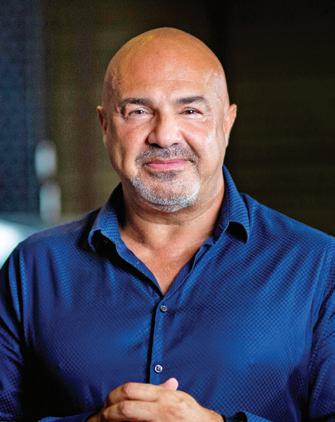


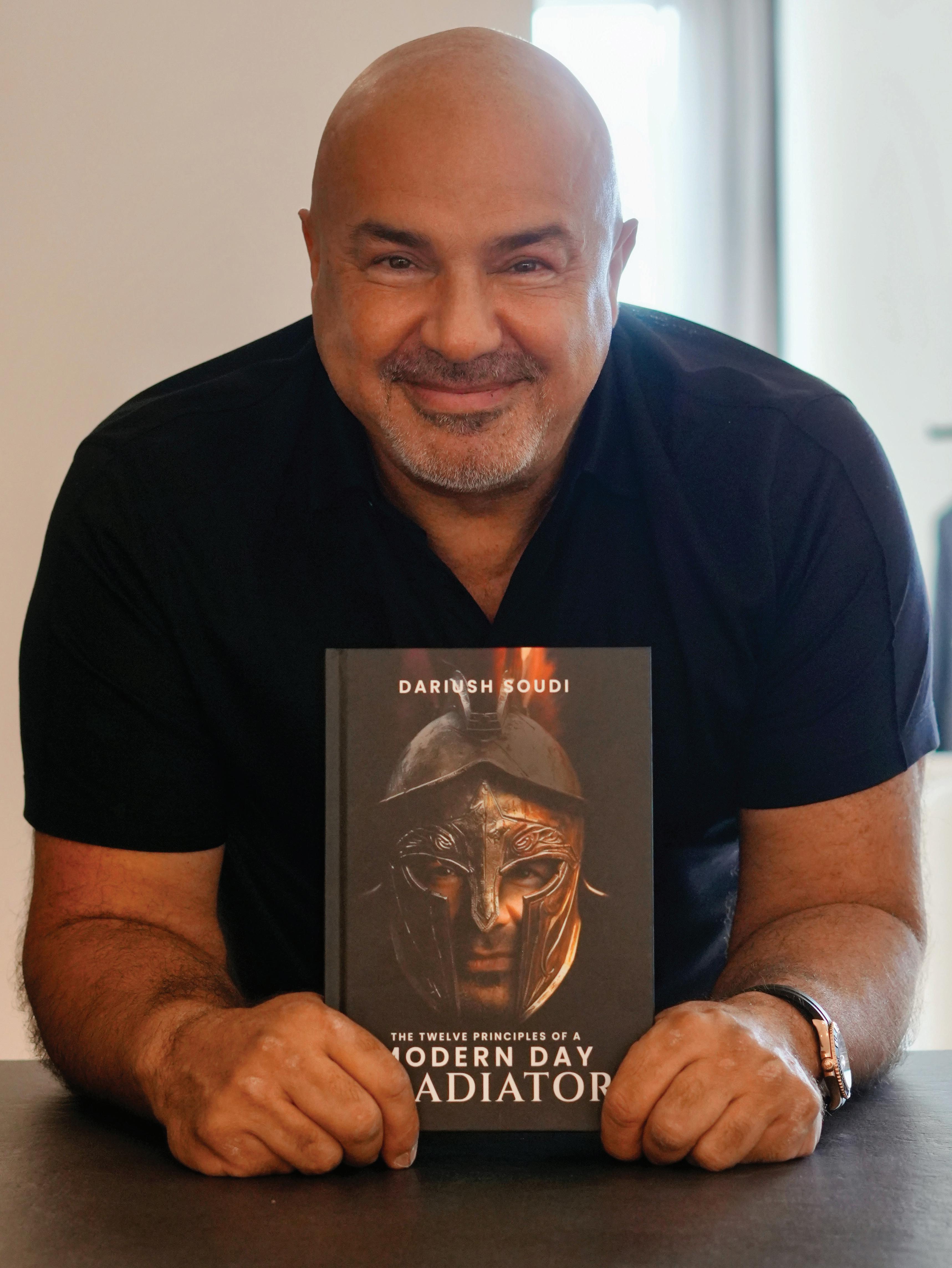
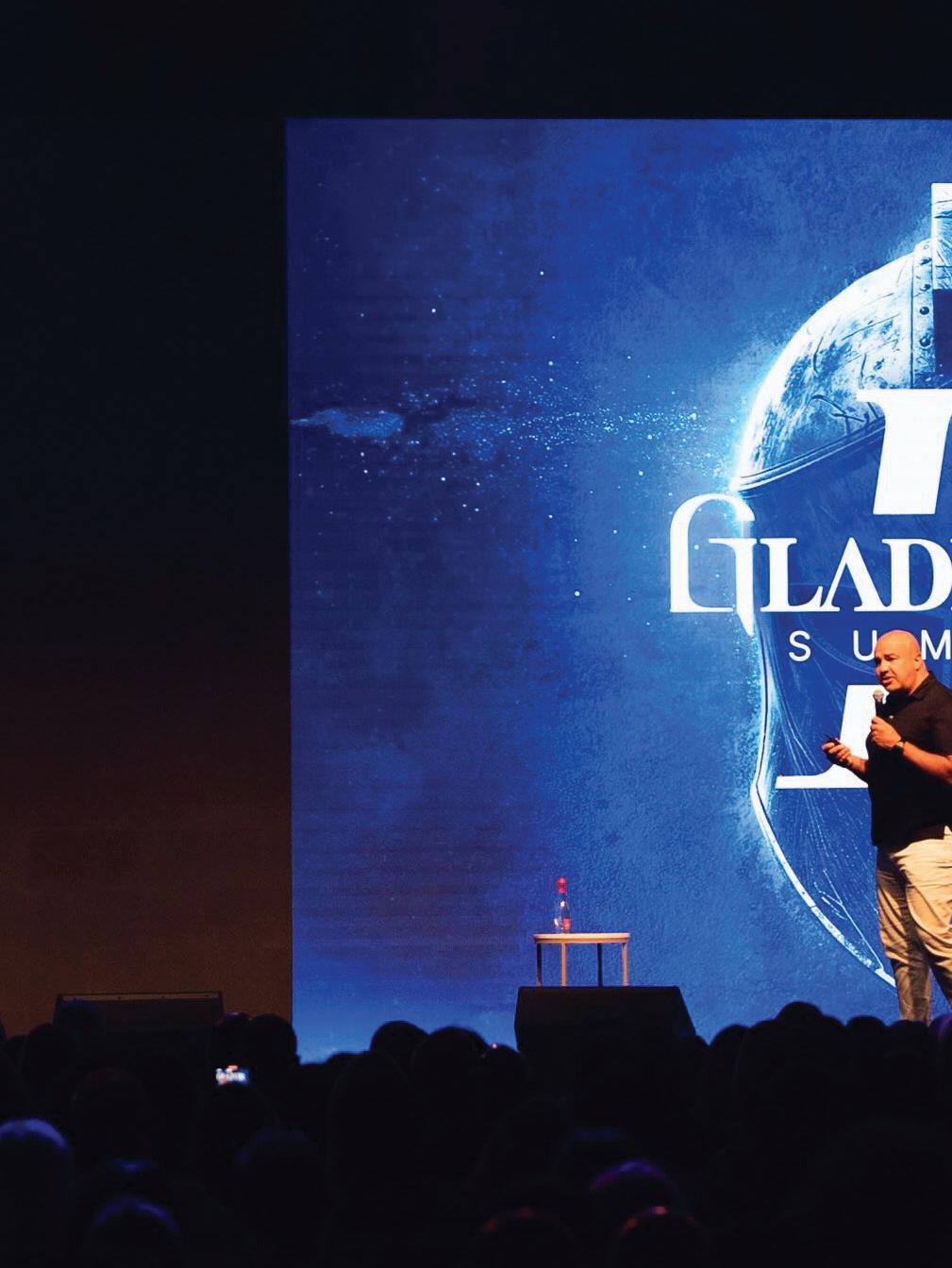
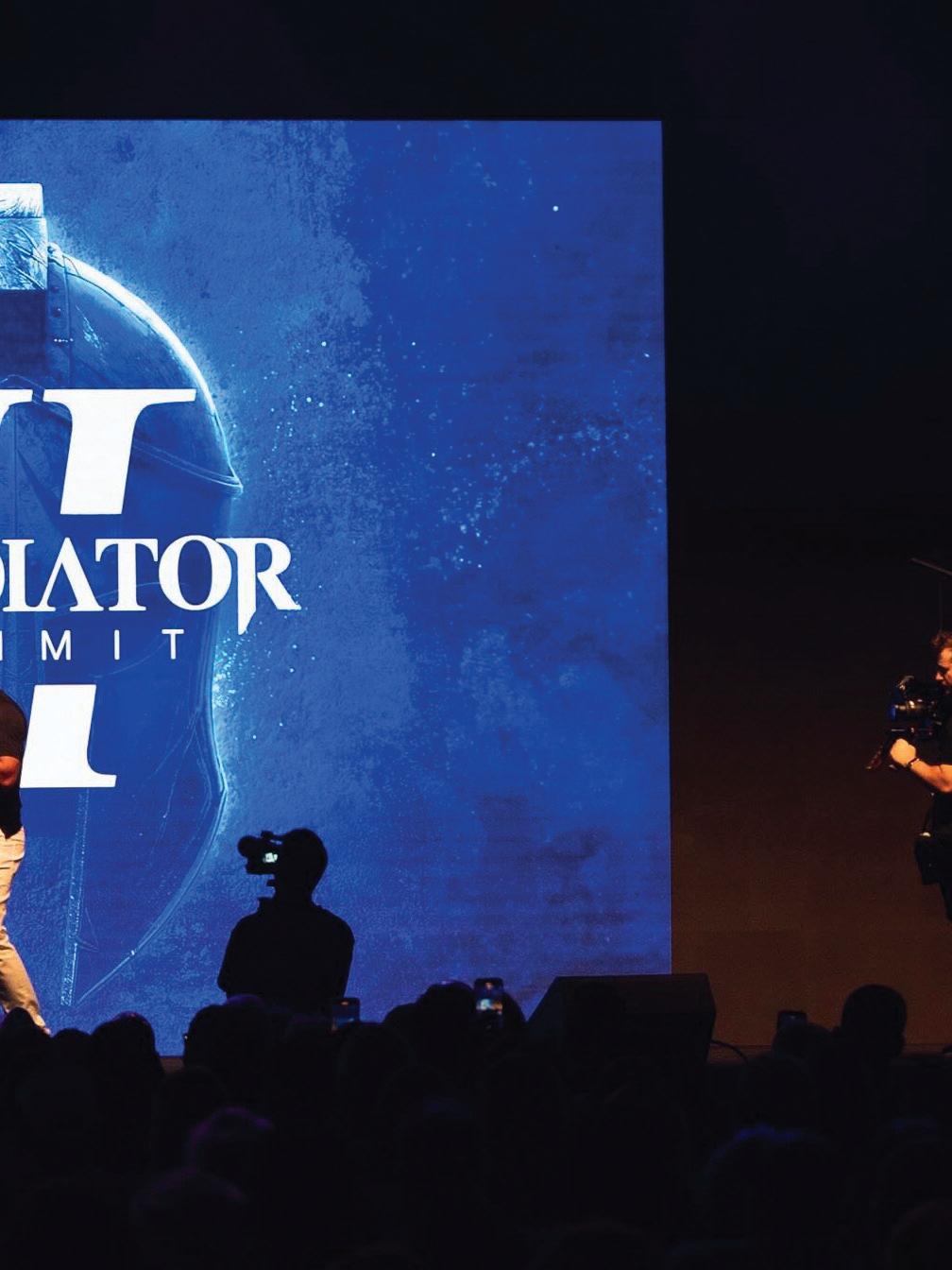
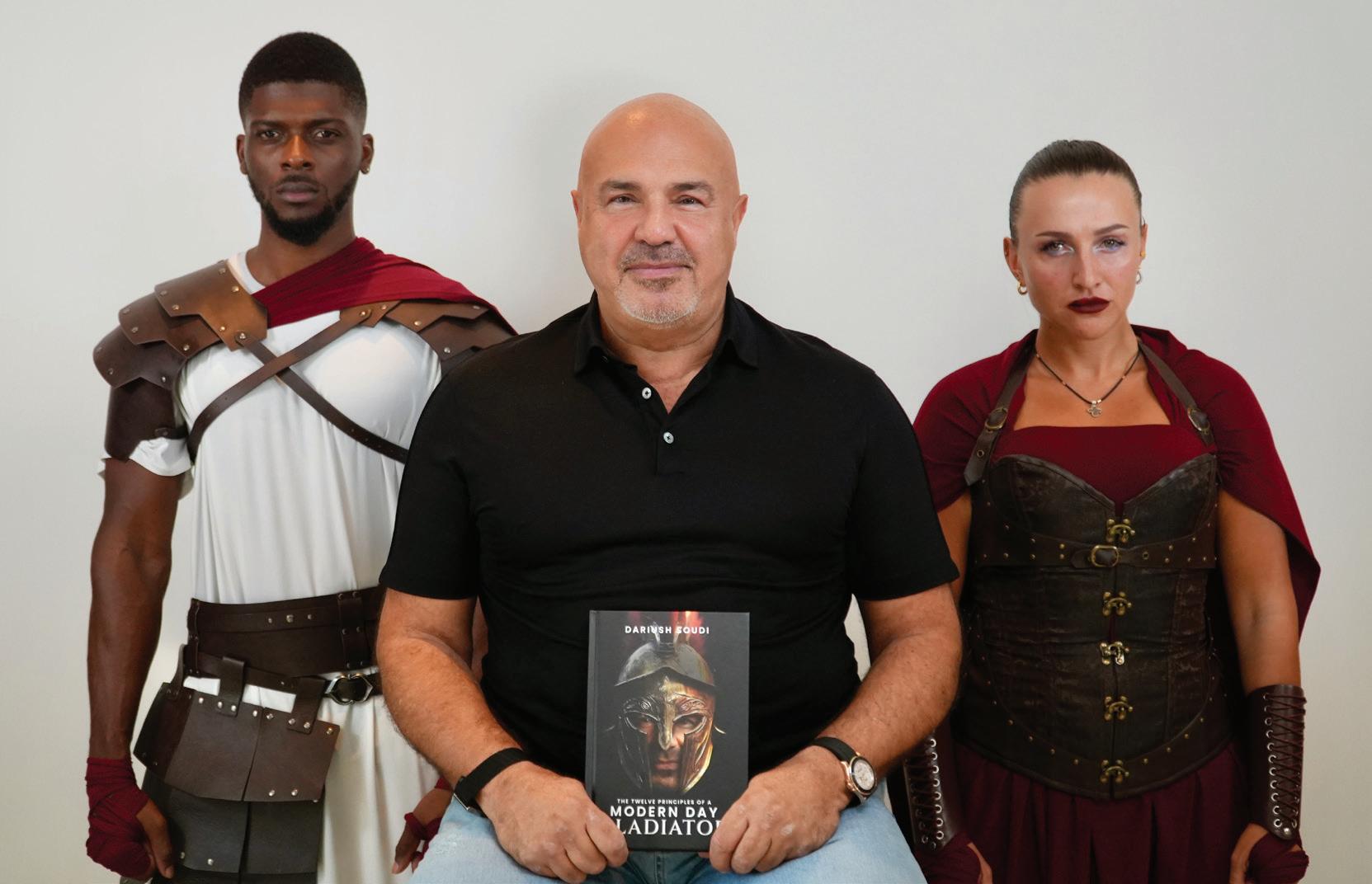
A conversation with the founder of the Gladiator Summit, taking place on 10 January 2026
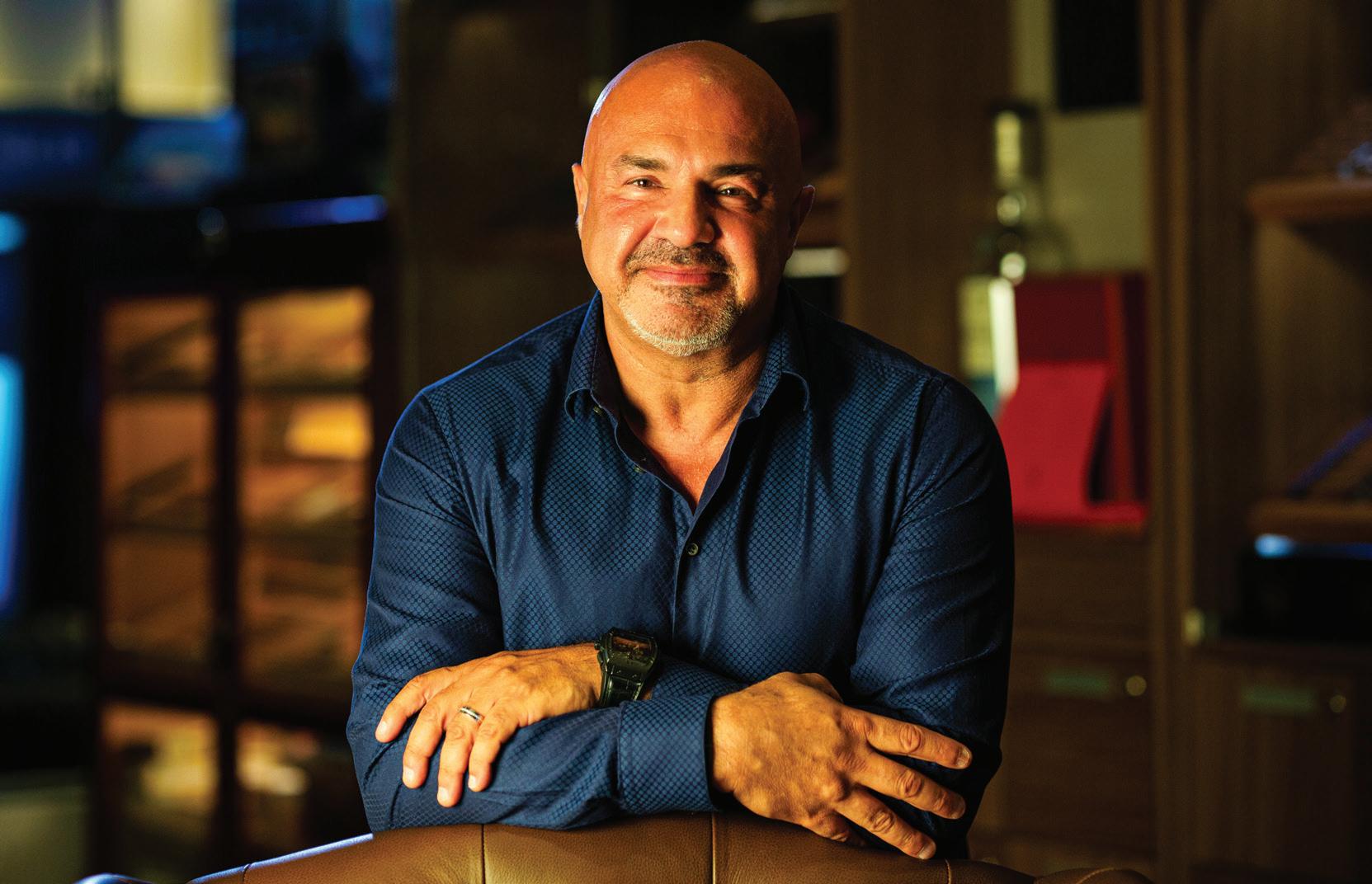
Dariush Soudi has become one of the region’s more forthright voices on entrepreneurship.
Known for a direct, performance-led approach, he has built ventures across the Middle East in sectors ranging from sales and media to hospitality, veterinary services, and live-stream commerce. His advisory platforms and the Gladiator Summit focus on a demanding but straightforward premise: growth is not driven by motivation alone, but by systems, discipline, and measurable results. In a market evolving at an exceptional pace, Soudi believes founders need fewer slogans and more structure.
In this interview, he speaks candidly about execution, the realities of scaling, the power of commercial fundamentals, and the opportunities shaping the Middle East’s next generation of entrepreneurs.
You often talk about the importance of mindset in business. What do most entrepreneurs misunderstand about the mindset needed to succeed today?
Most people think mindset is about motivation. It is not. Motivation fades. The real mindset is discipline and resilience. It is about doing the hard things when no one is watching. The people who win in business are consistent, make decisions without certainty, and take responsibility when challenges hit. This is why I created the Gladiator Summit. Too many people chase inspiration without learning how to think clearly or build structure.
Mindset is not about positivity. It is about strength. If your foundation is weak, whatever you create will collapse.
We help people tighten that foundation with tools they can put to work immediately.
In a changing market, what qualities determine whether a business thrives or struggles?
Adaptability, speed, and commercial discipline. You cannot grow without knowing your numbers. If you do not understand cash flow, margins, acquisition costs, and lifetime value, you are guessing. Guessing kills businesses. Founders must listen to customers rather than build what they like personally. The market rewards solutions, not emotions. And you need mentors who challenge you, not applaud you. Truth saves you more than support.
How would you describe the UAE’s entrepreneurial landscape today compared with ten years ago?
It is on another level. The UAE has created an ecosystem that supports ambition with infrastructure, capital, and accessible decision-makers. A decade ago, starting a business was slower, riskier, and less structured. Today, you can launch, scale regionally, and access global markets faster than almost anywhere else. But with that comes competition. Ten years ago, average execution could succeed. Today, customers expect global standards. That forces founders to stay agile, data-driven, and innovative.
What is the most common mistake founders make when they start to scale?
They scale without systems. Growth exposes weaknesses. If operations are messy or numbers are unclear, scaling will make things worse. Systems create predictability. If your business cannot run without you, it is not scalable.
Founders also make emotional decisions. They hire too fast, delegate without structure, and chase new opportunities instead of fixing problems. Scaling should be a reward for strong fundamentals, not a quick escape.
Where do you see the most significant gap today: mindset, planning, talent, or execution?
Execution, without question. Most founders know what to do. Very few do it consistently. Brilliant strategies collapse without accountability.
Talent does not matter without structure. Mindset means nothing if it does not produce action.
Businesses lose momentum when leaders avoid tough decisions or ignore underperformance. Momentum decides whether a company grows or stalls.
Artificial intelligence is reshaping industries. Is AI a threat or an opportunity?
AI is only a threat to people who refuse to evolve. For everyone else, it is the greatest advantage of our lifetime. It removes slow processes, gives faster insight, and frees us to focus on real value. AI does not replace leadership or judgment. It amplifies them. The winners will combine strong business instincts with smart technology.
What lesson from your own journey changed the way you lead?
I scaled a business in the UK too quickly. Revenue was strong, but systems were weak. Behind the scenes, we lacked structure, and too much depended on me personally.
Eventually, the cracks surfaced. That experience taught me a painful truth: fast growth without systems is a ticking time bomb.
Since then, I lead with structure first. I choose discipline over speed, data over emotion, and systems over hype.
Many entrepreneurs prioritise fundraising and branding. What should they focus on instead if they want to build something that lasts?
Fundamentals: cash flow, customers, and working systems. Attention means nothing if your operations cannot deliver. Investment means nothing if your model is unproven. A brand means nothing if your service falls apart. The foundation always matters more than the spotlight.
What role should ethics and workplace culture play in business today?
They are essential. In a transparent world, how you treat people becomes visible. Your team protects your brand, serves your customers, and carries your vision.
If they feel valued, they outperform competitors with bigger budgets. Culture is about clarity, fairness, accountability, and respect. Trust is currency in today’s market, and ethics drive that trust.
If you could leave one guiding principle for the next generation of entrepreneurs in the Middle East, what would it be and why?
Stay hungry, stay adaptable, and keep learning. The world is changing too fast for ego or rigidity. The next decade belongs to those who remain curious and disciplined. This is why I invest so much in mentoring and building platforms like Gladiator Summit. I want the next generation to have the clarity and structure I wished I had earlier. Entrepreneurs today have incredible access to knowledge and opportunity. What they need are principles that keep them steady: resilience, honesty, and the humility to surround themselves with people who push them to grow.
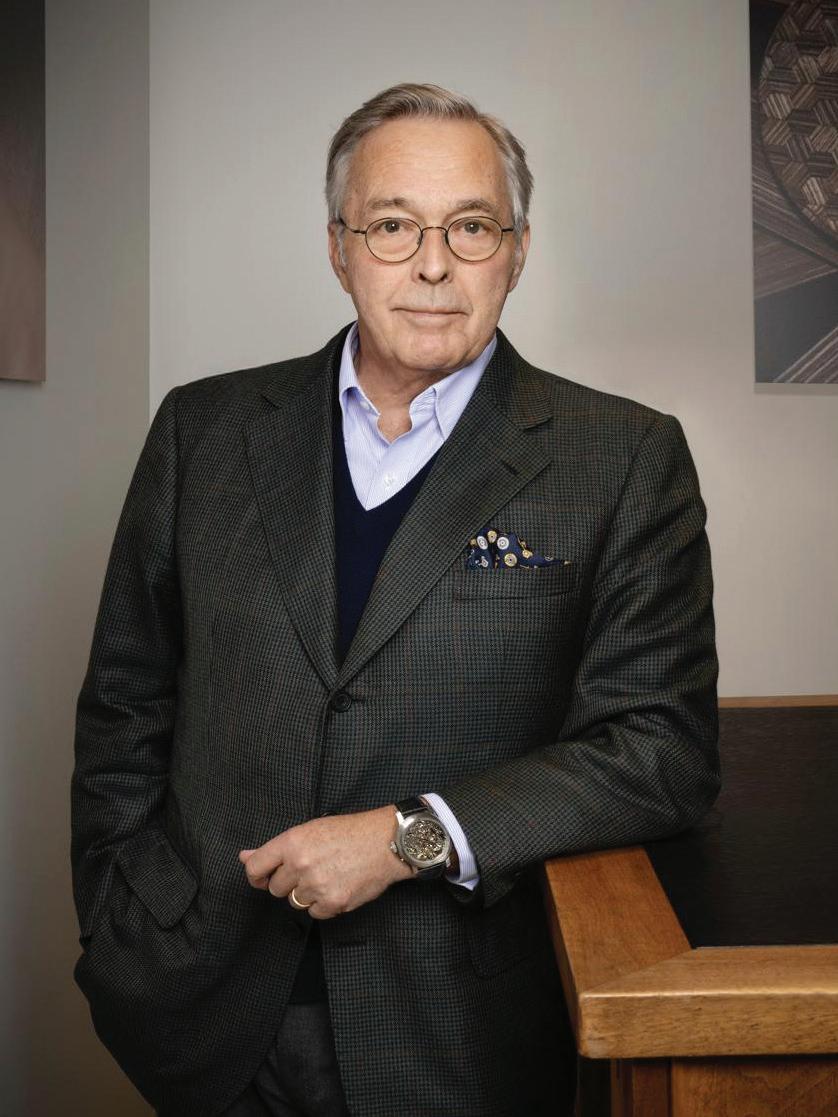
Chopard’s Co-President reflects on three decades of uncompromising watchmaking and the soul of craftsmanship
It is a warm afternoon at Dubai Watch Week when Karl-Friedrich Scheufele steps into the room calm, gracious and unmistakably passionate about the world he has helped shape. Few figures in contemporary horology have influenced a brand’s identity quite as profoundly. For more than 25 years, Scheufele has guided Chopard’s watchmaking division with a steady hand and a long-term vision defined by authenticity, craftsmanship and a refusal to compromise.
What follows is a conversation that is refined, revealing and rooted in the philosophy behind L.U.C, the evolution of Chopard Manufacture, and what he hopes future generations will understand about the era he helped build.
“No compromise.” What does that mean in the context of Chopard’s watchmaking?
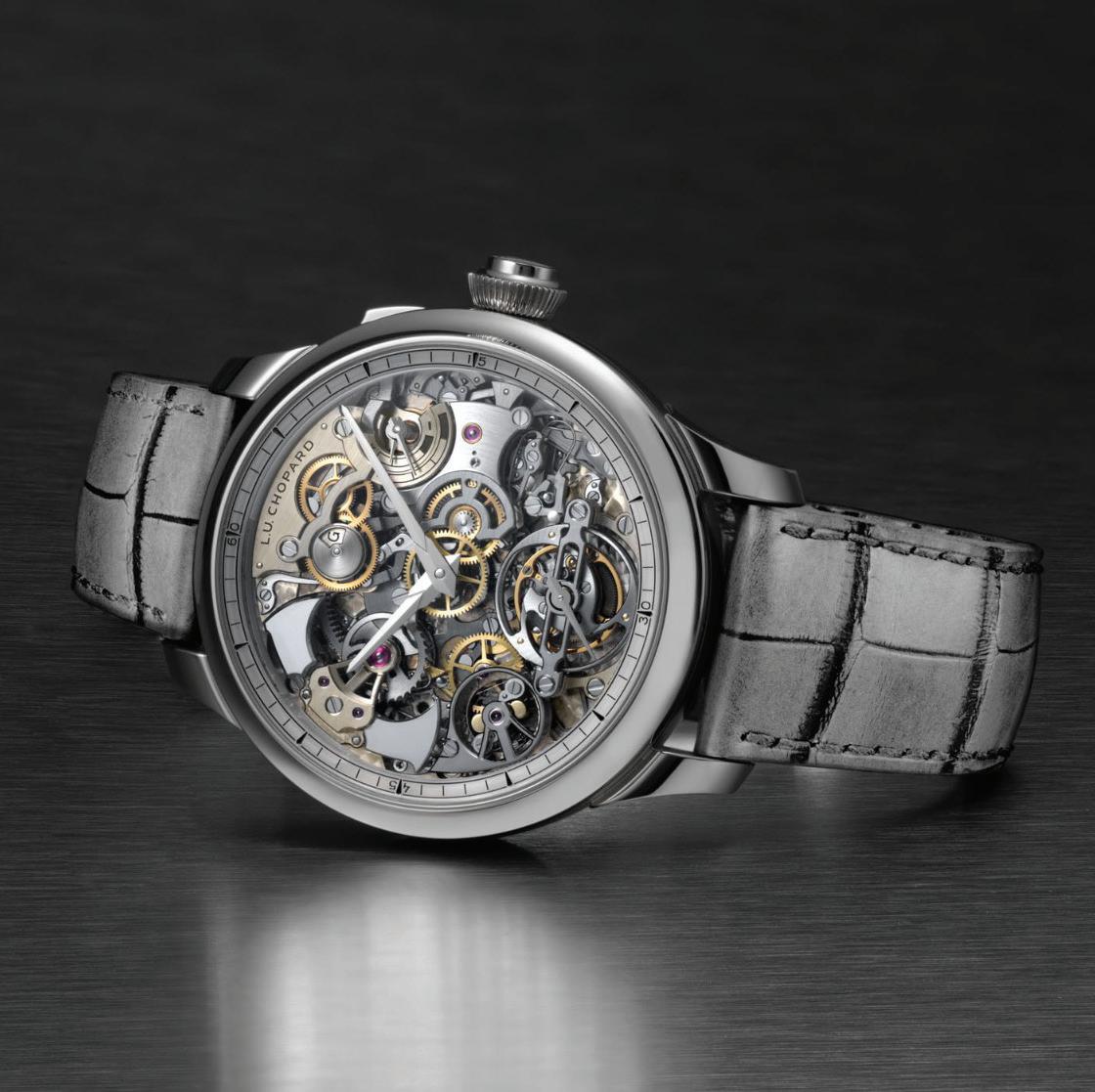
For me, it has always meant choosing the best possible path, never the convenient one. From the beginning, we insisted that every L.U.C timepiece be chronometer-certified. We demanded the highest level of finishing. And we designed with a balance of tradition and meaningful innovation, not innovation for storytelling, but innovation that adds genuine value: power reserves, high-frequency movements, exceptional acoustics. Our journey was never a sprint. It was a marathon, always refining, always improving.
When you revived L.U.C in the late 1990s, what were you seeing that others did not?
I believed mechanical watchmaking would not only survive but also thrive. And I felt authenticity mattered. At that time, many brands bought movements, finished them and added their name. That did not satisfy me.
I wanted to build our own manufacture and create our own movements. We began not with complications, but with a beautifully designed automatic calibre, now a cornerstone of everything we have accomplished since. Others might have started with something loud. We chose something meaningful.
The L.U.C Grand Strike is considered a milestone. What part of it feels most personal to you?
It is the harmony of the whole: the way each component interacts, the balance, the restraint. L.U.C pieces are designed to feel quietly exceptional.
They do not shout. They are gentlemanly. They embody quiet luxury. That subtlety is what speaks to me most.
What do you hope collectors understand when they encounter this watch?
It represents a serious, sustainable and deeply thoughtful philosophy. We strive to create watches of the highest quality, technically and aesthetically, paired with a sense of discreet luxury. The kind of pleasure you feel for yourself, not because others notice.
Many leaders talk about innovation, but you work on generational timelines. How do you balance tradition with modern expectations?
To me, there is no urgency. Watchmaking has evolved over centuries, and innovation must be thoughtful and healthy, not rushed. When you create a movement, especially a complex one, your reputation is on the line.
You take the time to do it properly. That is why our journey has taken 30 years. Perhaps we could have gone faster, but the results might not be the same.
What guiding principle from your early years still shapes your leadership?
Stay grounded. Stay humble. Success can make some people lose touch with reality. In our family, that has never been acceptable. Keeping both feet firmly on the ground has always been essential.
What does craftsmanship mean to you personally?
Craftsmanship is at the heart of our work. The world would be poorer without it in all its forms.
The boundary between craft and art is flexible; many of our artisans are also artists. We have a duty to safeguard this knowledge and pass it on.
How do you measure success beyond sales?
When knowledgeable collectors recognise the effort, when someone notices a detail, and their eyes light up. That emotion is the greatest reward. It means the work resonates with those who truly understand.
What do you hope future generations understand about the Scheufele era?
I hope they understand the context of our time: how and why our pieces evolved, and what mattered to us.
Just as I admire marine chronometers from centuries ago, I hope our creations will be appreciated with that same sense of historical connection.
What advice would you give the next generation of leaders in family-owned luxury houses?
Understand the product deeply. Cultivate passion. And learn to lead people. You cannot build great things without transmitting passion to your team.
You never pushed your children toward the family business. Why?
Because passion must come from within. We tried to show them the beauty and meaningfulness of what we do, but never imposed it. Encouragement is good. Pressure is not.
Chopard is known for jewellery as much as watches. How do you balance both worlds?
We are unique in our mastery of both crafts at such a high level. Jewellery has more visibility, so people often think of Chopard through that lens. Watchmaking is more for connoisseurs, but it is growing.
We are positioning L.U.C to be increasingly recognised among those who truly appreciate expertise. Few brands can unite these art forms as we do.
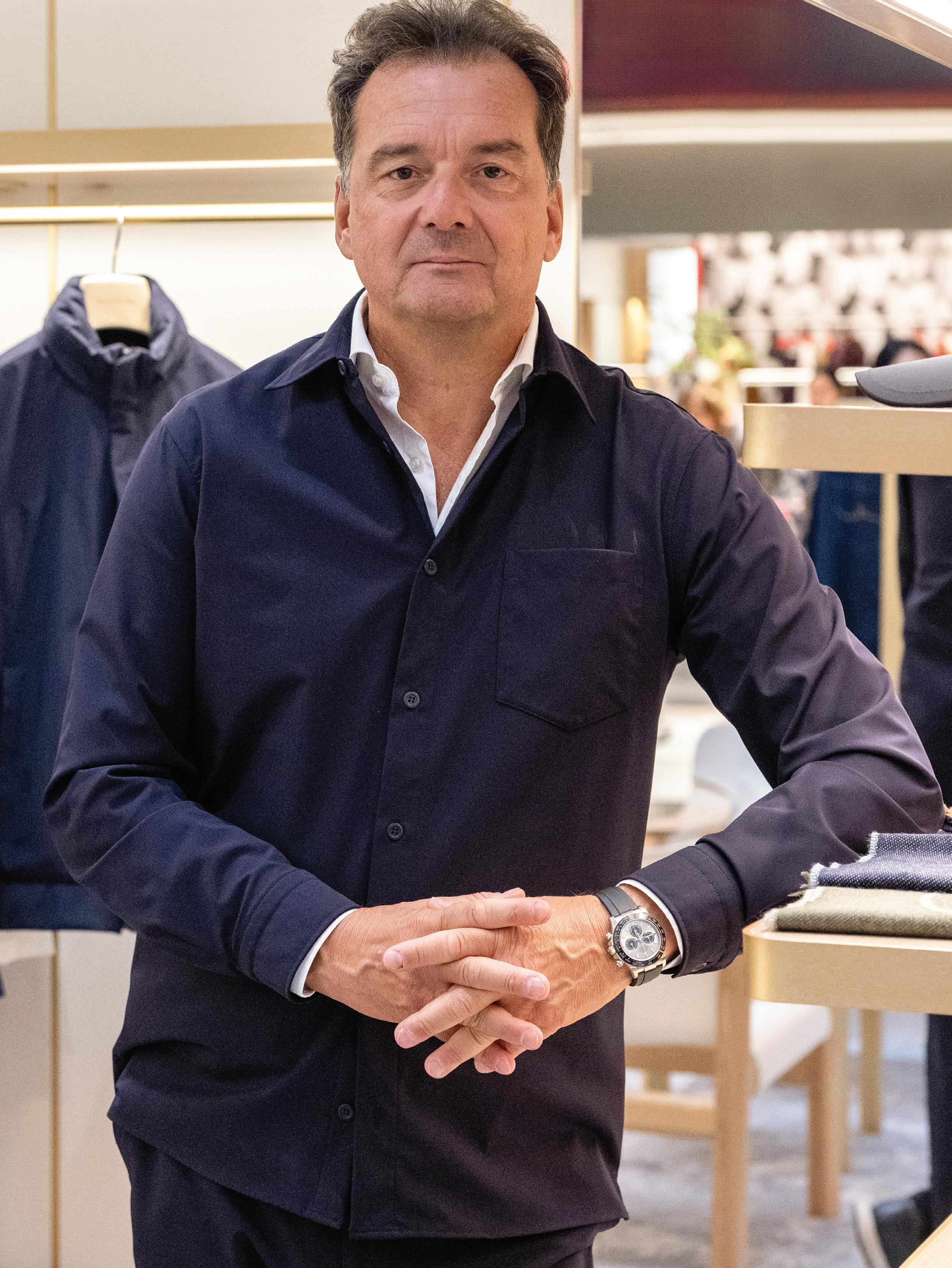
Andrea Dini, a third-generation leader, redefining Italian luxury through long-term thinking, quiet refinement, and global expansion.
In family businesses, history often casts a long shadow. For the founder and CEO of Paul & Shark, the past is not a weight but a foundation. He leads with a forward mindset, convinced that heritage alone is not enough to sustain a global brand. Its legacy must evolve. That belief sharpened when his two children joined the company, extending his perspective far beyond traditional business cycles.
“You stop thinking in short cycles. You start thinking fifty, sixty years ahead,” he says. This, in his view, is both the responsibility and the privilege of a family-owned brand. Decisions are made for future generations, not for quarterly reports. Some may pay off long after he leaves the role, and he is comfortable with that. Continuity matters more than speed. Longevity matters more than noise.
This long-term approach is evident in Paul & Shark’s evolution. For decades, its identity centred on technical outerwear built for demanding conditions. Functionality was the priority. Customers relied on the brand for protection, durability, and performance. Today the customer has changed, and so has the brand. Technical excellence remains, but it is no longer the headline.
“Technicality is a given now,” he says. He compares it to the early days of ABS brakes: initially a luxury feature, now an expectation. Modern outerwear follows the same logic. Consumers assume performance.
What distinguishes a garment today is how it feels: the softness, the lightness, the quiet confidence of a piece that looks refined and performs without calling attention to itself.
This philosophy shaped the development of the brand’s new ultra-light microfiber for its Typhoon line. It carries all the breathability and protection customers expect, yet the brand now leads the story with comfort and ease of wear. “In the past we would have promoted the membrane and breathability. Today we promote the feeling,” he says.
The focus on emotional connection extends to retail. Sales teams have been encouraged to slow down on technical explanations and highlight the human side of the brand: Italian heritage, family values, and craftsmanship. The technical story reveals itself once the product is worn. Purchase decisions are emotional, driven more by connection than specification.
Safeguarding the brand’s Italian identity remains a central priority as it expands globally. Store concepts are designed by Italian architects using Italian materials, allowing authenticity to travel subtly and consistently.
There is no formula, he says, but when Italian creators lead, the Italian spirit follows. Even in cosmopolitan markets, the hand of an Italian designer can be sensed.
A recurring misconception is that Paul & Shark is a British or American brand. The name, chosen by Dini’s grandfather in the 1970s when English fashion dominated, still carries that association.
The company is now working to make its identity clear: Italian owned, Italian made, and unmistakably Italian in character.
Looking ahead, two regions stand out for the next wave of growth: North America and the Middle East. North America presents significant untapped potential, particularly after the brand refined its collections to better suit the market. Dini sees it as one of the world’s most resilient regions. The Middle East is also expanding rapidly, with new stores set to open in Abu Dhabi, Riyadh, Kuwait, and Lebanon.
Refurbishments are planned for the Mall of the Emirates in Dubai and Salam Department Store in Doha. Strong partnerships and the region’s strategic influence make it a priority for the brand.
Collaboration will play a meaningful role in this expansion, but he pursues it with care. He prefers partners whose audiences differ from Paul & Shark’s existing base. The goal is to reach new consumers, not repeat the same conversation. Balance is essential.
“A collaboration should feel like a marriage. Equal, or it won’t last,” he says. He is also exploring opportunities outside fashion: boats, cars, and industries where craftsmanship and innovation intersect.
His view on luxury’s future is grounded and steady. He predicts a long cycle ahead for understated design with depth and discipline.
Loud branding fades quickly; refined craftsmanship endures. The brand will evolve, he says, but always within its identity. “You cannot be everything. When you try to be everything, you lose your core.”
This philosophy also informs his approach to retail service. One directive stands out: the phrase “How can I help you?” is banned in Paul & Shark stores. Customers do not want assistance forced upon them. They want space, and information when they ask for it. The experience should feel natural, not scripted.
Authenticity is ultimately proven not by marketing but by the product itself. Dini shares a recent moment when a customer tried on a Pima cotton shirt. The fabric slid onto the body like silk, and the customer immediately understood its quality. No explanation was needed. “He felt the quality himself,” Dini says. That moment illustrates exactly what the brand is striving for.
The future he envisions for Paul & Shark is patient, deliberate, and deeply rooted in Italian excellence. It honours its past without being defined by it, and it is built to outlast trends and leadership cycles. The brand is moving forward with clarity and purpose, guided by a leader intent on building something made to last.
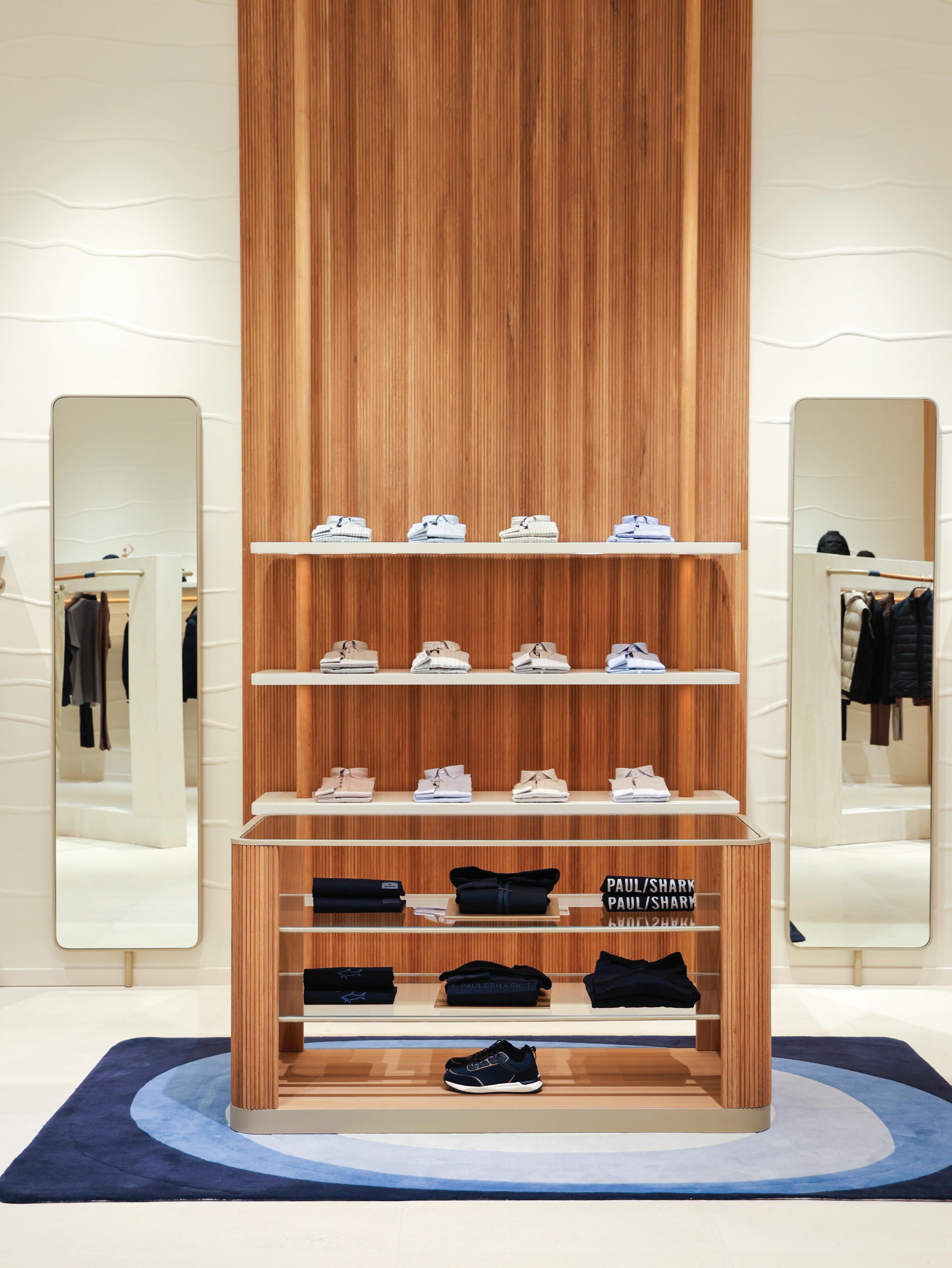

Christina Mace-Turner has always been drawn to the space where creativity meets systems. Whether working on Apple’s global partnerships or exploring the future of ethical technology, her career reads like a study in how structure and imagination can work together.
After graduating from Brown University and earning a law degree from New York University, she began her career at Loeb & Loeb in New York, focusing on intellectual property. The legal world sharpened her analytical mind, but it was the creative industries she represented that captured her attention. She soon realised her strength lay in connecting people and ideas rather than negotiating contracts.
That instinct led her to Apple, where she founded and led the company’s Worldwide Business Affairs team at a pivotal moment in its history. From the launch of the iPhone 3G to the rise of the iPad, Mace-Turner built partnerships with media companies and app developers that helped define Apple’s global marketing voice. Later, as Director of Content Strategy, she worked across teams to integrate business priorities with the company’s creative storytelling. It was a masterclass in precision, collaboration and scale.
In 2011, she joined Flipboard as Head of Partnerships, helping the platform grow from a few million users to almost ninety million. She forged alliances with major players such as The New York Times, Viacom and Condé Nast, translating digital potential into meaningful collaborations. Her time in Silicon Valley gave her a deep understanding of innovation and growth, but also an appreciation for balance — something she would return to later in her career.
By 2016, Mace-Turner was ready to explore a different kind of impact. She co-founded True Botanicals, a clean-beauty brand built on the principle that luxury and sustainability could coexist. As CEO, she guided the brand’s growth strategy and creative direction, proving that scientific integrity and brand storytelling could go hand in hand.
That experience inspired her next venture, Mab & Stoke, founded in 2019 in New York. The company reimagined how people approach herbal wellness with its signature “Mab Tabs,” dissolvable single-dose botanical supplements designed to make plant medicine simple and effective. “I wanted to redesign the experience of herbal supplements,” she has said. “It should feel accessible, not clinical.” Each purchase supports reforestation, reflecting her belief that individual health and environmental health are intertwined.
In 2025, Mace-Turner launched her latest venture, Hoopit AI, where she serves as Co-Founder and CEO. The company uses artificial intelligence to help mission-led organisations scale their social and environmental impact. It marks a return to her technological roots, but with a new intention: to align innovation with empathy. As she puts it, technology should make us more human, not less.
Across her career, a common thread runs through everything she builds: a focus on design as a force for connection.
Whether she is structuring global media partnerships, developing a clean-beauty brand or creating AI-driven platforms for good, her goal is the same: to create systems that make positive choices intuitive.

Mace-Turner often speaks about the value of tension and experimentation, believing that new ideas emerge when seemingly unrelated worlds overlap. Her own path proves the point. Each chapter builds on the last, weaving together law, technology, wellness and design into a coherent philosophy she calls wellness architecture.
It is a concept that extends beyond the personal. To her, wellness architecture means designing the conditions in which people, companies and communities can thrive. It is as much about structure as it is about spirit.
Christina Mace-Turner’s story is not about leaving one world behind but expanding its boundaries. Her work suggests that progress is not measured in speed or scale, but in the clarity and purpose behind it. From Apple’s boardrooms to botanical labs and AI studios, she continues to explore what happens when innovation serves both people and the planet — thoughtfully, intelligently and with calm.
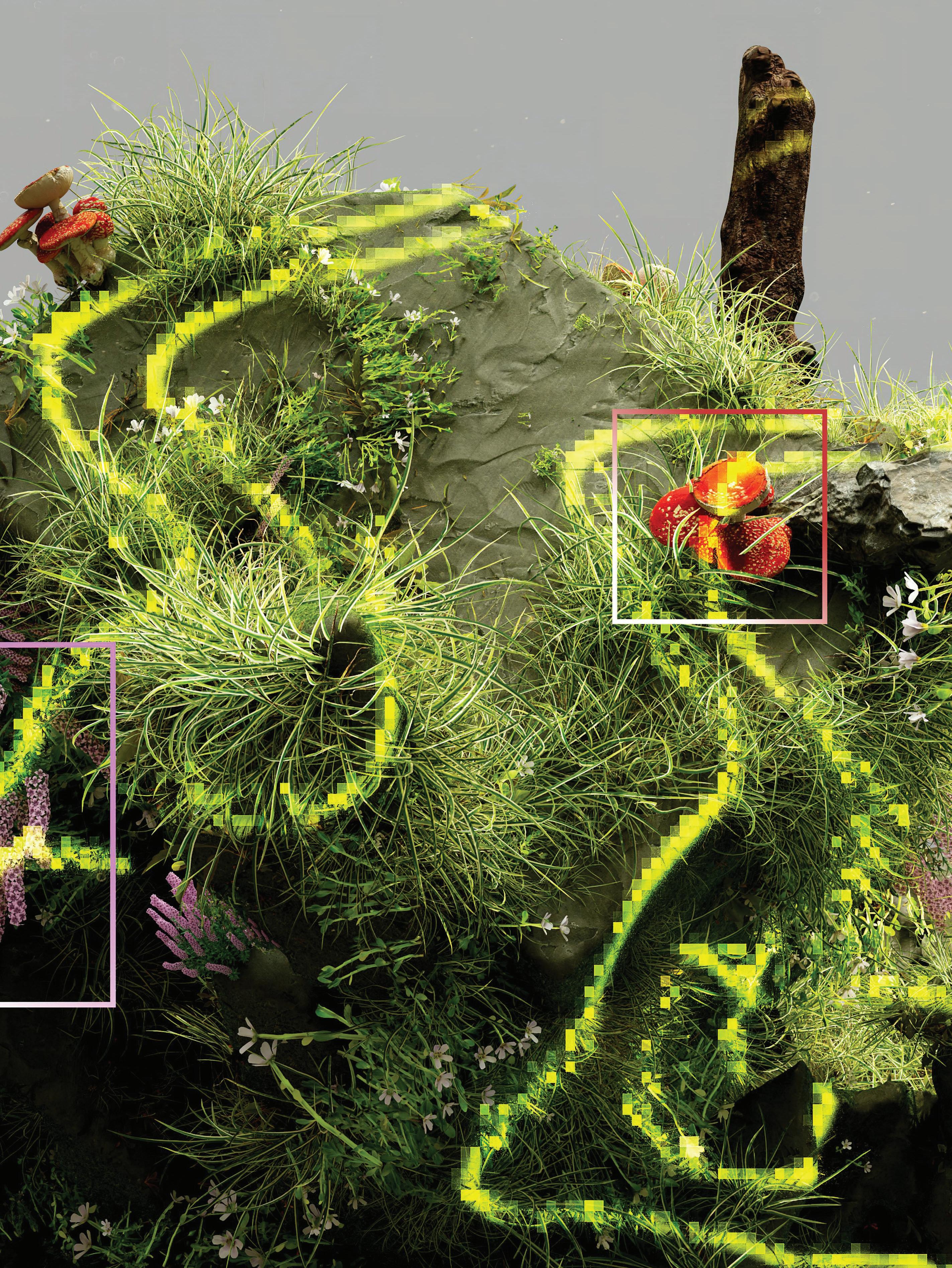
NVIDIA has positioned itself at the centre of the next major shift in mobility. The company’s latest announcements bring Level 4 autonomous capability closer to commercial reality, backed by significant commitments from global automakers and mobility operators. At the core is a suite of technologies that combine high performance computing, sensor fusion, and validated software into an architecture designed for large-scale deployment.
Recently, NVIDIA introduced its DRIVE AV software alongside the DRIVE AGX Hyperion 10 platform. The company describes the system as capable of making any properly equipped vehicle ready for Level 4 autonomous operation. Several major players have already signed on. Stellantis, Lucid Group, and Mercedes-Benz will integrate the technology into future vehicle lines.
Uber Technologies plans to adopt NVIDIA’s platform across robotaxi fleets internationally.
Level 4 autonomy represents a defined operational leap. Vehicles can handle driving tasks independently within specific geographic zones and conditions.
Weather, mapping, and road environment still set boundaries, but within those parameters Level 4 systems do not require constant human supervision. The distinction matters. Today’s consumer driver-assistance features are designed to support drivers, not replace them. Level 4 systems enable hands-off, eyes-off functionality in approved areas, which is essential for robotaxi fleets and future premium mobility applications.
NVIDIA’s Hyperion 10 architecture serves as a blueprint for autonomous vehicle design. It integrates sensors, computing hardware, and software into one validated package.
The reference sensor suite includes fourteen high definition cameras, nine radars, one lidar, and twelve ultrasonic sensors. At the centre are two DRIVE AGX Thor processors that together deliver more than 2,000 FP4 teraflops of computing performance for real time perception and planning.
Automakers are not locked into a fixed configuration. The platform is modular, allowing manufacturers to adjust sensors, add proprietary software, or tailor the stack to their vehicle platforms. The intention is to reduce development time and testing redundancy while establishing a consistent foundation for safety certification.
Stellantis is collaborating with NVIDIA, Uber, and Foxconn to produce autonomous vehicles for global robotaxi use. Production is targeted for 2028, with development beginning on adaptable commercial platforms that can be fitted with the NVIDIA L4 stack.
Lucid Group plans to integrate L4 capability into its next generation midsize vehicles. These models, expected from 2026, are being designed for both private consumers and potential fleet operations.

Mercedes-Benz will incorporate the architecture into upcoming flagship models. The company’s goal is to offer high level chauffeur style autonomy in controlled environments, reflecting a broader trend toward advanced driver assistance in the luxury segment. Uber Technologies has outlined the largest planned rollout.
The company intends to begin deploying autonomous vehicles equipped with NVIDIA’s full platform from 2027, eventually aiming to scale to a fleet of 100,000 units across selected global cities.
Foxconn supports the ecosystem as a hardware and systems integration partner, bringing its manufacturing capabilities to vehicle assembly programs tied to the platform.
Developing Level 4 systems independently has proven expensive, slow, and technically unpredictable.
Safety validation requires vast quantities of driving data and real world testing. Regulatory requirements differ by market.
And the AI expertise needed to train perception and planning models is substantial. NVIDIA provides a unified computing architecture and tested software environment.
Automakers contribute vehicle engineering, production, and distribution. Mobility operators provide fleet scale and real world use cases.

The combined approach lowers development risk while accelerating timelines. This marks a contrast with earlier industry strategies. Companies such as Cruise and Waymo built fully proprietary systems and invested heavily in parallel development. Progress has been notable but limited to specific pilot cities. The industry is now moving toward shared platforms that can be adapted rather than reinvented.
Early robotaxi deployment from NVIDIA and Uber is expected in 2027, with expansion following as regulatory approval and infrastructure allow. Stellantis aims to begin production in 2028. Lucid’s L4 capable models could arrive as early as 2026. Mercedes-Benz has not confirmed a release date for its flagship integrations.
Significant challenges remain. Regulations for driverless operation vary widely and in many markets do not yet exist. Liability structures and insurance frameworks are still being developed. Costs for sensors and high performance computing remain high. And public trust must be built through proven safety records.
Even with these hurdles, the momentum is coordinated. Industry leaders are directing resources, timelines, and production plans toward practical autonomy. NVIDIA’s L4 platform sits at the centre of this effort, serving as the computational backbone for a new generation of vehicles. The next two years will determine whether this collaborative model can bring autonomous mobility from controlled pilots to meaningful scale.
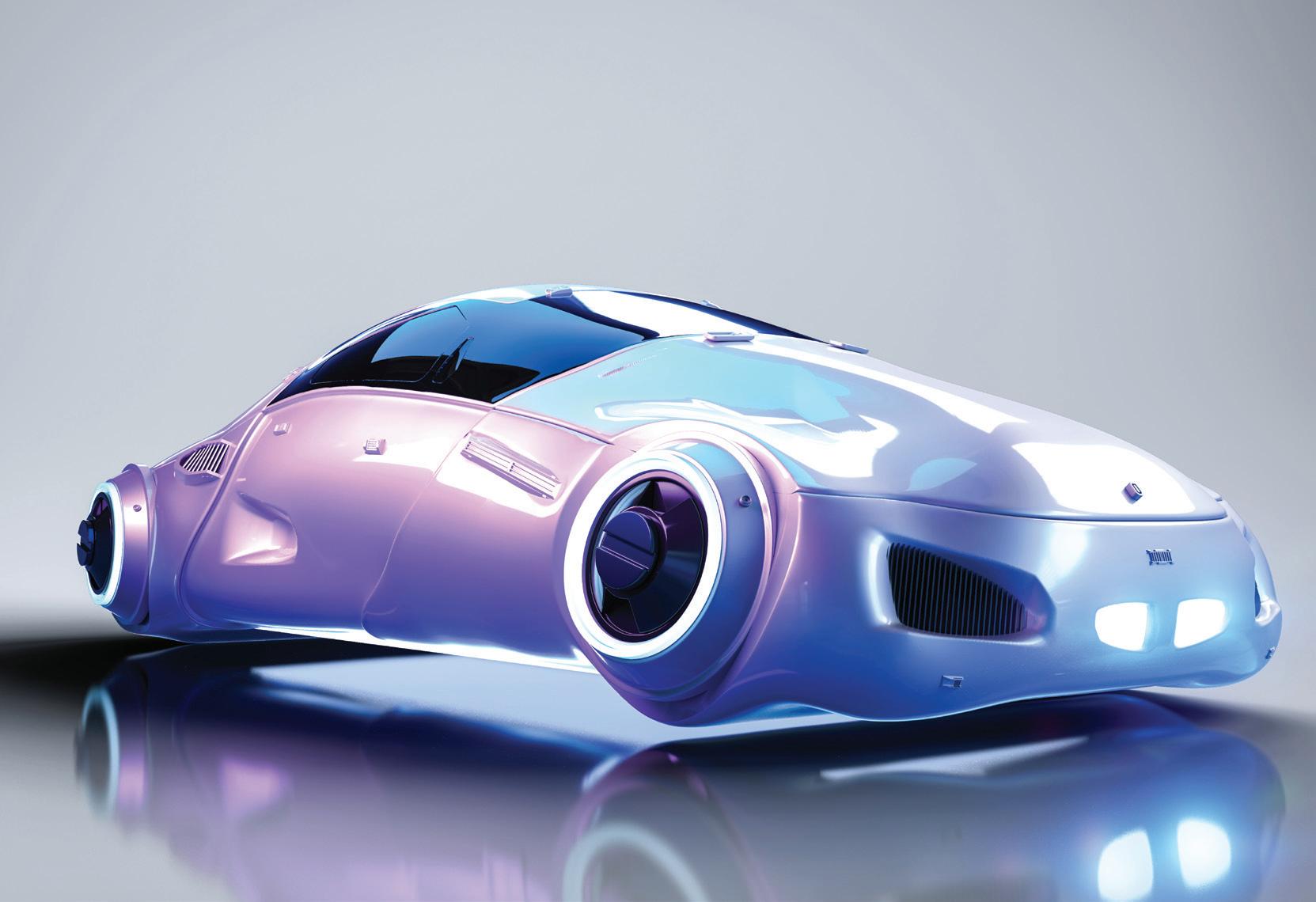
Art collecting has always evolved with technology. From the arrival of photography in the 19th century to the rise of video installations in the 20th, each development expanded the definition of what art can be. Today, the latest frontier is the phygital: a hybrid form that merges the physical and digital into one cohesive artwork.
Phygital pieces take many forms. A painting may reveal hidden animation through augmented reality. A sculpture might be paired with a blockchain-based token that secures provenance. Digital files can be sold alongside physical counterparts, creating a single artistic statement that exists in both realms. For collectors, the appeal lies in rarity, authenticity and experience.
The tangible element anchors ownership, while the digital layer adds interactivity, portability and in some cases, transformation.
The Gulf has become a particularly dynamic arena for this movement. Art Dubai Digital, launched as a dedicated section of the fair, presents works that combine AI, blockchain and immersive design. Visitors encounter both traditional canvases and digital environments, often in the same booth, which demonstrates how physical and virtual experiences can be curated together.
“Art Dubai Digital embraces the phygital approach of current practitioners: not only digital art but a blend of digital and physical, virtual and analogue, screen-based and spatial,” explain co-curators Auronda Scalera and Alfredo Cramerotti.

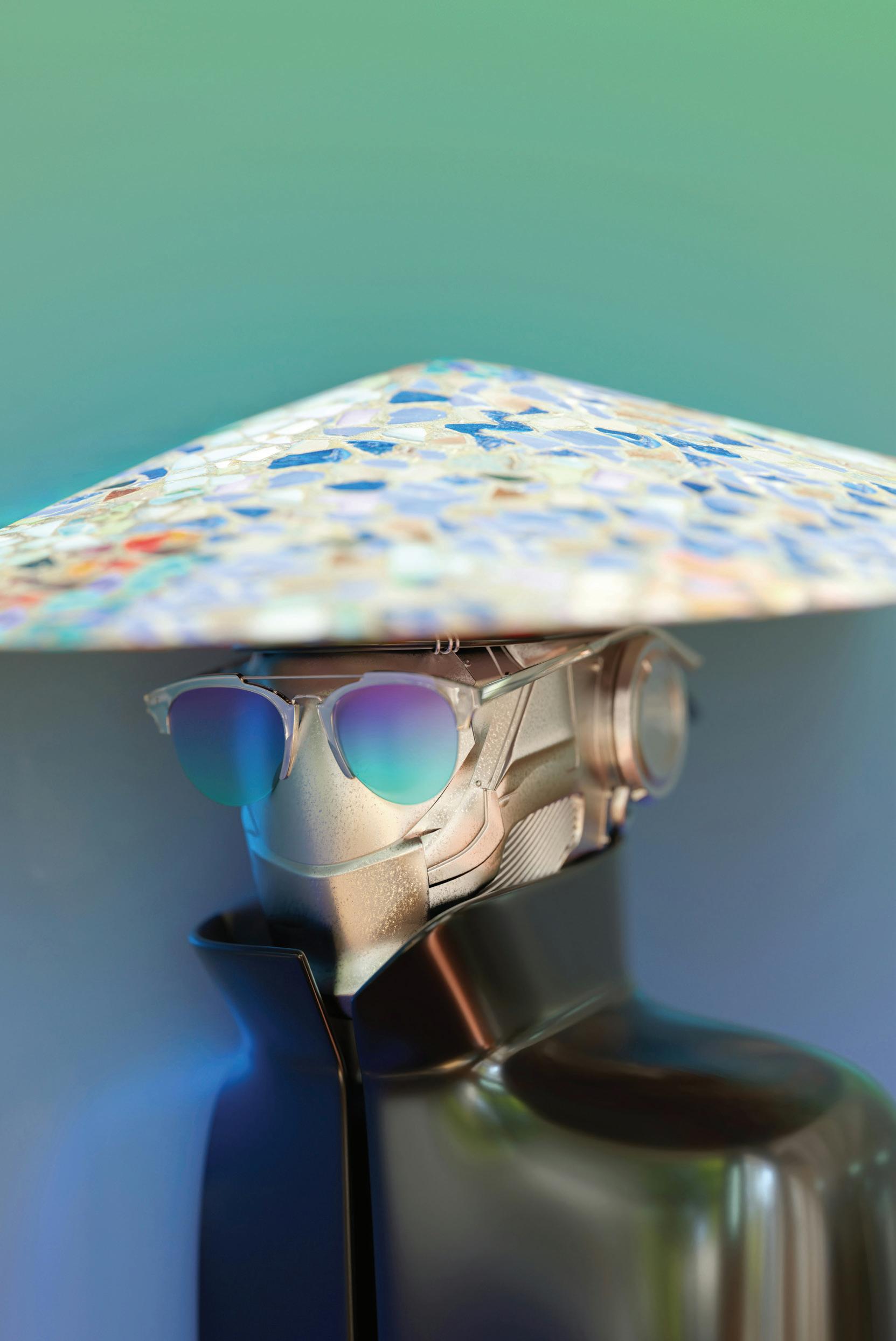
Abu Dhabi Art has also introduced hybrid showcases, commissioning installations that merge projections, interactive screens and sculpture to reimagine how audiences engage with contemporary art. As curator Nada Raza notes, “Virtual galleries are simulacra. It is completely reliant on your ability to visually process 2D images even in a 3D or VR environment.” Her insight underscores the challenge of bridging physical presence with digital immersion, a balance that defines phygital practice.
For high-net-worth collectors, this hybrid model offers a way to embrace innovation while maintaining the prestige of traditional collecting.
A canvas carries the aura of a unique object, while its digital twin ensures security and reach across global networks. Some works even evolve through code, changing over time in response to environment or audience.
1. Augmented Canvases
At Art Dubai Digital, several galleries have introduced traditional paintings that reveal moving images or shifting colour schemes when viewed through AR. The physical work remains central, while the digital layer adds narrative and depth.
2. Digital Twins
Regional galleries are offering sculptures and installations paired with NFTs that verify authenticity. The physical object remains in place, while the digital record secures provenance and offers collectors a footprint in the digital economy.
Provenance can be verified instantly, a factor that appeals strongly in a region where collectors are focused on both legacy and investment.
Pablo Del Vaal, digital curator of Art Dubai, frames it as a practice still in its early stages: “It is a new term now, it is just starting to be used. There are many ways of activating real objects or paintings or sculptures into the digital. Many artists from the traditional sphere are using a lot of digital activations precisely for that reason.”
The Gulf has always balanced heritage and innovation, from safeguarding ancient artefacts to building cutting-edge cultural infrastructure.
Phygital art fits naturally into this landscape. It honours material presence while engaging audiences in the digital sphere, offering collectors the best of both worlds.
Abu Dhabi Art has experimented with installations that exist both in galleries and online. Collectors can experience the physical piece in situ and also access a digital counterpart, widening reach and ensuring engagement continues beyond the fair.
The next generation of collections will not be confined to walls or vaults. They will live across homes, galleries, screens and digital platforms, expanding the very idea of what it means to own and display art.
For Gulf collectors, embracing this frontier is not simply a trend. It is a way of shaping the cultural legacy of the region itself.
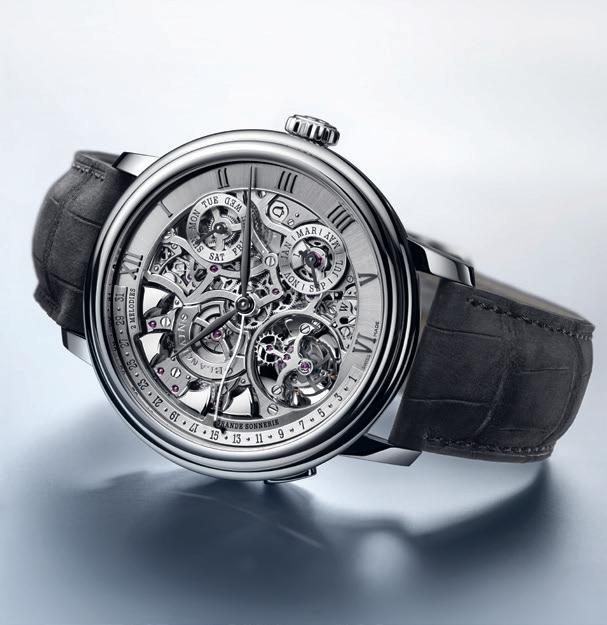
In haute horlogerie, the grande sonnerie is one of the most demanding complications to build. When Blancpain President and CEO Marc A.
Hayek began the development of one, he made it clear that simply producing another example was not the objective.
“The grande sonnerie is the queen of complications. We did not want a version that would sit in a safe. It needed to offer something new, and it needed to be wearable,” he said.
The result is the Grande Double Sonnerie, the most complex watch in Blancpain’s history and the first wristwatch grande sonnerie with two selectable musical melodies.
Where chiming watches typically use two tones, Blancpain developed a construction that uses four precisely tuned notes (E, G, F and B).

This allows the watch to play melodies rather than simple time signals. The first is the well-known Westminster sequence. The second is a new composition written for Blancpain by Eric Singer, drummer for KISS and long-time watch collector.
“Turning four notes into a full musical idea was a challenge, and that was what made the project so interesting,” Singer explained. A pusher on the case lets the wearer switch between the two at any moment.
To make a musical sonnerie function properly, accuracy matters more than volume. Each note is tuned with a laser to ensure exact pitch.
The tempo is controlled by a patented silent magnetic regulator designed to avoid unwanted mechanical noise. The bezel contains a gold acoustic membrane that works like a sound amplifier, improving clarity and resonance.
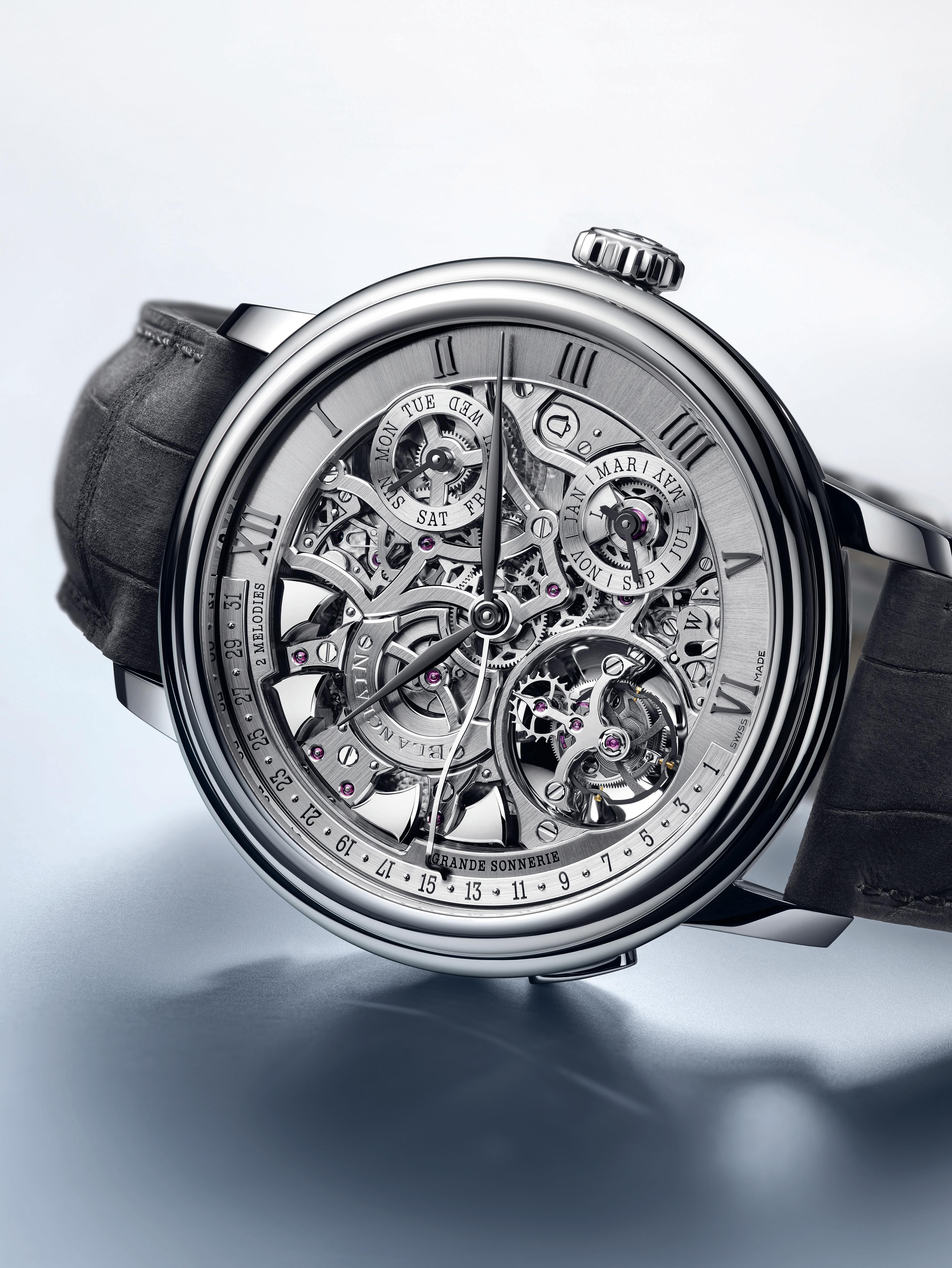
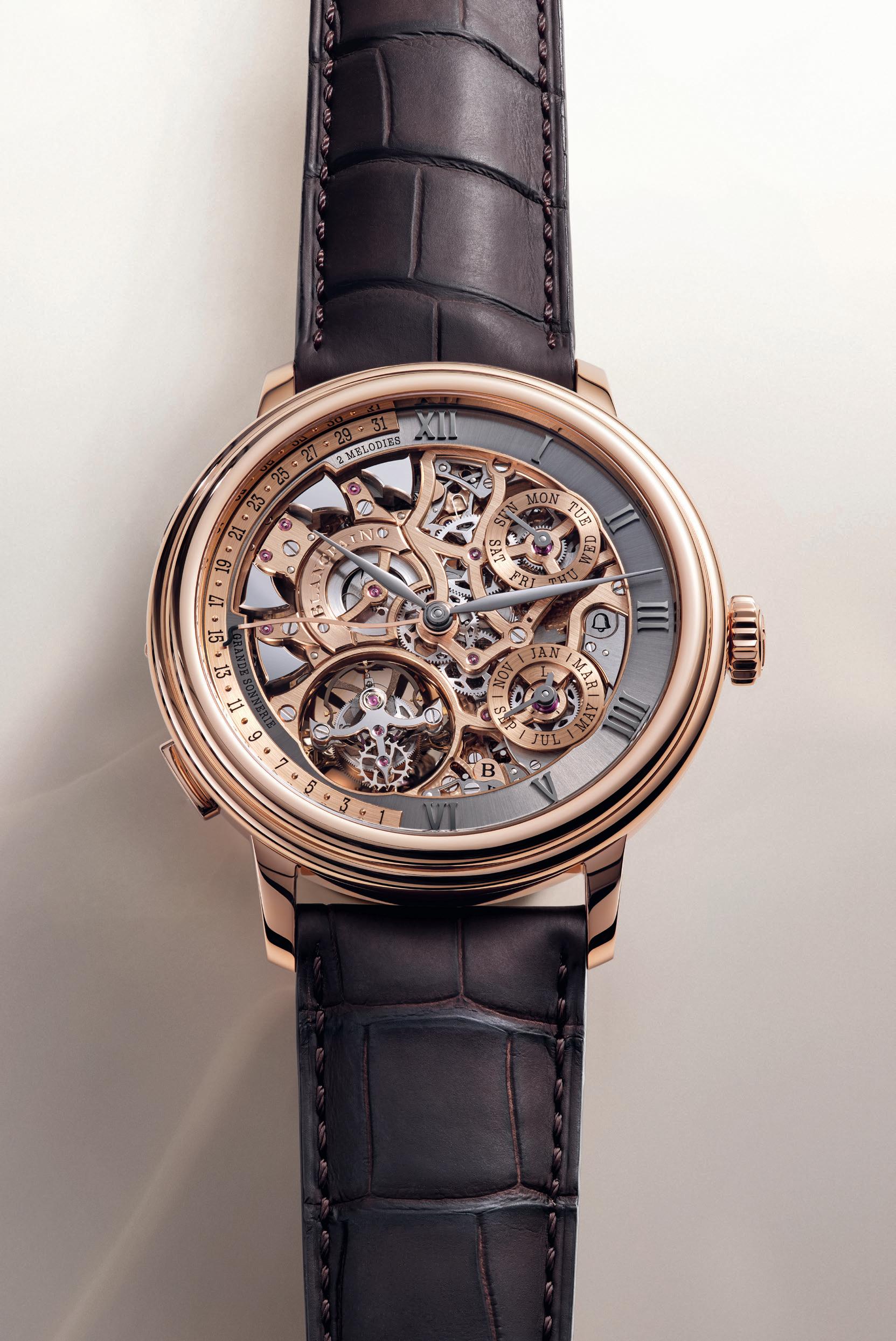
The Grande Double Sonnerie also combines other significant complications. It features an open flying tourbillon operating at 4 Hz with a silicon balance spring for resistance to magnetism and improved precision. It also includes a fully integrated retrograde perpetual calendar.
Rather than using a separate modular plate that would hide parts of the sonnerie mechanism, Blancpain designed the calendar directly into the movement.
The calibre contains 1,053 components and incorporates 13 patents developed during its creation. All parts are designed, manufactured and assembled at Blancpain’s workshops in Le Brassus.
The movement’s bridges and mainplate are crafted from 18 ct gold and finished by hand.
The piece includes more than 135 sharp interior angles, each polished manually, a detail regarded as proof of true high-level finishing since machines cannot produce these angles.
Although highly complex, the watch is built to be worn daily. It measures 47 millimetres in diameter, 14.5 millimetres thick and undergoes the same durability tests as Blancpain’s regular production.
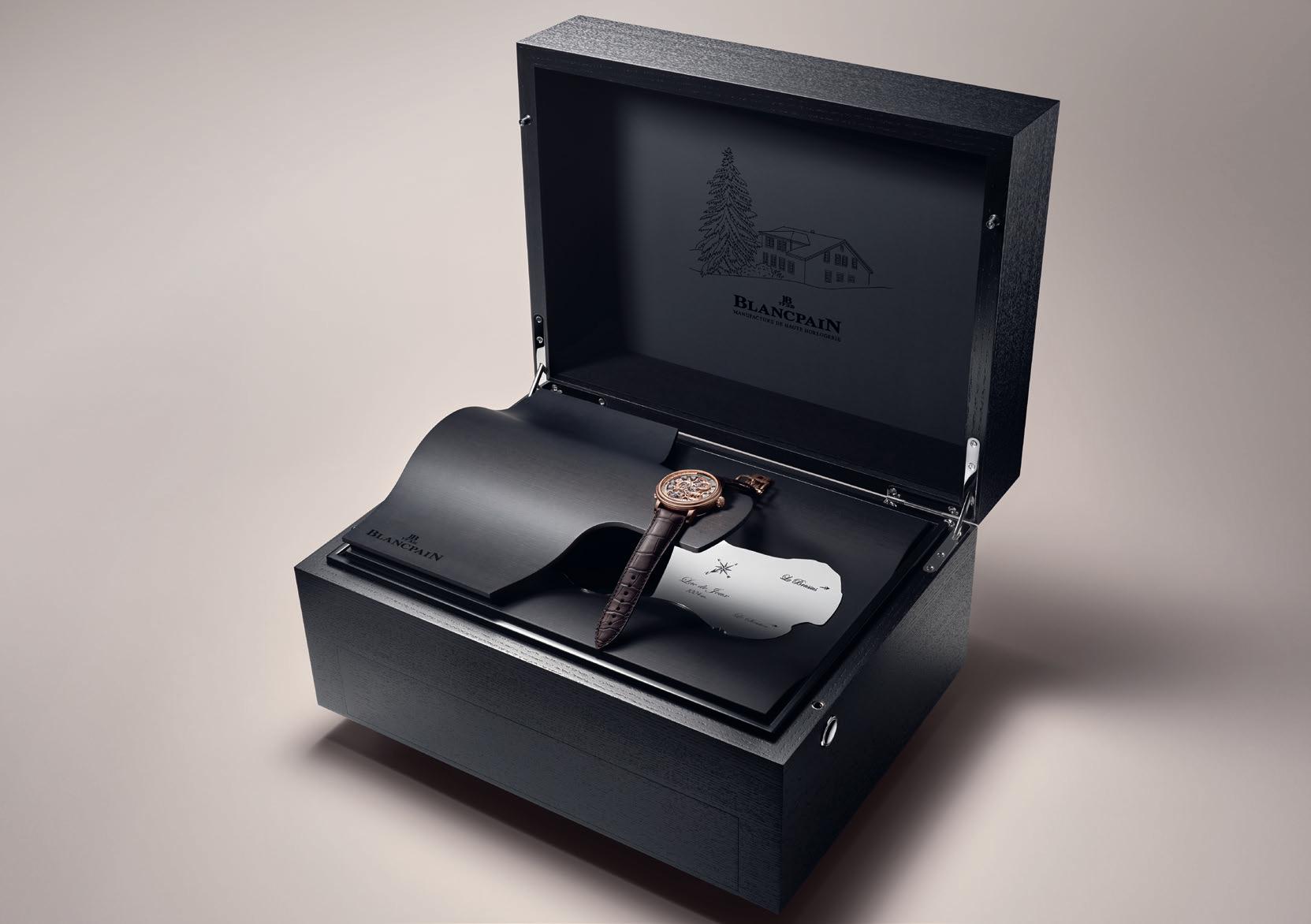
The presentation box is made from wood sourced in the Risoud forest, valued for its natural acoustic qualities.
Hayek summarises the intent clearly. “We wanted a grande sonnerie that creates emotion.
If it makes you smile when it chimes, then we have achieved what we set out to do.”
Girard-Perregaux has marked the Laureato’s 50th anniversary with a watch that needed no fanfare, yet arrives as one of the year’s most compelling releases. The Laureato Three Gold Bridges unites the manufacture’s two most significant design codes: the 1975 Laureato sports watch and the Three Bridges architecture that dates to 1867.
The technical achievement here is considerable. The new calibre GP9620 arranges its barrel, gear train, and tourbillon along a single axis, each component secured by one of three arrow-shaped white gold bridges. It’s a rare configuration that manages to be both mechanically sound and visually arresting.
The platinum micro-rotor sits discreetly behind the barrel, maintaining the movement’s transparency whilst delivering 55 hours of power reserve.
What distinguishes the Three Bridges design is its origins. Constant Girard conceived it in 1867 not as a skeleton watch in the traditional sense, but as an architecture where the structure itself became the aesthetic.
Rather than hollowing out an existing movement, he designed the bridges as integral to both function and form.
That philosophy remains evident in this contemporary interpretation.
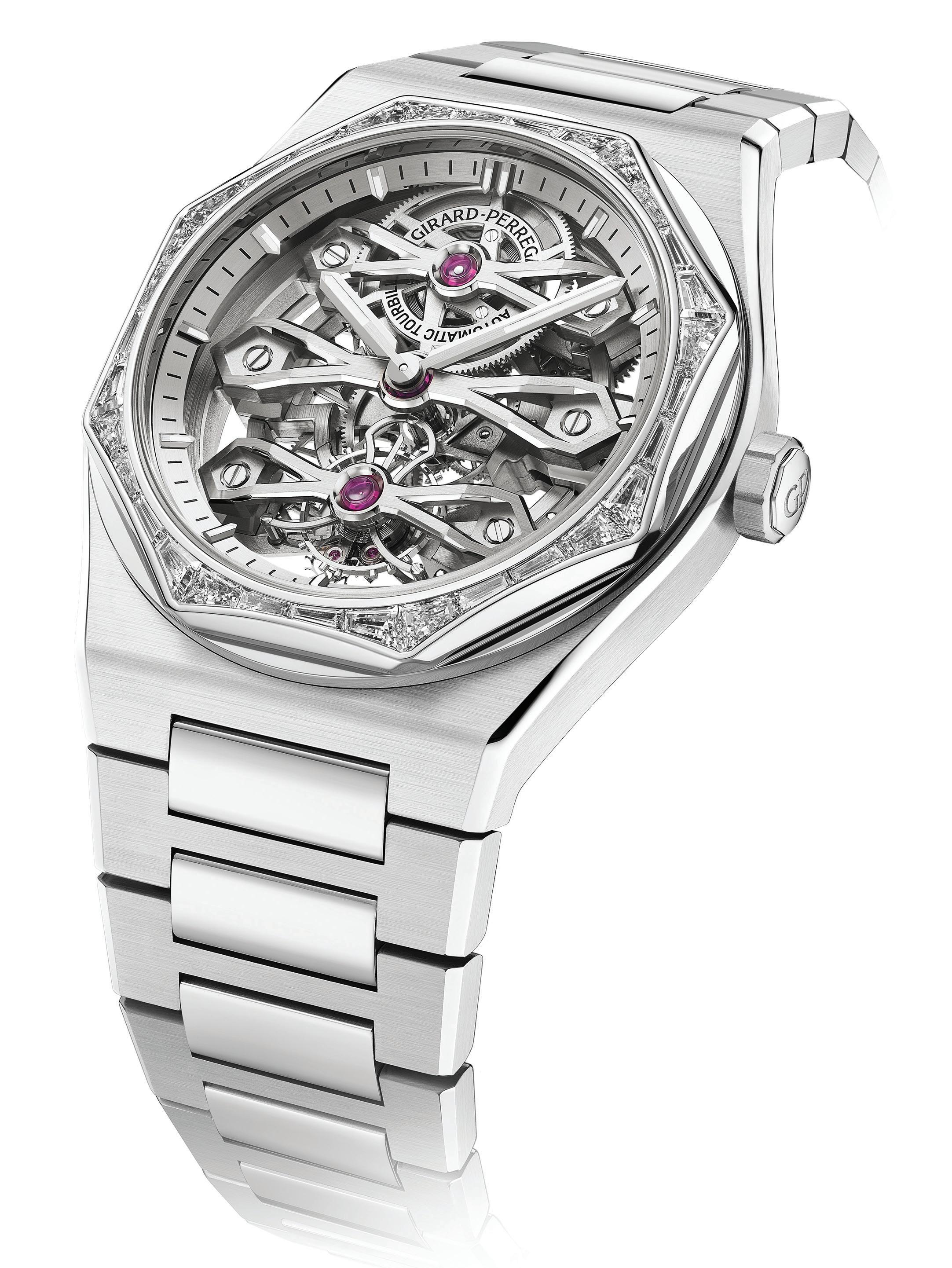
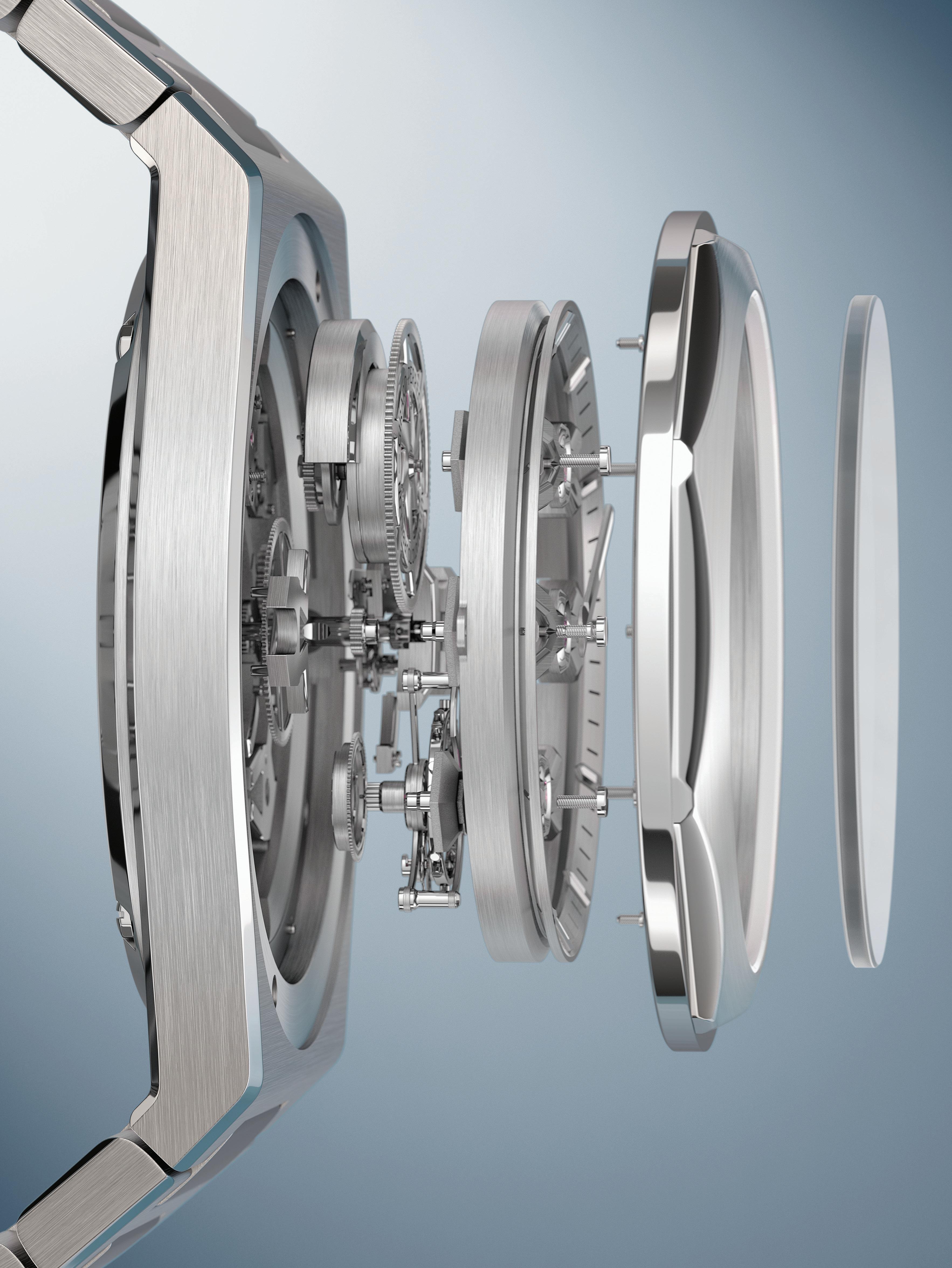
What sets this apart from typical skeleton watches is the finishing. Girard-Perregaux’s master watchmakers have executed 418 hand-polished bevels, including 362 internal angles. These inward corners, notoriously difficult to perfect, create shifting plays of light across the movement.
Each piece carries the signature of the individual watchmaker who assembled it, a detail that feels appropriate rather than contrived. The tourbillon cage, crafted in titanium, takes the iconic lyre shape that’s appeared in the manufacture’s work since the 19th century.
The redesigned 41mm case represents a refinement of the Laureato’s familiar geometry. At 10.85mm thick, it wears comfortably despite housing a tourbillon movement.
The octagonal bezel now features a more pronounced polished bevel against circular satin finishing, whilst the integrated bracelet includes a tool-free adjustment system that extends up to 4mm. White gold indexes float above the movement, glowing blue in low light. These are the sorts of details that matter in daily wear.
Girard-Perregaux offers a diamond-set version with 32 baguette-cut stones totalling approximately 3.2 carats.
The stones follow the bezel’s octagonal form, widening subtly at each corner to accommodate varying sizes.
It’s executed with more restraint than you might expect, though the standard steel and white gold version makes the stronger case for itself.
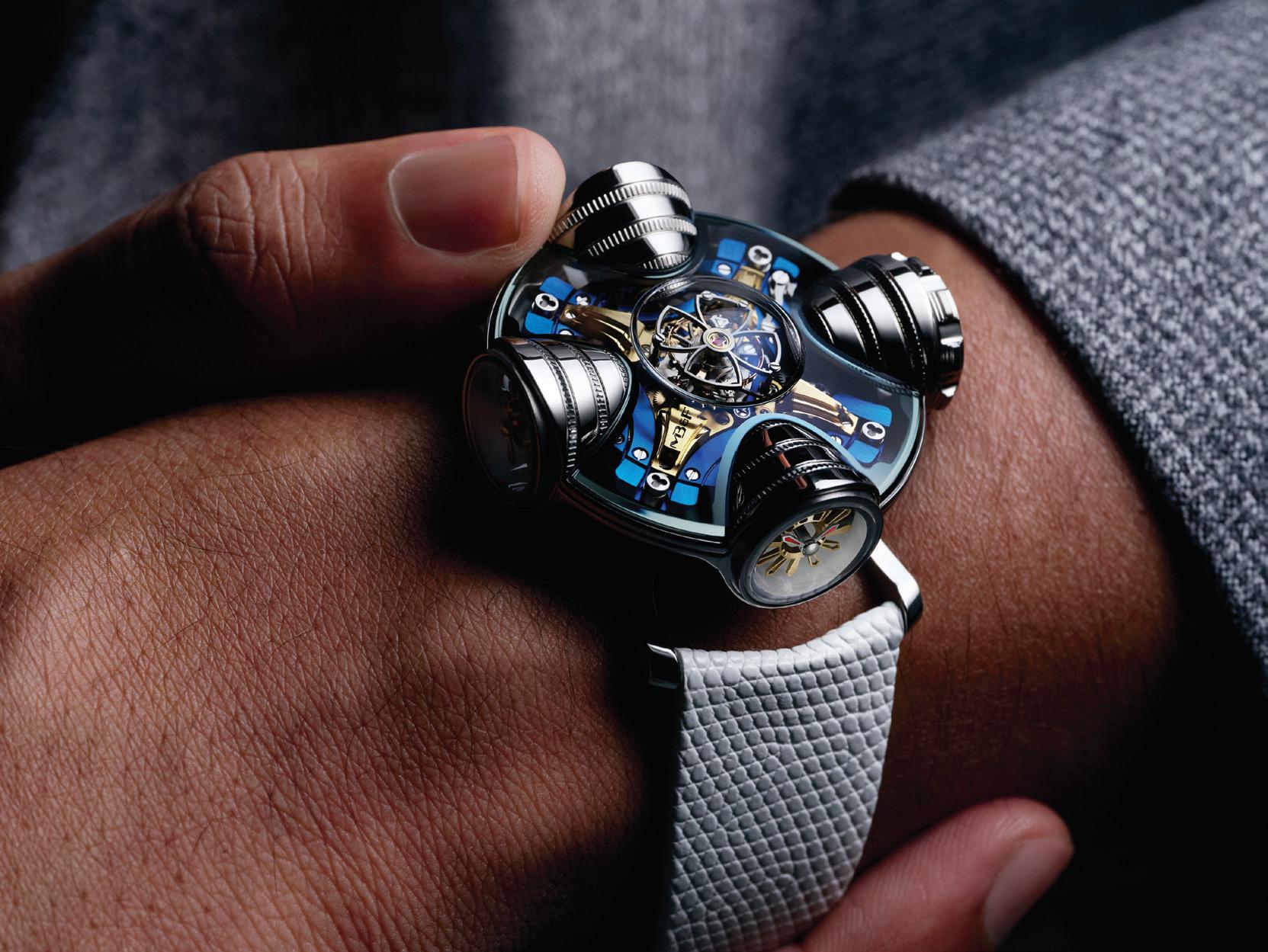
When MB&F launched the Horological Machine No. 11 in 2023, it challenged the idea of what a watch could be. The HM11 “Architect” was not simply worn on the wrist, but inhabited, like a small, sculptural home. Four chambers radiated from a central atrium crowned by a flying tourbillon under a double-domed sapphire roof.
The case rotated to change orientation, and every turn of the structure wound the movement. It was playful, functional and strangely familiar, borrowing the tactile approach of radical architecture from the late 1960s and ’70s.
For 2025, the HM11 concept takes on a new identity. Horological Machine No. 11 Art Deco is a reinterpretation, not a sequel. Designed by Maximilian Maertens, the new edition replaces the soft curves of the original with the geometry and ornamentation that defined the skyscrapers, cinemas, and grand public spaces of the 1930s.
The result feels like a miniature skyline on the wrist, built with the same blueprint but speaking an entirely different language.
From organic forms to a graphic cityscape
Where the original HM11 evoked concrete shaped by the human hand, the Art Deco edition stands more upright, guided by rhythm, symmetry and verticality. Radiating “sunbeam” motifs replace the earlier conical markers, offering clearer legibility and a graphic statement drawn from period posters and facades.
Bridges rise like carved stonework, hands are accented by a red translucent enamel that recalls stained glass, and subtle grooves along the sapphire roof echo the stepped silhouettes of skyscrapers such as the Chrysler Building.
The changes are small in isolation but transformative as a whole. Even the crown gains stepped detailing, turning an often-ignored component into part of the architectural story.
Viewed from above, the watch reveals a structured composition of beams, towers, and apertures; viewed in motion, light moves across alternating surfaces, like sunlight passing over a city block.
What remains unchanged is the idea at the heart of HM11: a watch that invites interaction. The case still rotates, aligning each chamber toward the wearer and delivering winding power with every turn. Functions remain charmingly tactile, including a mechanical thermometer and a power-reserve indicator that rises and falls through sculpted-depth markers.
The flying tourbillon still sits beneath its transparent dome, acting as the building’s “atrium” around which everything is organised.
Two limited editions mark the debut of the HM11 Art Deco, each crafted from grade 5 titanium.
One pairs a blue dial plate with yellowgold-toned bridges and a white lizard strap; the other contrasts green with rose-gold tones on a beige strap.Just 10 pieces will be produced for each colourway, a total of 20 watches released during MB&F’s 20th anniversary year.
Architecture, translated to 42 millimetres
Placed side by side, the HM11 Architect and Art Deco editions reveal two visions of the same idea. One feels tactile and organic, as if shaped by softened concrete. The other feels structured, graphic and composed, like a skyscraper reduced to its essentials. Both redefine the boundary between object and environment, not worn to tell the time, but to inhabit it.
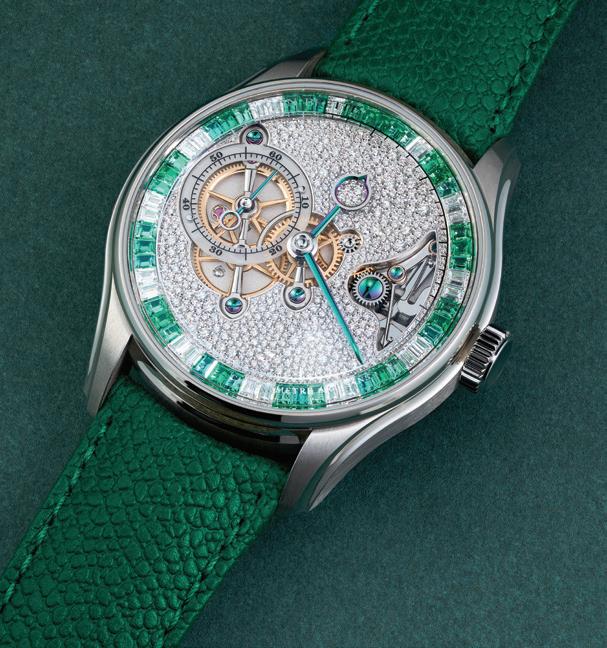
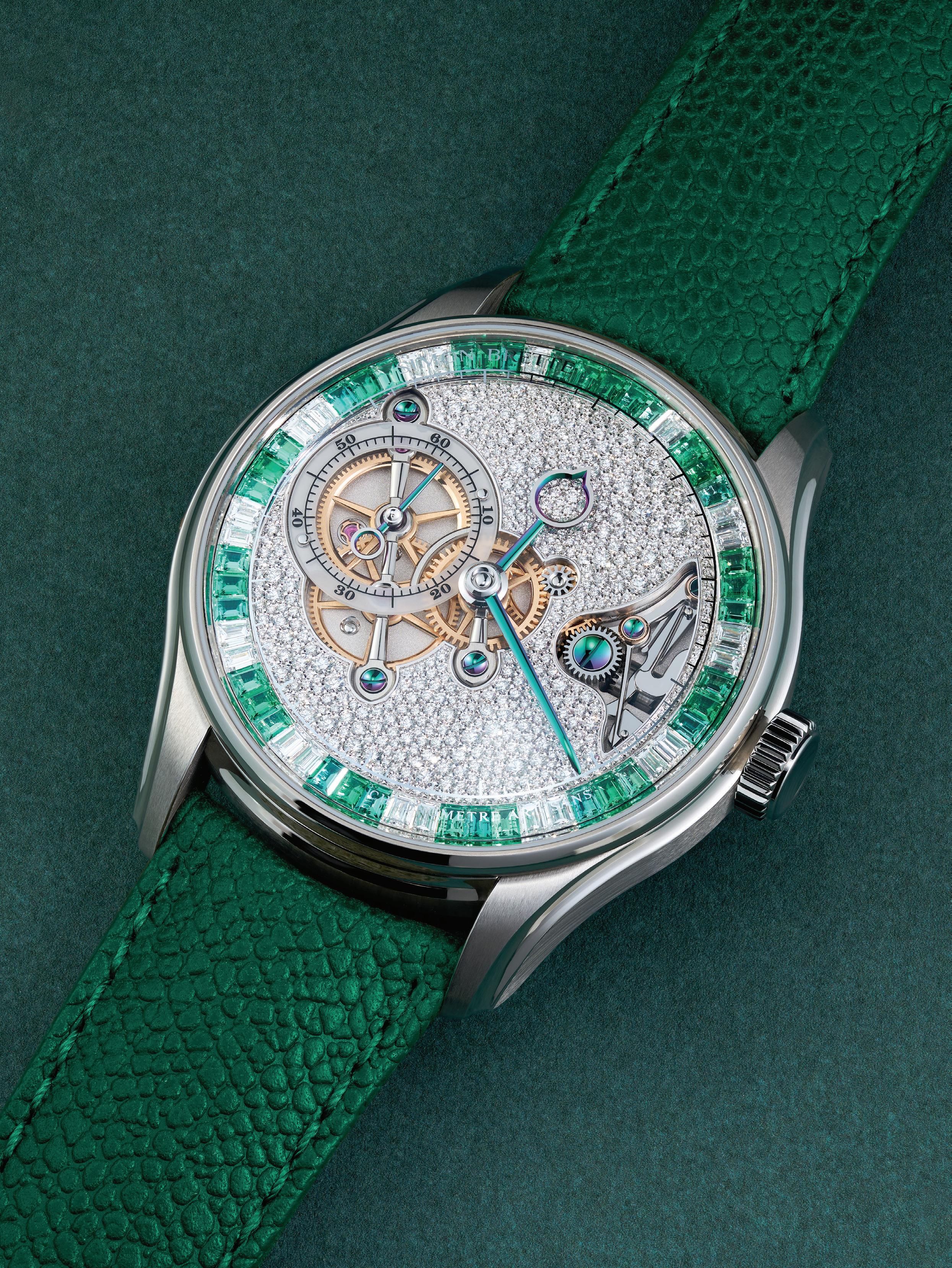
In Geneva, where high watchmaking and high jewellery often share the same bench, Simon Brette has unveiled a new chapter in his young brand’s story. The Chronomètre Artisans Emerald is a unique piece that sits at the crossroads of both disciplines, a single watch that treats light, colour and movement with the same care as its mechanics.
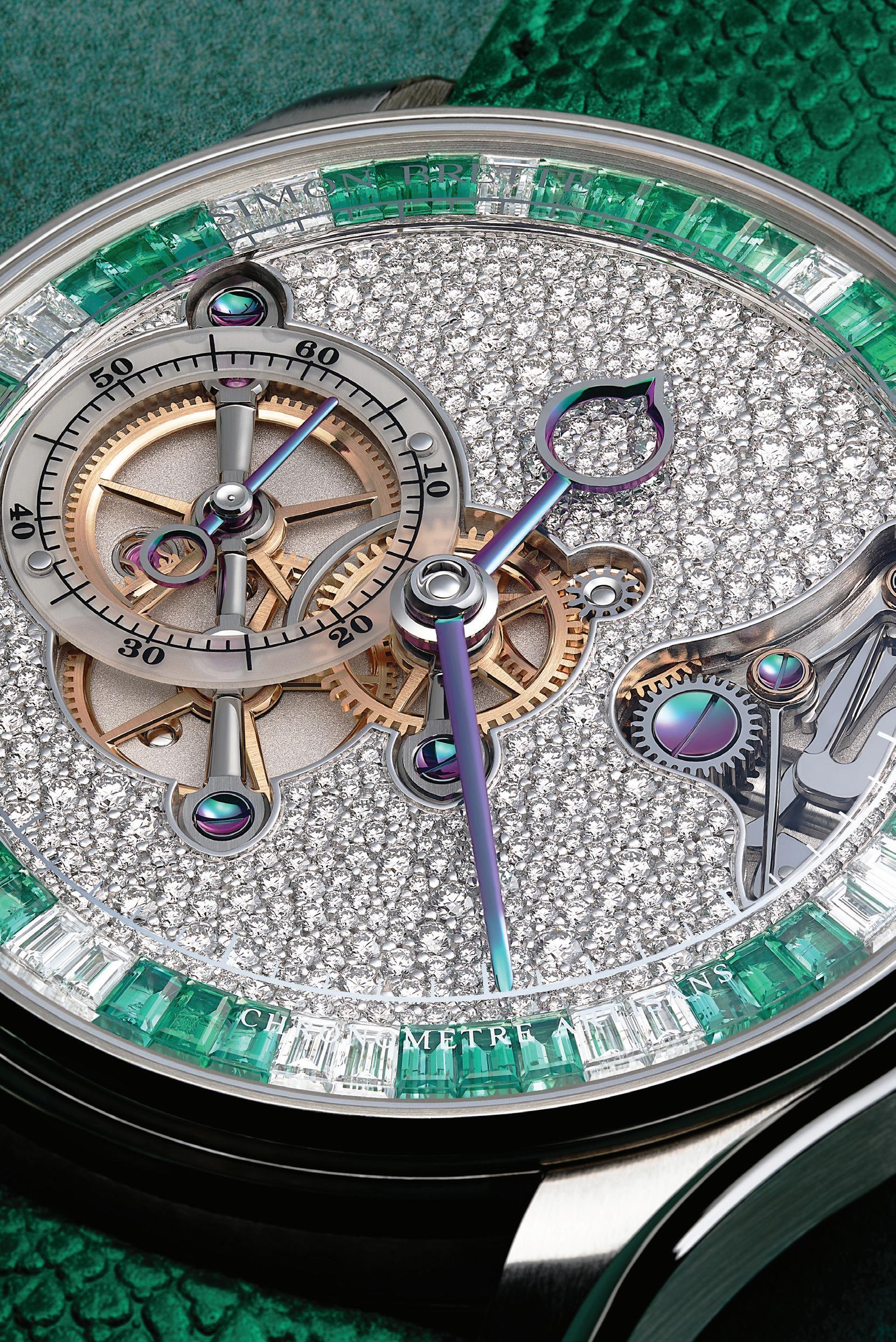
Part of the Chronomètre Artisans Joaillerie line within the Métiers d’Art Editions, the Emerald is less a variation on an existing model and more a jewelled meditation on the brand’s signature movement. At its centre lies a dial that feels almost weightless, paved in a glittering snow-set of more than 300 diamonds. The stones are set at subtly different heights and sizes, which gives the surface a natural, shimmering depth rather than a flat sparkle. Around this field of light, a ring of custom-cut emeralds and diamonds, invisibly set, quietly marks the hours with a band of saturated green.
The sense of refinement is not limited to the stones. In the spirit of harmony and innovation, the workshop has turned to Atomic Layer Deposition for the screws and hands, coating them in an iridescent finish that shifts from green to violet as the watch moves. It is a small, almost secret detail, yet it changes the way the eye travels across the dial.
Colours seem to answer one another, from the deep emerald ring to the cool fire of the diamonds and the gentle gradient on the hardware. The effect is poetic rather than loud, and it keeps the focus on the underlying architecture of the movement.
True to the bespoke nature of the Métiers d’Art Editions, the Chronomètre Artisans Emerald has already found its owner. This is a watch conceived with a specific collector in mind, designed with the kind of patience that allows every stone, every surface and every reflection to fall into place.
The Emerald follows two earlier unique pieces in the Chronomètre Artisans Joaillerie collection, each built around a different gemstone. In 2023, the Chronomètre Artisans Sapphire, created for one of the brand’s earliest supporters, appeared in cool blue tones. Its dial was also snow-set with diamonds, bordered by a ring of vivid sapphires that framed the movement in a halo of colour.
The following year brought the Chronomètre Artisans Amethyst, a softer composition in violet that paired amethysts and diamonds in a more romantic register. Together, Sapphire, Amethyst and now Emerald read almost like a triptych, three interpretations of the same mechanical core, each with its own temperament and light.
Behind these watches is the broader idea of Métiers d’Art Editions, a series that allows the brand to explore the dialogue between watchmaking and jewellery in its purest form. Rather than chase complexity for its own sake, the pieces focus on a balance between technical depth and visual clarity. Surfaces are finished to an exacting standard, gem-setting is executed with a jeweller’s eye rather than a marketing brief, and every intervention serves the coherence of the whole.
The human hand is present everywhere, from the anglage on the bridges to the way each stone settles into its setting.
These one-off creations are not made to order. They begin as internal projects, imagined by the Simon Brette workshop and brought to life only when the design feels complete. Their eventual owners are chosen from collectors who share the brand’s values and have already shown a real affinity for its work.
The result is a small circle of pieces that continue their story on the wrists of people who understand not only the craft involved, but the philosophy behind it.
With the Chronomètre Artisans Emerald, Simon Brette reinforces a very clear vision of contemporary independent watchmaking. It is rigorous without feeling cold, rare without feeling ostentatious, and quietly confident in its blend of precision and poetry.
The watch is a reminder that in the right hands, a chronometer can be both an instrument and a jewel, and that timekeeping can still be a canvas for genuine artistry.
Rolls-Royce unveils Cullinan Cosmos, a bespoke commission celebrating the infinite
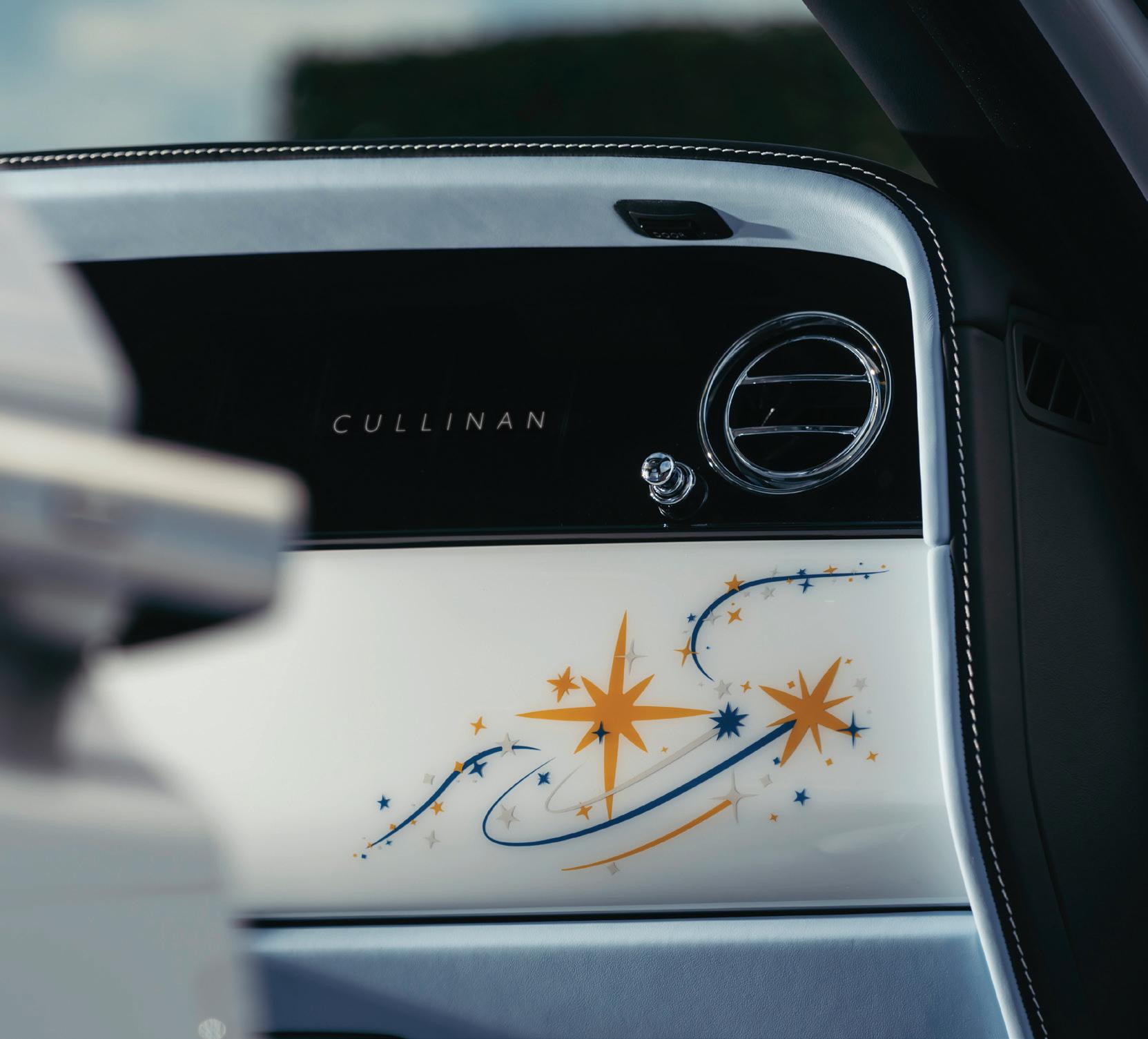
There are commissions, and then there are commissions that ask even RollsRoyce to reimagine what bespoke can be. The Cullinan Cosmos belongs firmly in the latter category.
Revealed at Goodwood this September, this unique motor car is dedicated to the wonder of space. The inspiration did not come from science or astronomy alone.
It came from a family and their young son, whose fascination with the cosmos has become a shared source of curiosity and joy. Rather than simply nurture his imagination, the family chose to celebrate it in a way that would endure.
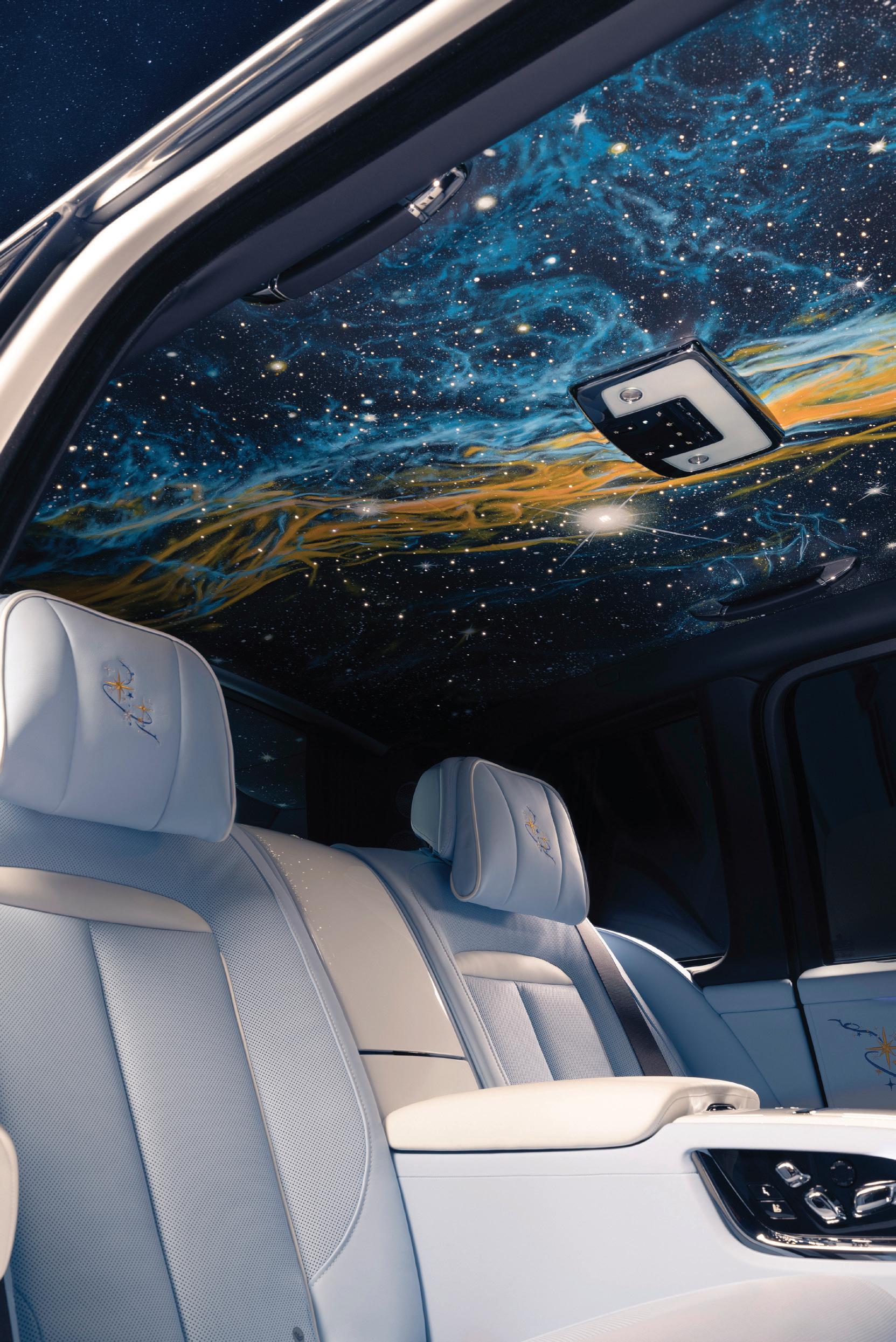
At the centre of the commission is a first in Rolls-Royce history. For decades, the marque has crafted Starlight Headliners using thousands of fibre-optic stars.
Beautiful as they are, they are normally uniform in appearance. Cullinan Cosmos introduces something entirely new.
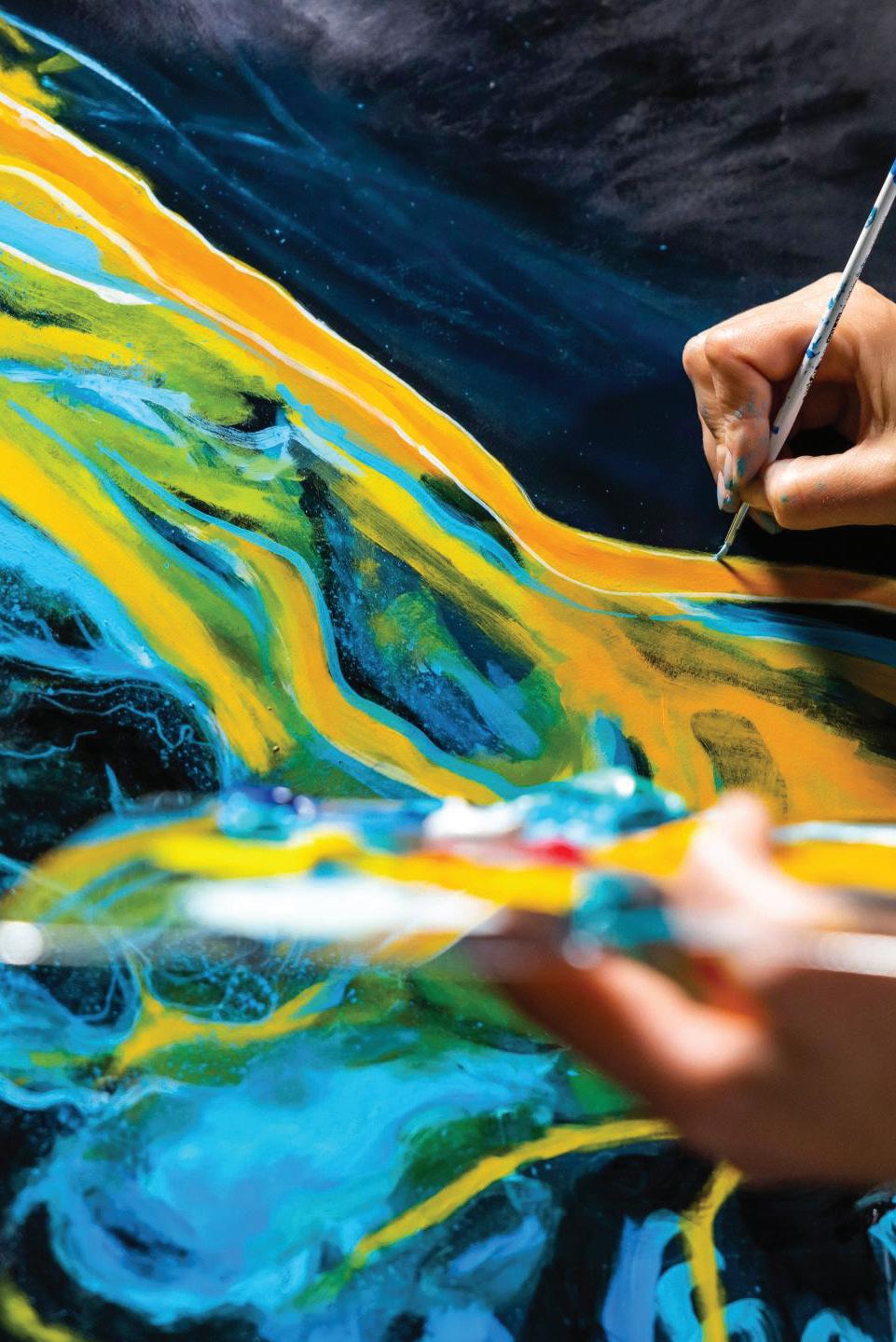
One of the marque’s in-house artists spent more than 160 hours painting an ethereal vision of the Milky Way directly across the ceiling.
More than 20 layers of acrylic pigment were applied by hand, building depth and luminosity with the care of a muralist. A makeup brush was even used to create the delicate mist of cosmic light.
Only after the artwork was complete were the perforations for the fibre-optic stars added, placed carefully to support the composition rather than dictate it.The artistic theme continues throughout the cabin.
Working alongside the Bespoke Collective, the commissioning family helped create a Star Cluster motif that appears as embroidery on the door panels and headrests and as a hand-painted artwork across the front passenger fascia. The palette is serene rather than theatrical.
Grace White and Charles Blue leather reclined seats are paired with Piano White veneers that suggest the crisp finish of scientific instruments, creating an interior that feels both contemplative and precise.
Beyond the cabin, the exterior is finished in Arabescato Pearl, a shimmering paint that recalls moonlit stone. A twin coachline in Charles Blue and an Illuminated Spirit of Ecstasy complete the effect with quiet brilliance. The commission was facilitated through the Rolls-Royce Private Office in Dubai, the brand’s bespoke hub for visionary clients.
Cullinan Cosmos is not merely a showcase of technique. It is a monument to curiosity, a tribute to a child’s fascination made permanent. When that child grows, the motor car will remain as evidence that imagination can shape reality when craftsmanship takes it seriously.
There exists a particular species of automotive enthusiast for whom the phrase “mid-engined hybrid supercar” triggers an involuntary wince.
These are purists who mourn the death of hydraulic steering, who regard turbochargers as necessary evils, and who view electrification as the automotive equivalent of ordering a fine Bordeaux with ice cubes. To these individuals, Aston Martin would like a word.
The Valhalla, unveiled last December and limited to precisely 999 examples, represents something rather more sophisticated than compromise. This is Aston Martin’s first series production mid-engined supercar, first plug-in hybrid, and first vehicle capable of sustained electric-only motoring.
It also happens to produce 1,079 horsepower, reach 217 miles per hour, and generate over 600 kilogrammes of downforce. The purists may want to sit down.
At the mechanical heart sits a bespoke 4.0-litre twin-turbocharged V8 with a flat-plane crankshaft, producing 828 horsepower on its own merits. This is not some repurposed engine borrowed from the Vantage or DB12. Aston Martin engineered this unit specifically for Valhalla, complete with dry-sump lubrication for high lateral forces and revised camshafts for optimal gas exchange. The specific output of 207 horsepower per litre represents the highest figure ever achieved by an Aston Martin engine.
Three electric motors contribute an additional 251 horsepower. Two sit on the front axle, enabling torque vectoring with the precision previously reserved for race circuits. The third integrates into the new eight-speed dual-clutch transmission, providing torque fill to eliminate even the briefest moment of turbo lag. The result is acceleration to 100 kilometres per hour in 2.5 seconds, which would have seemed fantastical even five years ago.

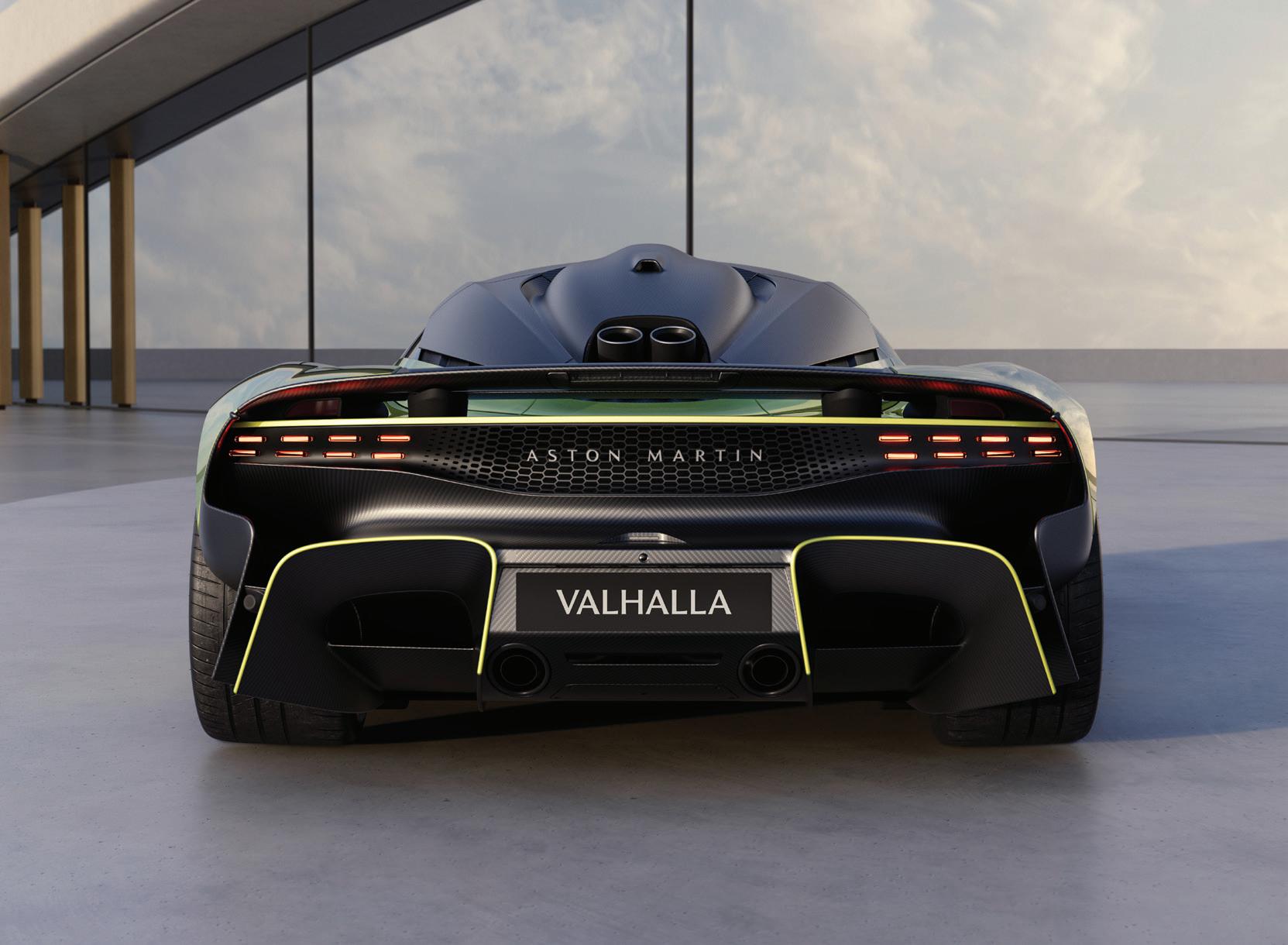
What distinguishes Valhalla from the growing catalogue of electrified supercars is how completely Aston Martin has reconsidered the fundamental brief. The active aerodynamics system maintains over 600 kilogrammes of downforce from 240 kilometres per hour all the way to maximum velocity by gradually bleeding angle of attack from both front and rear wings. This consistency across the performance envelope gives drivers predictable behaviour precisely when it matters most.
The carbon fibre monocoque, designed by Aston Martin Performance Technologies (the consulting arm of the Aston Martin Aramco Formula One team), weighs just 74.2 kilogrammes. Formula One-style pushrod front suspension with inboard springs and dampers improves airflow management whilst creating space for the front-axle electric motors. The door panels themselves serve as aerodynamic ducts, channelling air along the flanks to feed engine and transmission oil coolers with 50 per cent improved efficiency.
Four selectable drive modes adapt the car’s character comprehensively. Pure EV mode offers 14 kilometres of silent running at speeds up to 140 kilometres per hour, sufficient for circumnavigating Monaco or Mayfair without waking the neighbours. Sport and Sport Plus engage the V8 whilst keeping the active rear wing stowed to maintain that elegant silhouette. Race mode deploys the full aerodynamic arsenal, raising the T-wing 255 millimetres on hydraulic rams and adjusting both front and rear active surfaces for maximum downforce.
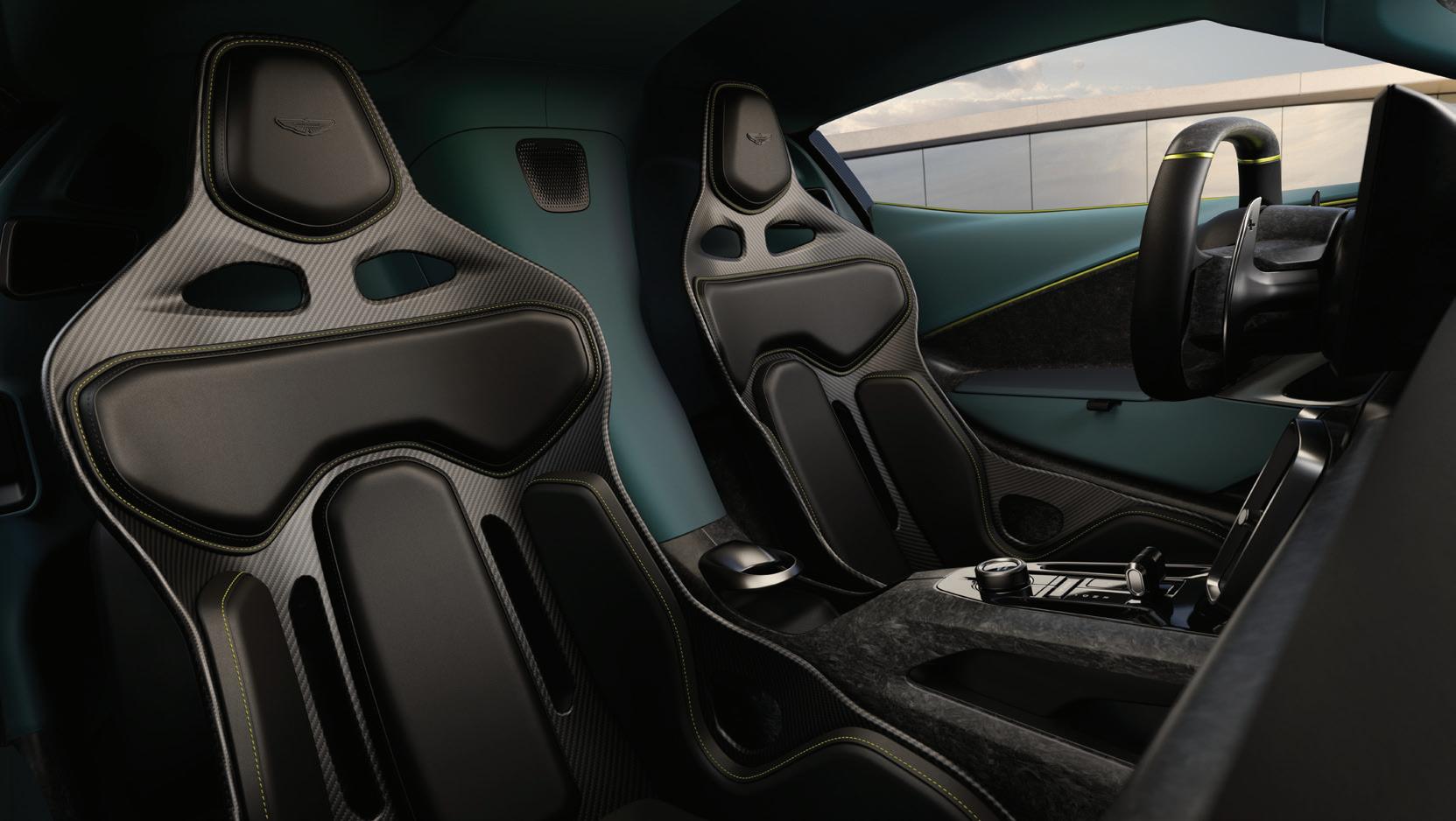
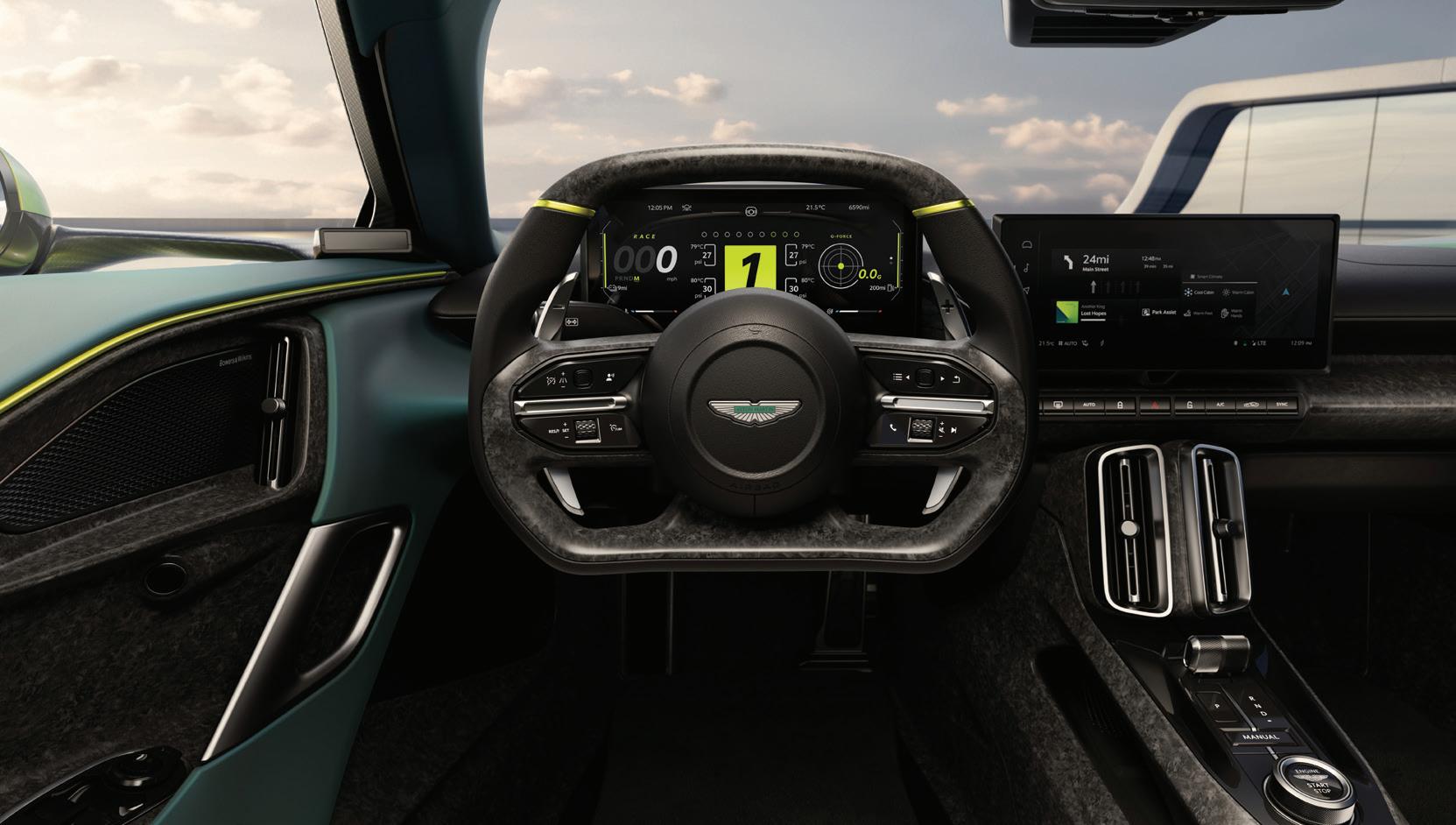
The cabin reflects lessons learnt from Valkyrie, Aston Martin’s extreme hypercar developed with Adrian Newey. Raised footwells create a low hip-toheel seating position that amplifies driver connection. One-piece carbon fibre seats provide maximum support with minimum mass. The steering wheel takes inspiration from Formula One, featuring mechanical buttons including the iconic engine start. This is reductive design in service of immersion.
Marek Reichman, Aston Martin’s Chief Creative Officer, describes Valhalla as a rare opportunity to create something genuinely fresh. The styling language moves beyond the established Aston Martin vocabulary whilst retaining those hallmarks of flawless, uncorrupted lines.
The dihedral doors open dramatically, yet thoughtful engineering of the sills, roof cut-outs and A-pillar position makes ingress and egress significantly easier than convention suggests.
Adrian Hallmark, Aston Martin’s CEO, positions Valhalla as expressing the brand’s future vision.
“On paper and on track, Valhalla delivers the most driver-focused, technologically advanced supercar, with true hypercar performance, yet on the road it is as useable and enjoyable as any Aston Martin.”
That last point deserves emphasis. This is not some stripped-out track special grudgingly made road legal.
Valhalla features adaptive cruise control, lane keeping assist, matrix headlamps, wireless smartphone charging, Apple CarPlay compatibility. The 7.45 kilowatt-hour battery charges via standard plug-in infrastructure. One could genuinely use this car daily, should the whim take you.
With deliveries now underway, a considerable number have been specified through Q by Aston Martin, the marque’s bespoke personalisation service. Six heritage-inspired livery themes pay homage to the brand’s motorsport history. Exposed carbon fibre is available in gloss or satin finish, optionally tinted red, blue or green.
What Aston Martin has achieved with Valhalla is the increasingly rare feat of advancing technology without sacrificing soul. This is a car that can creep silently through residential streets at dawn, then destroy lap records by lunch. The future of performance, it turns out, need not be sterile after all.
For more than sixty years the Porsche 911 has balanced everyday usability with supercar performance. With the latest-generation 911 Turbo S, Porsche has taken a historic step by introducing a full hybrid powertrain into its most iconic model.
The goal was not to replace the flat six engine. The aim was to enhance it.
The result is the most powerful and most technically advanced road car in the 911 lineup.
At the heart of the new Turbo S is a 3.6 litre twin turbo flat six that produces 471 kilowatts (640 PS) and 760 newton meters of torque. Porsche then layers hybrid assistance on top of this through a pair of electric turbochargers, each fitted with an integrated motor, as well as a permanent magnet electric motor mounted inside the eight speed PDK gearbox. A compact high voltage battery sits in the front section of the chassis in order to preserve the traditional rear engine balance that defines the 911.
When the system works together, total output rises to 523 kilowatts (711 PS) and 800 newton meters. This makes the Turbo S the most powerful road going 911 Porsche has produced to date. Acceleration is equally striking.
The company claims 0 to 100 kilometers per hour in 2.5 seconds and 0 to 200 kilometers per hour in 8.4 seconds. Top speed is approximately 322 kilometers per hour.
What differentiates this hybrid system is not only the increase in power but the way it improves response. The motors inside the turbochargers act as electric assist units that eliminate almost all perceptible lag.
The flat six now reaches full boost more quickly and remains in its torque band from roughly 2,300 to 6,000 rpm. Combined with all wheel drive and the quick shifting PDK, the car delivers sharper reactions at low speed and stronger acceleration at any point in the rev range.
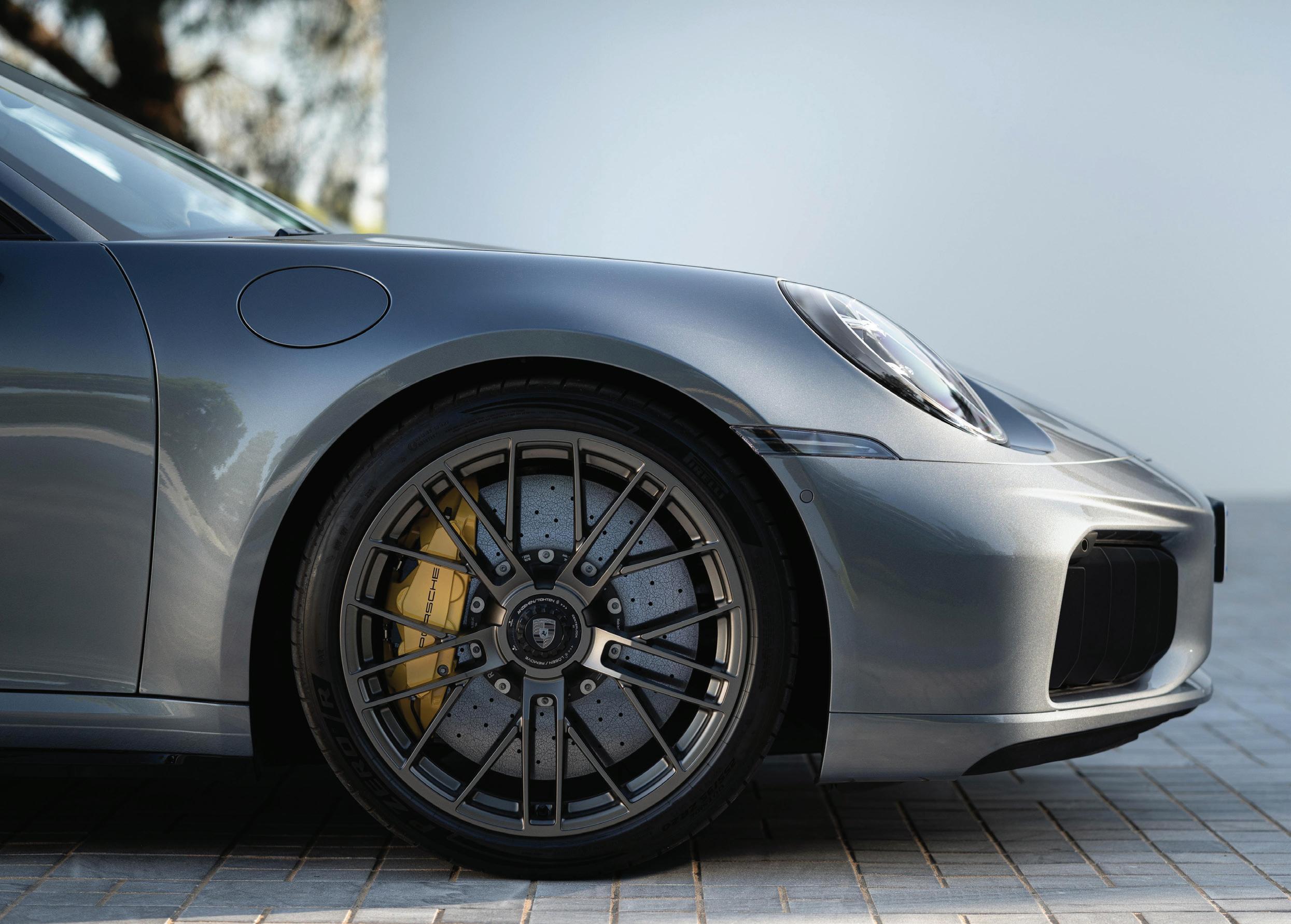
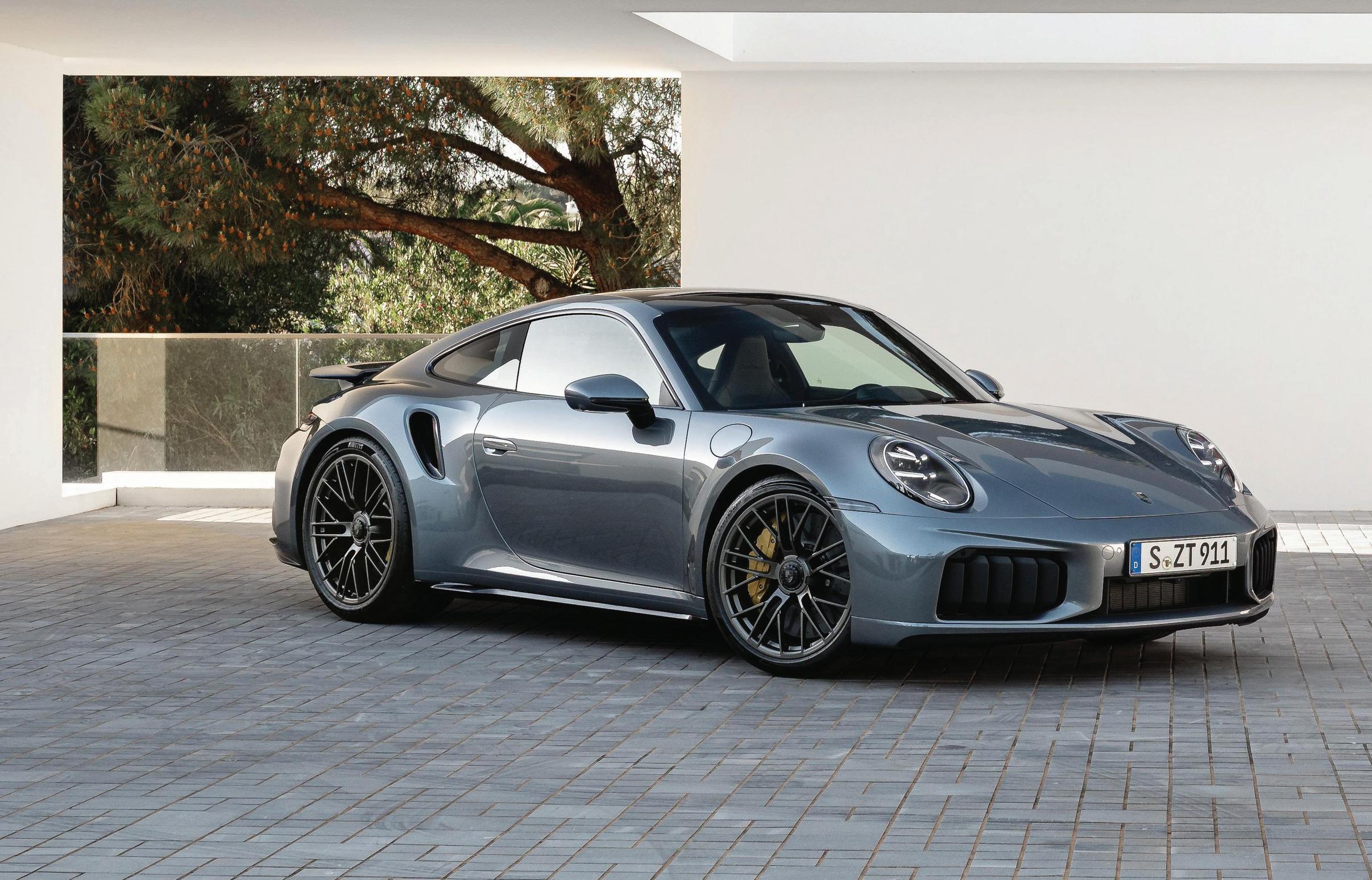
From the outside the new Turbo S remains recognizably 911. The proportions, wide rear arches, quad tailpipes and signature roofline have not changed. Only subtle details hint at the hybrid system beneath the surface. Turbonite accents, revised air intakes and wider rear tires distinguish it from earlier versions, but the overall silhouette is intentionally familiar.
Inside, the cabin continues the 911 formula with a mix of digital displays, performance focused controls and high grade materials.
Optional Race Sport seats, a redesigned infotainment interface and expanded customization options reflect Porsche’s push to combine luxury with track ready capability.
Despite the added mass of the hybrid components, Porsche says the new Turbo S is both quicker and more composed than before.
The hybrid system is self charging rather than plug in, which means drivers do not need to modify their routines. The technology simply enhances the car in both everyday driving and high performance environments.
Porsche’s strategy is clear. Rather than leap directly to a fully electric 911, the company has used electrification to reinforce the character that has defined the model for decades. The Turbo S hybrid keeps the sound and feel of a flat six engine while adding electric precision and a broader performance envelope.
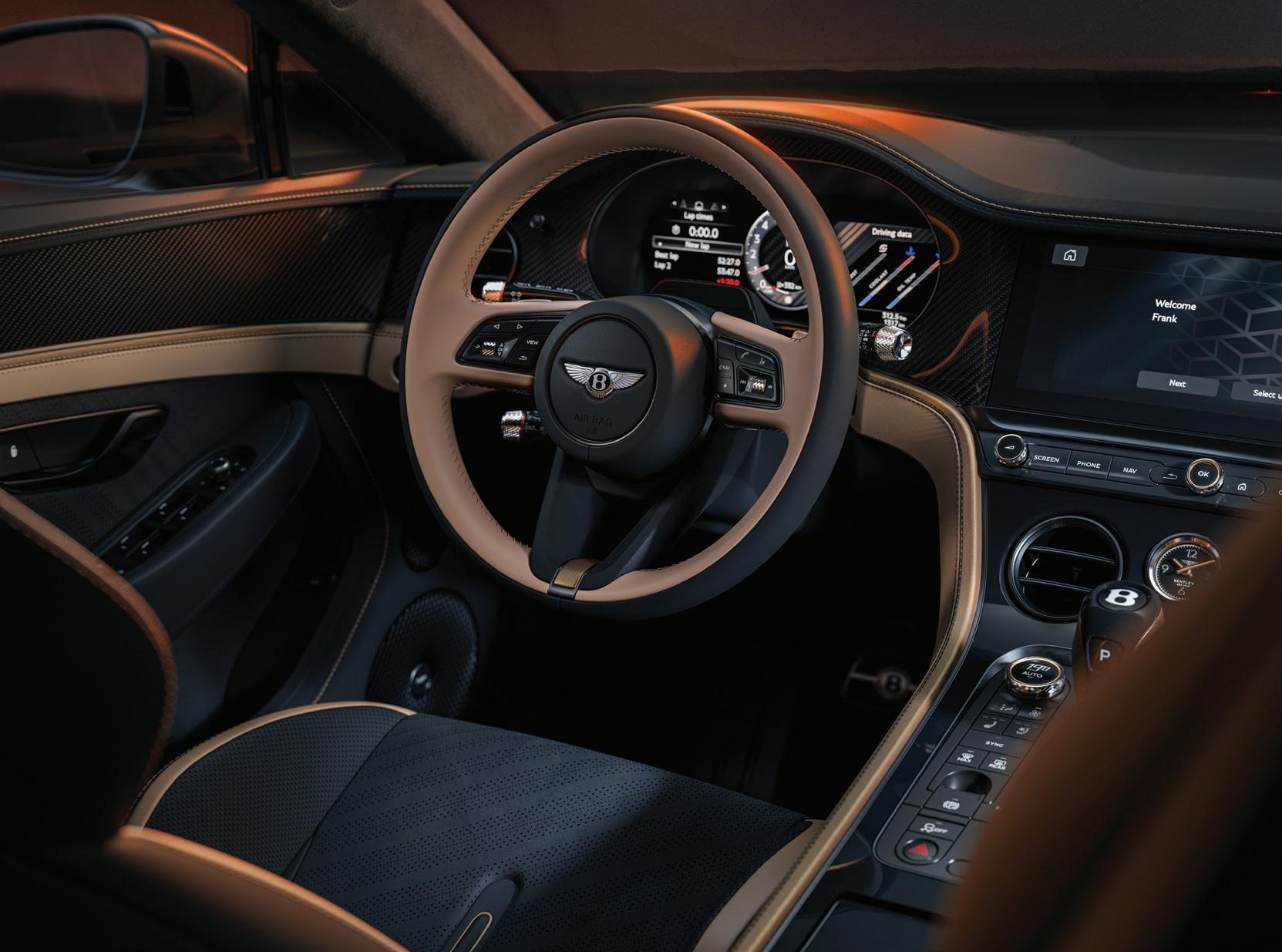
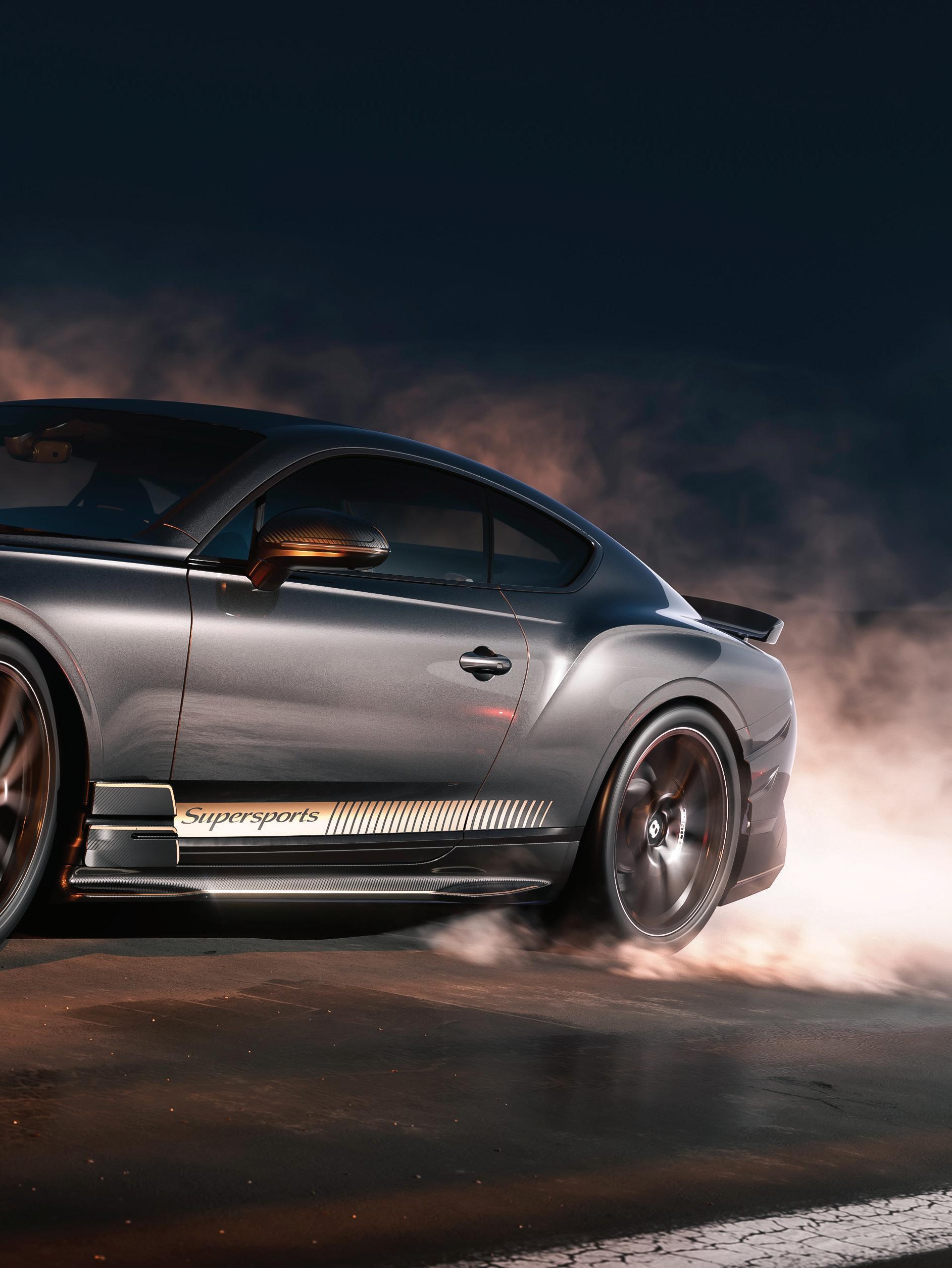
Bentley has never been shy about building fast grand tourers, but the new Continental GT Supersports marks a turning point. For the first time, the nameplate arrives without hybrid assistance, without rear seats, and without compromise. It is a car created with a single objective: to deliver the most focused, most visceral driving experience Bentley has ever engineered. Only 500 units will be built, each representing a rare moment when a luxury marque decides to prioritise pure dynamics over comfort.
At the centre of the Supersports is a twin turbo 4.0 litre V8 that produces 657 horsepower and 800 newton metres of torque. Power goes exclusively to the rear wheels. This makes it the first rear wheel drive Continental GT in the model’s history, and also the lightest Bentley produced in more than eight decades. The benchmark figures follow naturally. Zero to 100 kilometres per hour arrives in 3.7 seconds and top speed sits at approximately 310 kilometres per hour. The dual clutch transmission has been recalibrated for sharper, quicker shifts, while an electronic limited slip differential and brake based torque vectoring help the rear axle make full use of the power.
Where the Supersports truly distinguishes itself is in the way it handles. Engineers widened the rear track by sixteen millimetres and reworked the steering, suspension and chassis controls specifically for this model. The twin chamber dampers and the 48 volt active anti roll system respond in tenths of a second to keep the body flat through corners. With Pirelli Trofeo RS tyres fitted, the car can generate up to 1.3 g of lateral force, a figure that represents a significant jump over the already capable GT Speed. Braking is equally serious, with 440 millimetre front discs clamped by ten piston calipers and 410 millimetre discs at the rear.
The exterior design reflects the car’s purpose. The Supersports features a pronounced front splitter, side dive planes, carbon fibre sills and a large rear wing. These components are not decorative. Downforce increases by 300 kilograms compared with the GT Speed, and the carbon fibre roof helps reduce overall mass while lowering the centre of gravity. It is a different visual language for Bentley, one that expresses performance first and refinement second.
Inside, the philosophy continues. The cabin is stripped of anything not essential. Sound insulation is reduced, the rear seats are removed, and the audio system is pared back to save weight.
The lightweight bucket seats sit lower than in any other Continental GT, creating a more connected driving position.
Materials remain unmistakably Bentley, with leather, Dinamica and carbon fibre available in monotone, dual tone or tri tone configurations. The ambience is purposeful rather than opulent.
Production of the Continental GT Supersports will be limited to 500 individually numbered units. Customer allocations open in March 2026, with assembly starting later in the year.
The paint catalogue includes matte finishes, pinstriped carbon fibre elements and themed liveries such as Nightfall and Daybreak, each created to emphasise the car’s sculpted bodywork. Bentley CEO Dr. Frank Steffen Walliser describes the Supersports as a return to making more extreme road cars. Development began with a discreet test mule known internally as Project Mildred, which evolved into the most focused Continental GT to date. The result is a grand tourer that pushes well beyond the traditional Bentley brief while retaining the craftsmanship and precision that define the brand.
The Supersports is more than a limited edition. It signals a moment in Bentley’s history when performance and purity take precedence, giving collectors and drivers a rare glimpse of the marque at full intensity.

As 2026 approaches, global mobility is entering a defining chapter. Shifting borders, regulatory reforms, and technological acceleration are reshaping how individuals live, invest, and build their legacies across nations. For discerning families, mobility is not just about travel freedom. It is increasingly becoming a strategic asset, one that protects capital, enhances lifestyle, and secures generational stability.
The world’s wealthiest families are rethinking the meaning of “home”. Political uncertainty, inflationary pressures, and rising taxation are encouraging investors to diversify their physical and financial presence.
At the same time, technology is creating new ways to live and work across jurisdictions, while governments compete to attract talent and investment through updated residency and citizenship pathways.
According to the International Monetary Fund and the OECD , global growth will remain moderate through 2026, with developing markets leading expansion.
As a result, forward-thinking investors are targeting emerging destinations that combine safety, tax efficiency, and access to opportunity.


Residency and citizenship planning have evolved from personal lifestyle choices to pillars of portfolio management. Families are incorporating second or third residencies or citizenships into their estate strategies, enabling them to balance global access, asset protection, and succession planning. European countries continue to refine their investment residency frameworks, while regions such as the Middle East and Africa are introducing innovative programs that appeal to entrepreneurs and next-generation investors.
The Botswana Impact Citizenship program, for example, is set to attract investors looking to gain citizenship in one of the most stable countries in Africa while contributing real impact to the people of Botswana.
In under a month, the program has drawn remarkable global attention, with over 1,000 investors representing close to 100 nationalities across six continents expressing interest. The interest generated in such a short time reflects the growing global awareness of the advantages that come with holding multiple residencies or citizenships.
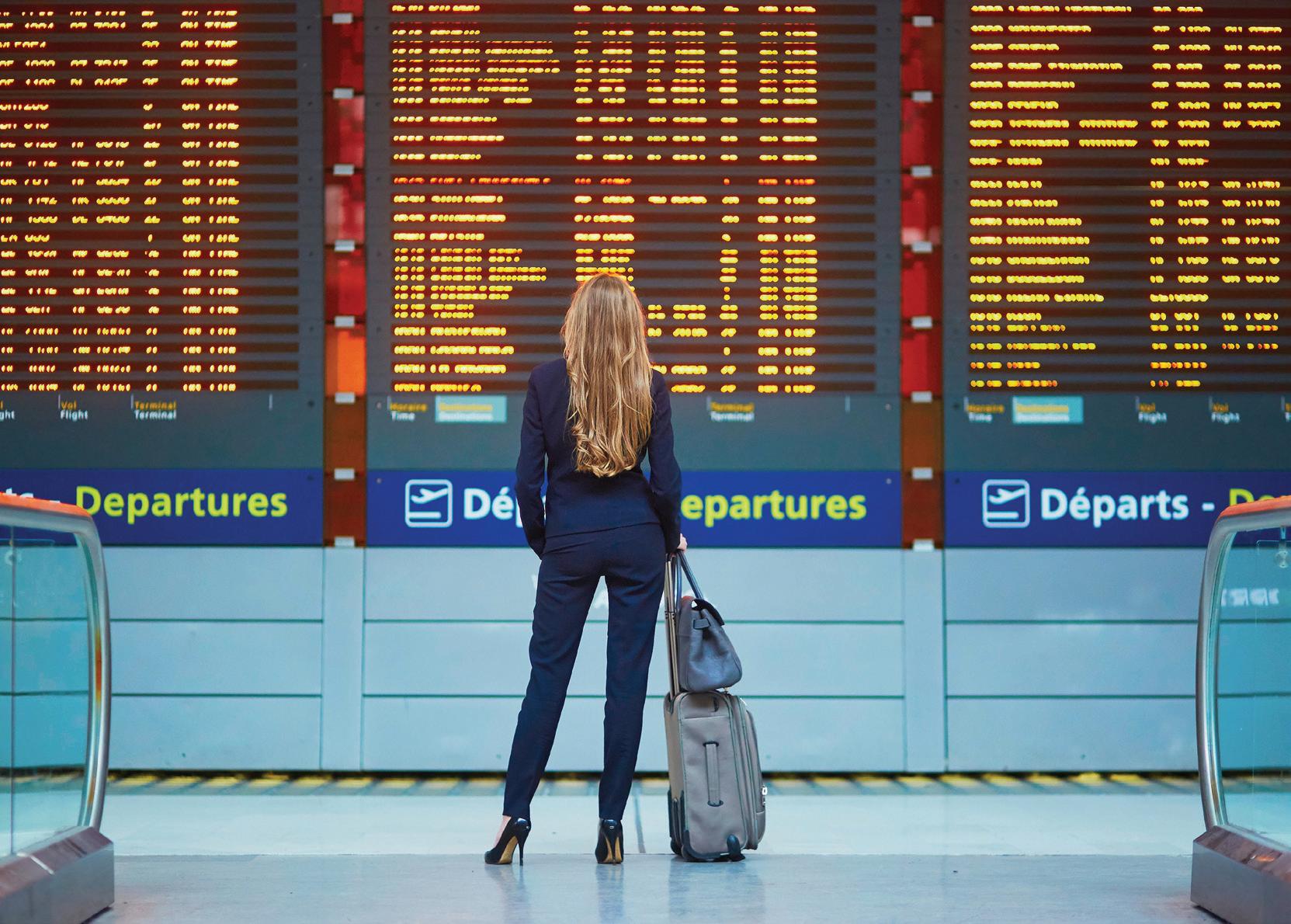
2026 will see a rise in digital borders. The European Union’s new Entry/Exit System and Electronic Travel Authorization mechanisms are setting the tone for a global shift toward biometric verification and smart border management.
Governments are investing heavily in digital identity frameworks that could one day enable a single, secure travel credential.
Pakistan, for example, recently introduced a new biometric passport with enhanced security features, including a contactless embedded chip, microtext, relief printing and holograms, amongst other features.
For investors and globally mobile professionals, this evolution means fewer administrative barriers and faster integration between residency, taxation, and compliance systems.
Heightened due diligence remains a defining theme. Regulators and partner governments are reinforcing anti-money laundering and know-yourclient (KYC) standards to maintain program integrity.
For investors, preparation and transparency are now key advantages. Structuring capital correctly and aligning documentation with international standards are essential prerequisites for successful mobility planning.
This underscores the importance of working with licensed advisory firms that maintain long-standing government relationships and compliance expertise.


The global mobility map of 2026 is more diverse than ever.
Europe remains attractive for longterm stability, education, and family relocation.
The Caribbean continues to offer fast and reliable citizenship solutions for those seeking global visa-free access and wealth protection.
The Middle East is consolidating its position as a global hub for entrepreneurs seeking residency options connected to thriving business ecosystems while geographically connecting the East and West.
Asia and Africa are emerging as next-generation destinations with growing connectivity, digital governance, and sustainable development focus.
This multi-regional expansion gives families new combinations of lifestyle and investment opportunities that were unimaginable a decade ago.
Mobility is becoming increasingly intergenerational. Families are integrating citizenship and residency planning into their estate structures, ensuring their children inherit not only wealth, but access and freedom.
This forward-looking approach allows future generations to study, invest, and work globally without limitation. Tax considerations are becoming a key reason for investors to diversify internationally. From April 2025, new UK inheritance tax rules will make long-term residents (i.e. those who have lived in the country for 10 of the past 20 years), liable for tax on their worldwide assets. For many UK families, this has made international residency and citizenship planning more relevant than ever.
By securing alternative residencies or structuring investments across jurisdictions, families can better manage their tax exposure and protect their legacy for future generations.
Other countries where this type of planning can bring tax advantages include France, Canada, and Australia, where inheritance or wealth taxes can apply to global assets once residency thresholds are met. In contrast, jurisdictions such as Portugal, Malta, and the UAE, offer more favorable tax environments, often with no inheritance or wealth taxes, making them attractive for long-term planning.
Several European and Asian jurisdictions are moving away from property-only models toward regulated investment funds. These provide more flexibility, liquidity, and oversight for investors seeking both returns and residency rights. Innovation-Linked and Sustainability Visas

Countries are creating new categories that reward entrepreneurship, technology, and green investment. These appeal to investors seeking alignment between purpose and prosperity.
A growing number of countries are softening restrictions on dual nationality, reflecting the realities of global family structures and cross-border wealth management.
While mobility options are expanding, investors must approach each opportunity with caution and clarity.
Program integrity, local taxation, geopolitical stability, and exit strategy should always be assessed before committing capital.
Choosing the right jurisdiction depends on individual objectives, whether that is lifestyle, wealth diversification, or succession planning. At Arton Capital, our advisory process begins with purpose. We help families identify their priorities and design a holistic mobility portfolio that aligns with their long-term vision.
By 2026, global mobility will be shaped by three defining forces: digital integration, regulatory transparency, and strategic diversification.
For families who plan with foresight, it remains one of the most powerful instruments for protecting and expanding freedom, both personal and financial, across generations.
The borders of tomorrow are no longer just lines on a map. They are gateways to opportunity for those prepared to look beyond geography and invest in possibility.
The face of global mobility is evolving. What was once driven by entrepreneurs from emerging markets seeking greater freedom of movement has evolved into a new wave led by Americans.
In just six years, their participation in investment migration has quadrupled, reshaping both the scale and character of the industry.
The findings come from the 2025 Investment Migration Executive Survey, conducted by Investment Migration Insider (IMI) in partnership with Arton Capital. The survey, now in its fifth year, captures insights from the leaders of forty multinational firms that collectively manage thousands of global clients. This year’s results point to one clear conclusion: Americans are no longer a marginal group in the mobility conversation. They are now at its center.



When the first edition of the survey was released in 2019, investment migration primarily served wealthy business owners from emerging economies seeking a stronger passport or second residency. Today, the conversation has shifted. American investors already possess one of the world’s most powerful passports, yet they are increasingly turning to second citizenship and residency as a strategy for optionality, security, and long-term flexibility.
Concerns about political polarization, tax exposure, global mobility rights, and lifestyle diversification are replacing traditional motives such as travel access. This aligns with broader trends among affluent families in mature economies, who are reassessing how and where they build their lives and legacies. For some, it is a way to preserve wealth. For others, it represents an investment in personal freedom.
Insights from the 2025 Executive Survey
Now in its fifth edition, the Investment Migration Executive Survey is the only study of its kind, drawing insights from the leaders of forty multinational firms across seventeen countries. The findings reveal a clear and sustained westward shift:
40% of respondents say North America is now their top client source market
Half identify Americans as their fastest-growing demographic
The average client age has risen to between 45 and 54, reflecting mature wealth profiles
The source of wealth is diversifying, with a growing number of clients deriving capital from investment portfolios, not just active business income.
This shift signals a maturing of the market. Citizenship and residency programs are no longer seen as privileges reserved for the few, but as strategic tools for families seeking resilience in an unpredictable world.
While American participation has expanded most visibly, the report also hints at similar trends in Western Europe, where investors are increasingly drawn to the benefits of dual residency and multi-passport strategies.
The share of firms citing Europeans as their fastest-growing client group has reached its highest level on record, suggesting early signs of a continental shift.
At the same time, traditional markets in the Middle East and Africa are stabilizing, contributing to a more balanced and globally distributed client base than ever before.
What was once perceived as a niche industry focused on freedom of movement has matured into a strategic asset class.
Citizenship and residency planning are emerging as a means of preserving wealth, diversifying domicile risk, and creating intergenerational resilience.
For many American families, a second residency now represents peace of mind: the freedom to relocate, the ability to access international education and healthcare, and the confidence that their global lifestyle can continue regardless of shifting domestic policies.
At Arton Capital, we see this transformation as the next chapter in global mobility. Citizenship is no longer a static status. It is a dynamic investment in freedom, designed to adapt to an ever-changing world. As Americans and Europeans join the growing ranks of globally mobile citizens, the industry is moving toward a more inclusive, diversified, and mature phase. The pursuit of global citizenship has become not just about where one can go, but how one can live, invest, and thrive anywhere in the world.
Source: 2025 Investment Migration Executive Survey, conducted by Investment Migration Insider in partnership with Arton Capital.
How high achievers are turning to ancient practices, and how the UAE is making it a modern luxury
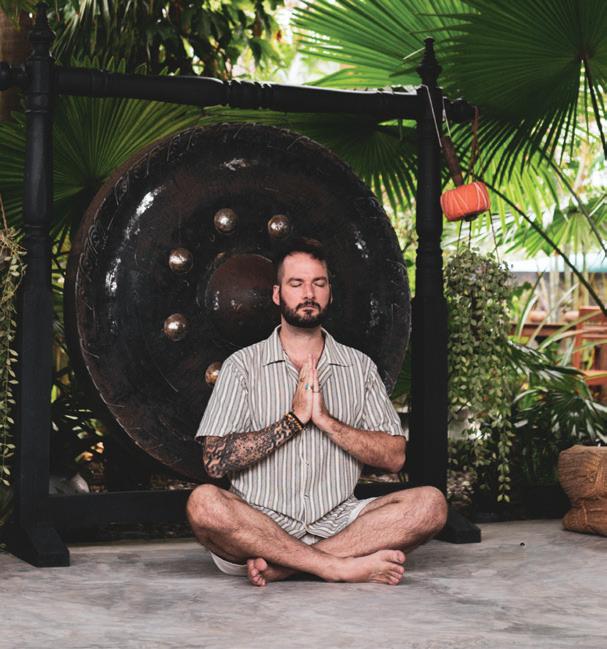
In a world full of trackers, supplements and executive coaches, one of the most powerful tools remains as innate as breathing. Breathwork has transcended yoga studios and is now showing up in boardrooms, recovery suites and elite wellness routines. For those who demand performance, clarity and resilience, it offers a route to physiological balance — all without equipment or travel.
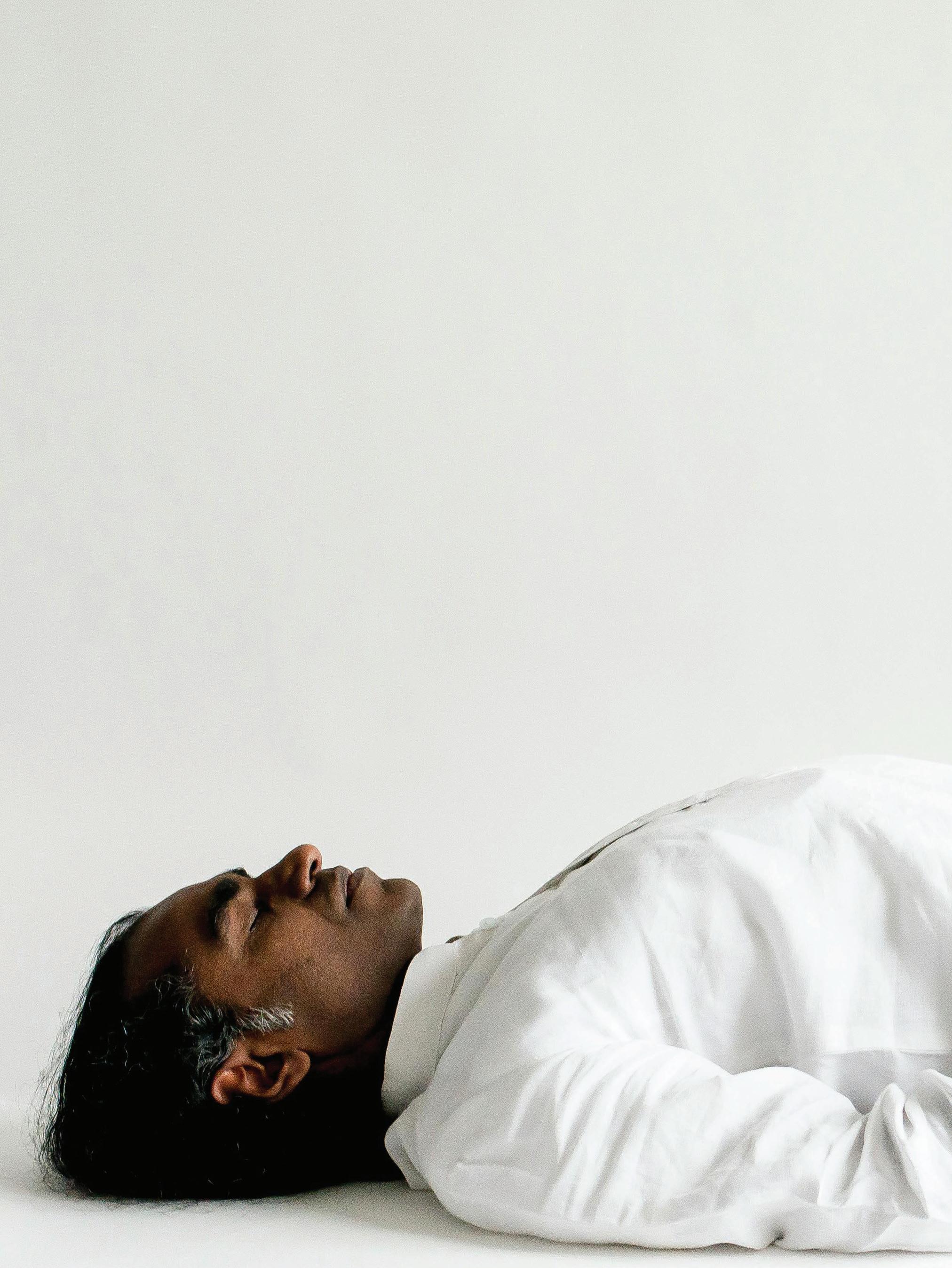
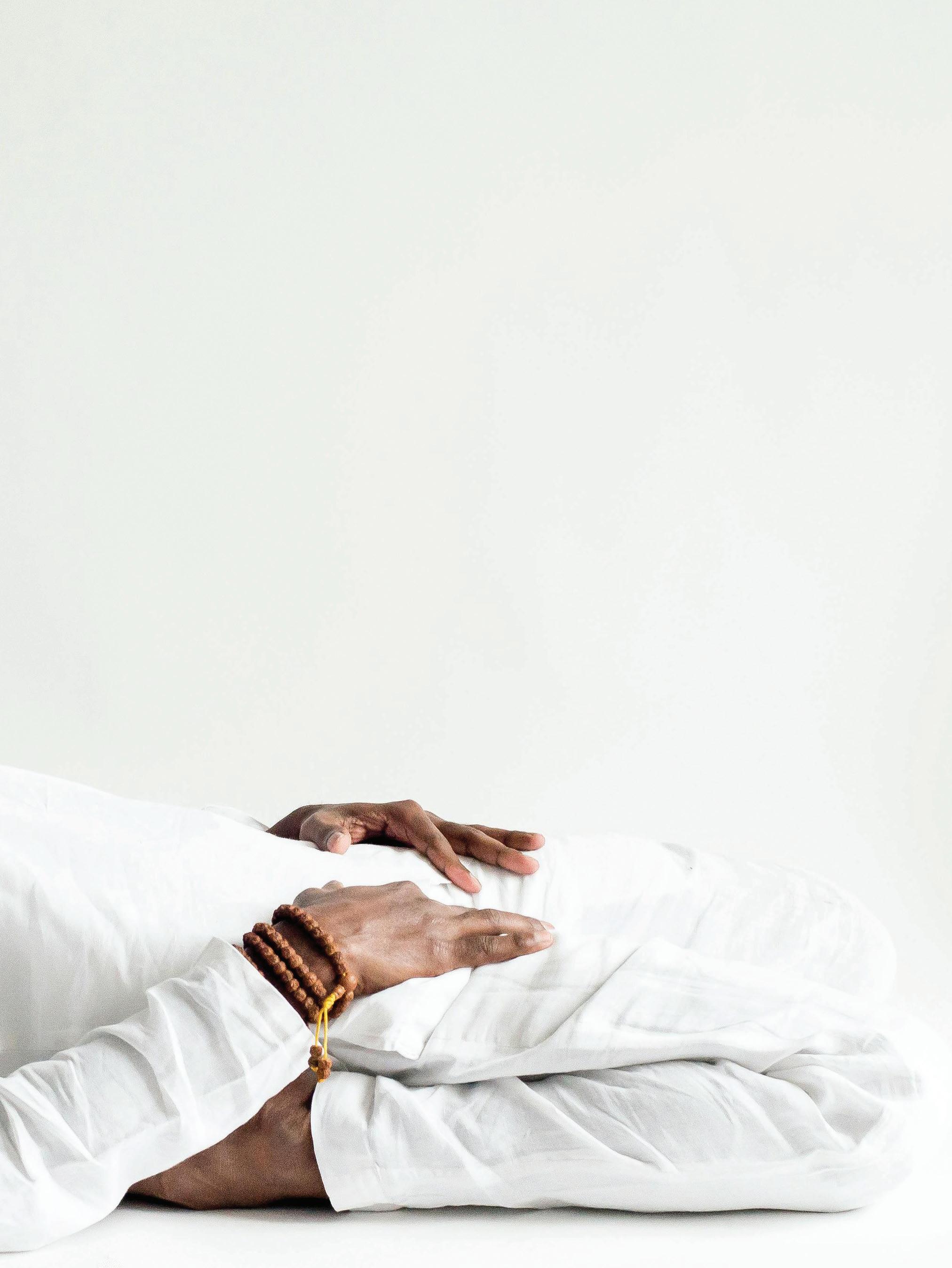
At its core, conscious breath practices engage the parasympathetic system, promoting recovery, emotional regulation and sharper focus.
Research links controlled breathing to improved heart-rate variability and modest reductions in blood pressure, two metrics often flagged in executive health programmes.
Not all protocols are equal. Traditional pranayama favours gentle, rhythmic breathing intended to steady the nervous system. Contemporary breathwork blends modalities: structured sessions of paced breathing, breath holds, intermittent hypoxia, or combined sound work.
The Wim Hof Method is one such hybrid, though it should be approached with care, due to its intensity and cold exposure elements. Some early studies suggest it can influence inflammatory markers, but safety and individual conditions matter.
What sets the UAE apart is how swiftly breathwork has entered the luxury wellness scene. Studios in Dubai and Abu Dhabi now offer private and group breath sessions as part of curated wellness packages.
The Chi Room in Alserkal Avenue runs breathwork classes alongside yoga and sound healing, leveraging an acoustically designed studio to support deep states of calm.
In Abu Dhabi, Bodytree Wellness Studio integrates somatic breathwork and conscious connected breathing into its programmes, pairing techniques with soundscapes and guided visualisation.
Another rising name is IMD Breathwork, a UAE-born method that combines ancient breathing techniques with immersive sound and coaching. Its sessions use headphones, ambient frequencies and structured breathing to promote emotional release and nervous system balance.
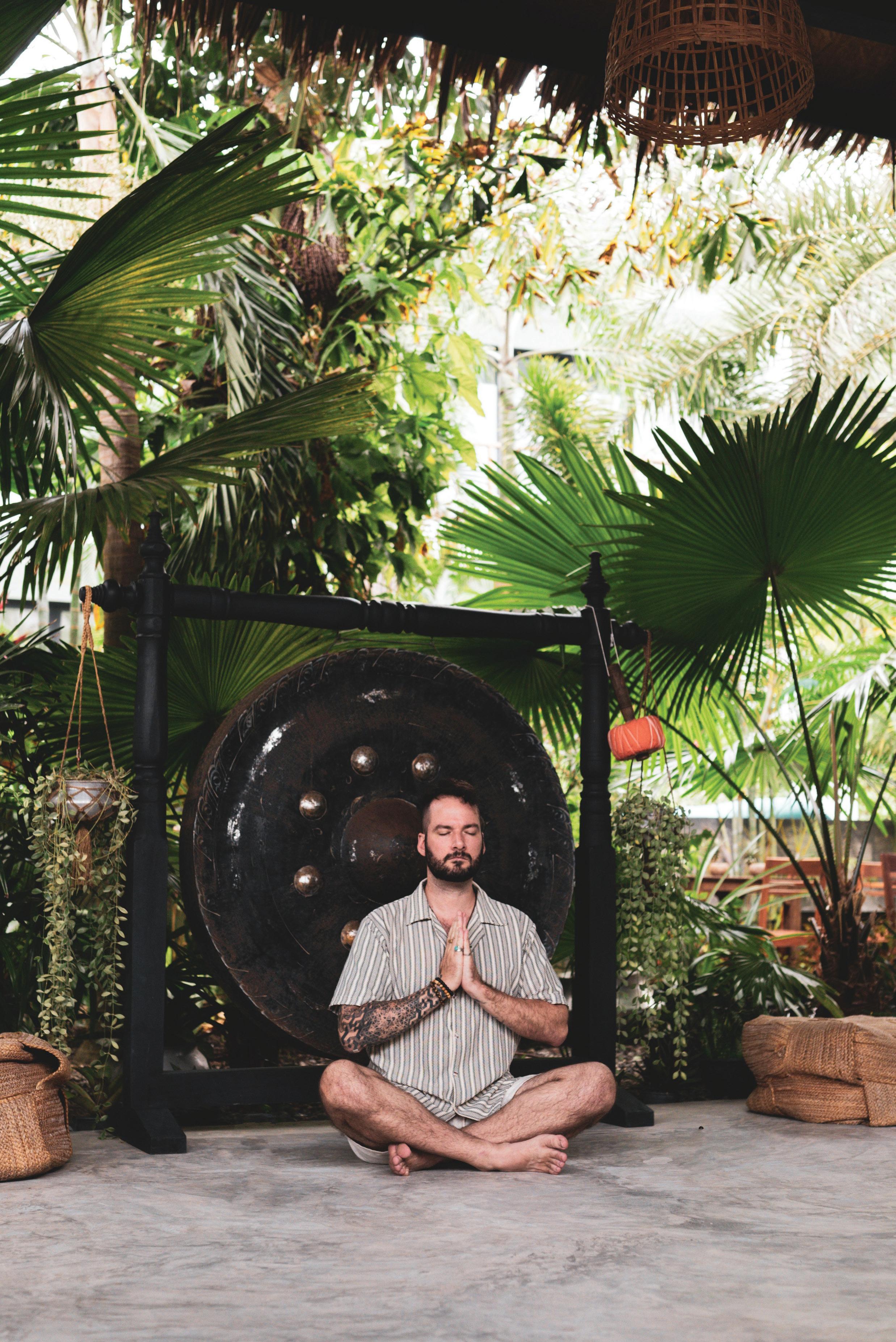
Local coaches bring further nuance. Dubai’s Tamara Korstick, an Oxygen Advantage instructor, frames breathwork as a tool for stress relief, sleep optimisation and performance support. Elisabeth Bohler at Excellency Centers blends breath practice with cold immersion and recovery techniques, appealing to executives and athletes seeking holistic resilience.
The appeal is obvious for high-networth travellers and leaders. Breathwork is ultra-portable. A five-minute paced breathing exercise can calm nerves before a flight.
A ten-minute session between meetings can reset focus. Because it requires no equipment, it travels seamlessly from hotel suites to office corners.
Adopting a simple, consistent protocol tends to be most effective. Two or three daily sessions of slow nasal breathing at six to ten breaths per minute help cultivate baseline calm.
Some coaches pair an exhalation-emphasis ritual before sleep with a slightly faster cadence on waking to encourage alertness. Those with medical conditions should proceed with care, especially before trying breath holds or cold protocols.
In the UAE, the wellness infrastructure supports this shift. Studios offer oneto-one breath coaching, corporate providers are adding sessions to executive wellness programmes, and retreats are layering guided breathing into yoga and biofeedback. The result is a practice that feels elevated yet grounded — equally at home in a penthouse suite or on a desert terrace at sunrise.
Breathwork alone does not replace sleep, nutrition or movement. But it is a potent lever. For those who value presence and performance, mastering the breath is less a trend and more a daily advantage, now firmly embedded in the UAE’s luxury wellness culture.
Bhutan is a country that encourages you to be present. The geography alone does half the work. Tucked deep within the Eastern Himalayas, the valleys unfold in long, quiet sequences that make it difficult to rush anything. Pine forests give way to terraced fields. Rivers cut smooth pathways through villages that feel timeless rather than remote. Even the air has a quality that slows you down.
The journey begins with the descent into Paro, a flight that skims past forested ridges before landing beside a river. The arrival sets the tone: this is a place shaped by nature, not by timetables. Travel between valleys is slow and winding, but there is a meditative quality to the movement. Roads feel like gentle transitions between states of mind rather than routes between towns.
The Six Senses lodges follow this rhythm. Each one reflects its valley in a way that makes the experience feel cohesive without becoming predictable. Thimphu is introspective, with warm lighting, deep timbers and windows that frame mountain ridgelines. The lodge feels like a retreat into calm.
Punakha is lighter, greener and anchored by the river. Mornings here feel soft, with sunlight stretching across rice terraces. Gangtey opens onto one of the most beautiful valleys in Bhutan, wide and quiet, often mist-laced, with black-necked cranes gliding in elegant arcs overhead.
What stands out in Bhutan is the subtlety of its spiritual life. It isn’t grand or performed. It’s woven into daily routine. Monks walk along paths with a sense of ease rather than ceremony.
Temples feel lived in. Meditation sessions feel like shared silence rather than guided instruction. The atmosphere is grounding, not theatrical.
Hot stone baths are one of Bhutan’s most traditional wellness experiences. River stones are heated until they crack and release minerals into the water.
Baths are prepared in small wooden structures where the sound of water mixing with herbs creates an unexpectedly soothing rhythm. The experience is not luxurious in a conventional sense, but deeply restorative.



Food plays a meaningful role in the journey. Ingredients are local, seasonal and prepared simply. Red rice, vegetables grown in the valley, warm broths and slow-cooked meats create meals that feel nourishing rather than indulgent. Evenings at the lodges feel more like gatherings than dinners, especially when fireplaces glow and conversations drift between stories of hikes, temples and the people met along the way.
The hikes themselves are what anchor travellers. Trails pass through forests of oak and rhododendron, across fields dotted with traditional farmhouses, and up paths leading to temples perched on cliffs.
The famous Tiger’s Nest Monastery, for example, isn’t just a destination. It is a slow ascent that gives the experience its meaning. You hear wind move through prayer flags. You hop over small streams.
You arrive carrying the same quiet energy as the monks who walk the route daily.
What lingers is the atmosphere: clear air, slow mornings, villages that feel connected to the land, and a consistent sense of ease. Bhutan is one of the few places where luxury genuinely comes from space, silence and time.
• Six Senses Bhutan – A five-valley journey, each lodge unique.
• COMO Uma Paro – Elegant and grounded with Himalayan views.
• Gangtey Lodge – Warm, intimate, set above a stunning glacial valley.
• Amankora – Understated, architectural, meditative.
• Lodge dining across Bhutan is exceptional, but Paro and Thimphu offer refined takes on Bhutanese classics.
• Folk Heritage Restaurant (Thimphu) for authentic local dishes.
Layers, hiking shoes, warm evening wear, and a small notebook for quiet moments.
Helicopter tours, monastery visits with monks, and multi-valley lodge circuits.
Seoul has the kind of style that doesn’t need to announce itself. It’s visible in the way people dress on the metro, the way cafés arrange their pastries like jewelry displays, the way hotels feel more like curated environments than places to sleep. The city’s confidence comes from attention to detail, and travellers quickly learn that the best way to understand Seoul is to follow its aesthetic cues.
The city stretches across the Han River, but the experience is defined by its neighbourhoods. In Hongdae, where RYSE sits among independent shops and art studios, the streets feel like an open-air lookbook. Students and creatives drift through the area in oversized knits, structured coats and monochrome palettes that mirror the carefully designed storefronts. RYSE matches the tone with interiors that feel composed rather than themed. You sense the artistic backbone of Seoul through its textures: raw concrete, warm woods and fabrics chosen with the same care as runway textiles.
Cross into Gangnam, and the style shifts. Josun Palace rises above the district with a more polished interpretation of Korean luxury. Here, the silhouettes on the street lean sharper and more architectural. Tailored coats, clean lines, impeccable grooming. Even the cafés seem styled, with glass cases of pastries that echo the restraint of the neighbourhood. Gangnam feels international but distinctly Korean in the way global trends filter through Seoul’s meticulous standards.
For travellers who want the city’s historical centre within reach, the Four Seasons in Gwanghwamun is the ideal anchor. The hotel sits close to royal palaces, government buildings and broad ceremonial avenues. The atmosphere inside is warm and contemporary, a contrast to the clean geometry of the surrounding architecture. From here, the city unfolds in a way that makes it easy to slip from sightseeing into shopping, and from shopping into dinner without planning every move.

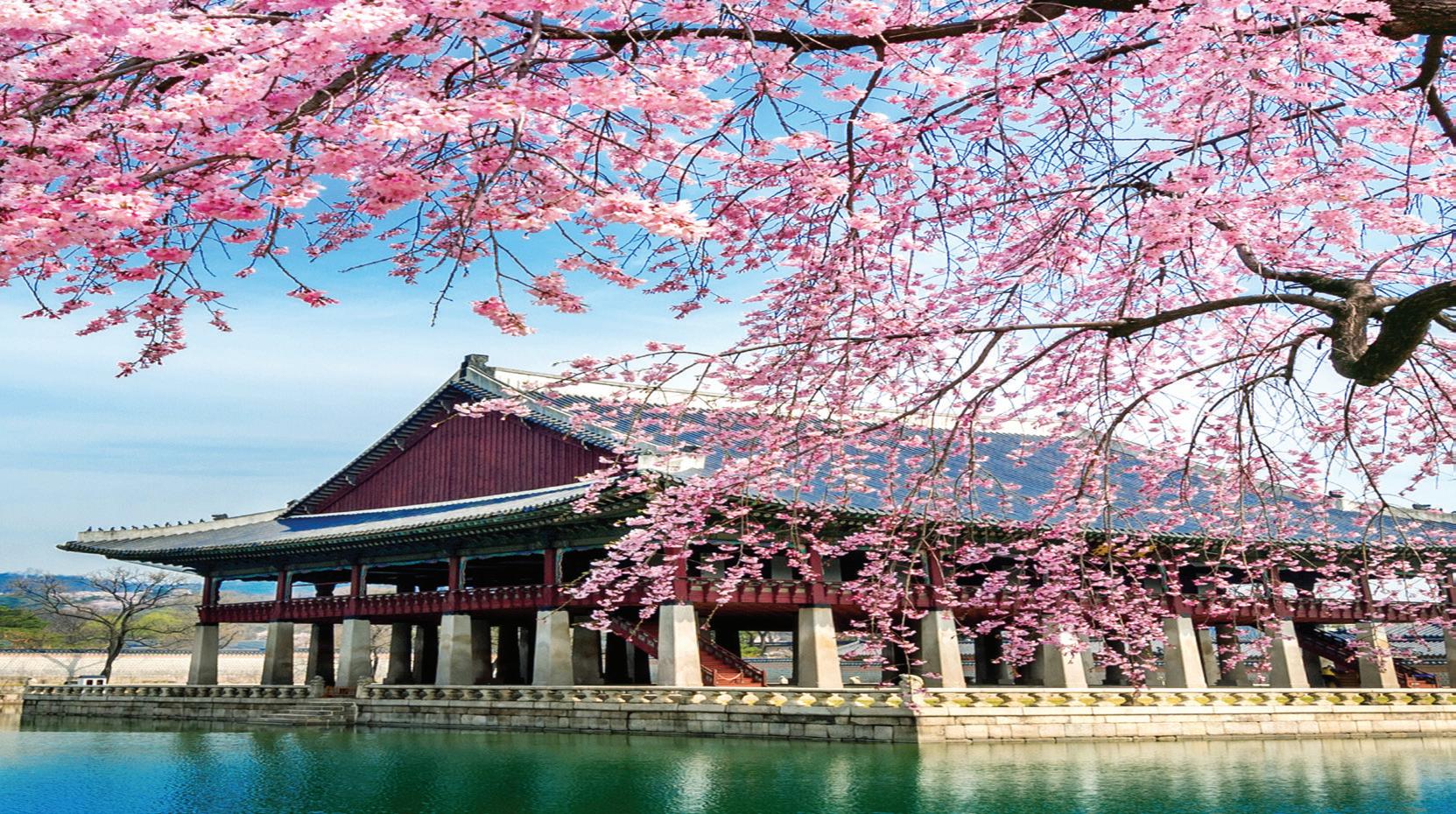
Seoul’s best moments, however, come from wandering. Ikseon-dong feels like a hidden pocket of the city, a maze of restored hanok houses now filled with cafés scented with tea, boutiques selling handmade hairpins and tiny restaurants serving dishes you’ve likely never tasted before.
The lighting, the scale of the alleys, the sound of soft chatter drifting from open doors: everything feels intimate without being precious.
Then there is Seongsu-dong, a neighbourhood shaped by its past as a shoe manufacturing hub.
Today, the warehouses have become cafés, concept stores and creative studios. The aesthetic is industrial but soft, with sunlit interiors and minimalist palettes.
It’s the kind of place where you find a gallery, a perfume bar and a specialty coffee roastery within a single block. Seoul’s cool factor isn’t performative; it’s built into the way the city works.
Hannam carries a more residential calm. Tree-lined streets hold discreet galleries, small fashion labels and restaurants that quietly deliver some of the best meals in the city. It’s a neighbourhood where locals dress with understated clarity: neutral palettes, high-quality materials and silhouettes that read as luxury without logos.
Wellness culture in Seoul blends tradition with technology. Treatments here are precise, efficient and informed by both heritage and innovation. A red ginseng facial feels restorative rather than indulgent. Jjimjilbang spas offer hot rooms, warm pools and quiet spaces that encourage a slower rhythm. Even a simple scalp treatment can feel like a ritual. What distinguishes Seoul is its coherence. Every neighbourhood has a strong identity, yet they all fit together. The city doesn’t push travellers toward spectacle. It invites them to participate in its lifestyle. And for those who pay attention to design, fashion and the details that shape daily life, Seoul becomes one of the most engaging capitals in the world.


• RYSE, Autograph Collection – Creative, design-driven, ideal for trend-focused travellers.
• Josun Palace – Polished, refined luxury with impeccable service.
• Four Seasons Seoul – Best location for history, shopping and dining.
• Signiel Seoul – High-rise views and modern glamour.
• Onjium – Michelin-starred Korean cuisine rooted in tradition.
• Cafe Onion Seongsu – Industrial-chic bakery in a converted factory.
• Joo Ok – Inventive contemporary Korean tasting menus.
Structured coats, neutral layers, comfortable fashion-forward footwear, and space for skincare purchases.
Skincare clinic appointments, Michelin restaurants, and palace cultural experiences.
Svalbard sits far enough north that the first surprise for travellers is how quickly the Arctic takes shape around them. Flying into Longyearbyen, the main settlement, you see mountains rising in sharp angles and glaciers forming bright threads across the valley. The town itself is small, practical and designed entirely around the realities of Arctic life. Travel in Svalbard is defined by its environment rather than by traditional sightseeing. Expedition vessels navigate through fjords that shift constantly with weather, ice and light. Mornings often begin with the muted sound of ice brushing against the hull and passengers gathering on deck for the first signs of a polar bear or a change in the clouds.
Wildlife appears naturally rather than dramatically. Polar bears often move along the edge of the ice, steady and self-assured. Walrus colonies gather on rocky shores or drifting ice.
Arctic foxes weave through snow with quick, decisive steps. Guides provide context, explaining patterns, distances and behaviours, but never interrupting the quiet of the moment. On land, the terrain guides the pace. Snowmobile routes cover long stretches of frozen valley.
Dog sledding offers a slower, immersive mode of travel, the sled gliding over the snow with a gentle rhythm. Glacier walks bring travellers close to blue crevasses shaped by centuries of compression and wind.
Inside Longyearbyen, life feels grounded. The streets are walkable, the cafés warm, and the museums small but informative. Restaurants rely on creativity rather than abundance, working with limited Arctic ingredients to produce thoughtful dishes. Lodges lean toward Scandinavian restraint: wool, wood and lighting designed to soften the winter darkness.
Science plays a quiet but constant role in Svalbard. Research stations monitor climate, ecosystems and glacial patterns year-round. The Seed Vault sits on a hillside outside Longyearbyen, secure and unassuming. These institutions add context to the landscape, reinforcing its fragility and its global importance. What sets Svalbard apart is the clarity of experience. There is no crowding, no visual noise, no pressure to move quickly. The Arctic environment dictates every decision, and travellers adjust accordingly. The result is a journey defined by accuracy, observation and respect for one of the planet’s most remote regions.



Funken Lodge – Warm, stylish, best overall base.
• Isfjord Radio Adventure Hotel – Remote, atmospheric, accessed by boat or snowmobile.
• Radisson Blu Polar – Reliable comfort in the town centre.
• Huset – Historic, refined dining with Scandinavian influence.
• Gruvelageret – Atmospheric dinners in a former mining structure.
Thermal layers, windproof outerwear, insulated boots, hand warmers, and a good camera.
Expedition cruises, snowmobile safaris, dog sledding, and glacier hikes.

Scan & Donate D 800 SUPPORTS A YEAR OF QUALITY EDUCATION
Most luxury luggage looks best when new, then shows wear as a kind of damage. Berluti approaches leather goods differently. A Venezia overnight bag is designed to change over time. Marks become character, colours deepen, and the surface develops complexity like a well-maintained oil painting.
The process starts with leather selected for how it accepts colour. Berluti’s craftsmen treat calfskin like a canvas, building up layers of dye and wax by hand.
They create gradations (darker at the edges, lighter in the centre) that give the leather depth and dimension. Each bag reflects the individual who finished it as much as the person who will eventually own it.
The bag’s structure balances flexibility with stability. It can compress when packed tightly but stands upright on its own when set down. The handles soften with use but don’t lose their shape.
Brass hardware develops a warm patina rather than tarnishing or chipping. Everything is built to change gracefully rather than simply endure.
Owning a Venezia bag means accepting its evolution. The initial patina work can take weeks in the workshop before the bag is sold, but the real transformation happens during use. Exposure to heat, light, and handling continues to alter the finish in ways that are gradual and unique. No two bags age identically. Even bags finished at the same time will look distinctly different after years of travel.
This philosophy requires a different mindset about luxury. Instead of protecting an investment, the goal is to use the bag fully. Place it on stone floors, slide it into tight spaces, carry it through crowded airports. The bag’s value isn’t tied to keeping it pristine. It increases through lived experience, and its most beautiful phase is always still ahead.
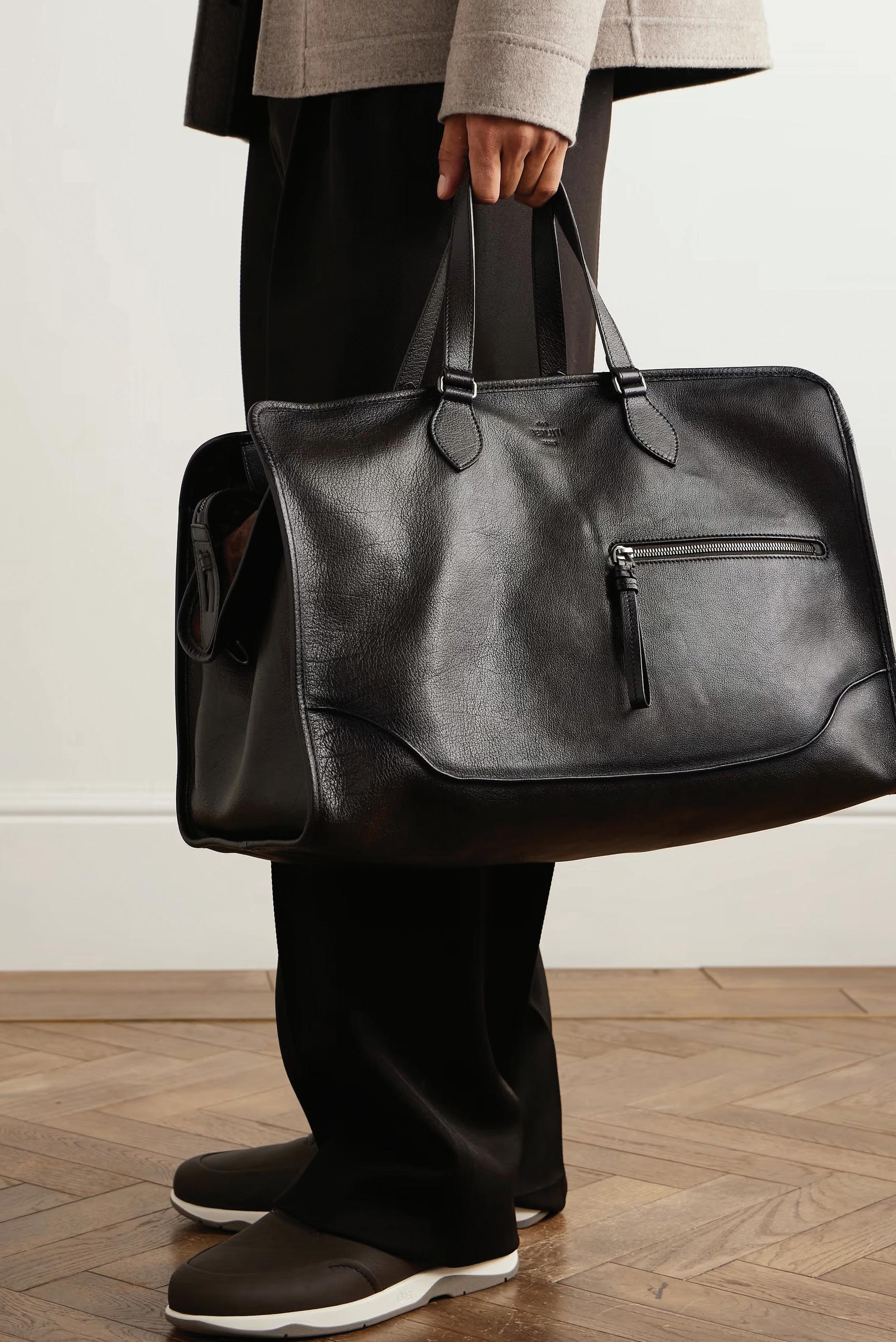
There are expensive coats, and then there’s the Loro Piana vicuña coat. Its rarity doesn’t come from marketing or limited editions. It comes from geography, biology, and conservation regulations that can’t be circumvented.
Vicuña fibre comes from wild animals living high in the Andes mountains. Local communities conduct periodic round-ups under strict conservation guidelines, shear the animals, and release them back into the wild. Each vicuña produces only a few hundred grams of usable fleece every two years. A single coat requires fibre from multiple animals. There’s no way to speed up or scale this process.
The material itself explains the price. Vicuña fibre is finer than most cashmere and remarkably warm relative to its weight. The natural colour ranges from pale caramel to honey, requiring minimal or no dyeing. Loro Piana works directly with Andean communities to source licensed fibre and controls the entire production process, from spinning and weaving to final tailoring.
The tailoring is intentionally restrained. The coat drapes naturally on the body rather than holding a stiff shape. Seams are minimal, linings are simple, and buttons are chosen for subtlety. There’s no obvious branding or flashy details. The fabric itself is the focus.
This isn’t a coat for daily commuting or casual wear. It’s designed for cold weather in sophisticated settings: long trips, formal occasions, moments when clothing matters. It travels well, emerging from luggage without creasing. Worn over a suit or heavy knit, it feels light and comfortable rather than bulky. The value lies not in showing off but in how well it performs.
Prices often reach six figures in dirhams, and production is necessarily limited. Anyone looking for logos or trend-driven design will be disappointed. The appeal is in owning something genuinely rare: a material that comes from a specific place, passes through skilled hands, and results in a garment that can’t be authentically replicated. A vicuña coat isn’t about being noticed. It’s about personal appreciation of quality.
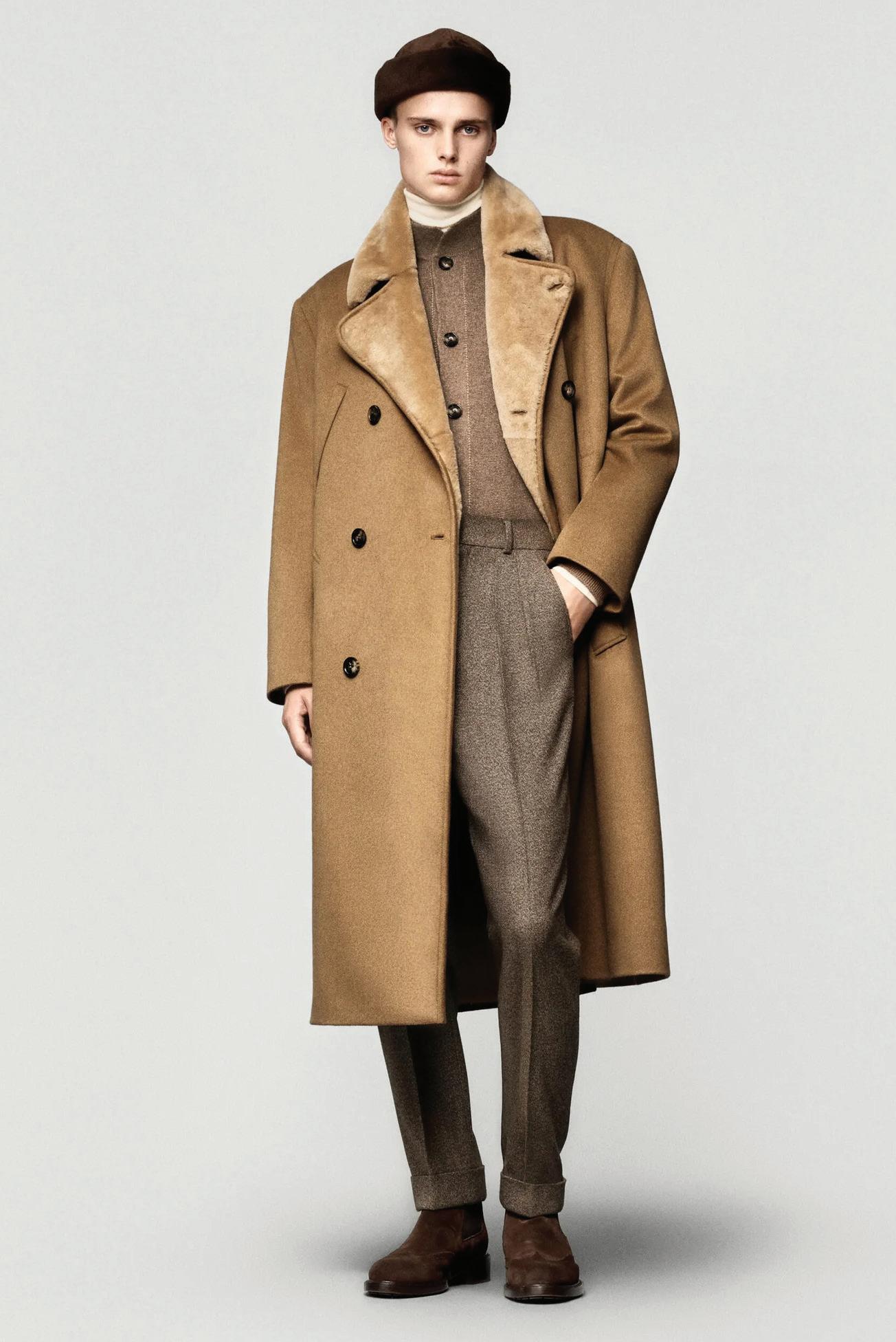
Men’s skincare has changed significantly in recent years, moving toward products that prioritise function, clarity and evidence-backed results. MÄNN Skincare fits naturally into this evolution. Created by founder and co-formulator Kenneth Hoellmann, the brand began from a personal search for formulas that worked for male skin without relying on heavy textures or superficial claims. The result is a collection that uses advanced actives, clean formulations and a targeted approach designed specifically for men’s skin structure.
Male skin is usually thicker, produces more oil, and is more prone to inflammation triggered by stress, shaving and environmental exposure.
MÄNN develops its formulations around these realities. Every product is made with 100 percent natural-origin ingredients and built on biomimetic science, meaning the actives are selected to perform in ways the skin naturally recognises.
Technologies such as NovoRetin, Solastemis, TiMOOD and Melatonin Liposome allow the products to support firmness, radiance and barrier strength without irritation.
Each formula is also certified by CosmEthically ACTIVE, which verifies that the concentration of actives meets clinically meaningful standards rather than marketing thresholds.

Texture is one of the clearest differentiators. Hoellmann worked closely with European laboratories to engineer lightweight, absorbent formulations that perform well in warm climates and suit men who prefer minimal steps. The range focuses on four core products.
The Daily Detox Cleanser uses cactus water, PHA and niacinamide to remove buildup while keeping the skin balanced. The Age Defense Light Day Cream adds environmental protection with a non-greasy finish.
At night, the Regenerating Moisture Night Cream supports recovery and stress relief through neurocosmetic ingredients that help restore tone and brightness.
For weekly maintenance, the Resurfacing Peel offers controlled exfoliation using fruit acids and Desert Date Seed Oil, refining the skin without causing dryness.
Packaging is another intentional choice. The matte-black exterior and inward-opening boxes reflect the brand’s emphasis on modern design and functional simplicity. Inside, the visual system is inspired by volcanic textures and natural landscapes, reinforcing the brand’s focus on elemental ingredients rather than trend-driven narratives. The educational element is also central. Rather than encouraging long routines, MÄNN explains why each product exists, what it does and how it supports skin function over time. This clarity has helped the brand appeal to men who want effective skincare but prefer a straightforward, credible approach.
MÄNN succeeds because it treats men’s skincare as its own category rather than a secondary extension of women’s beauty. The brand is built on scientific detail, clean formulation principles and a strong understanding of how men actually use skincare in their daily lives.
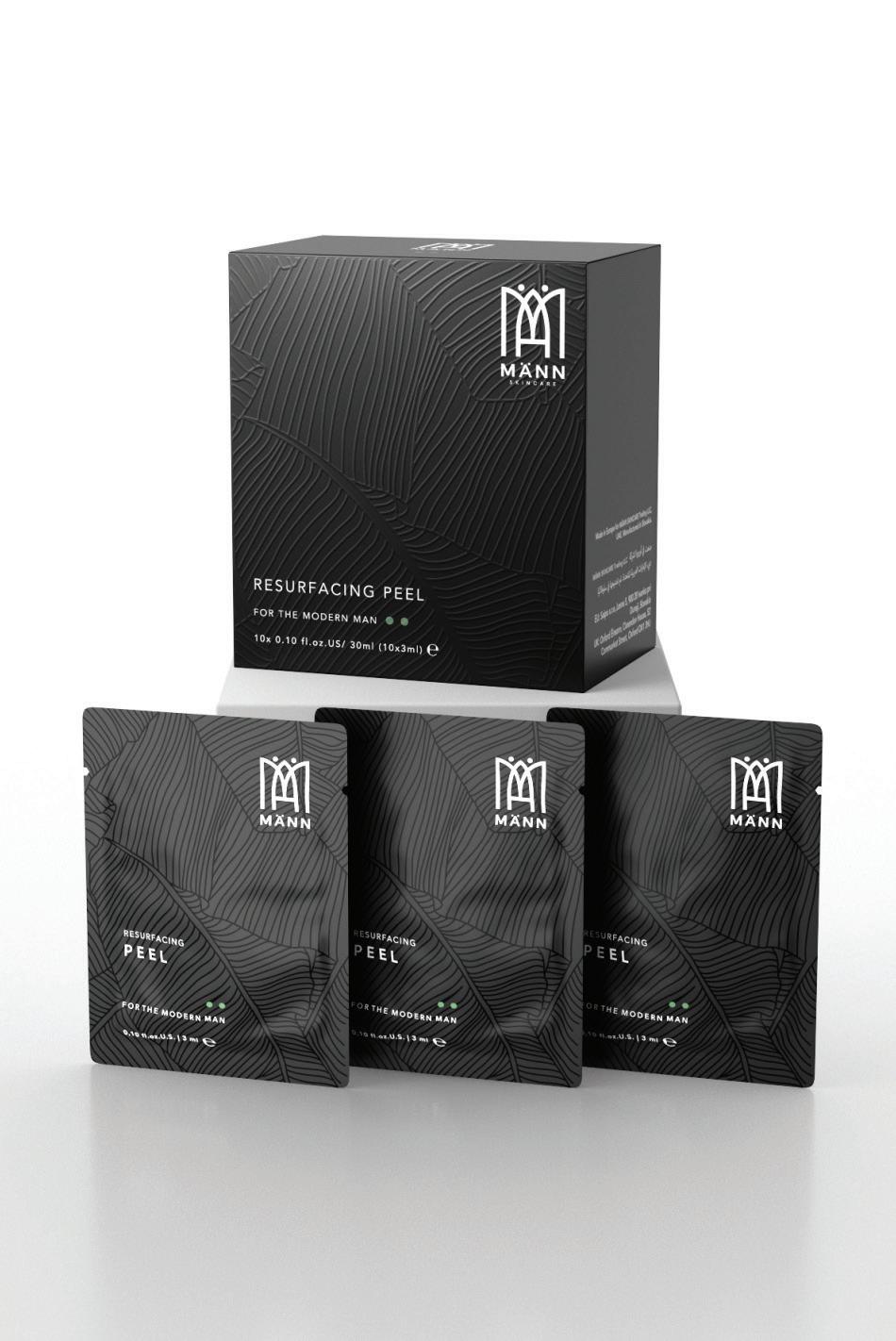
There exists a particular category of photography that simply did not exist a decade ago. Estate documentation from aerial perspectives.
Yacht approaches filmed from impossible angles. Adventure photography captured without helicopters or fixedwing aircraft. The drone has made all of this not merely possible but routine.
The DJI Inspire 3 represents the current apex of civilian drone technology. This is not a toy, nor even a particularly accessible piece of equipment for casual users. The Inspire 3 is a professional cinema tool that happens to fly.
Its camera system, the Zenmuse X98K Air, shoots up to 8K RAW video from a full-frame sensor, delivering image quality that previously required equipment costing many times as much.
Three-axis gimbal stabilisation is so effective that footage appears as though shot from a tripod rather than from a platform moving at 40 miles per hour. An interchangeable lens system covers everything from ultra-wide establishing shots to telephoto compression, giving cinematographers the same creative control they expect from ground-based systems.
What distinguishes professional platforms from consumer drones is obstacle detection sophisticated enough to navigate complex environments. The Inspire 3 uses multiple sensor arrays to map three-dimensional space in real time, allowing it to thread between yacht masts in Monaco harbour or skim above palm groves on private islands while actively avoiding obstacles such as trees and powerlines. The system supports advanced flight paths and subject tracking that would have required dedicated pilots and camera operators only a few years ago.
Flight time extends to around 28 minutes under optimal conditions, sufficient for most carefully planned shooting scenarios. DJI’s transmission system maintains a low-latency 1080p video feed at considerable range, even though local regulations typically restrict operational distance and altitude.
Operating an Inspire 3 requires genuine skill. In the United States, commercial work requires FAA Part 107 certification, with comparable licensing regimes in other jurisdictions.
Dual-operator mode, where one person flies whilst another controls the camera independently, produces results that are genuinely difficult to distinguish from helicopter cinematography. For documenting property portfolios, capturing adventure travel or simply achieving perspectives previously impossible, the Inspire 3 has become essential equipment.
The best vantage point, it turns out, is often the one nobody else can reach.

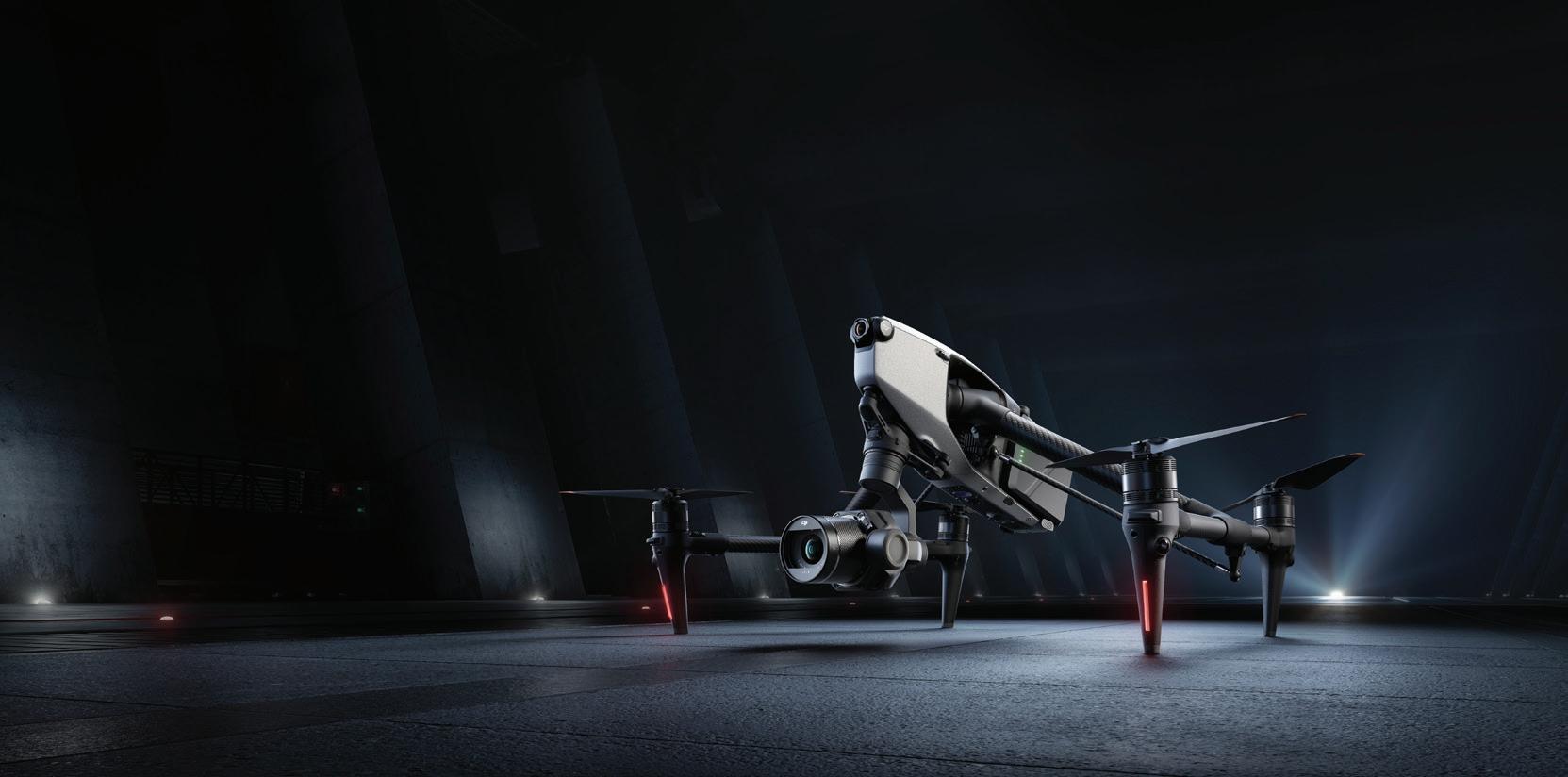
A new residential landmark is taking shape at Dubai Maritime City, where BEYOND Developments has unveiled Kanyon, a design-focused tower inspired by the drama and tranquillity of a canyon shaped by time.
Valued at AED 1.5 billion, the project marks the second sculptural addition to the city’s emerging Forest District by the Sea, one of the region’s most distinctive nature-led coastal communities.
A tower shaped by green space, light and movement
Kanyon draws on the imagery of a living canyon, with architecture that subtly curves inwards and outwards as it rises. The façade responds throughout the day, catching shifting sunlight across its layered surfaces.
A planted vertical spine climbs the tower, linking it visually to the greenery that winds upward through the development.
The design brings a sense of movement and fluidity to the district, presenting a building that feels shaped by landscape rather than imposed upon it. Inside, generous glazing and flowing balconies frame wide horizons toward Downtown Dubai, Port Rashid, the World Islands and the evolving forest below.
Nature is treated as a defining element of the living experience, influencing atmosphere and outlook rather than simply acting as a backdrop. Adil Taqi, CEO of BEYOND Developments, notes that Kanyon furthers the masterplan’s original intent.
“With our masterplan, we envisioned a community shaped by wellbeing, thoughtful design and a closer relationship with nature, creating an environment where people can live with greater ease and purpose.Kanyon builds on this vision by drawing the landscape into the heart of the building and shaping a living experience that feels warm, intuitive and deeply rooted in its surroundings.”
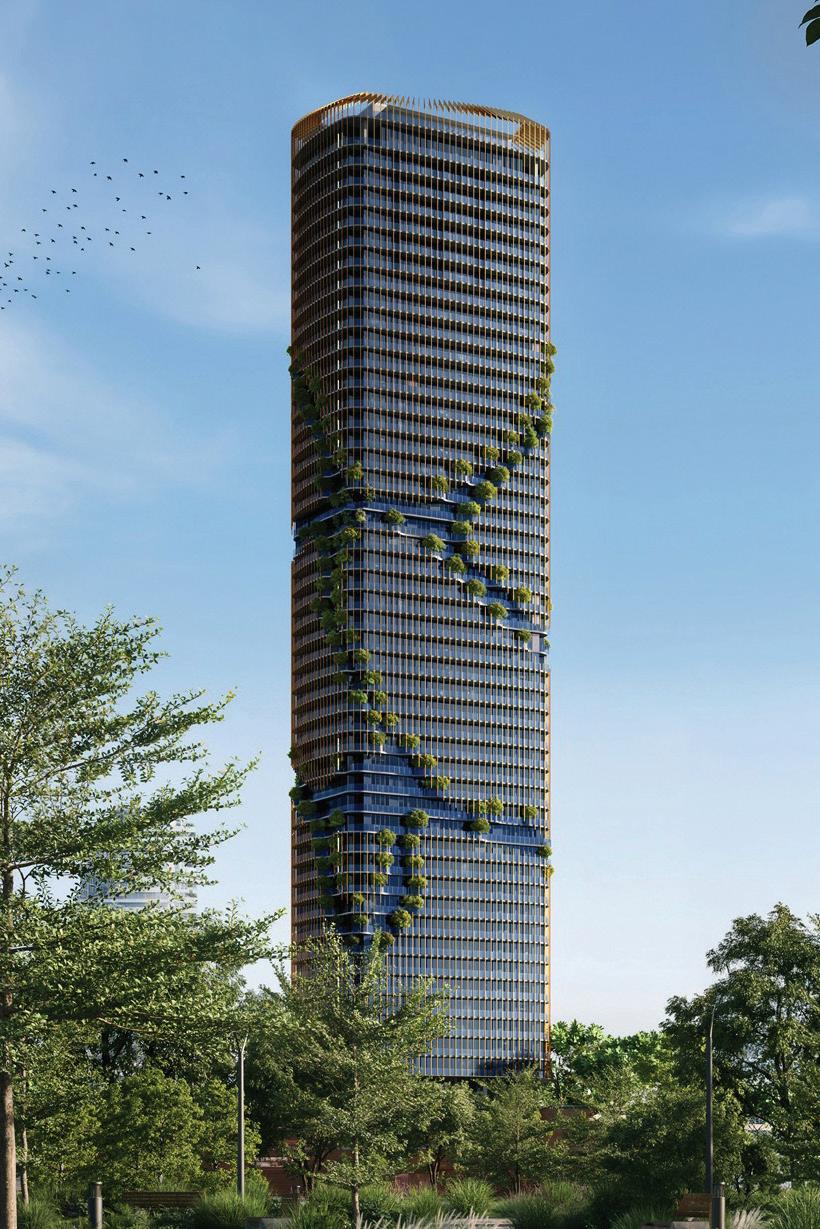
The tower will house 411 residences across one-, two-, and three-bedroom layouts. Interiors are guided by clarity and warmth, using refined finishes, open sightlines and natural light to create calm, understated spaces. Completion is scheduled for Q2 2029.
Amenities follow the same philosophy. Co-working areas overlook greenery and the sea; pavilions and terraces provide quiet outdoor spaces; and wellness facilities include a spa, a modern fitness club, and family-friendly areas.
A rooftop sky bar is reserved for residents, while the sky pool offers a vantage point above the district. At ground level, the terraced Green Descent forms a seamless connection between architecture and landscape, integrating the tower into its surroundings.
Kanyon reinforces BEYOND’s approach to waterfront development, where landscape, shadow, light and movement form the basis of design. The result is a built environment that responds to its setting, prioritising atmosphere, wellbeing and a more thoughtful rhythm of daily life by the coast.
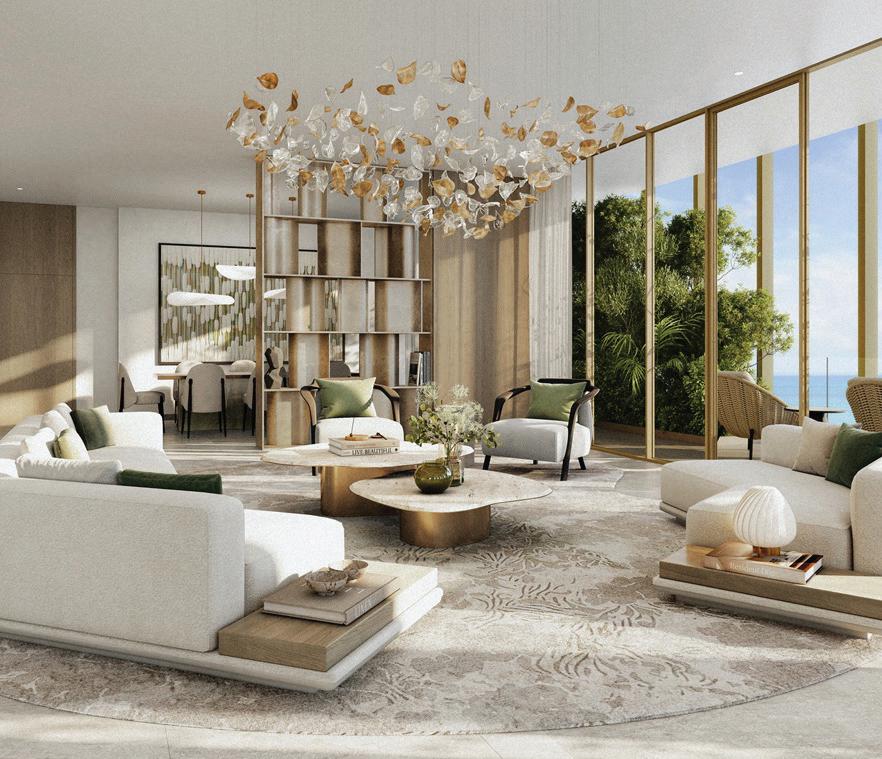
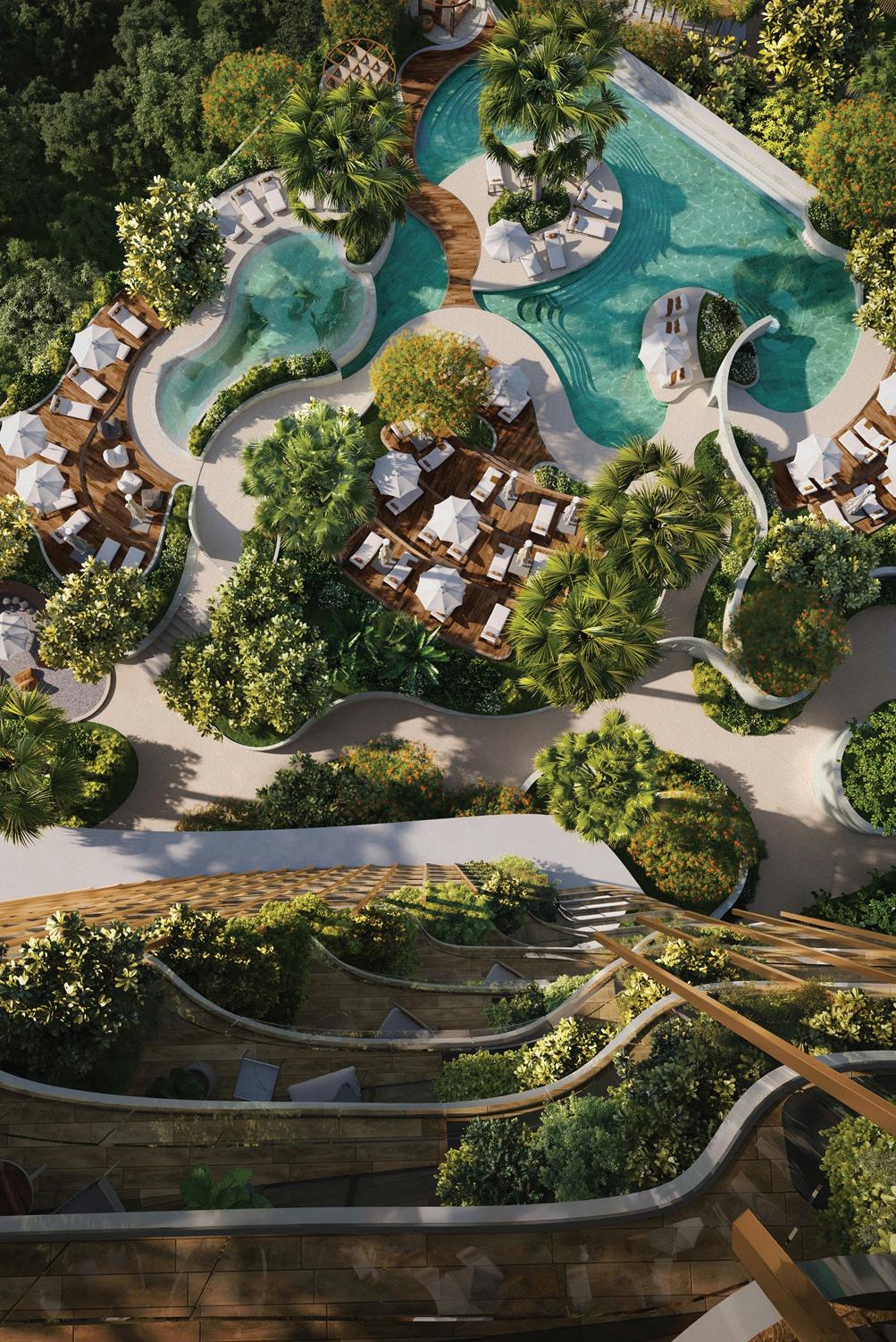
The notion that home fitness equipment belongs in spare rooms or basement corners ended sometime around 2023. What replaced it is rather more interesting: purpose-built private gymnasiums featuring technology sophisticated enough to justify cancelling memberships at exclusive clubs.
Peloton Row represents the apex of this evolution. Rowing has long been considered the thinking person’s cardio, engaging around 86 per cent of major muscle groups without the joint impact of running. What Peloton has achieved is making the experience genuinely engaging rather than tediously mechanical.
The engineering is immediately apparent. The resistance system uses electronically controlled magnetic resistance rather than water or air, providing smooth, near-silent pull and effectively infinite adjustment.
The 23.8-inch HD touchscreen pivots to accommodate both rowing and floor exercises, transforming a single piece of equipment into a complete training platform.
Form coaching is the most significant innovation. Using built-in 3D sensors and motion-tracking, Peloton’s Form Assist analyses every stroke in real time.
Hip angle, handle path and leg drive sequence are all measured; the software highlights inefficiencies and provides immediate feedback.
For those new to rowing, this helps prevent the poor technique that typically makes ergometer training uncomfortable.
For experienced rowers, it delivers granular data previously accessible only through professional-level coaching tools.
Live and on-demand classes range from 10-minute conditioning sessions to hour-long endurance programmes, led by instructors with elite rowing backgrounds, including former national-level athletes.
Biometric integration tracks power output, stroke rate and heart rate zones, allowing users to monitor effort precisely and maintain an optimal training stimulus. What distinguishes Peloton Row for luxury homes is its consideration for interiors.
The frame is machined aluminium, finished in understated matte tones that sit comfortably in contemporary spaces. The footprint, whilst substantial, is mitigated by secure vertical storage against a wall anchor. When equipment costs what this does, hiding it away rather misses the point.
This is fitness as lifestyle infrastructure, and infrastructure this considered deserves to be on display.

There is a particular moment during the design of extraordinary residences when the architect, interior designer and acoustician gather to discuss something most people never consider: how the house will sound. Not merely where speakers will be positioned, but how the very structure will interact with audio.
The Sonos Architectural range, developed with specialist manufacturer Sonance and powered by Sonos Amp, represents this evolution from afterthought to foundational element. Unlike the familiar stand-alone speakers in sitting rooms and kitchens, these systems are specified during construction, with in-ceiling, in-wall and outdoor components integrated into the building fabric before finishing work begins. The result is truly discreet audio, where music appears to emanate from the space itself rather than from visible hardware.
A single Sonos system can support up to 32 products or zones, allowing different playlists in the pool area, main living spaces, private suites and outdoor terraces simultaneously.
Integration with lighting and climate control means the house can shift its entire atmosphere according to time of day, occupancy or preset scenes.
Morning mode might combine gentle lighting, an ideal temperature and the day’s news. Evening entertainment mode can raise the volume, adjust the lighting and open exterior zones in a single command.
The architectural speakers themselves are feats of engineering. In-ceiling units feature pivoting tweeters to direct high frequencies precisely where they are needed.
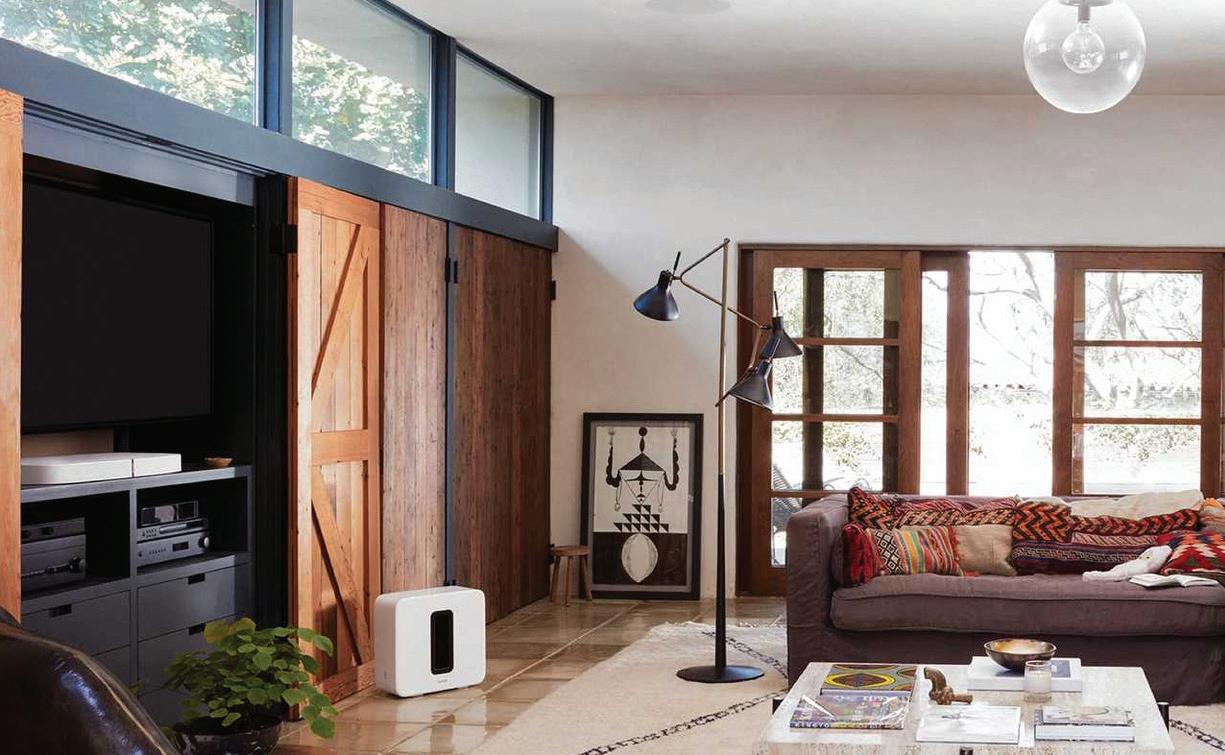
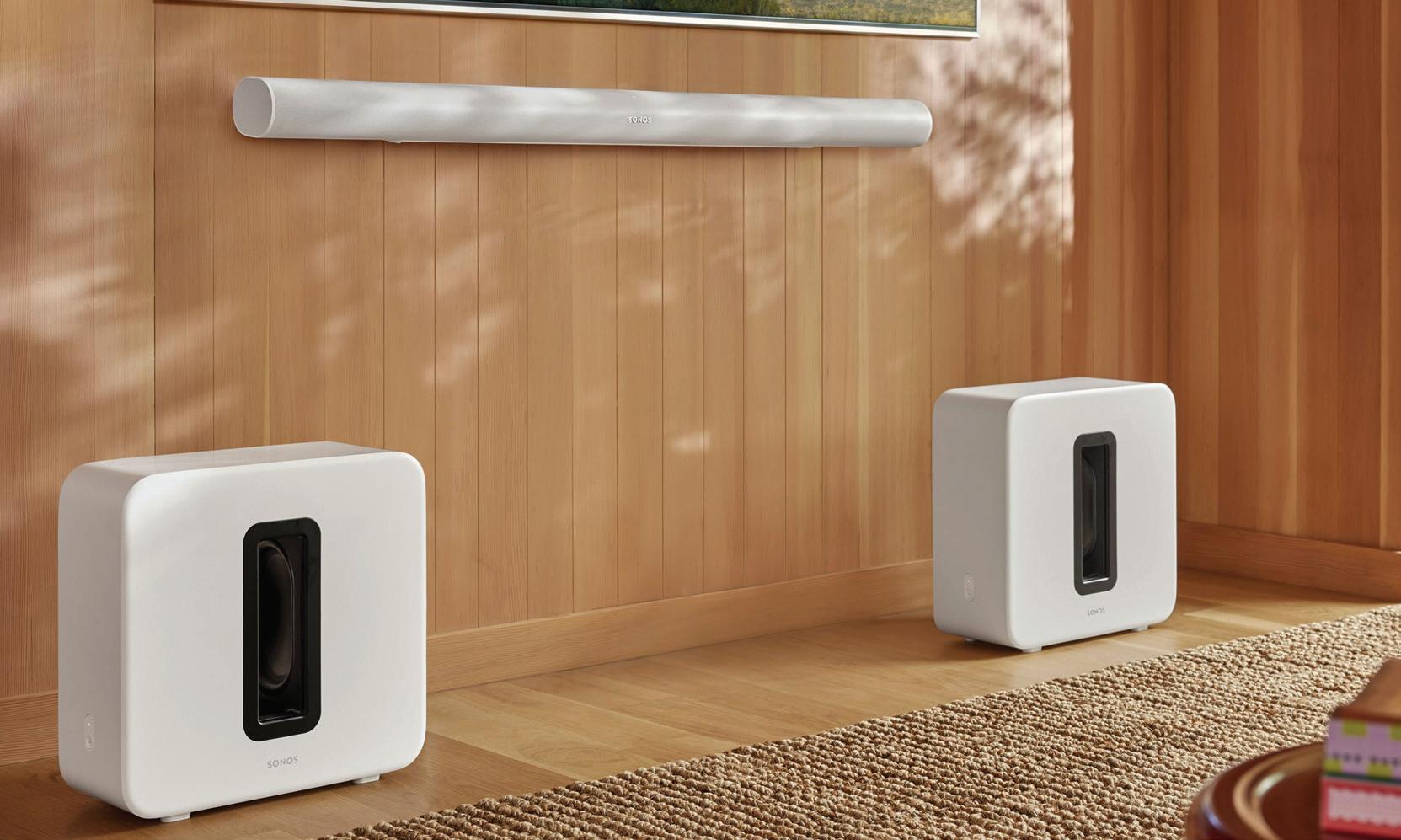
Outdoor models are designed to withstand Gulf humidity, UV exposure and temperature extremes whilst maintaining sonic accuracy. Subwoofers can be concealed within joinery or structural cavities, delivering weight and depth without visible enclosures.
Control happens via the Sonos app, compatible voice assistants or dedicated wall-mounted keypads that can be specified to match the home’s interior finishes. The system relies on the property’s IP network, connecting speakers and amplifiers via Wi-Fi or Ethernet, with speaker cabling neatly routed inside walls and ceilings so there is no visual clutter.
For larger residences, installation costs can easily reach six figures once design, wiring and commissioning are taken into account. The question becomes whether perfect, controllable sound throughout a home justifies such investment. For those who have lived with it, the answer tends to be unequivocal. Architecture shapes how we experience space visually. A considered audio architecture shapes how we experience it sonically. Both matter equally.
Architecture shapes how we see a space. Audio architecture shapes how we feel inside it.
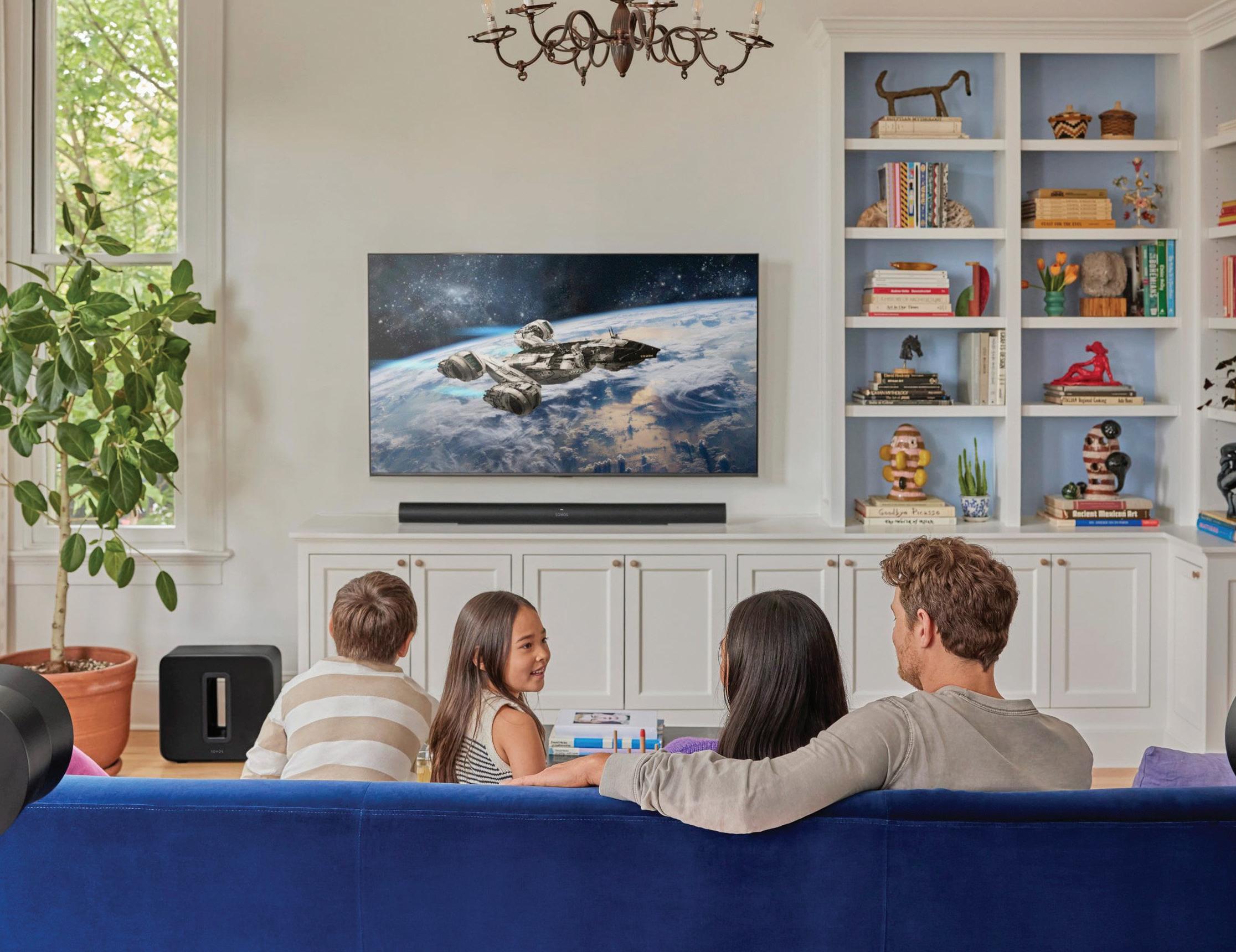
EARLY EDUCATION SPARKS HOPE.
YOUR SUPPORT HELPS IT GROW.

Scan
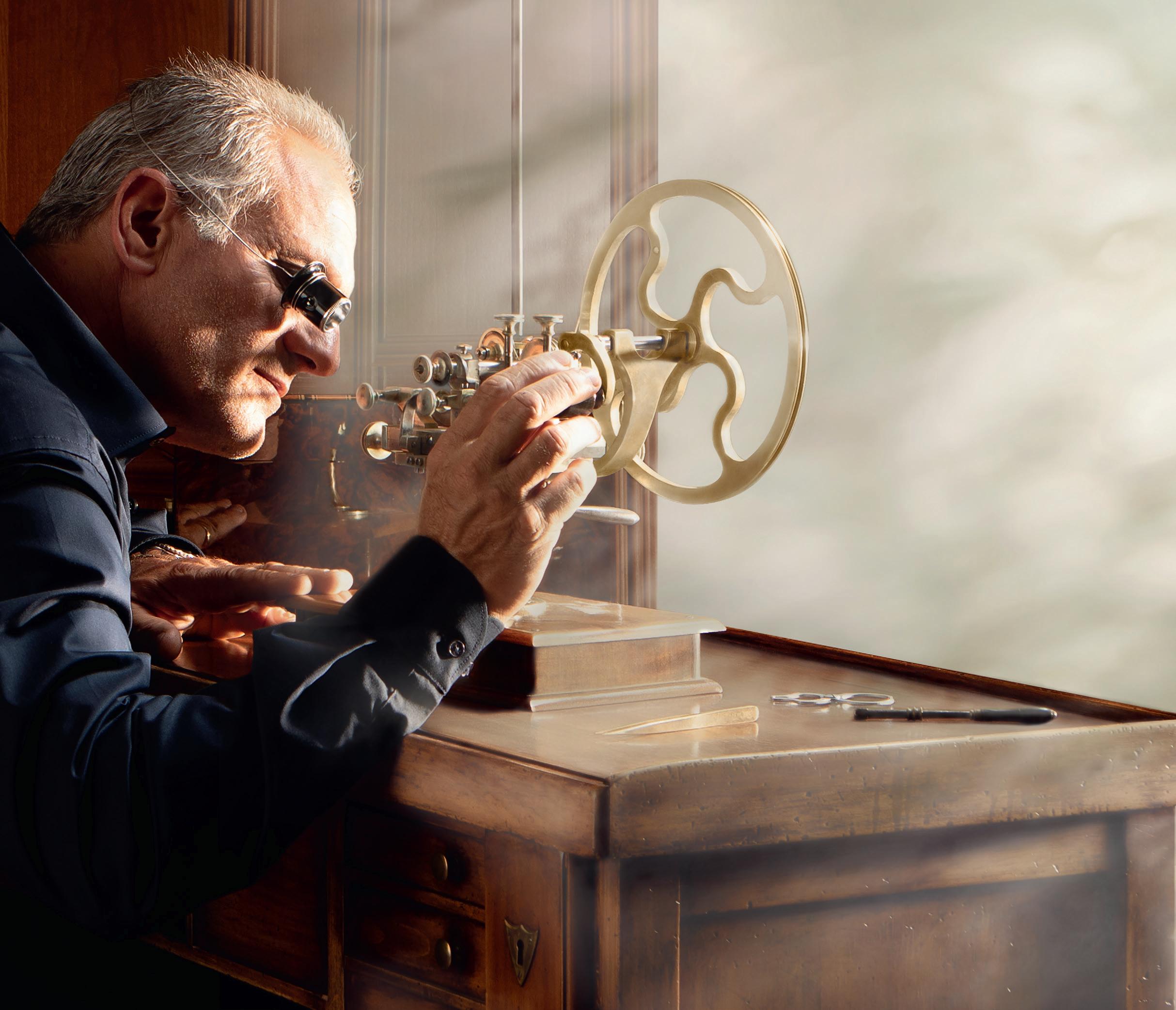
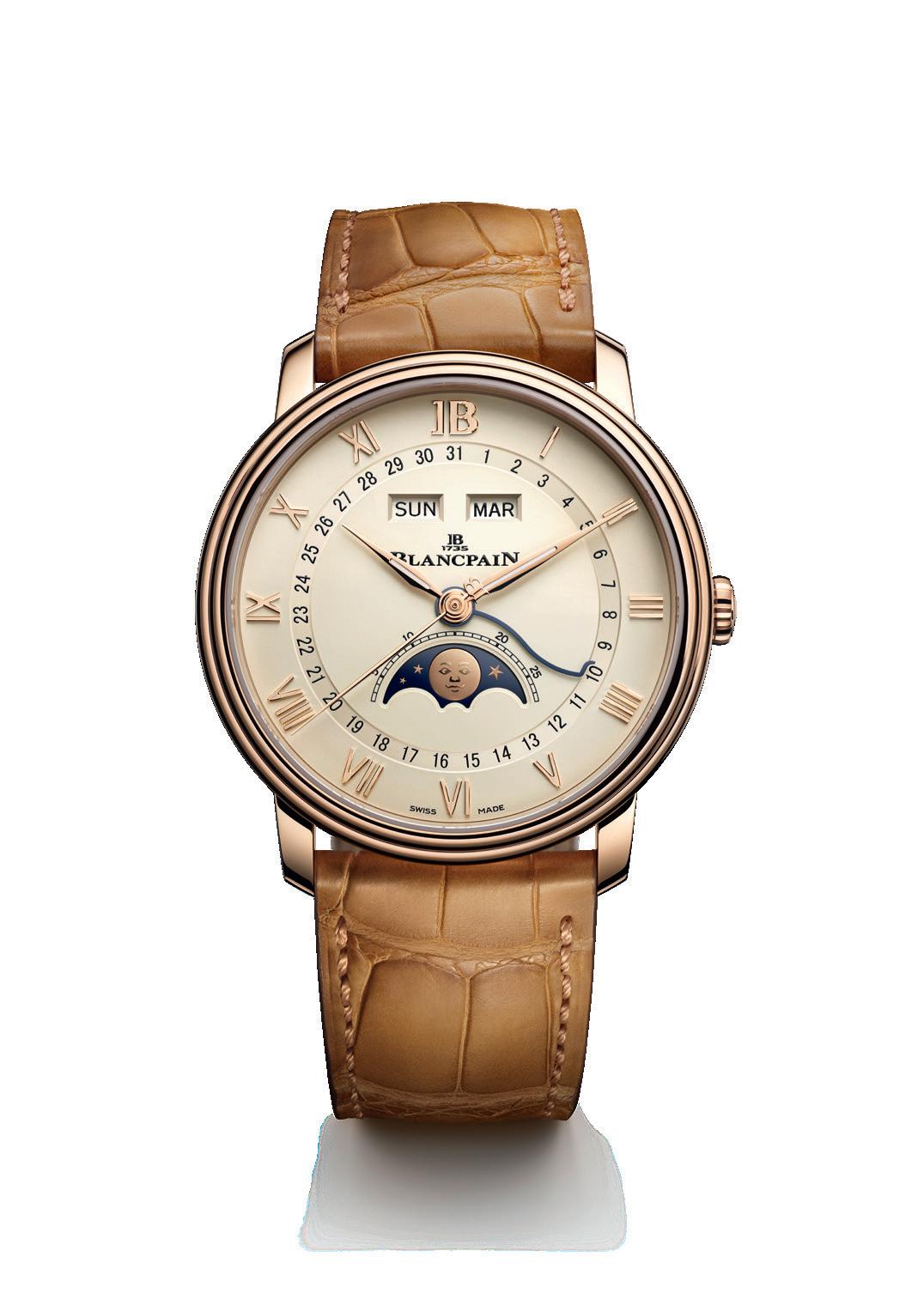
A Villeret is for eternity.
Featuring an endless array of watchmaking’s most fascinating complications, the Villeret bears authentic testimony to the talent of our watchmakers. Essentials imbued with timeless elegance.