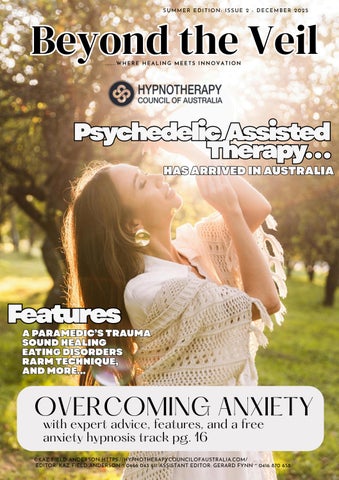
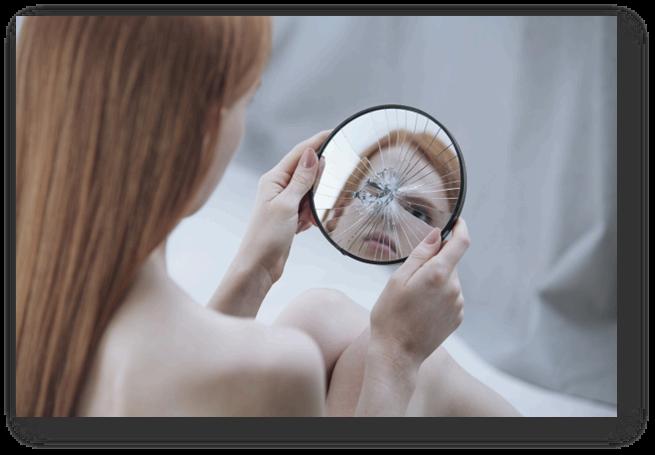
In this issue, we address the elephant in the room.... (insert Psycho music here)....ANXIETY!! This is not a normal state, although it is rapidly becoming the ‘new normal’.
What is anxiety anyway??? How do we fix it??
It is a gripping, growing, ever-consuming bubble in your chest or solar plexus, the rapid shallow breathing, rapid heartbeat and that feeling that you need to run.....NOW!
In a world where fear mongering is abundant, the war in the Middle East threatens our mere existence every day, violent teenagers on our streets send parents into panic, escalating virus fear, bullying (teens and adults), rising cost of living, and of course, surviving Christmas with family
We are gradually and insidiously being groomed for anxiety by the very world we are meant to trust in.
We begin to unravel anxiety, and our real therapists give you real tips on dealing with this insidious beast that squeezes the joy from our very existence. For many, they are unaware of what ‘that gripping feeling’ really is. They just think there is something wrong with them.
The good news is...it’s not just you!! Anxiety is on the tips of everyone’s tongue. Maybe your child suffers anxiety, a friend, a parent, it could be anyone these days. We offer some great tips and therapists you can actually book an appointment with to unpack anxiety for good!
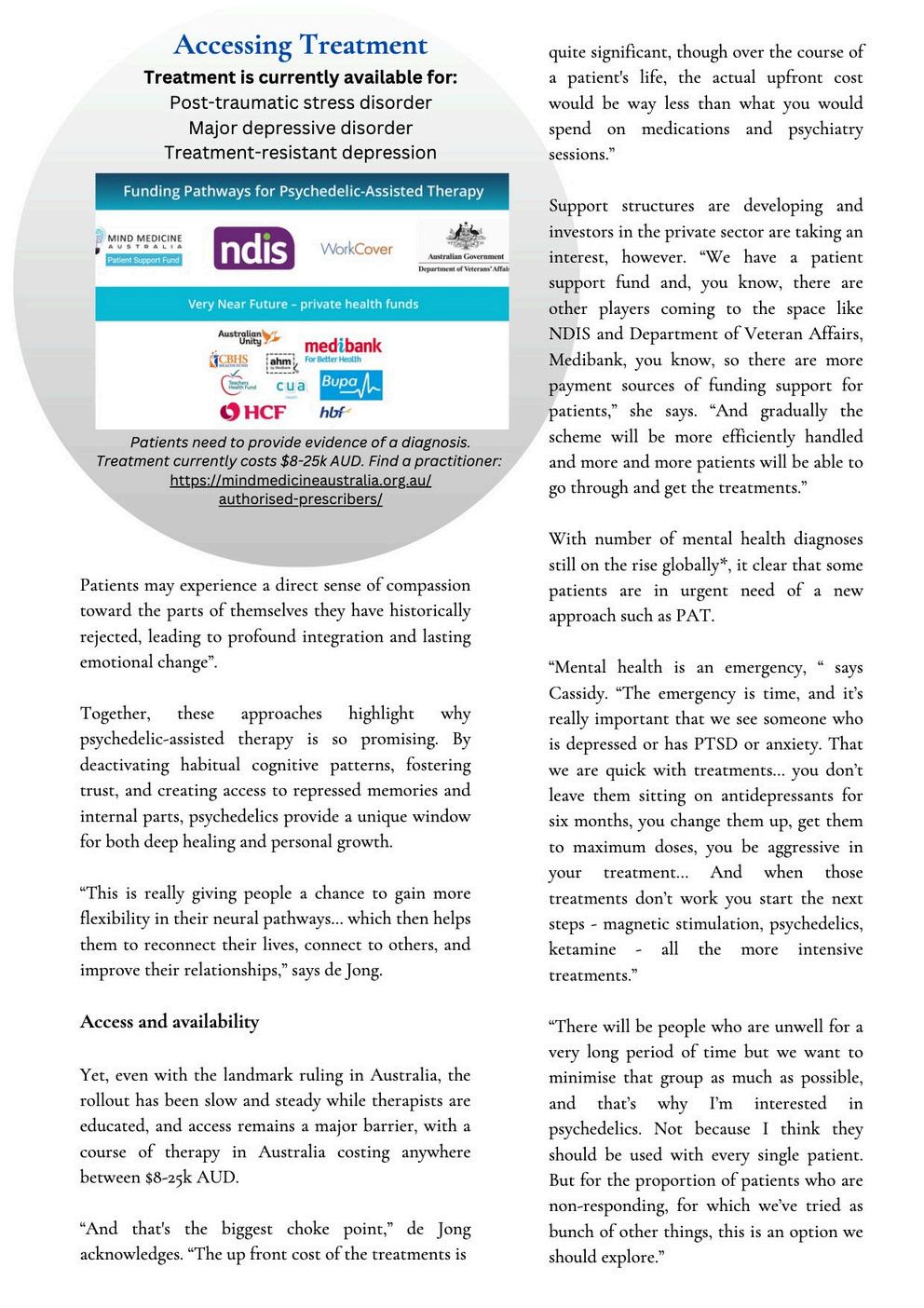
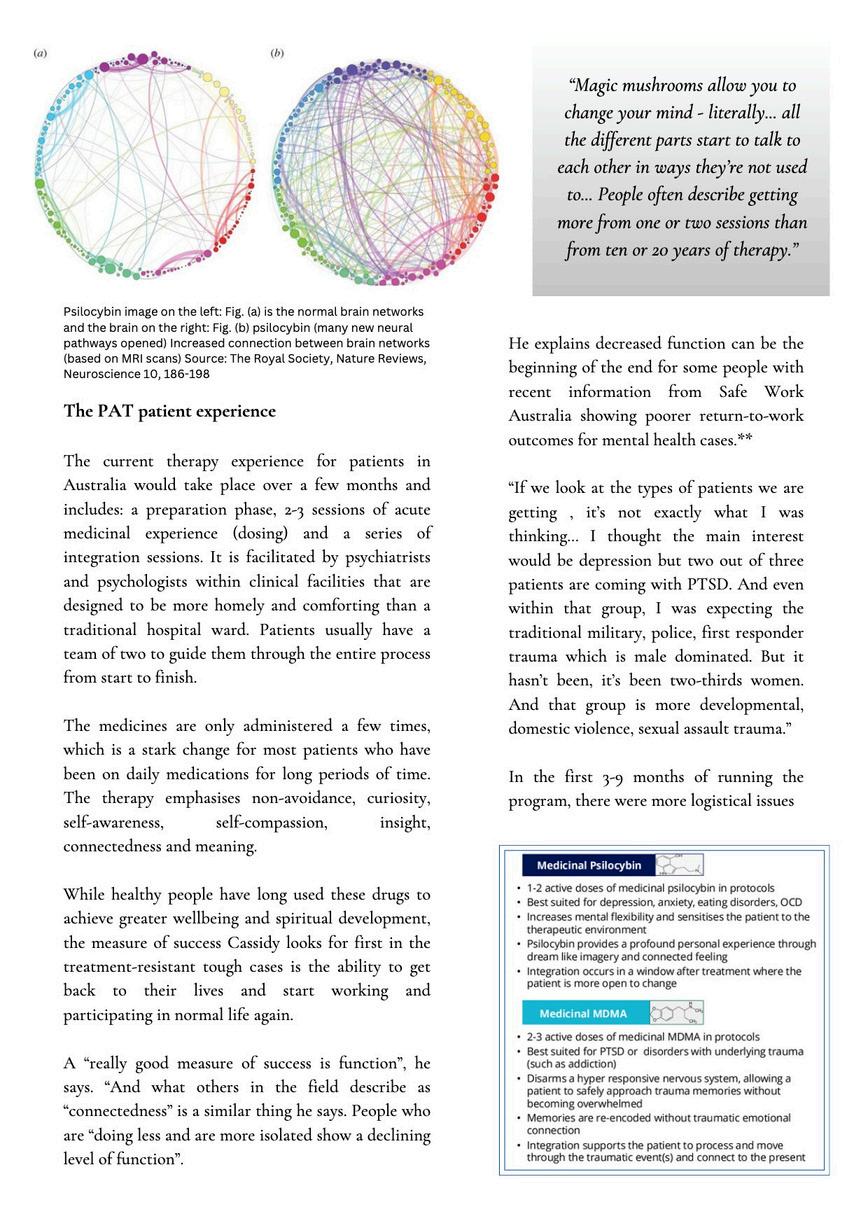
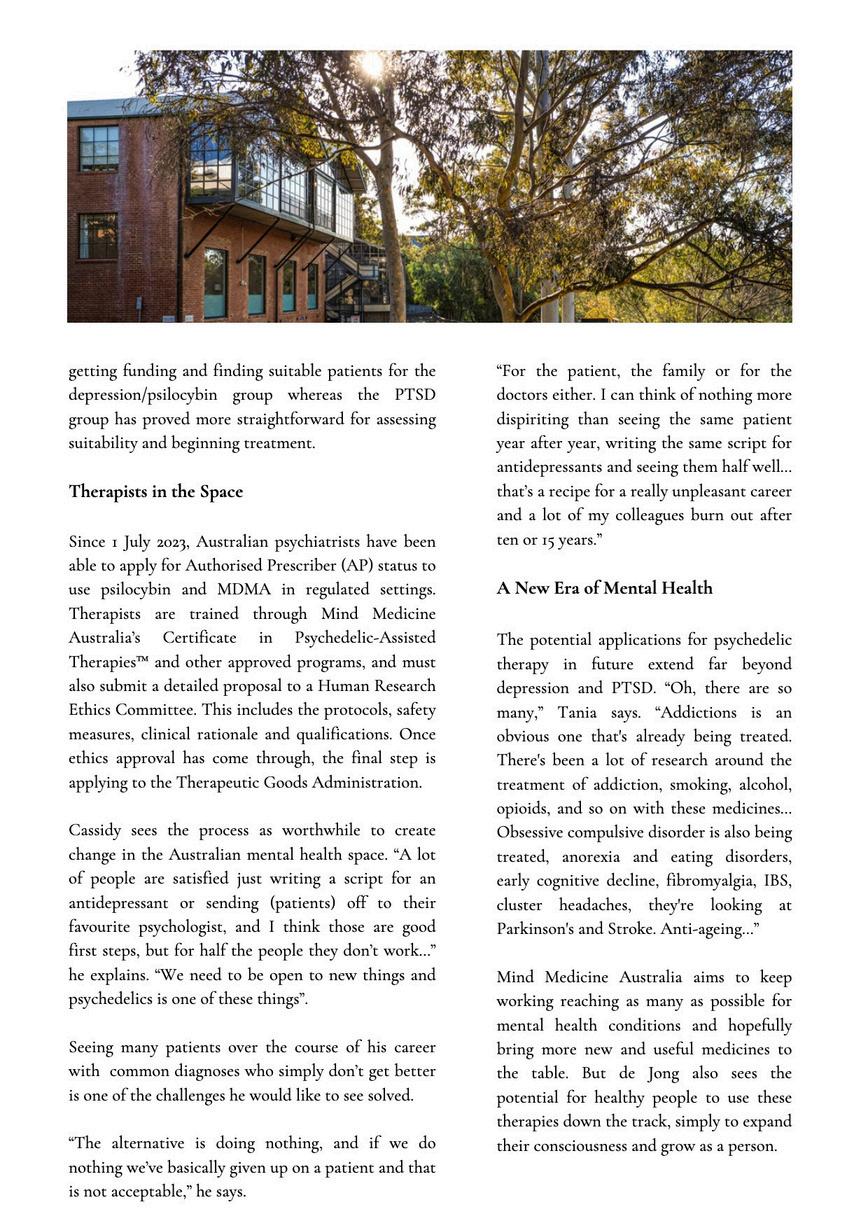
Our journalist Claudine Capel takes a deep dive into Treatment Resistant Depression and remarkable new treatments with Psychedelic Assisted Therapy giving new hope to sufferers.
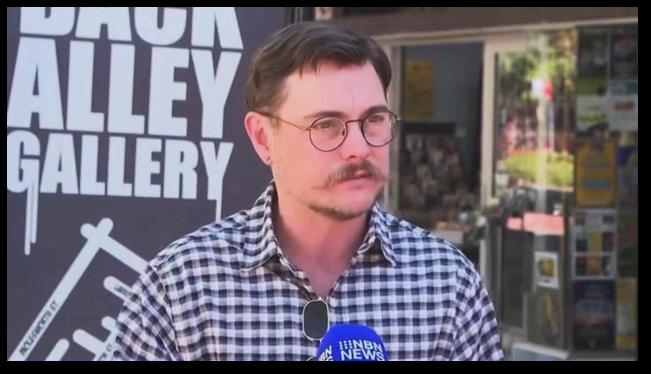
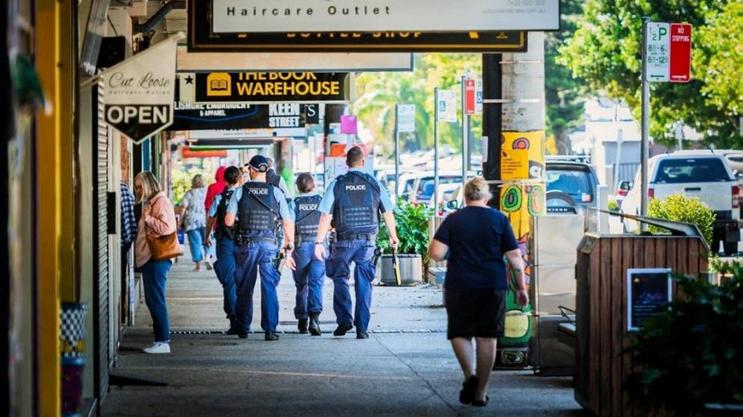
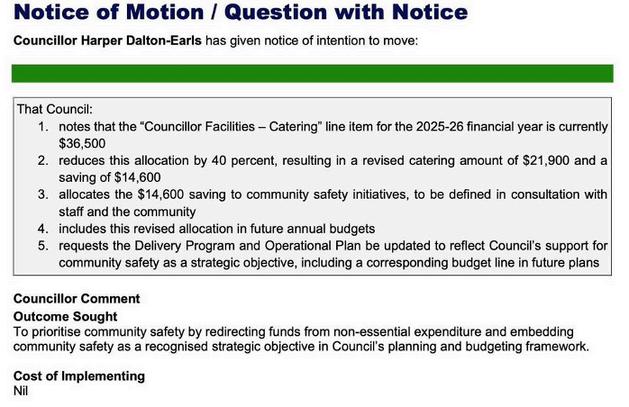
We also interviewed Lismore Councillor Harper Dalton-Earls on his Safe Streets Campaign, and we issue a challenge to Councils Australia-Wide to get on-board and let’s clean up Australia....of fear! Afterall, as constituents, we have a right to feel safe on our streets, right? Parents should be able to let their teens out and expect them NOT to be stabbed by knife-wielding kids. It’s time. 4
The Certificate in Psychedelic-Assisted Therapies (CPAT)™ by Mind Medicine
Australia (MMA) is a part online and part face-to-face professional training that provides registered healthcare professionals with the knowledge and skills to safely and effectively administer psychedelic-assisted therapies (PAT) in clinical settings.
The training is delivered by a world-class faculty made up of global leaders in the field Current cost: $9,950 AUD
Visit Mind Medicine Australia at https:// mindmedicineaustralia.org.au/ for a wealth of information on this topic.
“In the long run, these treatments, therapies are going to be very important just to help people get access to more creativity and productivity and just a sense of connection,” Tania explains “I think we're all seeking greater connection in a world of disconnection and disruption.”
As society slowly integrates these therapies, one thing is clear: psychedelic-assisted therapy is a very special kind of treatment and will potentially create massive change in the area of mental health
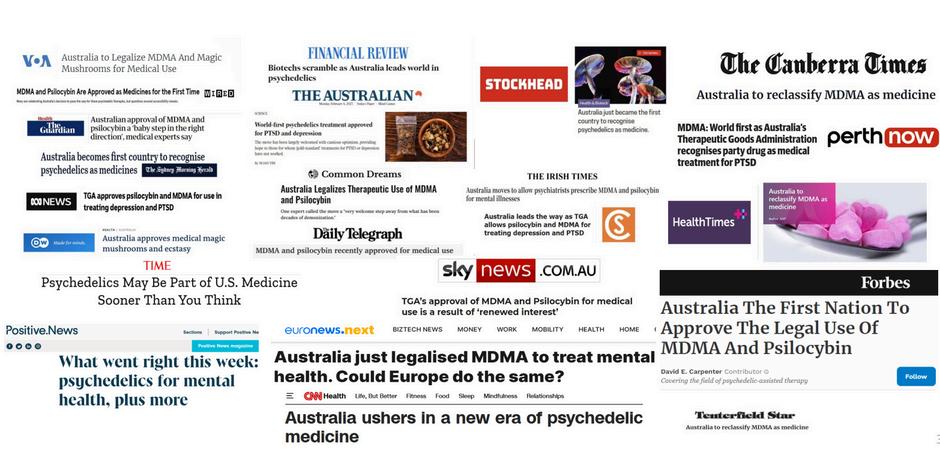
Australia is now the world leader in legally sanctioned psychedelic-assisted therapy International eyes are on the country to observe its model for safe, ethical, and effective delivery
“And you know, we should all be very proud as Australians that this has happened in Australia,” says de Jong. “And the rest of the world is watching…”
Claudine Capel is a journalist and clinical hypnotherapist She has an interest in mind-body conditions and making people’s heads a nicer place to be She is currently practicing hypnotherapy in Wynnum, Brisbane Facebook: Painfreewithin
HYPNOTHERAPY FOR MIND BODY SYMPTOMS
If you have been suffering on an ongoing basis with chronic pain or recurrent symptoms such as IBS, reflux, fatigue, fibromyalgia or something else and the medical profession cannot help you any further then my Pain Free Within hypnotherapy and healing services may be for you
Theproblem
Many forms of persistent pain/symptoms are driven by the brain perceiving danger even when the body is actually fine.
The pioneers of this field of study have called this MindBody Syndrome.
Thesolution
Through safe and supportive hypnosis I can help you: calm the brain, retrain your nervous system to feel safe again, release stored emotions and patterns driving pain, and break the cycle of fear, tension, and flare-ups.
When your nervous system learns to feel safe it stops sending the alarm signals.
Pain Free Within = Pain Free Without.
This work is for you if: you’ve tried everything, but the symptoms persist; doctors can’t explain why your suffering is ongoing; the symptoms/pain come and go at different times; you’re ready to look deeper.
Claudine Capel practices hypnotherapy face to face in Wynnum, Qld - and online.
Please click the icons for more information on Mind Body Syndrome, Pain Free Within services and to book in. Free 20-minute discovery calls are available.
Clinic: 07 3496 9505
The Modern-Day Pandemic
By Kaz Field Anderson
Our world & our people have been through so many major, and at times catastrophic changes in the last few years, that anxiety feels like it has become the ‘new normal’
From pandemics to unprecedented floods, catastrophic fires, droughts, lockdowns and the latest...the Israel/Palestinian war
An issue currently in the headlines has us all feeling a little uneasy, are the ever-growing knife attacks from our youth, random attacks in our streets and constant social media pressures.
This has given rise to anxiety in epic proportions. No-one really knows what will happen next, and that leaves us with little foundations to build on, and a gnawing fear deep in the pit of our gut that we may not be safe.
So, what causes Anxiety? Good question!
Anxiety is created when a fear from our past experiences is projected into the future. These can include images we have seen about previous images/wars/disasters and absorbed into our subconscious.
Anxiety also manifests in the body if left unchecked long-term. Symptoms may include IBS, stomach issues, high blood pressure, headaches, high cortisol levels... and the list goes on and on ad nauseum. Most common in children with anxiety is stomach aches, bowel issues, headaches.
The good news is...the future isn’t here yet, so lay down your guns...& just breathe. We may not be able to change what’s going on in the world, but we can choose where we put our focus. It’s time to let go of what we cannot control, and let’s focus on what we can!
A visit to your HCA Accredited Hypnotherapist will target the core issue...where it was created, when it was created and by whom. It is a messenger from your subconscious that certain situations make you feel unsafe. When we feel unsafe, we engage our reptilian brain...the survive or die part, the basal ganglia. This is where cavemen thrived!!
However, we are no longer cavemen, and our relationship with flight/fight/freeze has become very old and stale, and totally unnecessary, when hypnotherapy can rewire anxiety out of your brain.
We can change where we put our focus, so instead of watching the news; switch off your TV and only watch uplifting programs. For example, Gaia TV, search YouTube for inspiring movies, or watch some Dr. Joe Dispenza to speak to your soul and begin rewiring your brain. Instead of sharing the gloom & doom posts on social media, unfollow those people & share what makes you happy, share what makes your heart sing, share inspiring stories, for there are many! Be the change.
Oleksiy Boyko
Eating disorders present in diverse and often complex ways, yet most clients describe a similar internal experience: an unshakeable sense of danger that overrides their logical intentions. Even when they genuinely want recovery, their body’s survival response can feel louder than their goals. This is not a failure of commitment, it is the imprint of a nervous system caught in threat.¹
Many clinicians openly discuss limbic activation as a central feature of the illness. Yet, despite this recognition, most mainstream treatments continue to rely largely on cognitive and behavioural strategies, often without engaging directly with the neurological mechanisms that shape the client’s internal state.³
“The amygdala, with its ability to attribute emotional value to stimuli (both internal and external) and to certain events, is believed to play a role in the etiopathogenetic processes underlying Eating Disorders.” ~ Marcolini F., Fricano G., Chiappalone G., et al. Amygdala and anorexia nervosa: a narrative review. Journal of Psychopathology of Eating Disorders. Vol. 30:3, Sept 2024.
This leaves many clients caught between what they know and what they feel. A client may fully understand a nutrition plan, a therapeutic rationale or a behavioural exercise, but their nervous system still signals that change is unsafe. For someone experiencing a limbic-driven condition, that internal resistance can be immobilising. Anxiety is deeply embedded in the eating disorder experience. Anxiety about food, bodily sensations, weight, identity, relational dynamics, uncertainty and, significantly, anxiety about the treatment process itself.⁴
Field Anderson
Hypnotherapists understand this territory intuitively Our work already involves helping clients access subconscious processes that influence safety, prediction and responsiveness. We understand how to create internal environments where the nervous system can soften, even briefly We are trained to work gently with the parts of the mind that are resistant, frightened or overprotective. Our sessions naturally create internal conditions of calm, coherence and felt safety that allow new patterns to emerge. In the context of eating-disorder treatment, this capacity is not an add-on; it can be the opening that allows clients to make use of the care around them. When limbic reactivity settles, the rest of the multidisciplinary team’s interventions become more tolerable, less threatening and far more effective.
Another dimension of support comes through addressing gastrointestinal distress, which is common in individuals with eating disorders. Long-term sympathetic activation disrupts digestion, increases visceral discomfort and reinforces avoidance. During nutritional restoration or normalisation of eating patterns, these sensations can become confronting enough to derail progress. Hypnotherapy’s well-established role in supporting the brain–gut axis offers practical benefits here, helping clients regulate discomfort and build trust in their internal cues.⁵
Hypnosis can effectively reduce psychophysiological arousal and modulate autonomic nervous system activity.”
~ De Benedittis, G. (2023). Hypnotic Modulation of Autonomic Nervous System Activity Brain Sciences, 14(3), 249.
Field Anderson https://hypnotherapycouncilofaustralia.com/
For hypnotherapists wishing to contribute safely and meaningfully within this space, clinical training in eating disorders is essential. Understanding risk, medical considerations, nutritional impacts, trauma and the structure of multidisciplinary care ensures we practise within scope and offer support that is aligned with established clinical frameworks. High-quality eating-disorder-specific training, aligned with national standards and credentialing pathways, is now widely accessible in Australia.⁶
This training strengthens professional confidence, enhances credibility and supports seamless collaboration with psychologists, dietitians, GPs and psychiatrists.
The opportunity before us is not simply to participate in eating-disorder care, but to elevate the role of hypnotherapy within modern, multidisciplinary practice. By approaching this work thoughtfully, with clinical alignment and collaborative intent, we contribute to both client wellbeing and the continued professional evolution of hypnotherapy in Australia.
About the Author
Kylie Gallaher is a clinical hypnotherapist specialising in neuroscience-informed approaches to eating disorders and related gastrointestinal conditions, anxiety and trauma. Her practice focuses on helping clients cultivate the internal safety and limbic stability necessary for effective engagement in therapeutic and multidisciplinary care. Kylie is dedicated to strengthening the professional standing of hypnotherapy within contemporary healthcare and contributes to the field’s development through clinically aligned education, collaboration and a commitment to excellence.
Book a session with Kylie Ph: 0493 669 160 HealthLink EDI: nwchypno www.newcastleclinicalhypnotherapy.com.au
References
1.Frank G.K.W. et al. Trait anxiety and amygdala activation in eating disorders (Neuropsychopharmacology, 2023).
2.Costin C. Eight Keys to Recovery from an Eating Disorder; foundation of the Wandi Nerida residential model.
3.InsideOut Institute. Psychotherapy Rapid Review Summary (2021); NEDC Clinical Practice & Training Standards (2021).
4 Frank G.K.W et al. Amygdala response to food cues and anxiety correlation (2023).
5.Hypnotherapy and functional gut disorders evidence: GI–brain axis modulation in IBS and ED-associated GI distress (clinical literature).
6.ANZAED Eating Disorder Credential and NEDC Training Standards (Australia, 2021).
I was a Paramedic for over 20 years – I started my career in 1990 and, through my work, travelled throughout Australia. So many adventures, from urban lights of big cities to remote communities. Every 3 years or so, a new place with much to explore.
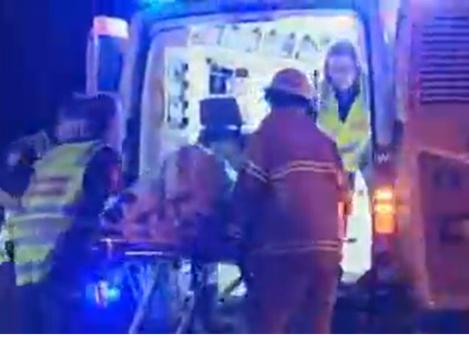
My journey with trauma began in 2010, when, as a paramedic, I attended an incident that significantly impacted my life. An accident so horrific, life as I knew it ended. I could no longer do the job I loved or live as I used to.
Life changed dramatically. Medication to cope, medication to sleep, afraid to leave my house. Hypervigilant ALL the time. I couldn’t stand silence; there had to be background noise wherever I went – just to help me drown out the thoughts and feelings
Over the years, I fought – looked for treatments or just someone I could trust to understand. I found that help through a psychologist with lived experience of PTSD. He was instrumental in getting me on the path I am on today The lived experience mattered the most – someone who understood.
I travelled along, getting my counselling qualifications and working with people facing mental health issues. I managed (as best I could) the triggers and the hypervigilance, the fluctuating anxiety and depression, and over time, they became easier to manage I had adjusted to my new normal
Fast forward to 2023. Well adapted to my new normal, I decided to further my counselling toolkit to incorporate hypnotherapy What a great tool! Little did I know that this course would change my life
I started my course with a training institute called HTA and loved it! But as we started to get into the content, I noticed that old wounds were starting to surface – the ones I had sort of mended but not fully healed. I can remember the feeling on the day we started learning about the DeTrauma Hypnotherapy. I was full of emotion with the thought of doing this, but I volunteered to have this done in class Kaz took me through the trauma I held onto and helped me heal.
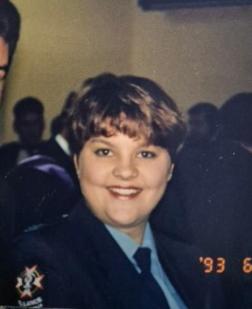
Pic: A bright-eyed hopeful Trudy on Graduation Day
The day after, I walked into my local coffee shop. Same place, same people – but a different me. It took me a while to realise what the change was – I was no longer hypervigilant. I was calm, relaxed and at peace. My new, fabulous normal.
That feeling of peace and dare I say, happiness and freedom is still here. Free from the pain and the guilt of having PTSD. I graduated and started my own hypnotherapy practice.
So, Mind Altas Therapies was begun. A fully on-line hypnotherapy/counselling service, so that you can be treated in the safety of your own home. Specialising in PTSD for frontline emergency service workers and defence veterans, I also conduct counselling and hypnotherapy sessions for those experiencing life changes such as grief and loss, anxiety and depression and moral injury.
For all of you out there that think that your issues are far too big and no-one will be able to or want to listen – that is not the case. I took a leap and trusted. Peace and healing are possible.
My favourite poem is Desiderata:
“Go placidlyamid the noise and the haste..... and remember what peace there may be in silence.” It may have taken me time to fully embrace and learn – but I am now comfortable in silence and peace.
You can book a session with Trudy from her website: Trudy Schmitzer www.mindatlas.net.au
Trudy is a Certified Practitioner of the DeTrauma Technique™
Storytelling & Sound. Sound Therapies have become very popular, gentle. Sound is ancient in its vastness and ritual ceremonies. Buddhist Monks use this method with successful outcomes, and now of our very own Clinical Hypnotherapists, Julie Makin. Click the link below audio.
Here we have 12 RetroInspired Tracks That Calm the Mind, Rebalance Reignite SelfBelief.
DissolvingthePain blends rhythm, lyric, and therapeutic intention to reconnection. Drawing on the neuroscience of sound and the ancient and movement, each of the twelve tracks speaks directly to the subconscious beat, repetition, and emotionally honest storytelling.
Rather than aiming for silence, this music helps tension and awaken listeners from emotional into flow. It reminds that change movement, connection are possible, long periods of stress
How
NervousSystem Regulation:
Groovebased rhythms and melodic repetition help the brain and body synchronise, easing stored tension and restoring flow.
Embodied Awareness: Encourages gentle reconnection with bodily signals and emotional states.
Compassionate Understanding:
Offers new perspectives on anger, rejection, addiction, and shame through empathy rather than judgment.
Resilience and Confidence: Translates past pain into present empowerment, helping listeners rediscover inner strength.
Connection and Hope: Reawakens belonging and optimism through shared human themes and uplifting sound.
How to Get the Most Out of These Guided Tracks
Allow the music to speak to your nervous system, not just your ears. The act of singing, humming, or softly moving with the rhythm stimulates the vagus nerve—the body’s key pathway for shifting out of “freeze” or shut down into a calmer, more balanced state.
As you breathe, tap, or move while listening, those small physical cues tell your that safety has returned. From there, emotion that once felt heavy can begin to move, and the body gradually releases what it’s been holding. Sound, vibration, and movement are ancient medicine for stucknergy; this album simply reimagines them through modern, soulful music.
Ready to DissolvethePain?
�� Listen on Spotify - https://open.spotify.com/artist/5D6ymxBl9USdyO7efACVD1
Rapid Anxiety Reduction Method (RARM) is Changing Anxiety Treatments
for Therapists
What is RARM?
Anxiety is one of the most common concerns clients bring to the therapy room: persistent worry, panic, avoidance and intrusive anticipatory thoughts that erode quality of life. With Christmas approaching we understand the increased stress and anxiety most people experience over this season. Therapists have long used a range of evidence-based approaches, CBT, acceptance and commitment approaches, mindfulness, and, in many clinics, hypnotherapy, to support clients toward calmer, more adaptive responding. A new, method developed in Australia, peer reviewed and published in the Australian Counselling Research Journal (ACRJ) (2023), the Rapid Anxiety Reduction Method (RARM), promises a targeted, imagery-based intervention designed specifically to produce rapid symptom reduction for clients.
RARM is a guided-imagery technique developed by clinician Karen Phillip, from the Australian Hypnotherapy College (AHC) who has over two decades of experience working with those struggling with anxiety. In practice, RARM combines a brief relaxation induction with a structured, therapist-guided imagery process that helps the client reconceptualise and reprocess their anxiety response in the safe environment of imagination. The method is taught to clinicians as a short, structured protocol that is designed to be learned quickly and applied flexibly across anxiety presentations. AHC describes RARM as an evidence-informed, practice-focused intervention.
What does the research say? .
Most strikingly, a pilot evaluation of RARM was published in the Australian Counselling Research Journal (2023). That study trained a group of therapists in RARM and tracked client outcomes. The pilot reported that 86% of client cases showed clinically meaningful improvement, with most clients demonstrating symptom reductions in the range of 70–90% after the RARM intervention; the remaining 14% still showed substantial gains (around 40–50% symptom reduction).
The authors concluded that RARM is an effective tool for producing rapid and significant reductions in anxiety symptoms, not only for clients who had previously struggled to benefit from other approaches but for all those struggling with anxiety
“The way my clients change the way they think and feel about that past anxiety issue is almost instant, and it lasts.” –
Hollie, Hypnotherapist,
NSW
Therapists trained in RARM: what they report
Beyond numerical outcomes, the RARM technique includes testimonials from clinicians who have integrated RARM into practice. These practicing therapists describe consistent themes: speed of effect, durability of gains, and clinical ease of learning and applying the method.
Examples include: “I have worked for years with those struggling with anxiety. The RARM is so fast, effective and long lasting. It is my preferred go to every time”, Derek, Counselling Hypnotherapist, Vic.
Why RARM works
Several plausible mechanisms explain why a guided imagery technique like RARM can produce quick improvements:
•Imagery and reconsolidation: Guided imagery can alter the meaning attached to feared cues and change the emotional response.
•Focused attention and relaxation: A brief induction reduces arousal and narrows attention, making suggestions more effective.
•Language and implicit processing: Structured metaphor and precise language can bypass resistance and foster new perspectives.
These mechanisms are consistent with contemporary neuroscience on emotion regulation and memory reconsolidation and are compatible with existing evidence that hypnosis and imagery can modify subjective distress (ACRJ, 2023). As commented by trained RARM specialist and AHC graduate, Andrew, “I use RARM for most everything anxiety. It is fast, effective, versatile, and has been life changing for so many. My clients love it”. Martine, an AHC graduate and regular RARM user says “I just love its speed and simplicity. It was easy to learn, fast to use, and results are incredibly beneficial”.
Training, accreditation and how therapists can learn RARM
The Australian Hypnotherapy College (AHC) who developed this innovative validated technique includes RARM training not only within its Diploma training course but now in its masterclasses and specialist courses. Clinicians who complete the Advanced RARM Masterclass are listed as RARM-trained practitioners.
The course is accredited by the Australian Hypnotherapy College (AHC), the Australian Hypnotherapists Association (AHA), and the Hypnotherapy Council of Australia (HCA).
Therapists should provide informed consent, explain the evidence base transparently, and integrate RARM within a broader, client-centred plan.
Bottom Line for Practising Therapists:
AI-generated content may be incorrect.RARM represents a contemporary, clinician-facing, imagery-based protocol with evidence of rapid benefit and growing uptake in Australia. For therapists looking to expand their toolkit with an efficient, structured method for anxiety relief, RARM is demonstrating a valuable addition, so long as it is learned through accredited training, applied ethically, and integrated with ongoing clinical judgement. The combination of pilot outcomes, clinician testimony, and a rising training presence suggests RARM deserves attention from clinicians and researchers alike.
RARM represents a contemporary, clinician-facing, imagery-based protocol with evidence of rapid benefit and growing uptake in Australia. For therapists looking to expand their toolkit with an efficient, structured method for anxiety relief, RARM is demonstrating a valuable addition, so long as it is learned through accredited training, applied ethically, and integrated with ongoing clinical judgement. The combination of pilot outcomes, clinician testimony, and a rising training presence suggests RARM deserves attention from clinicians and researchers alike.
Australian Hypnotherapy College (AHC) (2025). Masterclasses. Australian Hypnotherapy College. https://www.australianhypnotherapycollege.com.au/masterclass-training
Australian Hypnotherapists Association. (n.d.). Recognised training providers. Australian Hypnotherapists Association. https://www.ahahypnotherapy.org.au/recognised-courses
Hypnotherapy Council of Australia. (n.d.). Find a school. Hypnotherapy Council of Australia. Retrieved September 26, 2025, from https://hypnotherapycouncilofaustralia.com/about-hca/find-a-school/ Phillip, K. (2023). Phillip, K. (2023). Pilot study into the effectiveness of the Rapid Anxiety Reduction Method. Australian Counselling Research Journal, 17(1), 4–8.
https://rapidanxietyreductionmethod.com/ Valentine, K. E., Milling, L. S., Clark, L. J., & Moriarty, C. L. (2019). The efficacy of hypnosis as a treatment for anxiety: A meta-analysis. *Journal of Clinical Psychology*, 75(7), 1017–1030.
Milling, L. S., & Santangelo, S. (2019). Hypnosis and clinical pain management: A metaanalysis. *Clinical Psychology Review*, 70, 75–89.
December often brings with it a string of emotions, way more than Christmas lights and laughter. For many clients—and occasionally for us as practitioners— Christmas can elicit heightened levels of anxiety and even panic attacks. This time of year, is often marked by family tensions, financial strain, disrupted routines, and the societal pressure to achieve a “perfect” holiday experience. Such factors contribute to a mix of stress that can be overwhelming for those already dealing with mental health challenges. Understanding these dynamics is crucial for both practitioners and clients as they approach the holiday season
As hypnotherapists, we occupy a unique position that allows us to assist clients in navigating the complexities of the holiday season with a sense of calm, resilience, and self-compassion. Our therapeutic practices can serve as valuable tools for individuals seeking to manage their emotional responses during this time of year. By employing various techniques, we can guide our clients through the challenges they face, helping them to cultivate a more positive and manageable holiday experience. This journey begins with acknowledging their feelings and providing them with strategies to cope effectively.
Christmas Stress
Holiday stress is not a new phenomenon; however, its manifestation has evolved significantly over the decades. In the 1970s and 1980s, Christmas typically involved local shopping, smaller family gatherings, and a natural pause in daily life as shops closed for extended breaks. Fast forward to today, and we find ourselves in an era characterised by 24/7 online shopping, social media comparisons, and relentless advertising that keep the pressure on year-round. The economic changes have further exacerbated worries surrounding the cost of living, while blended and geographically scattered family structures add layers of complexity to holiday plans.
These changes highlight the need for a deeper understanding of how holiday stress has transformed over time.
Technology serves as a double-edged sword during the holiday season. On one hand, video calls and group chats provide opportunities for connecting with loved ones who may be far away; on the other hand, these platforms can intensify the pressure to perform, respond instantly, and meet various expectations. The constant barrage of curated images on social media can lead to feelings of inadequacy and comparison among individuals, making it even more challenging to navigate the holiday season. As practitioners, we must acknowledge the impact of technology on our clients’ mental health and help them find balance in their online interactions.
Different Generations, Different Pressures
Children may face challenges related to over-stimulation, including late nights, excessive sugar consumption, and disrupted daily routines. These factors can lead to heightened anxiety and irritability, making it difficult for them to enjoy the season. As practitioners, it is essential to work with parents to establish consistent routines that provide a sense of security for their children during this chaotic time.
Teenagers can experience intense feelings of social comparison, especially when they scroll through curated holiday images on social media. The pressure to present a perfect image can be overwhelming, leading to anxiety and self-doubt. We can help teens develop coping strategies to mitigate these feelings and encourage them to focus on their unique experiences rather than comparing themselves to others.
Young adults often find themselves juggling the demands of traveling between families, managing finances, and grappling with the fear of missing out on social events. This balancing act can lead to stress and feelings of inadequacy. As therapists, we can support young adults by helping them prioritise their commitments and find joy in the holiday season without extending themselves too thin.
Parents in midlife bear the weight of logistics associated with hosting, shopping, and maintaining family traditions while simultaneously meeting year-end work deadlines. This dual pressure can lead to burnout and frustration. We can assist midlife parents in developing effective time-management strategies and encourage them to practice self-care to navigate these challenges more successfully
Older adults may encounter feelings of loneliness, grief, or exclusion, particularly if family gatherings are smaller or geographically distant. This emotional struggle can be exacerbated by the holiday season, which often emphasises family connections. We can provide support to older adults by encouraging them to find new ways to connect with loved ones and create meaningful experiences during the holidays.
Each age group presents unique therapeutic challenges and focuses. For instance, we may work with parents to maintain consistent routines for their children, while supporting older adults in finding connection and meaning during what can be a difficult time. Understanding the different pressures faced by each generation allows us to tailor our approaches and provide more effective support for our clients. By addressing these specific needs, we can facilitate healthier coping mechanisms across all age groups.
3.Releasing Unrealistic Expectations
Many clients grapple with the belief that they must deliver a flawless holiday experience. Through regression or parts work, we can identify the origins of these beliefs, which often stem from childhood memories of “perfect Christmases.” By inviting the unconscious mind to adopt kinder, more flexible standards, clients can begin to release the pressure they place upon themselves. This work is essential for fostering a healthier mindset and cultivating self-acceptance during the holiday season.
4.Mind–Body Reset for Panic
For clients who are prone to panic attacks, we can combine hypnotic breathing scripts with physiological education to enhance their coping mechanisms. Teaching clients how to recognise early signs of panic and activate the parasympathetic nervous system—such as through a 4-7-8 breath count—can be empowering. This approach equips individuals with the tools they need to manage their anxiety effectively and regain control in overwhelming situations.
5.Post-Session Self-Hypnosis
We can encourage clients to engage in a brief daily self-hypnosis practice lasting 5 to 10 minutes, potentially recorded during the session. This practice can focus on the deeper values of the season—such as connection, gratitude, and presence—rather than the pursuit of perfection. By establishing this routine, clients can reinforce their sense of calm and well-being throughout the holiday season.
Self - Care for Hypnotherapists
Client loads often rise concurrently with our own personal commitments, creating a potential for burnout. Therefore, it is crucial to consider our own well-being during this busy time. Implementing self-care strategies is essential to ensure that we remain present and effective for those we serve.
Scheduling shorter, restorative breaks between sessions can help us recharge and maintain our focus. Even brief moments of rest can significantly impact our well-being during this hectic time.
Incorporating brief self-hypnosis practices, such as two minutes of focused breathing, can reset our mental state between clients. This practice allows us to approach each session with renewed energy and clarity.
Setting realistic session limits in the final weeks of the year is also essential. By managing our workload effectively, we can ensure that we do not compromise the quality of our services or our own mental health.
Taking care of ourselves ensures that we remain present and effective for those we serve. By prioritising our own well-being, we can better support our clients as they navigate the emotional complexities of the holiday season.
A
Christmas Poem for Practitioners and Clients
Softly the evening settles low, candles flicker with gentle glow. Breath by breath the heart will slow, peace within begins to grow. Plans may rush and voices rise, but quiet truth is the greater prize. Here and now, this sacred space, holds enough light, enough grace. So gift yourself this steady ground, where deeper calm and love are found. For Christmas lives where hearts are free a simple breath, serenity.
This December may our work as hypnotherapists assist both others and ourselves in moving through the season with calm minds, steady hearts, and the freedom to savor what truly matters.
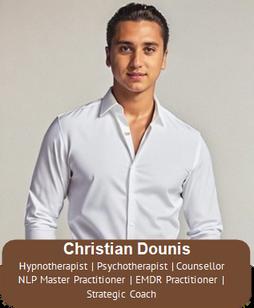
Christian Dounis -Strategic Mindset and Wellness Clinic
Healing Anxiety Permanently/ Stress/ Trauma and Depression Through Integrative Hypno-psychotherapy.
Welcome to the world of Clinical Hypnotherapy—where the mind’s sanctuary becomes the birthplace of renewal and re-birth, and where the journey to wholeness begins. Imagine a place where the mind is free to wander, unshackled by the weight of past pain, where buried memories and suppressed emotions can surface without fear, and where healing begins in the quiet stillness of the subconscious
This is the realm of Clinical Hypnotherapy in its many diverse forms; a transformative journey into the depths of the psyche, designed to mend the wounds of stress and trauma that linger from childhood, adolescence, and adulthood and overcome the often-present psychological states of anxiety and depression.
Trauma, in all its forms, is a serious stress disorder and is often a silent intruder. It etches itself into the fabric of our being, shaping our thoughts, behaviours, and relationships in ways we may not fully understand. Whether it’s the sting of childhood neglect and loss of a secure base, the confusion of adolescent identity struggles at the same time dealing with puberty, or the scars of child/adult abuse, bereavement, heartbreak and loss, trauma doesn’t discriminate.
Trauma weaves its way through every stage of life, leaving us feeling fragmented, disconnected, often with intrusive unpleasant imagery, and a degree of hypervigilance for triggers of a similar nature to aspects of the trauma. It is constantly with us waiting to be triggered back into the present and we search for answers.
In the present, the individual often experiences ongoing periods of stress, during which the body activates the hypothalamic -pituitary axis, which leads to the release of a hormone that stimulates the pituitary gland to release ACTH which, in turn prompts the adrenal glands to produce cortisol, a key stress hormone. The elevated cortisol levels of stress initiate a cascade of biochemical reactions involving both hormones and neurotransmitters that can lead to anxiety (which may itself develop into a chronic condition), and potentially culminate in Depression characterised by a persistent low melancholic mood and a loss of interest in activities or pleasure if feelings of helplessness kick in. Chronic stress can also lead to neuro-inflammation and changes in brain structure (for example atrophy of the mid-brain hippocampus) and this further exacerbates depressive symptoms.
But what if the key to healing lies within us, waiting to be discovered? Wellconstructed Clinical Hypnotherapy offers a unique pathway to an inner sanctuary. By gently guiding the mind into a state of heightened focus and relaxation, therapy in the hypnotic altered state of consciousness allows us to access the subconscious a place where memories are stored, emotions are processed, and healing can truly begin.
In this altered state of consciousness we call Hypnosis, the protective walls we’ve built around our pain begin to soften. We can revisit past experiences with a sense of safety and clarity, reframing them in ways that empower rather than haunt us It’s not about erasing the past, but about rewriting its narrative—transforming it from a source of suffering into a catalyst for growth and resilience.
For the child who felt unseen, hypnotic therapy can restore a sense of worth. For the teenager who struggled with self-doubt, it can unearth confidence and purpose. For the adult burdened by loss or regret, it can bring peace and acceptance. No matter the age or the trauma, hypnotic therapy offers a profound opportunity to heal both it and its consequences, to reclaim one’s story, and to step into a future unburdened by the past. As we face the challenges of the present and look towards a better future, Clinical Hypnotherapy programs such the ICHP Phoenix program reminds us of the potential for renewal and the power of the human spirit to overcome even the greatest of traumatic obstacles. Like the Phoenix of Greek mythology, we can rise from the ashes and embrace a new life filled with hope, grace and prosperity.
This is more than therapy—it’s a journey of rediscovery, of re-birth, a chance to reconnect with the truest, most vibrant version of ourselves, and in so doing gather the resources to go forwards. In the hypnotic state, we find not only healing but also hope and the ability to actualise our potential unhindered by past stress and trauma; a reminder that even the deepest wounds can mend, and that within every heart lies the power to transform pain into possibility.
HYPNOTIC PROCEDURES
In any given treatment session and certainly across a treatment protocol, more than one approach may be used. These approaches include:
Hypnosis as a supportive technique:
This enhances an individual’s capacity to control their anxiety and other traumaassociated experiences when triggered by events in everyday life. Prof.Ochberg’s use of the 1-100 counting technique is a prime example of support which materially enhances the individual’s ability to trust the Therapist. Traumatised Clients have a talent for using dissociation and they can learn to master the control of this talent for their own benefit. Their safety can be assured by the construction of a “safe” place using their own guided imagery. Self-hypnotic techniques can be taught to them and self-hypnosis through repetitive use of audio recorded files can, through neuroplasticity, write new more benevolent pathways in the mind.
Behavioural rehearsals can be used to migrate qualities of physical and verbal expression from successes in the past, to the future, where they can become powerful allies by developing states of inner security, feelings of power, and other attributes. Through the practice of Mindfulness in the hypnotic state, from the perspective of simply a Witness, awareness and acceptance can lay the foundation for benevolent change
By Anna - 1357743803
Hypnosis as an uncovering technique:
Once rapport and trust have been achieved, Hypnotic procedures can be used to allow one to gain access to repressed or denied material from the past. One safe method of helping the individual to gain access to a traumatic event without excessive fear is to have them imagine an image of themselves from a dissociated position such as being in the projection box in a cinema, seeing themselves in the audience with the event unfolding on the movie screen. This can be repeated several times and in so doing de-sensitising the victim to the event until finally they themselves are able to watch the trauma in its entirety.
In conscious therapy with functional parts of the psyche called sub-personalities, one sometimes encounters a covert sub-personality which can only be uncovered by using the altered state of Hypnosis, whereupon it will normally emerge and engage in therapy along with other sub-personalities before final re-integration.
Hypnosis as an Integrative technique:
Along with the fear and pain associated with serious relationship breakdown, combat trauma, sexual abuse or natural disasters there is often a great sense of helplessness; a realisation that one’s own will and wishes became irrelevant to the course of events. This can leave the victim with a felt self that is damaged, fragmented, humiliated, lacking in autonomy and thus having no freedom of will or action; the reason that victims with PTSD dissociate their experiences for protection. More often than not the victim is also left in a hypervigilant state; that is their fear threshold has dropped. Splits in the personality can take a variety of forms. Often there is a tendency for the power part (sub-personality) to dissociate from the victim part (sub-personality) and integrative hypno-psychotherapy can be employed to affect a re-integration of the parts.
It is also possible to build bridges to help overcome the barrier between the normal coping skills associated with a normal state of consciousness and the feelings of helplessness that the traumatic experience brings. This can be achieved in trance by getting the victim to organise their trance experience with an abundance of coping skills and resources as well as any fantasised experience they would like to incorporate
One very young ASD Client organised his resources to include the attributes of his favourite super-hero in class. Whenever he felt as though he was in sensory overload. He did this consciously, and of course with his eyes open, having first alerted his teacher to the overload by holding up a hand. He was thus aware he was in class and with that Teacher’s support he was able to break down the dissociation between the traumatic experience of sensory overload and the state of consciousness associated with coping by experiencing the attributes of his envisaged super-hero (almost a psychic charade).
Finally, hypnotherapy can enhance self-efficacy and internal resources. By accessing the subconscious, individuals can tap into their inner strengths, resilience, and problem-solving abilities that may be dormant or unrecognized consciously. This can lead to improved self-confidence, stress reduction, and a greater sense of control over one's emotional and behavioural responses, which are often secondary benefits that complement the primary therapeutic goals.
Dr. Peter George & Deb George Institute
Blended Hypno-psychotherapy Courses
Internationally and throughoutAustralia, Available both in person and online (hybrid format).
ICHPAustralia
Fostering Health and Wellbeing Through Accredited Training:
The Institute of Clinical Hypnotherapy and Psychotherapy (ICHP) Australia recognises the vital importance and challenge of promoting health and wellbeing in society. Our blended courses available both in person and online—offer accredited training that focuses on using hypnosis as a psychotherapeutic tool. These programs are designed to enhance counselling and psychotherapy practices and adhere to national best practice guidelines.
Commitment to Education and Evidence-Based Practice:
Our main objective is to advance education by providing internationally recognised programs. These courses supply practitioners with effective, evidence-based tools to best support their communities and improve client outcomes. The clinical methods taught in our Diploma and Advanced Diploma courses are grounded in best practice principles and validated through more 8,000 sessions across five clinics and three hospitals Validation was conducted under the Division of General Practice (LCDGP), funded by the Department of Health and Ageing (2007–2015), with Dr. Peter George serving as Mental Health Clinician. As a result, future therapists are empowered to select and apply the most suitable treatment options for their clients
Our Vision for Wellbeing:
We strive to help individuals realise their full potential, achieve their ambitions, and enhance overall wellbeing for practitioners, clients, and the broader community.
Why Choose ICHP Australia?
Internationally Accredited Training: Our programs are recognised and validated globally, ensuring your qualifications are valued across Australia and beyond.
Flexible Learning: Study in person or online (hybrid format), allowing you to balance your education with your lifestyle and commitments.
Evidence-Based Curriculum: Learn advanced techniques such as Enhanced CBT (eCBT), Augmented Mindfulness/Vipassana, Polyvagal Theory, Hypnomeditation, and Function-focused Hypno-psychotherapy.
Client-Centred Approach: Acquire skills that foster resilience, readiness, and personal growth in your clients.
Expert Faculty: Train with internationally recognised leaders in hypnotherapy and psychotherapy, including Dr. Joe Keaney, Dr Peter George, and Deborah George.
What Will You Gain?
Practical Skills: Master Suggestion Therapy and Hypno-Analytical Regression Therapy, including the proprietary BCHAPS technique
Ethical Excellence: Maintain the highest standards of care and professionalism, guided by a strict code of ethics.
Trauma-Informed Practice: Learn to support clients safely and effectively, prioritising empowerment and recovery.
Career Support: Benefit from clinical assistance and guidance through our Health and Lifestyle Clinics.
Your Pathway to Success:
Build confidence and competence as a practitioner
Make a meaningful impact in your community
Achieve your personal and professional aspirations
Join a vibrant network of practitioners and mentors
Our client-centred approach places mental health and wellbeing at the forefront, enhancing client readiness and building personal resilience. We utilise Enhanced CBT (eCBT), Augmented Mindfulness/Vipassana, Polyvagal Theory, and other evidence-based psychotherapeutic modalities such as Hypno-meditation and Function-focused Hypno-psychotherapy.
The Study of Hypnotherapy
Mastering the trance state in therapeutic practice and integrating it effectively requires dedication. However, with our comprehensive training, students find the process straightforward and accessible.
Through study with ICHP, you will gain ethical and science-based knowledge of hypnotic practices used in neuro-hypno-psychotherapy, including:
Assessing client suitability for hypnosis
Building trusting, empathetic, client-focused relationships
Understanding each client’s unique objectives
Supporting clients in reaching their goals, improving wellbeing, and fostering self-discovery
Practising trauma-informed care by acknowledging trauma’s impact, exploring recovery options, and prioritising safety and empowerment to prevent further trauma
Knowing when and how to refer clients for additional support
Maintaining high ethical standards throughout your practice
Learning therapeutic skills carries significant responsibility. All practitioners must uphold a duty of care. Students are expected to follow a strict code of ethics throughout their training and ongoing professional development
Accreditation and Affiliations
The Institute of Clinical Hypnotherapy-Psychotherapy is affiliated with the National Council for Hypnotherapy (UK) and administered by Dr. Joe Keaney. Dr. Keaney founded the ICHP in 1990 to meet Ireland’s need for comprehensive, contemporary, and structured training in Hypnotherapy-Psychotherapy. The courses quickly expanded to the UK, Germany, Sweden, and other regions.
Dr Keaney (www.hypnosiseire.com) currently holds accreditation from the following organisations:
General Hypnotherapy Standards Council (UK)
American Board of Hypnotherapy (USA)
Irish Hypnotherapy Examiner’s Board (Ireland)
Hypnotherapy-Psychotherapy Register (Ireland)
European Therapy Studies Institute (Europe)
National Guild of Hypnotherapists (USA)
American Council of Hypnotist Examiners (USA)
International Society for Professional Hypnosis (USA)
American Institute of Hypnotherapy (USA)
In Australia, the ICHP is an accredited member organisation (Training Provider) of the Hypnotherapy Council of Australia (HCA). It is nationally endorsed by hypnotherapy organisations such as the Premier Australian Hypnotherapist's Association (AHA), the Australian Society of Clinical Hypnotherapists (ASCH), and the Guild of Australian Hypnotherapists (GoAH).
The ICHP team are internationally recognised trainers in hypnosis and hypnopsychotherapy, offering practical experience that makes learning accessible and enjoyable.
Contact ICHP Australia
For engaging Hypno-psychotherapy training, offered internationally and throughout Australia, contact our team today:
Field Anderson https://hypnotherapycouncilofaustralia.com/
Anxiety: Understanding, Easing, and Healing from the Inside Out
By John Pemberton – Clinical Trauma Hypnotherapist & Educator HTA
When the Mind Won’t Rest
Anxiety is more than pre-event nerves. It can quietly infiltrate every corner of life the body tense, the chest tight, the thoughts relentless. For many, it’s not just mental worry but a full-body experience of unease that seems impossible to switch off These sensations aren’t imagined. They’re the body’s ancient alarm system, trying to protect you. The problem is that modern life rarely gives it permission to stand down. Understanding anxiety begins with recognising that it’s not weakness — it’s the body’s call for safety.
“Anxiety
isn’t a flaw to fix; it’s a message to understand.”
How Anxiety Manifests
Anxiety shows itself in the body as much as in the mind:
Chest or stomach tightness
Restlessness, trembling, racing heart
Trouble focusing or sleeping
Muscle tension and shallow breathing
These are all signs of a nervous system stuck in “fight or flight.”
The path forward isn’t to suppress them — it’s to gently guide the body back toward calm.
Quick Techniques to Calm the Body
When anxiety peaks, you need methods that soothe the body first, before logic has a chance to catch up.
Here’s a few common examples
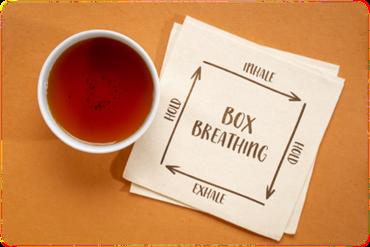
Box Breathing
Inhale for 4 seconds, hold 4, exhale 4, hold 4. Repeat several times to slow the heart and reset rhythm.
In clinical practice it’s clear that anxiety is often a symptom, not the core issue. Beneath it may lie unresolved trauma, chronic stress, or years of over-responsibility
The subconscious still holds those old memories as if danger were ongoing — and the body obeys.
That’s why trauma-informed training is vital for all practitioners working with anxiety. Recognising the signs of dissociation, understanding emotional regulation, and pacing sessions safely are essential. Without a trauma-aware lens, well-intentioned methods risk overwhelming rather than healing.
For clients, true relief begins when therapy reaches that root level — helping the nervous system relearn what safety feels like.
How Hypnotherapy Helps
Hypnotherapy offers a direct line to the subconscious patterns driving anxiety. In a relaxed, focused state, clients can gently explore and re-program old responses, releasing fear without reliving trauma.
Benefits Often Experienced
A Christmas Story of Family, Anxiety and Stress
By Helen McLucas
Our unconscious mind is the main author of our current stories which are based on our past, on our history. Our unconscious learns from the past, what worked for us and what didn’t and, using this experience, its sole job is to keep you safe by keeping you in that story i.e. the familiar
The reason our plans for change don’t work is because change requires a new story: making the unfamiliar or new, familiar which challenges the unconscious mind’s strict rule to be guided by the past and not allowing new experiences.
There is an extraordinary amount of stress and anxiety around Christmas mainly because of our expectations in our Christmas story created by our unconscious. Add to that, all the media hype with those picture-perfect moments of the perfect family having the perfect time and your stress ratchets up and up.
In October, Christmas stress is zero then, moving into November through December your stress and anxiety skyrockets. It may just be in certain moments that you experience that stress, but our story and expectations ensure stress is constantly in the background: the proverbial duck smoothly floating across the lake but at times, paddling like crazy under the surface.
When stress and anxiety are present it means your current story and expectations aren’t serving you and that narrative is blocking you from having the life you want. As therapists, we know that you just need a new story to help keep you focused on what you do want.
We all need to be aware of the story we are telling ourselves. We dream and say “if only … then I’d be happier, thinner, better”. It’s the same with your Christmas story “if only this year I could find the perfect presents easily” or “if only I didn’t have to see her/him/them”.
Step One
In changing our story, we replace expectations with intentions. We do not have control over expectations. We do have control over control over our intentions. For example, instead of expecting drama, we set an intention for a happy Christmas and, if-or-when drama happens, we set an intention to calmly handle it.
Human nature focuses on what we don’t want. This is called our negative bias. Studies suggest that approximately 75-80% of daily thoughts are negative, and up to 95% may be repetitive. The unconscious mind in action.
Your focus, simply put, is on what you don’t want for Christmas, and that focus creates the stress and anxiety. It’s part of our current Christmas story.
You know the saying what we resist persists. These are your don’t wants. In Step One we need to shift your focus to what you do want by identifying what you don’t want to happen.
Take 20-30 minutes, in a quiet space to write down –
1 What you don’t want to happen this Christmas.
2.What you do want.
3 Looking at the ‘don’t want’ list choose to accept the possibility that any or all of those may happen. Now, choose to simply accept what’s possible. Take a few deep breaths and let those thoughts go – repeat as necessary.
4 Shift your focus to what you do want.
Fact:
Your don’t wants are external to you and not within your control e.g. the misbehaving relative, the event you must attend or tired children having a meltdown. Accepting your “don’t wants” takes the power and stress away from them, the negative and gives you more time and energy to focus on your “do wants”.
Step Two: The Change Process Work
The Change Process to create a new story is simple. The challenge is taking small, consistent steps each day to create, believe and stick with your new story. Once you understand your do and don’t wants, it’s time to create your new story
Step Two Exercise
Find a safe, quiet space where you won’t be interrupted for 20-30 minutes. Close your eyes, take a few deep breaths and imagine your do wants. Imagine a postChristmas you are smiling and feeling wonderful. Imagine your post-Christmas you are looking back over Christmas time and thinking what an easy and fantastic Christmas you had this year. Create a crystal-clear image of that ‘Post-Christmas You’, so happy, so grateful and just in awe of how well everything went. See it, feel it, hear it – connect with all your senses to make this image a real image of you in your mind.
Every morning before you open your eyes bring that image to mind. At that time your brain is in an alpha state which is excellent time for accepting change, accepting your new story. Do the same at night, just as you are drifting off to sleep. Do this twice or more times a day.
Conditioning the Unconscious – the key to change:
Bringing that image of the happy, that relaxed smiling you into your mind actually trains and conditions your unconscious mind to accept your new story, the new you that loves Christmas. This conditioning of the unconscious stops self-sabotage and gives you choice and control over your story, over who you are becoming, over the future you and your future life.
Your new story is there for you to tweak and improve upon. The more you play with your new story, the more real it becomes and importantly, the more you will own the new you. Christmas with less stress, less anxiety, yeah now we’re on to something.
The experience of a highly sensitive person (HSP), a feature that characterises an estimated 15/20% of the population, involves great depth and intensity in the processing of environmental and emotional inputs. This sensitivity endows individuals with enhanced intuition and empathy while concurrently rendering them particularly susceptible to "energy leaks"—the subtle, routine events that insidiously drain their emotional and physical resources.
The recognised energy drains—such as consistently acquiescing, habitual multitasking, chronic procrastination on demanding tasks, residing in a disordered environment, and being perpetually accessible—are not simply detrimental habits; they are expressions of a nervous system in a state of constant vigilance, striving to achieve regulatory equilibrium amidst an excessive perceptual burden. Clinical hypnotherapy provides an effective and sophisticated approach to help Highly Sensitive Persons (HSPs) restore boundaries, manage cognitive load, and safeguard their essential energy
The ubiquitous presence of these five energy leaks indicates established behavioural and perceptual habits that frequently function as maladaptive coping strategies The dual concerns of excessive acquiescence and over-availability directly relate to inclinations of people-pleasing and inadequately established limits
For the Highly Sensitive Person, who acutely perceives the feelings of others, the subconscious apprehension of disappointing or distressing them can supersede selfpreservation.
Through ego-strengthening and direct suggestion, the clinical hypnotherapist can instill the notion of Protective Boundaries as a fundamental practice of self-care, rather than selfishness.
During a hypnotic trance, the suggestion may be: “You are secure in evaluating your own abilities first.” Your refusal is a comprehensive statement, and those who appreciate you will honour your boundaries.”
The distractions resulting from constant multitasking and delaying tedious tasks are directly linked to the HSP's "overburdened nervous system" and a congested mental environment. Multitasking, as indicated in the provided text, is simply task-switching, which disrupts the concentration of an already highly engaged brain.
Procrastination on straightforward but burdensome administrative work induces a continual, subtle cognitive drain, akin to a type of "mental clutter" that parallels physical disarray. Acceptance and Commitment Therapy (ACT), offers an essential framework in this context. The objective is not to eradicate painful thoughts or emotions regarding the task but to cultivate psychological flexibility
—the capacity to remain present and receptive to experiences and to act in accordance with one’s ideals, despite internal challenges.
Hypnotherapy can be employed to establish a state of Focused Commitment. Through hypnotic induction, the client can picture the effective, compartmentalised completion of chores, referred to as Task Batching, and the immediate, invigorating relief derived from finishing a procrastinated duty. The therapist can employ the ACT principle of Diffusion— assisting the client in dissociating from the belief that the job is "too difficult" or "too tedious"—by proposing a straightforward mantra or hypnotic cue to prompt action.
The disarray of a congested environment underscores the profound relationship between an HSP's surroundings and their psychological condition. As acute observers, physical disorder immediately correlates with psychological disturbance. This underscores the significant efficacy of Carl Jung’s Inner Child work and Shadow Work in hypnotherapy for Highly Sensitive Persons (HSP). The failure to establish a clear boundary with one's environment, both physical and social, frequently originates from early experiences in which the kid felt accountable for others' emotions or lacked the affirmation to prioritise their own space and needs.
Hypnotherapy can assist the client in securely revisiting and nurturing the younger self who experienced feelings of overwhelm or a lack of agency. The therapist can provide a time of re-parenting, during which the adult self grants the kid the authority and means to assert and safeguard their space, thereby alleviating the historical, unconscious depletion of energy. A fundamental technique entails constructing a comprehensive and vivid hypnotic visualisation of a "Calm and Clutter-Free Sanctuary”. This involves not merely visualising a tidy room, but embodying the sensations of clarity, tranquilly, and energetic safeguarding that the space offers, functioning as a post-hypnotic suggestion that subconsciously encourages the upkeep of one's physical surroundings. The therapist may propose: “By organising your external environment, you cultivate tranquility and serenity within your nervous system.”
Every hypnotherapeutic intervention for the Highly Sensitive Person (HSP) is significantly enhanced by the incorporation of breathwork, meditation, and mindfulness—essential tools for self-regulation. The approaches are crucial for soothing the perpetually aroused nervous system of highly sensitive persons (HSPs). They function as the conduit between the unconscious reprogramming attained in trance and the conscious, daily implementation of energy protection.
Hypnotherapy facilitates profound awareness, whilst breathwork serves as an immediate technique to prevent an energy leak from escalating into a torrent. In summary, clinical hypnotherapy, utilising the systematic principles of CBT, the value-oriented methodology of ACT, and the profound, awareness-centred techniques of Jungian psychology, is exceptionally equipped to support the extremely sensitive individual.
By addressing the subconscious motivators of people-pleasing, cognitive overload, and environmental neglect, it transcends superficial symptom management to induce significant changes in the clients’ energetic structure, enabling them to evolve from mere survival in a daunting world to intentional flourishing.
Trauma, Addiction, and the Healing Potential of Hypnotherapy
By James Ryan
Mental health challenges affect millions, and for many, traditional approaches such as medication and talk therapy only go so far. Increasingly, hypnotherapy is being recognised as a gentle yet powerful way to support healing—particularly for people living with trauma and addiction.
Addictions are not simply about substances or habits. They often develop as responses to deep, unhealed wounds, with individuals using them to numb pain or fill the void left by experiences of neglect, fear, or abuse. To truly heal, these root traumas must be addressed
Understanding Trauma: Trauma arises from events that are deeply distressing or threatening, such as accidents, abuse, sudden loss, or chronic childhood stress. It affects how the brain interprets safety, memory, and emotion. Symptoms may include intrusive memories, hypervigilance, emotional numbness, avoidance of reminders, sleep disturbances, and strong physical reactions such as panic or a racing heart. These responses are not signs of weakness—they are survival mechanisms that sometimes persist long after the danger has passed.
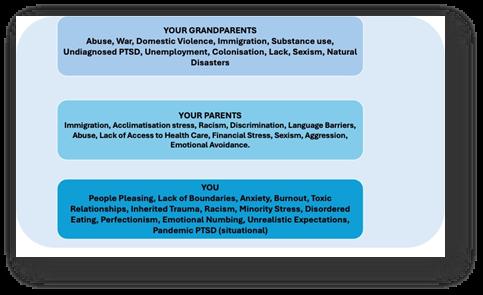
Then there’s Generational Trauma.......
Hypnotherapy: A Pathway to Healing
The DeTrauma Technique™, developed by HCA President, Kaz Field Anderson, exemplifies how hypnotherapy can help. This approach guides individuals into a safe, relaxed state where painful emotions can be acknowledged, released, and desensitised. Clients may visualise protecting their inner child, returning burdens that were never theirs to carry, or anchoring feelings of safety and love. By addressing trauma at both the conscious, subconscious and somatic (body) levels, hypnotherapy allows wounds held for years to finally begin to heal
Healing Addiction Through Trauma Work
When people reconnect with their sense of worthiness and internal safety, the grip of addiction often loosens. Rather than merely managing symptoms, hypnotherapy works at the root cause. Neuroscience supports this approach, showing that trauma is stored not only in the mind but also in the body—places traditional talk therapy may struggle to reach. Practitioners report clients leaving sessions feeling lighter, calmer, and more resilient, often experiencing a profound shift in perspective and emotional regulation.
Hypnotherapy
for Anxiety and Emotional Regulation
In addition to trauma and addiction, hypnotherapy helps manage anxiety by calming the nervous system, interrupting worry loops, and strengthening coping skills such as breath control, visualization, and self-hypnosis. It allows clients to reframe negative beliefs, reduce emotional intensity, and build internal resources creating a sense of safety, confidence, and resilience that extends beyond the session.
Case Study: Overcoming Decades of Trauma and Alcohol Dependence through Hypnotherapy
Client Background
The client, a 64-year-old woman, had been struggling with alcohol dependence for many years, routinely consuming three bottles of wine each night. She sought help with the goal of reducing her drinking to a moderate level, ideally limiting consumption to an occasional glass on weekends.
Presenting Issues
During initial sessions, it became clear that her drinking was not solely habitual but deeply tied to unresolved trauma and long-standing anxiety. The client revealed that the root of her struggles dated back to age 12, when she experienced significant traumatic events. For over five decades, she had used alcohol to numb painful emotions and suppress distressing memories.
Therapeutic Approach
The therapeutic plan incorporated theDeTrauma Technique™, a hypnotherapybased method designed to safely access and release stored emotional pain, alongside additional hypnotherapy sessions focused onego-strengthening and building internal resources.
DeTrauma Technique™:Guided the client into a relaxed, safe state where she could acknowledge and desensitize painful emotions. She engaged in visualizations such as protecting her younger self, returning burdens she had carried unnecessarily, and anchoring feelings of safety and self-compassion.
Ego Strengthening Hypnotherapy:Sessions focused on reinforcing the client’s internal sense of self, confidence, and resilience, equipping her to face previously overwhelming emotions without reliance on alcohol
Outcomes
Over several weeks of therapy, the client reported profound shifts in her emotional and behavioural patterns:
She experienced asignificant reduction in alcohol consumption, moving from three bottles nightly to an occasional glass on weekends.
The client described feeling that ahuge burden of trauma had been lifted, experiencing lighter emotions and reduced anxiety
She gainedenhanced self-awareness, emotional regulation, and a sense of controlover triggers that had previously led to drinking.
This case illustrates how hypnotherapy, including the DeTrauma Technique™ and ego-strengthening methods, can be a powerful therapeutic tool for addressing bothlong-standing trauma and addictive behaviours. By targeting the root causes of emotional pain and building internal resources, clients can experience dramatic improvements in mental health, resilience, and quality of life.
Implications
This client’s outcome is one of many examples showing the transformative potential of hypnotherapy in treating trauma-related anxiety and addiction, providing a compassionate, effective path toward healing and sustainable behavioural change.
Book a session with James Ryan: Clinical Trauma Hypnotherapy
James is a Certified Practitioner of the DeTrauma Technique™ 0400015614
Do You Want to Go Beyond the Veil?
by Hollie Berry McQueen
Incase you haven’t already noticed, you already have…… Well, Past Life Regression may do just the trick!
What does that mean?
What is beyond the veil?
It’s a term coined by many a quantum being who channels us information to help us to remember who we are
When my Patients request to travel through dimensions to remember who they are via past life regression using Hypnotic trance, to reveal more of who they are, to embrace who they truly are, it is simplistic and done with no fuss. I am a Master Clinical Hypnotherapist wrapped in neuroscience and human behaviour. I come from a long line of Lightwork Somatic Healers This means I join science phenomena coupled with chanelling healing. I teach Patients to remove pain and to re connect with their authentic self. I bridge science and spirit to create whole healing.
When humans are born, we are bright eyed and bushy tailed. We are full of curiosity, we have vitality and we are free in our souls. We have imaginary friends and we
Your paragraph text LOOOOOOOVE cuddles and words of endearment. We are unabashedly honest and authentic. We are innate benevolent beings and often see and acknowledge frequencies which adults cannot remember. For some reason, most adults guide their children away from the creativity, away from the freedom and into conformity of sitting in a synthetic space, under emf lighting in a tiny chair. It’s quite sad really. But that is just the western world. In many other countries, they still harvest their spirit and the adults maintain their connection to earth, to the divine creator and to the stars. Community is their power and love and balance is everything. Their life is simple yet so much richer than most in the west The frequency in their world is clean and high because they do not have rubber soles on their feet and are connected to the earth. They are grounded and have harnessed their knowing to thrive generation after generation.
People may say woo woo. That’s OK. We are each growing at our own speed. Each have different karma to clear and each have unique evolution cycles. More and more humans are becoming aware that there is more. It’s quite a powerful epoch of time that we are living in now. The speed of technology and ability to heal is really quite phenomenal
Those folk who use the term woo woo are just unknowing. They have an inner self which is just waiting for more growth to enable the knowing to come to the fore. They will know when they know and that is OK
But one thing we all know, is we are all frequency. Humans, animals, plants, and the planet
Everything is Frequency.
That is not woo woo, that is science
If you use the term woo woo, and don’t truly understand dimensions, then this example is for you…….remember when you have been in a public space and you have felt like someone or something is watching you?.... Your ears prick up, your senses peak and you become very curious…….You haven’t visually noticed anyone, haven’t heard a sound, but you feel the frequency….. You have the knowing that another frequency has tapped into your frequency…… Sure enough, you look up and you scan the area and spot the soul that is tapping into you. We have all experienced this phenomena. That is science, that is instinct, that is what has allowed our species to evolve and stay safe over eons of time. It has prevented us from becoming something elses dinner! It’s what keeps us safe…. Frequency.
However, unfortunately, I see a lot of Patients who are harming themselves far more than any other frequency could. I see patient after patient with addictions, but not only consumerables but also addicted to sex, and viewing other peoples lives on social media. The social media addiction often drives a lower self esteem and a deep feeling of missing out. When we feel like we don’t belong, aren’t good enough, aren’t big enough, our frequency lowers. We all understand that, even the ones who say woo woo.
You may not know the person, you may be in a public setting and someone steps into your field and even without speaking to them you can feel their vibe, their pain, their high level stress. This is unseen but it is very very real and very deeply felt. This is also science
When using the word ‘vibe’, we use it in the same way as I use frequency I’m sure we have all used the term vibe before to describe a party or a persons energy. There is another term which is often incorrectly used and that word is ascension. Ascension simply and directly means living your authentic life. It’s as simple as that. It doesn’t mean flying up to an ethereal place or transitioning into an angel…. I have heard many assumptions in my lifetime of what this word means, which is often used in spiritual circles, but it truly just means being authentic. Wholly authentic and knowing your purpose. Living in compassionate action.
Clinical Hypnotherapy is an essential tool I have used to bridge and reach, teach and guide my patients for over 15 years. Particularly around social cues which have developed over time and the Patients are now living with uncomfortable behaviours. When we feel squeezed we often head off track and use consumerables to try to fill the space within us that feels empty or too full. That imbalance drives addictions and imbalance.
My intuition is my birth right, so is yours. My ancestral path in this lifetime is to bridge my varied knowledge to you, and use it to heal and guide you. Not all of us know how to decipher the thinking head from the intuition. They don’t know how to listen. I am tuned into healing facets and share them with the global community. I was born into this, and I am grateful everyday to be guiding others to ascension.
When we learn to listen, and have the courage to change our opinions to allow growth then we can truly free ourselves from the bonds of ancestral trauma. Past Life regression is a really powerful tool I greatly enjoy opening for Patients. I combine their goals, my abilities with the healing frequency and together we create coherence between neural pathways, circulation, somatic deletion approaches and love
It’s the premise of our souls. Community and love You can’t belong if you don’t belong to yourself. Reach out and we can have a yarn about where you are at. No fuss, Kindness, HB McQueen adv. Dip CH, NLP, YC Hbmcqueen.com
Anxiety is a loud internal alarm that often goes off when life feels unpredictable, chaotic, or overwhelming. Most people think anxiety is the problem — but very often, the real issue is a lack of healthy boundaries
Boundaries act as the “operating system” of your emotional wellbeing. When they are missing, your mind and body stay on high alert. When they are in place, anxiety calms down, energy returns, and life feels manageable again.
Seven practical ways boundaries reduce anxiety:
1. Lowering the Mental Load: When you don’t set limits, your brain constantly guesses what people expect from you. This guessing creates anxiety
Example: Someone keeps asking you for last minute favours. You always say yes, even though it stresses you out. Setting a boundary such as, “I need 24 hours’ notice for requests,” removes the guessing. Clarity replaces anxiety
2. Stabilising Emotional Energy: Anxiety grows when you take on too much emotional weight from others.
Example: A friend calls every day to vent, leaving you drained. A boundary like, “I can talk for 10 minutes, but I can’t do long emotional calls today,” protects your energy.
3. Reducing People‑Pleasing: People pleasing is a survival habit that says, “If everyone is happy, I’ll be safe” OR “ If everyone is happy, I am loved”.
Example: You say yes to attending an event even though you’re exhausted. A boundary such as, “Thank you, but I won’t be able to make it,” teaches your nervous system that it’s okay if people aren’t always pleased.
Toxic conversations, shouting, guilt tripping, and emotional manipulation can switch your body into fight or flight mode Example: A relative speaks harshly to you. A boundary like, “If I am spoken to disrespectfully, I will step away,” allows your body to stay regulated.
5. Rebuilding Self‑Trust:
Every time you keep quiet when something bothers you, you abandon yourself This creates anxiety. Example: Someone cuts ahead of you in line. You stay silent and feel irritated. A boundary such as politely saying, “Sorry, I was next,” builds confidence and reduces internal tension.
6 Improving Relationships:
Healthy relationships grow with clear communication. Boundaries don’t push people away — they filter who belongs in your inner circle. Example: A colleague keeps interrupting you. A boundary like, “I will respond after I finish what I’m doing,” improves communication and reduces conflict.
7. Creating Space:
Space to rest, think, and breathe is essential for mental health. Example: You feel pressured to respond to messages instantly. A boundary like, “I reply when I’m free, not immediately,” creates mental space and lowers anxiety.
How
to Overcome Anxiety: (Simple Approach)
Anxiety reduces when you stop overwhelming your brain with unnecessary thoughts
• Slow your breathing: 7 seconds in, 9 seconds out
• Name what you’re feeling: “I’m anxious because....... I feel overwhelmed.”
• Make one self-care decision that protects your peace.
• Remove yourself from any environment that feels unsafe or emotionally heavy
• Remind yourself: “I am allowed to say no. I am allowed to choose what’s right for me”
Learning to Be Consciously Aware:
Conscious awareness simply means catching yourself before the anxiety takes over. You do this by recognising early signs: tight chest, racing thoughts, overthinking, or people pleasing mode
Use a Trigger Action to Interrupt Anxiety: A trigger action is a simple physical gesture that signals your brain to reset Try this:
• Gently pull your right earlobe, breathe in, and silently say, “Pause.”
• Or press your thumb and index finger together and say, “Calm x3 times”
• Or lightly tap your collarbone 3 times to anchor yourself saying “I am calm, all is well”
Repeat 3 times.
During an anxiety attack, say this: “ I wonder what my next thought will be?” This bamboozles the brain and goes what the? Then magic happens, there will be NO thoughts. Try it now!
These physical cues interrupt the anxiety cycle by activating the brain’s awareness network
The moment you feel overwhelmed, perform your chosen trigger action. Your brain learns to associate it with stepping back from stress
Final Thoughts:
Boundaries are not walls. They are doors with locks — you decide who enters your emotional world. When you communicate clearly, protect your energy, and use conscious awareness, anxiety naturally lowers.
Create your own Space, Your Peace IS Your Right. Calm in the Chaos: How Boundaries Reduce Anxiety and Rebuild Inner Strength
Book a Session: Gerard Fynn 0416 870 658 or 0466 043 611
Mention this article to receive a FREE Cocoon of Calm Hypnosis
A Trailblazing Councillors Safe Streets Campaign Rejected
By Kaz Field Anderson
We are all painfully aware of the escalating youth violence. Of late, barely a day goes by without hearing of another mum and dads horror, as their teen innocently went out for some fun. As a Mum of 4 & Grandmother to 5 beautiful children, the violence being forced on our teens has gotten out of hand. If we are going to talk about anxiety, we cannot leave out the number 1 cause of anxiety for many parents/carers “we can’t keep our children locked inside, but every time they go out, we worry if they will come home safe”.
That fear became real for me when my daughter was assaulted at a skate-park opening — a night of fun turned into a parent’s worst nightmare. Frustrated by inaction, I spoke with Lismore City Councillor Harper DaltonEarls about his Safe Streets Campaign: a humane, practical plan to restore public safety, support people in crisis, and rebuild community confidence
Harper Dalton-Earls (pictured)
Harper is a young man who is articulate, compassionate and with more integrity than I expected to see from a Councillor (I have had my fair share and most have been arrogant). He is a man who has a great amount of empathy and a love of his City, Lismore that shines through.
Cr.
Harper Dalton-Earls has been trying to bring in a Safe Streets Campaign, and he is being thwarted at every turn. Not good enough!! Let’s get behind this innovative idea of Safe Streets. Who would have thought we would need to convince someone that being safe on our streets IS a priority
The urgency is clear in the following Statistics.
*Statistics
4.9% decreasein overall offending for people aged 10 to 24 since 2019, prior to the COVID-19 pandemic.
22.5% increasein the number of offences committed by 10- to 13-year-olds in the year to September 30, 2023.
29.4% increasein the number of offences committed by 14- to 17-year-olds in the same year.
38.7% increase in thefts from retail stores, including supermarkets.
Many regions report youth violent incidents doubling over two years, and dozens of teens have been killed nationally in street attacks. Locally, Lismore’s recovery from the catastrophic 2022 floods ongoing economic stress, displacement and trauma—has amplified vulnerability and driven a painful decline in CBD foot traffic and safety
Reintroduce trained street rangers for daytime and targeted night coverage to provide passive surveillance, deescalation and a friendly point of contact (nonpolicing role).
Provide mentalhealth first aid and crisisresponse training to rangers and embed clear referral pathways to specialist health teams so people in distress get appropriate care.
Strengthen partnerships across council, police, health services, businesses and community organisations and map responsibilities in an updated Crime Prevention Plan.
Collect data, set clear metrics of success, and pursue targeted funding to scale effective interventions.
For context, some advocates point to New York City’s 1990s approach under Mayor Rudy Giuliani — which used “Broken Windows” inspired enforcement of talhealth support
Harper has encountered political resistance at council despite broad community concern & support.
He stresses that change requires many voices: businesses, parents, health providers and neighbours amplifying the need for prevention, partnership and compassion. We owe our children safer streets and our community the chance to recover and thrive.
Support for a pragmatic, evidence based Safe Streets plan can make that possible.
Harper’s Proposal to Council:
Cut catering budget 40% ($15,600 from $39,600 annual)
Redirect savings to community safety (e.g., Clifford Park lighting)
Registered crime prevention plans provide access to Safer Community Fund
Community safety absent from current community strategic plan
Strategic Approach
Prevention-focused rather than Punitive
Evidence-based framework with measurable outcomes
Collaboration with police to free resources for specialized roles
Civic pride through maintenance and colourful public spaces
Youth engagement and diversion programs
Bottom of FormAs we all know, just having an authoritive presence can sometimes be all that is needed to restore order and peace, as Harper recalls from his own childhood:
“I remember even when I was a kid growing up, I'd ride the skateboard around the CBD and the rangers would be like, you know, get off, mate, and I'd get off. And it was a friendly interaction.”
I also remember someone else said the same thing to me. They recounted the same memory. You know, you'd be hanging down the river, the rangers would be doing their walks around and they'd just go and check in and be like, hey, how you going? And it made you feel safe, like people cared for you. I think we have made some improvements, but it's still not back to where they were prior. And I think having those small things, particularly for our young people is vital, especially after issues of the flood.”
Again, this is an everyone issue, not just police, not just council.....EVERYONE! The only way for change to happen, is for us to start making lots of noise...sending emails to your local council/local member. Everyday mums and dads, grandparents, sisters, brothers just like me, get writing, calling and show up in person. Our children deserve it.
An old saying “ An ounce of prevention is worth more that a ton of cure” is very apt here.
The other thing that stands out, I remember when I was young, people would be banned from the CBD for 24 hours. It would happen in Nimbin, and it would happen in Lismore.
*Photos supplied by Cr. Harper Dalton-Earls ** extract below Council Meeting 9/12/25 Notice of Motion – No councillors seconded.
Professional Clinical Supervision – What Every Therapist Should Know
By Kerry Bailey
The answer is both personal and professional.
Clinical Supervision is not only a requirement of membership for most professional associations—including those recognised by the Hypnotherapy Council of Australia (HCA)—it is also one of the most supportive, rewarding, and transformative elements of a therapist’s development
Below, I offer a clear, friendly guide to understanding what supervision truly provides and how it supports you as a practitioner, a business owner, and a human being.
Why Supervision Matters
Across the mental health and wellbeing fields—hypnotherapy, psychotherapy, counselling, psychology, social work, occupational therapy, coaching, EMDR, NLP, and other allied modalities Clinical Supervision is recognised worldwide as a cornerstone of safe, ethical, effective practice. Most therapists work either alone or in small private practices. This can be deeply fulfilling, but also at times isolating and professionally challenging. Supervision reconnects us to a structured, collegiate, supportive professional network
Supervision helps you to:
Strengthen your clinical skills
Deepen ethical and reflective practice
Improve client outcomes
Develop your business and professional identity
Maintain personal wellbeing and boundaries
Receive support and guidance in a safe, non-judgemental space
In short: good supervision takes care of the therapist so the therapist can better take care of the client
The Professional Responsibility
Most associations recognised under the HCA umbrella require members to undertake regular, ongoing Clinical Supervision based on their membership tier and level of experience
This may include:
One-to-one supervision
Group supervision
Or a combination of both
These requirements are not arbitrary—they reflect best-practice across the broader mental health sector.
How Supervision Supports You
Speaking personally as both a supervisee and a long-standing supervisor—I have always loved the process of supervision. There is something truly powerful about stepping into a room (or Zoom) with professionals who care about their craft, their clients, and their growth.
Supervision offers:
A place for genuine professional connection
Collegiate discussion of current practice, challenges, and successes
An opportunity to explore new approaches and tools
A space for reflective practice and increased insight
A structured way to maintain self-care
Enhanced clarity around ethical decision-making
Increased confidence in complex client presentations
Most importantly, it provides non-judgemental support within a relationship built on collaboration, respect, and shared learning.
The Supervisor–Supervisee Relationship
Clinical Supervision is a practice-focused, collaborative alliance. It is a relationship with purpose, direction, and professional boundaries
A good supervisor will help you:
Set clear goals
Track your progress
Expand your theoretical understanding
Strengthen applied, practical skills
Reflect on both the client’s needs and your own responses
Grow your clinical judgement and decision-making
Maintain high professional standards
This relationship becomes one of the most important professional partnerships of your career.
As Campbell (2006) notes, supervision centres on promoting high clinical standards and optimal client care.
For more info, click the website below: https://www.sydneyhypno.com.au/about-5
The Australian Clinical Supervision Association (ASCA) emphasises ethical practice, reflective processes, and ongoing skills development.
Milne’s broader definition reminds us that supervision serves formative (learning), normative (standards), and restorative (support) functions all held within a respectful, supportive professional relationship.
How to Choose the Right Supervisor
Every therapist deserves a supervisor who genuinely fits their goals, personality, modality, and professional vision.
Here are practical steps to begin:
1 Clarify your goals
Ask yourself:
What do I want to develop over the next 6–12 months?
What challenges do I want help with?
What kind of support feels right for me?
2. Research potential supervisors
Look for:
Professional experience
Additional training in supervision
Alignment with your modality
Clear ethical frameworks
A communication style that feels comfortable
Most Supervisors recognised by HCA-aligned associations provide contact details or online profiles where you can learn more.
Katina Gleeson presents - Solution Focused Brief Therapy workshop [2601] 18 Feb 26till18 Feb 26
Solution Focused Brief Therapy was developed by Steve de Shazer and Insoo Kim Berg in the late 1907’s and they were influenced by Milton Erickson.
3. Book an exploratory call:
4 Establish expectations clearly
A strong supervisory relationship begins with:
Discussing roles and responsibilities
Agreeing on goals
Setting boundaries
A good supervisor welcomes an initial conversation. This discussion should feel friendly, professional, and supportive—an opportunity for both of you to assess the “fit” .
Clarifying session structures and expectations
A good rapport is essential. Supervision should feel safe, collaborative, and purposeful
What the Literature Tells Us
Health and mental-health research consistently shows that effective supervision leads to:
Improved assessment and intervention skills
Greater self-awareness and reflective capacity
Earlier recognition of client issues
More effective and efficient therapy outcomes
Reduced practitioner burnout
Higher levels of ethical behaviour and accountability
Carroll (2000) reminds us that supervision is complex but navigable, requiring engagement from both supervisor and supervisee.
Barnett et al. (2007) highlight the need for supervisors to be both clinically skilled and specifically trained in the art of supervision.
Supervision should be ongoing throughout a clinician’s career, adapting as your skills, needs, and caseload evolve
Ethics, Standards and Best Practice
Supervisors and supervisees are encouraged to remain familiar with: APS Code of Ethics
Member – Australian Clinical Supervision Association (ASCA)
E: Kerry@sydneyhypno.com.au
w: www.SydneyHypno.com.au
M: 0412 412 881
W: www.sydneyhypno.com.au
TRANSFORMING TEENS FROM THE INSIDE OUT
When today’s teens feel overwhelmed, disconnected, anxious, or stuck, they need more than talk
They need strategy They need tools
They need someone who truly understands the teenage mind
Christian offers a powerful, multi-modal approach that helps teens: Break unhelpful patterns
Build confidence & emotional resilience
Regulate thoughts, behaviours, and emotions
Overcome anxiety, procrastination & self-doubt
Navigate friendships, identity, and school pressure with clarity
Using Clinical Hypnotherapy, Strategic Psychotherapy, NLP, EMDR and Strategic Coaching, Christian guides young people toward real, lasting change not just temporary relief
Advance therapeutic skills through our specialised Masterclass Courses go-to in:
Advance your therapeutic skills through our specialised Masterclass Courses and become the go-to authority in:
Quit Smoking · Weight Loss · Rapid Anxiety Reduction (RARM)
Stand Out. Be Recognised. Make a Difference.
ally Recognised and Award-Winning
Quit Smoking · Weight Loss · Rapid Anxiety Reduction (RARM) Out Recognised. Difference. Award-Winning
Editor: Kaz Field Anderson ~ 0466 043 611 Assistant Editor: Gerard Fynn ~ 0416 870 658
We believe that health is both a social investment and challenge. We contribute to the education of individuals and groups through accredited training programs, to promote and facilitate healthy lifestyle practices. We're committed to helping others reach their potential and enhance their wellbeing. Through the use of established health and lifestyle clinics, we support individuals in distress or in need of guidance. For engaging Hypno-psychotherapy training throughout Australia contact our team today.
Fostering Health and Wellbeing Through Accredited Training
The Institute of Clinical Hypnotherapy and Psychotherapy (ICHP) Australia recognises the vital importance and challenge of promoting health and wellbeing in society Our blended courses available both in person and online—offer accredited training that focuses on using hypnosis as a psychotherapeutic tool. These programs are designed to enhance counselling and psychotherapy practices and adhere to national best practice guidelines
Commitment to Education and Evidence-Based Practice
Our main objective is to advance education by providing internationally recognised programs. These courses supply practitioners with effective, evidencebased tools to best support their communities and improve client outcomes.
ICHP Australia: Hypnotherapy Courses in Australia Face to Face or Online
Wavebreakmedia Ltd
The Study of Hypnosis~ICHP Australia
Blended Hypno-psychotherapy Courses Internationally & throughout Australia. Both Online & Face to Face
The ability to induce trance takes time to master and use the skill as an effective therapy
When properly trained, the ability to induce trance is an easy skill to acquire. The team at ICHP are world renowned trainers in hypnosis and hypnotherapy-psychotherapy. With years of ongoing practical experience, we make the study of hypnosis achievable and enjoyable.
What you Learn
When you study with us, you will learn the ethical, evidence-based neural application of hypnotic techniques in neuro-hypnopsychotherapy, including:
Ensuring your client is a safe candidate for the application of hypnotic techniques
Establishing a trusting, secure and empathic client-centred relationship
Understanding the client's goals
Facilitating the journey towards goals, well-being, and self-discovery
When and how to refer if additional support is required
Ethical practice
Acquiring healing skills comes with great responsibility. Practitioners have a duty of care that must be exercised at all times. We operate within a strong code of ethics, which members must agree to while undergoing training and professional development.
The Institute of Clinical Hypnotherapy-Psychotherapy is affiliated to the National Council for Hypnotherapy (UK) and administered by Dr. Joe Keaney. Dr. Keaney established the ICHP in 1990 to fill the evident need in Ireland for the comprehensive, contemporary and structured training of Hypnotherapy-Psychotherapy His courses extended rapidly to the UK, Germany and Sweden and others followed.
Dr Keaney (www.hypnosiseire.com) currently holds accreditation from the: General Hypnotherapy Standards Council (UK), American Board of Hypnotherapy (USA)
Irish Hypnotherapy Examiner’s Board (Ireland), Hypnotherapy-Psychotherapy Register (Ireland), European Therapy Studies Institute (Europe), National Guild of Hypnotherapists (USA), American Council of Hypnotist Examiners (USA), International Society for Professional Hypnosis) (USA), American Institute of Hypnotherapy (USA)
In Australia, the ICHP is an accredited member organisation (Training Provider) of the Hypnotherapy Council of Australia HCA . It is also nationally endorsed by hypnotherapy organisations such as the Premier Australian Hypnotherapist's Association (AHA) and the Australian Society of Clinical Hypnotherapists (ASCH) and the Guild of Australian Hypnotherapists (GoAH) as well as the international Institute of Complementary Therapists, IICT. The training programs of the ICHP cover two fundamental aspects of hypnotherapy
These are:
Suggestion Therapy ( Authoritative, direct permissive, metaphorical and indirect modes) Hypno-Analytical Regression Therapy (including the proprietary BCHAPS invented by Dr Keaney).
Post Traumatic Stress Disorder (PTSD), Treating Trauma with The DeTrauma Technique™
Pain & Body Psychotherapy
NLP
Past Lives Regression
Age Regression
Jungian & Psychotherapy Dreamwork
Art Therapy & Interpretation
Jungian Dream Analysis
Year 1 Transpersonal Psychotherapy
Resource Therapy for support parts work with Trauma
Intro to Psychology for Mental Health Disorders
Grief and Loss
Quit Smoking
Weight Loss
Working with Addictions utilisingDeTrauma Technique™(DTT)
Advanced Hypnotic Strategies
Introduction to the Basic Counselling Framework
Getting Business Ready – A class to get you out there!
Free Post Graduate Program to kick-start your career
Monthly Free Online Mentorship Program run by Experienced Former Students to ease your journey of study
Australian Association of Clinical Hypnotherapy & Psychotherapy Inc. The AACHP was founded in 1998 following the deregulation of hypnosis in Victoria. It is a progressive national association with membership throughout Australia. The AACHP is a member association of the national peak body, the HCA (Hypnotherapy Council of Australia) and practicing members of the AACHP are eligible to join the HCA National Register.
Professional Clinical Members can offer rebates from several Private Health Insurers with whom AACHP has been approved as a health service provider under section 10 of the PHI (Accreditation) Rules (2008).
What Do We Offer Members?
LOW Annual Membership Fees
FREE Bi-monthly CPE Events
Monthly Online Meetings alternate between CPE Presentations and Group Supervision Sessions which are all FREE for AACHP members. Online delivery ensures equality of access to these benefits for all members.
FREE Bi-monthly Group Supervision
FREE Online CPE Videos
Health Fund Provider Numbers
Compliance with PHI Accreditation Rules
Access to Appropriate Insurance
Who can join the AACHP?
Quarterly Newsletter
HCA Member Association ensuring eligibility for inclusion on HCA National Register
AACHP Member discounts (where applicable) to CPE events
Free Member listing and link to your website/webpage on the AACHP website
Associate membership is available if you are:
engaged in the study of clinical hypnotherapy a non-practicing clinical hypnotherapist a psychotherapist with an interest in clinical hypnotherapy
CONTACT US TO JOIN OUR COLLEGIAL PROFESSIONAL COMMUNITY
Given what the AACHP has to offer, member satisfaction is high as are the professional standards we expect of our members. To find out more and to join the AACHP, please contact us at aachp.inc@aachp.com and do visit our website at www.aachp.com
The Guild of Australian Hypnotherapists is different from many associations in a number of ways.
Firstly, our defining document is our Statement of Values
How we act and interact with each other, the values we hold as important will always be the defining characteristic of the Guild of Australian Hypnotherapists. If we have to take our constitution out to settle problems it simply means we haven’t learned to effectively communicate and this doesn’t augur well for professionals whose work is communication. We’ll probably have differences of opinion and we’ll settle these through our values and compromise.
Secondly, we’re focused on the future and not the past
As we tell our clients, the past is set in concrete, it can’t be changed. However, the future is a blank slate on which we can build a unified community of hypnotherapists that has real and lasting influence in Australia. We can raise the level of discourse and of our profession. Why not join the future and be part of the change you want?
Thirdly, we’re focused on people and community
All associations are made up of people with common goals who’ve gathered together to reach a common objective. Those members make up a community and at GoAH our commitment will always be to members and community While proper process is always important to the running of an association, our promise is that members and the community will always be our priority.
Join GoAH, be part of something new – we’re keen to welcome you!
Click here-Information
Click here -Application forms
A little about GoAH and the past:
About the Guild of Australian Hypnotherapist
Since 2007 the hypnotherapy profession has been working toward selfregulation which has been a federal government requirement for non-regulated health modalities. In the spirit of cooperation and unity, existingschools and associations agreed to form a peak body as required by government, and this was achieved in 2010 with the formation of theHypnotherapy Council of Australia(HCA) whose membership comprised teaching organisations and associations. This was the first time in over 60 years that the profession had come together in unity.
Represented were associations based in New South Wales, Victoria and Tasmania, South Australia, Queensland and West Australia. The Northern Territory and The Australian Capital Territory were too small to run their own associations.
In 2020 the association that was based in Queensland closed, which left the state without a seat at the Hypnotherapy Council (HCA) table and no effective local representation for Queensland hypnotherapists in what is a large and diverse state.
Enter.......TheGuild of AustralianHypnotherapists (GoAH)
Queensland hypnotherapists, some with decades of experience on the board of other large associations including past presidents and vice-presidents and a past president of the HCA together with many other experienced hypnotherapists were convinced that Queensland hypnotherapists could be better served by being a part of HCA. This could be achieved by establishing a new, different and transparent member-focused association based in Queensland but serving the whole of Australia, and so GoAH was born. Within a short period of time, the GoAH has welcomed members from every state and territory in Australia
It seemed that times had changed and a new way of organising a professional association was needed while still being under the auspices of HCA the National Peak Body.
What is different about GoAH?
The Guild of Australian Hypnotherapists is different from many associations in a number of ways:
Firstly, our defining document isour Statement of Values
How we act and interact with each other, the values we hold as important will always be the defining characteristic of theGuild of Australian Hypnotherapists. If we must take our constitution out to settle problems, it simply means we haven’t learned to effectively communicate, and this doesn’t augur well for professionals whose work is communication. We’ll probably have differences of opinion, and we’ll settle these through our values and compromise.
Secondly, we’re focused on the future and not the past
As we tell our clients, the past is set in concrete, it can’t be changed. However, the future is a blank slate on which we can build a unified community of hypnotherapists that has real and lasting influence in Australia. We can raise the level of discourse and of our profession. Why not join the future and be part of the change you want?
Thirdly, we’re focused on people and community All associations are made up of people with common goals who’ve gathered to reach a common objective. Those members make up a community and at GoAH our commitment will always be to members and community. While proper process is always important to the running of an association, our promise is that members and the community will always be our priority
Search Australia’s largest official national register of accredited hypnotherapists: HCA National Hypnotherapists Register: https://hcaaustralianhypnotherapistsregister com au/
CONTACT US
Our preferred contact method is by email. secretary@hypnotherapycouncilofaustralia.com
Beyond the Veil contact:
Editor: Kaz Field Anderson president@hypnotherapycouncilofaustralia.com