
and more easily recalled. This will also serve to help you to relax, stay positive and to become less burdened with stress and tension. Creativity goes a long way toward remembering.
12. Use It or Lose It
Memory is improved through practice. Upon retirement many people find that their recall begins to become rusty. This is in part due to the fact that they are not using their memory to the degree that they once did. Doing crossword puzzles, reading and taking a college course all serve to enhance your memory and aid in your confidence about yourself. Practicing drawing or doodling can also enhance your visual imagery skills. Just simply drawing whatever comes to mind allows you to place on paper a visual representation of what’s in your mind. Finally, find a way to teach others. By teaching we are enhancing our own memories.
13. Label Memor y Files
By consciously choosing key word connections within your mind in order to place other words, you are saving space in the hard drive of your mind and enhancing access. For example, when we hear a key word such as “history” we associate many thoughts with this word. We may remember key individuals, circumstances or events that fall within this label. We can also link our visualization, auditory memory and other sensory perceptions to this label to aid in memory improvement. Labeling memory files allows us to link one word with whole concepts.
14. Create a Mental Calendar
Utilizing a calendar to guide you through your daily activities creates self-reliance and confidence and allows you to plan ahead and free up space in your mind for other important memories. Use one calendar to chronicle appointments, daily events, reminders, responsibilities and goals. Write down anything that is important to you. Keep this calendar accessible in a central location. The calendar becomes an external extension of your memory. Other external extensions of your memory can be beneficial. Leaving yourself notes or an empty milk jug next to the front door can serve to remind you to pick up milk at the grocery store.
15. Mind-Body Connection
It is essential that you take proper care of your body if your memory is to function at its fullest potential. Exercise and diet are an essential part of keeping your memory working for you. Exercise relieves stress, enhances blood flow and provides needed nutrients to the brain. Avoidance of alcohol and other drugs will also enhance your memory. Studies have shown that the brain requires 7-8 hours of sleep per night. It is the deep, slow-wave (non-REM) sleep that is important for stabilization and consolidation of long term memory. Sleep strengthens relevant associations and weakens irrelevant associations, thus improving your access to memories. A lack of sleep can disrupt processing speed, long-term memory and emotional stability. Getting too few hours hurts memory almost as much as no sleep at all, because it impacts your concentration, which in turn impacts your memory
16. Come in Through the Back Door
Everyone experiences blocks to memory at times. The more you try to recall a piece of data, the further away it seems to get. This becomes more fueled by frustration and negative self-talk. Replace any negative selftalk with positive affirmations. Avoid the frustration by talking around the item to be recalled. Use words that are similar, express yourself in approximations, and keep the thought active. By doing so you will often pull out the item to be remembered. Remember that the human brain contains billions of nerve cells that are intricately connected to form memories. It is normal that we are sometimes unable to access a single pathway within this complex map of neural cells.
17. Associate It
Memory begins with association. Biologically, our conscious awareness accesses our unconscious memories through associating new memories with old ones. By knowing this we can use this natural process to our advantage. Associated information allows the brain to knit pieces of information together. For example, if you just met someone with a unique name, associate it with similar sounding words that you already know.
18. Creativity & Flexibility
Always ask yourself a simple question: “What is another way I can look at this problem?” Rigid thinking is often a precursor to poor memory. Examine the problem at hand. Turn it over and look at it from all angles. Put it down and do the same later. Examining things from different perspectives forms more memory associations. Creativity and flexibility also allow us to find more ways to access the information to be recalled.

19. Focus on Your Strengths
Many of us learn better if we first view the whole concept, while others do better by first learning the individual parts. Recognize your preference and start there. If you are visually oriented utilize this strength in memory and recall. Incorporate your individual personality style into your memory techniques. For example, a good sense of humor can go a long way in finding something unique about an individual to associate with his/her name. Go beyond your mind’s natural limits and plug in a detail that you may not have initially observed until you took the time and effort to do so. Remember that good memory starts with the quality of the information that is taken in through your senses from your environment.
20. Games
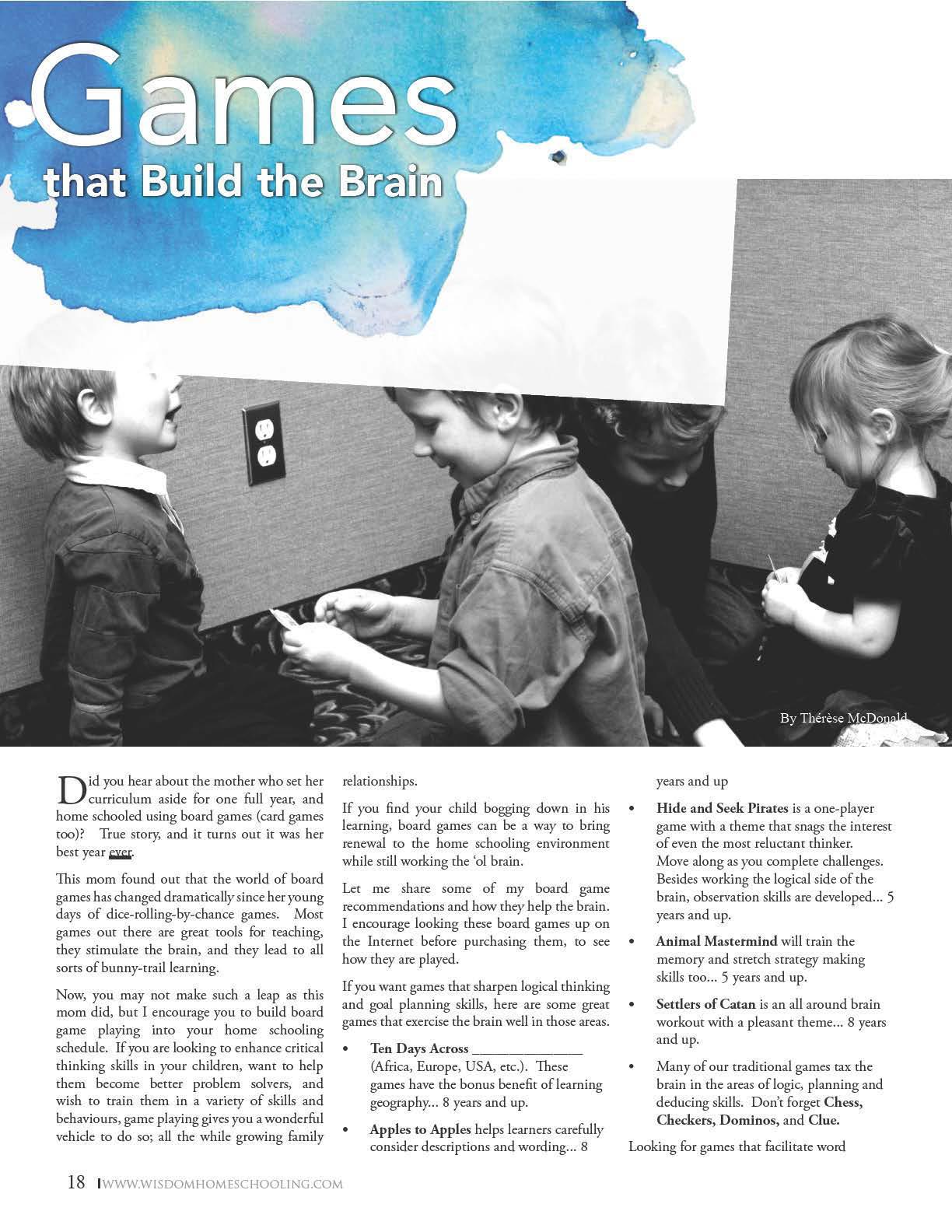
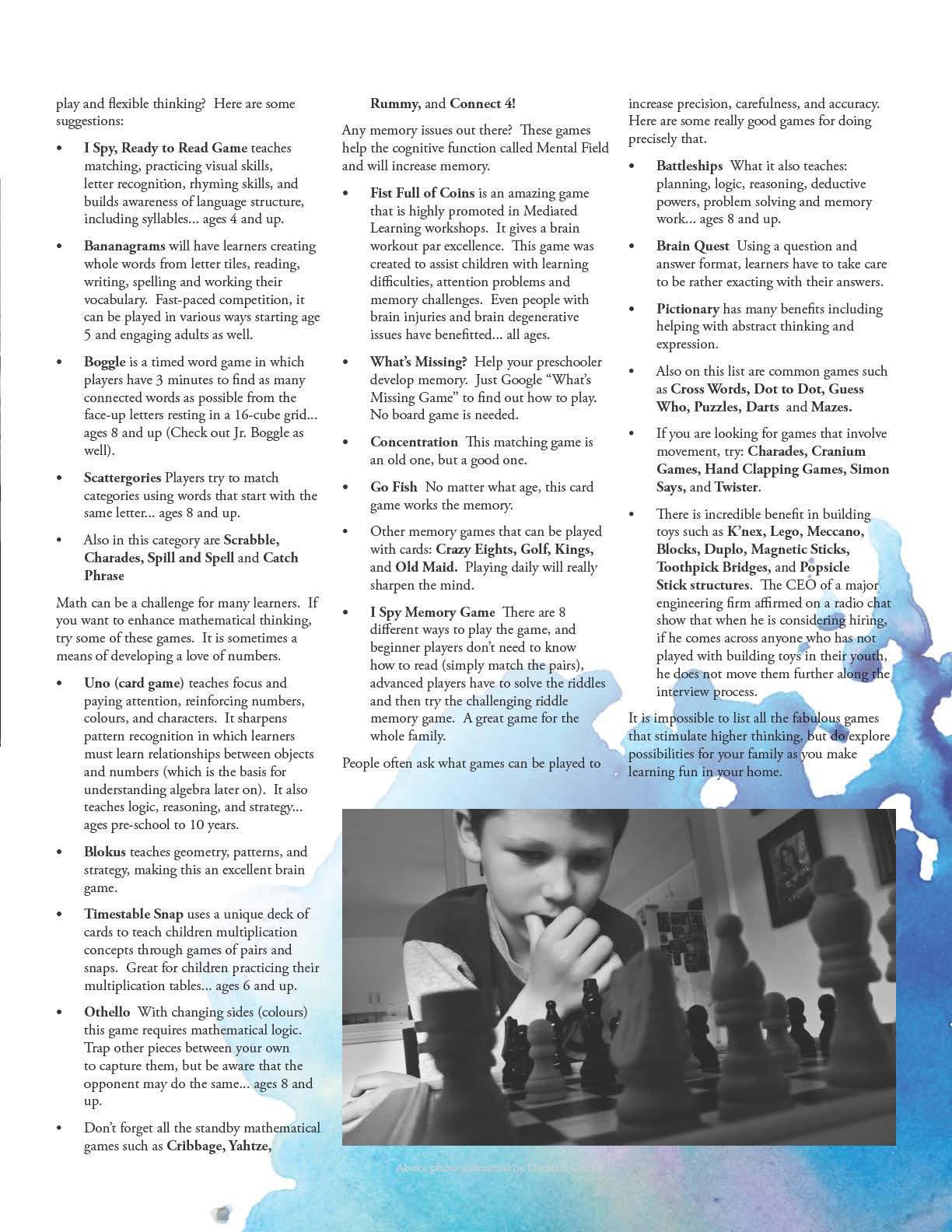
Memory “practice” with games is an excellent way to flex and strengthen your memory. Board games where the major component is utilization of your memory are classic and more relevant today than ever. Board games provide the social interaction with others that is lacking with today’s computer games which focus on memory improvement. But don’t discount those computer games just yet; research has shown they do enhance memory function. The key is balance and variety.
21. Online resources? try memory-improvement-tips.com Or lumosity.com