


Dr E. K. Y. Addison
Chairman (resigned 26 February 2025)
Mr D. Adansi Chief Executive Officer
Mr R. J. B. Sambou Deputy Chief Executive Officer & Chief Operating Officer
Lord P. Boateng Acting Chairman and Senior Independent Director (subject to regulatory approval)
Dr M. Opoku-Afari Non-Executive Director (resigned 26 February 2025)
Dr J. Ofori-Tenkorang Non-Executive Director (resigned 2 May 2024)
Mr S. Bhandari Independent Non-Executive Director
Mr C. M. Thomson Independent Non-Executive Director
Mr J. K. Adomakoh Non-Executive Director (resigned 3 February 2025)
Mr A. Y. Tali Non-Executive Director (resigned 25 February 2025)
COMPANY SECRETARY
Janet O. Mbu
REGISTERED OFFICE
Regina House
67 Cheapside, 1st Floor
London
EC2V 6AZ
COMPANY REGISTRATION NO. 03468216
Registered in England and Wales
Ghana International Bank plc is a public company limited by shares.
STATUTORY AUDITOR
Deloitte LLP
2 New Street Square
London
EC4A 3BZ
United Kingdom

Two years after the country’s independence, Ghana Commercial Bank set up a branch in the City of London with a unique mandate: to finance international trade and serve as an intermediary for the flow of funds to and from Ghana. This presence was established at Regina House 67 Cheapside. This has remained the Bank’s head o ce.

GHIB marks 65 years of operations. Today, GHIB focuses on six key areas: treasury and global markets, trade finance, corporate and institutional banking, retail and small business banking, correspondent banking, and payment solutions. The Bank’s focus remains unchanged – to support the economies of Ghana and the wider African continent.
GHIB evolution: The Bank was incorporated on 13th November 1997 as a single member shelf trading private limited company. It was re-registered as Ghana International Public Limited Company on 26th March 1998 and the entity subsequently changed its name to Ghana International Bank Plc on 1st April 1998 after being authorised and licensed as a bank, taking over the operations of the London Branch of Ghana Commercial Bank.
• We collaborate to innovate, openly sharing ideas and solving problems together.
• We value diverse contributions and encourage self-reflection, questioning, and growth.
• We build relationships on trust, respect, kindness, and appreciation of differences.
• We uphold equality, dignity, and respect for all, regardless of background or identity.
• We have a passion for performance and often go beyond the expected.
• We only offer services that are in the best interests of our customers.
• We tell the truth, communicate clearly, and deliver on our promises.
• We do the right thing, even when it is not the easiest path, or we don’t do it all.


The Rt Hon Lord Paul Boateng CVO Acting Chairman
Following the outcome of the December 2024 general elections in Ghana and the leadership changes in our shareholder organisations, we look forward to welcoming new shareholder Non-Executive Directors of the Board.
After many years of dedicated and distinguished service to the Bank, I wish to give special thanks to Dr Addison as the Chairman of the Board, as well as to Dr Maxwell Opoku-Afari, Mr John Adomakoh, Dr John Ofori Tenkorang and Mr Alhassan Yakubu Tali, all of whom have retired since our last report. The Board recognises their significant contributions to the Bank over the years and wishes them all the best in their future endeavours.
I am pleased to present the 26th Annual Report and Financial Statements of Ghana International Bank plc (“GHIB” / the “Bank”) for the year ended 31 December 2024.
The Bank has continued to improve its profitability this year and the outlook for the Bank and its core market, Ghana is positive. It continues to make important investments in its technology modernisation program to improve operational resilience, efficiency, and enhancing client experience. We remain focused on making an effective regulatory and controls framework the bedrock of how we do business.
The Bank reported Profits before tax of £5.8m, a significant improvement compared to £4.3m in 2023. This was largely attributable to growth in Operating income of 19% to £47.4m, delivered through balance sheet growth and strong performance in our trade finance business. The balance sheet grew 37% to £1.1bn driven by the Bank’s increased strategic focus and enhanced relationship management service with existing and new clients. This is the first year in the Banks history the balance sheet has grown beyond £1.0bn as at year-end. The Bank continues to remain highly liquid and strongly capitalised, with a Common Equity Tier 1 ratio of 22.4% and a Liquidity Coverage Ratio of 256% at the end of the year. As at 31 December 2024 High Quality Liquid Assets accounted for 39% of total assets. The Board commends the Senior Leadership Team and all colleagues across GHIB in delivering these results and looks forward to further improvement in profitability in coming years.
According to the IMF, the global economy is projected to grow at 3.3%, compared to the historical average of 3.7%. Inflation is expected to continue its downward trend, however, this is not universal for all regions. Developed economies are expected to converge to trend but less so for the developing and emerging economies where inflation remains in the double digits.
Newly elected governments around the world including the US would need to balance the pressures of expansionary monetary policies to support growth against prudent fiscal and financial stability to control inflation in the near term. Upside risk remains in the US where the economy remains robust supported by relatively strong fundamentals. This contrasts with other countries facing elevated economic policy uncertainty risk amidst the heightened introduction of trade tariffs and geopolitical tensions. China’s economic growth in the last year was 4.7%, which was less than market expectations. The weak demand from China and increased oil supply from non-OPEC countries contributed to a reduction in the price of oil and imported inflation for many economies. Real estate risk remains in China which has weighed on growth in that economy.
Trade volumes are expected to reduce in 2025. Trade tensions and tariffs could increase some commodity prices already impacted by adverse weather conditions due to climate change, resulting in weaker production and stalling economic activity across the globe. The upside is new trade deals to stimulate economic activities as new governments can forge new trade agreements and renegotiate high debt levels to stem capital outflows by easing pressure on local currency depreciation against the USD. The UK interest rates remain benign and uncertain; the Bank of England is expected to further reduce rates as inflation falls to the long term average. However, this must be viewed against a backdrop of US dollar strengthening buoyed by expectation of deregulation in the US economy and looser monetary policy, which may be supportive of higher inflationary pressures. In addition, escalating geopolitical tensions, including heightened trade tensions by the US against Canada, Mexico and China threaten to introduce new risks for the world economy.
Ghana’s economic outlook for 2025 is promising as the new government seeks to continue the stabilisation of the economy for long term growth. In the fourth quarter of 2024, Bank of Ghana’s Composite Index of Economic Activity (CIEA) suggested that growth will remain strong, driven in large part by international trade activities, increased credit to the private sector by banks, construction activities, and tourist-related spending. The Bank of Ghana’s support in reserve build-up for the gold purchase programme, mining inflows and the success in alternative COCOBOD financing will ease the pressure on the Cedi in the near term. These conditions are subject to potential further strengthening of the US dollar, and lingering debt restructuring negotiations, which pose risks to cedi stability.
Cocoa prices increased from $4,235.6 per tonne in December 2023 to $10,869.1 per tonne in December 2024 due to reduced supplies from adverse weather conditions that affected top producers such as Cote d’Ivoire. Gold prices rose from $2,035.4 to $2,641.5 per fine ounce in December 2024, a 29.4 percent increase from a year earlier. Crude oil prices at an average of US$73.2 per barrel in December 2024, has fallen by 5.3 percent year-on-year by contrast, following concerns of over supply and the prospects of increased supply in 2025.
The external sector trade position improved following the successful completion of the IMF debt restructuring and IMF Extended Credit Facility programme to allow an improved balance of payment surplus of $3.1bn compared to previous year balance of $518m. Gross International Reserves increased to $8.98bn to cover 4 months of imports, exceeding IMF programme targets. This compares to 2.7 months coverage in the previous year to $5.92bn.
‘Ghana’s economic outlook for 2025 is promising as the new government seeks to continue the stabilisation of the economy for long term growth.’
Inflation remains elevated in the country due to higher food prices in the last quarter of 2024. Dry weather spells in some of parts of the country especially in the food producing regions adversely affected its production. Bank of Ghana’s inflation forecast shows a steady decline to a path of disinflation to a target of 8-10%.
The region’s economic outlook is gradually improving but this is not universal as countries like Botswana and Senegal are supported by rising resource exports, Malawi, Zambia and Zimbabwe are recovering from drought. GDP growth is projected at 4.4 percent in the medium term by the IMF. Nigeria, the largest economy in sub-Saharan Africa, grew by an estimated 3.3% in 2024 and is expected grow by 3.5% in 2025.
The macroeconomic and fiscal reforms implemented by Nigeria’s government in 2024 is noted by the World Bank to have helped in improving business confidence, boosting consumption and supporting growth in the service sector which continues to be the main driver of growth. SSA median current account deficit is projected to decrease from 4.3 percent in 2024 to 3.7 percent in 2025; with more than 60 percent of countries with a deficit in 2024 expecting an improvement in their external position in 2025, according to IMF. In 2024, the SSA region grew by a sluggish 3.2% but is expected to grow by 4.1% in 2025. These projections are subject to some risk emanating from political instability and conflict in the region spreading to other countries.
GHIB continues to support Corporate Social Responsibility (CSR) through its support of Ghana International Foundation’s (GIF’s) worthy causes. The Ghana International Foundation is sponsored by Ghana International Bank plc with the objective of supporting initiatives and projects in Ghana as well as other countries in Africa. Some of the projects GIF has funded include health, sanitation, education and general poverty alleviation initiatives. In pursuance of these objectives, the Bank contributed £59k to the foundation in 2024 (2023: £50k) to support its charitable activities in these areas.
GDP growth is projected at 4.4 percent in the medium term by the IMF.
GHIB achieved financial growth and made strategic investments to enhance its operations and efficiency. GHIB continues to improve its profitability in 2024, with investments in technology modernization to enhance operational efficiency and client experience, while maintaining a strong focus on regulatory and controls framework.
Global Economic Outlook
Global GDP Growth: 2.4% (down from 2.6%, World Bank)
IMF Growth Projection: 3.3% (below 3.7% historical average)
US Growth: 3.3% (Q4 2023), no Fed rate changes expected
China’s Growth: 4.7% (below expectations)
Oil Price: $73.2 per barrel (Dec 2024), down 5.3% Year on Year
Cocoa Price: $4,235.6 (Dec 2023) $10,869.1 (Dec 2024)
Gold Price: $2,035.4
$2,641.5 per ounce (+29.4% Year on Year
Ghana’s Economic Outlook A Brighter Economic Outlook for SSA
Bank of Ghana’s Composite Index of Economic Activity (CIEA) suggests strong growth in Q4 2024
Balance of payments deficit improved: From $3,409m in 2022 to $617m in 2024.
Gross International Reserves: Increased from $5.92bn (2023) to $8.98bn (2024) (covering 4 months of imports).
Inflation decline: From 54.1% (Dec 2022) to 23.2% (Dec 2023), projected to reach 8-10% in the medium term.
IMF Extended Credit Facility continues to support Ghana’s economic stabilization.
Trade Volumes: Expected decline in 2025 due to geopolitical tensions
Sub-Saharan Africa’s economy is slowly bouncing back! Botswana and Senegal are growing thanks to strong resource exports, while Malawi, Zambia, and Zimbabwe recover from drought.
The IMF predicts a 4.4% growth rate for the region in the coming years.
Nigeria, the largest economy, grew by 3.3% in 2024 and is expected to hit 3.5% in 2025.
Thanks to smart government reforms, businesses are thriving, people are spending more, and the service sector is booming. Meanwhile, SSA’s trade deficit is shrinking, with over 60% of affected countries expecting improvements.
However, political instability and conflict remain key risks, which could slow down progress.
GHIB’s Commitment to Giving Back
GHIB continues to make a difference through Corporate Social Responsibility (CSR).
With steady economic growth, fresh leadership, and a commitment to helping communities, 2025 is shaping up to be an exciting year!

GHIB’s business and economic outlook in 2025 remains positive. The Bank will continue to seek opportunities outside its main markets of Ghana and Nigeria to deepen the diversification of income growth. Trade Finance will play significant role in reaching new markets within the African space to support growth and alleviate poverty across those markets in which we operate.
The Directors recommend the payment of a dividend for the year ended 31 December 2024 of £847,741 (2023: £622,459). The total proposed final dividend is 1.33p per share (2023: 0.98p per share).
Signed
The Rt Hon Lord Paul Boateng CVO Acting Chairman
18 March 2025

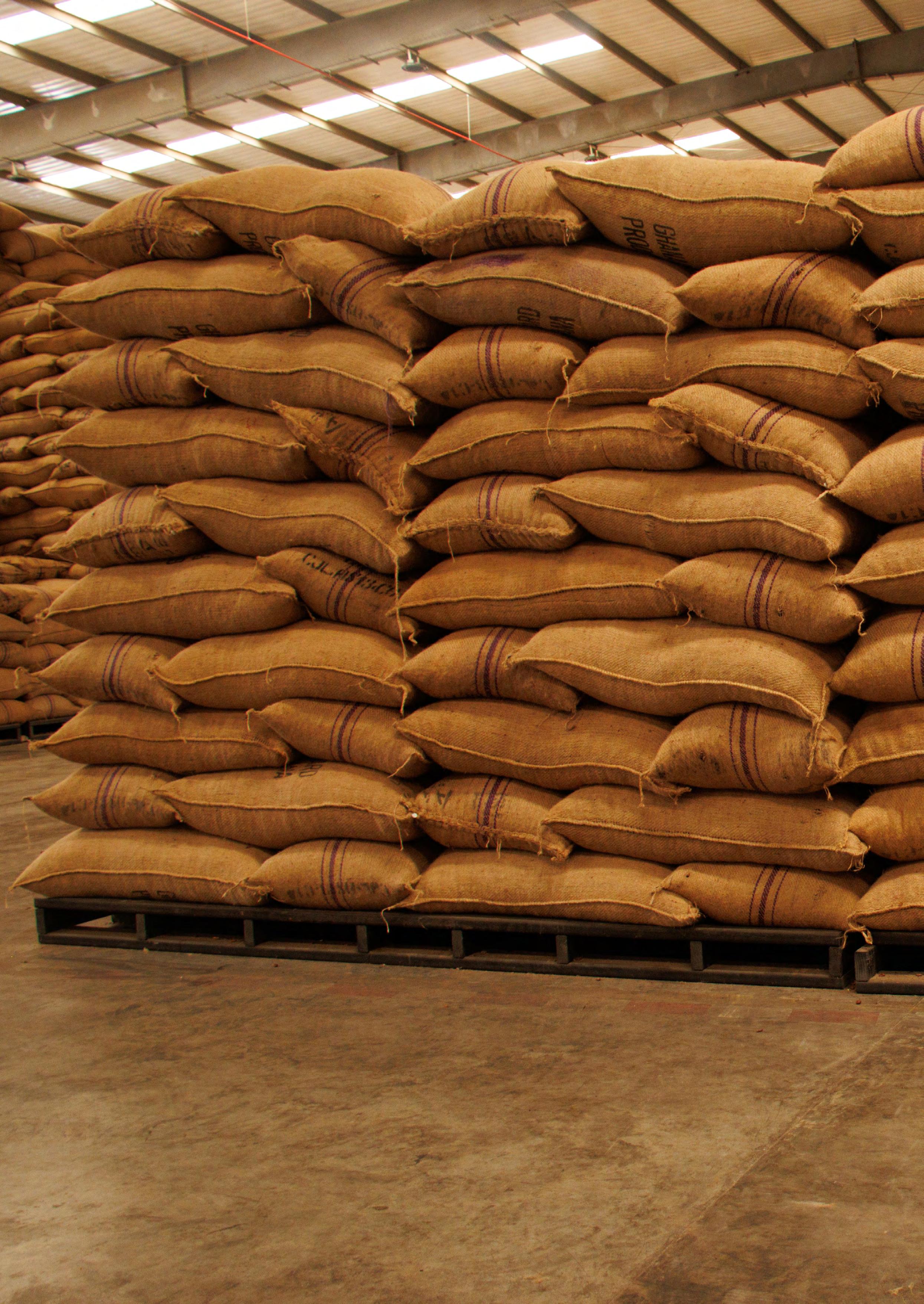
The #GHIBWAY is to remain deeply engaged and immersed in our CORE MARKETS. Here members of Team GHIB visit the warehouses of Cocobod in Tema - circa October, 2024.
is a good example of the capacity GHIB brings to commodity traders in Africa.

Executive Officer’s
Our pool of counterparties is growing, and marketing efforts to engage beneficiaries around the world has proven to be successful.
Dean Adansi Chief Executive Officer
Ghana’s Economic recovery and the banking sector
GHIB remains committed to providing innovative trade finance solutions despite global economic uncertainties.
Ghana’s Economic recovery and the banking sector
GDP grew by 6.9% in Q2 2024, inflation dropped, and the banking sector improved.
The successful Eurobond restructuring deal reduced debt and boosted financial stability.
GHIB’s trade finance market expansion
GHIB continues to execute on its strategy of diversification and deeper market penetration in trade finance.
Increased business in Ghana, Nigeria, and The Gambia, handling $1.5 billion in trade flows.
Signed a number of trade financing agreements with international partners.
Technology modernisation
Completed a multitude of application upgrades, enhancing our operating effectiveness and efficiency as well as ensuring high standards of operational resilience.
Continued to invest in state-of-the-art cyber security systems and resources who have a deep understanding and specialist technical know-how.
Financial resilience
Profits before tax increased from £4.3m to £5.8m and Return on Equity improved from 1.9% to 2.5%.
The balance sheet grew 37% to £1.1bn, the first year in the Banks history the balance sheet has grown beyond £1.0bn as at year-end.
Common Equity Tier 1 ratio of 22.4% and a Liquidity Coverage Ratio of 256%
Outlook for 2025 and strategic priorities
Ghana’s economy is expected to grow at 4.4% and the outlook is positive.
GHIB will expand its trade activity in Africa despite global challenges, supported by deepening relationships with key partners. Focus will be on further improving profitability through business growth and cost control, whilst maintaining high standards of systems and controls to manage risks.
The year 2024 was yet another eventful year in our markets, given the broader macroeconomic changes and commercial developments related to the Bank’s activities. Ghana’s economy continued to recover from the effects of fiscal distress in 2022 and into 2023. As expected, indicators of economic activity continued to be moving in the right direction, with inflation falling significantly and growth expected to be moderate at about 3.1% in 2024. GDP growth was 6.9% in Q2 2024 and is evidence of improving fundamentals in the economy. Reflecting the successful completion (over 90% of bondholders voted in favor of the deal) of the Eurobond exchange offer, Fitch upgraded Ghana’s new USD bonds issued on October 9th, 2024, to CCC+. The agreement with bondholders will meaningfully reduce the debt burden and provide fiscal space for social programs and other growth enhancing initiatives. It is expected that the primary surplus on a commitment basis will be about 0.5% of GDP in 2024. The agreement with bondholders was deemed to be compatible with the debt sustainability standards underpinning the Extended Credit Facility program with the IMF. Since May 2023, the government of Ghana has received $1.92 billion in disbursements under the ECF. Under current expectations of common treatment, restructuring of the government’s commercial debt should lead to a decline in central government debt to 70% of GDP in 2024 and 68% in 2025 (according to Fitch). The banking sector continues to recover, with profitability improving in 2024.
GHIB continues to execute on its strategy of diversification and deeper market penetration in trade finance - in line with our vision of becoming the most compelling UK trade bank focused on Africa. Our pool of counterparties is growing, and marketing efforts to engage beneficiaries around the world has proven to be successful. The scope of our trade operations reflects our strident marketing efforts in West and East Africa, where we have come to be seen as a reliable and highly competent trade finance partner. As confidence in our trade finance capabilities increases over time, we expect to be able to gain market share with exporters serving our current markets (UAE, UK, China, India, Singapore, Switzerland, and other regions). We have also made some inroads in the Nigerian trade finance market, by providing financing on structured trade solutions for some of the banks and their clients. We also
intermediated approximately $1.5 billion in trade flows in 2024 (or approximately 1% of intra-African trade).
We also signed a number of trade financing agreements with international partners, which will boost trade activities in 2025 and beyond. Our engagement with the UK regulators has been excellent, and GHIB continues to be viewed as a well-managed institution with appropriate governance arrangements. The relationships with our clearing banks are excellent, and the recent expansion of our GBP clearing options deepens these relationships and enhances the bank’s operations and financial resilience.
How GHIB’s financing activities support economic growth in our markets - Gambia
As part of our strategy to grow trade business in core markets, our teams have made good progress deepening relationships with clients and prospects in the Gambia. We remain committed to Gambia, and intend to scale up our business there in the coming years. Our trade activities include financing the import of food and beverages, domestic appliances, machinery/generators, fuel, and vehicles. Our relationships with beneficiaries and suppliers in Singapore, UAE, the UK, and Hong Kong are vital is strengthening these trading relationships between local banks and their clients, and our client development teams have distinguished themselves in these efforts.
‘GHIB continues to execute on its strategy of diversification and deeper market penetration in trade finance - in line with our vision of becoming the most compelling UK trade bank focused on Africa.’

Gambia is a small economy reliant on tourism, remittances, construction, commerce and agriculture. GDP/Capita is approximately USD1,000. The banking sector is relatively healthy, with a capital adequacy ratio of close to 25%. The vast majority of the country’s debt is held by multilateral institutions, and the local bond market is small, with outstanding government debt of about $700 million. Approximately 60% of its external financing needs come from grants, with the remainder provided by the IMF. And it receives significant budgetary support from the EU, World Bank and multilateral development institutions. While the government has made progress with reforms in tax collection, anti-corruption measures, and public financial management, several challenges persist. These include elevated inflation, susceptibility to external macroeconomic factors, and significant imbalances in trade – trade in goods account for about 40% of GDP.
We believe we are a significant economic partner to the Gambian banks and the economy at large. According to the IMF, remittances are expected to be one of the

supporting factors in the 5% GDP growth projected in the next three years. Our transaction banking activities accounted for about 40% of all remittances into the Gambia in 2025. And given remittances account for about 20% of GDP (the largest source of foreign exchange inflows into the economy), we believe GHIB’s remittance activities represent 8%-10% of GDP. Combining this with our trade finance activities, we estimate GHIB’s commercial activities in the Gambia contribute to the generation of about 25% of GDP. With GDP/Capita of about USD1,000, USD250 of this income is directly or indirectly fuelled by our activities in this market.
Our transaction services also provide access to global clearing for the Gambian banks, and this important capability makes GHIB the indispensable bank in the Gambian market. We also act as intermediary in bank-tobank transfers which are over 200% of the magnitude of remittances to individuals.
The IMF’s projections for economic growth in Sub-Saharan Africa in 2025 of 4.2% is marginally better than what was achieved in 2024 - 3.6%. Ghana’s projected growth of 4.4% reflects stronger gold and cocoa price expectations. The real GDP forecast for Nigeria, an important market for GHIB, is also expected to be marginally higher at 3.2%. On the fiscal side, much will depend on U.S. interest rates and the affordability of maturing debt that needs to be refinanced. In Ghana, we expect macroeconomic conditions to continue to stabilize, with an average consumer price increase of 11.5%, down from 19.5% in 2024. The recently completed Eurobond debt exchange will provide much-needed fiscal space for spending on growth-oriented initiatives, and improves the chances
‘Ghana’s projected growth of 4.4% reflects stronger gold and cocoa price expectations.’
of accessing the international capital markets once an agreement is also reached with external commercial creditors. Gross international reserves are improving, and is expected to cover over three months of imports by the end of 2025.
Fiscal policy in the UK appears to be decidedly more expansionary, given the planned increases in taxes and spending by the current government. Annual tax increases of about £30 billion to £40 billion over the next few years, and additional borrowing of over £30 billion is intended to fund the government’s new social programs. As a result, government borrowing levels grow by about £32 billion in each of the next few years.
In this economic environment of higher taxes and government spending (mostly on consumption), household consumption is only expected to grow at 1.7% in 2025, while unemployment remains stable at 4.1%. We do not expect aggressive changes in the Bank Rate over the course of 2025, but the planned significant increase in the public debt stock means the Gilts market could be susceptible to pressure as the government issues more paper to fund its budget program.
The scope of our Sterling denominated activities is expected to grow modestly in 2025. As we diversify our holdings of credit instruments, we will take advantage of favorable risk-reward situations where market yields become elevated due to concerns about rising public sector indebtedness.
Signed
Mr D. Adansi Chief Executive Officer
18 March 2025
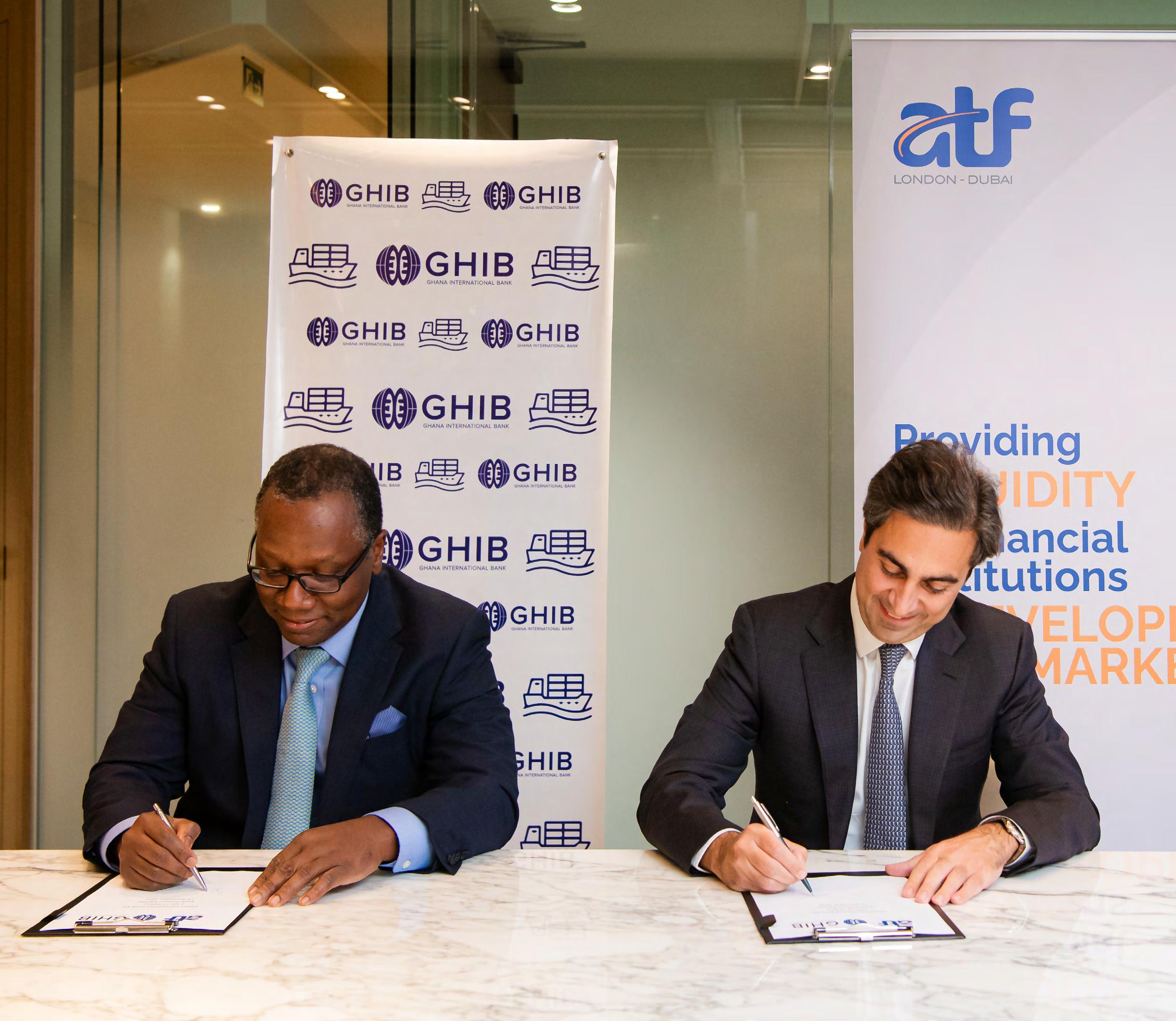
GHIB continues to execute its strategic intent to become the leading UK African Trade Bank, creating the most compelling trade bank propositions tailored for the continent.
In doing so, GHIB carries forward its heritage of providing valuable and unique perspectives on global markets and international finance for corporates, sovereigns, and banks operating in Africa. Flowing from this, GHIB’s mission is clear: the Bank is focused on accelerating wealth creation in Africa through the provision of specialized financial services, increasingly deploying skill and leveraging innovation for client success.
We achieve this by pivoting on our long-established presence in the UK, client-focused capabilities, and strong relationships with global financial institutions. Our teams continue to deploy banking services based on our core values—respect, integrity, collaboration, and excellence.
GHIB has become integrated and significant in its core markets: Senegal, Gambia, Guinea, Sierra Leone, Liberia, Ghana, and Nigeria. In these markets, GHIB is involved
in major strategic transactions that underpin the successful operations of these economies. These range from international trade transactions and syndications to correspondent banking. GHIB’s strategic intent is to extend the successes achieved in its core markets into carefully selected markets.
In addition, we will engage in market development activities in Francophone West and Central Africa as we seek to bridge the gap created by the derisking activities of some global players from identified jurisdictions. In line with this, the front office coverage team has been restructured to ensure bench strength to continue building critical relationships in these target markets.
Overall, we remain confident that our unique positioning as a Truly British but Proudly African Bank, provides an excellent opportunity to service financial institutions and corporates in mutually beneficial relationships.


Since 1959, GHIB has been focused on providing a uniquely African Perspective to Global Market and International Finance, powered by the unparalleled capacity of the City of London as a global financial hub. GHIB ‘s success is based on the following affirmations. the GHIB strategic Intent is to become the UK’s Pan African Trade Bank, building wealth through trade for African Corporates, Sovereigns and Banks
The vision of Ghana International Bank plc (“GHIB” / the “Bank”) is to create the most compelling U.K. trade bank focused on Africa.
To accelerate wealth creation in Africa through the provision of specialised financial services by deploying scale and innovation for client success.
Our Values Respect Integrity Collaboration Excellence
GHIB is primarily a Trade Bank. Our core area of expertise is Trade Finance. We have extended our expertise from this pivot and now have capacity in several ancillary value delivery areas.
Originally a Ghana Commercial Bank branch in London, later incorporated as GHIB in 1998.
Owned by major Ghanaian financial institutions, with the Central Bank of Ghana as majority shareholder.
Over 60 years in London, serving Financial Institutions, Sovereign States, Corporates, SMEs, and the diaspora.
Ghanaian-owned bank authorized by the UK PRA and regulated by the FCA & PRA, ensuring credibility in global finance.
Trade Finance (Primary Focus)
Correspondent & Corporate Banking
Treasury & Transactional Banking
Africa-Global Gateway: Provides financial access, expertise, capital, and cross-border solutions for businesses operating in Africa.
Representative Office: Accra Covers East & Central Africa remotely Global Presence
Head Office: London
GHIB’s key measurements of effectiveness of its operation are profitability, return on equity, return on assets, cost to income, total assets, loan to deposit and net interest margin ratios. These performance indicators are inherent measures to the delivery of the Bank’s strategy. There are no non-financial performance indicators that are considered key.
/ income ratio – is the ratio of operating expenses to operating income, showing the percentage of income used to cover expenses. In 2024, operating income grew by £7.4m, or 19%, driven by an increase in interest income. Operating expenses rose by 12%, reaching £41.2m, up from £36.7m in 2023. Staff costs increased by 15% to £27.0m as the Bank invested
Total assets – are influenced by changes in liabilities and equity, particularly deposits. In 2024, total deposits increased by £248m, or 40%, year-on-year, with average deposits rising by 21.5% to £743m. Other liabilities grew by £24m, driven by an increase in trade finance deferred letters of credit. On the asset side, the majority of the increase was seen in Government and other securities, which rose from £119m to £366m.
to deposit ratio
Loan to deposit ratio – is calculated by dividing total loans and advances (excluding deferred letters of credit or interbank money market placements) by deposits. In 2024, the ratio decreased by 7.5% compared to 2023, due to a significant rise in deposits. A lower ratio suggests that the Bank is not utilising its deposits as efficiently as it could, but a higher ratio would require strong liquidity management to ensure the Bank can meet its obligations.
Net interest margin
Net interest margin – is the ratio of net interest income to average interest-earning assets during the year. In 2024, average interest-earning assets were £900.7m, an increase of 26.2% from £713.4m in 2023. Despite this increase, the net interest margin decreased by 0.4% year-on-year. This overall decrease in net interest margin were due to the significant rise in interest-earning assets, which outpaced the growth in net interest income, and the bonds invested were not high yielding, contributing to the lower net interest margin.


Our forward-looking strategy for business on the continent is primarily based on the trade finance gap in Africa, estimated to be between $80 to $100 billion. This gap provides significant opportunities and growth potential for the Bank.
In 2025, we will continue our strategy of driving growth by engaging with financial institutions and corporates, providing credit lines to facilitate trade. The coverage team will work closely with our integrated value propositions, onboarding, and correspondent banking due diligence team to ensure seamless integration of our partners into our ecosystem. The Bank will maintain its longstanding practice of upskilling capacity in the markets, investing in capacity and technical transfer to enhance the talent pools in our customer financial institutions.
Overall, we aim to build our trade finance capacity on the continent, creating mutually beneficial values through the transactions we execute and the ancillary opportunities they offer. The Bank will extend its transactional footprint into new markets by exploring partnerships with peer African-focused institutions and strengthening relationships with existing development finance and multilateral institutions.
A key pillar of our strategy is customer experience and fulfilment. We understand that sustainable market development and penetration efforts require excellence in this area. Therefore, another key component of our growth plan is to drive and ensure excellence, built on a deep core of customer centricity.
GHIB is confident that recent investments in technology will improve operational efficiency and resilience, ensuring sustained growth as the Bank deepens its interactions across various jurisdictions in Africa. This confidence is bolstered by our value delivery formula, which treats each transaction in a bespoke manner. We believe that this approach, combined with our commitment to leveraging new processes and technology to ensure customer satisfaction, will lead to better outcomes for both our customers and the Bank.
‘GHIB is confident that recent investments in technology will improve operational efficiency and resilience, ensuring sustained growth as the Bank deepens its interactions across various jurisdictions in Africa.’

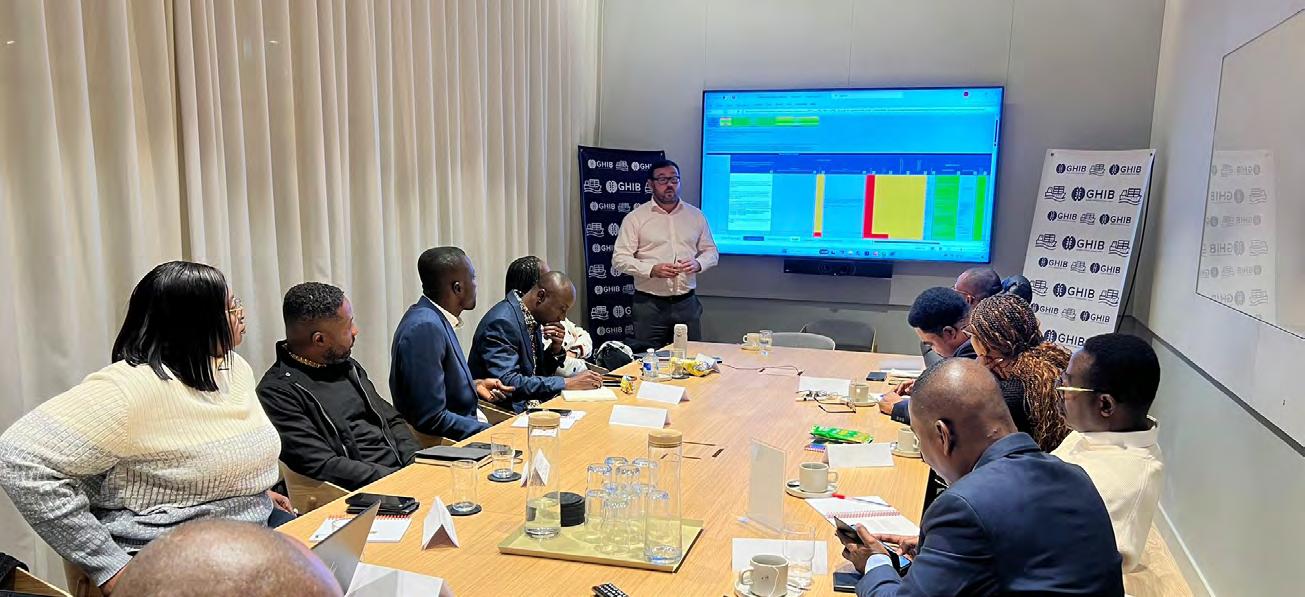
This is aimed at upskilling and equipping our customers, partners, and agents with the latest tradecraft and knowledge in compliance, risk management, and other work formats necessary to achieve operational excellence.
A key component of GHIB’s core value proposition is capacity building. We continually invest in training programs, workshops, and seminars.


GHIB Play It Right is our continuous learning program aimed at achieving excellence in risk management practices across our network.
The Bank’s approach is only to take on risks that it understands and is able to manage so that it can achieve its strategy while protecting its resources and the interests of its Shareholders and other stakeholders.
The Bank’s risk management framework seeks to ensure that there is an effective process in place to manage risk across the Bank. Risk management is integral to all aspects of the Bank’s activities and is the responsibility of all staff.
The Board is responsible for approving the Bank’s Risk Appetite Statement. Management is responsible for ensuring that the Bank operates within the defined Risk Appetite. Managers have a particular responsibility to evaluate their risk environment, to put in place appropriate controls and to monitor the effectiveness of those controls. The risk management culture emphasises careful analysis and management of risk in all business processes.
Risks are identified, assessed, and managed at both enterprise level (‘top-down’) and business level (‘bottom-up’). The Board Risk Committee, which is chaired by an independent Non-Executive Director, has oversight of these processes.
This Committee meets at least four times a year, and reviews and challenges risk reports provided from Senior Management. The Bank seeks to mitigate risks within its strategy and business model, by ensuring that a rigorous regime of systems and controls is in place and that it is embedded at all levels of the organisation.
The systems and controls are regularly tested through a risk-based internal audit process as part of GHIB’s annual internal audit plan.
‘The Bank’s risk management framework seeks to ensure that there is an effective process in place to manage risk across the Bank.’
The Bank’s Principal Risks are outlined below and represent the most significant risks faced by the Bank given its business model and operating environment.
Credit Risk is the risk that obligors will not be able to meet repayment commitments as and when they fall due. The Bank accepts credit risk is inherent in its activities.
Geopolitical developments affect the economic environment and the Bank’s ability to implement its strategy. The Bank has an established process for monitoring and managing the risk arising from geopolitical events and mitigating its potential impact as much as possible. This includes taking a forward looking view of potential developments, regularly assessing the potential impact on its strategy and adjusting its strategy proactively.
Climate Change creates financial risks through physical and transitions impacts which may affect obligors’ ability to meet their obligations.
The Bank has developed and implemented a Climate Change Risk Management Framework which aims to help the business assess the potential strategic and financial implications of climate change risk. The Bank aims to identify and manage risks as well as opportunities related to climate change through regular review of the environmental risks faced by borrowers including environmental risks relating to the countries within which they operate.
Operational Risk is the risk of loss resulting from inadequate or failed internal processes, people and systems, or from external events. Such risks are part of doing business. The Bank is committed to mitigating operational risks by having appropriate procedures, a strong risk culture, appropriate training for staff, as well as well-articulated policies and procedures.
Risks are identified and managed by each business area in the first Line of Defence through a Risk and Control Self-Assessment (RCSA) process. The Bank has adopted a standardised Risk Type Taxonomy to which the different risk types are mapped. A consolidated picture of the Bank’s risks is reflected in its Risk Register.
Within operational risk, Business Disruption Risk refers to the Bank’s inability to deliver its products and services due to disruption caused by, but not limited to, cyberattack, failed outsourcing, technological change and other. A Disaster Recovery and Business Continuity Plan is in place to ensure that the Bank is able to effectively respond to potential threats to safeguard the interests of its key stakeholders, reputation, brand and value-creating activities.
The Bank’s Crisis Management, Disaster Recovery and Business Continuity Plan are reviewed and approved by the Board annually. The plans are tested regularly. These plans are subject to review by the Bank’s third Line of Defence in line with their annual program of work.
This is the risk that the Bank is unable to meet its contractual or contingent obligations as they fall due; and that it does not have the appropriate amount, tenor or composition of funding and liquidity to support its growth strategy, to meet short-term financial demands without significant loss of capital and /or income. Funding Risk is the risk that the Bank cannot maintain a diversified, stable and cost-effective funding base.
The Bank has a comprehensive internal control framework for managing its liquidity risk and uses both quantitative and qualitative measures in the liquidity assessment process. The liquidity framework is designed to ensure that the Bank’s liquidity resources are sufficient (in amount and quality) to meet its obligations as they fall due, and that the funding profile is aligned to the defined risk appetite and growth plan.
The Bank manages liquidity risk by maintaining an appropriate framework that includes a liquidity policy, an appropriate governance framework, and liquidity risk analysis, stress testing, limit setting and monitoring.
‘The Bank aims to identify and manage risks as well as opportunities related to climate change.’
Market Risk refers to the risk of a change in the actual market value or earnings of financial instruments including bonds, caused by adverse movements in asset prices, foreign exchange or interest rates. The Bank is exposed to foreign exchange risk as a result of mismatches between the currencies of its assets and liabilities.
The Asset and Liability Committee (ALCO) monitors market risk and special sessions are convened when there are significant movements in the value of the portfolio.
Interest Rate Risk in the Banking Book (IRRBB) arises from potential changes in interest rates relevant to the Bank’s assets and liabilities (including Base Rate and other benchmark rates) that may affect the Bank’s future revenue and net interest income.
Regulatory Risk refers to the risk that changes in regulation could materially affect the business of the Bank or the markets within which it operates. The Bank’s business is subject to many regulations in different jurisdictions and currently the pace of change is significant and may affect the business of the Bank either directly or indirectly. The Bank mitigates this risk by having a dedicated unit that reviews regulatory requirements and developing policies and controls to ensure compliance with the relevant regulatory requirements.
Conduct Risk is defined as the risk that GHIB may cause detriment to its customers or other market participants or may have an adverse effect on market stability or effective competition as a result of its actions. This could result in reputational damage and financial loss for the firm. GHIB mitigates this risk by maintaining appropriate policies and procedures, providing ongoing training to its staff, eliminating conflicts of interest, setting the right tone from the top, defining a clear code of conduct, taking firm action when any customer detriment is identified and having in place oversight arrangements.
The Board sets high ethical standards whilst rigorous new product approval guidelines are in place. The Code of Conduct and Staff Handbook set out expected standards
of behaviour for staff. This is complemented by the Bank`s whistleblowing policy. The various aspects of conduct and reputational risk are encapsulated in a Conduct Risk framework and there is regular monitoring of conduct risk by the compliance department as part of its ongoing compliance monitoring program.
GHIB appreciates and understands the need to identify and manage the potential Financial Crime risks posed by various types of customers and this is assessed through the Bank’s Customer Risk Assessment Framework. The Bank has established an appropriate approach to identify and risk categorise customers to ensure they remain within the Bank’s risk appetite and are also monitored appropriately throughout the customer relationship as part of the on-going monitoring controls in place.
‘GHIB mitigates this risk by maintaining appropriate policies and procedures, providing ongoing training to its staff...’

GHIB works closely with Chambers of Commerce and other stakeholder groups in our service to our CORE MARKETS. Here, GHIB Executives join the Leadership of the UK - Ghana Chamber of Commerce call on the British High Commissioner in Accra. Circa March 2024.



#PlayitRight is GHIB’s core approach to risk mitigation and compliance excellence in our ecosystem. #Playitright continues our heritage of investing in training and other capacity building programs to upskill operators including our customers and clients to FCA and other world standard AML, Transaction Monitoring, Due Diligence and other risk Management standards. #PlayitRight is another reason why GHIB is the UK’s Pan African Trade Bank.



The creation of long-term value for all the Bank’s stakeholders and operating our business in a way that is sustainable, is of paramount importance to the Board in the delivery of GHIB’s strategy. In 2024, the Board and staff worked hard to develop high-level principles in relation to Environmental, Social and Governance (ESG) pillars. These principles are buttressed by our organisational values, namely Respect, Integrity, Collaboration and Excellence. We continue to integrate ESG in our corporate strategy, recognising that this is to be a long but nevertheless important journey for the Bank.
This year we began assessing the progress that we made in 2024 towards the achievement of our target for achieving net zero operations (related to Scope 1 and Scope 2 GHG emissions) and reducing the Bank’s financed emissions by 2025. Our carbon footprint is by no means significant, given the nature of our business, nevertheless, we are committed to reducing emissions, where possible, across our operations in both London and Accra. Further details about our reductions in 2024 in targeted operational areas are set out on page 41.
In line with our commitment to create a truly diverse and inclusive workforce and one in which our staff are adequately empowered, we focused on three key areas in 2024 aimed at supporting a Culture in the Bank which not only facilitates sound risk management and compliance, but also embraces diversity of thought and opinion, and is both inclusive and equitable. These areas were “Anti-Bullying and Harassment;” “Whistleblowing” and “Better Communication”.
GHIB strives to be an employer of choice, who provides a dynamic work environment in which our staff are free to speak up, thrive and grow. Our anti-bullying
and harassment initiatives included rolling out training aimed at minimising the incidence of these behaviours in the Bank. Both our Board and Management actively engaged in externally facilitated workshops during the year, learning how to recognise and deal with negative behaviours appropriately.
We are committed to maintaining an open and safe environment in GHIB, in which staff are free to speak up without fear of recrimination. As part of this commitment, we tested the operational efficiency of our whistleblowing arrangements and gave an assurance to our Board Whistleblowing Champion that these were operating as intended. We recognise the importance of open and two-way communication across all organisational levels. This year, more channels were established through which better engagement was achieved between the Board and Senior Management with staff across the Bank. These informal forums created opportunities for staff to share ideas, provide feedback and cement relationships with the Bank’s leadership.
Helping and supporting the most vulnerable communities in some of the world’s poorest nations remains a longstanding commitment of the Bank since establishing wholly sponsored charitable foundation, the Ghana International Foundation, or as popularly known, “GIF”. The Board continues to make an annual donation to the Foundation and this year awarded GIF the sum of £58,918 to support worthy causes aimed at promoting education, health, and the alleviation of poverty.
‘We are committed to maintaining an open and safe environment in GHIB...’
Climate Change and Environment
To reduce our impact on the environment and to tackle climate change
To actively contribute where we can to the achievement of a net zero carbon economy in the UK by 2050
Diversity and Inclusion
Employees
To ensure we are a diverse and inclusive employer
To support and develop our employees, promote employee wellbeing and ensure we reward our staff appropriately
To develop targets for representation of women across our leadership team
To maintain strong employee engagement and continue to develop, motivate, and promote our team of talented and diverse employees
Community
To alleviate poverty, and further health and education where most needed
To embed strong governance structures and practices to ensure sound decision making and reporting
GHIB is not a premium listed company, and our disclosures do not comply with the full requirements of the Task Force on Climate Related Financial Disclosures (TCFD) . However, as a financial institution we do, on a best-efforts basis, to provide a foundation of climate-related disclosures in the theme and spirit of the TCFD recommendations. GHIB’s response to climate change related risks, along with the rest of the financial services industry and beyond, continues to evolve at an increasing pace.
At GHIB, we recognise that our business activities have an impact on the environment, and see limiting the disruptive effects of climate change, as one of the biggest global challenges of our time. GHIB is committed to sustainable social and economic development, and as such, supports an orderly and just transition to a low-carbon economy in the markets and countries where we operate.
As part of the Bank’s proactive approach to the management of environmental risks associated with the Bank’s business. This year, the Bank began monitoring its progress on the environmental & climate risk strategy
To give back to society by directing funds to those who need it the most.
To have appropriate governance structures in place to support the execution of our ESG strategy.
approved by the Board in 2023. The strategy is commensurate with and proportionate to our size, nature of our business activities, and our markets.
The approved strategy includes measures to a) actively encourage our business partners in our mostly African target markets, to take a responsible and prudent approach towards environmental impact management; and b) ensure that GHIB’s internal operations have reasonable goals and targets to achieve net zero operations by 2050. In the course of the year, GHIB’s Chief Risk Officer and his Deputy, visited key clients and held discussions geared at highlighting environmental risk management. At the Bank’s flagship 5-day conference for its customers in London, CNVERGE 2025, a full day was spent discussing various aspects of ESG amongst over 60 business leaders drawn from corporates and financial institutions across our markets in Africa.
The Bank recognises the importance of addressing the threat of climate change. Work to identify the risks and opportunities for the Bank continues to be an area
of focus for the Board and senior management. This is a challenge that requires action in this decade. We take our responsibility towards the environment seriously and we support the goals of the Paris Agreement to achieve a net zero carbon economy by 2050.
The Bank has progressed well in implementing the requirements of the expectations of the Prudential Regulation Authority (PRA) as set out in supervisory statement SS3/19 and in understanding the impact of the Bank’s operations on climate change, on our customers, our portfolios and business resilience.
Sound governance provides the firm foundation from which we, as a bank, operate. In relation to our ESG Priorities, oversight responsibility continues to lie with our Board of Directors. The Board Risk Committee (BRC) Chair acts as the Board ESG Lead Director and has continued to be a useful sounding board for the Bank’s ESG Working Group and to ensure that ESG continues to be factored into the Board’s agenda.
The Board has ultimate responsibility for climate change risk and monitors progress against targets. The Board and Senior Management have continued to keep up to date with UK and global requirements and developments relating to climate change, with ESG training in 2024, covering applicable ESG regulatory frameworks and disclosures as well as our approach to ESG as this pertains to our African markets.
The Board Audit & Compliance Committee oversees climate related disclosures and the robustness of Internal Audit’s approach to assessing GHIB’s response to climate change risks.
At management level, the Chief Risk Officer (CRO) is the senior manager responsible for climate change related financial risks under the UK Senior Managers Regime. The CRO regularly reports and provides updates to the Board and various Management Committees on climate related risks and the Bank’s approach to these. Climate change risks are considered across relevant Management Committees, with particular including the Bank’s Revenue Generation Committee (strategy and customer impact); Management Credit Committee (credit and lending); Risk Oversight Committee (risk management); and the Executive Management Committee (ExCo) which provides management oversight of these areas.
The Bank incorporates sustainability considerations and objectives into its business strategy, and proactively manages the social and environmental risks associated with its business activities. By doing so, it reduces risk; and contributes to positive change by supporting customers who seek to continuously improve sound environmental and social practices.
Climate change remains one of the biggest threats that our world is facing. Its effects are potentially devastating to people’s lives and countries’ economies. As our planet heats up, we can expect to see more frequent and severe weather events such as hurricanes, floods, fires and heatwaves causing untold damage and financial loss. Cases in point include extensive flooding in Somalia, Ethiopia and Kenay due to unprecedently high levels of rainfall accumulation resulting in flash and riverine flooding and resulting in the displacement of communities in 2023. 2024 witnessed the displacement of 6.9 million across West and central Africa as a result of torrential rains and flooding.
There is a growing sense of urgency to take action to limit these events. To achieve the goal of the Paris Agreement to keep global warming to well below two degrees by the mid-century, everyone needs to play a part, including GHIB. As a bank, the biggest impact we can make is with our lending portfolio. We continue to steer our loan book to finance activities that are aligned with achieving the goals of the Paris Agreement. However, the Bank recognises that this initiative is limited because we are not able to measure financed emissions and the most significant commitment and contribution it can make towards the transition to a net zero global economy, is through supporting our customers’ transition to net zero. This is because what we finance may either help or hinder the transition to a low-carbon society.
‘The Bank incorporates sustainability considerations and objectives into its business strategy...’
Climate Risk is managed through our existing Risk Management Framework. We have assessed our exposure as low, but we continue to monitor and manage as the risk changes. We manage the risk as follows:
Physical Risk: We have performed an assessment of the physical risks that GHIB faces, including flooding, heatwaves, and drought risks associated with the Banks office locations. This has been assessed as low, and slow changing.
Transition Risk: We have assessed GHIB’s direct exposure to transition risk and this is low. We have categorised our customers into High, Medium, and Low risk categories in relation to transition risk based on the sector in which they operate. We engage with our customers to understand their perception of their exposure to transition risks and how they plan to manage their risks. We seek to understand and evidence their exposure level, governance arrangements, management information, strategic planning, and overall management of climate risk. We have assessed the transition risks of our borrowers and identified those that fall into the high-risk category. This group represent a small percentage (2024: 5.6% and 2023: 3.7%) of our portfolio.
The short-dated tenor of our balance sheet limits our exposure to transition risk. Ghana, our main market, ranks 198th in the world in terms of CO2 emissions (metric tons per capita) according to latest available data from the World Bank. We have also considered Ghana’s commitment to be Net Zero by 2070. We will continue to a) monitor our exposure, b) support our customers to develop their readiness and mitigation strategies and c) develop more sophisticated methodologies to continuously assess the indirect risk arising from our customers and our loan portfolio. The Bank has assessed its physical and transitional climate change risk exposure. The results of our analysis have not led to a change in strategy but provide valuable insights to the Board and senior management and can help shape the Bank’s strategy.
GHIB is continuing to develop a rounded and proportionate approach to metrics to be monitored.


The Bank recognises its responsibility as a lender to support the aims of a net zero economy through influencing customer behaviour. The Bank acknowledges the emissions impact of the assets and sectors that it finances and also recognises the efforts it needs to make to reduce the impact of its own operations on the environment.
The Bank’s phased approach to:
Staff training and awareness campaigns to adopt more sustainable practices and behaviours at work.
Supply chain management of climate-change related risks through our vendor due diligence process
Reducing Financed Emissions
50% of GHIB office premises to use renewable energy.
50% reduction in usage of paper from 2023 with an equal amount of sustainably sourced paper.
20% of Bank charitable donations to be earmarked for climate change related activities.
Increasing customer awareness and understanding of the impact of their business and operations on the environment
Trade transaction assessments to incorporate climate change and sustainability factors.
GHIB exposures to the renewable fuel sector to increase by 50%
5% of GHIB loan portfolio to support environmentally sustainable activities.
GHIB continues to enhance its disclosures, recognising that there is still work to be done. GHIB is committed to making frequent, transparent disclosures to communicate its progress as it develops its climate capabilities.
The Bank’s energy and carbon reporting applies the requirements of the Streamlined Energy and Carbon Reporting (“SECR”) standards. The Bank accounted for the emissions in the section below for 2024, as defined by the international Green House Gas (“GHG”) Protocol. As an office-based business, the bulk of our emissions are indirect, mainly electricity used to run the office and computing resources. The GHG splits the emissions into three categories:
These are GHG emissions caused by activities owned or controlled by the Bank.
These are GHG emissions which are a consequence of our activity but arise from sources we do not own or directly control.
These are emissions that are a consequence of the Bank’s actions, at sources which the Bank does not own or control and that are not included within Scope 2.
The table on the next page (unaudited) shows the Bank’s total energy consumption and greenhouse gas emission for the year ended 31 December. Total gross energy consumed decreased in the year as the Bank reduced its use of temporary premises in London. Total tonnes CO2e increased however, mostly driven by International Employee Air Travel, which has grown in line with business growth and development. The Bank continues to view its progress to reducing emissions as a long-term initiative and recognises as the Bank grows it will need to act strategically to deliver on its climate goals.
Total International Energy Consumption used to calculate emissions
Electricity Consumption
Combustion of Gas (Heating)
Total Gross Energy Consumed
Employee International Air Travel
Analysis Emissions from:
Scope 1: emissions from operation of facilities run by the Bank
Business travel in company owned vehicles
Combustion of Gas (Heating)
Total Scope 1
Scope 2: the purchase of electricity, heat, cooling by the Bank for it’s own use on its premises
Electricity (Location based)
Total Scope 2
Scope 3: Other disclosures not captured above Energy transmission and distribution losses
International employee air travel
Employee commuting to work
Working from home
Total Scope 3
Scope 3 emissions for employees commuting to work and working from home have been introduced and reported for the first time in the current year, and with the prior year updated to incorporate this new data. It has not been possible to retrospectively calculate employees commuting to work for 2023 as a comparative figure. It has also not been possible for the Bank to quantify or include in the above analysis for 2023 and 2024 other scope 3 emissions, including financed emissions. The Bank is reviewing how it will consider measuring these scope 3 emissions, which is expected to aid delivery of the Banks goals.
GHIB continues to make progress embedding climate change risk into the Bank’s operations, ensuring that climate change is part of all relevant decision-making processes. To further enhance these efforts, the Bank is currently building a process to understand the carbon emissions arising from customer activities it finances. A good understanding is important to establish targets and metrics.
The Bank is an equal opportunities employer. We seek to promote a diverse workforce and to this end, where possible, we endeavour to only use recruitment agencies who have signed up to industry codes of conduct which align with our values. We seek to hire the best talent from diverse candidate pools, employing candidates who equally share our Values. Our workplace is one where everyone is accepted and valued and receives fair treatment, regardless of gender age, disability, gender reassignment, marriage and civil partnership, pregnancy and maternity, race (which includes colour, nationality and ethnic or national origins), religion or belief, sex or sexual orientation.
Our work policies are designed to promote diversity, and we have adopted working practices, such as homeworking and flexible work policies, to achieve this. GHIB’s individually appointed diversity champions actively promote diversity, equality and inclusion across the Bank. The Board continues to monitor diversity on an
ongoing basis. The focus this year was on gender and in particular the number of women occupying managerial roles in the Bank. Male leadership in the Bank continues to exceed that of females, owing mainly to the higher proportion of male colleagues in the Bank. The Board recognises the need for a more intentional approach to safeguarding diversity and has introduced measures aimed at achieving its goal of having more female representation at the highest levels of the organisation. The Board periodically reviews the target, it has set for itself to increase the diversity of its composition, to better reflect underrepresented and marginalised groups within society.
The Culture Working Group has continued to oversee important initiatives to reinforce our Values and promote positive Culture change within the Bank, including formal and informal initiatives aimed at improving gender diversity across the Bank. We celebrated diversity throughout the year with campaigns to celebrate important events such as our #InspireInclusion campaign to recognise the achievements of women as part of International Women’s Day, #LGBTQ+ for Pride Month; and #RewritingTheNarrative to mark Black History Month when reflected on unsung achievements of black pioneers.
GHIB understands it has a responsibility to the communities in which it operates. The Bank’s sponsorship of the Ghana International Foundation (the “Foundation” and “GIF”) sits at the heart of GHIB’s corporate social responsibility. Our staff are actively encouraged to volunteer their time to support the Foundation’s operations in many ways which include fund raising for causes which align with those of GIF. In this way, GIF can maximise its grant making activities by matching donations made by staff. The Bank continues to make an annual donation to the Foundation for the purpose of its grant making activities. These funds are applied to support charitable causes in the continent of Africa. More information about the Foundation’s work in 2024 is provided on pages 50-52.
Board Oversight
Ultimate responsibility for climate risk
Ensures governance arrangements
Board Committees
Audit & Compliance Committee:
Oversees climate risk disclosures
REMCO: Aligns climate goals with remuneration policy
Chief Risk Officer (CRO)
Manages climate financial risks
Reports to the Board & committees
Chairs ESG Working Group
ExCo & Subcommittees: Monitor climate risks
Operations Committee & ROC: Support ESG strategy & governance Management Oversight
The Board has ultimate responsibility for climate change risk and the key activities that the Bank has undertaken throughout the year in this respect. Our governance arrangements around these risks are detailed above. In conjunction with these arrangements, the Bank’s Board Audit and Compliance Committee has oversight of GHIB’s climate change related disclosures and as part of this oversight, ensures the robustness of Internal Audit’s approach to assessing GHIB’s response to these risks. The Board Remuneration and Nominations Committee (REMCO) oversees the alignment of climate change related goals and performance, as part of its review of the Bank’s Remuneration Policy.
The Chief Risk Officer (CRO) is the senior manager responsible for managing climate financial risks under the UK Senior Managers Regime. The CRO regularly reports on and provides updates to the Board, and various Management Committees, on climate related risks and the Bank’s evolving approach to these. The CRO also chairs the Bank’s ESG Working Group.
Climate related risks are considered across relevant management level governance bodies, including the Executive Management Committee (ExCo), which is responsible for management oversight of the risks, as well the ExCo subcommittees referenced on page 65.
Oversight for Social and Governance sits largely with the Bank’s REMCO, whose responsibilities covers, amongst others, people matters, diversity & inclusion, and oversight of the Bank’s governance arrangements. Various Management committees including ExCo, the Bank’s Operations Committee, and Risk Oversight Committee (ROC), all provide management oversight of the various facets which make up the Bank’s ESG strategy.

Matters considered when promoting the success of the Bank.
Under Section 172(1) of the Companies Act 2006, the directors are required to describe how they consider a broad range of stakeholders when performing their duty to promote the success of the Bank.
Throughout the year, the Board and individual Directors engage directly and indirectly with stakeholders to ensure they fully understand the impact of our operations on our stakeholders and we, in turn, take account of their interests and views.
GHIB’s success is driven by its focus on core values, a clear strategy, and efforts to consider our stakeholders’ interests throughout our decision-making process. In this
statement, we have detailed our key stakeholders, their importance to our business and how we have engaged with them throughout the year. We then provide examples of key decisions we have made in the year, describing how we considered our stakeholders in these decisions and how the decisions will add long-term value.
We recognise and promote the importance of respectful relationships with our stakeholders across all our organisation. We are committed to engaging with them to ensure that we maintain long-term relationships and add long lasting value to the wider community in which we operate. Below is an overview of how we have engaged with the Bank’s key stakeholders in 2024:
Our Flagship CNVERGE Conference
Customers
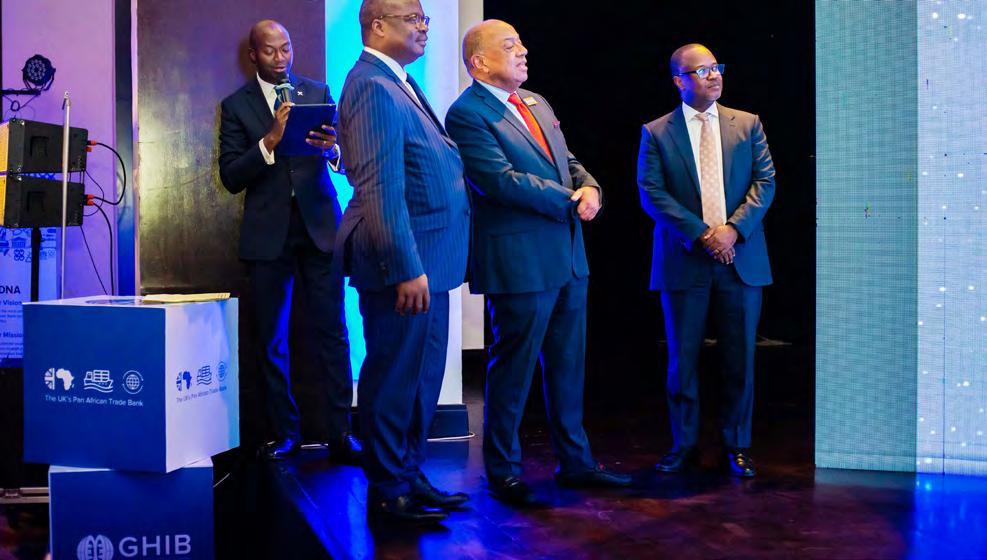
GHIB 65th Anniversary Stakeholder Reception
Customer Satisfaction Surveys
Risk/Opportunity Interplay for African Trade
Customer recognition & appreciation
To measure how we are achieving fair outcomes - Consumer Duty Standards
ESG
Suppliers
Employees
Communities
Regulators
Shareholders
Key supplier communication to highlight and embed changes to our management of supply chain risks
Regular joint performance review meetings with key suppliers
Streamlining and improving our Supplier due diligence and risks assessments
Automation of GHIB invoice processing
Increased Communication of Board engagement with staff at all levels in the Bank
Regular quarterly REMCO “catch-ups” with the Staff
Culture Working Group
Quarterly REMCO Breakfast “catch-ups” with Heads of Departments
Compliance team breakfast “catch-ups” with the Chair of the Board Audit & Compliance Committee
Annual Board hosted Townhall
All staff townhalls
Regular CEO all staff email updates
Updates to all staff on key quarterly Board decisions
Strategy Retreat
Annual Bank donation
Annual face to face visits by Board member Trustees to GIF funded projects in Ghana
Board member Trustee reviews and engagement with GIF Beneficiaries
Regular interaction is maintained throughout the year, proactively and in response to the regulator, using electronic and face to face communications, whilst staying abreast of regulatory developments through various industry bodies, Dear CEO letters, and ensuring that the Bank meets regulatory rules, framework and expectations
Annual AGM (Annual General Meeting) held in Ghana
Annual Board hosted shareholder function
Parent company reputational risk assessment
Ethical business practices including timelier invoice payments
Supply chain risk mitigation
Value for money
Conduct & Culture
GHIB Mission, Vision and Values (R.I.C.E)
Corporate Strategy and Growth Plans
Leadership
ESG
GHIB financial support
Beneficiary challenges and requirements
Application of GIF funds Regulatory rules and standards
Bank strategy
Operational performance
Regulatory matters
Our long-term strategy is to grow a sustainable business in market segments which are underserved by the larger banks, and to provide financing for much needed trade to support the economies of the countries within which we operate. The Bank is privately owned and not subject to the distractions of shortterm share price fluctuations of the public markets. We make careful decisions to maintain our strategic focus, control costs, invest, and ensure that sufficient capital and liquidity is always held. All the decisions we make consider the regulatory context and the full range of our stakeholders’ interests.
This report was approved by the Board of Directors on 18 March 2025 and signed on its behalf by
Signed
Lord P. Boateng Acting Chairman
18 March 2025
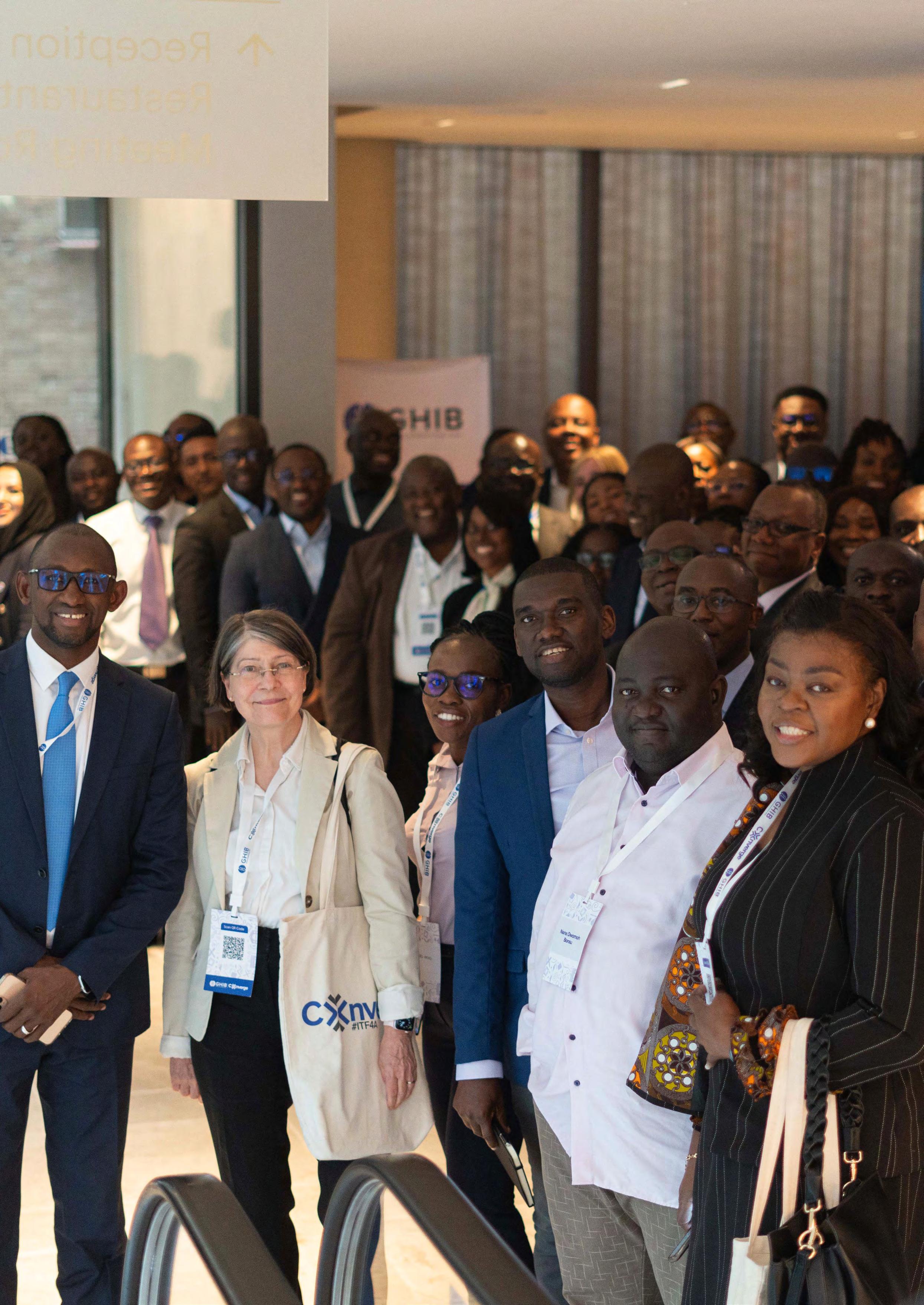
GHIB’s inaugural thought-leadership and client engagement conference in 2024 , #CNVERGE, was a success, bringing together participants from across Africa and Europe to deliberate on African trade. Held in London ,the conference was a success, attracting over 100 participants from Corporates, Sovereign’s and Banks.


The Directors present their annual report, together with the financial statements and auditor’s report. Directors who served on the Board throughout 2024 and up to the date of this report, except as noted below, were as follows:
Dr E. K. Y. Addison
Mr D. Adansi
Mr R. J. B. Sambou
Lord P. Boateng
Dr M. Opoku-Afari
Dr J. Ofori-Tenkorang
Mr S. Bhandari
Mr C. M. Thomson
Mr J. K. Adomakoh
Mr A. Y. Tali
Chairman (resigned 26 February 2025)
Chief Executive Officer
Deputy Chief Executive Officer & Chief Operating Officer
Acting Chairman and Senior Independent Director (subject to regulatory approval)
Non-Executive Director (resigned 26 February 2025)
Non-Executive Director (resigned 2 May 2024)
Independent Non-Executive Director
Independent Non-Executive Director
Non-Executive Director (resigned 3 February 2025)
Non-Executive Director (resigned 25 February 2025)
Following general elections in Ghana in December 2024 there are a number of changes to shareholder Non-Exectuive Directors.
The profit on ordinary activities before taxation in 2024 was £5,836,762 (2023: profit of £4,258,102). Further details of the Bank’s financial performance can be found in the Strategic Report on pages 4-37. GHIB operates from its Head Office in London and representative office in Accra, Ghana. A review of the Bank’s business, principal activities and future prospects is contained in the Acting Chairman’s Report and the Strategic report, pages 12-16 and 4-37 respectively.
The Directors recommend the payment of a dividend for the year ended 31 December 2024 of £847,741 (2023: £622,459). The total proposed final dividend is 1.33p per share (2023: 0.98p per share).
The Bank has committed to make a donation for charitable purposes in the sum of £58,918 (2023: £50,000) in favour of Ghana International Foundation. The Bank did not make any political donations during the year (2023: nil).
The Bank continues to make significant investments in human capital and technology, to strengthen its systems and controls. Average staff headcount, including Executive Directors, increased 7.4% to 204 (2023: 190). Further information regarding employee and other stakeholder engagement is included in page 51.
The Bank maintains directors’ and officers’ liability insurance for its Directors and Officers. All of the Directors benefited from qualifying third party indemnity insurance in place during the financial year and at the date of this report.
The Bank’s balance sheet supports strong capital and liquidity positions, complemented by GHIB’s good business franchise. Its business model remains viable. The Liquidity Coverage Ratio (LCR) as at 31 December 2024 was 256% (2023: 370%), compared to a regulatory requirement of 100%. As at 31 December 2024, GHIB recorded a CRD IV capital adequacy ratio of 22.4% (2023: 31.0%) with a core tier 1 capital ratio of 22.4% (2023: 31.0%). Regulatory capital adequacy requirements were met during the year. Details regarding GHIB’s capital structure can be found in the Capital Structure section below. In assessing going concern, including future projections of profitability, capital resources and liquidity the Directors have considered a range of severe but plausible stress scenarios, including a range of available management actions that could be taken.
The Directors therefore have a reasonable expectation that the Bank has adequate resources to continue in operational existence for the foreseeable future. The Directors have considered the foreseeable future to be at least 12 months from the date of approving the accounts. Thus, they continue to adopt the going concern basis in preparing the annual report and financial statements. Further details regarding the adoption of the going concern basis can be found in Note 1 of the financial statements.
Details of post balance sheet events are disclosed in Note 39 to the audited financial statements.
The Bank has procedures in place to identify, monitor and evaluate the risks it faces. An overview of the Bank’s objectives and policies to key risks are described in the Strategic Report.
The Bank’s capital structure remains unchanged since 2022. Total issued shares amount to 63,739,927, comprising 45,000,000 voting ordinary voting shares of £1.00 each and 18,739,927 non-voting ordinary shares of £1.00 each.
Further information regarding the Bank’s approach to risk management and its capital adequacy are contained in the unaudited disclosures made under the current regulatory capital requirements (the Pillar 3 disclosures). These disclosures are published on GHIB’s website shortly after the approval of these financial statements at http://www.ghanabank.co.uk/.
The Directors regard its Common Equity Tier 1 (CET1) ratio for capital management purposes. Its principal objectives in managing capital are to ensure it is sufficient to participate in lines of business and to meet capital adequacy requirements of the Prudential Regulation Authority. In accordance with the parameters set out in the PRA Rulebook, the Internal Capital Adequacy Assessment Process (“ICAAP”) is embedded in the Bank’s risk management framework. Common Equity Tier 1 (CET1) is measured as share capital and reserves less regulatory deductions, which resulted in £156.7m CET1 at 31 December 2024 (2023: £153.1m). As at 31 December 2024, GHIB recorded a CRD IV capital adequacy ratio of 22.4% (2023: 31.0%) with a core tier 1 capital ratio of 22.4% (2023: 31.0%). Regulatory capital adequacy requirements were met during the year. There were no significant changes in the year on how the Bank manages capital or its measurement of capital.
Each Director at the date of approval of this Annual Report confirms that:
• As far as the Director is aware, there is no relevant audit information of which the Bank’s auditor is unaware; and • The Director has taken all the steps that he or she ought to have taken as a director in order to make himself or herself aware of any relevant audit information and to establish that the Bank’s auditor is aware of that information.
This confirmation is given and should be interpreted in accordance with the provisions of s418 of the Companies Act 2006.
The company has no branches outside the UK. Further to a shareholders’ resolution at the Bank’s Annual General Meeting in March 2025 to reappoint Deloitte LLP, Deloitte LLP have expressed their willingness to continue in office as auditor.
This report was approved by the Board of Directors on 18 March 2025 and signed on its behalf by
Signed
Janet Mbu Company Secretary
18 March 2025
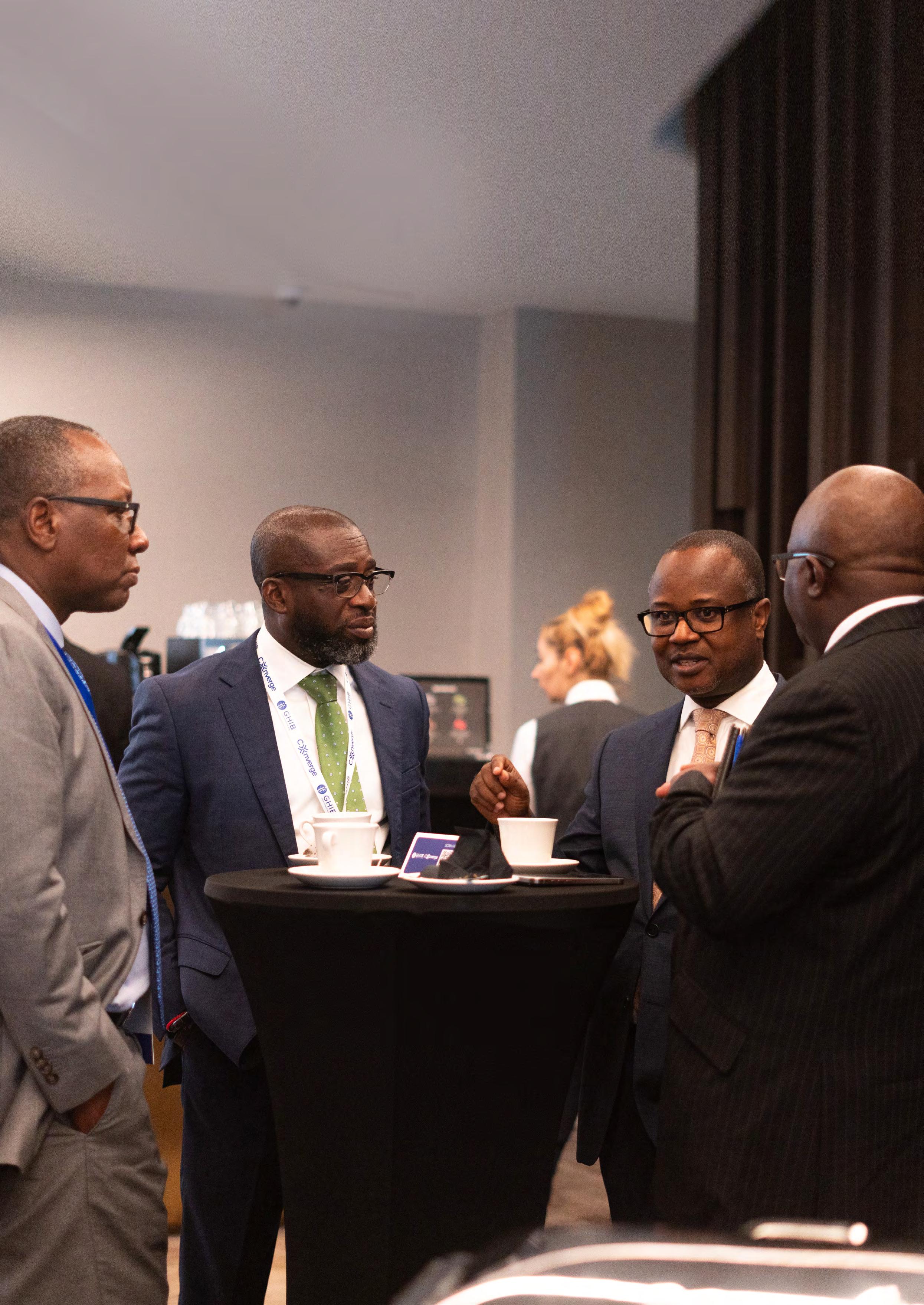

As a regulated entity, the Board of Directors of the Bank has voluntarily elected to make several disclosures regarding the Bank’s corporate governance arrangements, drawing on the principles of the UK Corporate Governance Code 2024 (“the Code”). The Code is not applicable to GHIB, and the Directors do not assert compliance with it.
GHIB’s corporate governance arrangements play a key role in supporting the Bank’s operations and are critical in achieving its objectives. These provide a clear, welldefined structure for effective decision-making at the highest levels in the Bank.
The Board operates by delegating certain authorities to the Executive, and by reserving certain powers to itself. It defines, oversees, and is accountable for the implementation of sound governance arrangements that ensure effective and prudent management in a manner that promotes the integrity of the market, and the interests of customers in accordance with regulatory requirements. In addition to being collectively responsible for the long-term success of the Bank, the Board provides entrepreneurial leadership within a framework of prudent and effective controls, which enables risk and customer outcomes to be assessed and responsibly managed.
The Board oversees Management to ensure that the day to day operations of the Bank are managed in a manner that is consistent with its strategy, and provides oversight of the Bank’s trading performance, legal and regulatory compliance, capital and liquidity, risk management, risk appetite, business strategy, policies, lending decisions, diversification opportunities, governance matters
and succession planning, substantive or unusual transactions including critical outsourcings, and other matters of significance. As a minimum, the Board meets on a quarterly basis in a calendar year and in 2024, the main Board met virtually and/or in-person on eleven (11) separate occasions.
The Board comprises ten (10) members: five (5) NonExecutive Directors (NEDs), three (3) Independent Non-Executive Directors, (INEDs) and two (2) Executive Directors (EDs), being the Chief Executive Officer, and Deputy Chief Executive Officer & Chief Operating Officer. The five (5) NEDs are nominated to the Board by the Bank’s largest shareholders. The NEDs include the Board Chair, who is nominated by GHIB’s majority shareholder, the Bank of Ghana.
GHIB’s Board Committees are accountable to the Board and support the Board without derogation from the Board’s overall responsibilities. Each Board Committee formally reports to the Board on the discharge of its responsibilities as set out in its terms of reference. Each Committee is charged, inter alia, with responsibility for ensuring the availability of meaningful and well-targeted Management Information for its areas of oversight.
The Board Committees are responsible for reviewing, scrutinising, and challenging key Management proposals and MI reports, endorsing these for Board approval.
Directors (NEDs)
(INEDs)
The membership of the BRC comprises six (6) Directors, three of whom are INEDs and the remaining members are NEDs. The Committee is chaired by an INED. The Board Chair and Non-Executive Directors are members of the BRC. The Committee is generally responsible for:
Risk strategy, including the oversight of current risk exposures of the Bank, with particular emphasis, inter alia on prudential risks.
Overseeing risk-related matters, comprising both financial risks (including capital and liquidity, credit risk, strategic risk, and market risk) and non-financial risks (including resilience risk (incorporating information technology, cyber security, and third-party risk), ESG risk (incorporating climate change risk) financial crime and fraud risk, regulatory compliance risk, people risk, financial reporting and tax risk and other relevant risks.
Advising the Board on risk appetite and risk-tolerance related matters and satisfying itself that the risk appetite informs all aspects of the Bank’s strategy including the Bank’s ESG strategy (and specifically, its environmental and climate change risk strategy).
Reviewing and providing independent challenge on risk management reports to enable the Committee to assess the risk profile of the Bank and how the risks arising from the Bank’s businesses are controlled, monitored, and mitigated.
Providing oversight and challenge of the design and execution of stress and scenario testing.
Providing oversight and challenge of the risk management and oversight arrangements of Management.
Providing oversight and challenge of due diligence on risk issues relating to material transactions and strategic proposals that are subject to approval by the Board under the Bank’s delegated authorities
Providing advice to the Remuneration and Nominations Committee (REMCO) on risk weightings to be applied to performance objectives incorporated in the incentive structure for Material Risk Takers and other Management staff.
Reviewing the asset and liability management of the Bank.
Conducting forward looking thematic reviews and deep dives to address key risks (including climate change risk) and areas of regulatory concerns.
Providing advice, oversight, and challenge necessary to embed and maintain a supportive risk culture throughout the Bank.
During the year, BRC met seven (7) times and:
• Oversaw and advised the Board on all risk-related matters;
• Reviewed updates to GHIB’s overall risk appetite statement and oversaw the effectiveness of the enterprise risk management framework and internal controls systems (other than internal financial controls overseen by the Audit Committee);
• As part of its oversight of the Bank’s business continuity planning and ongoing operational resilience, challenged Management’s reassessment of the Bank’s Important Business Services (IBSs) and scrutinised the effectiveness of its response to major incidents affecting IBSs with the aim of minimising any adverse impact on customers;
• Reviewed ongoing capital and liquidity management activities, including early warning indicators, scenario stress testing and the capital and liquidity adequacy and conducted its annual review and challenge of the ICAAP (Internal Capital Adequacy Assessment Process), the Bank’s Recovery Plan and ILAAP (Internal Liquidity Adequacy Assessment Process);
• The Committee considered the risks and the management of these arising in relation to proposed new business activities and products;
• Critically reviewed GHIB’s Environmental and Climate Risk Policy to ensure it remained adequate and aligned with the Bank’s activities;
• Reviewed management position reports on operational risks focussing on GHIB’s technology risk profile, project risks, and reports on cybersecurity and banking operational risks. Technology related third party supply chain risks featured heavily on the BRC agenda during the year;
• Reviewed updates from management on the strategy and approach to manage credit risk and credit risk capabilities, including updates on the expected credit losses and provisions, loan impairment charges and the credit risk arising from the portfolio;
• Reviewed the CRO report in relation to the oversight over the risk dimension of performance and remuneration arrangements. The Committee also received the annual CRO report on the operation and effectiveness of the Bank’s systems and controls, the activities of the Risk department during the year; and the work planned for 2025; and
• Reviewed and updated its terms of reference.
The membership of the BACC comprises six (6) Directors, three of whom are INEDs and the remaining members are NEDs. The Committee is chaired by an INED. The Board Chair and the Executive Directors are not members of the Committee. The purpose of the BACC is generally to:
• Monitor the integrity of the Annual Report and Financial Statements of the Bank and any formal announcements relating to the Bank’s financial position or performance and to review any critical accounting judgements and key sources of estimation and or uncertainty contained in them.
• Review the Annual Report and Financial Statements and recommend their approval to the Board.
• Review the content of the Annual Report and Financial Statements and advise the Board on whether, taken as a whole, these are fair, balanced, and understandable and provides the information necessary for the Shareholders to assess the Bank’s performance, business model and strategy.
• Review the Bank’s internal financial controls and, unless expressly addressed by the BRC, review the Bank’s internal control and risk management systems.
• Monitor and review the effectiveness of the Bank’s Internal Audit function.
• Make recommendations to the Board, for it to put to the Shareholders for their approval, on the appointment, reappointment, and removal of the External Auditor, and to approve the remuneration and terms of engagement of the External Auditor.
• Review and monitor the External Auditor’s independence and objectivity and the effectiveness of the audit process, taking into consideration relevant UK professional and regulatory requirements.
• Monitor the effectiveness of the Bank’s Compliance and Financial Crime risk and control framework whilst ensuring the independence of the Compliance function.
During the year, BACC sat on nine (9) separate occasions and:
• Oversaw and advised the Board on all audit and compliance -related matters;
• Scrutinised and challenged the Annual Report and Financial Statements;
• Challenged the effectiveness of the Bank’s internal control environment including financial controls, paying specific attention to controls and any proposed enhancements to these within key areas of strategic importance to the Bank;
• Received and challenged, as appropriate, various annual compliance-related reports including the MLRO report, and the whistleblowing report;
• Reviewed, challenged, and monitored progress by Management and assurance provided by Internal Audit in in the effectiveness of the Bank’s Consumer Duty framework and embedding of the standards in the Bank. BACC also led the joint review and approval of the Bank’s Consumer Duty Report;
• Scrutinised the Bank’s reporting on modern slavery risks within its operations and supply chain as well as its proposals to combat the incidence of these;
• Reviewed, challenged and endorsed for Board approval key compliance and financial crime risk policies;
• Oversaw the Bank’s External Audit Tender, making a recommendation to the Board to retain the Bank’s existing Auditor for the next financial year’s audit;
• Met with the Bank’s Auditors, both Internal and External Auditors in the absence of Management; and
• Reviewed and updated its terms of reference.
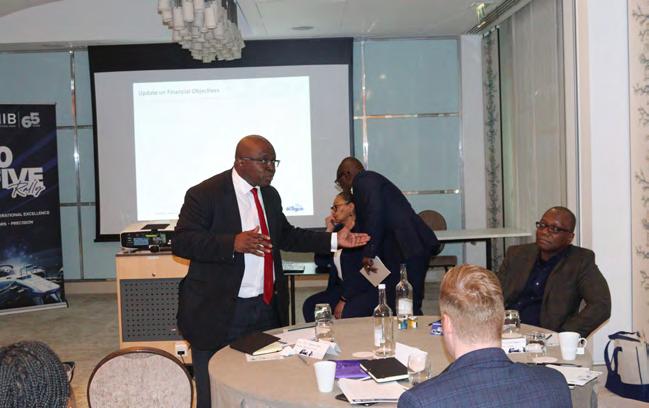
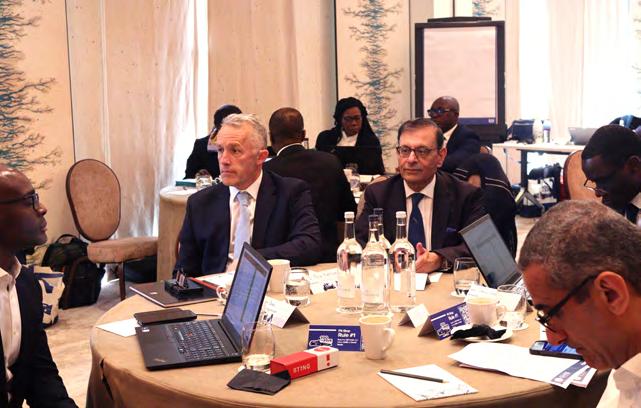
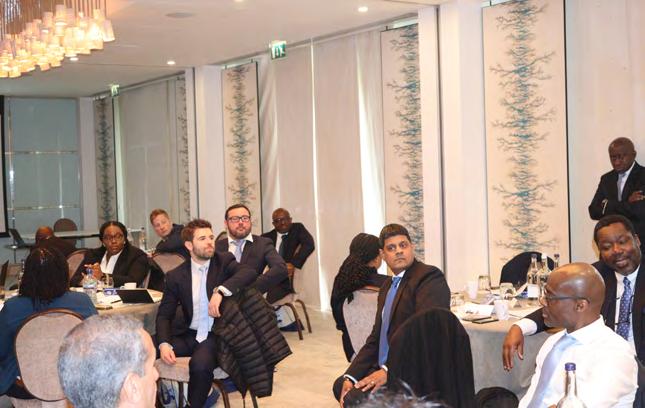

The membership of the REMCO comprises six (6) Directors, three of whom are INEDs, and the remaining members are NEDs. The Committee is chaired by an INED. The Board Chair and the Executive Directors are not members of the Committee. Generally, the purpose of REMCO is to:
• Establish and implement policies and procedures for the identification, nomination, screening, and appointment of Directors to Board and the termination of any such appointments in line with the Bank’s Articles of Association.
• Regularly review the Board’s structure, size, composition and make recommendations to the Board on adjustments that are deemed necessary, to ensure an adequate size and well-balanced composition.
• Oversee the induction of new Members to the Board and to any Board Committee.
• Regularly review and evaluate the skills and experience of Board Members and ensure the adequacy of their training and development, in addition to supporting the Board Chair with the periodic evaluation of the Board’s performance as a whole, its Committees, and that of individual Directors.
• In consultation with the BRC Chair, as appropriate, review and make recommendations to the Board on the Bank’s Remuneration Policy as this pertains to the regulatory Remuneration Codes.
• Review and assess changes, if any, to the Bank’s approach to its corporate governance and have oversight for the maintenance of any regulatory standards and best practice.
• Oversee, monitor, review and recommend for approval, the Bank’s key human resource policies.
• Review GHIB’s constitutional documents from time to time and recommend modifications as necessary for approval by the Board and Shareholders.
• Keep under review the regulatory requirements of the Prudential Regulation (PRA) Authority and Financial Conduct Authority (FCA) which relate to the work of the Committee.
• Review and update its terms of reference.
During the year, REMCO met on five (5) separate occasions and:
• Oversaw and advised the Board on the steps to be taken with regards to the existing vacancy on the Board;
• Played a key oversight role in the enhancement of the process for the internal evaluation of the performance of the Directors, the Board, and its Committees and updates to individual Directors’ skills matrices;
• Monitored progress against the Board’s annual training programme and proposed new training for Directors to enhance Director skills and knowledge for closer alignment with the Bank’s strategy;
• Reviewed, challenged and agreed updates to the Bank’s Board and Management Succession plans;
• Received and challenged the Bank’s Balanced Scorecard and Management proposals relating to remuneration and compensation, resourcing plans and other people-related matters;
• Reviewed and approved quarterly reports relating to the Bank’s periodic assessment of Material Risk Takers and Certification staff against the requirements of the regulatory Senior Managers & Certification Regime;
• Supported the Board in driving oversight of the effective roll-out and embedding of the Bank’s Culture Transformation Programme;
• Met with a broad base of staff on at least six separate occasions during the year, to listen and understand their views and ideas regarding GHIB’s culture; and
• Fostered diversity, equality and inclusion in collaboration with GHIB’s Culture Working Group by monitoring gender pay gap within the organisation and promoting various initiatives to celebrate events such as International Women’s Day and Mental Health Awareness Week.
The Chief Executive Officer has delegated authority from the Board, for strategy implementation, operational matters, and the running of the Bank on a day-to-day basis. This authority is managed through the Deputy Chief Executive Officer & Chief Operating Officer and the Bank’s Executive Management Committee or EXCO comprising:
Chief Executive Officer
Deputy Chief Executive Officer & Chief Operating Officer
Chief Commercial Officer
Chief Financial Officer
Chief Banking Officer
Chief Risk Officer
Head of Compliance and MLRO
General Manager Operations
General Counsel & Company Secretary
Head of People, Culture & Communication
The Committee currently meets as a minimum of two (2) times a month or more frequently as required to consider any special business, and to ensure that the Bank’s operations and activities, financial and general management are aligned with the Board approved strategy and risk appetite of the Bank.
EXCO has established eight (8) Sub-Committees that cover strategy implementation, risk management, asset and liability management, credit, business development, financial crime and regulatory compliance matters, operations, and transformation. These are summarised below.
Asset & Liability Management Committee (Chair: Chief Financial Officer)
Revenue & Growth Committee (Chair: Chief Banking Officer & Chief Commercial Officer)
Compliance & Financial Crime Committee (Chair: Chief Risk Officer)
Management Credit Committee (Chair: Chief Risk Officer)
Operations Committee (Chair: Deputy Chief Executive Officer & Chief Operating Officer)
Project Steering Committee (Chair: Deputy Chief Executive Officer & Chief Operating Officer)
Risk Oversight Committee (Chair: Chief Risk Officer)
Strategy Implementation Steering Committee (Chair: Chief Commercial Officer)
Our Code of Conduct sets the standards, values, and behaviours that we strive to uphold at GHIB. The Code is reviewed annually by the Board. The Bank is committed to achieving sustainable performance and delivering value to our stakeholders and fair outcomes to our customers. We aim to do this by promoting a culture of respect, integrity, collaboration and excellence (R,I.C.E).
The Bank’s Whistleblowing Policy encourages all staff to raise any concerns that they may have about the way in which GHIB’s business is being conducted, or about the conduct of other employees, Directors and or other persons with whom the Bank has a relationship. The Chair of the Board Audit and Compliance Committee acts as the Board Whistleblowing Champion.
We treat everyone fairly and value diversity.
We work as a team to achieve the best results.
We act with honesty, transparency, and accountability.
We act with honesty, transparency, and accountability.

Your Companion worldwide, as you deliver impact at home
The Companies Act 2006 (the “Act”) requires directors to prepare financial statements for each fiscal year. Under company law, the directors are required to prepare the financial statements in accordance with international accounting standards in conformity with the requirements of the Act. By law, the directors must not approve the annual report and the financial statements unless they are satisfied that these give a true and fair view of the state of affairs of the Bank, and profit or loss for the period under review. In preparing these annual report and financial statements, International Accounting Standard 1 requires that directors:
• carefully select and apply accounting policies;
• present information, including accounting policies, in a manner that provides relevant, reliable, comparable, and understandable information;
• Include comparison with previous periods, and present consistently across periods;
• provide additional disclosures when compliance with the specific requirements in International Financial Reporting Standards (IFRS) is insufficient to enable users to understand the impact of transactions, other events and conditions on the entity’s financial position and financial performance; and
• make an assessment of the Bank’s ability to continue as a going concern.
The directors are responsible for keeping adequate accounting records that are sufficient to show and explain the Bank’s transactions and disclose with reasonable accuracy at any time the financial position of GHIB and enable them to ensure that the annual report and financial statements complies with the Act. The directors are also responsible for safeguarding the assets of the Bank and hence for taking reasonable steps for the prevention and detection of fraud, financial crime and other irregularities.
The directors are responsible for the maintenance and integrity of the corporate and financial information included on the Bank’s website. Legislation in the United Kingdom that governs the preparation and dissemination of annual report and financial statements may differ from legislation in other jurisdictions.


Report on the audit of the financial statements
In our opinion the financial statements of Ghana International Bank plc (the ‘bank’):
• give a true and fair view of the state of the bank’s affairs as at 31 December 2024 and of its profit for the year then ended;
• have been properly prepared in accordance with United Kingdom adopted international accounting standards; and
• have been prepared in accordance with the requirements of the Companies Act 2006.
We have audited the financial statements which comprise:
• the statement of comprehensive income;
• the statement of financial position;
• the statement of changes in equity;
• the statement of cash flow; and
• the related notes 1 to 40.
The financial reporting framework that has been applied in their preparation is applicable law and United Kingdom adopted international accounting standards.
We conducted our audit in accordance with International Standards on Auditing (UK) (ISAs (UK)) and applicable law. Our responsibilities under those standards are further described in the auditor’s responsibilities for the audit of the financial statements section of our report.
We are independent of the bank in accordance with the ethical requirements that are relevant to our audit of the financial statements in the UK, including the Financial Reporting Council’s (the ‘FRC’s’) Ethical Standard as applied to public interest entities, and we have fulfilled our other ethical responsibilities in accordance with these requirements. We confirm that we have not provided any non-audit services prohibited by the FRC’s Ethical Standard to the bank.
We believe that the audit evidence we have obtained is sufficient and appropriate to provide a basis for our opinion.
Key audit matters
Significant changes in our approach
The key audit matters that we identified in the current year were:
• Accounting and Valuation of Ghana Sovereign Eurobonds; and
• Expected Credit losses.
Within this report, key audit matters are identified as follows:
Newly identified
Increased level of risk
Similar level of risk
Decreased level of risk
The materiality that we used in the current year amounted to £826,000 which has been determined based on 0.5% of net assets.
Audit work to respond to the risks of material misstatement was performed directly by the audit engagement team.
We identified a new key audit matter in the current year which is the Accounting and Valuation of Ghana Sovereign Eurobonds.
In auditing the financial statements, we have concluded that the directors’ use of the going concern basis of accounting in the preparation of the financial statements is appropriate.
Our evaluation of the directors’ assessment of the bank’s ability to continue to adopt the going concern basis of accounting included:
• assessing and challenging the reasonableness of the assumptions used in the forecast including those related to business performance;
• supported by regulatory specialists in reviewing the regulatory capital and liquidity headroom in the forecasts;
• assessing management’s downside scenarios that they are appropriate and considering the impact on the headroom;
• testing the accuracy of those forecasts and assessing the historical accuracy of forecasts prepared by management; and
• evaluating the disclosures in relation to going concern in Note 1 to the financial statements.
Based on the work we have performed, we have not identified any material uncertainties relating to events or conditions that, individually or collectively, may cast significant doubt on the bank’s ability to continue as a going concern for a period of at least twelve months from when the financial statements are authorised for issue.
Our responsibilities and the responsibilities of the directors with respect to going concern are described in the relevant sections of this report.
Key audit matters are those matters that, in our professional judgement, were of most significance in our audit of the financial statements of the current period and include the most significant assessed risks of material misstatement (whether or not due to fraud) that we identified. These matters included those which had the greatest effect on the overall audit strategy; the allocation of resources in the audit; and directing the efforts of the engagement team.
These matters were addressed in the context of our audit of the financial statements as a whole, and in forming our opinion thereon, and we do not provide a separate opinion on these matters.
Key audit matter description
In October 2024, the Government of Ghana reached an agreement with private creditors to restructure existing Ghana Sovereign Eurobonds which defaulted in 2022. The bank held £5.3 million of the defaulted Ghana Sovereign Eurobonds. Following the restructuring arrangement, the old bonds were replaced with new bonds with substantial modifications to key terms. These changes are significant and resulted in the old bonds being derecognised upon the issuance of the restructured bonds (the “new bonds”).
The accounting conclusions and determination of the fair value of the restructured Ghana Sovereign Eurobonds are judgmental due to the complex and subjective assumptions involved. Determining the discount rate, projecting future economic conditions and interest rates, and assessing the credit risk of the restructured debt all rely over management’s estimations and judgement. The level of judgment required also introduces a potential fraud risk.
The restructuring requires evaluation under IFRS 9 to determine whether it represents a substantial modification necessitating derecognition of the original asset and recognition of a new asset and assessment of the fair value of both old and new bonds. This conclusion on classification directly impacts the timing of gain/loss recognition and financial statement presentation, increasing the risk around the complexities in the accounting treatment. Given these complexities, this area represents a key audit matter.
The directors have disclosed information about restructured bonds in Note 13 to the financial statements.
How the scope of our audit responded to the key audit matter
Key observations
The following key procedures have been performed over the key audit matter identified:
• We obtained an understanding of the relevant controls over accounting and valuation of the Ghana Sovereign Eurobonds;
• We involved our accounting specialist to assess the accounting conclusions reached by management;
• We engaged our valuation specialist to assess the valuation of the bonds as at the date of recognition of the new bonds as a result of the restructuring;
• We assessed management’s quantitative and qualitative parameters and inputs to ensure the correct recognition of the bonds;
• We evaluated and recalculated the revised cashflow projections for accuracy, considering the maturity extensions, interest rate reductions, principal haircuts and effective interest rates;
• We evaluated and recalculated the discounted present value of the original bonds as at the date of modification using the original EIR of the bonds;
• We performed procedures as required by IFRS 9 to determine if the modifications to the bonds were substantial enough to warrant the derecognition and subsequent recognition of new bonds by comparing the cashflows before and after modification;
• We evaluated the impairment assessment as at the date of derecognition of old bonds to determine whether the calculated expected credit loss was accurate and reflected the risk profile;
• We assessed management’s basis for classifying the restructured bonds in the financial statements, in accordance with the requirements of IFRS 9 and;
• We reviewed the related financial statement disclosures about the Ghana Sovereign Eurobonds.
We concluded that the accounting and valuation of the restructured Ghana Sovereign Eurobonds was appropriate and free from material misstatement.
How the scope of our audit responded to the key audit matter
The bank is required to record forward looking expected credit losses in accordance with the requirements of IFRS 9. The bank measures provisions for expected credit losses on loans and advances to customers and banks and financial assets classified as fair value through other comprehensive income using an expected credit losses model. The assumptions used in the model, such as probabilities of default, loss given default, forward looking information and internal credit risk ratings require a high level of management judgement.
As at 31 December 2024, the total provisions for expected credit losses were £1,871k (2023: £3,655k) as disclosed in Note 13 to the financial statements. Of this £1,185k (2023: £1,711k) was determined using the bank’s expected credit losses model while £685k (2023:£1,945k) relate to the expected credit losses on Ghana and Ethiopia Sovereign Eurobonds which was determined on the basis of individual assessment.
Given the involvement of judgements and assumptions, expected credit losses remains a key audit matter in the current year.
The directors have disclosed information about Credit Risk in Note 33 to the financial statements. The accounting policy and information about critical accounting judgements and key sources of estimation uncertainty can be found in Note 1 to the financial statements.
For the provisions for expected credit losses determined using the bank’s expected credit losses model:
• We obtained an understanding of the relevant controls over the expected credit loss process;
• We assessed the model methodology used by management and tested the implementation of the model with the support of our credit risk specialists;
• We challenged the internal credit ratings determined by management by performing independent credit review using financial and other market information and independent news searches to assess the reasonableness of the internal credit rating assigned to borrowers;
• We assessed and challenged the source of key input data used in the determination of probabilities of default and loss given defaults, by considering their relevance and appropriateness in the context of the circumstances of the bank;
• We tested the completeness and accuracy of the internal and external data used in the model;
• We assessed the methodology used by management to incorporate forward looking macroeconomic scenarios into the estimation of forward looking probabilities of default.
• We assessed the competence, capability, and objectivity of the third-party management expert providing macroeconomic data;
• We assessed the appropriateness of the selected macroeconomic variables and scenarios, and the probability weightings used in the model; and
• We reviewed the disclosures in the financial statements to evaluate their compliance with the requirements of IFRS 9.
For the Ghana and Ethiopia Sovereign Eurobonds, where the expected credit losses was determined on the basis of an individual assessment:
• We obtained an understanding of the relevant controls over the expected credit loss process;
• We assessed the appropriateness of the staging classification of the underlying exposures;
• We obtained an understanding of the approach, assessed its appropriateness and reperformed the computations.
• We assessed the completeness and accuracy of the inputs to the calculation and tested them to external sources where applicable;
• We assessed the impact of the current macroeconomic situation relevant to the underlying exposures and assessed how the impacts have been incorporated into the estimation of provisions for expected credit losses; and
• We reviewed the disclosures in the financial statements to evaluate their compliance with the requirements of IFRS 9.
Key observations We concluded that the provisioning level was appropriate and free from material misstatement, and the disclosures in the financial statements were appropriate.
We define materiality as the magnitude of misstatement in the financial statements that makes it probable that the economic decisions of a reasonably knowledgeable person would be changed or influenced. We use materiality both in planning the scope of our audit work and in evaluating the results of our work.
Based on our professional judgement, we determined materiality for the financial statements as a whole as follows:
Materiality
Basis for determining materiality
Rationale for the benchmark applied
£826,000 (2023: £798,000)
0.5% of net assets (2023: 0.5% of net assets)
Materiality has been based on net assets. We concluded that it was appropriate to use net assets as this is a key metric of significance to the ultimate controlling party and a key performance metric for multiple stakeholders including the regulator.
We set performance materiality at a level lower than materiality to reduce the probability that, in aggregate, uncorrected and undetected misstatements exceed the materiality for the financial statements as a whole. Performance materiality was set at 70% of materiality for the 2024 audit (2023: 70%). In determining performance materiality, we considered the following factors:
a. There have been no significant changes in the business other than the impact of continued investments in systems, technology, and personnel;
b. Our past experience of the audit, which has indicated a low number of corrected and uncorrected misstatements identified in prior periods;
c. The reliability of the control environment; and
d. Management’s willingness to investigate and correct misstatements.
We agreed with the Board Audit and Compliance Committee that we would report to the Committee all audit differences in excess of £41,300 (2023: £39,900), as well as differences below that threshold that, in our view, warranted reporting on qualitative grounds. We also report to the Board Audit and Compliance Committee on disclosure matters that we identified when assessing the overall presentation of the financial statements.
Our audit was scoped by obtaining an understanding of the bank and its environment, including internal control, and assessing risks of material misstatements. Audit work to respond to the risks of material misstatement was performed directly by the audit engagement team.
The bank has no subsidiaries or branches, and our audit scope covers the whole entity.
We identified the key IT systems relevant to the audit to be those used in the financial reporting, lending, and deposits businesses. The IT system relevant to the financial reporting is the core banking platform and general ledger. In conjunction with our IT specialists, we performed testing over the general IT controls, including testing of user access and change management system.
In the current year, our adopted approach on controls have been consistent to our planned approach. We were able to place reliance on cash, loans, and deposit processes.
The directors discuss the control environment, including improvements made during the year, on page 19 of the financial statements.
In planning our audit, we have obtained an understanding of management’s process in considering the impact of climate-related risks on the bank’s business and its financial statements and assessed whether the risks identified by the bank are consistent with our understanding.
The bank has recognised the importance of climate-related risks and set out its governance, risk management framework and initiatives in response to climate-related risks in Sustainability Report section of the Strategic Report (pages 38 - 52 of the Annual Report).
We performed inquiries of management and reviewed the Environment and Climate Risk policy and Board Risk Committee meeting minutes to obtain an understanding of management’s process and controls in considering the impact of climate risks and assess whether the risks identified by the entity are complete and consistent with our understanding of the entity.
In addition, we read the disclosures in the Sustainability Report and considered whether they are materially consistent with the disclosure in Note 1 to the financial statements and our knowledge obtained in the audit.
The other information comprises the information included in the annual report (including the Acting Chairman’s Report, Chief Executive Officer’s report, Strategic report, Directors’ report, and corporate governance statement), other than the financial statements and our auditor’s report thereon. The directors are responsible for the other information contained within the annual report.
Our opinion on the financial statements does not cover the other information and, except to the extent otherwise explicitly stated in our report, we do not express any form of assurance conclusion thereon.
Our responsibility is to read the other information and, in doing so, consider whether the other information is materially inconsistent with the financial statements, or our knowledge obtained in the course of the audit, or otherwise appears to be materially misstated.
If we identify such material inconsistencies or apparent material misstatements, we are required to determine whether this gives rise to a material misstatement in the financial statements themselves. If, based on the work we have performed, we conclude that there is a material misstatement of this other information, we are required to report that fact.
We have nothing to report in this regard.
As explained more fully in the directors’ responsibilities statement, the directors are responsible for the preparation of the financial statements and for being satisfied that they give a true and fair view, and for such internal control as the directors determine is necessary to enable the preparation of financial statements that are free from material misstatement, whether due to fraud or error.
In preparing the financial statements, the directors are responsible for assessing the bank’s ability to continue as a going concern, disclosing as applicable, matters related to going concern and using the going concern basis of accounting unless the directors either intend to liquidate the bank or to cease operations, or have no realistic alternative but to do so.
Our objectives are to obtain reasonable assurance about whether the financial statements as a whole are free from material misstatement, whether due to fraud or error, and to issue an auditor’s report that includes our opinion. Reasonable assurance is a high level of assurance but is not a guarantee that an audit conducted in accordance with ISAs (UK) will always detect a material misstatement when it exists. Misstatements can arise from fraud or error and are considered material if, individually or in the aggregate, they could reasonably be expected to influence the economic decisions of users taken on the basis of these financial statements.
A further description of our responsibilities for the audit of the financial statements is located on the FRC’s website at: www.frc.org.uk/auditorsresponsibilities. This description forms part of our auditor’s report.
11. Extent to which the audit was considered capable of detecting irregularities, including fraud.
Irregularities, including fraud, are instances of non-compliance with laws and regulations. We design procedures in line with our responsibilities, outlined above, to detect material misstatements in respect of irregularities, including fraud. The extent to which our procedures are capable of detecting irregularities, including fraud is detailed below.
In identifying and assessing risks of material misstatement in respect of irregularities, including fraud and noncompliance with laws and regulations, we considered the following:
• the nature of the industry and sector, control environment and business performance including the design of the bank’s remuneration policies, key drivers for directors’ remuneration, bonus levels and performance targets;
• results of our enquiries of management and the Board Audit and Compliance Committee about their own identification and assessment of the risks of irregularities, including those that are specific to the bank’s sector;
• any matters we identified having obtained and reviewed the bank’s documentation of their policies and procedures relating to:
o identifying, evaluating, and complying with laws and regulations and whether they were aware of any instances of non-compliance;
o detecting and responding to the risks of fraud and whether they have knowledge of any actual, suspected, or alleged fraud; and
o the internal controls established to mitigate risks of fraud or non-compliance with laws and regulations.
• the matters discussed among the audit engagement team and relevant internal specialists, including IT, credit modelling, financial instrument valuation, complex pricing, accounting, and regulatory specialists regarding how and where fraud might occur in the financial statements and any potential indicators of fraud.
As a result of these procedures, we considered the opportunities and incentives that may exist within the organisation for fraud and identified the greatest potential for fraud in the accounting and valuation of the Ghana Sovereign Eurobonds. In common with all audits under ISAs (UK), we are also required to perform specific procedures to respond to the risk of management override.
We also obtained an understanding of the legal and regulatory frameworks that the bank operates in, focusing on provisions of those laws and regulations that had a direct effect on the determination of material amounts and disclosures in the financial statements. The key laws and regulations we considered in this context included UK Companies Act, tax legislation and the Capital Requirements (Country-by Country Reporting) Regulations 2013.
In addition, we considered provisions of other laws and regulations that do not have a direct effect on the financial statements but compliance with which may be fundamental to the bank’s ability to operate or to avoid a material penalty. These included the rules of the Prudential Regulation Authority (PRA) and the Financial Conduct Authority (FCA).
As a result of performing the above, we identified Accounting and Valuation of Ghana Sovereign Eurobonds as a key audit matter related to the potential risk of fraud. The key audit matters section of our report explains the matter in more detail and also describes the specific procedures we performed in response to that key audit matter.
In addition to the above, our procedures to respond to risks identified included the following:
• reviewing the financial statement disclosures and testing to supporting documentation to assess compliance with provisions of relevant laws and regulations described as having a direct effect on the financial statements;
• enquiring of management, the Board Audit and Compliance Committee and the legal counsel concerning actual and potential litigation and claims;
• performing analytical procedures to identify any unusual or unexpected relationships that may indicate risks of material misstatement due to fraud;
• reading minutes of meetings of those charged with governance, reviewing internal audit reports, and reviewing correspondence with the FCA and PRA; and
• in addressing the risk of fraud through management override of controls, testing the appropriateness of journal entries and other adjustments; assessing whether the judgements made in making accounting estimates are indicative of a potential bias; and evaluating the business rationale of any significant transactions that are unusual or outside the normal course of business.
We also communicated relevant identified laws and regulations and potential fraud risks to all engagement team members including our internal specialists and remained alert to any indications of fraud or non-compliance with laws and regulations throughout the audit.
12. Opinions on other matters prescribed by the Companies Act 2006
In our opinion, based on the work undertaken in the course of the audit:
• the information given in the strategic report and the directors’ report for the financial year for which the financial statements are prepared is consistent with the financial statements; and
• the strategic report and the directors’ report have been prepared in accordance with applicable legal requirements.
In the light of the knowledge and understanding of the bank and its environment obtained in the course of the audit, we have not identified any material misstatements in the strategic report or the directors’ report.
13. Opinion on other matter prescribed by the Capital Requirements (Country-by-Country Reporting) Regulations 2013
In our opinion the information given in Note 37 to the financial statements for the financial year ended 31 December 2024 has been properly prepared, in all material respects, in accordance with the Capital Requirements (Country-by-Country Reporting) Regulations 2013.
14.1 Adequacy of explanations received and accounting records.
Under the Companies Act 2006 we are required to report to you if, in our opinion:
• we have not received all the information and explanations we require for our audit; or
• adequate accounting records have not been kept, or returns adequate for our audit have not been received from branches not visited by us; or
• the financial statements are not in agreement with the accounting records and returns.
We have nothing to report in respect of these matters.
Under the Companies Act 2006 we are also required to report if in our opinion certain disclosures of directors’ remuneration have not been made.
We have nothing to report in respect of this matter.
Following the recommendation of the Board Audit and Compliance Committee, we were appointed by the Ghana International Bank Plc Board on 30 September 2010 to audit the financial statements for the year ending 31 December 2010 and subsequent financial periods.
The period of total uninterrupted engagement including previous renewals and reappointments of the firm is 15 years, covering the years ending 31 December 2010 to 31 December 2024.
Our audit opinion is consistent with the additional report to the Board Audit and Compliance Committee we are required to provide in accordance with ISAs (UK).
This report is made solely to the bank’s members, as a body, in accordance with Chapter 3 of Part 16 of the Companies Act 2006. Our audit work has been undertaken so that we might state to the bank’s members those matters we are required to state to them in an auditor’s report and for no other purpose. To the fullest extent permitted by law, we do not accept or assume responsibility to anyone other than the bank and the bank’s members as a body, for our audit work, for this report, or for the opinions we have formed.
Signed
James Polson (Senior Statutory Auditor)
For and on behalf of Deloitte LLP
Statutory Auditor
London, United Kingdom
18 March 2025
For the year ended 31 December 2024
Continuing operations
Interest receivable and similar income
Other interest income arising from debt and other fixed income securities
Total interest income
Interest expense and similar charges
Net interest income
Fees and commission income
Net foreign currency income
Investments (losses) / gains from sale of government and other securities
Other income
Total non-interest income
Operating income
Staff costs
Other administrative expenses
Depreciation and amortisation
Total operating expenses
(Provisions) / reversal of provisions for credit losses
comprehensive income That may be reclassified to profit or loss: Fair value movements on fair value through other comprehensive income (FVOCI) financial instruments Taxation on FVOCI financial instruments Total other comprehensive income Total comprehensive income for the year attributable to equity holders
(26,959,541) (11,815,526) (2,383,646) (41,158,713) (408,819) 5,836,762 (1,599,961) 4,236,801 3,365,255 (841,314) 2,523,941 6,760,742 35,055,214 9,075,263 44,130,477 (12,823,804) 31,306,673 6,490,818 1,989,283 79,998 89,352 8,649,451 39,956,124 (23,423,228) (11,021,926) (2,277,366) (36,722,520) 1,024,498 4,258,102 (1,145,807) 3,112,295 1,821,050 (454,165) 1,366,885 4,479,180
As at 31 December 2024
Assets
Cash and balances at central banks
Placements with and loans and advances to banks
Loans and advances to customers
Government and other securities
Prepayments and other receivables
Property, plant and equipment
Right of use assets
Intangible assets
Current tax asset
Deferred tax asset
Total assets
Liabilities
Deposits by banks
Amounts owed to depositors Term financing
Other liabilities
Accruals and deferred income
168,466,456 1,095,686,063 256,691,647 353,387,088 53,066,533 119,321,238 2,778,164 1,878,621 1,605,924 6,130,633 945,584 4,843,256 800,648,688 355,749,487 270,972,1816,287,092 5,311,755 638,320,515 63,739,927 61,212,787 (3,179,954) 40,555,413 162,328,173 800,648,688
The annual report and financial statements of Ghana International Bank plc, registered number 03468216 were approved and authorised for issue by the Board of Directors on 18 March 2025. The notes to the financial statements from page 84 onwards form an integral part of these financial statements. Signed on behalf of the Board of Directors.
Signed Signed
Lord P. Boateng
Dean Adansi Acting Chairman Chief Executive Officer
Statement of changes in equity
For the year ended 31 December 2024
Balance at 31 December 2022
Profit for the year
Fair value movements on FVOCI financial instruments net of tax
Gains on FVOCI financial instruments transferred to Income statement upon derecognition
Total comprehensive income for the year
Dividend paid
Balance at 31 December 2023 Profit for the year Fair value movements on FVOCI financial instruments net of tax
Losses on FVOCI financial instruments transferred to Income statement upon derecognition Total comprehensive income for the year Dividend paid
2,360,700 163,241 2,523,941
(656,013) 157,848,993 3,112,295 1,446,883 (79,998) 4,479,180162,328,173 4,236,801 2,360,700 163,241 6,760,742 (622,459) 168,466,456
For the year ended 31 December 2024
Profit before taxation
Adjustments for:
Foreign currency income - Translation of assets & liabilities
Depreciation and amortisation
Lease finance charge
Provisions / (reversal of provisions) for credit losses
Net interest income and other non cash items
Decrease / (increase) in:
Loans and advances to banks and customers
Government and other securities
Prepayments and other receivables
Increase / (decrease) in:
Deposits by banks and customers
Other
Accruals
Income
Foreign income
Net cash used in operating activities
Cash flows from investing activities: Purchase of property, plant and equipment Purchase of intangible assets
Net cash used in investing activities
Cash flows from financing activities:
Dividends paid
Net increase in term financing
Repayment of lease liabilities
Net cash generated from financing activities
Decrease in cash and cash equivalents
Effect of exchange rate changes on cash and cash equivalents
Net decrease in cash and cash equivalents
(38,468) (63,471,450) (478,827) (2,751,634) (3,230,461) (622,459) 14,377,227 (1,157,028) 12,597,740 (54,104,171) 108,502 (53,995,669) 430,365,754 376,370,085 4,258,102 (525,892) 2,277,366 140,727 (1,024,498) (790,883) (8,318,223) 52,729,216 (488,671) (90,180,843) (323,153) 1,816,917(40,429,835) (303,289) (1,914,732) (2,218,021)(874,791) (874,791) (43,522,647) 112,750 (43,409,897) 473,775,651 430,365,754
Year ended 31 December 2024
Ghana International Bank plc (“GHIB” / the “Bank”) is a company incorporated in England and Wales under the Companies Act 2006. The address of the registered office is given on page 7. The nature of the Bank’s operations and its principal activities are set out in the Acting Chairman’s Report and the Strategic report.
The financial statements have been prepared in accordance with international accounting standards in conformity with the requirements of the Companies Act 2006. The financial statements are prepared under the historical cost convention as modified by financial instruments recognised at fair value through other comprehensive income. At the date of authorisation of these financial statements there was one relevant standard issued but not yet effective. IFRS 18 ‘Presentation and Disclosure in Financial Statements’ is effective from 1 August 2027, although it not yet been endorsed for use in the UK and its impact is currently under assessment. The risks associated with climate change are presented in the Annual Report pages 40-43. As at 31 December 2024, there has not been any direct financial impact arising from climate-related risks recognised in the financial statements, including:
• asset impairment;
• changes in the useful life of assets;
• changes in the fair valuation of assets;
• effects on impairment calculations because of increased costs or reduced demand;
• changes in provisions for onerous contracts because of increased costs or reduced demand;
• changes in provisions and contingent liabilities arising from fines and penalties; and
• changes in expected credit losses for loans and other financial assets.
In preparing the financial statements, the directors are responsible for assessing the company’s ability to continue as a going concern, disclosing as applicable, matters related to going concern and using the going concern basis of accounting unless the directors either intend to liquidate the company or to cease operations, or have no realistic alternative but to do so. On an annual basis or when there is a material change, management are responsible for providing an assessment of the Bank’s going concern to the Directors for review, consideration and approval. The Bank’s business activities, together with the factors likely to affect its future development, performance and position are set out in the Acting Chairman’s Report and the Strategic Report. The Banks underlying business performance in 2024 has improved as set out on pages 27-28 of the Strategic Report. The Bank remains well positioned in its core market and maintains a strong capital position and sound liquidity management.
The Bank’s forecasts and projections, taking account of reasonably possible changes in trading performance, show that the Bank should be able to operate within the level of its current capacity.
Based upon the above, the Directors have a reasonable expectation that the company has adequate resources to continue in operational existence for the foreseeable future. The Directors have considered the foreseeable future to be at least 12 months from the date of approving the accounts. Thus, they continue to adopt the going concern basis of accounting in preparing the financial statements. For further information see the Directors report (page 56).
The functional and reporting currency is sterling, which is also the presentational currency as this is the currency of the primary economic environment in which the Bank operates. The Bank performs periodic reviews of its functional and presentation currency. Judgement is applied in determining the most appropriate functional currency, taking into consideration among other factors, the contribution of each currency on the Bank’s Income Statement and Statement of Financial Position, and how each currency influences product pricing.
Transactions in currencies other than sterling are recorded at the rates of exchange prevailing on the dates of the transactions. Monetary assets and liabilities that are denominated in foreign currencies are retranslated at the rates prevailing on the balance sheet date. Gains and losses on retranslation are included in the profit or loss for the year.
Fixed assets are stated at cost less accumulated depreciation and impairment, if any. Depreciation is computed using the straight-line method so as to write off the cost over the estimated useful lives at the following rates:
Computer equipment
Office Furniture and equipment
Motor vehicles
Safes and strong room
Leasehold improvements
Right of Use (RoU)
25% per annum on cost
33.33% per annum on cost
25% per annum on cost
20% per annum on cost
10% per annum on cost (or lease period if shorter)
Actual contractual term
At each balance sheet date, property and equipment are assessed for indications of impairment. If indications are present, these assets are subject to an impairment review. The impairment review comprises a comparison of the carrying amount of the asset with its recoverable amount.
Computer software (acquired and costs associated with development) is stated at cost less accumulated amortisation and provisions for impairment which are reviewed at least annually. Amortisation is calculated to write off their cost on a straight-line basis over the estimated useful lives at the following rates:
Computer software
10% to 33.33% per annum on cost
Expenditure on internally developed software is recognised as an asset when the Bank is able to demonstrate:
1. That the product is technically and commercially feasible;
2. Its intention and ability to complete the development and use the software in a manner that will generate future economic benefits; and
3. That it can reliably measure the costs to complete the development.
The capitalised costs related to software include direct staff costs and all costs directly attributable to developing the software and are amortised over its estimated useful life (33.33% per annum on cost). All other costs associated with computer software, e.g. its maintenance, are expensed when incurred.
Interest income on loans and advances and interest-bearing securities are accrued on a time basis, by reference to the principal outstanding and at the effective interest rate applicable, which is the rate that exactly discounts estimated future cash receipts through the effective life of the asset to the asset’s net carrying amount.
Interest income from government stock and similar investments are also recognised on the effective interest basis including any premium or discount to redemption. Loan origination fees are in all material respects recognised as an adjustment to the effective interest rate on the related loan. Income from Guarantees and Letters of Credit commitments is recognised over the period of commitment. Other fees and commissions are recognised as the performance obligation is satisfied.
The effective interest rate is the rate that exactly discounts estimated future cash payments, or receipts, (including all fees and points paid or received that form an integral part of the effective interest rate, transaction costs and other premiums or discounts) through the expected life of the financial instrument, or, where appropriate, a shorter period, to the net carrying amount on initial recognition.
All financial assets are recognised and derecognised on a settlement date where the purchase or sale of a financial asset is under a contract whose terms require delivery of the financial asset within the timeframe established by the market concerned, and are initially measured at fair value, plus transaction costs, except for those financial assets classified as fair value through profit or loss, which are initially measured at fair value.
On first recognition of a financial asset, it is classified based on the business model for managing the asset and the asset’s contractual cash flow characteristics:
• Amortised cost - a financial asset is measured at amortised cost if both of the following conditions are met: the asset is held within a business model whose objective is to hold assets in order to collect contractual cash flows; and the contractual terms of the financial asset give rise on specified dates to cash flows that are solely payments of principal and interest on the principal amount outstanding.
• Fair value through other comprehensive income—financial assets are classified and measured at fair value through other comprehensive income if they are held in a business model whose objective is achieved by both collecting contractual cash flows and selling financial assets.
• Fair value through profit or loss—financial assets are classified at fair value through profit or loss where they do not meet the criteria to be measured at amortised cost or fair value through other comprehensive income or where they are designated at fair value through profit or loss to reduce an accounting mismatch.
Note 32 sets out the classification of each relevant financial statement line.
Under IFRS 9 Financial Instruments, impairment modelling for financial assets that requires the recognition of expected credit losses (ECL) has been adopted from 1 January 2018. ECLs are recognised in profit or loss. The ECL model includes a range of forward-looking macro-economic inputs, including forecasts of future events and economic conditions used when determining significant increases in credit risk (SICR) and when measuring expected losses.
Expected credit losses are determined using a three-stage impairment approach that is based on the change in the credit quality of financial assets since initial recognition. Obligors are individually graded for credit purposes on a specific basis and exposures are not grouped when measuring expected credit losses.
Financial assets that have experienced no significant increase in credit risk between initial recognition and the reporting date and for which 12-month expected credit losses are recorded at the reporting date are classified in Stage 1.
Stage 2: Lifetime ECL- not credit impaired
Financial assets that have experienced a significant increase in credit risk between initial recognition and the reporting date, but are not credit impaired and for which lifetime expected credit losses are recorded at the reporting date, are classified in Stage 2.
Financial assets for which there is objective evidence of impairment, for which one or more events have had a detrimental impact on the estimated future cash flows of these financial assets at the reporting date, and for which lifetime expected credit losses are recorded, are classified in Stage 3
Expected credit losses are estimated using three main inputs:
• Probability of Default (PD)- the likelihood of entering default status at any future point within the expected life of the account.
• Exposure at Default (EAD)- the balance outstanding at the point of entry into default.
• Loss Given Default (LGD)- an estimate of the proportion of the exposure that we believe would be at risk if the company defaults on their obligations to repay.
Any of following will immediately constitute a significant increase in credit risk and will trigger a movement from stage 1 to stage 2:
• A downgrade of 2 or more credit grades (per the credit grading categories in Note 33).
• When 30 days past due.
• When an account enters ‘Watchlist’, ‘Sub-standard’ or ‘Doubtful’ (per the credit grading categories in Note 33).
• A concession outside of normal market conditions is granted and there is evidence of financial difficulty.
Additionally, the following factors are considered in determining a significant increase in credit risk:
• Sovereign experiencing notable financial distress - Cash flow or liquidity issues.
• Changes to contractual terms e.g. granting concessions such as interest waivers and payment holidays.
• Disappearance of active market of the financial asset.
• Existing or forecast adverse changes in regulatory or technological environment.
• Existing or forecast adverse changes in industry.
Defined as a concession outside of normal market conditions and financial difficulty (stage 2 or 3). If a customer is forborne, we consider days past due with the concession applied although the customer will be allocated into stage 2. If the customer deteriorates again after granting a concession then the application of default status and a transfer to stage 3 should be considered.
Loans and advances are considered defaulted when the borrower is in breach of contract, is bankrupt, or experiences other significant financial difficulties which are expected to have a detrimental impact on their ability to pay interest or principal on the loan. This includes events such as administration; insolvency; repossession of assets and voluntary termination or surrender. As a backstop, all financial assets that are 90 days past due are considered as defaulted.
Financial assets are written-off when the Bank has exhausted all practical recovery efforts and has concluded that there is no reasonable expectation of recovery.
All collateral applied against customer exposures measured at amortised cost are held as cash deposits. Whilst cash collateral is held for purposes of GHIB’s trade business (off and on balance sheet) the Bank does hold a general deed of set-off for all cash collateral, enabling it to offset any amount due to GHIB by its customers with the cash collateral held.
The Bank incorporates forward looking information and an allowance for changes in macro-economic conditions and forecasts through consideration of three discrete scenarios (upside, base and downside). The main driver contributing to the Bank’s forward looking macro-economic considerations in the ECL calculation is the GDP of Ghana, Nigeria and the rest of the world. See page 91 for more information.
Loans, and other receivables that have fixed or determinable payments that are not quoted in an active market are classified as ‘loans and advances’. Loans and advances are measured at amortised cost using the effective interest method, less any impairment. Impairment is recognised from the onset of origination of the loan where ECL is calculated.
All financial liabilities are measured at amortised cost, except for financial liabilities at fair value through profit or loss. Such liabilities include derivatives (other than derivatives that are financial guarantee contracts or are designated and effective hedging instruments), other liabilities held for trading, and liabilities that an entity designates to be measured at fair value through profit or loss. Financial liabilities, including borrowings, are initially measured at fair value, net of transaction costs.
Lease contracts as defined by IFRS 16 ‘Leases’, are recorded in the balance sheet, which leads to the recognition of an asset representing a right-of-use of the asset leased during the lease term of the contract; and a liability related to the payment obligation. Financing arrangements with the following features are not eligible to an accounting treatment according to IFRS 16: The lessor has legal ownership retention as security against repayment and interest obligations. The Bank has elected to apply IFRS 16’s recognition exemption for short-term and low value leases, and to recognise the lease payments associated with these leases as an expense on a straight-line basis over the lease term. However, the Bank did not have any such eligible leases in the period or prior period.
The Bank as lessee has recognised at present value assets for the right of use received and liabilities for the payment obligations entered for all leases in the balance sheet. Amounts involved in the measurement of the lease liability are:
• Fixed payments (including in-substance fixed payments; meaning that even if they are variable in form, they are in-substance unavoidable);
• Variable lease payments that depend on an index or a rate, initially measured using the index or the rate in force at the lease commencement date;
• Amounts expected to be payable by the lessee under residual value guarantees;
• The exercise price of a purchase option if the lessee is reasonably certain to exercise this option; and
• Payments of penalties for terminating the lease, if the lease term reflects the lessee exercising an option to terminate the lease.
The Bank’s right of use assets recognised do not relate to complex leases with the material component being lease of premises. The main area of estimate relates to the implied discount rate on the leases. Lease payments are discounted at the implicit rate underlying the lease to the extent that this can be determined. Where implied rates are not implicit in the lease agreement, the Bank has derived an approximation of the external costs of funding using its internal Funds Transfer Pricing Model. The model uses the Bank’s observable costs of funding as a key input. Other variable lease payments are expensed in the period to which they relate.
The tax currently payable is based on taxable profit for the year. Taxable profit differs from the profit before tax as reported in the income statement because it excludes items of income or expense that are taxable or deductible in other years and it further excludes items that are never taxable or deductible. The Bank’s liability for current tax is calculated using tax rates that have been enacted or substantively enacted by the balance sheet date.
Deferred tax is the tax expected to be payable or recoverable on differences between the carrying amounts of assets and liabilities in the financial statements and the corresponding tax bases used in the computation of taxable profit and is accounted for using the balance sheet liability method. Deferred tax liabilities are recognised for all taxable temporary differences and deferred tax assets are recognised to the extent that it is probable that taxable profits will be available against which deductible temporary differences can be utilised. The carrying amount of deferred tax assets is reviewed at each balance sheet date and reduced to the extent that it is no longer probable that sufficient taxable profits will be available to allow part or all of the assets to be recovered. Deferred tax is calculated at the tax rates that are expected to apply in the period when the liability is settled, or the asset realised and is charged in the Income Statement. Deferred tax is based on tax rates and tax laws that have been enacted or substantively enacted at the reporting date and are expected to apply in the period when the assets will be realised or the liabilities settled. If the Bank’s future profitability is sufficiently lower than currently forecast then the asset may be reduced to the extent sufficient taxable profits are available.
The Bank operates an occupational money purchase pension scheme. An occupational money purchase pension scheme is one where the company pays fixed contributions into a separate entity for the benefit of its employees. These contributions are expensed in the period in which they accrue.
For the purposes of the cash flow statement cash and cash equivalents comprise the following:
• Cash - cash on hand and demand deposits
• Cash equivalents - other short-term highly liquid investments that are readily convertible to known amounts of cash and are held for the purpose of meeting short-term cash commitments.
Cash comprises all Cash and balances at banks and the Reserve account balance held at the Bank of England. Cash equivalents are held for the purpose of meeting short-term cash commitments rather than for investment or other purposes. Cash equivalents comprises other Placements with and loans and advances to banks which are held for the purpose of meeting short-term cash commitments. This includes amounts receivable from upstream Banks with an original maturity of less than three months that are available to finance day-to-day operations and not encumbered.
Contingent liabilities are possible obligations whose existence will be confirmed by uncertain future events that are not wholly within the control of the entity. Contingent liabilities comprise letters of credit (standby, irrecoverable, etc) issued for trade related transactions and guarantees issued on behalf of a customer to underpin a future performance. Income from these products is recognised in Fee and commission income from contracts in the scope of IFRS 15. A contingent liability is not recognised in the statement of financial position. However, unless the possibility of an outflow of economic resources is remote, a contingent liability is disclosed in the notes.
Contingent liabilities also include obligations that are not recognised because their amount cannot be measured reliably or because settlement is not probable. Contingent liabilities do not include provisions for which it is certain that the entity has a present obligation that is more likely than not to lead to an outflow of cash or other economic resources, even though the amount or timing is uncertain.
In applying the Bank’s accounting policies, which are described in note 1, the Directors are required to make judgements that have a significant impact on the amounts of recognised and to make estimates and assumptions about the carrying amounts of assets and liabilities that are readily apparent from other sources. The estimates and associated
assumptions are based upon historical experience and other factors that are considered to the relevant. Actual results may differ from these estimates. The estimates and underlying assumptions are reviewed on an ongoing basis. Revisions to accounting estimates are recognised in the period in which the estimate is revised if the revision affects only that period, or in the period of the revision and future periods if the revision affects both current and future periods.
The following are the critical judgements that the directors have made in the process of applying the Bank’s accounting policies and that have the most significant effect on the amounts recognised in the financial statements.
1) Provisions for credit losses – broader approach to ECL methodology due to lack of loss data
The Bank recognised provisions for credit losses of £1.9m (2023: £3.7m). Note 13 to the financial statements provides quantitative measurement of Provisions for credit losses.
The Bank has negligible history of crystalised loan losses and therefore does not have sufficient internal data which can be used to calculate specific components of expected credit losses, probability of default and loss given default. The Bank sources data for these components externally, and therefore there is significant judgement about the appropriateness and relevance of the data. In assessing whether the data is appropriate and relevant the Bank considers a number of qualitative and quantitative factors including; the relevance of data to GHIB’s credit risk exposures; the reliability of the data; and the availability and granularity of the data.
Additionally, the Bank uses an internal credit rating system for each exposure. The credit rating system and movements therein, determine the staging classification of each exposure in the expected credit loss model. The grading system includes a wide range of financial and non-financial inputs, taking into account financial metrics, unique customer knowledge, macro-economic considerations and business outlook.
The Bank has also considered that there is no material impact of climate-related risks in respect of Provisions for credit losses. The Bank acknowledges the long-term nature of climate risk and continues to monitor and assess climate risks (see pages 41-43 for more information).
The key assumptions concerning the future, and other key sources of estimation uncertainty at the reporting date that may have a significant risk of causing a material adjustment to the carrying amounts of assets and liabilities within the next financial year, are discussed below.
The Bank recognised provisions for credit losses in stage 3 of £0.7m (2023: £1.9m). Note 13 to the financial statements provides quantitative measurement of Provisions for credit losses.
The stage 3 items comprise Eurobond exposures to Ethiopia, which is considered credit impaired. The bonds are classified as FVOCI, which as at 31 December 2024 had a carrying amount of £2.8m. Management has made an estimation of LGD for these exposures, including the amount of haircut expected, the average restructure time and the length of recovery. This is identified as a key source of estimation uncertainty and has been based upon probabilityweighted scenario analysis that takes into account empirical evidence of restructuring of sovereign debt in Africa and globally, as well as official news from Ethiopia. Uncertainty arises from the use of such evidence and probability weight applied to each. Changing the scenario to a downside scenario (100% probability on the most adverse yielding source of evidence) results in a £41k increase in ECL, while an upside scenario (100% probability on the most favourable yielding source of evidence) results in a £105k decrease in ECL.
The Bank incorporates forward looking information and an allowance for changes in macro-economic conditions and forecasts through consideration of three discrete scenarios (upside, base and downside). The main driver contributing to the Bank’s forward looking macro-economic considerations in the ECL calculation is the GDP of Ghana, Nigeria and the rest of the world. As at 31 December 2024, the upside, base and downside scenarios each carried a 30%:40%:30% weighting respectively. The choice of alternative scenarios and scenario weights is a combination of quantitative and judgement assessment to ensure that the full range of possible outcomes and material non-linearity of losses is captured. The redistribution of scenario weights results in changes to the ECL estimation, with 100% upside or 100% downside resulting in a £0.9m reduction and a £1.5m increase in ECL respectively.
The Bank recognised a net deferred tax asset of £2.4m (2023: £4.8m), of which £4.1m (2023: £5.1m) arises from trading losses carried forwards from 2020 to 2022. Note 19 to the financial statements provides quantitative measurement of Deferred taxes.
Recognition of the asset is dependent on the assumption that the Bank’s future taxable profits will be sufficient to utilise the carried forward losses against. Whilst the Bank models its future performance regularly and performs stress testing, there is significant uncertainty in estimating the future profits of the Bank and hence the recoverability of the asset, particularly as the Bank’s future performance is also subject to a number of external factors that are outside of its control. The estimate of future profitability takes into account the Bank’s long-term financial and strategic business plans, including the Board-approved three year business plan and the expected future economic outlook as set out in the Strategic Report.
Following a period of losses between 2020 – 2022 in which the Bank was heavily investing in its headcount, systems and controls and IT transformation, the Banks performance in 2023 had significantly improved and further continued to improve in 2024, supported by higher interest rates, and the Bank has returned to profitability. The Bank’s financial outlook is optimistic for further growth in profitability driven by a focus on growth from new and existing business and stabilising costs growth. The risks associated with future regulatory, climate-related and other change are also considered in order to produce a base case forecast of future taxable profits. The Bank leverages observed prudent compound annual growth rates over appropriate historical periods to project beyond the Board-approved threeyear business plan. Any recovery of deferred tax asset projected beyond a 10-year time horizon is not recognised. If forecasted profits decline by 95% then the deferred tax asset will be fully recovered within 11 years instead of the current 3 years, resulting in a £0.6m reduction in the recognised deferred tax asset. If the Bank restricts the recognition period to 5 years and expected profit decline by 95%, this will result in a £3.1m reduction in the recognised deferred tax asset.
2. Interest receivable and similar income
Fees and commission income
Net foreign currency income
Other Income
6. Interest expense and similar charges
12,823,804
Profit / (loss) on ordinary activities before taxation is stated after charging:
Auditor’s remuneration:
Statutory audit of the financial statements
Increase / (decrease) in provisions for credit losses
Depreciation and amortisation
The above Auditor’s remuneration for 2024 includes £49,000 in respect of overruns for 2023 (2023: £50,000 in respect of overruns for 2022). No other fees were paid to the statutory auditor.
Wages and salaries
National health insurance
Other pension costs
Other Staff Costs
The monthly average number of persons employed by the Bank during the year was:
Non-Executive Directors
Executive Directors Staff
Of which Directors’ Remuneration:
Emoluments
Other pension costs pertain to a defined contribution pension scheme offered to eligible staff, The Ghana International Bank Pension Scheme, which provides retirement and death in service benefits for members and their dependants. The scheme, which is legally and financially separate from the employers (GHIB), is constituted by a Trust Deed and is administered in accordance with established rules set by the Trustees. The emolument of the highest paid Director, excluding pension contributions was £1,147,503 (2023: £890,577), of which £60,000 (2023: nil) is deferred for payment over the next three years. One of the Executive Directors is a beneficiary in the money purchase scheme. Changes in the membership of the Board of Directors have been set out on pages 7, 12 and 56.
9.
Other Admin Expenses
Analysis of charge in the period
Current tax (credit) / charge
Current year
Current year – Foreign
Prior year adjustment – UK
Prior year adjustment - Foreign
Total current tax charge
Deferred tax charge
Current year
Prior year adjustment - UK
Total deferred tax charge (Note 19)
Overall tax charge
The standard rate of current tax for the year is 25% (2023: 23.5%). The effective tax rate for the year is 27.4% (2023: 26.9%), which is higher than the standard UK corporation tax rate, the differences are explained below. Deferred tax balances are measured at a rate of 25% reflecting the mainstream rate of corporation tax.
Factors affecting the tax charge for the period
Profit before tax
Tax charge at average UK Corp tax rate of 25% (2023: 23.5%)
Depreciation on non-qualifying assets
Non-deductible expenses
Income not taxable for tax purposes
Other permanent differences
Effect of change in tax rate
Foreign tax
Prior year adjustment – Current tax
Prior year adjustment – Current tax (foreign)
Prior year adjustment – Deferred tax
Movement in deferred tax not recognised
Total tax charge
1,560,782 1,599,961 5,836,762
1,065,189 1,145,807 4,258,102 1,001,529 (32,436)
Current tax asset as at 1 January
UK tax - income taxes refunded
Current tax asset as at 31 December
A provision for corporation tax of £74,121 (2023: £80,618) arising from foreign tax liabilities is disclosed in Note 23 Other liabilities.
Discounted and deferred letters of credit Provisions for credit losses (see note 13)
and one year Between one year and five years
11. Placements with and loans and advances to banks 12. Loans and advances to customers
Repayable in one day or on
Repayable in three months or less
Between three months and one year
Between one year and five years
Transport, storage, communication and energy
Food and beverages
Agriculture, forestry and fishing
Commerce and finance
Construction
Sovereign
Miscellaneous
Gross lending exposure analysis by sector: 20,595,113 16,130,310 9,390,962 5,989,172 5,146,302510,699 57,762,558 15,802,479 7,646,674 13,204,606 980,041 7,424,936 8,755,858 262,670 54,077,264
Provisions for credit losses are recorded within three financial statement lines as below. Provisions for credit losses on contingent liabilities (Note 34 - Guarantees and Irrevocable letters of credit) are also recorded within these financial statements lines.
Provision on Placements, loans and advances to Banks
Provision on Loans and advances to Customers
Provision on Government and other securities
Total provision for credit losses
Of which provisions for Contingent liabilities:
Provision on Placements, loans and advances to Banks
Provision on Loans and advances to Customers
Total provision for credit losses on Contingent Liabilities
Provisions for credit losses reflects expected credit losses measured using the three-stage approach under IFRS 9, described in Note 1 Principal accounting policies. In the Statement of comprehensive income the charge for Provision of credit losses for the year ended 31 December 2024 was £408,819 (2023: £1,024,498), the Statement of comprehensive income also includes foreign exchange movements on provisions for credit losses which are included in Net foreign currency income.
Reconciliation of ECL and gross exposure movements in the year
Total provision for credit losses
Balance as at 31 December 2023
New items originated or purchased
Items derecognised or fully repaid
Changes in the loss allowance:
Transfers to Stage 1
Transfers to Stage 2
Transfers to Stage 3
Foreign exchange movements on assets held throughout the period
Other
on assets held throughout the period
Provisions for credit losses – continued
Total provision on placements, loans and advances to banks
Balance as at 31 December 2023
New items originated or purchased
Items derecognised or fully repaid
Changes in the loss allowance:
Transfers to Stage 1
Transfers to Stage 2
Transfers to Stage 3
Foreign exchange movements on assets held throughout the period
Other movements on assets held throughout the period
Balance as at 31 December 2024
Total provision on loans and advances to customers
Balance as at 31 December 2023
New items originated or purchased
Items derecognised or fully repaid
Changes in the loss allowance:
Transfers to Stage 1
Transfers to Stage 2
Transfers to Stage 3 Foreign exchange movements on assets held throughout the period
Transfers to Stage 1 Transfers to Stage 2 Transfers to Stage 3
13. Provisions for credit losses – continued
Balance as at 31 December 2023
New items originated or purchased
Items derecognised or fully repaid
Changes in the loss allowance:
Transfers to Stage 1
Transfers to Stage 2
Transfers to Stage 3
Foreign exchange movements on assets held throughout the period
Other movements on assets held throughout the period
Balance as at 31 December 2024
Reconciliation of ECL and gross exposure movements in prior year
Total provision for credit losses
Balance as at 31 December 2022
New items originated or purchased
Items derecognised or fully repaid
Changes in the loss allowance:
Transfers to Stage 1
Transfers to Stage 2
Transfers to Stage 3
Methodology and model enhancement
Foreign exchange movements on assets held throughout the period
at 31 December 2023
Total provision on placements, loans and advances to banks
Balance as at 31 December 2022
New items originated or purchased
Items derecognised or fully repaid
Changes in the loss allowance:
Transfers to Stage 1
Transfers to Stage 2
Transfers to Stage 3
Methodology and model enhancement
Foreign exchange movements on assets held throughout the period
Other movements on assets held throughout the period Balance as at 31 December 2023
Total provision on loans and advances to customers
Balance as at 31 December 2022
New items originated or purchased
Items derecognised or fully repaid
Changes
Transfers to Stage 1
Transfers to Stage 2
Transfers to Stage 3
Methodology and model enhancement
Foreign exchange movements on assets
throughout the period Other movements on assets held throughout the period Balance as at 31 December 2023
on government and other securities
Balance as at 31 December 2022
New items originated or purchased
Items derecognised or fully repaid
Changes in the loss allowance:
Transfers to Stage 1
Transfers to Stage 2
Transfers to Stage 3
Methodology and model enhancement
the
Total provision on contingent liabilities
Balance as at 31 December 2022
New items originated or purchased
Items derecognised or fully repaid
Changes in the loss allowance:
Transfers to Stage 1
Transfers to Stage 2
Transfers to Stage 3
Methodology and model enhancement
Overall, the total provision for credit losses decreased by £1.8m. This includes an increase of £0.9m due to £1,034.5m of exposures originated or purchased during the reporting period, a decrease of £2.9m due to provisions on £570.1m of exposures that were derecognised or fully paid, which included derecognition of stage 3 Ghana Sovereign Eurobonds.
In October 2024, Ghana Sovereign Eurobonds with a face value of £5.3m were restructured. The gross carrying amount (before provisions for credit losses) at the time of restructuring was £5.8m and the new bonds were recognised with a carrying amount of £3.5m. This resulted in a £2.3m aggregate loss. £2.2m accumulated provisions for credit losses were provided for the bonds before the restructuring date, which at the restructuring date resulted in £163k Investments losses from sale of government and other securities recognised in the Statement of comprehensive income. The restructured Ghana Sovereign Eurobonds are now classified as stage 2, where lifetime expected credit losses are recorded at the reporting date, but the bonds are not considered credit impaired.
There were no (2023: two) forms of stage movement during the period:
• No (2023: four) obligors had their credit gradings downgraded to the extent that their balances were transferred from stage 1 to stage 2 and lifetime ECL recognised.
• No (2023: one) obligor was transferred from stage 2 into stage 3 as credit impaired.
Fair Value Through Other Comprehensive Income (FVOCI) Amortised cost
Provisions for credit losses of FVOCI assets are not deducted from the carrying amount on the Statement of Financial Position as the assets are measured at fair value. Such provisions are deducted from the FVOCI revaluation reserve.
Included in the carrying amount of Government and other securities as at 31 December 2024 are restructured Ghana Sovereign Eurobonds, see Note 13 above for more information.
Maturity: In three months or less
Between three months and one year Between one year and five years After five years
15. Prepayments and other receivables
At 1 January 2024
31 December 2024
1 January 2024
31 December 2024
31 December 2024
31 December 2023 At 1 January 2023
The net book value as at 31 December 2024 includes carrying amounts of £111,765 (2023: £159,630) in respect of assets not yet ready for use and which are not yet depreciated. The below schedule sets out the prior period Property, plant and equipment.
31 December 2023 Depreciation At 1 January 2023
2023
573,859
3,191,009 1,878,621 2,149,192
At 1 January 2024
At 31 December 2024
At 1 January 2024
Disposals
31 December 2024
book value At 31 December 2024 At 31 December 2023 At 1 January 2023
and modifications Disposals At 31 December 2023 Depreciation
At 1 January 2023
Disposals At 31 December 2023
2023
4,378,528 2,105,279 667,325
2,772,604 1,605,924 1,990,607
In 2024 the Bank recognised £nil (2023: £204,533) of rental expenditure for leased premises in other administrative expenses (Note 9). This amount pertained to a short-term lease and is not required to be recognised on the Statement of Financial Position. 4,378,528 1,057,4725,436,000 2,772,604 652,5333,425,137 2,010,863 1,605,924 4,095,886 282,642
In the 2024 financial year £1,053,222 (2023: £1,036,182) of the amortisation is included in Depreciation & amortisation shown in the income statement. The net book value as at 31 December 2024 includes carrying amounts of £1,715,922 (2023: £1,260,884) in respect of assets not yet ready for use and which are not yet amortised. There were no internally generated software assets in the period (2023: nil).
The carrying amount of £7,829,045 (2023: £6,130,633) includes software assets for GHIB’s core banking system (net book value of £2,022,935 and remaining amortisation period of 6 years) and GHIB’s internet banking system (net book value of £1,763,677 and remaining amortisation period of 3 years).
Cost
At 1 January 2024
Additions
At 31 December 2024
Amortisation
At 1 January 2024
Current
At 31 December 2024
Net book value
At 31 December 2024
At 31 December 2023
Cost
At 1 January 2023
Additions
At 31 December 2023
Amortisation
At 1 January 2023
Current
At 31 December 2023
Net book value
At 31 December 2023
At 31 December 2022
As at 31 December 2024 deferred tax assets arise from temporary timing differences which include losses arising in the year carried forwards, and have been recognised to the full extent in the context of the size the asset and recoverability of the asset through future profits of the business. The movement on the deferred tax account is as follows:
Deferred tax asset at 1 January
Income statement charge
Adjustment in respect of prior year
Other comprehensive income charge on FVOCI reserve
Deferred tax asset at 31 December
The deferred tax asset on the balance sheet is held in respect of the following:
Accelerated tax depreciation
Other short-term timing differences
Trading Losses
Timing differences on FVOCI
Deferred tax asset at 31 December
Bank of Ghana (see note 35)
Other banks Repayable in one day or on demand
in three months or less
Between three months and one year
Between one year and five years
in one day or on demand Repayable in three months or less
Between three months and one year
Between one year and five years
In 2024, the Bank has entered into an unsecured USD term financing agreement providing a facility of up to £20.0m (2023: £nil). As at 31 December 2024, the Bank has utilised £14.6m of this facility (2023: £nil) maturing in April 2025. There were no defaults or breaches of the financing terms during the reporting period.
The movement of £451,379 (2023: £395,669) in finance lease liabilities can be attributed to £1,157,028 (2023: £874,791) of cash repayment of lease liabilities, and £1,608,407 (2023: £479,122) of non-cash movements, including finance lease charges in both years. Finance lease charges are disclosed in Interest expense (Note 6).
Authorised value at par
50,000,000 ordinary shares of £1 each 37,453,183 non-voting ordinary shares of £1 each
Total Issued shares including premium 45,000,000 ordinary shares
18,739,927 non-voting ordinary shares
Of which:
Value at par issued and fully paid: 63,739,927 (2023: 63,739,927) ordinary shares of £1 each Premium issued and fully paid:
20,000,000 ordinary shares issued at premium of £1.50 18,739,927 non-voting shares issued at premium of £1.6656
25. Profit and loss account
Profit and loss account at 1 January Dividend paid Profit for the year after tax Profit and loss account at
Losses on FVOCI investments - 1 January
Fair value movements on FVOCI financial instruments gross of tax
Deferred taxation on FVOCI financial instruments
Losses / (gains) on FVOCI financial instruments transferred to Income statement upon derecognition
Net loss on FVOCI investments as at 31 December
All gains and losses held in the FVOCI reserve have arisen from government and other securities.
Proposed dividends are subject to approval by shareholders at the Annual General Meeting and are not included as a liability in the financial statements. The Directors recommend the payment of a dividend for the year ended 31 December 2024 of £847,741 (2023: £622,459). The total proposed final dividend is 1.33p per share (2023: 0.98p per share). No income tax is expected due to the foreign status of the shareholders.
At the balance sheet date, the entity had outstanding commitments for future minimum lease payments under noncancellable leases, which fall due as follows:
Lease commitments:
Up to one year
Between two and five years
Cash comprises all Cash and balances at central banks, including physical cash, balances at banks and £120,012,735 (2023: £172,962,072) reserve account balance held at the Bank of England. GHIB uses the Reserve account balance held at the Bank of England as one of its sources of liquidity buffer to meet its regulatory liquidity requirements. Cash equivalents comprises other Placements with and loans and advances to banks which are held for the purpose of meeting short-term cash commitments.
Assets
Denominated in sterling
Denominated in US Dollars
Denominated in euro
Denominated in currencies other than stated above
Liabilities and Equity
Denominated in sterling
Denominated in US Dollars
Denominated in euro
Denominated in currencies other than stated above
Net financial position
Denominated in sterling
Denominated in US Dollars
Denominated in euro
Denominated in currencies other than stated above
237,098,690 525,678,261 37,385,561 486,176 800,648,688 238,740,955 524,227,139 37,159,816 520,778 800,648,688 (1,642,265) 1,451,122 225,745 (34,602) -
The geographical analysis is based on location of customer. Operating expenses have not been analysed over geographical area.
The geographical analysis is based on location of customer. Operating expenses have not been analysed over geographical area.
The year ended 31 December 2023
Interest received
Interest expense
Net interest income
Fees and commissions
Net foreign currency income
Investments losses from sale of government and other securities
Other income
Total operating income
Operating expenses
Provisions for credit losses
Profit before taxation
32. Financial instruments
The categorisation of financial instruments over the categories defined in IFRS 9 is as follows:
Financial Assets
Financial assets measured at amortised cost:
Cash and balances at central banks
Loans and receivables
Government and other securities
Other receivables
Financial assets measured at fair value through other comprehensive income:
Government and other securities
Financial Liabilities
Financial liabilities measured at amortised cost:
Deposits by banks and amounts owed to depositors
Term financing
Other liabilities
256,691,647 406,453,621 1,011,027 688,361 664,844,656 118,310,211 783,154,867 626,721,6686,287,092 633,008,760
Interest receivable and payable is analysed in notes 2 and 6 respectively. The financial instruments used by the Bank and the risks in relation to those are described below. Management have policies and procedures to manage risk in relation to financial instruments and to produce financial information to measure such risks.
The Bank’s activities can be divided into two broad categories: banking and treasury. It has no trading book activity. Within Placements with and loans and advances to banks, as at 31 December 2024 there was £35.3m (2023: £24.2m) of assets pledged as encumbered in respect of Trade Finance facilities.
The banking activity principally comprises of lending and deposit taking with the objective of securing a margin between interest paid to customers on their deposits and interest received on amounts lent. The Bank evaluates each customer’s creditworthiness on a case-by-case basis. The amount of collateral obtained is based on management’s credit evaluation of the counterparty. All collateral applied against customer exposures measured at amortised cost are held as cash deposits. Cash collateral held on 31 December 2024 was £103.5m (2023: £46.0m). Whilst cash collateral is held for purposes of GHIB’s trade business (off and on balance sheet) the Bank does hold a general deed of set-off for all cash collateral, enabling it to offset any amount due to GHIB by its customers with the cash collateral held. There have been no significant changes in the quality of collateral held and no changes in collateral policies during the period.
Deposits are raised from personal, corporate and institutional customers in the form of current, call and fixed deposit accounts. Lending activities are confined to governments, corporations and institutions and take the form of overdrafts, loans, letters of credit discounts and fixed income securities. The treasury activity is responsible for raising fixed and call customer deposits and investing the Bank’s surplus funds with highly rated financial institutions in the interbank market, certificates of deposit, treasury bills, bonds and similar funds to provide a source of liquidity. The Bank also deals in foreign exchange transactions on behalf of customers. The Bank does not use hedging or deal in derivative products.
The carrying value of financial assets and liabilities differs from fair value as stated in the following table:
Financial Assets:
Cash and balances at central banks
Loans and receivables
Government and other securities
Other receivables Financial Liabilities:
The information set out below provides information about how the Bank determines fair values of various financial assets and financial liabilities. Financial instruments that are measured subsequent to initial recognition at fair value are grouped into Levels 1 to 3 based on the degree to which the fair value is observable:
• Level 1 fair value measurements are those derived from quoted prices (unadjusted) in active markets for identical assets or liabilities;
• Level 2 fair value measurements are those derived from inputs other than quoted prices included within Level 1 that are observable for the asset or liability, either directly (i.e. as prices) or indirectly (i.e. derived from prices); and
• Level 3 fair value measurements are those derived from valuation techniques that include inputs for the asset or liability that are not based on observable market data (unobservable inputs).
Fair value measurements recognised in the statement of financial position comprises of Government and other securities. The Bank classifies these assets as FVOCI. FVOCI financial instruments of the Bank encompass Treasury bills and Corporate and Sovereign bonds. As at 31 December 2024 Government and other securities were determined and classified as set out below - all level 1 and level 2 measurements were obtained from observable market prices without adjustment. Instruments classified as Level 2 predominantly comprise less liquid African Sovereign bonds.
Movements between levels during the period pertained to one corporate bond holdings bond moved from Level 1 to Level 2 based upon directly observable and executable prices as at 31 December 2024 and one sovereign bond holdings moved from Level 2 to Level 1 based upon quoted prices in active markets as at 31 December 2024. The carrying amount of these instruments was £2,397,826 from Level 1 to Level 2 and £2,783,786 from Level 2 to Level 1 (2023: £10,442,013 from Level 1 to Level 2).
Fair values are based upon market prices where there is a market or on the effects on fair values of fixed rate assets and liabilities in changes of interest rates and credit risk. Assets and liabilities not measured at fair value in the statement of financial position, but for which the fair value is disclosed are level three fair value measurements. In determining the fair value of these assets and liabilities, a discounted cashflow model is used based on contractual cashflows. This is adjusted for customer prepayment behaviour and for expected repayment dates for defaulted loans in line with modelled ECL outcomes. A discount rate of the current risk-free rate plus a suitable credit spread is then applied to calculate fair value.
The Board is responsible for determining the long-term strategy of the Bank, the markets in which it operates, and the level of risk undertaken. Responsibility for implementing the risk policy of the Bank is delegated to the Chief Executive Officer. He is responsible for ensuring that the risks within the business are identified, assessed, controlled and monitored and that controls and procedures comply with policies approved by the Board and which are documented in various manuals and handbooks.
Credit risk arises from extending credit in all forms in the Bank’s banking and treasury activities, where there is a possibility that a counterparty may default. The credit policy and credit manual provide for the control and daily monitoring of all exposures, delegated sanctioning authorities and periodic credit appraisals.
Operational risk is the exposure to financial or other damage arising through unforeseen events or failure in operational processes and systems. Examples include inadequate controls and procedures, human error, deliberate malicious acts including fraud and business interruption. These risks are controlled and monitored through system controls, segregation of duties, exception and exposure reporting, business continuity planning, reconciliations, Internal Audit and timely and reliable management reporting. Operational procedures are documented in an Operations Manual.
Liquidity risk arises from the mismatch of the timing of cash flows relating to assets and liabilities. The liquidity policy of the Bank is approved by the Board under guidelines issued by the PRA and monitored daily to ensure that its funding
requirements can be met at all times and that a stock of high-quality liquid assets is maintained. Management use a daily liquidity gap analysis by currency for financial assets and liabilities to monitor liquidity risk based on remaining contractual maturities and summarised information as at 31 December 2024 and 31 December 2023 is set out below. The sources and maturities of assets and liabilities are closely monitored to avoid any undue concentration. A substantial portion of deposits is made up of current, savings and call accounts. The table below is based on contractual maturities of financial assets and liabilities.
Summarised liquidity gap analysis – 31 December 2024
Financial assets
Loans
Government and other securities
Other receivables
Financial Liabilities
Deposits from other banks
Customer deposits
Term financing
Other liabilities
Net position
Cumulative gap
Market risk is the risk of losses being incurred as a result of adverse movements in market prices, interest or exchange rates and which may arise in the Bank’s treasury activities. Market risk is controlled by interest mismatch and foreign currency open position limits approved by the Operational committee of the Bank and monitored daily. Management use an interest rate re-pricing gap analysis in major currencies to monitor interest rate risk and foreign currency open position limits to monitor exchange rate risks on the Bank’s own foreign currency transactions. The table below is based on the earlier of the periods to the next interest rate pricing date or the contractual maturities of financial assets and liabilities.
Interest rate re-pricing gap analysis – as at 31 December 2024
Financial assets Cash
Financial Liabilities
Deposits from other banks
Customer deposits
Term
Other liabilities
Net position
Cumulative gap
Interest rate re-pricing gap analysis – as at 31 December 2023
Financial assets
Cash and balances at
Loans to other banks
Loans and advances to customers
Government and
Financial
The Directors have concluded reasonably possible variations and sensitivity analysis showing how profit and equity would be affected by reasonably possible changes in interest rate and foreign currency risk variables as at both 31 December 2024 and 31 December 2023.
Interest rate risk – plus 2% or minus 2% in all base currencies in floating rate assets and liabilities, limiting the upside in comparison to the prior year given the interest environment and outlook (2023: plus 2% or minus 2%).
Foreign exchange risk – plus or minus 10% in US Dollar, 10% in Euro currencies, and 15% in all other currencies. A higher upside scenario on interest rates is considered on the basis of the current direction of rising interest rates and inflationary concerns.
For the purposes of this analysis the Directors have concluded the principal currencies the Bank has exposure to in its financial assets and liabilities other than its functional currency are US Dollars and Euros.
Sensitivity analysis – as at 31 December 2024
Sensitivity analysis – as at 31 December 2023 Financial
The Bank is exposed to credit risk in relation to loans and advances to customers, loans and advances to other banks including deposits in cash (Nostro) account balances, interbank market, certificates of deposit, government stocks and bonds, investments in money market funds, letters of credit, and guarantees. The maximum exposure to credit risk at the balance sheet date is set out below:
Cash and balances at central banks
Loans and advances to customers
Placements, loans and advances to other banks
Government and other securities
Guarantees and irrevocable letters of credit
Undrawn lending commitments
There was one exposure (2023: two), for which payments of interest as at 31 December 2024 were past due. All past due exposures pertain to Government and other securities, specifically the Ethiopian Sovereign Eurobonds. The exposure is classified in Stage 3 (2023: classified in Stage 3). The following table sets out the carrying amount of past due assets and associated expected credit loss provisions.
The Bank categorises customer exposures by credit grade, this drives decision-making in relation to credit risk. The credit grade categories and the gross exposures at 31 December are shown in the table below, grouped by stage allocation, not including exposures with nil credit provision such as short-dated cash and high quality liquid assets held within Cash and balances at central banks. All exposures within Cash and balances at central banks in the current and prior year were graded Investment grade.
The Bank leverages the above credit grading, alongside external market data, to determine probability of default within its expected credit loss model under IFRS 9 Financial Instruments. Note 1 to the financial statements discloses sources of estimation, uncertainty and judgements concerning accounting policies. Note 13 to the financial statements provides quantitative measurement of provisions for credit losses.
All collateral applied against customer exposures measured at amortised cost are held as cash deposits. Cash collateral held on 31 December 2024 was £103.5m (2023: £46.0m). Whilst cash collateral is held for purposes of GHIB’s trade business (off and on balance sheet) the Bank does hold a general deed of set-off for all cash collateral, enabling it to offset any amount due to GHIB by its customers with the cash collateral held. There have been no significant changes in the quality of collateral held and no changes in collateral policies during the period.
Contingent
a) One of the key areas of business for the Bank is trade finance, where, amongst other products offered classified as on
and
and irrevocable letters of credit are classified as off-balance sheet contingent liabilities. They have been classified as such due to being possible obligations whose existence depends on the outcome of uncertain future events.
Other commitments
a) Lease commitments are disclosed separately in Note 28.
b) In the normal course of its banking business, GHIB enters into lending commitments where the client has not yet drawn funds at the financial reporting date. Lending commitments made to clients but not yet drawn are disclosed below.
All parties reported here as related were related by virtue of being owned or having a significant shareholding owned by the Government of Ghana who also own indirectly a significant shareholding in Ghana International Bank plc. Transactions occurring with related parties are on normal banking terms and are performed on an arm’s length basis.
During the year the following transactions were performed with related parties:
As at the year end the following deposit liabilities were held by related parties:
Ghana government-controlled entities had loans and advances (including deferred letters of credit) totalling £37.9m at 31 December 2024 (2023: £21.8m). Government and other securities held in respect of where the issuer is Ghana government controlled totalled £3.4m in gross exposure for 2024 (2023: £5.6m).
Fees and commission income earned from Ghana government-controlled entities of £3.9m for 2024 (2023: £2.8m), whilst the contribution to foreign exchange income was £0.7m (2023: £0.9m). Lease payments falling due to Ghana government-controlled entities for the main banking premises totalled £0.9m for the year ending 31 December 2024 (2023: £0.6m).
Directors’ remuneration is disclosed in note 8 to the financial statements. Total remuneration for other key management personnel was awarded as follows.
The Bank provides short-term interest free annual loans for travel to and from work. It also provides personal loans subject to a limit of £10,000 per person and relocation loans subject to a limit of £8,000 (or higher in exceptionally approved circumstances) at the prevailing base rate to executive directors and staff.
Loans outstanding as at 31 December 2024 were loans totalling £29,057 (2023: £30,482).
The Directors regard its Common Equity Tier 1 (CET1) ratio for capital management purposes. Its principal objectives in managing capital are to ensure it is sufficient to participate in lines of business and to meet capital adequacy requirements of the Prudential Regulation Authority. Common Equity Tier 1 (CET1) is measured as share capital and reserves less regulatory deductions, which resulted in £156.7m CET1 at 31 December 2024 (2023: £153.1m). Regulatory capital adequacy requirements were met during the year.
The ultimate controlling party is the Bank of Ghana, which is the Central Bank of Ghana and is registered at 1 Thorpe Road, P.O. Box GP 2674, Accra. The only group accounts, of which Ghana International Bank plc is a subsidiary undertaking to, are prepared by the Bank of Ghana. Group accounts may be obtained from https://www.bog.gov.gh
The Directors have recommended a final dividend for the year ended 31 December 2024 of £847,741 (equivalent of 1.33p per share). The dividend is subject to approval by the Bank’s Annual General Meeting which is scheduled on 20 March 2025.
There are no further matters that have taken place since the year end that require disclosure.
The Capital Requirements (Country-by-country) Regulations came into effect on 1 January 2014 and places certain reporting obligations on financial institutions. The objective of the reporting requirements is to provide increased transparency regarding the activities of the institution.
GHIB is a UK registered entity with no subsidiaries. The Bank received no public subsidies during the period to 31 December 2024 (2023: nil).
As at 31 December 2024
at 31 December 2023
Giving Africa access to Global Markets, through the City of London.

Ghana International Bank hosted its flagship conference, #CNVERGE
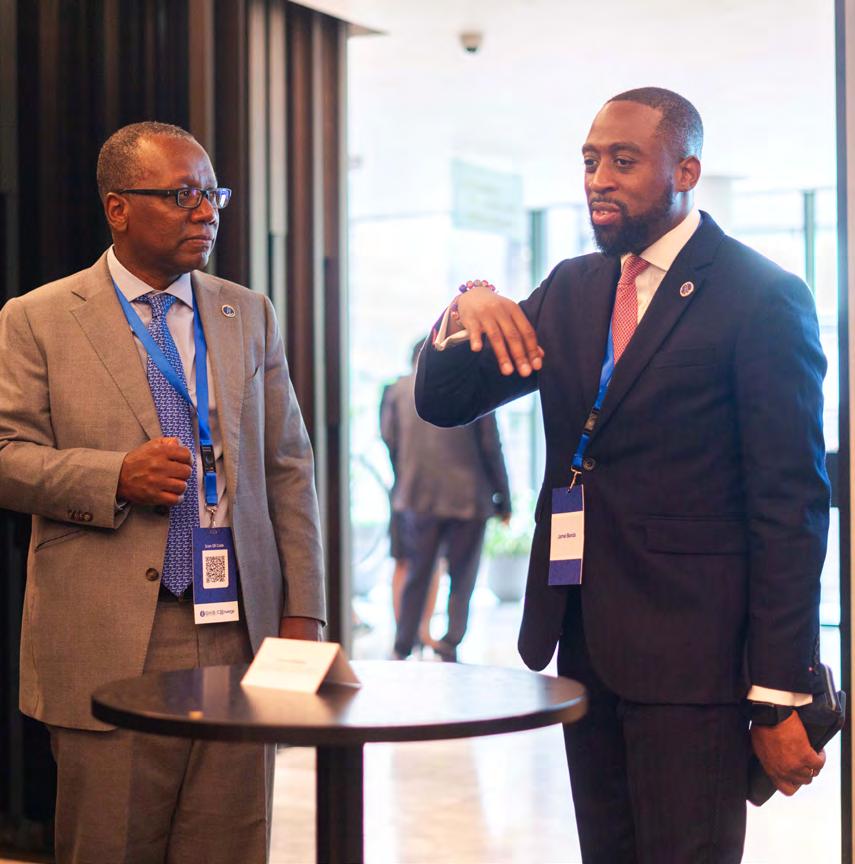
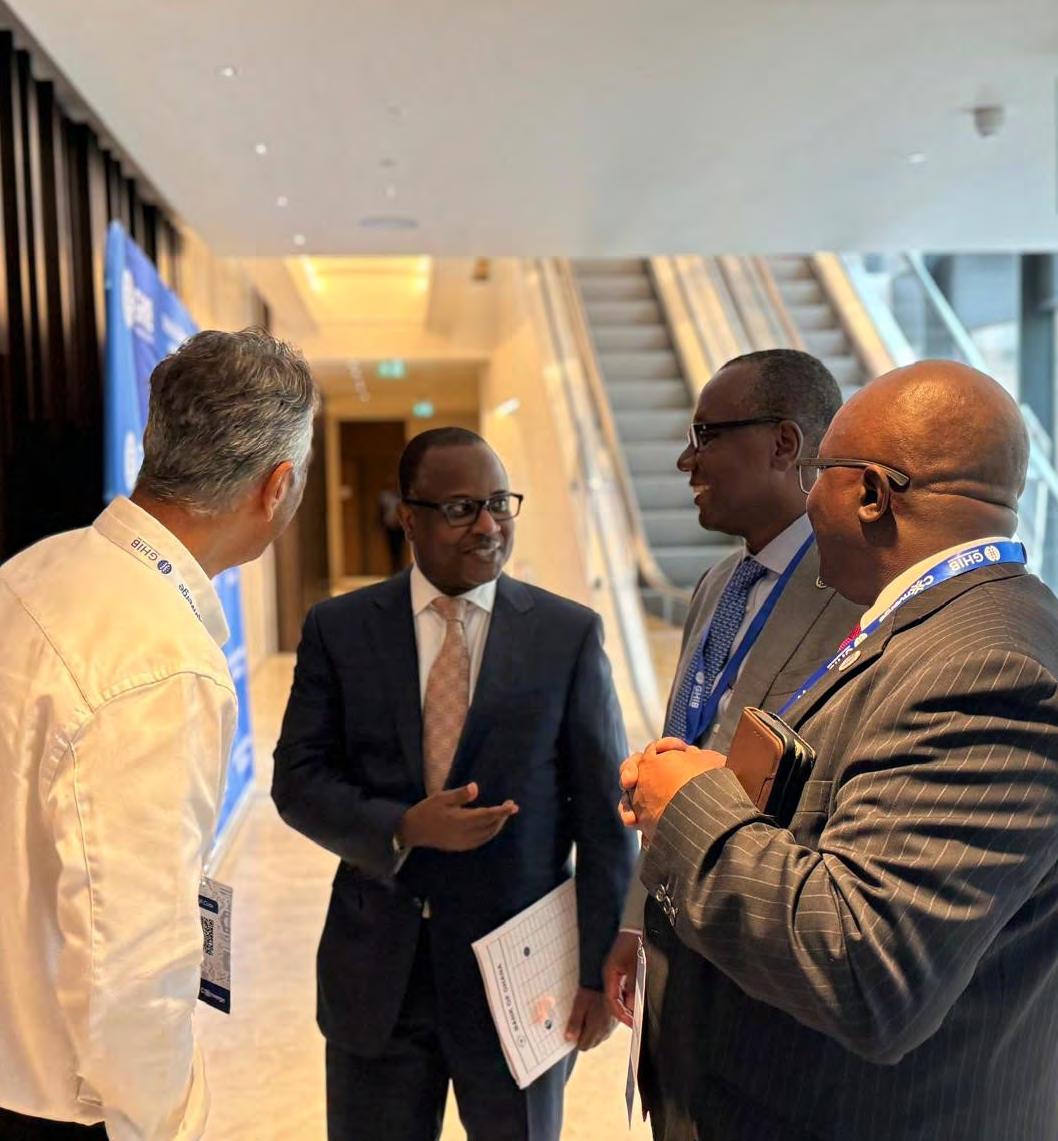
on the theme: ‘The Risk/ Opportunity Interplay for African Trade’.
This was an improved and reimagined version of GHIB’s traditional London ‘Summer School’. GHIB continues to lead the way on the critical brainstorming on growing African Trade.
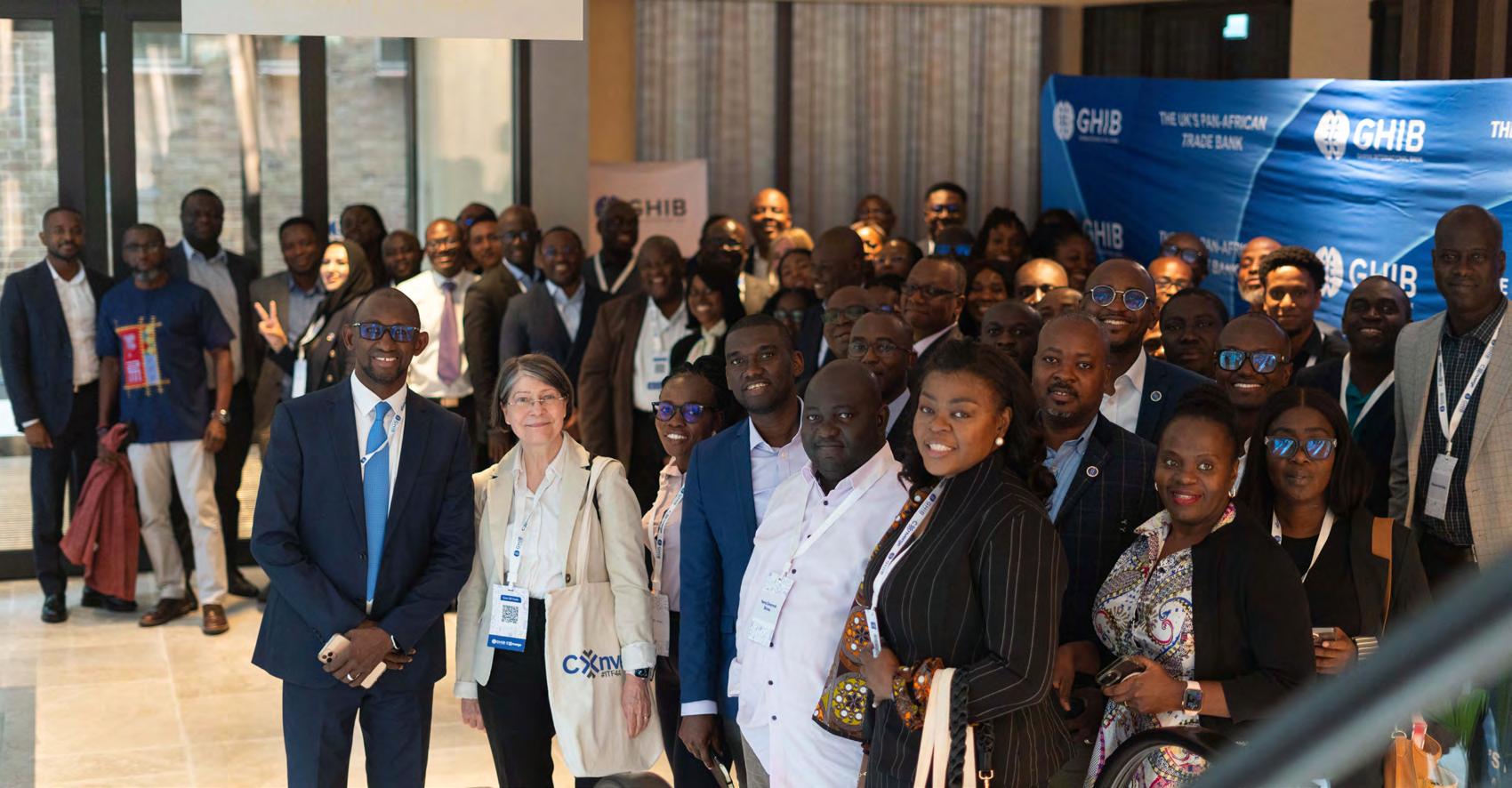
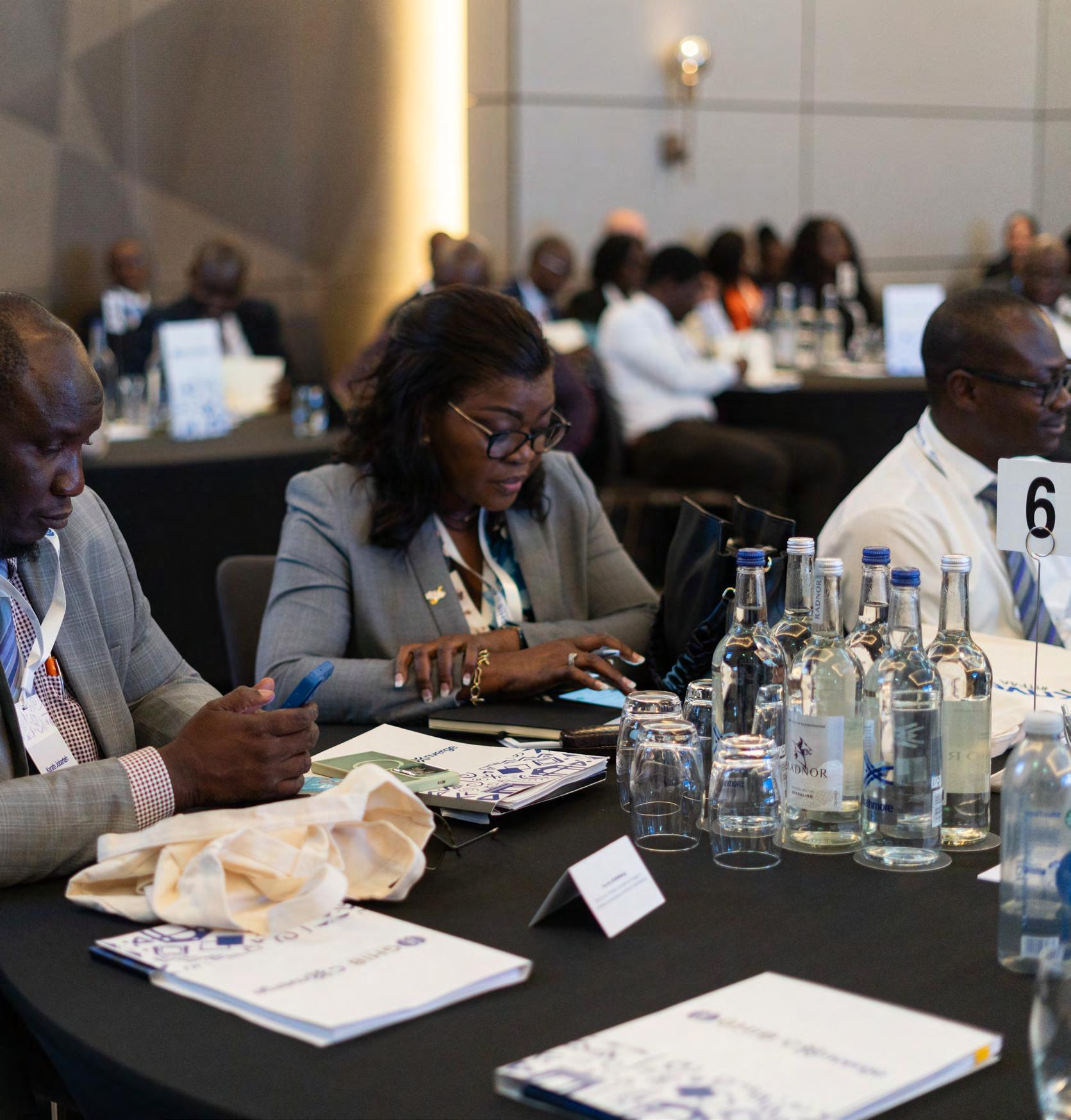
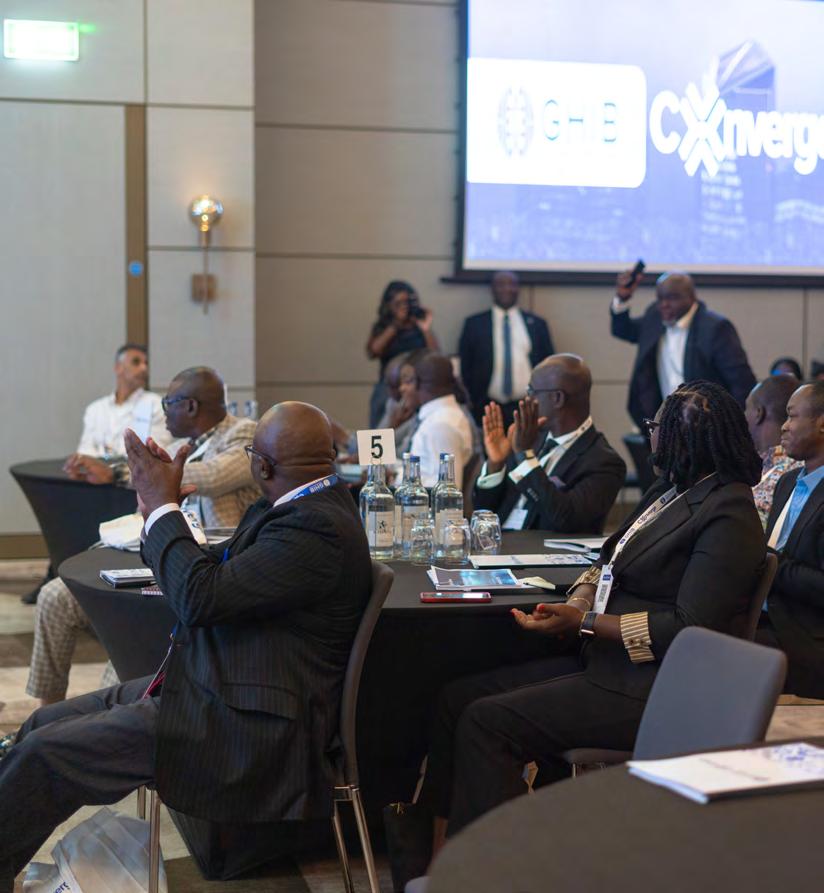

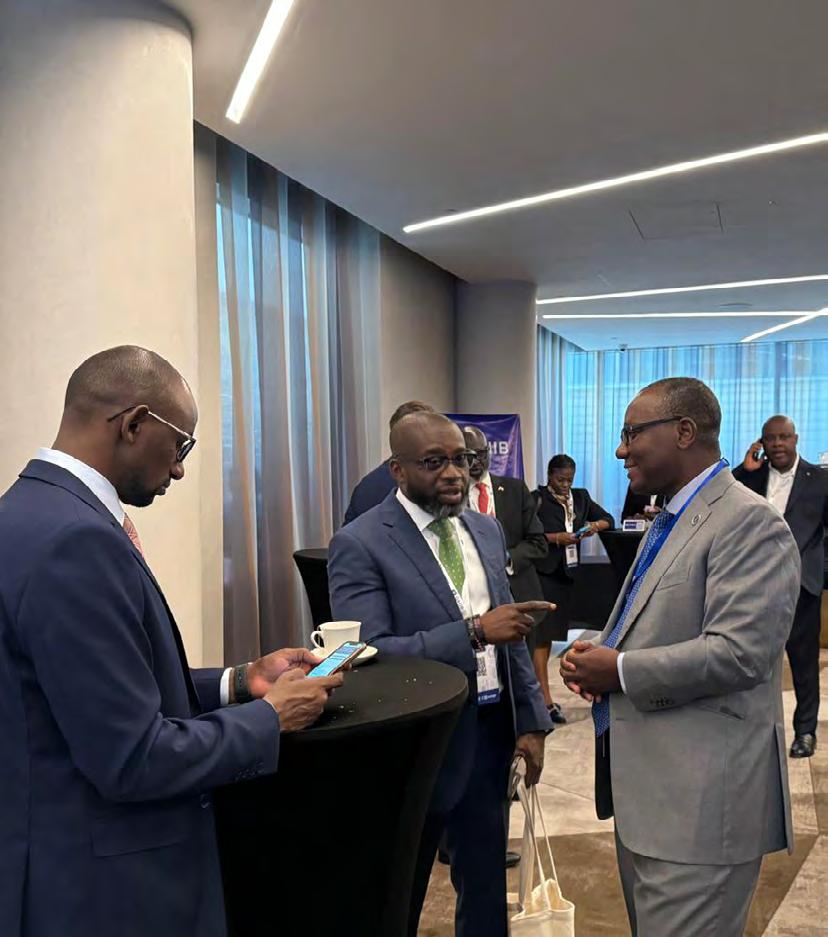


London
Ghana International Bank plc, 67 Cheapside, 1st Floor, City of London, EC2V 6AZ
Accra
2nd Floor, Cannon House, No.60 Rangoon Lane, Cantonments, Accra -Ghana (GL-045-6044)
www.ghanabank.co.uk