georgina gift
interior architecture portfolio
interior architecture portfolio
Georgina Gift Osodo is an interdisciplinary designer with a focus on interior architecture and the interaction of the human experience in designed spaces. Her design methodology begins from an abstract state and is further developed through in-depth research and continuous massaging of ideas. She draws powerfully from nature as a creative asset to push for the continued integration of the natural world into the built environments we experience. The core of her designs stems from an appreciation for all aspects of human living which leads to further exploration of ways to better the human experience. Drawing from her Kenyan heritage, there is an overflow of attention given to the details within her designs and a playfulness as it pertains to materiality and composition. Throughout her undergraduate education, the creation of meaningful connections between humans and the built environment is a constant theme in Georgina’s projects. These connections are the basis for the past, present, and future stories told from the human interaction with objects and spaces.They communicate deeper narratives of the human psyche over time. With sustainability in mind, Georgina believes that design should factor in personalized considerations which in turn leads to the restoration of the built environment’s sense of humanity and softness. She hopes to continue learning from life experiences and different art forms so as to contribute to the positive enhancement of the human experience in built environments and the sustainable integration of nature. As an interdisciplinary designer, Georgina shares her passion for interior architecture with her interests in photography, oil painting, object design, and fabrication, which she believes to be in constant communication throughout her design process.
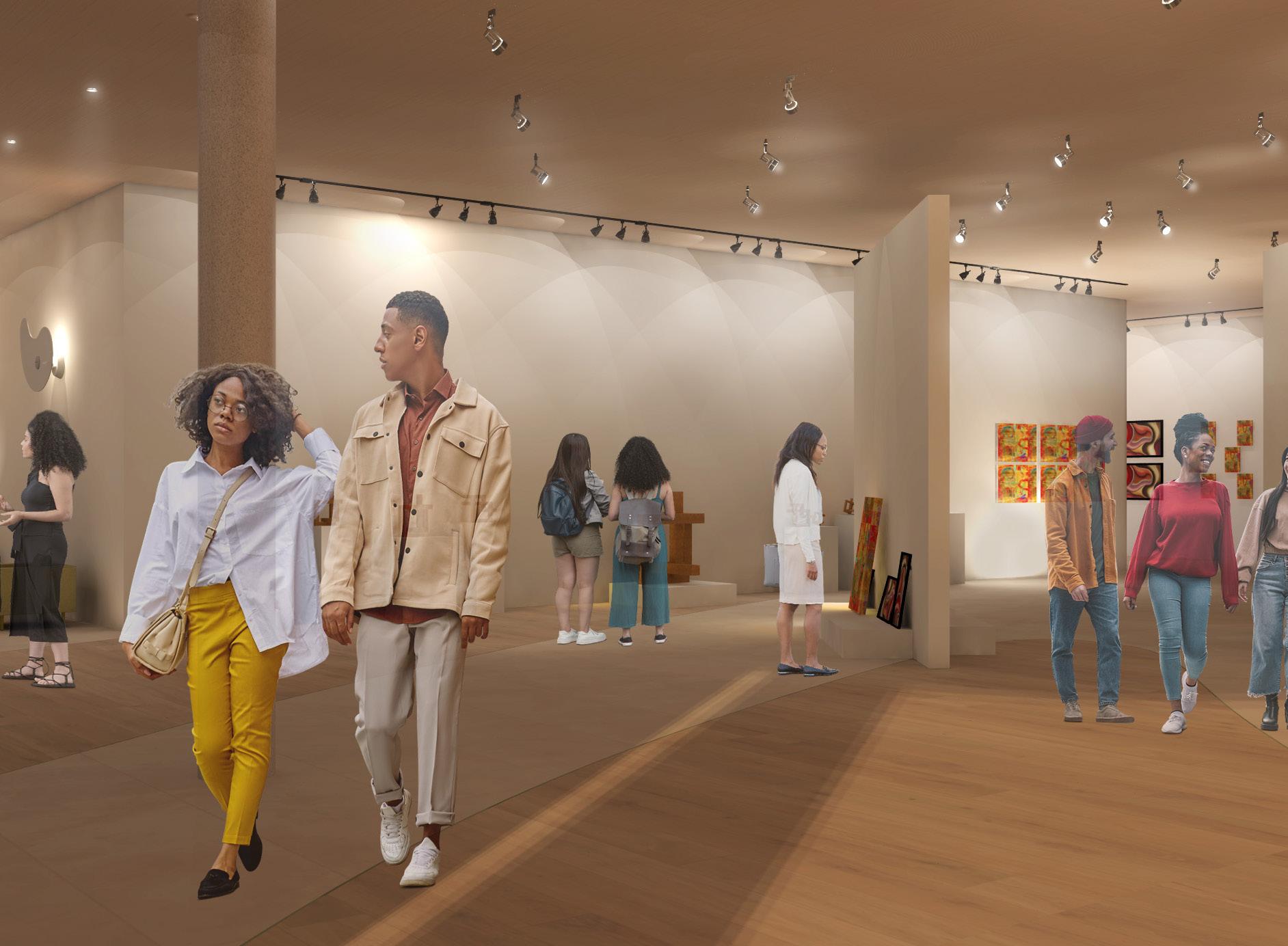
A SPATIAL EXPLORATION OF THE INNATE BLACK ARTISTRY SHOWCASED THROUGH HAIR
DEDICATED TO THE BLACK ART MAKERS AND CREATIVES PASSIVELY SHARING THEIR PRECIOUS ART WITH US ALL

In this project, I want to explore Black hair salons as innate art-making spaces within the Black community as well as the holistic wellness approach owed to Black creatives and the populace. The ARTIST’S SALON offers a physical hub for collaborative art-making, exploration of art media, exhibition, and archiving of works created by Black creatives for the Black community as a whole. The space is a physical manifestation for Black artists to not only explore their relationship with hair, their art, and their own Black experiences but also for continuous collective learning from other artists and members of the community. An avenue for continuous pouring into the community, whether through new art or the shared discussions surrounding hair. Outside of providing a tangible space for Black creatives to explore artistic practices, the gallery aspect of the Salon serves as a home for contemporary art made by Black creatives. This is a response to the scarcity of opportunities for Black contemporary art to be viewed in current art spaces given the history, and even current lack of exhibitions. Alongside this, the ARTIST’S
SALON as a project remains true to the original values core to Black hair salons as community-instituted meant to pour back to the sources (the Black community) that pour into it. Hosting workshops, community discussions, and resources accessible to the community, the ARTIST’S SALON offers itself to be accessed by the community. The primary motive for the ARTIST’S SALON is to invite Black artists, conventionally and unconventionally, to explore their relationship with their hair, their artistry, and their Blackness. All this in a space that was always meant for them while inviting others to view and learn from them. With respect to the imagery in Black hair salons, the Salon consistently hosts art inspired by Black hair to help rebuild the aesthetic appreciation of Black hair in American mainstream society as a whole.
conventional and nonconventional
new forms of art wellness taking up space
learning and strengthening practices expression " Black is Beautiful ” home and safety
pouring back into the communal cup
traditional artists like painters and sculptors experimenting in nonconventional Black art. hair makers and aesthetic practitioners in the Black community.
Black community members searching to engage in more Black art, discussions, workshops as well as non-Black people, with permission, having a chance to explore and learn more about Black artistry.
ART MAKING AND EXPLORATION OF WHAT BLACK ARTISTRY CAN BE.
ENGAGING IN ART, SHARED CONVERSATIONS AND COMMUNITY BUILDING
art enthusiasts in administration facilitating gallery operations and running of art makers’ studios.
running and sourcing archive material for artists in practice or general community members.
EXHIBITION OF ART MADE IN STUDIOS AND ART FROM OUTSIDE ARTISTS.

LEARNING AND PRESERVATION OF BLACK ART AND HISTORY
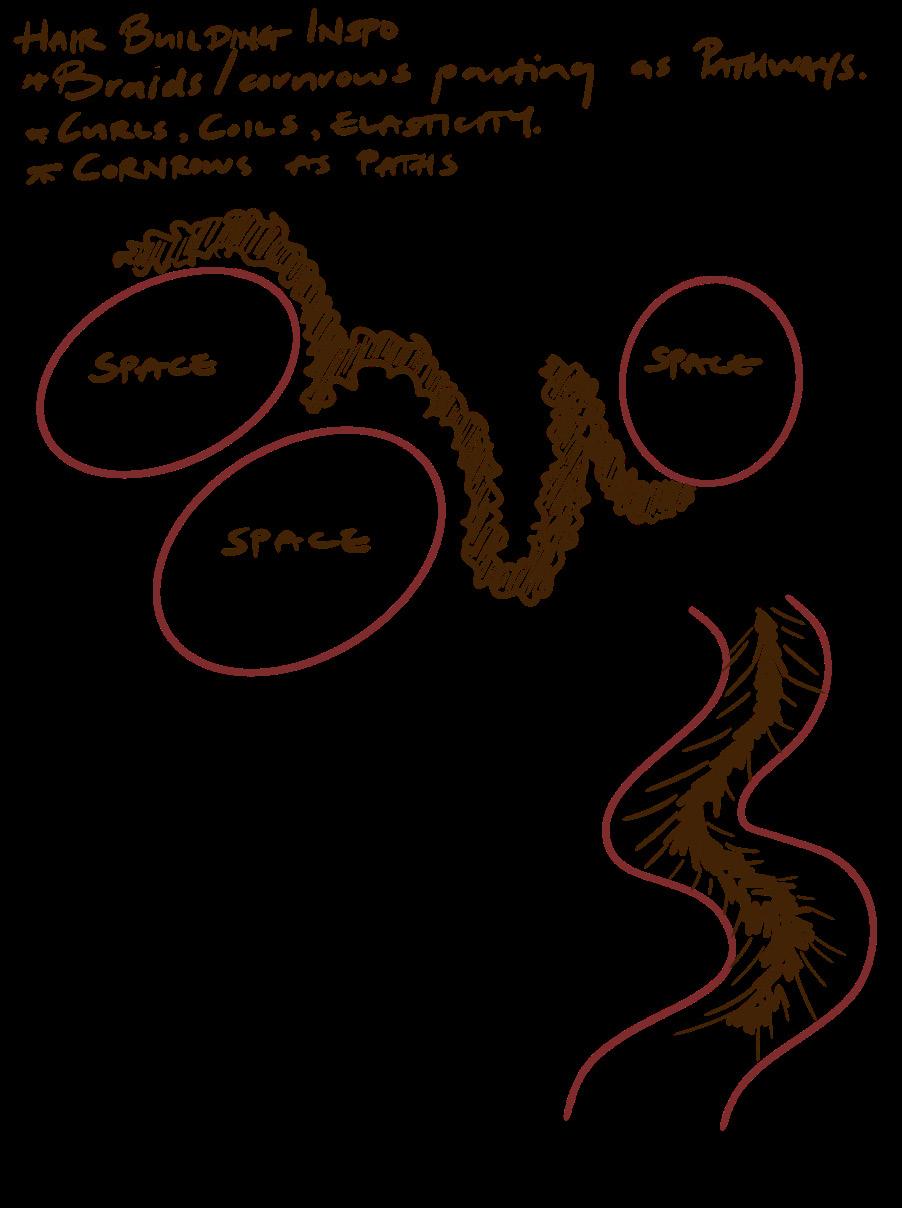
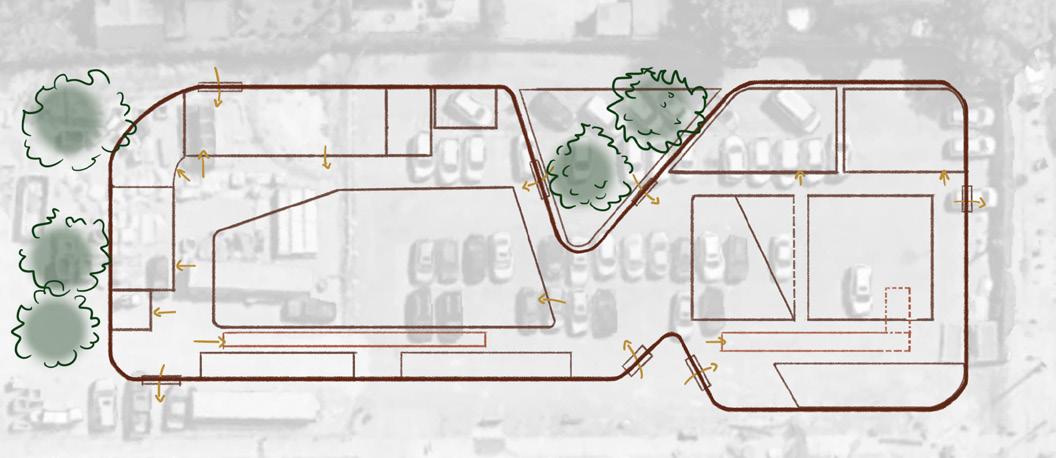
SKETCHES AND FORM EXPLORATION THAT INSPIRED THE SHAPE THE BUILDING TOOK ON.
The movement and flow within the building takes inspiration from cornrows, a method of hairstyling that is in some ways foundational for other hairstyles for Black hair. Cornrows are style of hair braiding that involves the skillful braiding of coily and textured hair close to the scalp which involves an intricate general braiding pattern. In the 60s, with the resurgence of the ‘Black is Beautiful’ movement’, cornrows saw a resurgence and public favor as Black people were finding beauty and community in themselves, this was heavily expressed in one’s hair. The intricate braiding technique serves as a protective hairstyle and is nostalgic for a lot of Black people as it is a common hairstyling technique for young children. Borrowing the motifing, following an intricate patterning, exploring different paths one can take with their hair but maintaining clean, geometry, this is an example of passive art displayed by Black people. Just as it is also a finished hairstyle, it is also a common foundation for other hairstyles. Aiming to emulate this, the ARTIST’S SALON’s floor plans borrow from their soft curves, aiming to play with angles and moving the human form on a journey throughout spaces.
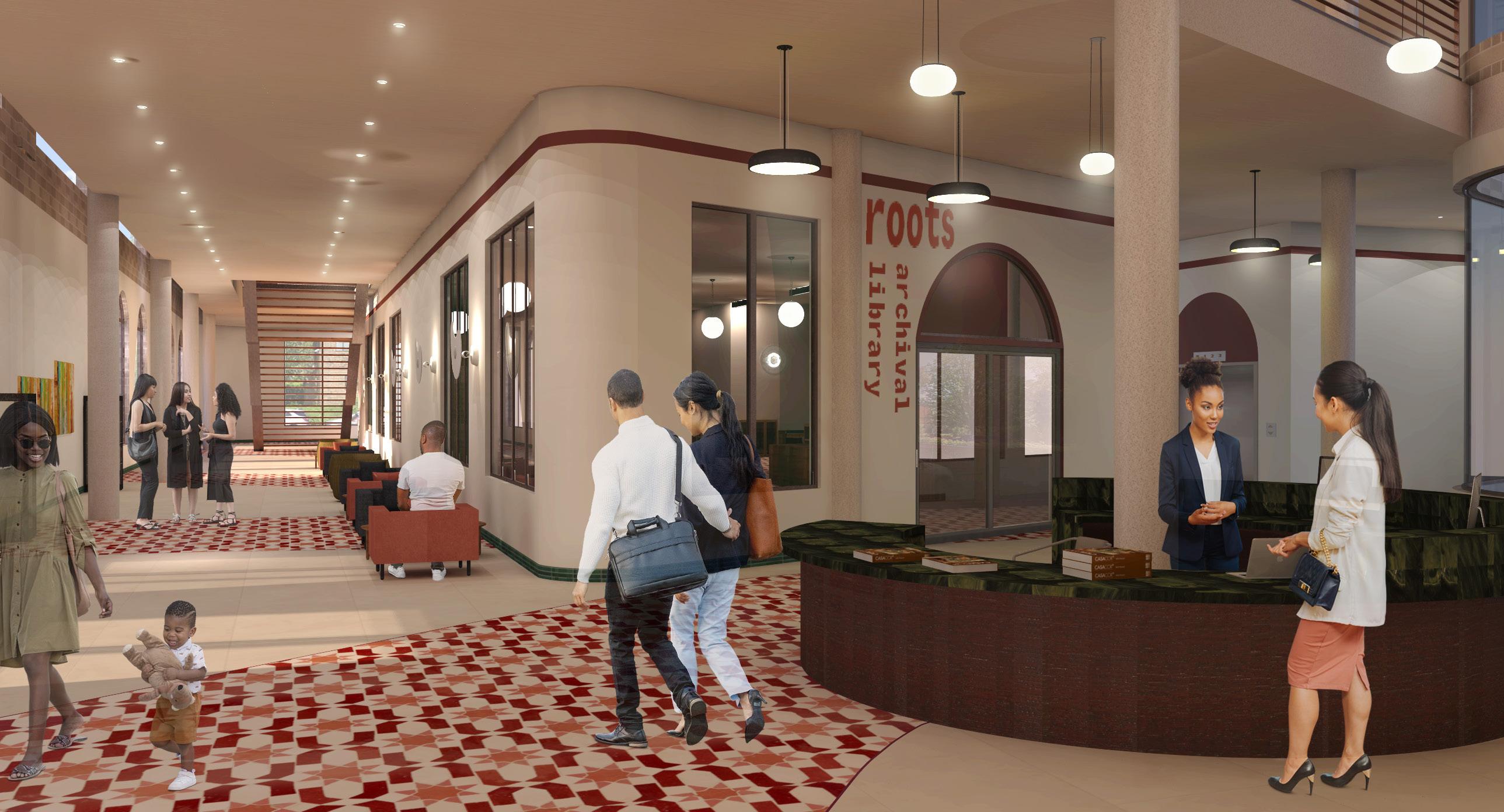
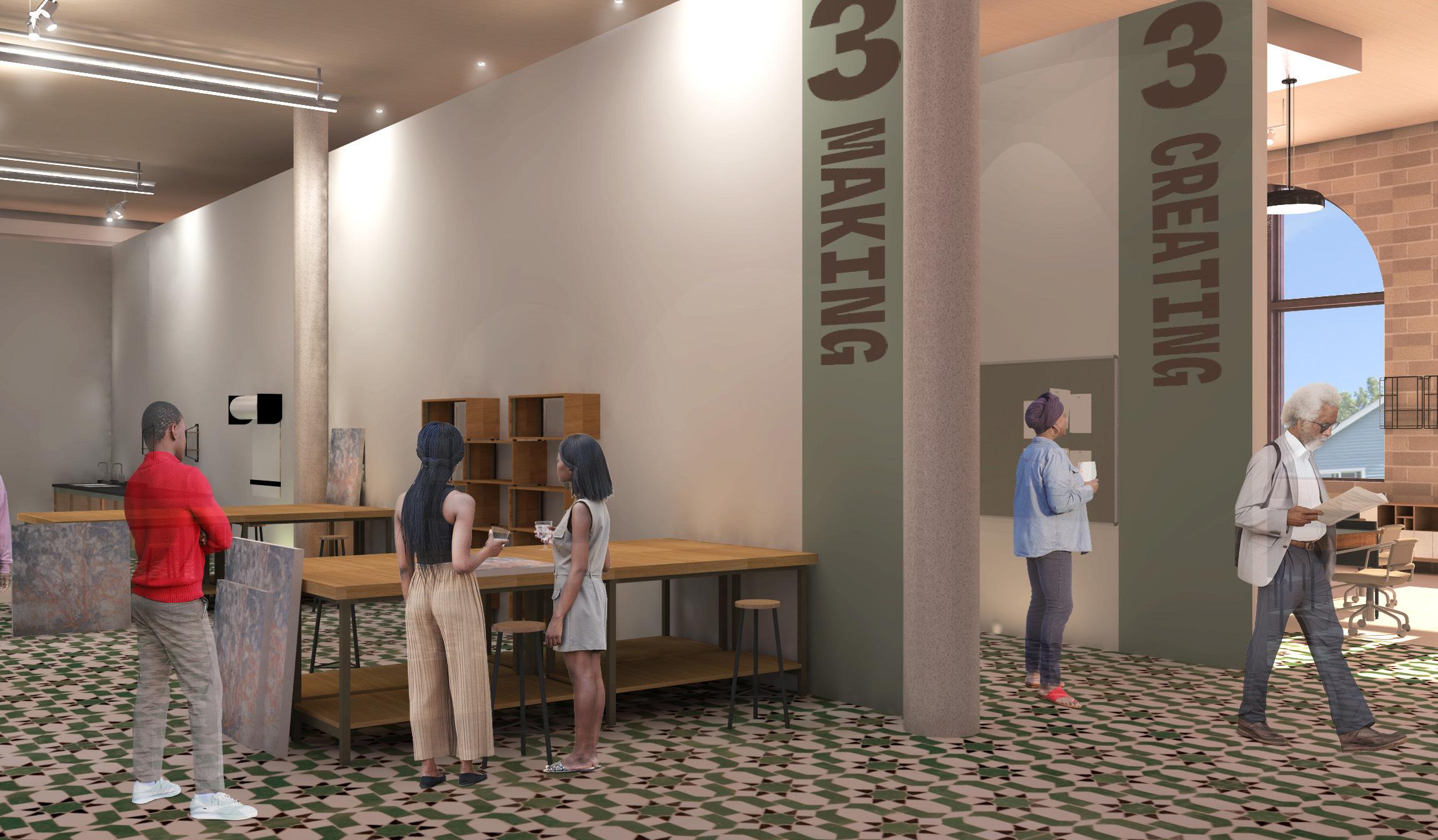
The ARTIST’S SALON is divided into 3 different floors with each floor highlighting a different aspect of the mission of the space: ART ARCHIVING, ART SHOWING, ART MAKING


FIRST FLOOR : ARCHIVAL SPACES


FLOOR :
Further playing with composition, the space contains a mix of open spaces to allow for visible engagement throughout the building as well as tucked away, private spaces for offices and some artist studios. In that sense, the floors differ in heights to highlight certain aspects of the spaces they hold. For example, the ART SHOWING floor has higher ceilings to allow for taller pieces of work to be showcased as well as provide a different feel on each floor.
:
By placing the ARTIST’S SALON in Central District, the primarily residential buildings in the surrounding area allow for the ARTIST’S SALON to easily be accessed by members of the neighborhood, and Black populace around Seattle, so the resources in the space are put to use. The presence in the neighborhood allows for regular engagement from people who are interested in the arts, curious about their hair or simply want to find the sense of comfort and safety naturally brought on by being in Black hair community.
Other artistic spaces like Wa na Wari and Arte Noir are in walking distance to the ARTIST’S SALON which continues to build on the Black creative and cultural revival of the neighborhood.
Situating itself around significant spaces like Garfield High School, Powell Barnett Park, and Fat’s Catfish Corner, this space opens up for more exploration and preservation of the Black culture in the neighborhood to prevent further loss due to gentrification.
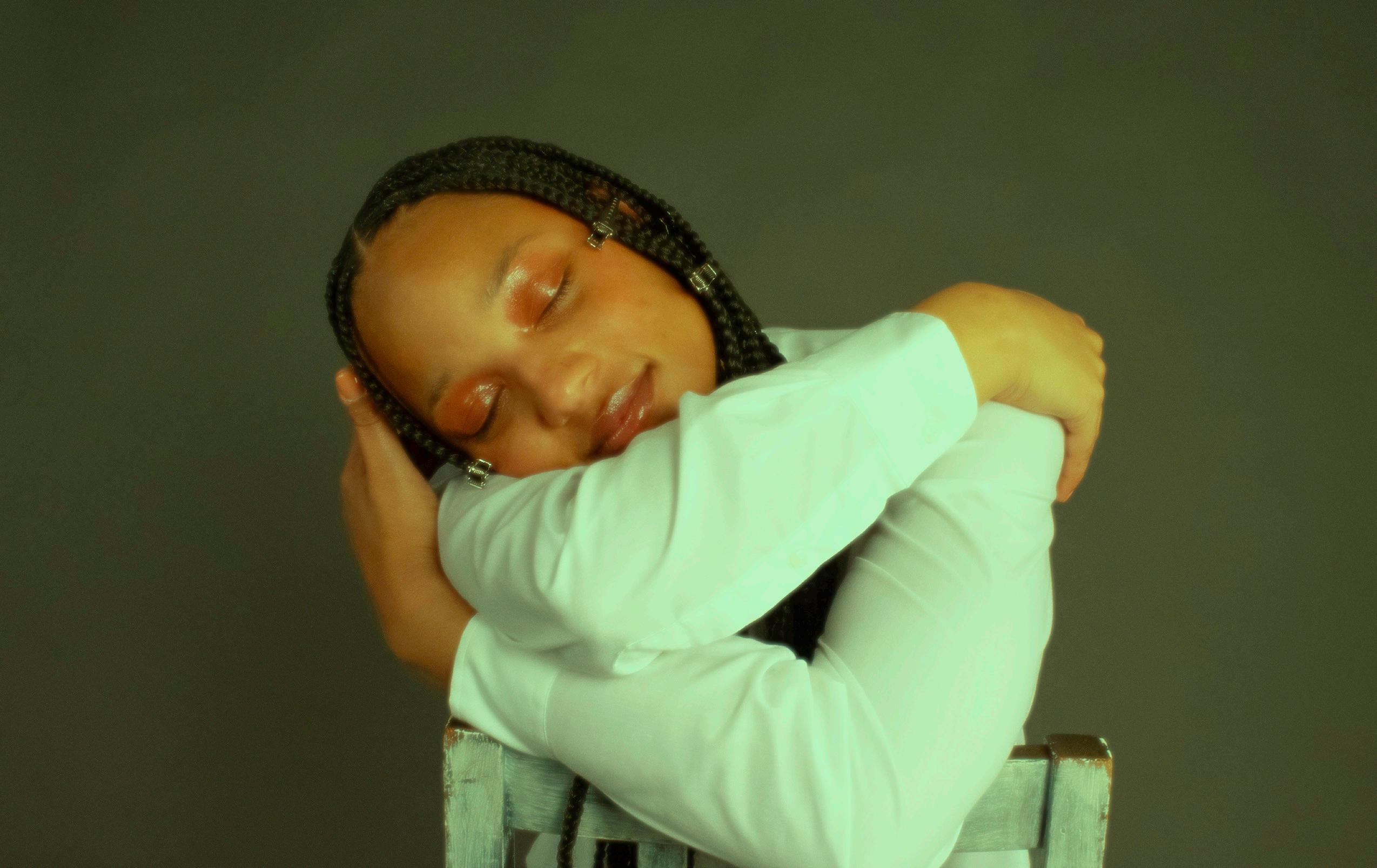
‘a Salon Mirror’ is a photo essay I conceptualized to, in way, hold space within the ARTIST’S SALON as a mock exhibit in the ‘TEXTURE’ galleries.
This essay explores hair play among Black individuals, tapping into their perceptions of their personal experiences with their hair. Captured through an editorial lens, it introduces one into an ethereal space; an invitation to observe hair play, and explore ideas of holding. Giving space for them to be seen, for them to be held by each other, and themselves. The multitude of conver sations had within the essay are additionally supported by endless conversations Black bodies have with their hair, pouring into those had in community and those they have with their own selves. It extends itself further as being a mock set up for the artwork that can exist within the galleries but as a portrayal of the different ways Black artists can explore their artistry surrounded by fellow art makers in spaces that allow them to present authentically.
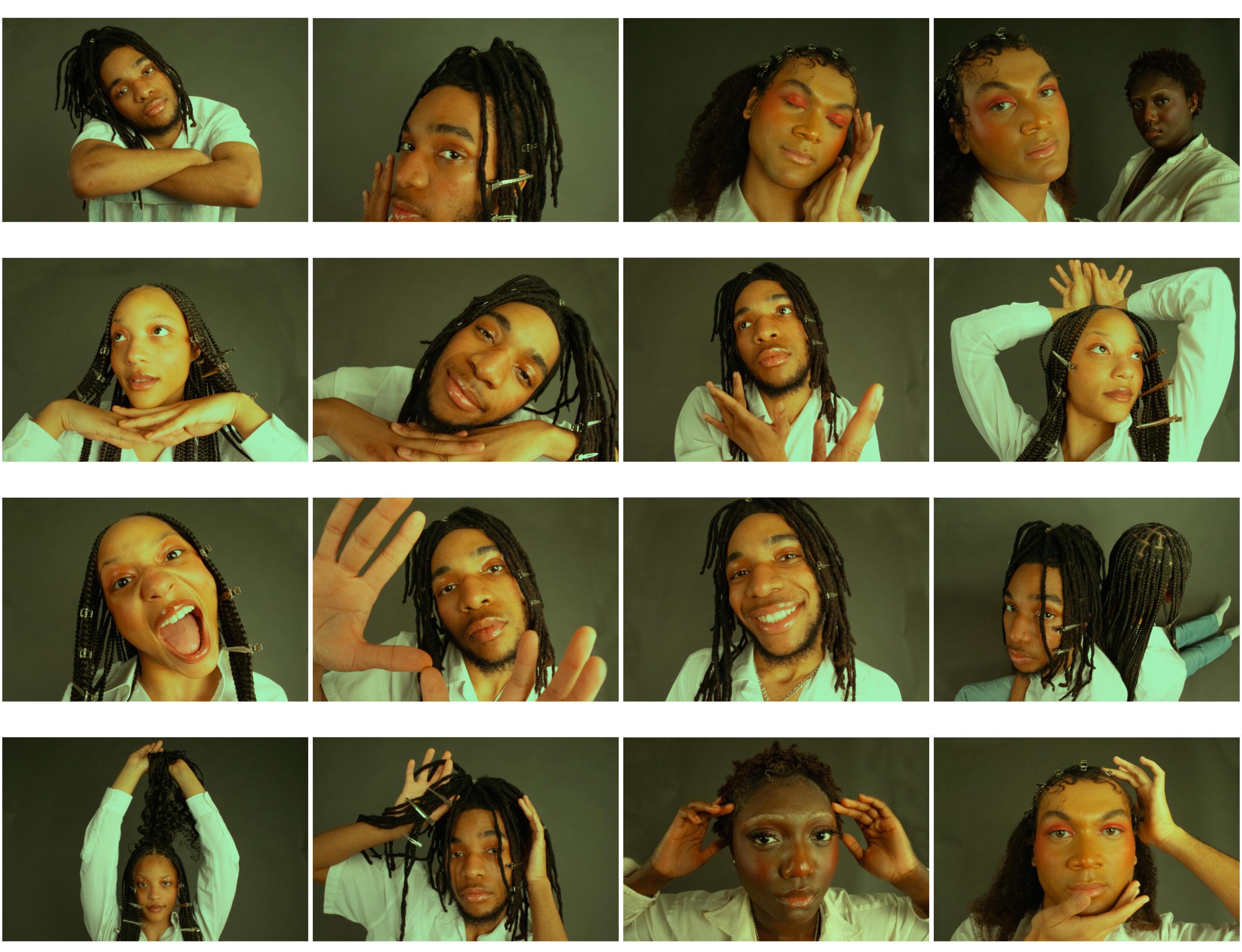

- Kerensa Mabwa
“i think that it is important to centering black people’s lives and how they express themselves and making it okay to have space to show yourself authentically.” - Imani Mabwa Childress “art is
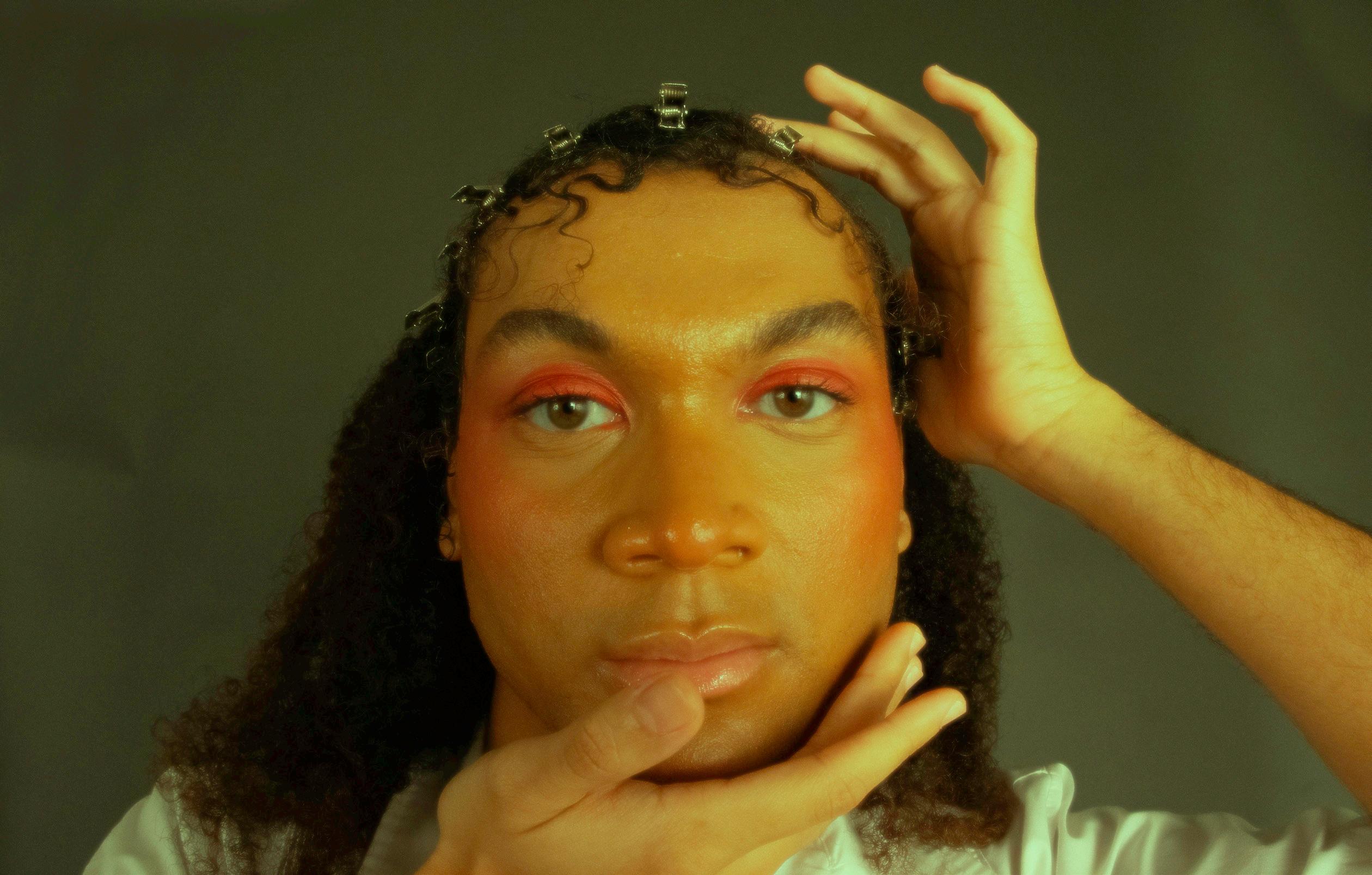
“I still remember those moments very fondly and now i love my hair, i love playing with my hair and i love styling my hair.” - Natasha Nyaigendhia Orwenyo
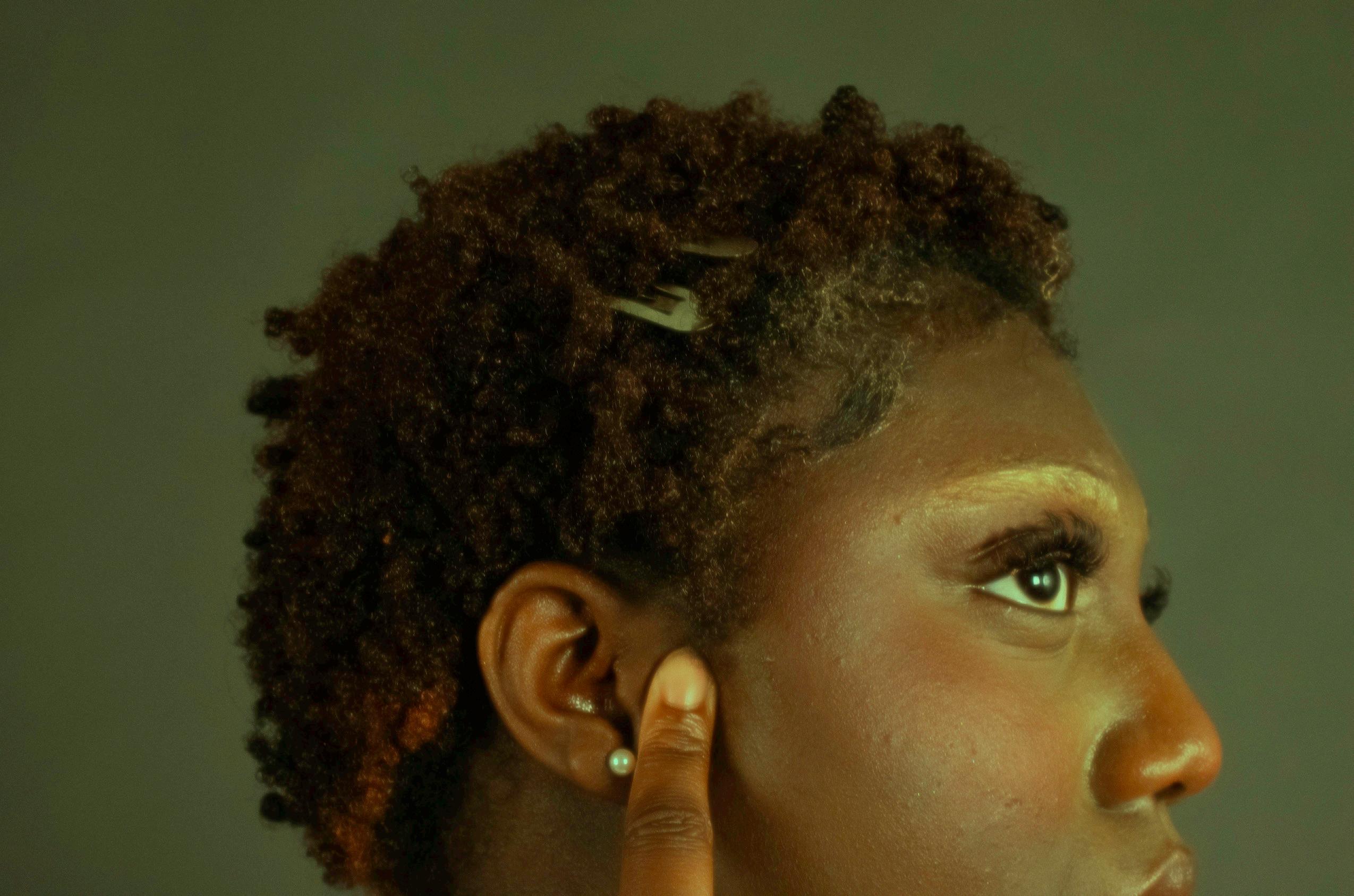
“yes! you can’t separate them. even hair care is an art form. the versatility of black hair is an art.”Excellence Owoko
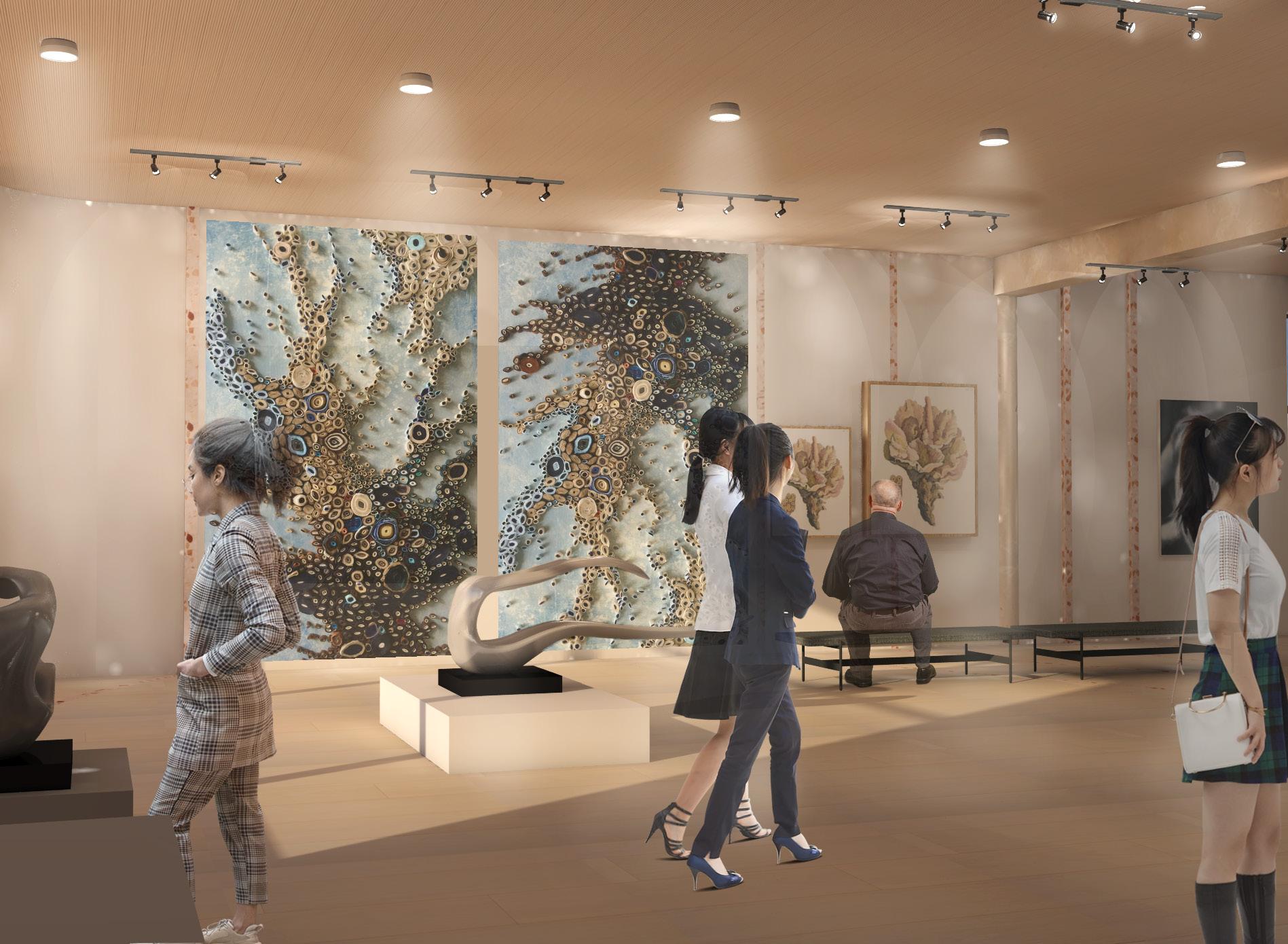
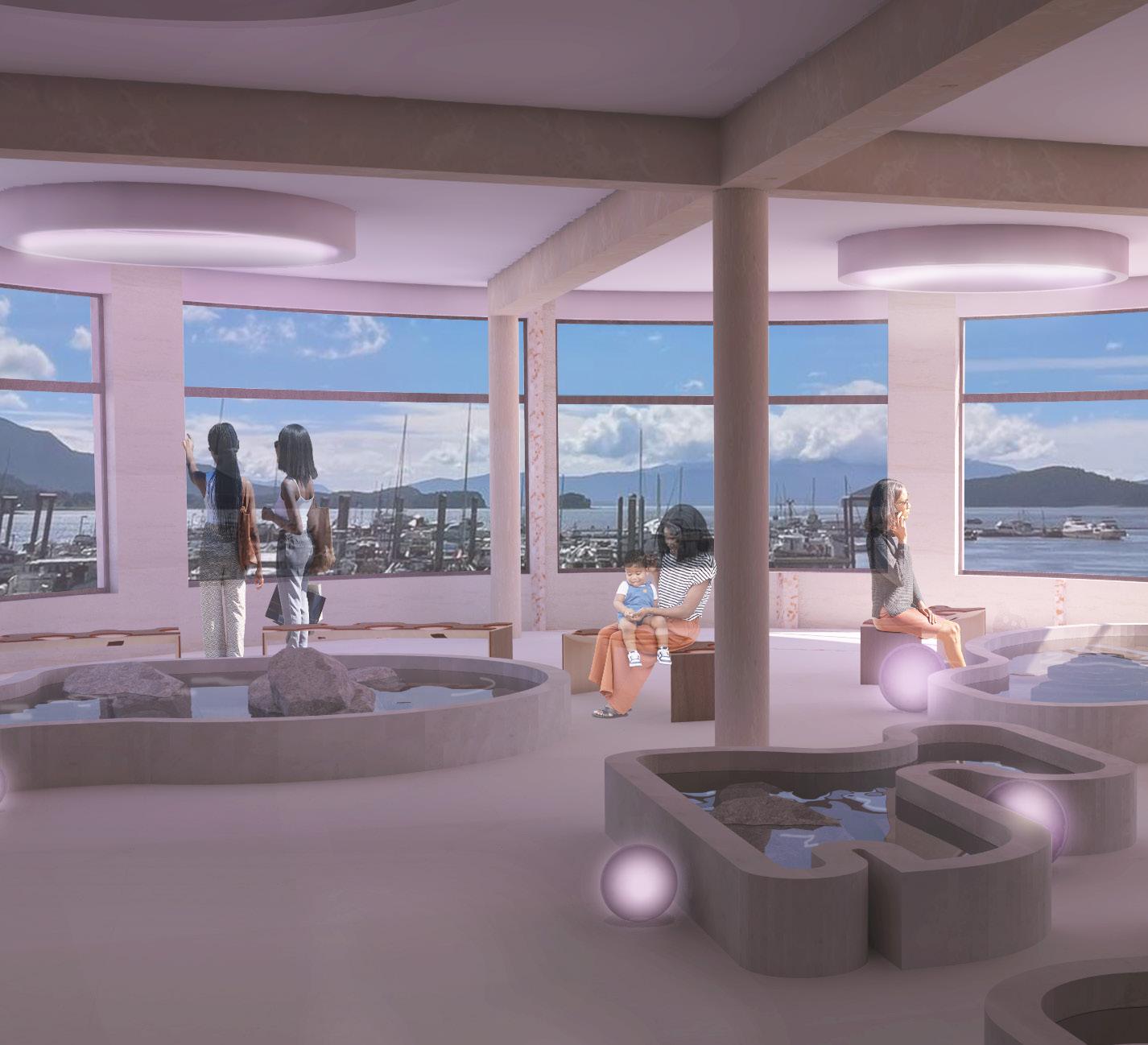
Design a community interpretive center featuring an exhibit that highlights the semester’s theme, water. Biophillic approach and a response to climate change will be integrated in the project.
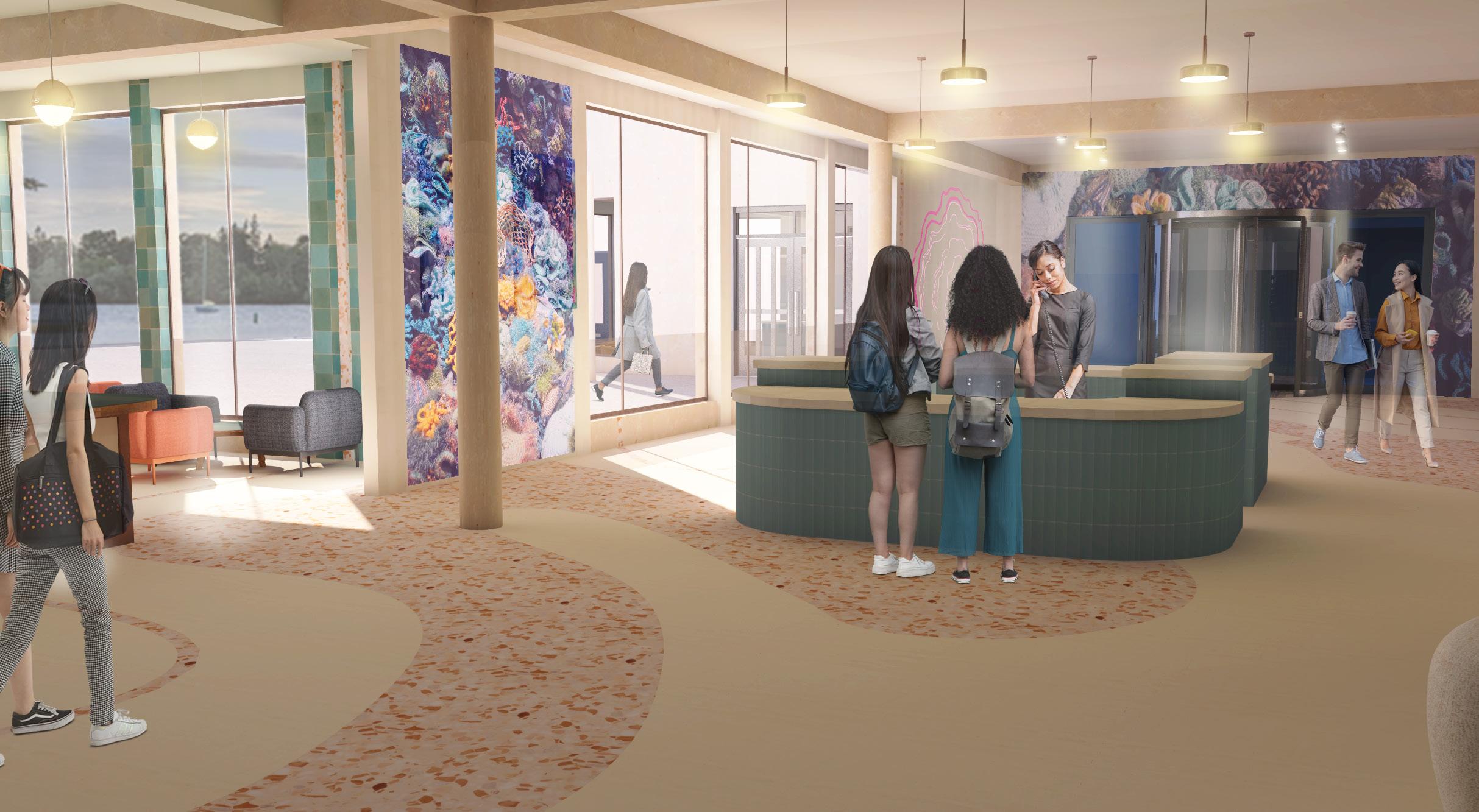
The intention behind the Pacific Northwest Coral Museum is to showcase the impact of oceans and water on the human experience as it relates to the arts. Included in this intent is to explore coral reefs present in our oceans to highlight them as conversations on species conservation take place. Coral reefs are one of Earth’s most diverse and valuable ecosystems as they act as habitats for various fish species, serve as coastline buffers from storms, and generators of income.With that, the Pacific Northwest Coral Museum also holds space as an informational hub on coral ecosystems aiming towards the education and overall conservation of these ecosystems starting from an individual perspective. The museum will primarily feature
• Art galleries showcasing various artworks exploring human perceptions of water throughout history to contemporary times.
• A permanent Coral Exhibit Gallery specifically intended to showcase art as it relates to coral reefs to bolster their awareness and conservation.
• A rotational Sensory Water Exhibit dedicated to exploring the interactions we have with water and its influence as a mindful restorative resource.
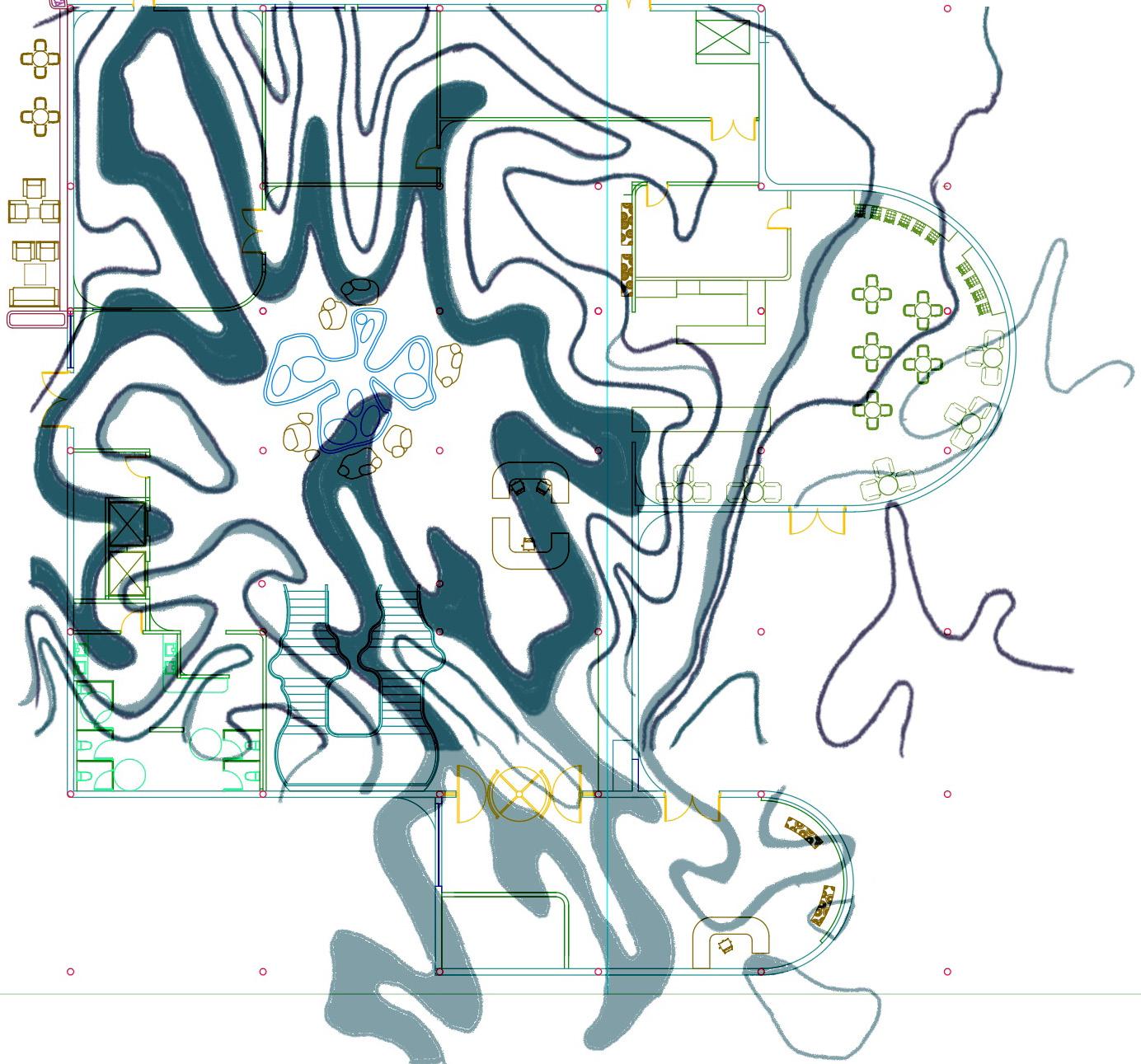
FLOOR DESIGN BASED ON UNDERWATER TOPOGRAPHY OF PUGET SOUND
The Pacific Northwest Coral Museum is located on the Oasis Village, a floating neighborhood located on Puget Sound. Located in the Northern Haven, the museum neighbors a library to the East and some hotels on the South. This allows for both local and non-locals to explore the art and exhibits in the space.
DRAWINGS NOT TO SCALE
The first floor serves as an entry to the space with a cafe, retail space, and indoor water pond art installation.
Subsequent floors are gallery spaces showcasing art and the human experience with water over years.
The third floor is specifically marked off to show art related to coral eco-systems whether that be in the form of murals/ large wall installations, paintings as well as providing educational information on coral ecosystems. A rotational sensory water exhibit lives on this floor as well to allow visitors to explore water through sound, sight, and touch.
COMMERCIAL DISTRICT
• CORPORATE OFFICES
• RETAIL ESTABLISHMENTS
• HOTELS AND LODGING
• ENTERTAINMENT BUILDINGS
ENERGY RESOURCES
• DESALINATION PLANTS
• POWER PLANTS
• RENEWABLE ENERGY PLANTS
AGRICULTURAL DISTRICT
• FOOD PRODUCTION
• FARMS AND GREEN HOUSES
TRANSPORTATION SYSTEMS
• BOAT DOCKING AND LOADING
• PUBLIC TRANSPORT HUBS
INSTITUTIONAL DISTRICT
• MEDICAL BUILDINGS
• EDUCATIONAL ESTABLISHMENTS (PRE-K, MIDDLE SCHOOL, HIGH SCHOOL AND COLLEGE CAMPUSES)
• CIVIC AND COMMUNITY BUILDINGS
• GOVERNMENT OFFICES
• SACRED SPACES
SACRED SPACES FOOD PRODUCTION AND GREENHOUSES HOTELS AND LODGING
LANDSCAPING
Design an innovative space that brings food and people together. The options could be café spaces, restaurants, wineries, groceries etc.
Biophillic approach and urban agriculture will be integrated. This project will be about 4000-5000 sqf.
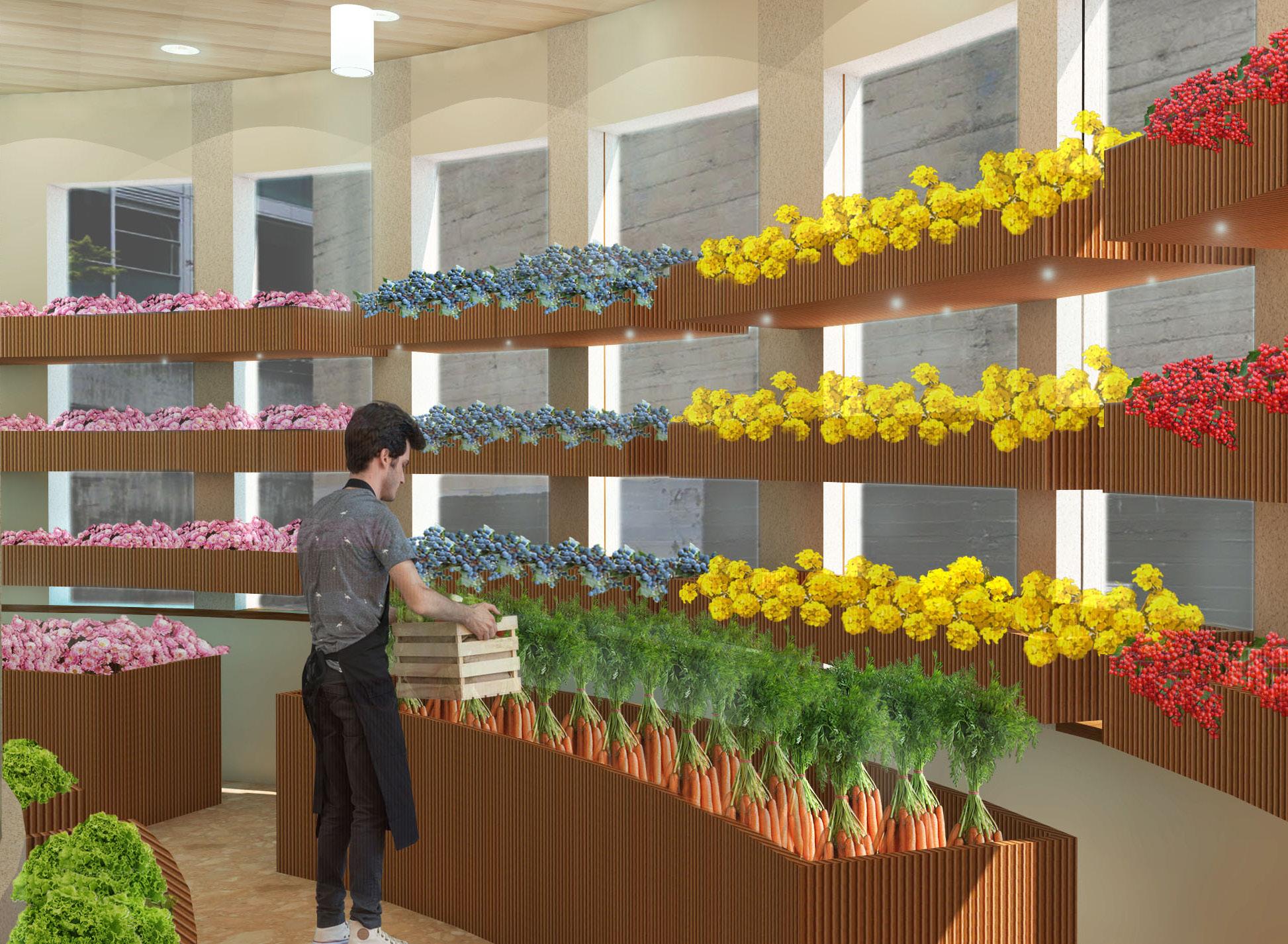
This space is designed to bring two elements lacking in the South Lake Union urban setting: a seatable experience in a walkable neighborhood, and a re-connecting with nature and native flora in an urban setting.
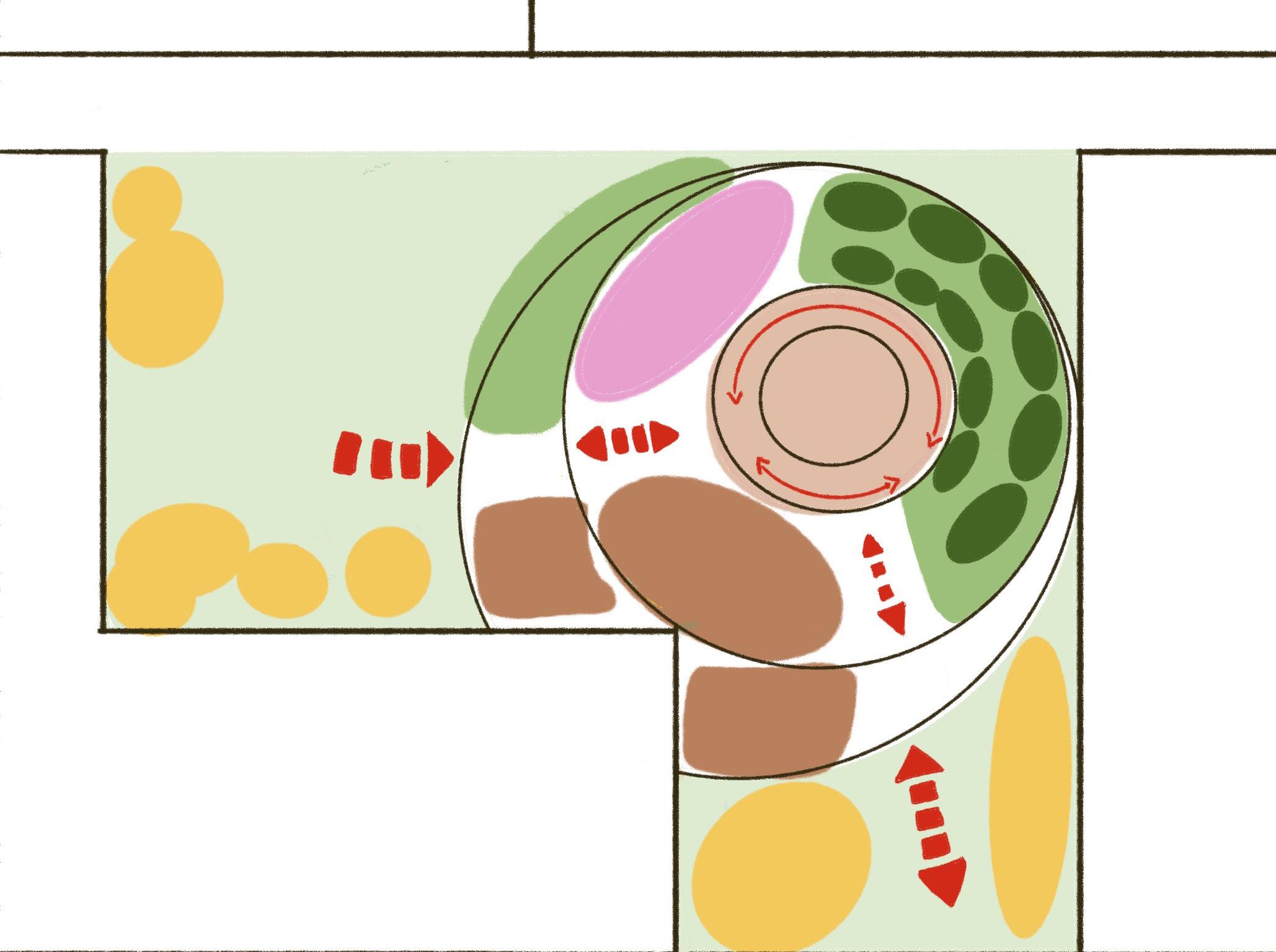
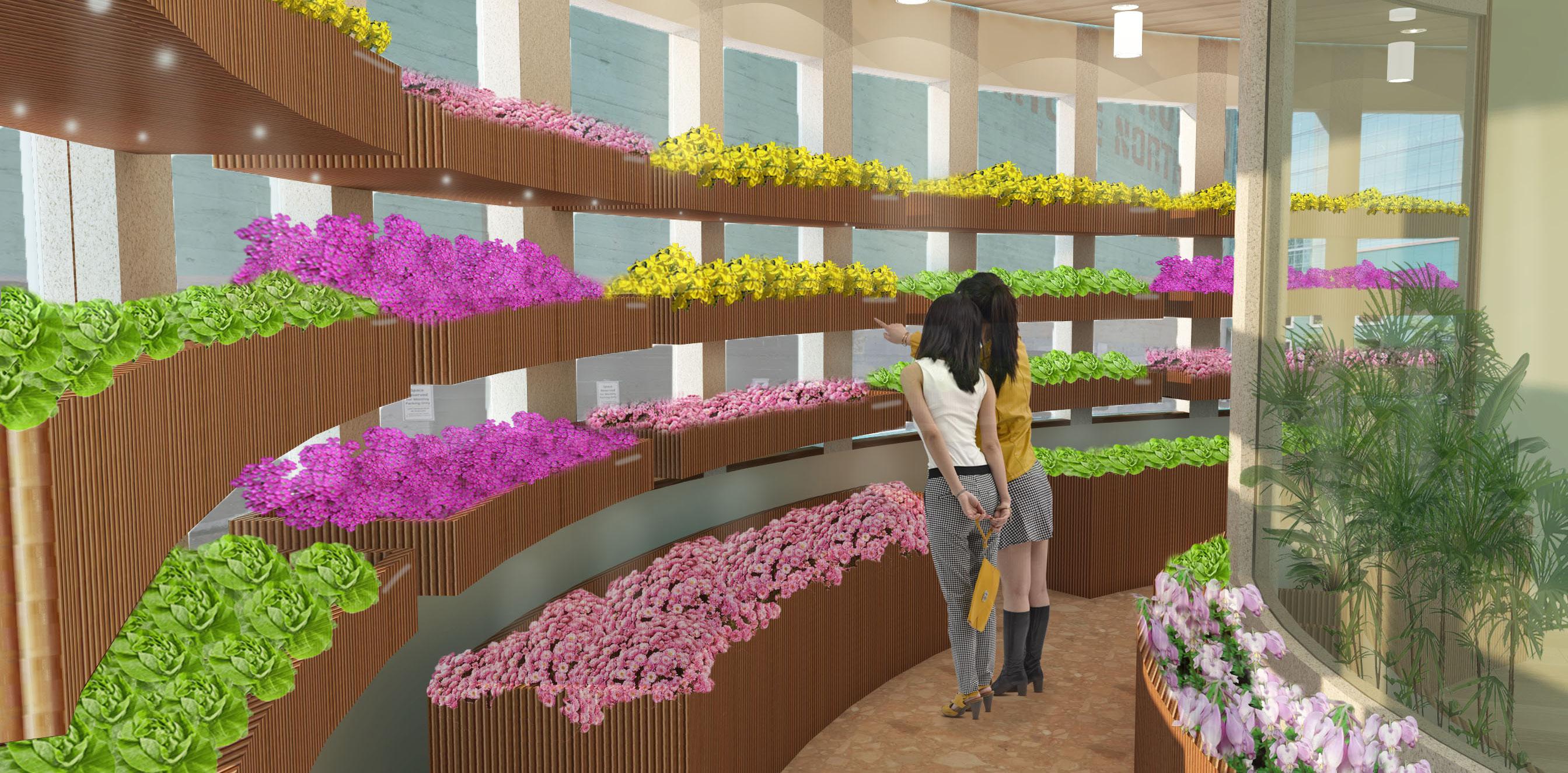
The Orchard Center features a garden demonstration room, a cafe catering for quick meals, and plenty of seating options on both the first and second floors. The garden demonstration room will feature plants native to Washington and serve to educate and expose the people in the neighborhood to plants that are already acclimated to the climate in Washington. This will push people to get these plants themselves not only for aesthetic reasons but to also strengthen the biodiversity of the area. This extends to the outside of the building so people can spend time with plant life both inside and outside. Outdoor and indoor seating options within the space will help fill the void of the lack of seating options in the neighborhood thus allowing people to disconnect from what may be the busy, fast-paced energy of the neighborhood.
PLANT DEMONSTRATION ROOM
MORNING SIDE ACADEMY 9TH AVE GALLERY
College students from Cornish College of the Arts and City University
The space will allow them to have more seating options both indoors and outdoors that connects them with nature and an escape from the structure of educational settings.
Residents living in the area
They can use the demonstration center to learn more about flora they can incorporate in their homes/apartments. People in the area can also get quick food items.
MORNING SIDE ACADEMY
Office workers
From the offices nearby who can use the space’s seating during off-hours like lunch breaks.
Young children at Morningside Academy and Spruce Streets School
They can use the plant demonstration center as an immersive area where they can easily access flora and learn about it in an urban neighborhood.
With the intent to educate the local community on sustainable growing practices, plants that will be featured at the Orchard Center will be a mix of both easy to grow food plants that are already acclimated to Washington weather and plants native to the state. This will help introduce plants that can easily be grown and added to their diets as well as plant species native to Washington that will boost the biodiversity of the South Lake Union Neighborhood.
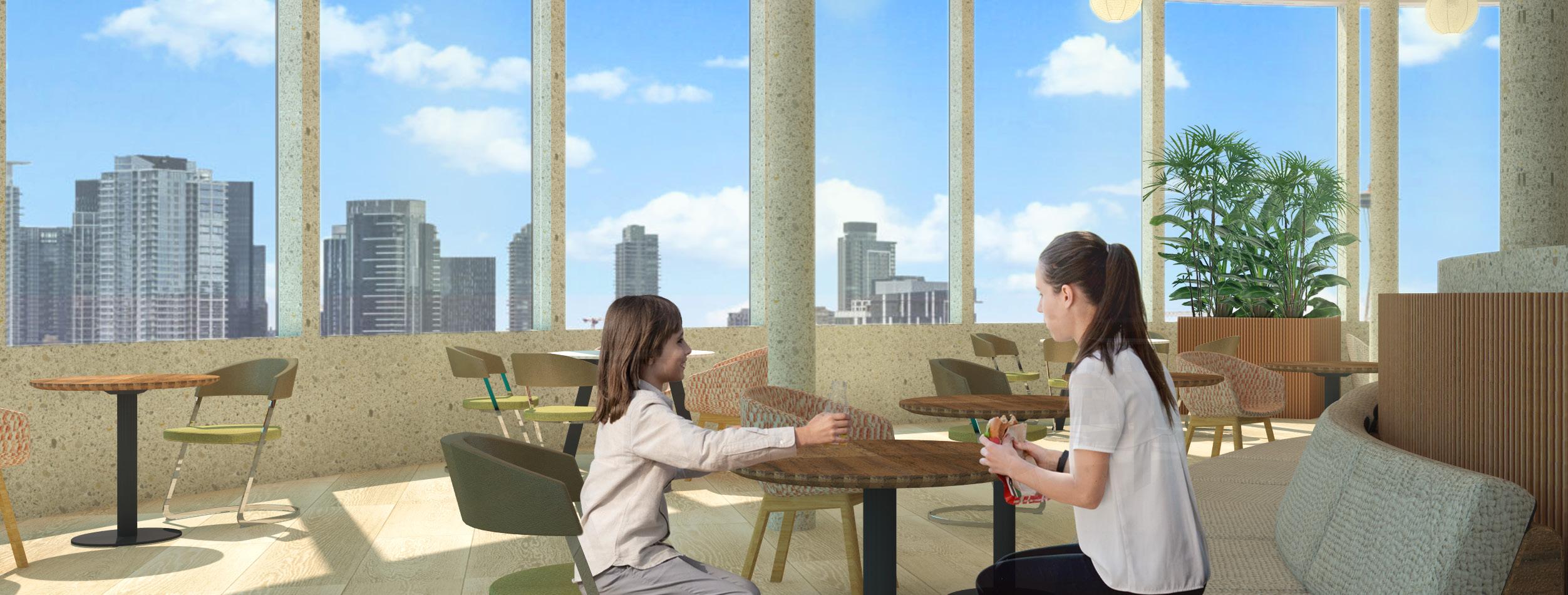
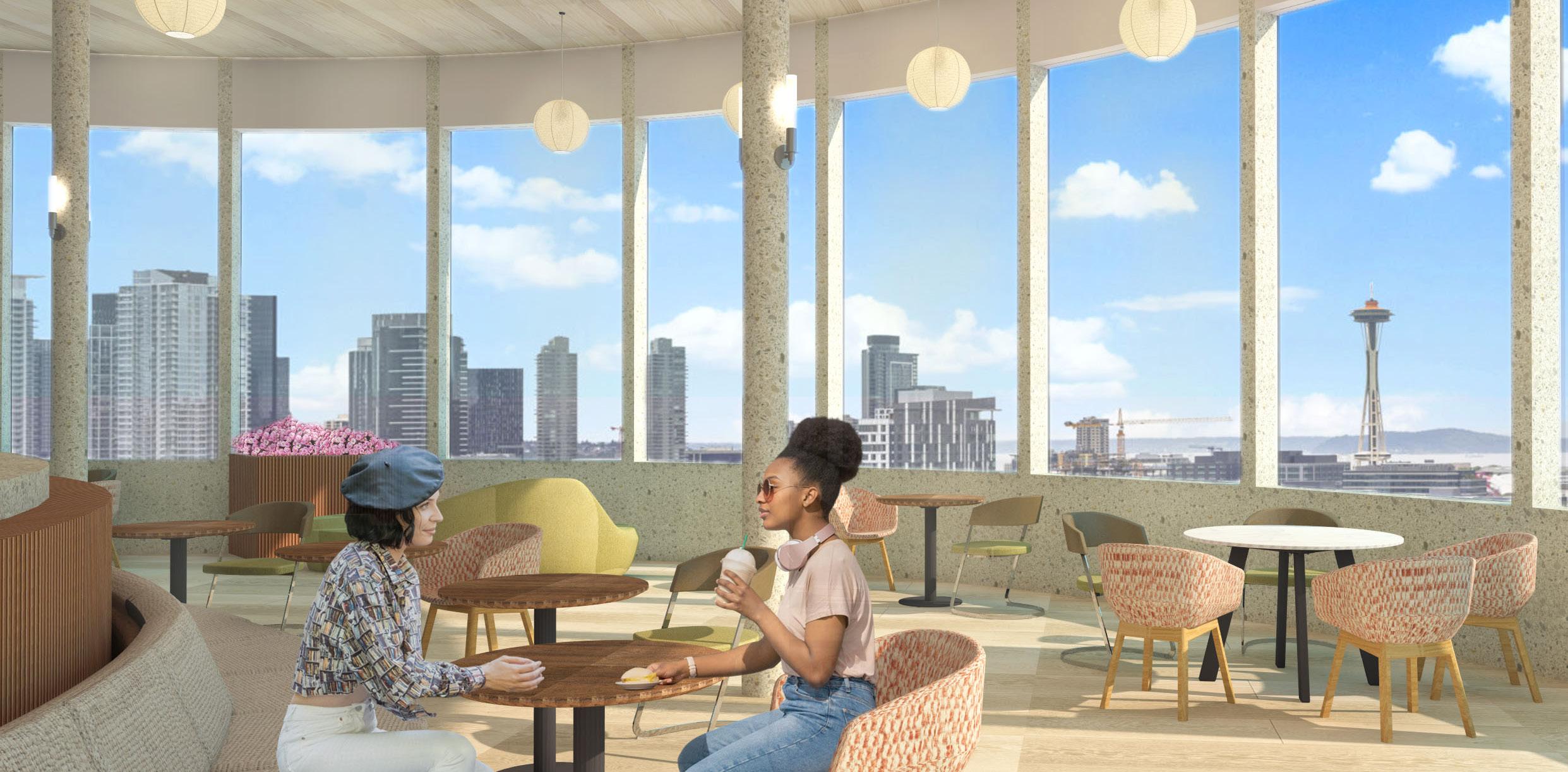
The provision of seating through the first and second floor workspaces serves the local community as an alternative to ‘out of office’ workspaces allowing for more exploration within the local South Lake Union neighborhood.
1) Workspace and rest area
2) Garden demonstration room
3) Cafe and juice bar
4) Kitchen storage
5) Maintenance closet
6) Elevator
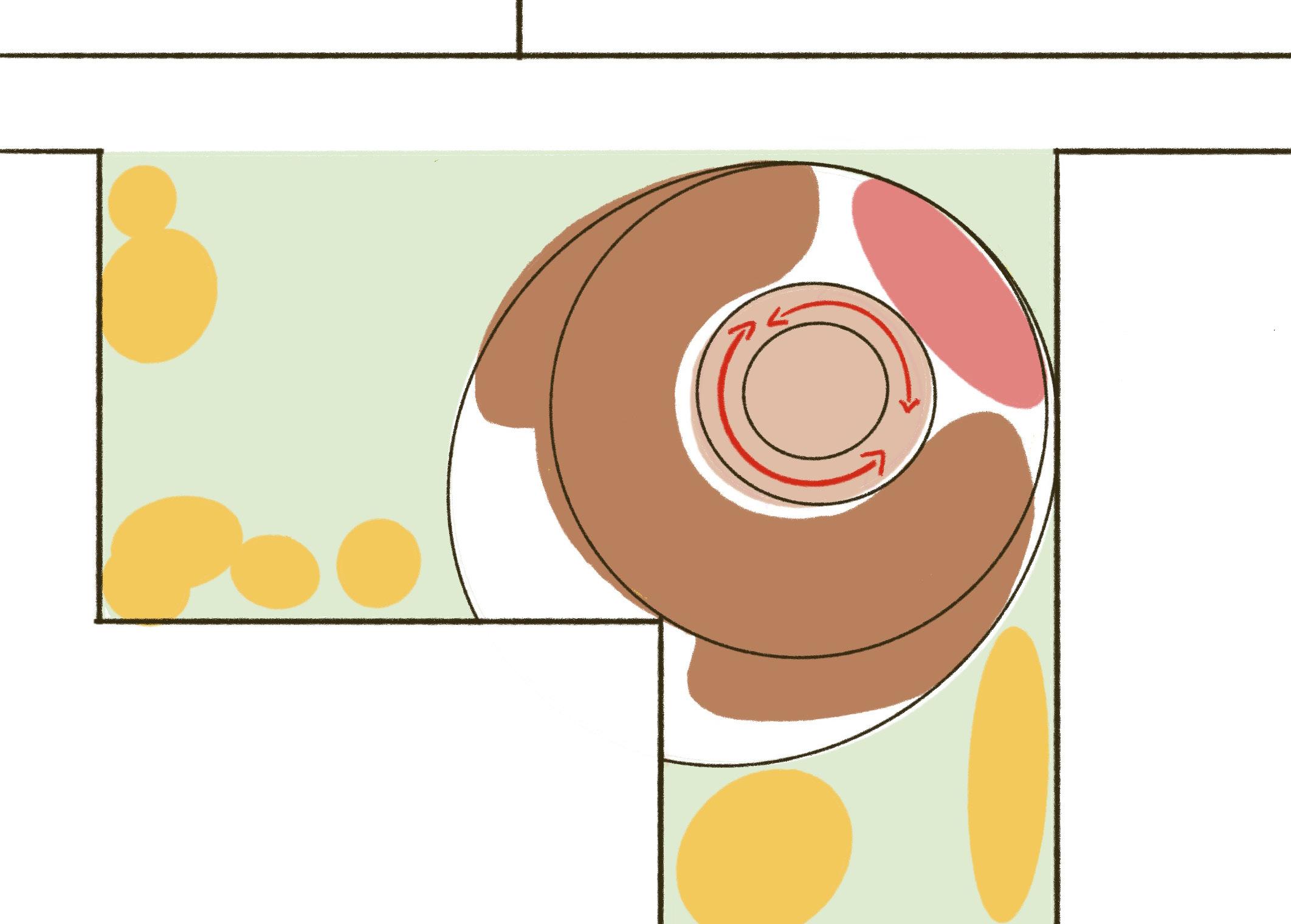
PROGRAMMING
1) Workspace and rest area
2) Elevator
3) Restrooms
4) Storage closet
SPRING 2023
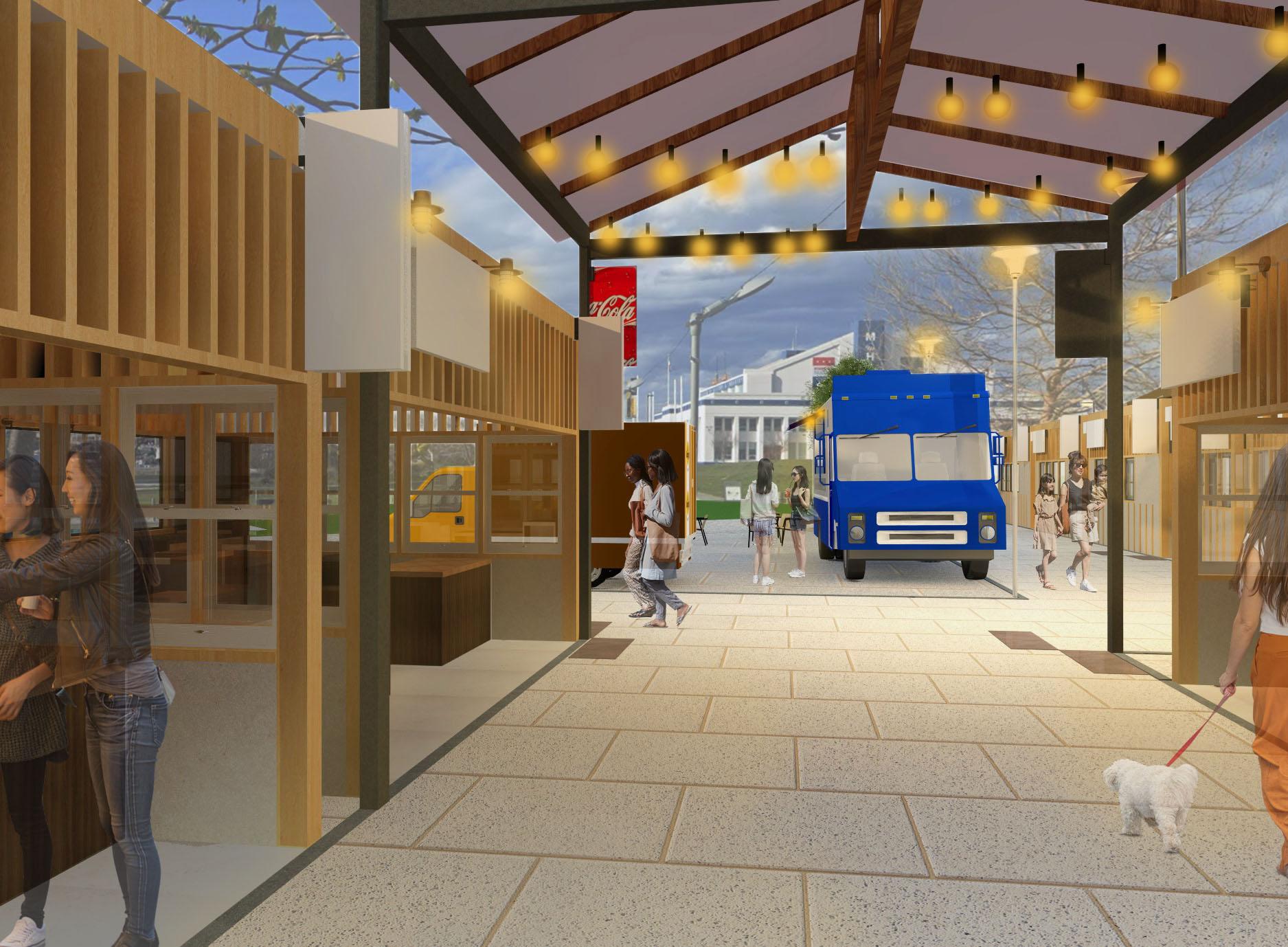
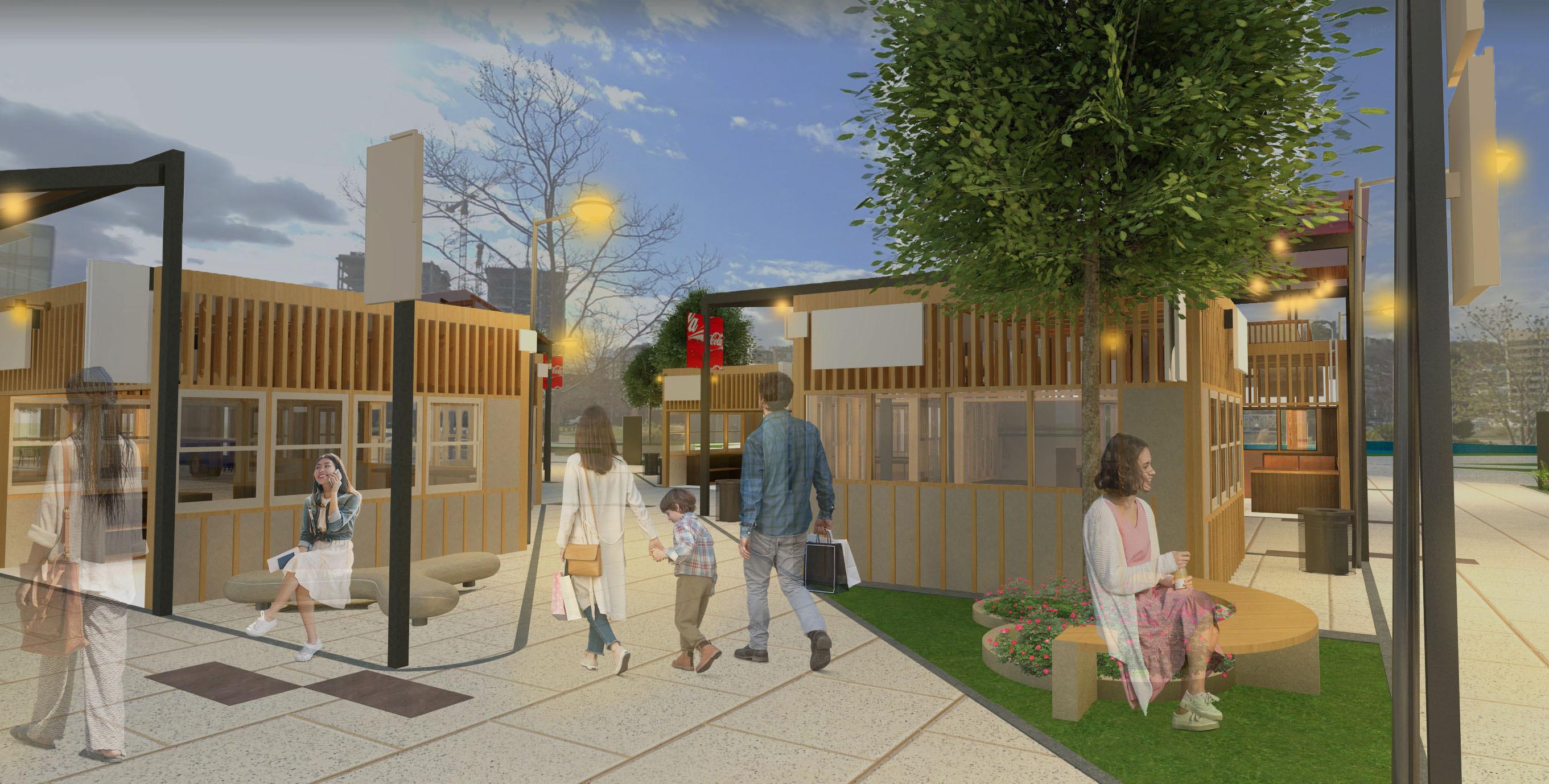
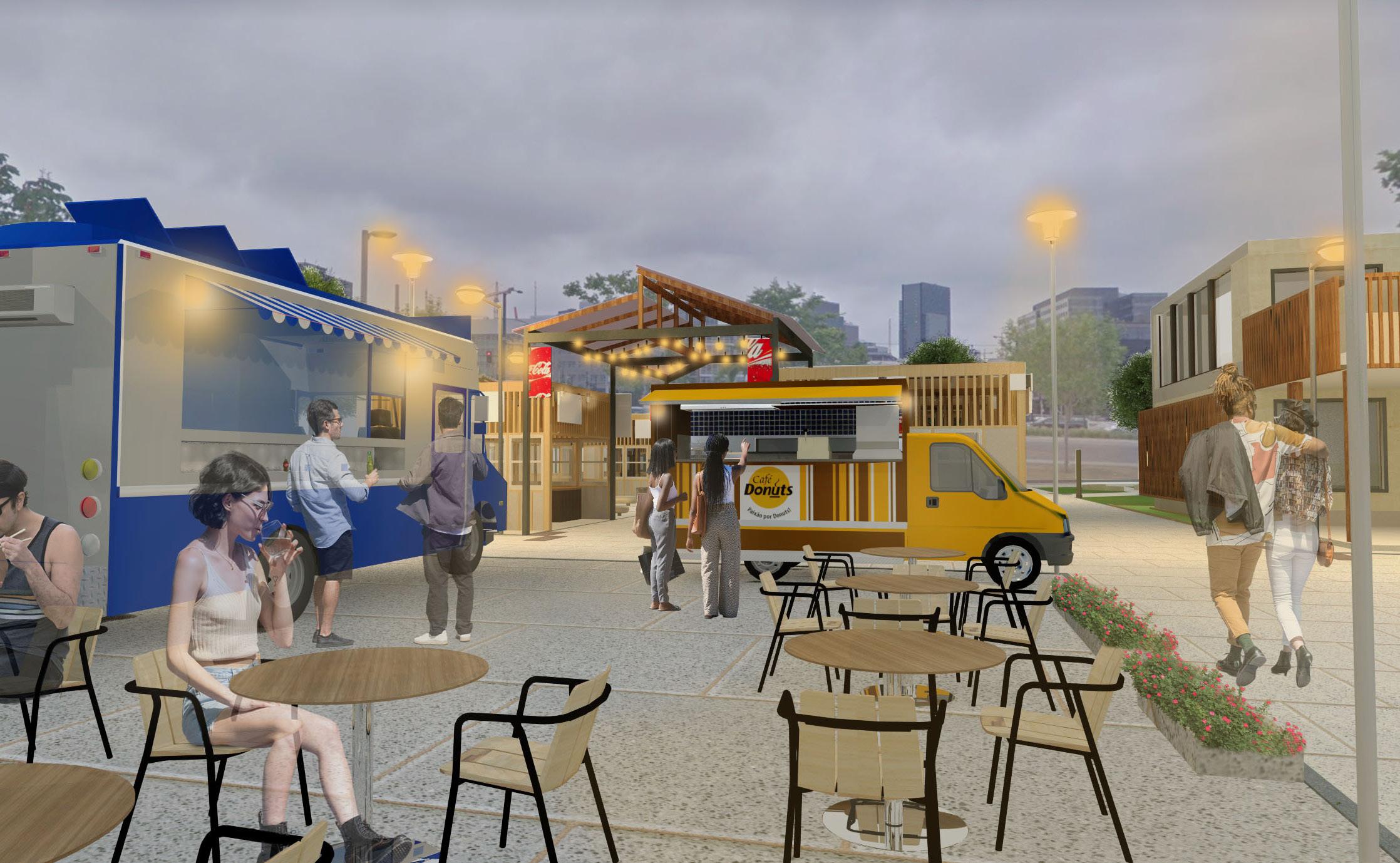
As the theme of food is explored, we will design an outdoor food market / street food experience inspired by the traditional night markets that originated in medieval China (circa 8th - 9th centuries AD) and spread to other parts of Asia as well as worldwide.
Markets are more than just sites for the selling and buying of goods. A neighborhood market offers the opportunity to engage members of a community with each other and breathe life into the neighborhood. The proposed night market is located within the Cheshiahud lake Union Loop in the South Lake Union neighborhood in Seattle. The South Lake Union neighborhood is missing a needed sense of nightlife flowing through as it almost seems to shut down from 6 PM till the following morning. The reason is that the area hosts many corporate offices but that fact should not take away from the people who reside in the neighborhood and those around it. The proposed night market is built on principles of connecting with nature, engaging in the community, and breathing in life and color to a neighborhood that has people who search for excitement after office hours.
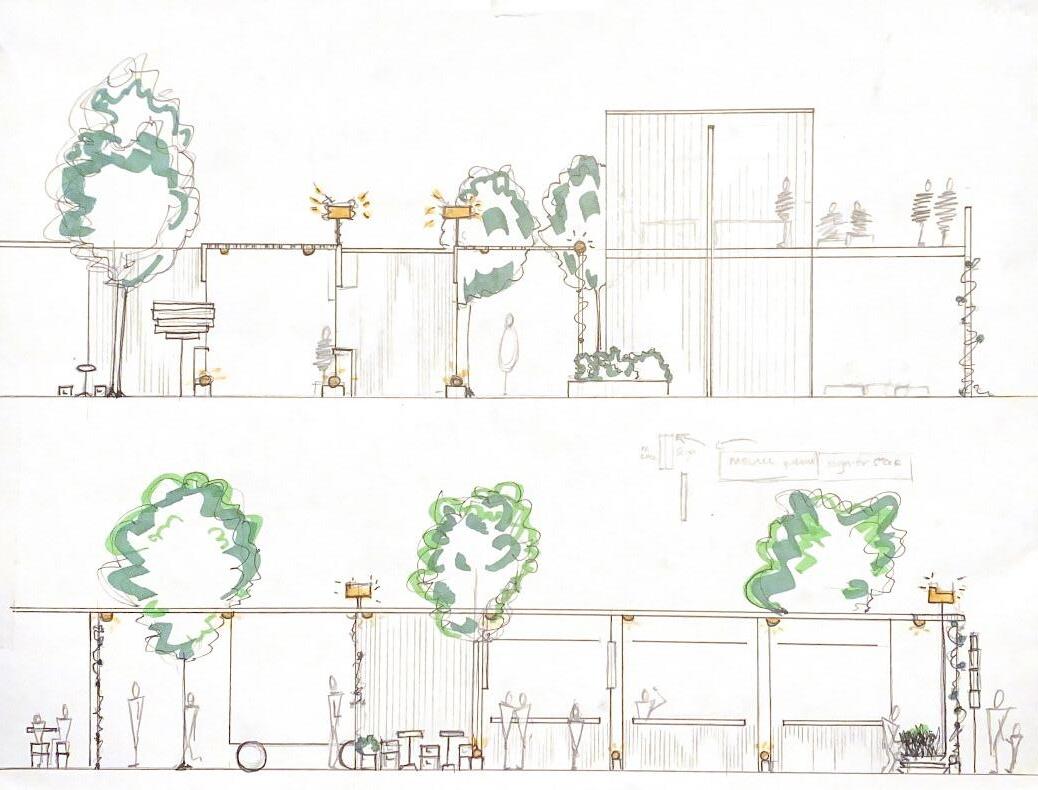
SECTION A
SCALE: 1/16” = 1’
The market is made up of a total of 56 operating vendor stalls on a plot that is 72,000 sq ft. Of that total, three vendor booth options will be offered; 18’ x 15’, 15’ x 15’ and 10’ x 15’. Food trucks on site are considered as stalls at the night market. On site, there are green grounds and sectioned off pavilions for seating that go one floor up for better views of the market, lake and even the Space Needle. For engagement with local artists, a performance stage area is sectioned off at the center of the market for music/ dance performances.
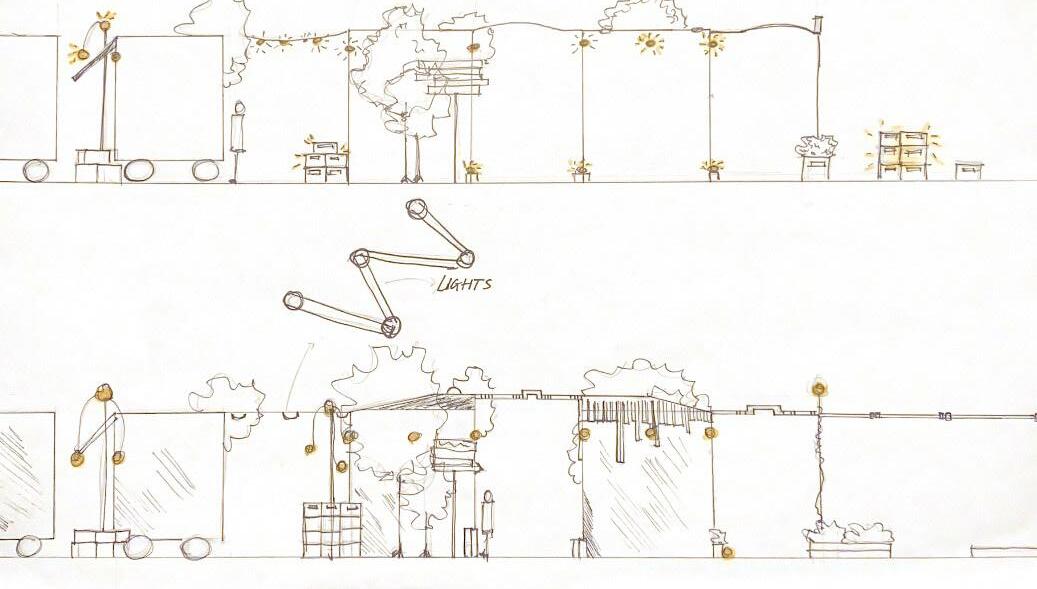
SECTION B
NIGHT MARKET SITE PLAN : NOT TO SCALE
GREEN SPACE
FOOD TRUCK LOT
SEATING PAVILION
FOOD TRUCK LOT
MARKET MANAGEMENT
GREEN SPACE
GREEN SPACE
FOOD TRUCK LOT
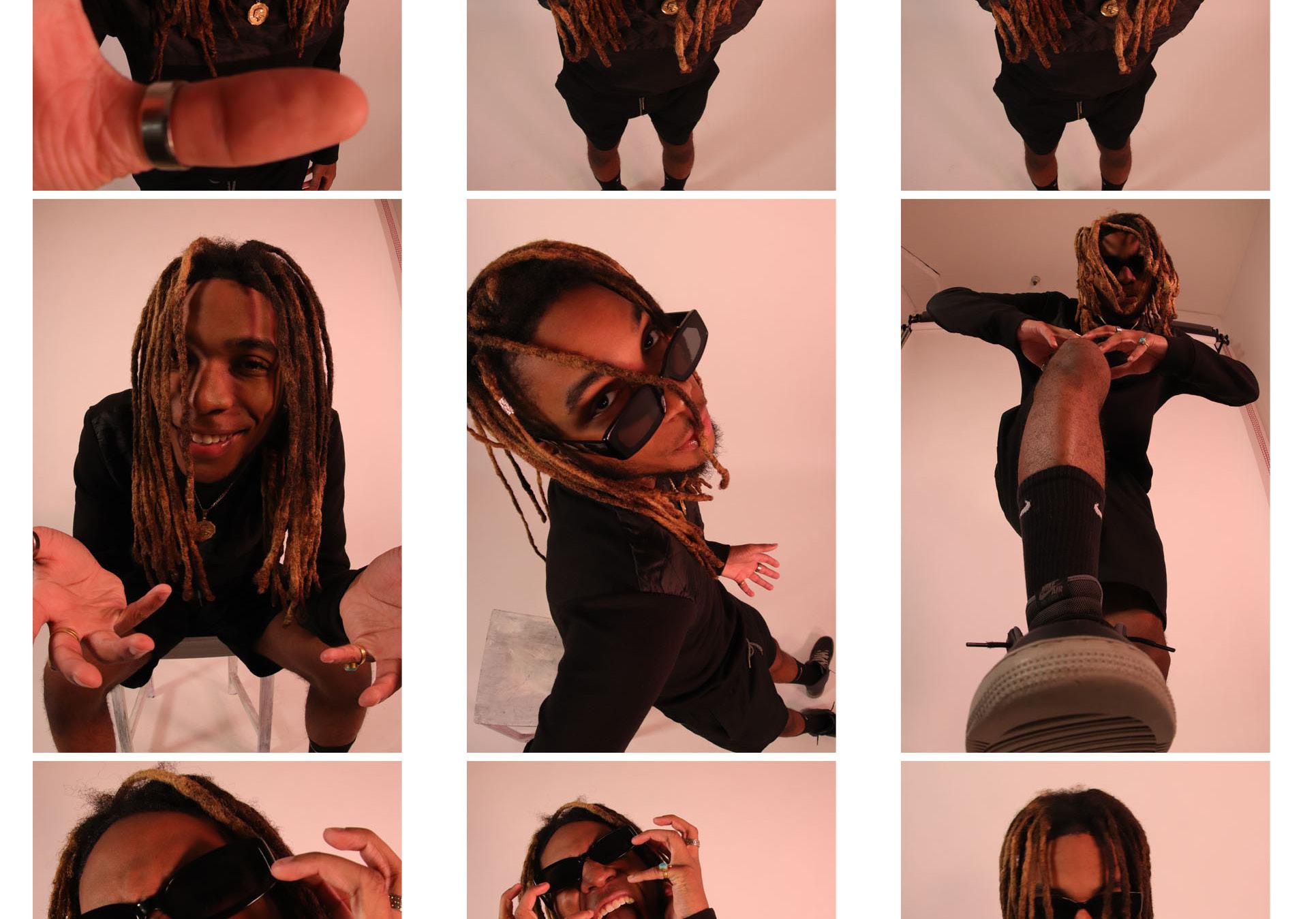
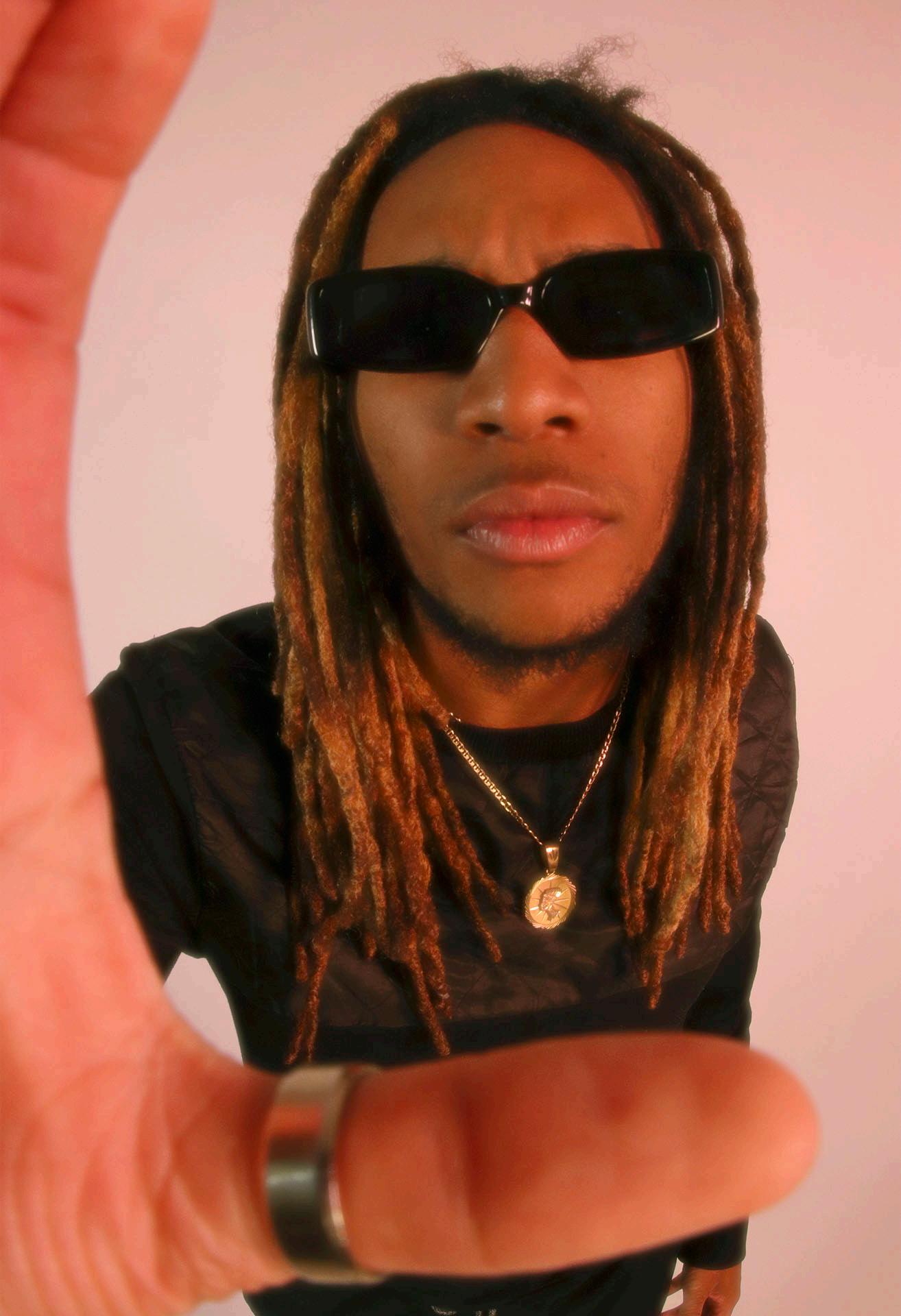
Outside of interior architecture, I enjoy exploring different art mediums and finding ways to express my creativity.
Through digital photography, I find the medium as a way to capture and showcase the human essence and emotive experiences core to us as people. My photography process has transferred into my other design processes where I seek to create stories that dig in to different subjects and pull out an emotive response from the viewer. In these images, part of two series of separate works, I wanted to hold on to the personality of the subjects in frame, and share that with an audience of people who have never met them. SOFT. IN
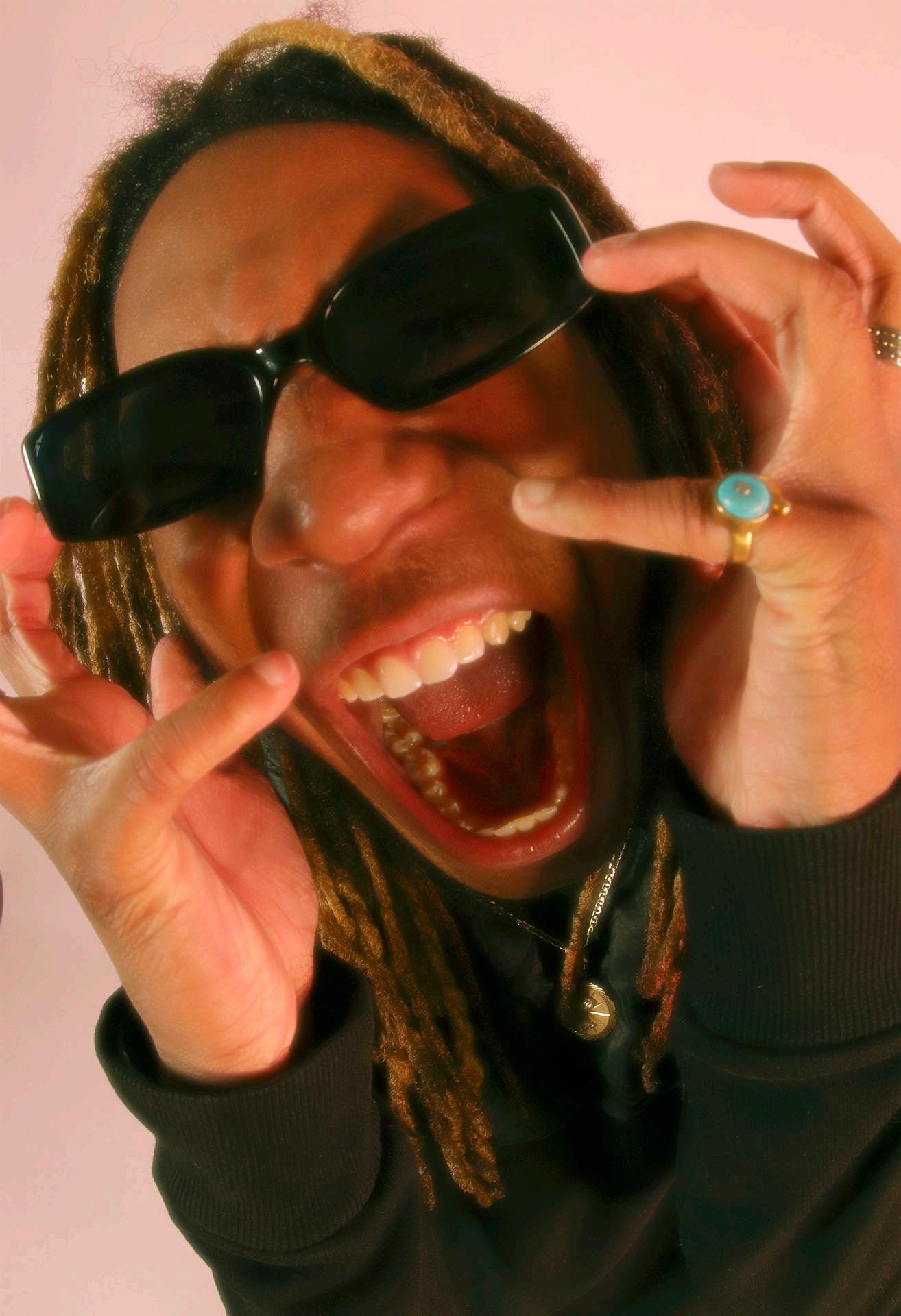
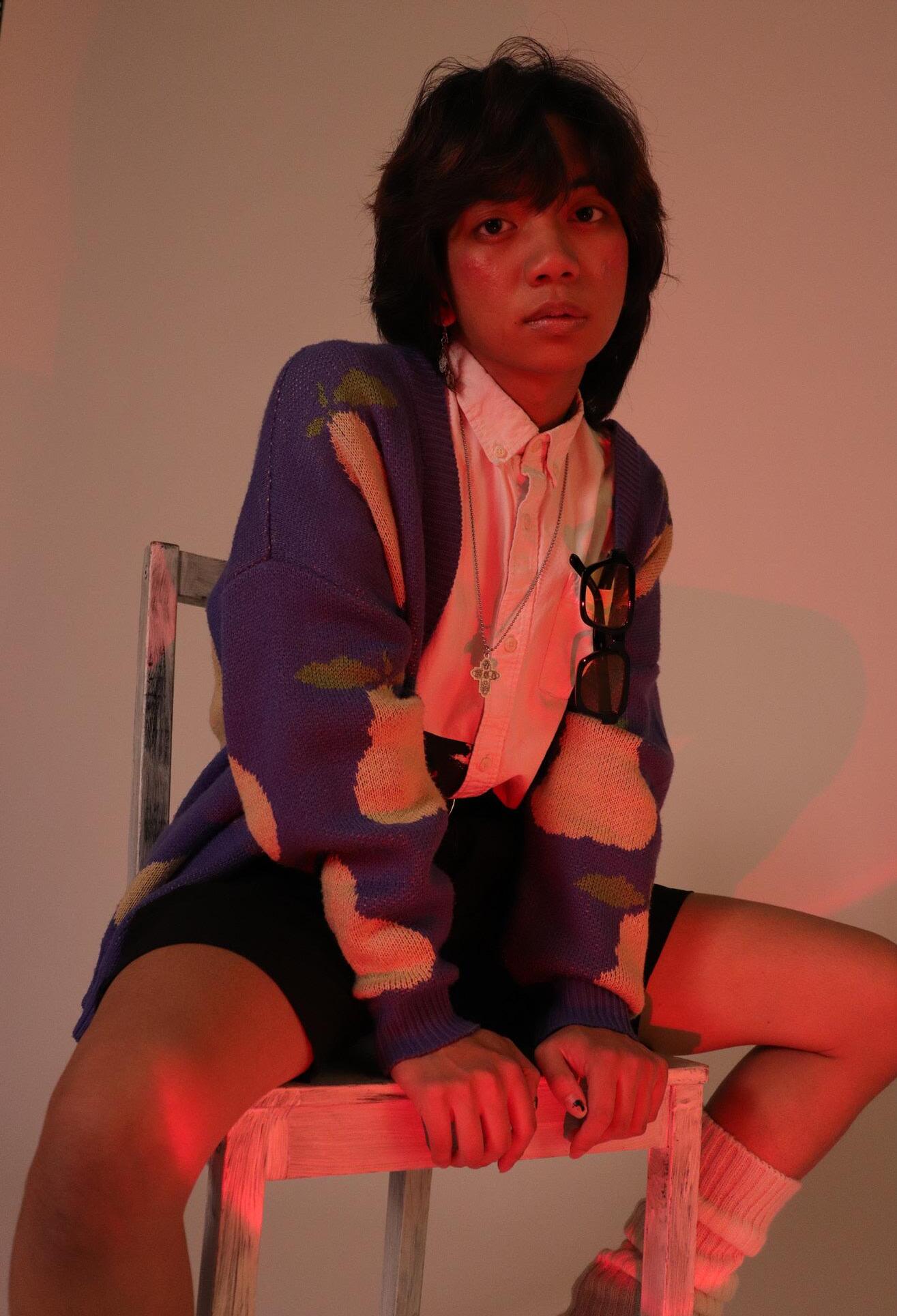
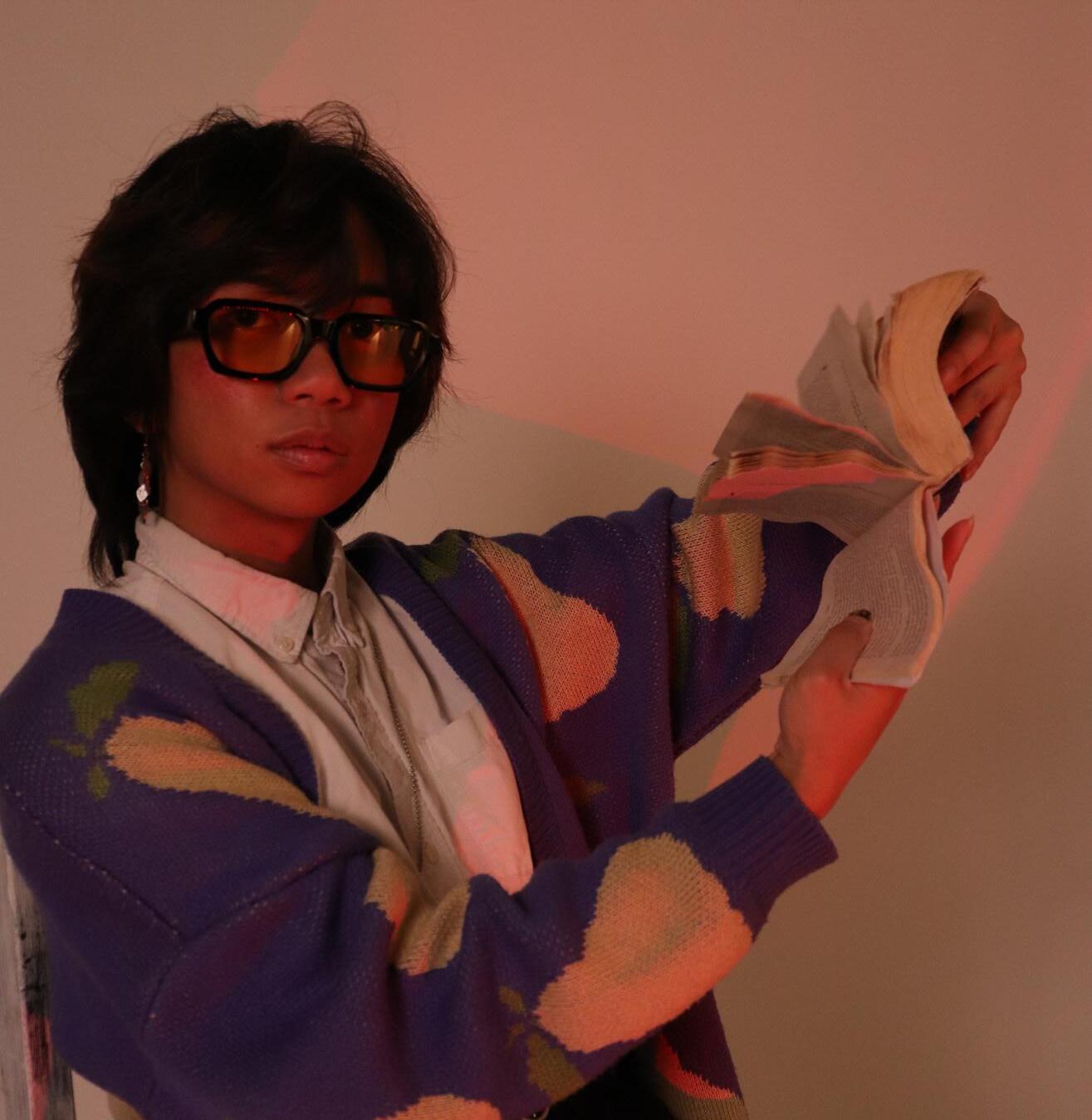
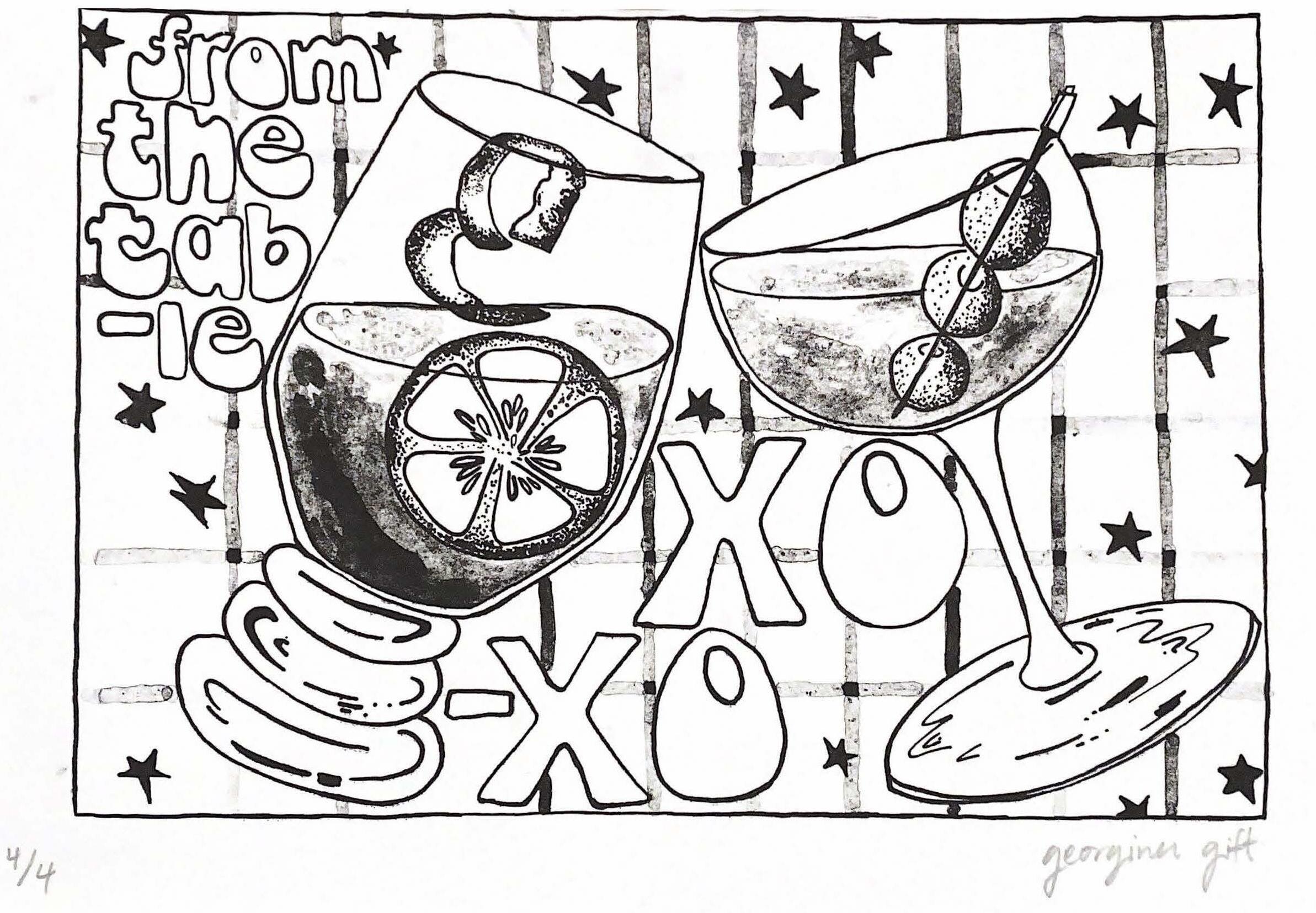
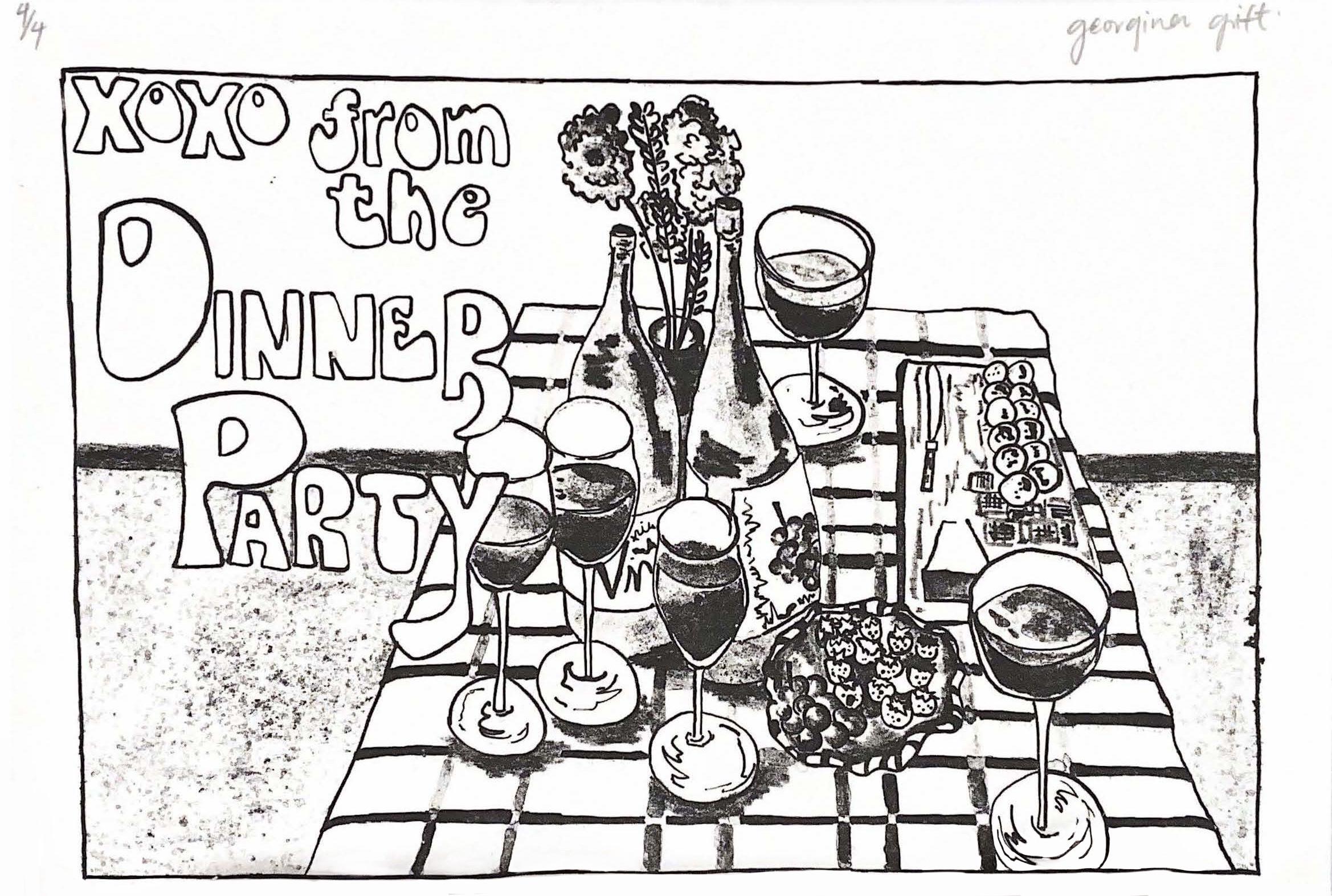
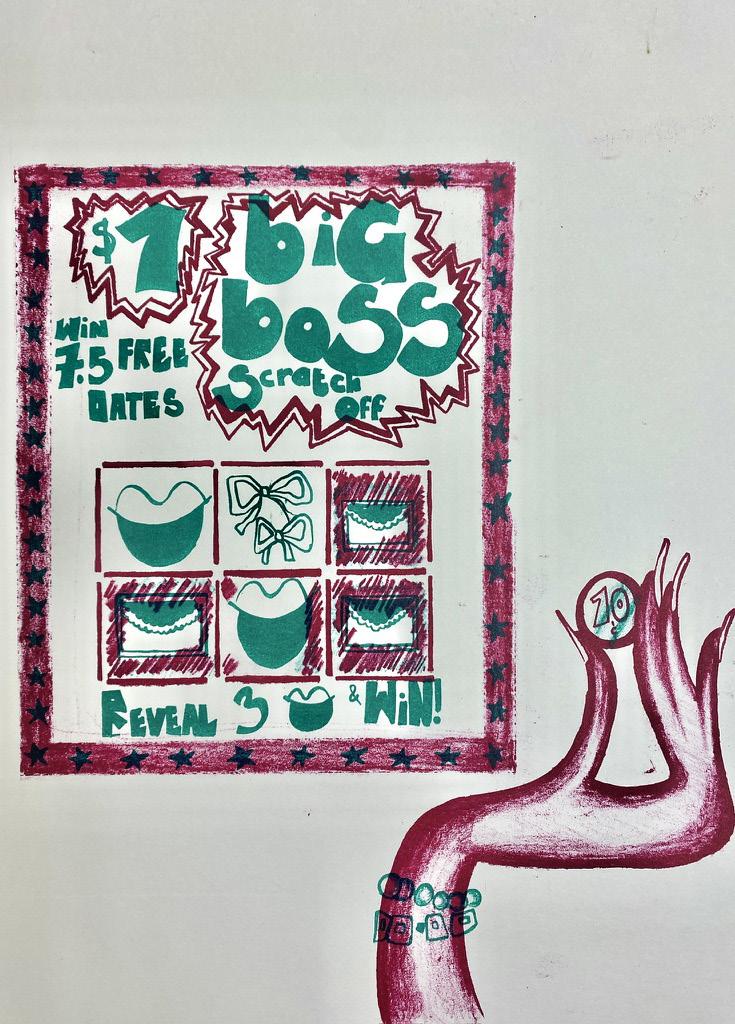
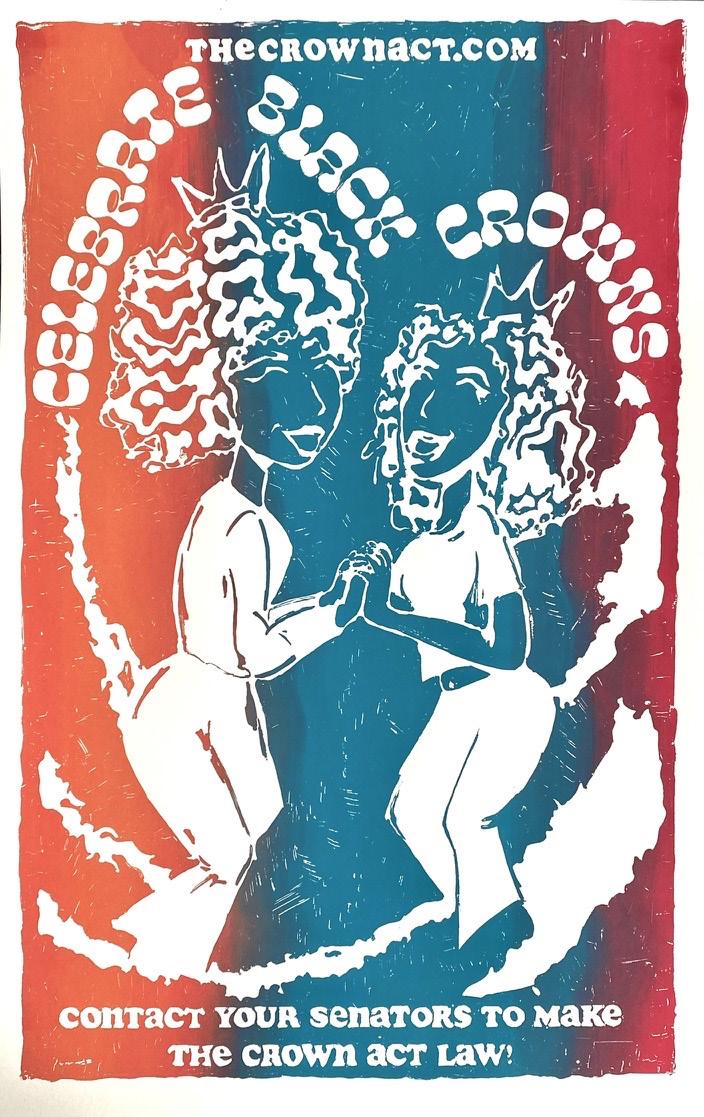
My printmaking processes have allowed me to experiment with new materials and technologies unfamiliar to me. Through screen-printing and lithography processes, I have been able to explore different parts of my creativity that has resulted in experimentation and play with composition and color, something I take with me to my other design processes.
georgina gift . interior architecture portfolio